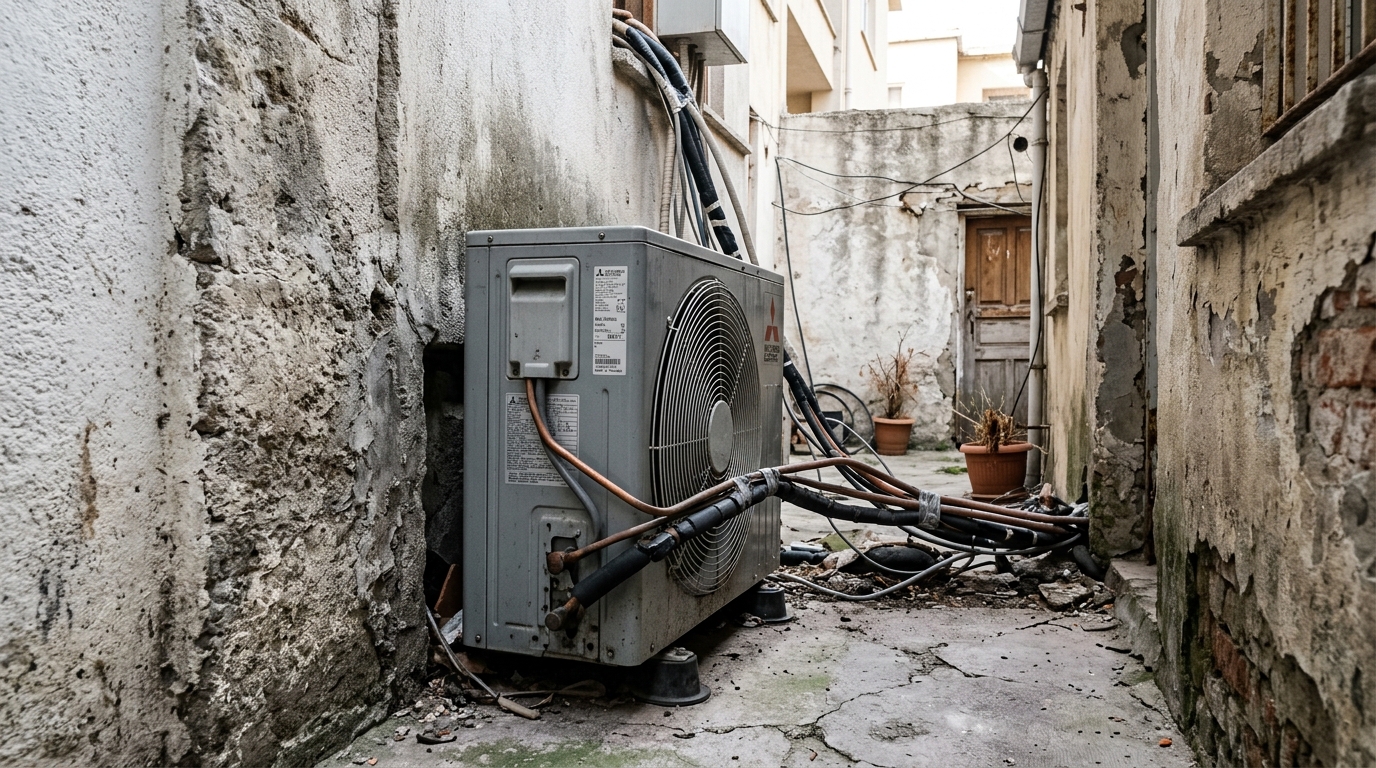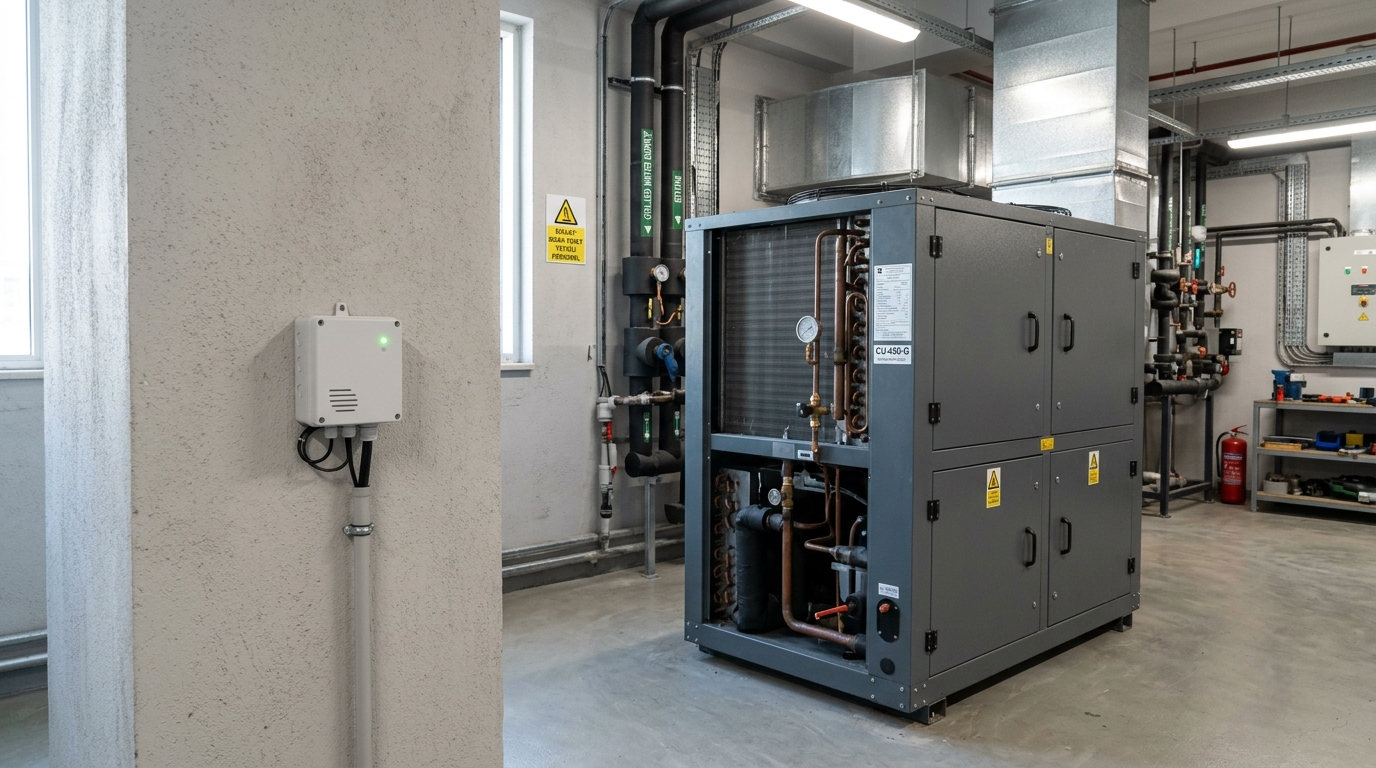
The oil that lubricates the compressor circulates in the refrigeration circuit together with the refrigerant. Most of this oil must return to the compressor; otherwise it accumulates in the evaporator and the compressor runs short of oil. This article explains how the oil circulates in the system, why it can accumulate in the evaporator, and which design features support oil return.
Table Of Contents
- How Does Compressor Oil Circulate In The System?
- Why Does Oil Accumulate In The Evaporator?
- Which Design Features Support Oil Return?
- What Are The Consequences Of Poor Oil Return?
- How Are Commissioning And Control Carried Out?
- Frequently Asked Questions
How Does Compressor Oil Circulate In The System?
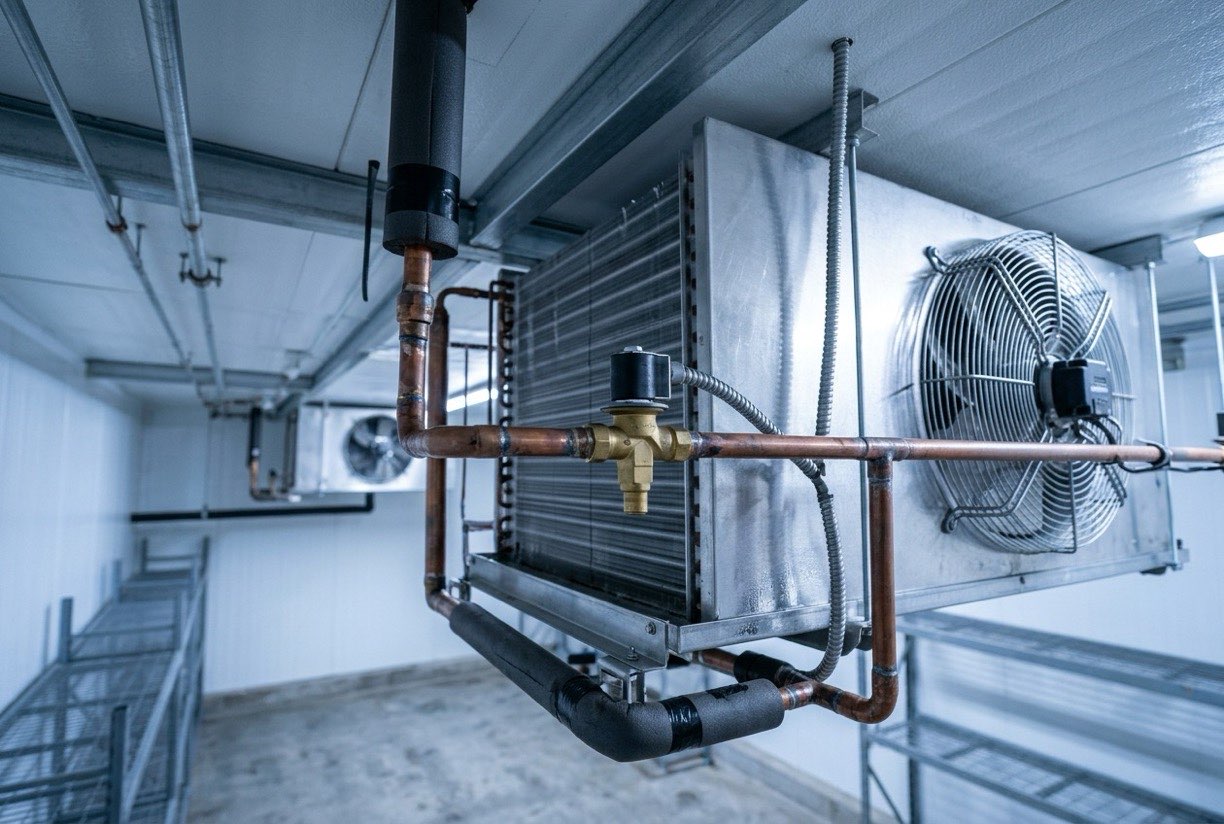
Compressor oil travels mixed with the refrigerant to the condenser, then through the liquid line to the evaporator. As the refrigerant evaporates, the oil can start to remain inside the evaporator and the suction line. This oil must be carried back to the compressor.
Oil return depends on the gas velocity and the slope of the suction line. When the gas velocity is high enough, oil droplets are carried along by the gas flow.
Part of the compressor oil leaves the compressor together with the gas during compression and mixes into the refrigeration circuit. This mixing comes from the ability of the oil to dissolve in the refrigerant. The oil travels with the refrigerant through the condenser, the liquid line, the expansion valve and the evaporator.
As it is carried inside the refrigerant, the oil changes its behaviour with variations in speed, temperature and pressure. When the refrigerant speed is sufficient, the oil is carried forward as droplets. When the speed falls, the oil can settle on the bottom of the pipe and begin to collect.
The return of oil to the compressor takes place through the suction line. The suction gas must have a speed that carries the oil back towards the compressor. If this speed cannot be achieved, the oil stays in the evaporator or at the low points of the line, and the oil level in the compressor falls.
This circulation of oil is one of the most important balances in the refrigeration system. For enough oil to remain in the compressor, most of the circulating oil must return. The rate of return depends on the design of the system and its operating conditions.
The behaviour of the oil also changes with the type of refrigerant in use. Some refrigerants mix well with oil, while others can separate it and cause it to settle at the bottom. For this reason oil circulation is understood by assessing the refrigerant and the oil type together.
Oil circulation is related not only to the design but also to operating habits. A system that runs with suddenly changing loads, or that often stops and starts, can make oil return harder. For this reason the control strategy should also be set up so that it takes oil circulation into account.
Why Does Oil Accumulate In The Evaporator?
When oil mixes with the refrigerant, its viscosity and density change. At low gas velocity the oil can settle at the bottom of the line. Part-load periods, when the evaporator runs at low flow, increase this risk.
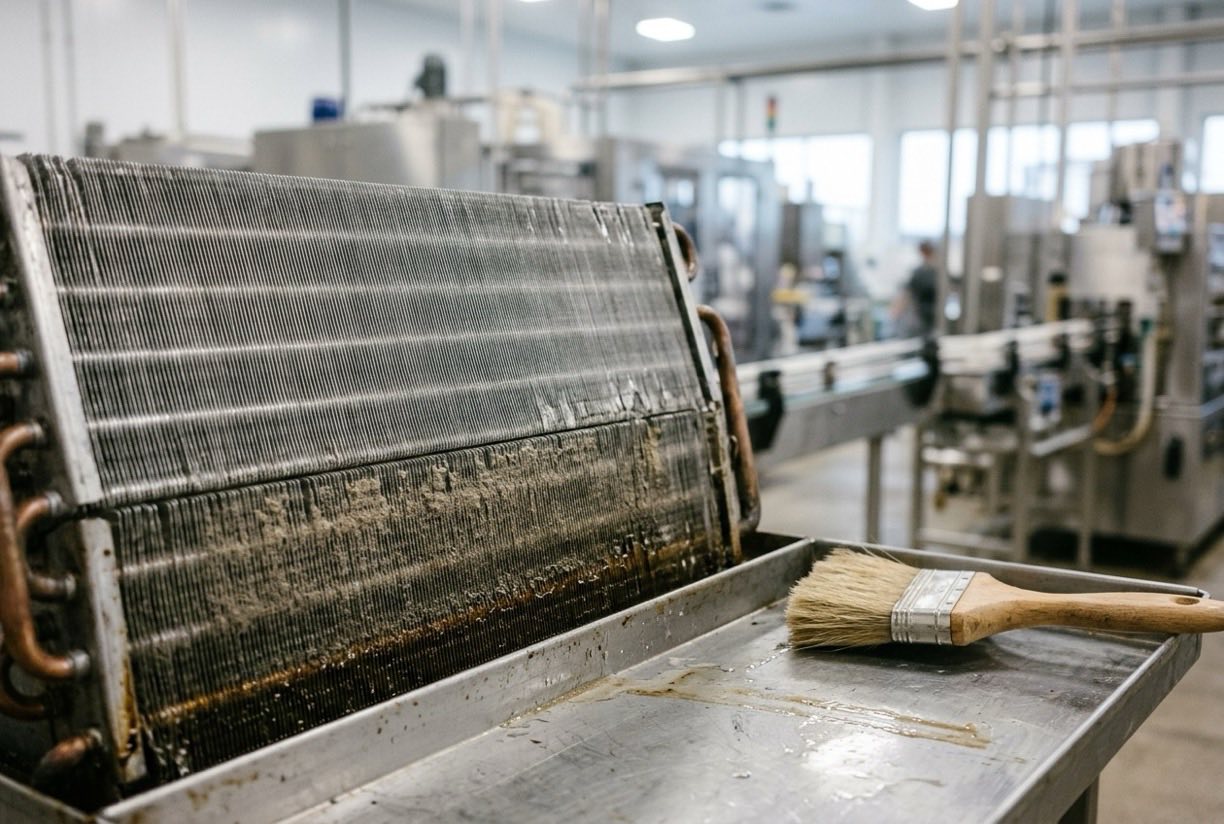
Accumulated oil can also reduce the heat transfer inside the evaporator. If an oil film forms on the surface, the evaporation of the refrigerant becomes more difficult.
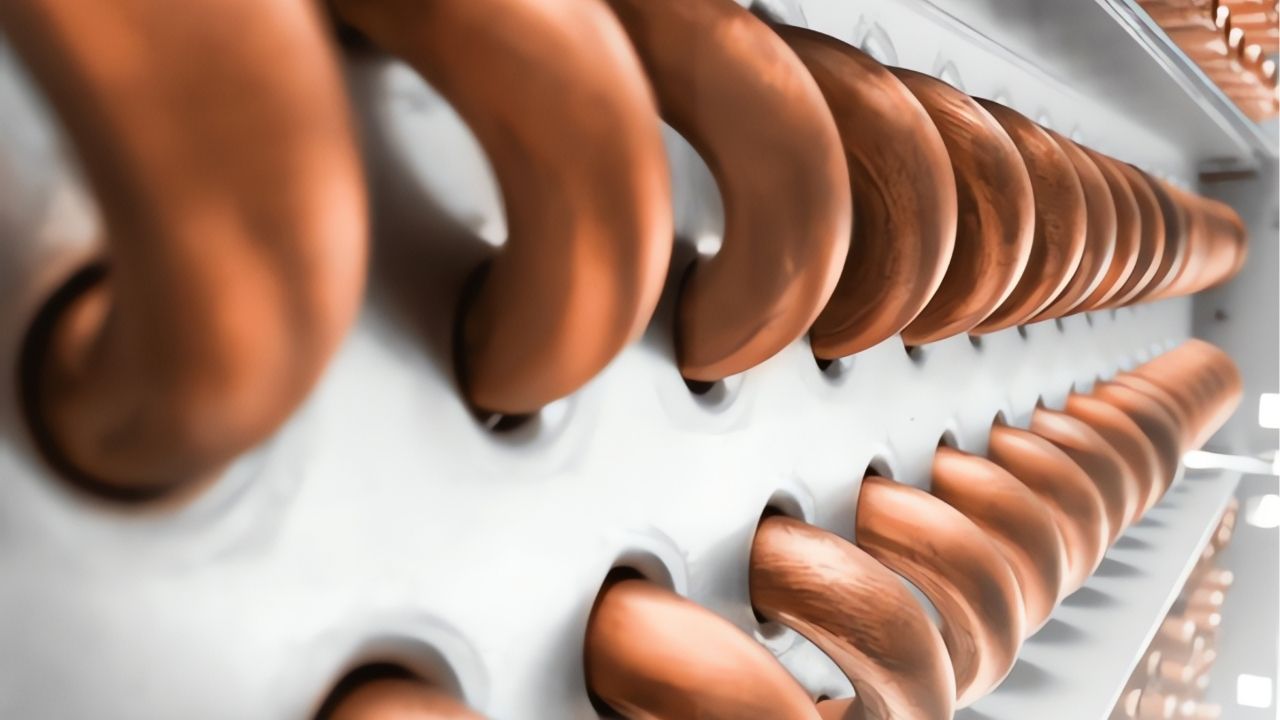
Oil accumulation in the evaporator is most noticeable in zones where the refrigerant speed is low and in horizontal sections of the line. Oil cannot be carried along by a slowly moving gas and settles at the bottom. Over time this build-up reduces the heat transfer surface of the evaporator.
During periods when the evaporator runs at part load, the refrigerant speed may fall below what is expected. In this case the oil starts to collect in the evaporator instead of returning through the system. Part load is one of the operating conditions in which oil accumulation is most often seen.
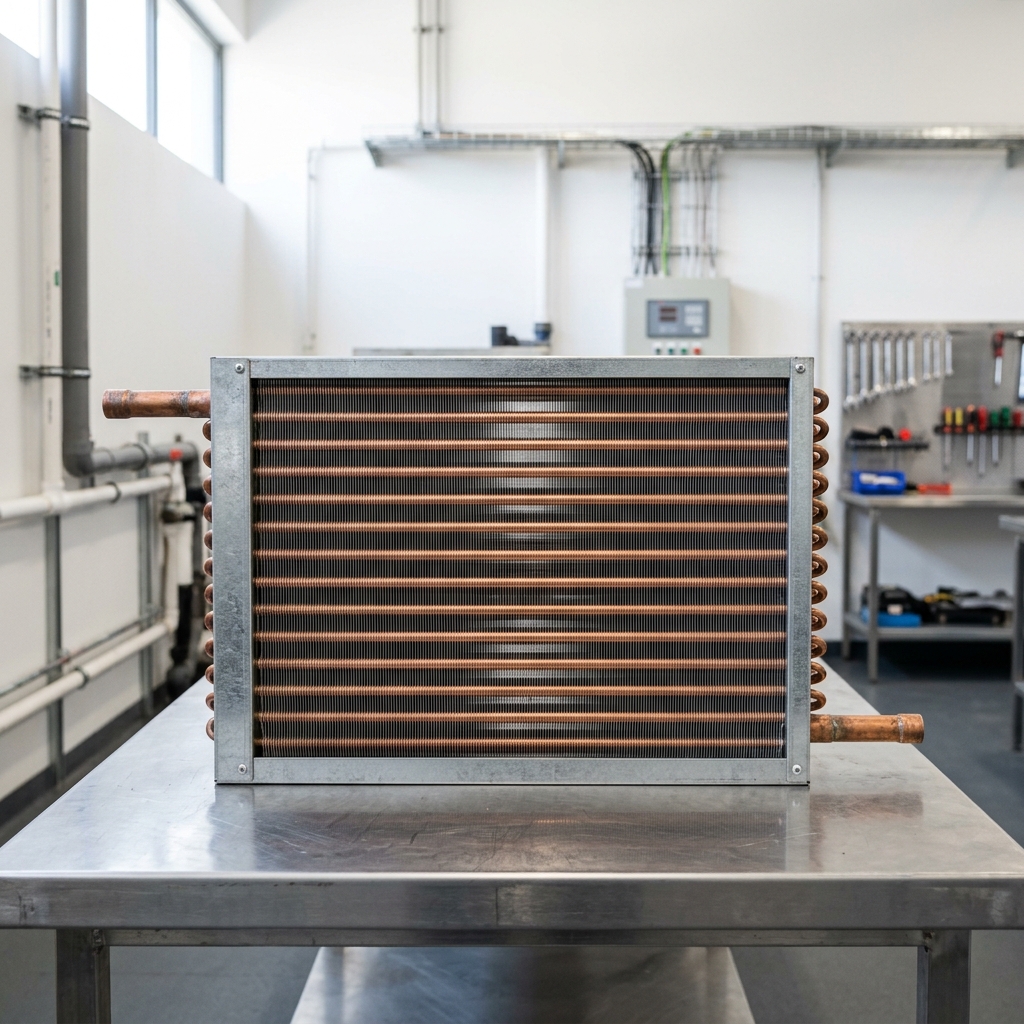
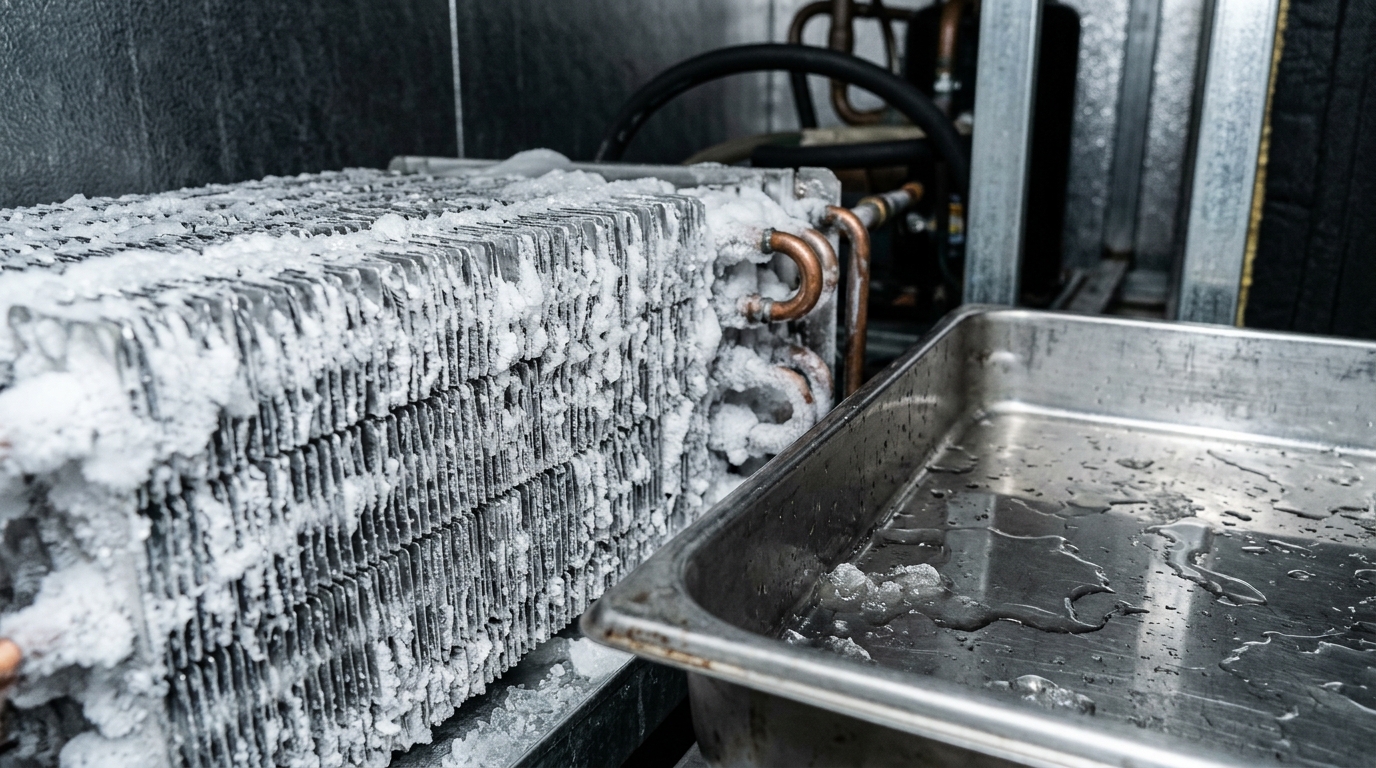
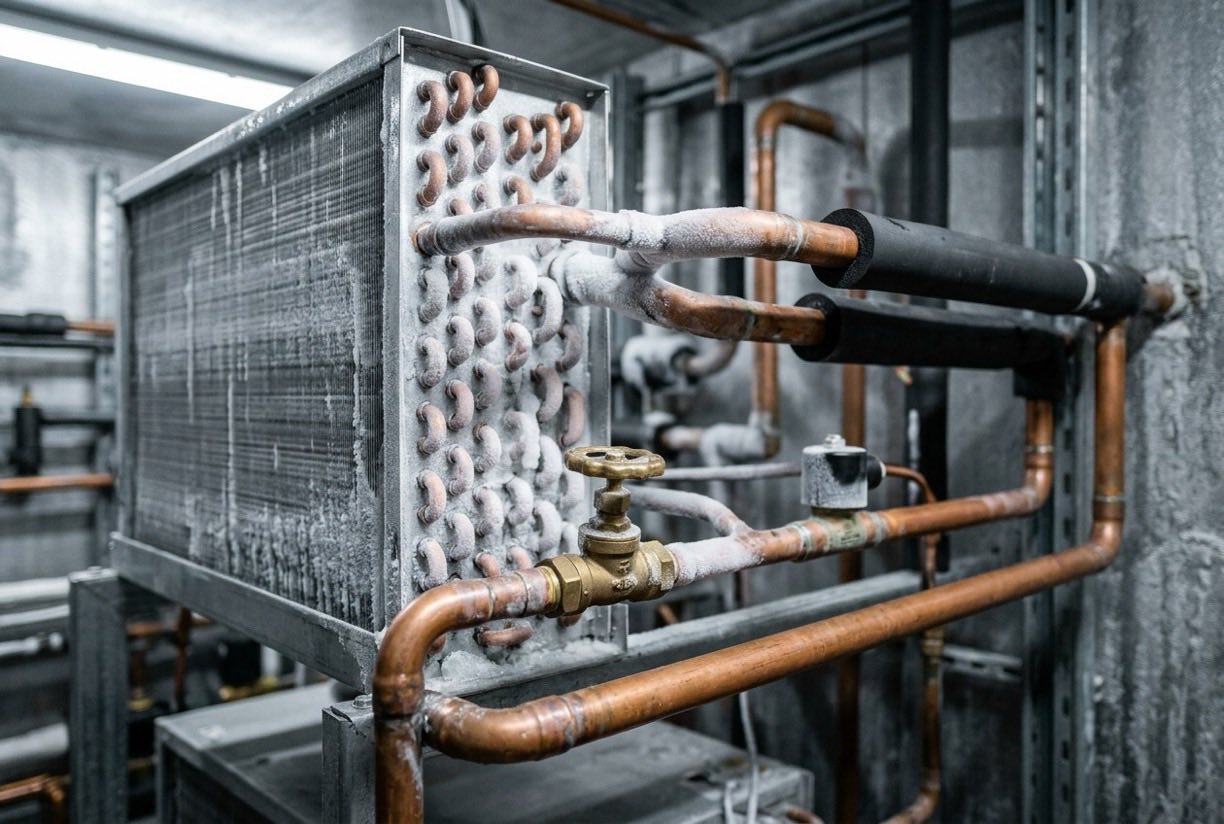
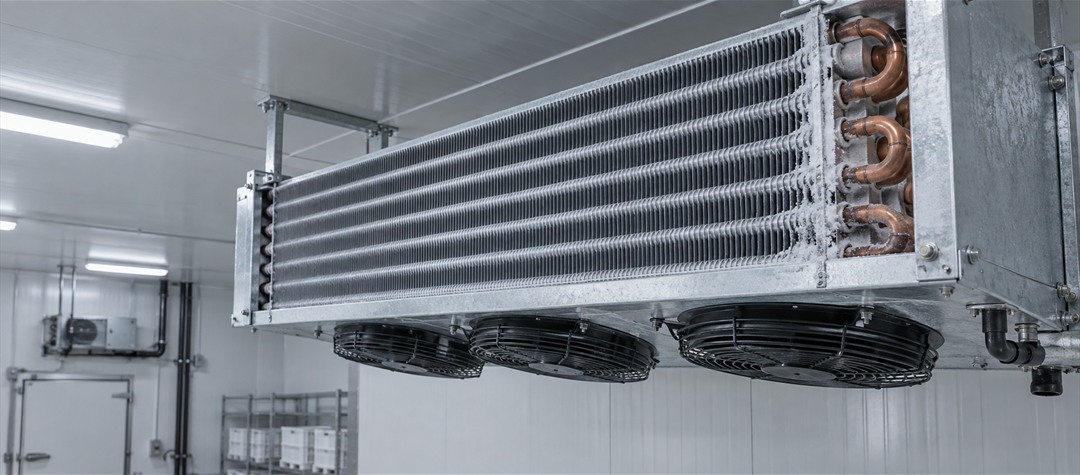
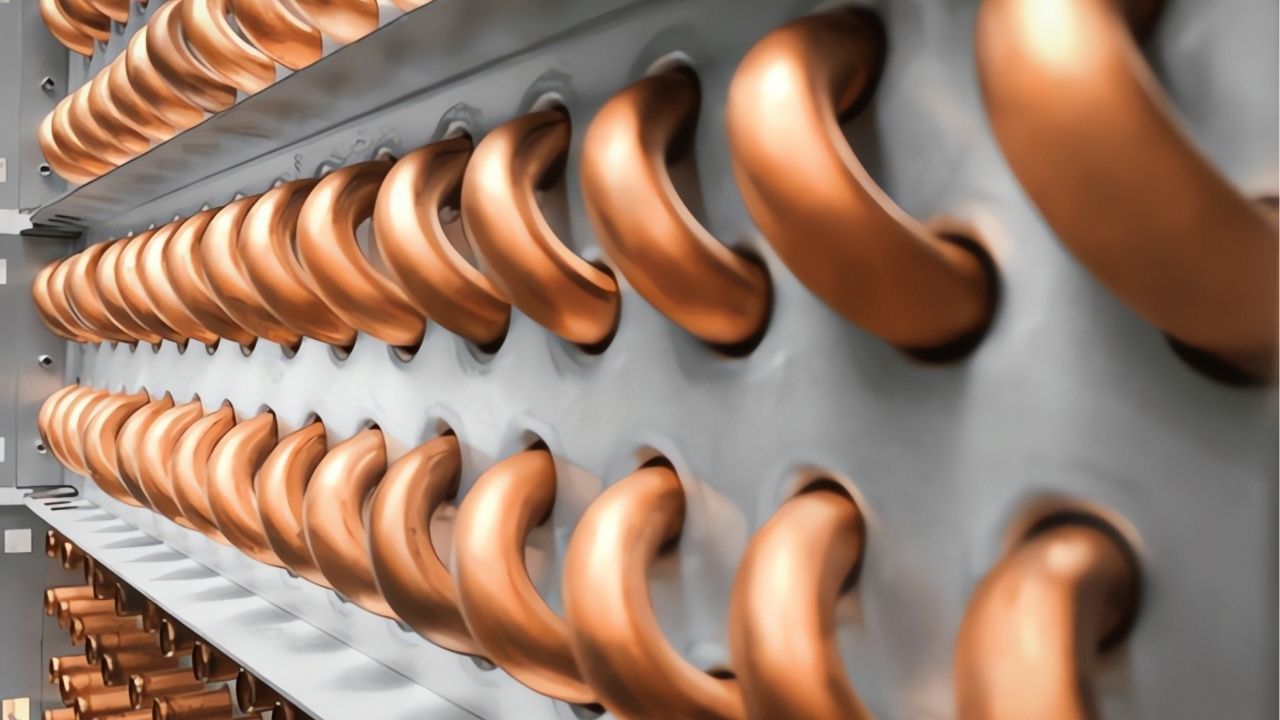
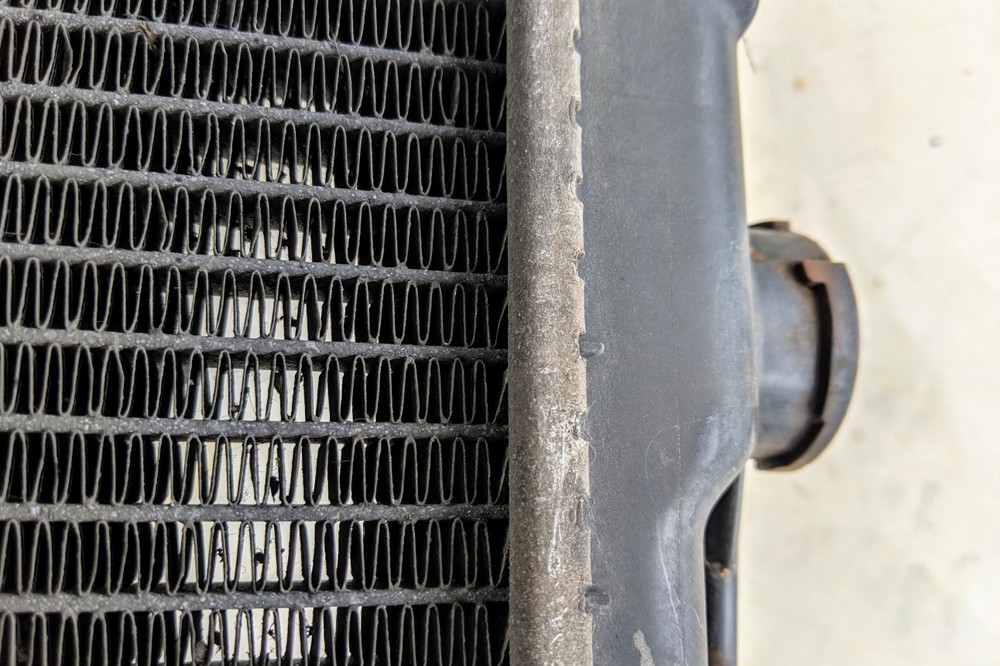
An oil film can form as a thin layer on the fin and tube surfaces of the evaporator. This film hinders heat transfer and reduces the efficiency of the evaporator. As the film thickens, the cooling capacity falls noticeably.
Oil accumulation also has an effect during defrost. An oily surface can make it harder for the ice to melt and for the water to drain. This can lengthen the defrost time and increase the ice residue left behind.
Another cause of oil accumulation is the slope and geometry of the line. A line with the wrong slope or with too many bends causes oil to get trapped. Such line errors make the build-up systematic.
Oil accumulation can continue for a long time without showing any clear fault. For this reason it is difficult to notice in its early stages. Regular records and performance measurements help to reveal the presence of such a build-up.
Which Design Features Support Oil Return?
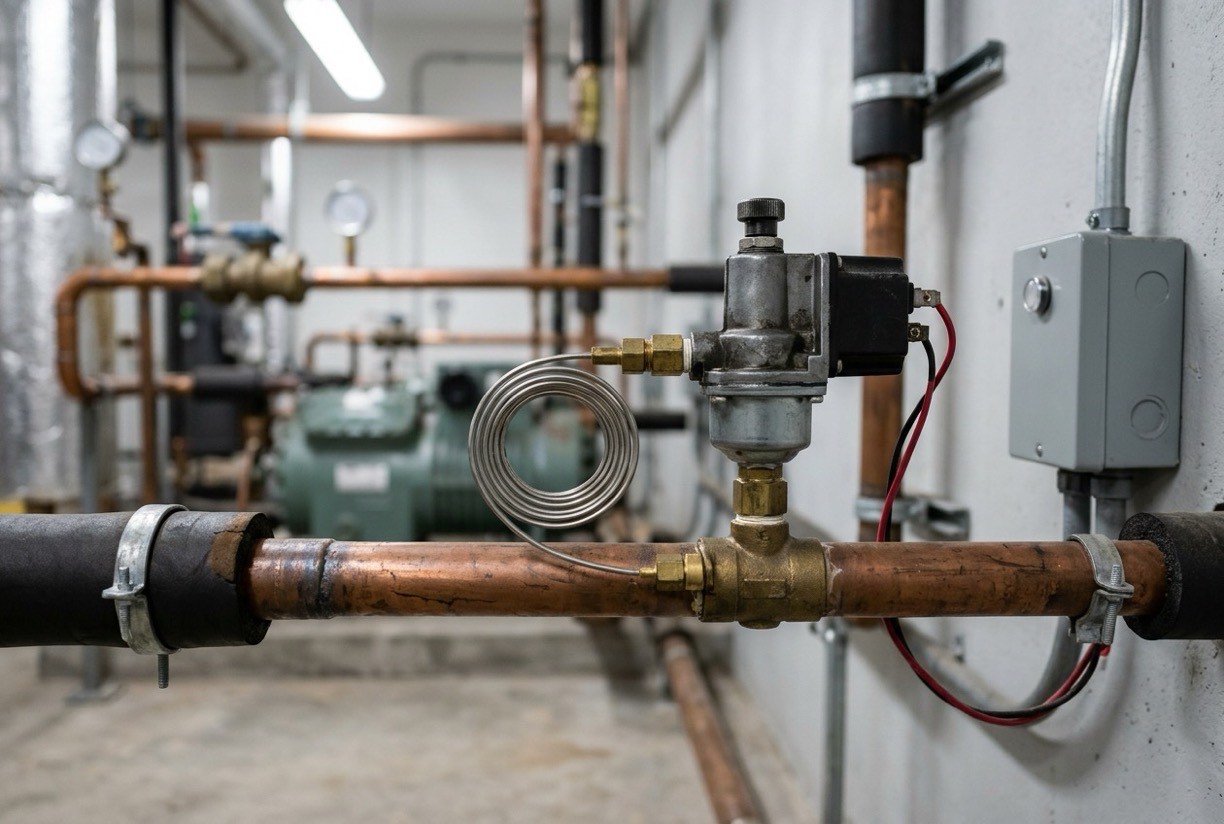
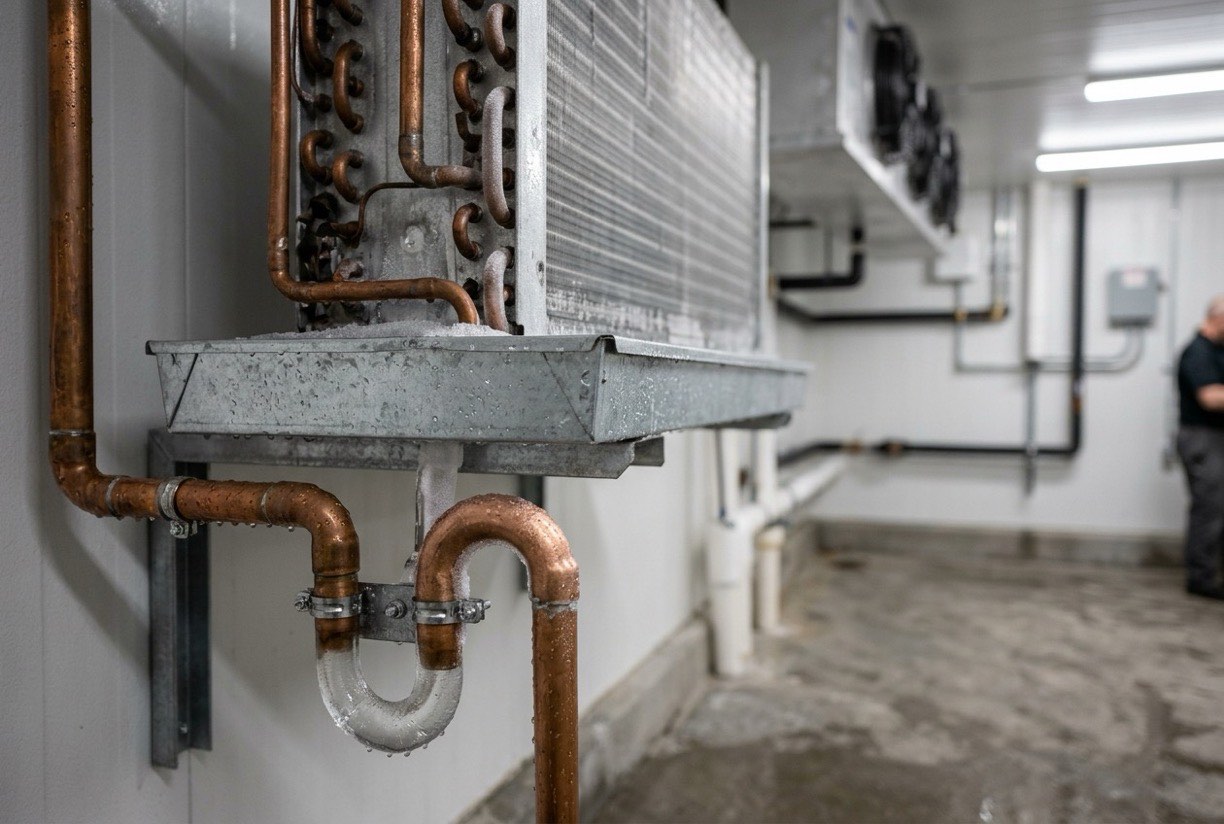
Oil return is directly related to line sizing and slope. The suction line should be sized to keep the gas velocity and laid with a slope towards the compressor. On vertical rises, an oil trap can help return the oil.
- Line diameter: It should be selected to maintain the gas velocity.
- Slope: Oil must be able to flow towards the compressor by gravity.
- Oil trap: It prevents oil from settling at vertical rises.
The most basic way to make oil return easier is to choose the right diameter for the lines. The diameter should be narrow enough for the gas to flow at a speed that carries the oil, yet wide enough not to increase the pressure drop. The balance between these two criteria is the heart of the design.
Horizontal lines should be laid with a slope so that the oil can return. The slope lets the oil flow naturally towards the compressor. The slope must be maintained in the right direction and along the whole length of the line.
In vertical risers, the gas speed must be sufficient to carry the oil upwards. On long risers, oil traps or intermediate pipe arrangements support the return of oil. These arrangements also allow the system to work across different load conditions.
An oil separator removes oil from the gas at the compressor outlet and so reduces the oil loss of the system. The separated oil is led back to the compressor through a separate line. The size and position of the separator noticeably affect the total oil circulation of the system.
Oil traps prevent oil from collecting in vertical lines and returning suddenly to the compressor. These traps allow the oil to return in a controlled way at set intervals. The design of the trap should be selected according to the length of the line and the load variation.
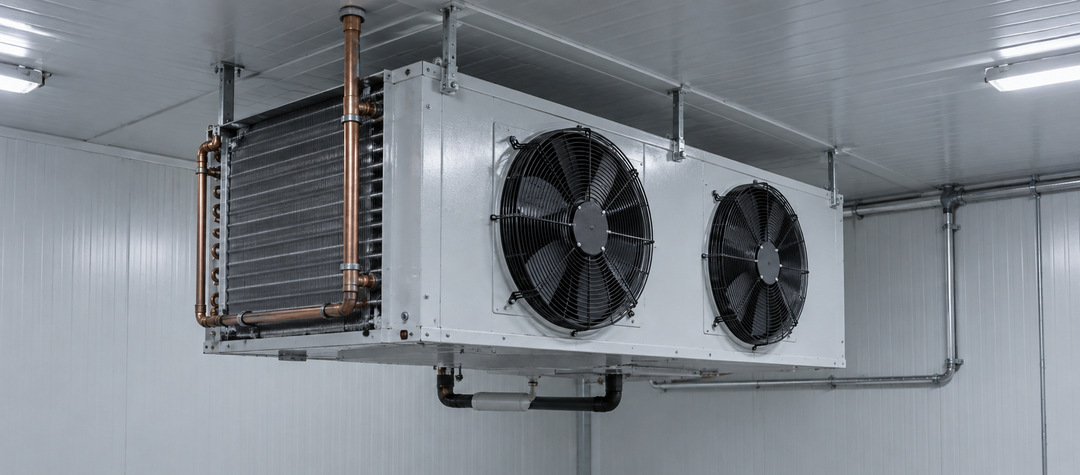
The internal design of the evaporator also influences oil return. The pipe arrangement, the number of circuits and the distributor structure must ensure that refrigerant and oil are distributed evenly. An uneven distribution leads to oil accumulation in some zones.
In the design the aim should also be to keep the line straight and short. Every unnecessary bend and horizontal section can become a point where oil is held back. A simple route supports both oil return and ease of installation.
What Are The Consequences Of Poor Oil Return?
As oil accumulates in the evaporator, the oil level in the compressor falls. A compressor running short of oil is exposed to increased friction and wear. Over time this can shorten the compressor life.
Oil that builds up inside the evaporator also reduces heat transfer, which leads to loss of efficiency and lower system performance.
The first result of poor oil return is a fall in the oil level of the compressor. As long as the compressor oil stays in the system, there is not enough oil in the compressor for lubrication and cooling needs. This fall speeds up the wear of the compressor.
Oil collecting in the evaporator reduces heat transfer and causes a loss of capacity. The loss of capacity delays the room from reaching its target temperature. Because of this loss, the system has to run for longer.
Oil accumulation can also increase the risk of liquid slugging at the compressor. When accumulated oil and liquid refrigerant return together, a sudden load reaches the compressor. This can cause damage to the valves and pistons.
Problems with oil return also increase energy consumption. While the efficiency of the evaporator falls, the compressor works at higher pressure and temperature. This raises electricity consumption and increases the running cost.
A loss of compressor oil from the system can also lead to a fall in oil quality. Oil that does not circulate can deteriorate under the effect of heat and moisture in the system. Deteriorated oil can damage the internal parts of the compressor.
A breakdown in oil return is a problem that affects the whole system over the long term. If it is not noticed early, the cost and time of repair increase. For this reason oil return should be an important part of regular inspections.
How Are Commissioning And Control Carried Out?
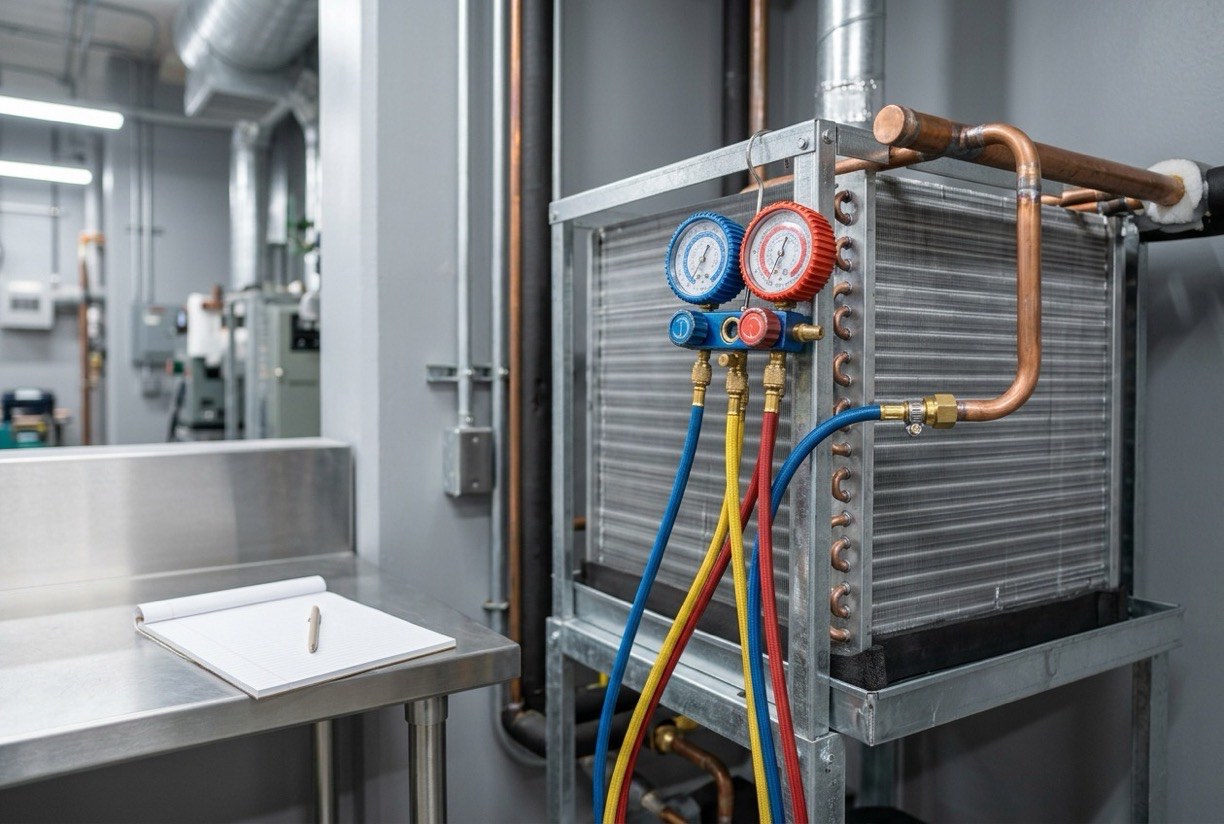
During commissioning, the slope of the suction line, the line diameter, and the position of the oil trap should be checked. The compressor oil level should be monitored at the first start, and if it falls, the cause should be investigated.
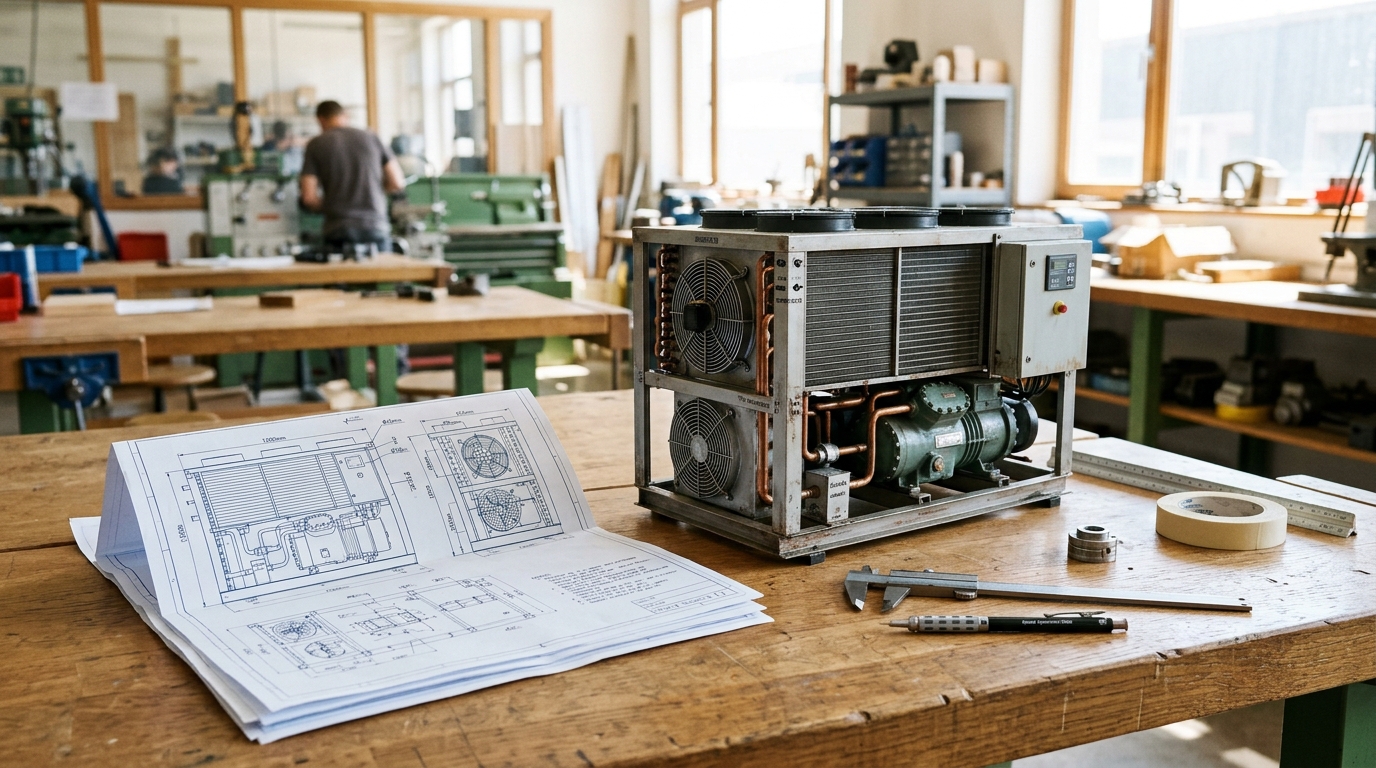
It should also be evaluated whether the gas velocity is sufficient under part load. The Günay Soğutma technical team can support the evaporator and line layout on a project basis.
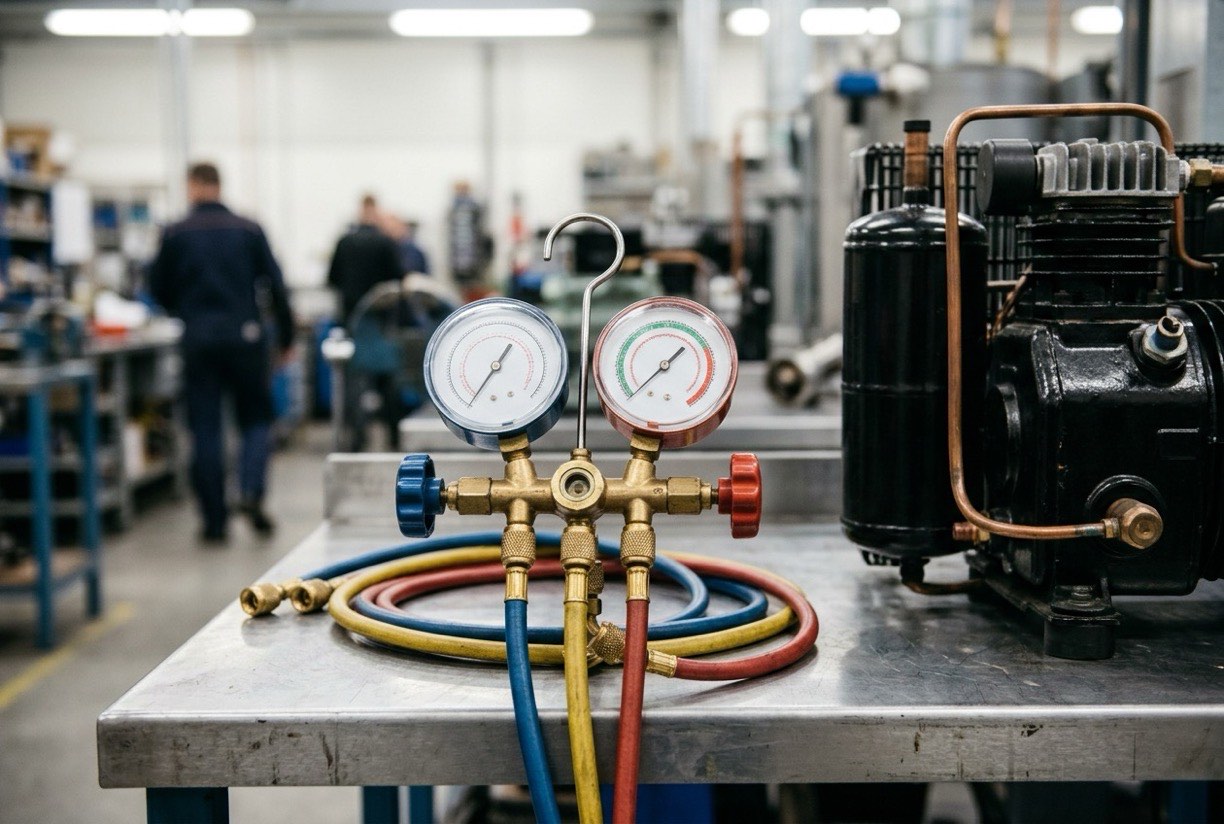
During commissioning, the compressor oil level, the suction line temperature and the evaporator outlet values should be monitored to confirm oil return. The values should show a stable oil circulation. Observations made over several cycles make the result reliable.
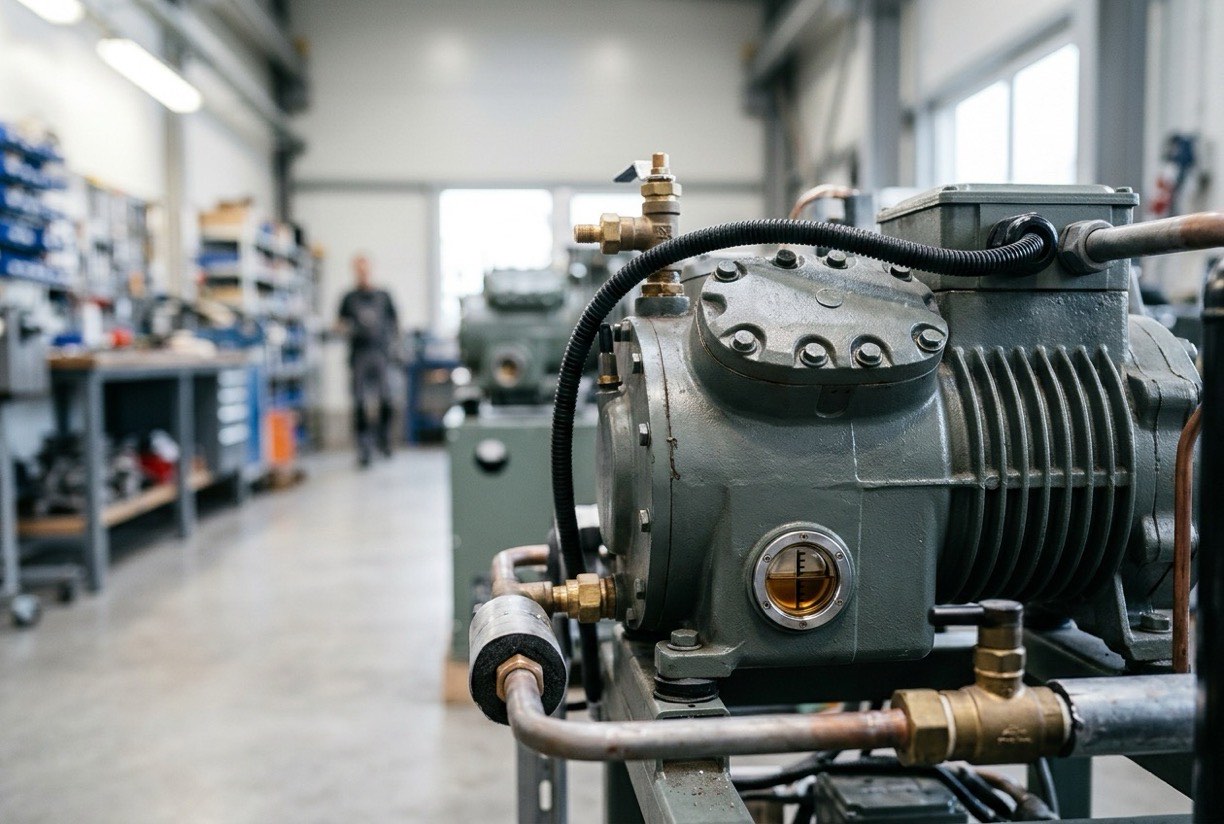
To check oil return, the compressor sight glass should be read regularly. A steady level shows that the oil is returning. A steady fall, on the other hand, may point to a return problem in the system.
Temperature measurement along the line can show where oil accumulation is. Zones where oil has collected can form a temperature profile different from their surroundings. This difference can be used to identify the source of the problem.
The effect of the control system on oil return during defrost and load-change periods should also be observed. Oil return after defrost can cause a temporary fluctuation in some systems. Monitoring these periods ensures that the settings are correctly made.
Measurements and observations about oil return should be added to the commissioning report. In this way later maintenance teams can compare the oil circulation of the system with its starting condition. This record is a valuable reference for the early detection of oil problems.
The control and maintenance plan should include periodic checks on oil return. The oil level, the line temperatures and the evaporator surface should be inspected regularly. This routine ensures that problems are noticed before they grow.
Frequently Asked Questions
Is an oil trap required in every evaporator system?
It may not be required in every application. The vertical rises of the line and the part-load periods determine whether a trap is needed.
How can an oil return problem be recognised?
A drop in the compressor oil level, or frosting or performance loss on the evaporator that differs from what is expected, can reveal it. It should be confirmed with technical measurements.
Is gas velocity important for oil return?
Yes. If the gas velocity is not high enough, oil can settle at the bottom of the line. For this reason the line diameter and the part-load behaviour should be evaluated together.
Which operating habits increase or reduce oil return?
Sudden load changes, frequent starting and stopping, and long periods of running at low load can all weaken oil return. A regular and balanced operating pattern supports the circulation of oil through the system. Operating habits are as decisive for oil return as the design itself. ? How does oil accumulation show itself in the compressor? A gradual fall in the oil level of the compressor, fluctuation in oil pressure and an increase in noise and temperature linked to lubrication problems can be observed. These signs may suggest that oil is being held in the evaporator or the lines. When such signs appear, both the compressor and the line should be checked.