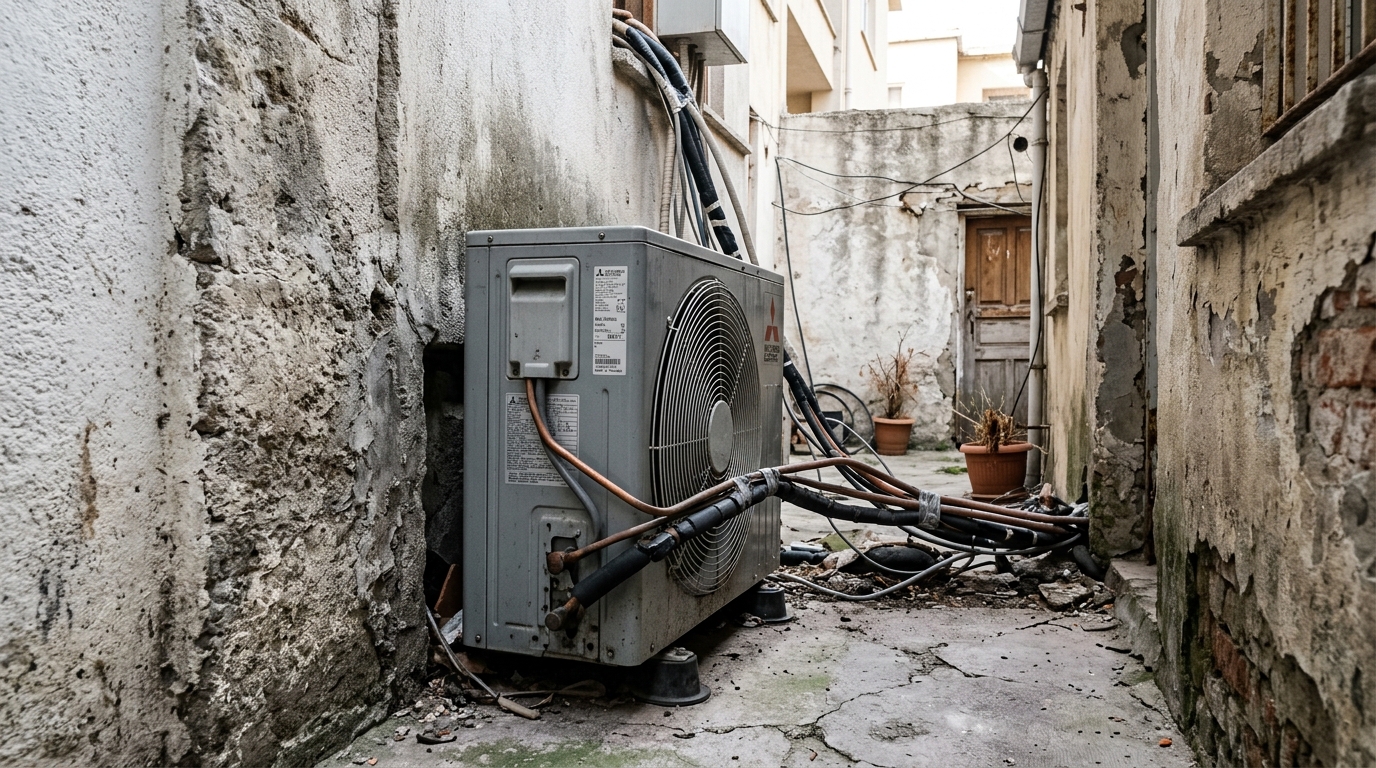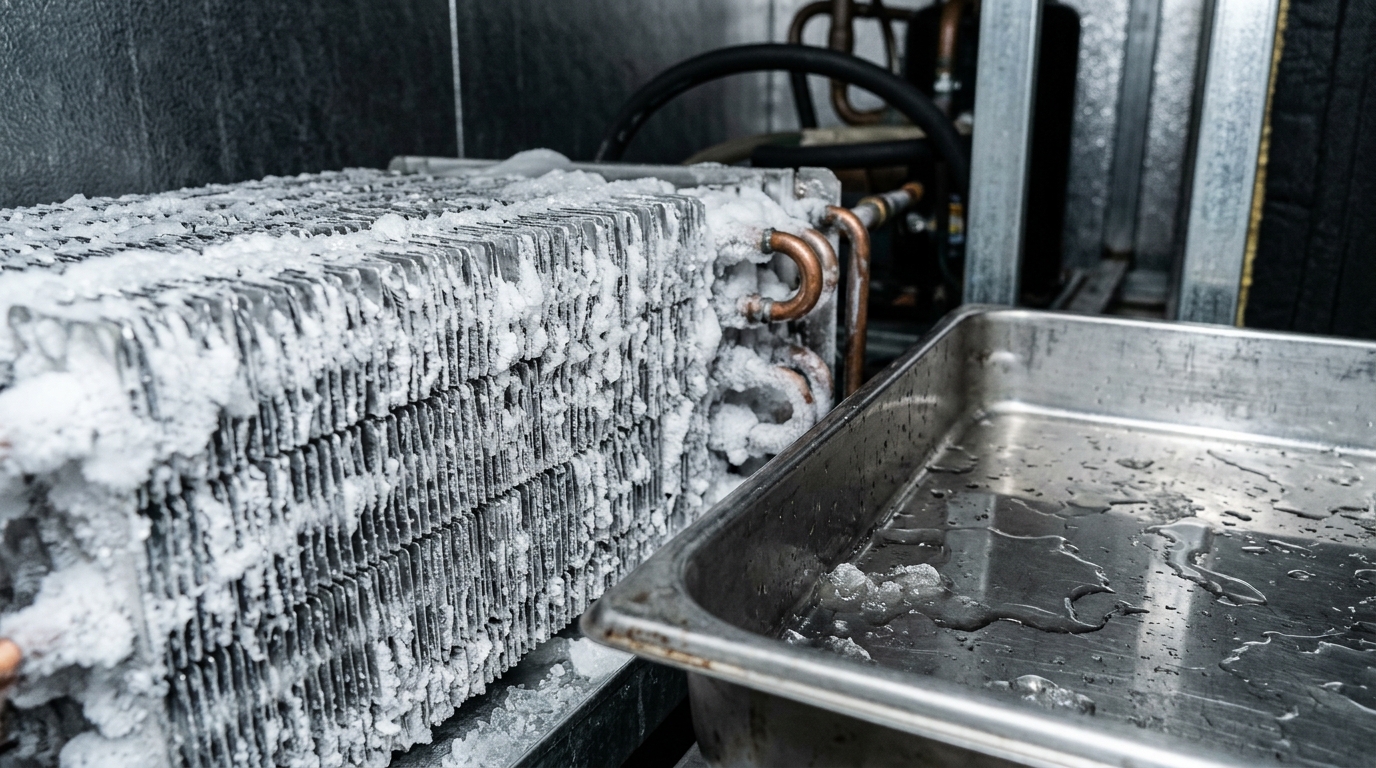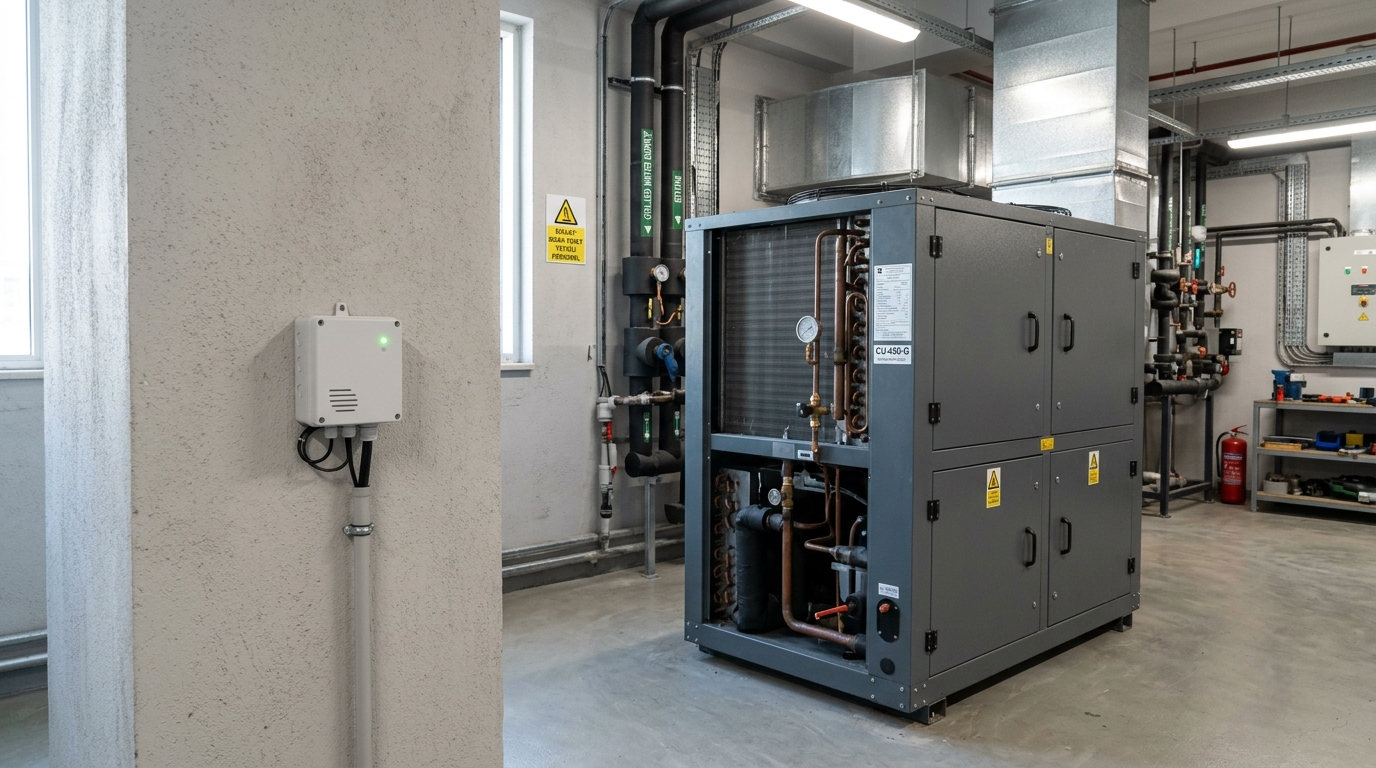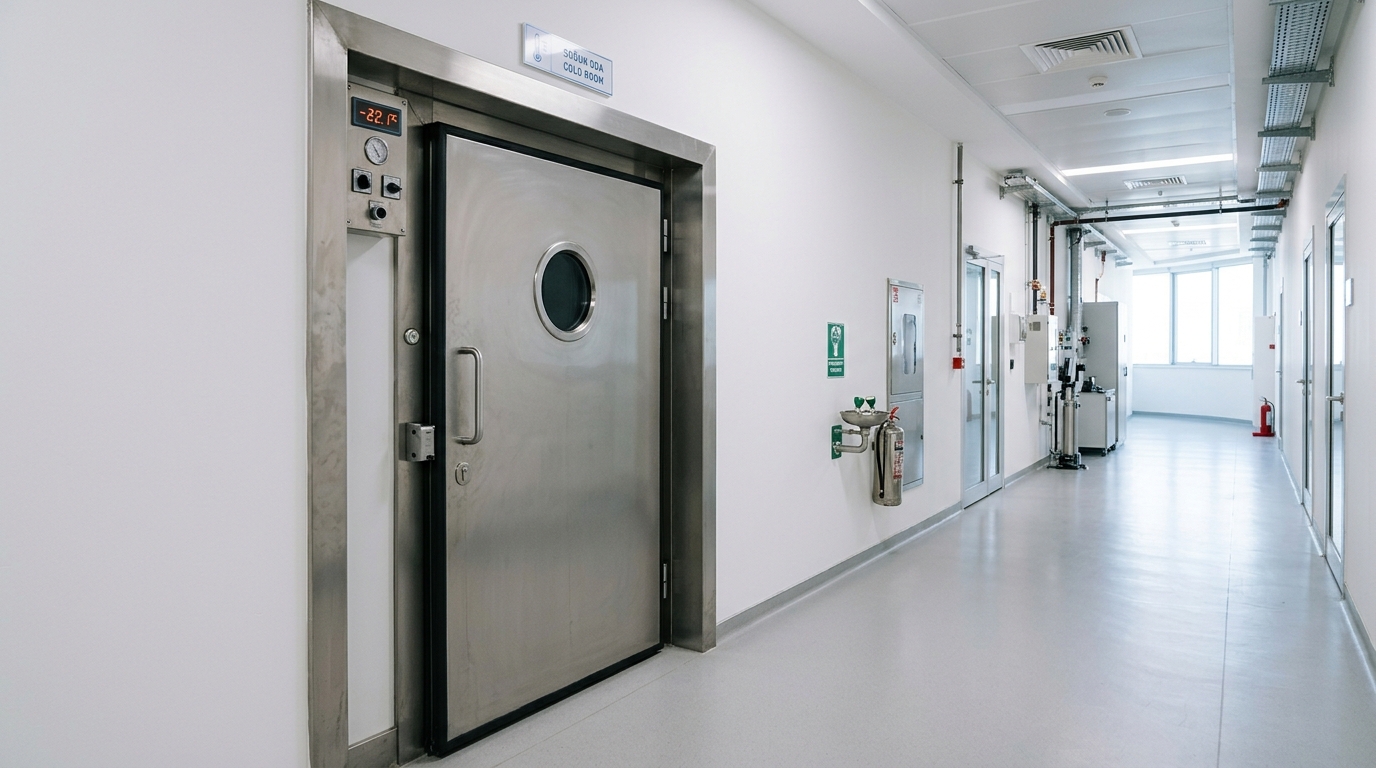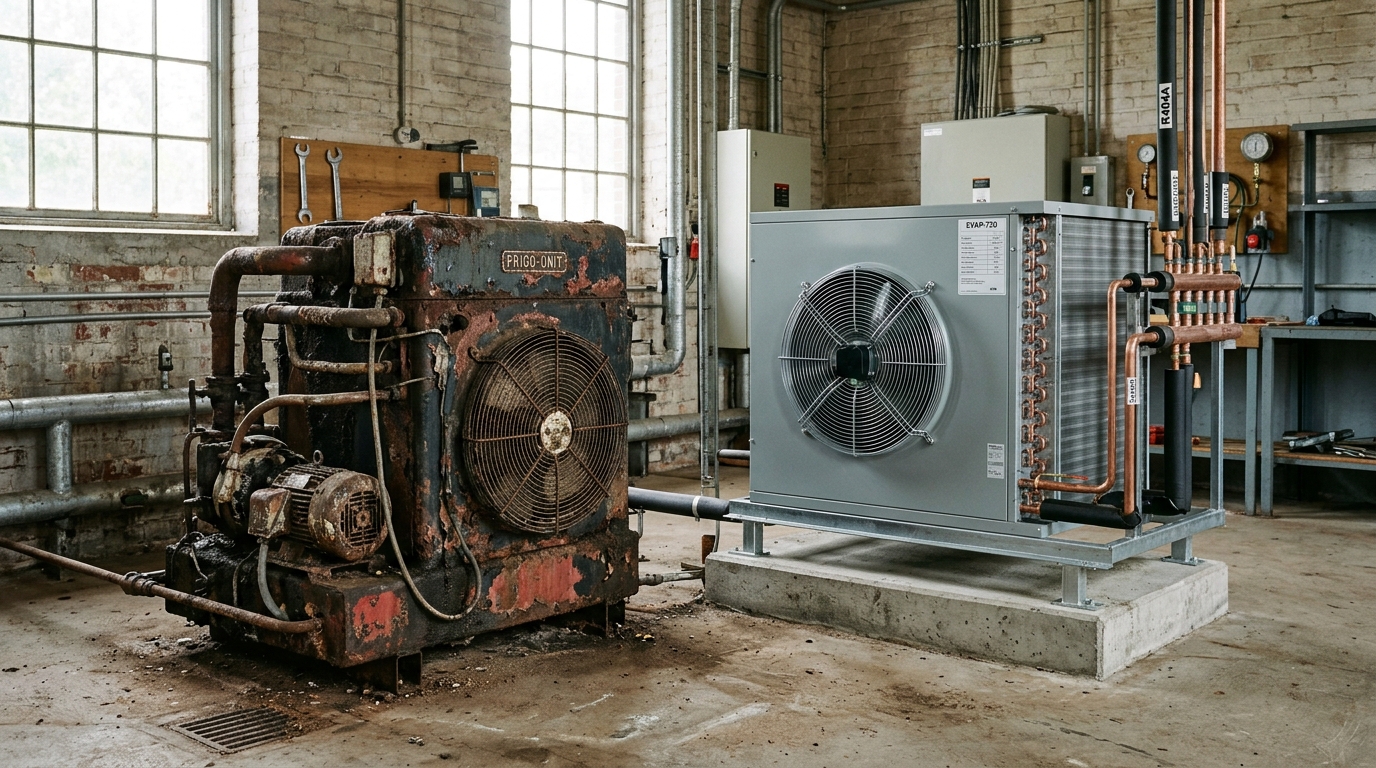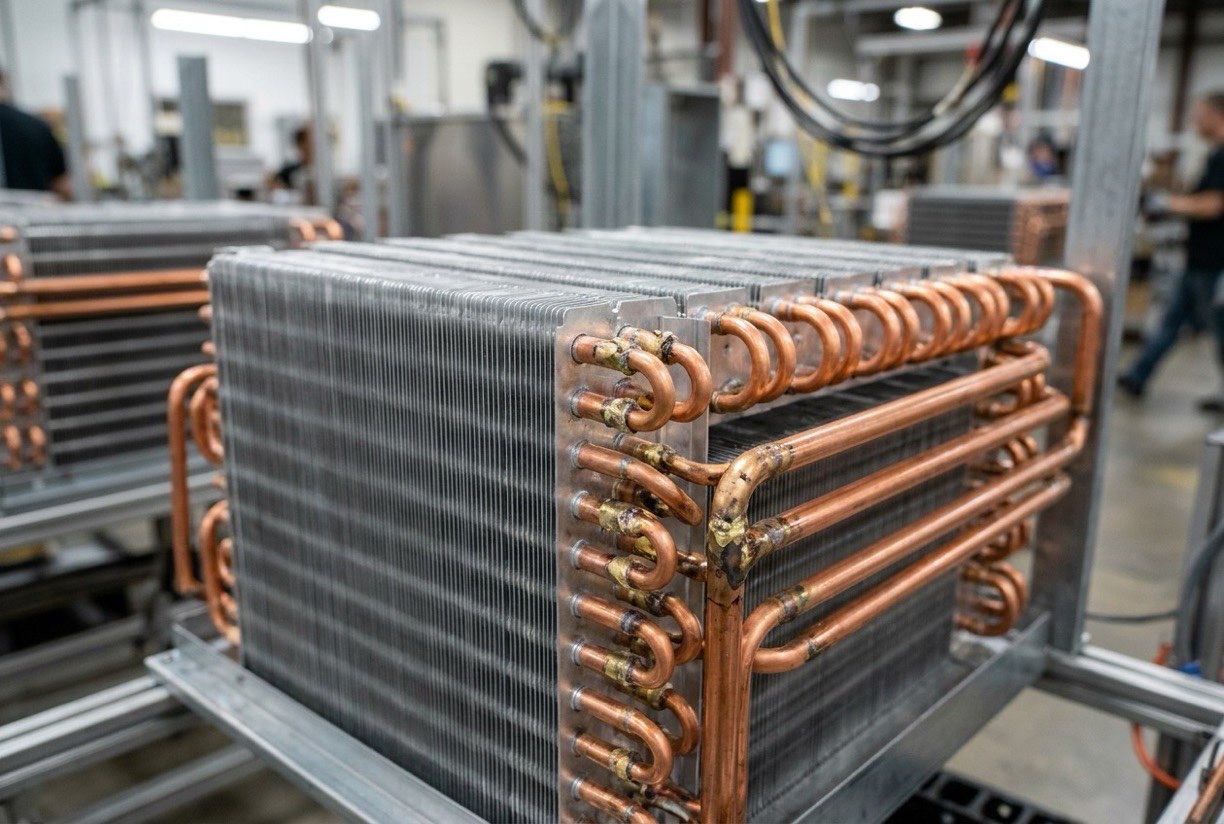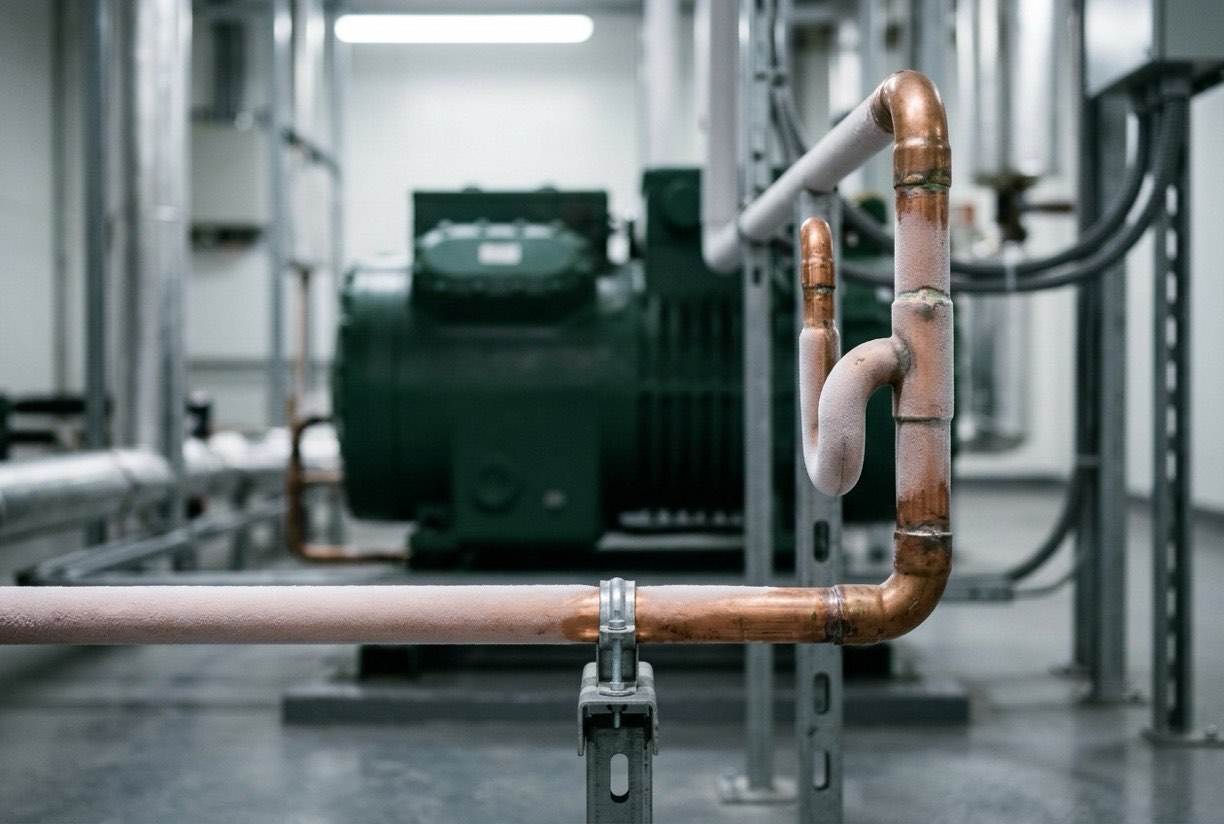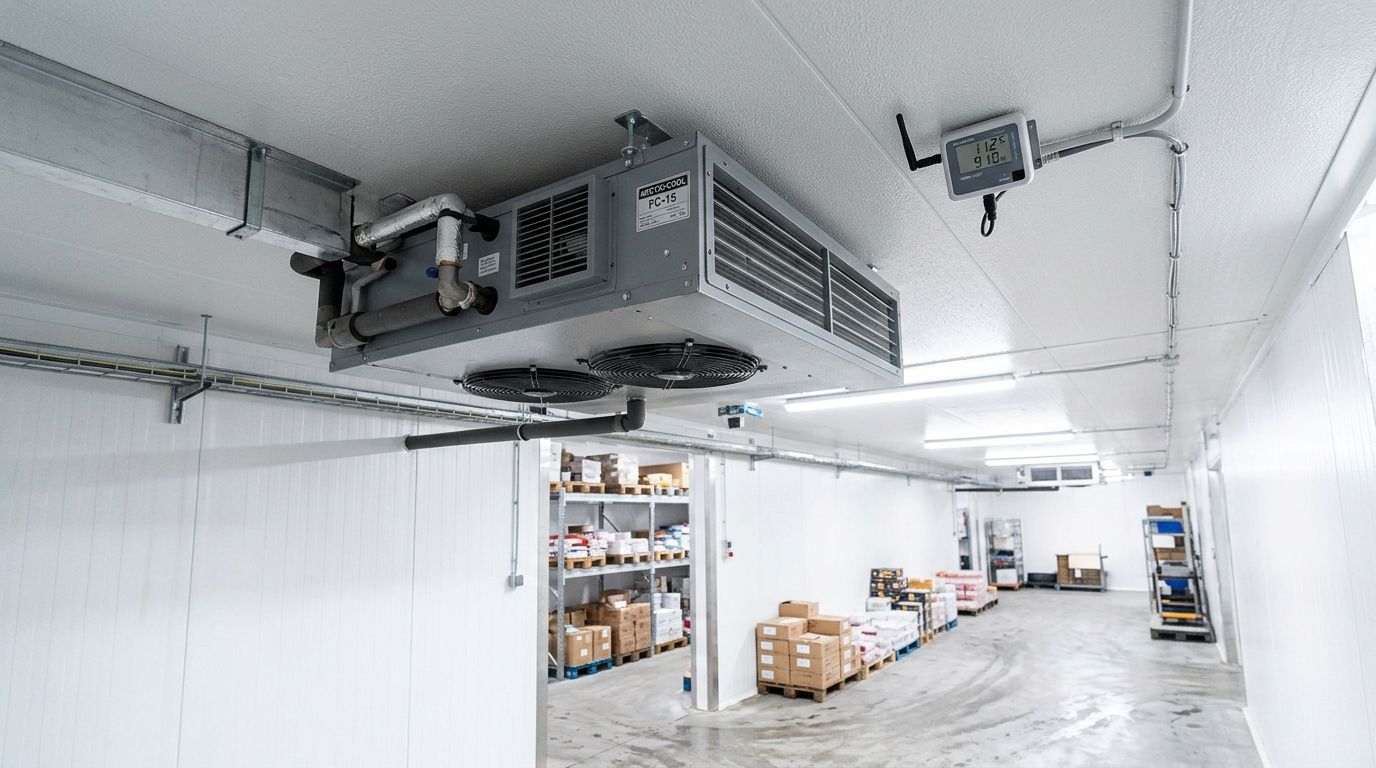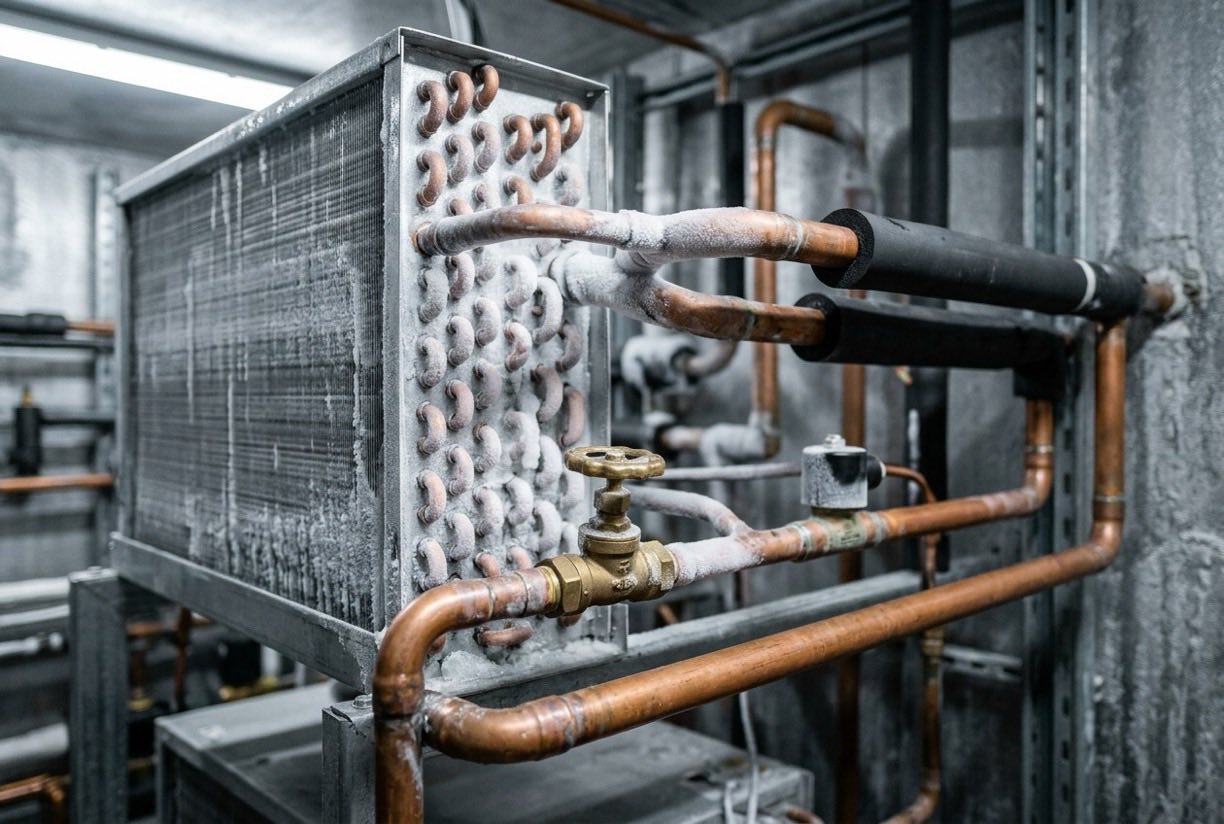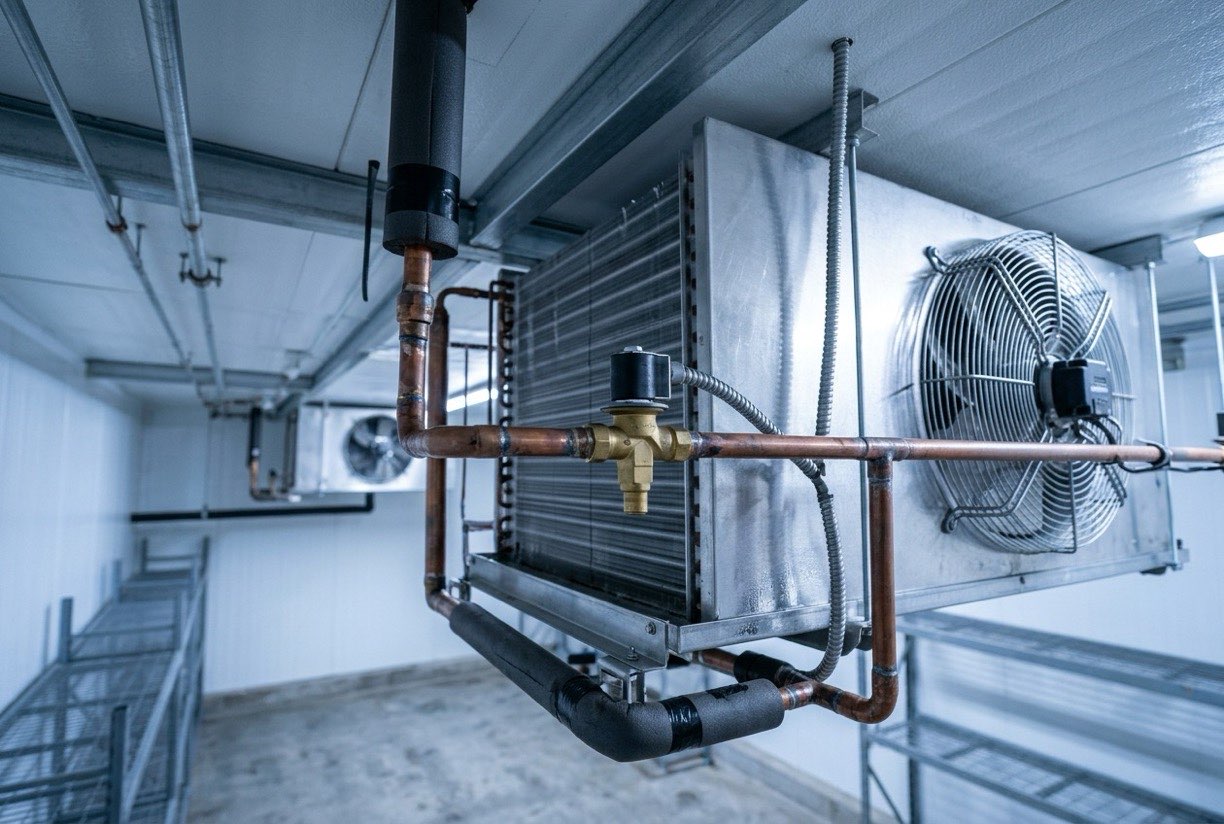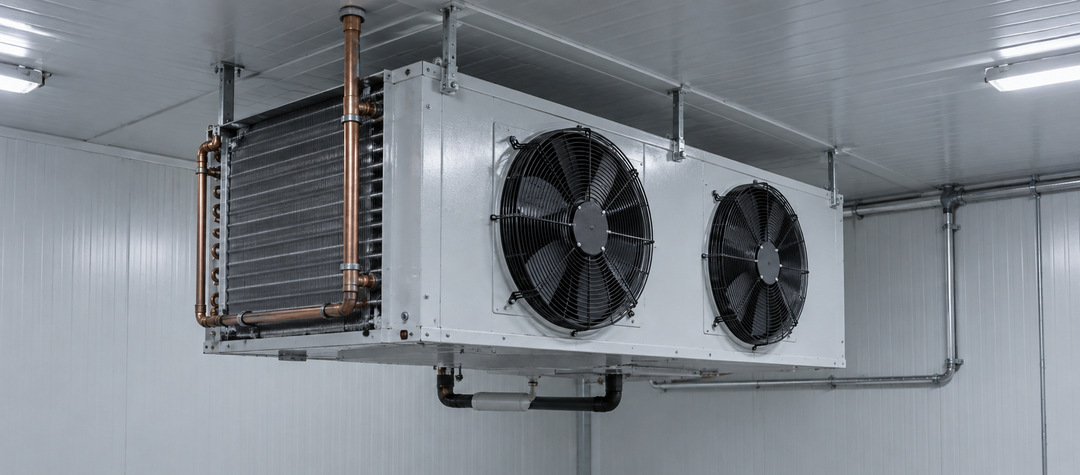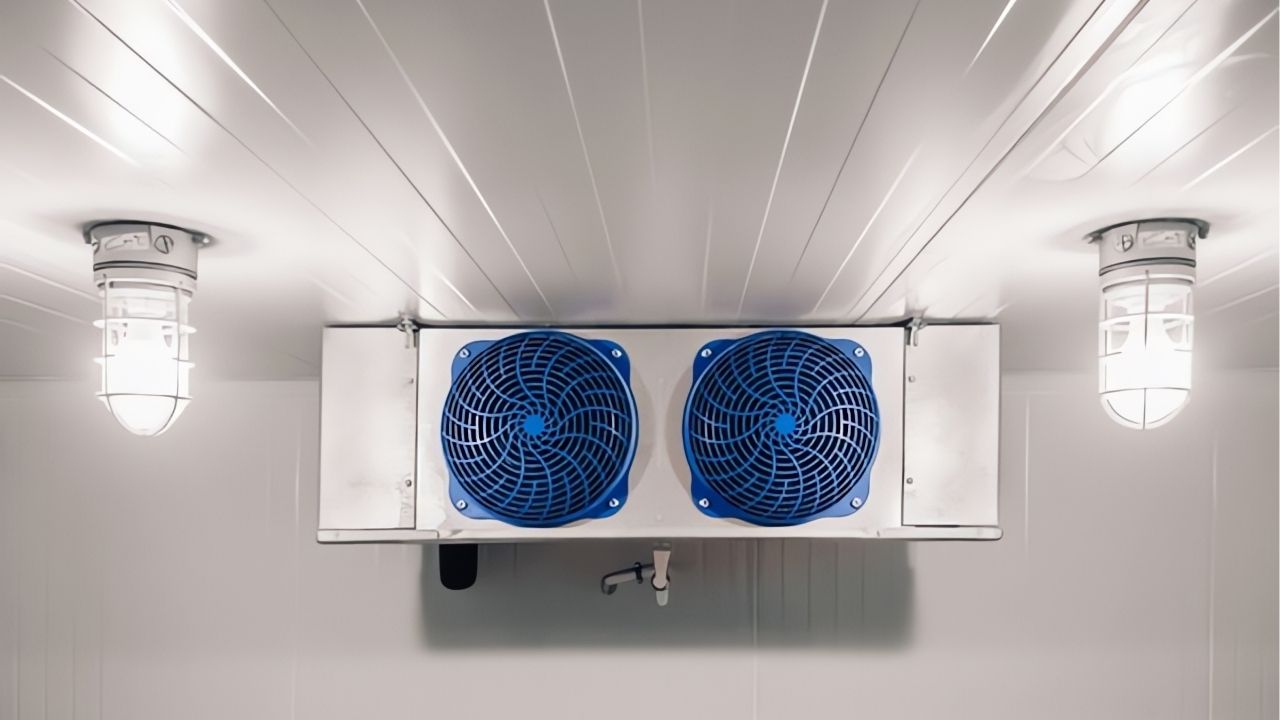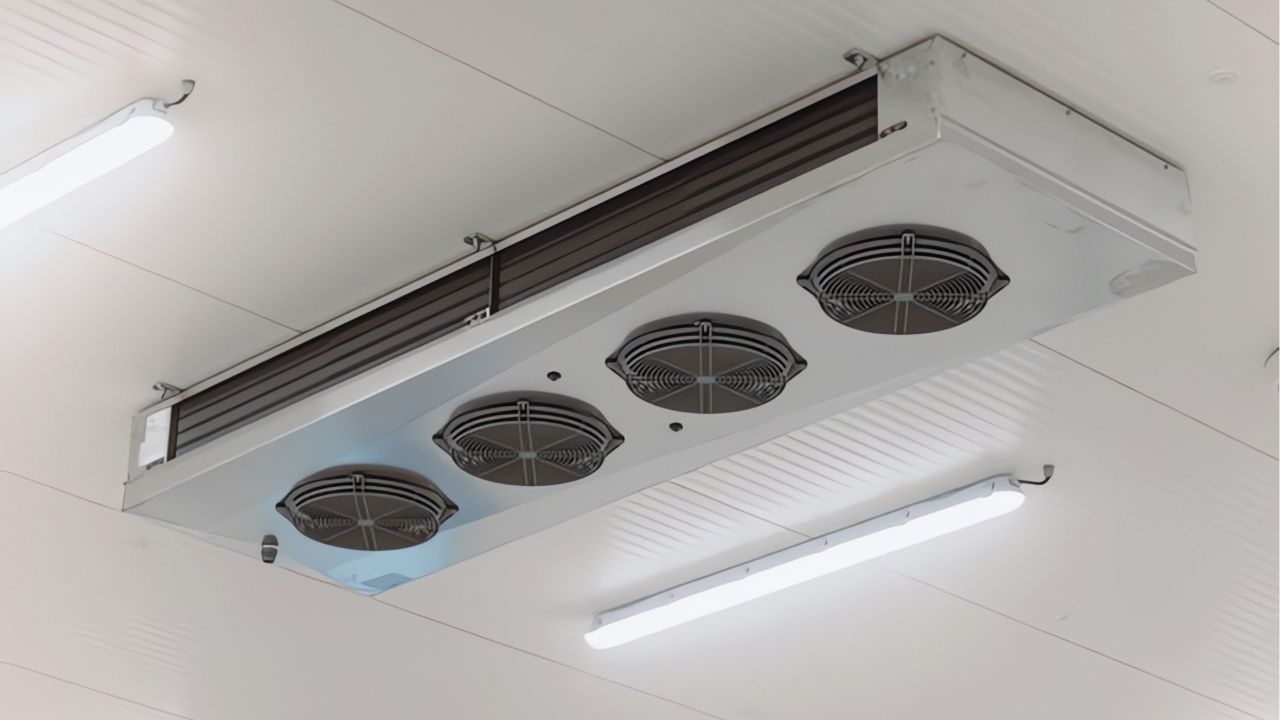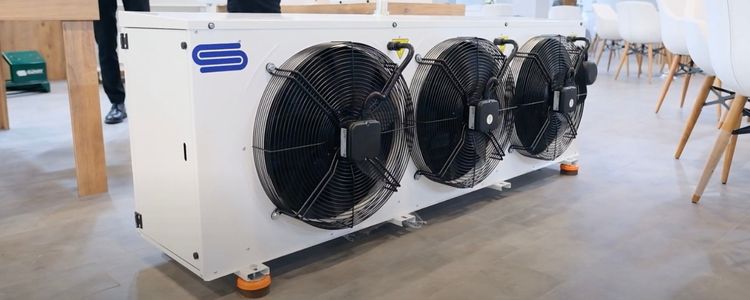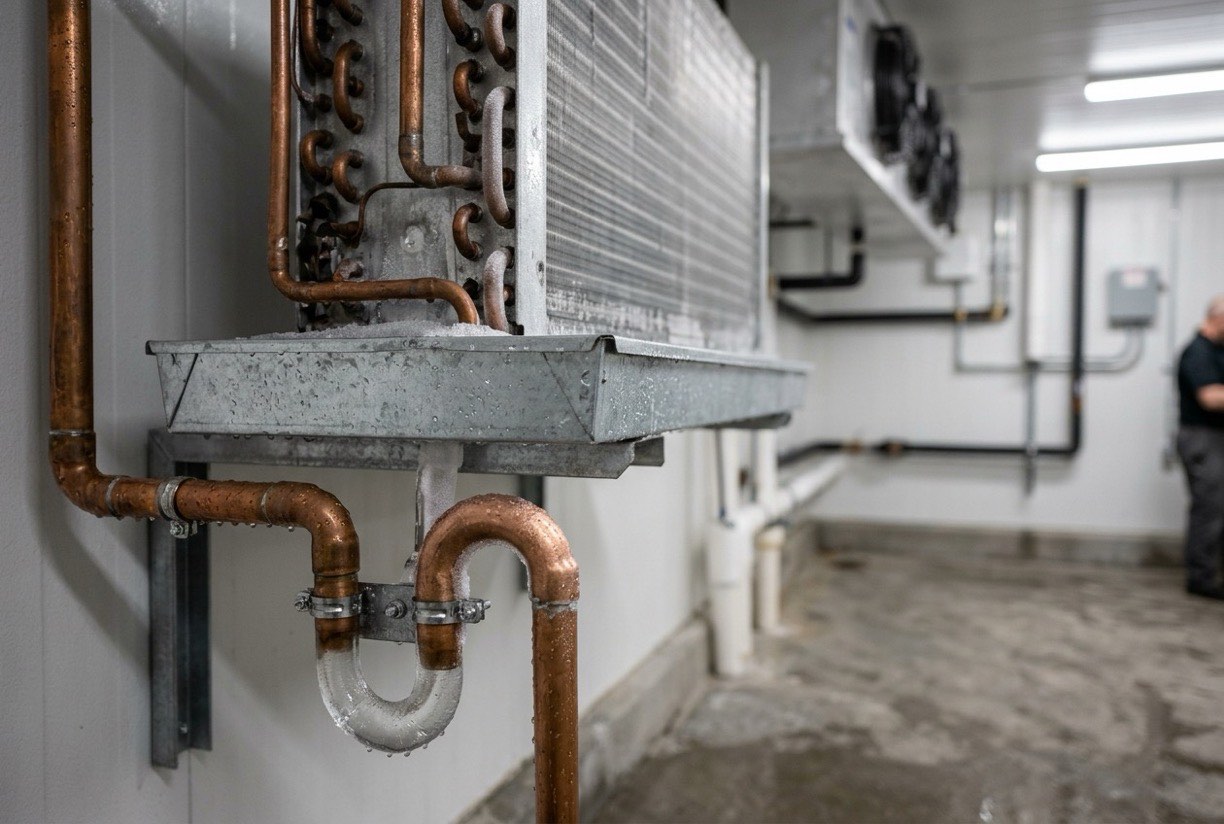
During cooling and defrost, water forms on the evaporator and leaves the cold room through the drain line. If the line freezes, water builds up in the drain pan, turns into ice, and reduces evaporator performance. A trap (siphon) keeps the drain working properly and prevents cold room air from being pulled back through the line. This article explains why drain lines freeze, why a trap is needed, and how freezing can be prevented.
Table Of Contents
- Why Do Drain Lines Freeze?
- Why Is A Trap Necessary?
- How Is The Trap Sized?
- Which Methods Prevent Freezing?
- What Should Be Considered In Installation And Maintenance?
- Frequently Asked Questions
Why Do Drain Lines Freeze?
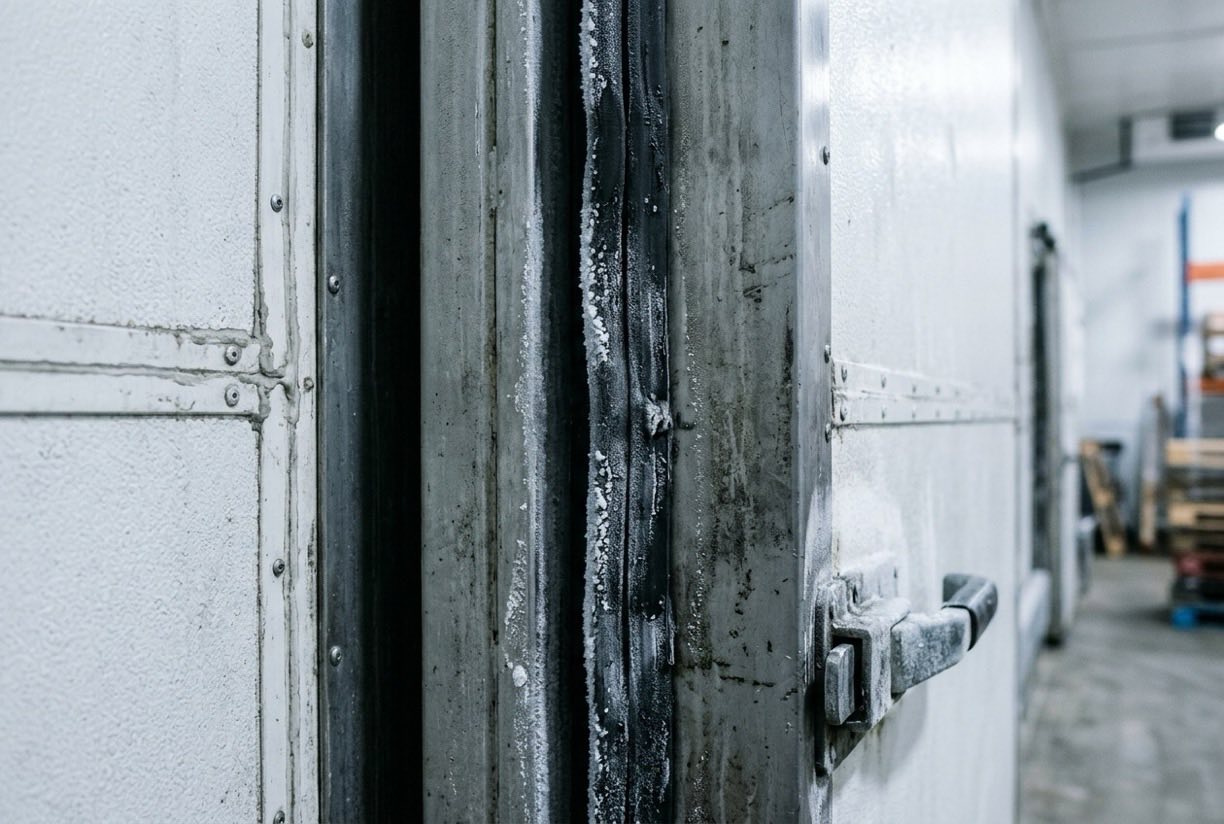
When the drain line runs inside the cold room or close to its door, its temperature can drop below freezing. Water trapped in the line freezes at that point and blocks the flow. A frozen line makes the pan overflow and ice forms on the evaporator body.
The risk grows when melted water must drain quickly after defrost. If the slope is insufficient or the line runs a long distance through a cold area, the water stops and freezes.
Drain line freezing rests on an operating pattern in which water flows intermittently rather than continuously. When a large volume of water arrives at once during defrost, the line fills, and the water left behind can freeze in the cold environment. This intermittent flow is the weakest point of the line.
The length of the line and the number of connections also determine the freezing risk. Every elbow, joint and horizontal section can slow the water down and cause it to stop for a moment. For this reason the route should be kept short and straight where possible, and any necessary bends should be made with smooth curves.
The diameter of the line affects the flow too. A narrow line struggles to carry the large defrost flow, and water remains in the line for a while. Choosing the diameter according to the amount of water the evaporator can produce during defrost is a measure that reduces the freezing risk.
At the crossings between the cold room and the outside environment, the temperature of the line can fall quickly. The insulation of the line at these crossings must be continuous; a break in the insulation creates a cold bridge at that point, and freezing starts there. The insulation material should not absorb moisture and should resist external influences.
A line that has frozen is not easy to identify at first glance. Overflow in the pan, ice building around the evaporator, and water that is not drained after defrost are the first signs of freezing. When these signs appear, the whole line should be checked and the blocked point located.
Why Is A Trap Necessary?
A trap creates a U-shaped loop filled with water in the drain line. This water column stops cold room air from flowing back through the drain into the pan, caused by the pressure difference that the evaporator fan creates. Without a trap, the fan can draw air through the drain, which disturbs the water in the pan and causes air leakage.
The trap also limits the passage of odours and heat from the drain line into the cold room. It matters for operating conditions as well as for freezing.
The task of the trap is not only to pass water but also to stop air from flowing back. The evaporator fan creates a pressure difference inside the room, and when the air path is open, this pressure can draw air from the drain line into the pan. The trap closes this passage and keeps the arrangement in order.
Without a trap, cold room air keeps flowing towards the pan like a continuous leak. This air creates moisture and frost around the pan. The movement of the air also makes the water flow in the pan irregular.
Another job of the trap is to limit the passage of odour and heat. Odours rising through the drain line can have an unwanted effect in rooms that hold food products. The water column also blocks this passage and helps keep the environment clean.
Keeping the trap full of water at all times is the most important condition for it to work. If water is lost, the trap empties and loses its function. For this reason the water filling of the trap should be verified visually after every defrost and at periodic checks.
The relationship between the trap and freezing is often misunderstood. The trap does not prevent freezing by itself; what prevents freezing is the temperature of the line. The trap is an element that cuts off air passage, so it should be considered together with the freeze protection.
How Is The Trap Sized?
The height of the water column in the trap should be calculated from the static pressure produced by the evaporator fan. As pressure increases, the column must be tall enough; otherwise the trap cannot seal and will not stop the air flow.
Sizing should consider the fan operating conditions and the position of the evaporator together. The evaporator catalogue data is the starting point for this calculation.
Sizing the trap is not only a choice of dimension but a calculation based on the pressure produced by the fan. As the static pressure produced by the evaporator fan rises, the water column of the trap must also be high enough to balance this pressure. Otherwise the column cannot hold the pressure, and the trap empties and lets air pass.
One of the values in the calculation is the operating condition of the fan. As fan speed, airflow and the resistance of the piping change, the pressure changes as well. The trap height should therefore be set not only from a nominal value but according to the highest pressure condition.
The position of the pan also affects the sizing. The higher the pan, the more the trap column and therefore the layout of the line change. The height difference between the pan and the trap should be fixed precisely while the installation is being planned.
The internal diameter of the trap also matters. A trap that is too narrow restricts the flow and can cause water to build up. A trap that is too wide can make the balance of the water column difficult to maintain. The diameter should be chosen by considering the defrost flow and the pressure balance of the trap together.
In conclusion, sizing should start from the data of the evaporator manufacturer and be verified against site conditions. If there is a difference between the calculation and the measurement on site, the site result should be used to correct it. The trap size should be verified in a working system, not only on paper.
Which Methods Prevent Freezing?
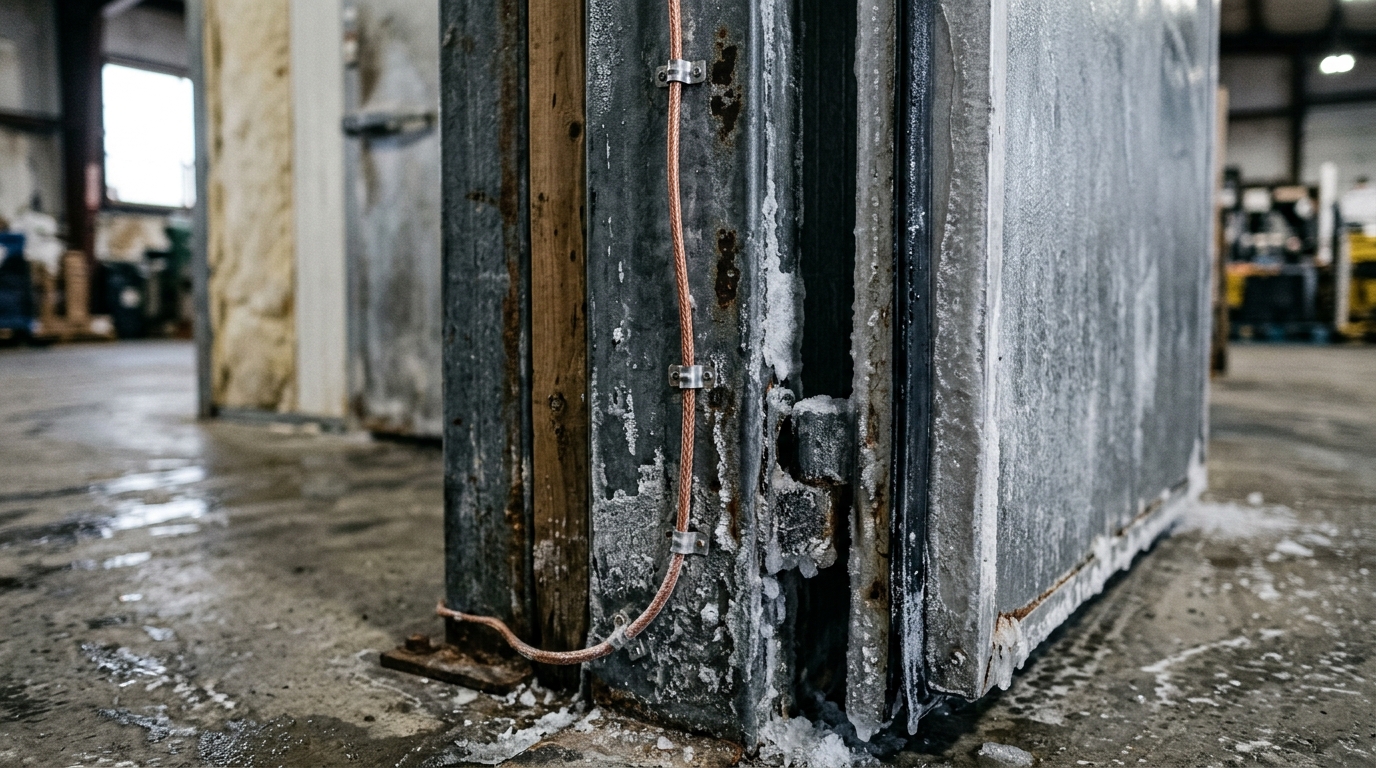
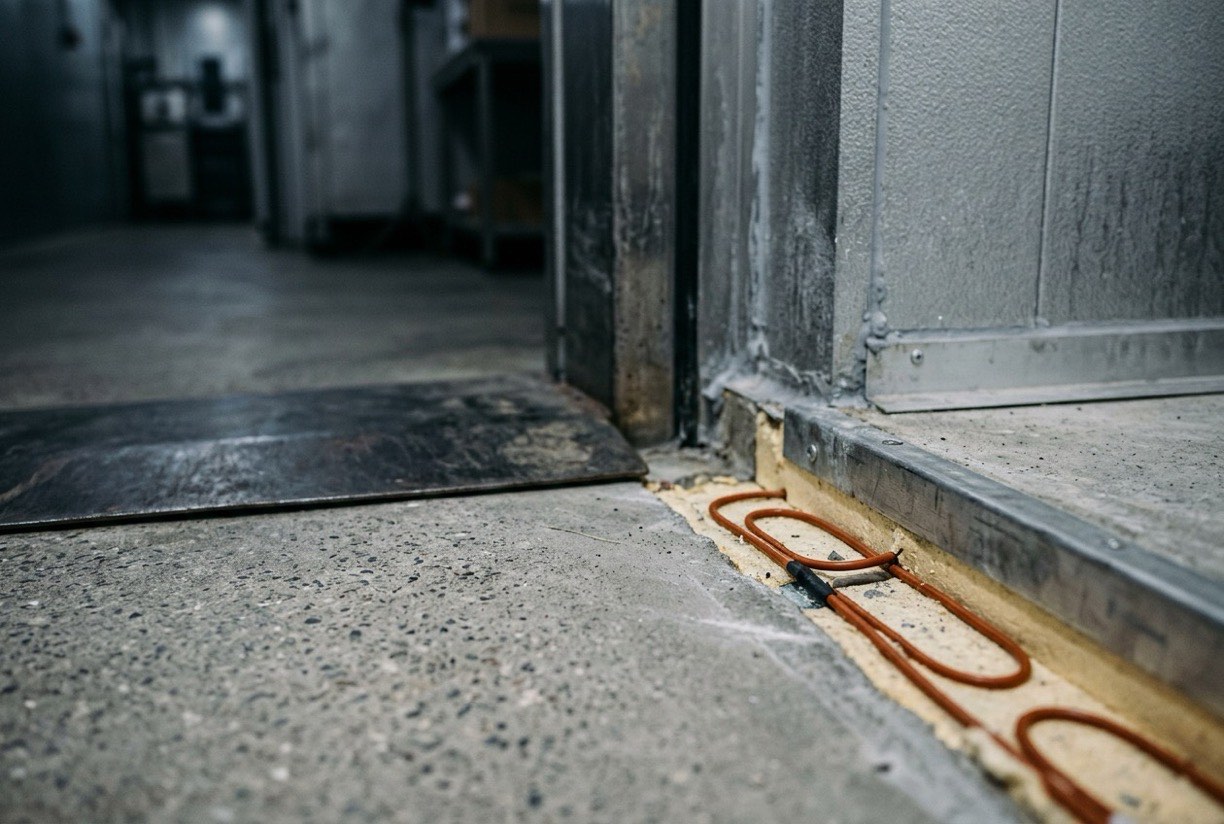
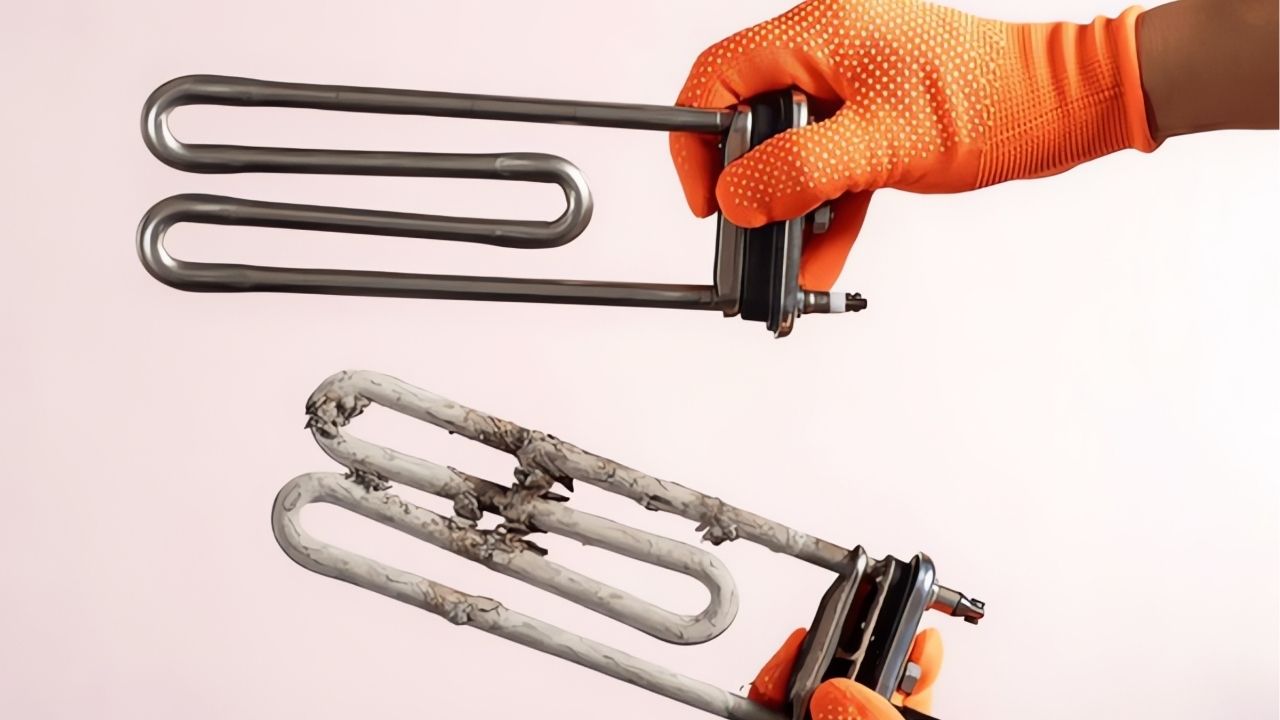
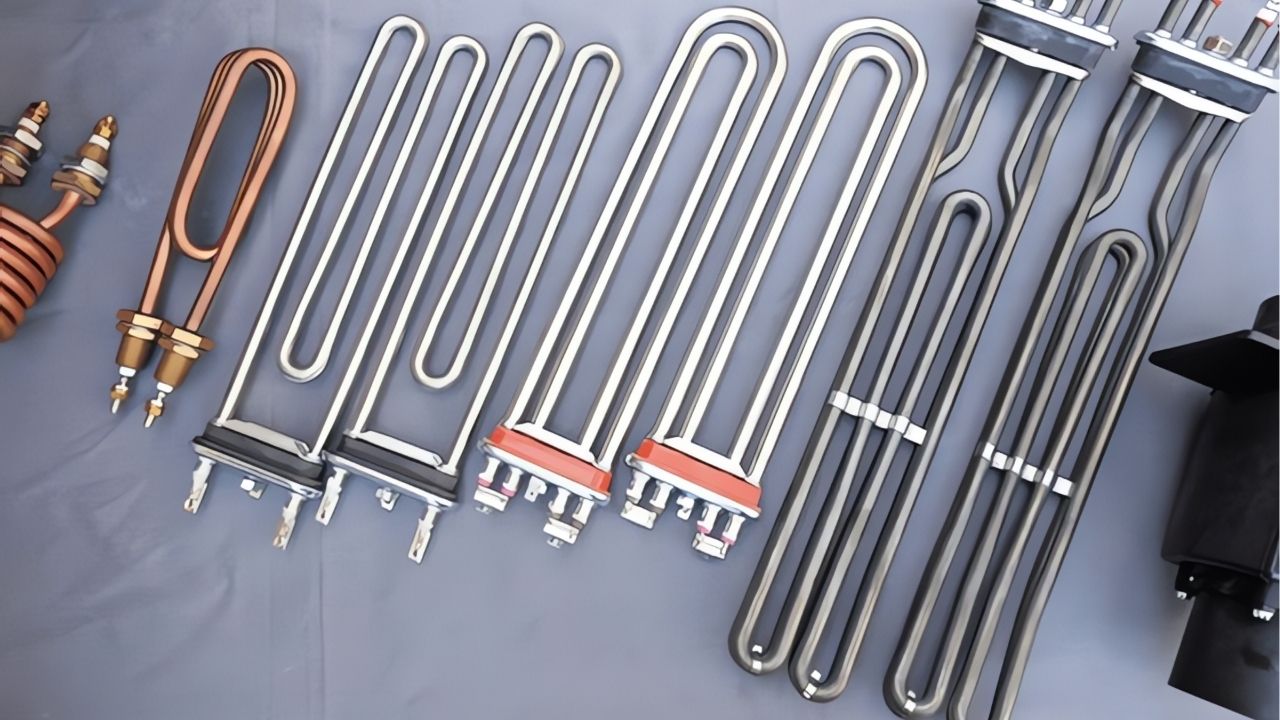
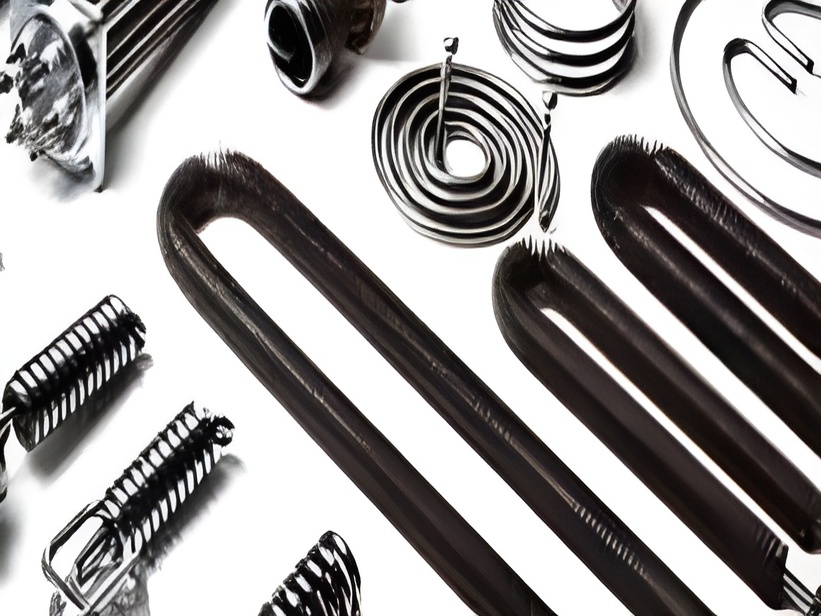
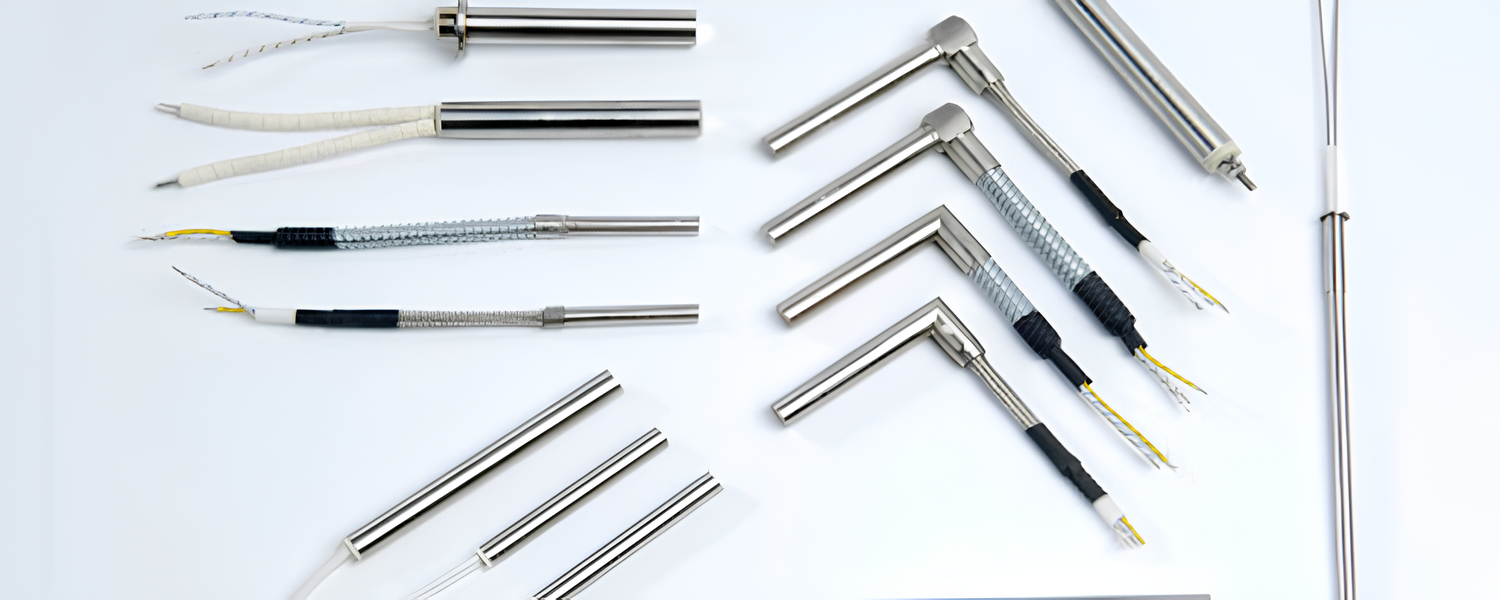
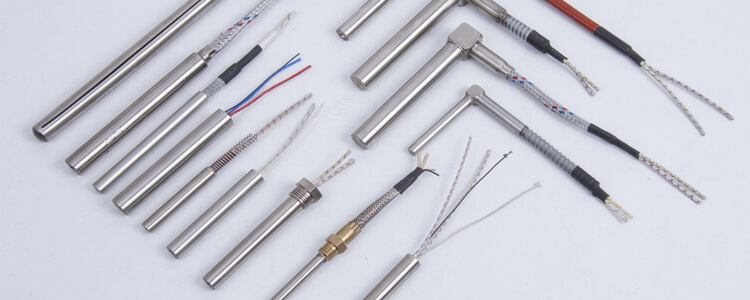
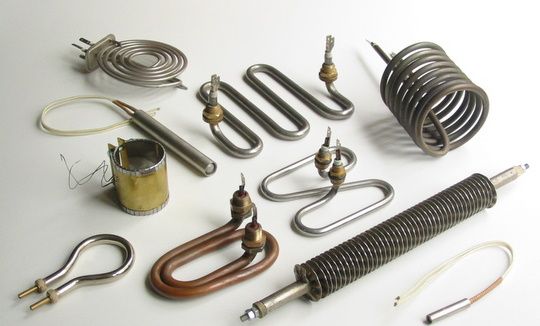
The most common way to prevent freezing is to apply an electric heating cable to the drain line. The cable keeps the line above freezing temperature so that water keeps flowing. The cable should be controlled and adjusted so that it does not cause unnecessary energy use.
- Keeping the line away from cold zones: Where possible, route the line through warmer areas.
- Providing adequate slope: Water must flow continuously by gravity.
- Using a heating cable: Lines in areas at risk of freezing should be heated.
Freezing prevention methods are not a single solution but a set of complementary measures. The route, insulation, slope and heating of the line should be considered together. A gap in one measure can reduce the effect of the others.
Insulation is the most basic measure that reduces the effect of the cold environment on the line. The insulation thickness should be chosen according to the temperature and humidity of the environment the line passes through. A vapour barrier on the outer surface of the insulation prevents moisture from condensing inside it.
When a heating cable is applied, it must be wrapped fully and evenly along the line. If part of the cable is left bare, that section keeps its freezing risk. The cable should be fixed to the line and closed with the insulation.
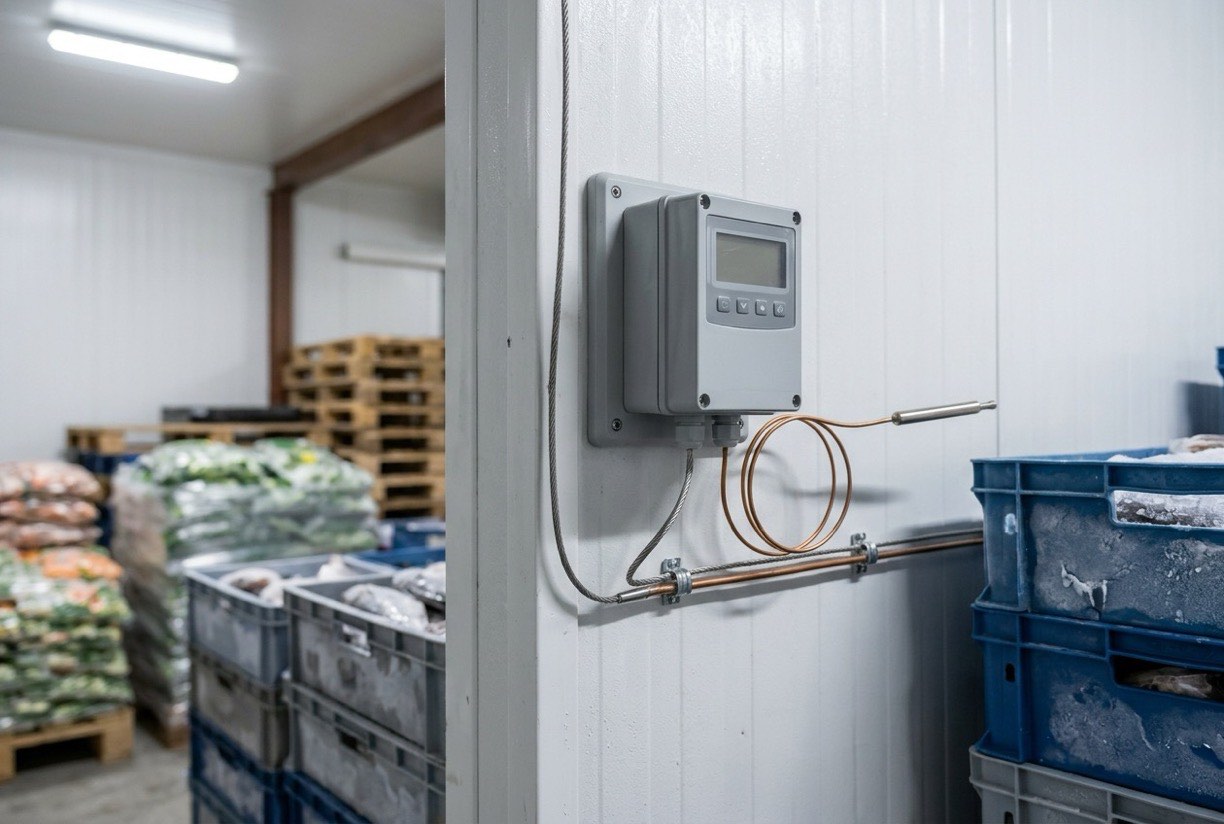
The operating check of the heating cable should be done with a thermostat. If the cable stays on continuously it wastes energy; if it never switches on, it cannot prevent freezing. The temperature setting of the control element should be made according to the freezing limit of the line.
Another way to prevent freezing is to ensure that the line empties quickly after defrost. This is directly linked to the slope and diameter of the line. That the line empties completely should be confirmed by a check after defrost.
What Should Be Considered In Installation And Maintenance?
During installation, the trap must be placed in the correct direction and at the correct height, the line slope must be maintained, and the evaporator must rest on a solid base. Water filling should be checked at first start-up so that the trap holds water.
During maintenance, the trap should be cleaned regularly and checked for blockage and algae. Operation of the heating cable should also be verified periodically. The Günay Soğutma technical team can provide project-based support for the evaporator and drain arrangement.
During installation, the first section of the line should begin right at the outlet of the pan. This section should be kept short and start immediately below the pan. A long free section can disturb the water flow and the function of the trap.
During installation the tightness of the pipe connections is also important. Water leaking from a connection stays under the insulation and quietly increases the freezing risk. The connection points should be checked before the insulation is applied.
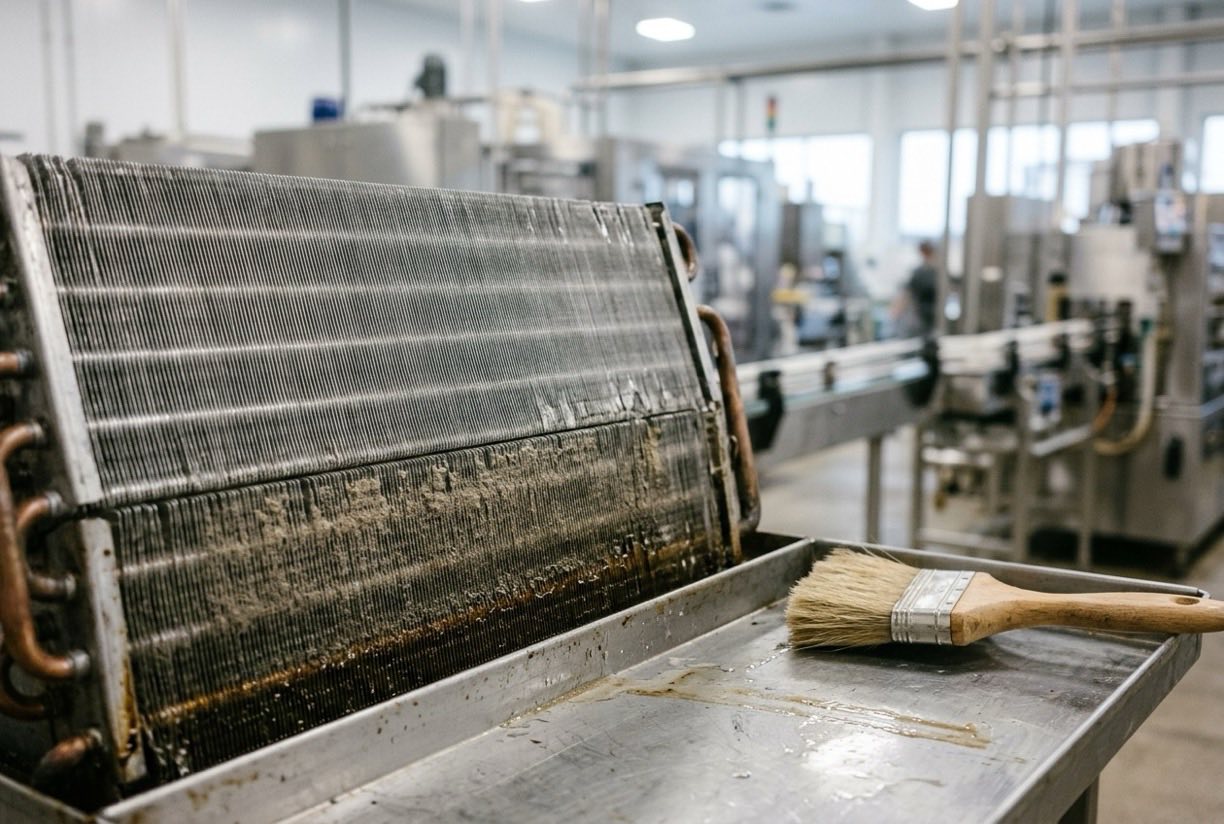
During maintenance, algae, dirt and small particles that build up inside the pan and around the trap should be cleaned. These deposits restrict the flow and increase the freezing risk. Cleaning should be done together with closing and refilling the line.
Maintenance records should show that the water filling of the trap and the operation of the heating cable were checked. These records help the cause to be found quickly when a freezing event occurs. It is advisable for the records to include the date and the responsible person.
When deciding when maintenance should be done, the defrost frequency and the intensity of use of the room should be considered together. In rooms with frequent defrosts, the drain line should be checked more often, and the trap and heater should be verified more often.
Frequently Asked Questions
Can an evaporator run without a trap?
It can run, but cold room air may be drawn back through the drain line and the pan arrangement can be disturbed. For this reason, a trap is considered necessary in most applications.
Is a drain heater always required?
No. It may not be needed where the line does not pass through a cold zone and there is no freezing risk. The decision should be based on the line route and the room temperature.
How often should the trap be checked?
It should be checked at regular intervals in the periodic maintenance programme for blockage and water filling. In rooms with frequent defrost, the checking frequency can be increased.
How should the slope of the drain line be determined?
The slope should be fixed in the project so that water keeps flowing by gravity. The slope must be maintained along every section of the line, since even a small reverse slope can cause water to pool. The slope value should be considered together with the length and diameter of the line.
Why should the drain line be insulated?
Because the drain line passes through the cold environment, water freezes much more easily if it is left uninsulated. Insulation helps keep the temperature of the line above the freezing limit. Continuity and moisture resistance of the insulation are the key to long-term performance.
What is the difference between an open pan and a closed drain system?
In an open pan the water falls directly into the pan and comes into contact with the air; in a closed system the water travels through a line and does not contact the surroundings. In a closed system the trap and freeze protection become more critical. Which system is suitable should be determined by the structure of the room and the operating conditions.