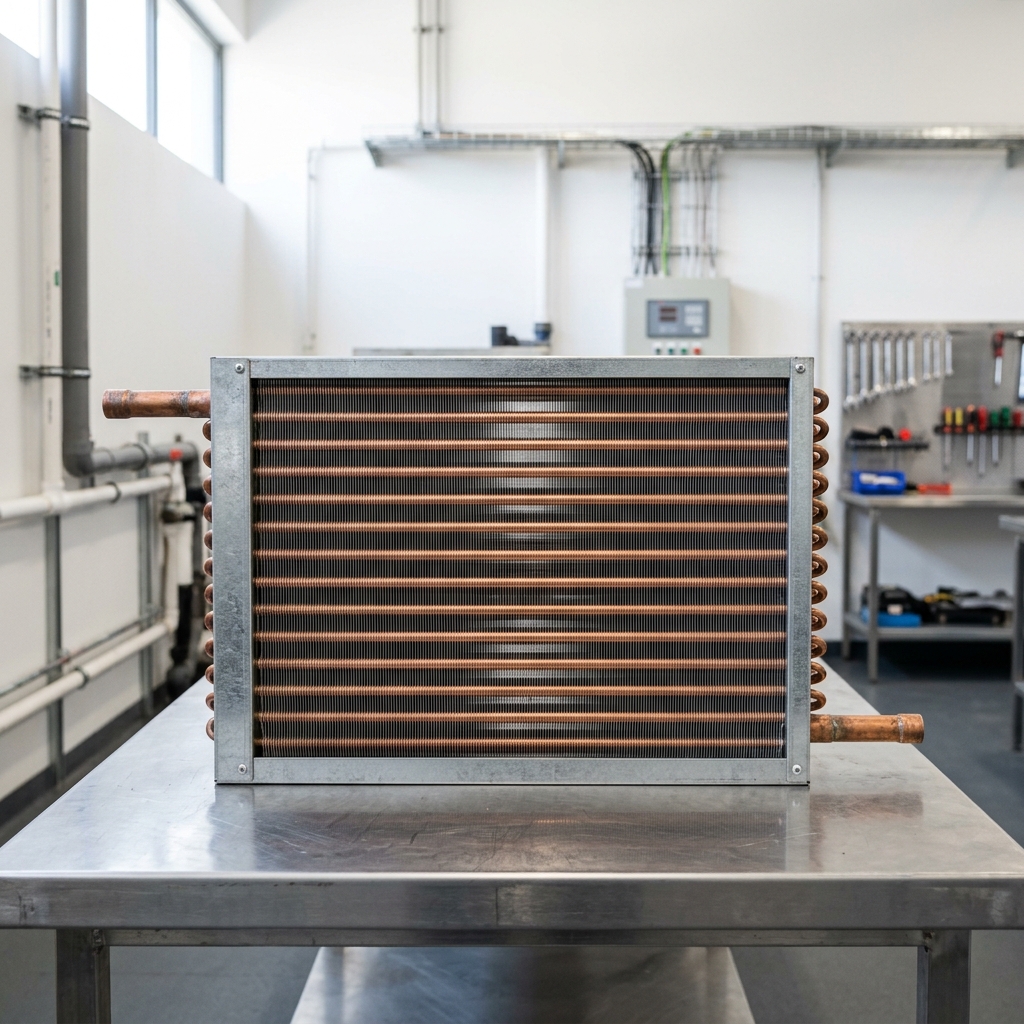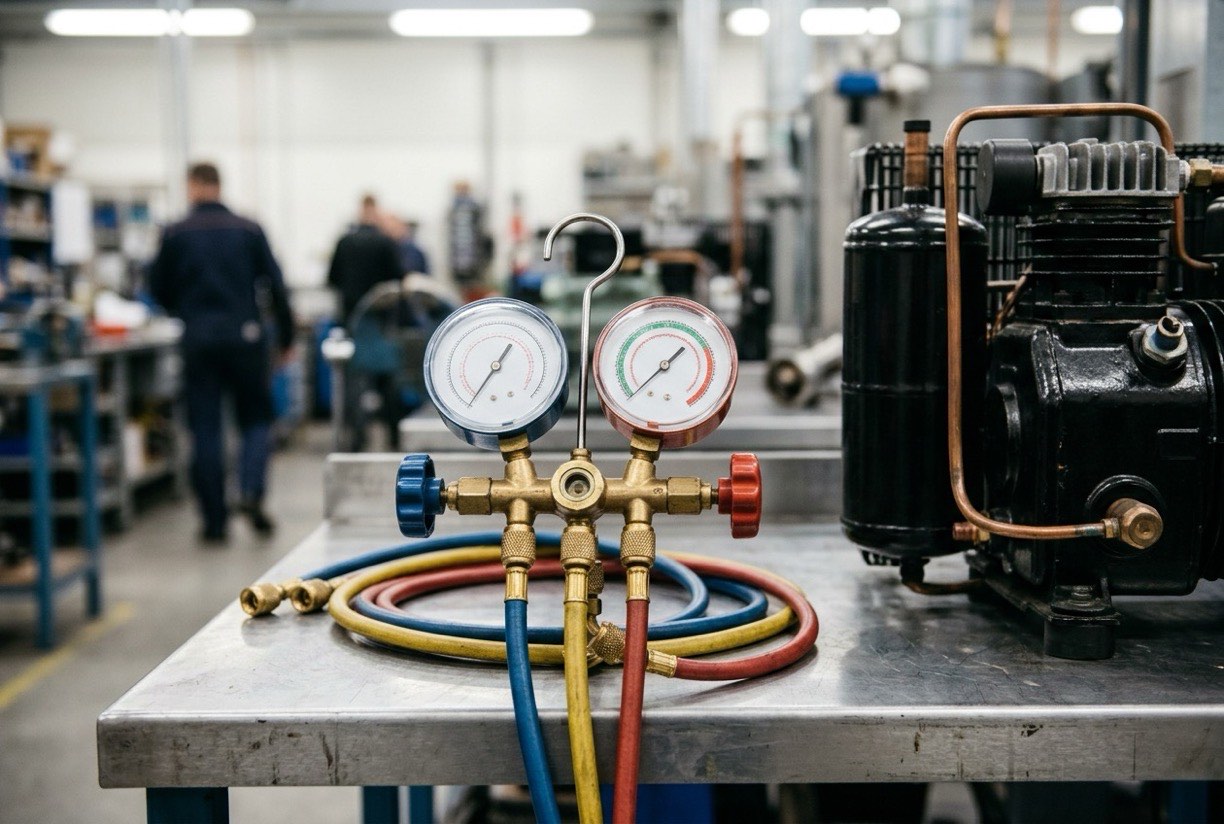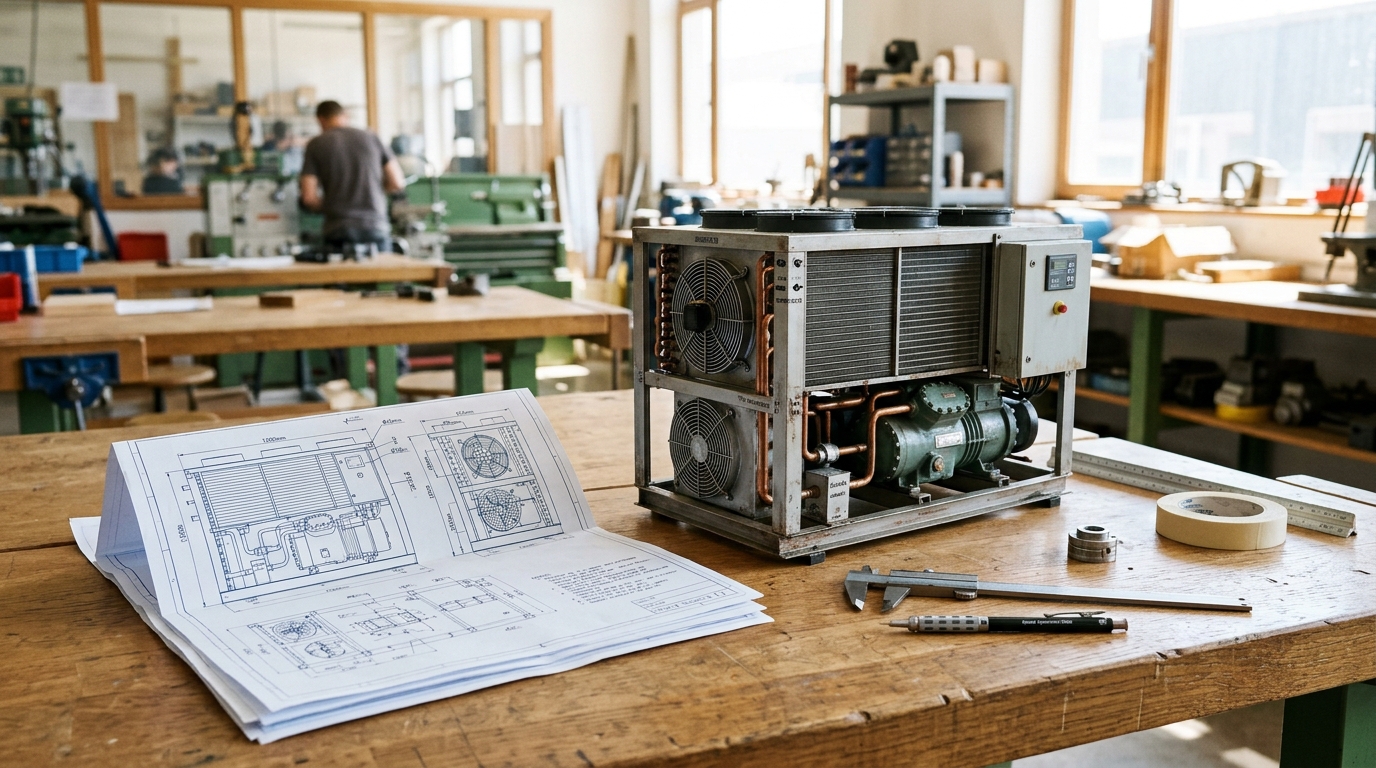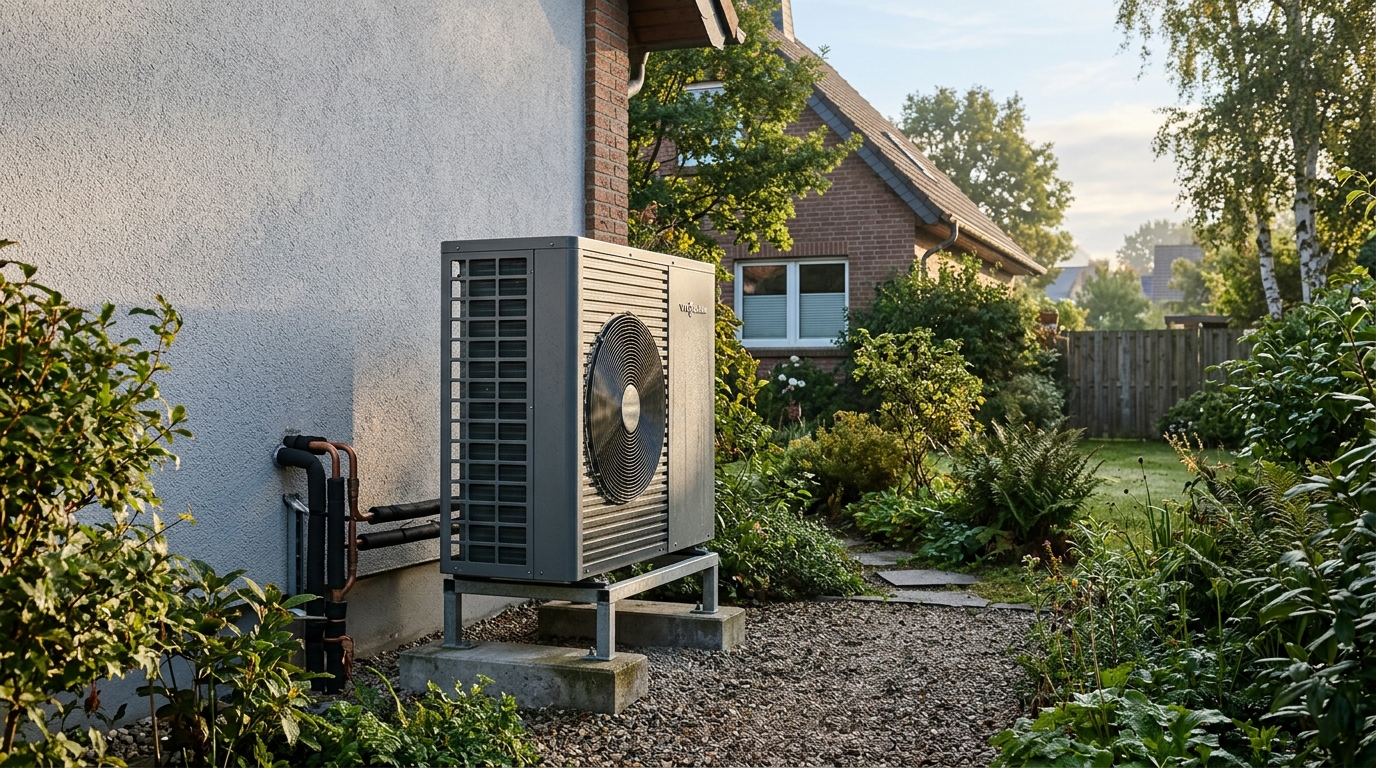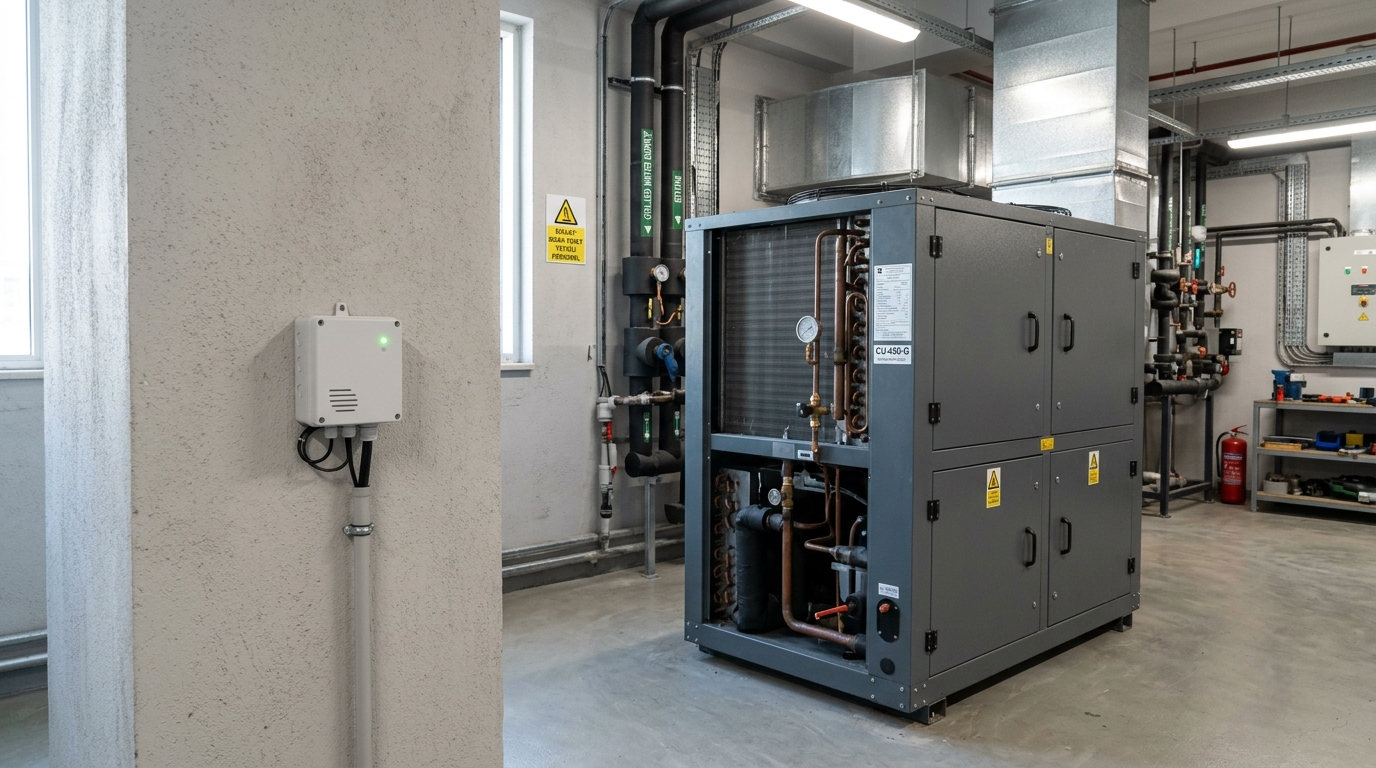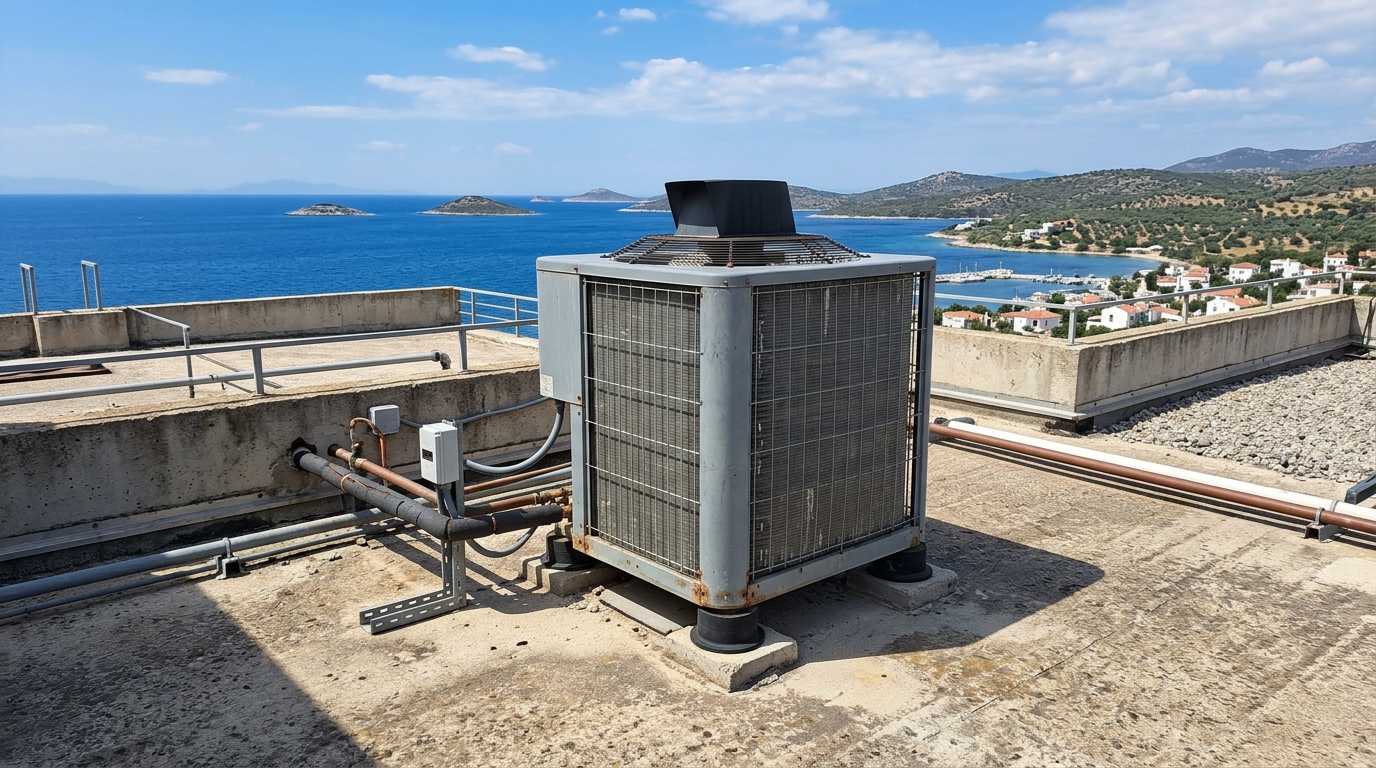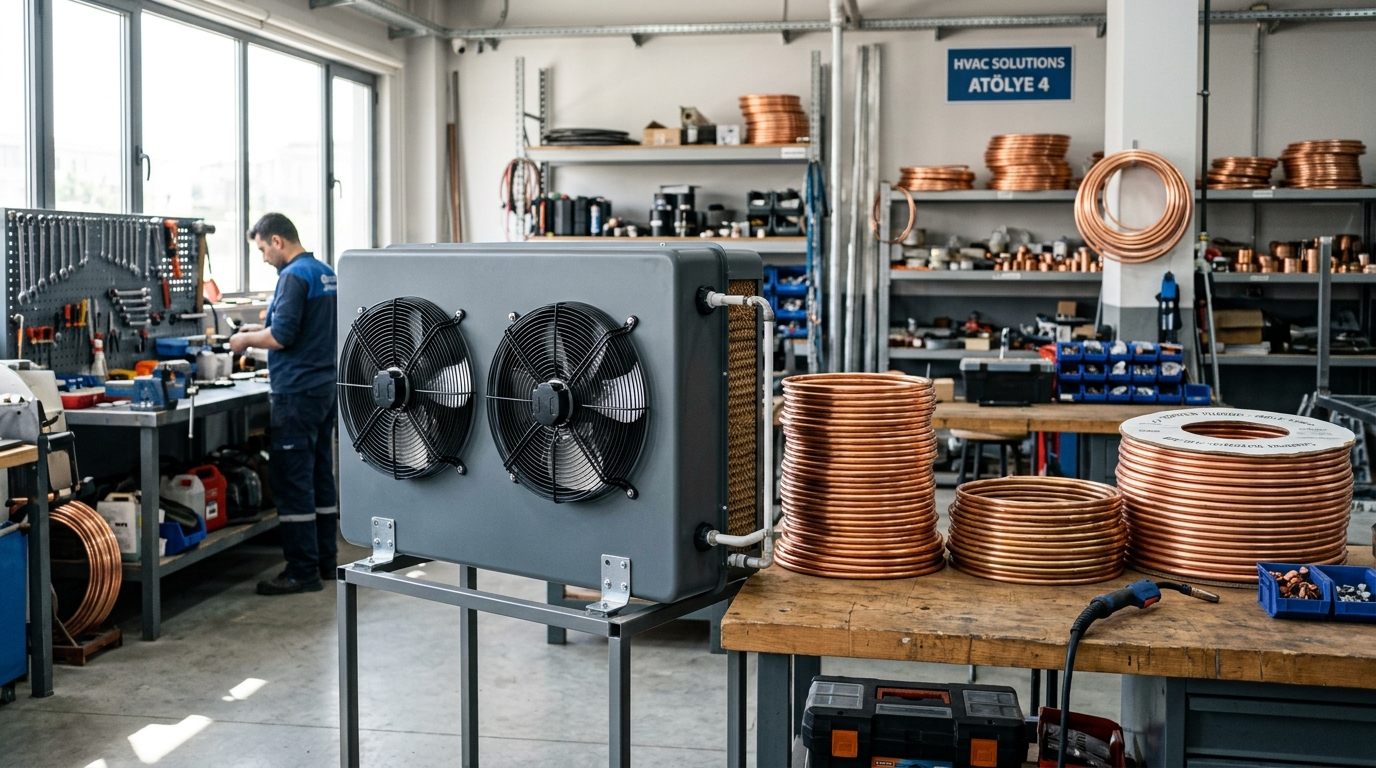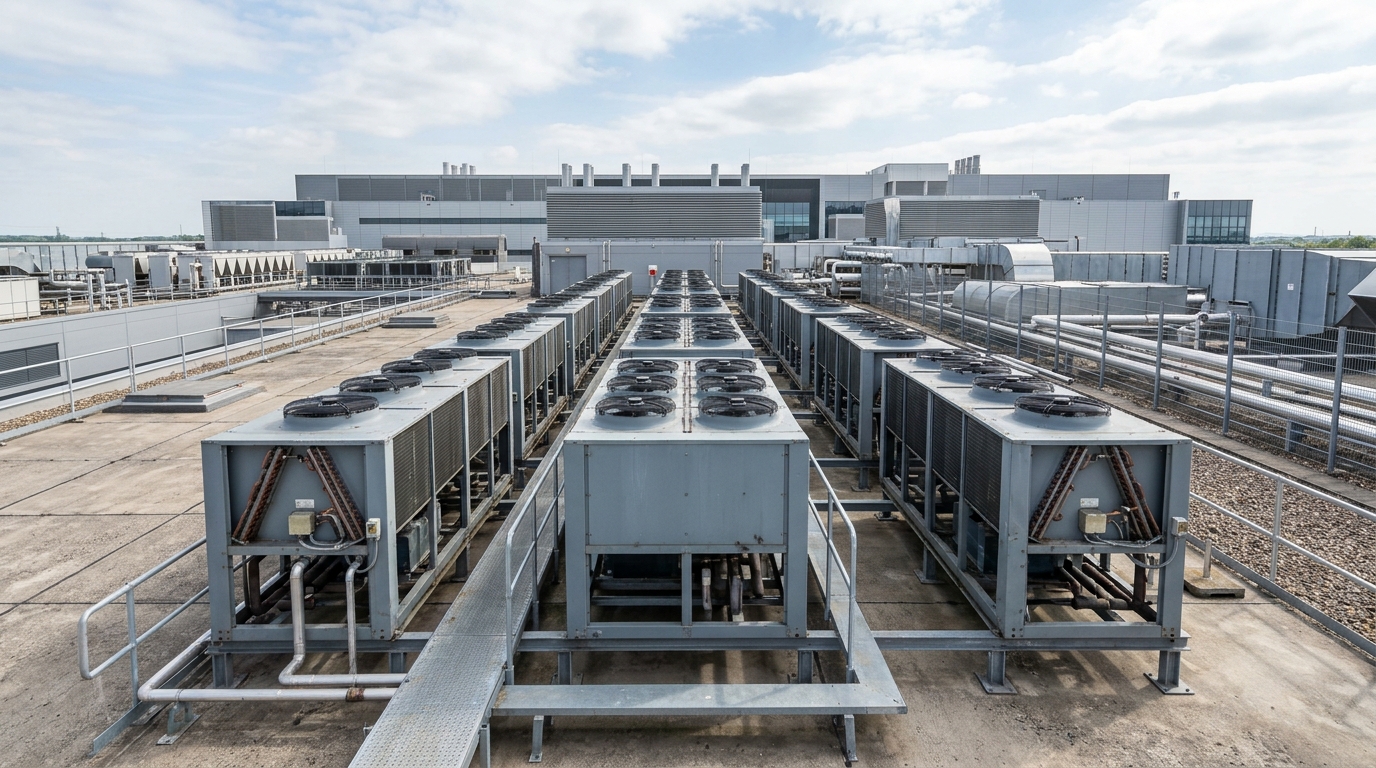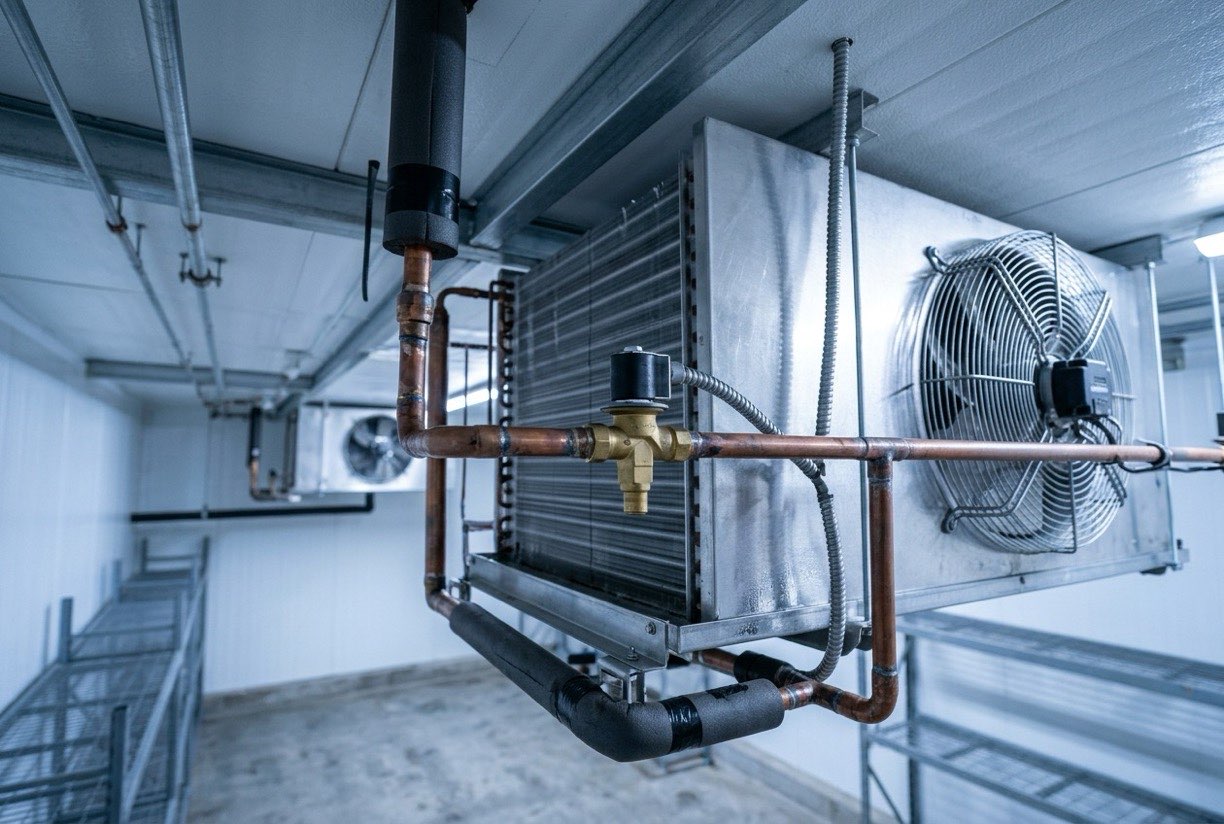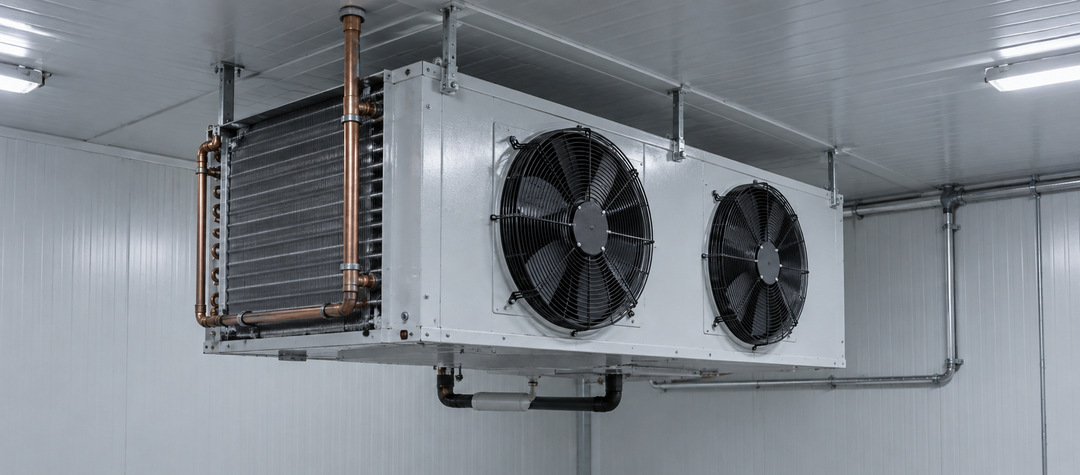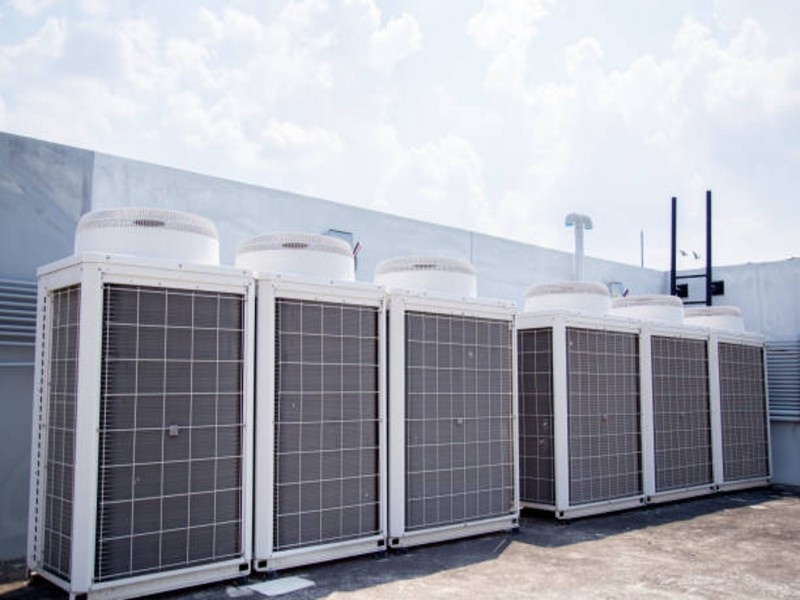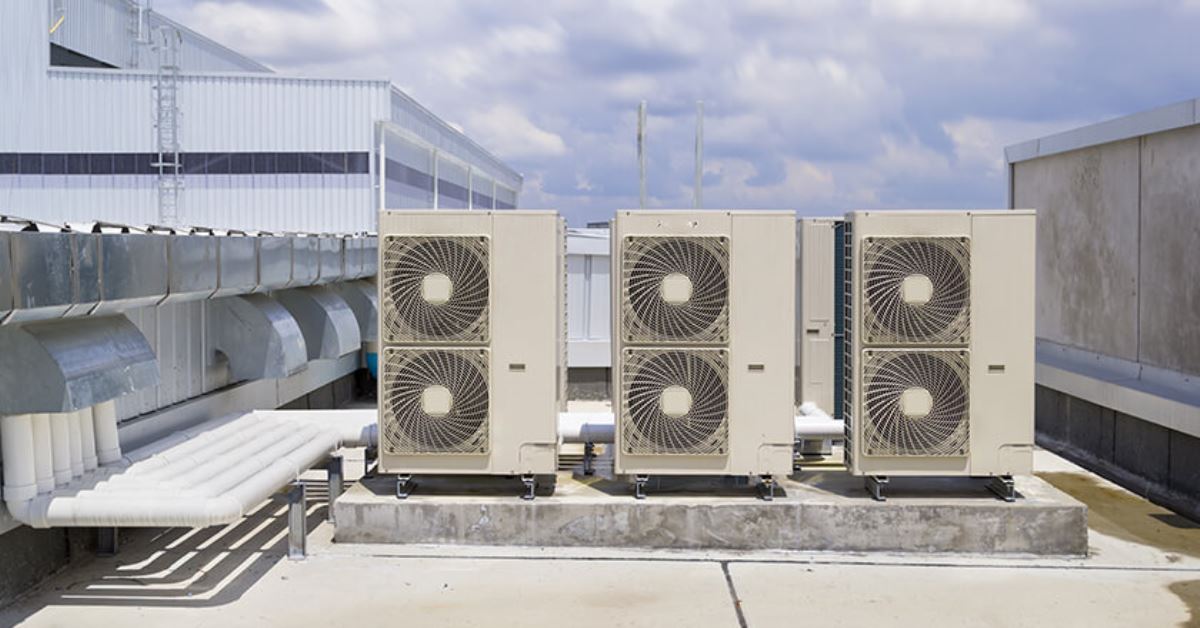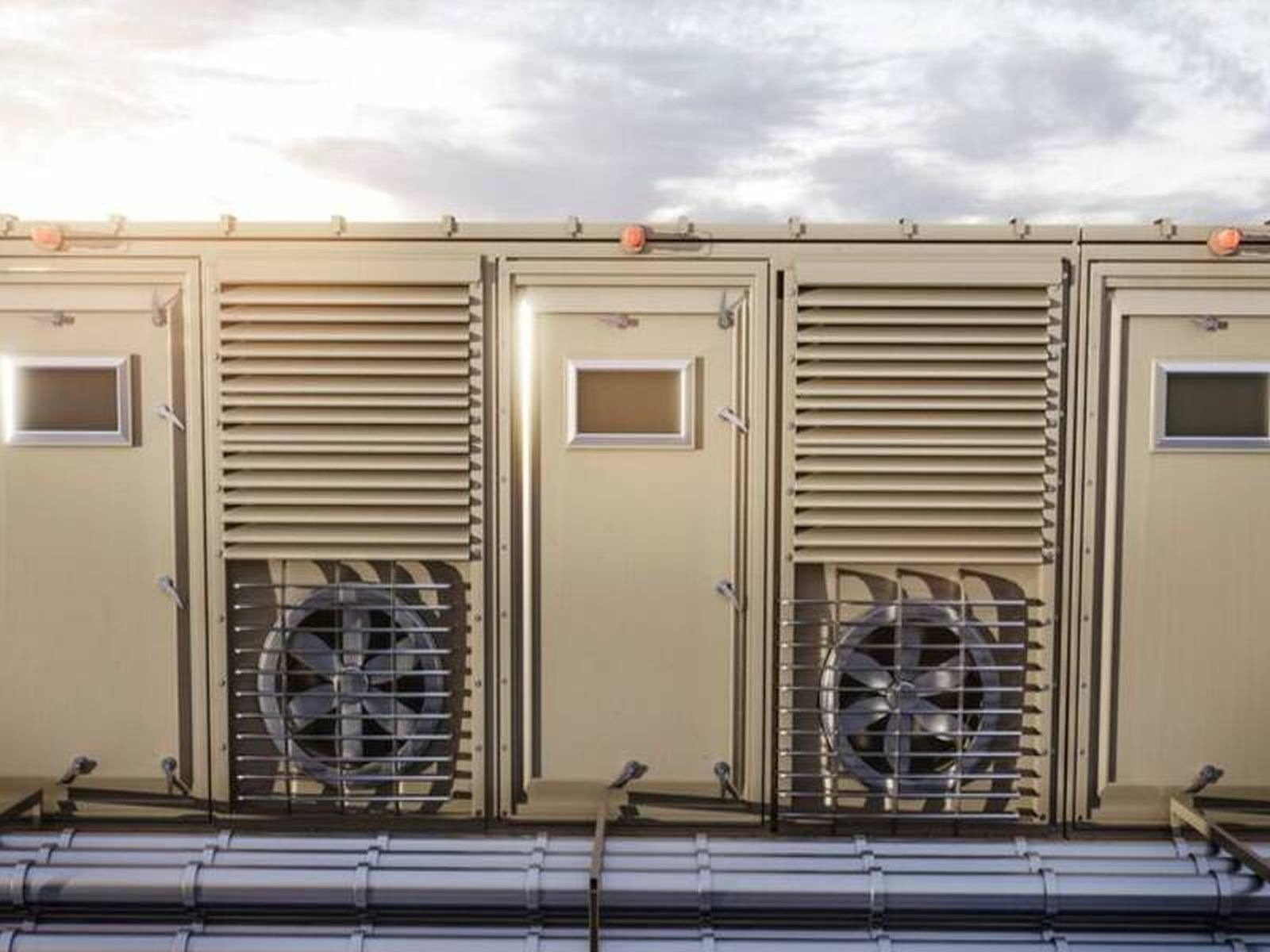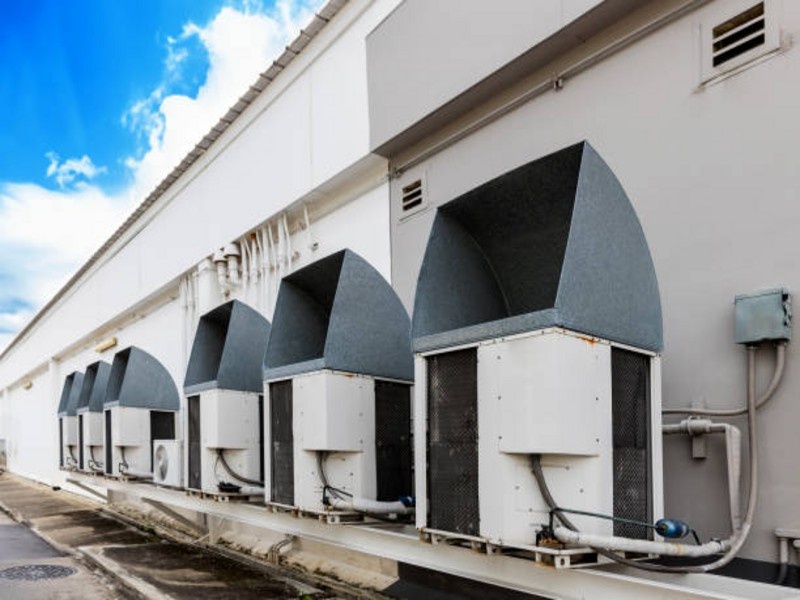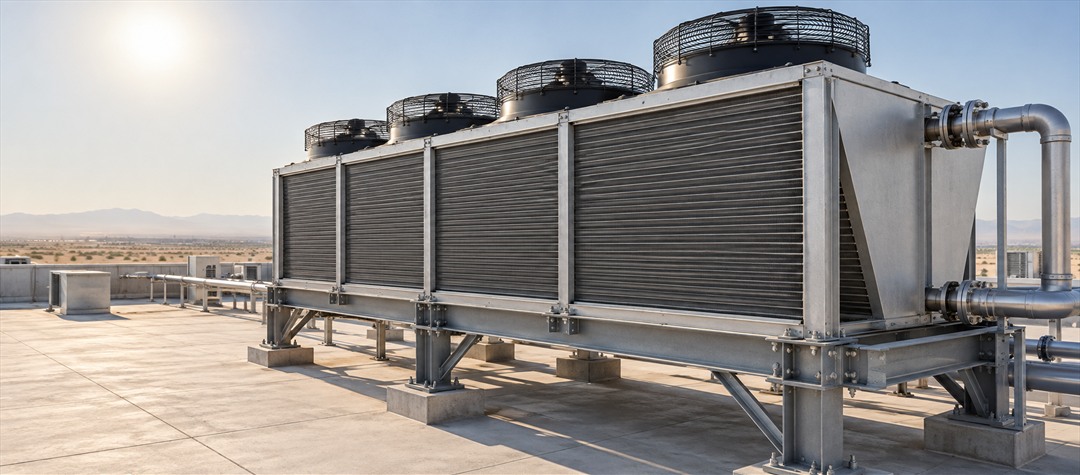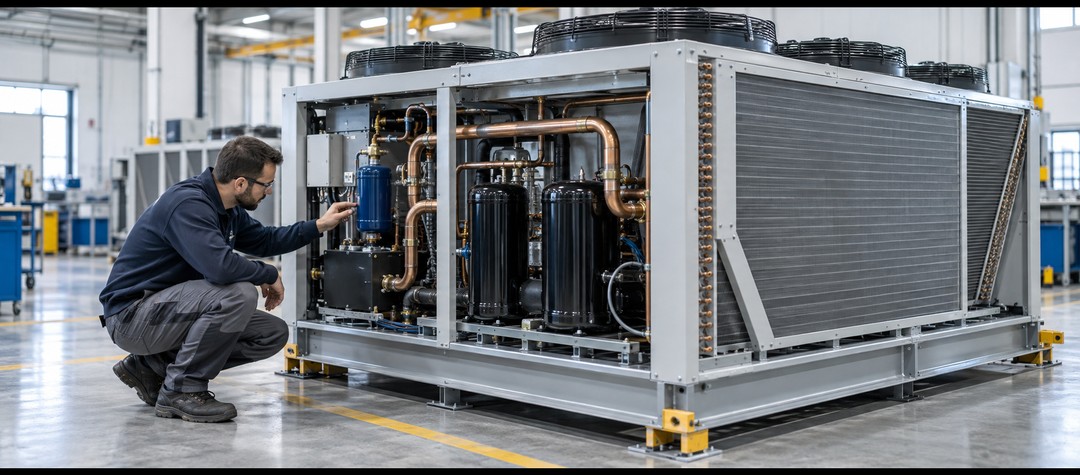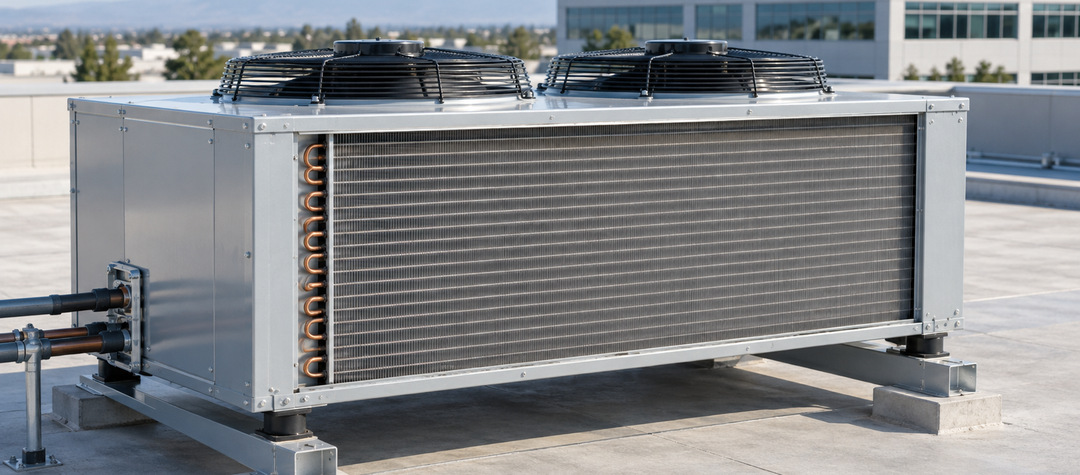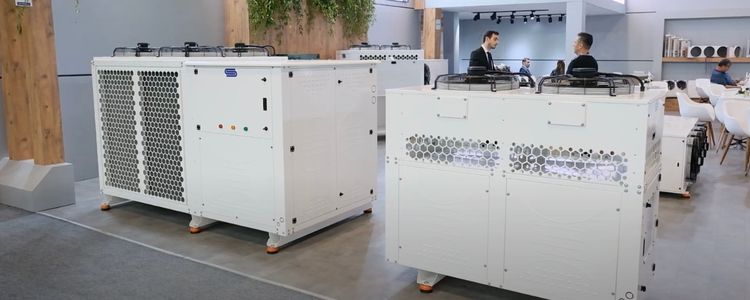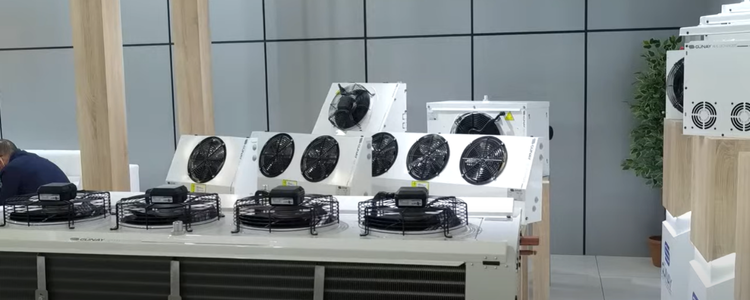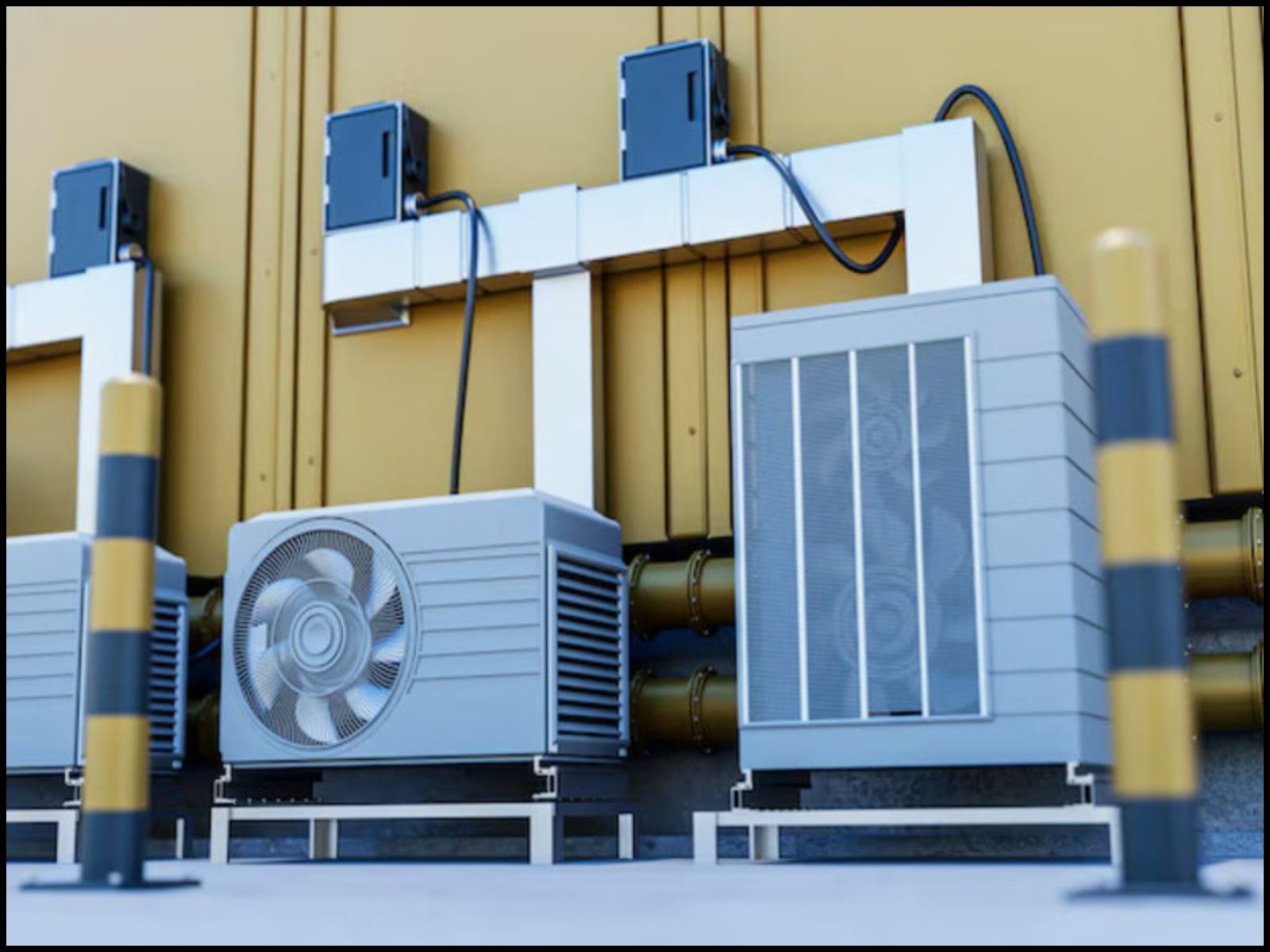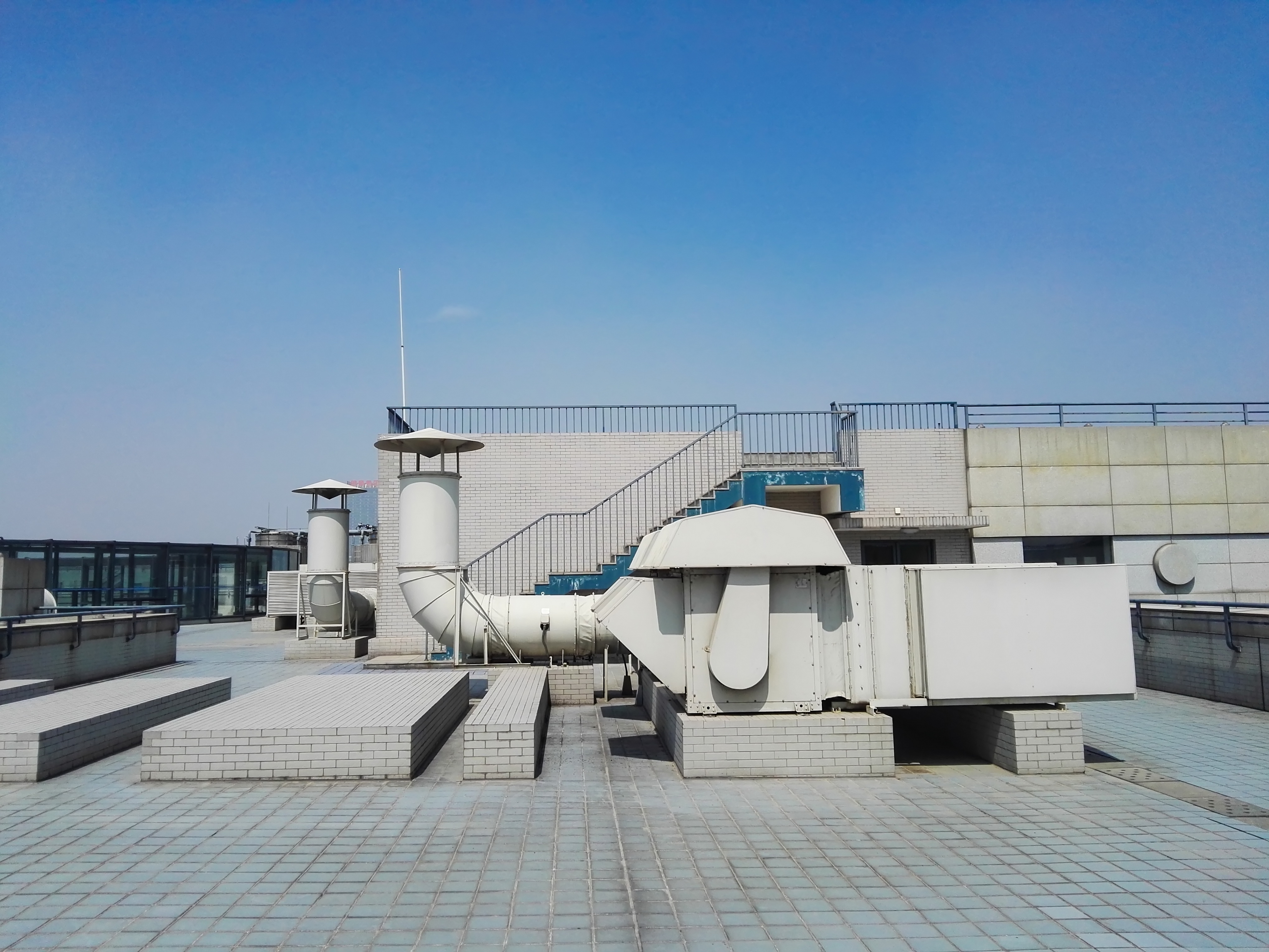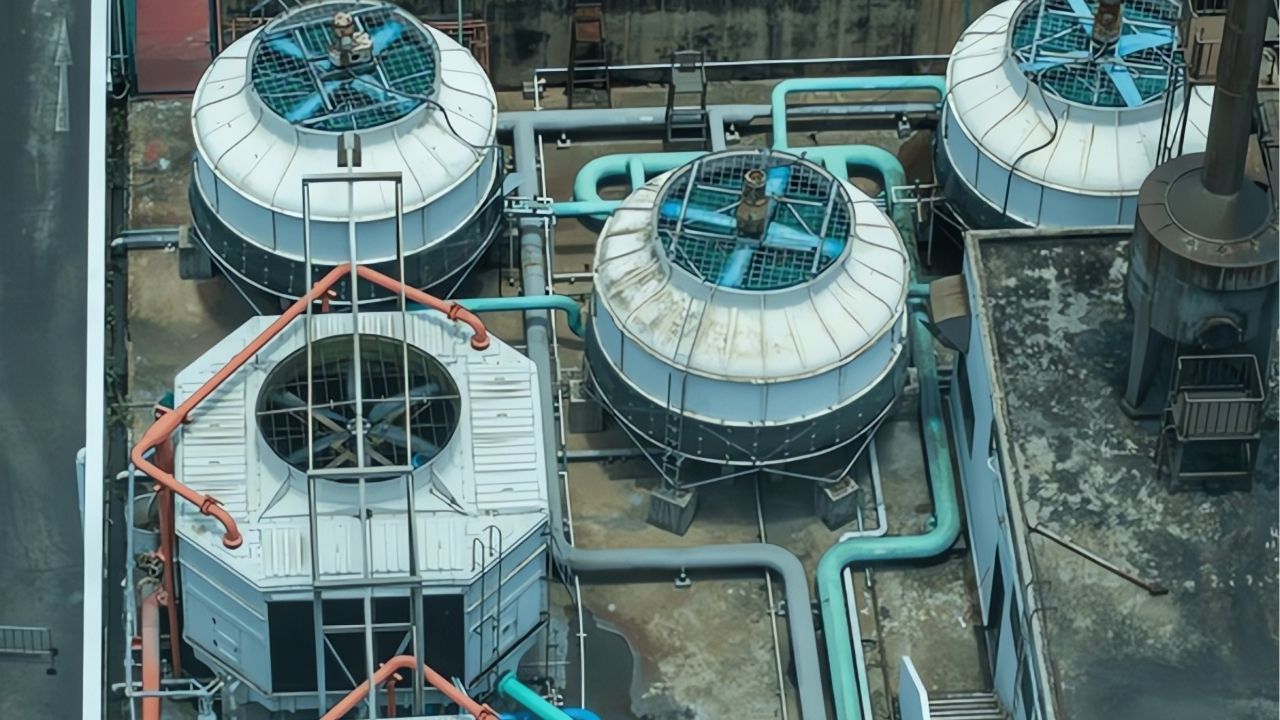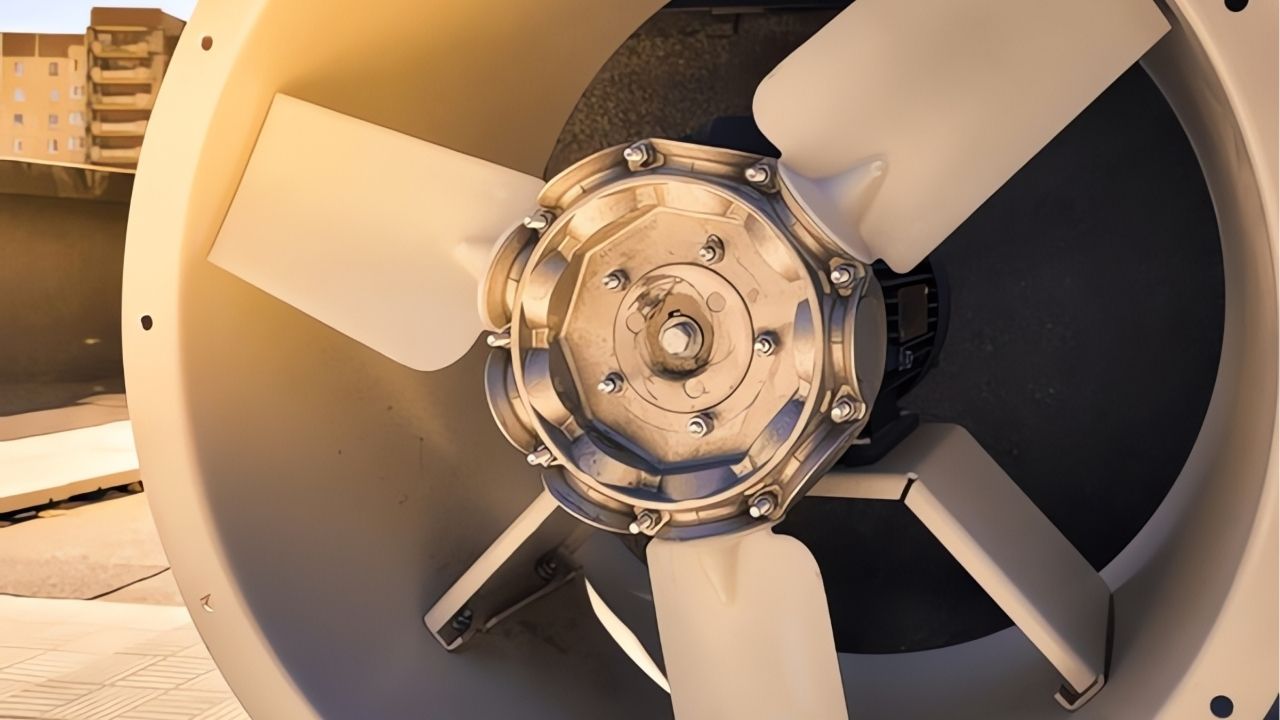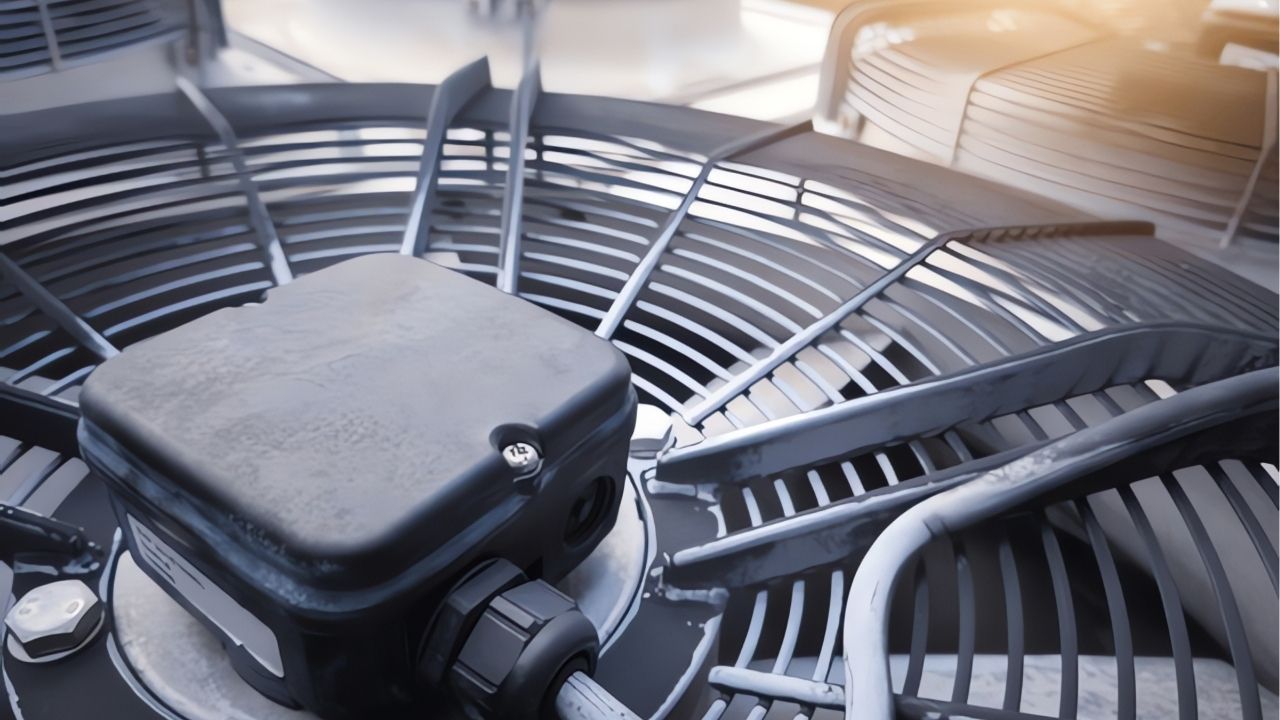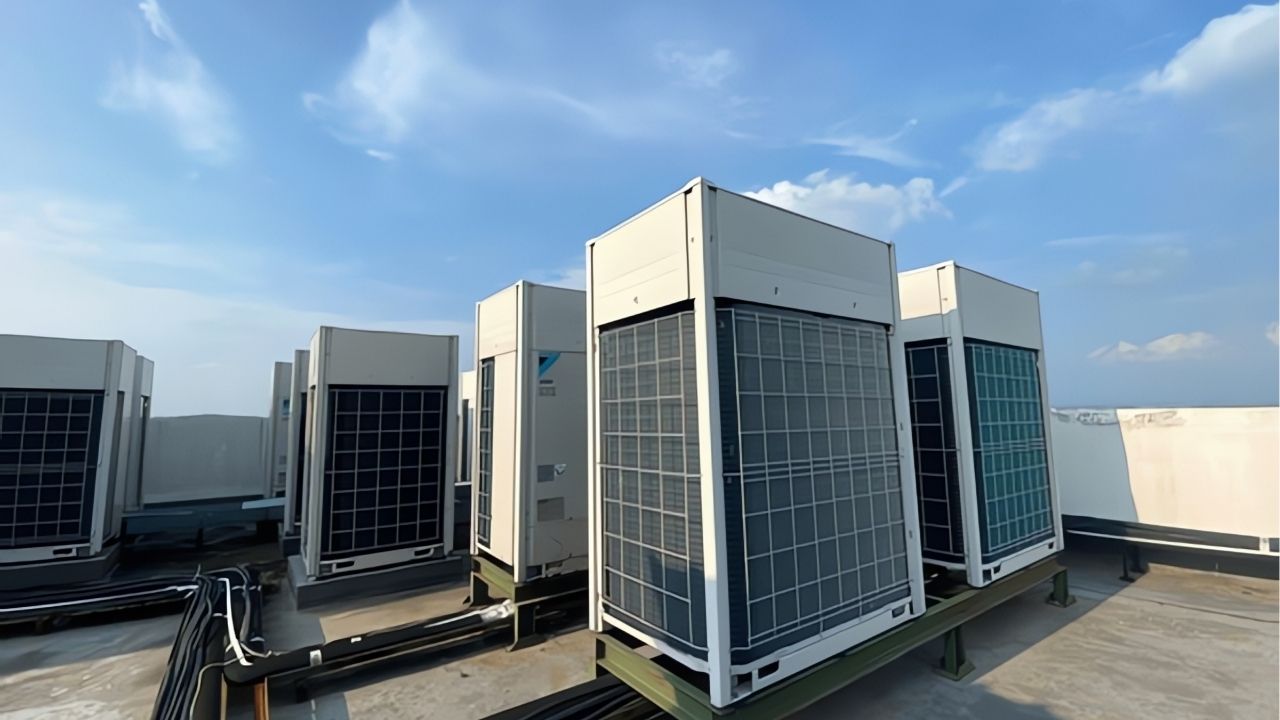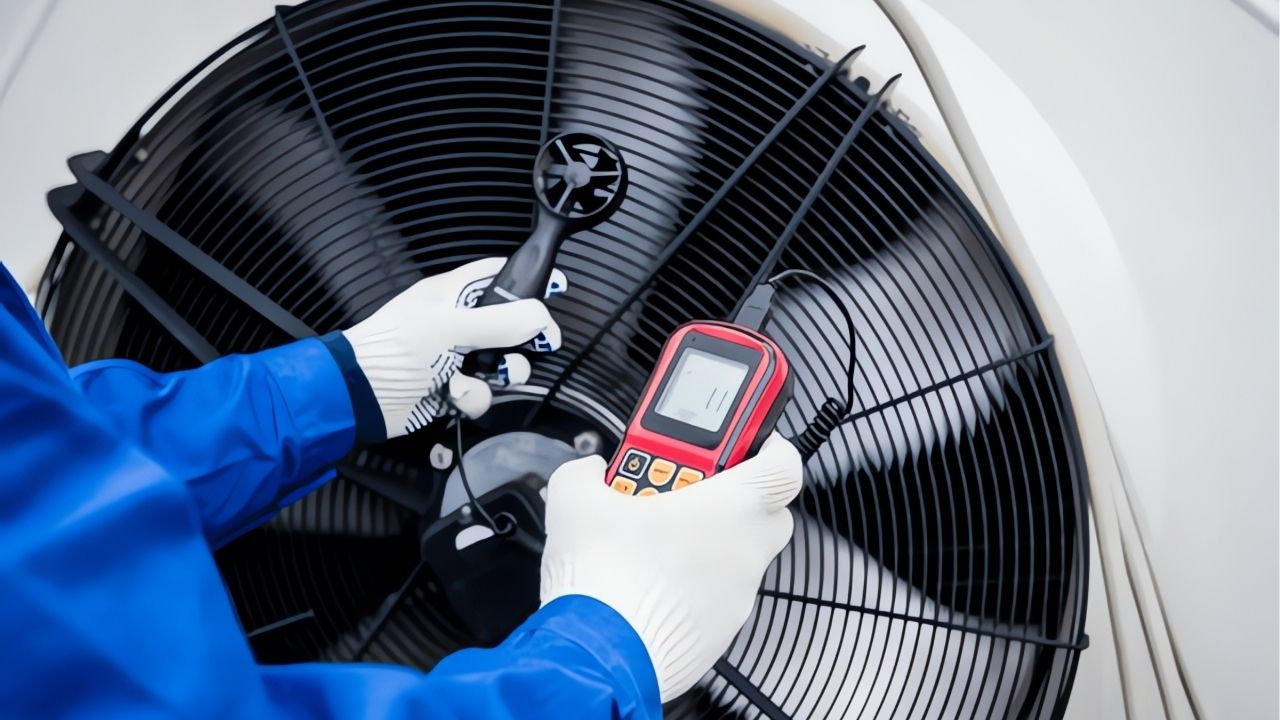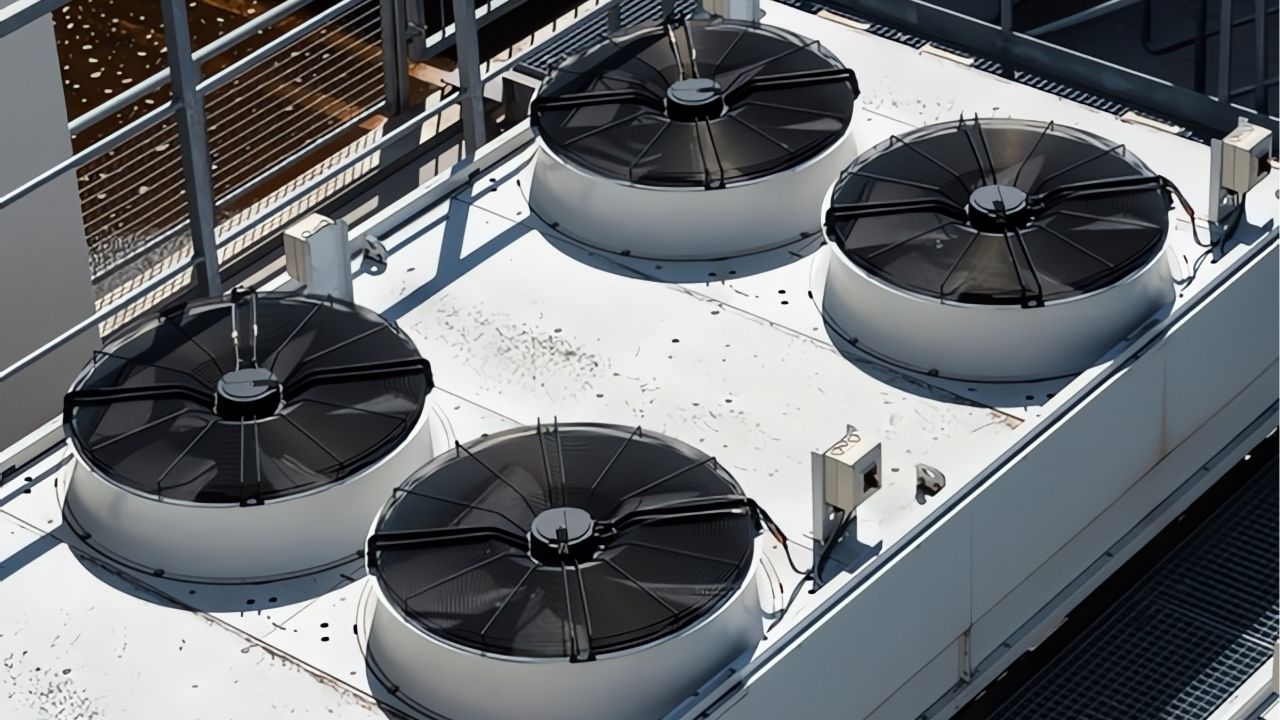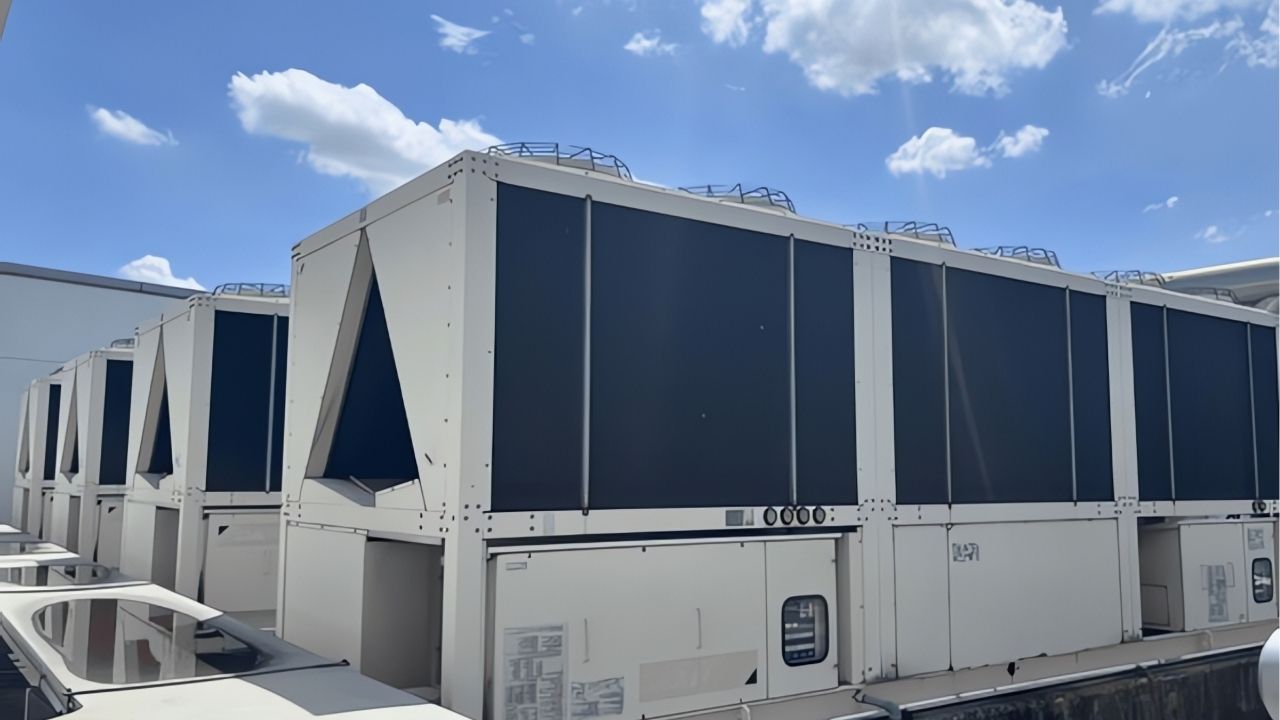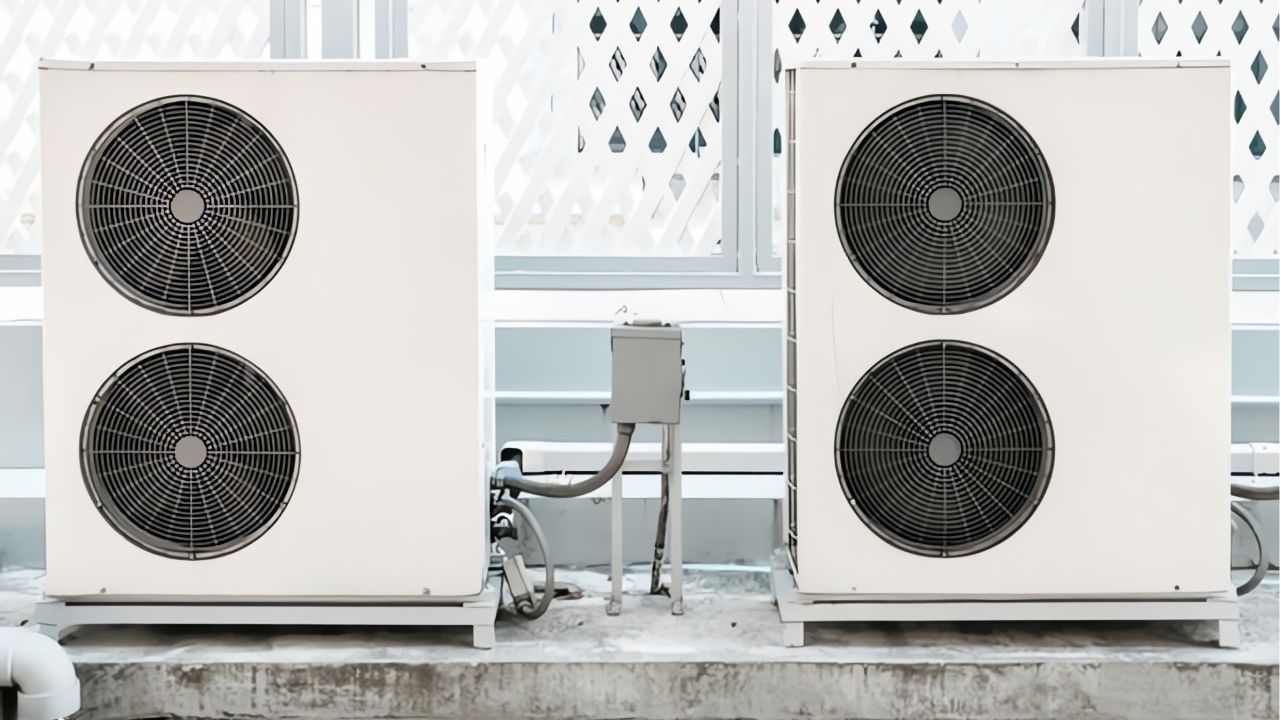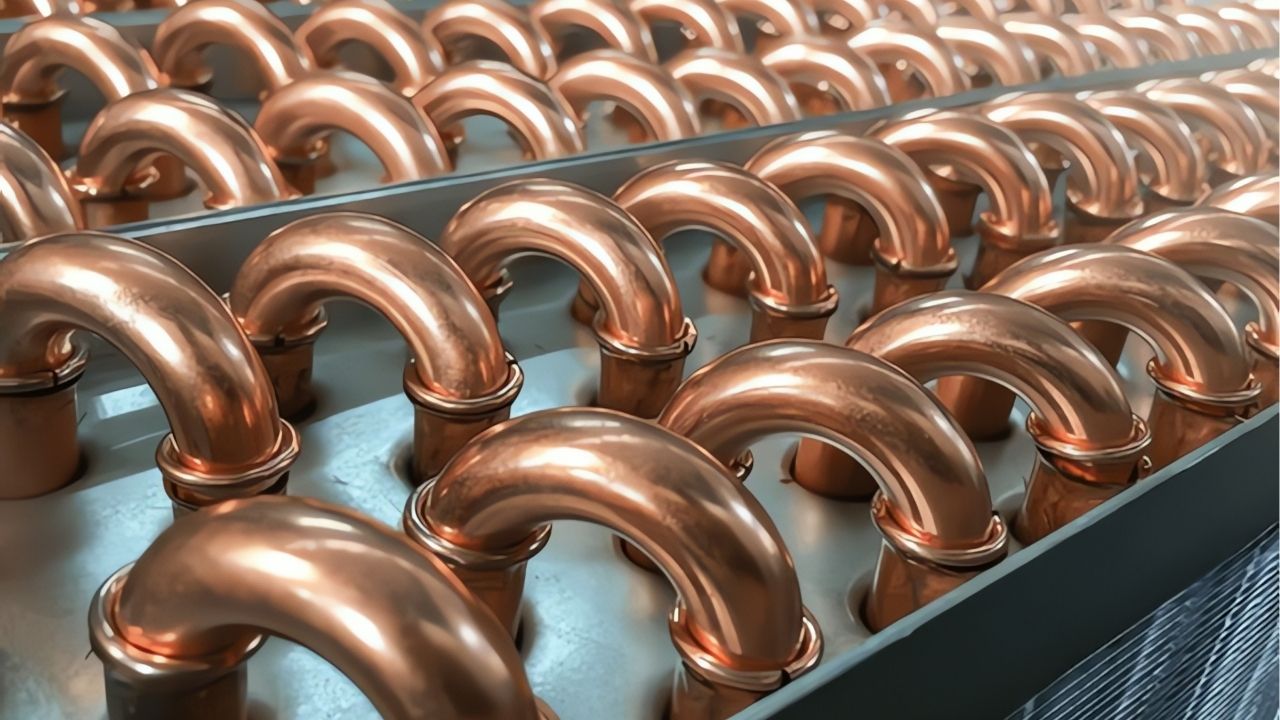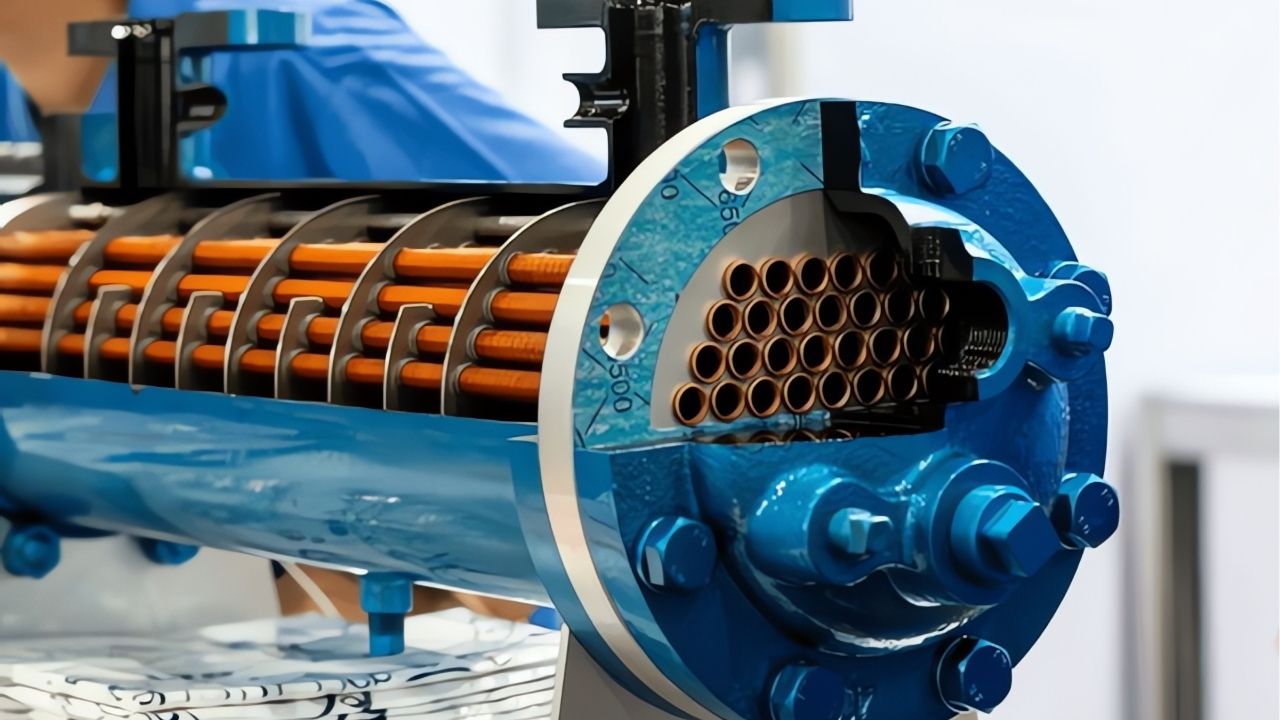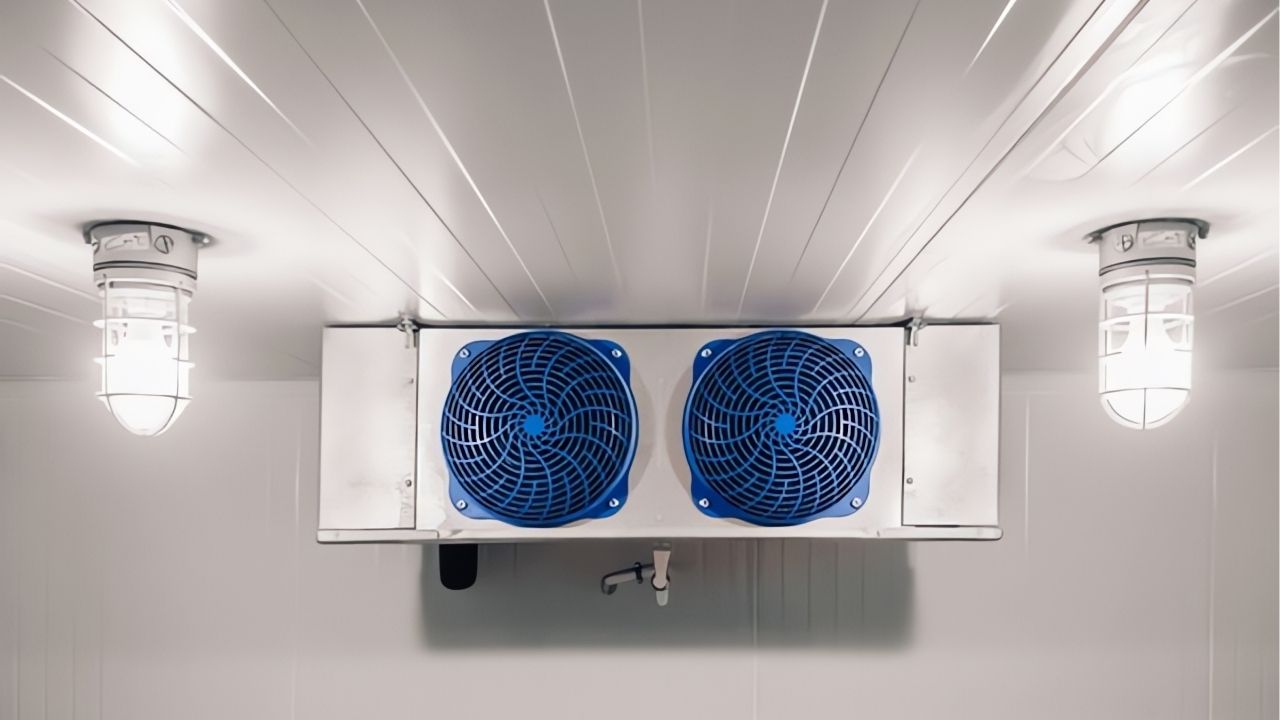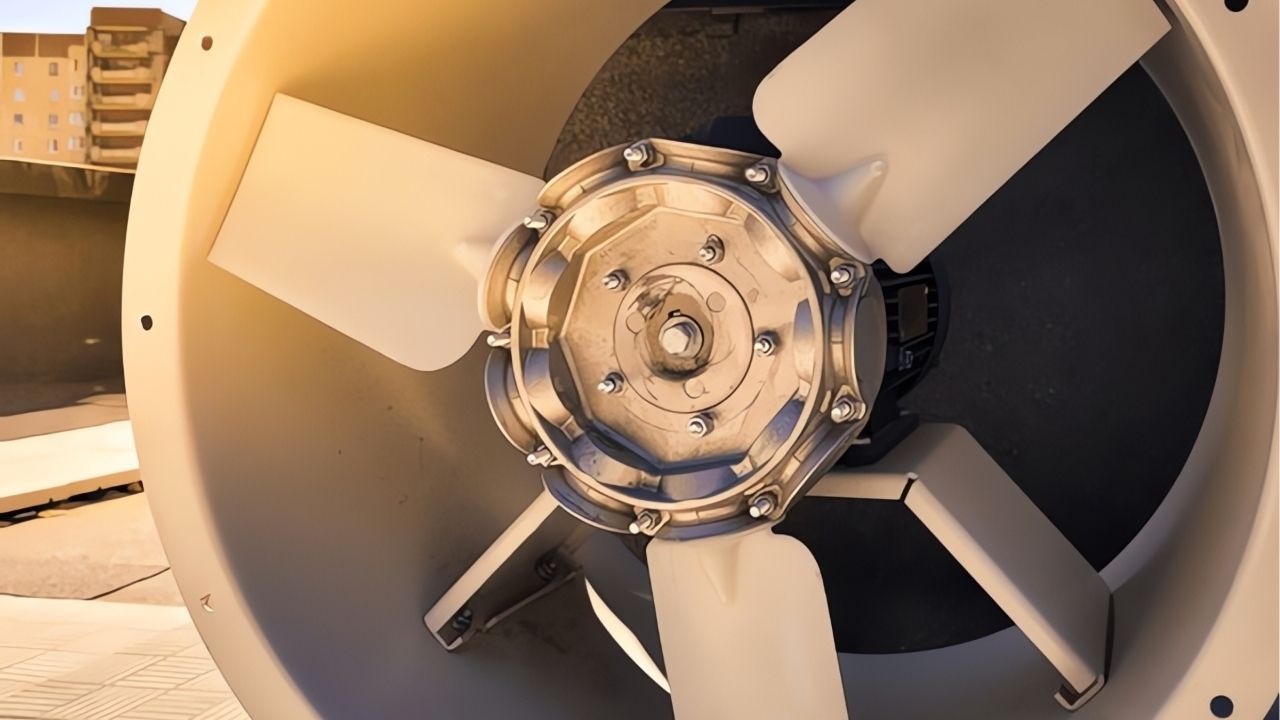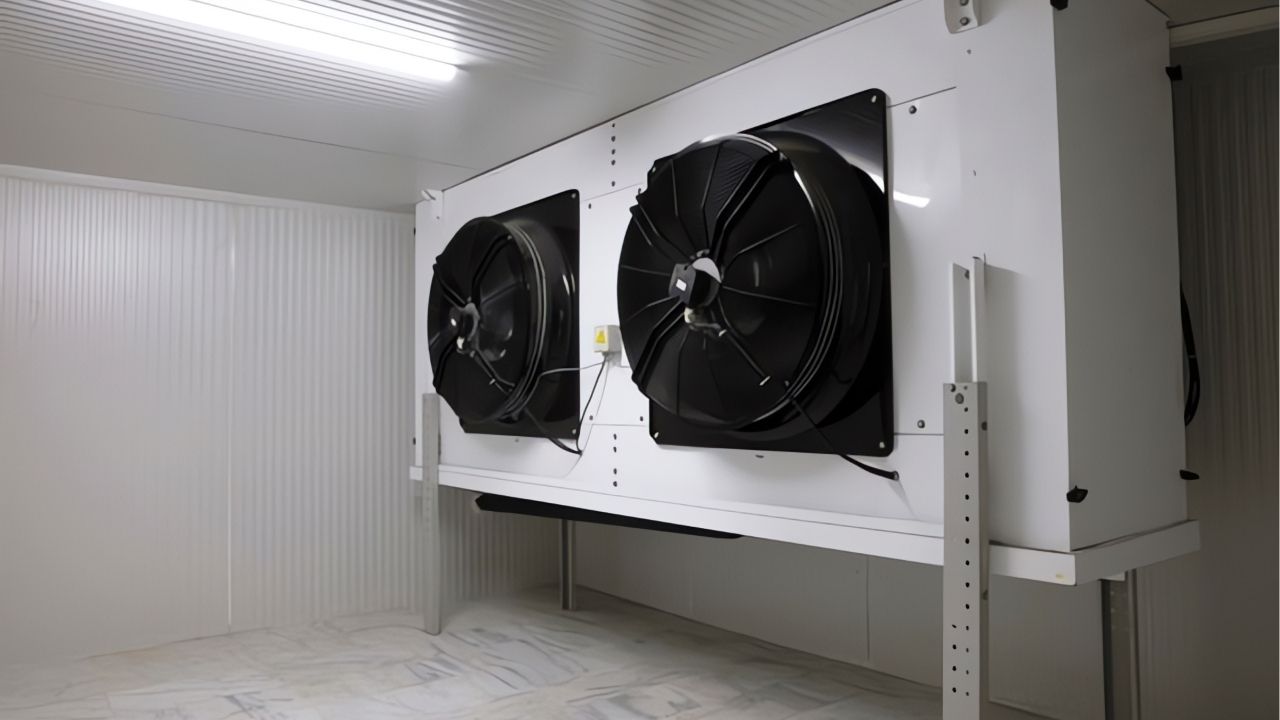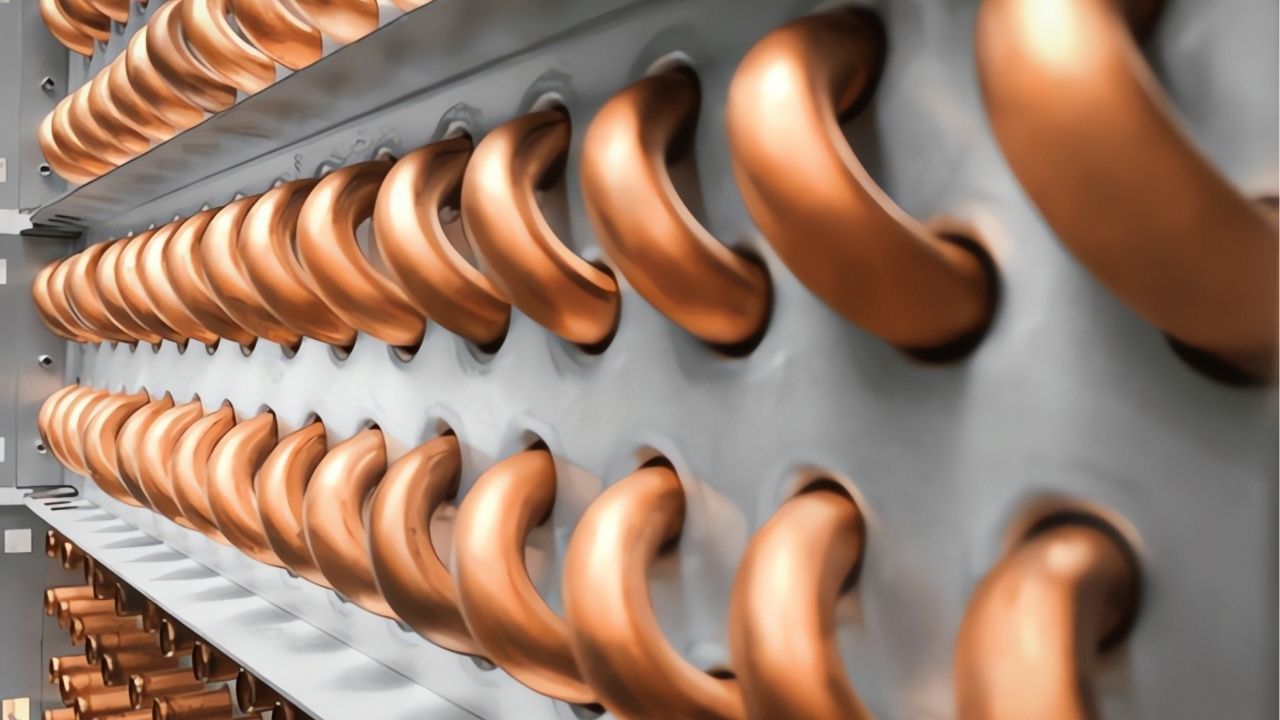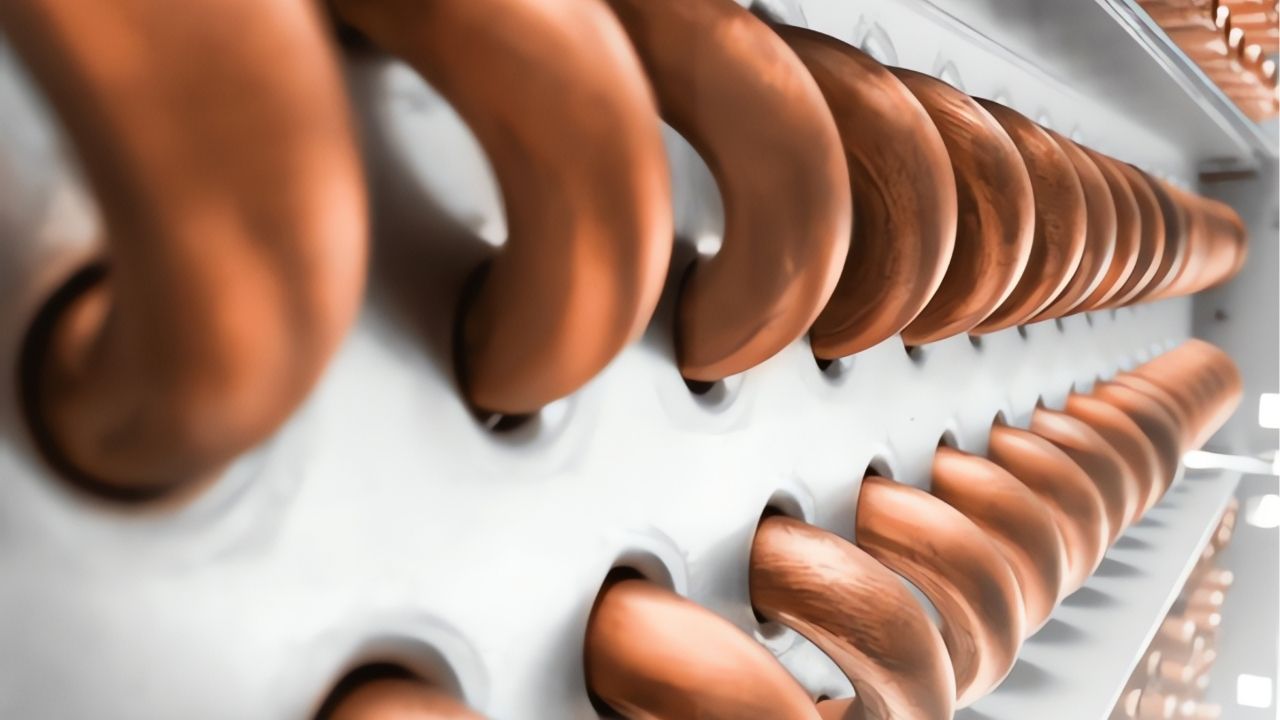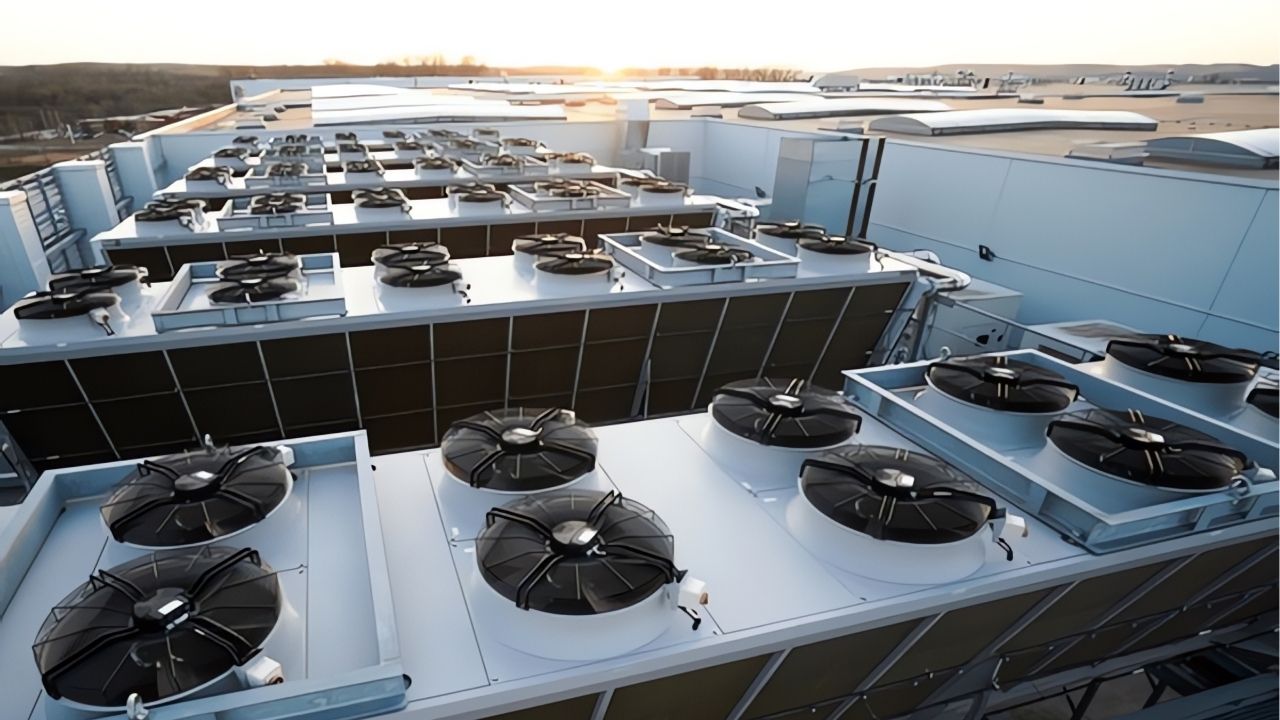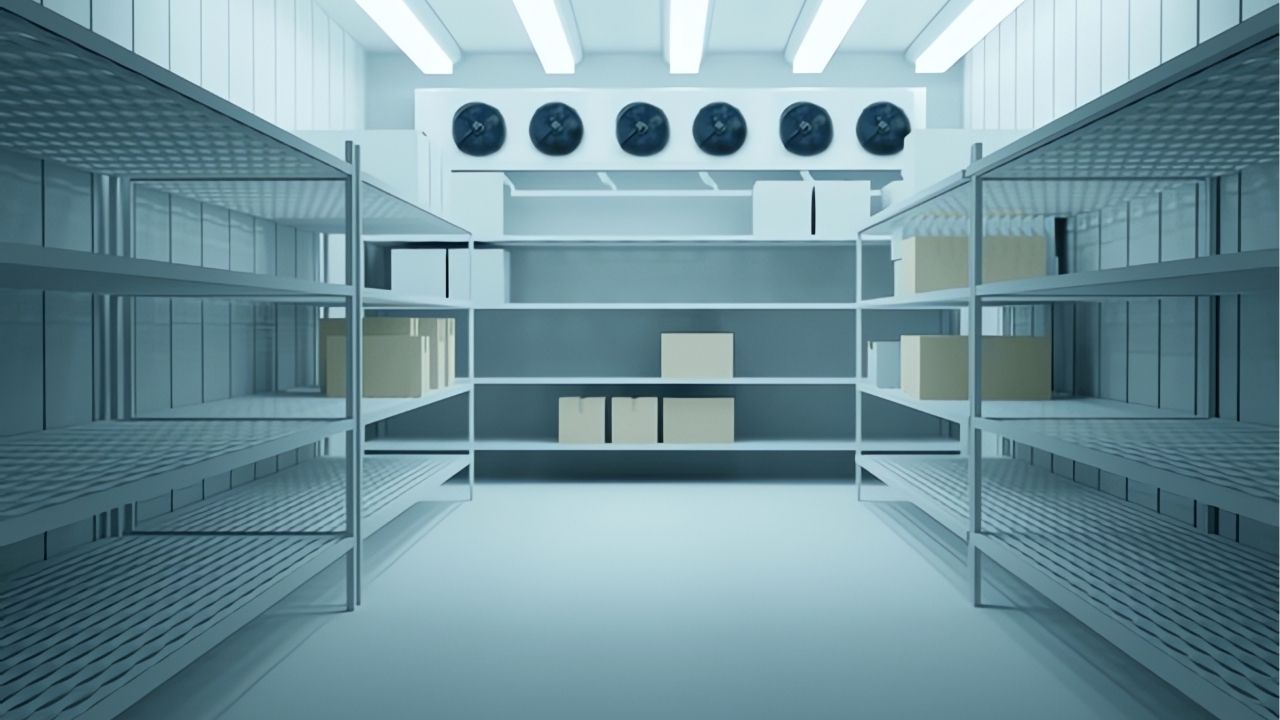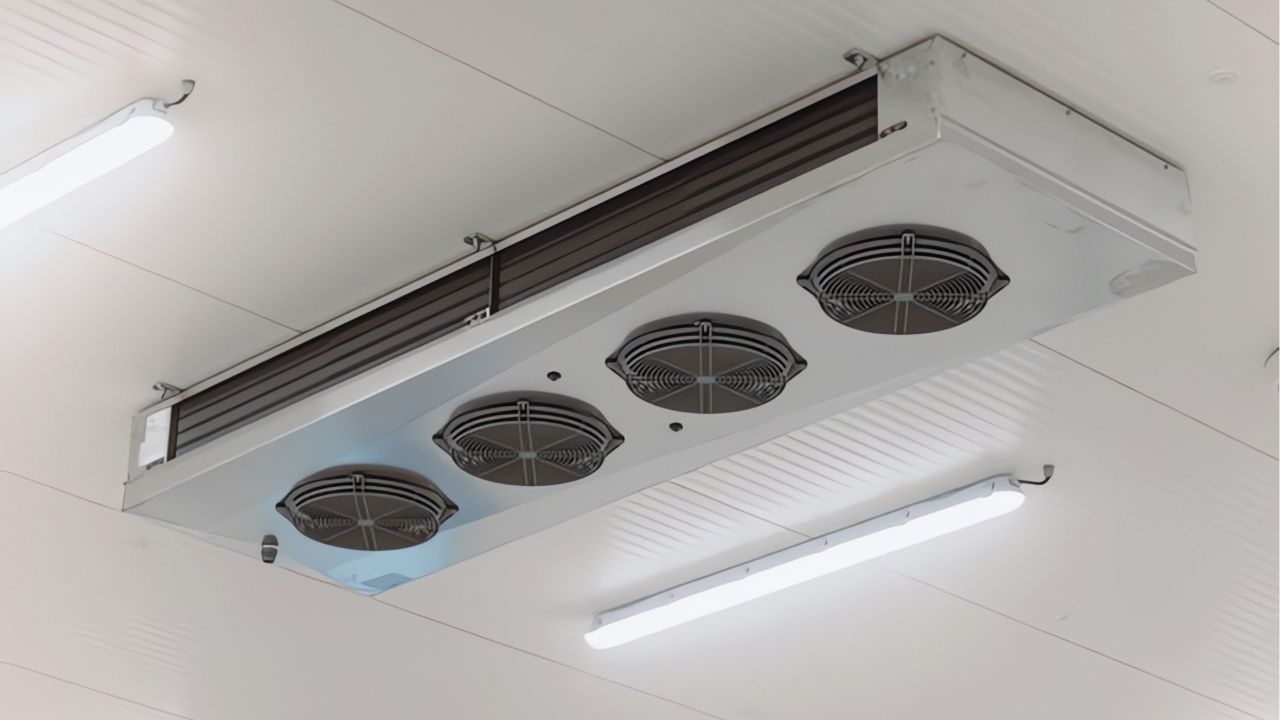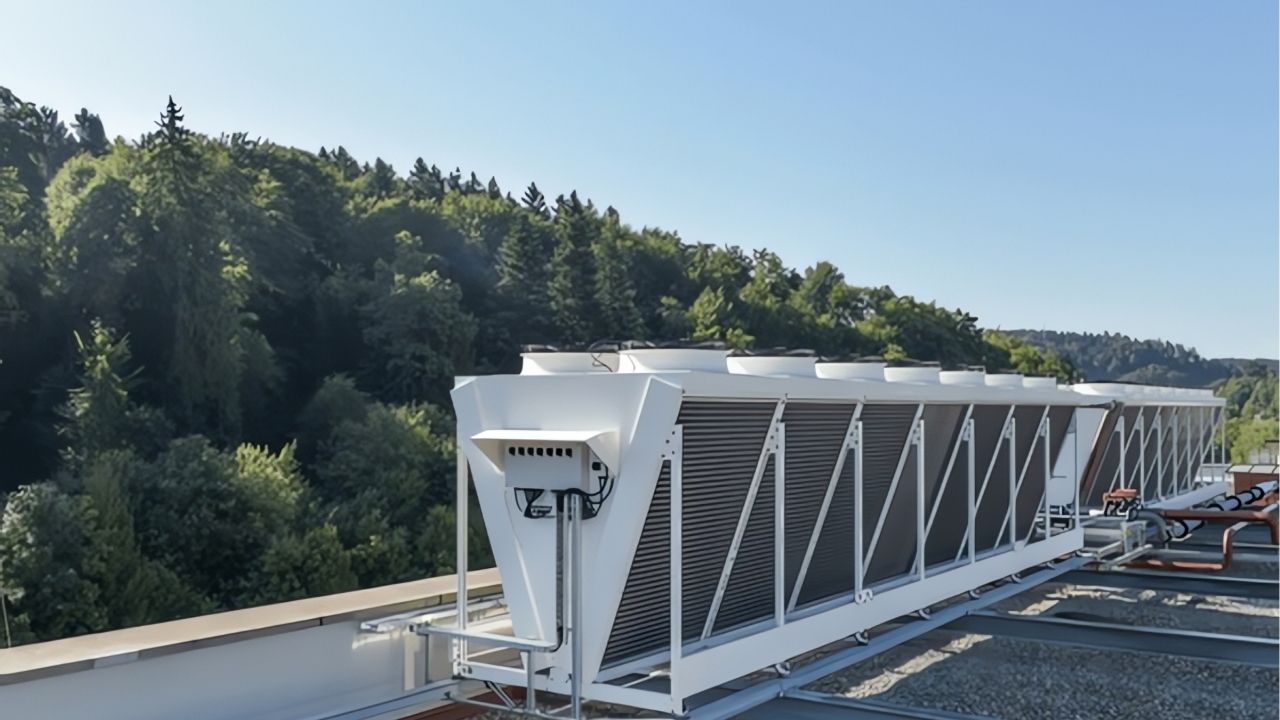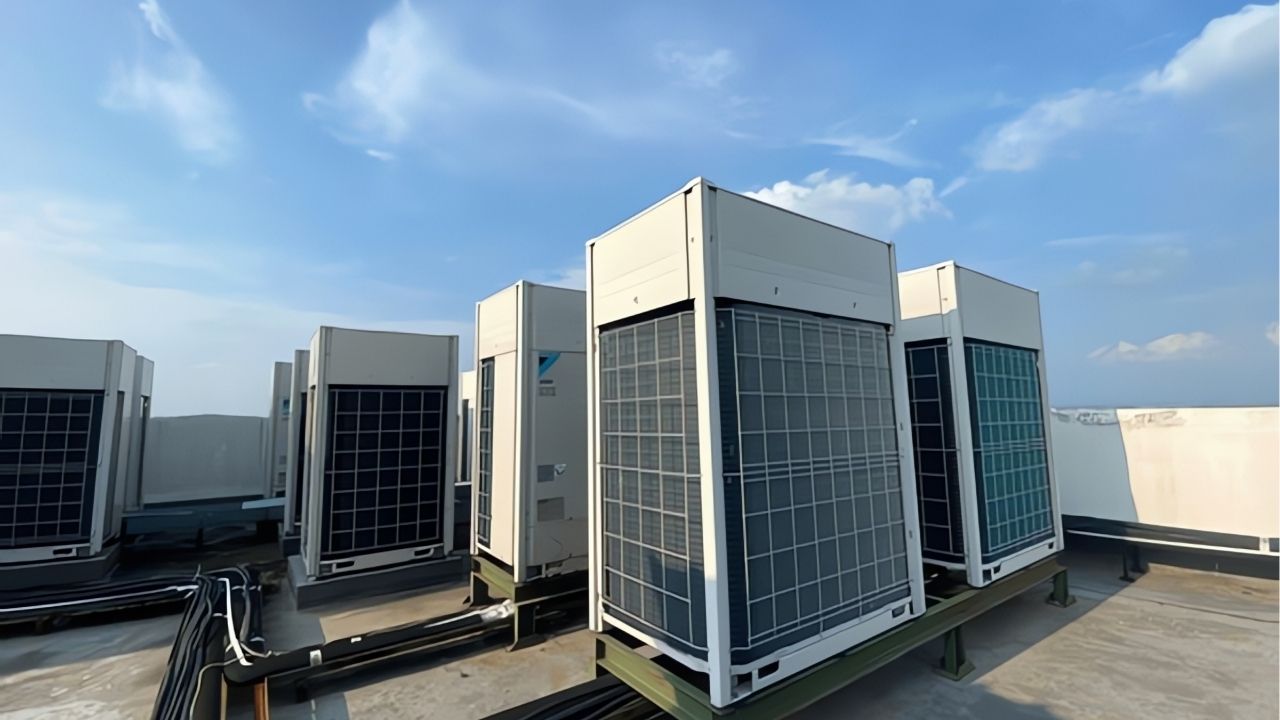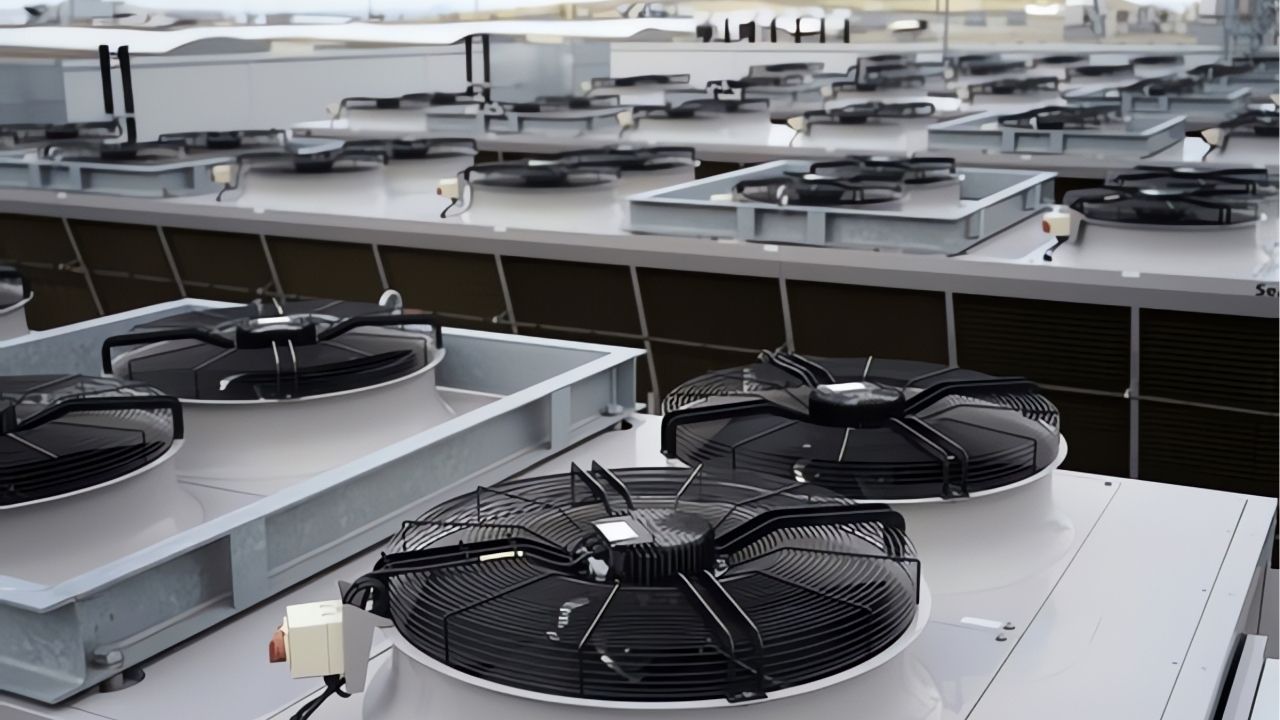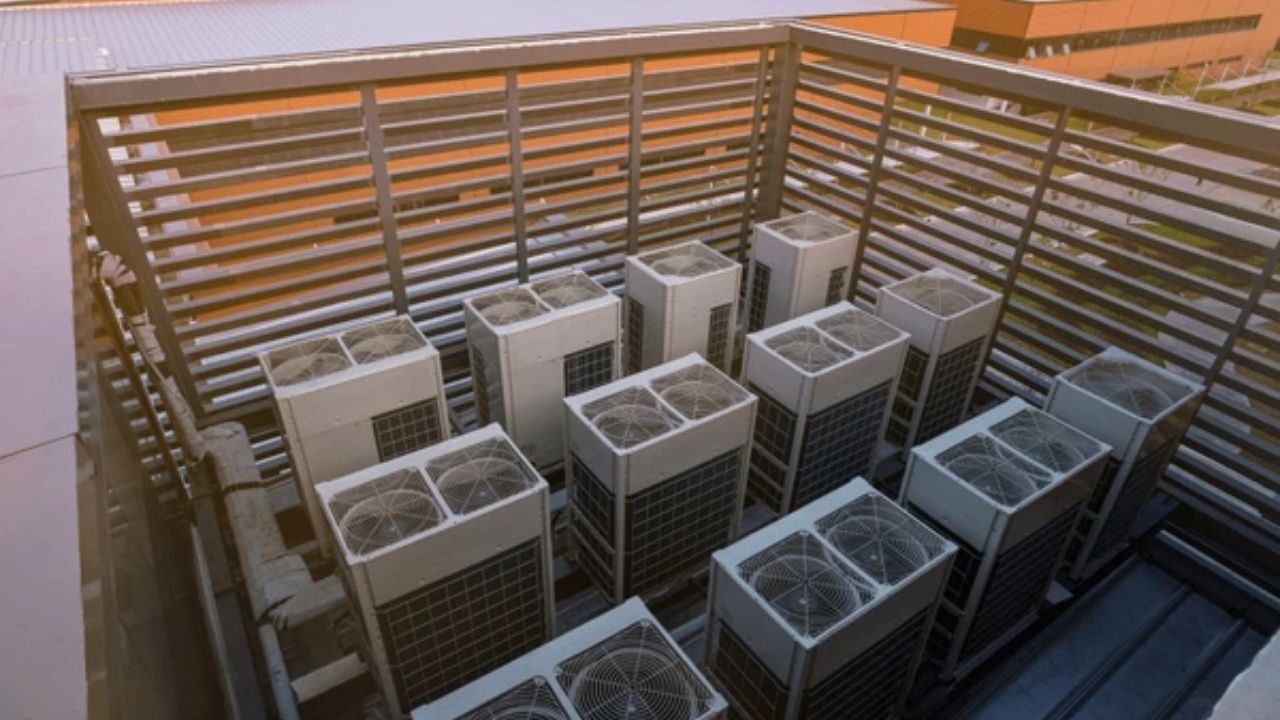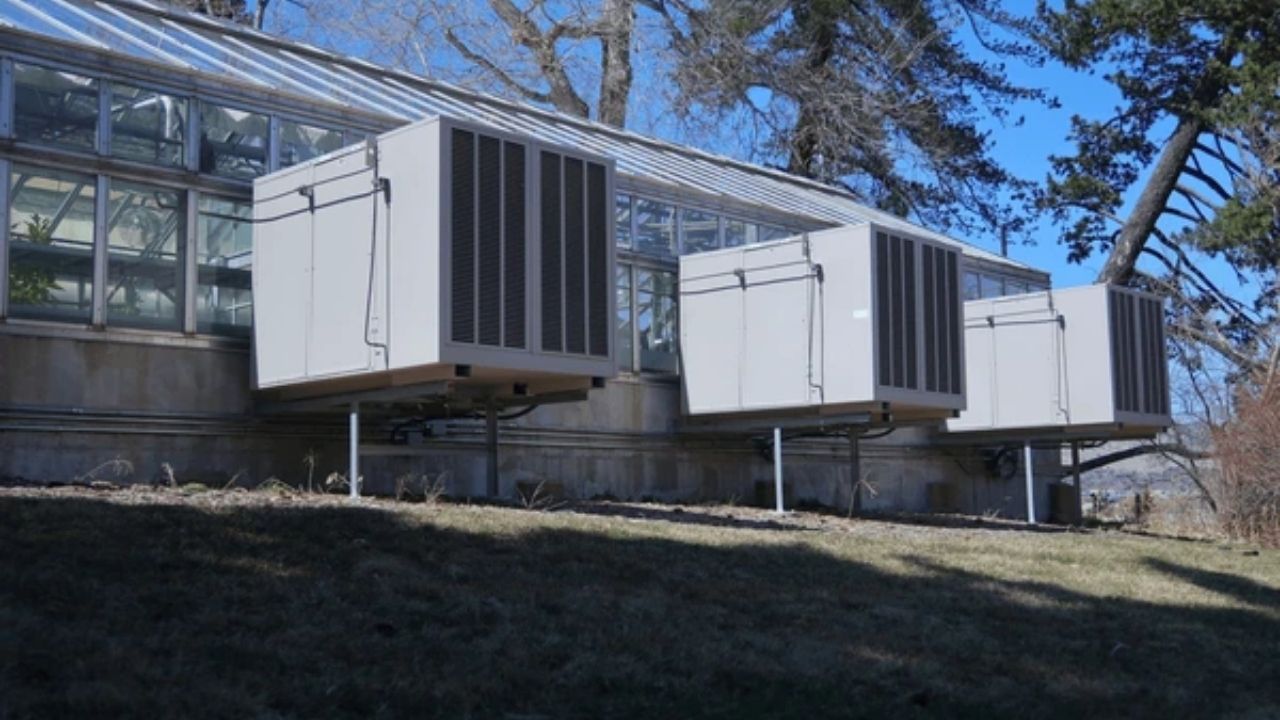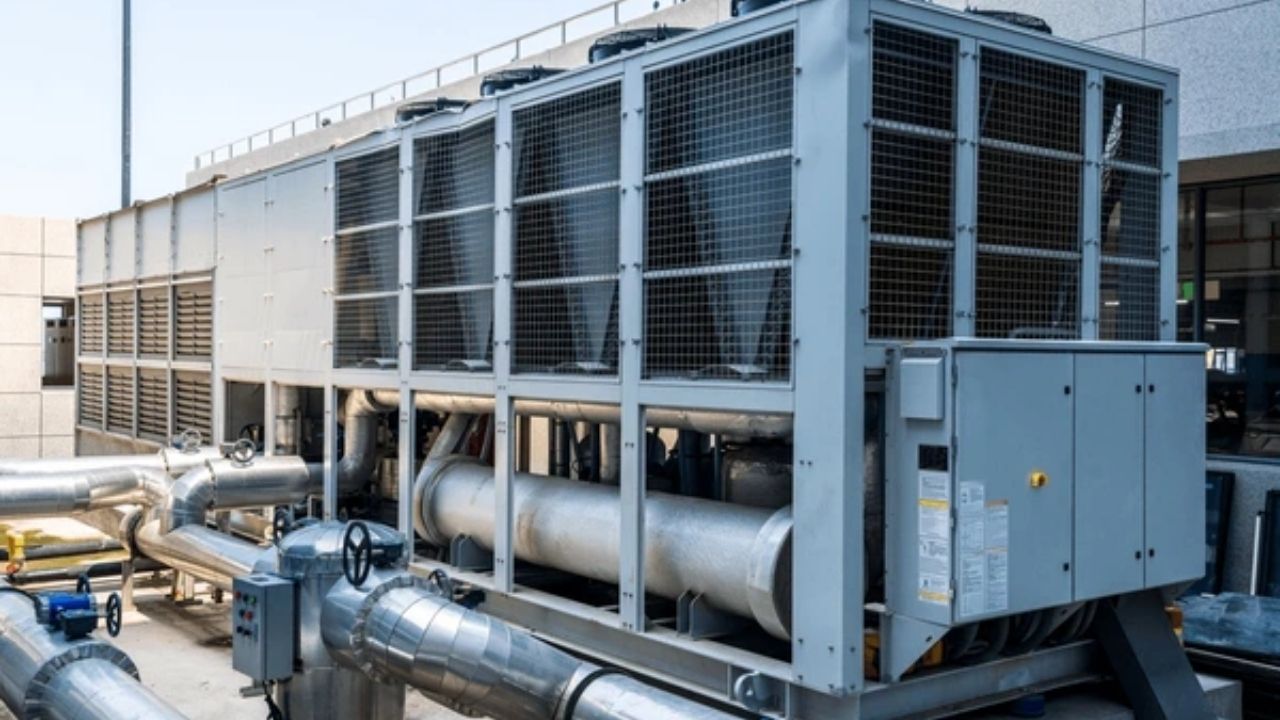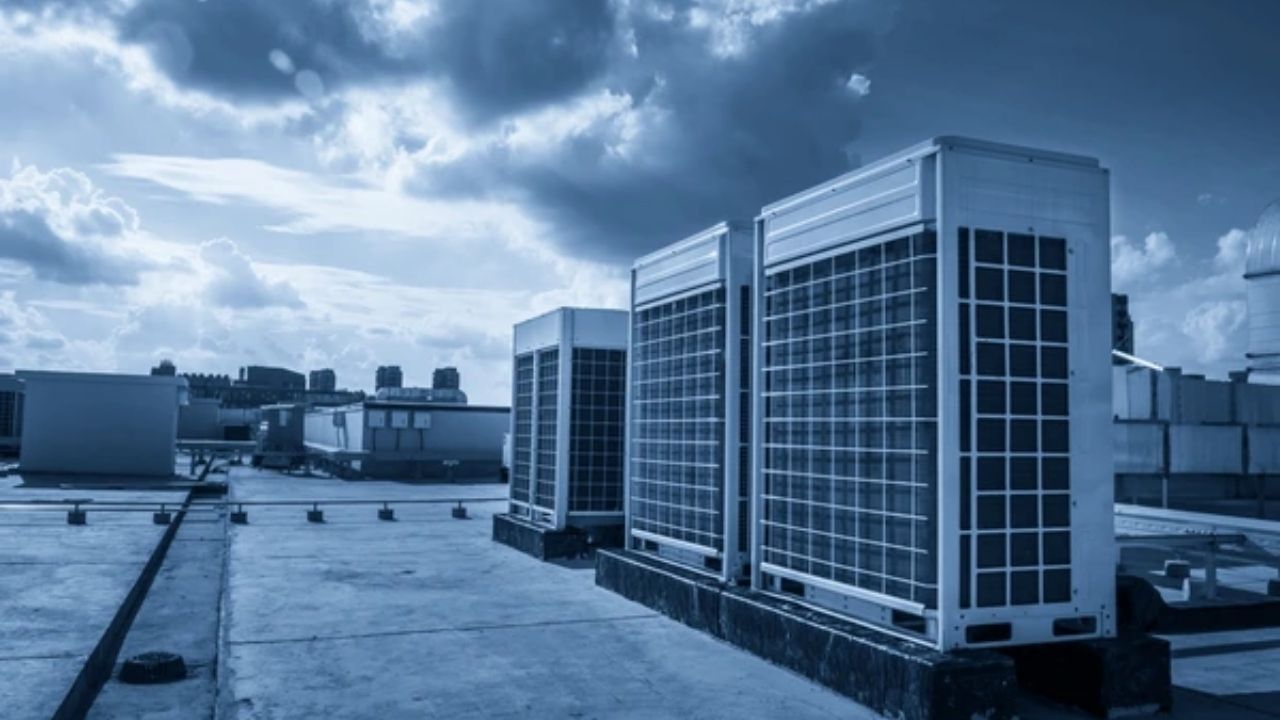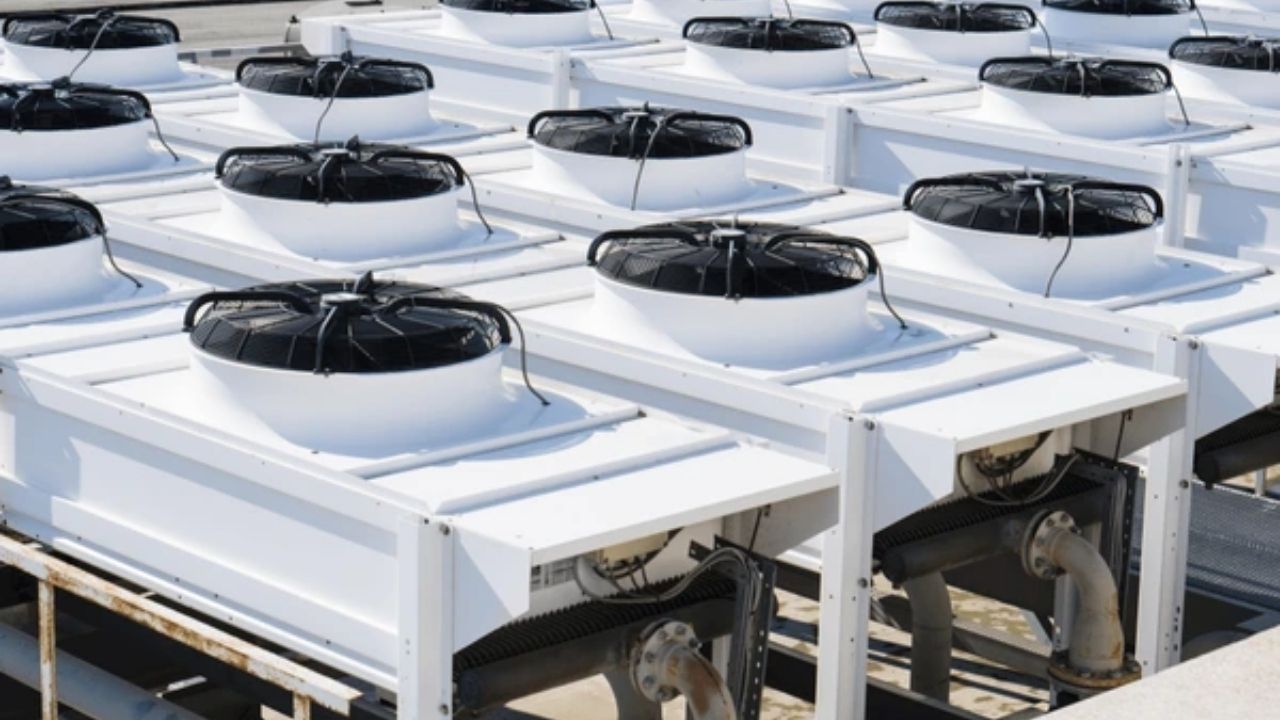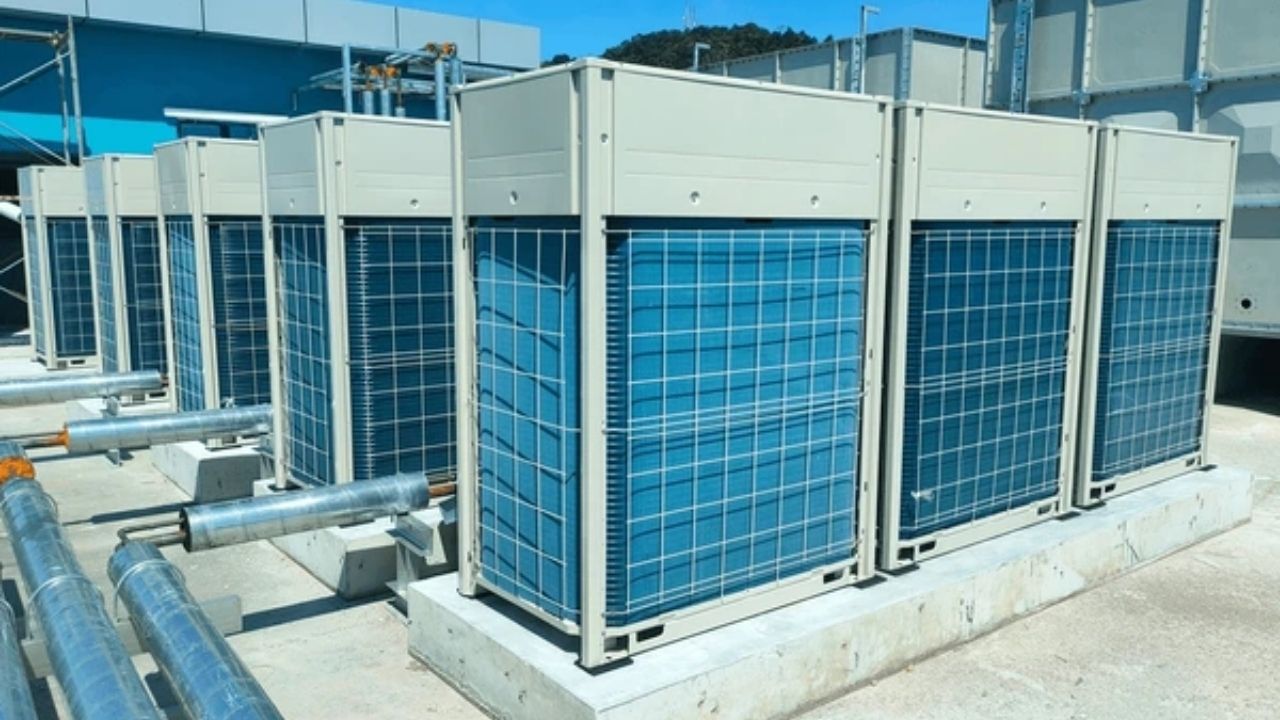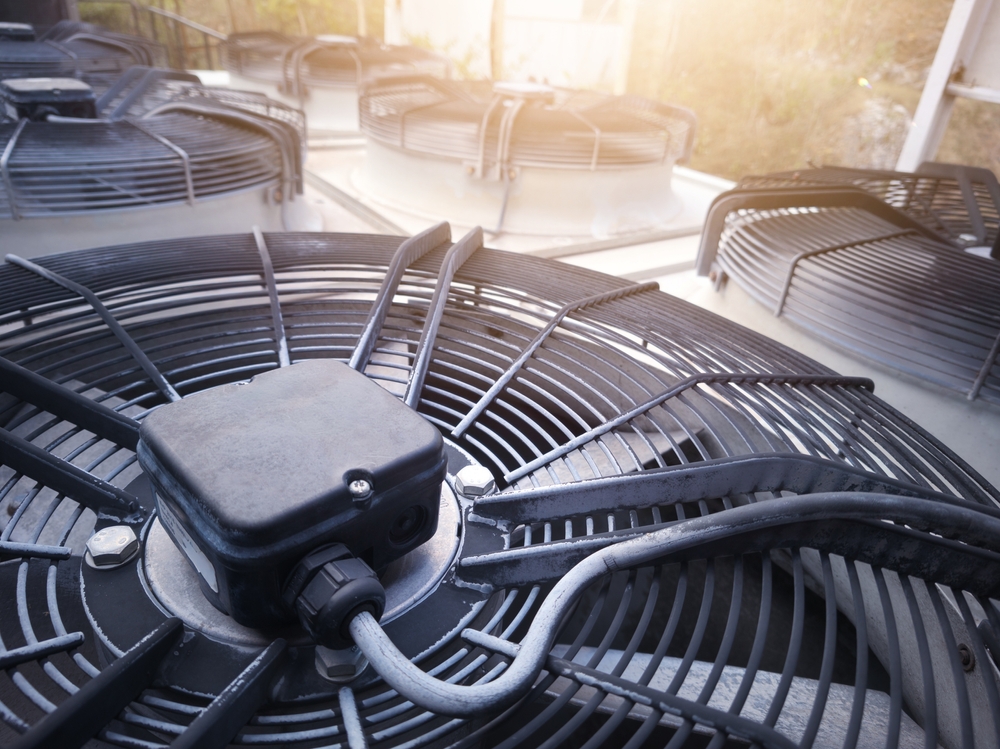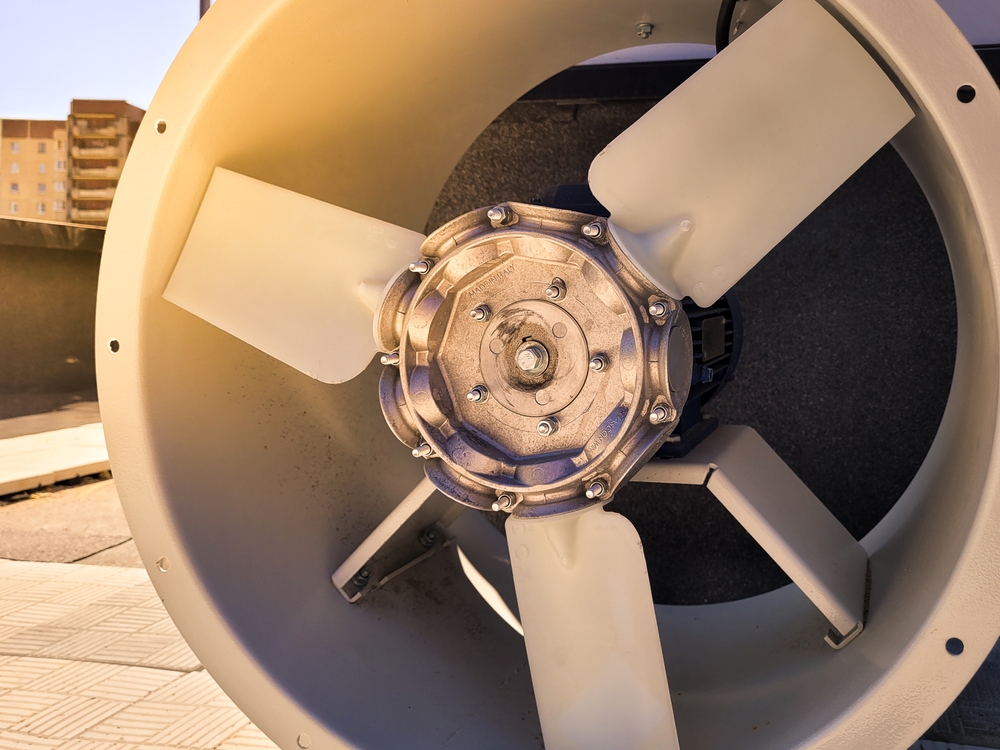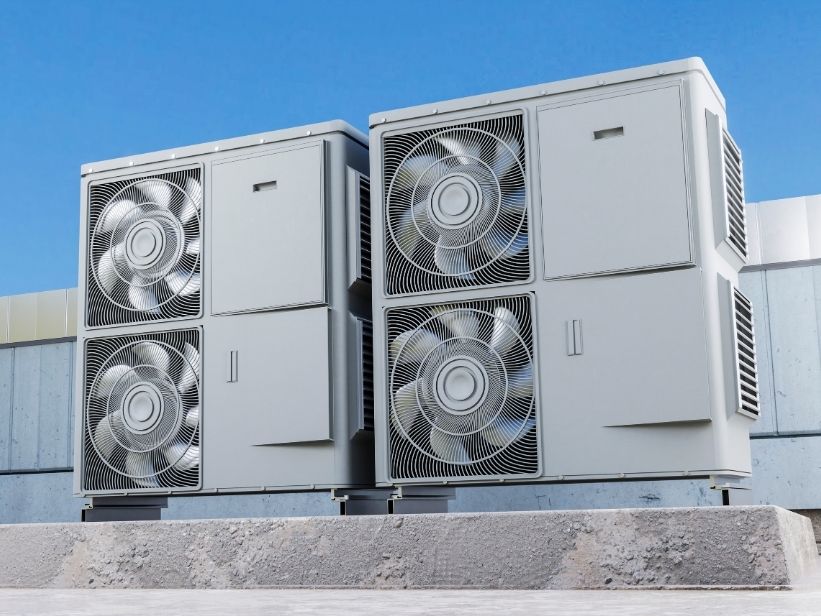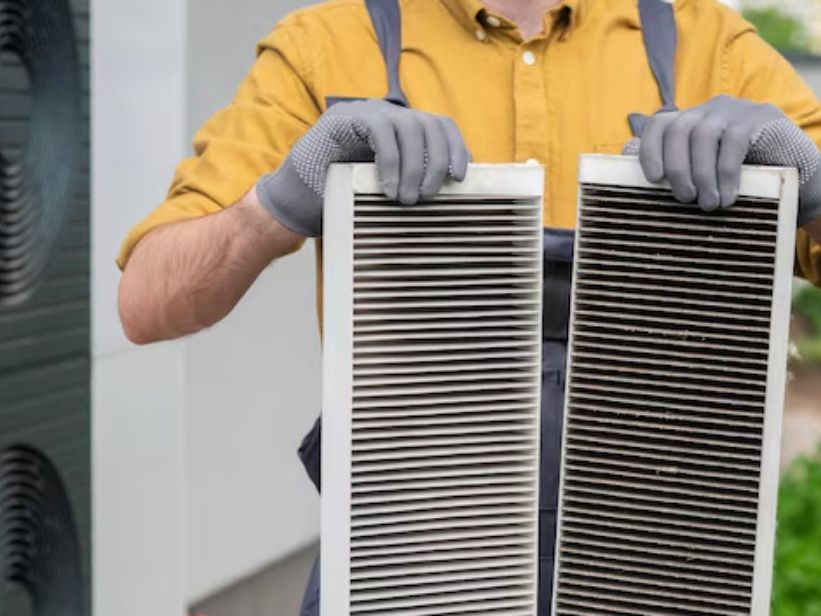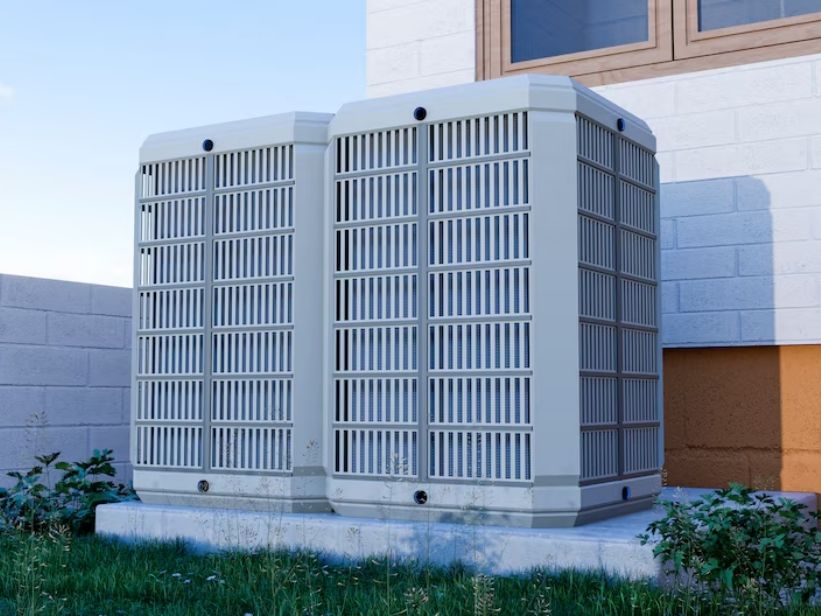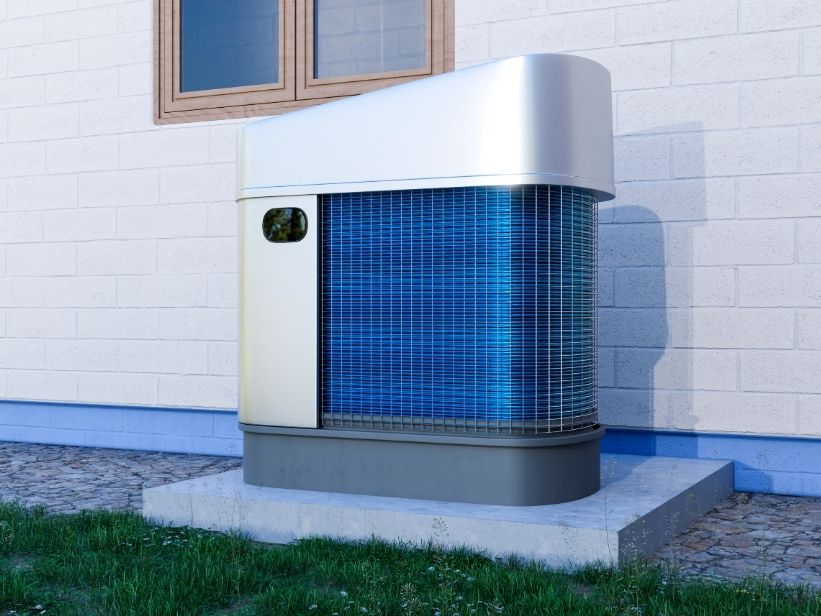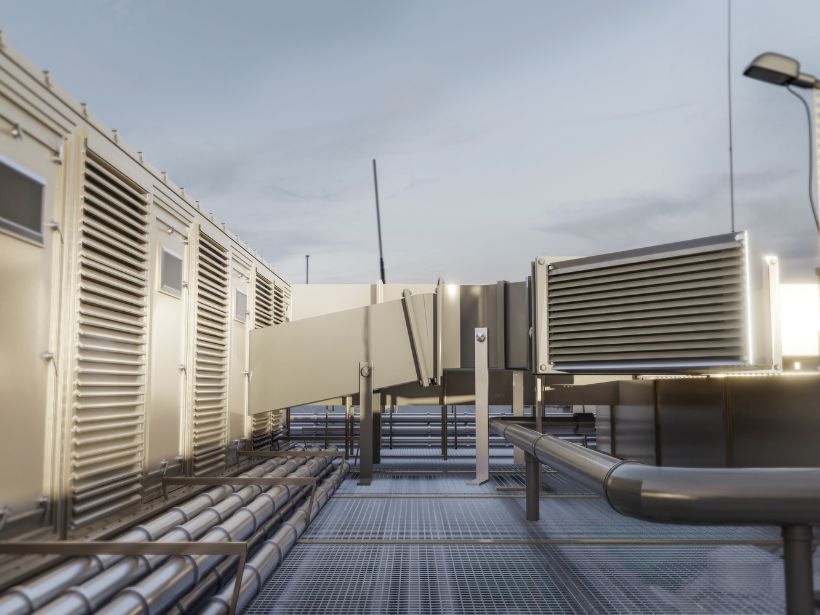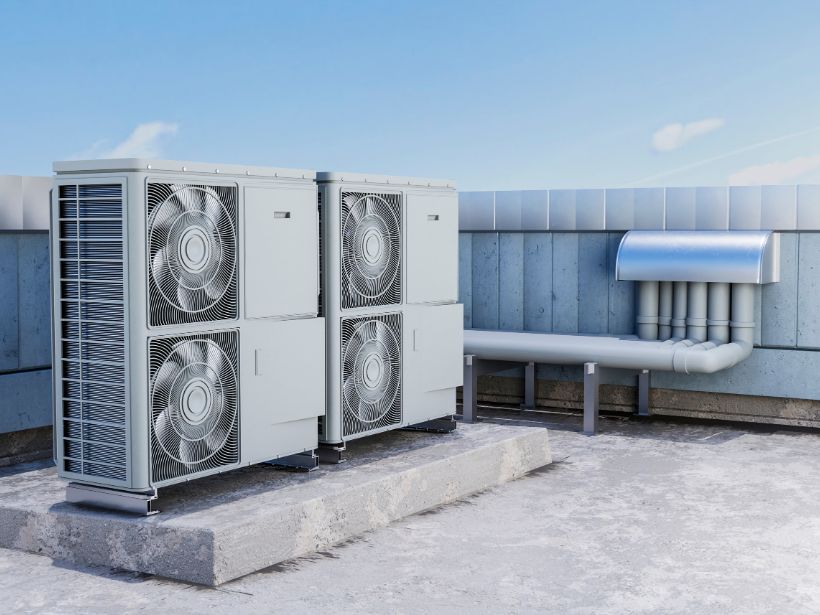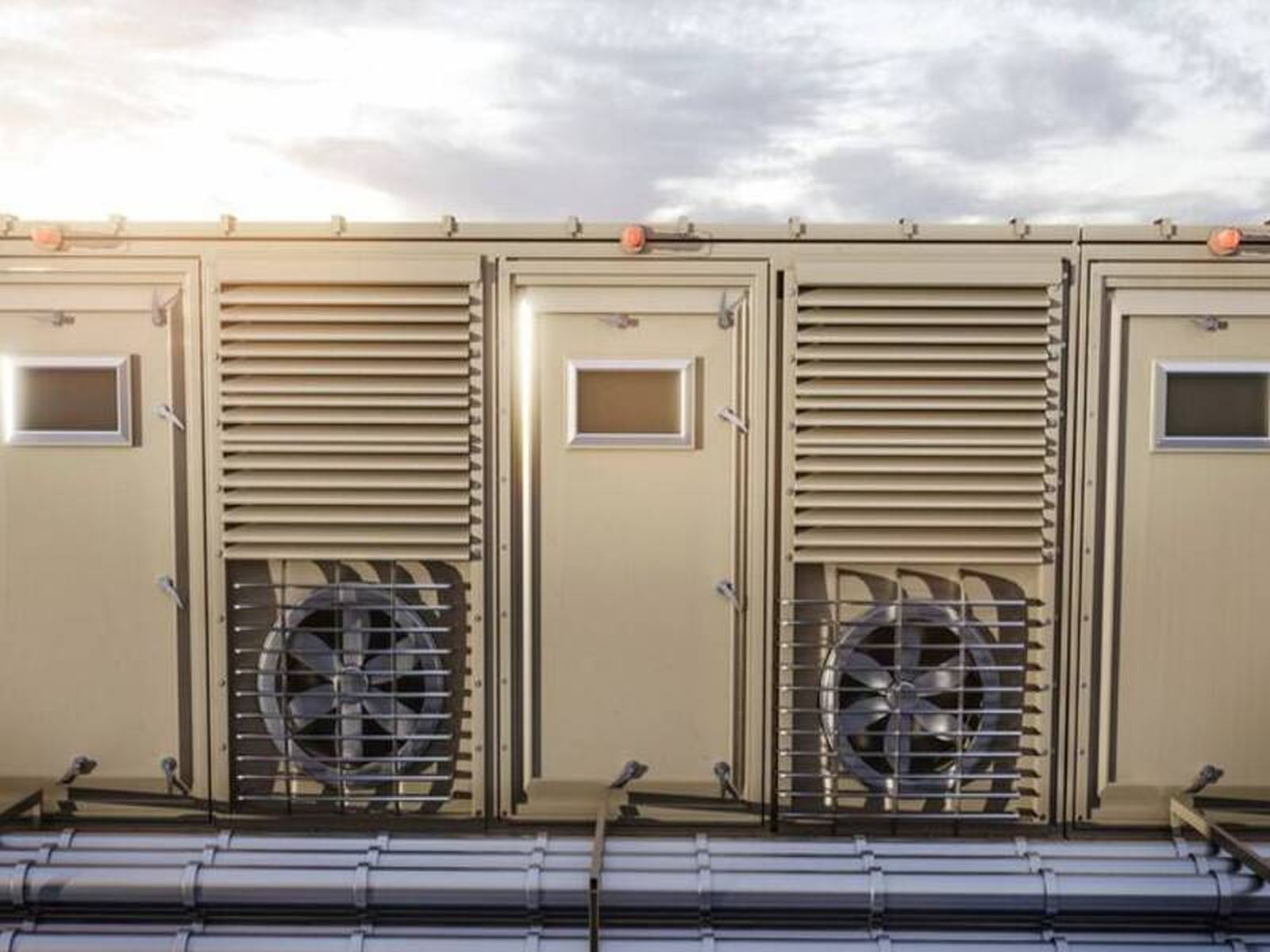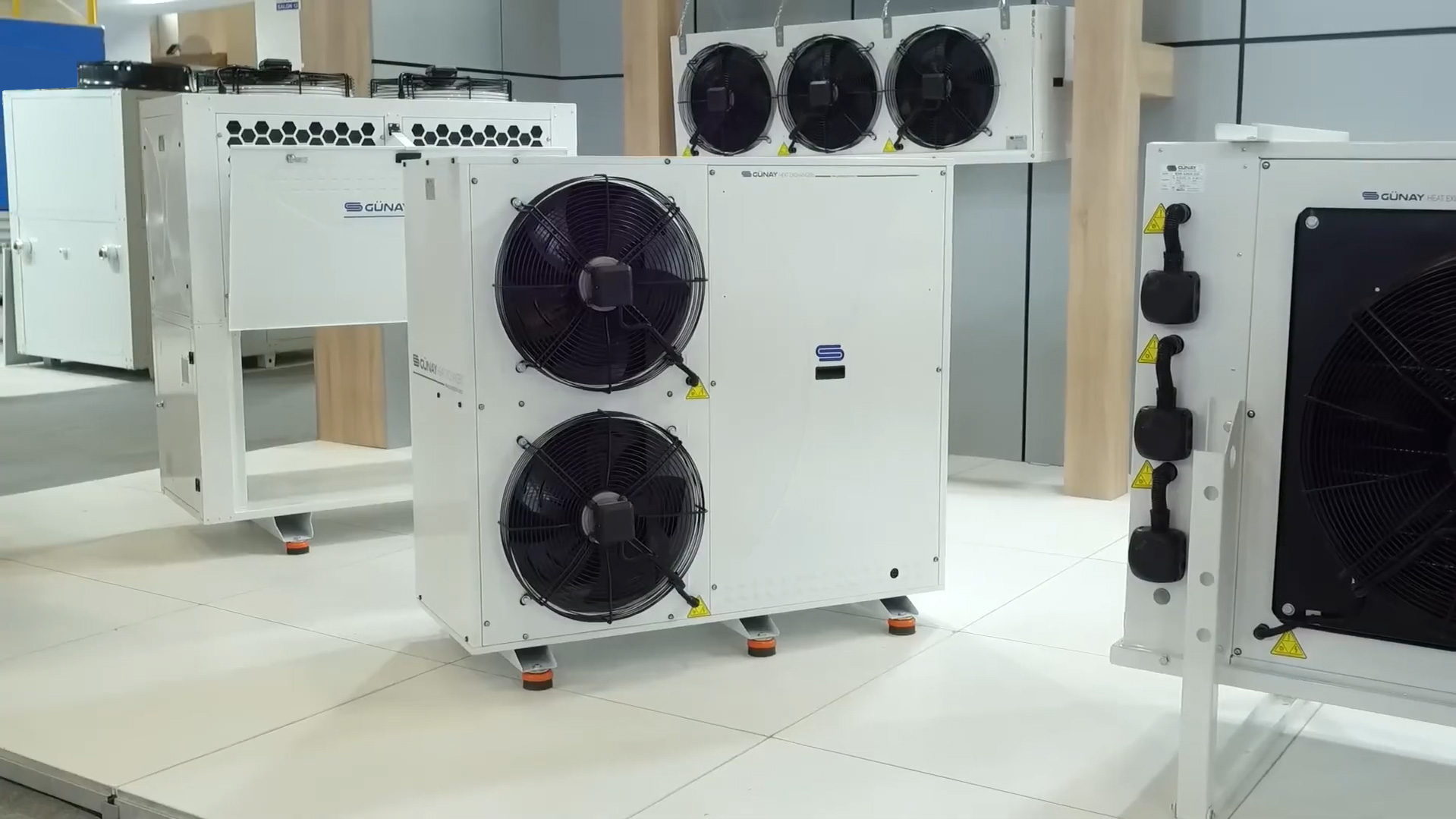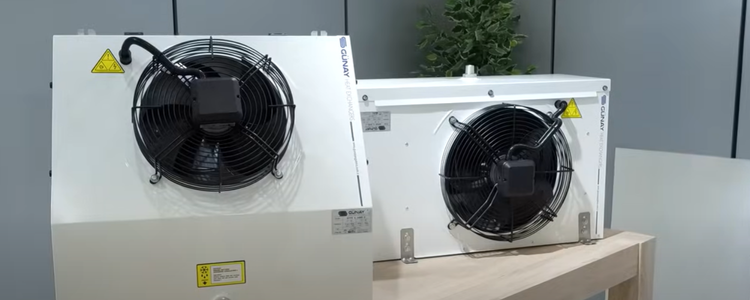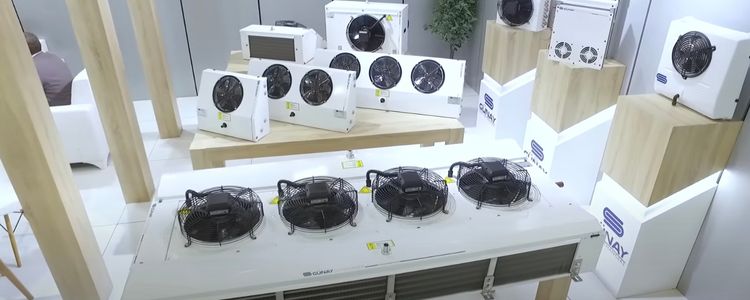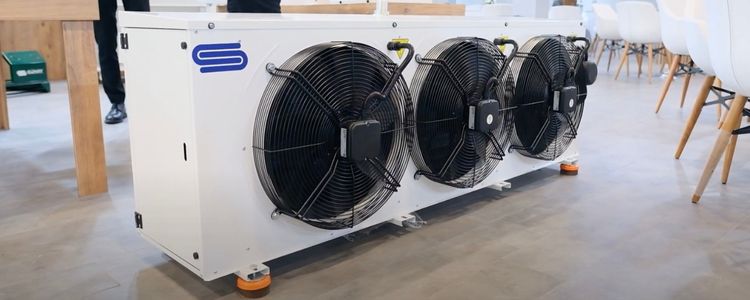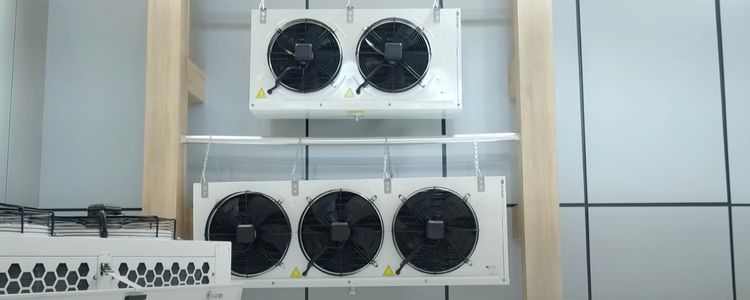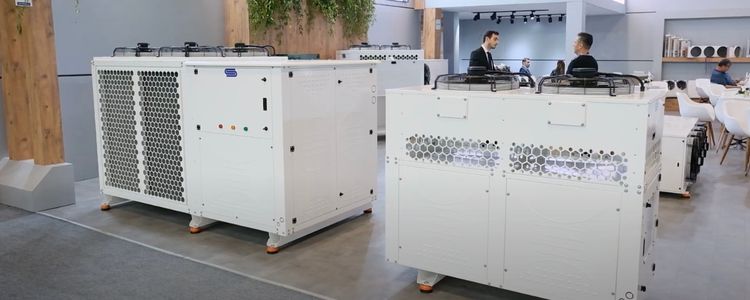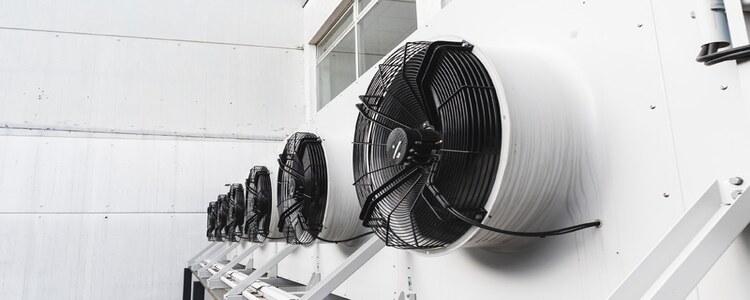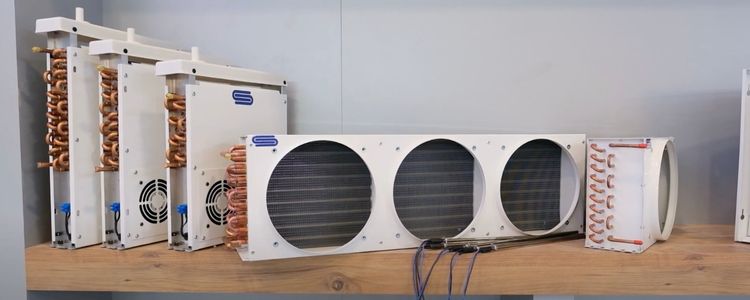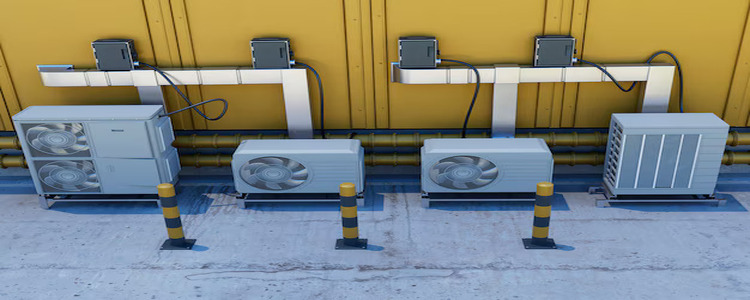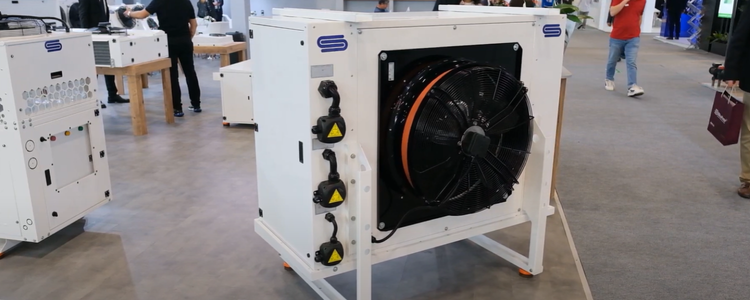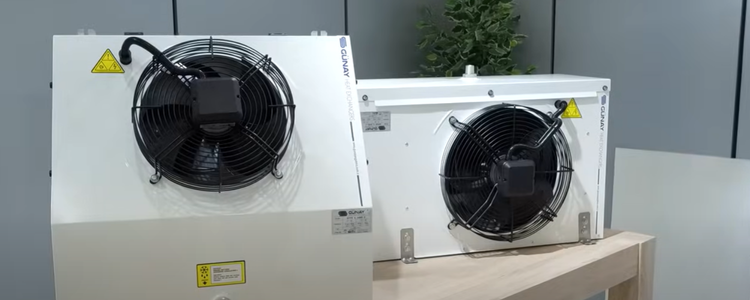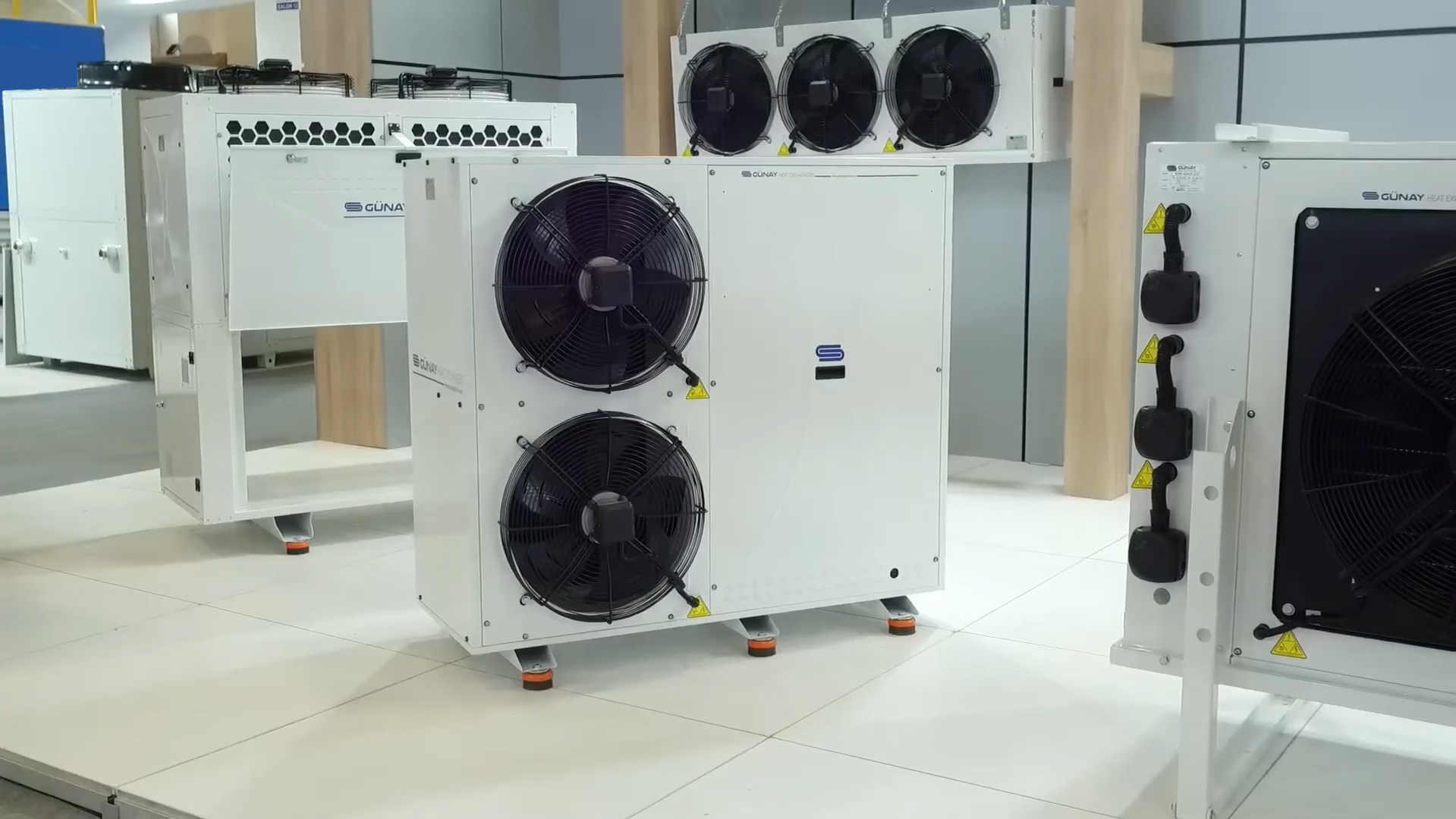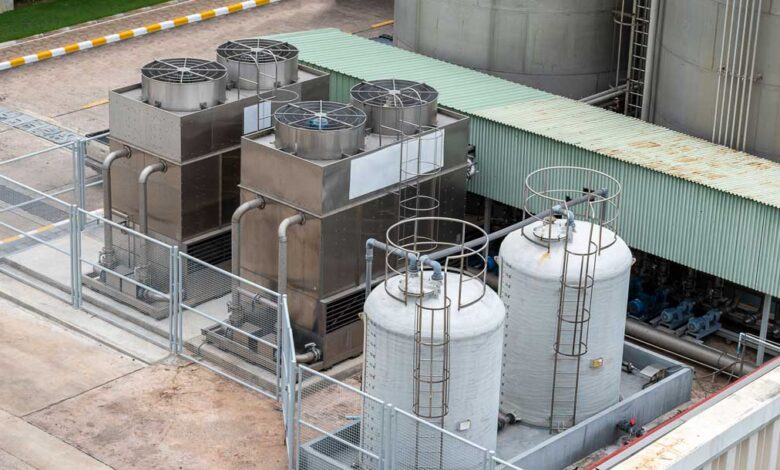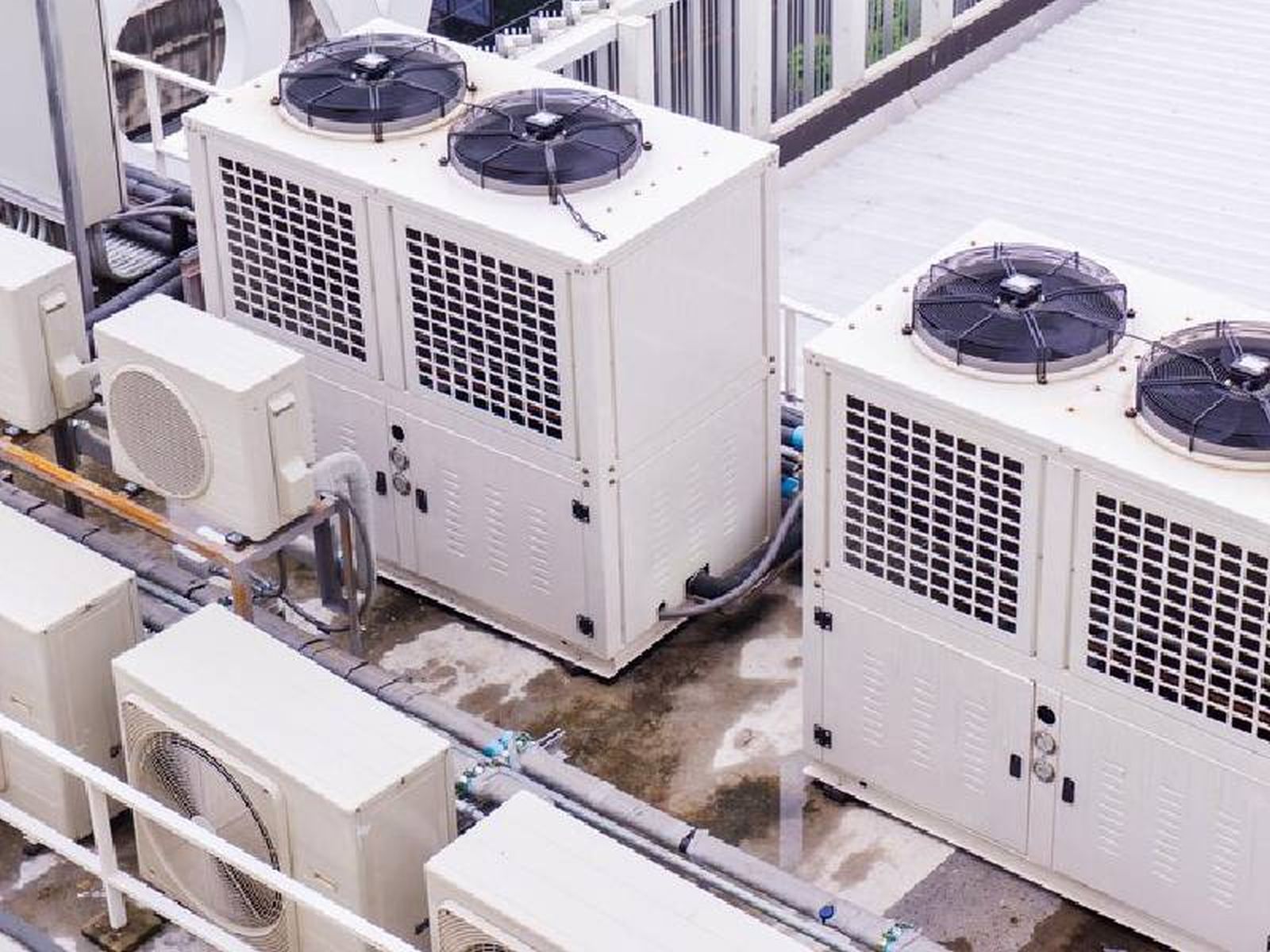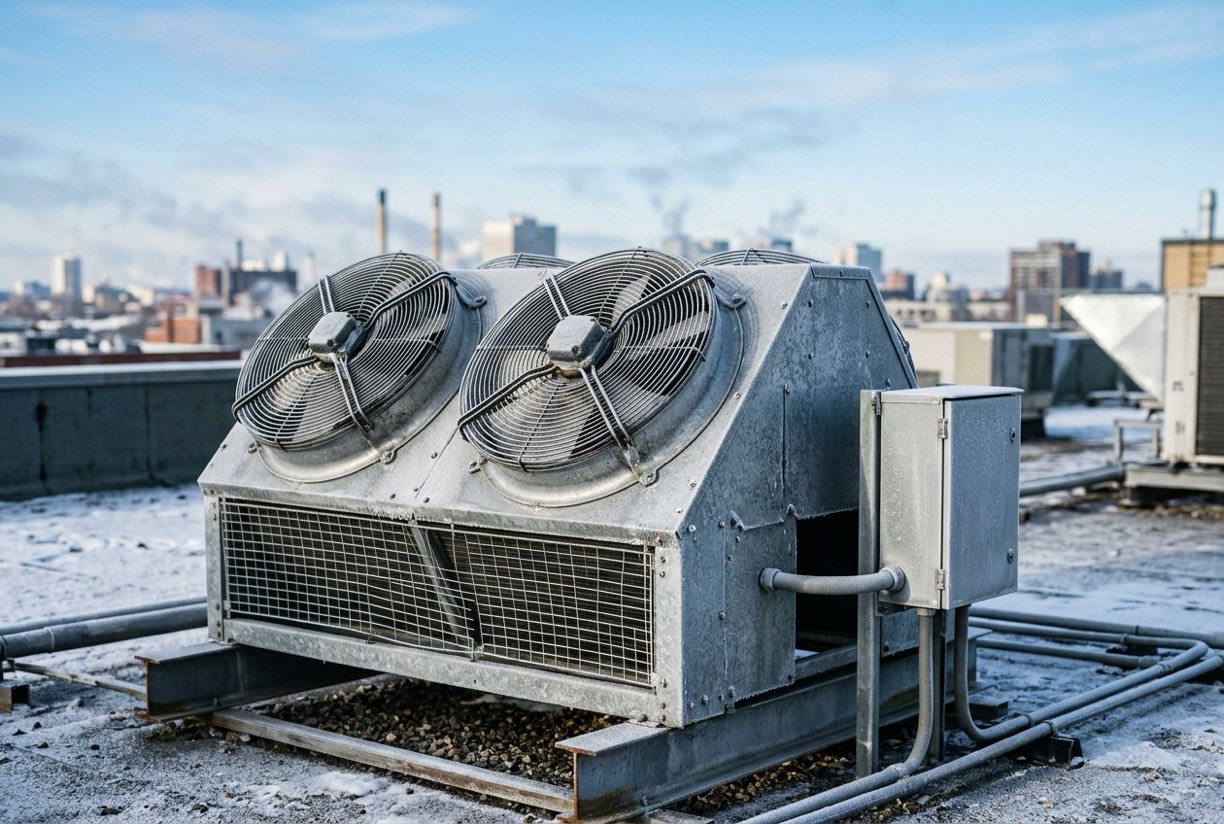
Air-cooled condensers reject heat to the outdoor air. When the outdoor air becomes cold, the condenser can reject far more heat than the system needs. The condensing pressure then falls and the system cannot run properly. This article explains why the condenser behaves differently in winter, how fan speed control works, and how low-pressure problems can be prevented.
Table Of Contents
- Why Does The Condenser Behave Differently In Winter?
- Why Does The Condensing Pressure Fall?
- Which Fan Speed Control Methods Exist?
- How Are Low-Pressure Problems Prevented?
- How Are Adjustment And Monitoring Carried Out?
- Frequently Asked Questions
Why Does The Condenser Behave Differently In Winter?
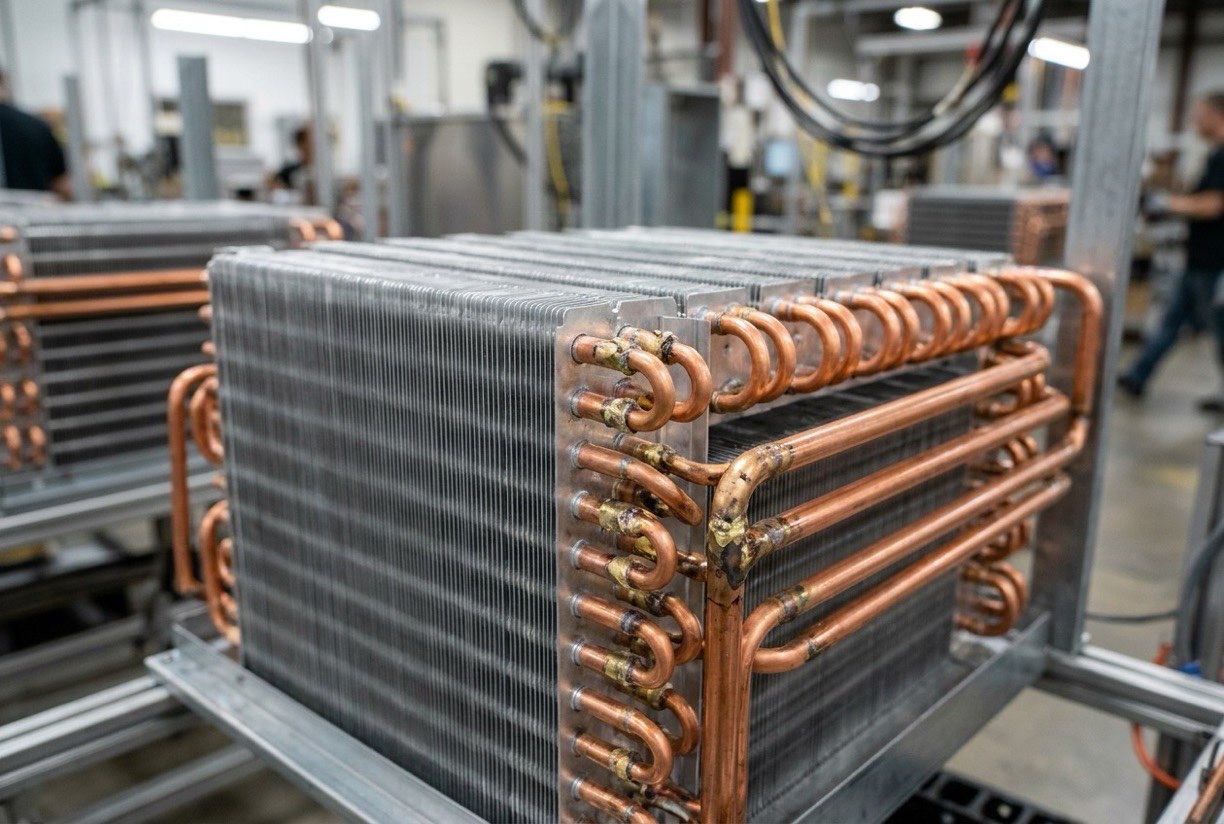
The condenser rejects heat according to the difference between the condensing temperature and the outdoor air temperature. When the outdoor air is cold, this difference grows, and the condenser rejects far more heat than it does in summer. Since the design is based on hot air, the system can enter an over-cooled condensing state in the winter months.
This can lead to unstable operation inside the system and to control problems.
In winter, as the outside air temperature falls, the heat rejection capacity of the condenser rises. A condenser running at the same fan speed rejects far more heat than in summer conditions. This difference shows why the winter and summer behaviour of the system must be assessed separately.
In cold air the pressure of the condenser can fall excessively if it is not controlled. Low condensing pressure reduces the pressure difference across the expansion valve and upsets the balance of the system by itself. For this reason winter conditions call for a setting that differs from the design assumptions of the condenser.
Variability of the outside temperature is also a feature of the winter period. When the difference between day and night temperatures is large, a fixed fan setting gives unbalanced results at the two extremes. Variable speed control is used to follow this fluctuation.
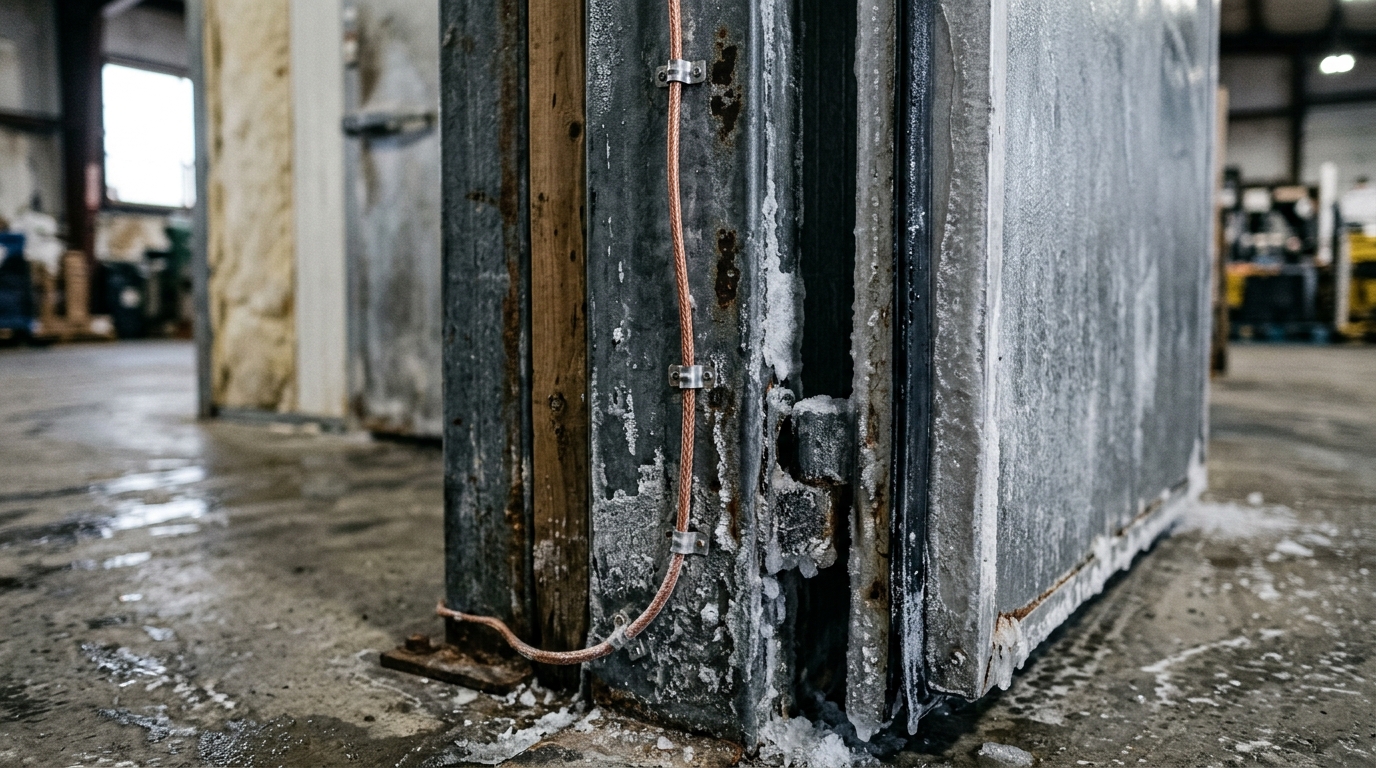
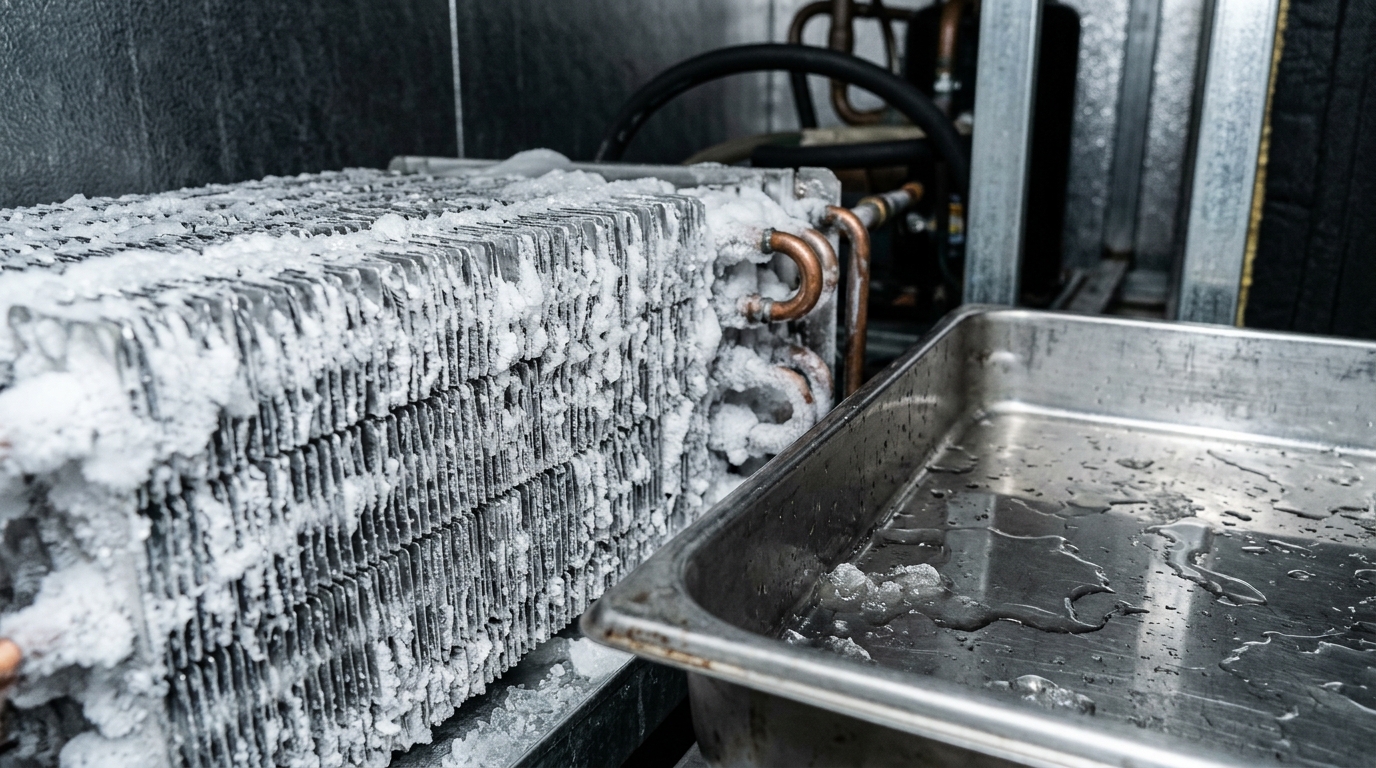
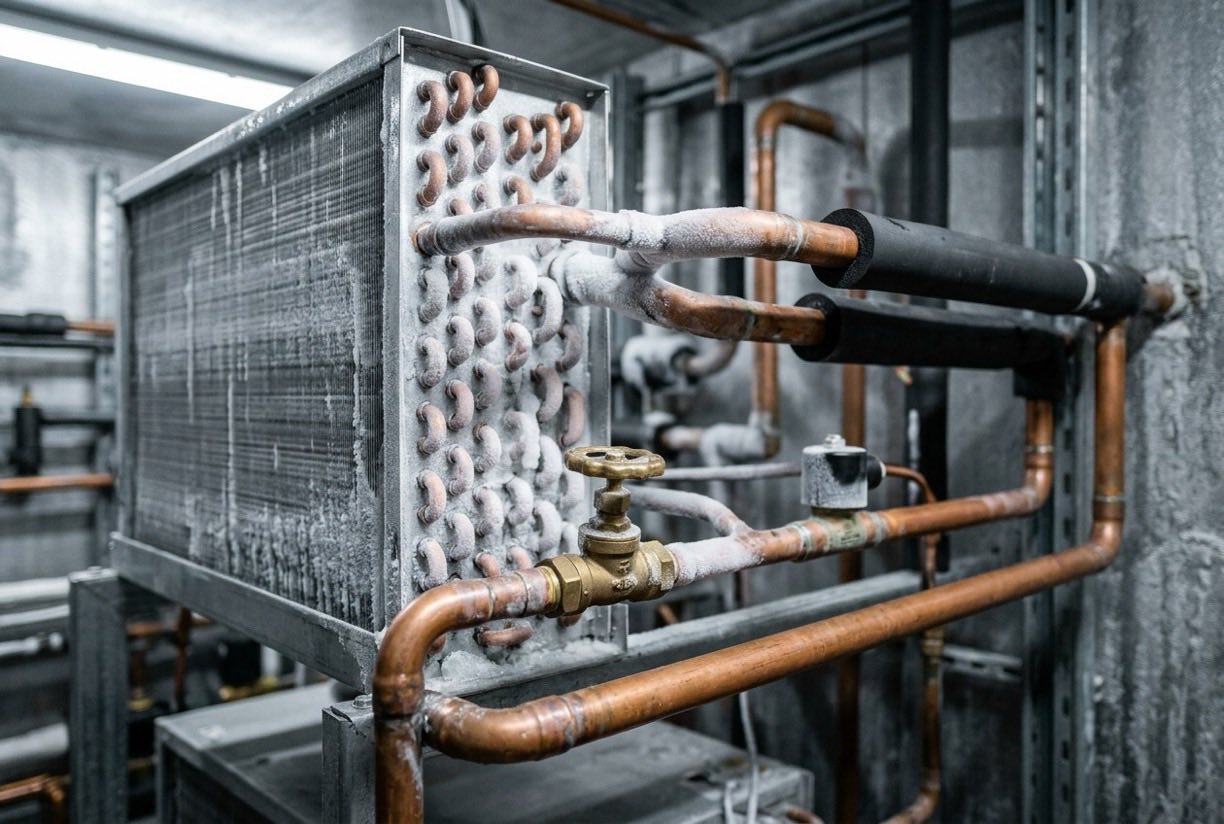
Snow, ice and condensation can also form on the condenser surface in the winter months. These deposits can restrict the airflow and change the load on the fan. In this case speed control should be considered not only in relation to the temperature but also in relation to the condition of the surface.
Because the condenser behaves differently in winter from summer, the control logic should not stay the same throughout the year. If a seasonal setting plan is made, the unexpected behaviour of the system during the transition periods is seen less often.
Why Does The Condensing Pressure Fall?
When the condenser rejects more heat, the condensing pressure of the refrigerant falls. If the pressure drops enough, the pressure difference across the expansion valve decreases, and the evaporator may not receive enough refrigerant. As a result, the cooling capacity falls and the system cannot reach the desired temperature.
Low condensing pressure can also affect the lubrication of the compressor and the stability of the system.
The condensing pressure is held steady at a value set by the outside air temperature. As the outside air cools, the condensation process in the condenser speeds up and the pressure falls. This fall is a natural result, but it has a limit.
Excessive fall of the pressure affects the opening of the expansion valve and the liquid flow. The valve works according to the pressure difference, so when the difference becomes small, the flow can be less than expected. This makes it harder to feed the evaporator and reduces the capacity of the system.
Low pressure can also affect the oil circulation of the compressor. Oil in the compressor must circulate through the system and return. If the pressure is not high enough, the oil return can weaken and the lubrication of the compressor can suffer.
Another effect of pressure drop is that short-term instability appears in the system. When the pressure falls and rises quickly, the valve and the compressor are kept in continuous adjustment. Such oscillations affect both efficiency and the life of the components.
A fall in condensing pressure is not always a problem; what matters is the limit at which the fall stays. This limit should be set according to the design data of the system and the refrigerant in use. The control should be set up to keep the system within this limit.
Which Fan Speed Control Methods Exist?
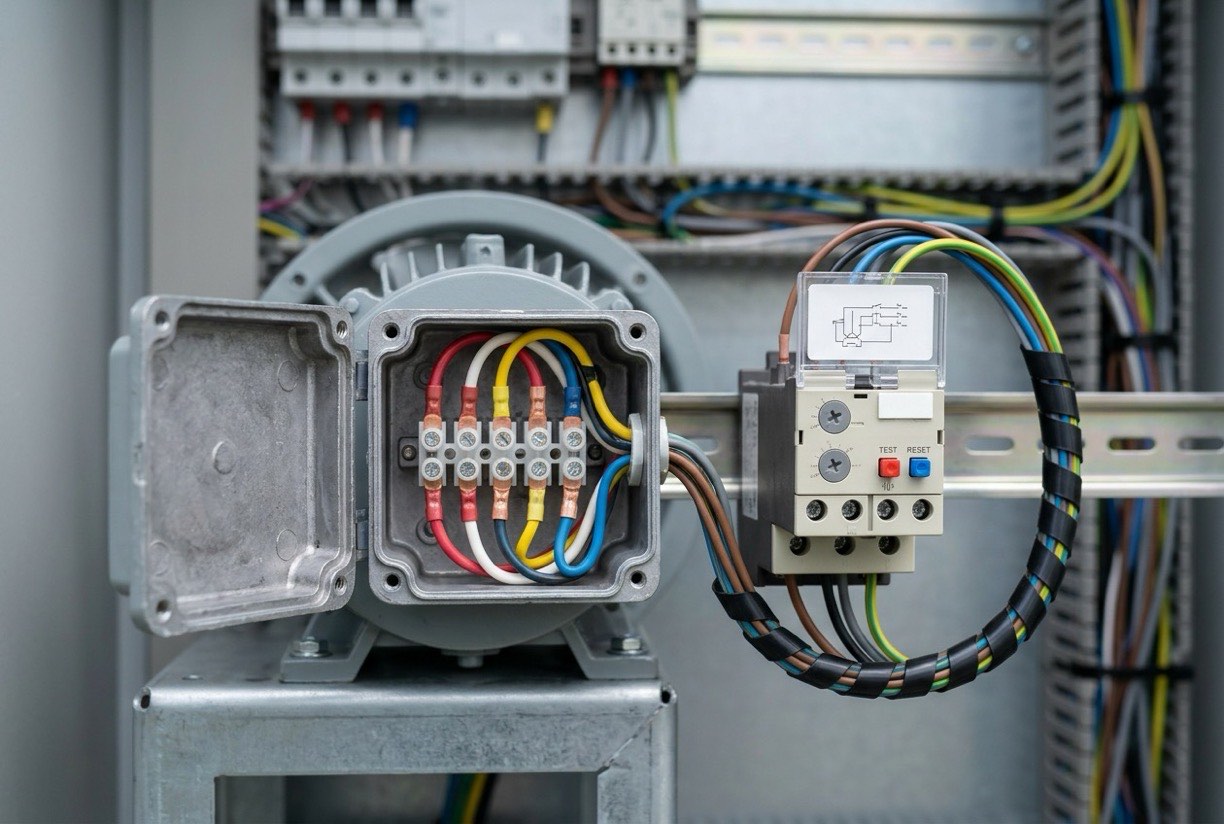
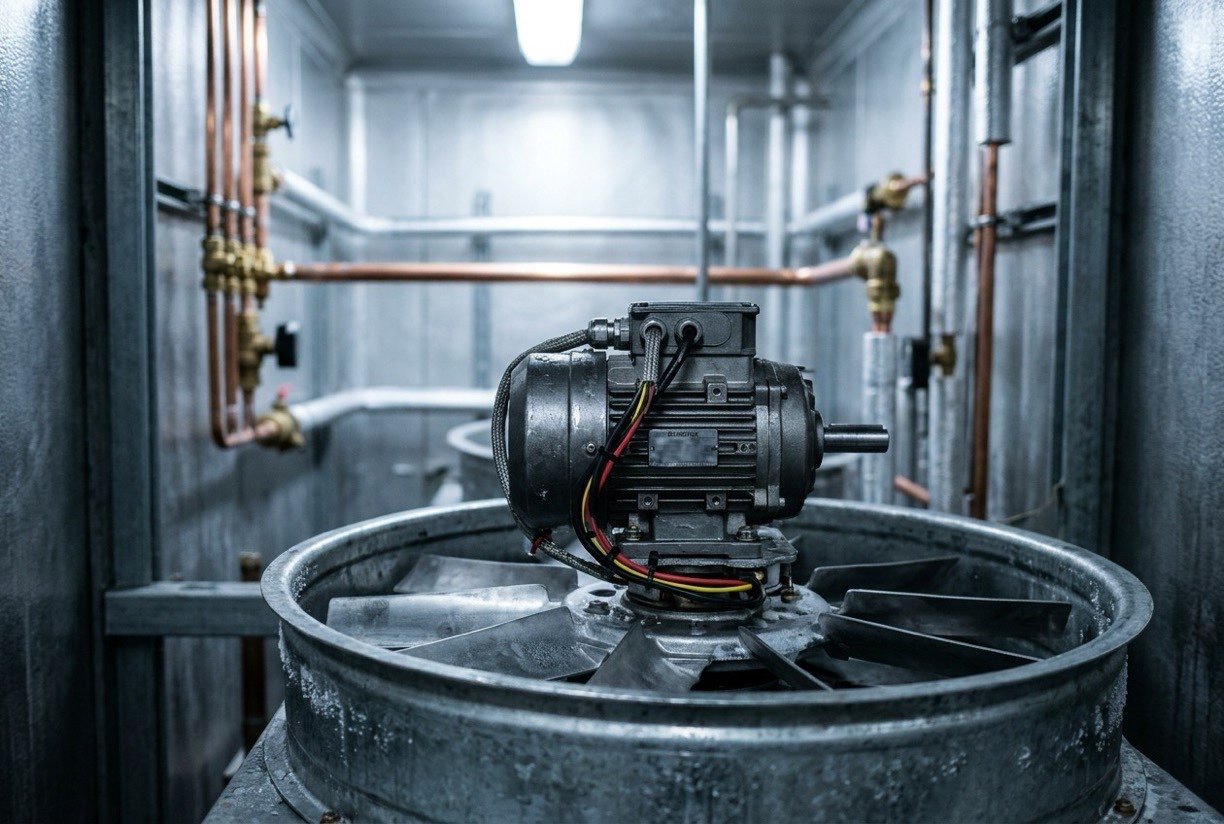
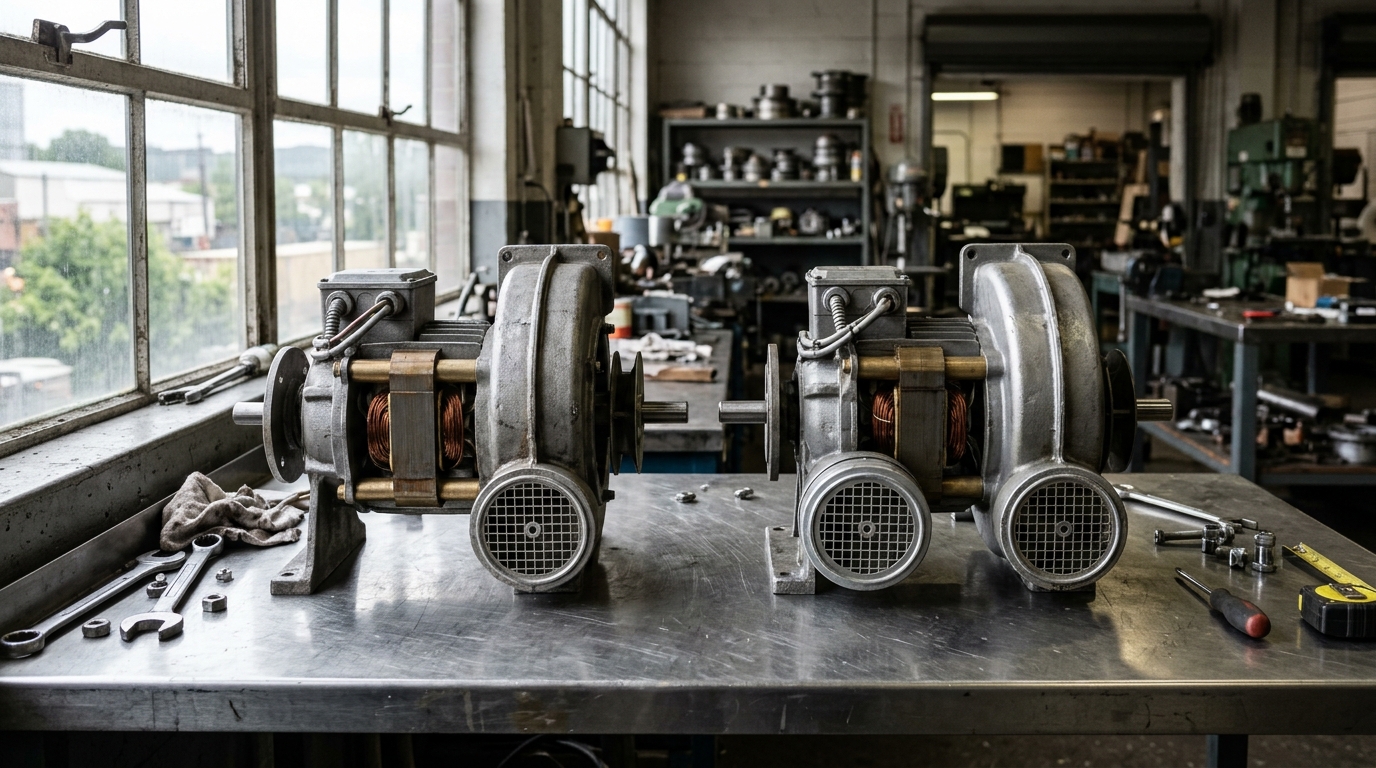
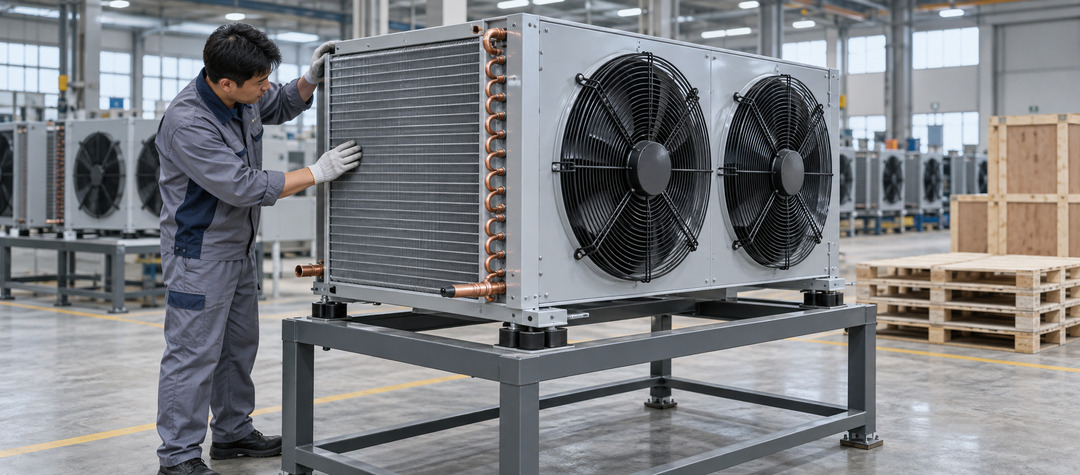
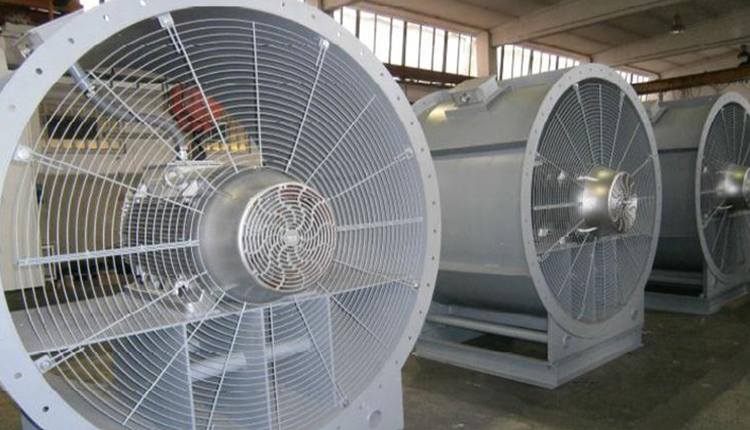
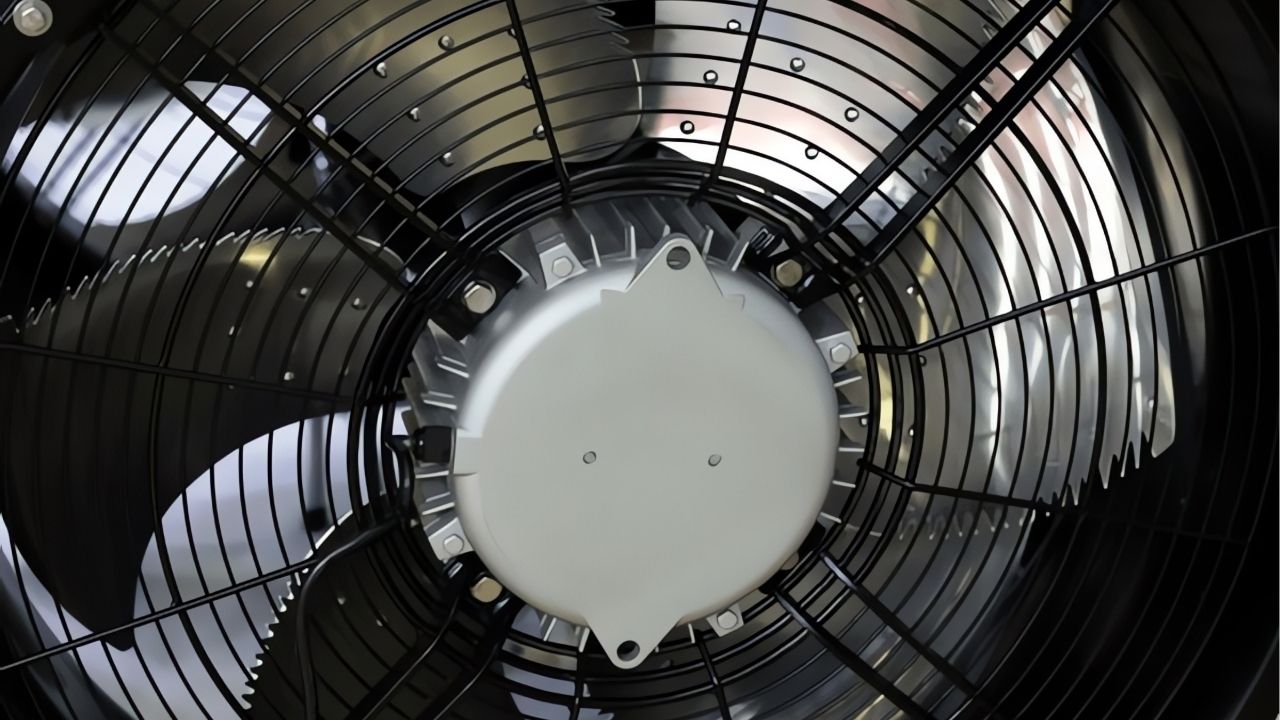
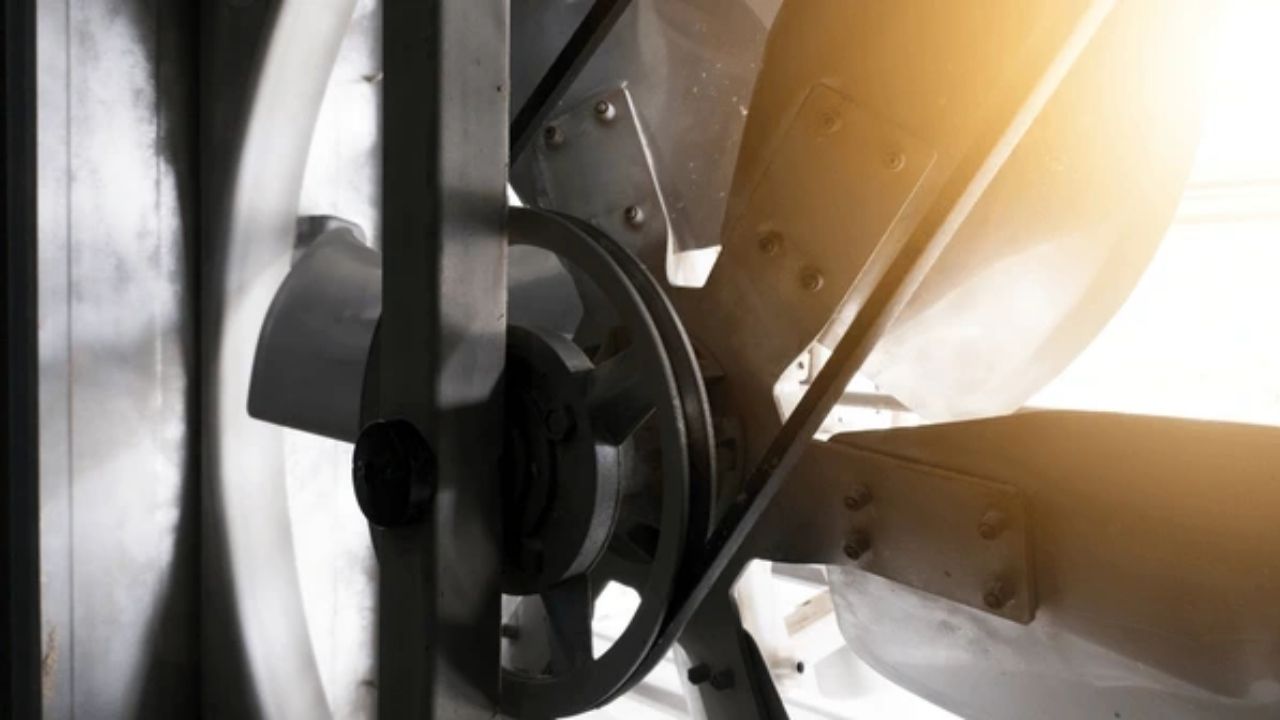
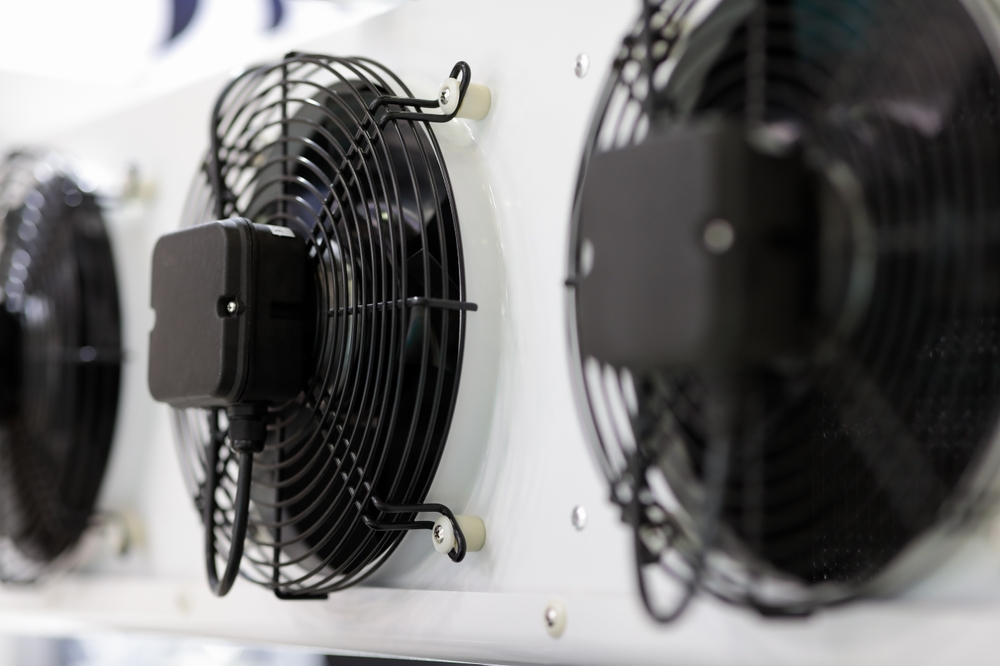
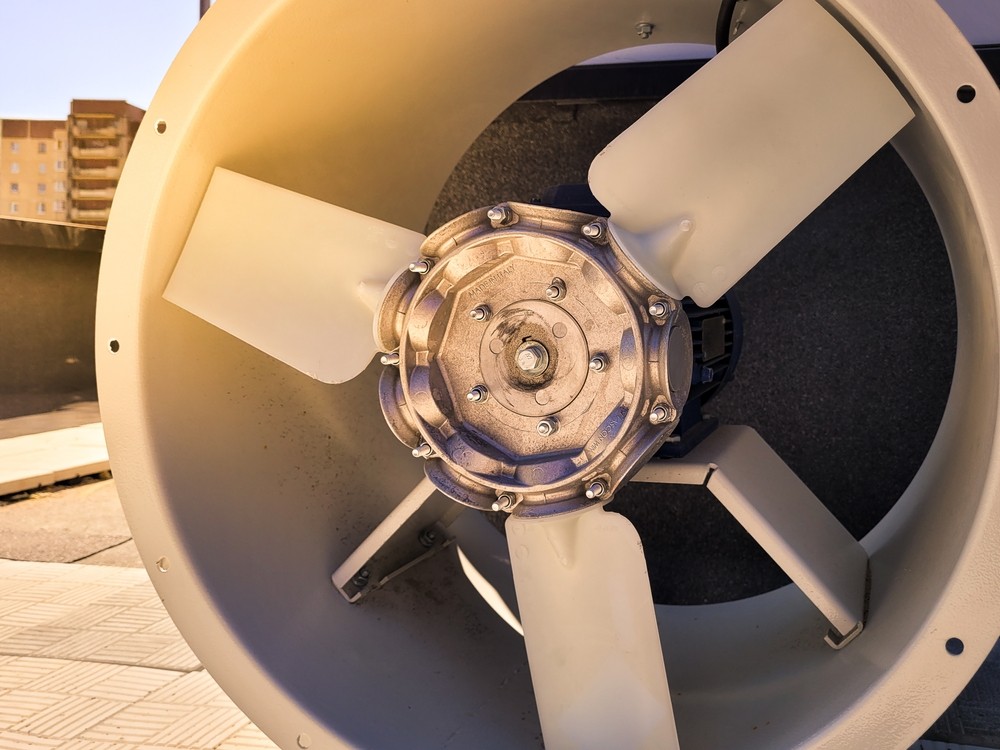
Fan speed control limits the heat rejection capacity by adjusting the speed of the condenser fans according to the condensing pressure. Common methods include speed control with a frequency drive and voltage control by phase cutting. Each method differs in cost, precision, and its effect on the motor.
- Frequency drive: Adjusts the speed over a wide range with precision.
- EC motor: Regulates the speed electronically and is efficient at part load.
- Stepped control: Switches fans on and off in defined steps.
There are several ways to change the fan speed: variable speed with a frequency converter, stepped speed switching, and voltage control by phase cutting. Each method differs in cost, precision and its effect on the motor. The choice should be made according to the type of motor and the precision expected from the control.
A frequency converter allows the motor to run efficiently and in a controlled way even at low speeds. However, the converter needs electrical protection and cooling. The choice of converter should match the nominal data of the motor.
Stepped speed switching is a simpler and cheaper solution. However, since speed changes happen in steps, sudden jumps in pressure can be seen. This method is more suitable for systems where changes are infrequent.
Voltage control methods give control at low speed on certain motors. However, this method can affect the heating and the efficiency of the motor. It should be checked whether the motor manufacturer supports this method.
When choosing a method, the source of the control signal also matters. A pressure sensor or a temperature sensor determines which value is followed. A stable and reliable signal ensures that the fan speed responds correctly.
How Are Low-Pressure Problems Prevented?
To prevent low pressure, the fan speed is reduced or the fan is stopped when the condensing pressure falls below a lower limit. This limit should be defined by considering the design data of the system and the refrigerant in use.
It is also important that the airflow is not restricted. If there is an obstacle in front of the condenser, dirty fins, or a poor layout, the condensing pressure can be lower than expected even at low speed.
Preventing low pressure starts with ensuring that the speed of the condenser fan does not fall below a defined lower limit. Stopping the fan completely can quickly lower the condensing pressure in winter conditions. For this reason the fan should be kept at a low minimum speed rather than being stopped completely.
Control by a pressure sensor adjusts the fan speed according to the pressure value of the system. When the pressure falls below the target, the fan slows down; when it rises above the target, the fan speeds up. For this feedback loop to be stable, the target value and the control band must be chosen correctly.
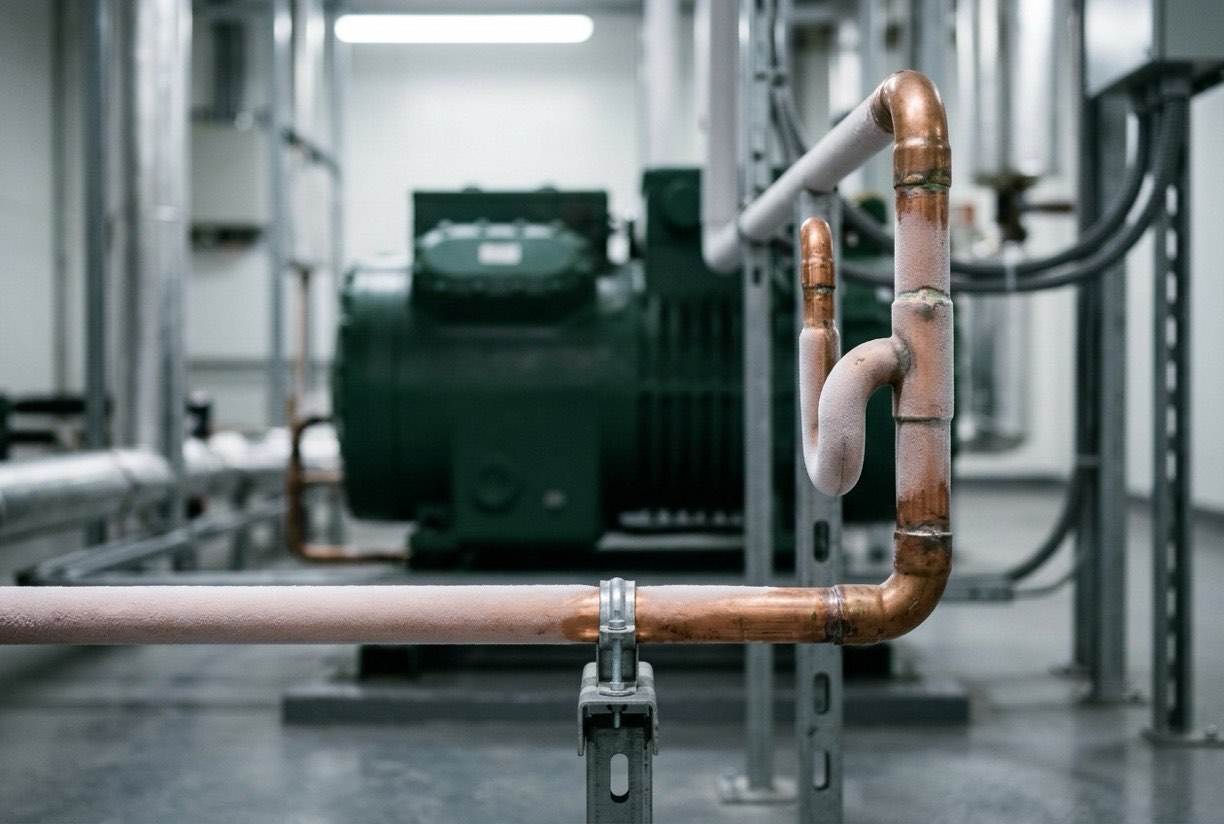
The liquid line leaving the condenser risks freezing or flashing in a cold environment. Line insulation and correct layout are important for reducing these risks. The control should take into account the temperature changes along the line as well.
When pressure is low, the lubrication of the compressor and the feed to the valve should be assessed together. These two factors create the conditions needed for the pressure to rise again. If warnings on these two factors appear along with a pressure drop, early intervention should be made.
Restarting the system in winter conditions can also increase the risk of low pressure. A sudden start in a cold system creates unbalanced pressure profiles. The start sequence and the delay settings should be planned to reduce this risk.
How Are Adjustment And Monitoring Carried Out?
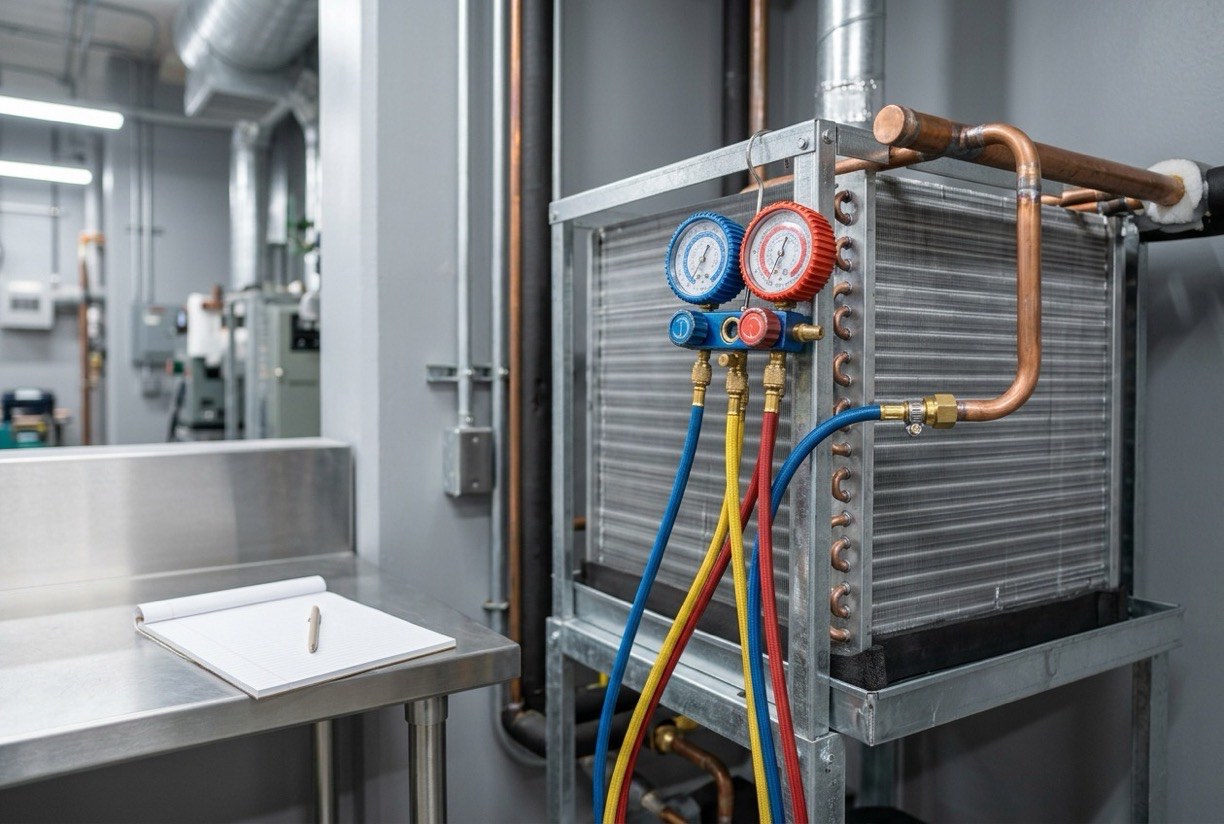
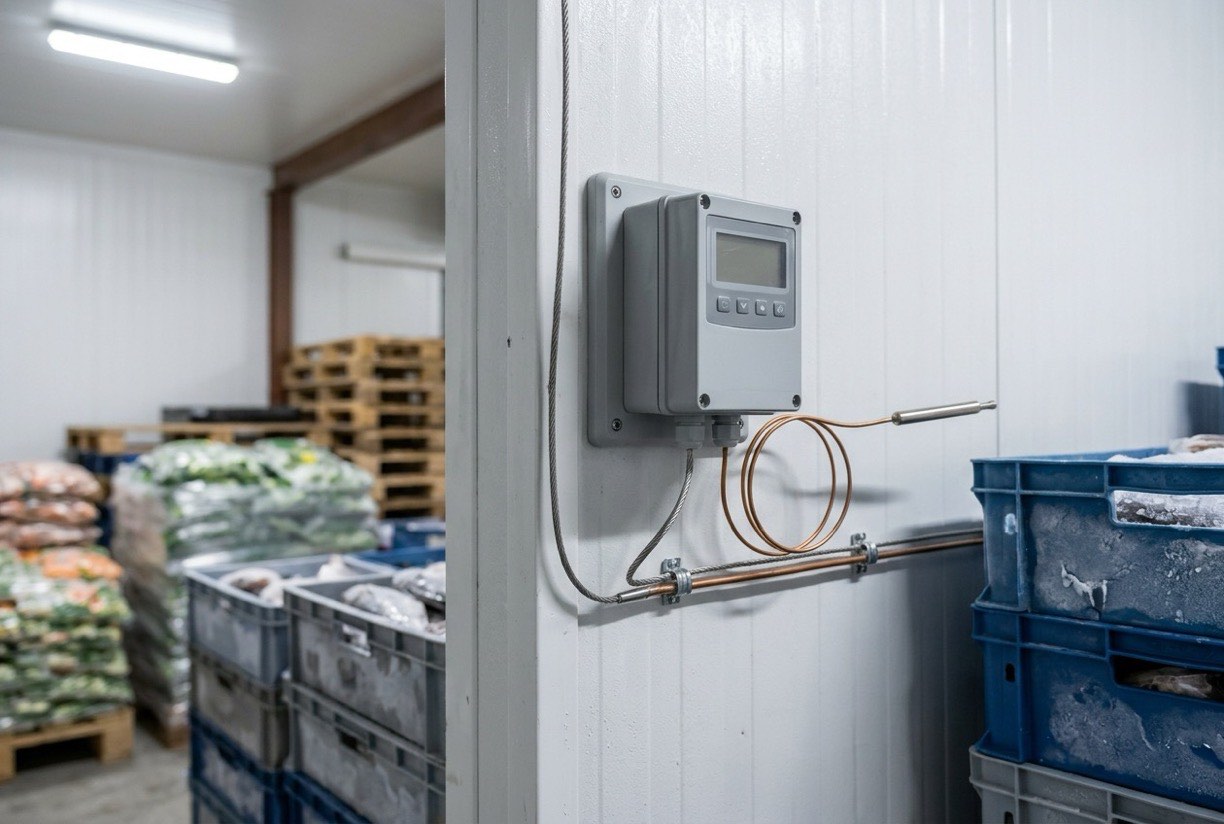
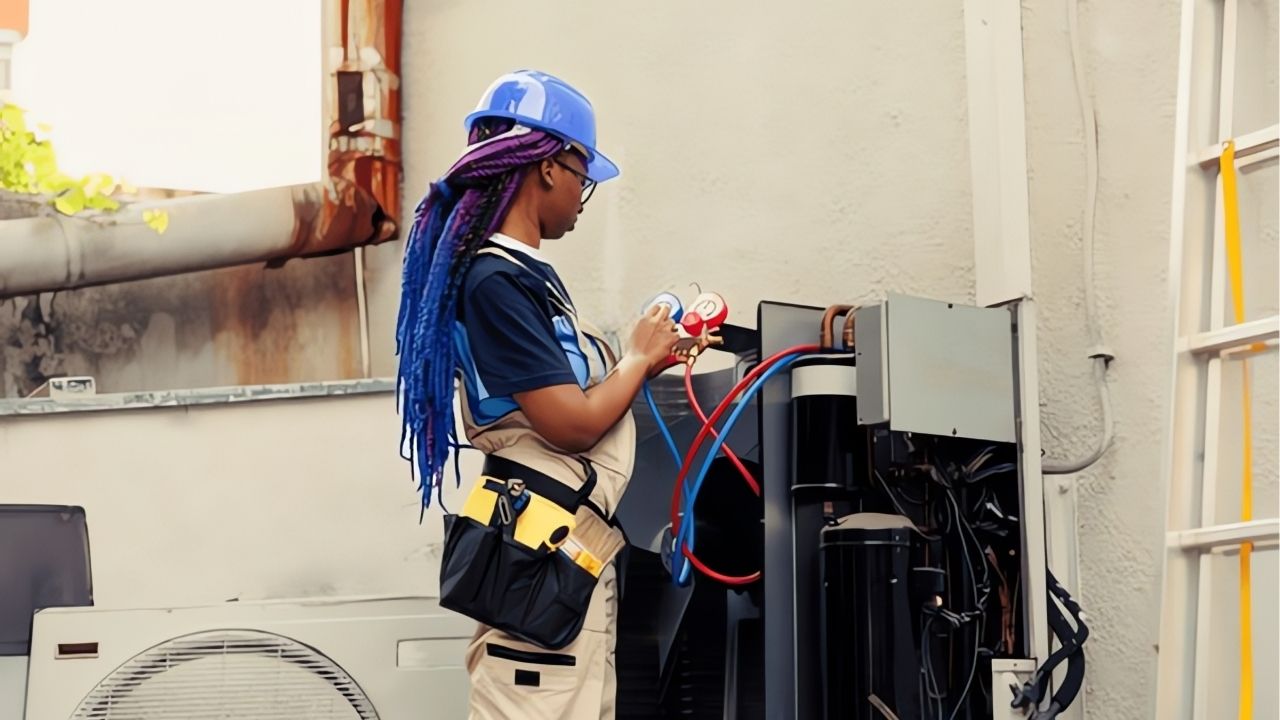
Control should be carried out with a condensing pressure sensor. The target condensing pressure is set according to the operating conditions of the system, and the fan speed is adjusted to maintain this target. In winter, the values should be monitored for several days after the first start-up.
The accuracy of the adjustment should be confirmed by checking the condensing pressure and the evaporator outlet values together. The Günay Soğutma technical team can support the condenser and control settings on a project basis.
The setting of fan speed control should first be made by defining the design pressure of the system and the target condensing value. These values should be assessed together with the manufacturer's data and the site conditions. The setting should be made so that it gives stable operation around these values.
During commissioning, the minimum and maximum speeds of the fan, the control band and the sensor connections should be verified. Testing the values one by one confirms that the control loop shows the desired behaviour. Pressure and temperature records should be kept during the test.
Monitoring should be carried out separately for the winter and summer periods. Data collected in winter should not be used to change the summer settings. The data of each season should be interpreted according to the conditions of that season.
Setting changes should be recorded together with their date and reason. The effect of a change should be monitored through pressure and energy consumption over several days. In this way the control strategy can be improved over time.
The annual maintenance plan should include checks of the fan motor, the sensors and the control unit. Checks made before winter ensure that the system works safely in the cold season. Shortcomings should be corrected before winter arrives.
Frequently Asked Questions
Can a condenser fan be stopped completely?
In some cases a short stop at low loads is possible. However, an uncontrolled drop in pressure can create a risk for the system, so the stop rules should be set according to the design data.
Where should the control sensor be placed?
The sensor should be placed where it can measure the condensing pressure accurately and represent the condenser outlet. It should be kept away from local effects such as sun or fan discharge.
Does speed control save energy?
Usually, yes. The condenser is prevented from blowing more air than needed and the fan energy falls. The amount of saving depends on the climate and the load profile.
When should the condenser fan be adjusted in winter conditions?
Adjustment is needed when the condensing pressure approaches the defined lower limit or when the fan has stopped completely. Frequent repeated drops indicate that there may be a problem with the control setting. Before any adjustment, the sensor and control values should be checked. ? How should the high-pressure and low-pressure protections be set together? A window that covers the normal operating range of the system should be left between the two protections. If the window is too narrow, the protection trips often; if it is too wide, the system can approach dangerous limits. The setting should be made taking seasonal changes into account.