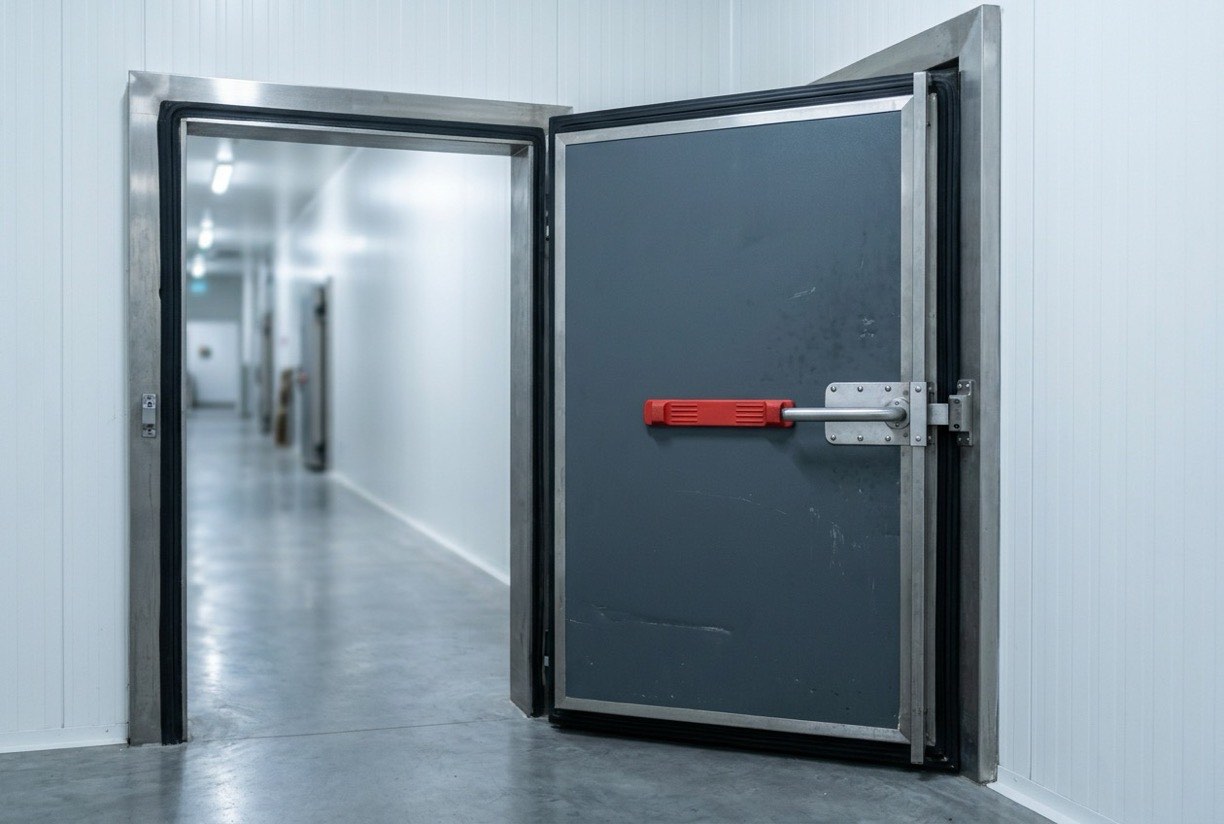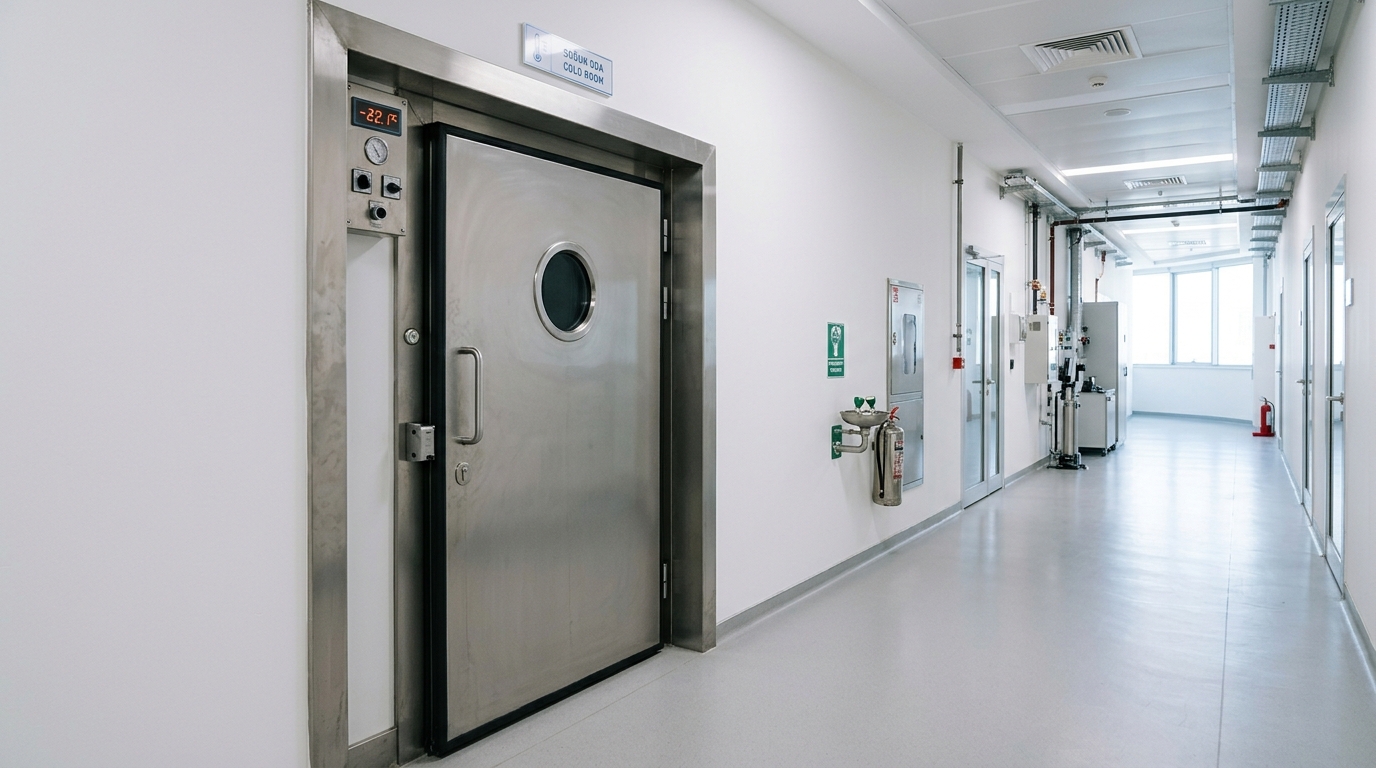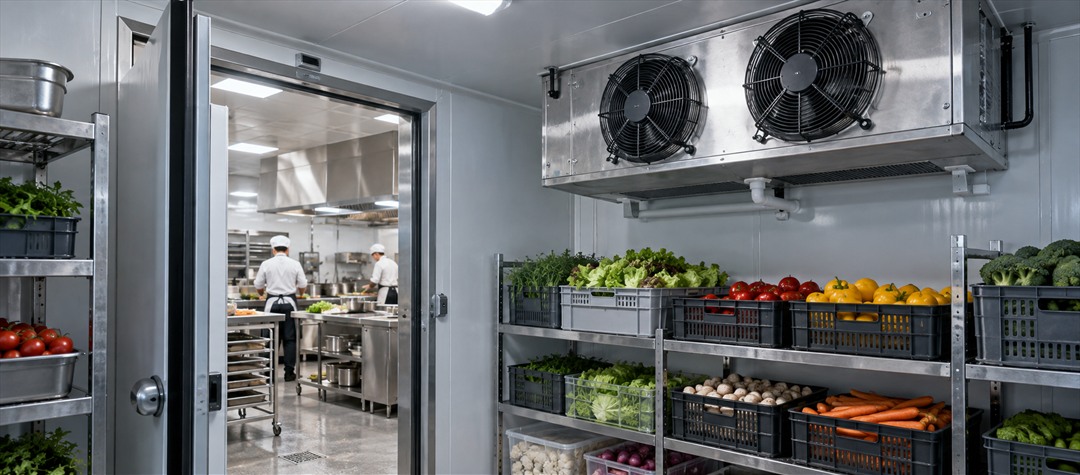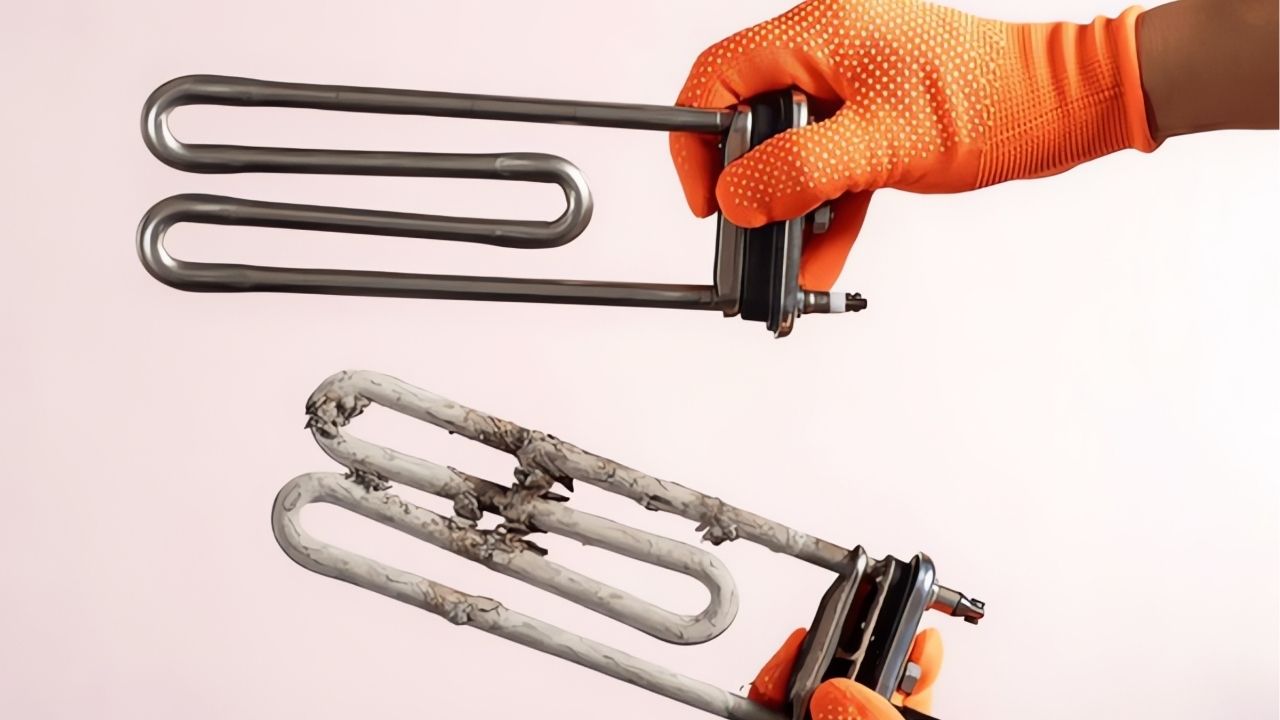
A door heater is an electric heater installed in the frame, gasket and threshold areas of cold room and blast freezer doors that provides controlled heat to prevent icing. In rooms operating at sub-zero temperatures, a door that freezes shut both disrupts operations and leads to torn gaskets and occupational safety risks. In this article, we discuss the causes of door freezing, types of heaters, correct installation and how you can balance energy consumption.
Table of Contents
- Why Do Cold Room Doors Freeze?
- How Does A Door Heater Work?
- In Which Areas Of The Door Is The Heater Installed?
- How Much Energy Does A Door Heater Consume And How Is It Controlled?
- How Is A Heater Failure Detected And How Is Maintenance Carried Out?
- What Should Be Considered When Choosing The Right Door Heater Solution?
- Frequently Asked Questions
Why Do Cold Room Doors Freeze?
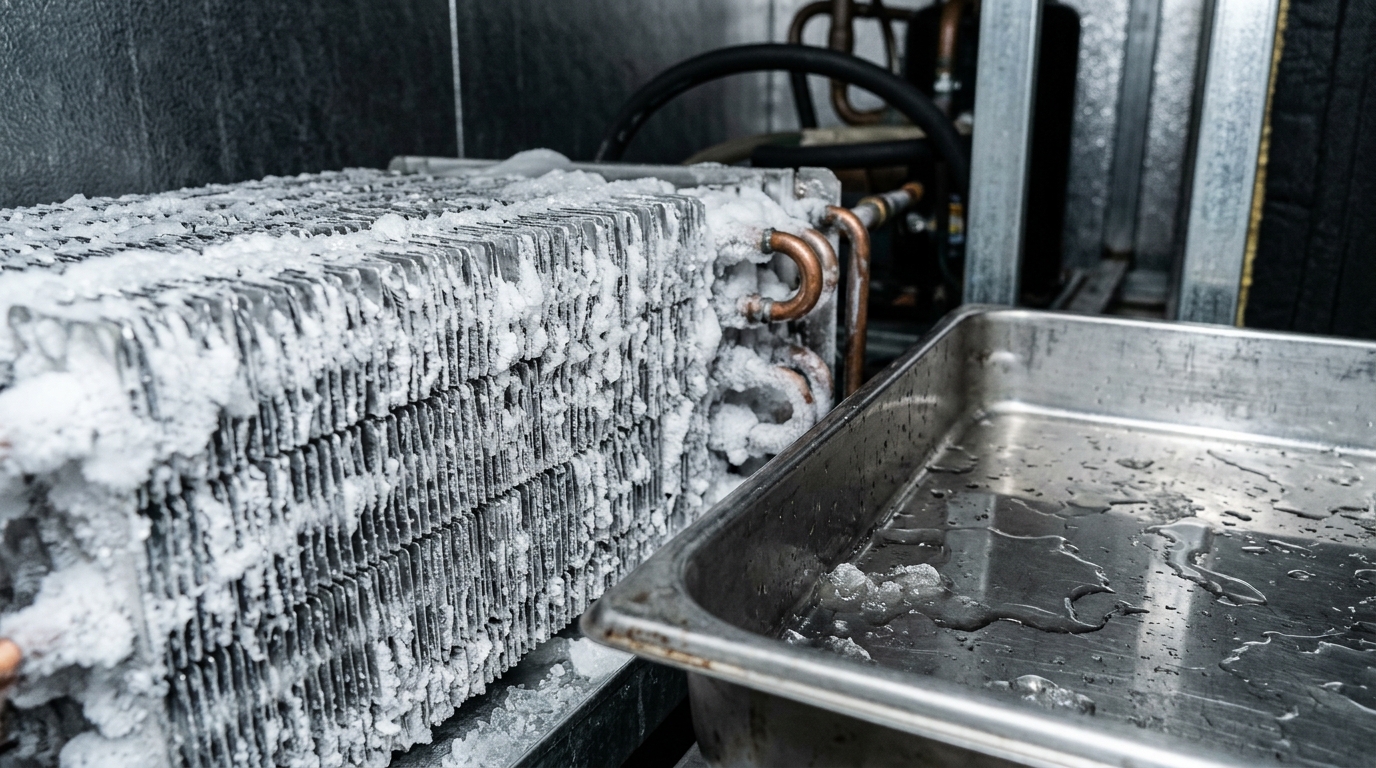
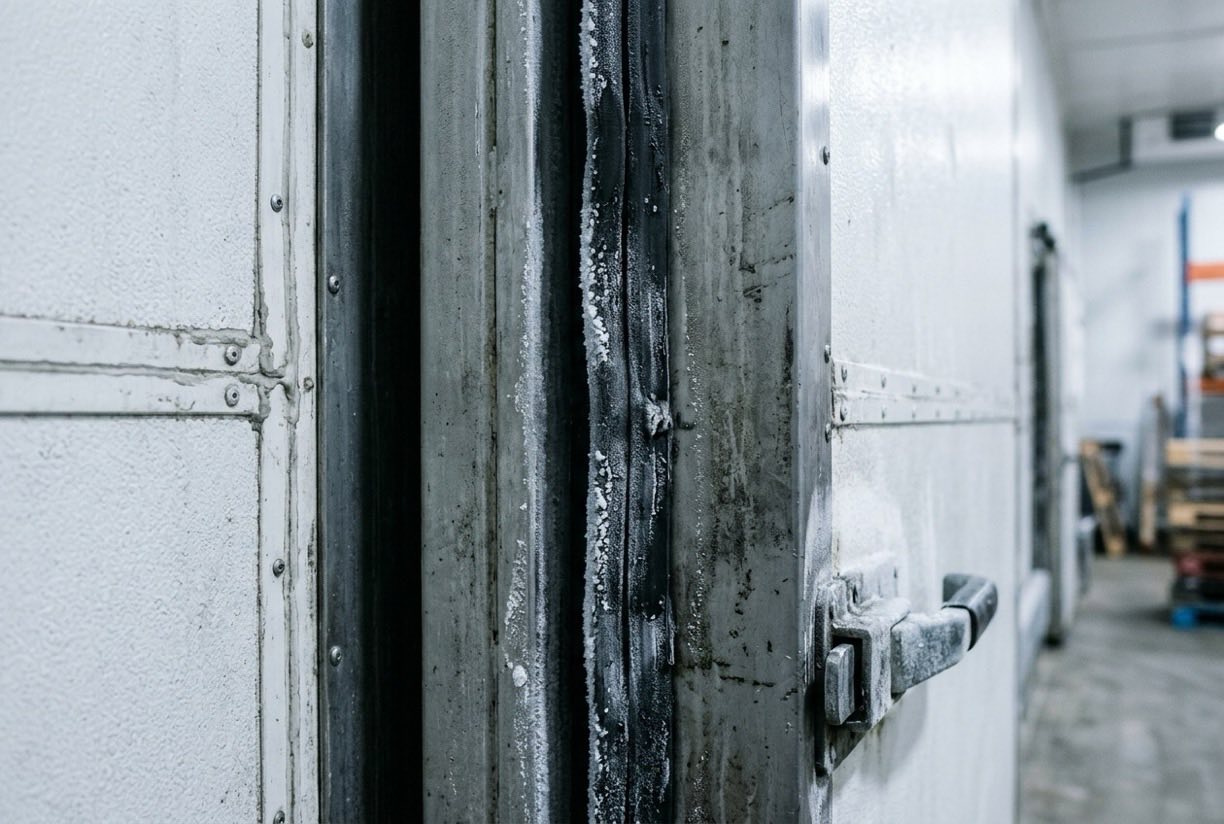
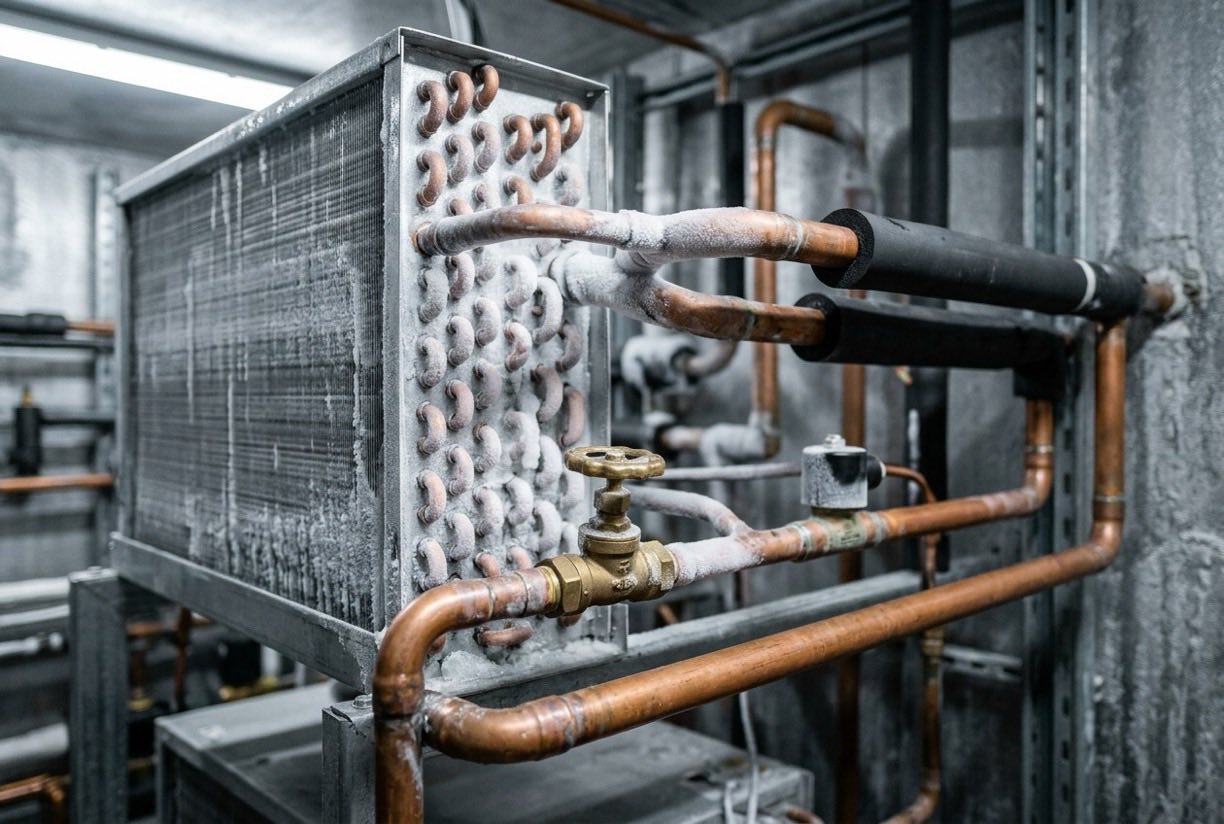
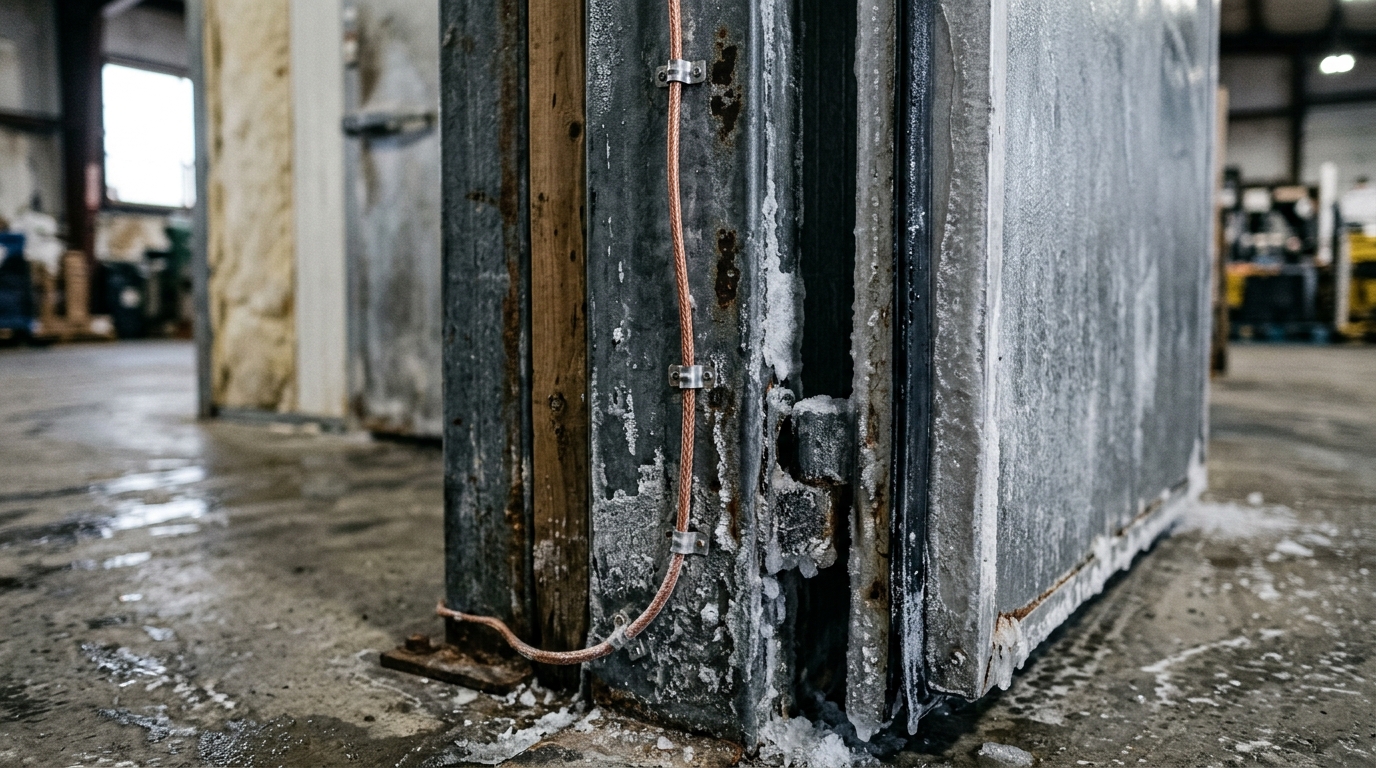
Cold room doors ice up when humid air from the outside environment comes into contact with the cold frame and gasket surfaces, condenses and then freezes. When the room temperature drops below zero, the metal and gasket surfaces around the door also fall below the dew point.
Each time the door is opened, the warm, humid air entering leaves a thin film of water on these surfaces; after the door is closed, this film freezes and sticks the gasket to the frame. Over time, the ice layer thickens, the door does not close fully and air leakage begins. This leakage both carries more moisture into the room and creates a need for more frequent defrosting in the evaporator, turning the problem into a self-reinforcing cycle.
How Does A Door Heater Work?
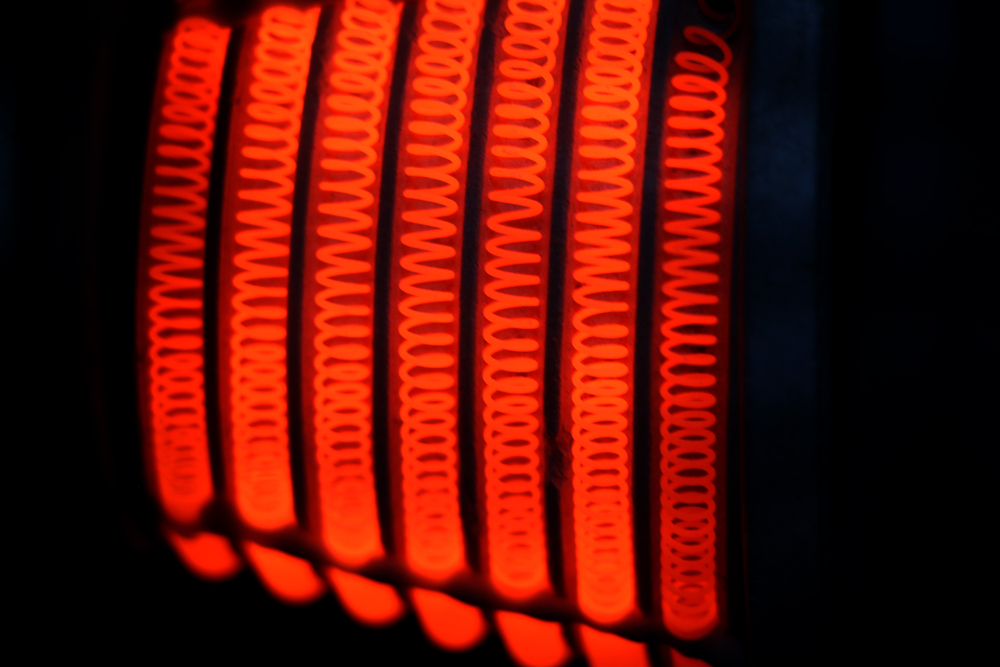
A door heater prevents condensation and icing by providing a low, continuous heat sufficient to keep the temperature of the frame and gasket surfaces above the dew point. The aim is not to heat the surface but to keep it just above the temperature at which freezing would begin.
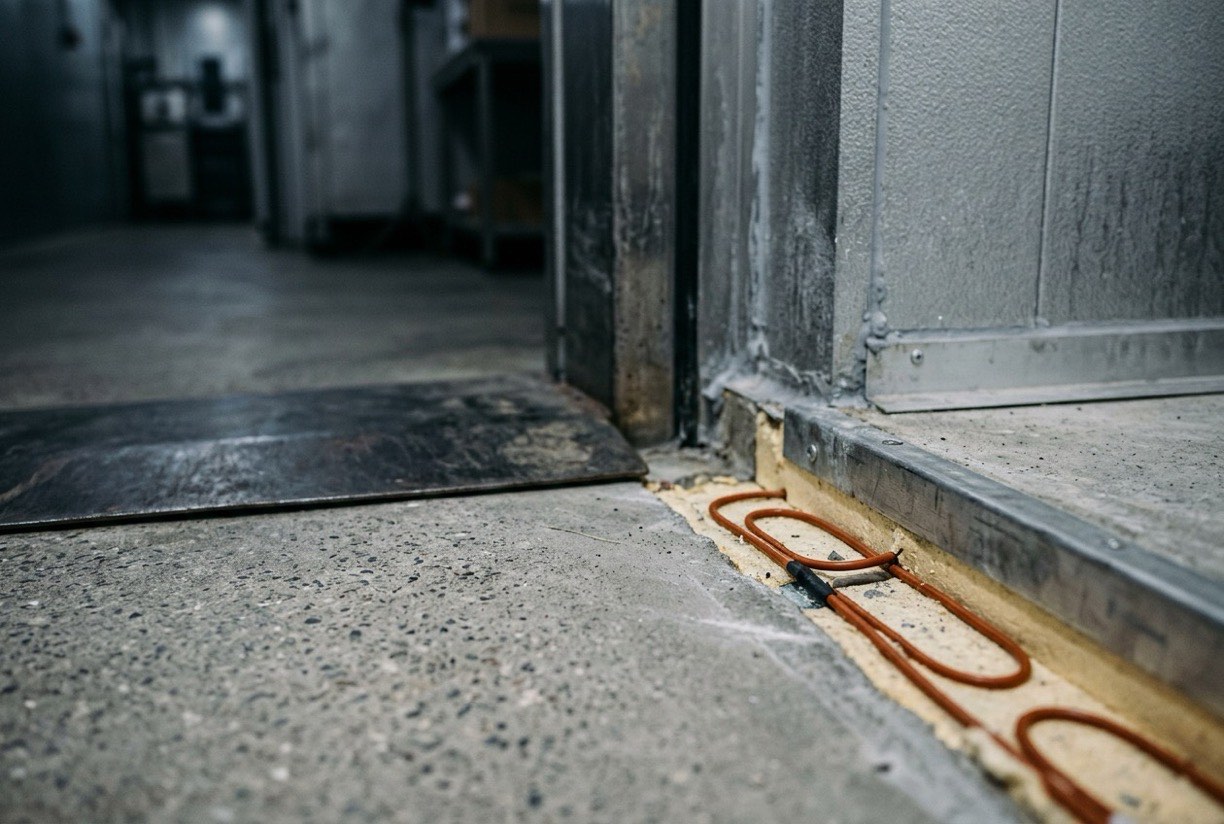
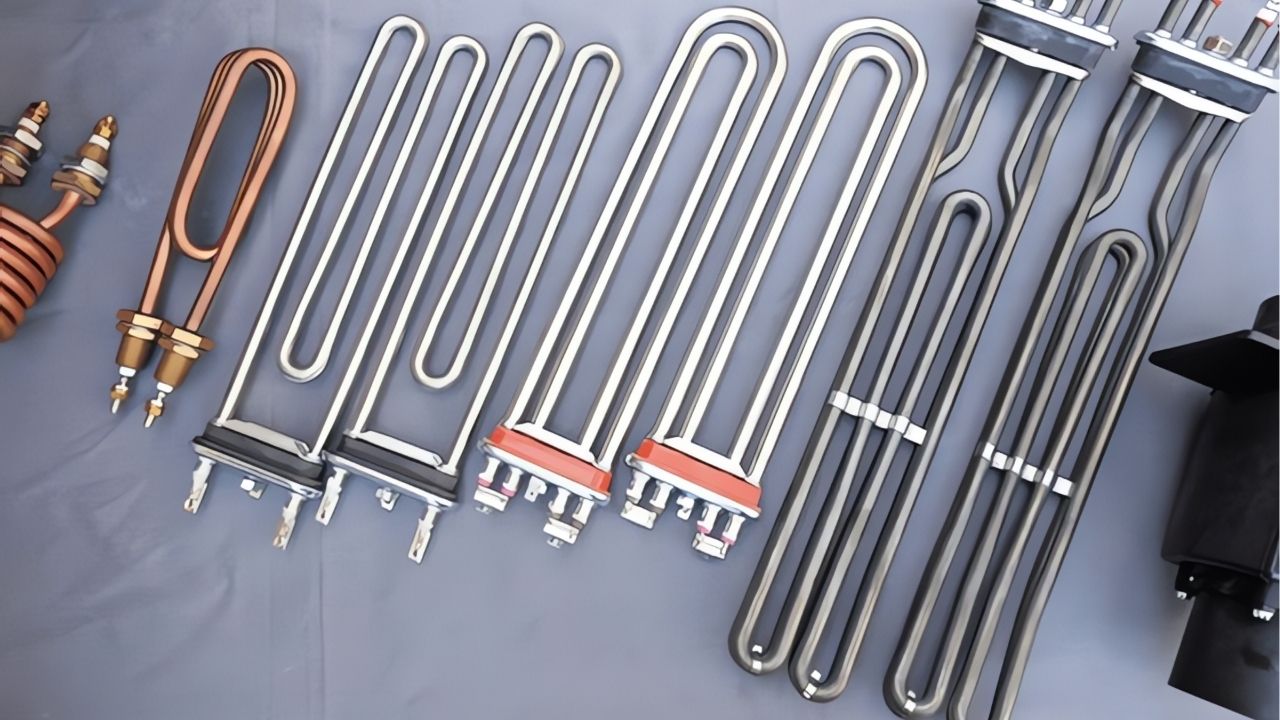
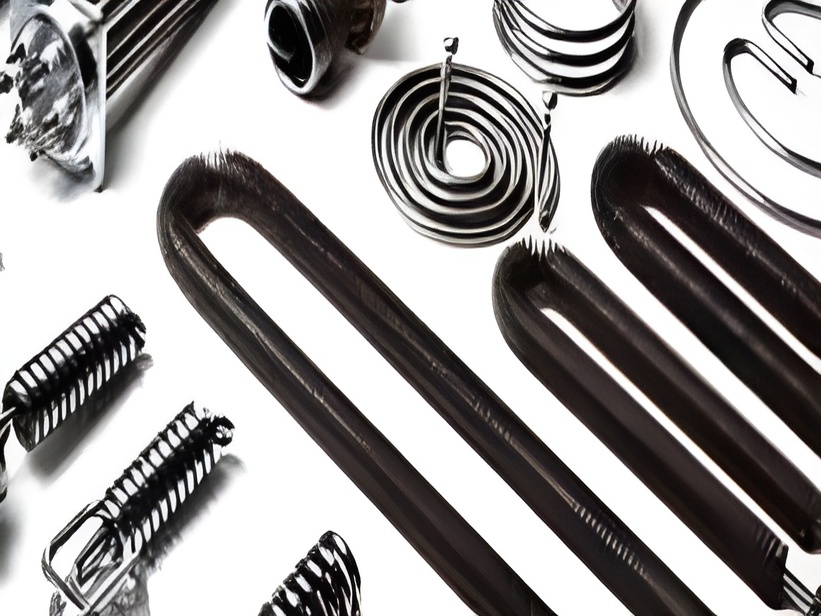
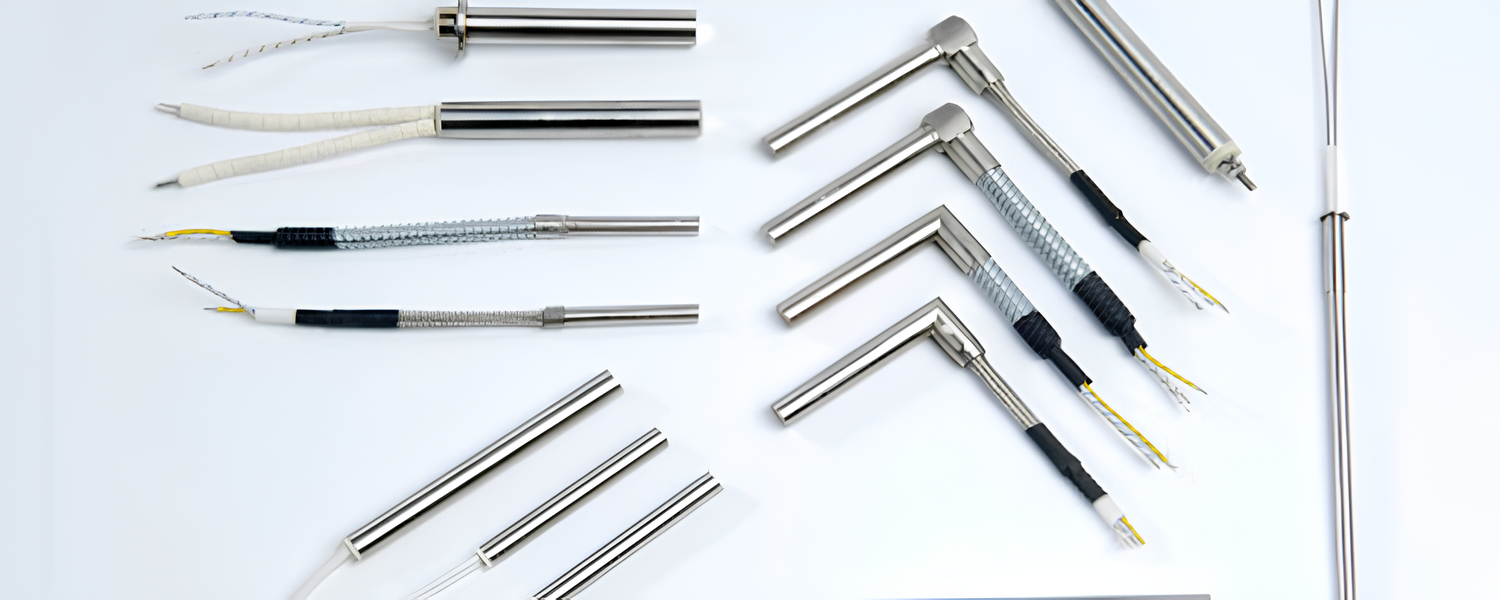
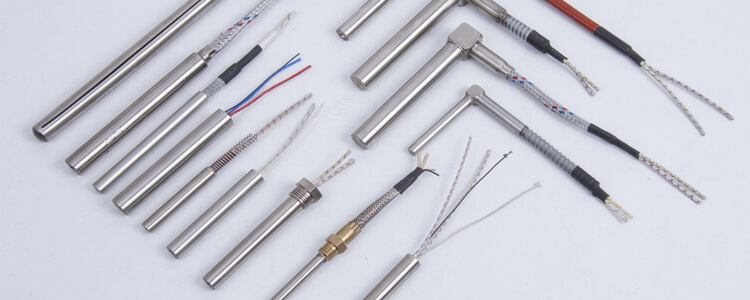
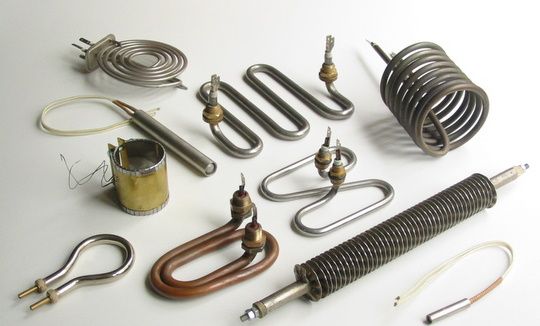
In practice, cable-type heaters with silicone or similar flexible insulation are generally used, and these cables are placed inside the frame profile or behind the gasket seat. The power per metre of the heater is determined according to the room temperature, door type and ambient humidity. Excessive power causes unnecessary energy consumption and additional heat load on the room, while insufficient power cannot prevent icing; therefore, power selection should be made according to the project.
In Which Areas Of The Door Is The Heater Installed?
The heater is installed around the door frame, on the gasket contact surface and especially in the threshold area, because icing occurs most at these contact points. On sliding doors, the rail and bottom guide area may also require heating.
The threshold is the most critical area due to water and cleaning residues on the floor; water freezing here can completely lock the movement of the door. On hinged doors, heating is applied to the top and side frame profiles, and on sliding doors along the leaf edges and the rail. On some doors, heater cable is also placed inside the leaf gasket. In facilities where the outside environment is very humid, the surfaces on the corridor side should also be evaluated, and floor drainage in front of the door should be addressed separately.
How Much Energy Does A Door Heater Consume And How Is It Controlled?
The energy consumption of a door heater depends on the door size, heater power and operating time, and can be significantly reduced with the right control method. A heater running continuously at full power creates electricity consumption that cannot be ignored on an annual basis.
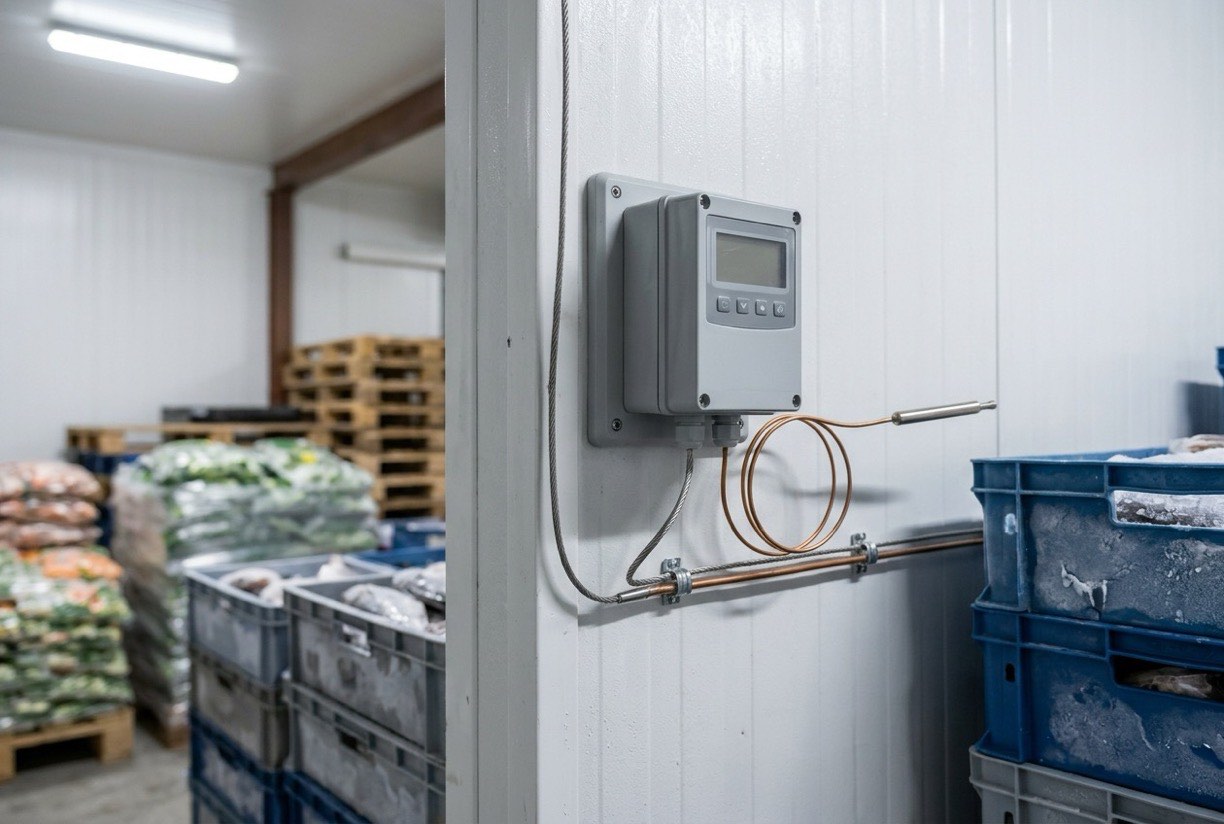
To balance this consumption, thermostats, surface temperature sensors or controllers operating according to ambient humidity can be used. In this way, the heater is activated only when needed. Since part of the heat given off by the heater passes into the room, it also places an additional load on the refrigeration system; therefore, the savings are two-fold. Which control method is suitable is determined according to the room temperature, frequency of door use and the facility's automation infrastructure.
How Is A Heater Failure Detected And How Is Maintenance Carried Out?
A heater failure usually manifests itself as ice forming in a certain area of the door, the gasket sticking to the frame or the door becoming difficult to open. If the heater is completely out of service, icing spreads along the entire frame in a short time.
During periodic maintenance, resistance and insulation measurements of the heater circuit should be made, and fuses and control elements should be checked. Tears and deformations in the gaskets also reduce the effectiveness of the heater, because the leaking humid air brings more load than the heater can compensate for. Replacing a faulty cable requires labour that varies according to the door structure; therefore, preferring installation in a replaceable channel in new projects makes maintenance easier.
What Should Be Considered When Choosing The Right Door Heater Solution?
The right solution is chosen by considering door type, room temperature, ambient conditions and energy goals together. The following items can guide the decision process.
- Heater power per metre suitable for room temperature and ambient humidity
- Coverage of all threshold, frame and gasket areas
- Limiting energy consumption with thermostat or humidity-controlled operation
- Easily replaceable installation for maintenance and appropriate electrical protection
If you would like to determine the appropriate solution for your door freezing problem, you can consult the Günay Soğutma team.
Frequently Asked Questions
Is a door heater needed in cold rooms at positive temperatures?
In rooms above zero the risk of freezing is low, but if condensation is observed, frame heating can be beneficial. The decision is made according to ambient humidity and room temperature.
Should the heater run continuously?
It is not mandatory; operating it only when necessary with thermostat or humidity control reduces energy consumption.
Can a heater be added to an existing door later?
It is possible on many doors, but the application method varies according to the structure of the frame profile. An on-site inspection is required.
Does a door heater increase the cooling load of the room?
Yes, part of the heat given off passes into the room. Therefore, power selection and the control method should be taken into account in the load calculation.
Does replacing the gasket alone solve the freezing problem?
Since a damaged gasket causes air leakage, its replacement is important, but in rooms operating at sub-zero temperatures it should generally be addressed together with a heater.
Does a heater failure pose an electrical risk?
A heater with deteriorated insulation can cause leakage current. Appropriate protective devices and periodic insulation measurements reduce this risk.
How can I get a recommendation for my own cold room?
You can get a recommendation specific to your application by sharing the door dimensions, room temperature and the problem you are experiencing with the Günay Soğutma team.