In freezer and sub-zero cold rooms, the floor is constantly exposed to the cold of the room. When the ground beneath it contains moisture, that moisture freezes and can cause heaving, cracking, and lifting of the floor. This article explains why the floor freezes, how floor heating works, and in which rooms it is needed.
Table Of Contents
- Why Does The Floor Freeze?
- How Does Floor Heating Work?
- In Which Rooms Is It Needed?
- How Is The Heating Cable Installed?
- How Are Control And Energy Use Managed?
- Frequently Asked Questions
Why Does The Floor Freeze?
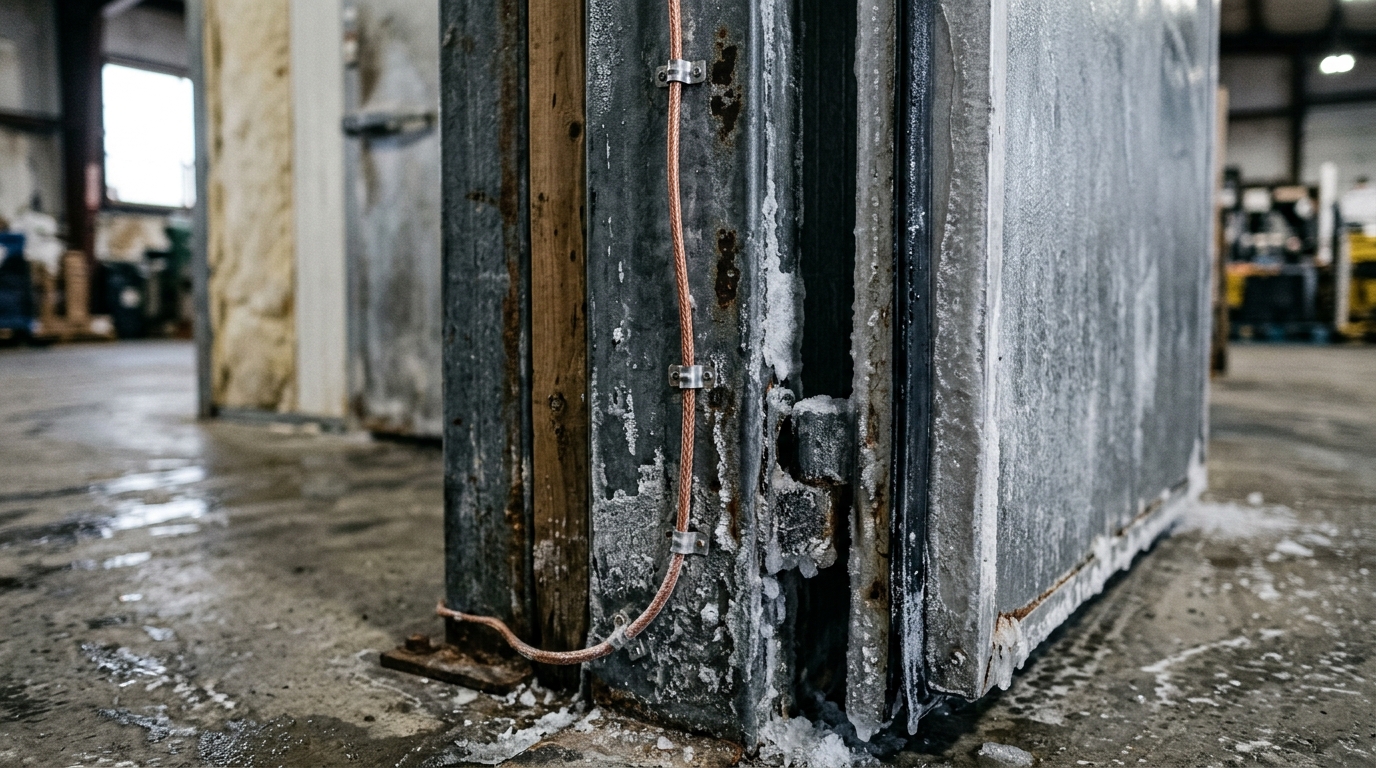
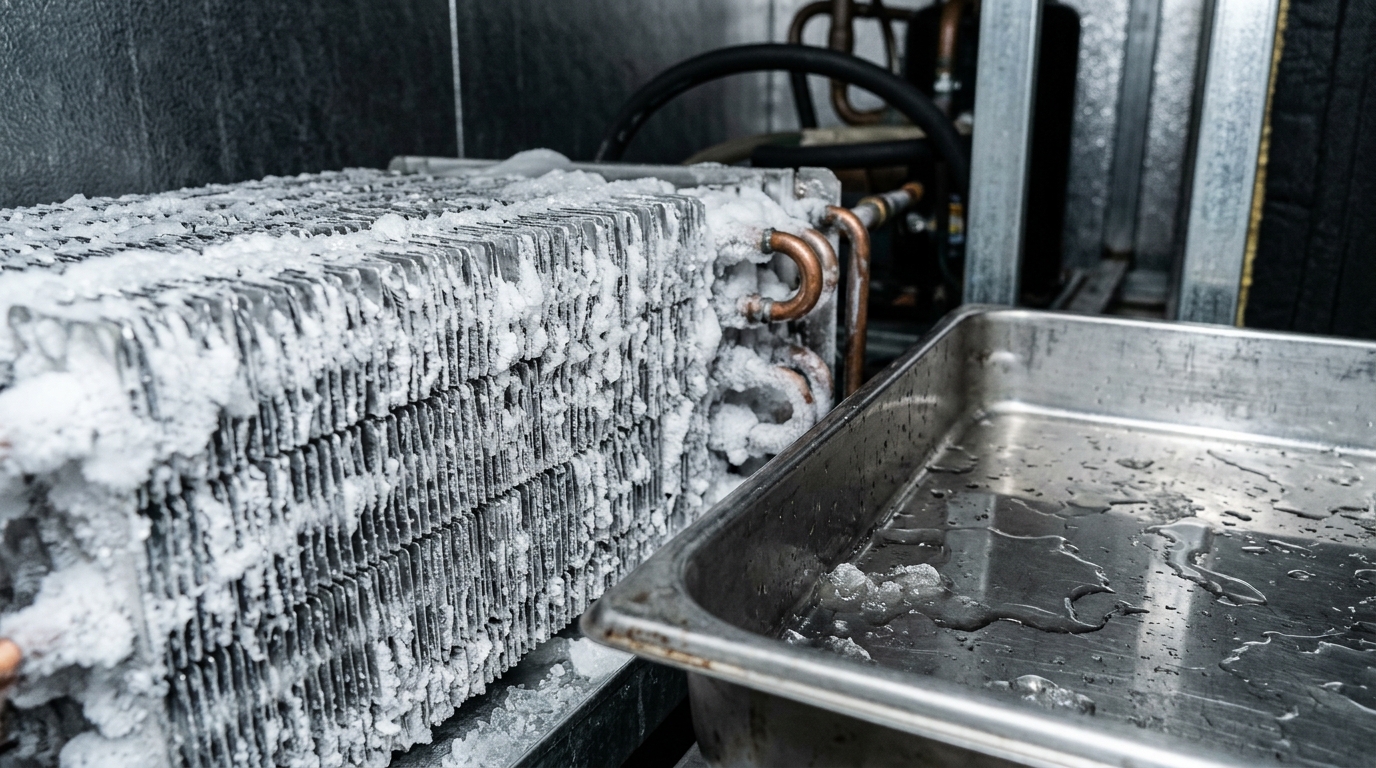
While the room cools, heat is also drawn from below through the floor. If the soil beneath is moist, that moisture freezes over time and changes volume. Repeated freezing and thawing can cause heaving, breaking, and movement of the floor.
This damage affects not only the floor surface, but also the structural integrity of the room and the alignment of doors and racking systems.
The floor of a cold room conducts the coldness of the room and of the product on it into the ground beneath. An uninsulated or poorly insulated floor lowers the temperature of the soil below it. When the soil, together with the water it contains, reaches freezing temperature, the risk of heave and cracking appears in the floor.
Freezing is also linked to the expansion of moisture beneath the floor. Water expands in volume as it freezes, and this expansion pushes the concrete upwards. This movement can cause lasting damage to the floor and displacement of structural elements such as the door threshold.
Freezing of the floor is not only a structural problem. A frozen floor exerts pressure on the building elements around it and can cause separation at wall-to-floor joints. This separation breaks the continuity of the insulation and makes the problem worse.
The most obvious effect of the floor is long-term heat leakage. The floor continuously draws heat from the lower surface of the room, and this heat increases the load on the refrigeration system. A floor approaching the freezing limit spends a significant part of the capacity on this loss.
Another result of floor freezing is blockage in the drainage and discharge paths. When the lines under the floor freeze, water flow stops and water begins to collect on the floor surface. This accumulation increases the risk of refreezing.
Floor freezing problems often go unnoticed in the first months. Slowly progressing heave and cracks can grow into clear damage over the years. For this reason floor protection should be planned while the building is being constructed.
How Does Floor Heating Work?
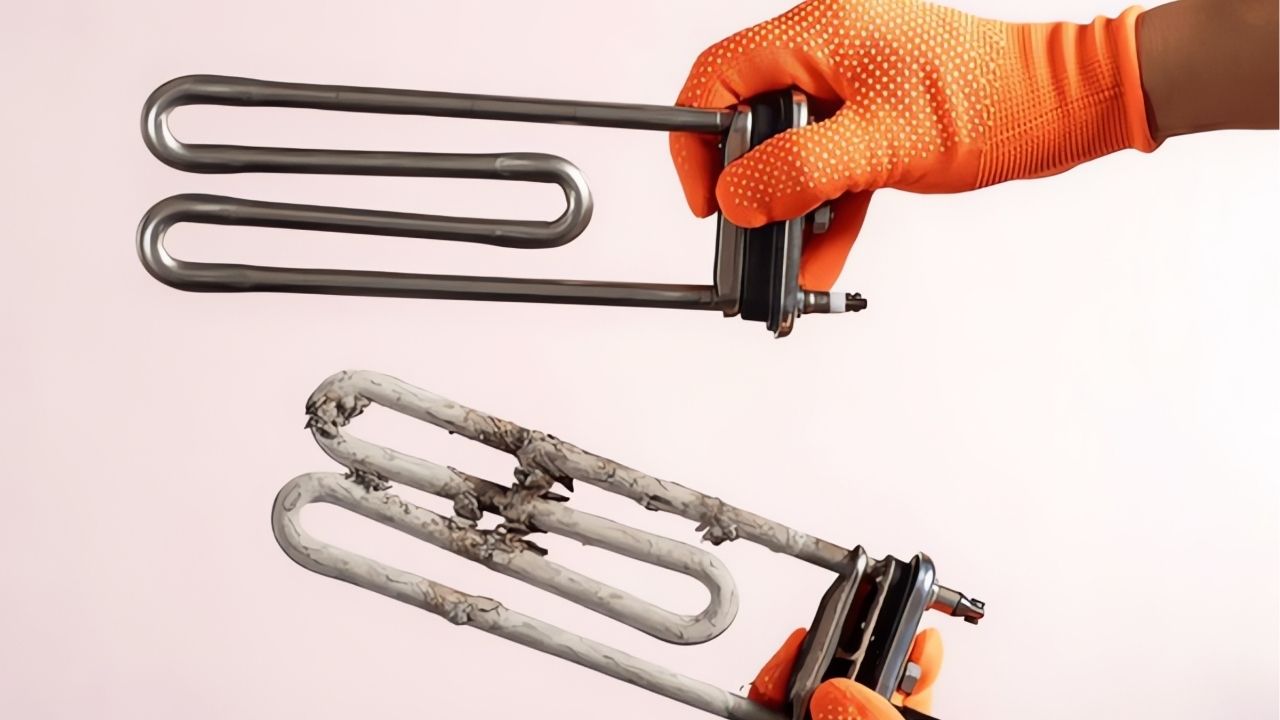
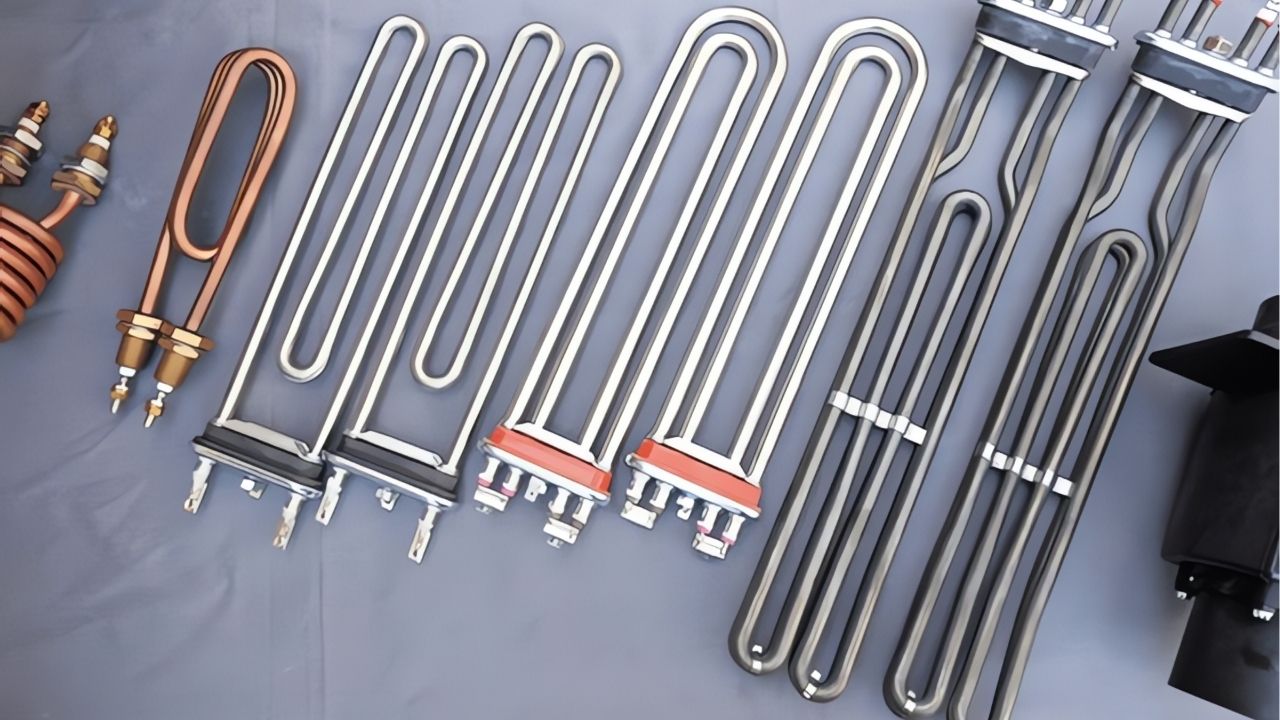
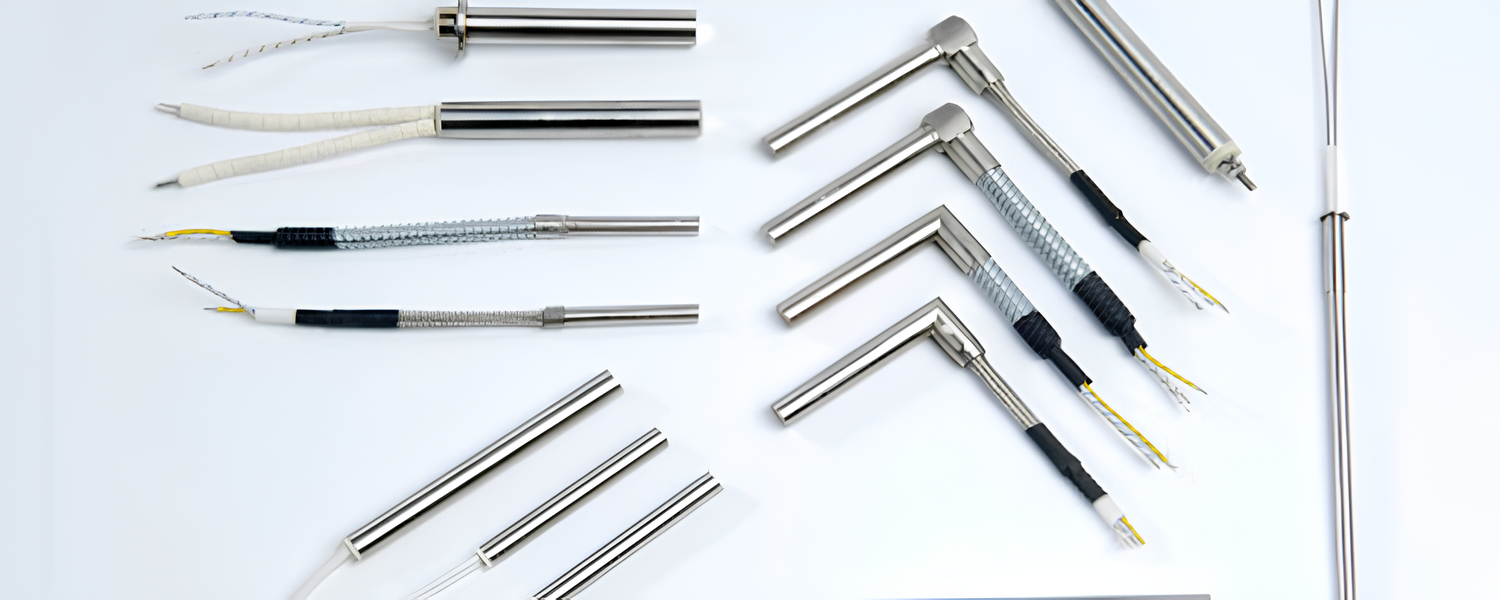
Floor heating keeps the floor above freezing by means of electric heating cables or warm fluid lines laid beneath the floor. Its purpose is to prevent the soil under the floor from freezing. The heating should be considered as an additional load separate from the cooling load of the room.
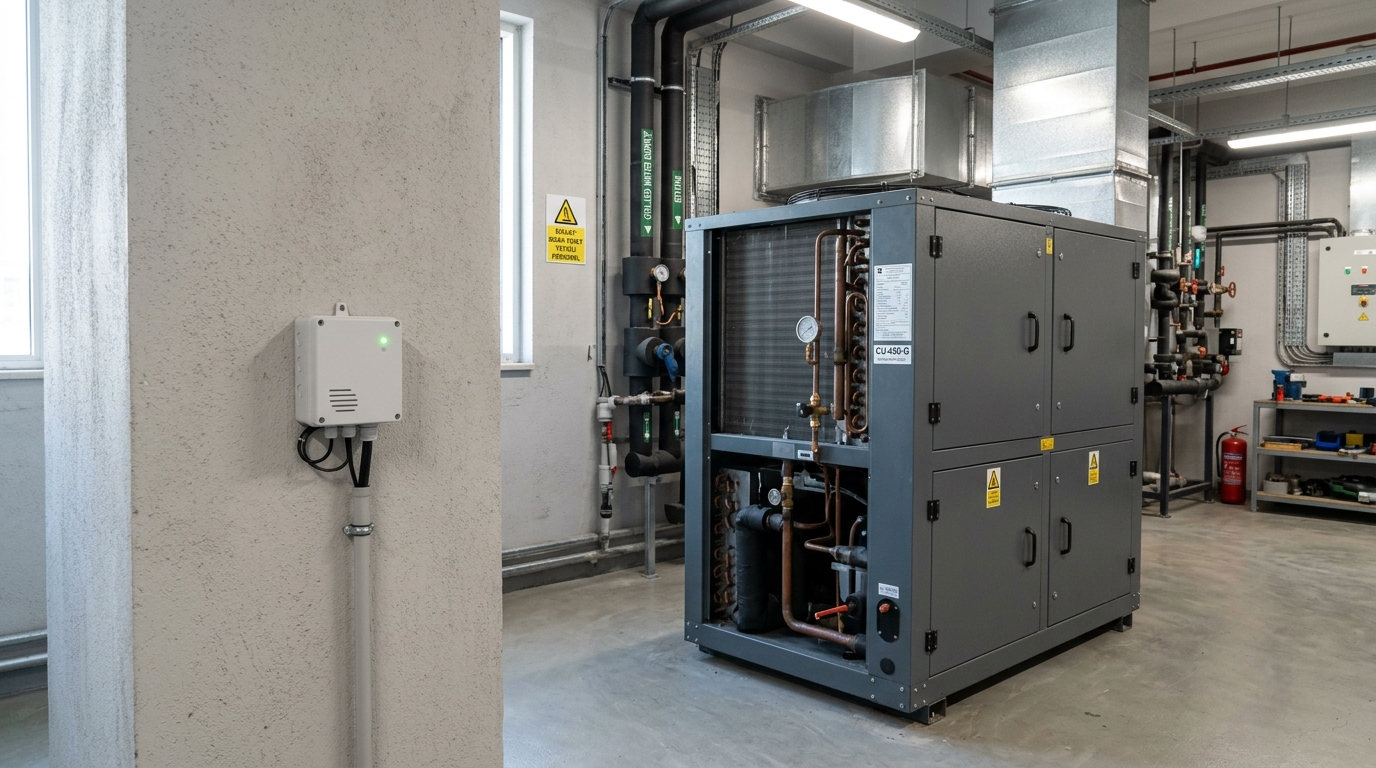
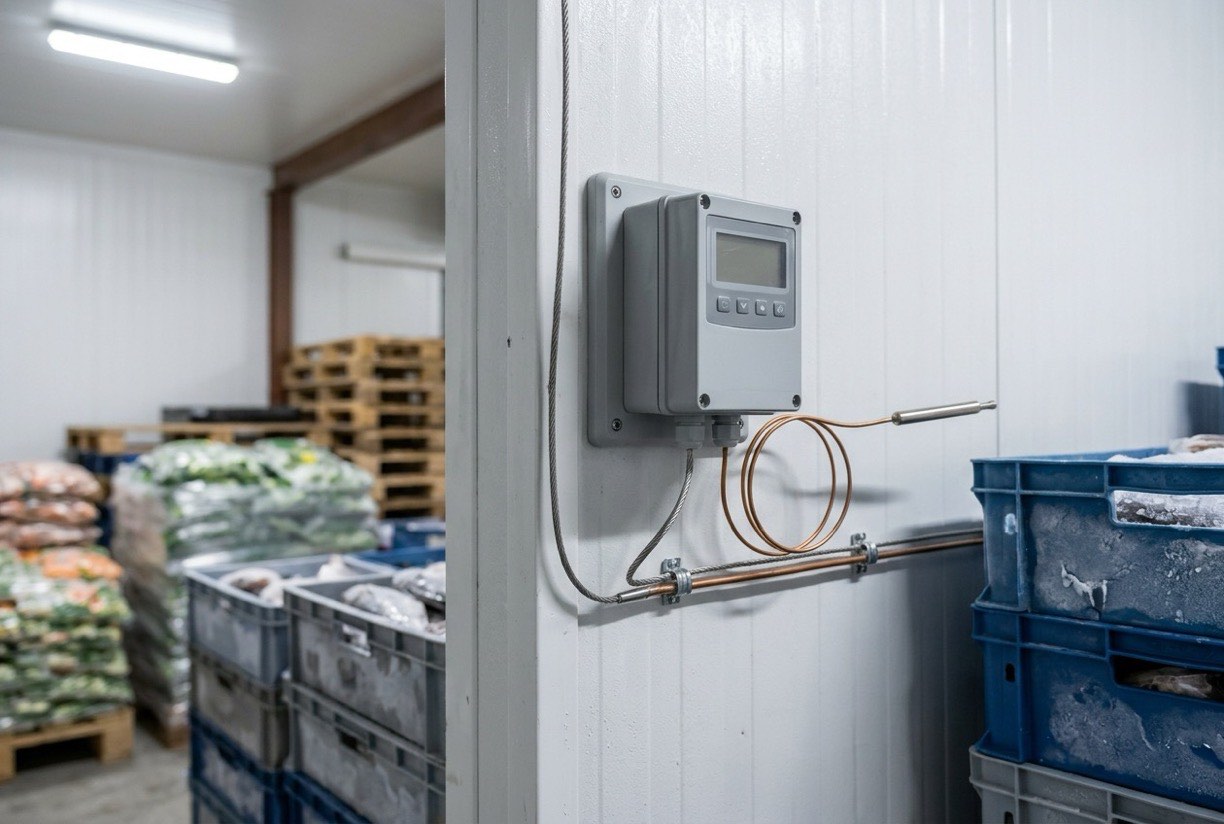
Control is usually made with a floor temperature sensor. When the floor falls below the set temperature, the sensor switches the heating on.
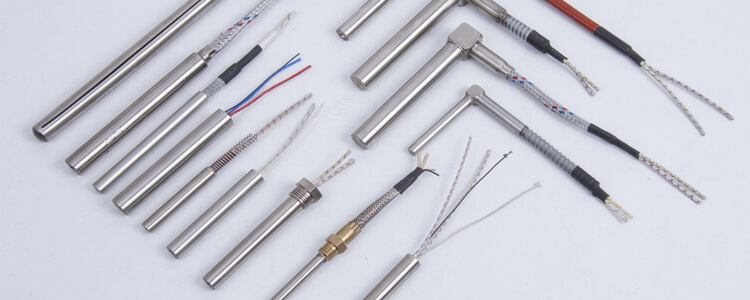
Floor heating keeps the temperature of the floor above the freezing limit with a heating cable or heating system placed beneath the floor. The heater makes up for the heat loss from the floor into the ground and prevents the floor from freezing. This approach adds a further protective layer to the insulation of the floor.
The power of the heating element should be calculated according to the properties of the soil beneath the floor, the thickness of the insulation and the temperature of the room. If the power is insufficient, the floor may drop to the freezing limit. Excessive power, on the other hand, leads to unnecessary energy use.
Floor heating should give an even temperature distribution across the whole surface of the floor. The spacing of the heating cable prevents temperature from varying from one zone to another. If the distribution is unbalanced, some points may drop to the freezing limit while others are heated unnecessarily.
The heating system usually works when it is embedded in the concrete of the floor. This arrangement helps the heat spread evenly through the floor material. The embedding should be planned together with the cable protection tube and the insulation layer.
Floor heating affects the room temperature indirectly, through the floor rather than directly. The energy from the heater first warms the floor, and then the upper surface of the floor is balanced with the air of the room. This indirect effect limits sudden temperature swings.
The operation of the heater is also linked to the wet or dry condition of the floor. In a wet floor the heat transfer can be faster and the load on the heater can change. This variability is a factor that the control system should take into account.
In Which Rooms Is It Needed?
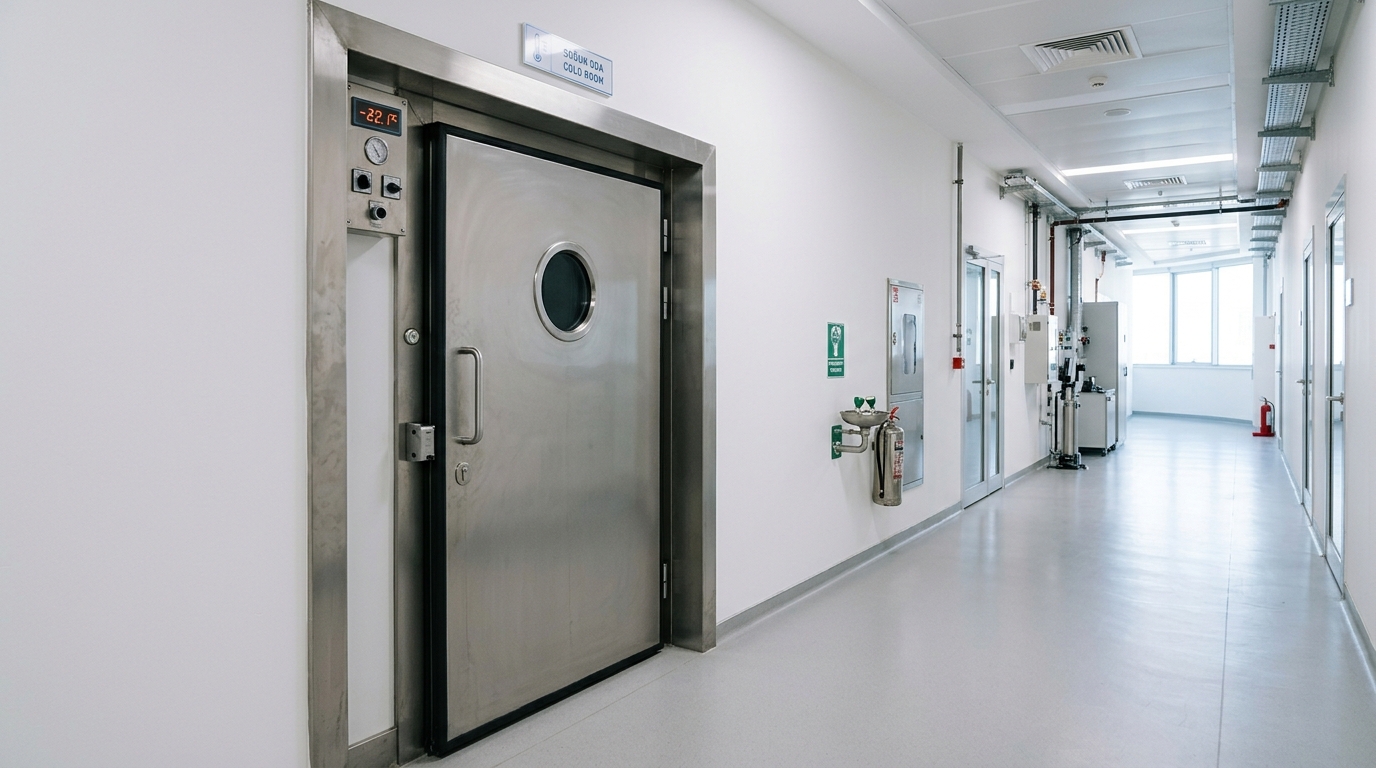
Floor heating is especially considered in freezer rooms operating below zero and in structures where the floor is in direct contact with the soil. Rooms built at ground level with limited floor insulation belong to this group.
In cold rooms operating at positive temperatures the need can be lower. The decision should consider the room temperature level, the floor construction, and the ground conditions together.
Floor heating is needed most in rooms operating at negative temperatures. In rooms where frozen products are stored, the floor carries a constant risk of falling below the freezing limit. In these rooms floor protection is regarded as mandatory for structural safety.
The need is different in rooms operating at positive temperatures. The risk of the floor freezing is low, but insufficient insulation under the floor can still cause moisture and condensation problems. In such rooms the choice of floor solution should be made according to the ground conditions.
Rooms where the floor is in direct contact with the soil carry a higher risk. In areas where there is groundwater naturally beneath the floor, the risk of freezing and heave increases. For this reason a ground survey should be taken into account when the location of the room is chosen.
Door areas and loading and unloading zones are places where floor heating is especially important. Frequent passage in these areas loads the floor and also causes it to become damp. Planning the door-area heating together with the floor heating ensures consistency.
There are also cases where floor heating may be unnecessary. If the floor of the room sits on an already heated area, or if there is adequate and thick insulation beneath the floor, the need may be reduced. The decision should be made by assessing the ground condition and the state of the insulation together.
In deciding where the need lies, the future use of the facility should also be considered. If a lower room temperature is planned for the future, the floor protection should be thought through from the start. Later modifications usually turn out to be more expensive.
How Is The Heating Cable Installed?
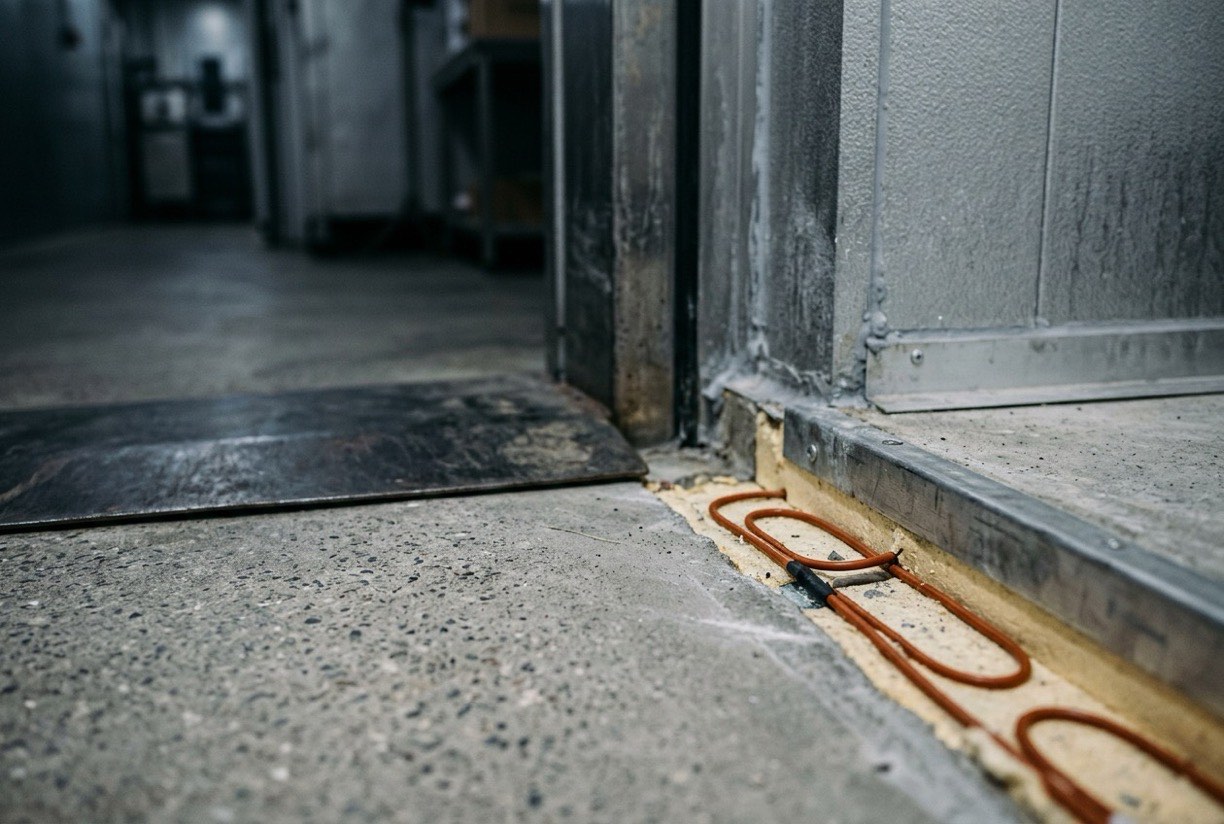
The heating cable is placed inside the floor insulation layer or before the concrete is poured. The spacing of the cable should be planned to give balanced heat distribution across the whole floor. The cable can be laid more densely in risk areas such as the door threshold and wall corners.
- Distribution: The heat must be balanced at every point of the floor.
- Insulation: It should limit the heat escaping downwards.
- Cable protection: The cable must be protected from mechanical damage.
The heating cable should be laid above the insulation layer under the floor and within the concrete. If the cable is placed below the insulation, more heat escapes into the soil instead of the floor. For this reason the position of the cable should be determined with respect to the top of the insulation.
The spacing of the cable should be calculated for an even distribution of floor heating. If the cable is laid too sparsely, local freezing points may form. If it is laid too densely, unnecessary power and local overheating can occur.
The connection points of the cable should be checked before the floor is poured. If the insulation at the connection points is damaged, a risk of moisture and electrical fault arises. Sealing and labelling the connections makes later maintenance easier.
The cable should be checked with resistance and insulation tests before the concrete is poured. If a fault appears after pouring, the repair becomes difficult. The test record should be kept as proof of the soundness of the cable.
Where the cable crosses floor expansion joints and gaps, protective tubes and flexible connections should be used. Movement of the floor can damage a rigid cable over time. Planning the expansion points helps the cable to last a long time.
The cable layout should be considered together with the position of the temperature sensors. The sensors should be placed at the coldest or most risky points of the floor. The relationship between the sensor and the cable ensures that the control system responds correctly.
How Are Control And Energy Use Managed?
Floor heating should be operated in a controlled way with a sensor. Continuous heating can cause unnecessary energy use. The sensor position should represent the real condition of the floor.
Energy use should be monitored by considering the insulation of the room, the ground conditions, and the power of the heating cable together. The Günay Soğutma technical team can support cold room projects on this subject.
The floor heating is controlled by sensors that measure the floor temperature. The sensor switches the heater on when the temperature approaches the freezing limit and switches it off once a safe temperature has been reached. This cycle protects the floor without increasing energy use unnecessarily.
The set value should be chosen at a point above the freezing limit of the floor, but not so high that the floor is over-heated. A set value that is too low increases the risk of freezing. A set value that is too high leads to continuous running and energy loss.
Timed control can also be used to manage energy use. The heating power can be increased during the hours when the room is in use or in periods when the outside temperature falls. This flexibility supports both the safety and the efficiency of the system.
A fault in the control system can lead directly to the floor freezing. For this reason the sensors and the control unit should be tested regularly and the alarm system kept in working order. A fault warning ensures that the problem is noticed before the floor freezes.
Energy use should be measured by the running time and power of the heater. Measurement data can be used to improve the settings for the following year. Records show the operating cost of the floor heating in a transparent way.
Control and energy management should be part of the maintenance plan. The calibration of the sensors, the insulation state of the cable and the settings of the control unit should be checked regularly. This routine ensures that the floor heating works as expected.
Frequently Asked Questions
What happens if the floor freezes?
Heaving, cracks, and movement can occur. Over time this damages the floor, the area around the door, and the racking system. The repair cost is much higher than the cost of early prevention.
Should floor heating always be on?
No. With sensor control it should operate only when needed. However, during periods with a freezing risk, continuous operation may be required.
Can it be added to an existing room later?
In some cases it is possible, but it may require cutting and re-laying the floor. Feasibility should be assessed separately according to the structure of the room.
Which checks should be made during the construction stage of floor heating?
During construction, the resistance and insulation tests of the cable, a record of the cable route and verification of the sensor positions should be carried out. Checks should be repeated before and after the concrete pour. These records become the basic document for any repair in the future. ? How should the insulation under the floor and the floor heating be assessed together? The insulation reduces the heat escaping into the soil and so lowers the load on the heater. Floor heating gives protection at points where the insulation is not continuous or is insufficient. When the two are designed together, both energy use and the risk of freezing are controlled together.