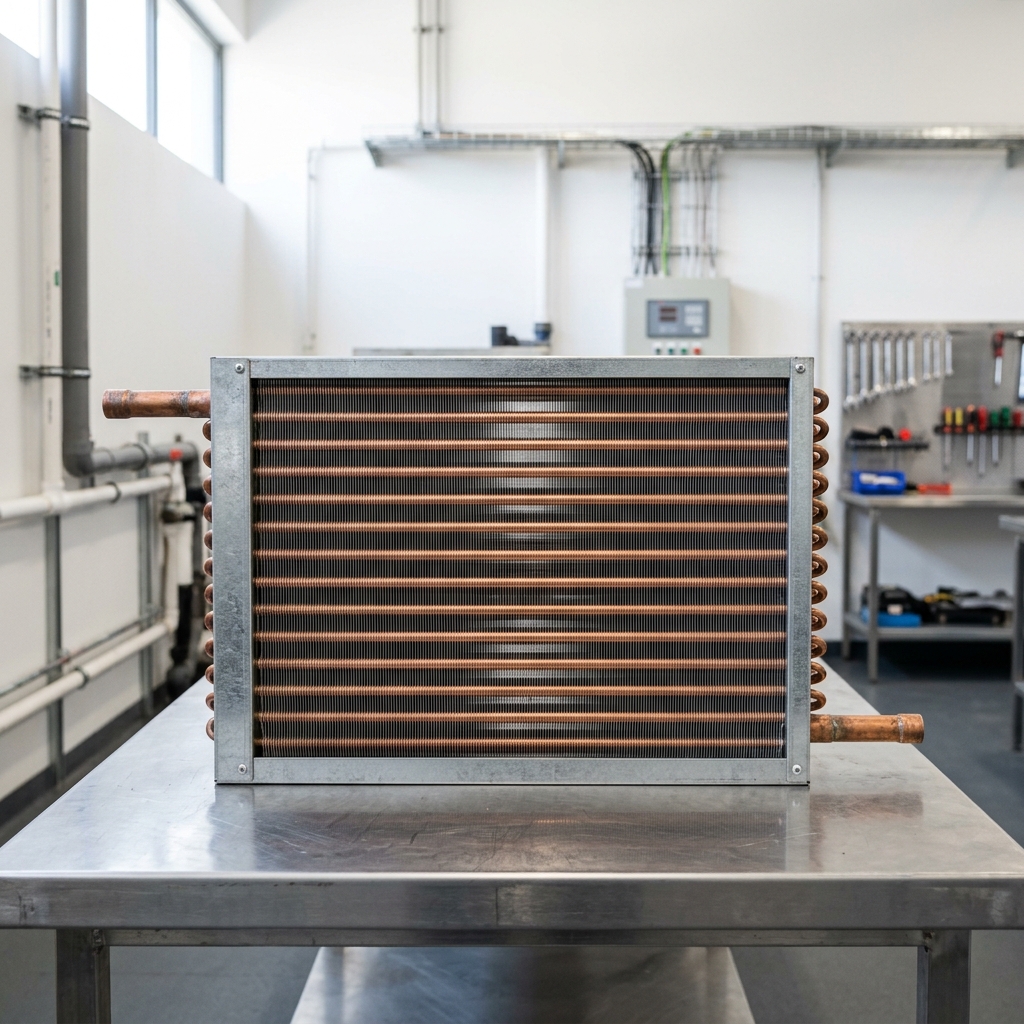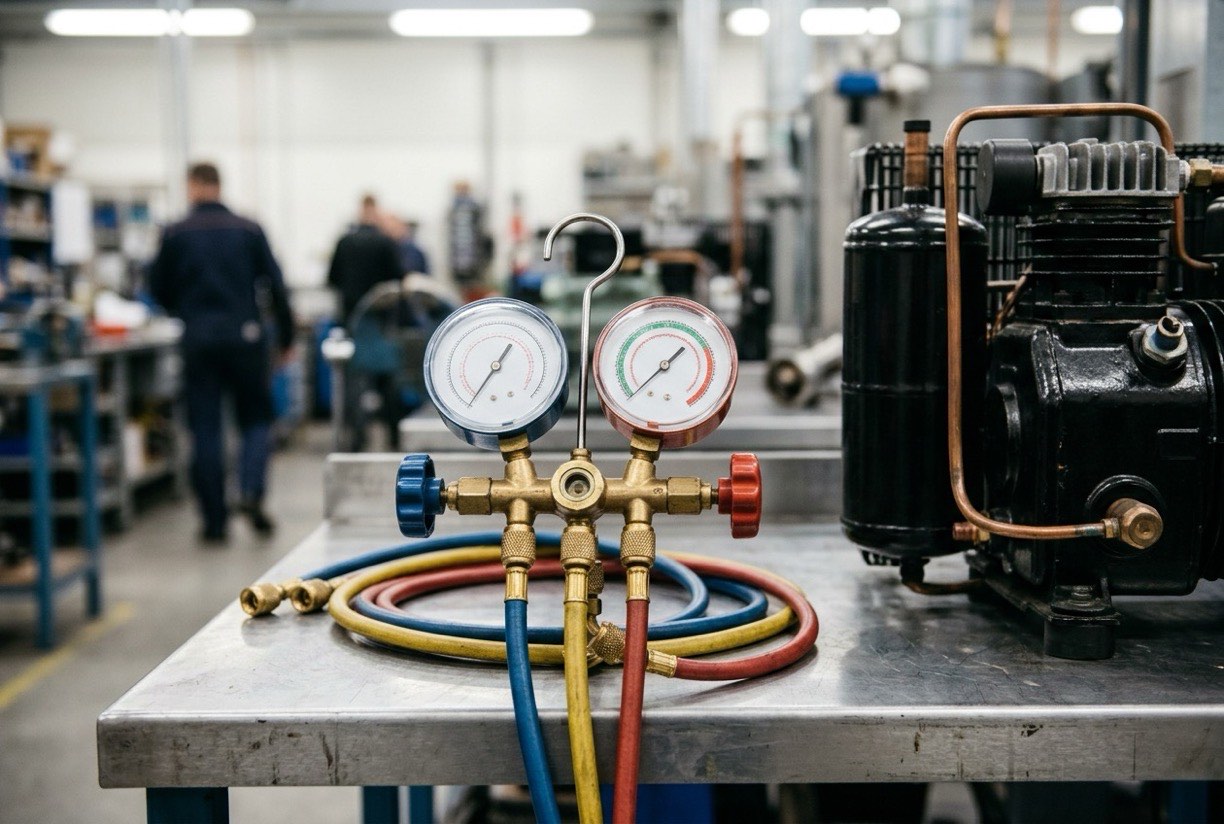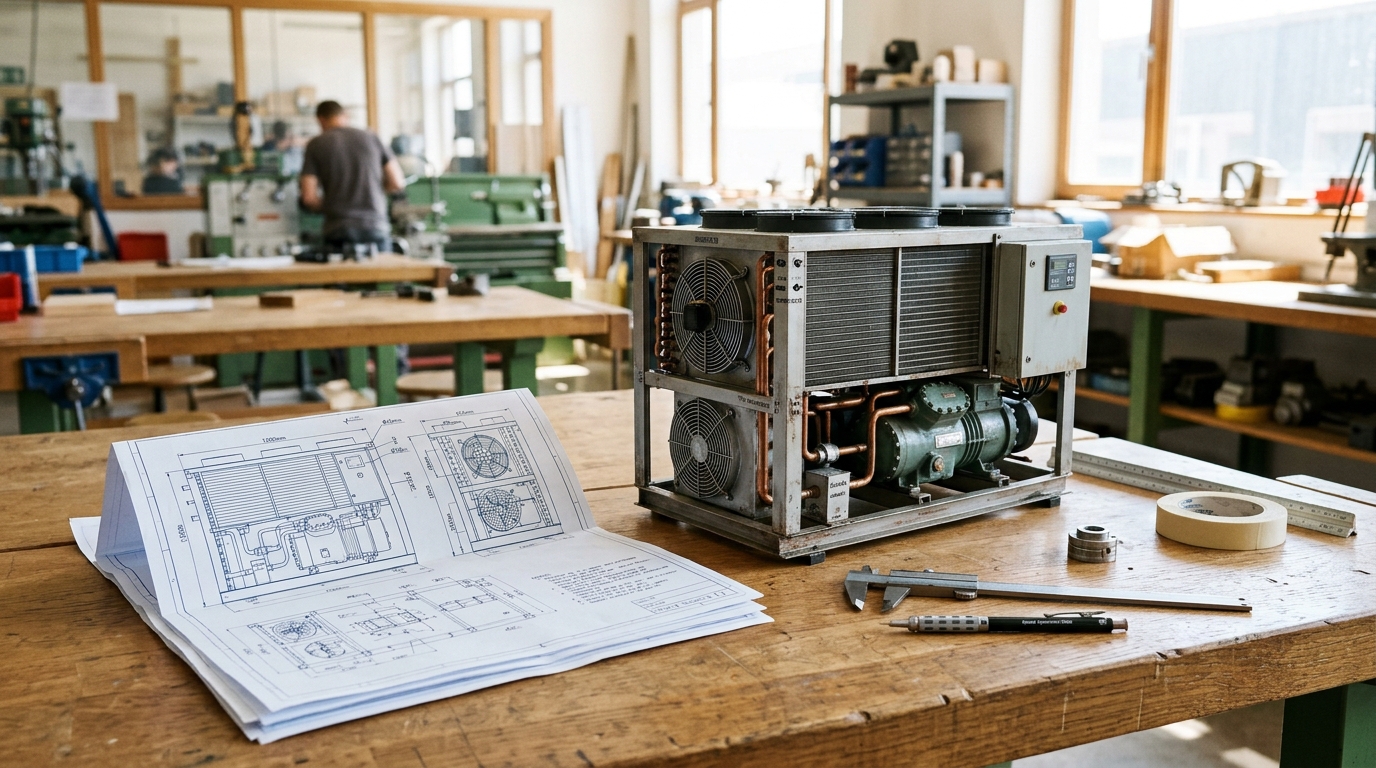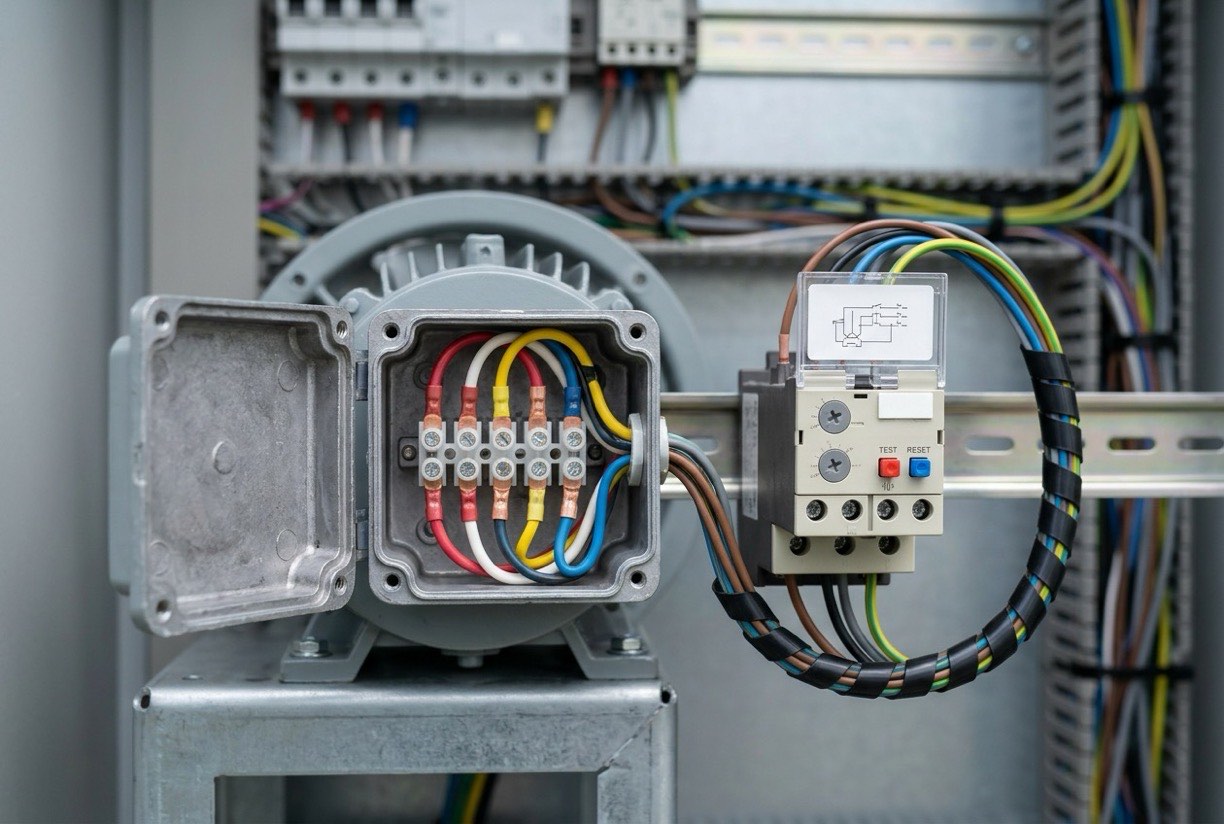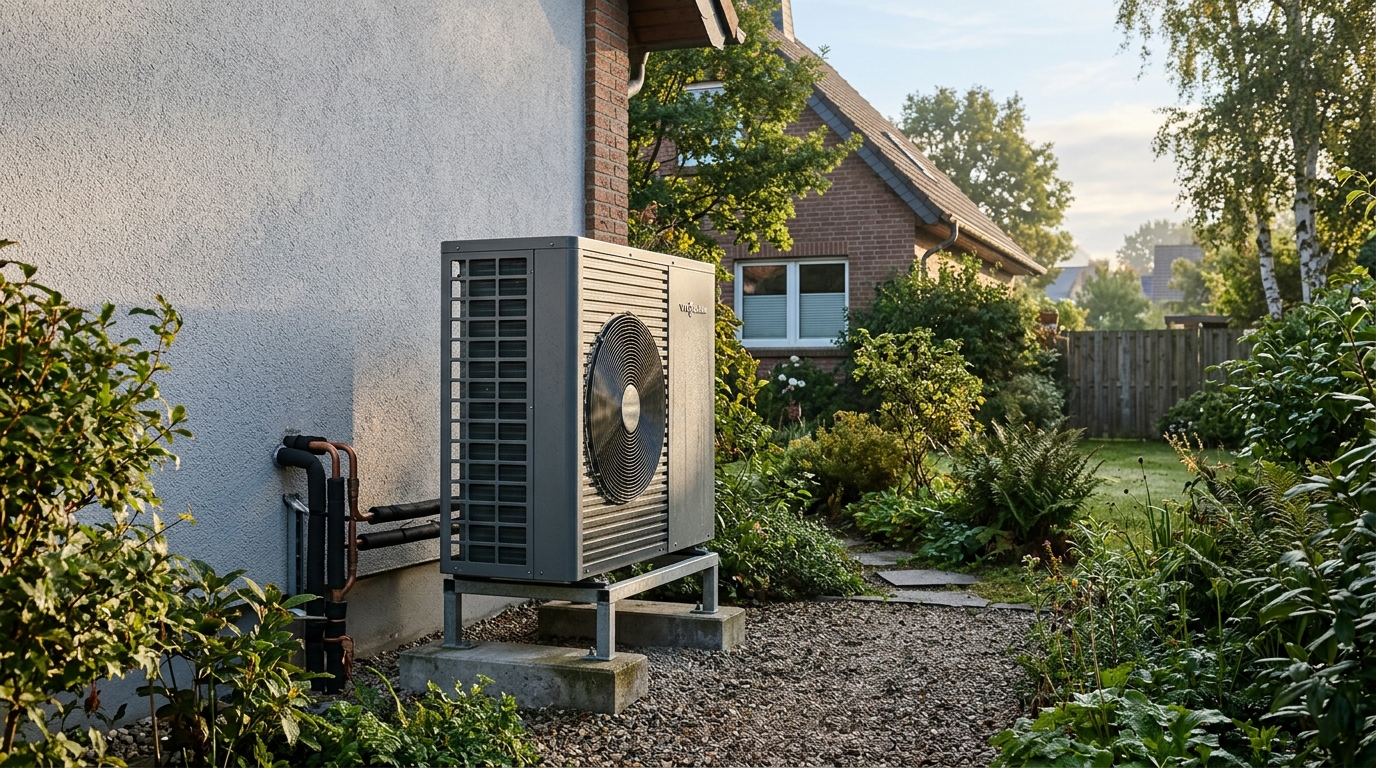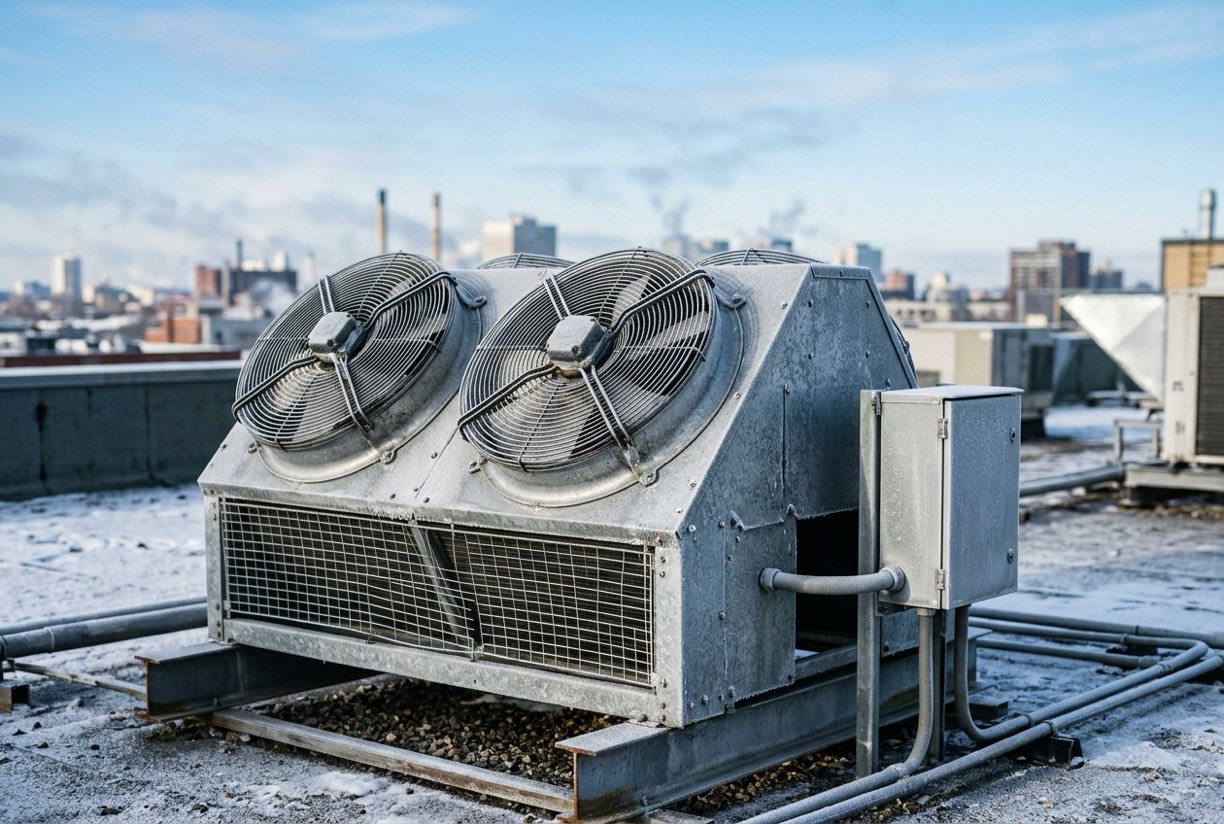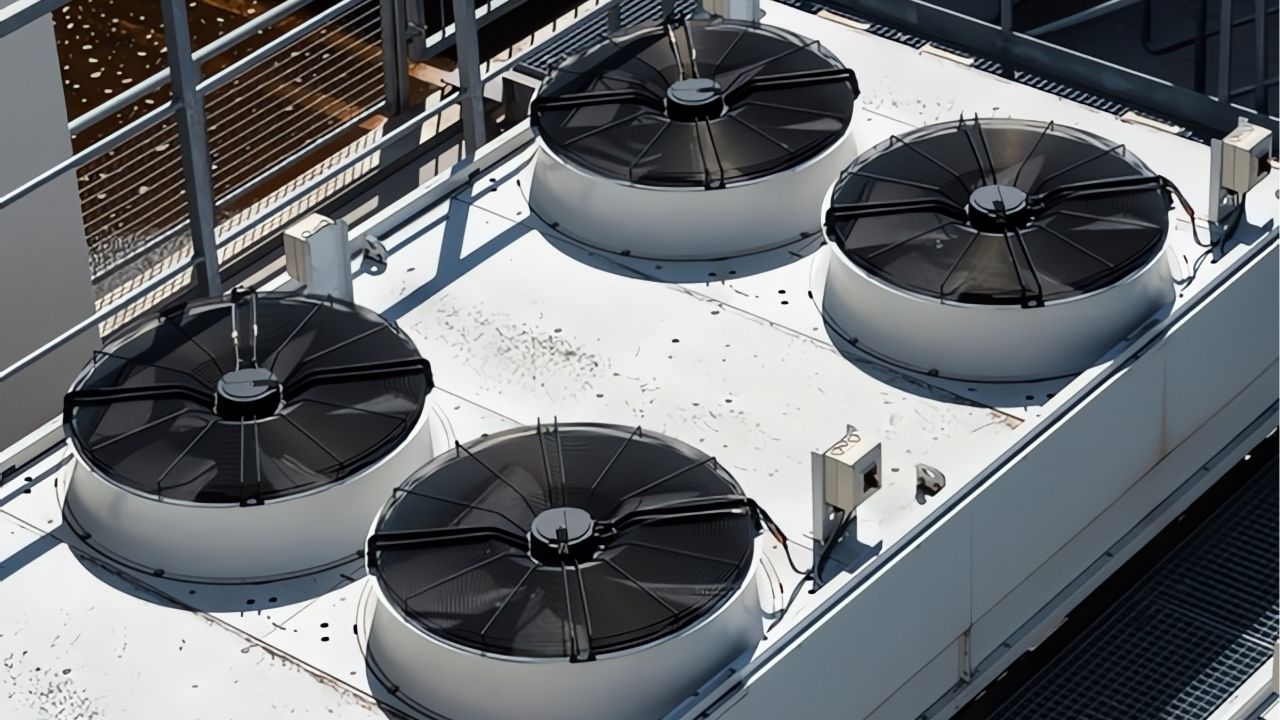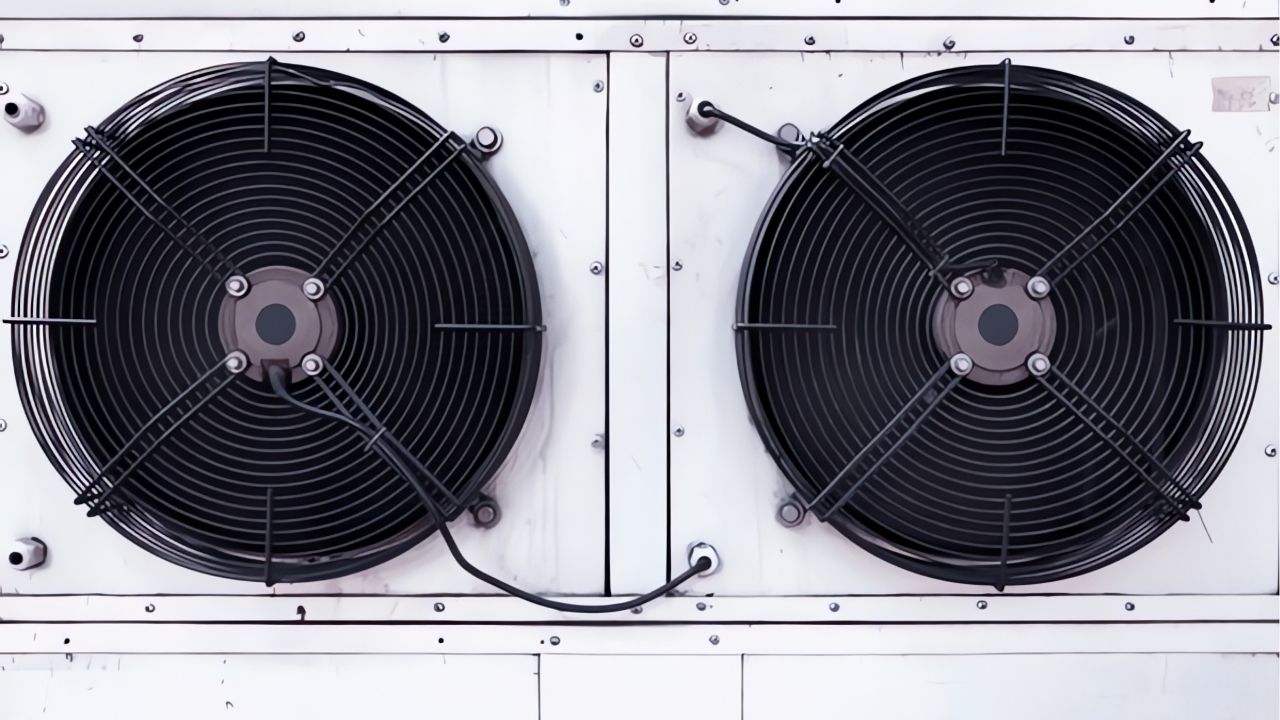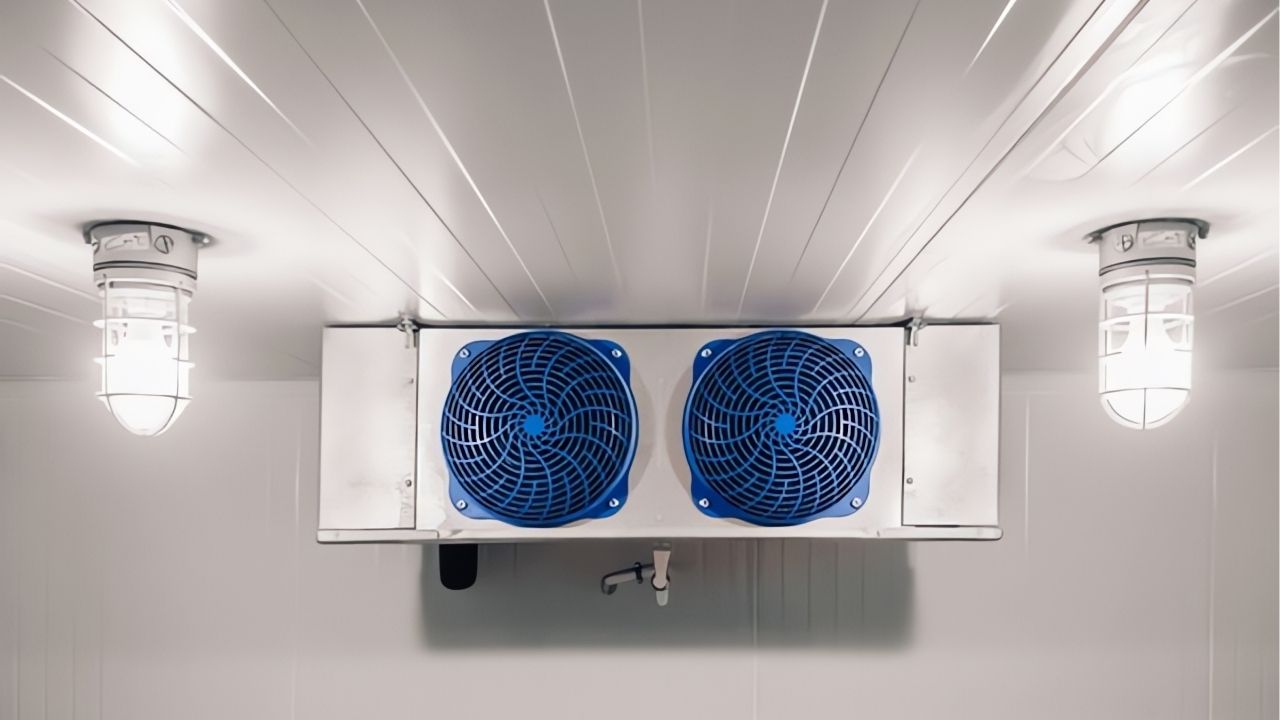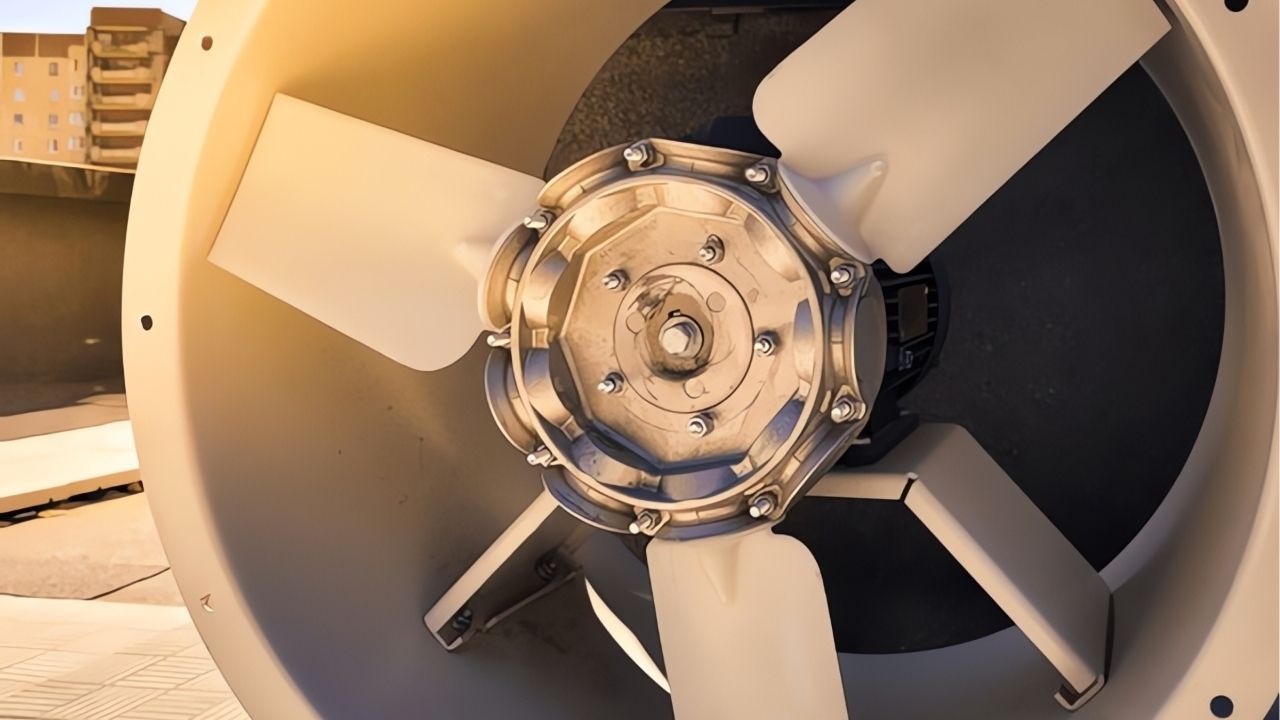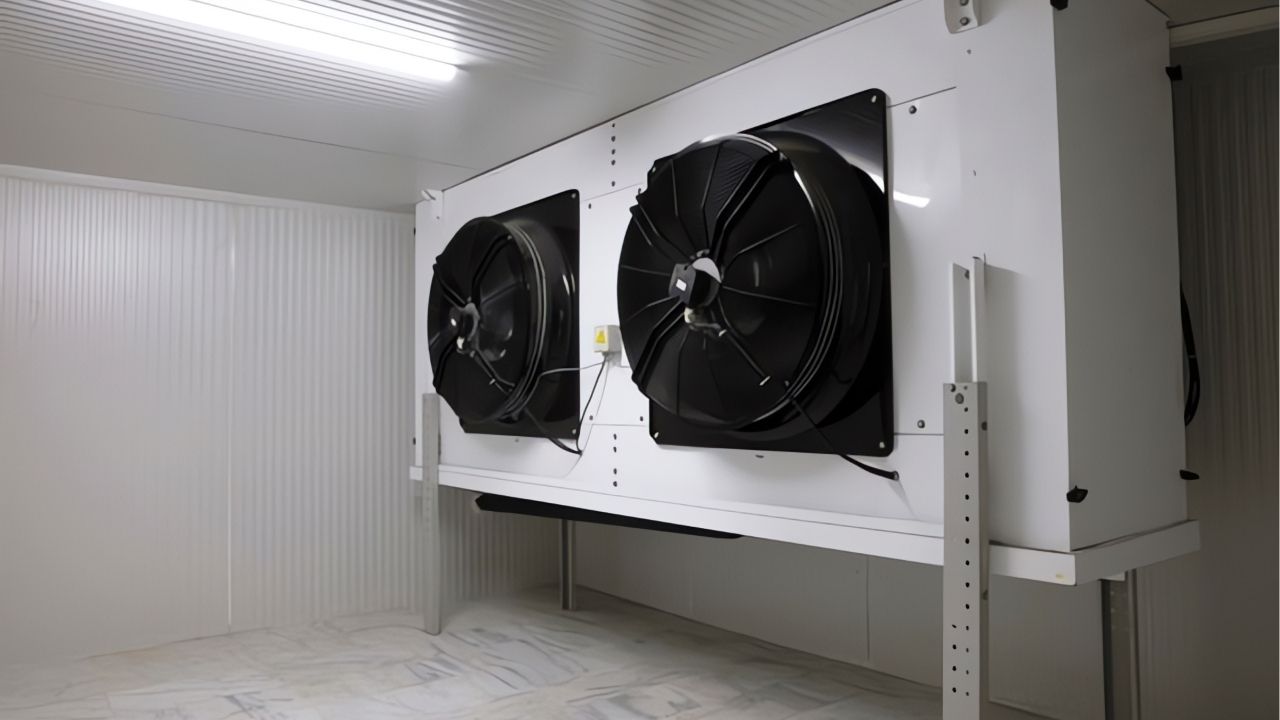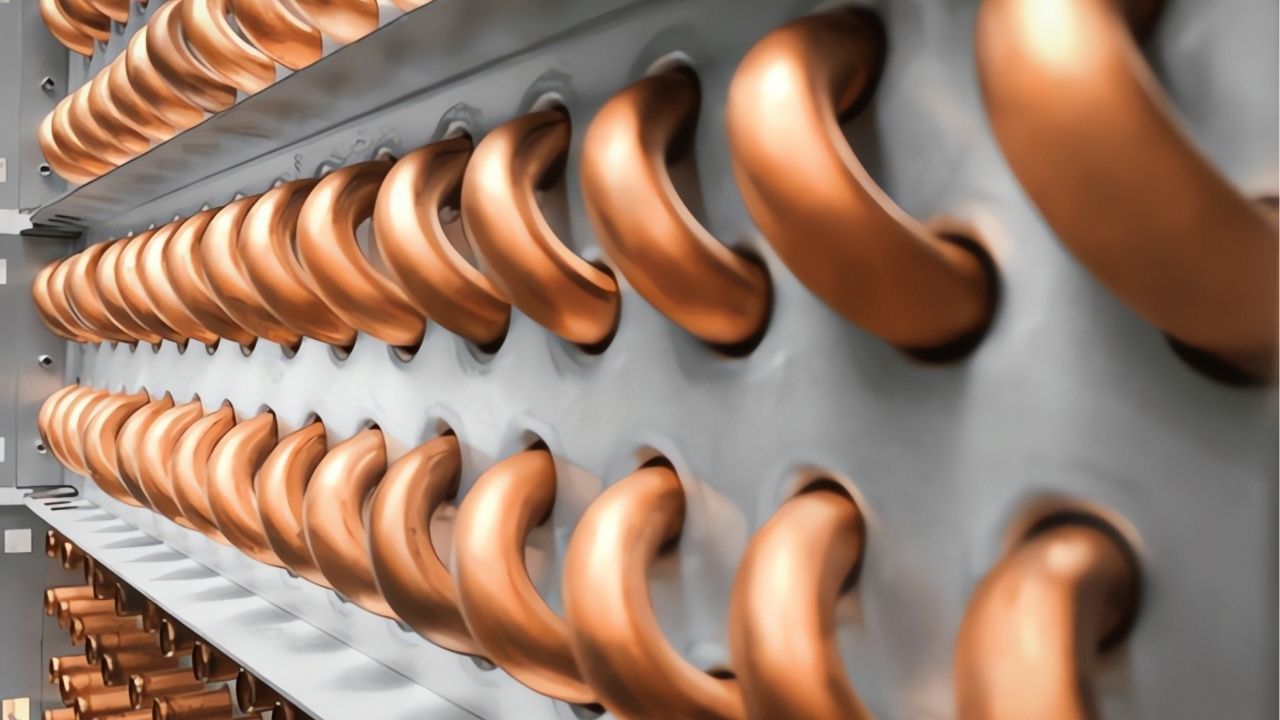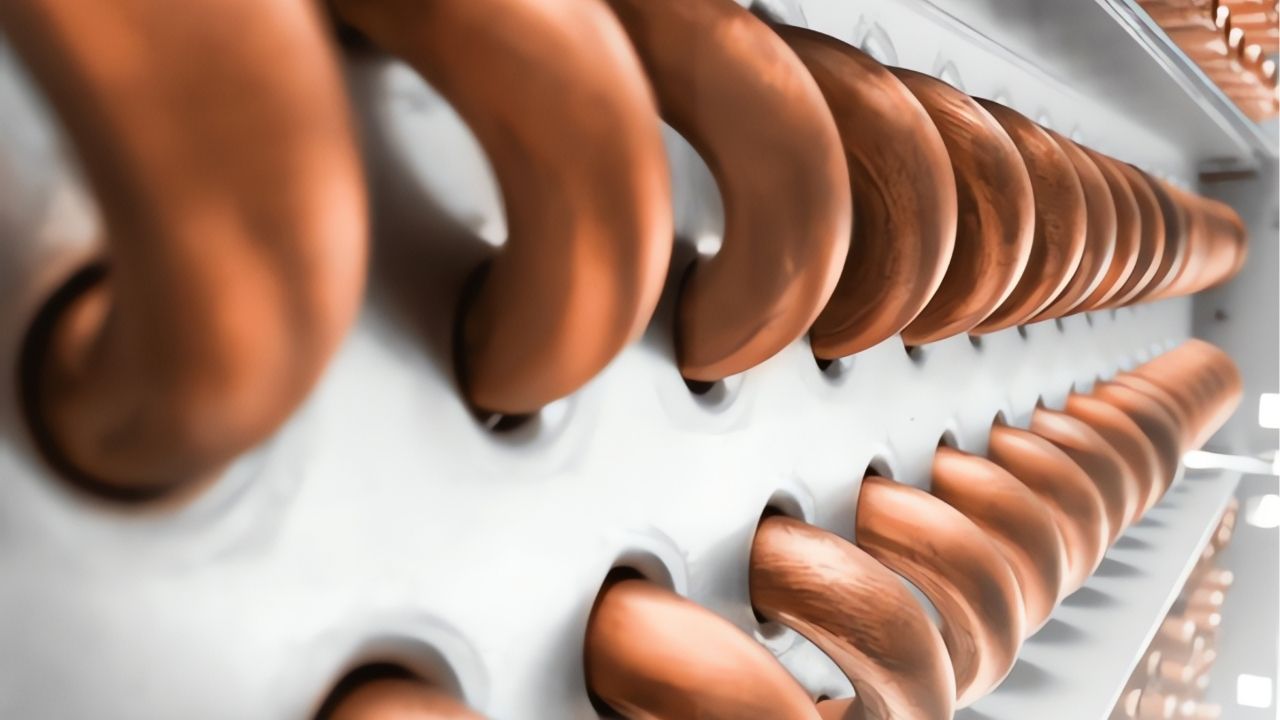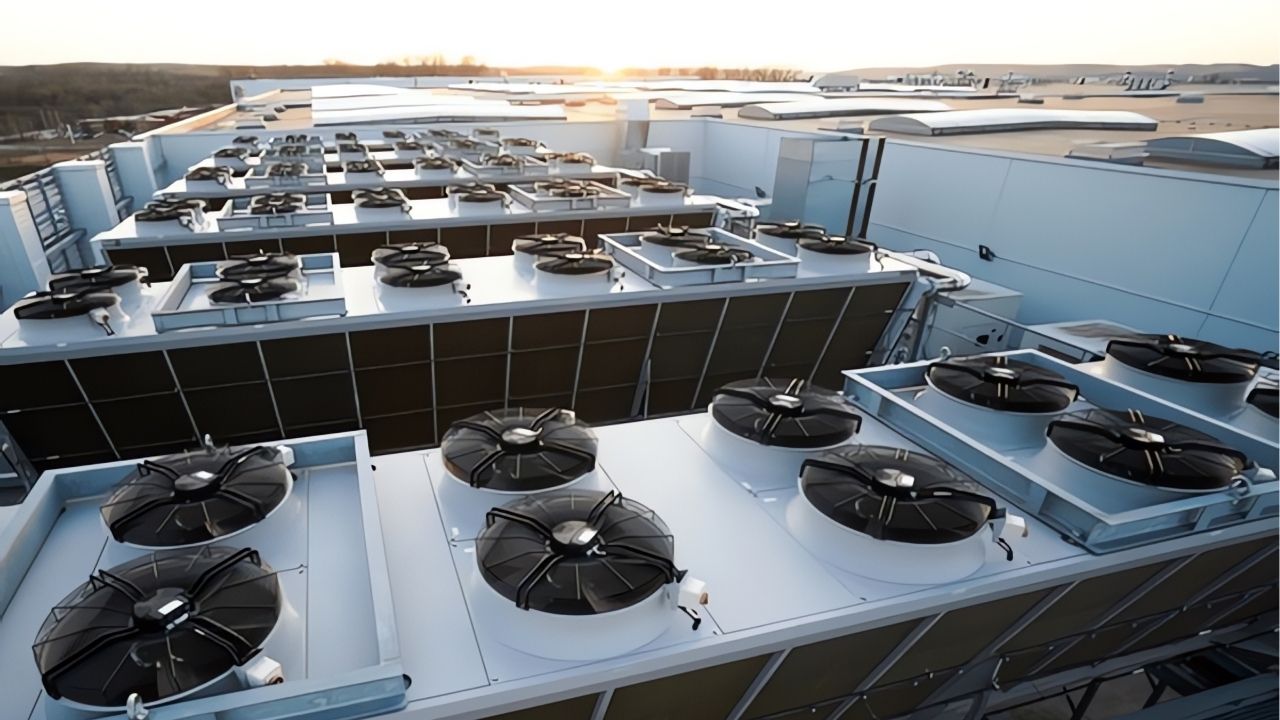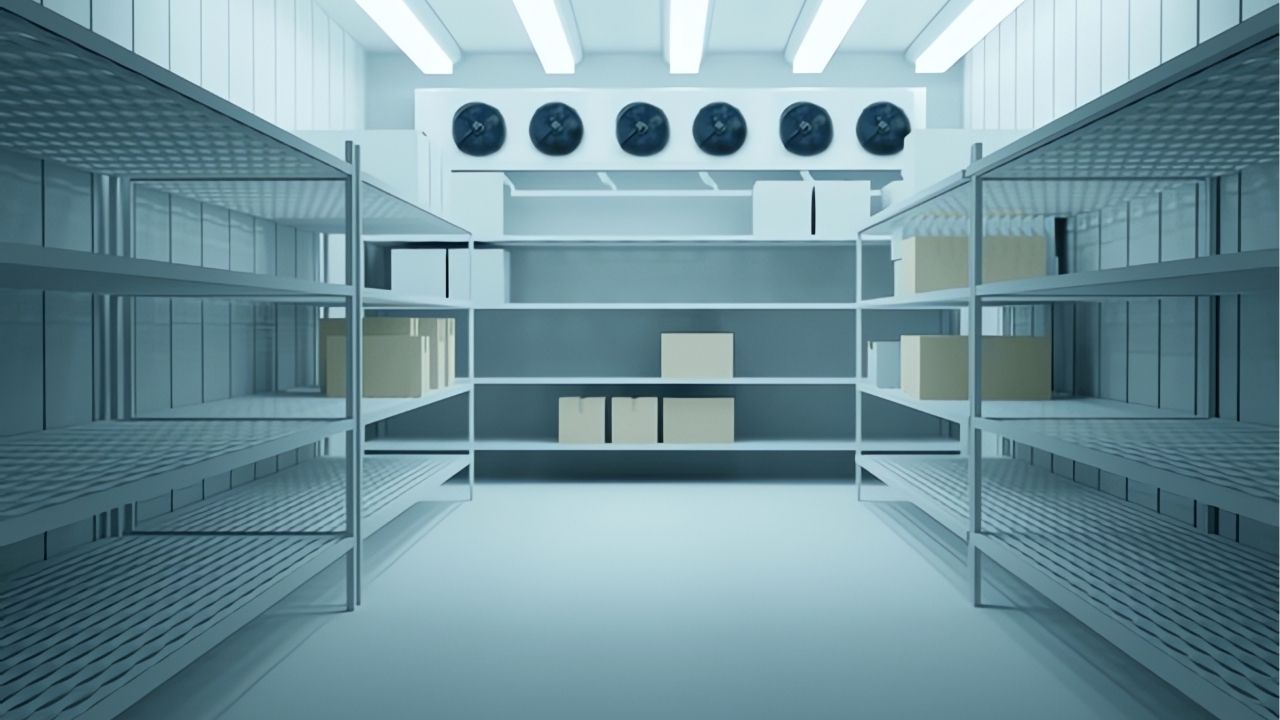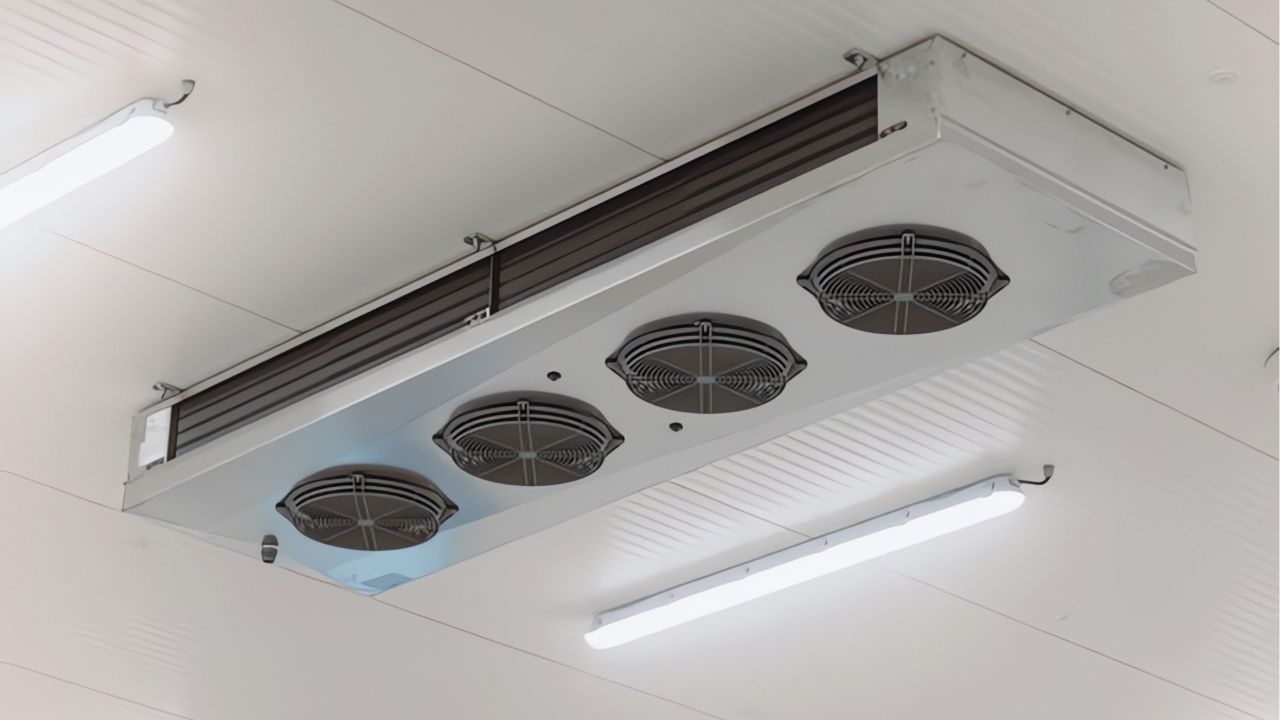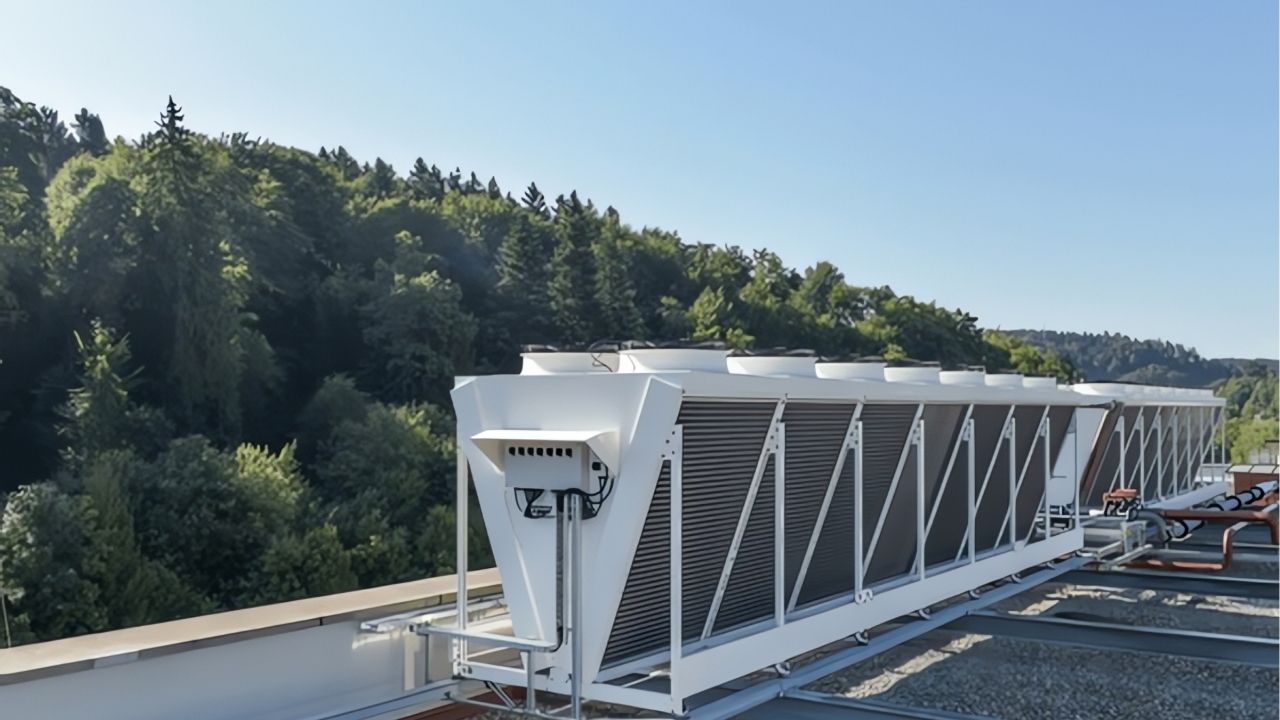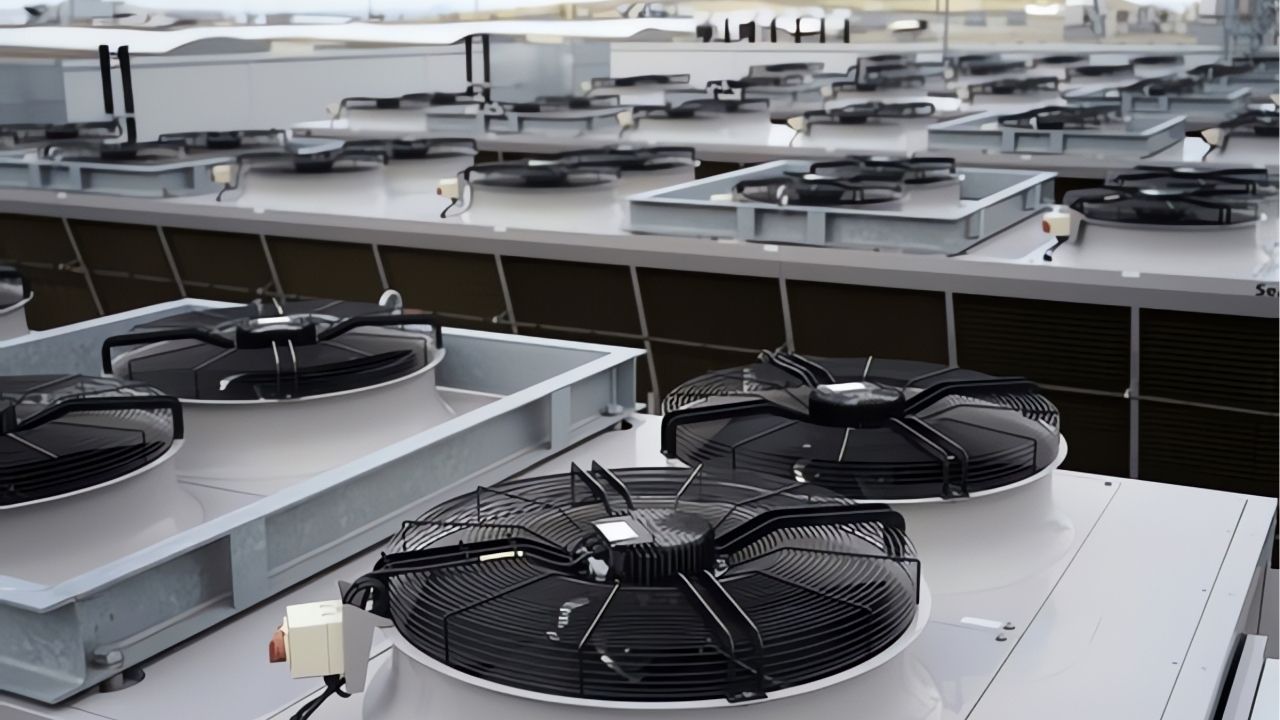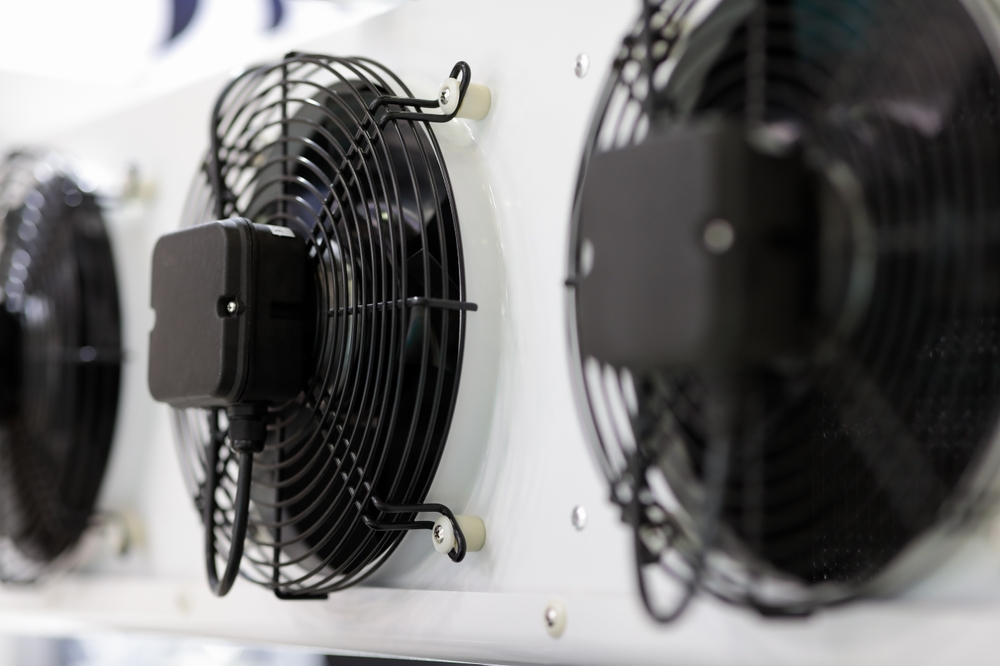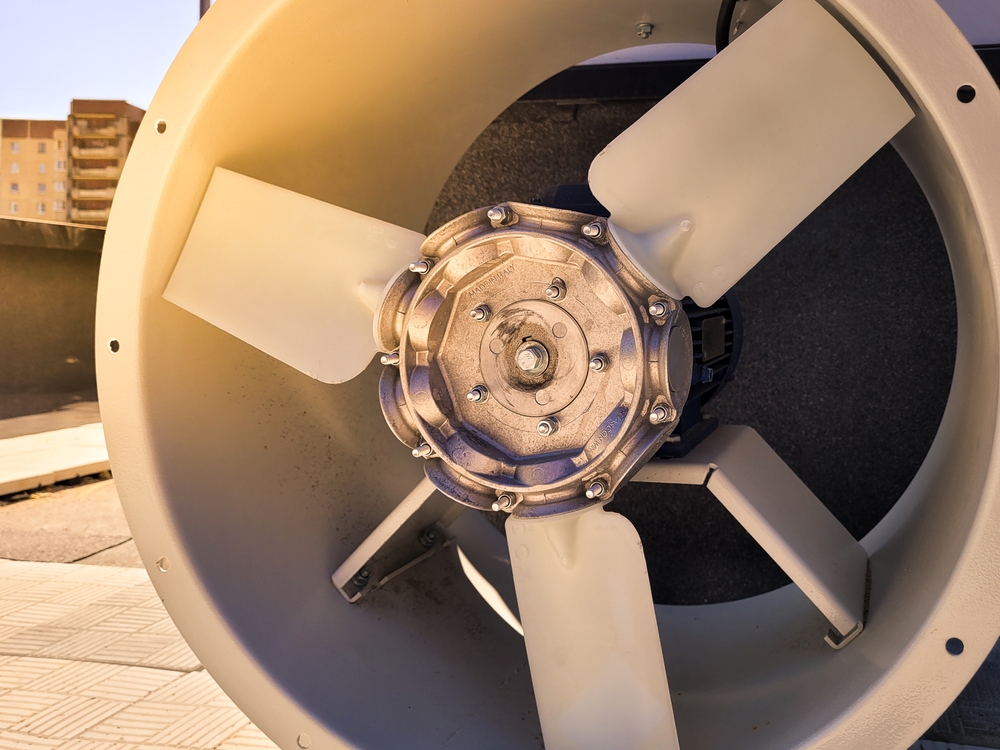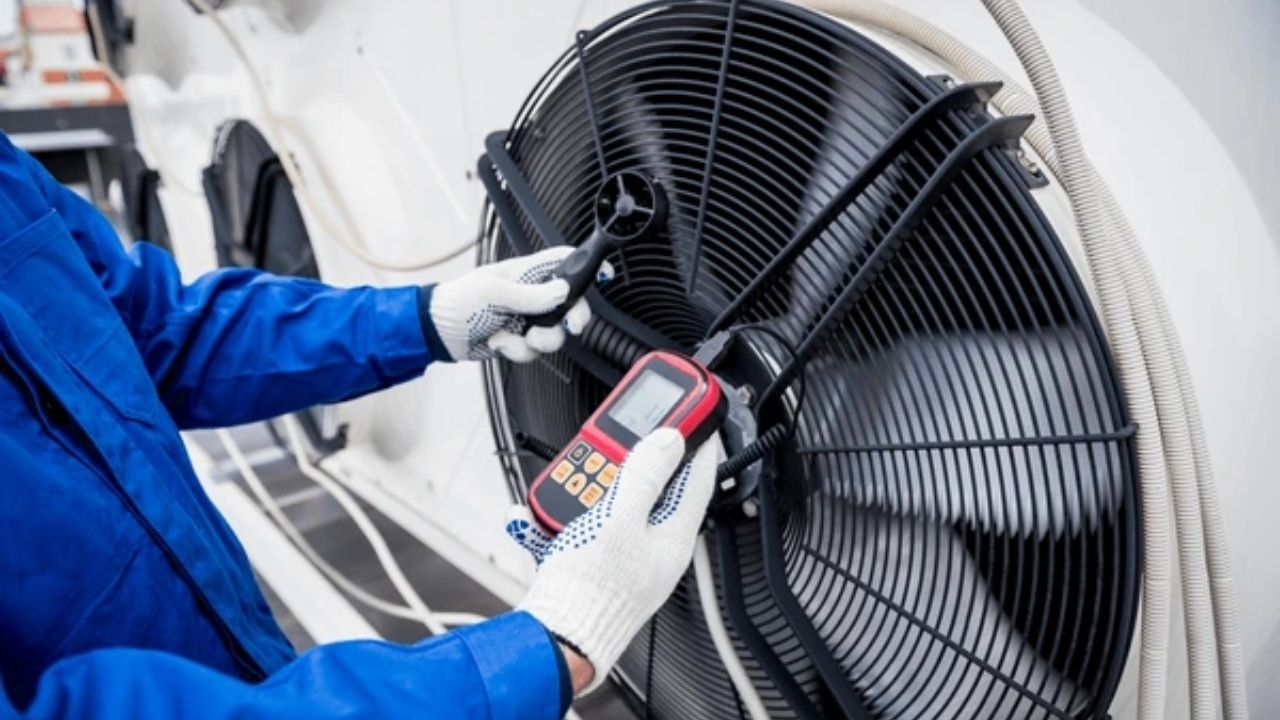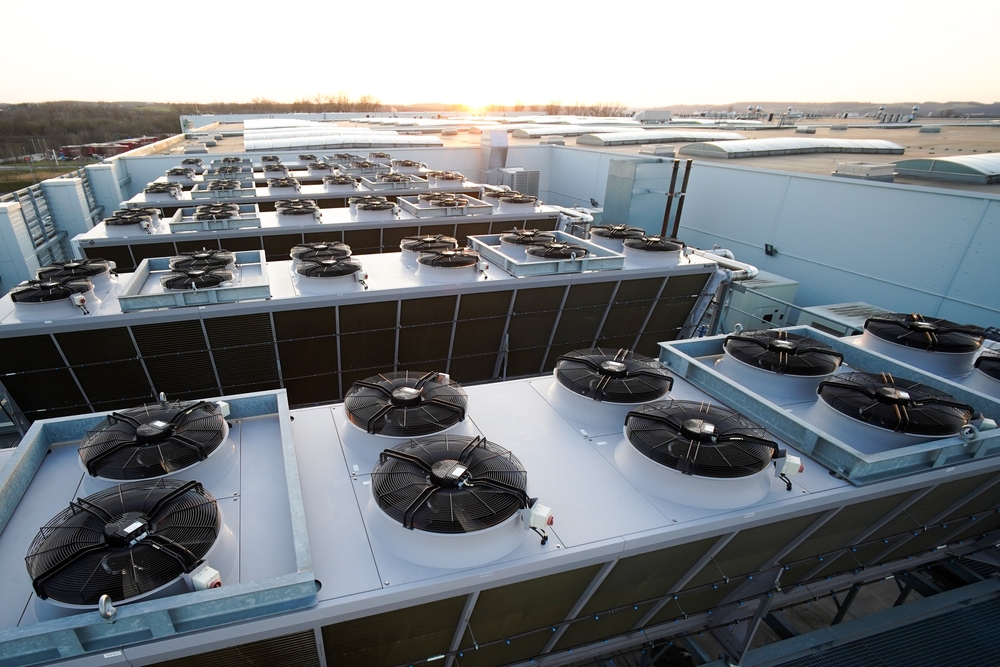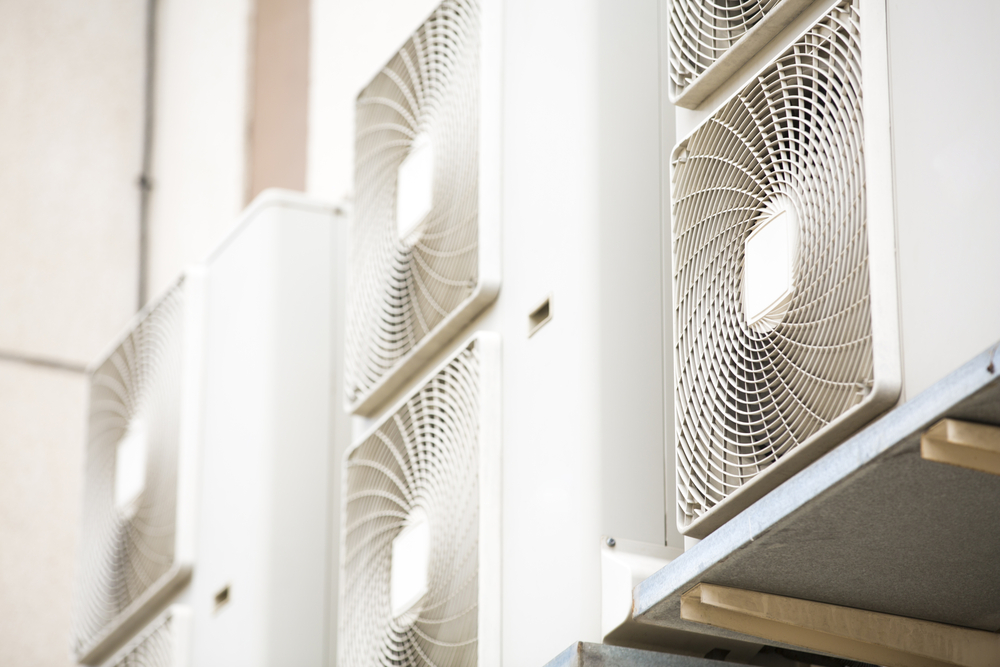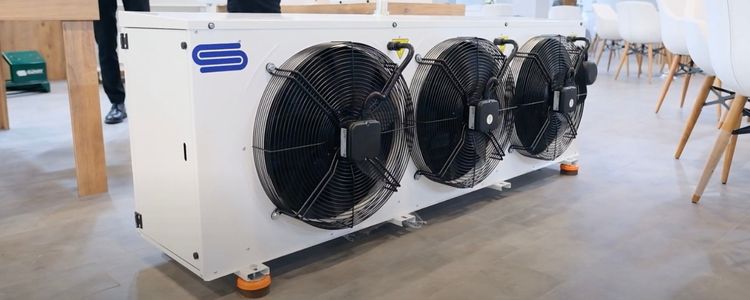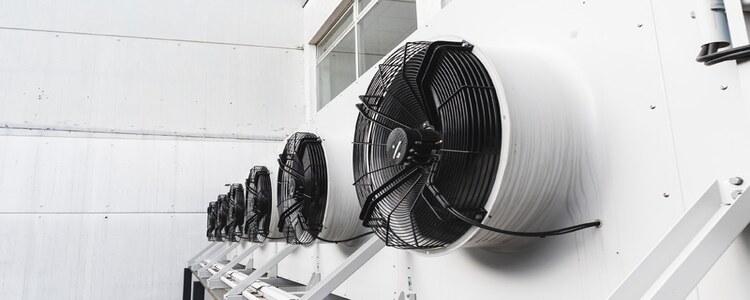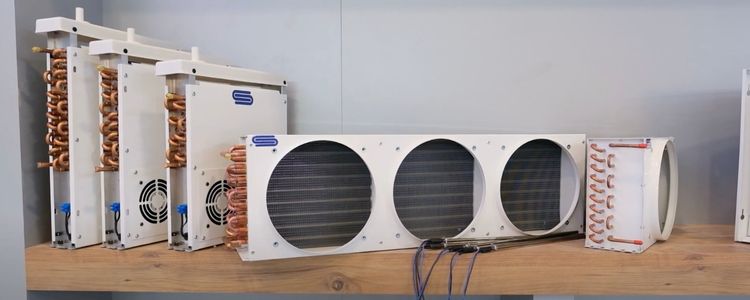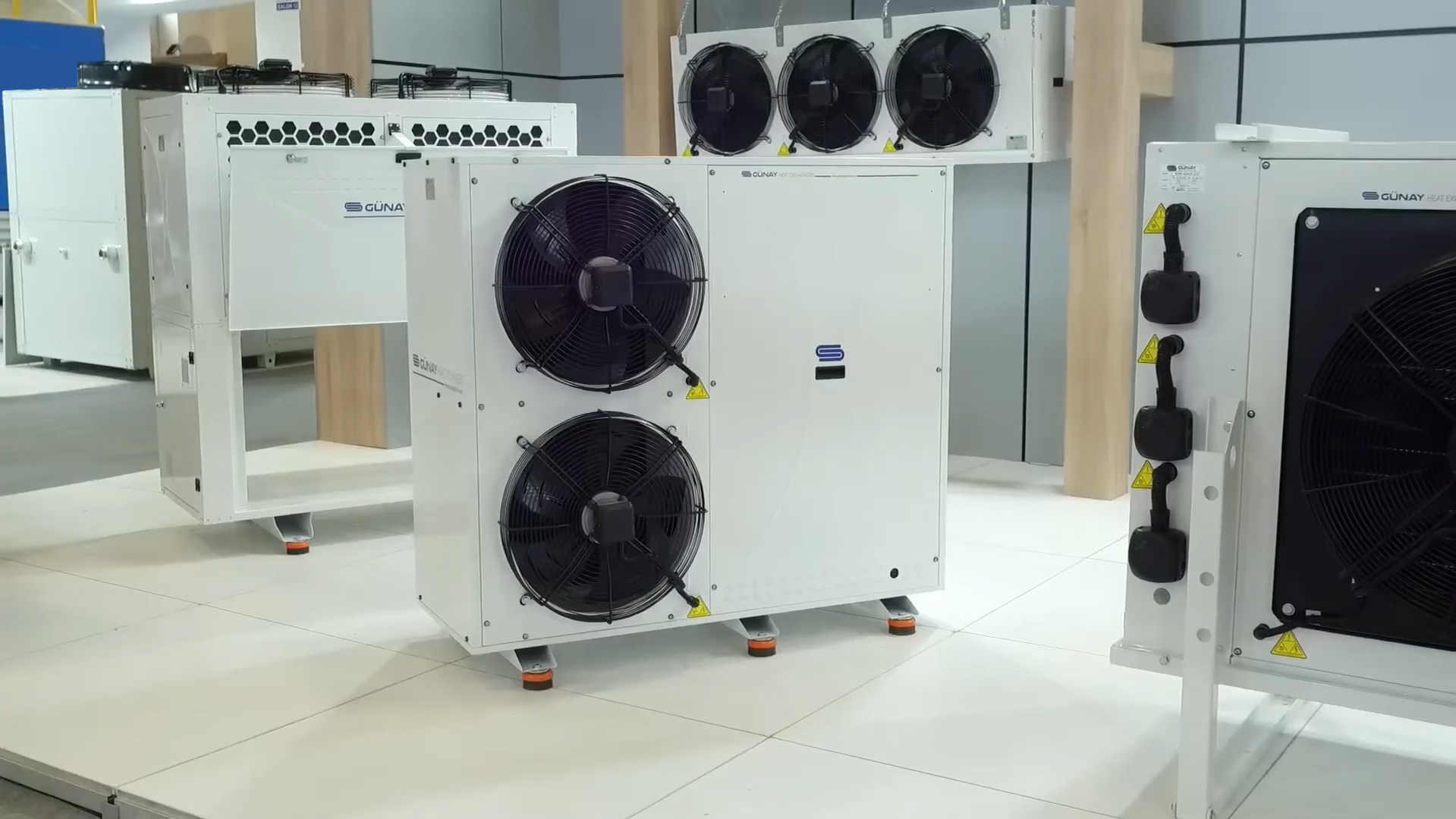
Evaporator fans run through the day and account for a large part of the energy use in a cold room. EC motor fans aim to change this by adjusting the motor speed electronically. This article explains how an EC motor differs from a conventional motor, how part-load energy savings arise, and where they are meaningful.
Table Of Contents
- How Does An EC Motor Differ From A Conventional Motor?
- How Do Part-Load Savings Arise?
- In Which Applications Does It Make Sense?
- How Are The Investment And Running Costs Compared?
- How Are Control And Commissioning Carried Out?
- Frequently Asked Questions
How Does An EC Motor Differ From A Conventional Motor?
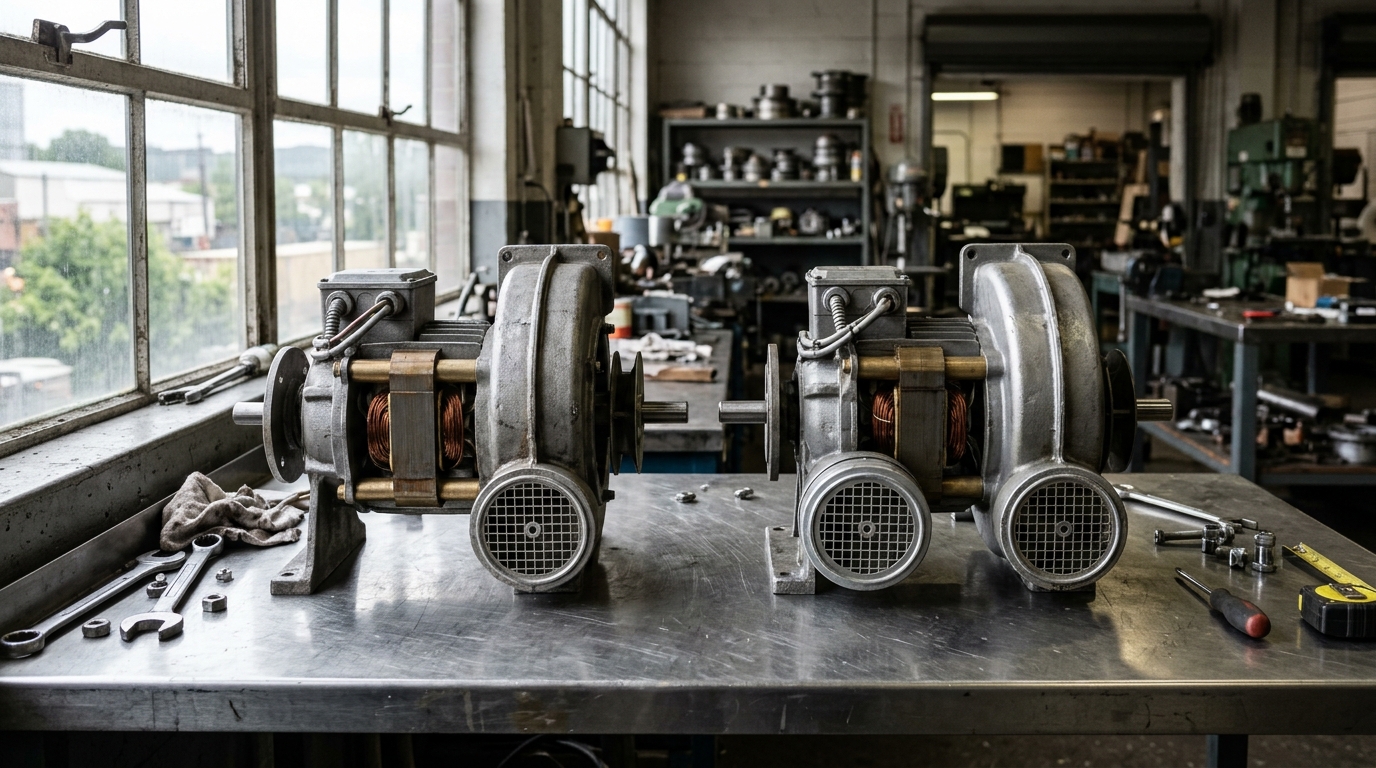
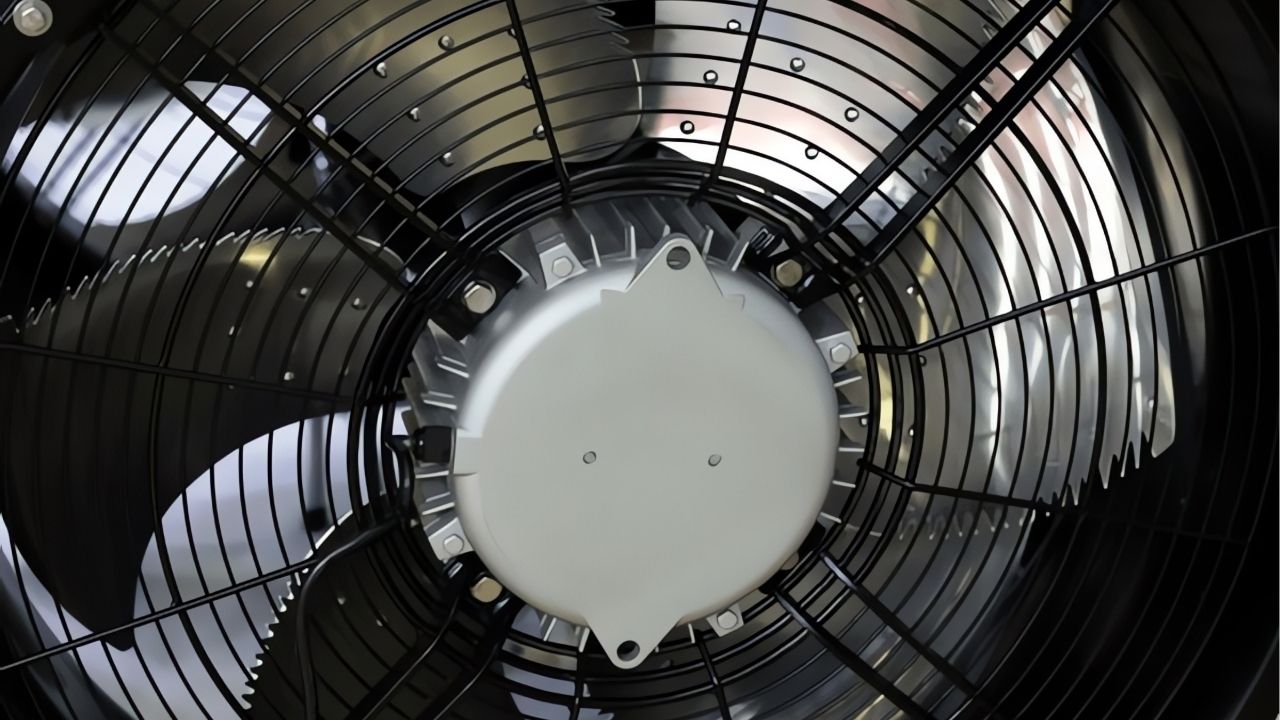
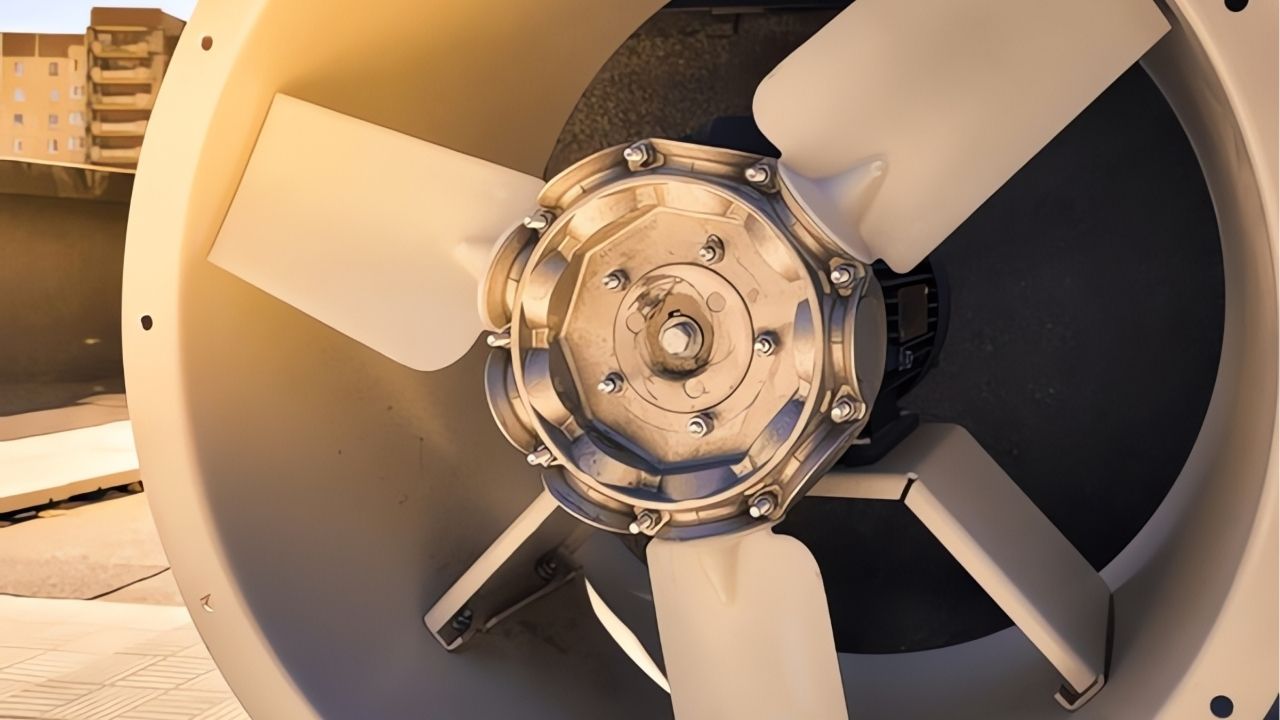
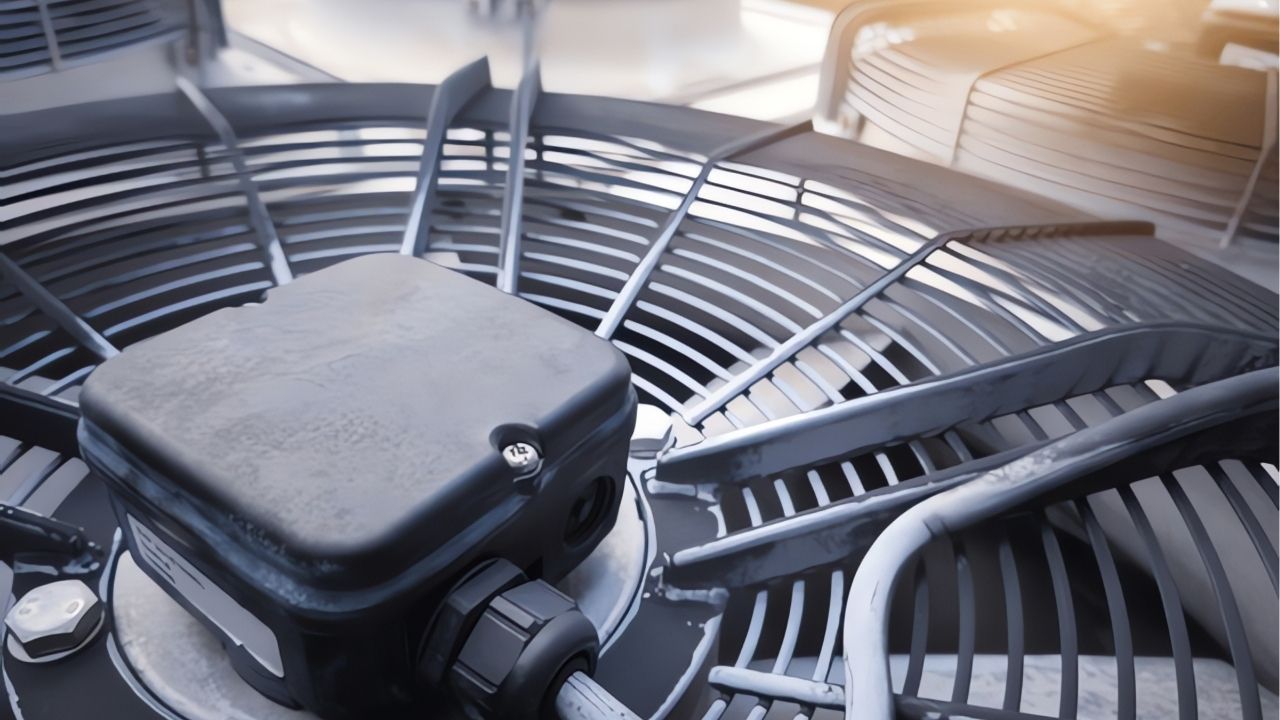
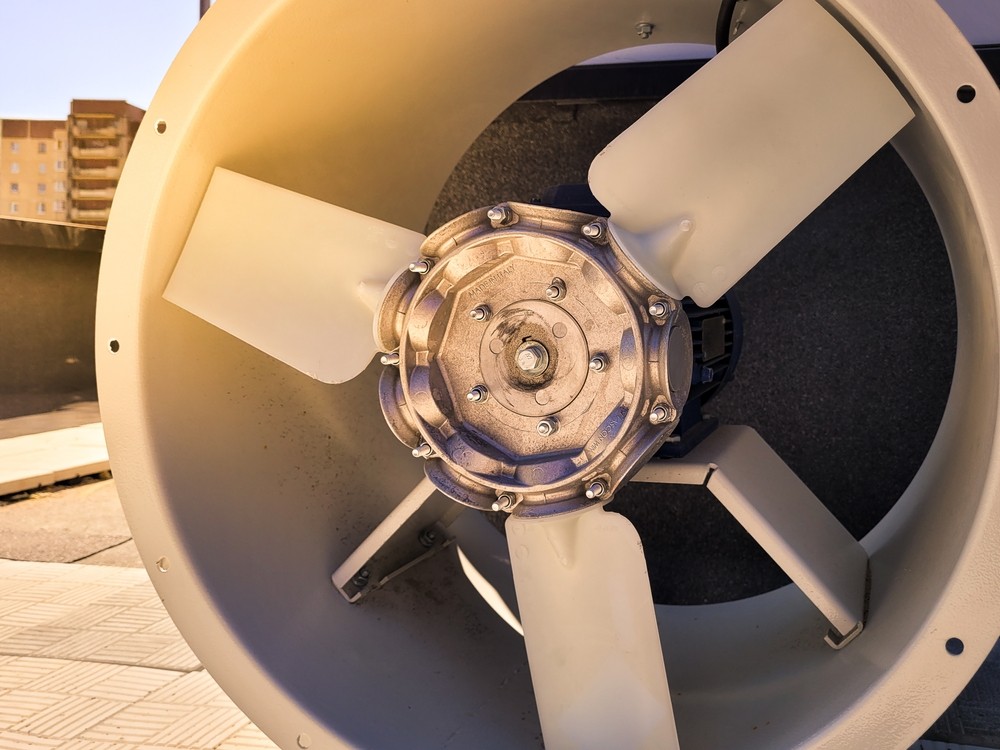
An EC motor is an electronically commutated motor. Its speed is set by a drive circuit, and because it has no brushes, its friction losses are lower. Conventional AC motors run at a fixed or stepped speed linked to the mains frequency.
This difference lets the fan speed be fine-tuned to the required airflow. Adjustable speed also changes how the control system is arranged.
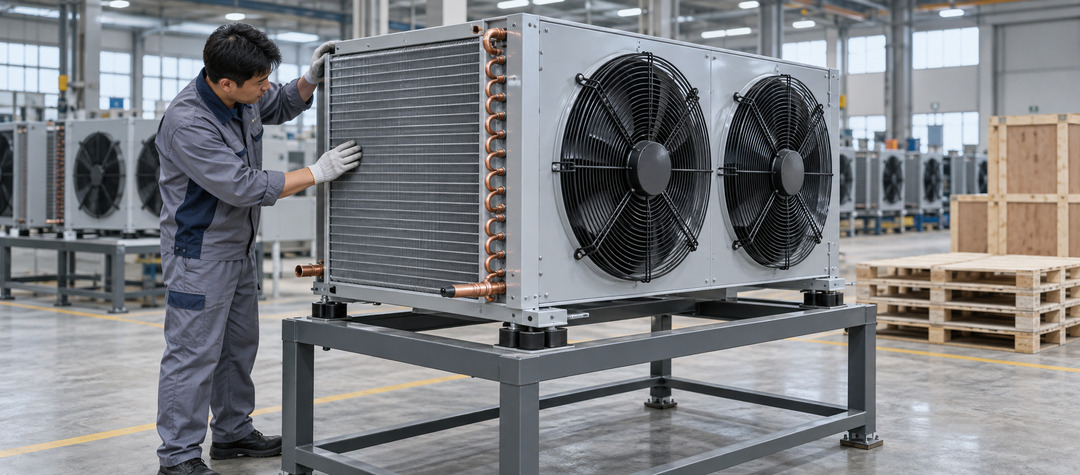
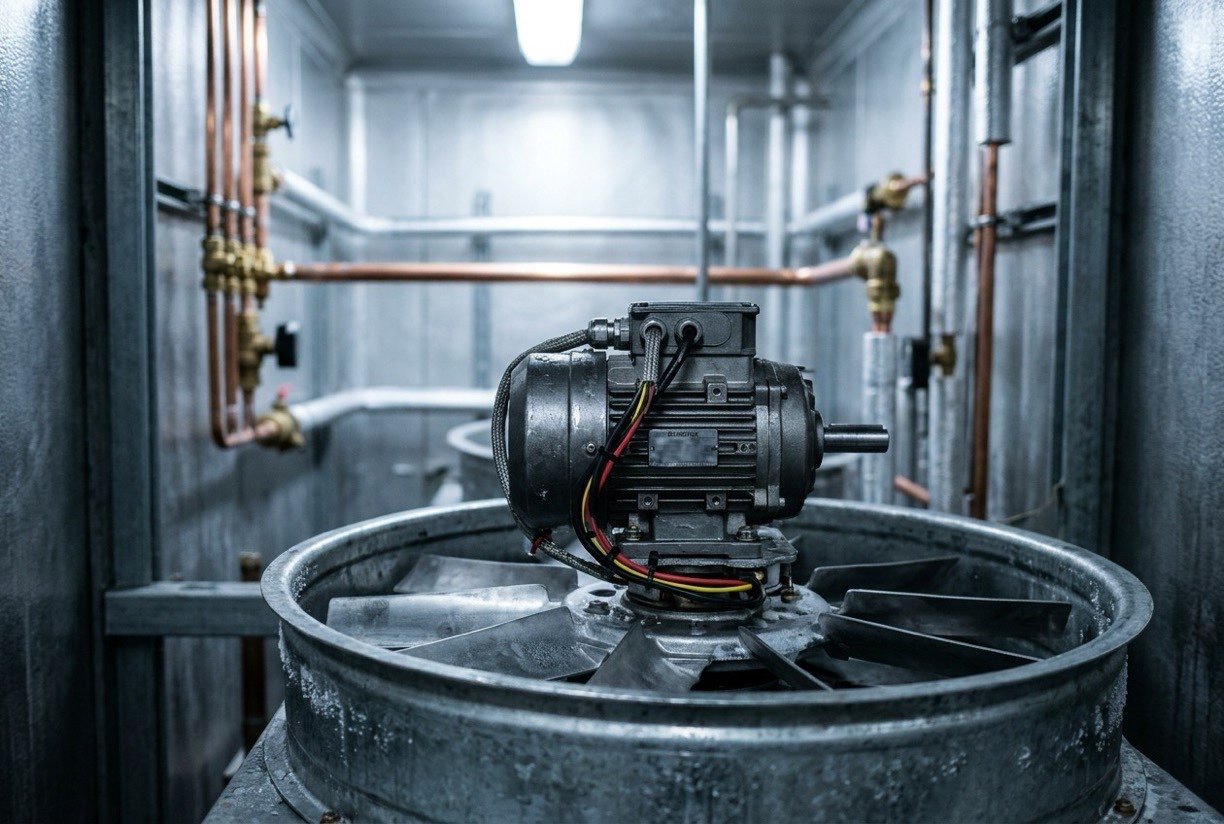
The most distinctive feature of an EC motor is that its rotor carries permanent magnets and its windings are energised in sequence by an electronic drive. This structure replaces the brush and commutator assembly found in a conventional AC motor. As a result, the motor's speed and torque can be set directly through the drive.
In conventional fan motors, the speed is usually changed in steps or reduced with an additional regulator. Throttling methods can lower the efficiency of the motor and limit the control range. With an EC motor, the speed can be adjusted continuously and electronically, so the operating point of the fan can be set precisely.
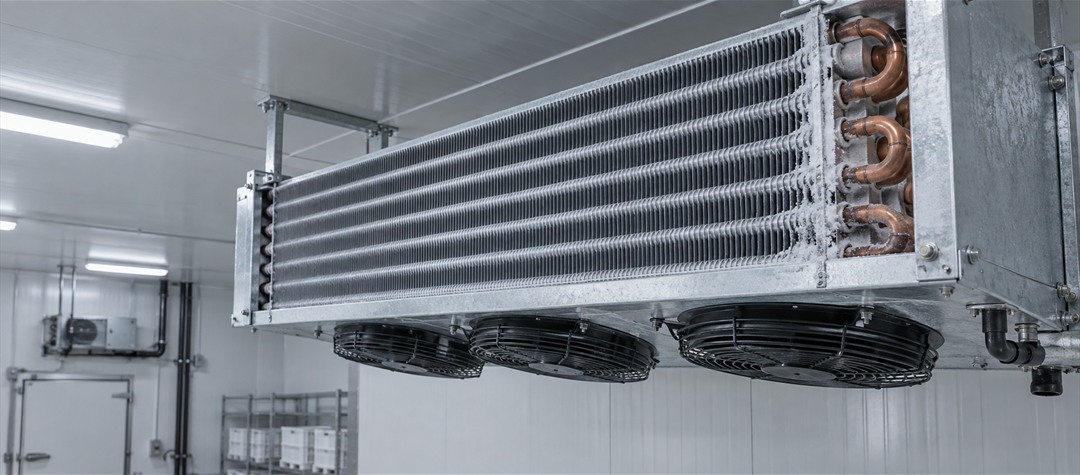
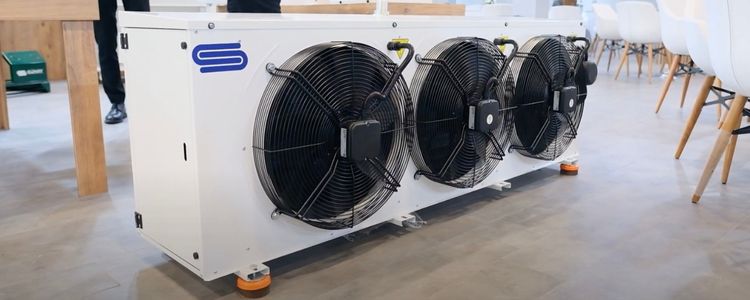
This feature allows the fan in a cold room evaporator to run at the lowest speed that still delivers the required airflow. Running the fan faster than necessary increases both energy use and air movement in the room. Adjusting the speed to the actual demand is therefore important for the overall balance of the system.
The motor electronics can also monitor values such as temperature and current. This data can be fed back to the control system, so that the fan speed is readjusted according to the room temperature and the defrost status. In this way the motor becomes an active part of the system rather than just a rotating element.
In cold room applications, this flexibility widens the working range of the evaporator. Because the fan is not forced to run at one fixed speed, it adapts better to different load conditions. This adaptation helps the airflow pattern planned at the design stage to be maintained in the field as well.
How Do Part-Load Savings Arise?
A cold room does not always run at full load. When the door is closed or product intake is low, the cooling demand falls. Lowering the fan speed in these periods can reduce the energy the motor uses considerably.
With a conventional motor, reducing speed is difficult or lowers efficiency. With an EC motor, lower speed reduces power consumption quickly. The savings are therefore most visible in rooms where part-load periods last a long time.
Part load refers to periods when the cold room is not running at full capacity. Fewer door openings at night, the end of product intake or a drop in outside temperature can create these periods. During such times, the required cooling capacity falls below the design load.
Reducing the fan speed at part load cuts the power consumption markedly according to the fan laws. Even a small drop in speed can produce a measurable difference in the energy the motor uses. The main source of saving is therefore the ability of the fan to run for long periods at a low speed.
The size of the saving depends on the load profile of the room. In rooms where the load changes frequently and the part-load periods are long, the difference is clear. In a system that runs at full load all the time, however, the opportunity to reduce speed is limited and the saving may stay small.
When calculating the saving, the energy used by the fan motor alone is not the only factor. The evaporator performance also changes with speed. When the speed falls, the airflow decreases and the heat transfer coefficient changes. These effects should be considered together to make the calculation accurate.
Estimating the duration of part-load periods is the hardest part of a savings calculation. For this reason, the daily and weekly operating records of the facility are the most reliable data. If no records exist, a few days of measurement to capture the load profile is useful.
In Which Applications Does It Make Sense?
An EC motor makes more sense in facilities with variable load and long operating hours. Rooms with heavy door traffic, fluctuating product intake, and a difference between day and night operation fall into this group.
In systems whose load is constant and which run at full capacity all the time, the saving can be smaller. The decision should therefore consider the load profile and operating time together.
The facilities where EC motor fans make the most sense are cold rooms with long operating hours and variable loads. Logistics warehouses, distribution centres and food processing plants in this group experience different load levels during the day. The speed control of the motor therefore offers a concrete opportunity for energy savings.
In rooms with heavy door traffic, the temperature that rises when a door opens should be recovered in a short time. The ability of the fan to slow down while the door is closed and to speed up quickly when the load increases is beneficial for both energy use and temperature stability.
On the other hand, in a system that runs at full capacity for the whole operating period, the return from an EC motor may be more limited. In such a case, the initial investment cost may take longer to be recovered than the saving it produces.
When deciding whether to apply the technology, not only the type of room but also the future use plan should be considered. In facilities where the product range will change, the capacity will be increased or the operating hours will be extended, a variable-speed fan system may become more meaningful over time.
The climate of the site is also part of this assessment. In hot regions the cooling load can stay high for longer periods, which reduces the advantage of variable speed. In cooler climates the part-load periods tend to be longer, which makes the saving more visible.
How Are The Investment And Running Costs Compared?
The initial cost of an EC fan is generally higher. The comparison should calculate how long it takes for the energy saving to recover this difference.
- Load profile: How long are the part-load periods?
- Electricity tariff: How does the energy cost affect the saving?
- Maintenance: How does the brushless design change the maintenance need?
The initial cost of an EC fan is generally higher than that of a conventional motor. This difference comes from the electronic drive and the control connections of the motor. When comparing the two, the whole life-cycle cost should be calculated, not only the purchase price.
Electricity is the most important item in the running cost. The electricity tariff, the difference between day and night consumption and the annual operating time of the fan all directly affect the monetary value of the saving. The same technical saving can therefore lead to very different payback periods under different tariffs.
There is also a difference on the maintenance side. The brushless construction removes the need to replace brushes and service the commutator. However, the electronic drive and the control board have their own failure risks, and service access and a spare parts plan for these components should be considered in advance.
Finally, the fan life and the warranty conditions should also be taken into account when calculating the payback period. A long-lived and well-protected fan allows the investment to deliver more return over time.
The commissioning and training costs should not be forgotten either. Staff who will operate the new control logic need to understand how the speed responds to temperature and defrost conditions. This preparation is part of the true cost of the investment.
How Are Control And Commissioning Carried Out?
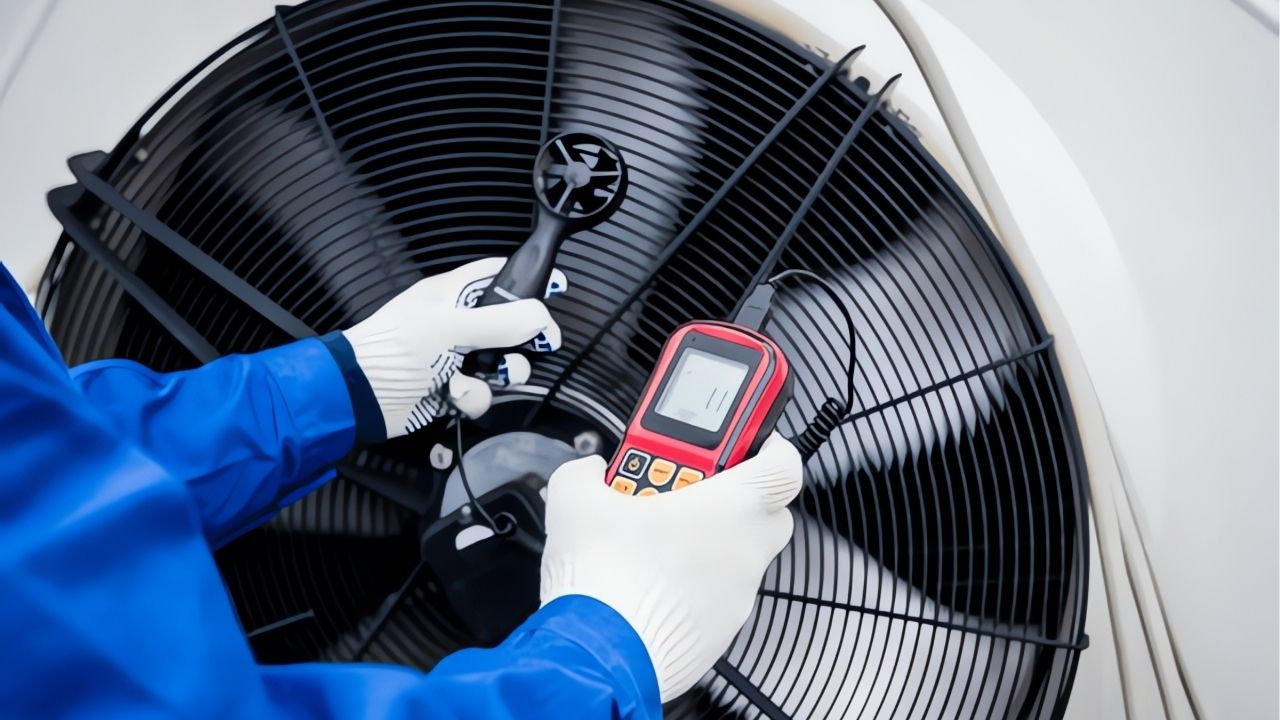
The speed control of EC fans should be set according to the cold room temperature and, where needed, the defrost status. During commissioning, the speed curve, the minimum speed, and the sensor inputs of the system should be verified.
It should be checked that the air distribution is adequate at low speed. The Günay Soğutma technical team can evaluate the evaporator and fan selection together with you based on your project data.
The speed control of the EC fan should be set according to the cold room temperature and, where needed, the defrost status. The control logic should be built so that it keeps the room stable around its temperature target. An overly aggressive change of speed can cause unnecessary temperature fluctuations.
During commissioning, the speed curve, the minimum speed and the sensor inputs of the system should be verified. Setting the minimum speed too low can disturb the air distribution over the evaporator surface and increase frost formation. The minimum speed should therefore be determined with both energy use and airflow distribution in mind.
Whether the air distribution at low speed is sufficient should be confirmed by checks at different points in the room. Zones with weak air movement can cause a local rise in temperature. Locating such zones allows the speed setting to be corrected through fine adjustment on site.
After commissioning, the behaviour of the control system should be monitored for a few days. The records show at which speed the fan runs under which temperature and load conditions. This data becomes a valuable source for later adjustments and for the evaluation of the saving.
When control settings are changed, the new behaviour of the system should also be recorded. Being able to monitor the effect of each change is necessary both to keep the temperature stable and to measure the saving correctly.
Frequently Asked Questions
Is an EC motor always more efficient?
It is generally more efficient at part load, but it may not give an advantage in every case at full load. The efficiency comparison should be made at the actual operating point.
Does an EC motor reduce noise?
Because it can run at low speed, it is often quieter. The actual noise level depends on the fan design and the mounting arrangement.
Can existing fans be changed to EC motors?
Not always. The mechanical design of the fan, the connections, and the control requirements must be checked separately.
Is an EC motor always more efficient?
It is generally more efficient at part load, but it may not give an advantage in every case at full load. The efficiency comparison should be made at the actual operating point. For this reason, the catalogue values of the motor should be evaluated together with the real operating conditions of the facility.
Does an EC motor reduce noise?
Because it can run at low speed, it is often quieter. The actual noise level depends on the fan design, the blade shape and the mounting arrangement. A rigid mounting that reduces vibration also lowers the perceived noise level.
Can existing fans be changed to EC motors?
Not always. The mechanical design of the fan, the connections and the control requirements must be checked separately. Before any change, the control signal, the voltage and the mounting dimensions should be compared with the manufacturer's data.
Does the life of an EC motor differ from a conventional motor?
The brushless construction removes failures linked to brush wear. However, the sensitivity of the electronic drive to heat and voltage fluctuations is another factor that affects life. The cooling of the drive and the quality of the voltage should be checked so that the life stays at the expected level.