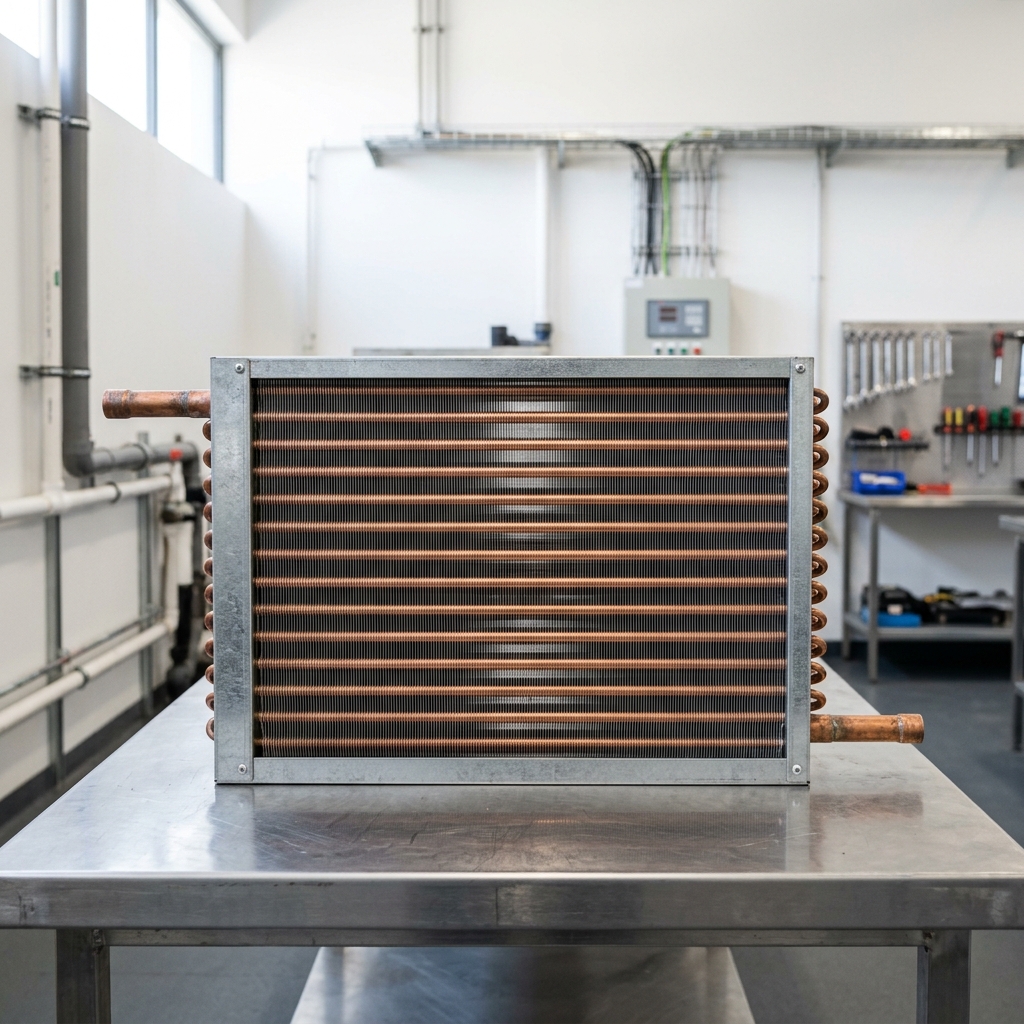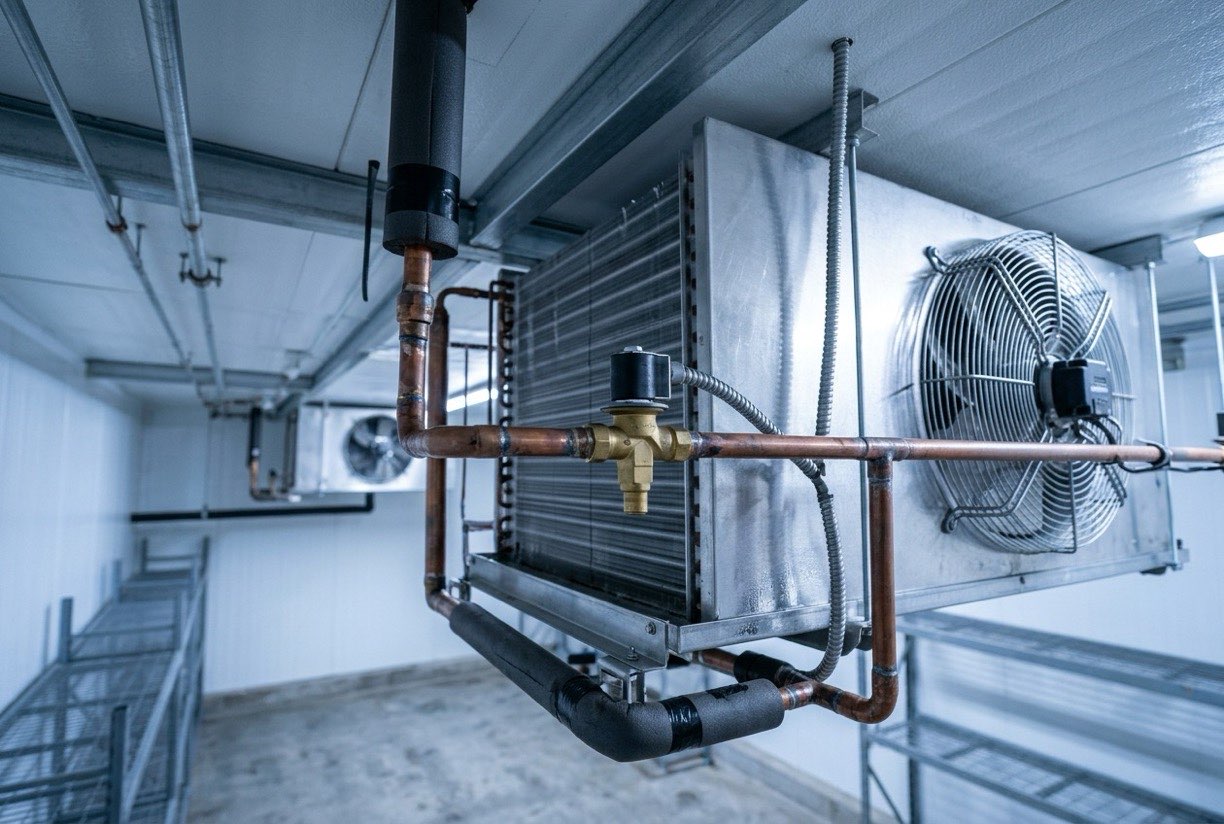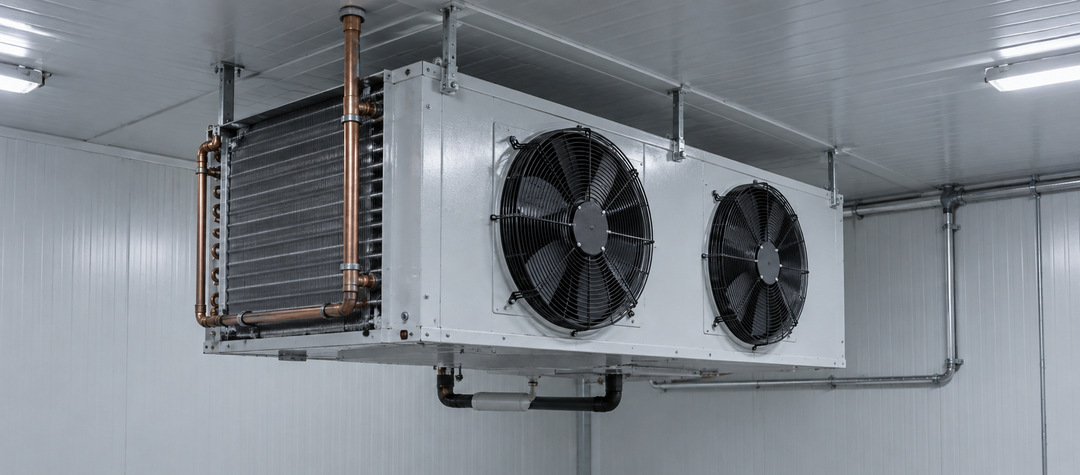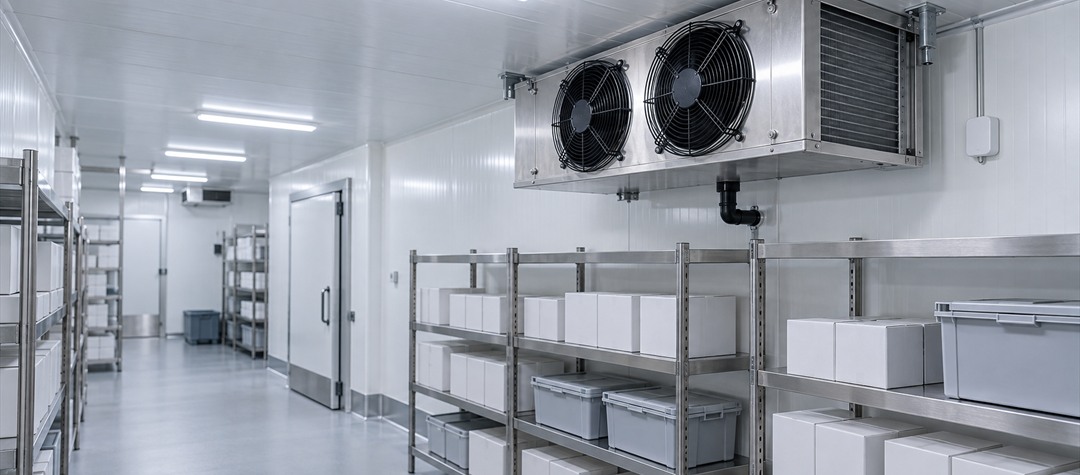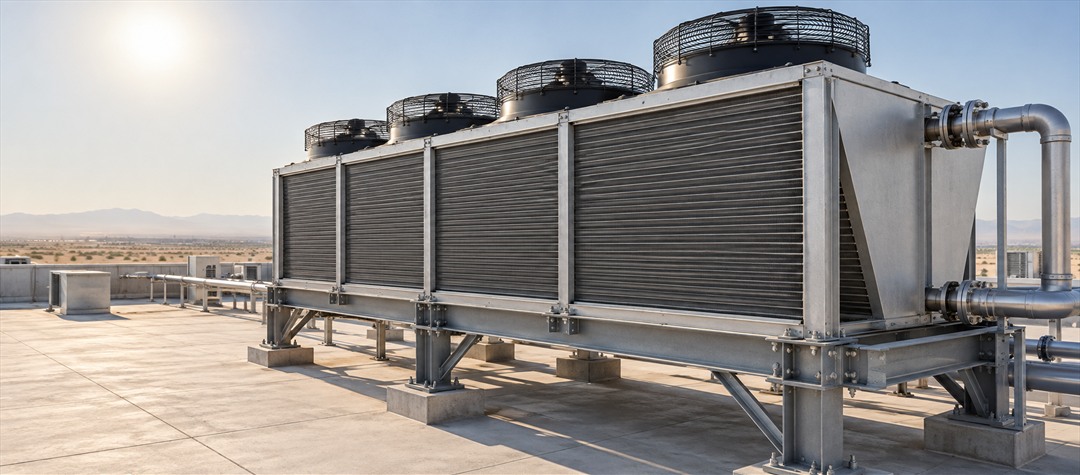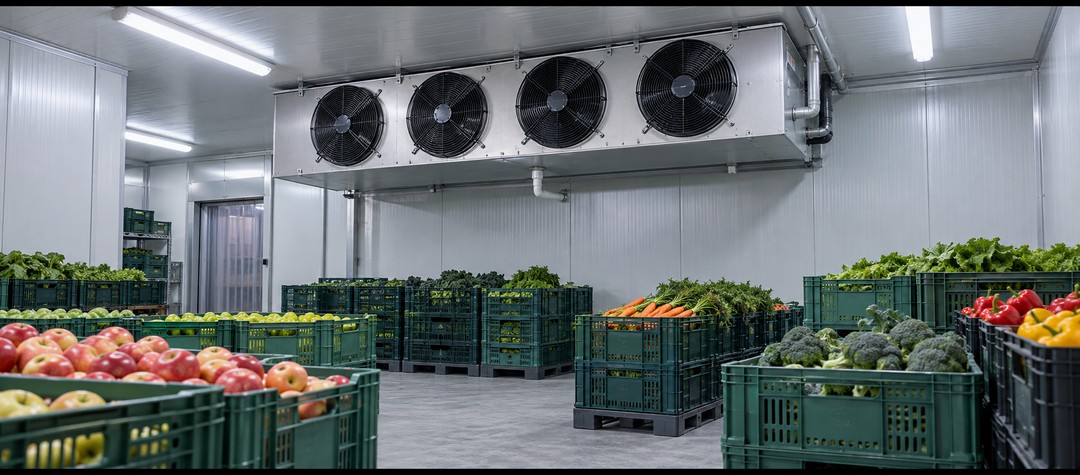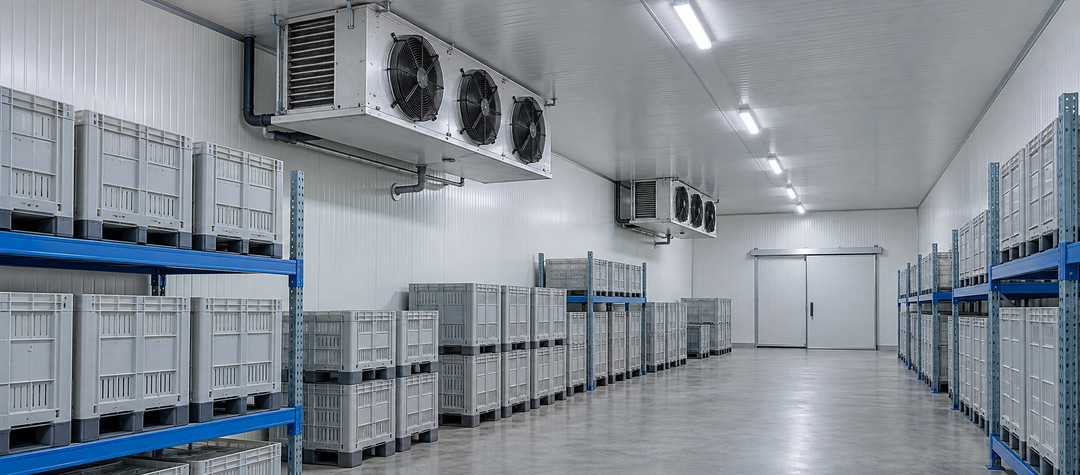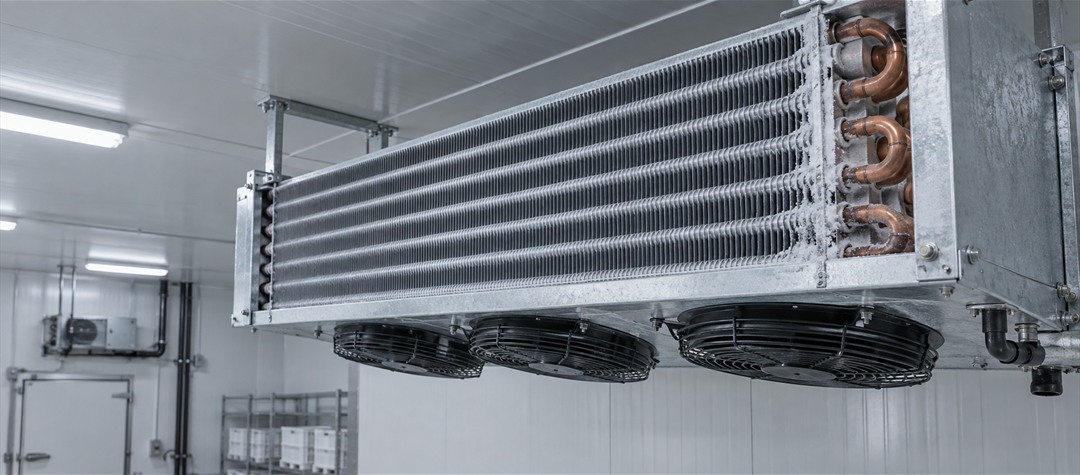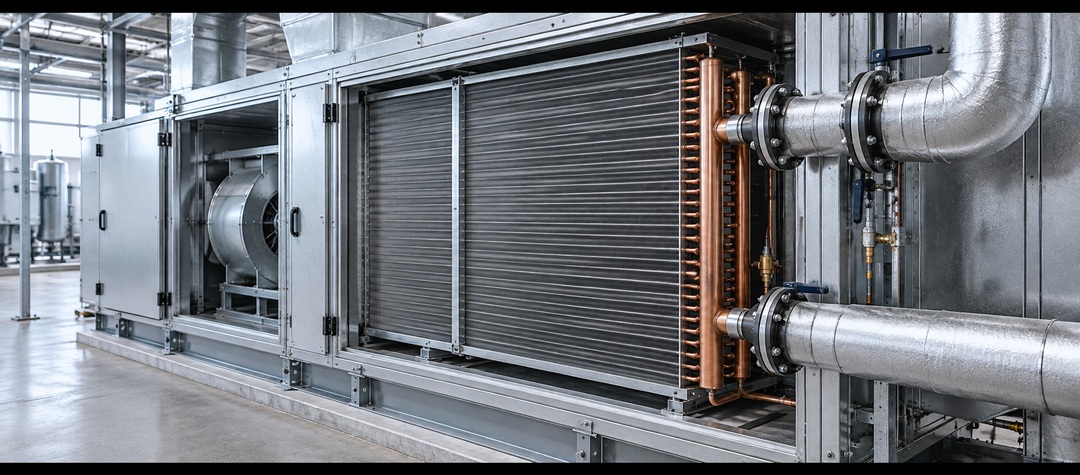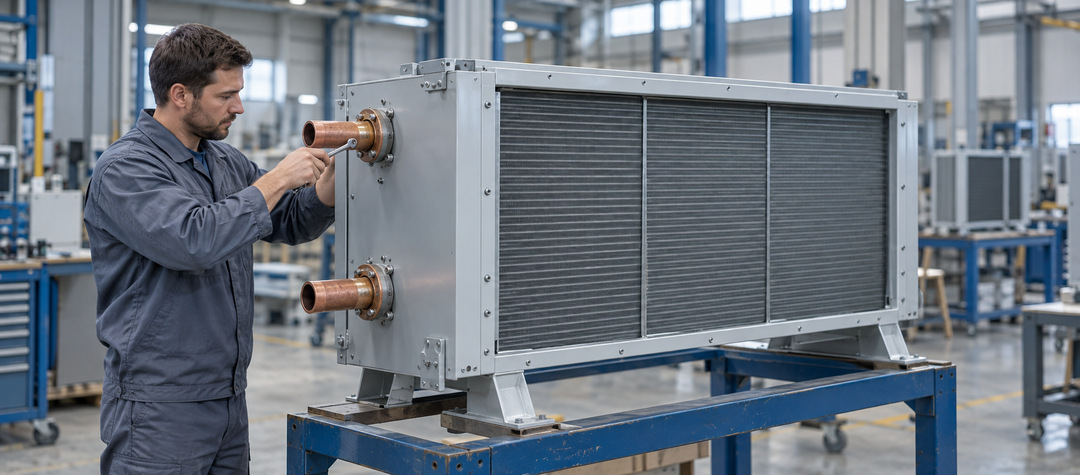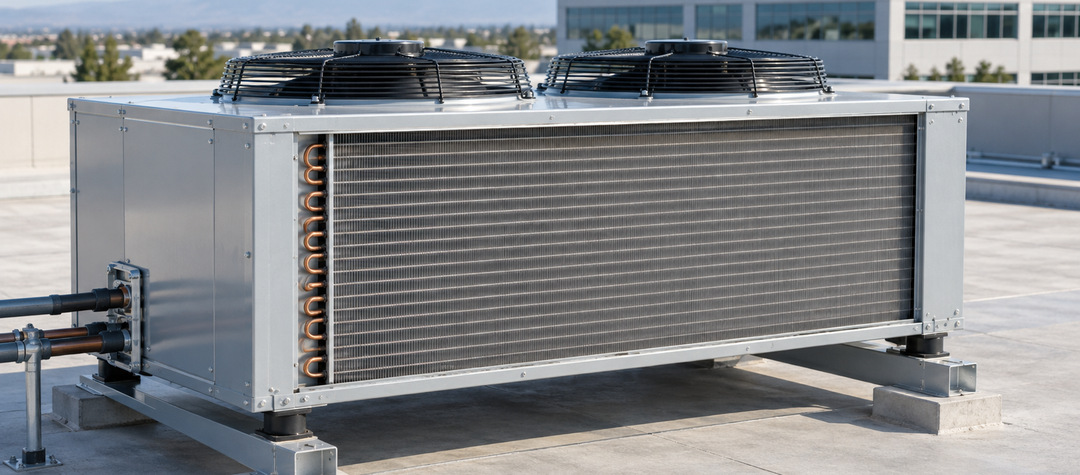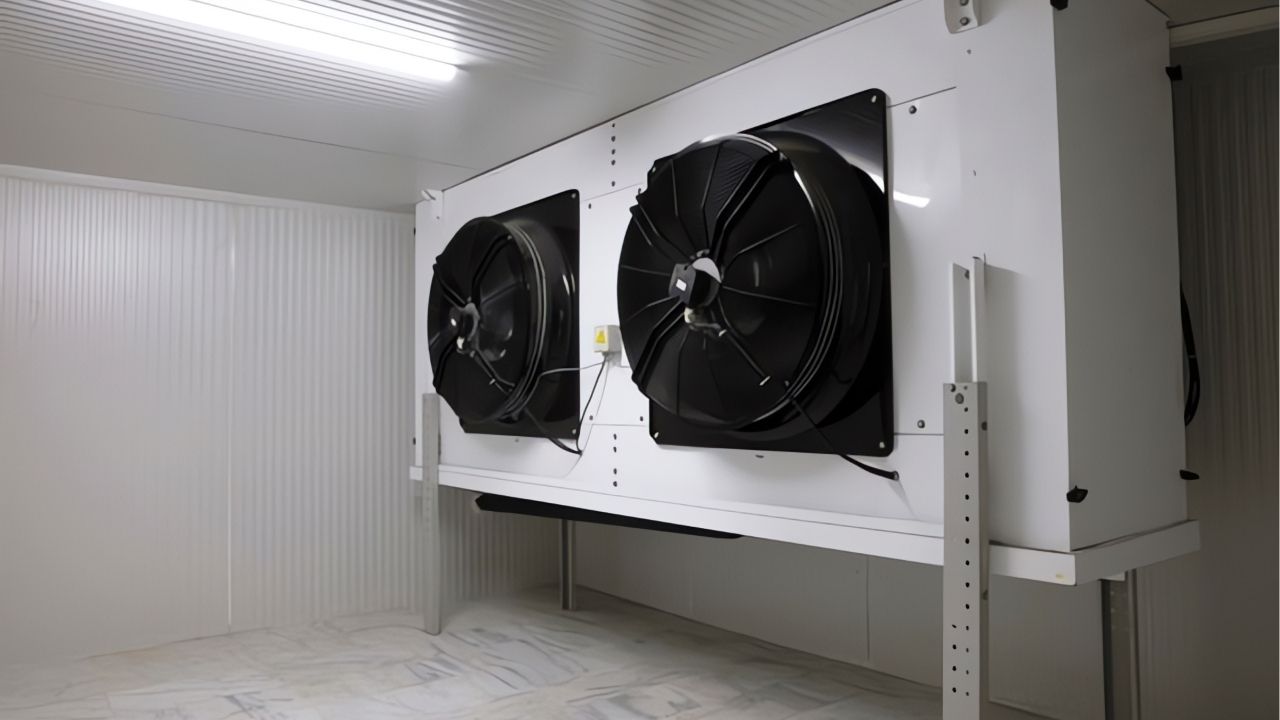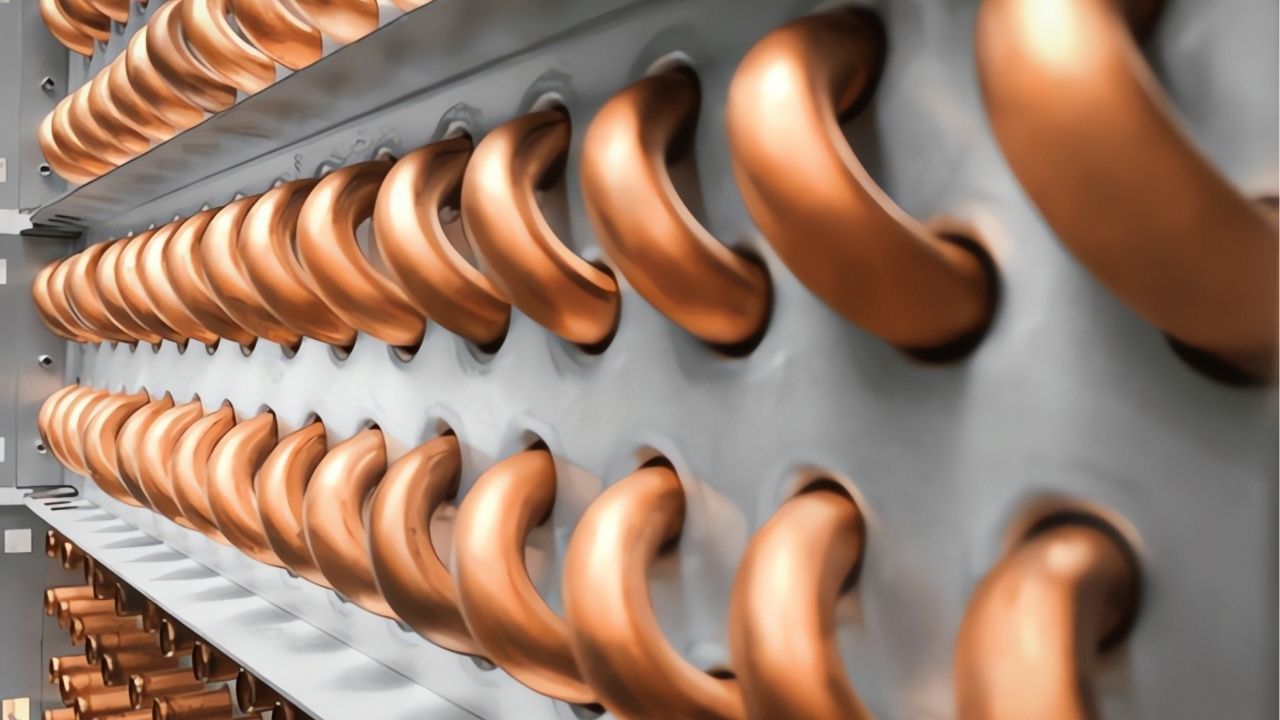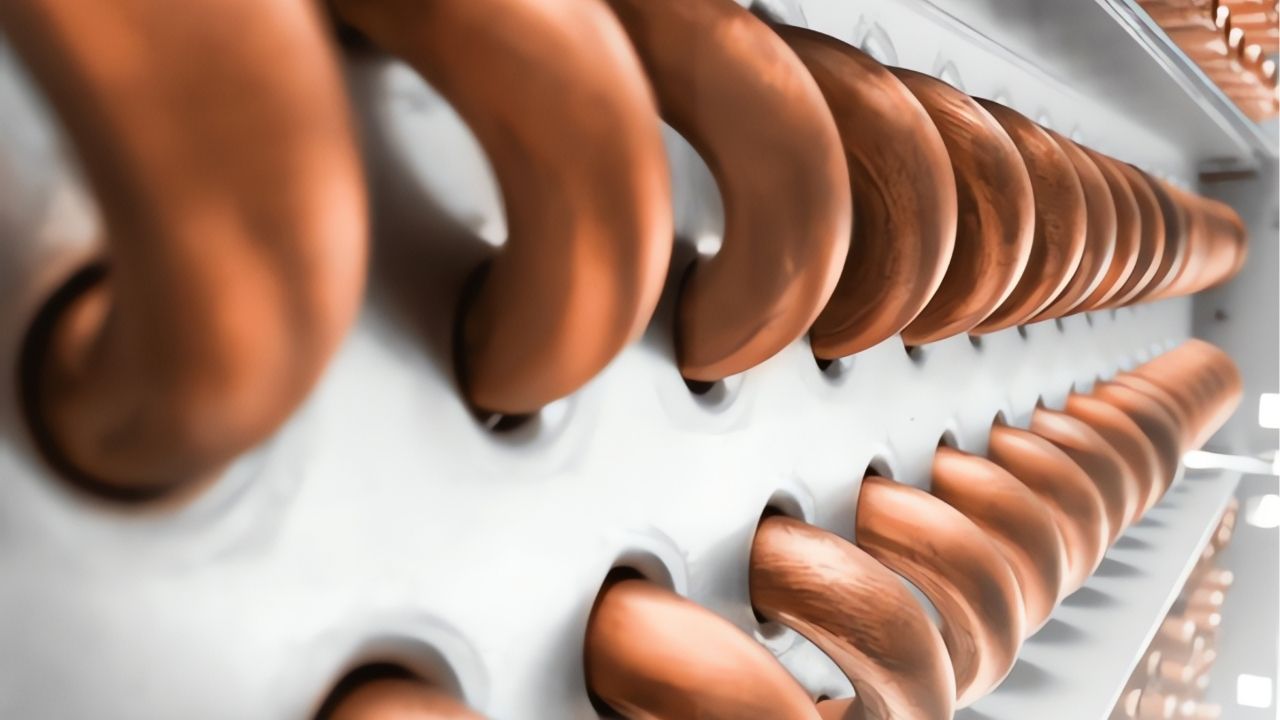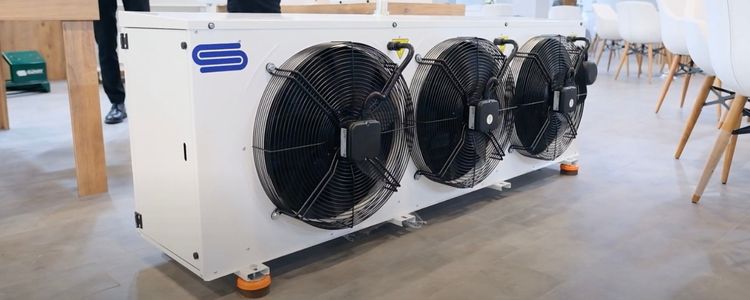
Air passing through the fins of an evaporator carries dust, oil, and dirt over time. This build-up may look minor at first, but it narrows the fin spacing, reduces the airflow, and lowers heat transfer. The result is lost cooling capacity, higher energy use, and more frequent defrost. This article explains where the build-up comes from, how it affects performance, and how it can be cleaned.
Table Of Contents
- Where Do Dust And Oil Come From?
- Why Do The Fin Spacings Get Blocked?
- What Is The Effect On Heat Transfer And Airflow?
- Which Cleaning Methods Are Used?
- How Is The Cleaning Frequency Determined?
- Frequently Asked Questions
Where Do Dust And Oil Come From?
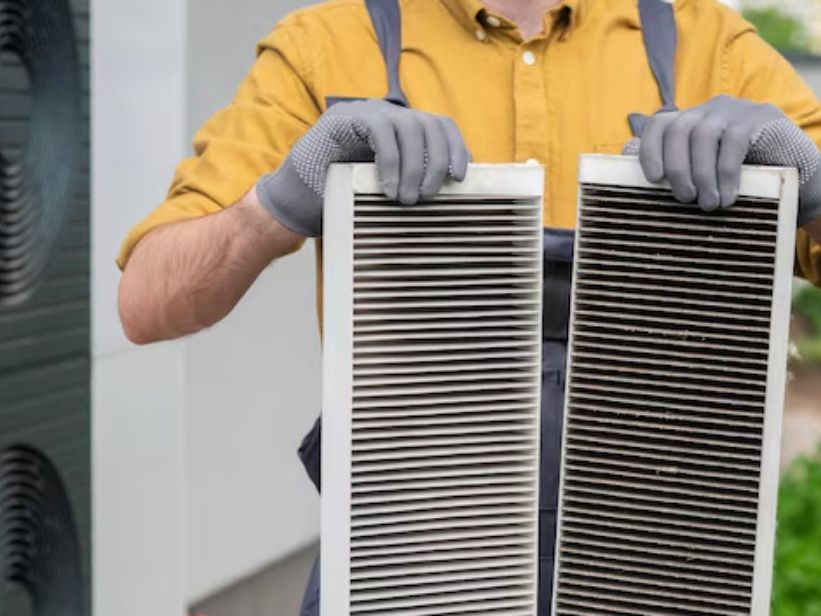
Outside air entering the cold room brings dust and dirt with each door opening. In processing and preparation areas, the air may also carry oil and food residue. These particles stick to the fins together with the air drawn into the evaporator.
Moisture speeds up the build-up. Dust that sticks to a wet surface forms a hard layer over time and becomes harder to remove.
Airborne particles around the evaporator settle on its surfaces over time. They can come from the air outside the room, from the handling of products, and from the clothing of staff. Each source leaves a different type of dirt, and it sticks in a different way.
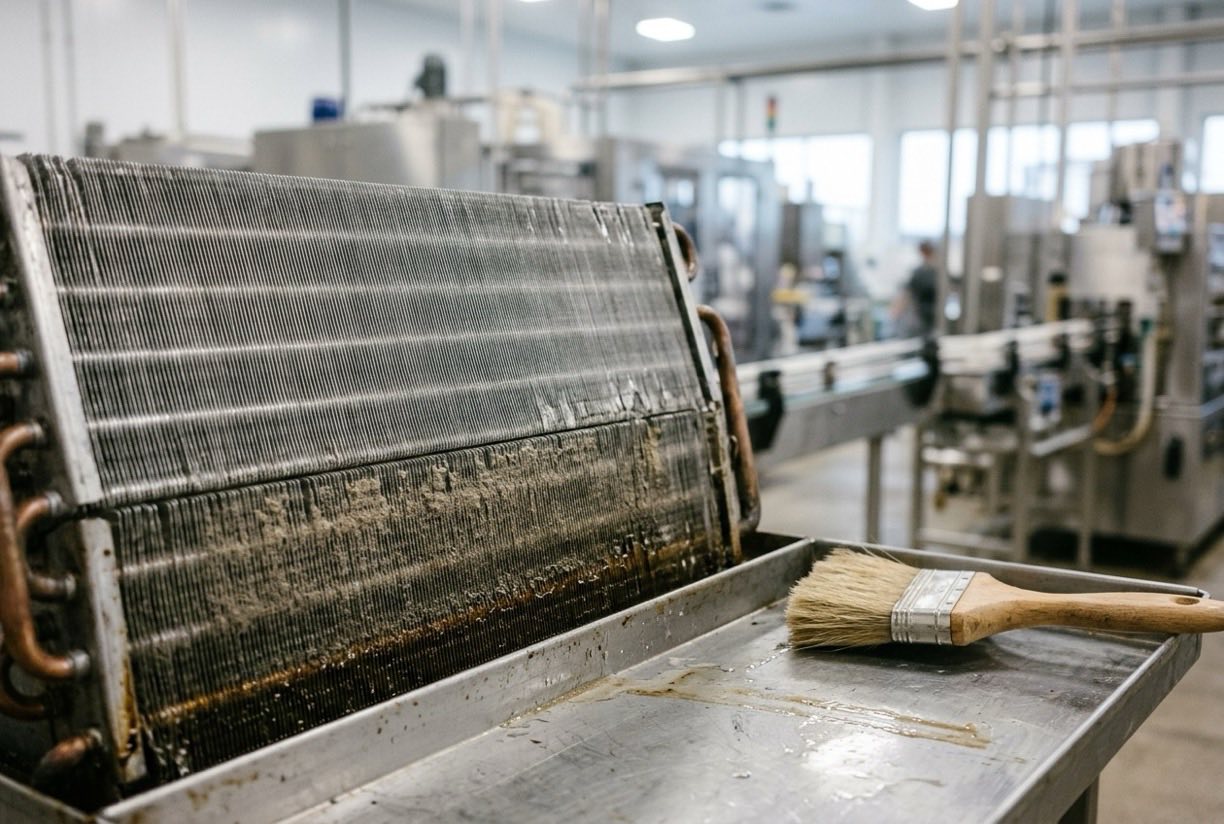
Oily build-up stands out especially in rooms close to processing and preparation areas. Fine oil droplets circulating in the air condense on the cold surface and bind the dust. The mixture forms a far stronger layer than ordinary dust alone.
Packaging materials and pallets can also carry dirt into the room. Particles shed from cardboard, plastic and wooden surfaces circulate in the air and reach the evaporator. The source of dirt should therefore be assessed as the whole storage arrangement, not only the air.
Seasonal changes also affect the build-up. In dry periods dust is lifted more easily and reaches the evaporator in greater quantities. In rainy and humid periods, a mix of mud and dust can form a sticky layer.
Knowing the source of the build-up is decisive when choosing the cleaning method and its frequency. For this reason the sources of dirt around each evaporator should be recorded at the start of the maintenance plan.
Evaporators located near the air inlet are more exposed to the particles that outside air brings directly. In that position the build-up advances faster than in other zones and calls for cleaning sooner.
Why Do The Fin Spacings Get Blocked?
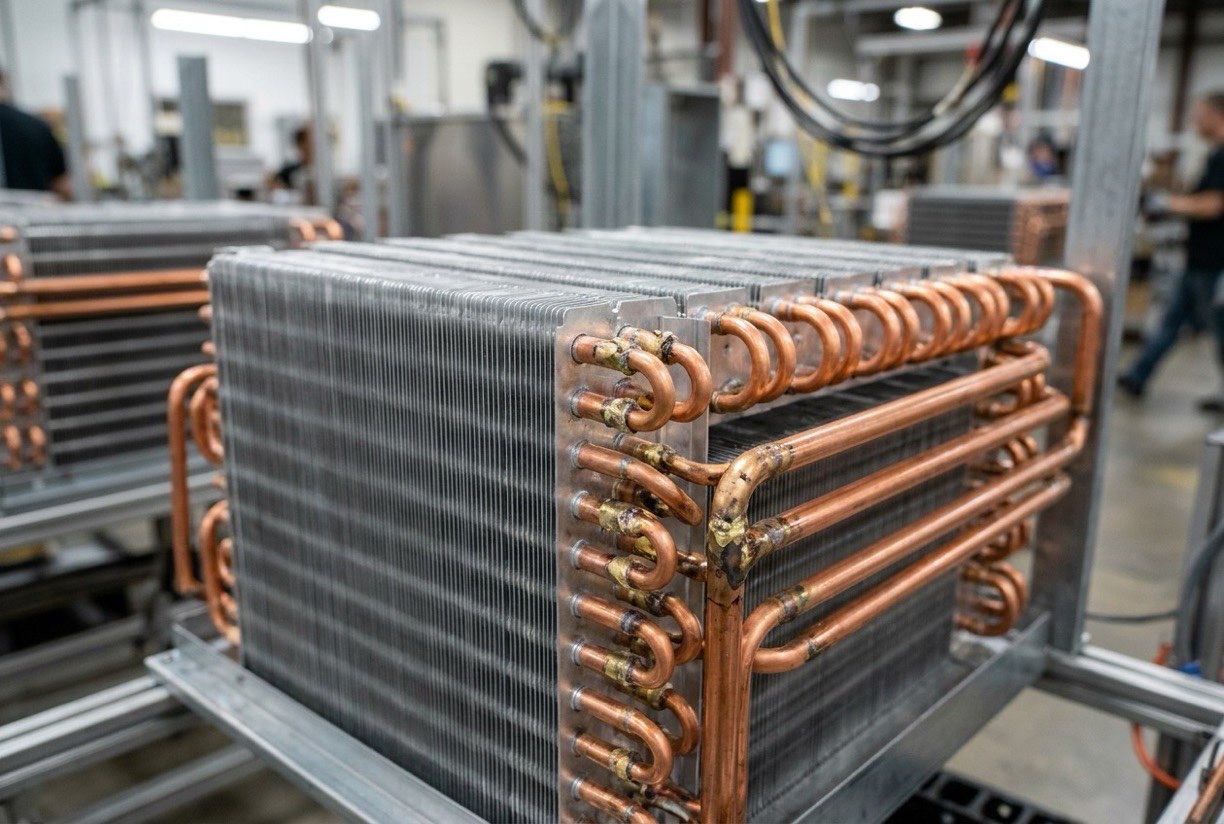
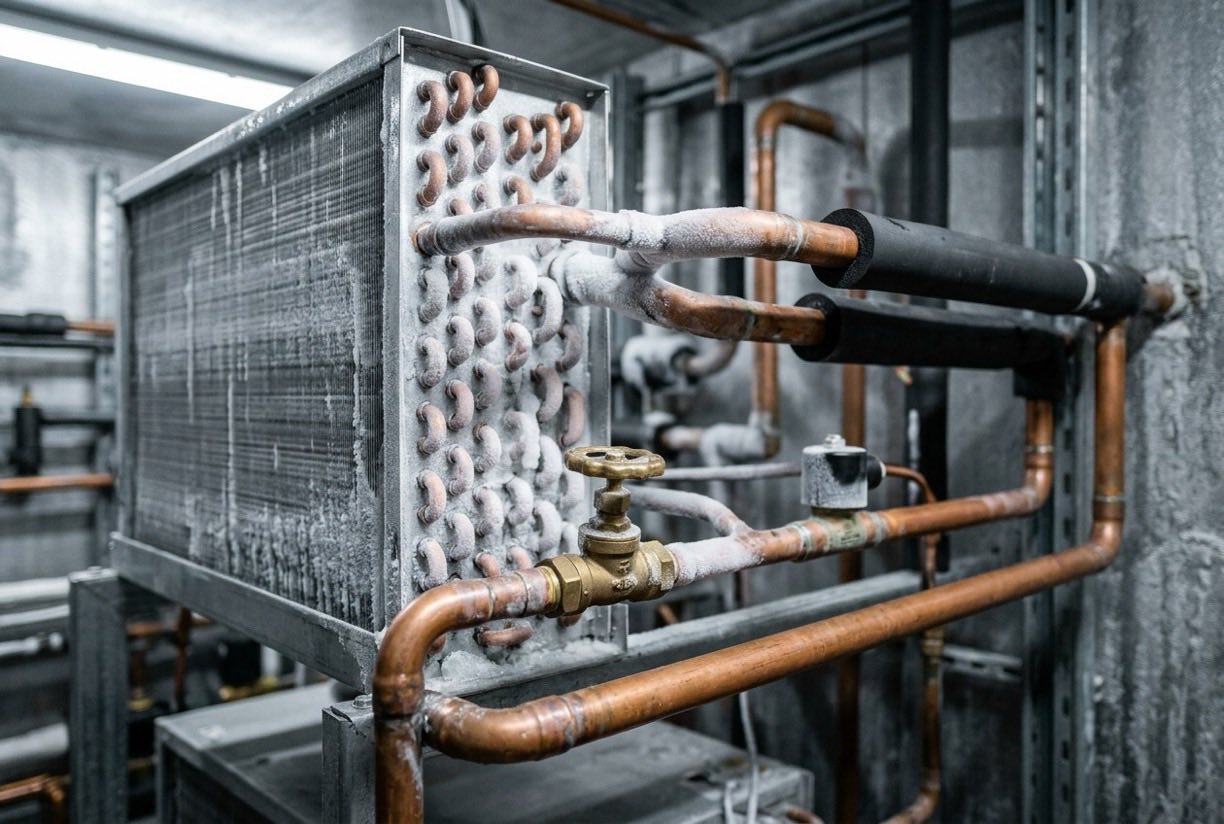
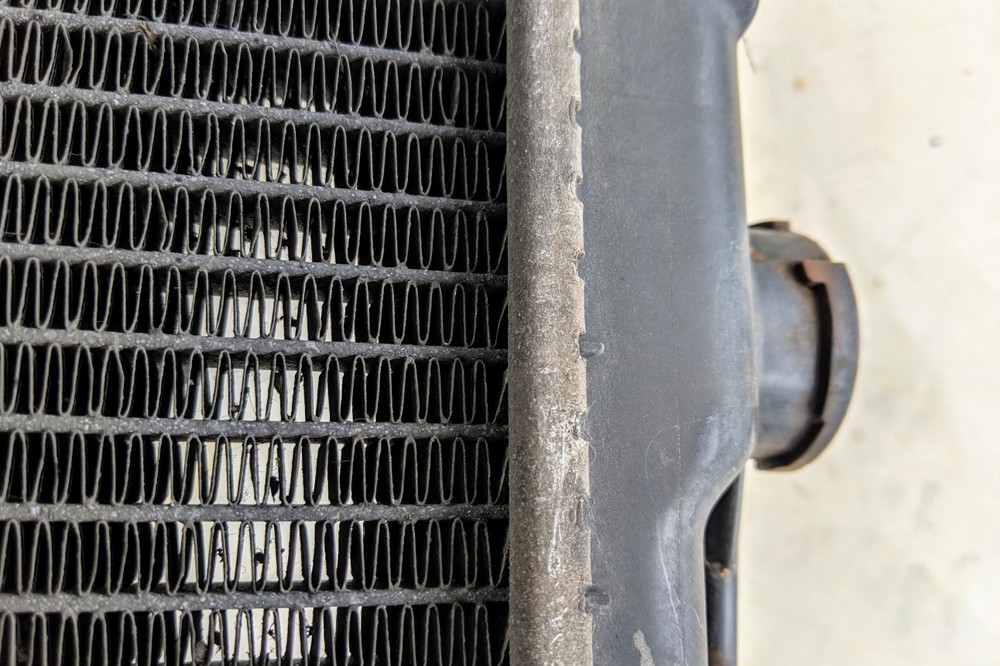
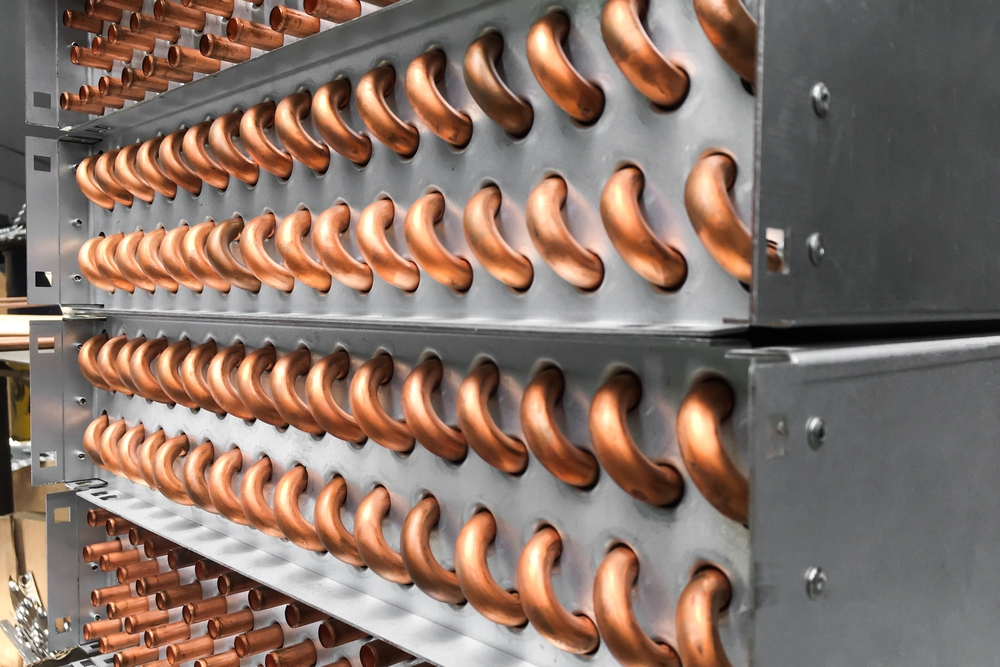
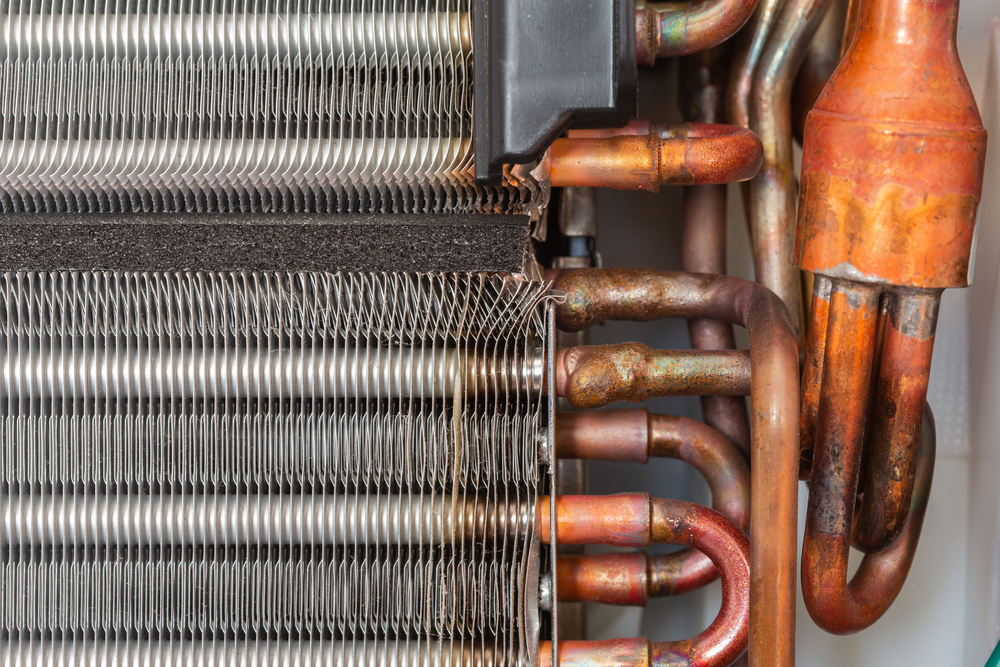
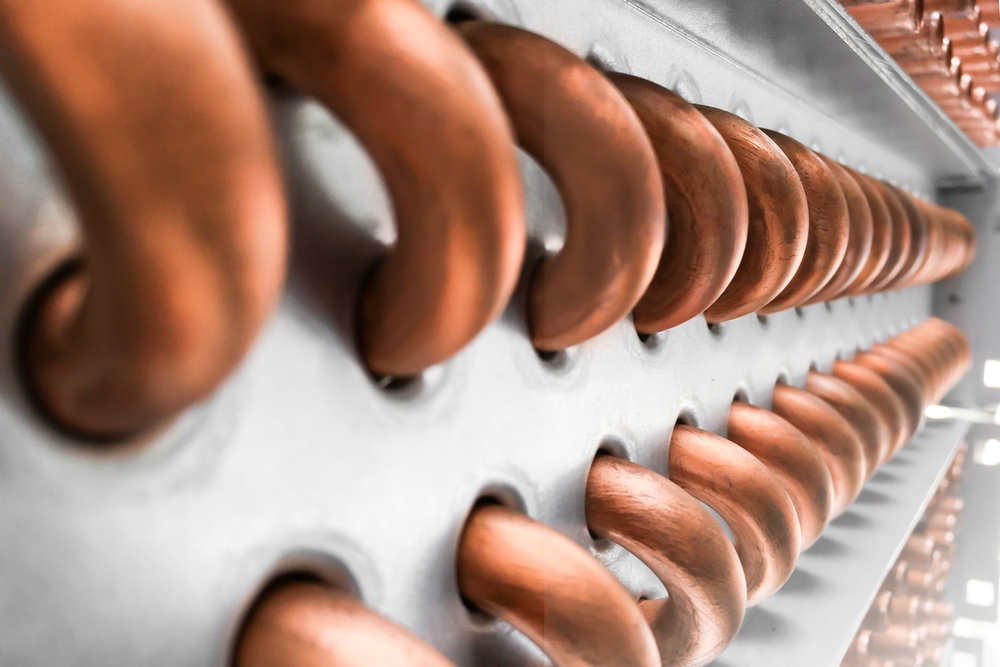
The fin spacings are designed to be narrow. The build-up closes these gaps in small steps. At first the airflow falls slightly; as the build-up grows, the gaps can become fully blocked and a large part of the evaporator stops working.
Blockage is usually heavier near the air inlet and in the lower rows. For this reason the build-up may not spread evenly over the whole evaporator surface.
Fin spacings are designed narrow, both for condensation and for the passage of air. These narrow gaps provide a large surface for heat transfer, but they are sensitive to build-up. The build-up starts as a thin layer and narrows the gap step by step.
In the first stage of blockage the airflow falls slightly, and this change is often not noticed. As the build-up thickens, the air contacts less surface and the flow drops clearly. At this point the cooling performance also begins to be seriously affected.
Blockage is heavier close to the air inlet and in the lower rows. The reason is that the inlet is where dirt is carried directly, and the lower rows catch more of the particles in the air. Cleaning should therefore not be limited to the visible upper surface.
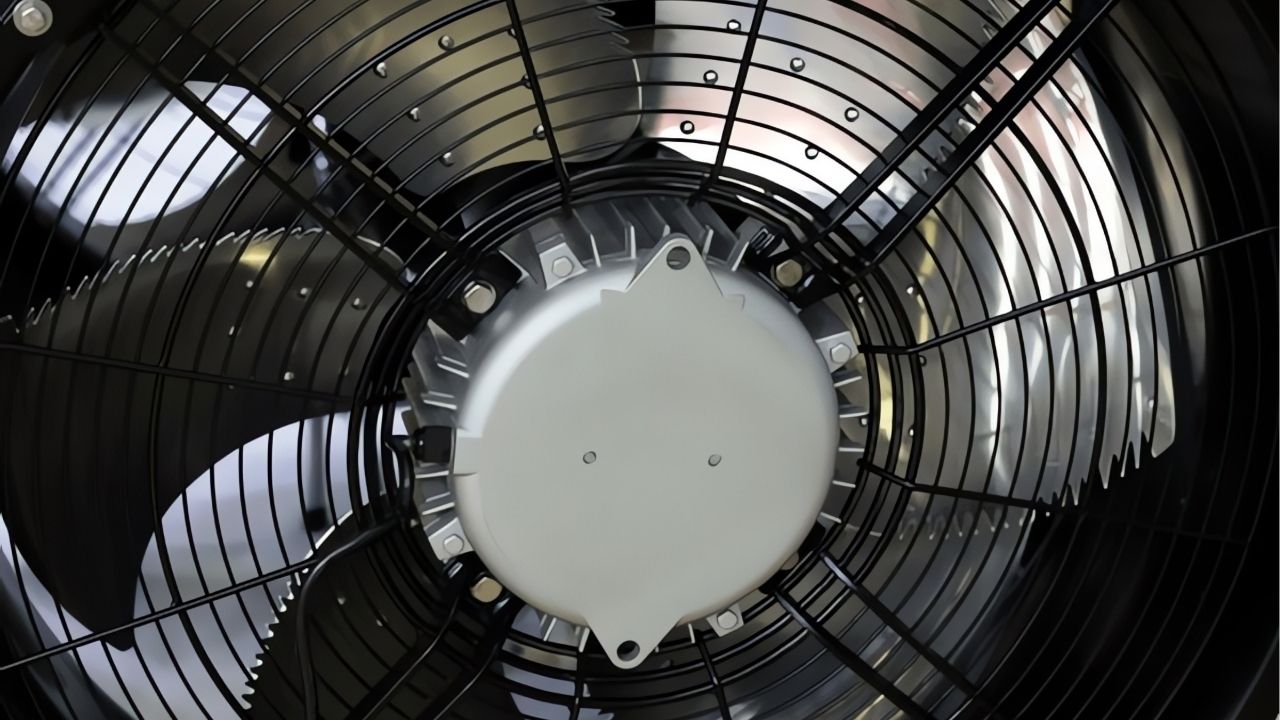
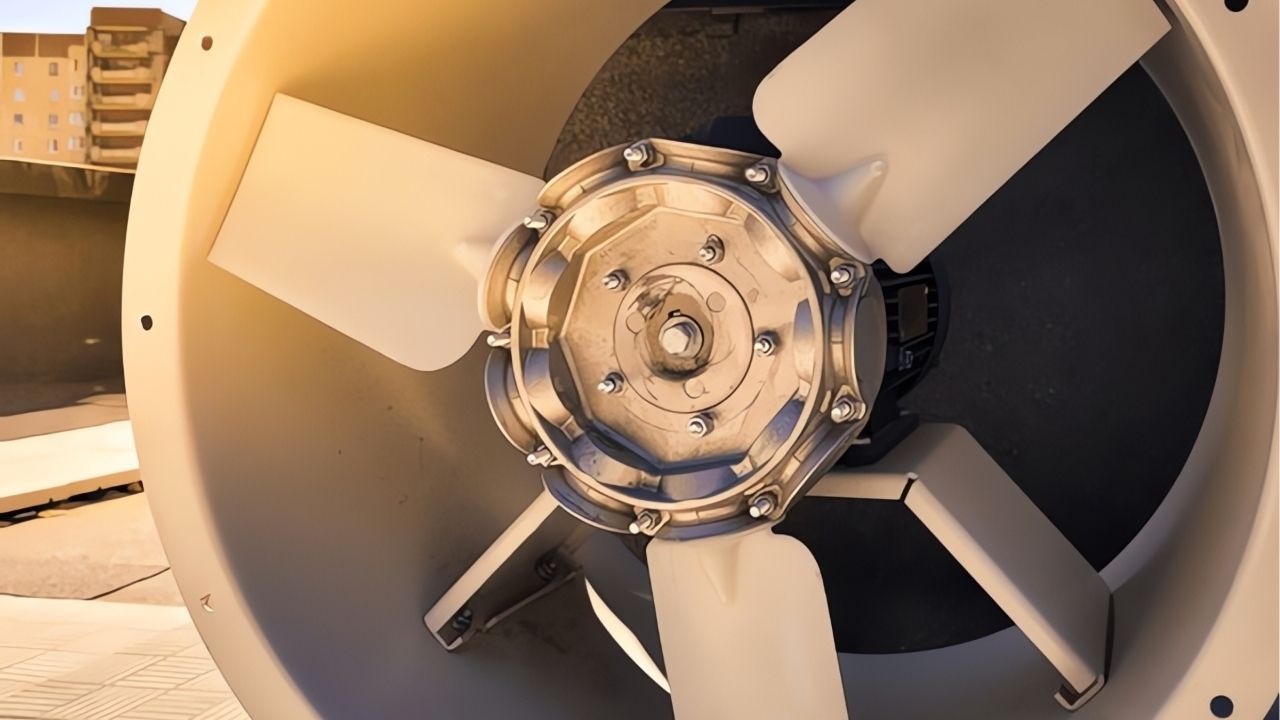
Dirt lodged between the fins can also build up on the fan blades and the housing. A layer that sticks to a fan blade can cause imbalance and extra vibration. This increases the motor load and raises the risk of failure.
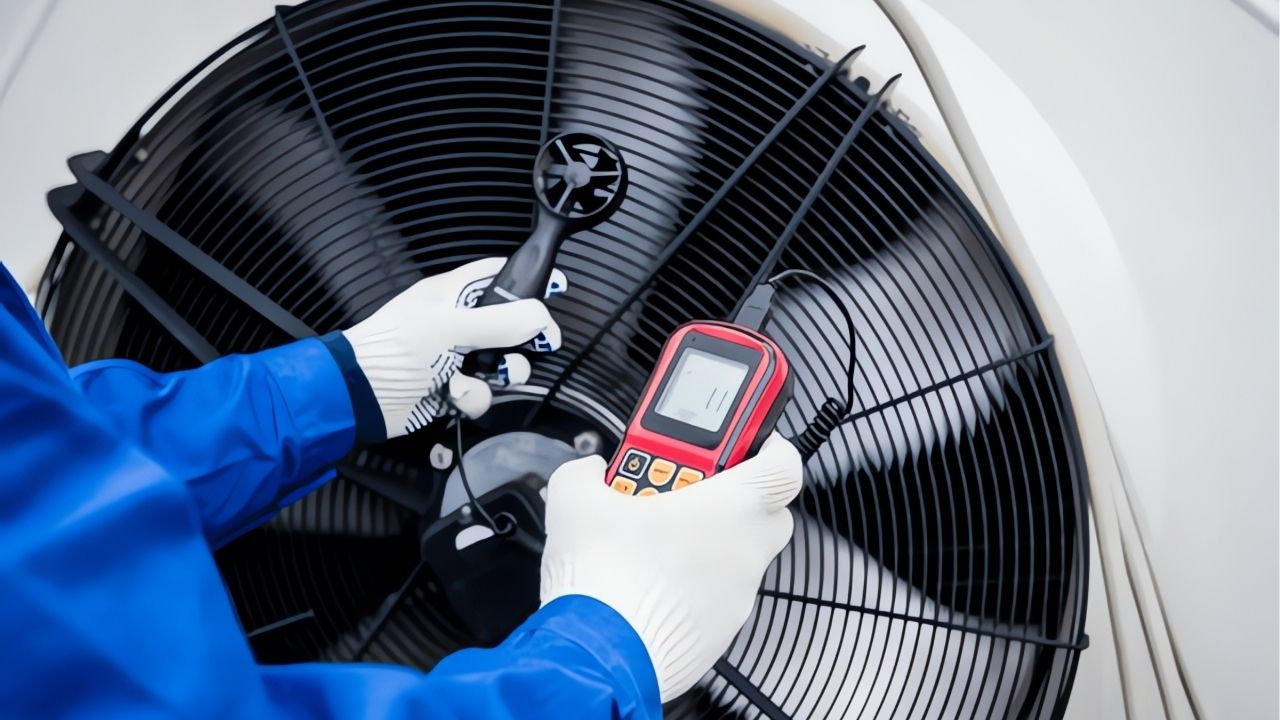
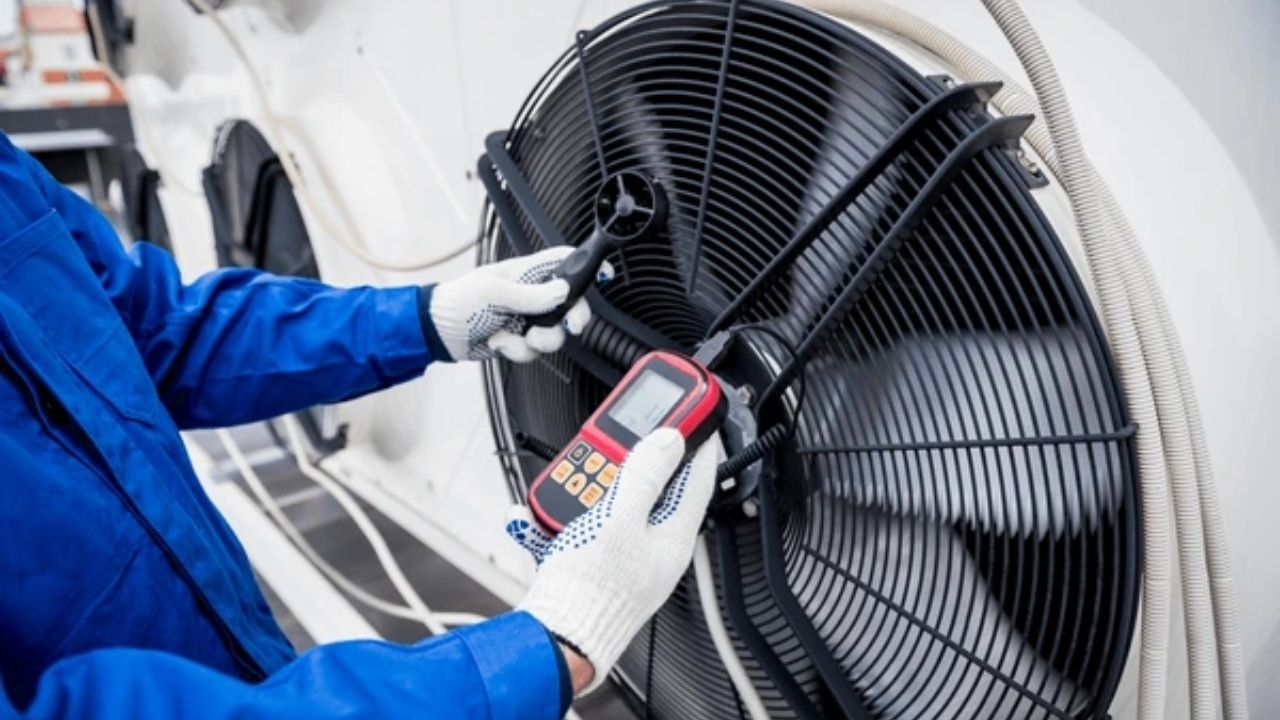
Blockage can be monitored by measuring the airflow or by watching the fan current value. A current that rises over time can be an indirect sign that the flow has fallen. Such monitoring helps to fix the cleaning time in advance.
As the fin gaps begin to block, the colour and texture of the surface dirt also change. A grey dust layer can turn brown and sticky over time. This appearance can be the first sign that the time for cleaning has come.
What Is The Effect On Heat Transfer And Airflow?
A layer of dust and oil on the fins weakens heat transfer directly. As the surface gets dirtier, the heat exchange between the refrigerant and the air decreases. A drop in airflow also affects the speed at which the room cools.
- Capacity: The system runs longer to reach the same temperature.
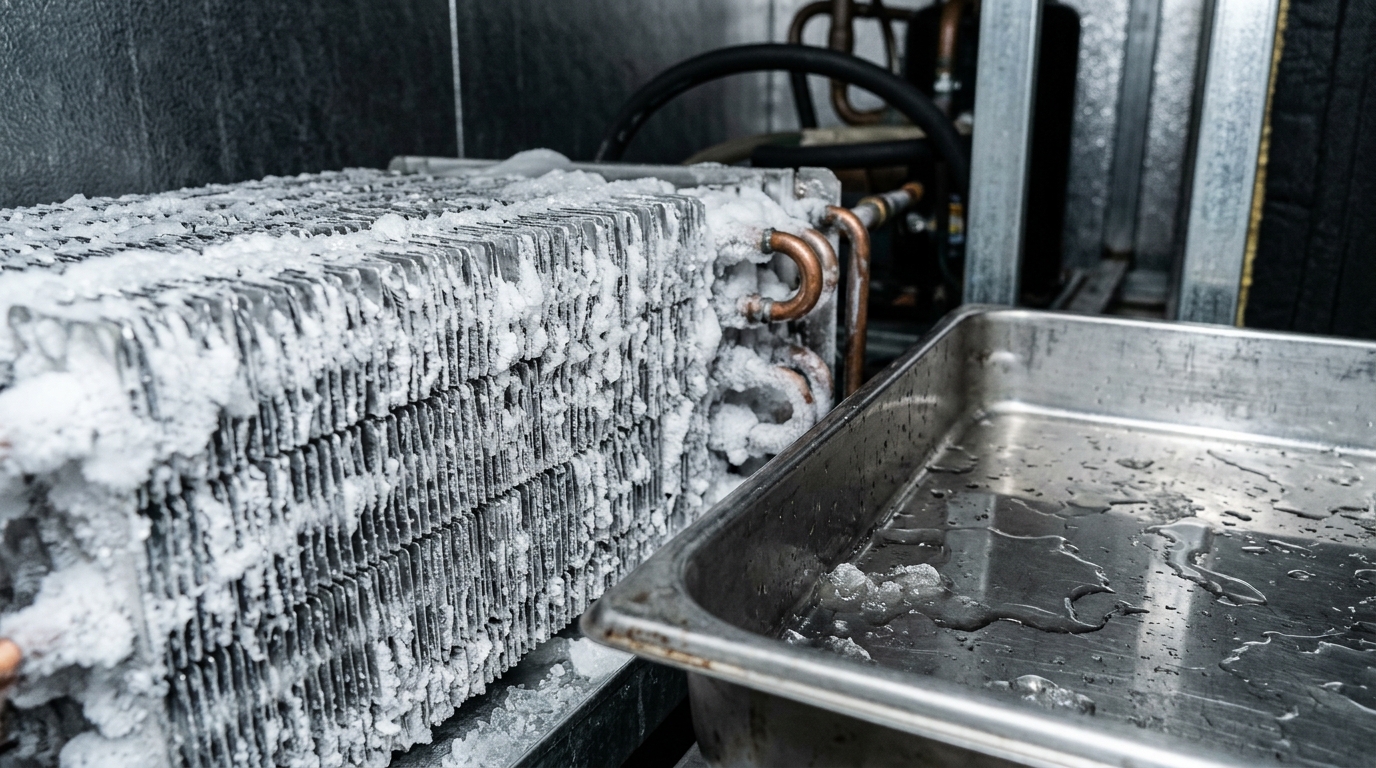
- Defrost: The build-up can increase the tendency to frost.
- Energy: The compressor and fan consume more energy.
The dust and oil layer on the fins weakens heat transfer directly. As the surface gets dirtier, the heat exchange between the refrigerant and the air decreases. This reduction forces the system to run longer in order to meet the same cooling load.
A dirty surface makes heat spreading harder as well as heat transfer. The oily layer reduces the ability of the surface to absorb heat, so the efficiency of the evaporator falls. This fall appears slowly in performance measurements and can easily be blamed on the wrong cause.
The drop in airflow also upsets the temperature balance of the room. Zones behind the evaporator receive less cold air, and temperature differences appear inside the room. These differences indirectly affect product quality and shelf life.
The effect of dirt grows as it accumulates over the whole operating period. For this reason the effect of one cleaning decides when the next one is needed. Regular cleaning keeps the loss of performance slow and predictable.
Calculating the capacity and energy losses sets out the economic reason for a cleaning decision. Measurements taken before and after cleaning can be used to show the real gain from the cleaning.
A reduction in heat transfer in the system can also change how often the compressor switches on and off. A compressor that runs longer uses more energy to reach the same temperature. This turns into a visible increase in operating costs.
Which Cleaning Methods Are Used?
Cleaning should start with dry methods. Loose dust can be removed with a soft brush and a vacuum. For oily build-up, a cleaner suitable for evaporator cleaning that does not damage the fins should be used.
High-pressure water can bend and crush the fins and restrict the airflow even further. For this reason the pressure should be set carefully or a fin-friendly method should be preferred.
Before starting the cleaning, the evaporator should be switched off and the surface should be allowed to dry. Cleaning carried out without isolating the power is risky for electrical safety and harmful to sensors and cards. This step is the first and indispensable rule of the process.
Protecting the surroundings during cleaning is also important. Nearby products, packaging and control panels should be covered or moved away. The direction in which dirty water and chemical residues will flow should be decided in advance, so that the drain pan and drain line are not damaged.
The material of the brushes and cloths used in cleaning also matters. Hard-tipped tools can scratch the fins and narrow the gap even further. For this reason the cleaning tool should be chosen to suit the fin structure, soft and controlled.
Where chemicals are used, the waiting time and the rinsing step recommended by the product manufacturer should be followed. Insufficient rinsing can allow residues to speed up later build-up. It should also be checked that the rinse water drains properly through the drain line.
After cleaning, the evaporator should be dried completely, and it should be confirmed that the surface is dry before power is restored. A system started with a wet surface can form ice again immediately. The drying check should be recorded as a condition for completing the cleaning.
The skill of the operating team should be considered when choosing a cleaning method. A complex method can only be applied correctly by specialist teams. An easy and controlled method makes it simpler to keep up regular maintenance.
How Is The Cleaning Frequency Determined?
The cleaning frequency depends on whether the room is in a dusty or oily environment. Rooms with heavy door traffic and close to processing areas should be checked more often. When a drop in airflow or capacity is noticed, cleaning should be carried out without waiting.
The Günay Soğutma technical team can support the recommendation of a maintenance plan according to the operating environment of the evaporator.
The best data for setting the cleaning interval are the records showing how the build-up progresses over time. If values such as airflow, fan current and room temperature are recorded regularly, the time needed for cleaning can be seen by measurement. A plan based on measurement rather than guesswork also avoids unnecessary cleaning.
Another factor affecting the cleaning frequency is the product itself. Open products, unpackaged handling and highly dusty materials speed up the build-up. In rooms with such products, the evaporator should be checked more often than in other rooms.
Seasonal changes should be included in the plan. In dry periods and dusty months the cleaning interval may be shortened. In humid periods the checking frequency should be raised to prevent sticky build-up.
The cleaning plan should be written down, and the date, the work done and the result of every cleaning should be recorded. These records make the decision for the next cleaning more accurate. Records also document that maintenance is being carried out regularly.
The performance gain after cleaning should be verified by comparing it with measurements taken under the same conditions. In this way it is seen not only whether cleaning was done but what effect it had.
The success of a cleaning plan depends on a clear assignment of responsibility. Even a written plan may not be carried out if no one is named as responsible. For this reason each cleaning task should be assigned to a responsible person.
Frequently Asked Questions
Should cleaning be done with chemicals?
For oily build-up a cleaner suitable for evaporators may be needed. However, the compatibility of the product with the fin and connection materials should be checked.
Can high-pressure water be used?
It should be used carefully. Low pressure and the correct angle should be preferred, otherwise bent fins reduce performance.
Does a filter reduce the need for cleaning?
It can slow the build-up by reducing airborne particles. However, a filter does not replace regular cleaning, and the filter itself must be checked regularly.
How is performance confirmed after cleaning?
The airflow, temperature and fan current values taken before and after cleaning, under the same room conditions, are compared. The gain in performance appears in the difference between these measurements. If the measurements are taken over several cycles, the result is more reliable.
How can oily build-up be told apart from dusty build-up?
Oily build-up leaves a sticky and glossy surface when touched, whereas dusty build-up shows a loose structure that crumbles. Oily build-up can harden when it combines with dust. This distinction is decisive in choosing the cleaning method.
How are electrical and sensor safety ensured during cleaning?
Cleaning should not be carried out without isolating the power, and the sensors and control cards must be protected so that they do not come into contact with water. Cable connections and sensor sockets should be closed or covered before cleaning. After cleaning, the sensors and connections should be checked again.