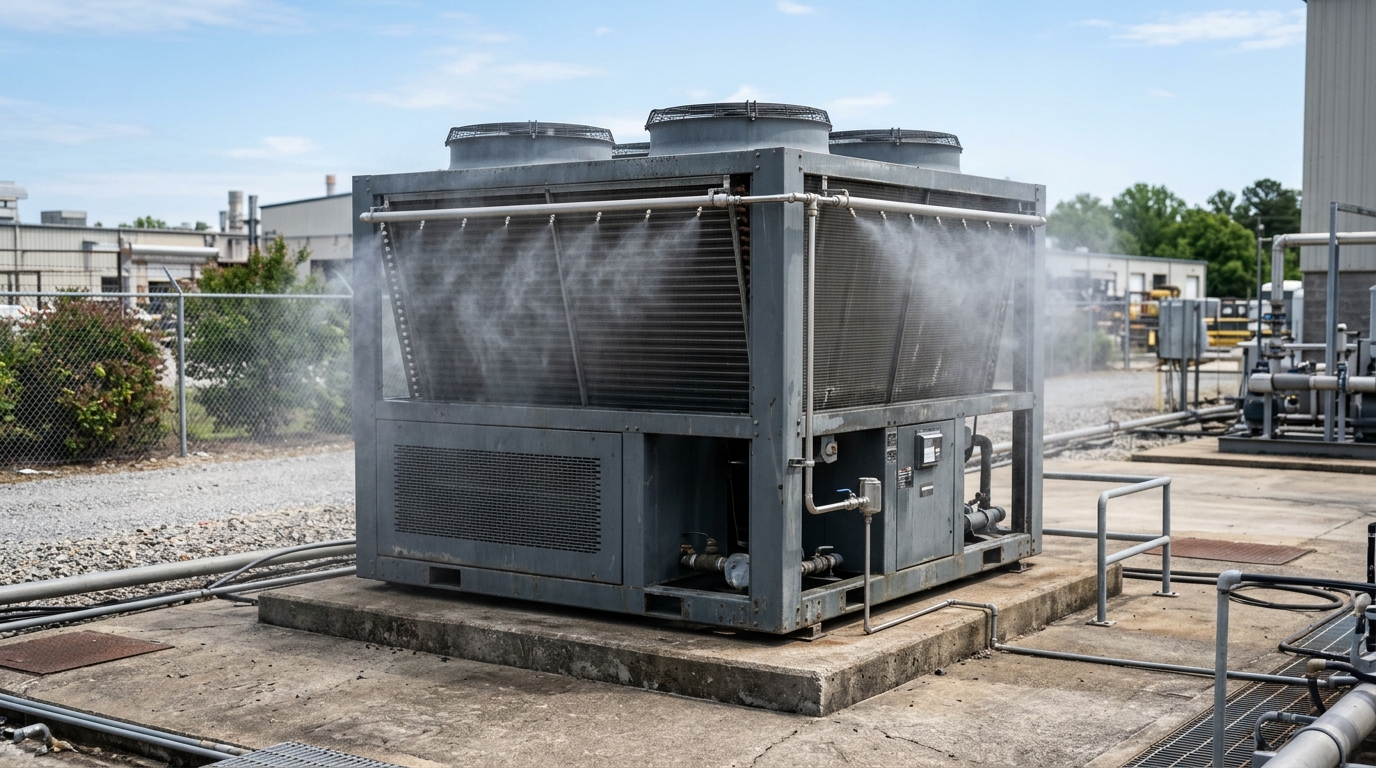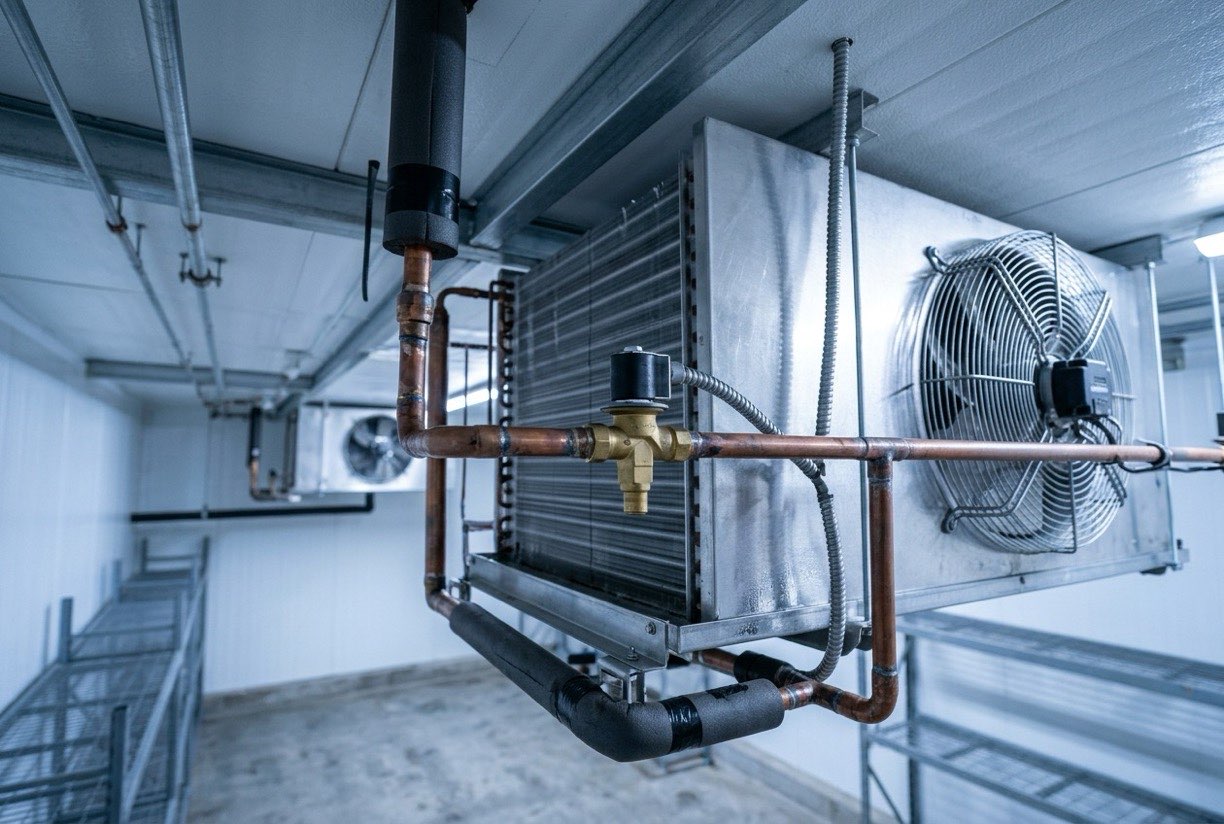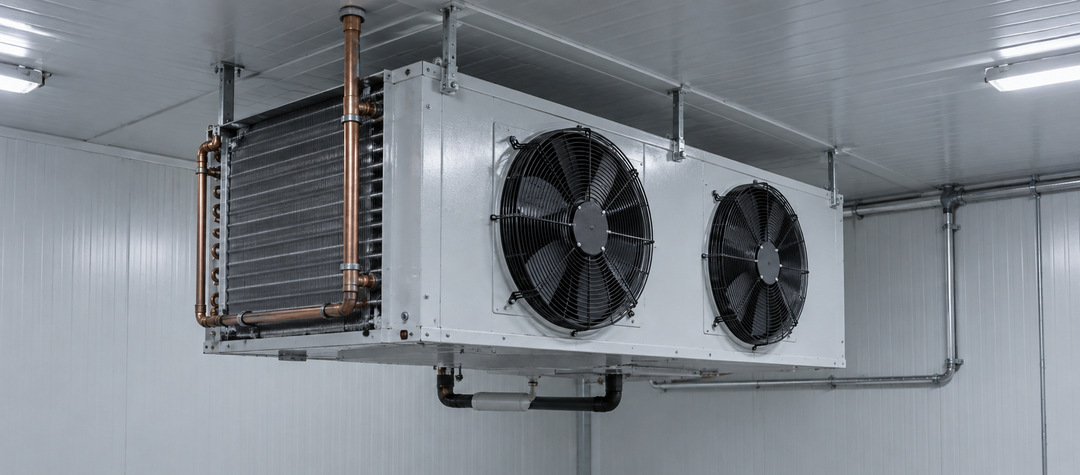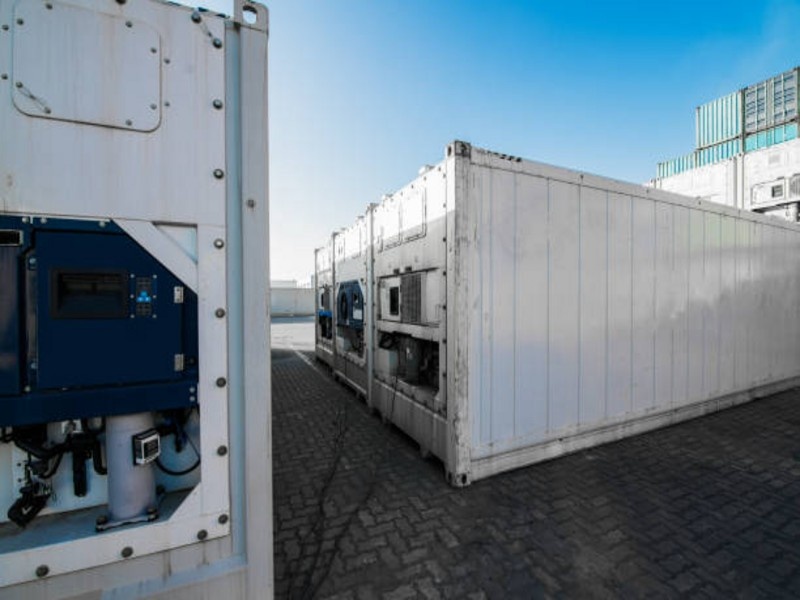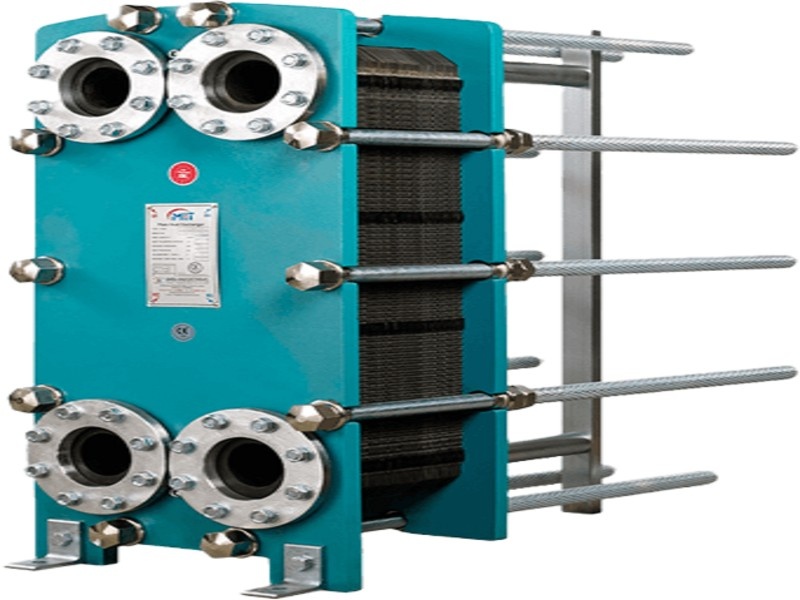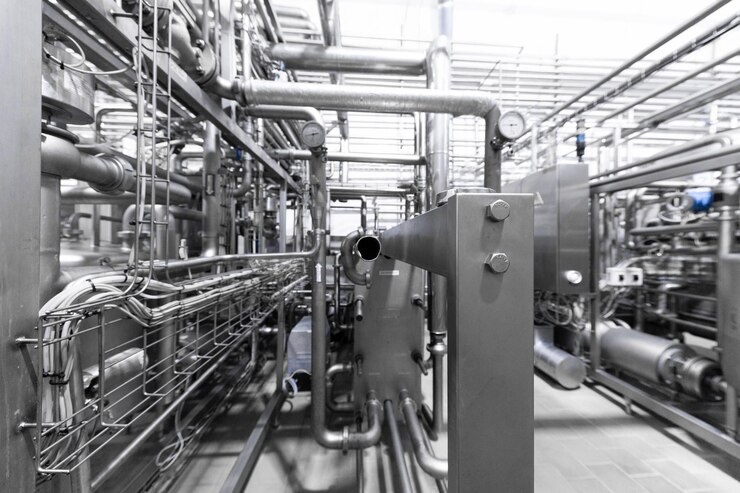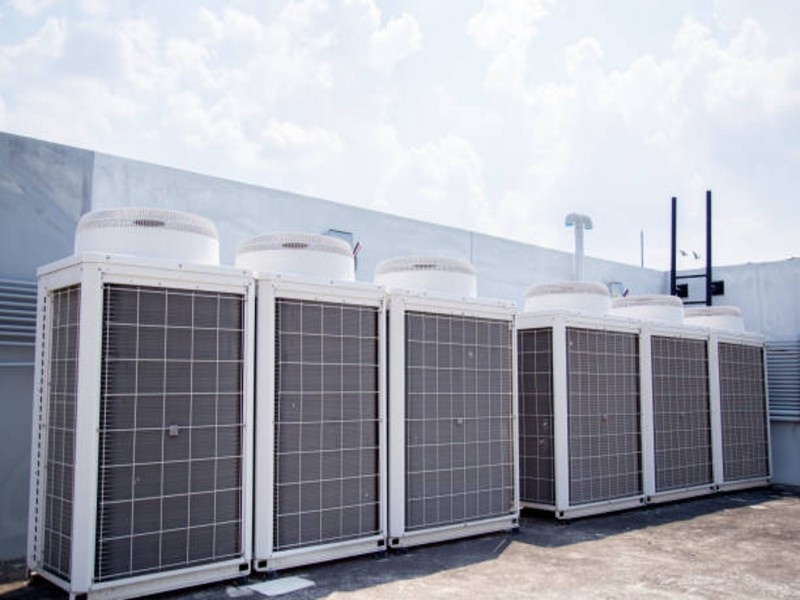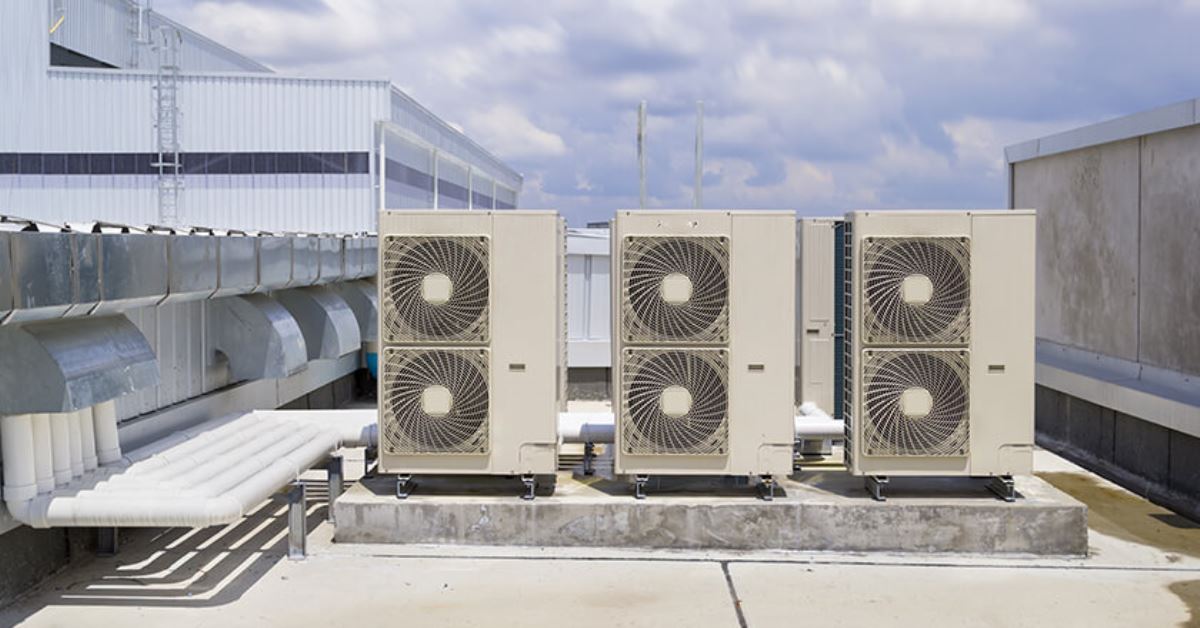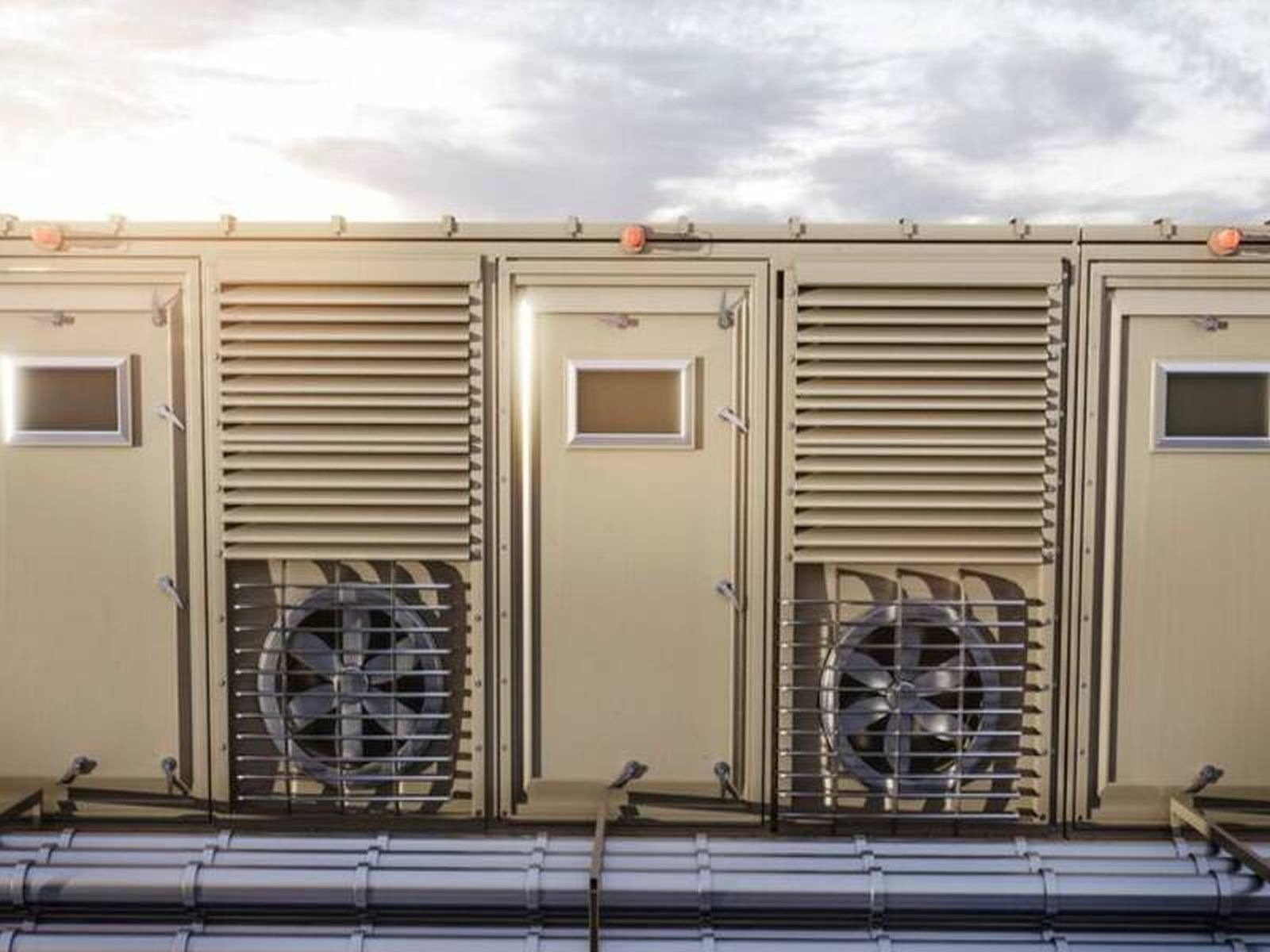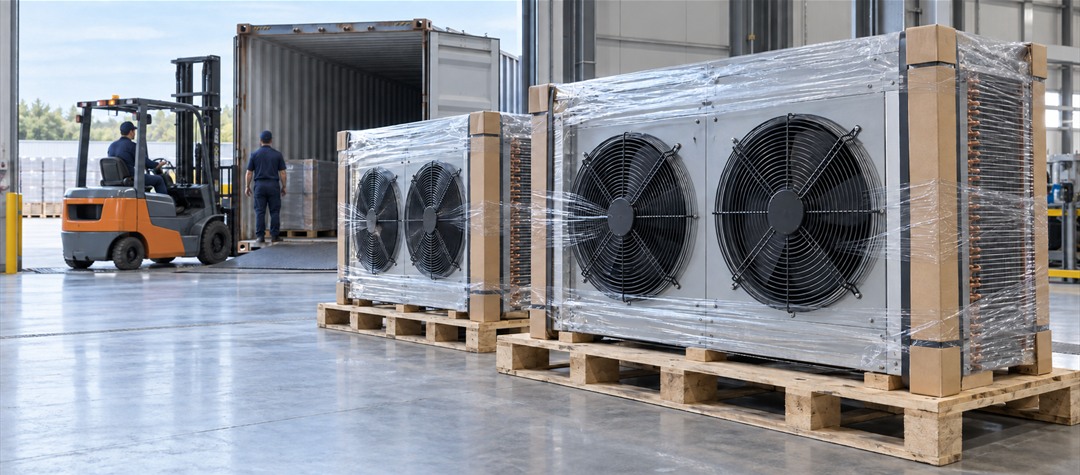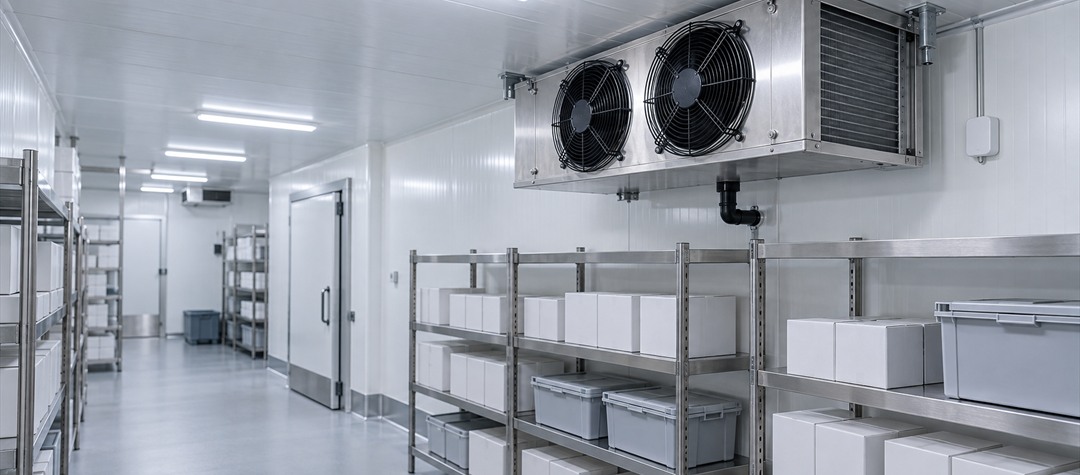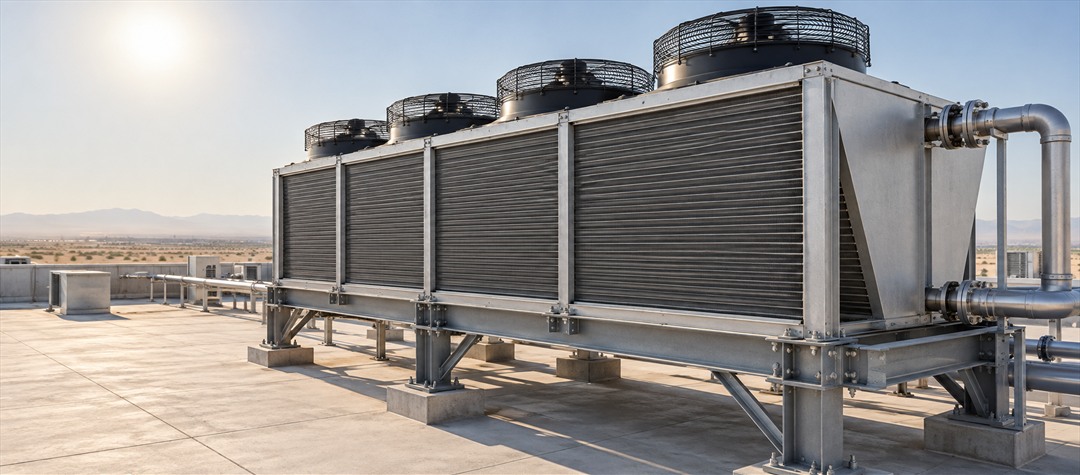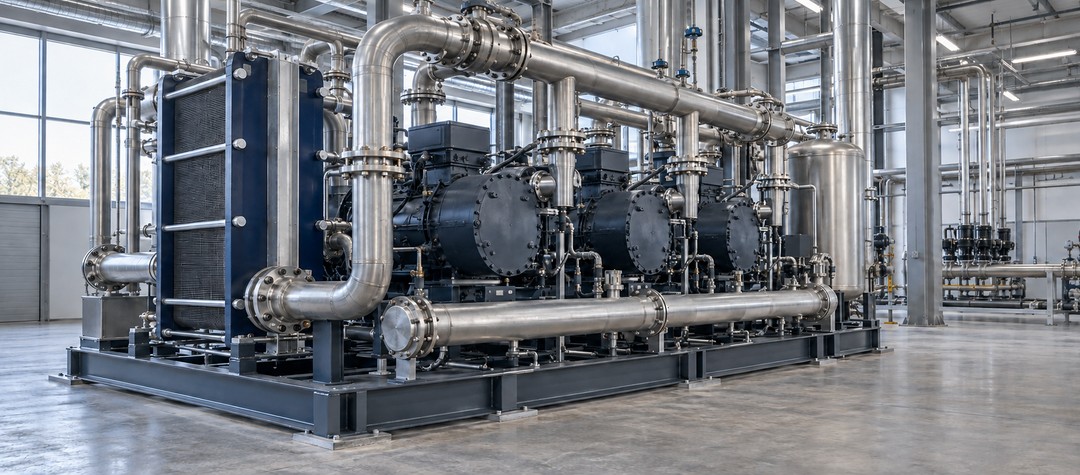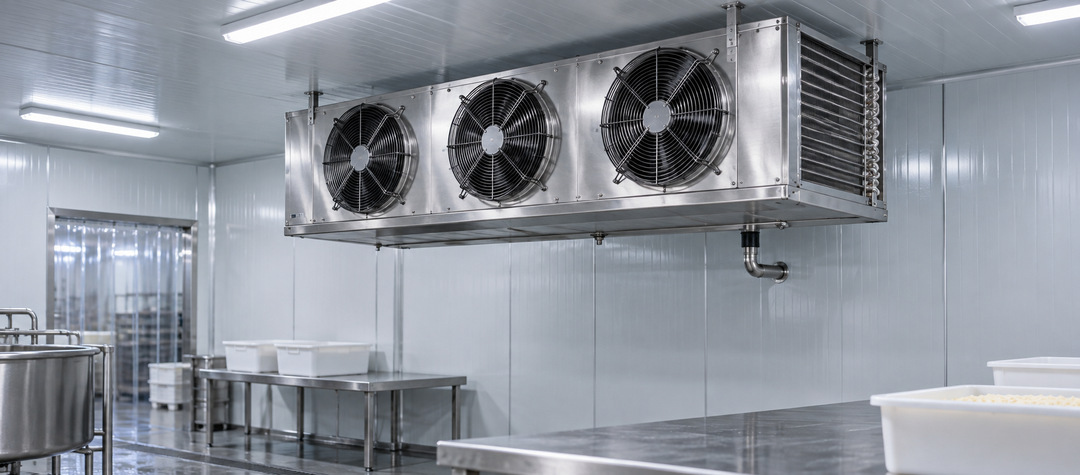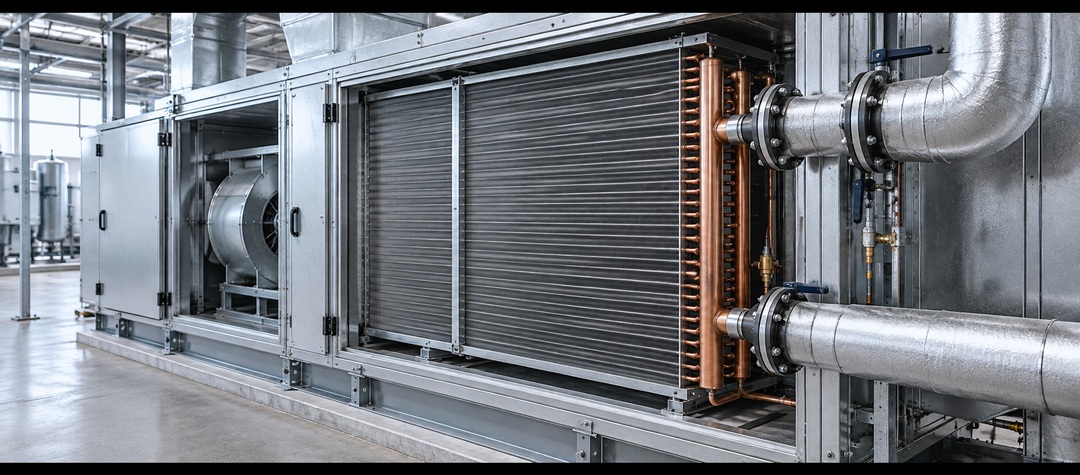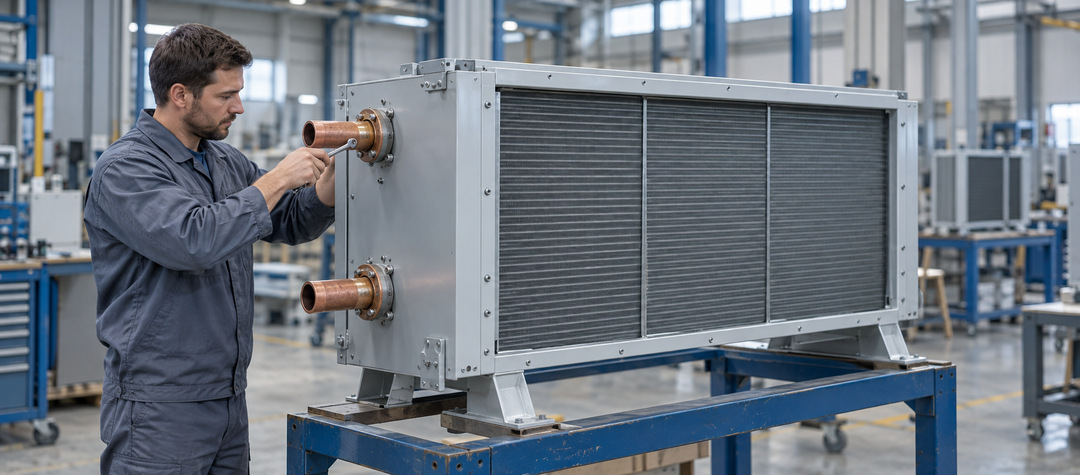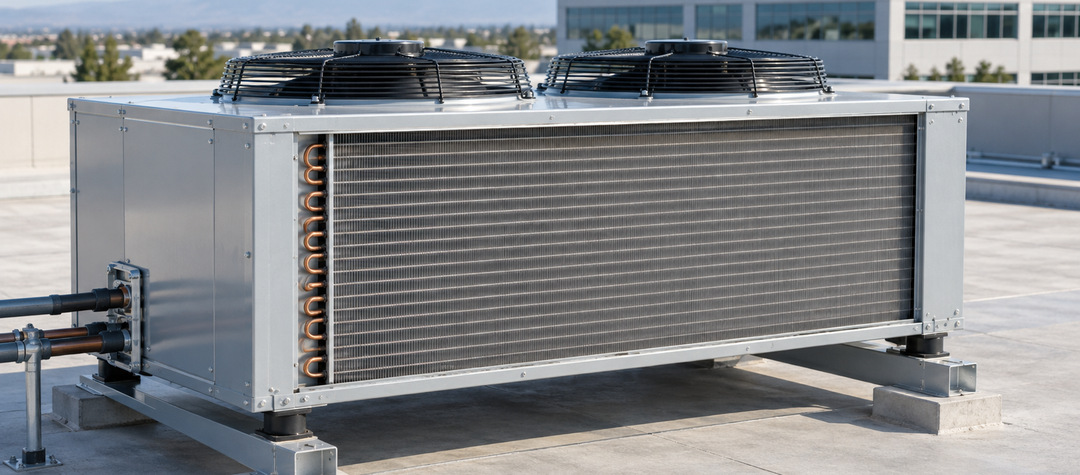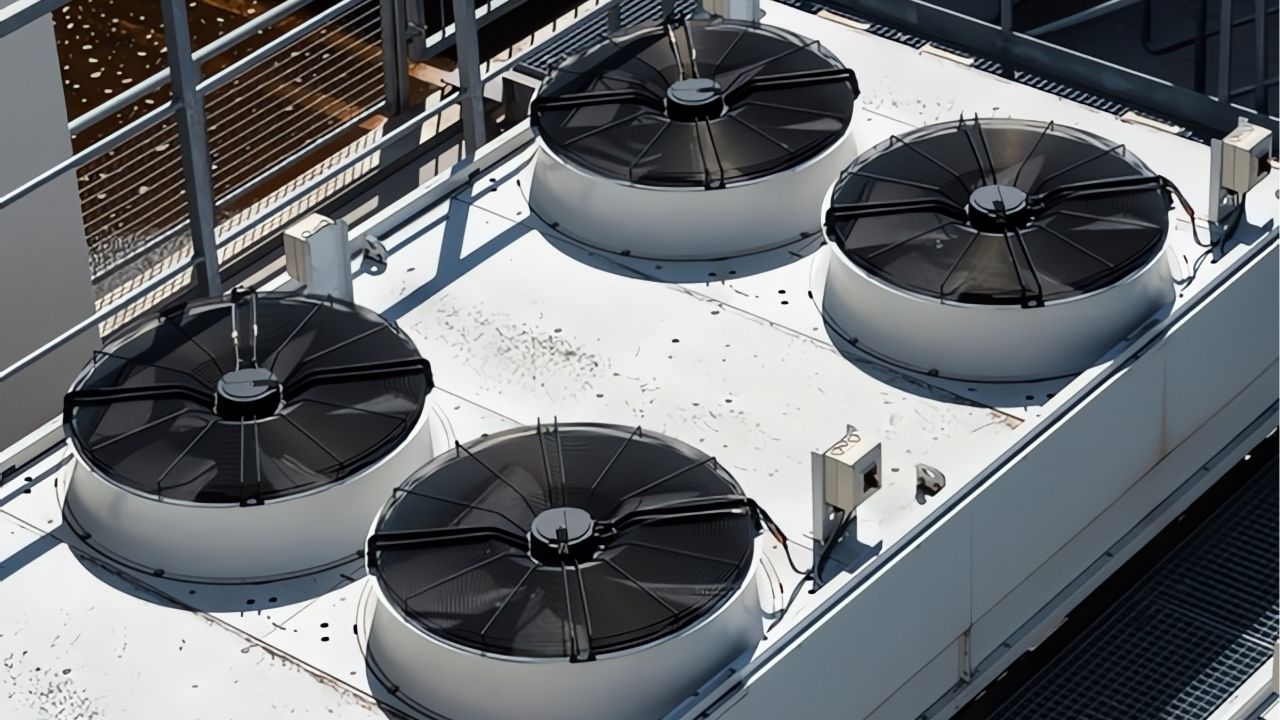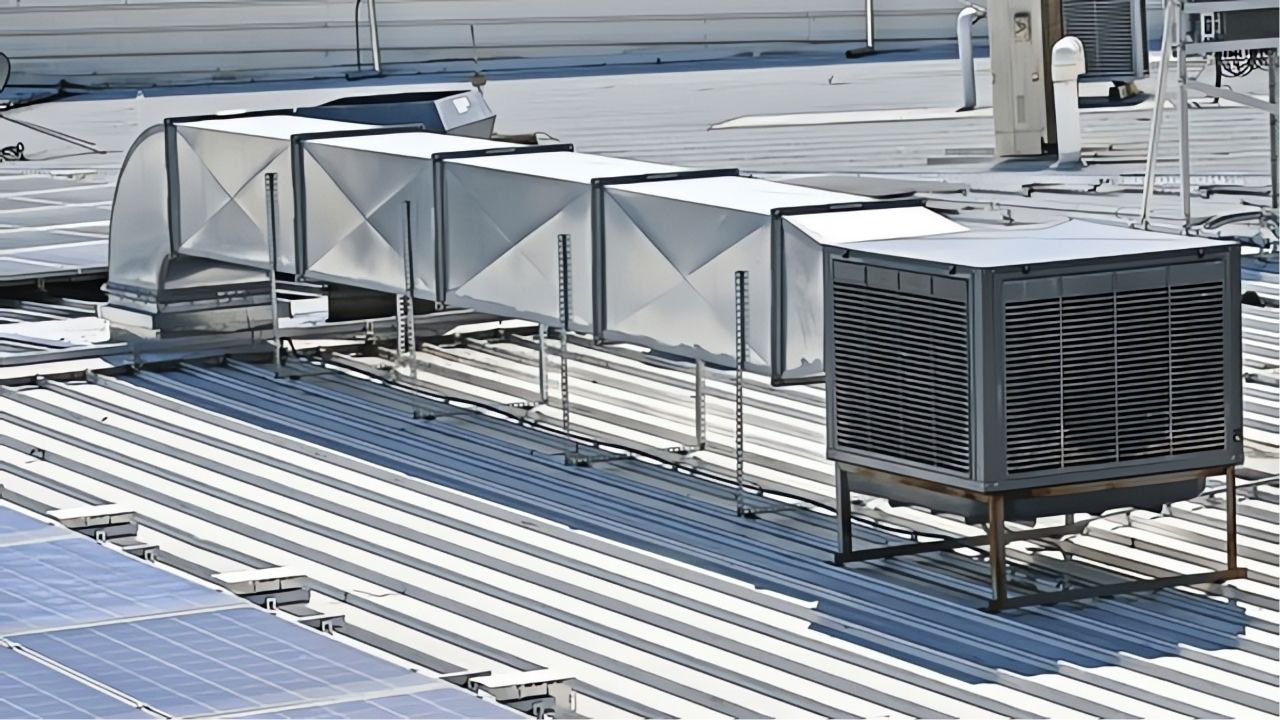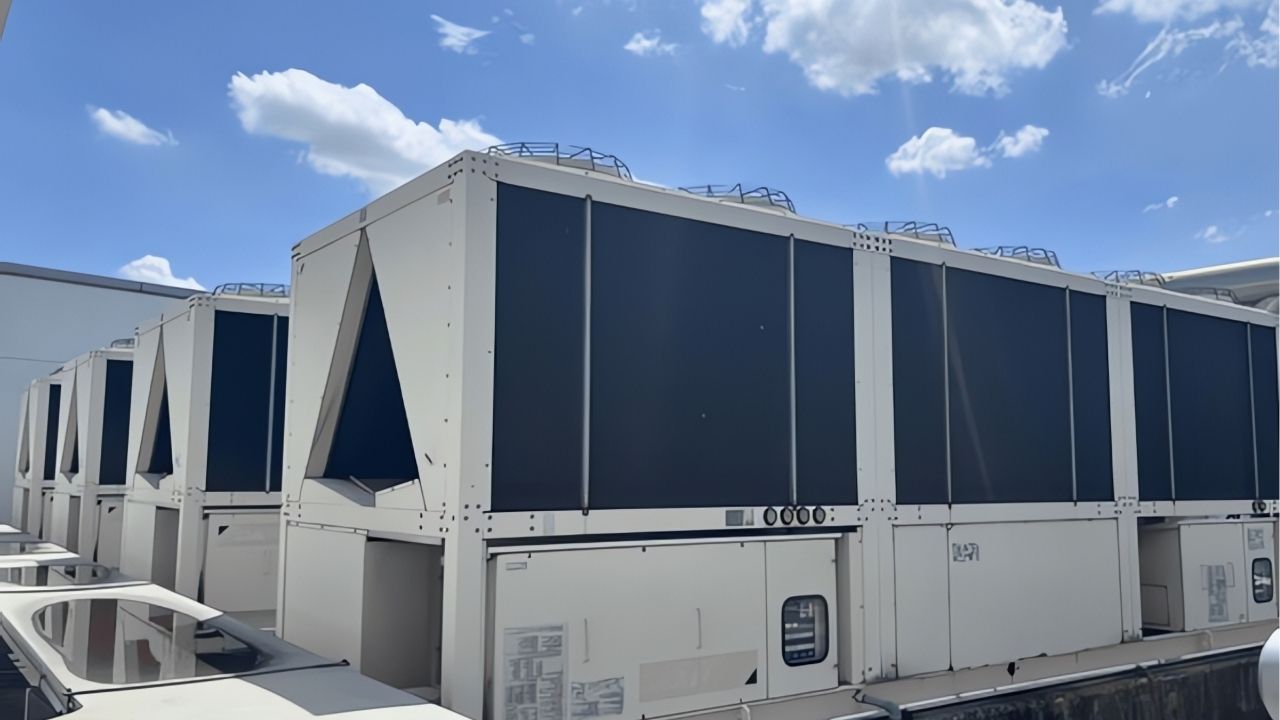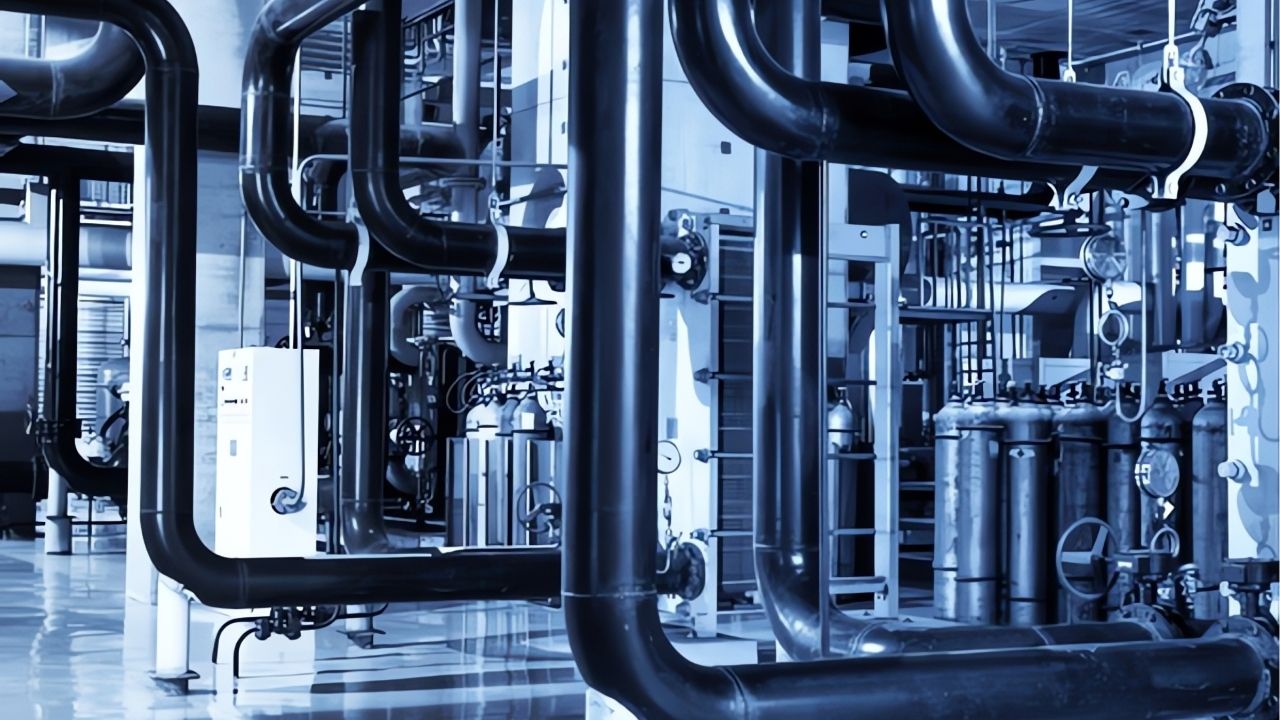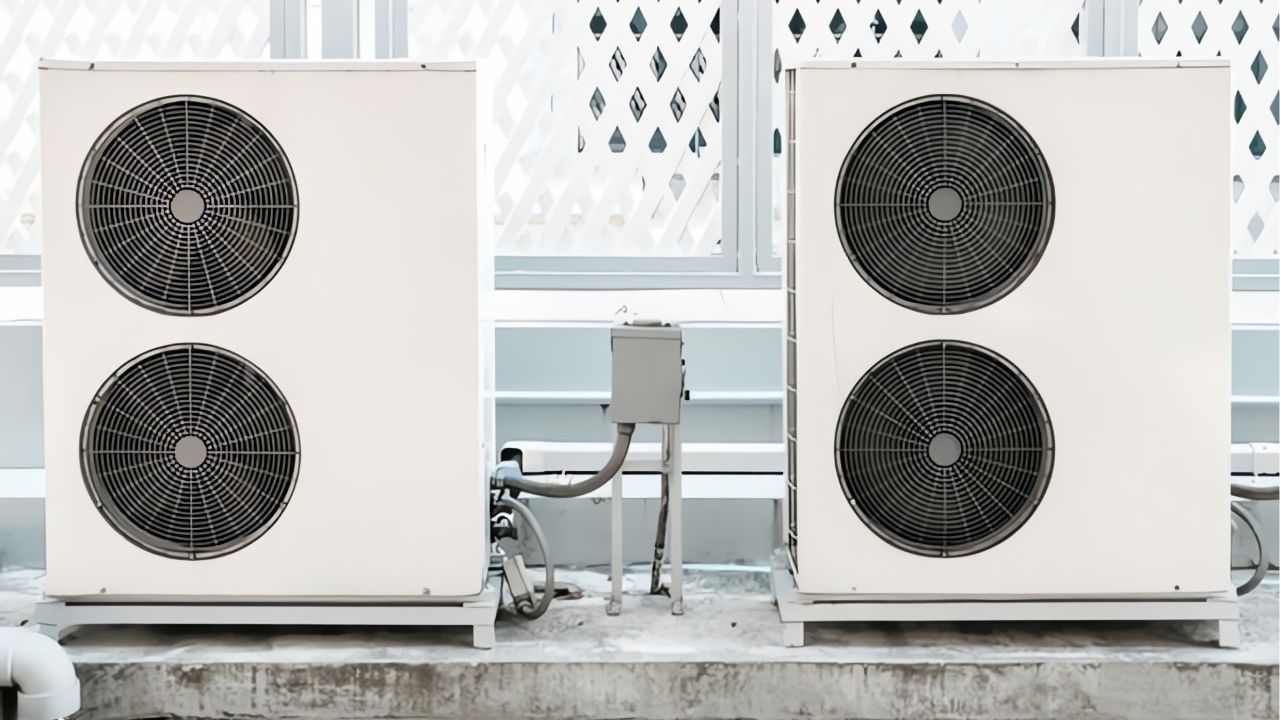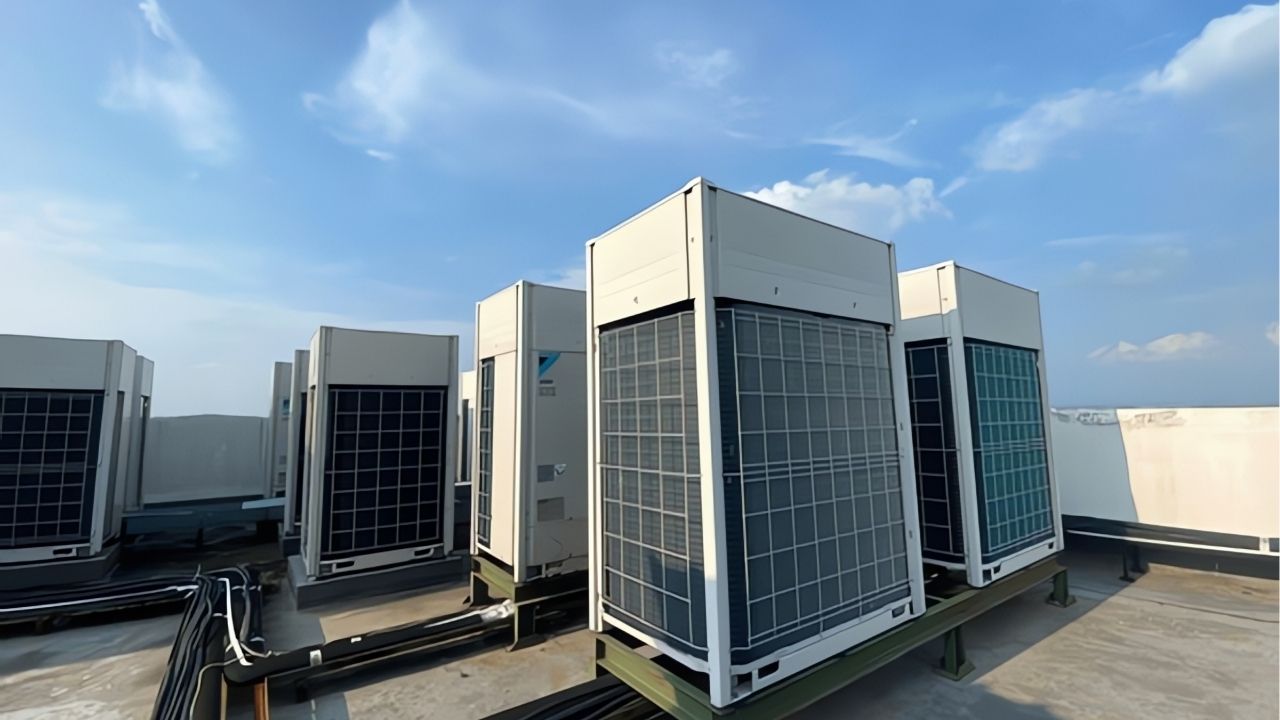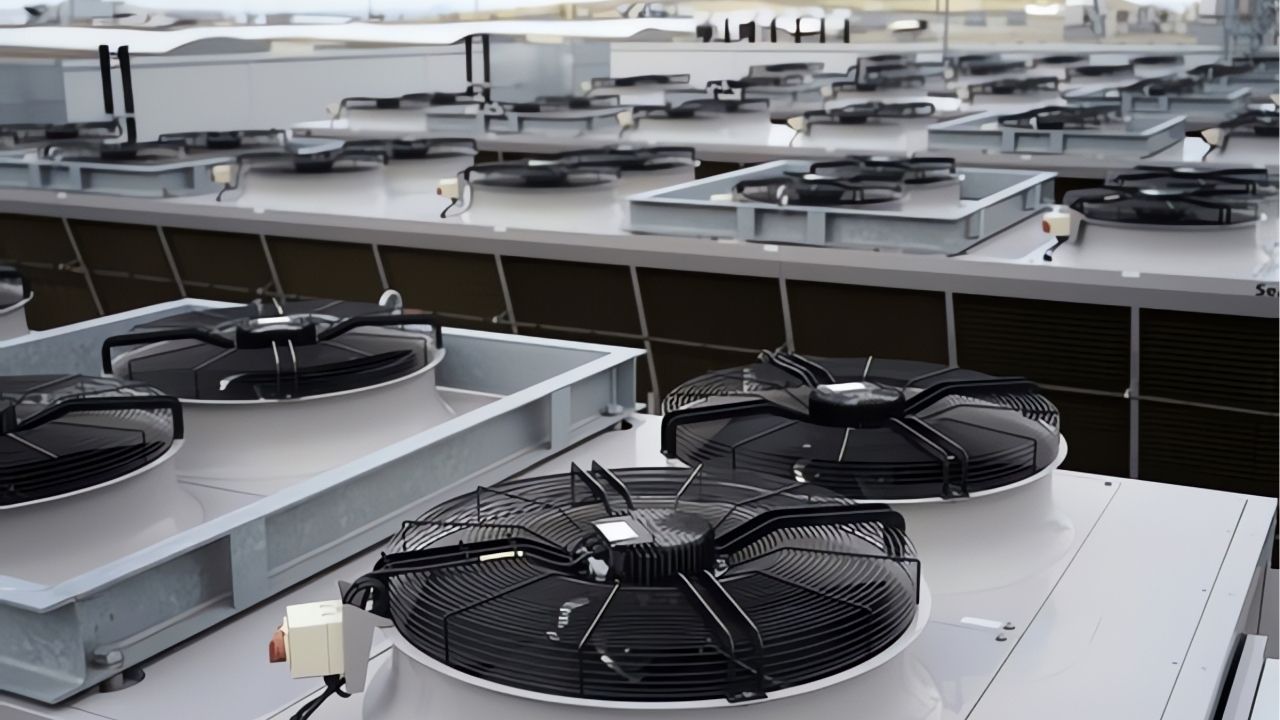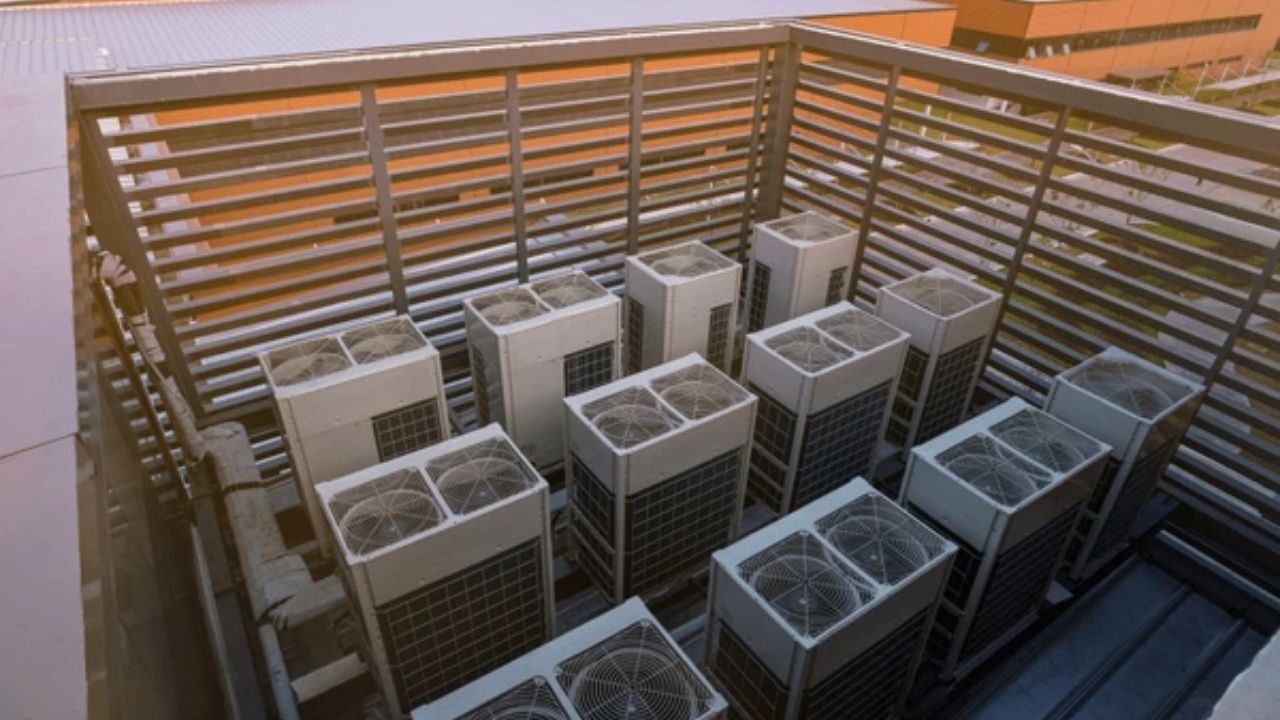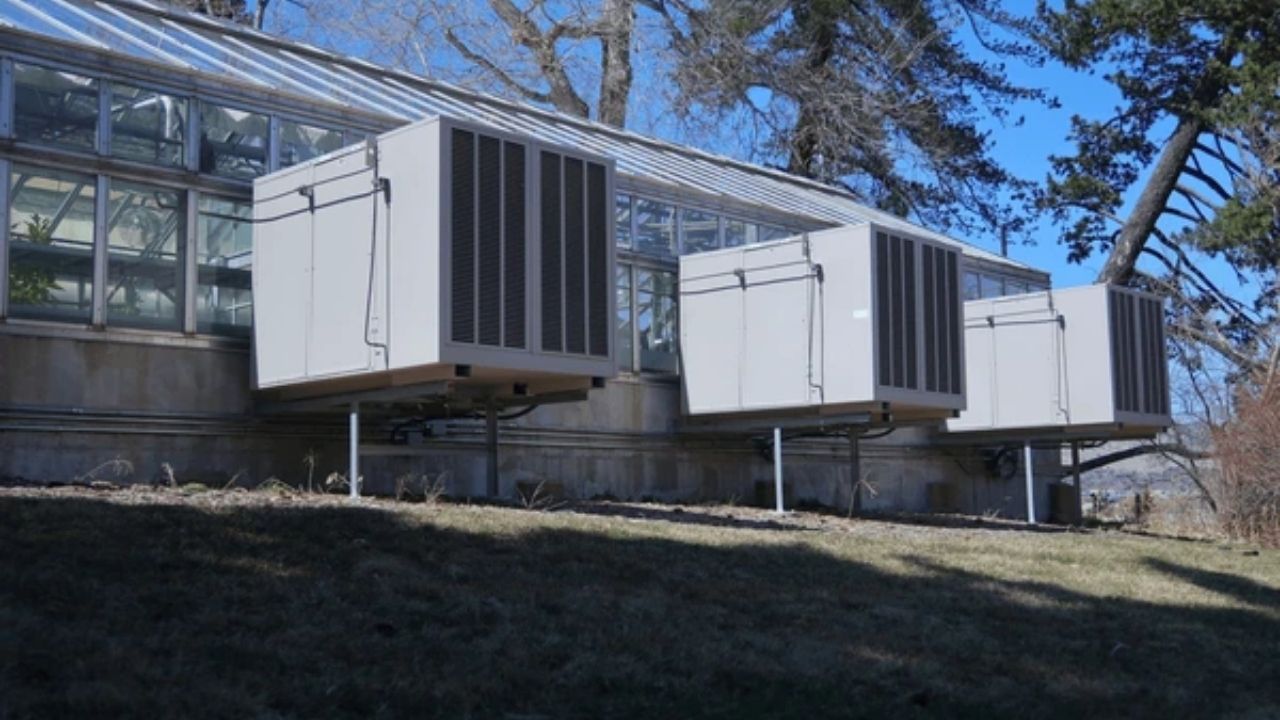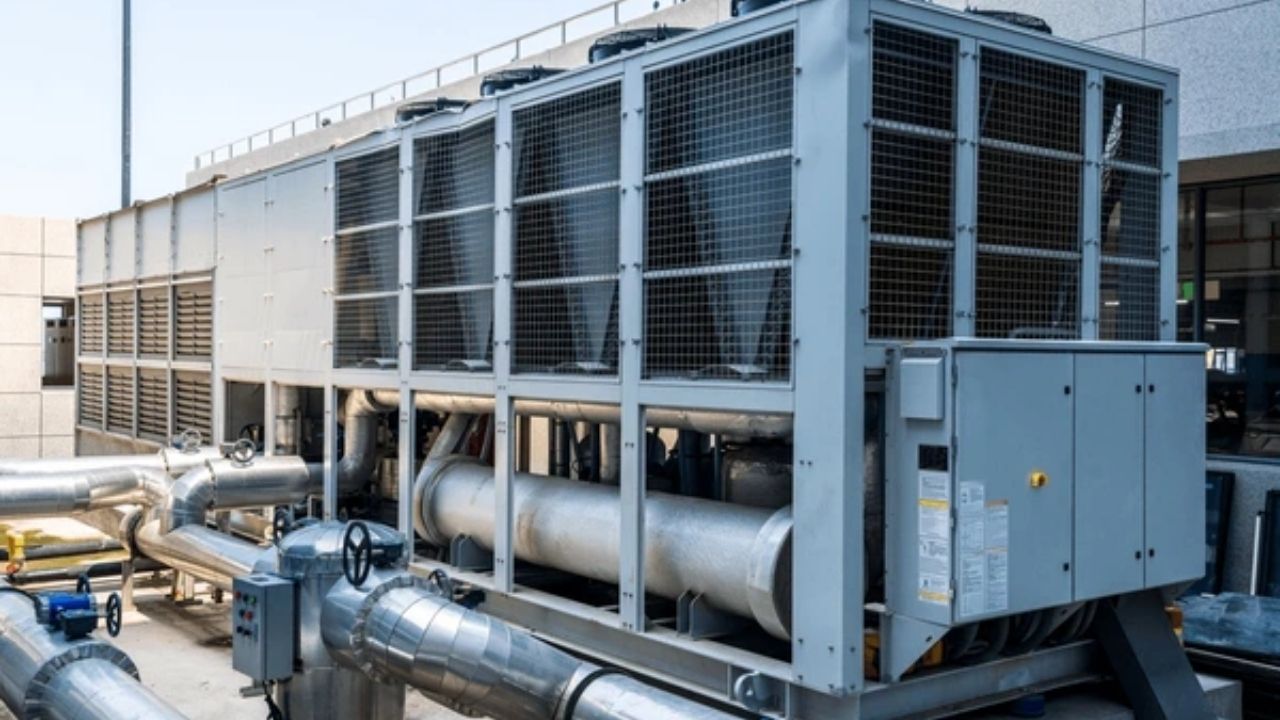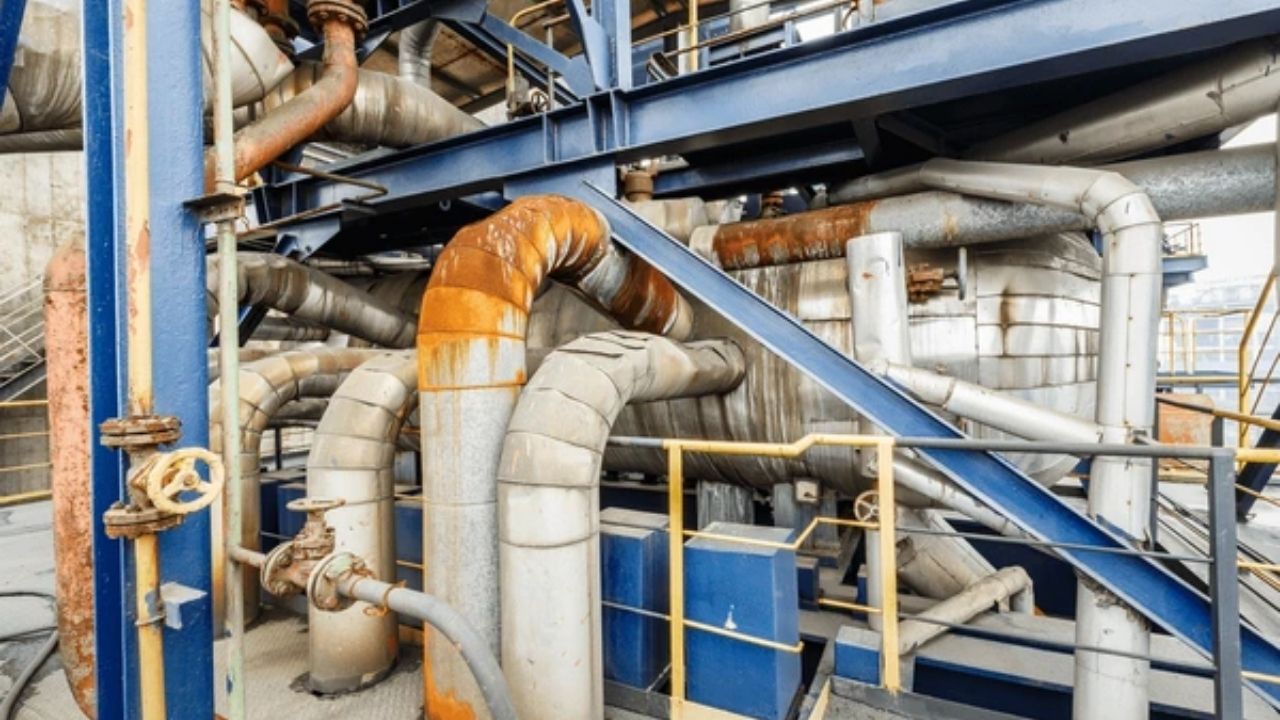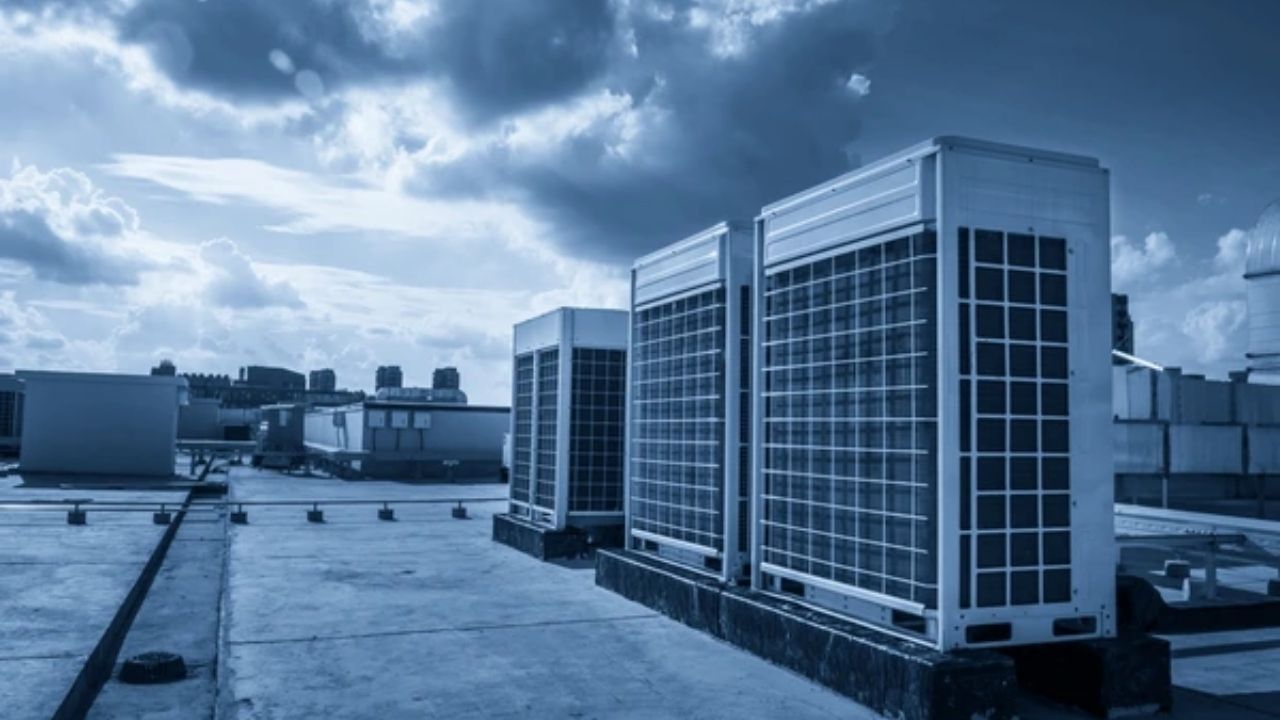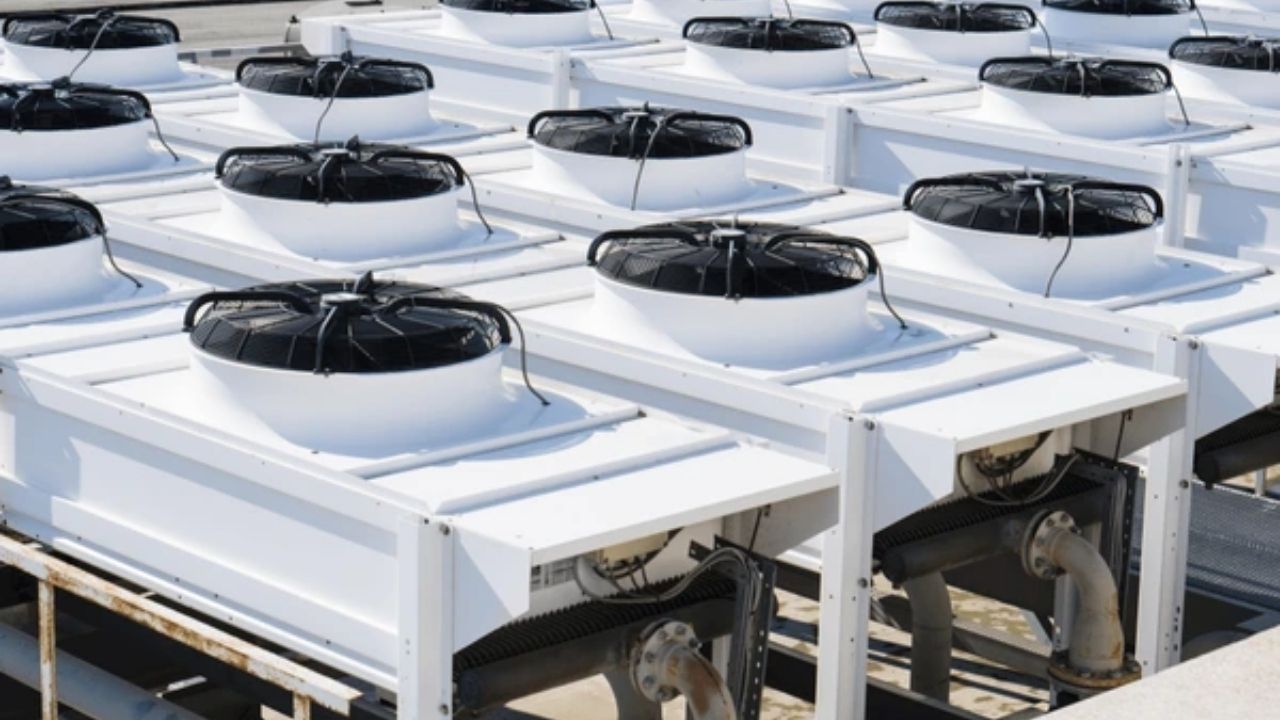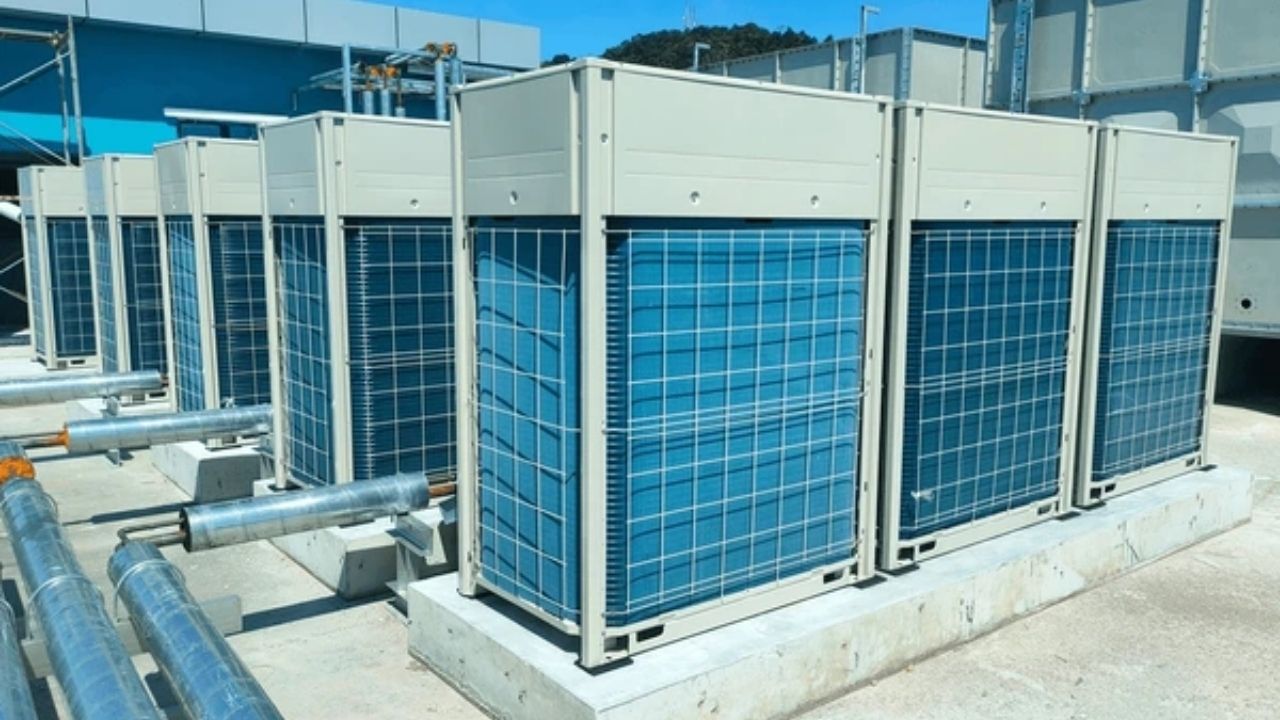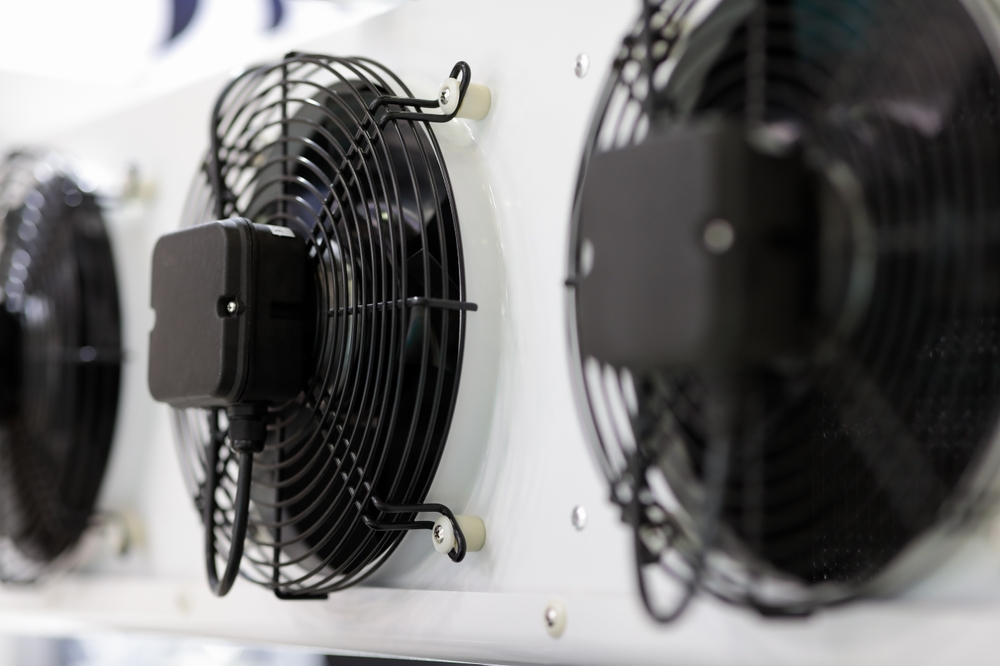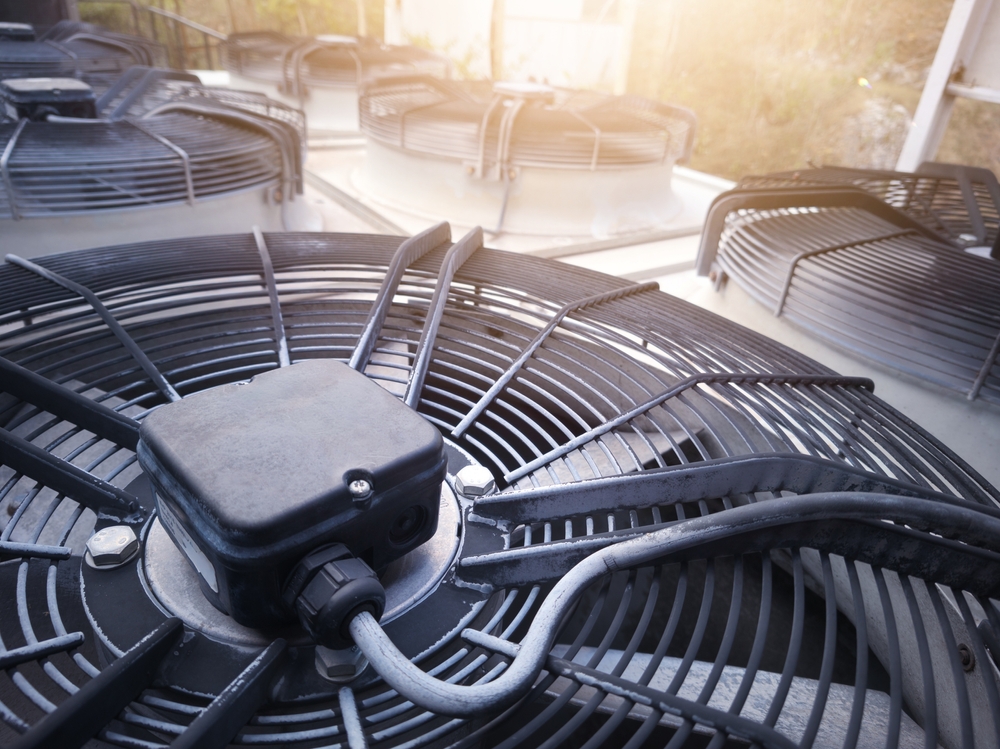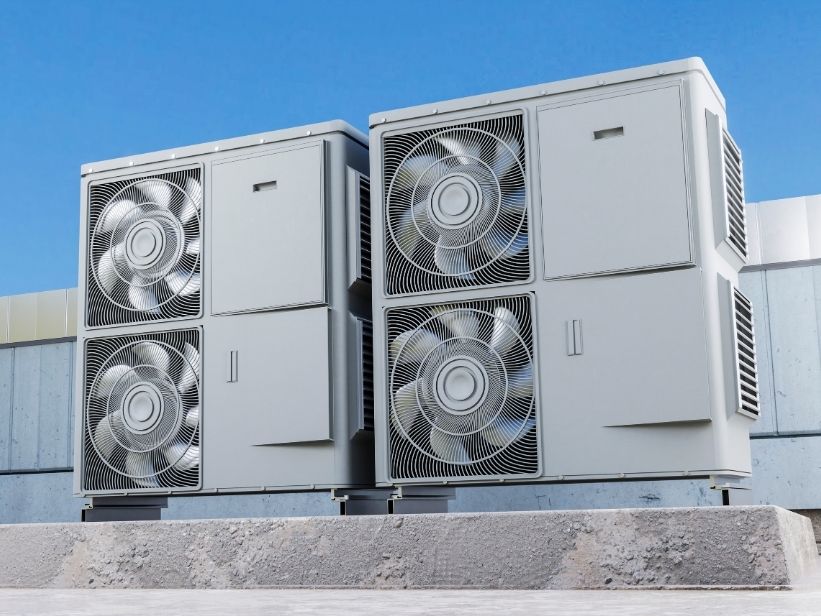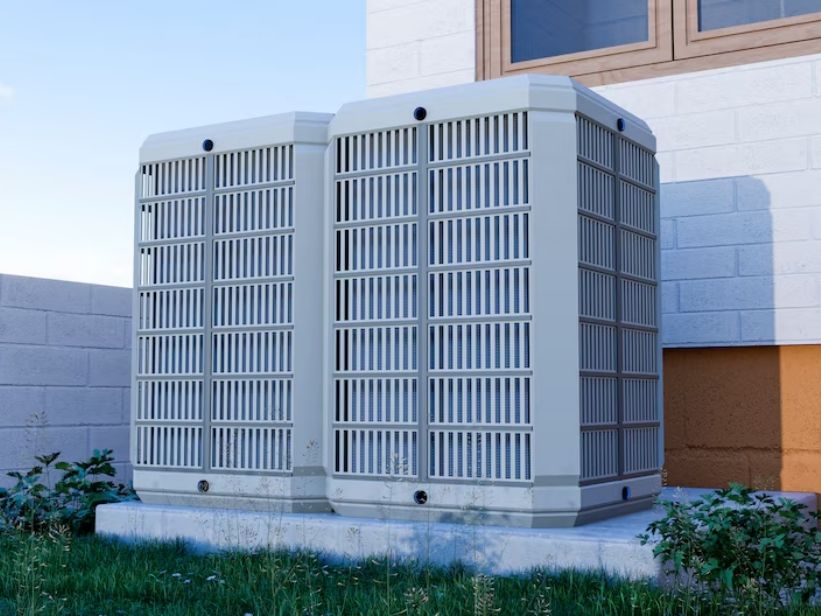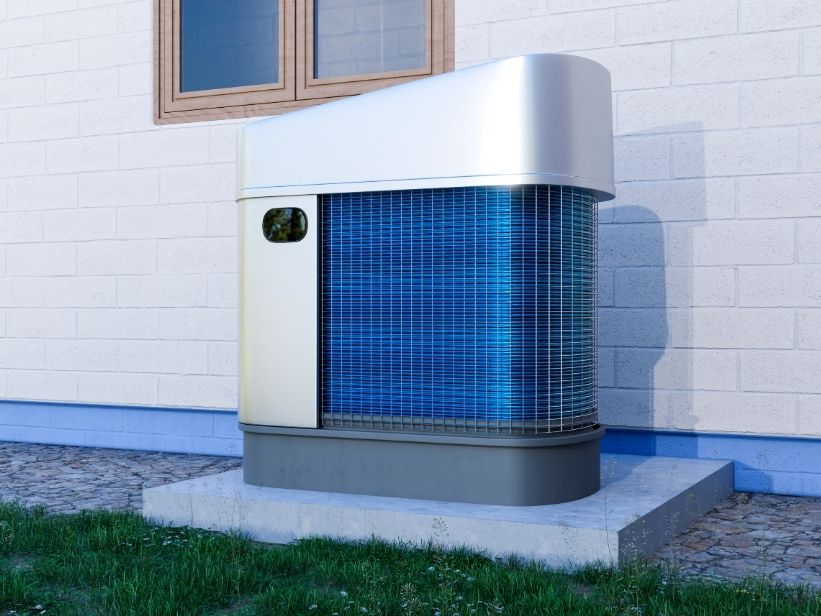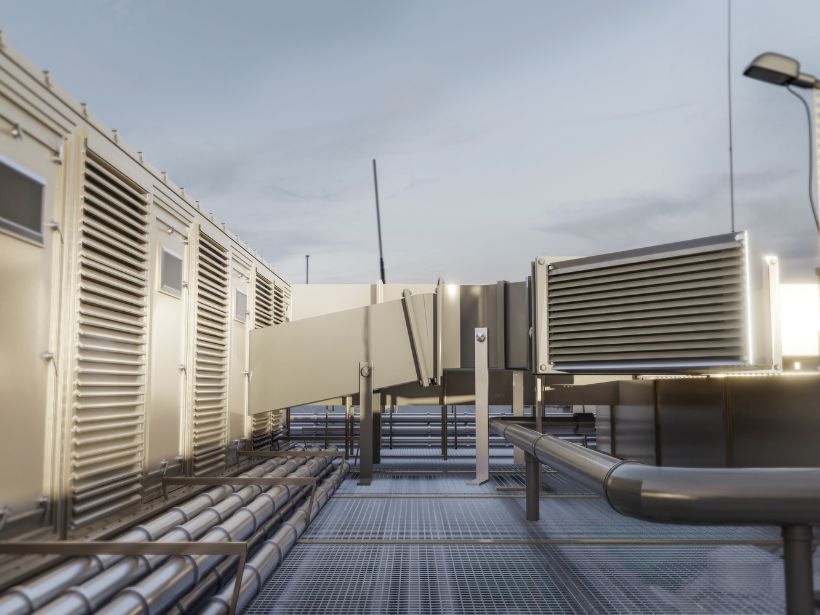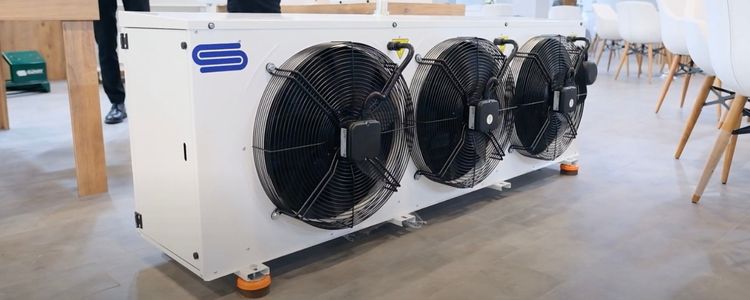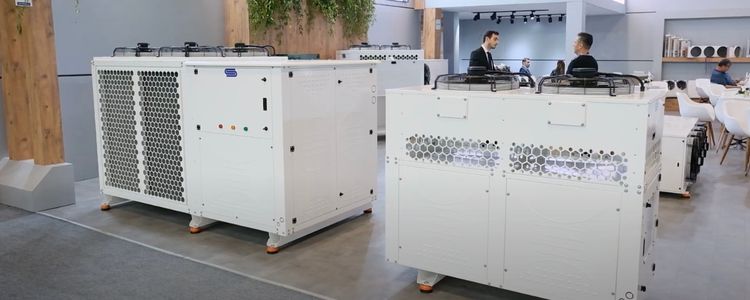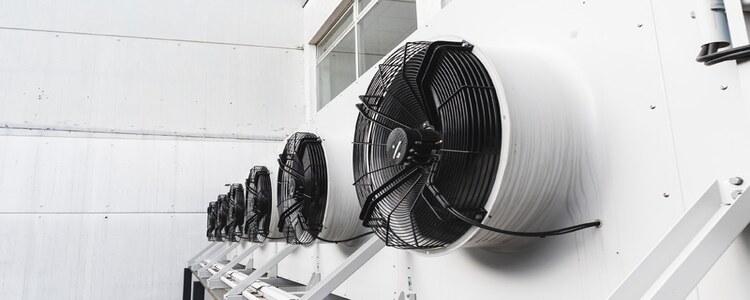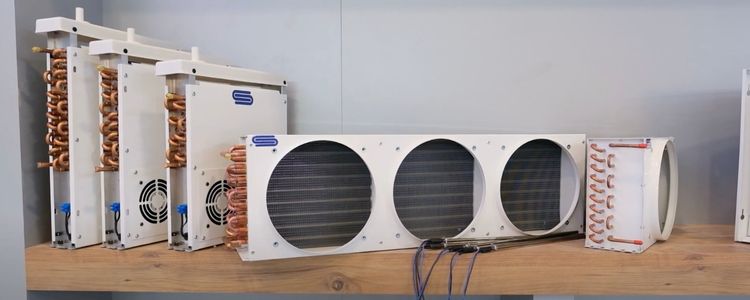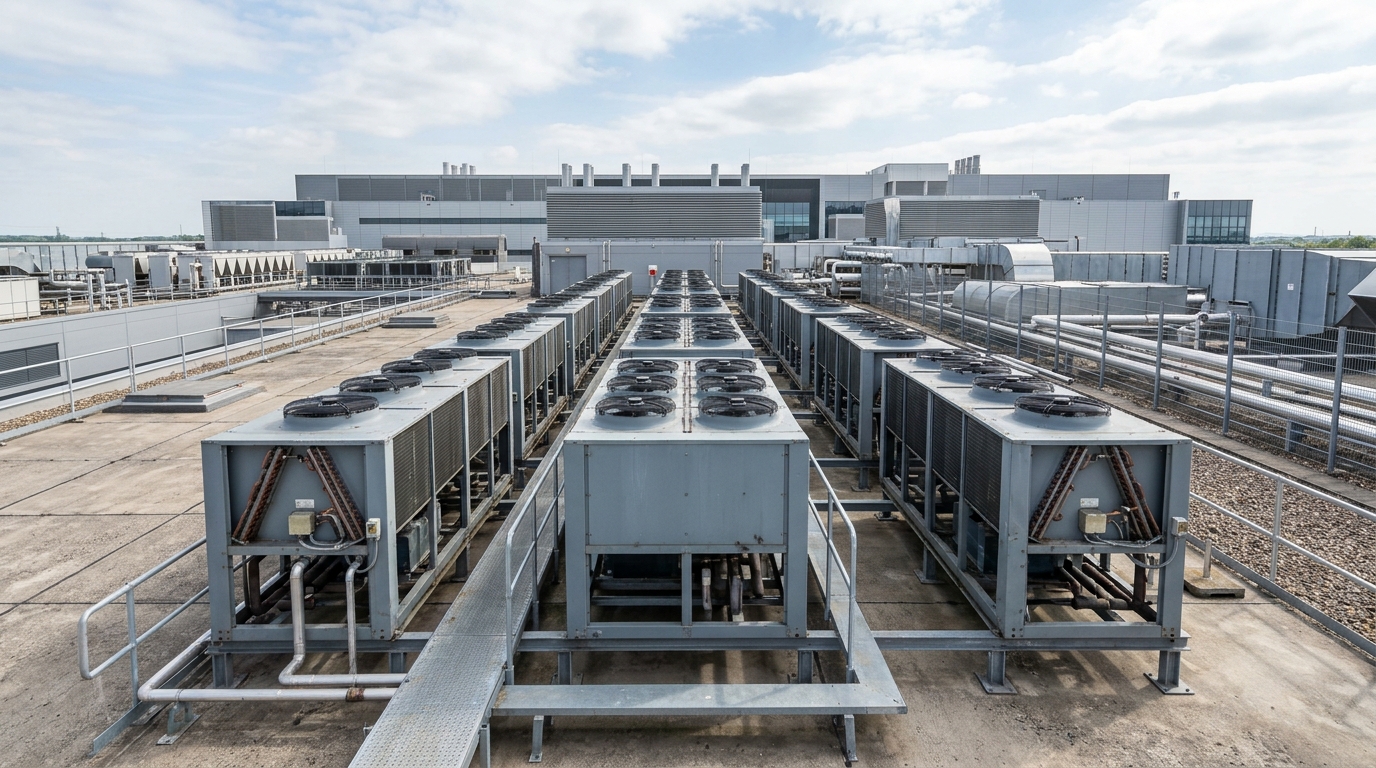
A dry cooler is a water-free heat rejection unit that transfers the heat removed from servers and chiller units in data centers directly to the outside air via a closed-loop fluid. The expectation of uninterrupted operation, rising energy costs and constraints on water resources make the choice on the heat rejection side decisive for the operational success of a data center. In this article, we discuss the role of the dry cooler in the data center, its relationship with free cooling, redundancy and layout issues, maintenance requirements and the points to consider during selection.
Table of Contents
- What Does a Dry Cooler Do in a Data Center?
- How Does a Dry Cooler Contribute to Free Cooling?
- When Is a Dry Cooler Preferred Over a Cooling Tower?
- How Are Redundancy And Uninterrupted Operation Planned?
- Why Are Layout, Noise And Maintenance Important?
- What Should Be Considered When Selecting the Right Dry Cooler for a Data Center?
- Frequently Asked Questions
What Does a Dry Cooler Do in a Data Center?
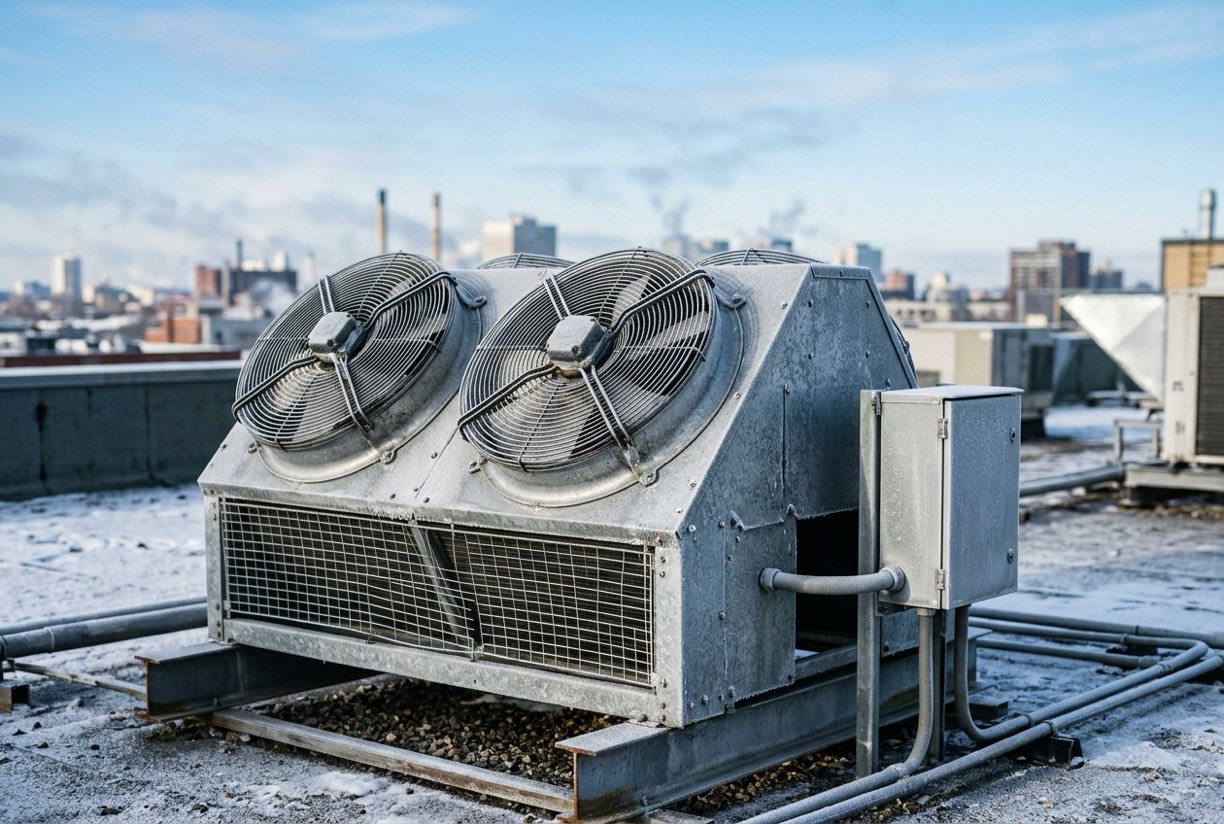
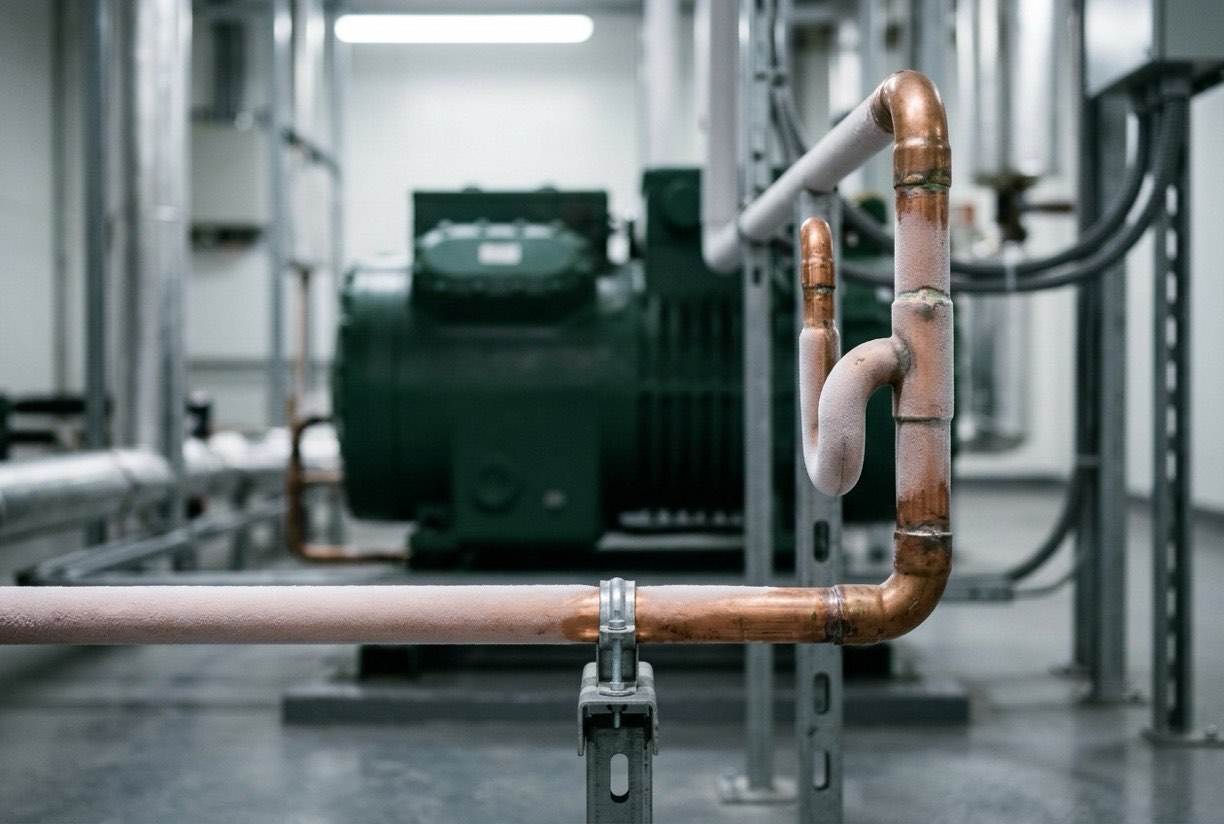
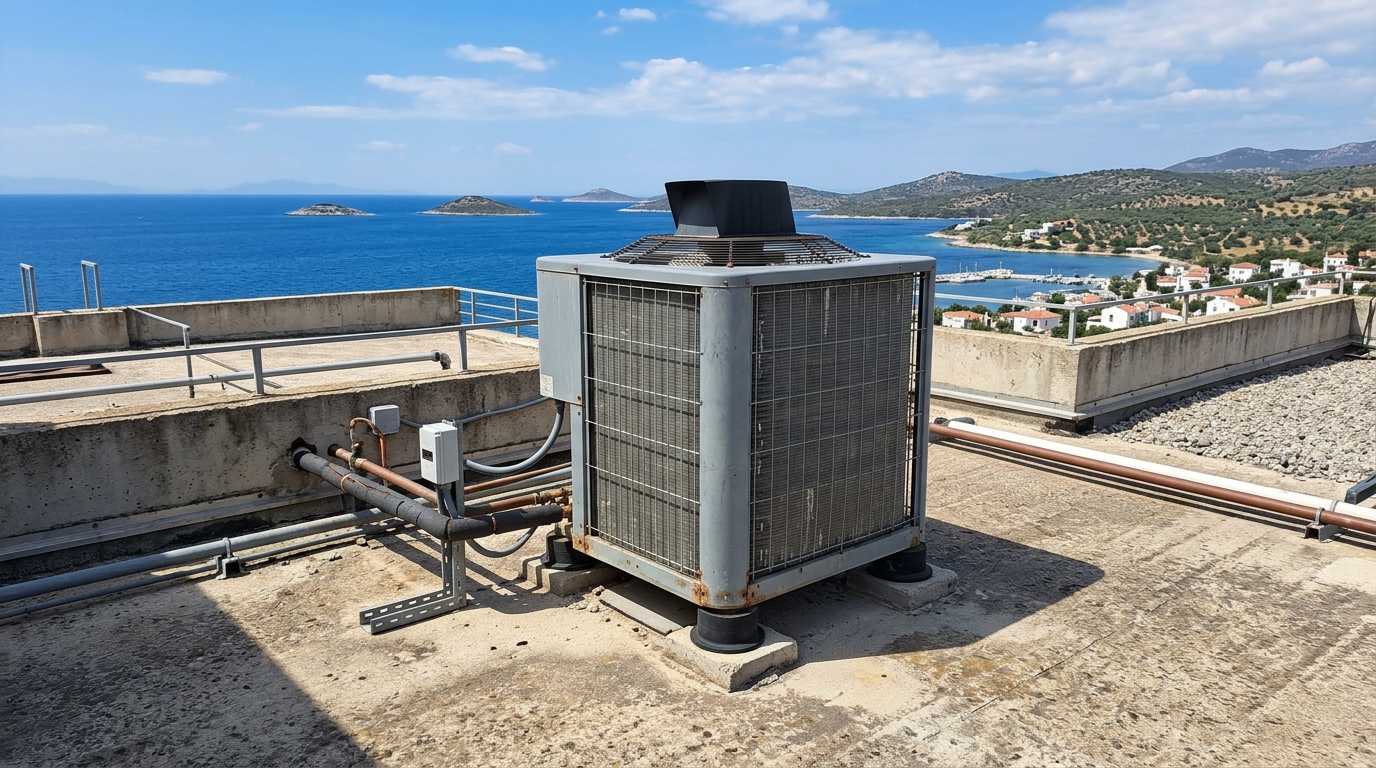
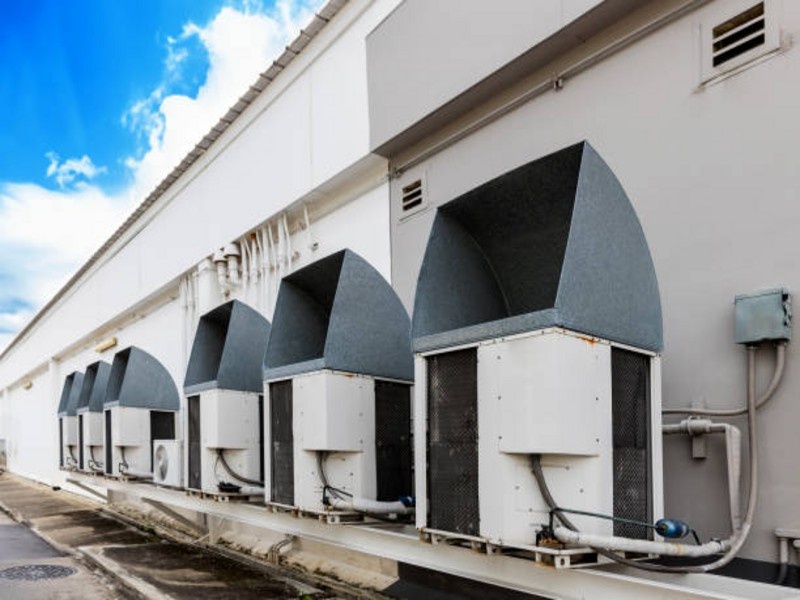
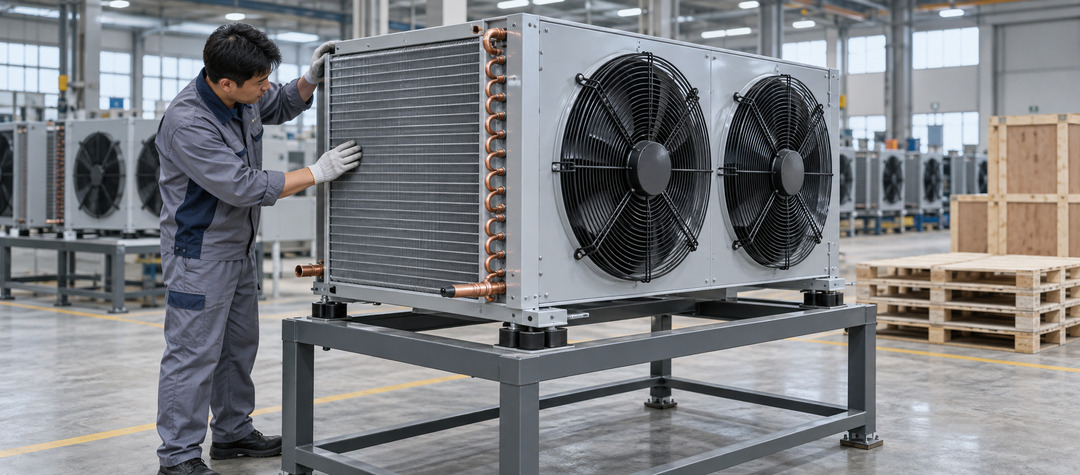
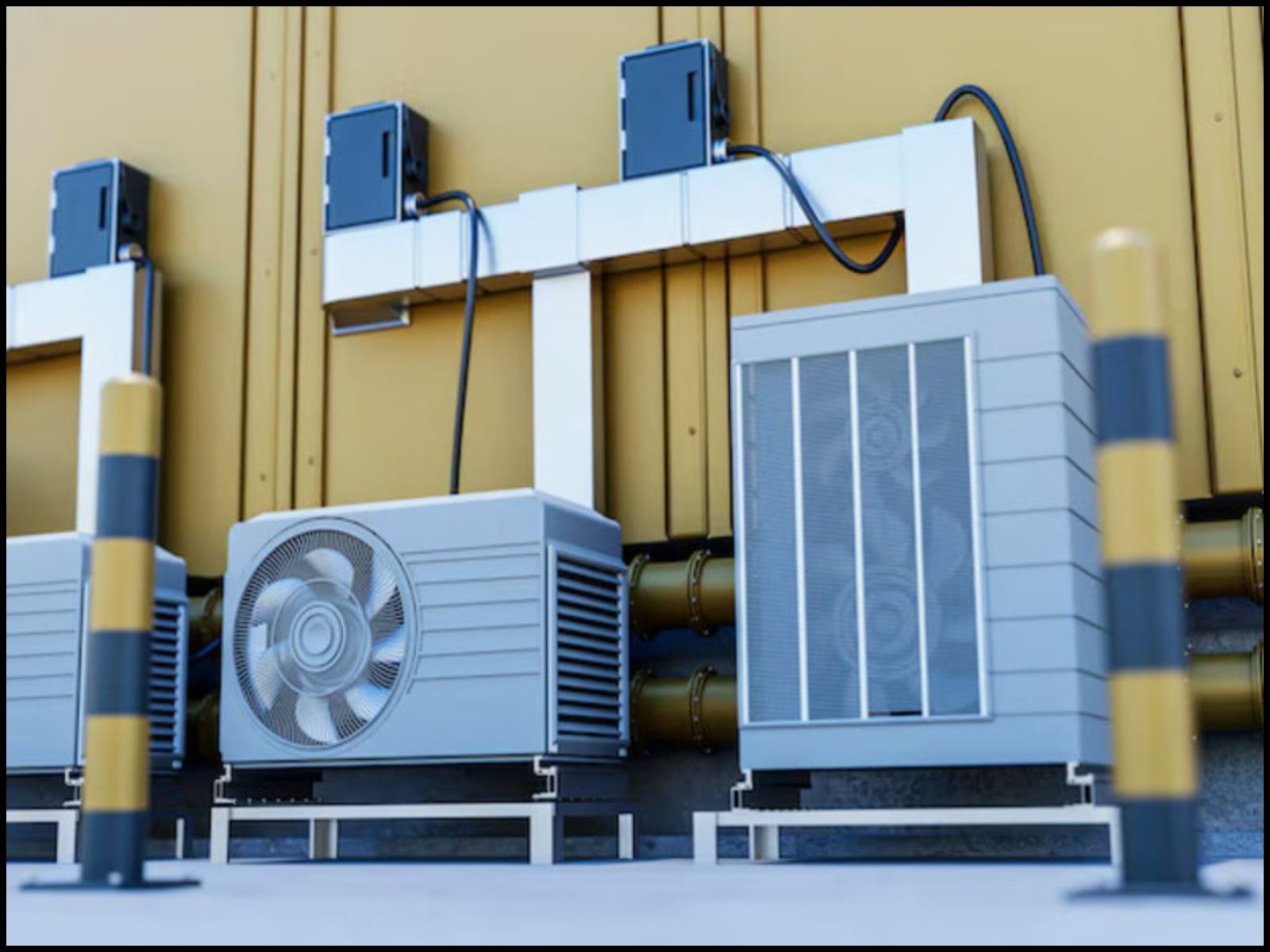
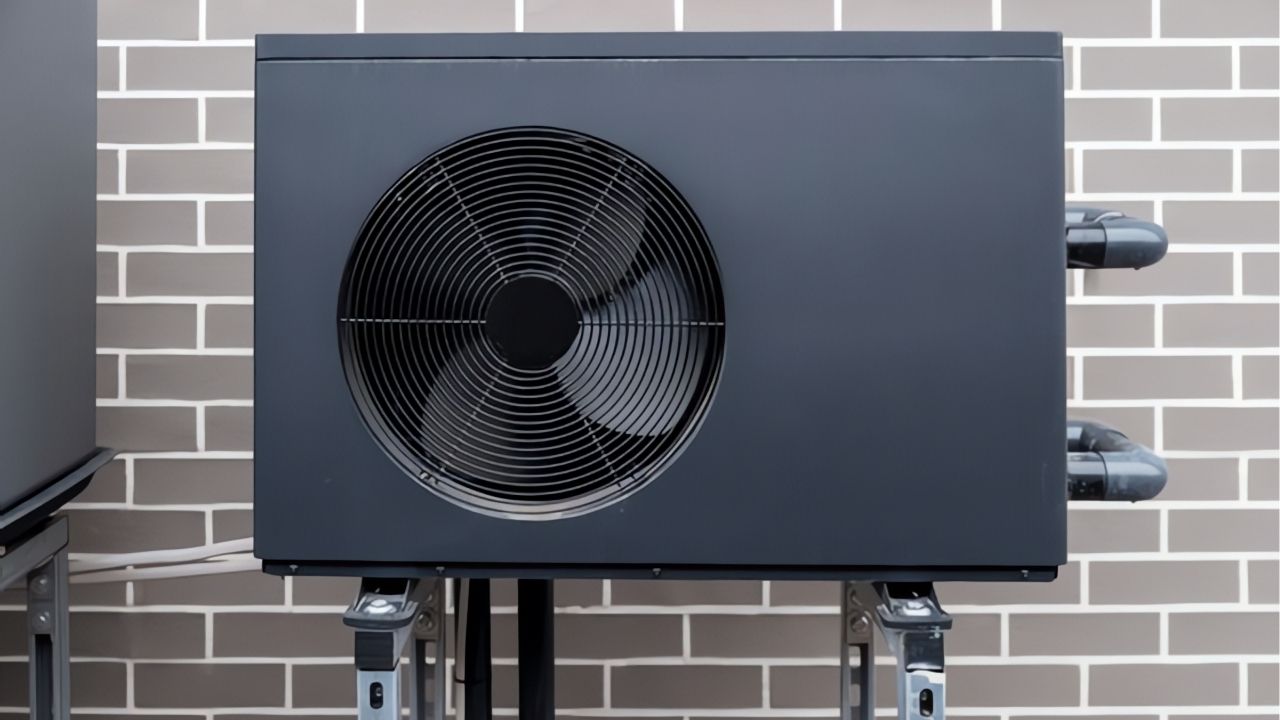
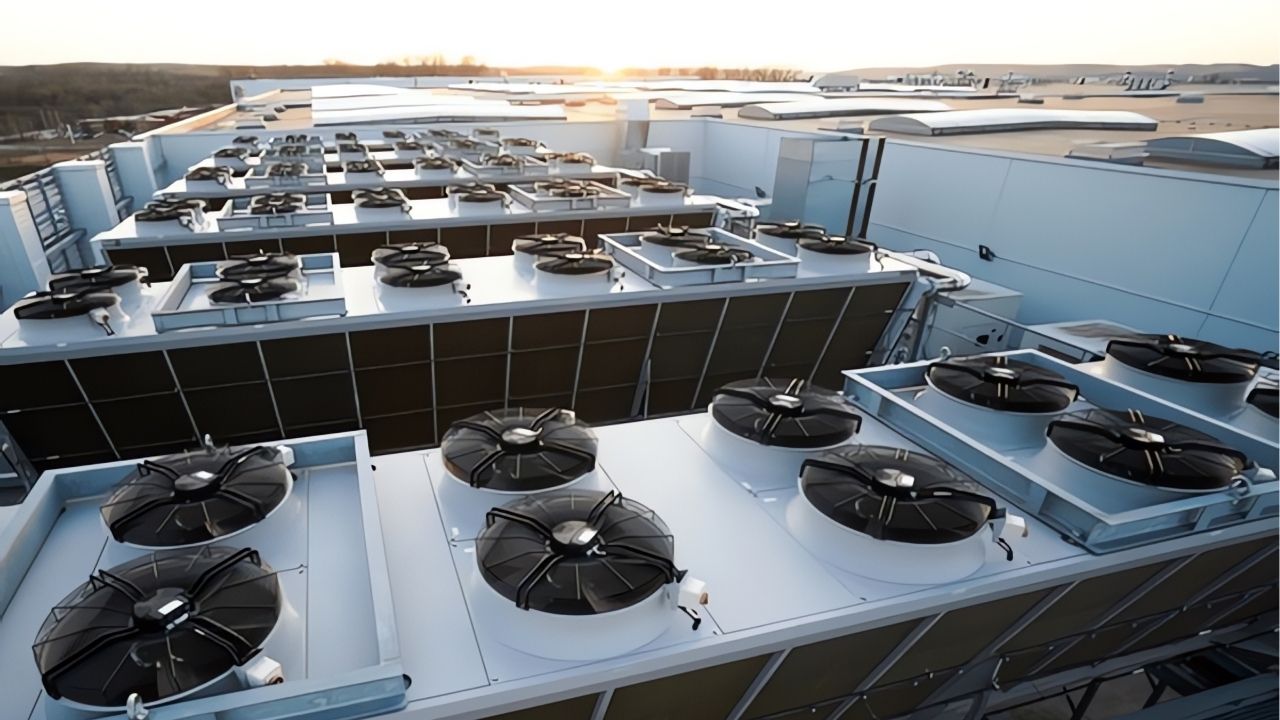
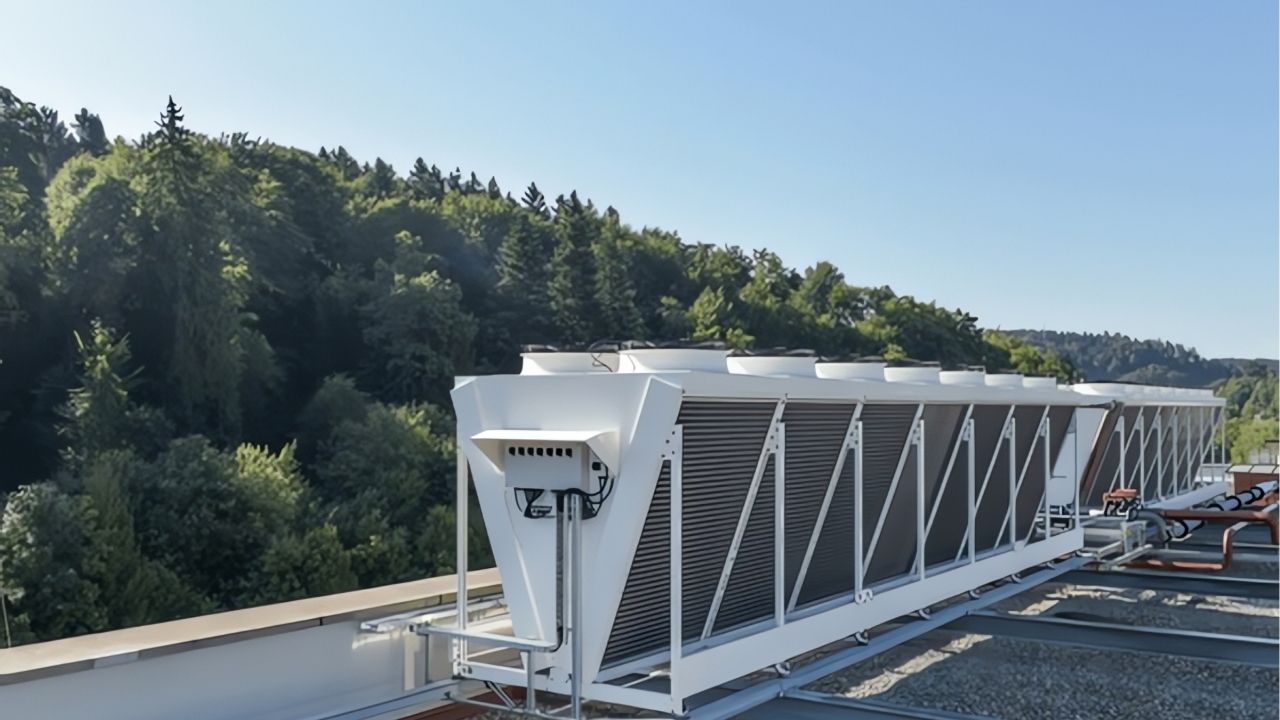
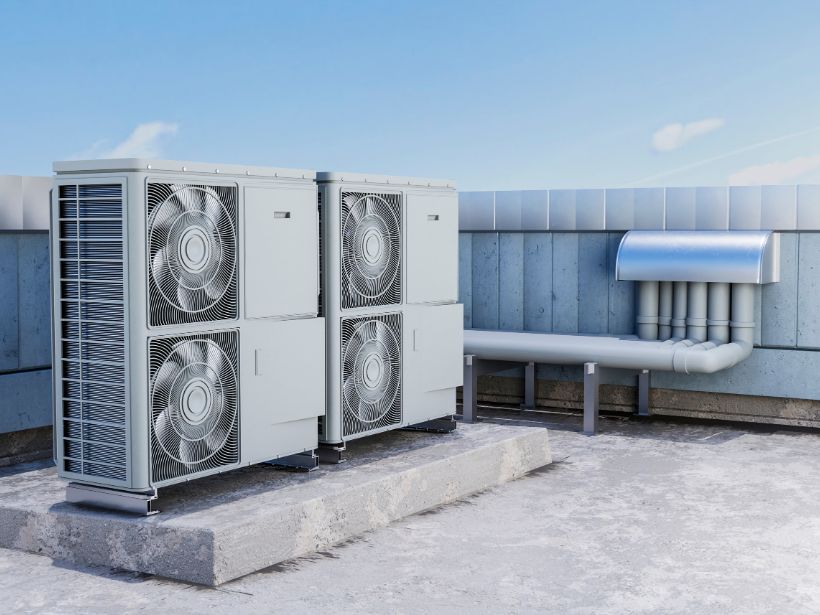
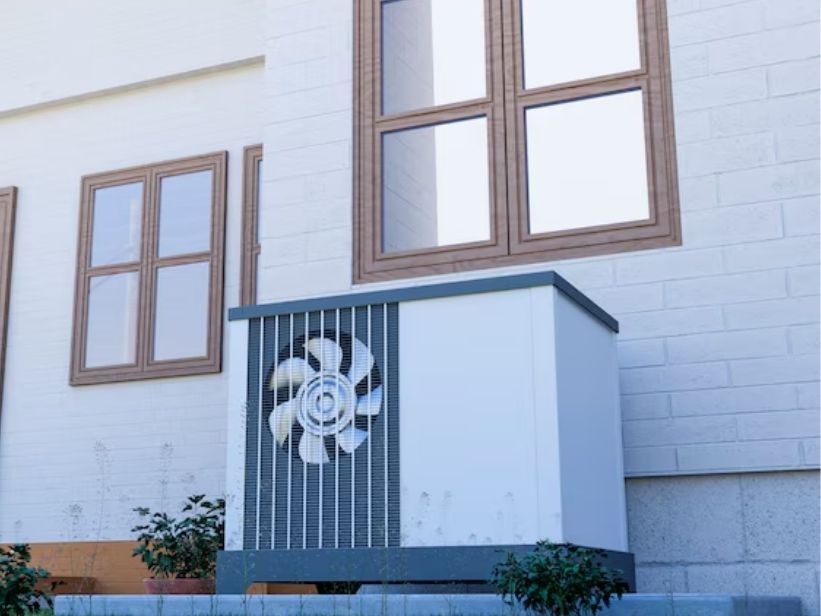
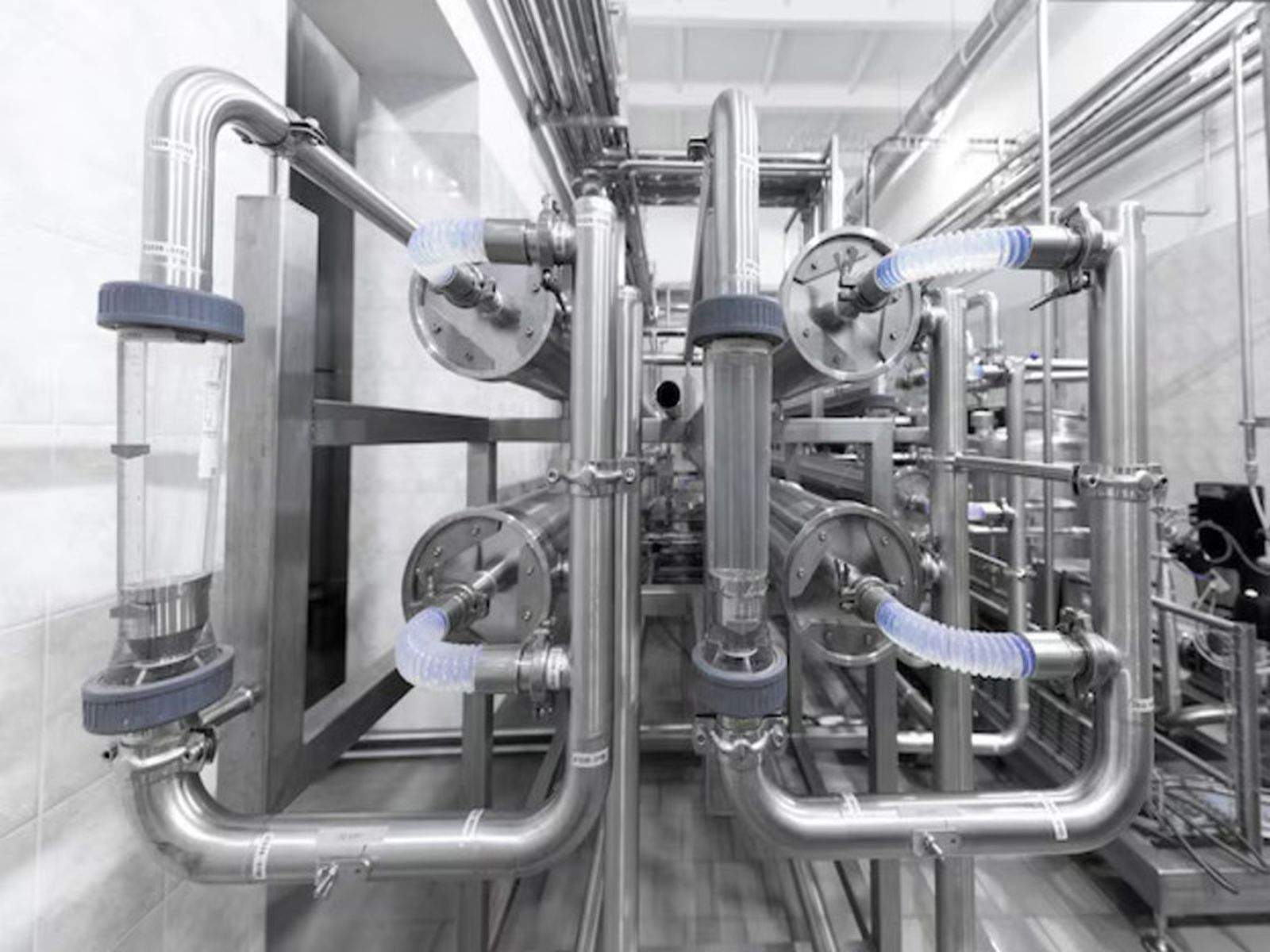
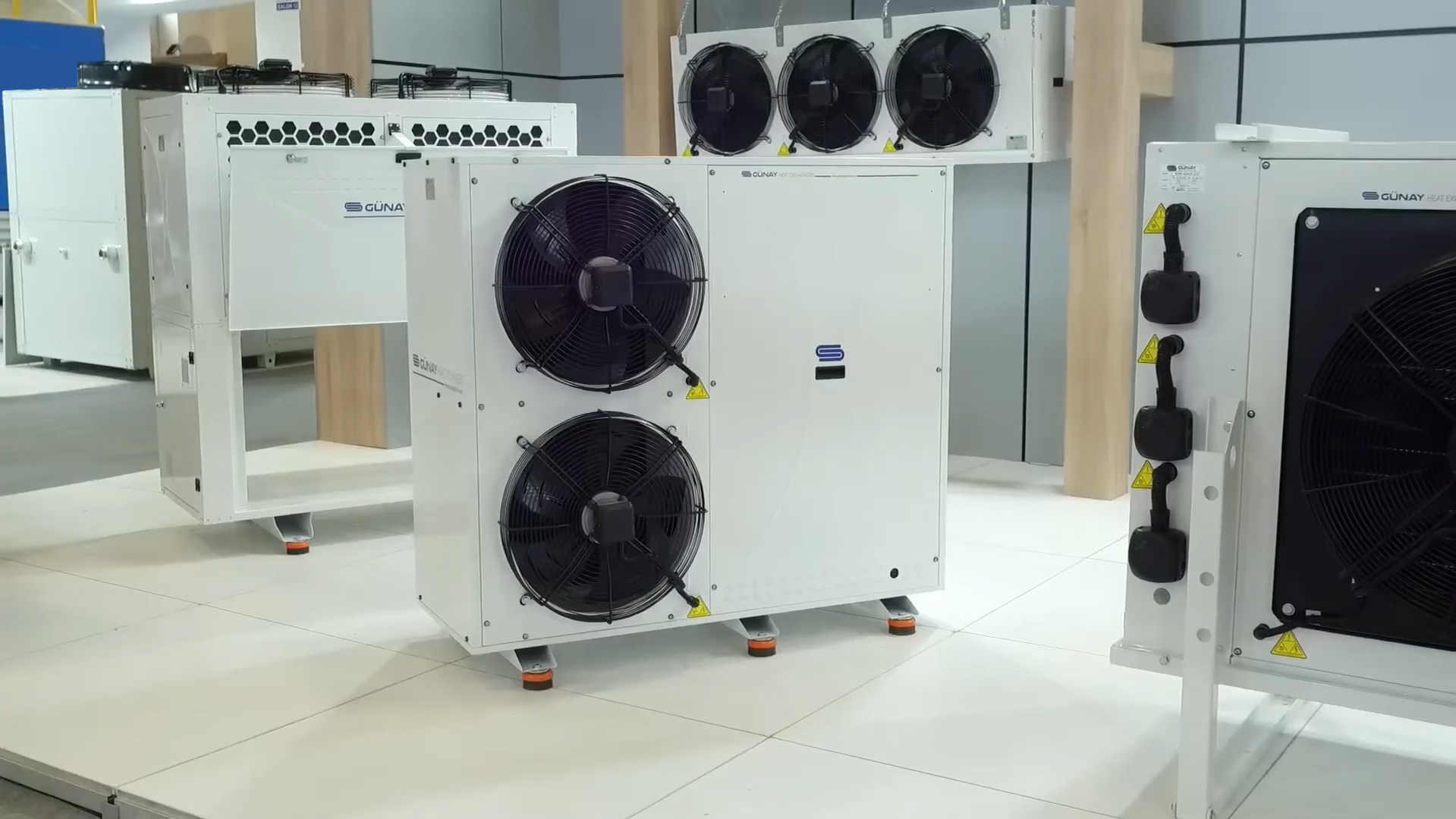
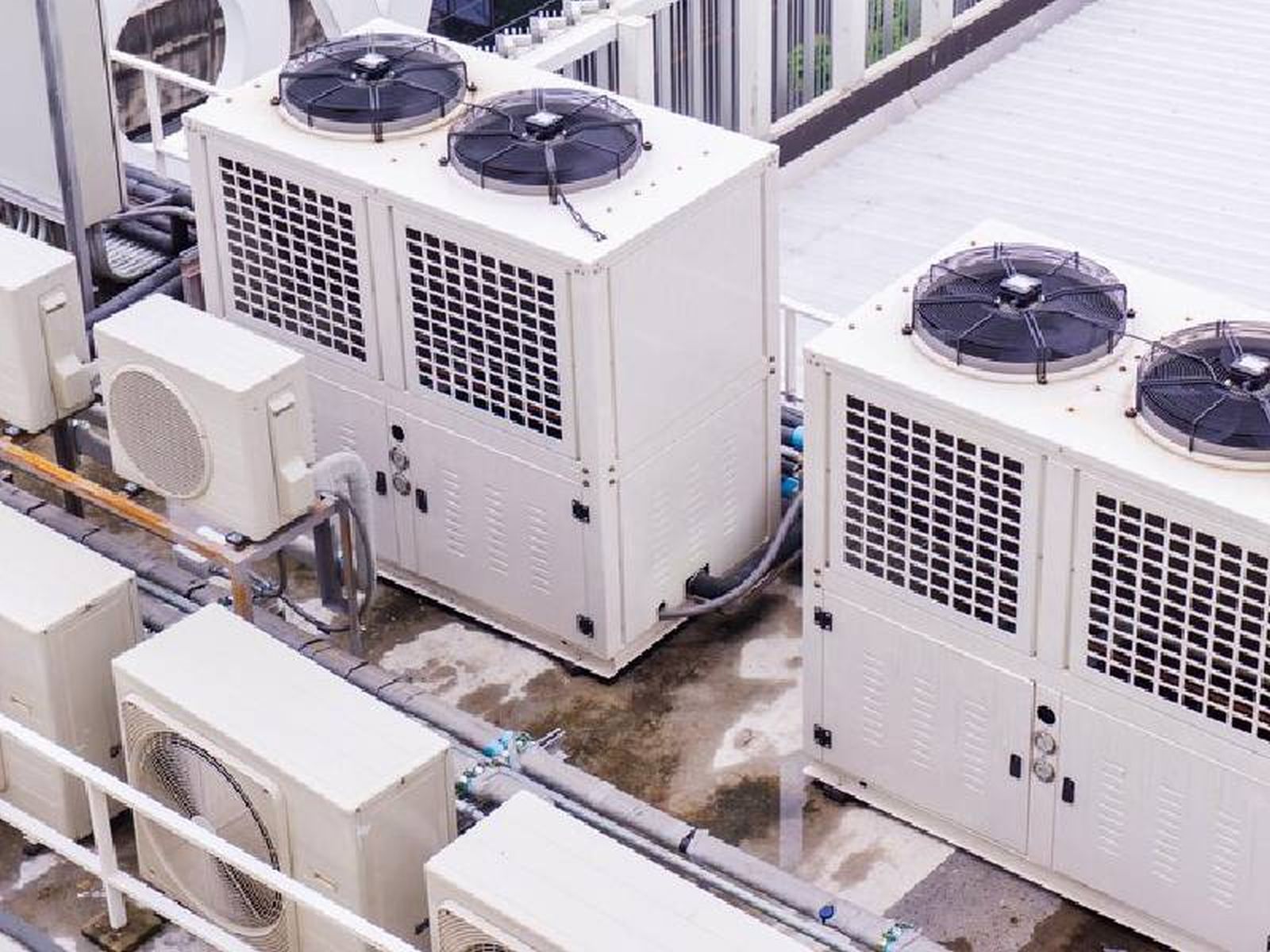
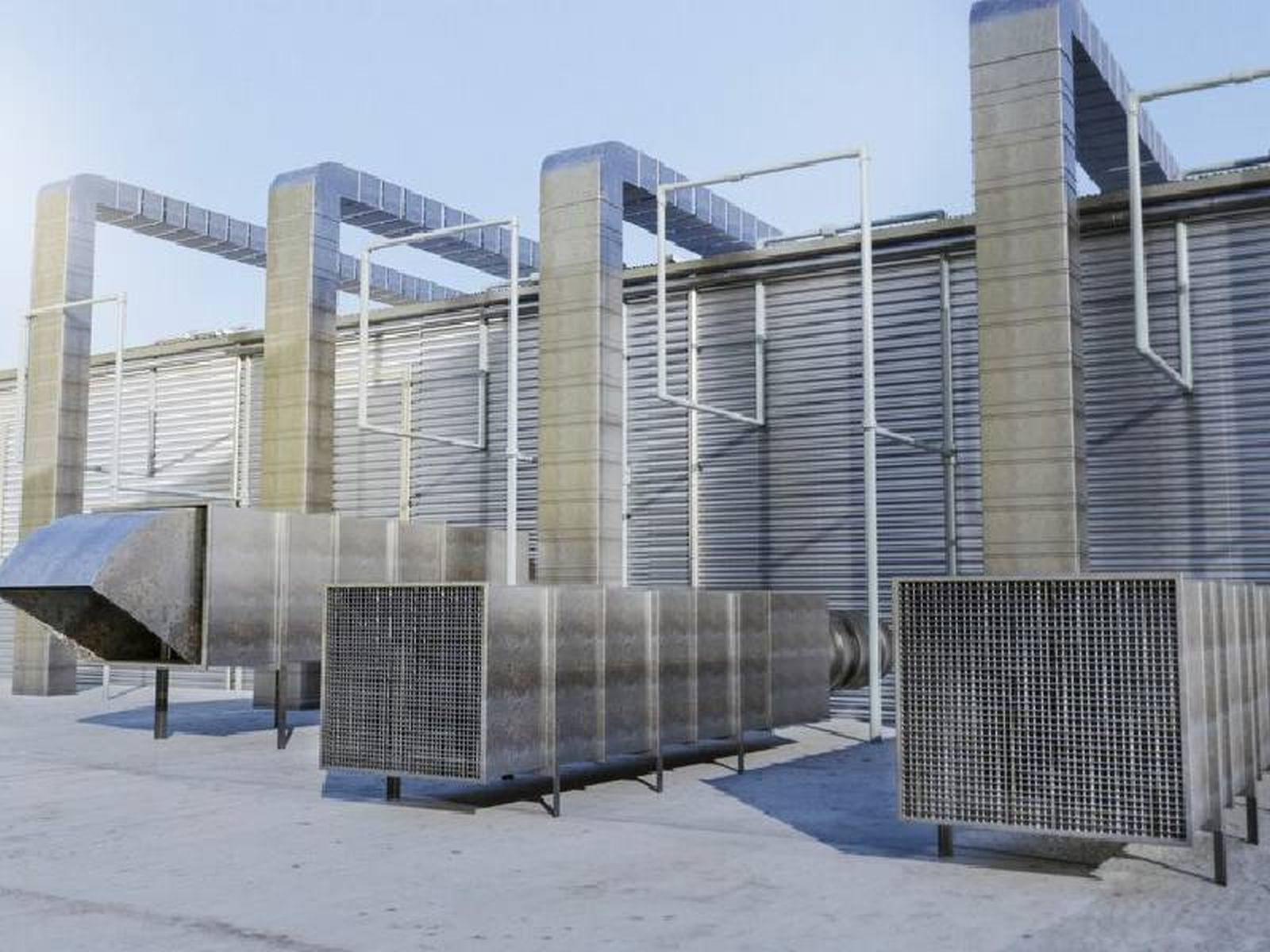
In a data center, a dry cooler rejects the heat coming from the chiller condenser or directly from the liquid cooling circuit to the outside air with the help of fans, bringing the fluid in the circuit back to a reusable temperature. In this closed circuit, in which a water–glycol mixture usually circulates, the fluid does not come into contact with the outside environment, so the risk of water loss and contamination is lower than in open systems.
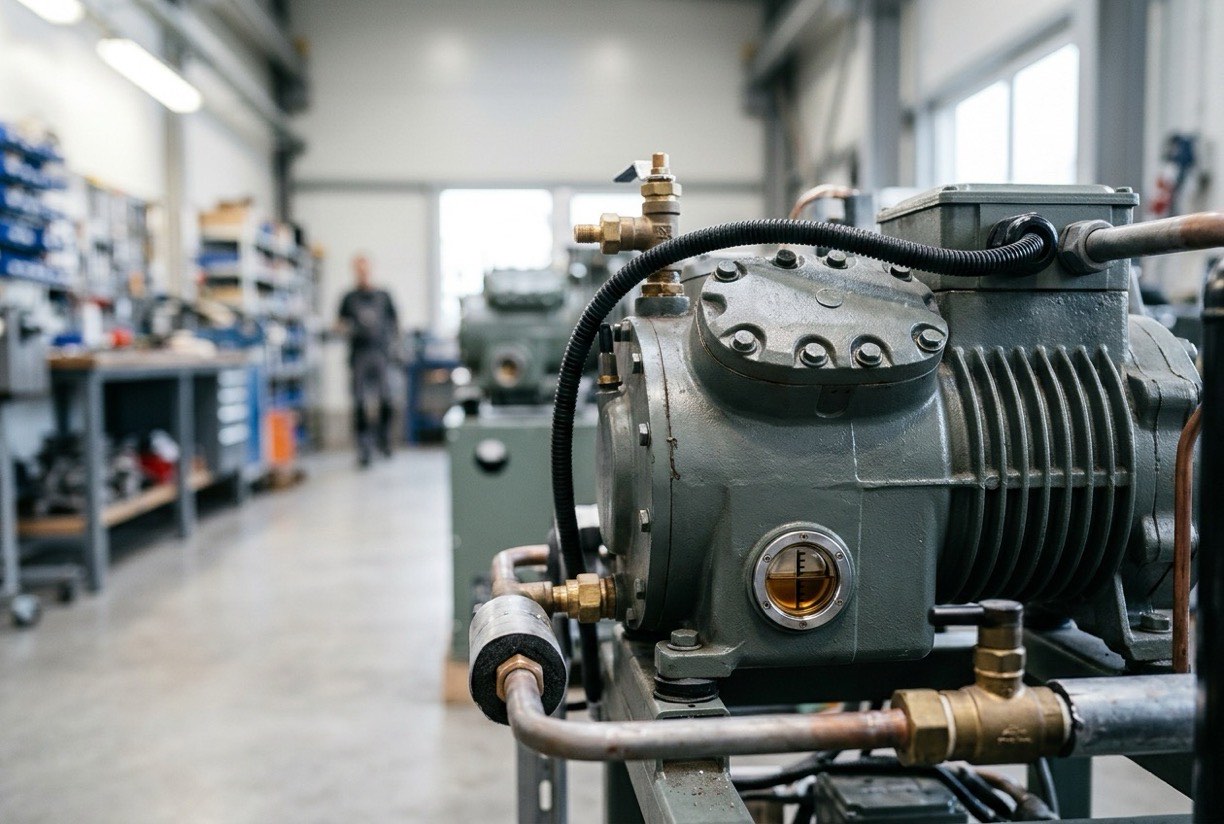
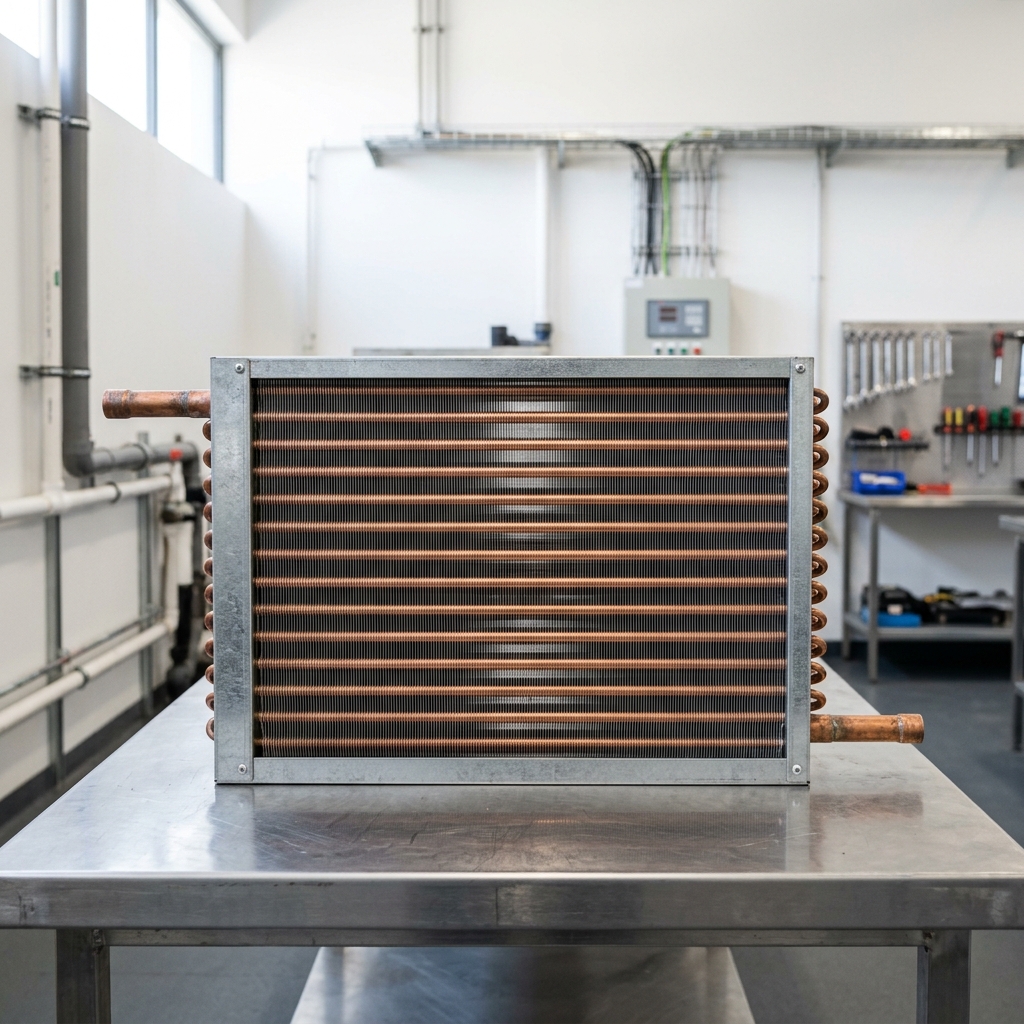
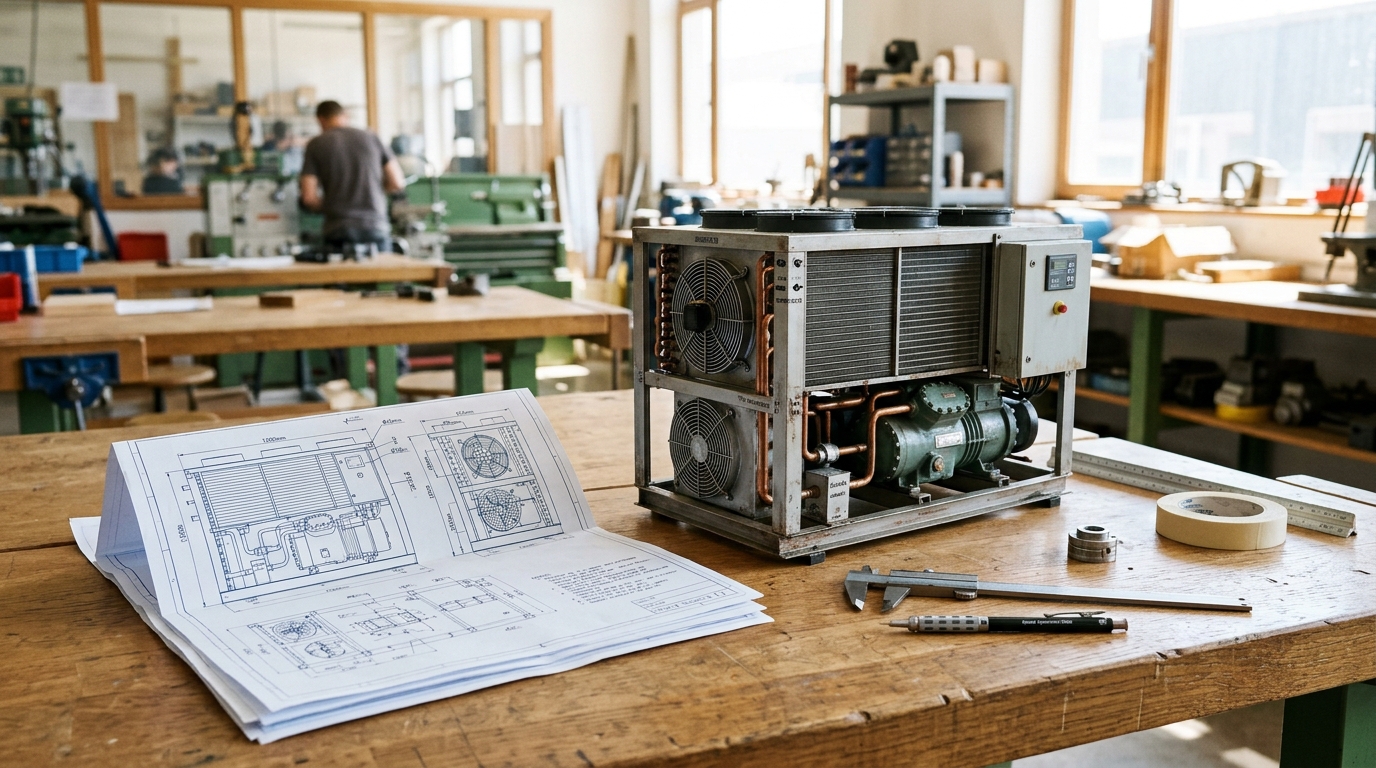
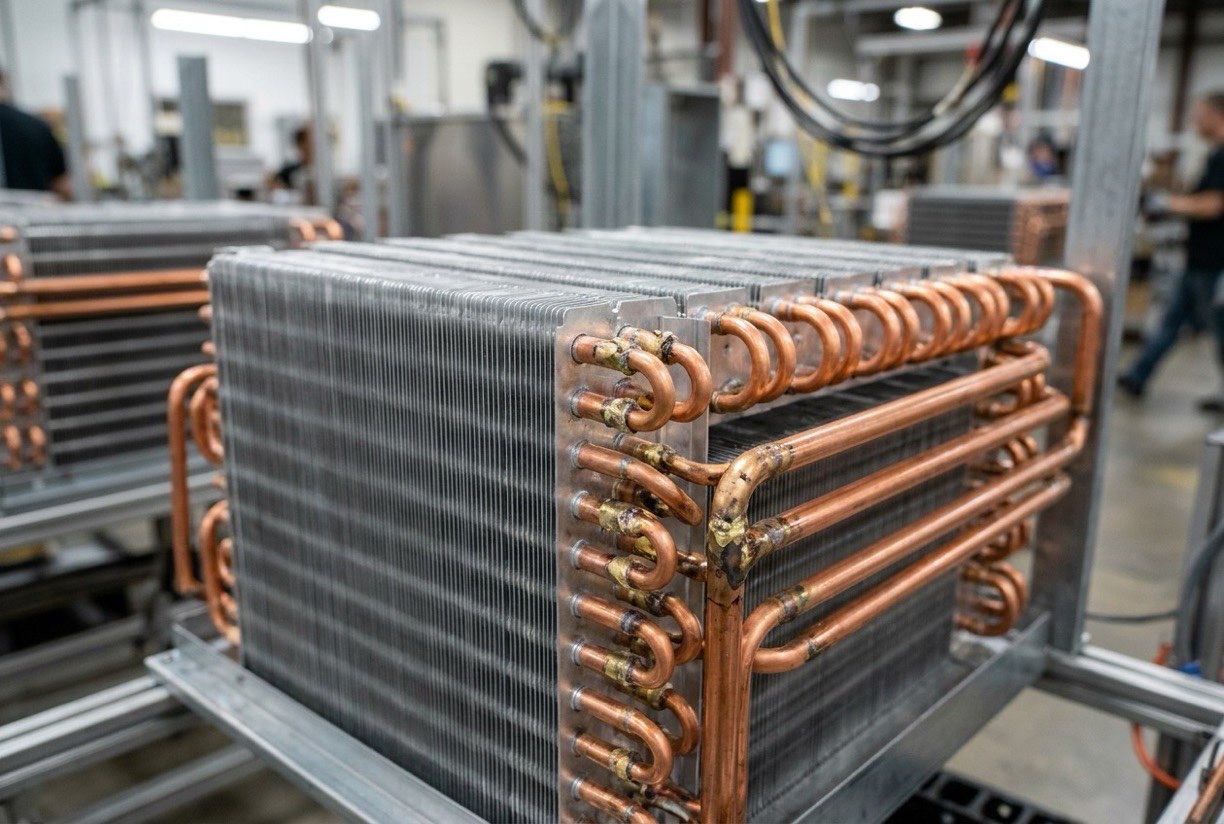
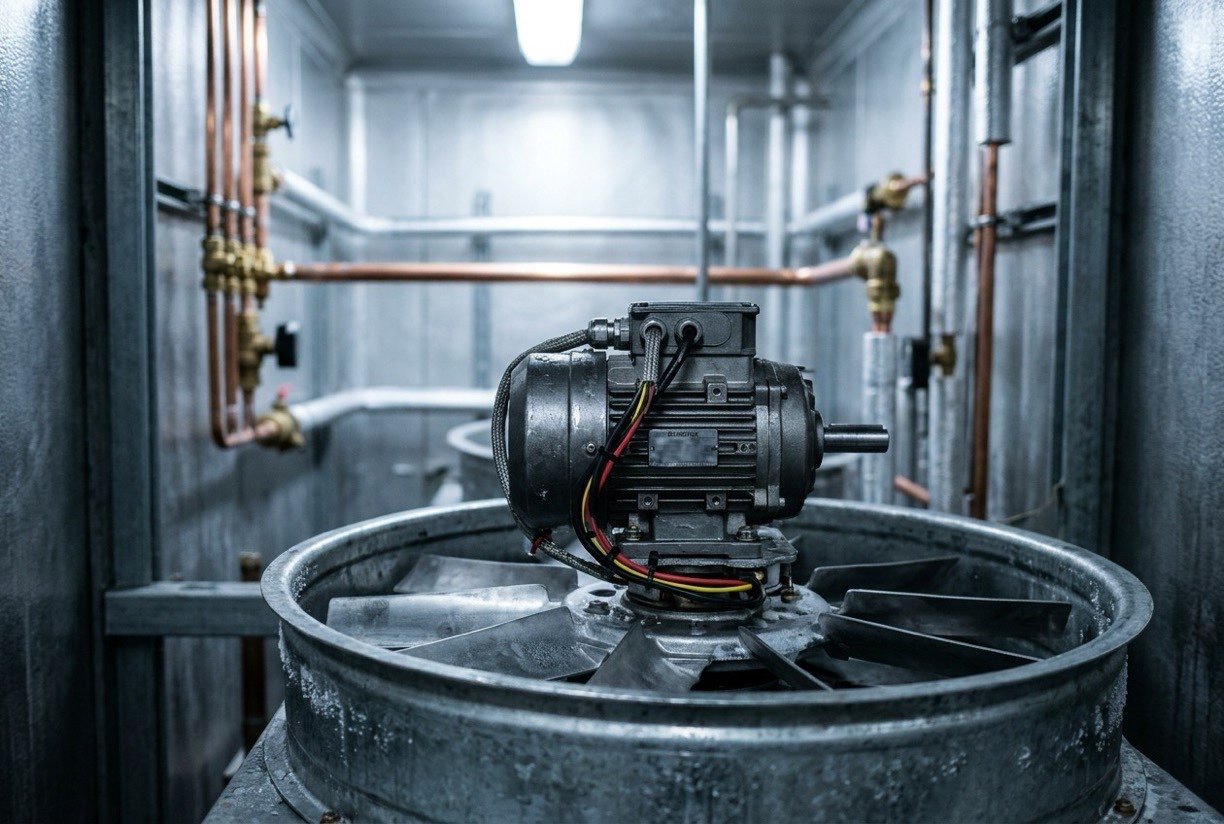
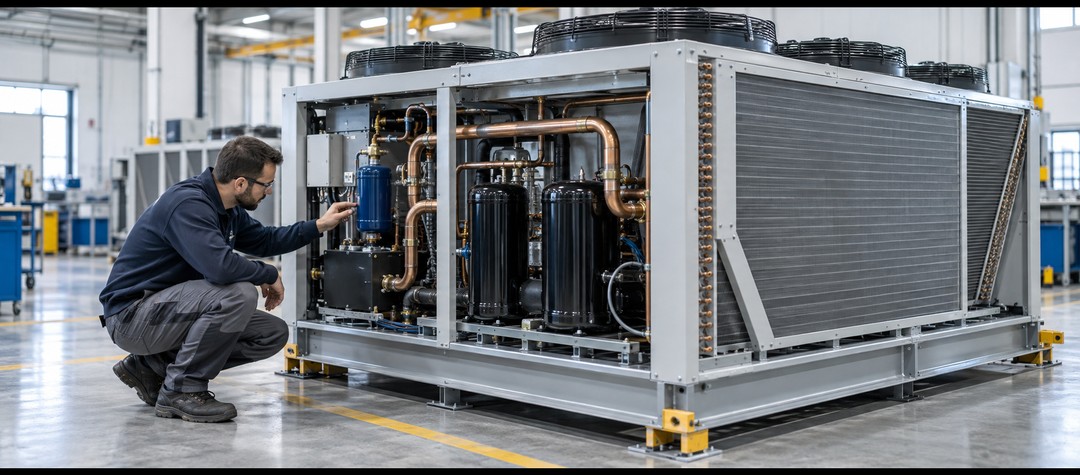
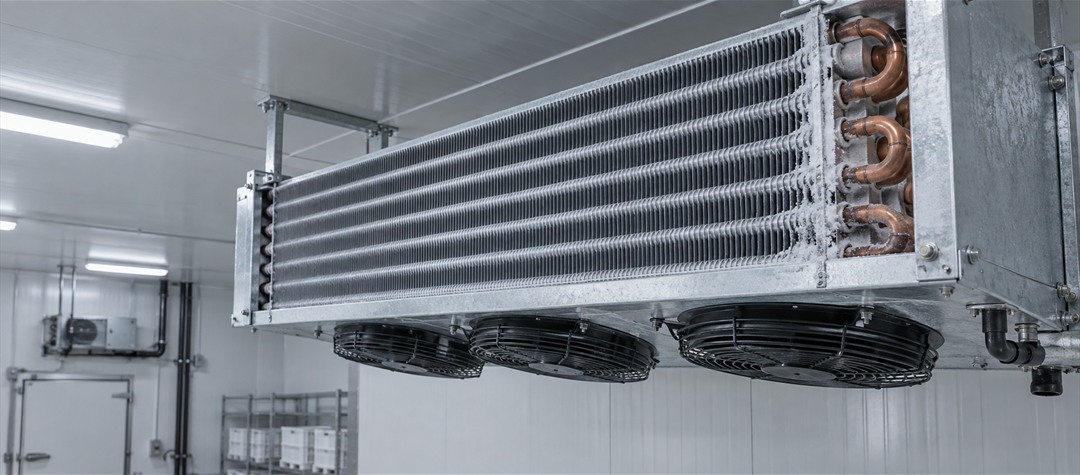
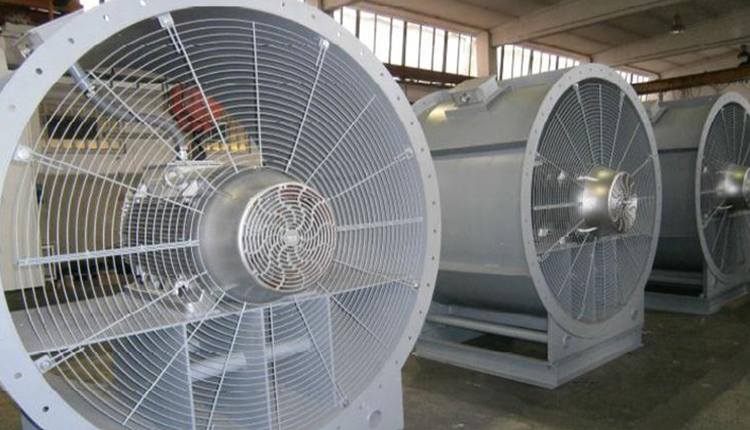
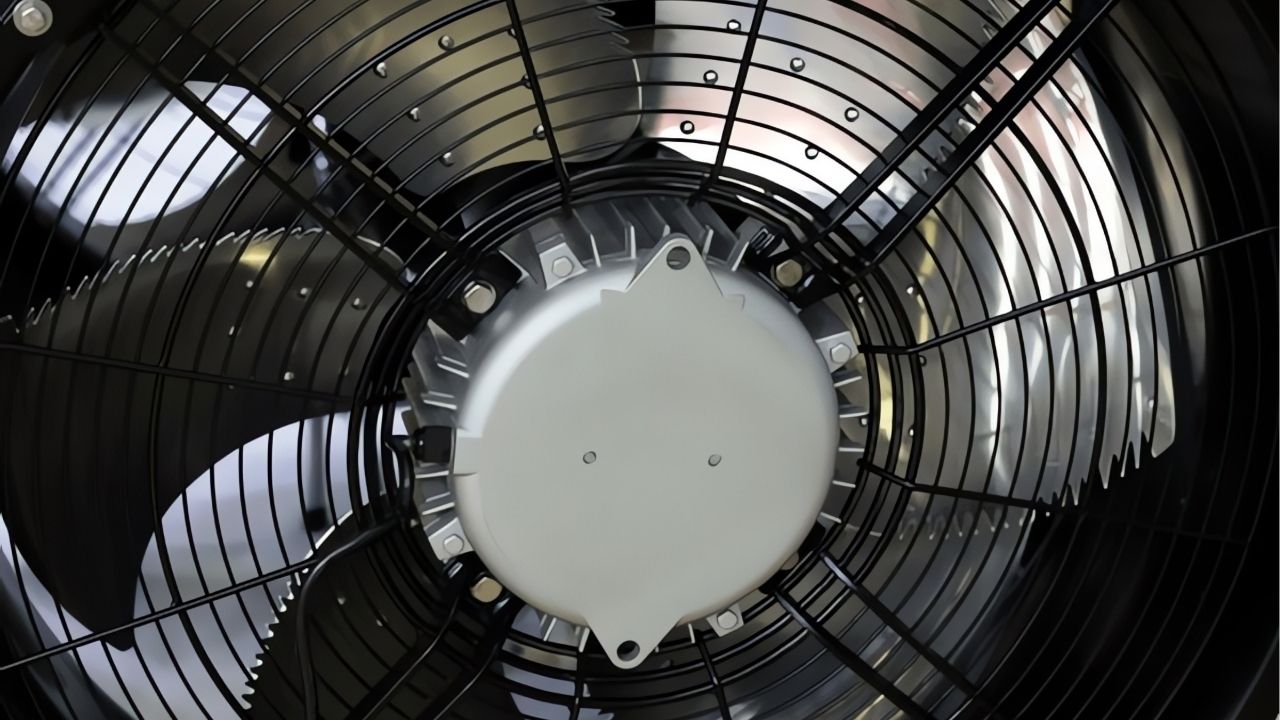
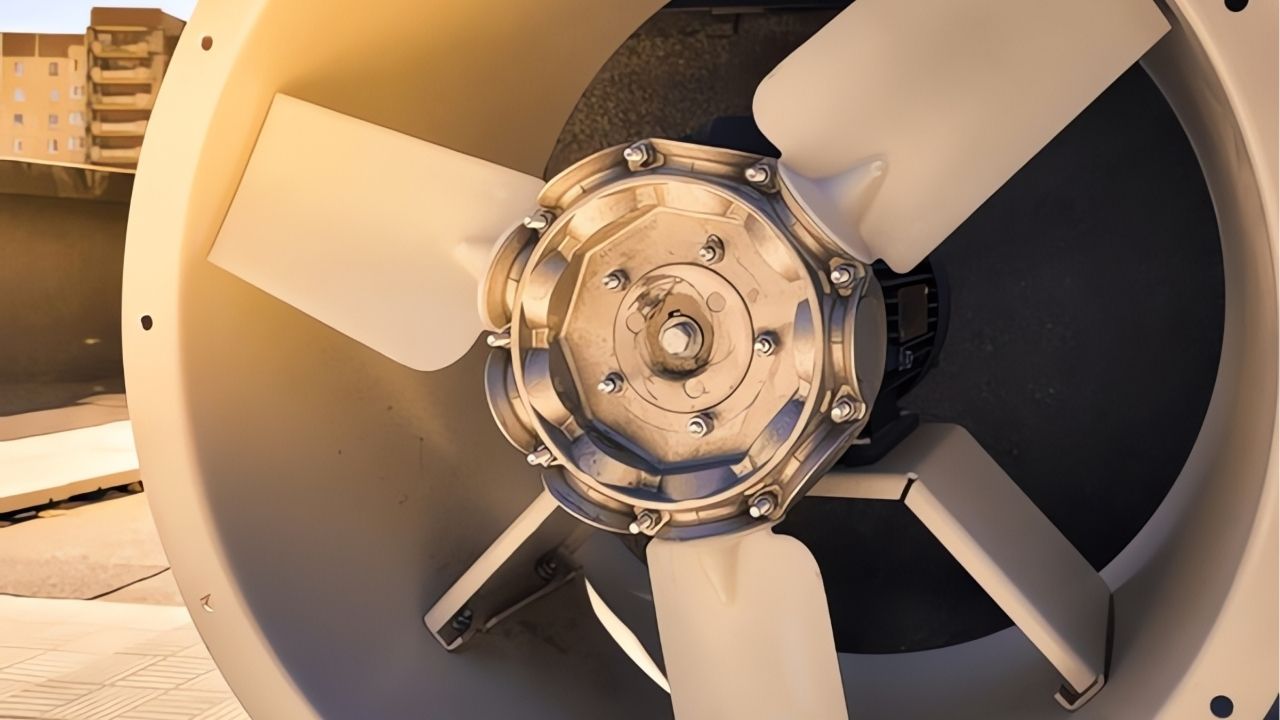
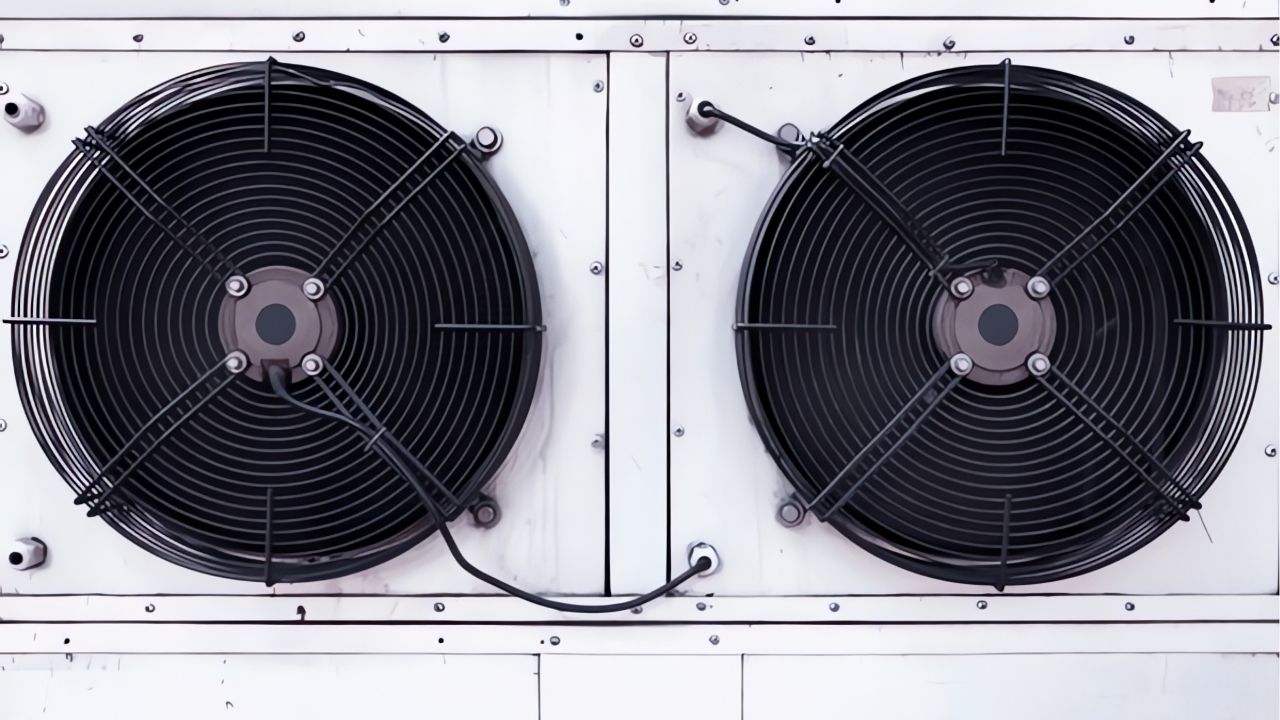
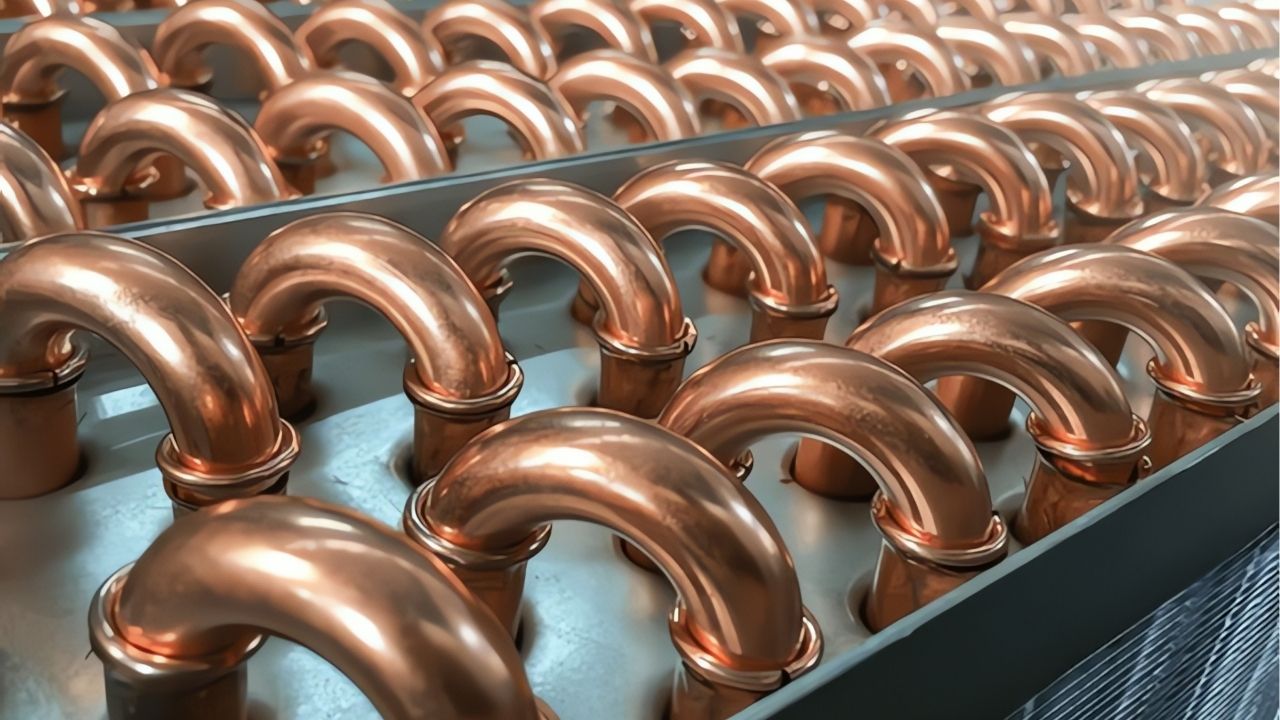
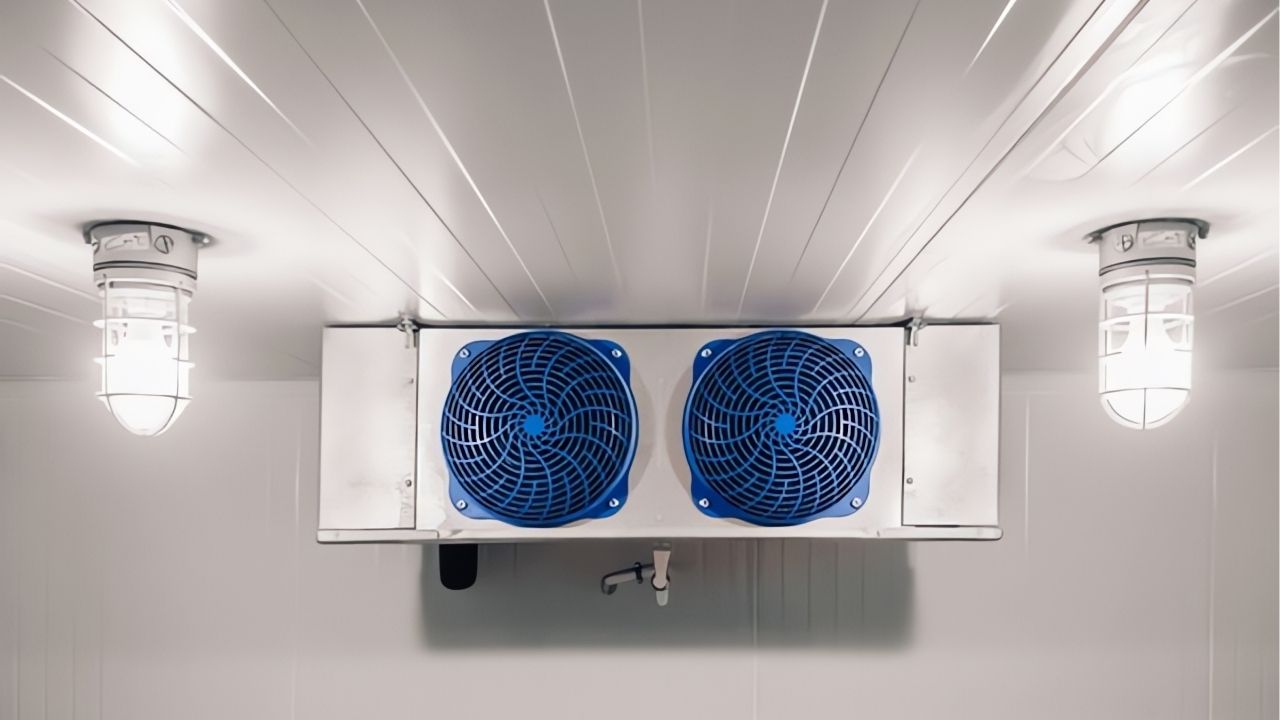
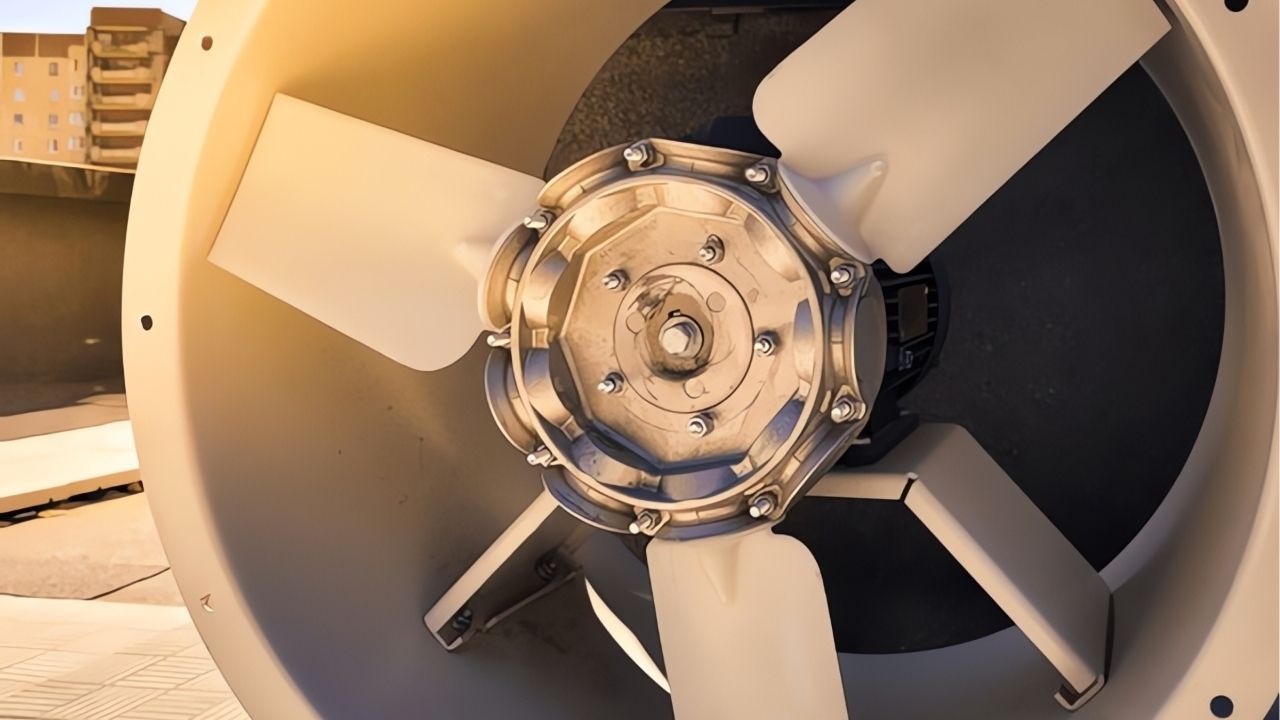
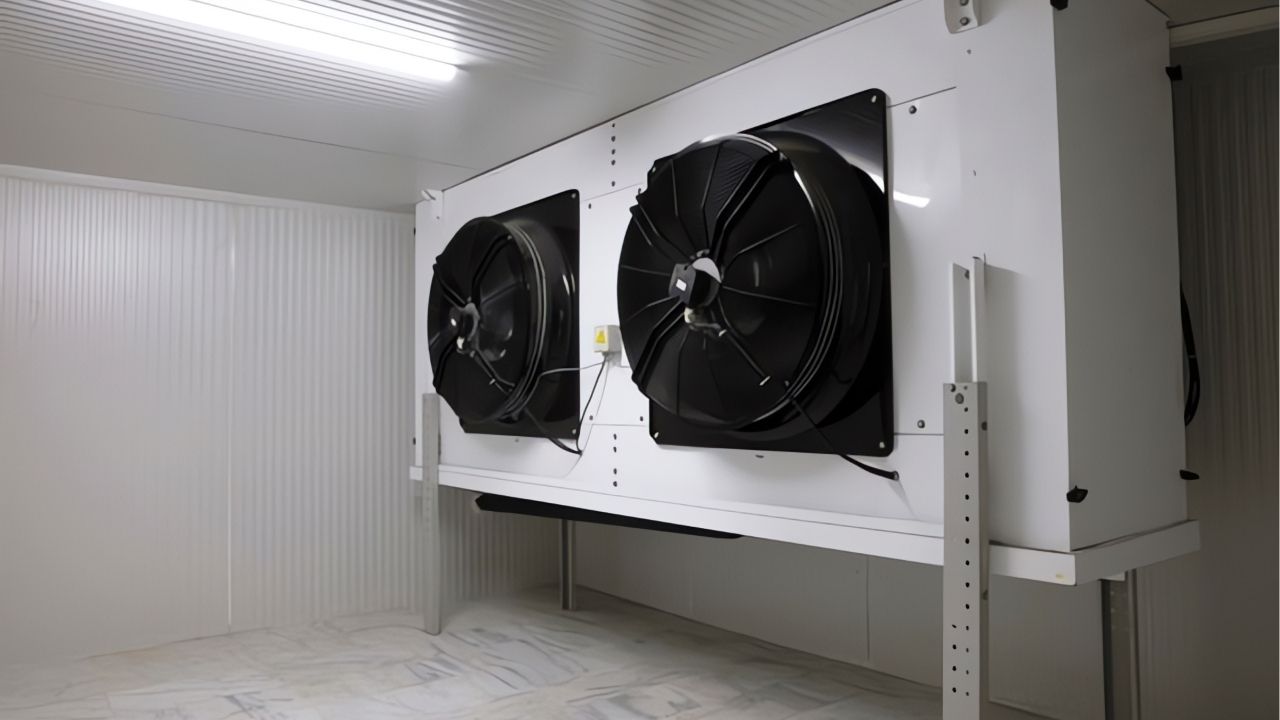
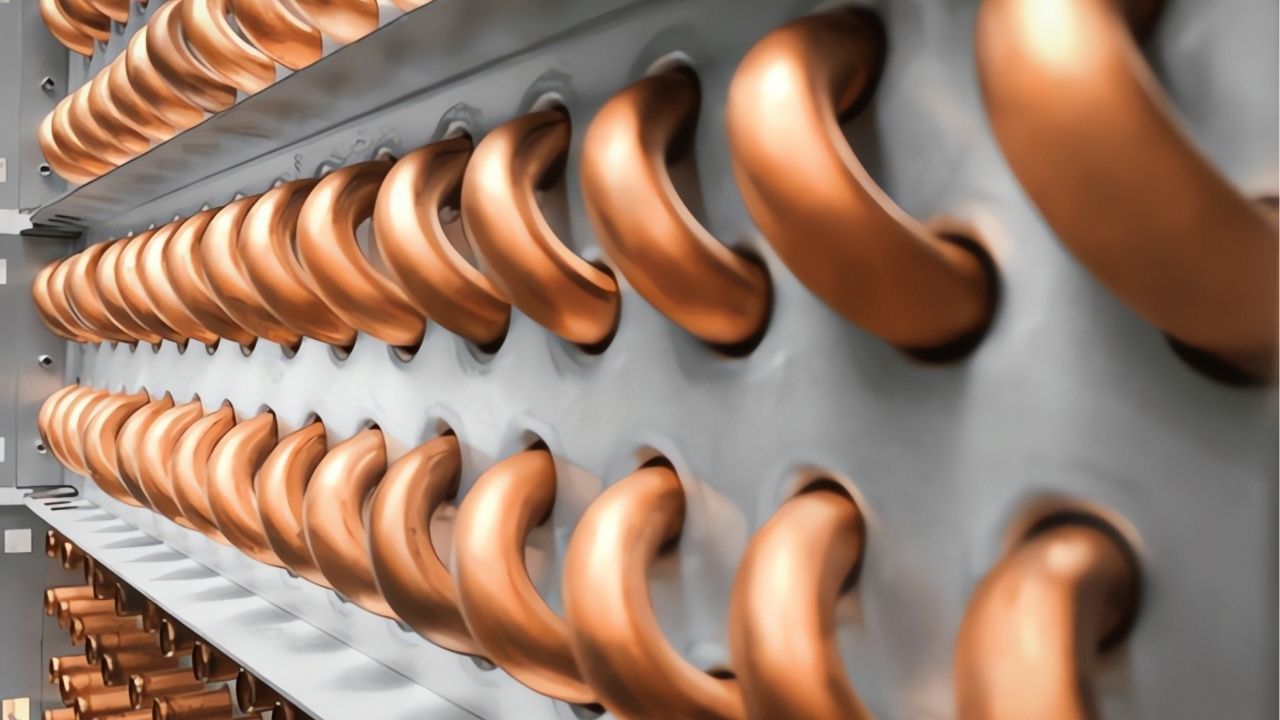
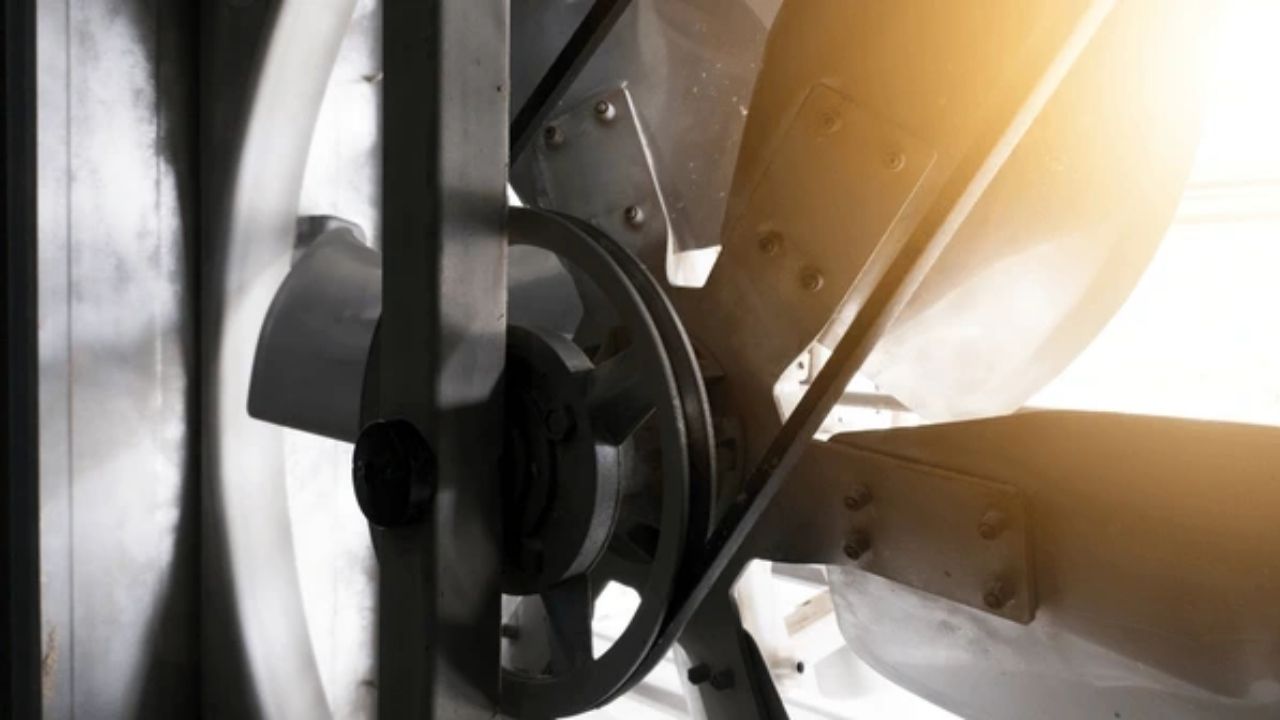
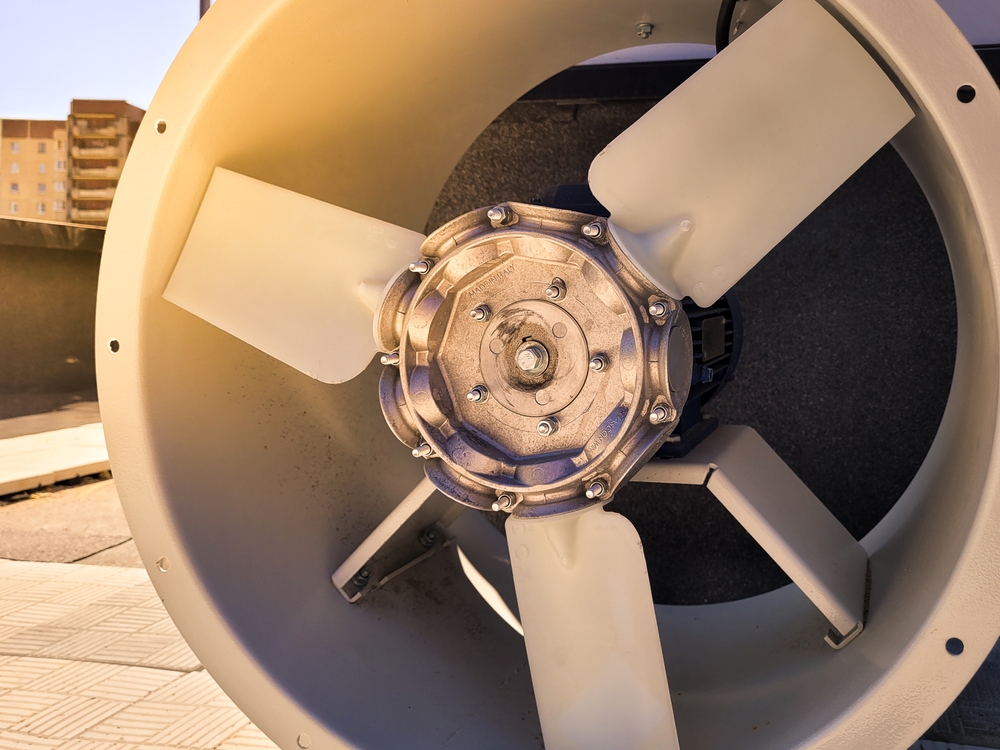
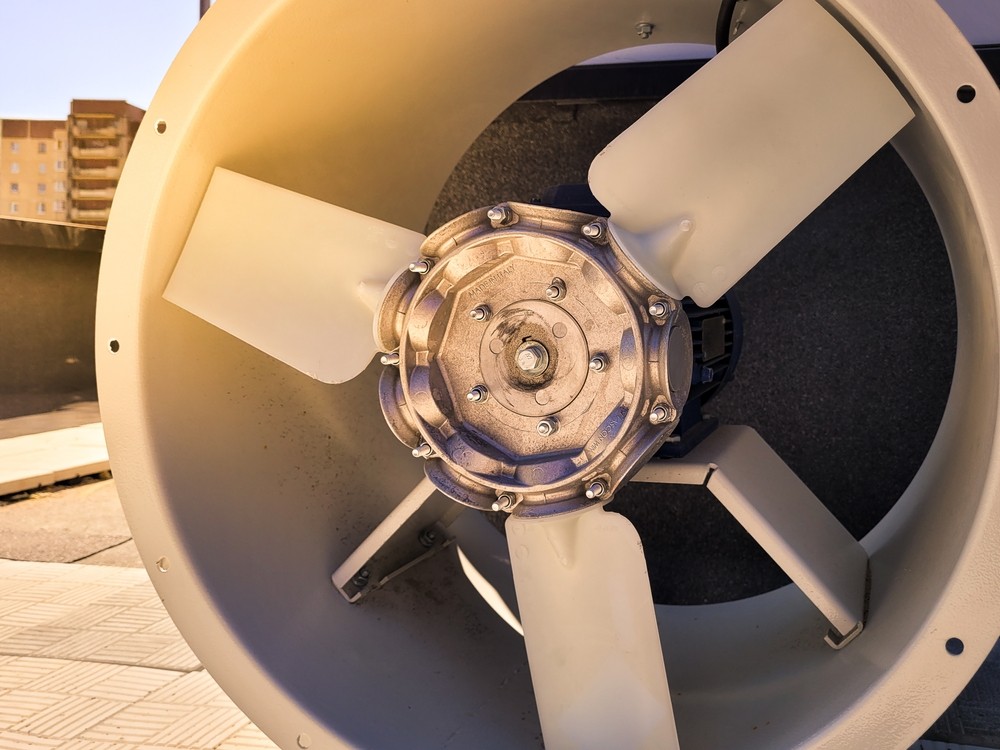
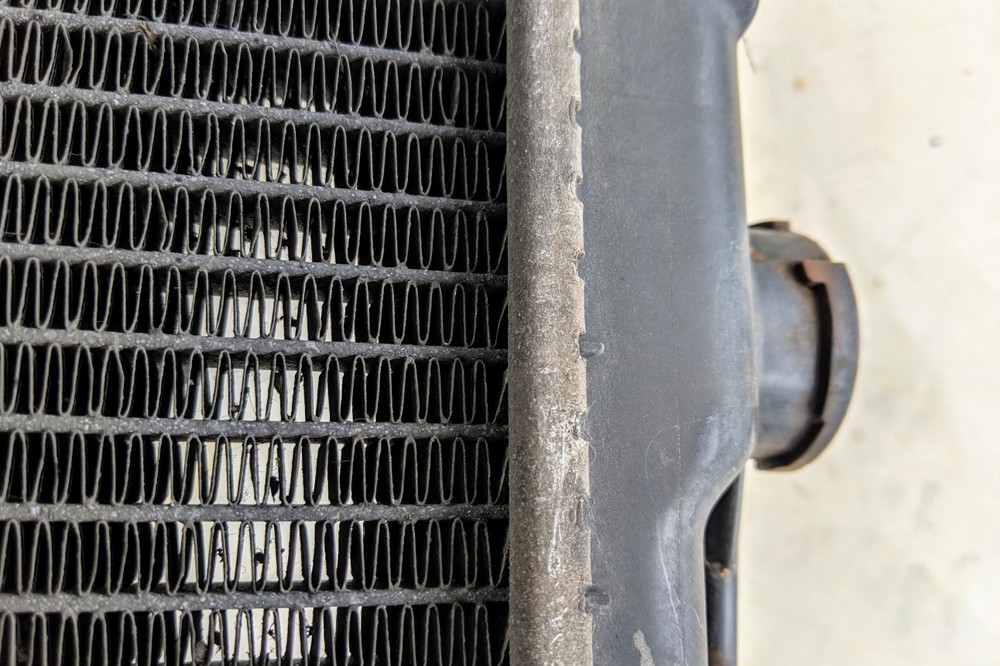
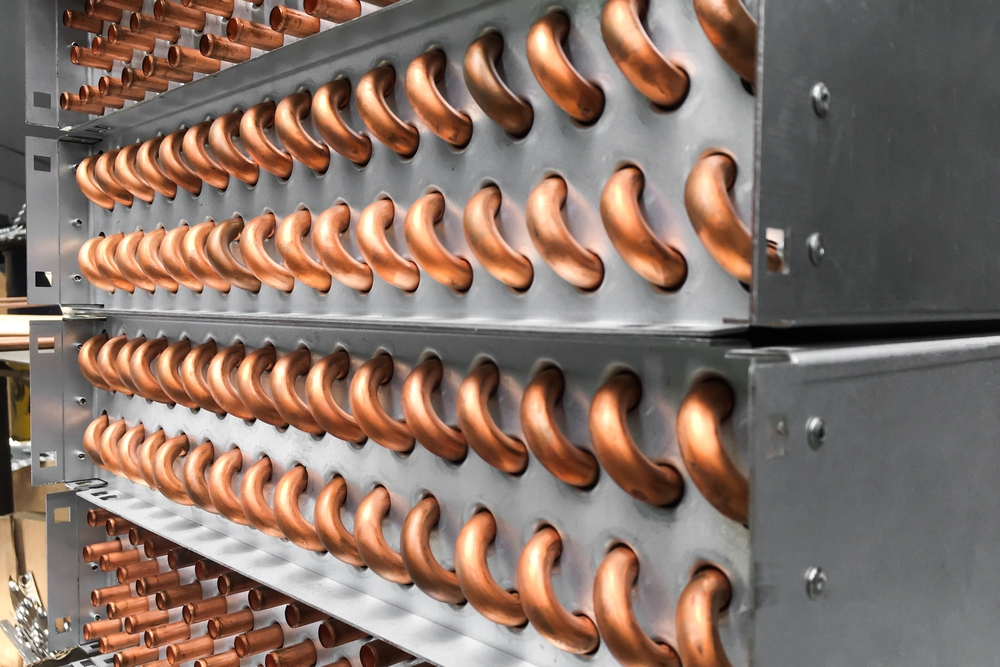
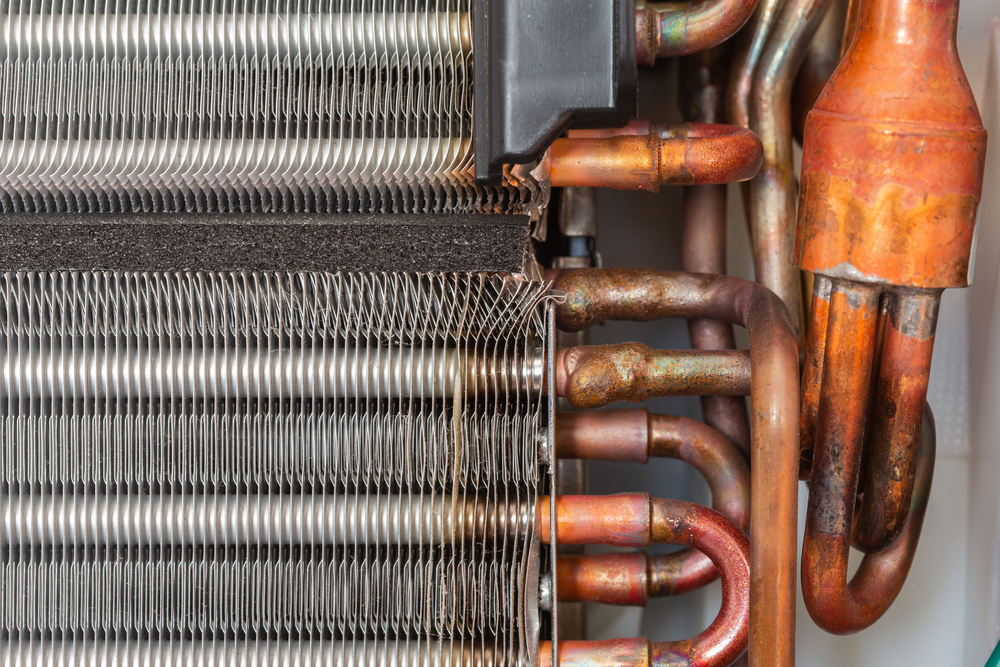
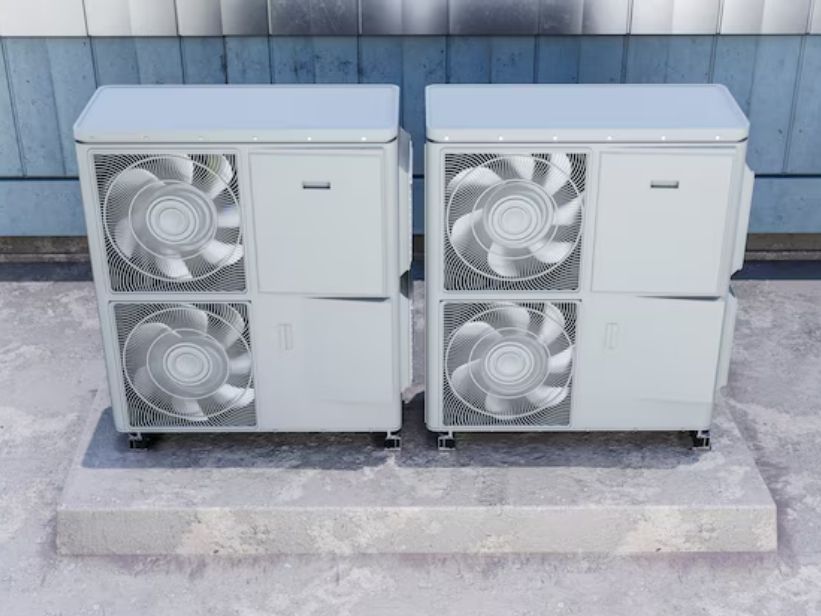
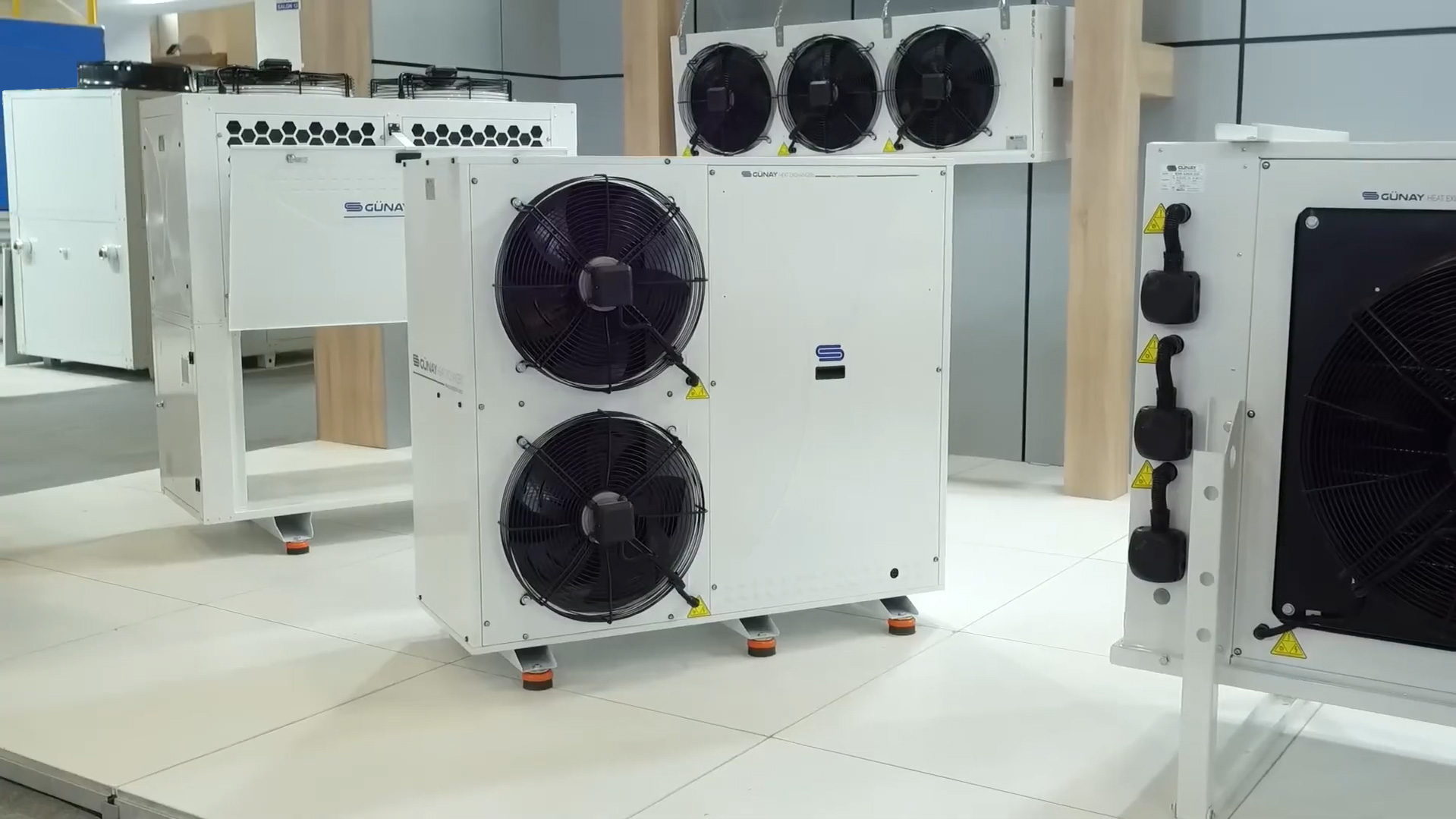
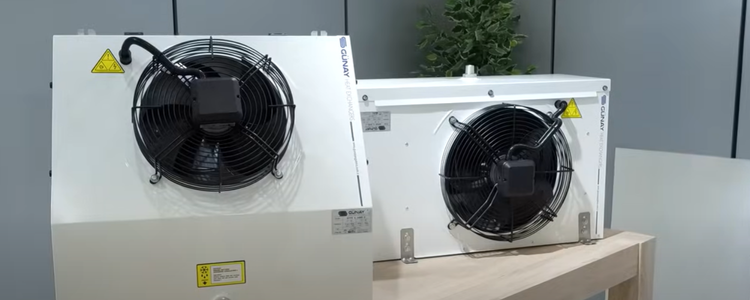
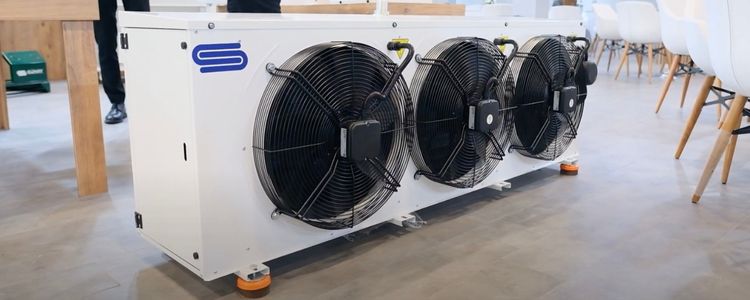
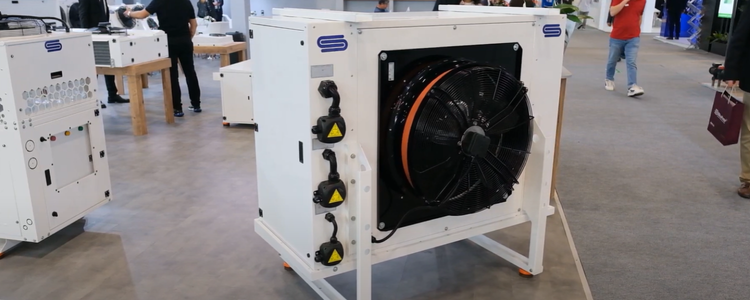
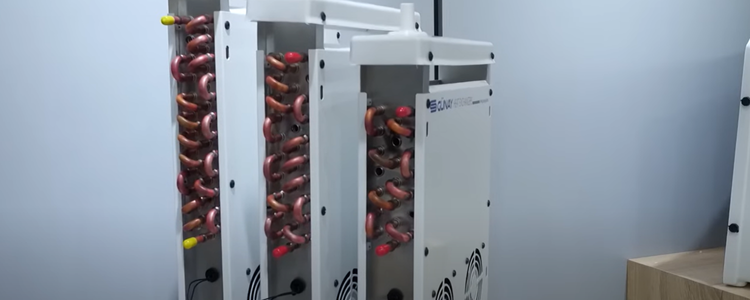
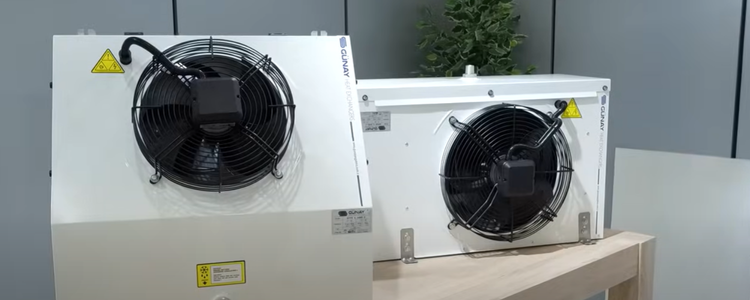
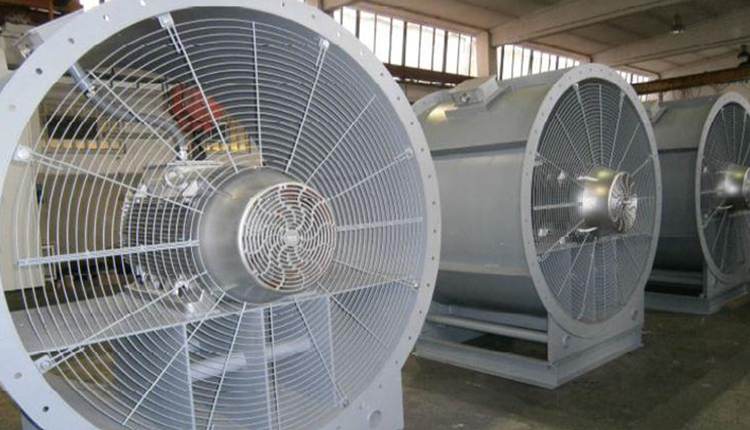
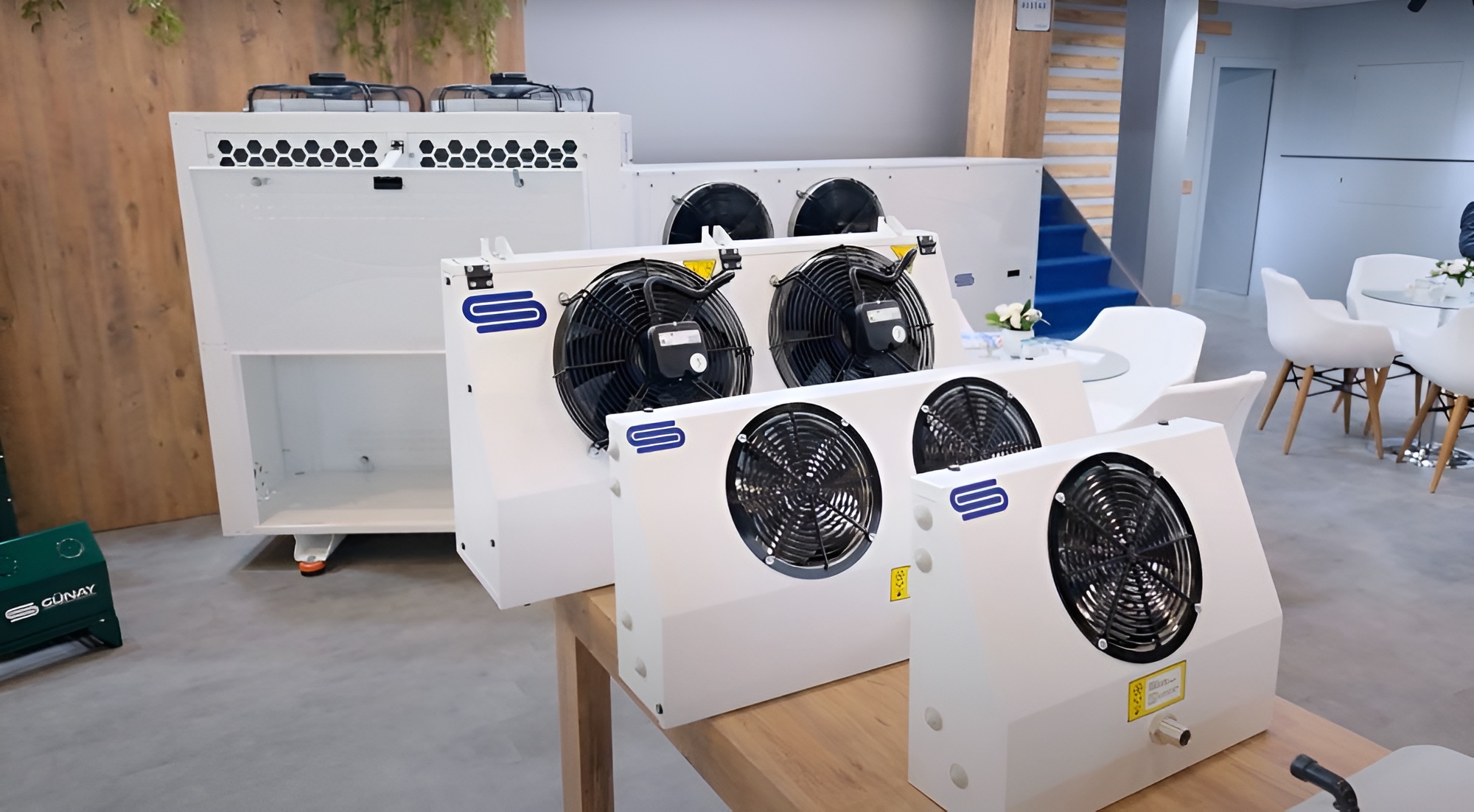
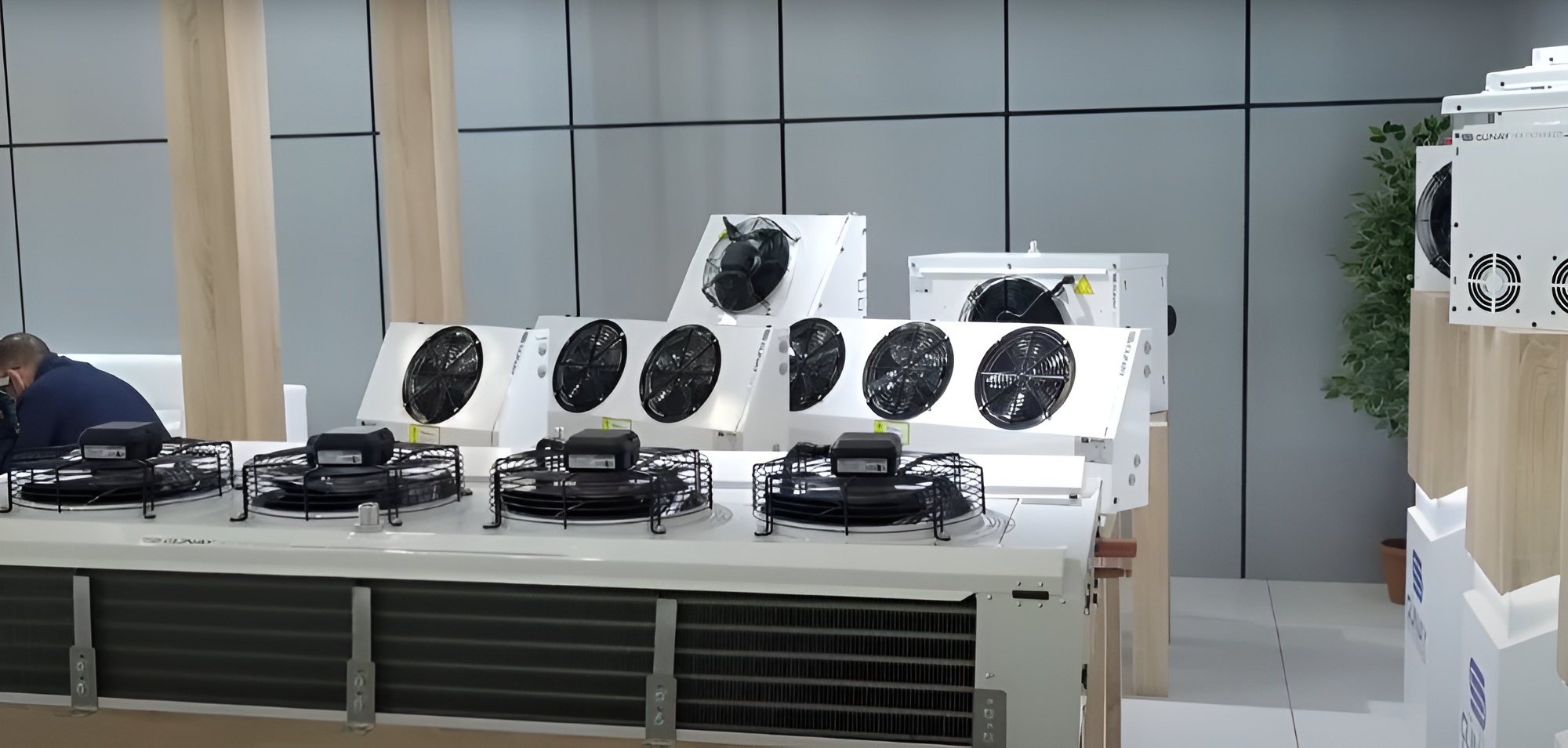
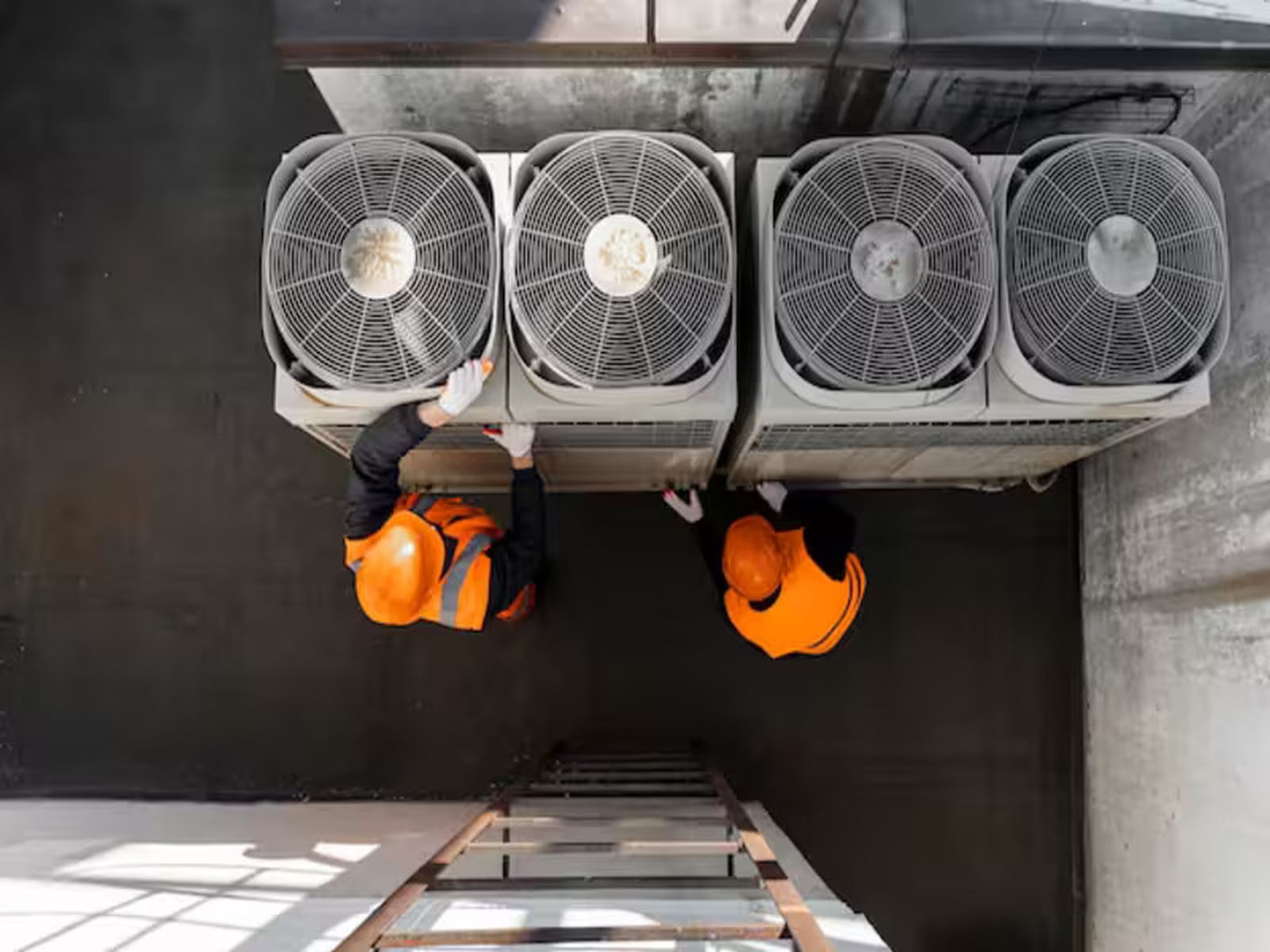
The unit consists of a finned coil, axial fans that move air across the coil, and a frame that carries them. Since the heat load in data centers is relatively constant throughout the year, the dry cooler's ability to operate stably from part load to full load is directly related to fan speed control and coil circuit design. For this reason, the unit should be evaluated not only for the hottest day but also for the intermediate conditions that make up most of the year.
How Does a Dry Cooler Contribute to Free Cooling?
When the outdoor air temperature falls sufficiently below the desired return temperature of the circuit, the dry cooler can reject the heat on its own without the need for compressor-based cooling, and this is called free cooling. In this operating mode, the compressors are switched off or run at part load; energy consumption is reduced mainly to fan and pump power.
The benefit to be gained from free cooling depends on the site's climate data and the operating temperatures of the data center. In facilities operating with higher supply water temperatures, free cooling hours increase; therefore, dry cooler selection should be addressed together with the in-room design temperatures. Exact hours and savings values are calculated per project using site climate data.
When Is a Dry Cooler Preferred Over a Cooling Tower?
A dry cooler is preferred over a cooling tower in data centers where water supply is limited, where the burden of water treatment and legionella control is undesirable, or where operational simplicity is a priority. Its closed-circuit structure largely eliminates water chemistry management and blowdown losses.
On the other hand, since a dry cooler rejects heat only sensibly, its performance depends on the dry-bulb temperature; in hot climates, a larger surface and more fans may be required for the same capacity. Therefore, the decision should be made by evaluating climate, water access, space constraints, energy targets and maintenance capability together, and solutions with adiabatic pre-cooling should also be included in the comparison where necessary.
How Are Redundancy And Uninterrupted Operation Planned?
Redundancy is planned by determining the number of units and fans such that, when a dry cooler or fan goes out of service, the remaining equipment can meet the design load. In data centers, this approach is supported by additional units at unit level and by multiple fans within a unit that can operate independently.
Separation of power supplies, individual protection of fans, hydraulic connections that can be isolated with valves and control panels communicating with the building management system ensure that the system continues to operate even during maintenance. The level of redundancy to be applied is determined specifically for each project according to the availability class targeted by the facility and the operator's risk policy.
Why Are Layout, Noise And Maintenance Important?
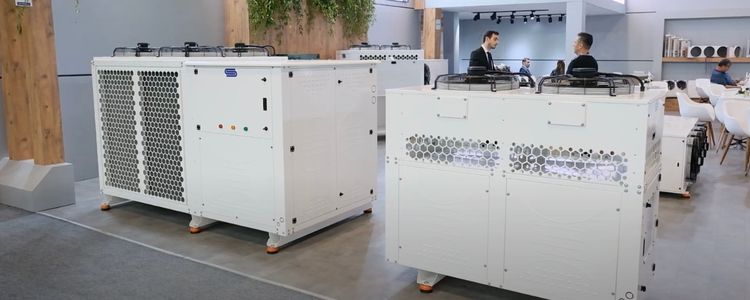
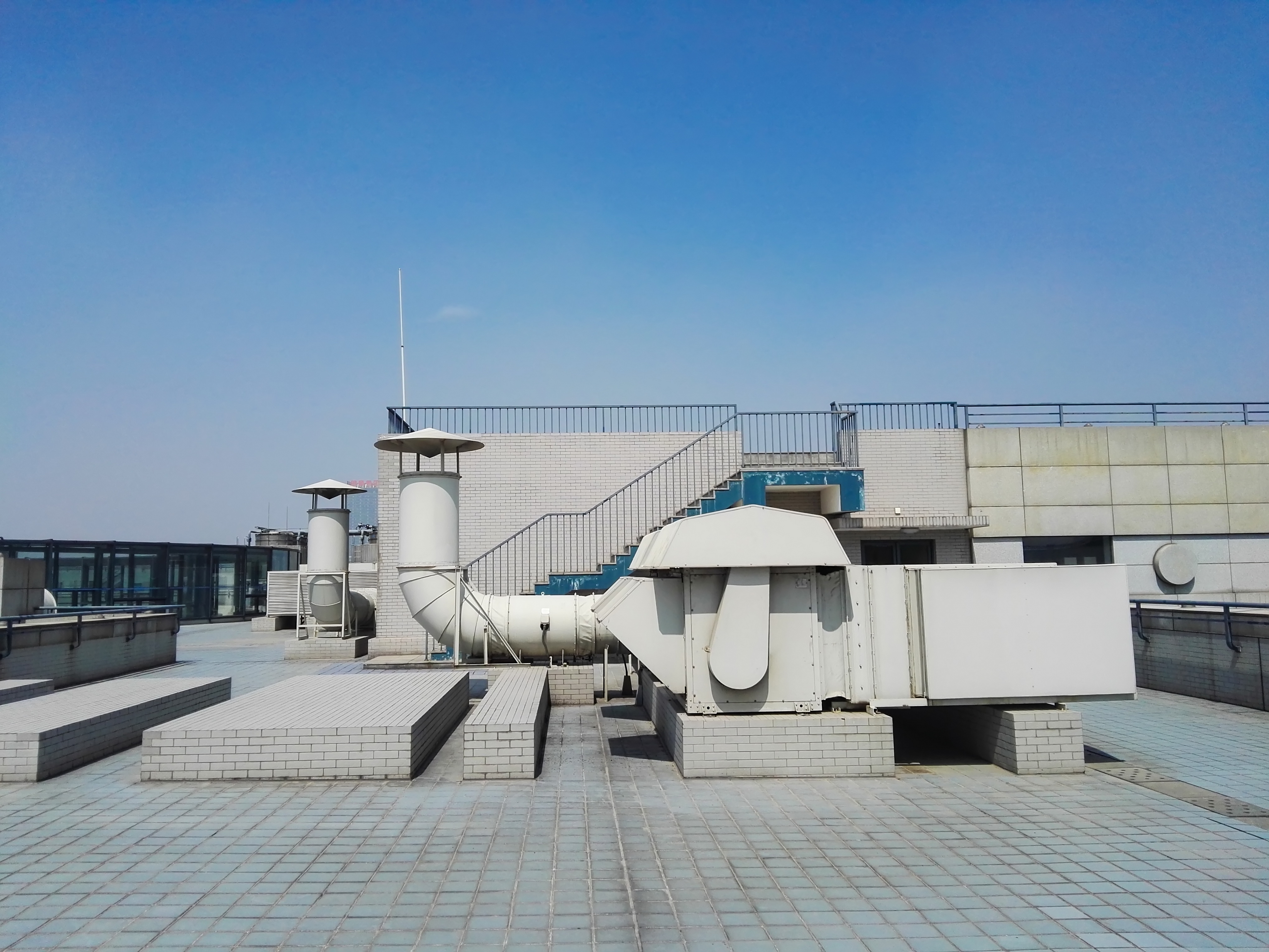
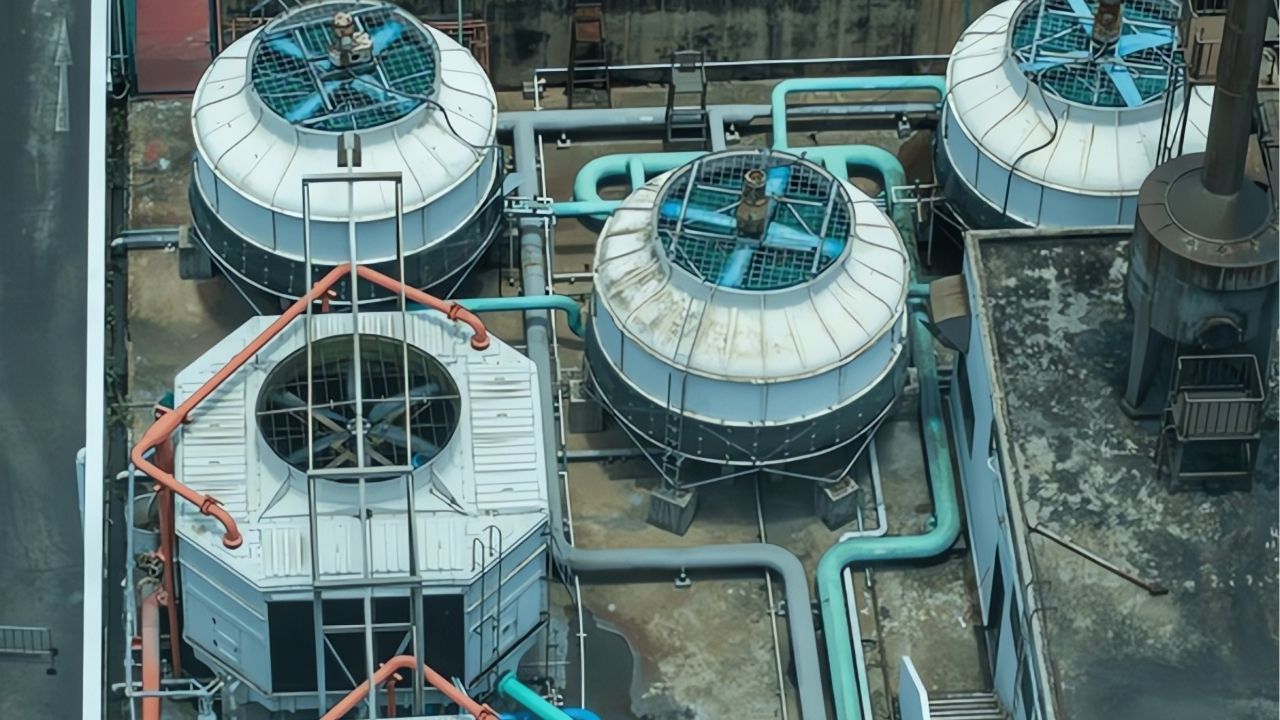
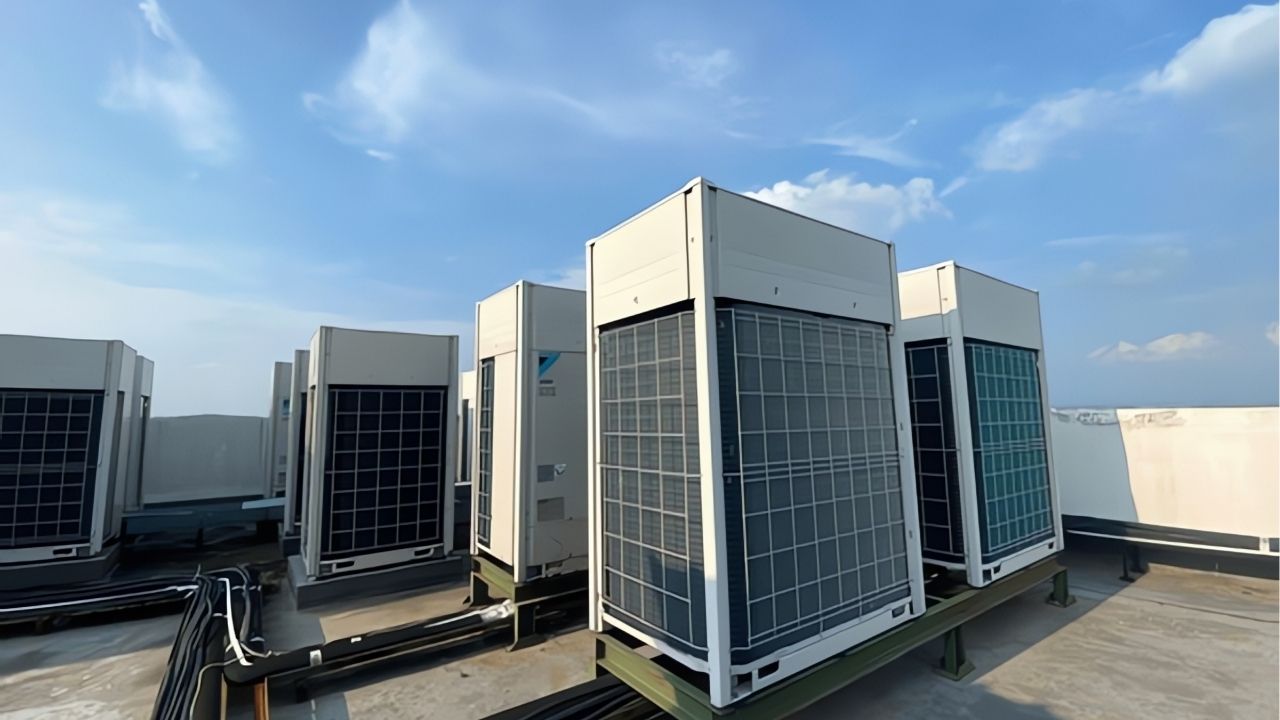
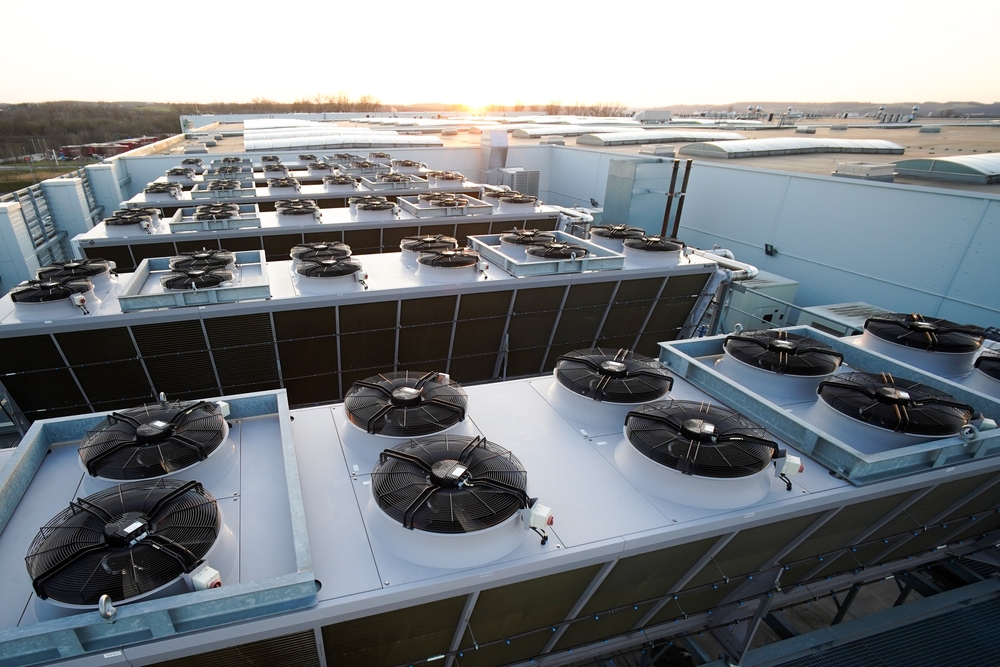
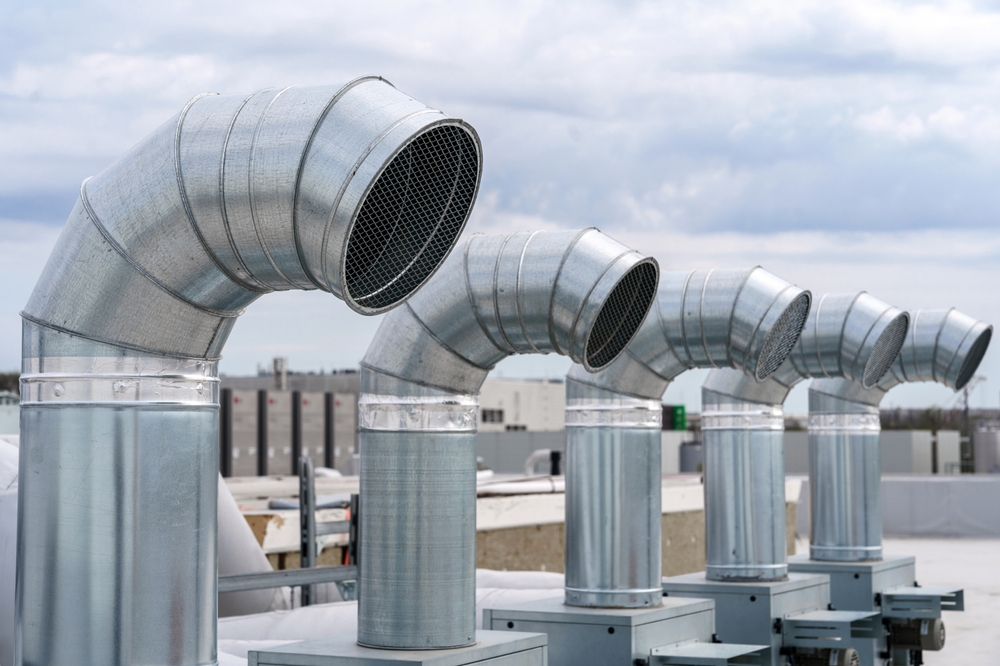
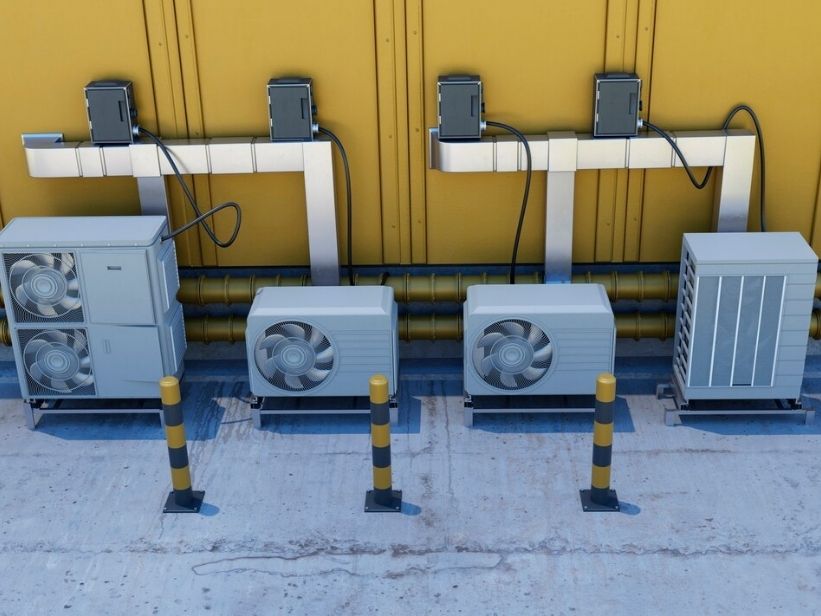
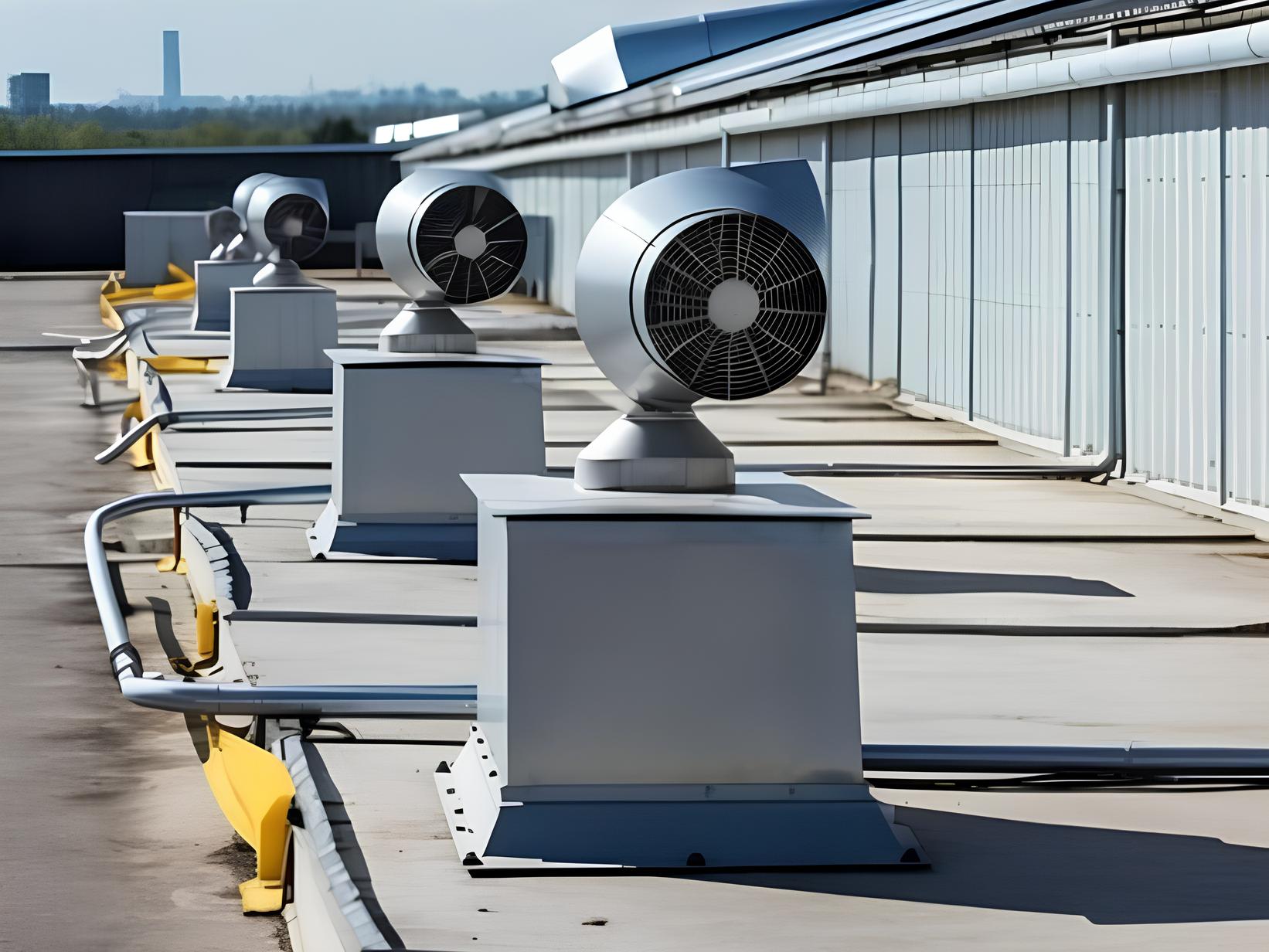
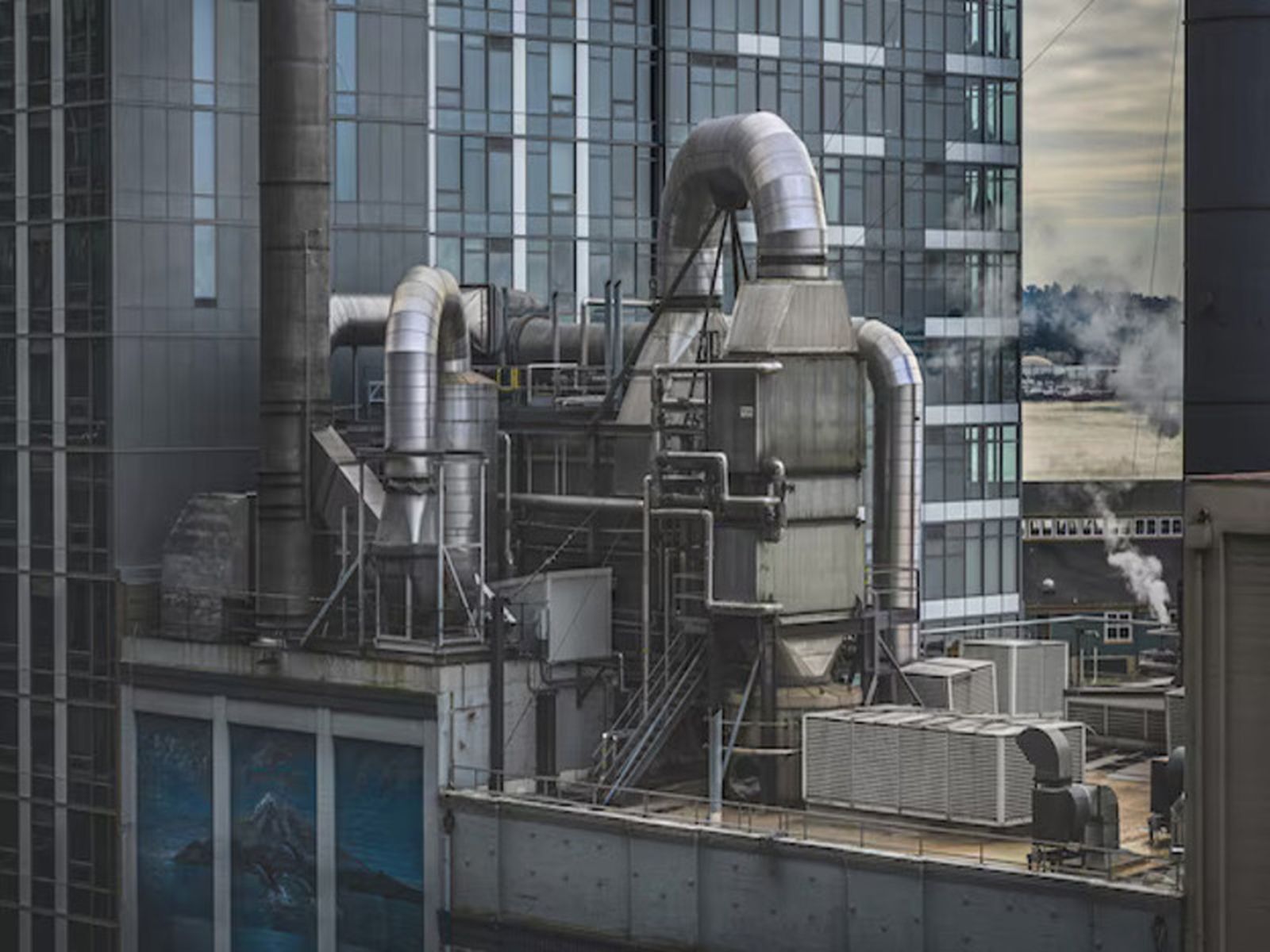
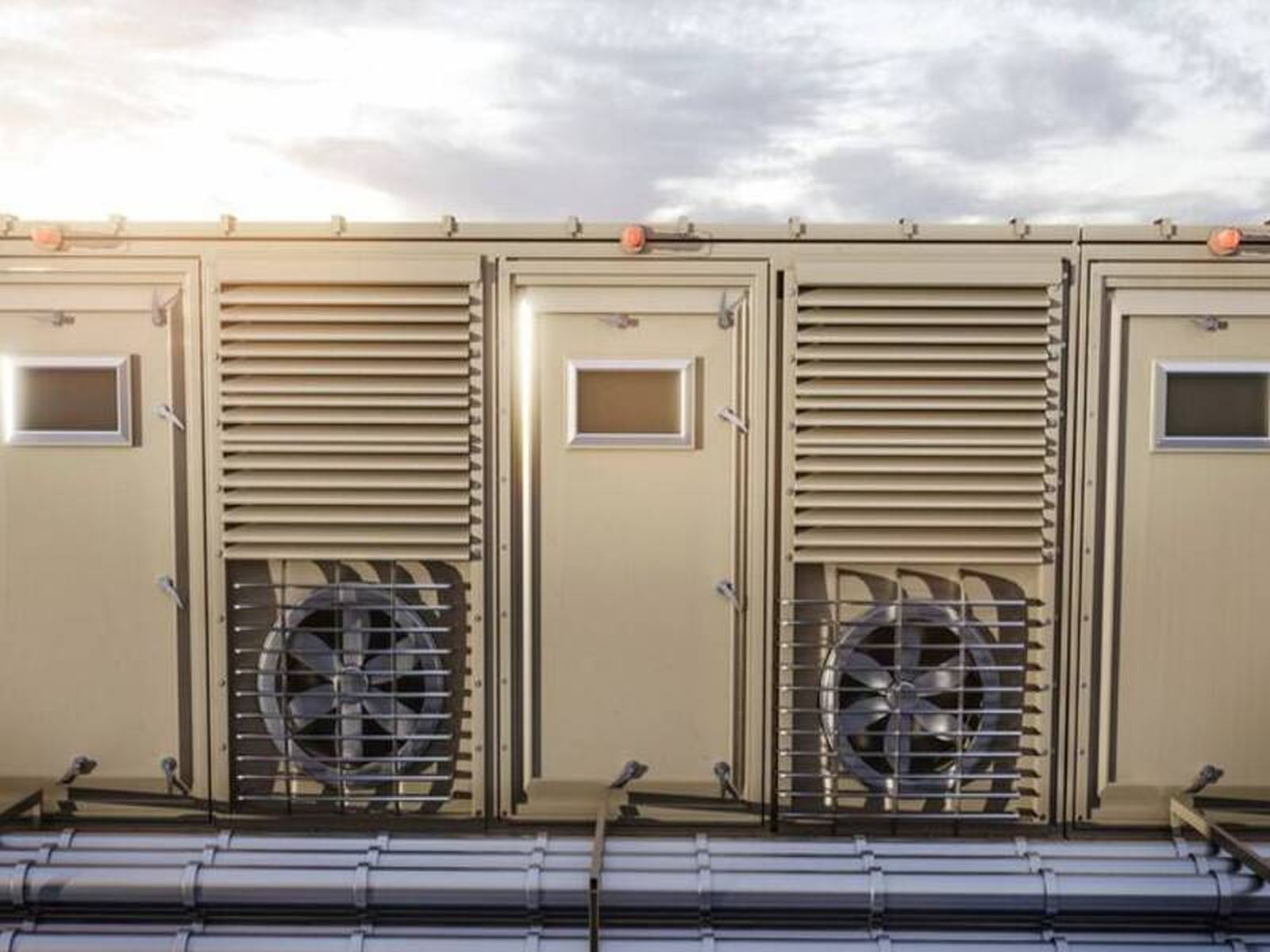
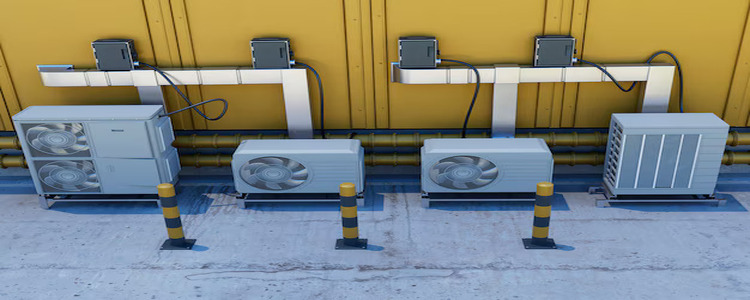
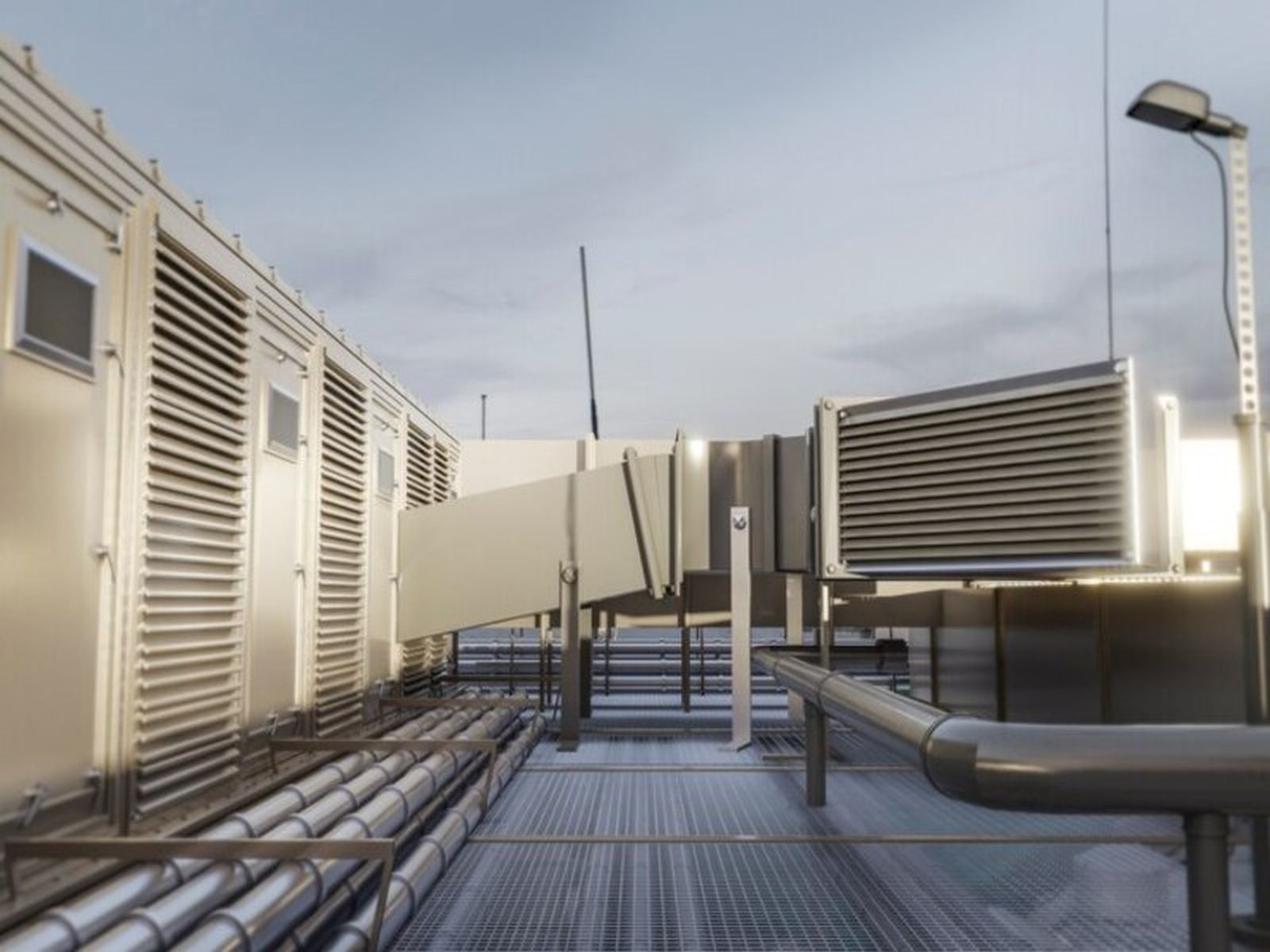
The layout of dry coolers is a decisive part of performance, as problems such as hot air recirculation and insufficient air intake can lead directly to capacity loss. In rooftop or ground installation, the distance between units, wall and building height, and the prevailing wind direction should be evaluated together.
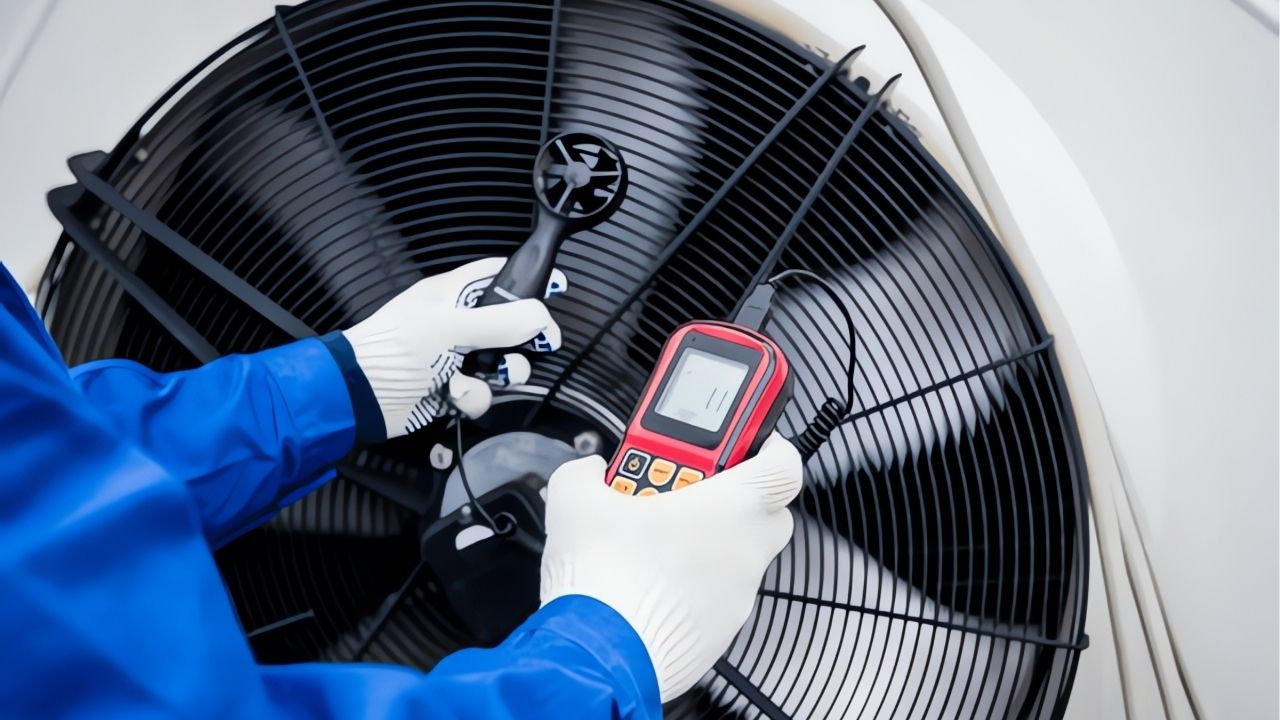
Since data centers are often located close to residential areas, the sound level during night hours is also an important design input; large low-speed fans and speed control provide flexibility in this respect. On the maintenance side, regular cleaning of coil surfaces, inspection of fans and motors, and periodic measurement of the glycol ratio are necessary to maintain capacity over time.
What Should Be Considered When Selecting the Right Dry Cooler for a Data Center?
The right selection requires considering year-round operating conditions and facility strategy together rather than a single capacity value. The following items can be used as a basic checklist during evaluation:
- Site climate data, design outdoor temperature and the targeted free cooling operating range
- Circuit fluid, glycol ratio, inlet–outlet temperatures and allowable pressure drop
- Redundancy level, number of fans, power supply structure and control integration
- Installation area, sound limits, coil material and maintenance access
To evaluate the dry cooler configuration suitable for your data center, you can share your project data with the Günay Soğutma technical team.
Frequently Asked Questions
Can a dry cooler cool a data center on its own?
It may be possible in a suitable climate and at high operating temperatures; however, in most facilities the dry cooler is used as part of a free-cooling-assisted system together with a chiller.
Why is glycol used in a dry cooler?
Glycol is used to prevent the fluid from freezing inside the coil located outdoors; its ratio is determined according to the lowest temperatures at the site.
Does glycol affect capacity?
Yes, as the glycol ratio increases, the heat transport properties of the fluid change and the pressure drop increases; this effect must be taken into account in selection calculations.
Why is fan speed control recommended?
Speed control reduces fan energy and sound level at part loads and in cool weather, while helping to keep the outlet temperature more stable.
How often should a dry cooler be serviced?
Maintenance frequency varies according to the level of dust, pollen and pollution at the site; a plan suited to operating conditions should be established for coil cleaning and fan checks.
Can a dry cooler be added to an existing data center?
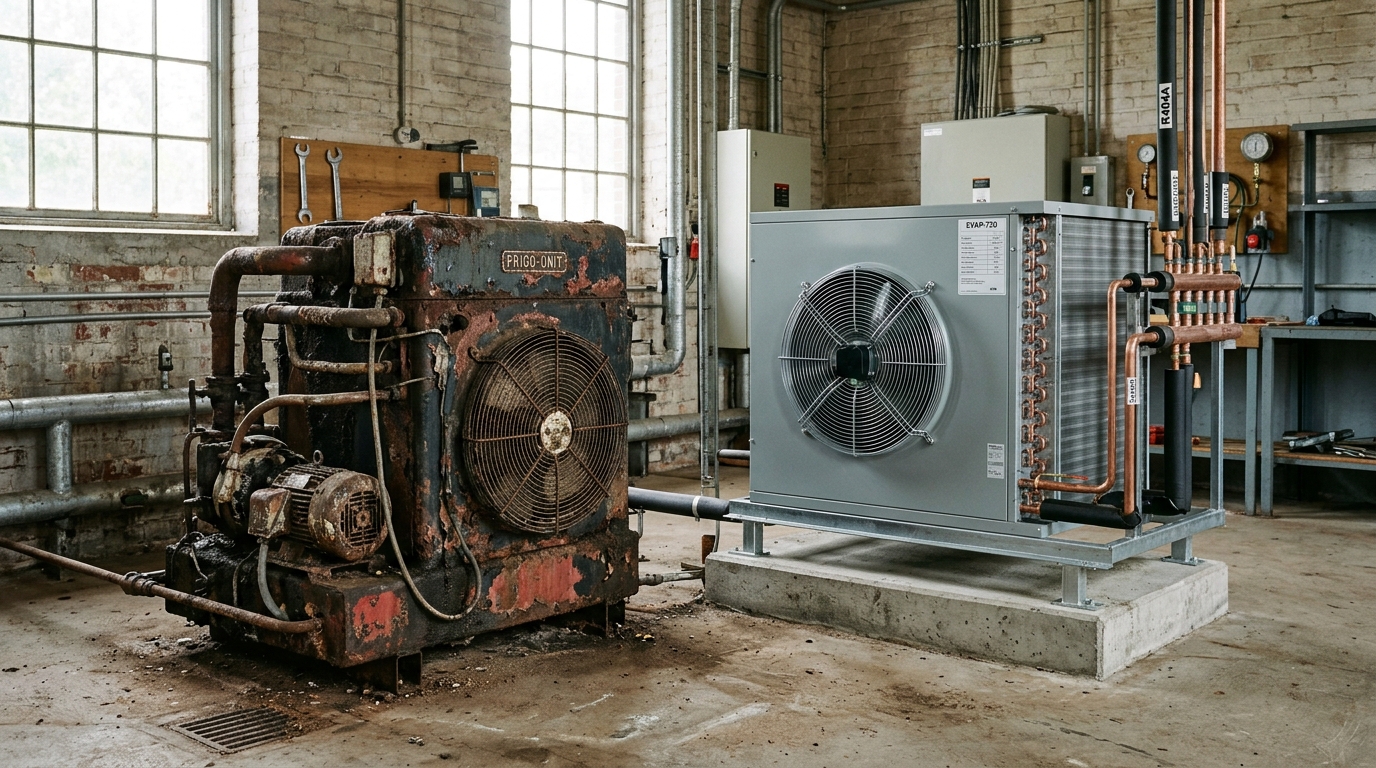
If the existing hydraulic system, available space and control infrastructure are suitable, a dry cooler can be added for free cooling purposes; this requires a site survey.
How can I get a recommendation for my own data center?
You can request a project-specific evaluation by sharing your heat load, operating temperatures, site location and redundancy targets with the Günay Soğutma team.