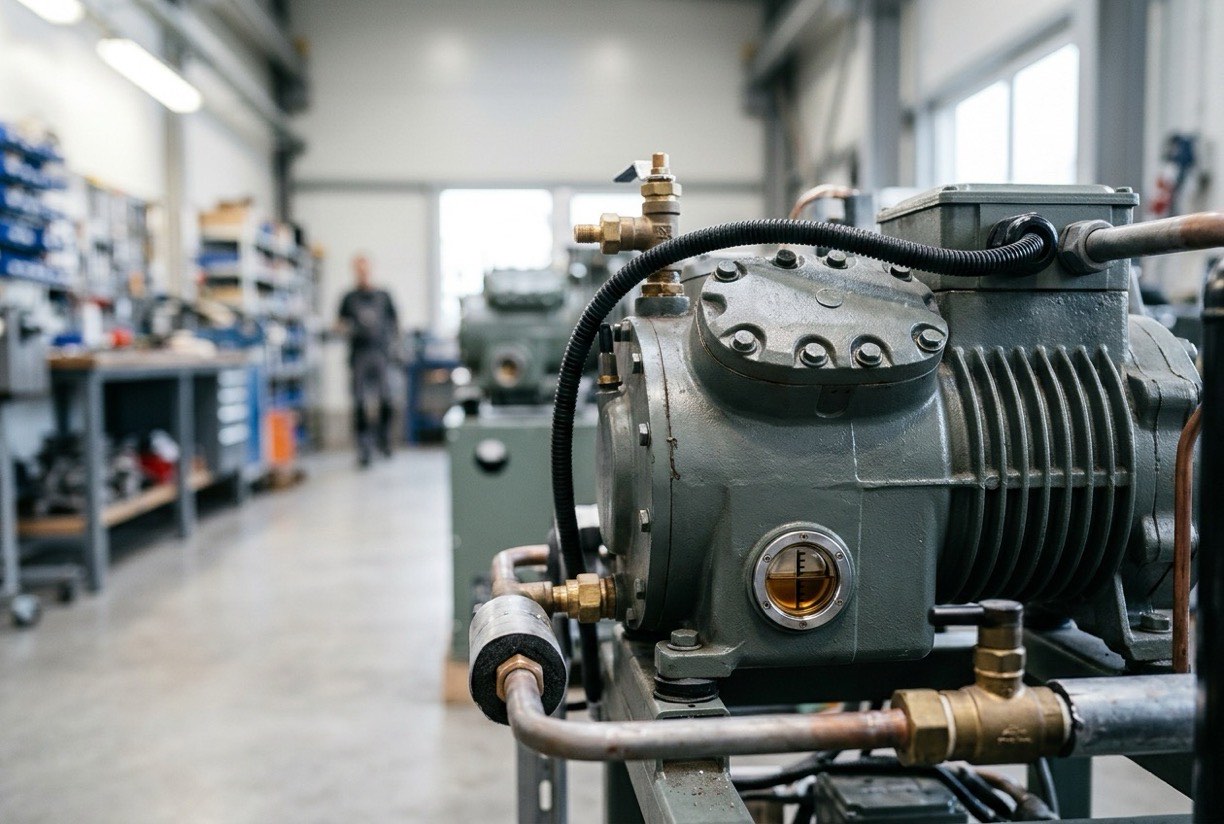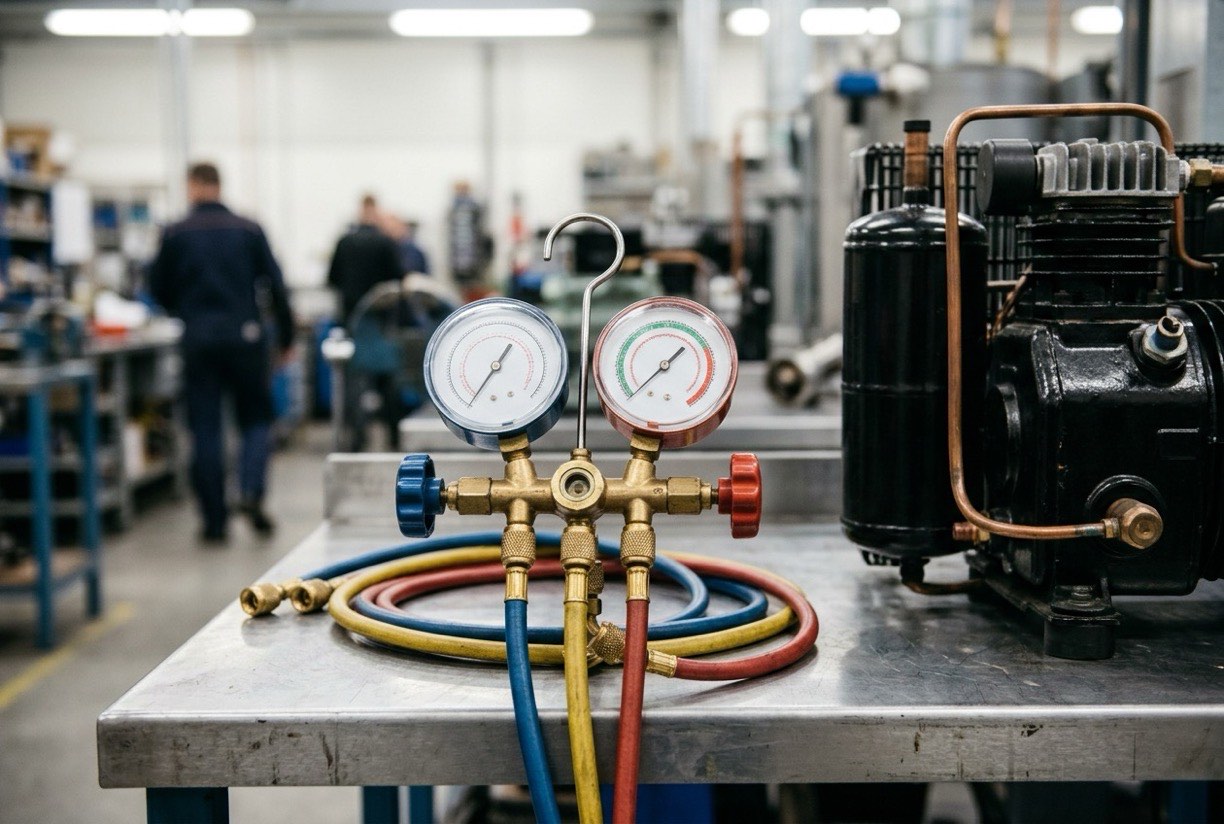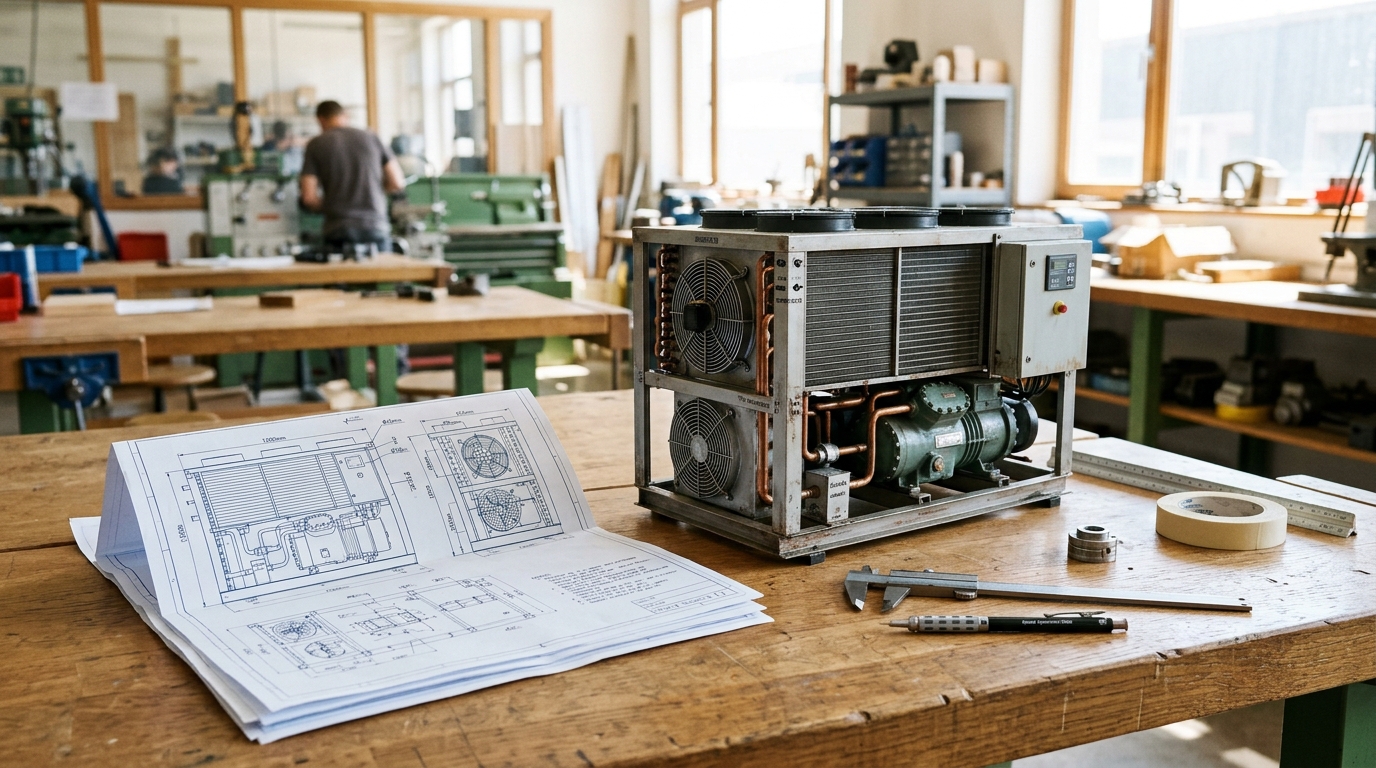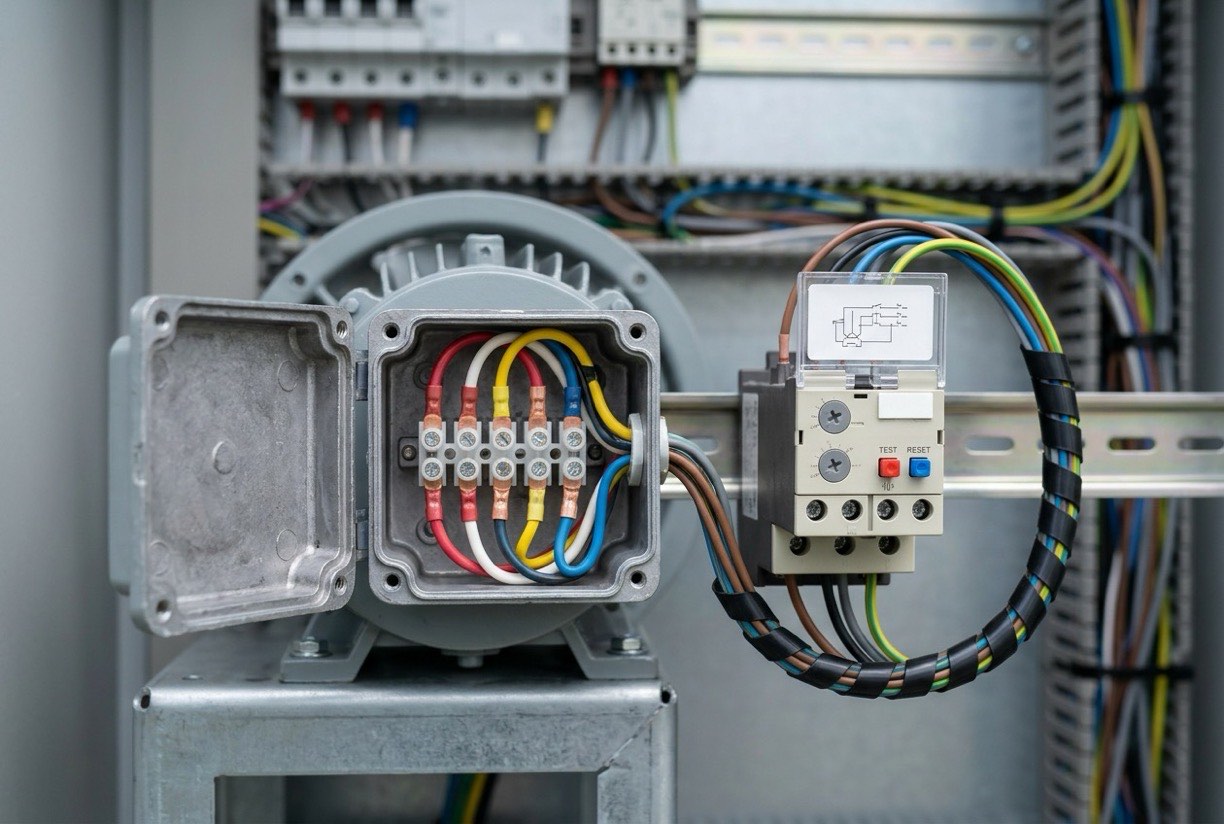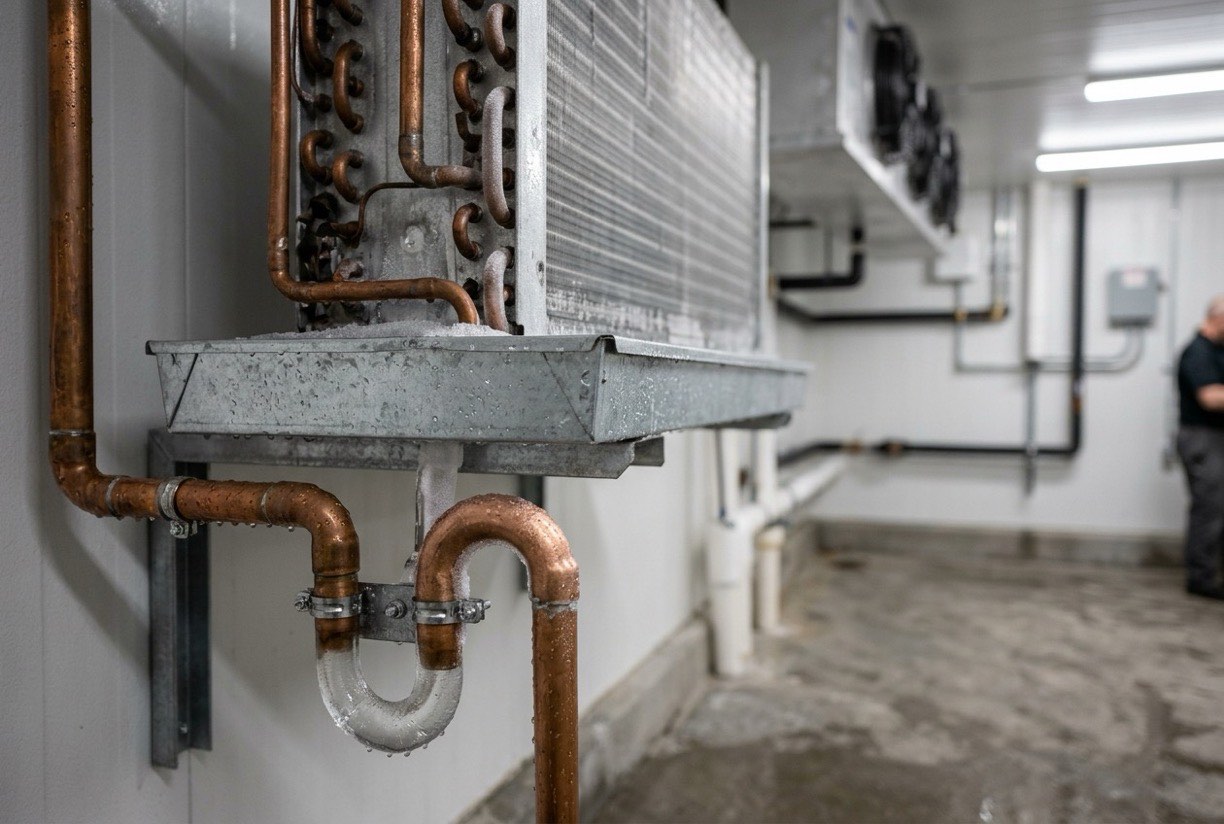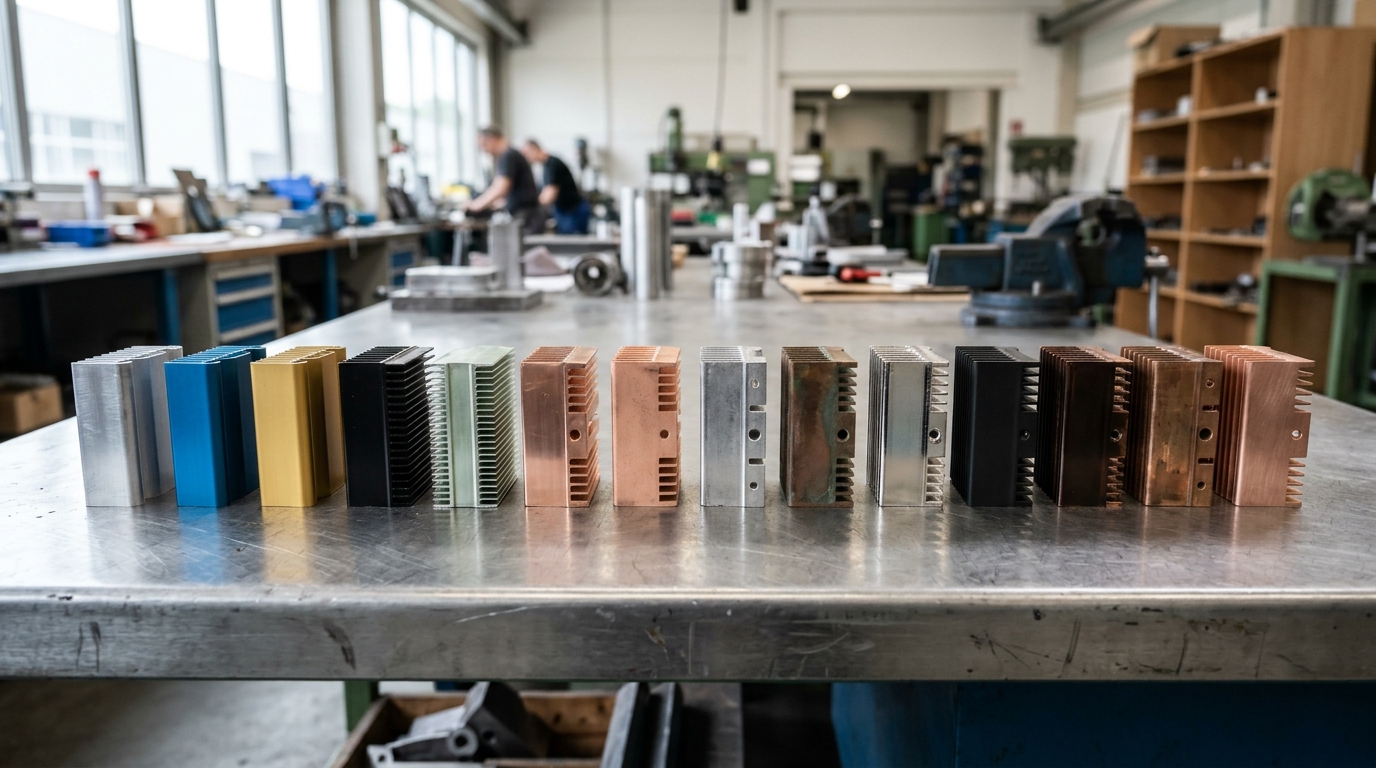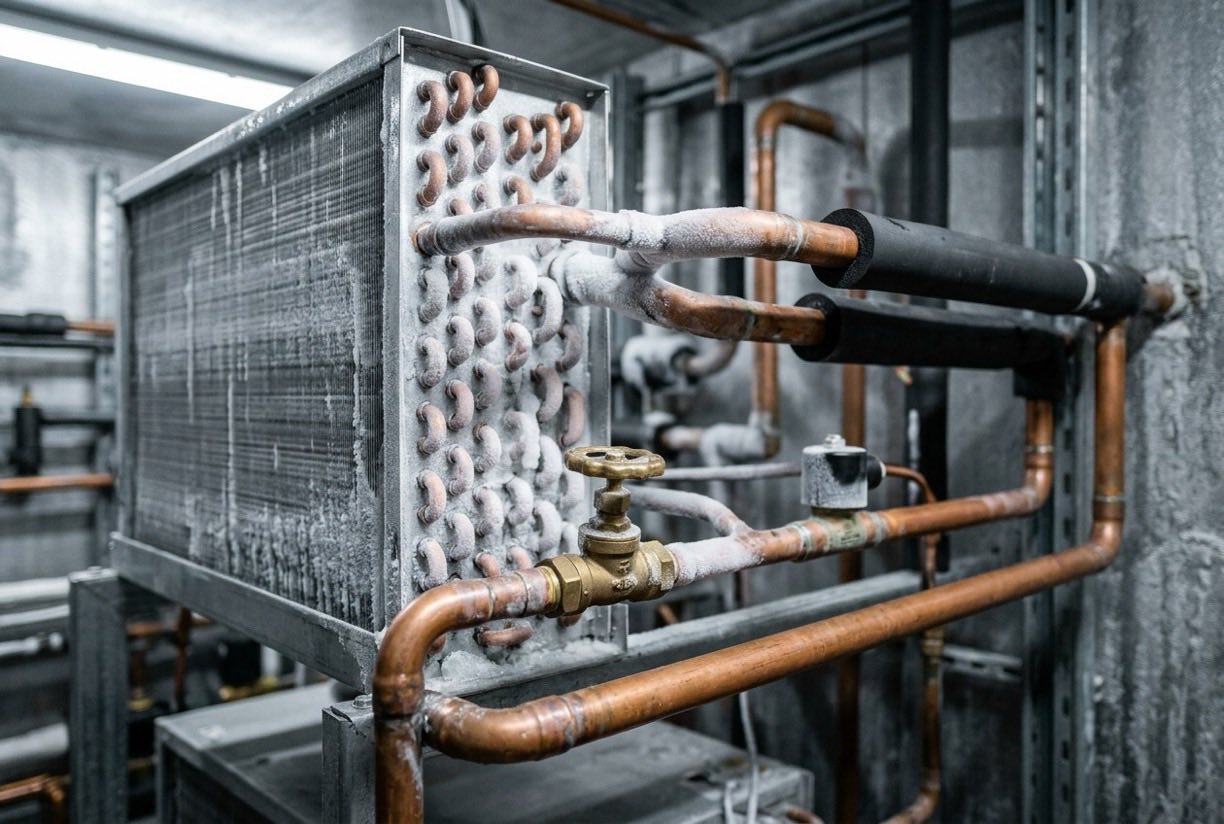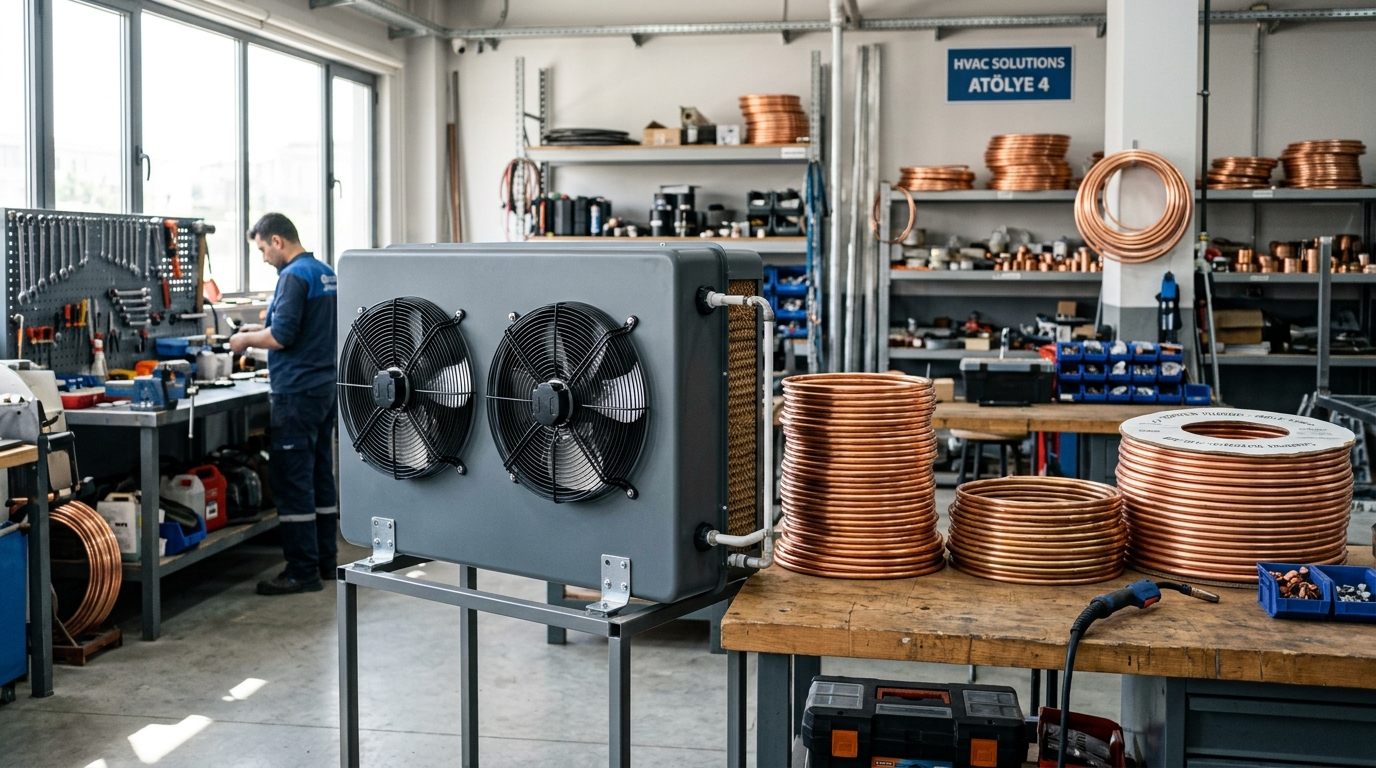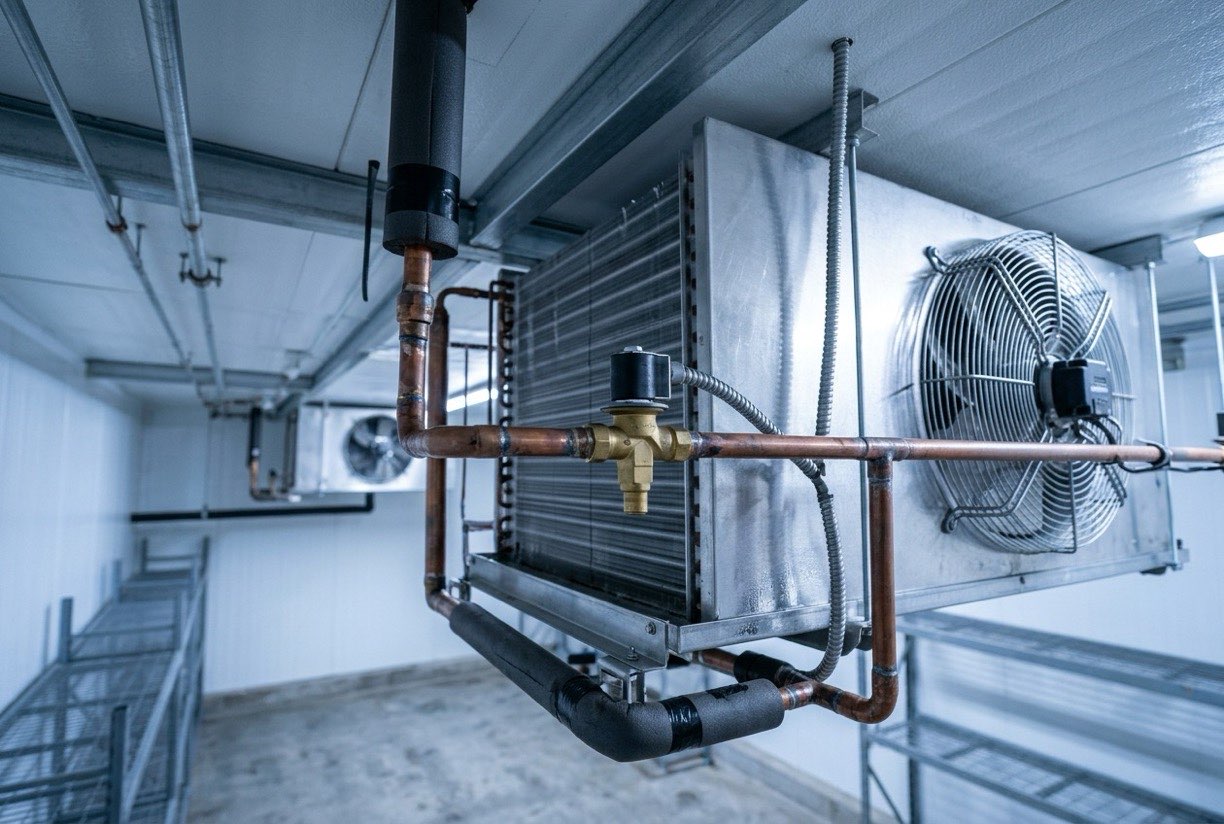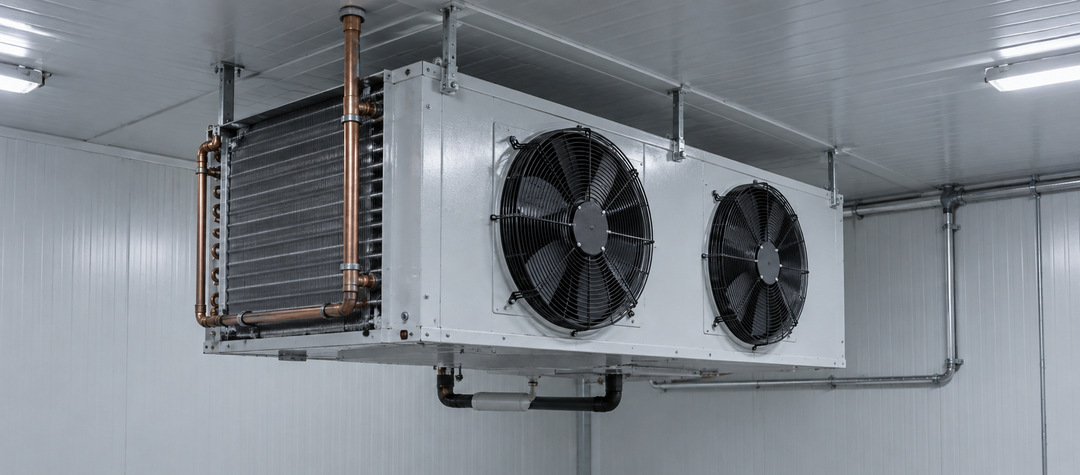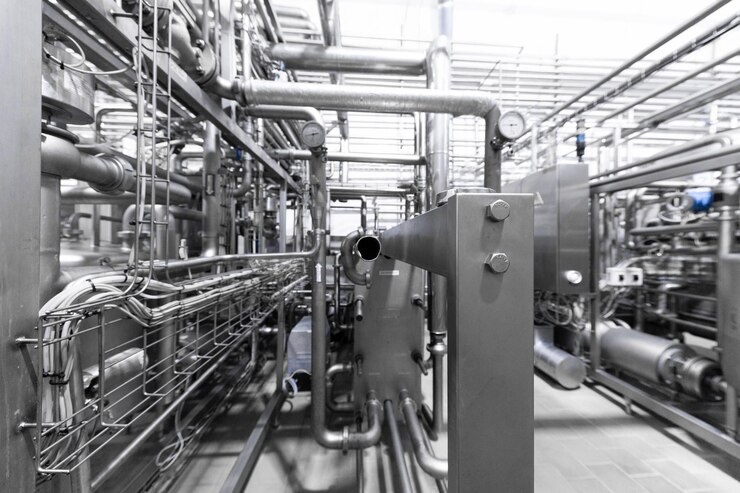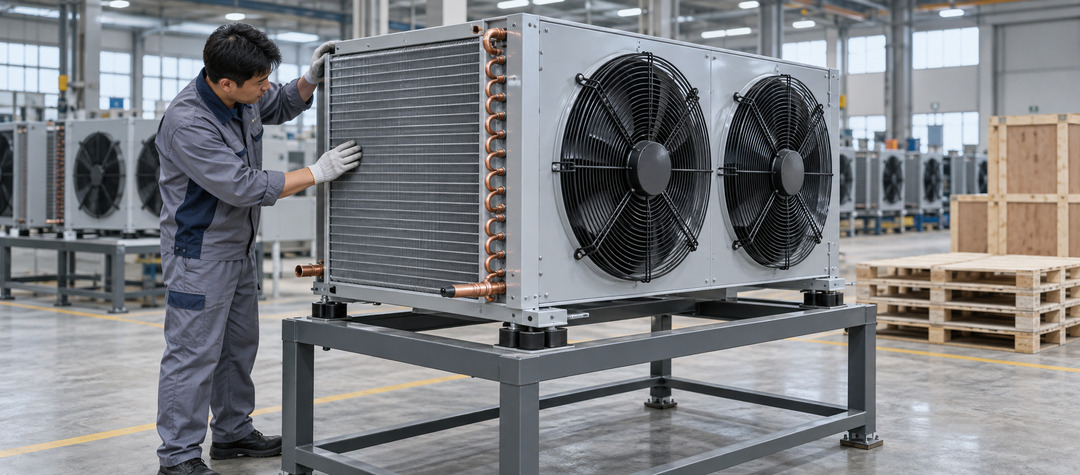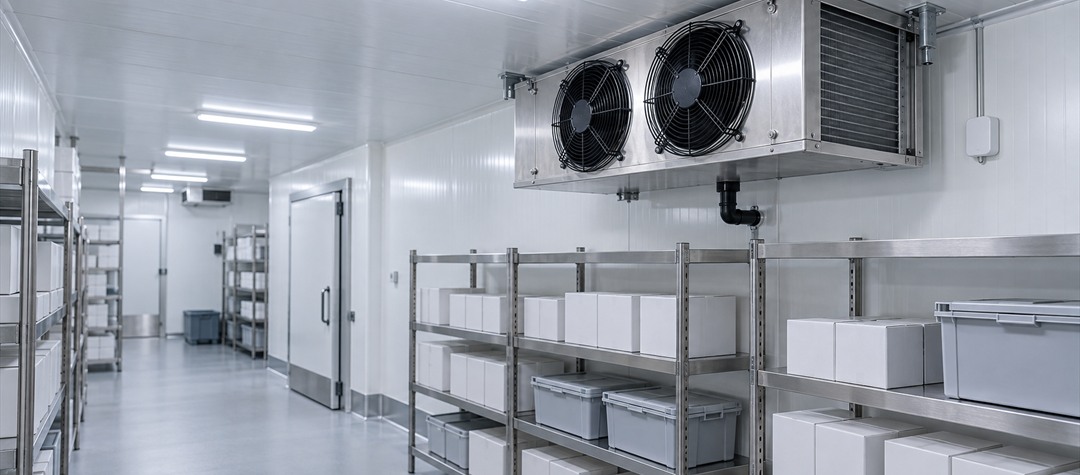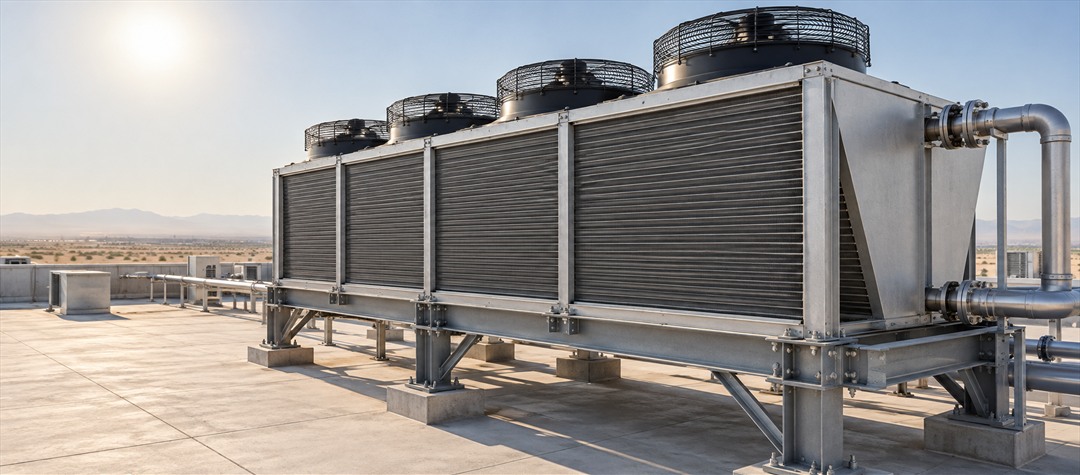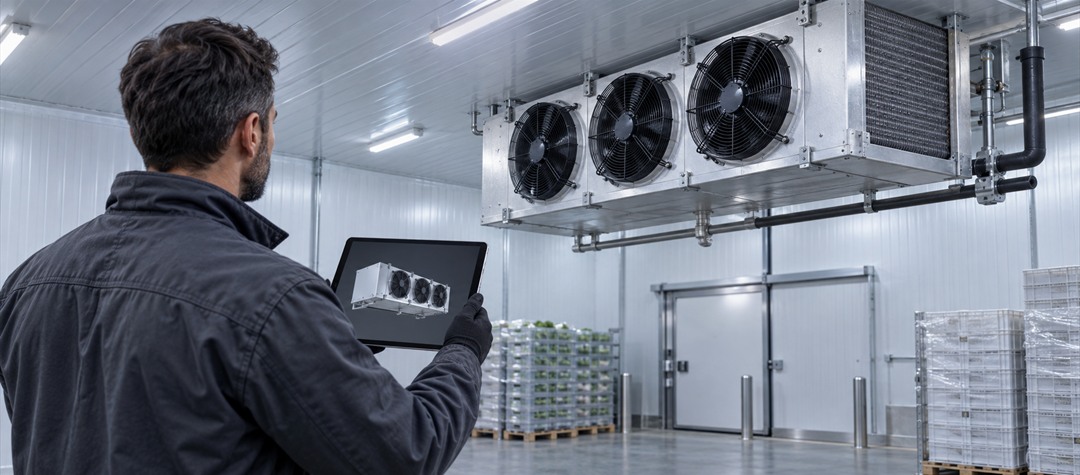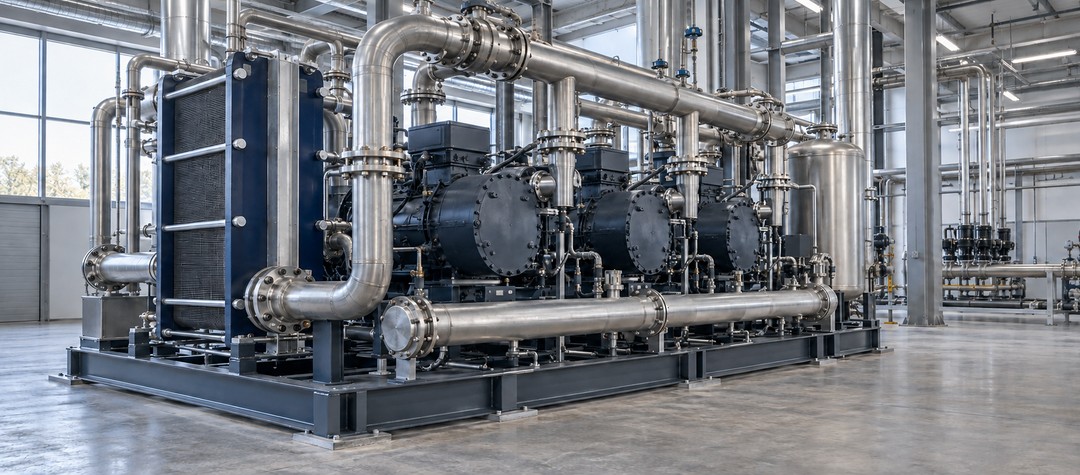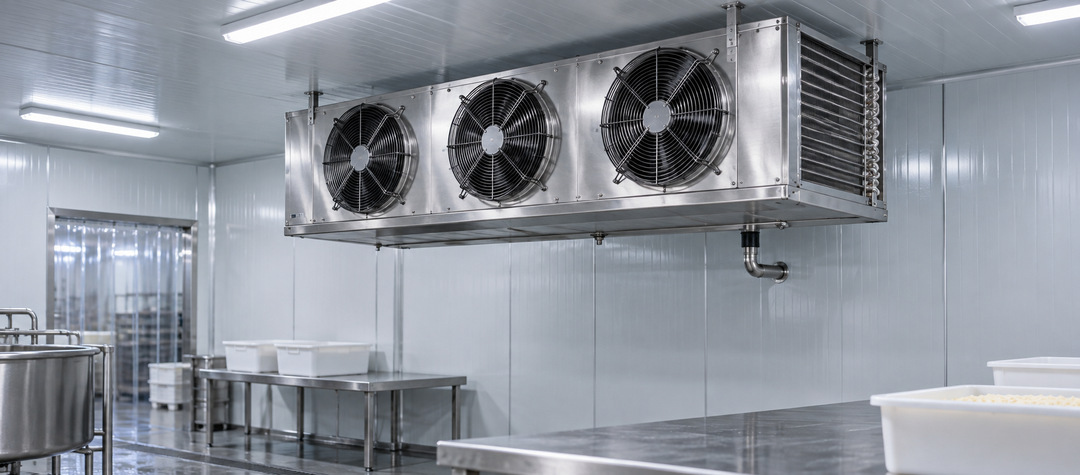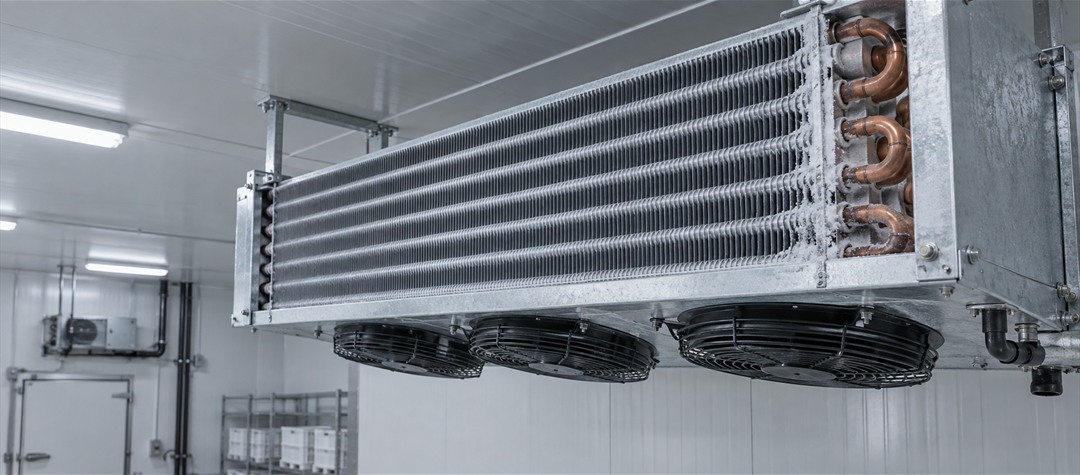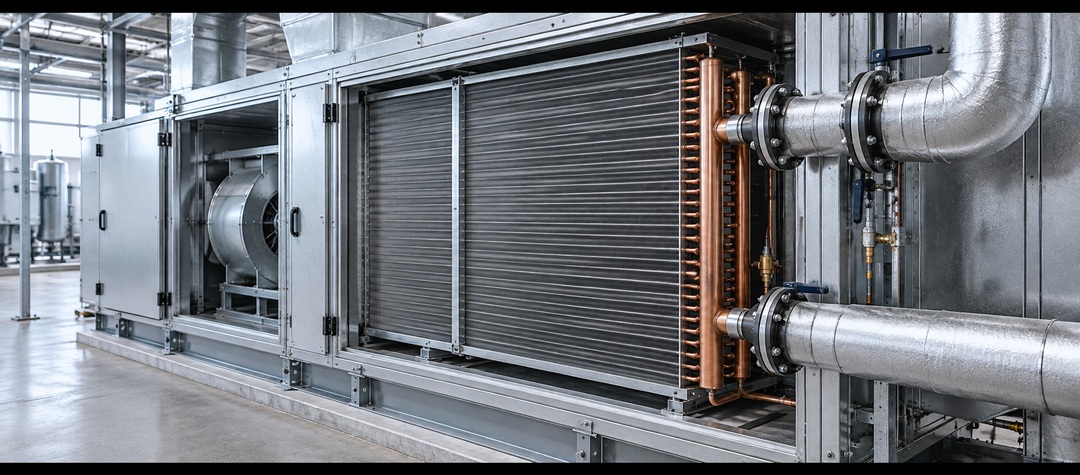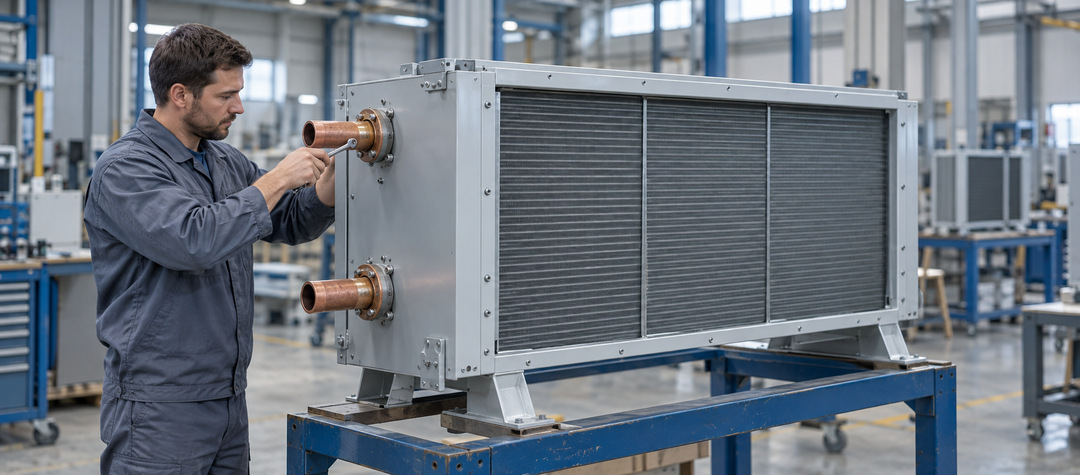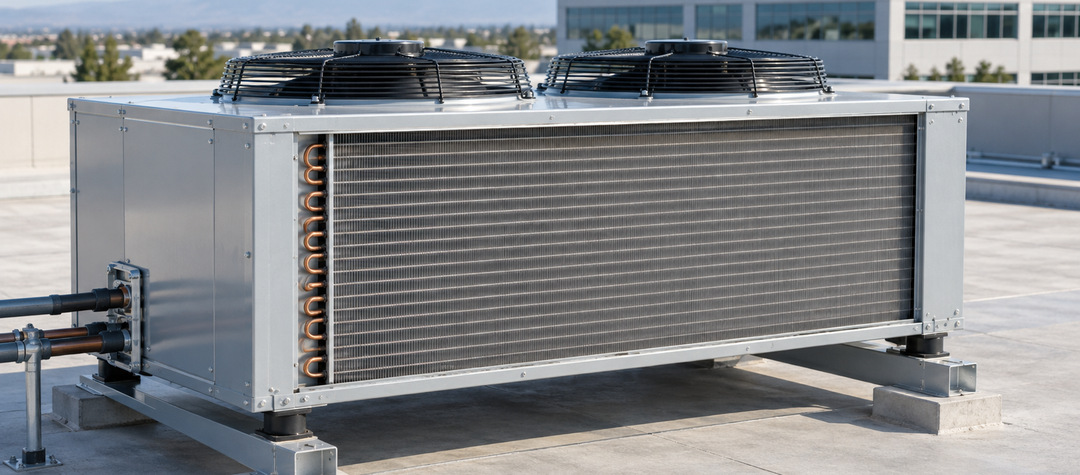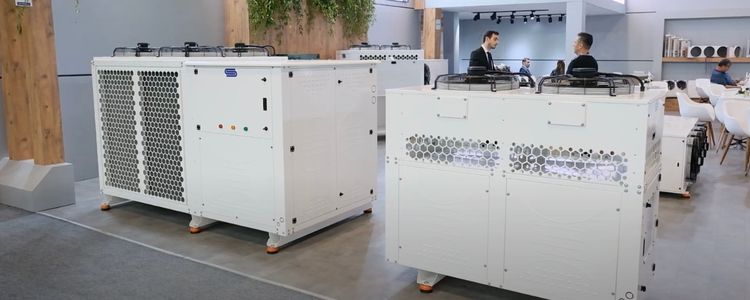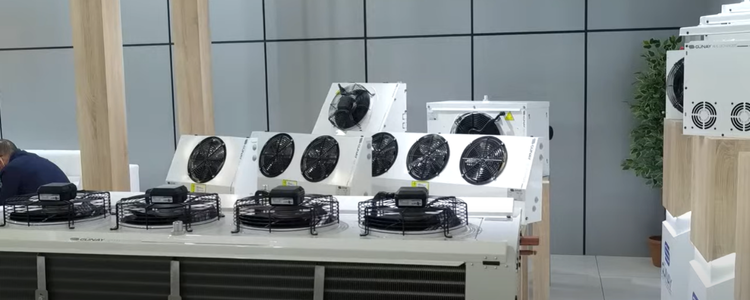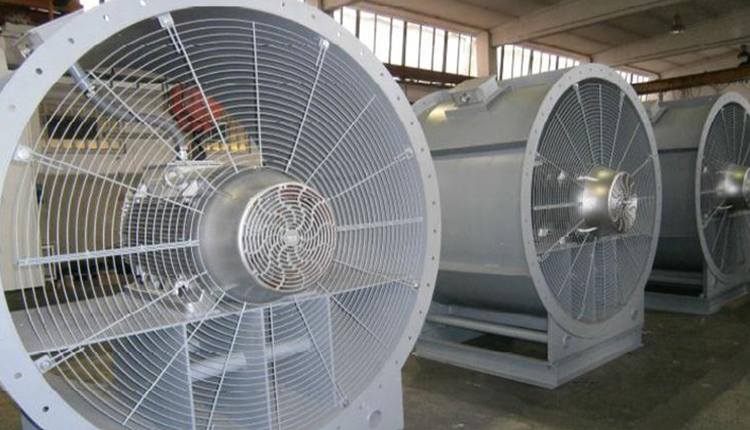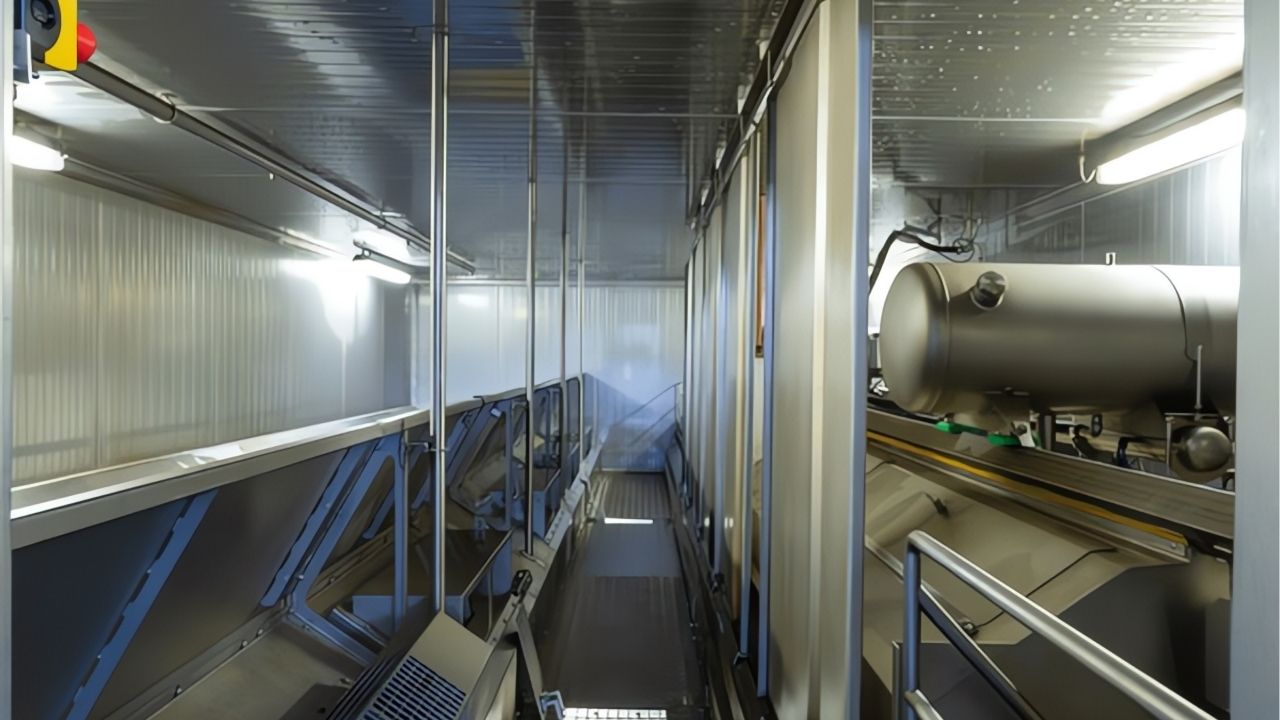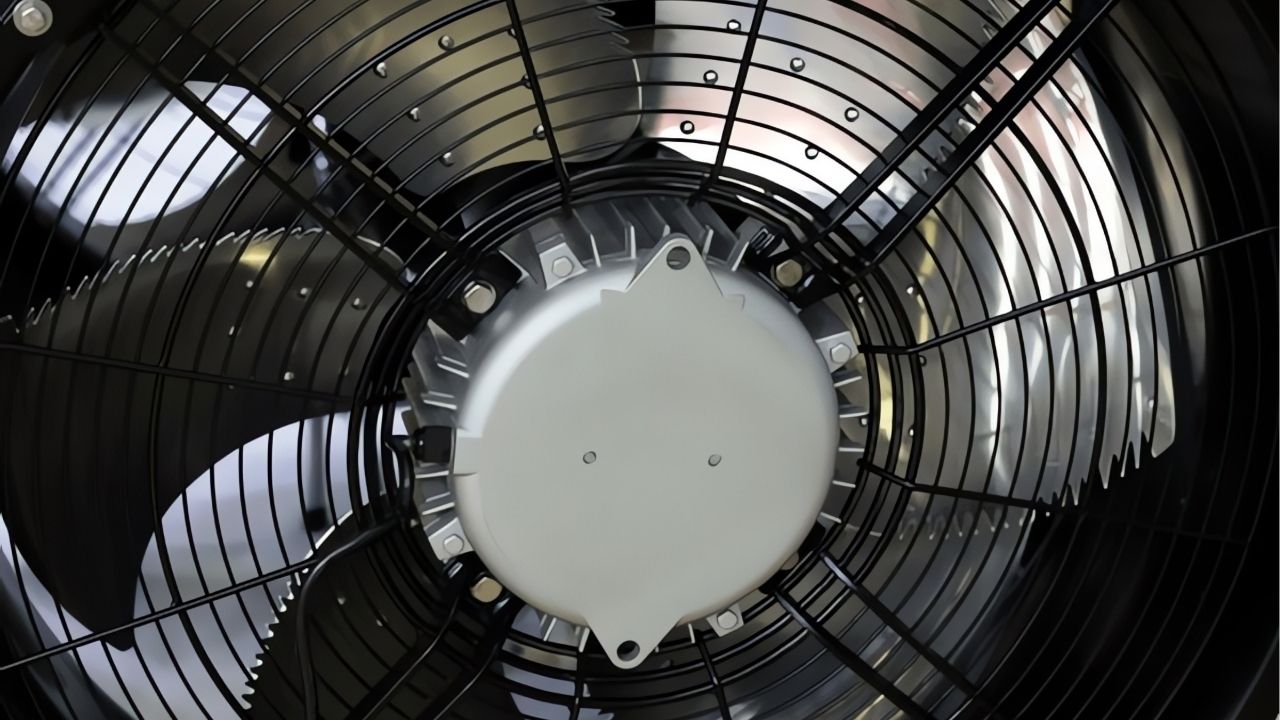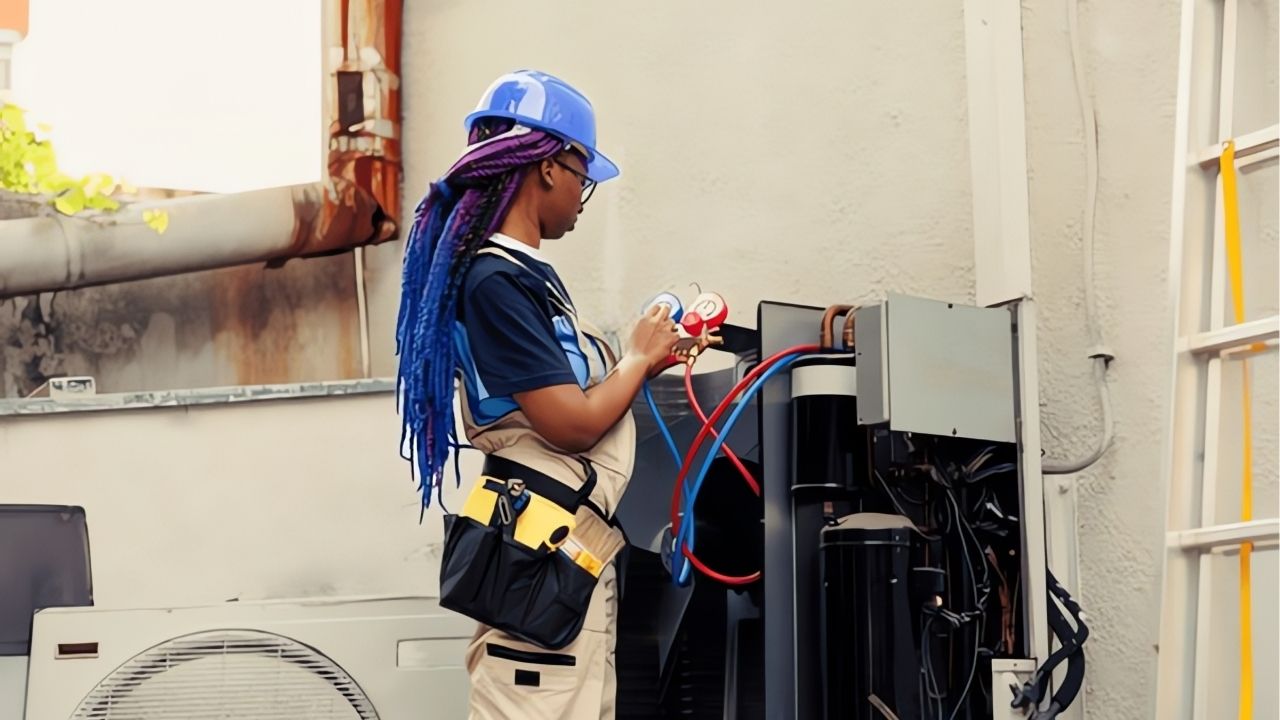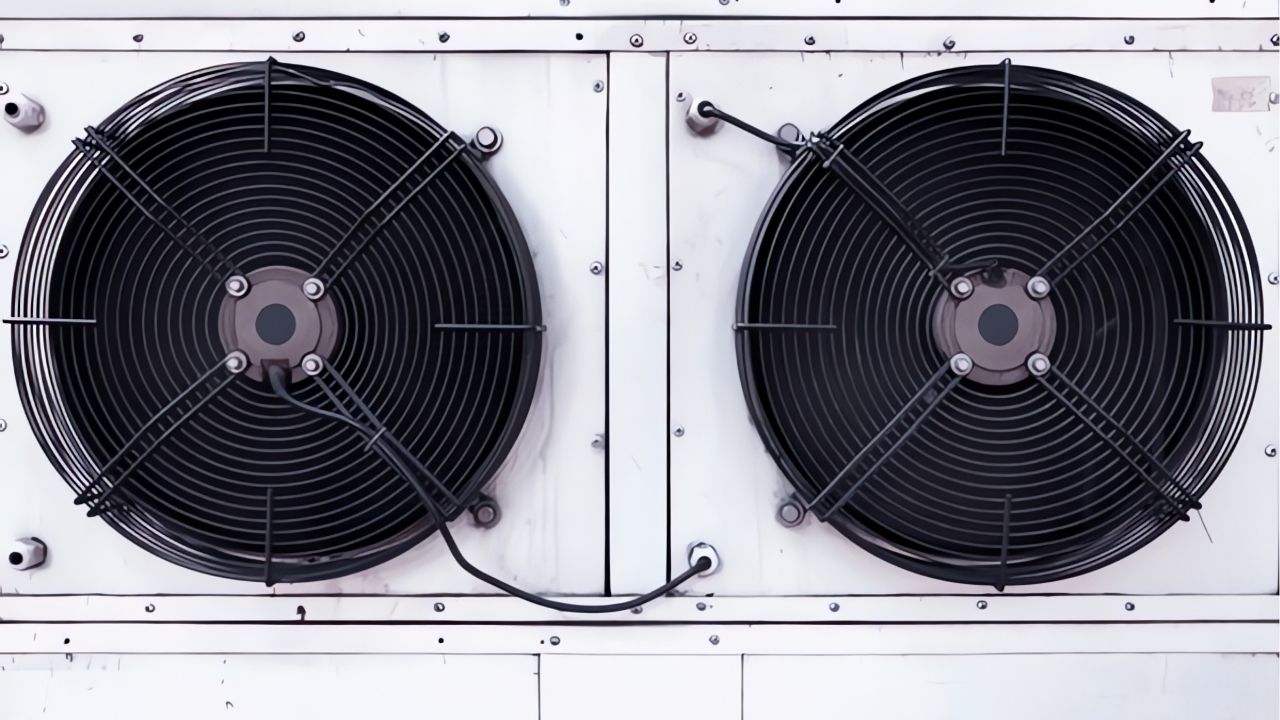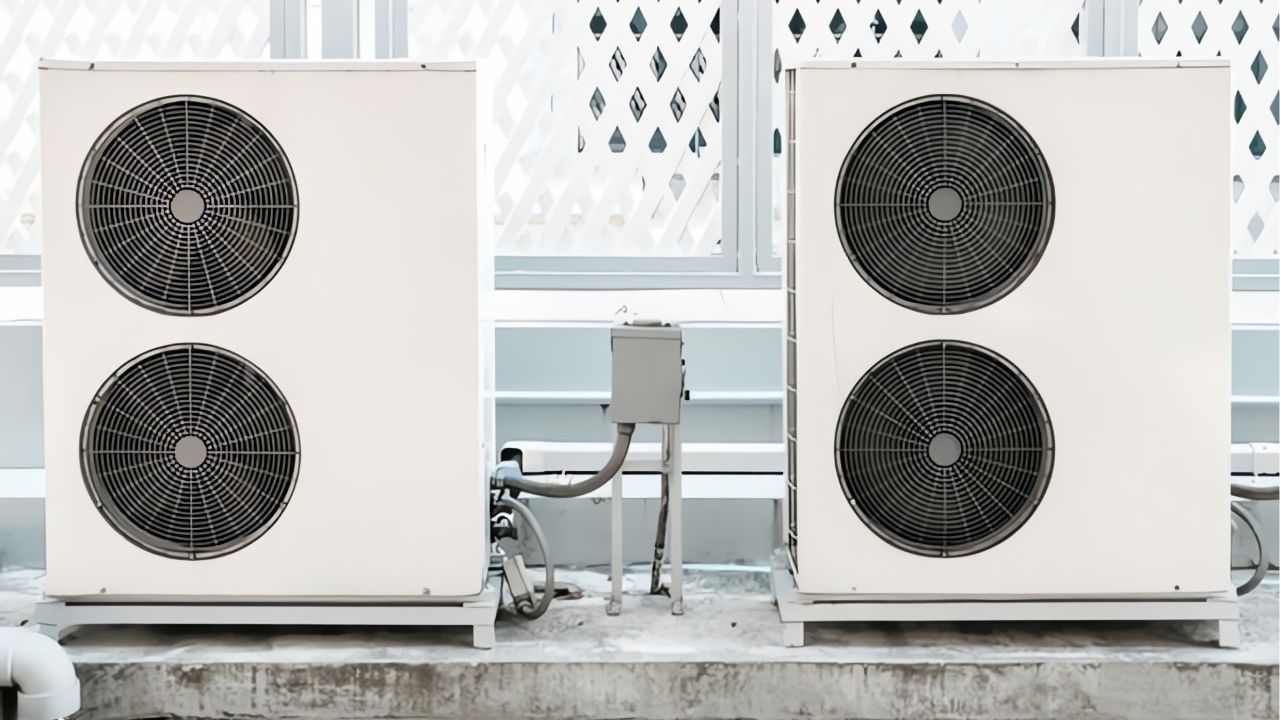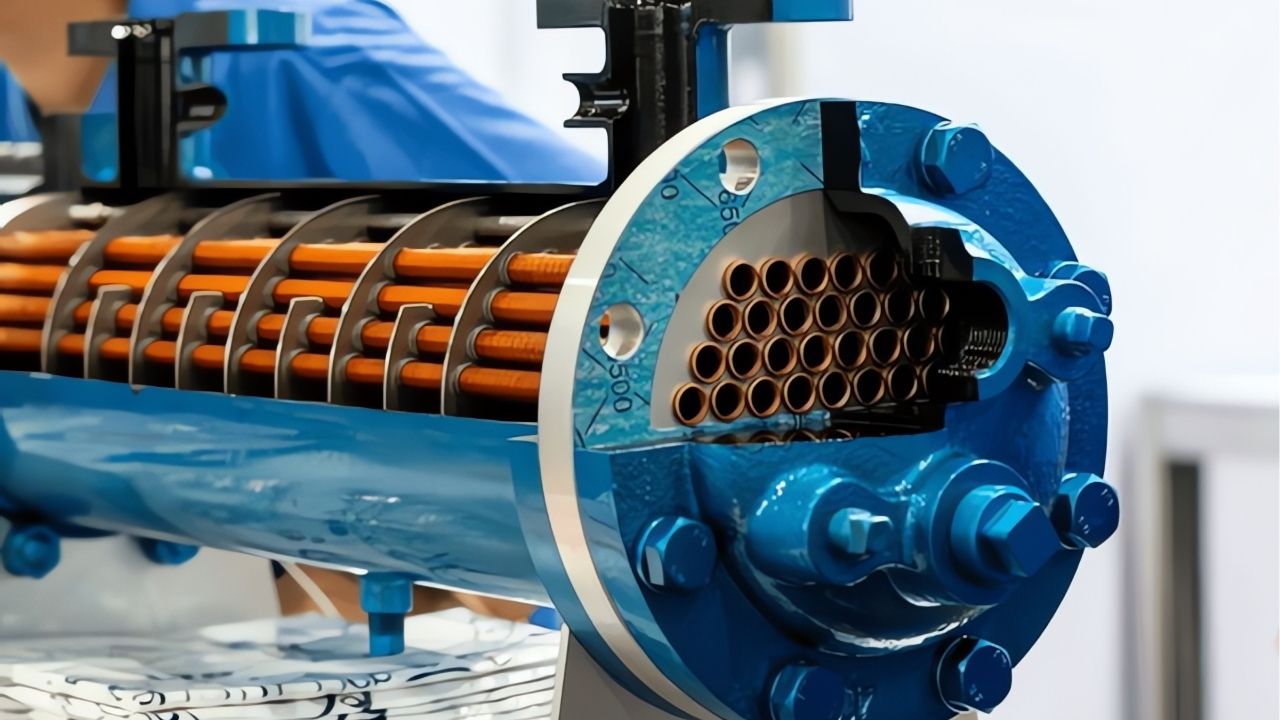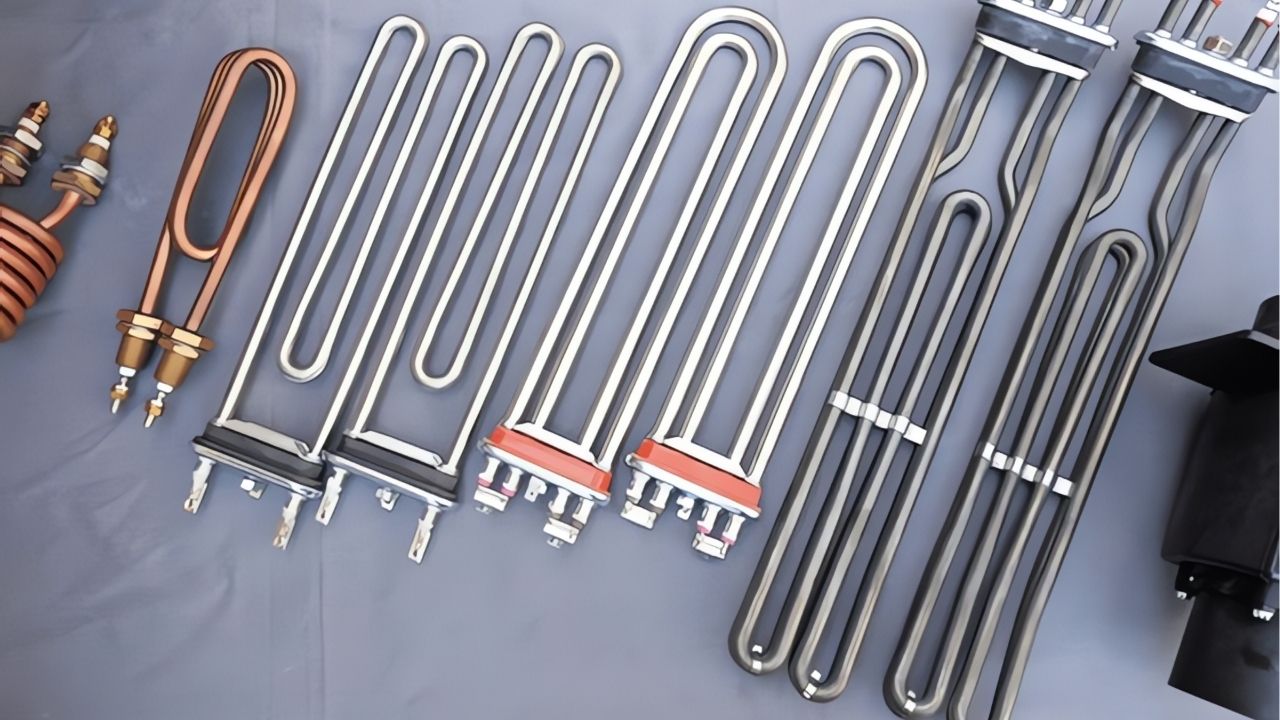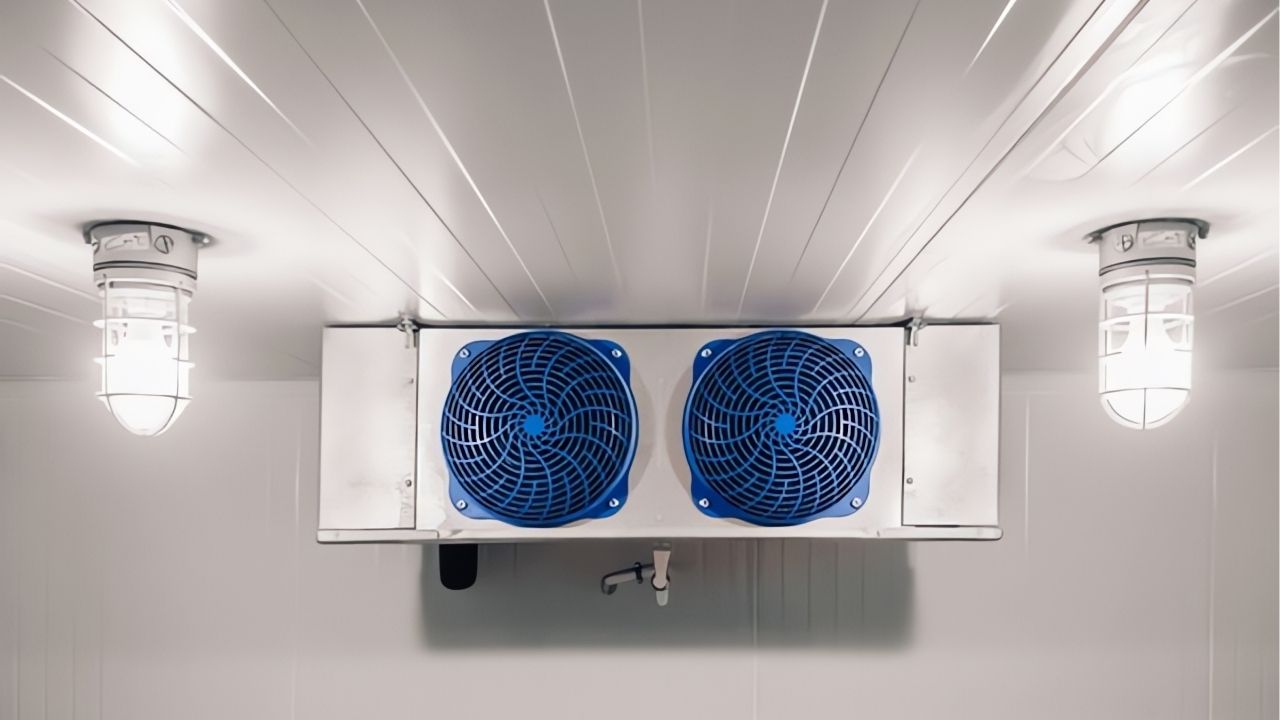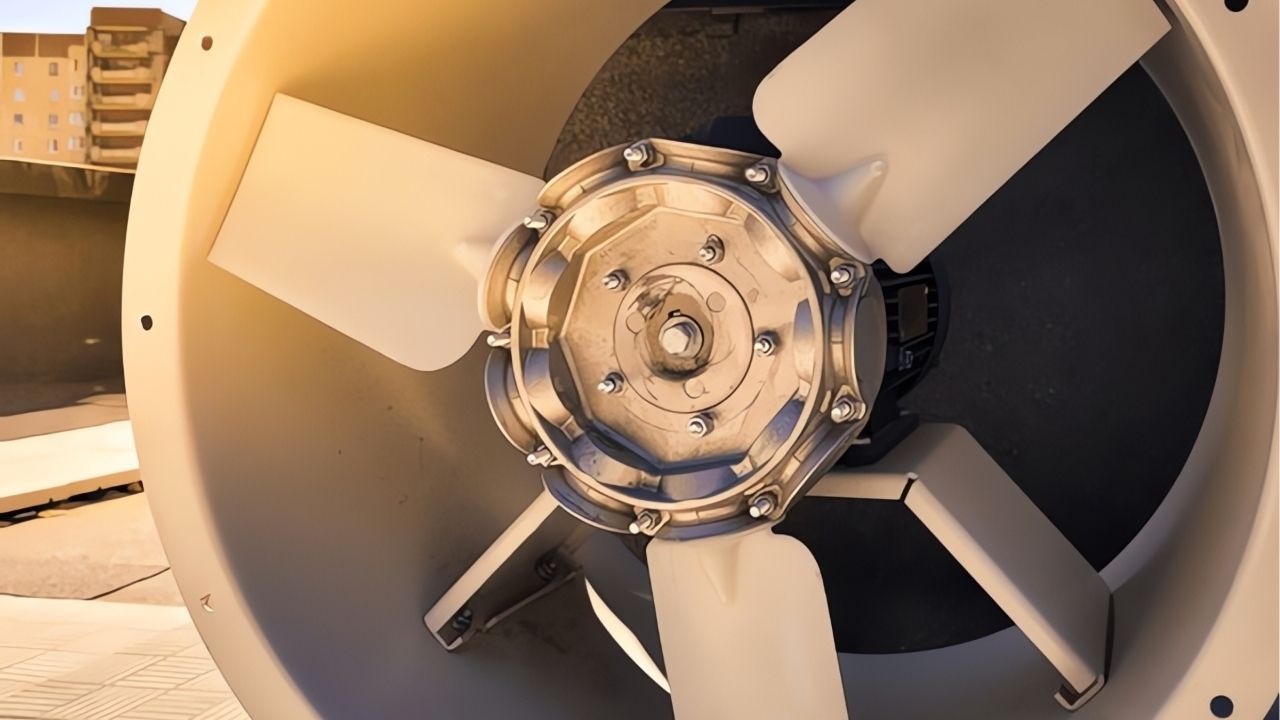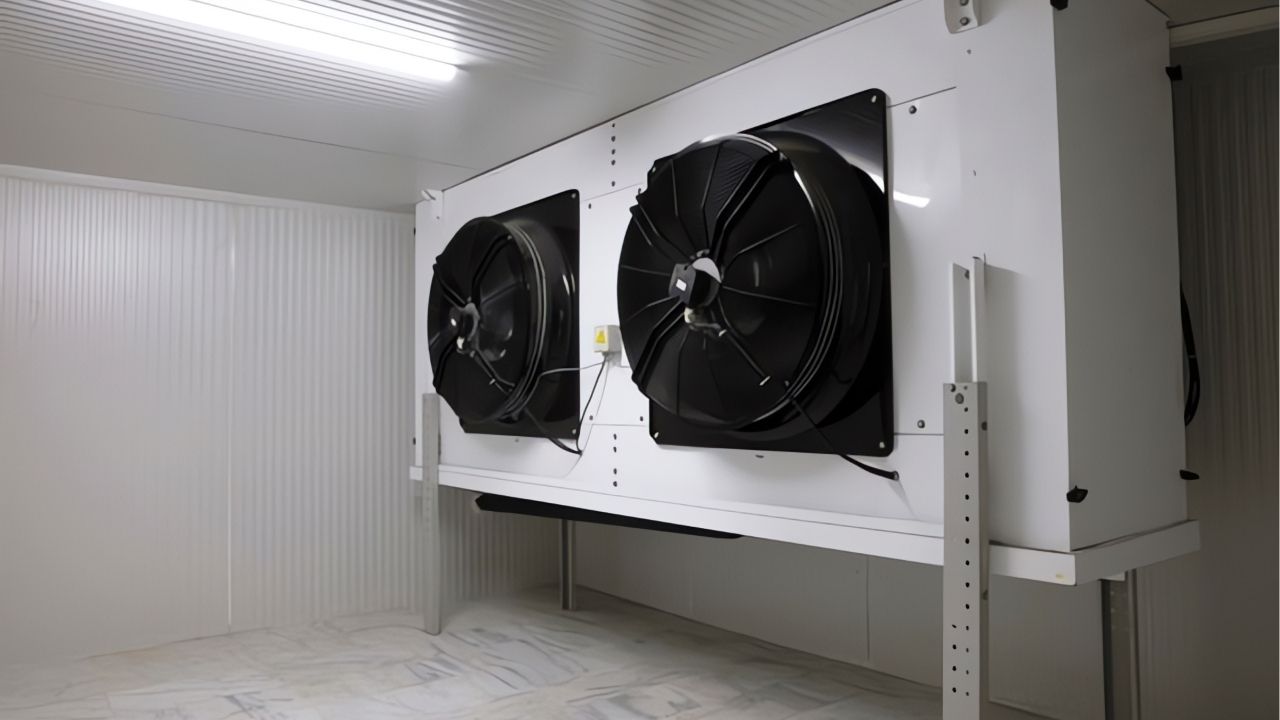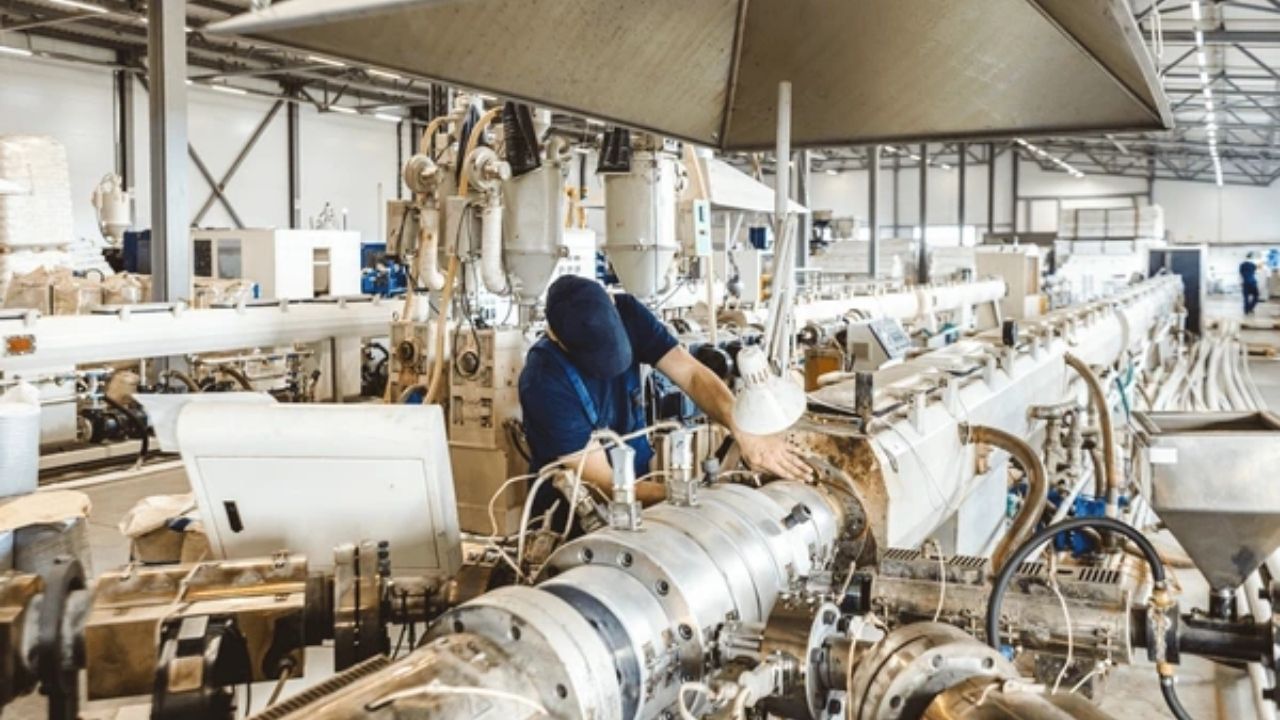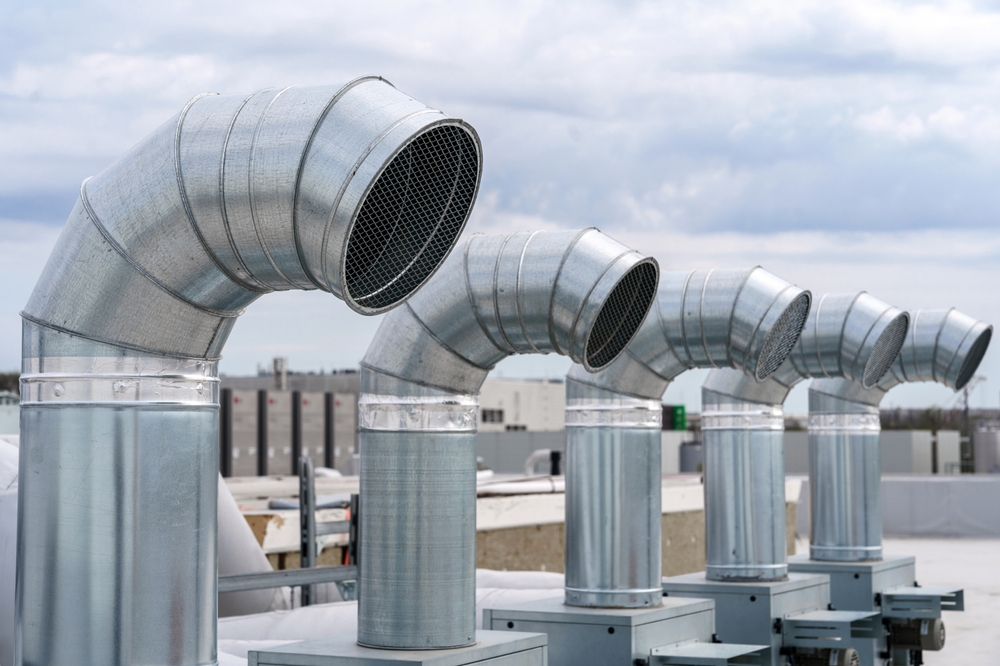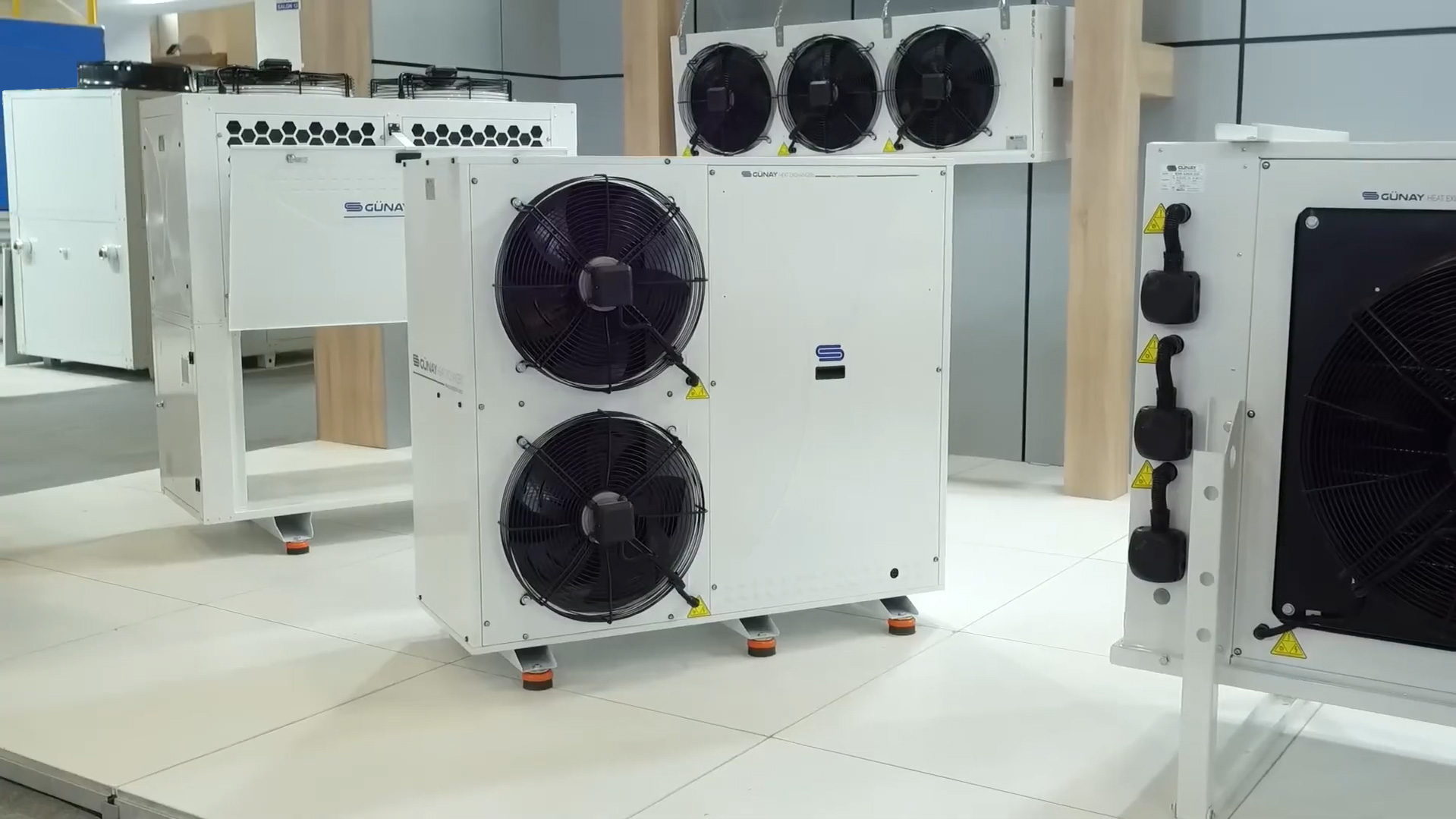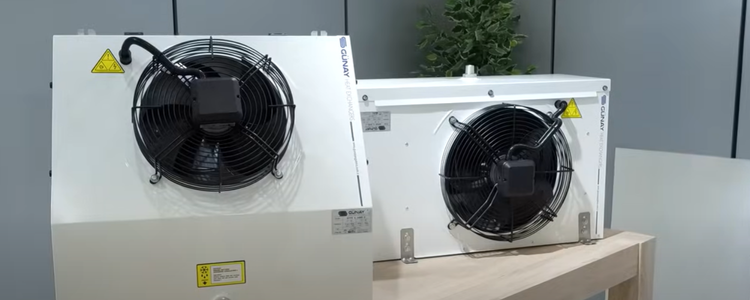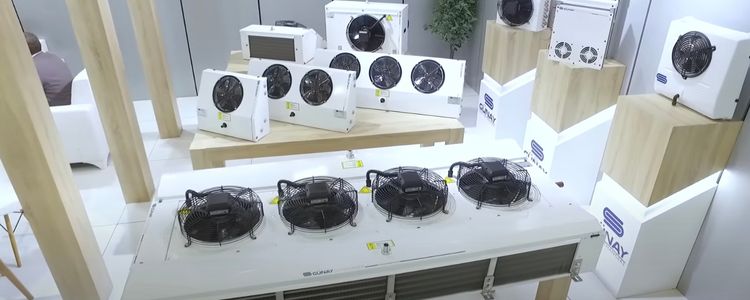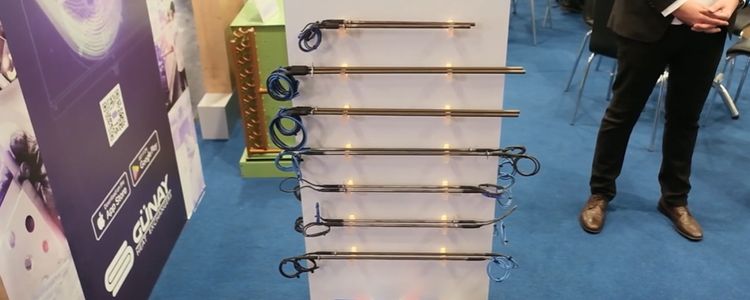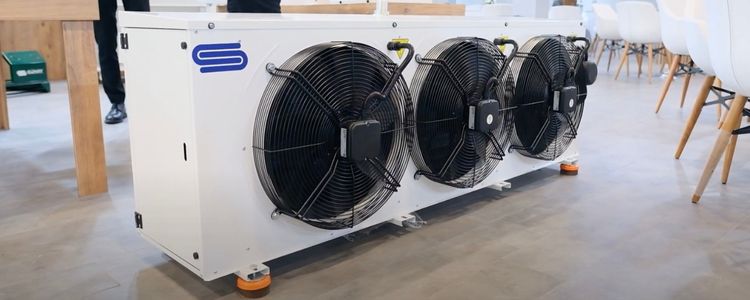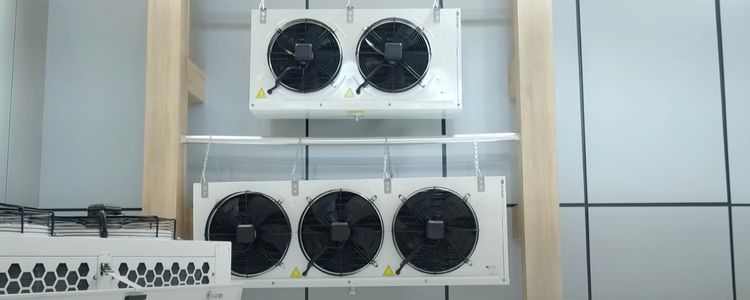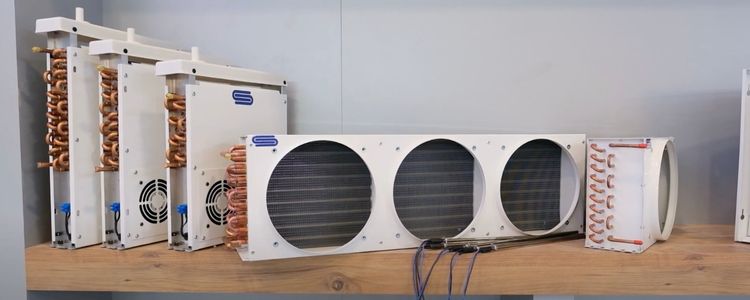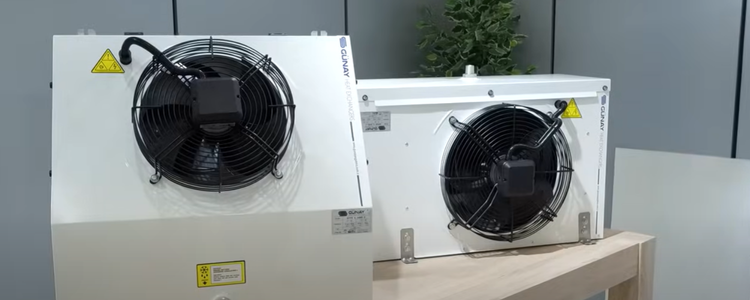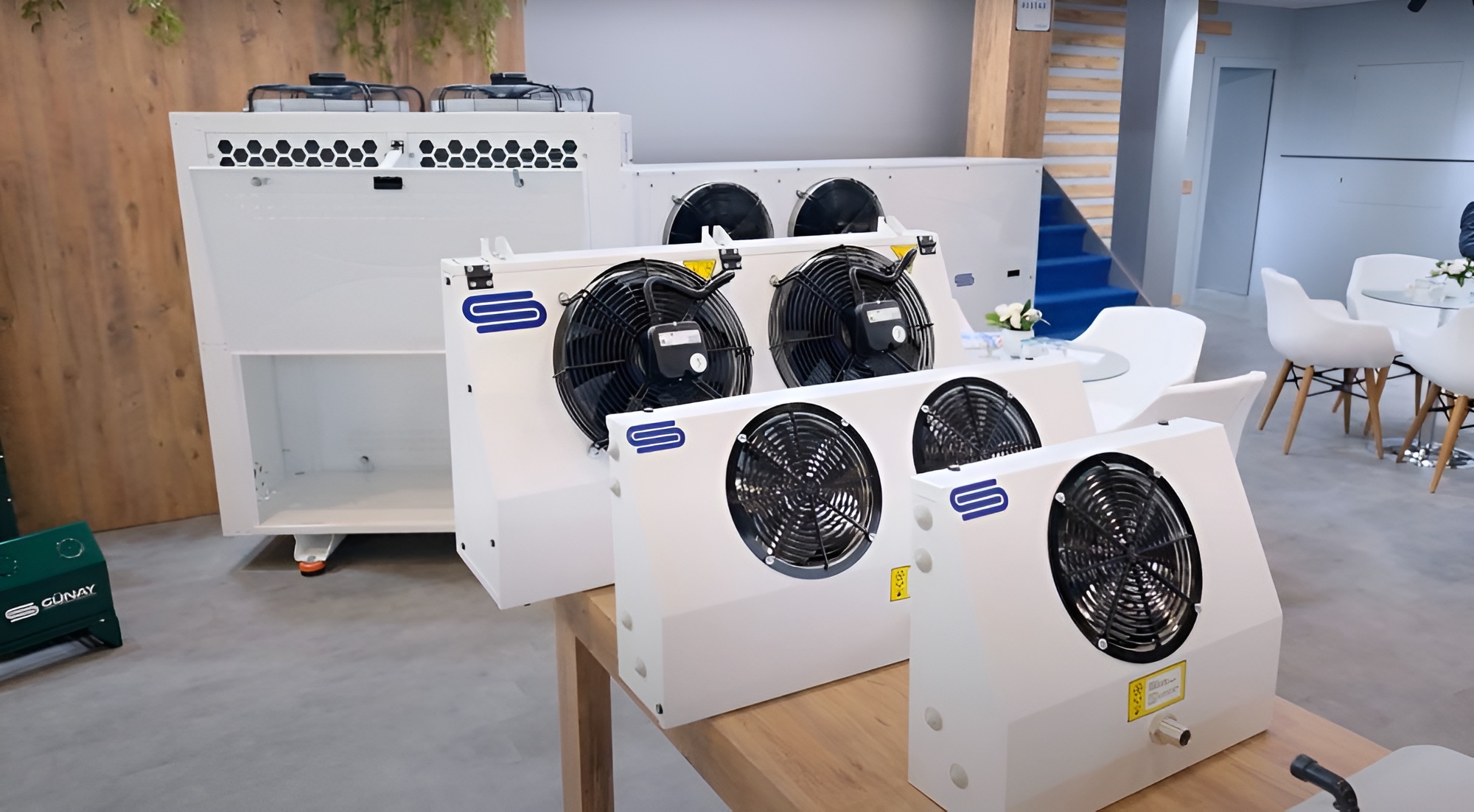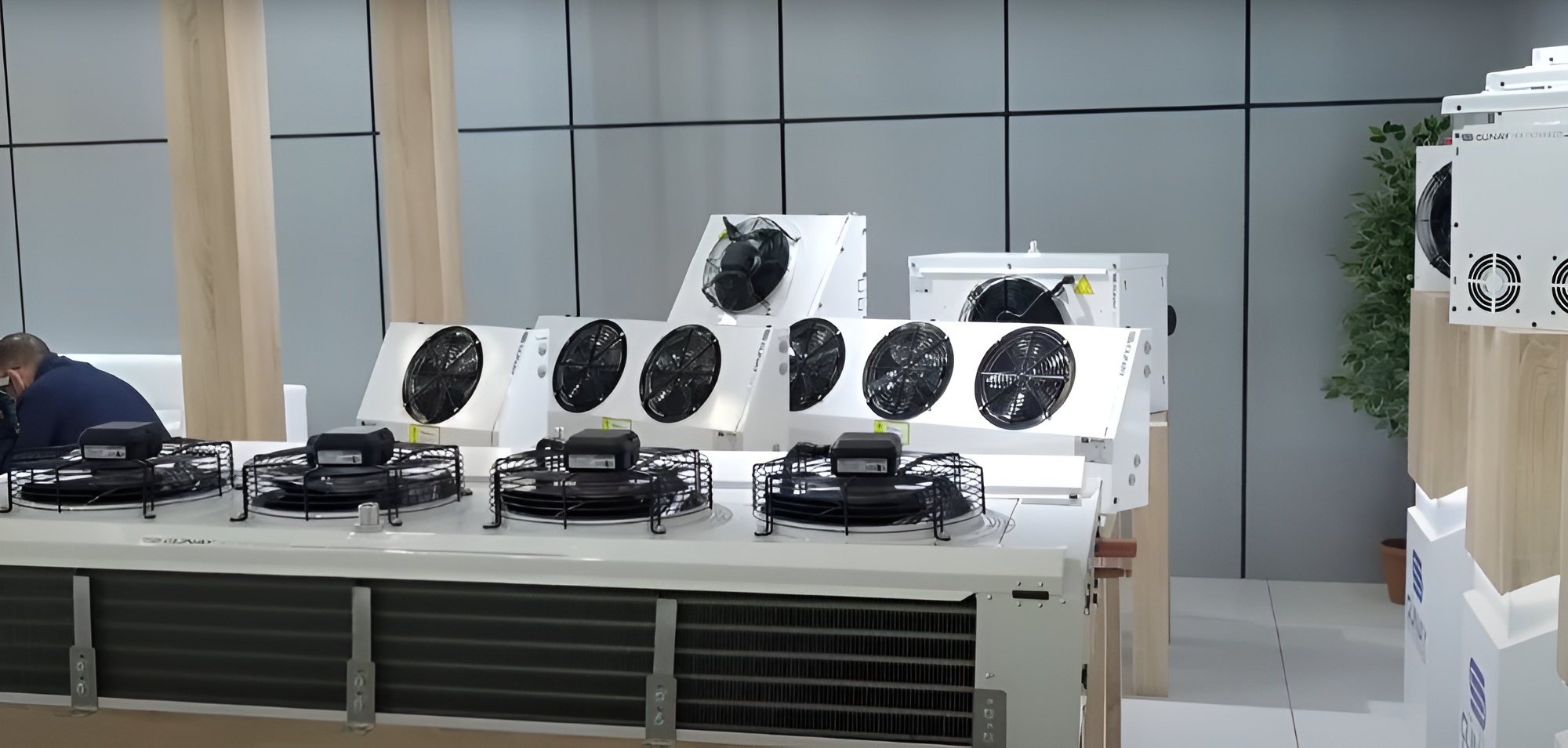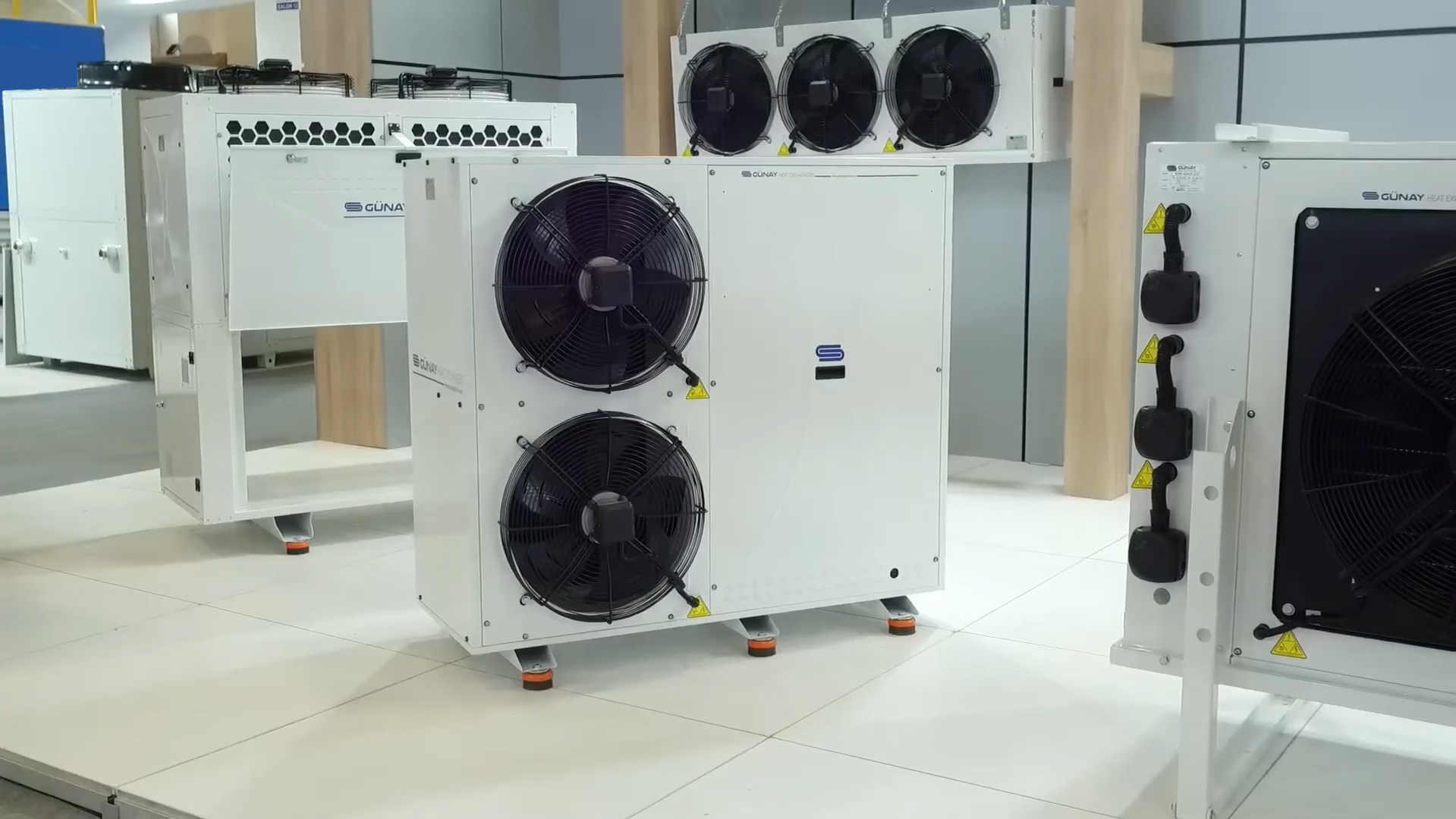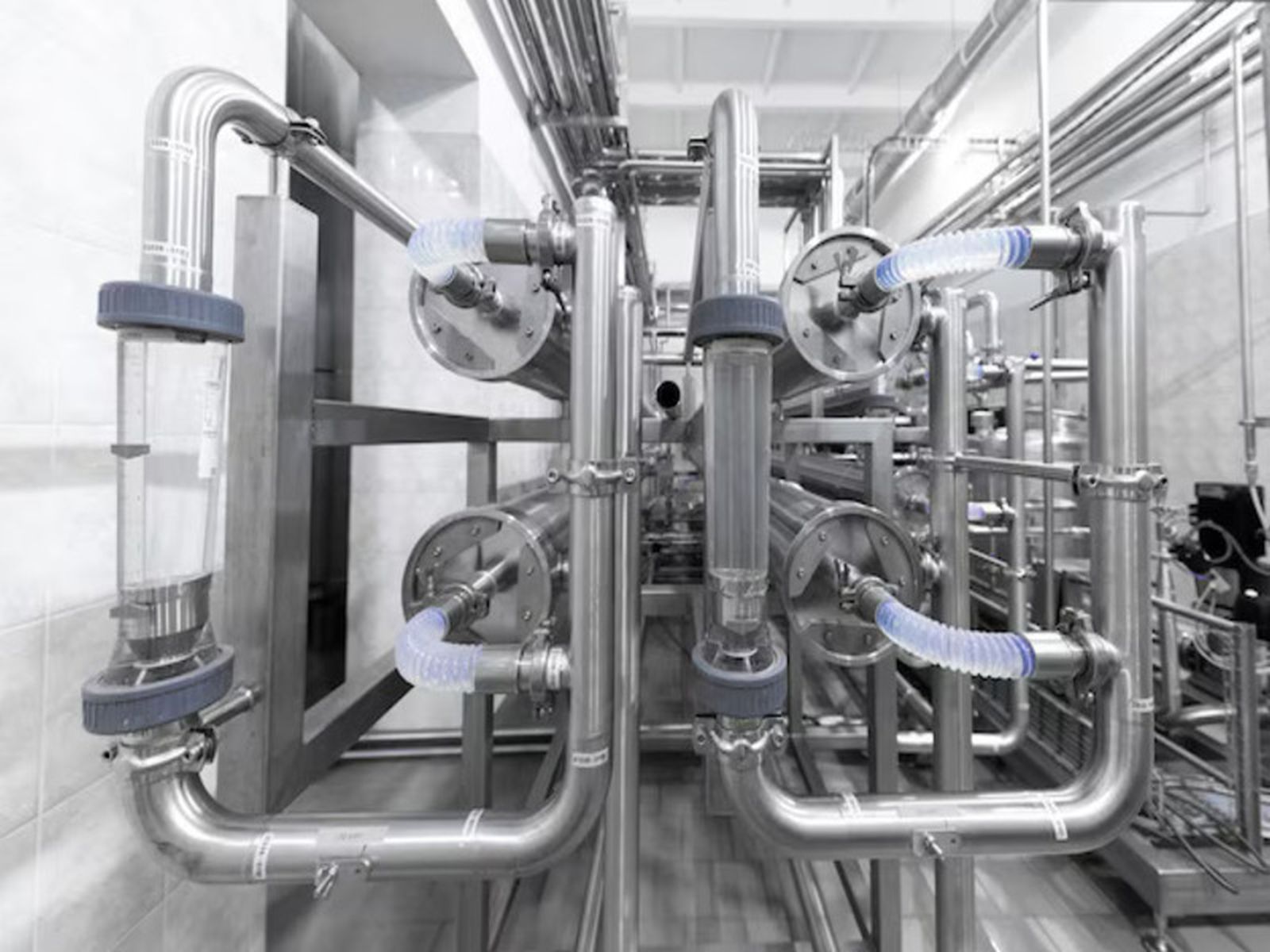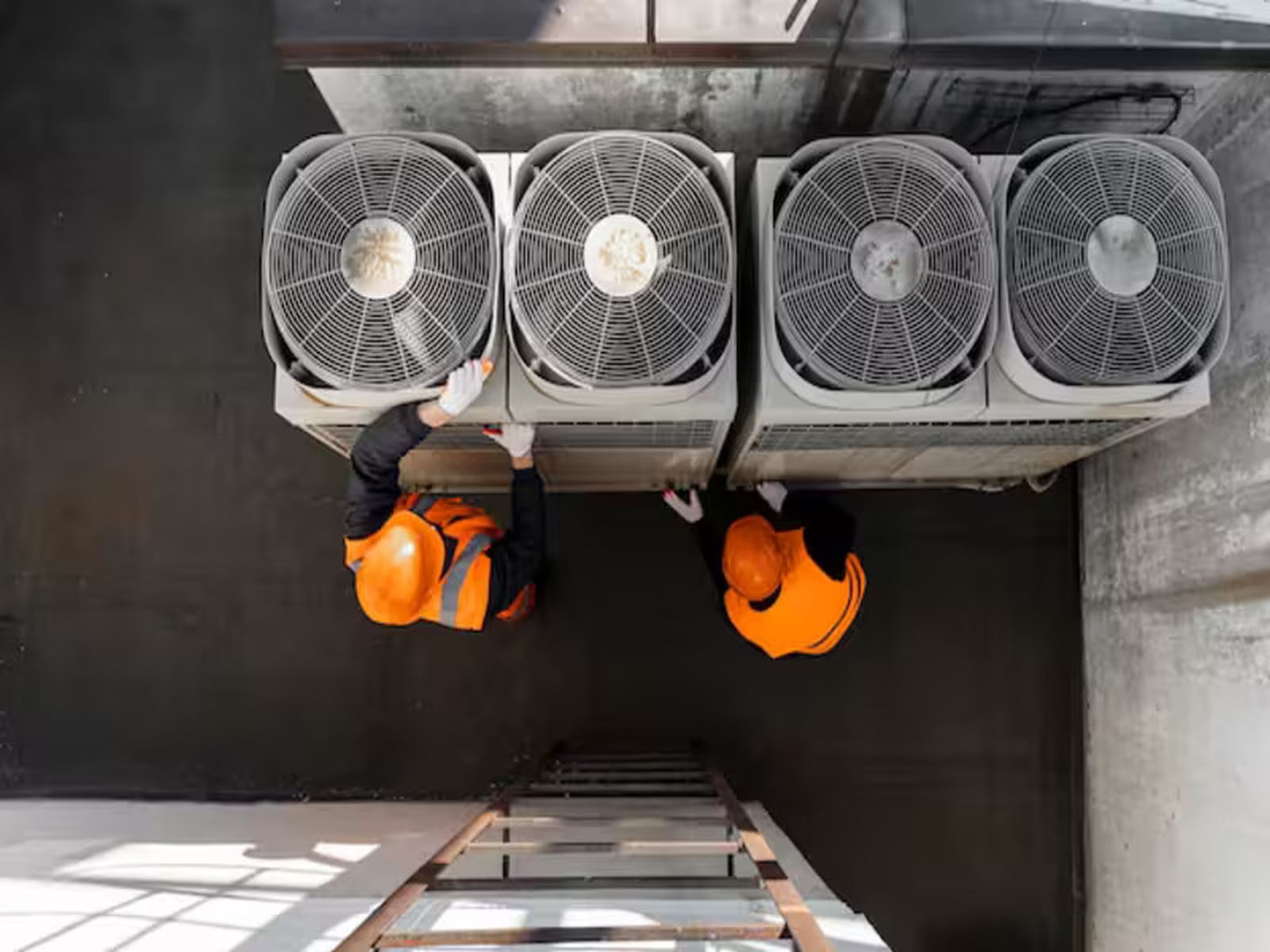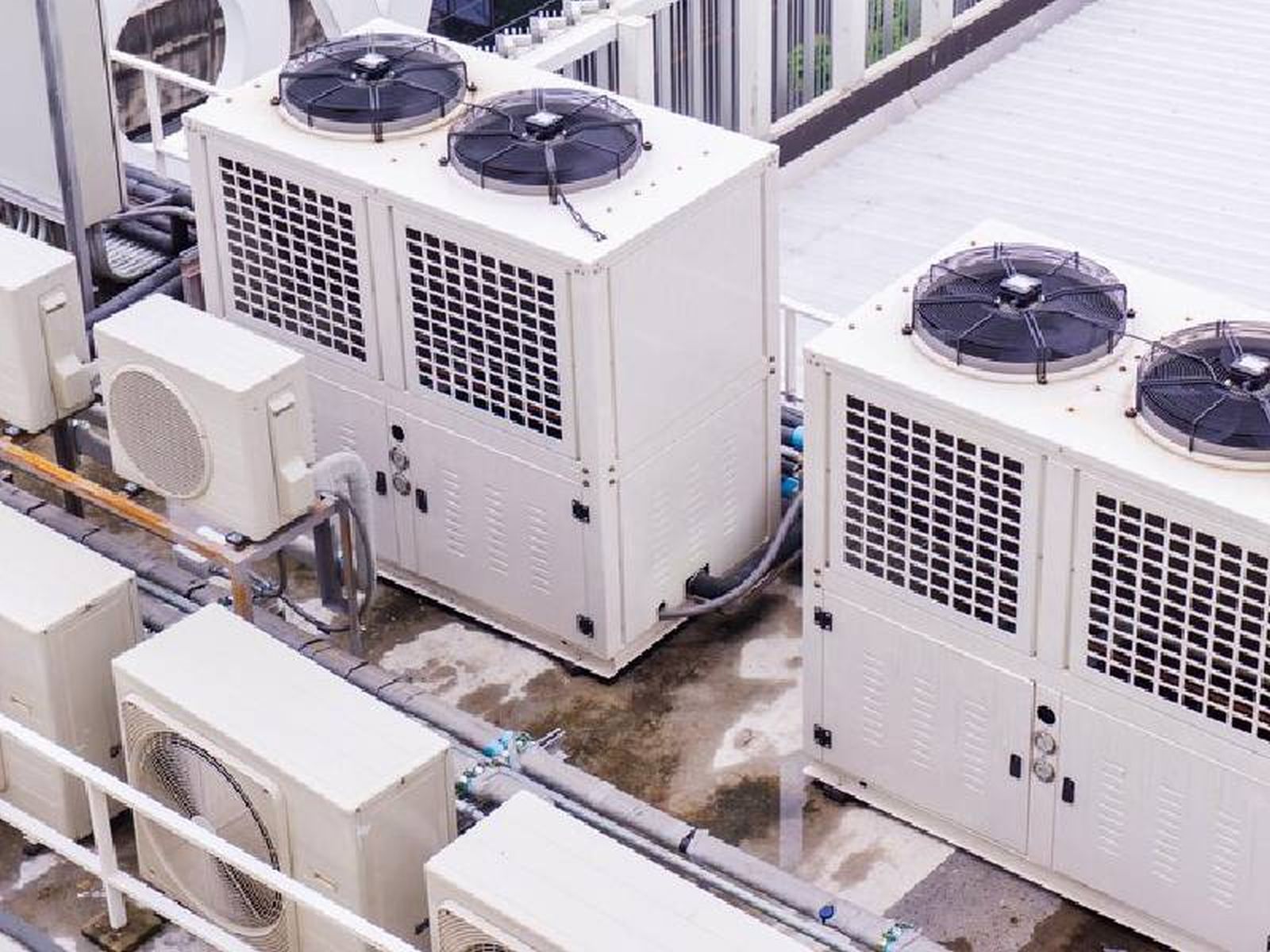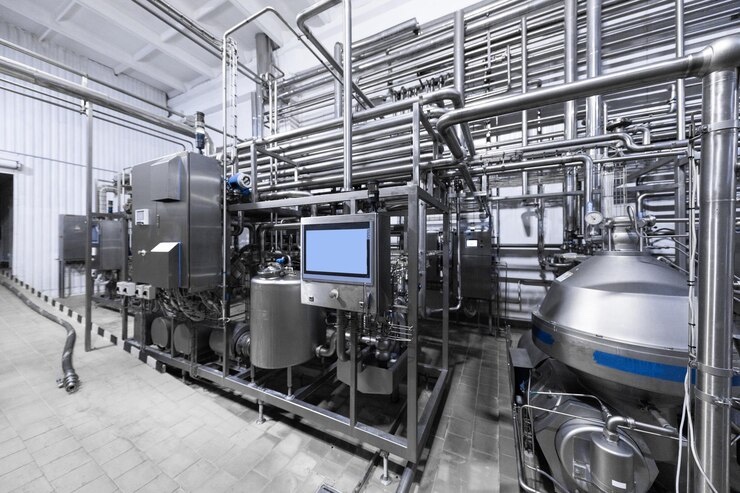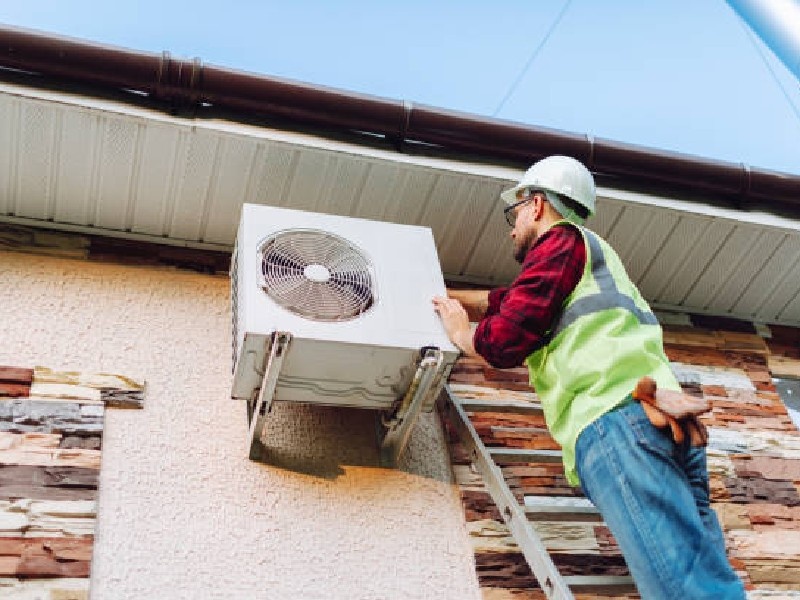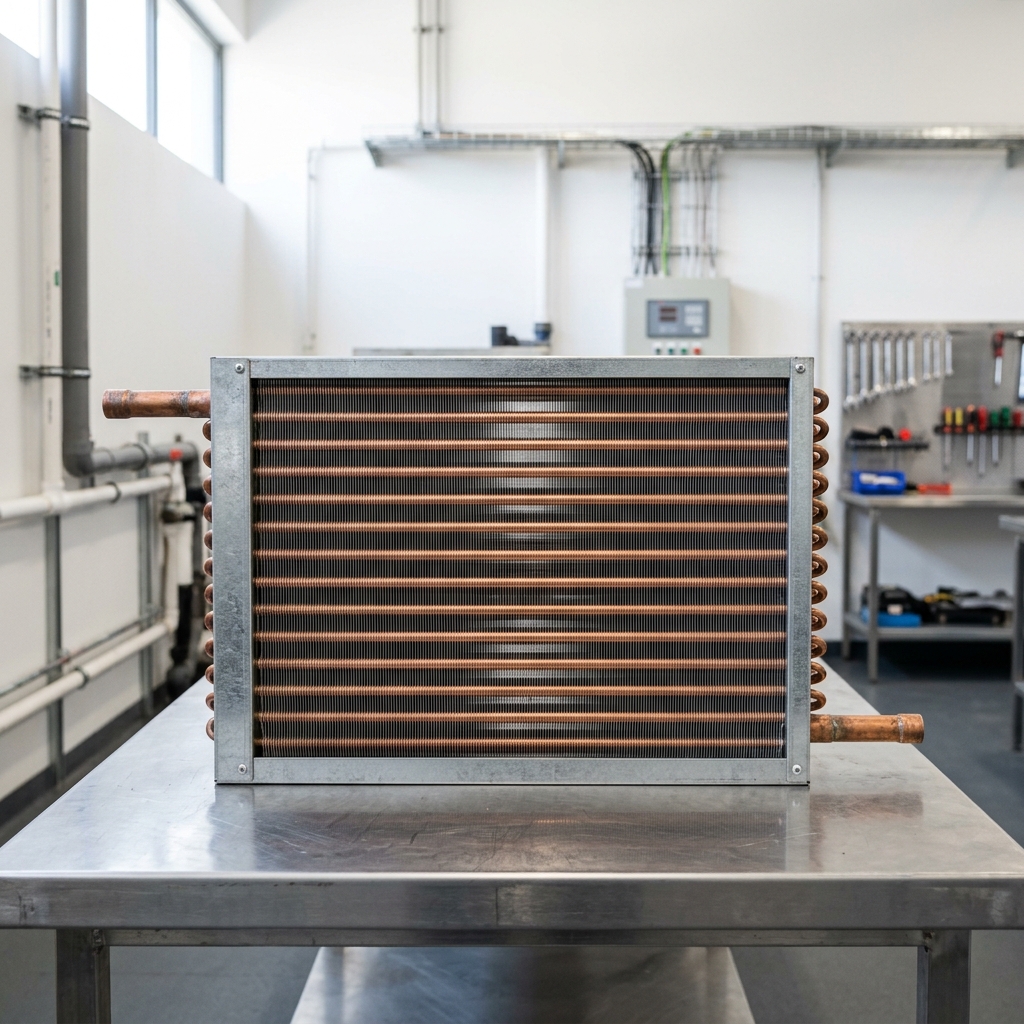
Evaporator manufacturing is the full set of interconnected production steps, extending from the preparation of tubes and fins to coil assembly, brazing, leak testing, and casing, fan and electrical connections. The capacity, durability and field reliability of an evaporator depend not only on the design but also on how carefully these steps are carried out. In this article, we go step by step through the stages an evaporator passes from the design desk to shipment and what is checked at each stage.
Table of Contents
- Which Design Step Does Evaporator Manufacturing Start With?
- How Are Fins Pressed And How Are Tubes Prepared?
- Why Is The Tube Expansion Process Important?
- How Are The Header, Distributor And Brazing Done?
- How Are Leak And Pressure Tests Applied?
- What Should Be Considered When Choosing A Quality Evaporator Manufacturer?
- Frequently Asked Questions
Which Design Step Does Evaporator Manufacturing Start With?
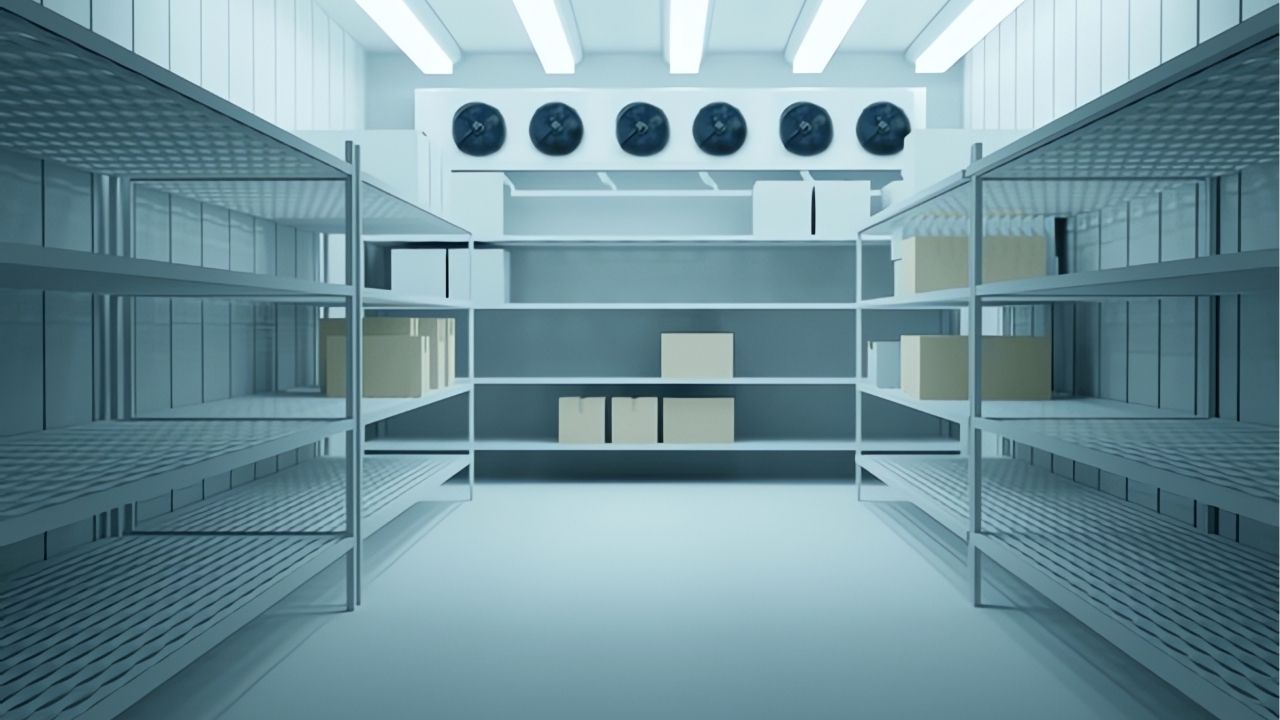
Evaporator manufacturing starts with the thermal design step, in which the coil geometry and circuit arrangement are calculated based on data such as the required capacity, room temperature, refrigerant and air flow rate. At this stage, tube diameter, fin spacing, number of rows and number of circuits are determined.
After the thermal calculation, mechanical design is carried out: casing dimensions, fan layout, drain pan, the position of defrost heaters and installation details are drawn. The design output is converted into technical documentation containing the cutting lists, bending dimensions and brazing points to be used at each step of production. Since an error made at this step carries over into all subsequent stages, design verification is the critical first link of production.
How Are Fins Pressed And How Are Tubes Prepared?
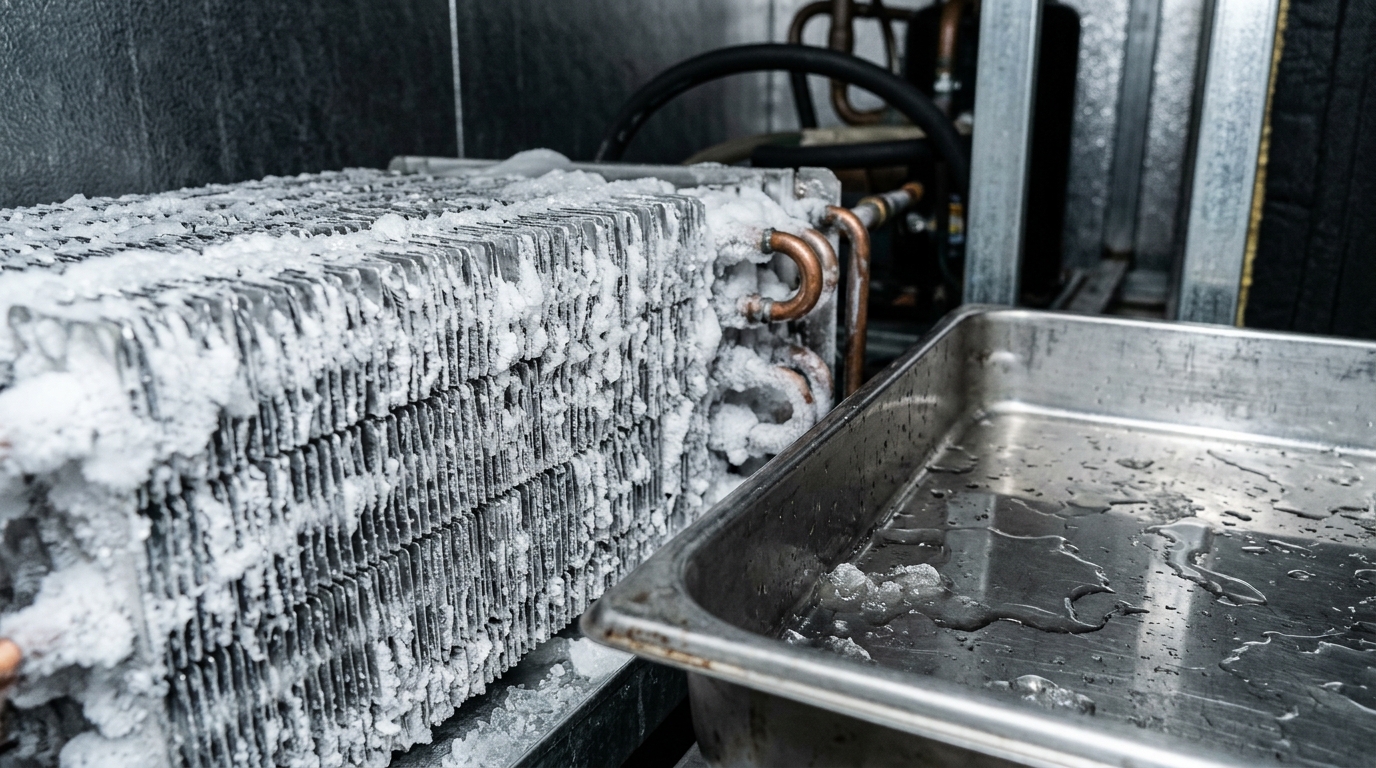
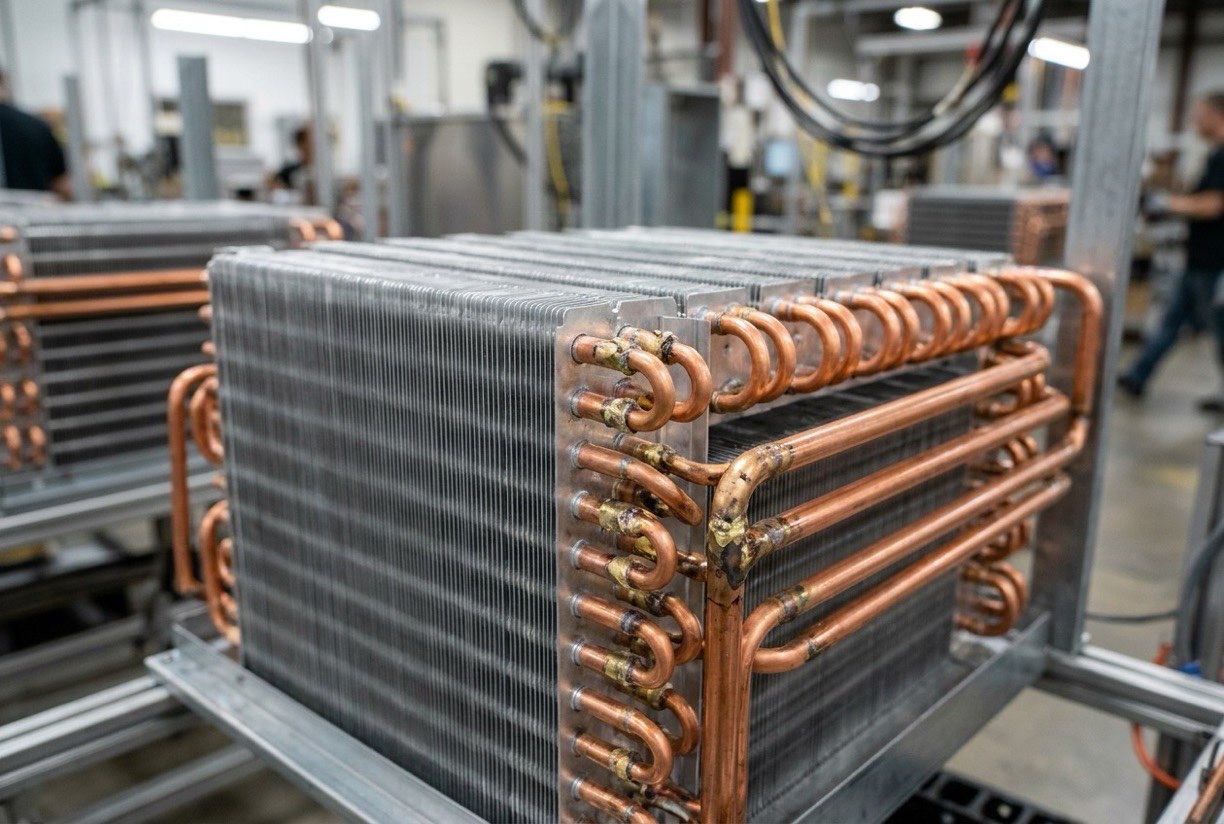
Fins are produced by pressing coil strip sheets of aluminium, or a different material depending on project requirements, with special dies to punch holes, form collars and cut them to the required length. The profile on the fin surface and the collar height determine both heat transfer and the spacing between fins.
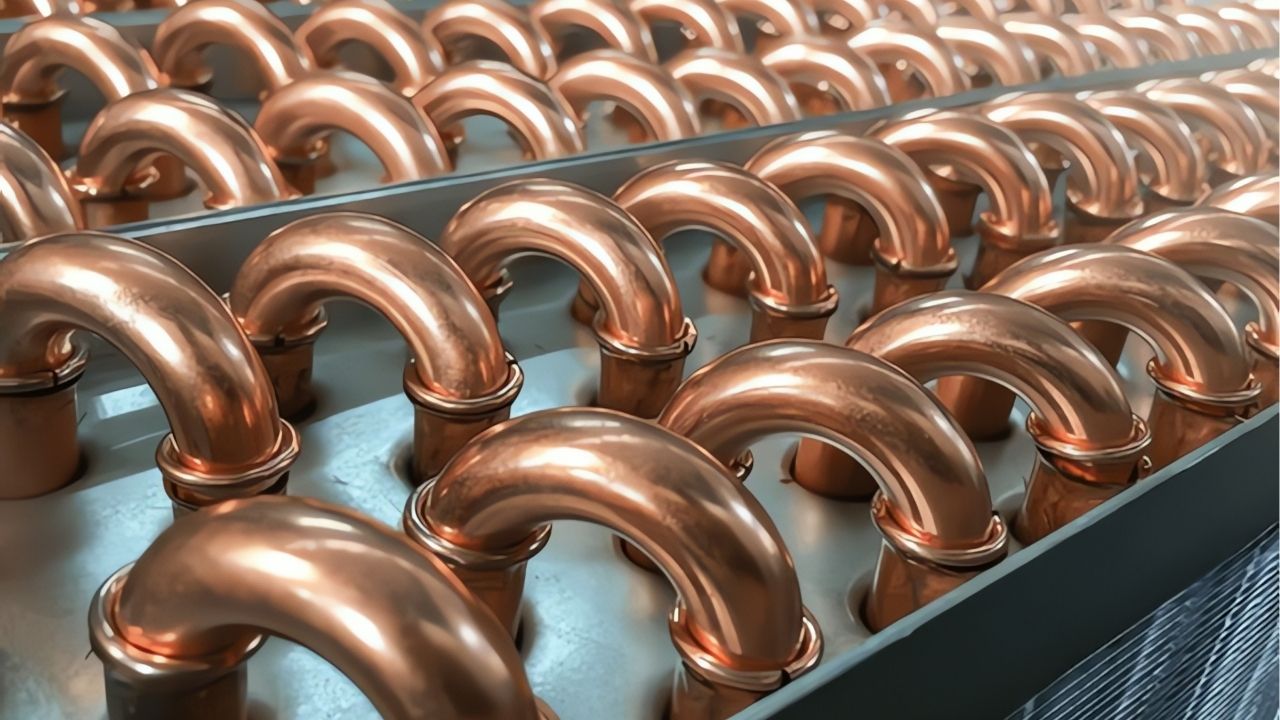
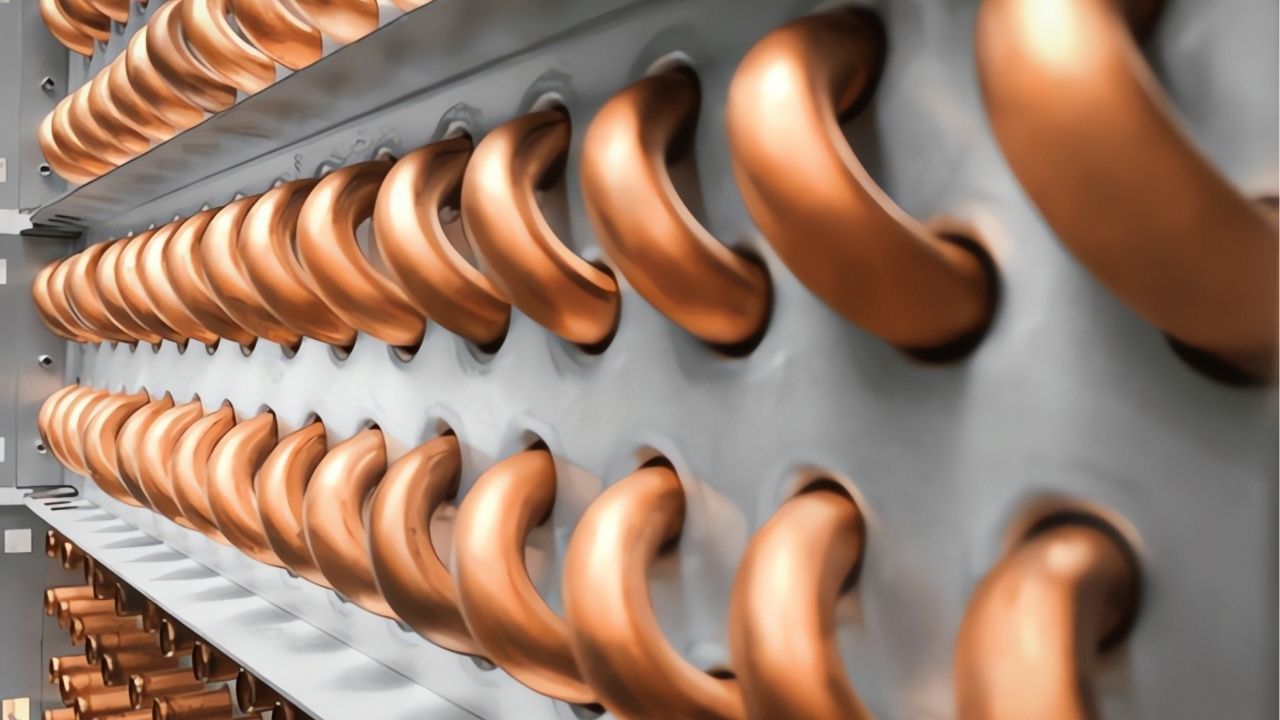
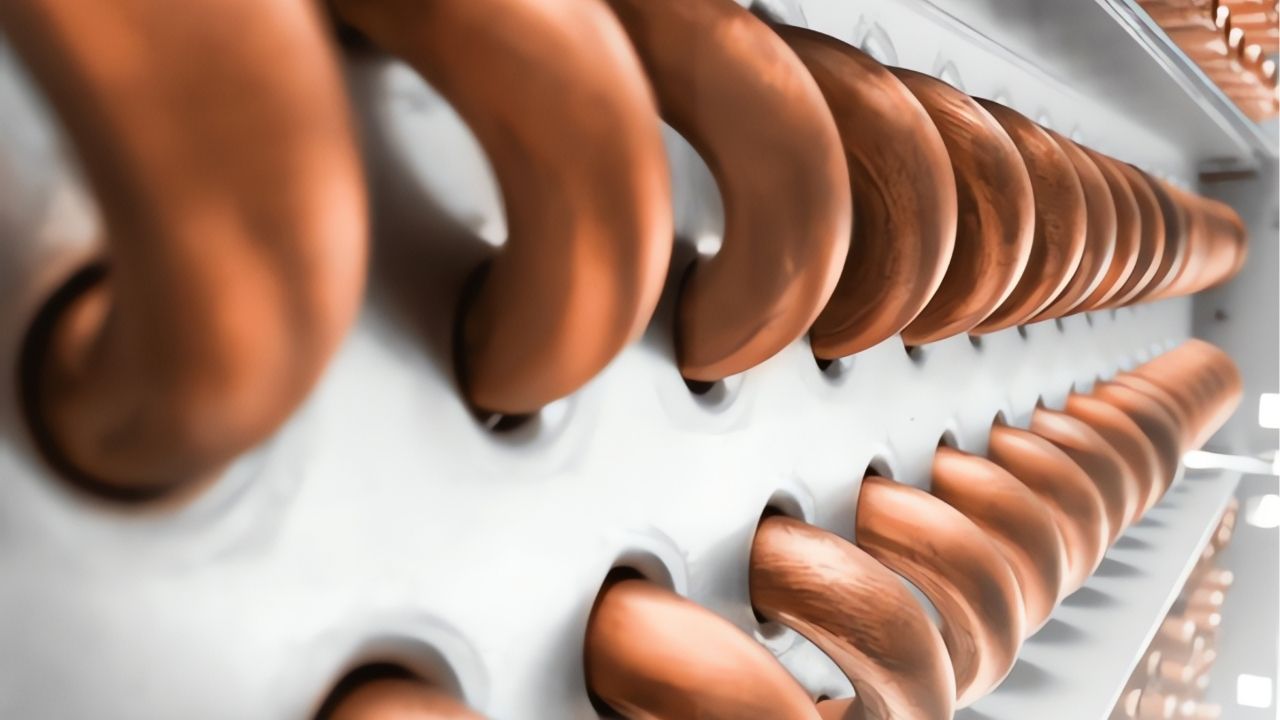
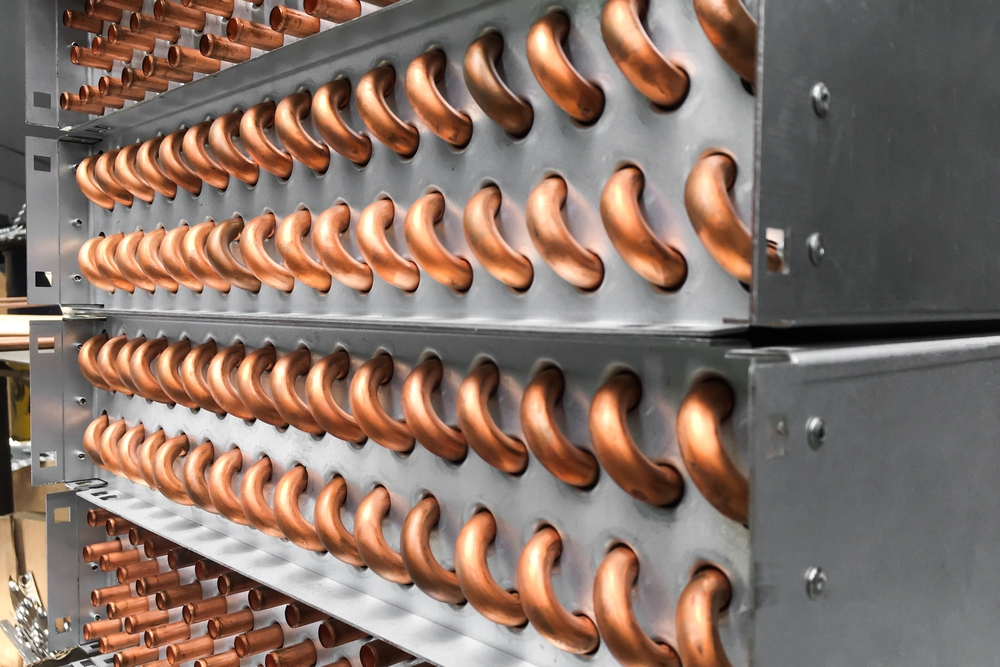
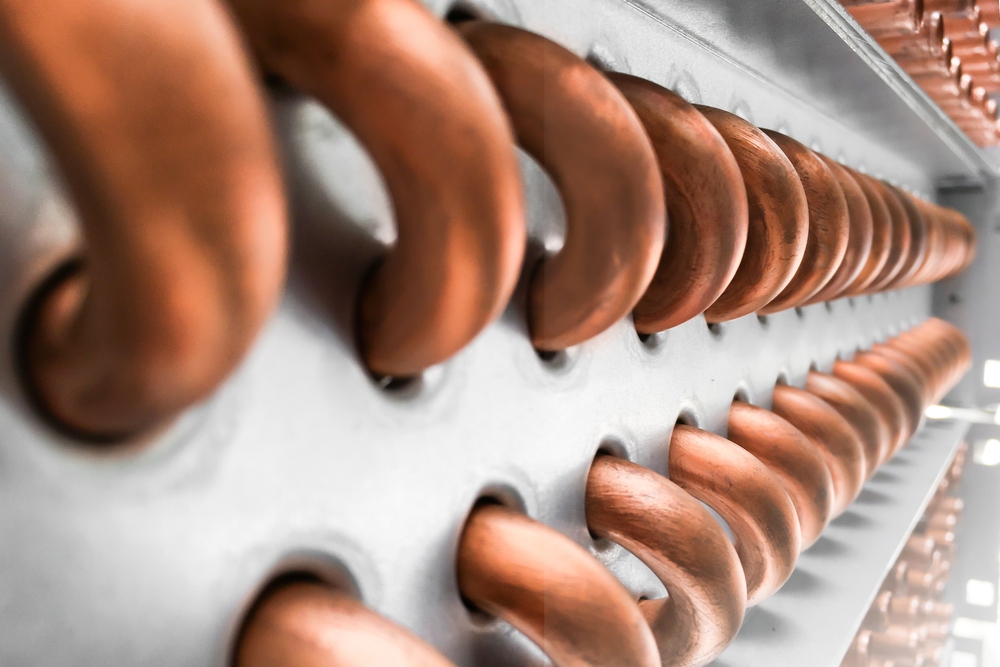
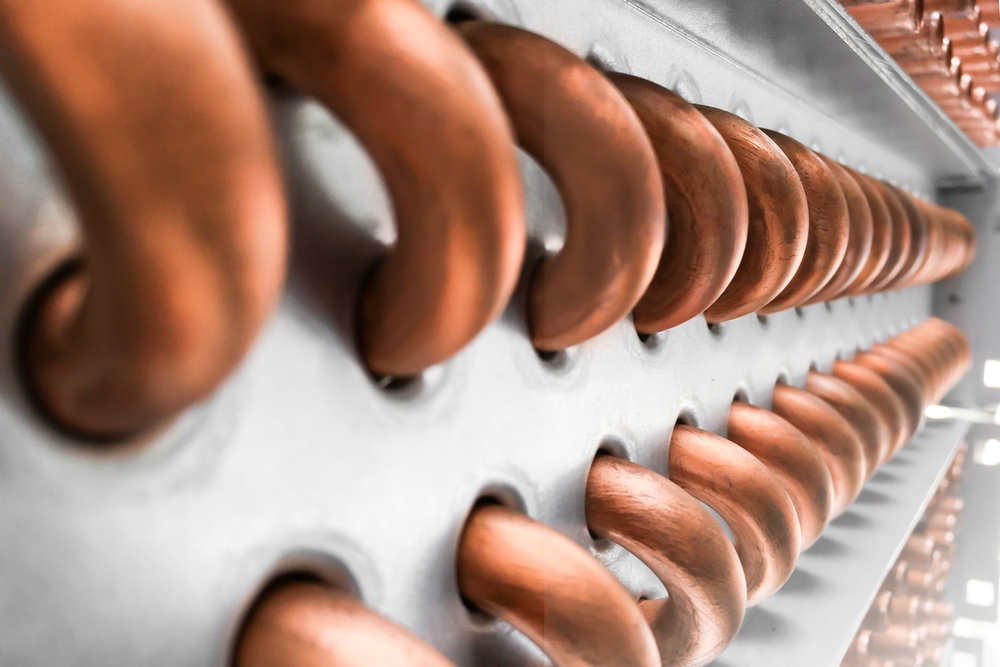
At the same time, tubes made of copper or another material selected according to project requirements are straightened, cut to size and bent into a hairpin (U) shape. During bending, it is important that the tube is not crushed and that its wall thickness is preserved; otherwise, pressure drop and strength problems may arise on the refrigerant side. The prepared fins are stacked and the bent tubes are passed through the holes of this stack to form the coil body.
Why Is The Tube Expansion Process Important?
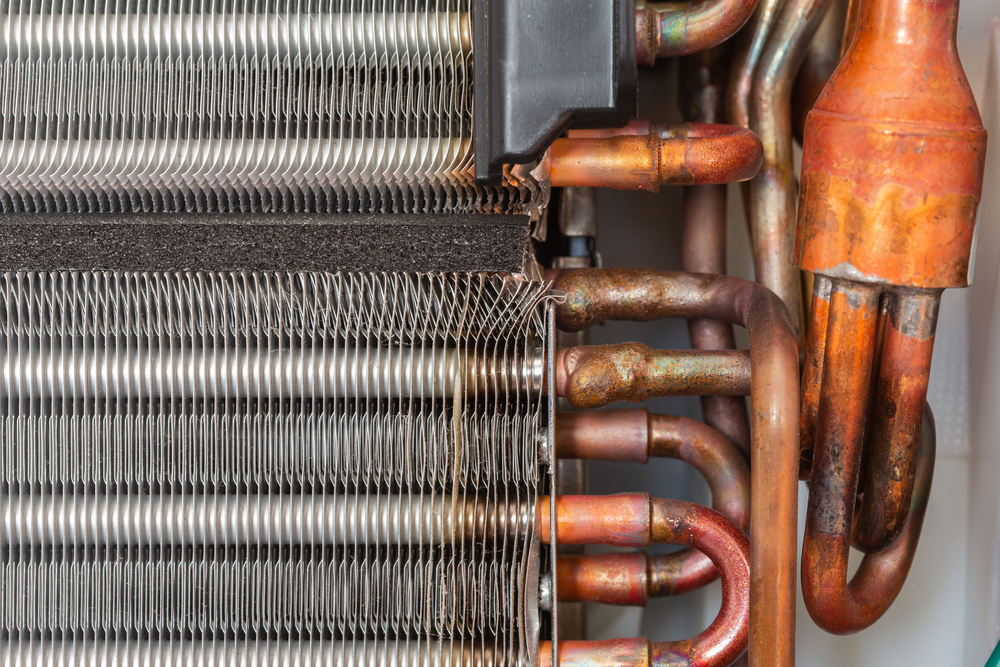
The tube expansion process is important because it provides tight mechanical contact between the tubes and the fin collars, enabling heat to be transferred efficiently from the refrigerant to the fin. If the contact remains weak, the air gap in between creates thermal resistance and the coil cannot reach the calculated capacity.
Expansion is generally carried out by passing a mechanical mandrel through the inside of the tubes; in some applications, hydraulic methods may also be used. The expansion ratio is adjusted according to the tube material, wall thickness and fin collar size. Excessive expansion leads to thinning of the tube, while insufficient expansion leads to loss of contact. For this reason, mandrel dimensions and process parameters are checked regularly.
How Are The Header, Distributor And Brazing Done?
The header, distributor and return bend connections are brazed with suitable filler material and controlled heating, turning the coil circuits into a single refrigerant system. Brazing quality directly affects the tightness and long-term reliability of the evaporator.
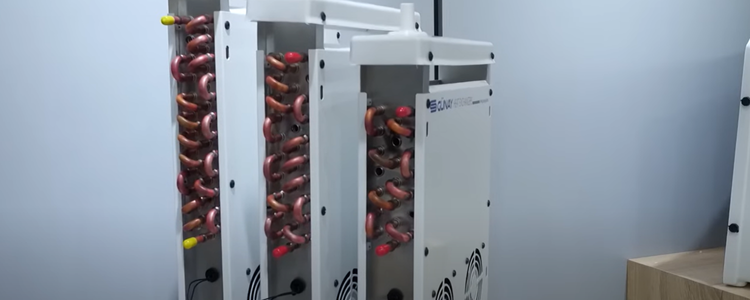
Return bends are fitted to the open ends of the expanded tubes and brazed; then the distributor and capillary tubes are connected to the inlet side, and the suction header to the outlet side. Applying shielding gas during brazing to prevent oxide formation inside the tube is a common method. Keeping the capillary tubes at equal lengths is important for distributing the refrigerant evenly to all circuits. After brazing, the joints are visually inspected and cleaned.
How Are Leak And Pressure Tests Applied?
Leak and pressure tests are applied by loading the coil with a test pressure appropriate to its design pressure and then checking all connections with leak detection methods. The test pressure and method are determined specifically for the project according to the refrigerant type and the relevant requirements.
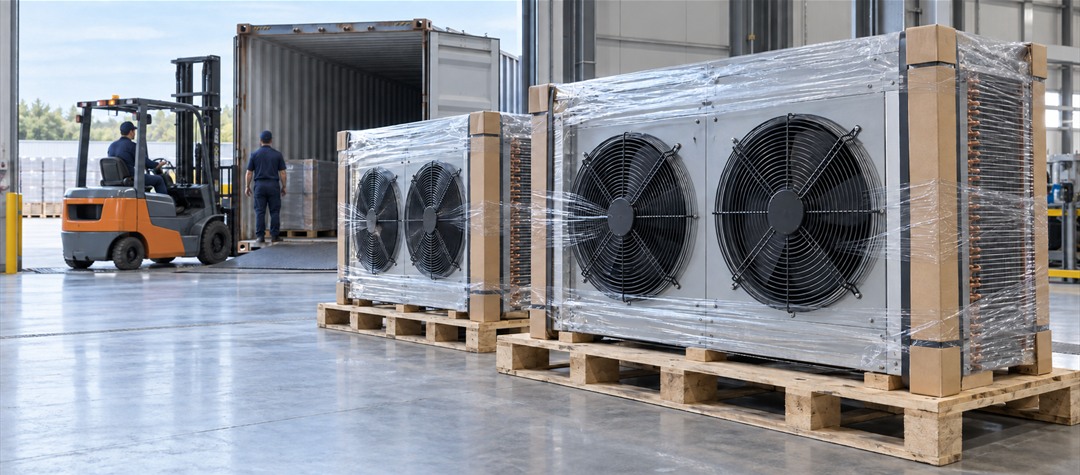
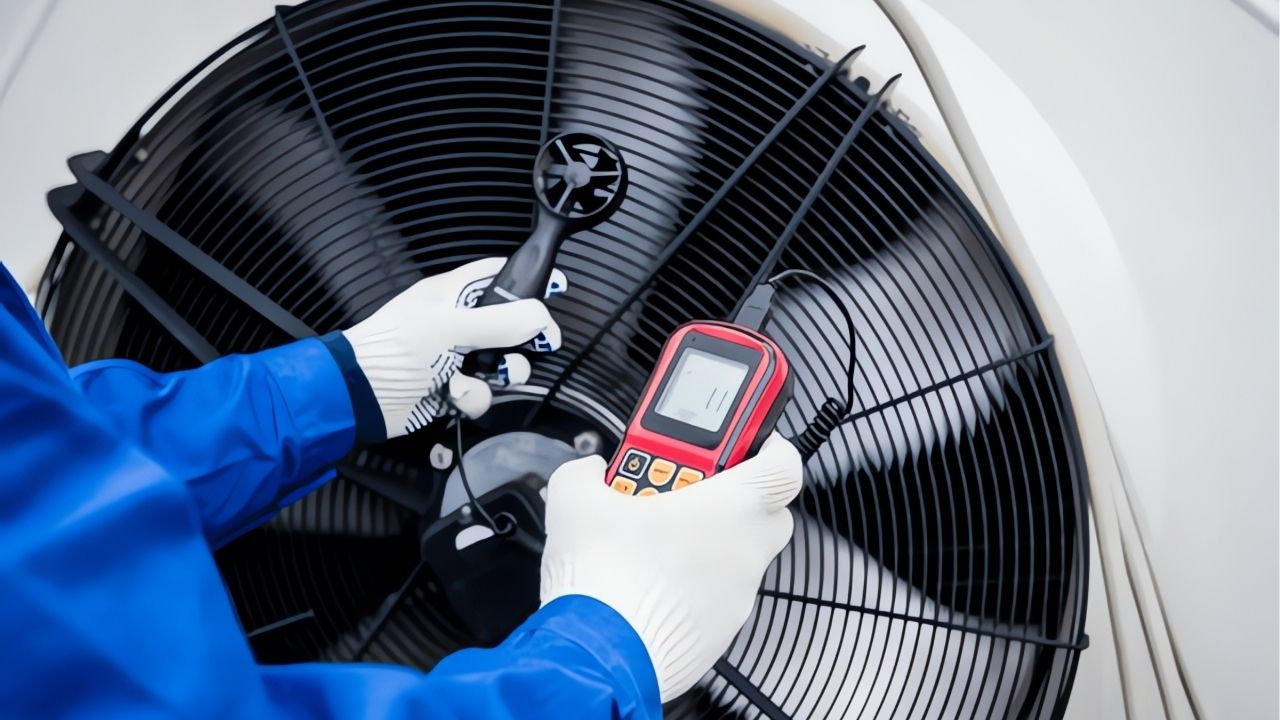
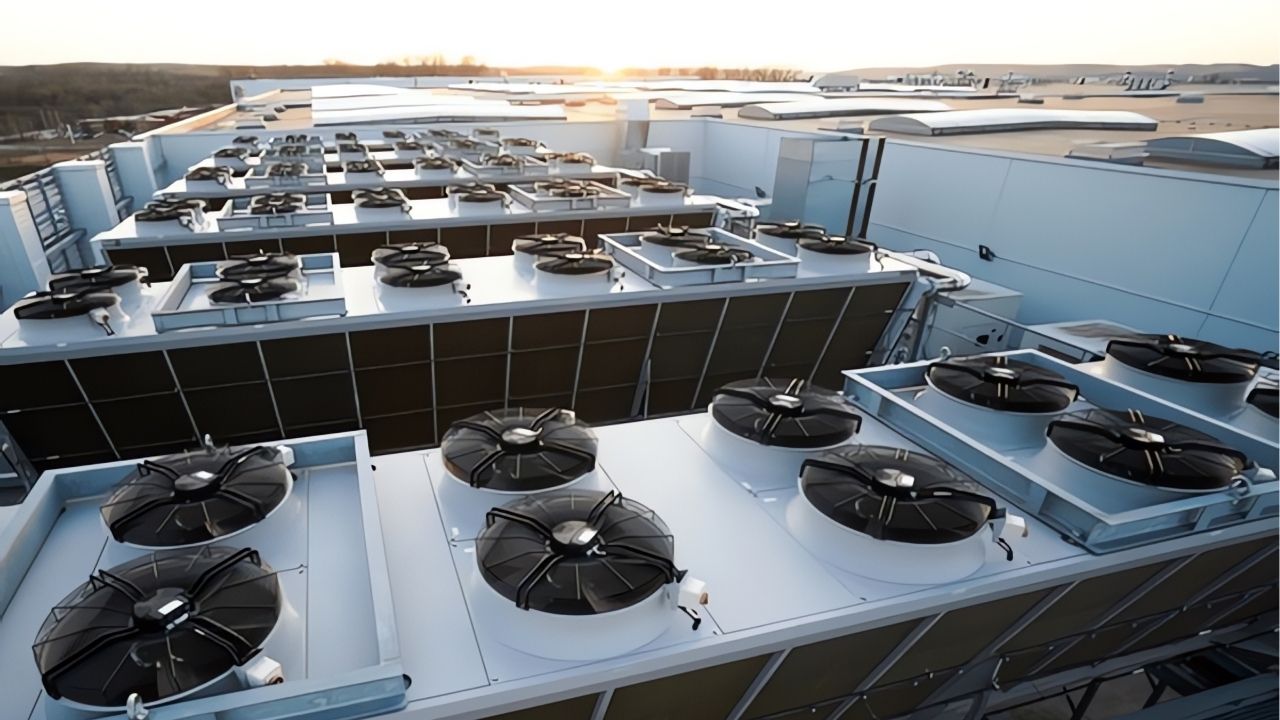
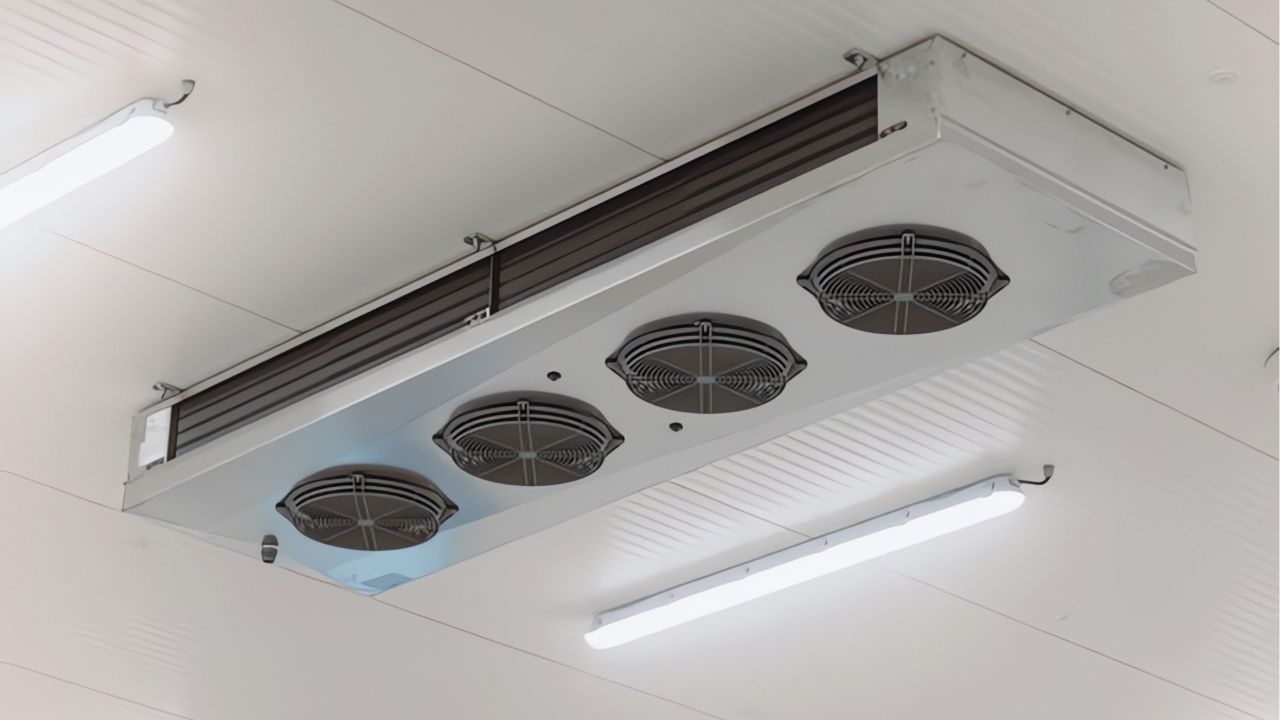
The pressure test aims to reveal the mechanical strength of the coil, and the leak test aims to reveal micro-level leaks. For leak testing, underwater bubble checks, tracer gas detection or vacuum methods may be used. Coils that pass the test are dried, charged with protective gas to prevent moisture ingress and sealed. Then the casing, fans, drain pan, defrost heaters and electrical connections are mounted; after the final functional check, the product is packaged and prepared for shipment.
What Should Be Considered When Choosing A Quality Evaporator Manufacturer?
When choosing a quality manufacturer, it is necessary to look not only at the product catalogue but also at how the design and production processes are managed. The following items can guide the evaluation.
- Ability to provide project-specific thermal calculations and technical documentation
- Defined quality control processes in the expansion, brazing and testing steps
- Ability to offer material and coating options according to the application and environment
- Commissioning, spare parts and after-sales technical support
If you would like information about our production processes or an evaporator suitable for your project, you can talk to the Günay Soğutma team.
Frequently Asked Questions
How long does it take to manufacture an evaporator?
The time varies depending on whether the product is standard or project-specific, the quantity and material availability, and is clarified at the order stage.
Can another material be used instead of copper tube?
Different tube materials may be preferred depending on the refrigerant type and environmental conditions; the selection is made according to the application.
At which stage of production is the fin coating applied?
It depends on the type of coating; pre-coated fin material can be used, or coating can be applied to the entire coil after assembly.
Does every evaporator go through a pressure test?
Leak and pressure testing is one of the basic quality steps expected to be applied to every coil in series production.
Can evaporators be manufactured in custom dimensions?
Yes, design and production in project-specific dimensions can be carried out according to space or capacity requirements.
How is the evaporator protected during shipment?
The coil is charged with protective gas and sealed, and the fin surfaces and connections are protected against impact with suitable packaging.
How can I get an evaporator quotation for my project?
You can request a quotation suitable for your project by sharing your capacity, room temperature, refrigerant and layout information with the Günay Soğutma team.