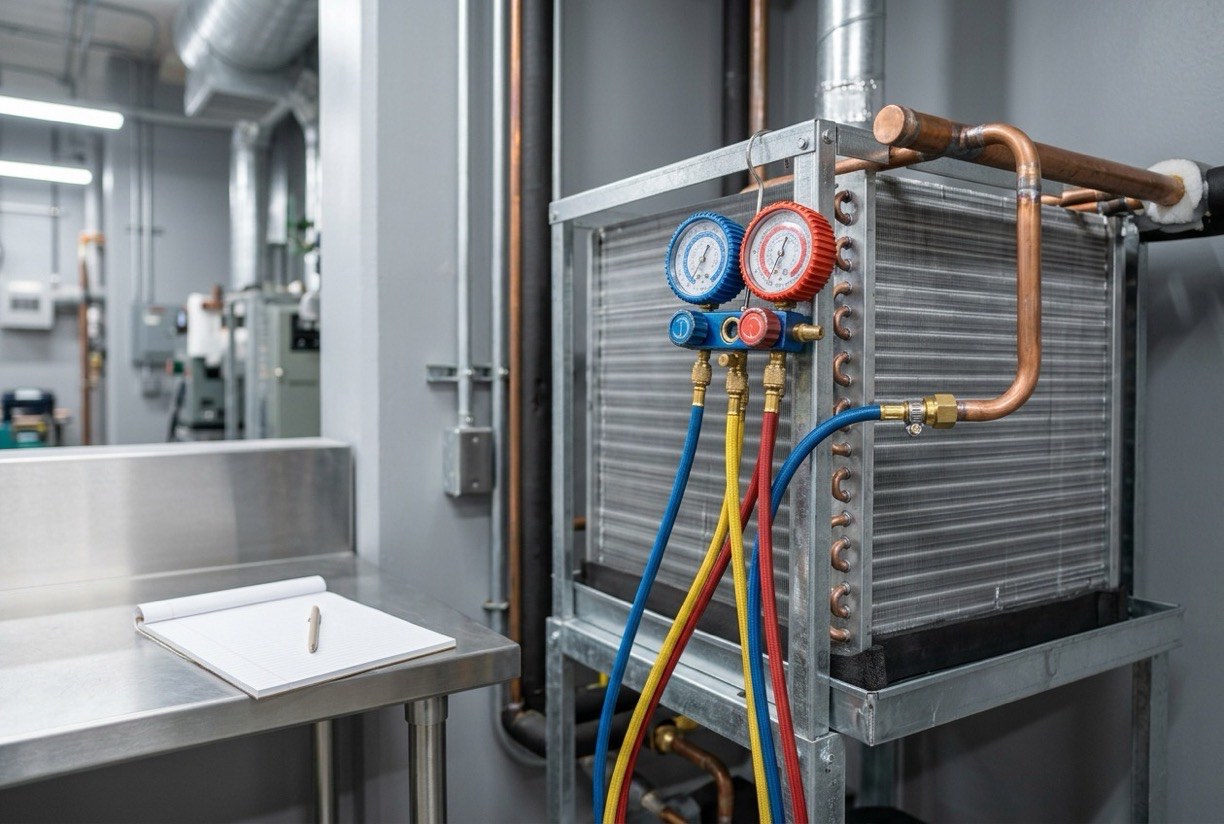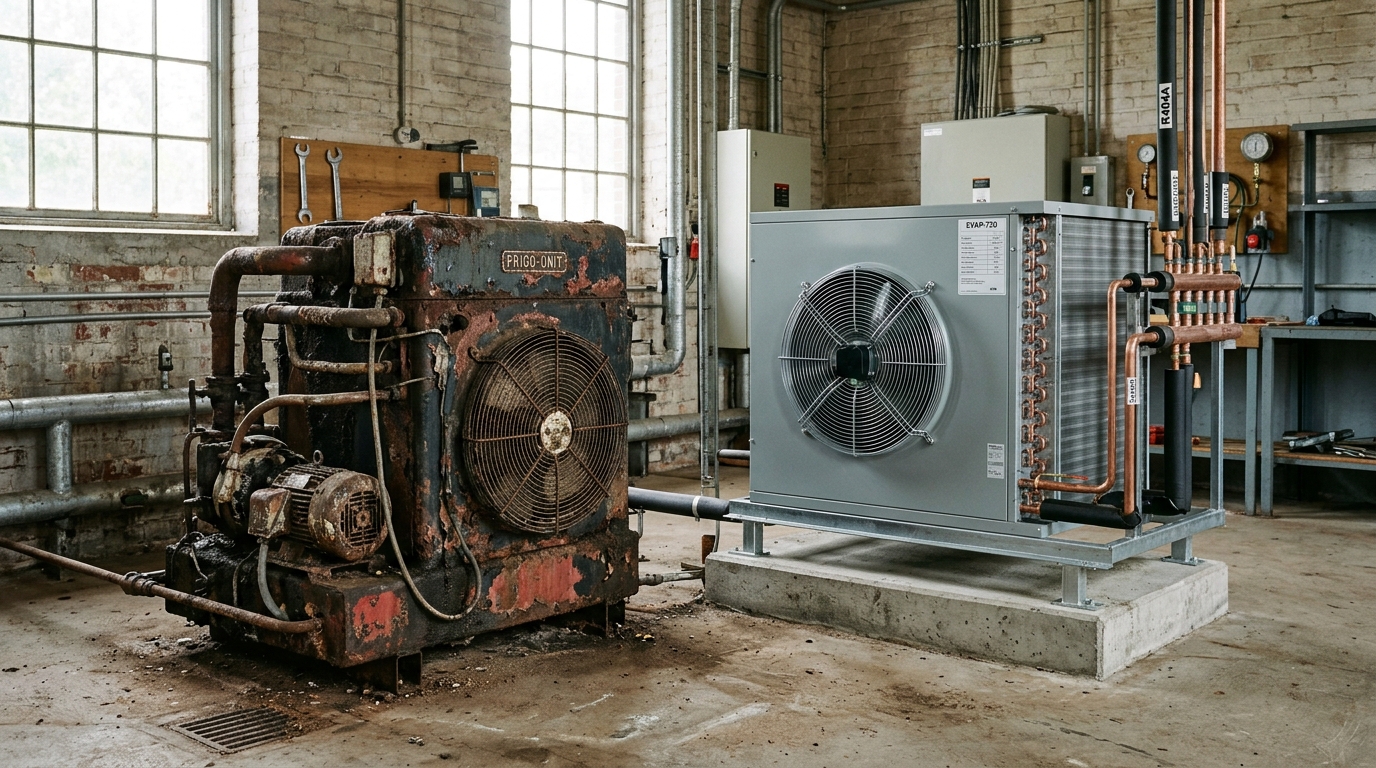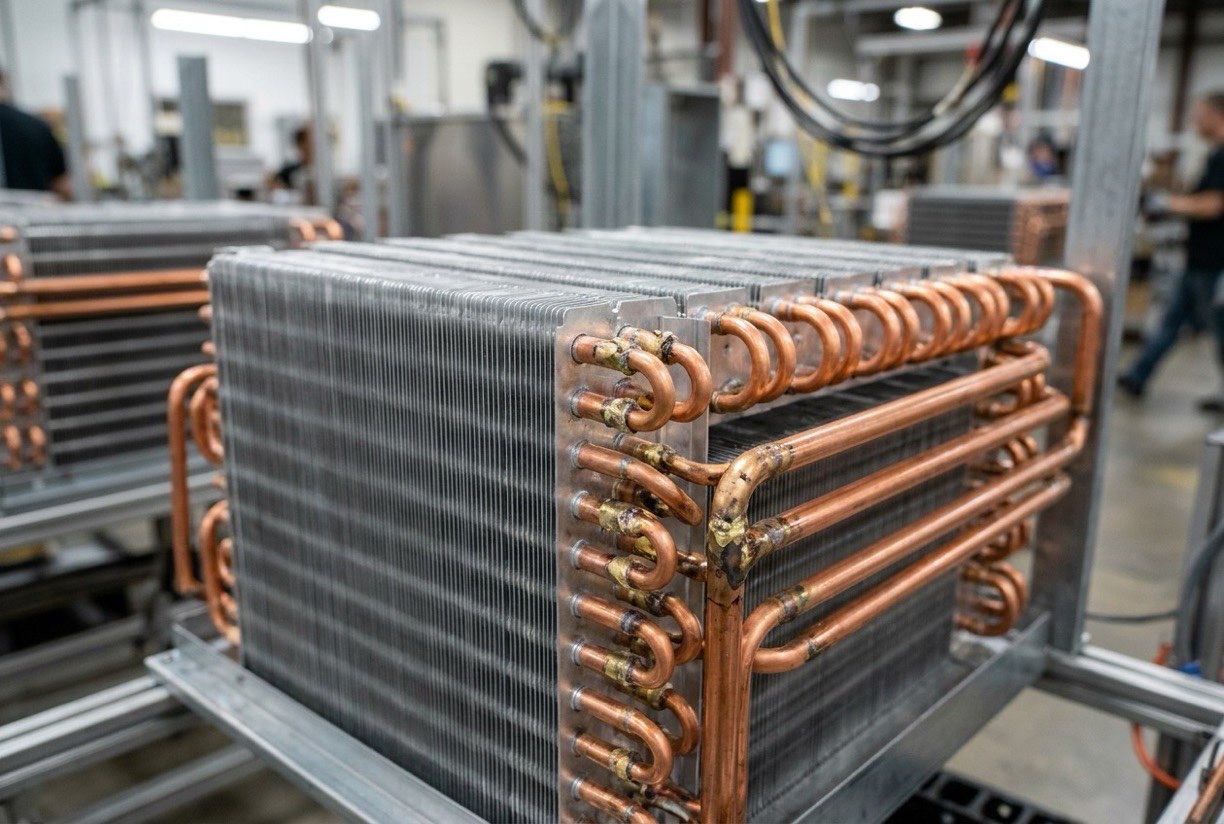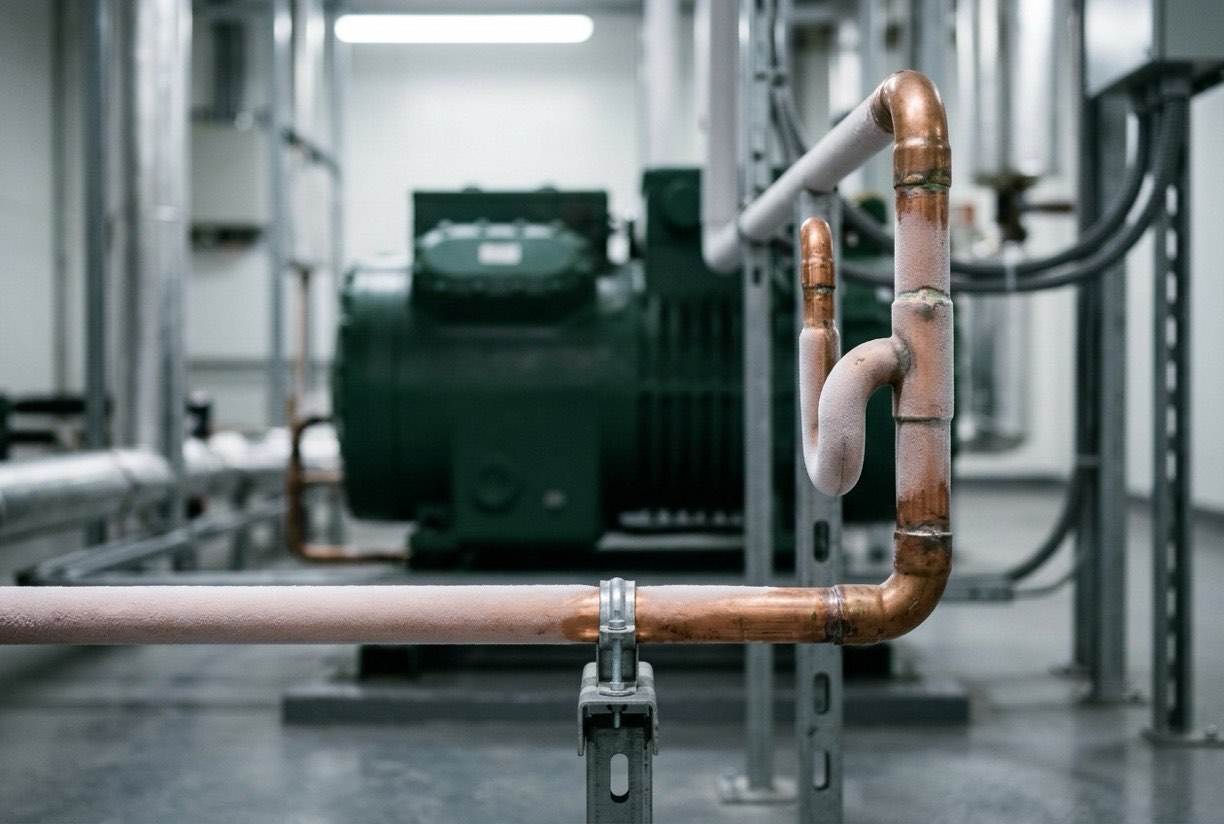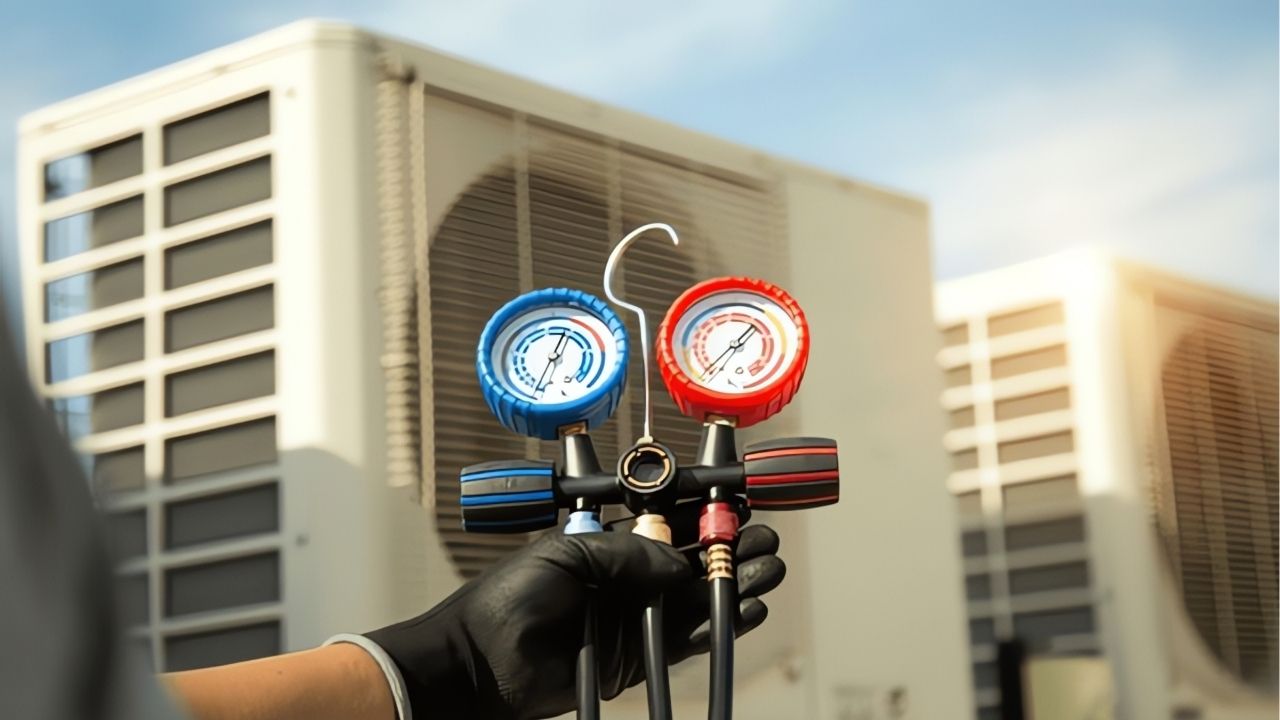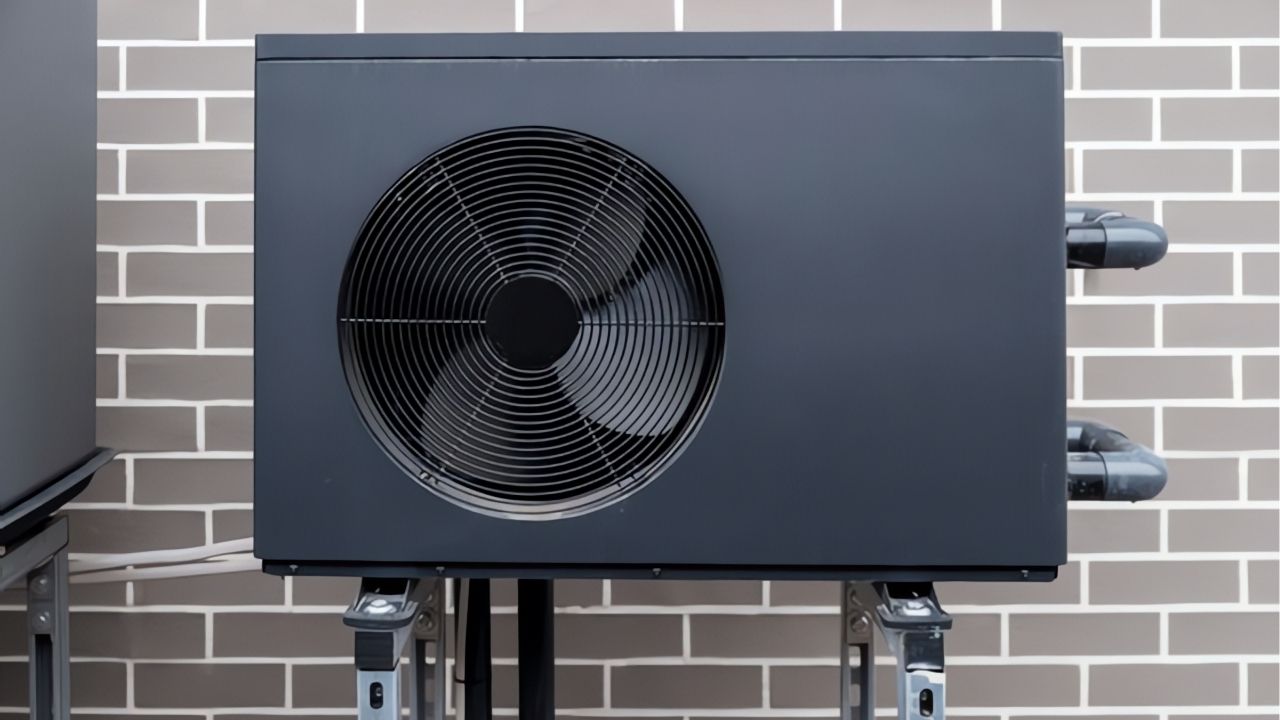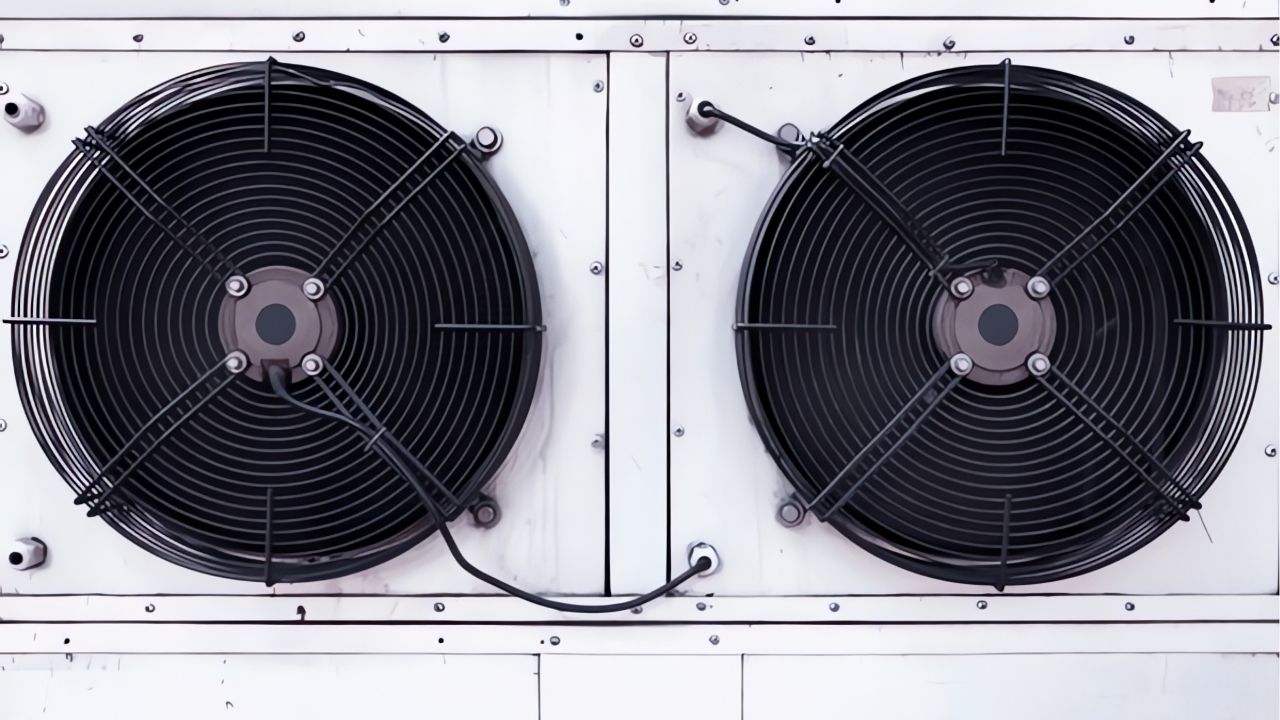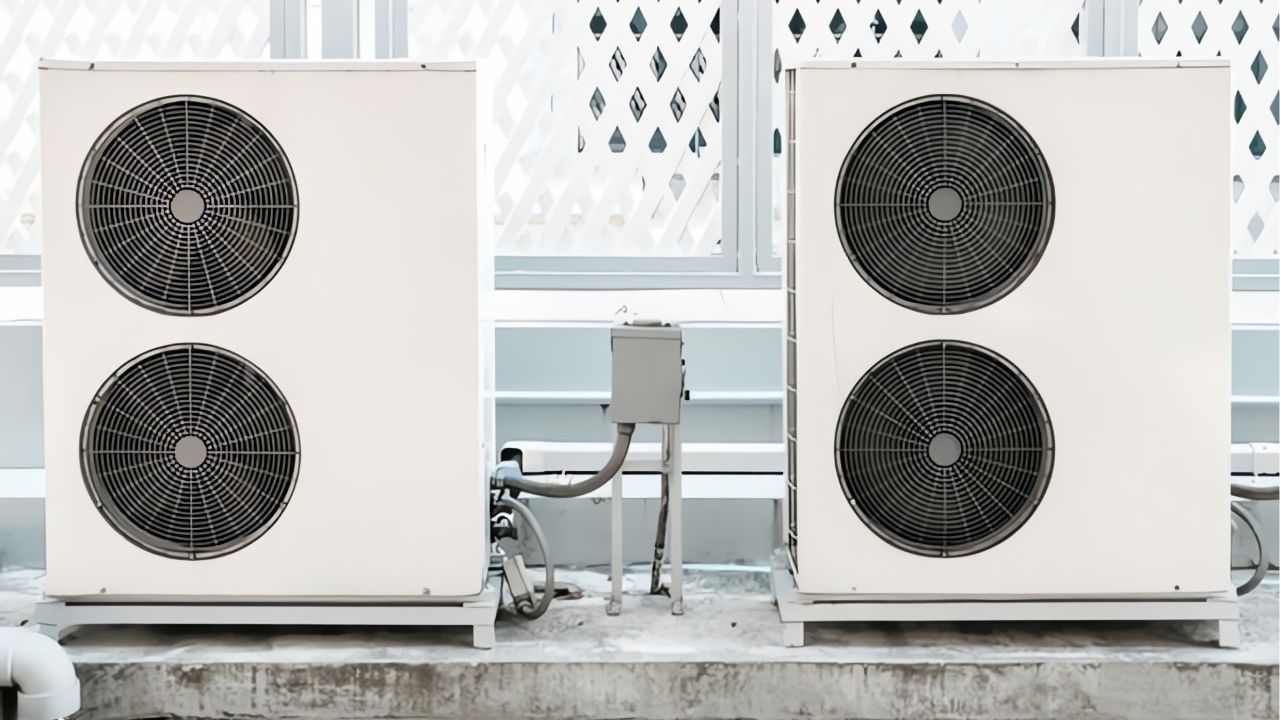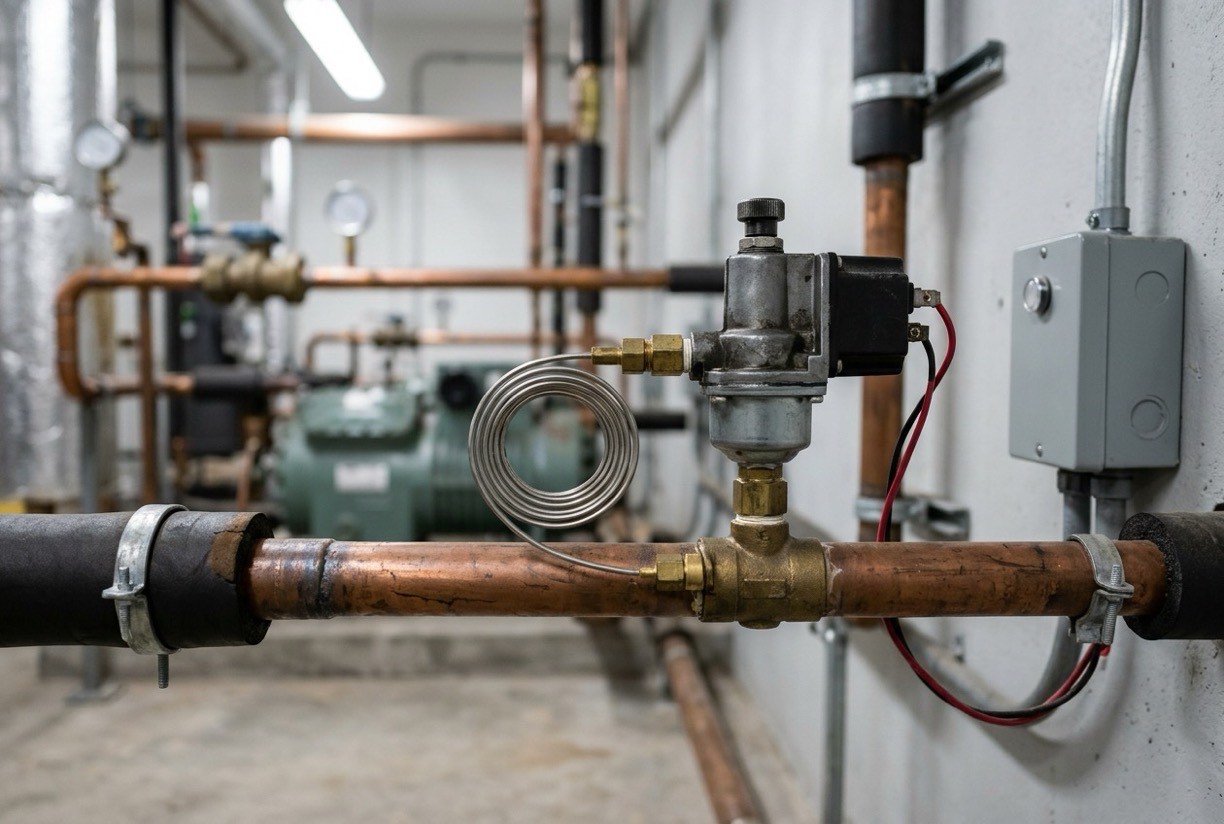
When the condensing pressure rises above a set value, the compressor and other parts of the system can be damaged. In this case the high-pressure switch is the safety element that protects the system by stopping the compressor. However, if the switch is not set according to the normal operating range of the system, it either trips too often or reacts too late in a real danger. This article explains why high-pressure protection is needed, the causes related to the condenser, and the principles of setting.
Table Of Contents
- Why Is High-Pressure Protection Needed?
- How Does A High-Pressure Switch Work?
- Why Does The Condensing Pressure Rise Because Of The Condenser?
- How Is The Setting Value Determined?
- How Are Repeated Trips Evaluated?
- Frequently Asked Questions
Why Is High-Pressure Protection Needed?
When the condensing pressure rises excessively, the compressor motor works under heavy load, seals are stressed, and the compressor life is shortened. The purpose of high-pressure protection is to stop the compressor safely before this condition develops.
The protection should be selected to act below the design pressure of the system. Otherwise it serves no purpose.
High-pressure protection is the last safety layer that prevents the compressor from running with a load beyond its design limits. The control system and fan settings manage the pressure under normal conditions; the protection acts at the moment that management fails. Its purpose is therefore to end a dangerous condition, not to keep the unit running.
High pressure affects not only the compressor but every component of the system. Pipe joints, brazed seams, service valves and oil circulation are all stressed at high pressure. Over time this stress raises the risk of leaks and lasting damage.
As pressure rises, the compressor discharge temperature rises too. A high discharge temperature can break down the oil and form carbon deposits on the internal parts of the compressor. For this reason high pressure and high temperature should be assessed together.
The presence of a protective device must not be used to hide design faults in the system. If the protection trips often, this is a warning and the root cause should be sought. The protection also gives useful information as a diagnostic aid.
High-pressure protection matters for the safety of operating staff as well. During maintenance a wrong action can cause a sudden rise in pressure. The protection helps safeguard the machine and its surroundings in such events.
The correct choice of protection depends on the pressure limits set by the compressor manufacturer. Each compressor and each refrigerant has its own limit. The protection should be selected with all these limits in mind.
How Does A High-Pressure Switch Work?
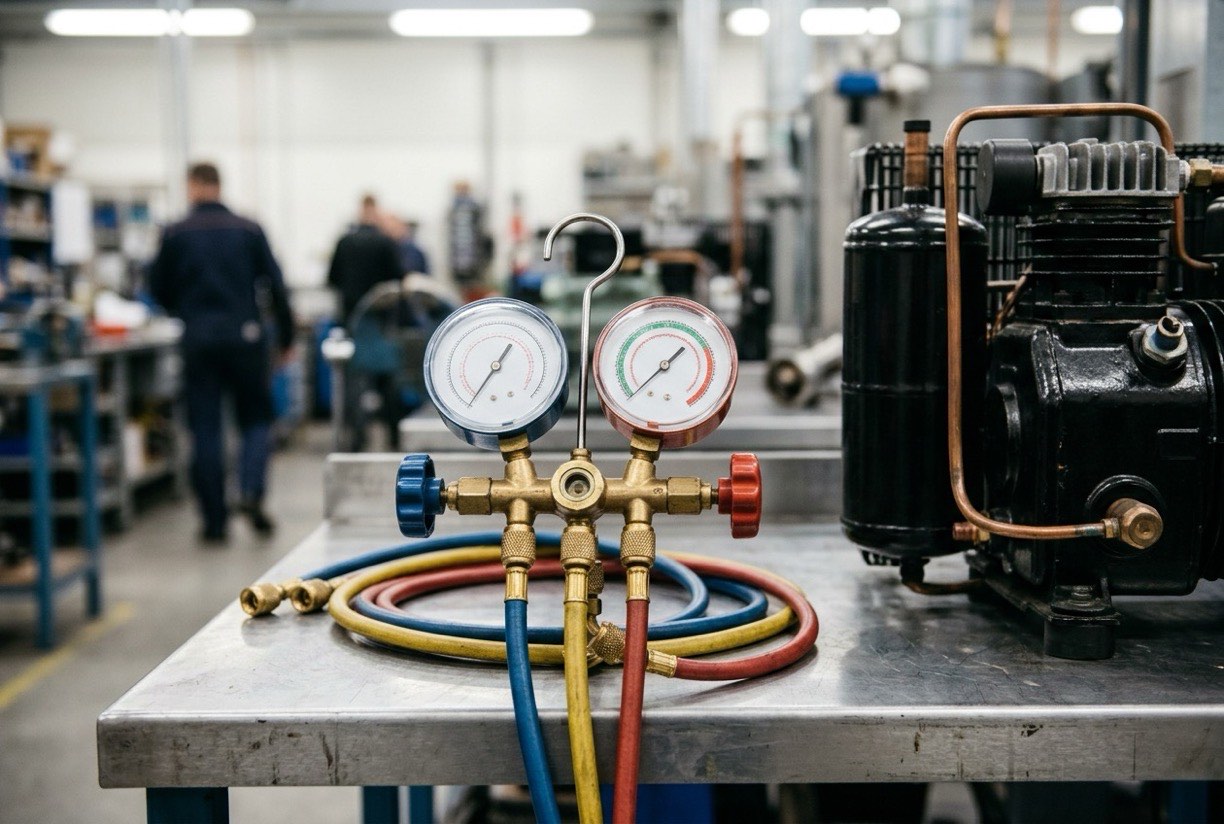
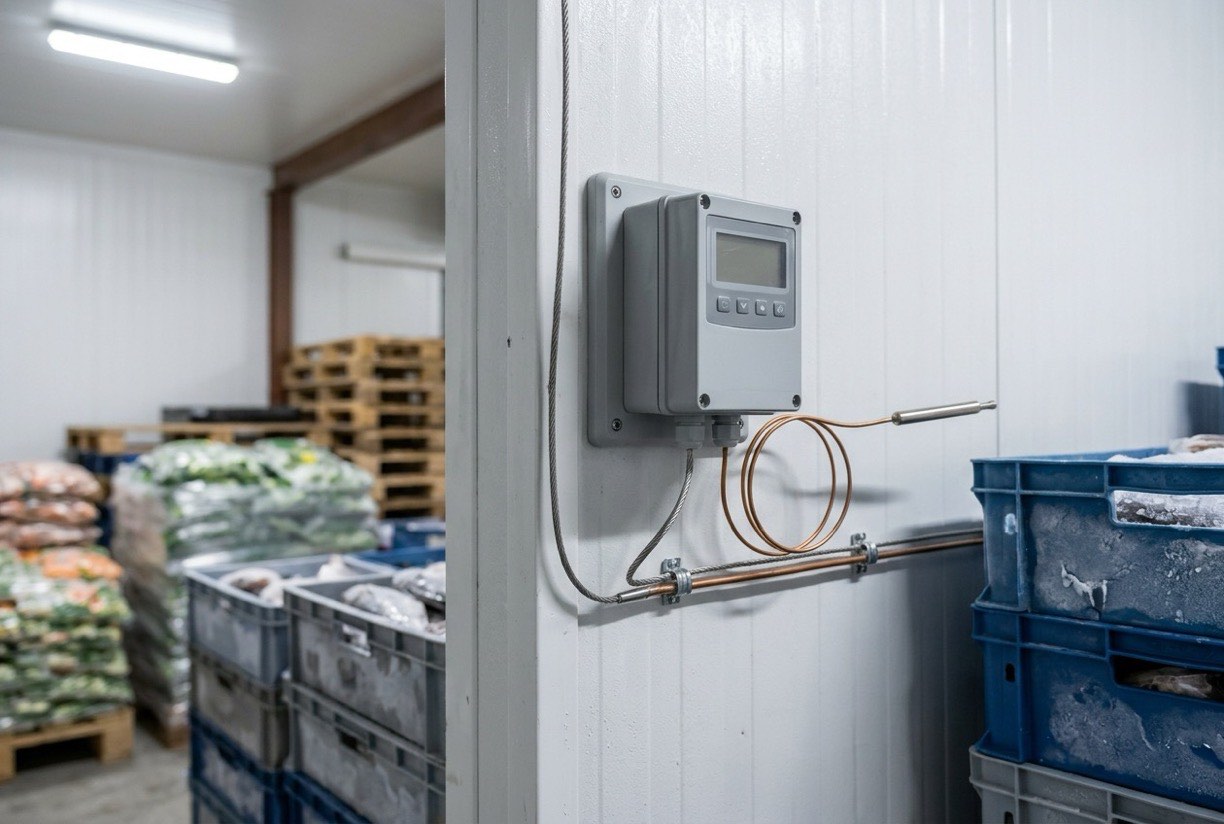
The high-pressure switch is connected to the compressor discharge line and senses the pressure through a capillary tube. When the pressure exceeds the set value, its contacts open and disconnect the compressor contactor. It closes again after a defined differential, and the reset can be automatic or manual.
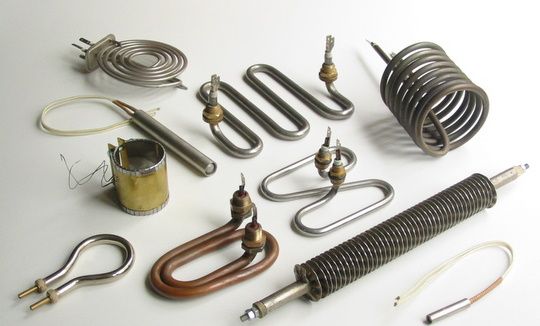
A high-pressure switch senses the pressure through a diaphragm or bellows and opens the electrical circuit when the set value is reached. Because this mechanical design works without an external energy source, it is considered reliable. The pressure at which the switch responds is a value that can be adjusted on the device.
The switch takes its pressure reading from the system through a capillary tube. The tightness and freedom from damage of the capillary tube are essential for correct operation. If the capillary tube is broken or kinked, the switch cannot see the true pressure and loses its protective function.
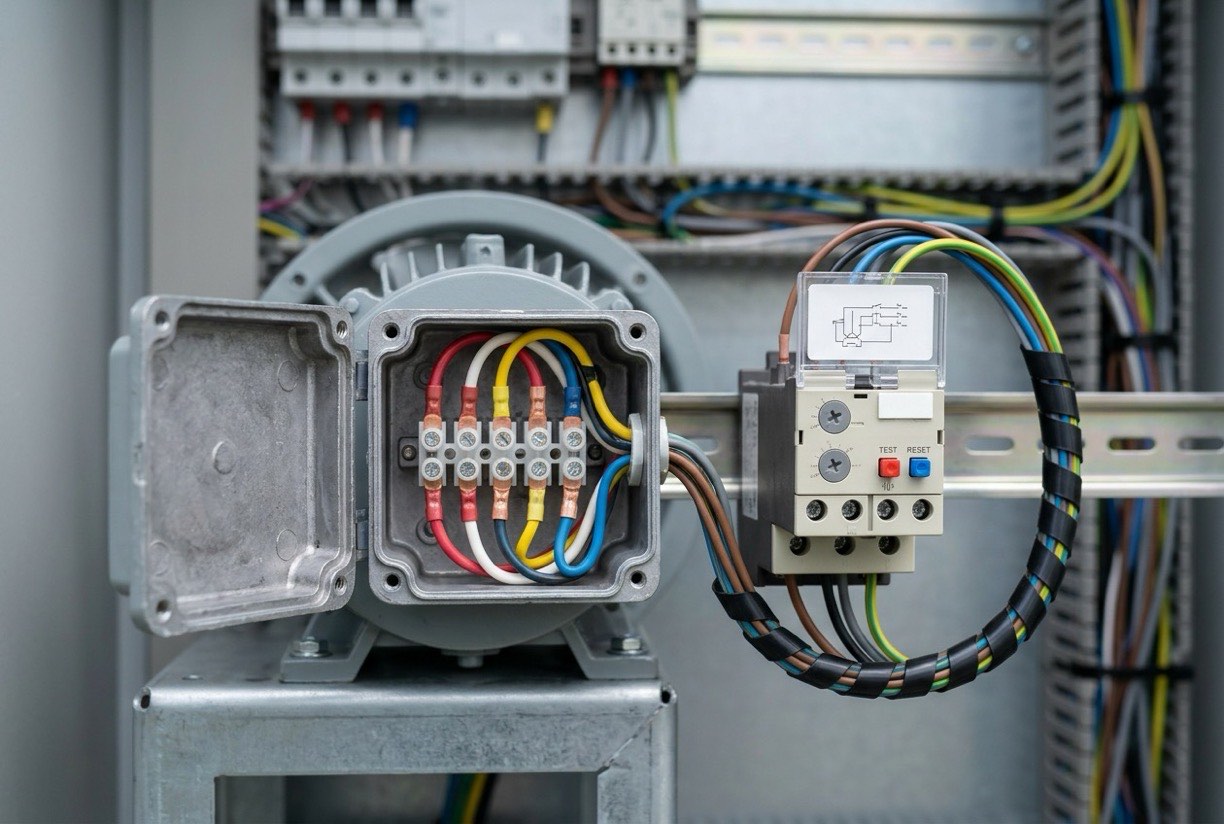
The contacts of the switch open at the set pressure and disconnect the contactor of the compressor. The contacts must be rated to carry the compressor current directly. Wear of the contacts can cause false tripping or welded contacts.
Some switches close again by themselves when the pressure falls, while others need a manual reset. This difference determines how the protection behaves and who is responsible for it. Where automatic reset is used, precautions must be taken against restarting before the cause has been removed.
The switch's differential sets the gap between its cut-out and cut-in pressures. If this gap is too narrow the switch cycles too often; if it is too wide, restarting is delayed for a long time after the pressure has fallen. The differential should be chosen to suit the design of the system.
The physical position of the switch also affects its response. If the capillary tube runs through a very long or hot route, the pressure read by the switch may not reflect the real value. The installation should cover the route of the capillary tube and the position of the switch.
Why Does The Condensing Pressure Rise Because Of The Condenser?
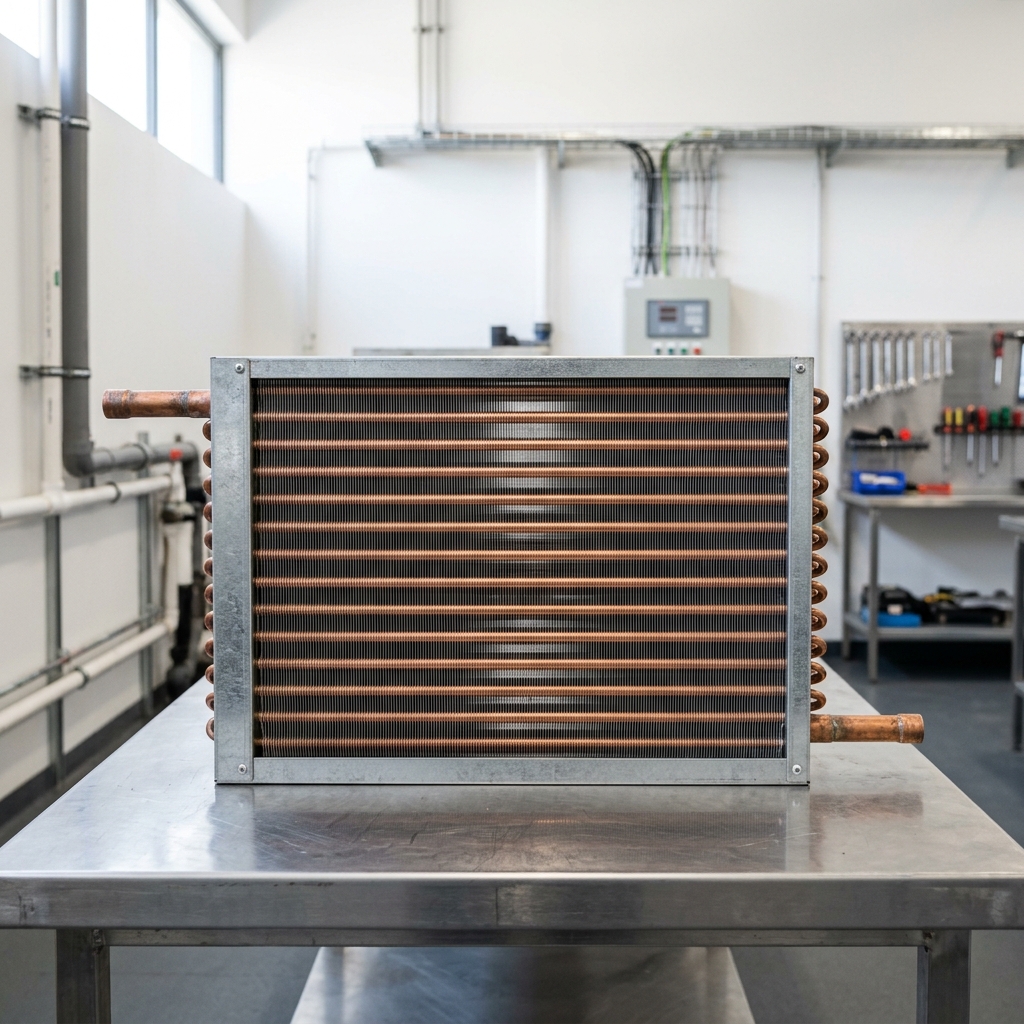
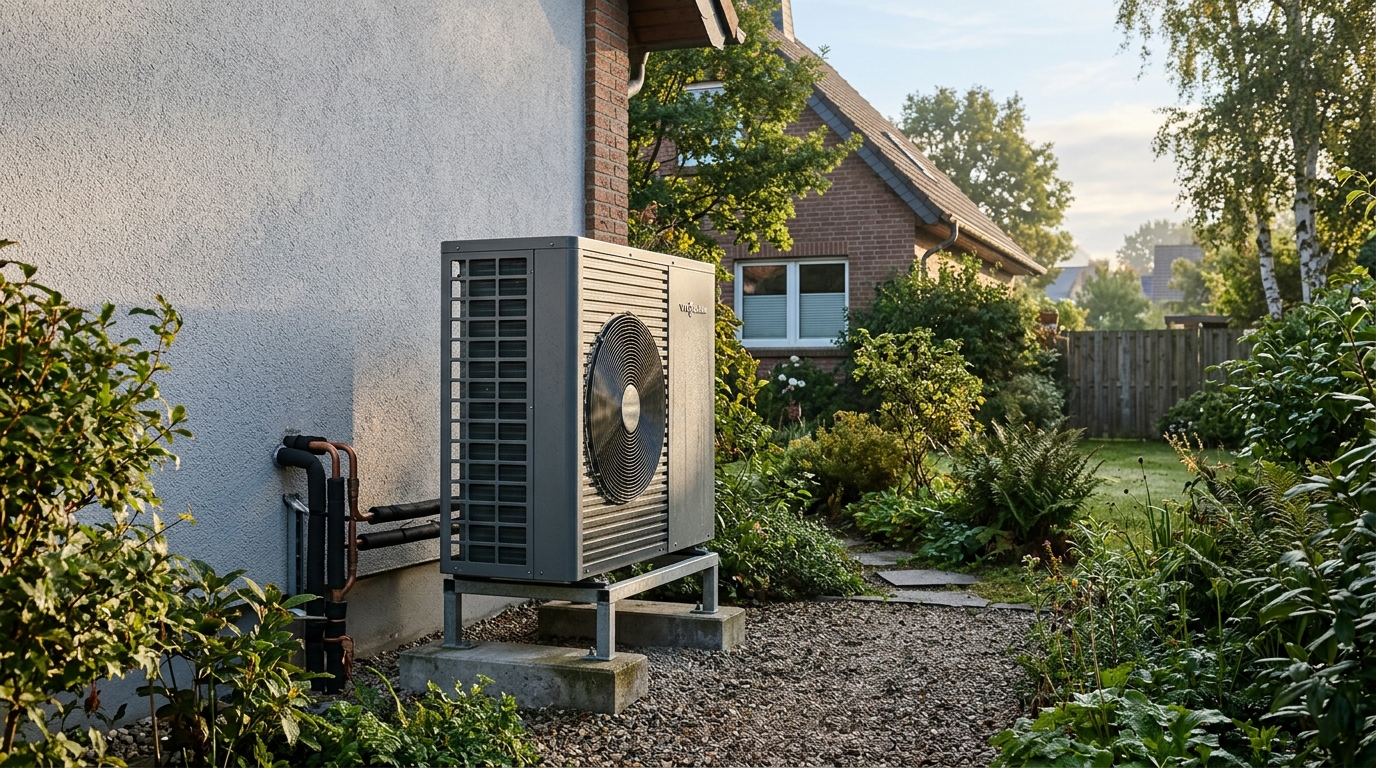
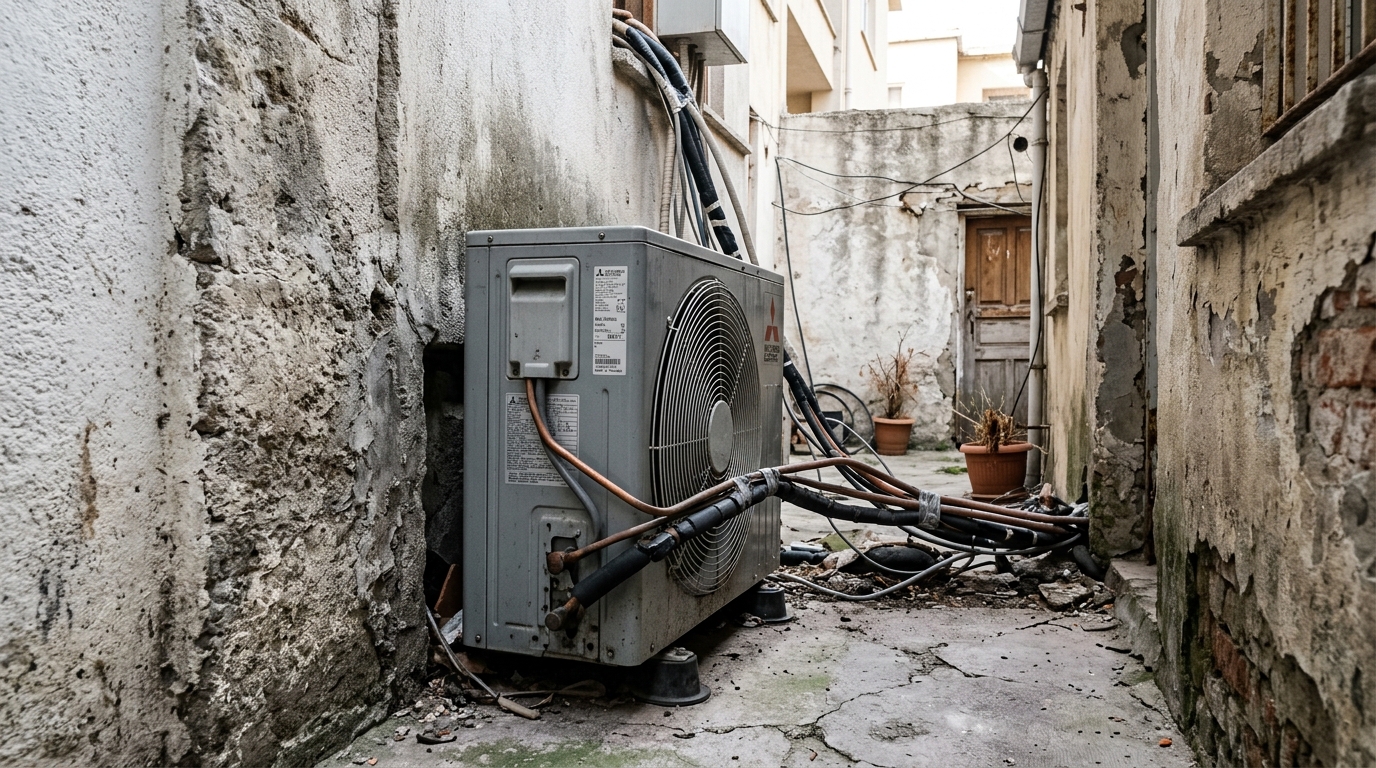
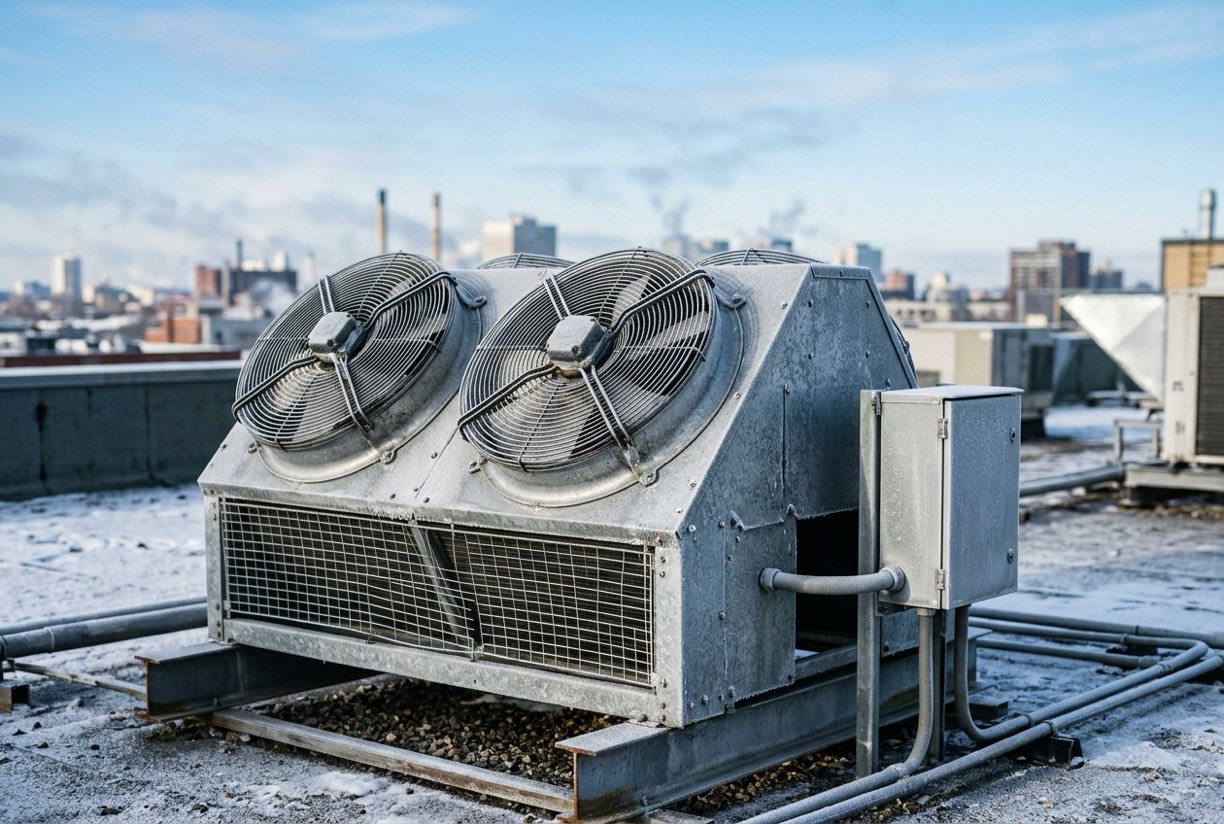
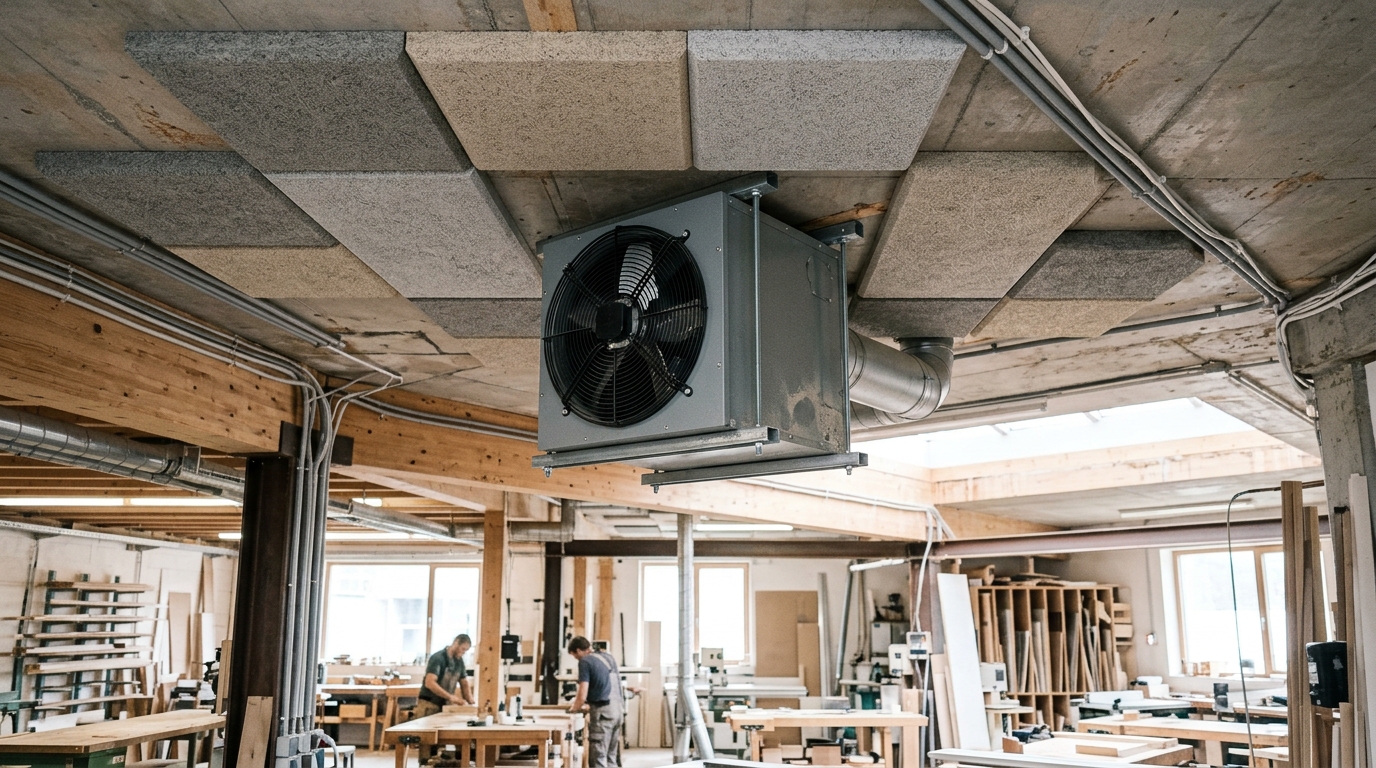
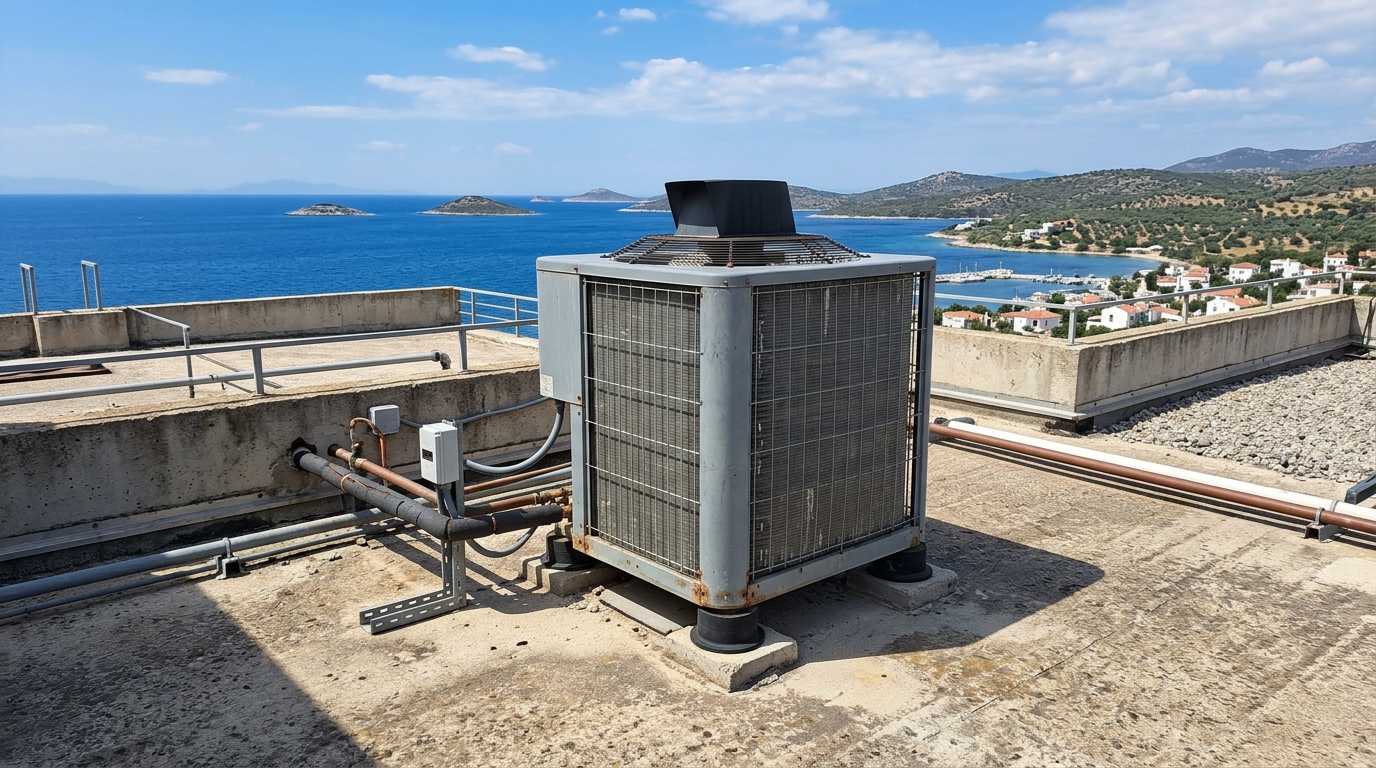
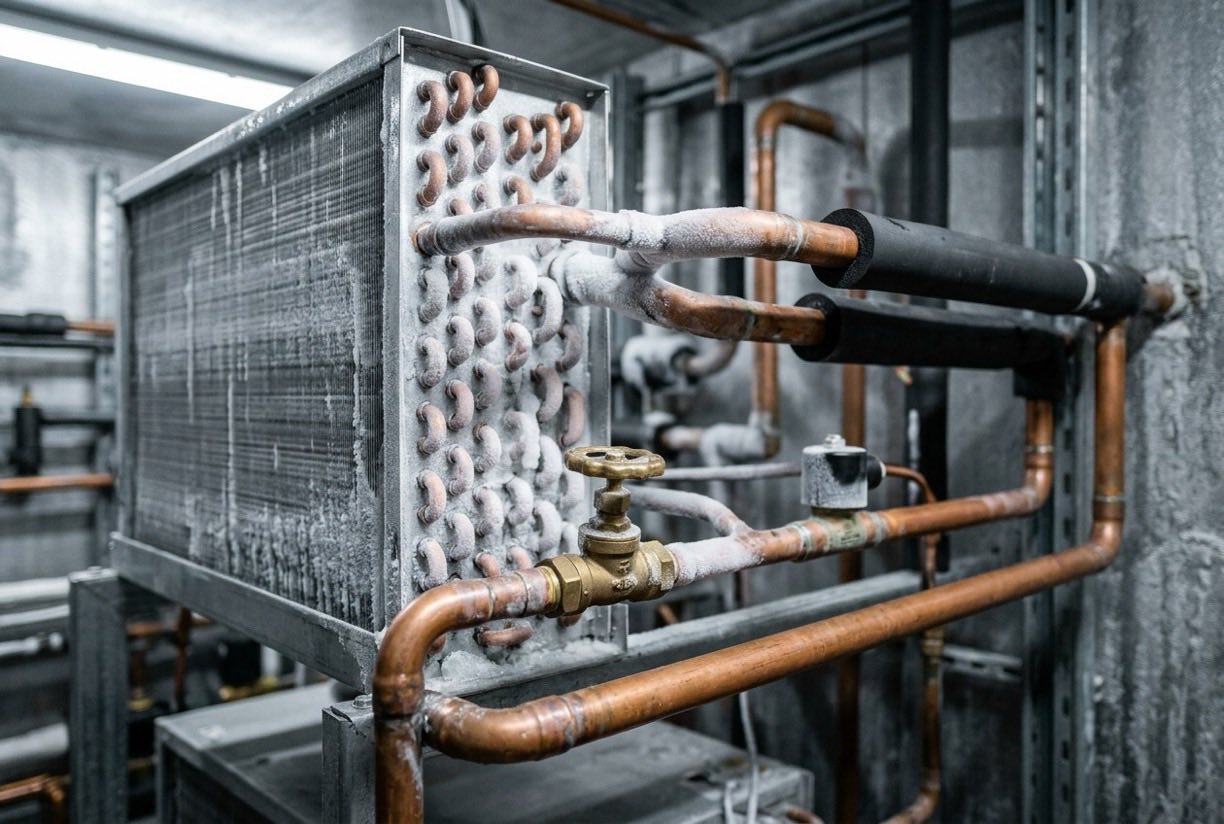
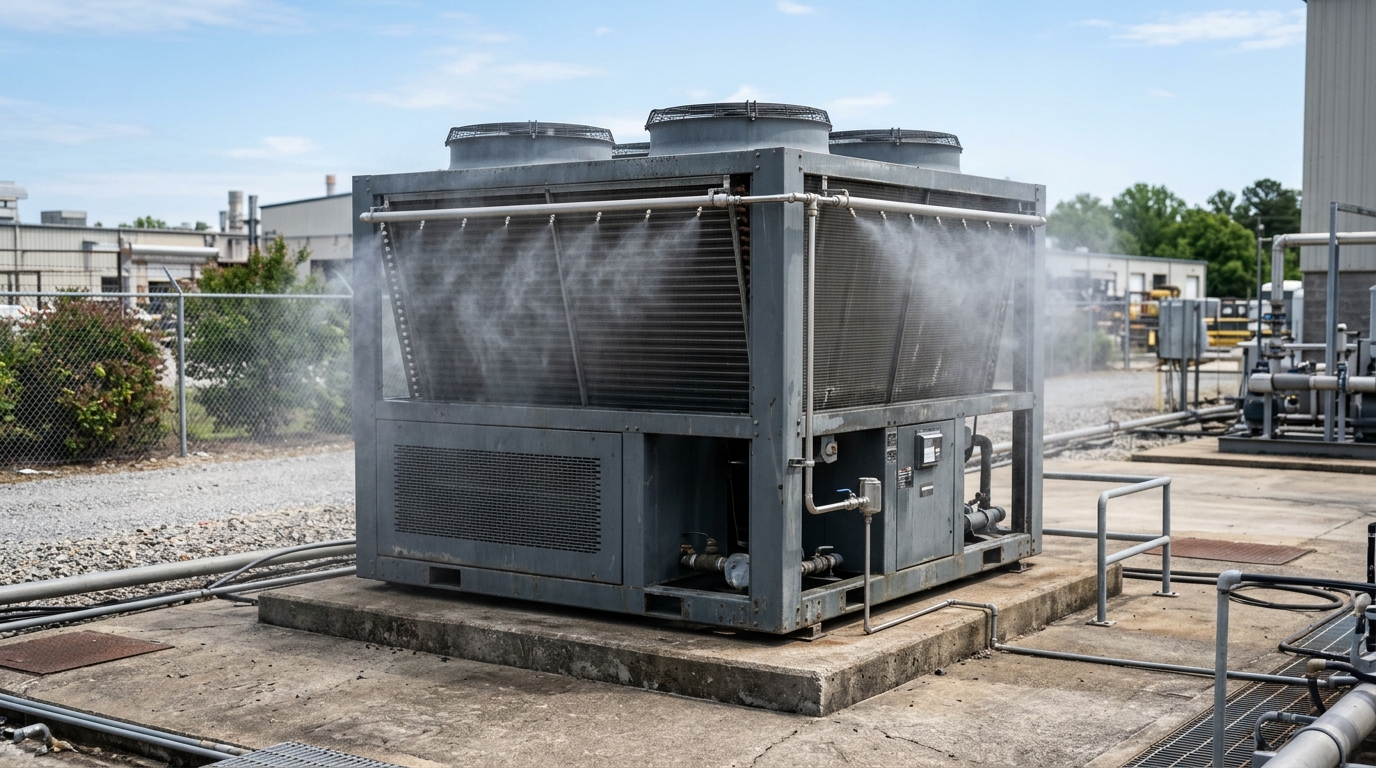
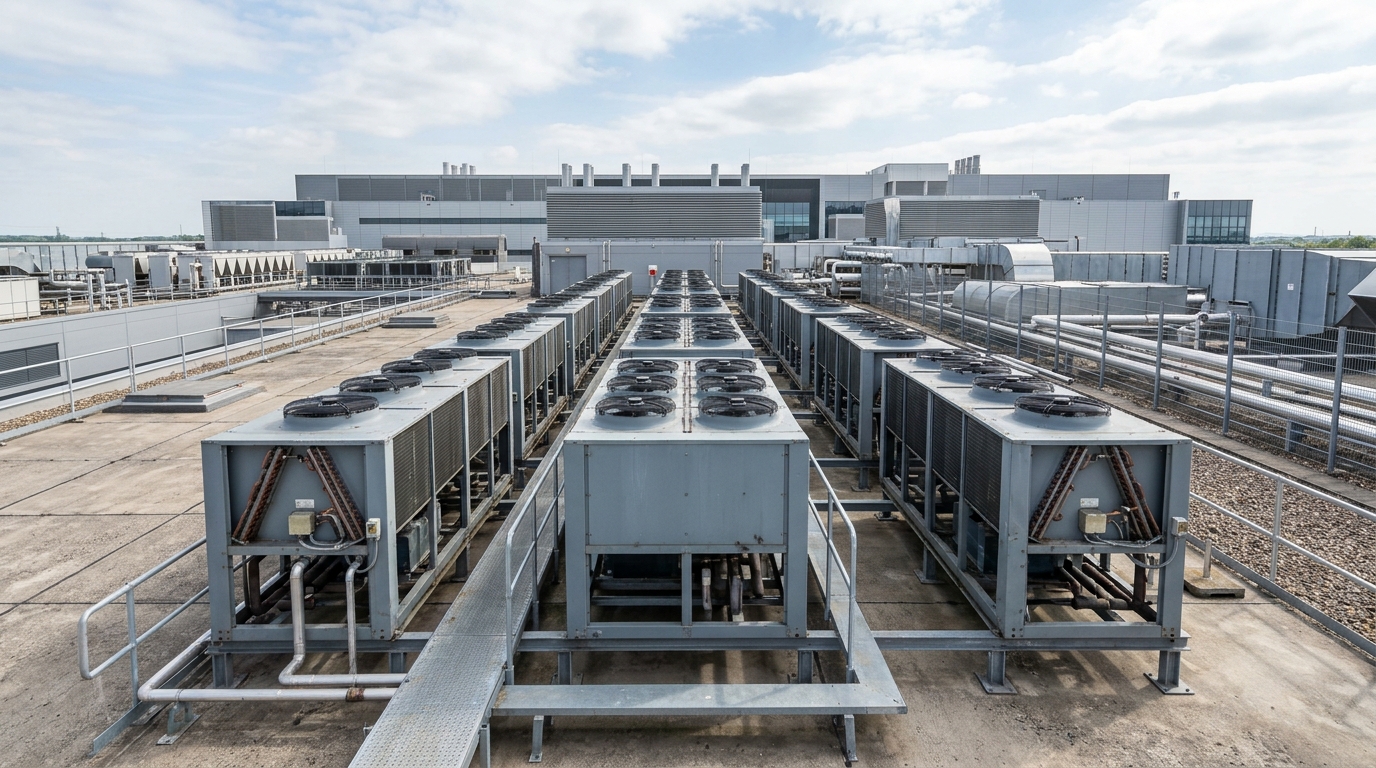
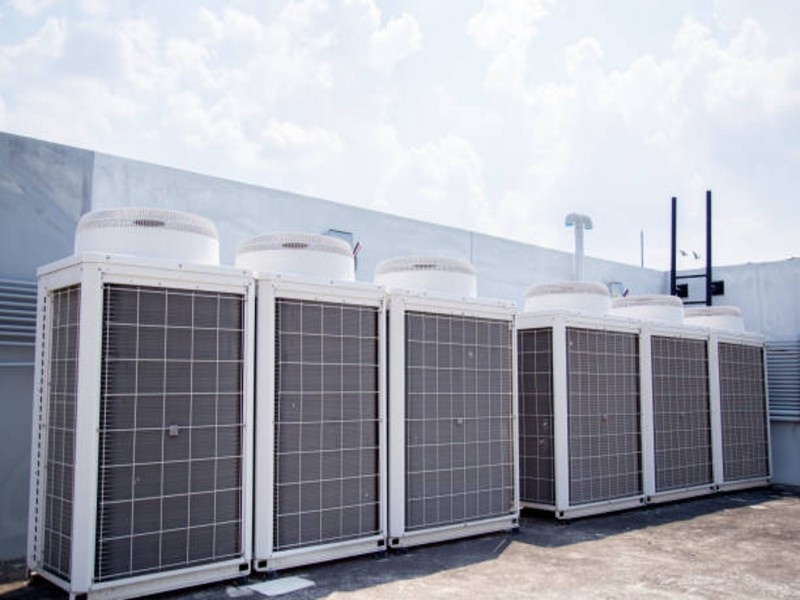
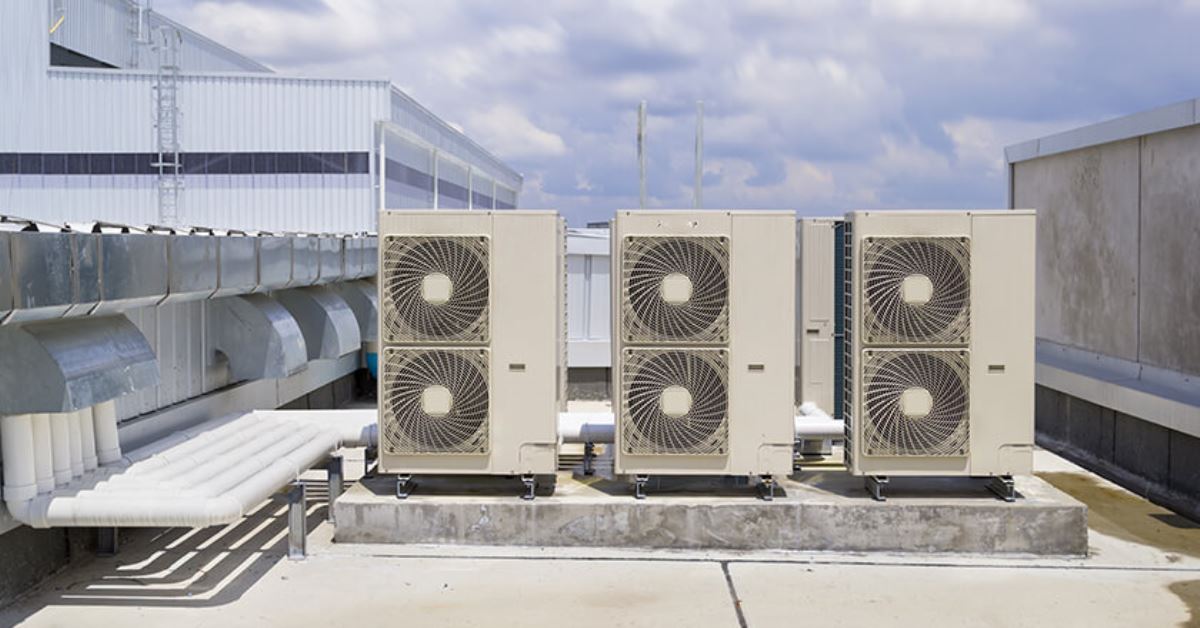
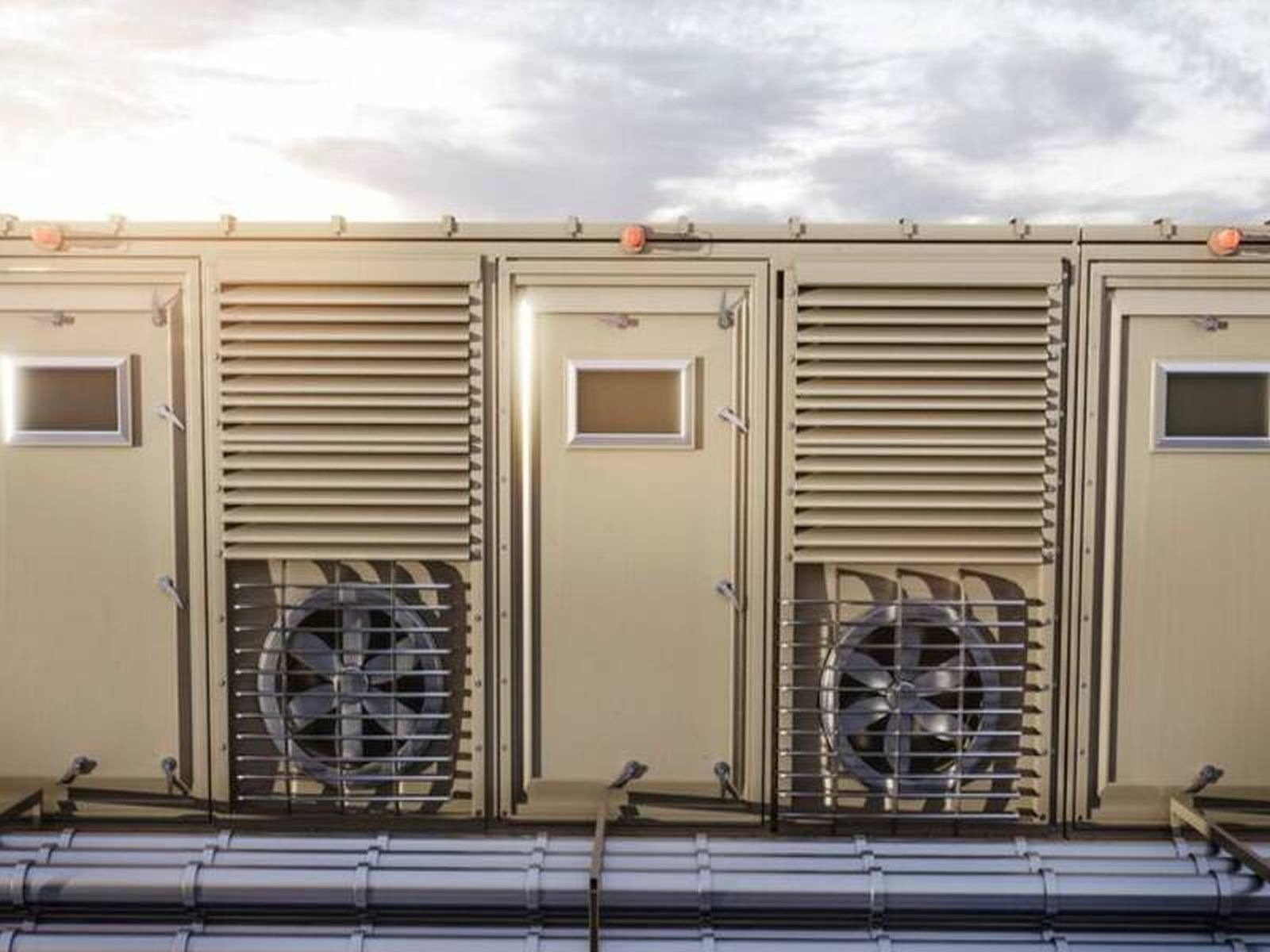
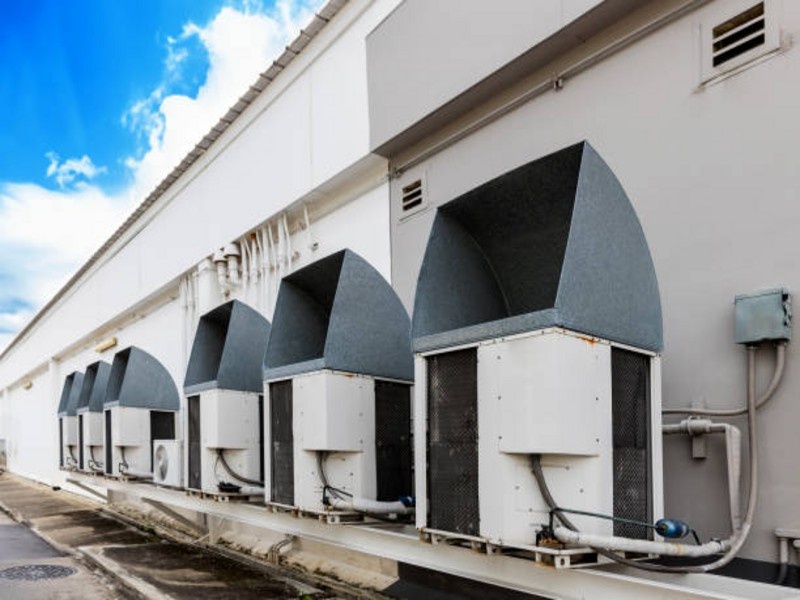
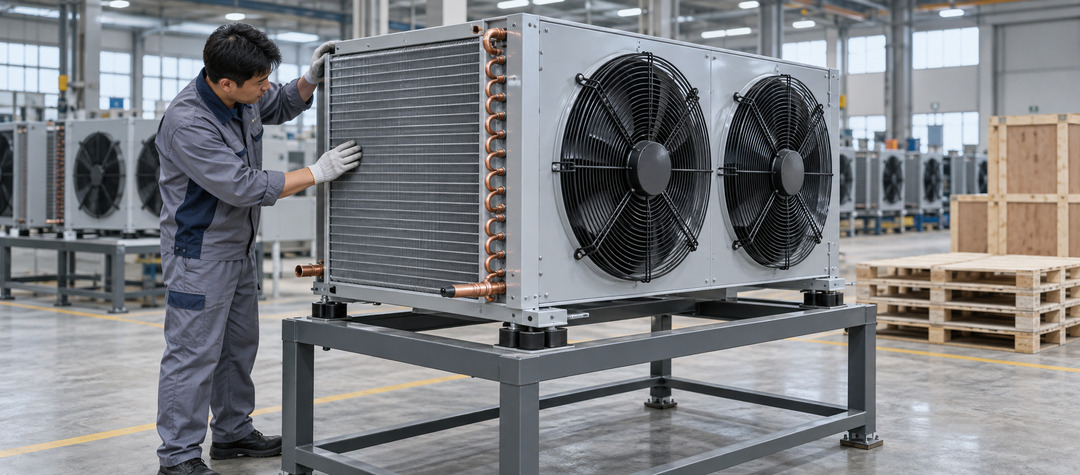
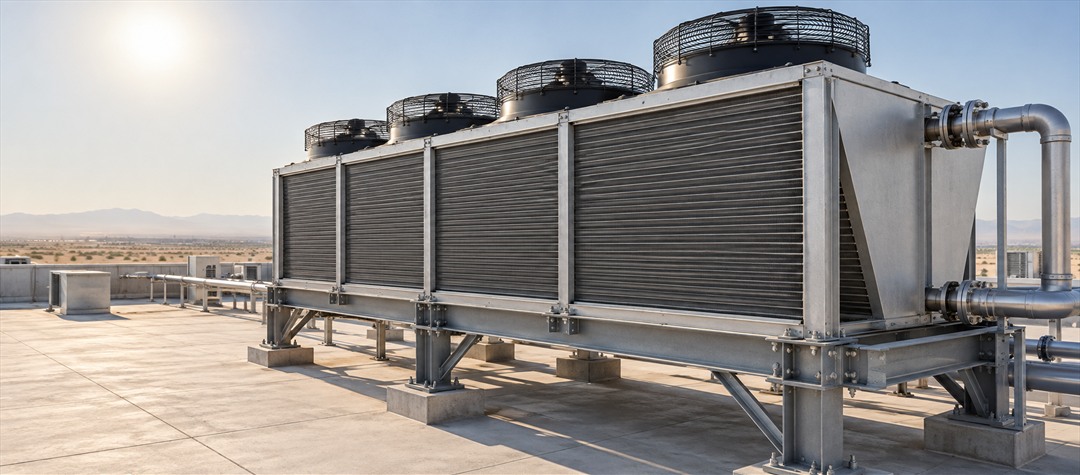
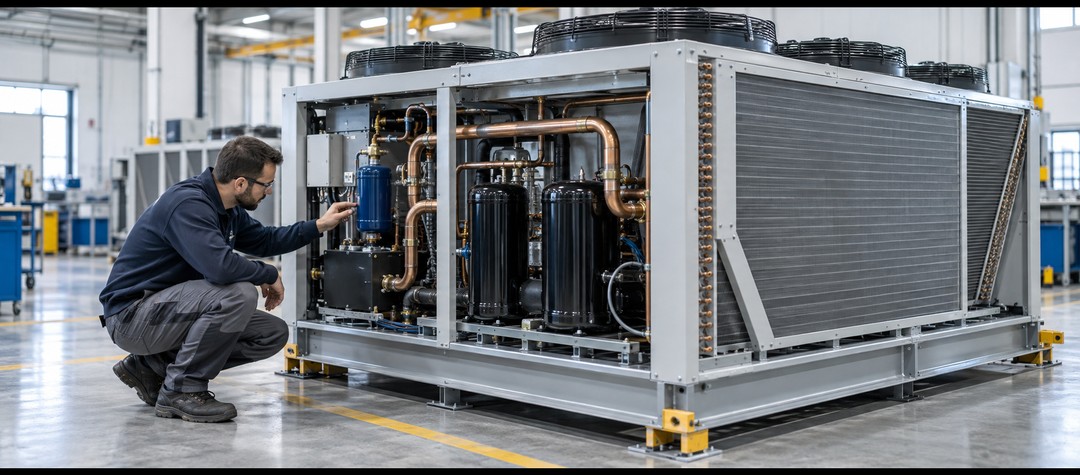
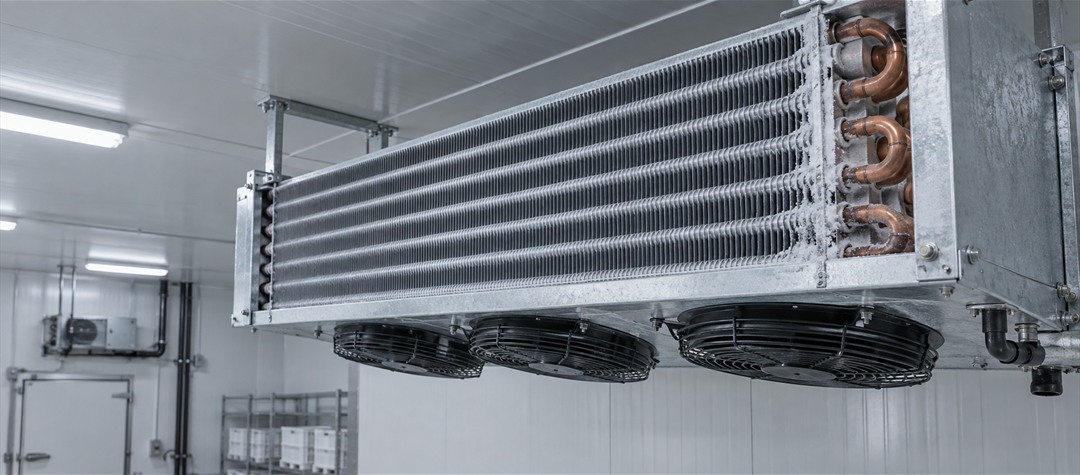
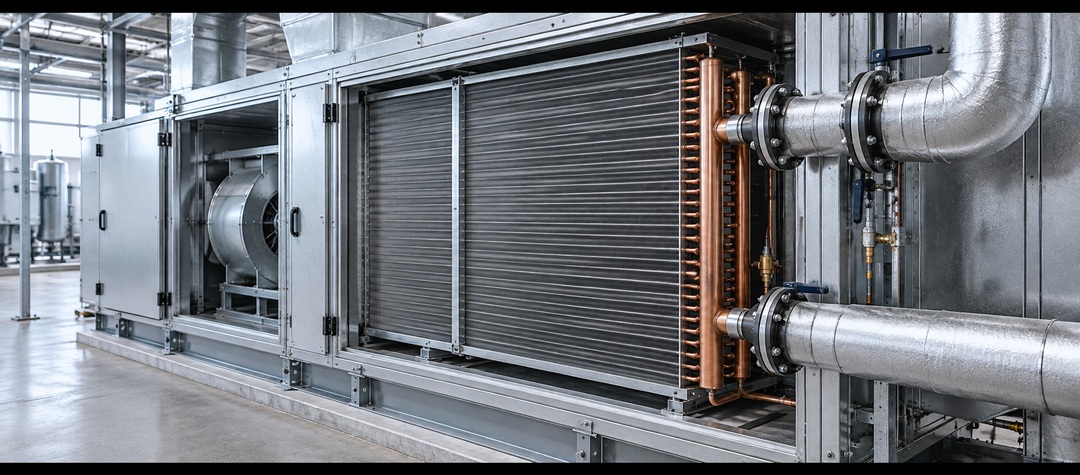
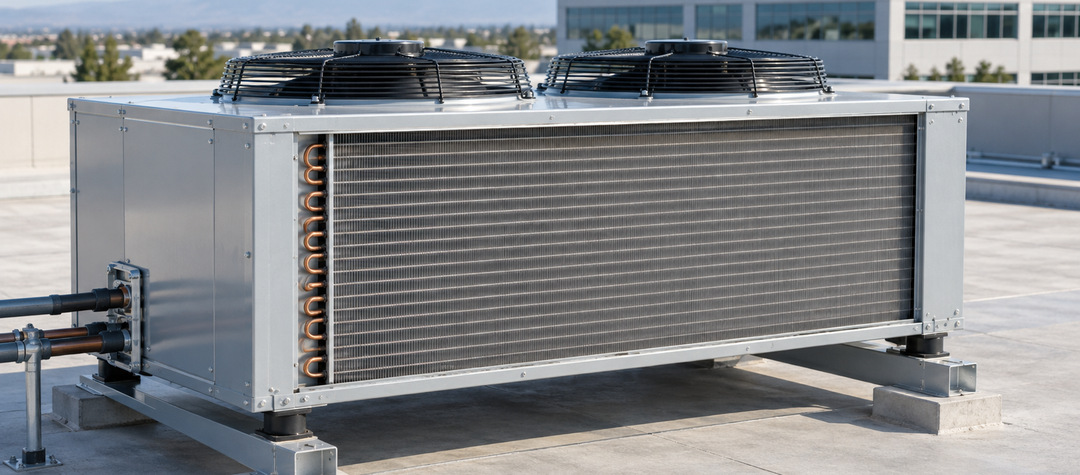
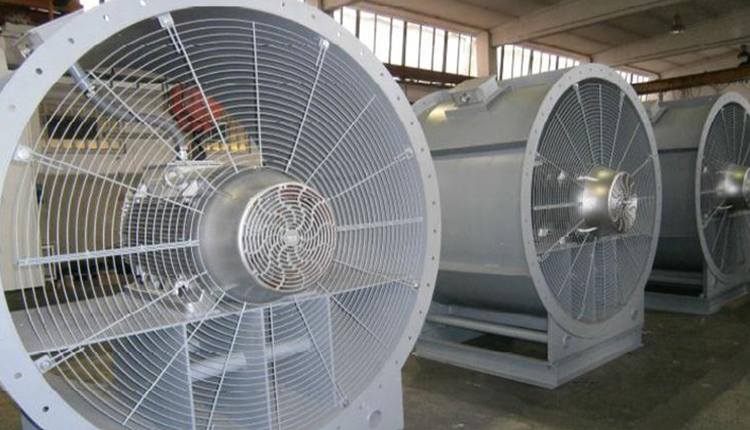
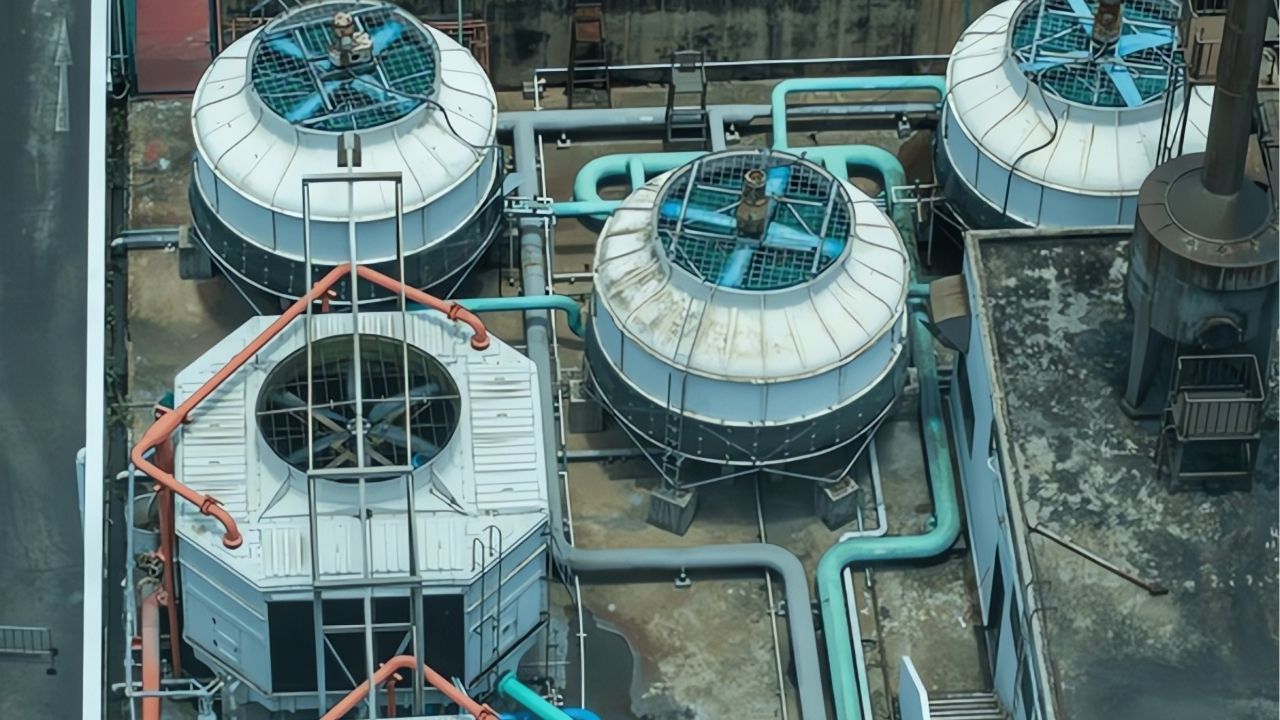
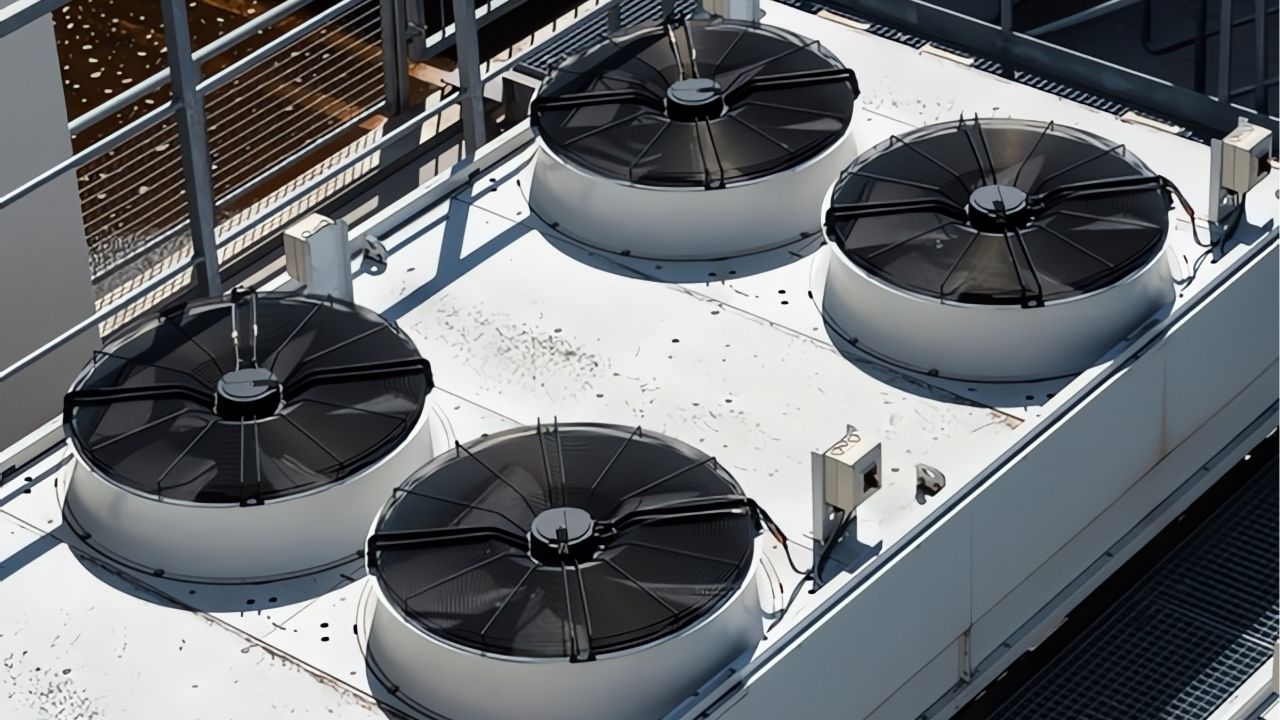
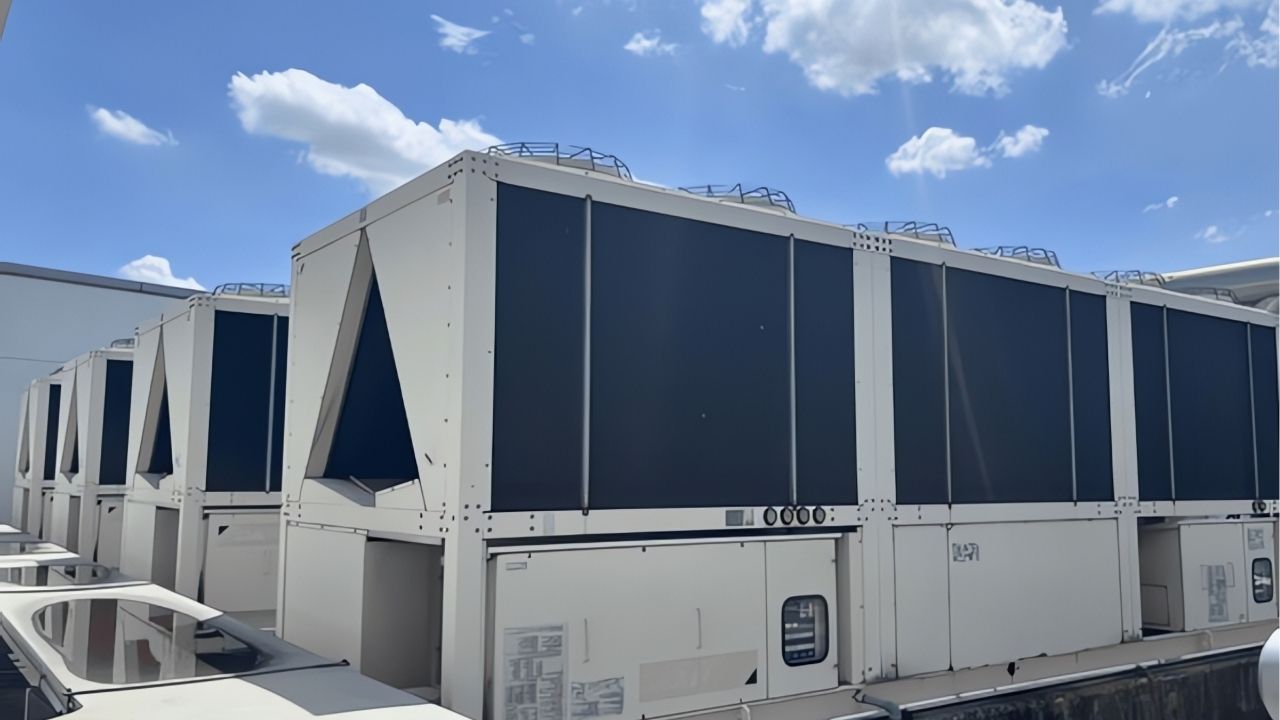
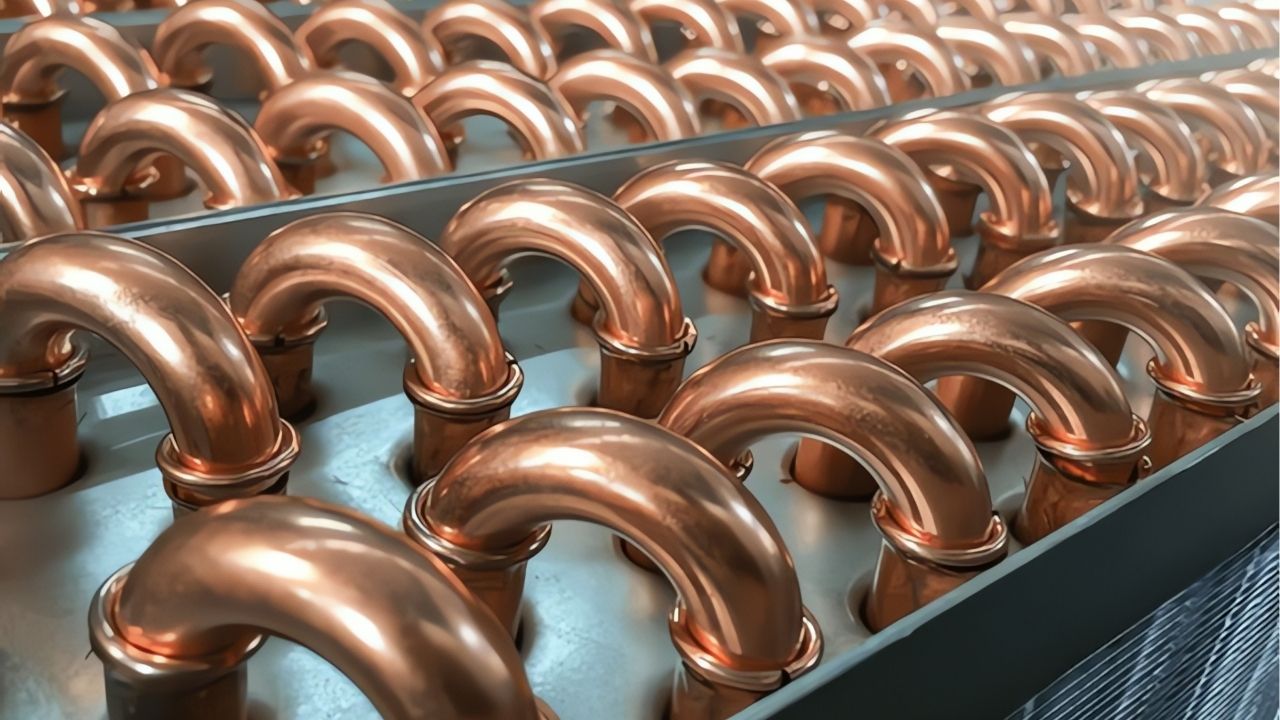
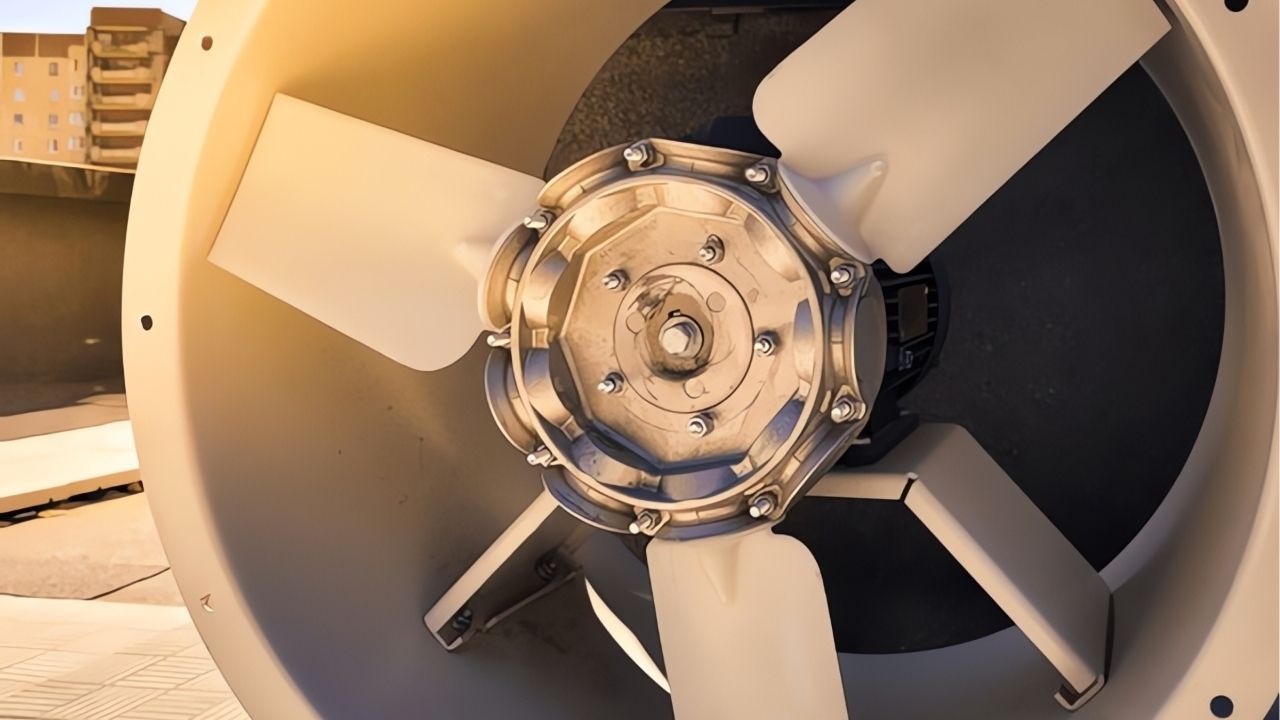
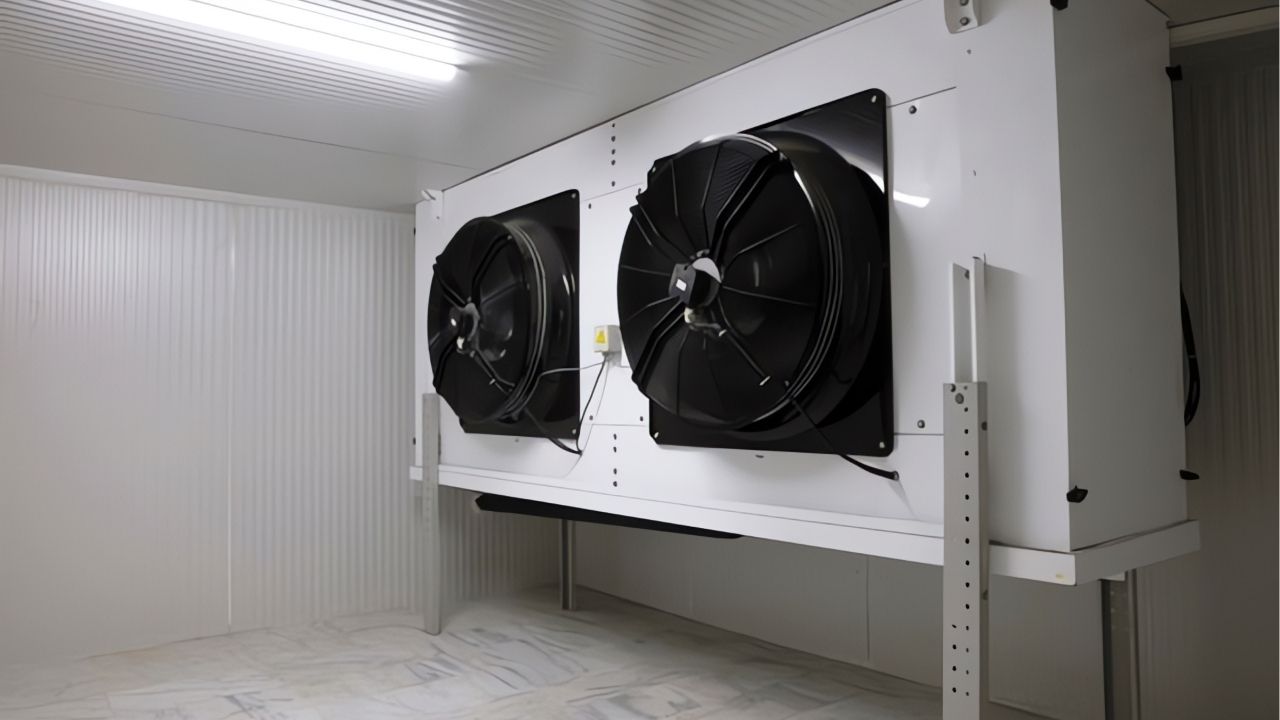
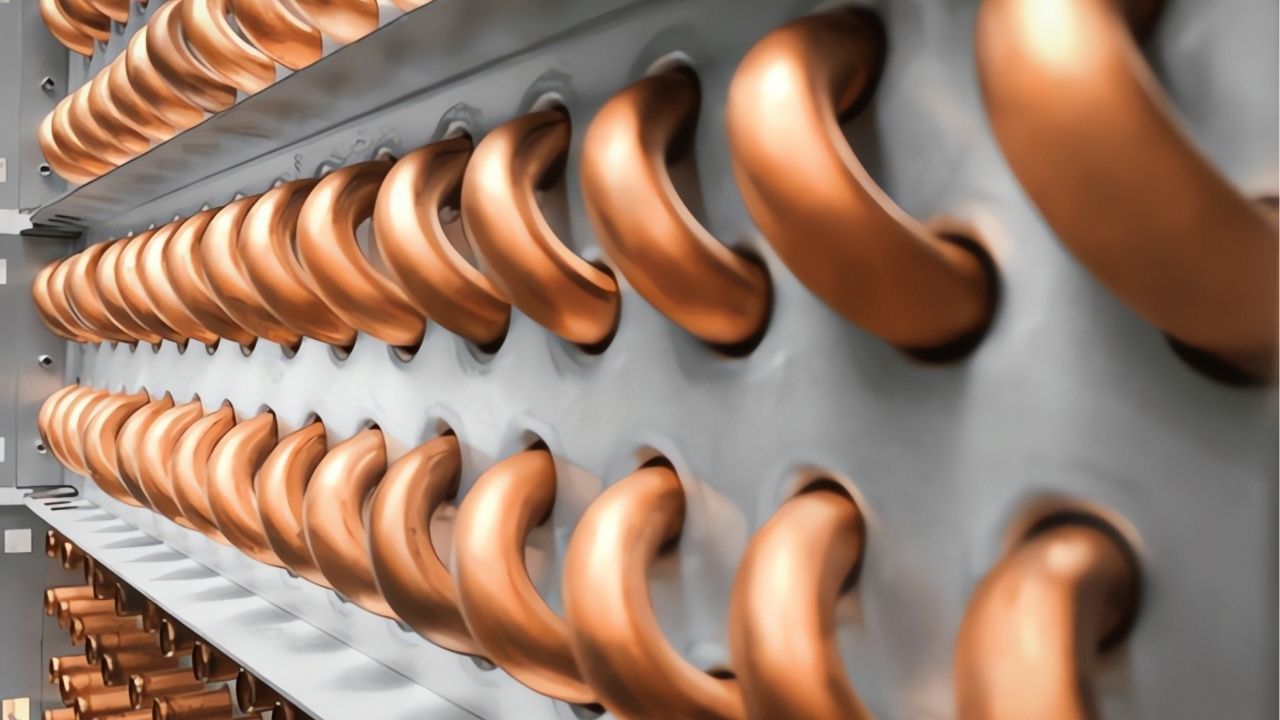
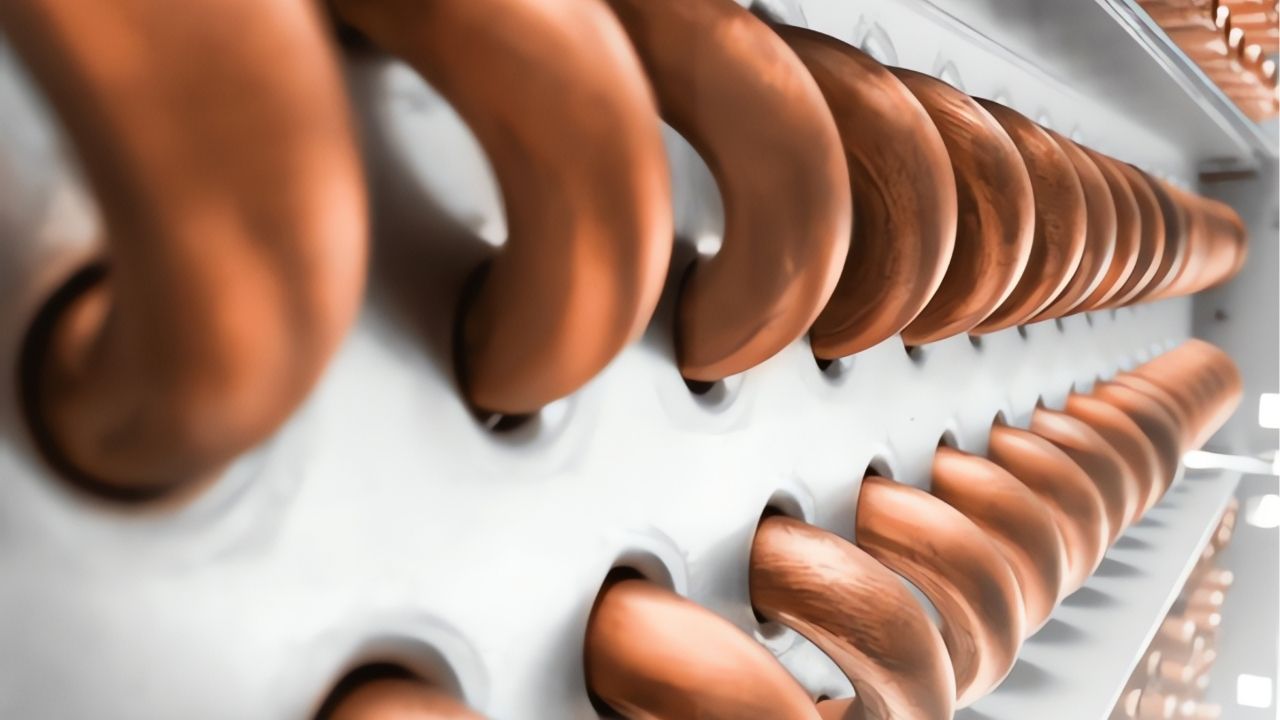
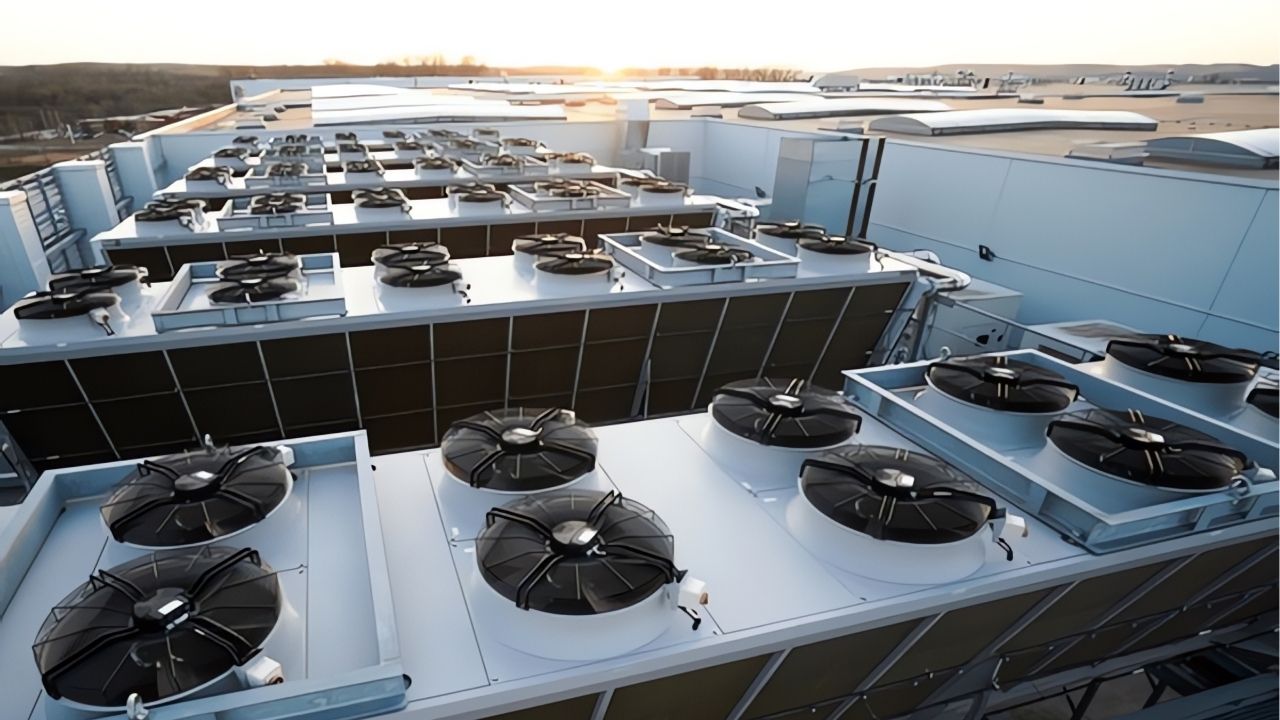
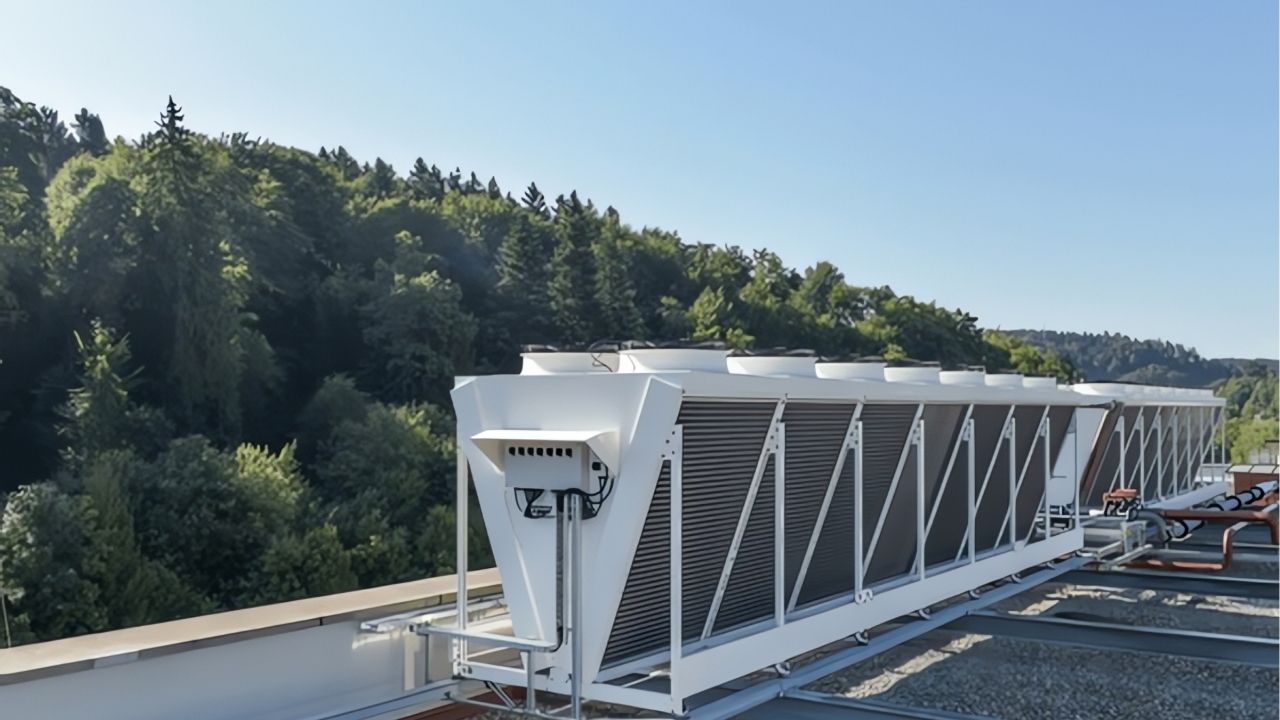
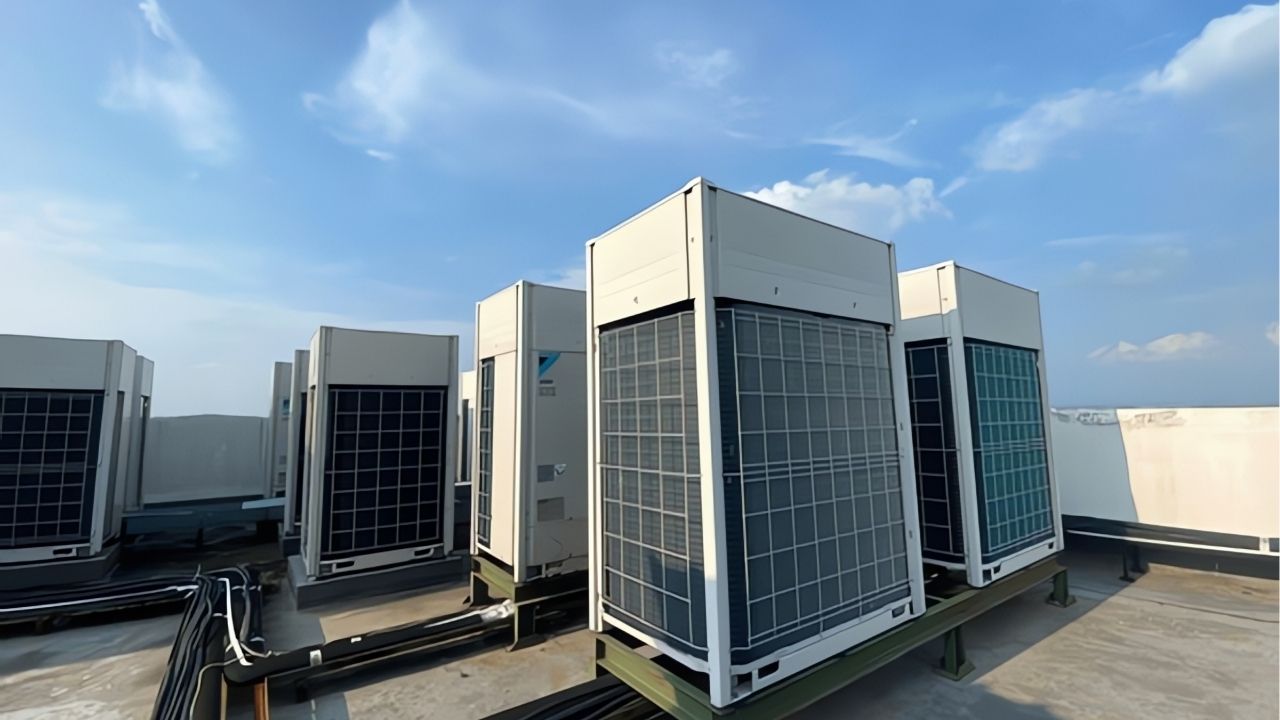
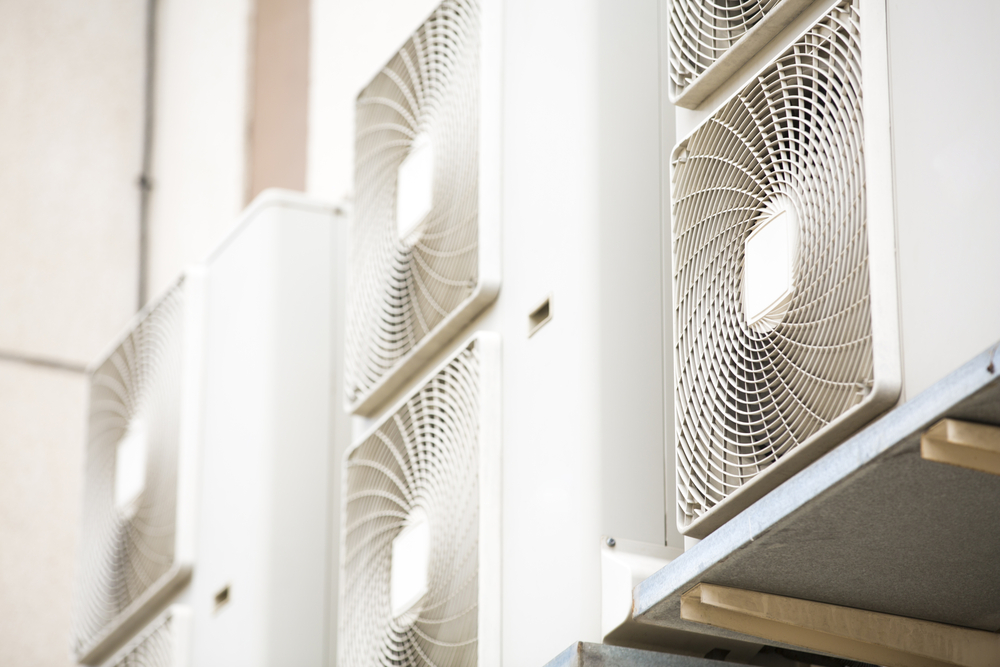
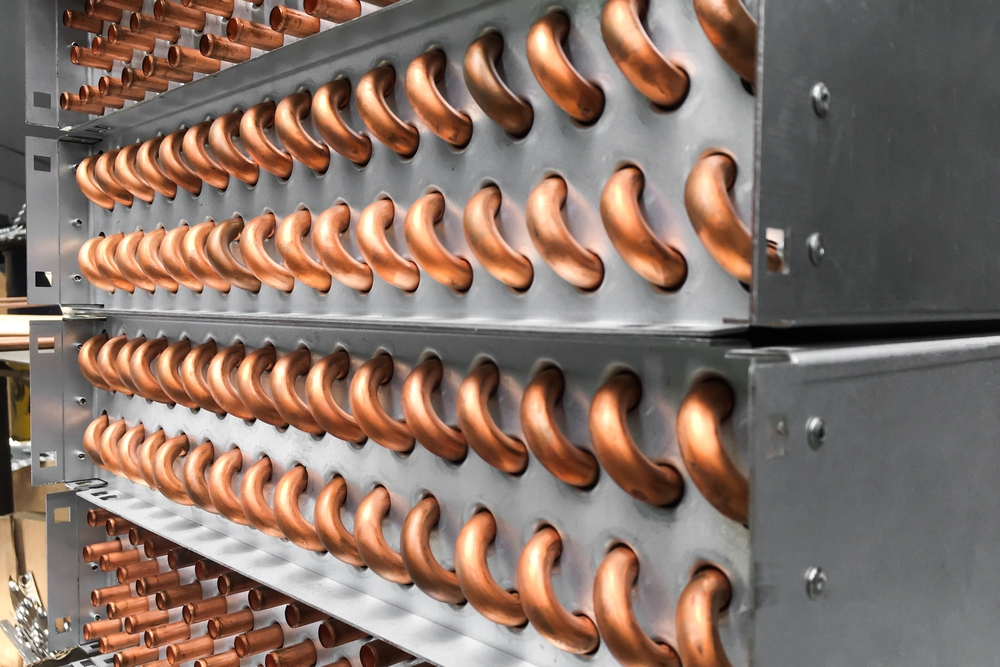
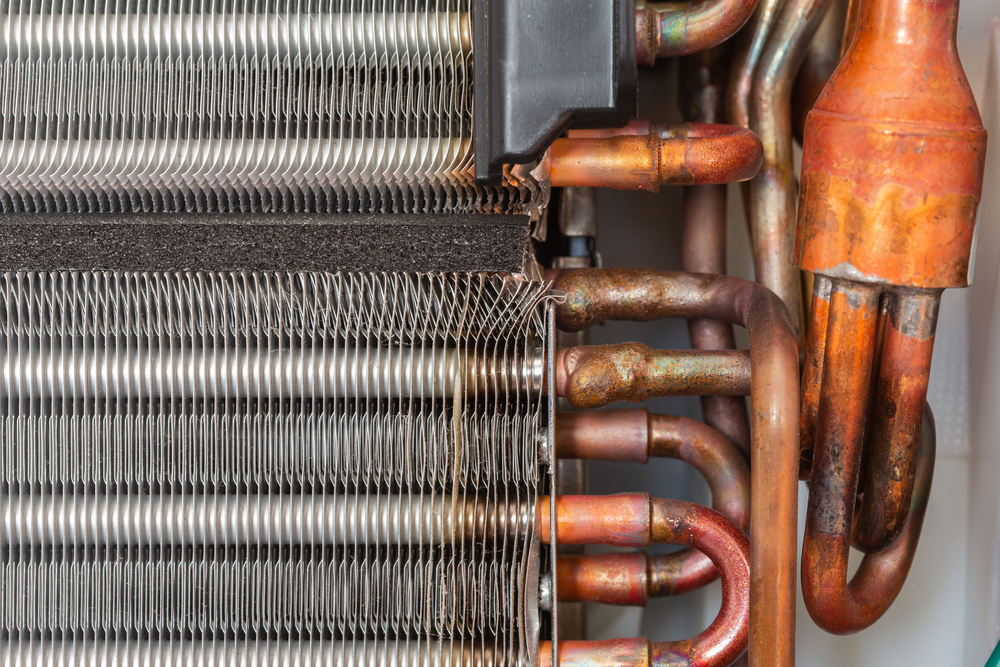
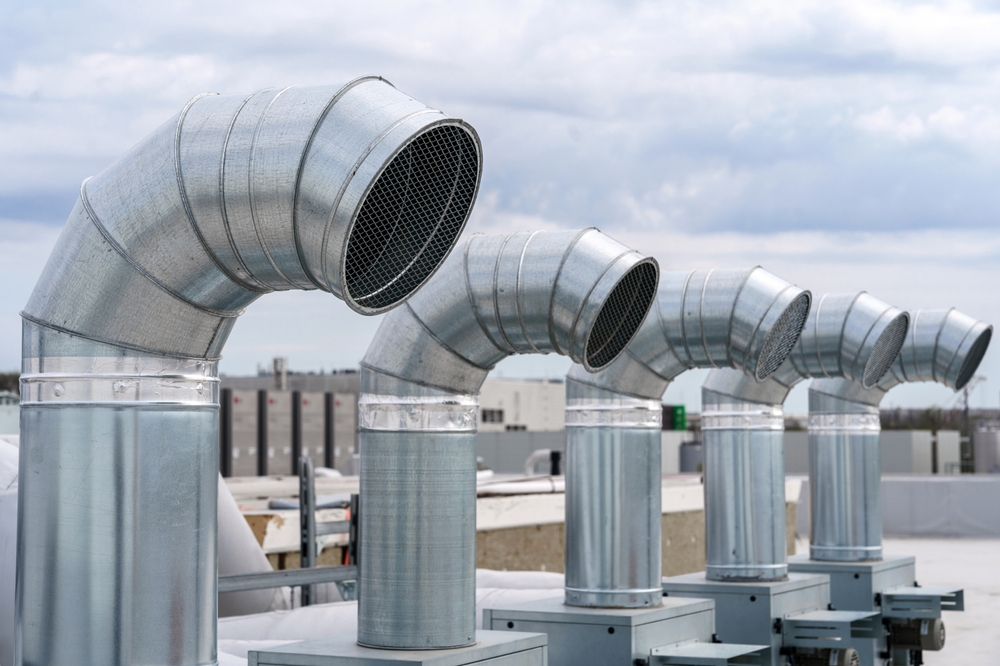
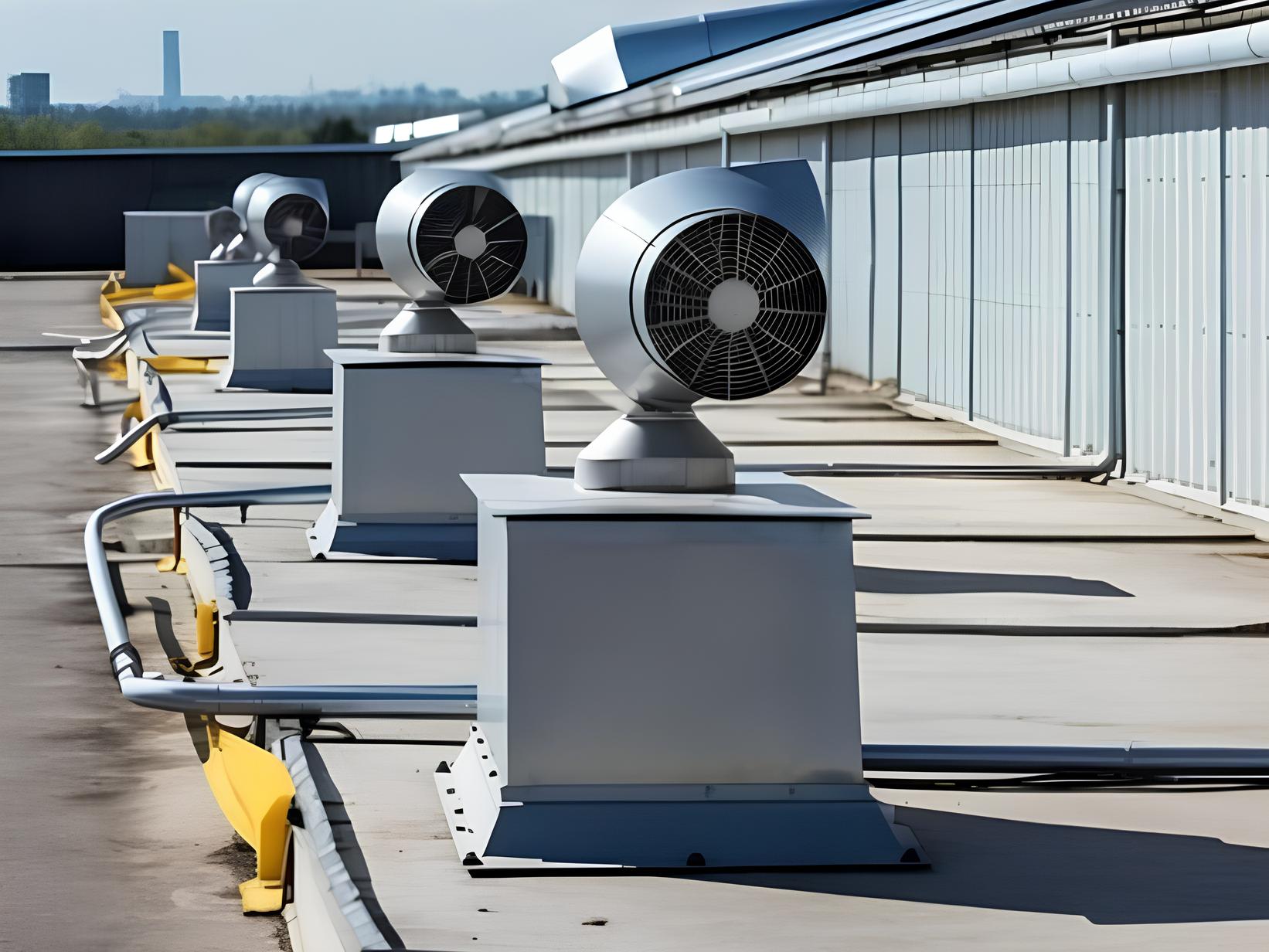
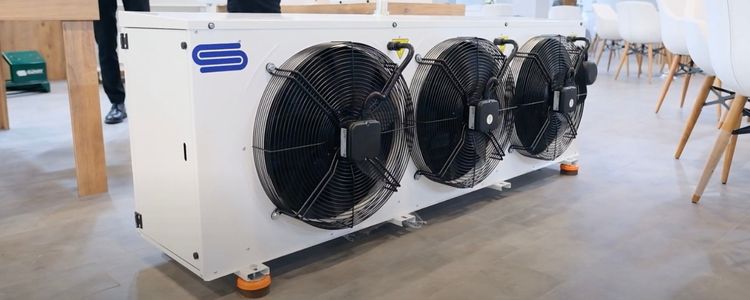
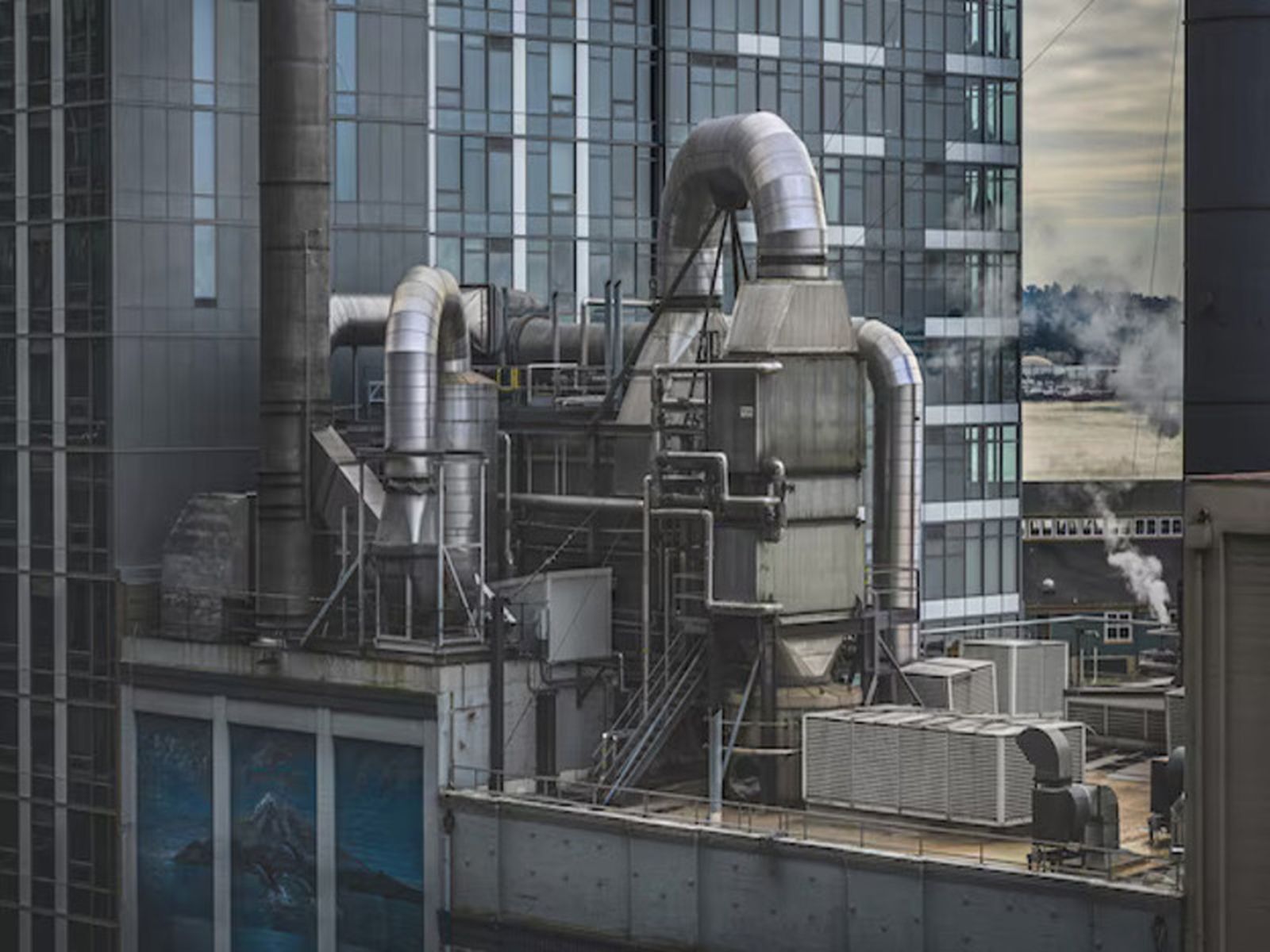
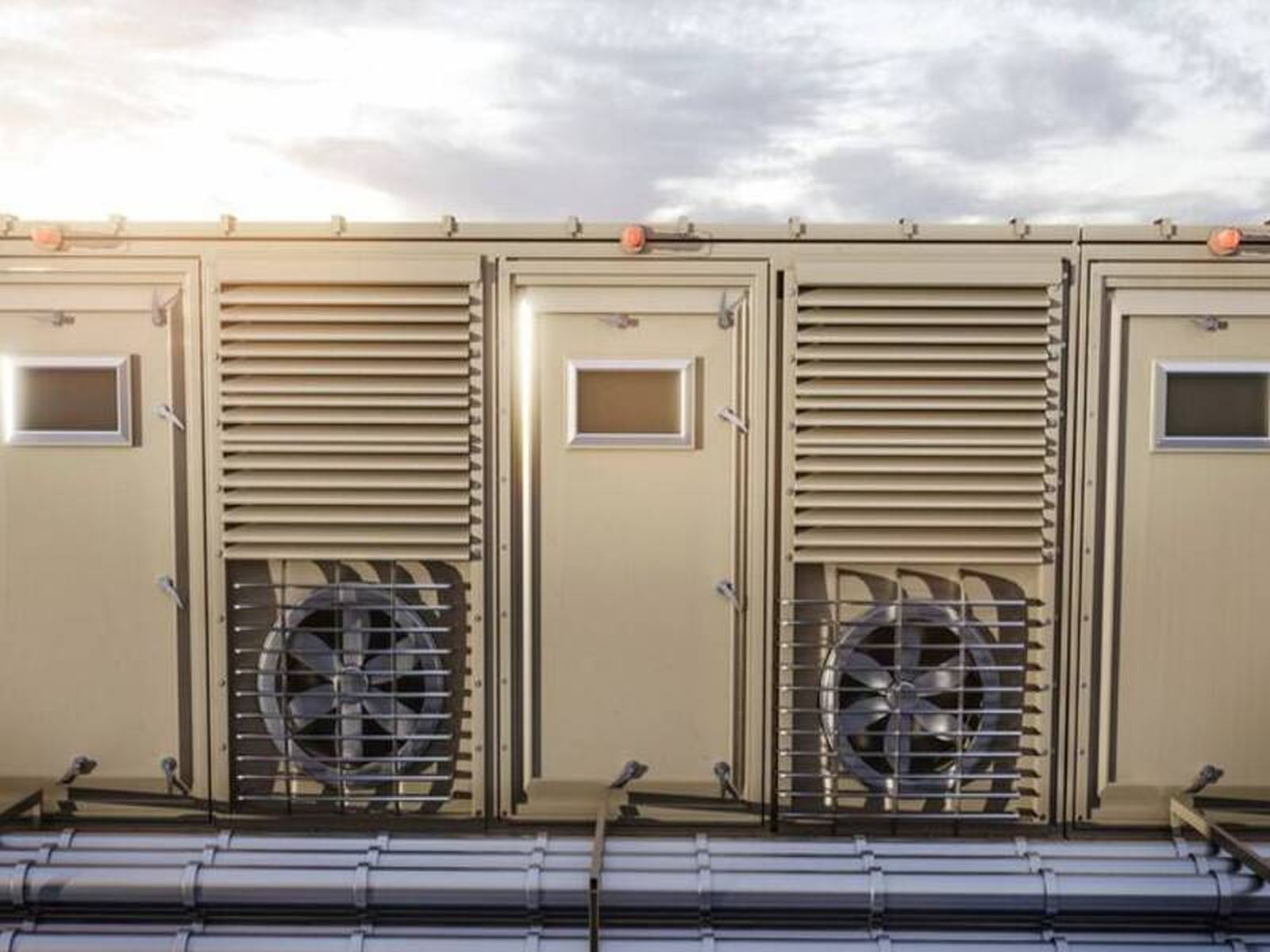
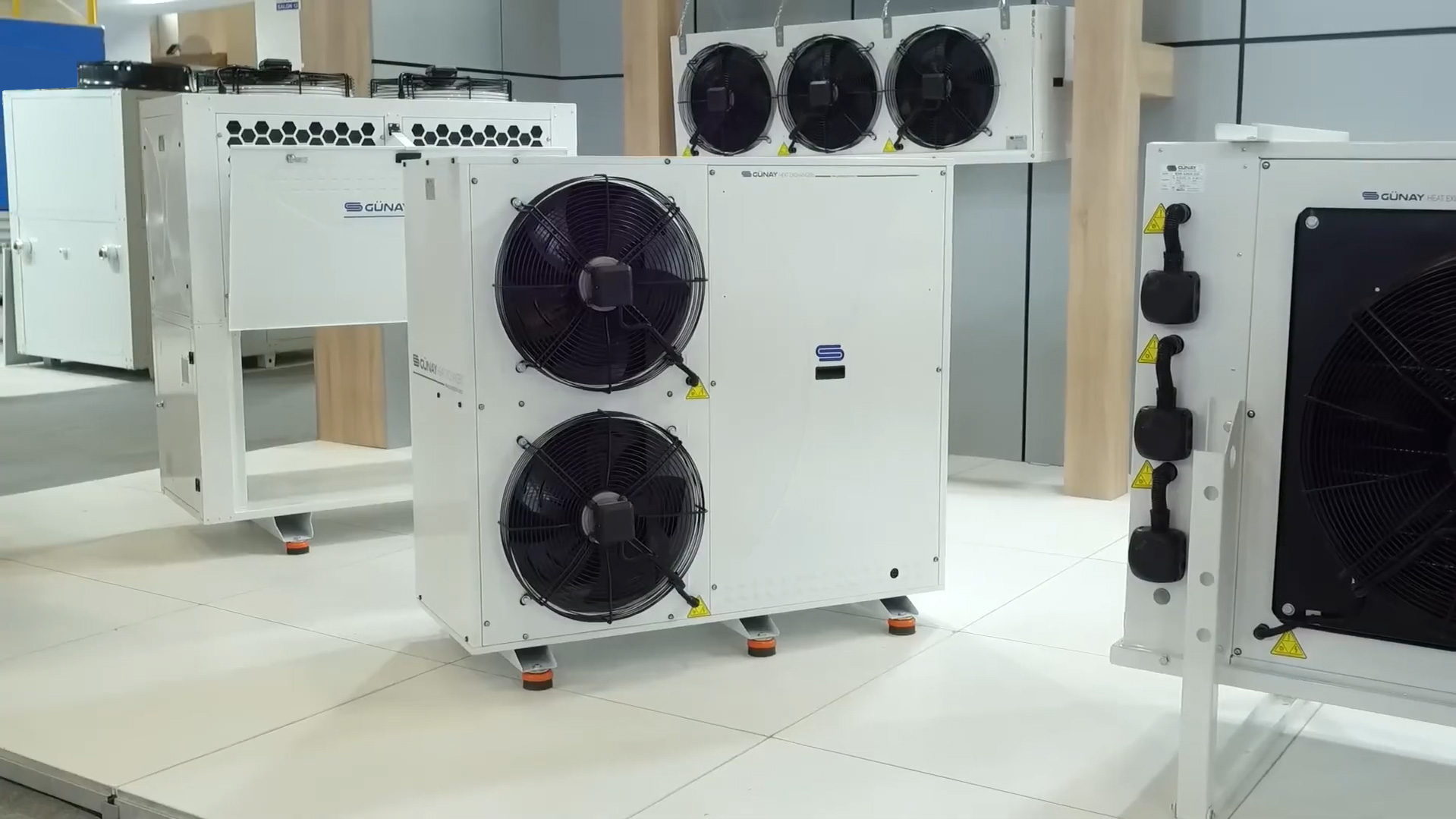
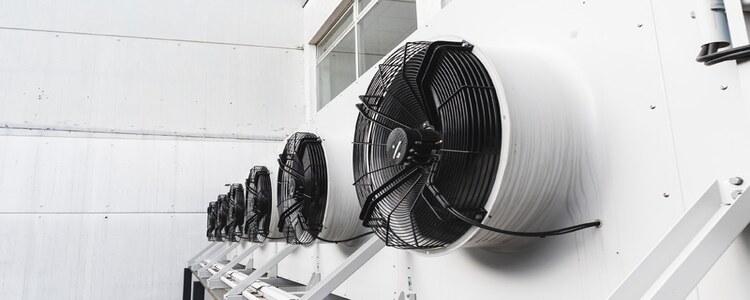
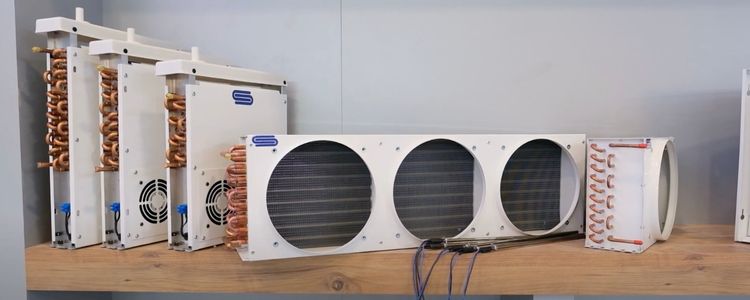
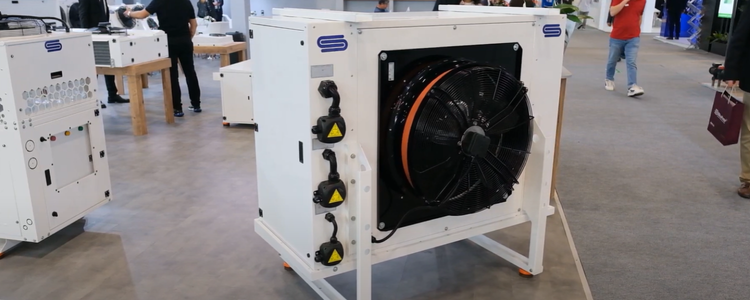
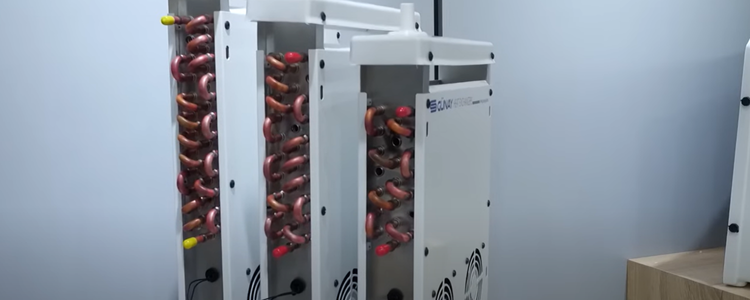
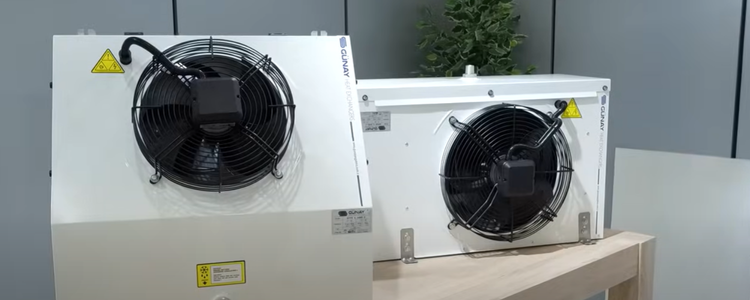
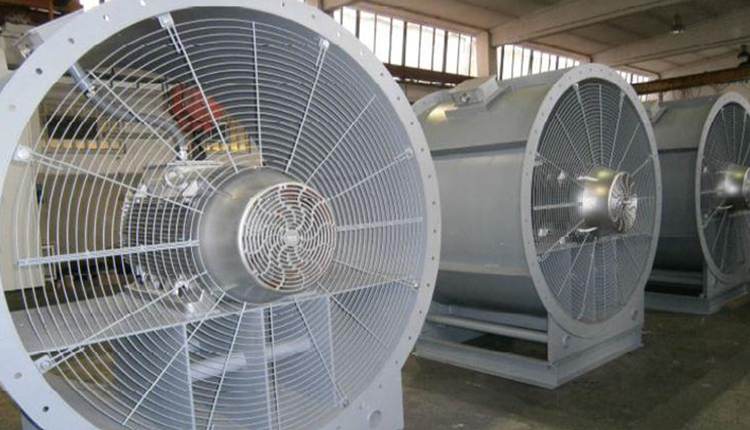
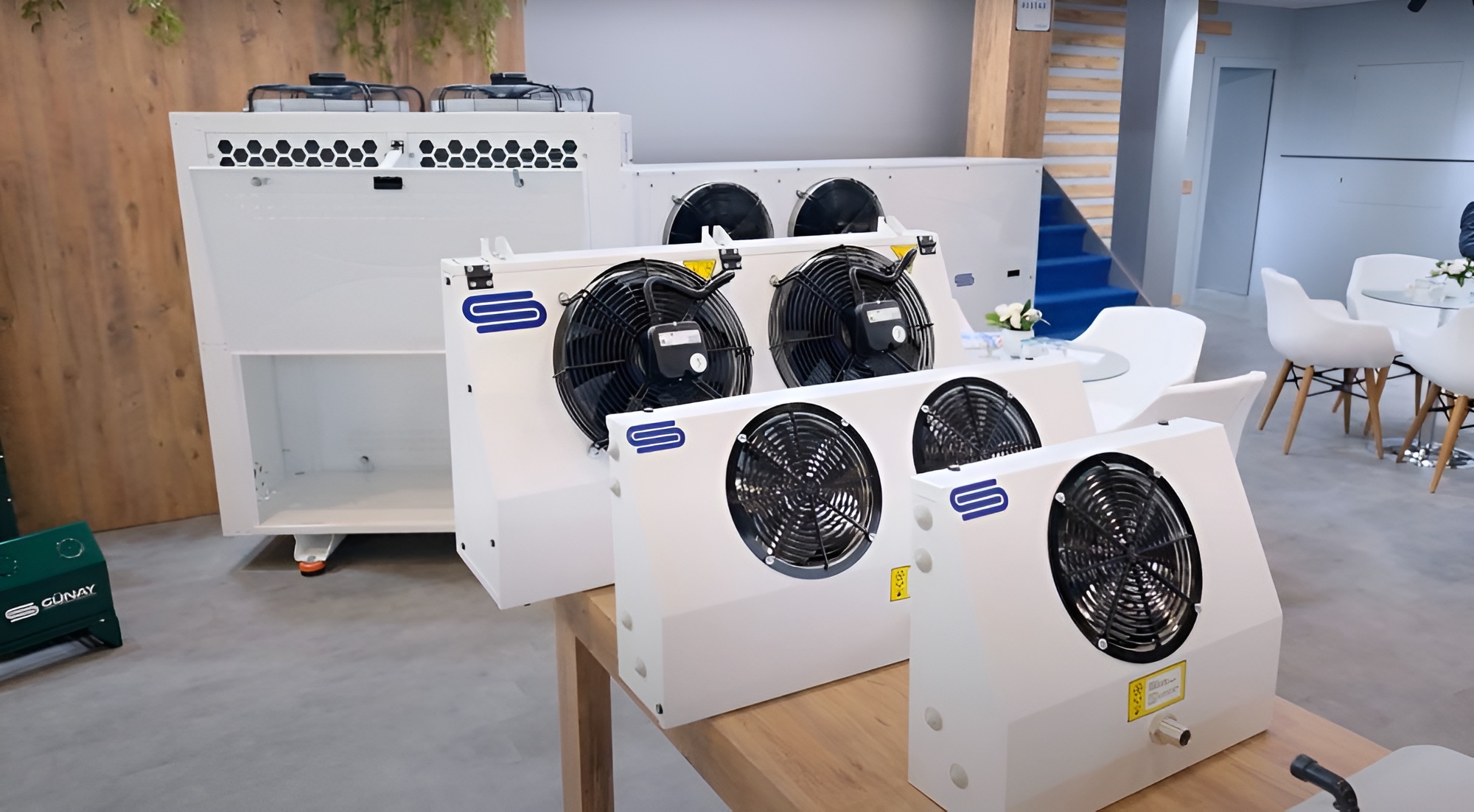
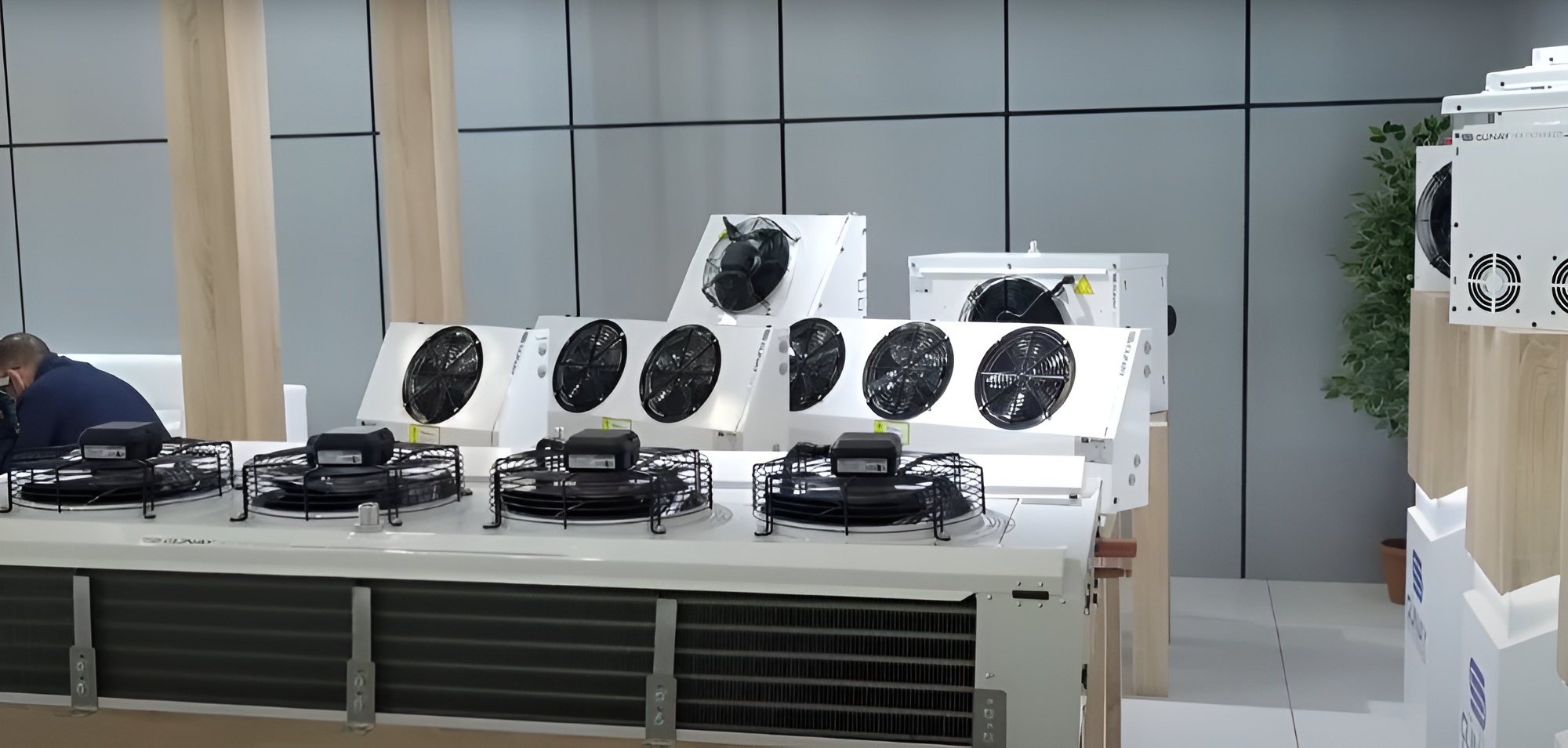
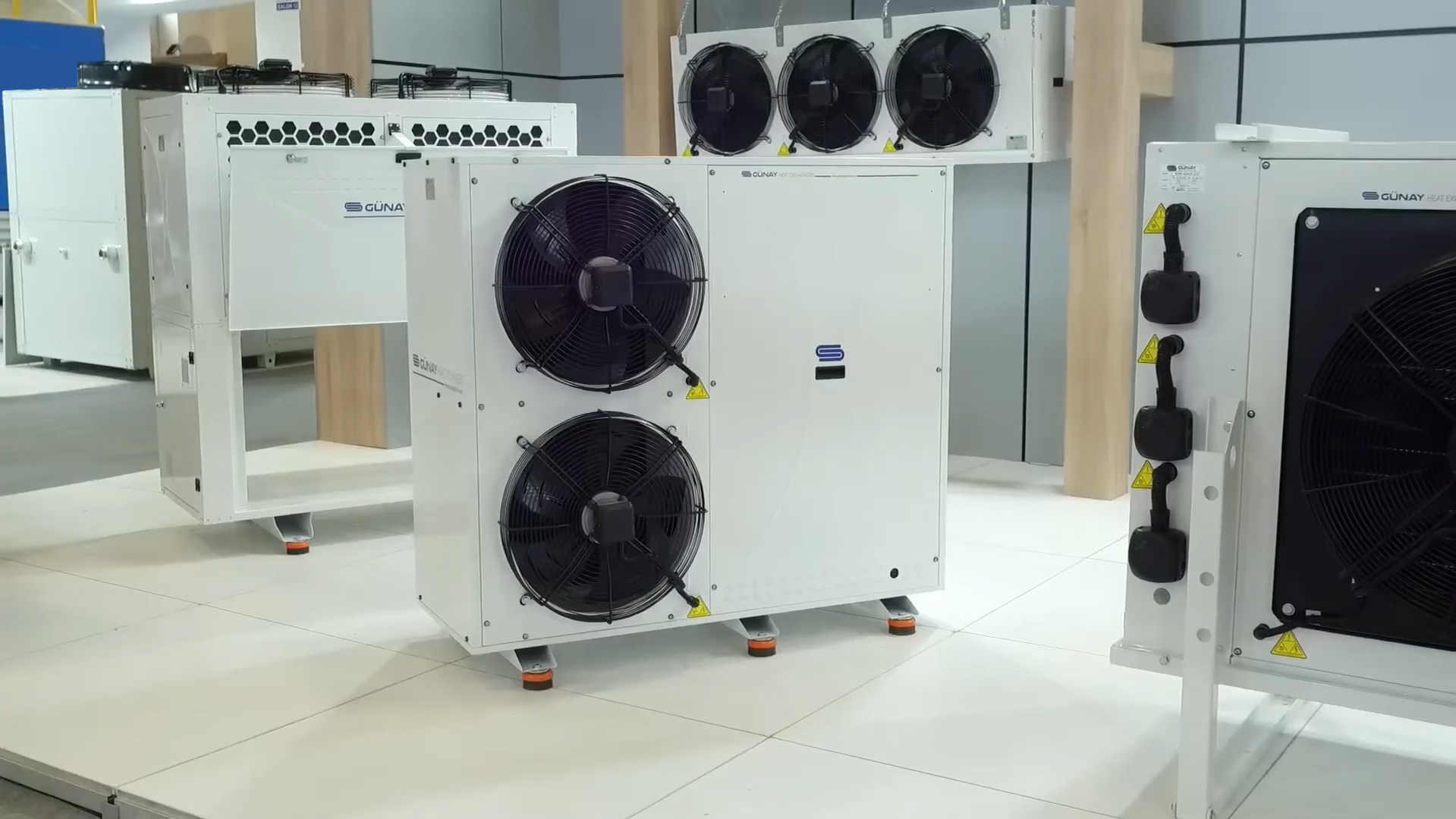
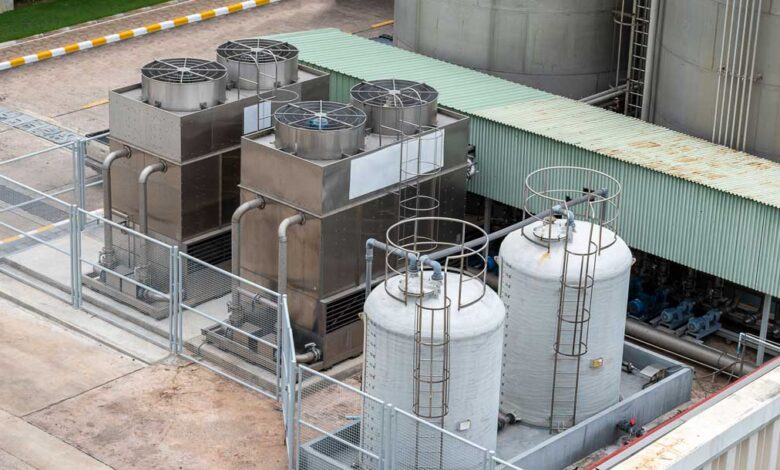
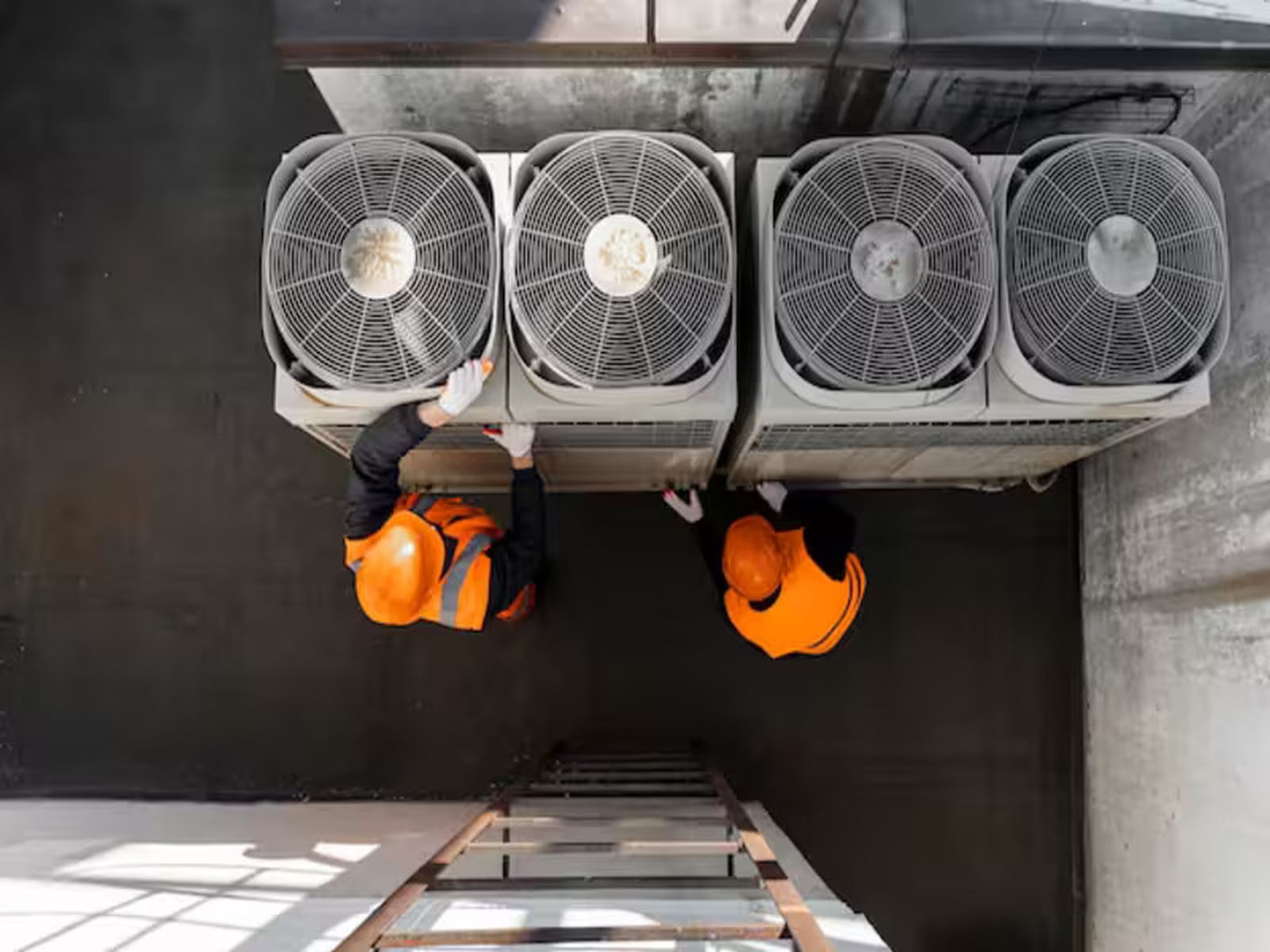
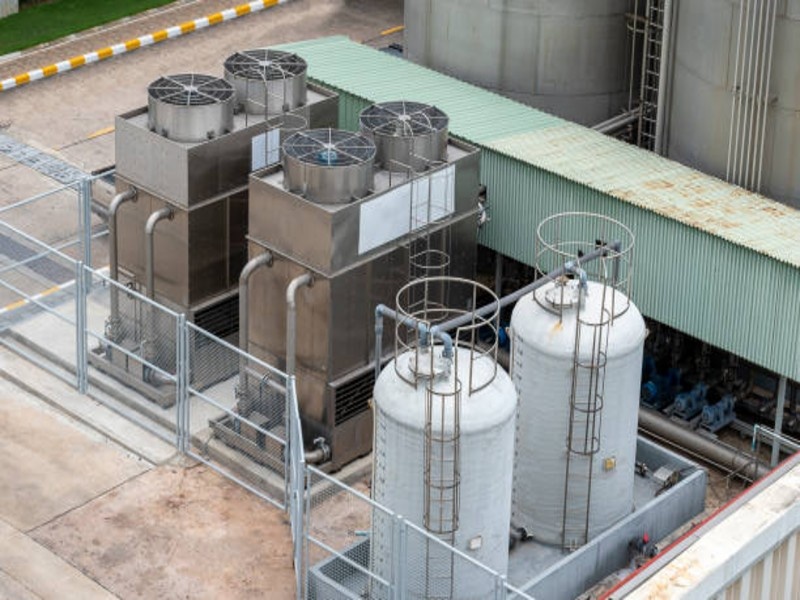
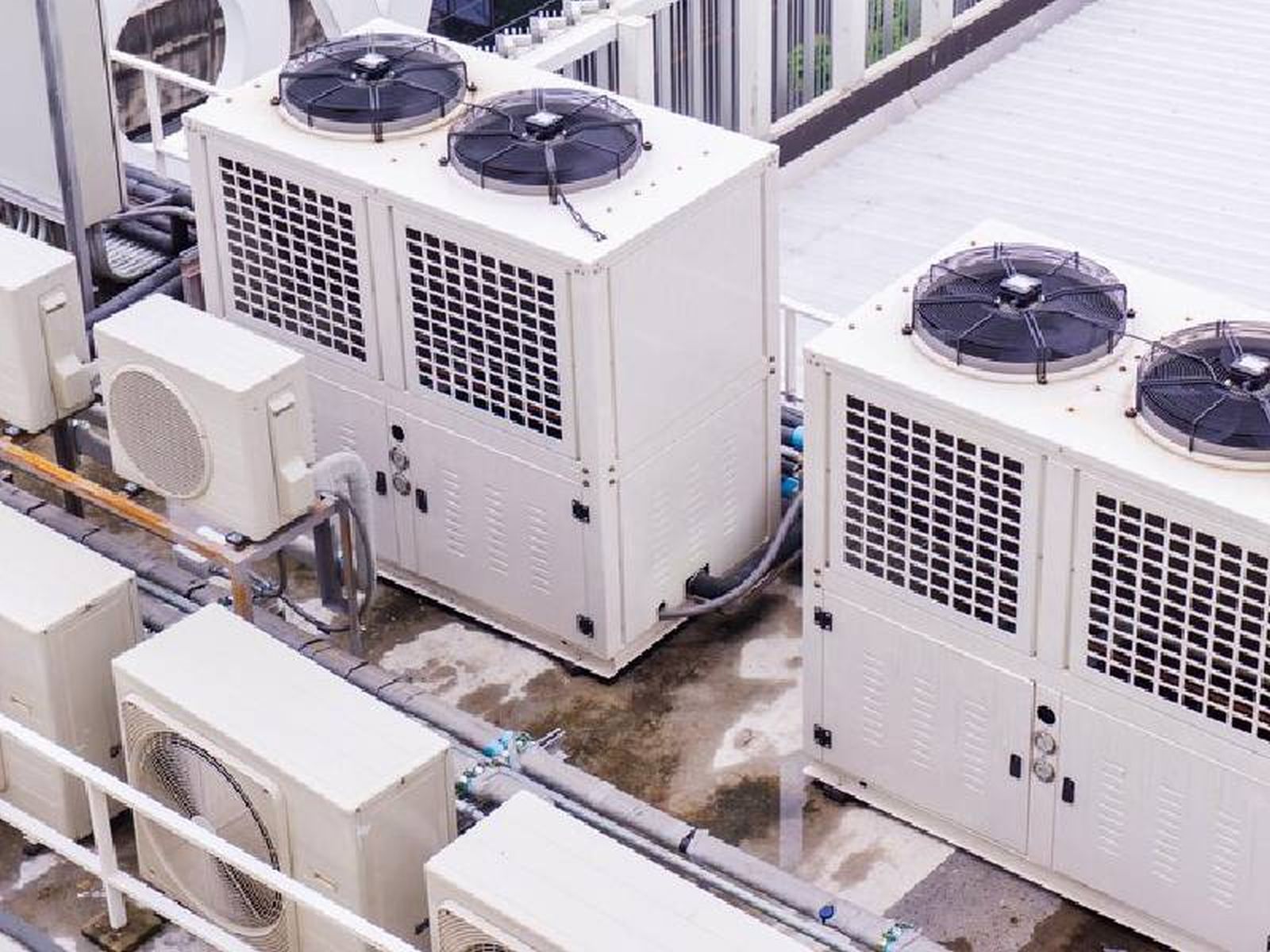
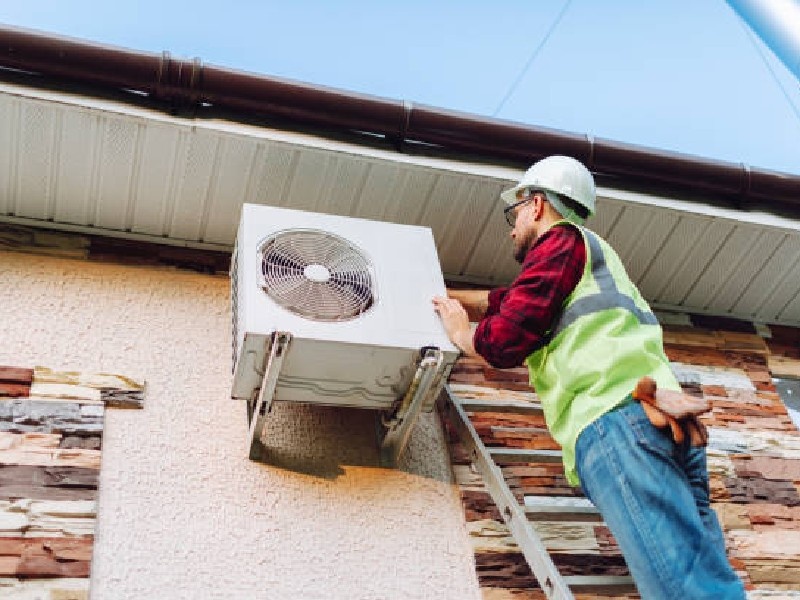
The most common cause of high condensing pressure is that the condenser cannot reject heat sufficiently. Dirty fins, a blocked air path, a fan that is not running, a poor layout, and recirculation of warm discharge air can all cause this effect.
- Dirty fins: Reduce heat transfer.
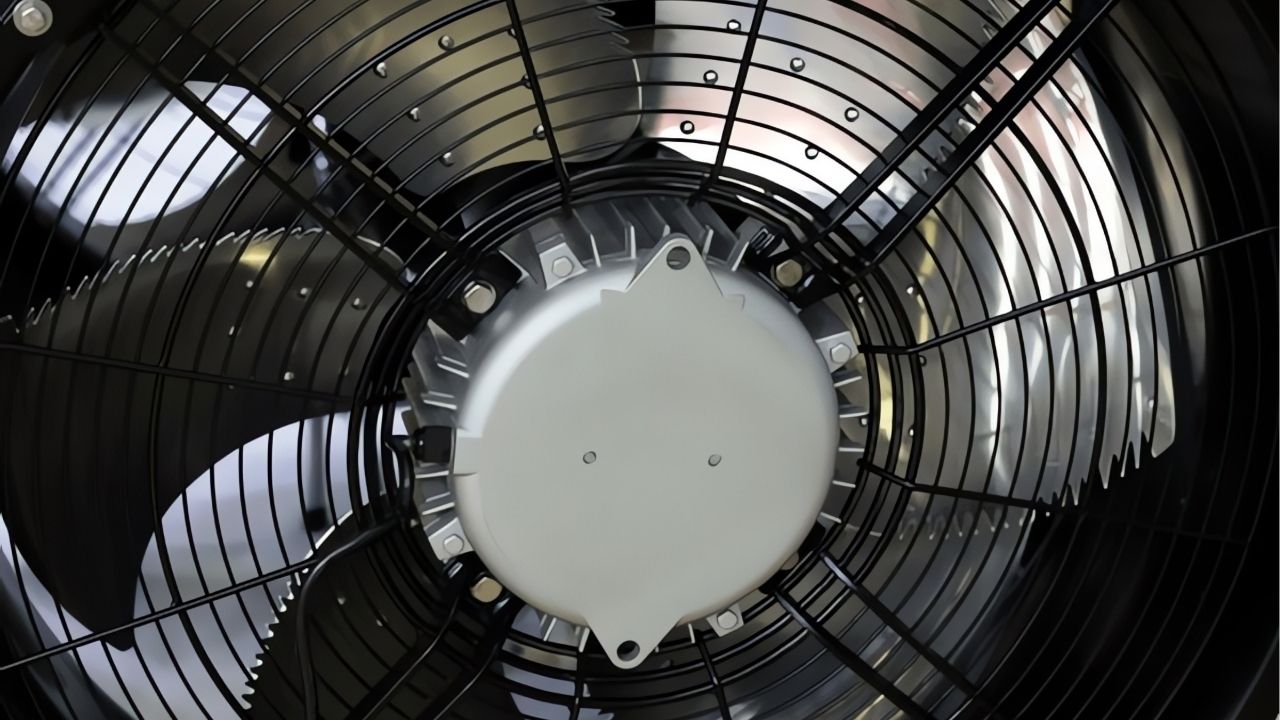
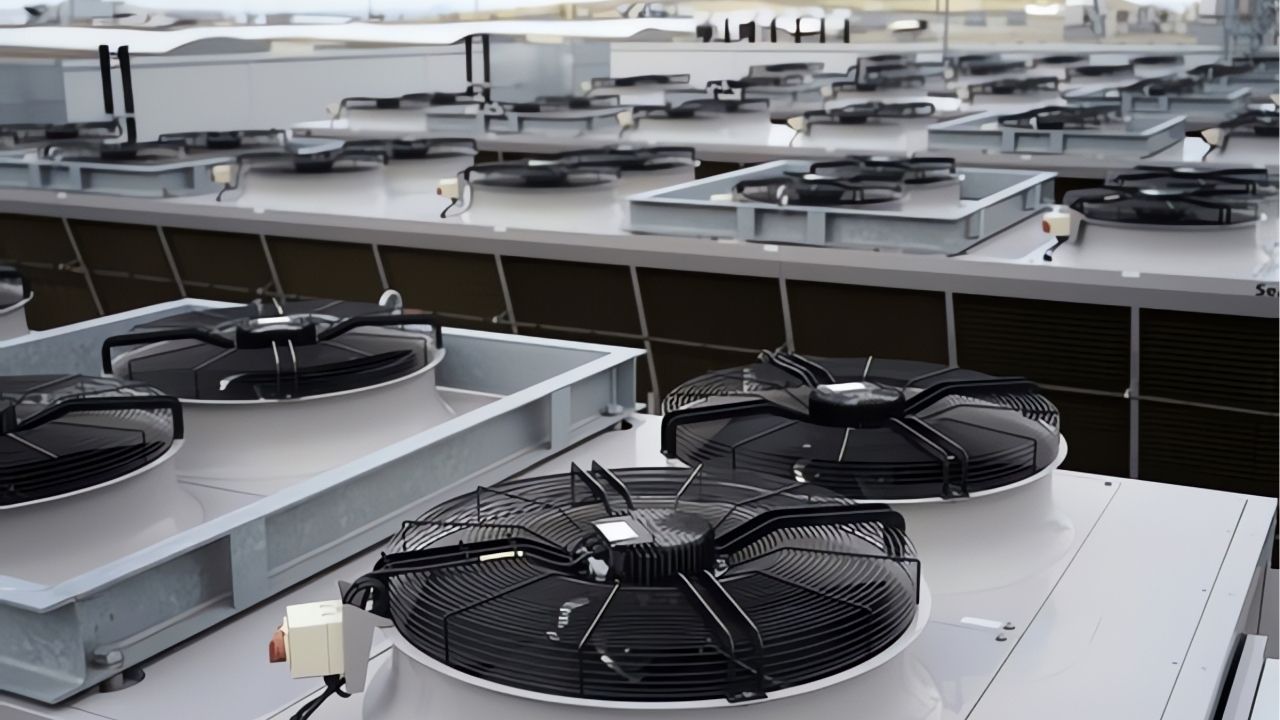
- Fan failure: Airflow falls.
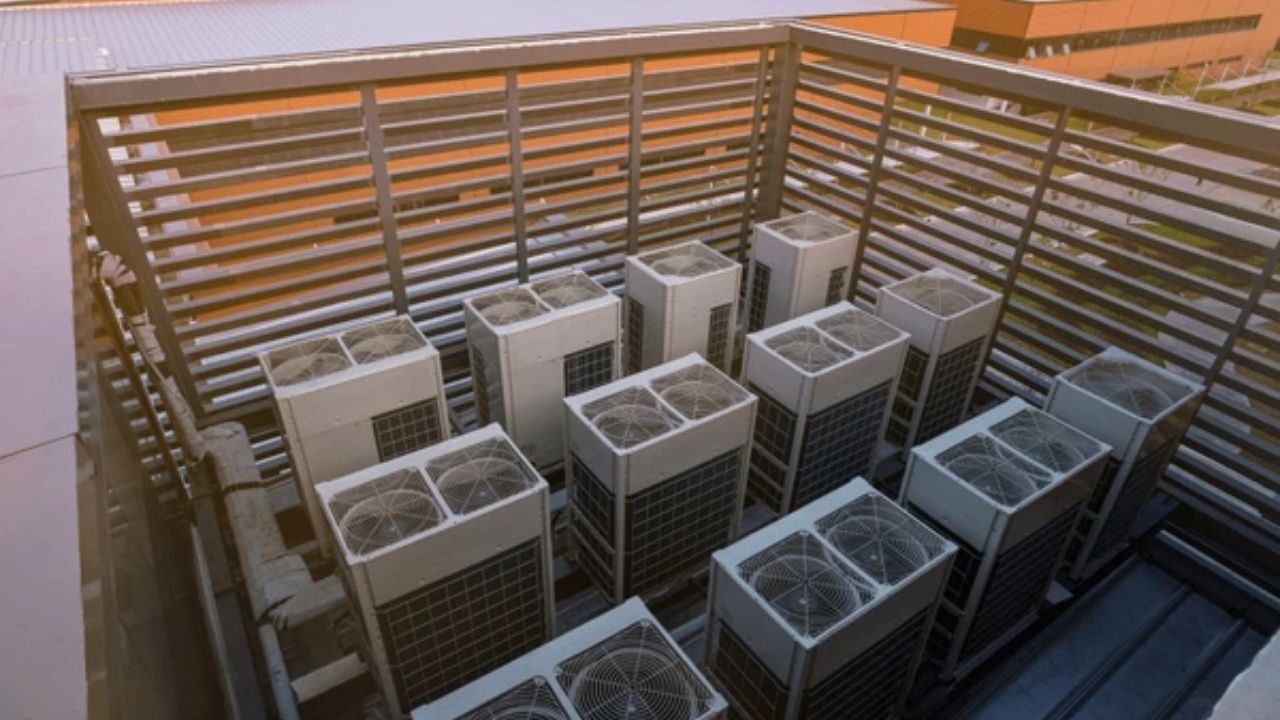
- Air recirculation: The condenser takes in its own discharge air.
An excess refrigerant charge in the system can also raise the condensing pressure.
High condensing pressure caused by the condenser is the most common situation. The heat rejection capacity of the condenser depends on the cleanliness of its surface, the operation of its fans and the path of the airflow. If any one of these three is impaired, the pressure can rise quickly.
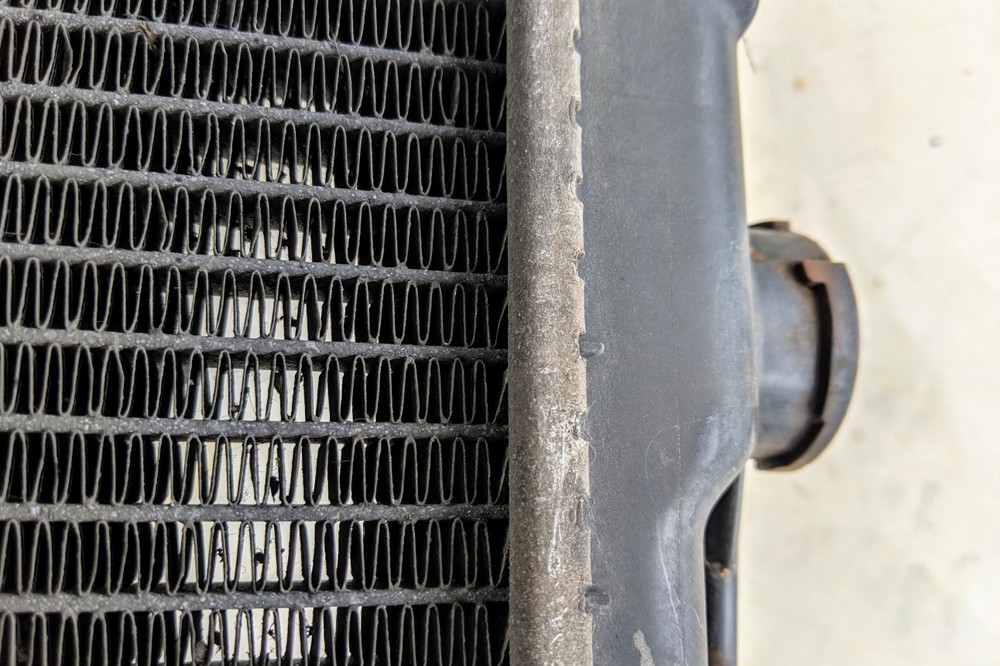
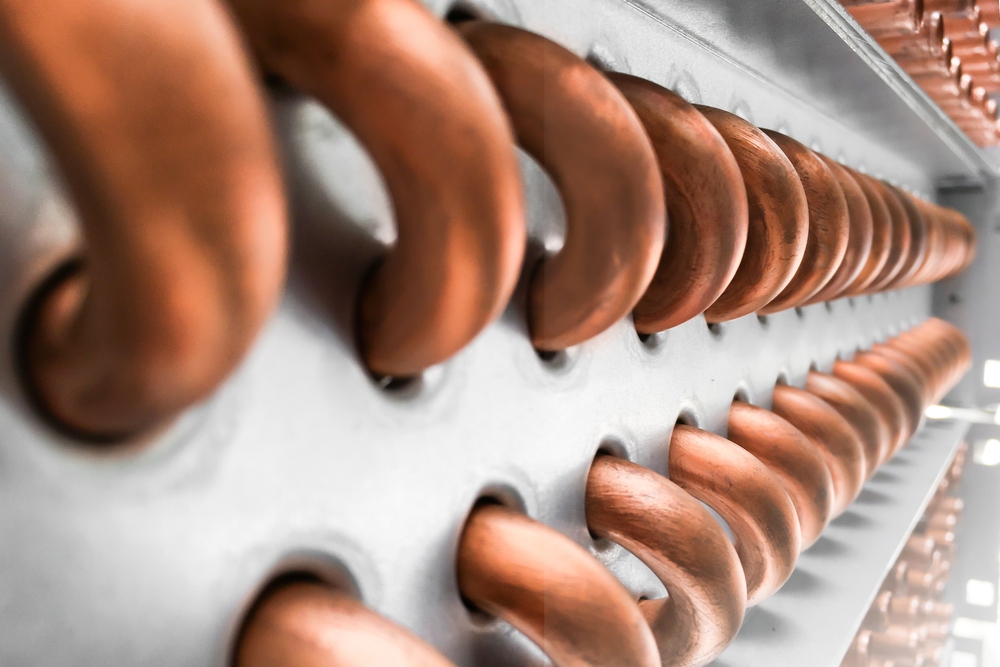
A dirty condenser surface reduces heat exchange because of dust, fluff and oil that collect between the fin spacings. This causes the pressure to rise slowly and eventually reach the protection threshold. The rate at which this build-up occurs should be considered when planning cleaning.
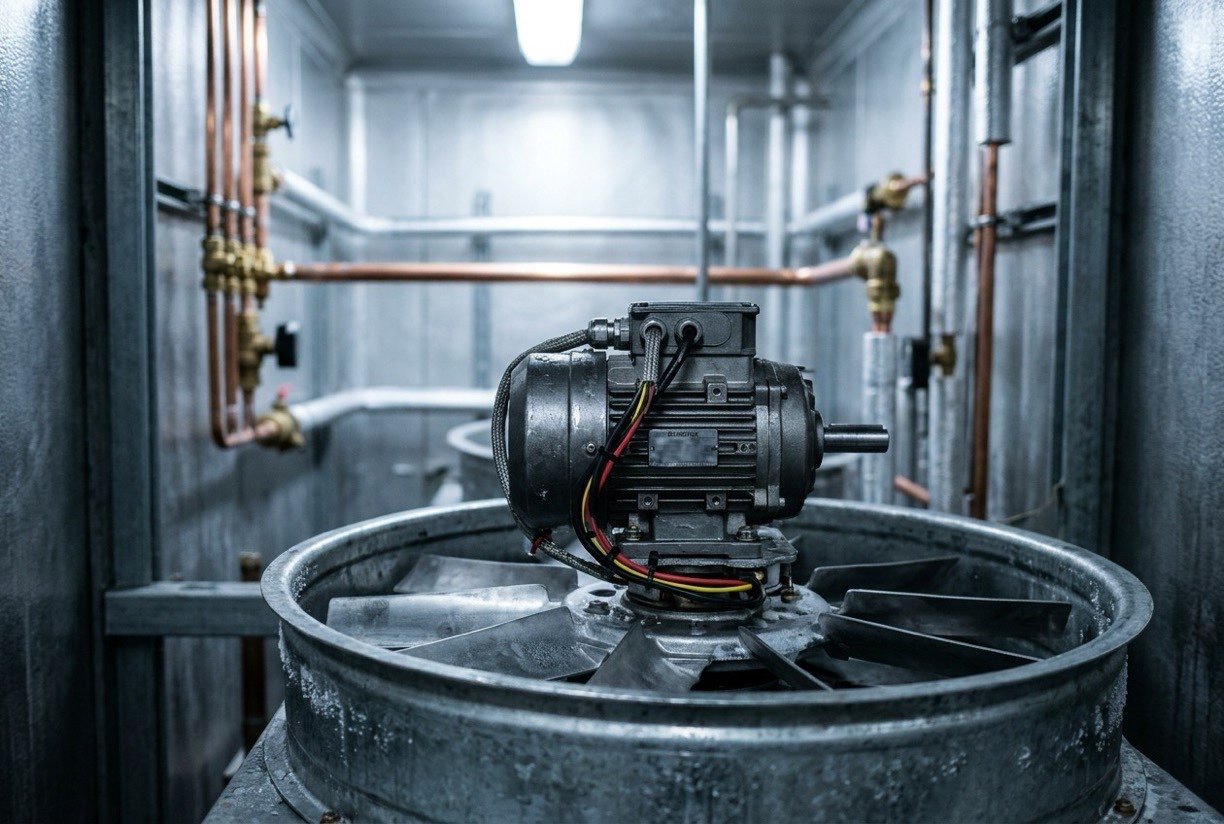
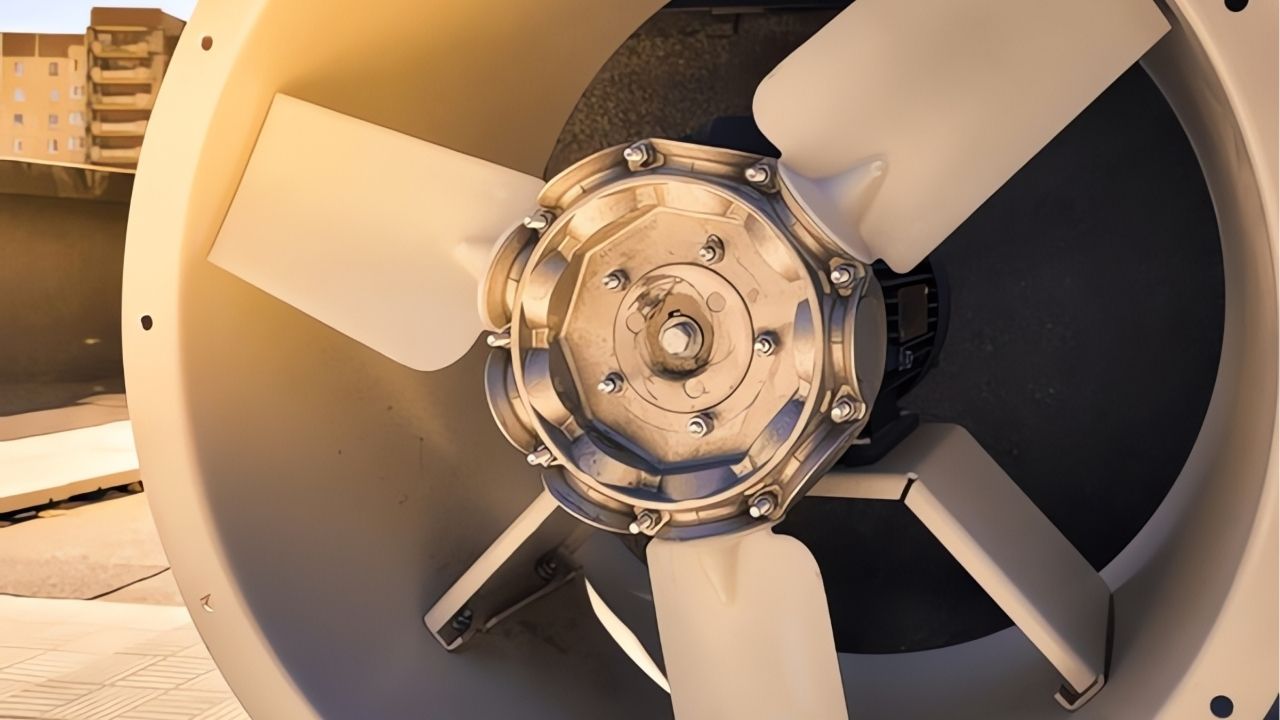
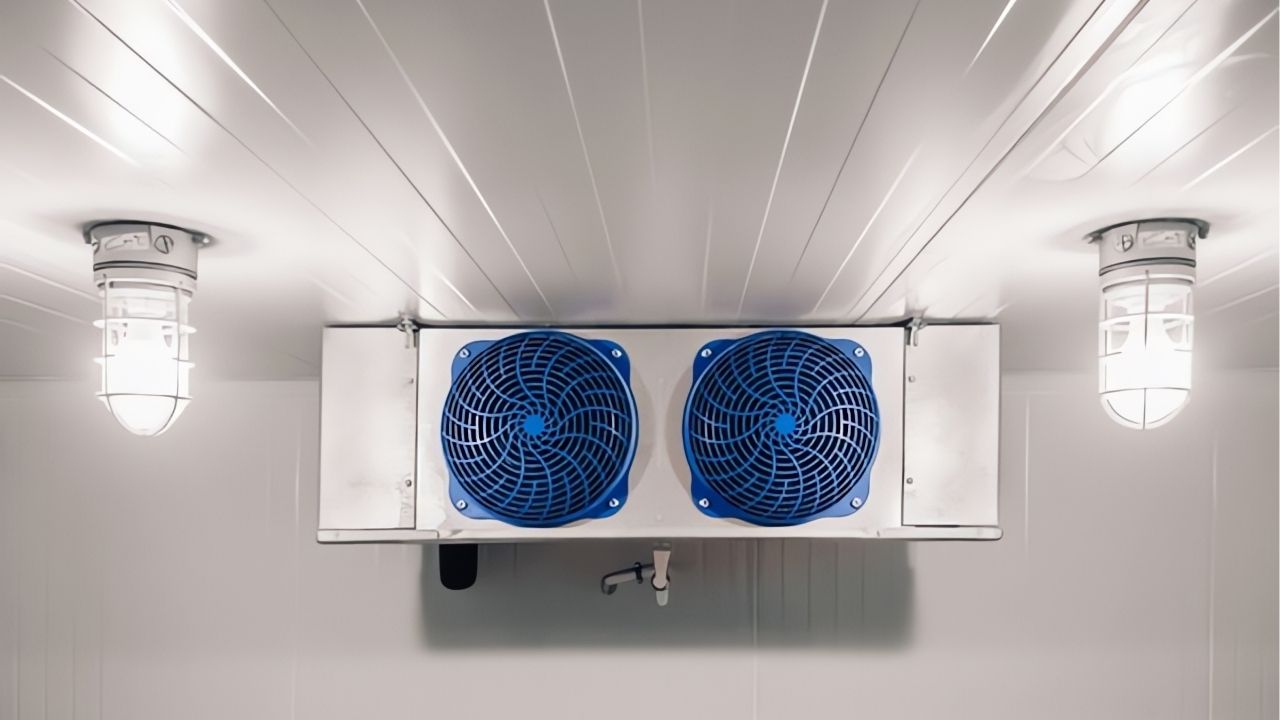
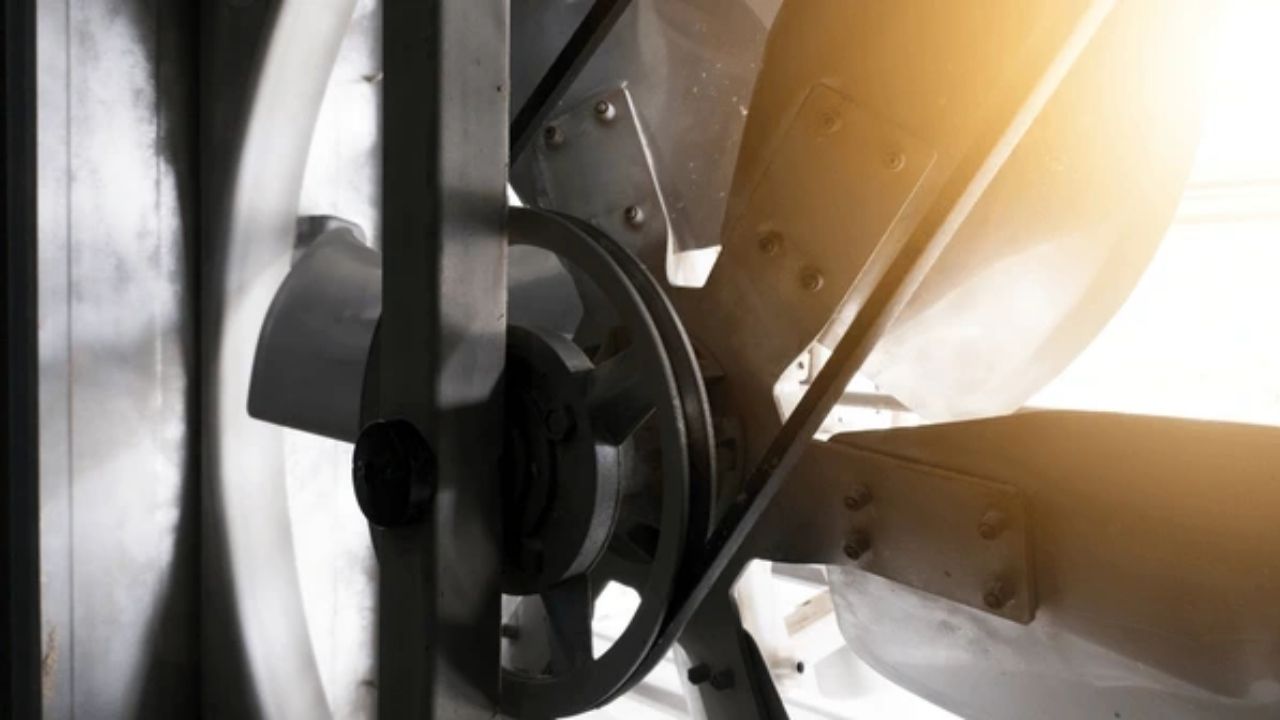
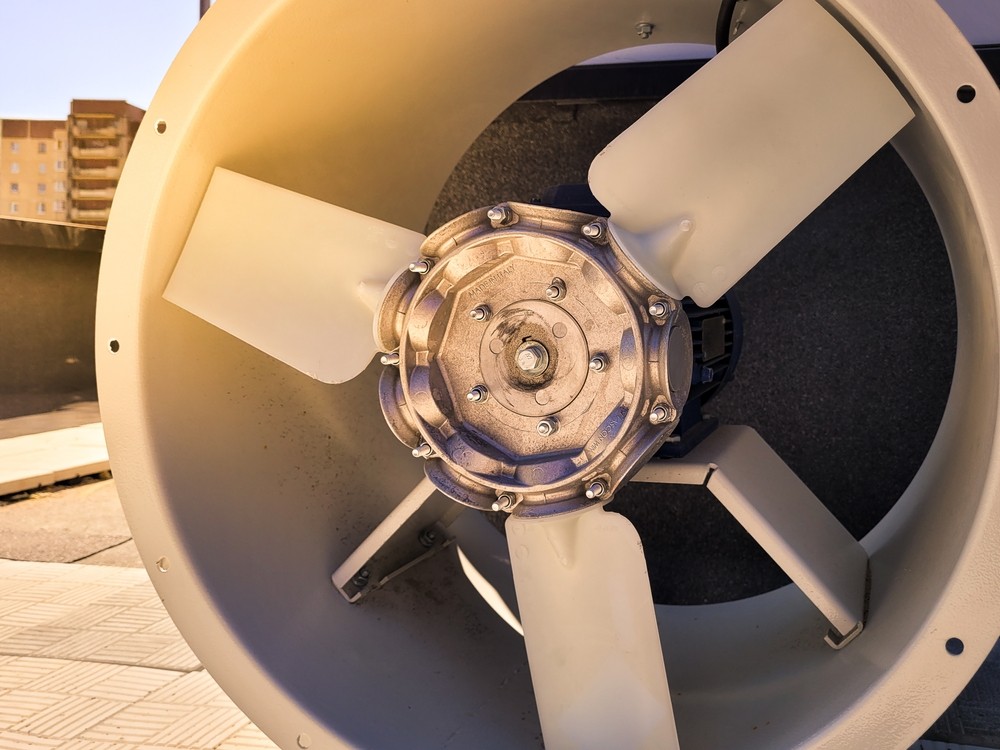
A fan that is not running can stop the airflow across the condenser completely. When the fan motor, the contactor or the control signal fails, the pressure can rise within a very short time. Monitoring the running state of the fan helps to notice such a failure early.
The location of the condenser is also an important factor. If the condenser is placed near a hot air outlet or in an enclosed area, the intake air temperature rises and the condensing pressure increases. The layout should allow air to enter and leave freely.
Non-condensable gases such as air, and excess refrigerant charge, both raise the pressure. Excess charge fills part of the condenser with liquid and reduces the effective surface. Non-condensables raise the pressure directly. Charge and vacuum control should therefore be among the first steps in any system with a pressure problem.
When the ambient temperature is high, the capacity of the condenser is already limited. In such periods the protection can be an early warning that the system is approaching its design limit. Seasonal changes must always be considered when assessing the protection setting.
How Is The Setting Value Determined?
The setting value is determined by considering together the pressure-temperature table of the refrigerant in use, the maximum operating pressure of the compressor, and the normal condensing pressure of the system. The setting should be above the normal operating pressure but at the limit that protects the compressor.
After setting, the system should be monitored at the highest ambient temperature, and the agreement between the switch and the real value should be confirmed.
The setting value should be fixed at a point above the design pressure of the system but below the safe limit of the compressor. This range is found by assessing the manufacturer's data together with the pressure-temperature relationship of the refrigerant in use. An estimated value does not make the protection reliable.
When setting the value, the highest pressure reached under normal operating conditions must be known. The highest outside temperature in summer determines the highest pressure the condenser will reach. The setting should be above this high pressure but below the limit.
If the setting is chosen too low, the protection trips during normal operation. This disrupts operation and places an unnecessary load on the protective device. A setting that is too low means the protection will act without a serious event occurring.
If the setting is chosen too high, the protection loses its function. If the pressure reaches dangerous levels without the protection tripping, the compressor may continue to run under hazardous conditions. The setting should therefore be placed between the requirements of safety and of operation.
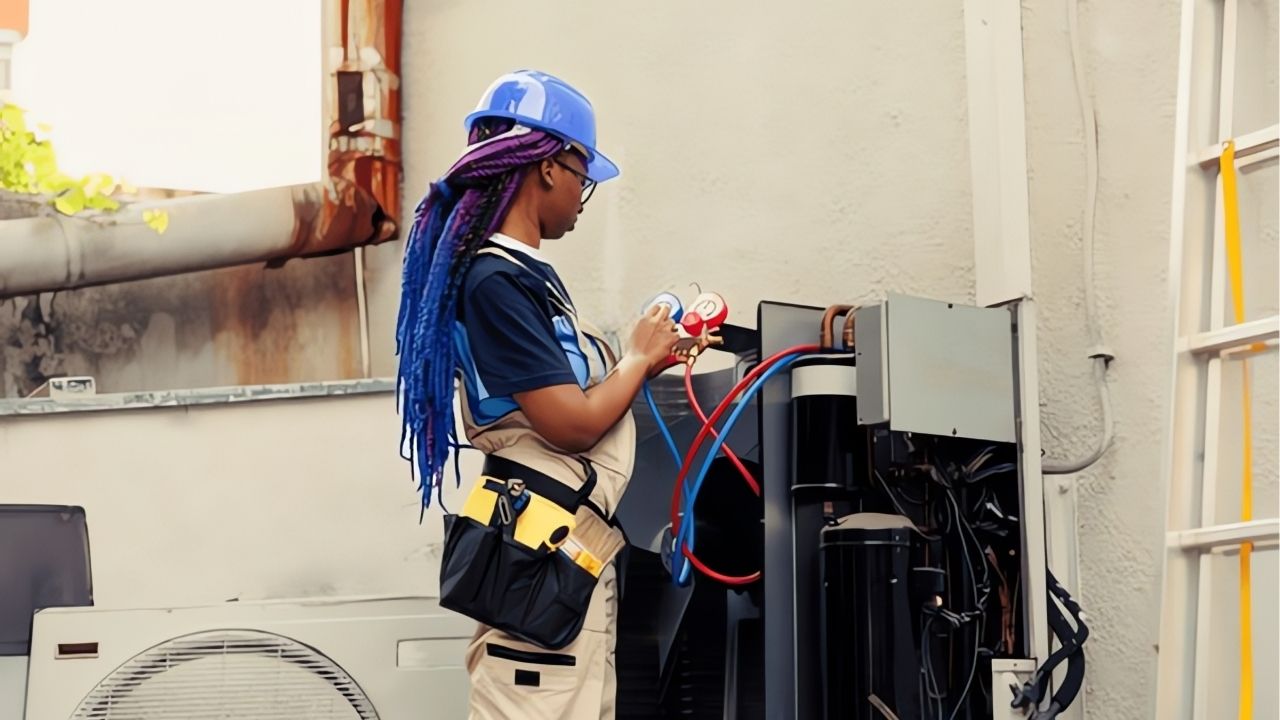
After the setting is made, it should be verified by measurement under both normal and peak conditions. The measurements show whether the setting covers the real operating range. The result of the verification should be recorded.
A change of setting should not be made once and then forgotten. A new refrigerant, a change of condenser or a change of layout requires the setting to be reconsidered. Setting records help to track all of these changes.
How Are Repeated Trips Evaluated?
If the switch trips often, the cause should be investigated first. Raising the setting hides the problem and can put the compressor at risk. Condenser cleaning, fan checks, and the openness of the air path are the first points to check.
The Günay Soğutma technical team can provide project-based support on condenser selection and control settings.
Repeated tripping shows that the protection is signalling a problem. Simply resetting the protection to pass these trips does not solve the problem itself. The time, the outside temperature at that moment and the operating state should be recorded for each trip.
The timing of the trips can give hints about the source of the problem. Repeated trips during the hottest hours of the day can point to insufficient condenser capacity. A trip at night, on the other hand, may be due to a different cause, such as an imbalance of oil or refrigerant.
The pressure value at the moment of tripping shows whether the protection is acting at the correct threshold. If a trip occurs while the pressure is below the threshold, a fault in the switch or the capillary tube should be considered. This distinction prevents unnecessary compressor replacements.
With repeated trips, the condenser and the fan are the first things to check. Next, the charge of the system, the presence of non-condensable gas and the layout should be assessed. This order reduces the loss of time.
As the frequency of trips increases, the mechanical load on the compressor also increases. A system that keeps cycling on and off causes extra wear on the contactor and the compressor motor. For this reason repeated trips should be handed to a specialist for timely examination.
Repeated trips should also be reflected in the maintenance plan. A record of these events can be used to schedule later maintenance. Interventions made without a record lead to the same problem recurring.
Frequently Asked Questions
Does a high-pressure switch really protect the compressor?
When set correctly, it protects the compressor from excessive pressure load. However, the switch does not remove the cause; it must work together with the condenser and system control.
Is bypassing the switch a solution?
No. A bypass leaves the compressor unprotected and can cause serious damage. The cause must be found and removed.
Can the high-pressure switch trip in winter?
In winter the problem is usually low pressure. However, if the condenser fan control has been set incorrectly, the high-pressure switch can also trip in winter.
Which reset type should the high-pressure switch have?
The reset type should be chosen according to how the system is monitored and how it is attended. Automatic reset can create a dangerous risk of restarting in facilities that are not continuously monitored. Manual reset prevents restarting before the fault has been examined, but the intervention must be possible quickly. ? How should the switch and the condenser fan relate to each other? The switch is the last safety element that acts when the condenser fan is not enough. The fan control tries to reduce the pressure in advance. The switch stops the compressor when that control has failed. Together they should form a layer in which each completes the other.