Predictive maintenance with IoT is the continuous monitoring of data from sensors installed on refrigeration equipment to catch the signs of failures before they occur and to plan maintenance according to actual need. In calendar-based maintenance, problems can be missed between two visits; intervention after a failure can mean product loss and unplanned downtime. In this article, we explain the logic of predictive maintenance, which data are monitored, how the data are interpreted, infrastructure and security issues, and what to consider when commissioning a system.
Table of Contents
- How Does Predictive Maintenance Differ From Periodic Maintenance?
- Which Data Should Be Monitored In Refrigeration Systems?
- How Are Sensor Data Turned Into Failure Indicators?
- Can IoT Monitoring Be Added To An Existing Facility?
- How Should Data Connectivity And Cybersecurity Be Addressed?
- What Should Be Considered When Choosing An IoT-Based Predictive Maintenance System?
- Frequently Asked Questions
How Does Predictive Maintenance Differ From Periodic Maintenance?
Predictive maintenance determines the time of intervention not according to a calendar, but according to the measured condition of the equipment and the trends in that condition. In periodic maintenance, every unit is visited at the same interval; yet some units operate under harsher conditions while others may run trouble-free for a long time.
This approach does not eliminate periodic maintenance entirely; tasks such as cleaning, visual inspection and legal requirements are still carried out on a planned basis. The contribution of predictive maintenance is to support this plan with data from the field, reduce unnecessary visits and enable early intervention in developing problems.
Which Data Should Be Monitored In Refrigeration Systems?
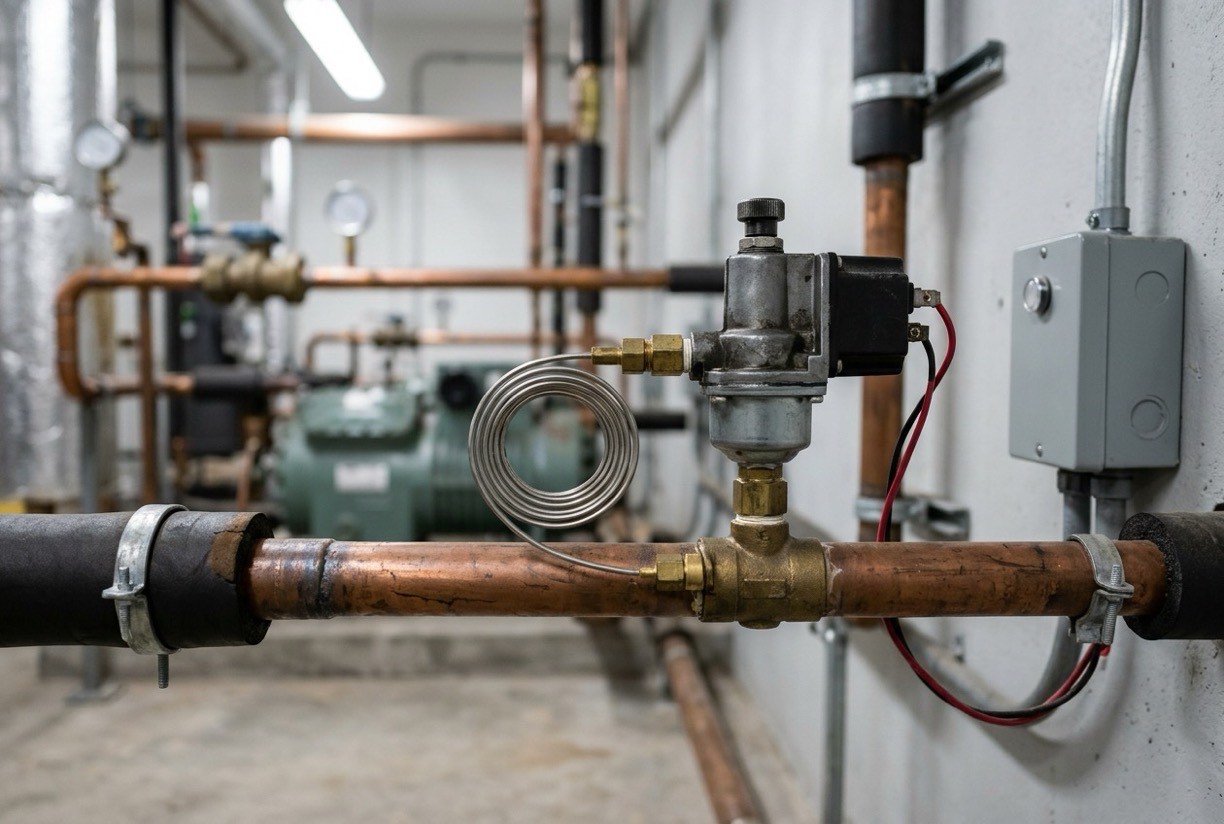
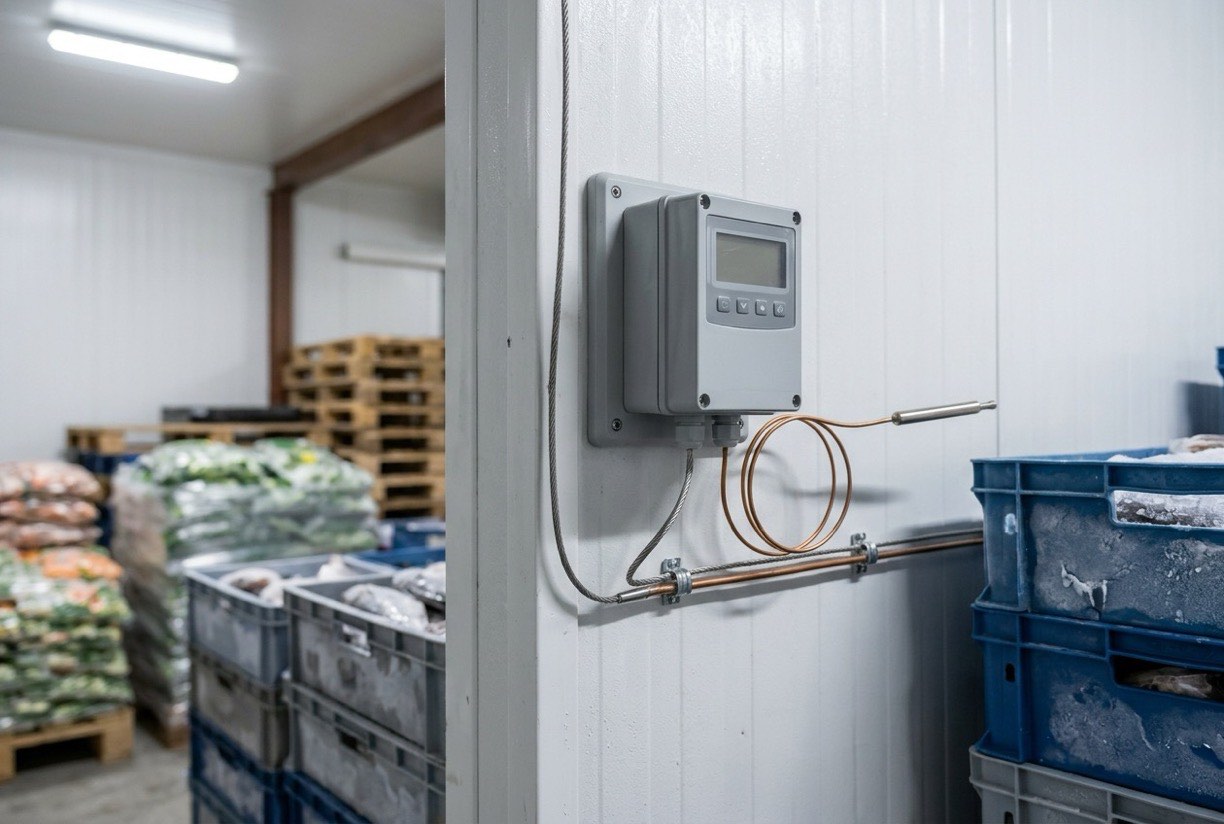
Basically, room and product temperature, suction and discharge pressures, superheat and subcooling values, compressor and fan currents, defrost durations and door opening information should be monitored. When evaluated together, these data give an idea of both the system's cooling performance and its mechanical condition.
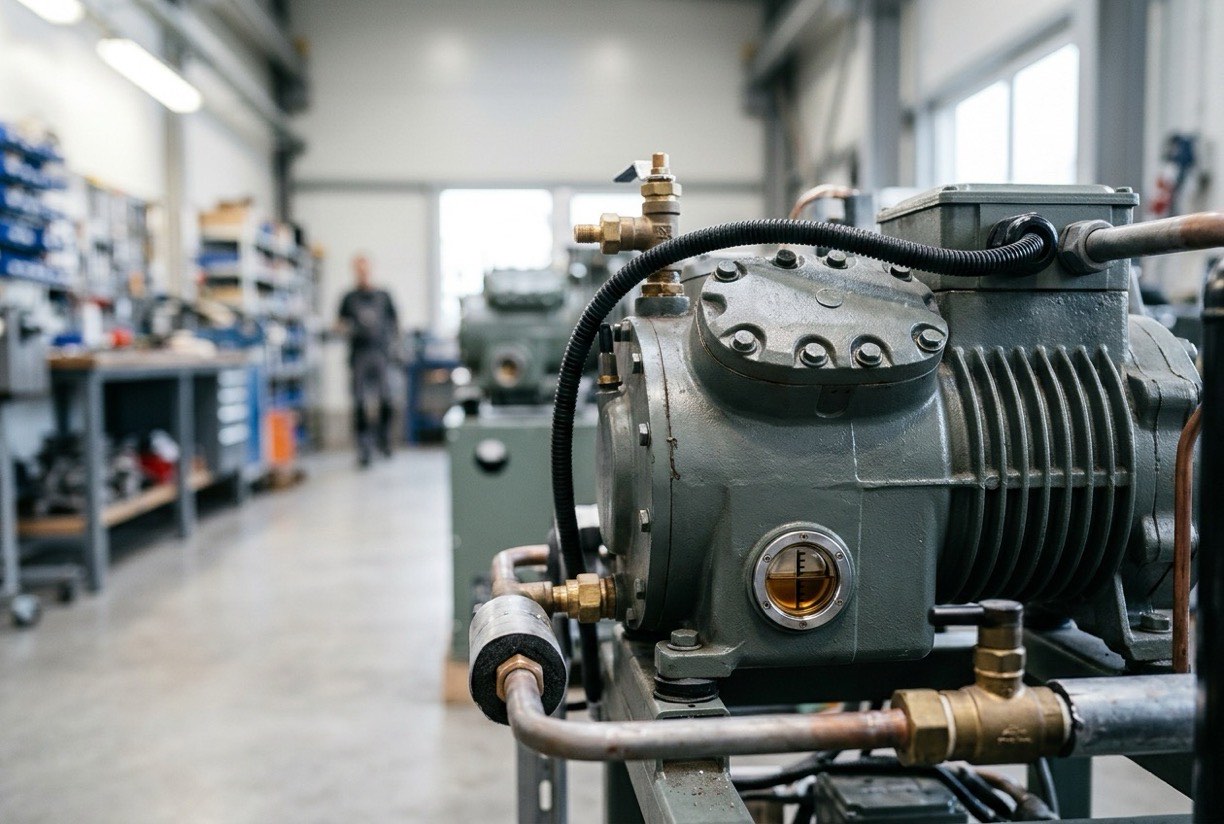
Depending on the application, additional measurements such as vibration, oil level, condenser inlet air temperature or energy consumption can also be added. Monitoring every parameter is not mandatory; which data will be useful in predicting which type of failure should be determined according to the equipment structure and the business's priorities.
How Are Sensor Data Turned Into Failure Indicators?
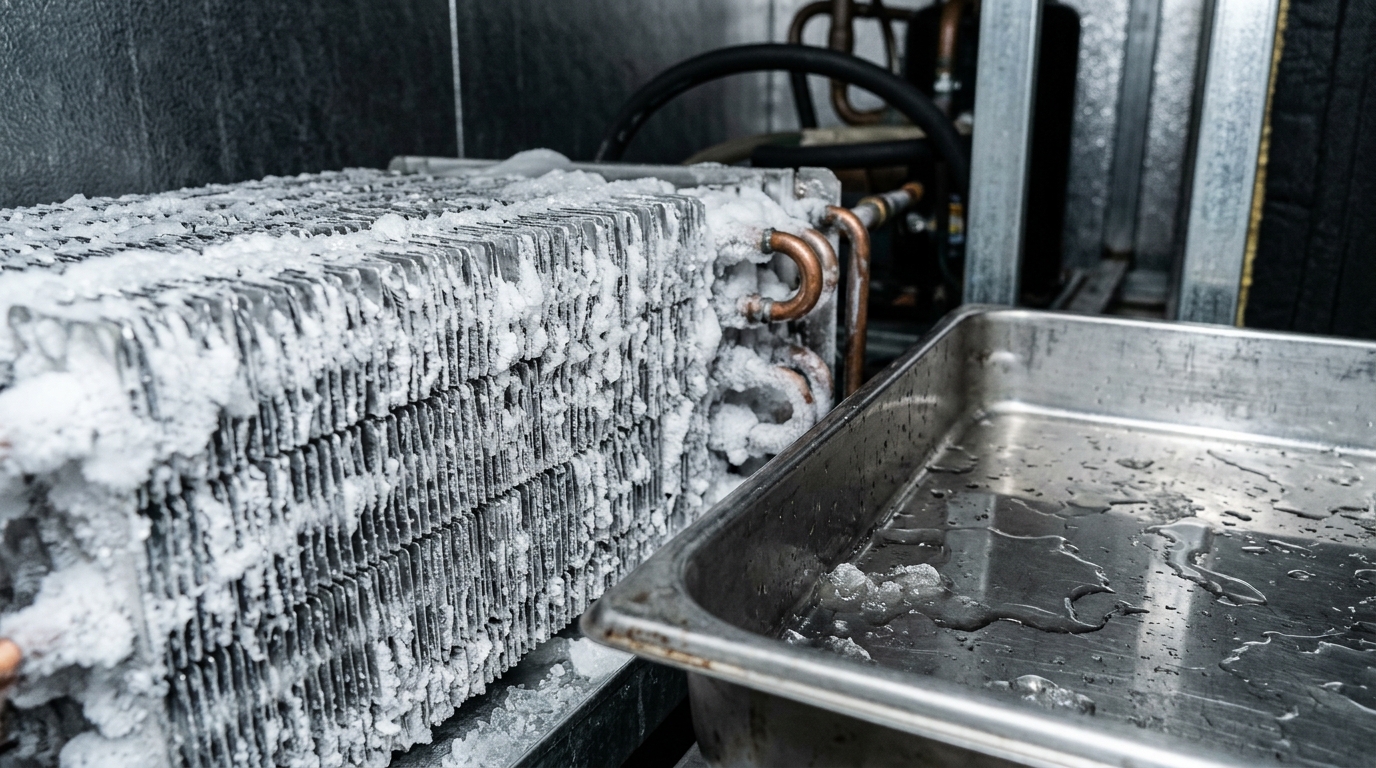
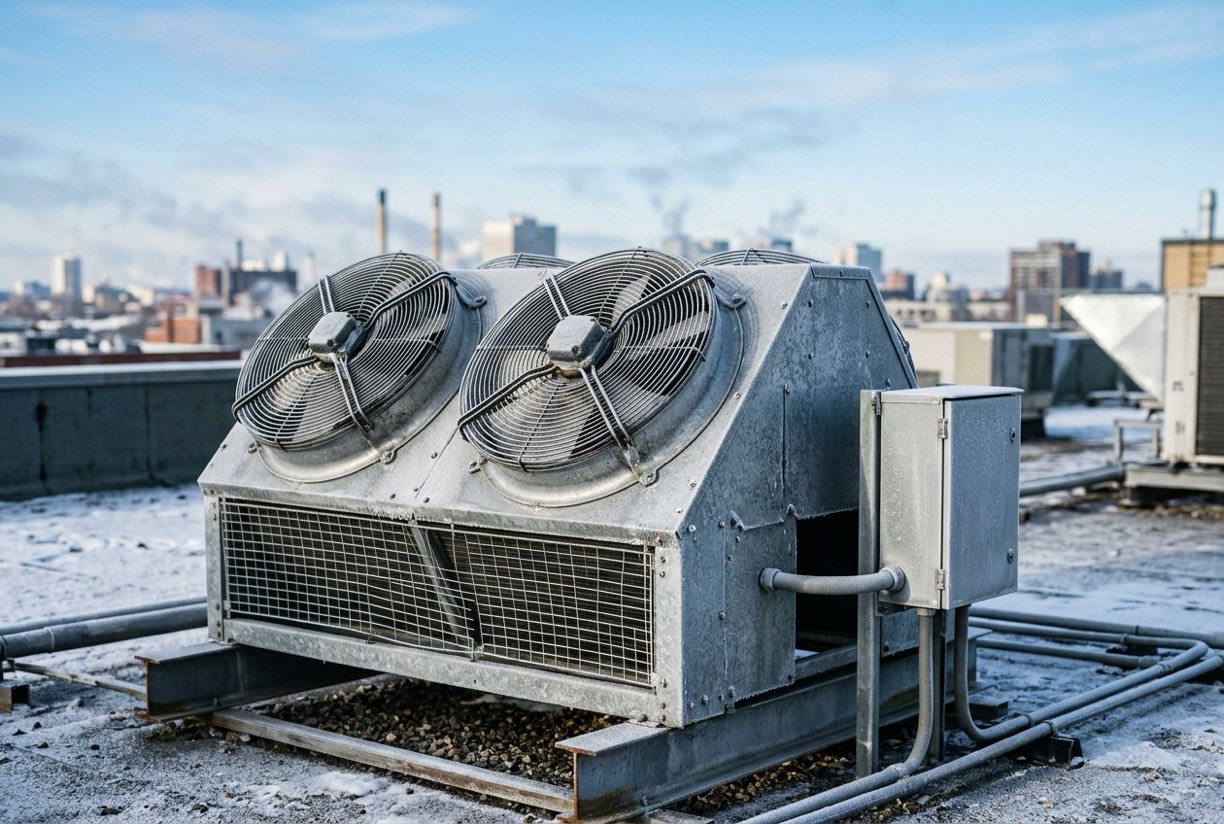
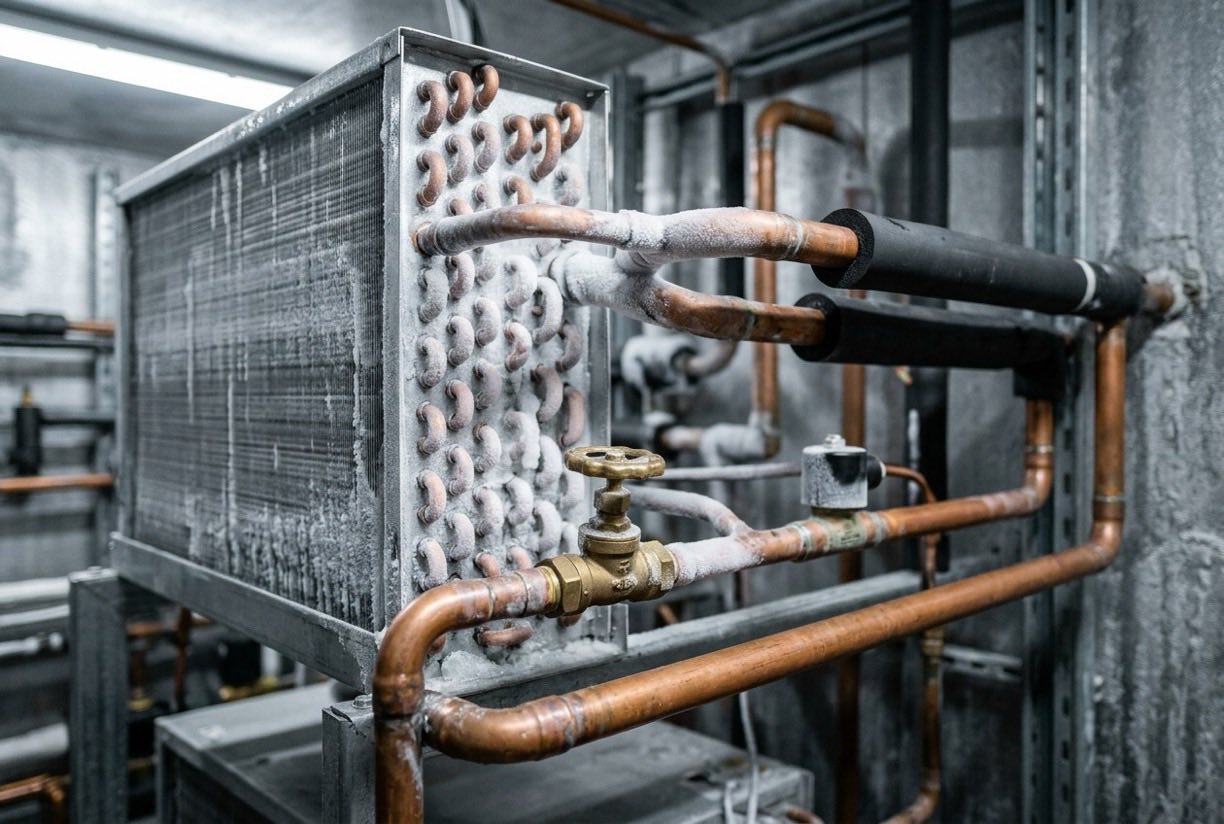
Sensor data are turned into failure indicators by examining deviations from the unit's normal operating profile and long-term trends. For example, a gradually lengthening defrost duration can point to icing or an airflow problem in the evaporator, while a rise in discharge pressure under similar outdoor conditions can indicate condenser fouling.
Simple threshold alarms catch sudden problems; for slowly developing deterioration, rules or analysis methods that make comparisons with historical data are needed. Whichever method is used, having the results interpreted by an experienced technician and verified with findings on site increases reliability.
Can IoT Monitoring Be Added To An Existing Facility?
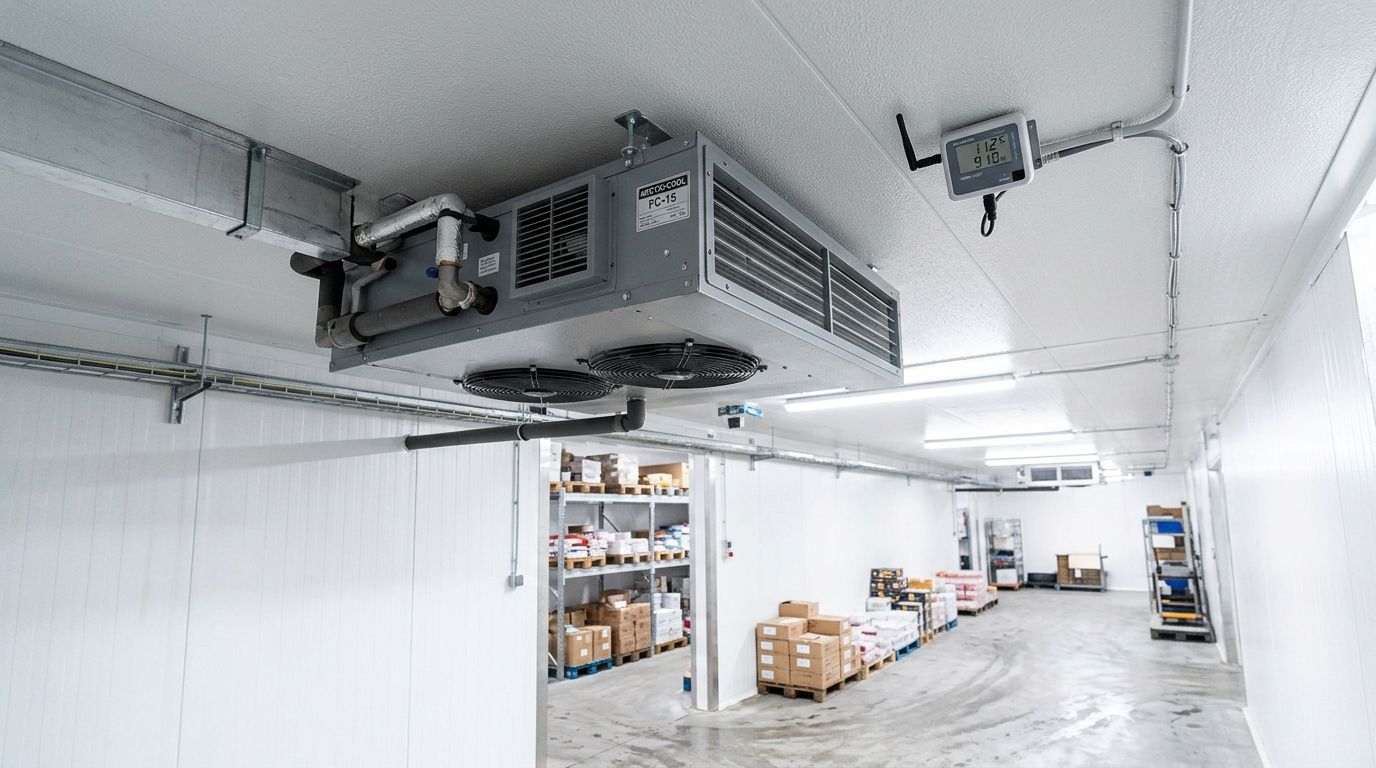
Yes, IoT monitoring can be added to most existing facilities with external sensors and data acquisition devices. If the controller has a communication port, data can be read directly; if not, temperature, pressure and current sensors are installed separately.
In older systems, practical issues such as the suitability of sensor mounting points, cable routing and space in the control panel should be evaluated. Starting with critical units in the first phase and expanding the scope as experience is gained can make the investment and the learning process more manageable.
How Should Data Connectivity And Cybersecurity Be Addressed?
Data connectivity should be designed with an encrypted communication structure that can keep local records against outages and is closed to unauthorized access. Loss of data when the connection drops can leave you blind precisely at the moments when problems occur.
For devices connected to the corporate network, access permissions, update policy and network segmentation should be determined together with the IT team. It should be clearly defined whether only monitoring will be done remotely or whether setting changes will also be permitted, and changes made should be recorded.
What Should Be Considered When Choosing An IoT-Based Predictive Maintenance System?
A suitable system should be chosen by considering together the criticality of the equipment to be monitored and the business's capacity to use these data. The following points can help in the evaluation:
- Which types of failure are to be detected early and a corresponding sensor set
- Compatibility with existing controllers and ease of installation
- Local recording, encrypted communication and permission management
- To whom and how alarms will be transmitted and by whom the data will be interpreted
You can talk to the Günay Soğutma technical team to determine a suitable monitoring scope for your facility.
Frequently Asked Questions
Does predictive maintenance completely prevent failures?
No; it is not possible to foresee all failures. However, it can help detect many slowly developing problems early.
Is IoT monitoring suitable for a small business?
If product value and the cost of downtime are high, it can be meaningful on a small scale as well; the scope can be kept simple according to need.
How often should data be collected?
The measurement interval varies by parameter; rapidly changing values can be recorded more often, slowly changing ones less often.
What happens if the internet goes down?
Devices with local recording store the data and transfer it when the connection returns; refrigeration control should continue to operate independently of the connection.
How can the number of false alarms be reduced?
Unnecessary notifications can be reduced by setting alarm thresholds and delays after examining the unit's actual operating data.
Who should follow the system?
Operating staff can receive the alarms; for trend analysis and maintenance decisions, a technical team experienced in refrigeration is required.
How can I get a recommendation for my facility?
By sharing your equipment list, existing controllers and priorities, you can request a project-specific recommendation from the Günay Soğutma team.