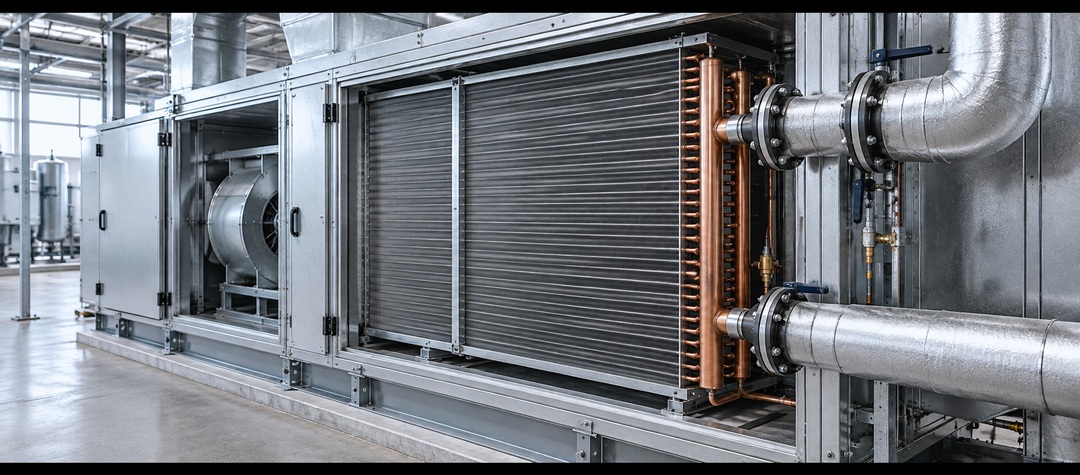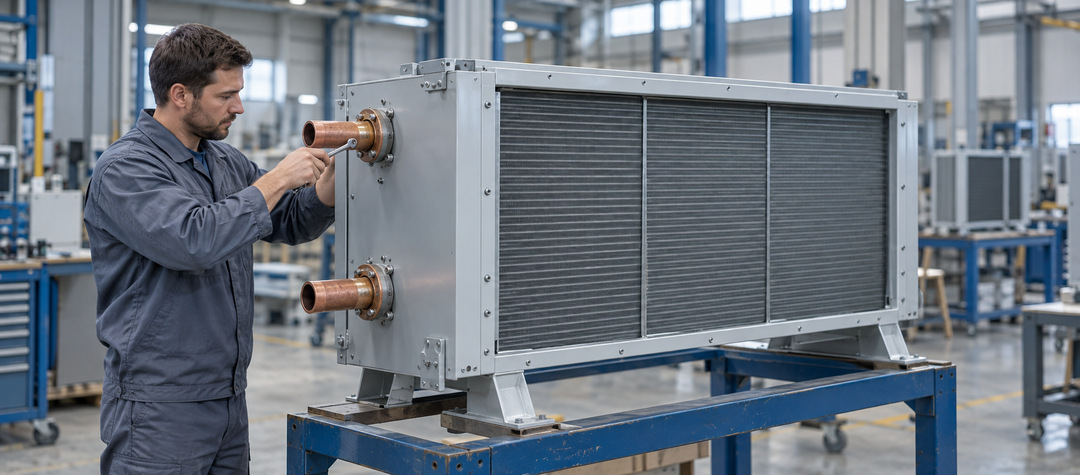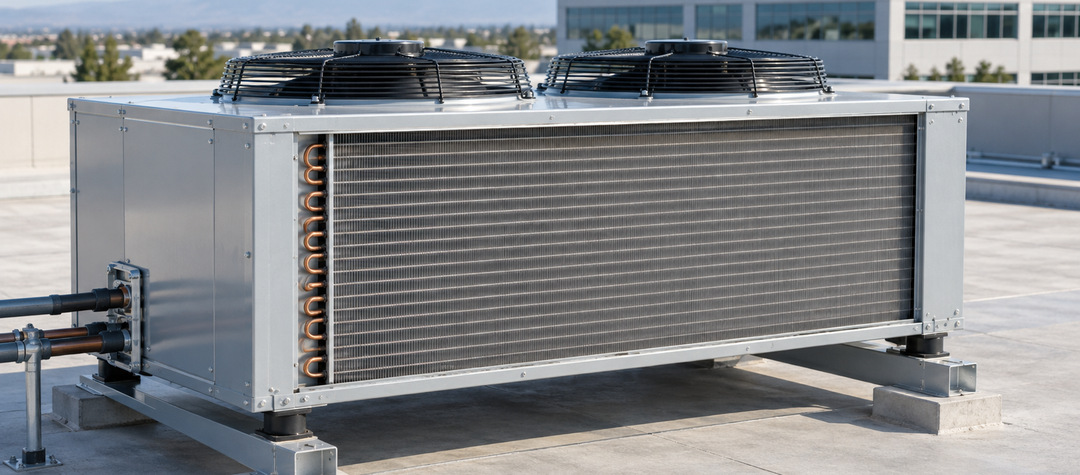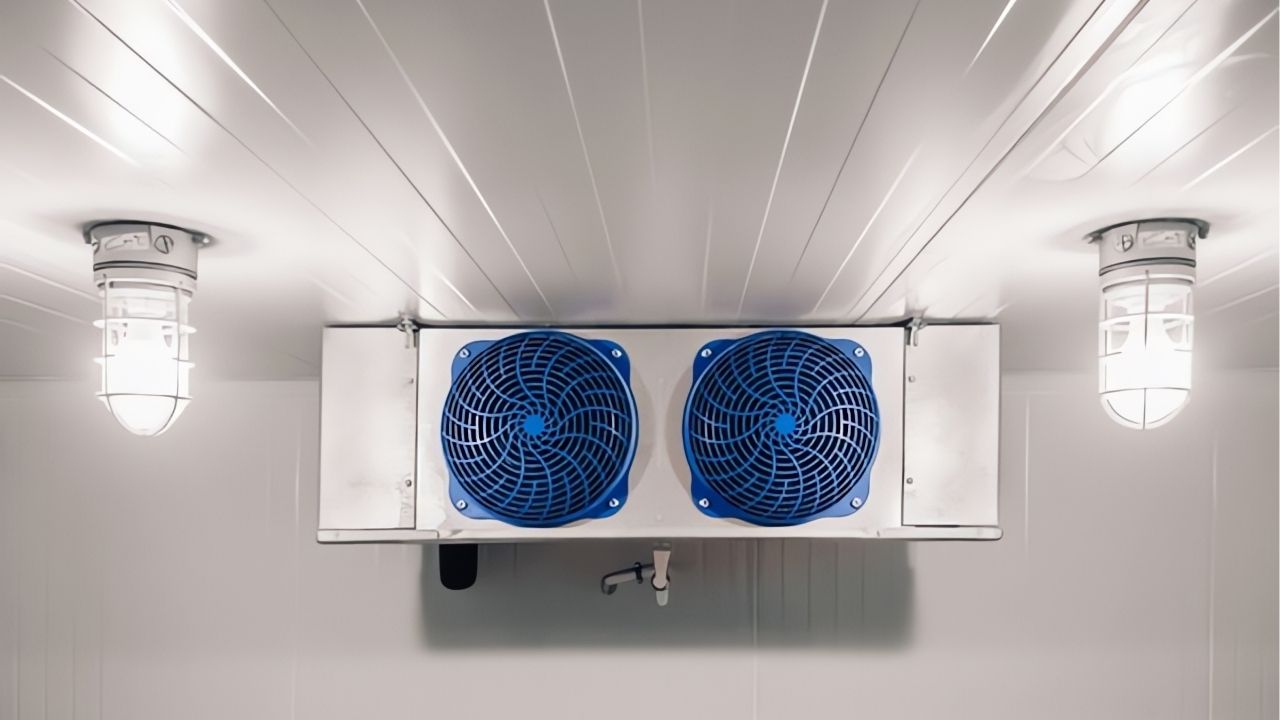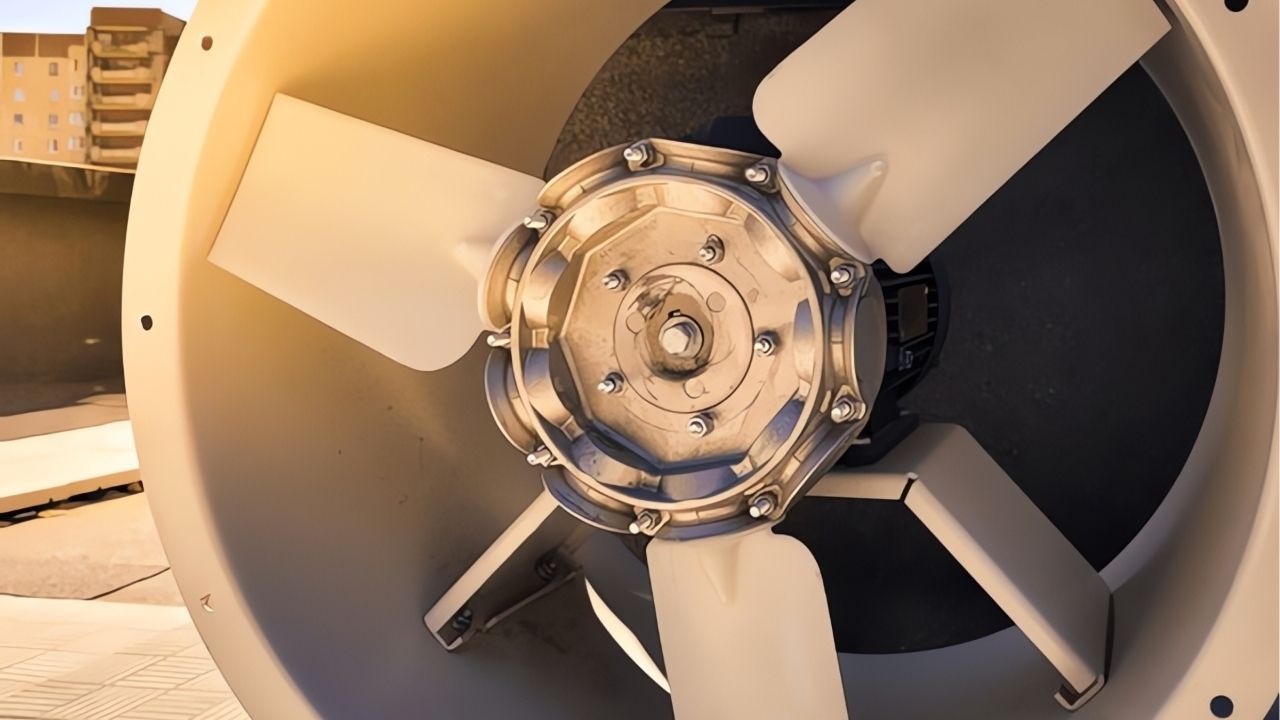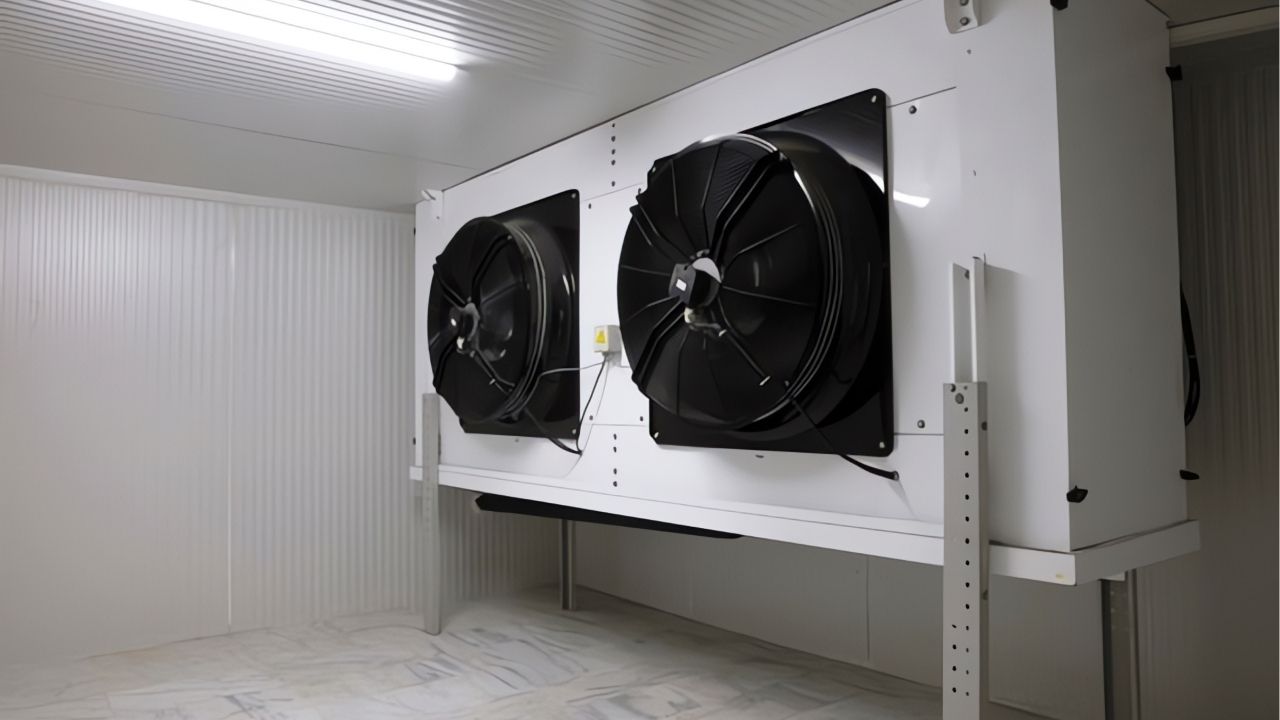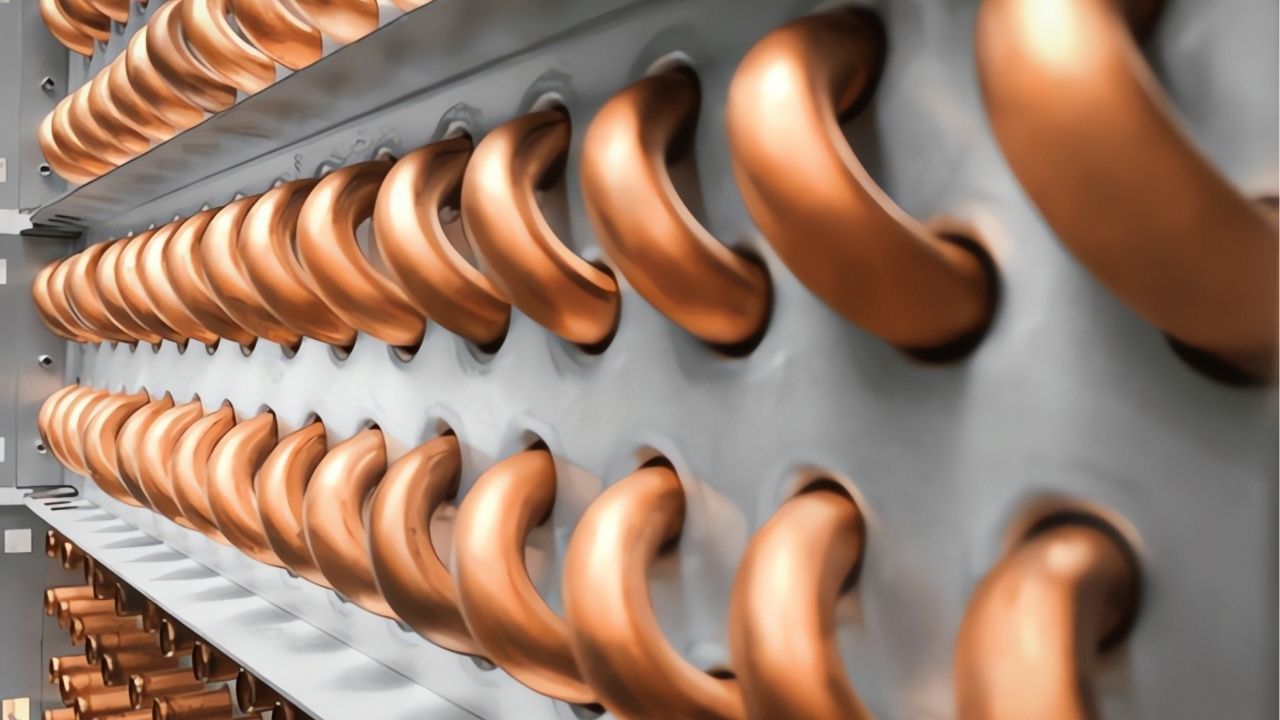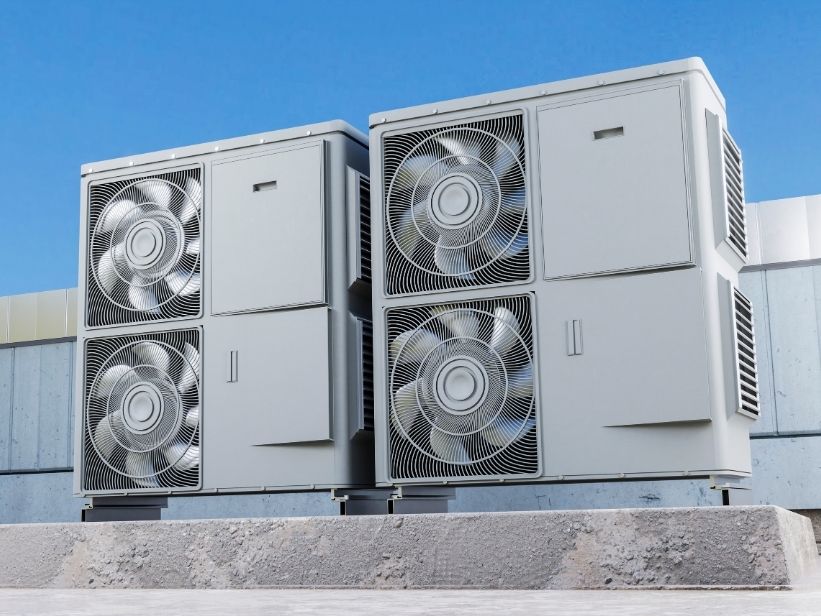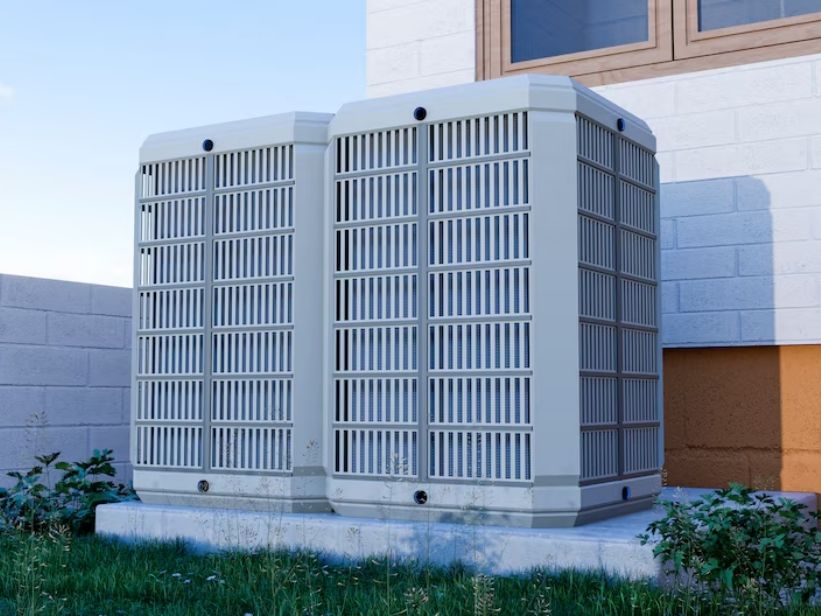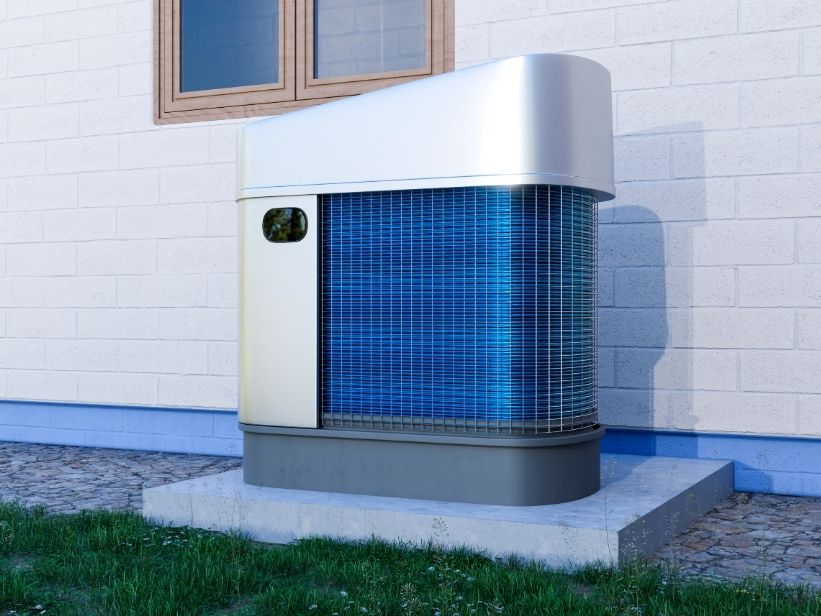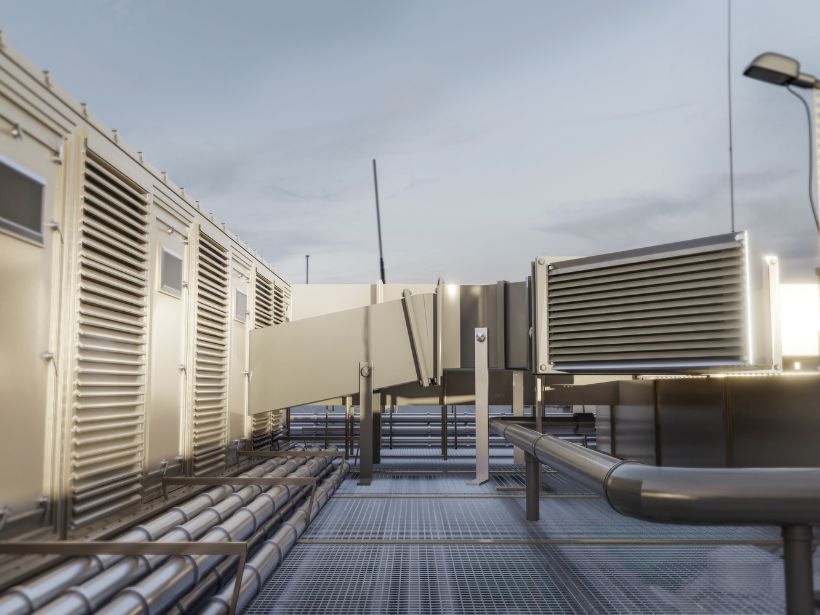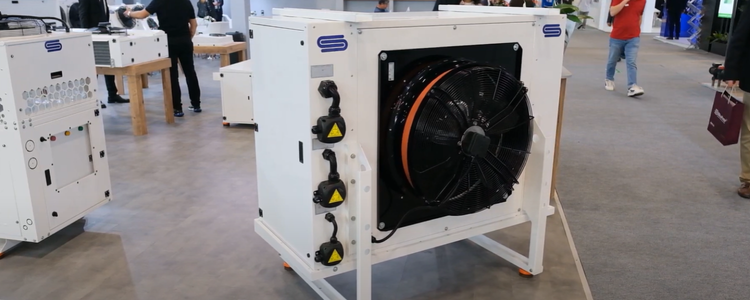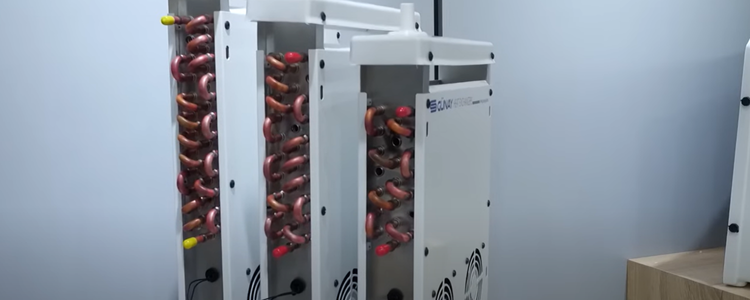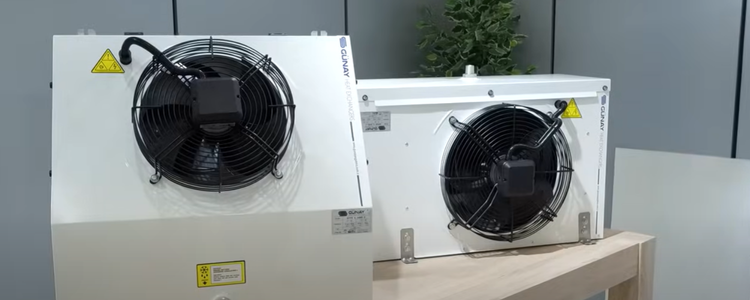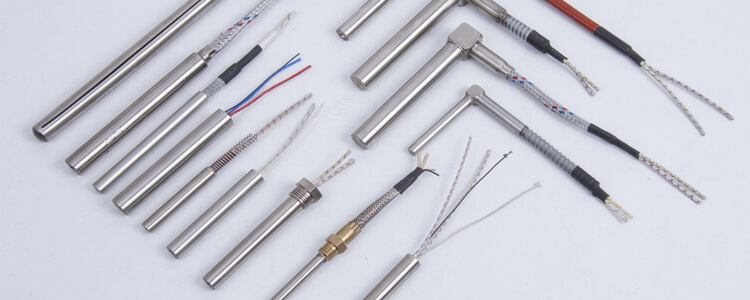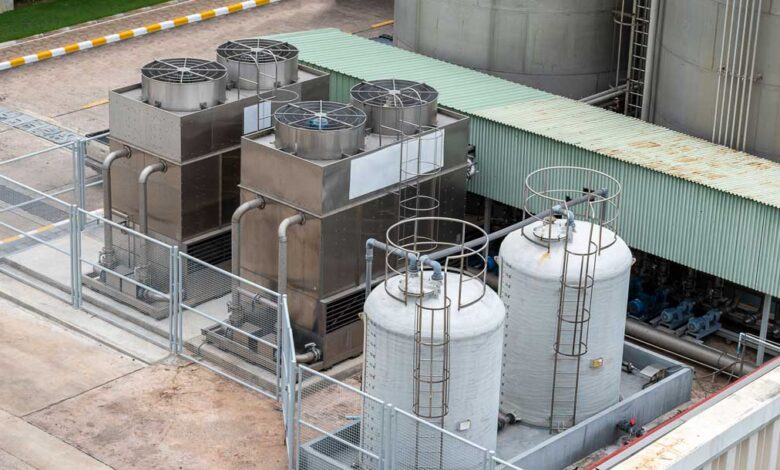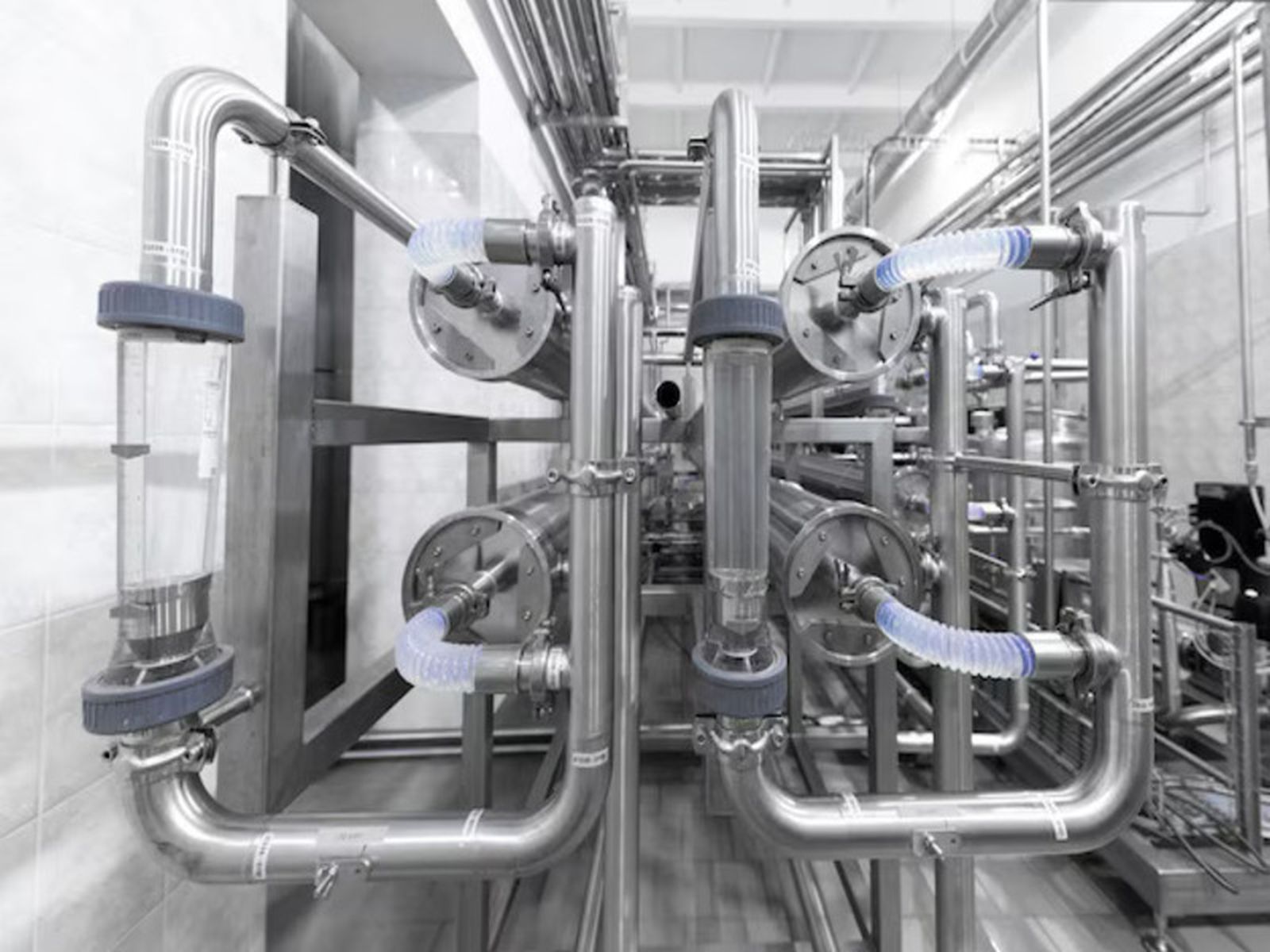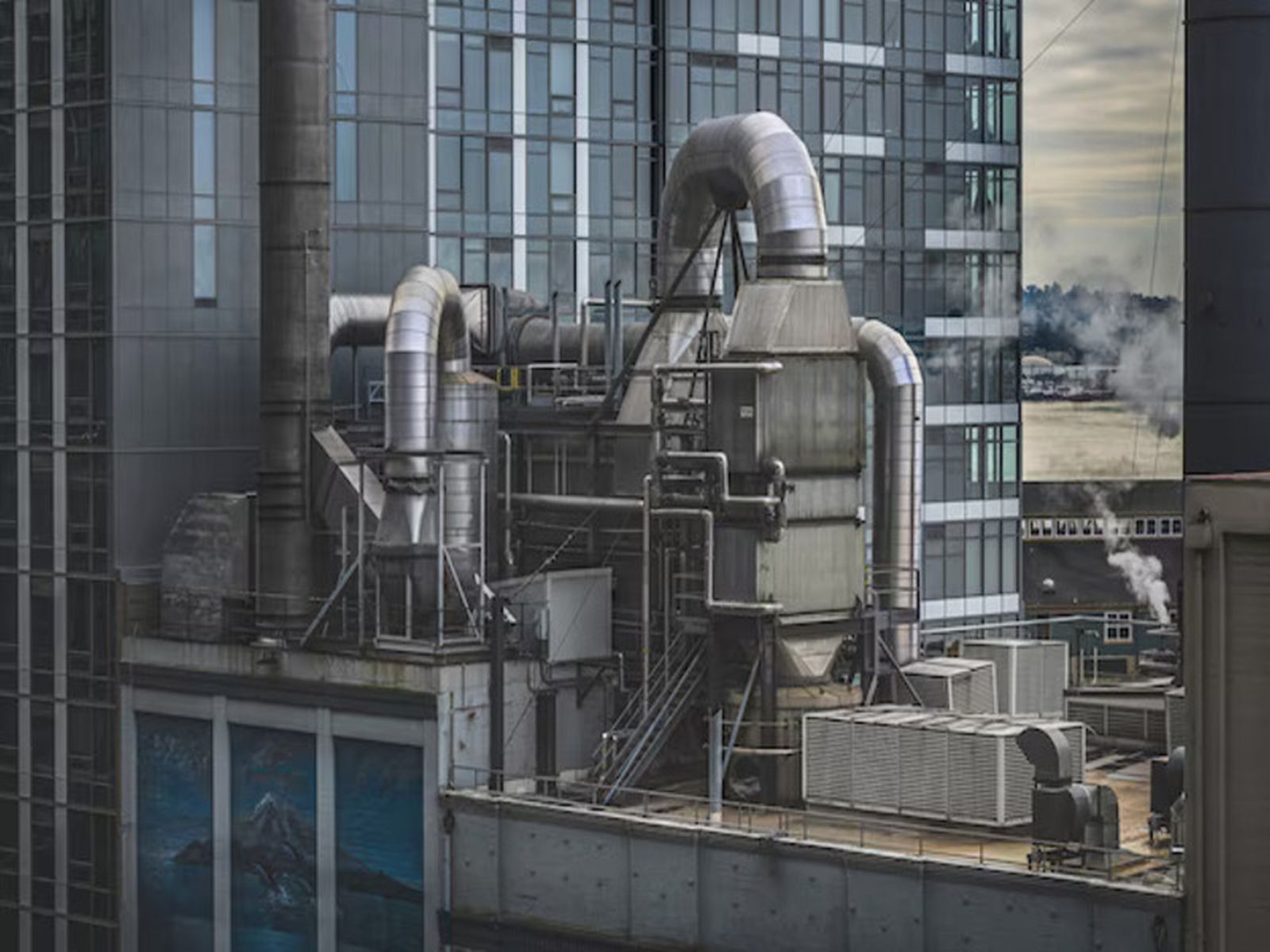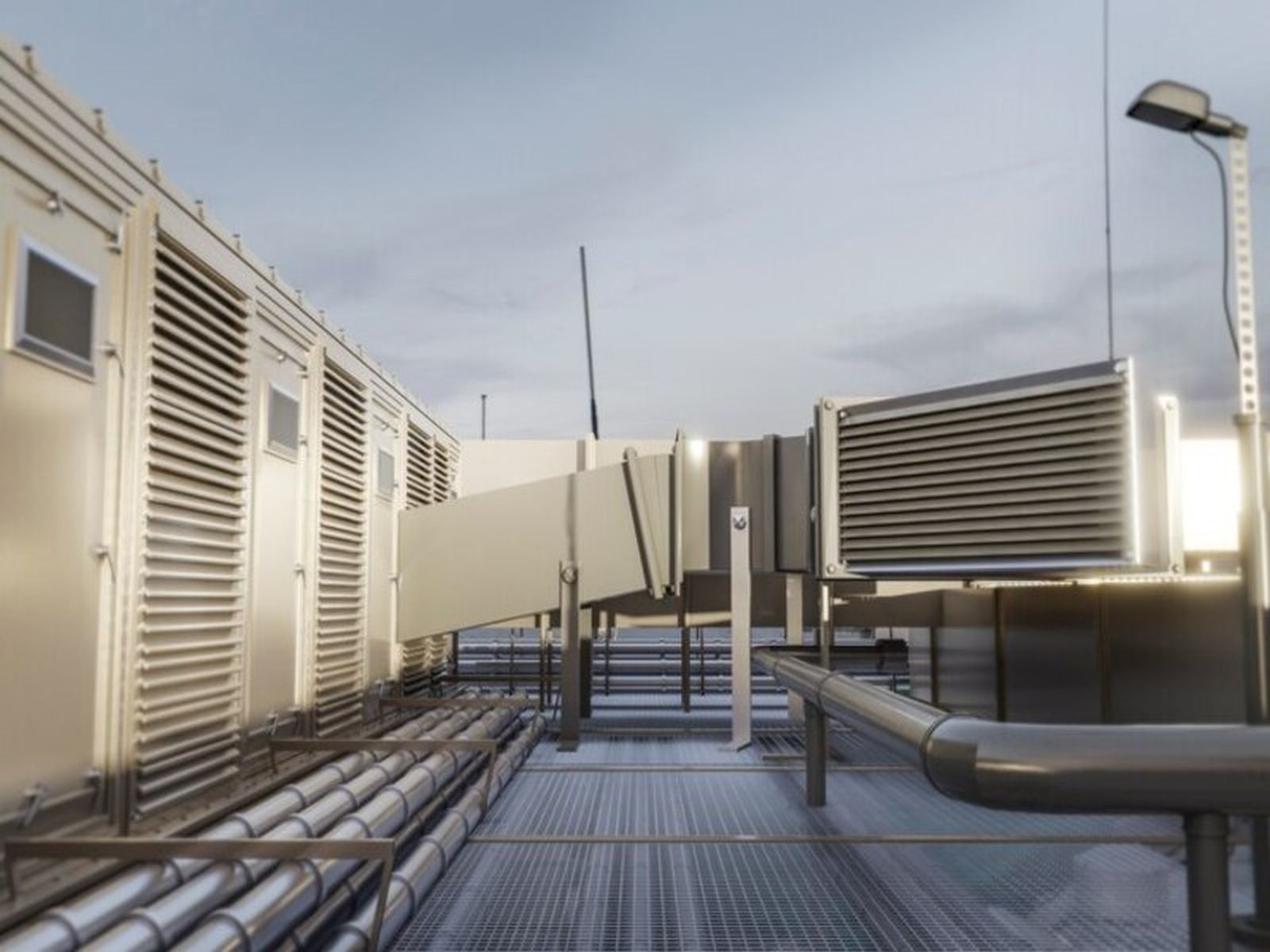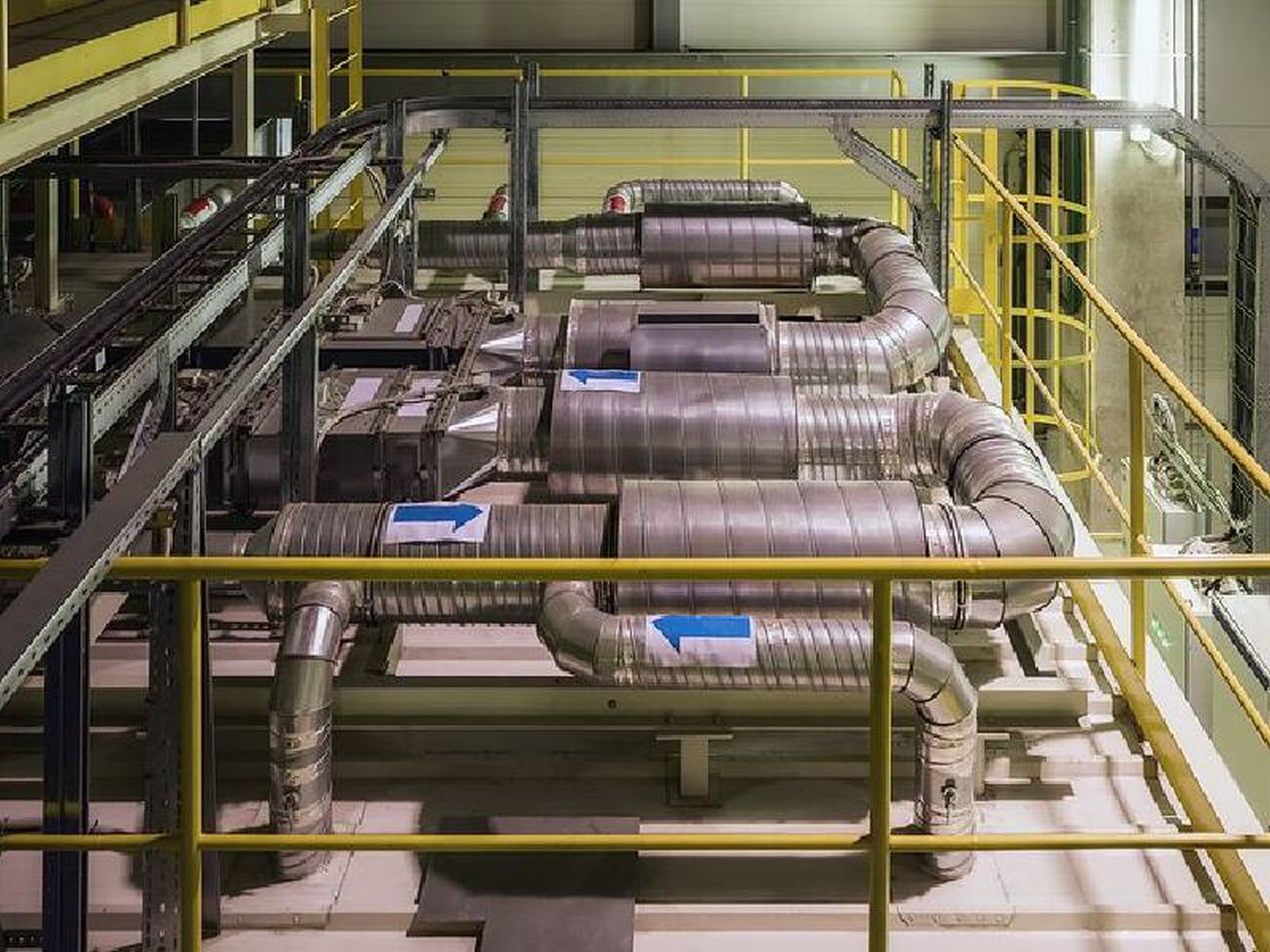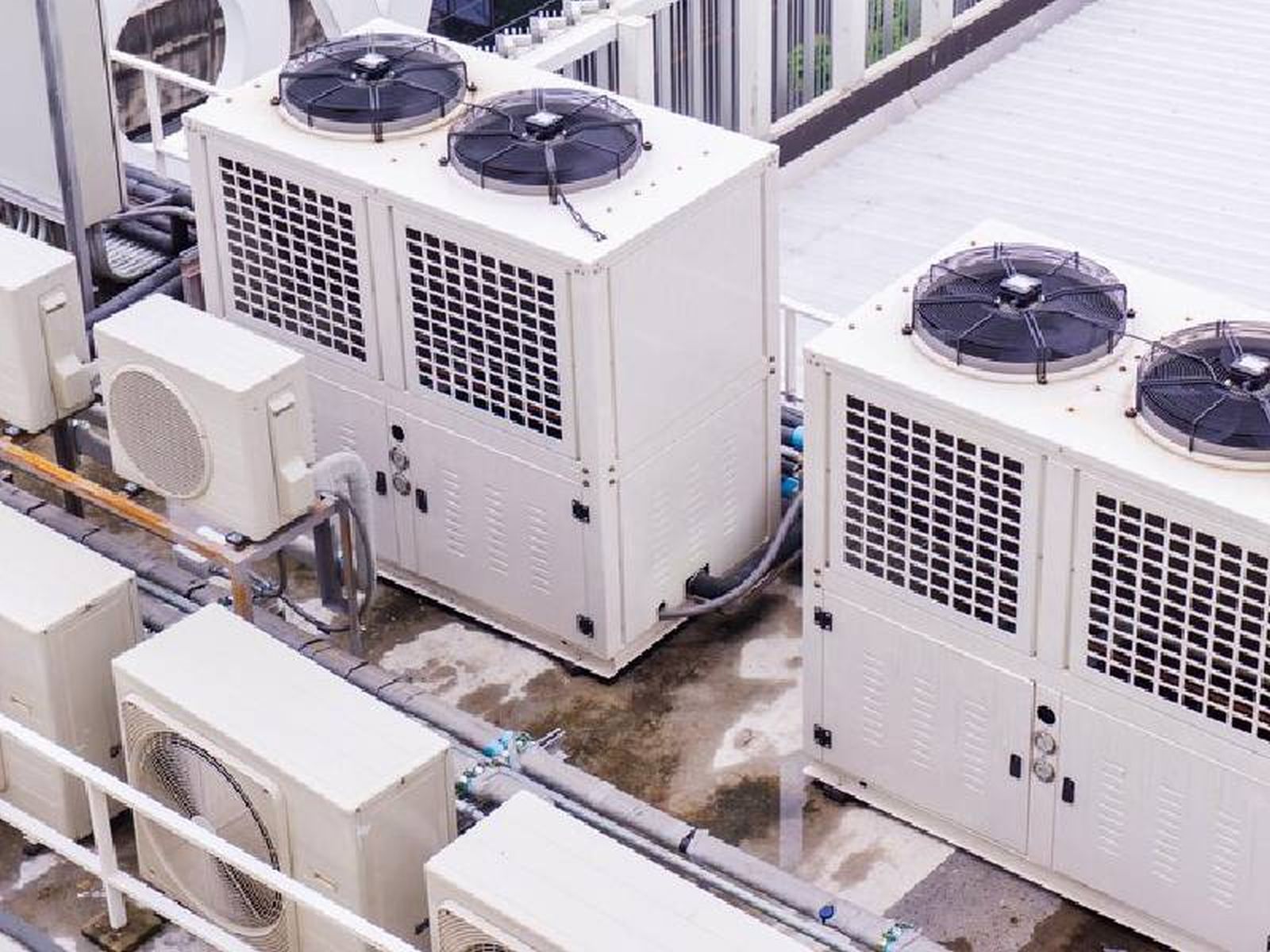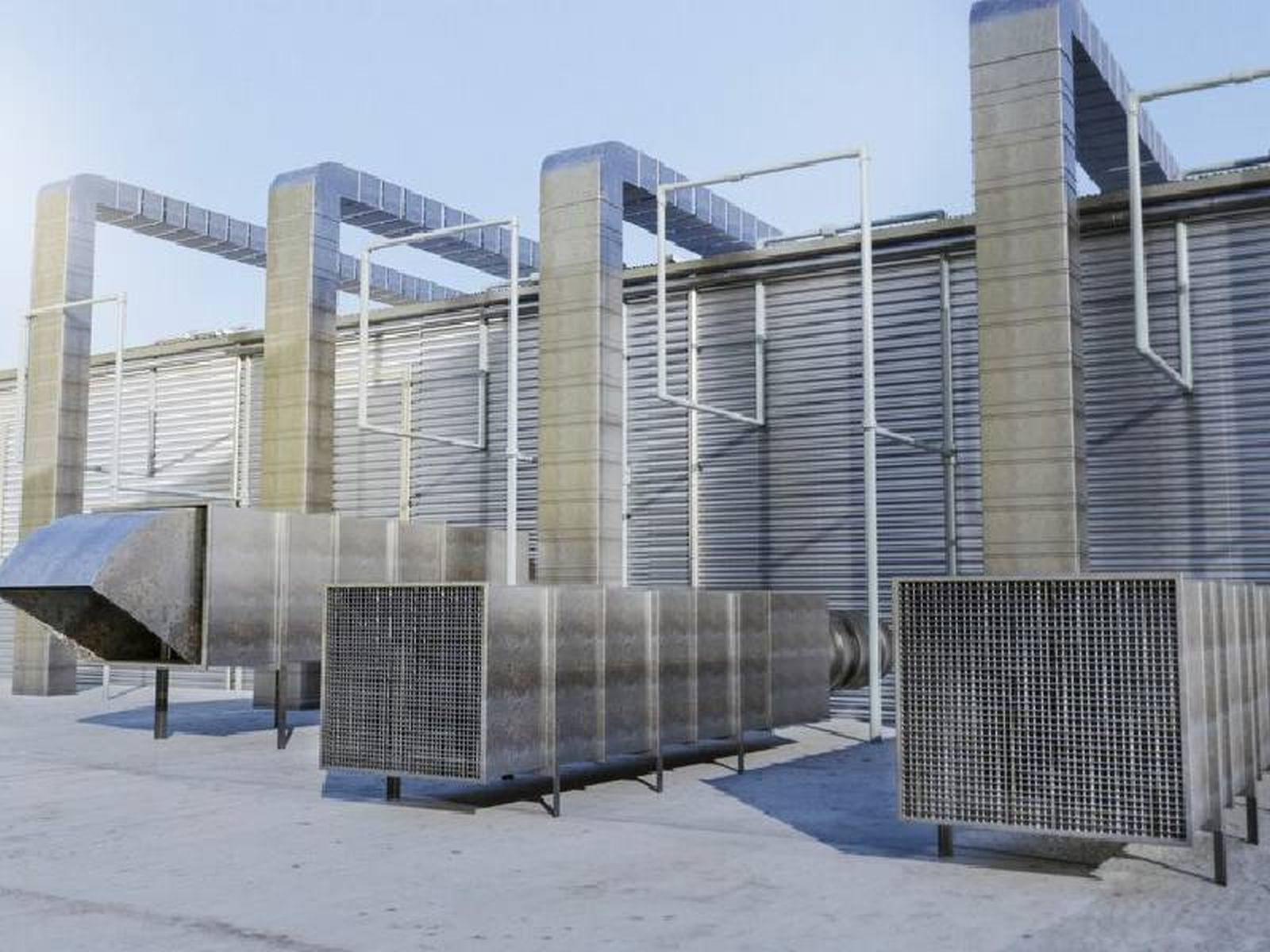
Total cost in refrigeration equipment is the sum of the costs arising over the service life of a unit, covering not only its purchase price but also installation, energy, maintenance, breakdown, spare parts and end-of-life expenses. Investment decisions are often made based solely on the initial price; yet the operating expenses paid over the years can easily exceed this price. In this article, we discuss the components of total cost, the share of energy and maintenance, the long-term effect of quality choices and how you can compare quotations more fairly.
Table of Contents
- What Does Total Cost Of Ownership Mean?
- Which Items Are Included In The Initial Investment Cost?
- How Does Energy Consumption Affect Total Cost?
- How Are Maintenance, Breakdown And Downtime Costs Taken Into Account?
- How Do Equipment Life And Material Quality Reflect On Cost?
- What Should Be Considered When Comparing Quotations By Total Cost?
- Frequently Asked Questions
What Does Total Cost Of Ownership Mean?
Total cost of ownership refers to the sum of all direct and indirect expenses that a refrigeration unit imposes on the business over the period from its purchase to its decommissioning. This approach makes it possible to compare options with different prices and features on the same basis.
The calculation generally covers initial investment, energy, planned maintenance, unexpected breakdowns, product loss and end-of-life expenses. Discounting future expenses to present value provides a more realistic picture for long-term investments. Since the period of use, energy price and interest assumptions vary from business to business, the results are also project-specific; the same unit can produce a different total cost in two different facilities.
Which Items Are Included In The Initial Investment Cost?
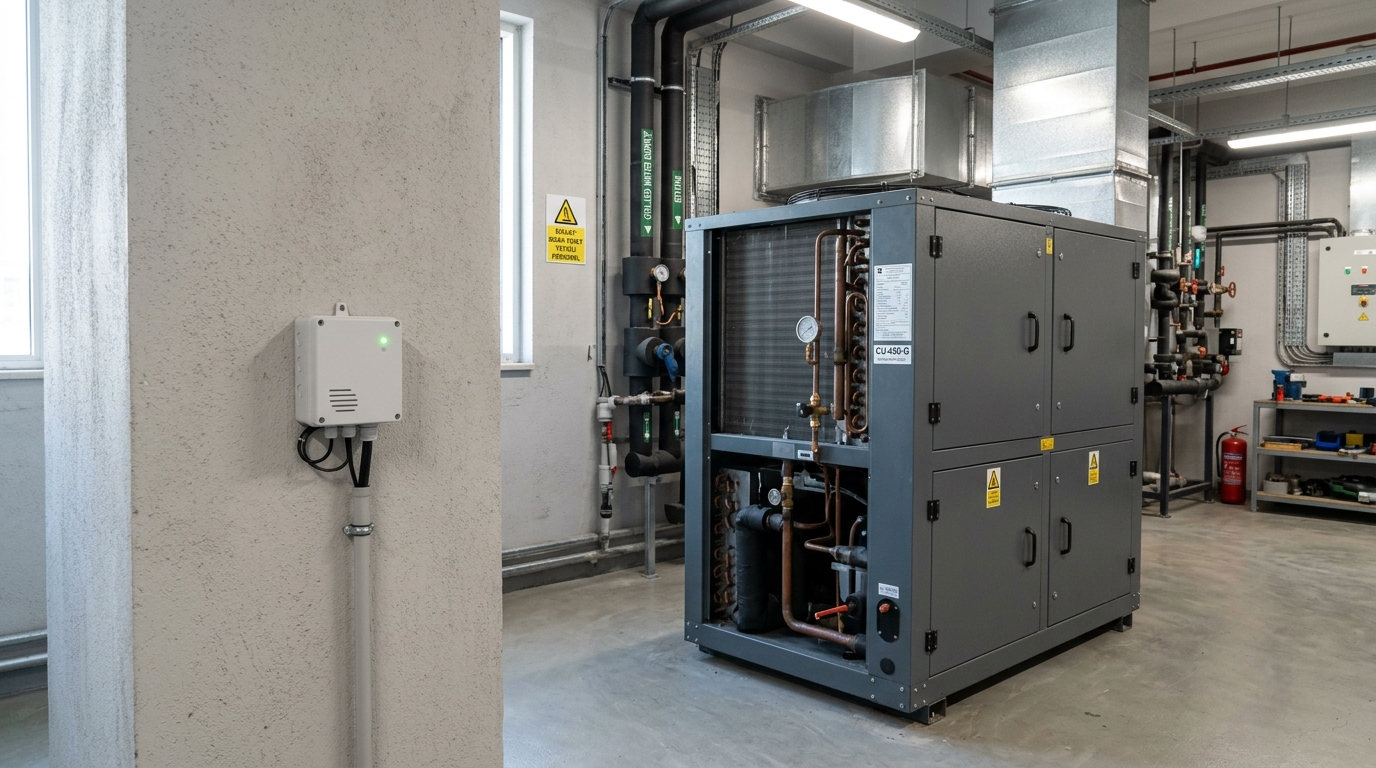
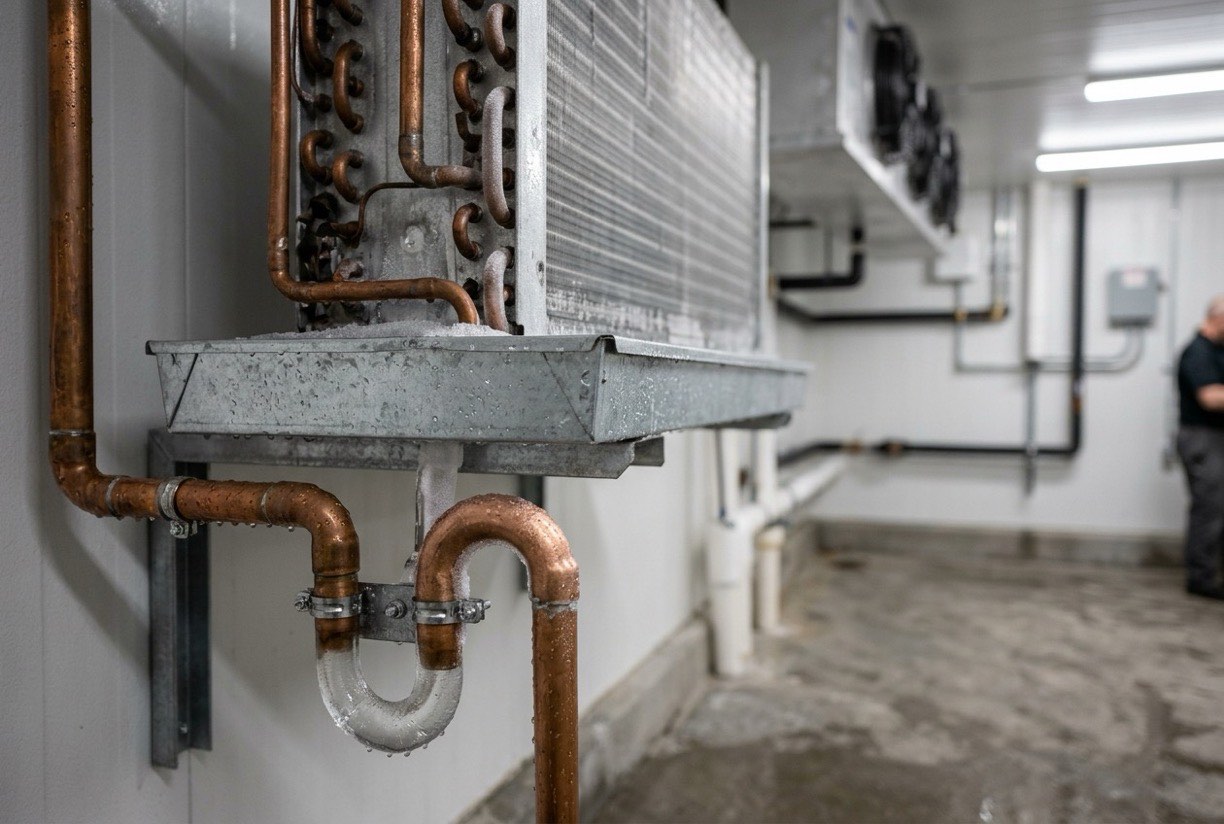
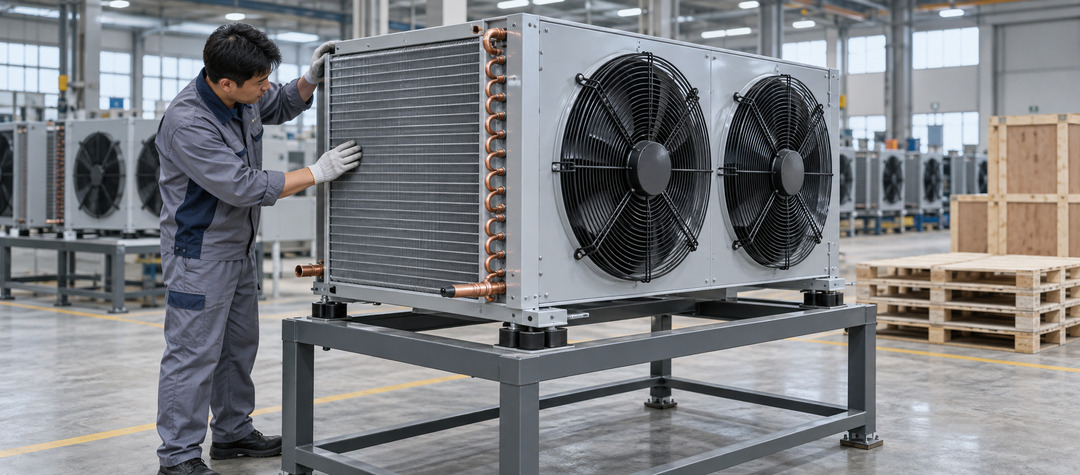
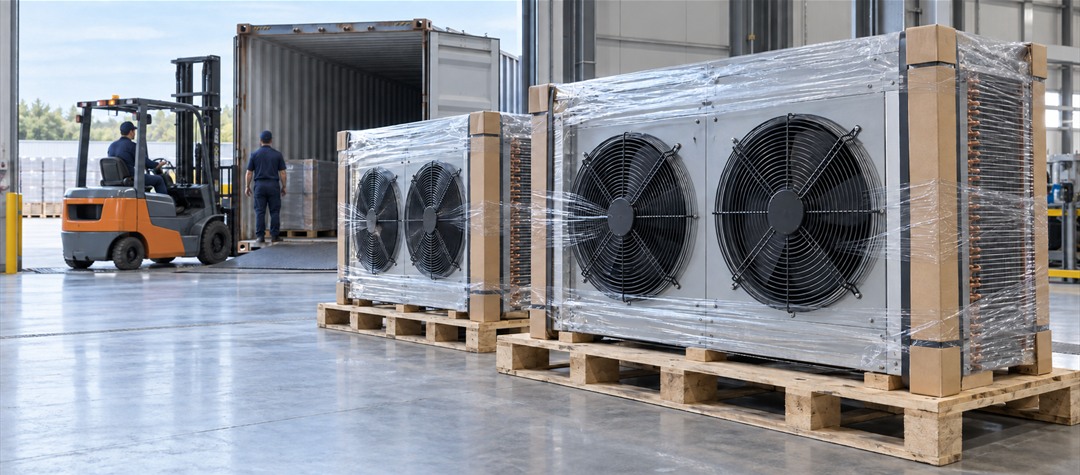
In addition to the unit price, the initial investment cost includes transportation, installation, piping and electrical work, supporting structure, control system and commissioning expenses. Focusing only on the unit price can overlook the fact that these items are handled differently across quotations.
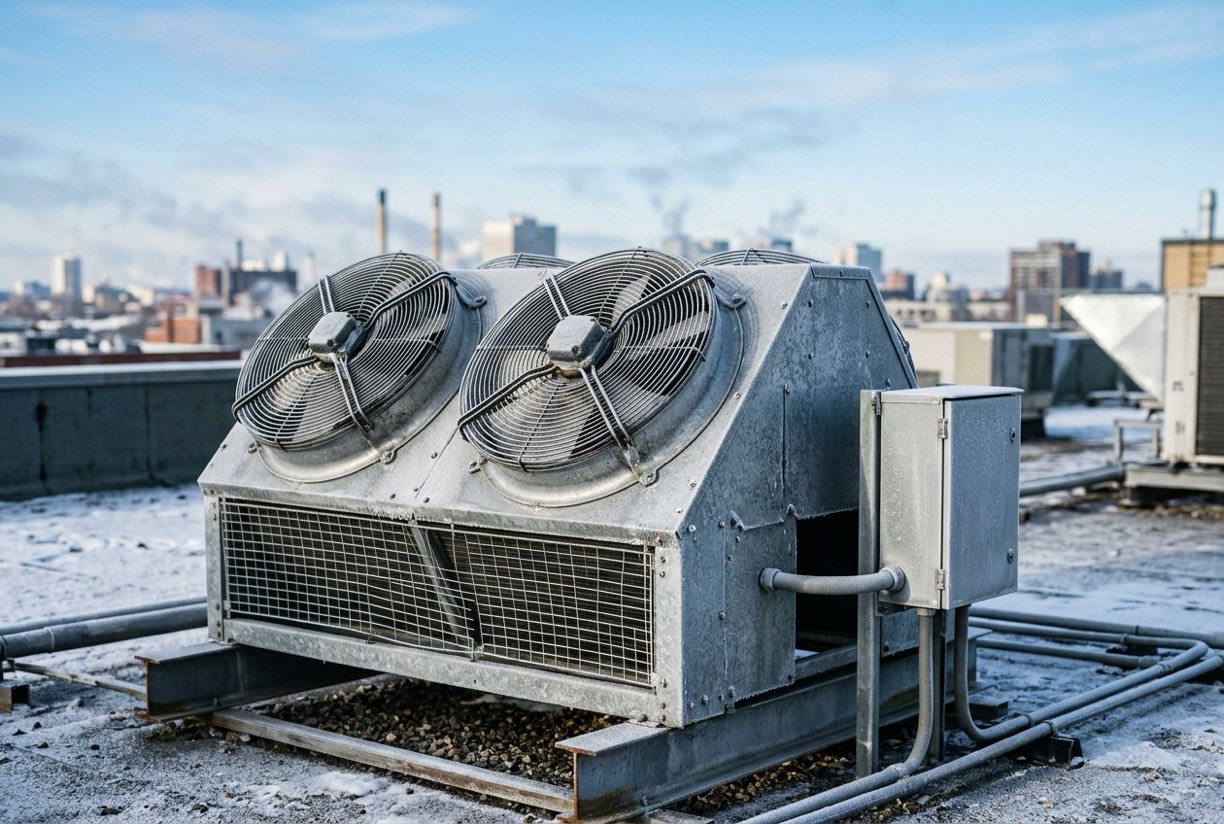
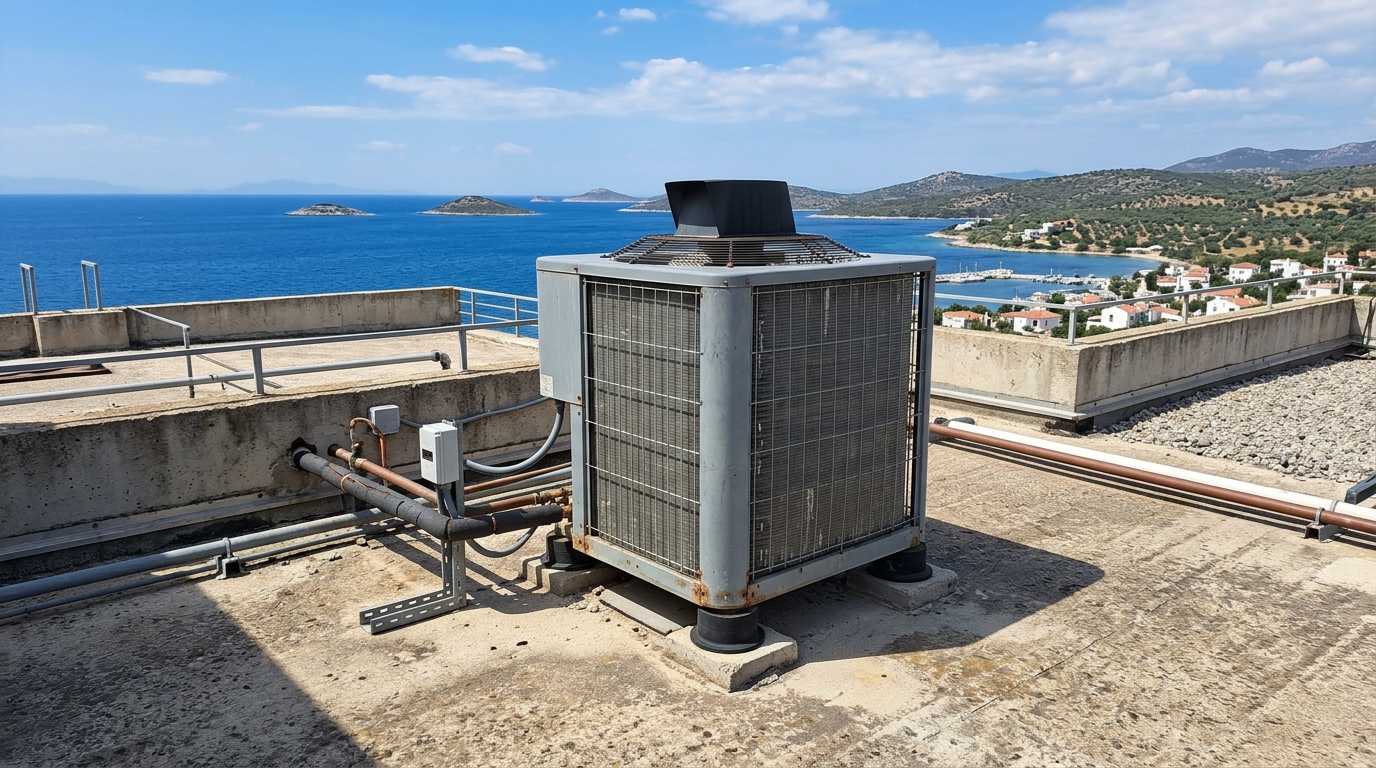
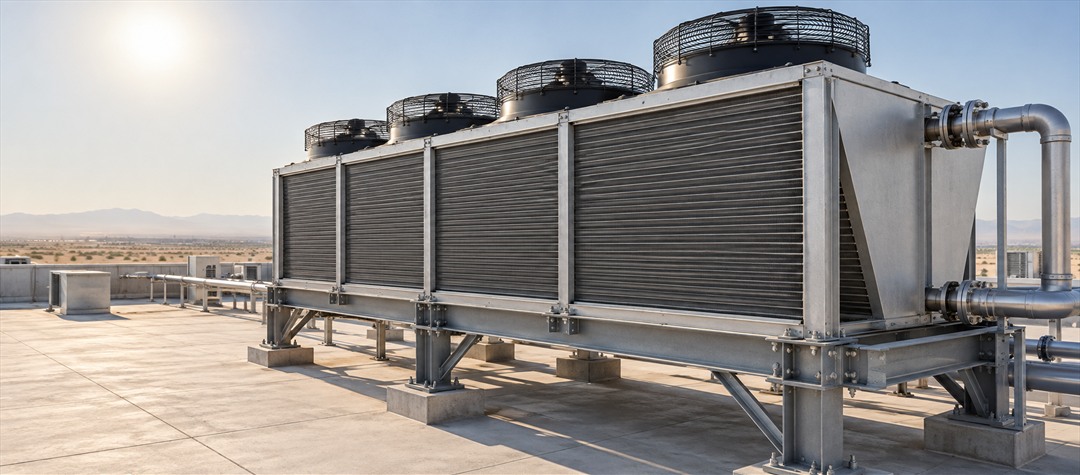
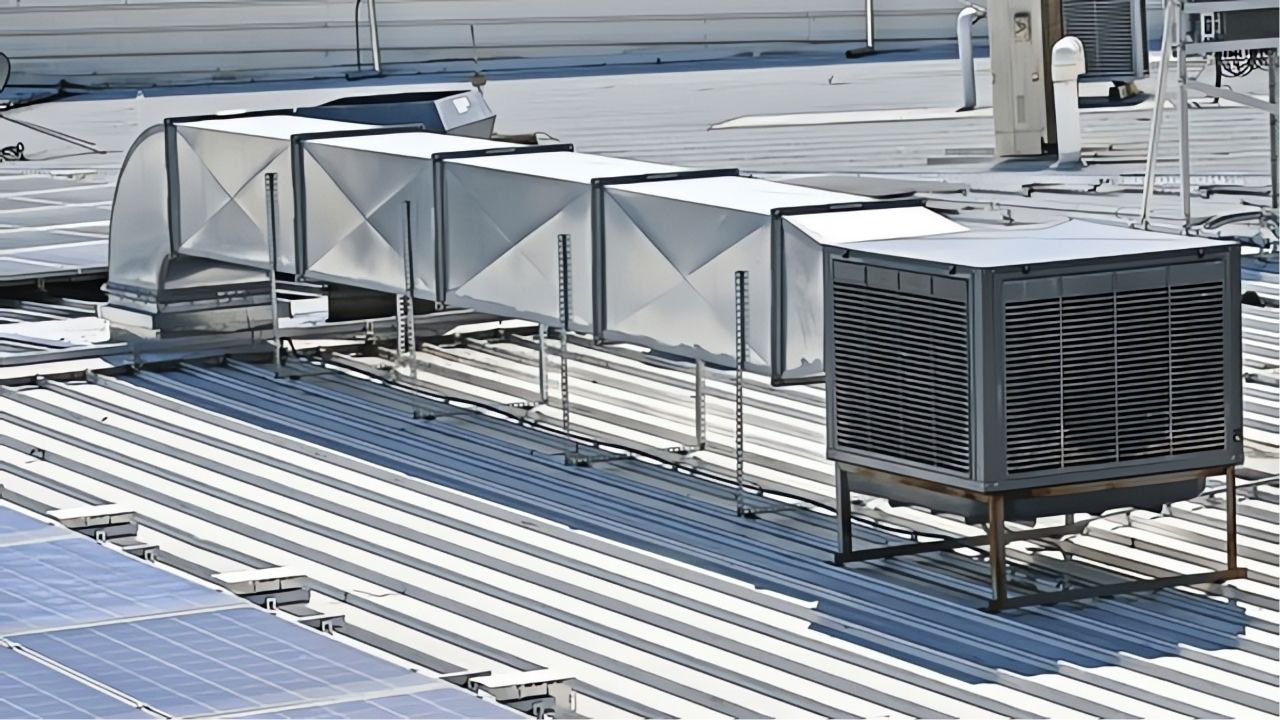
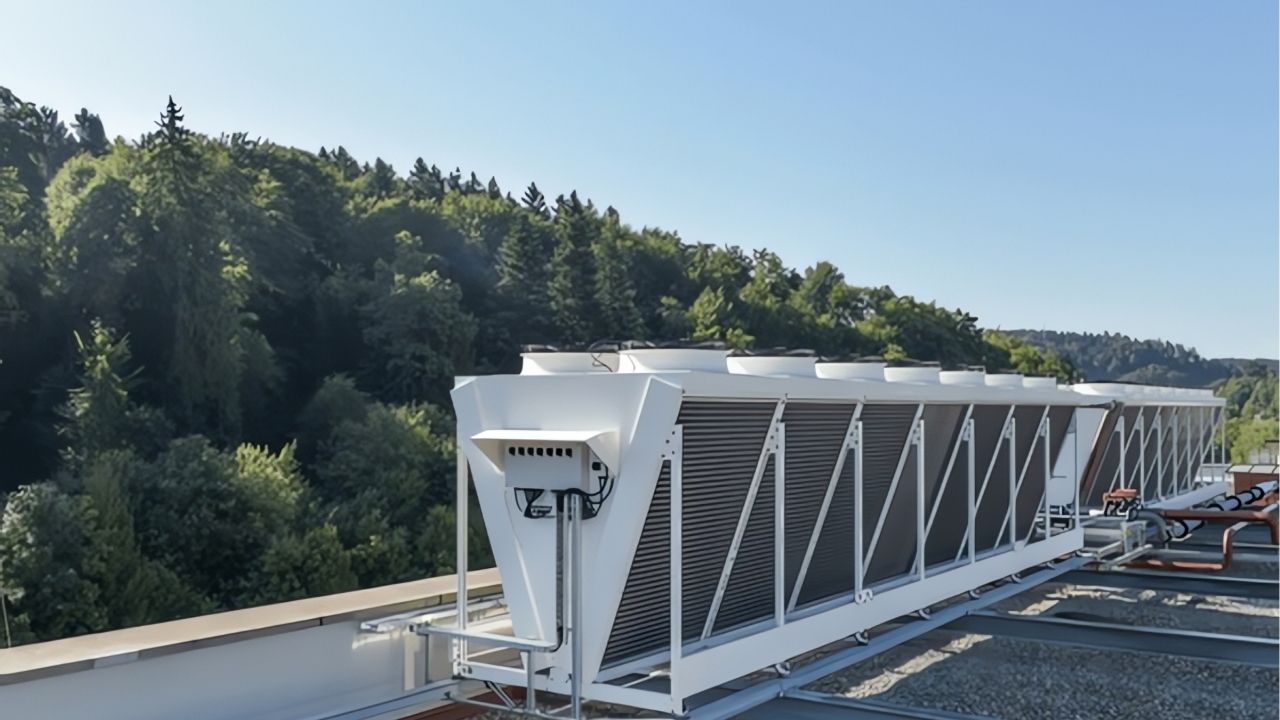
For example, a lighter unit can reduce the need for additional structure on the roof; an integrated control panel can lower on-site wiring labour. On the other hand, accessories excluded from the quotation, crane hire or additional insulation work can strain the budget later. For this reason, when comparing initial investment, the scope of the quotations should be examined line by line and missing items should be clarified.
How Does Energy Consumption Affect Total Cost?
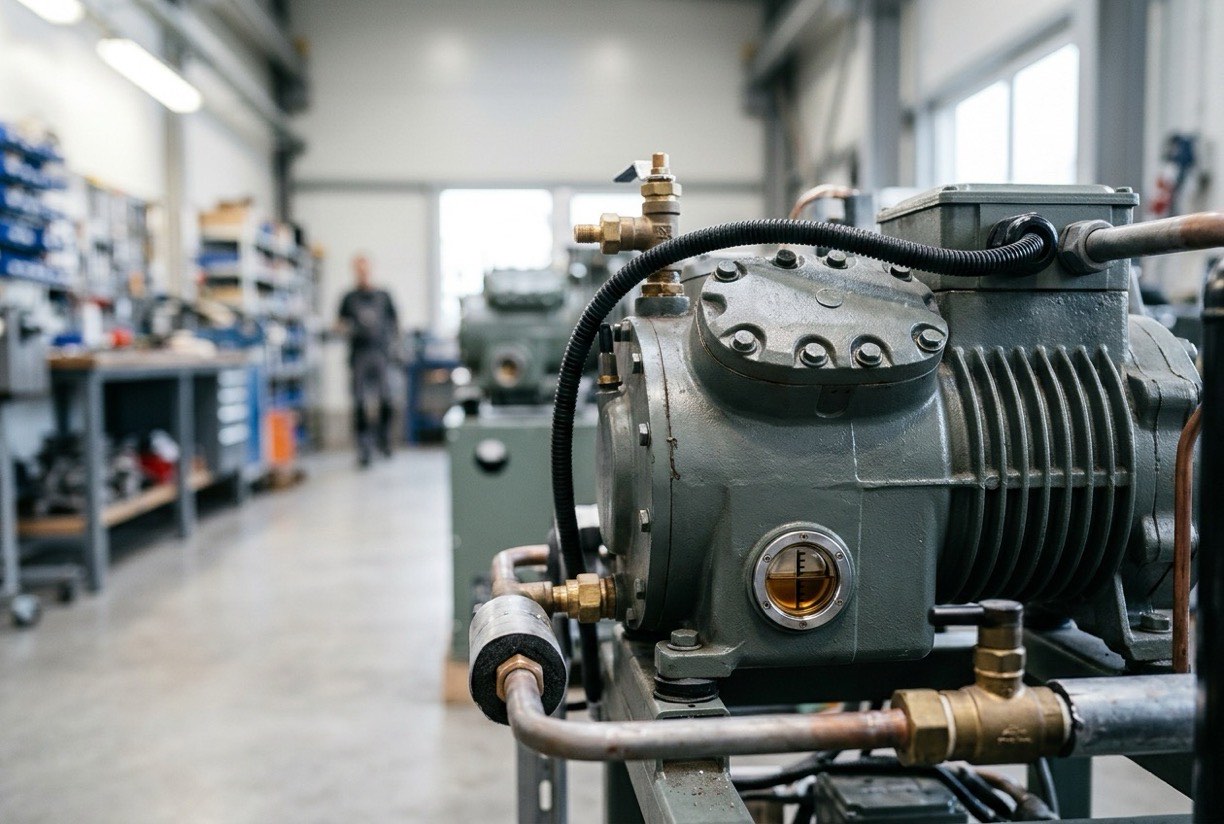
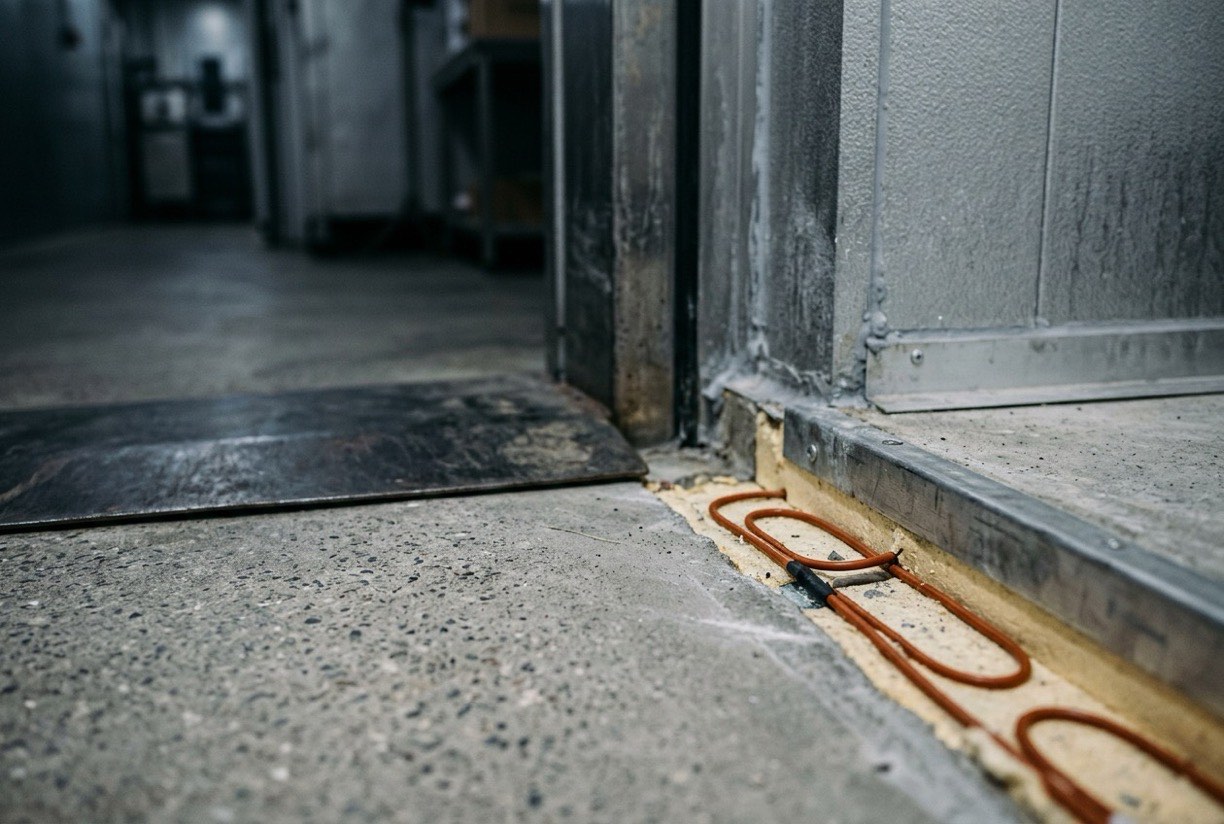
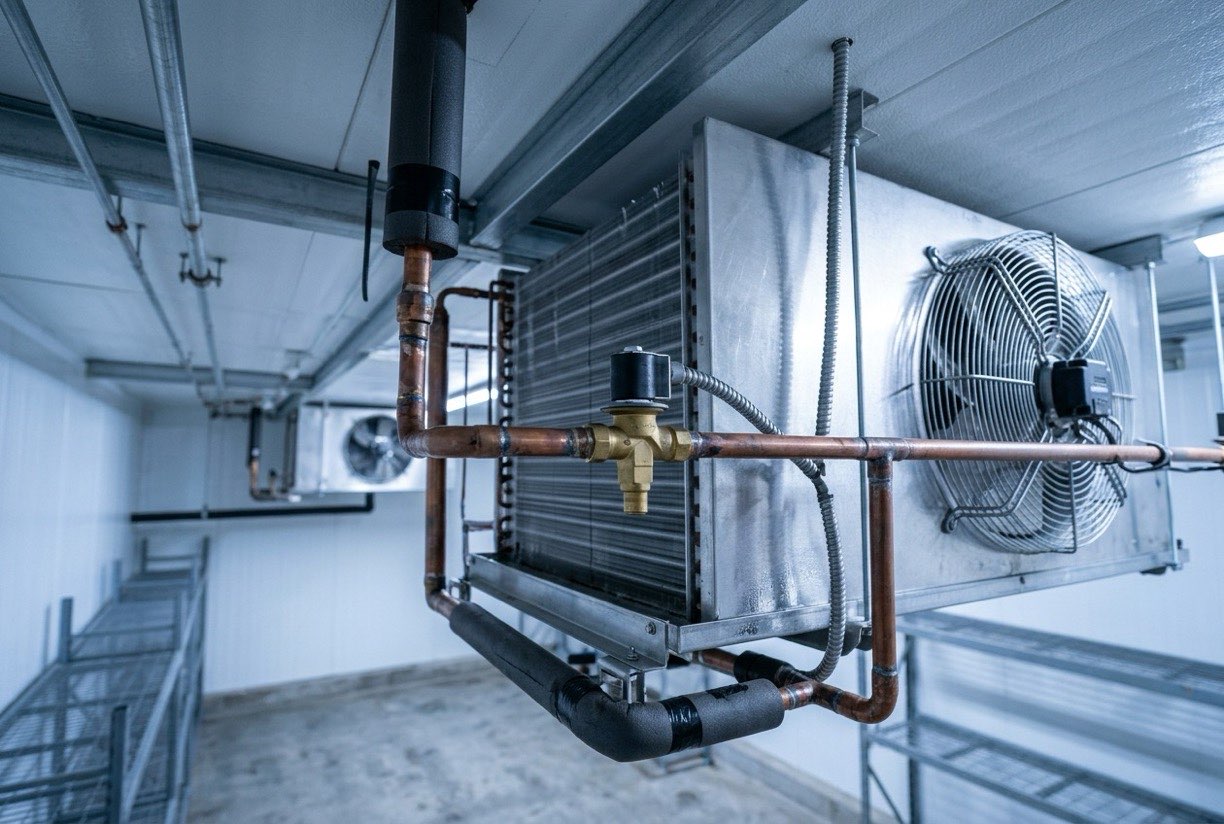
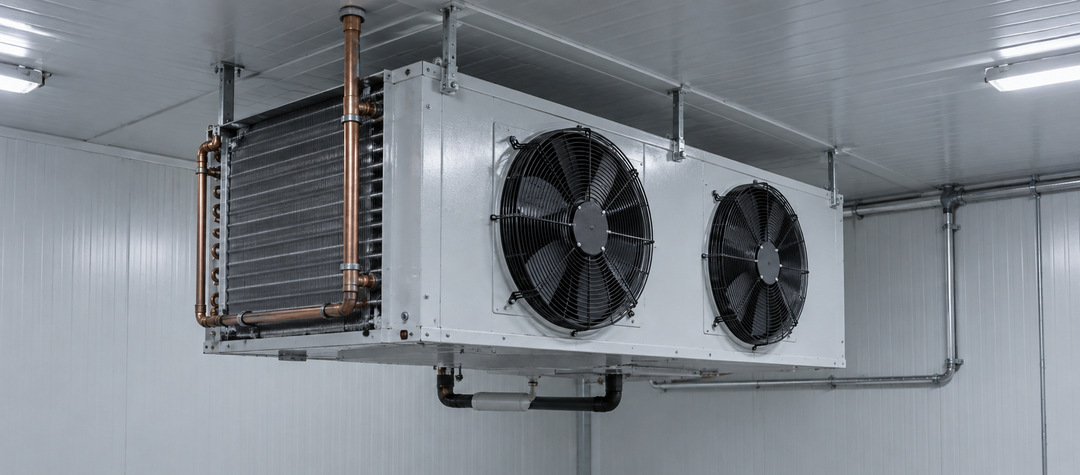
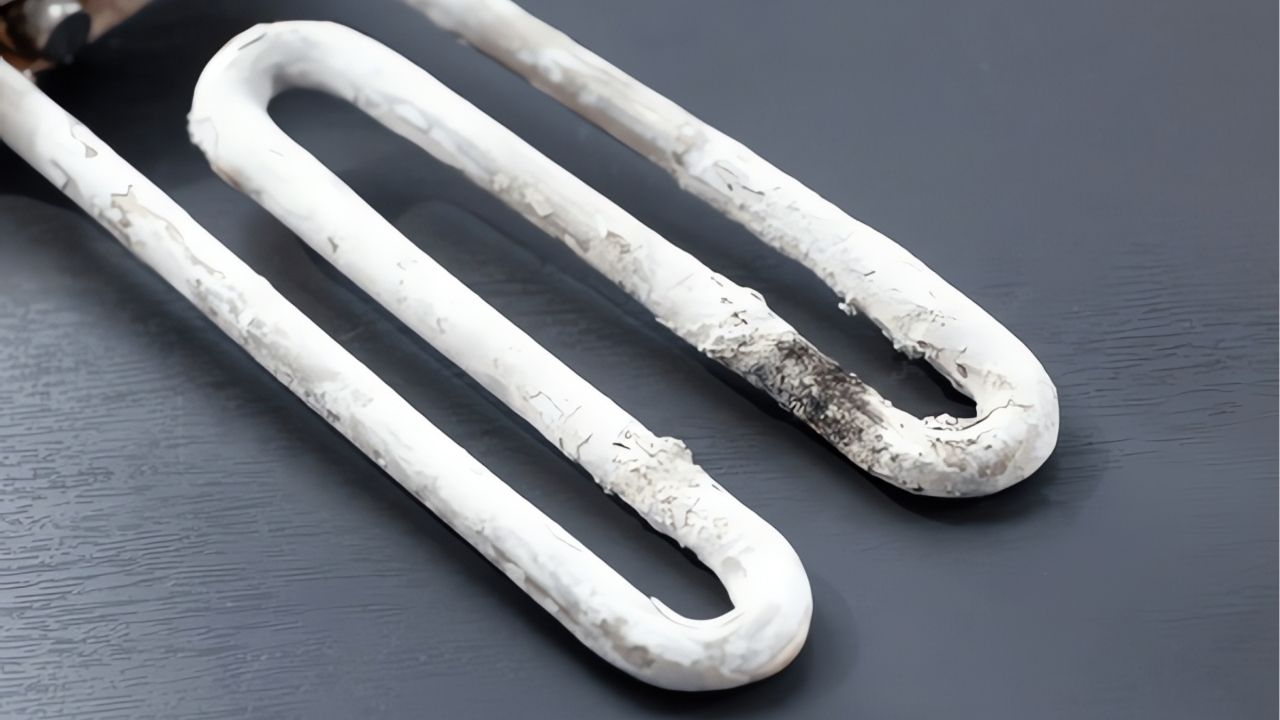
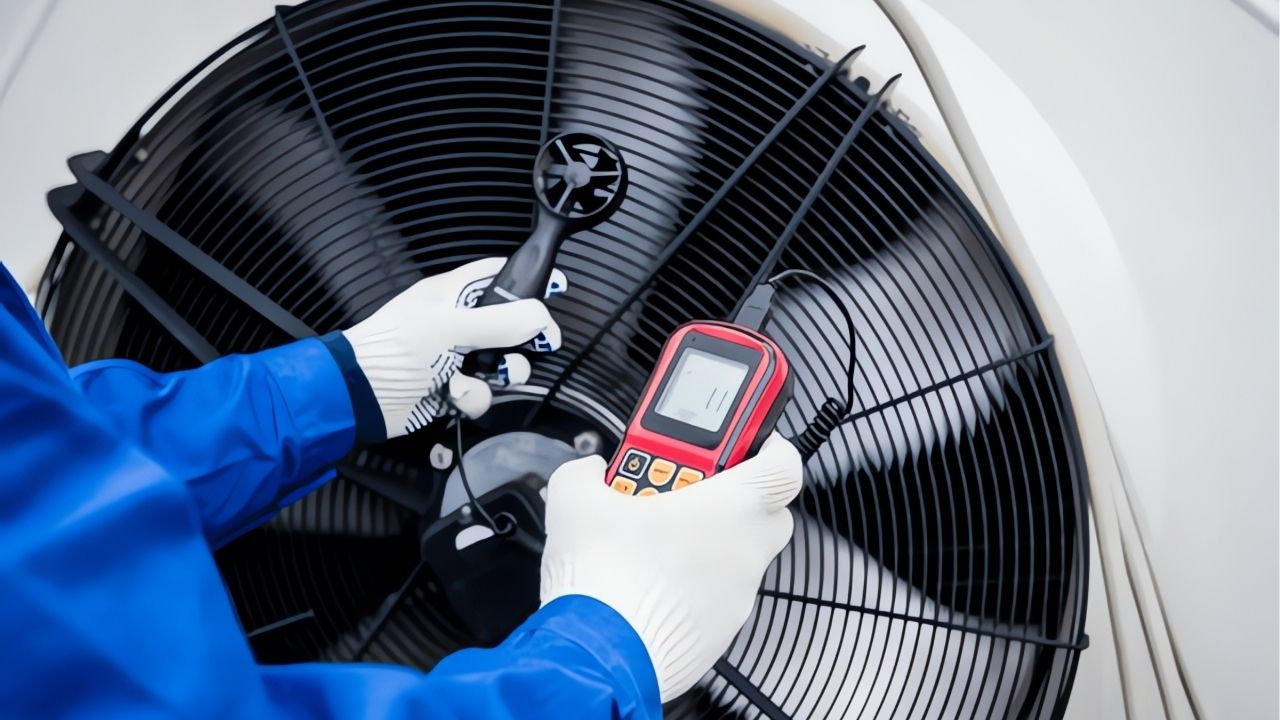
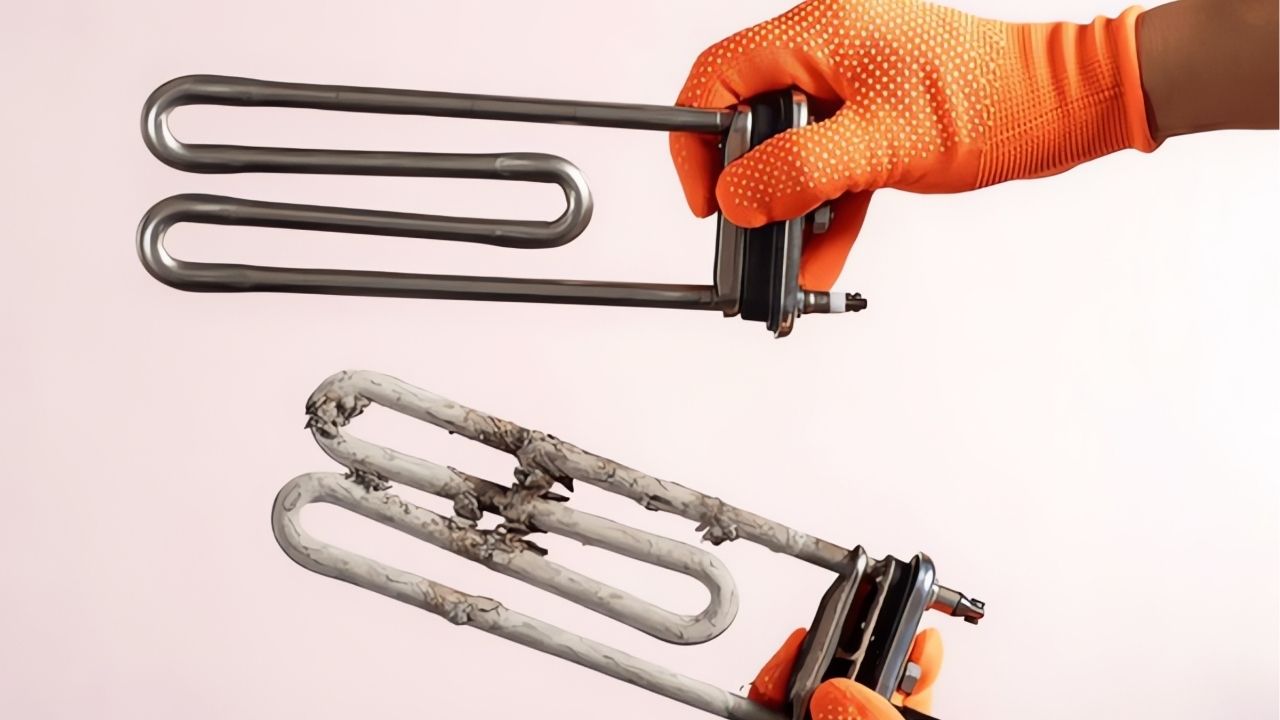
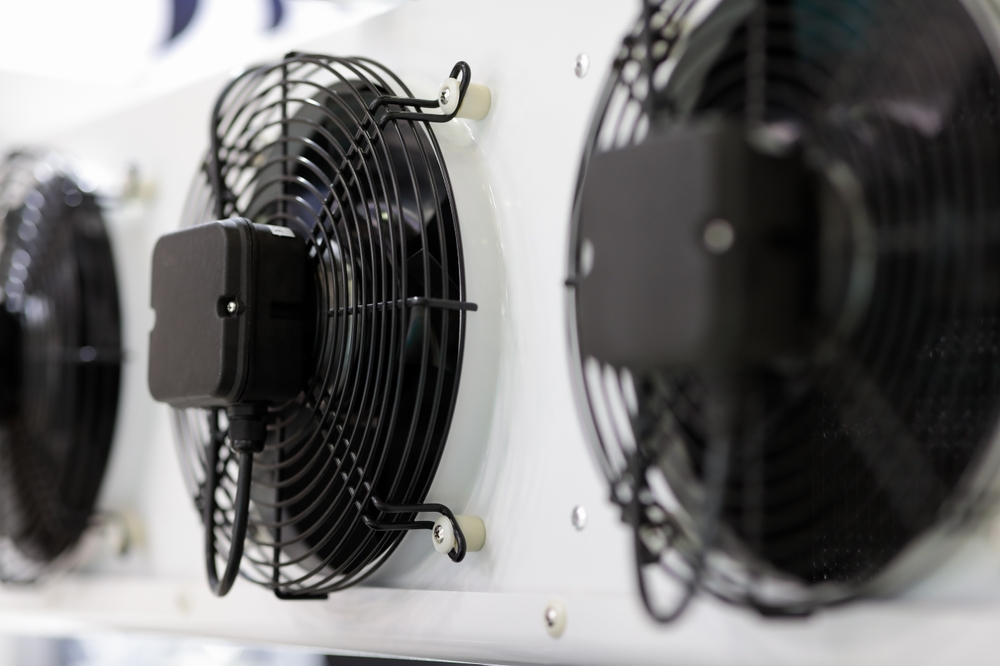
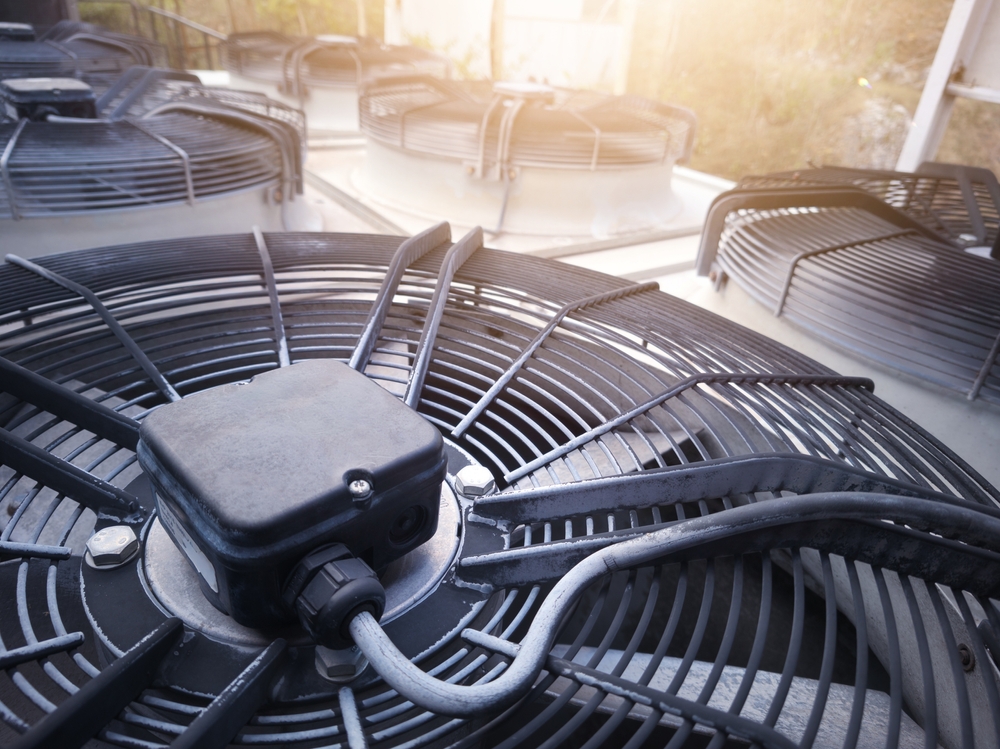
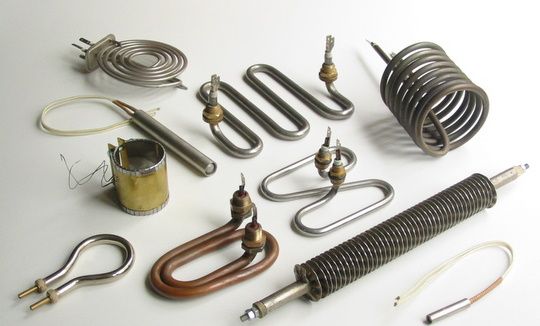
In continuously operating refrigeration systems, energy consumption generally constitutes the largest operating item of total cost, and small efficiency differences can turn into significant amounts over the years. The compressor, fans, defrost heaters and auxiliary equipment are the main sources of this consumption.
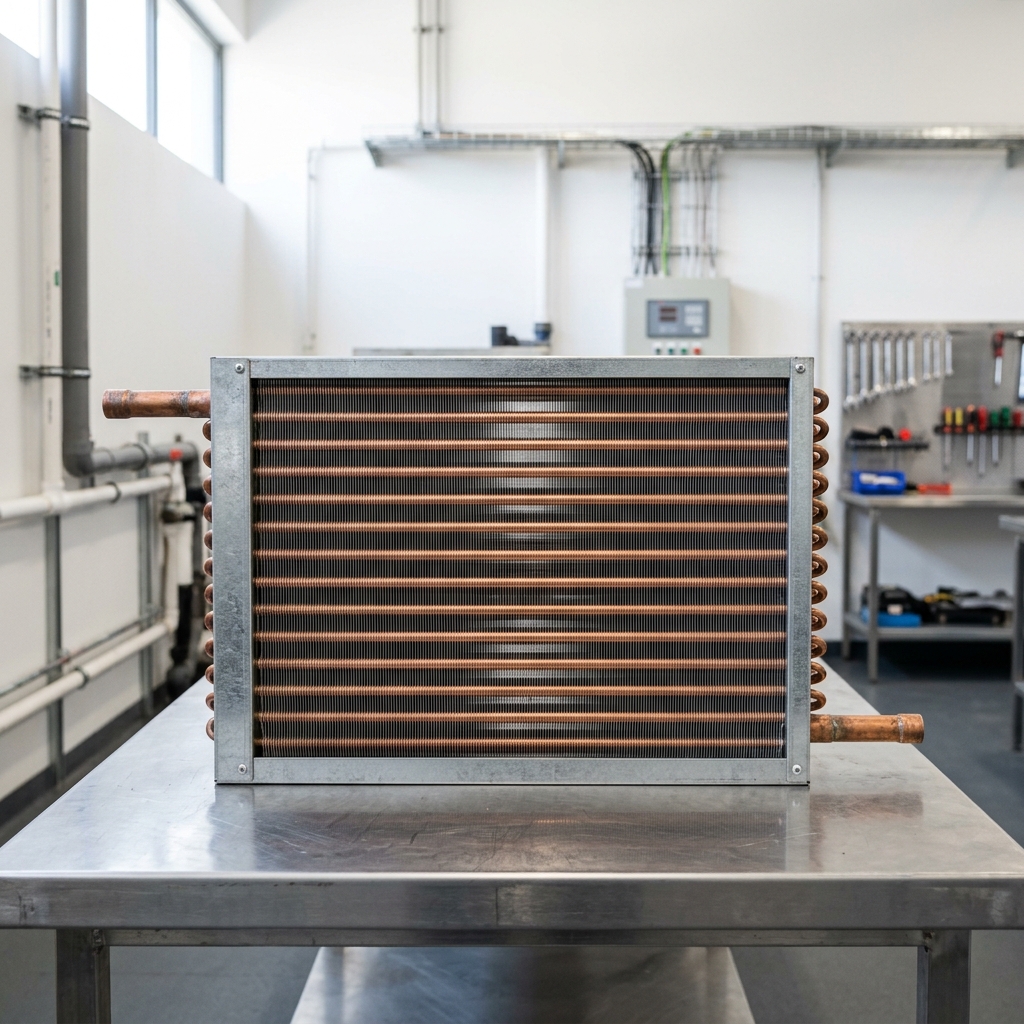
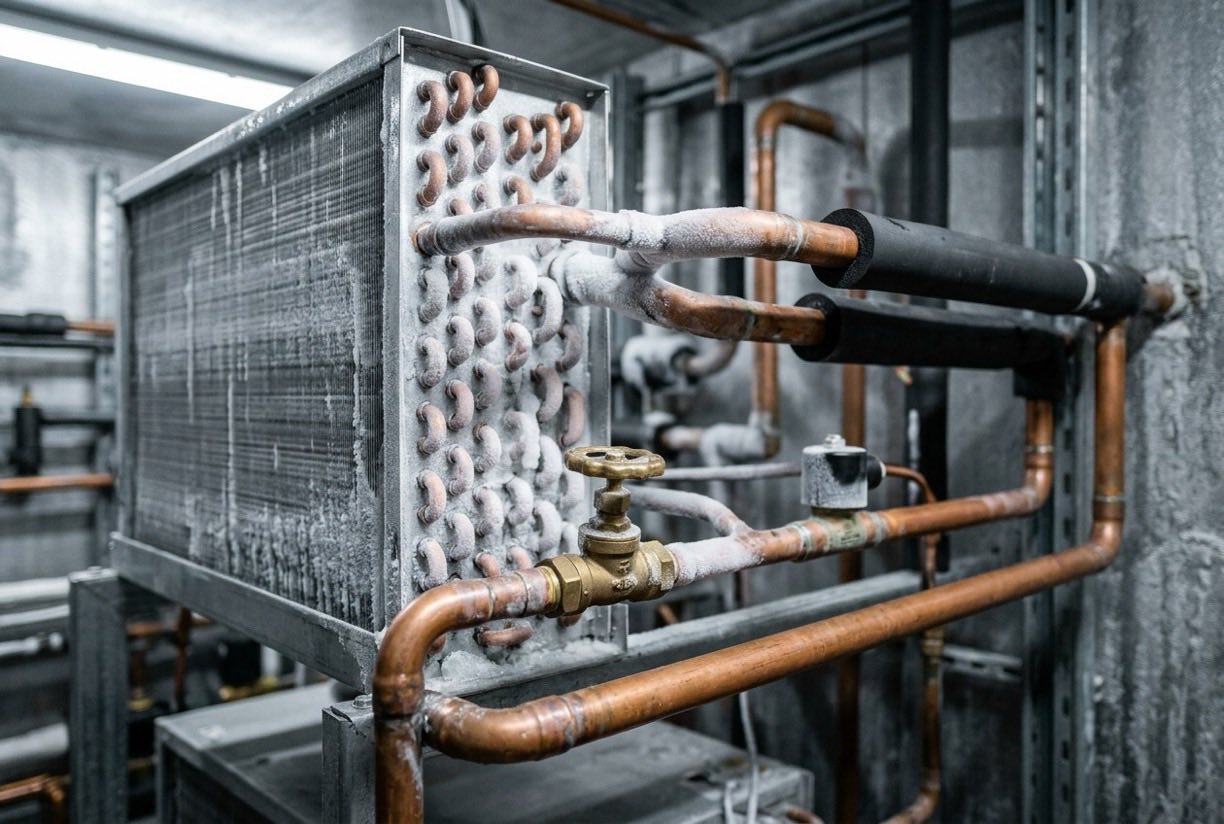
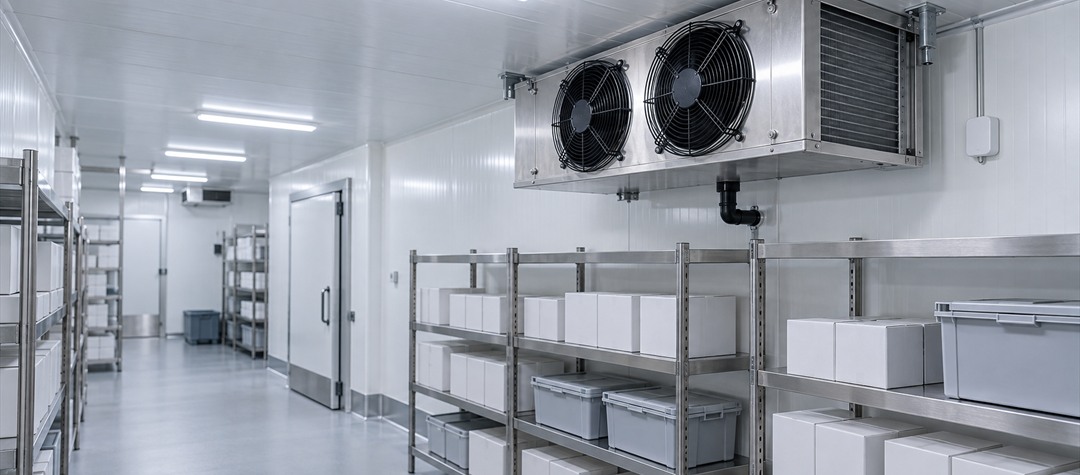
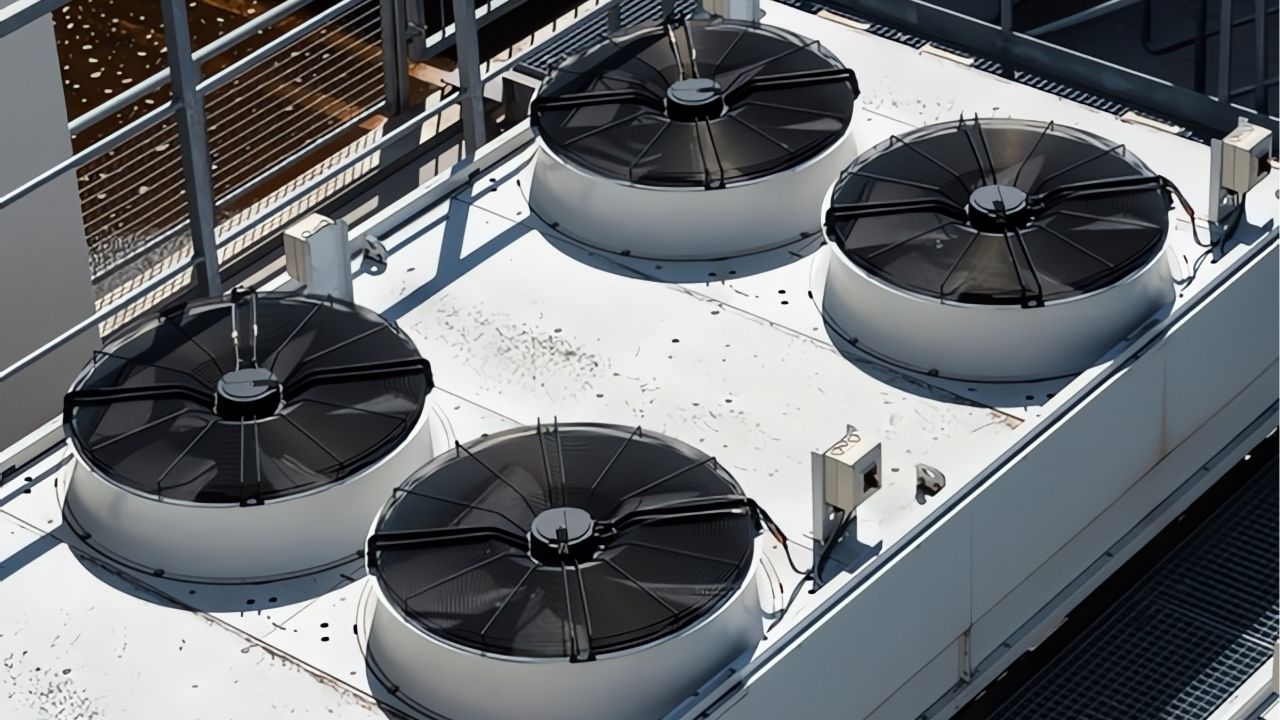
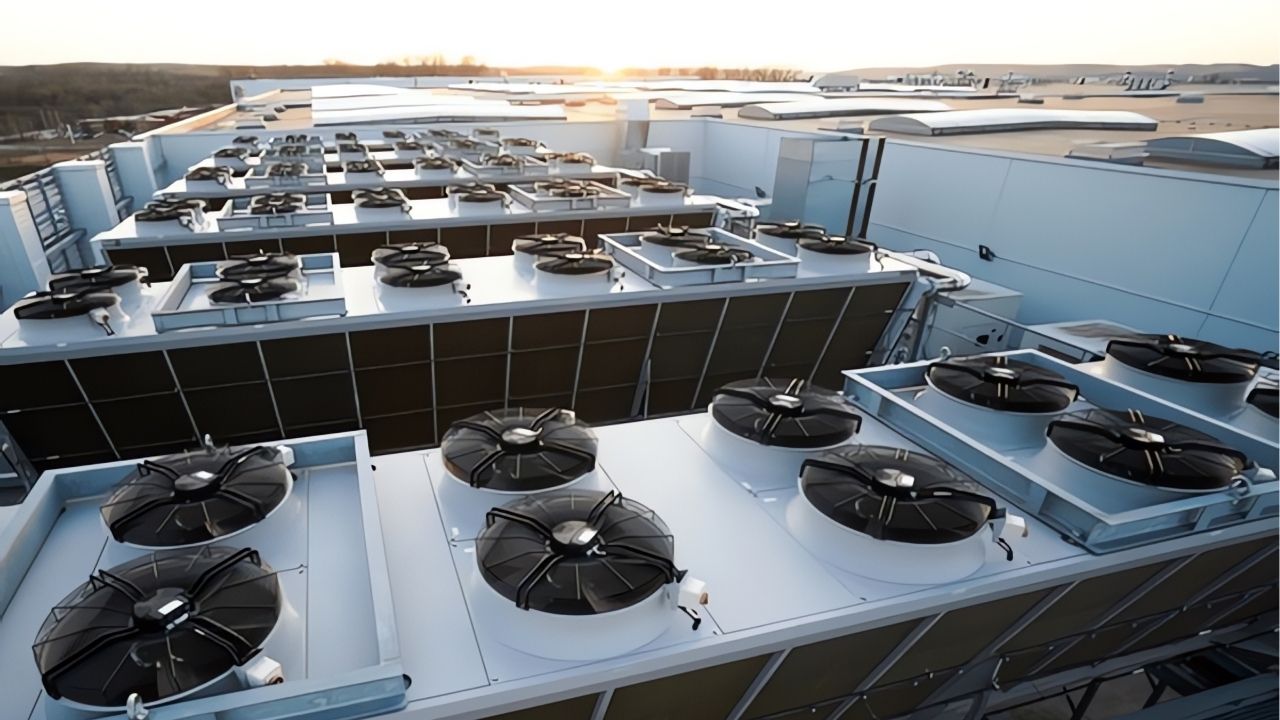
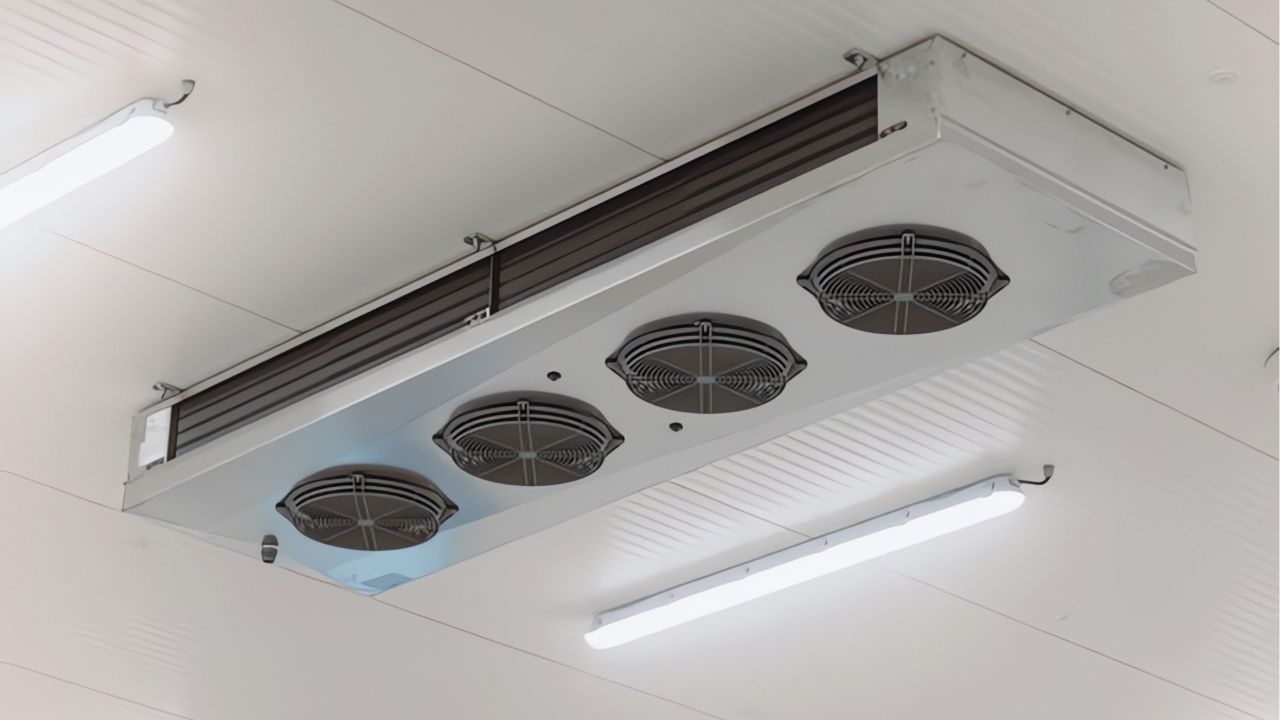
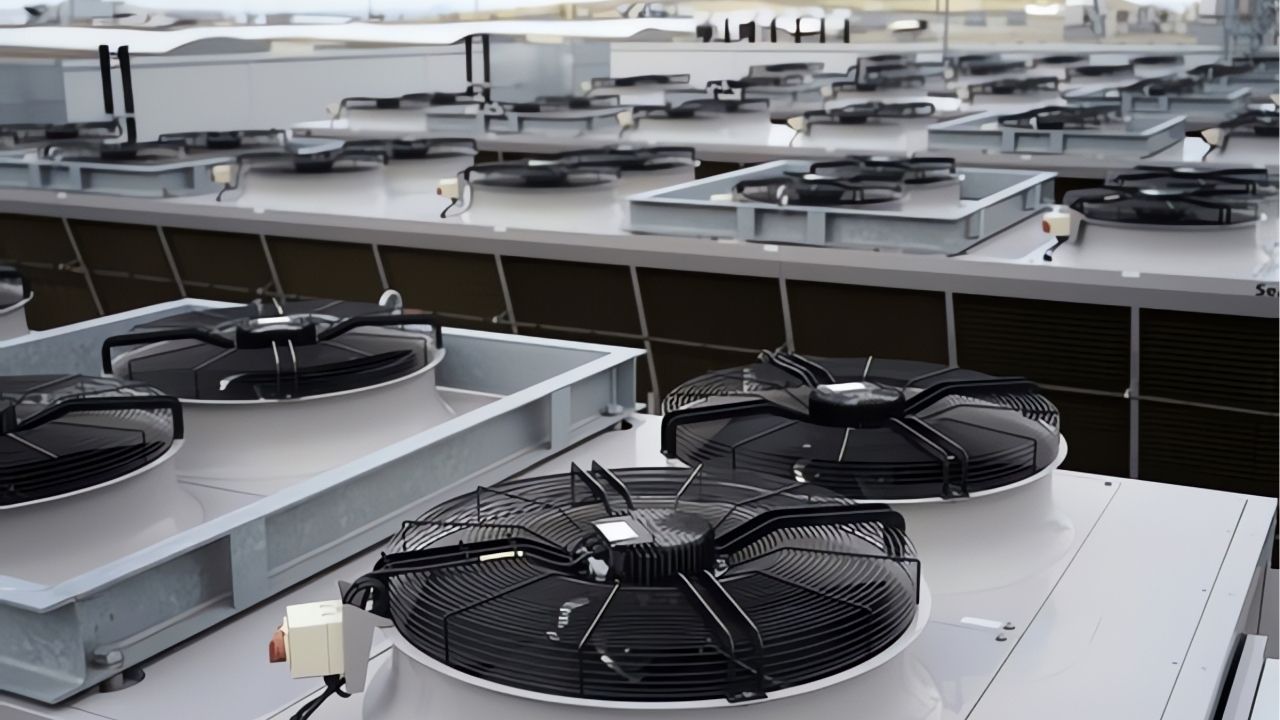
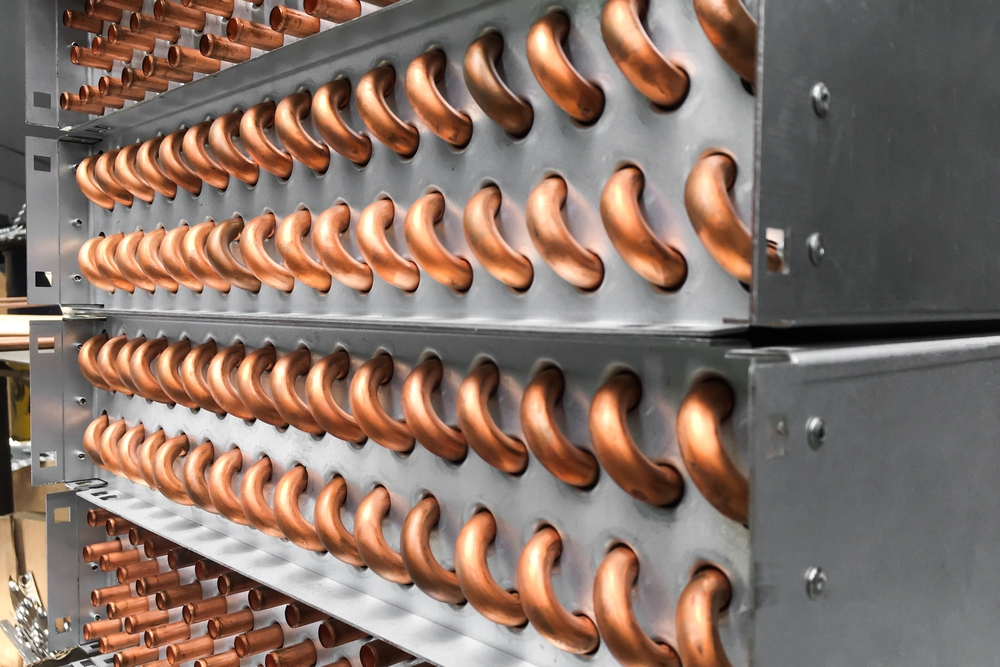
An evaporator or condenser with a larger surface can reduce the temperature difference, allowing the compressor to operate at a lower pressure ratio. Control methods such as variable-speed fans and demand defrost also provide savings under partial load conditions. However, the additional cost of these choices should be evaluated together with the facility's operating hours and energy prices; the payback period should be calculated separately for each project.
How Are Maintenance, Breakdown And Downtime Costs Taken Into Account?
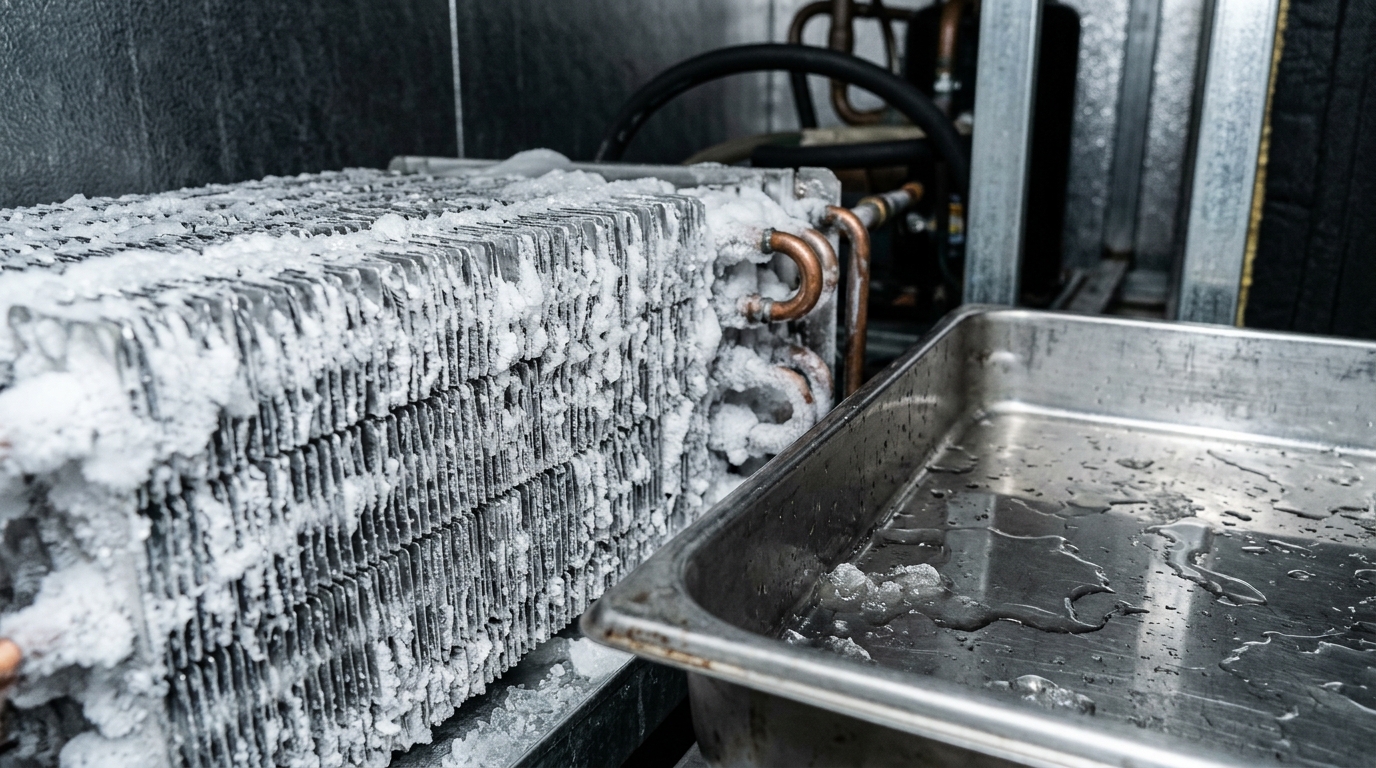
Maintenance, breakdown and downtime costs are taken into account by estimating planned maintenance labour, spare parts, emergency service expenses and the product or production loss incurred while refrigeration is down. These items are often invisible at the quotation stage, but they occupy an important place in the business's budget.
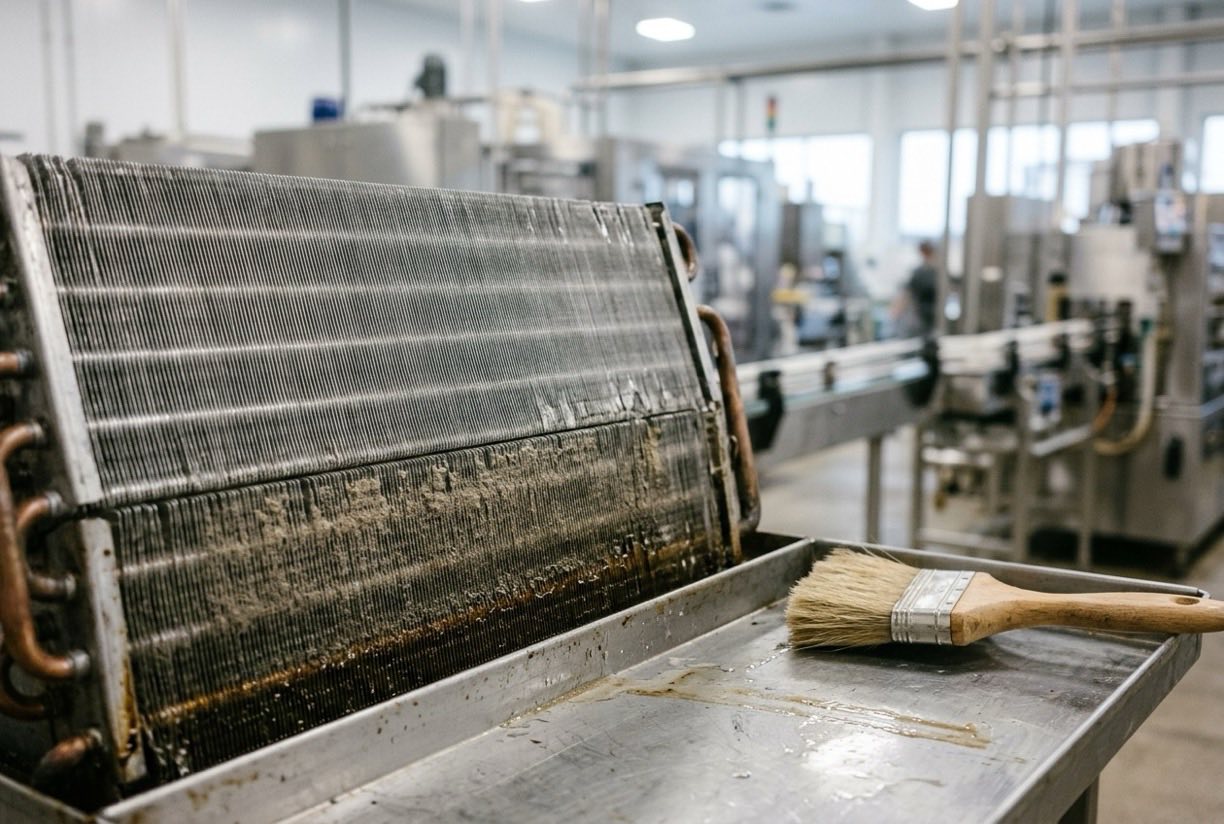
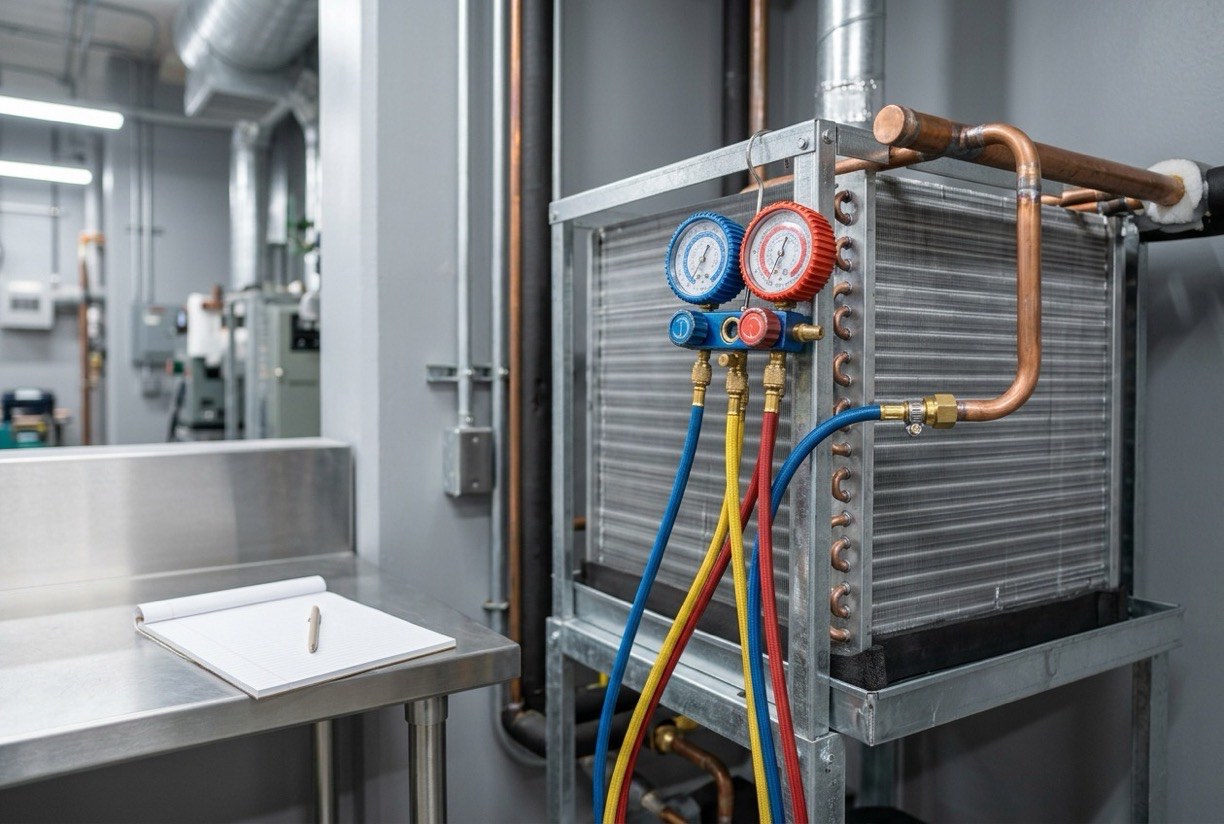
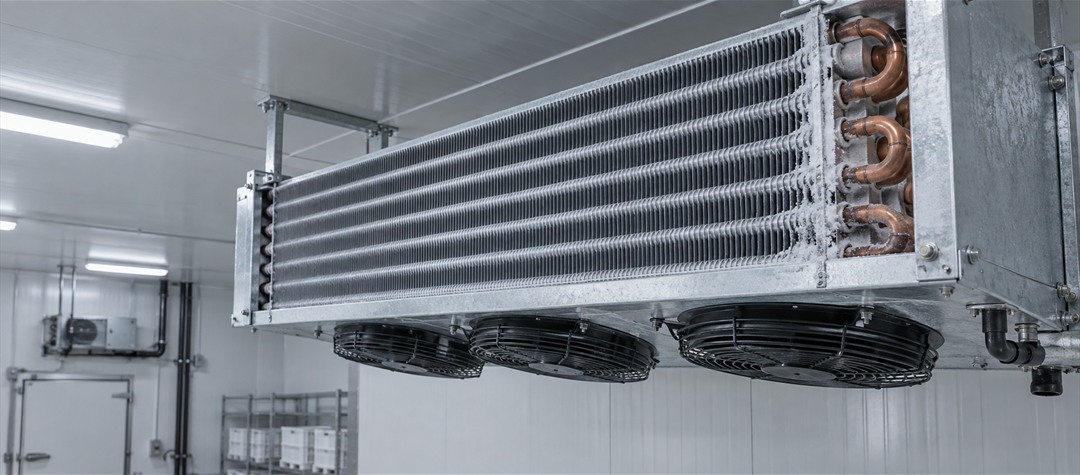
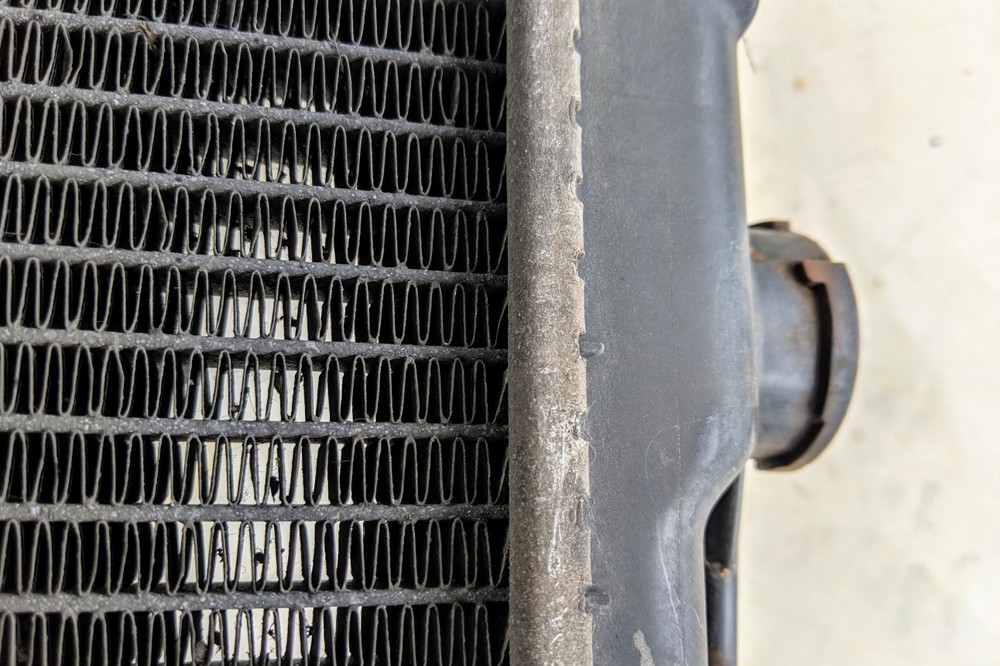
Units with easy maintenance access, that work with standard spare parts and that have a cleanable coil structure reduce labour time. In applications such as food, pharmaceuticals or data centres, the cost of a single downtime can approach the price of the unit; in this case, redundant design or monitoring systems become economically meaningful. The facility's risk tolerance determines how much weight is given to these items.
How Do Equipment Life And Material Quality Reflect On Cost?
Equipment life and material quality reflect on total cost by determining over how many years the investment will be spread and to what extent performance will be maintained during this period. A unit with a shorter life may lose its initial price advantage due to the need for early replacement.
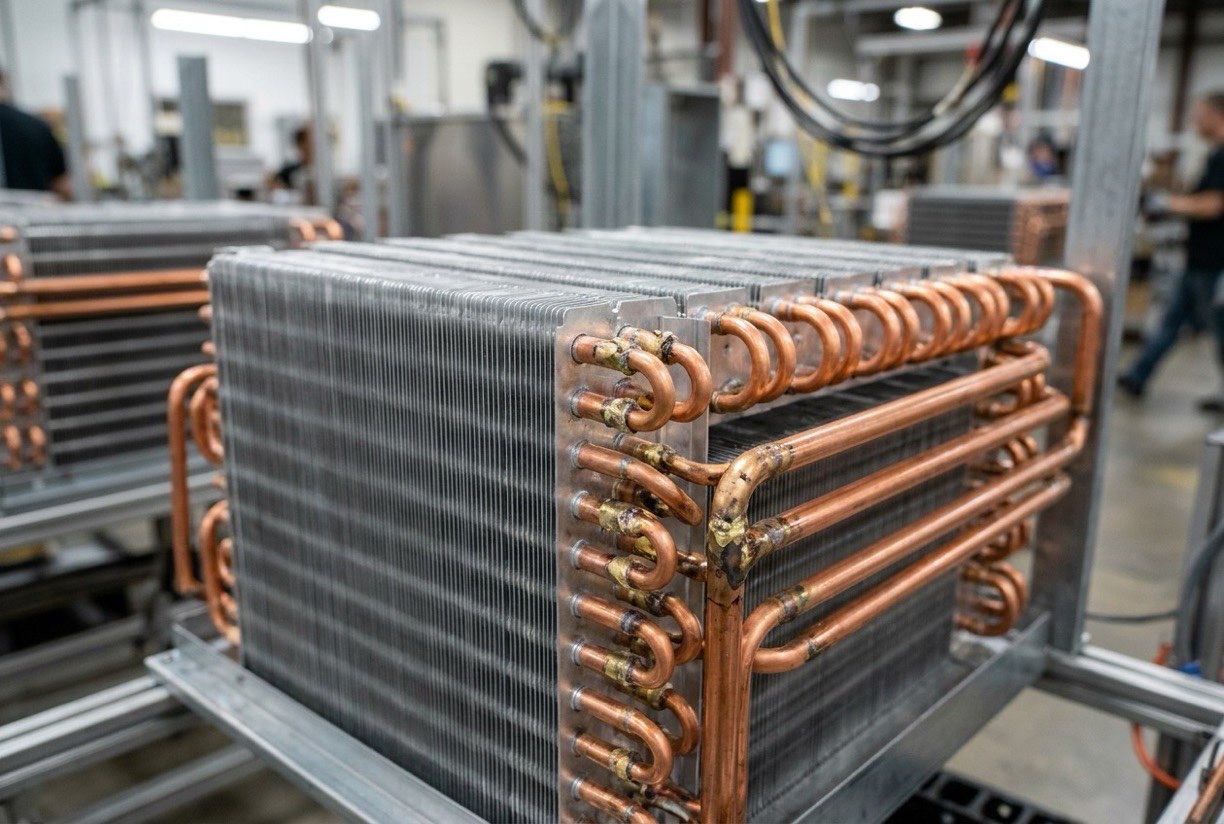
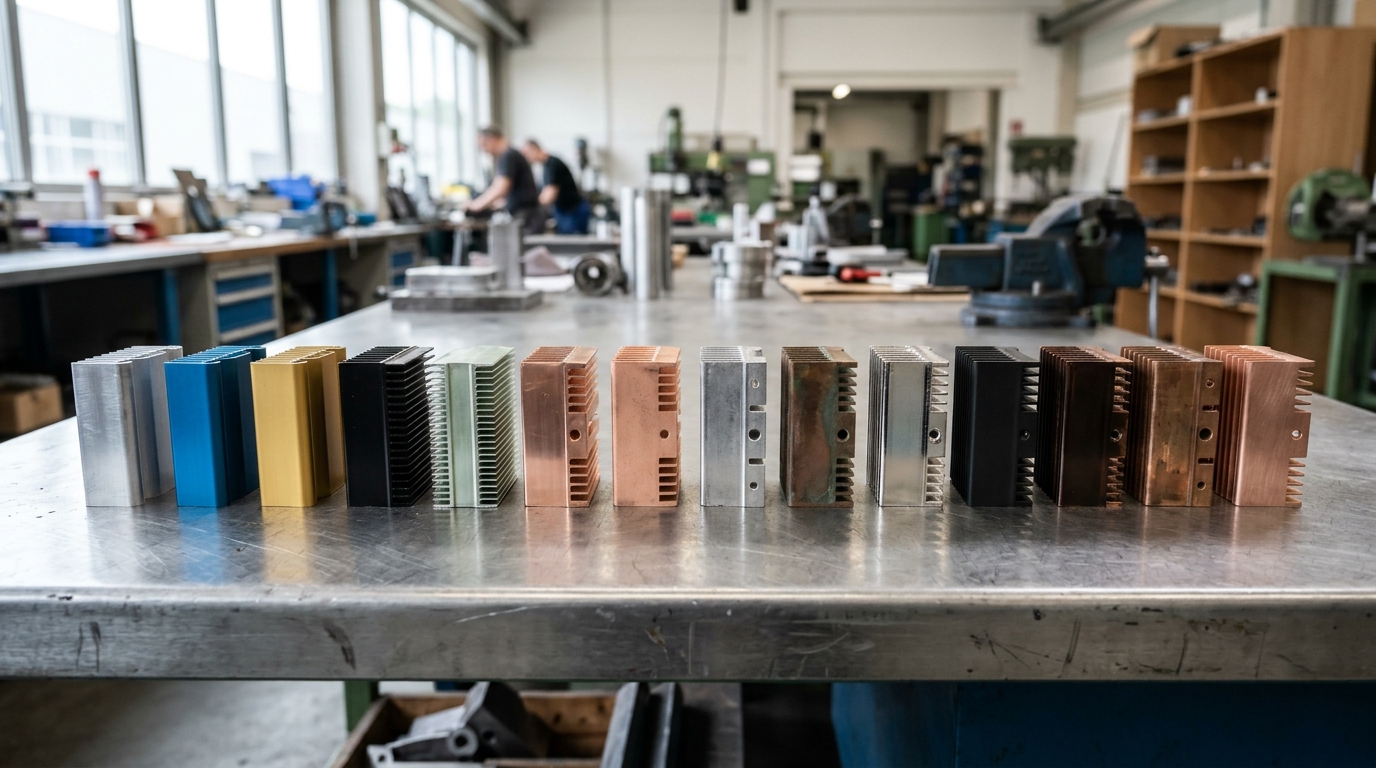
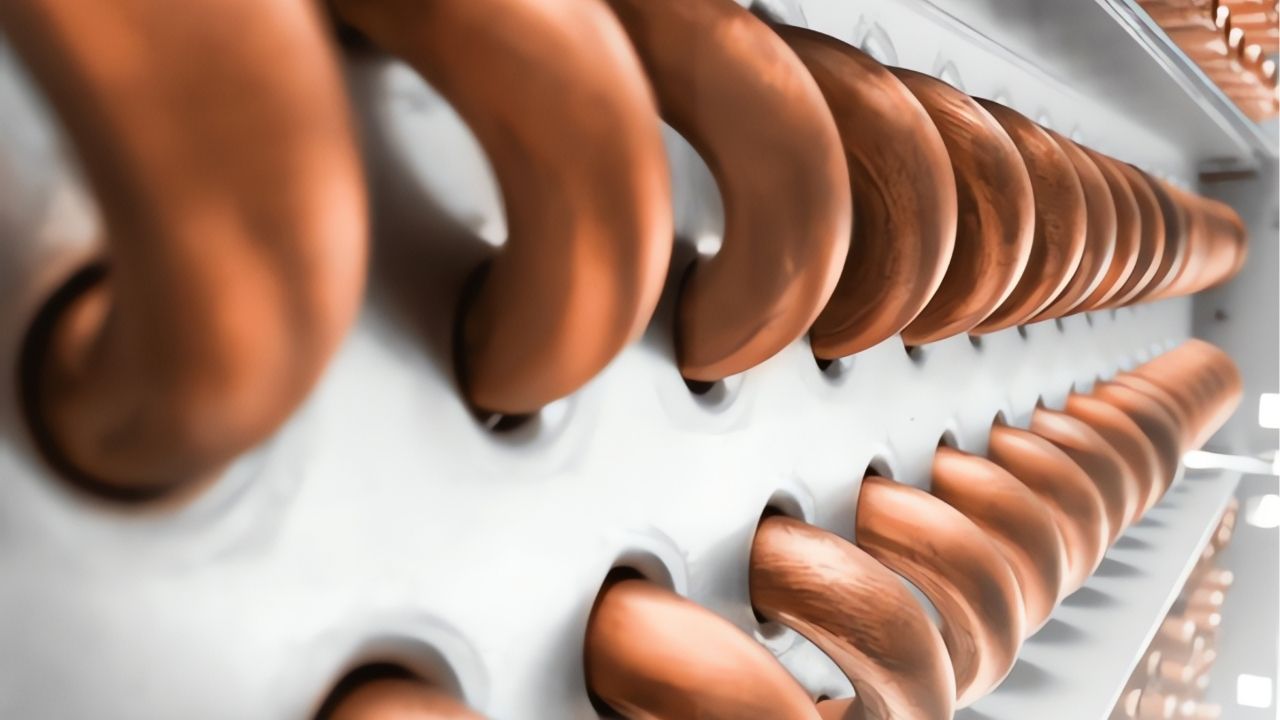
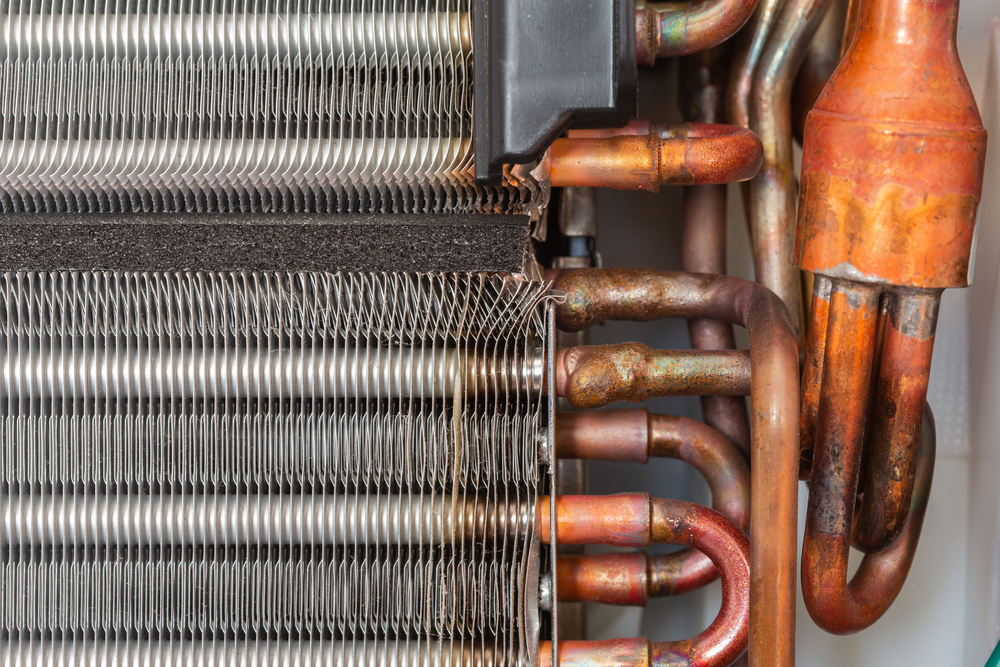
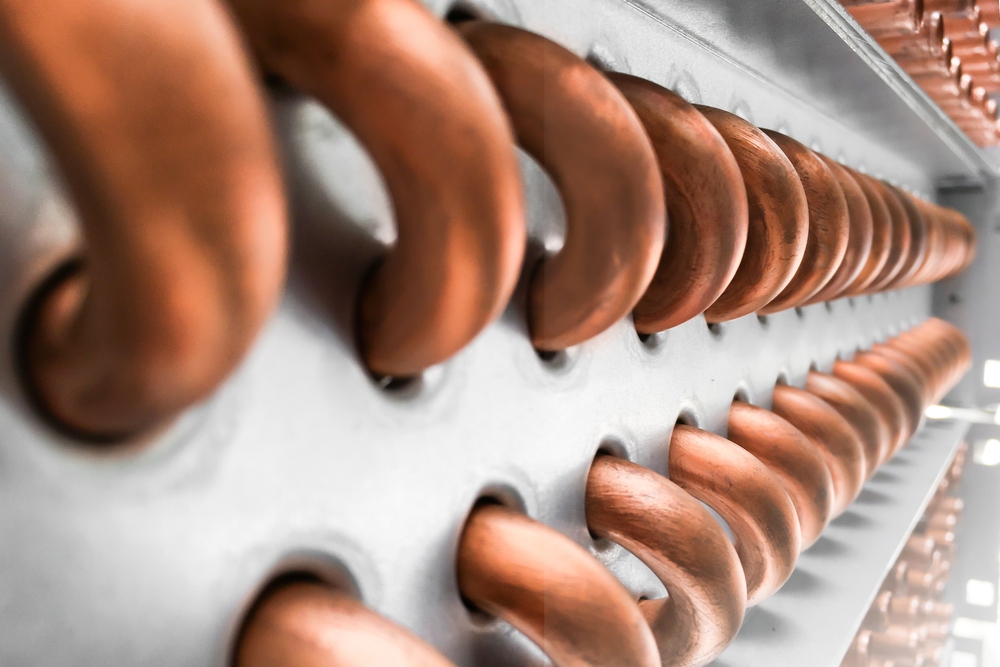
Failure to select a suitable coil material or coating in corrosive environments can lead to early deterioration and capacity loss in fins and tubes. As capacity drops, energy consumption increases and breakdowns become more frequent. On the other hand, choosing the most durable material for every environment can also create unnecessary cost. The right approach is to determine the material and coating choice according to the operating environment and the expected period of use.
What Should Be Considered When Comparing Quotations By Total Cost?
To compare quotations fairly, all options must be evaluated on the basis of the same assumptions and the same scope. The following items make this evaluation easier.
- Capacity and energy consumption values given under the same design conditions
- Installation, control and accessory items included and not included in the quotation scope
- Maintenance access, spare parts availability and service support
- Material selection suitable for the operating environment and expected service life
If you would like a total cost-focused assessment for your project, you can contact the Günay Soğutma team.
Frequently Asked Questions
Does a cheap unit always end up costing more?
Not always; in projects with low operating hours or short duration, the initial price can be decisive. The result depends on the conditions of use.
What data is needed for a total cost calculation?
Annual operating hours, energy price, planned period of use, maintenance plan and the performance values in the quotations are the basic data.
How is the payback period of energy-efficient equipment calculated?
A simple payback period can be found by dividing the additional investment amount by the annual energy savings; in a more detailed analysis, the time value of money is also taken into account.
Does a maintenance contract reduce total cost?
Regular maintenance can reduce performance loss and unexpected breakdowns. The benefit of the contract should be evaluated according to the criticality level of the facility.
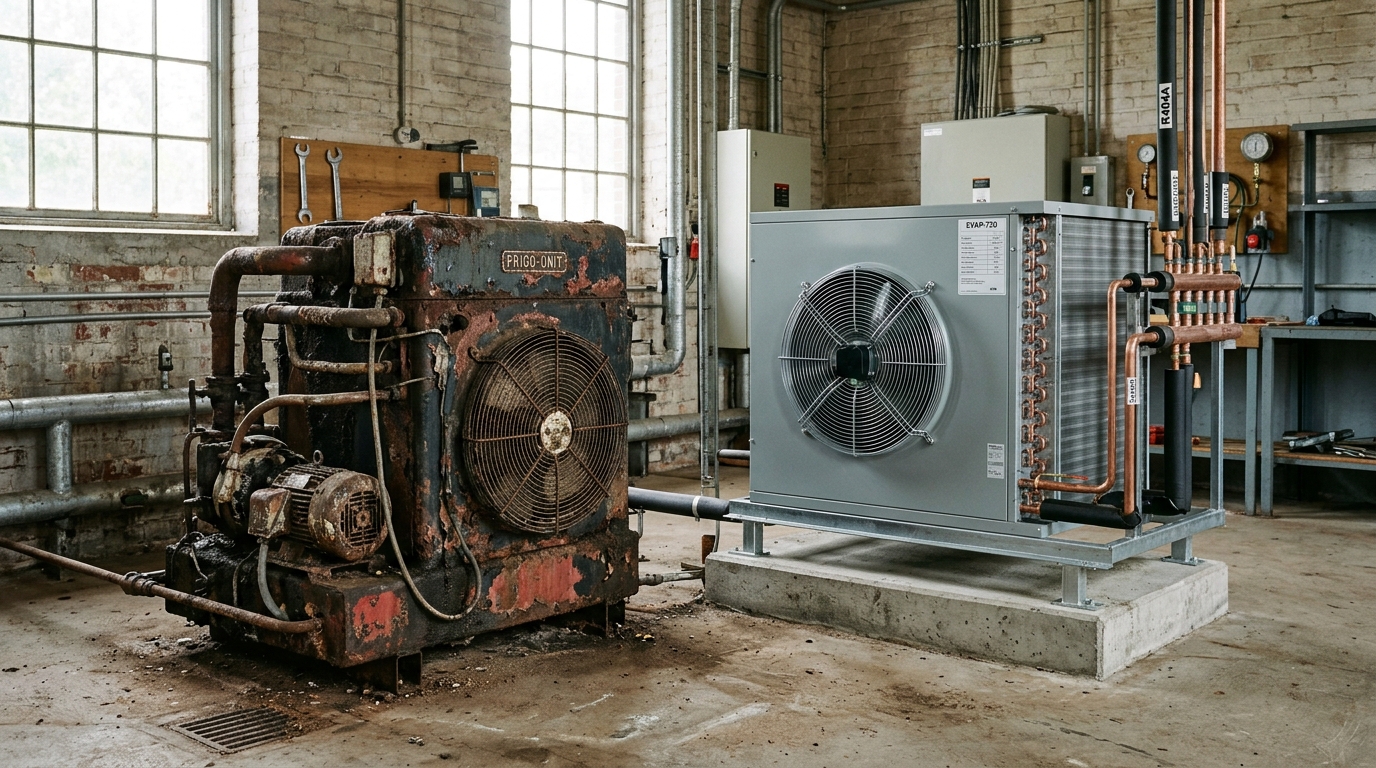
Is it more economical to refurbish the existing system or replace it completely?
This decision depends on the condition of the existing equipment, refrigerant compatibility and the energy difference; it is recommended to calculate both scenarios separately.
What do end-of-life expenses cover?
Dismantling, refrigerant recovery, transportation and recycling operations are among end-of-life expenses.
How can I have a total cost analysis done for my own project?
You can request a project-specific assessment by sharing your capacity, operating time and existing quotations with the Günay Soğutma team.