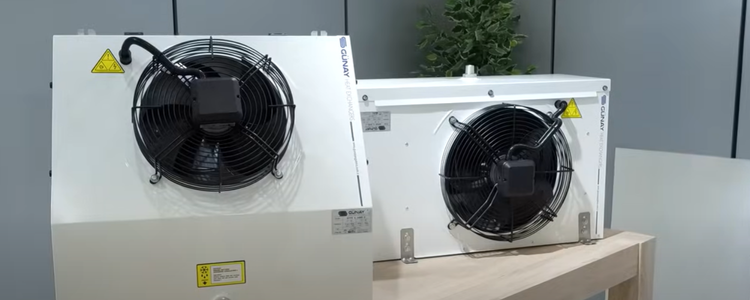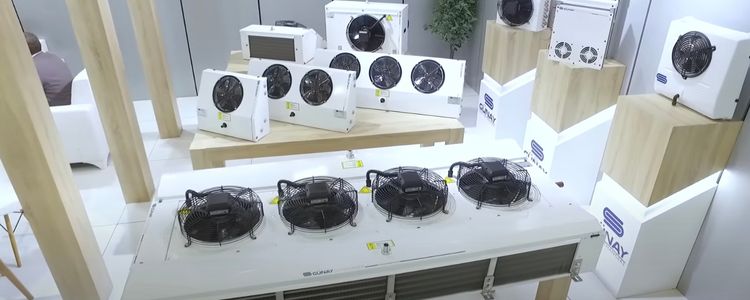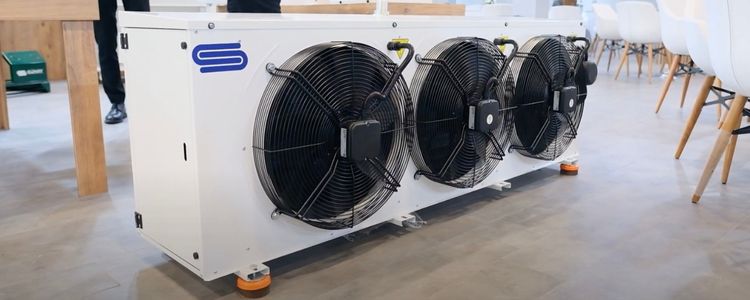
The motors of axial fans can overheat under continuous operation and changing load conditions. Thermal protection is the key safety element that disconnects the circuit before the motor windings are damaged. If it is not selected correctly, the motor is either not protected or trips too often for no reason. This article explains why the motor overheats, what thermal protection does, and how the correct setting is made.
Table Of Contents
- Why Does The Motor Overheat?
- What Does Thermal Protection Do?
- Which Types Of Protection Exist?
- How Is The Setting Made?
- What Does Frequent Tripping Indicate?
- Frequently Asked Questions
Why Does The Motor Overheat?
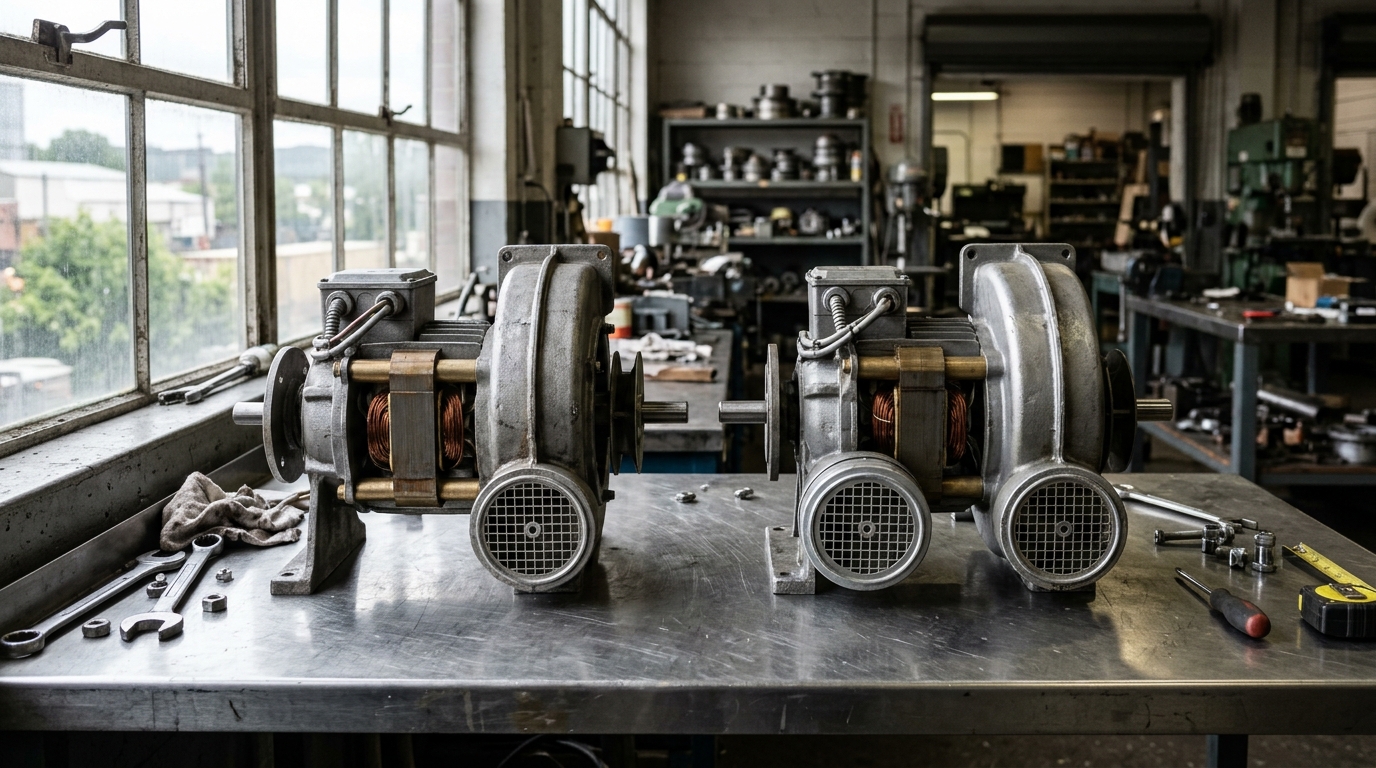
The motor carries both the losses generated inside it and the temperature of the surrounding environment. When the airflow falls, or a dirty fin or obstruction is present, cooling becomes insufficient and the windings heat up. Voltage fluctuations, phase imbalance, and bearing faults also increase heating.
The heating develops slowly and often weakens the winding insulation without being noticed. For this reason, correct setting of the protection is critical.
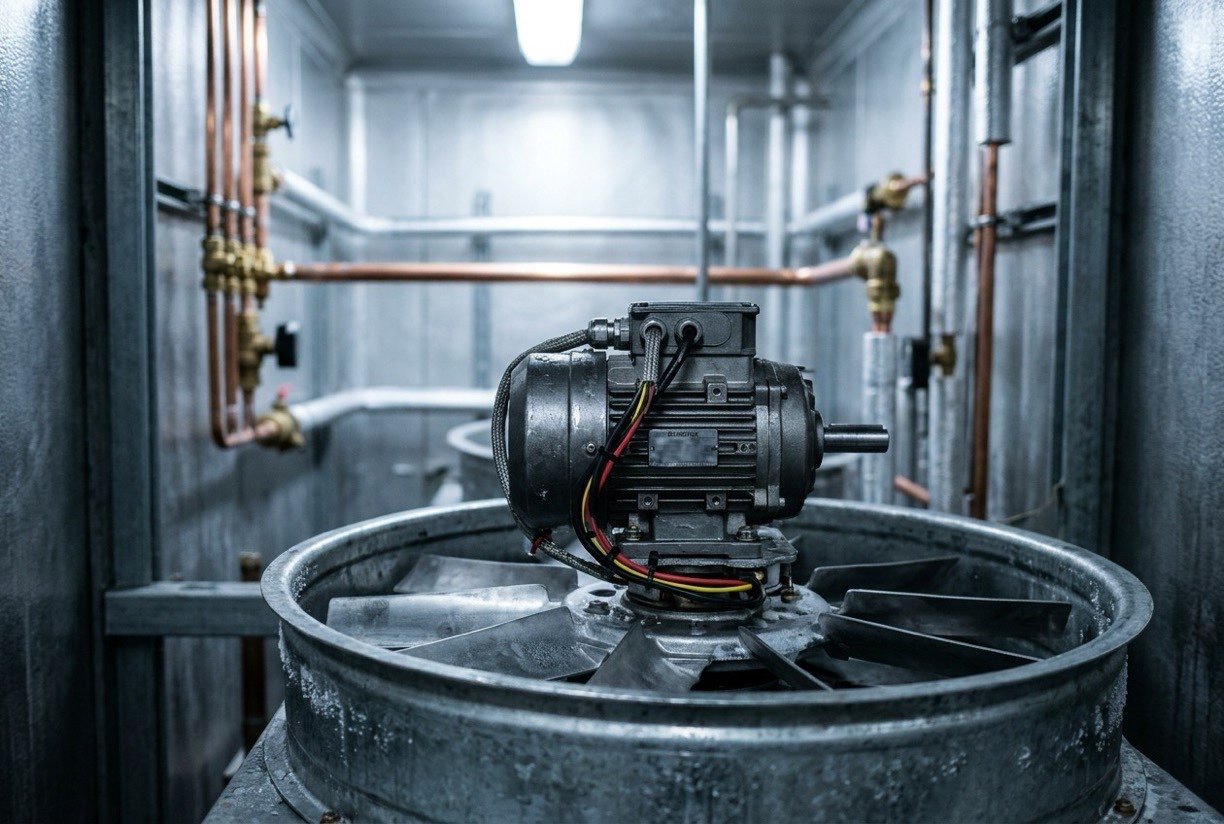
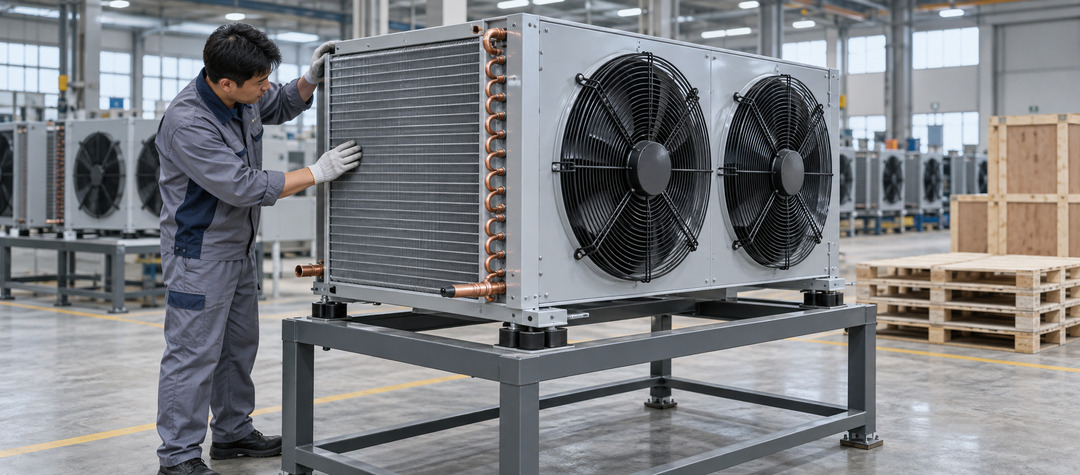
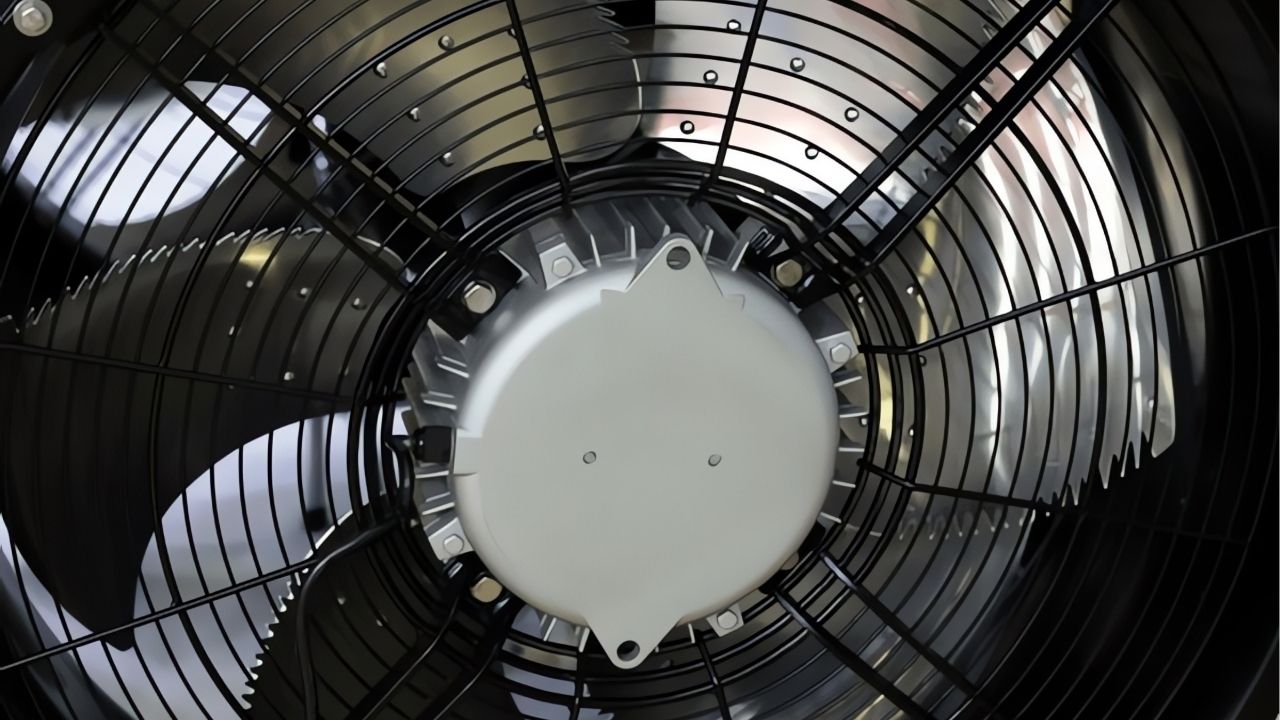
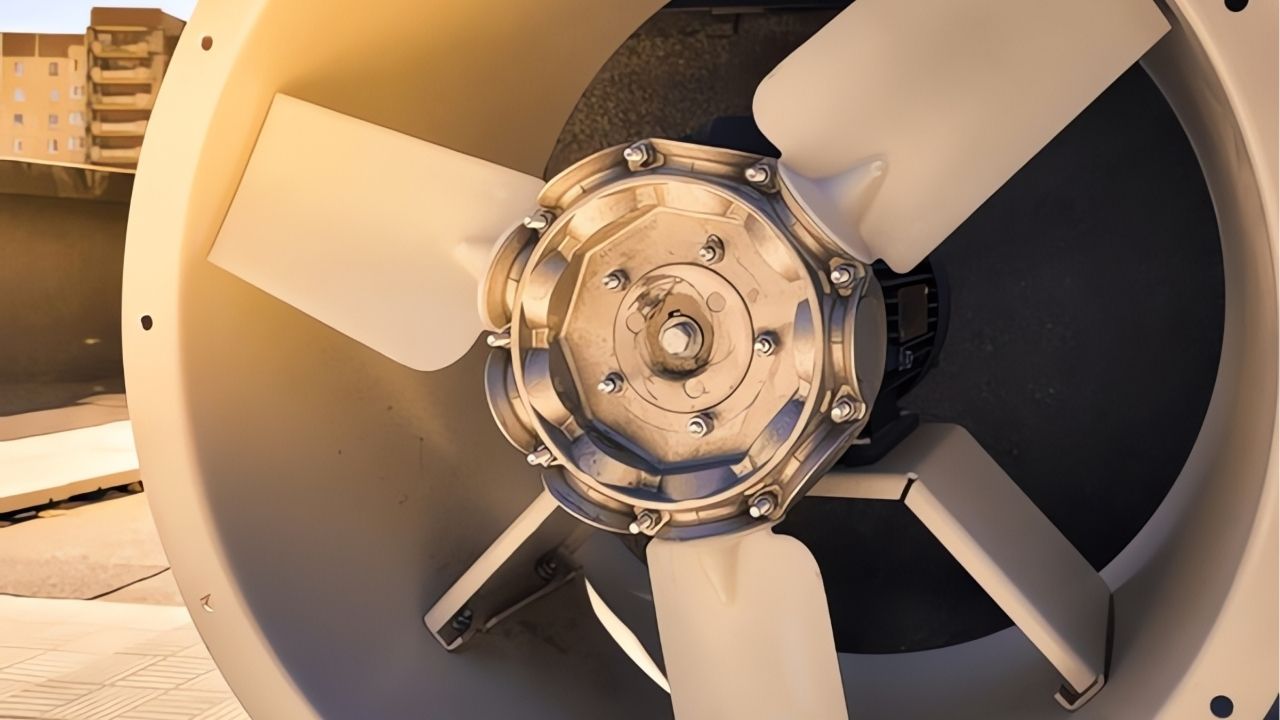
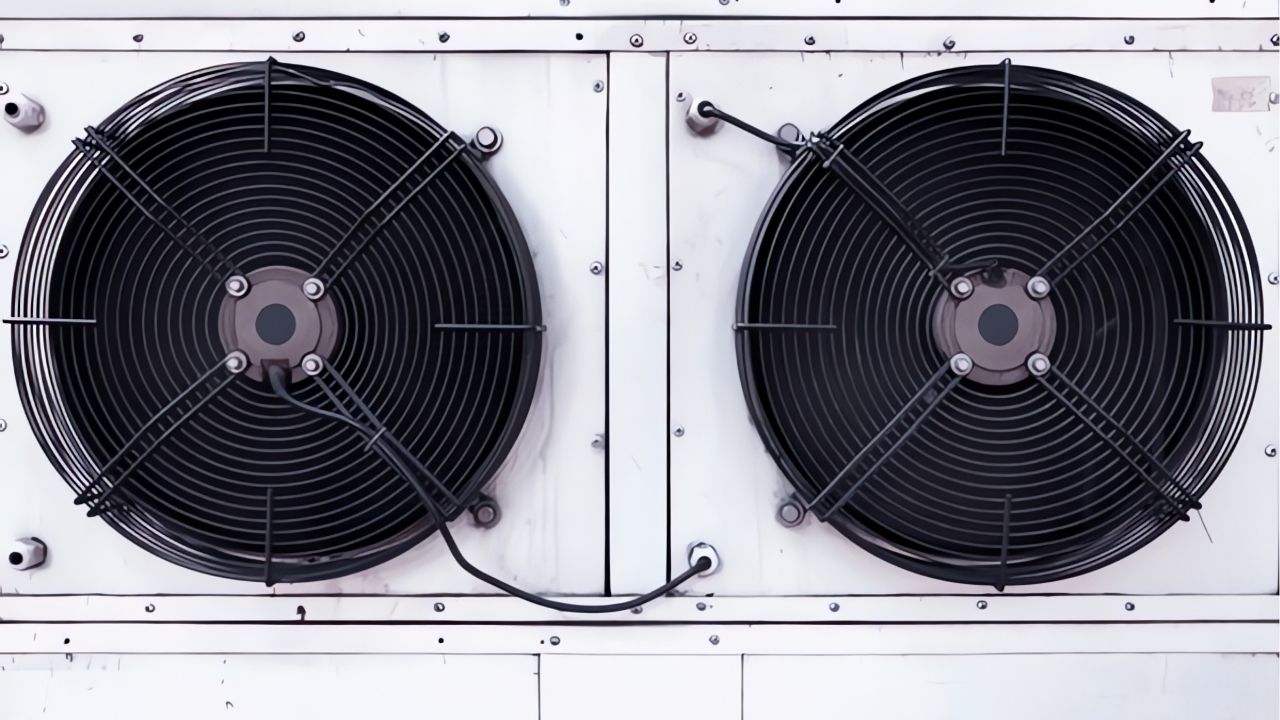
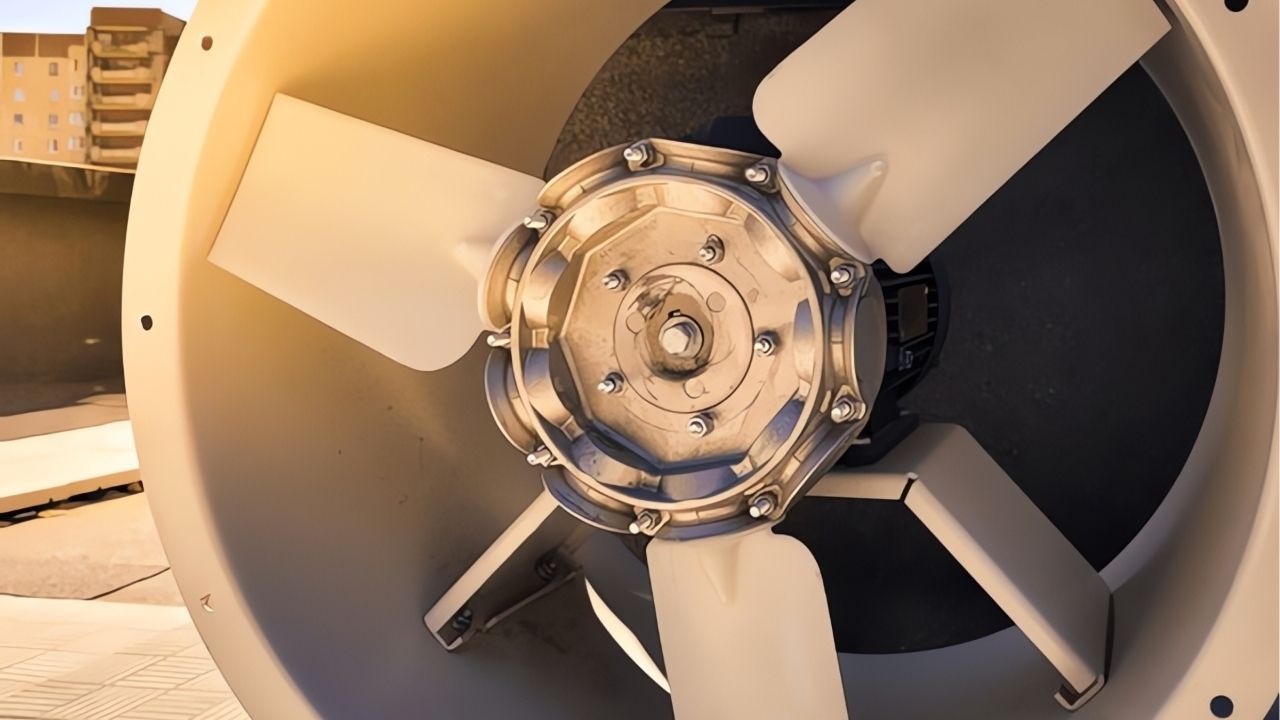
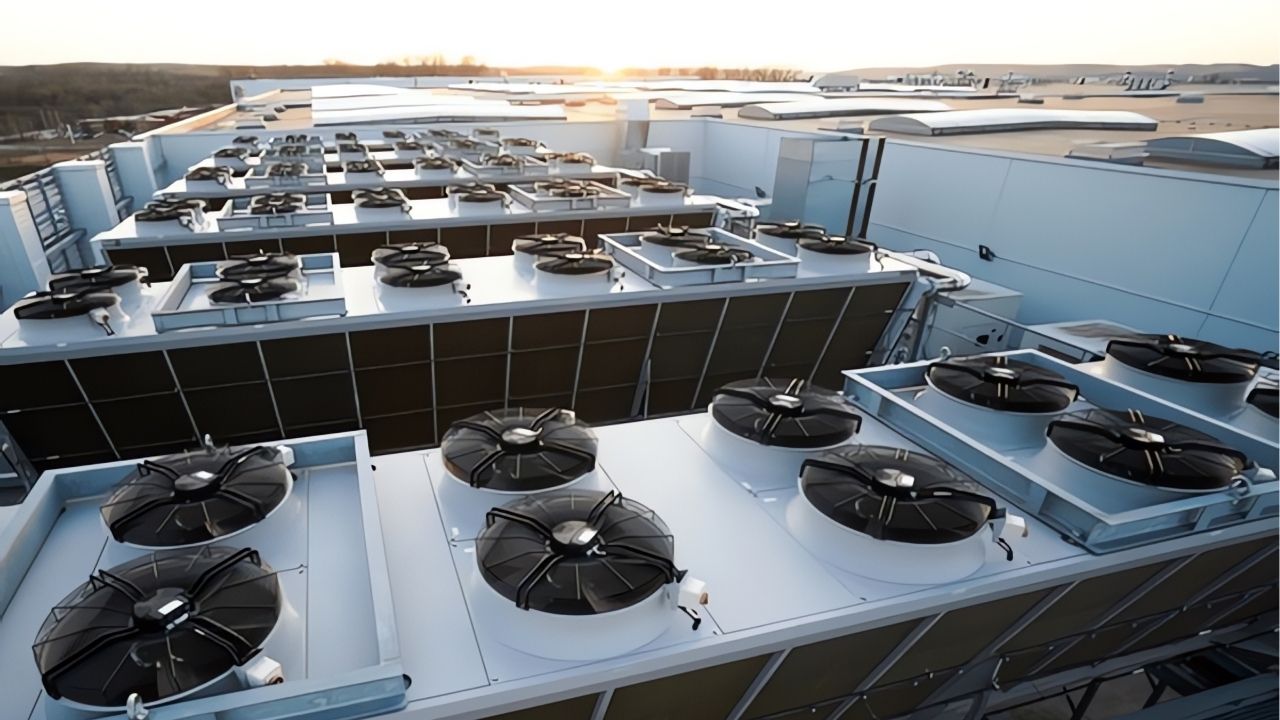
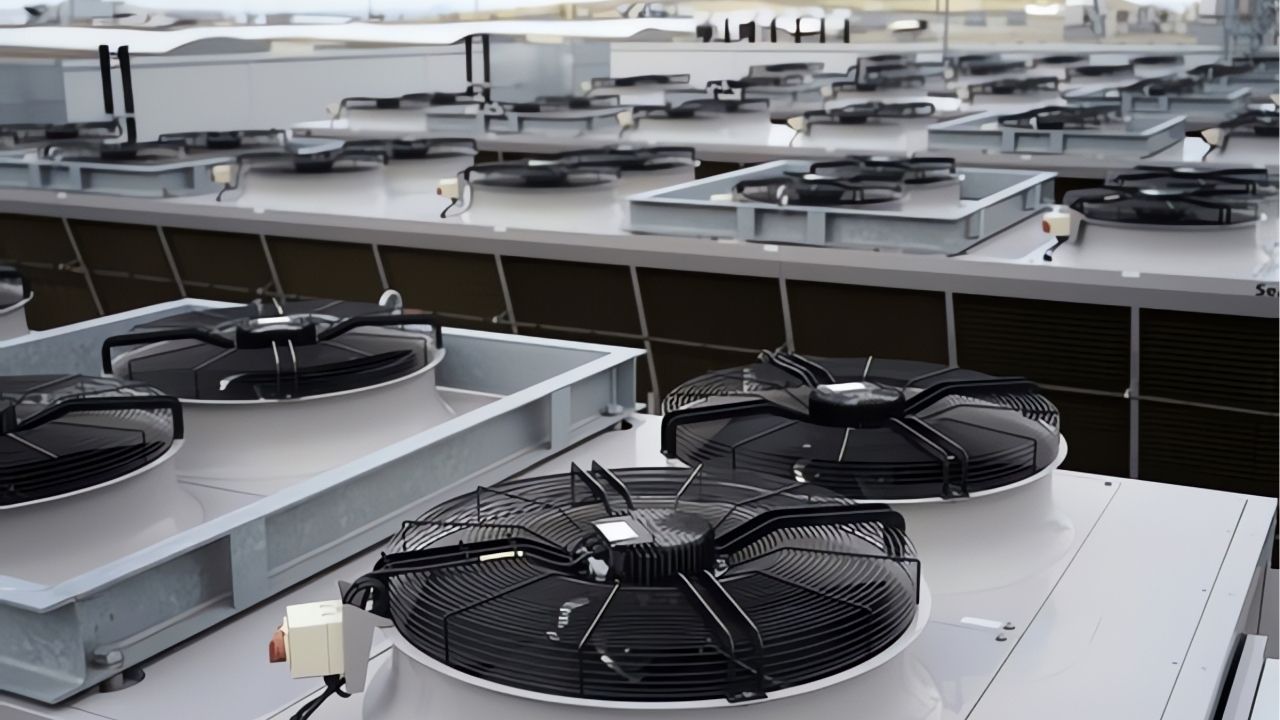
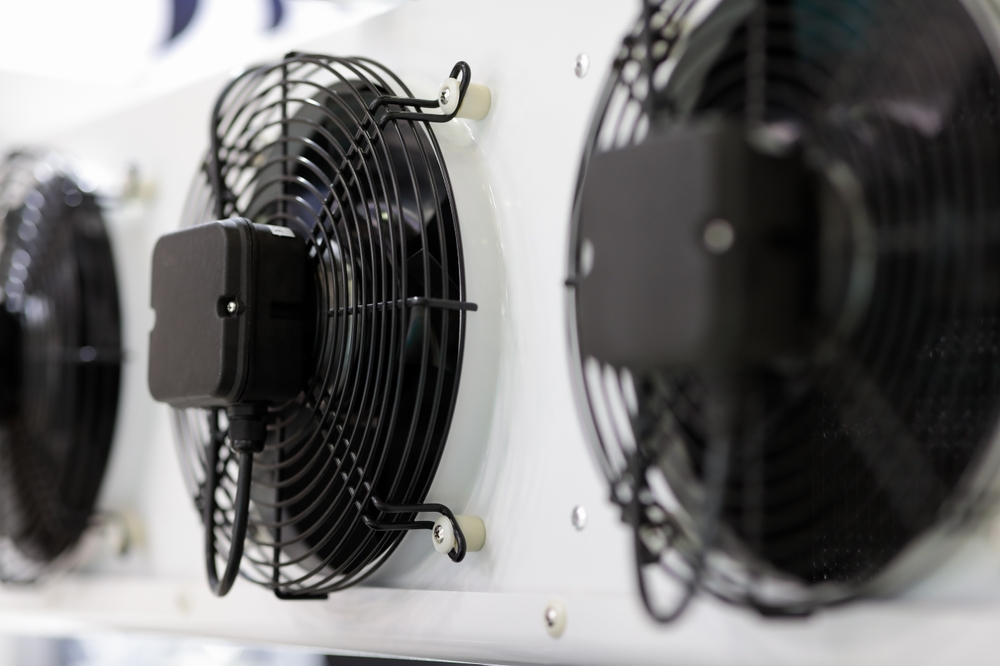
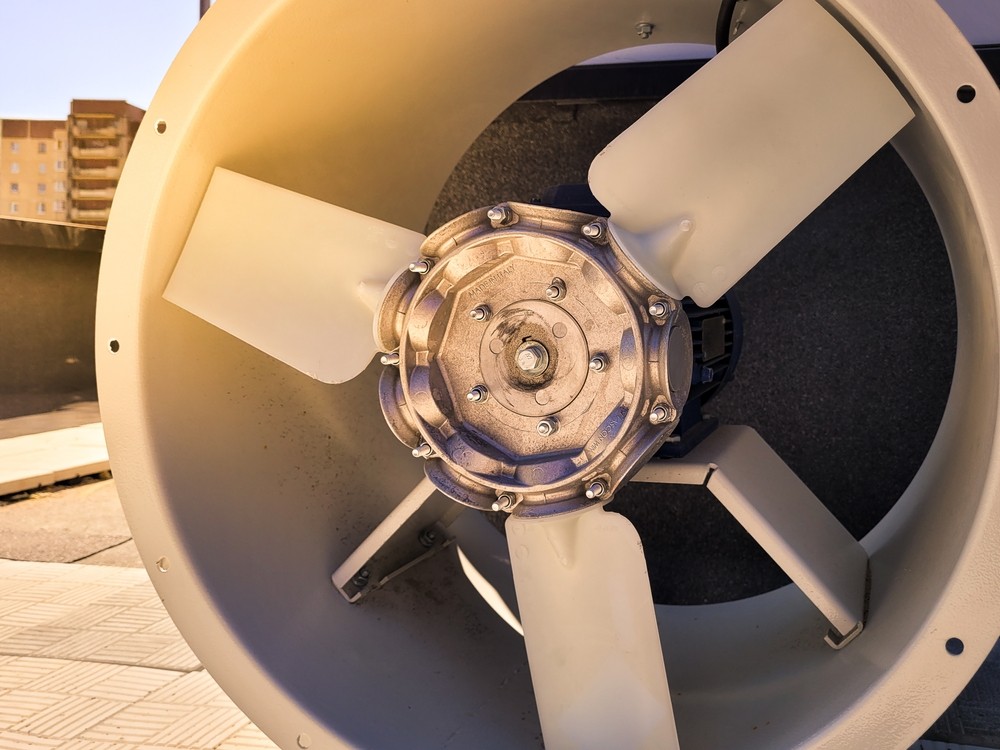
In axial fans the motor is usually located in the airstream, or behind the fan blade, so it is cooled by the air the fan moves. When the airflow is interrupted, the motor cannot get rid of its own heat. For this reason, any disturbance of the air path affects the motor temperature directly.
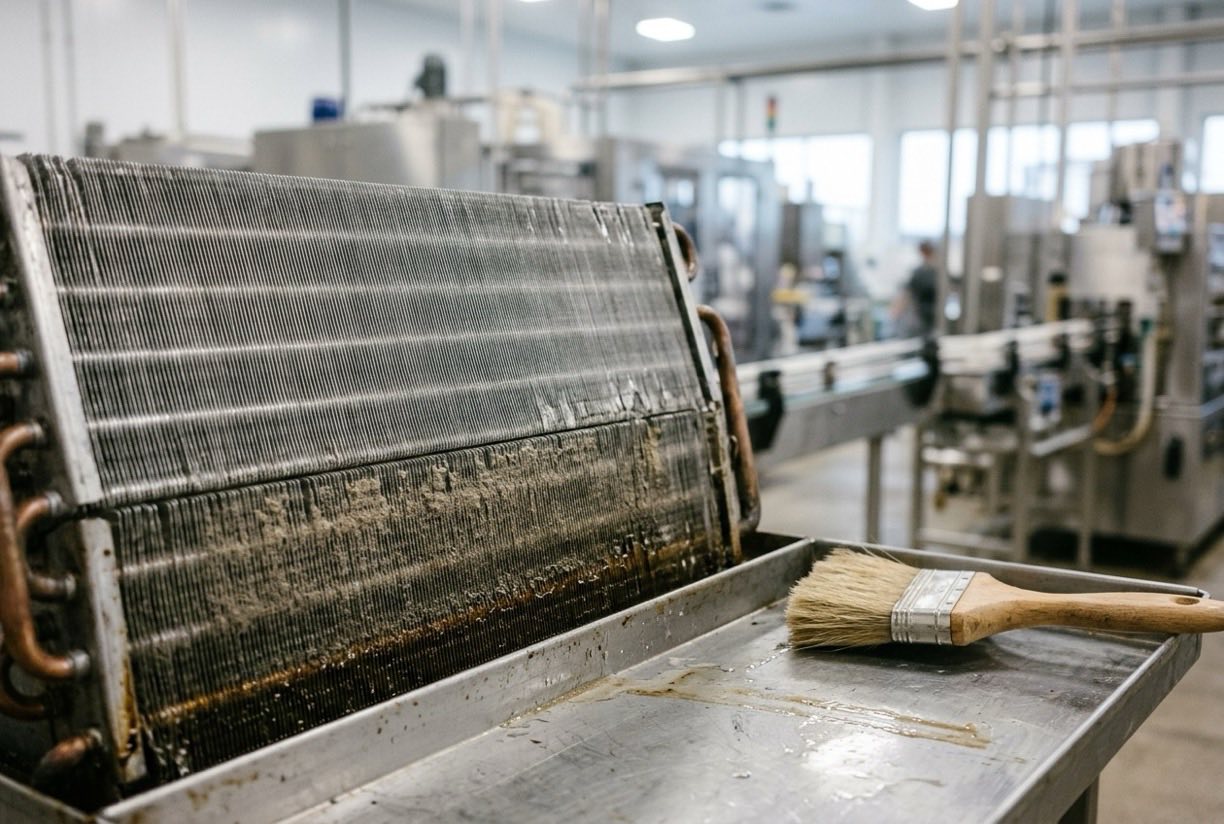
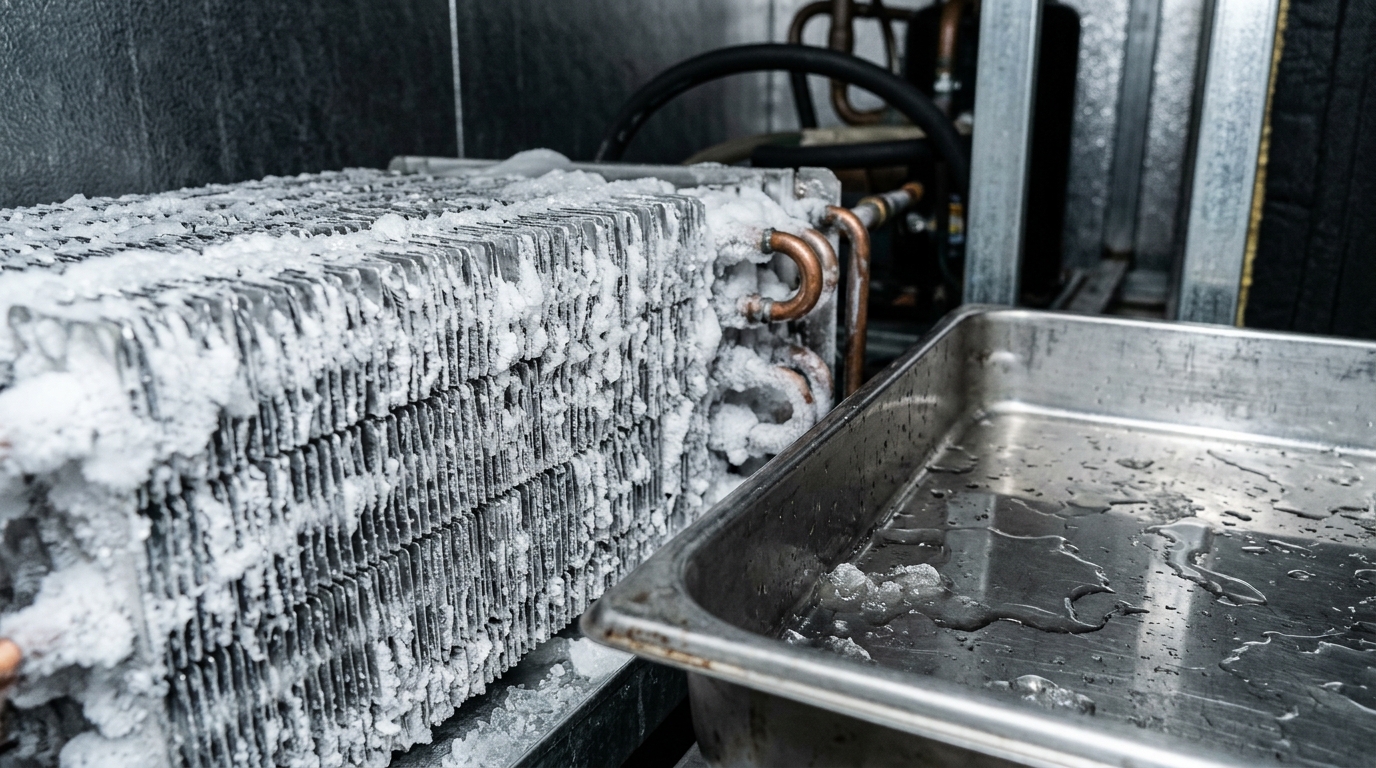
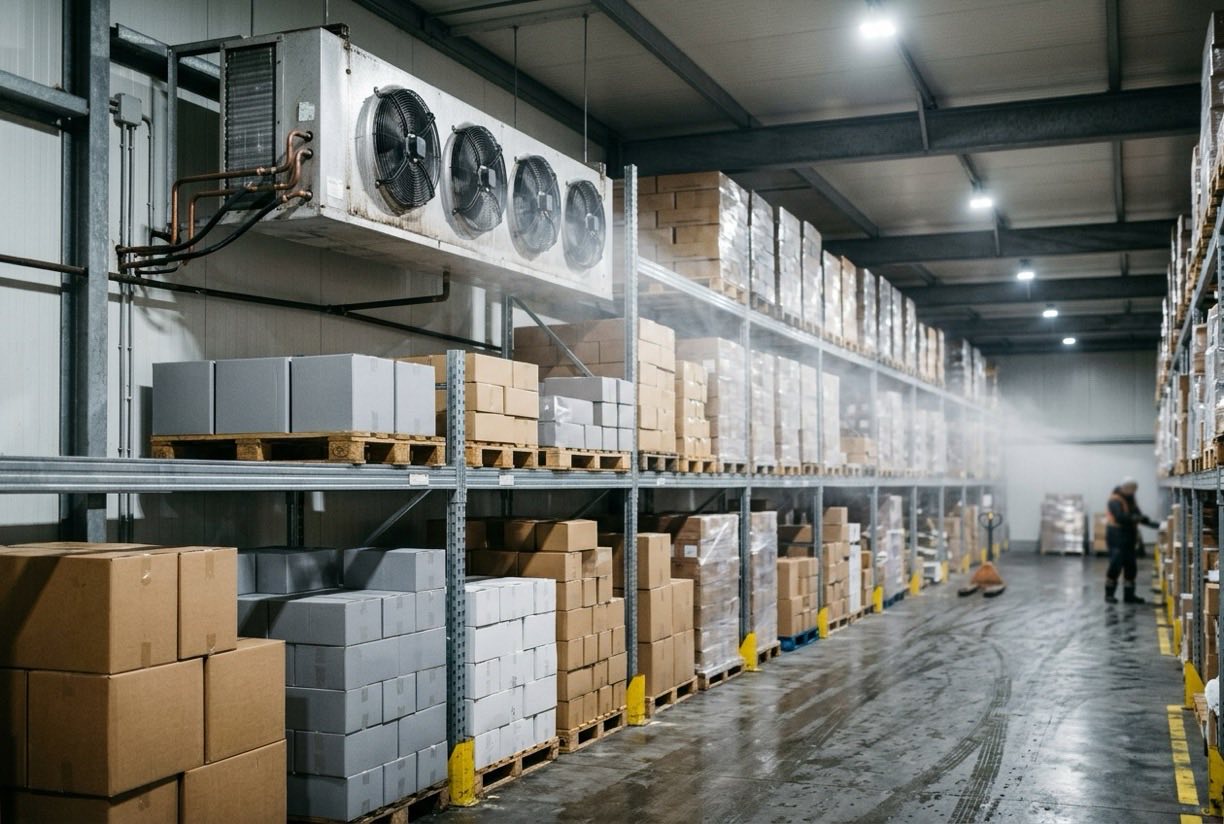
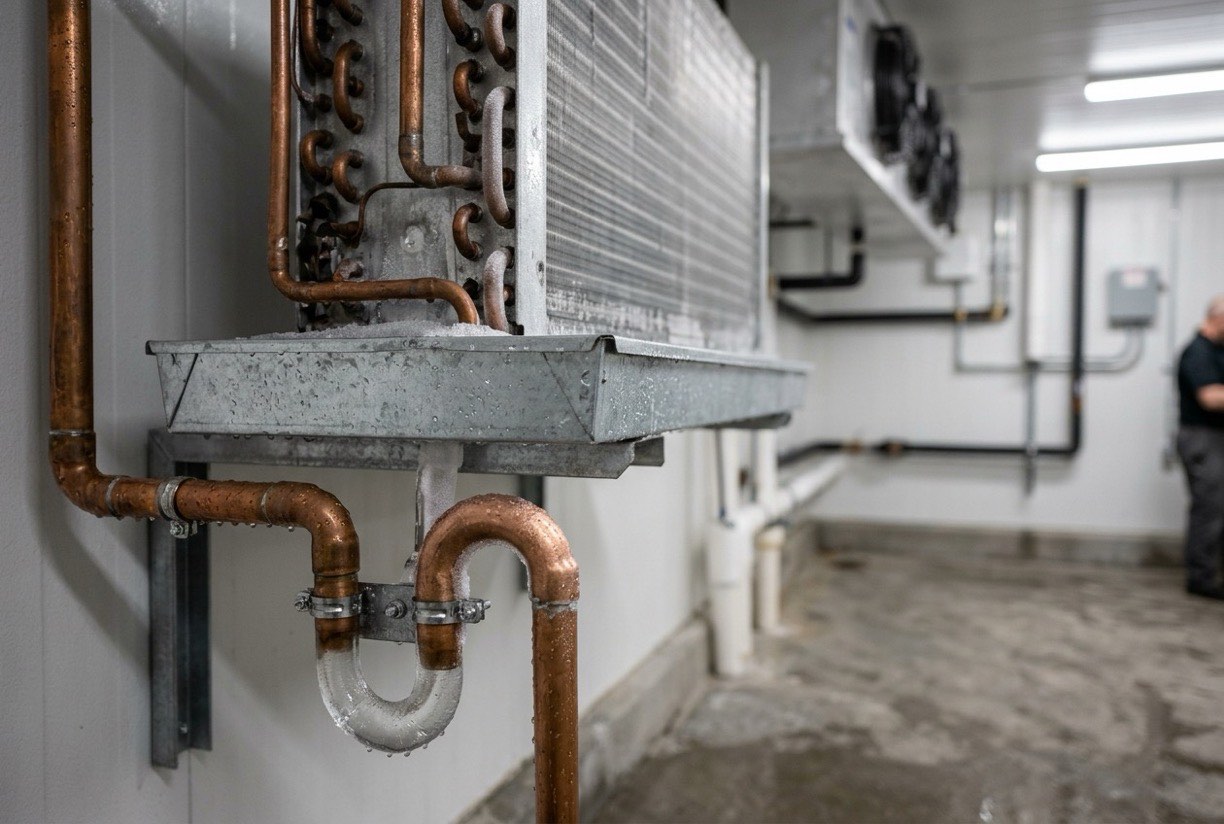
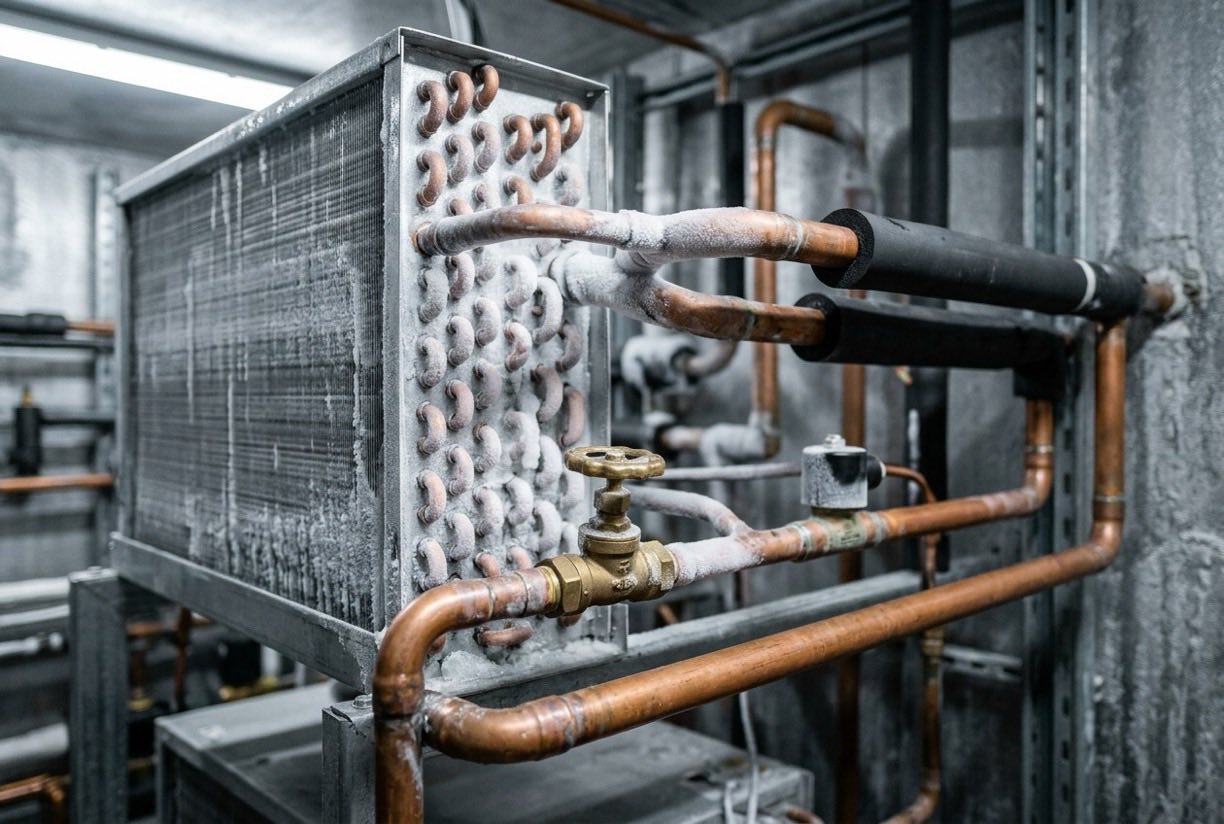
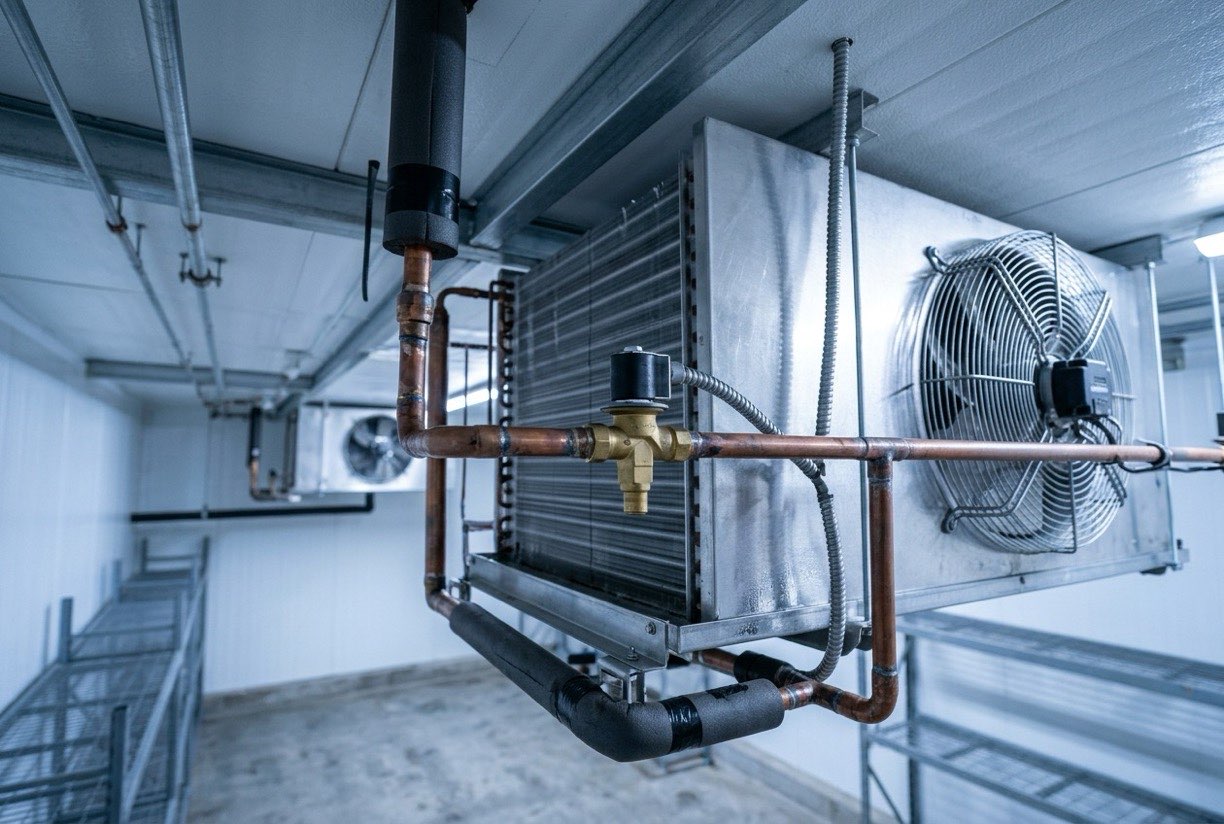
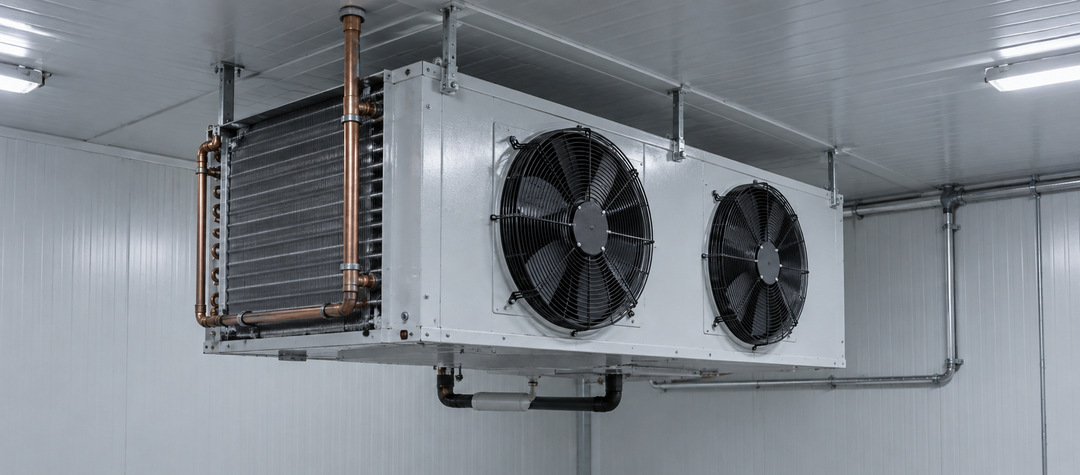
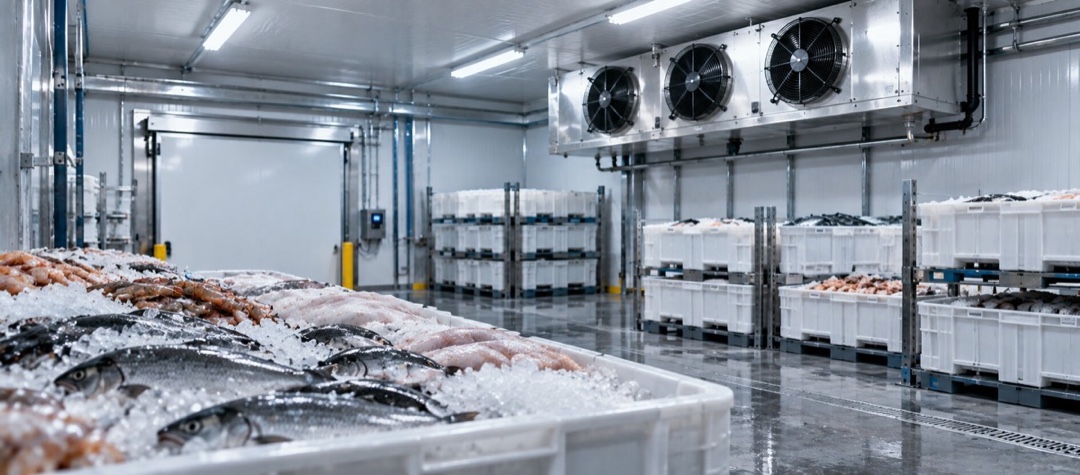
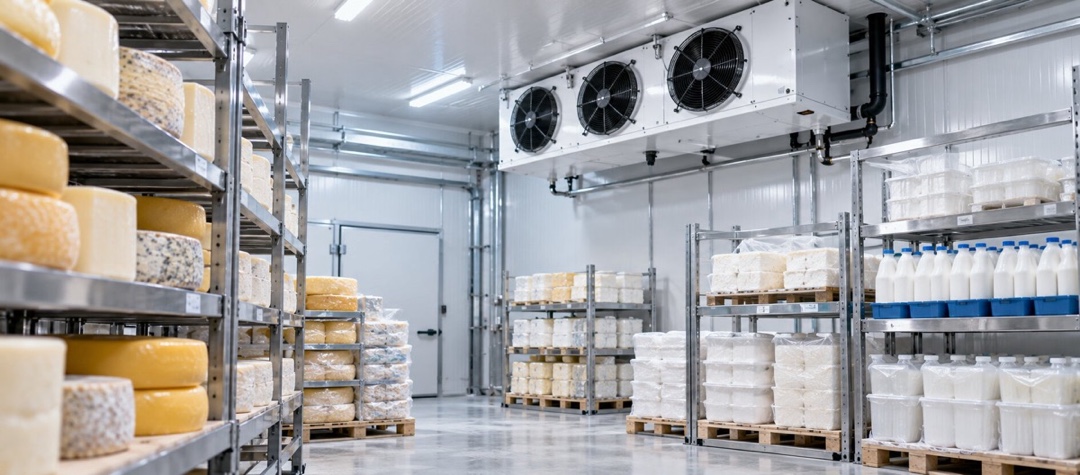
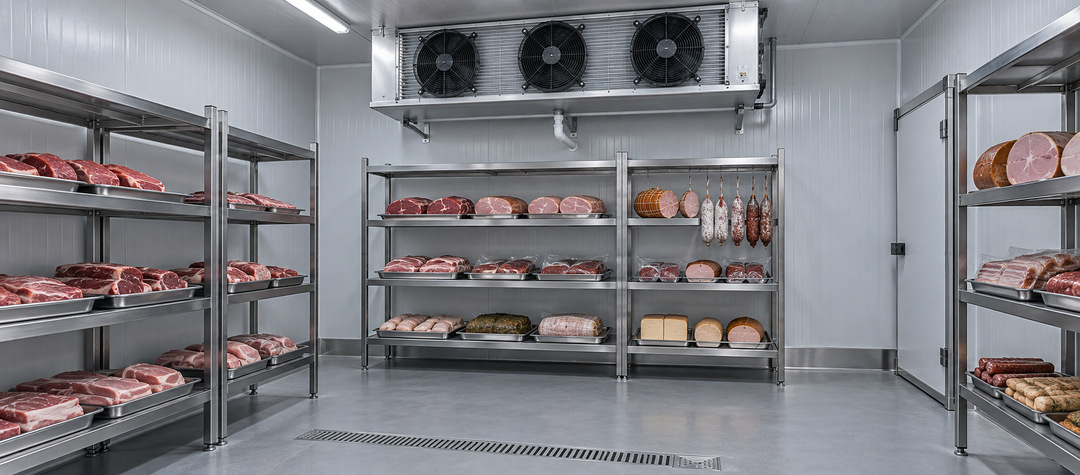
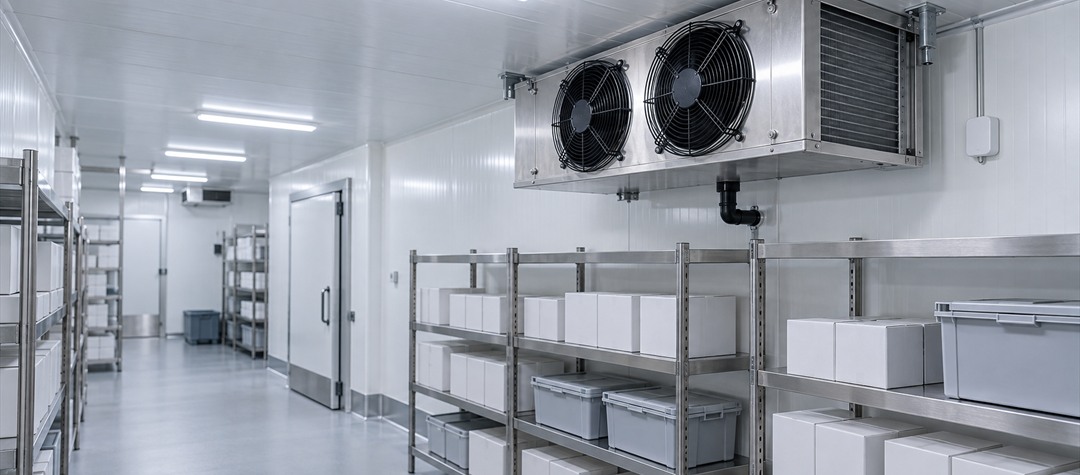
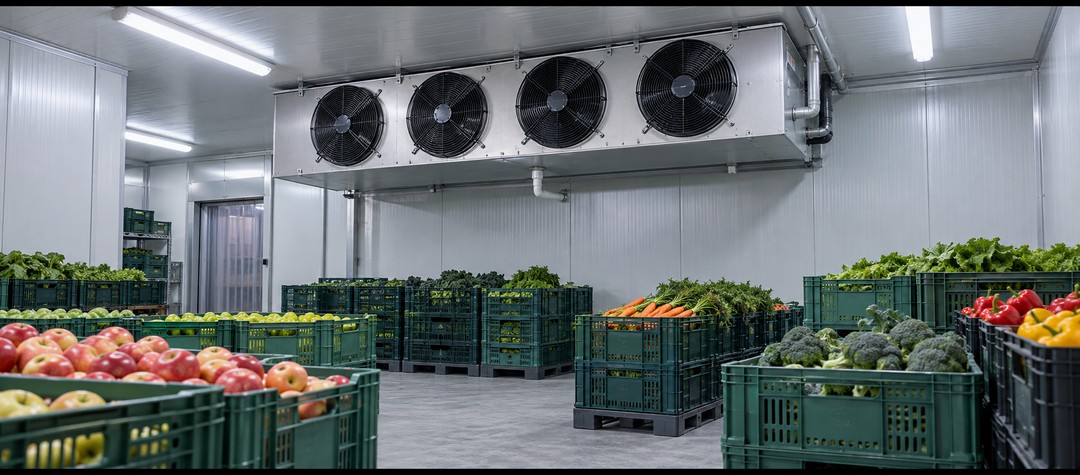
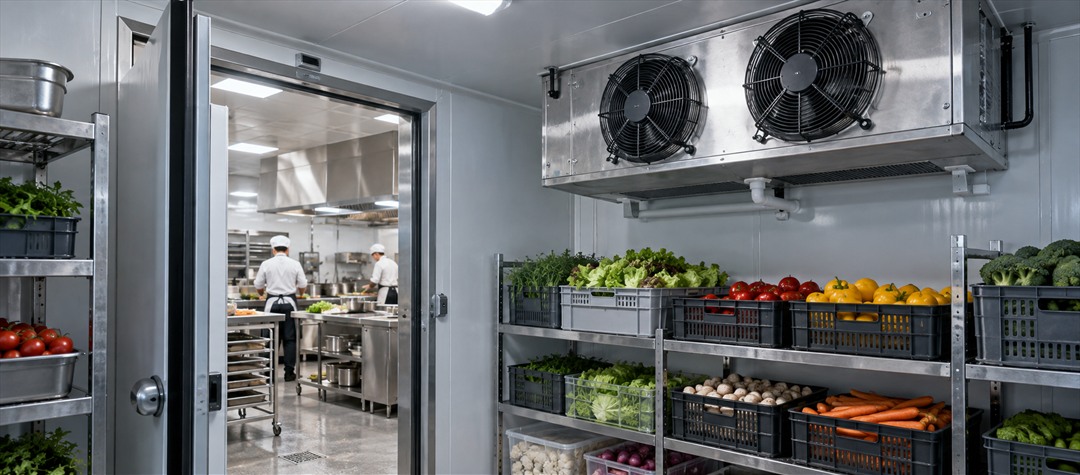
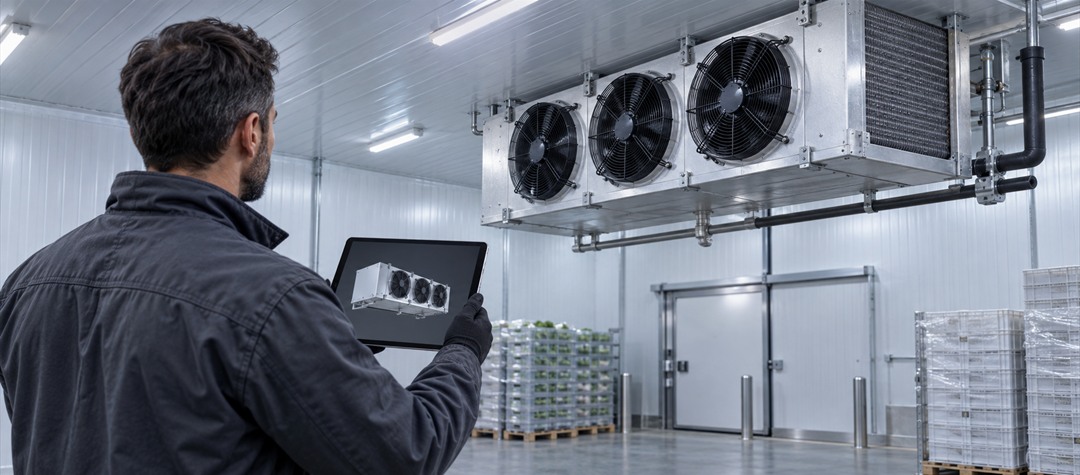
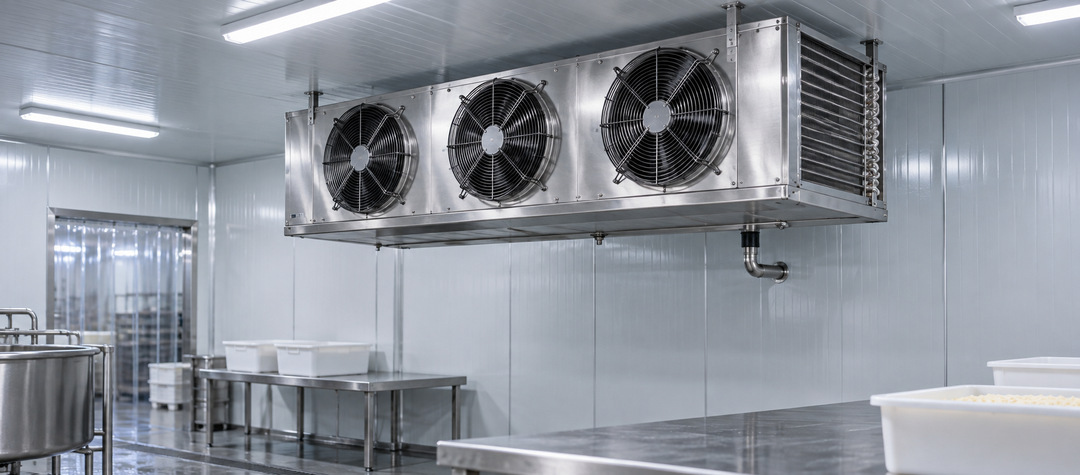
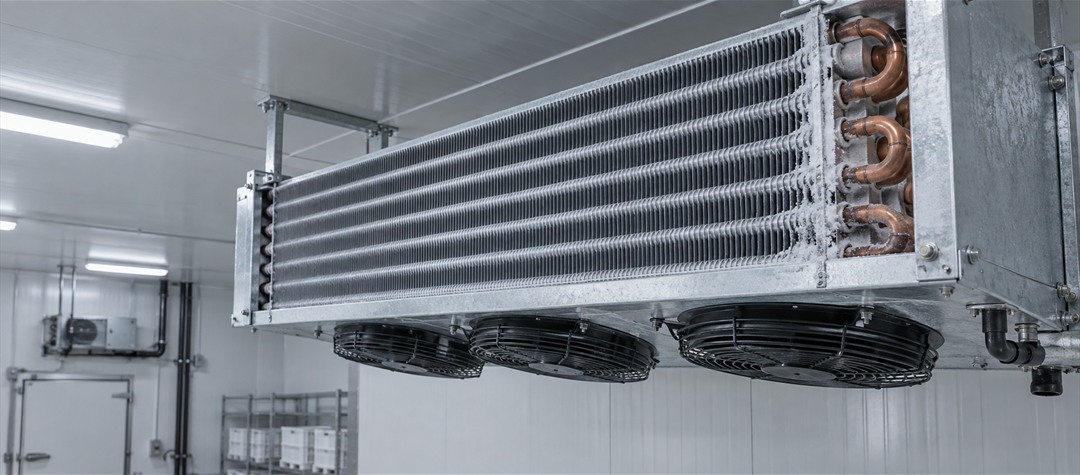
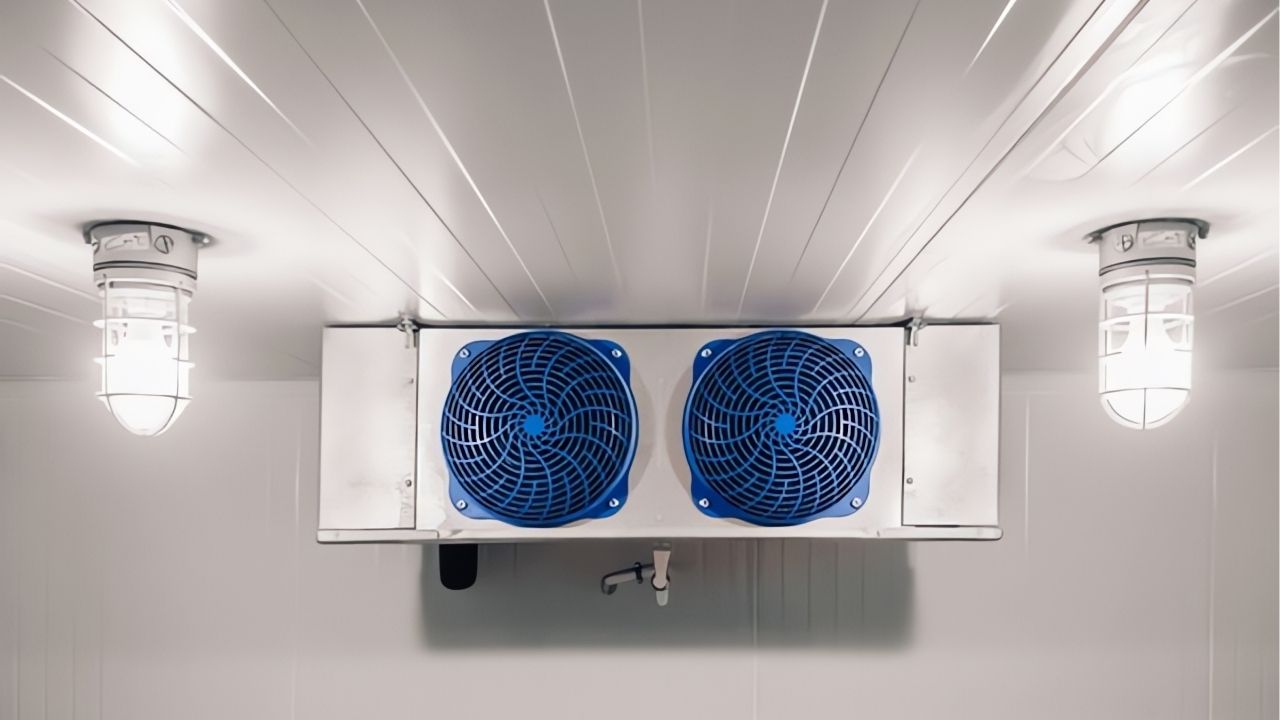
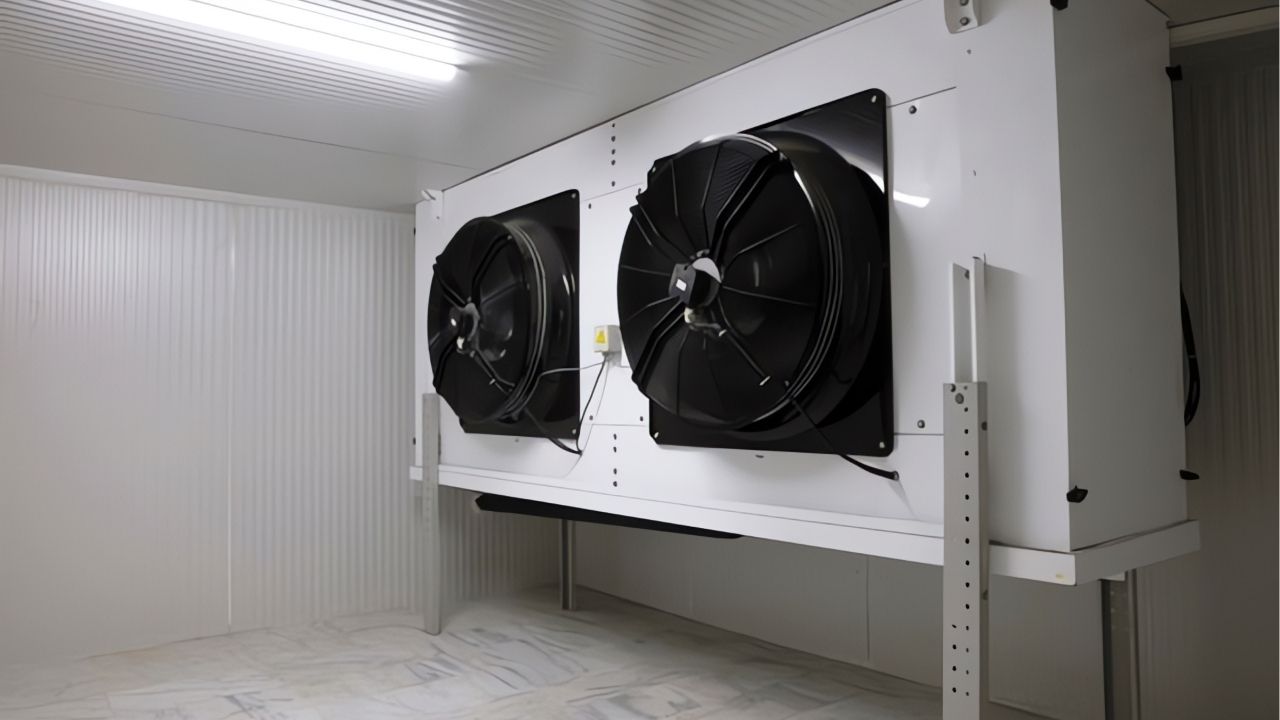
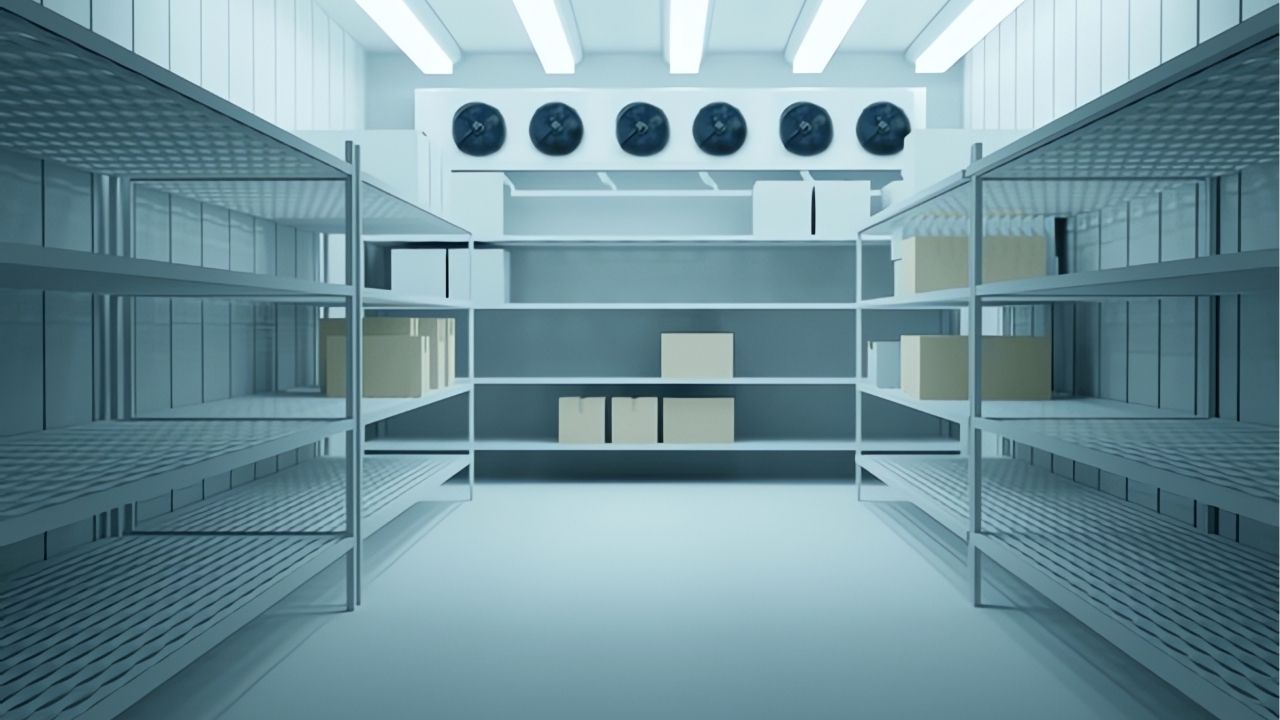
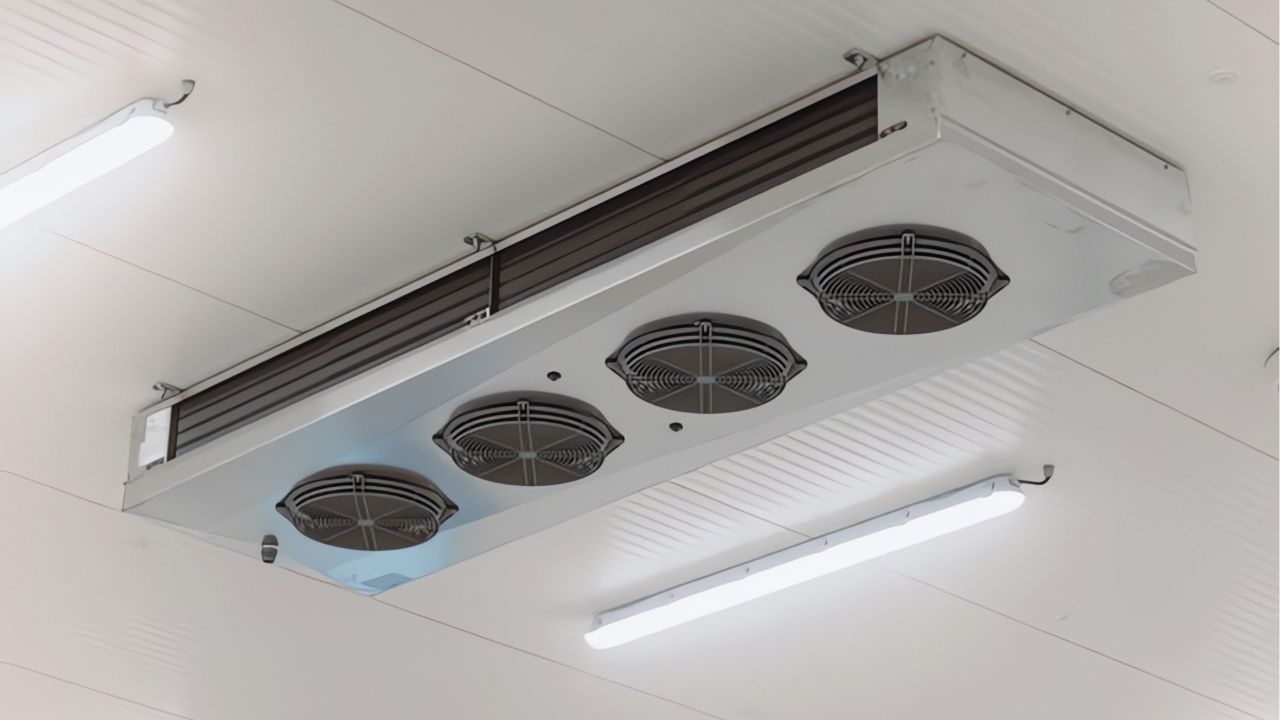
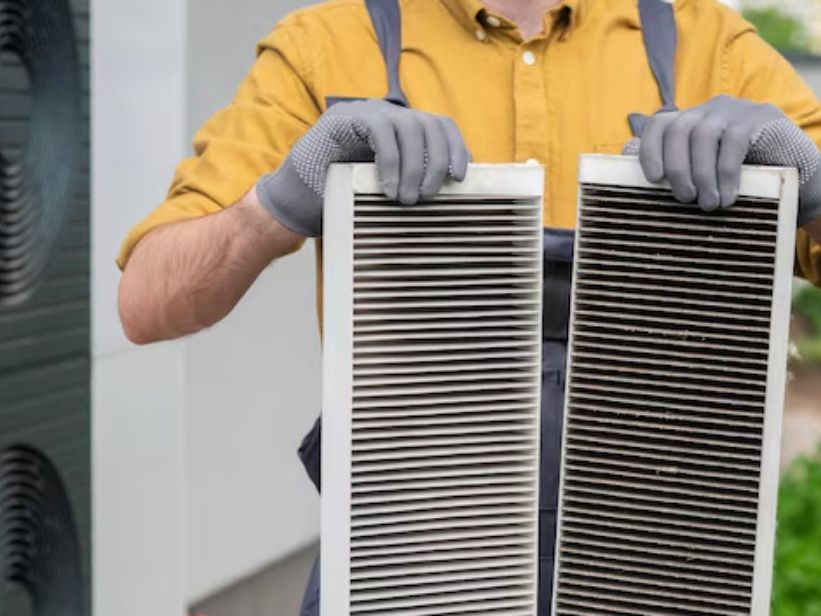
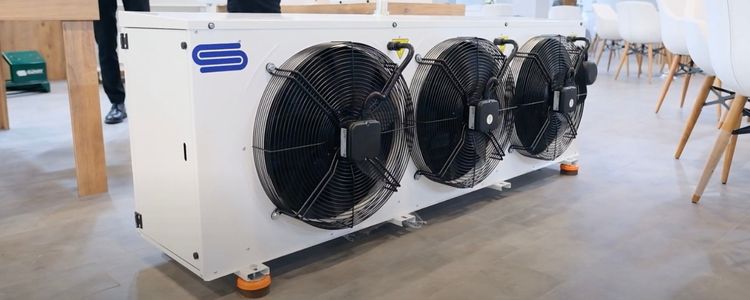
Evaporator fans in cold rooms are exposed to frost, oil and dust. Dirt on the blades reduces the airflow and can cause uneven rotation. Uneven rotation adds load to the motor bearings and increases friction losses, which raises the motor temperature over time.
An incorrectly selected fan can also cause overheating. When a fan is forced to work against a higher pressure than it was designed for, the motor current rises above its nominal value. This is a typical reason for frequent tripping, and the problem should usually be sought in the operating conditions rather than only in the protection setting.
Heating also affects the surrounding components. Gradual deterioration of the winding insulation shortens the motor life and can lead to an unexpected shutdown at the moment of failure. Motor heating should therefore be treated as a long-term reliability issue, not only as an immediate fault.
What Does Thermal Protection Do?
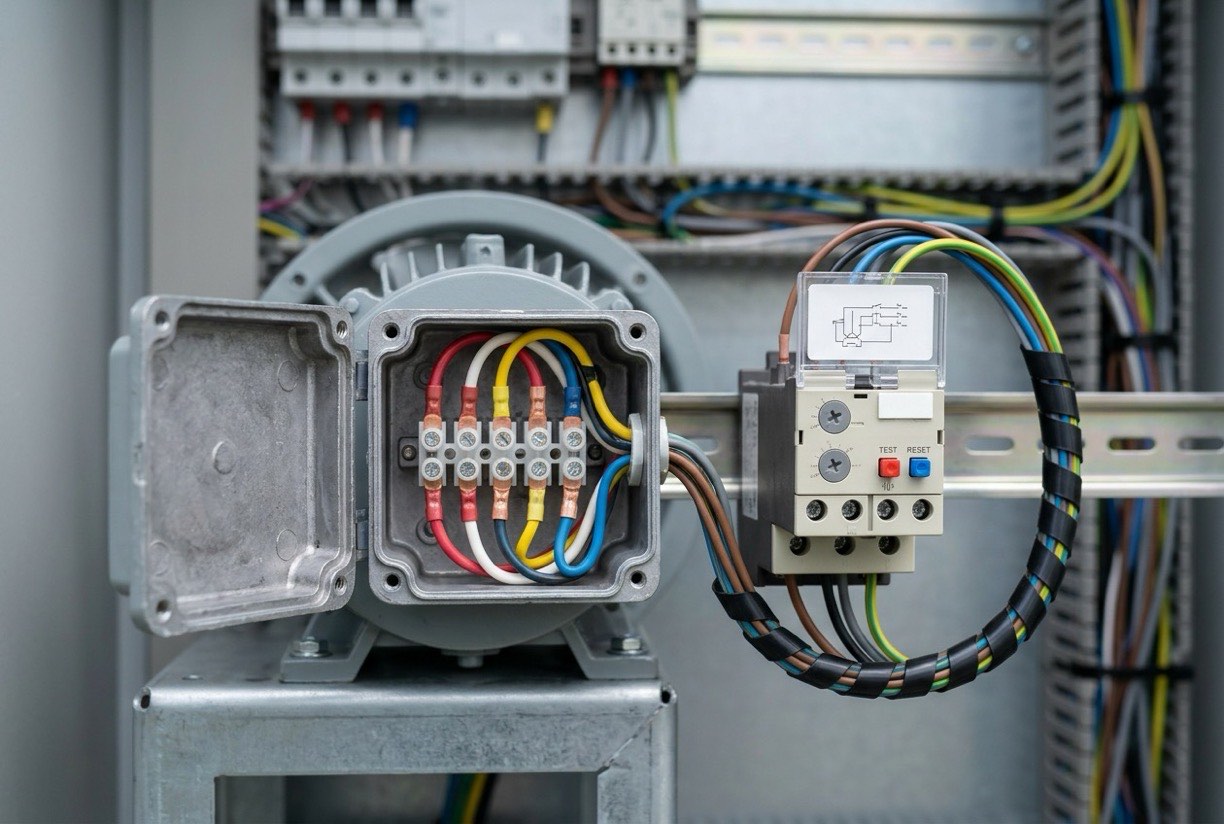
Thermal protection monitors the motor current or temperature and disconnects the circuit when a defined limit is exceeded. Its purpose is to prevent the breakdown of the winding insulation and to protect the motor from burning. The protection also acts as a warning before a failure occurs.
The protection works together with the contactor and safely takes the motor out of service. Automatic or manual reset options are available.
Thermal protection does not always measure the motor temperature directly. Some systems monitor whether the current stays above the nominal value for a given time. These two approaches react differently to the heating curve of the motor. Current-based protection responds quickly to sudden overloads, while sensor-based protection follows the slow rise of winding temperature more directly.
When the protection trips, it protects not only the motor but also the whole control chain. Opening the contactor keeps the system in a safe state and gives the operator time to check the condition before deciding to restart the fan.
The reset mode is also important. An automatic reset restarts the motor by itself after it has cooled, which some facilities prefer when they are monitored remotely. However, an automatic restart without removing the cause of overheating can stress the motor again and again. The reset type should therefore be chosen together with the monitoring and response arrangements of the facility.
The delay of the protection should also be considered in the design. A very fast protection may trip unnecessarily during short current peaks at start-up, while a very slow one may not protect the winding in time. This balance should be set according to the motor type and its operating profile.
Which Types Of Protection Exist?
Common types include current-sensitive thermal relays, temperature sensors embedded in the motor winding (PTC or PT100), and thermal-magnetic protection. Each type differs in response time and sensitivity.
- Thermal relay: A current-dependent, common and economical protection.
- Embedded sensor: A precise protection that measures the winding temperature directly.
- Thermal-magnetic: Protection against overload together with short circuit.
The thermal relay is the most common and economical option. It works on a bimetal principle and disconnects the circuit according to the motor current. Its response time can also be influenced by the ambient temperature, so the suitability of the relay type for the environment should be checked.
Sensors such as PTC thermistors or PT100 elements, when placed inside the winding, measure the temperature directly. This method monitors the heating of the winding independently of the current, which is useful especially when airflow is weak. The quality of the connection between the sensor and the control device determines the reliability of the protection.
Thermal-magnetic protection provides protection against overload and short circuit together. A single device performing two functions saves space in the panel, but both protective functions must be graded correctly according to the nominal current of the motor.
Phase-loss protection should also be considered. In a three-phase motor, the loss of one phase can make the motor run on the remaining two and heat up quickly. This type of fault should be monitored with a phase-failure relay in addition to the other protection.
The mounting location matters when choosing protection equipment. A thermal relay in a panel is influenced by the ambient temperature inside the enclosure, while a sensor gives an accurate reading depending on how well it contacts the winding. Both the electrical values and the installation conditions should therefore be considered together.
How Is The Setting Made?
The thermal relay should be set according to the rated current value on the motor nameplate. The setting should be above the rated current but remain at the limit that protects the motor. For motors with embedded sensors, it should be confirmed that the sensor output is correctly connected to the control device.
After setting, the motor should be observed for several hours under real operating conditions and its current value checked.
Before setting, the rated current, voltage and power values on the motor nameplate should be read together. These values show the operating condition for which the fan was designed. If the setting is made using an estimated value instead of these data, the protection either trips too early or does not protect the motor adequately.
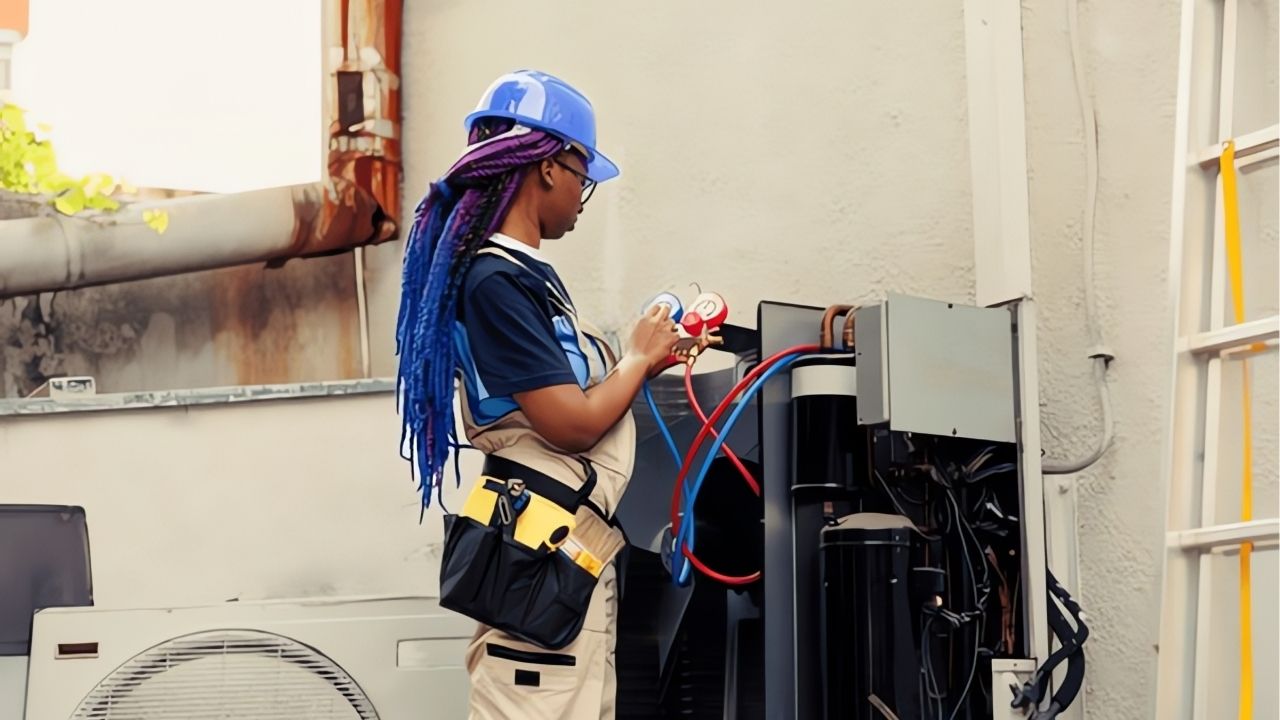
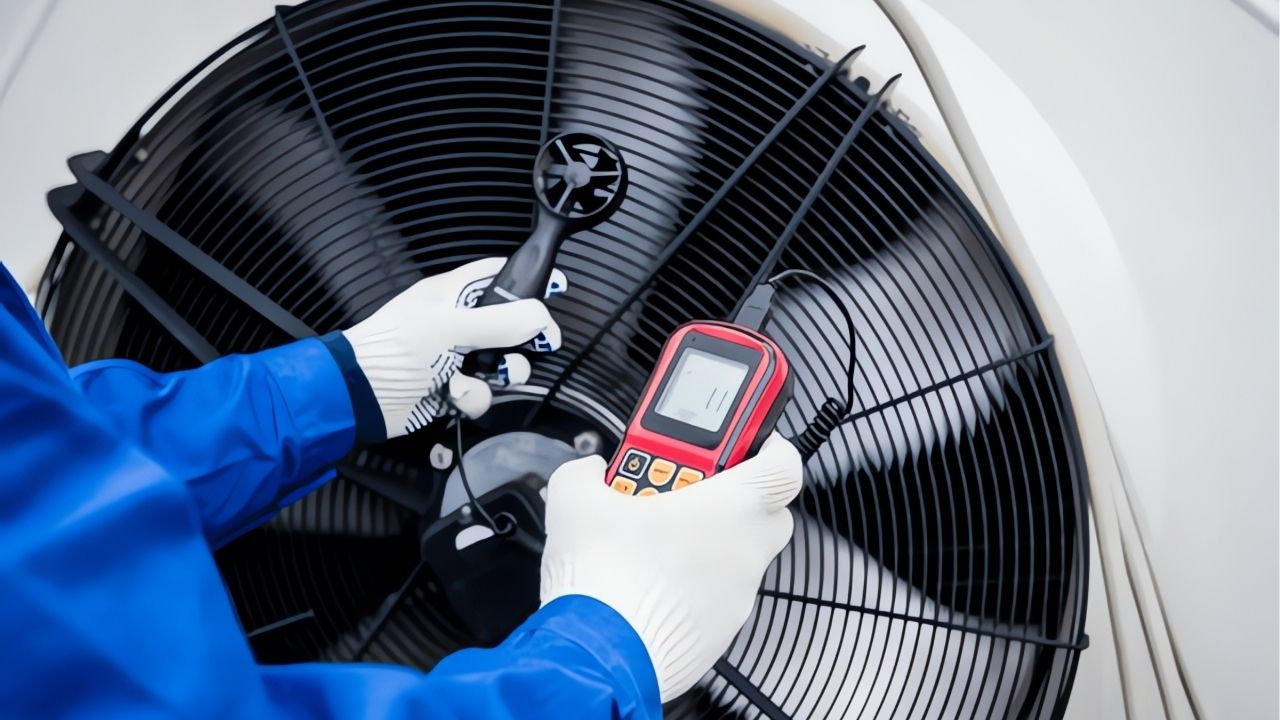
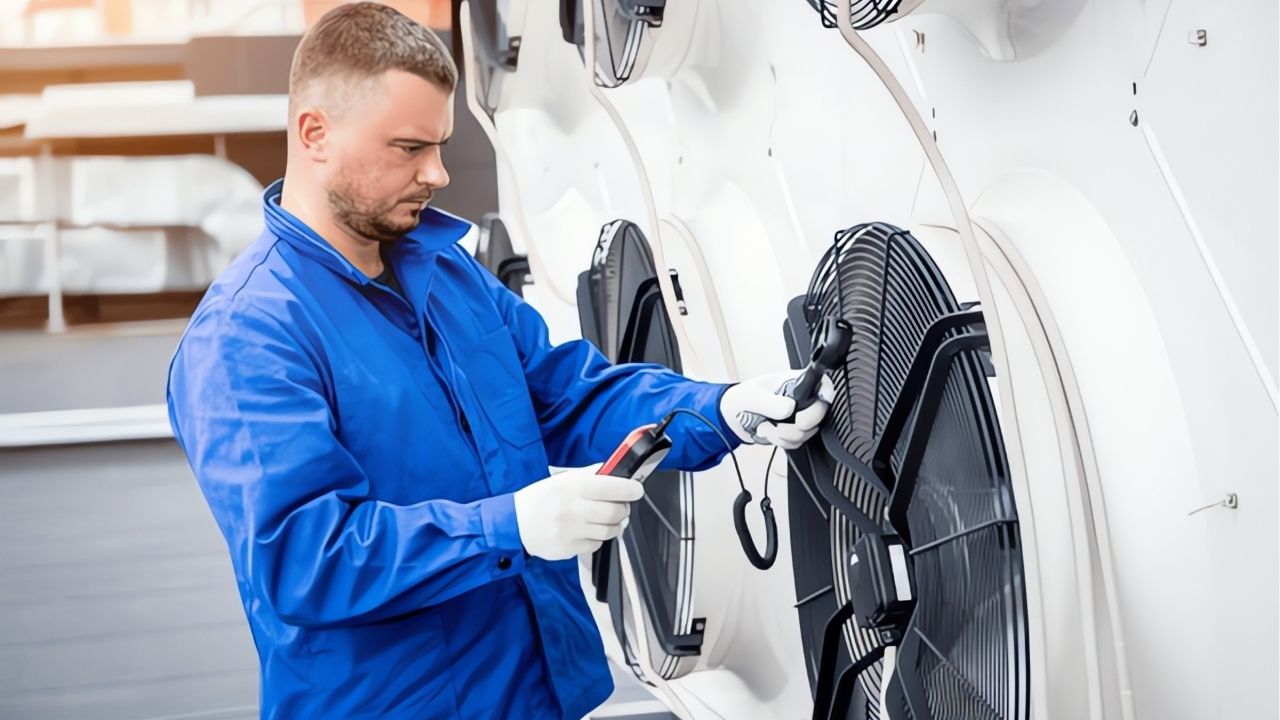
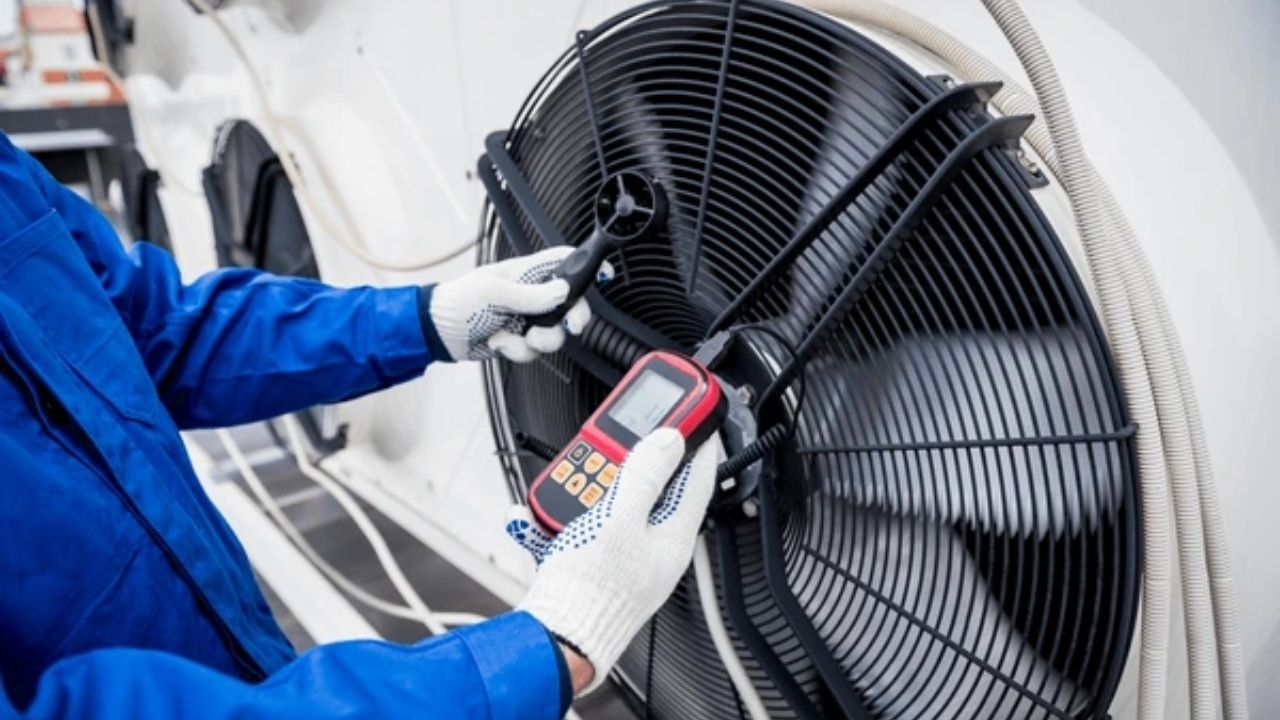
A measuring instrument should be used to check the setting. When the motor current is measured with the fan running at normal speed, it shows how much the motor is loaded relative to its nominal value. This measurement confirms the accuracy of the setting made on site and forms a basis for future comparisons.
It is also useful to keep a record when the setting changes. If the date and the value of each setting are noted, the effect of the change can be assessed more easily during later faults.
The direction of rotation and whether the fan turns freely should also be checked during setting. Blade friction or wrong rotation raises the measured current and can lead to a wrong reading of the protection. Completing the mechanical check before the setting improves the reliability of the results that follow.
What Does Frequent Tripping Indicate?
If the protection trips often, the cause should be investigated first. Possible causes include a dirty fin, a blocked airflow path, a voltage problem, excessive load, and a bearing fault. Raising the setting may hide the real problem and put the motor at risk.
Regular inspection and measurement help identify these problems early. The Günay Soğutma technical team can support the selection of fans and motors.
Another reason for frequent tripping is when the air conditions in which the fan works differ from what was expected. In a hot location or in a room with limited ventilation, the motor works in a warmer environment than the design assumed. In such a case, the fan layout and the cooling conditions should be reviewed rather than the protection setting alone.
Vibration is also a hidden cause of frequent tripping. A loose mounting, an unbalanced blade and worn bearings make the motor consume extra energy. Including vibration measurement and a check of the tightness of connection points in the regular inspection list helps catch these problems early.
Load changes also play a role. If the fan speed or operating time changes during periods of heavy product intake, the motor may show different heating curves. The load condition at each trip should therefore be noted alongside the other data.
Finally, keeping a record of the tripping events makes diagnosis easier. When the times of tripping are recorded together with the temperature and load at that moment, it can be determined at what time of day or under which operating condition the problem appears.
Frequently Asked Questions
Does the motor get damaged if the thermal protection trips?
If the protection is working correctly, the motor is protected from winding damage. However, if it trips often, the motor is being continuously overloaded, and the cause should be investigated.
Does every fan need its own protection?
Protection according to each motor's rated value is recommended. Running several motors with one shared protection can leave one motor unprotected.
What does frequent tripping indicate?
It usually indicates that the motor is overloaded, that cooling is insufficient, or that there is an electrical problem. The cause should be identified before changing the setting.
What is the difference between a thermal protection and a fuse?
A fuse blows once on an overcurrent and must be replaced. Thermal protection follows the heating condition of the motor, disconnects the circuit and can be reset after cooling. A fuse is important against short circuits, but on its own it is not enough to monitor sustained overloading of the motor.
If the motor overheats often, which checks should come first?
First the airflow should be checked: blades, protective grille and duct inlets must be clean. Then the voltage, the phase balance and the bearing noise should be observed. After these steps, the motor current should be measured and compared with the nominal value. If the problem cannot be explained by these checks, the choice of fan should be reviewed.
How is the thermal protection setting checked against the nominal current?
The nominal current on the motor nameplate is the starting point for the setting. After the setting is made, a measurement is taken under normal operating conditions to see whether the current is close to the nominal value. If there is a clear deviation, the operating condition should be examined first and then the protection setting.
Does motor heating have a relationship with fan speed?
Yes. In a motor that runs at high speed for a long time, the losses rise and the heating increases. A fan that is controlled at a speed suited to the load therefore has a lower tendency to overheat. The relationship between speed and temperature should be checked during commissioning.