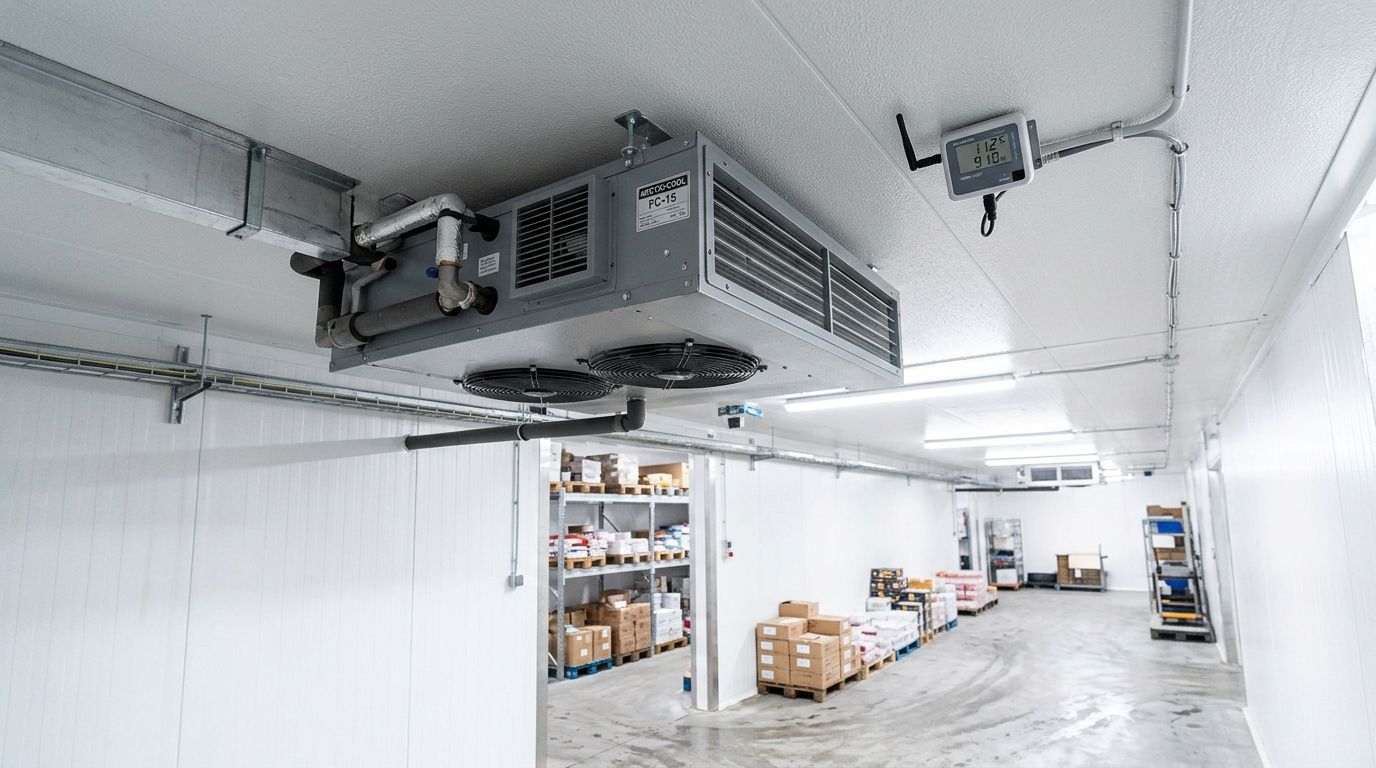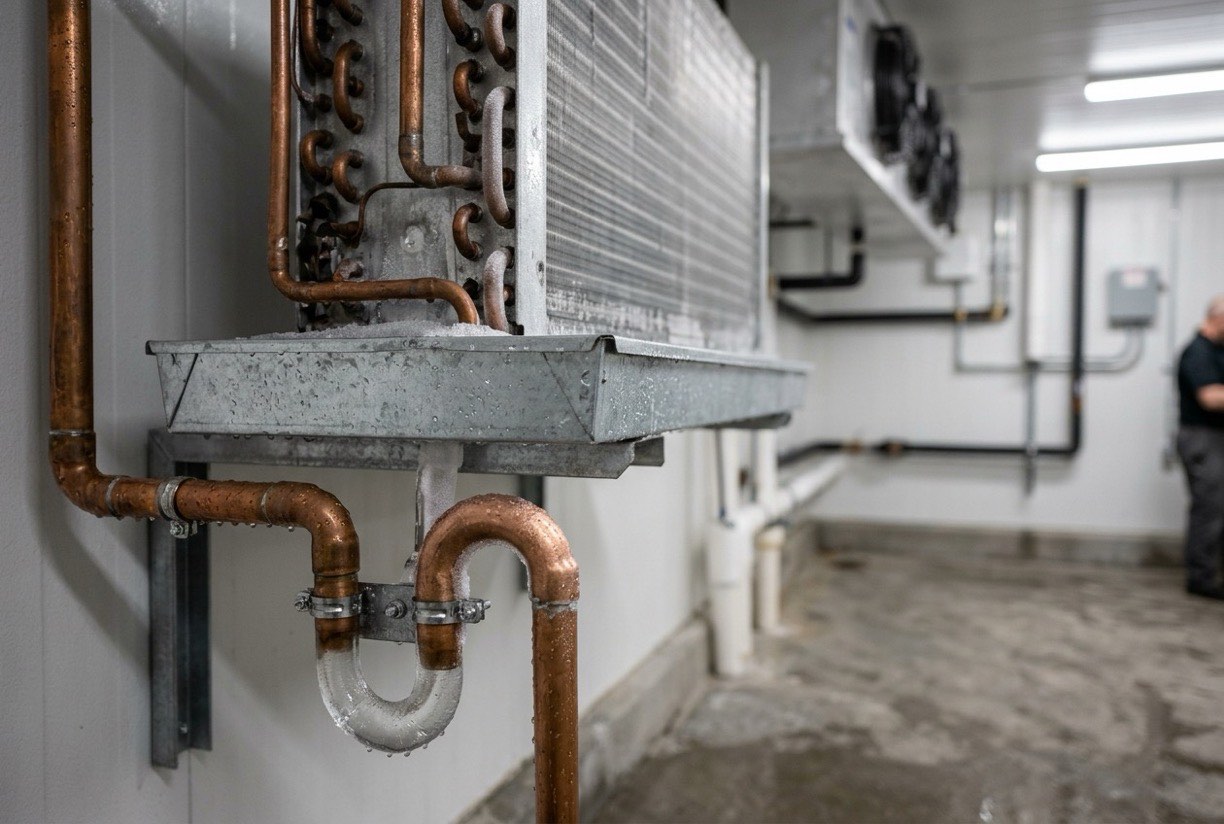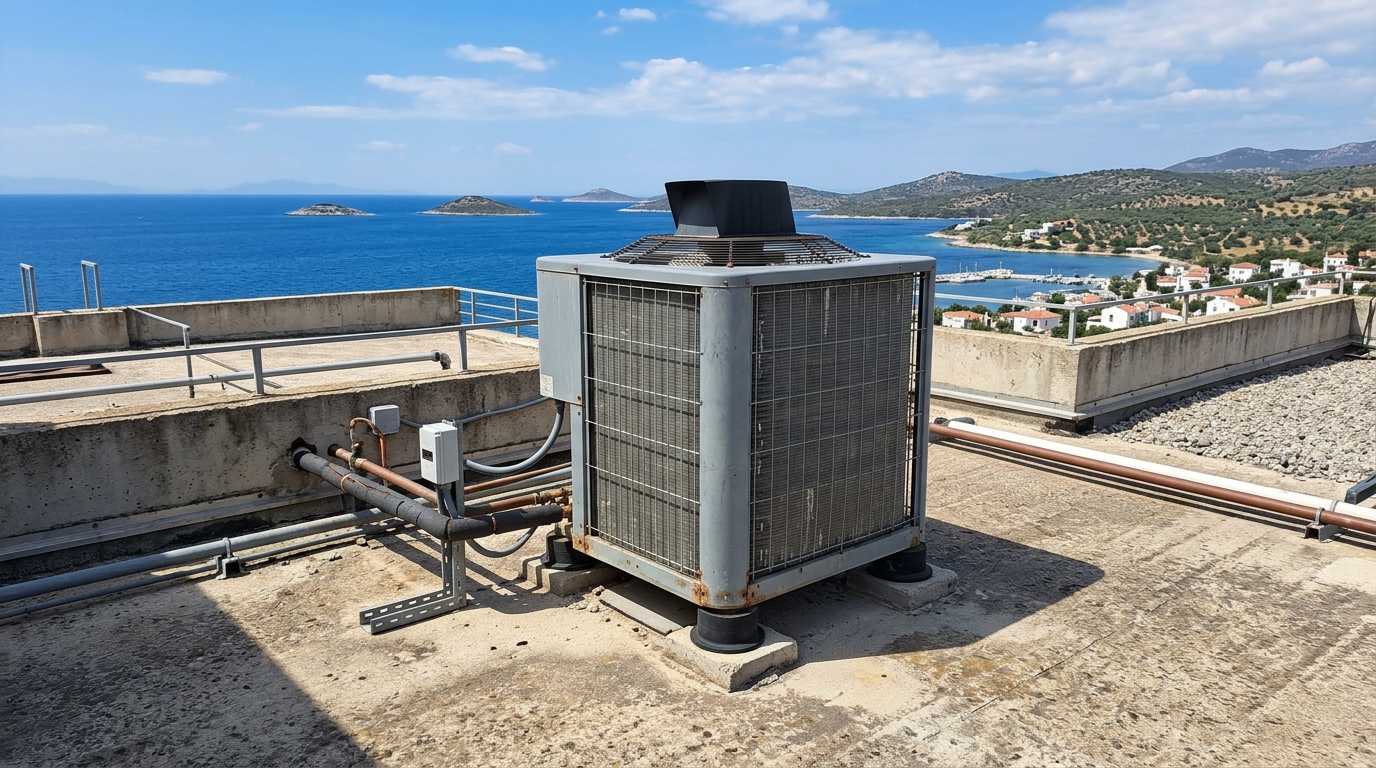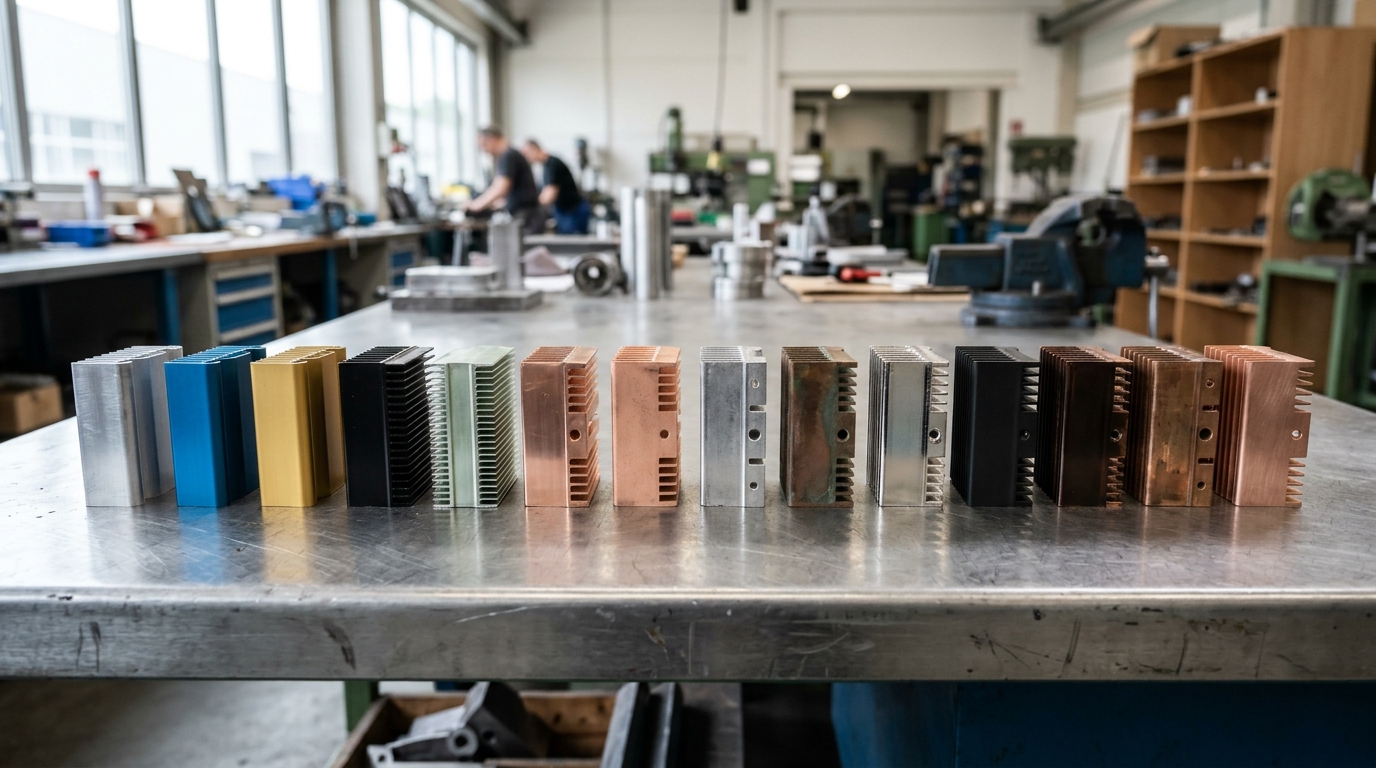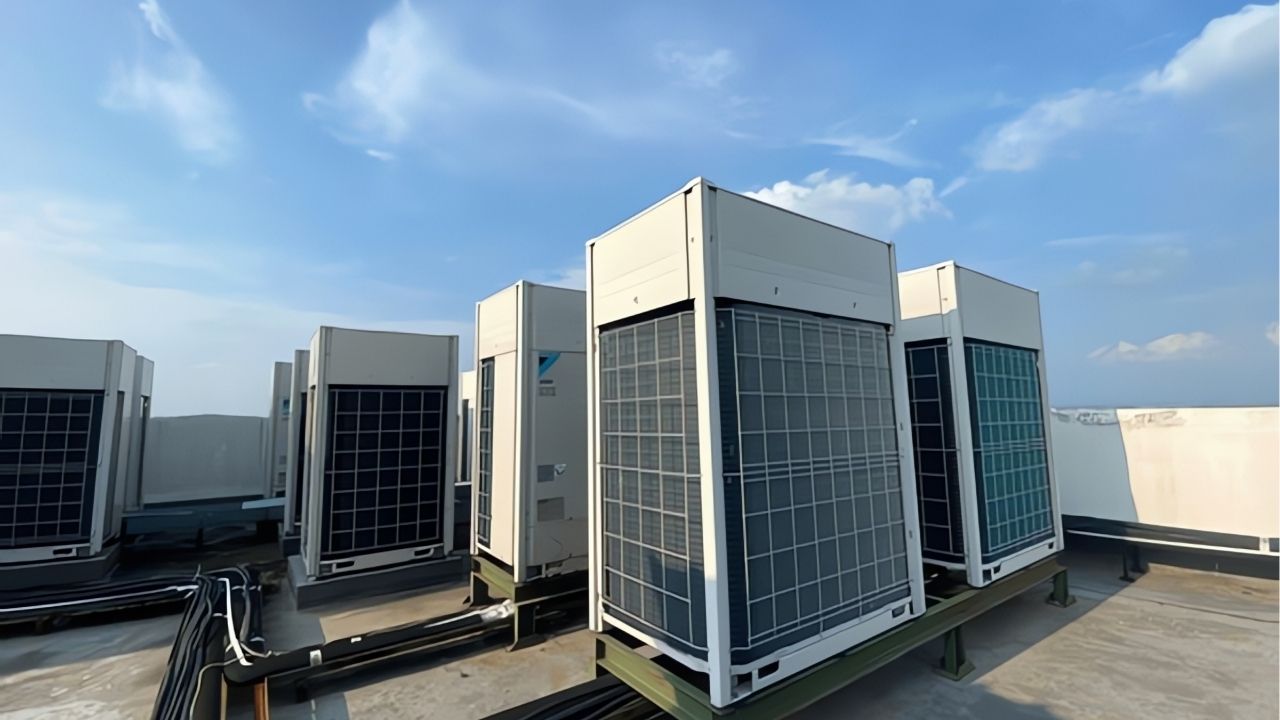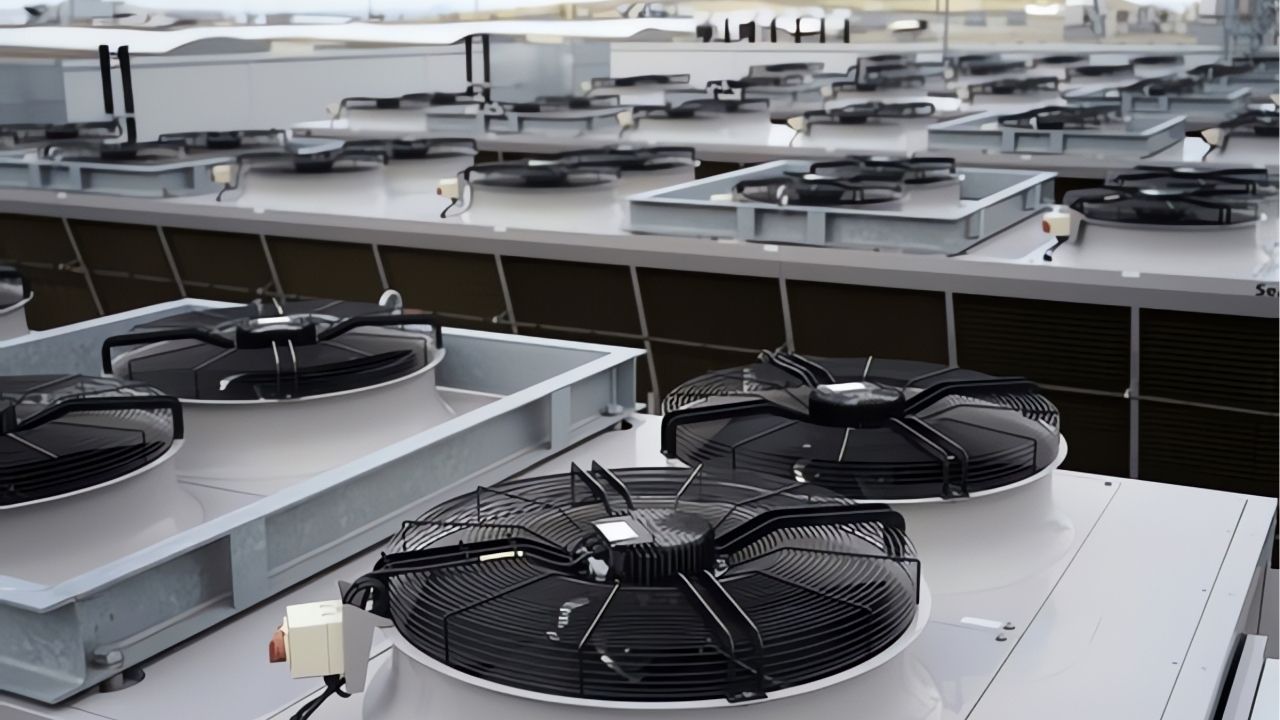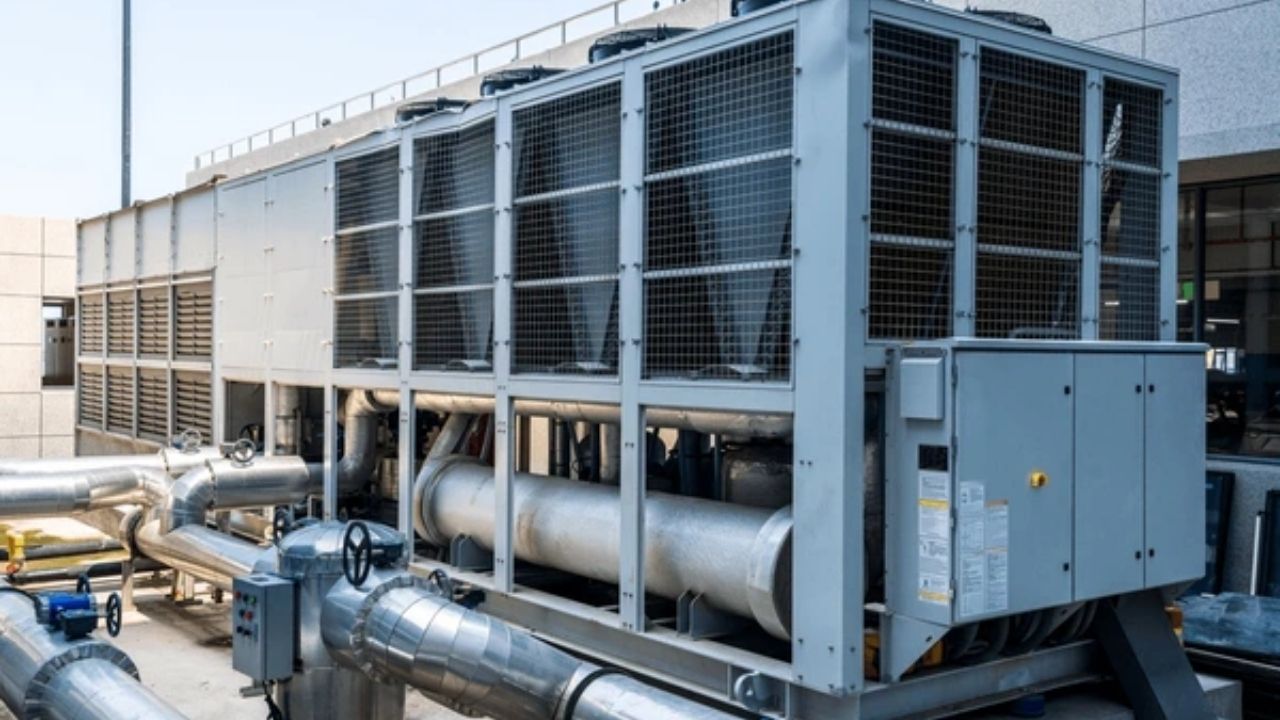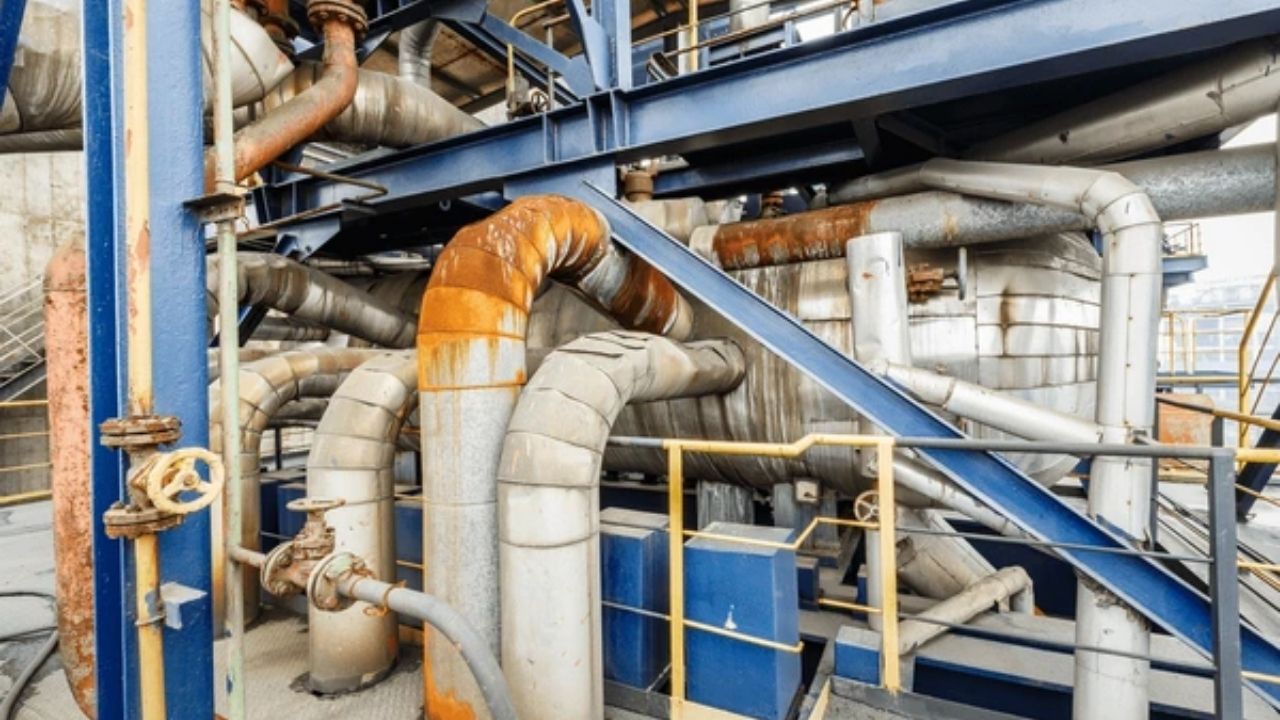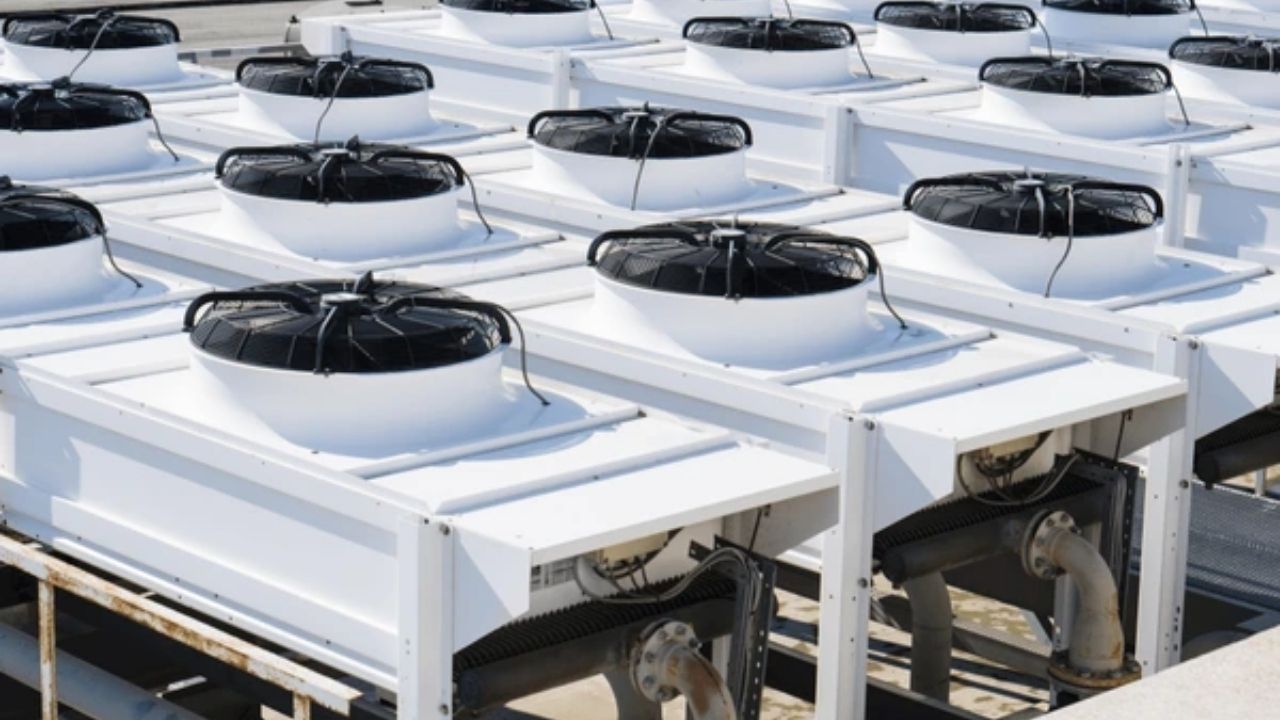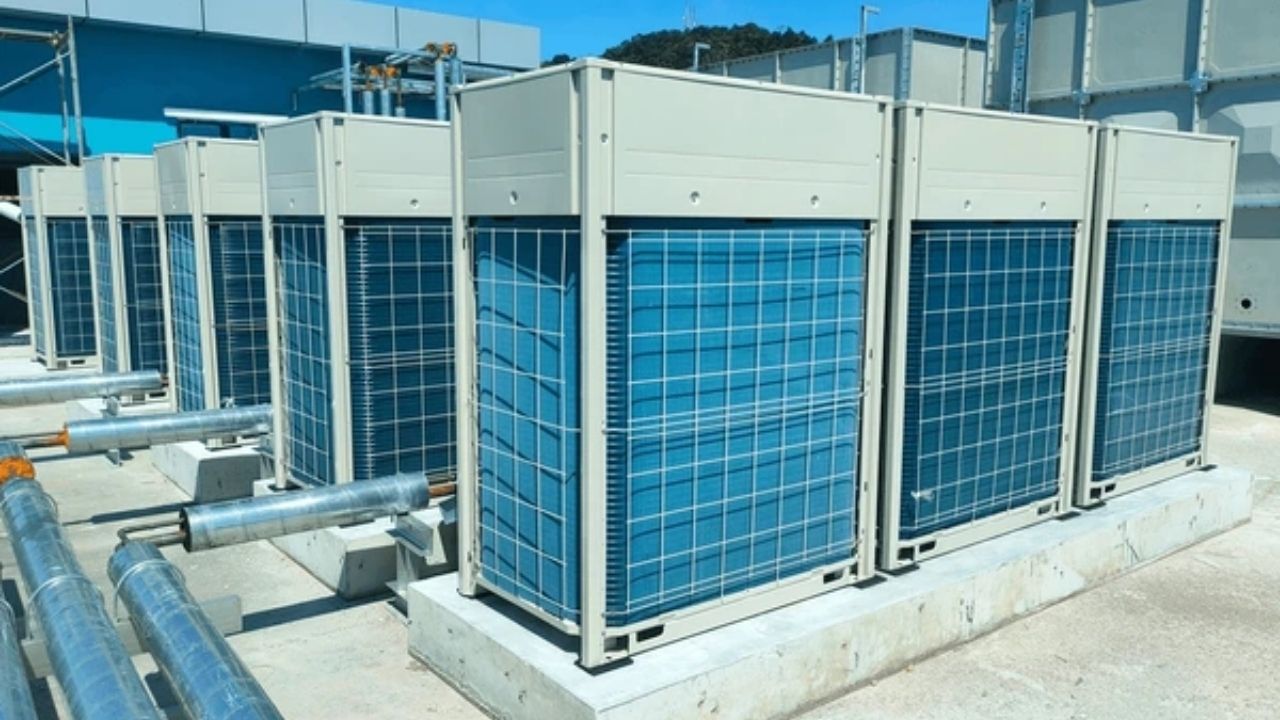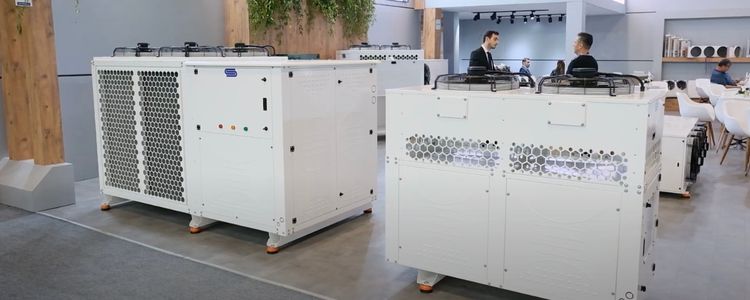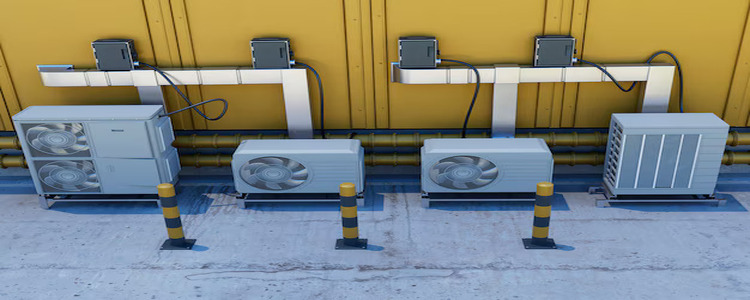
Heat exchanger selection in glycol systems is the appropriate determination, in terms of type, surface and material, of the heat exchanger that will transfer heat in cooling or heat recovery circuits through which a water-glycol mixture circulates. Since glycol shows different flow and heat transfer properties compared with water while providing protection against freezing, a selection made only for water may not deliver the expected capacity. In this article we cover the effect of glycol on heat transfer, heat exchanger types, concentration selection, the relationship between pumps and pressure drop, corrosion and maintenance issues and the points to consider for the right selection.
Table of Contents
- Why Does Glycol Change Heat Transfer?
- Which Heat Exchanger Types Are Used in Glycol Circuits?
- How Does Glycol Concentration Affect Heat Exchanger Size?
- Why Should Pressure Drop and Pump Selection Be Considered Together?
- How Are Corrosion and Maintenance Managed in a Glycol System?
- What Should Be Considered When Selecting a Heat Exchanger for a Glycol System?
- Frequently Asked Questions
Why Does Glycol Change Heat Transfer?
Because glycol increases the viscosity of the mixture and lowers its specific heat and thermal conductivity, it shows lower heat transfer performance than water at the same flow rate. This difference is felt more especially at low temperatures, under conditions where viscosity rises markedly.
The increase in viscosity can cause the flow inside the heat exchanger to move from a turbulent regime towards a calmer regime; this in turn lowers the heat transfer coefficient. To carry the same heat load, either a higher flow rate or a larger heat exchanger surface may be required. For this reason, the selection calculation must be made with the actual glycol type, concentration and operating temperatures.
Which Heat Exchanger Types Are Used in Glycol Circuits?
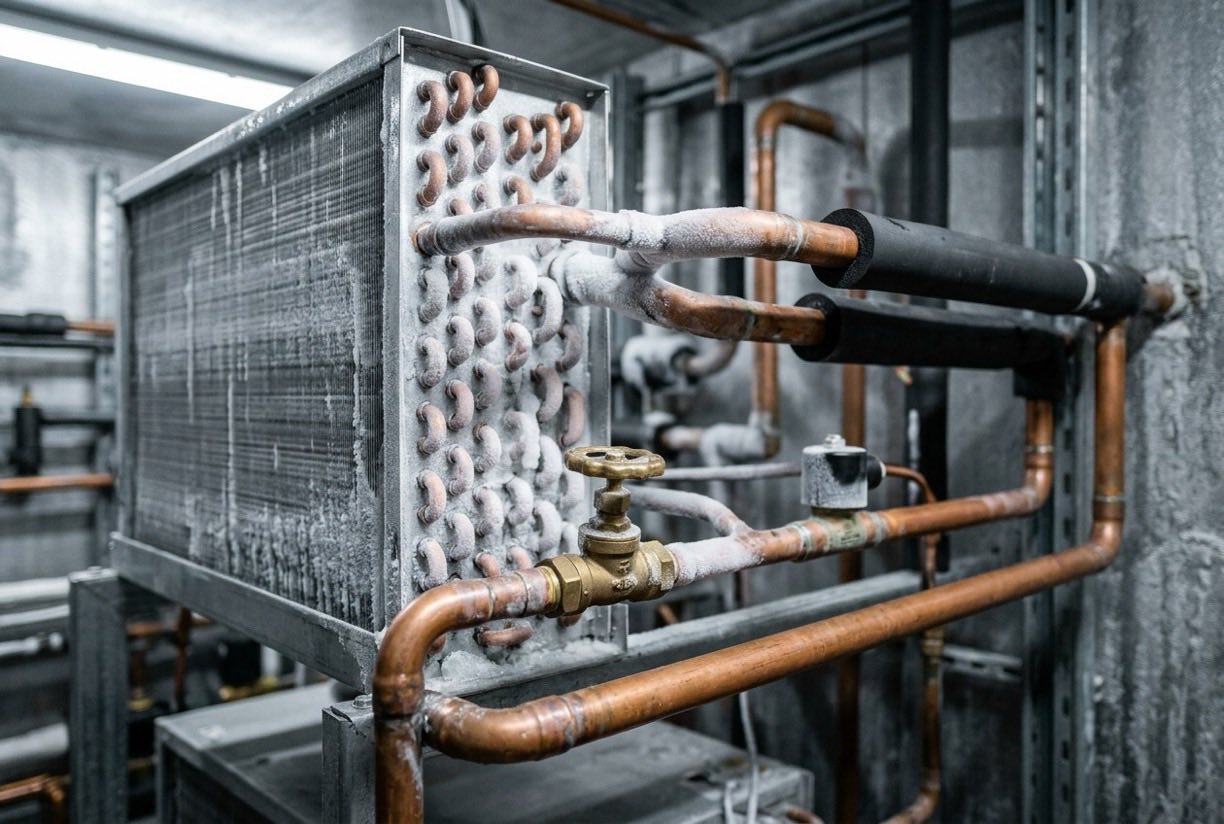
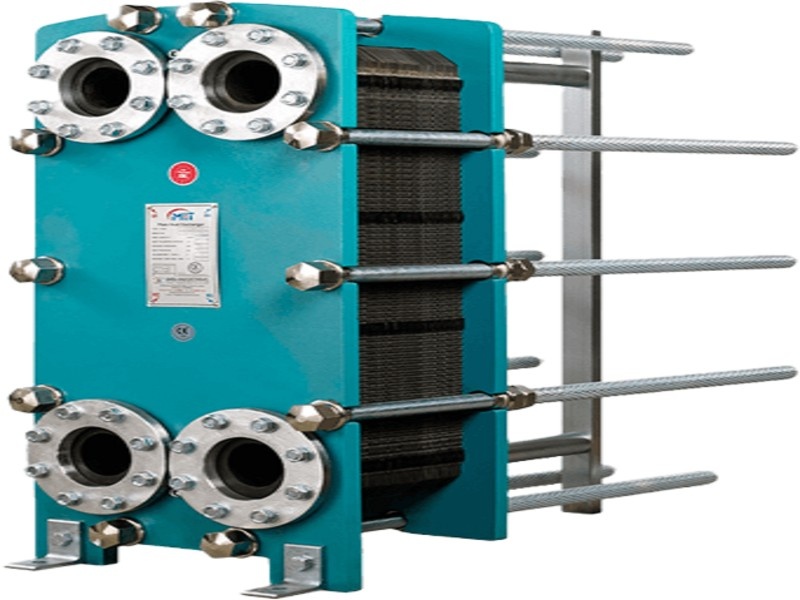
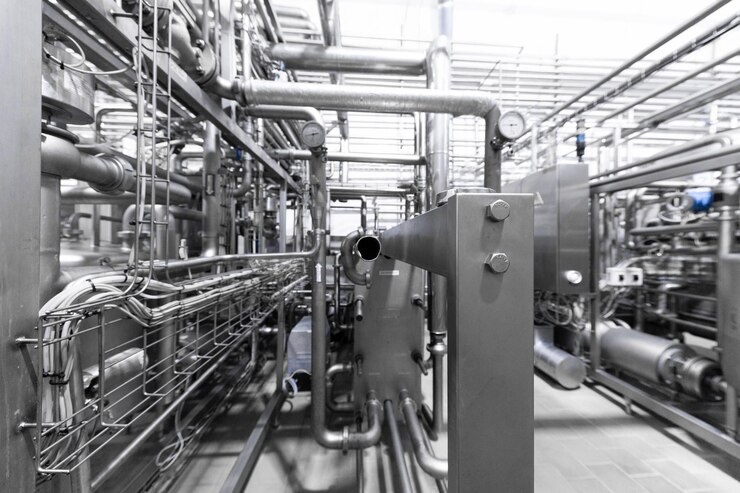
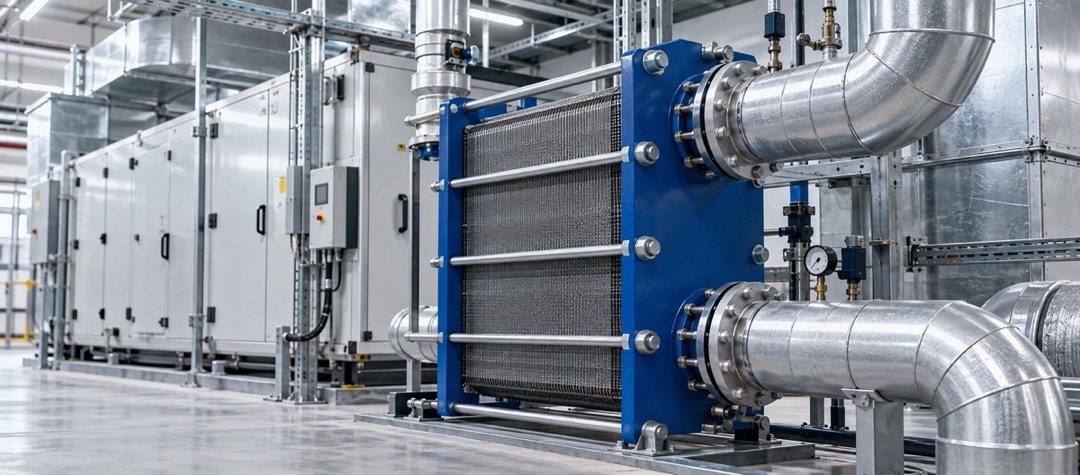
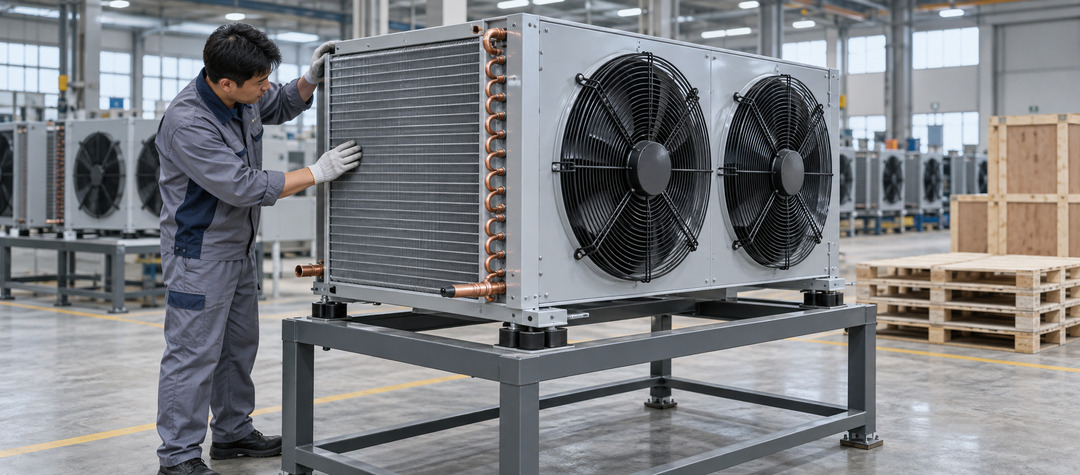
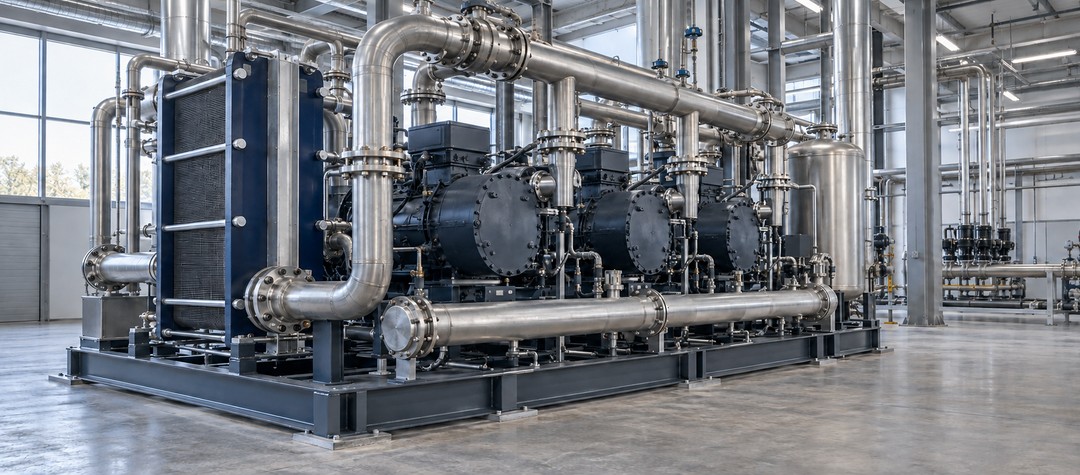
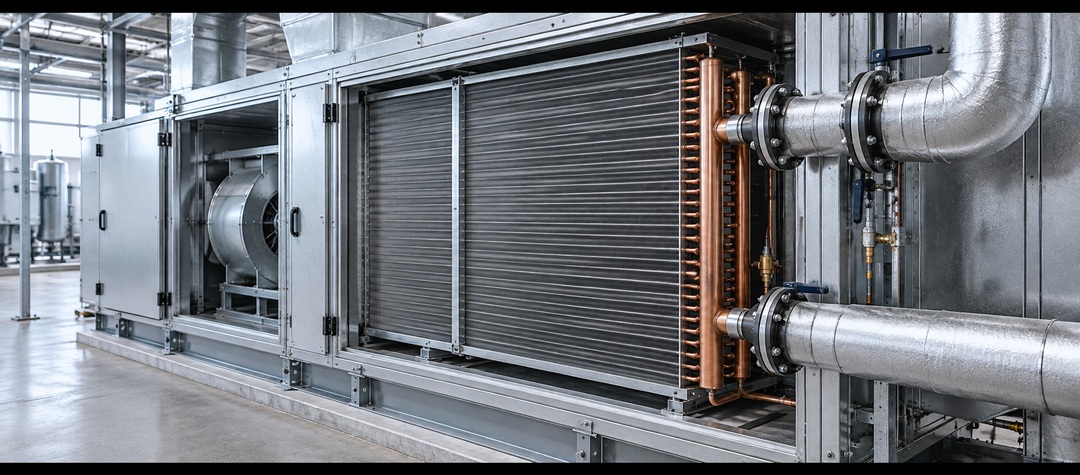
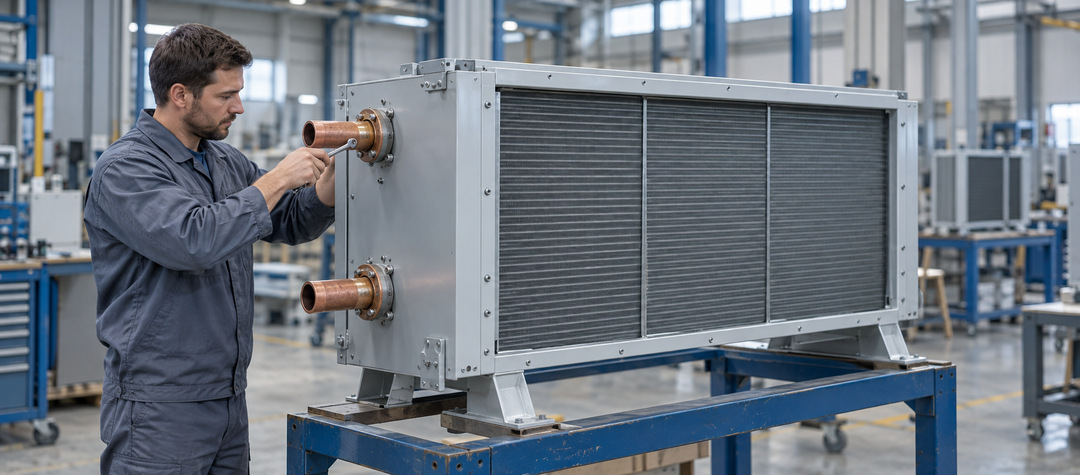
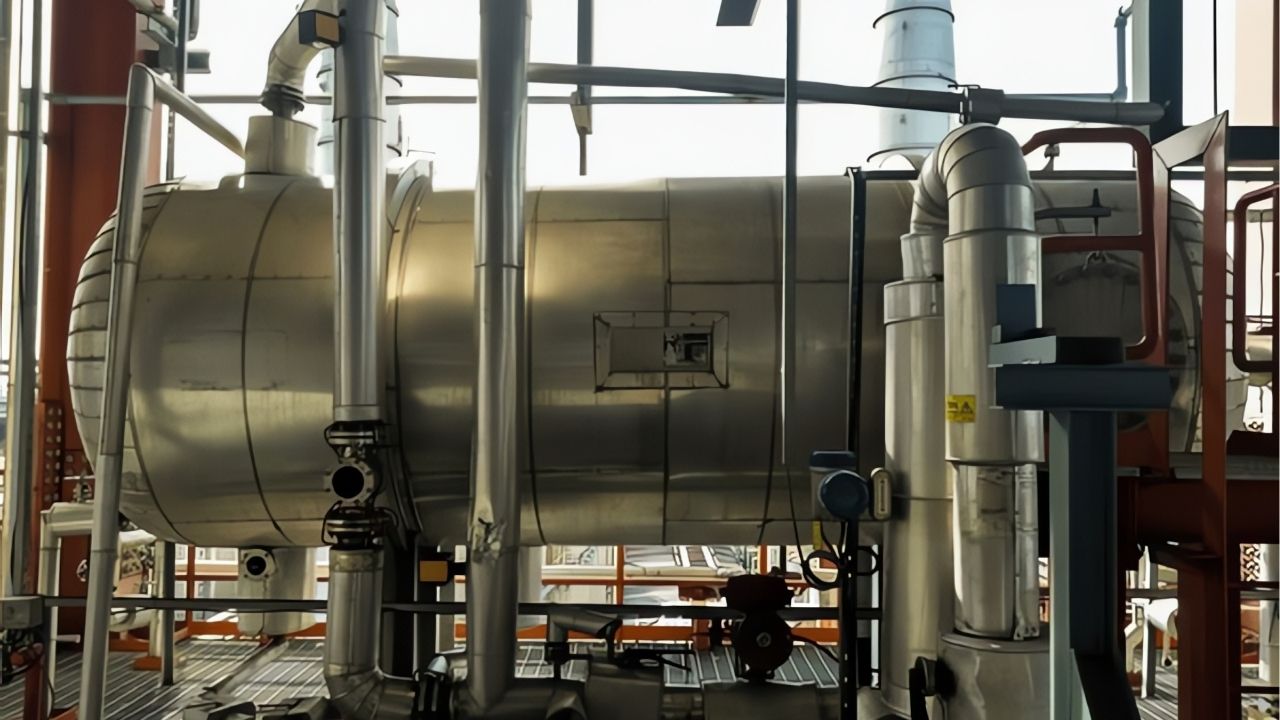
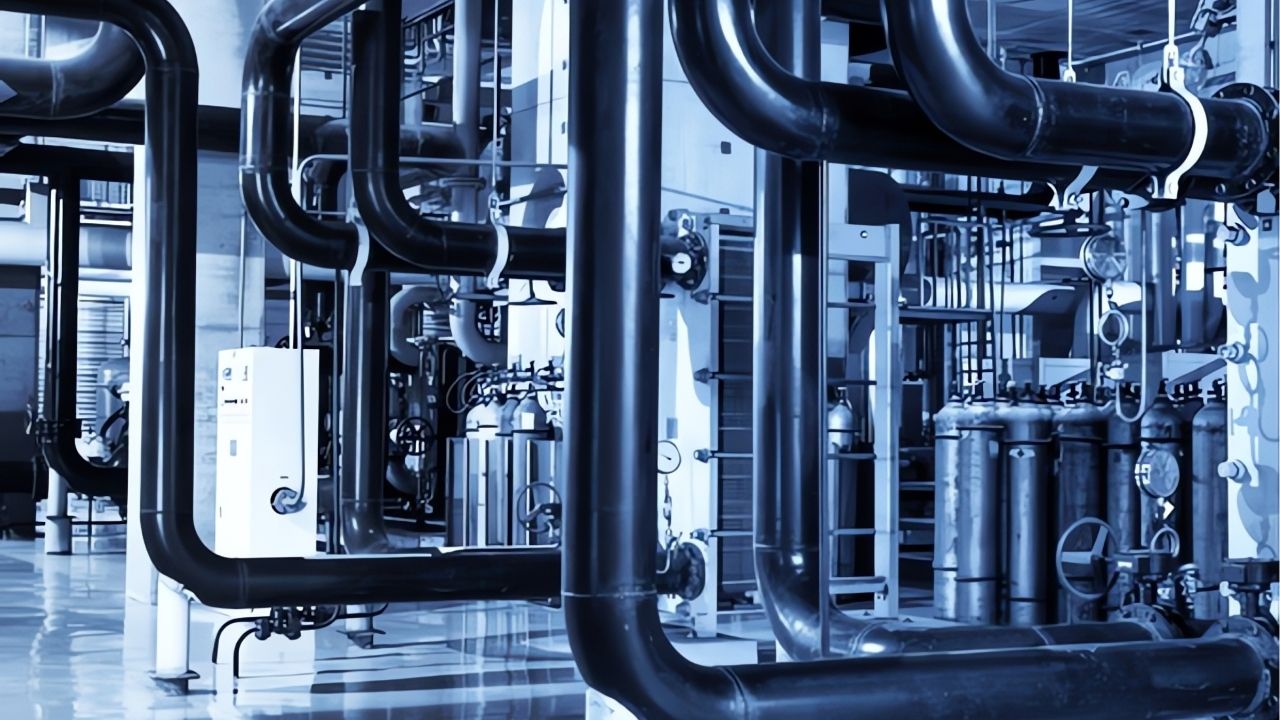
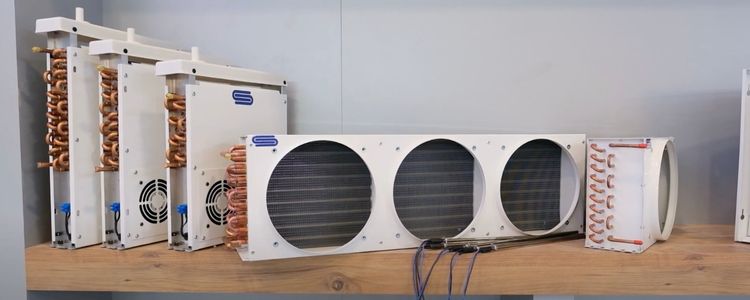
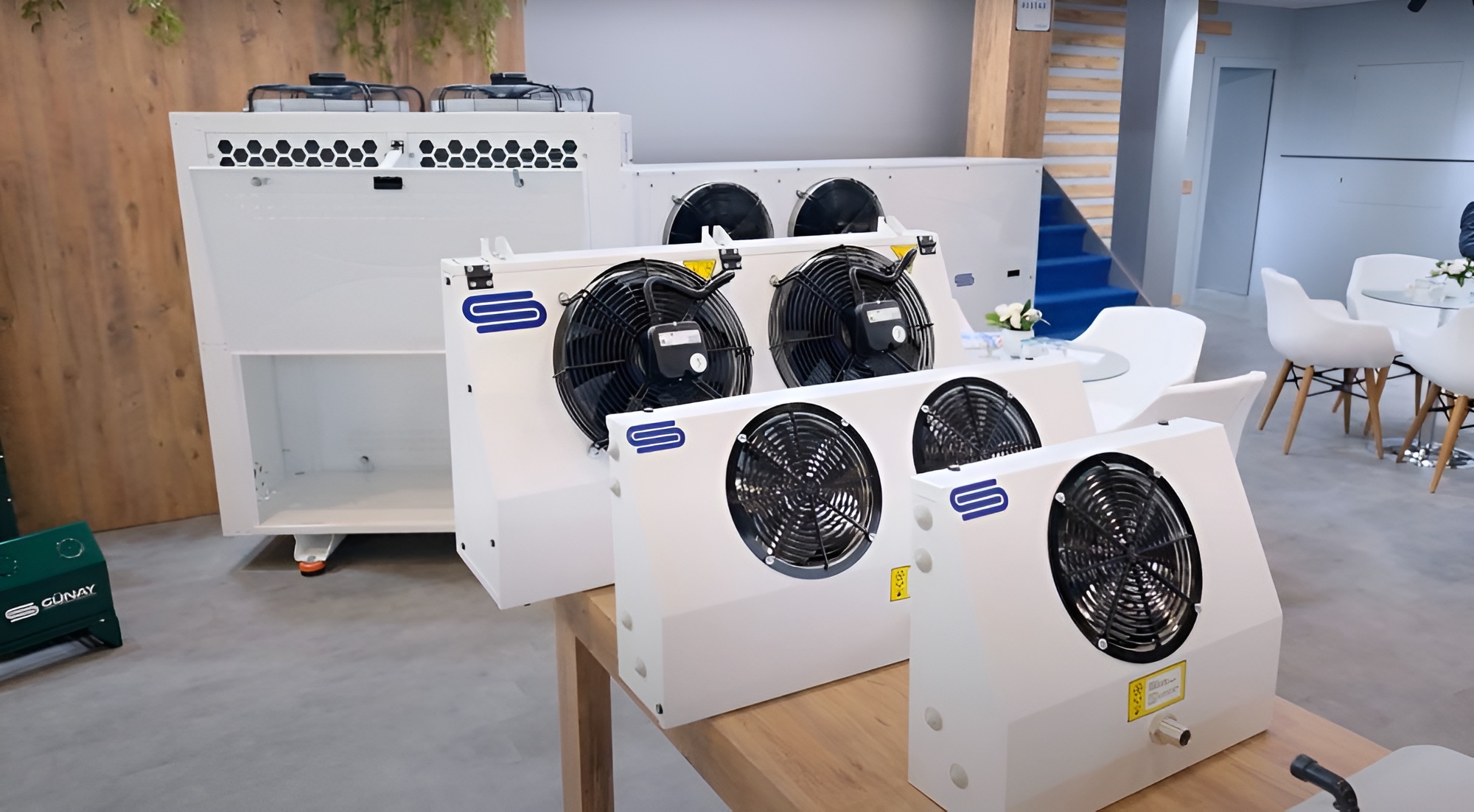
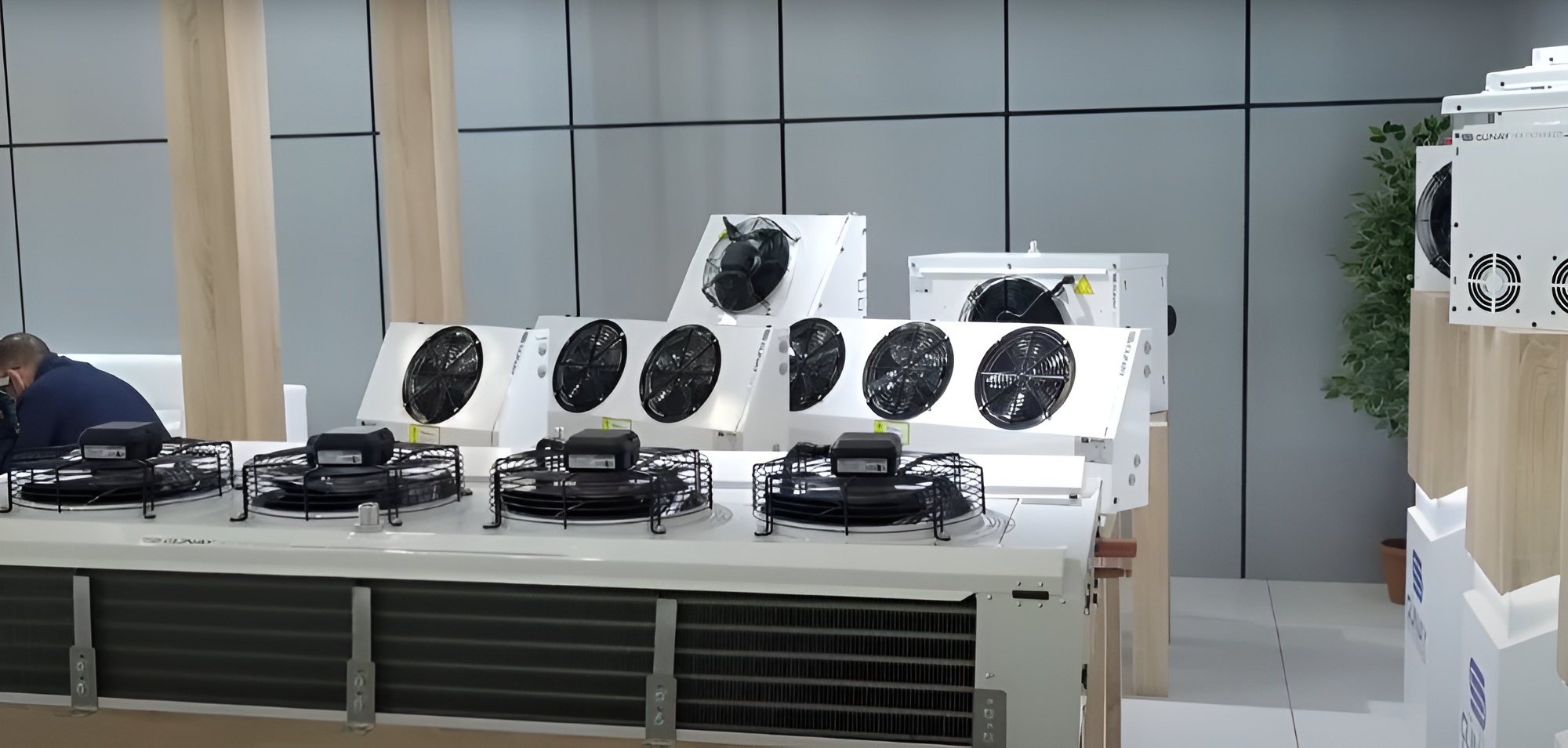
The most commonly used heat exchangers in glycol circuits are plate heat exchangers, shell-and-tube heat exchangers and, on the air side, finned-tube coils. Which type is suitable depends on the media between which the heat will be transferred and the conditions of the application.
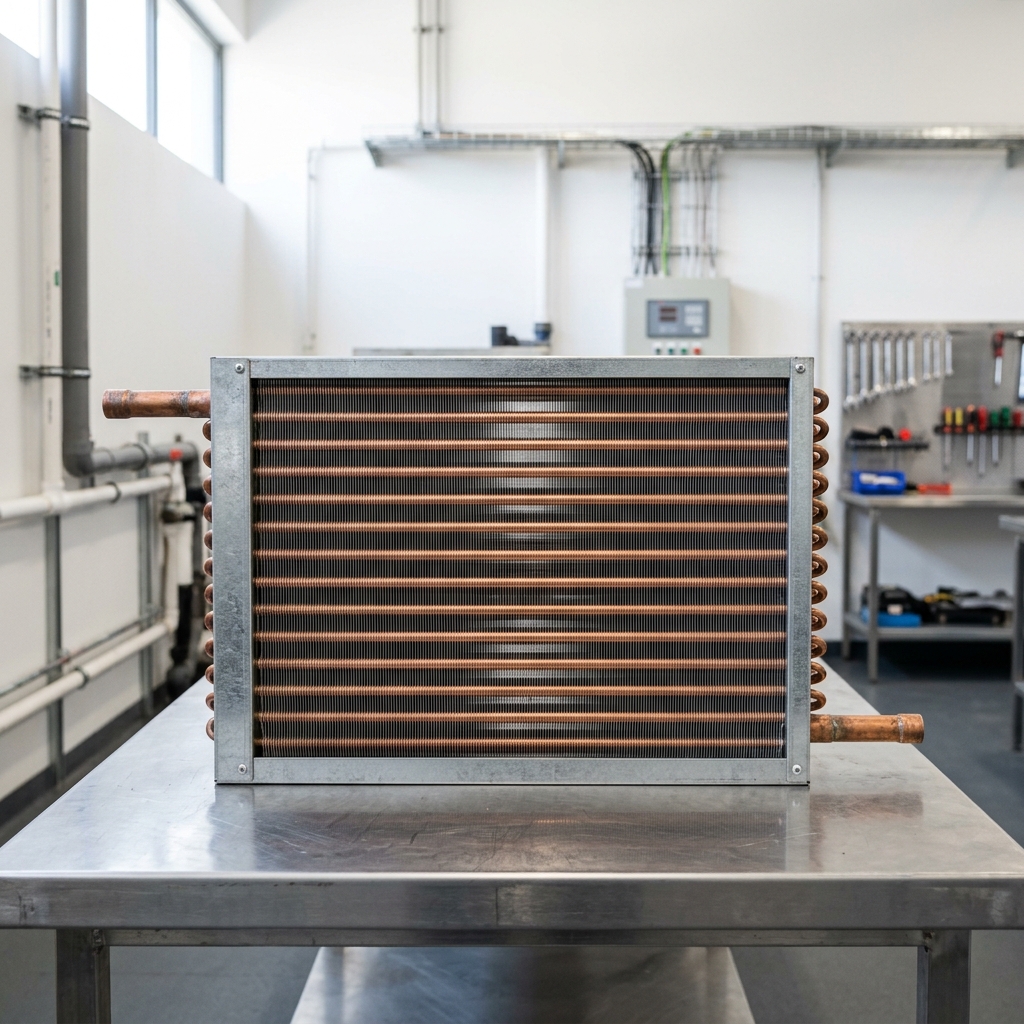
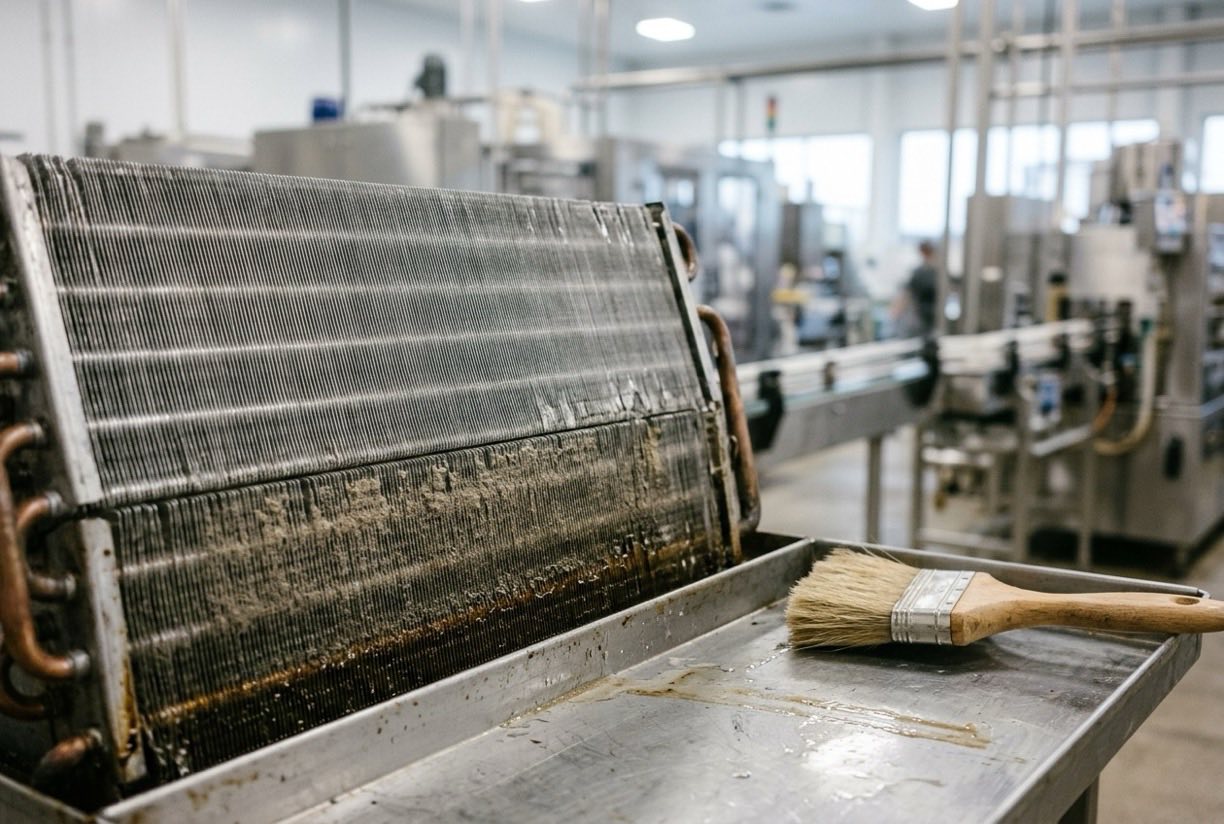
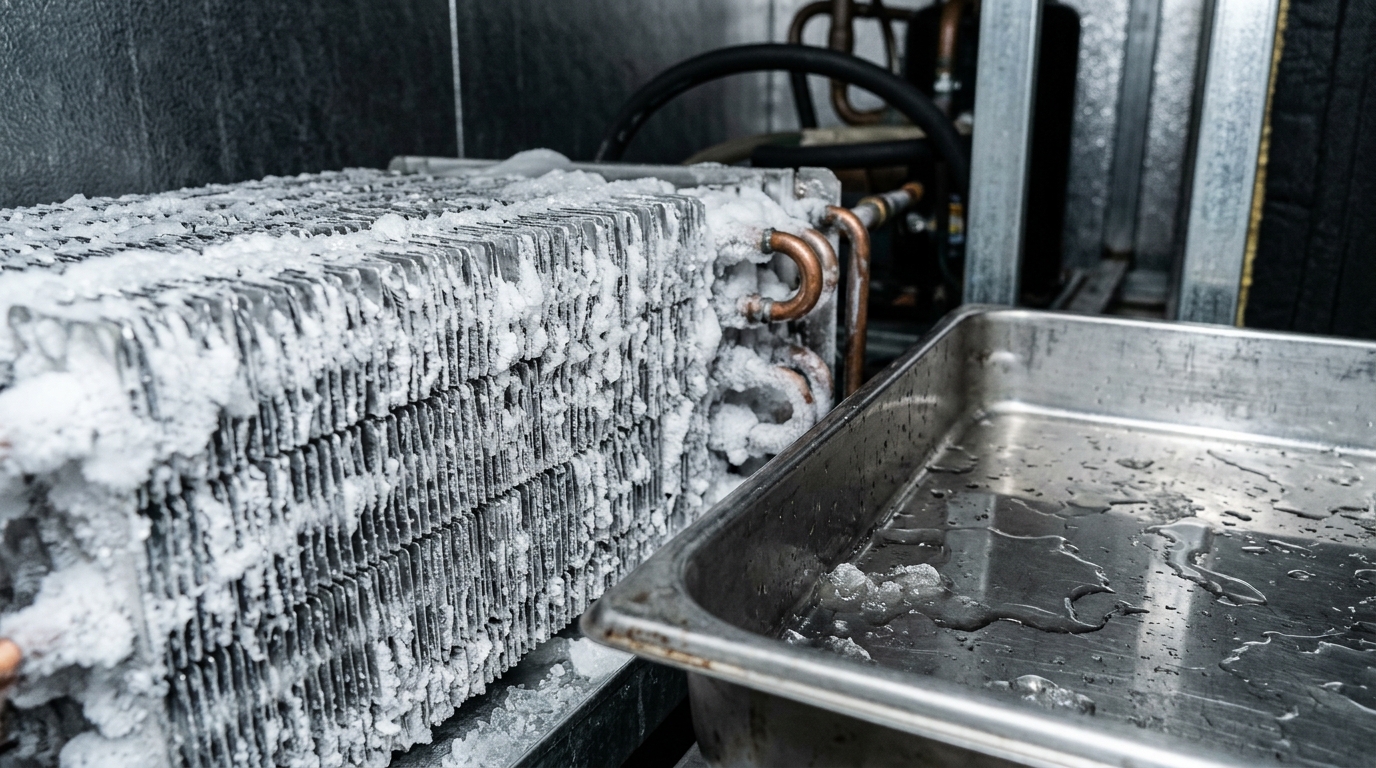
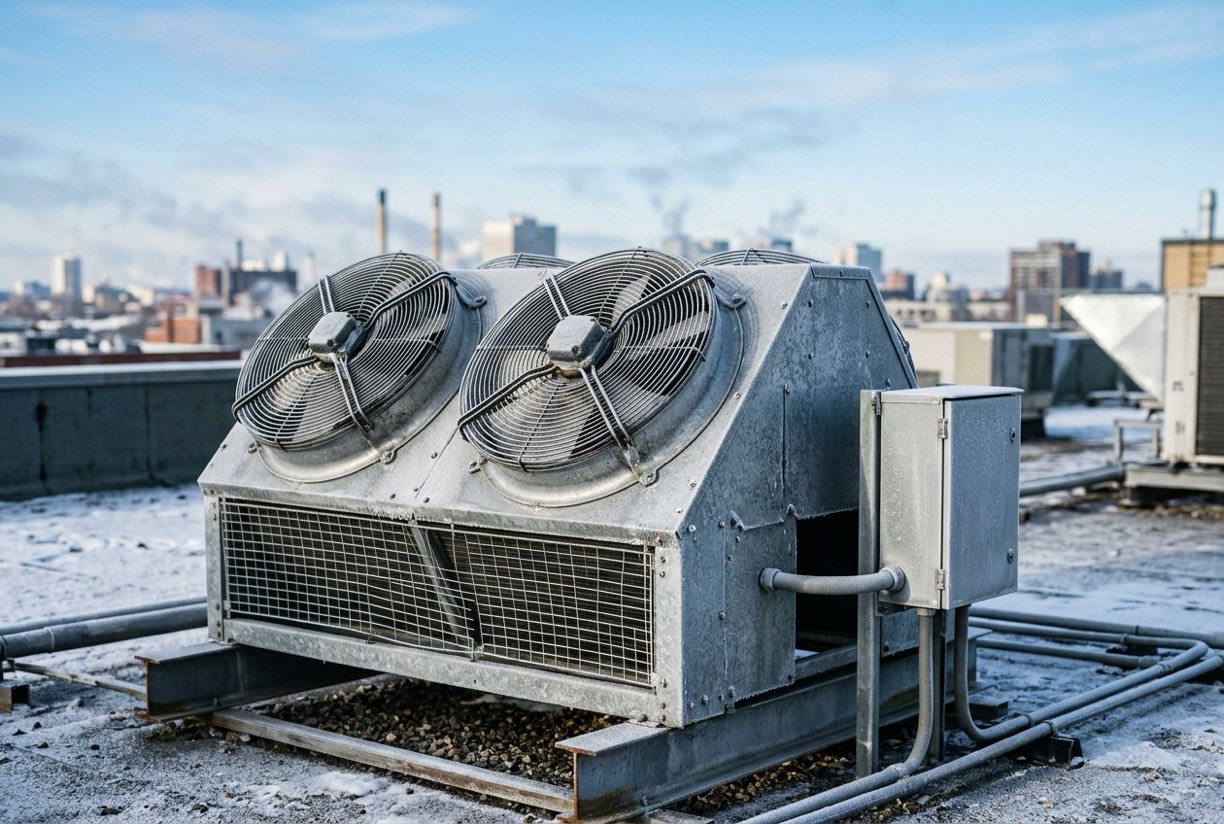
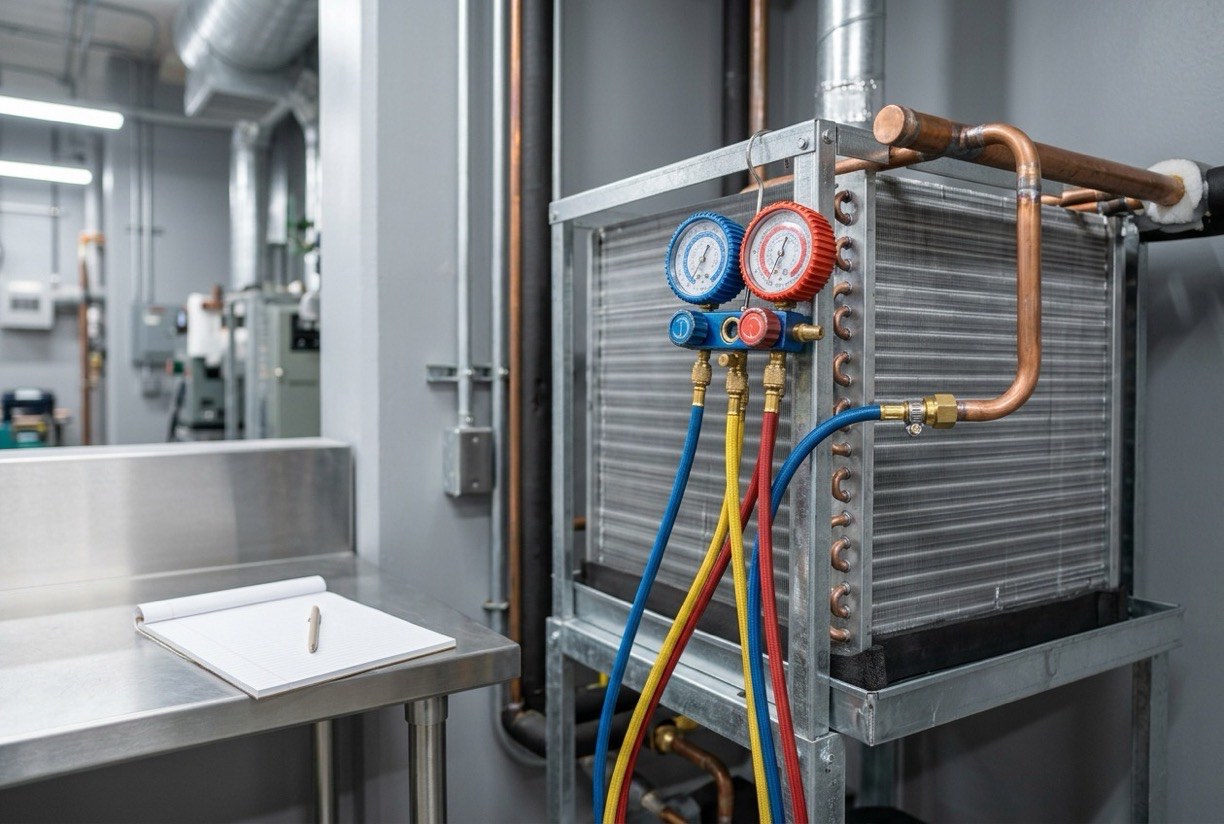
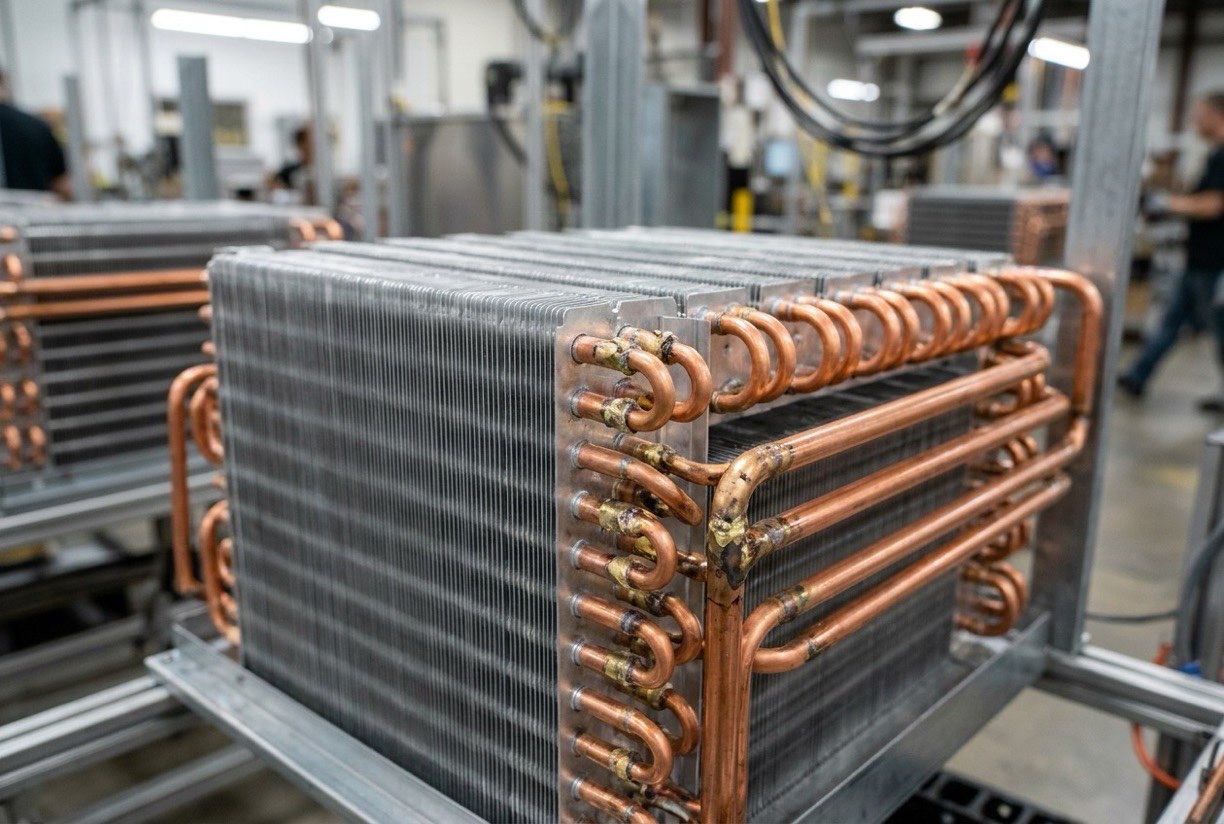
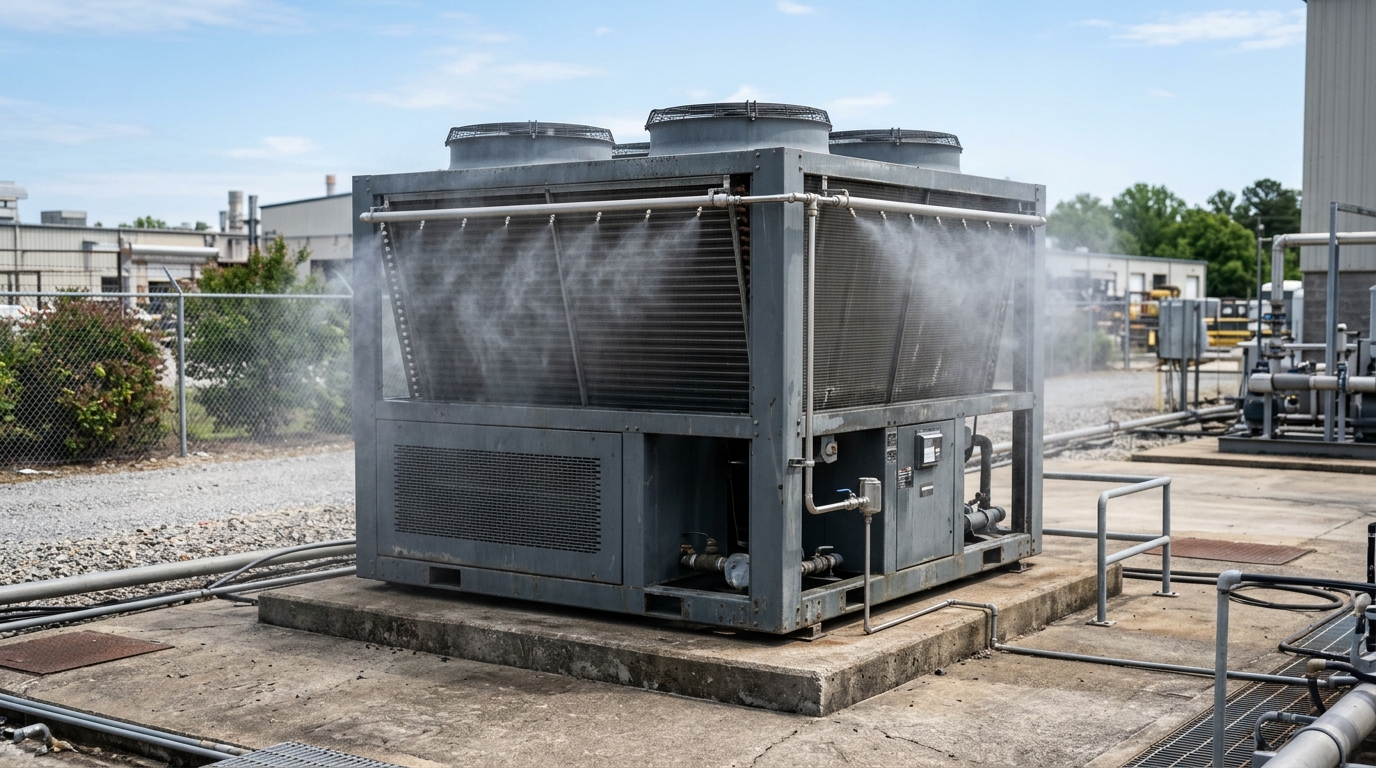
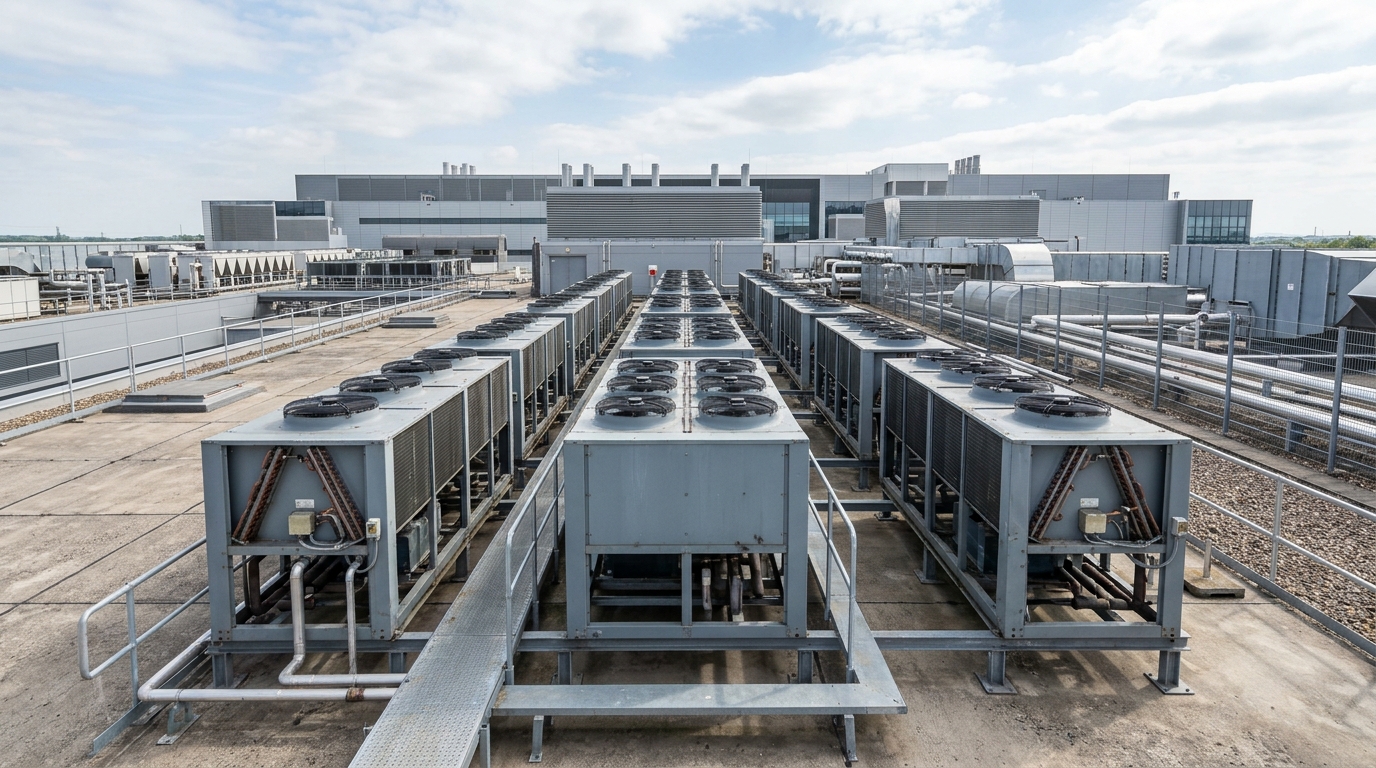
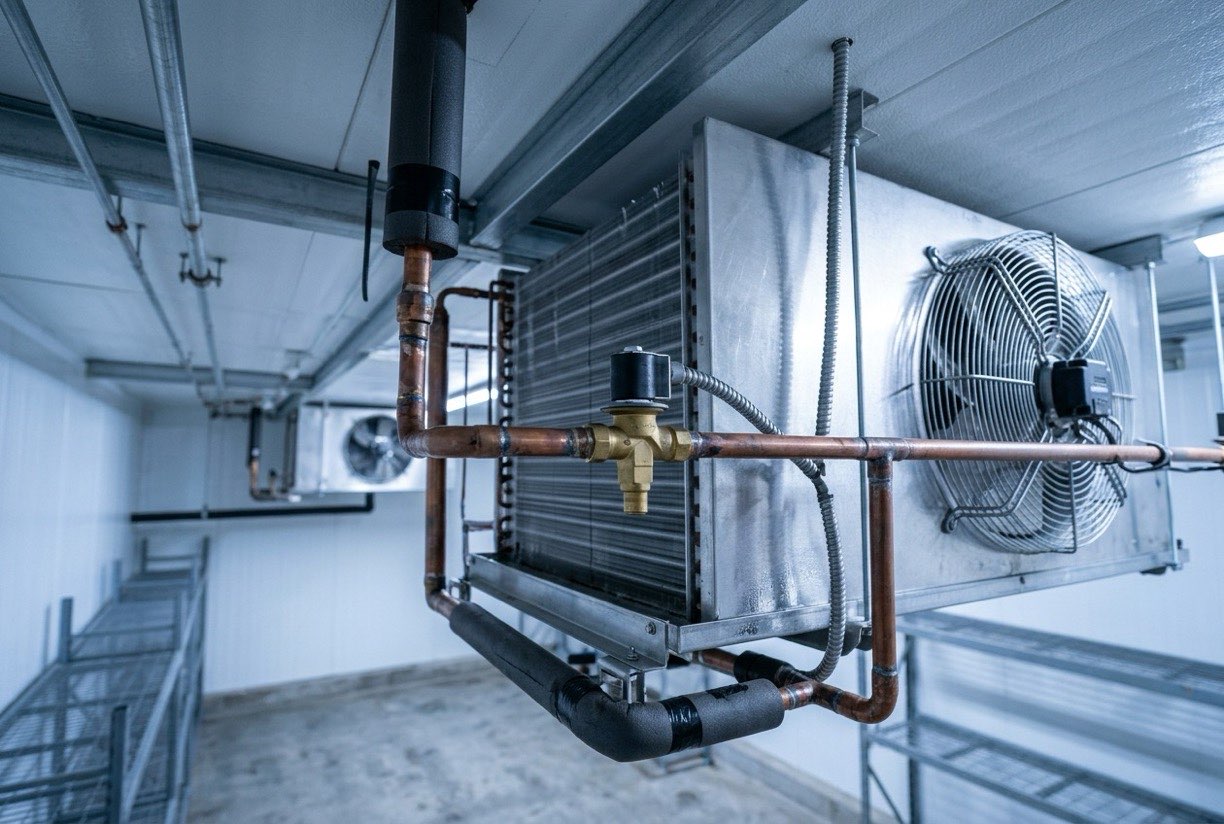
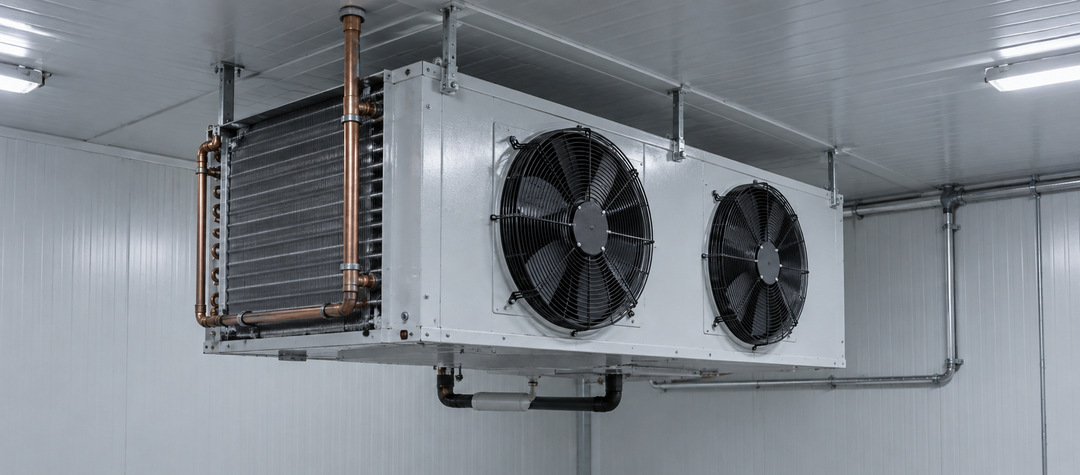
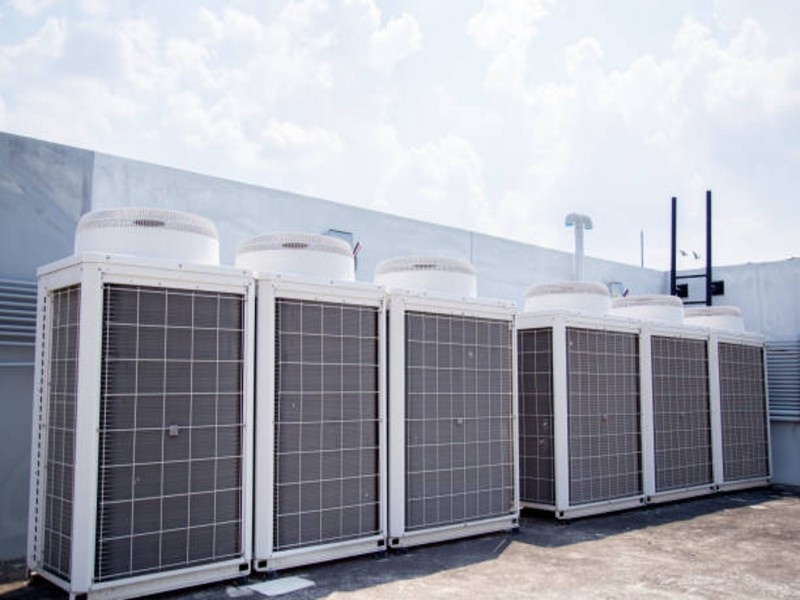
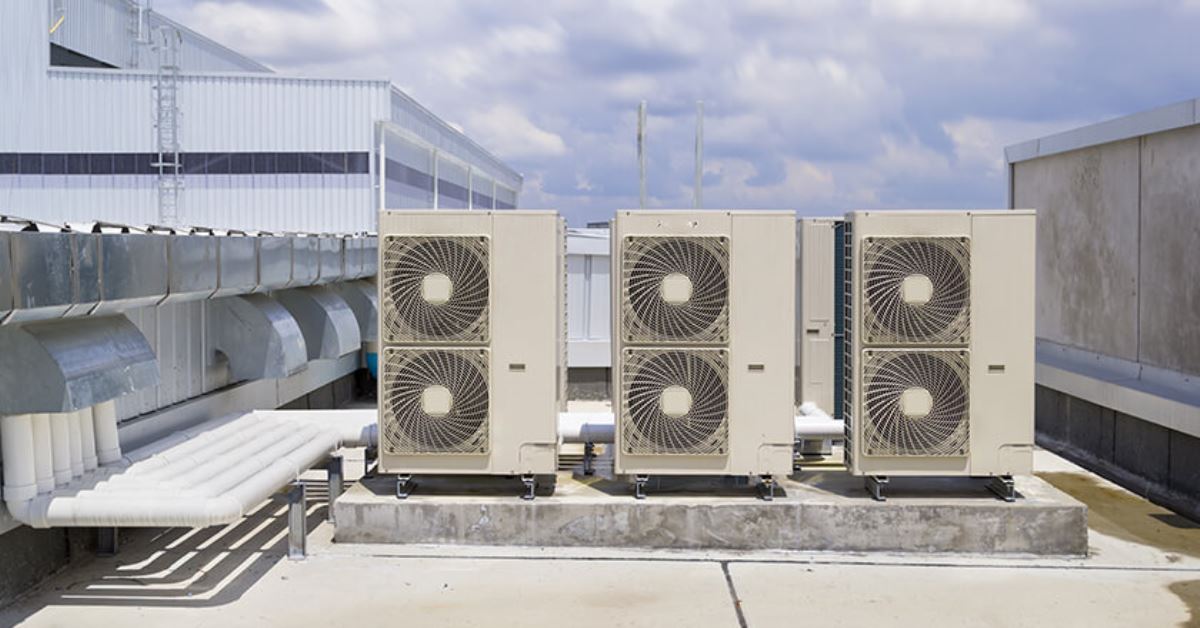
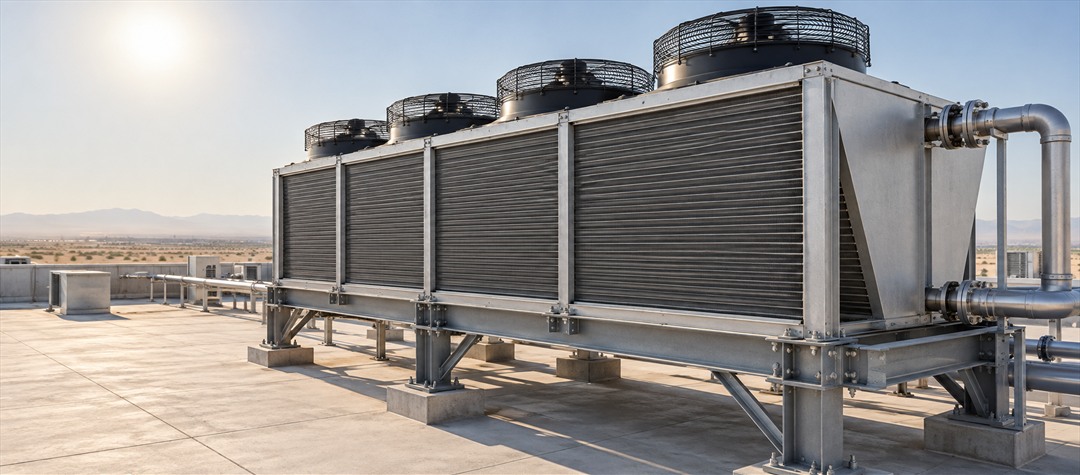
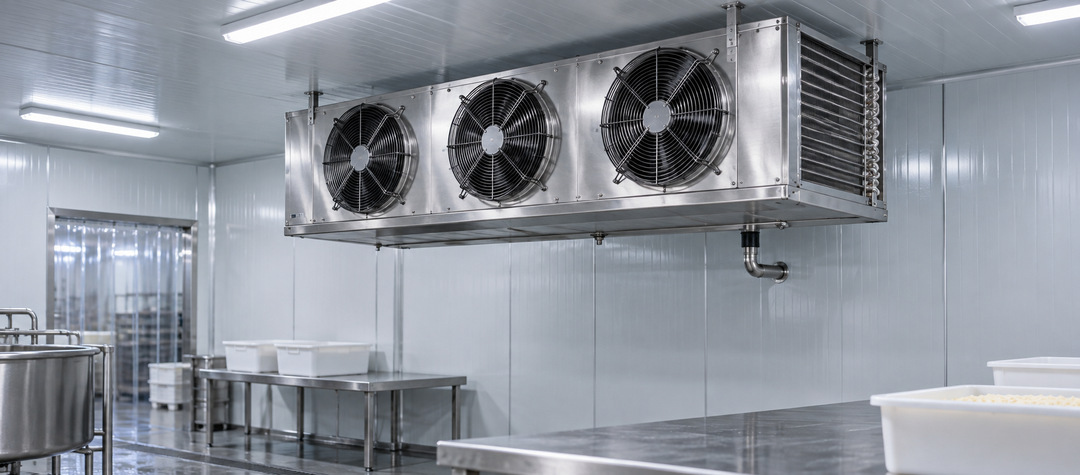
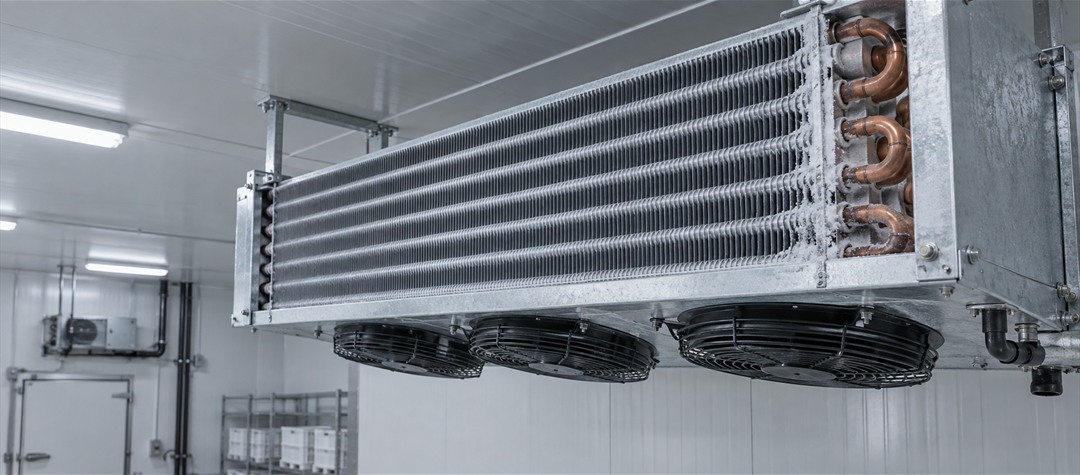
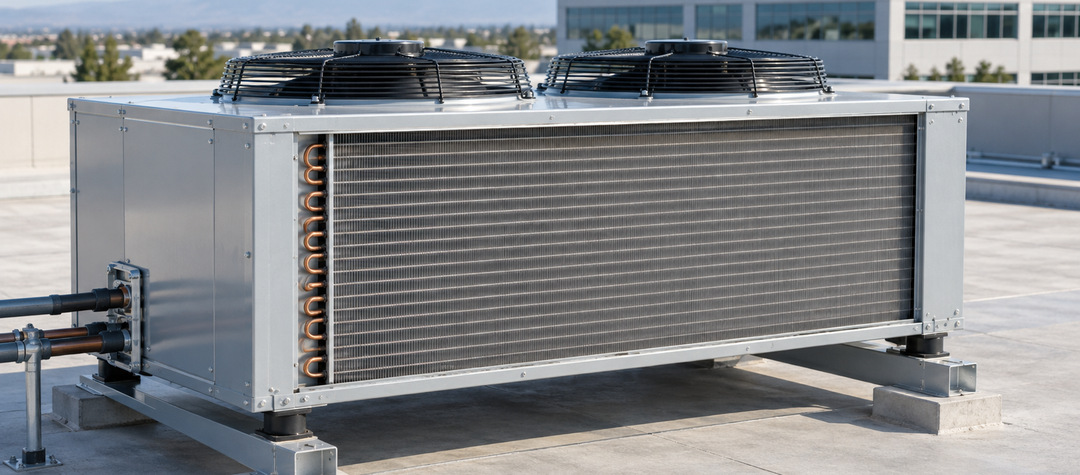
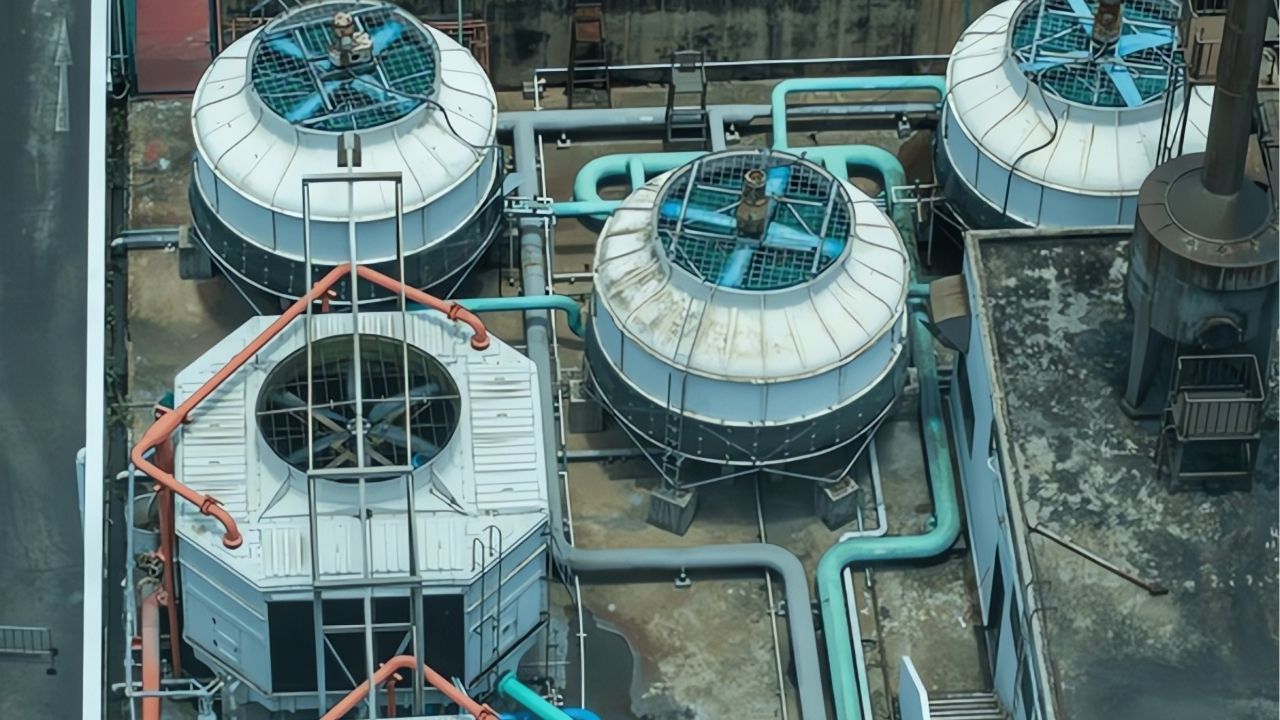
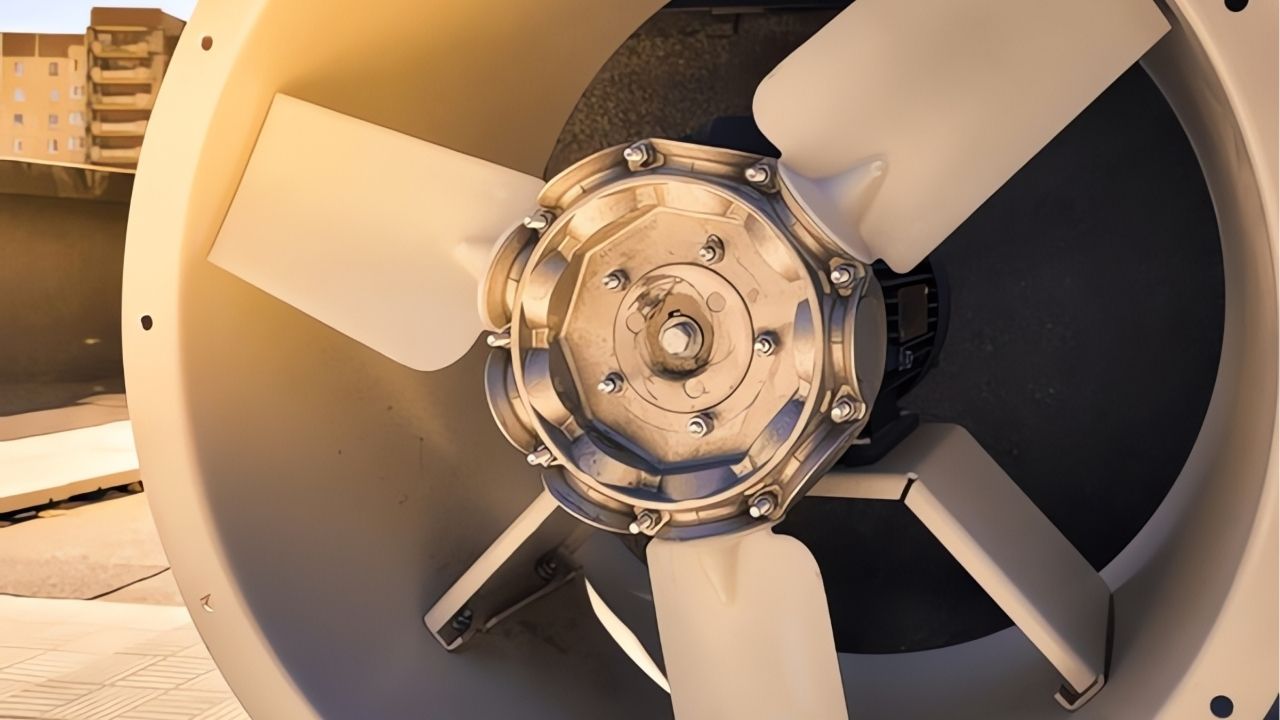
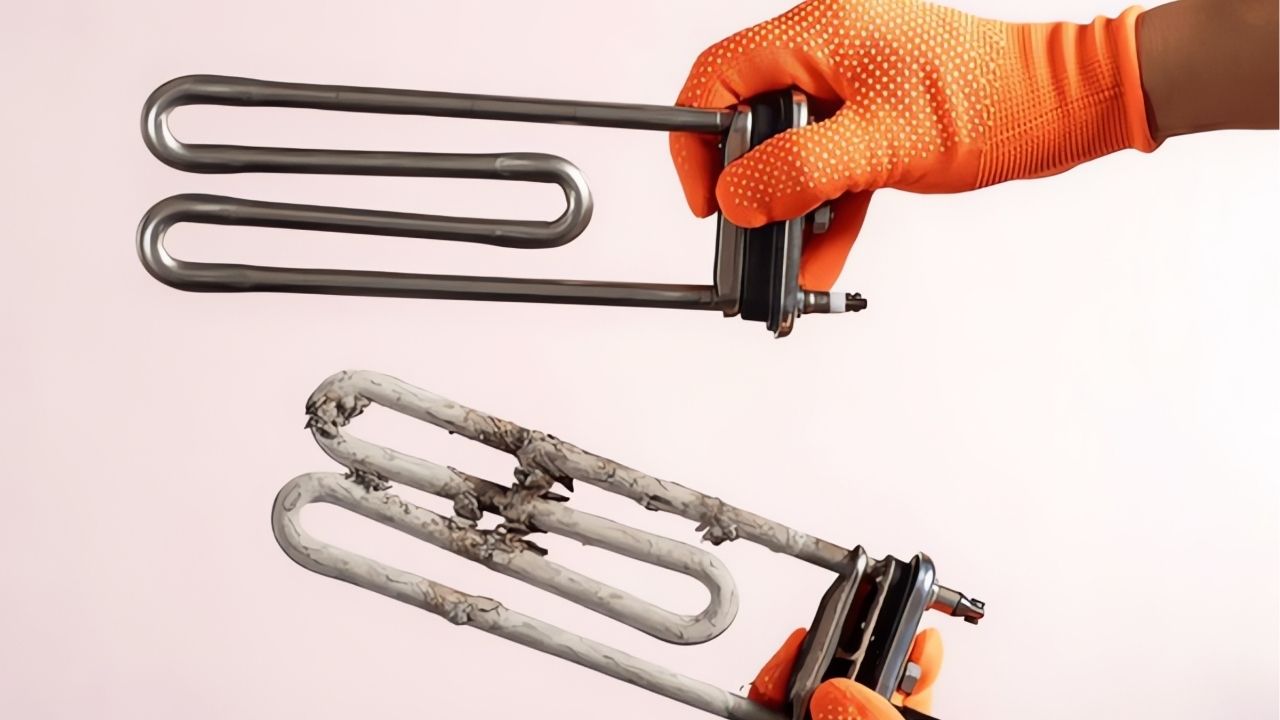
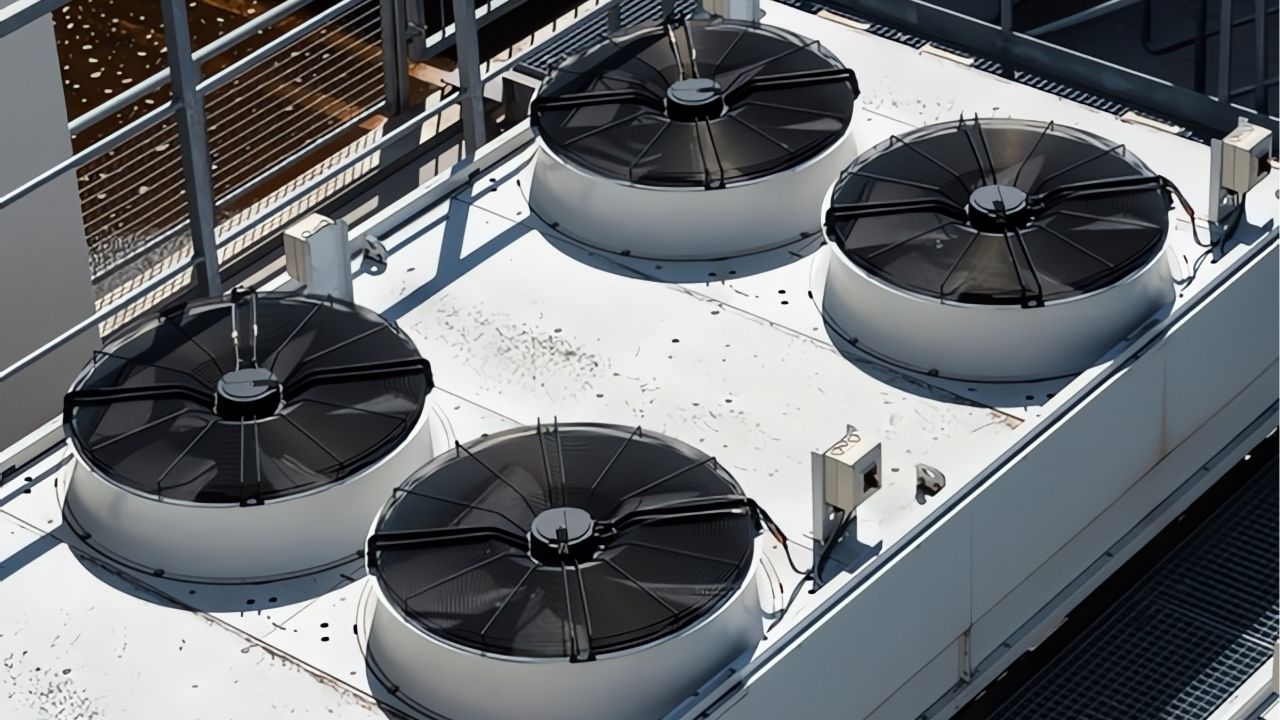
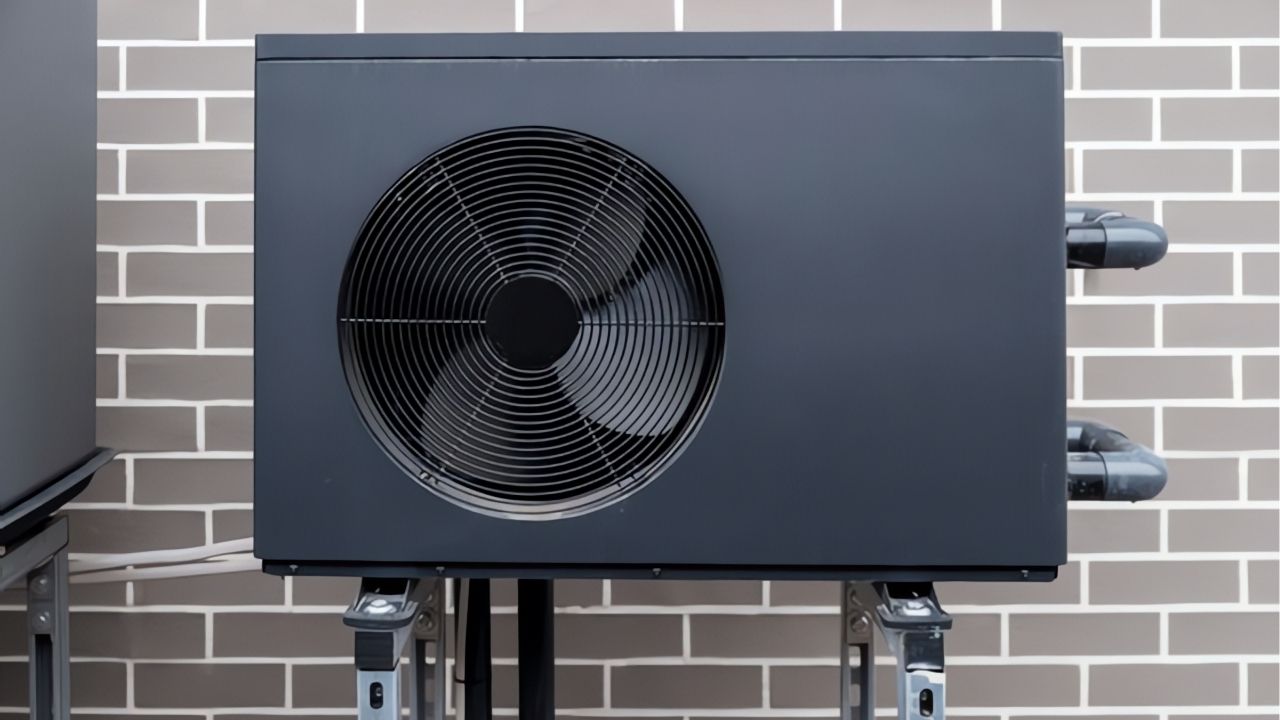
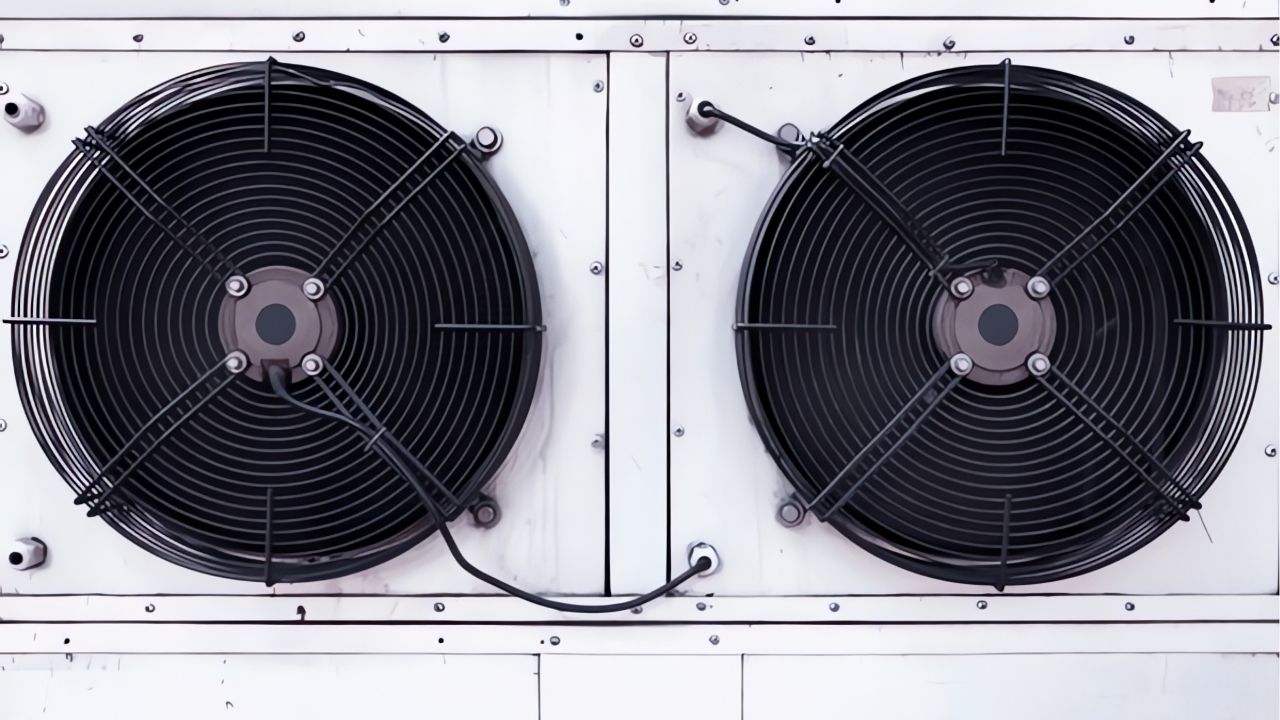
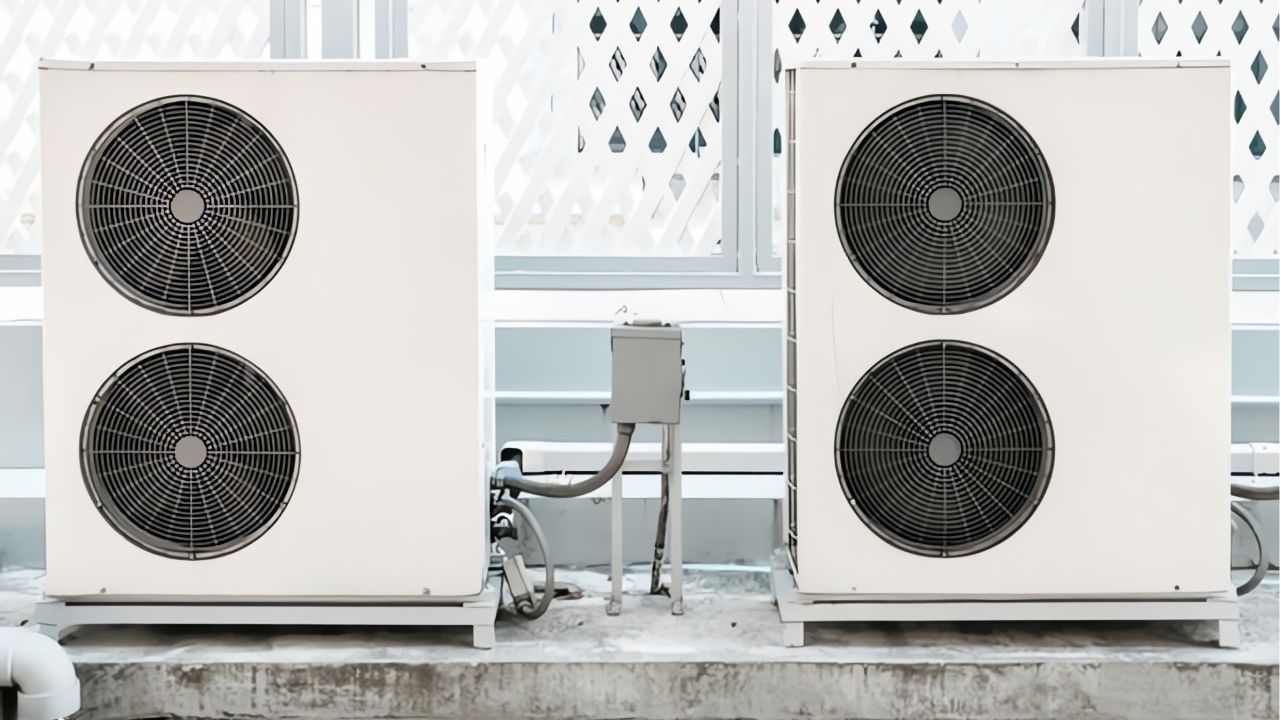
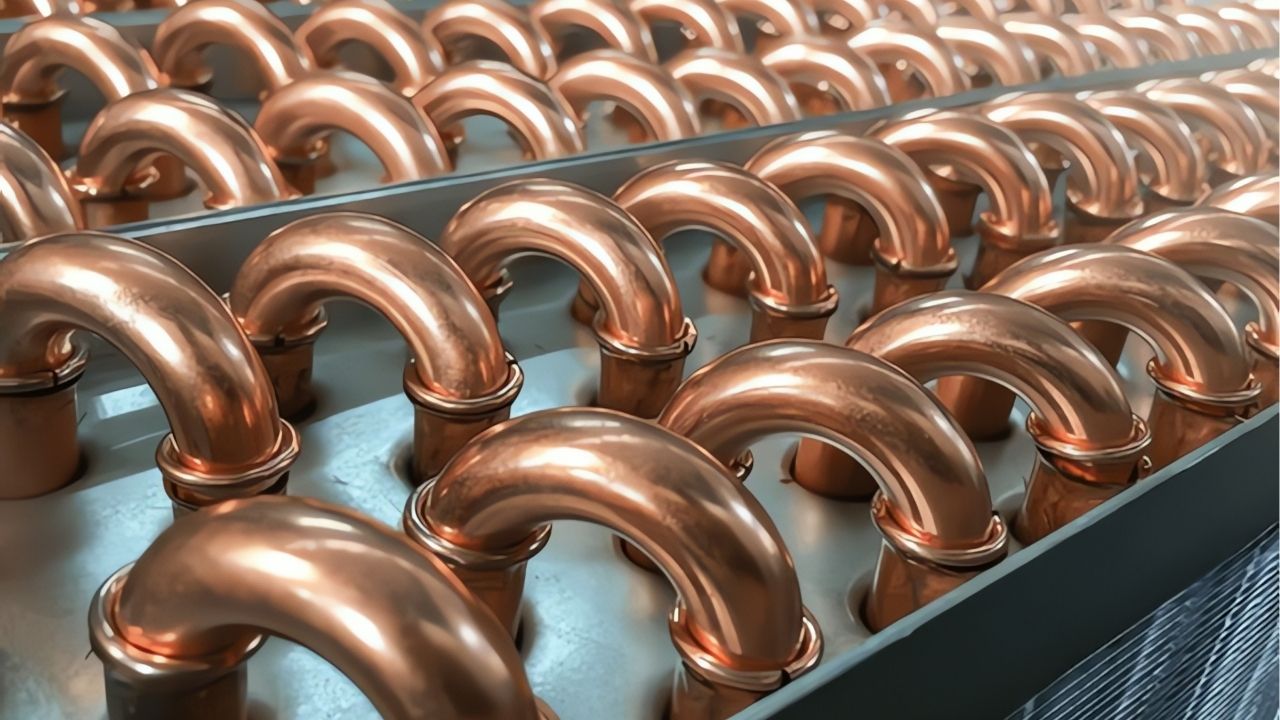
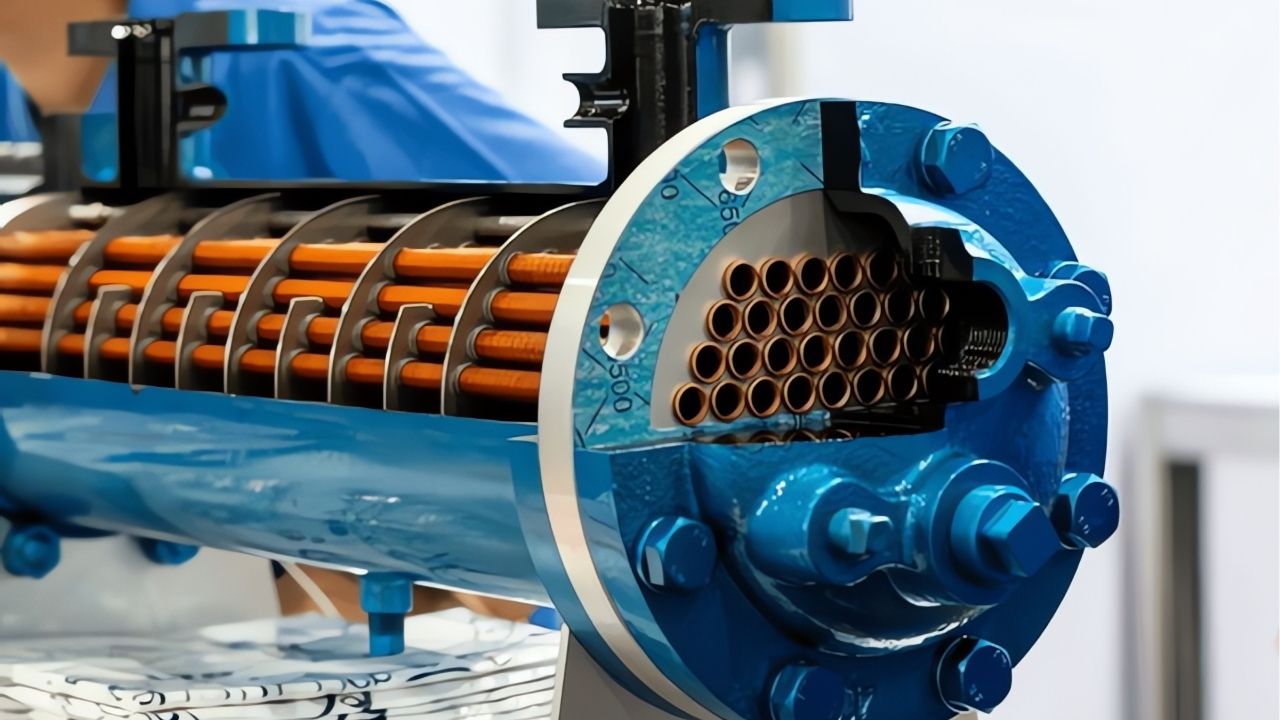
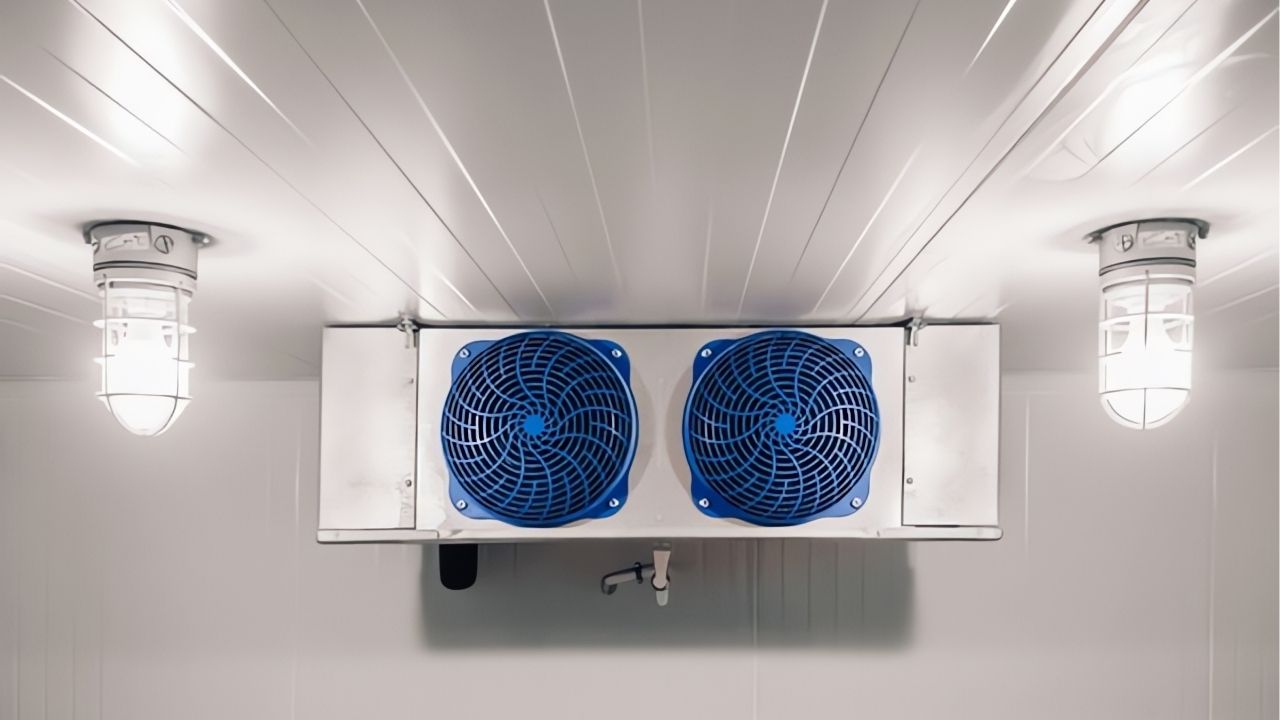
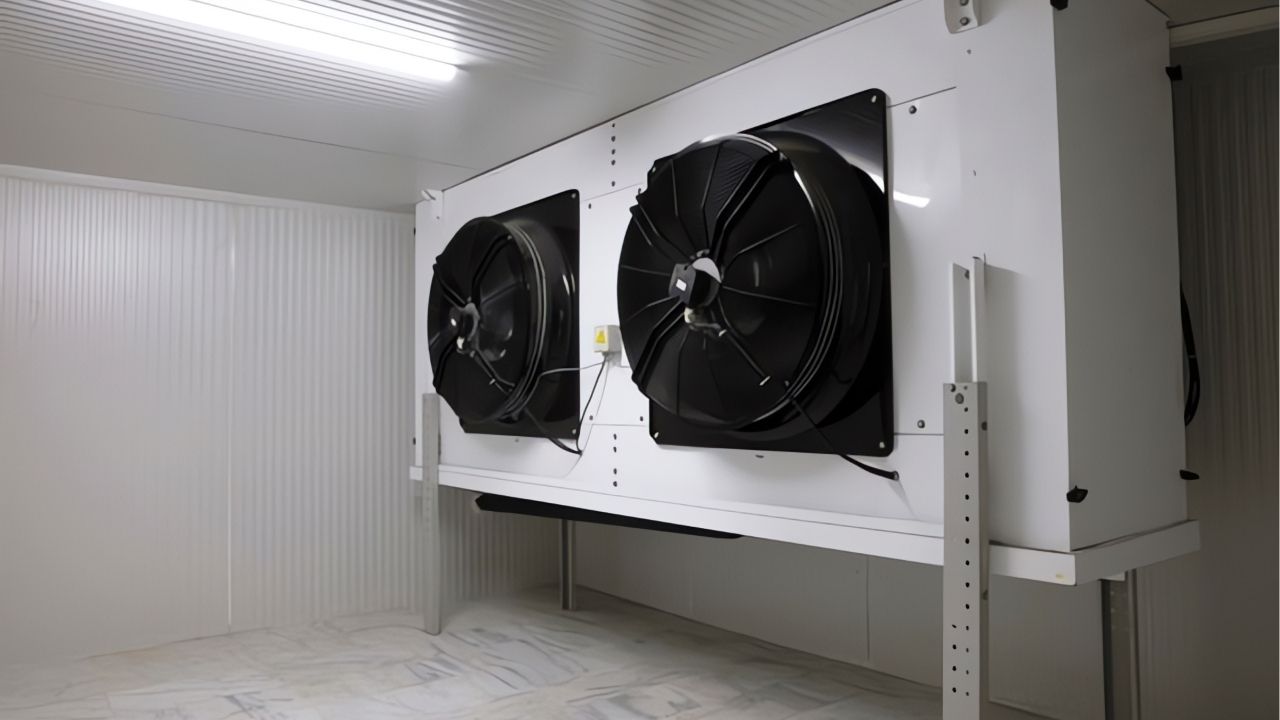
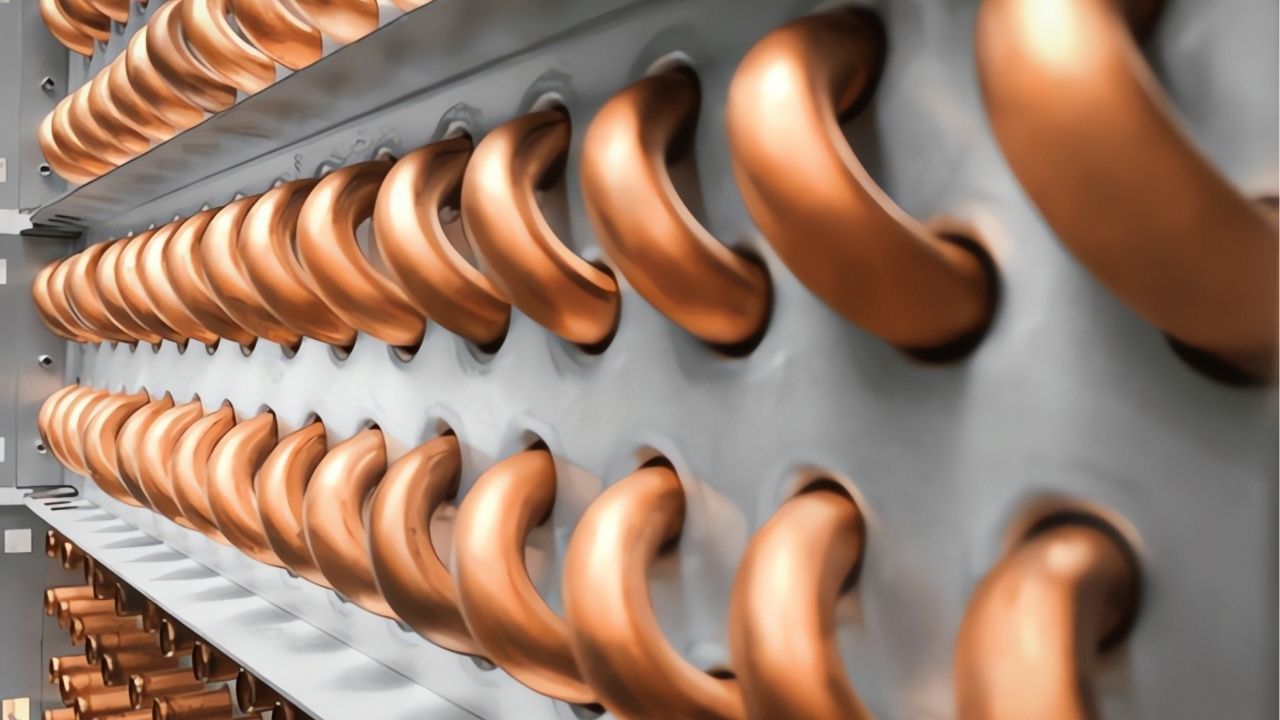
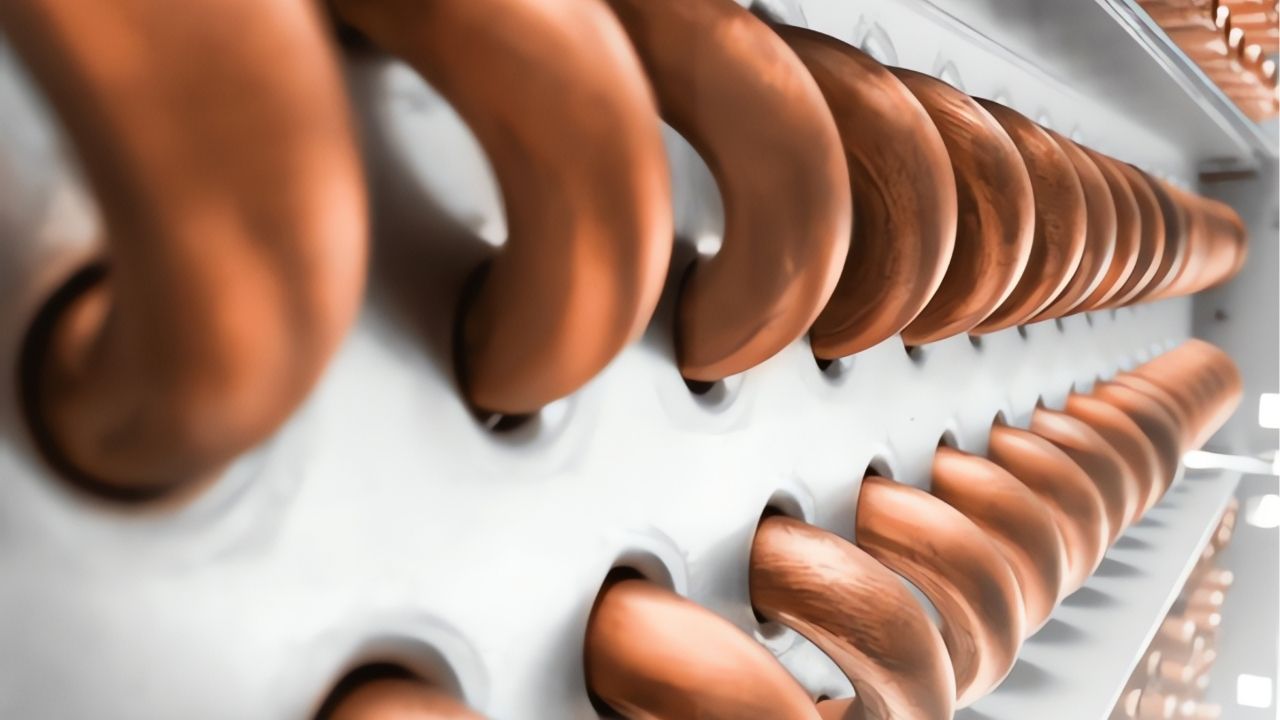
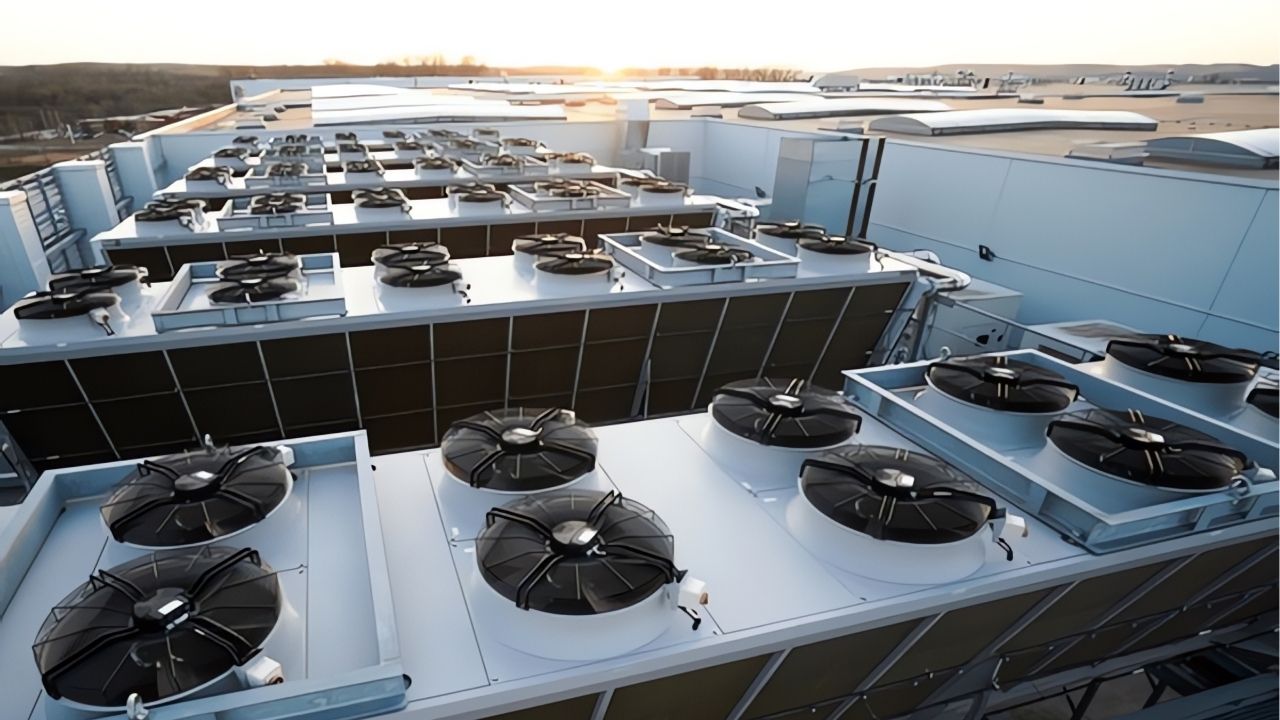
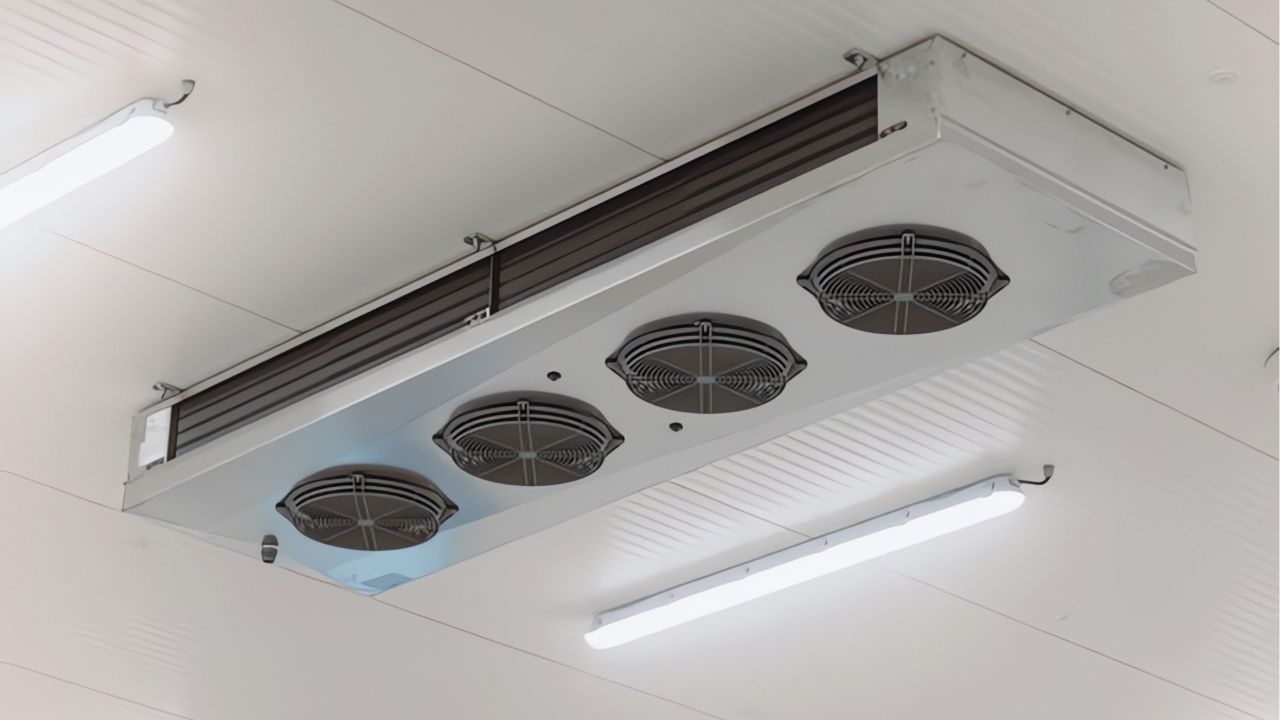
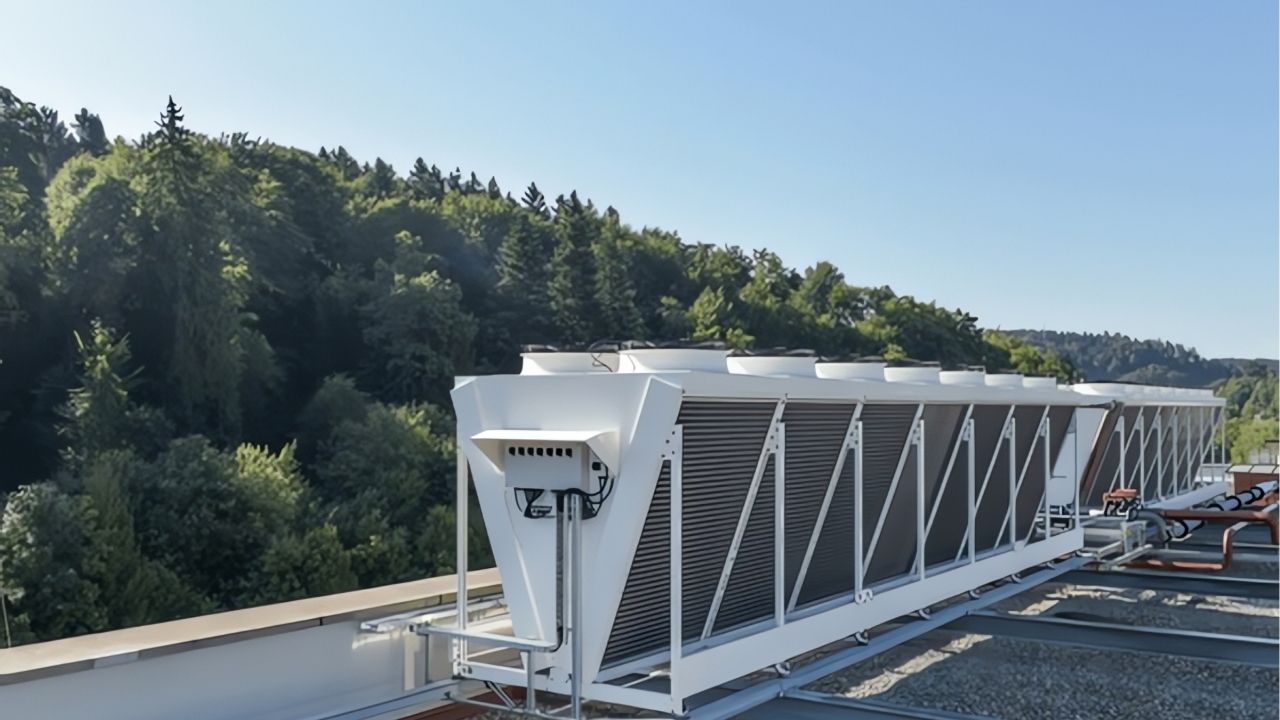
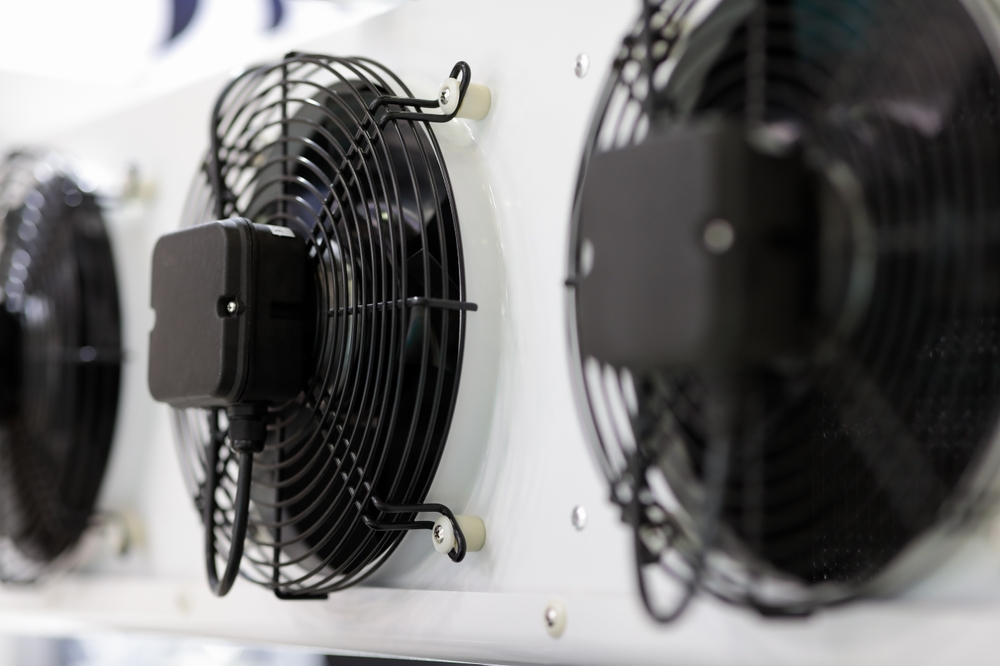
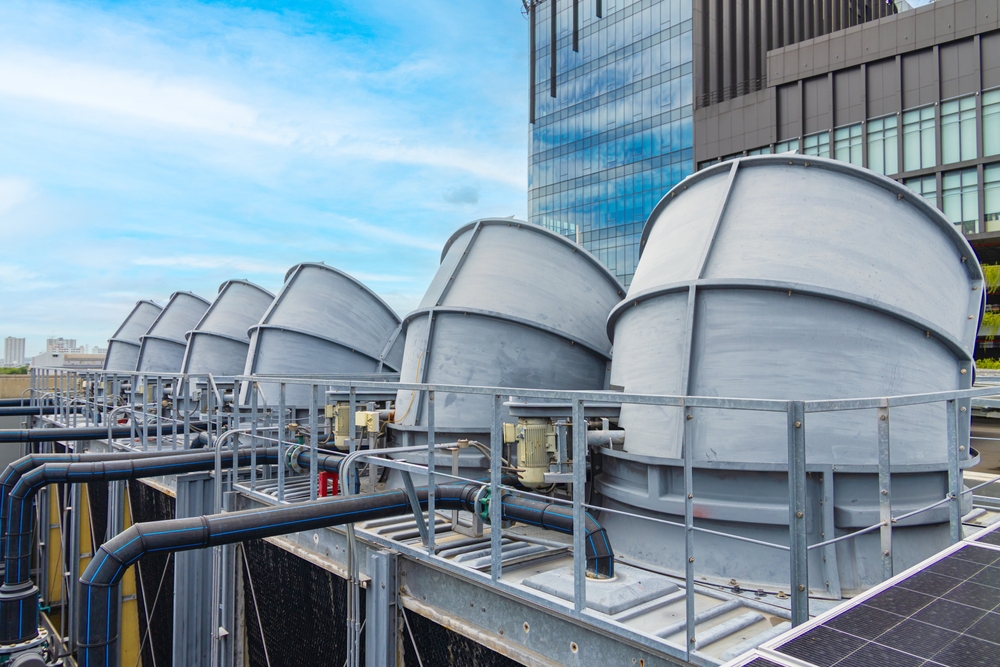
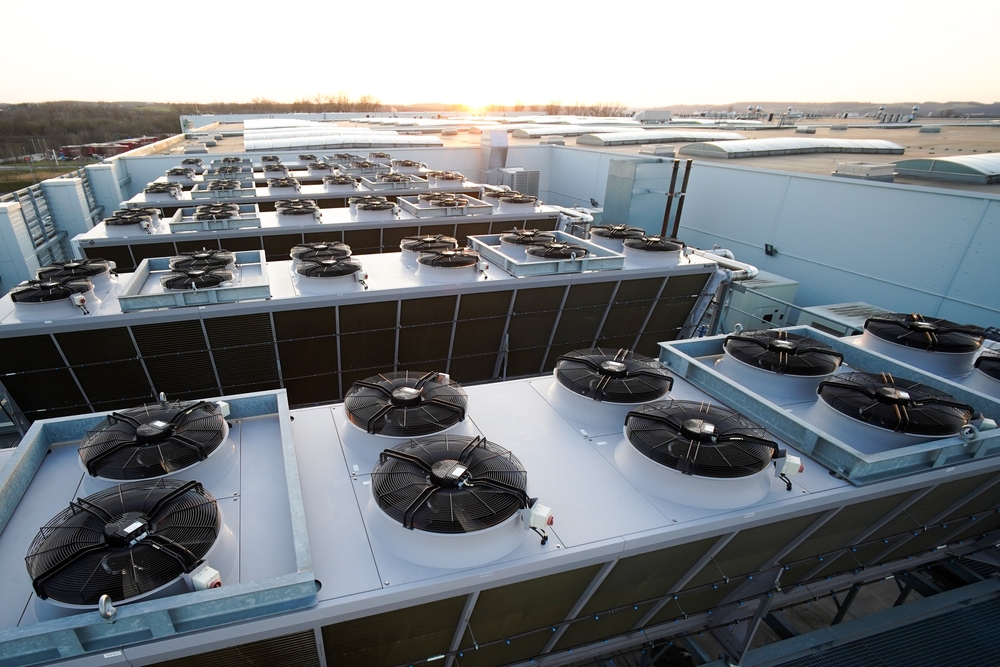
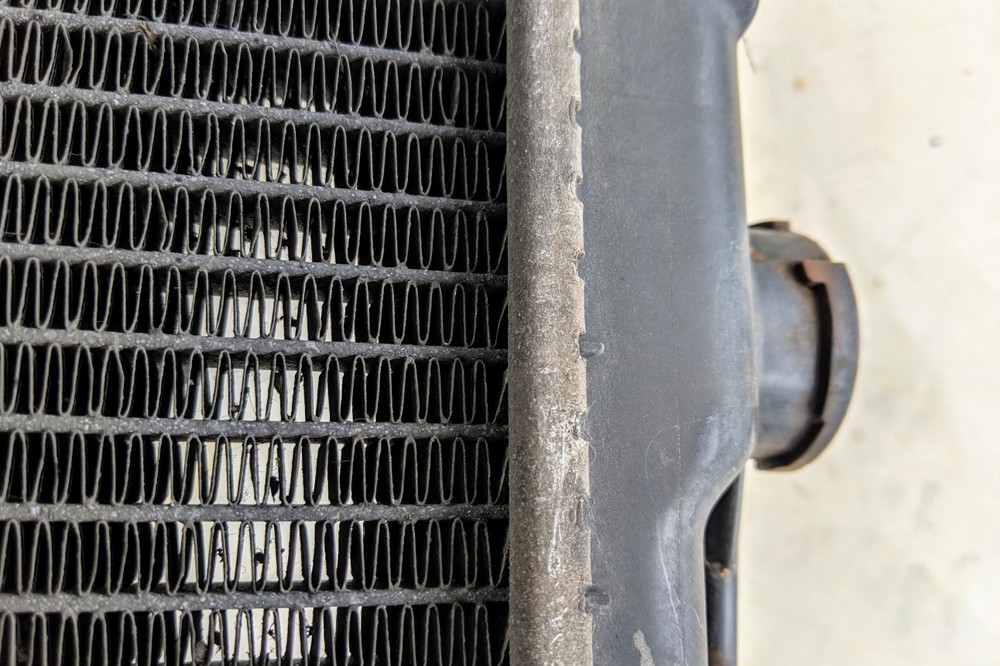
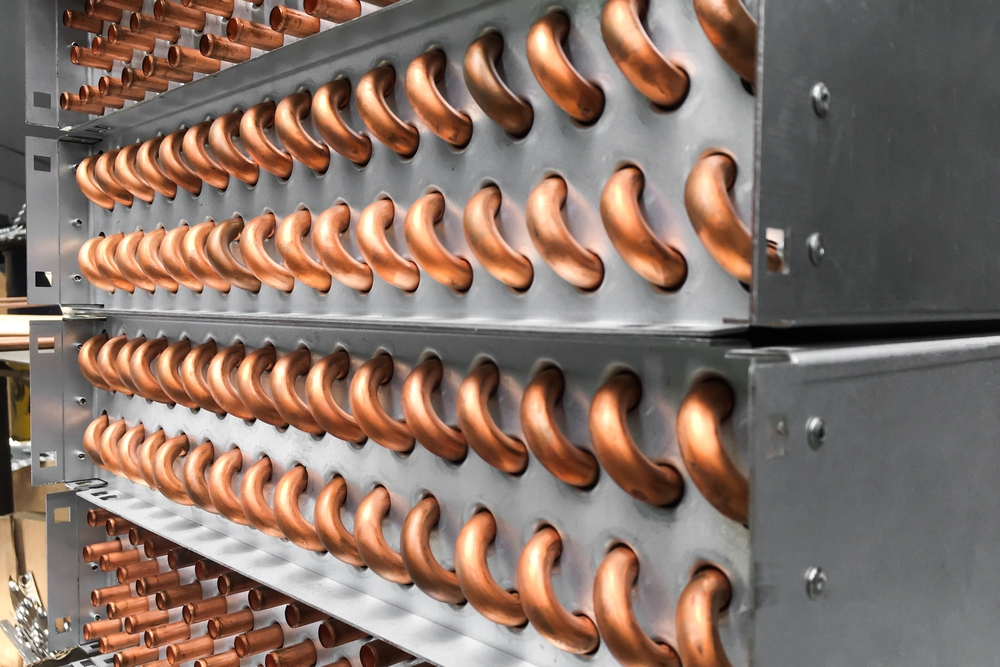
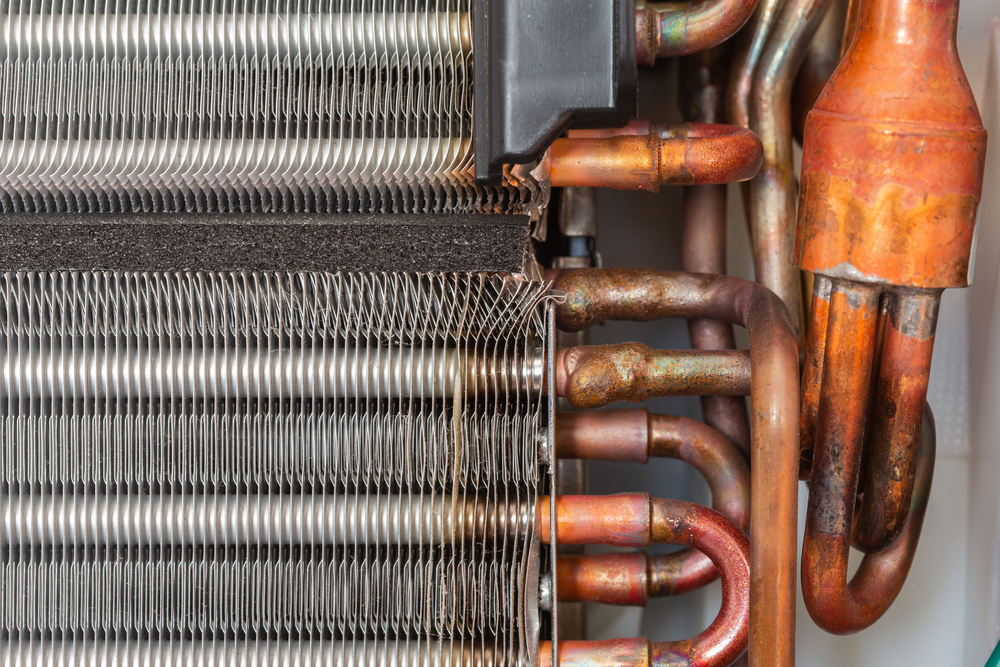
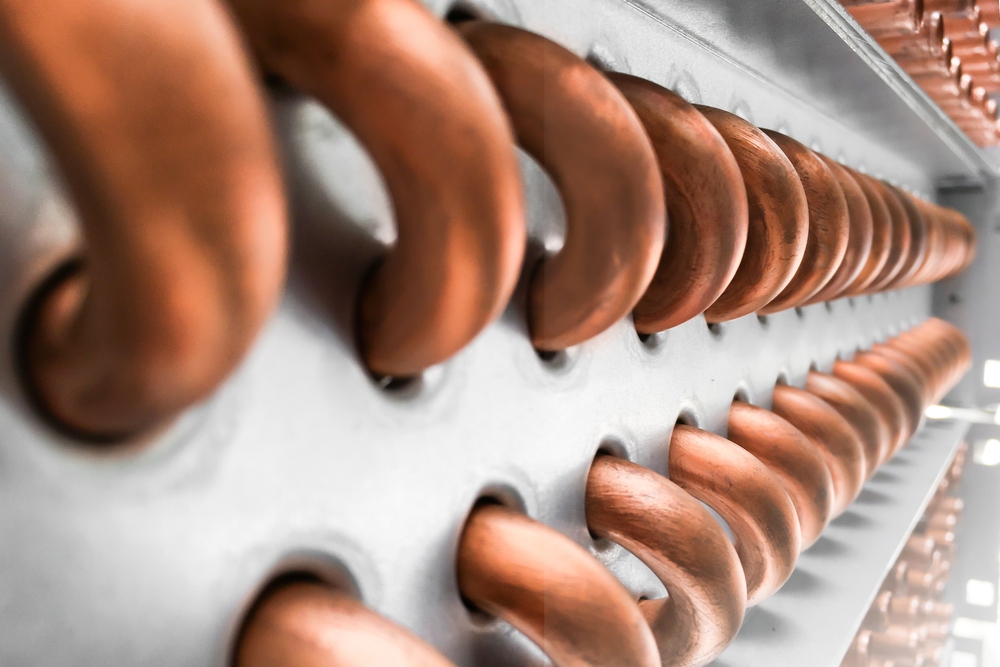
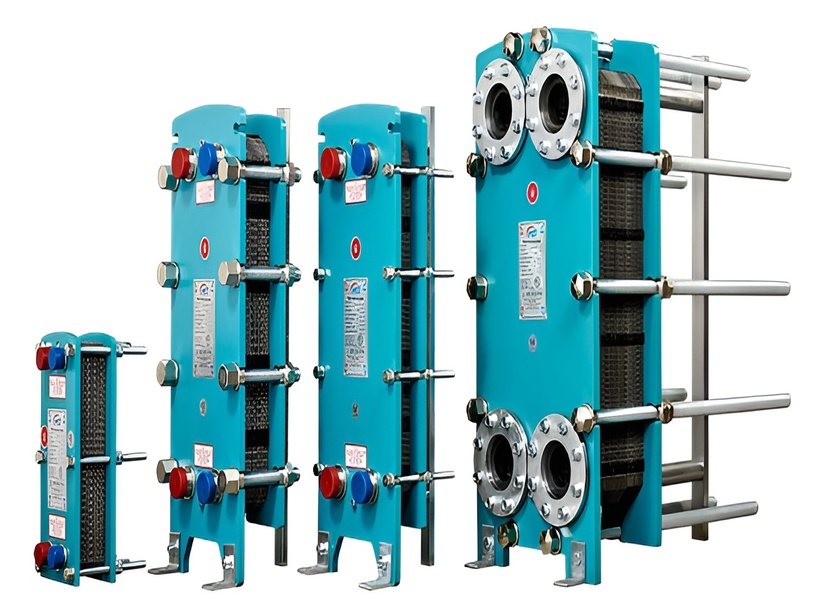
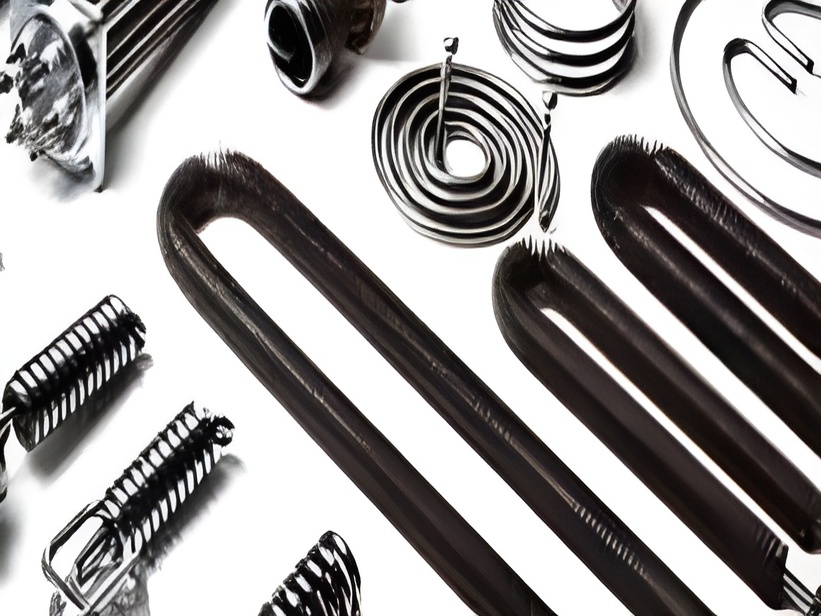
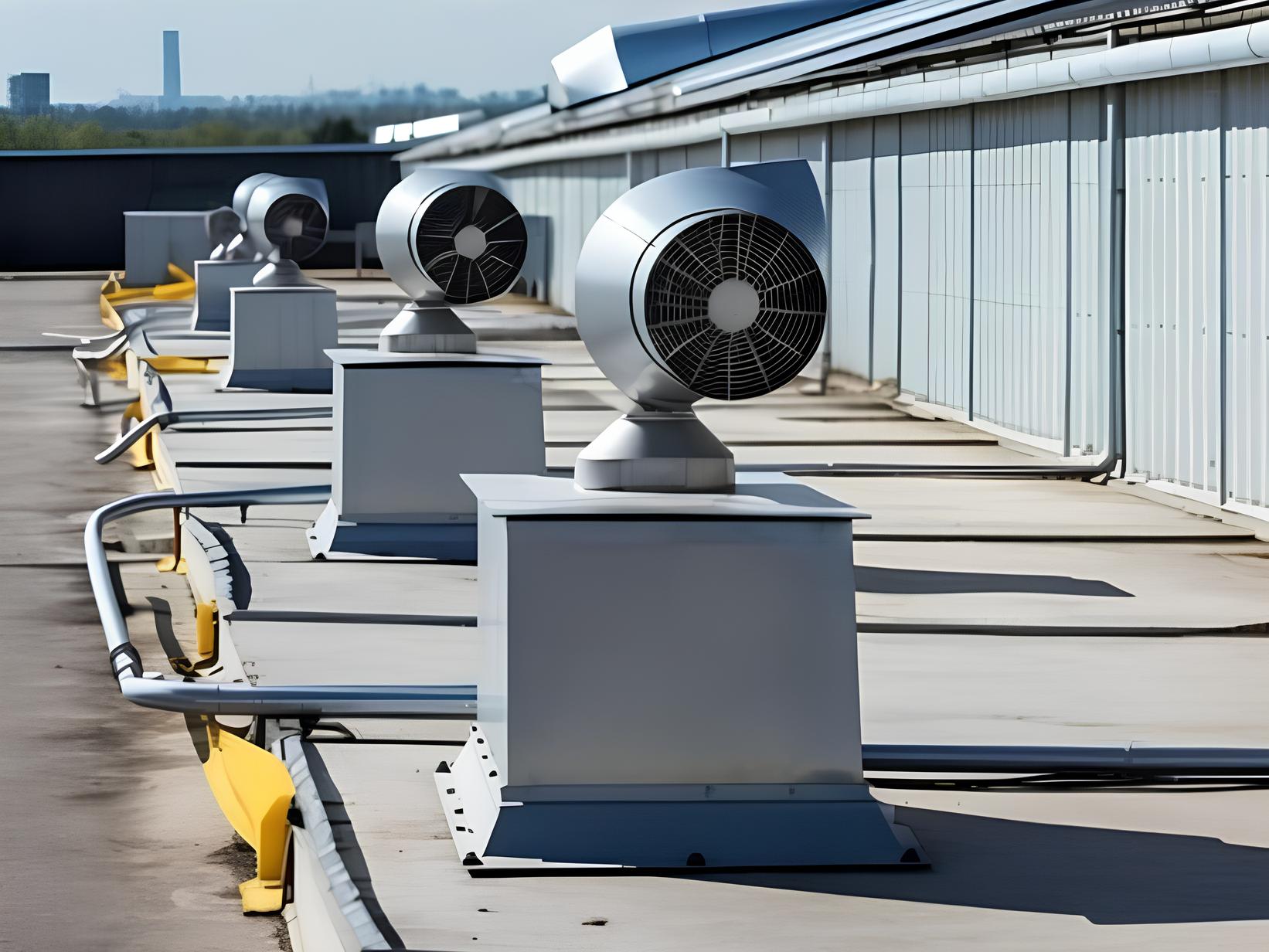
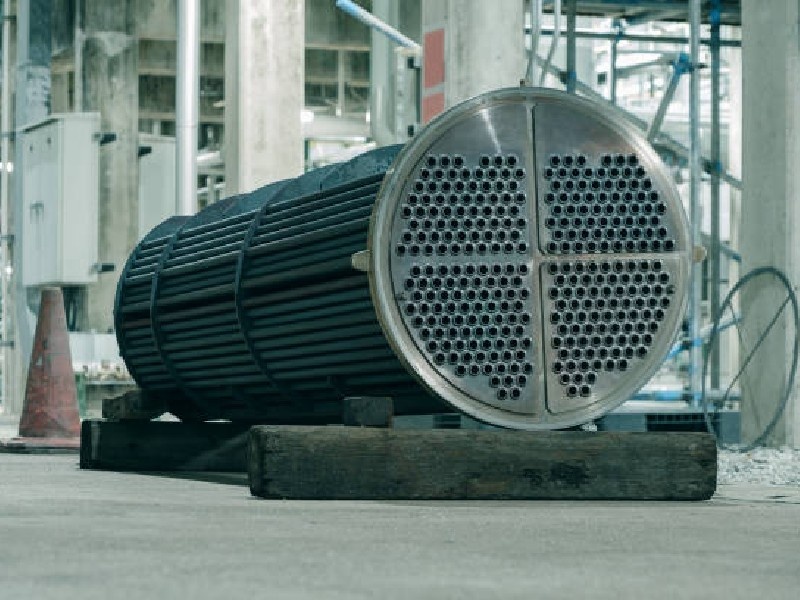
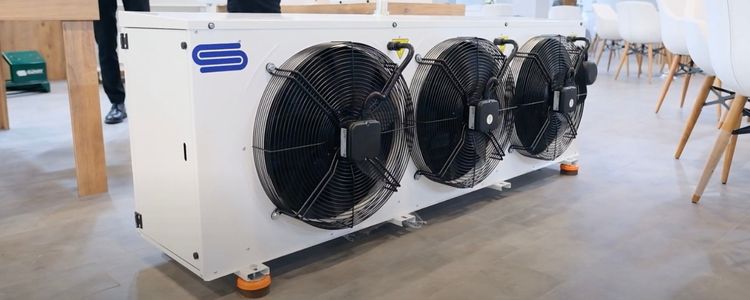
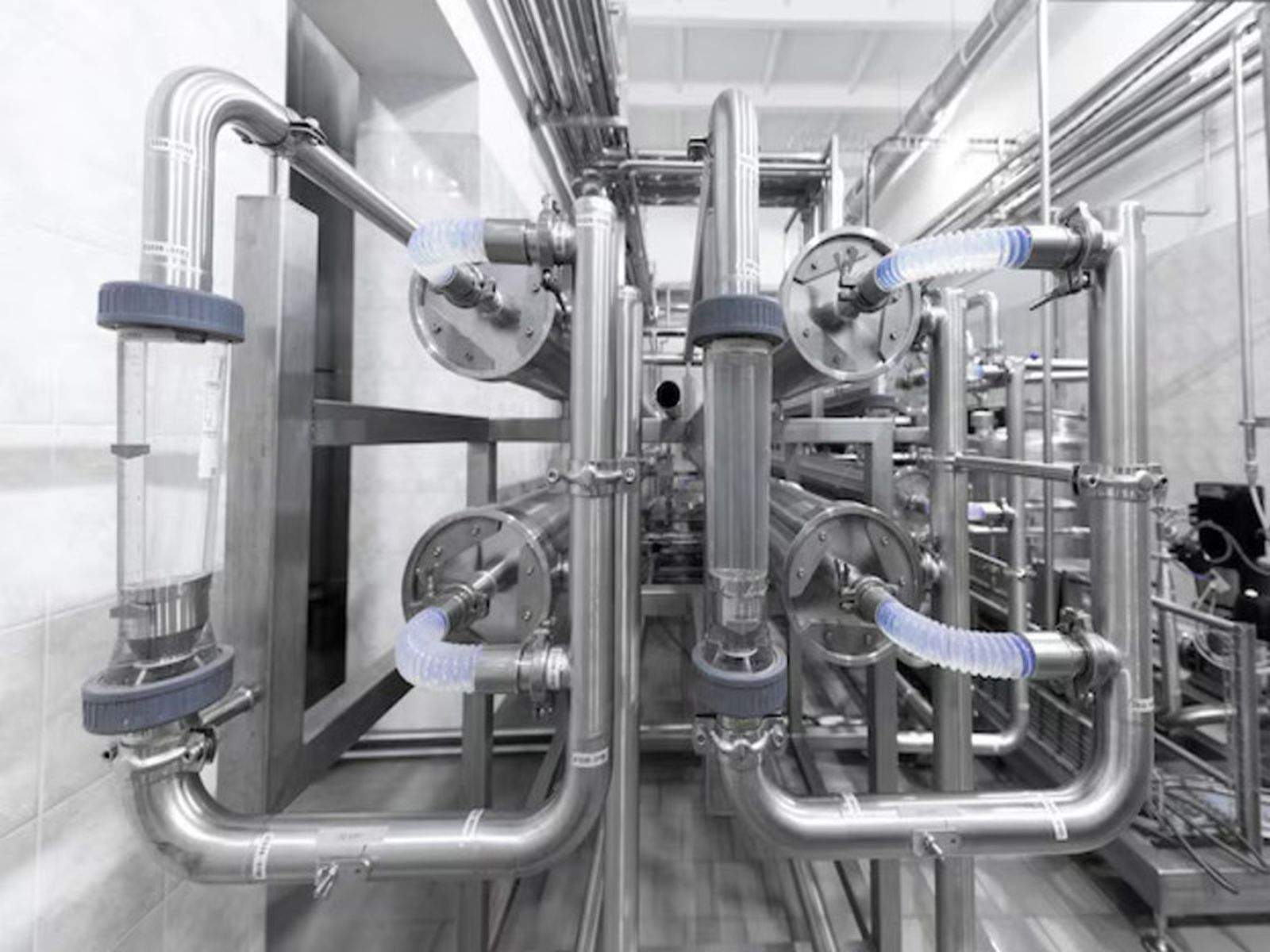
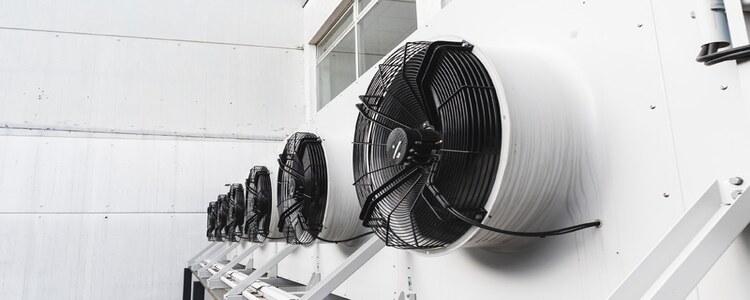
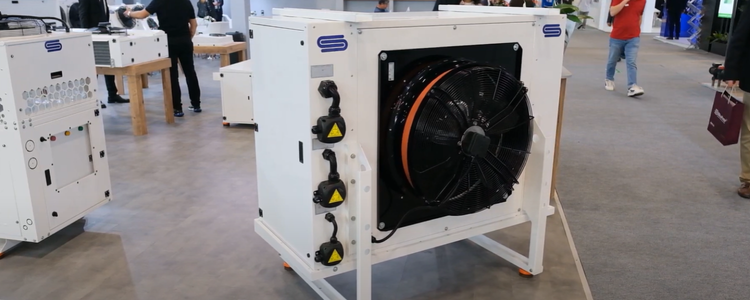
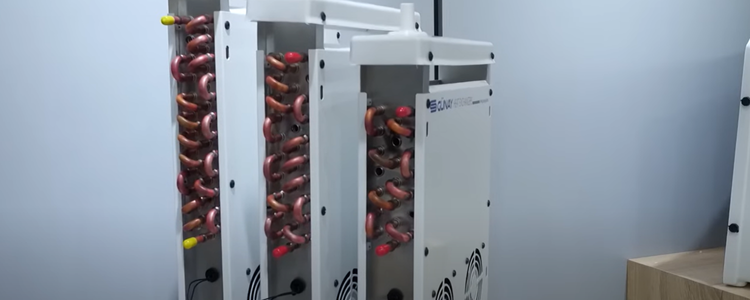
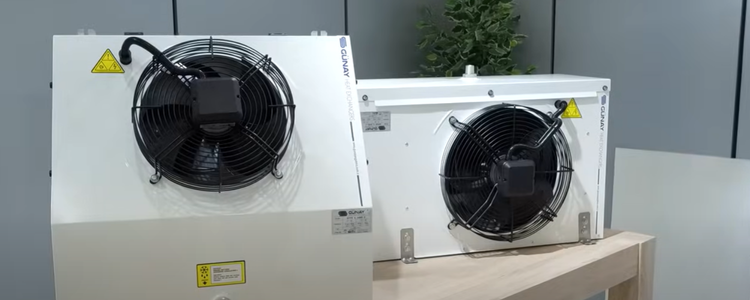
Plate heat exchangers are frequently preferred in liquid-to-liquid applications thanks to their compact structure and high heat transfer surfaces; however, their narrow channels may be more sensitive to fouling. Shell-and-tube heat exchangers offer wider flow cross-sections and can be advantageous in some fouled or high-pressure applications. In dry coolers and air coolers, where glycol exchanges heat with air, finned-tube coils are used, and the circuiting should be designed according to the properties of the glycol.
How Does Glycol Concentration Affect Heat Exchanger Size?
As glycol concentration increases, freeze protection improves, but because heat transfer weakens, a larger heat exchanger surface is generally required for the same capacity. For this reason, the concentration should not be selected higher than the level of protection needed.
The appropriate concentration is determined by taking into account the lowest temperature the system may be exposed to and the required safety margin. A higher-than-necessary concentration can increase both the heat exchanger cost and the pump energy; a lower-than-necessary concentration brings with it the risk of freezing. Since different types such as ethylene and propylene glycol also have thermal properties that differ from one another, the selection should be made according to the type used.
Why Should Pressure Drop and Pump Selection Be Considered Together?
Pressure drop and pump selection should be considered together, because the high viscosity of glycol increases the resistance in the heat exchanger and pipes and directly changes the pump's operating point. A pump selected for water may not be able to deliver the target flow rate in a glycol circuit.
Increasing the flow velocity to enhance heat transfer in the heat exchanger also increases pressure drop; this balance should be evaluated in terms of total energy consumption. It should be borne in mind that viscosity rises even further under cold operating conditions, and the pump should be selected accordingly. It is important that the data obtained from the heat exchanger manufacturer has been calculated for the glycol mixture.
How Are Corrosion and Maintenance Managed in a Glycol System?
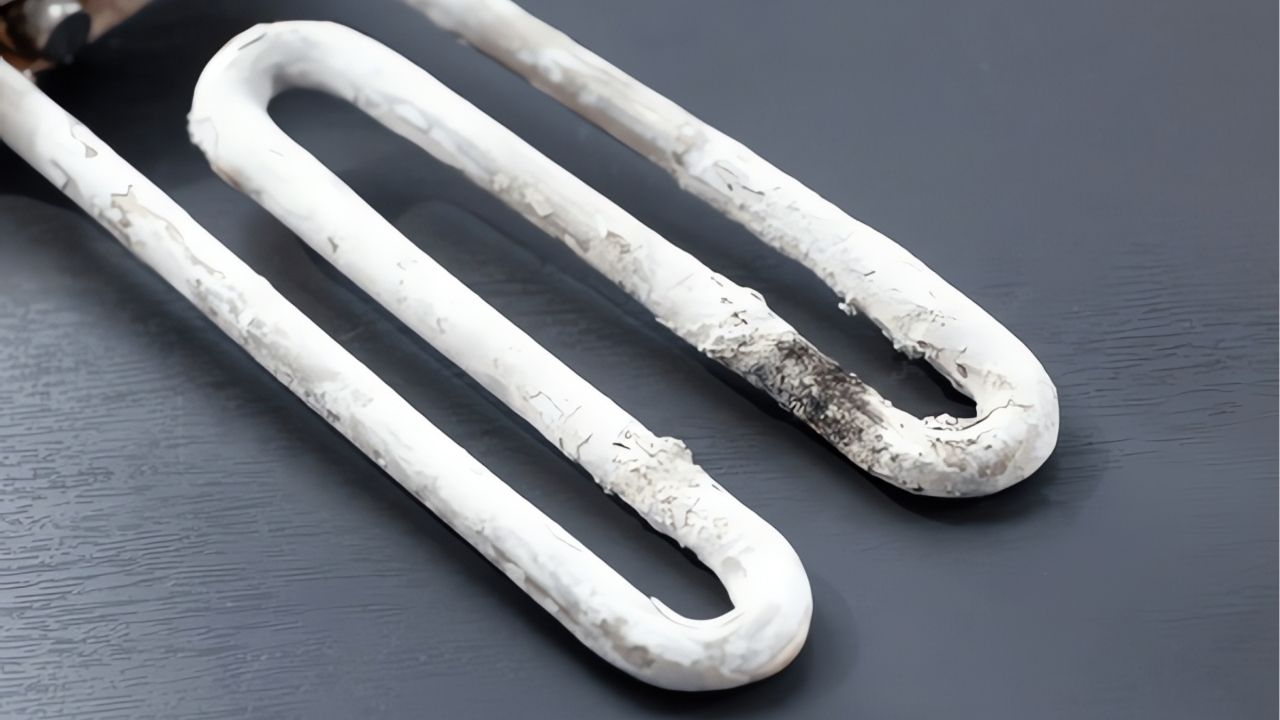
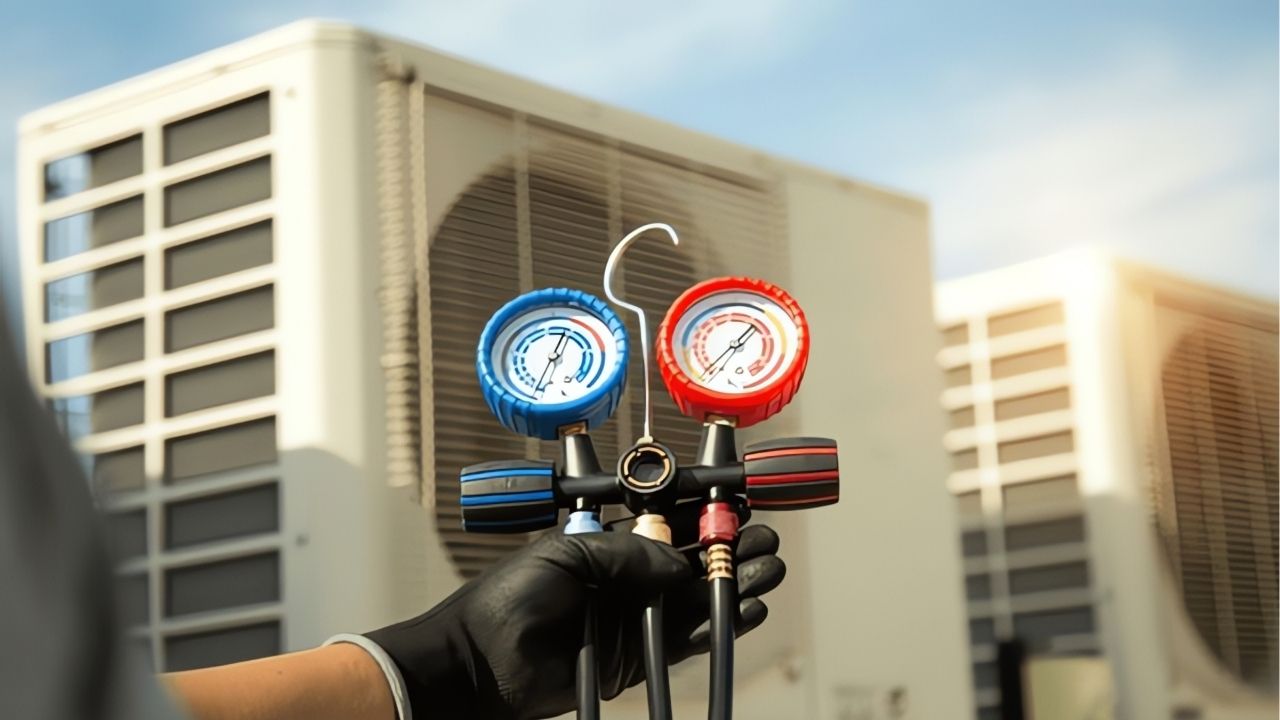
Corrosion in a glycol system is managed by using glycol containing suitable inhibitors and by checking the mixture regularly. Over time, inhibitors can become depleted and the glycol can degrade and become acidic; this increases the risk of corrosion on metal surfaces.
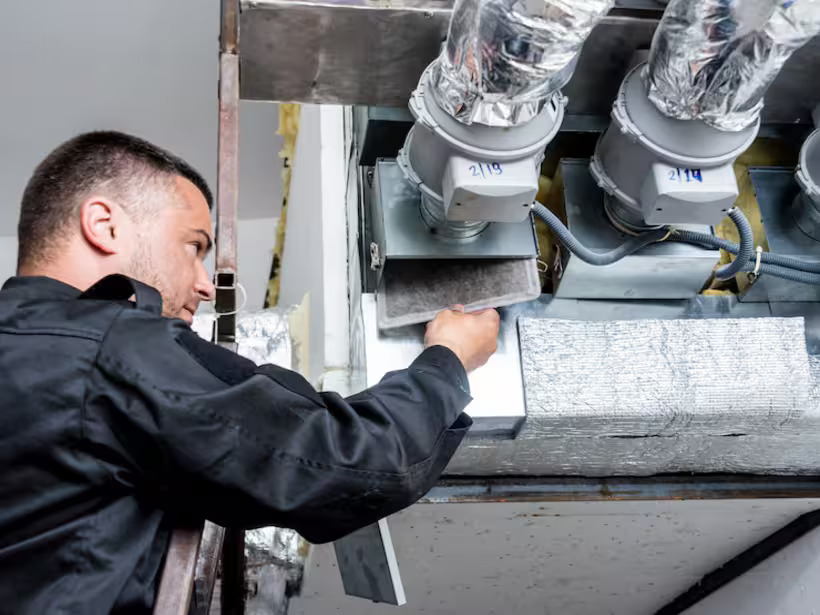
Concentration, pH and inhibitor level should be measured periodically and, if necessary, the mixture should be topped up or renewed. Where different metals are used in the same circuit, material compatibility should be evaluated separately. In plate heat exchangers, planning filtration and, when needed, cleaning to prevent the build-up of fouling helps preserve performance.
What Should Be Considered When Selecting a Heat Exchanger for a Glycol System?
Heat exchanger selection in glycol systems requires considering fluid properties, hydraulic balance and long-term maintenance conditions together. The following points can be useful in the selection process:
- Making the selection calculation with the actual glycol type, concentration and lowest operating temperature.
- Determining the suitable type among plate, shell-and-tube or finned-tube types according to the application.
- Evaluating heat exchanger pressure drop together with pump selection and total energy consumption.
- Planning material compatibility, inhibitor monitoring and cleaning access from the outset.
You can get technical support from the Günay Soğutma team to determine the appropriate heat exchanger for your glycol system.
Frequently Asked Questions
Can a heat exchanger selected for water be used with glycol?
It can be used, but since capacity and pressure drop will change, performance must be recalculated for the glycol mixture.
Should ethylene glycol or propylene glycol be preferred?
The choice is made taking into account the application's risk of contact with food or people, local regulations and thermal performance expectations.
What should the glycol ratio be?
The ratio is determined specifically for each project according to the lowest temperature the system may experience and the required safety margin.
Does a plate heat exchanger clog in a glycol system?
Narrow channels can be sensitive to fouling; this risk can be reduced with appropriate filtration and regular checks.
How often should the glycol mixture be checked?
The check frequency is determined according to operating conditions; concentration, pH and inhibitor level should be monitored regularly.
How much does glycol reduce capacity?
The effect depends on the glycol type, concentration and temperature; the exact value is determined in the selection calculation.
How can I get a heat exchanger recommendation for my own application?
You can obtain a recommendation specific to your application by sharing your heat load, glycol type and ratio, temperature ranges and circuit information with the Günay Soğutma team.