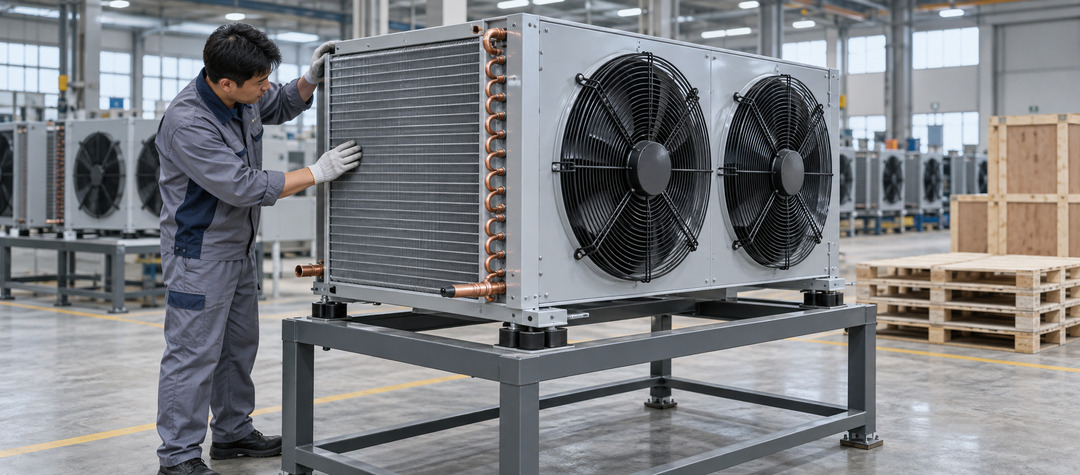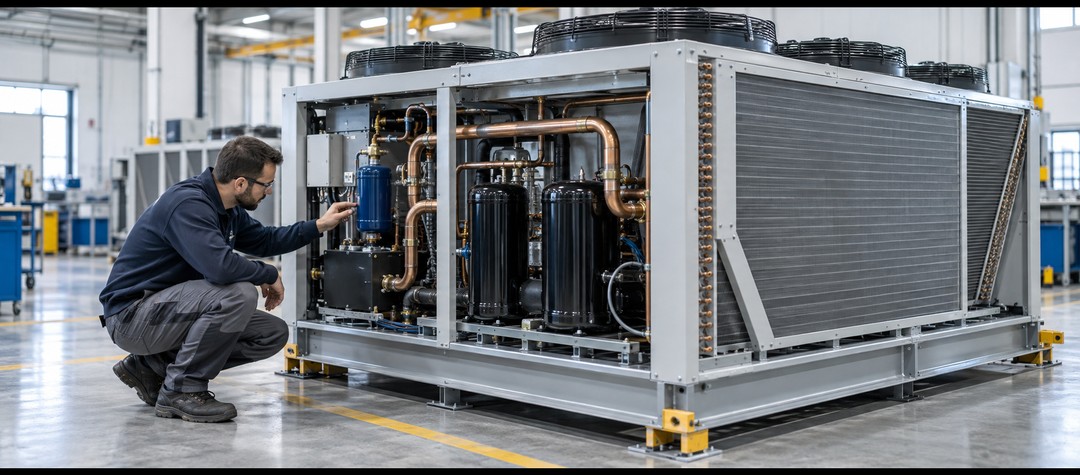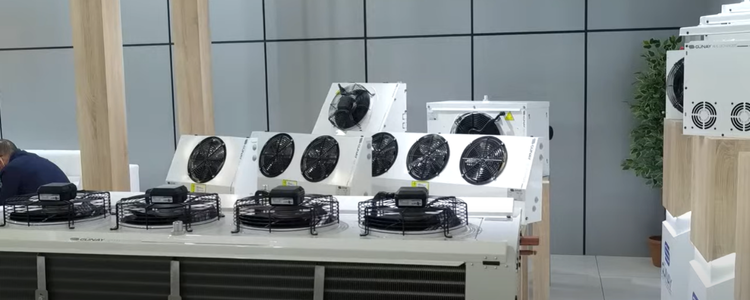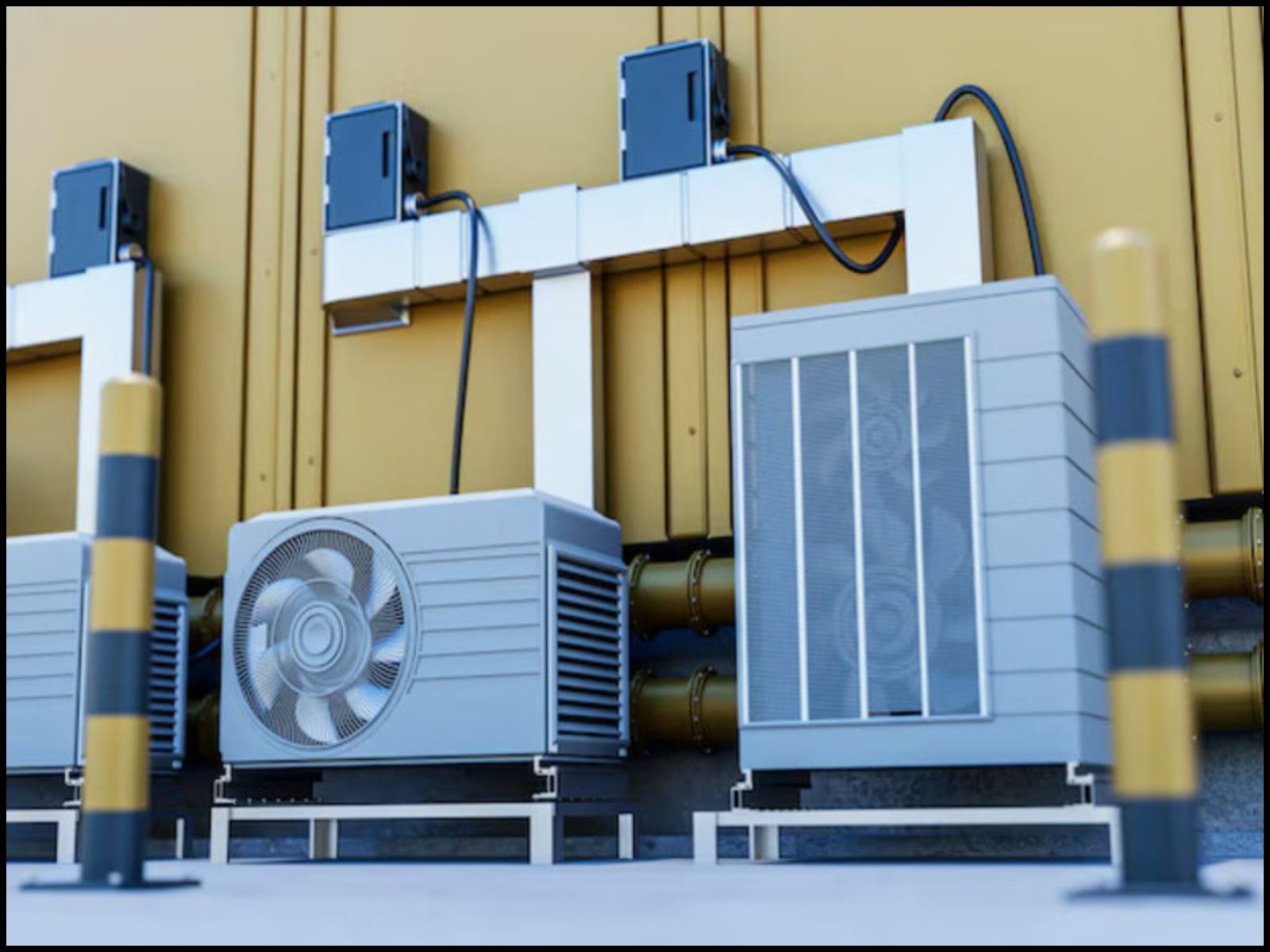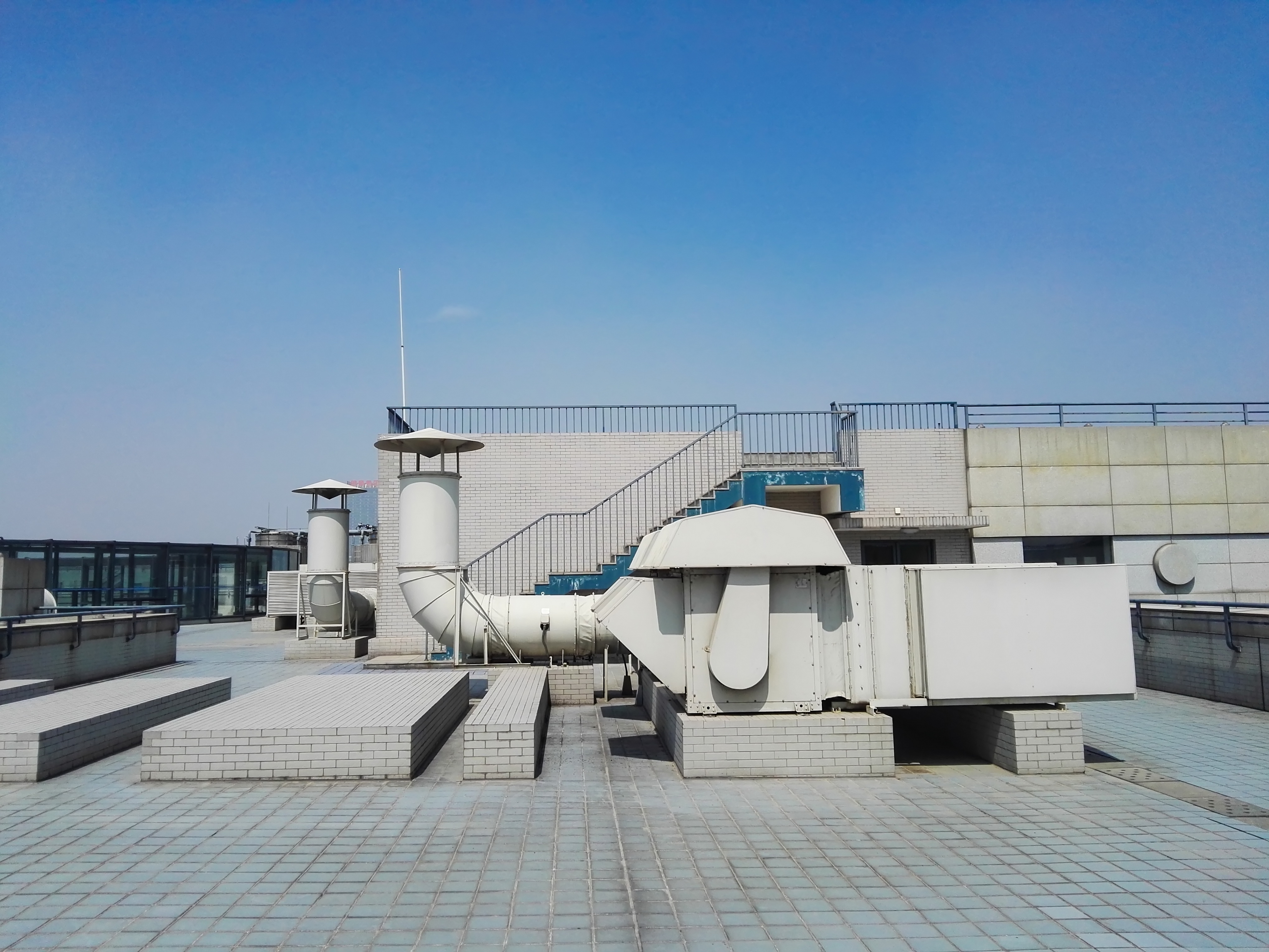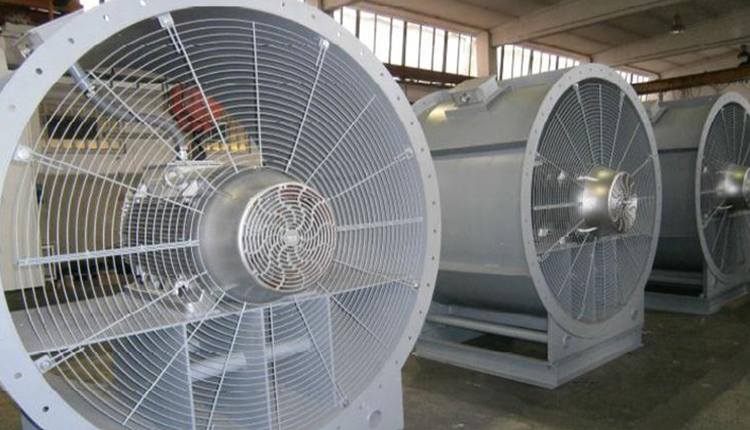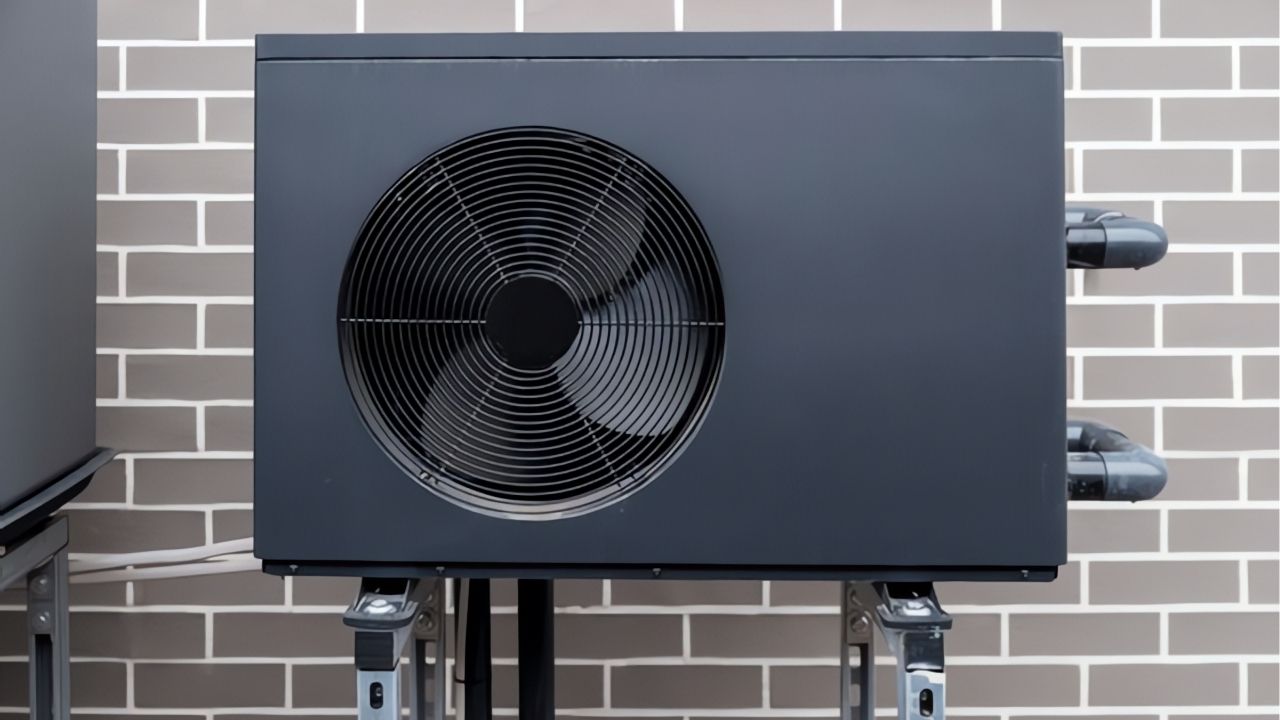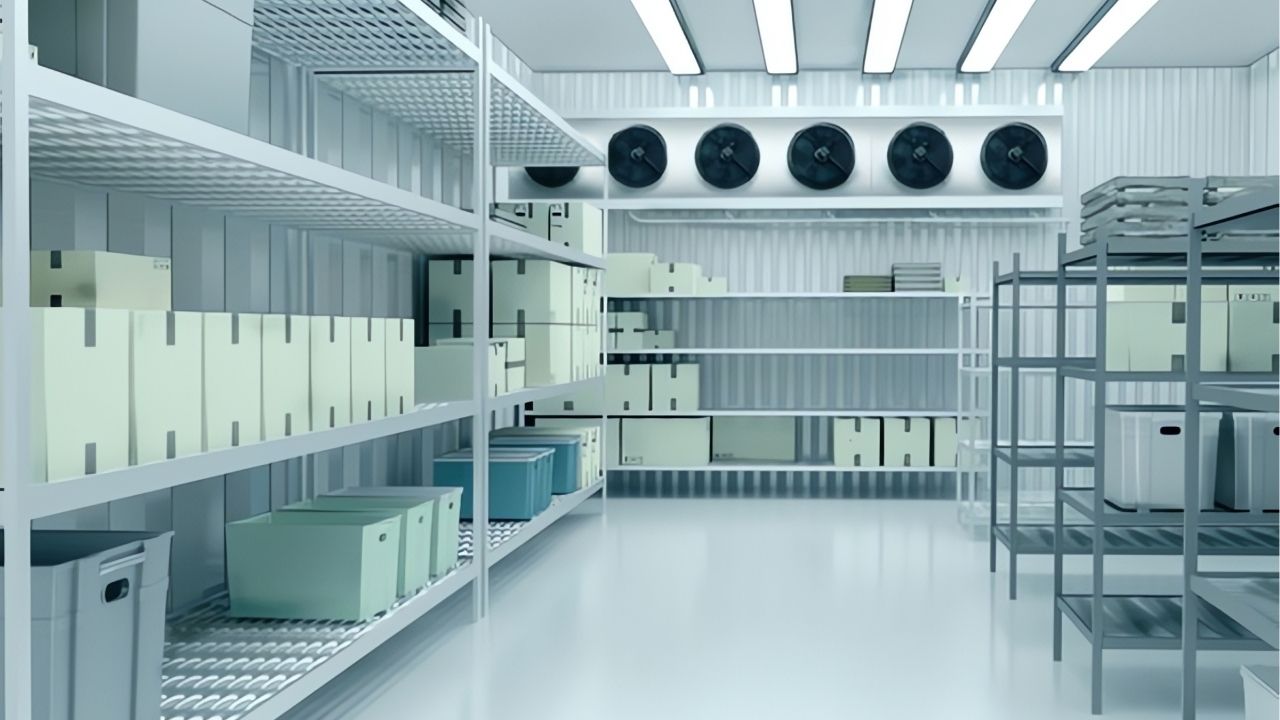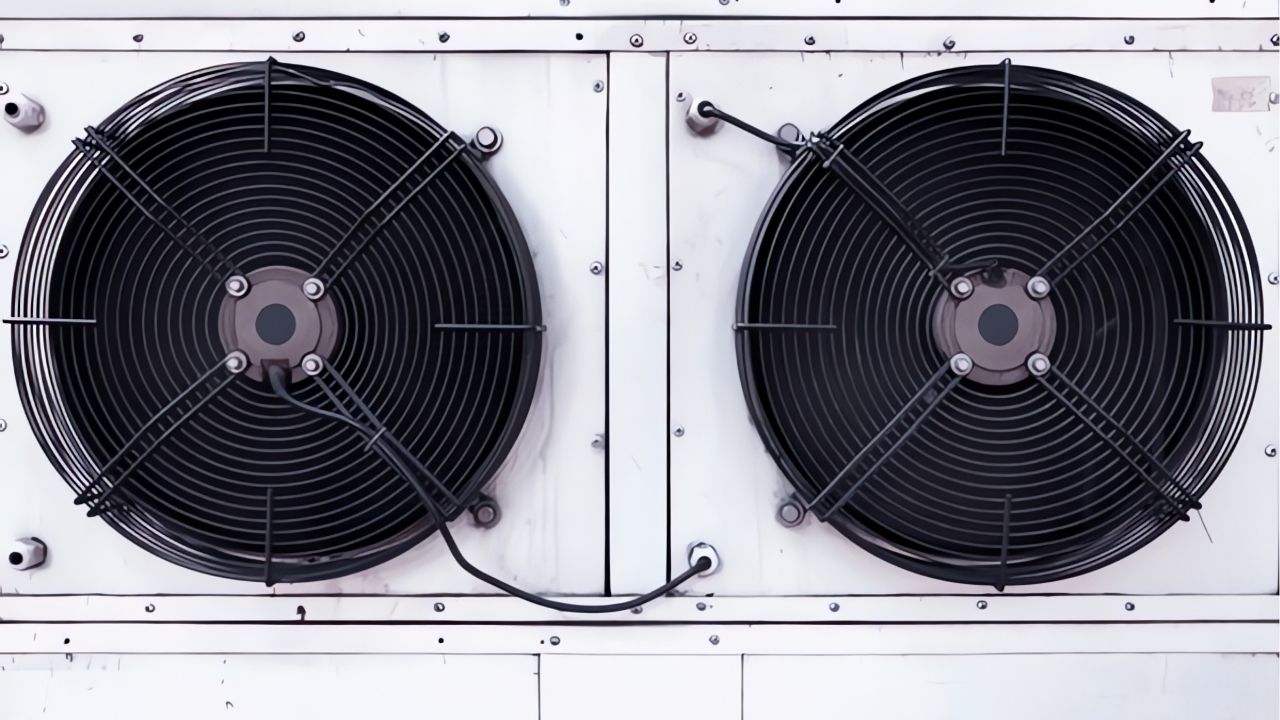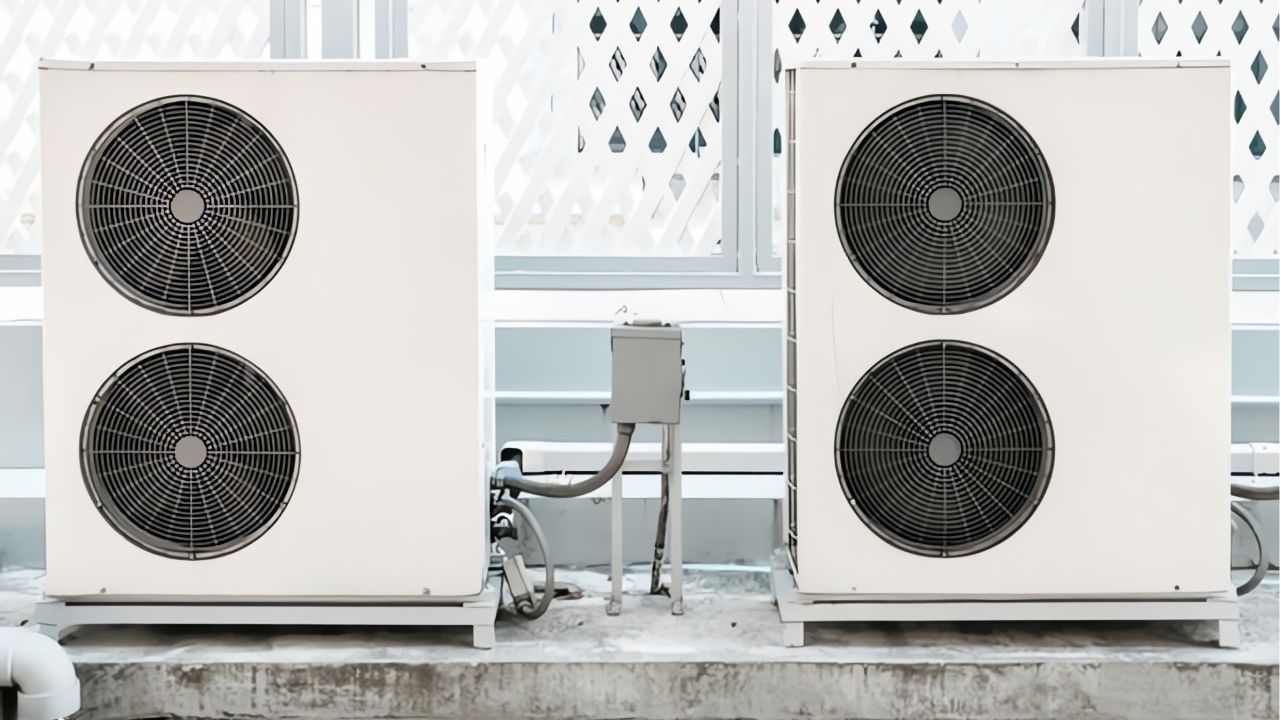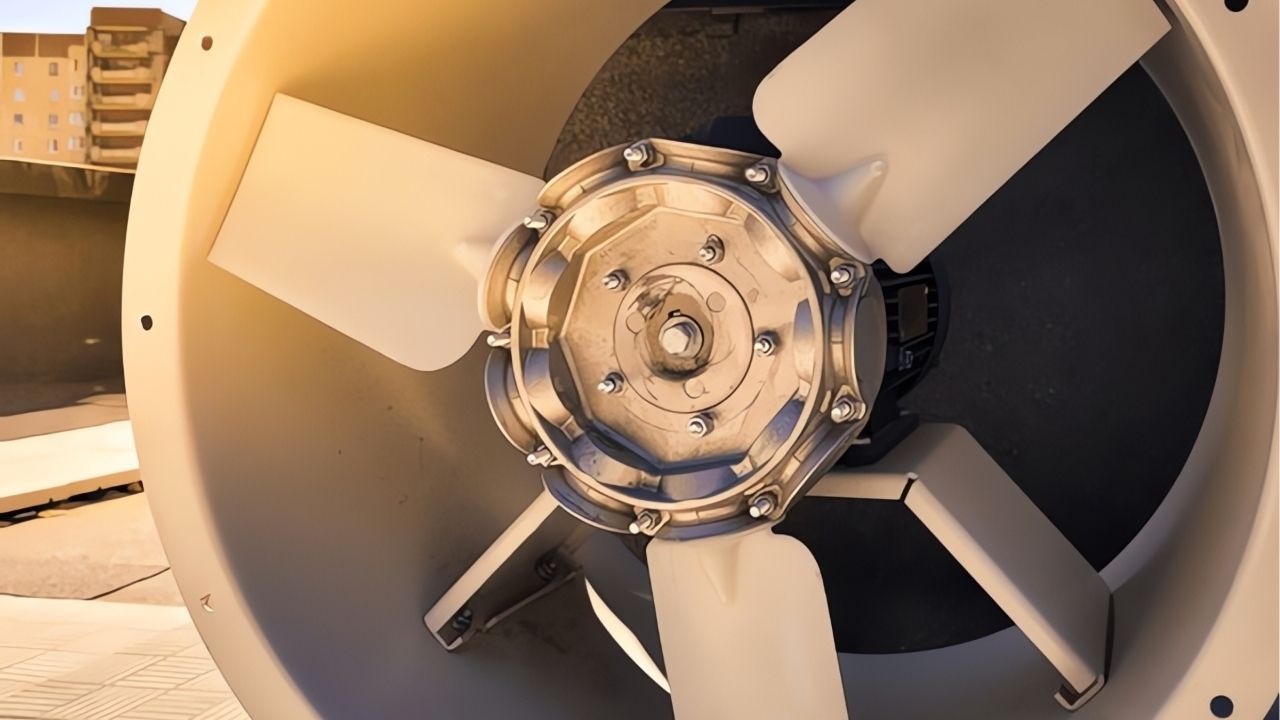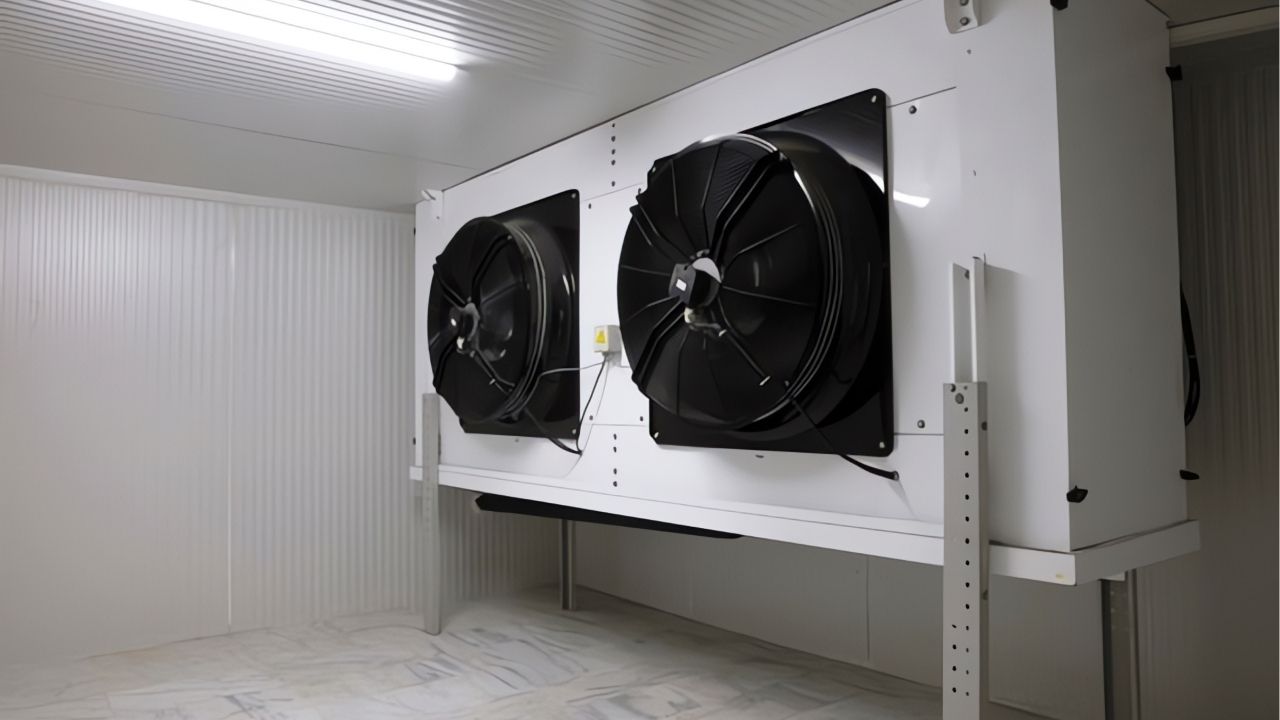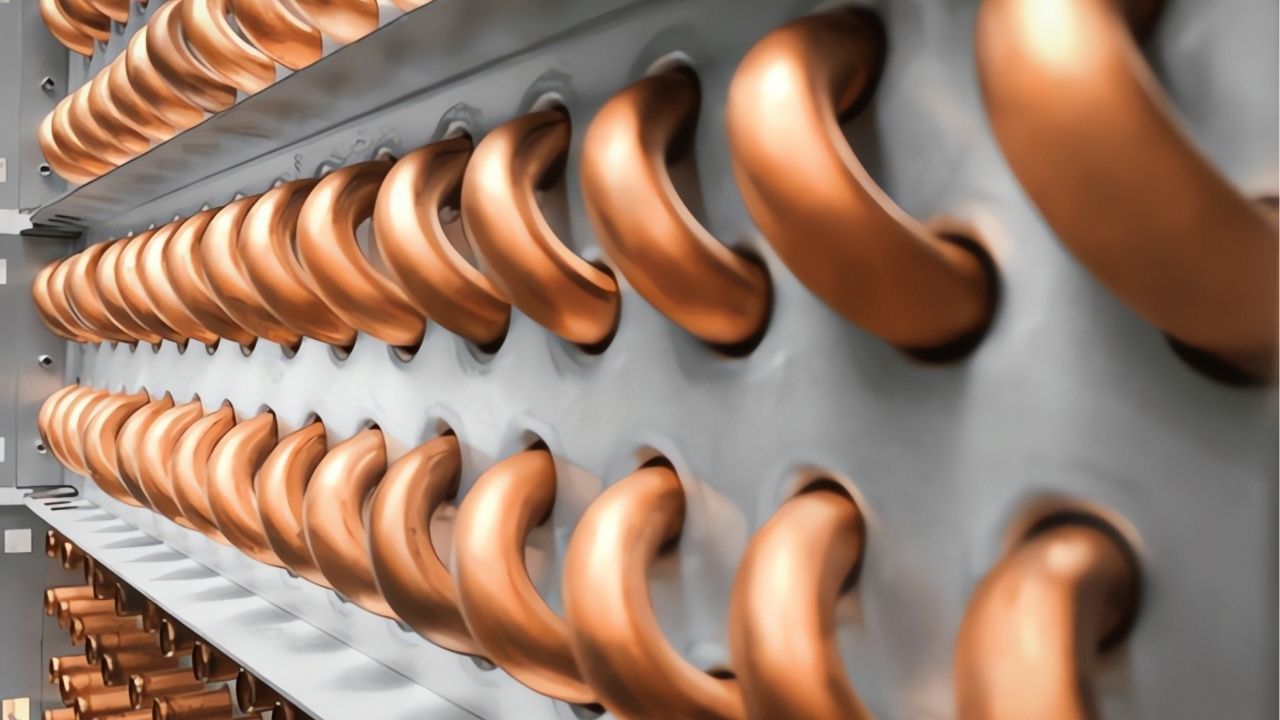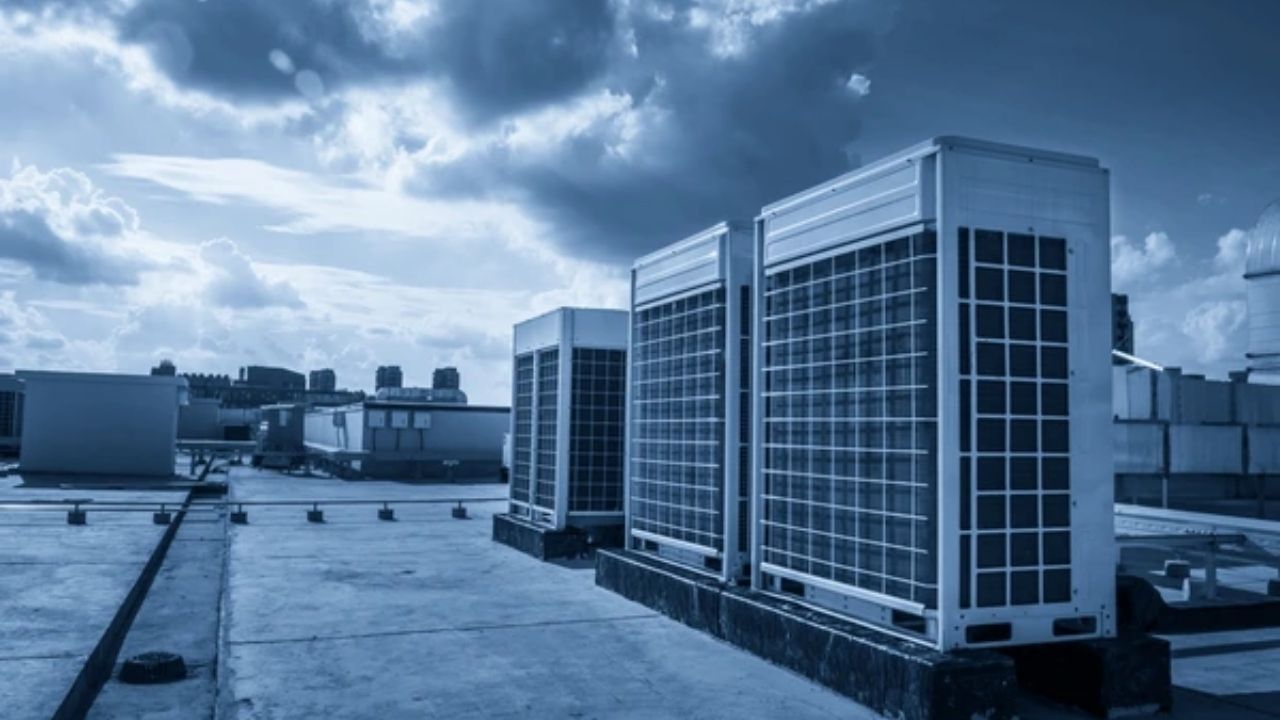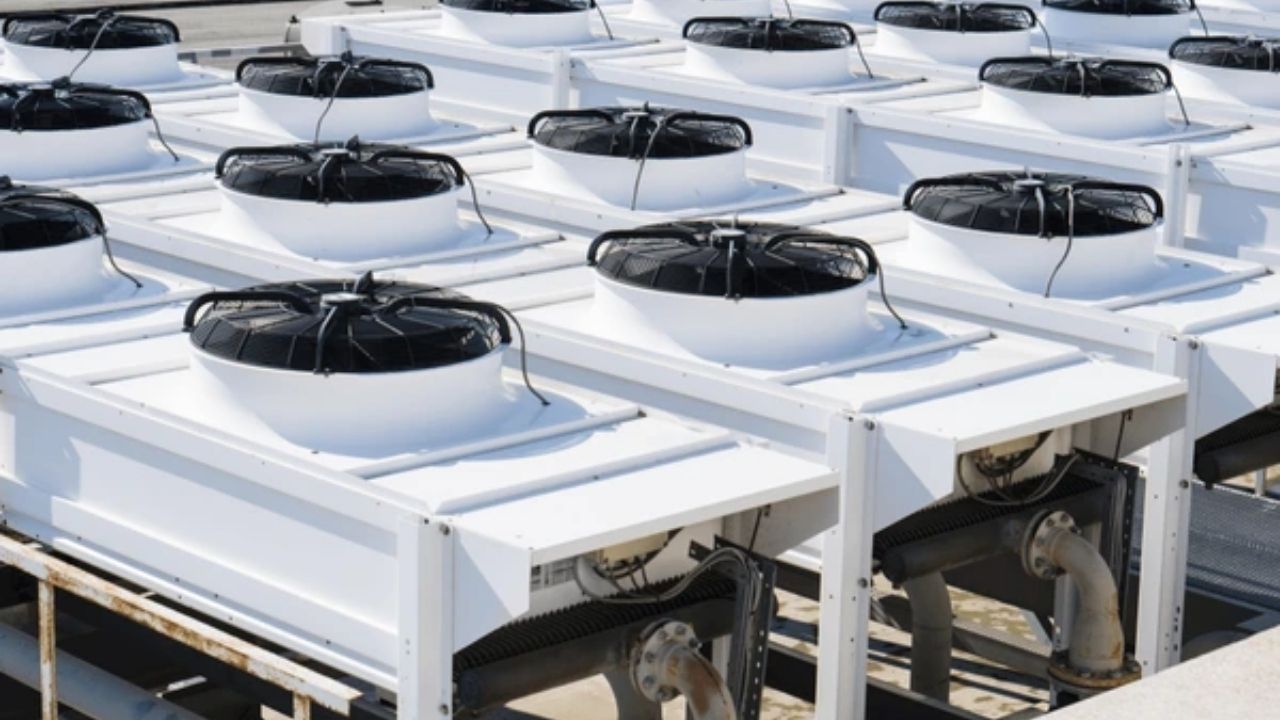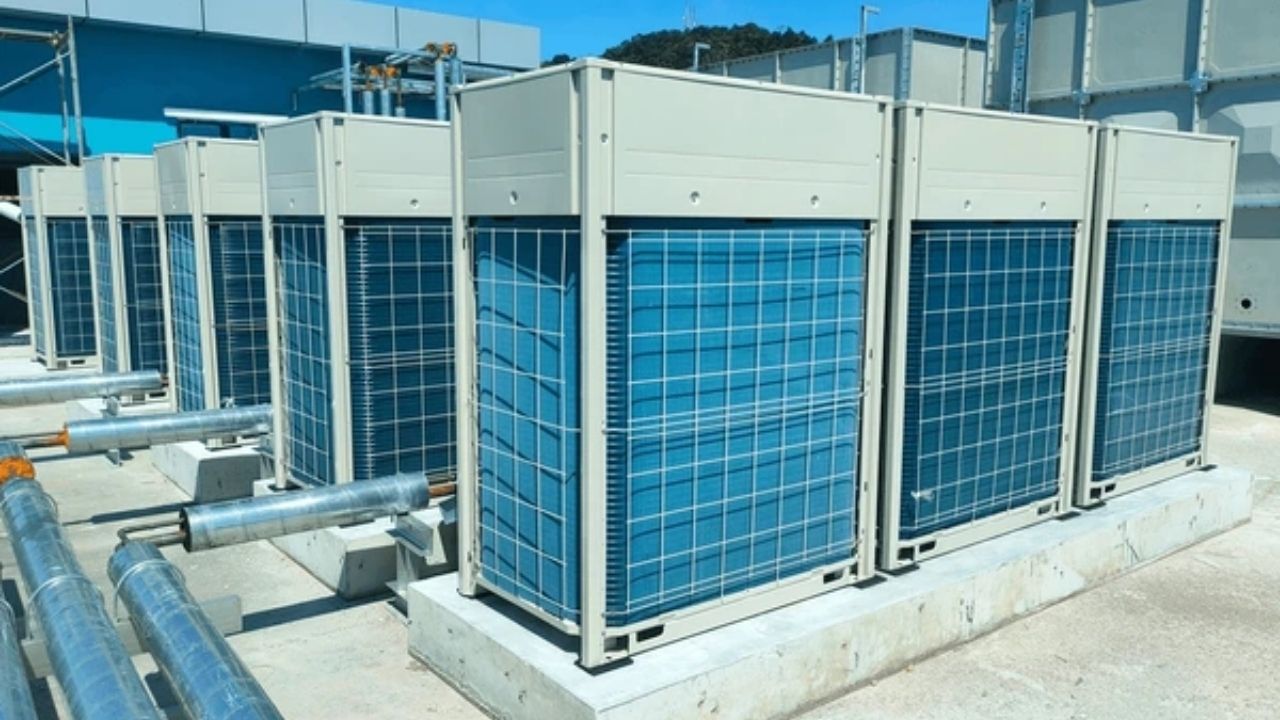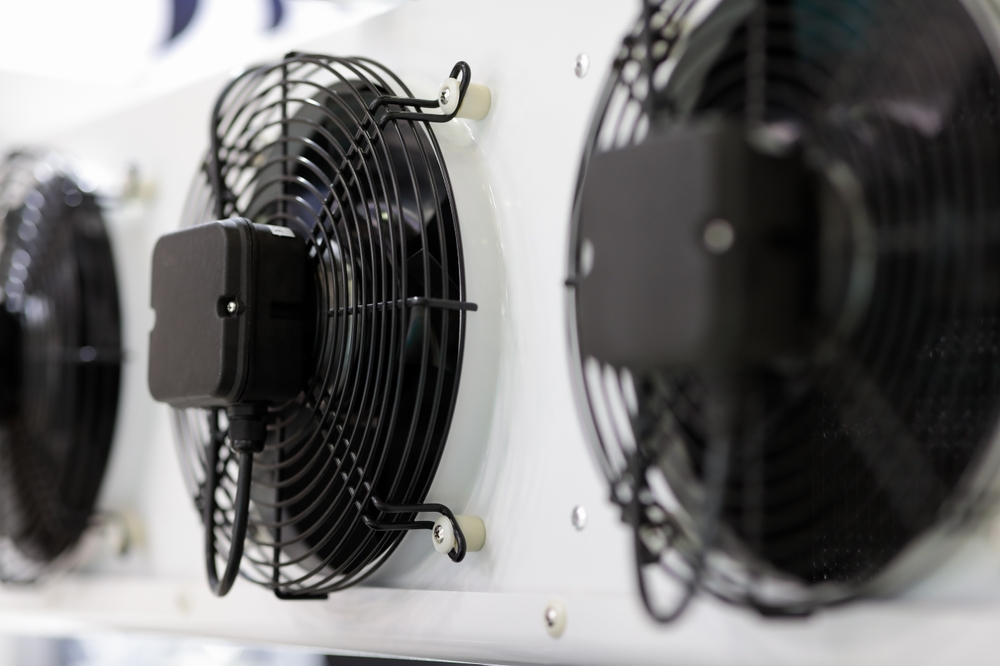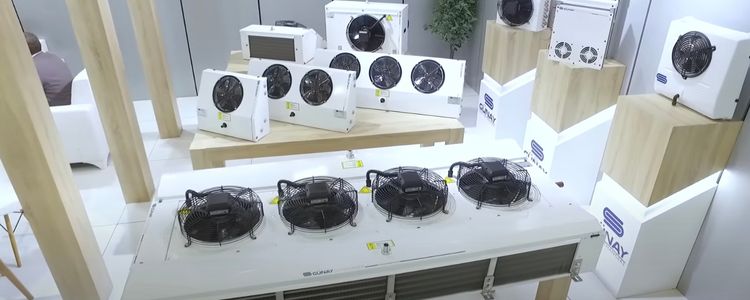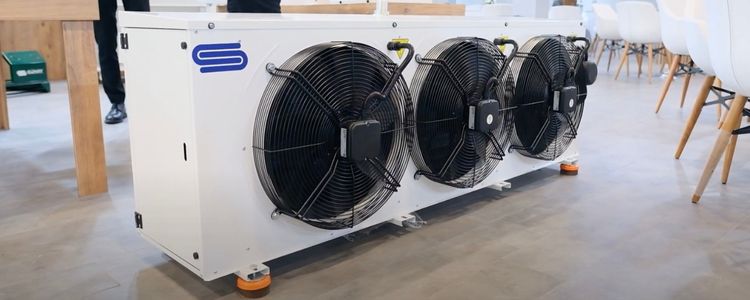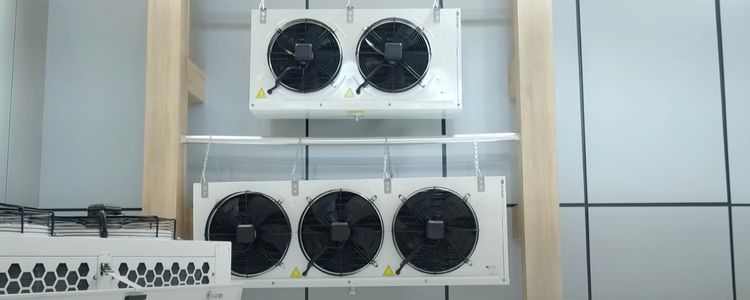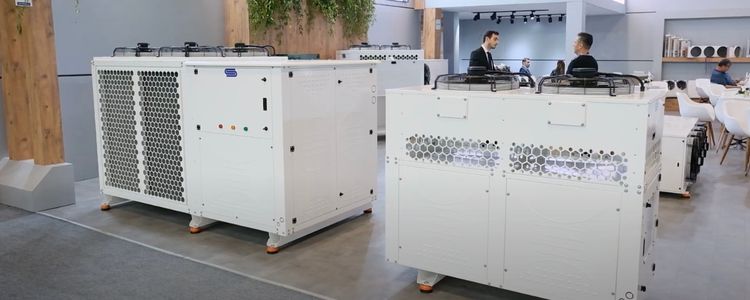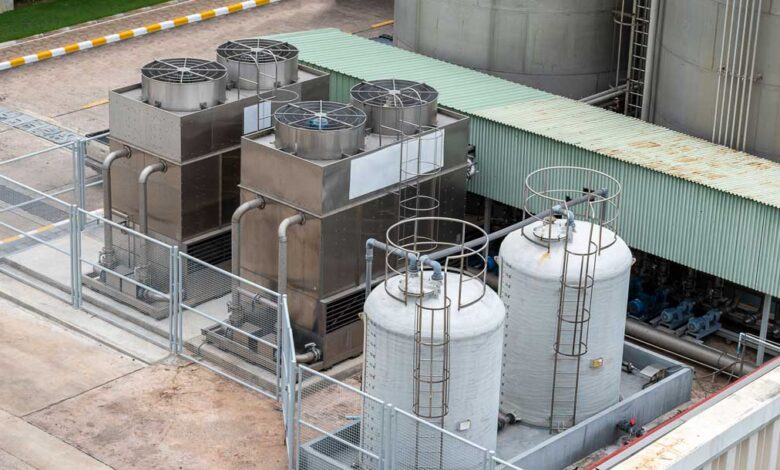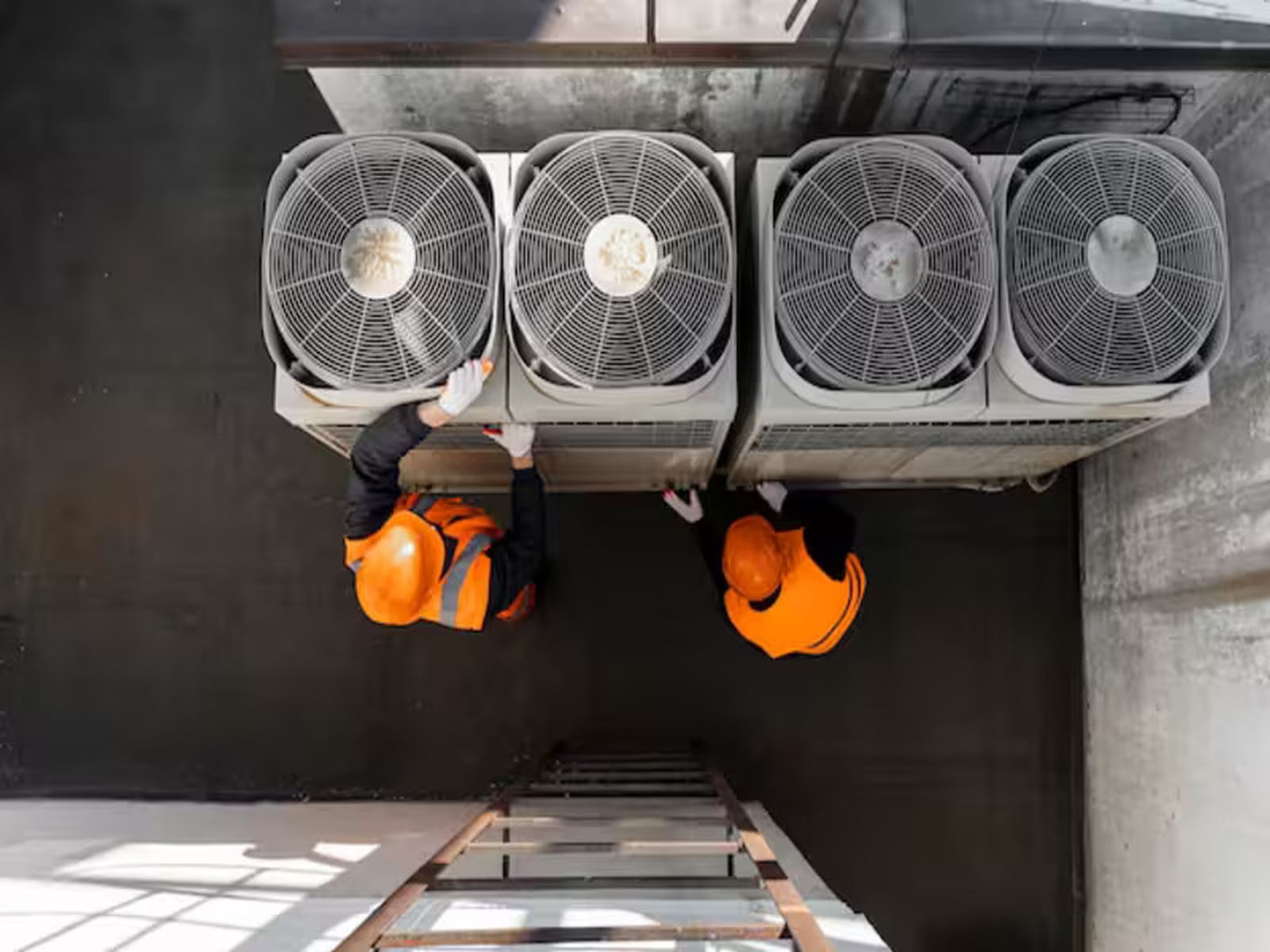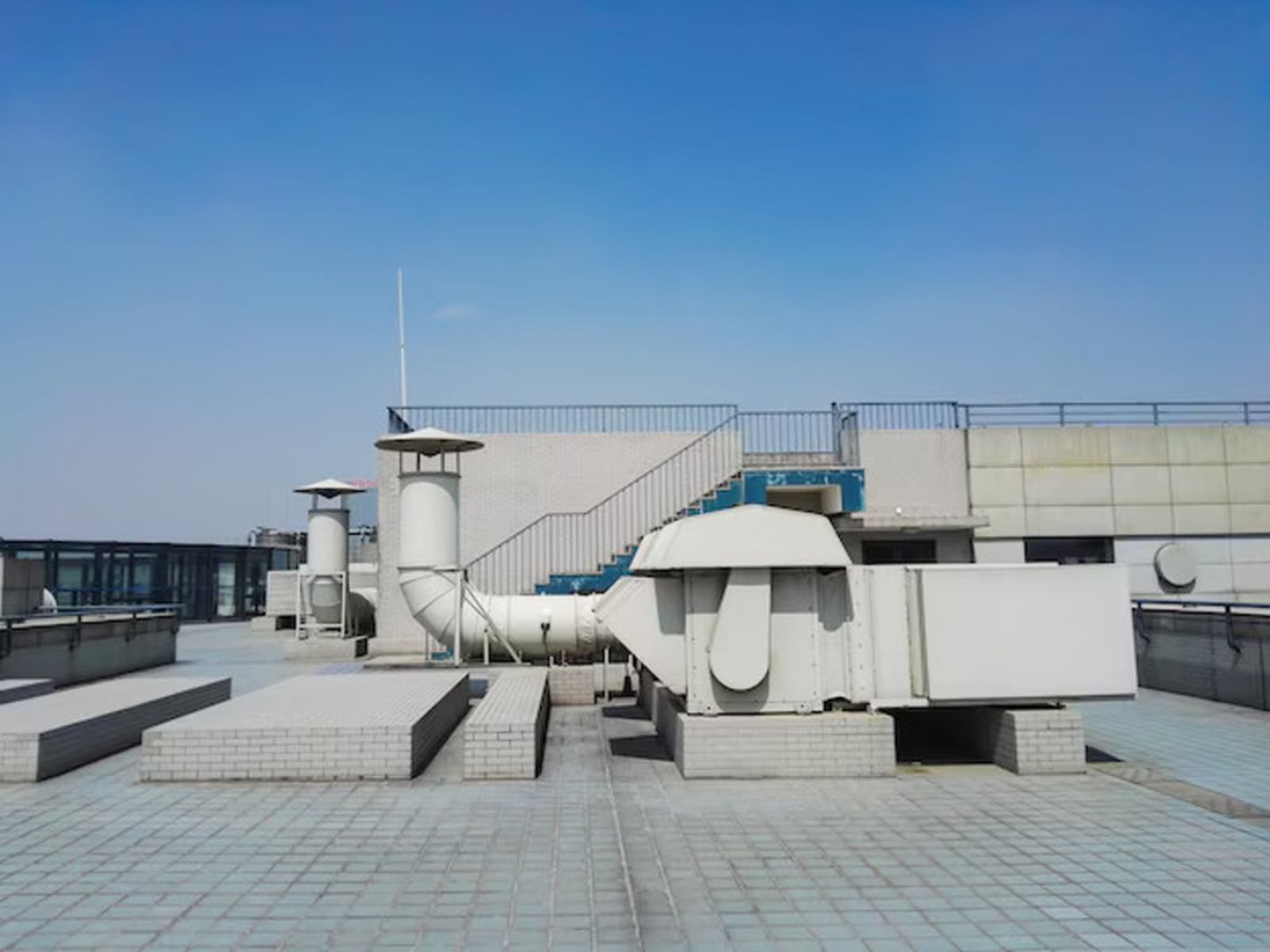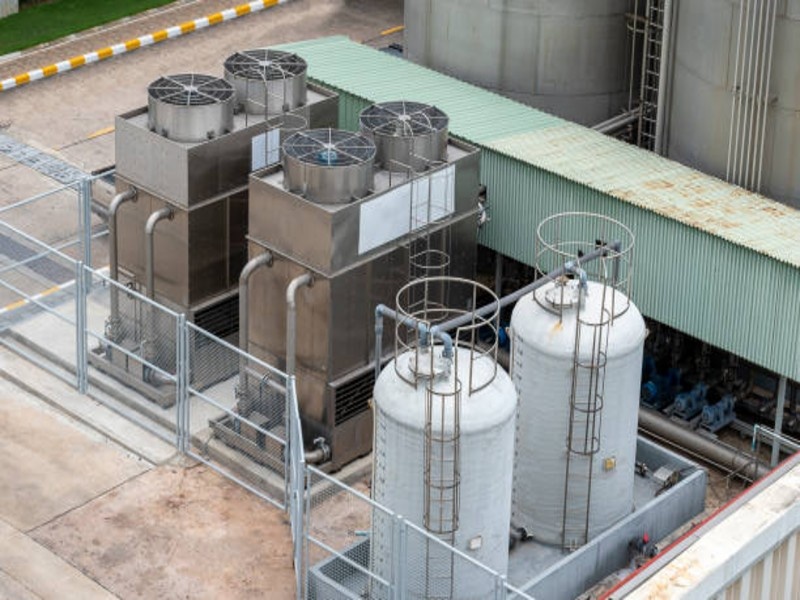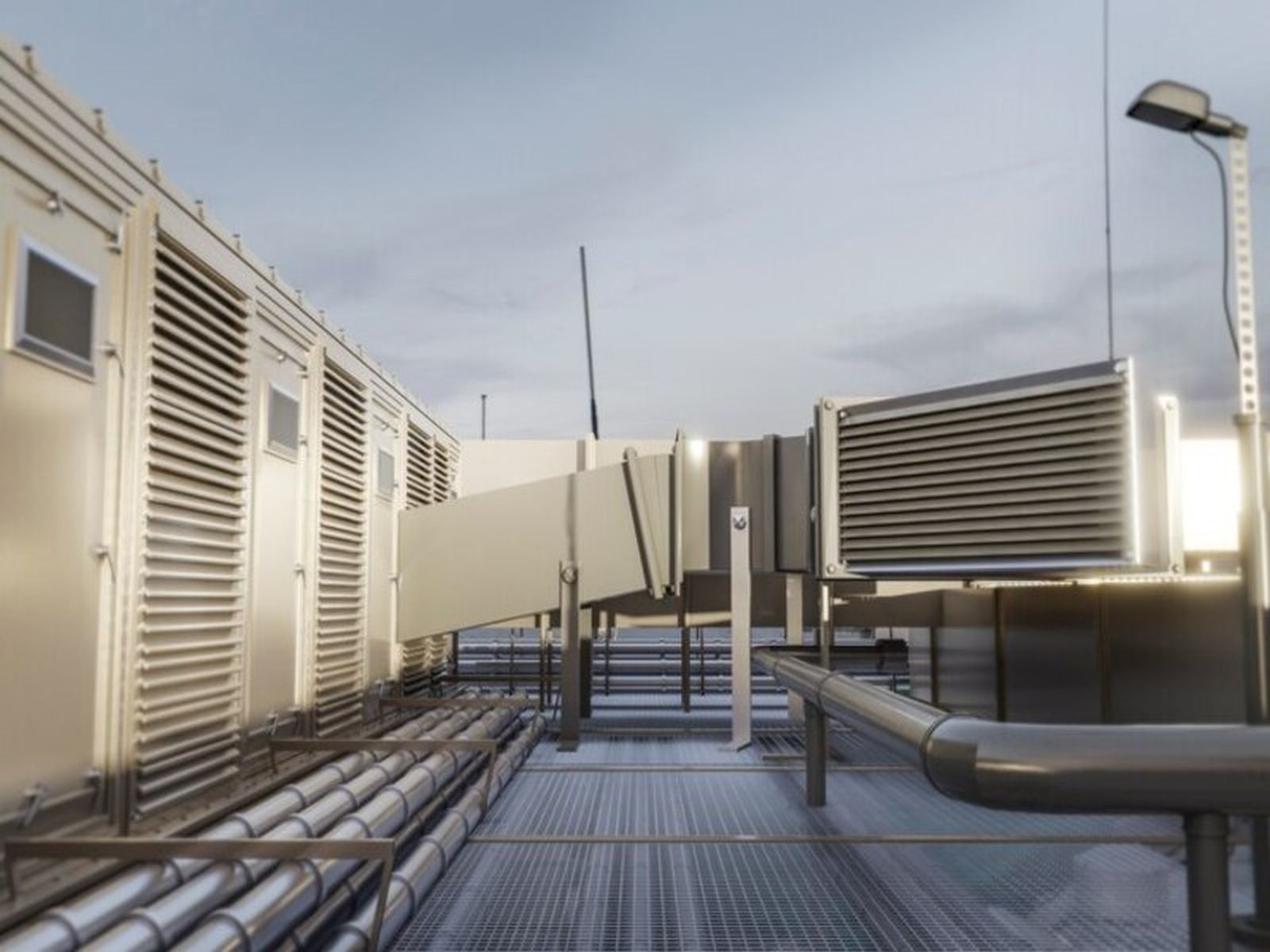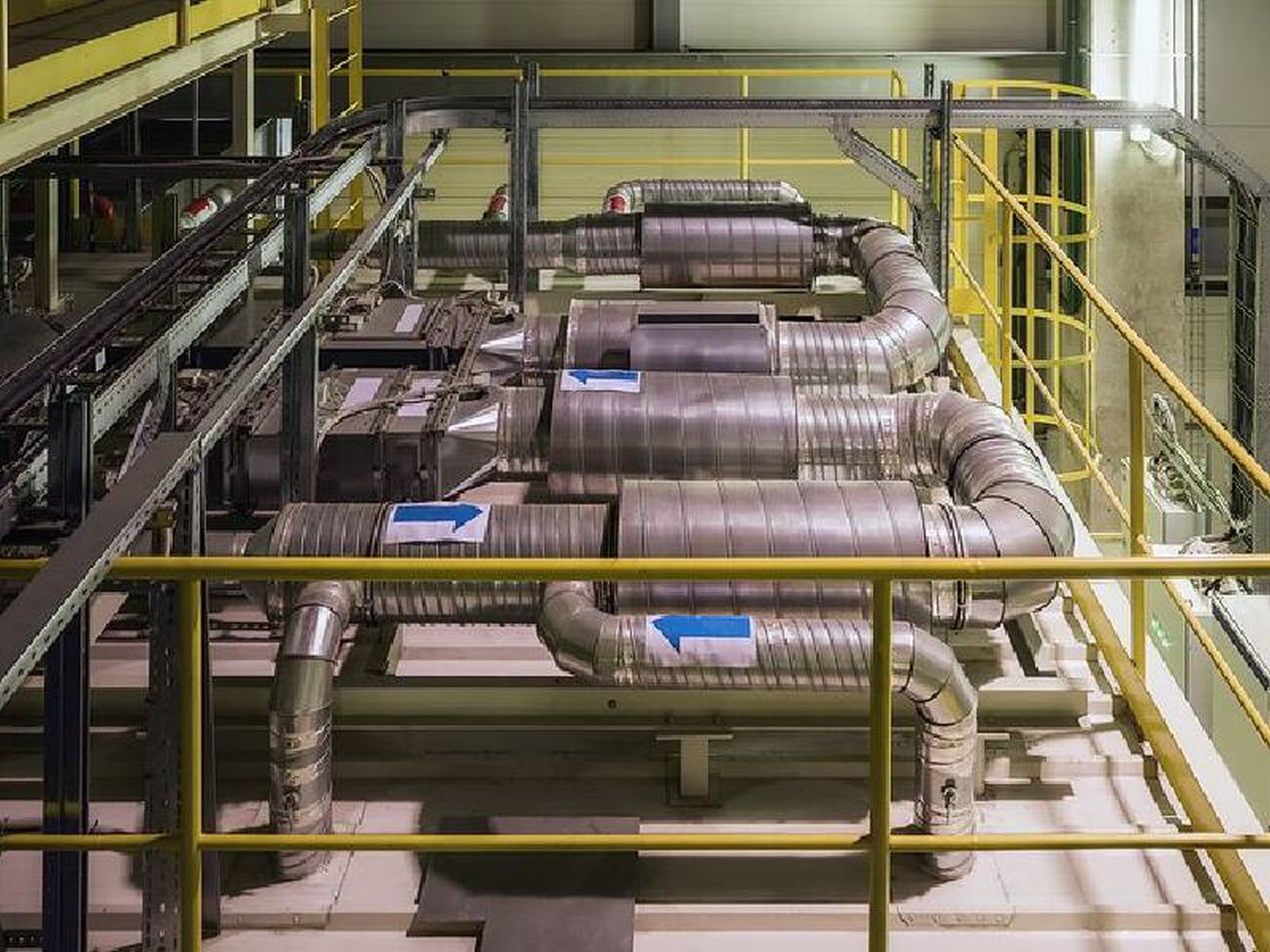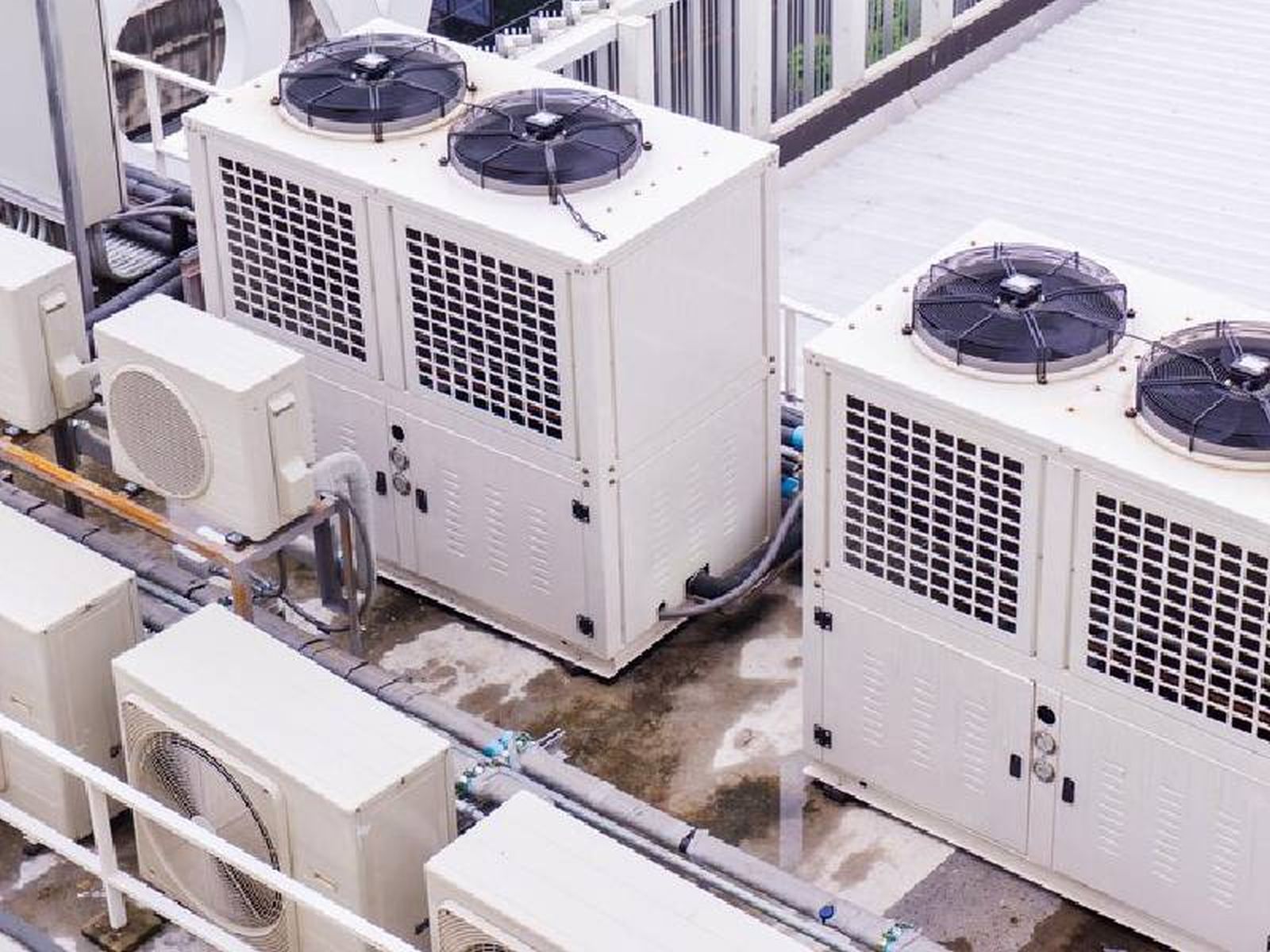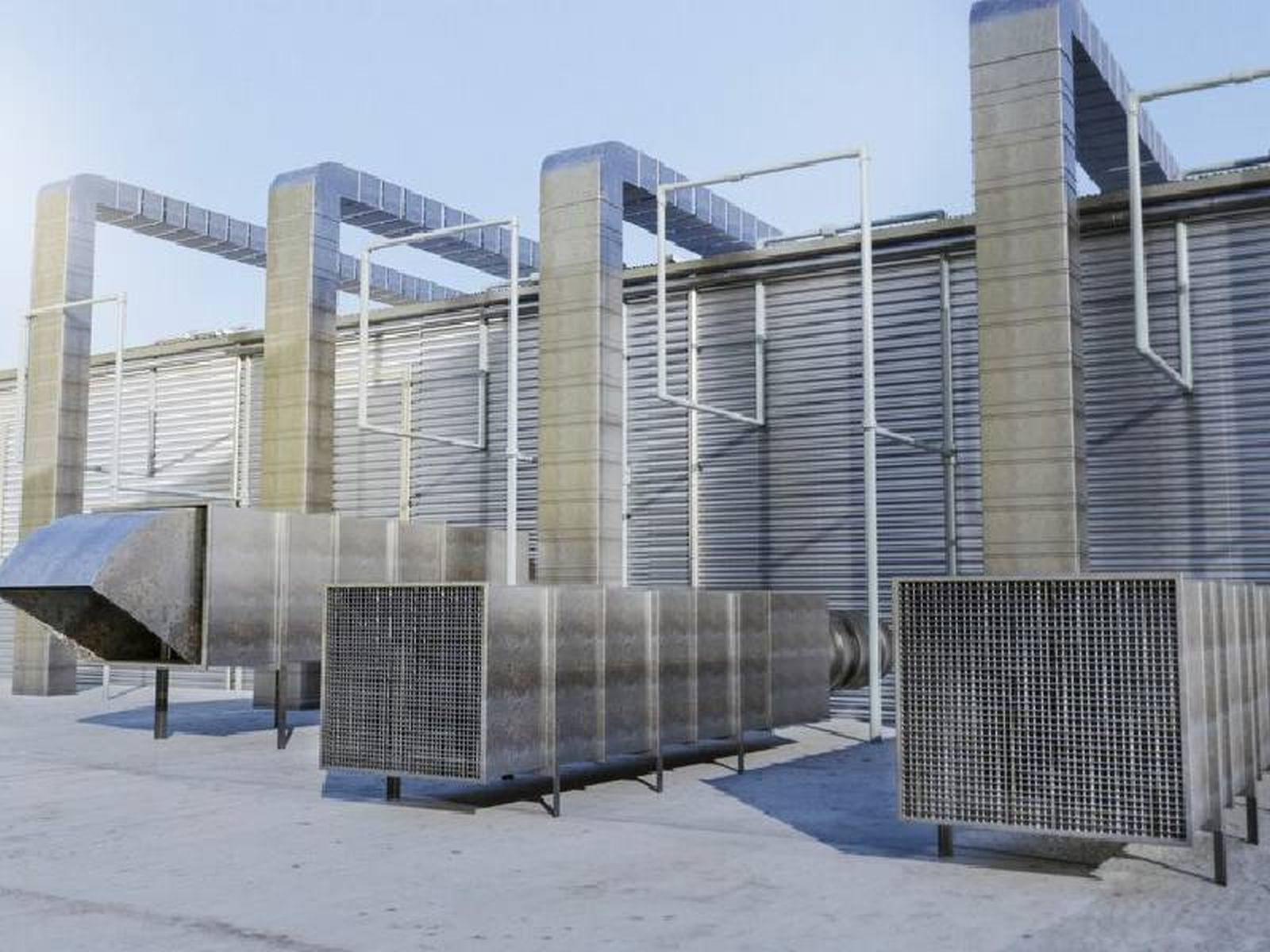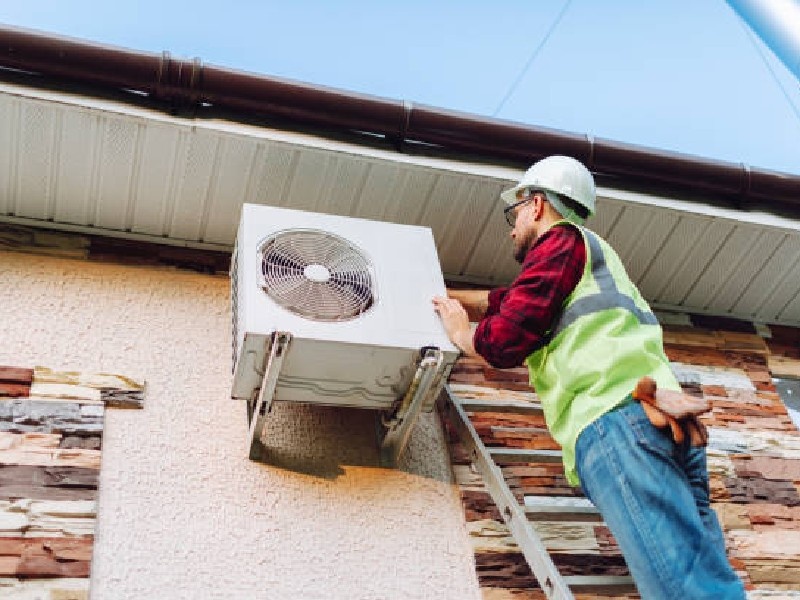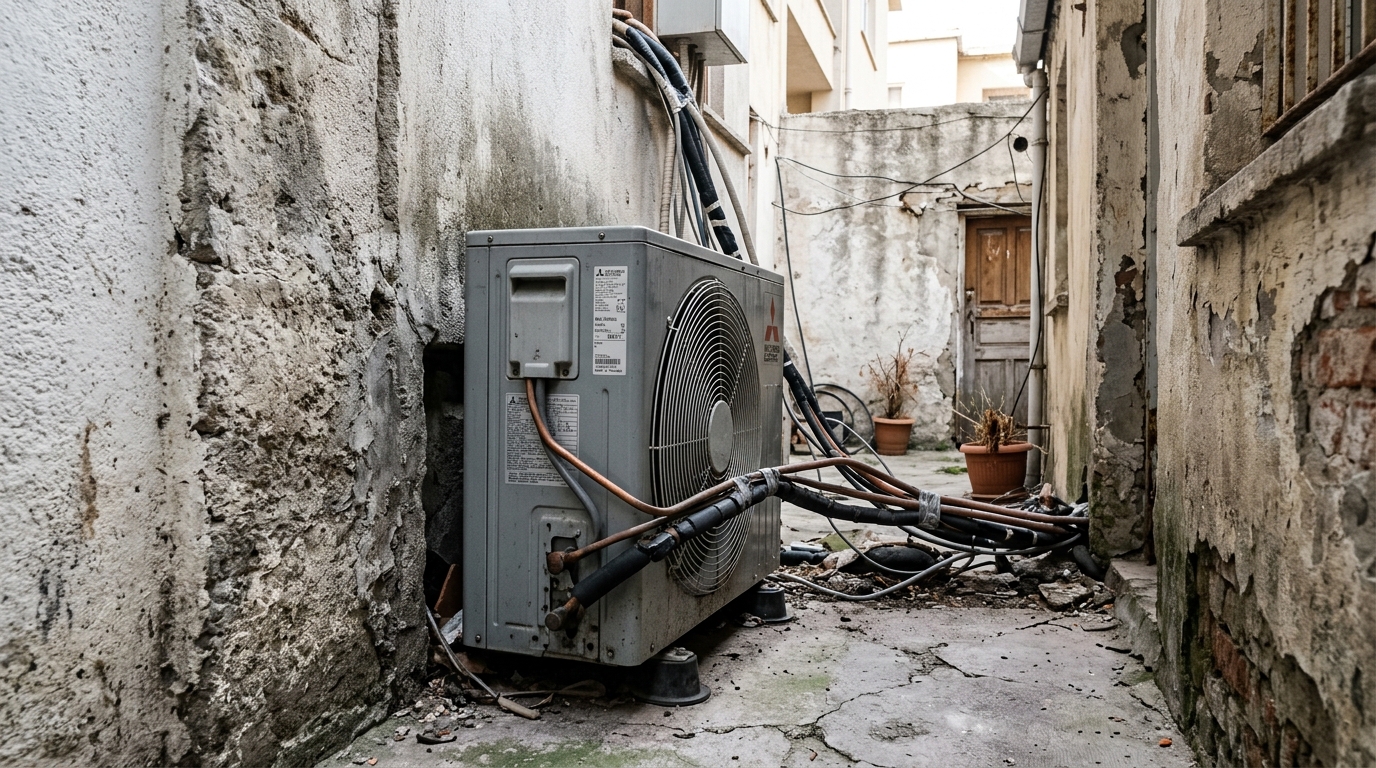
Condenser placement is the full set of decisions on where and how an air-cooled condenser will be positioned on a building, roof or site. Even a correctly selected unit, when installed in the wrong place, causes condensing pressure to rise, the compressor to consume more energy and failures to become more frequent. In this article, we discuss the most common placement mistakes, their effects on the system and how they can be prevented at the design stage.
Table of Contents
- Why Is Condenser Placement So Important?
- How Does Hot Air Recirculation Occur?
- How Much Clearance Should Be Left From Walls And Obstacles?
- How Do Sun, Wind And Exhaust Sources Affect Placement?
- How Should Multiple Condensers Be Placed Side By Side?
- What Should Be Considered When Choosing The Right Condenser Location?
- Frequently Asked Questions
Why Is Condenser Placement So Important?
Condenser placement is important because the temperature and quantity of the air drawn in by the unit directly determine the condensing temperature and therefore the efficiency of the entire system. Condenser capacity is calculated assuming a specific inlet air temperature and free airflow; when these conditions are not met on site, the catalogue values lose their validity.
When the inlet air rises above the design value, the compressor works against a higher pressure difference, its current draw increases and the cooling capacity drops. On hot days, the high-pressure switch may trip and stop the system. For this reason, placement is a subject requiring as much engineering attention as equipment selection and should be evaluated at the start of the project together with the architectural and structural teams.
How Does Hot Air Recirculation Occur?
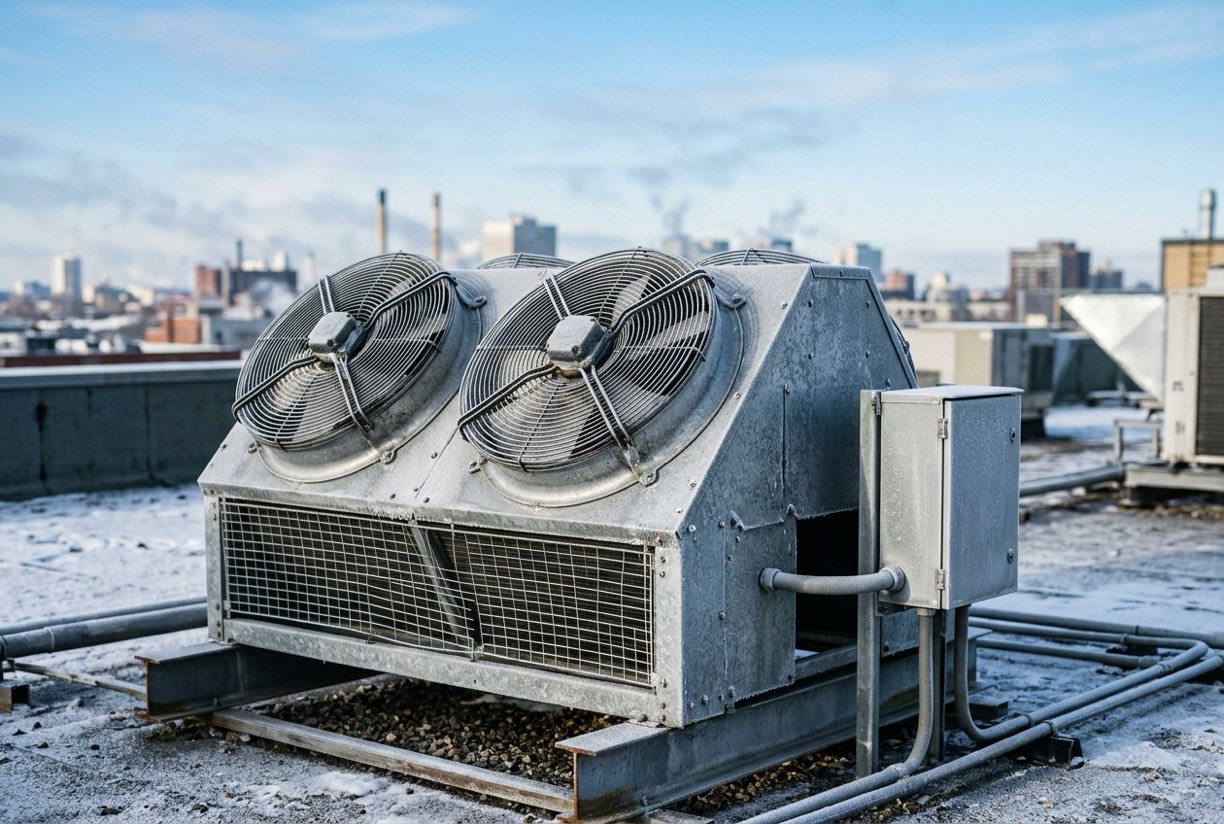
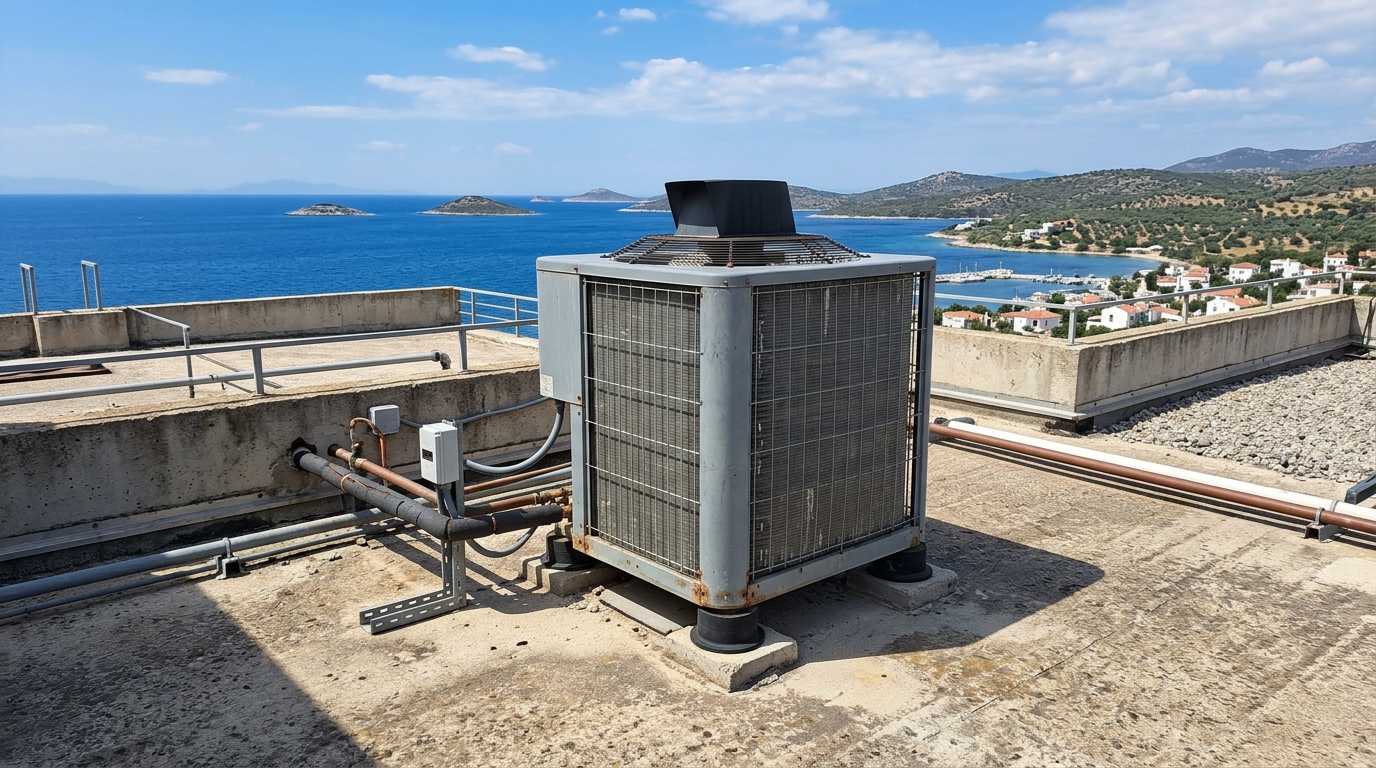
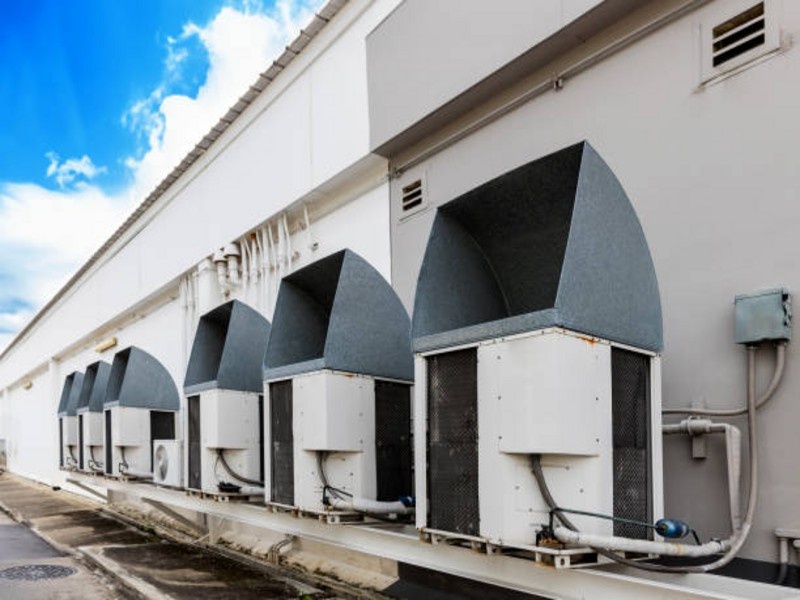
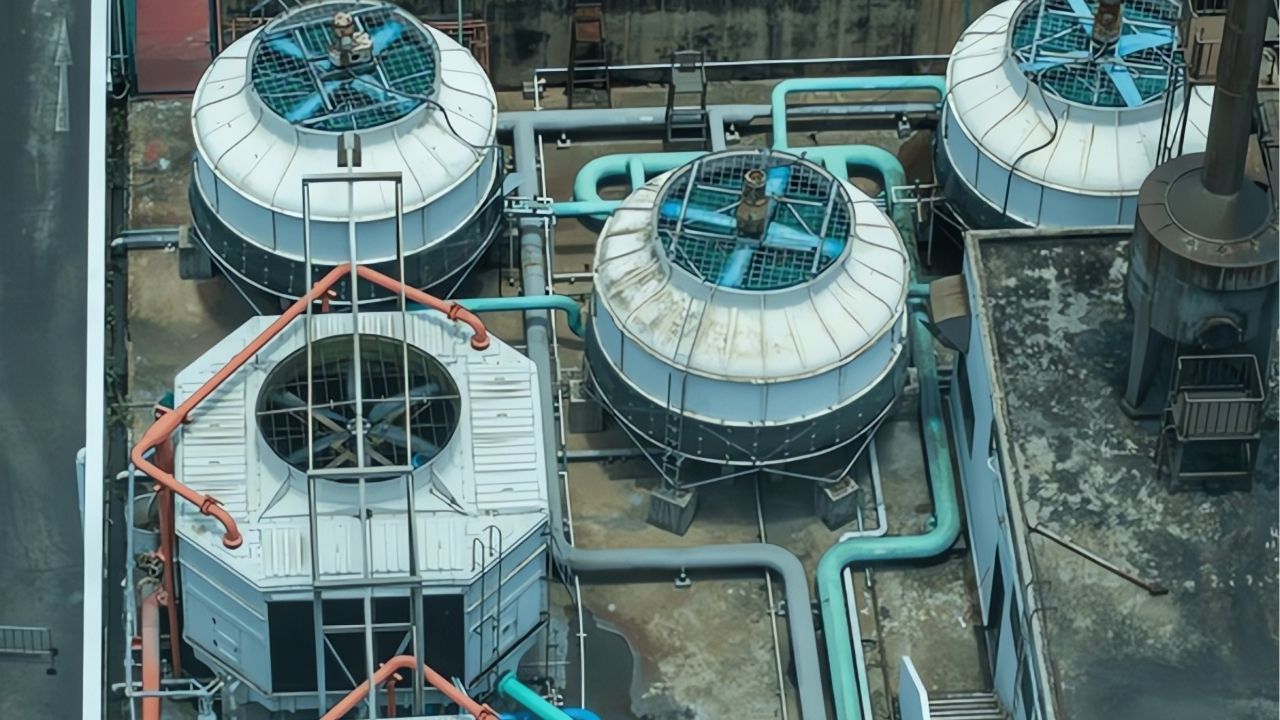
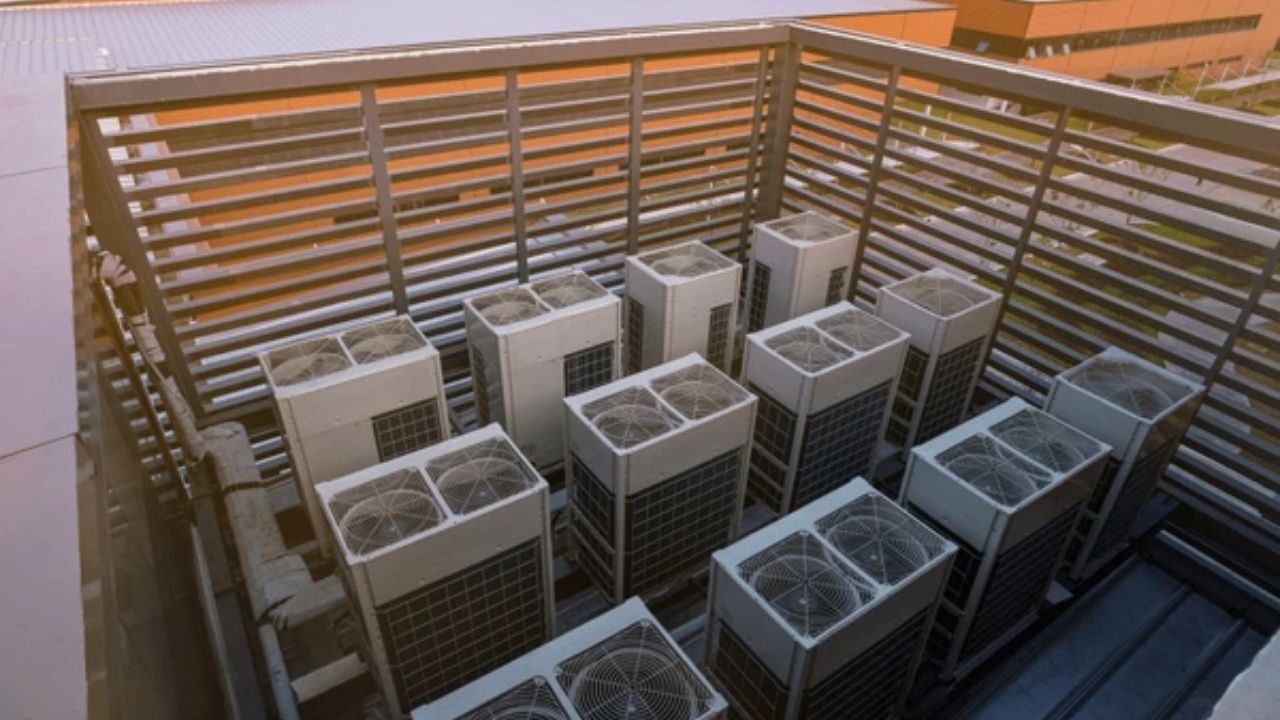
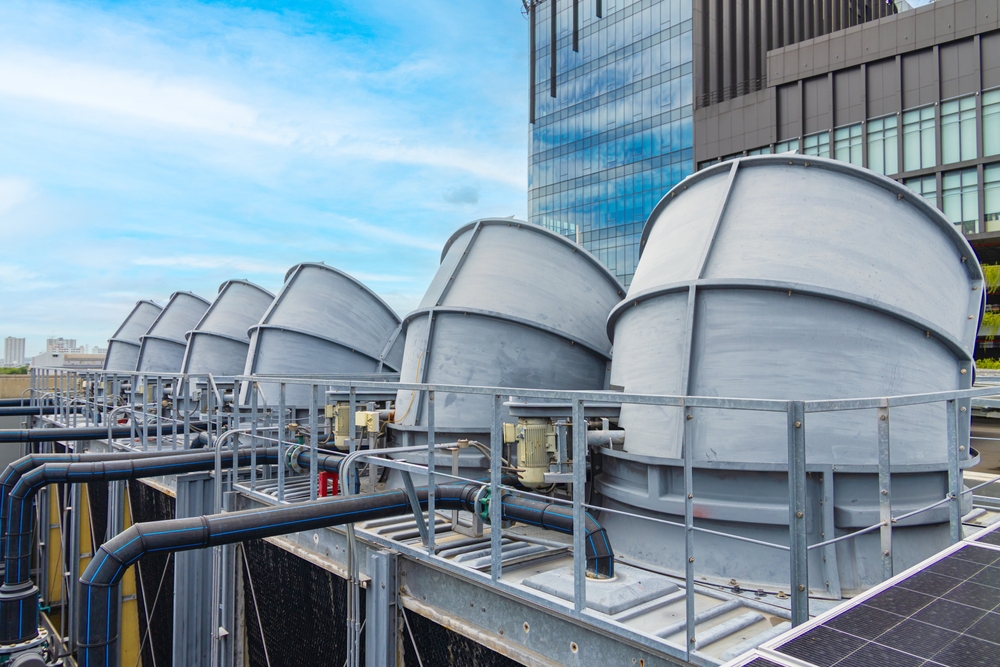
Recirculation occurs when the hot air discharged from the condenser returns to the intake side of the unit. This situation usually arises when the condenser is placed in a niche closed on three sides, in a low-ceilinged area or between high parapet walls.
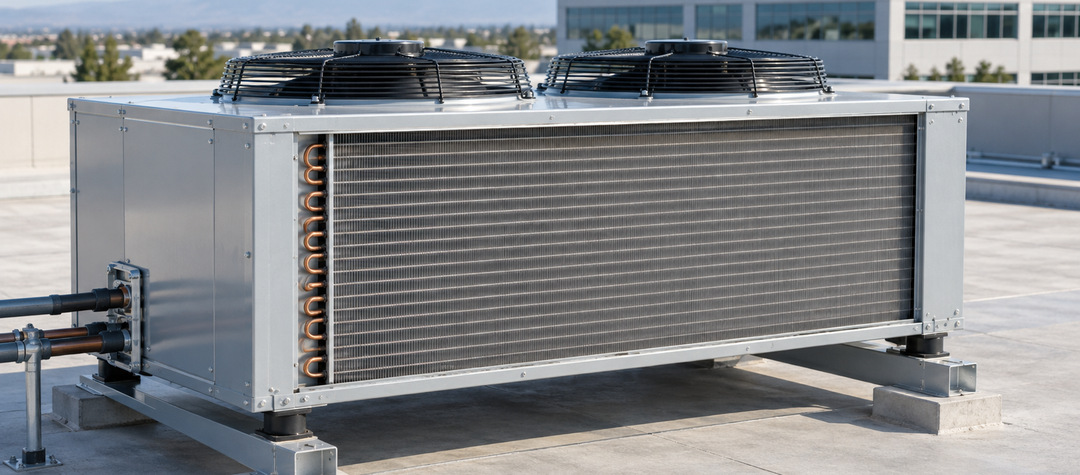
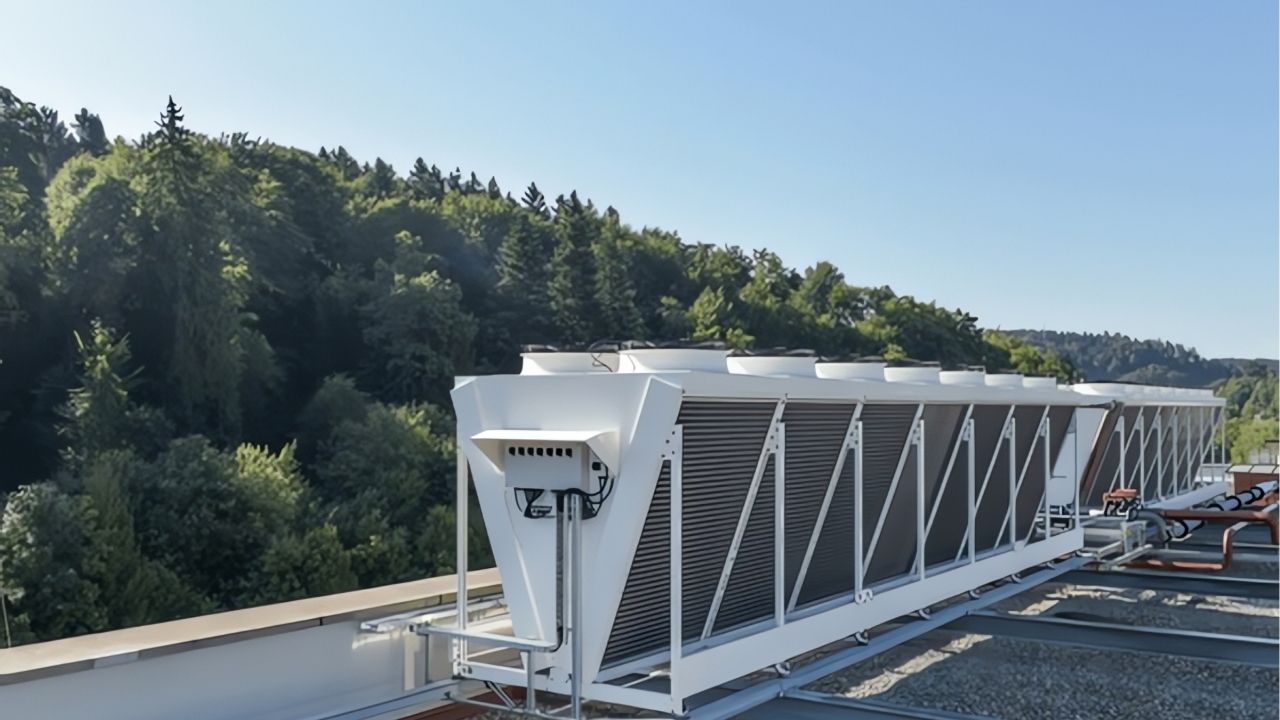
When the discharged air cannot escape, a pocket of hot air forms around the unit and the intake temperature can rise significantly above the ambient temperature. This effect is often noticed only in the summer months, so it is easy to overlook during commissioning. Leaving the top completely open on vertical-discharge units, and having the discharge direction face an unobstructed area on horizontal-discharge units, reduces the risk of recirculation.
How Much Clearance Should Be Left From Walls And Obstacles?
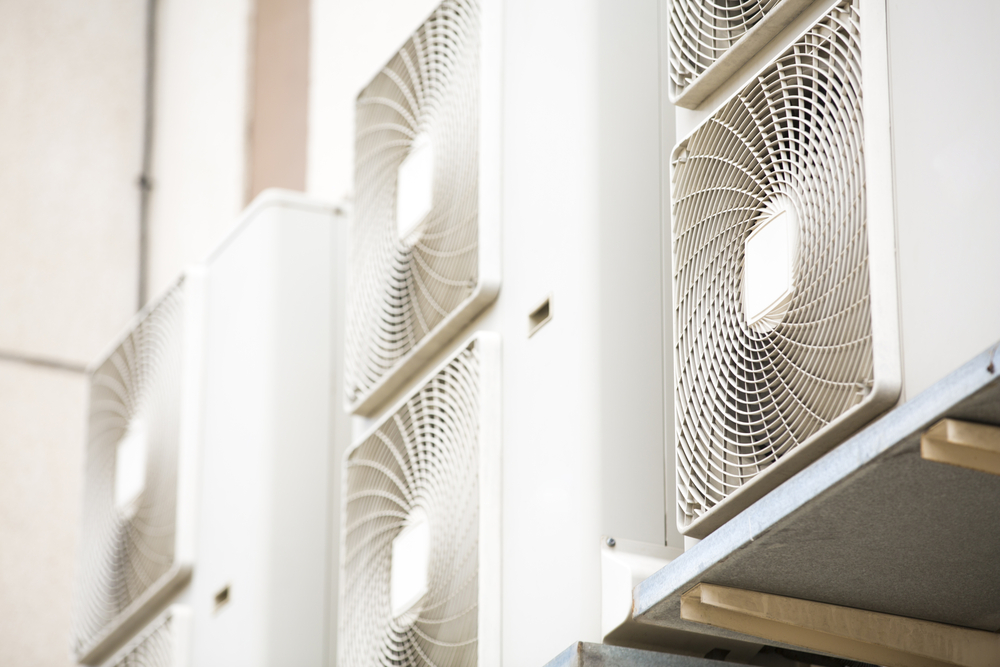
The clearance to be left from walls and obstacles is determined according to the values specified in the manufacturer's installation instructions, based on the unit's size, number of fans and airflow direction. It is not correct to give a single fixed figure; the needs of a small single-fan unit and a large multi-fan unit are different.
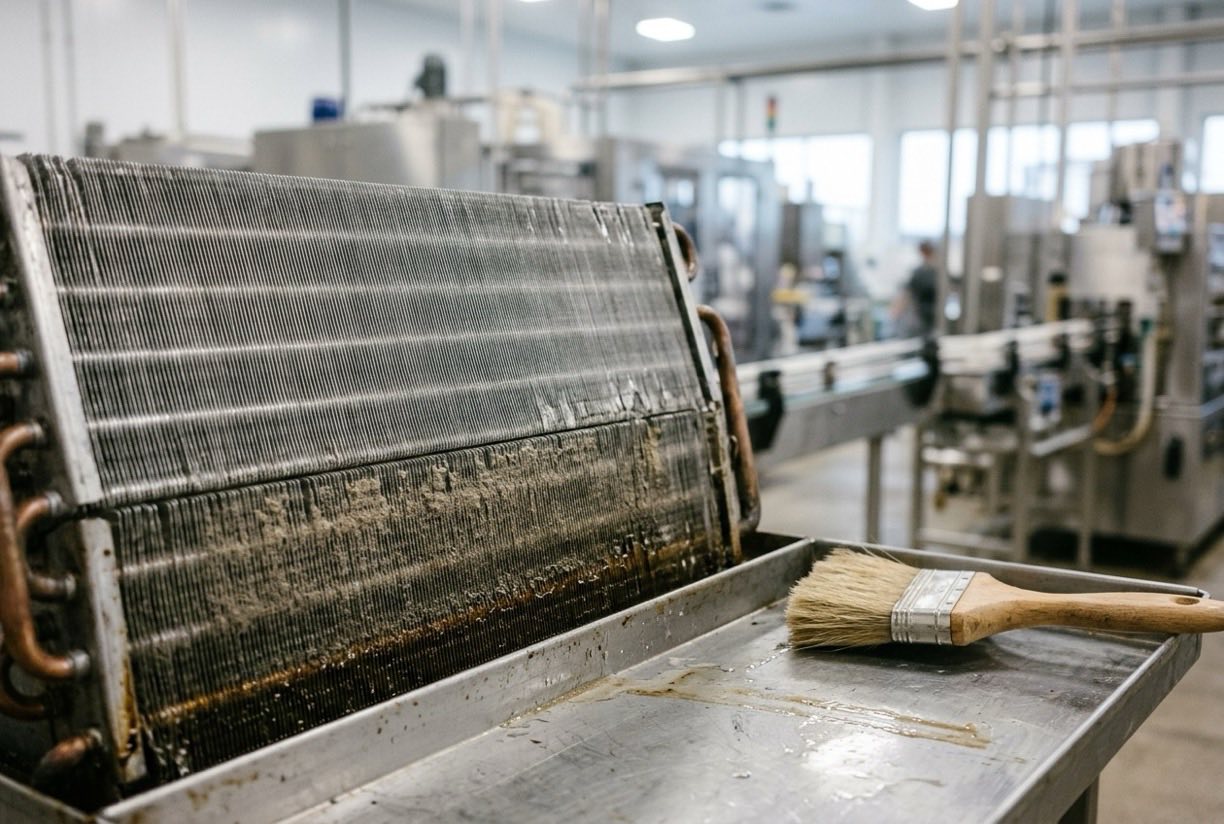
A common mistake is to place the unit considering only maintenance access and to neglect the space in front of the air intake surface. A narrow corridor in front of the intake surface causes the air to enter at high velocity, increases pressure loss and makes the fans consume more energy. In addition, a safe access area should be left to the coil surface and fan motors for maintenance, and a width that cleaning equipment can fit into should be planned.
How Do Sun, Wind And Exhaust Sources Affect Placement?
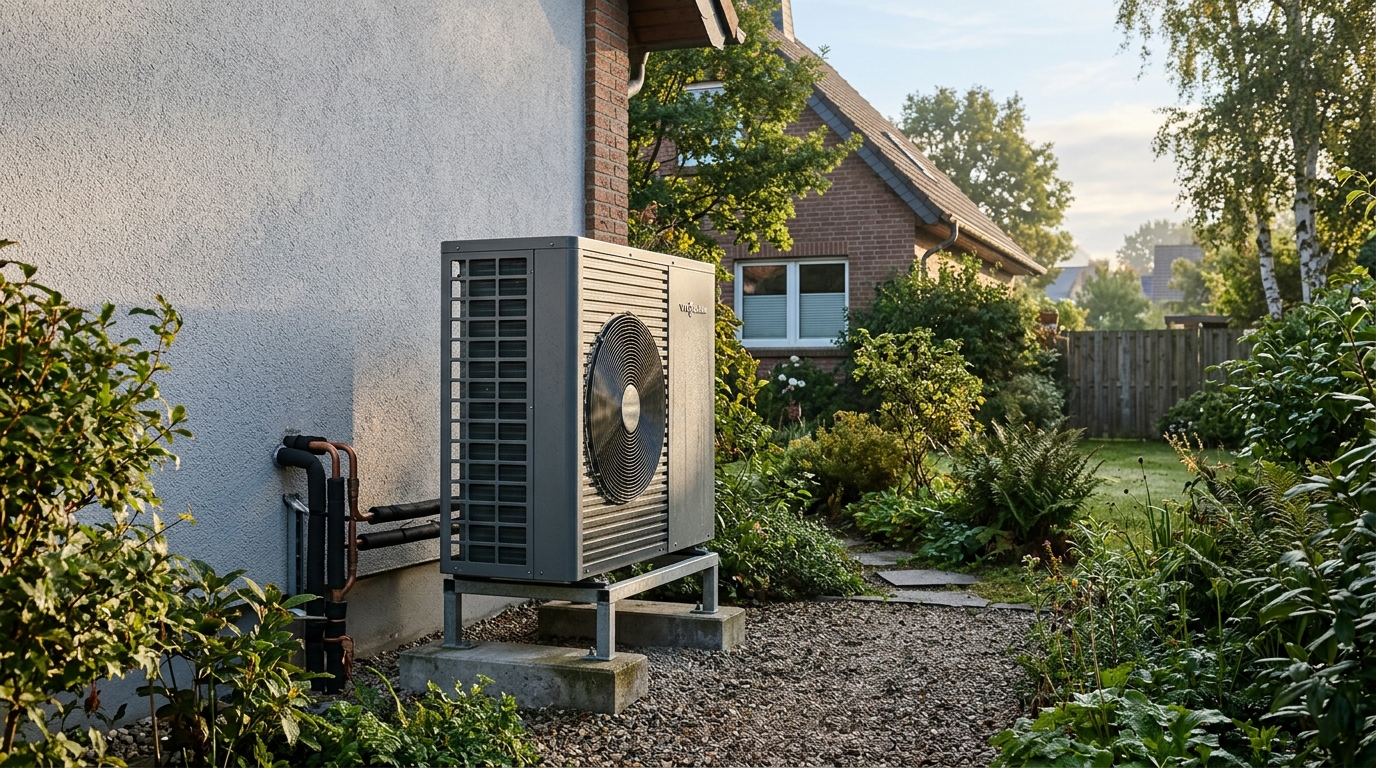
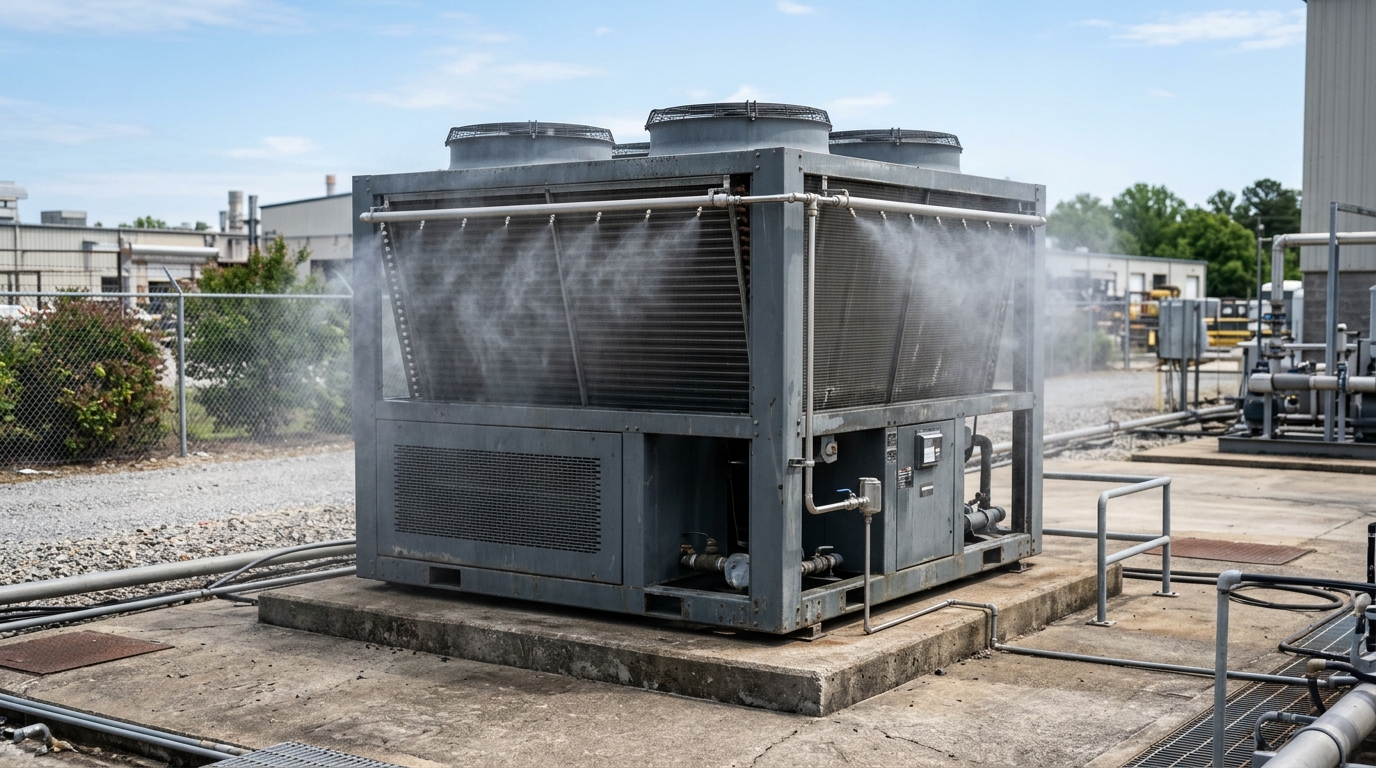
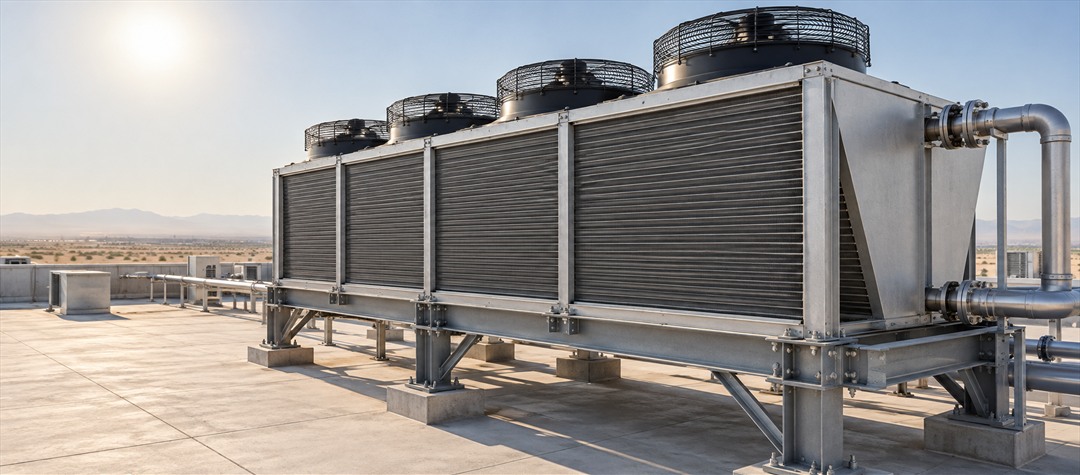
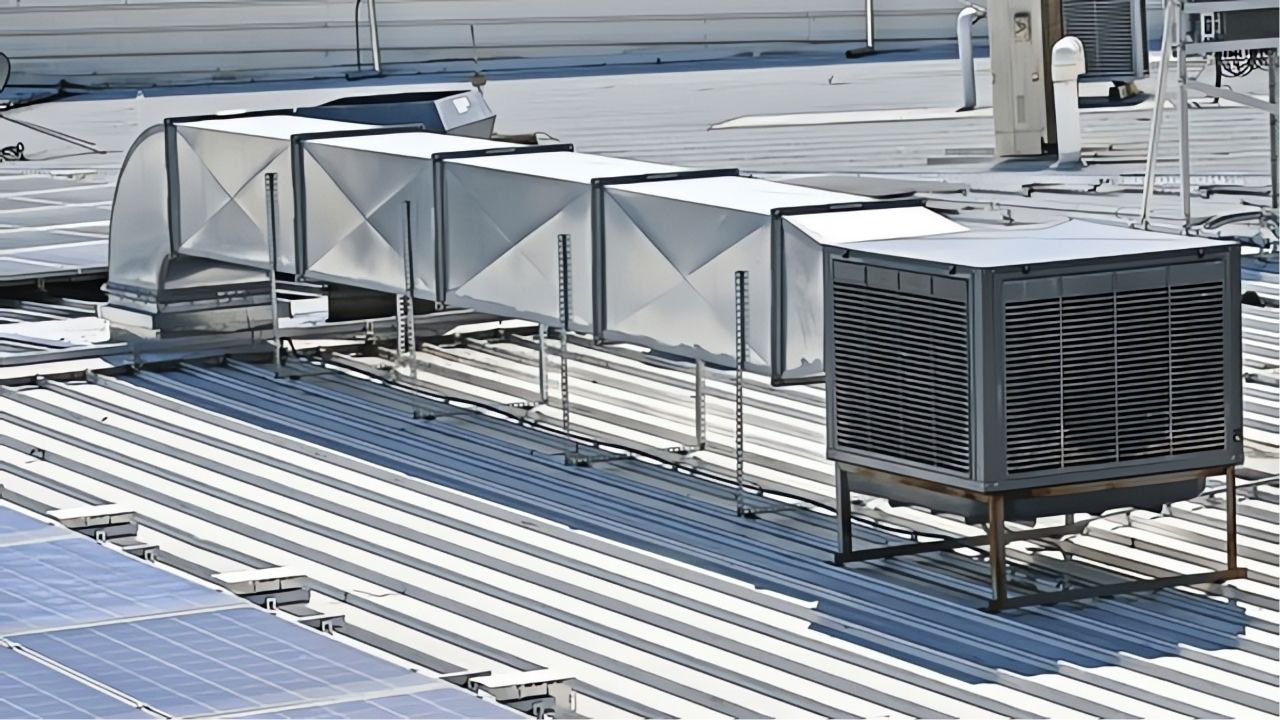
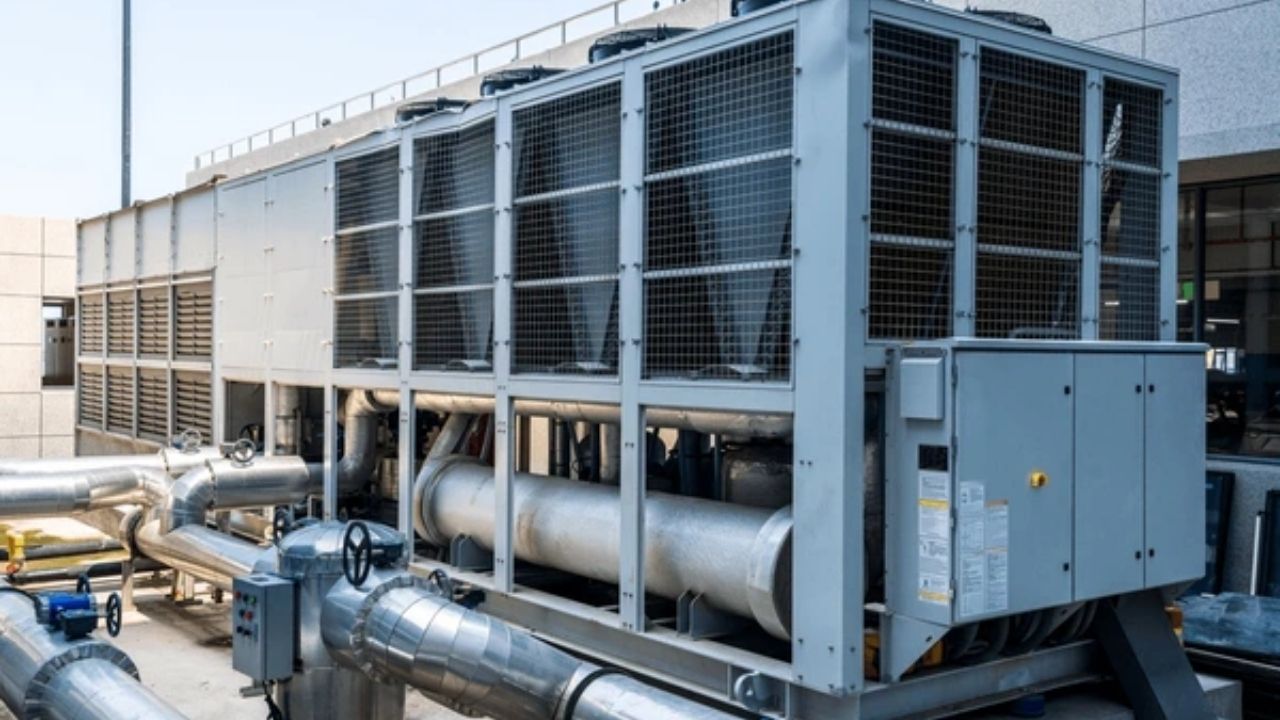
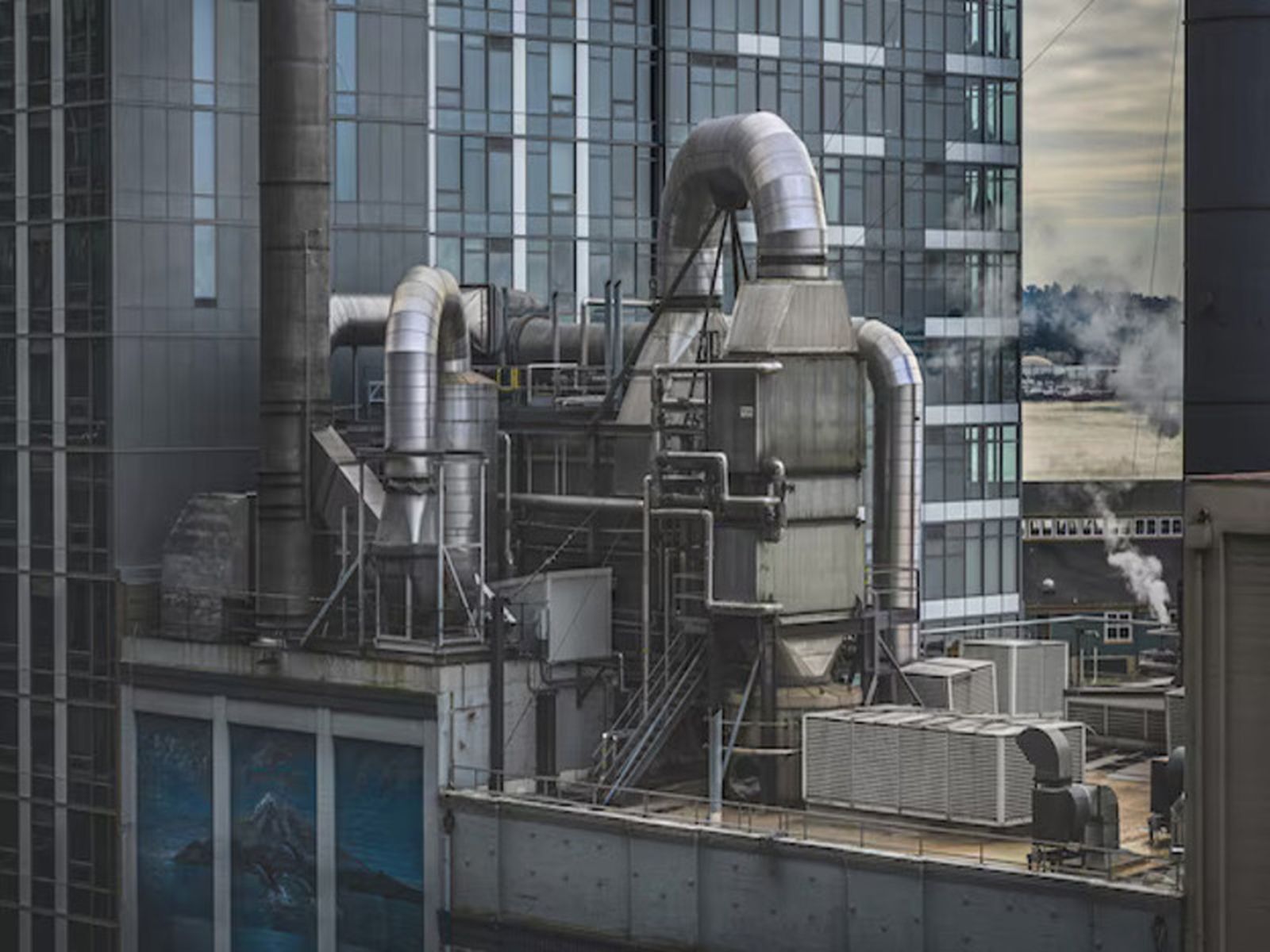
Sun, wind and exhaust sources can adversely affect performance by changing the temperature and flow pattern of the air drawn in by the condenser. A unit sitting directly on a dark-coloured roof membrane draws in the heated air rising from the roof surface.
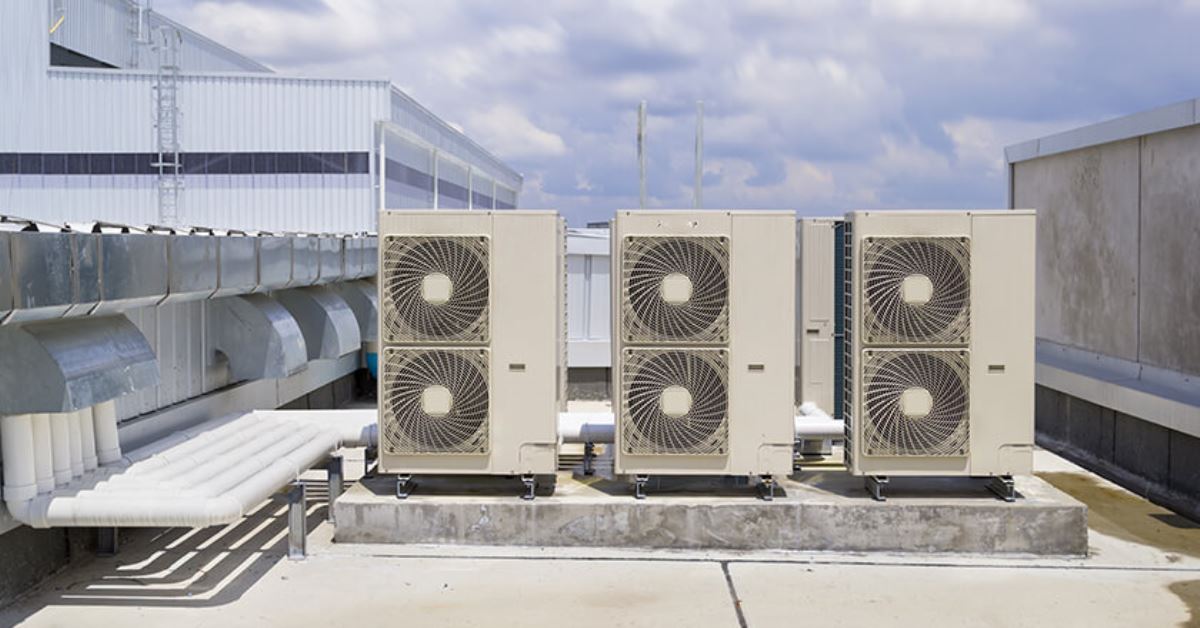
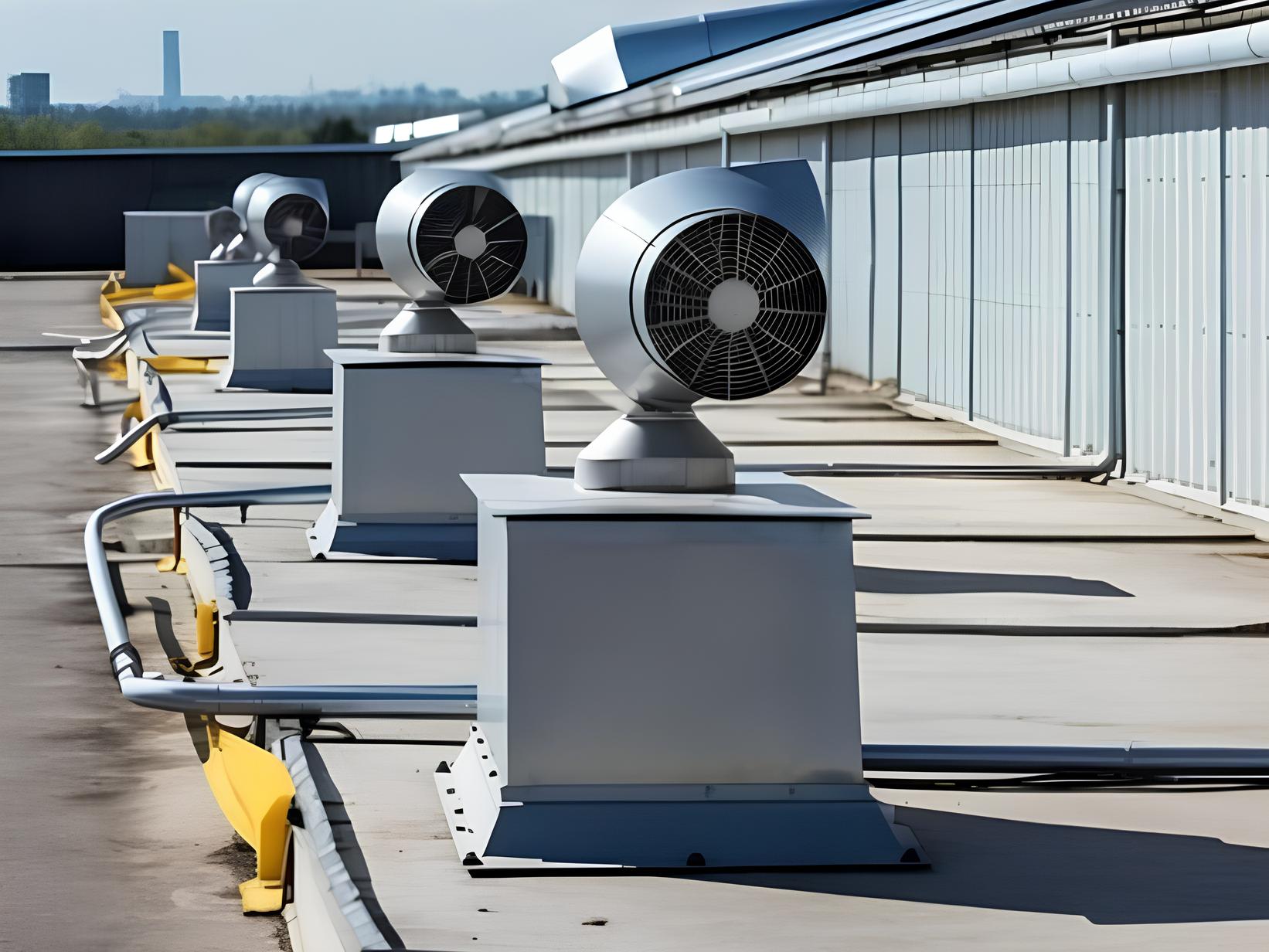
The prevailing wind direction can push the discharged air back, especially on horizontal-discharge units; therefore, it is preferable for the discharge direction to be aligned with the wind. Kitchen hood outlets, generator exhausts, boiler flues and the discharge outlets of other condensers should also be kept away from the intake side. Dirty or greasy air clogs the coil fins and leads to capacity loss over time. Where appropriate, raising the unit on a base reduces the effect of roof heat.
How Should Multiple Condensers Be Placed Side By Side?
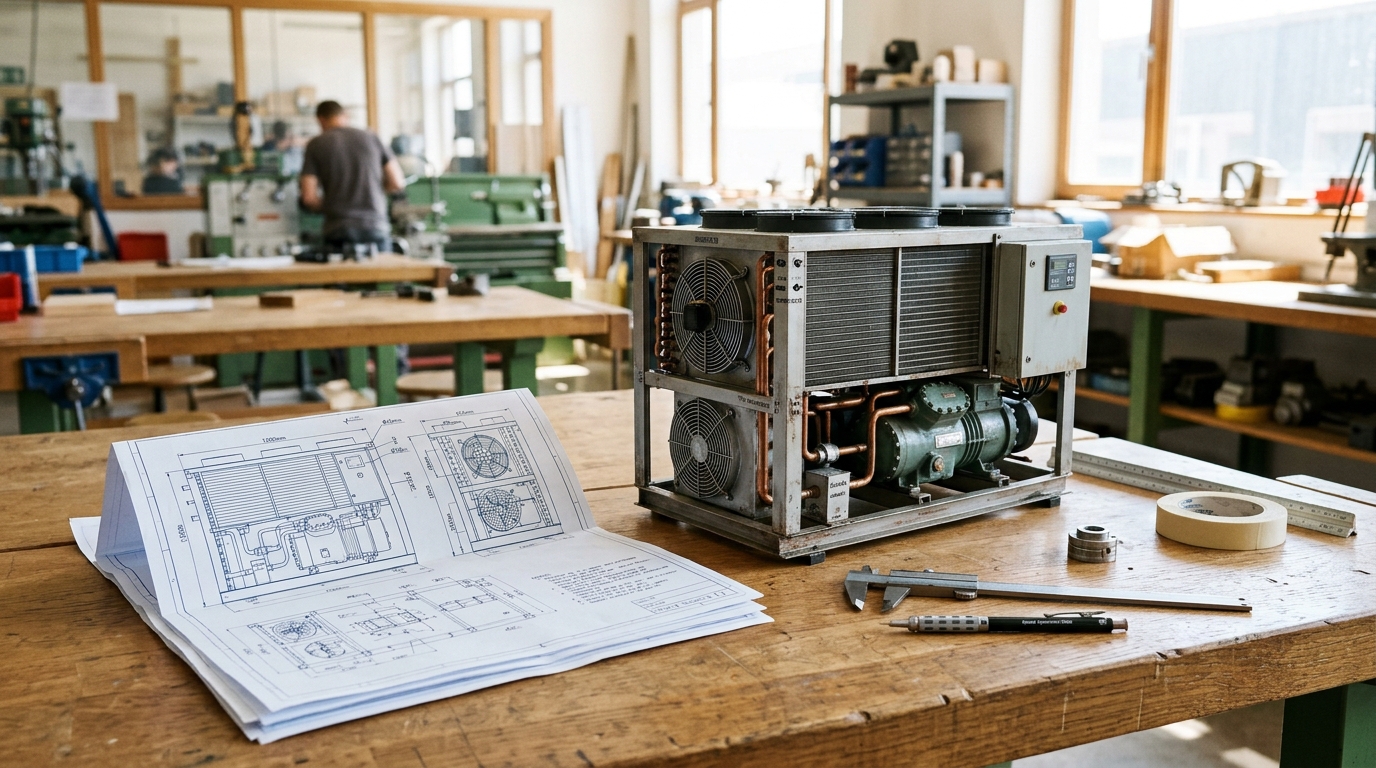
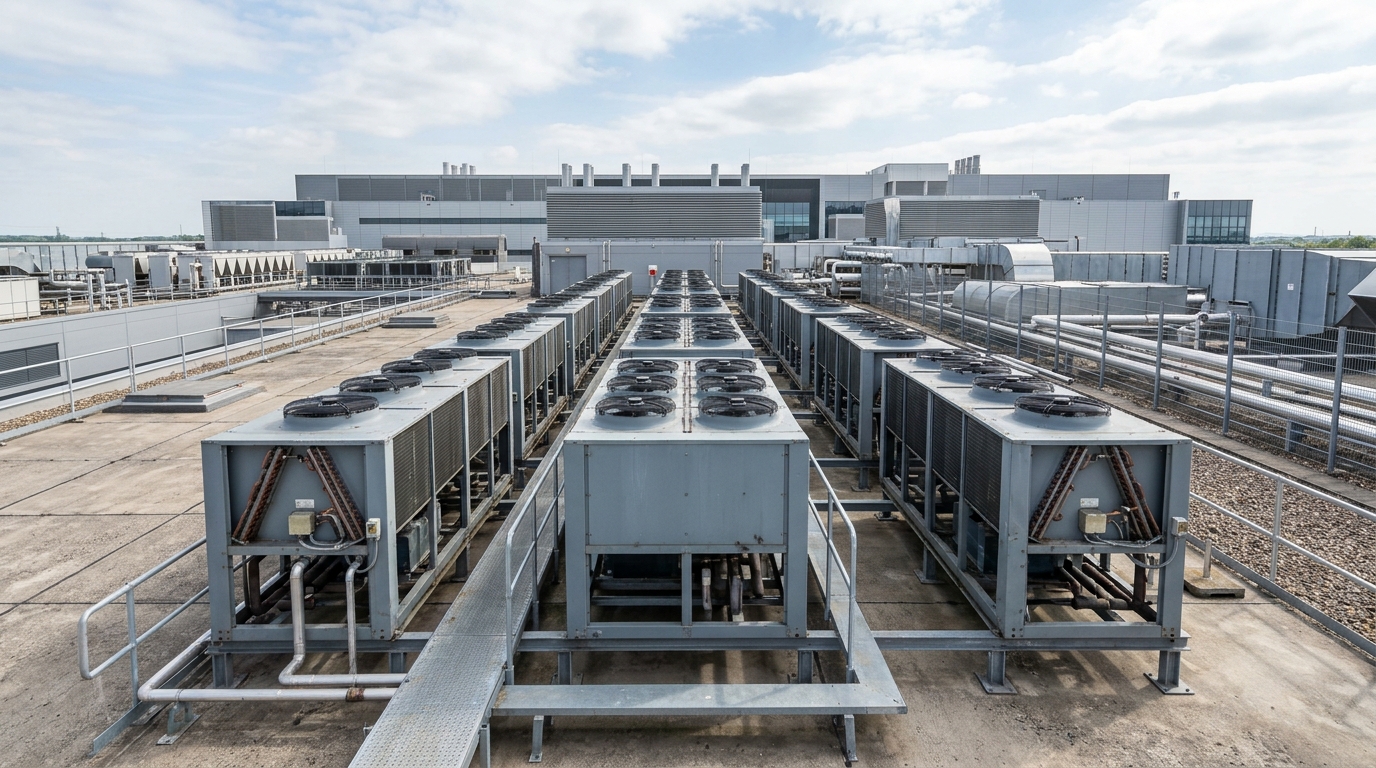
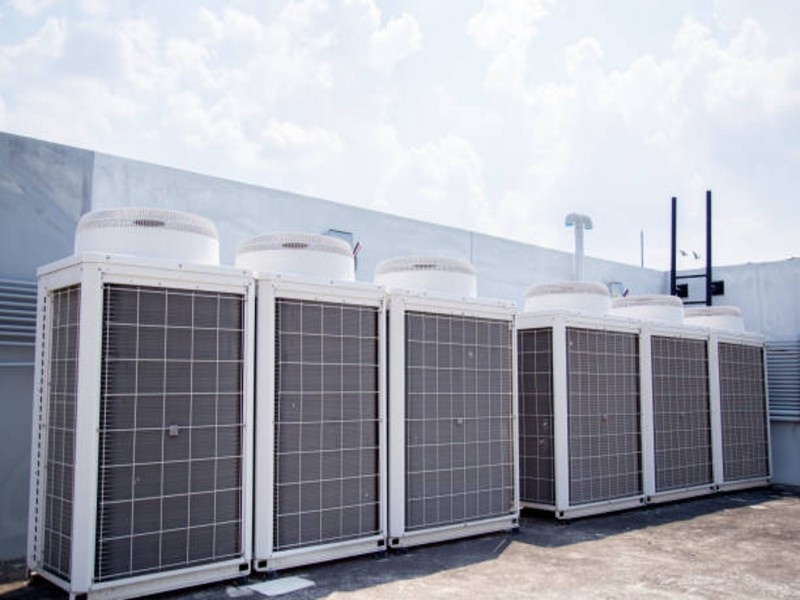
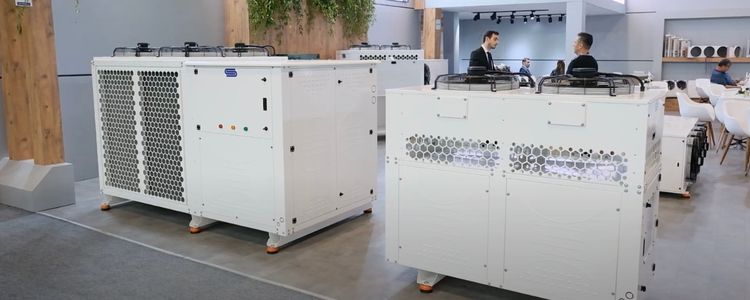
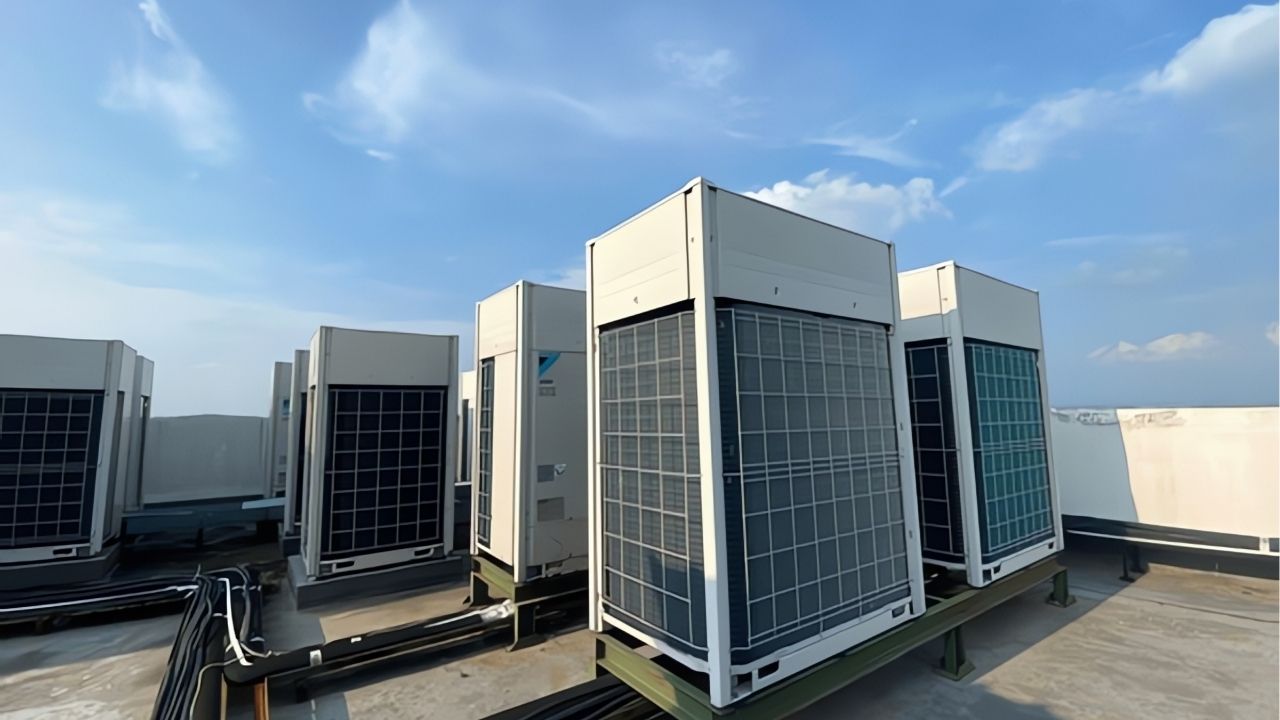
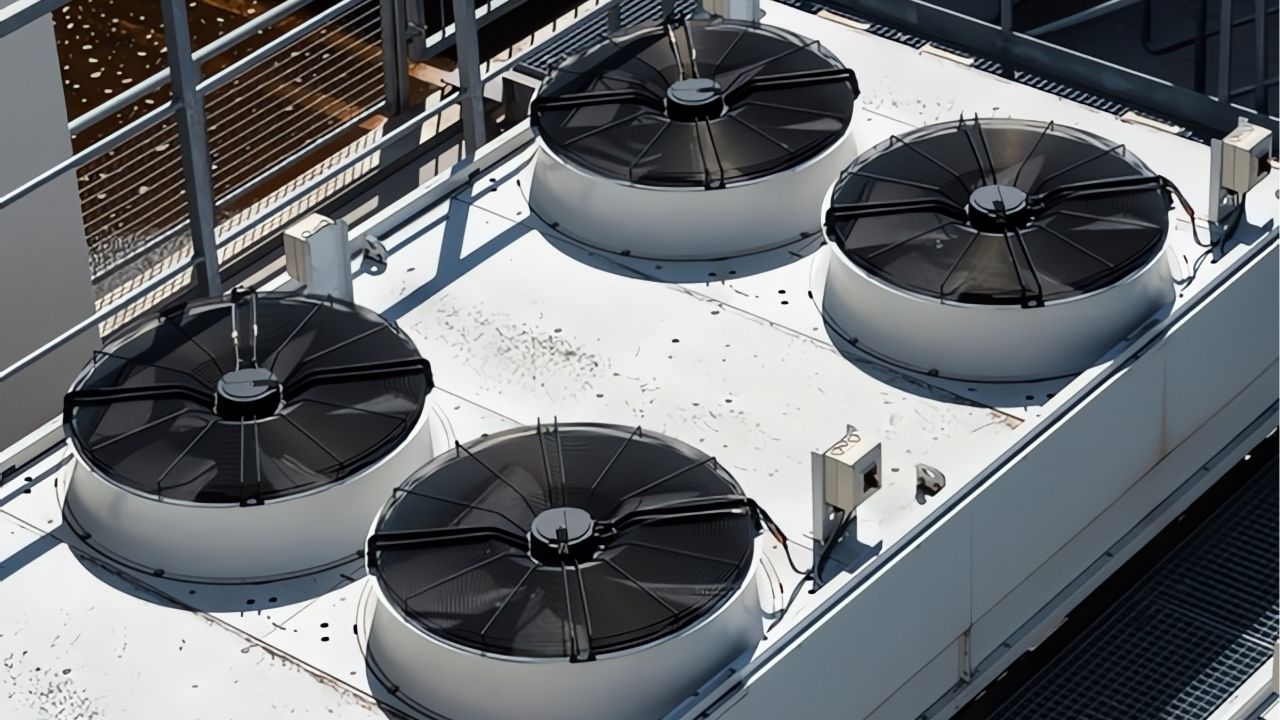
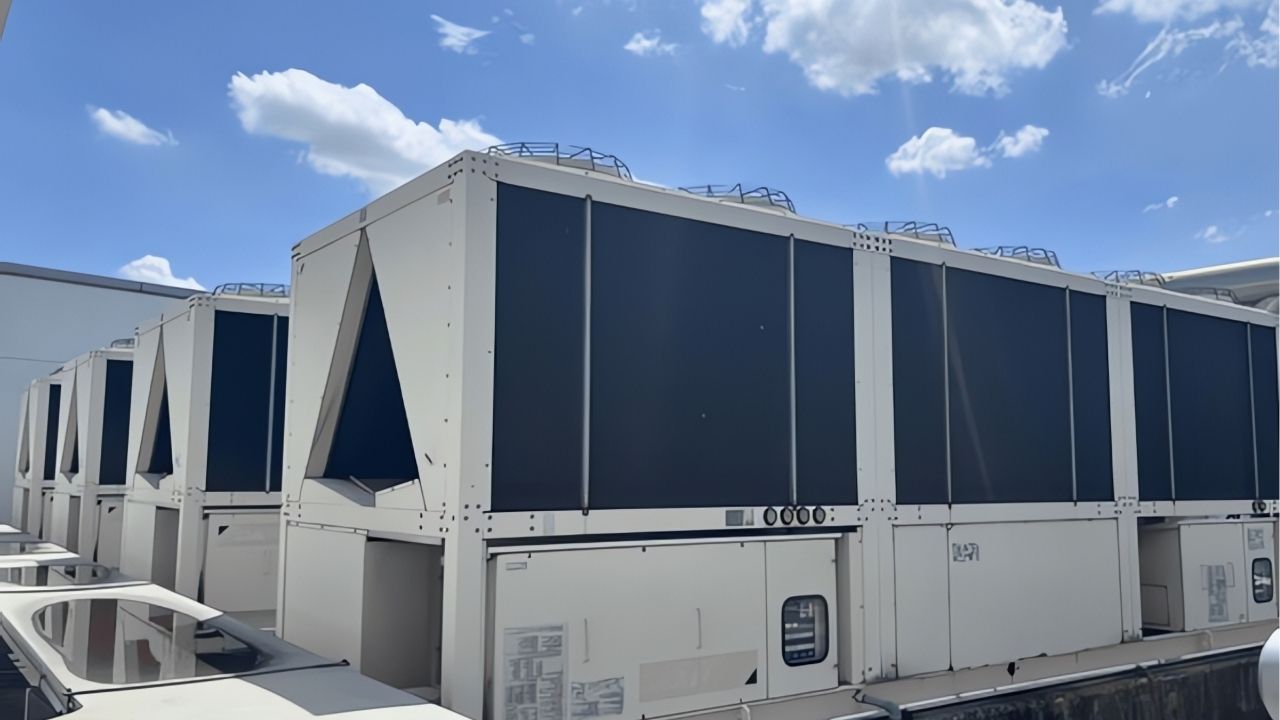
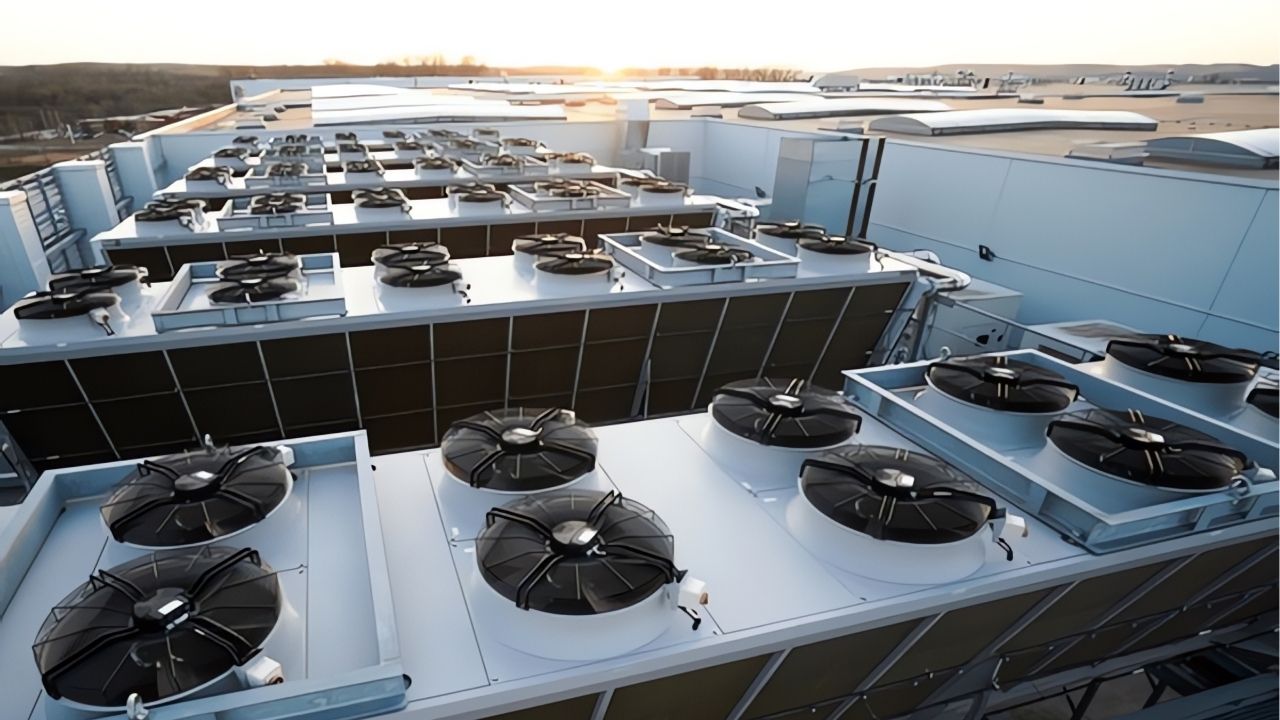
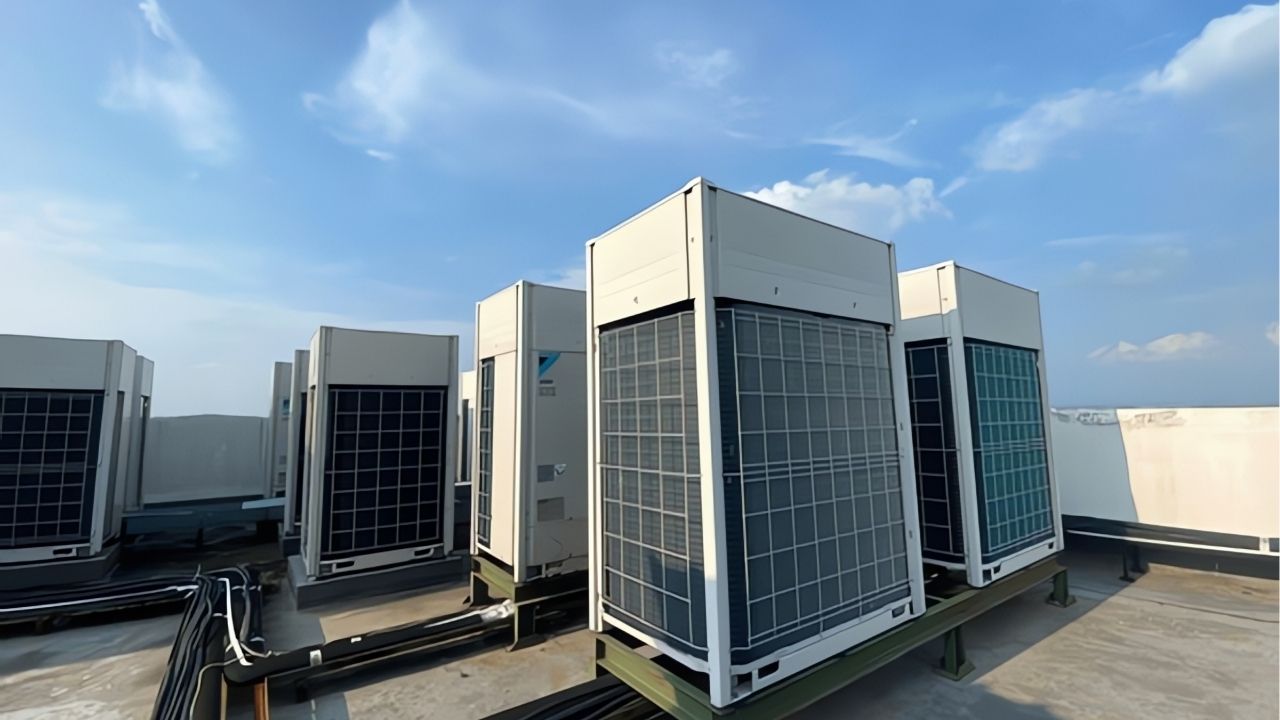
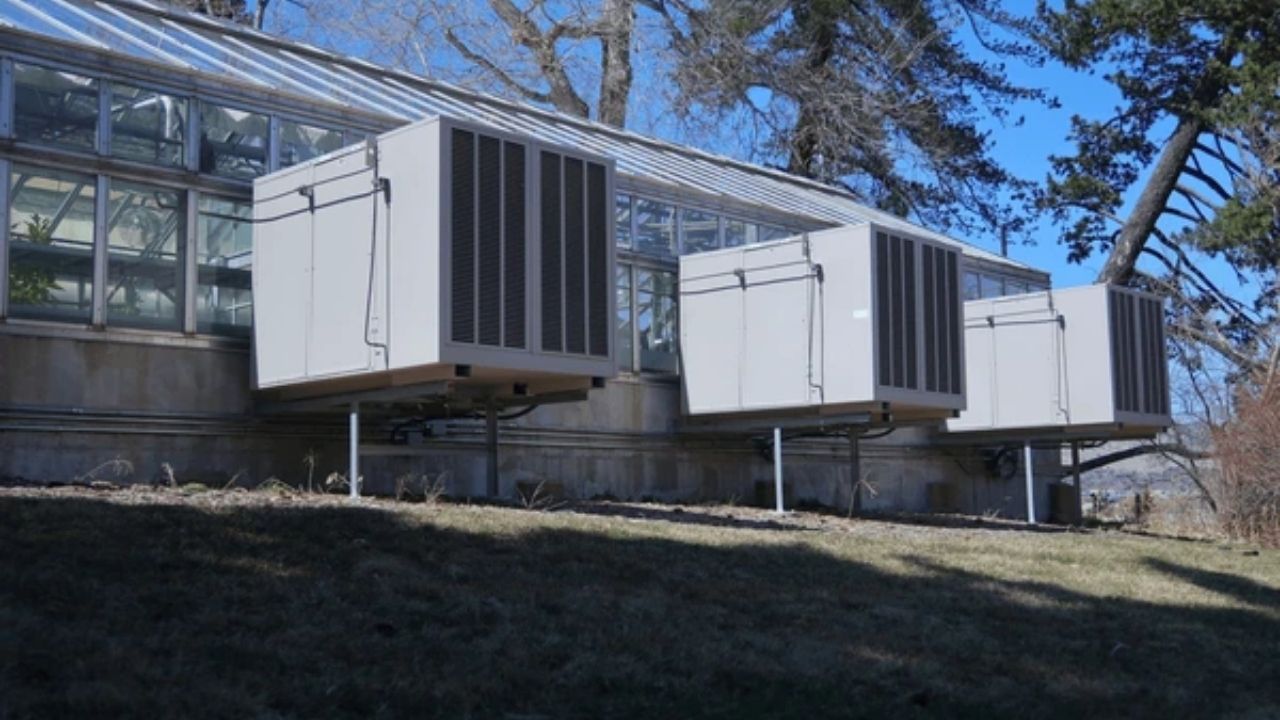
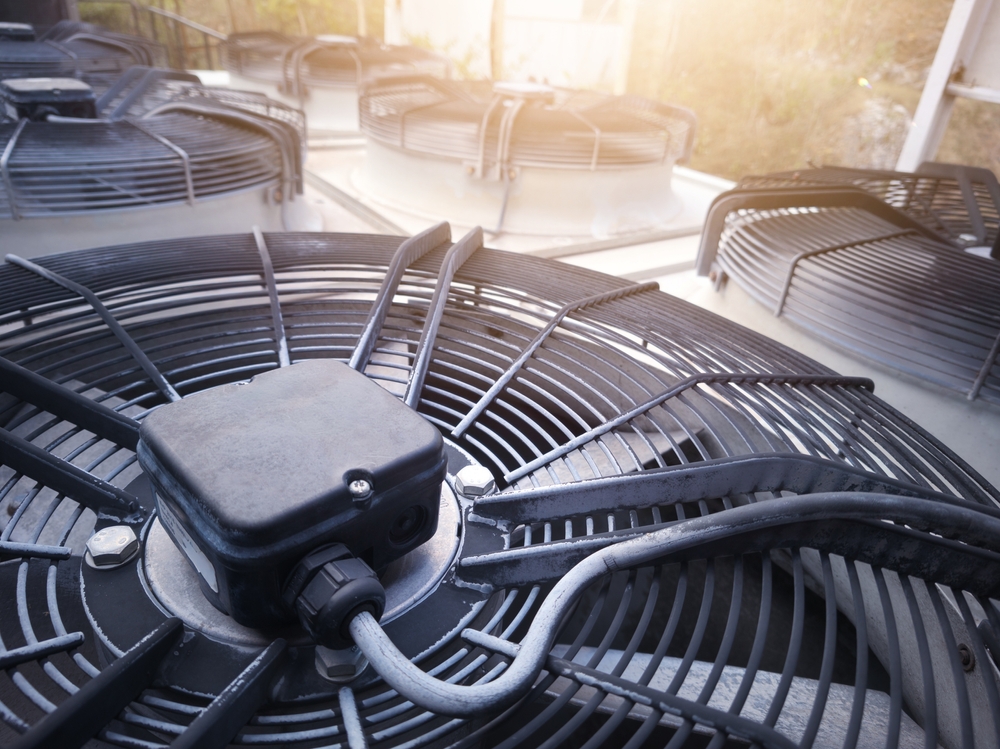
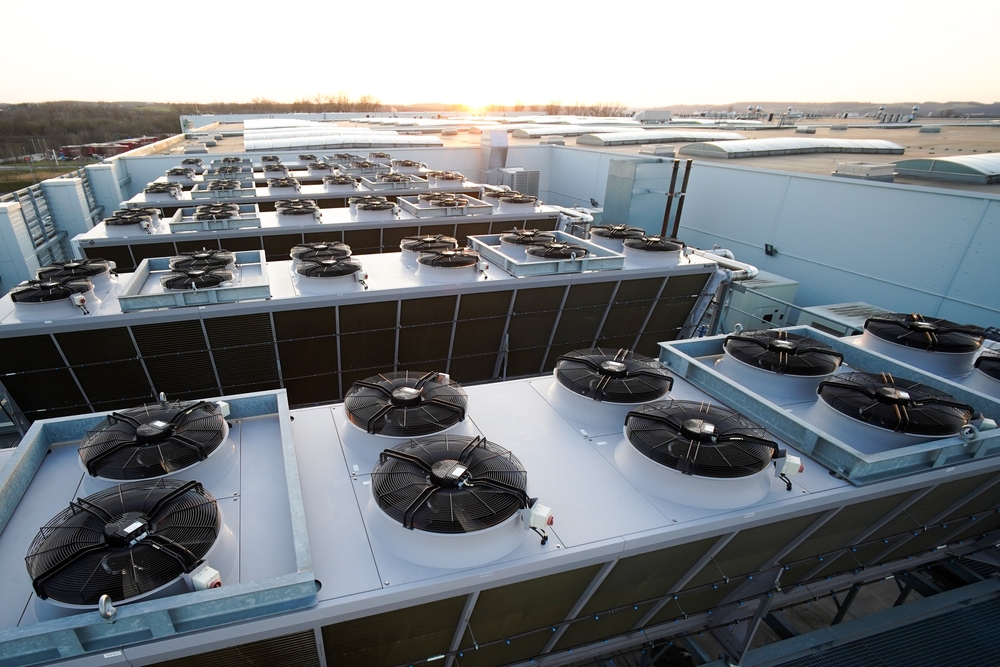
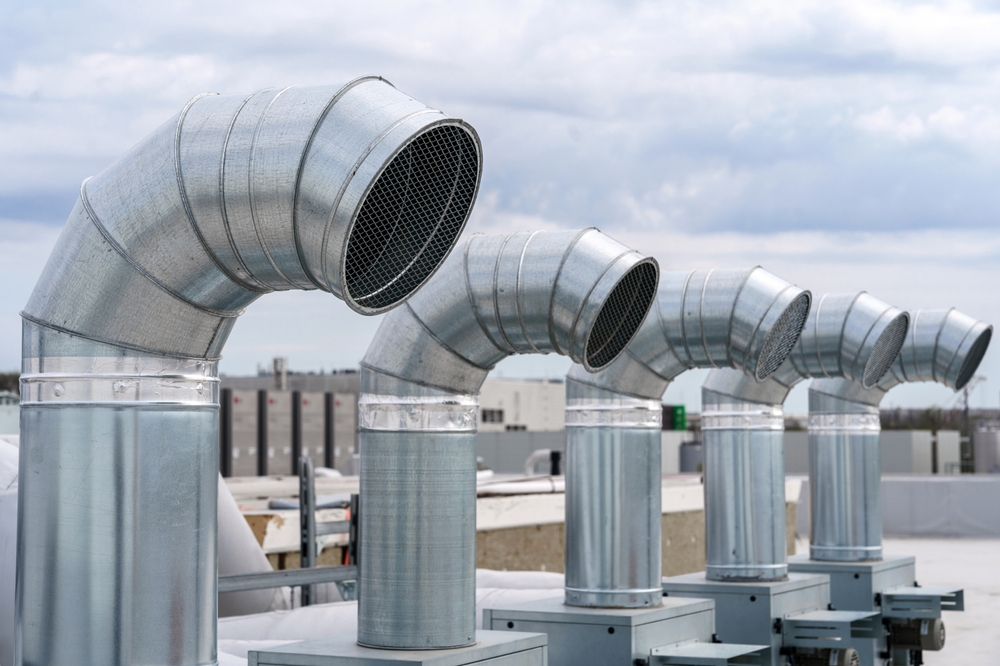
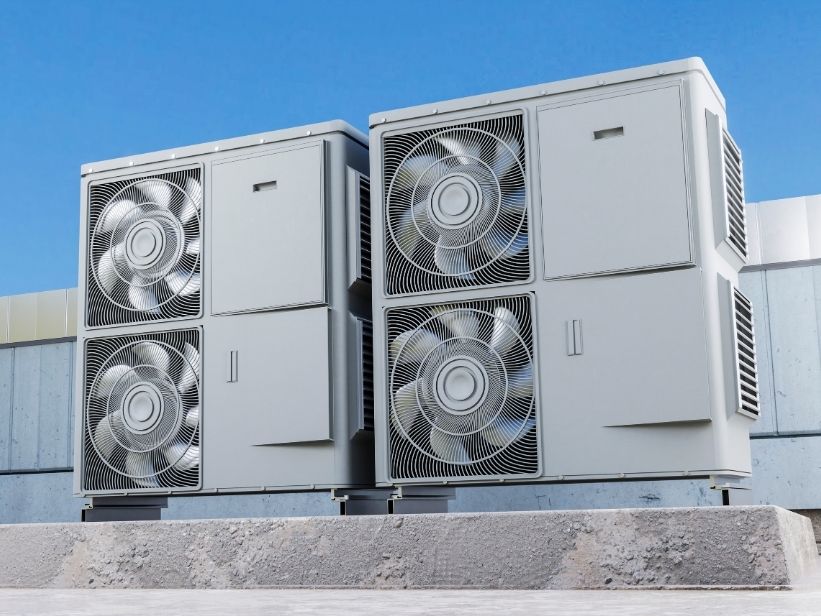
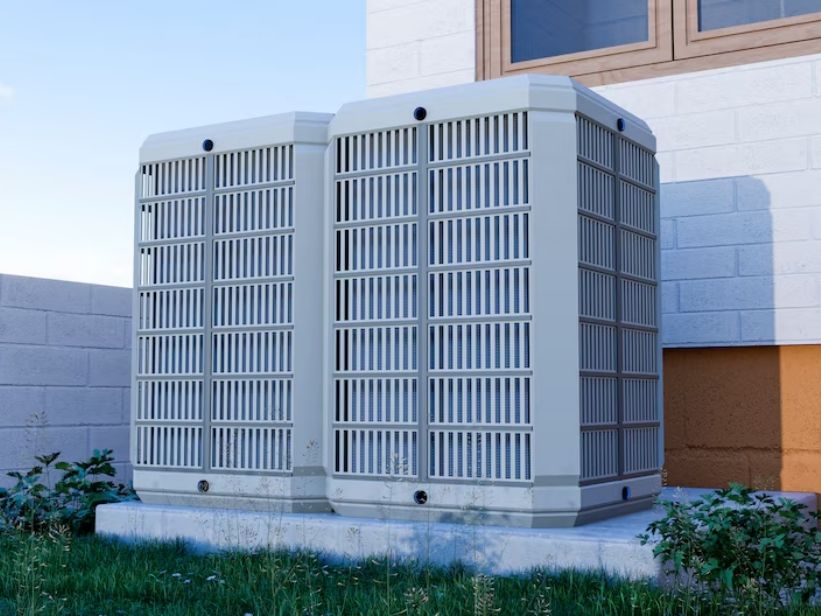
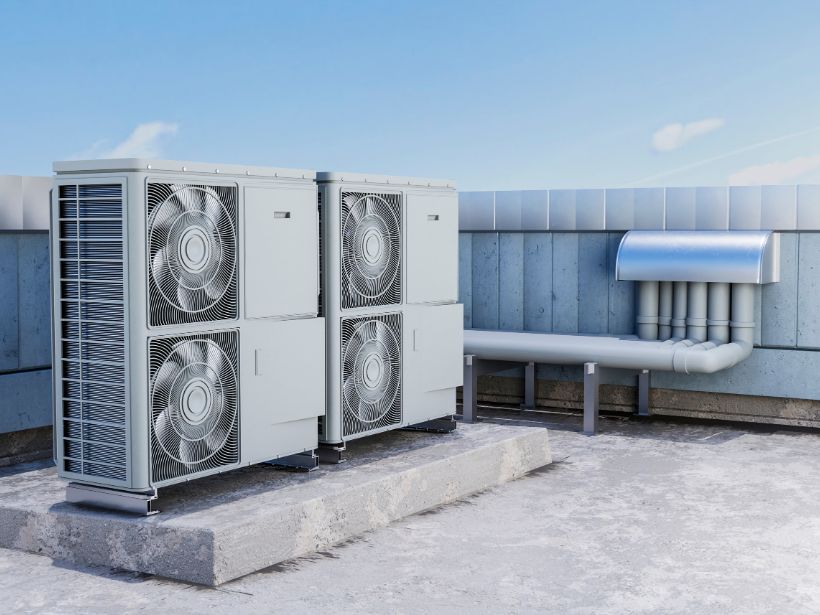
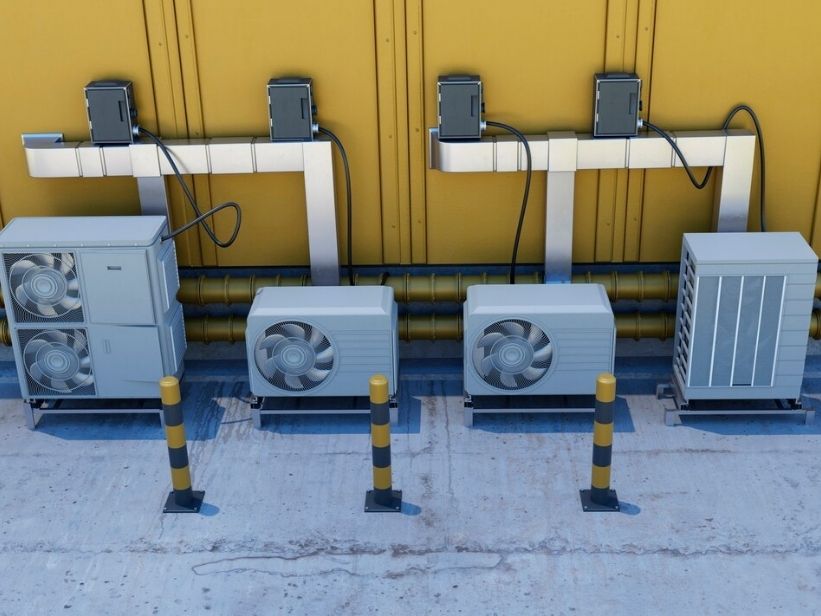
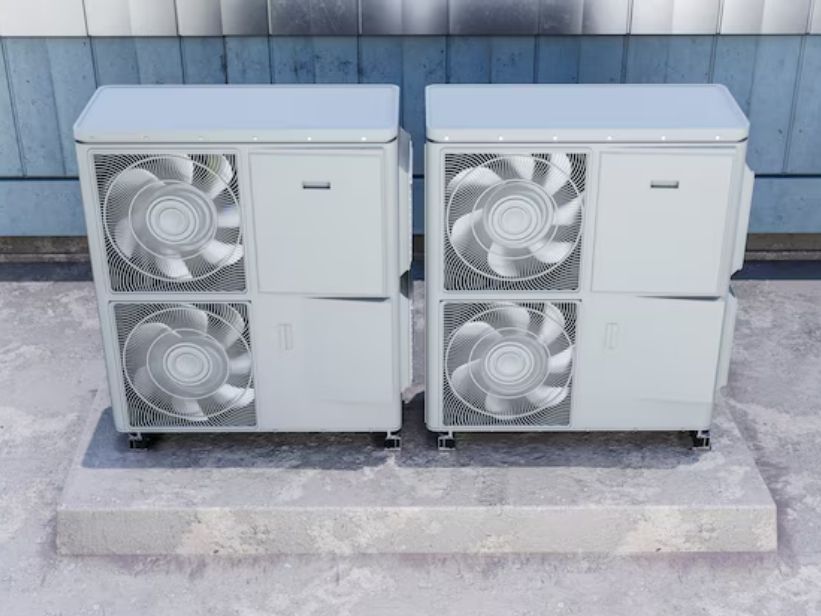
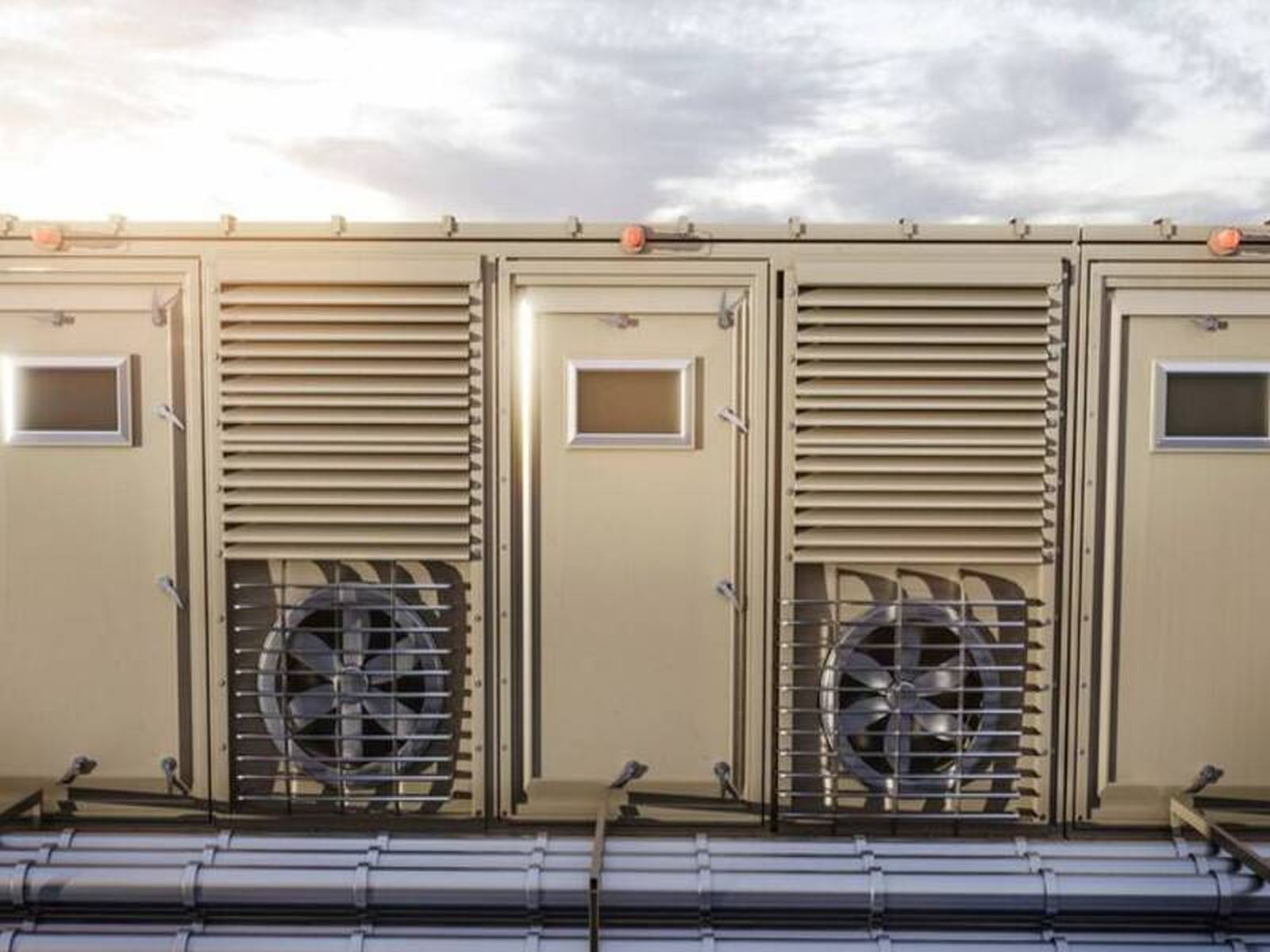
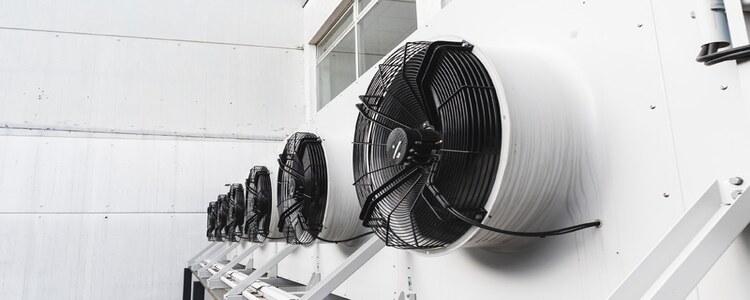
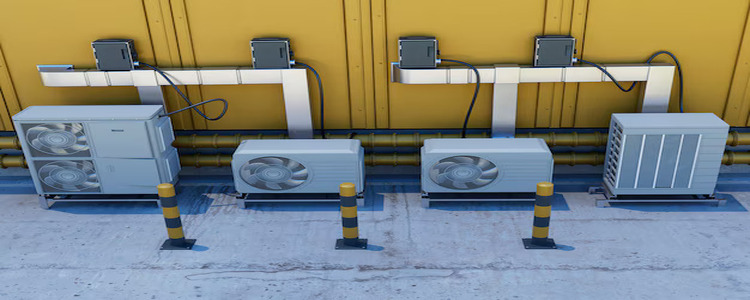
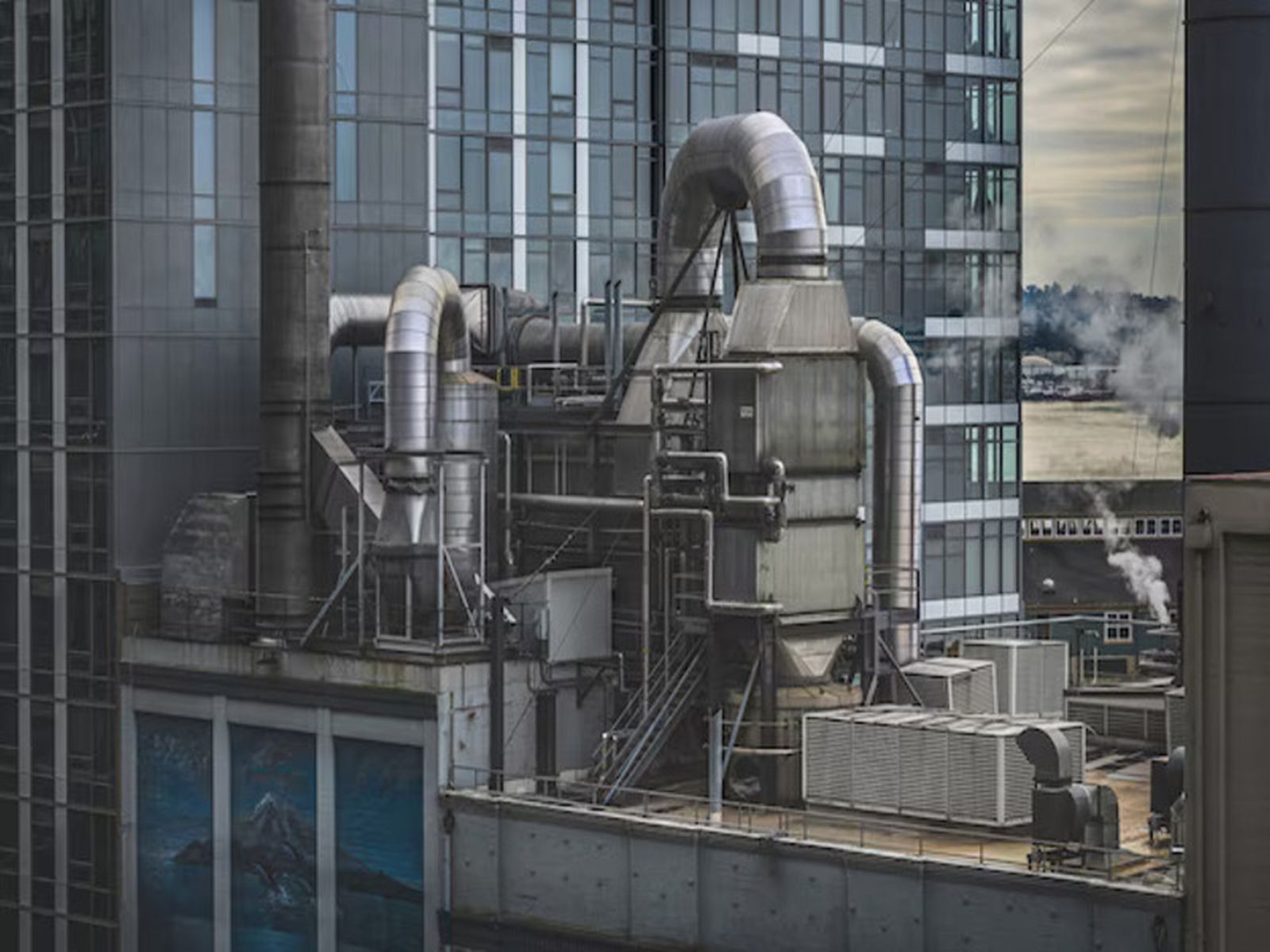
When placing multiple condensers side by side, a layout should be established in which each unit can take in its own fresh air and the discharge of one does not enter the intake of another. Placing units back to back or facing each other can lead to serious recirculation if there is no adequate clearance.
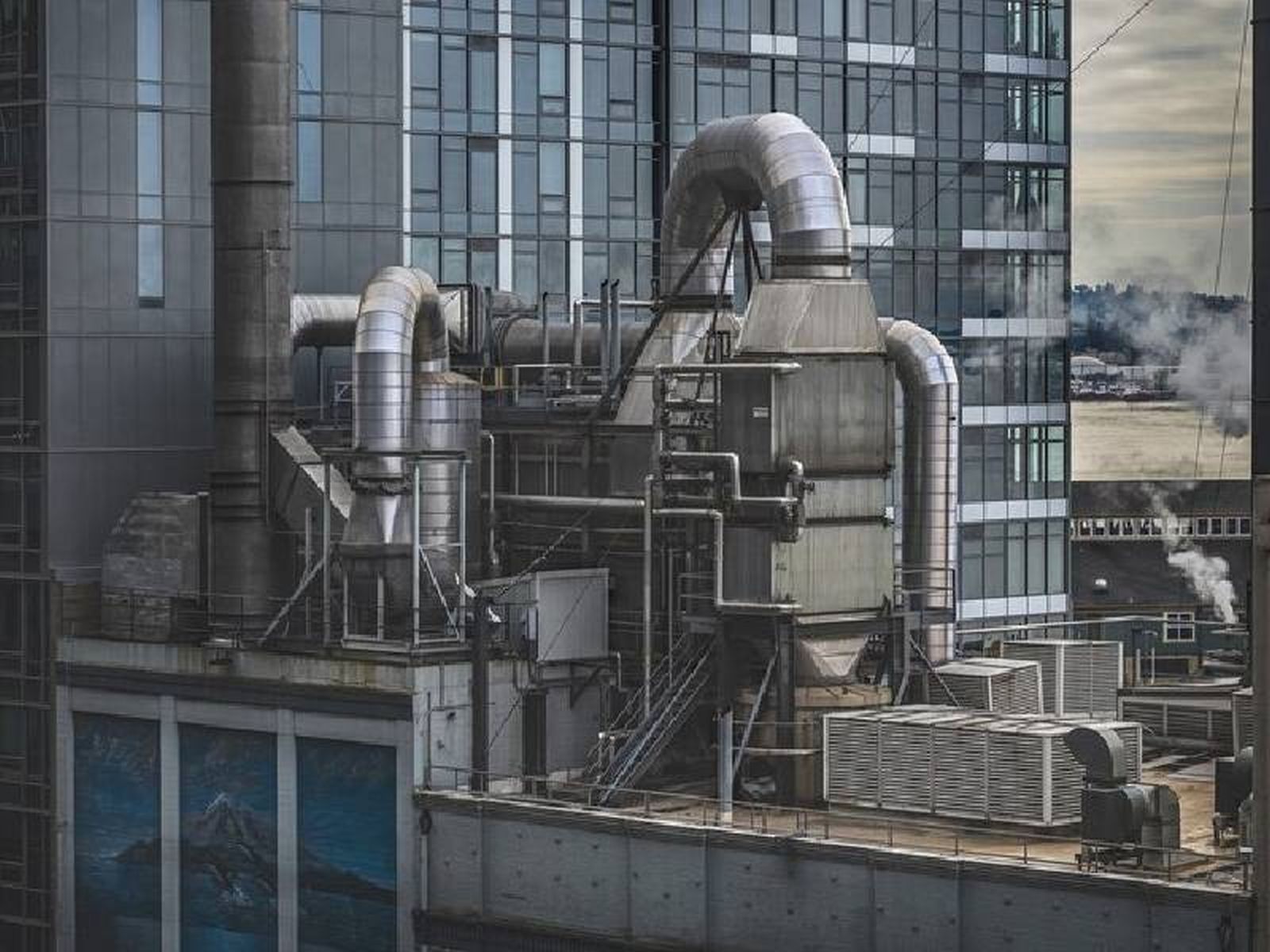
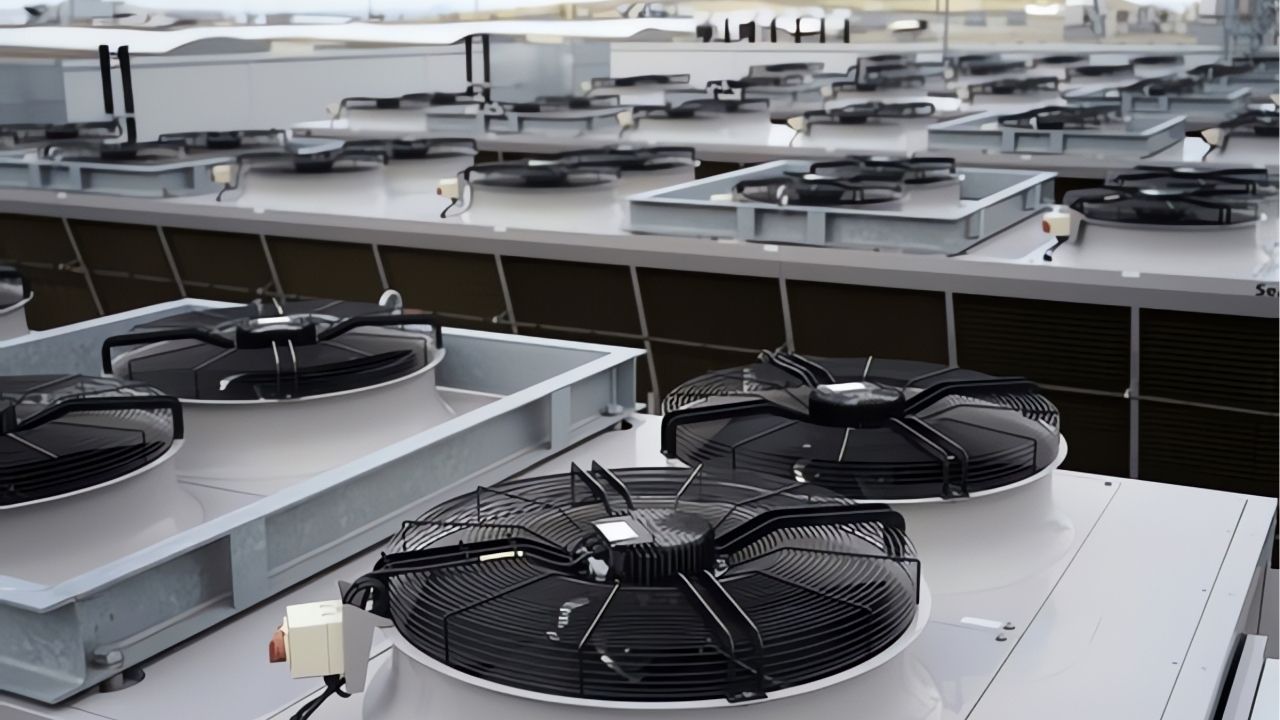
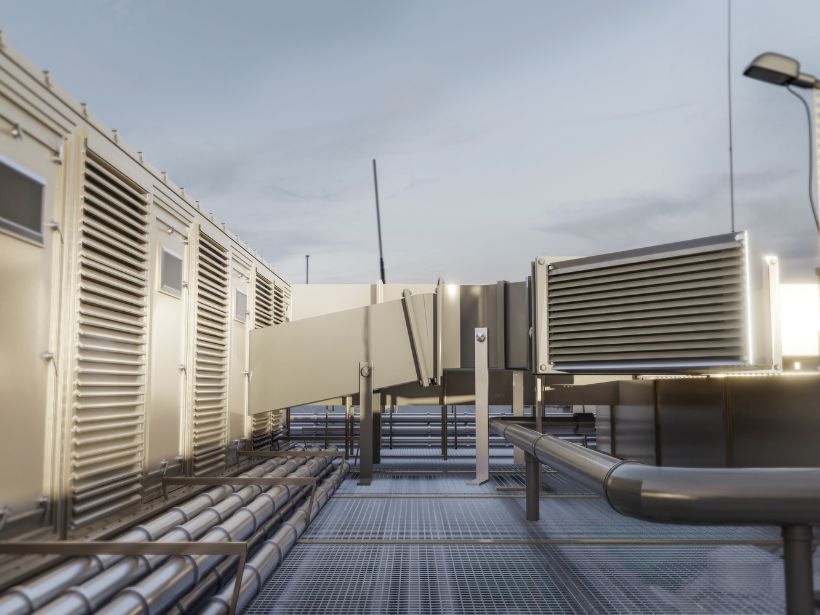
On roofs with many units, the group of units behaves like a single large heat source, and the intake temperature of the units in the middle of the group may rise compared to those at the edges. For this reason, air corridors should be left between units in the layout plan and, if necessary, units should be placed at different heights. In large facilities, evaluating the airflow by simulation can prevent costly changes on site later.
What Should Be Considered When Choosing The Right Condenser Location?
The right location is determined by evaluating thermal performance, ease of maintenance, noise and structural load-bearing capacity together. Checking the following items at the design stage greatly reduces problems on site.
- Leaving free space on the intake and discharge sides in accordance with the manufacturer's instructions
- Keeping exhausts, flues and other heat sources away from the intake side
- Providing safe access for maintenance, coil cleaning and fan replacement
- Checking the noise impact on neighbouring buildings and the load-bearing capacity of the ground
If you would like a placement assessment for your existing site, you can contact the Günay Soğutma technical team.
Frequently Asked Questions
Can I put the condenser in an enclosed space?
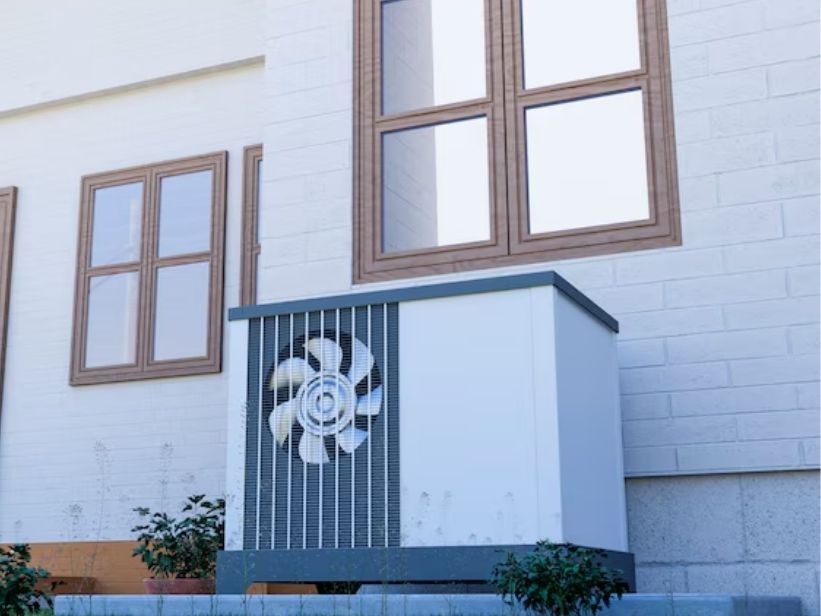
Standard air-cooled condensers are designed to operate outdoors. If an enclosed space is unavoidable, sufficient fresh air inlet and ducting of the discharged air to the outside must be calculated separately for the project.
How do I know whether there is recirculation?
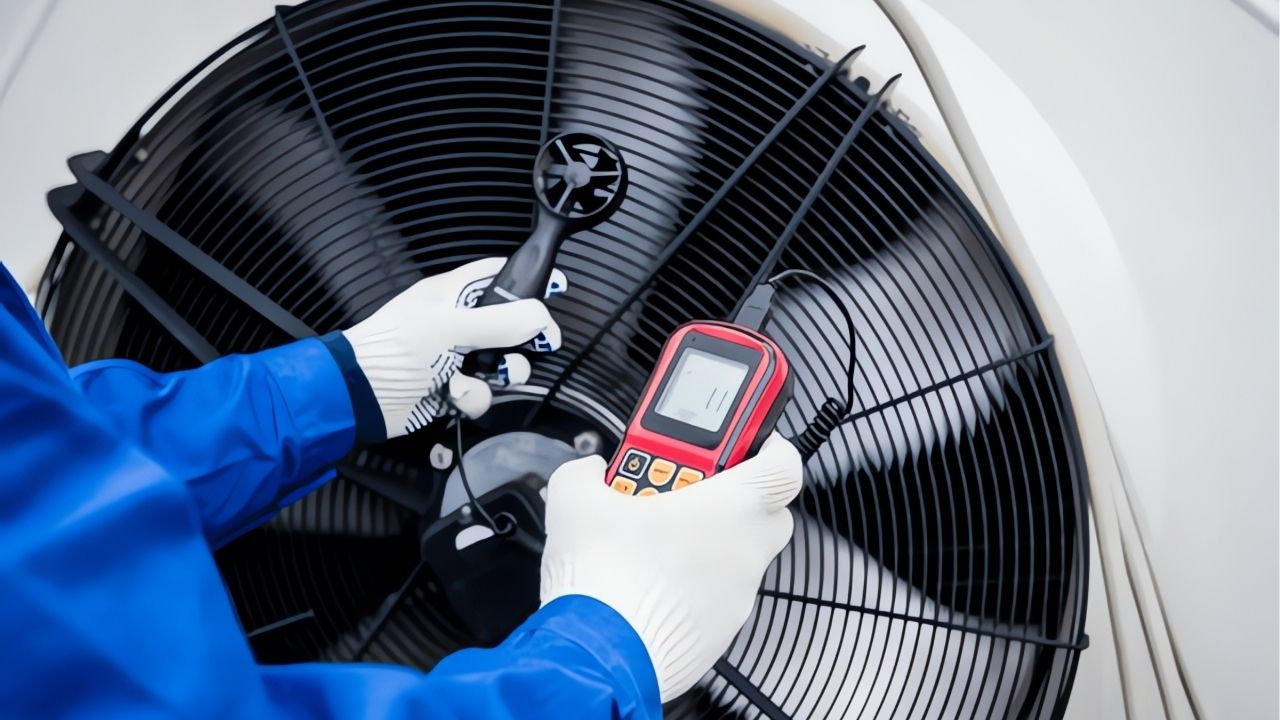
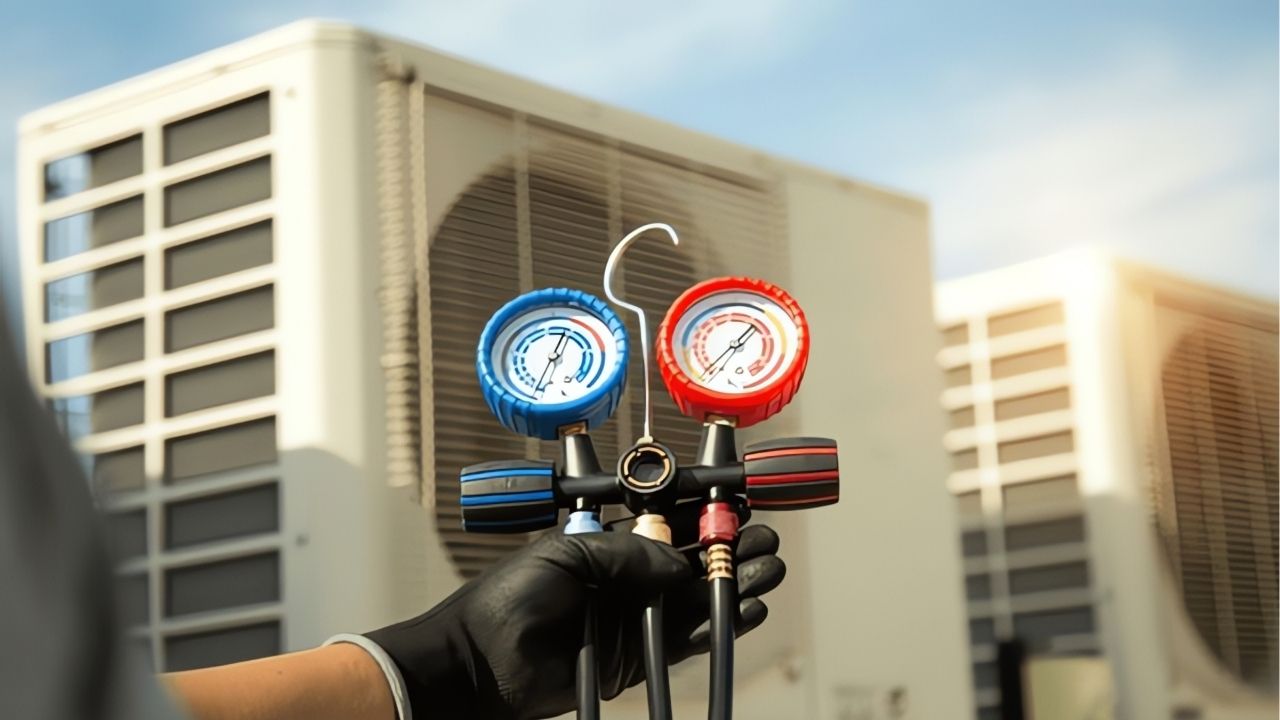
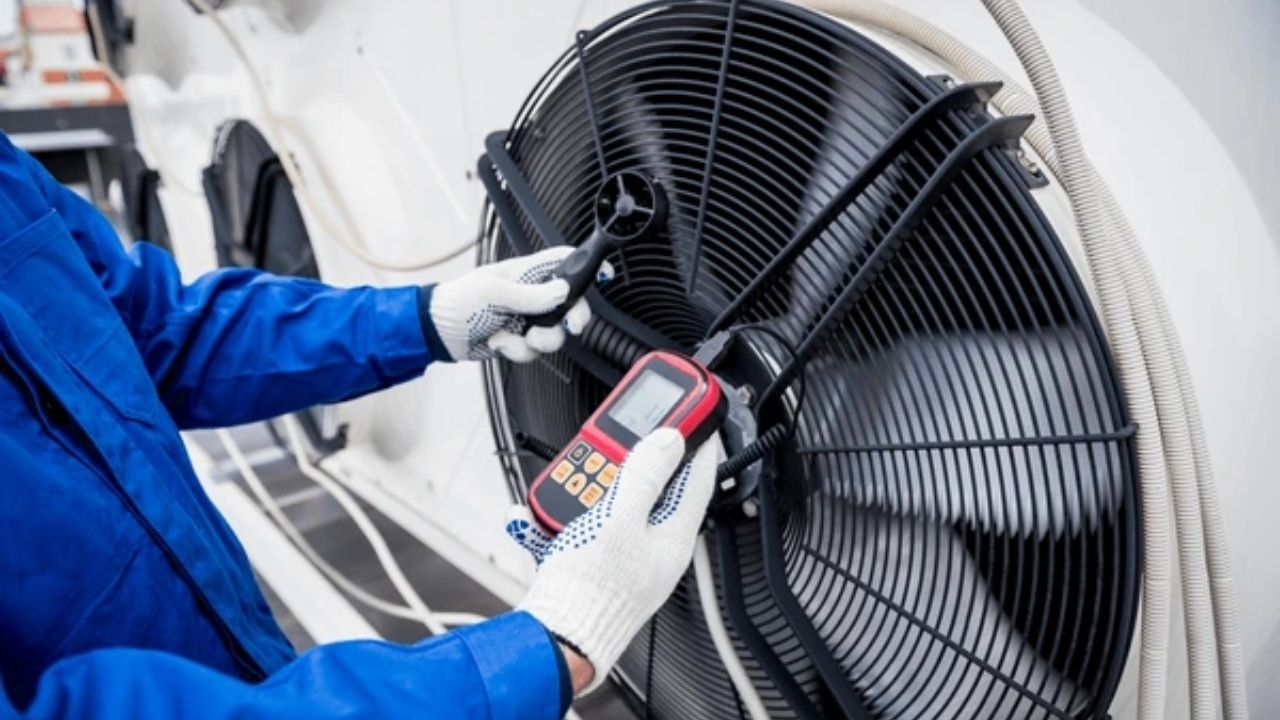
The condenser intake air temperature and the outdoor air temperature in the shade can be measured at the same time and compared. A significant difference indicates that hot air is being drawn back in.
Is it beneficial to build a canopy over the condenser?
A canopy that blocks the sun can be beneficial as long as it does not obstruct airflow. On vertical-discharge units, however, covering the top causes serious recirculation.
Can high-pressure faults in the summer months be related to placement?
Yes, one of the common causes of high-pressure faults is insufficient airflow or recirculation. Since a dirty coil and fan failure produce similar symptoms, they should be checked together.
Does the distance between the condenser and the indoor unit cause problems?
Long pipelines affect pressure loss and oil return requirements. Line sizes and height differences must be calculated according to the project.
What should be considered for ground-mounted units?
It is recommended to place the unit on a base against factors such as snow, standing water, leaves and dust, and to keep its surroundings clean.
How can I get a placement recommendation for my own facility?
You can request a project-specific assessment by applying to the Günay Soğutma team with your site plan, photographs and capacity information.