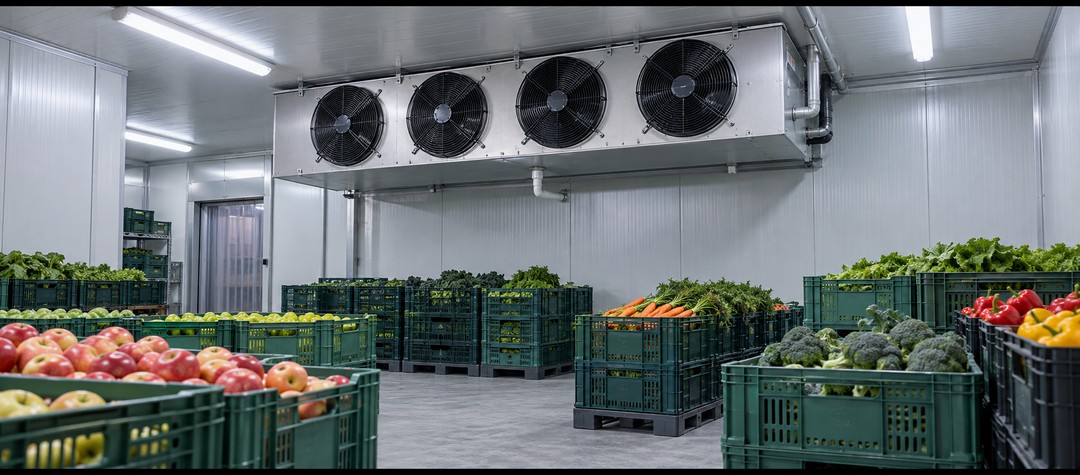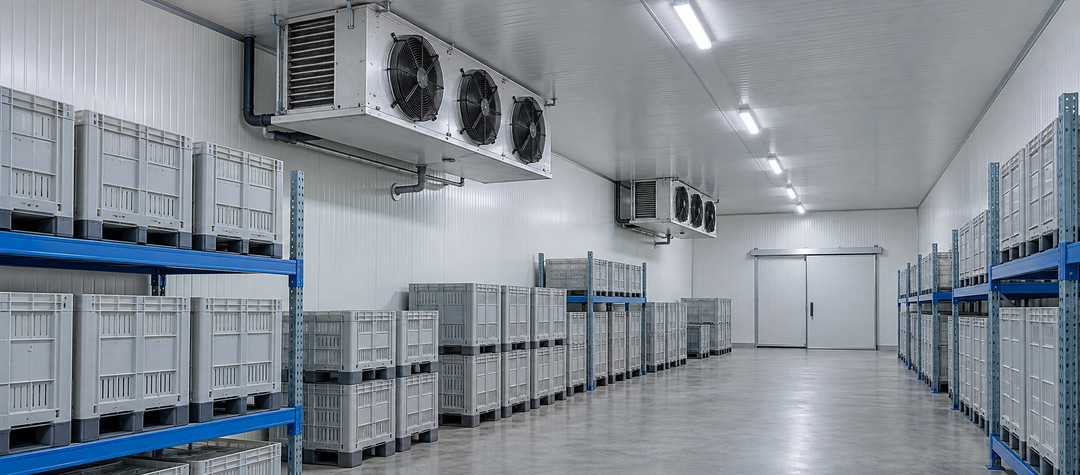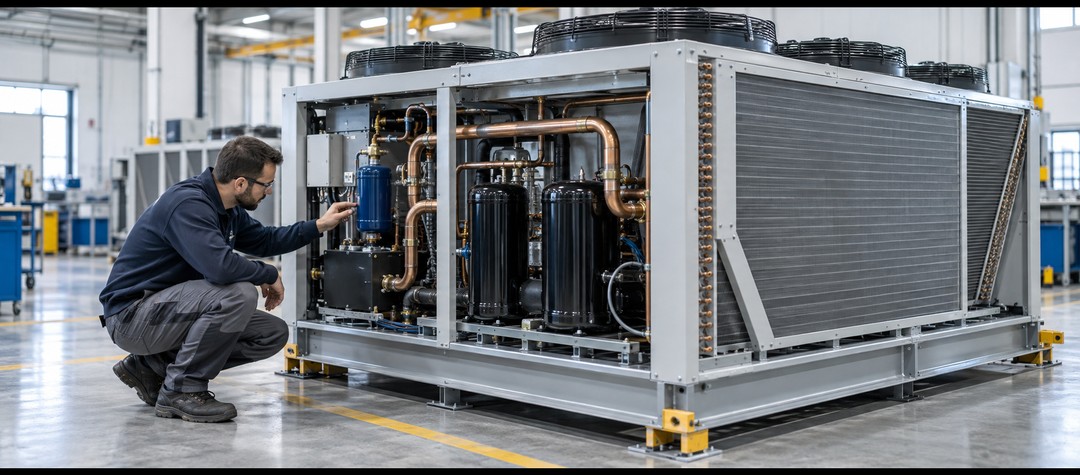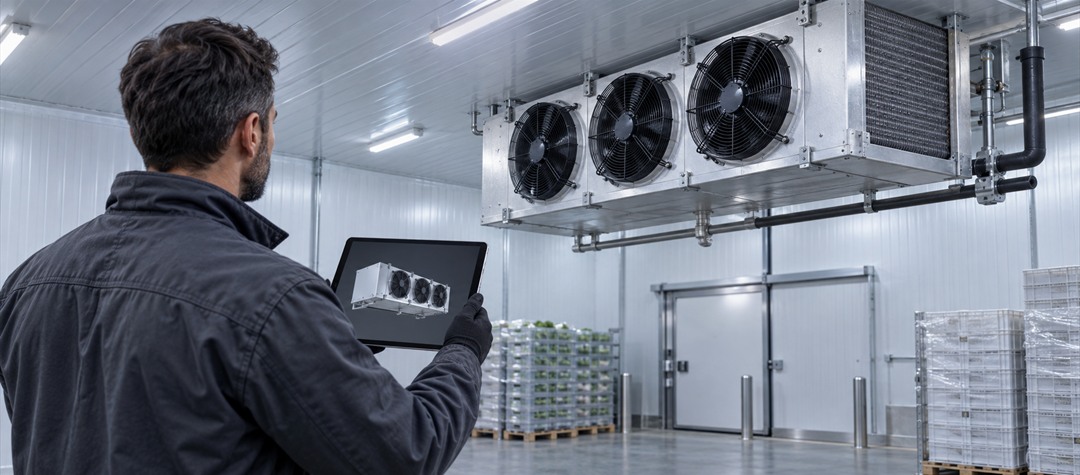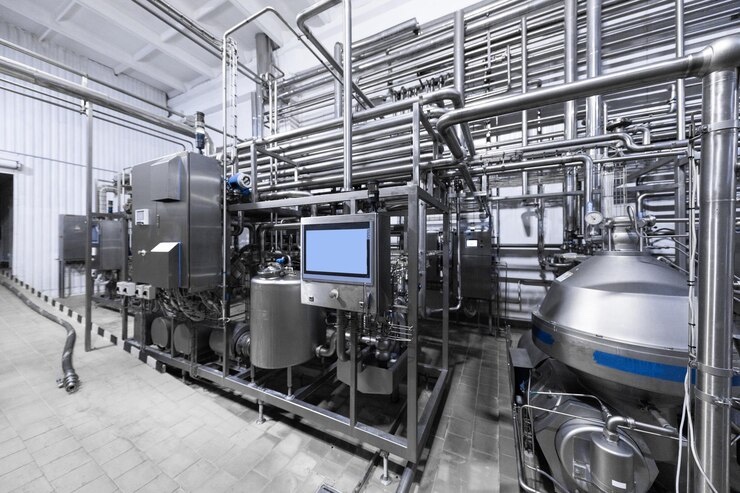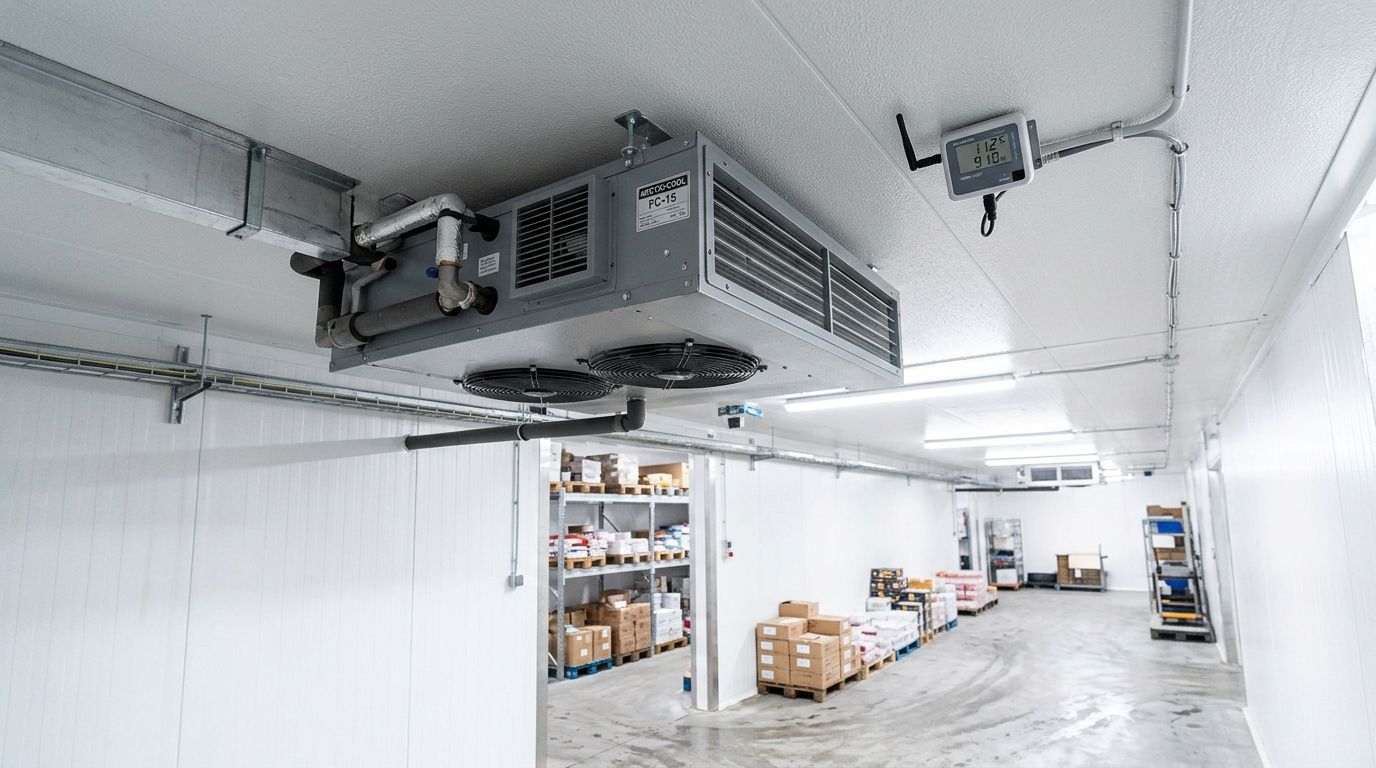
Humidity control in a cold room is keeping the relative humidity inside the room within the target range in order to limit water loss from the stored product, condensation on surfaces and excessive frosting on the evaporator. Weight loss in fruit and vegetables, wetting or mould on packaged products, and icing and energy loss in the room are often caused by incorrect humidity management. In this article we examine how humidity affects the cold room, the role of evaporator selection in humidity, sources of moisture, measurement and monitoring methods, humidification and dehumidification options and the points to consider for the right solution.
Table of Contents
- How Does Relative Humidity Affect the Stored Product?
- How Does Evaporator Selection Determine Room Humidity?
- Where Does Moisture Enter the Cold Room From?
- How Is Room Humidity Measured and Monitored?
- When Is Humidification or Dehumidification Needed?
- What Should Be Considered When Planning Cold Room Humidity Control?
- Frequently Asked Questions
How Does Relative Humidity Affect the Stored Product?
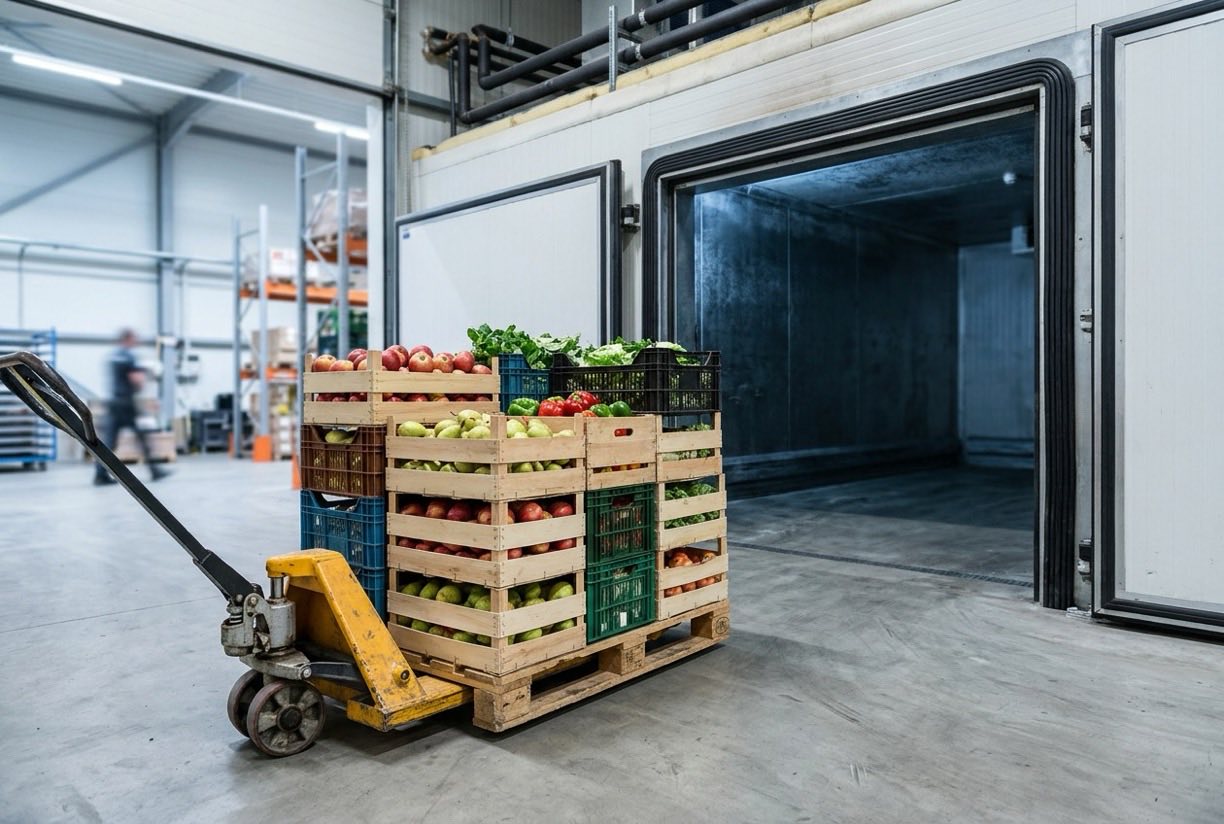
Relative humidity directly affects the product's tendency to lose water or to have condensation form on its surface, because it determines the moisture balance between the product and the surrounding air. When the room air remains dry relative to the product, the product gives off moisture and loses weight and freshness; when the air is too humid, the risk of surface wetting and microbial growth increases.
Leafy vegetables, root vegetables and many fruits generally require high humidity, while nuts, seeds or some packaged foods are better preserved at lower humidity. For this reason there is no single "correct humidity" value; the target range is determined according to the product type, packaging method and storage period. In rooms where mixed products are stored, these differences should also be taken into account.
How Does Evaporator Selection Determine Room Humidity?
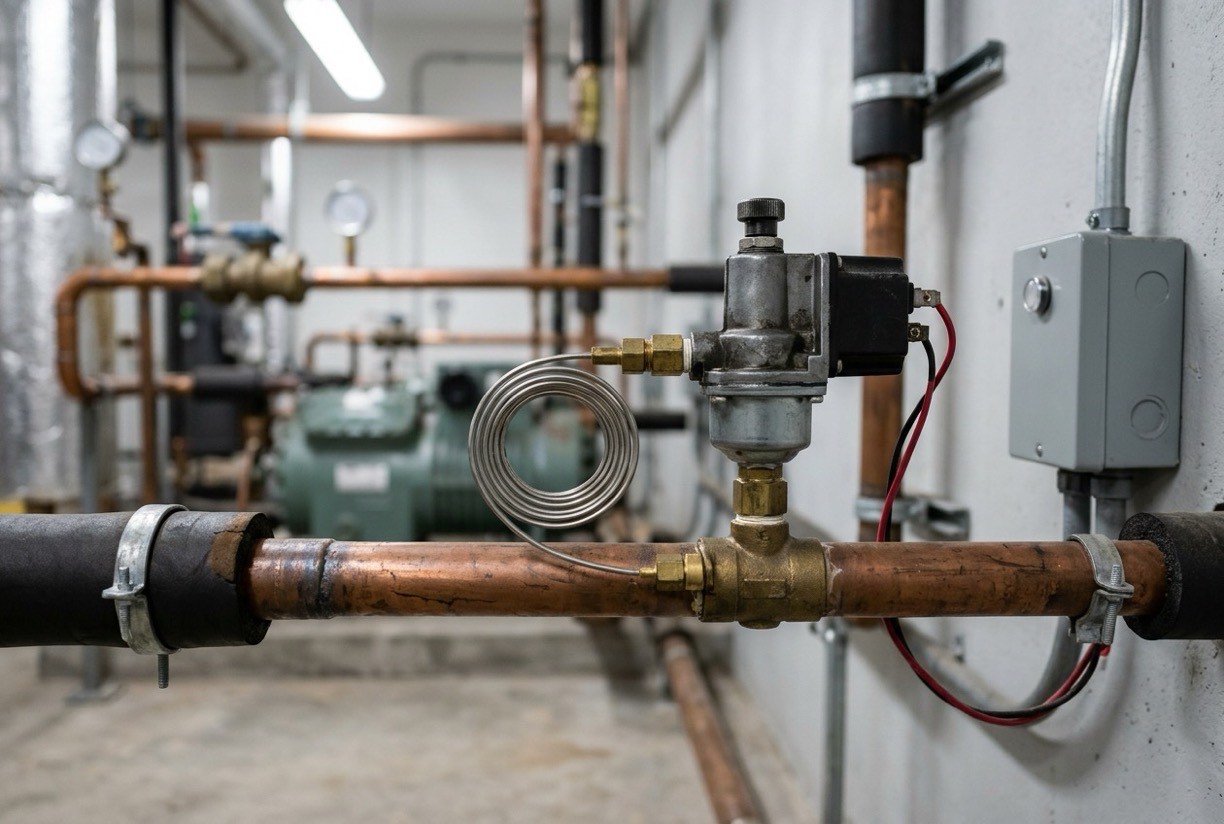
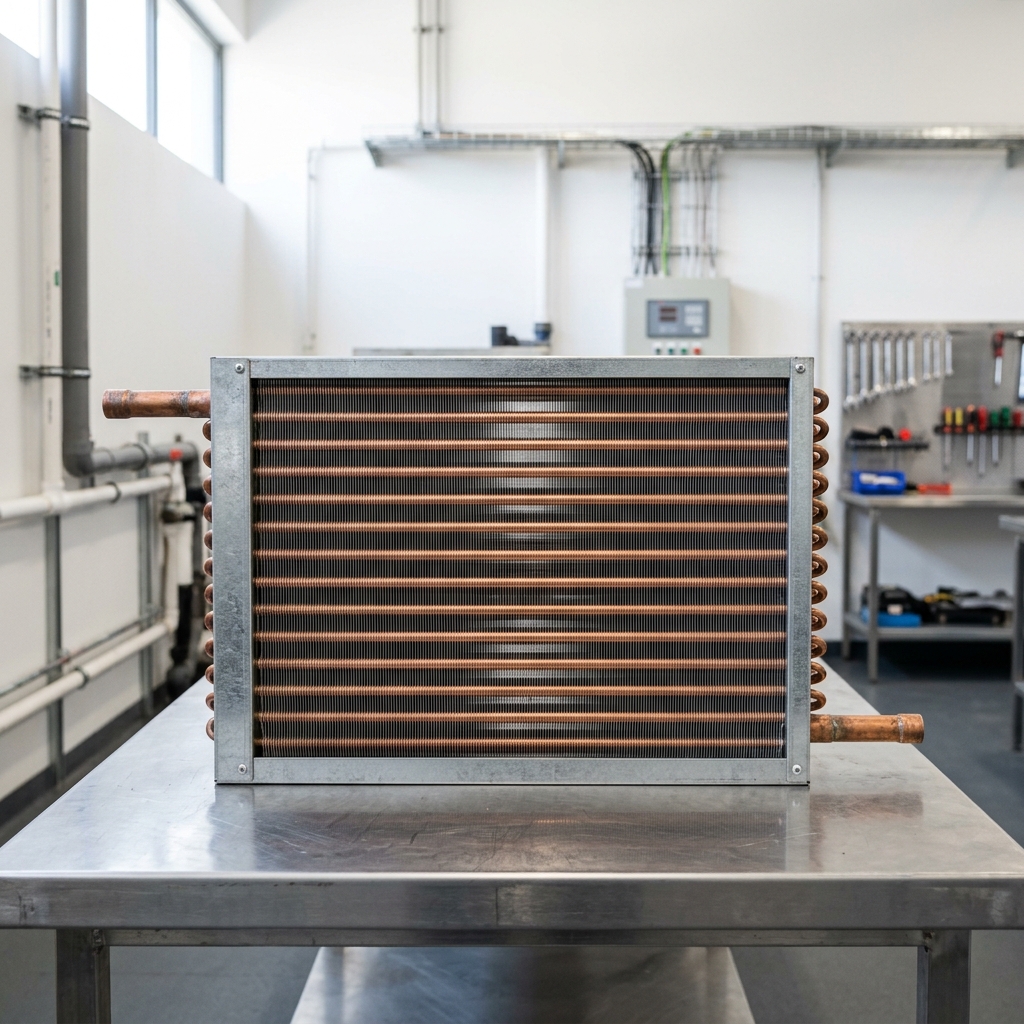
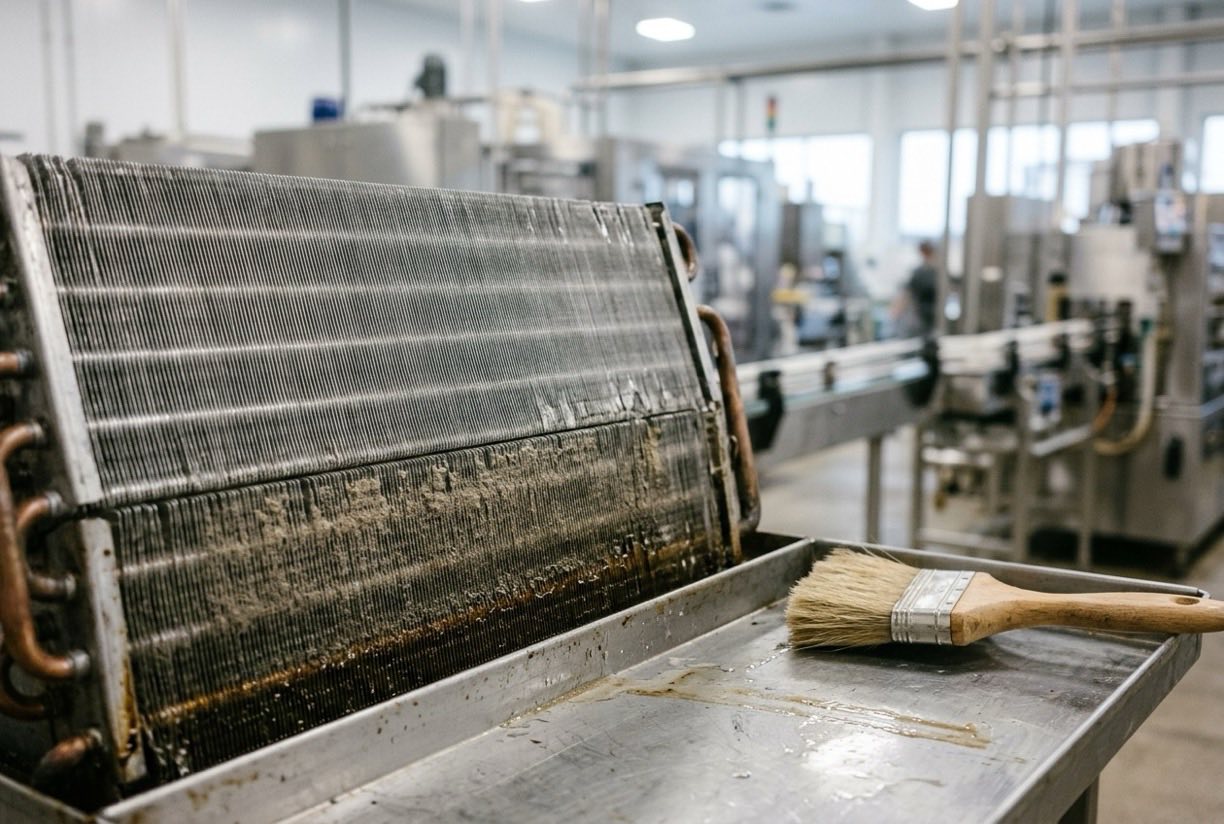
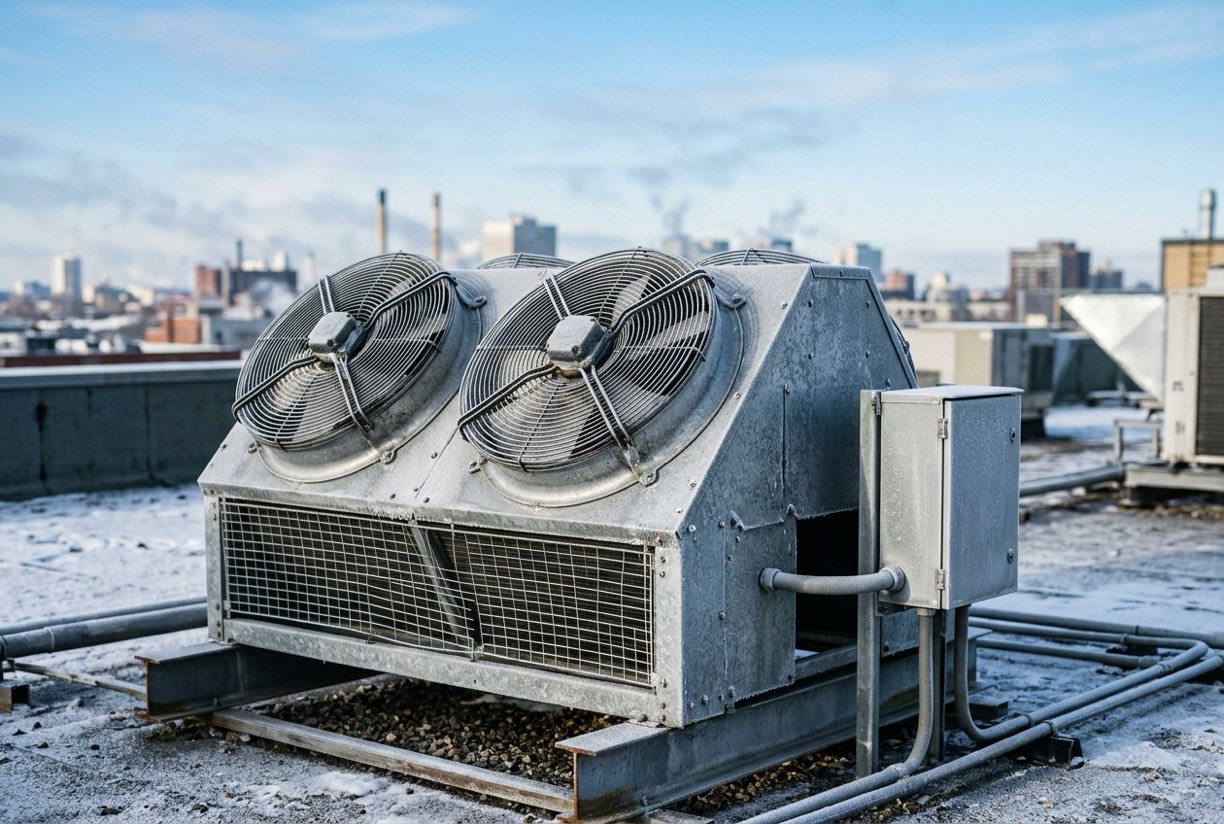
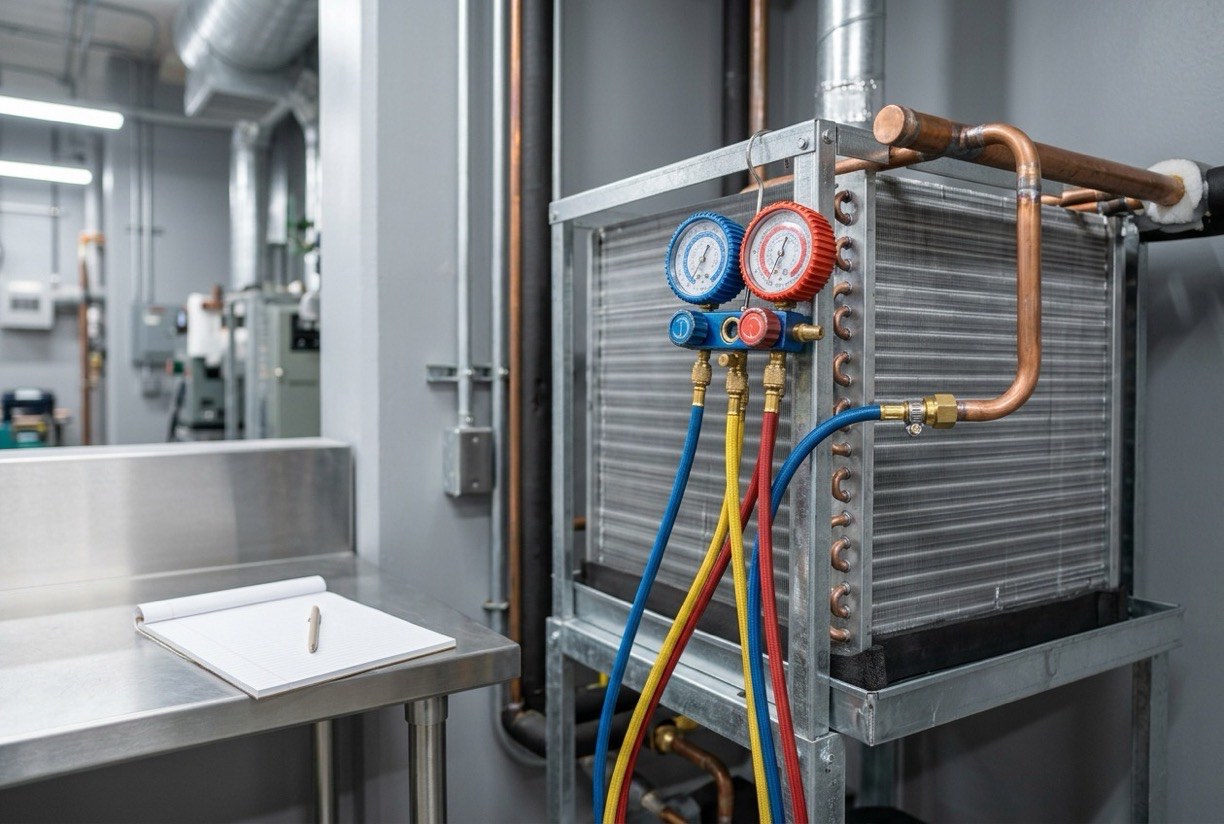
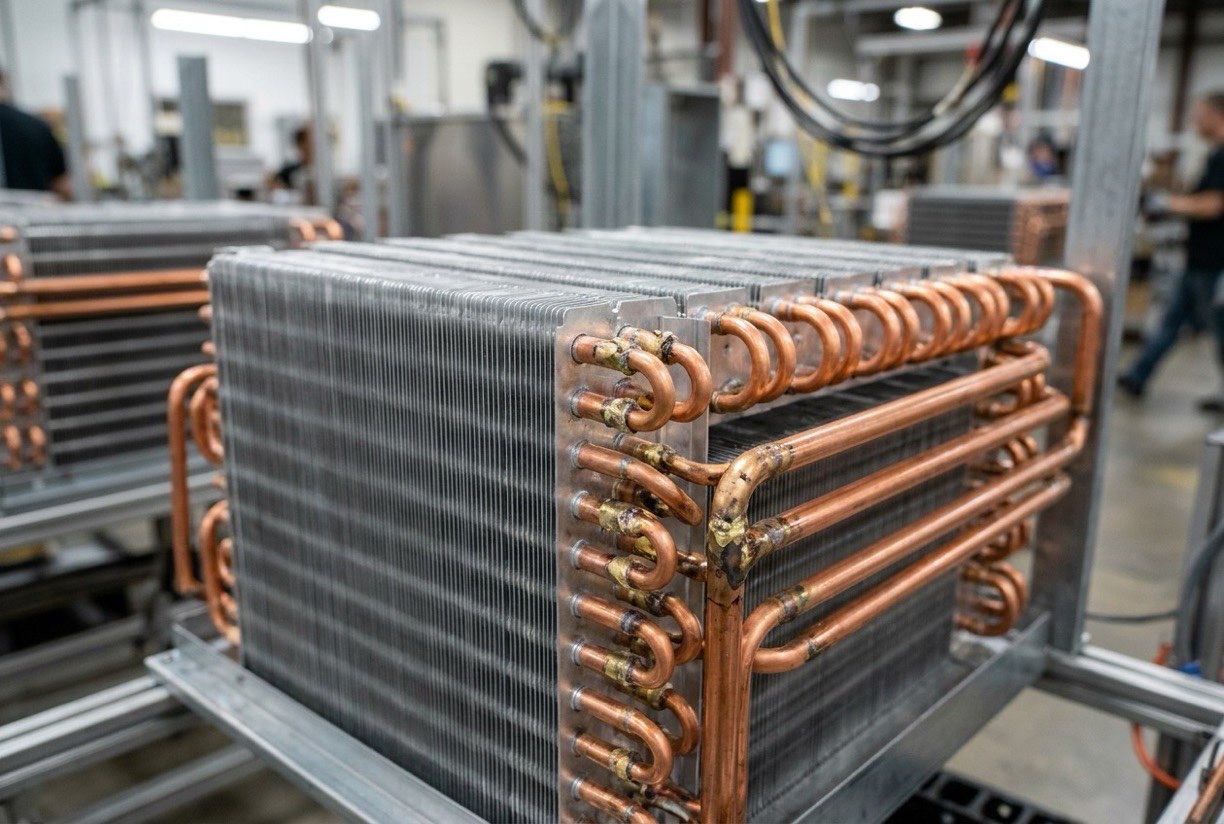
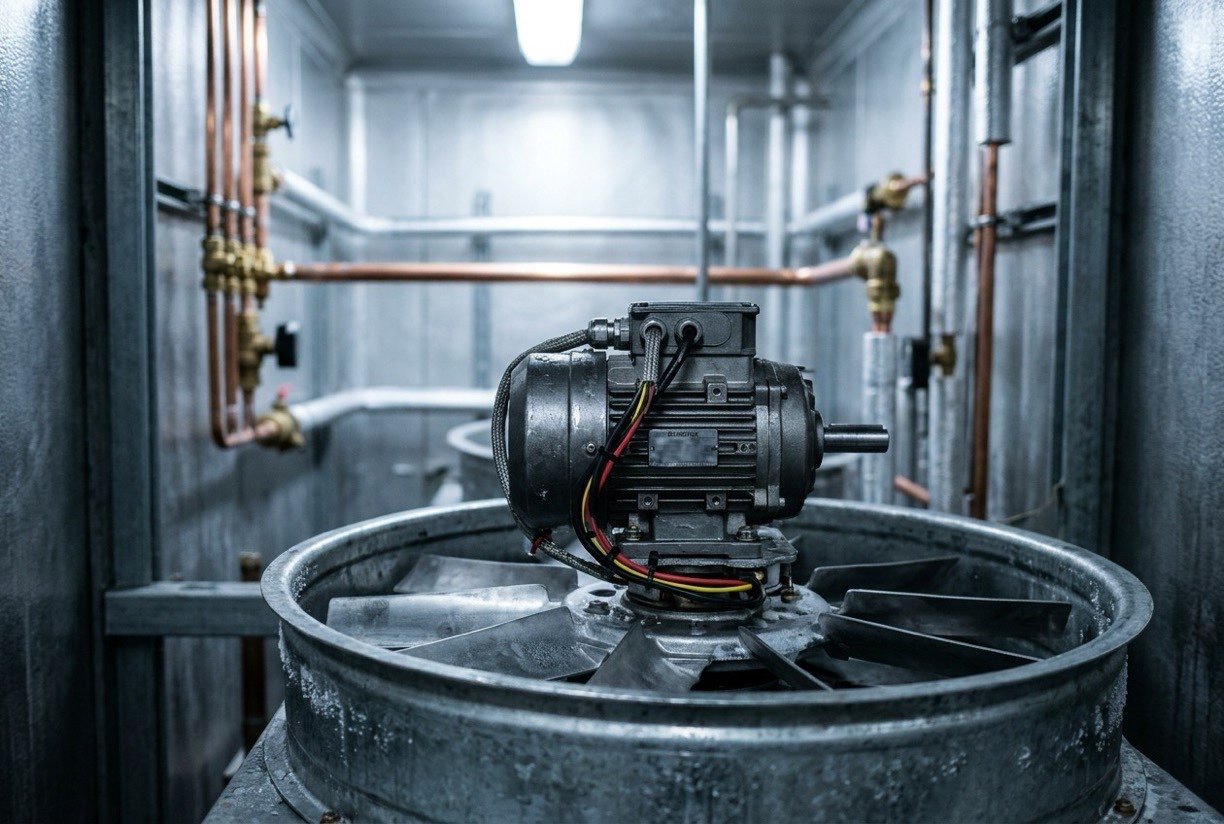
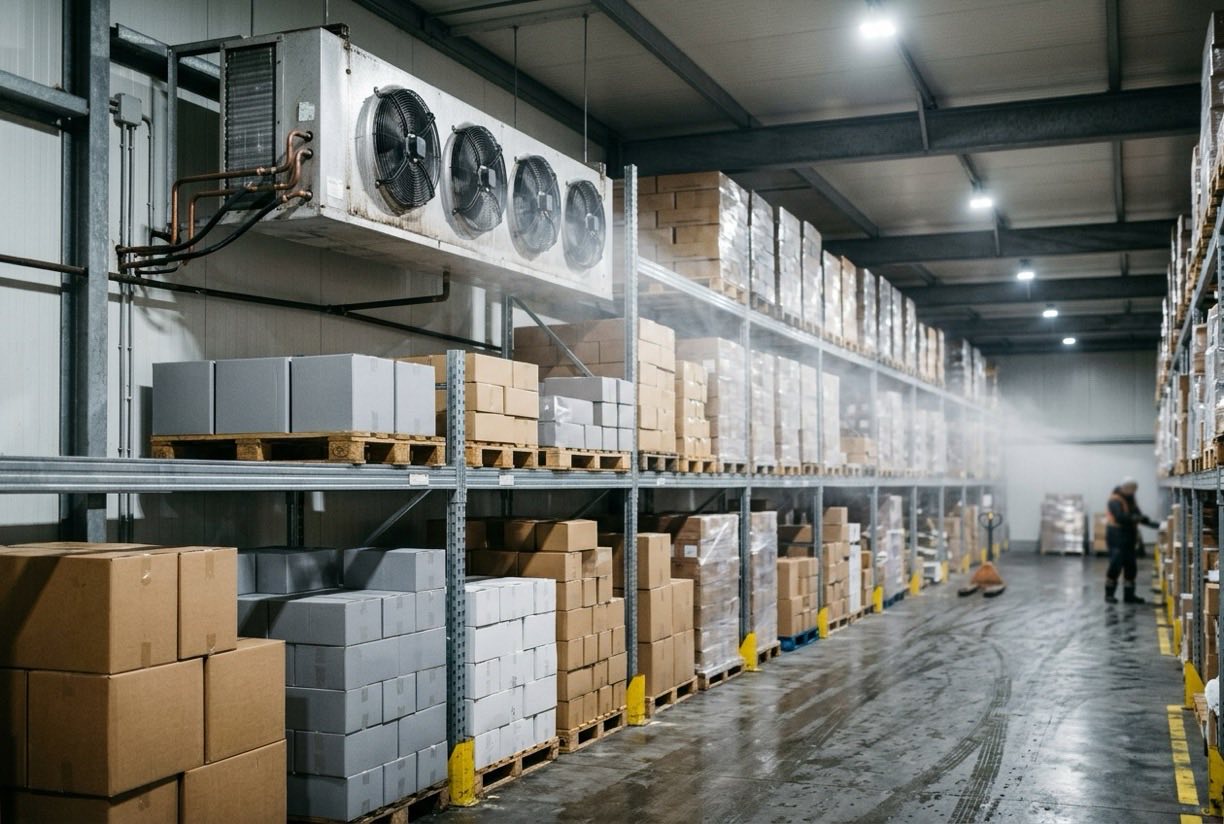
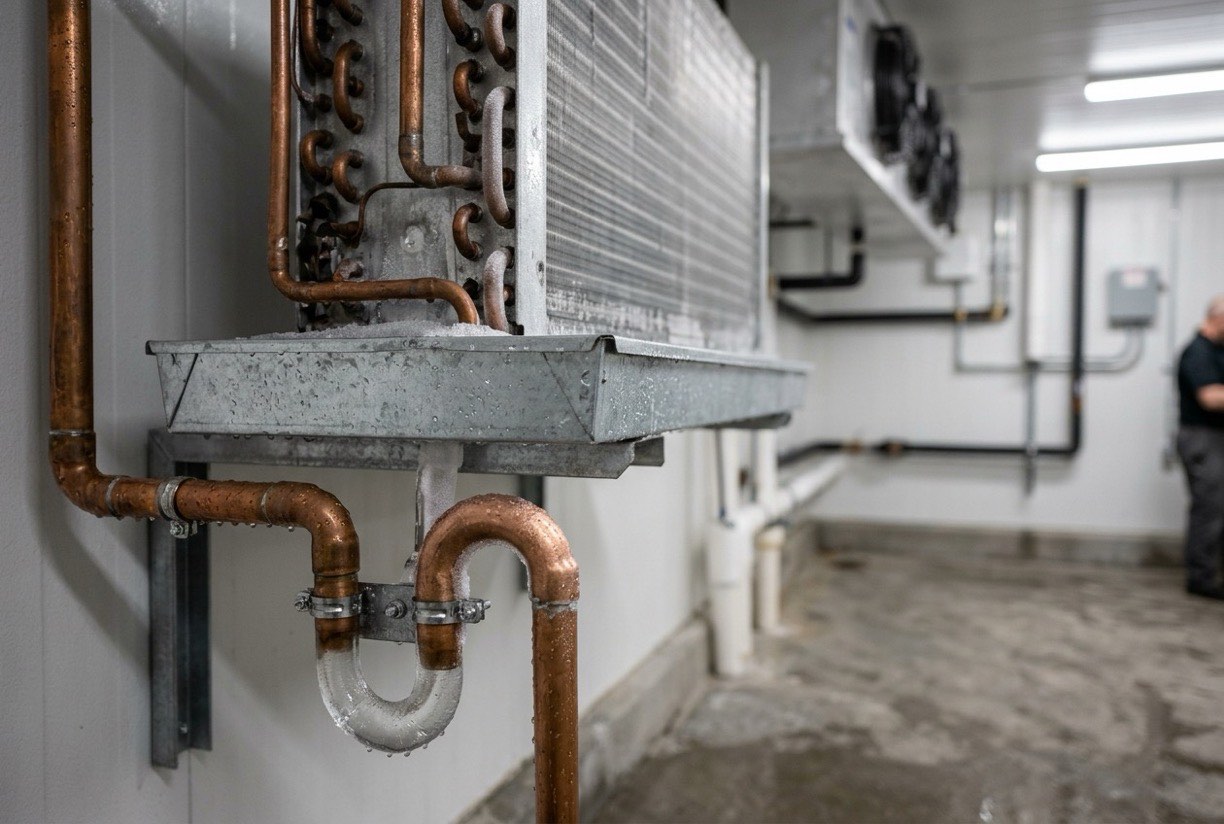
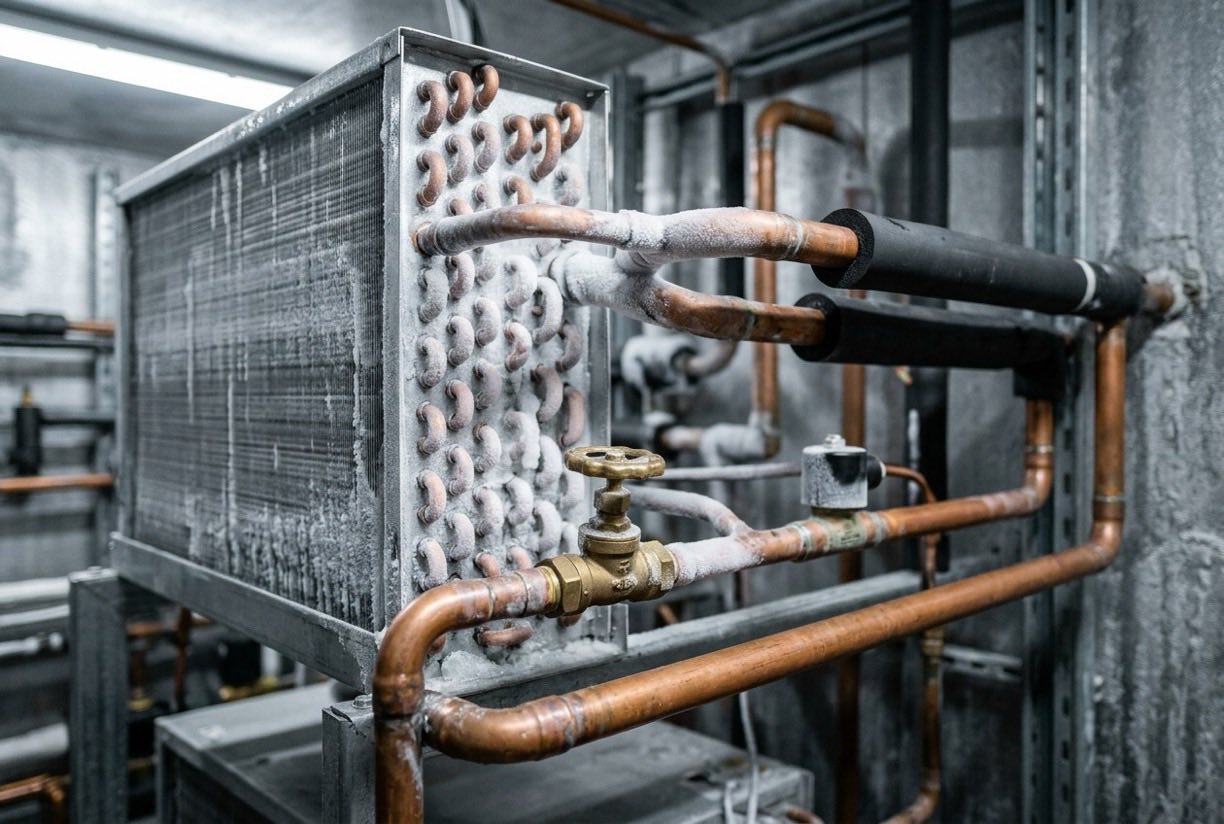
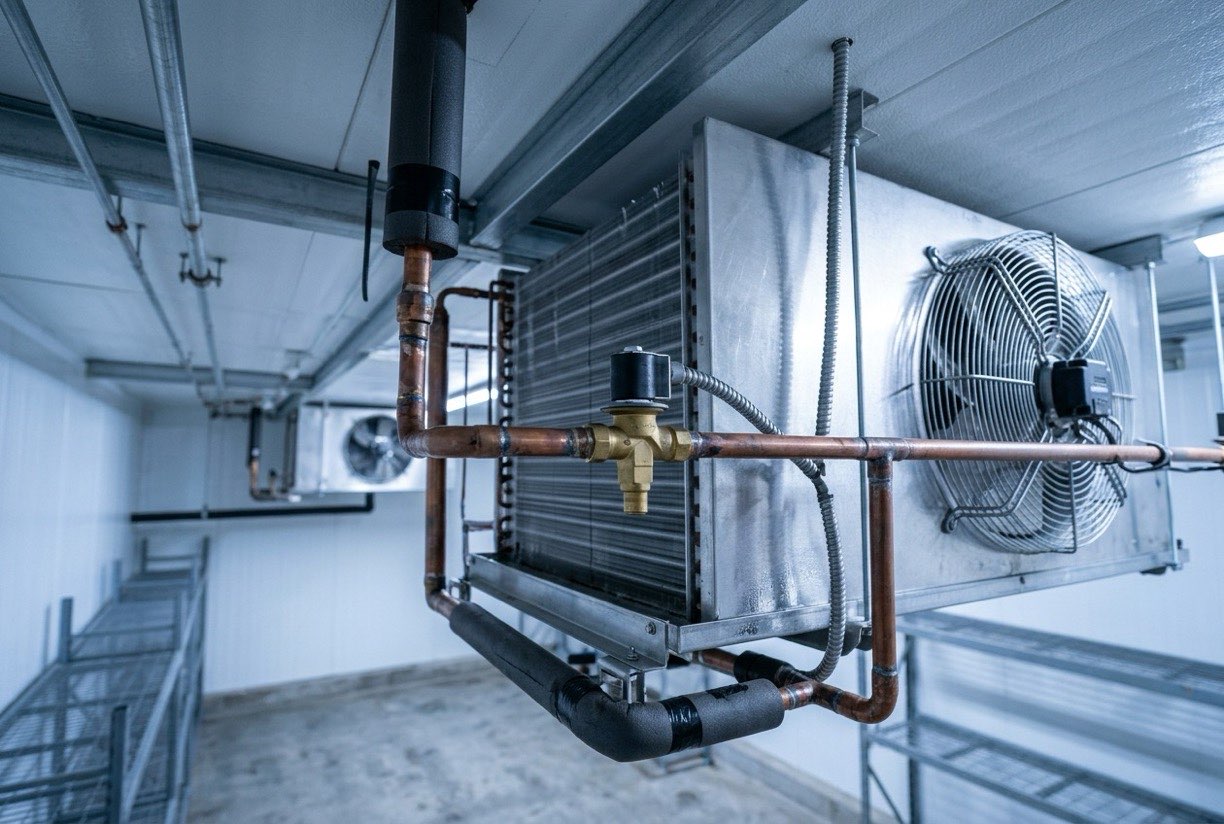
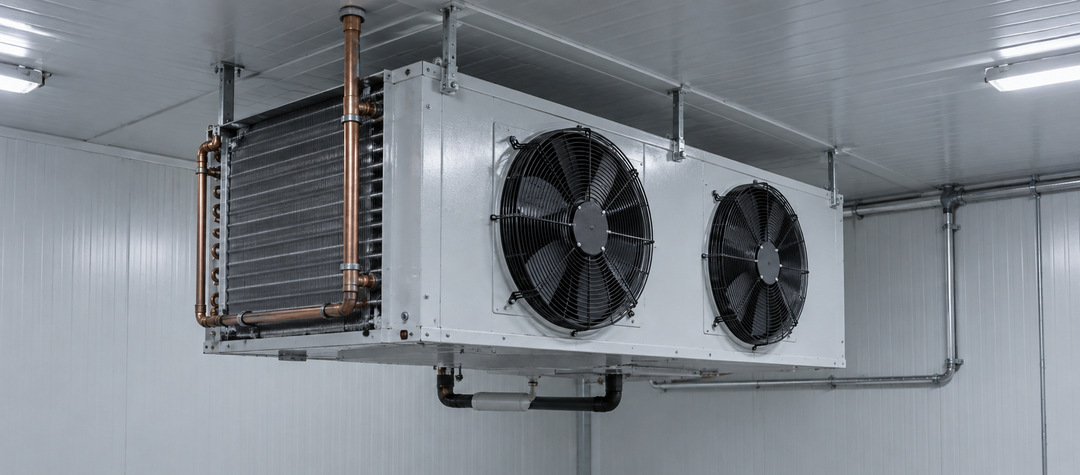
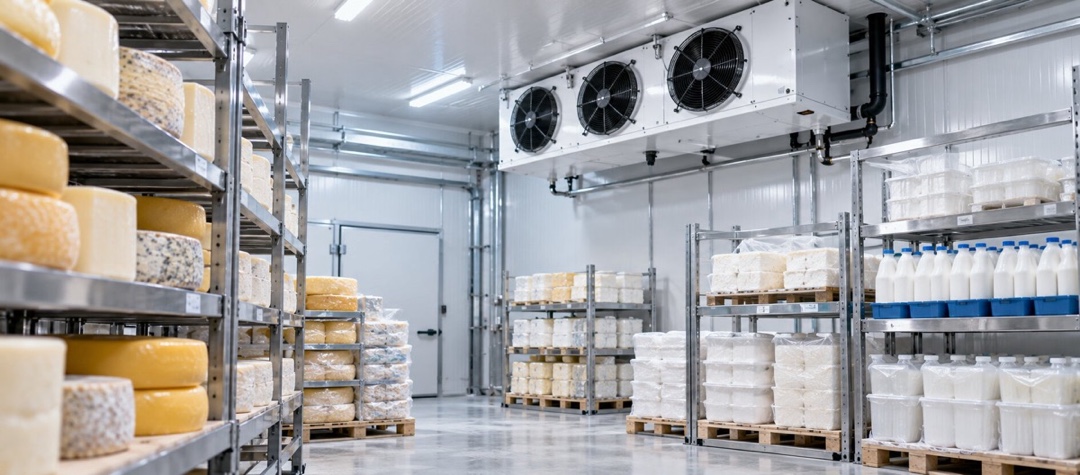
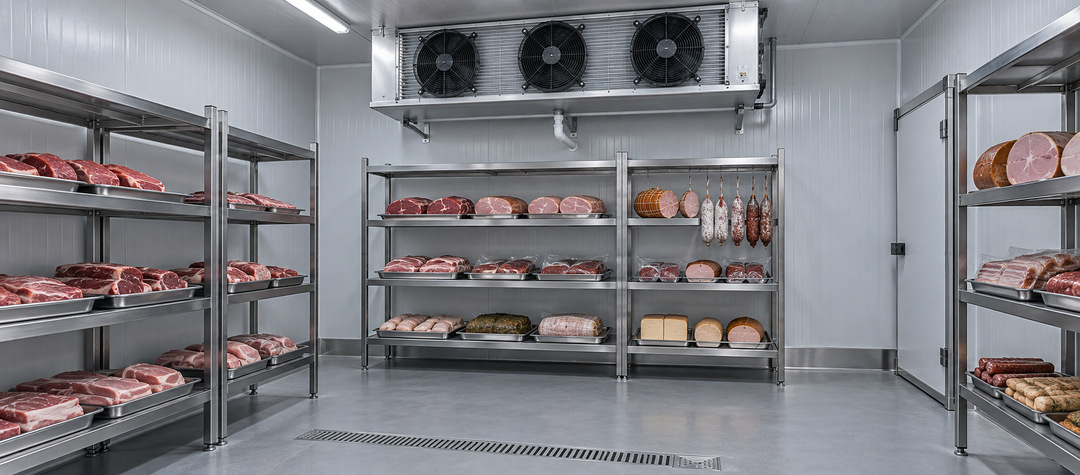
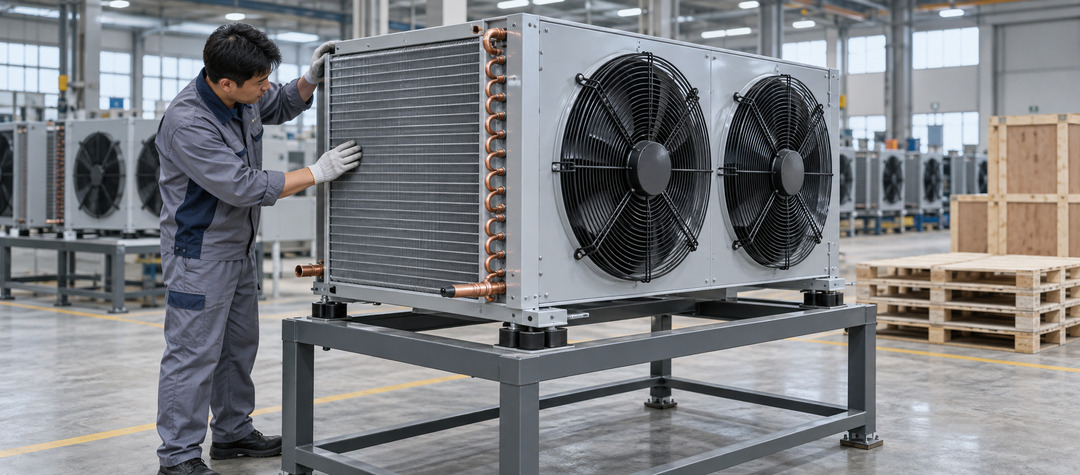
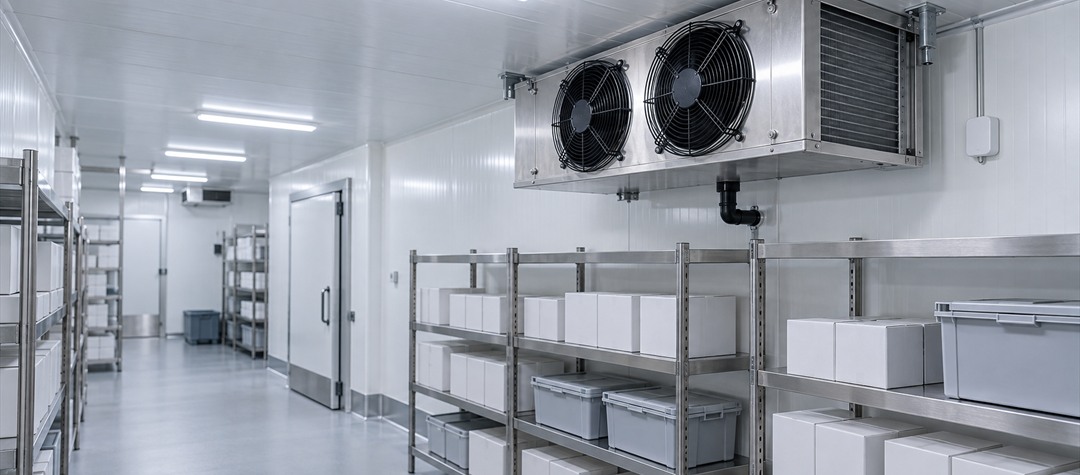
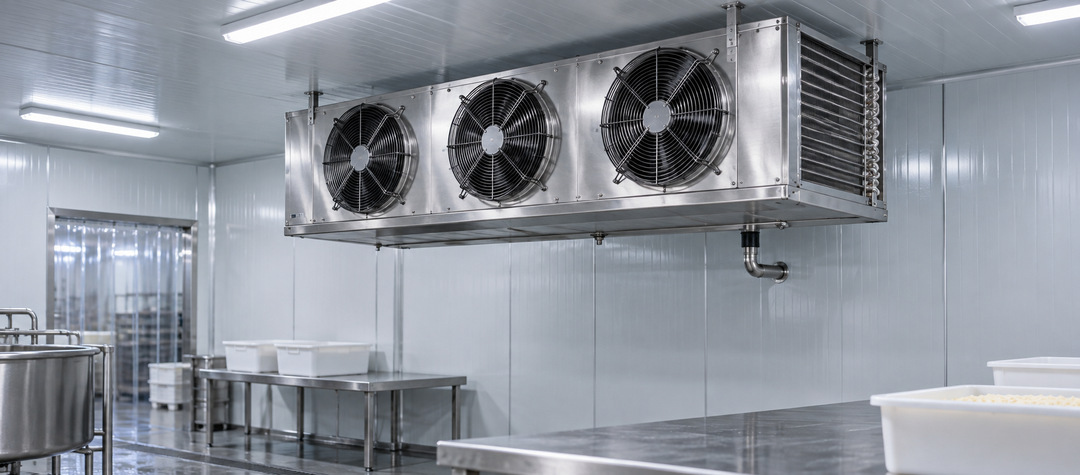
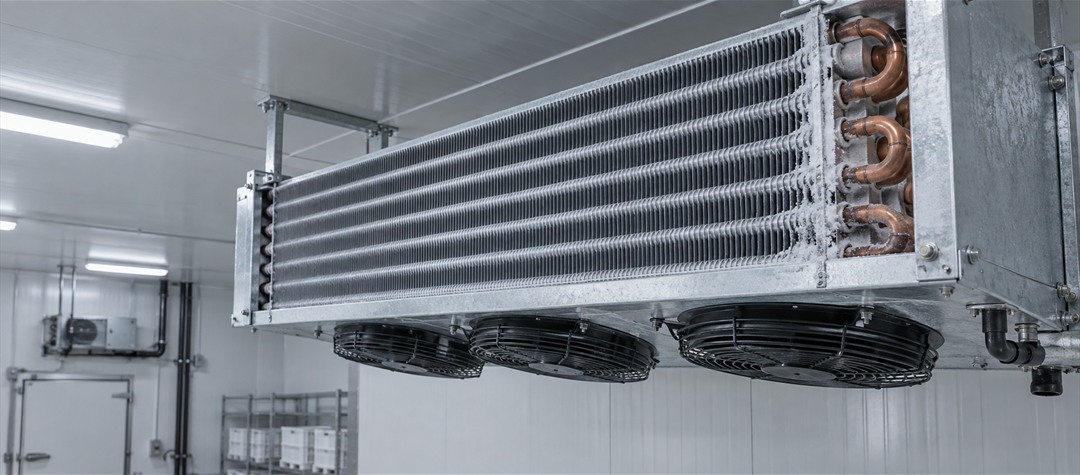
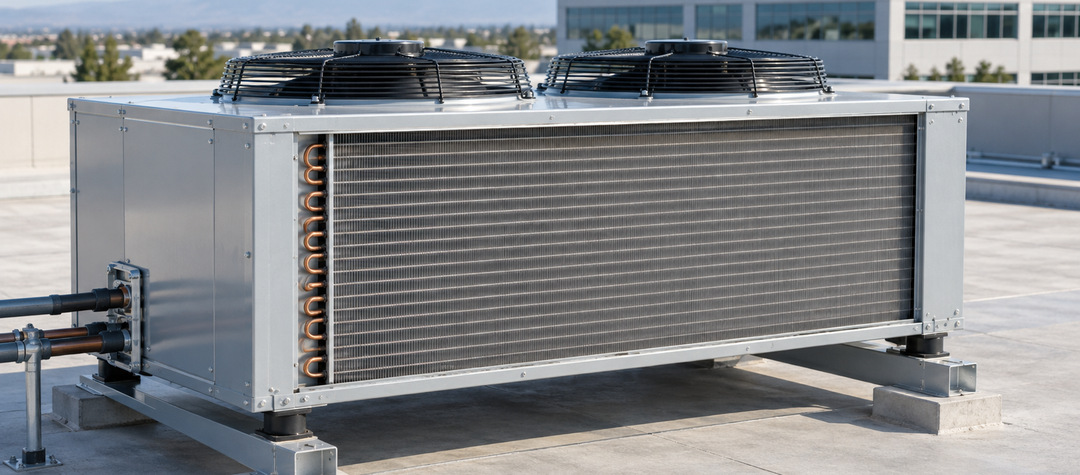
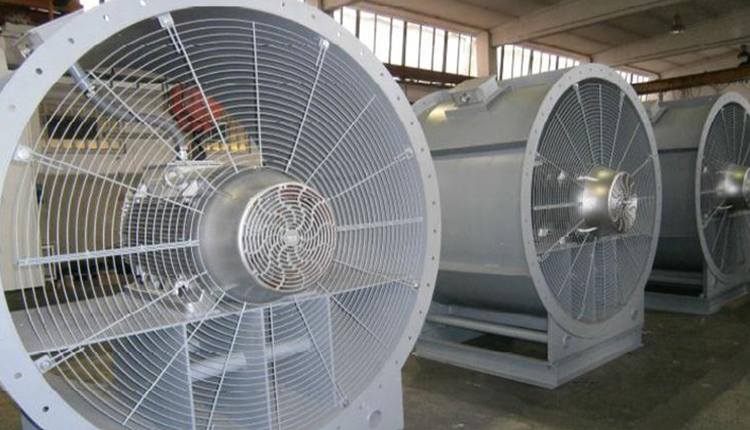
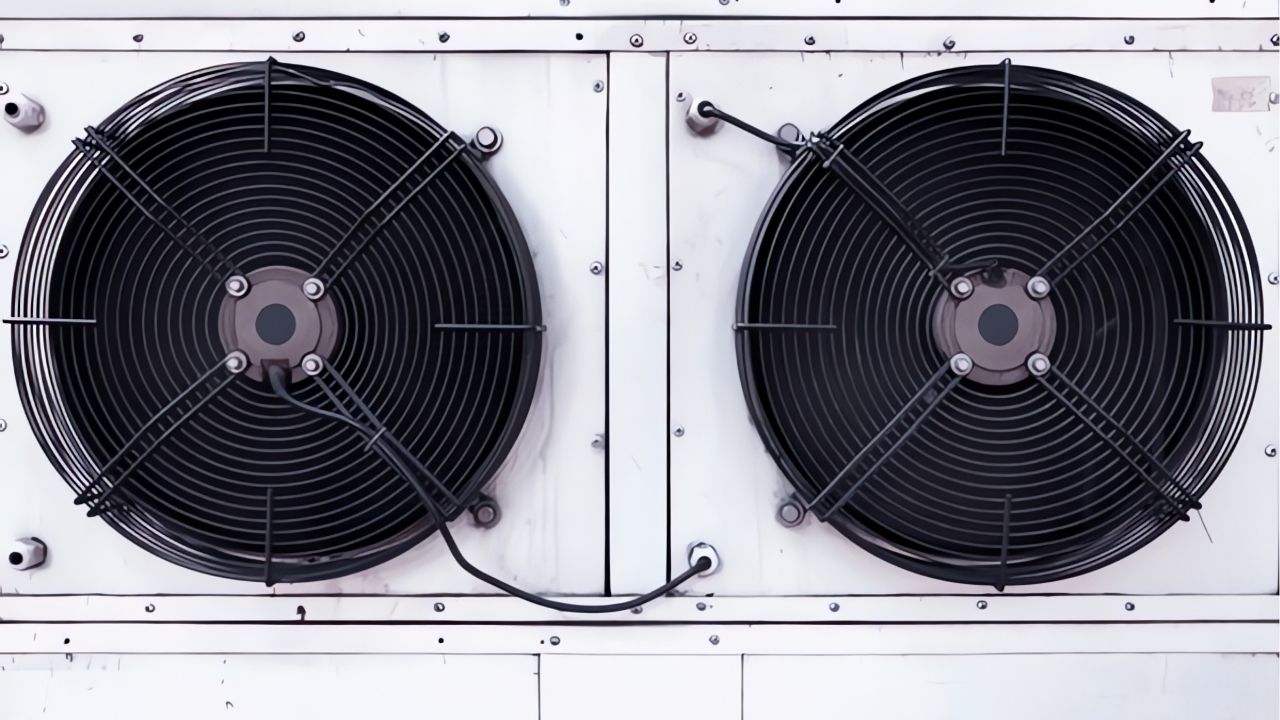
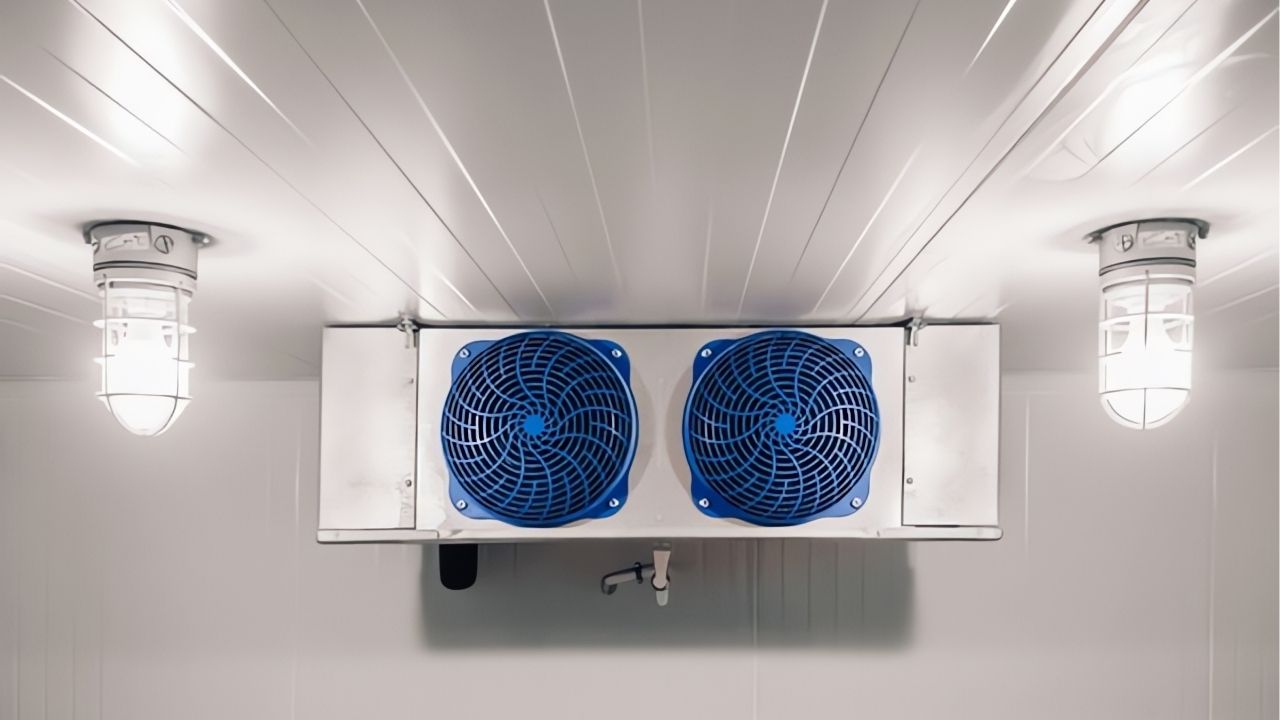
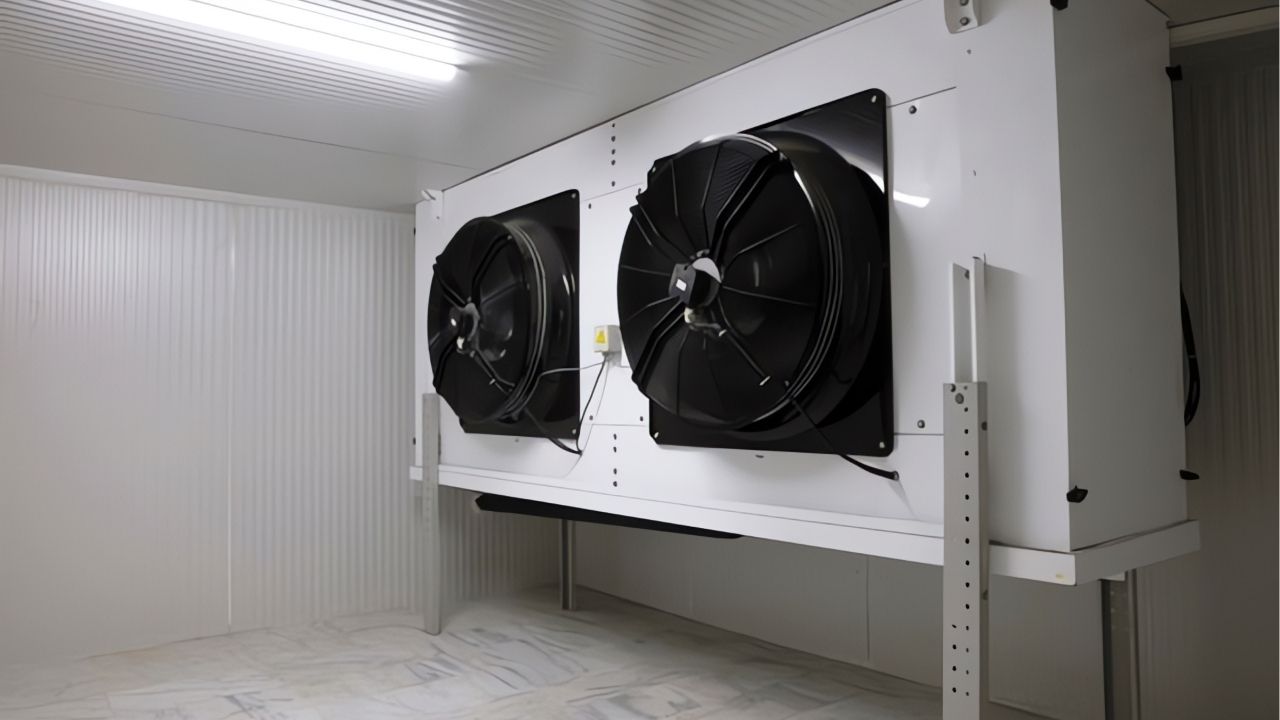
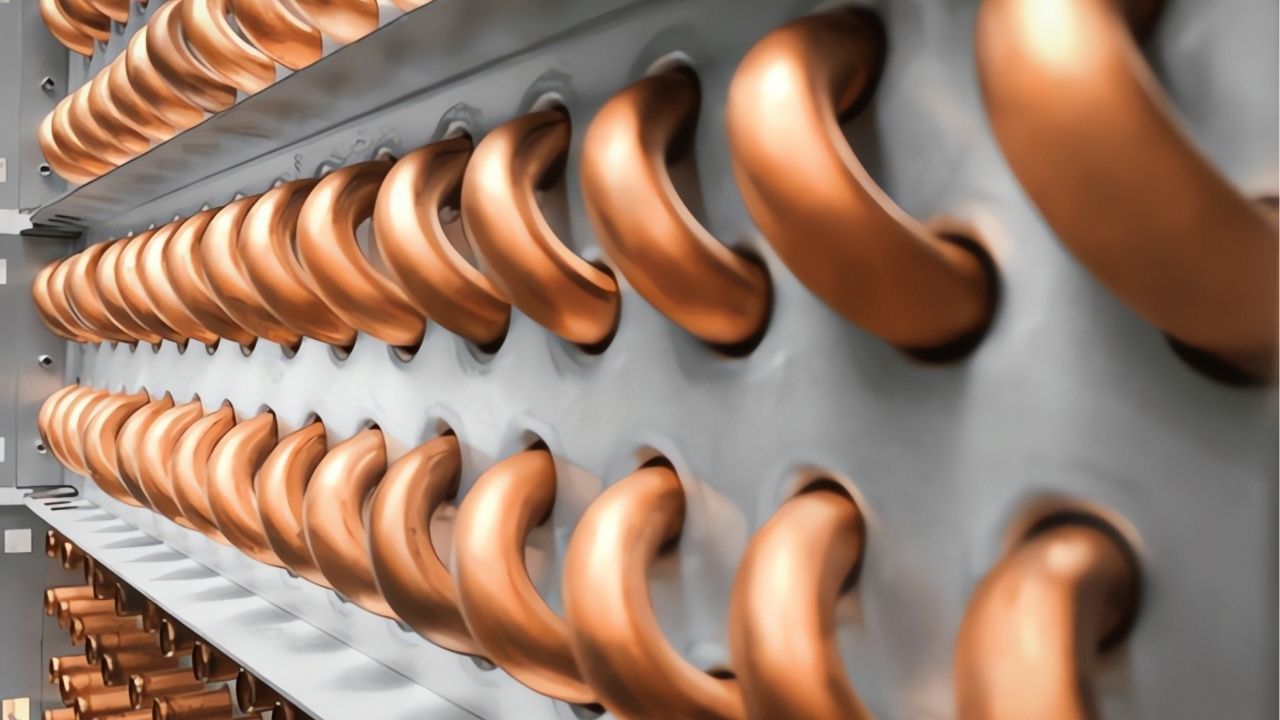
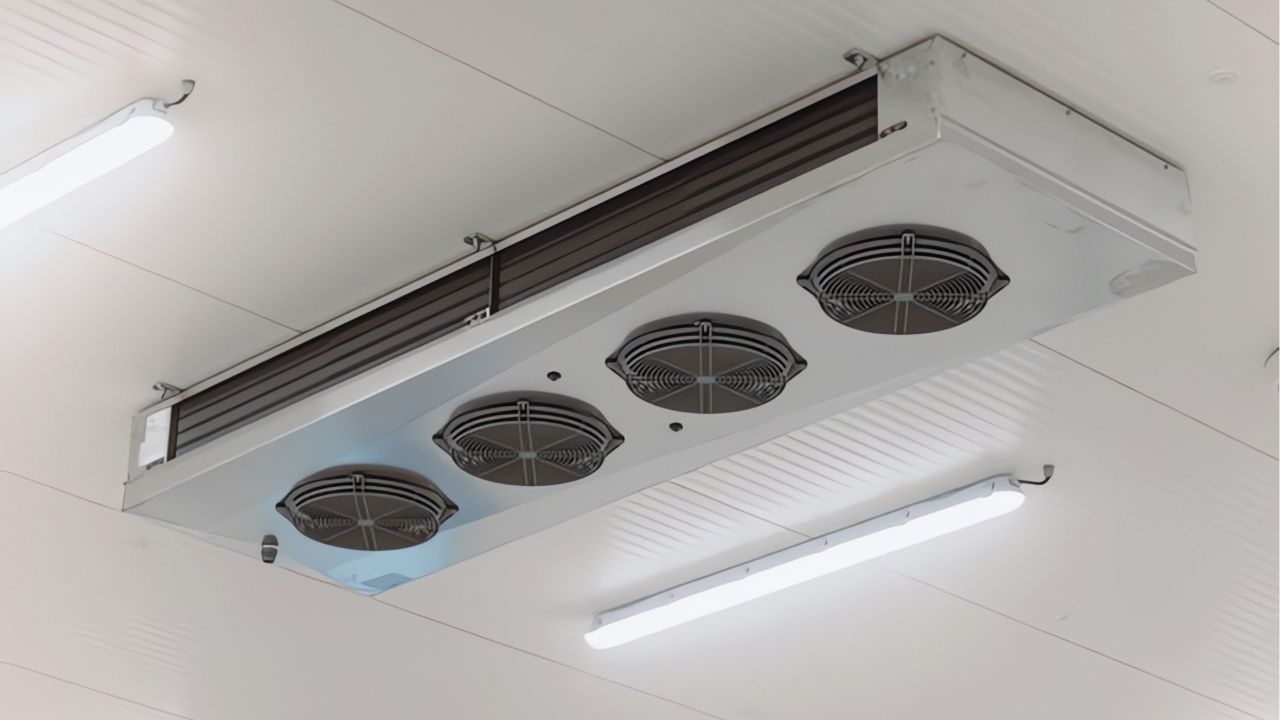
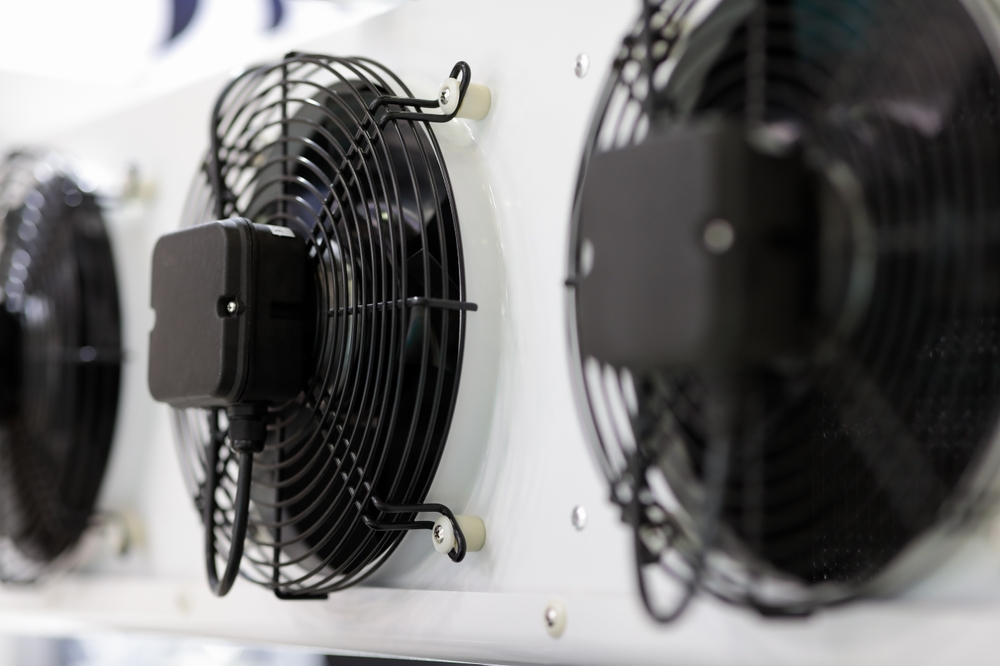
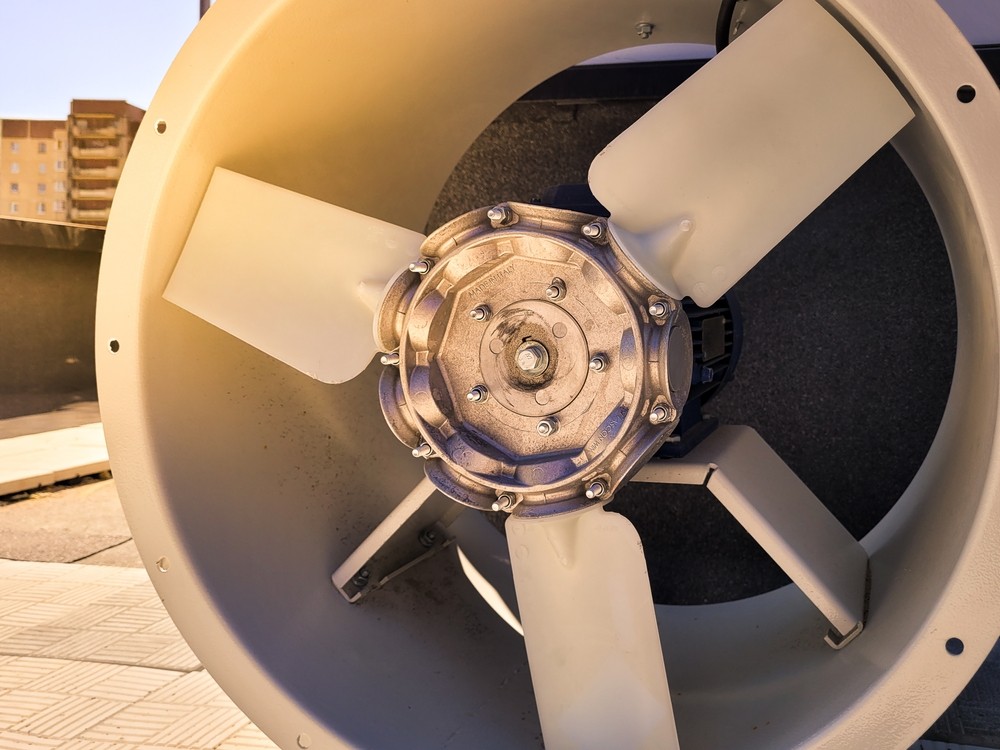
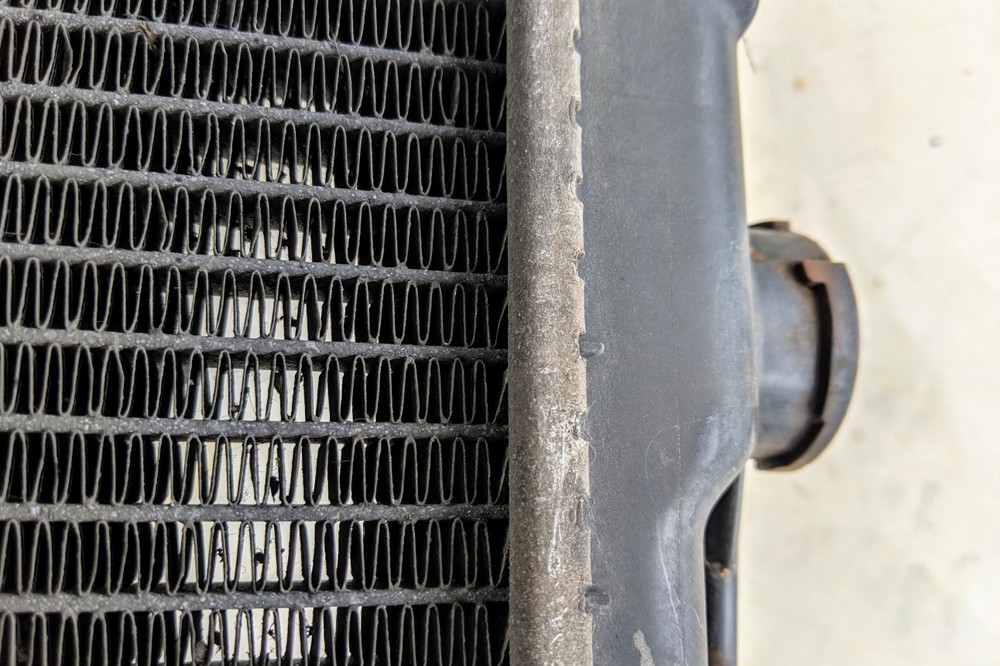
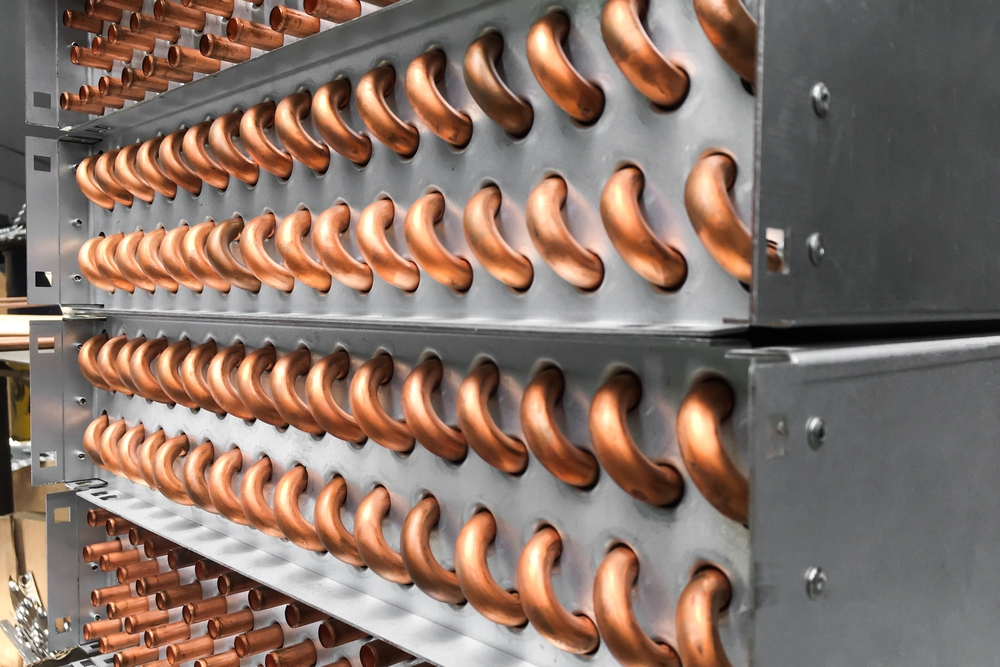
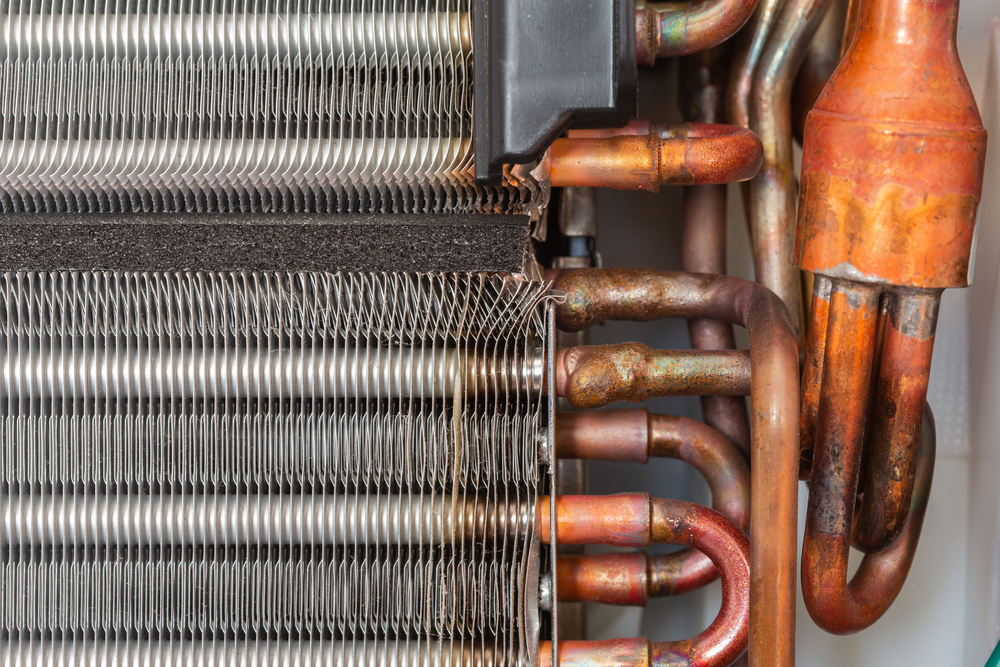
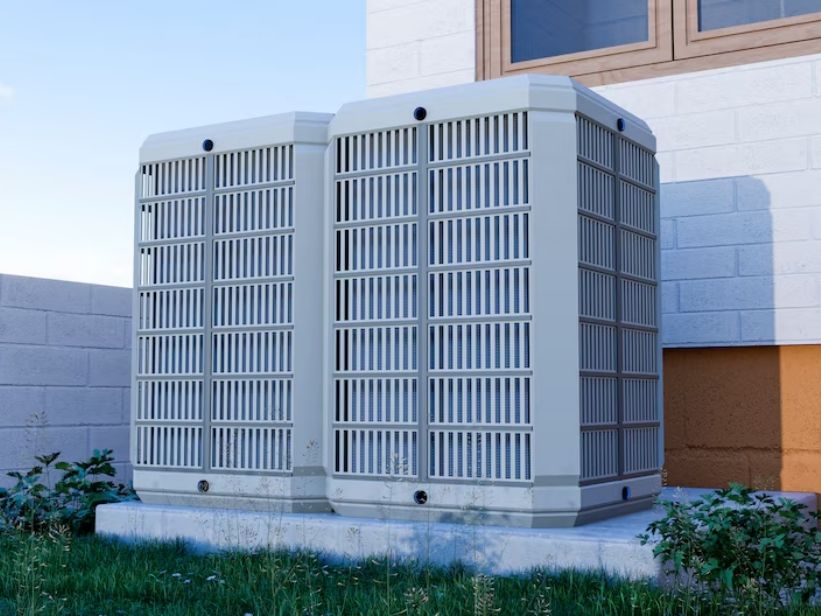
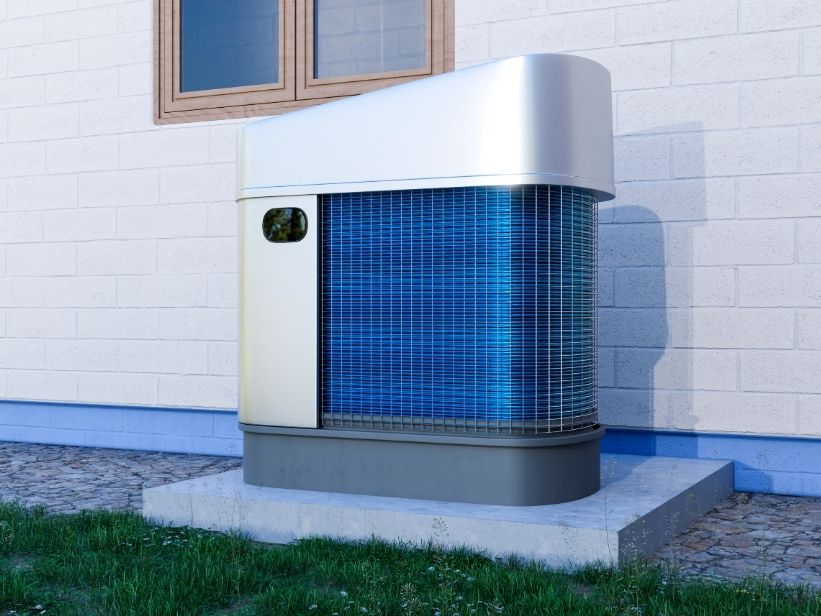
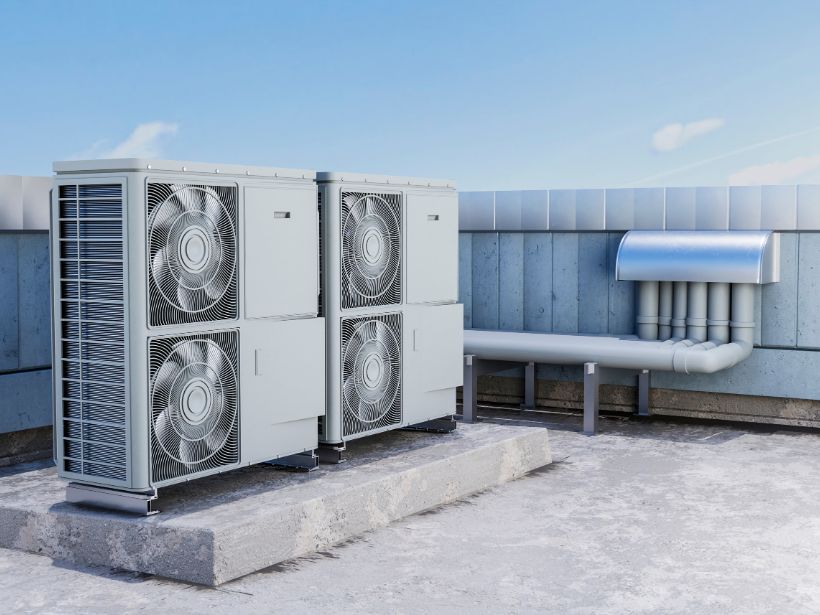
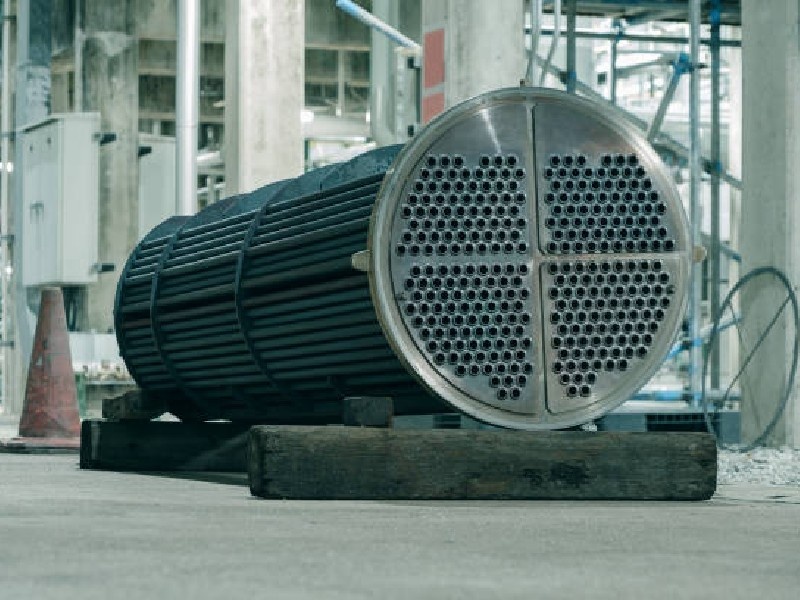
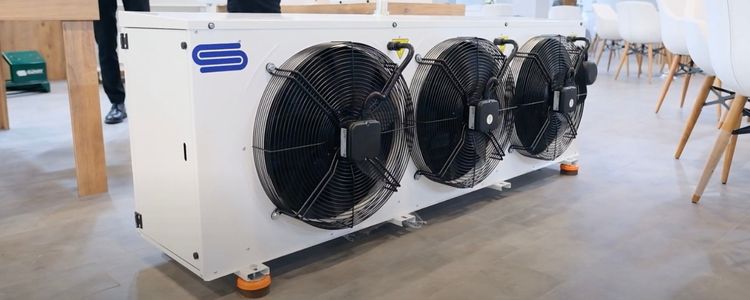
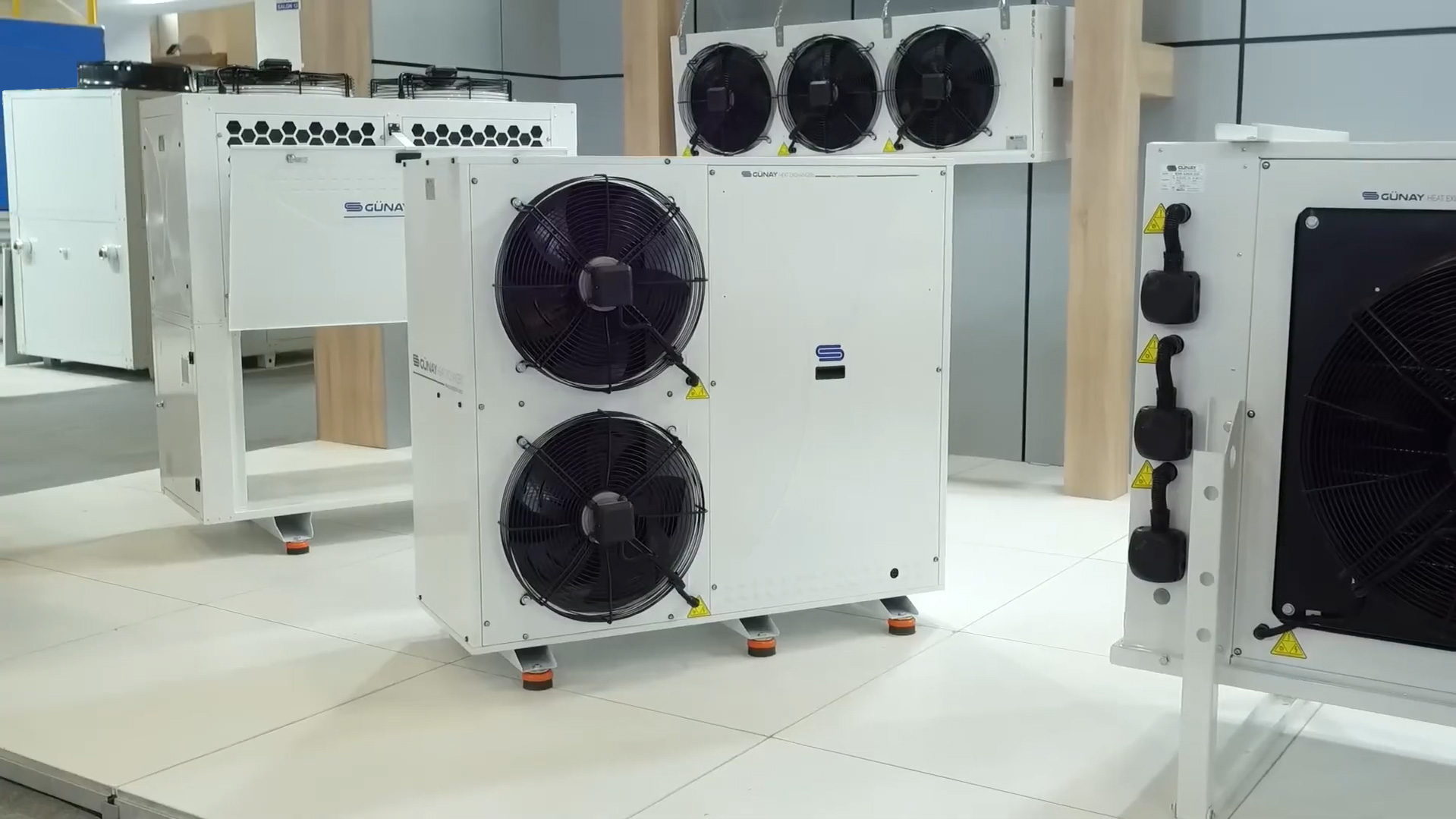
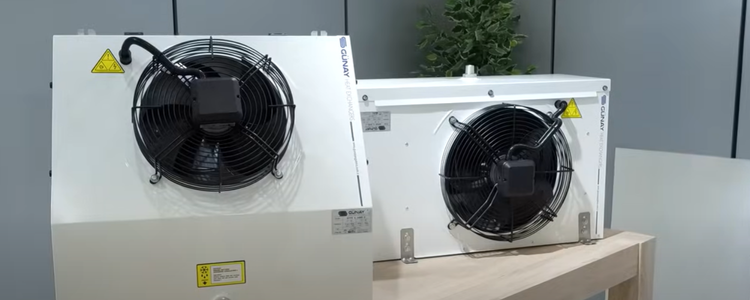
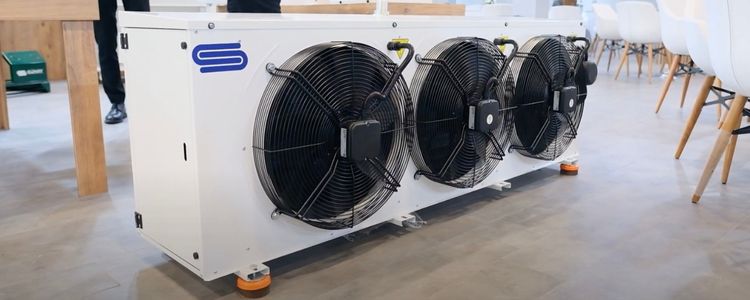
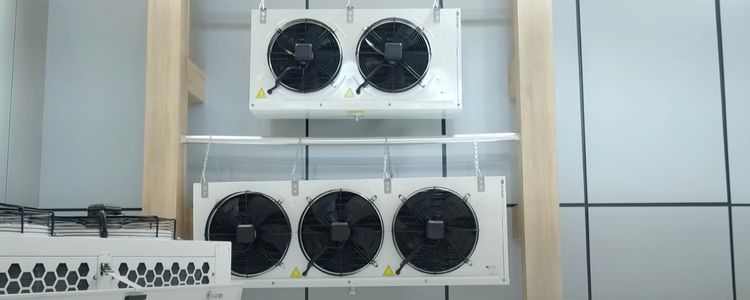
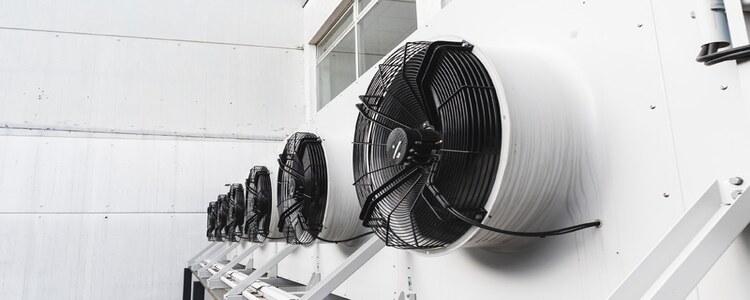
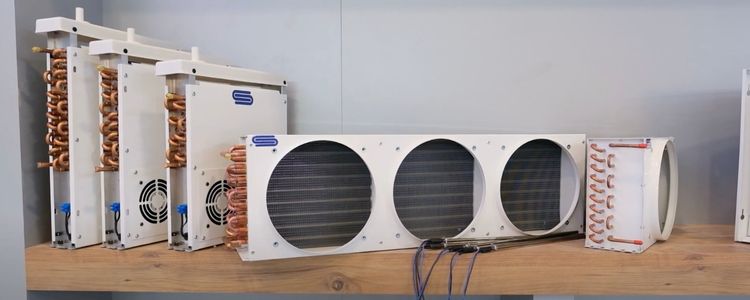
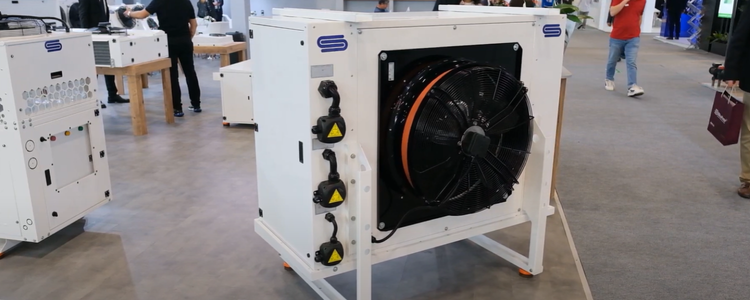
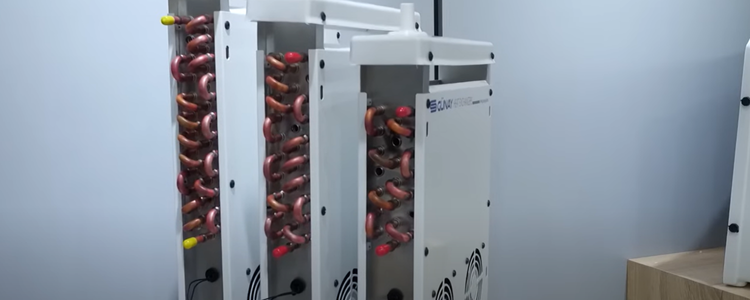
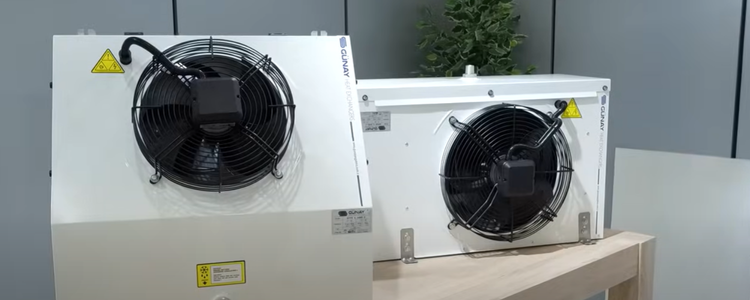
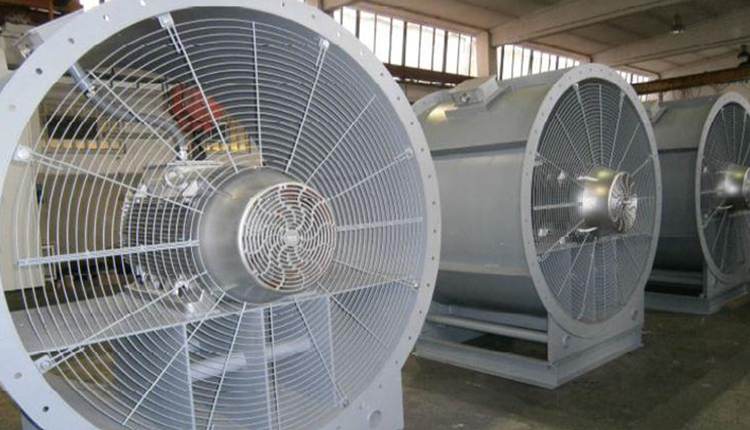
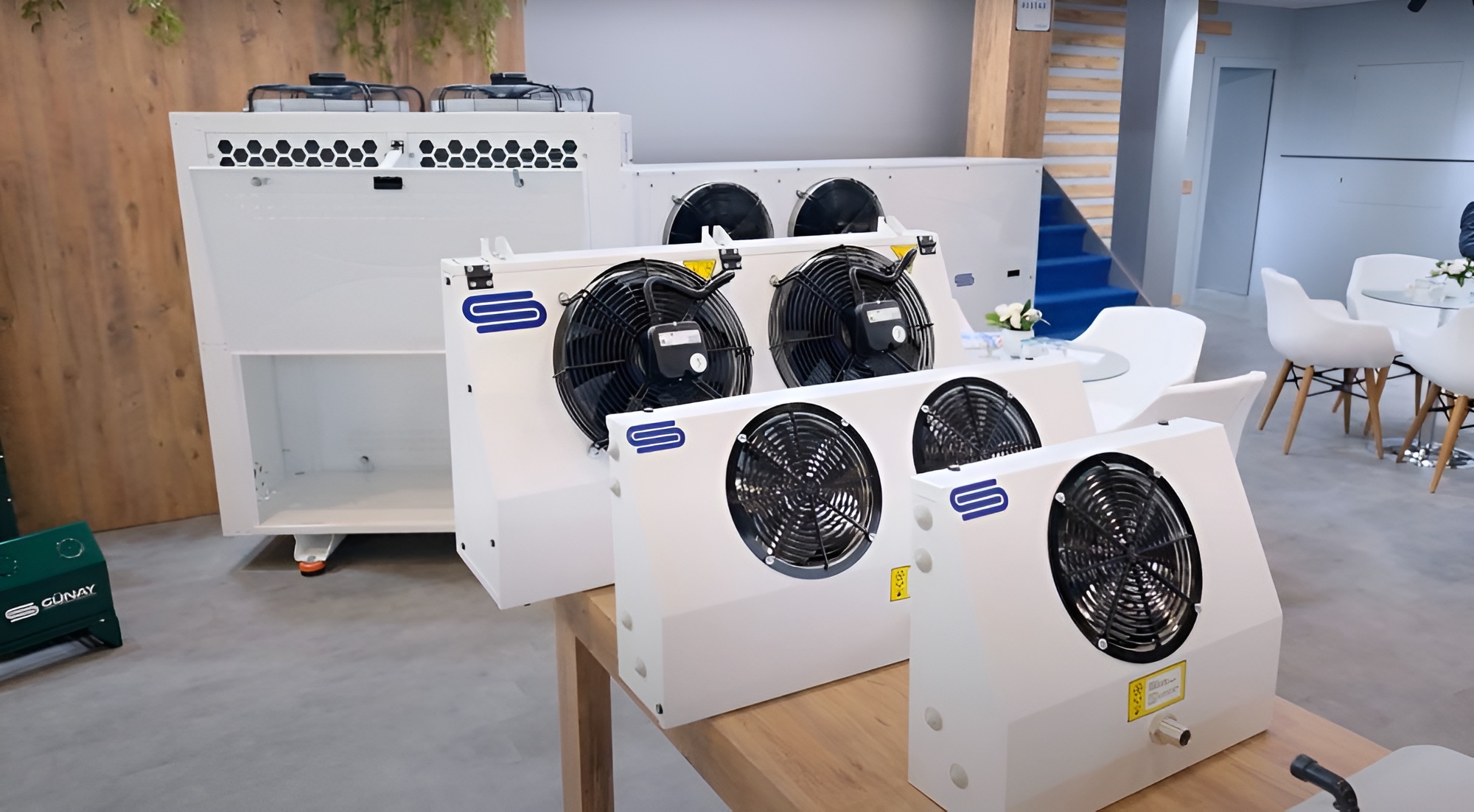
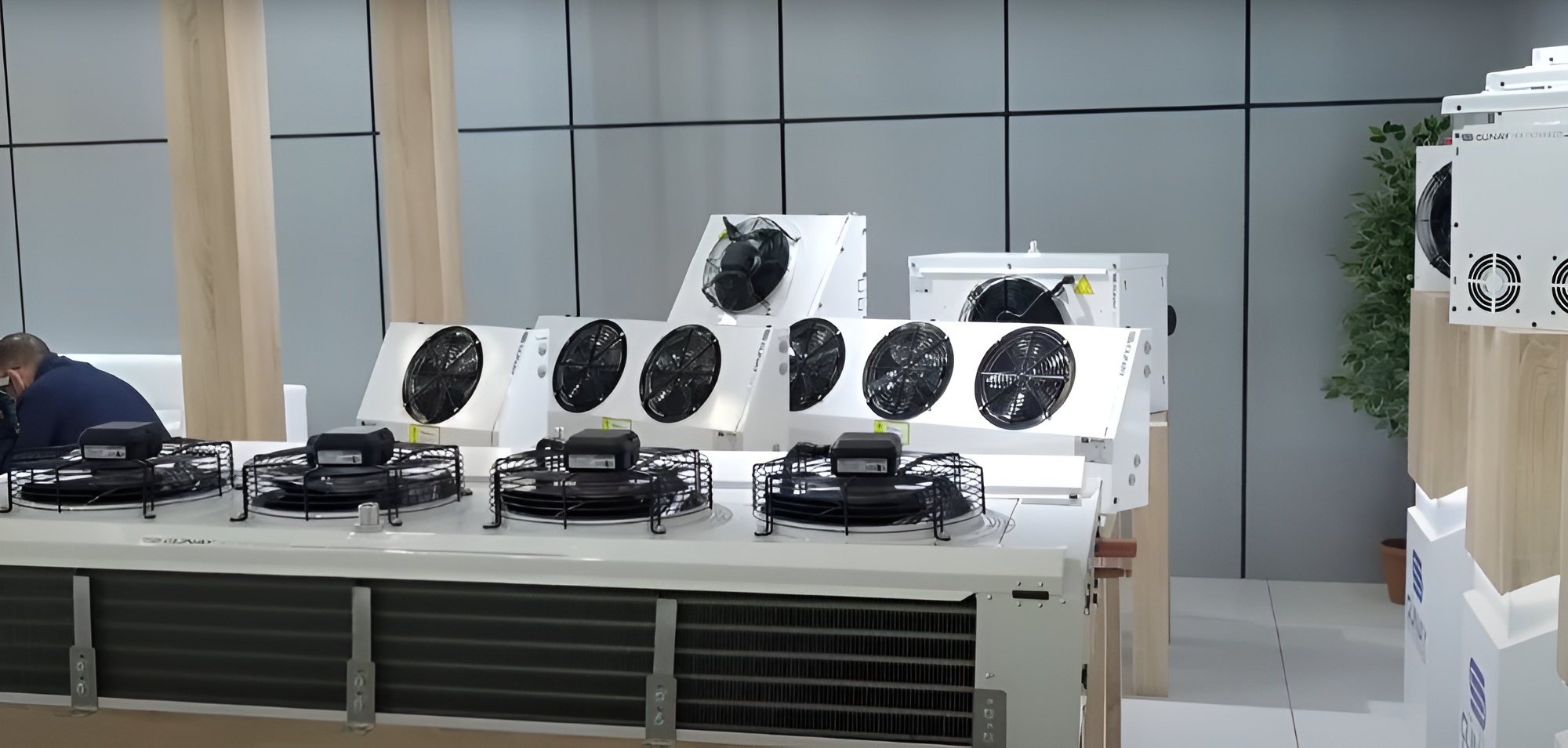
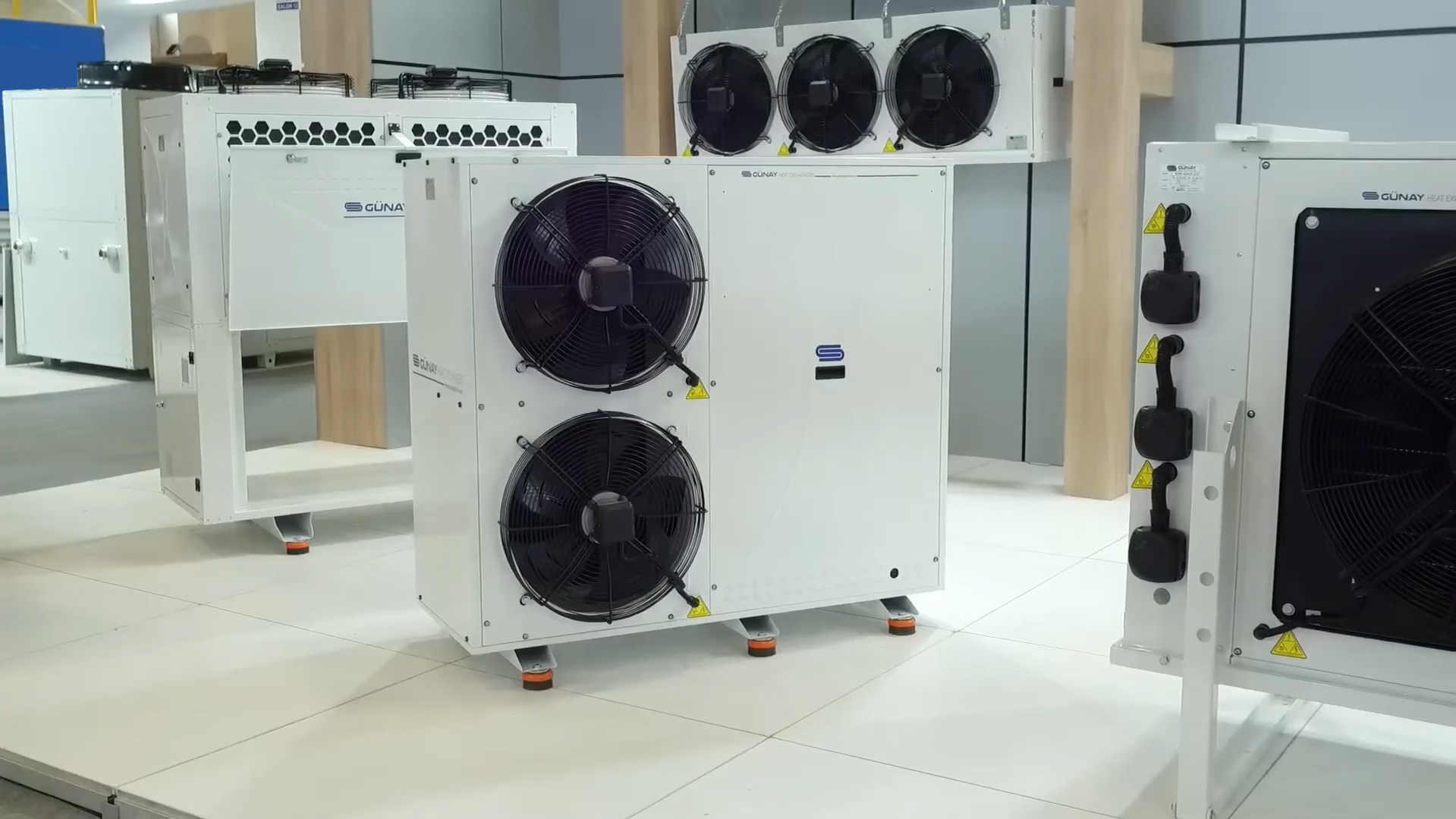
The evaporator is one of the most decisive factors in room humidity because it condenses the moisture in the air when its surface temperature drops below the dew point of the room air. As the difference between the room temperature and the evaporator surface temperature increases, the amount of moisture removed from the air generally increases as well.
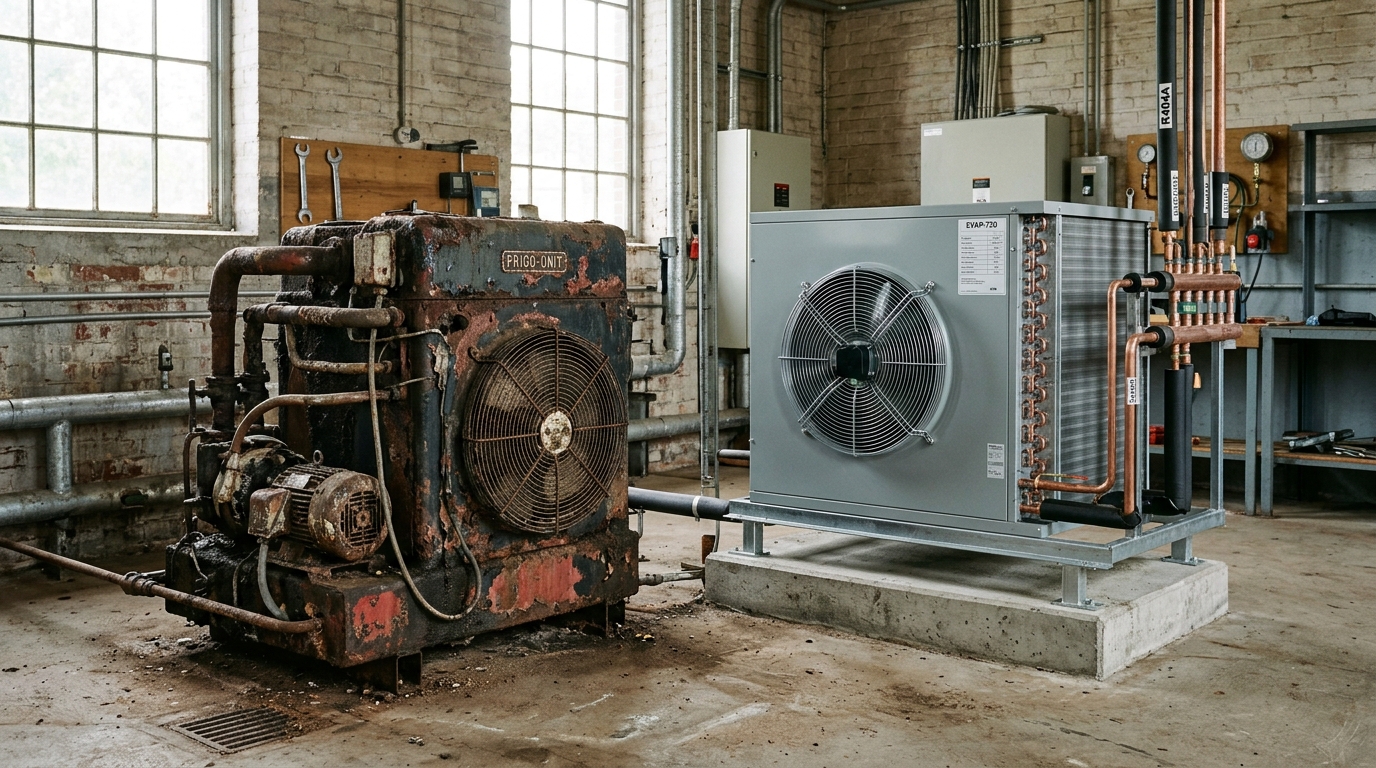
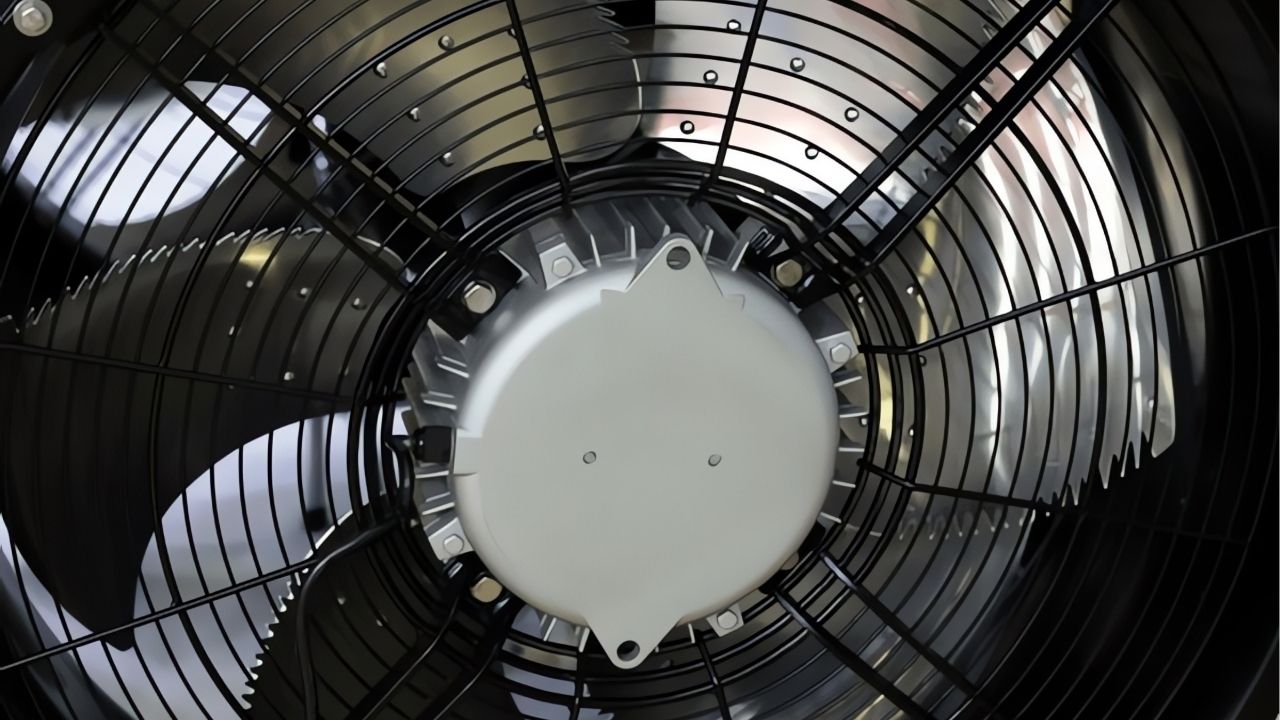
In applications requiring high humidity, an evaporator with a larger surface can be preferred to keep this temperature difference small. Air flow rate and air throw pattern are also important; air hitting the product directly and at high velocity can increase evaporation from its surface. When the appropriate surface area, fan selection and air distribution are evaluated together, it becomes easier to limit product loss.
Where Does Moisture Enter the Cold Room From?
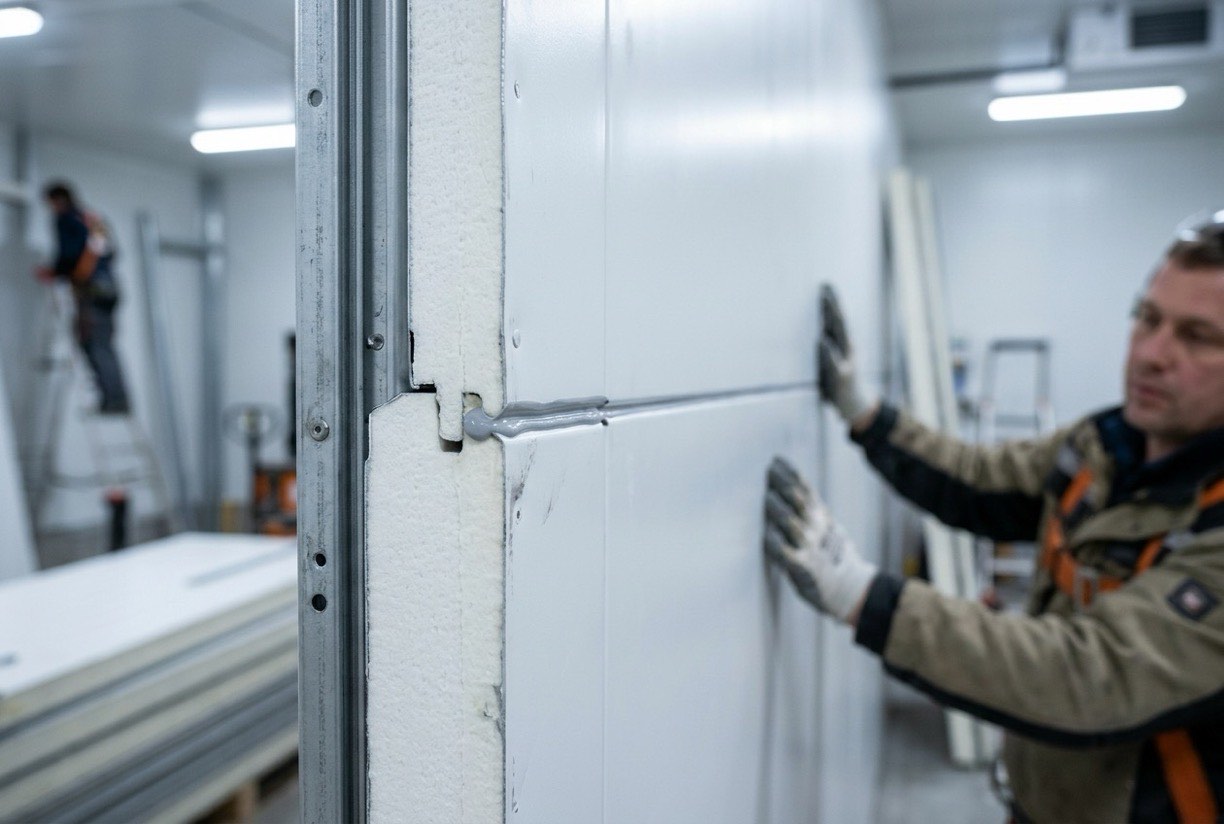
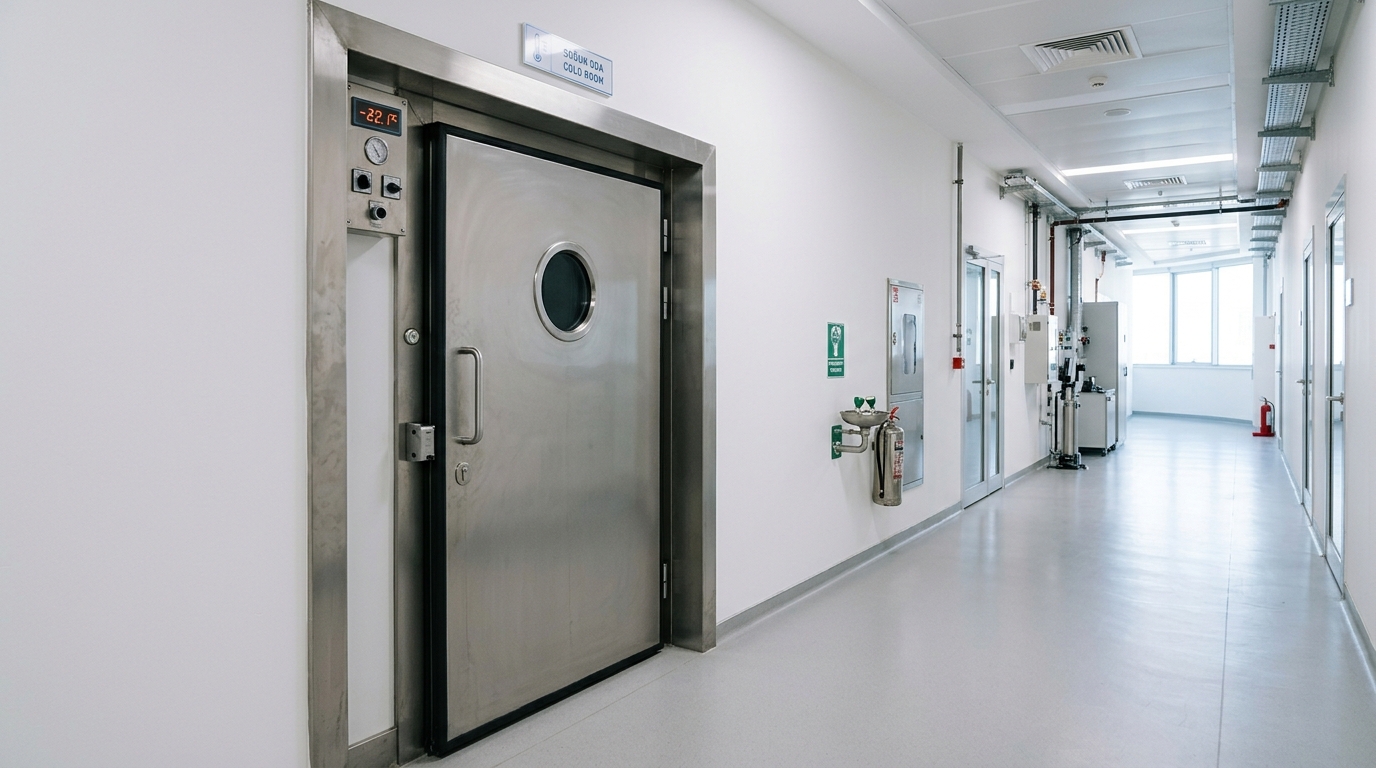
Moisture enters the cold room mainly through outdoor air entering with door openings, the product itself, washing operations and leaks at panel joints. The effect of each source varies according to how the facility is used and should be handled separately in the moisture load calculation.
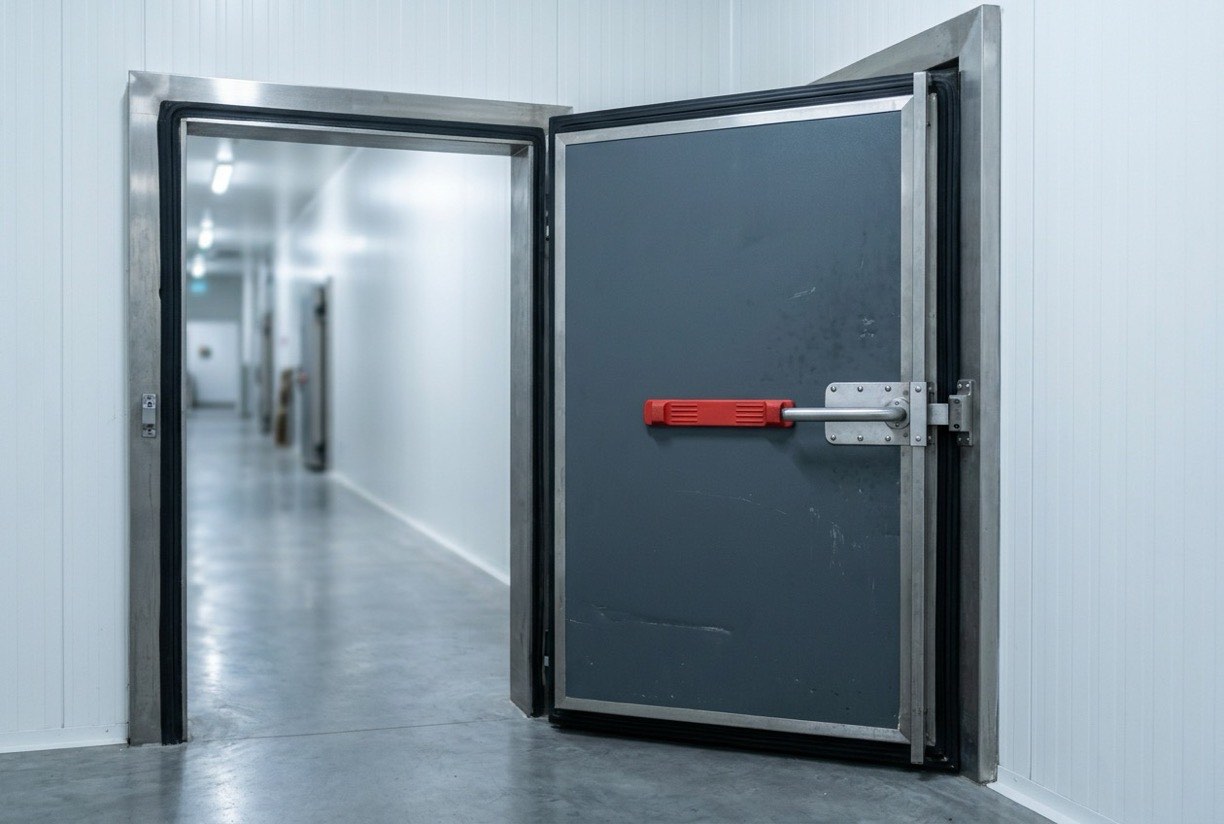
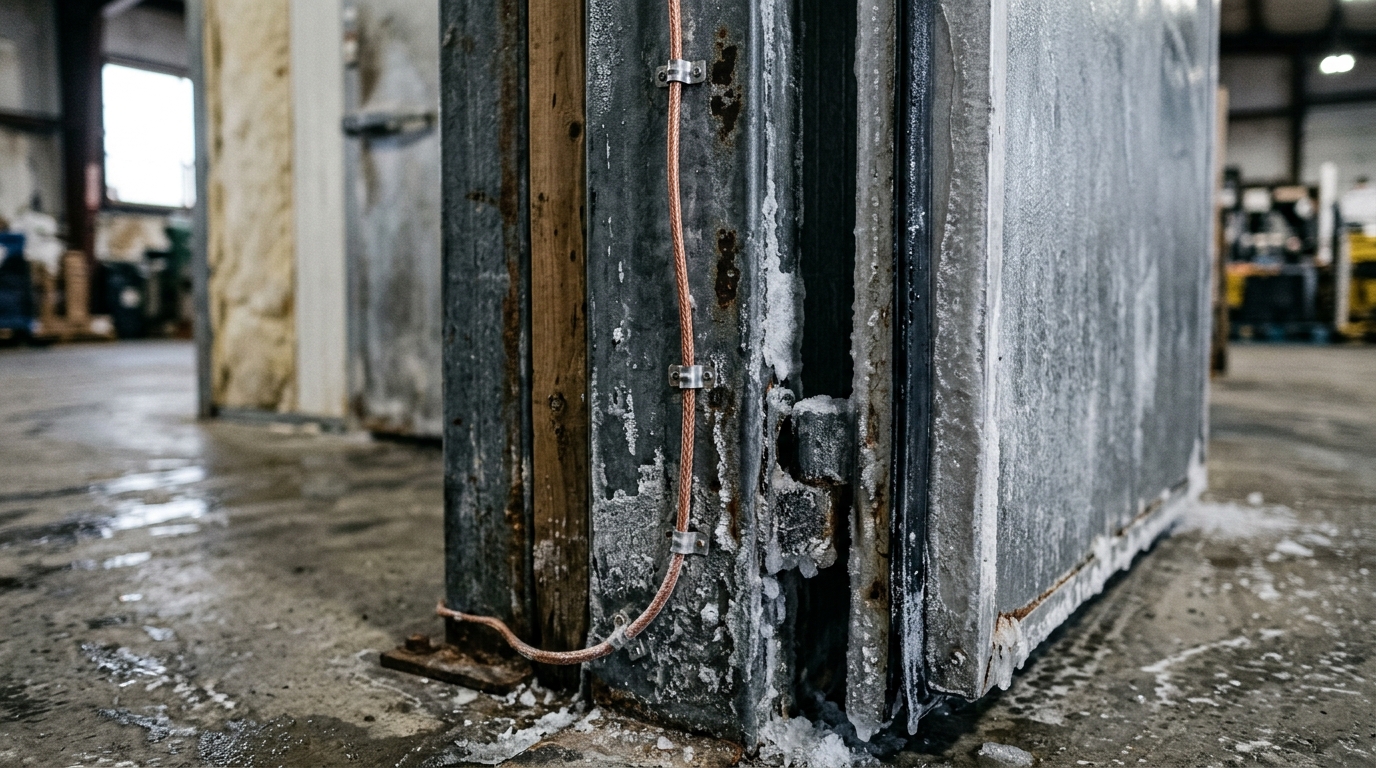
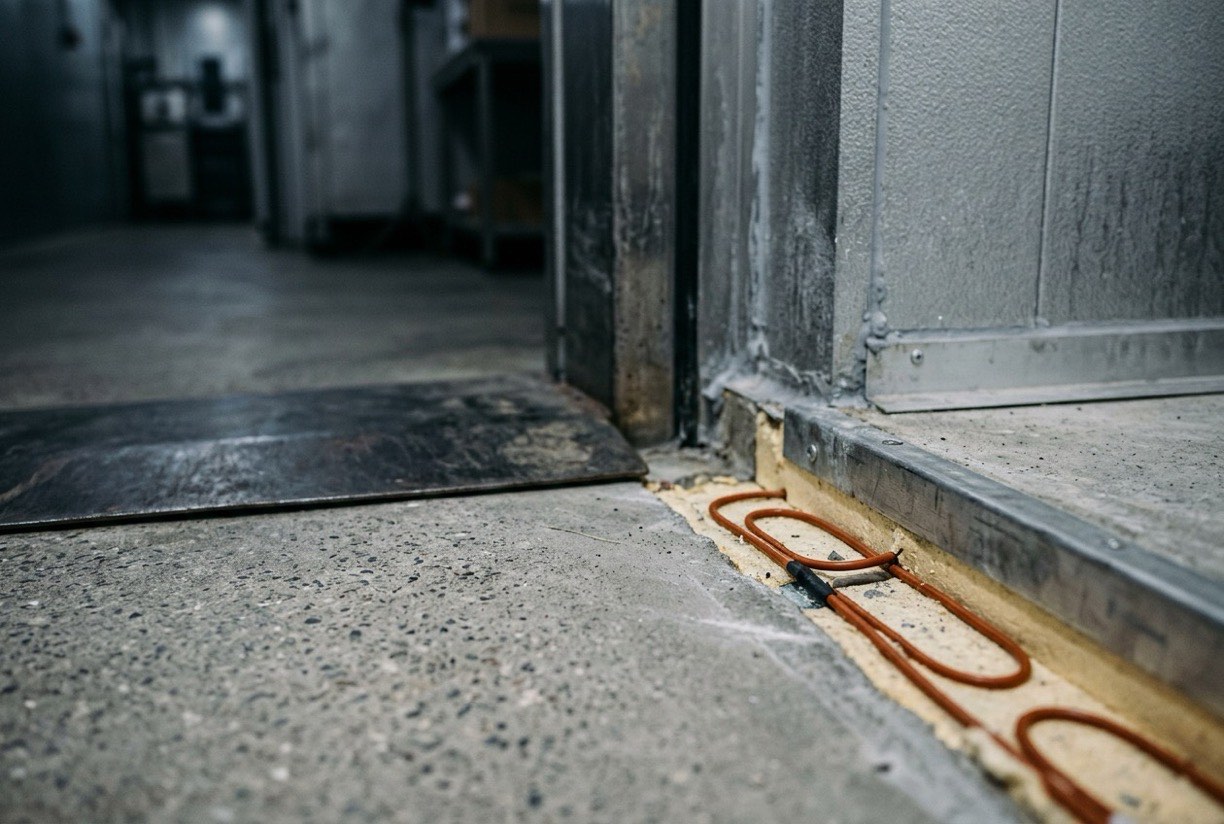
Doors that are opened frequently or left open for long periods are the most common cause of warm, humid air being carried into the room; measures such as air curtains, strip curtains or high-speed doors can reduce this load. Fresh produce gives off moisture through respiration; wet floor cleaning can also temporarily raise the moisture load. Defects in panel and door gaskets, meanwhile, can lead both to moisture ingress and to icing on the insulation surface.
How Is Room Humidity Measured and Monitored?
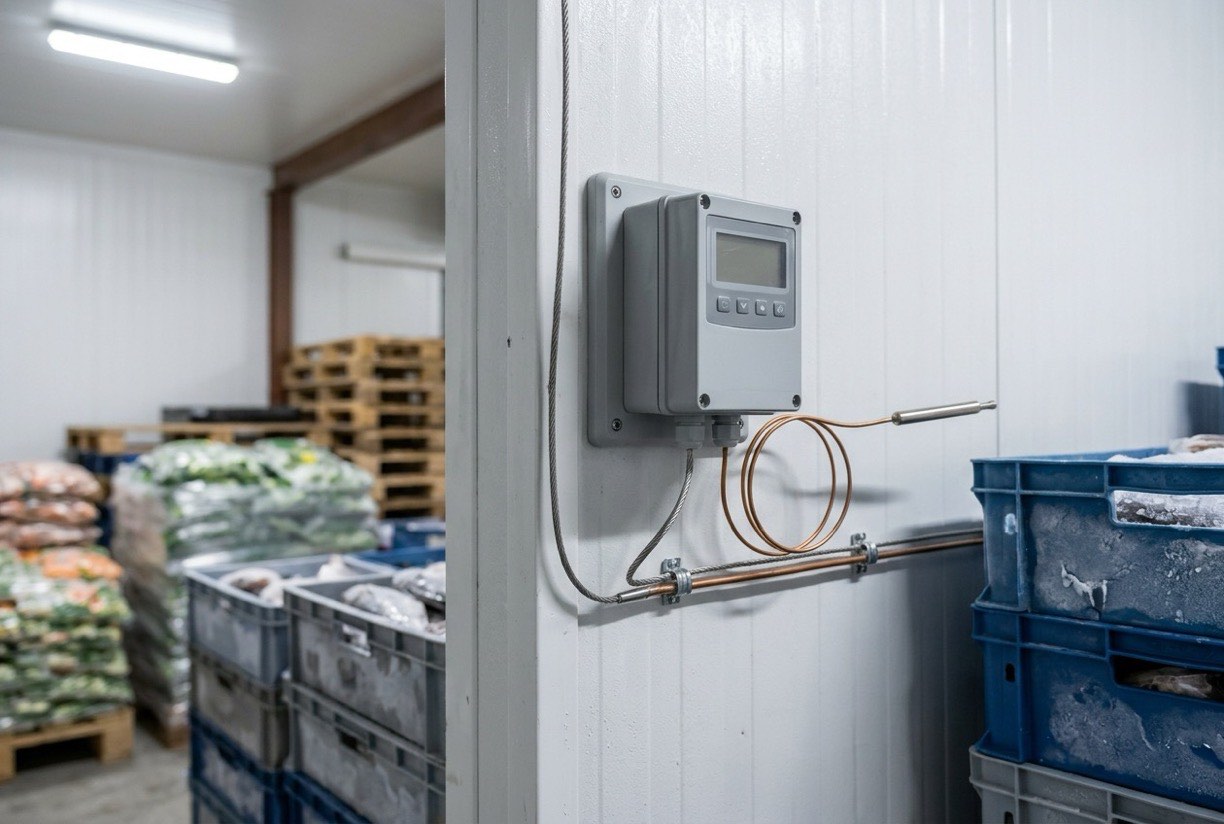
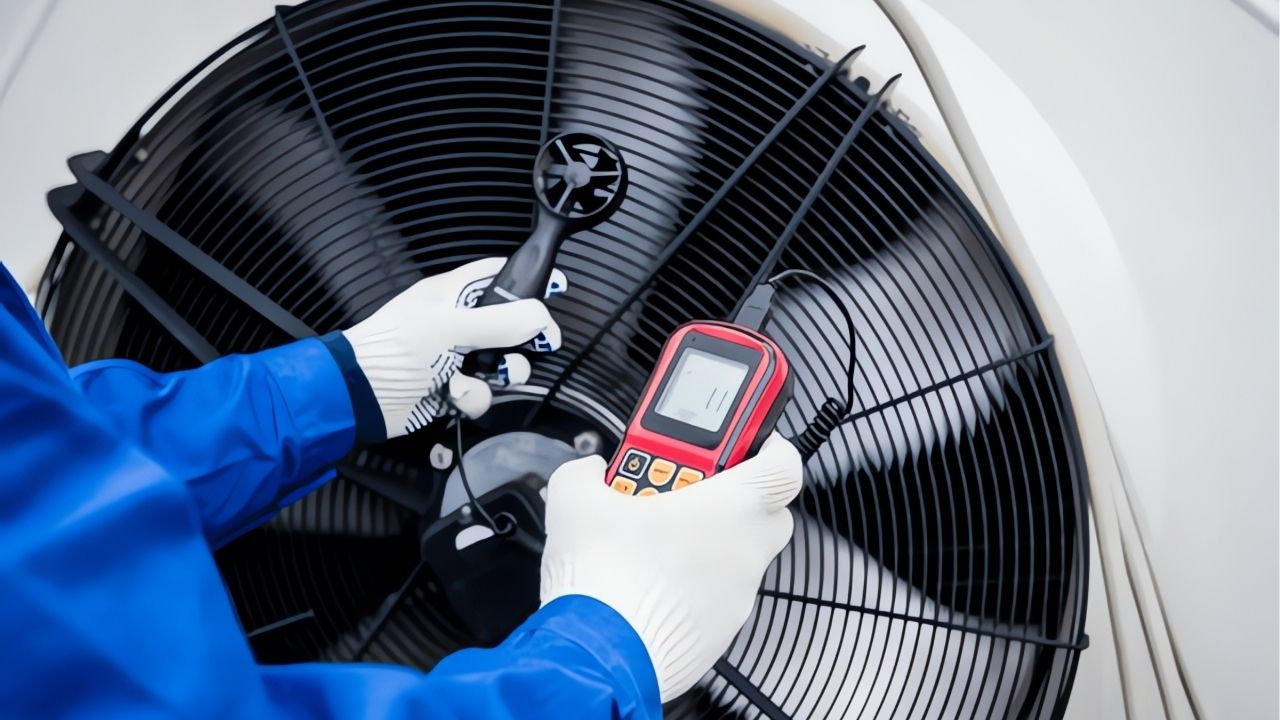
Room humidity is measured with relative humidity sensors suitable for low temperatures and is preferably tracked with a monitoring system that records continuously. Although one-off measurements show the momentary situation, they do not show fluctuations caused by defrost, door openings and product intake.
Sensor placement affects measurement accuracy; a sensor placed right in front of the evaporator air outlet or next to the door may not represent the room as a whole. Since sensors can drift over time at low temperature and high humidity, periodic checking and calibration are recommended. Recorded data are useful for finding the source of problems and seeing the effect of setting changes.
When Is Humidification or Dehumidification Needed?
When the target humidity range cannot be reached through evaporator selection and operating settings, additional humidification or dehumidification solutions can be brought into use. These solutions should be considered as fine-tuning tools after the basic design has been done correctly.
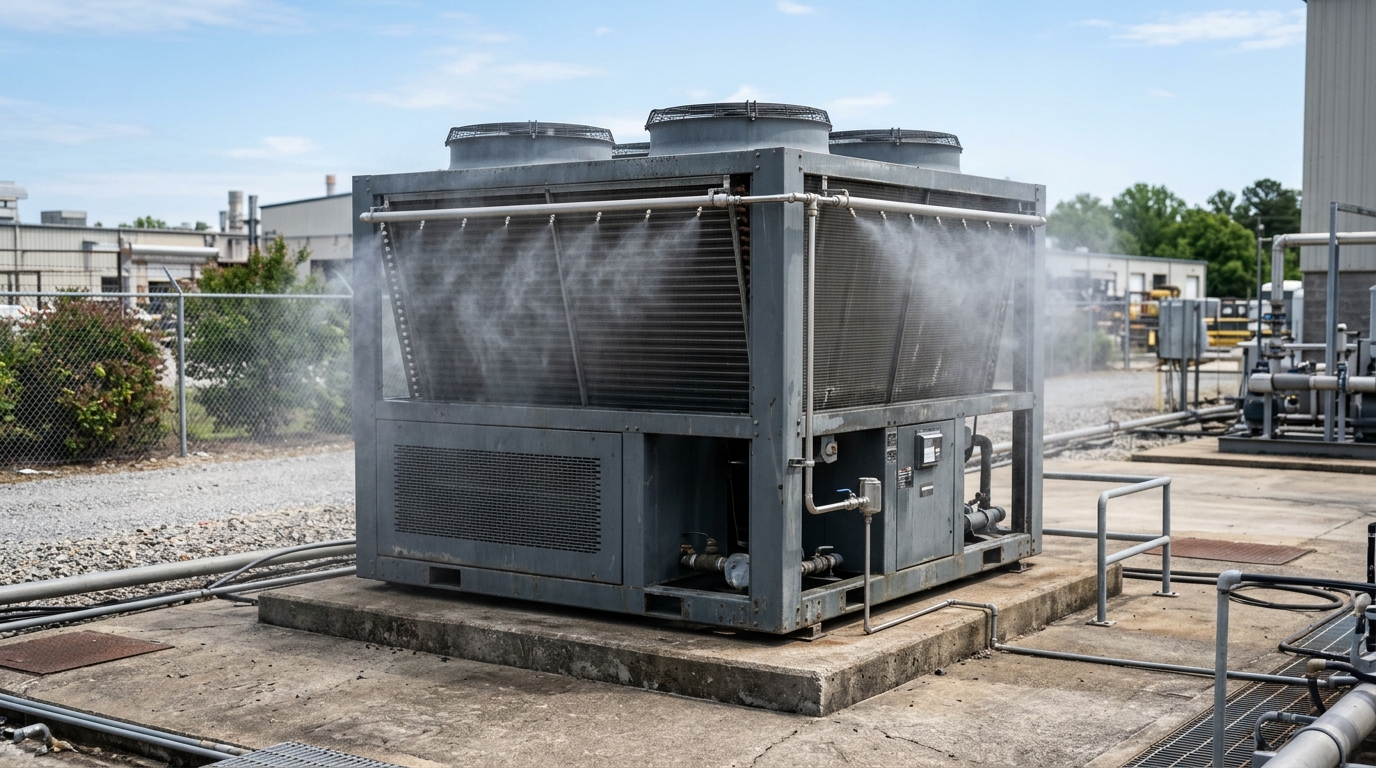
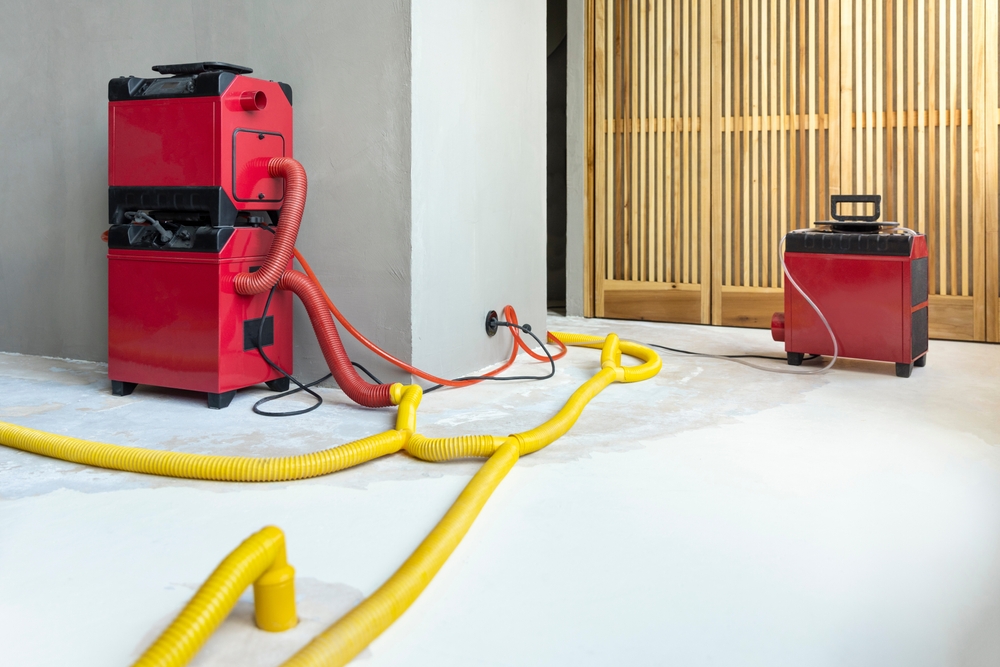
In long-term storage of fresh produce, if the room air remains drier than the product requires, humidifiers suitable for cold rooms can be used; in this case, water quality and hygiene are issues requiring attention. Conversely, for products requiring low humidity or in areas with a heavy moisture load, dehumidification systems or heated reheat methods may come into consideration. Which method is suitable is determined by evaluating the product, room temperature and energy cost together.
What Should Be Considered When Planning Cold Room Humidity Control?
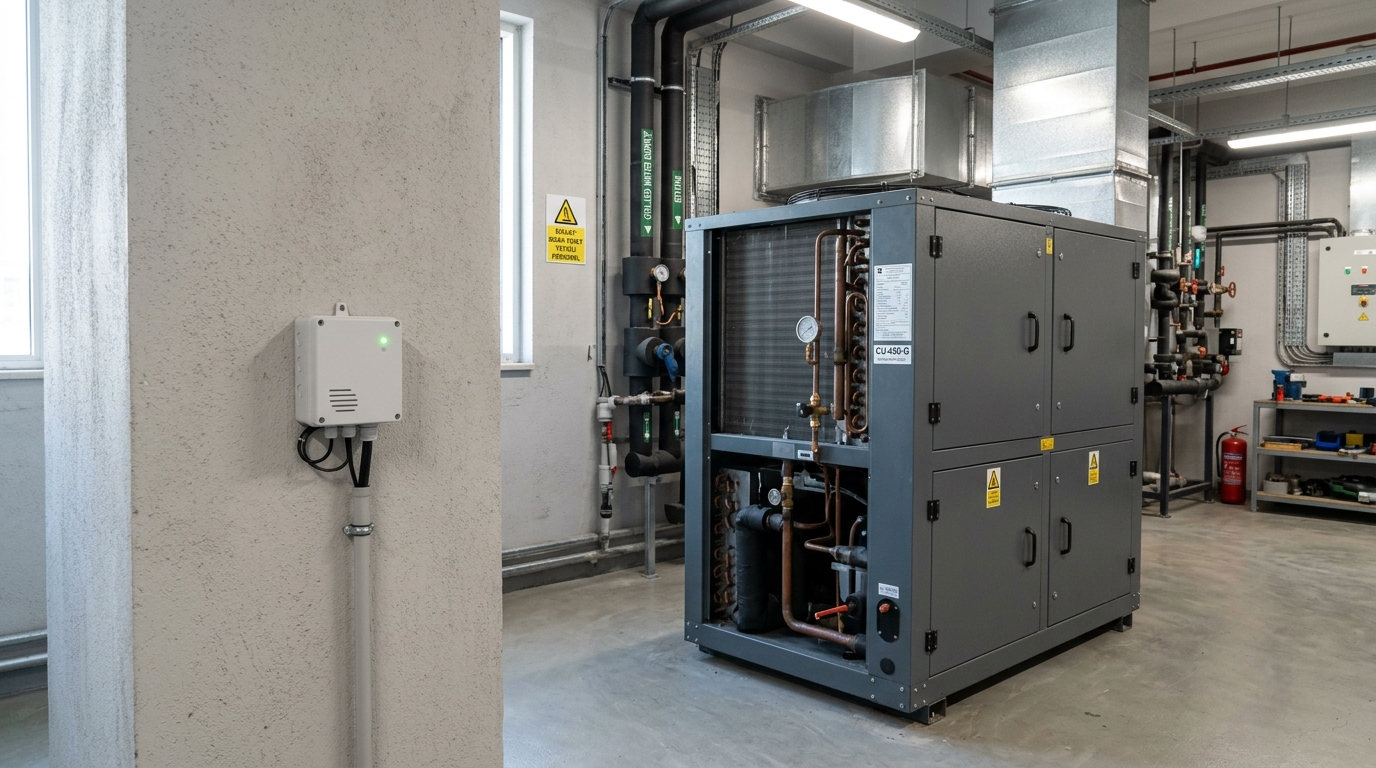
Humidity control gives more predictable results when it is planned at the start of the project as an extension of the cooling capacity calculation. The following points can be kept in mind during planning:
- Clarifying the target temperature and humidity ranges and the storage period of the products to be stored.
- Selecting the evaporator surface area and the room-to-evaporator temperature difference in line with the humidity target.
- Determining appropriate measures for door usage frequency and other moisture sources.
- Setting up appropriate sensor placement and recording infrastructure for continuous monitoring of humidity.
You can get support from the Günay Soğutma team to determine the humidity control approach suited to your product and your room.
Frequently Asked Questions
Why does product lose weight in a cold room?
When the room air is dry relative to the product, the product gives off moisture; a large evaporator temperature difference and air blowing directly onto it can increase this loss.
If the evaporator frosts up very often, could the cause be humidity?
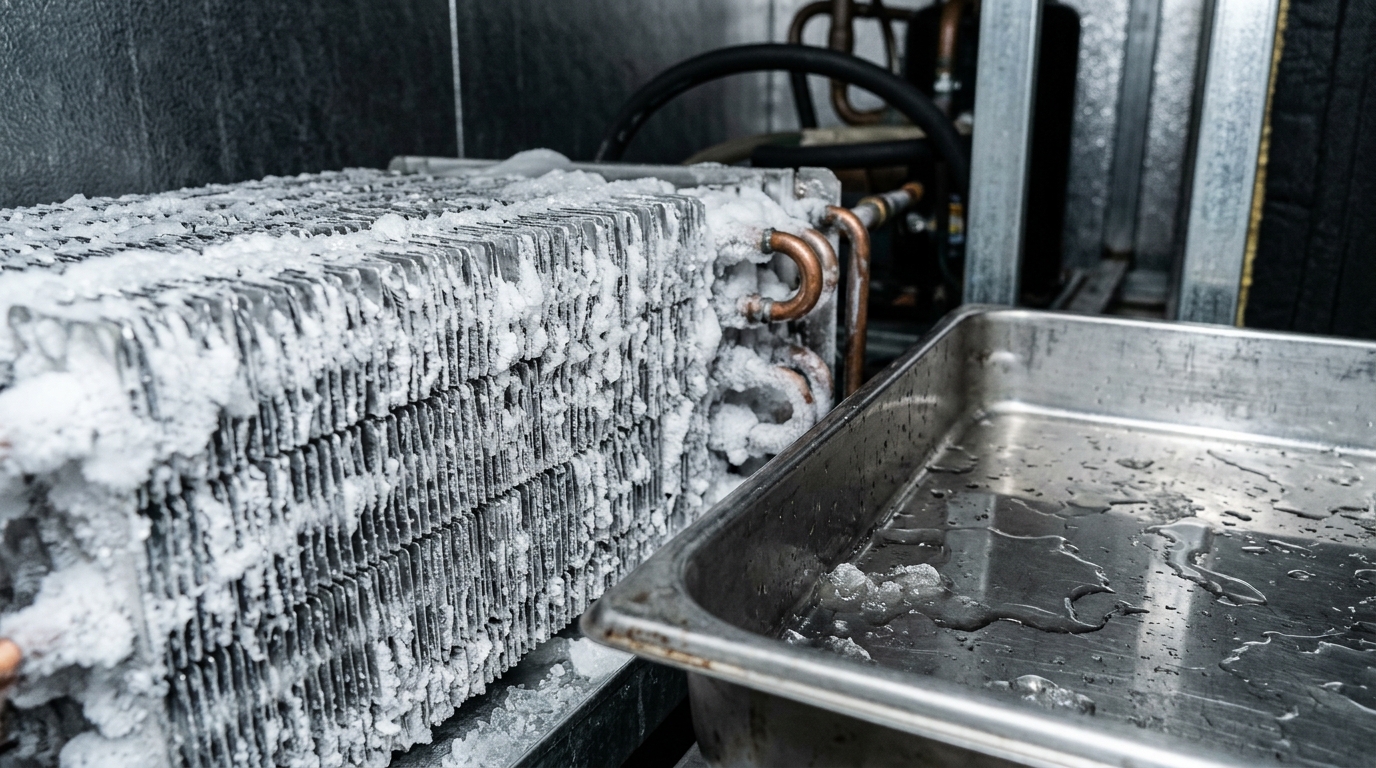
Yes, excess moisture entering the room through door openings or leaks can lead to faster frosting on the evaporator.
Does a larger evaporator always provide higher humidity?
It generally limits moisture loss by reducing the temperature difference, but the result also depends on air distribution and operating settings.
Where in the room should the humidity sensor be placed?
It is recommended to place it at a point that represents the room air, away from the evaporator air outlet and the door.
Does defrost affect room humidity?
Humidity can fluctuate temporarily during and immediately after defrost; this should be taken into account in the recorded data.
How is humidity set in a room where mixed products are stored?
If the products' requirements differ, a common compromise range is chosen or, if possible, the products are separated into different rooms.
How can I get a humidity control recommendation for my own cold room?
You can obtain a recommendation specific to your application by sharing your product type, room dimensions and usage habits with the Günay Soğutma team.