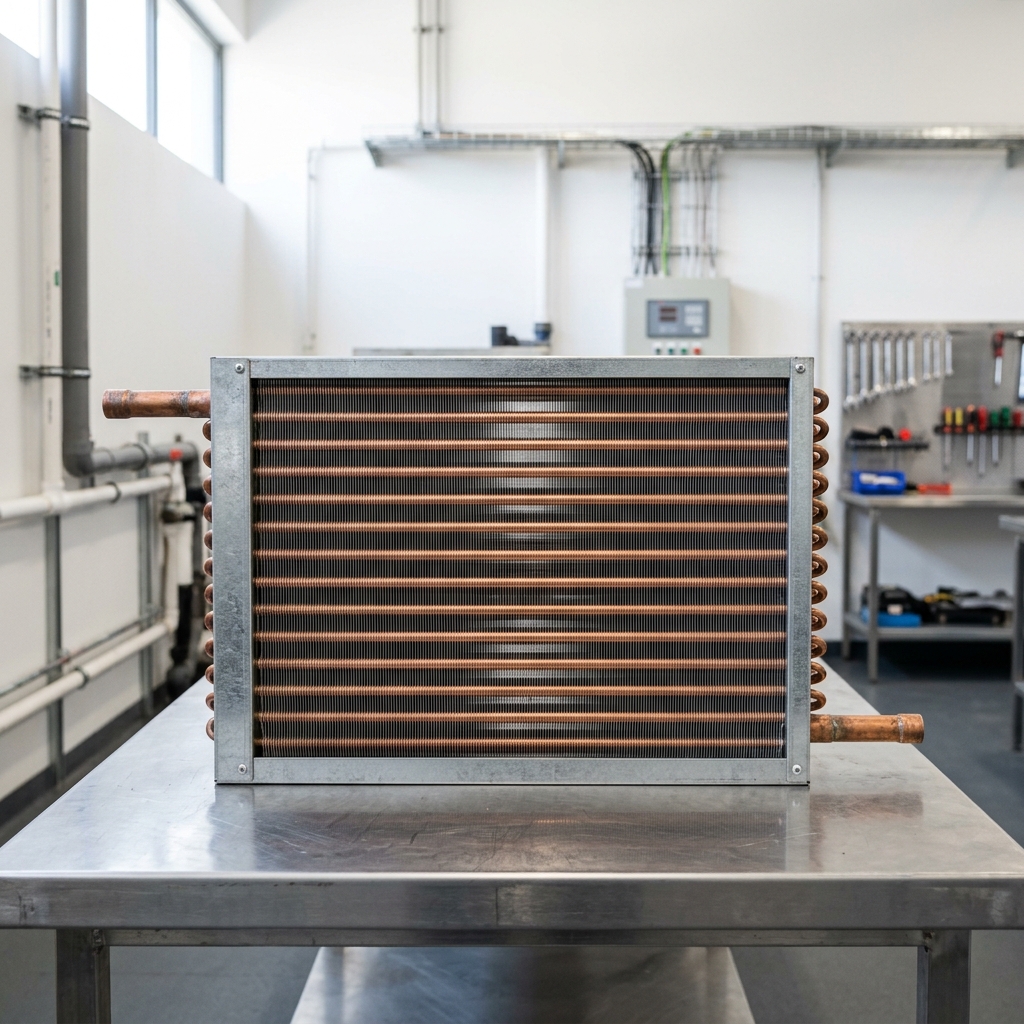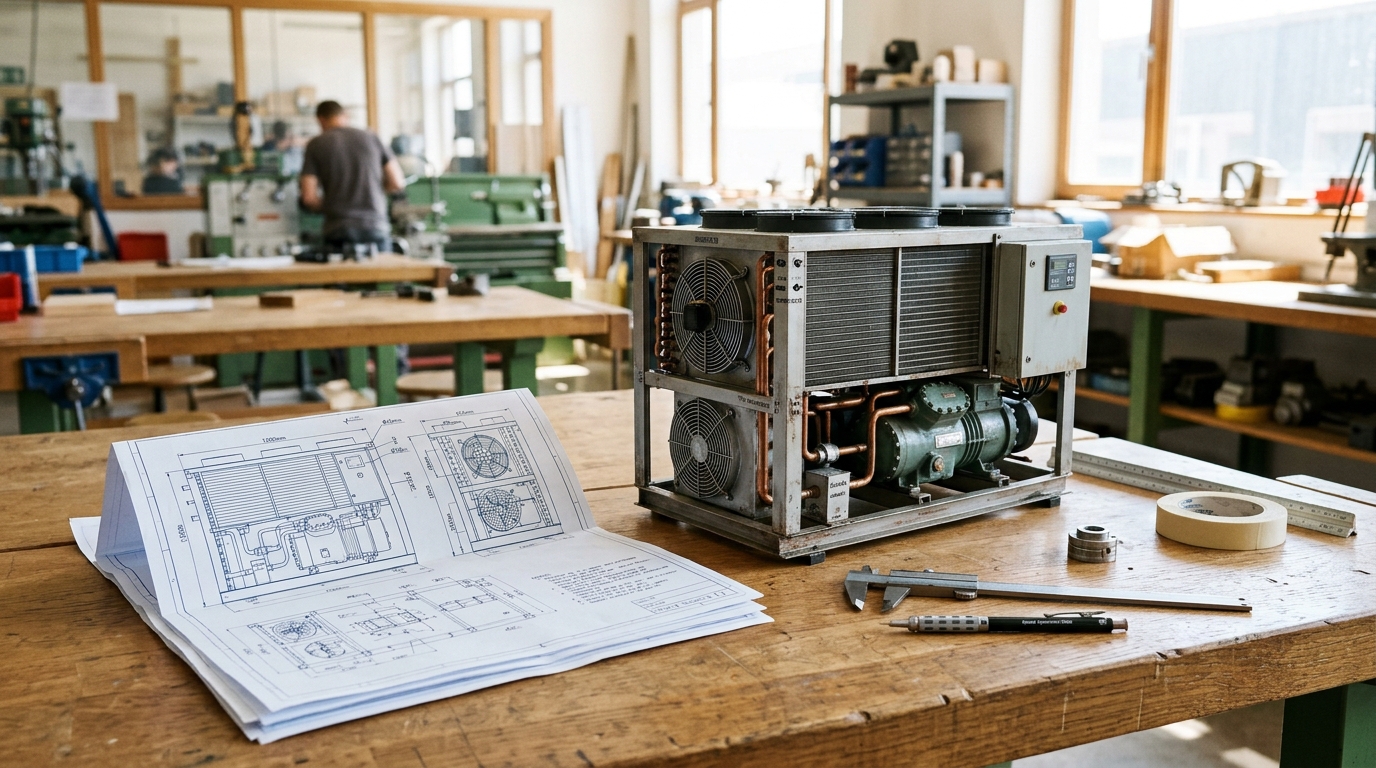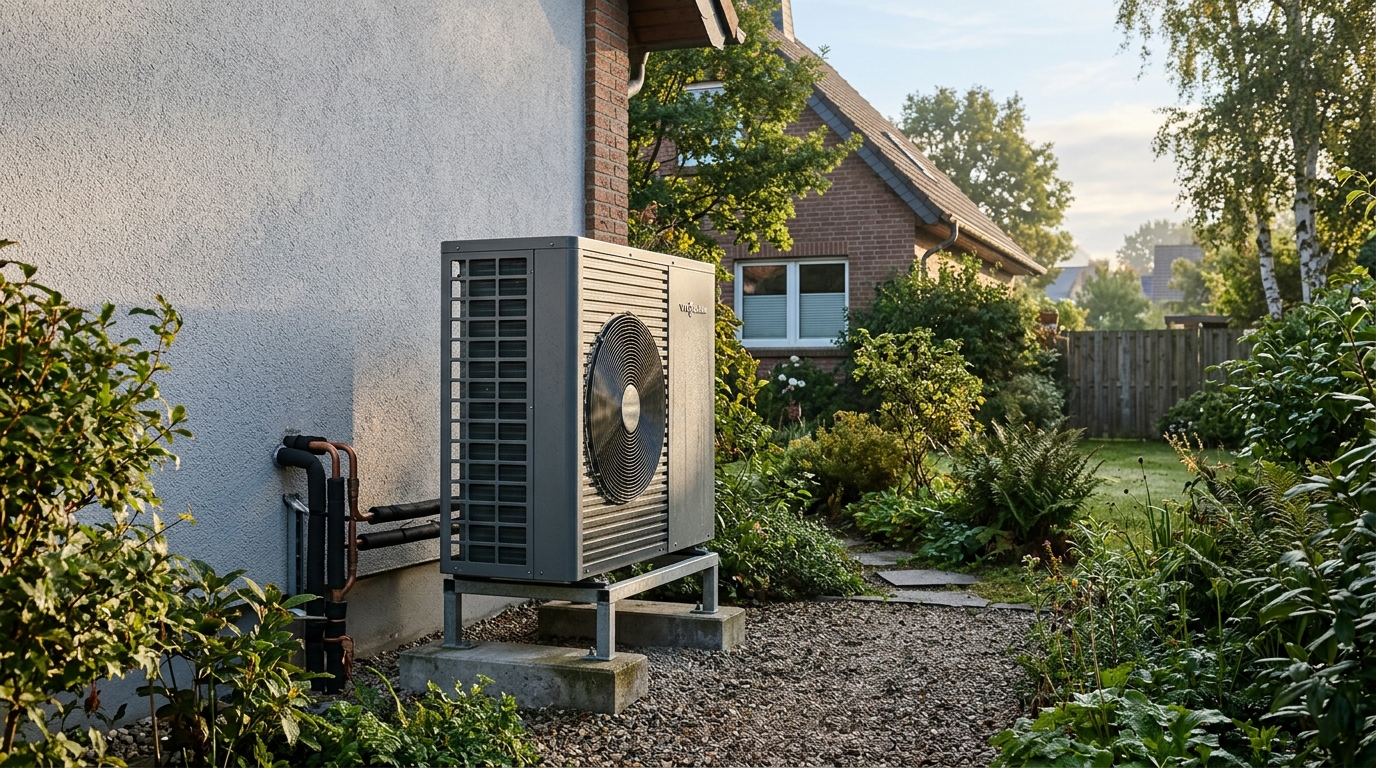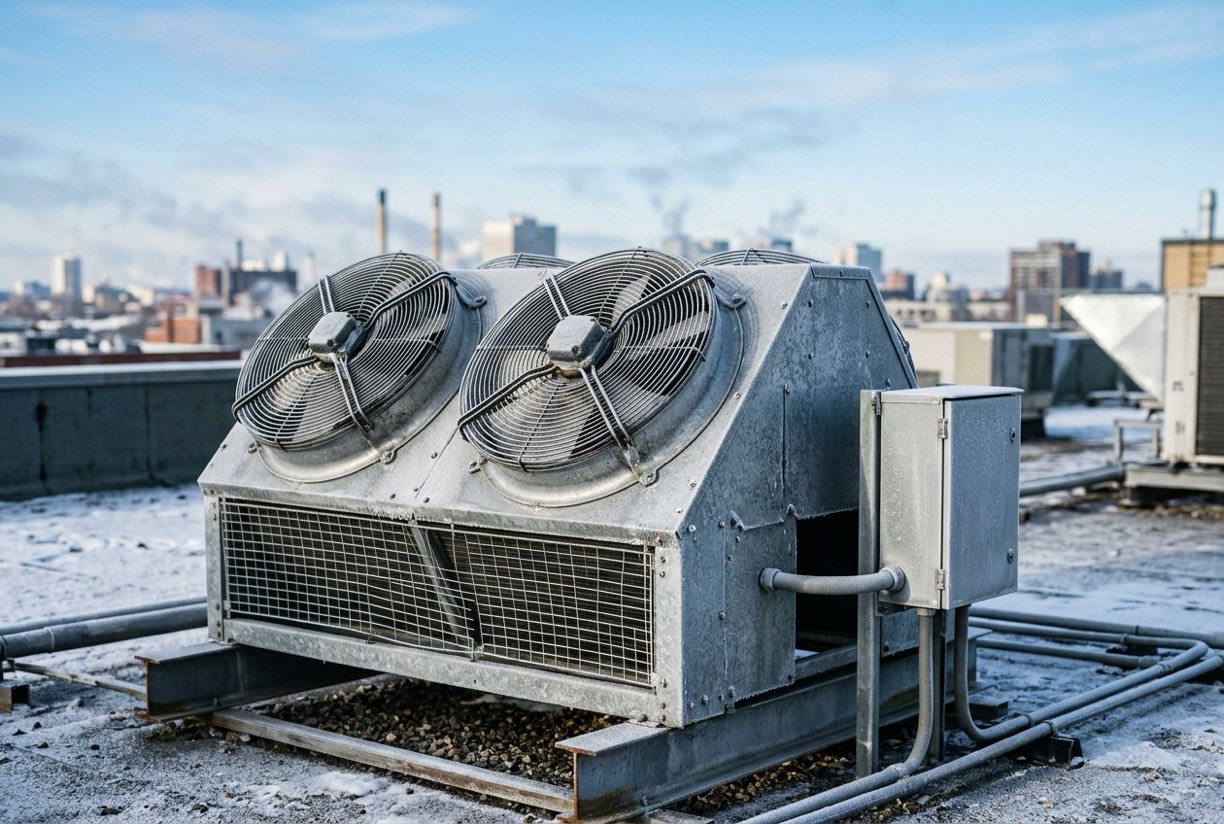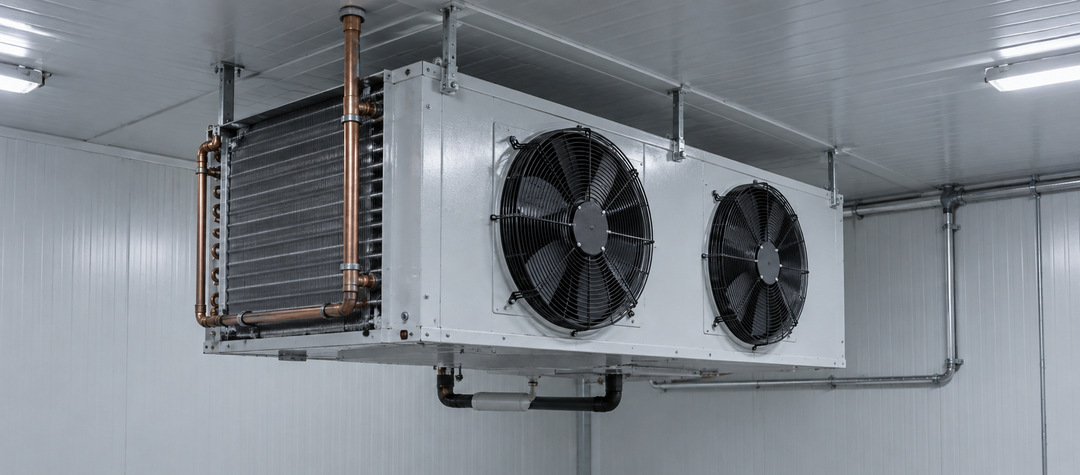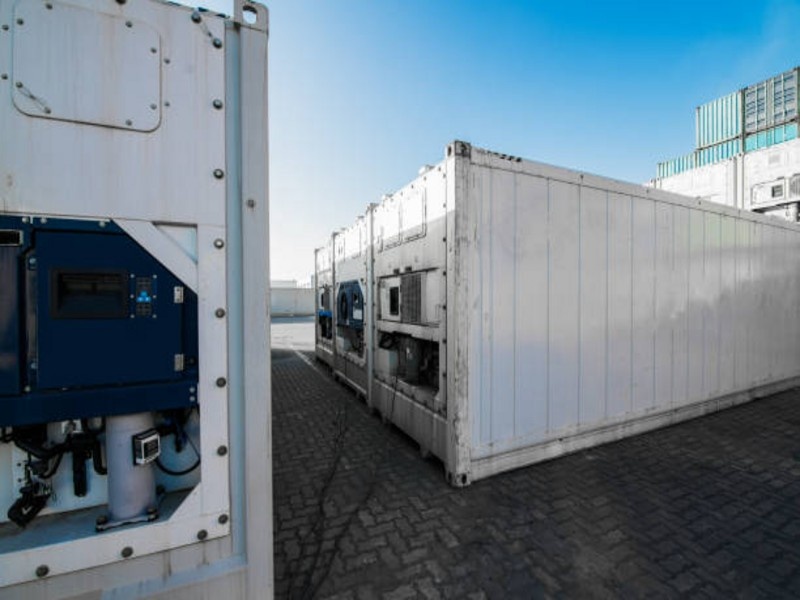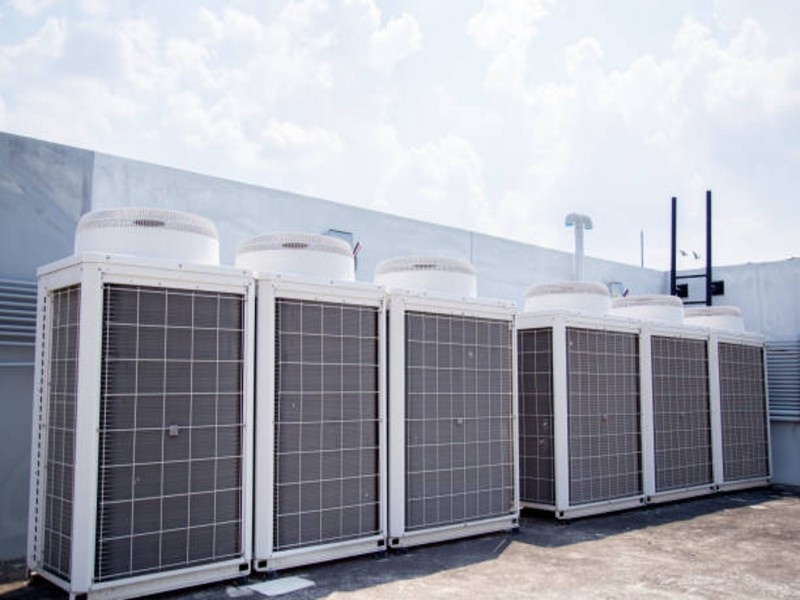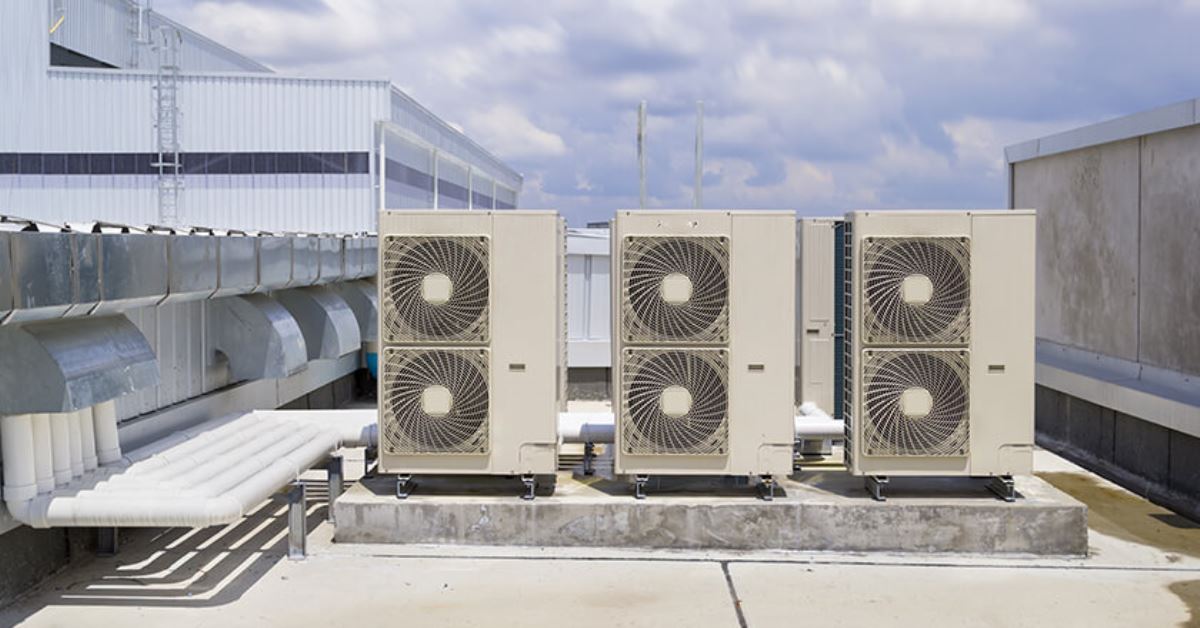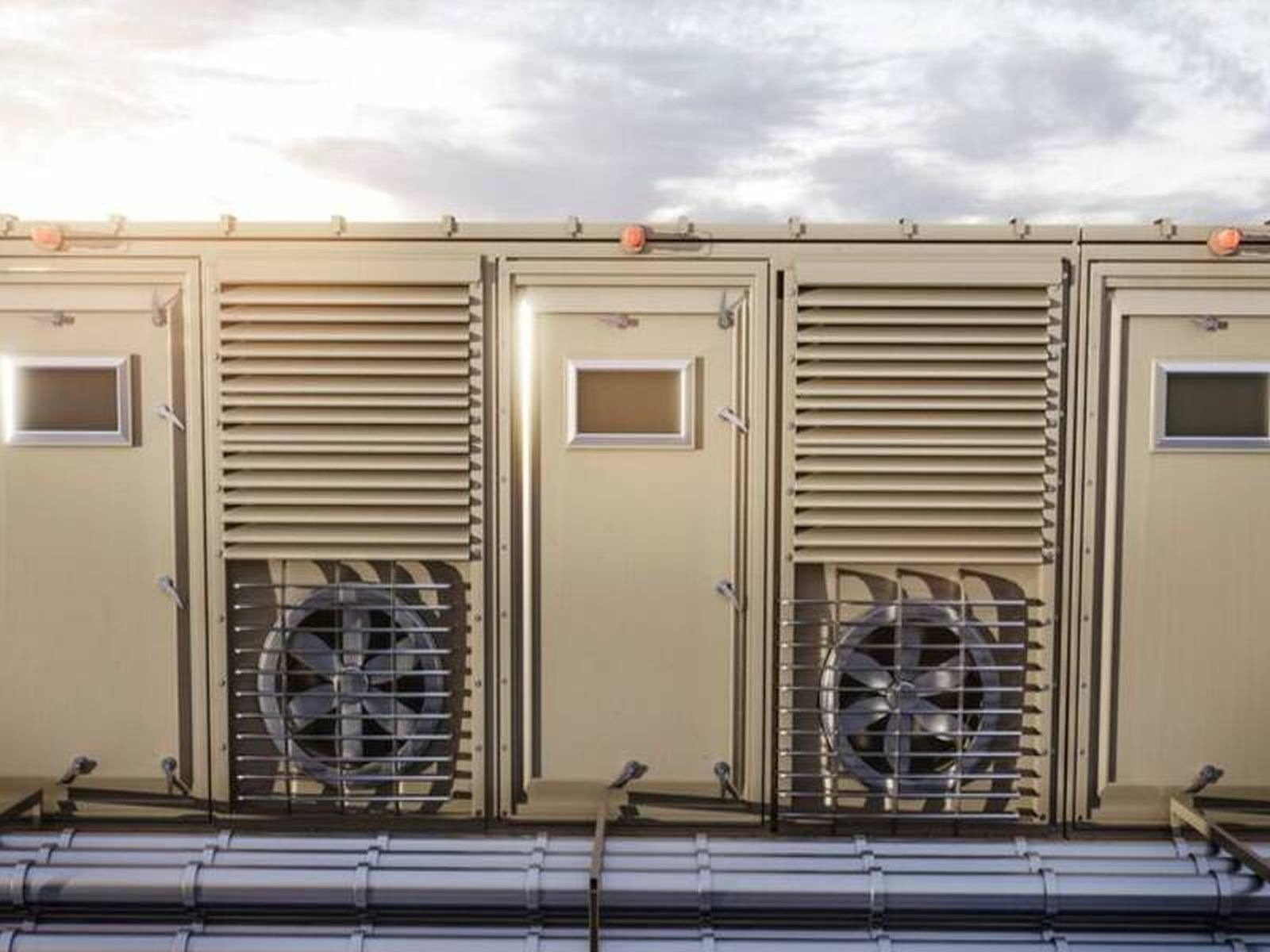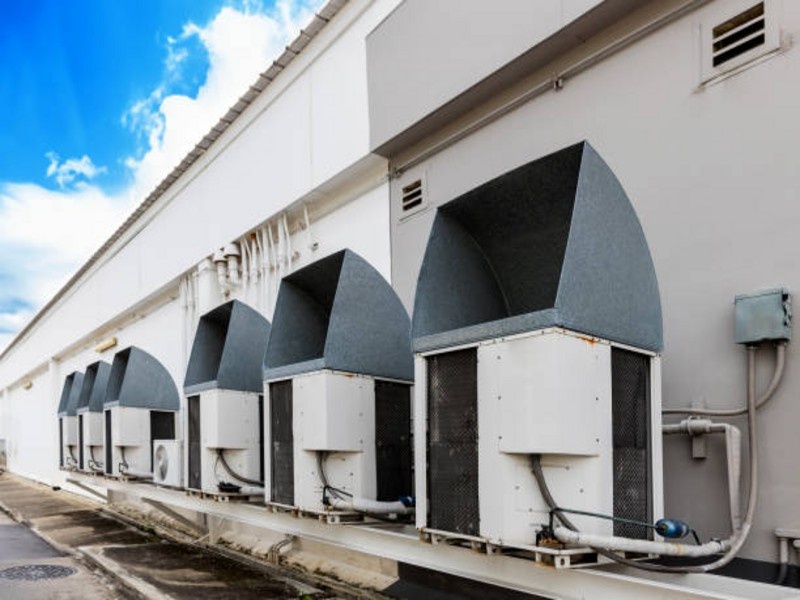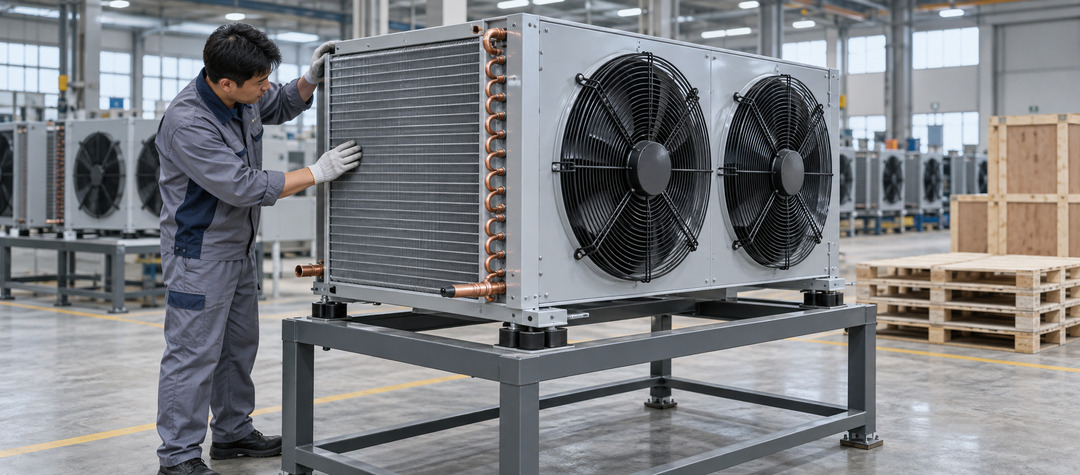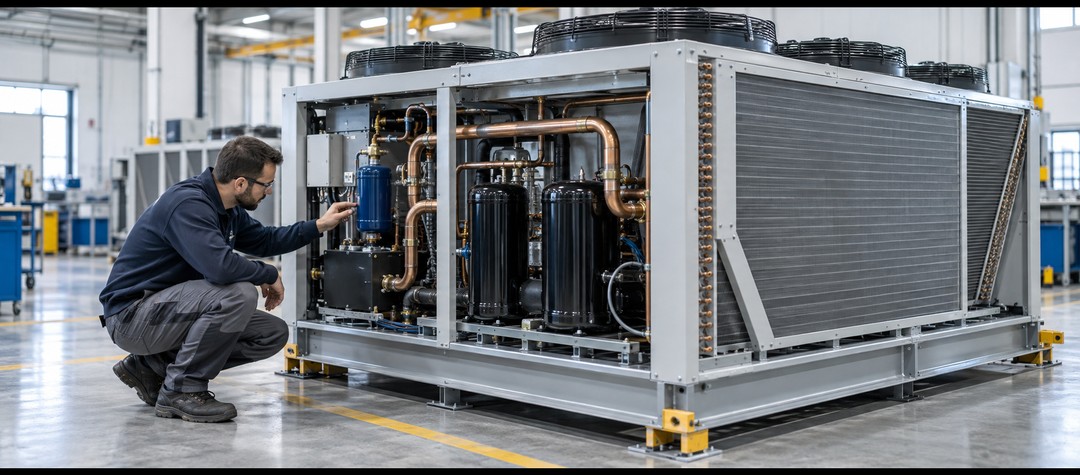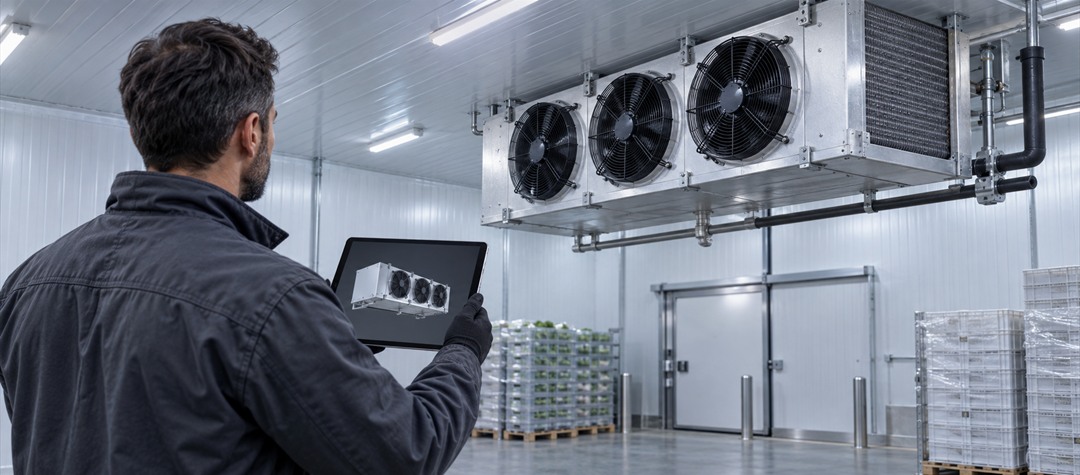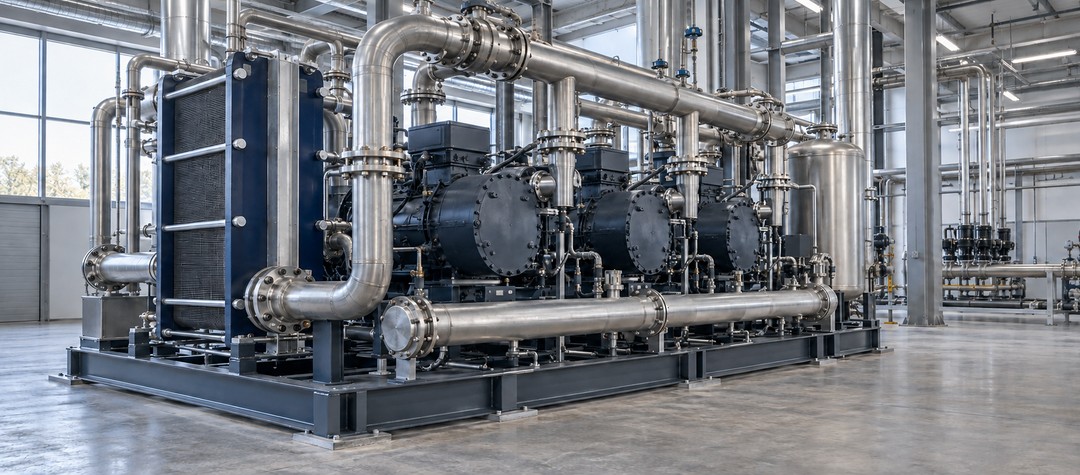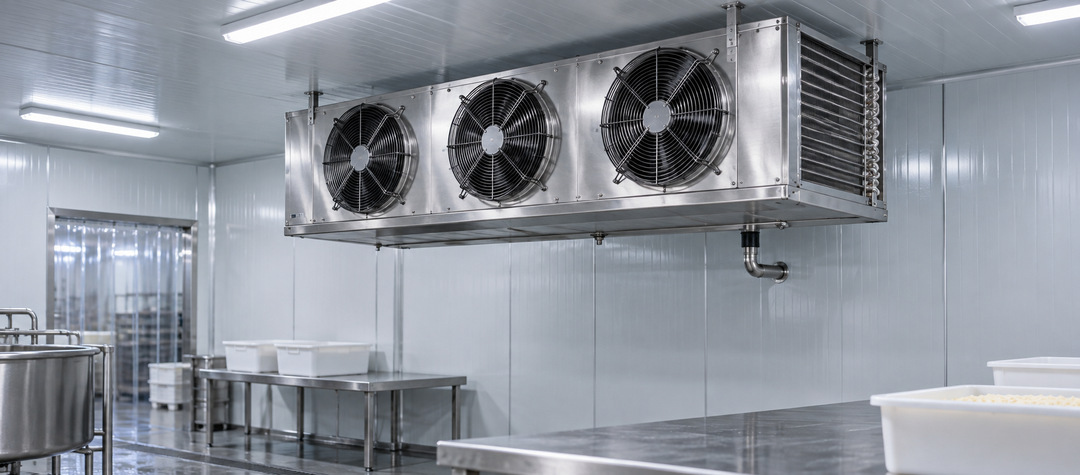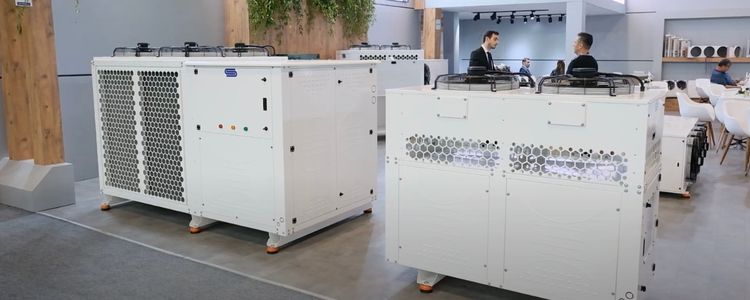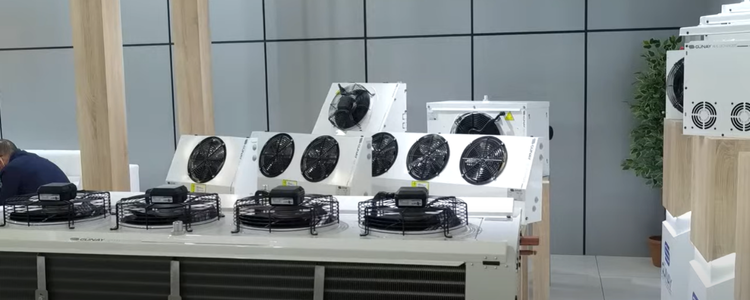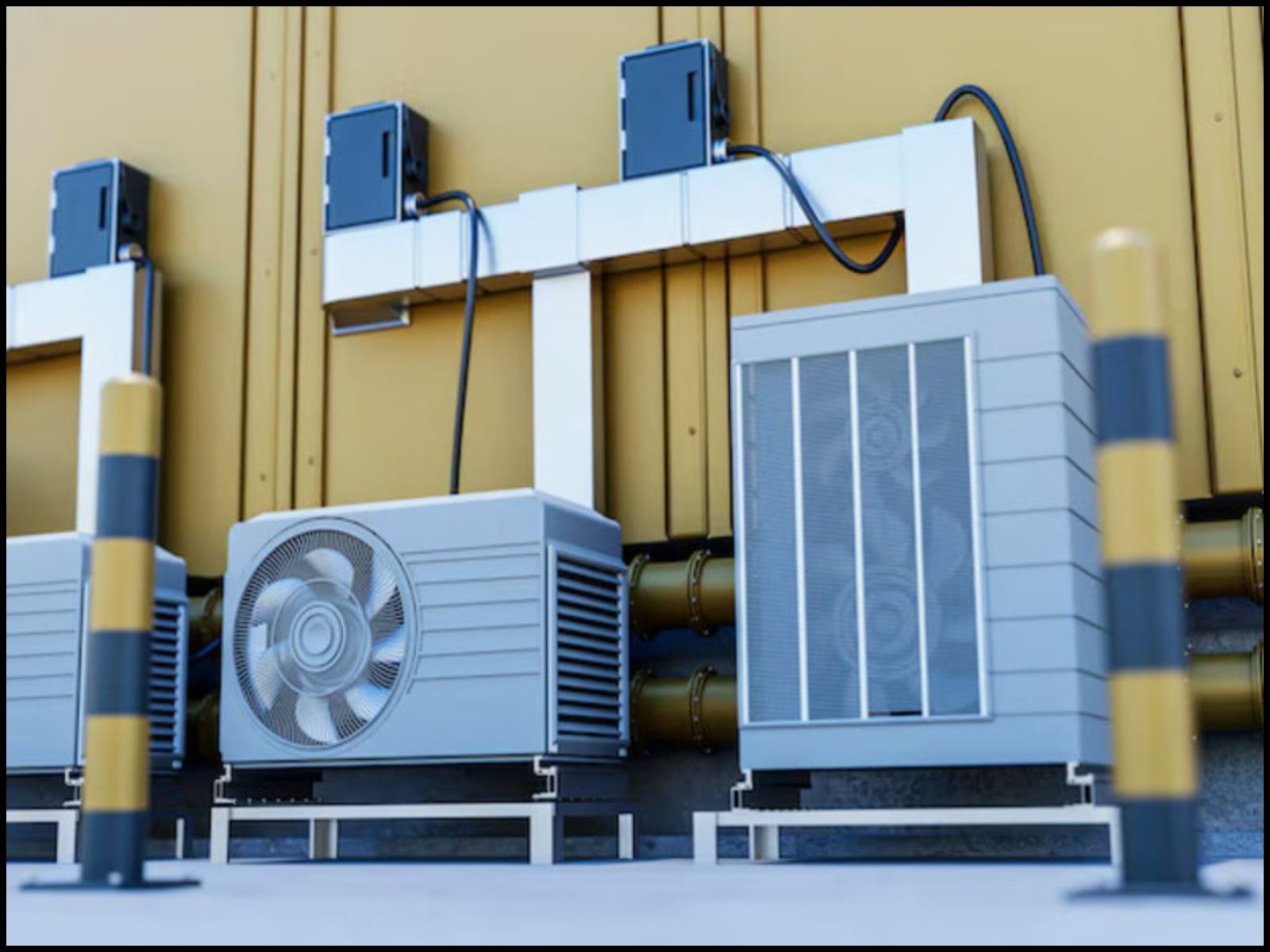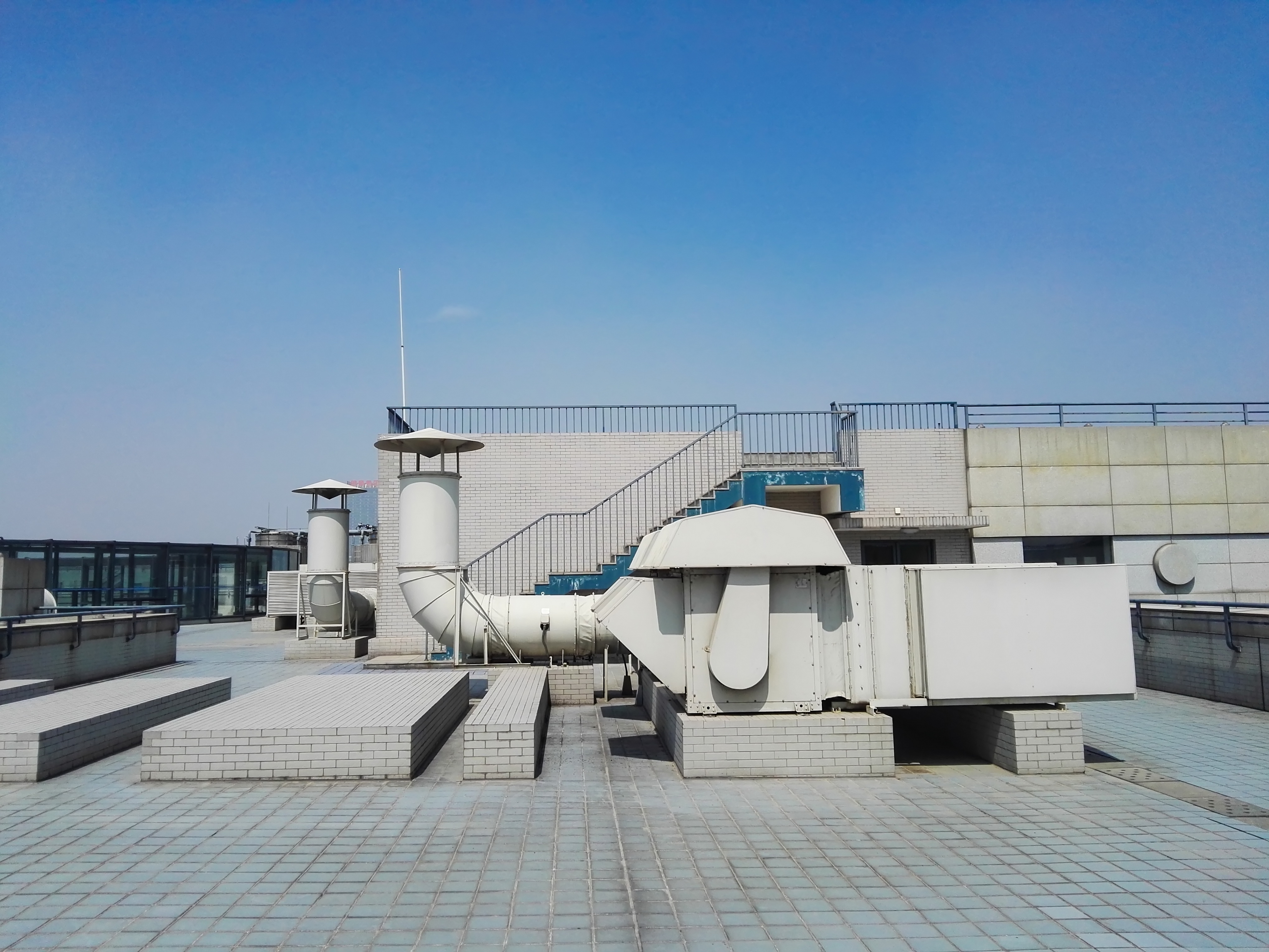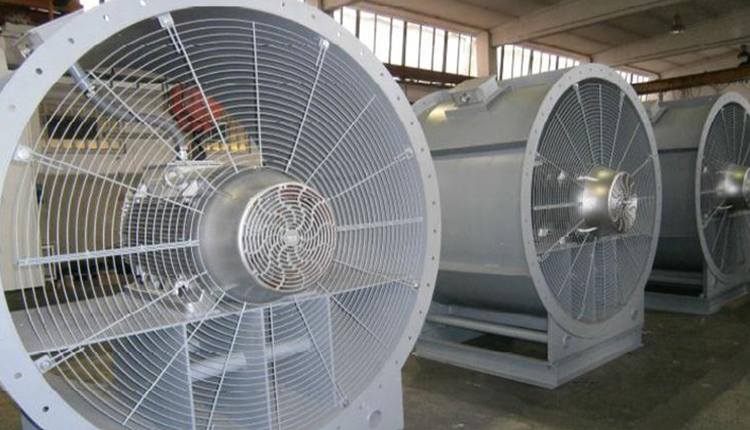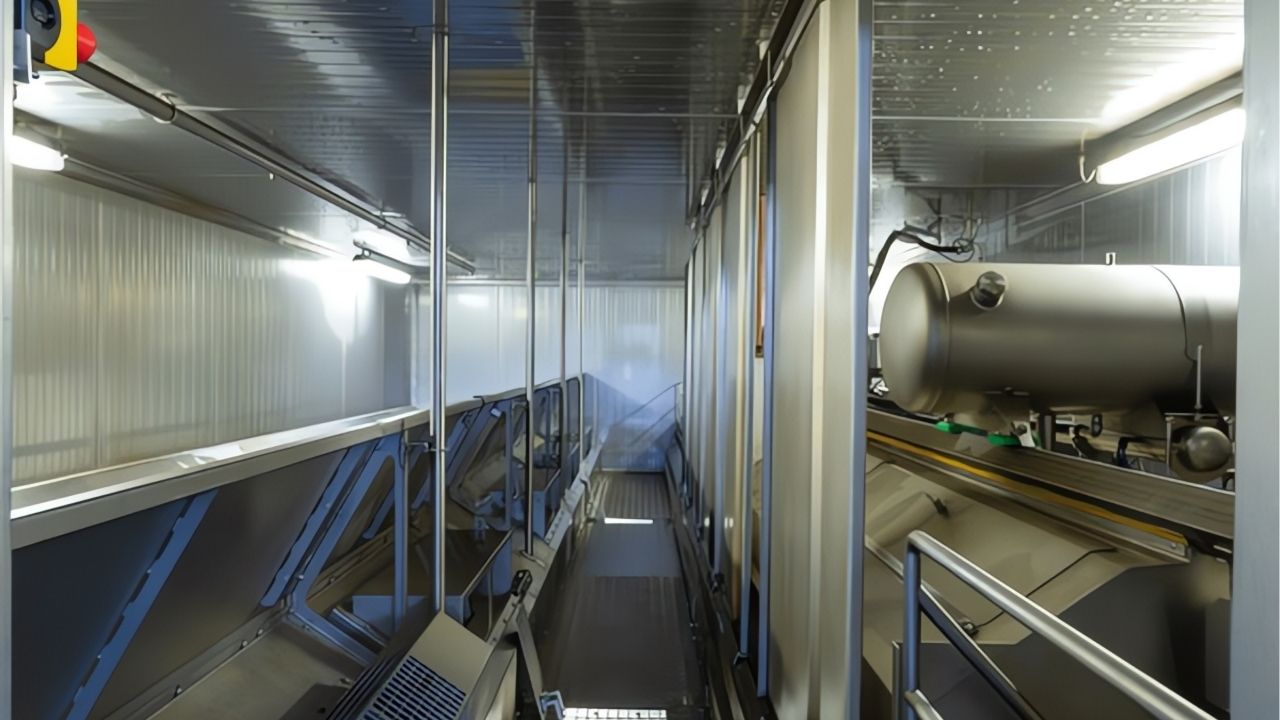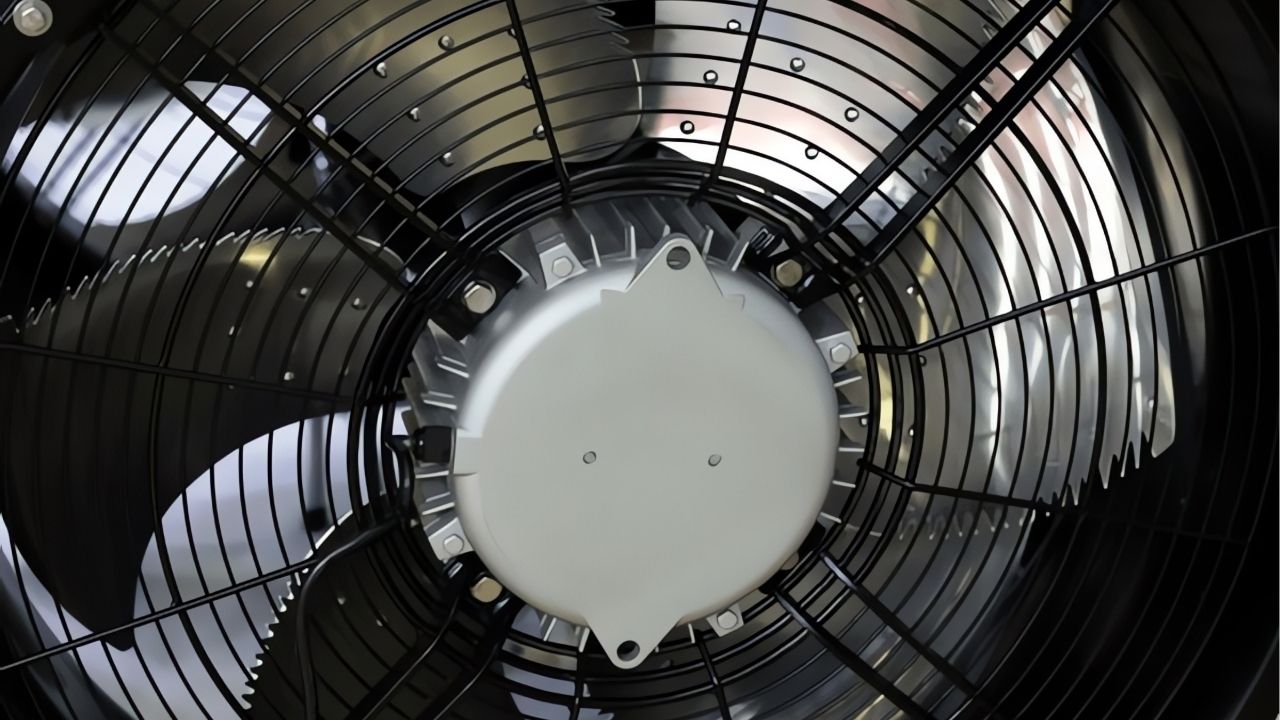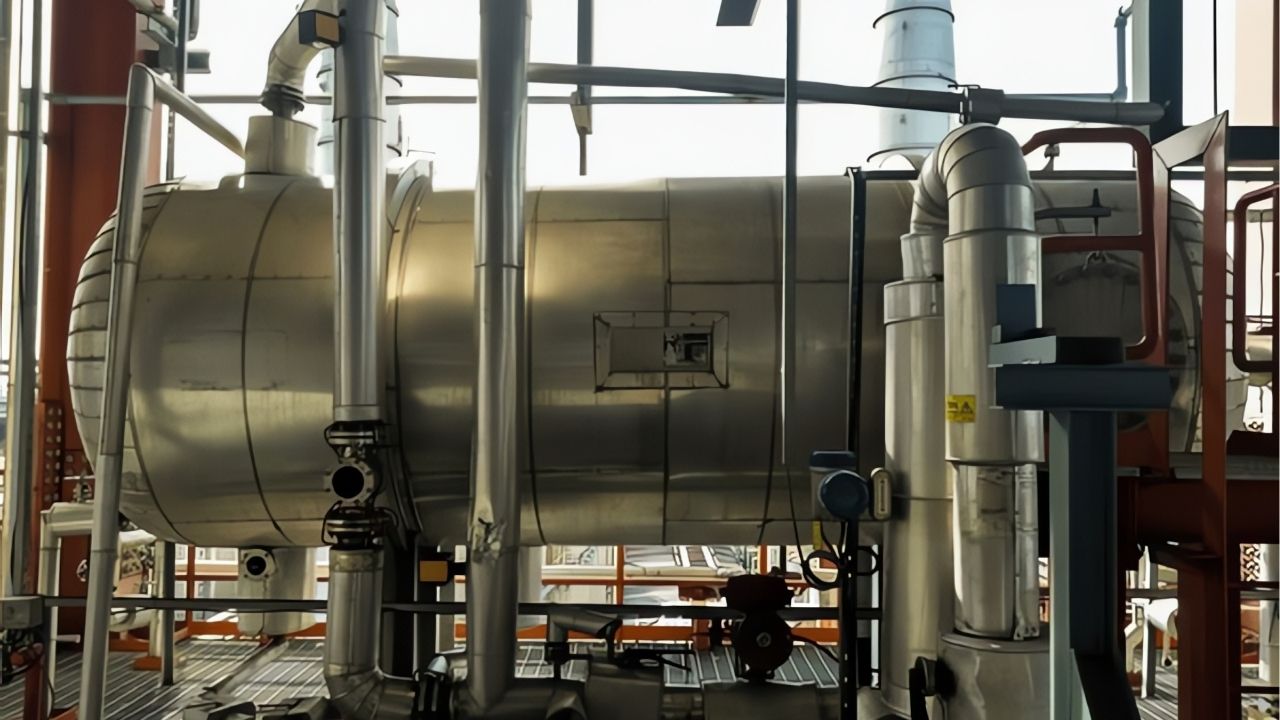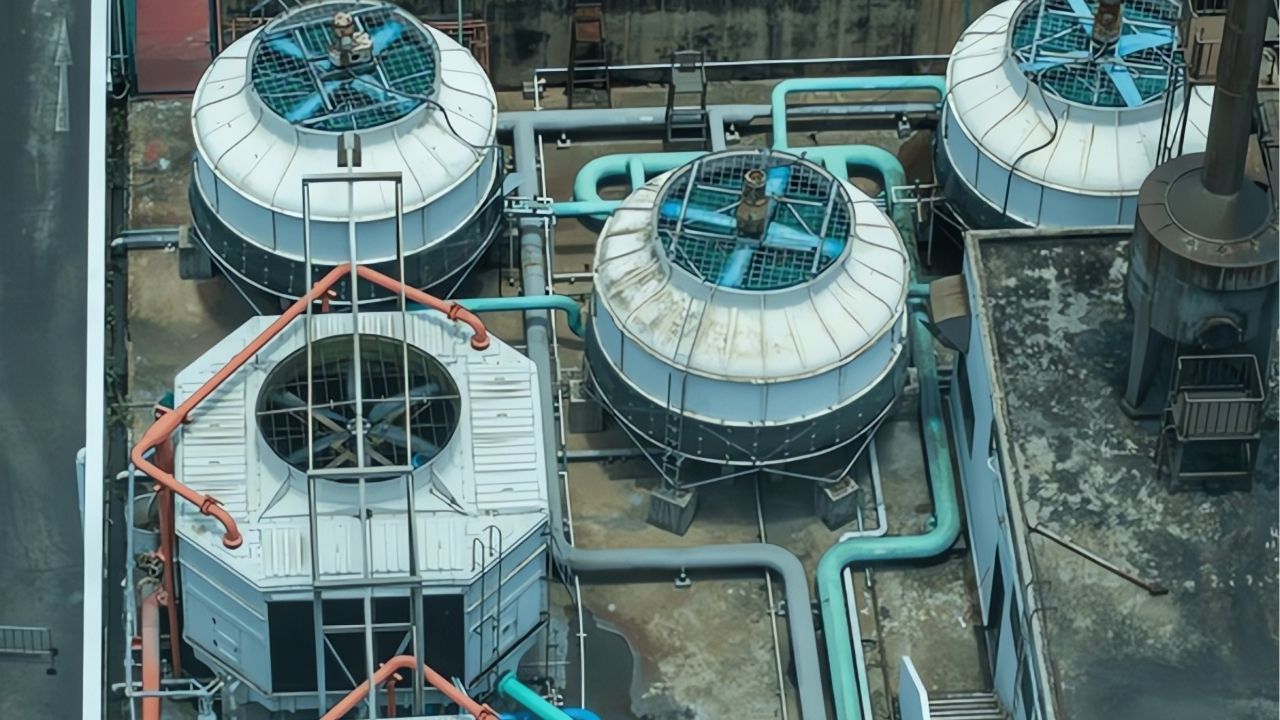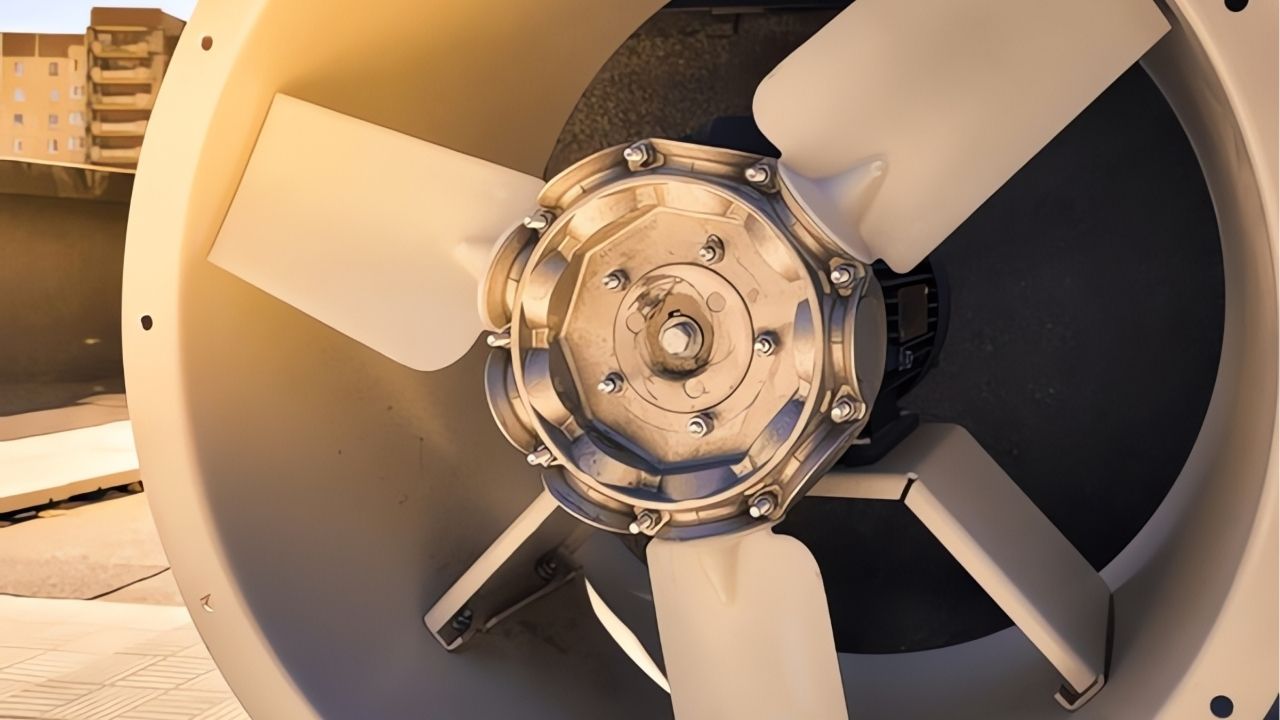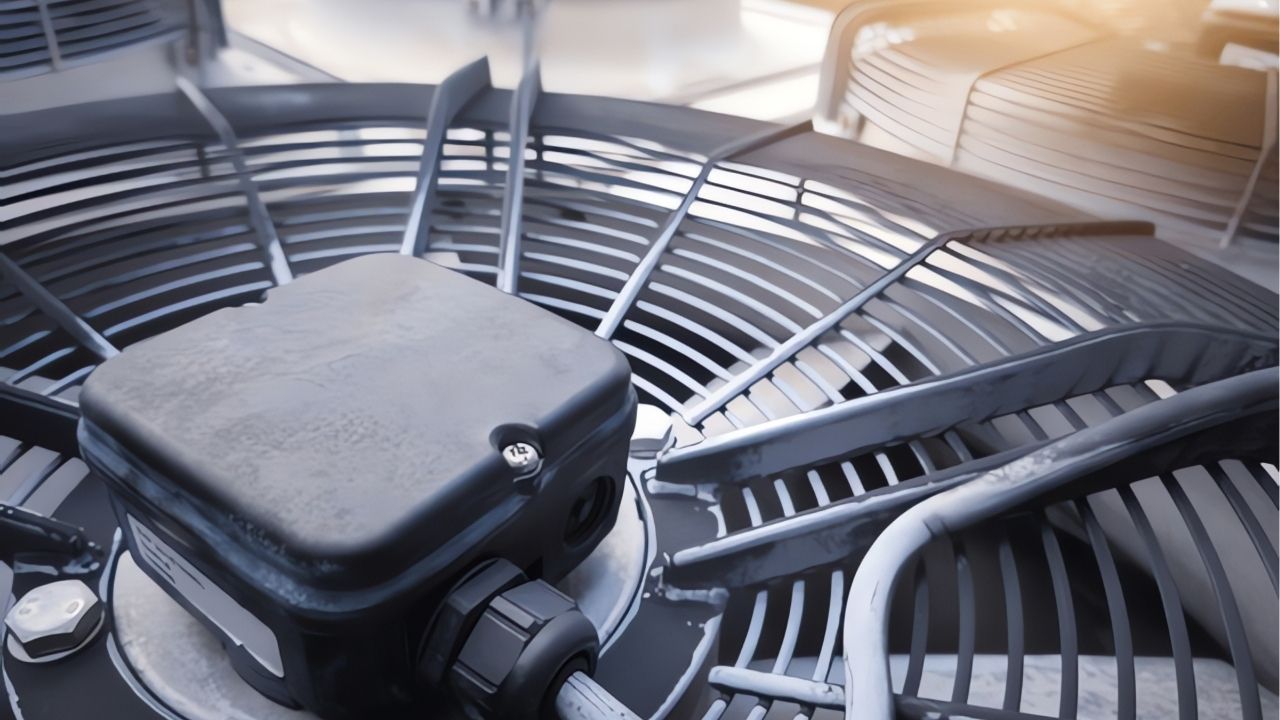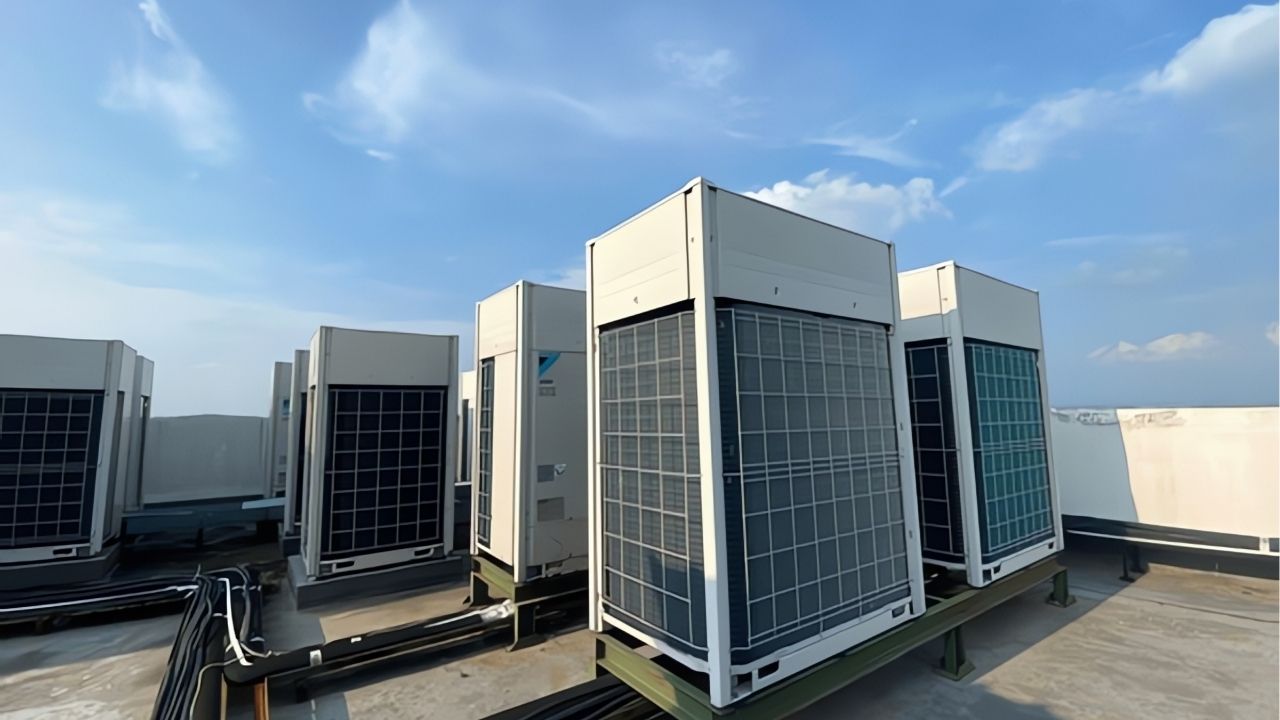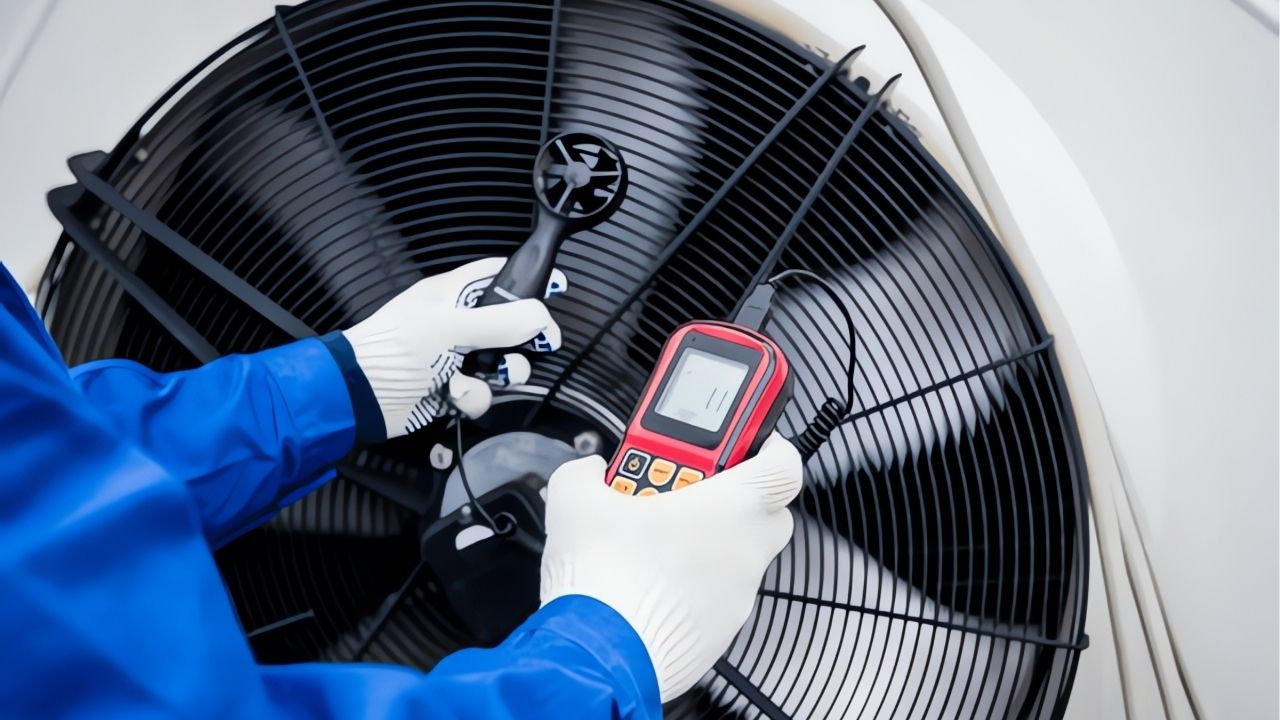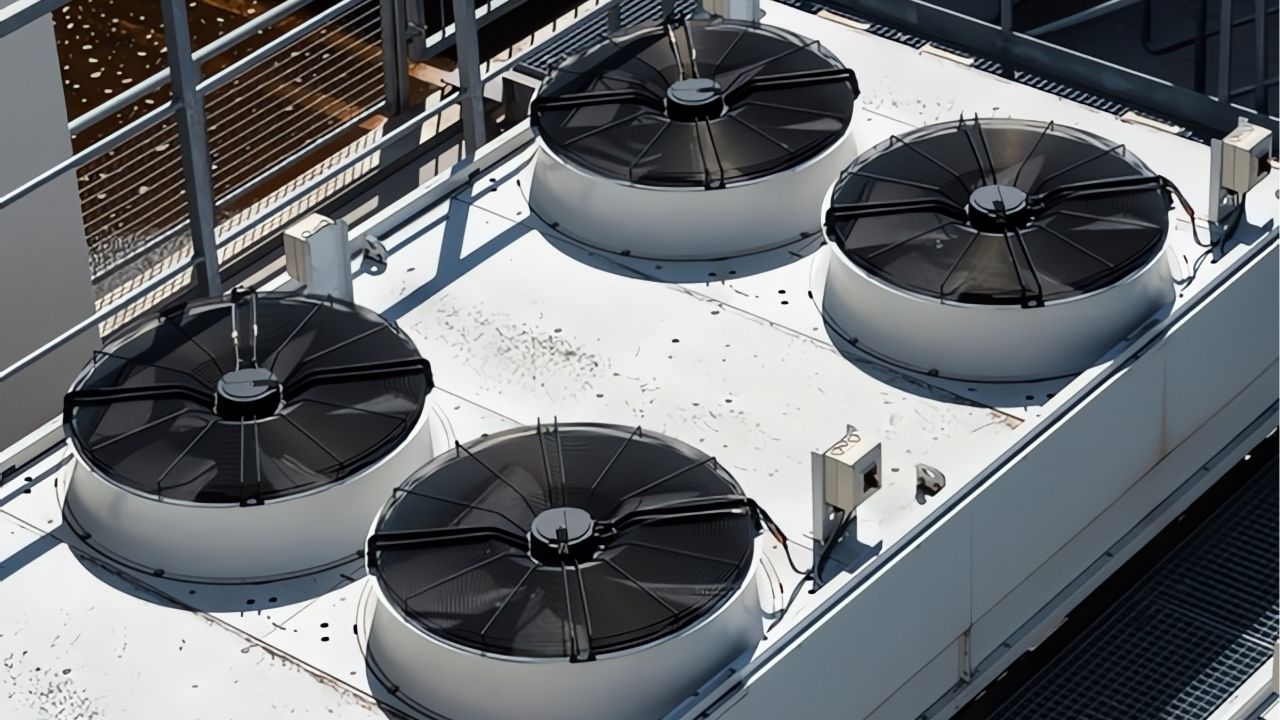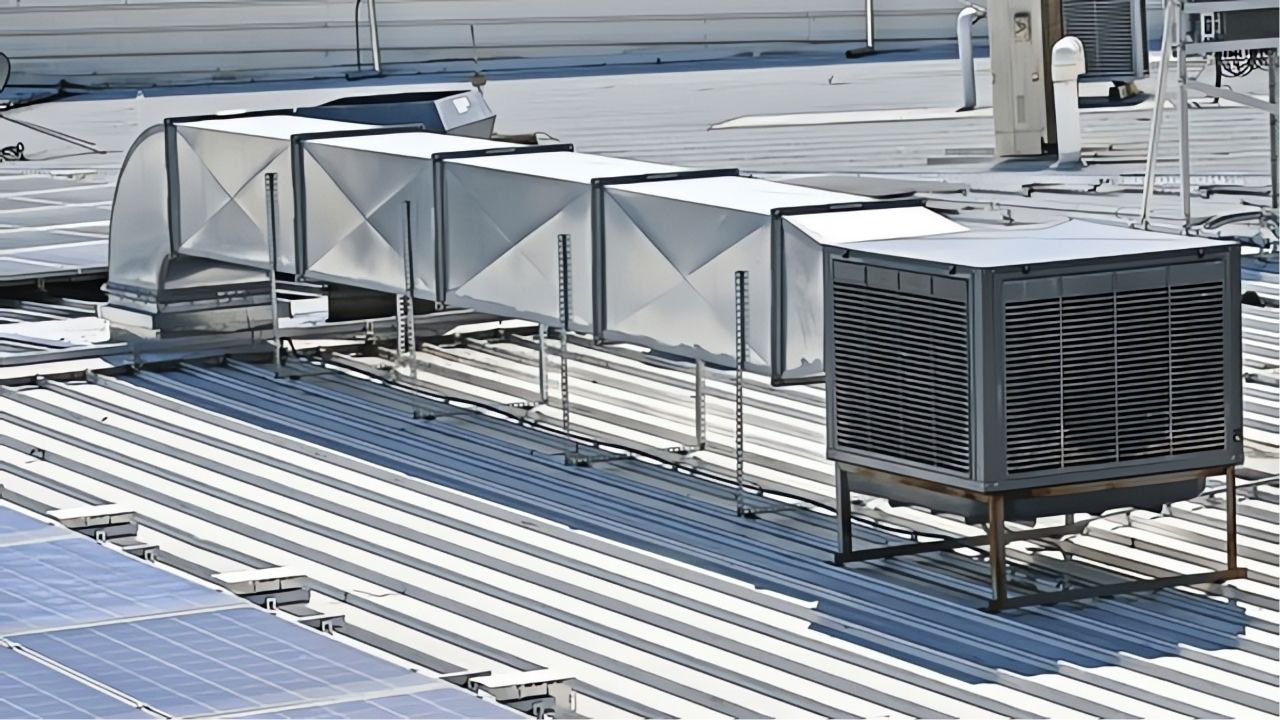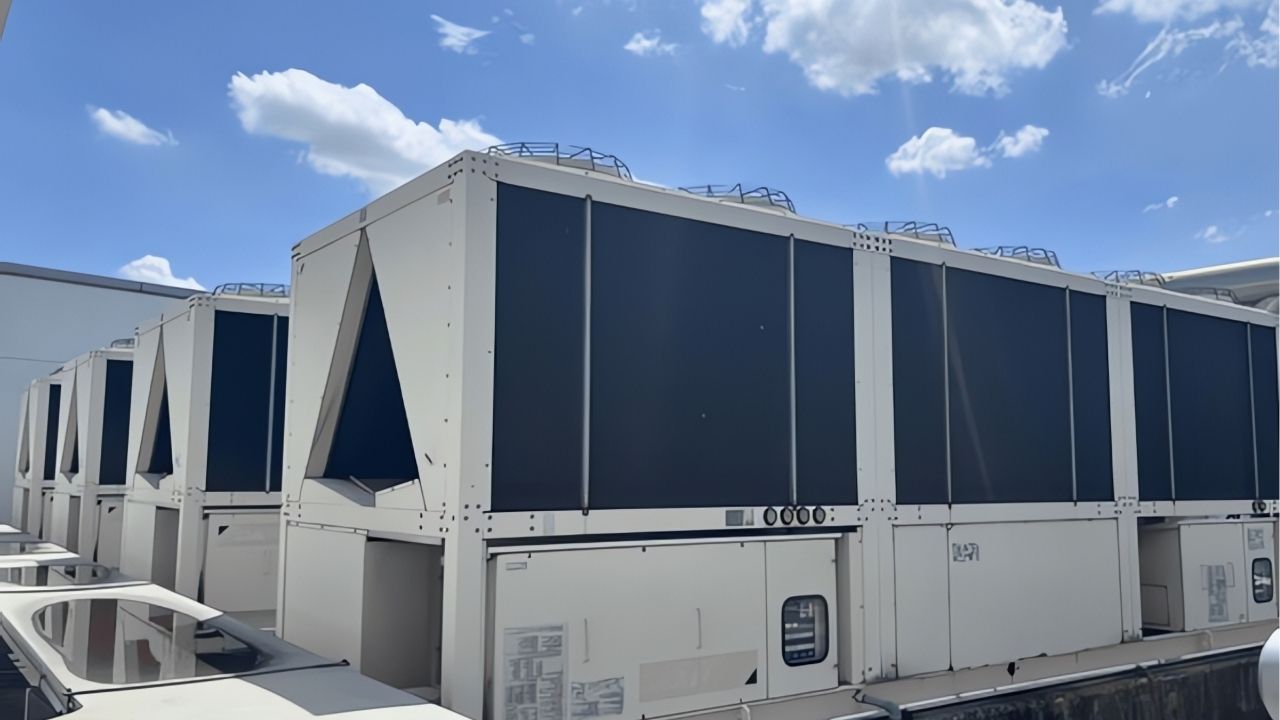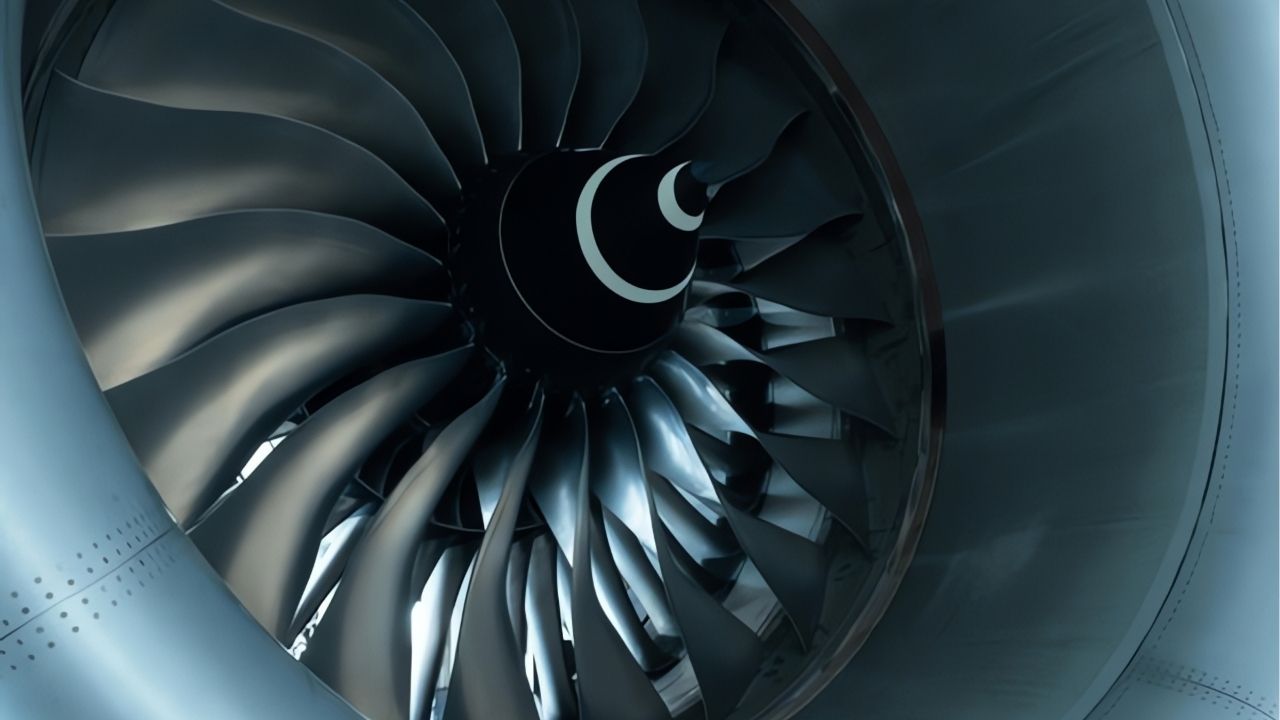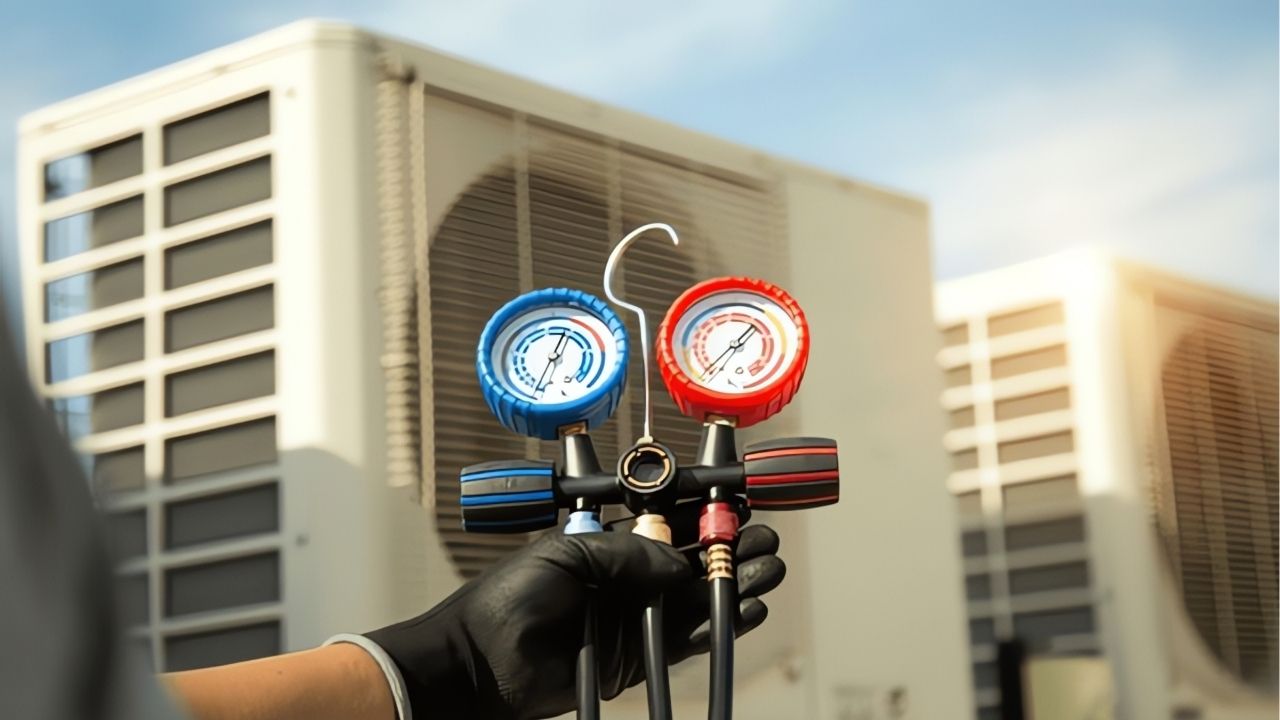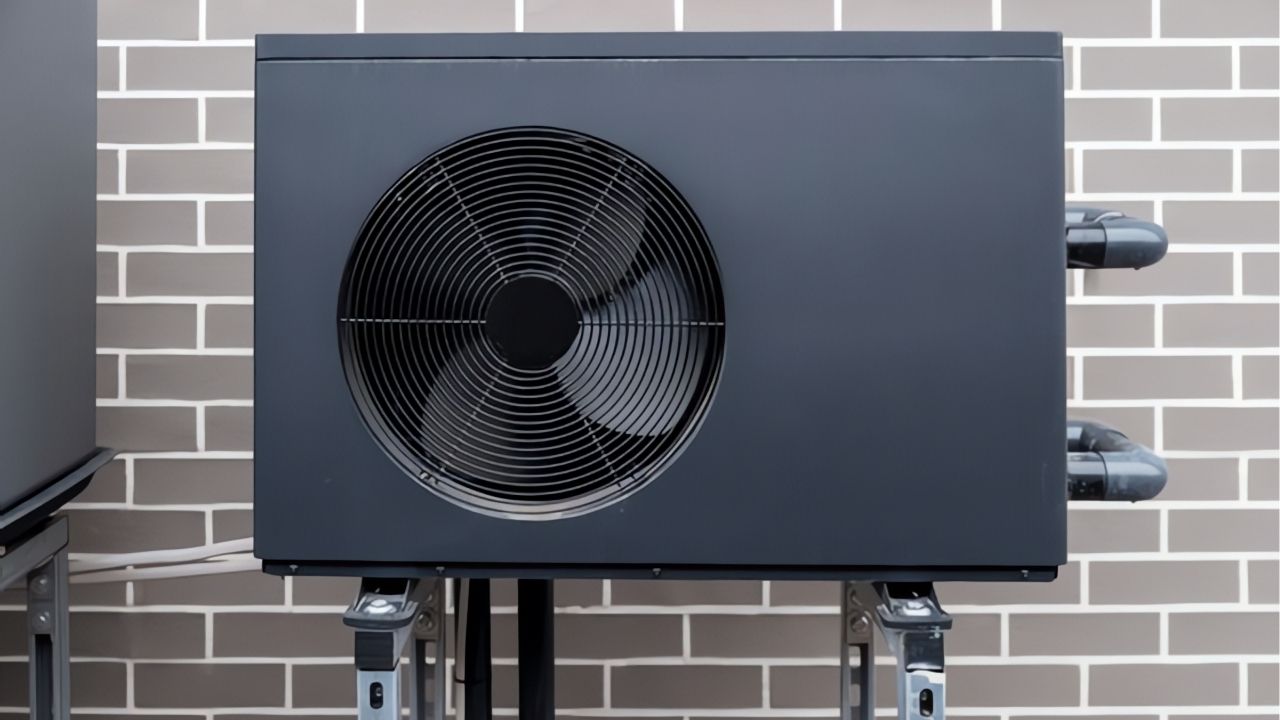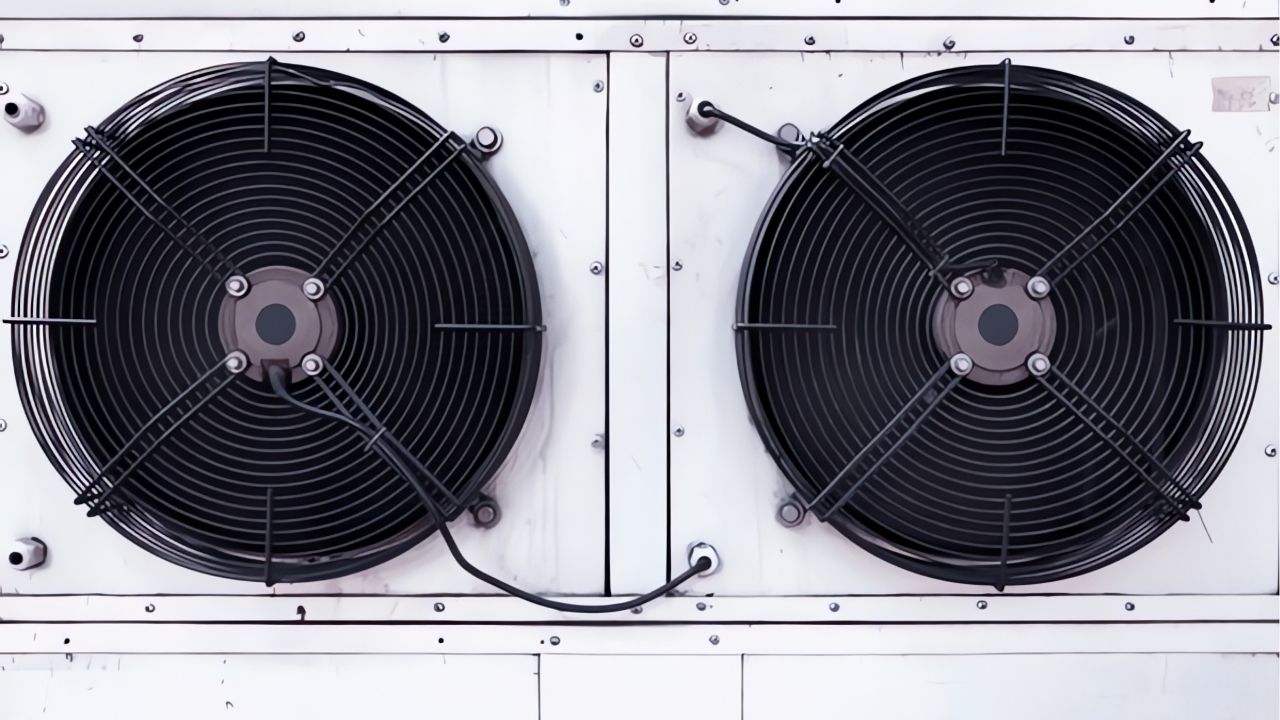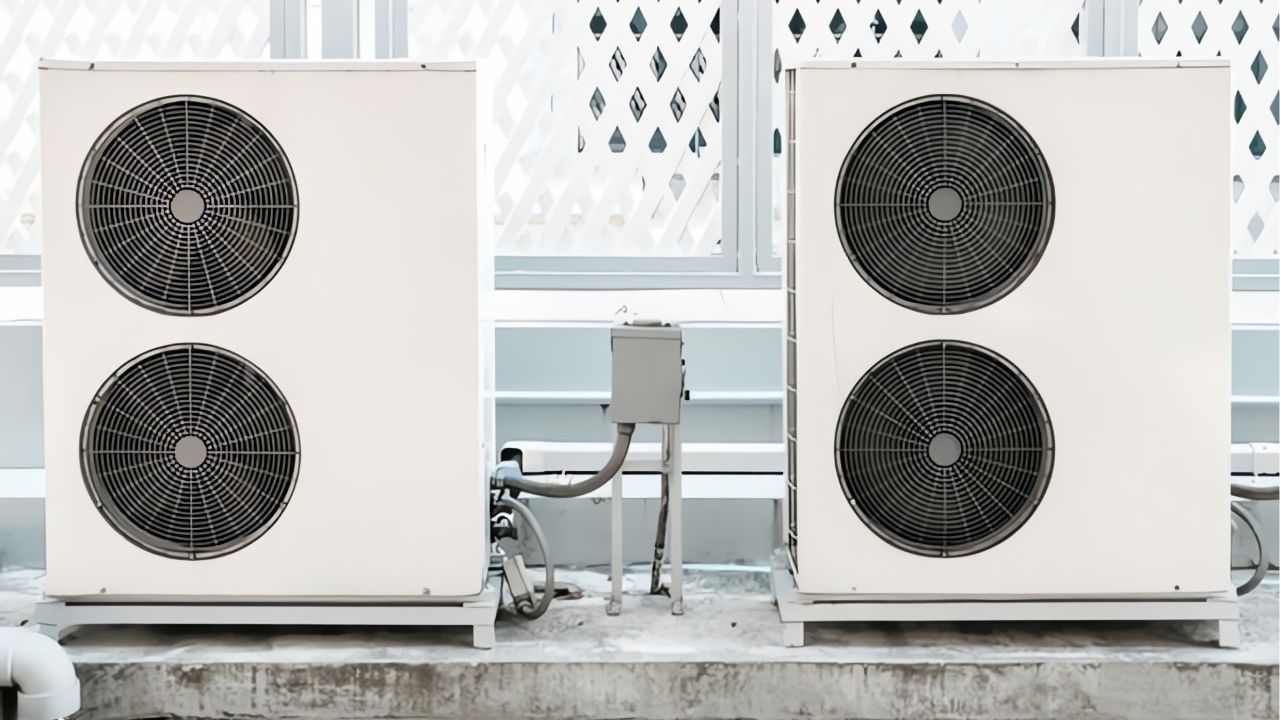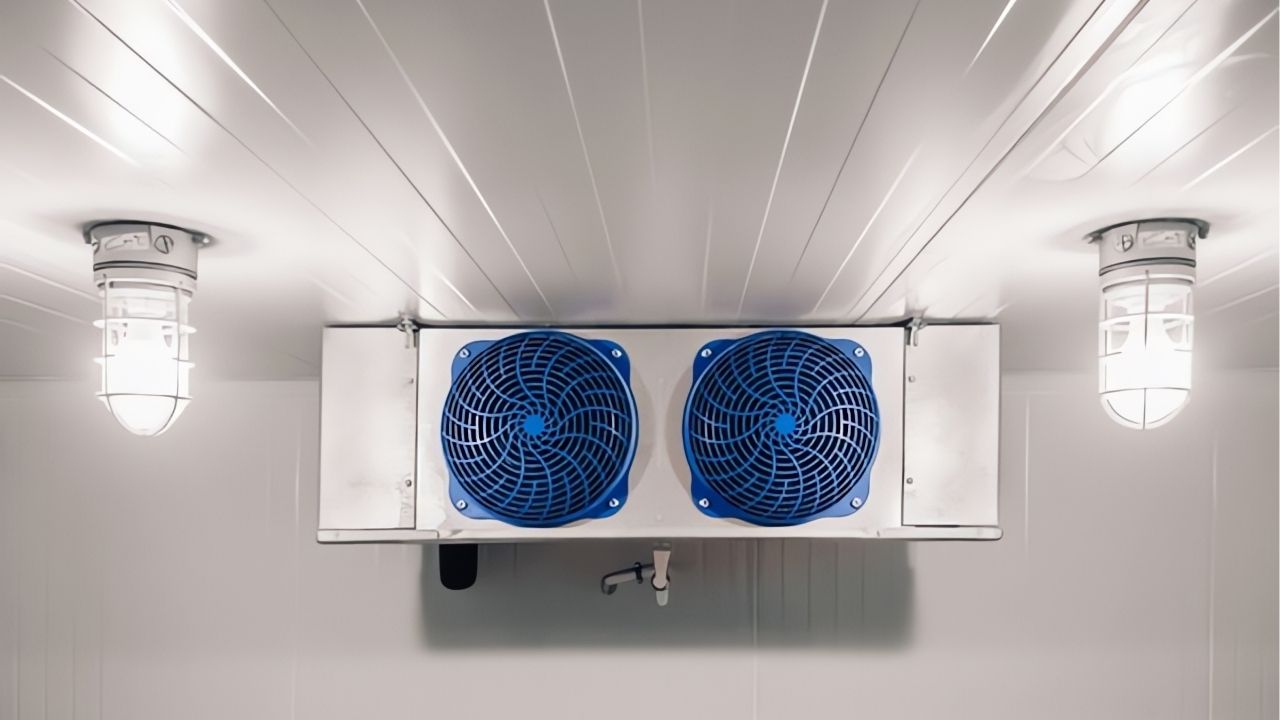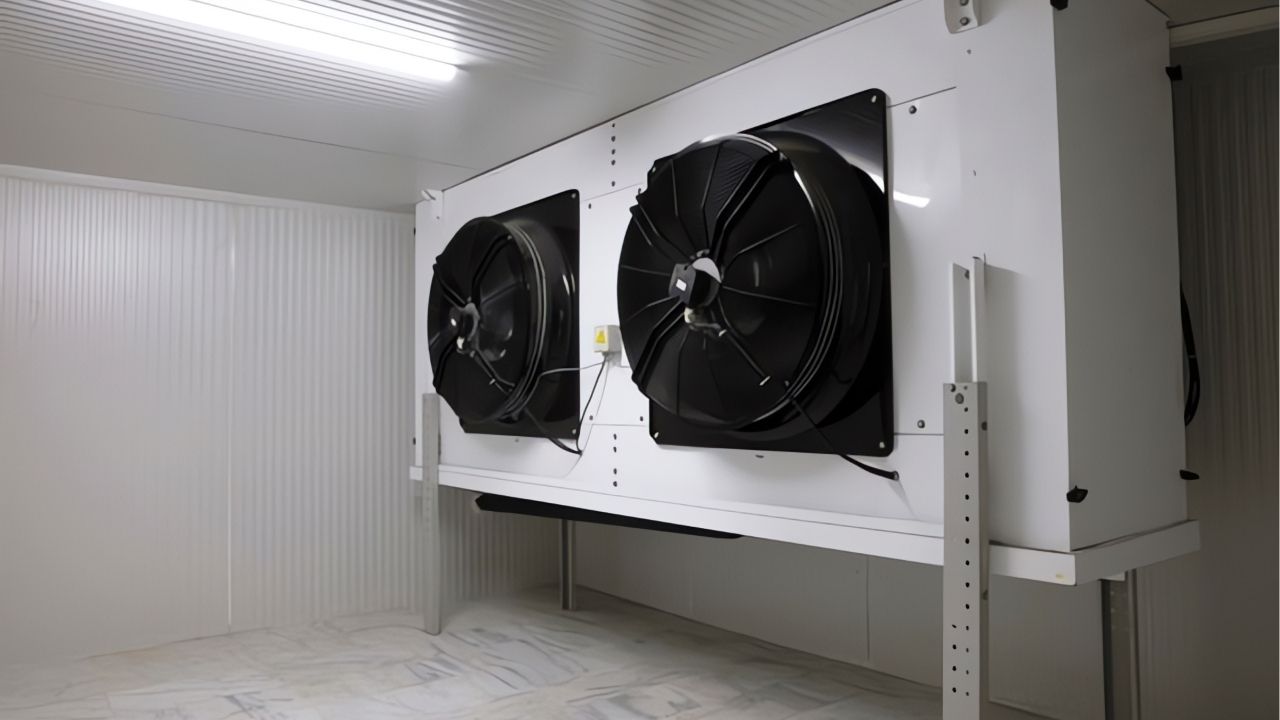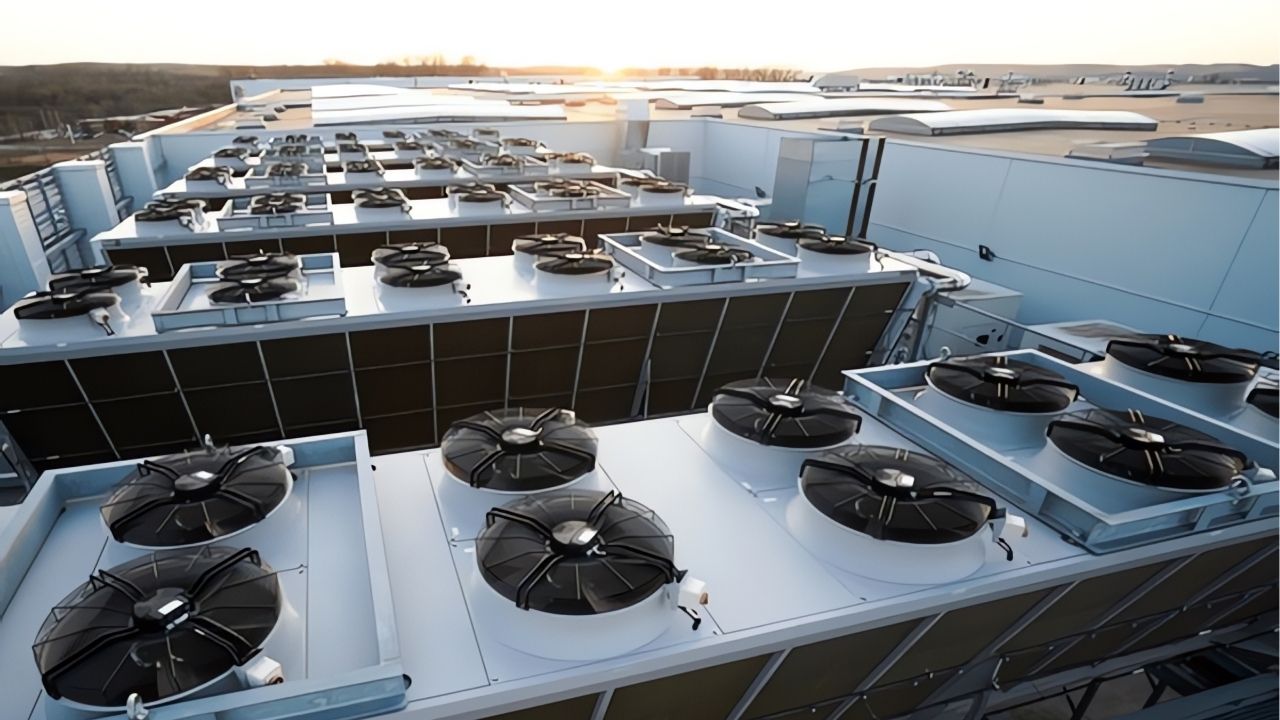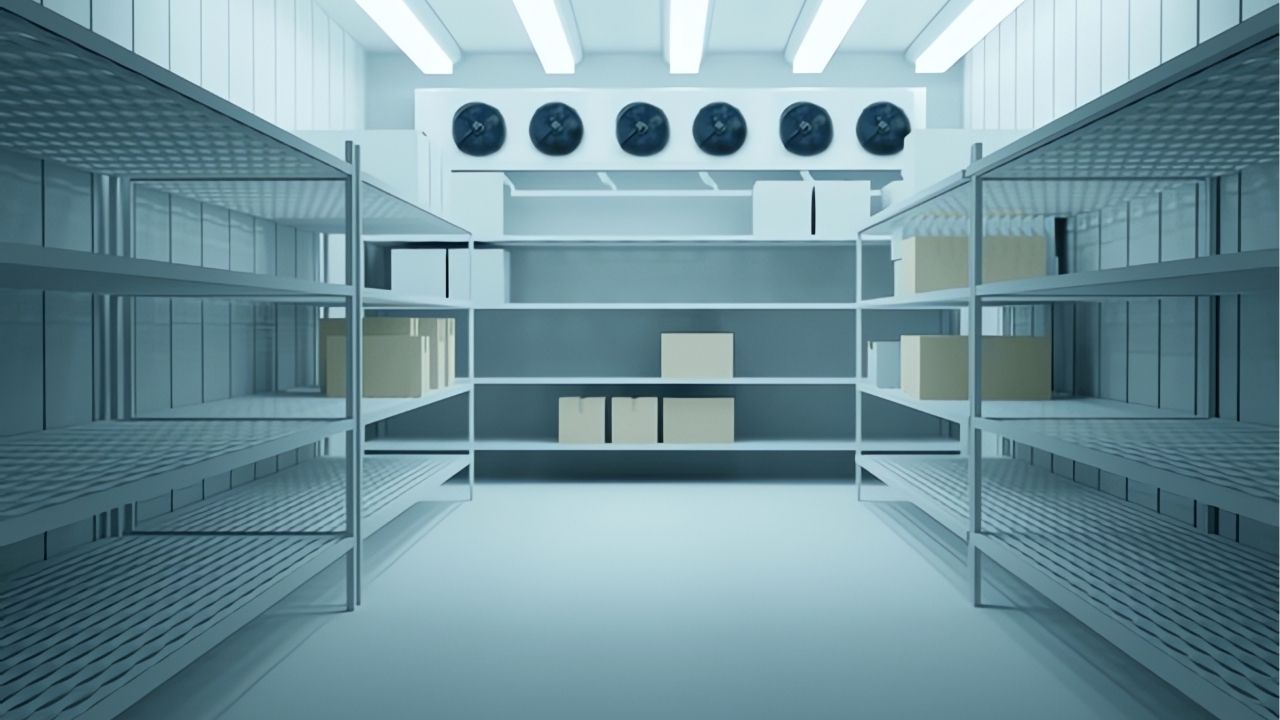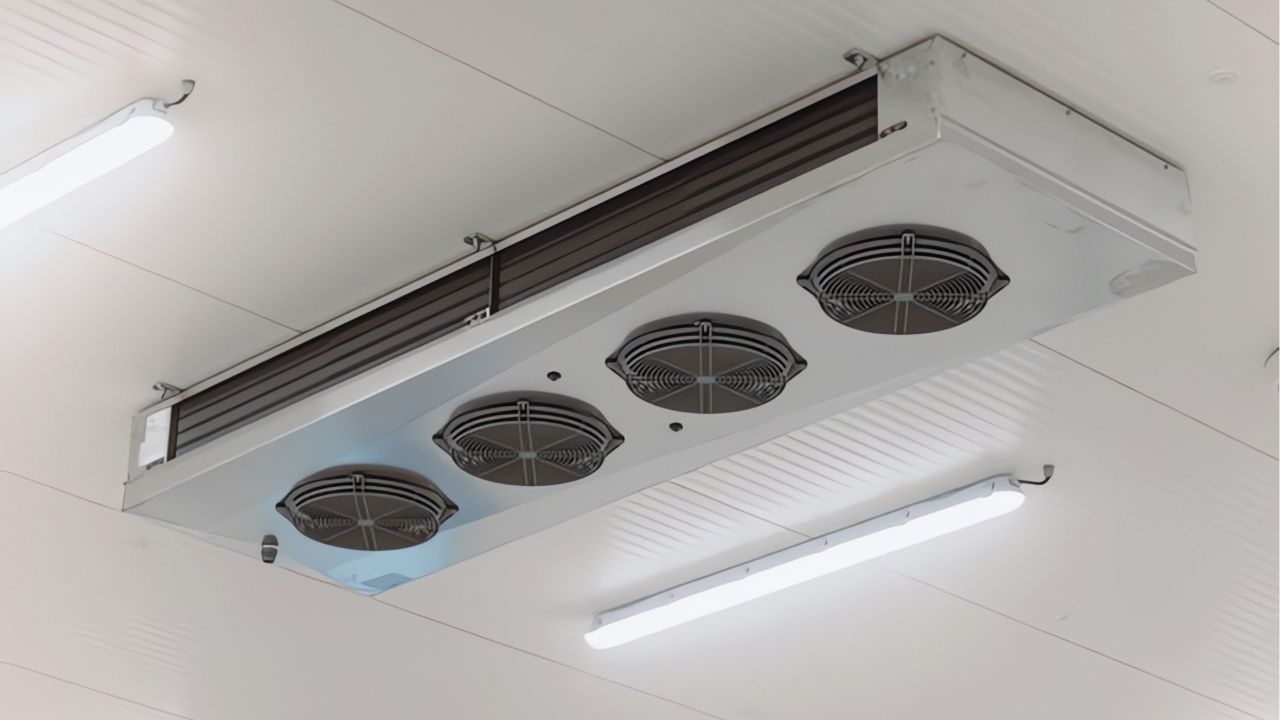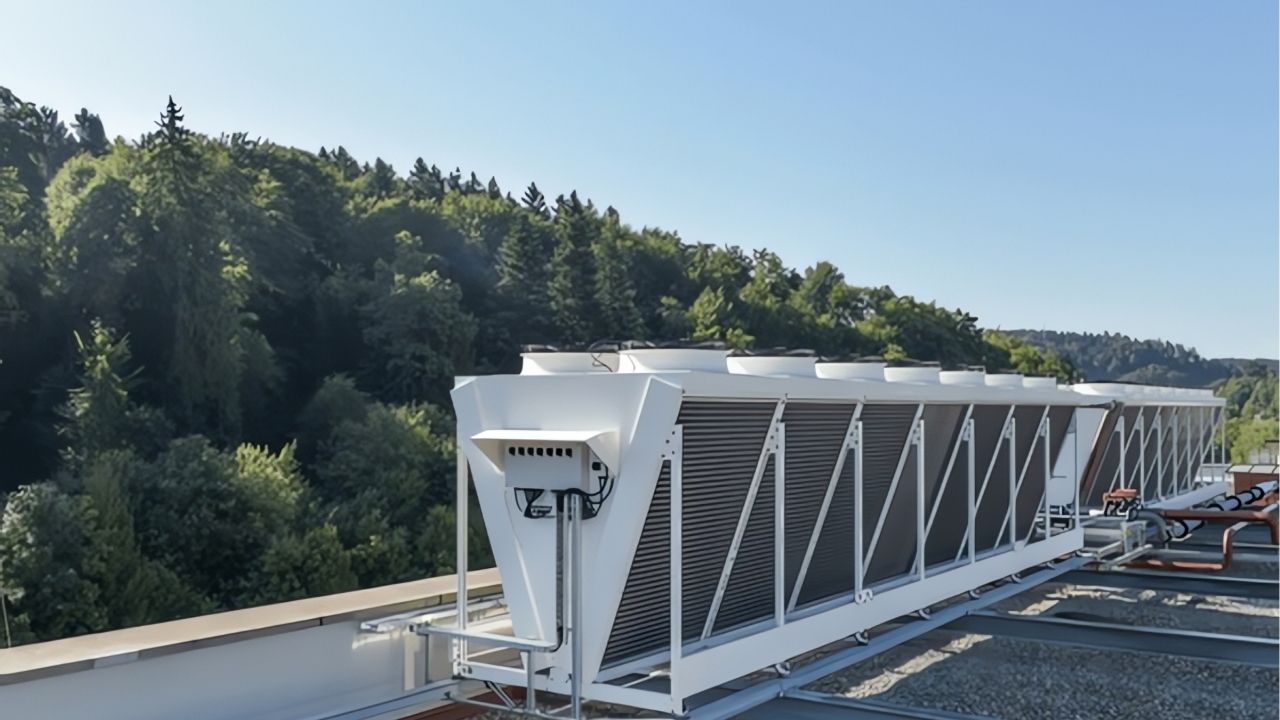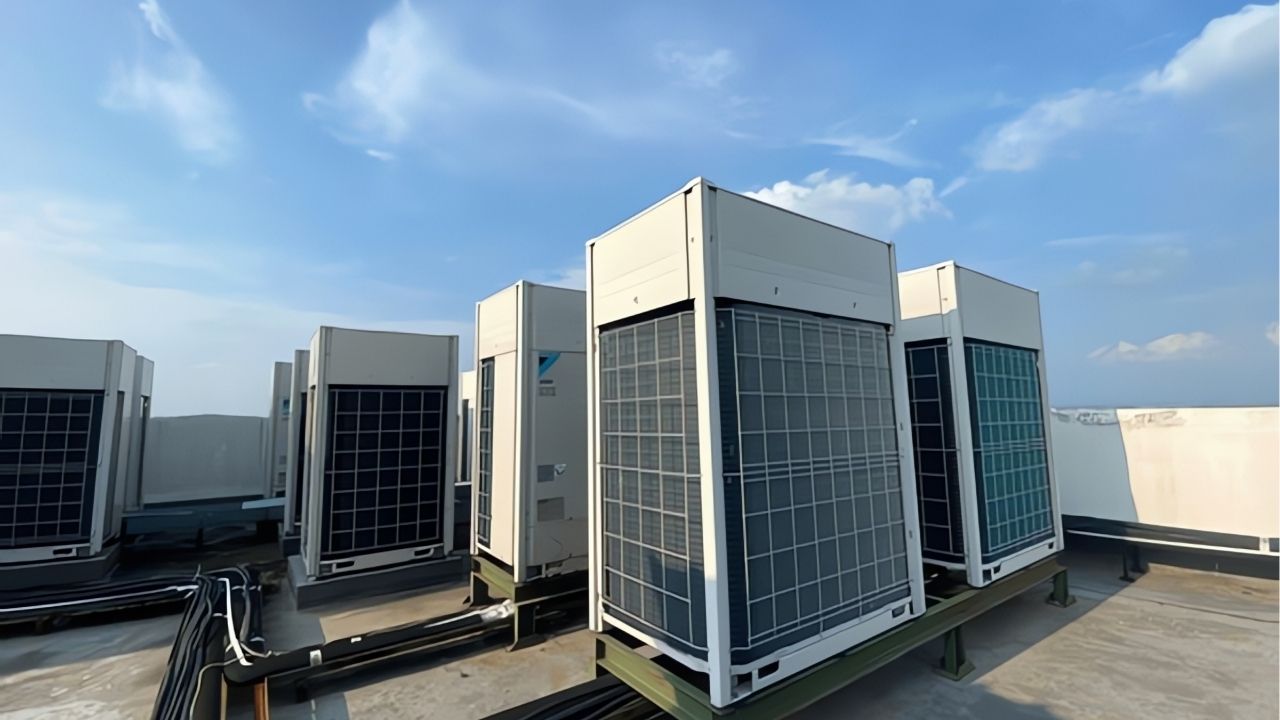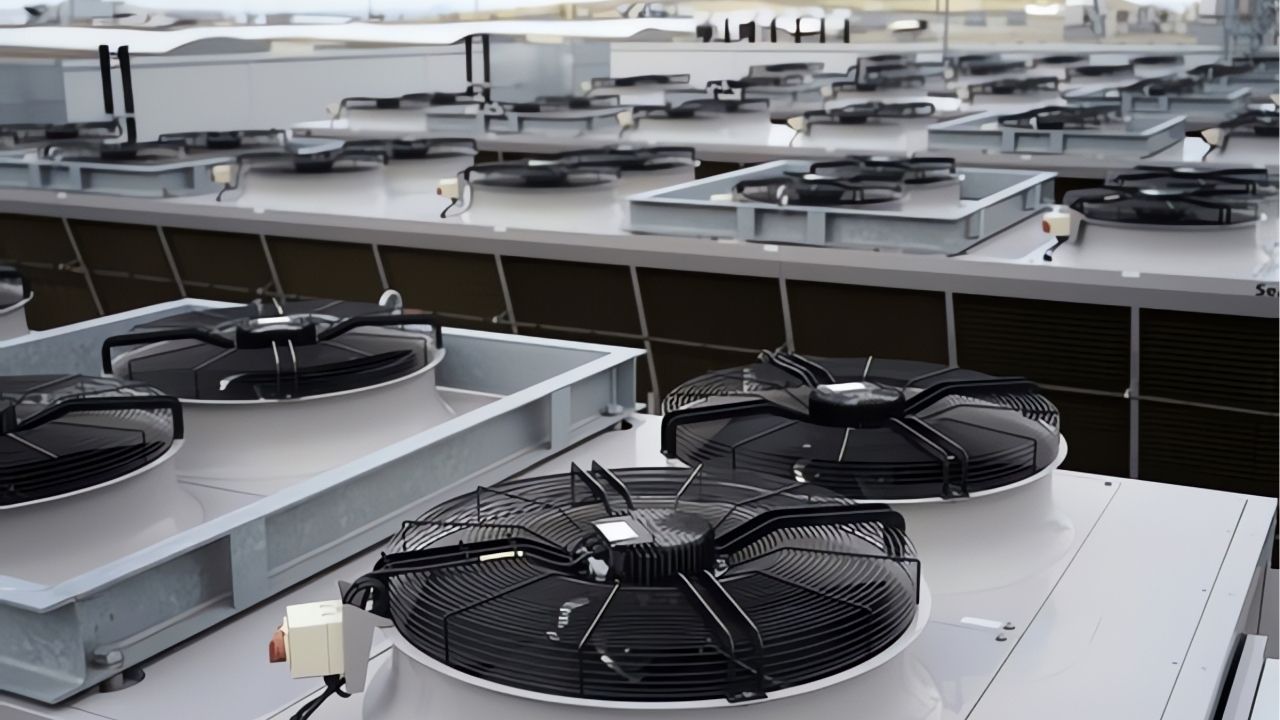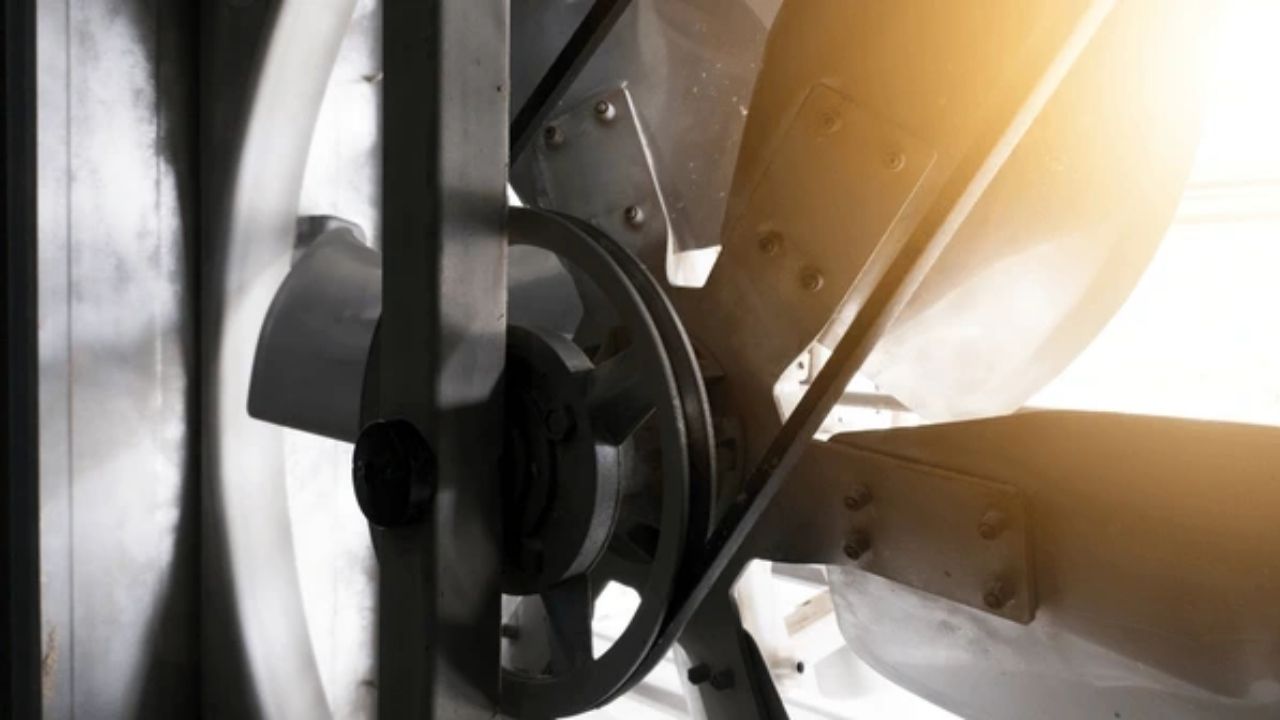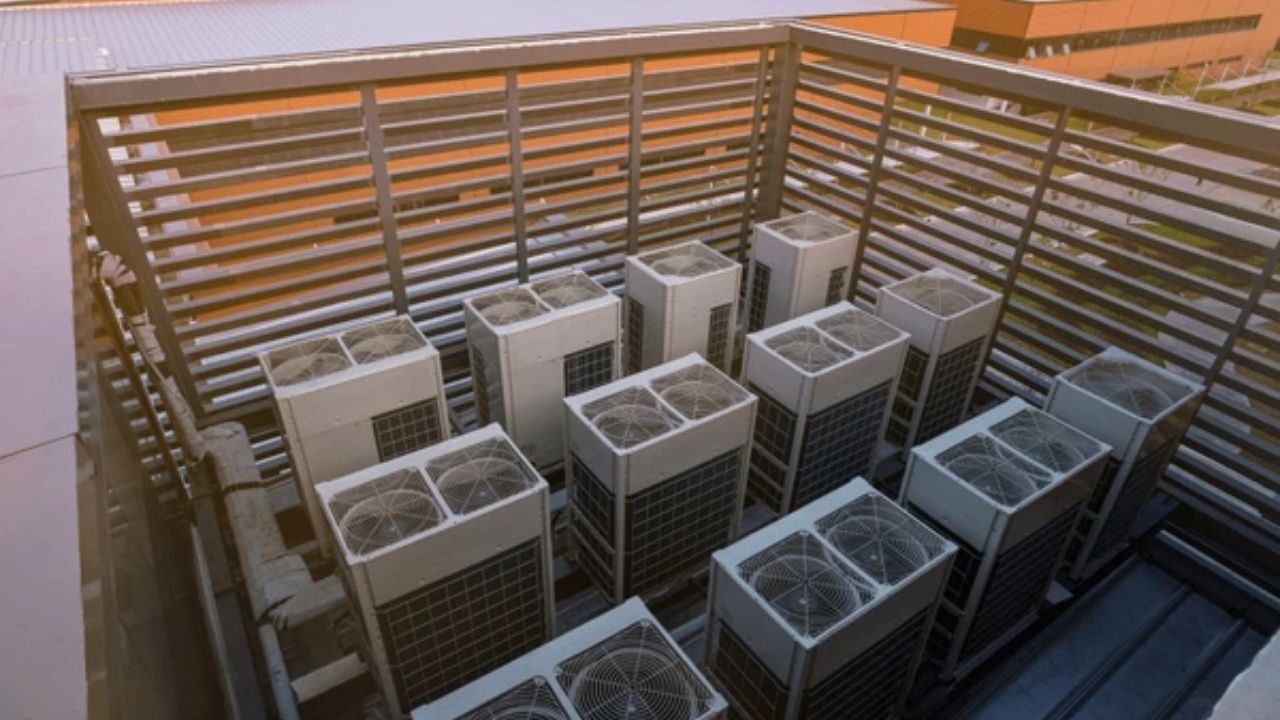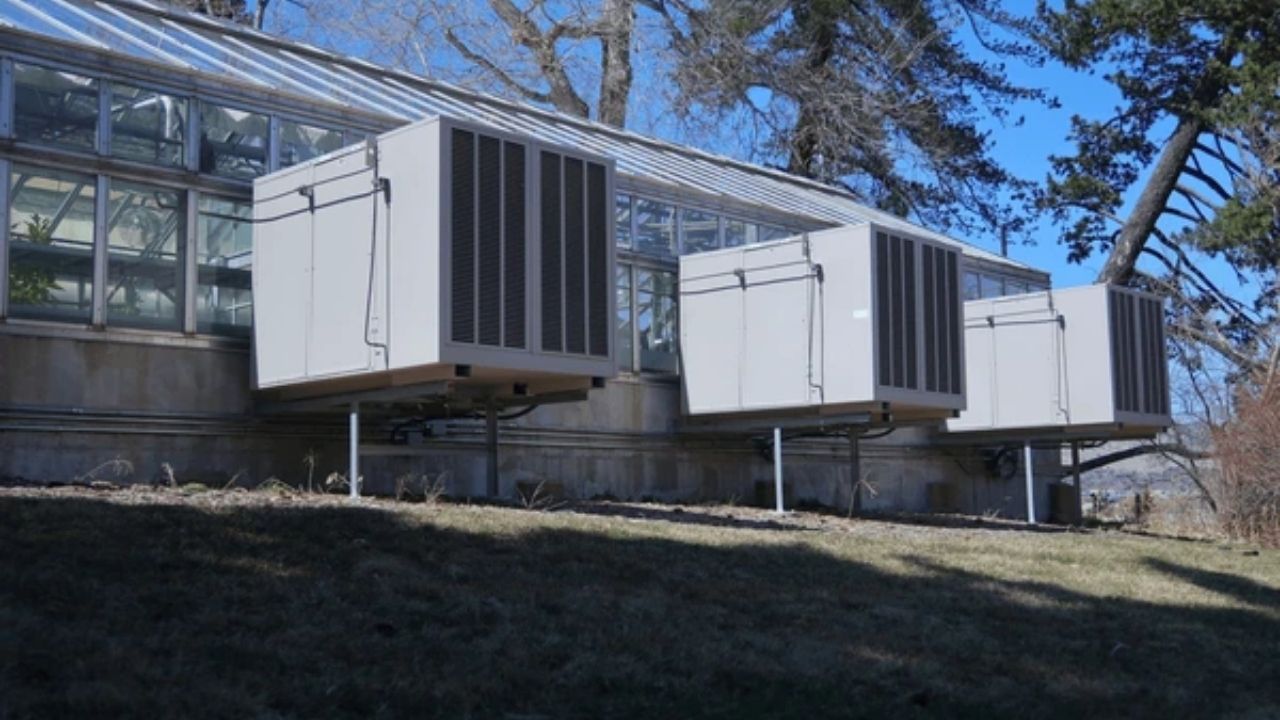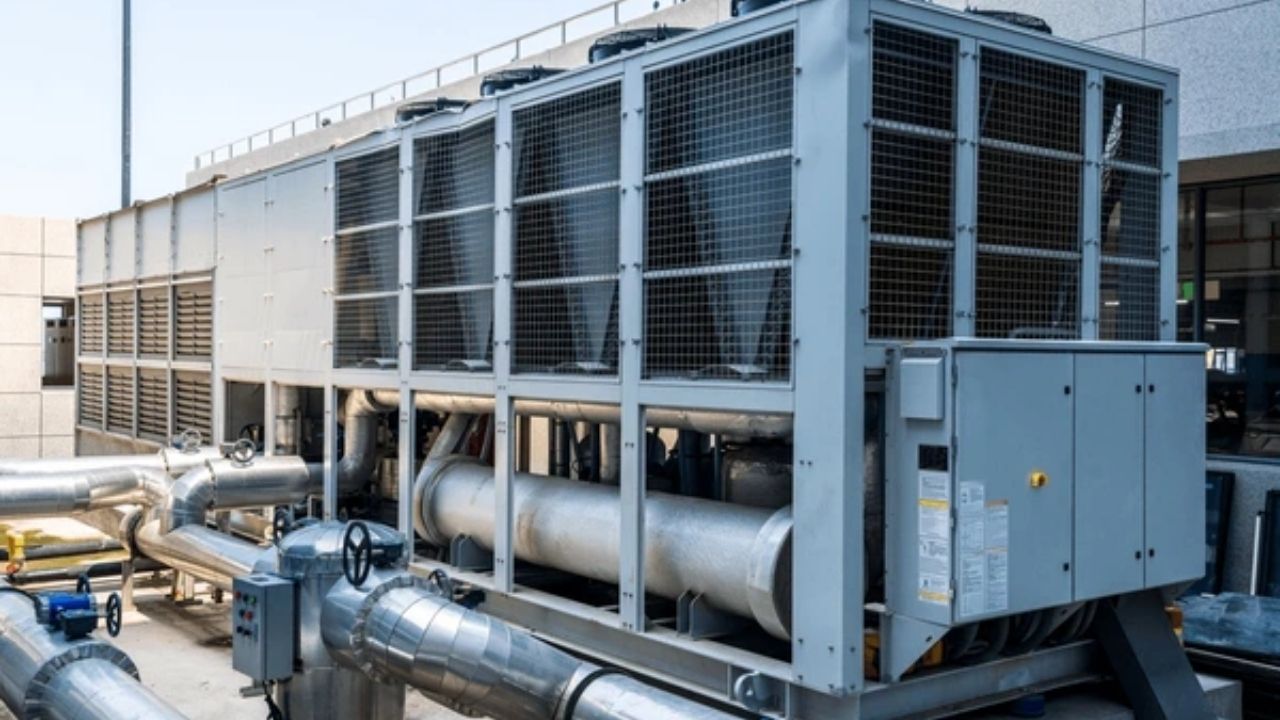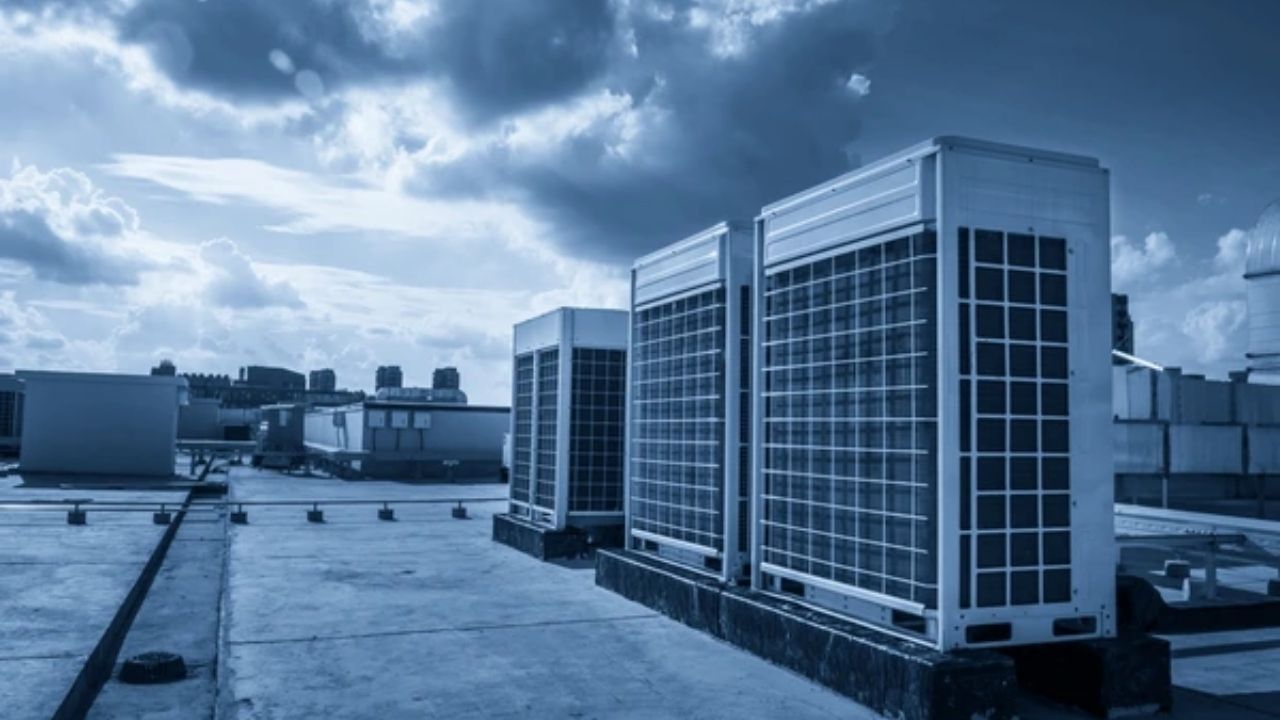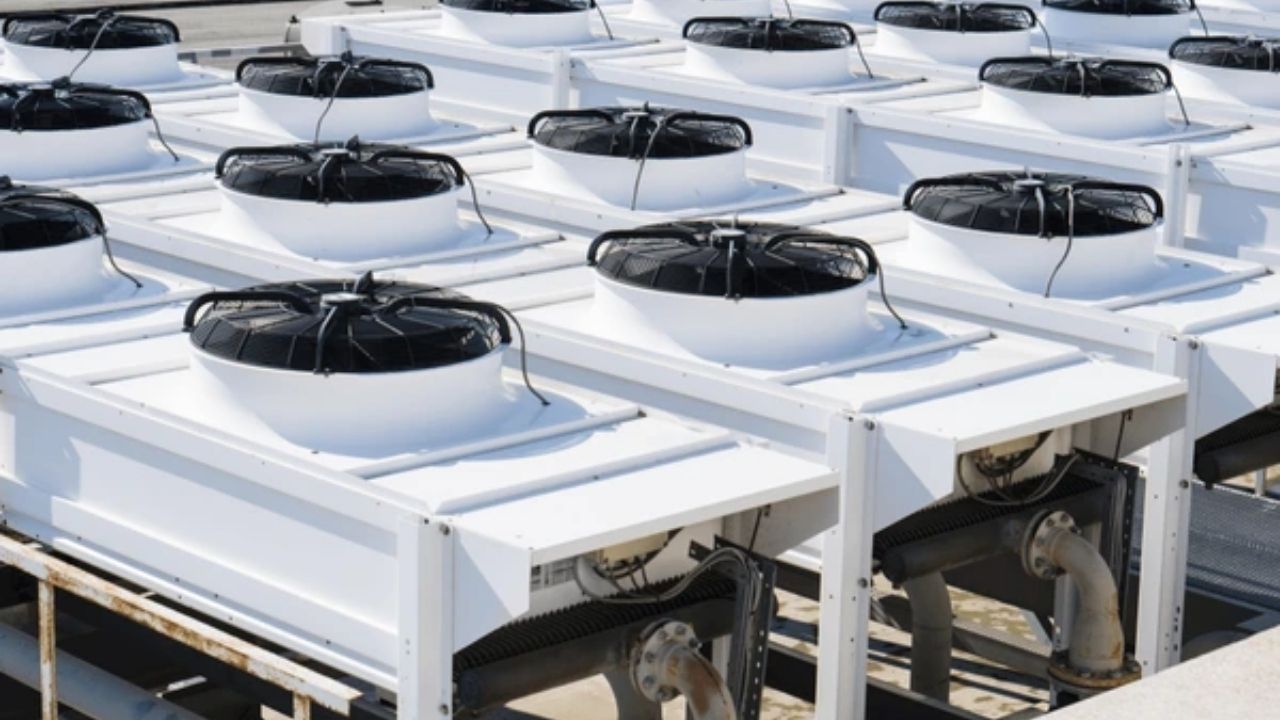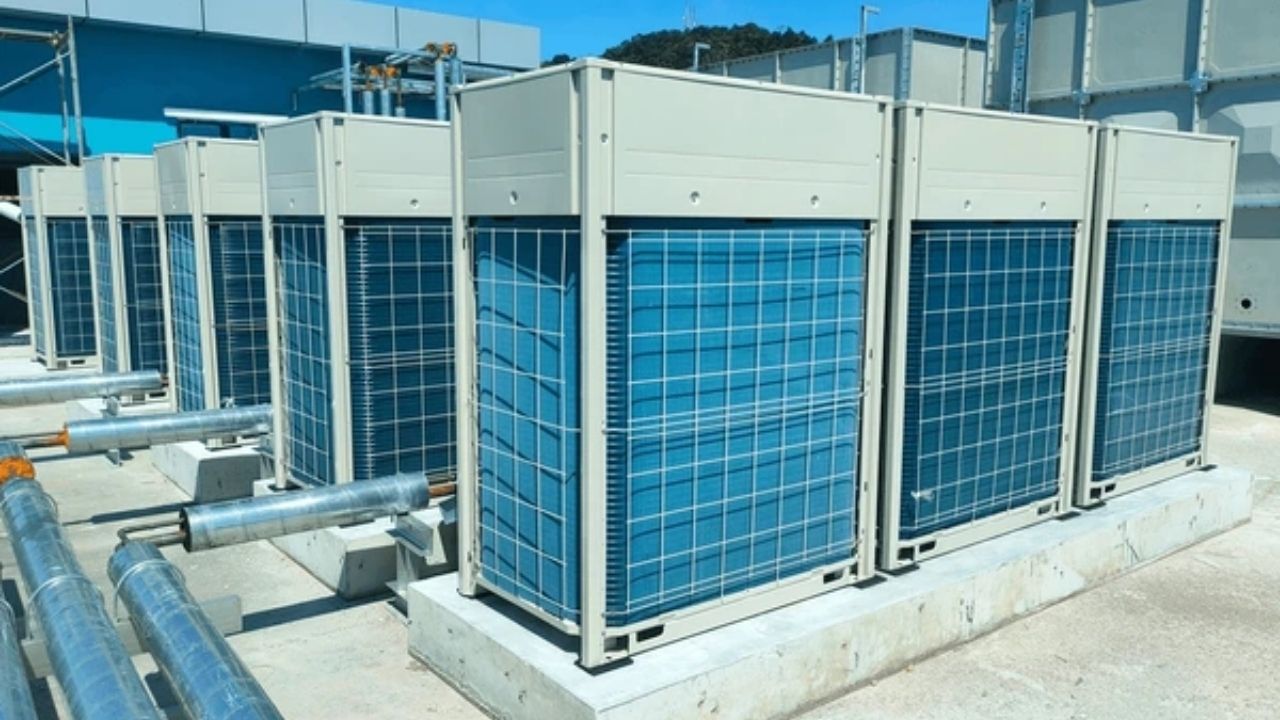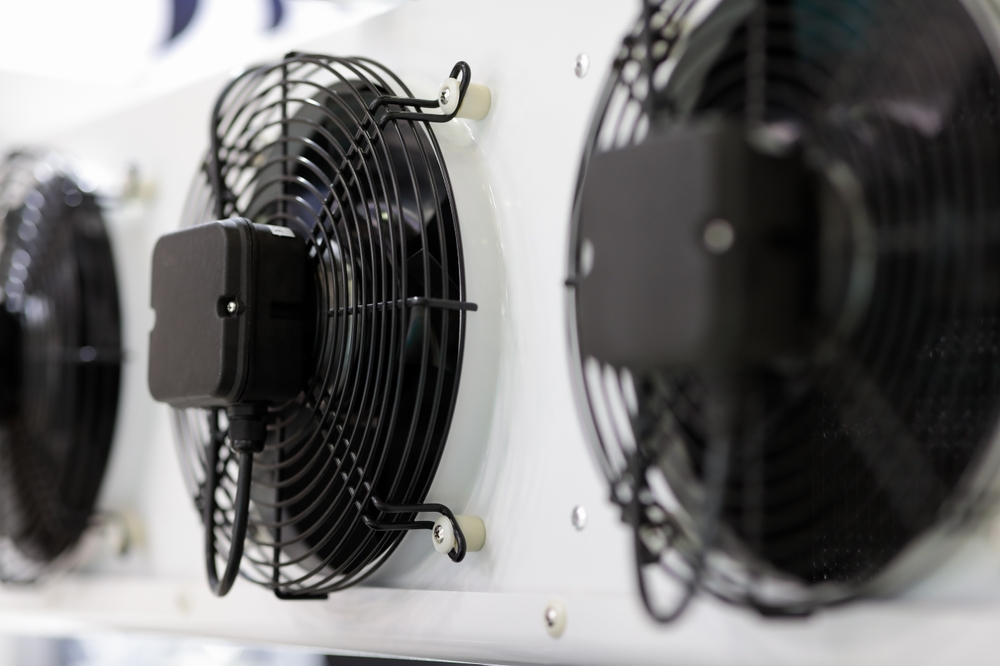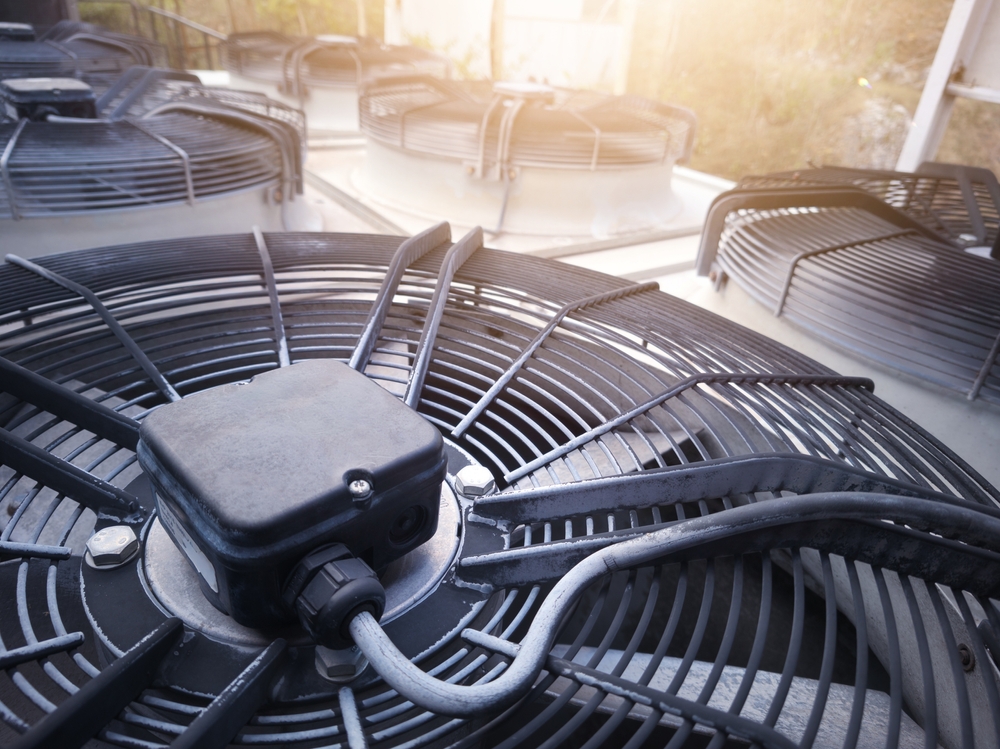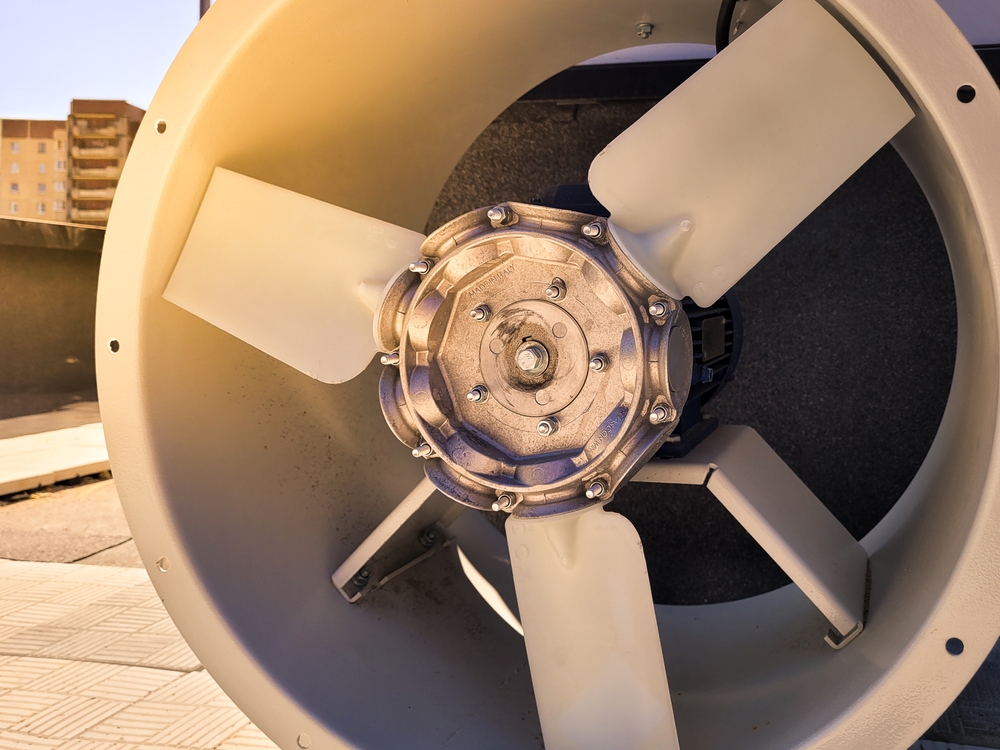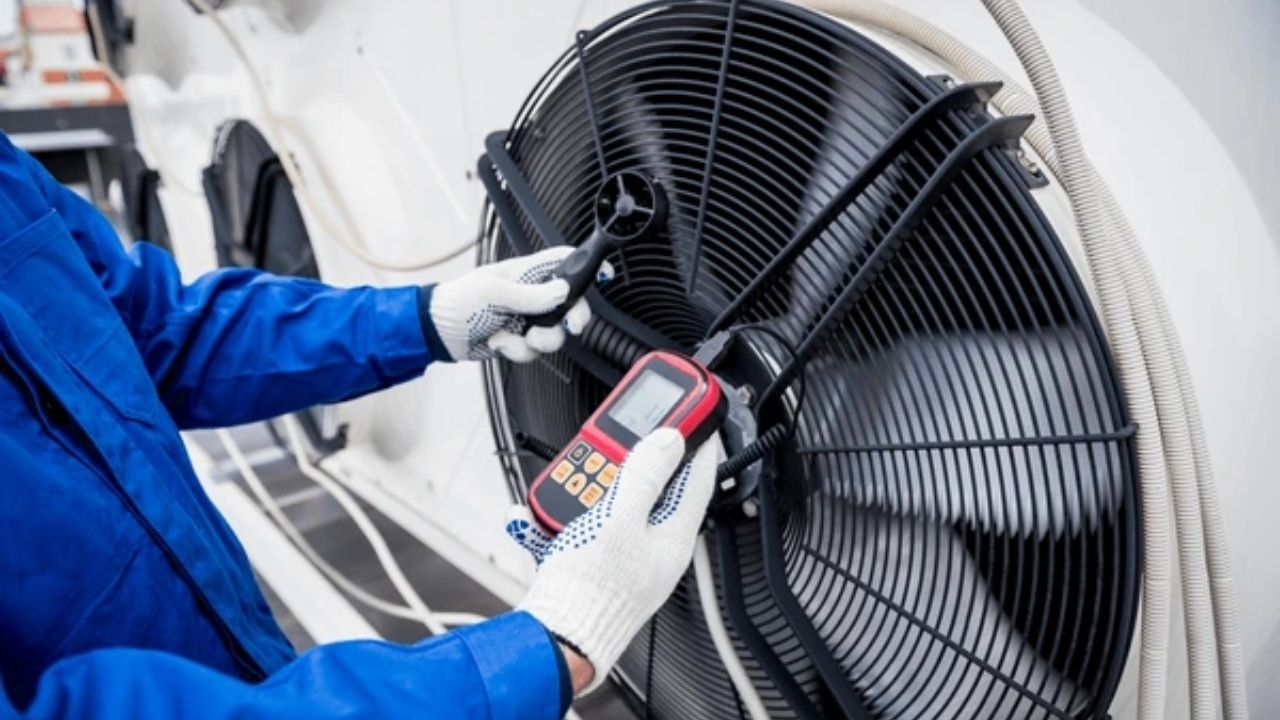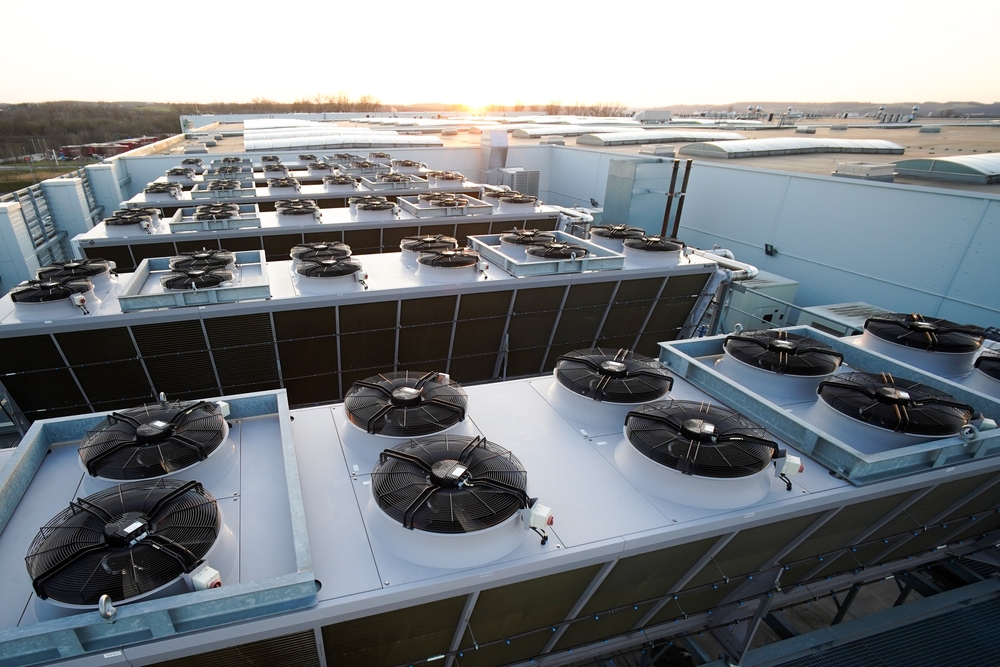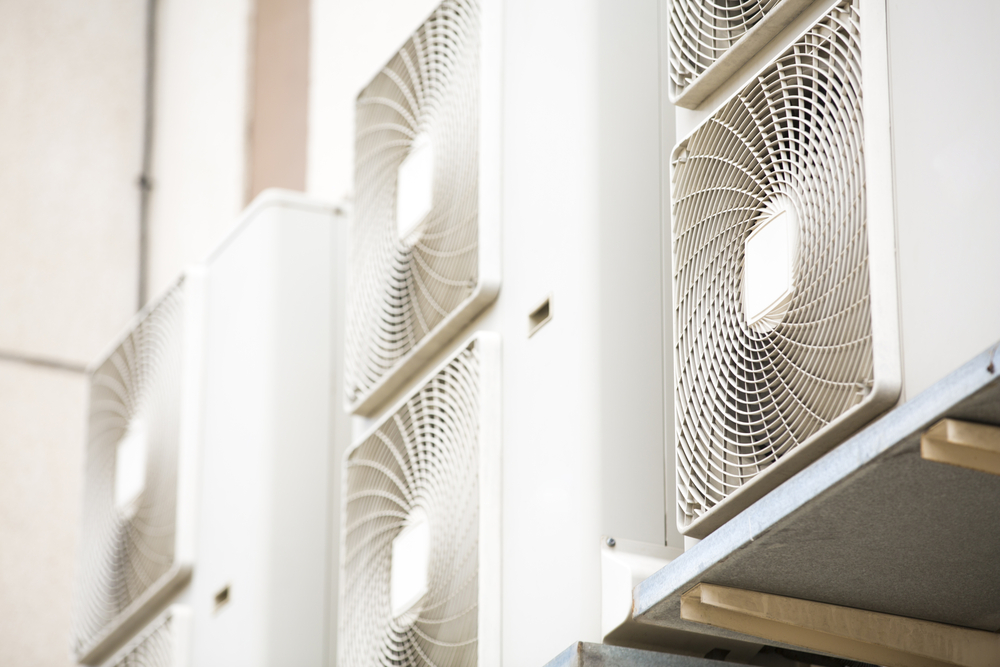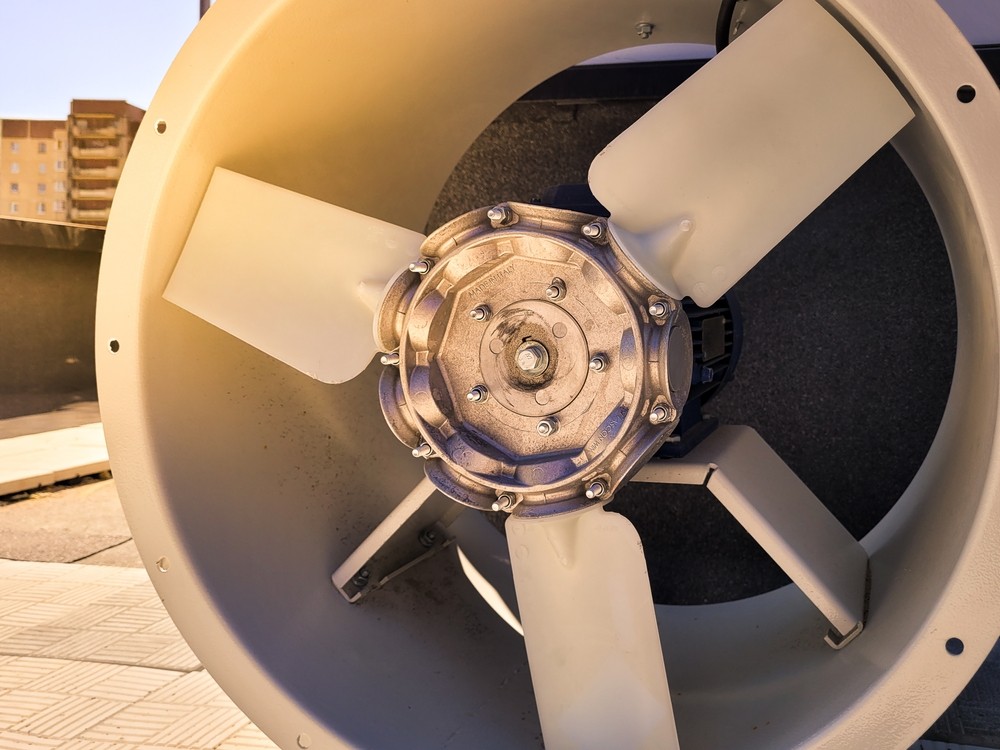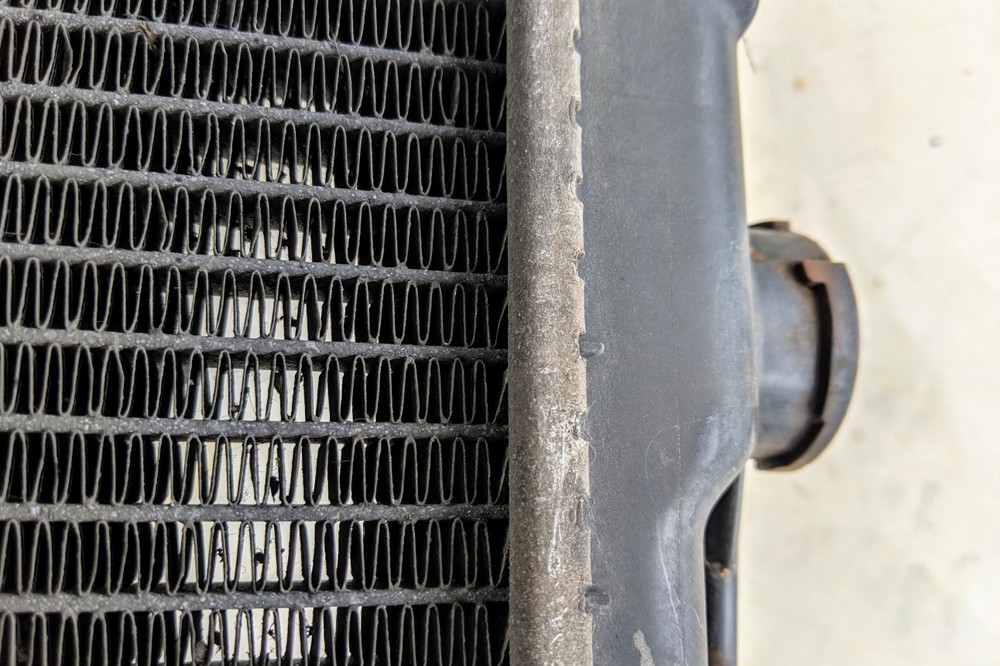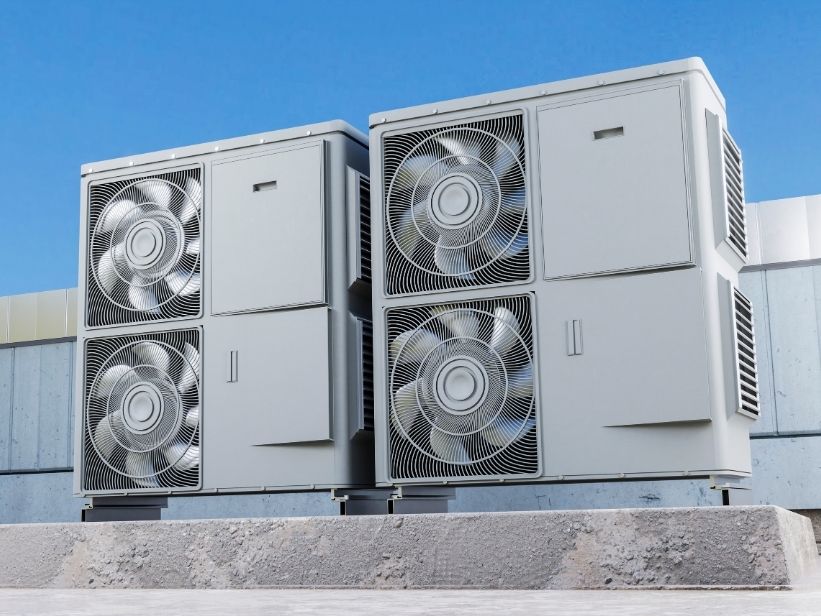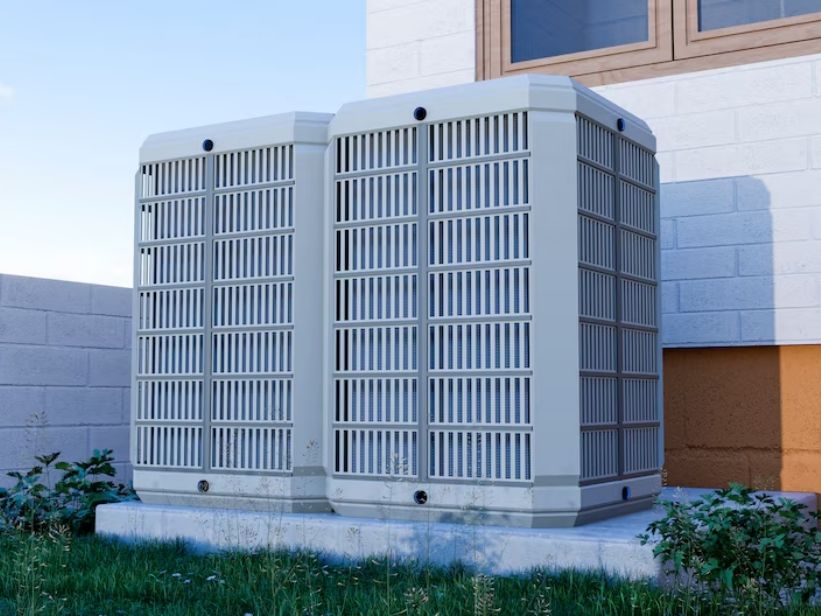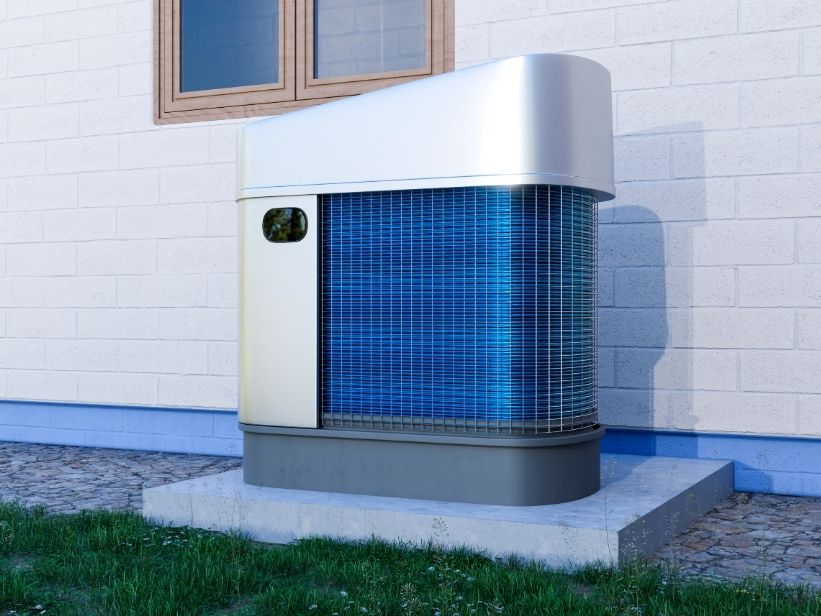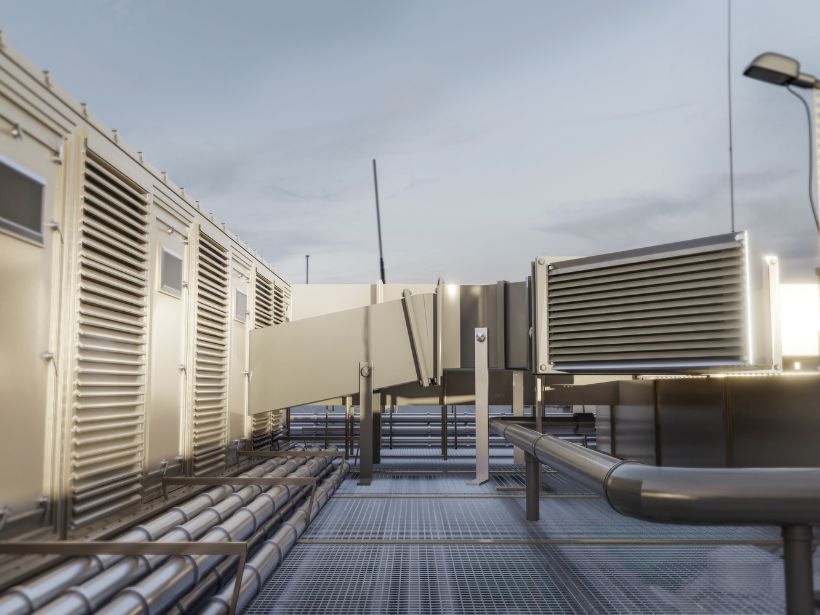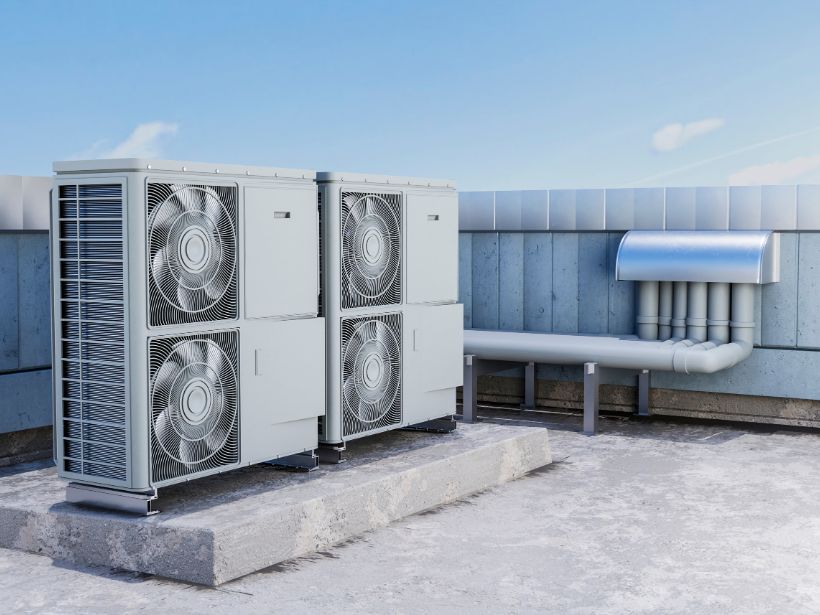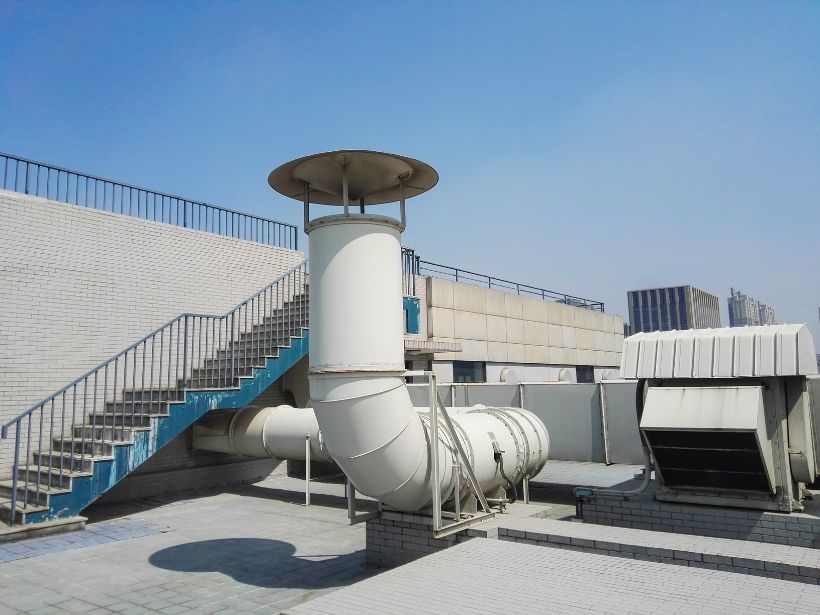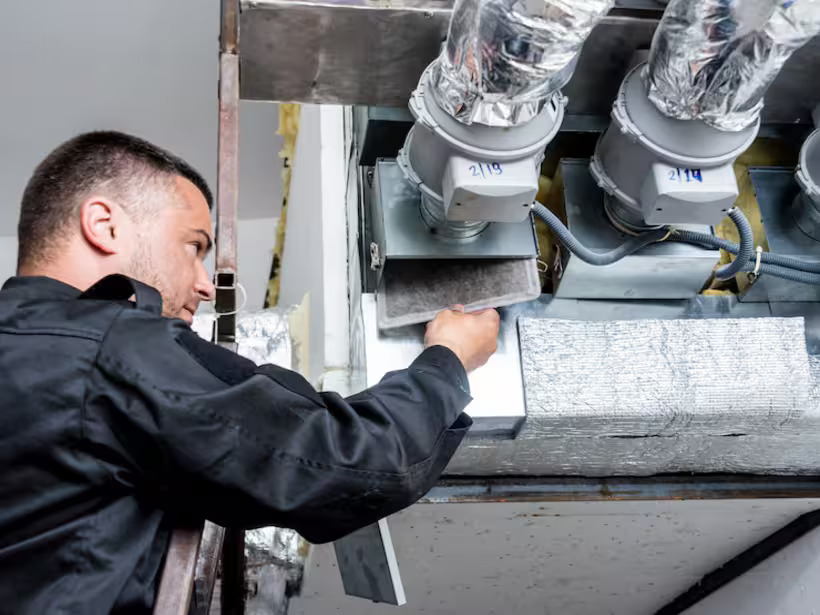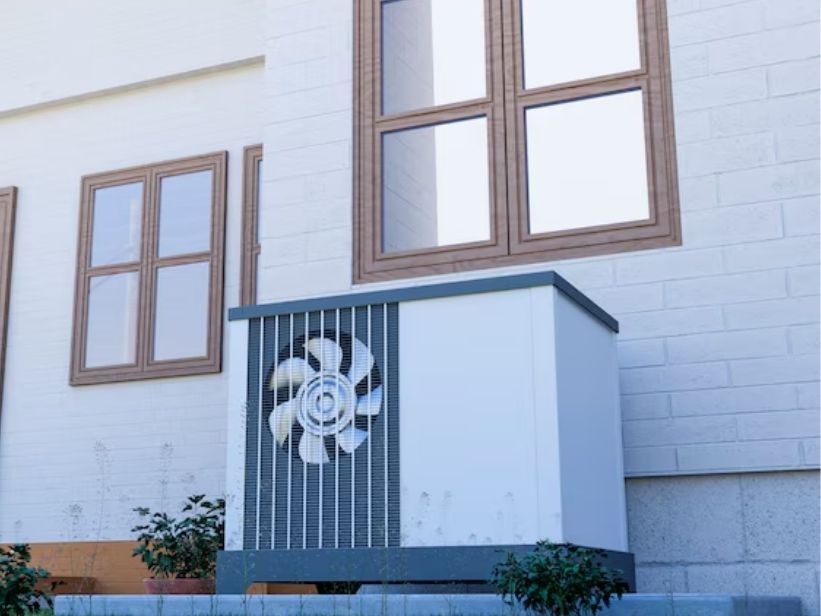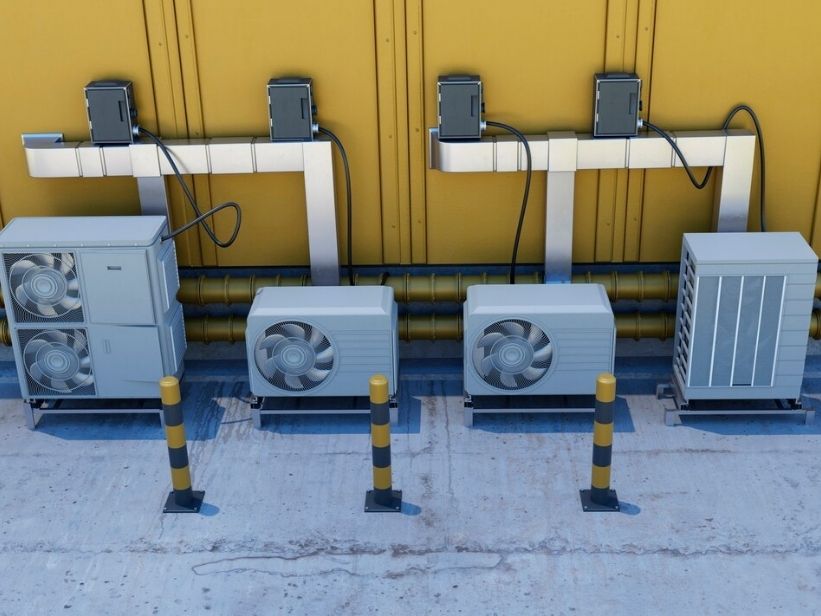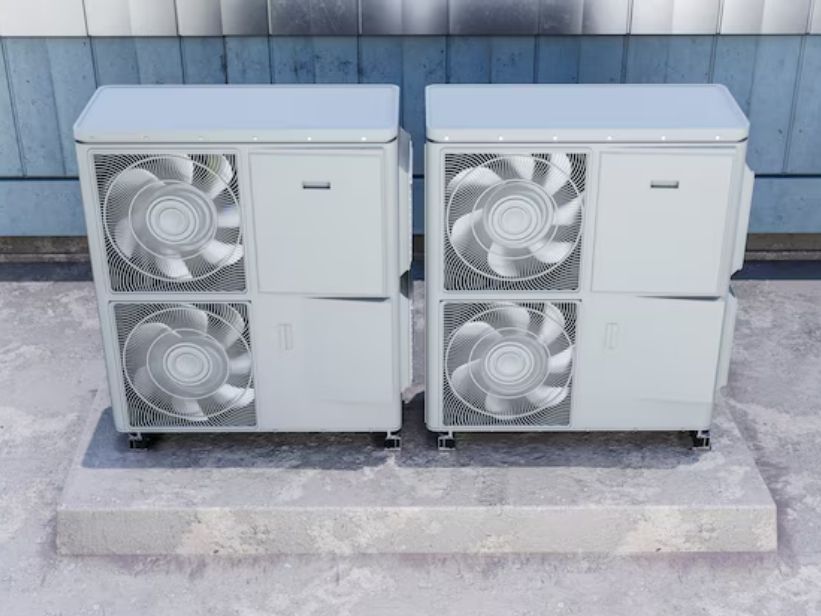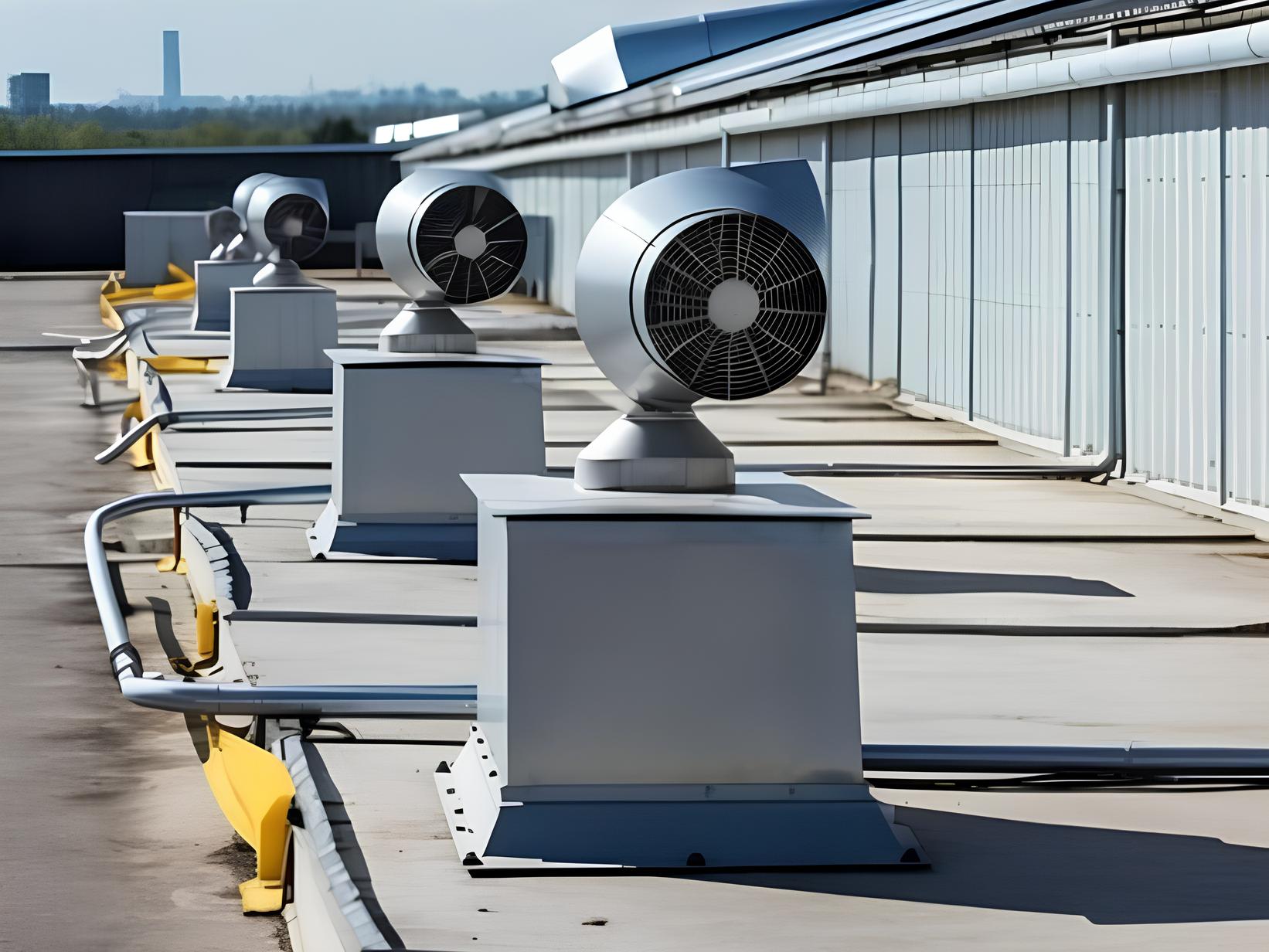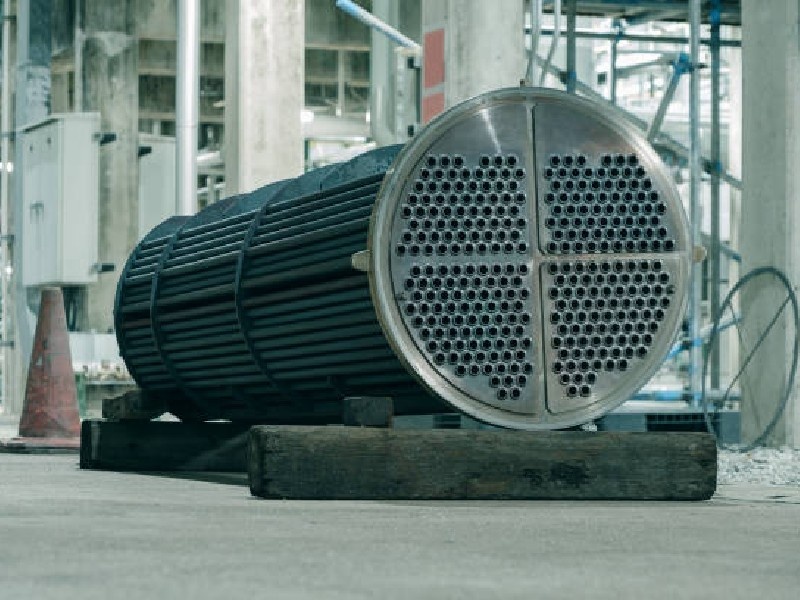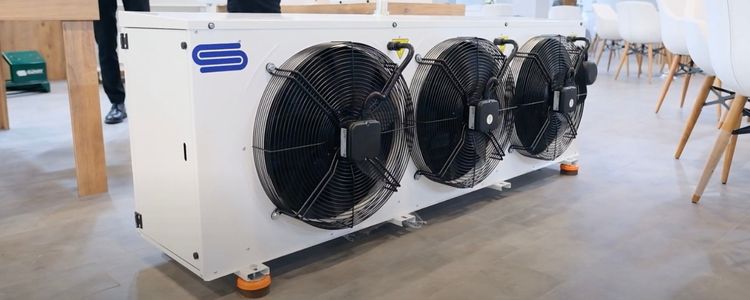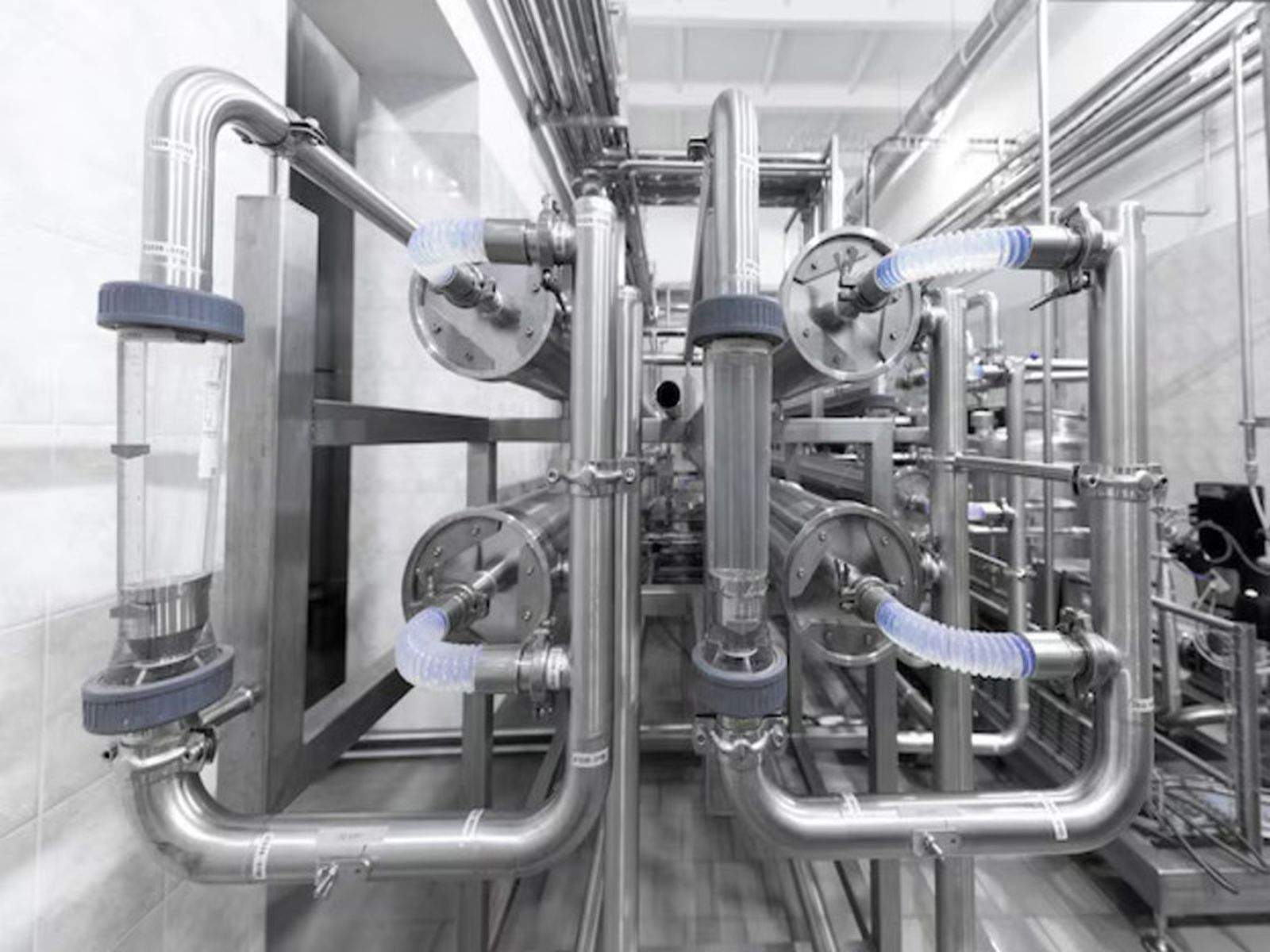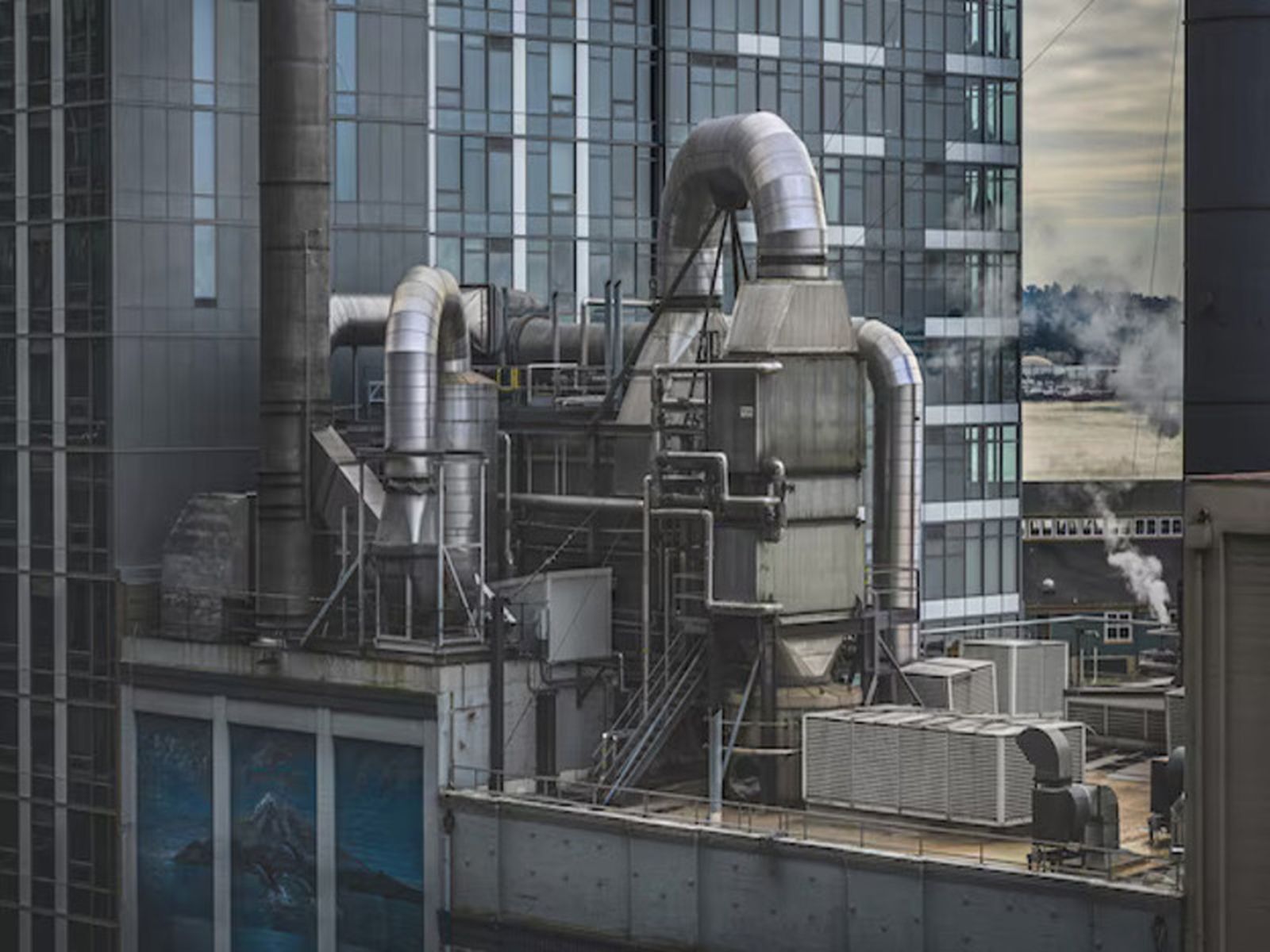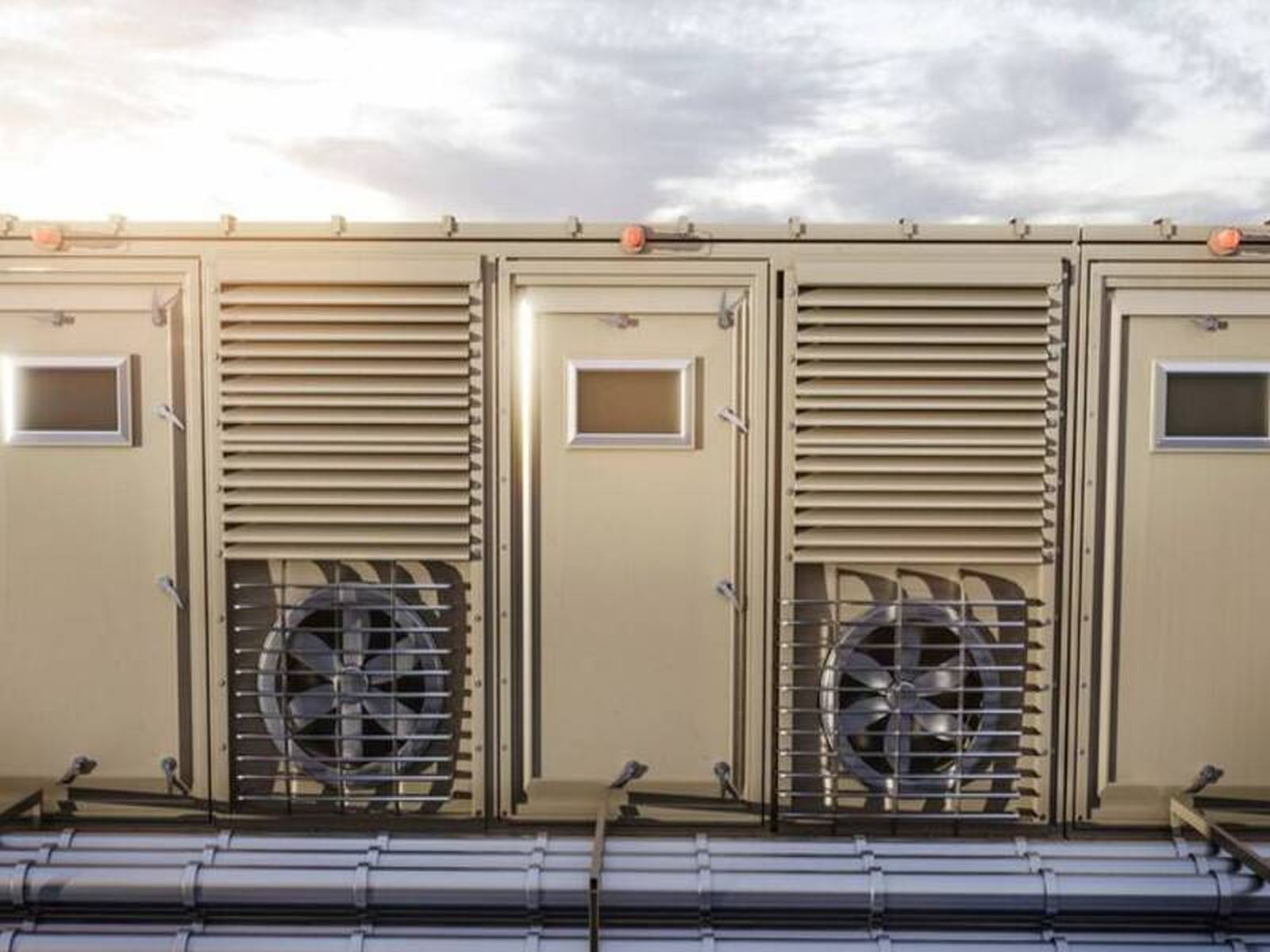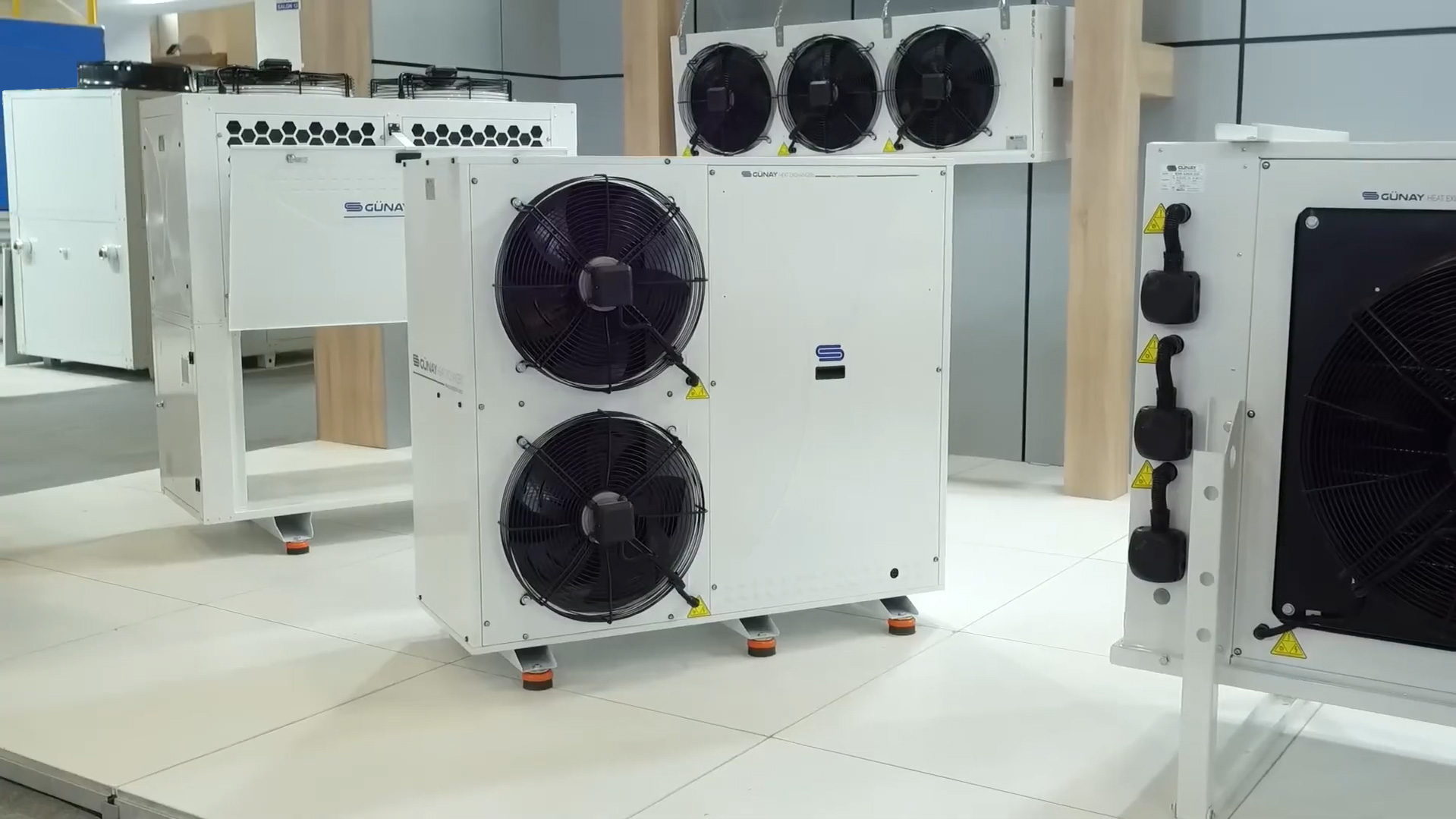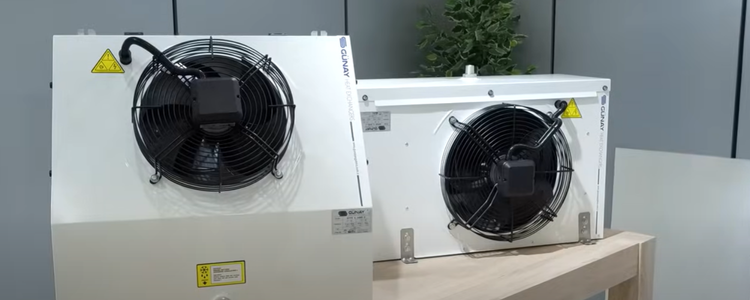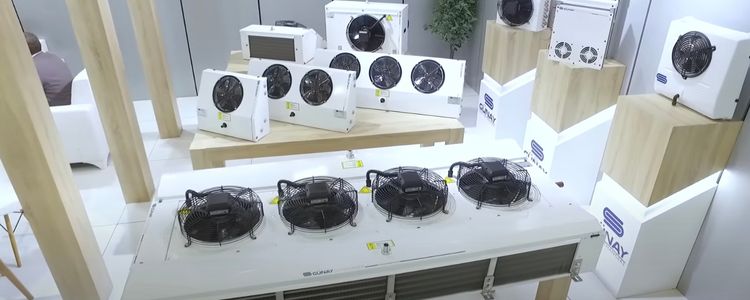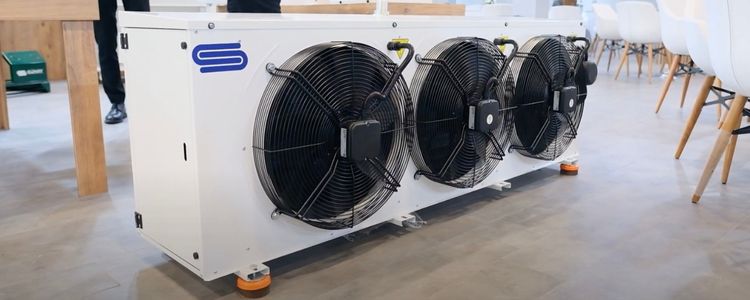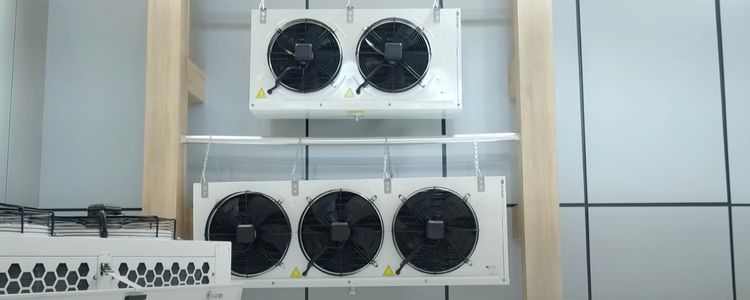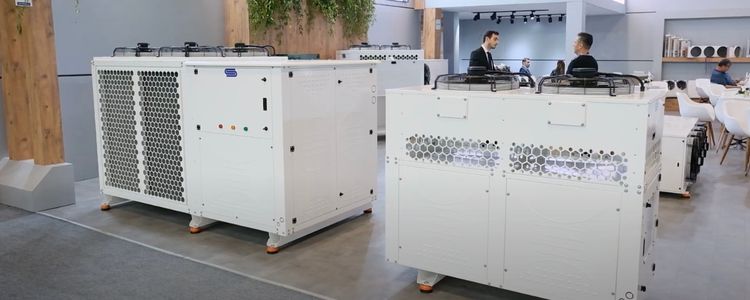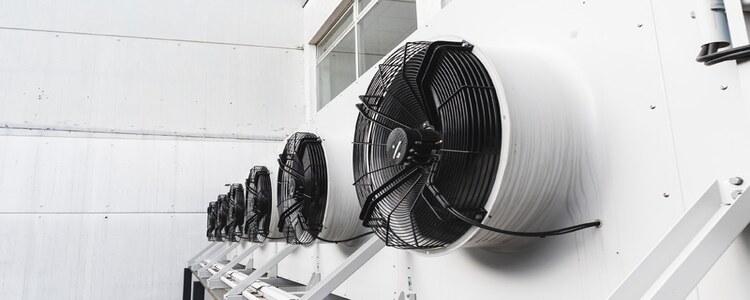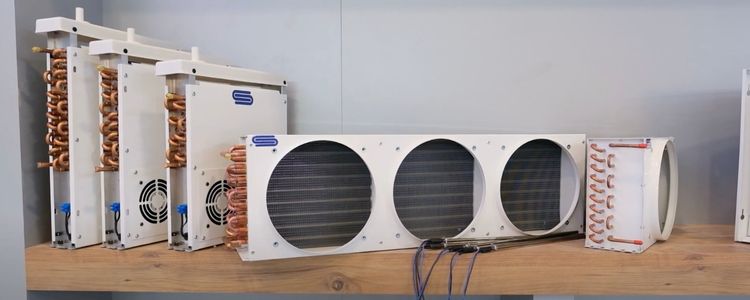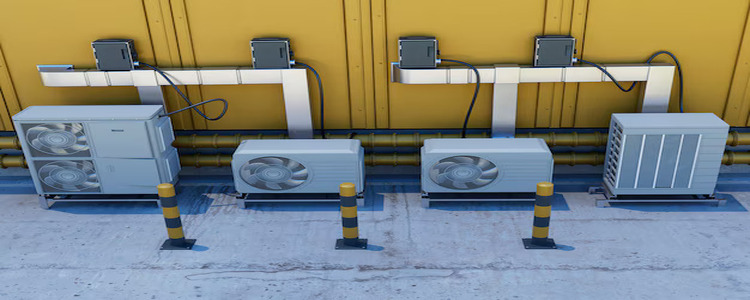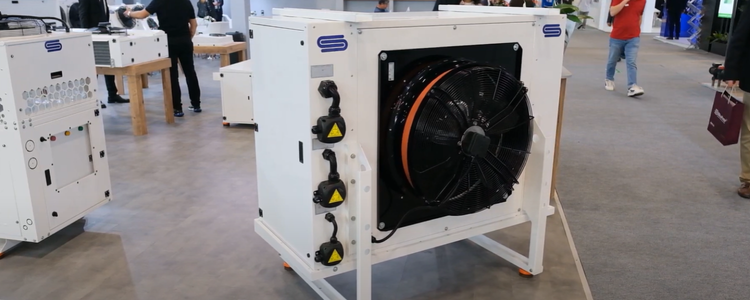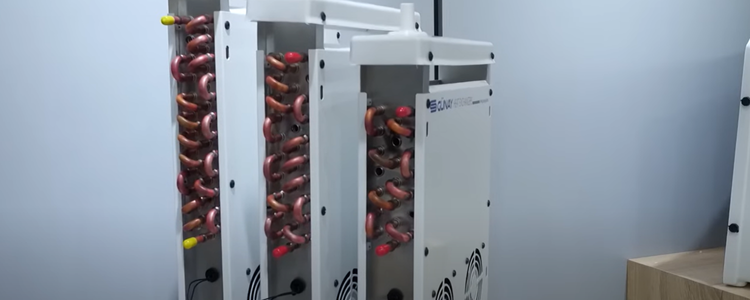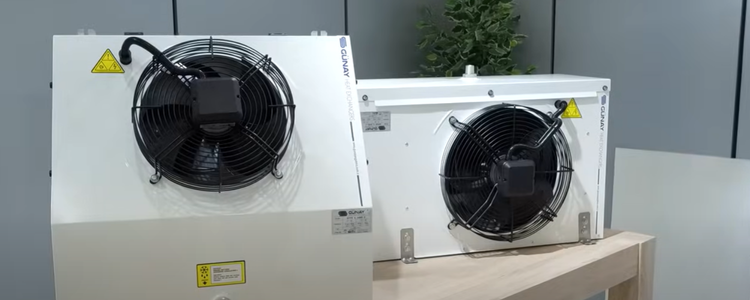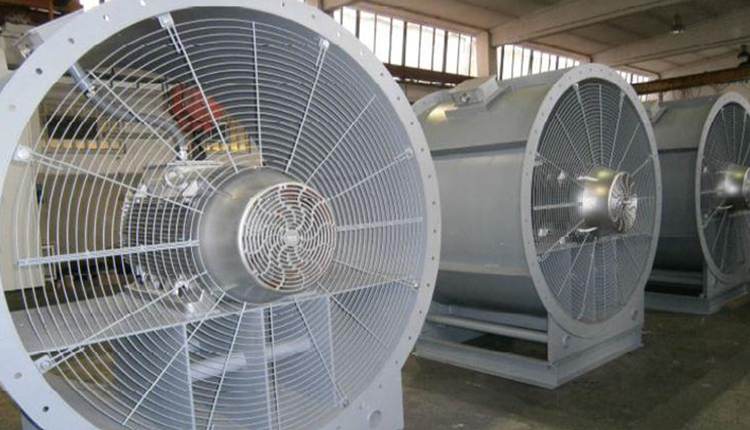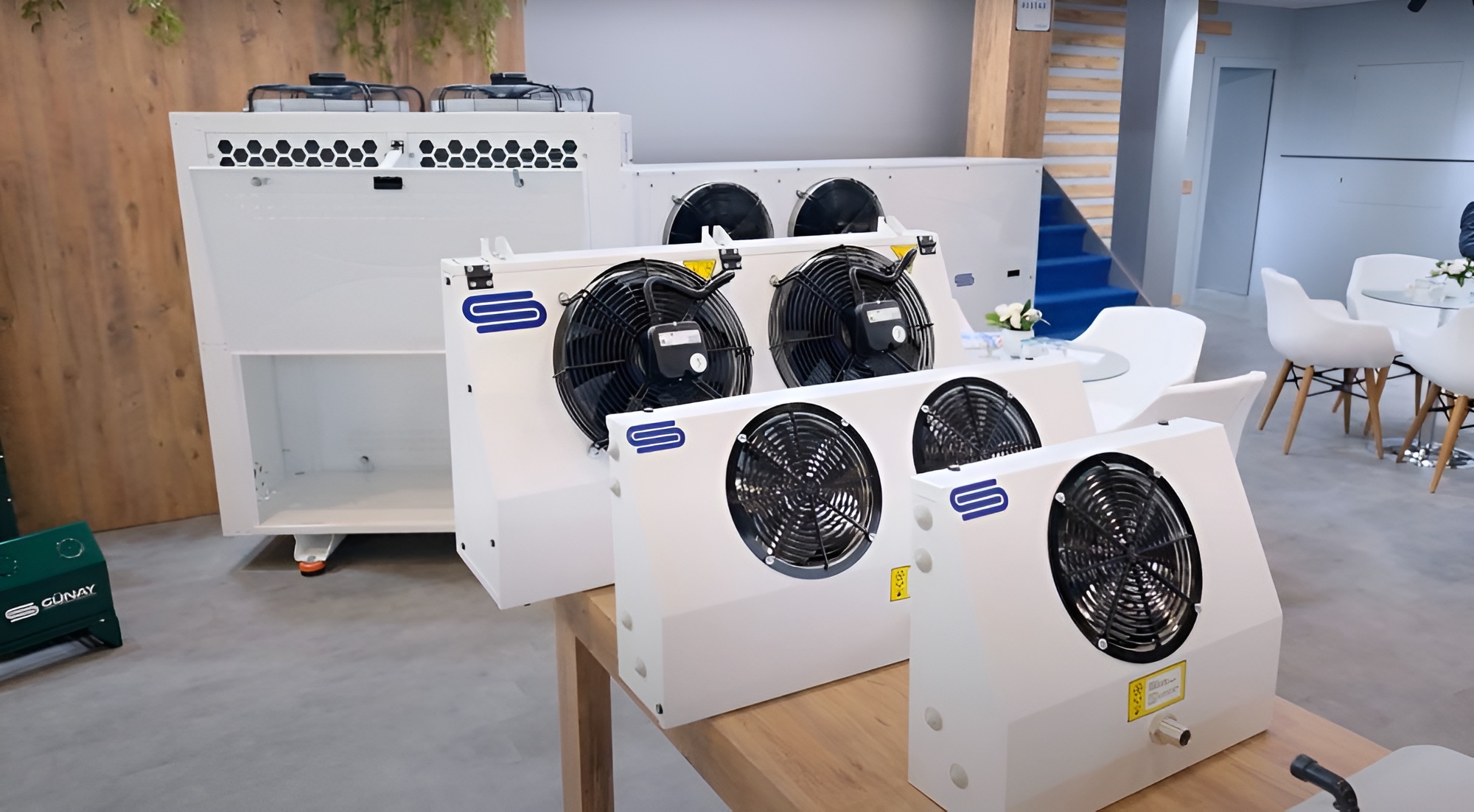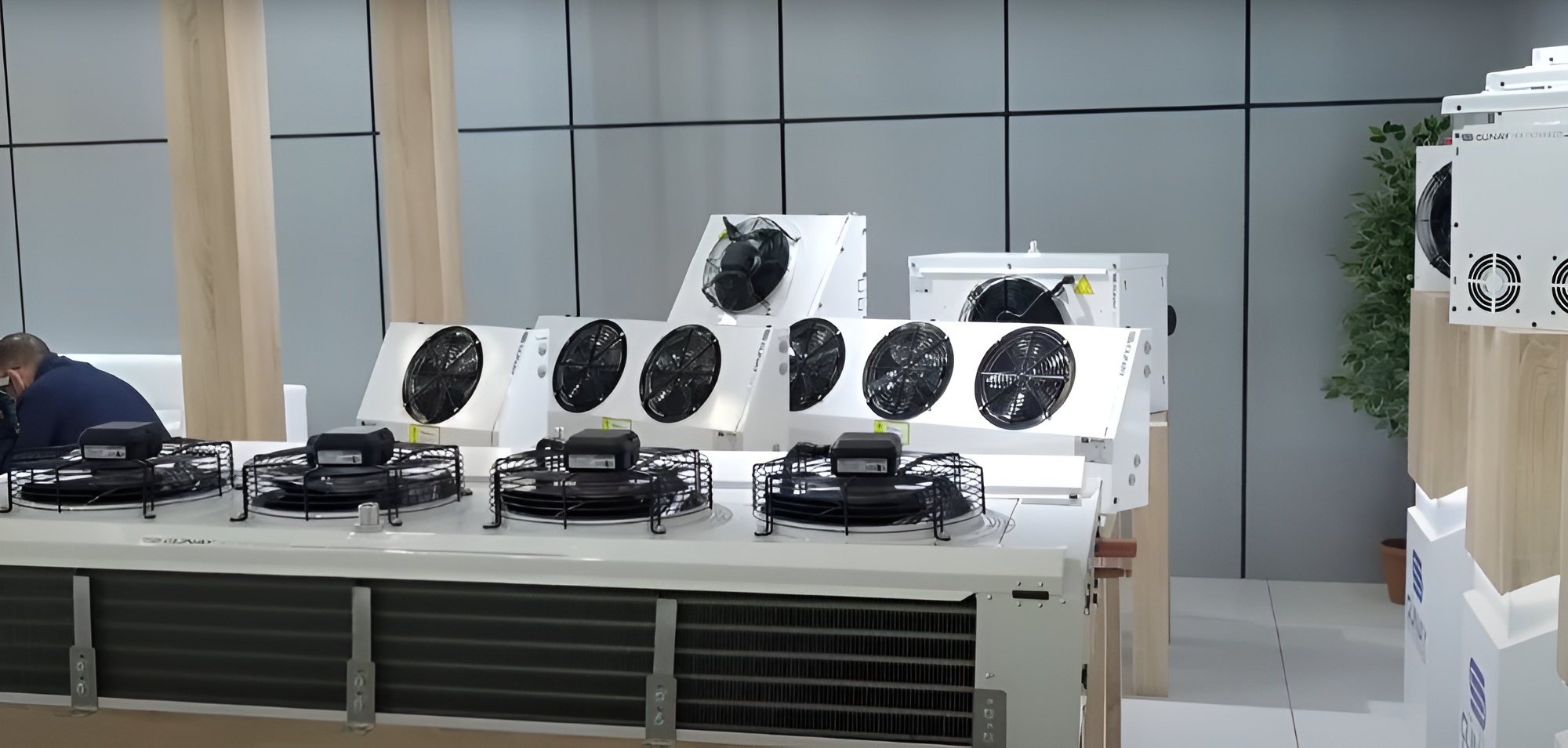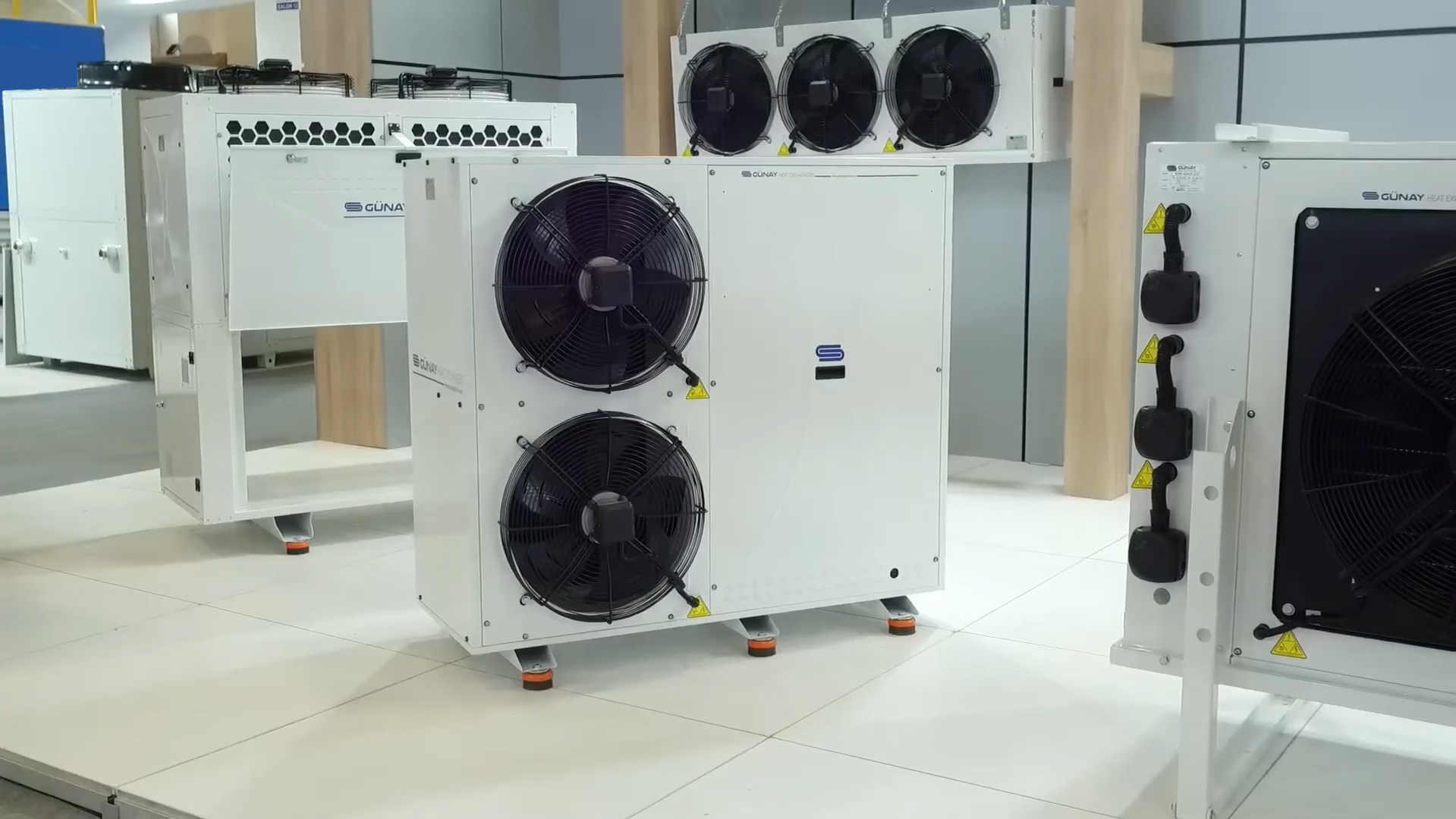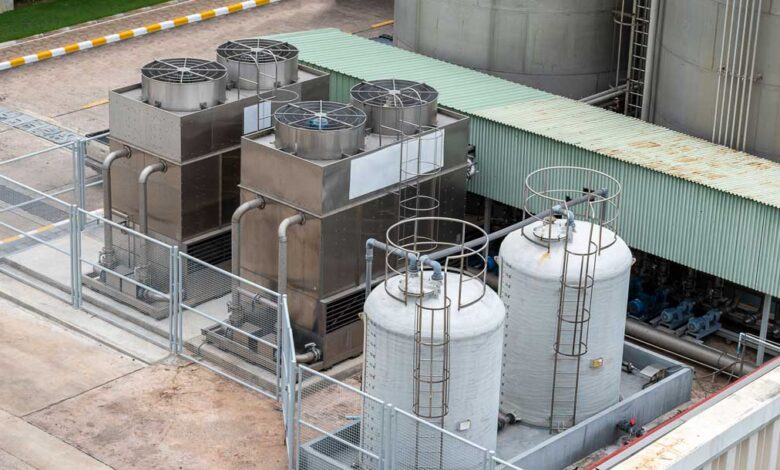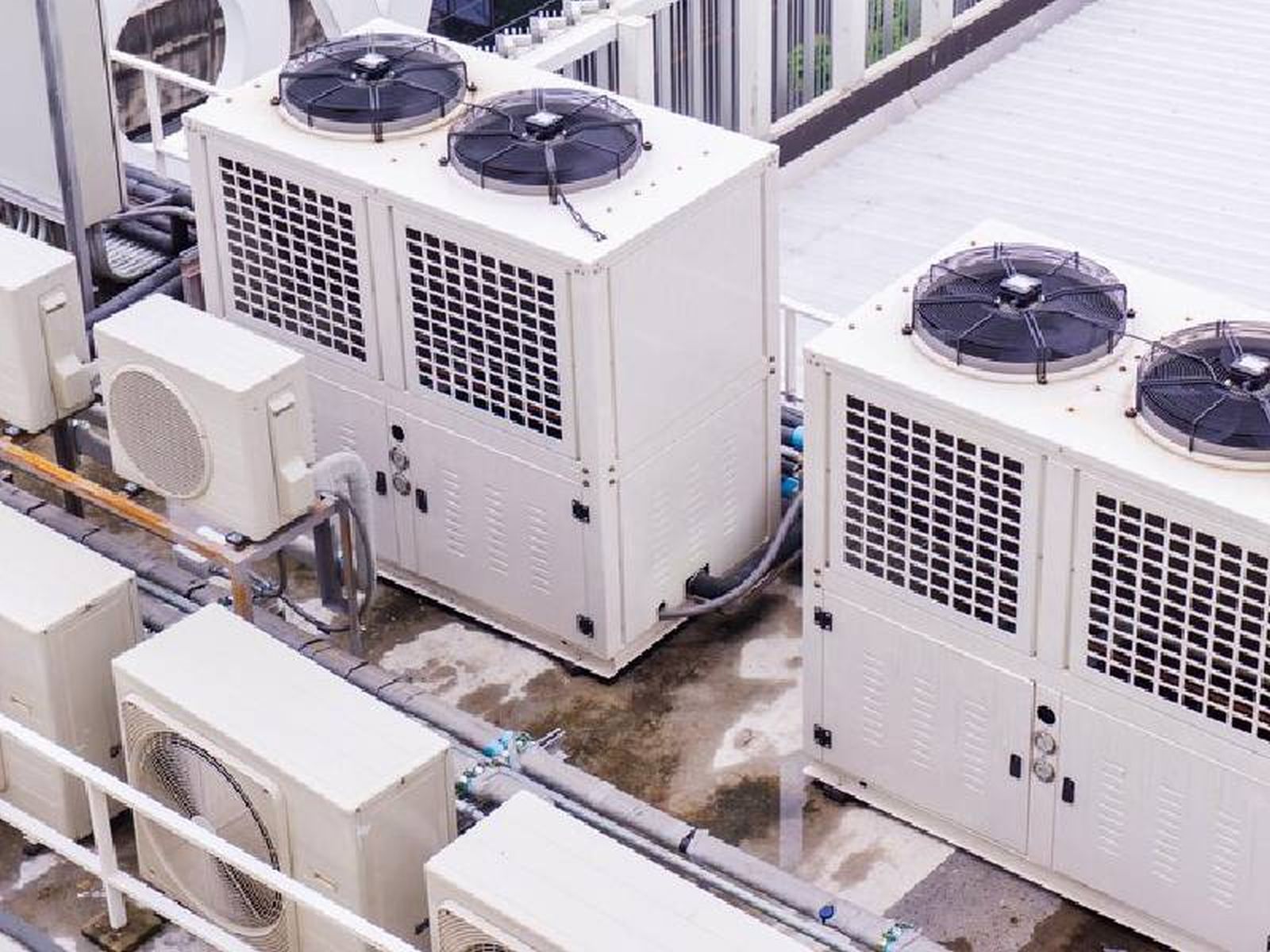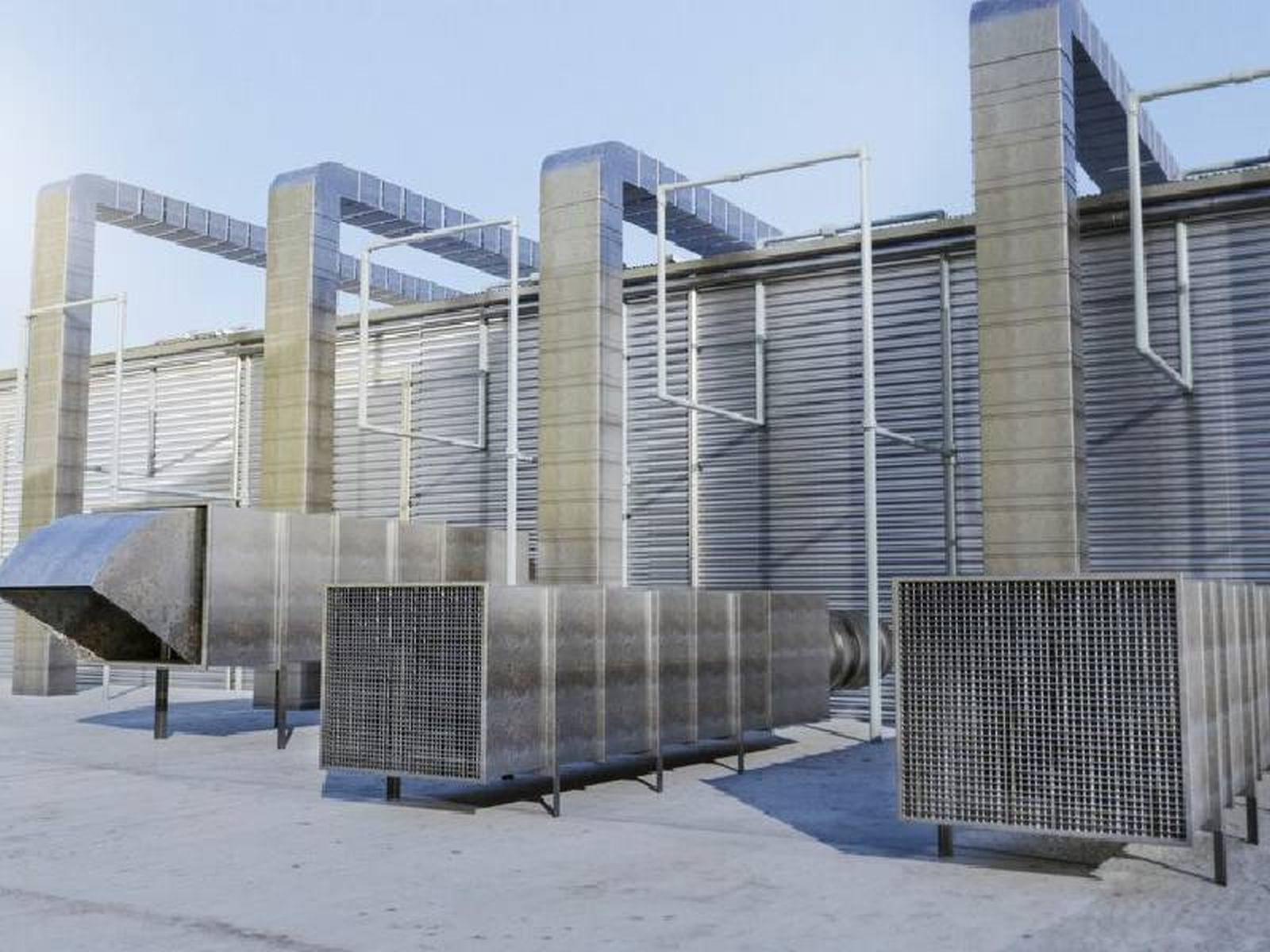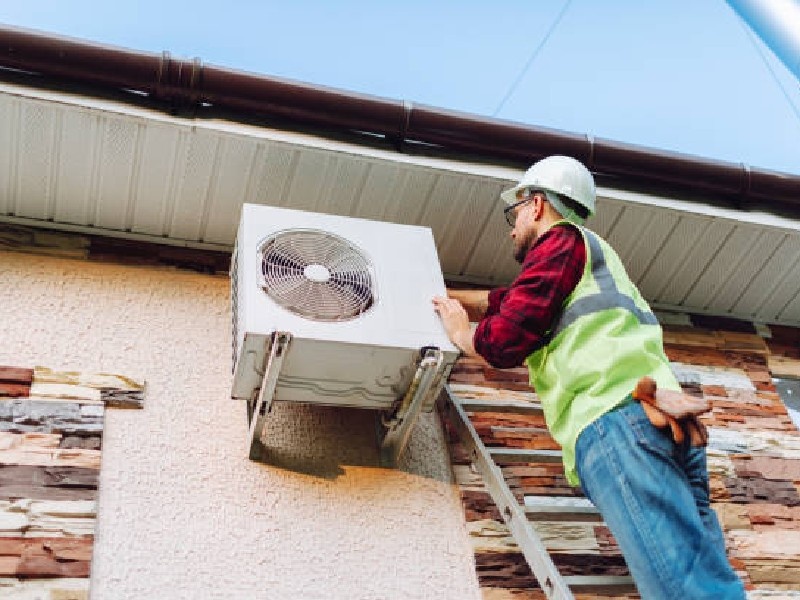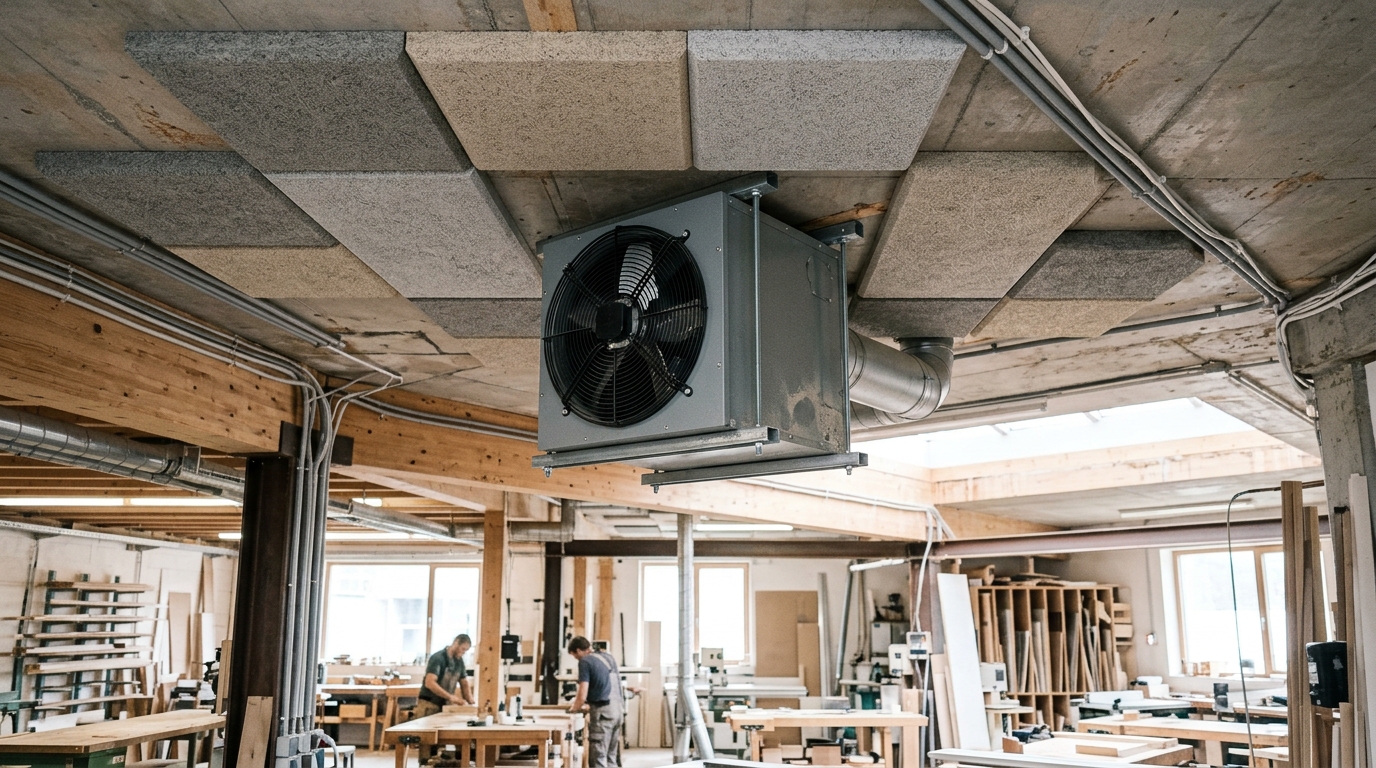
Fan noise is the sound and vibration emitted into the surroundings by the fans that provide air movement in condensers, dry coolers and evaporators while they operate. At facilities close to residential areas, in hospitals, hotels and businesses operating at night, this sound can become an important issue in terms of both legal limits and relations with neighbours. In this article we cover the sources of fan noise, the effect of fan speed and blade design, mounting and vibration issues, sound insulation options, improvements that can be applied to existing systems and the points to consider when choosing the right solution.
Table of Contents
- Where Does Noise Come From in Refrigeration Fans?
- How Much Does Reducing Fan Speed Reduce Noise?
- How Do Blade and Fan Type Affect Sound Level?
- How Can Vibration and Mounting-Related Noise Be Prevented?
- How Can Noise Be Reduced in an Existing System?
- What Should Be Considered When Choosing a Low-Noise Solution?
- Frequently Asked Questions
Where Does Noise Come From in Refrigeration Fans?
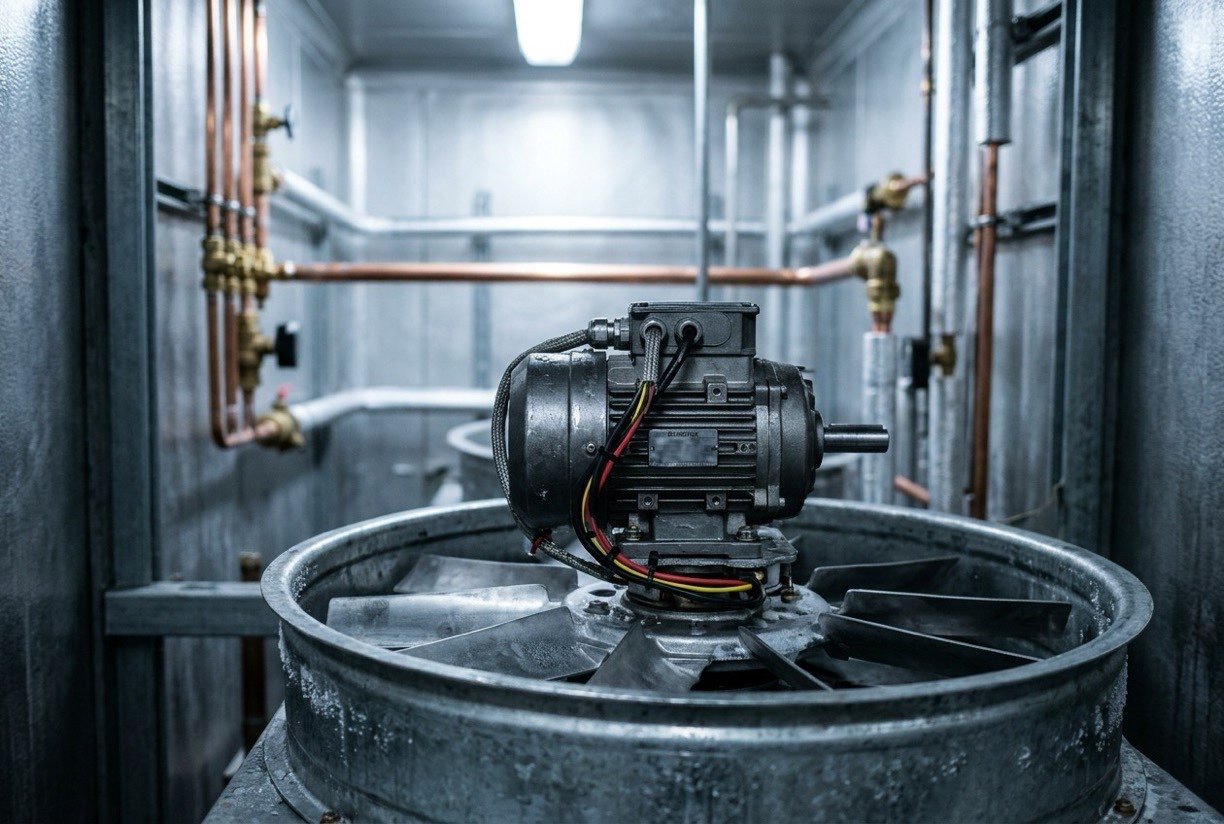
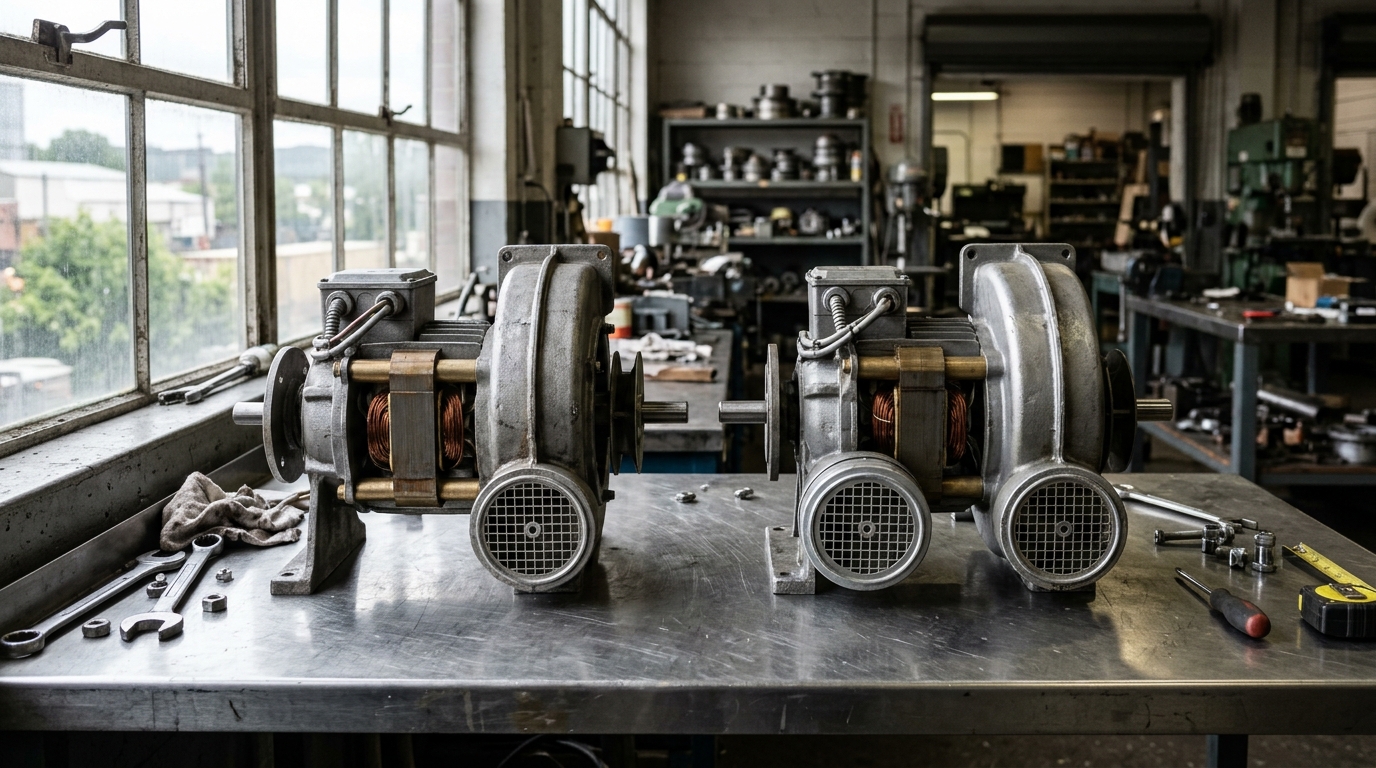
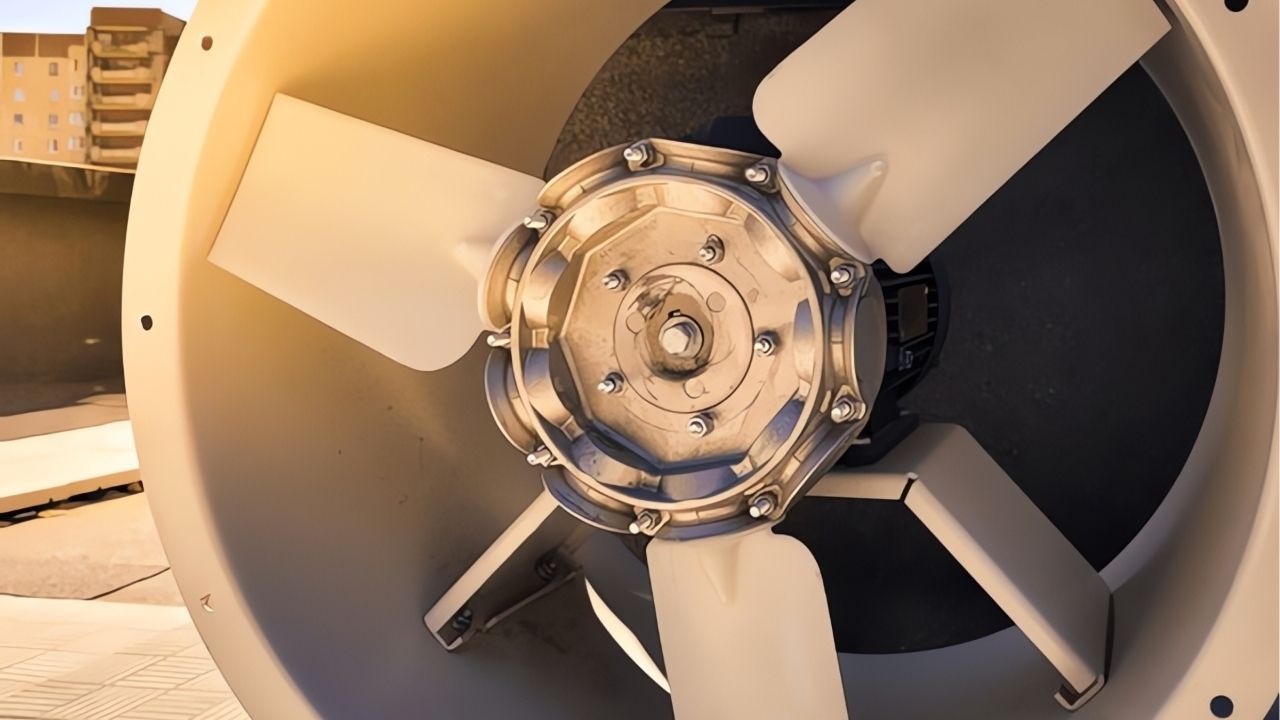
Noise in refrigeration fans comes mainly from aerodynamic sound generated by the blades cutting through the air, from motor and bearing sounds, and from vibration transmitted to the structure. Each of these sources has a different frequency character, and the solution approach varies accordingly.
Aerodynamic sound is generally the dominant component and is closely related to blade tip speed, the smoothness of the air flow and the fan's operating point. Obstacles disturbing the air flow at the fan inlet, dirty coils and higher-than-design pressure drop can increase this sound. Sounds coming from the motor and bearings, on the other hand, are related more to the mechanical condition and the quality of maintenance.
How Much Does Reducing Fan Speed Reduce Noise?
Reducing fan speed is one of the most effective ways of reducing aerodynamic sound, because the sound level changes markedly with blade tip speed. For this reason, speed-controlled fans are frequently used to lower the sound level, especially at part load and during night hours.
However, as speed drops, the air flow rate and therefore the capacity also decrease; so in order to provide the required capacity at low speed, it may be necessary to increase the coil surface or the number of fans. Time-based speed limits such as night mode are also an option, but it should be checked that the condensing pressure and system efficiency remain acceptable during this period. The sound reduction to be achieved is determined according to the project and the fan characteristics.
How Do Blade and Fan Type Affect Sound Level?
Blade profile, number of blades, diameter and fan type lead to different sound levels at the same air flow rate. A larger-diameter fan providing the same flow rate at a lower speed can in most cases offer quieter operation.
Special geometries at the blade tips aimed at reducing sound, optimised inlet rings and correct adjustment of the clearance between the fan and the housing can also have an effect on sound. Motor type also plays an indirect role; motors suitable for stepless speed control allow the fan to rotate only as much as needed. In selection, it is important to compare sound data under the same conditions.
How Can Vibration and Mounting-Related Noise Be Prevented?
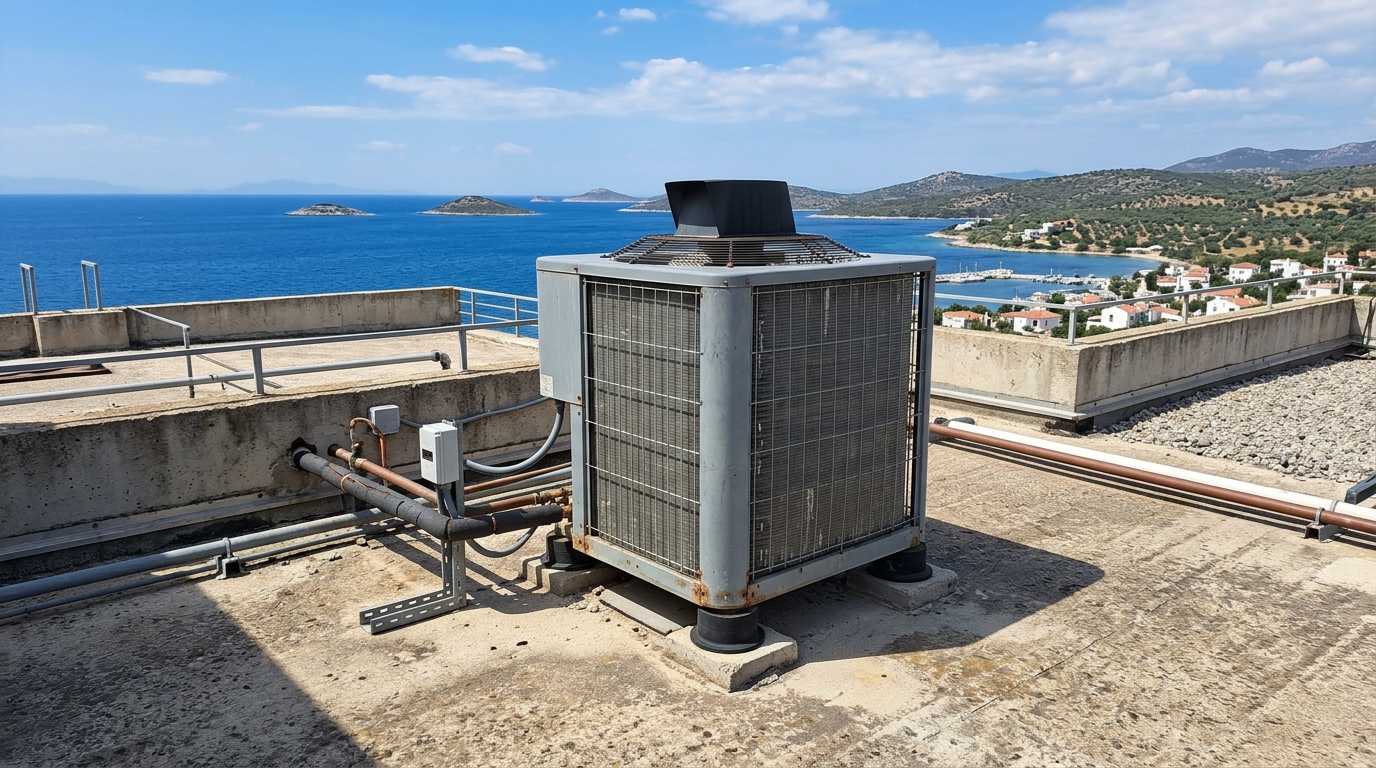
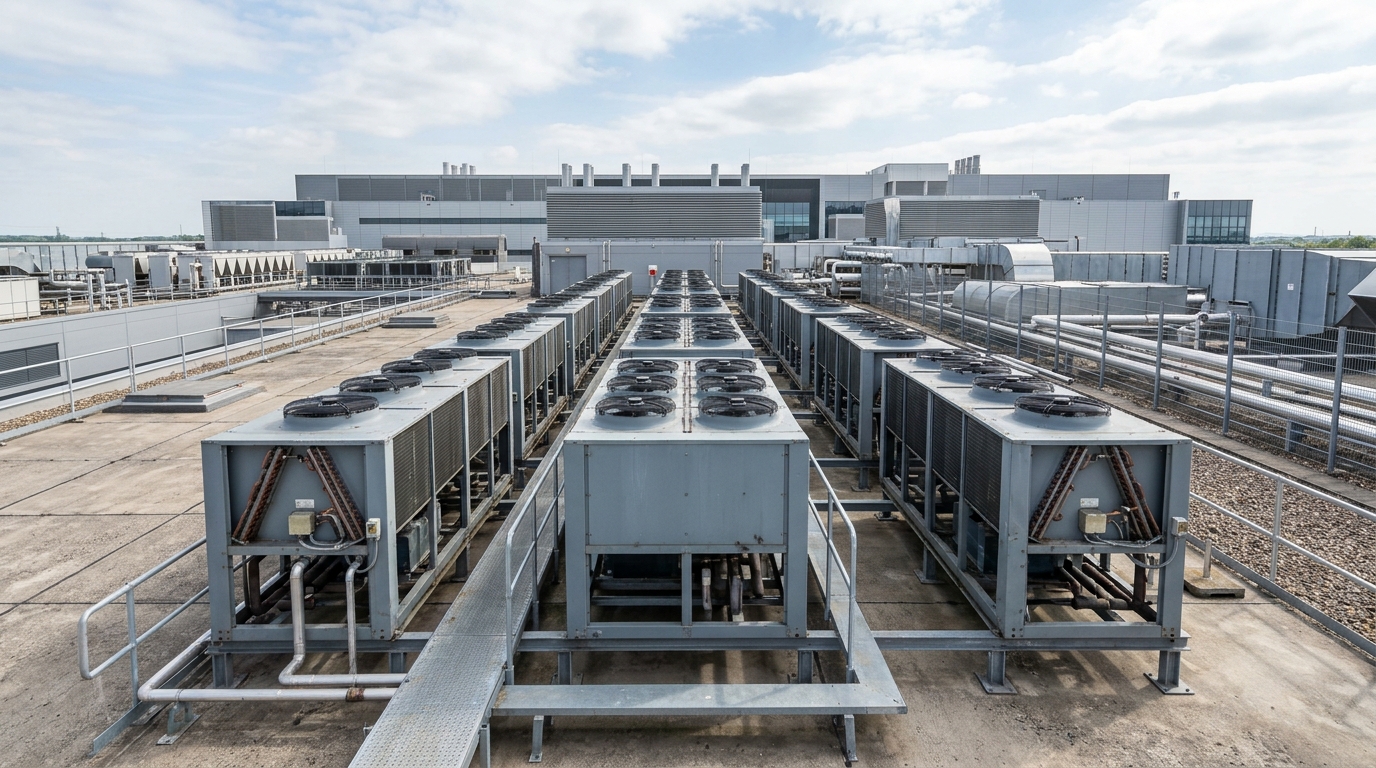
Vibration-related noise can be significantly limited by mounting the unit on vibration isolators, ensuring the fans are balanced and making the connections with flexible elements. Otherwise, vibration can be transmitted to the roof, walls or supporting steel and can be heard inside the building as well.
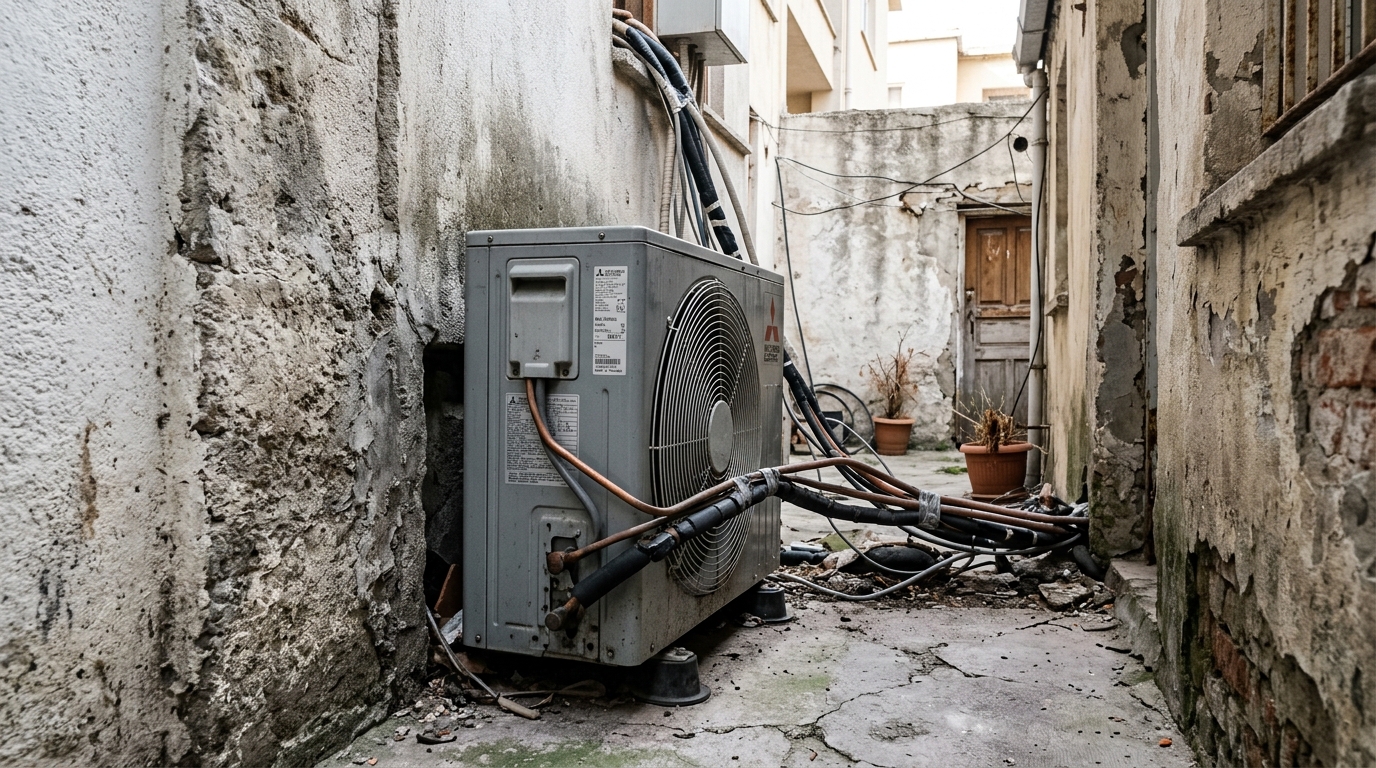
Details such as the rigidity of the mounting surface, flexible connections in the piping and the fixing of cable trays are often overlooked. Placing the unit too close to reflective walls can cause the sound to increase in certain directions. When preparing the layout plan, the distance to sensitive receiver points and the structures in between should also be evaluated.
How Can Noise Be Reduced in an Existing System?
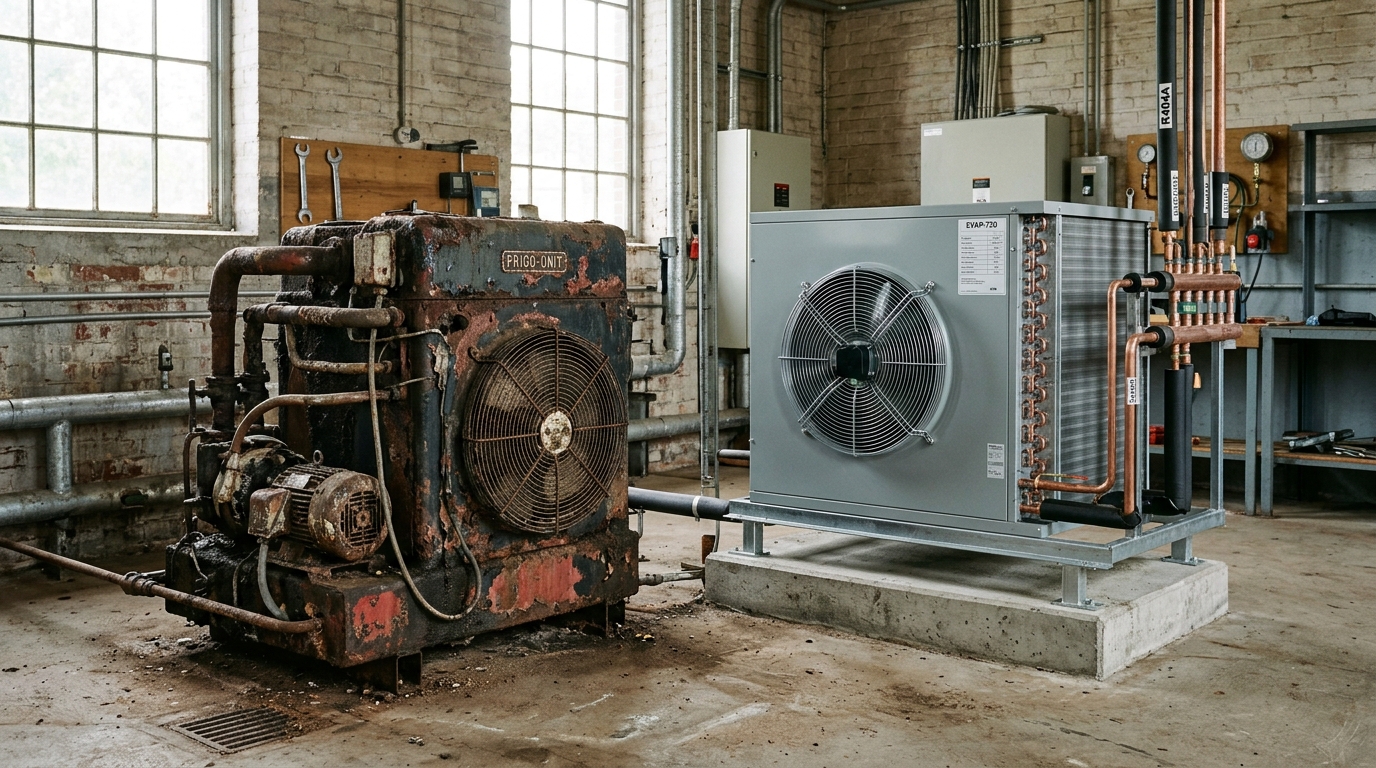
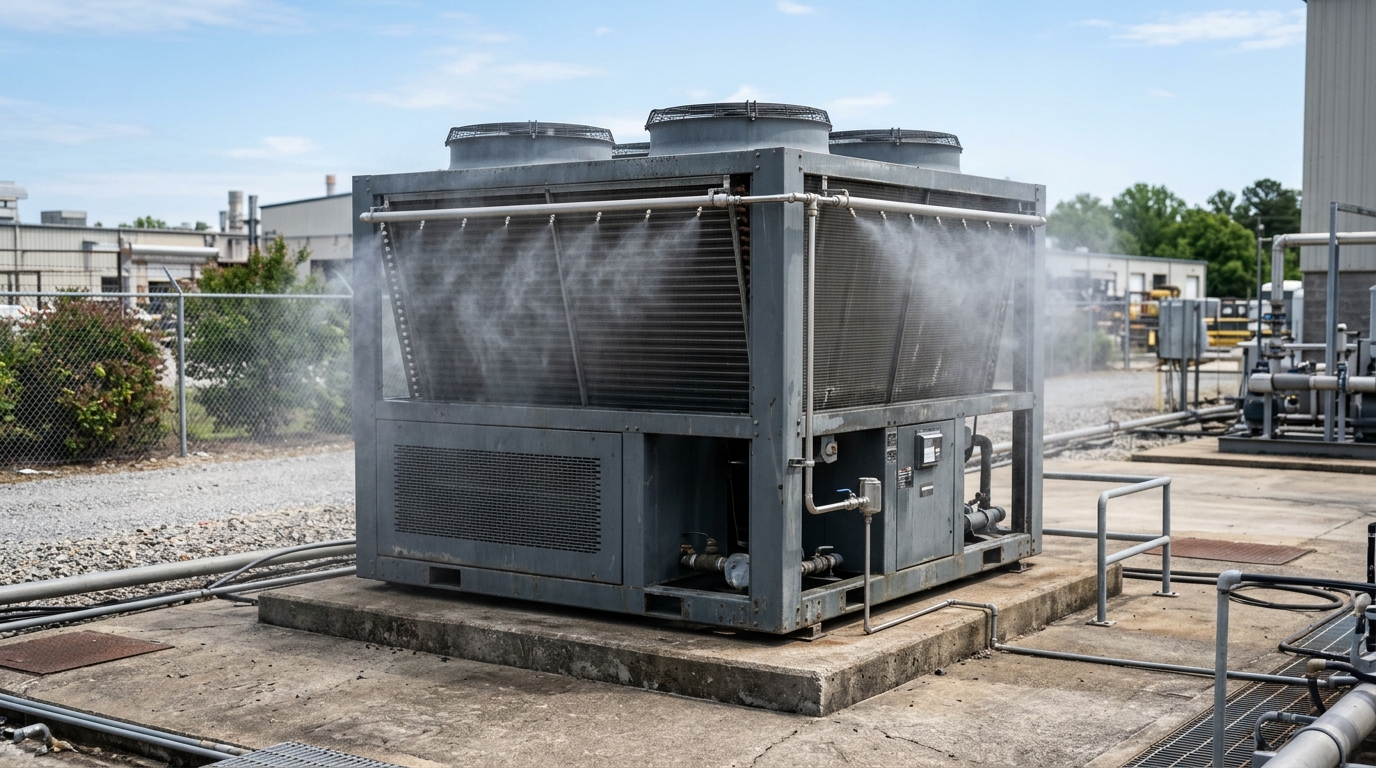
In an existing system, noise can be reduced by starting with cleaning and maintenance and, if necessary, by adding speed control, replacing fans or installing an acoustic barrier. To determine which step is necessary, it is useful first to identify the source and character of the sound.
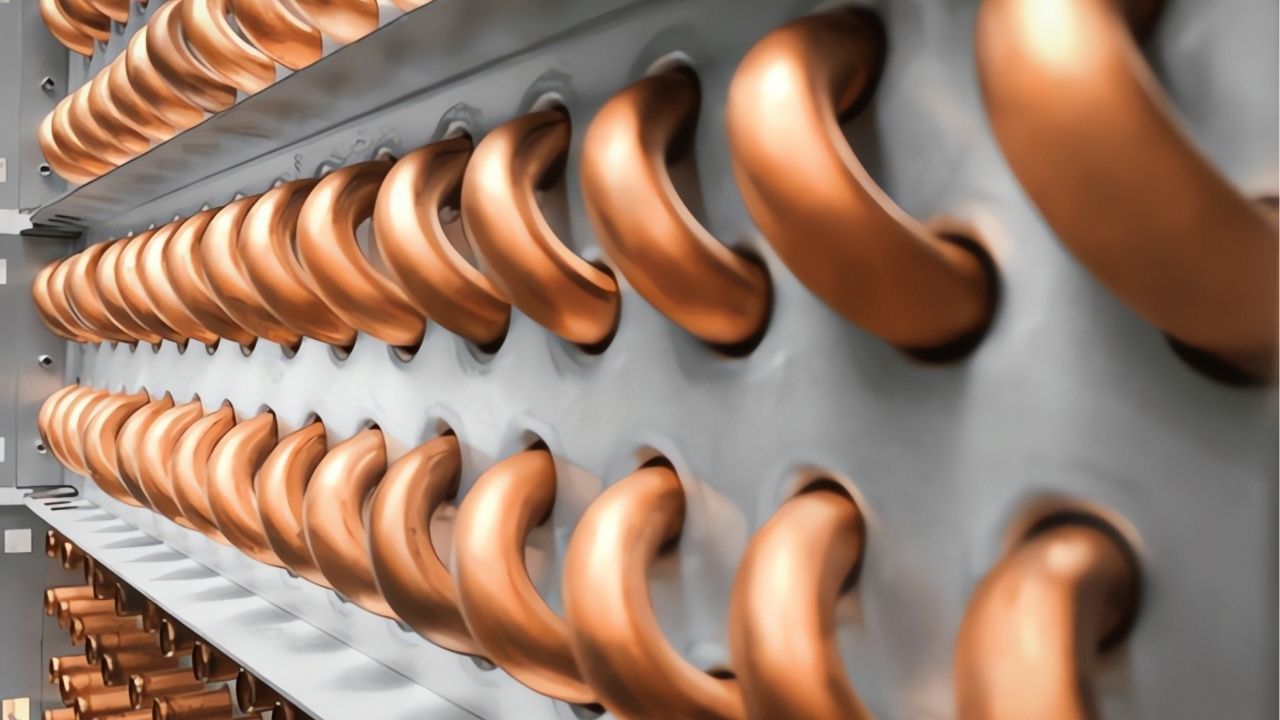
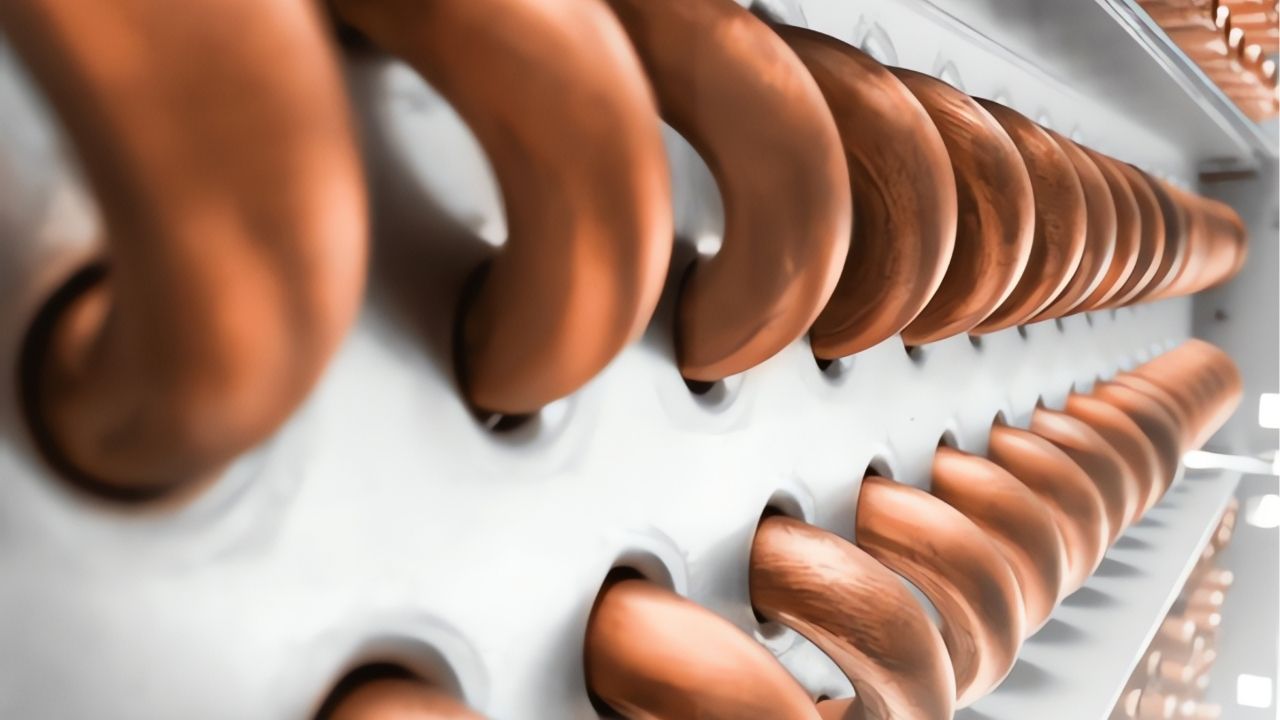
Dirty coils can increase the sound by causing the fan to operate against a higher pressure; worn bearings or unbalanced blades also lead to noticeable changes in sound. If improvement is still needed after these basic problems have been eliminated, switching to speed-controlled fans or acoustic panels around the unit can be considered. It should not be forgotten that barriers must not restrict the air flow or cause recirculation of hot air.
What Should Be Considered When Choosing a Low-Noise Solution?
The goal of quiet operation gives a more balanced result when evaluated together with capacity, energy consumption and layout constraints. The following points can guide the selection process:
- Determining sensitive receiver points and the sound targets at these points at the start of the project.
- Comparing the sound data of different units under the same measurement conditions and at the same distance.
- Checking whether the required capacity can be provided at low fan speed.
- Including vibration isolation, the mounting surface and reflective surfaces in the layout plan.
If you would like to evaluate a solution that meets the sound targets for your facility, you can consult the Günay Soğutma team.
Frequently Asked Questions
Why does a condenser seem noisier at night?
Because background noise decreases at night, fan sound is perceived more distinctly; for this reason, night mode speed limitation is frequently preferred.
What is used to measure fan sound?
Measurements are made with sound level meters at specific distances and points; for comparison, the measurement conditions must be the same.
Is a large fan quieter than a small fan?
When it provides the same flow rate at a lower speed, it can be quieter in most cases, but the result depends on the fan design.
Does an acoustic barrier affect capacity?
If positioned incorrectly, it can restrict the air flow or cause recirculation of hot air; its design should be made accordingly.
What could a sudden increase in fan sound be a sign of?
It may indicate problems such as bearing wear, blade imbalance, a loose connection or coil fouling, and should be checked.
Does adding speed control also affect energy consumption?
Operating the fan at a lower speed at part load generally reduces fan energy consumption; the savings vary according to the operating profile.
How can I get a noise reduction recommendation for my own facility?
You can obtain a recommendation specific to your application by sharing unit information, the layout plan and sensitive points with the Günay Soğutma team.