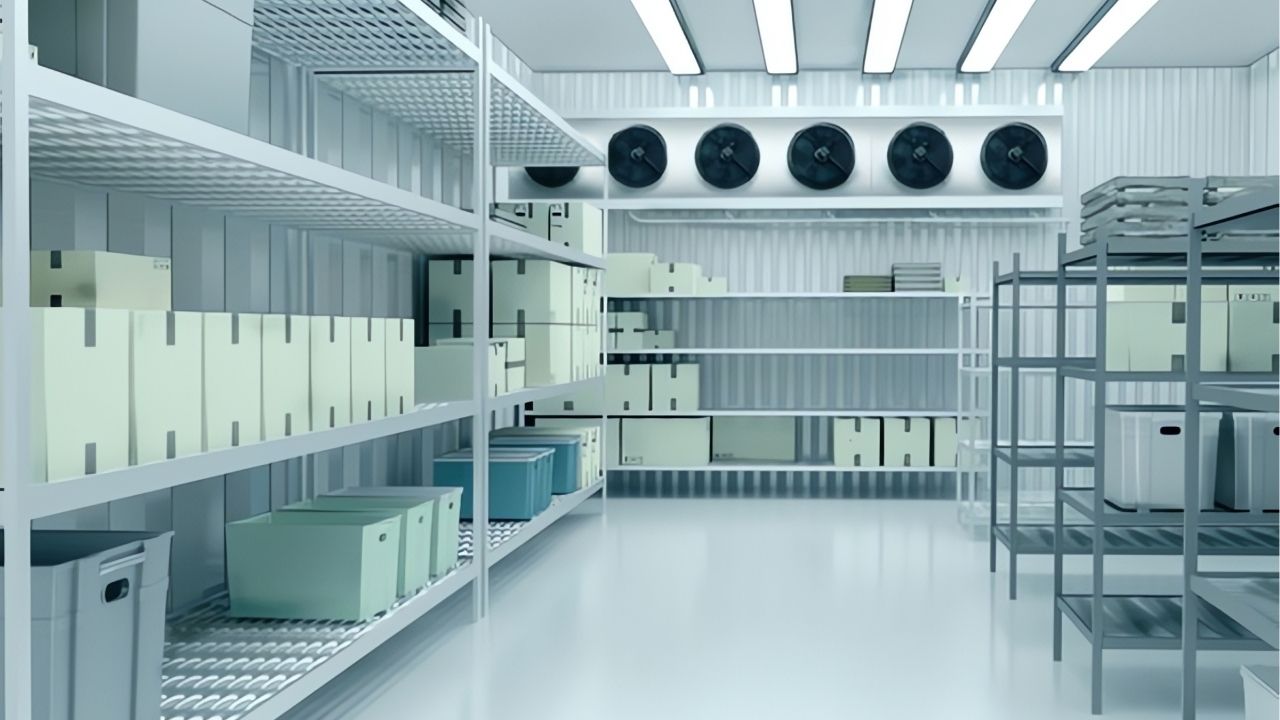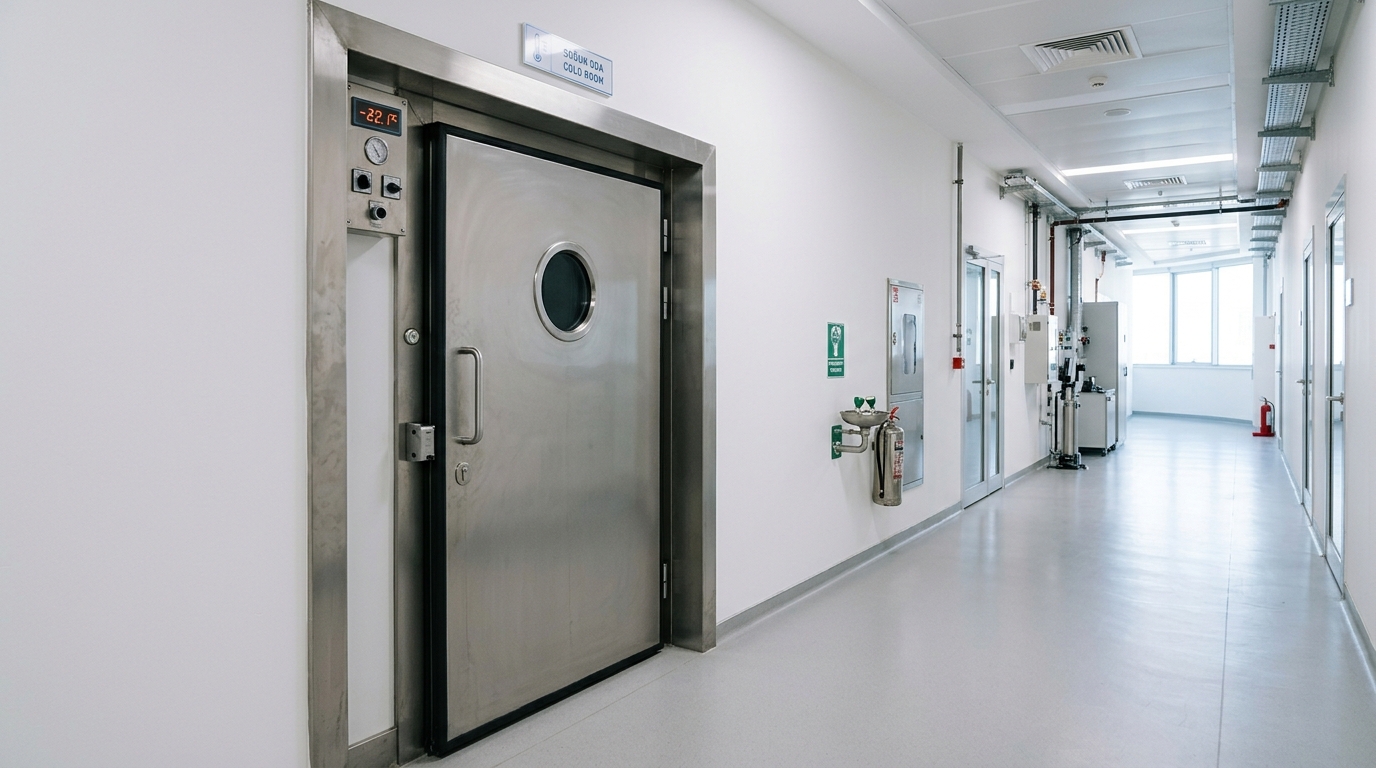
Hospital and laboratory cold rooms are controlled environments designed to store temperature-sensitive materials such as medicines, vaccines, blood products, reagents and biological samples within a narrow range, without interruption and on record. In these rooms, even a deviation of a few degrees can render a product unusable, lead to repeated analyses or produce outcomes that affect patient safety. In this article, we discuss the features that distinguish these rooms from commercial cold rooms, temperature uniformity, backup and monitoring arrangements, hygiene requirements and the points to consider when choosing the right system.
Table of Contents
- What Distinguishes Hospital And Laboratory Cold Rooms From Commercial Cold Rooms?
- How Is Temperature Uniformity Achieved Inside The Room?
- How Are Products Protected In The Event Of A Failure?
- How Should The Temperature Monitoring And Recording System Be Designed?
- How Do Hygiene And Cleaning Requirements Affect Equipment Selection?
- What Should Be Considered When Choosing The Right Hospital Or Laboratory Cold Room?
- Frequently Asked Questions
What Distinguishes Hospital And Laboratory Cold Rooms From Commercial Cold Rooms?
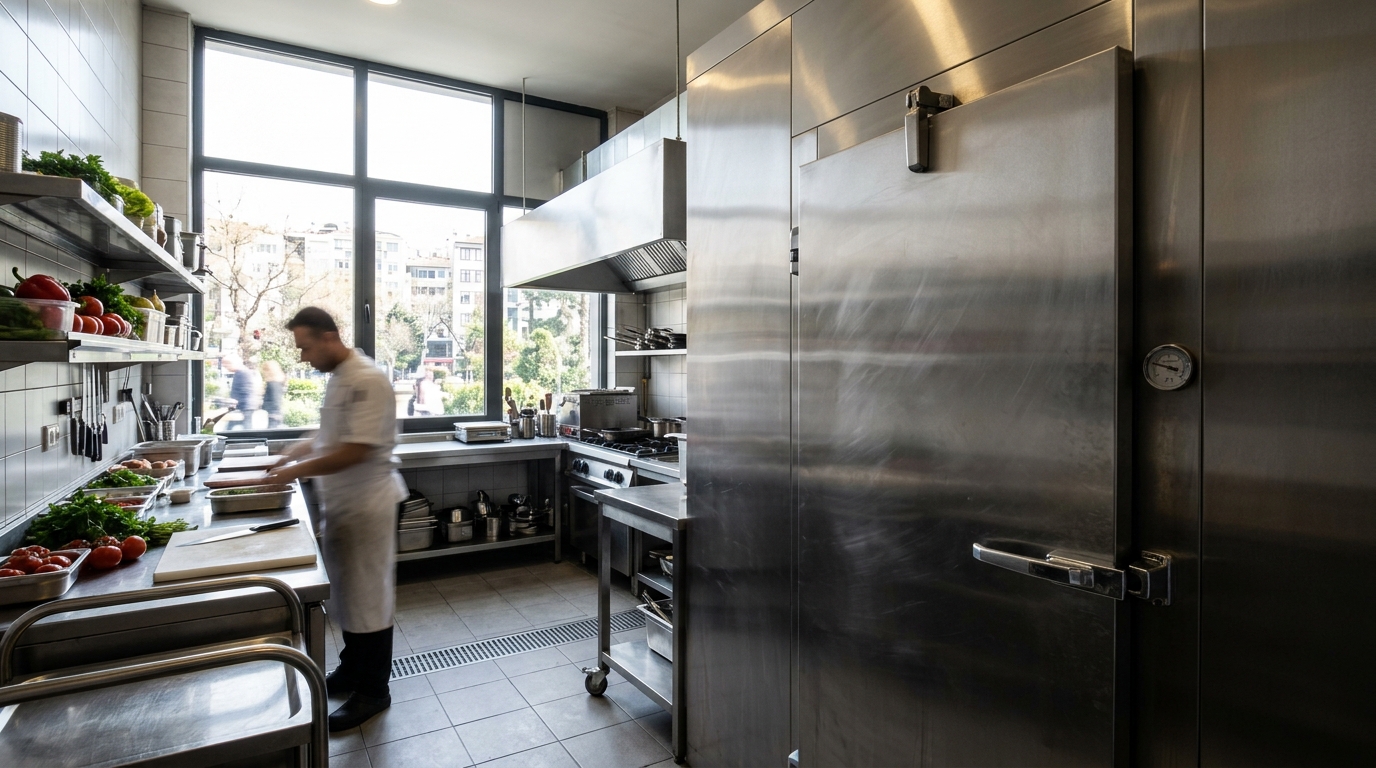
The fundamental difference is that these rooms are designed not only to cool, but to maintain the specified temperature range at every point and at all times in a verifiable way. While short-term fluctuations are often tolerated in a commercial warehouse, in healthcare and research environments going outside the range defined on the stored material's label or protocol can directly constitute a non-conformity. For this reason, cooling capacity, air distribution, control precision and recording infrastructure are addressed together.
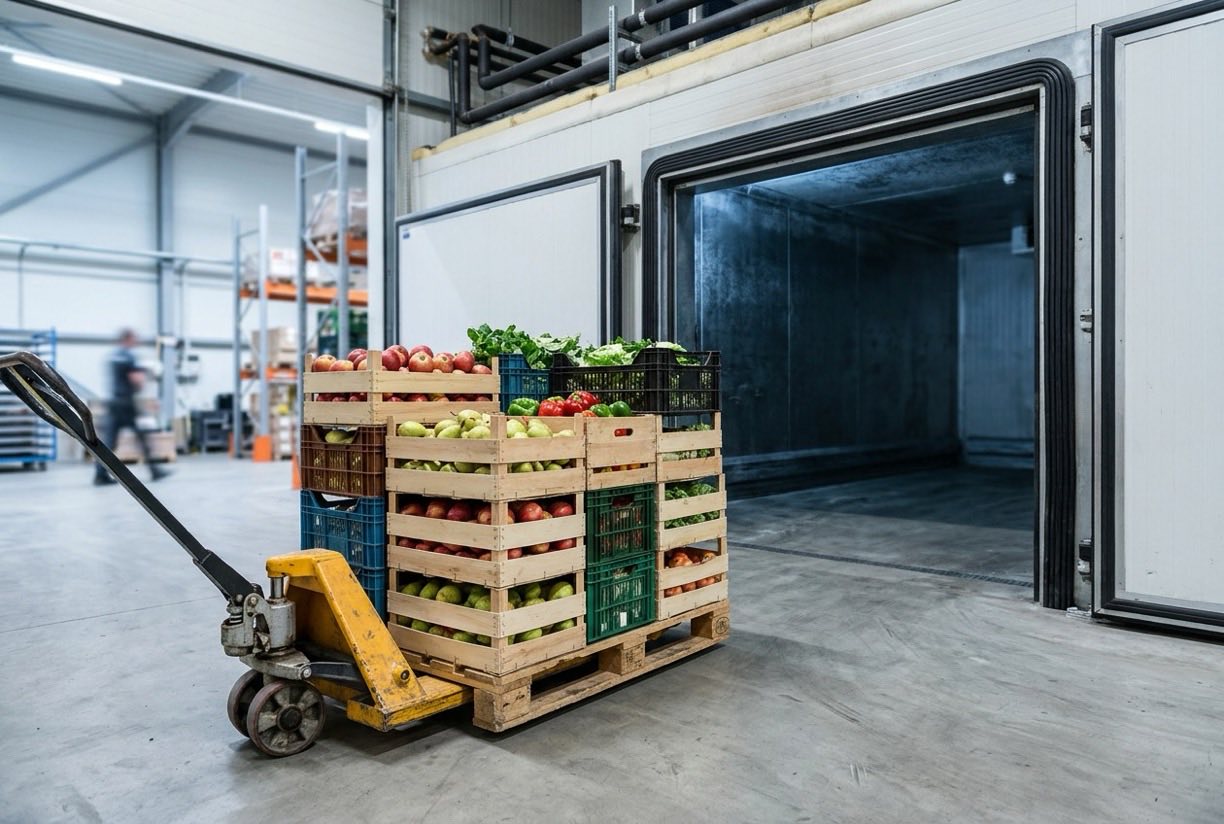
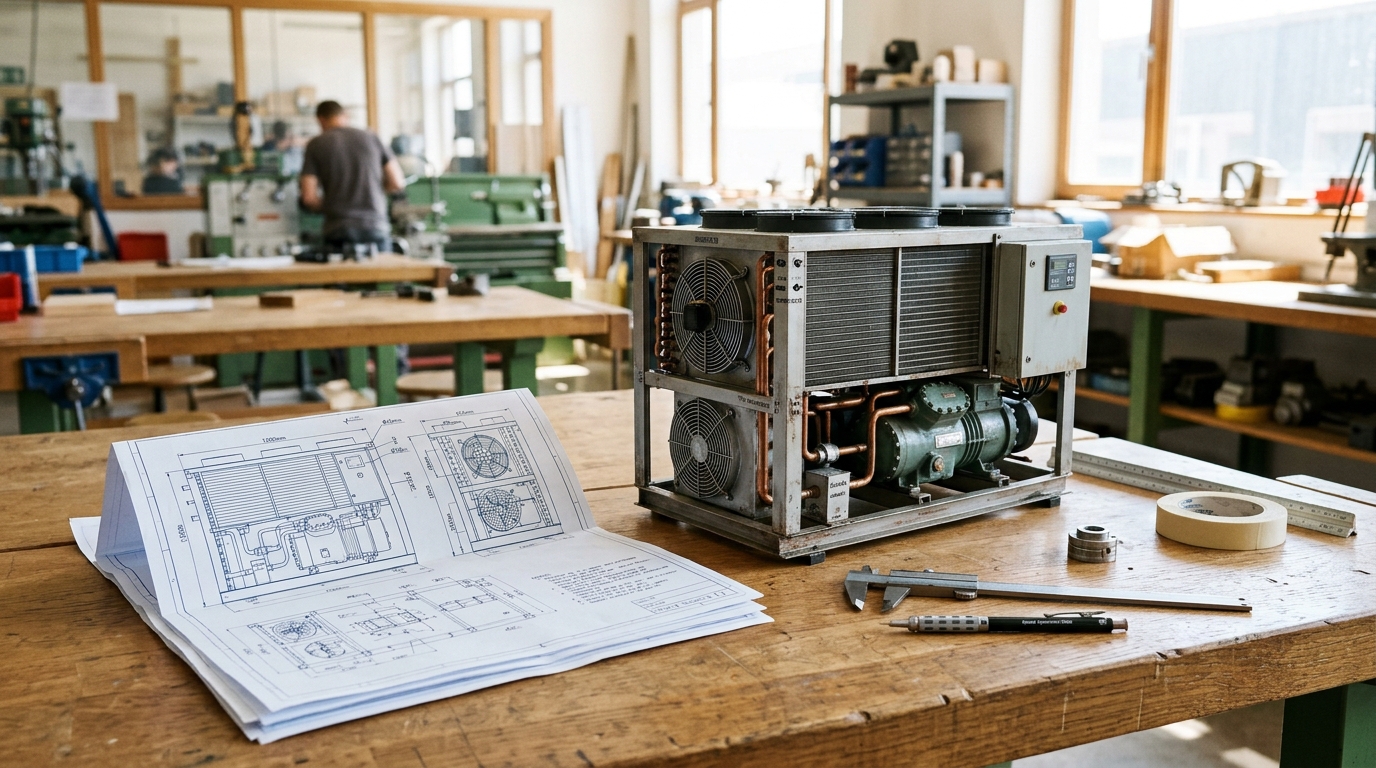
The mode of use is also different: the door may be opened frequently during the day, the shelving layout may be dense, and some rooms may have compartments for products with different temperature requirements. At the design stage, which products will be stored, in which range and in what quantity should be clarified; the necessary validation and documentation steps should be determined according to institutional procedures and applicable regulations.
How Is Temperature Uniformity Achieved Inside The Room?
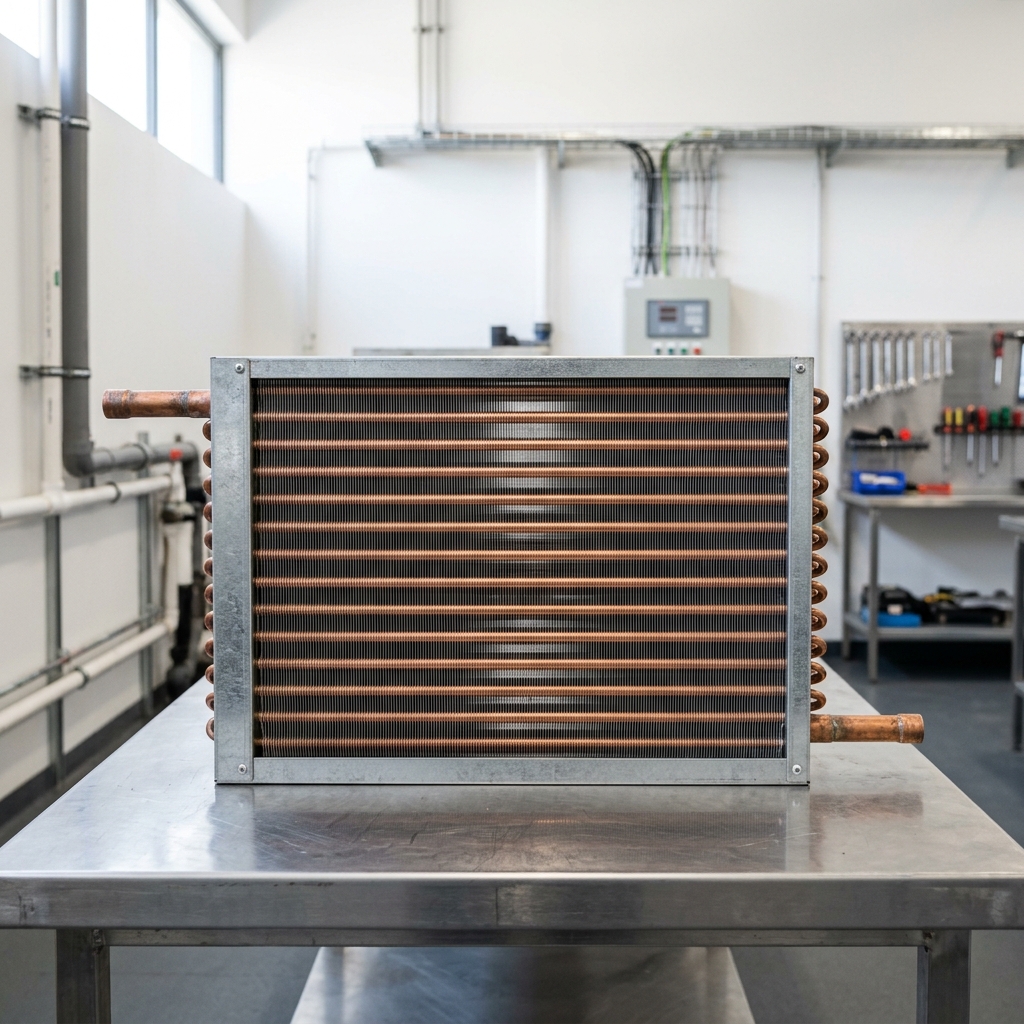
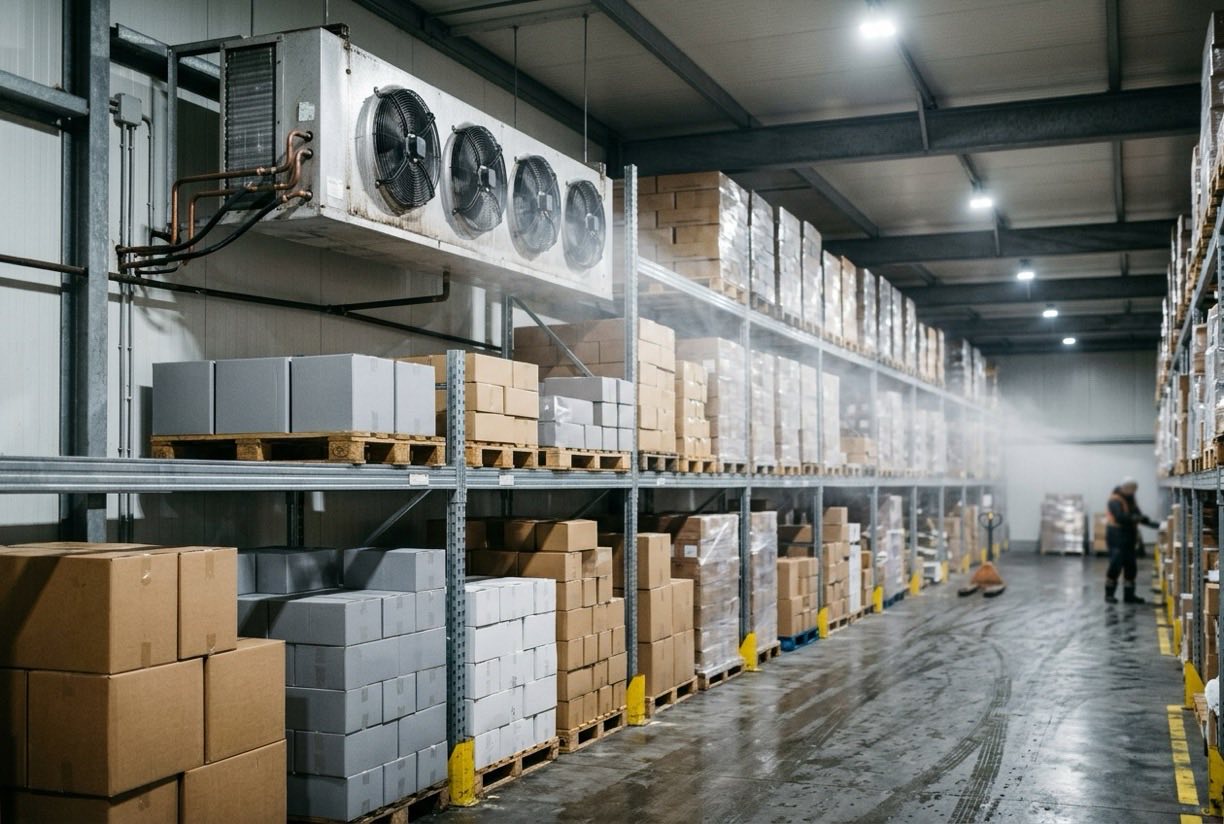
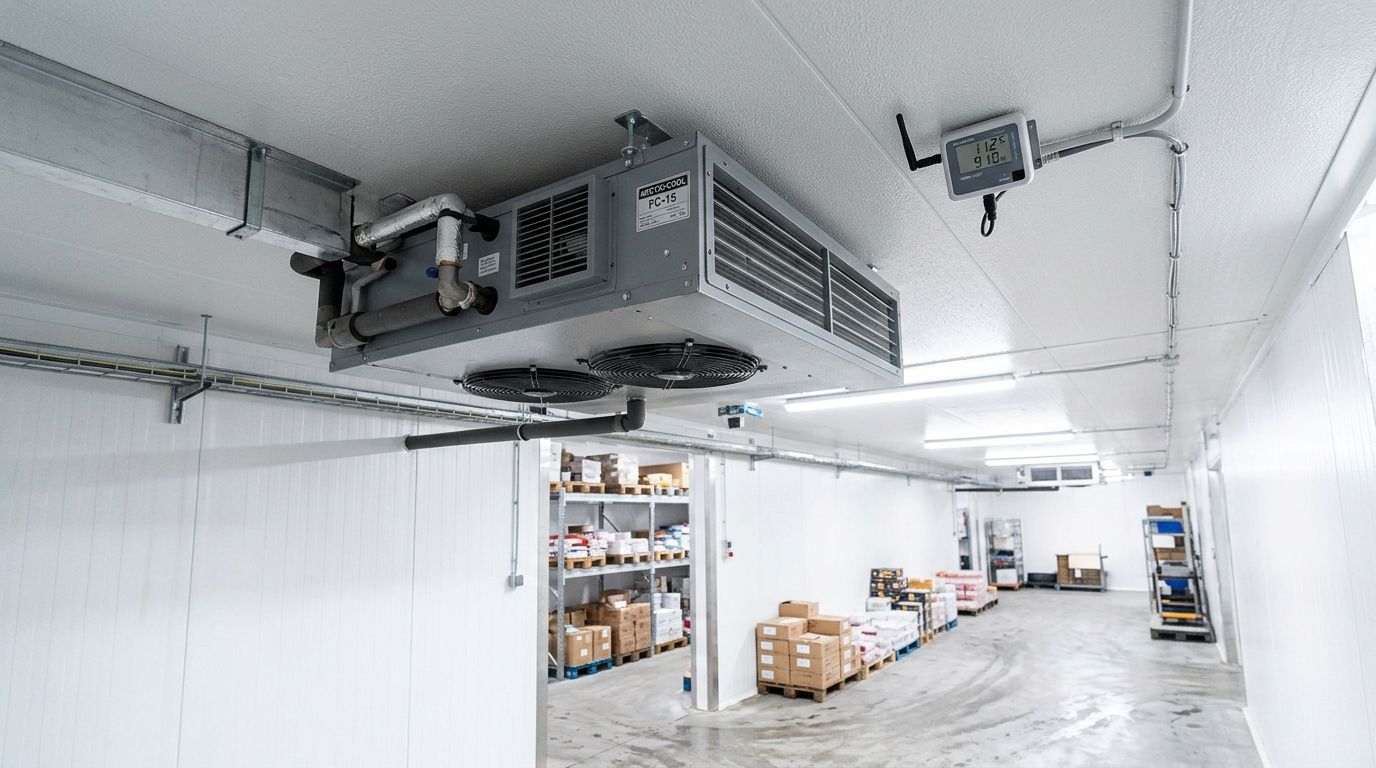
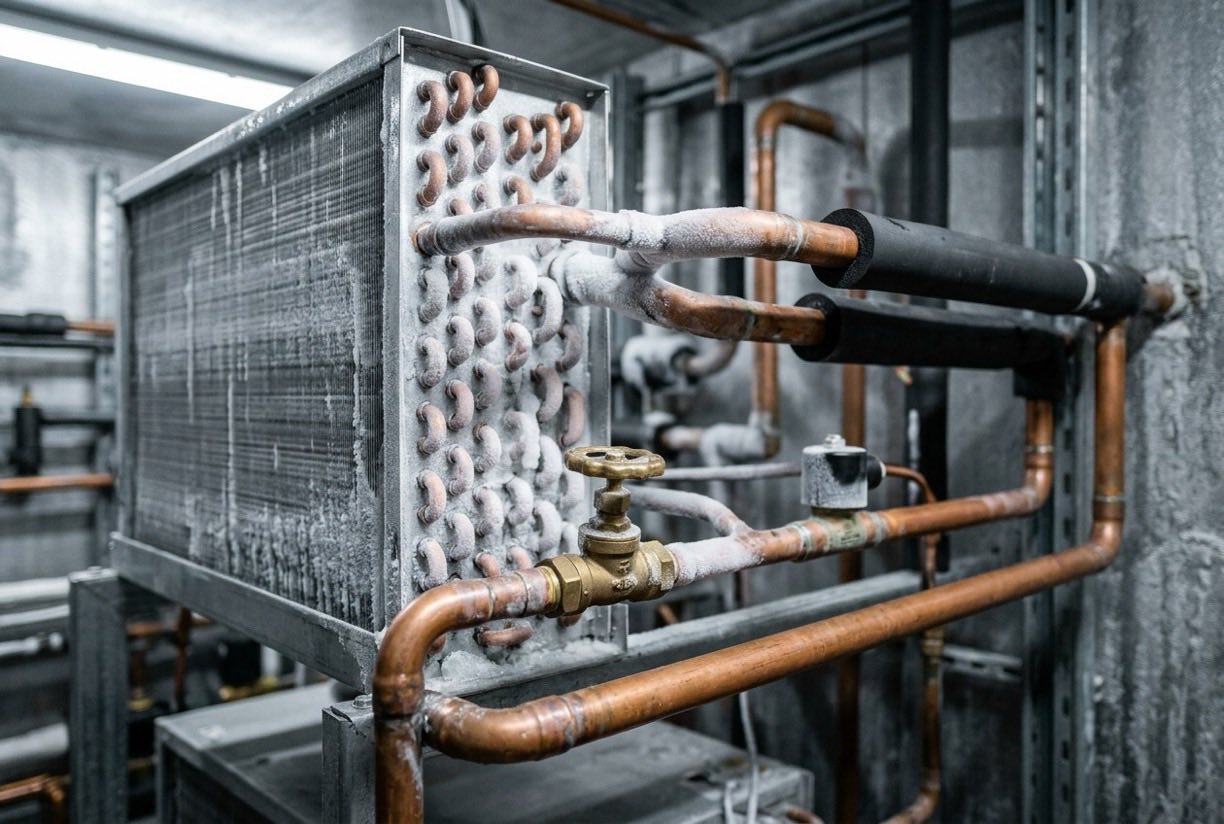
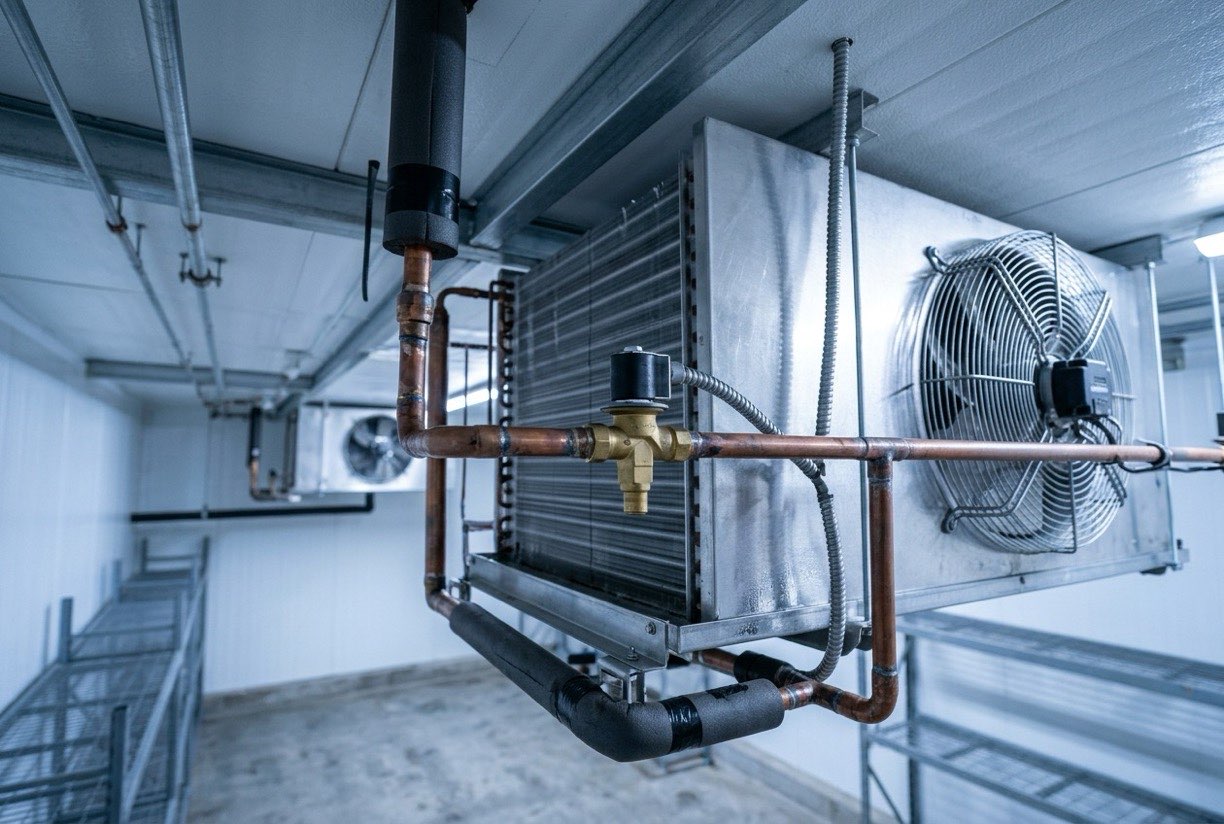
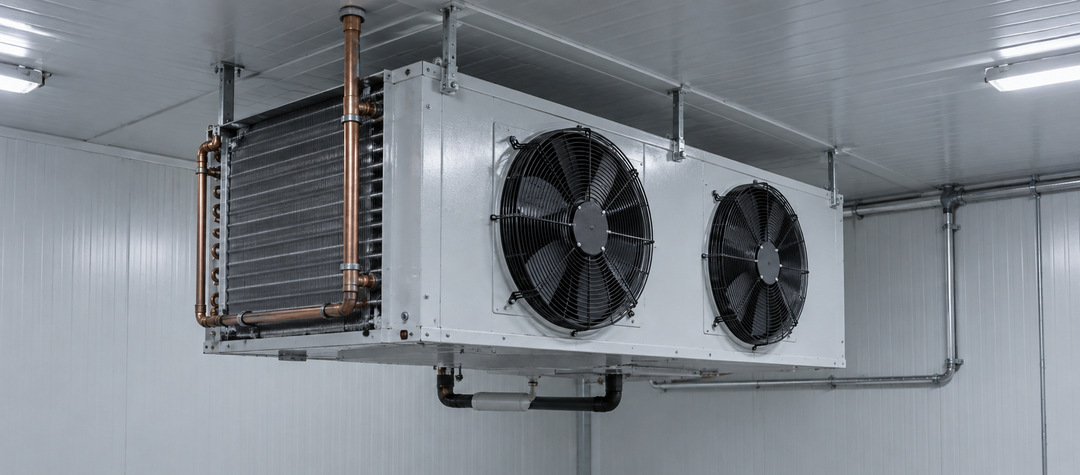
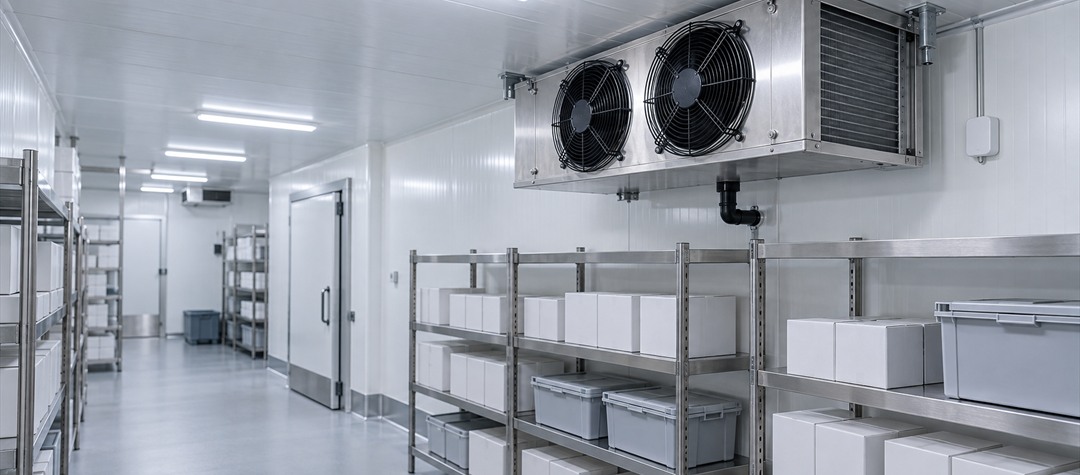
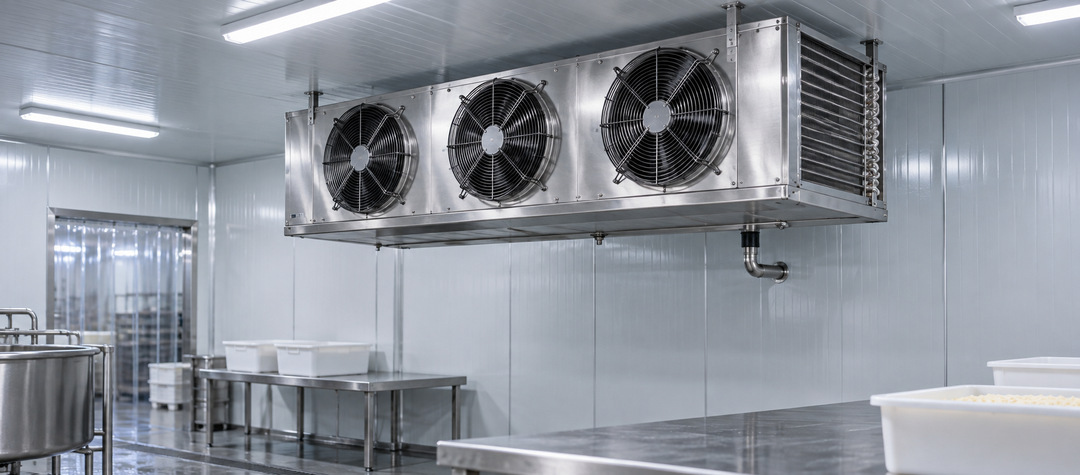
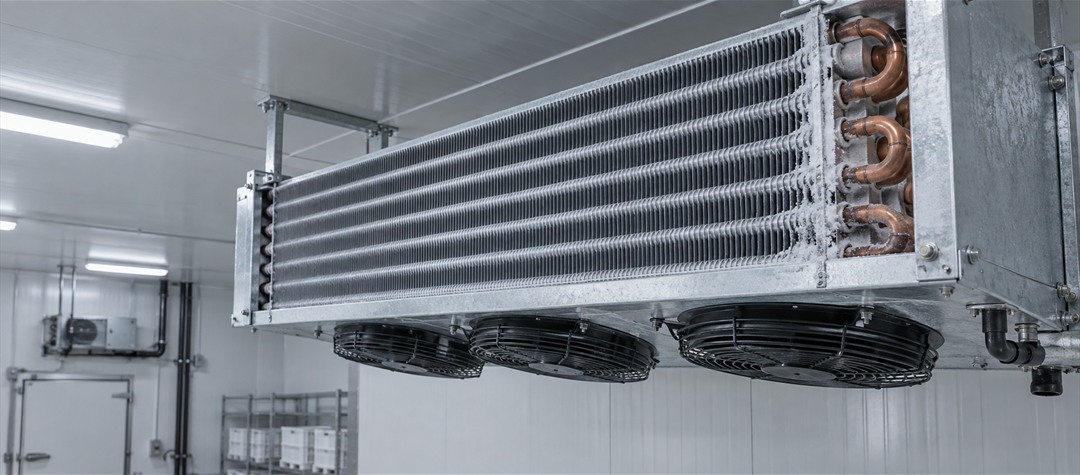
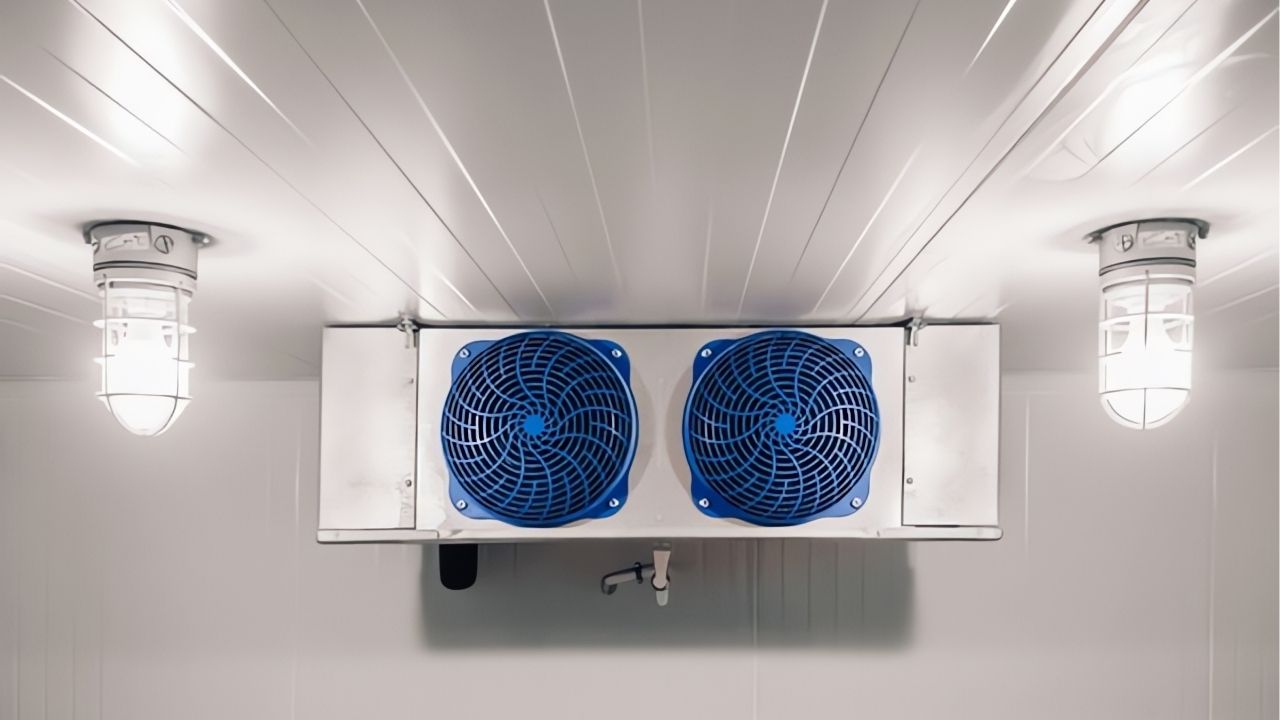
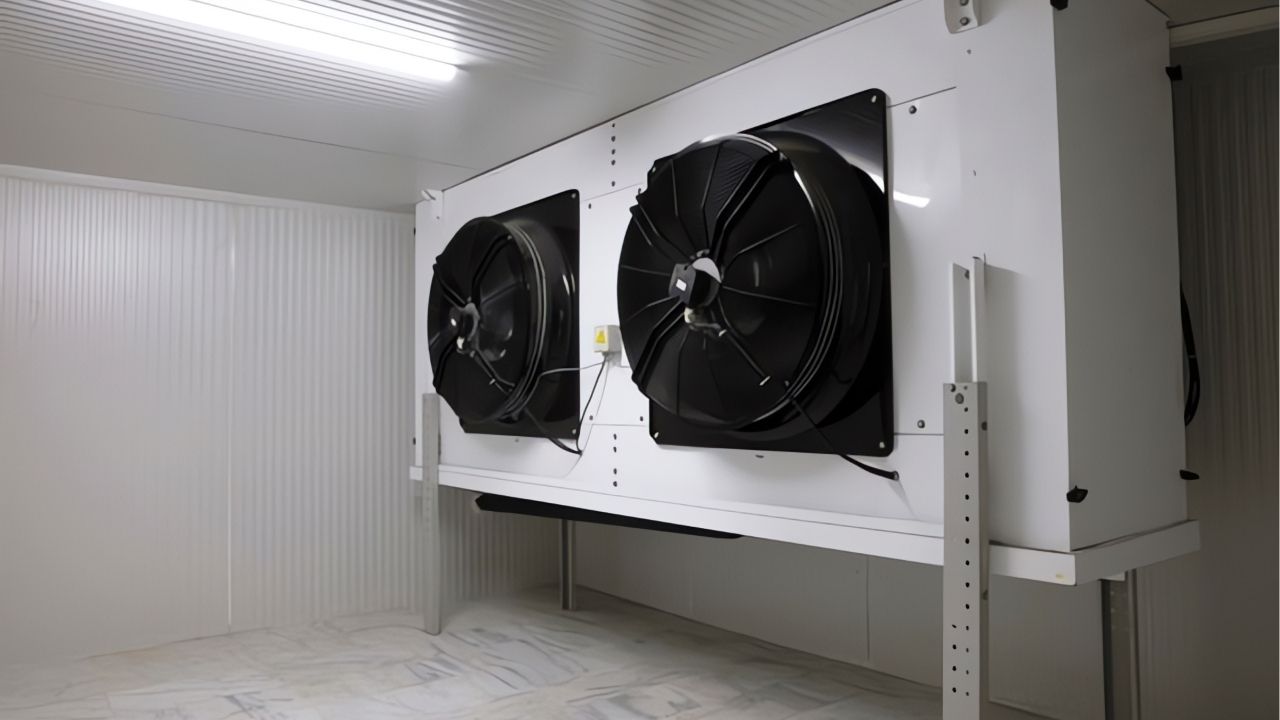
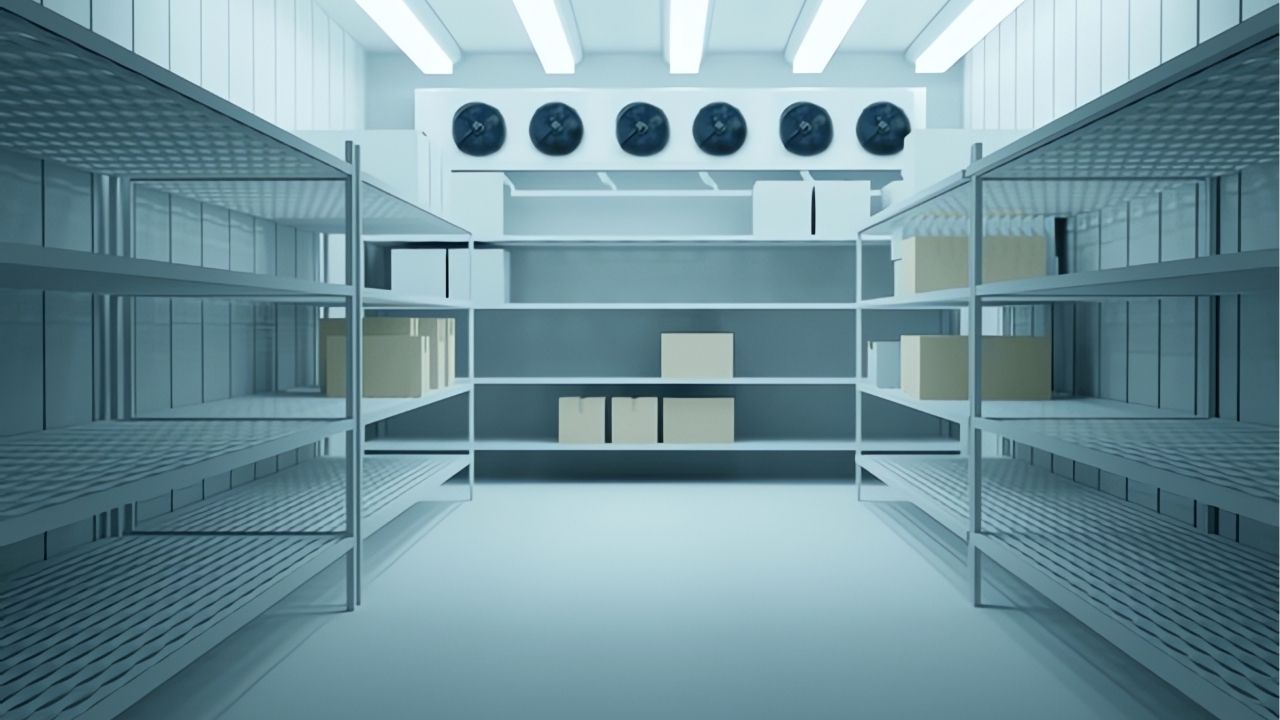
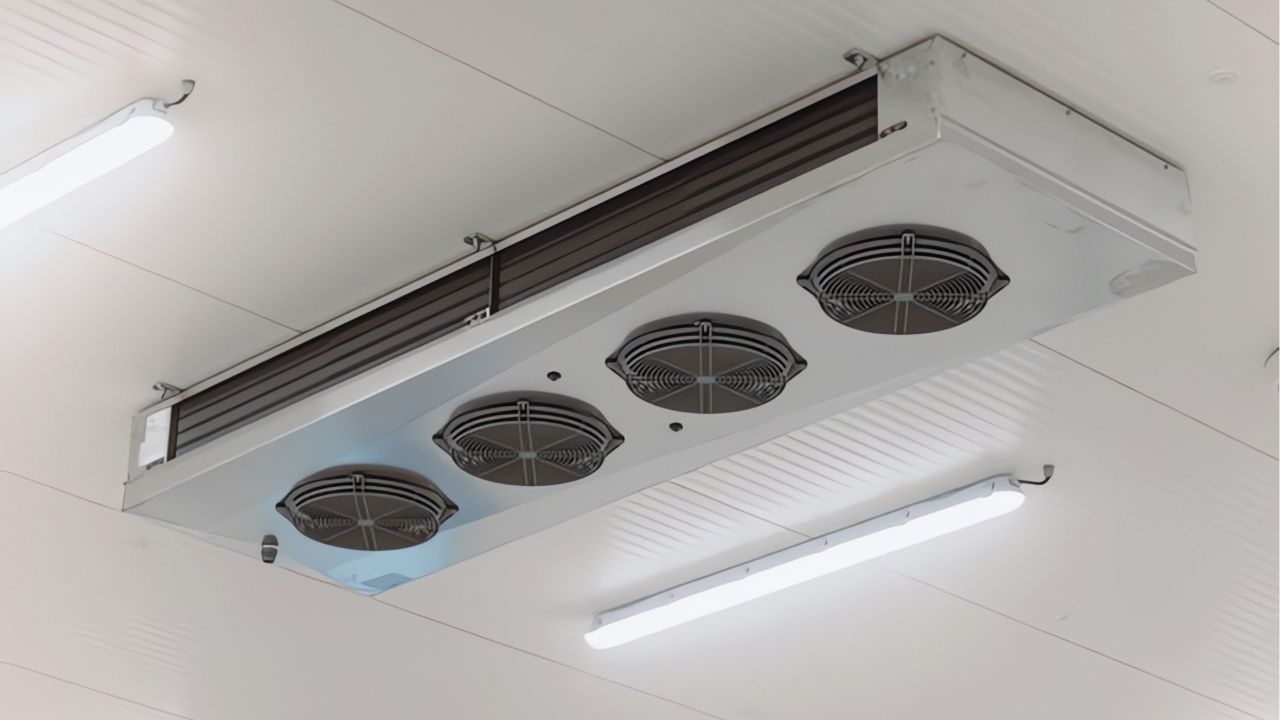
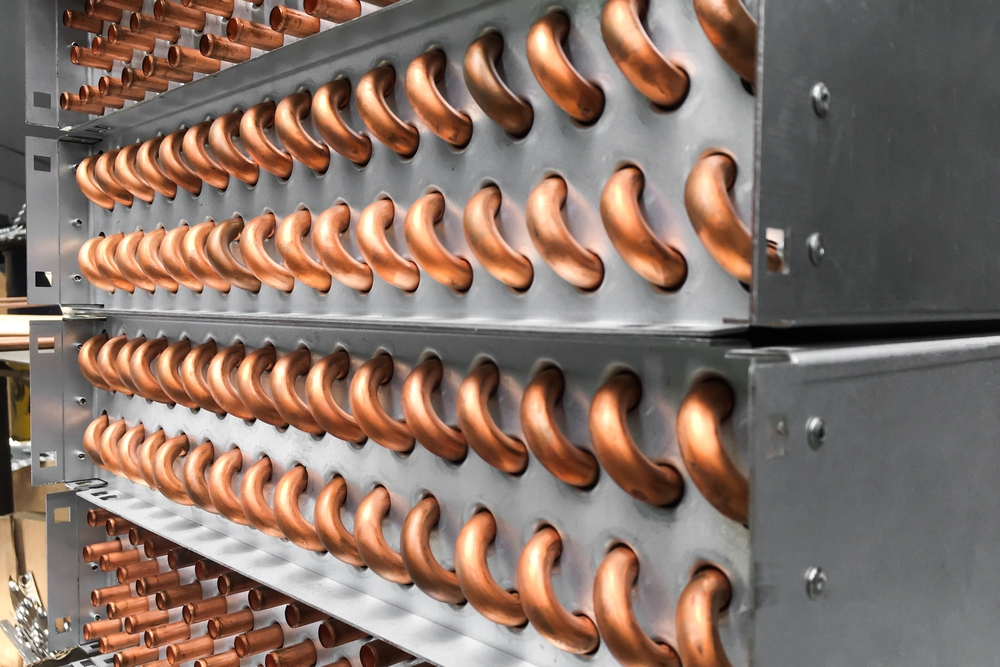
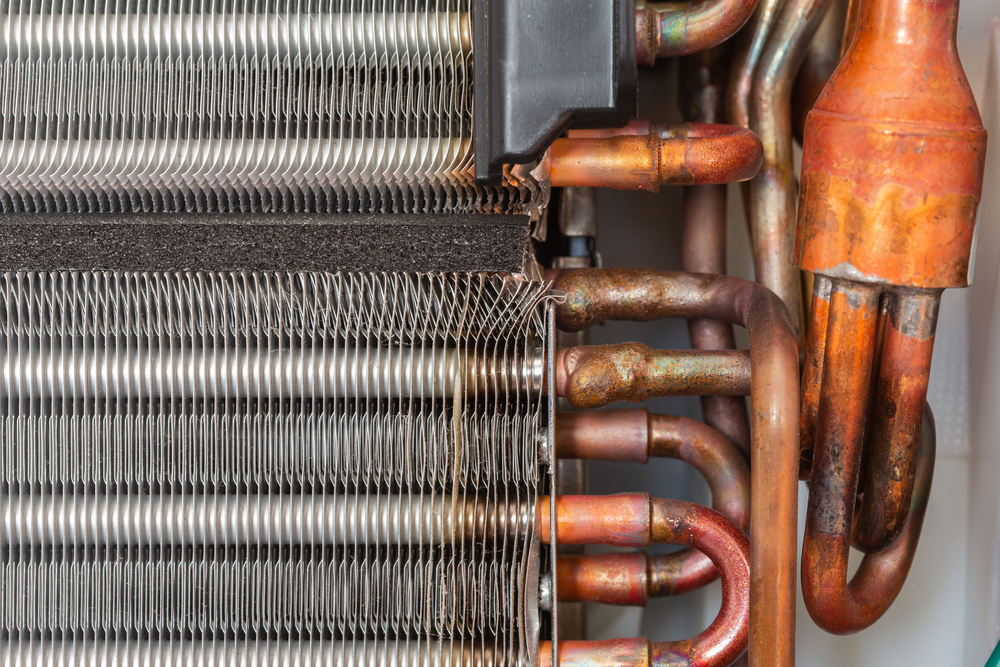
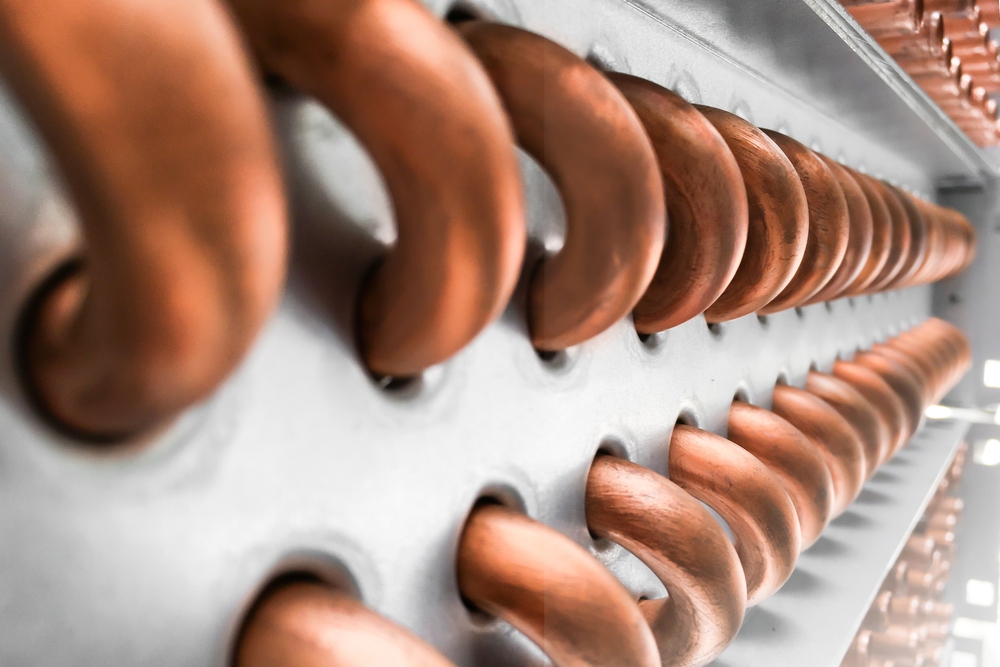
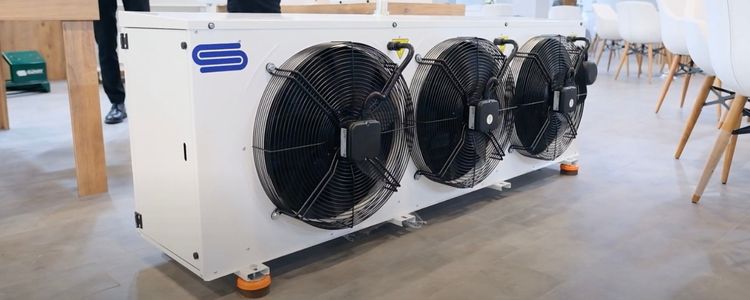
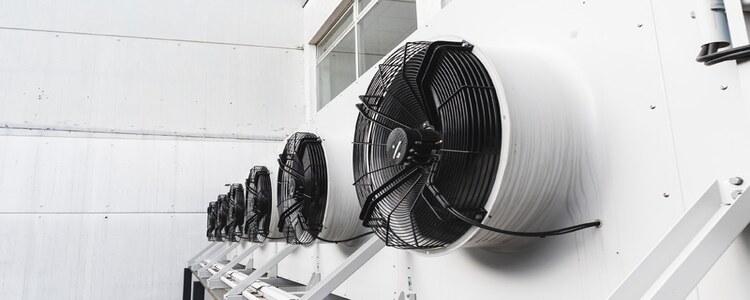
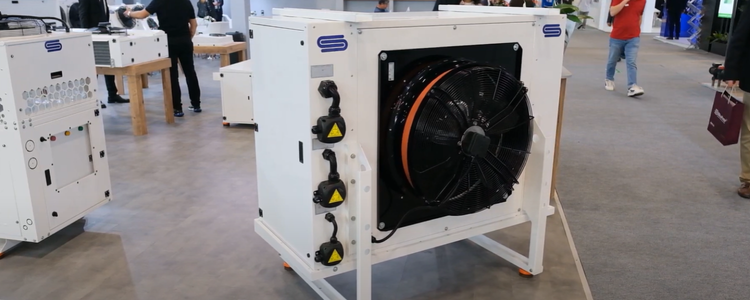
Temperature uniformity is achieved by positioning the evaporator to suit the room geometry, by low-velocity and balanced air distribution, and by arranging the shelves so that they do not obstruct airflow. Air leaving the evaporator and striking products directly can create local cold spots; corners the air cannot reach can form warm zones.
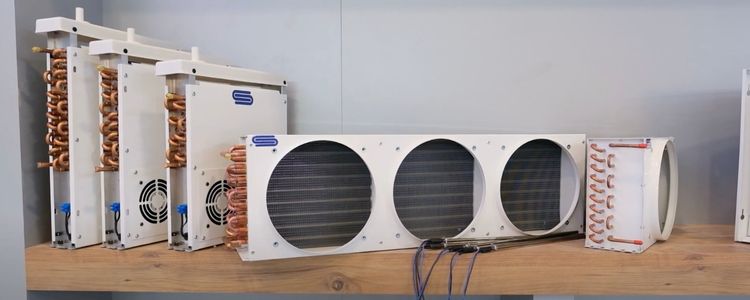
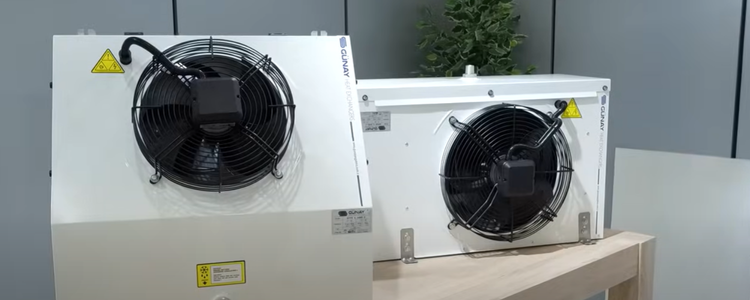
In practice, wide-fin evaporators with low air throw velocity or air distribution ducts may be preferred; the selection is made according to room size, shelf layout and product sensitivity. Temperature mapping carried out at different points of the room during commissioning shows whether the design works as expected on site and, if necessary, allows corrections to the shelf layout or air direction.
How Are Products Protected In The Event Of A Failure?
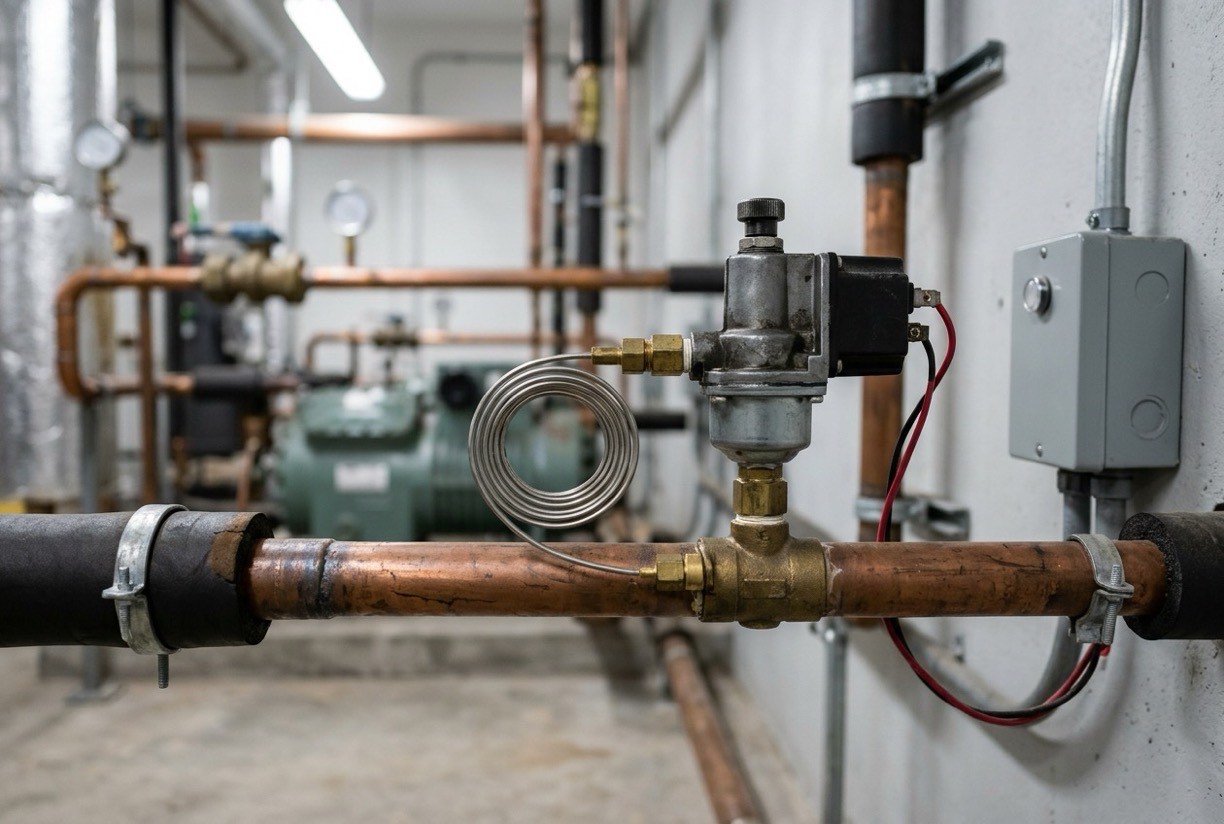
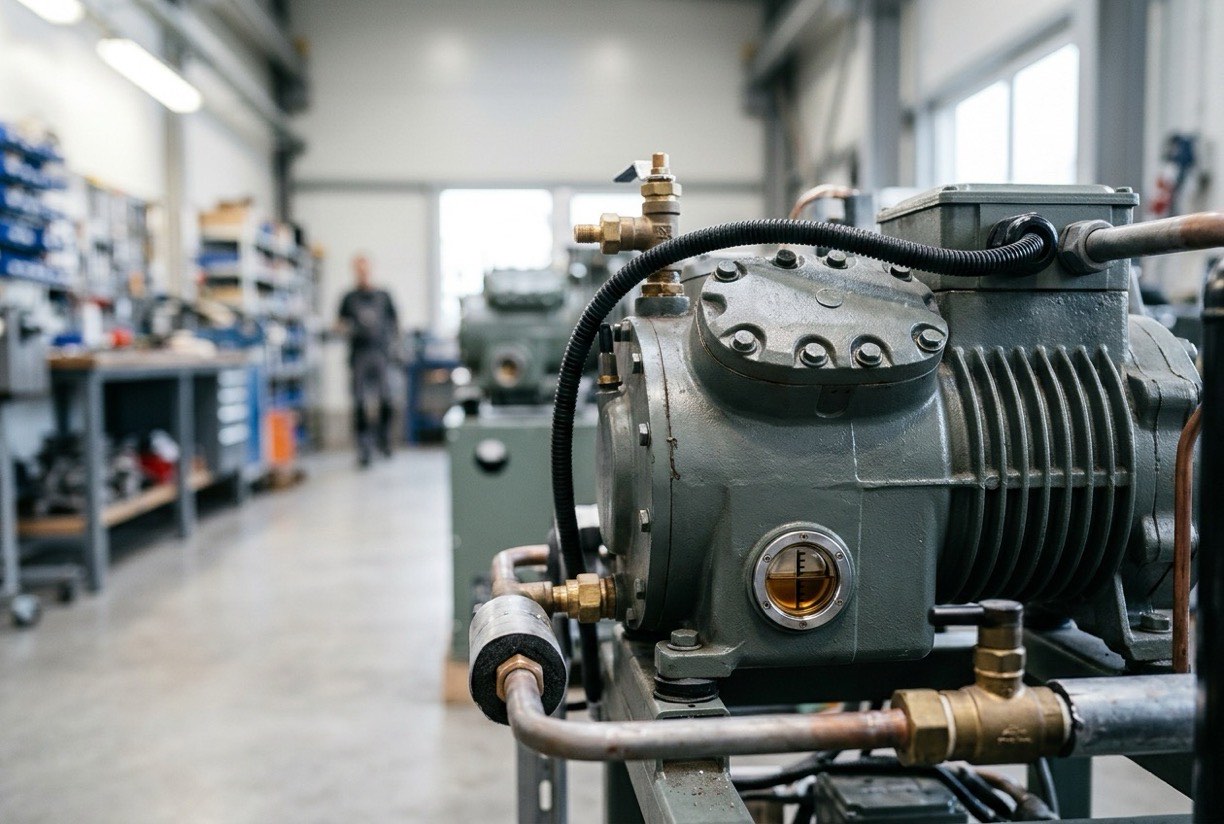
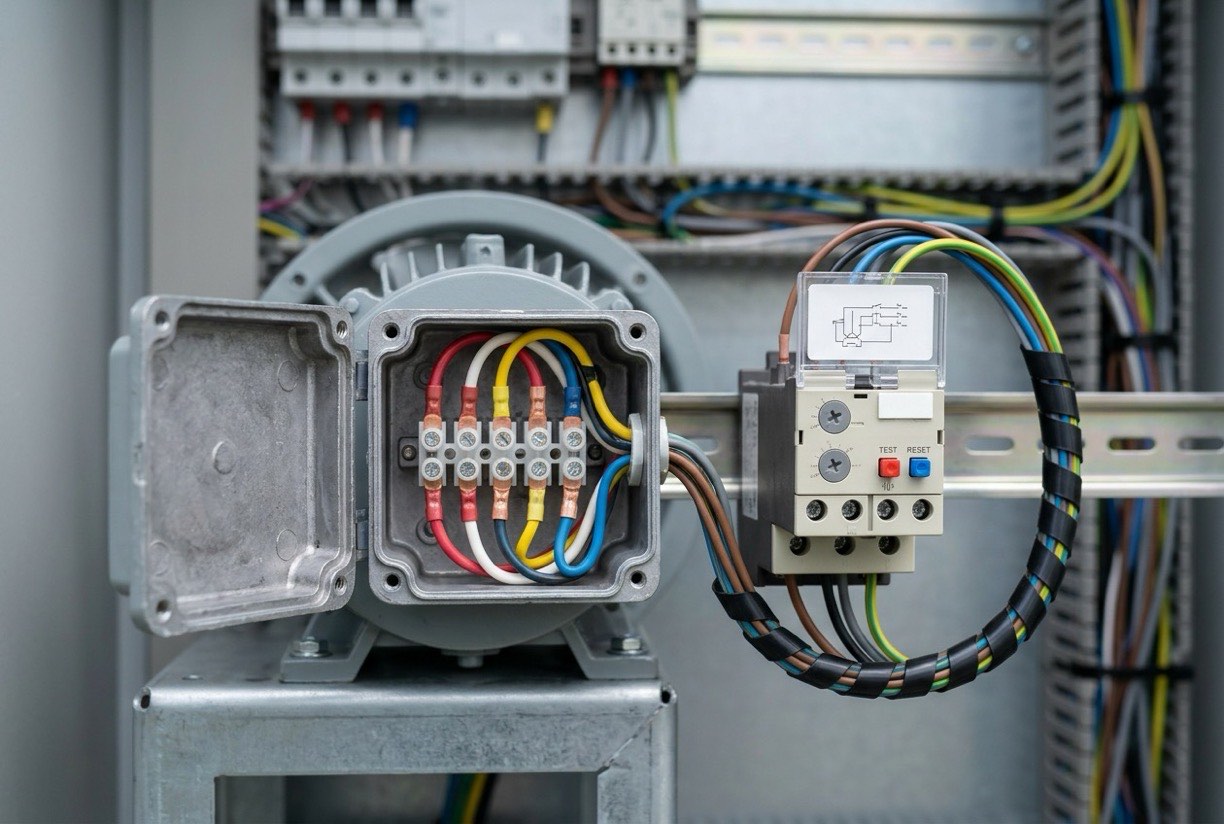
The most common way to protect products in the event of a failure is to use redundant refrigeration circuits that can operate independently of each other and an uninterruptible power supply for critical components. In a system dependent on a single compressor or a single controller, a problem in that component affects the temperature of the entire room.
The level of redundancy is determined according to the value of the stored product and its tolerance time: in some applications two full-capacity units operating alternately, and in others partial redundancy, may be sufficient. Generator or uninterruptible power supply integration should be considered together with an emergency plan defining who will respond and how in the event of an alarm.
How Should The Temperature Monitoring And Recording System Be Designed?
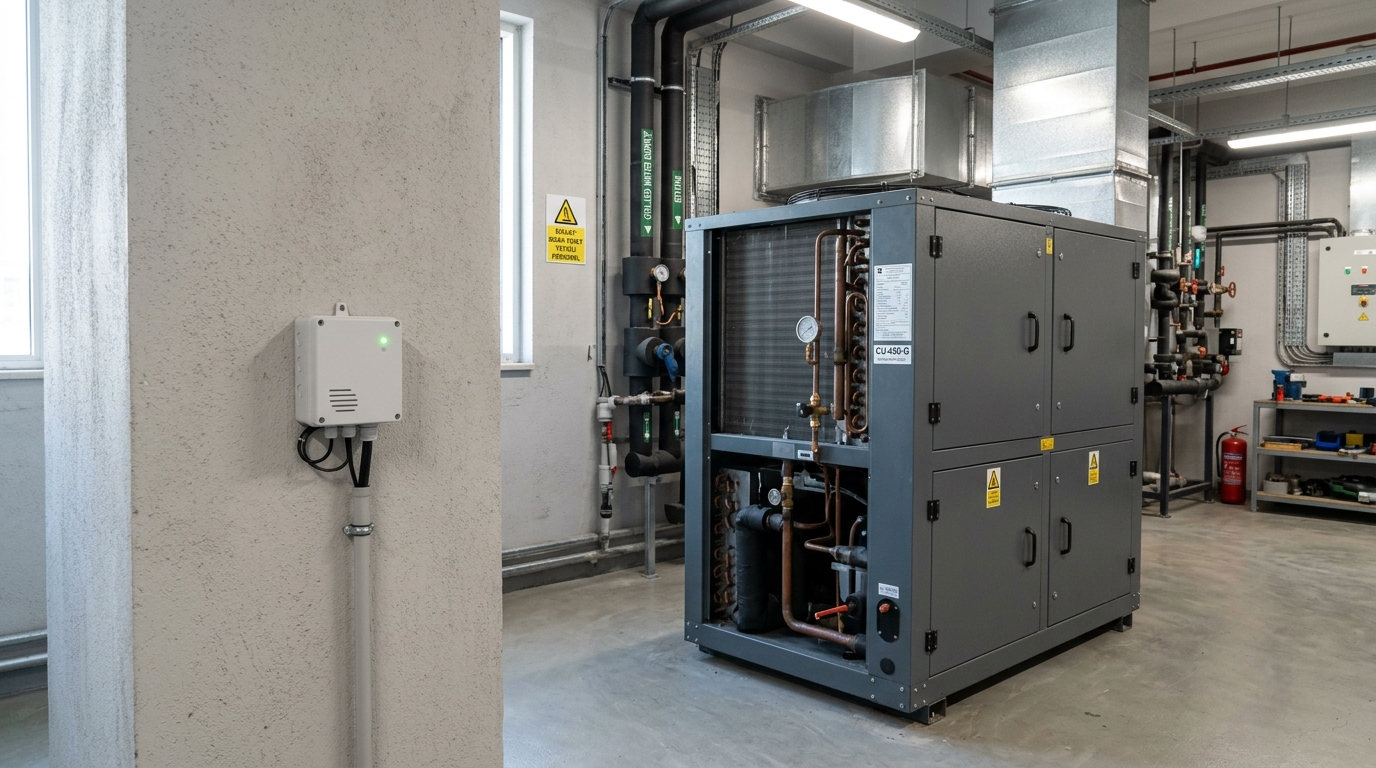
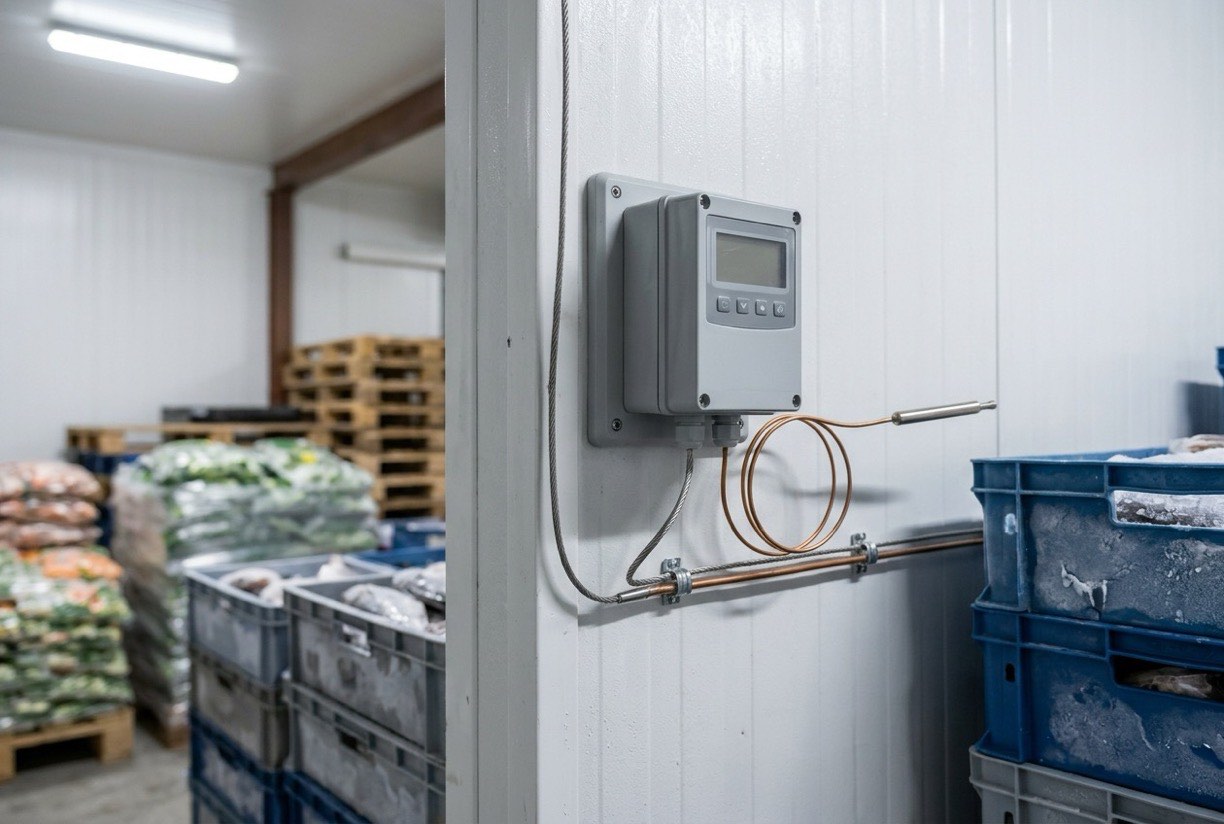
The monitoring system should be designed as a structure that measures continuously with sensors independent of the refrigeration control, records data in an unalterable manner and immediately transmits alarms to responsible persons when limits are exceeded. If the control sensor and the monitoring sensor are the same, a sensor failure creates the risk that both the control and the record are wrong.
The number and position of sensors are chosen based on the mapping results so as to represent the warmest and coldest points. Calibration intervals, alarm delays, door-open alarm and data retention period are defined according to institutional procedures; remote access and message notifications shorten response time outside working hours.
How Do Hygiene And Cleaning Requirements Affect Equipment Selection?
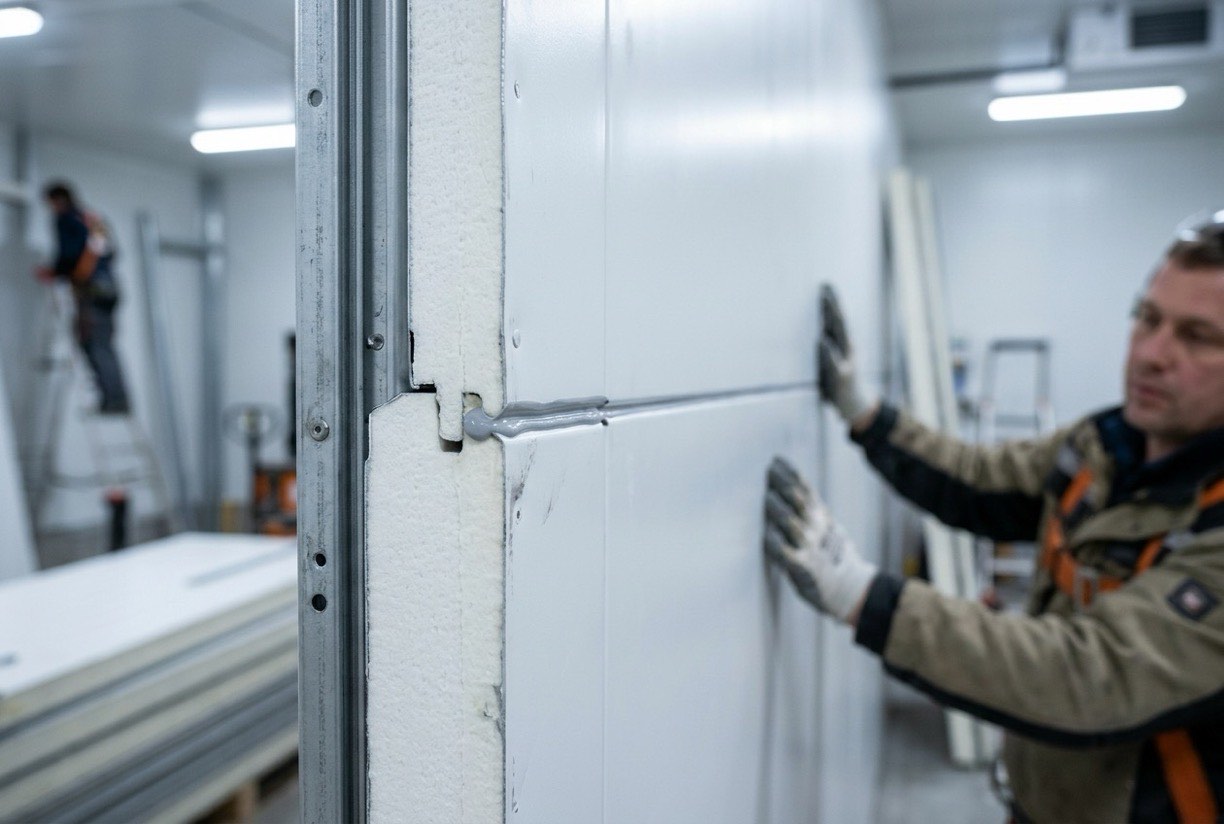
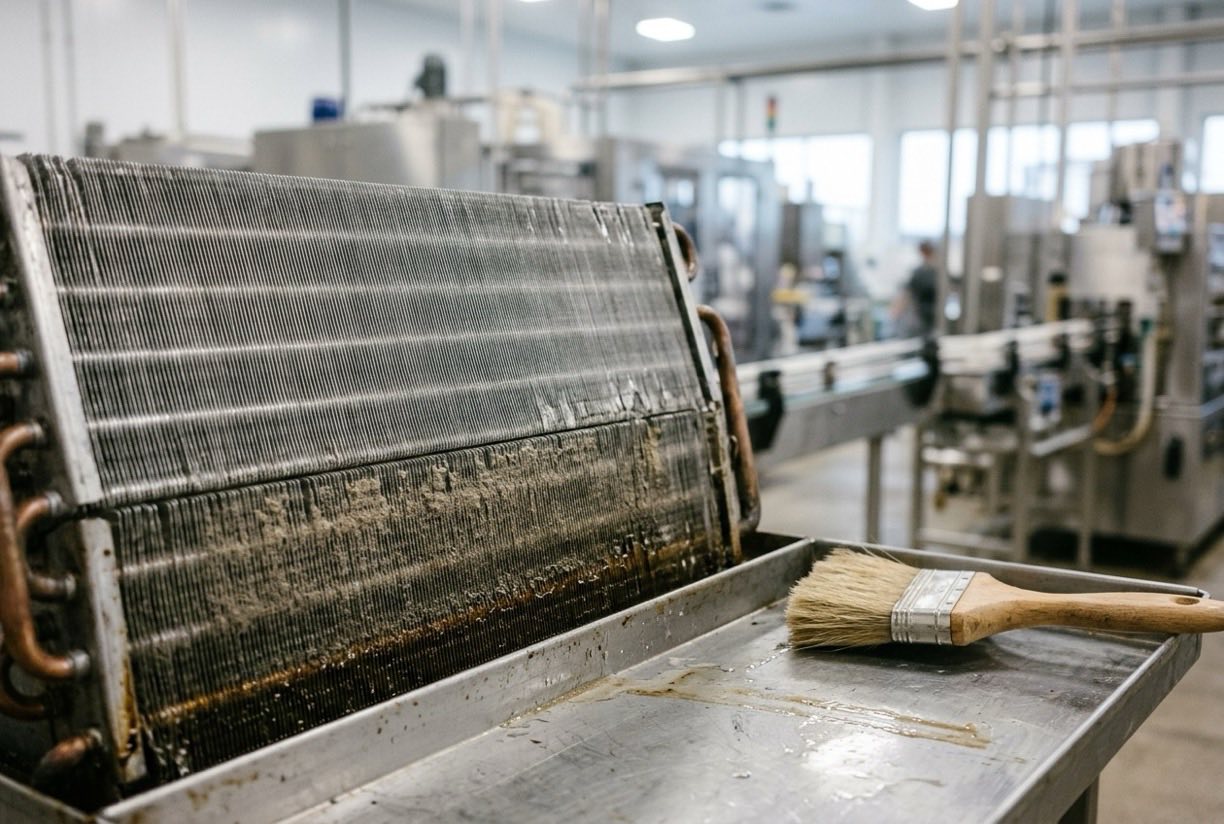
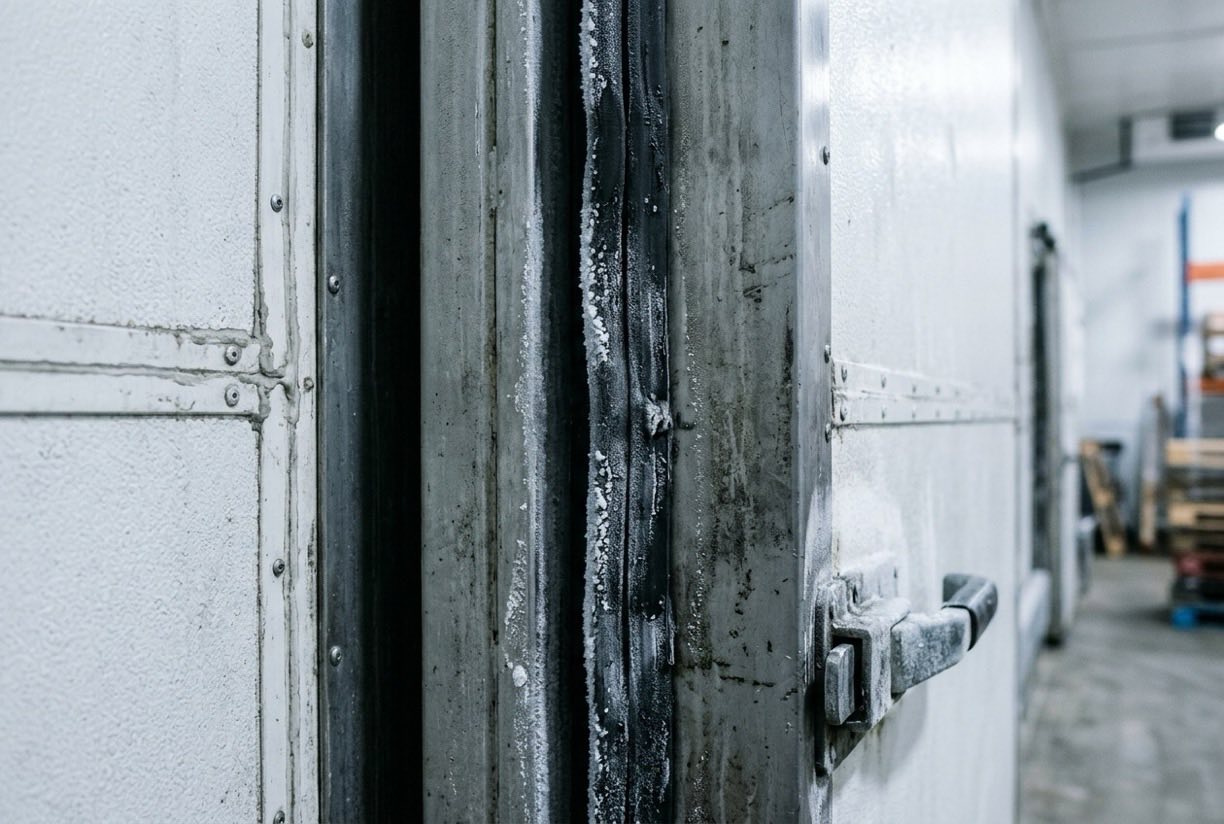
Hygiene requirements make it mandatory to select panel surfaces, floor joints and the evaporator casing from materials that are easy to clean, corrosion-resistant and do not retain dirt. Coved profiles in corners, sealed joints and surfaces resistant to cleaning chemicals reduce the maintenance burden.
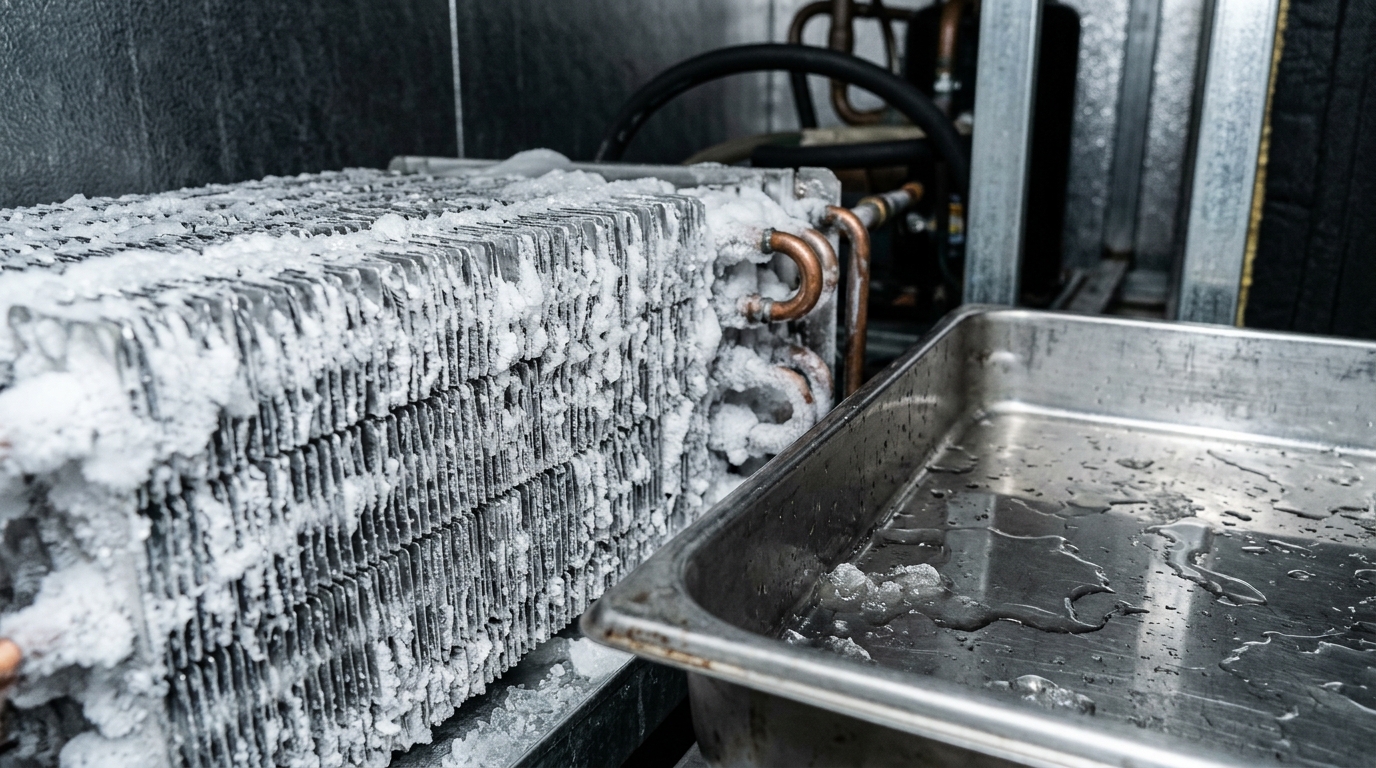
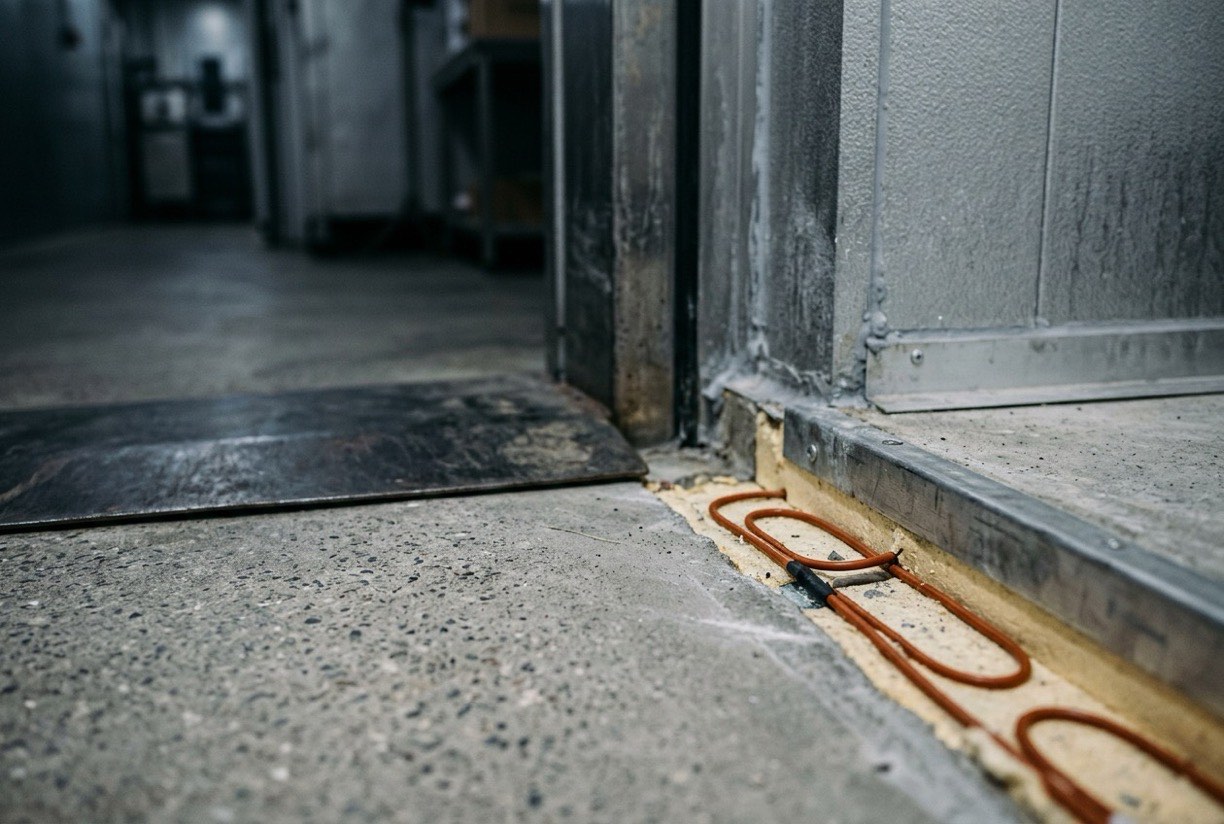
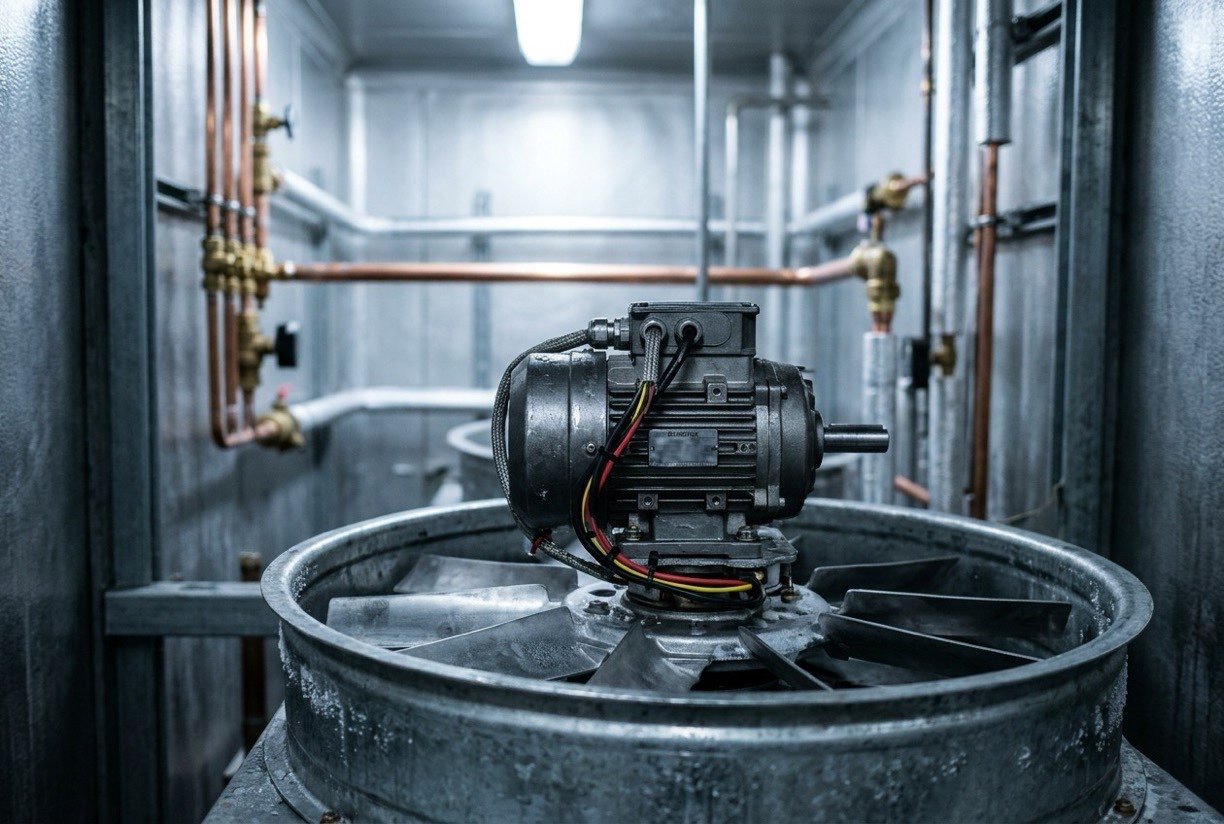
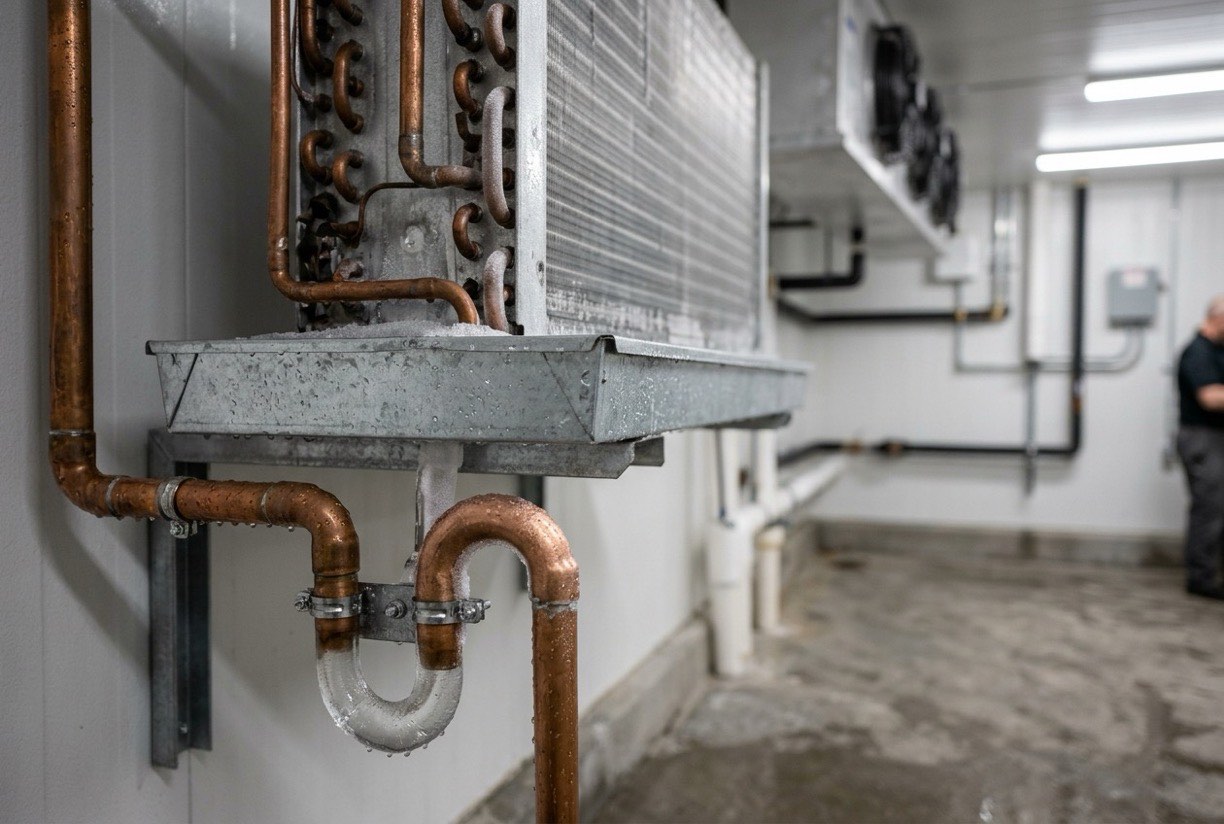
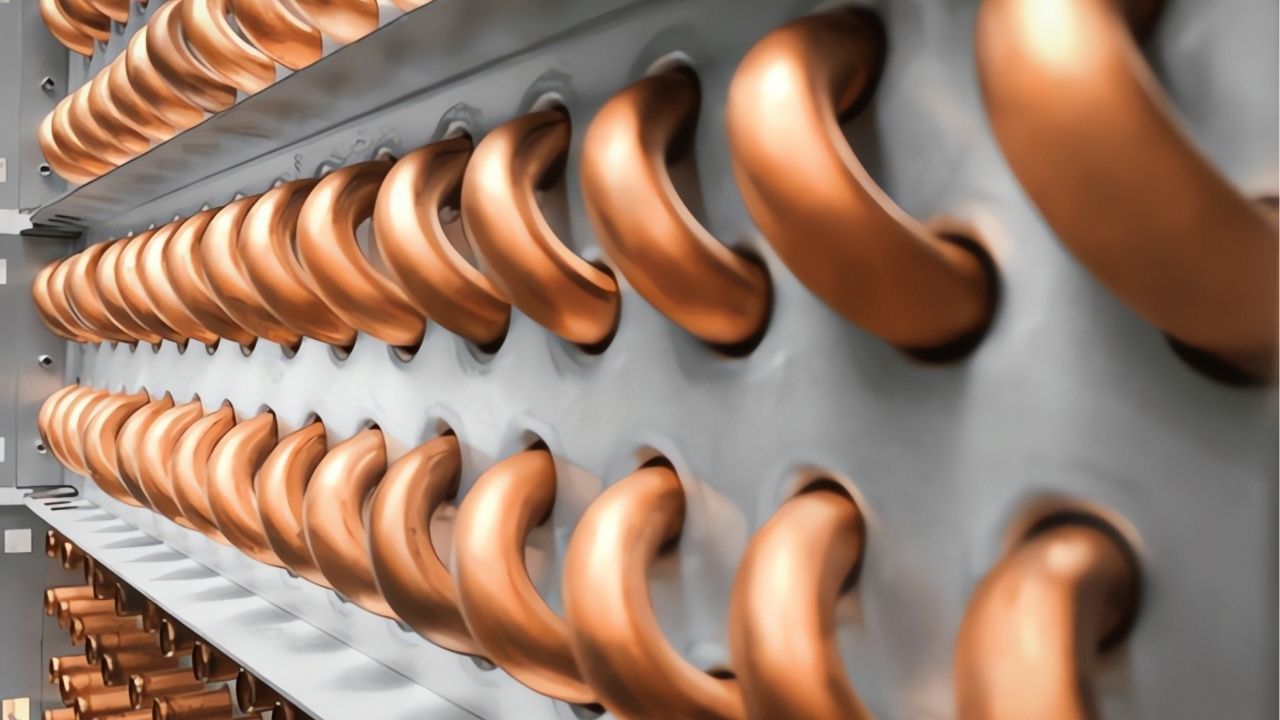
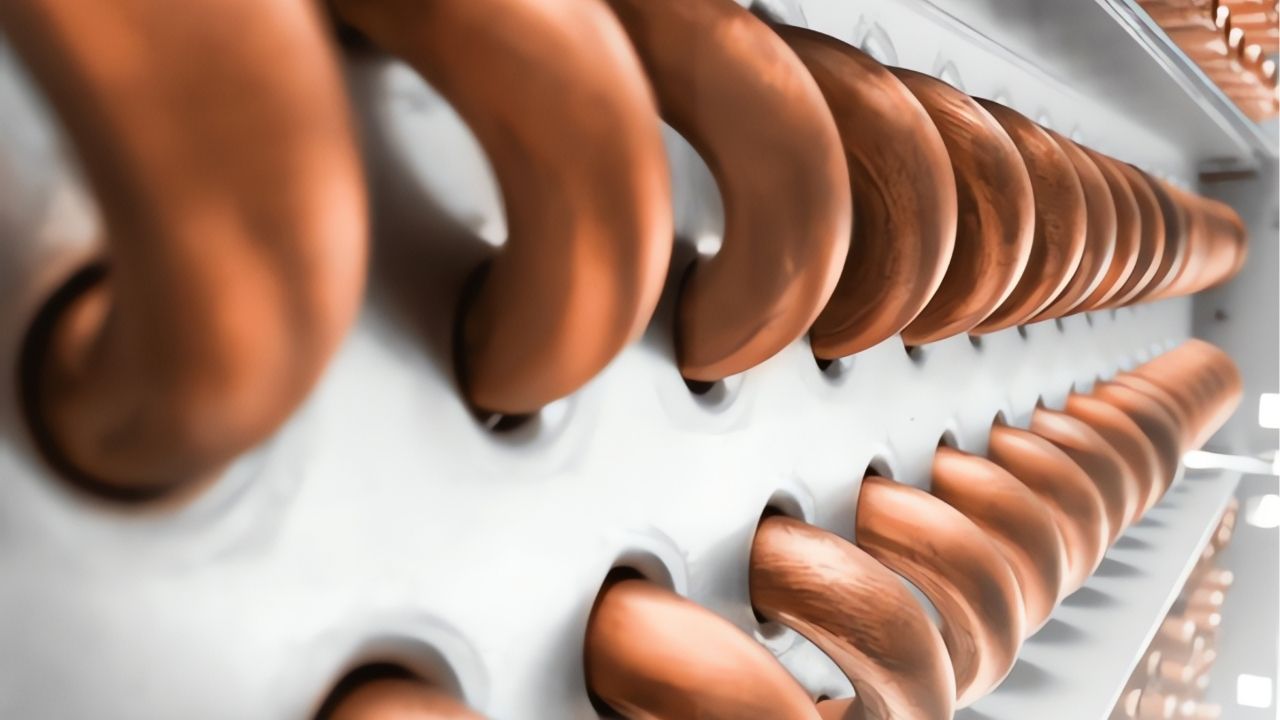
On the evaporator side, the slope of the drain pan, complete discharge of defrost water and accessibility of the coil surface for cleaning are important. Since standing water and condensation can create conditions for microbial growth, details such as humidity control and heating of the drain line are evaluated according to project conditions.
What Should Be Considered When Choosing The Right Hospital Or Laboratory Cold Room?
The right choice can be made when the requirements of the products to be stored, the intensity of use and the institution's quality procedures are evaluated together. The following headings can provide guidance in the decision process:
- Storage temperature range, permitted deviation and the time the product may remain outside the range
- Redundant refrigeration circuit, measures against power outages and alarm response plan
- Monitoring independent of control, calibration and record retention requirements
- Cleanable surfaces, suitable drainage and accessibility for maintenance
You can contact the Günay Soğutma technical team to evaluate together a configuration suited to your institution's needs.
Frequently Asked Questions
At what temperature does a hospital cold room operate?
The temperature is determined according to the range specified on the stored product's label or protocol. Separate rooms or compartments may be needed for different ranges in the same facility.
Why is temperature mapping performed?
Mapping shows the temperature distribution at different points of the room, revealing where the monitoring sensors should be placed and whether the design is adequate.
Is a redundant system necessary in every application?
Its necessity depends on the value of the product, its tolerance time and institutional procedures. The level of redundancy is determined as a result of a risk assessment.
How is the temperature maintained when the door is opened frequently?
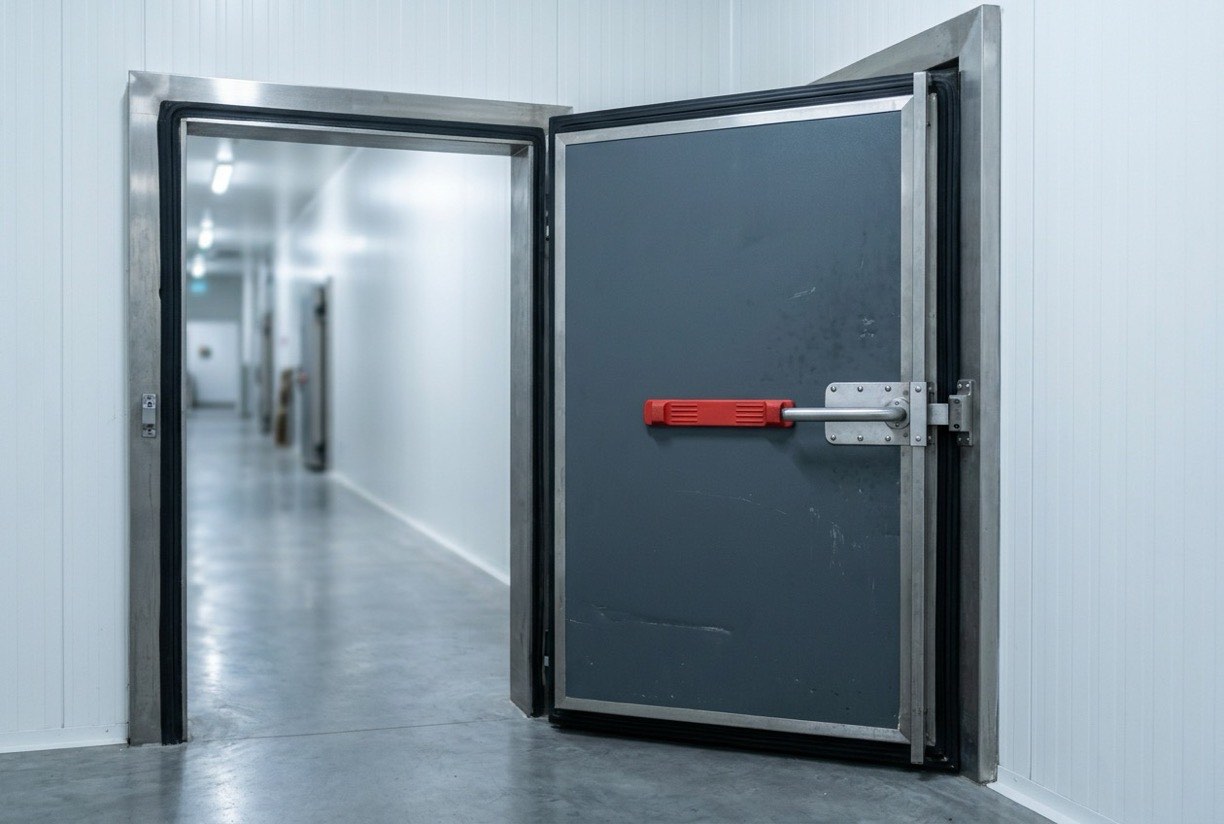
An air curtain, strip curtain, sufficient capacity for rapid recovery and a door-open alarm can be used together. The appropriate solution is chosen according to the frequency of use.
How often should monitoring sensors be calibrated?
The calibration interval is determined according to institutional procedures and the sensor manufacturer's recommendations.
Does product temperature rise during defrost?
There may be a short-term increase in air temperature; when defrost duration, frequency and fan delay are set correctly, the effect on product temperature can be kept limited.
How can I get a recommendation for my own facility?
By sharing your product list, temperature range, room dimensions and usage habits, you can request a project-specific evaluation from the Günay Soğutma team.