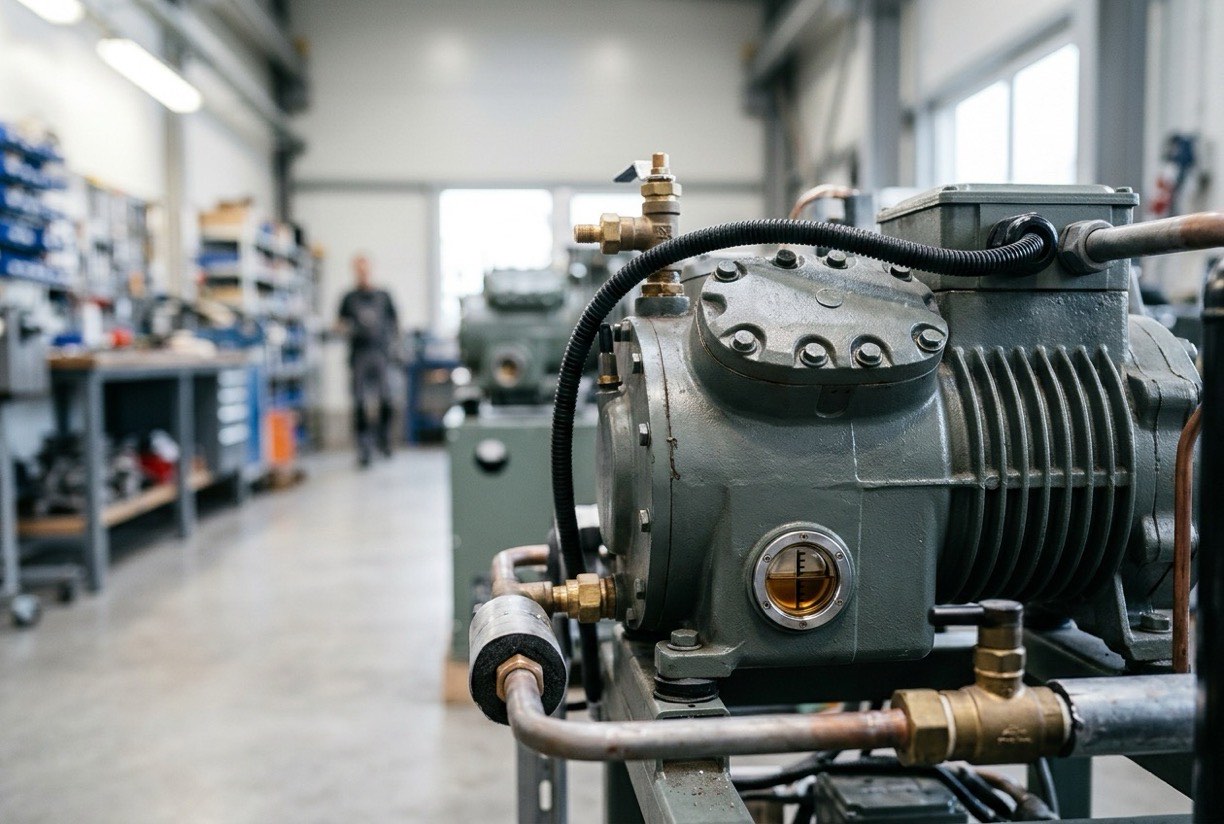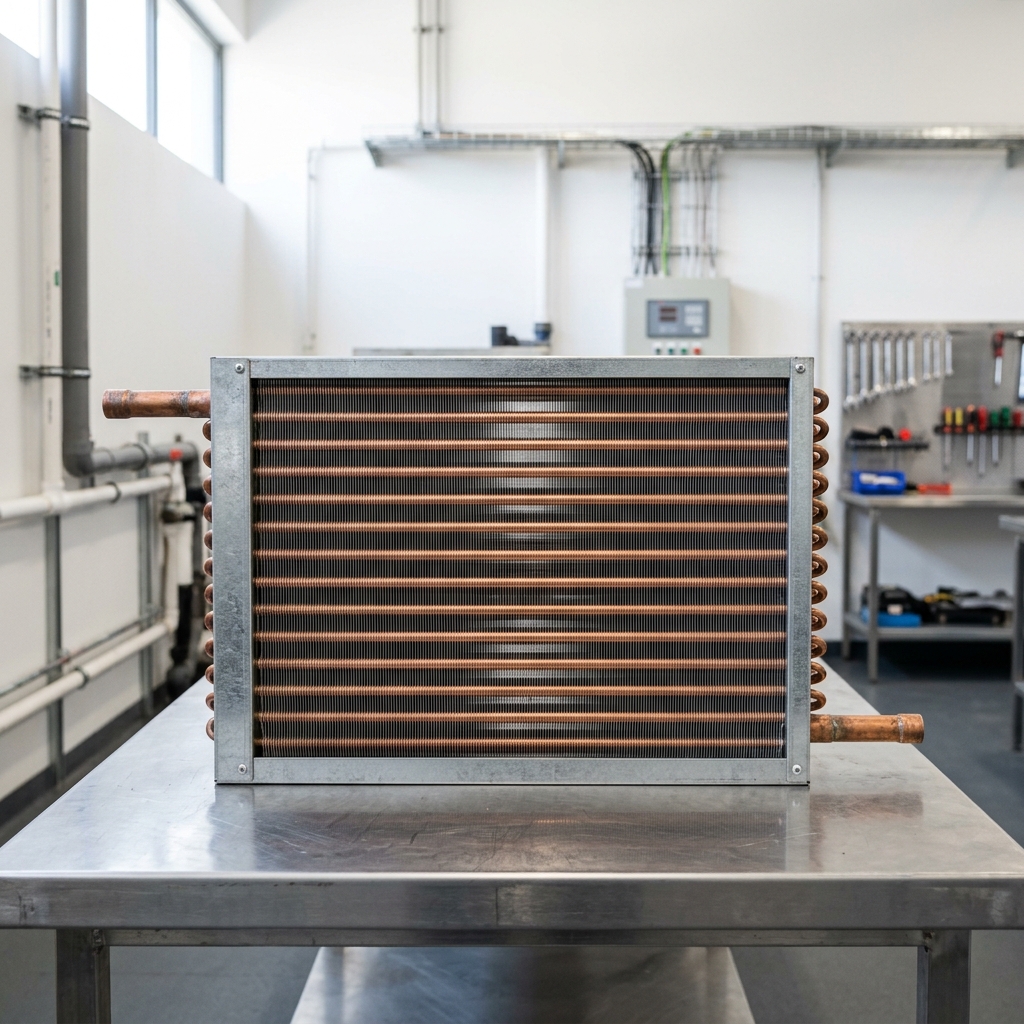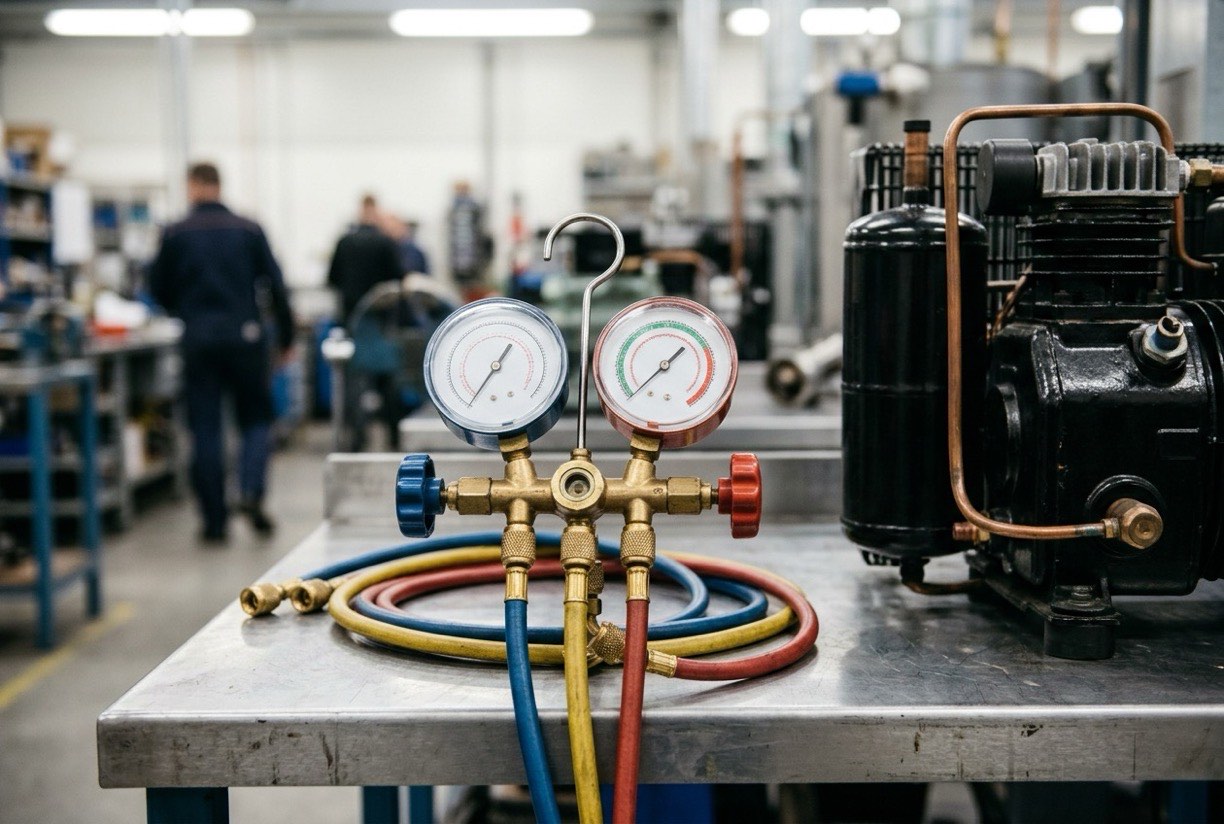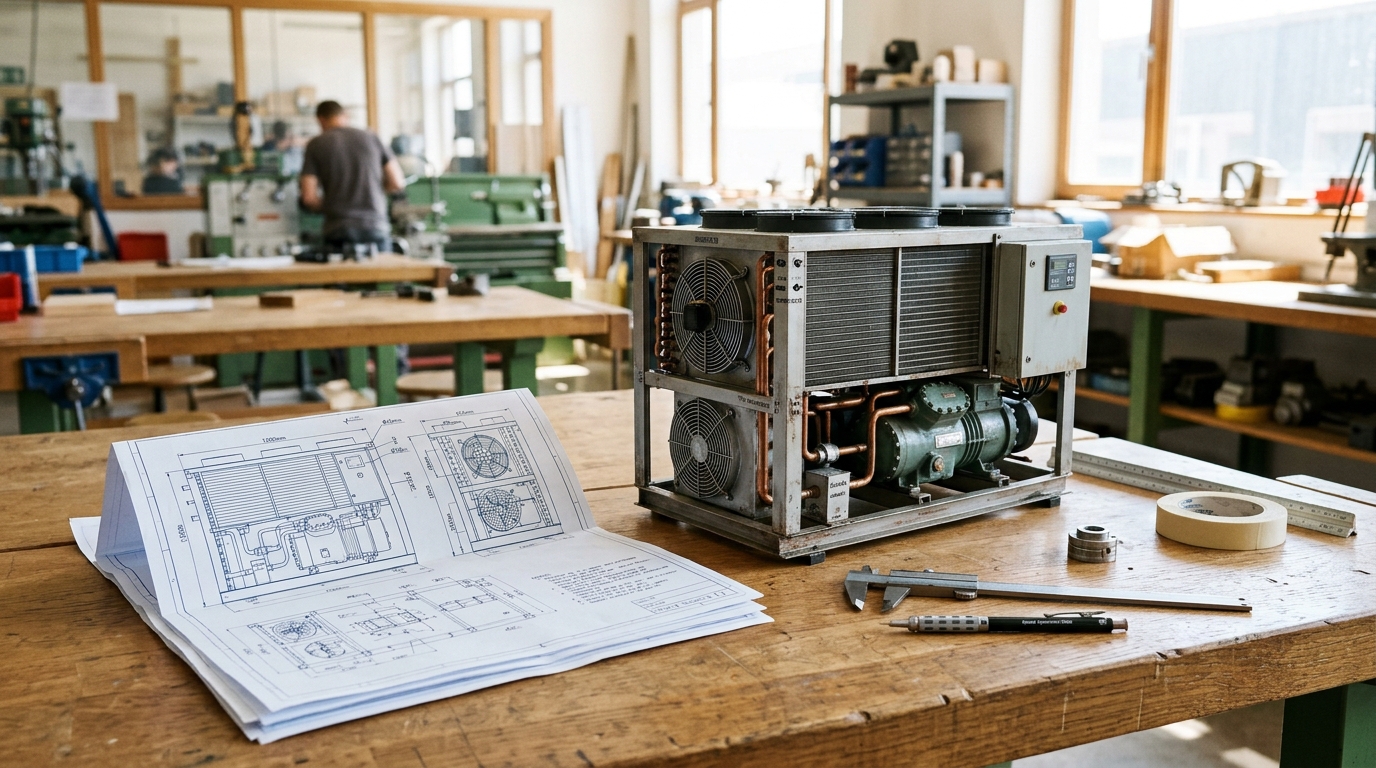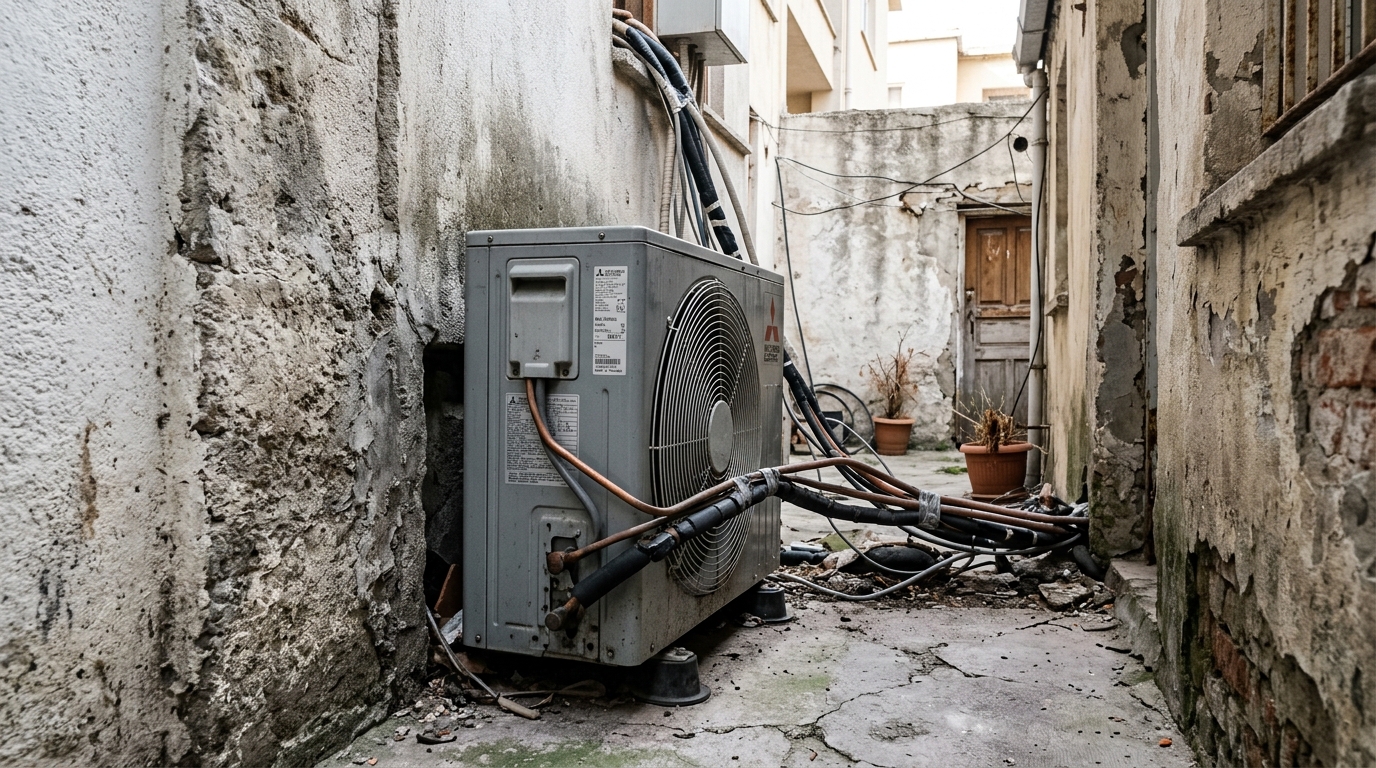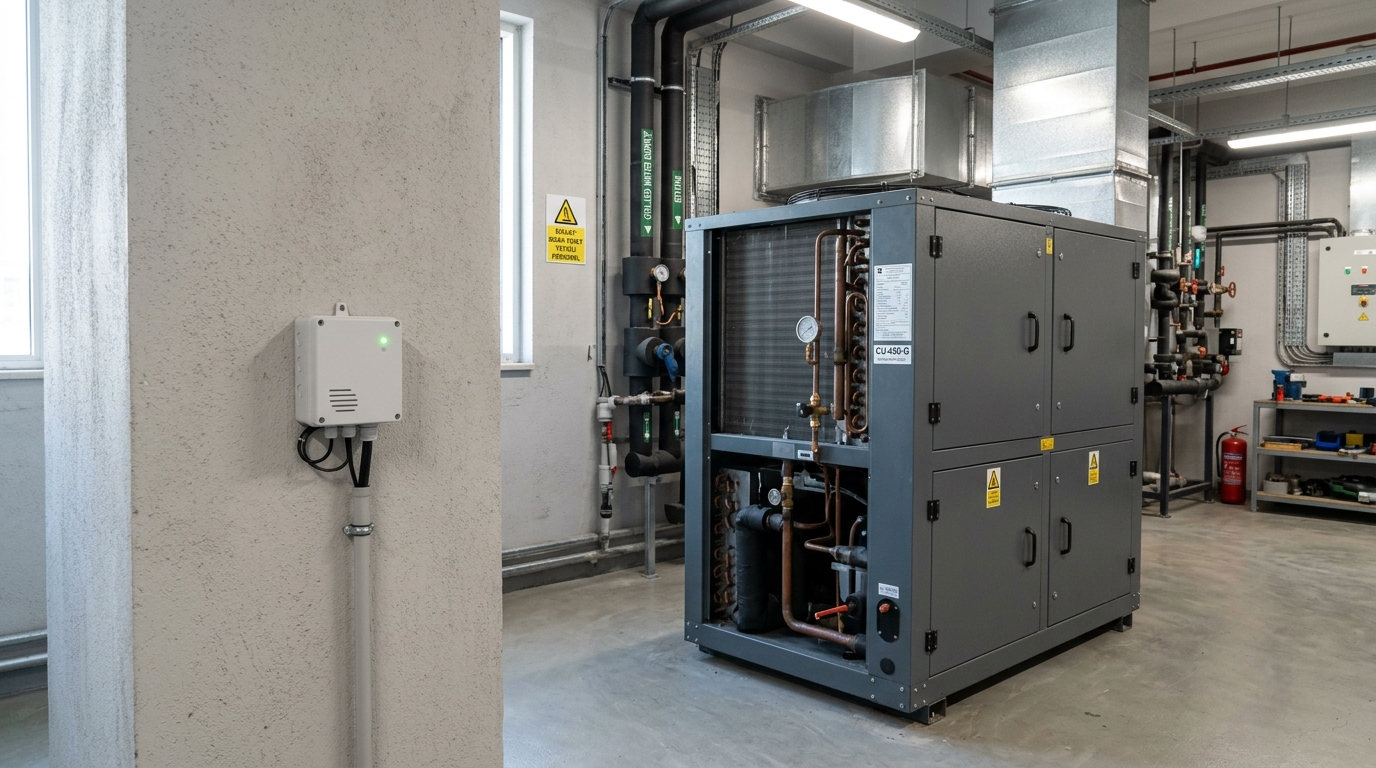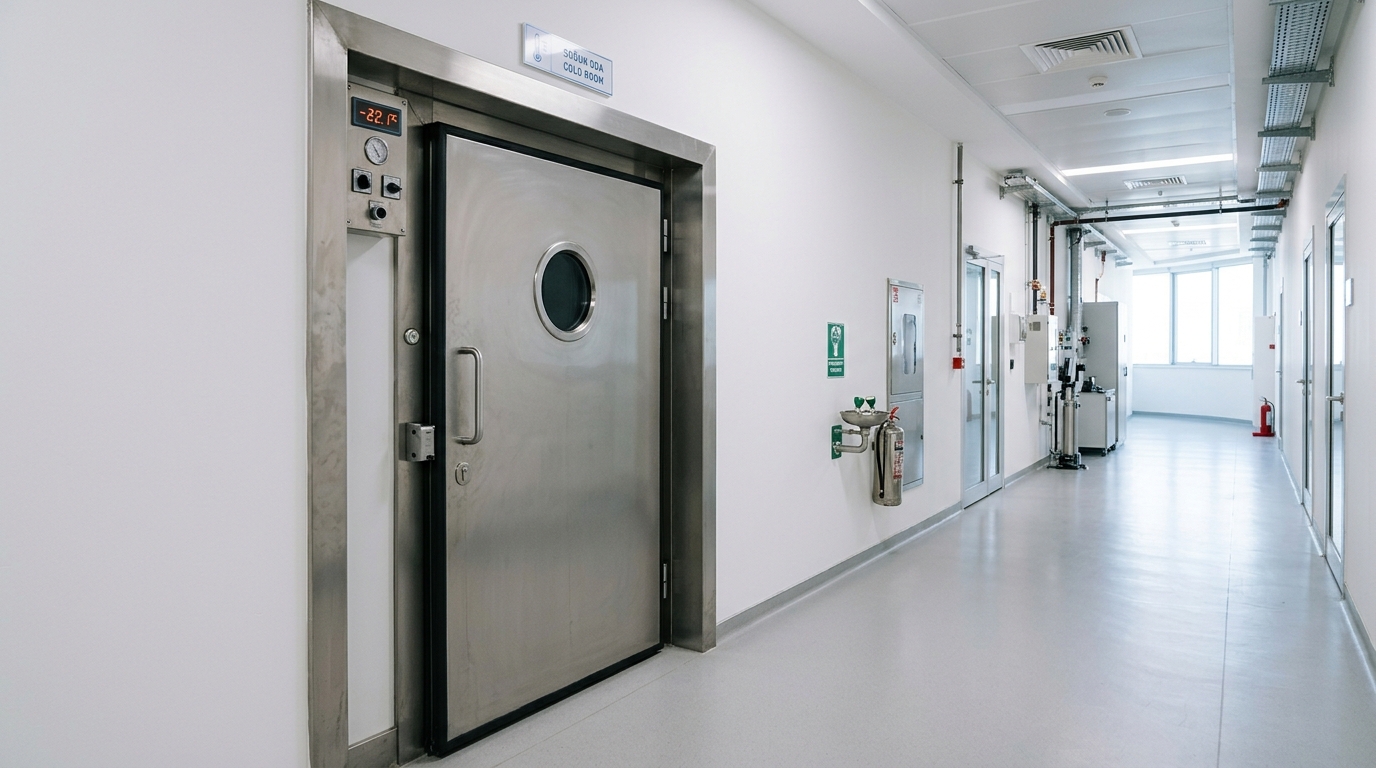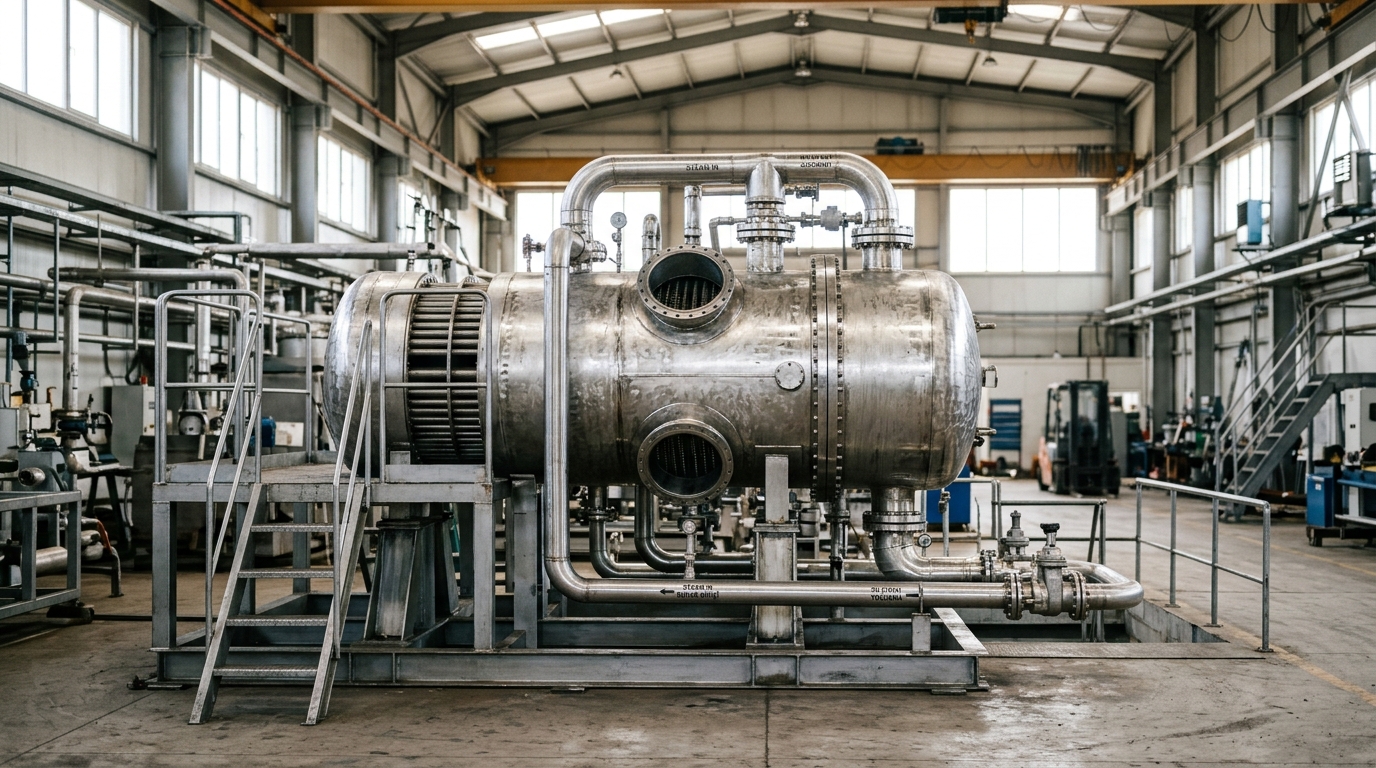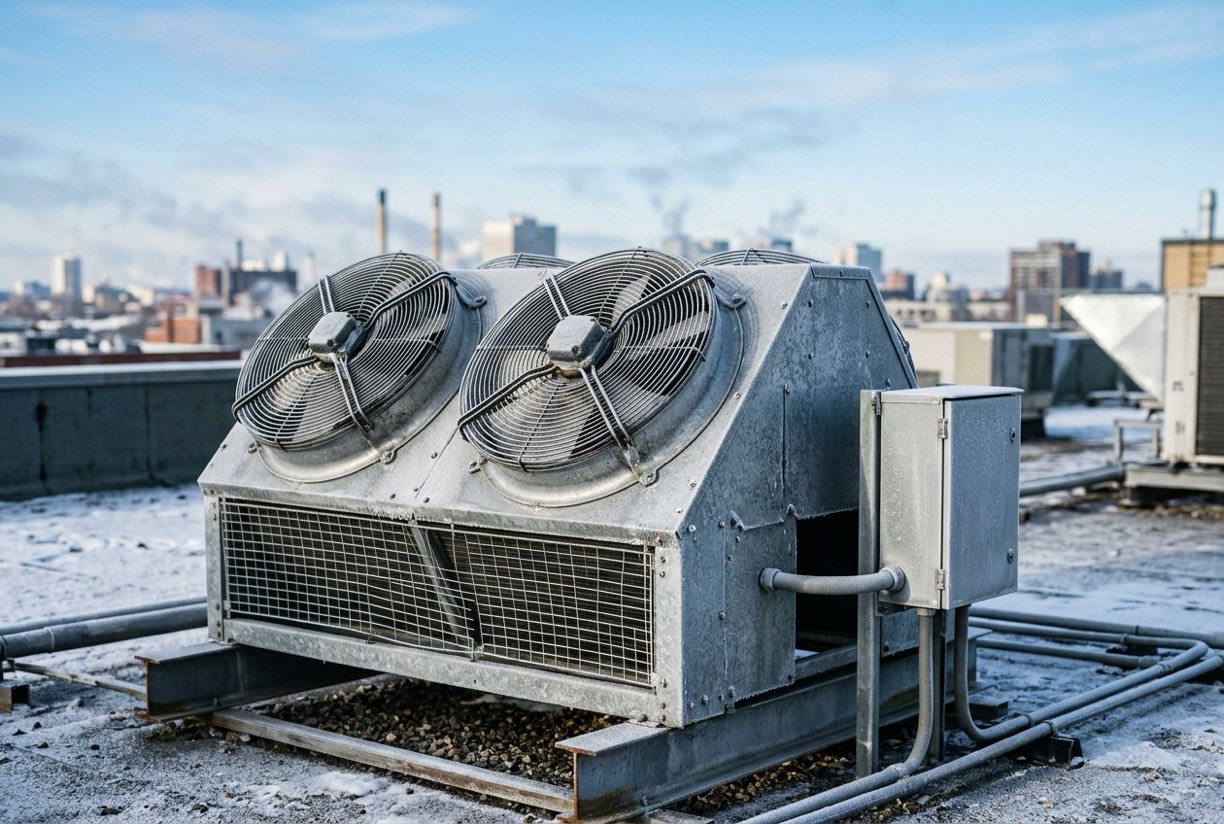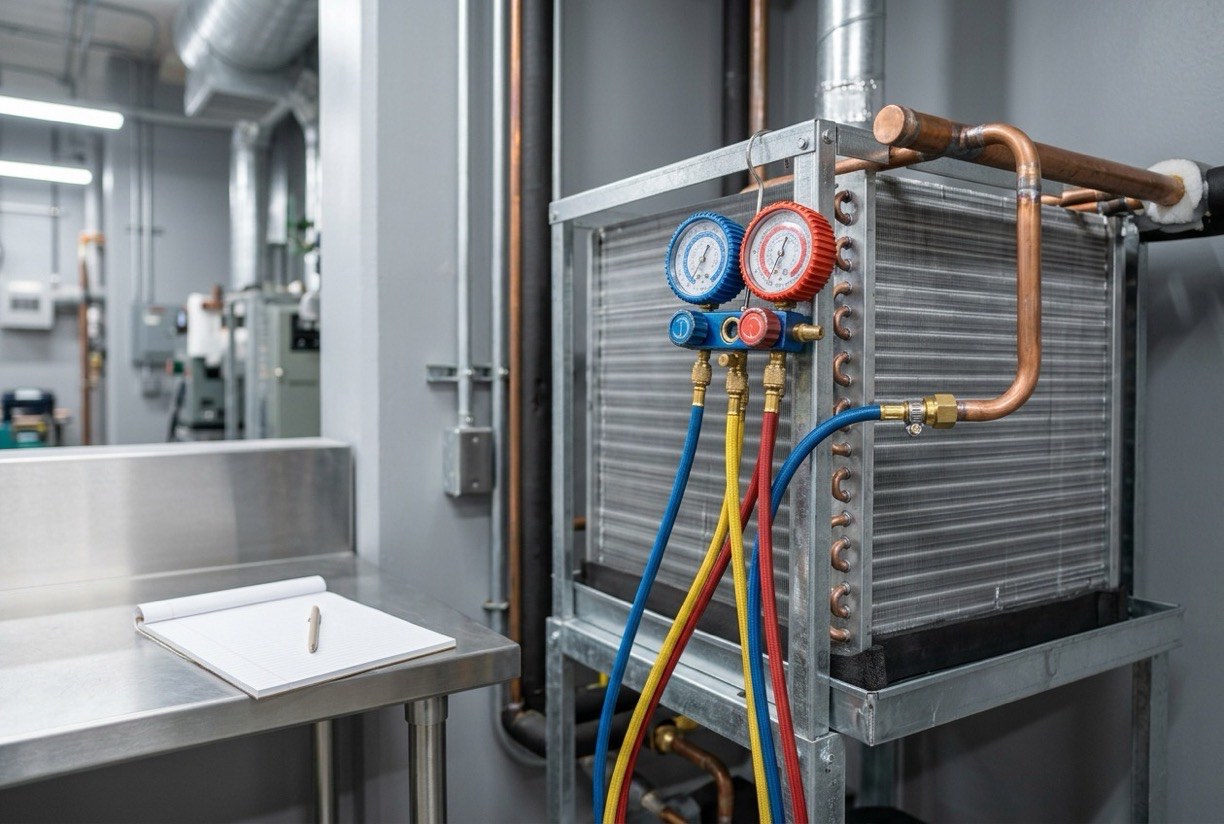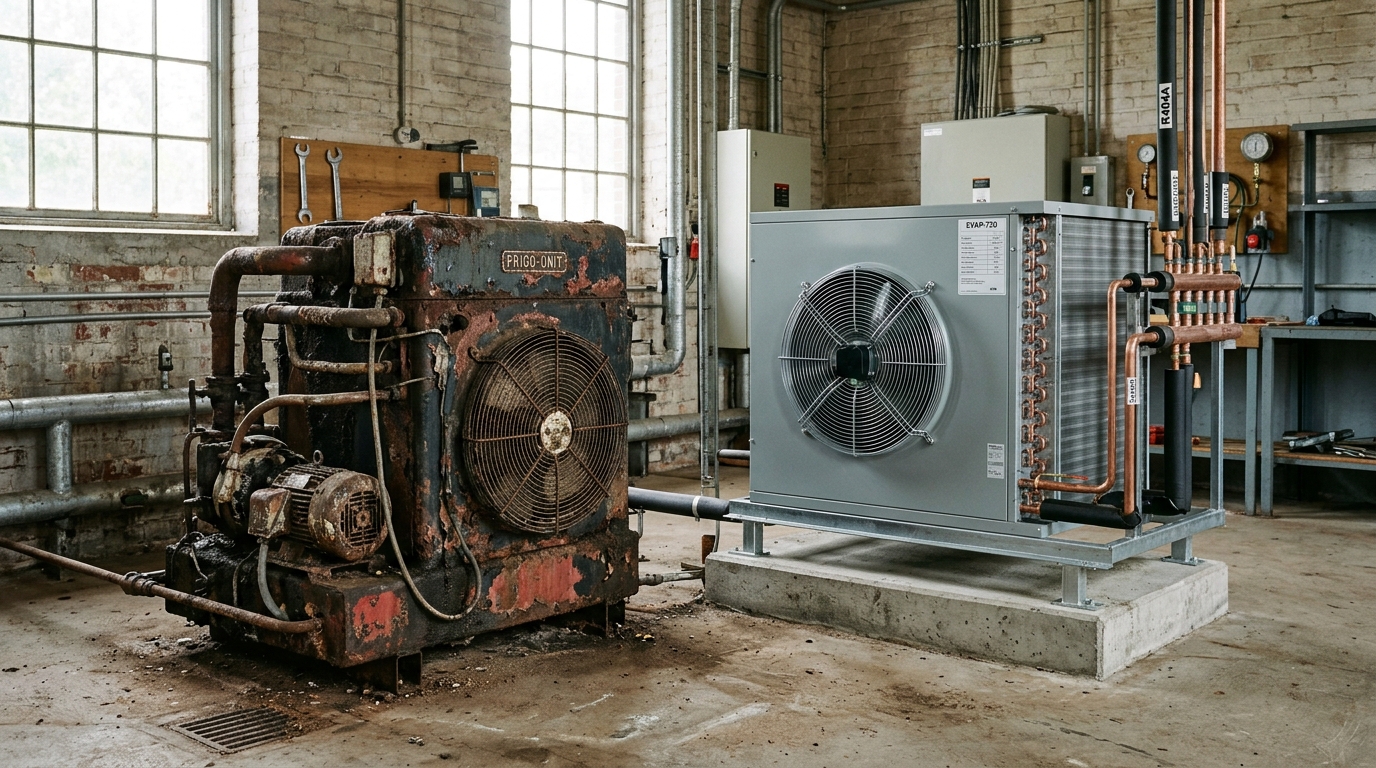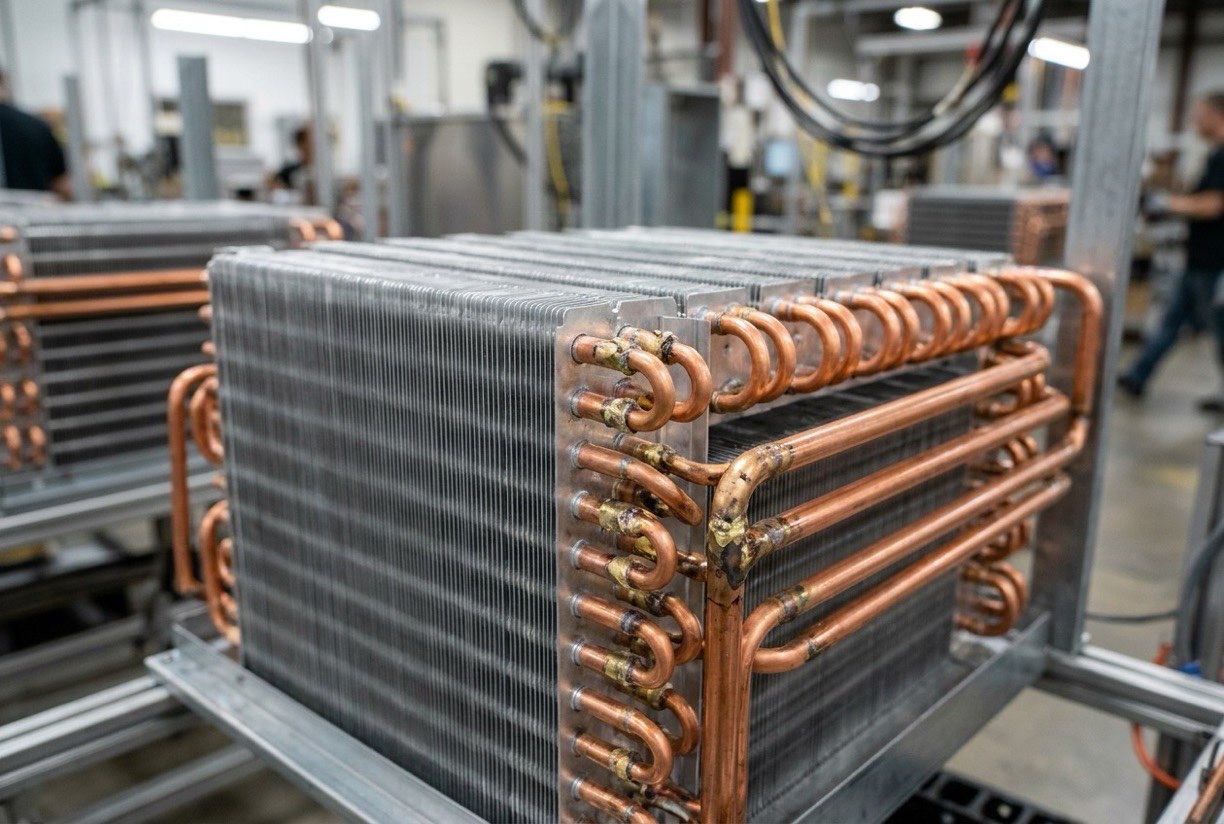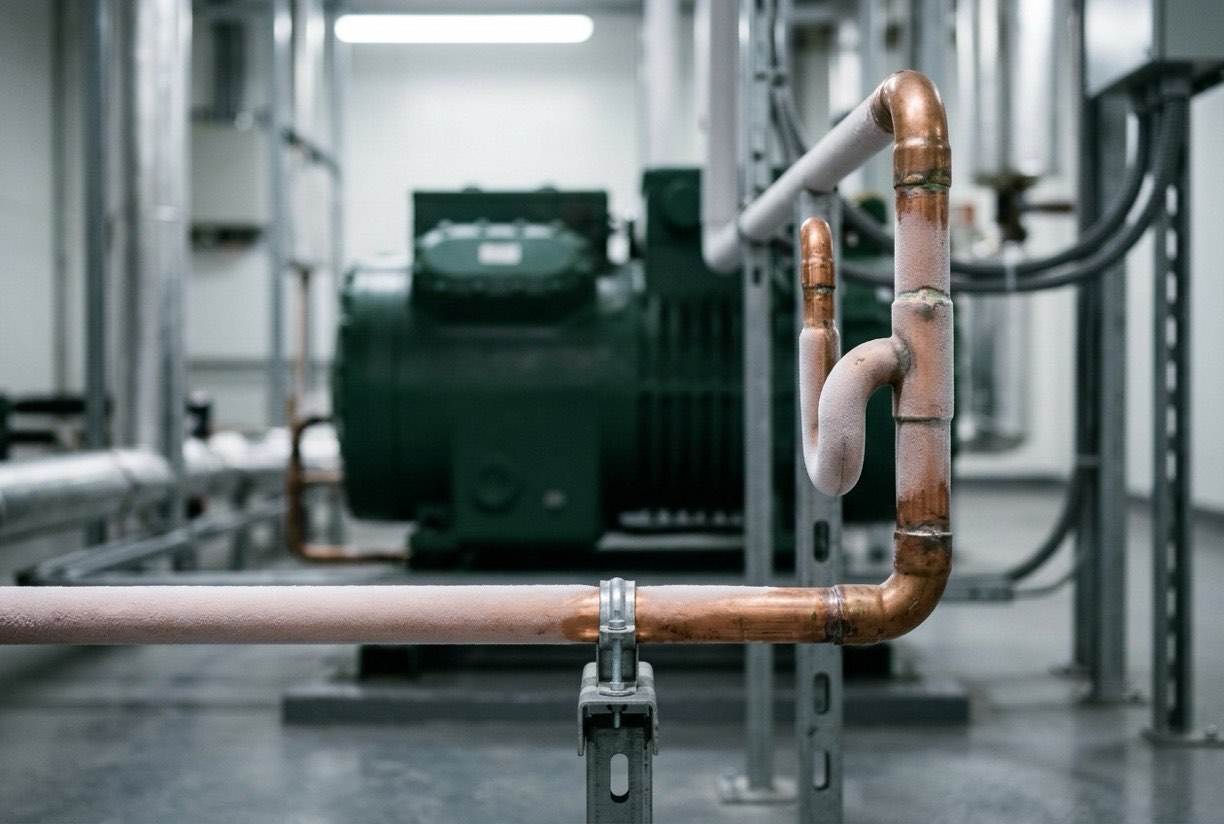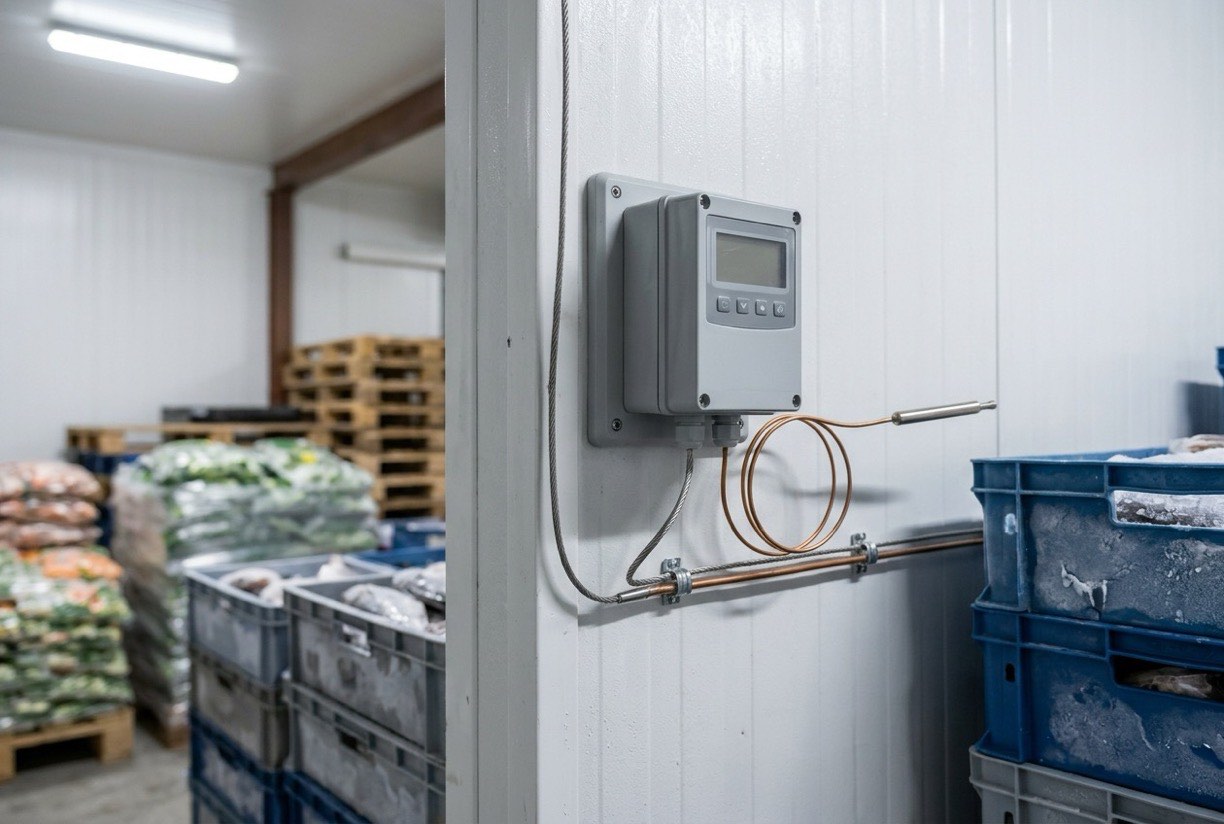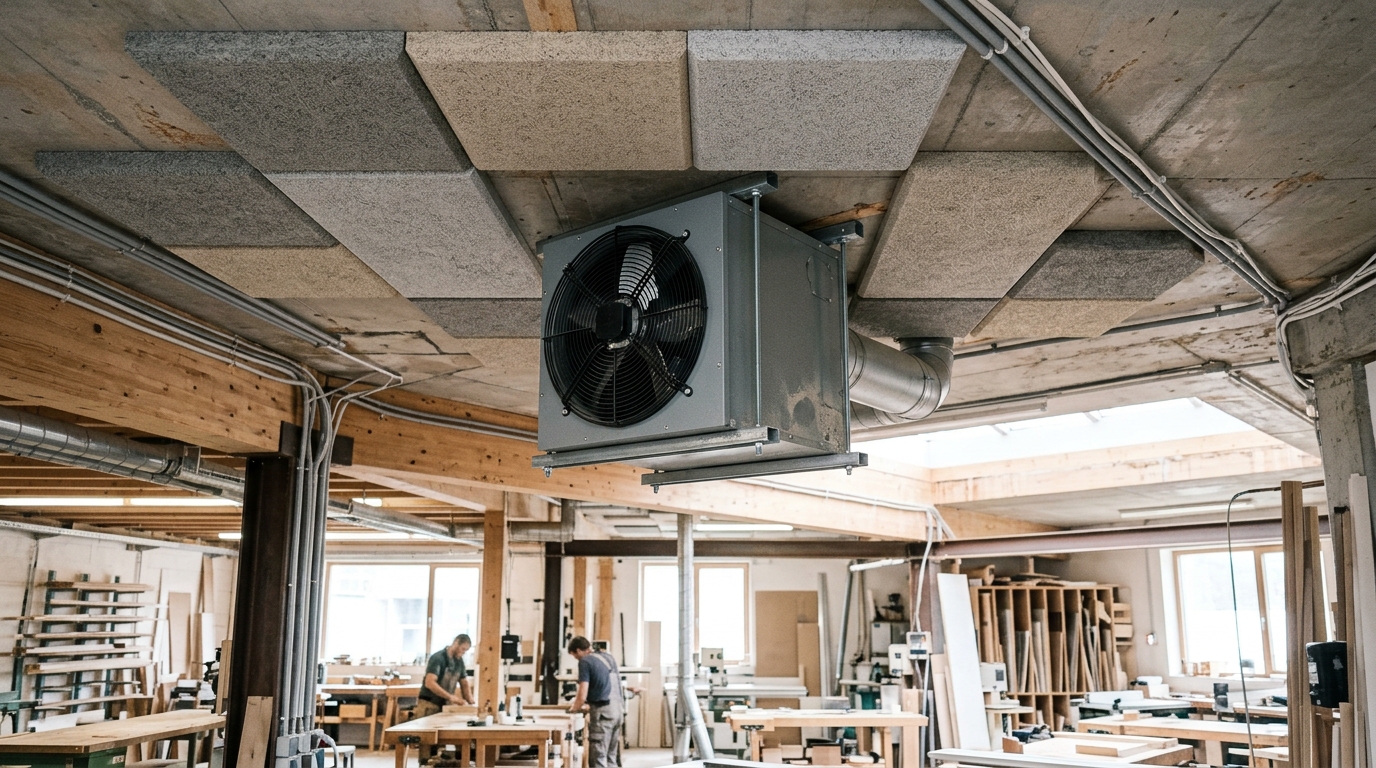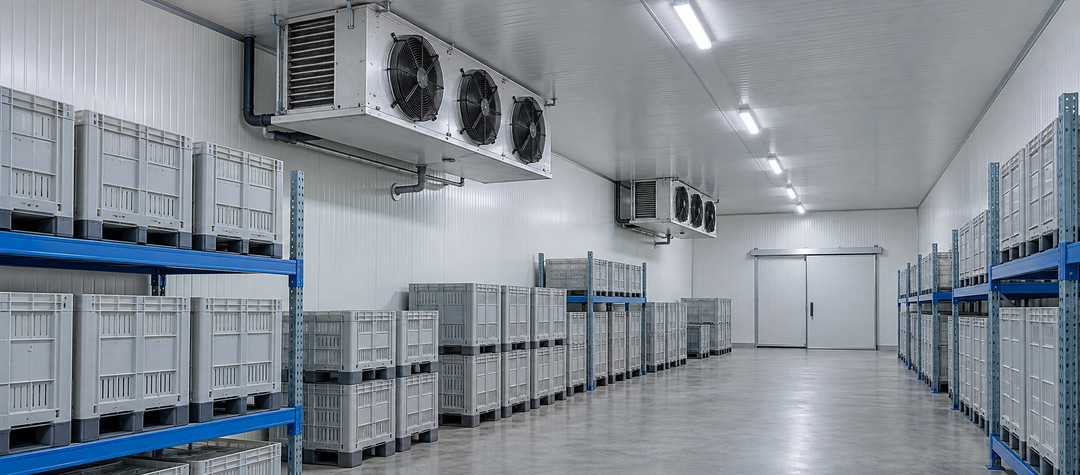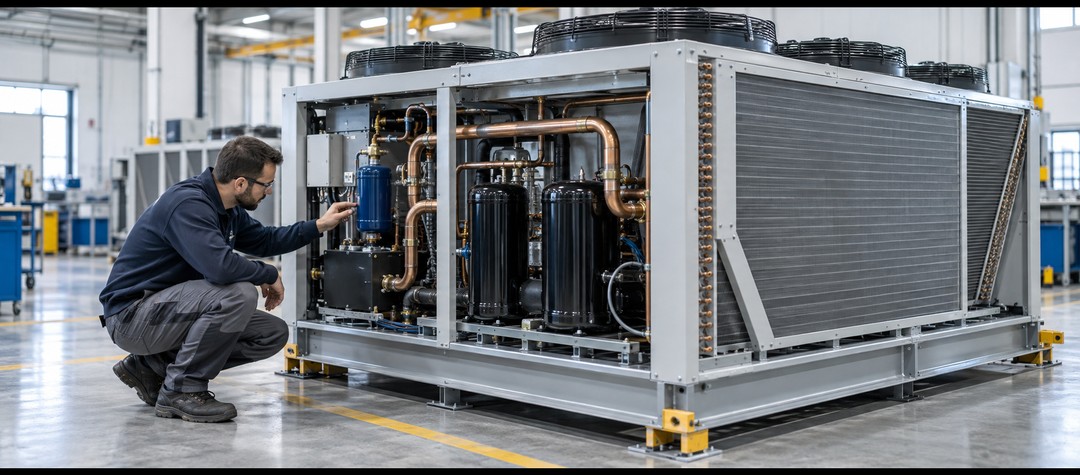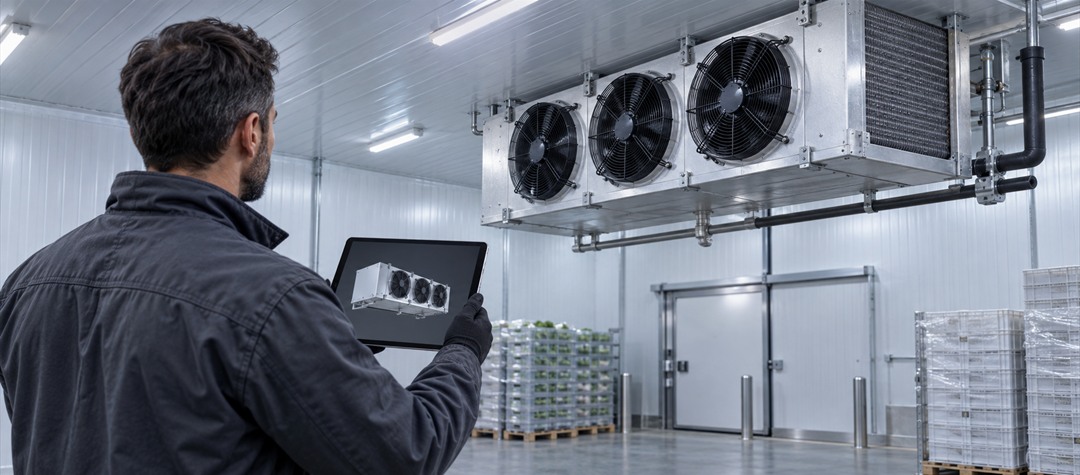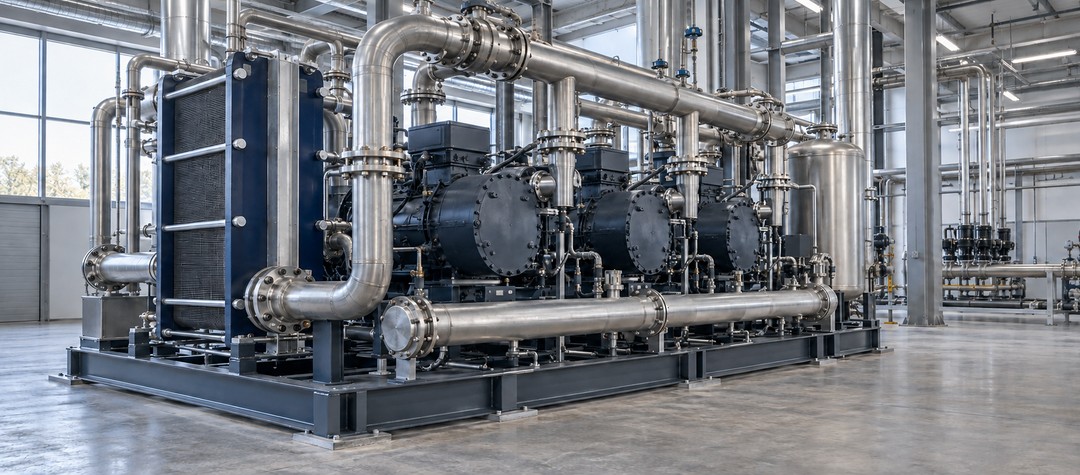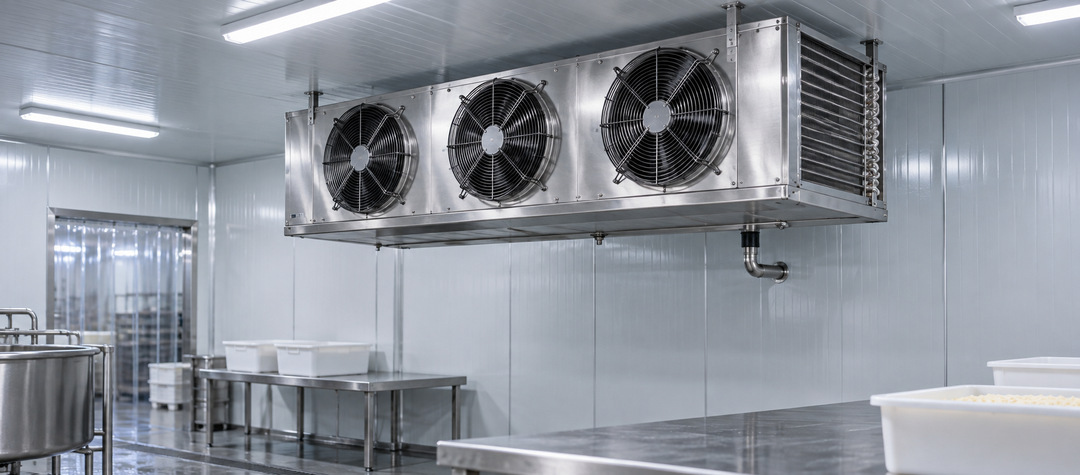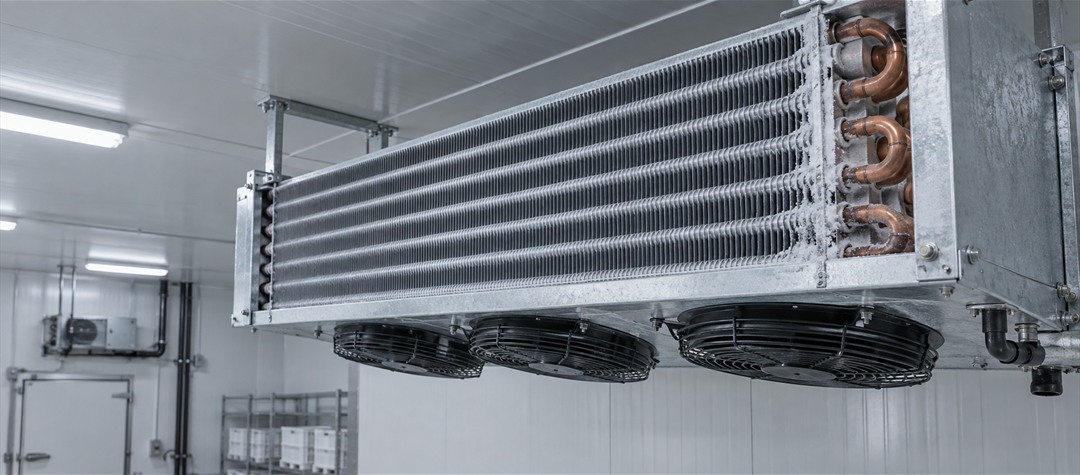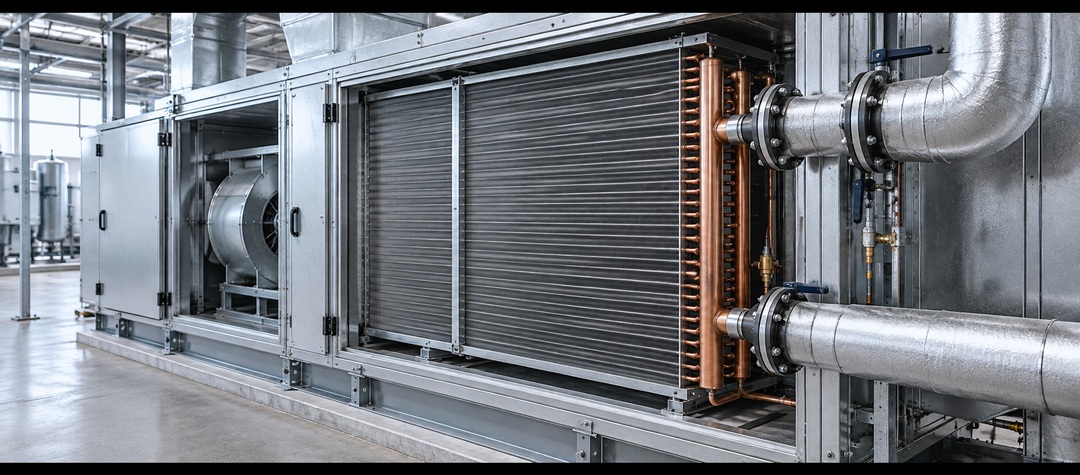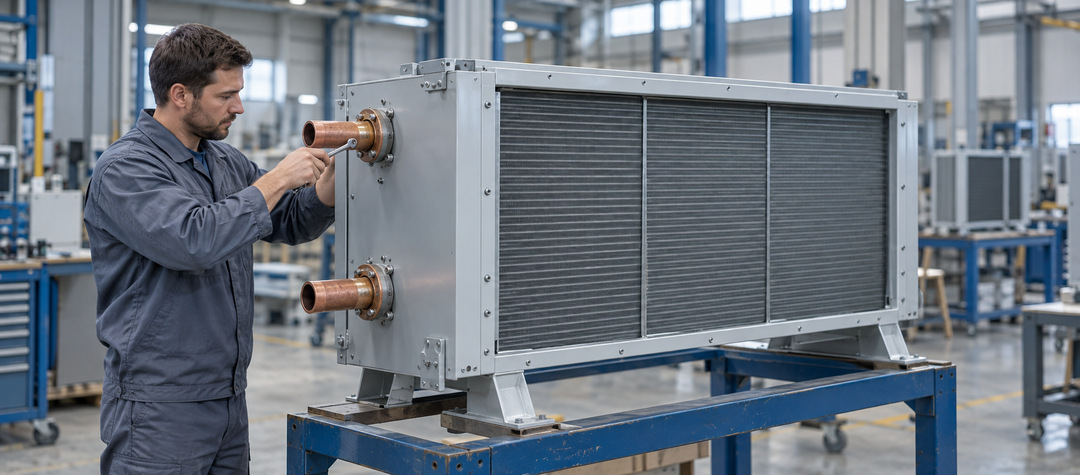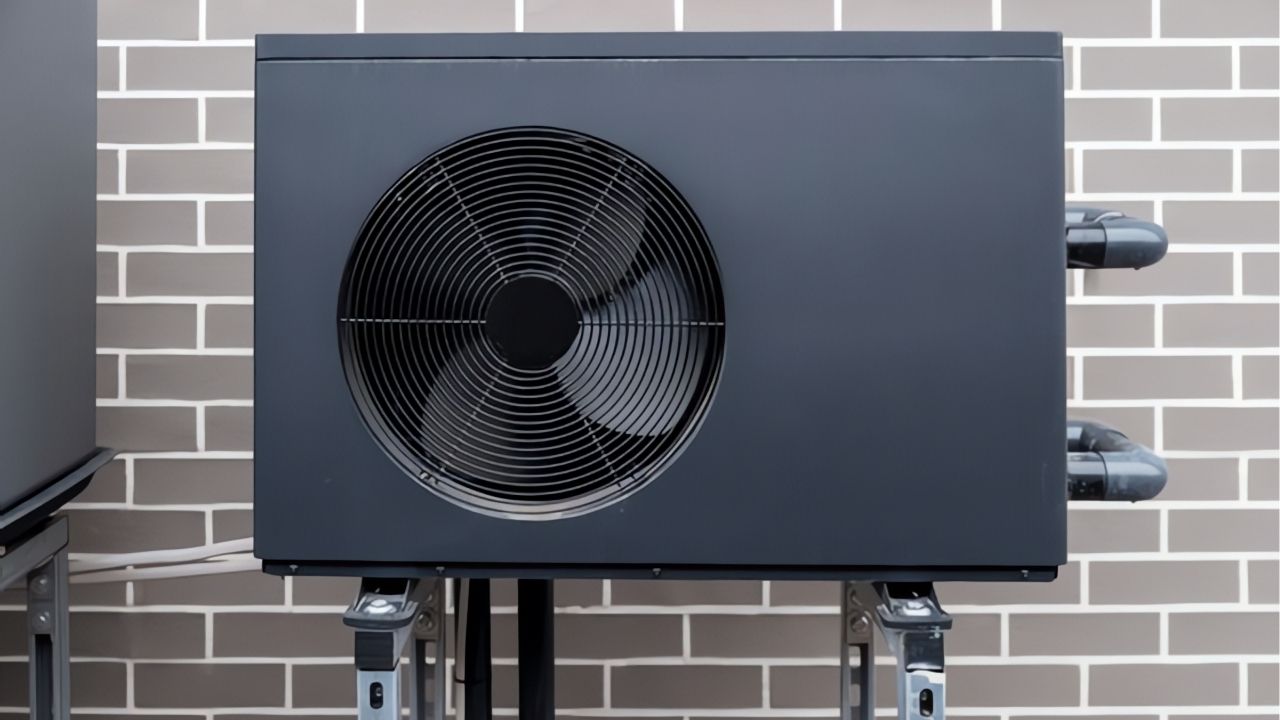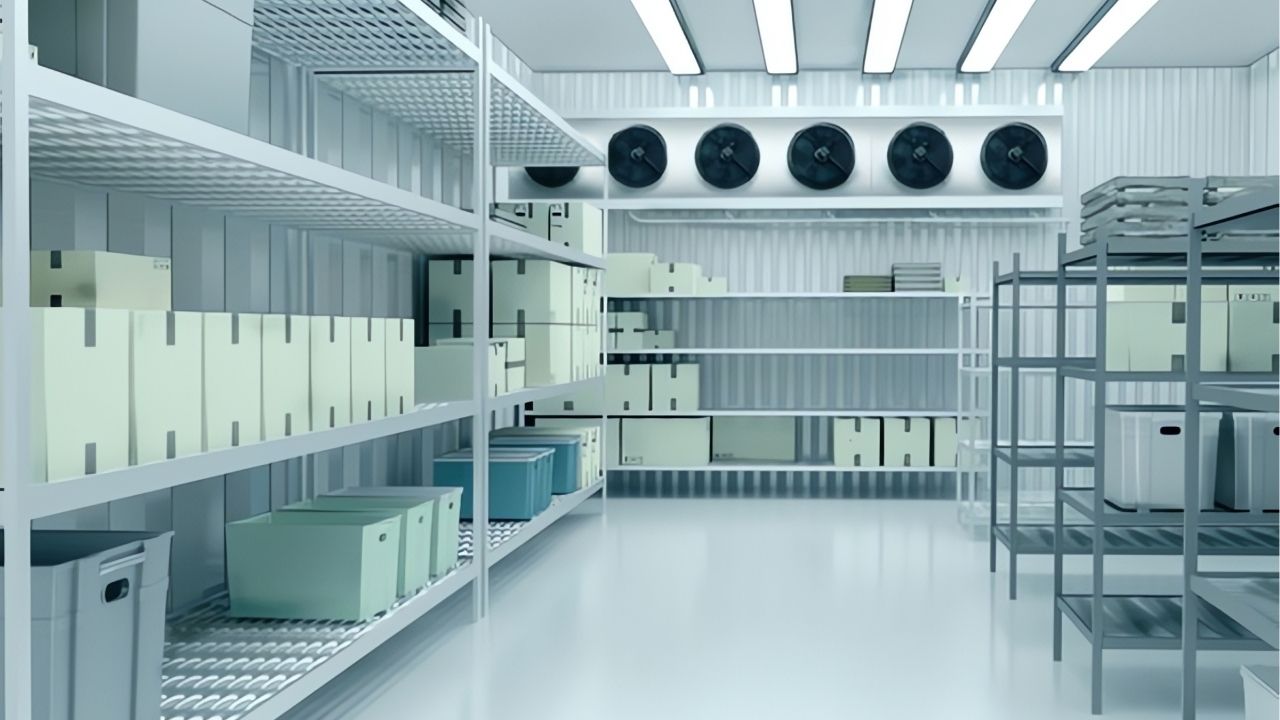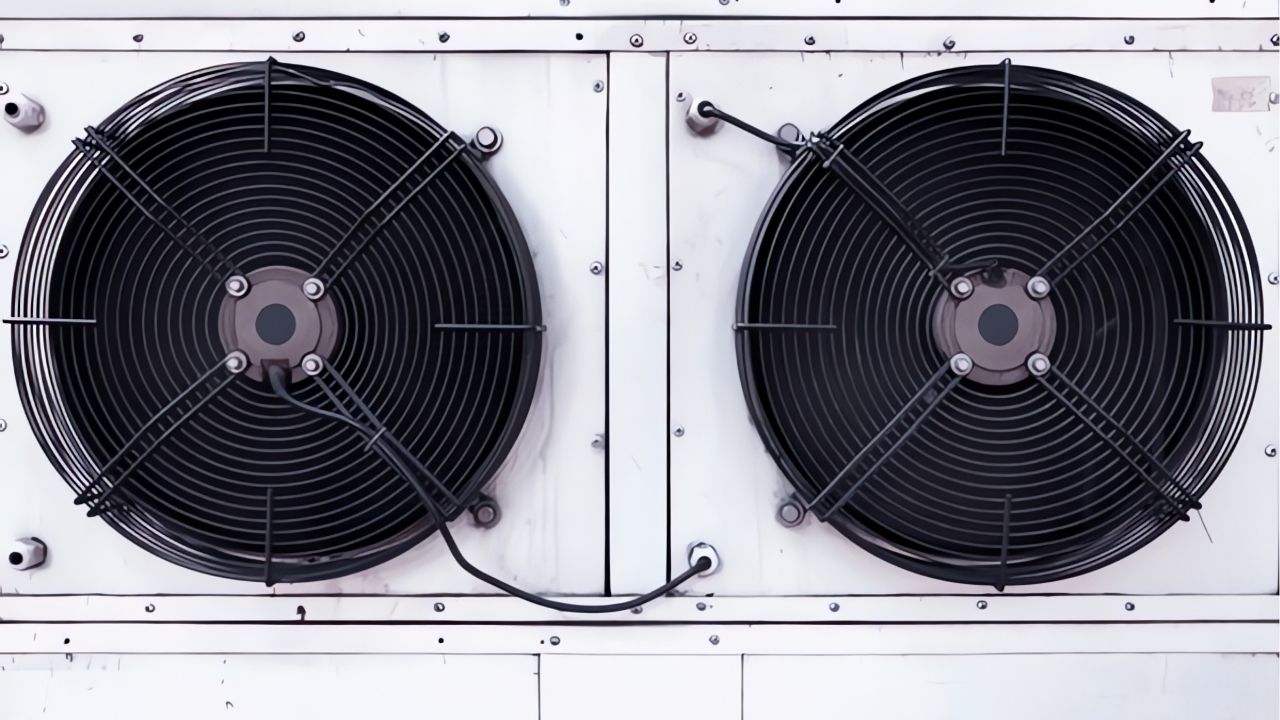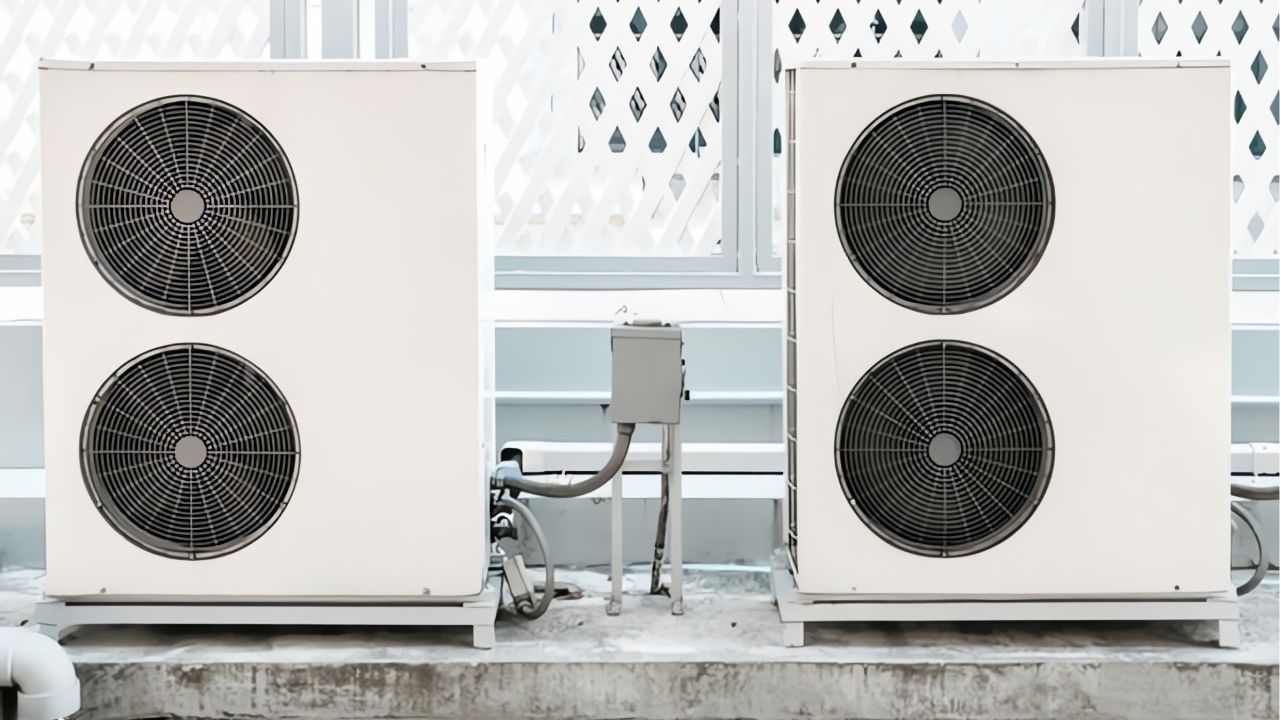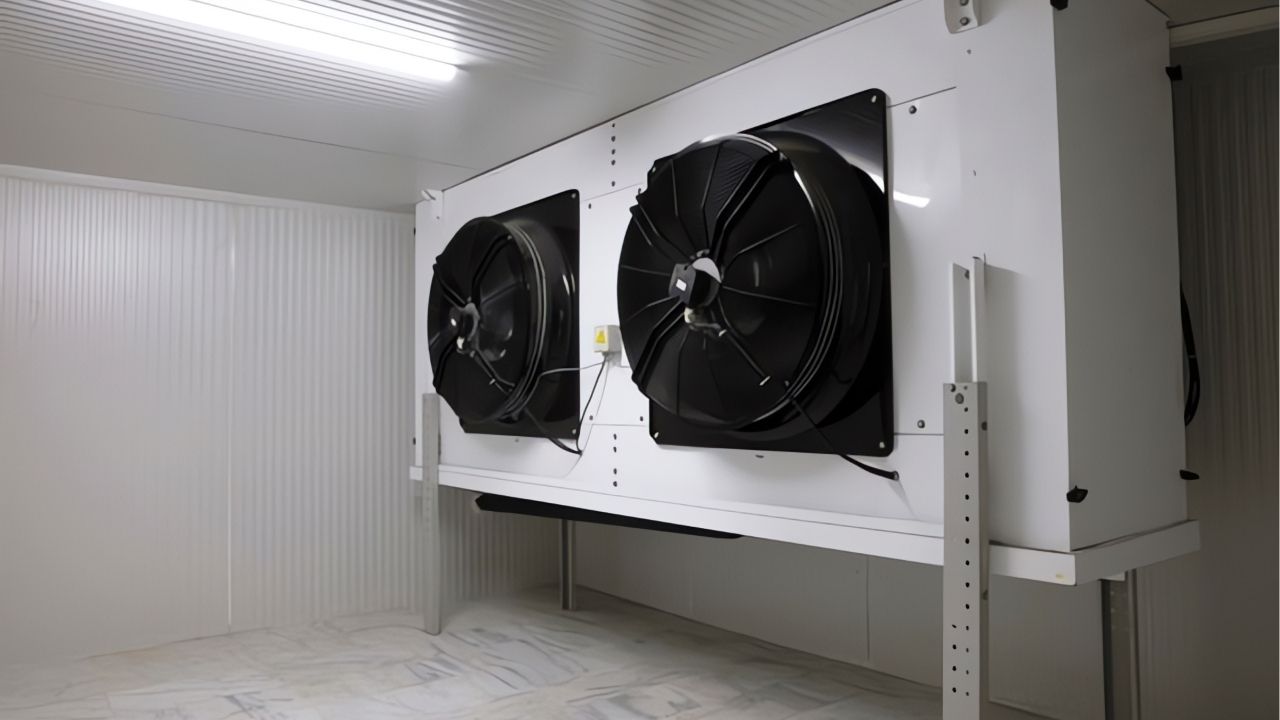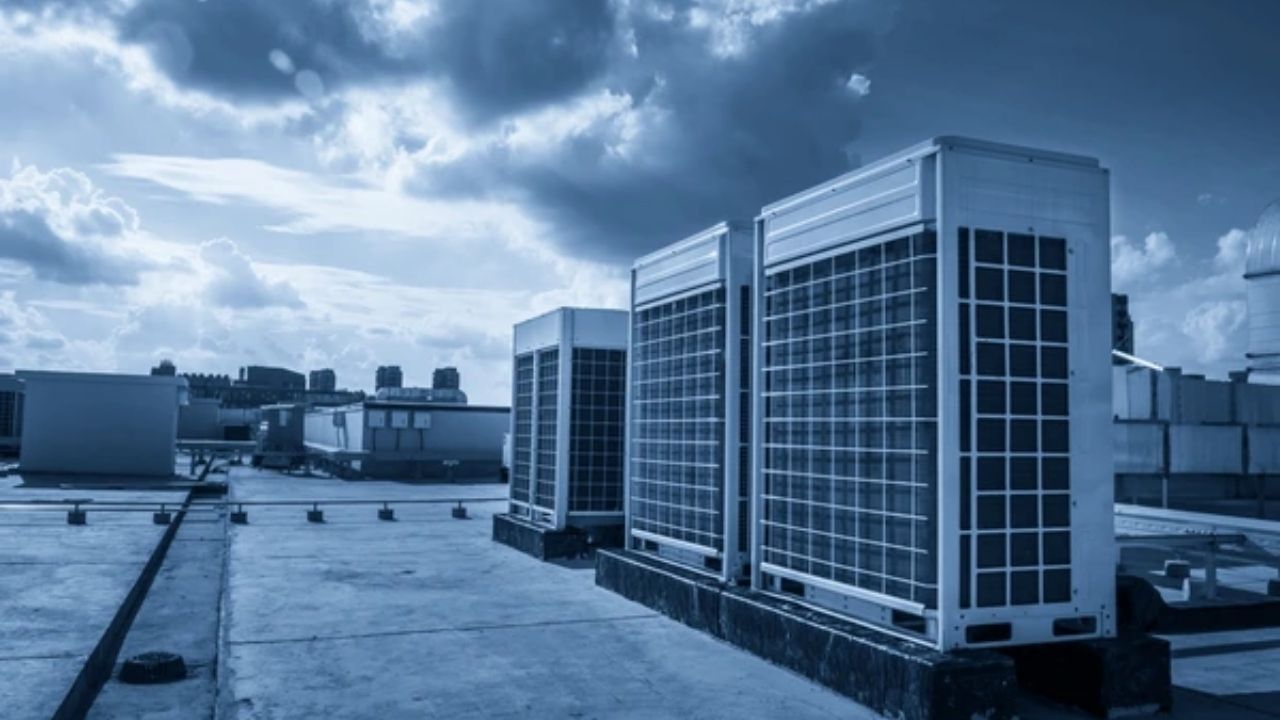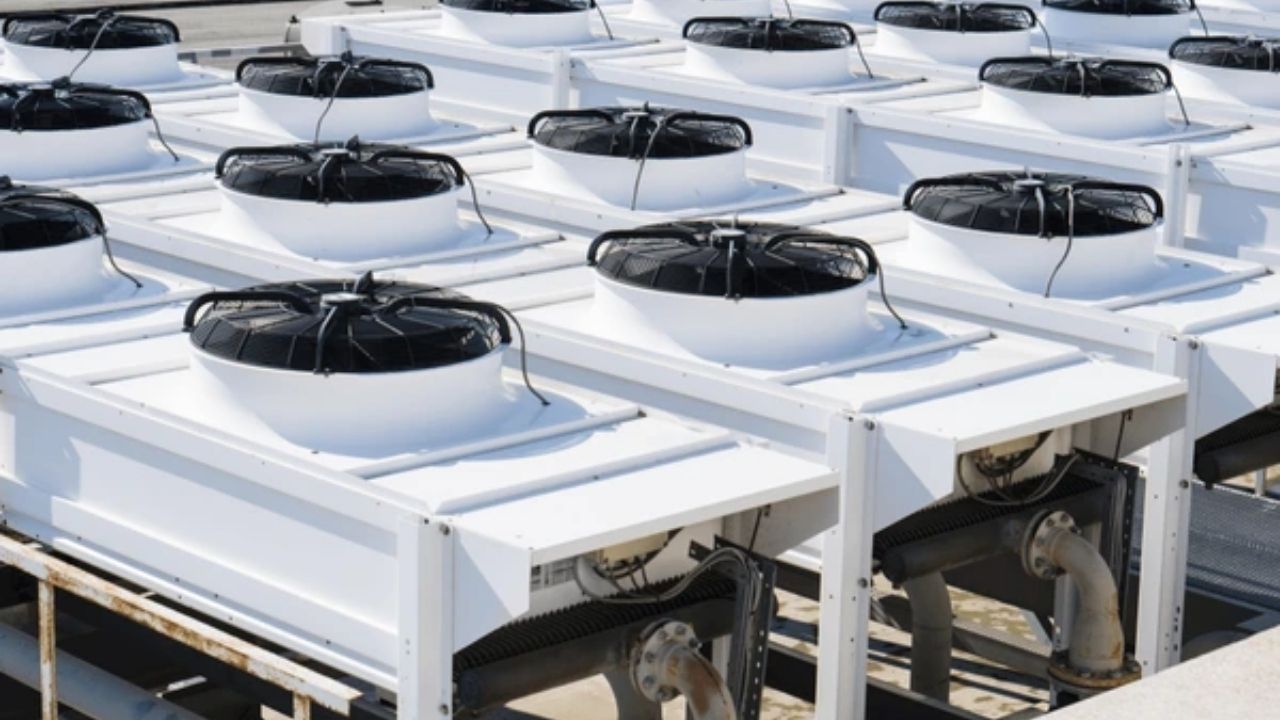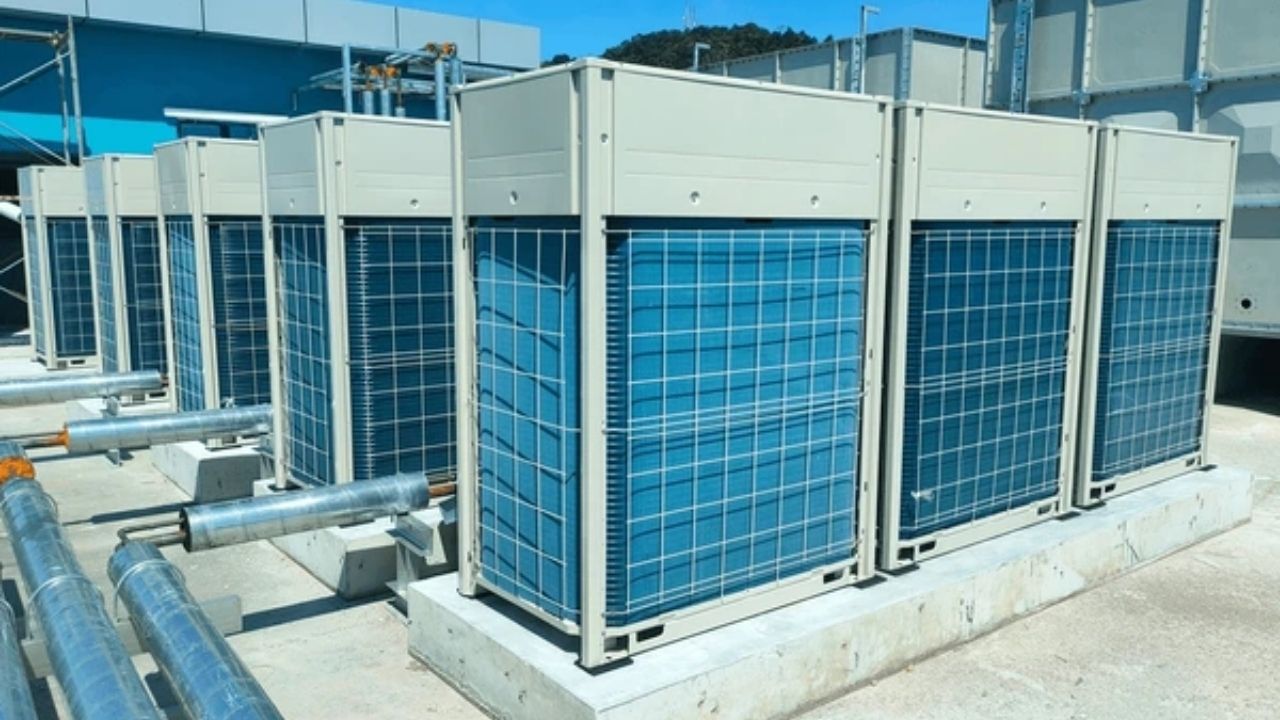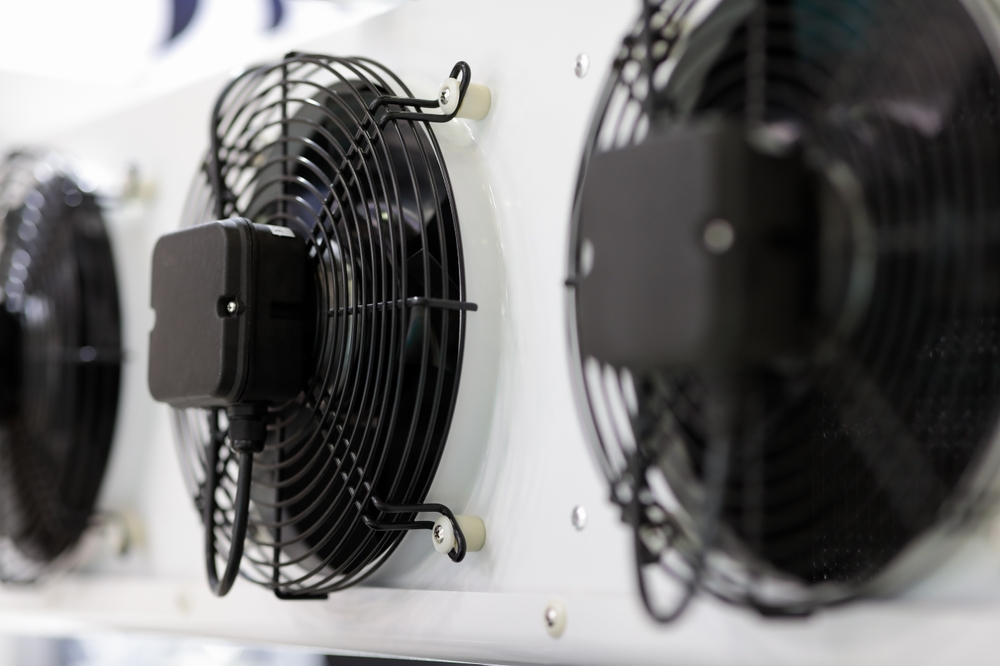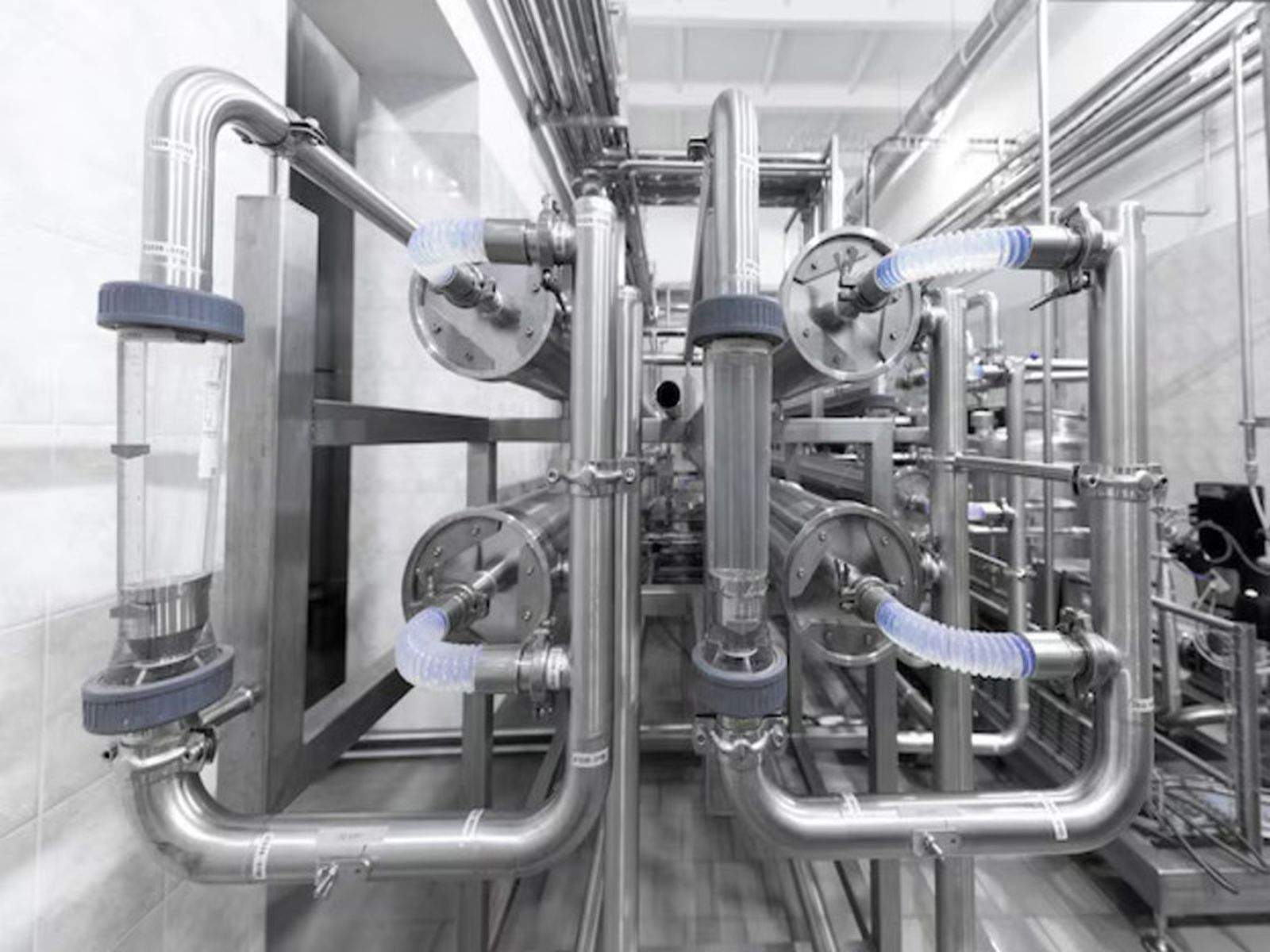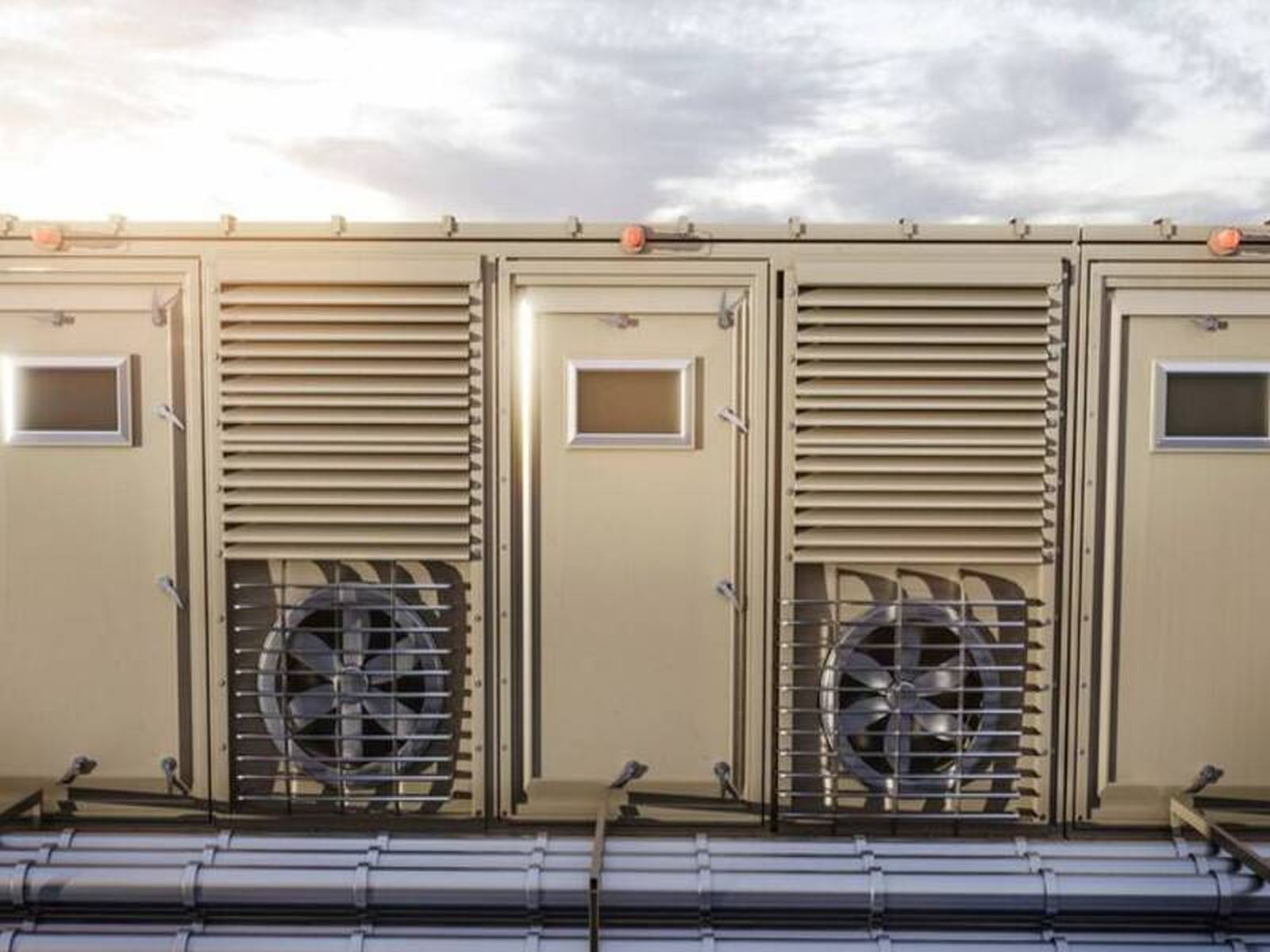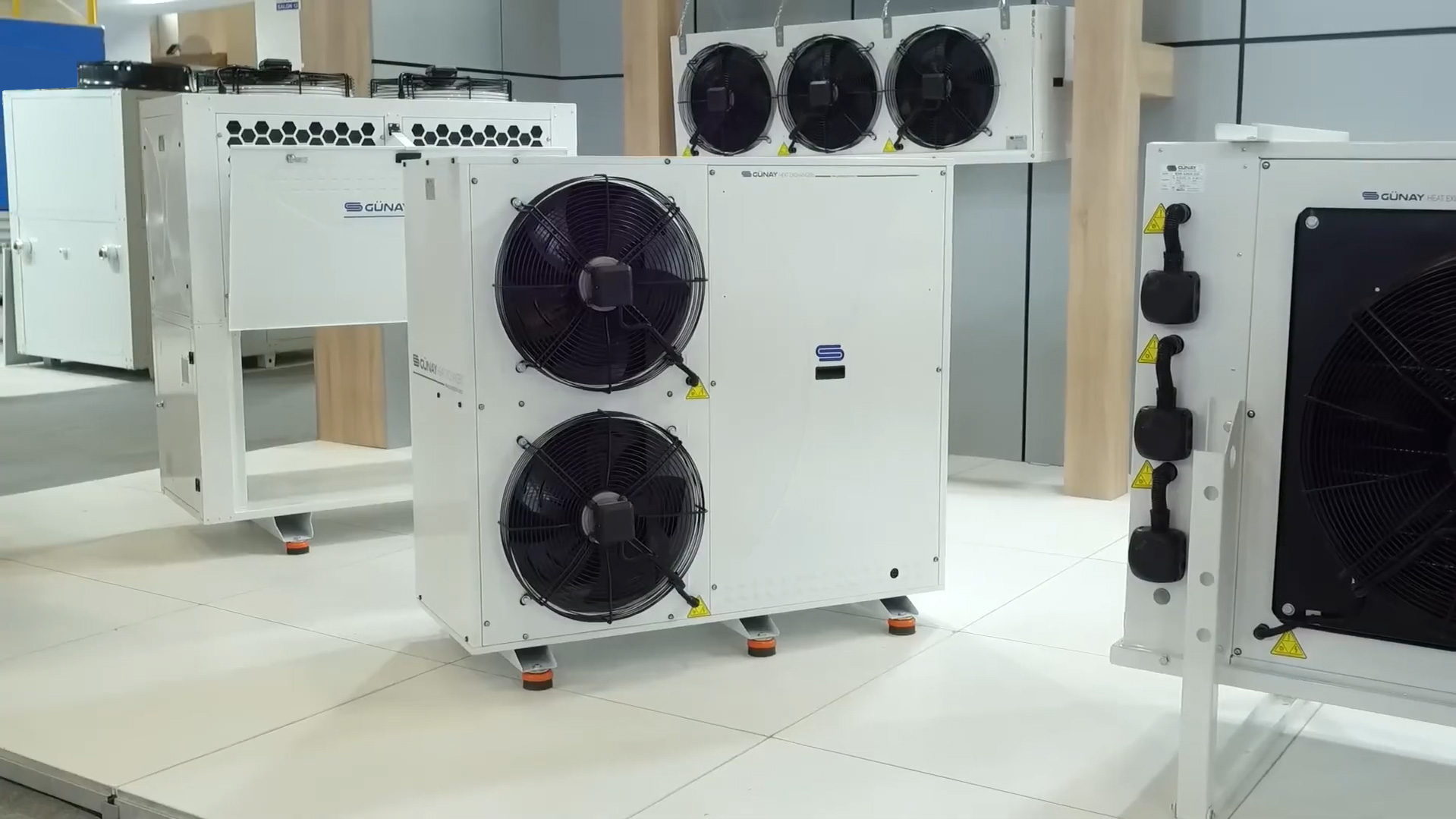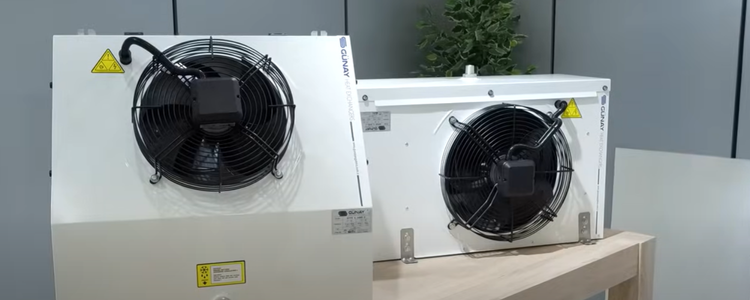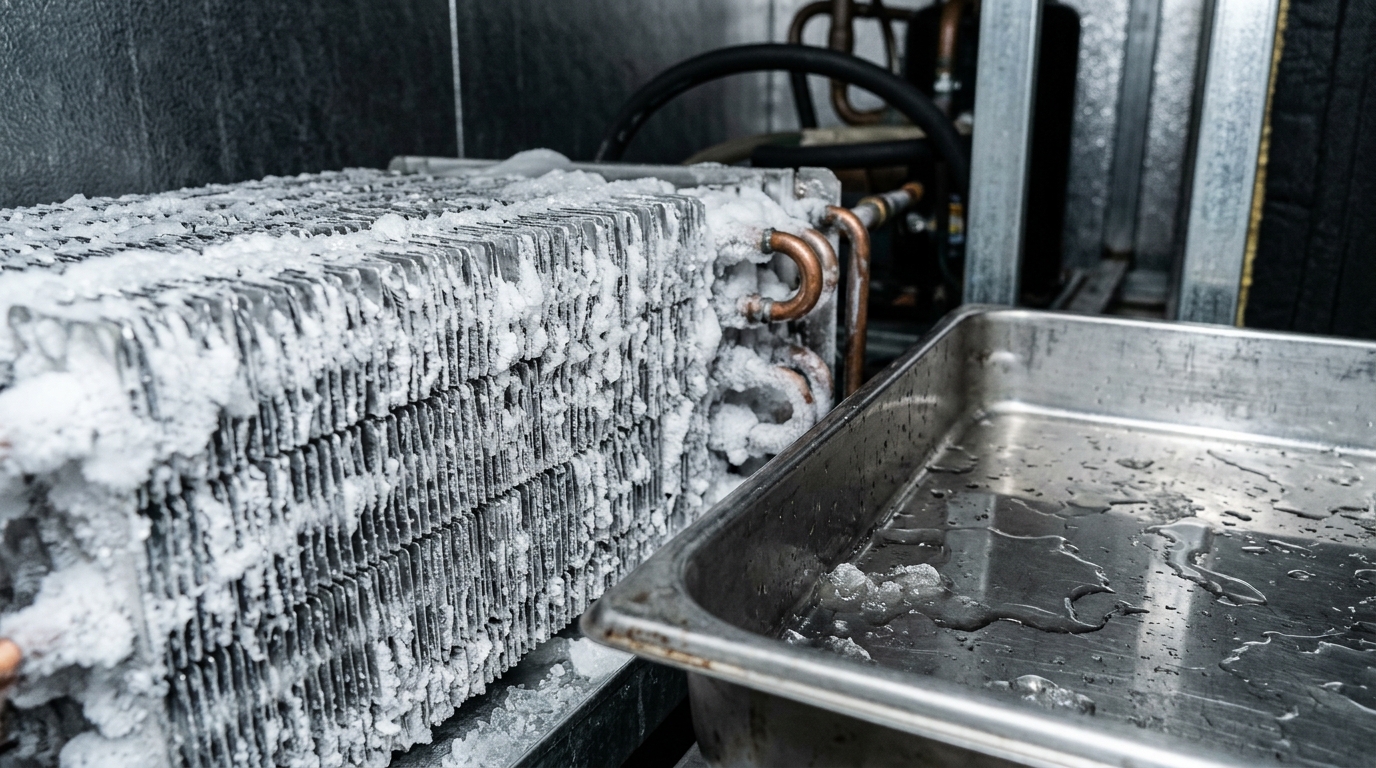
Defrost is the process of periodically melting and removing the frost and ice that accumulate on an evaporator coil operating at sub-zero surface temperatures. Since the ice layer narrows the air passage and reduces heat transfer, defrost that is not carried out with the right method and at the right time lowers both cooling capacity and energy efficiency. In this article, we compare off-cycle (air), electric, hot gas and water defrost methods, and discuss defrost initiation strategies and the criteria to consider when choosing the right method.
Table of Contents
- Why Does Icing Occur On The Evaporator And Why Must It Be Removed?
- Under What Conditions Is Off-Cycle Air Defrost Sufficient?
- What Are The Advantages And Limitations Of Electric Defrost?
- How Does Hot Gas Defrost Work?
- When Are Water Defrost And Smart Initiation Methods Preferred?
- What Should Be Considered When Choosing The Right Defrost Method For Your Application?
- Frequently Asked Questions
Why Does Icing Occur On The Evaporator And Why Must It Be Removed?
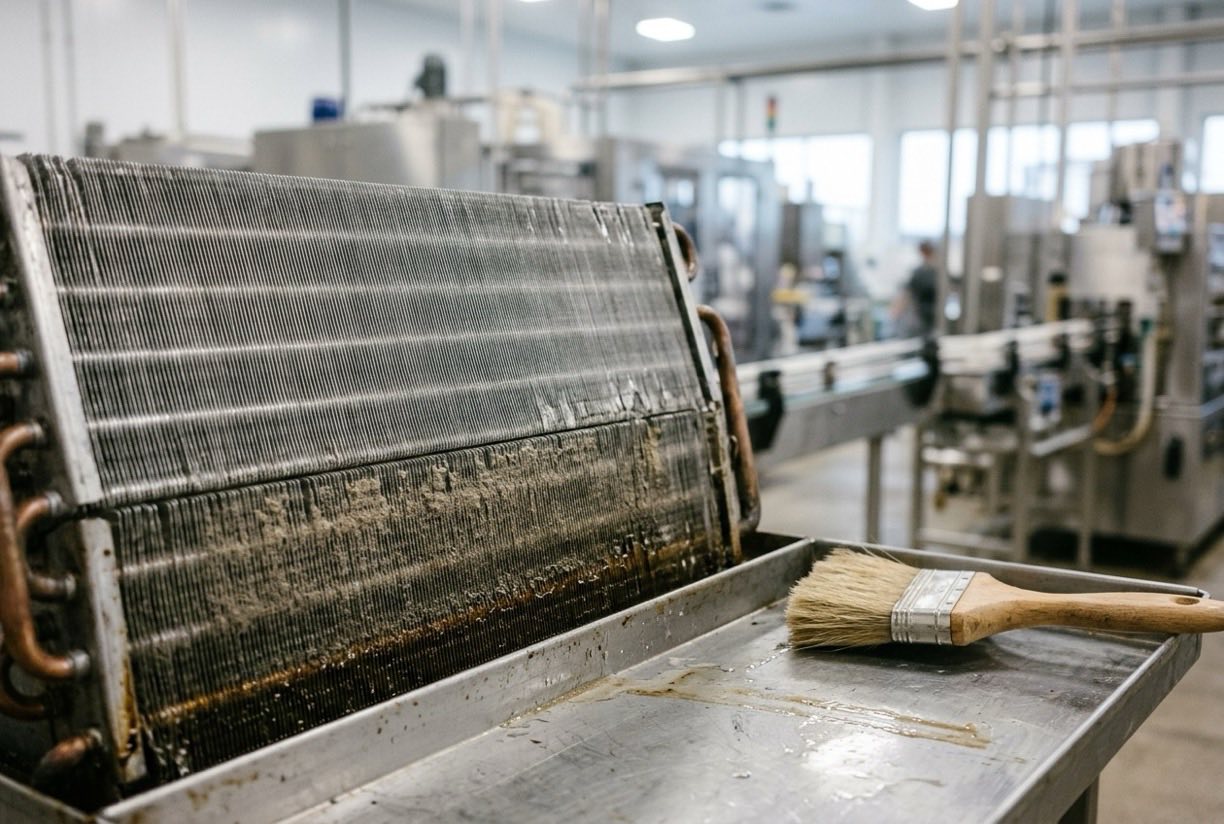
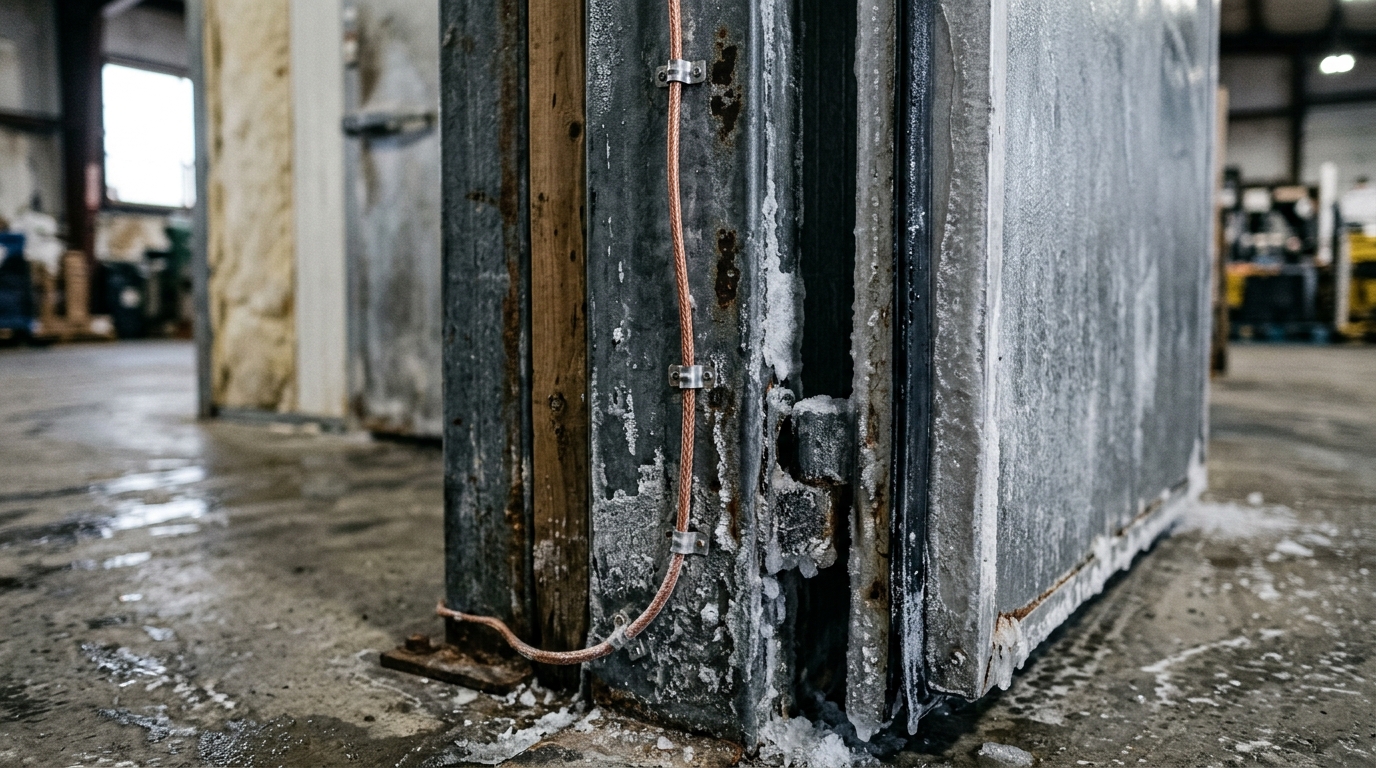
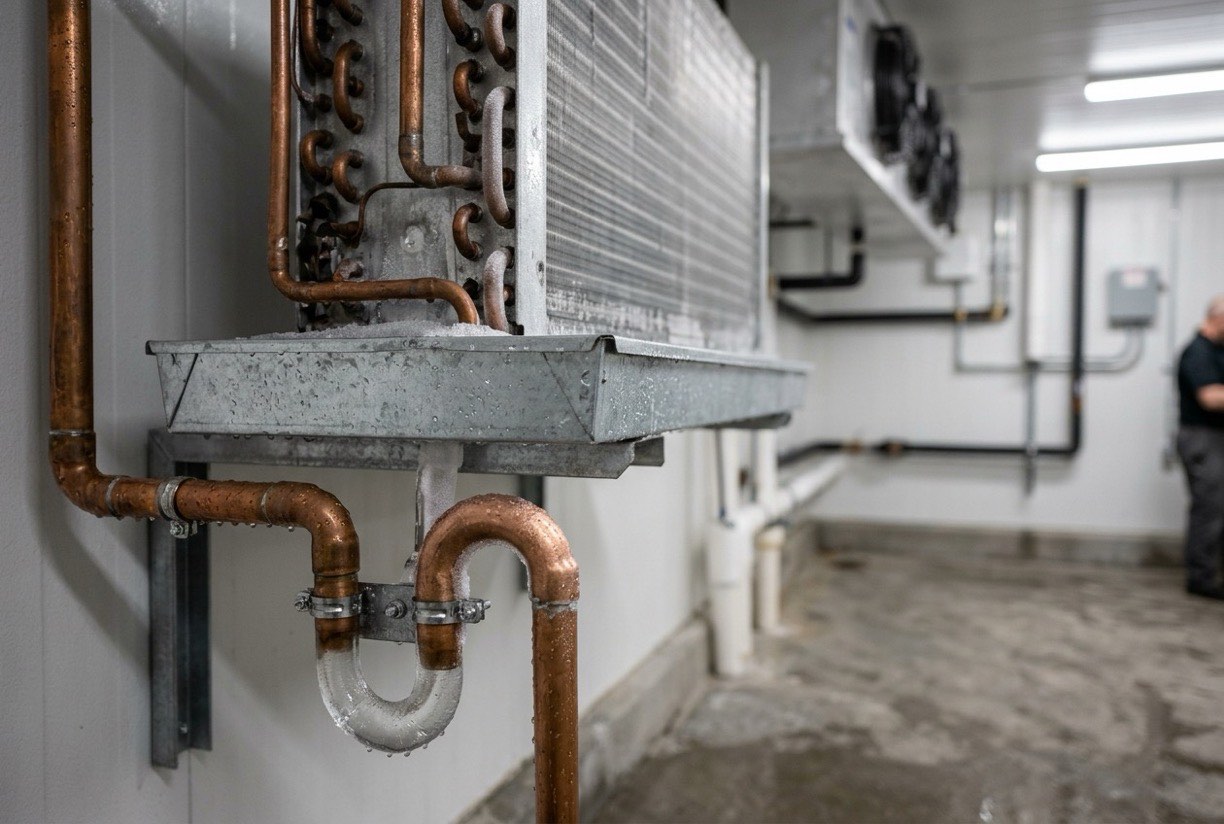
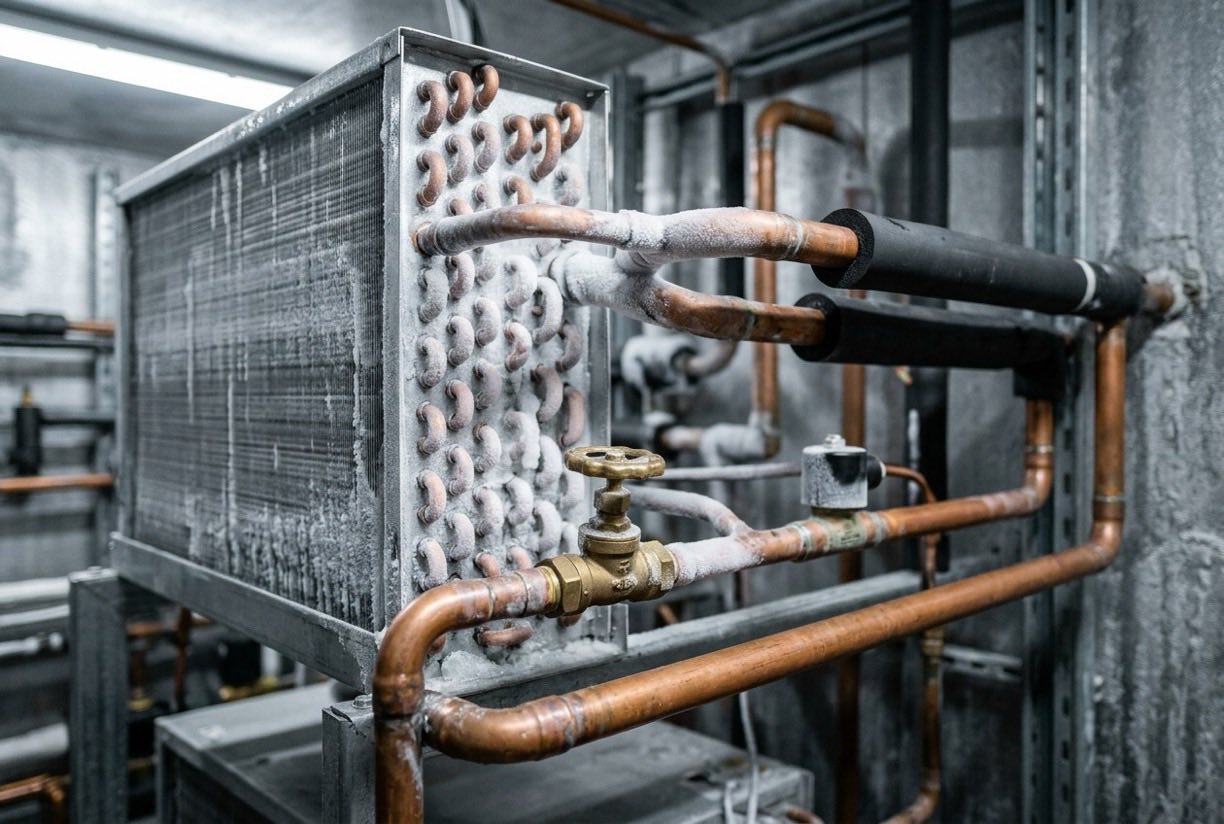
Icing occurs when moisture in the room air freezes on the sub-zero coil surface and, if not removed, progressively reduces airflow and heat transfer. Door openings, the entry of warm and humid products and infiltrating outside air increase the amount of moisture reaching the coil.
As the ice thickens, the fan struggles to deliver the same amount of air, the evaporating temperature drops and the compressor runs longer. For this reason defrost is not a maintenance detail but a fundamental function that preserves the system's design performance; however, defrosting more often than necessary also brings unnecessary heat and energy loss to the room.
Under What Conditions Is Off-Cycle Air Defrost Sufficient?
Off-cycle air defrost can be sufficient in applications where the room temperature is sufficiently above zero, by stopping refrigeration while the fans keep running. This method requires no additional heater; the heat of the room air melts the ice.
Because the method is simple and requires no additional energy, it is frequently used in above-zero cold rooms. However, as the room temperature approaches zero, the melting time lengthens and it cannot be applied on its own in frozen product stores; in addition, a short-term rise in room temperature during defrost should be taken into account.
What Are The Advantages And Limitations Of Electric Defrost?
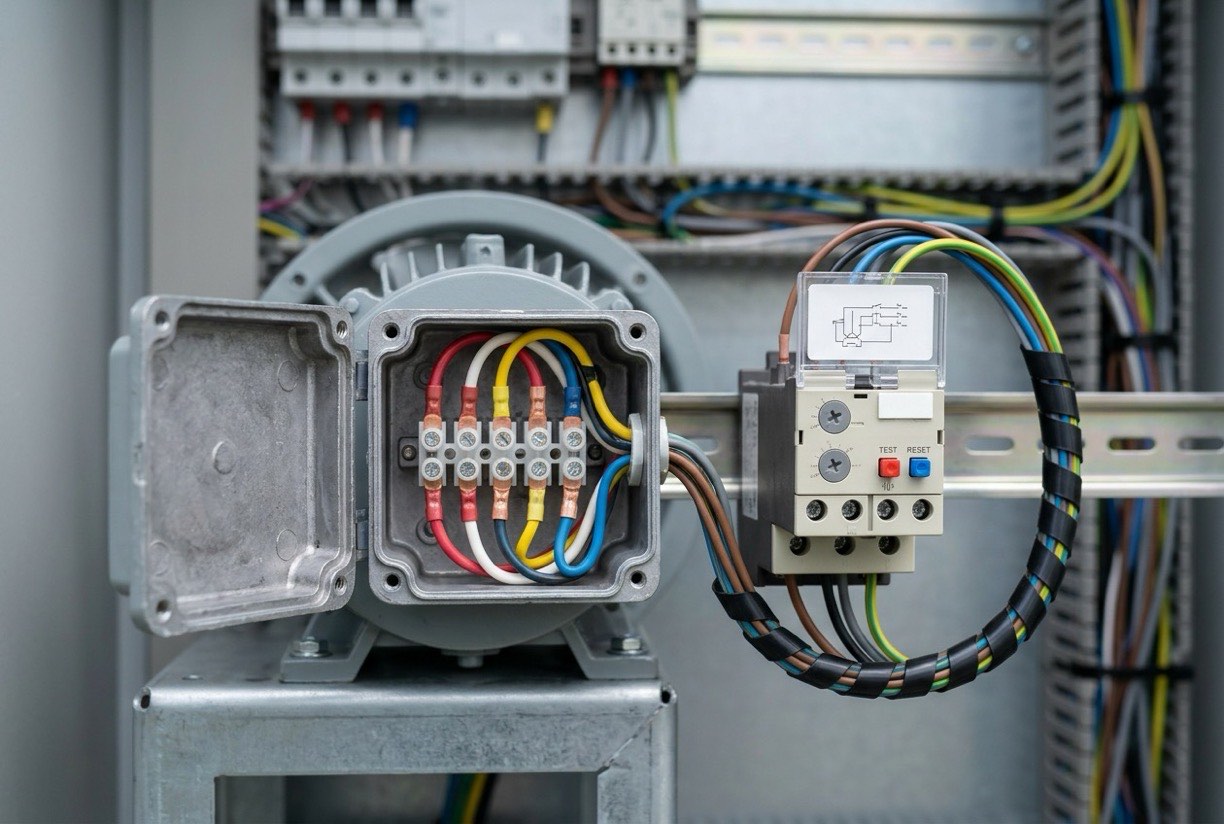
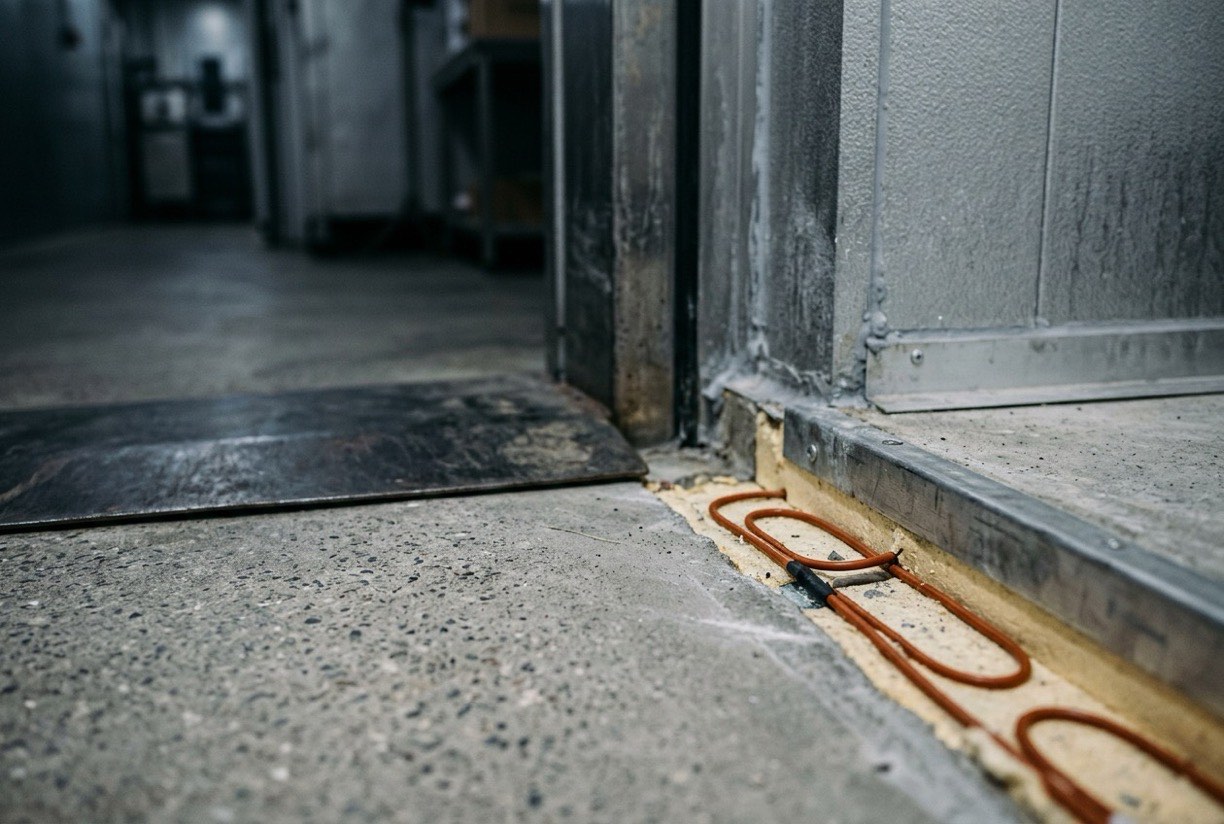
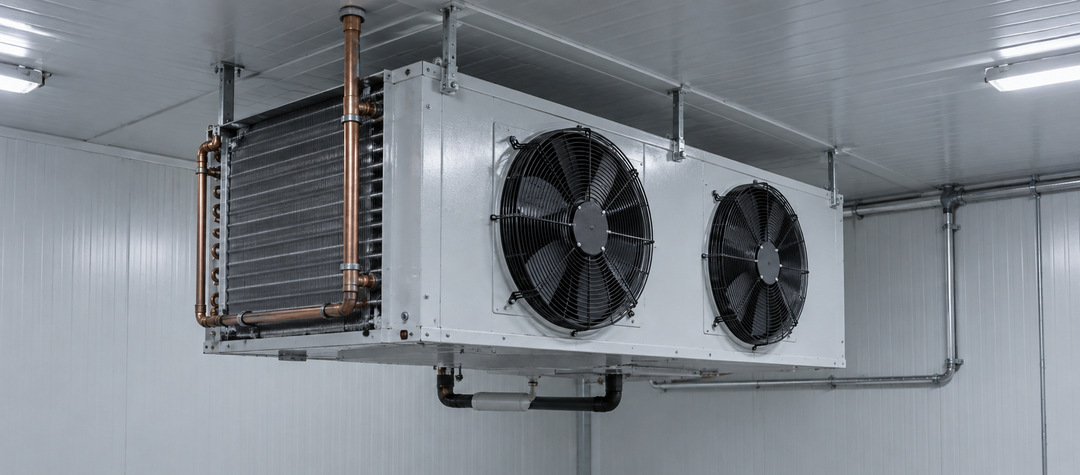
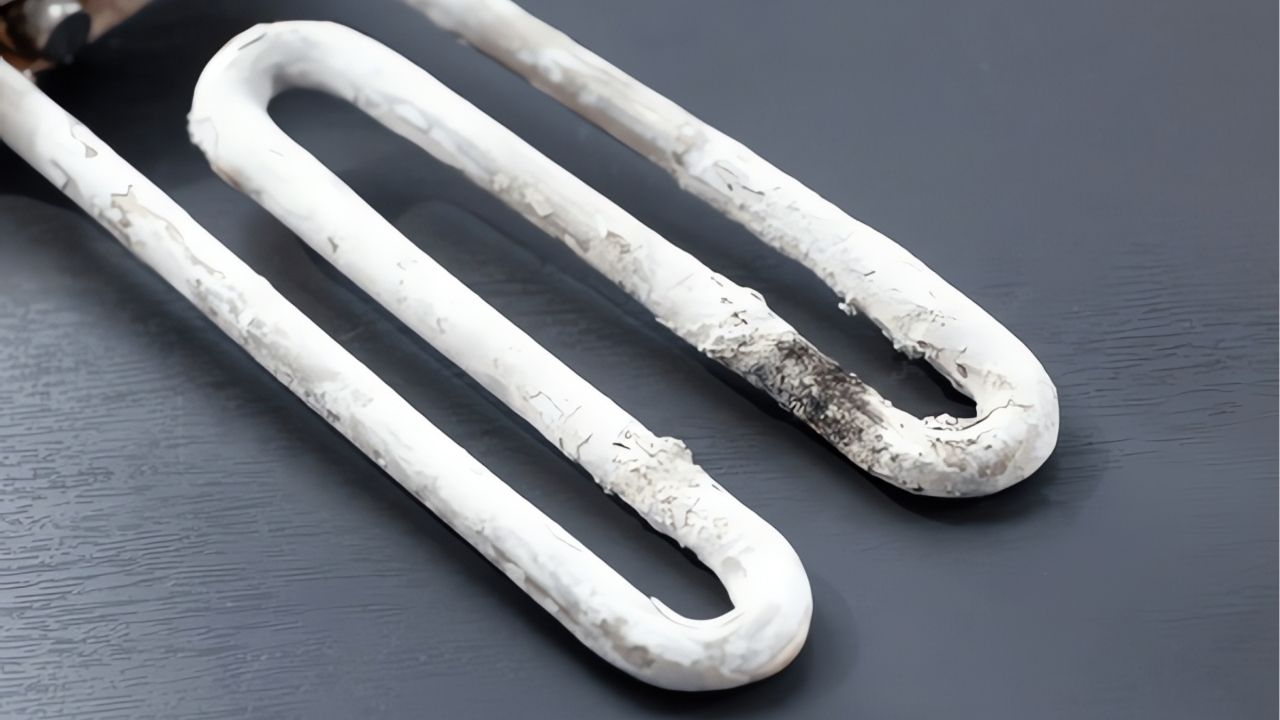
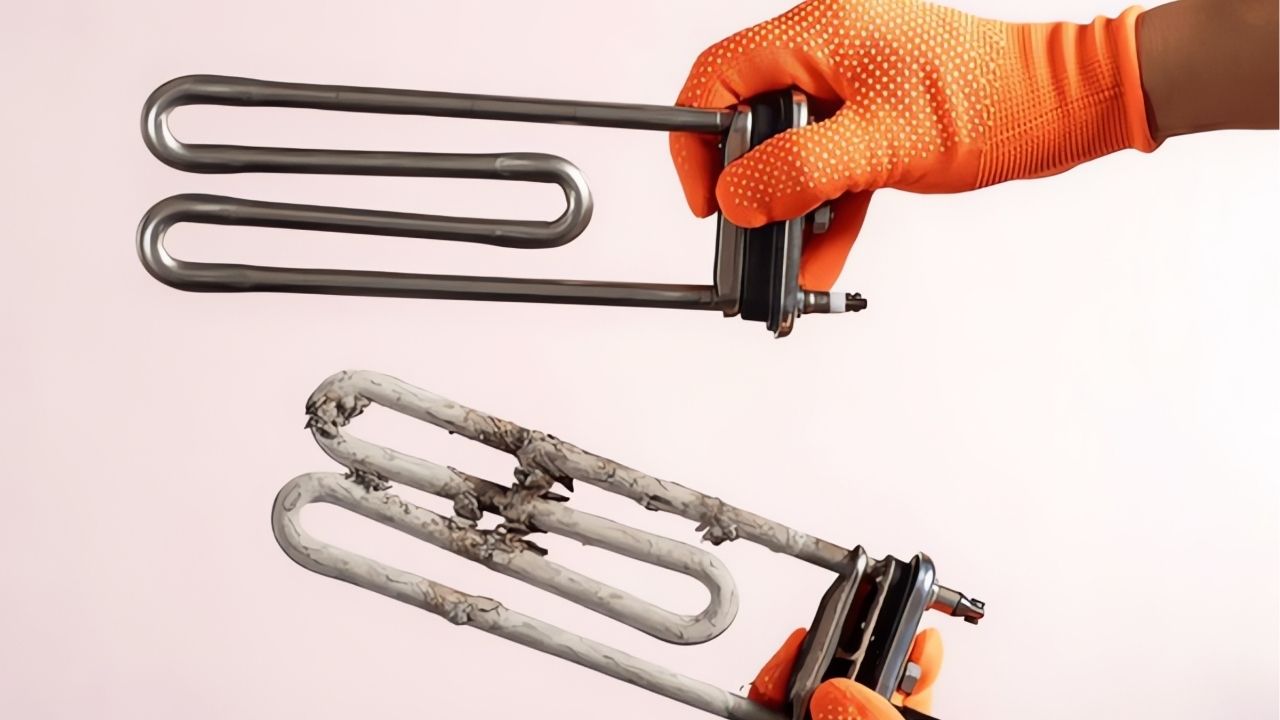
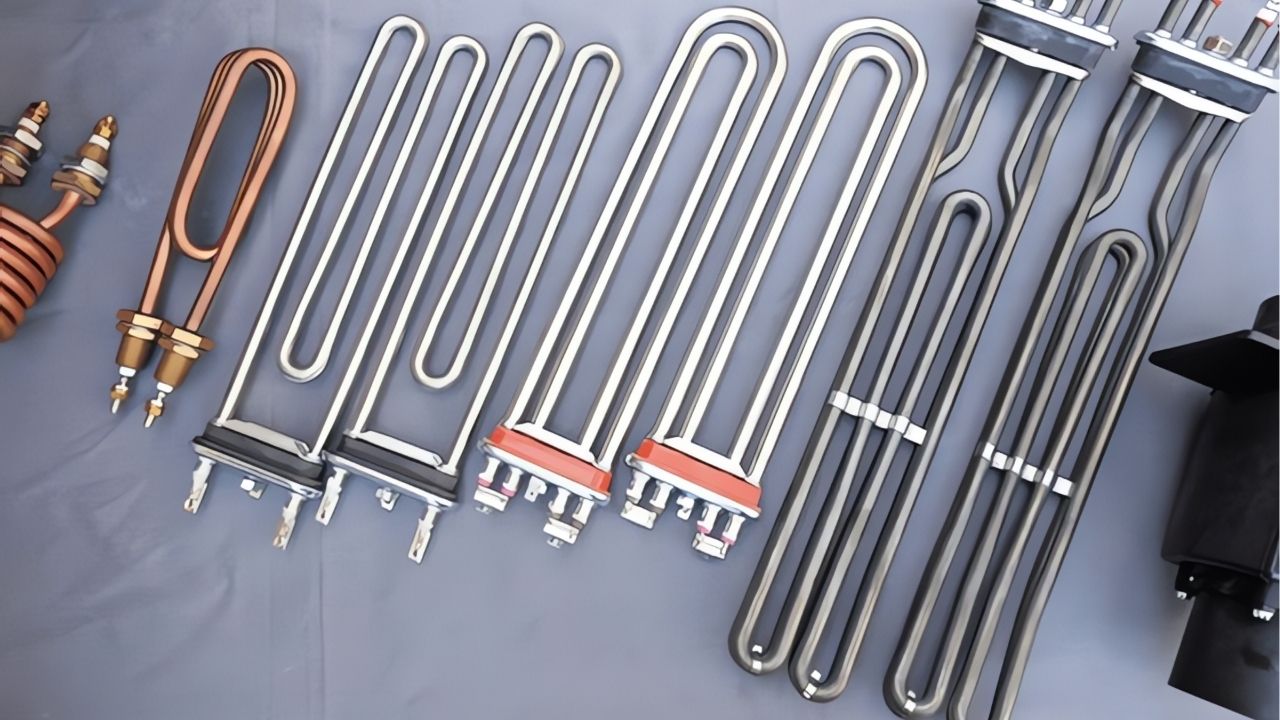
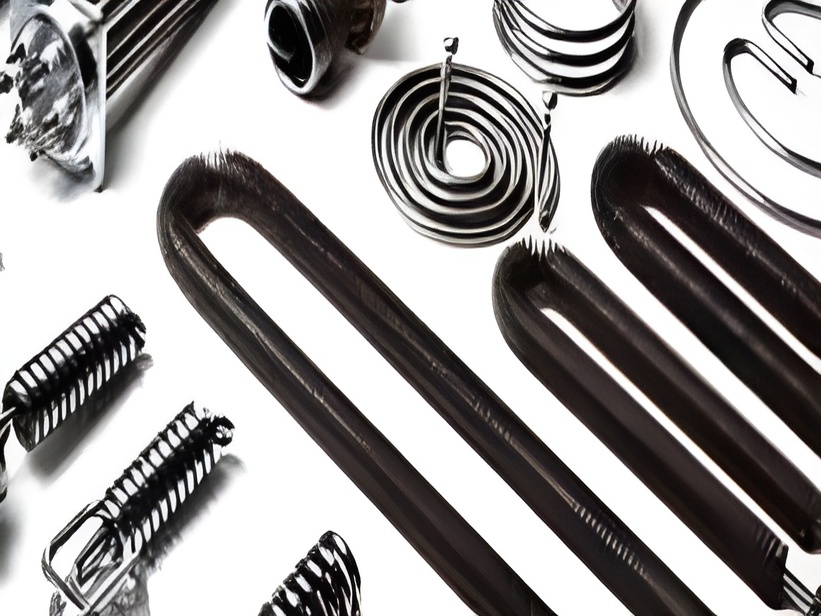
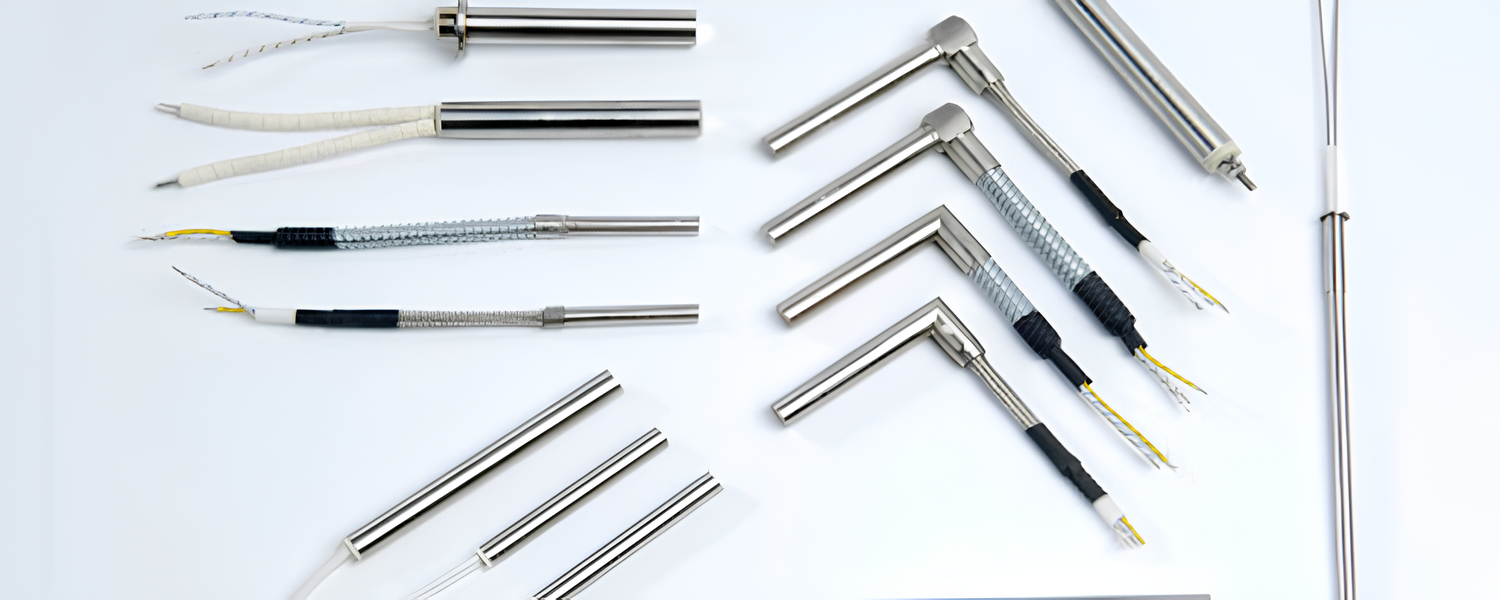
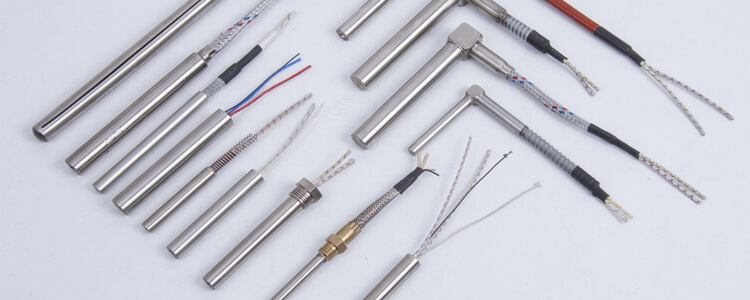
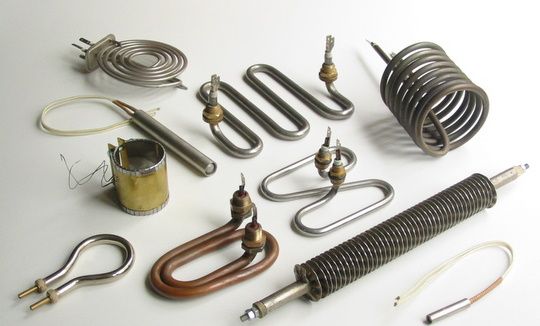
Electric defrost melts the ice with heating elements placed in the coil and the drain pan; because its installation and control are simple, it is widely used in low-temperature applications. Not requiring changes to the refrigeration circuit makes it easy to apply, especially in single-evaporator systems.
Its limiting side is that most of the electrical energy consumed passes into the room as heat and then needs to be cooled again. Even distribution of the heating elements, correct positioning of the defrost termination sensor and heating of the drain line are important to prevent problems such as incomplete melting or unnecessarily long defrost.
How Does Hot Gas Defrost Work?
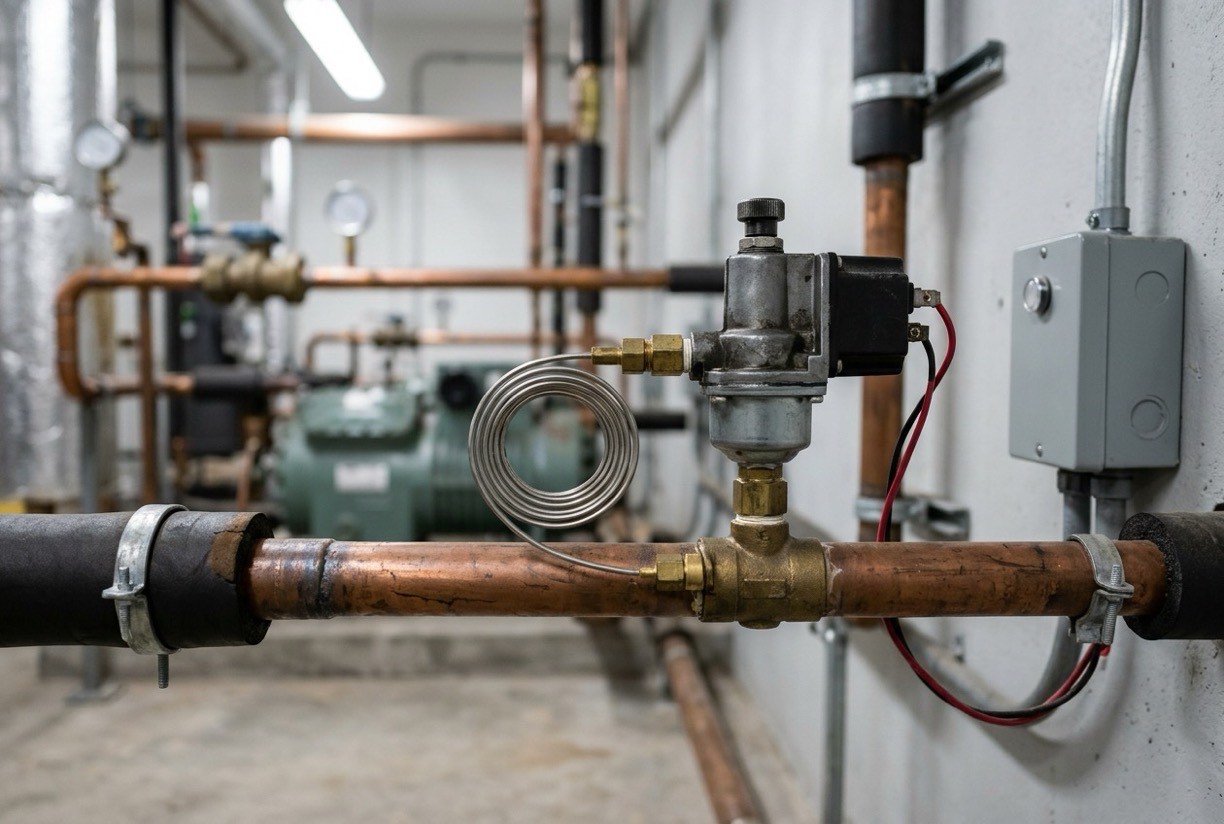
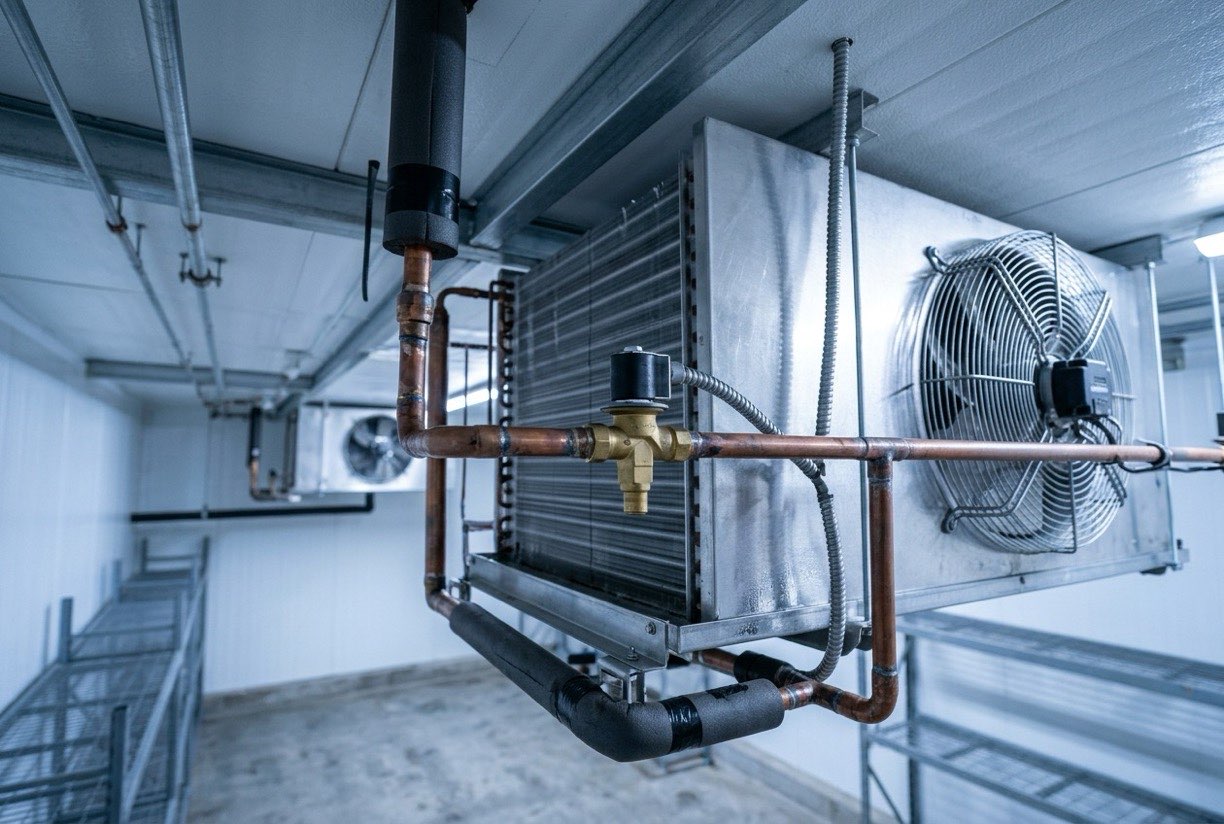
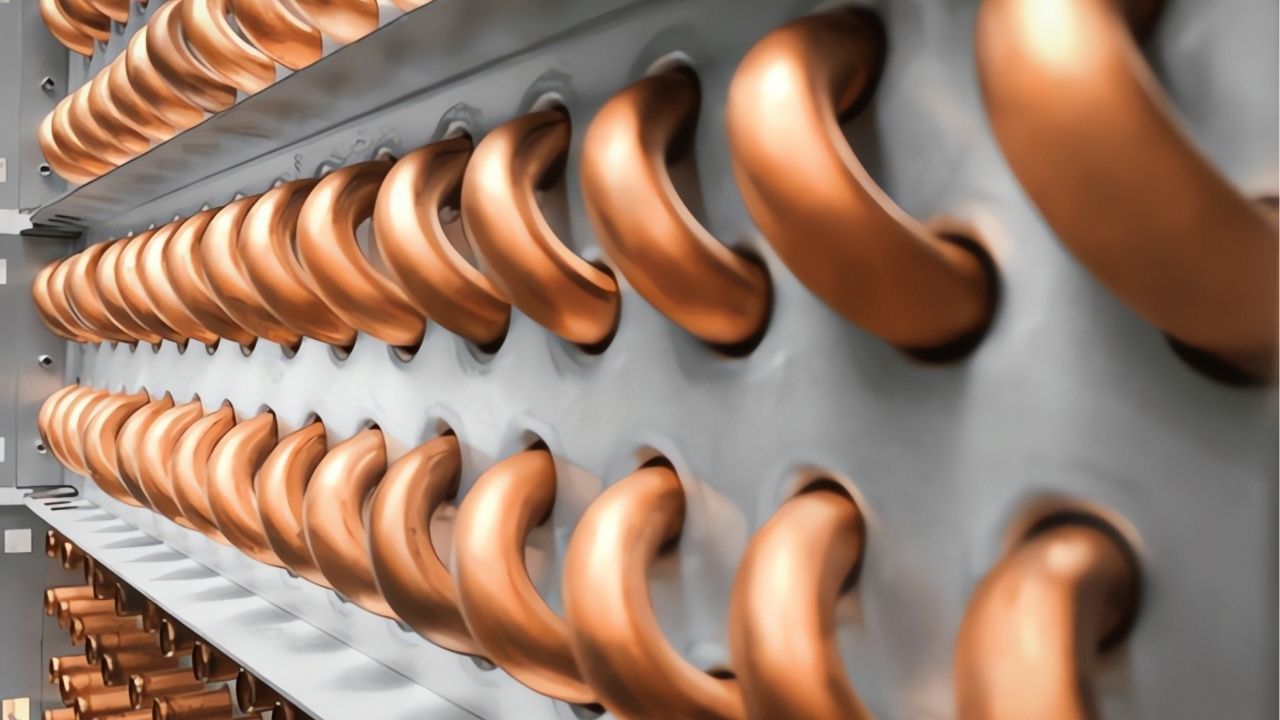
Hot gas defrost melts the ice from inside the coil by directing the hot refrigerant at the compressor discharge to the evaporator via valves. Since the heat is delivered directly from the tube surface, melting is generally fast and the system's own heat is used.
This method can be considered in multi-evaporator central systems and large-capacity facilities; however, it requires additional valves, piping and careful control logic. Issues such as pressure fluctuations, refrigerant return and compressor protection should be addressed at the design stage; its suitability is determined according to the system structure.
When Are Water Defrost And Smart Initiation Methods Preferred?
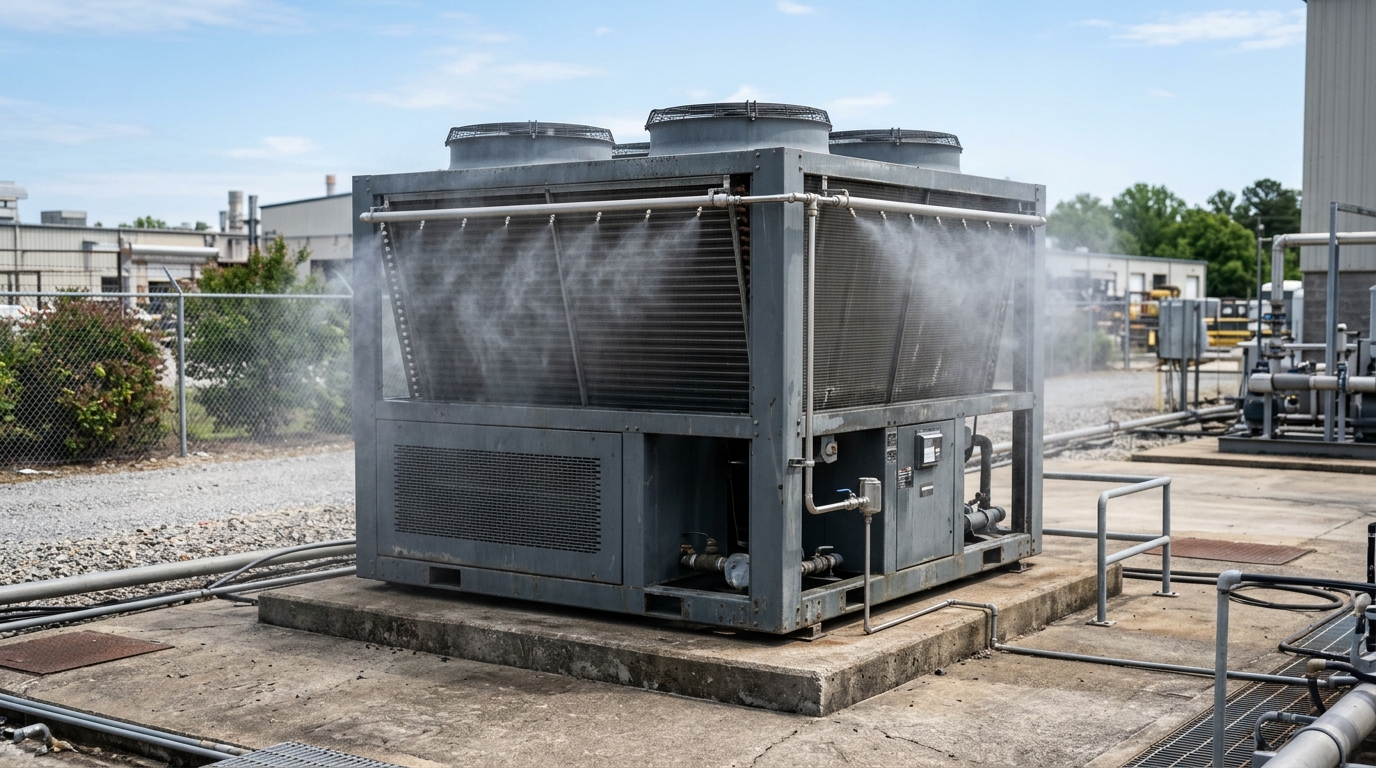
Water defrost can be preferred in certain industrial applications with heavy ice loads where water can be drained safely; smart initiation methods can be preferred in any system where the number of defrosts is to be reduced to actual need. In water defrost, water is sprayed onto the coil; because of the risk of freezing, the piping and drainage design requires care.
The initiation strategy affects energy consumption as much as the method itself. A fixed time interval is simple but can lead to unnecessary defrosts; demand-based initiation relying on coil temperature difference, air pressure drop or run time aims to defrost only when ice has formed. Which strategy will give reliable results is evaluated according to the controller and the application.
What Should Be Considered When Choosing The Right Defrost Method For Your Application?
No single method is superior under all conditions; the choice should be made by evaluating room temperature, moisture load and system architecture together. The following headings stand out when deciding:
- Room temperature and whether melting with off-cycle air is possible
- Door traffic and product-related moisture load
- Single- or multi-evaporator system structure and piping possibilities
- Defrost initiation and termination strategy and drainage design
If you would like to evaluate the right defrost method for your existing or new system, you can contact the Günay Soğutma technical team.
Frequently Asked Questions
How often should defrost be performed?
The frequency depends on moisture load, door usage and room temperature; it should be adjusted according to the icing condition on site rather than a fixed value.
Why does the coil still remain iced after defrost?
There may be causes such as insufficient defrost time, an incorrectly positioned termination sensor or a faulty heating element; an on-site inspection is required.
Should the fans run during defrost?
In off-cycle air defrost the fans run; in electric and hot gas defrost they are generally stopped so that heat does not spread into the room.
Why is fan delay used?
After defrost, the fans are delayed for a short time to prevent water droplets on the coil from being blown into the room and to wait for the coil to cool down again.
Why does the drain line freeze?
In low-temperature rooms, drain water can freeze inside the line; heating the line, a suitable slope and insulation reduce this risk.
Can the defrost method be changed in an existing system?
It is possible in some cases; however, the suitability of the piping, controller and evaporator structure should be examined beforehand.
How can I get a recommendation for my own application?
By sharing your room temperature, usage habits and existing system information, you can request a tailored recommendation from the Günay Soğutma team.