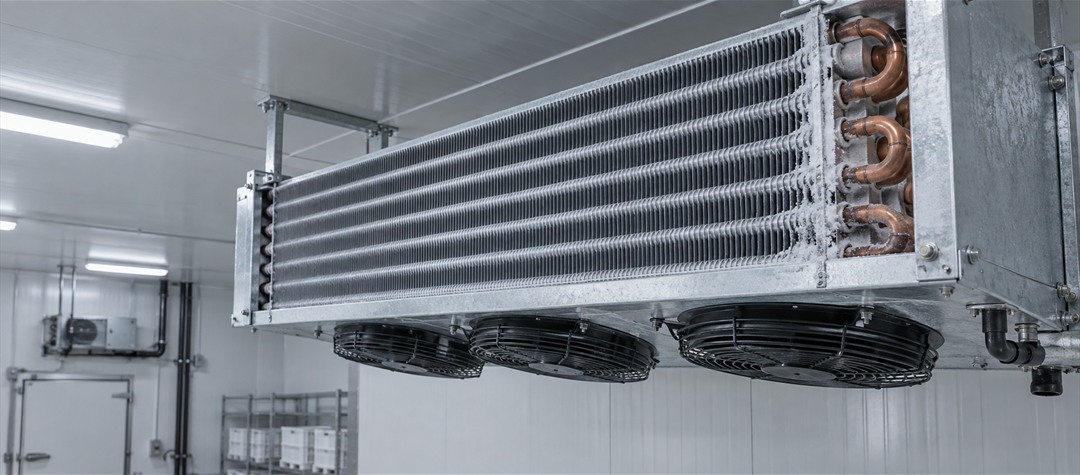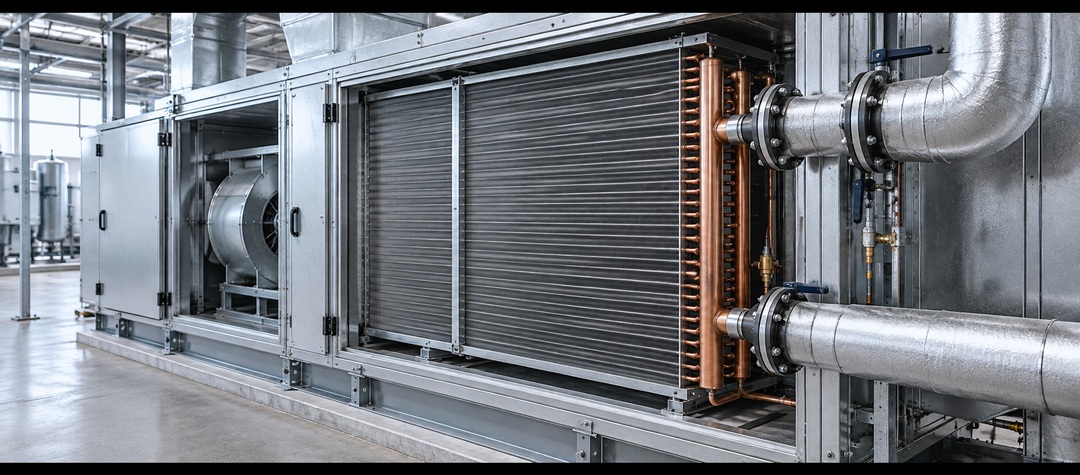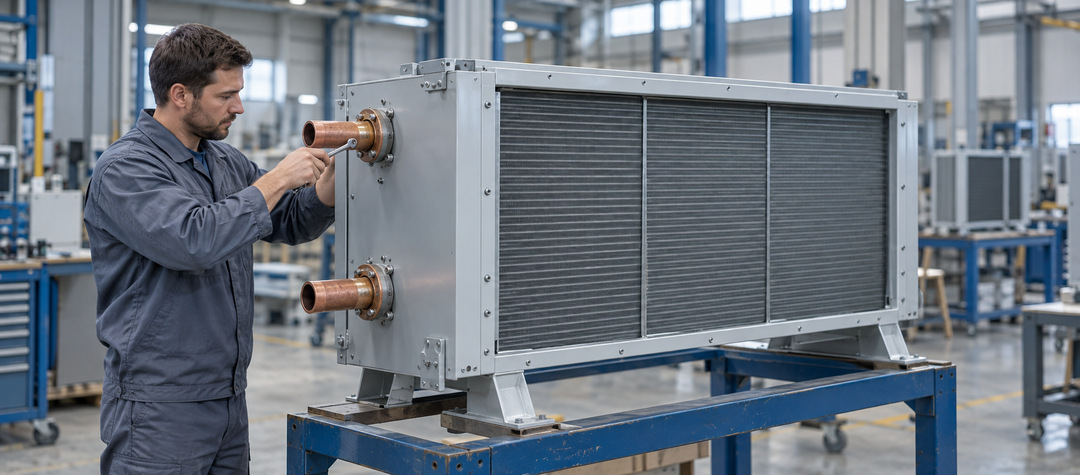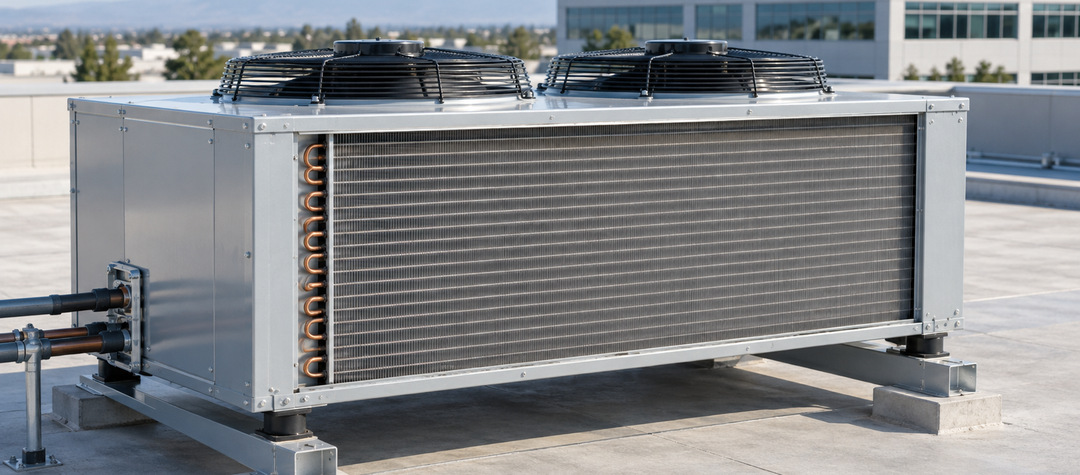
The tube material of an evaporator directly affects heat transfer, pressure strength, corrosion resistance, and cost. Copper and aluminium are the two most common options, and each has its advantages and limits. This article explains the difference between the two materials, the question of corrosion and compatibility, and what should be checked when choosing.
Table Of Contents
- What Is The Difference Between Copper And Aluminium Tubing?
- Why Are Corrosion And Compatibility Important?
- How Is Pressure And Temperature Strength Assessed?
- How Is The Fin And Tube Pairing Made?
- What Should Be Considered In Installation And Maintenance?
- Frequently Asked Questions
What Is The Difference Between Copper And Aluminium Tubing?
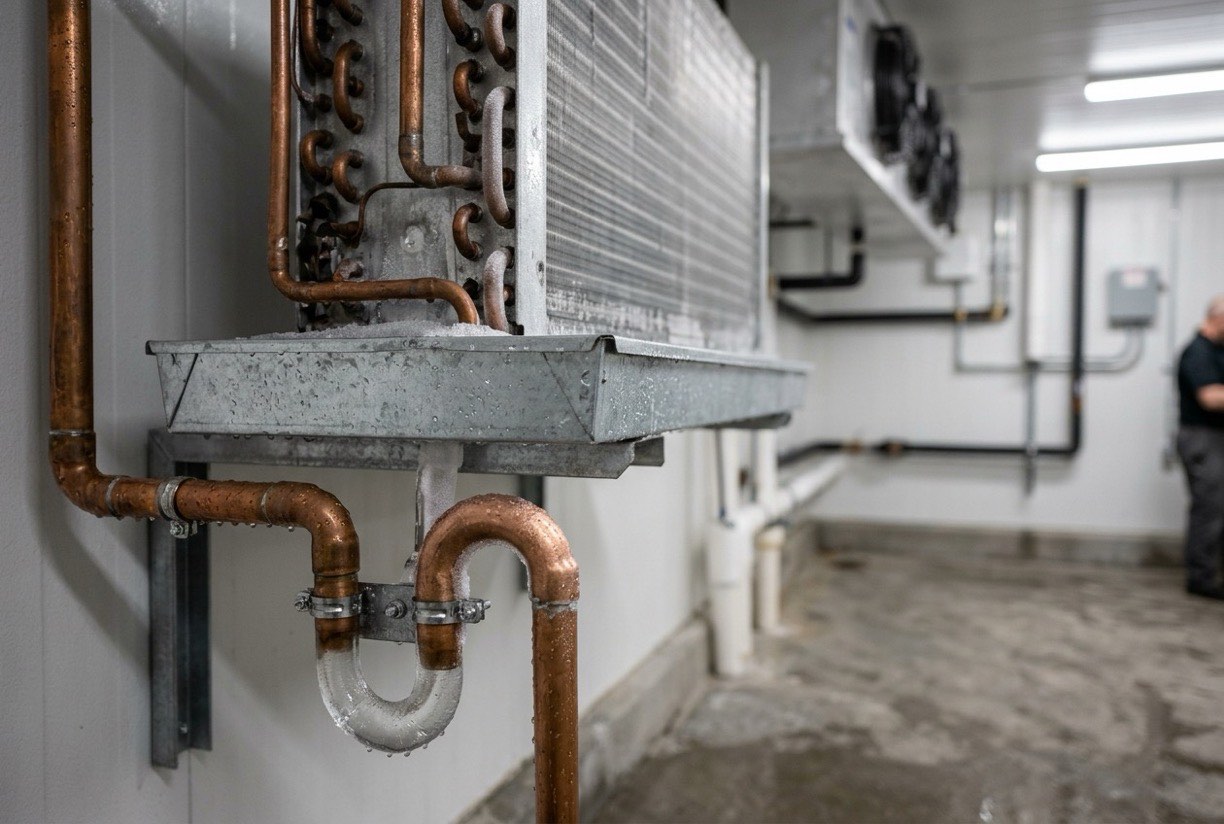
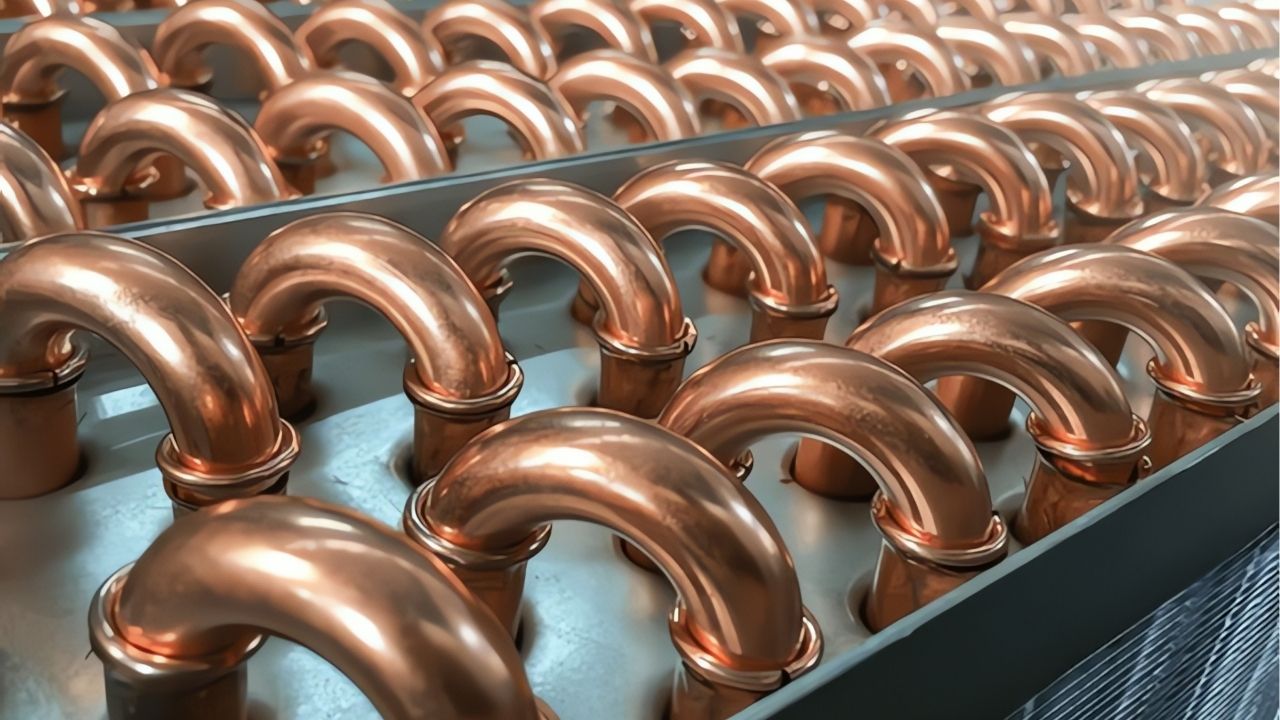
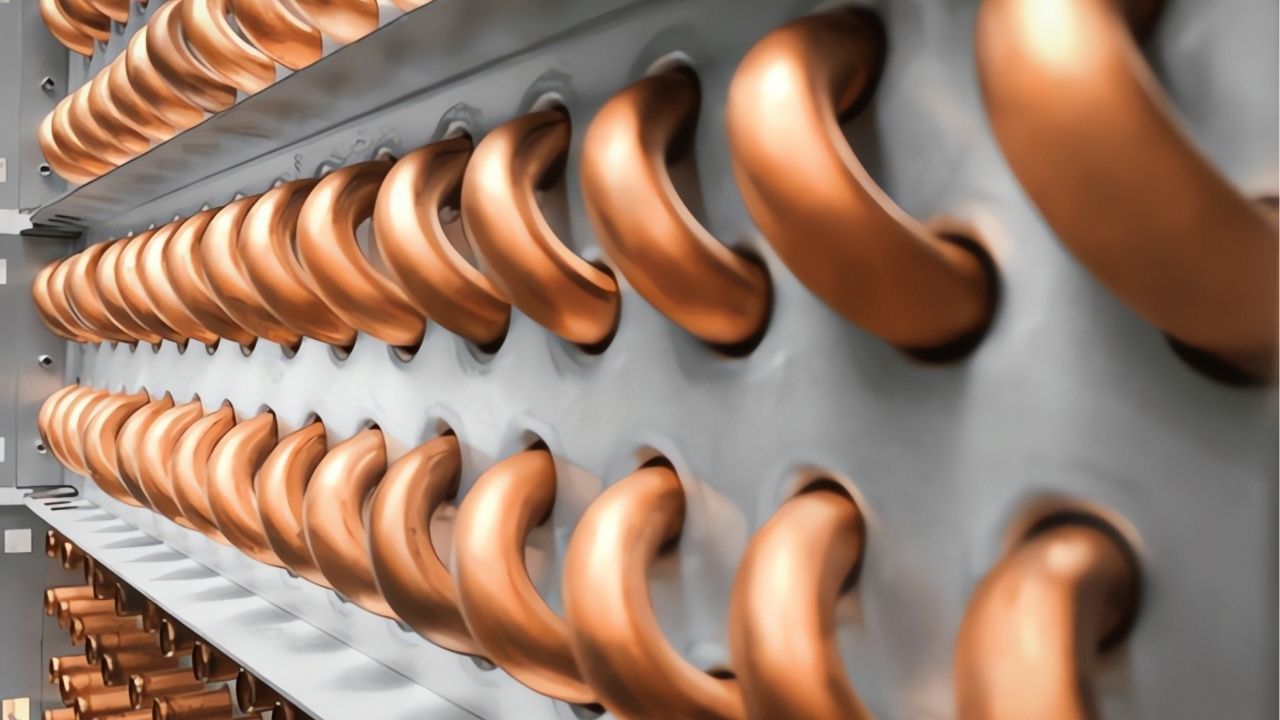
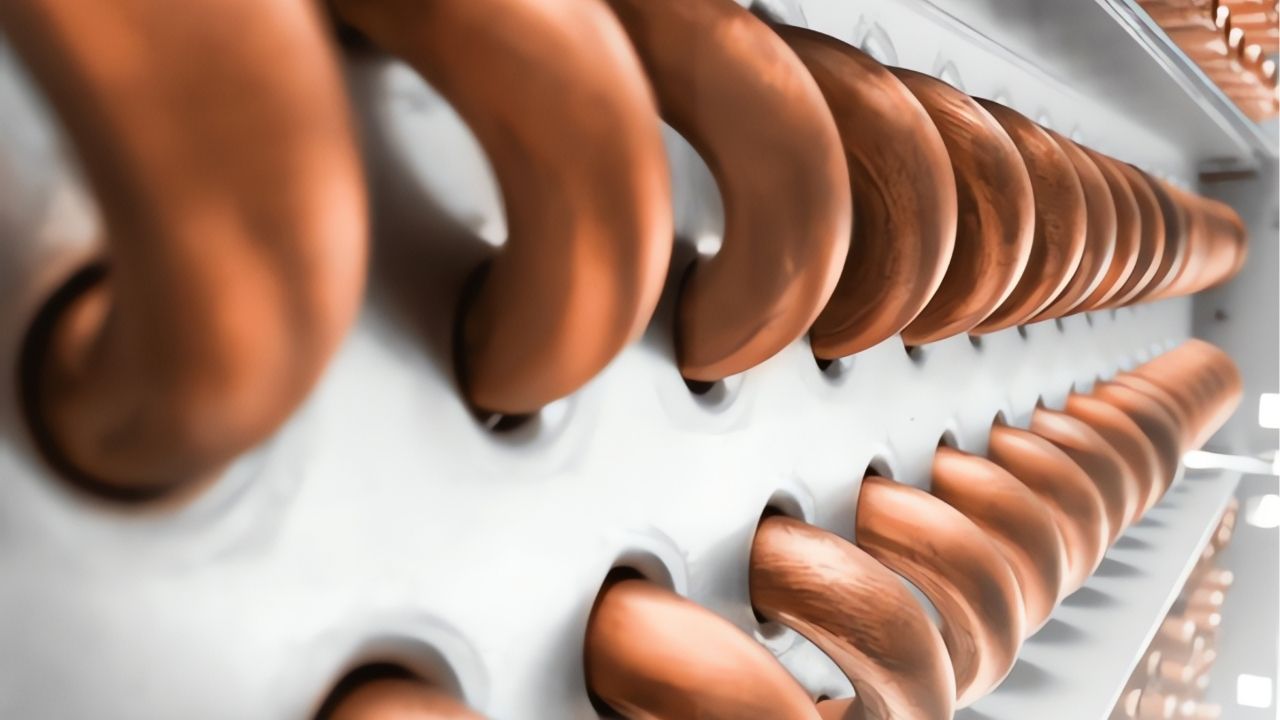
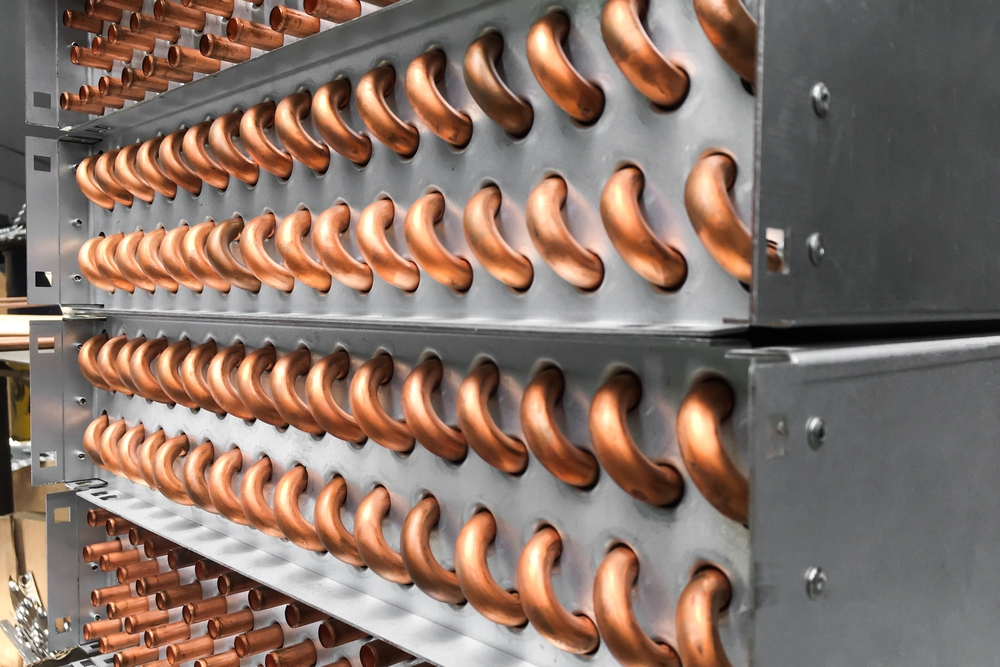
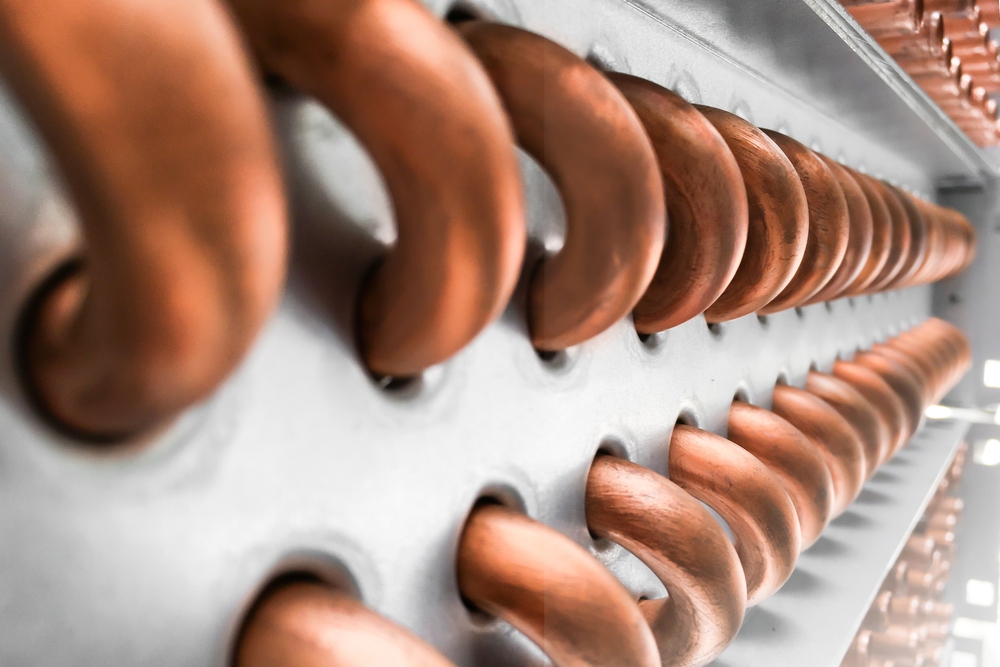
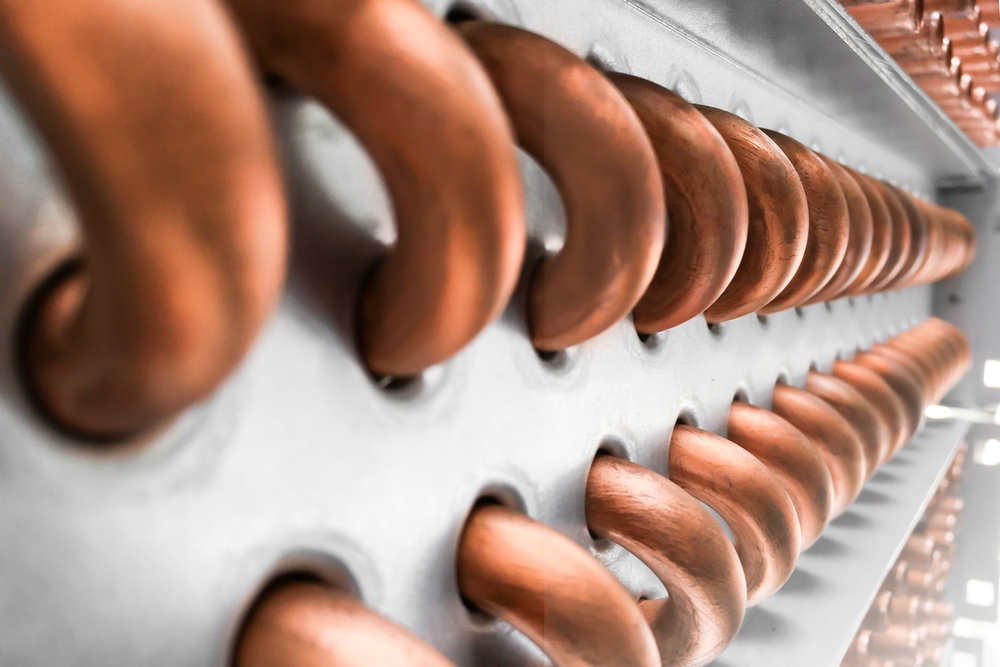
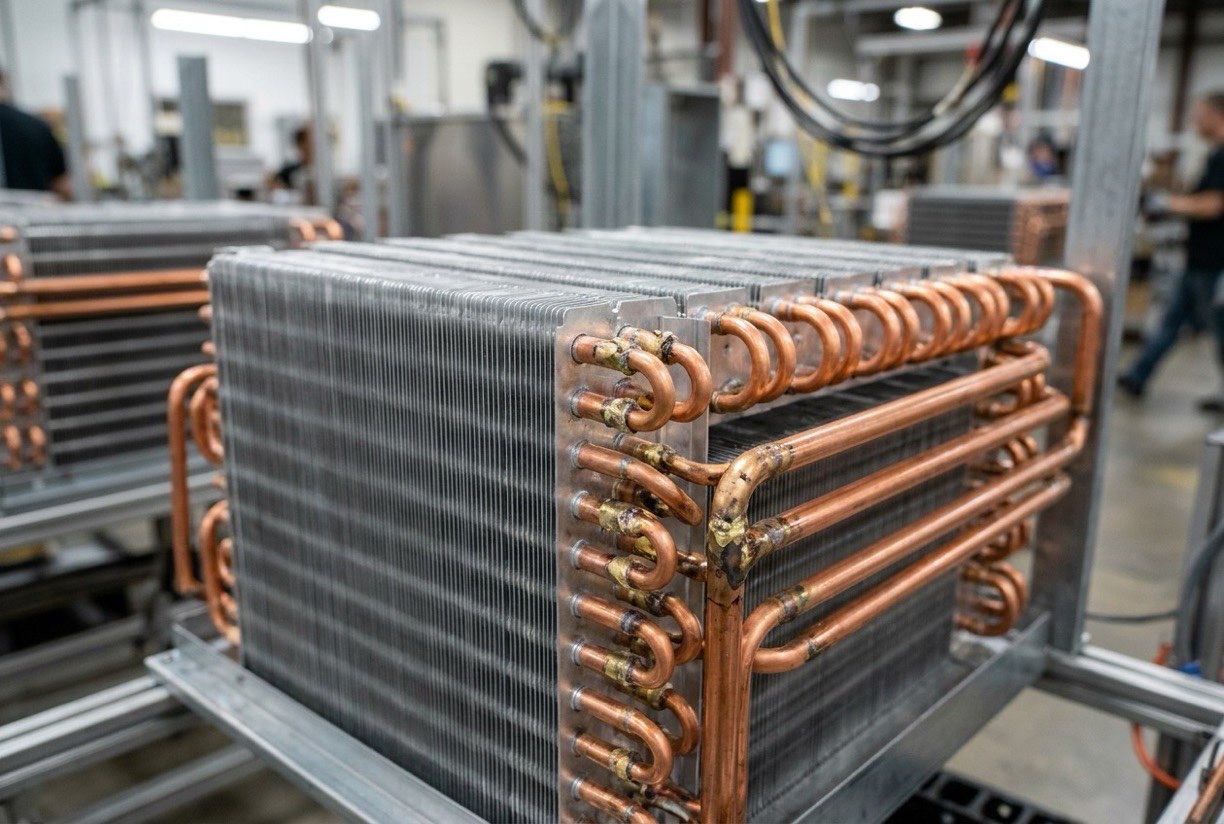
Copper is a material with high thermal conductivity that is easy to work. It gives reliable results in brazed joints and has been widely used in refrigeration circuits for many years. Aluminium is lighter and often lower in cost.
The choice between these two materials should consider not only the price, but also the joining method, the operating conditions, and the fin material together.
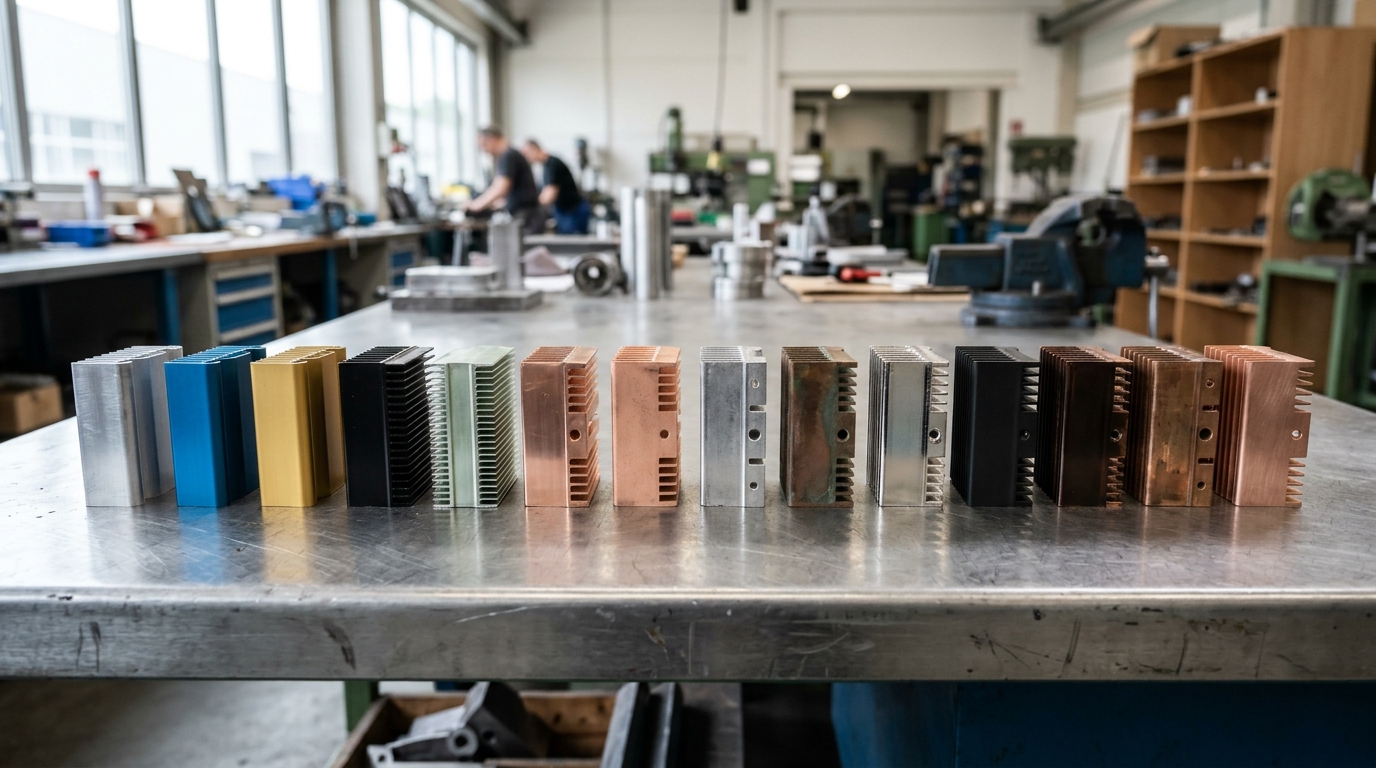
Copper and aluminium are the two most frequently compared materials for evaporator tubing. Both conduct heat, but they do so with different properties. The density and hardness of copper bring a different logic of manufacturing and assembly than aluminium does.
The light weight of aluminium makes transport and installation easier. However, this lightness calls for additional decisions at joints and in mechanical strength. The physical behaviour of the material should be considered at every stage of the design.
Material selection should not be made only from the values in a heat-conductivity table. In real operation, the condition of the tube surface, the quality of the contact with the fin and the service life are decisive. Catalogue values should therefore be read together with site conditions.
Copper has been used for many years and its behaviour is well understood. This experience helps maintenance teams recognise problems. As the use of aluminium grows, field data on it is also accumulating and guiding design decisions.
Part of the difference between the two materials also appears on the production side. Forming, drilling and brazing processes require different equipment and skills for each material. This means that supply and workshop decisions also play a role in material selection.
Another criterion in comparing materials is the accessibility of the facility. Where parts supply and repair facilities are limited in remote regions, material selection should take these constraints into account.
Why Are Corrosion And Compatibility Important?
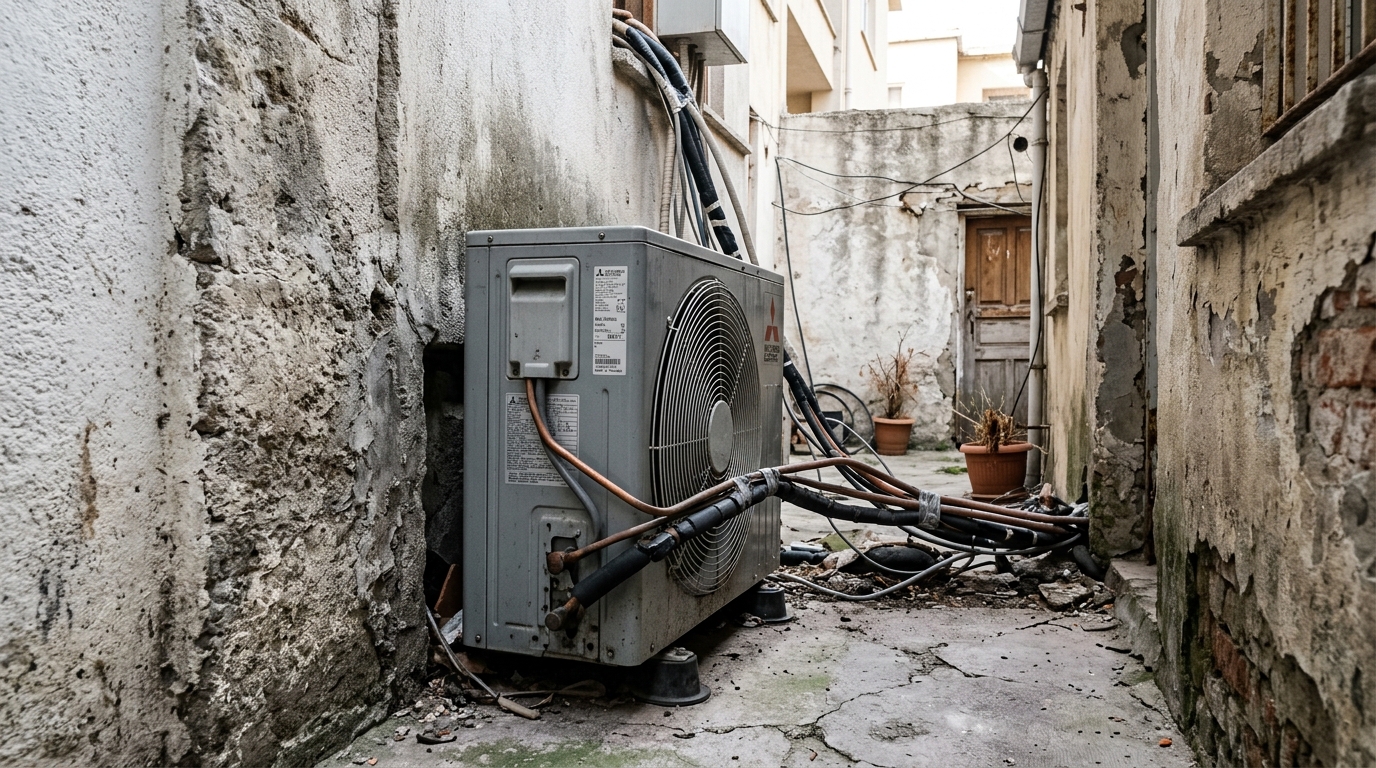
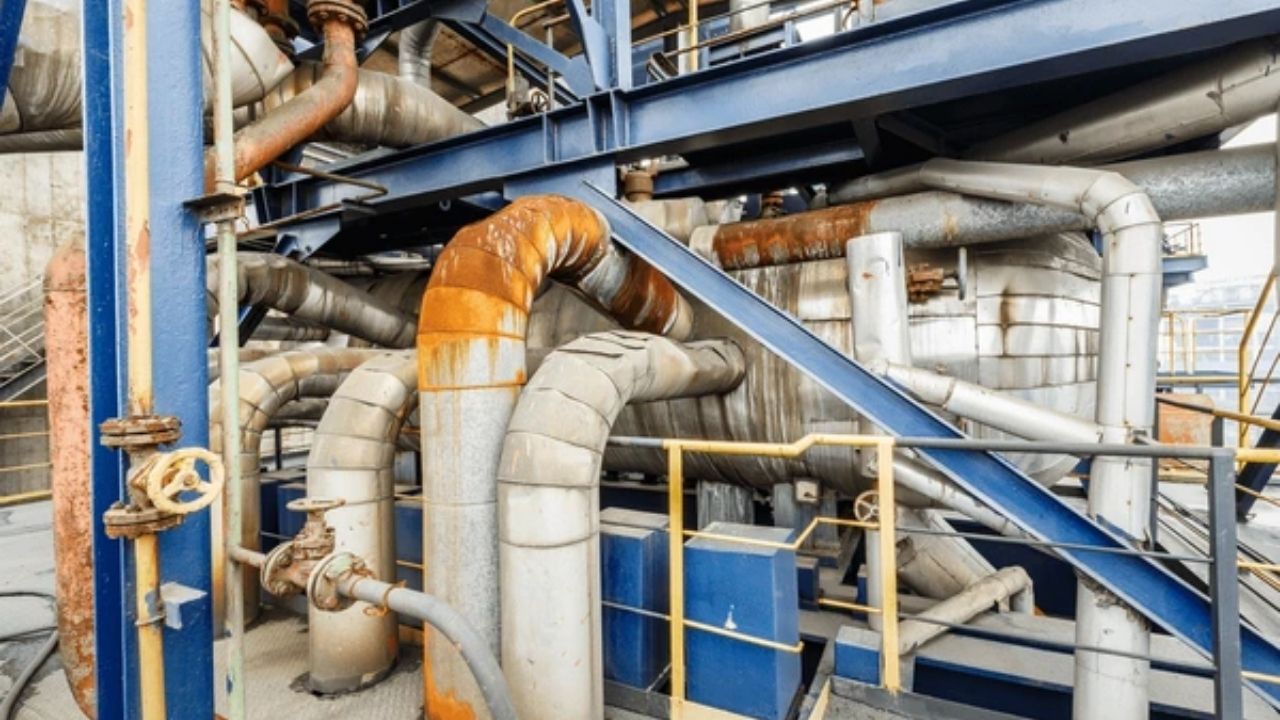
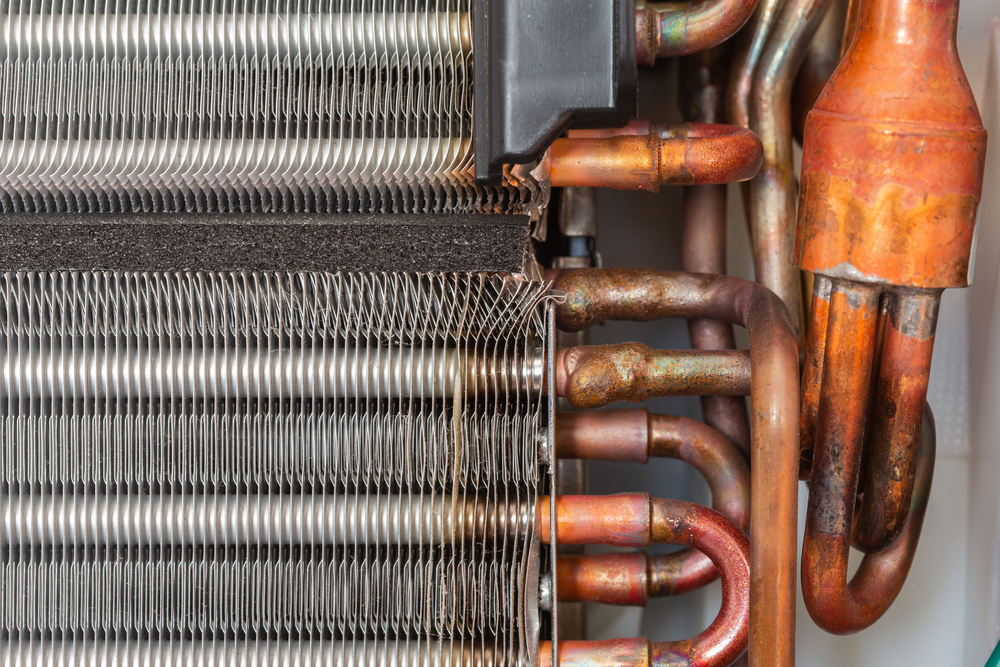
When two different metals are in contact in a humid environment, galvanic corrosion can occur. When copper tubes and aluminium fins are used together, this risk can increase in humid or salty environments. For this reason, material compatibility should be assessed together with the environmental conditions.
In humid or chemically aggressive environments, corrosion resistance is one of the main factors in material selection.
Corrosion arises not only from the material itself but from the environment around it. Moisture, salt, acids and some cleaning agents accelerate chemical reactions on the surface. The corrosion risk should therefore be considered together with the layout of the room and operating habits.
Compatibility between the tube and the fin is the key to long-term performance. Two incompatible metals can deteriorate over time at the point of contact, and this deterioration can also affect the internal flow. The material pairing should therefore be decided by durability as well as price.
Surface coatings can give additional protection against corrosion. The thickness and adhesion of the coating also affect heat transfer. When choosing a coating, the balance between the level of protection and the thermal performance should be kept in view.
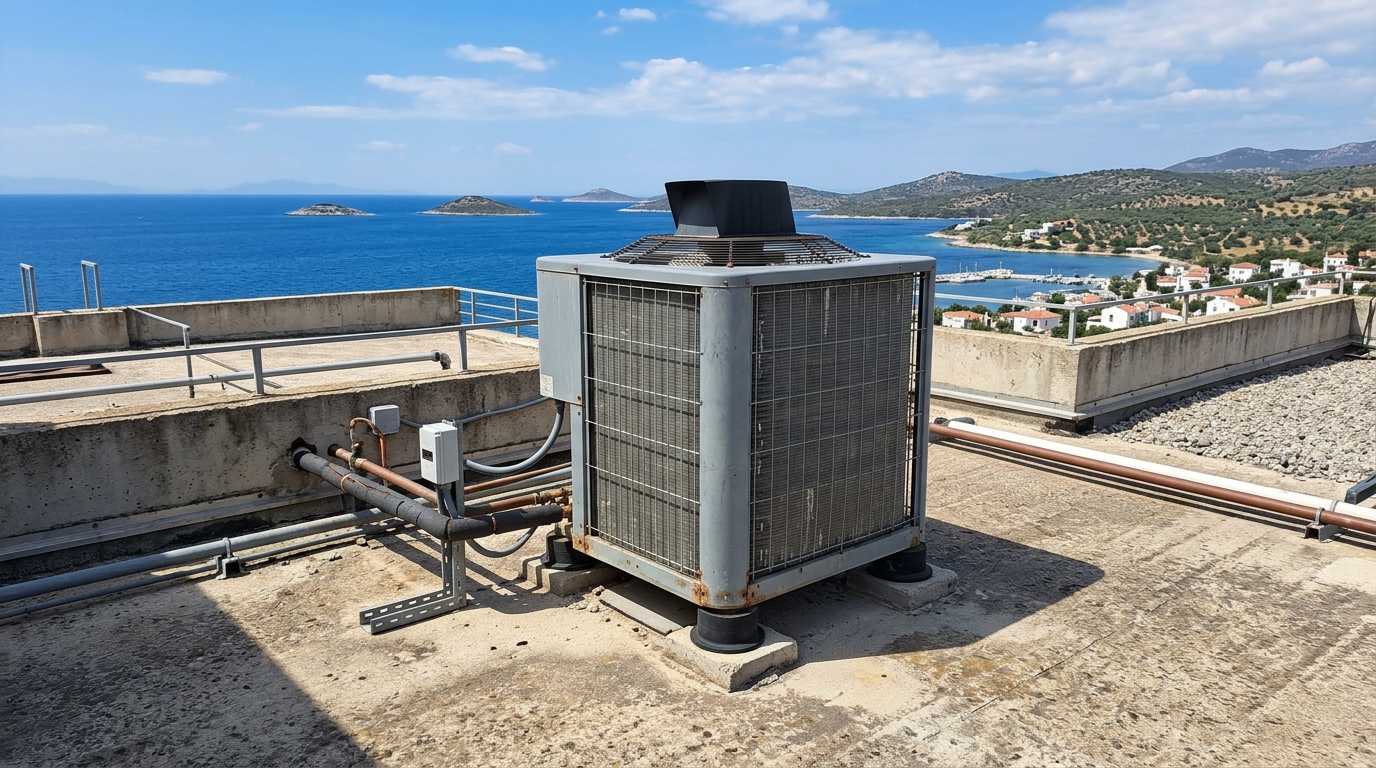
In facilities where salty or chemically loaded air is present, material selection should be made more carefully. Such environments can be too aggressive to be managed with a simple cleaning plan. The choice should be made by taking the characteristics of the environment into account.
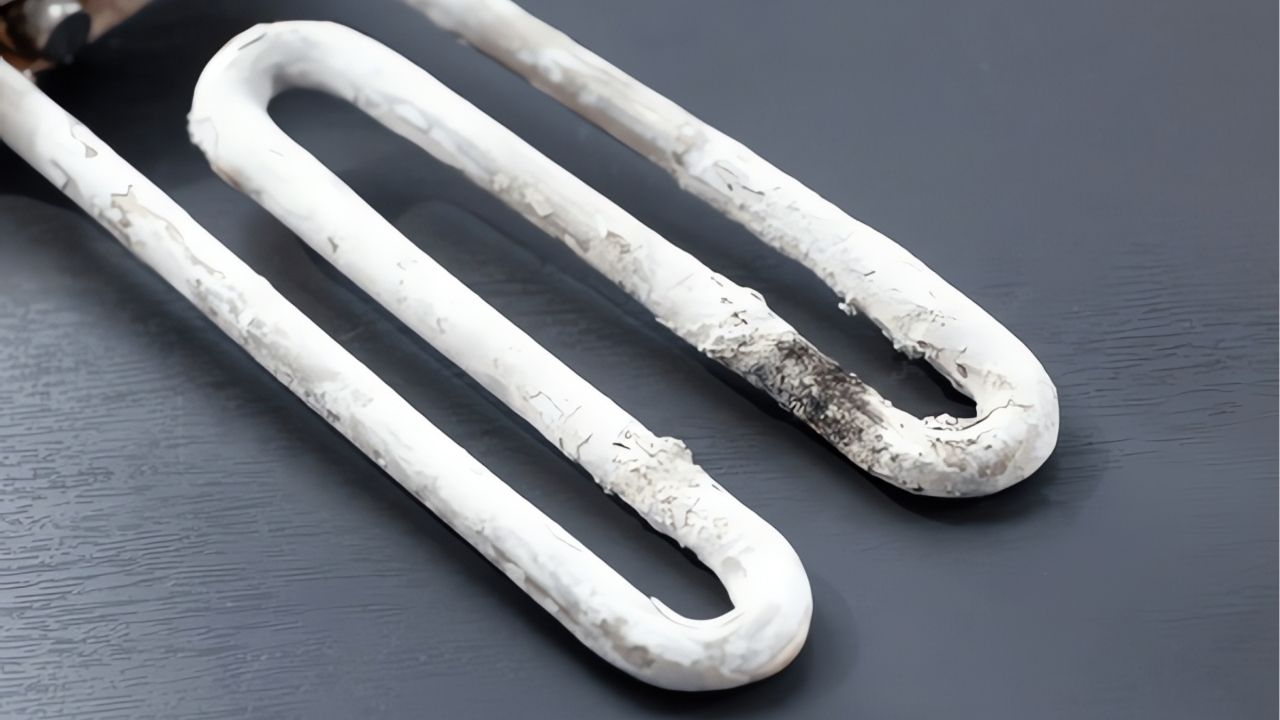
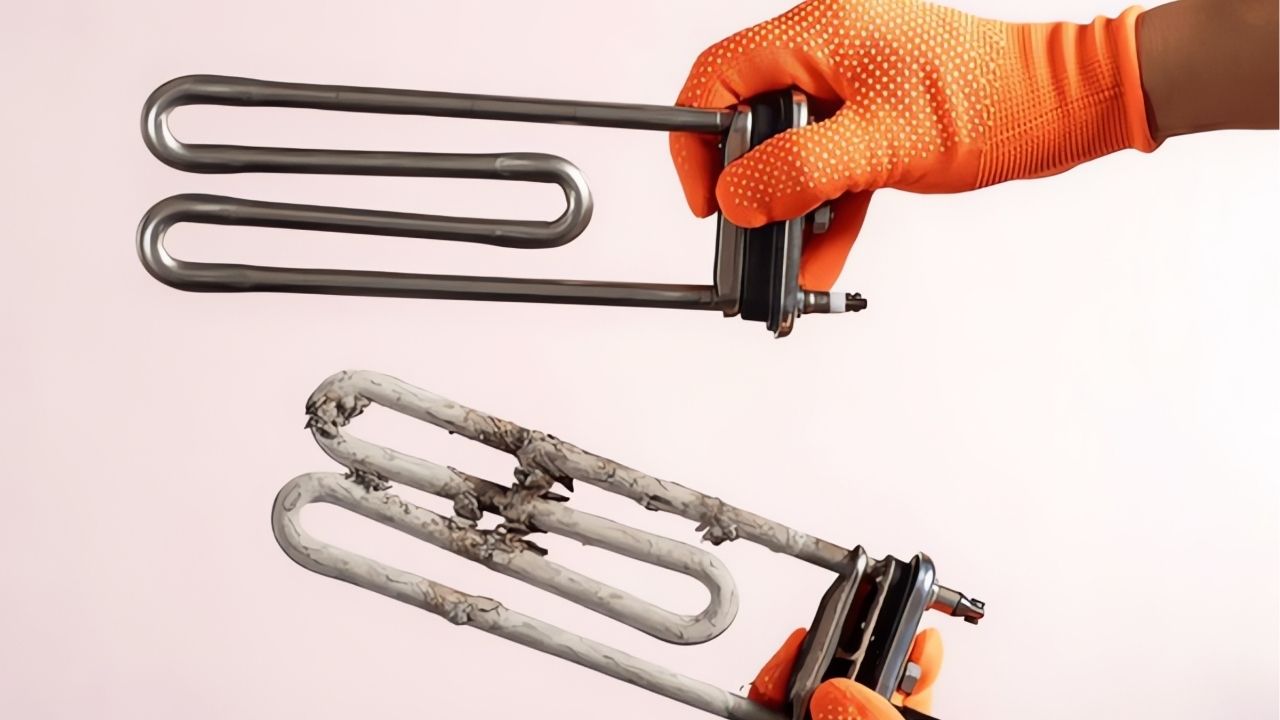
Early signs of corrosion are colour change on the surface, small pits, and white or green oxide layers. When these signs appear, both the source and the speed of spread need to be identified. Early intervention significantly reduces the cost of replacement.
Cleaning chemicals can leave lasting changes on metal surfaces. Before cleaning, the compatibility of the product with the material should therefore be confirmed from the manufacturer's documentation.
How Is Pressure And Temperature Strength Assessed?
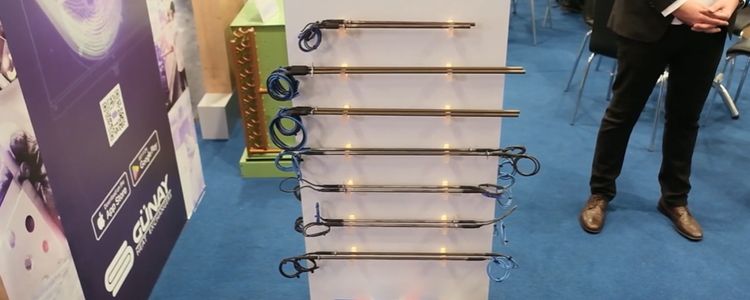
The tube material must withstand the maximum pressure and operating temperature of the system. Pressure strength is assessed together with the tube diameter and wall thickness. The refrigerant to be used and the design pressure are the basic inputs of the material choice.
- Design pressure: The maximum operating pressure of the system must be defined.
- Wall thickness: It must be adequate for the pressure value.
- Refrigerant: The material must be compatible with the refrigerant.
Temperature changes cause expansion and contraction in the tube material. As this movement repeats, fatigue can develop at the joints. The strength assessment should cover not only the static pressure but also this repeated movement.
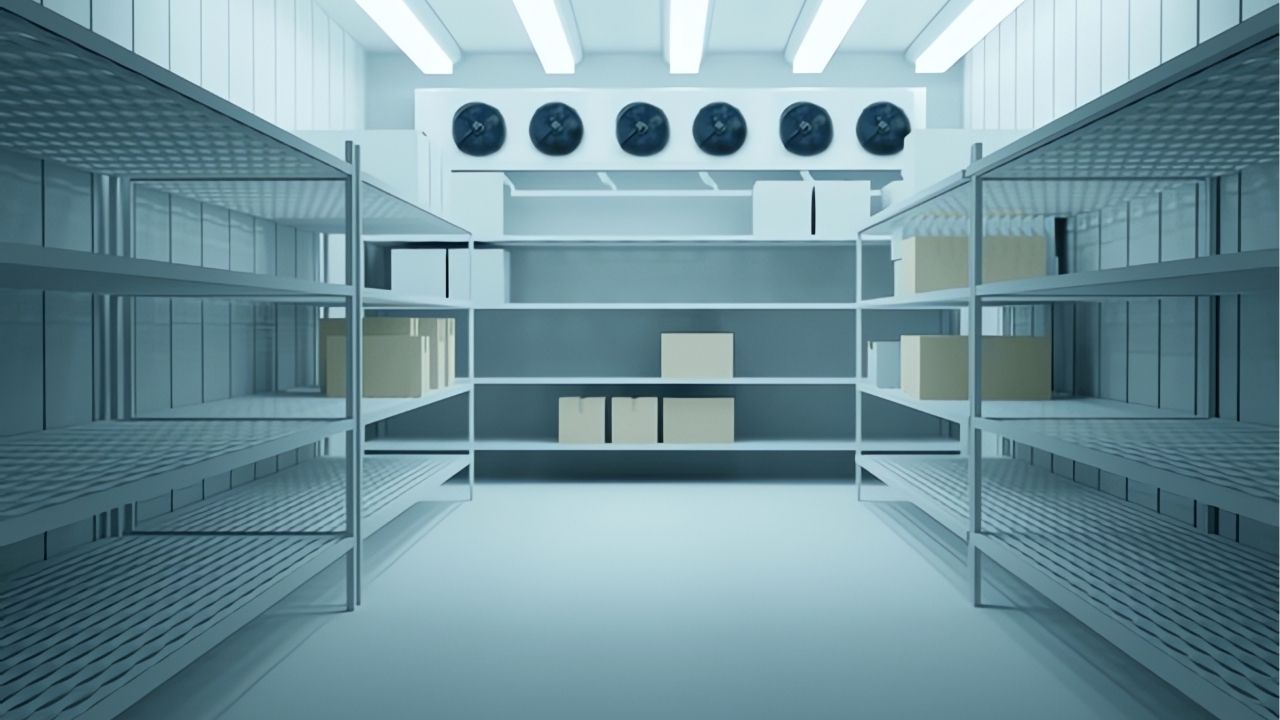
At low temperatures the impact strength of some materials can fall. This raises the risk of cracking under sudden pressure fluctuations. In cold room applications, the low-temperature behaviour of the material must always be checked.
The causes of pressure rises are not limited to system design alone. Uncontrolled running of the compressor, a blocked line or a wrongly set valve can also raise the pressure. These possibilities call for a safety margin in the choice of material.
Testing and acceptance procedures confirm the accuracy of the strength decision. Pressure tests after installation should be carried out in line with the manufacturer's data. The test results should be documented for the lasting safety of the system.
Brazing carried out at high temperature can also affect the strength of the material. An overheated zone can change its grain structure and weaken its mechanical properties. The brazing temperature and duration should match the manufacturer's recommendations.
When setting the pressure and temperature limits, the worst operating condition of the system should be used as the basis. A material chosen for average conditions can cause unexpected problems at load peaks.
How Is The Fin And Tube Pairing Made?
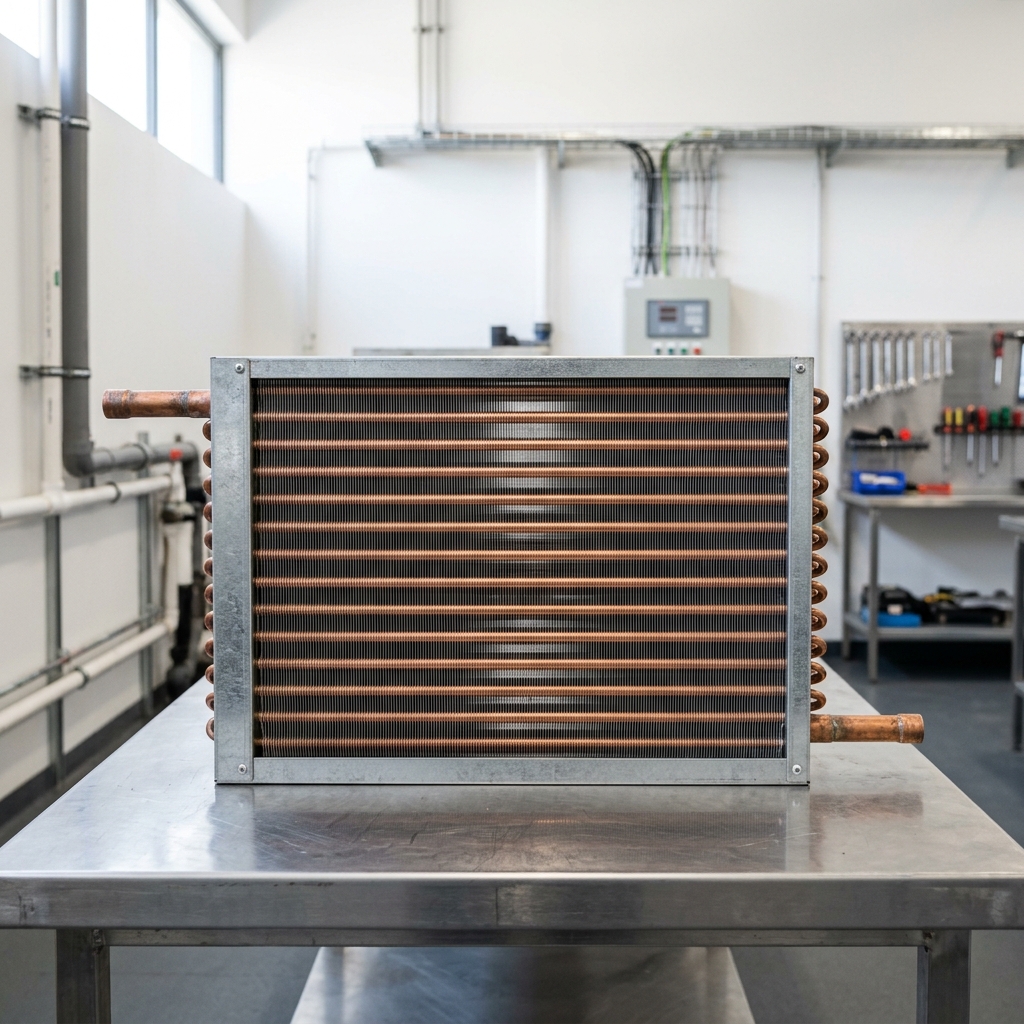
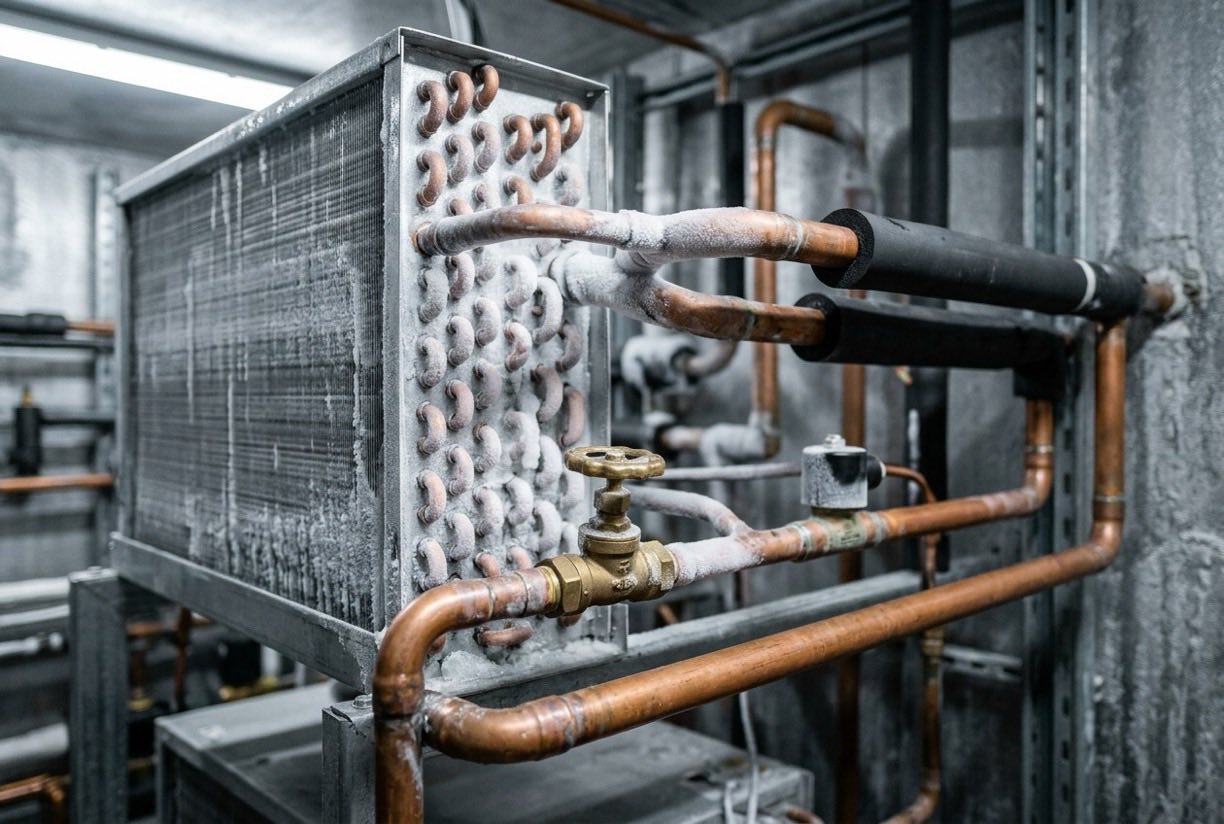
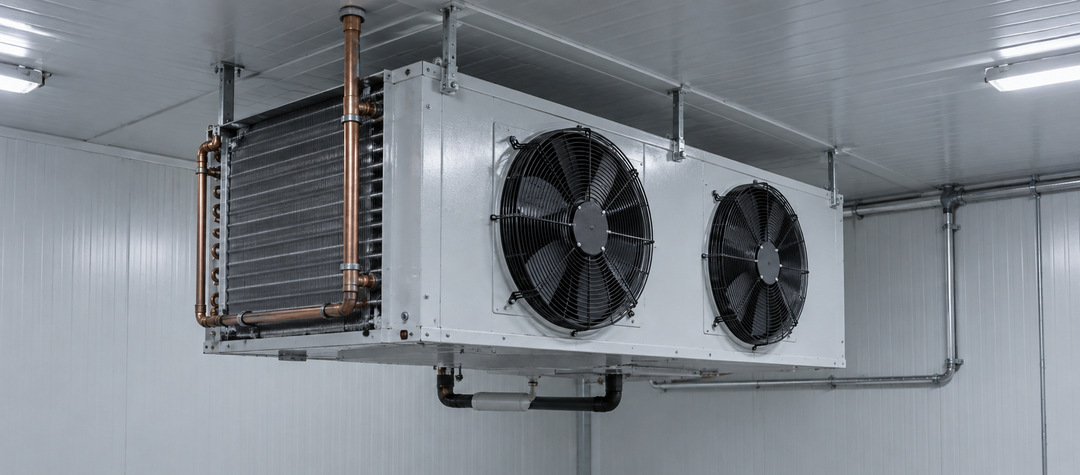
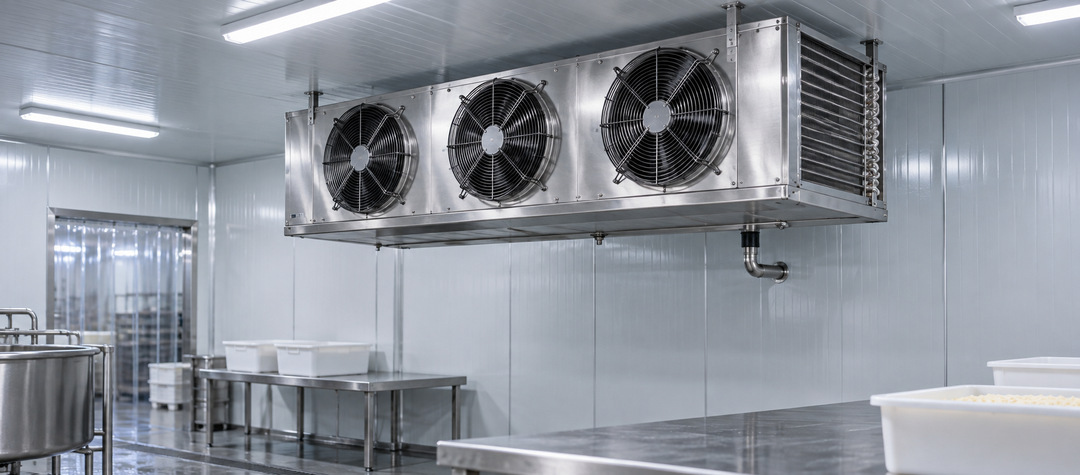
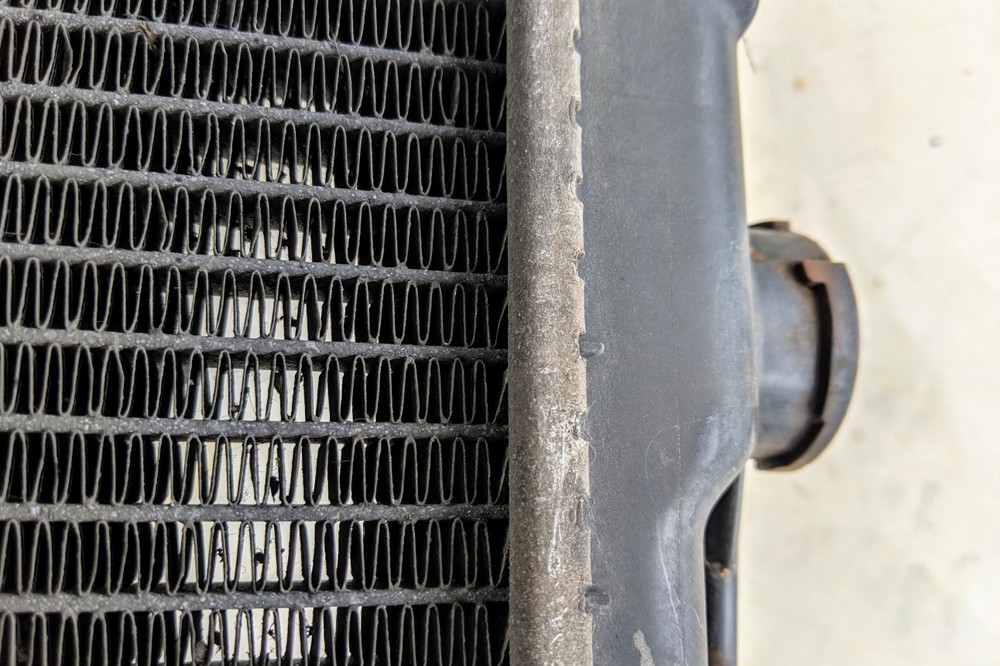
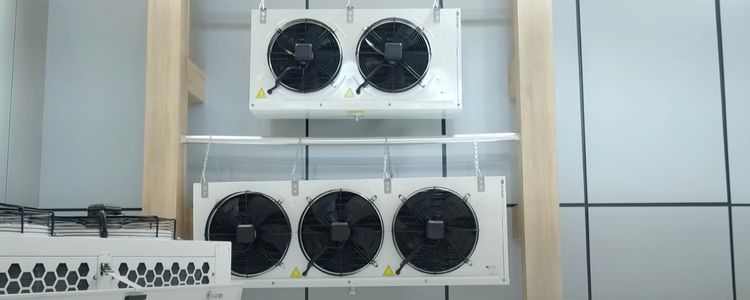
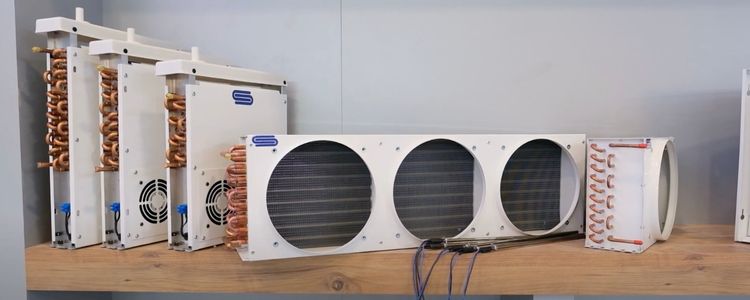
The fin and tube materials should be selected to suit each other. Heat transfer also depends on the quality of the bond between the fin and the tube. If the ambient humidity is high, the corrosion behaviour of the fin and tube materials together should be checked.
The fin spacing and the coating selection should also be assessed together with the material decision. Different fin options can be evaluated for each application in the Günay Soğutma product groups.
The bond between the fin and the tube is a direct part of the heat transfer. If this bond is weak, heat cannot pass sufficiently between the two surfaces and performance falls. The quality of the bond should be assessed together with the expansion surface and the joining method.
When the fin material is chosen, the expansion coefficient of the tube should be taken into account. When the thermal movement of the two materials differs, the bond can loosen over time. Choosing two materials that suit each other together therefore gives a safer service life.
The coating of the fin surface is also important at the point of contact with the tube. A coating can strengthen or weaken the bond. Coating selection should be assessed not only for corrosion but also for the quality of the bond.
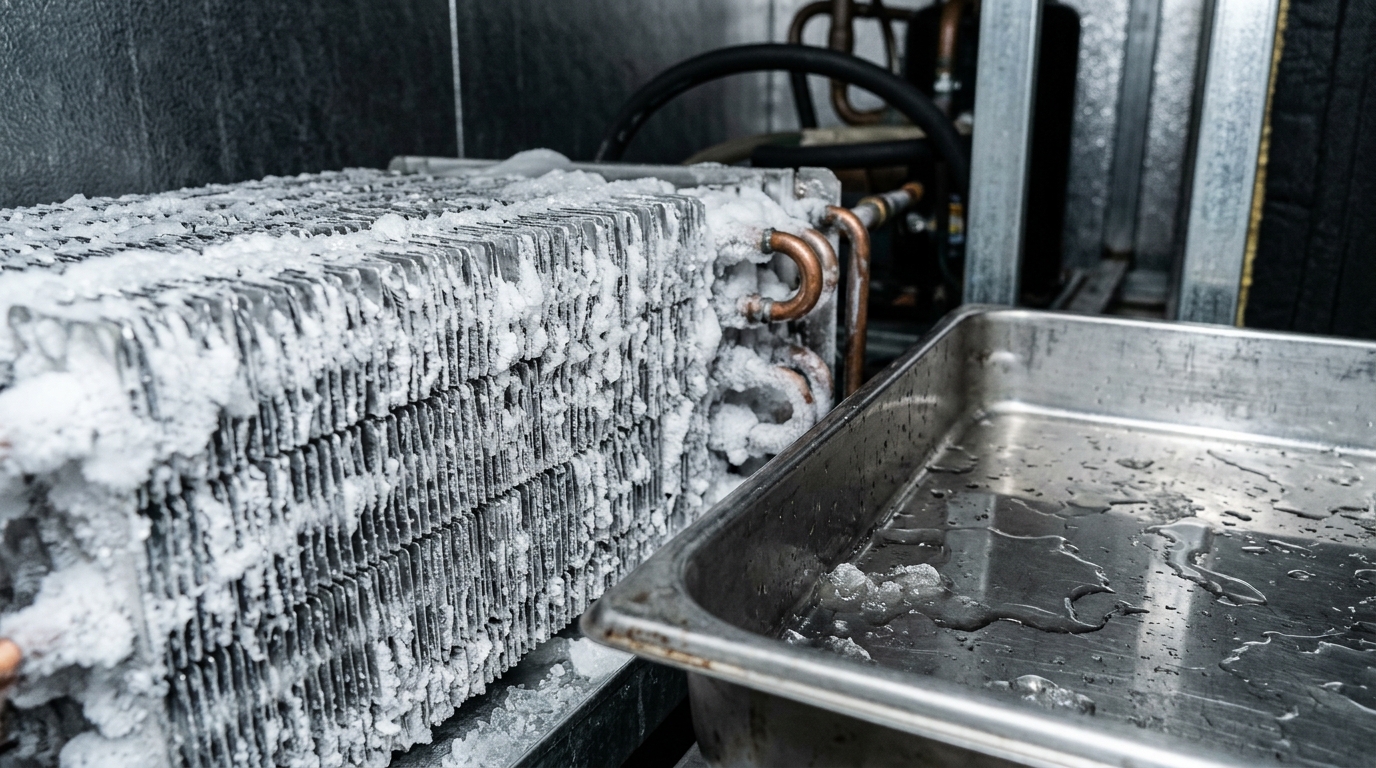
Fin density and design affect the airflow and the formation of ice. A dense fin increases the heat area but is also more prone to blockage. This balance should be struck together with the dustiness of the environment and the defrost frequency.
The pairing decision is also linked to ease of maintenance. Fins that can be cleaned and repaired easily reduce the long-term running cost. For this reason the pairing choice should consider service access as well as the initial purchase cost.
Monitoring the fin and tube pairing in the field is also important. A gradual fall in heat transfer performance may be an indirect sign that the bond has weakened. This monitoring makes it possible to prepare a replacement decision in advance.
What Should Be Considered In Installation And Maintenance?
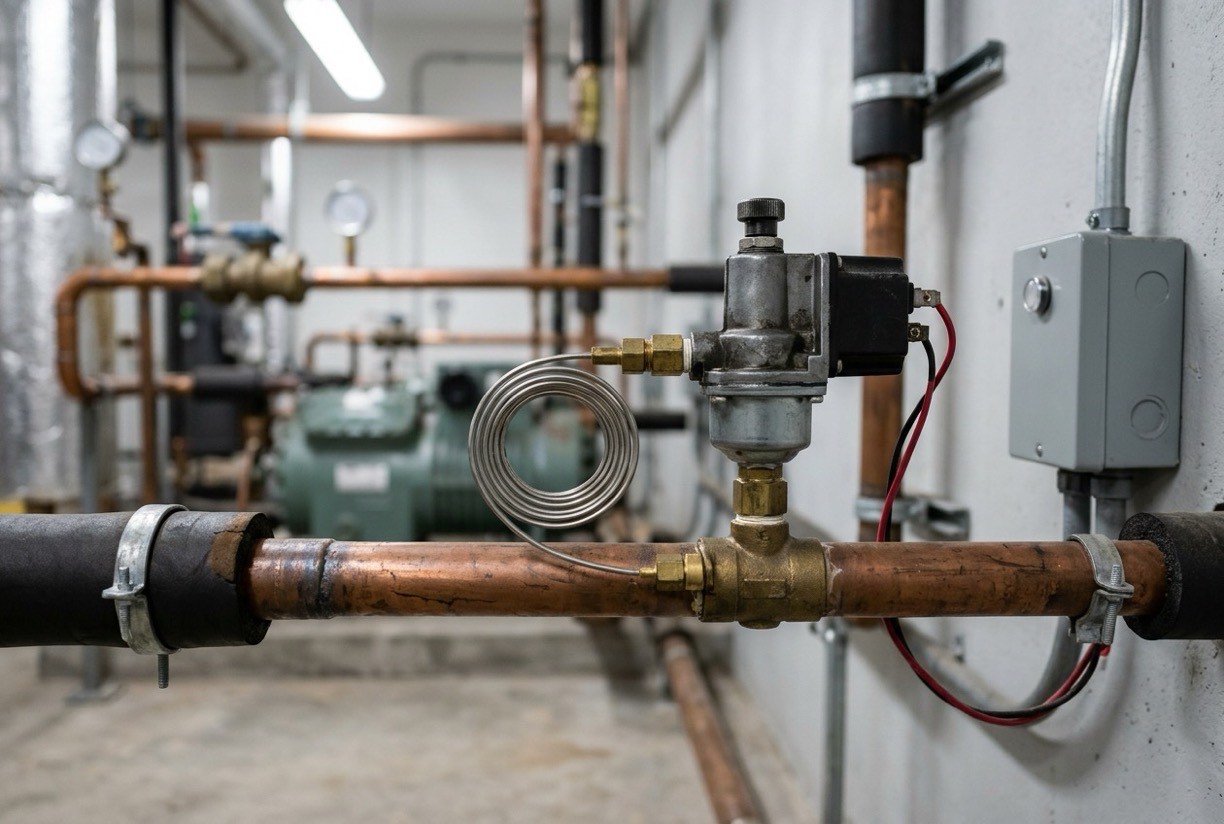
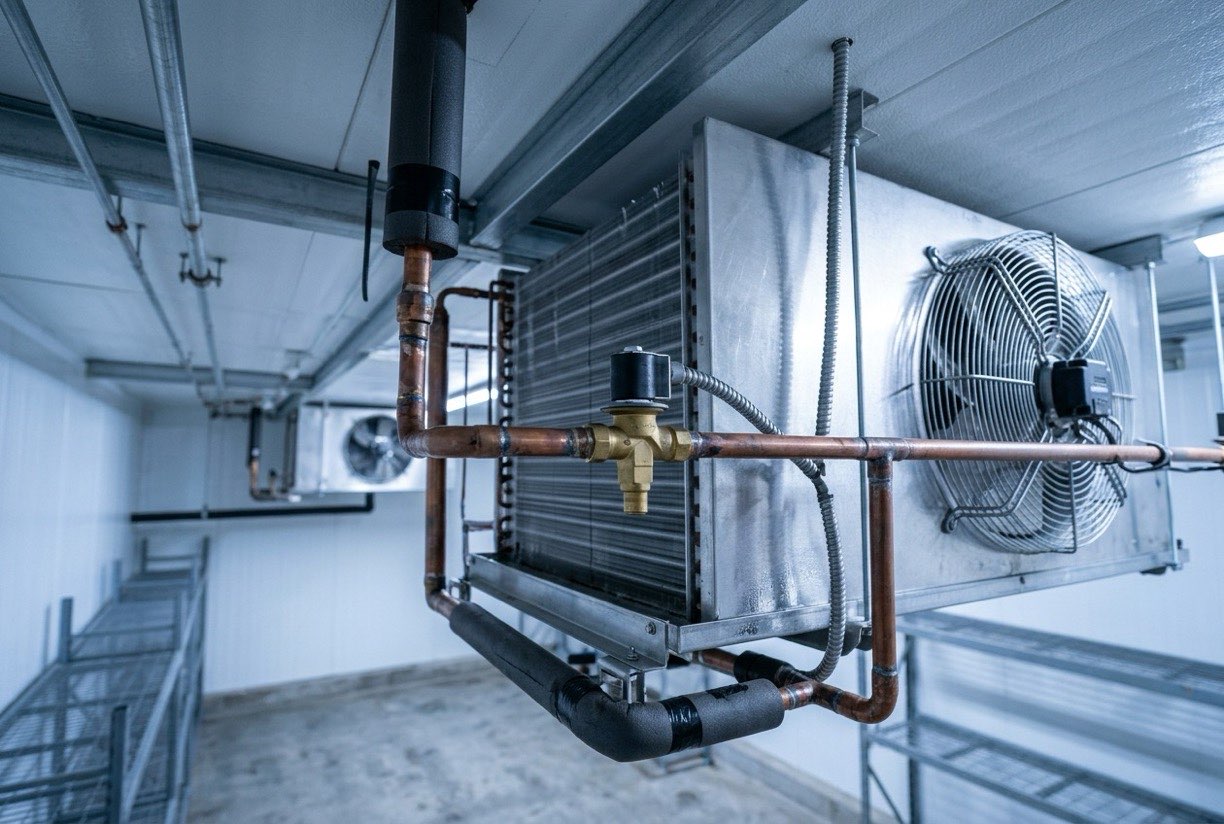
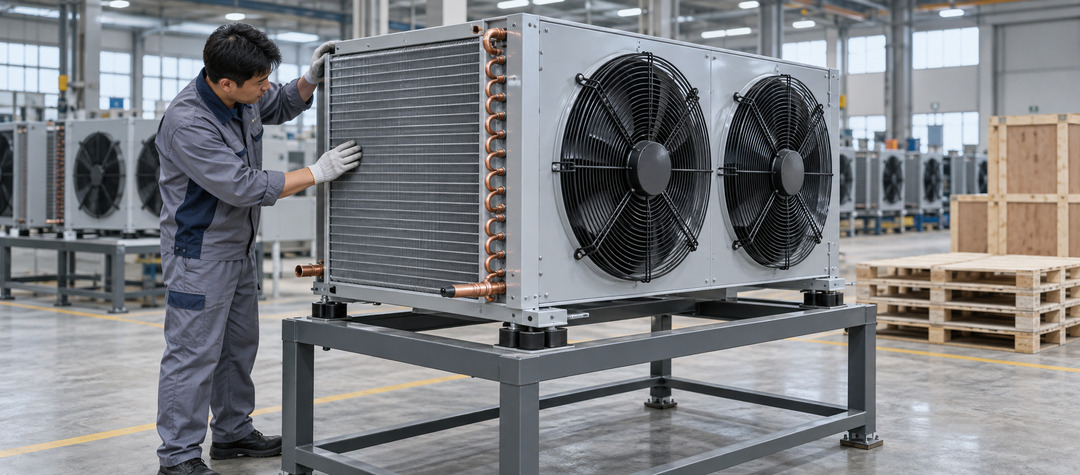
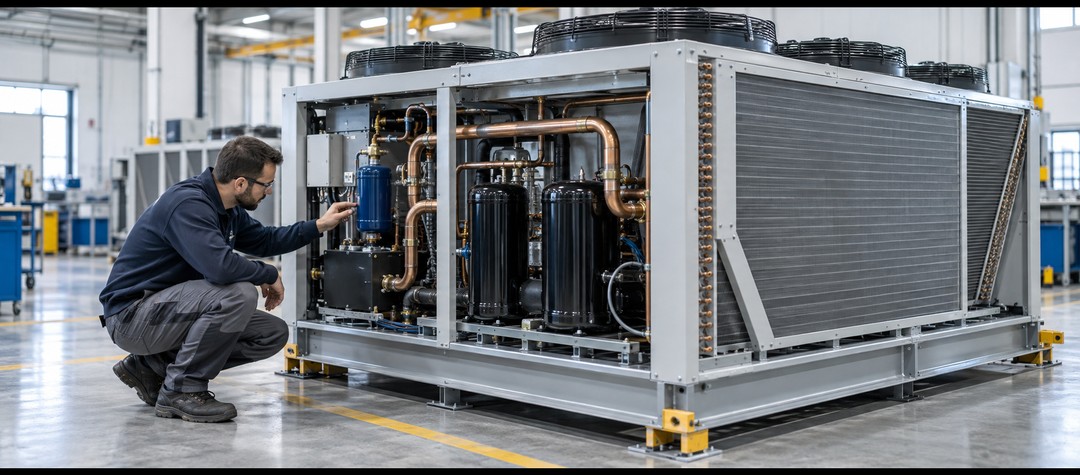
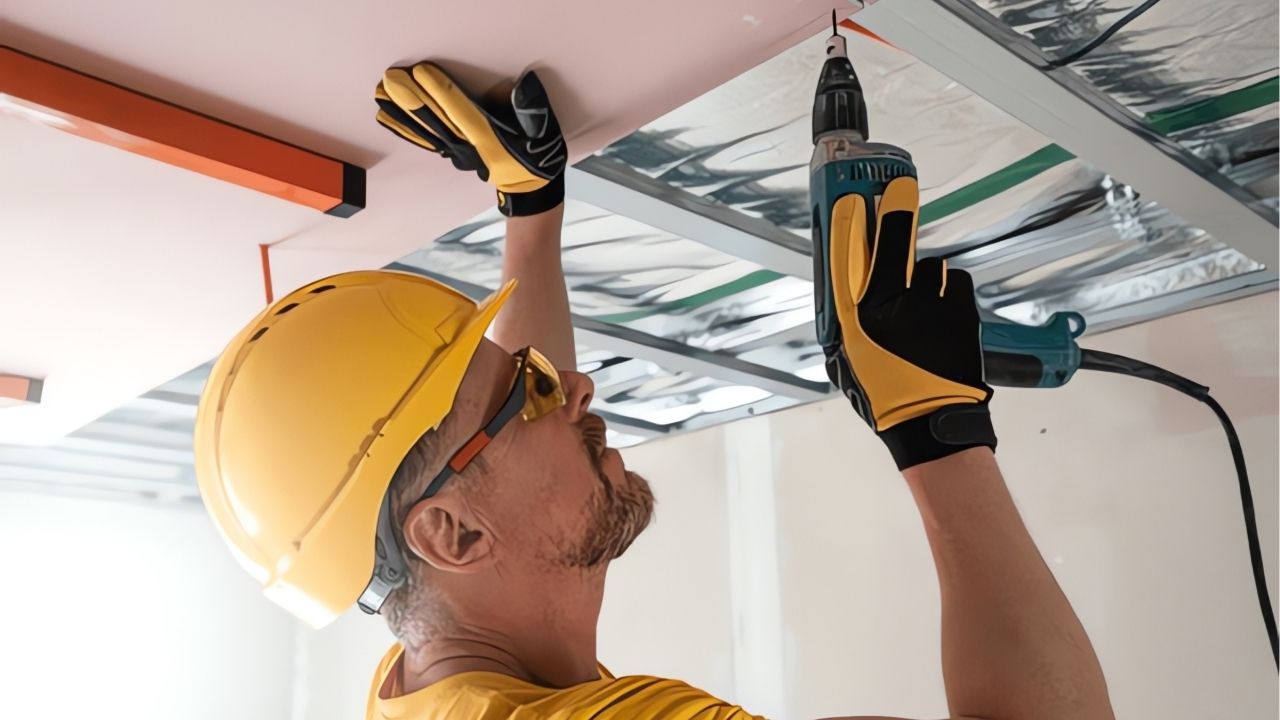
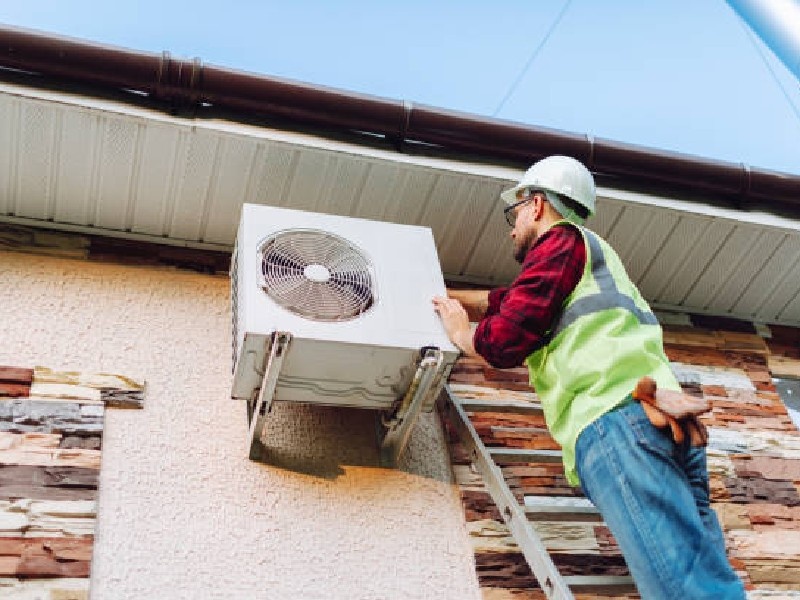
During installation, suitable insulation and connection parts should be used so that different metals do not come into direct contact. During brazing, a technique suited to the material should be chosen, and the joints should be checked for tightness.
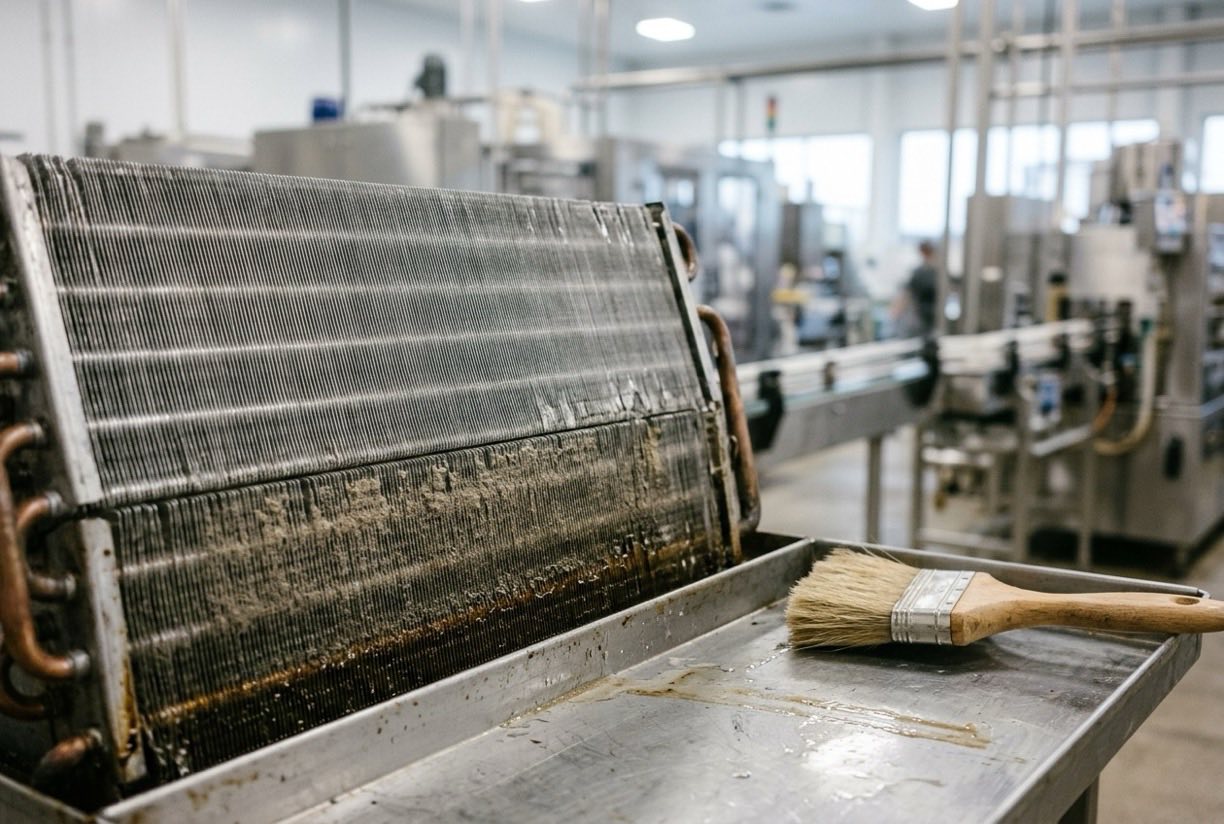
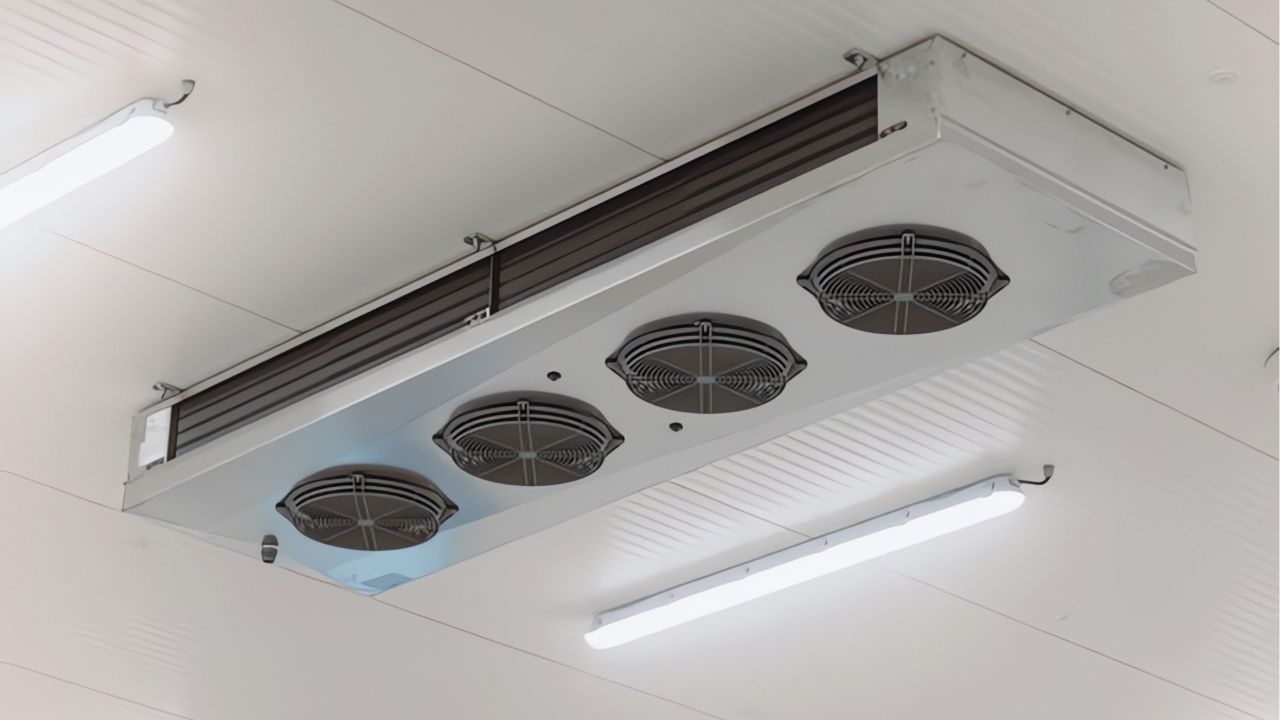
During maintenance, the evaporator surface, the condition of the fins, and the connection points should be inspected regularly. The Günay Soğutma technical team can support the evaluation of material selection under your project conditions.
During installation, the tubes should be fixed to their supports in a way that limits vibration and expansion movement. Fixing points should be chosen so that they do not damage the tube surface. An over-tightened connection can also lead to cracking over time.
Brazing should be carried out in a clean and dry environment with a suitable filler material. If oxide or oil residues are present on the surface, the quality of the joint falls. Seam checks after brazing should be made together with a leak test.
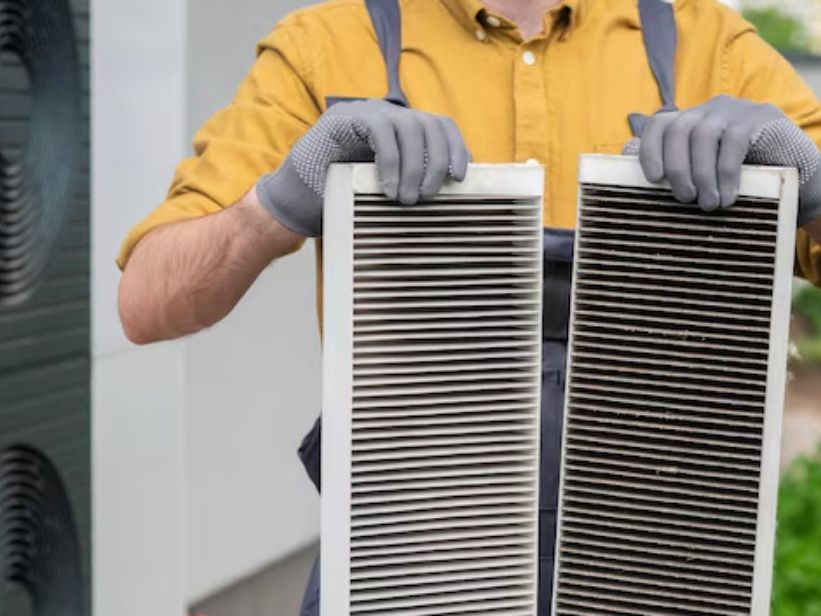
Maintenance teams should inspect regularly in order to spot micro-cracks that form on the tube surface over time. Colour change on the surface, damp zones and loose connections are the first signs that deserve attention. This inspection should be made by touch as well as by sight.
Cleaning during maintenance should be carried out with chemicals that do not damage the tube and fin surfaces. The wrong chemical can remove the protective layer and accelerate corrosion. The choice of cleaning material should be compared with the recommendations of the material manufacturer.
Every maintenance record should state the result of the inspection, the areas that changed, if any, and the materials used. This information is an important source for repair and replacement decisions in the future.
The maintenance plan should contain material-specific checks under a separate heading. Using the same checklist for copper and aluminium may cause important signs to be missed.
Frequently Asked Questions
Is copper always better?
It is not the best choice in every application. Thermal performance, strength, and corrosion conditions can give different results. The choice should be made according to the project conditions.
How does aluminium tubing behave in joints?
Aluminium tubing behaves differently depending on the joining method and the filler material used. The joining technique should be chosen to suit the material.
Does the material choice affect capacity?
Indirectly, yes. Thermal conductivity, tube diameter, and fin design together determine the capacity. For this reason the material choice should be assessed together with the capacity calculation.
Can copper and aluminium tubing be used together?
These two metals create a risk of galvanic corrosion when they are in direct contact in a humid environment. They can be used together only with suitable insulation, connection parts and a protective coating. Each application should be decided by considering the environmental condition and the design data together.
How is a leak after brazing checked?
After brazing, the joints are checked with a leak test at a suitable pressure. Soapy water or a suitable detector can show the position of small leaks. The result should be recorded before the system is commissioned.
Does a coated fin extend the maintenance interval?
A coating can extend the maintenance interval by protecting against corrosion. However, its effect on thermal performance and its wear over time must also be taken into account. The choice of a coated fin should be assessed together with the environmental condition and the maintenance plan.