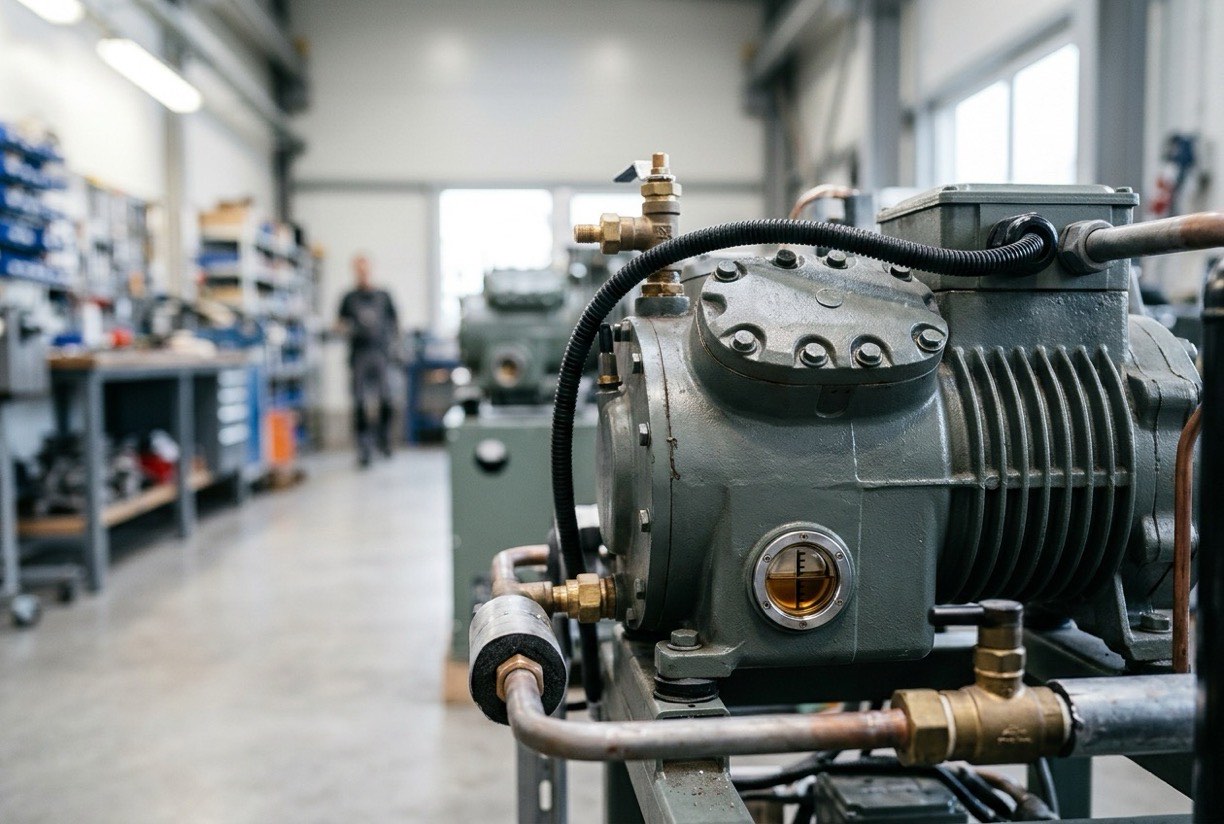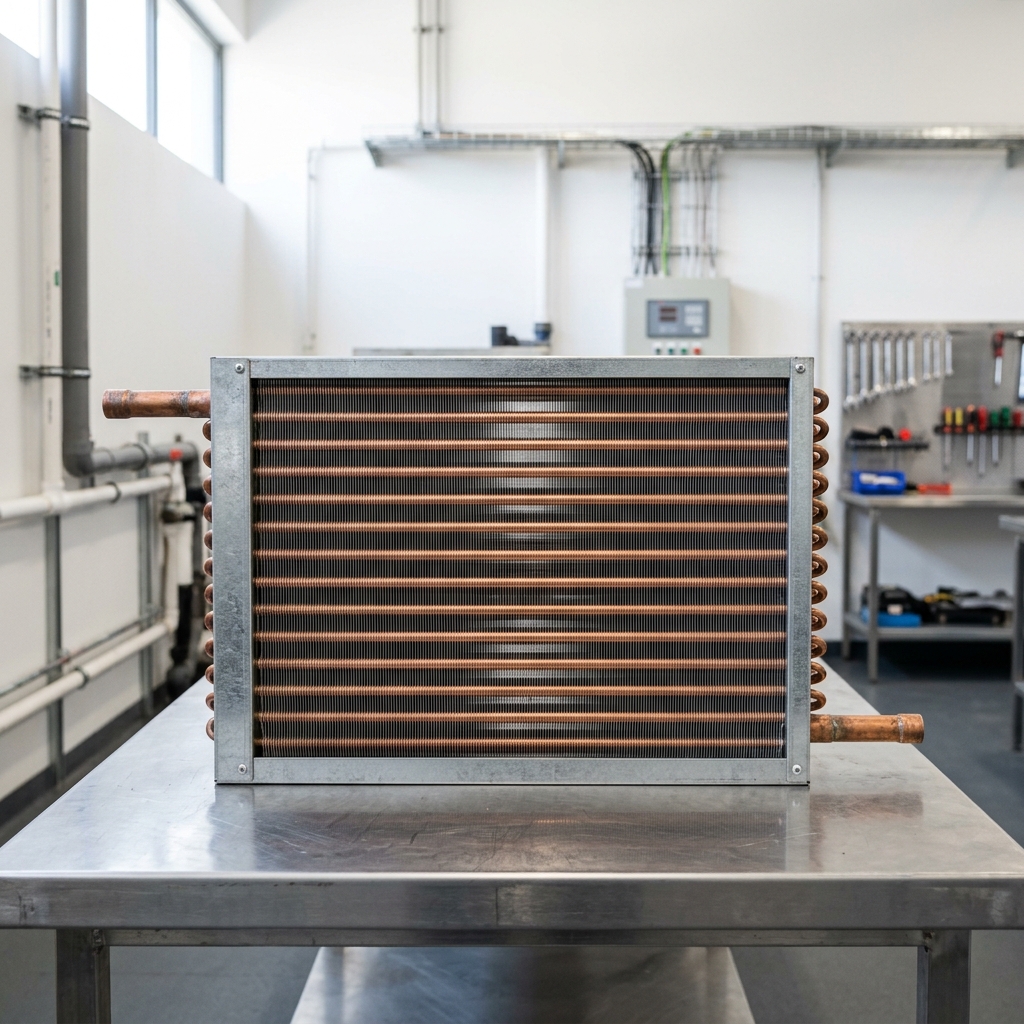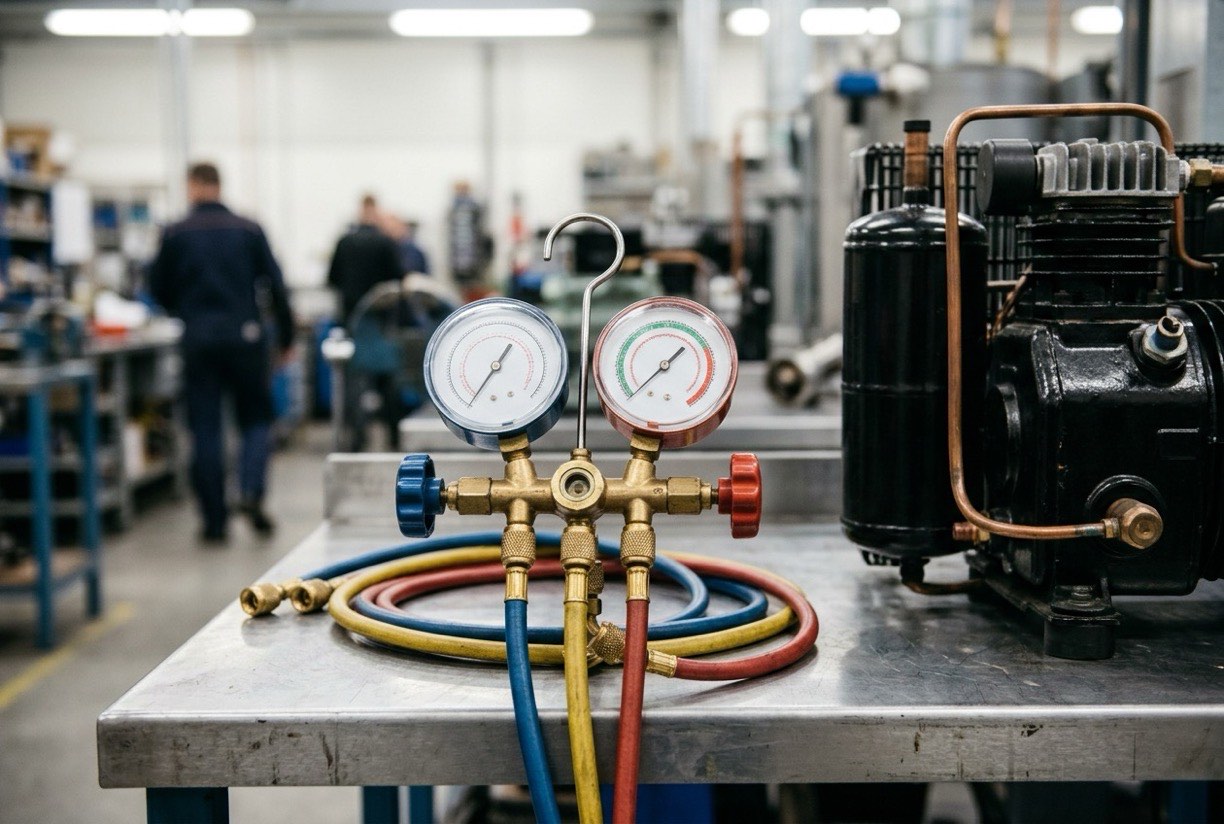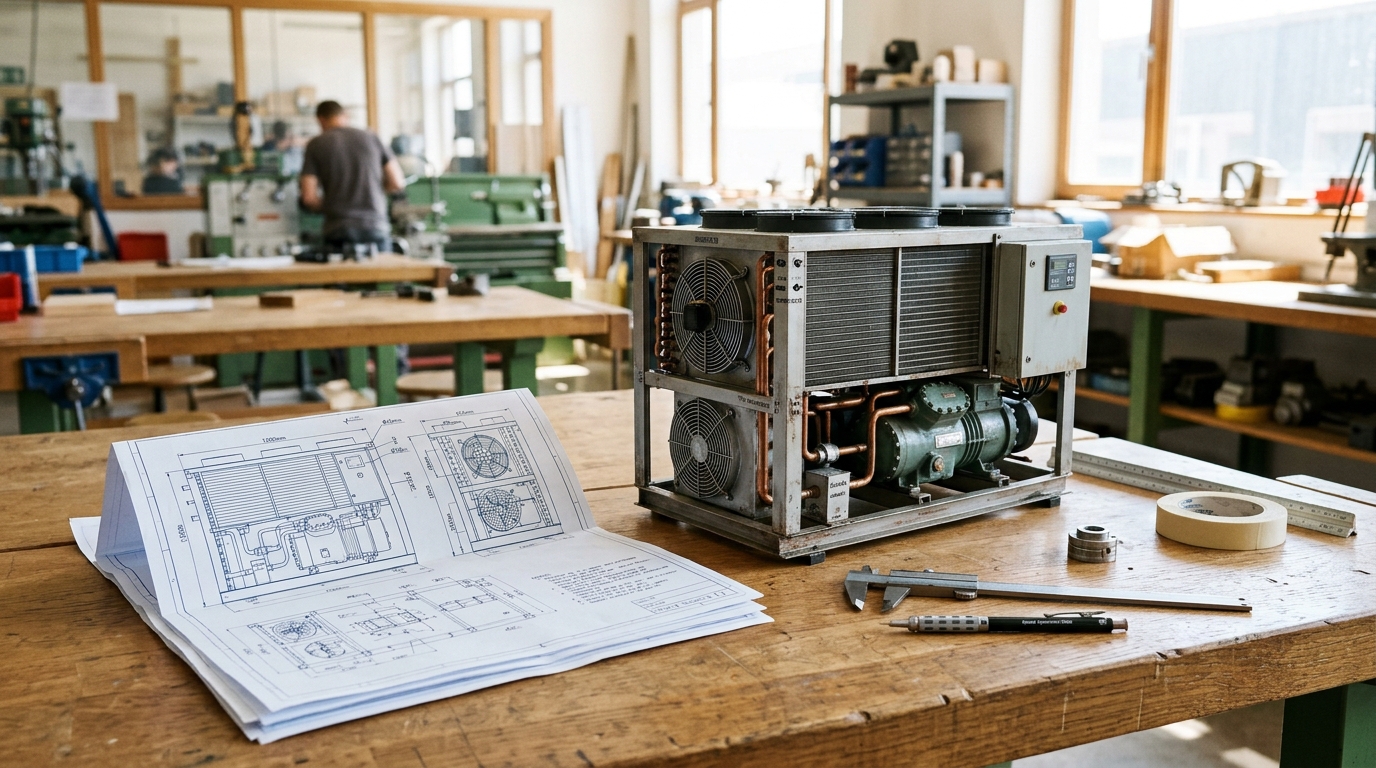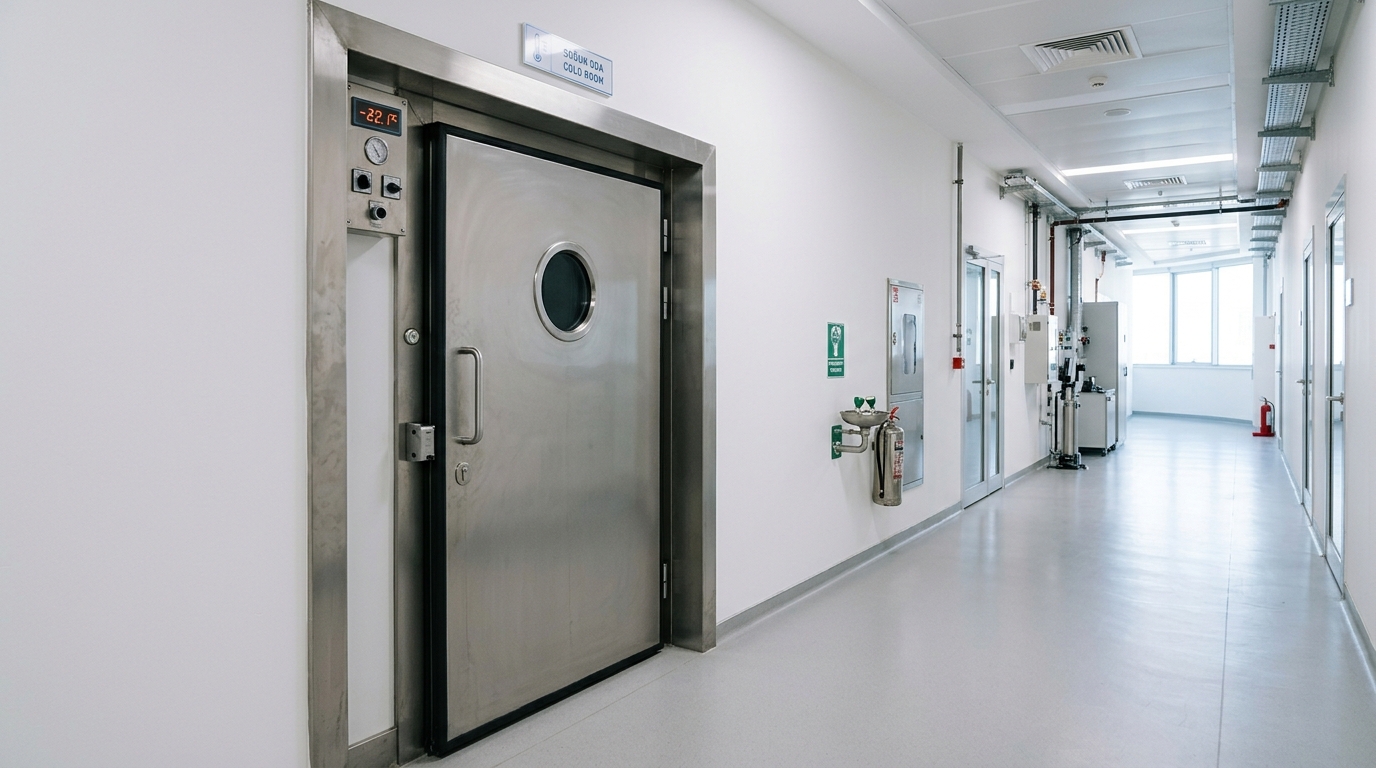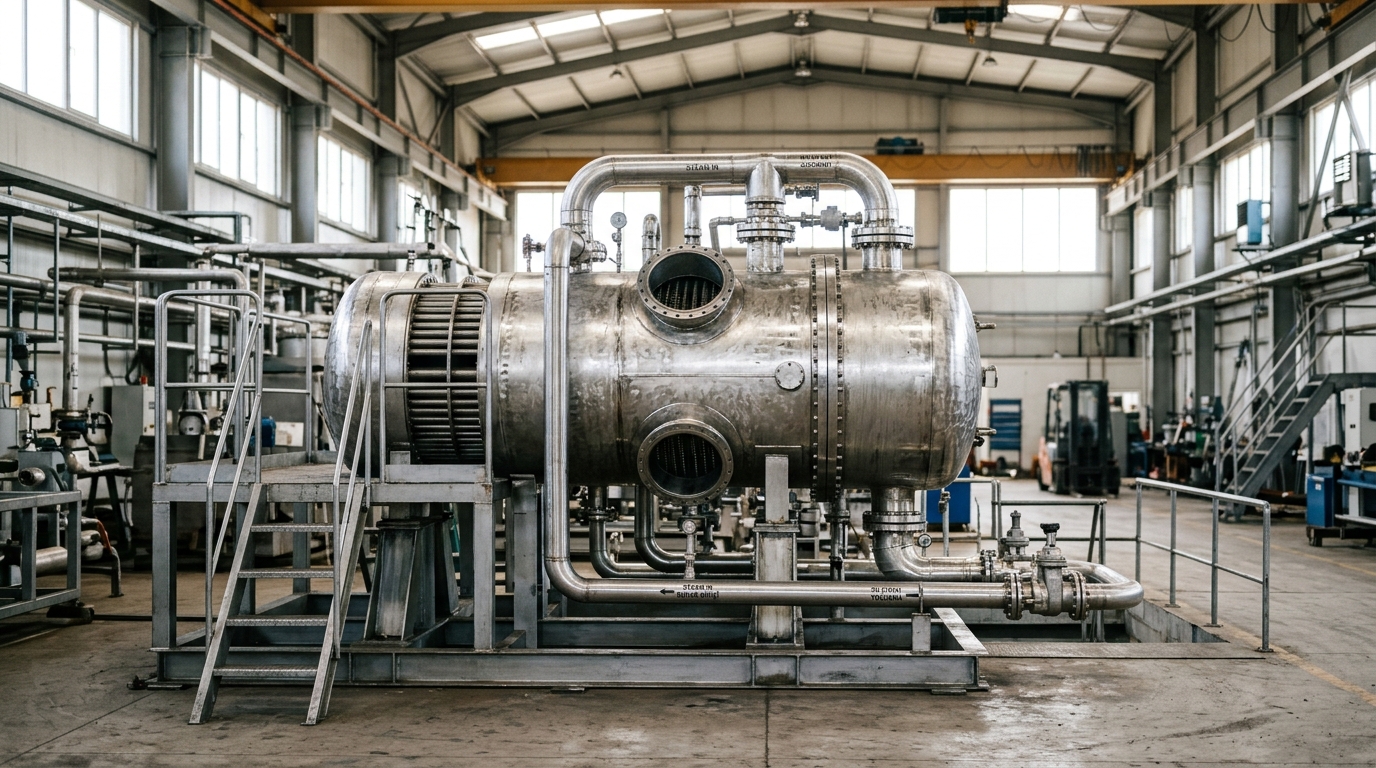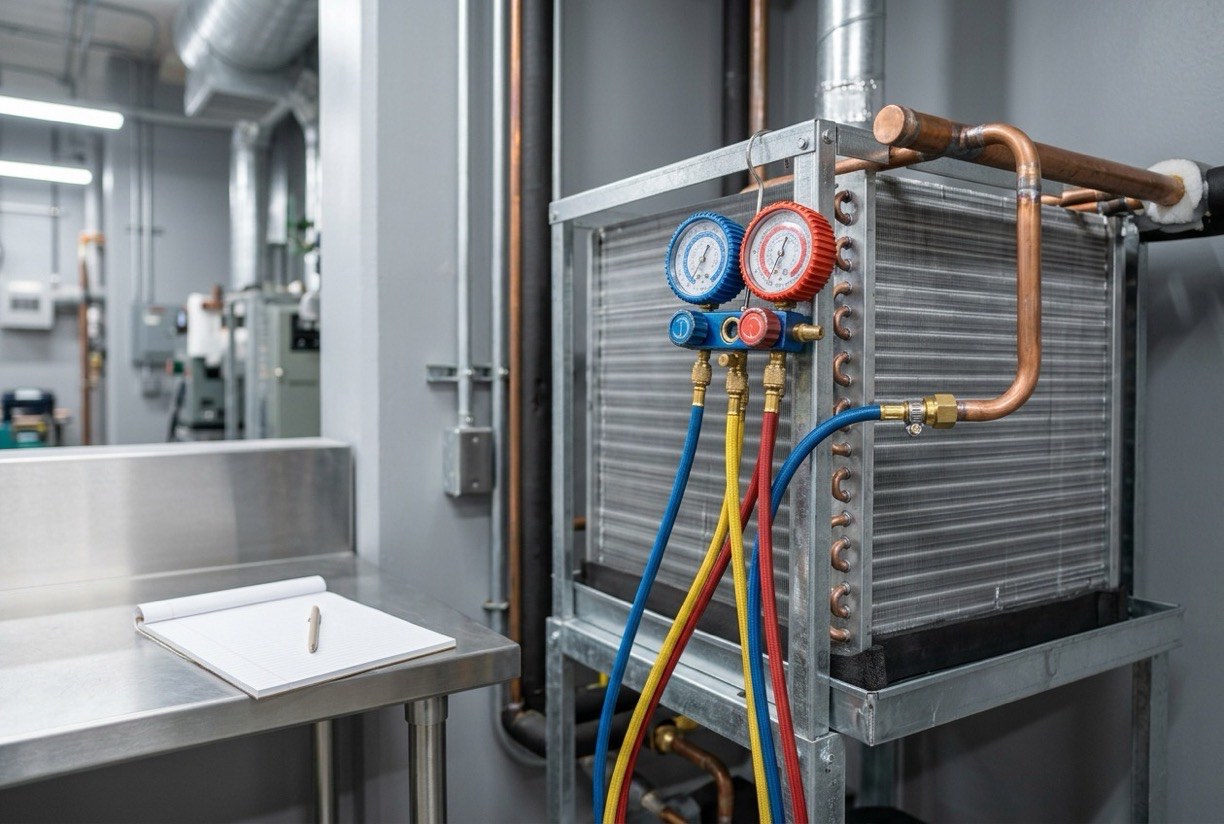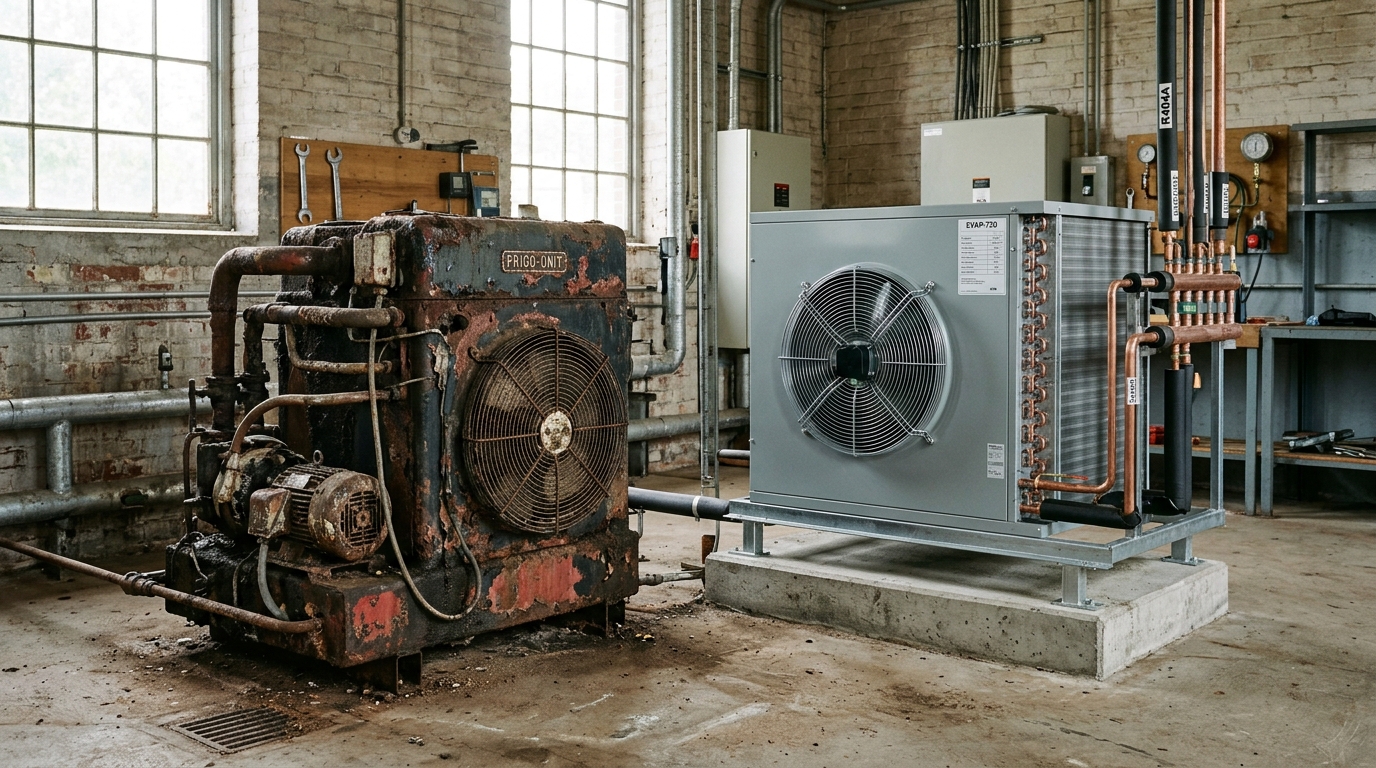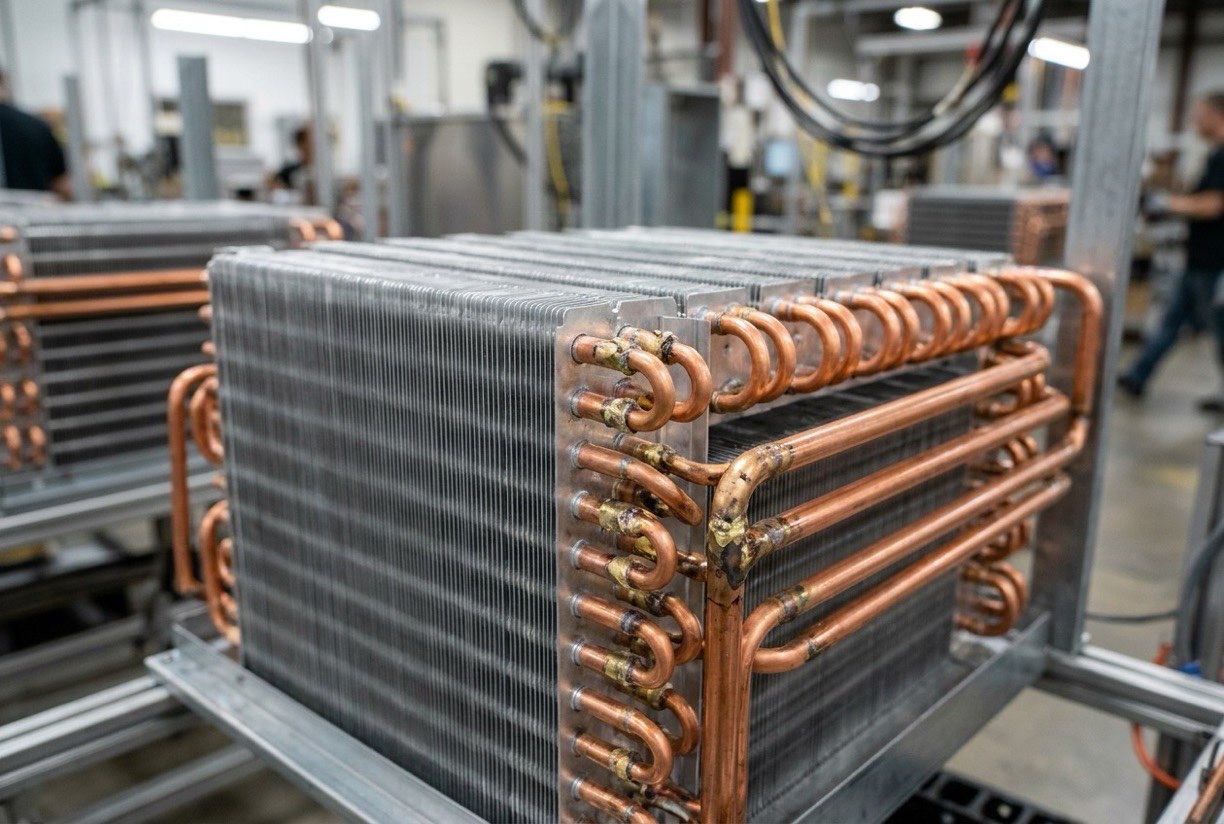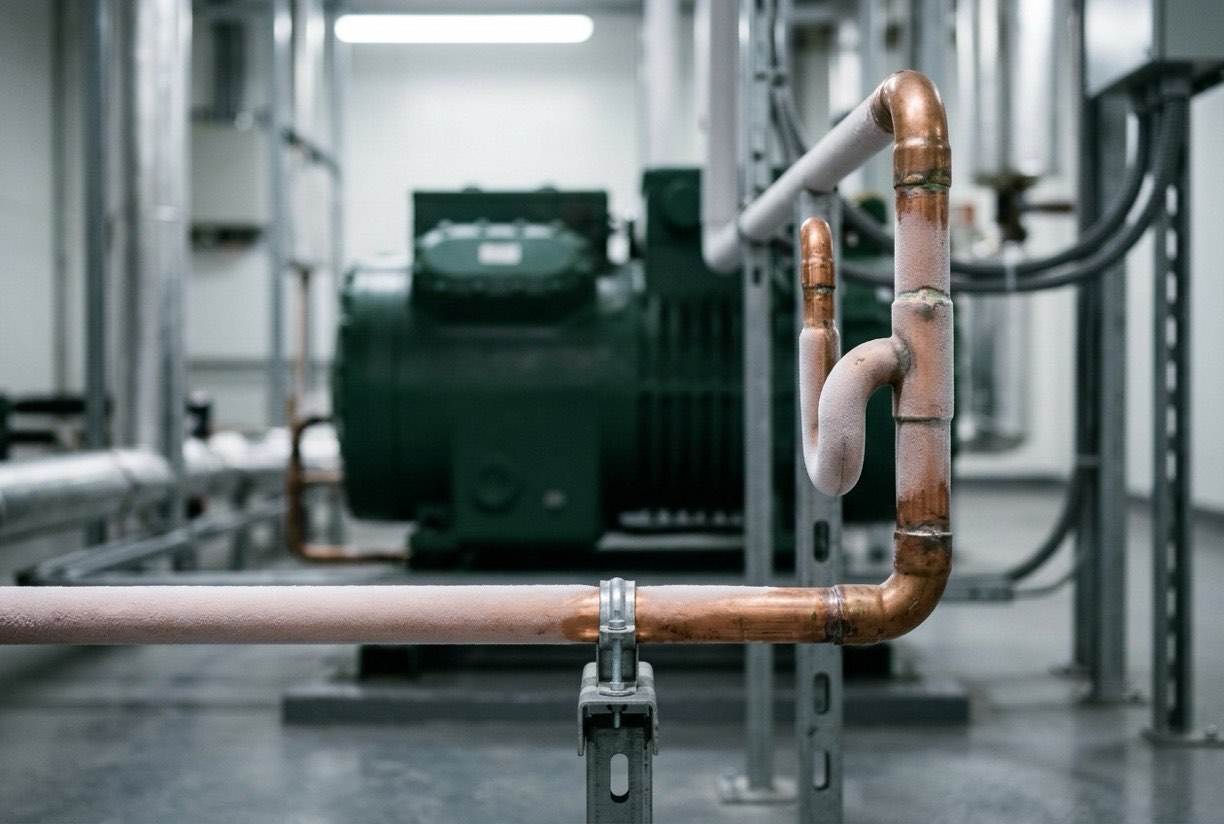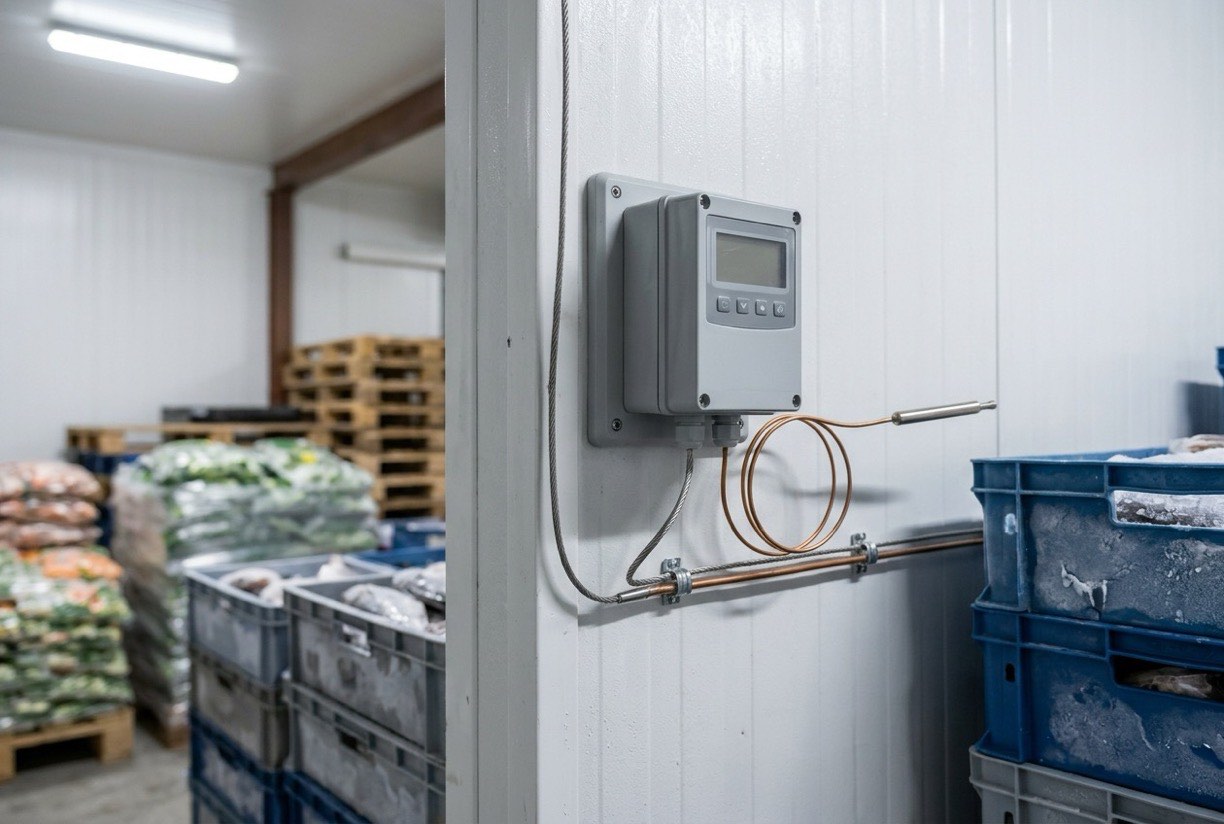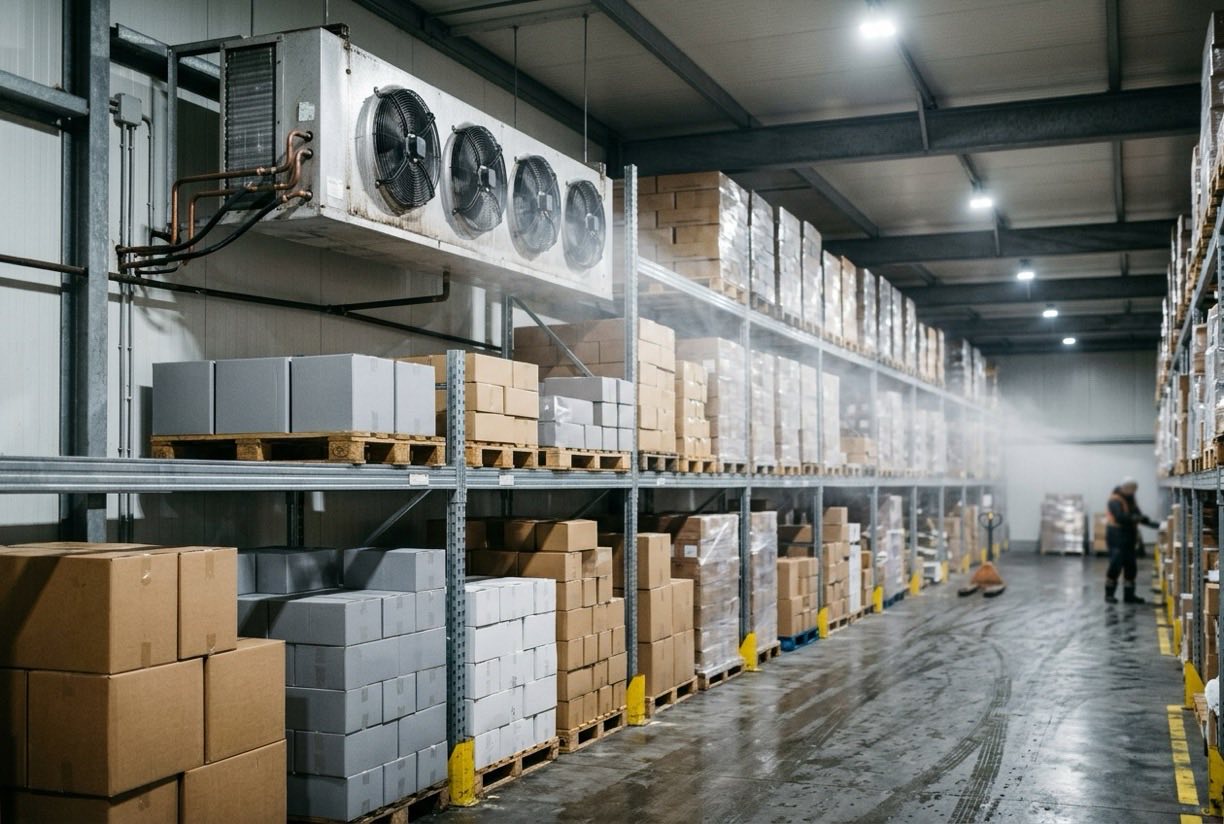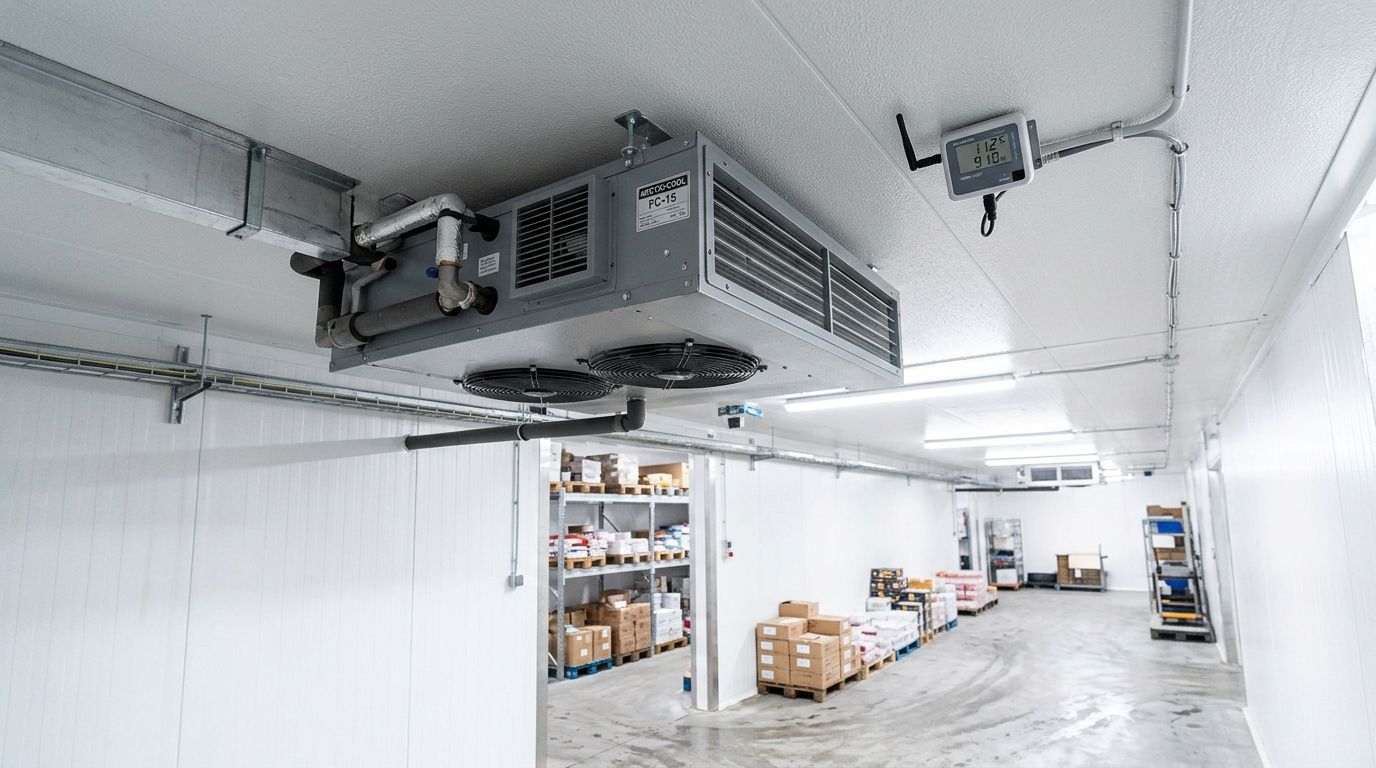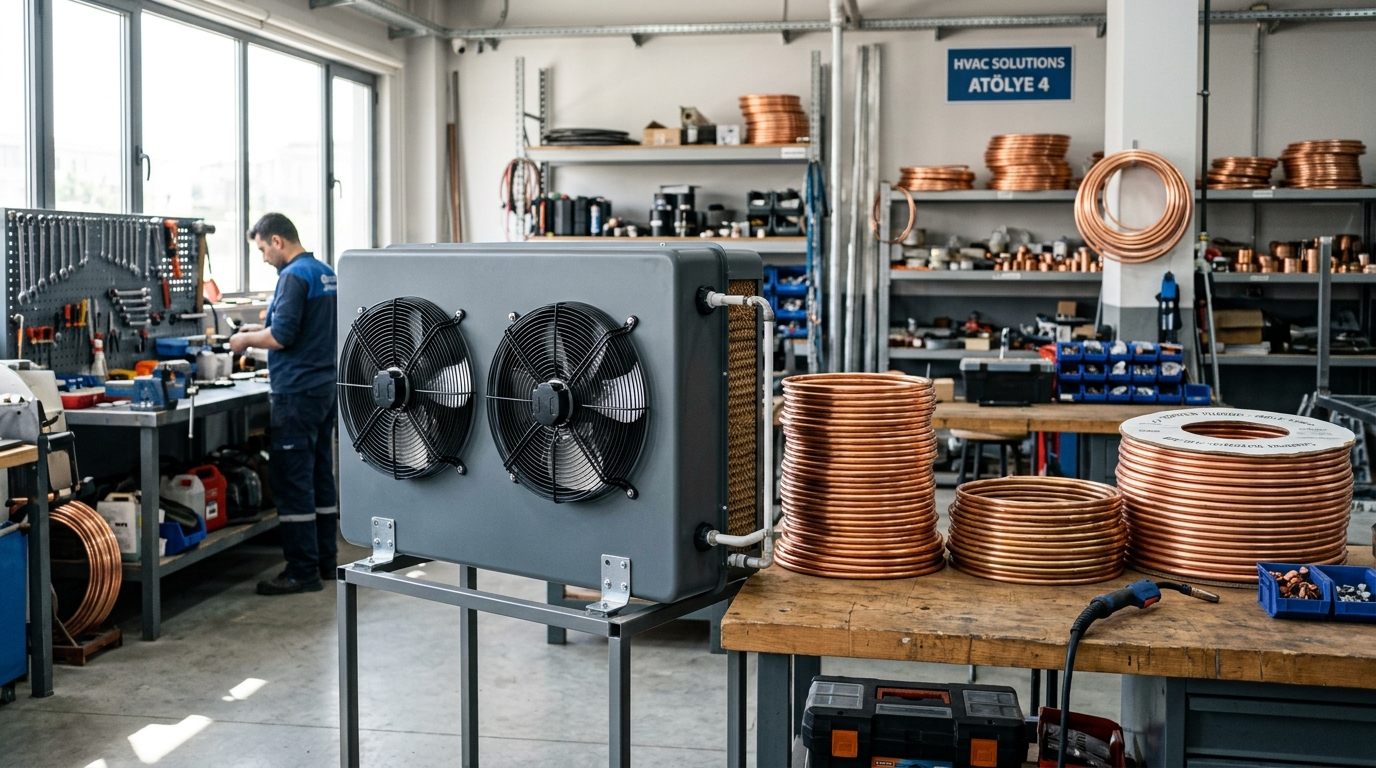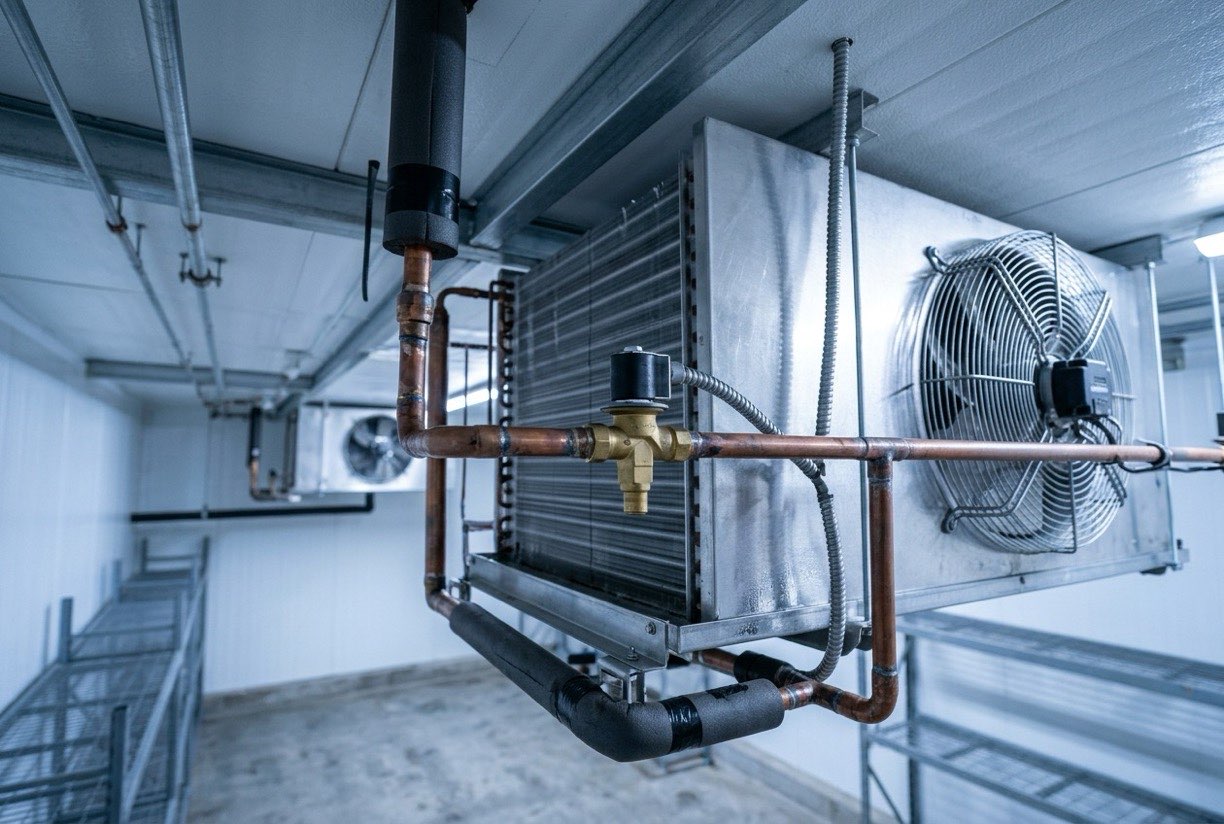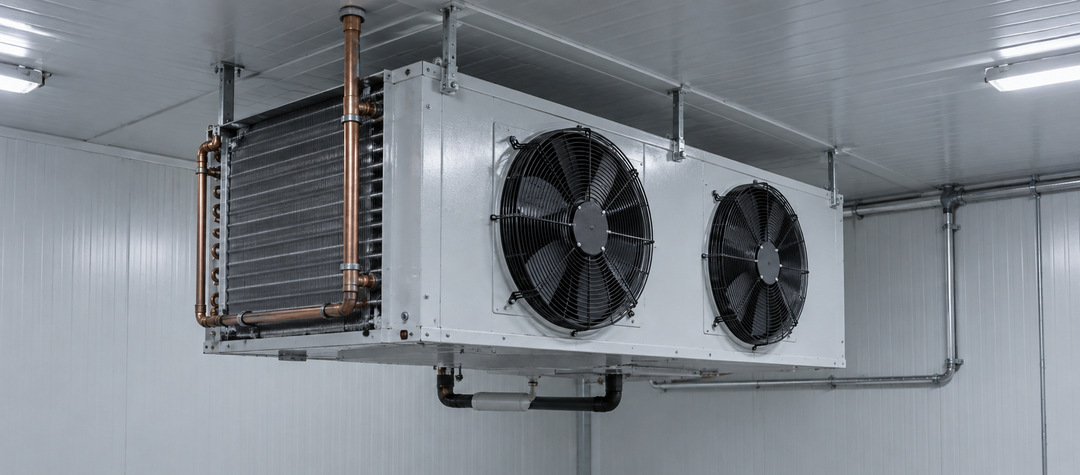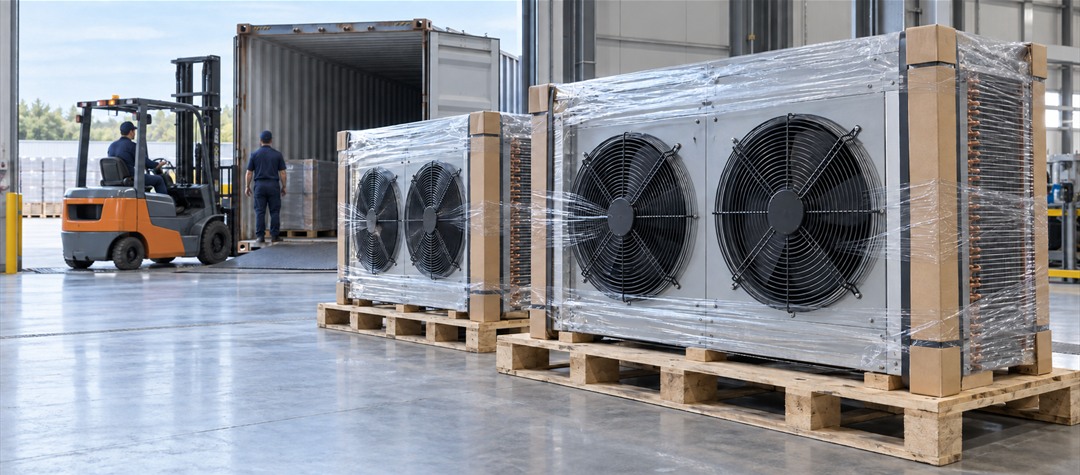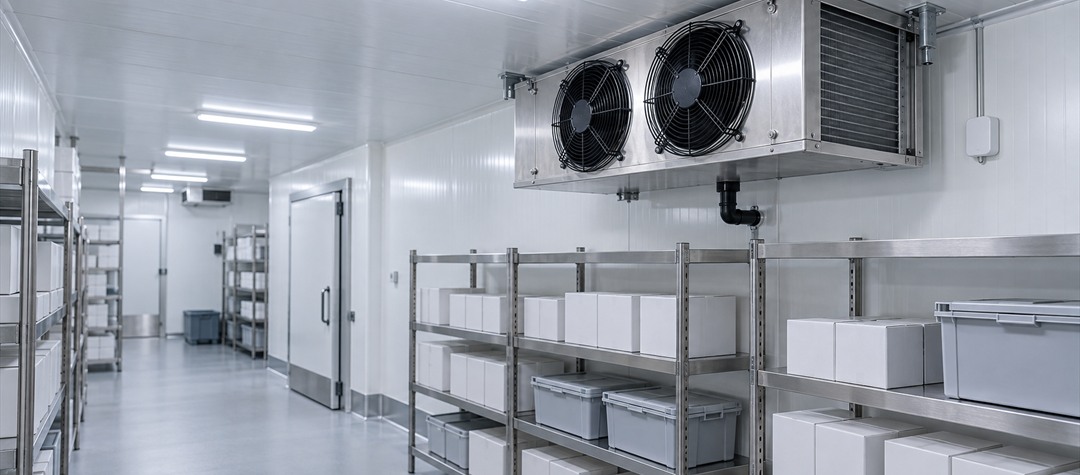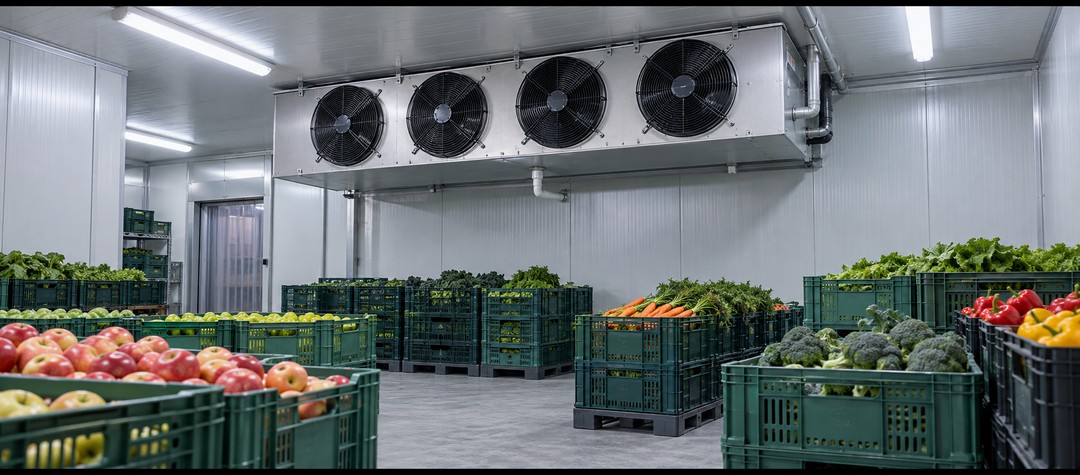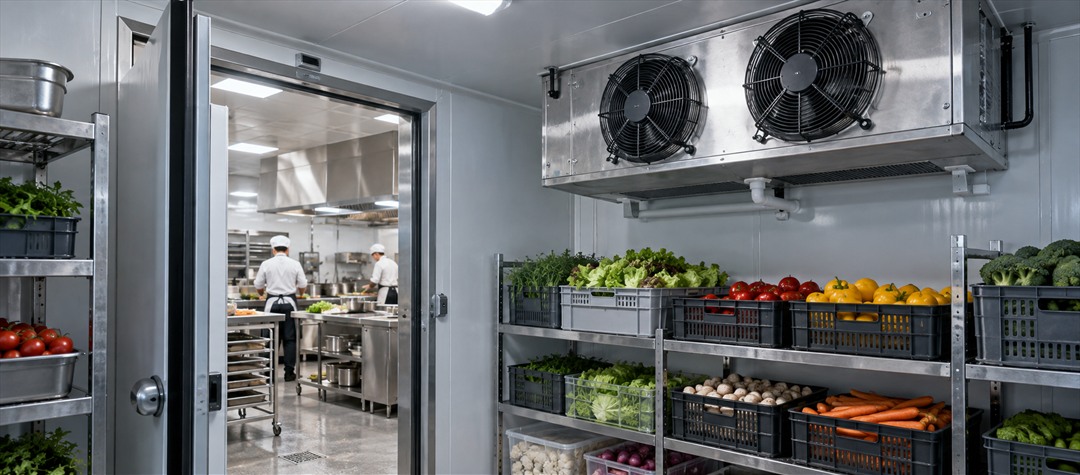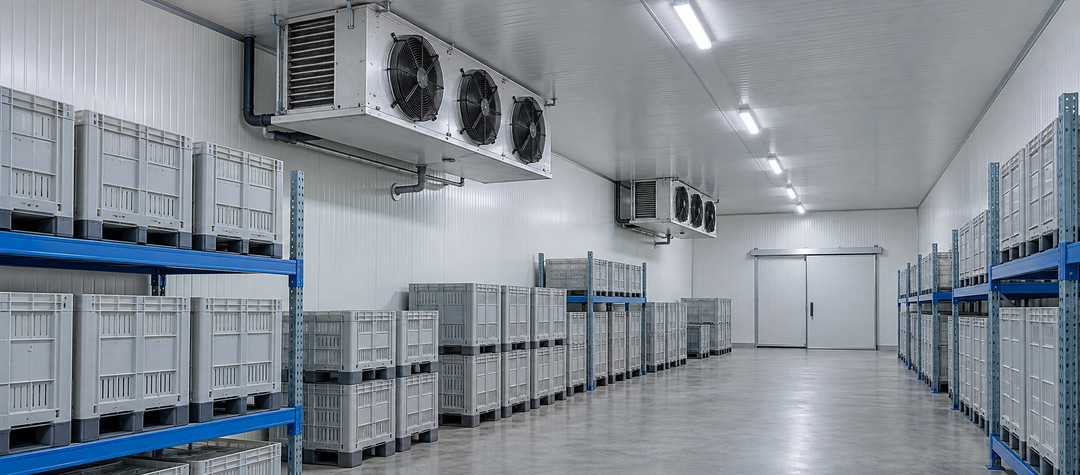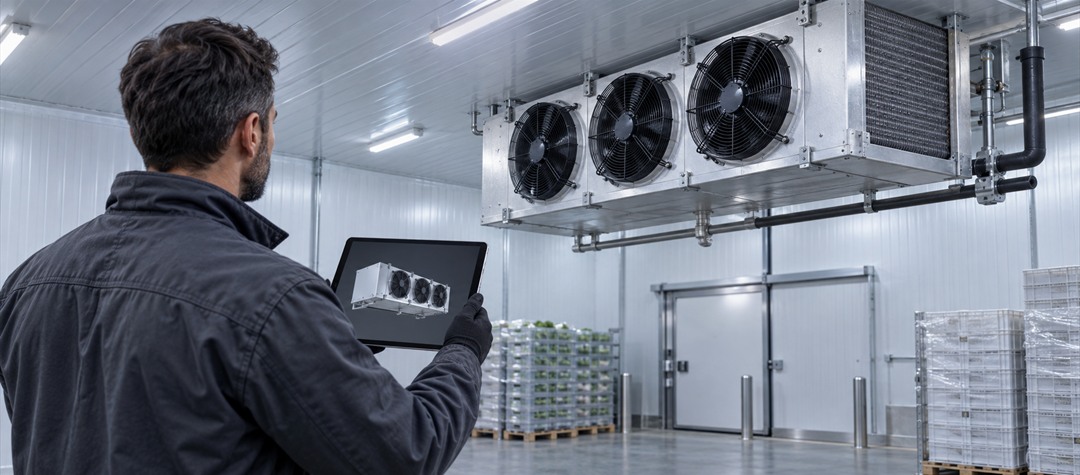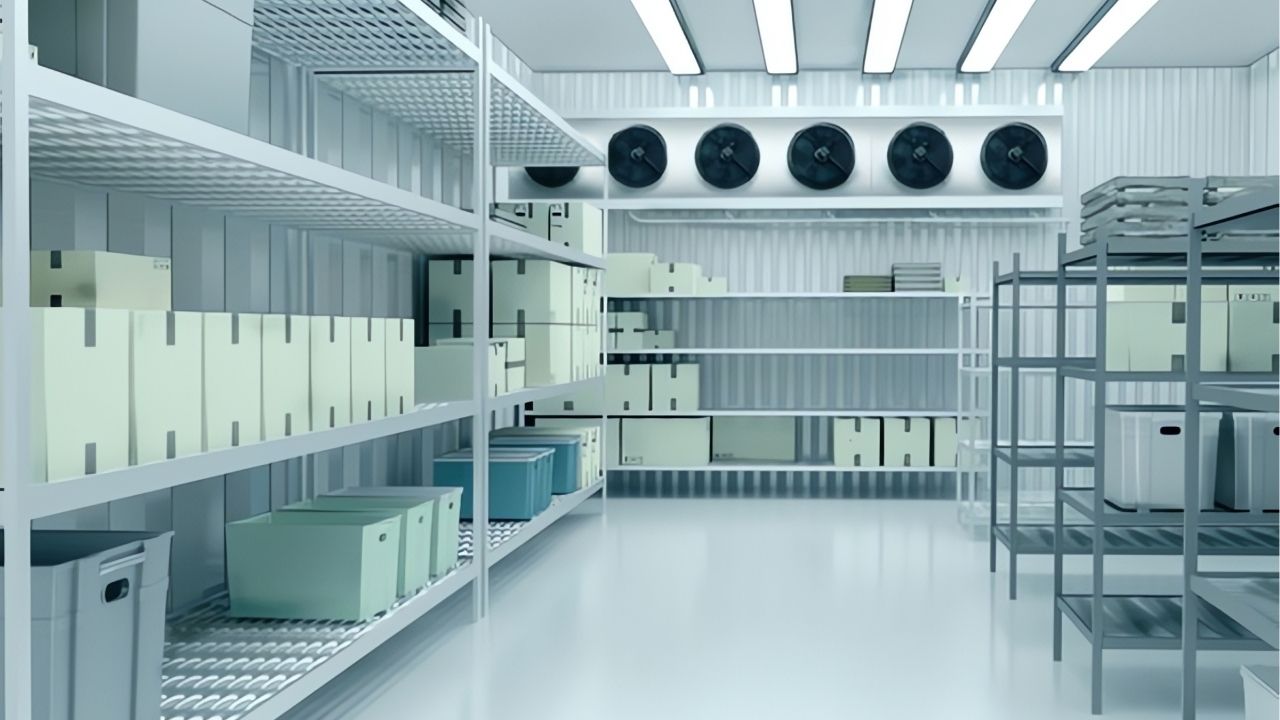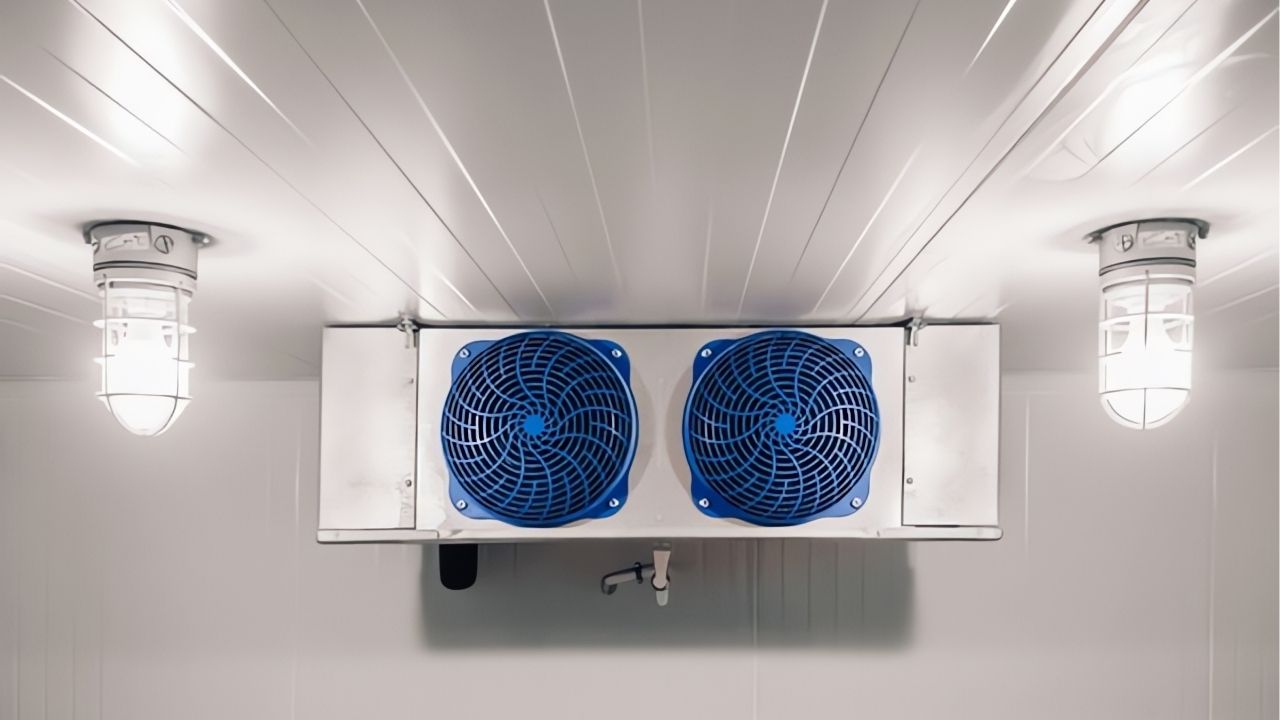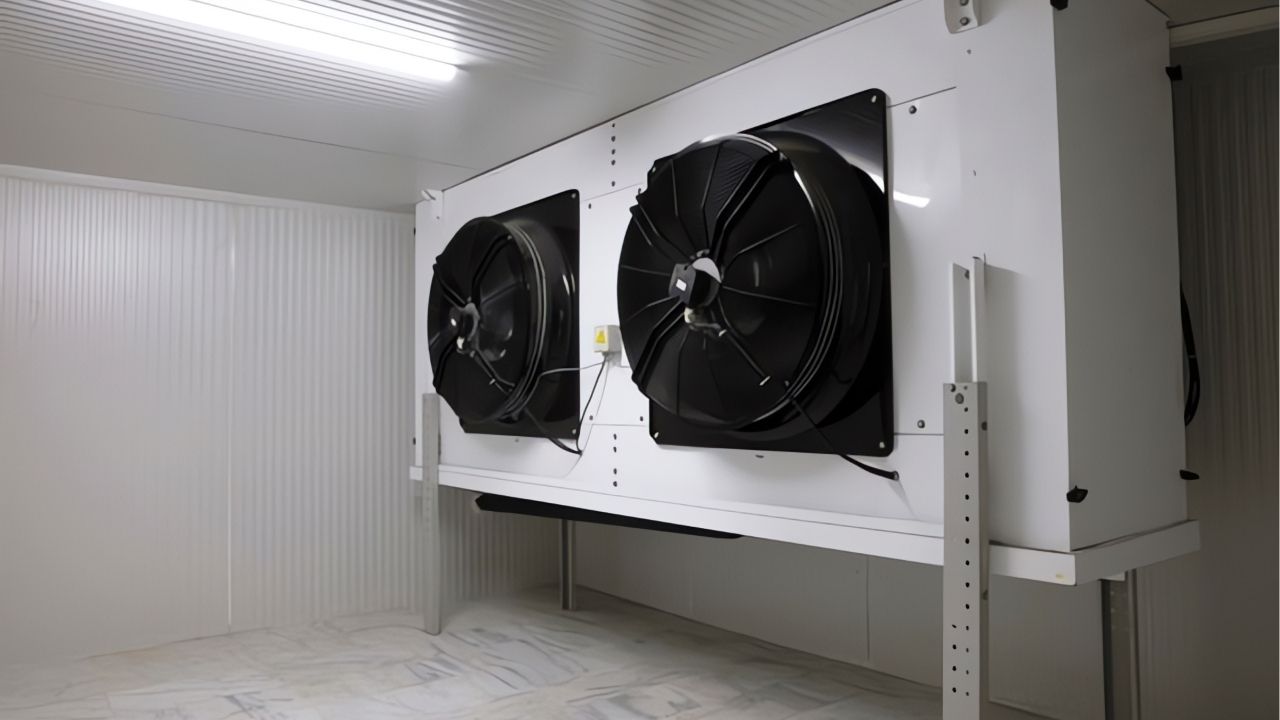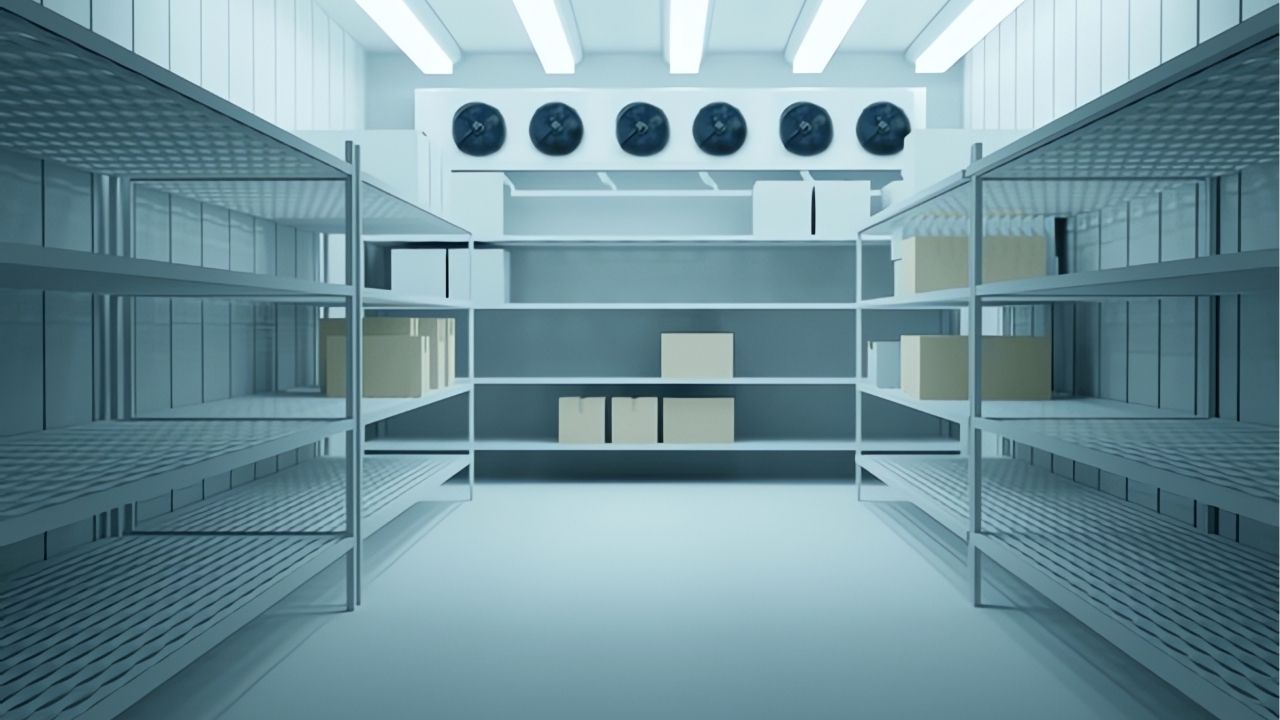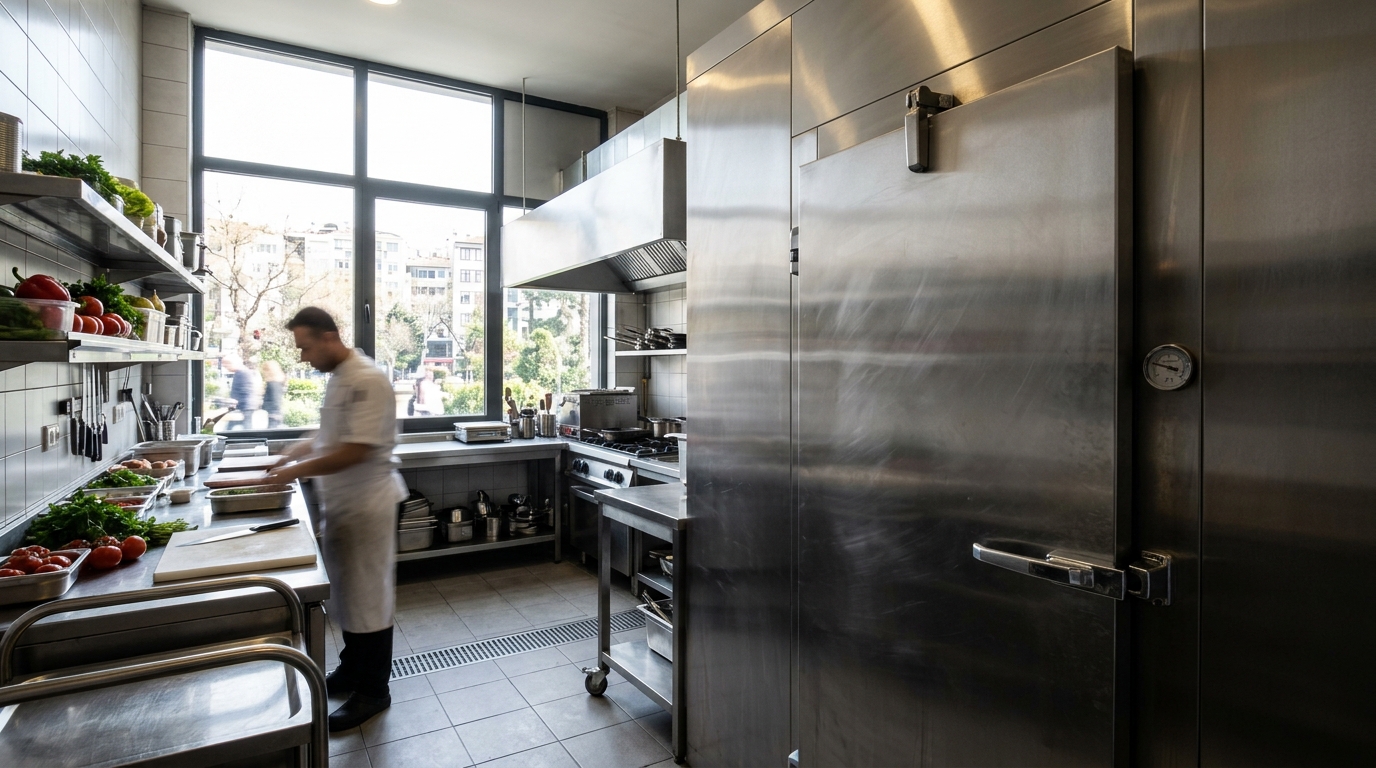
Hotel and restaurant cold rooms are frequently used storage areas, usually fitted into limited space, set up to keep the meat, dairy products, vegetables, fruit and prepared foods used in the kitchen at a safe temperature until service. Opening the door many times during busy service hours, different product groups sharing the same space and the hot environment of the kitchen make these rooms different from warehouse-type cold rooms. In this article, we discuss capacity planning, product separation, the effect of door traffic, condenser placement, noise and hygiene issues, and what to look for when choosing the right system.
Table of Contents
- How Many Cold Rooms Does A Hotel Or Restaurant Need?
- How Should Different Food Groups Be Kept Separate?
- How Does Heavy Door Traffic Affect The Refrigeration System?
- Where Should The Condensing Unit Be Placed?
- How Are Noise And Hygiene Managed In A Kitchen Environment?
- What Should Be Considered When Choosing A Hotel Or Restaurant Cold Room?
- Frequently Asked Questions
How Many Cold Rooms Does A Hotel Or Restaurant Need?
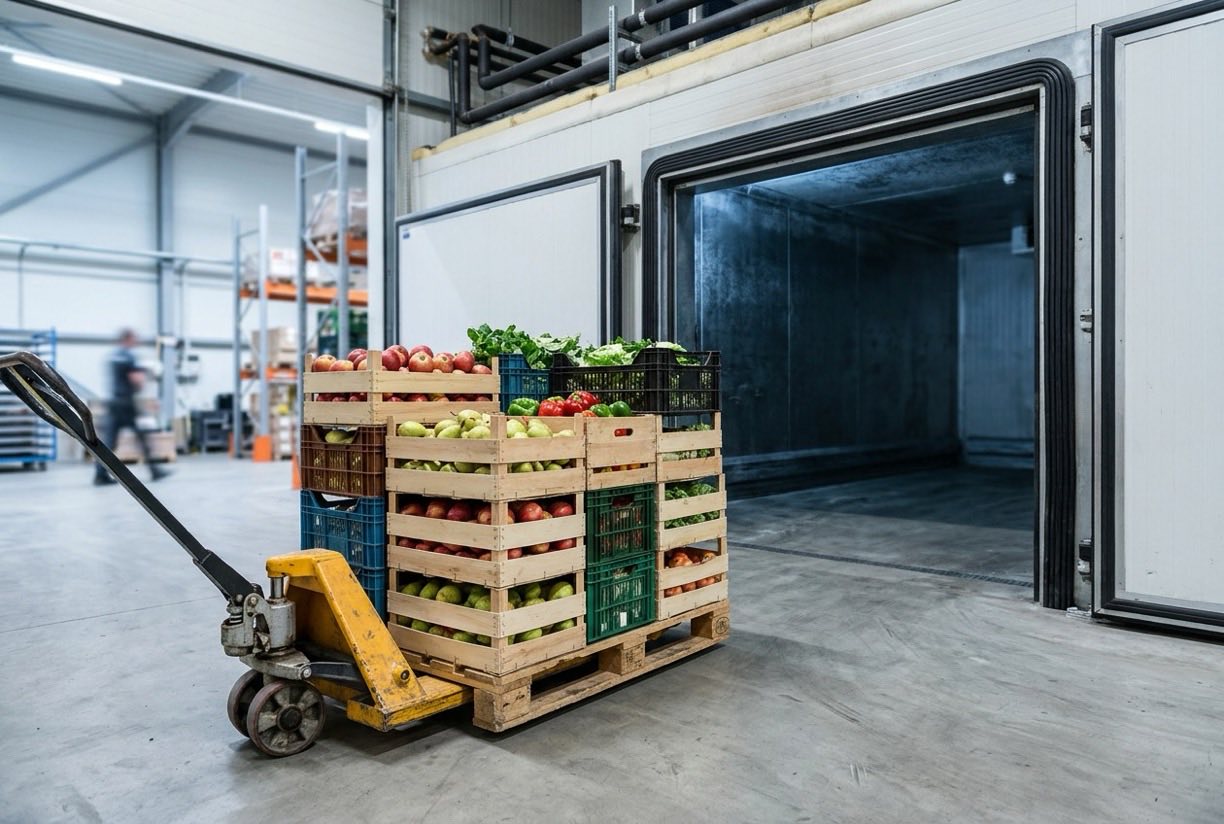
The number and size of cold rooms required are determined according to the menu structure, daily cover count, supply frequency and use of frozen products. While a single above-zero room and a deep freezer may be sufficient in a small restaurant, a large hotel kitchen may need separate rooms for meat, dairy, vegetables and frozen products.
When calculating capacity, not only today's need but also the peak stock on weekly goods-receiving days and seasonal occupancy should be taken into account. A room that is too small obstructs airflow through overfilling, while a room that is too large means unnecessary investment and energy consumption.
How Should Different Food Groups Be Kept Separate?
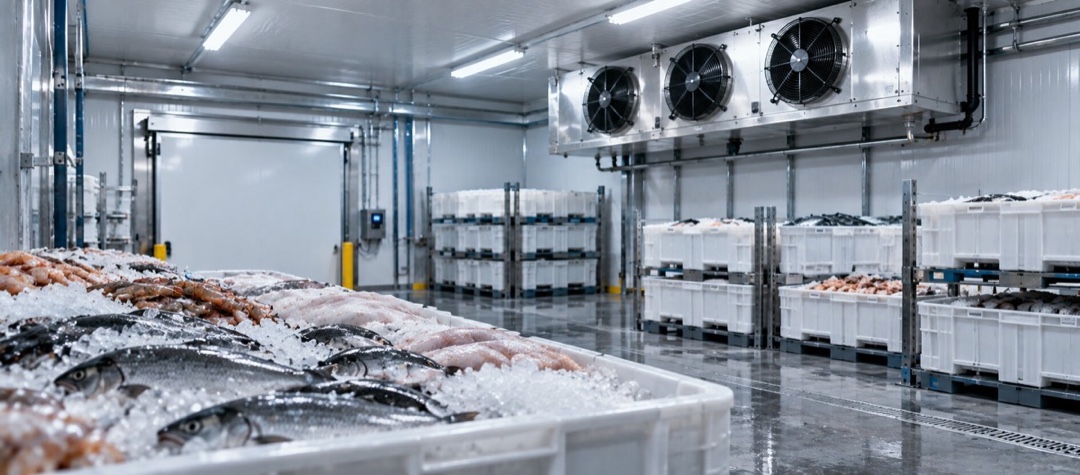
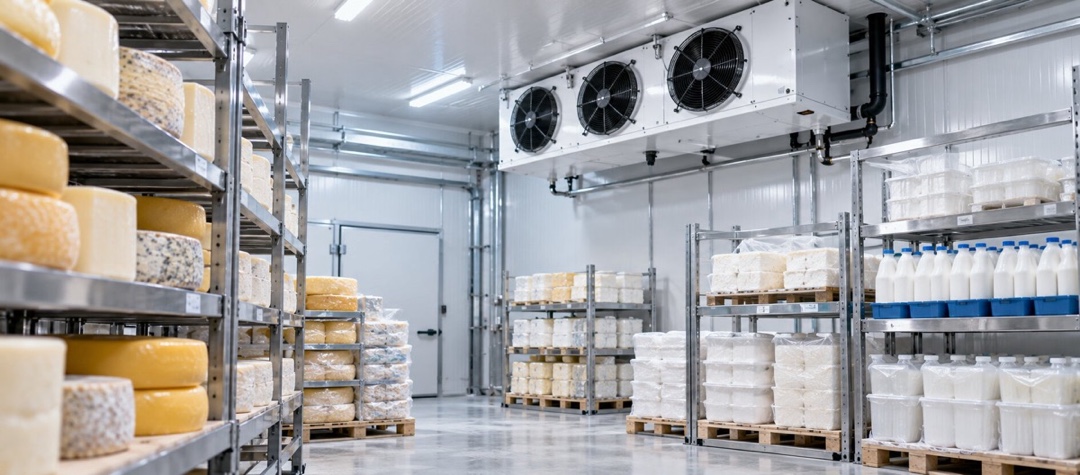
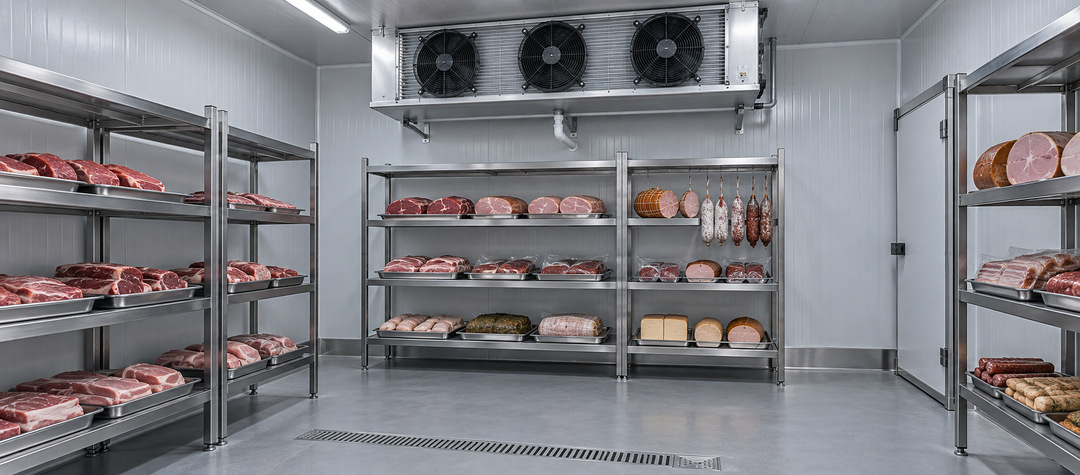
Different food groups should be kept in separate rooms, or at least in separate and orderly shelf sections, taking into account storage temperatures and the risk of cross-contamination. Positioning raw meat and seafood so that they cannot drip onto cooked or ready-to-eat products is a basic hygiene rule.
Vegetables and fruit can be affected by the odor of some products or can shorten the shelf life of other products through the gases they emit. Which groups can be stored together should be determined within the framework of the business's food safety plan and applicable regulations; the number of rooms should be planned according to this separation.
How Does Heavy Door Traffic Affect The Refrigeration System?
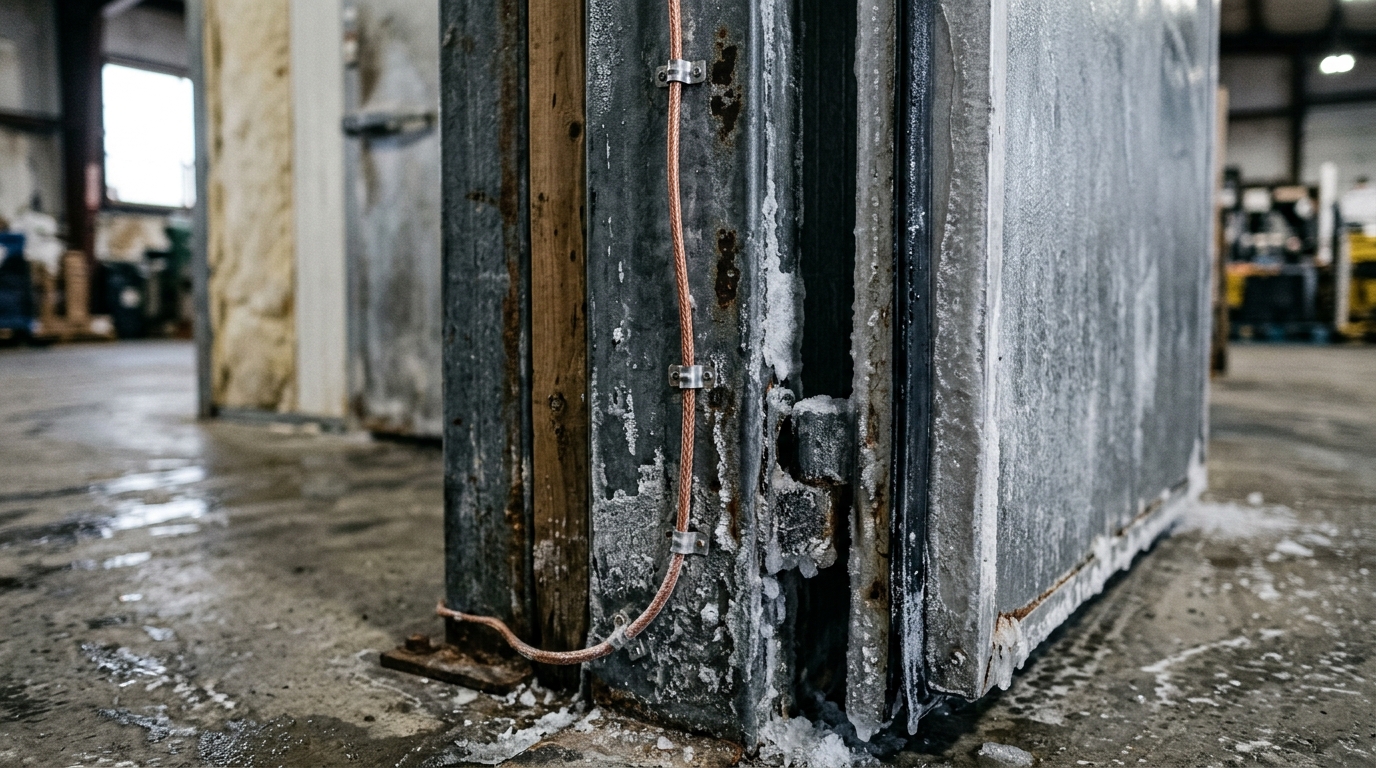
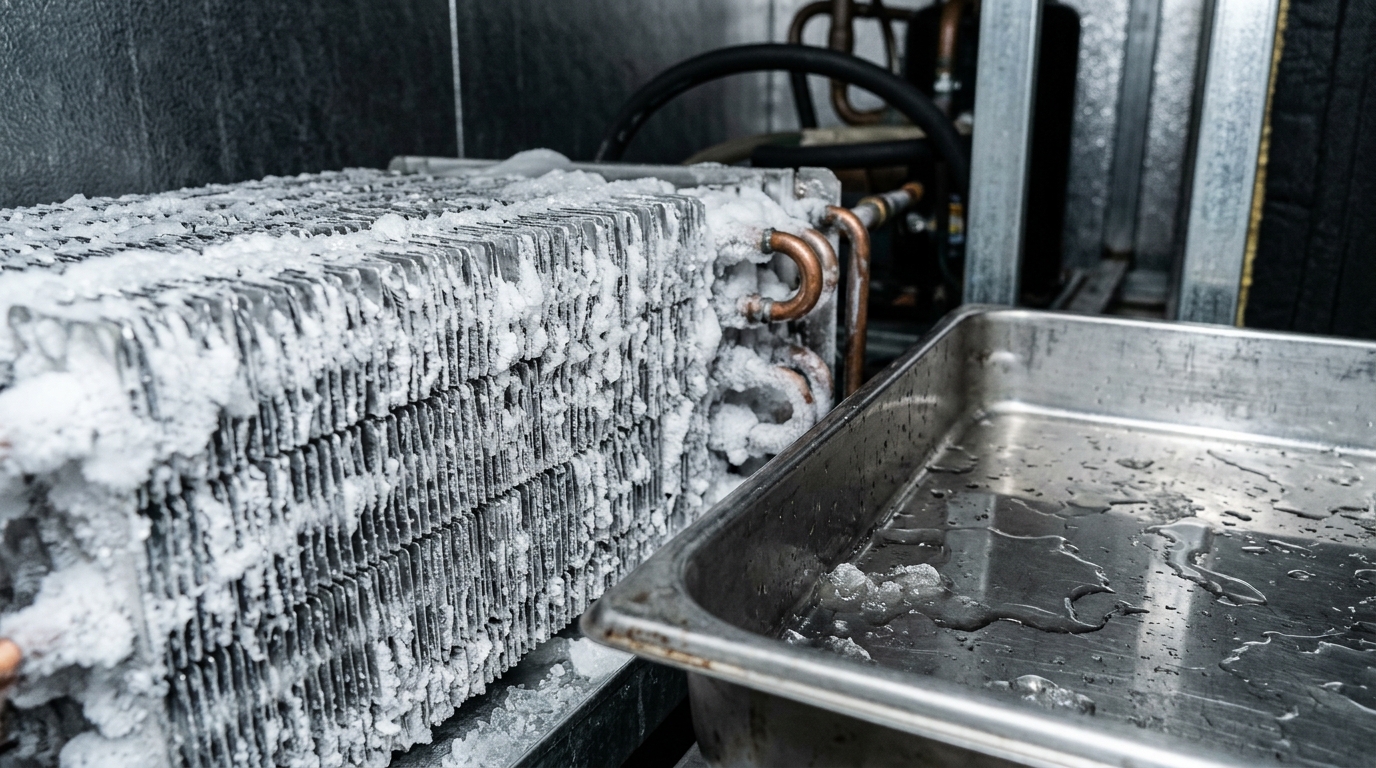
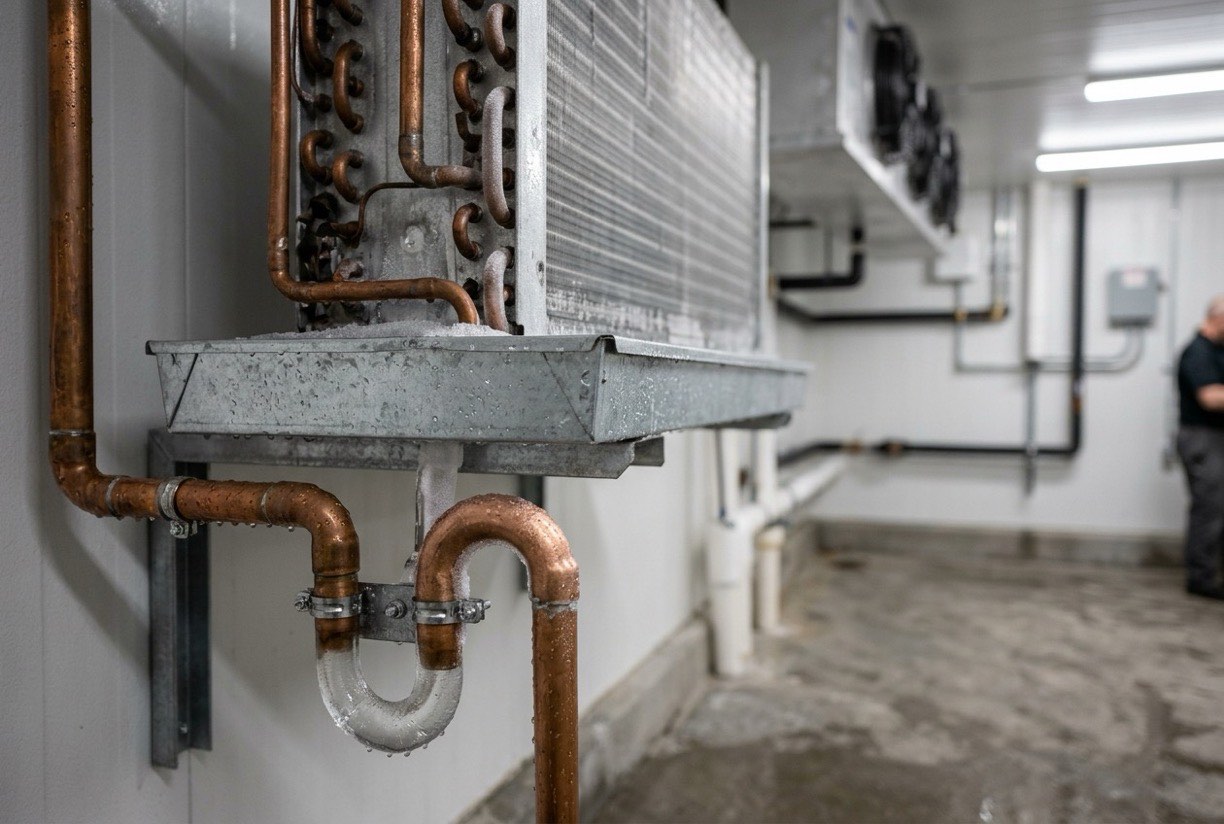
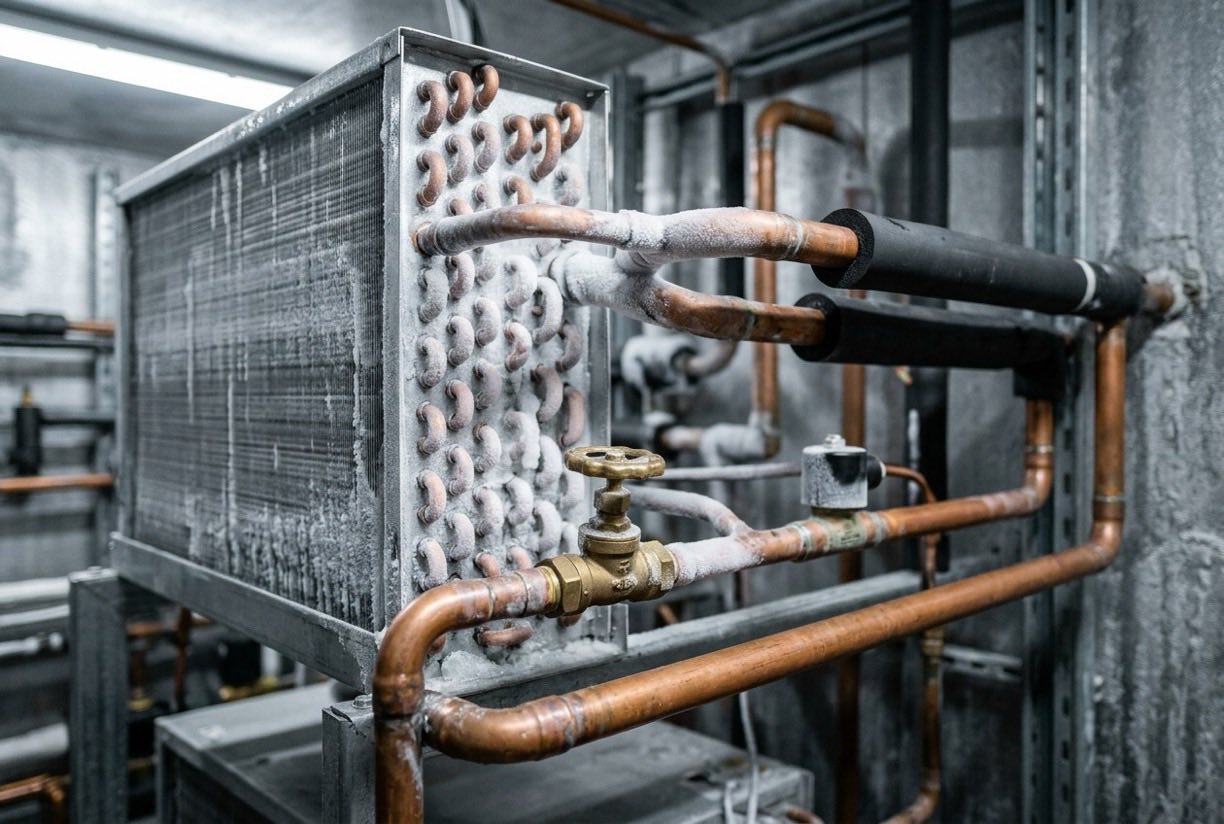
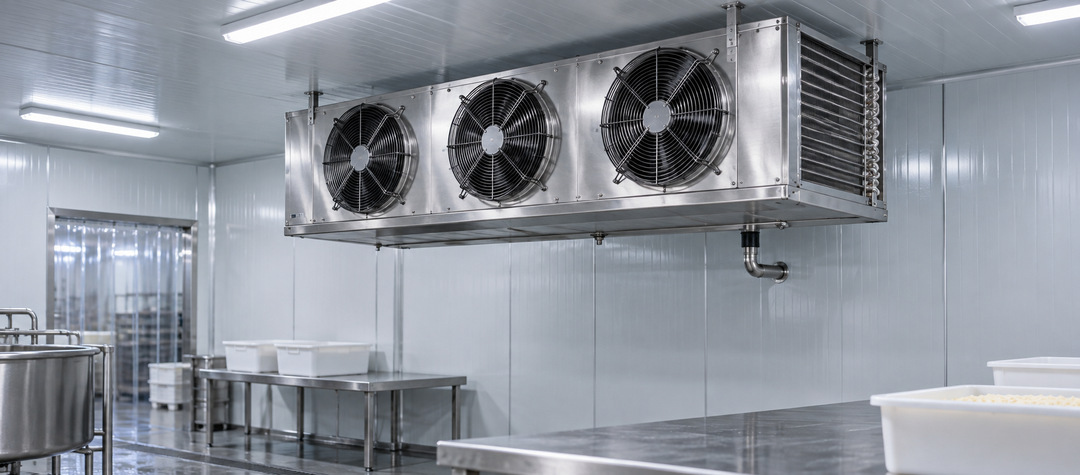
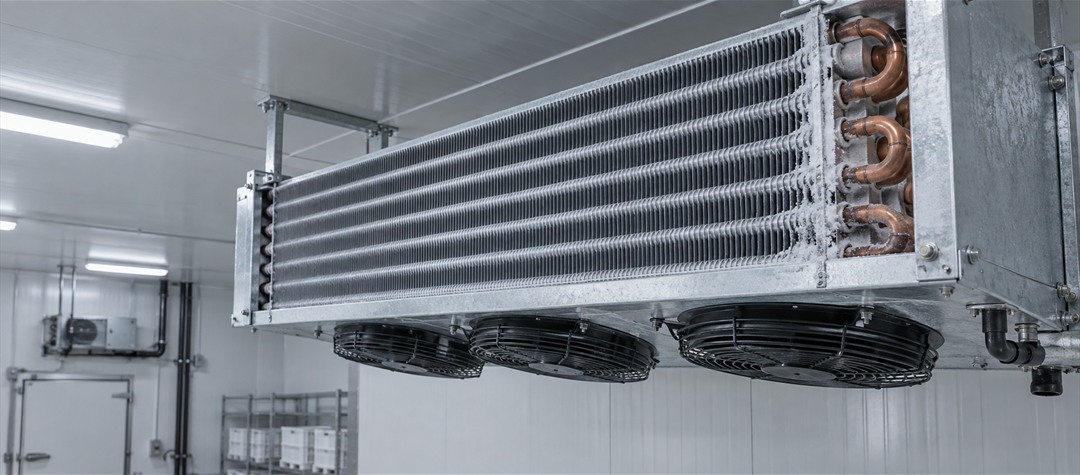
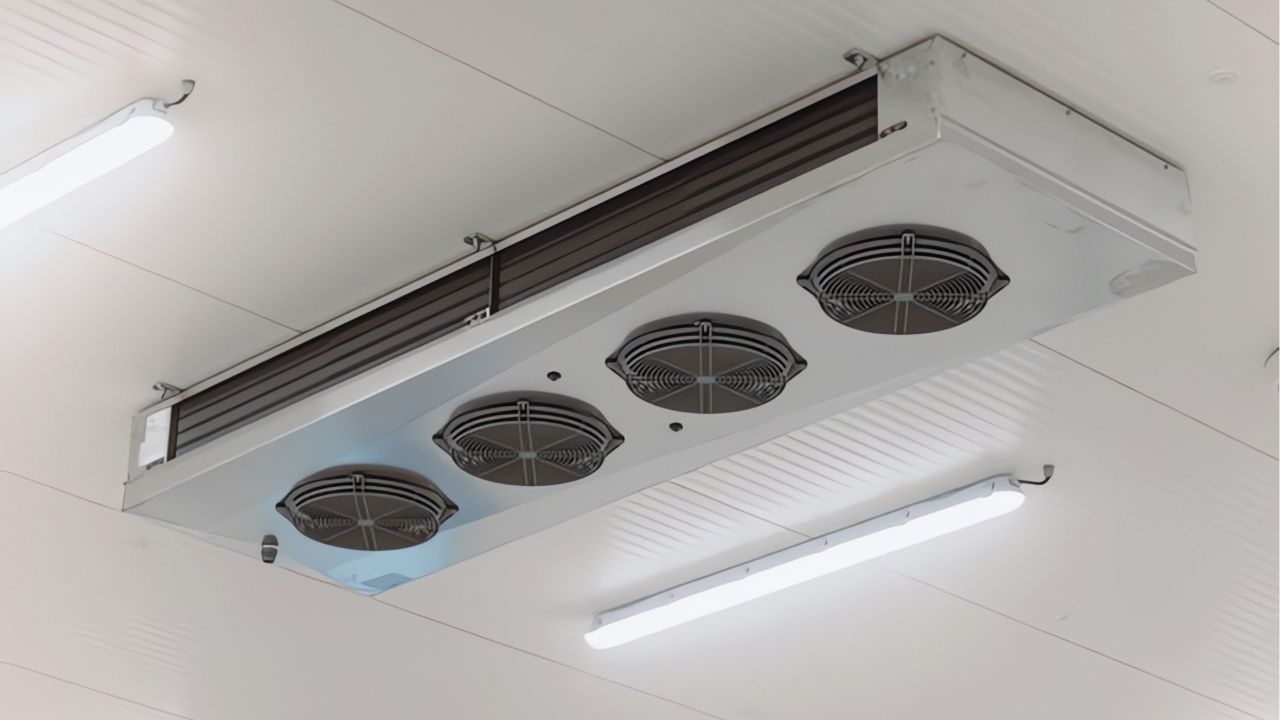
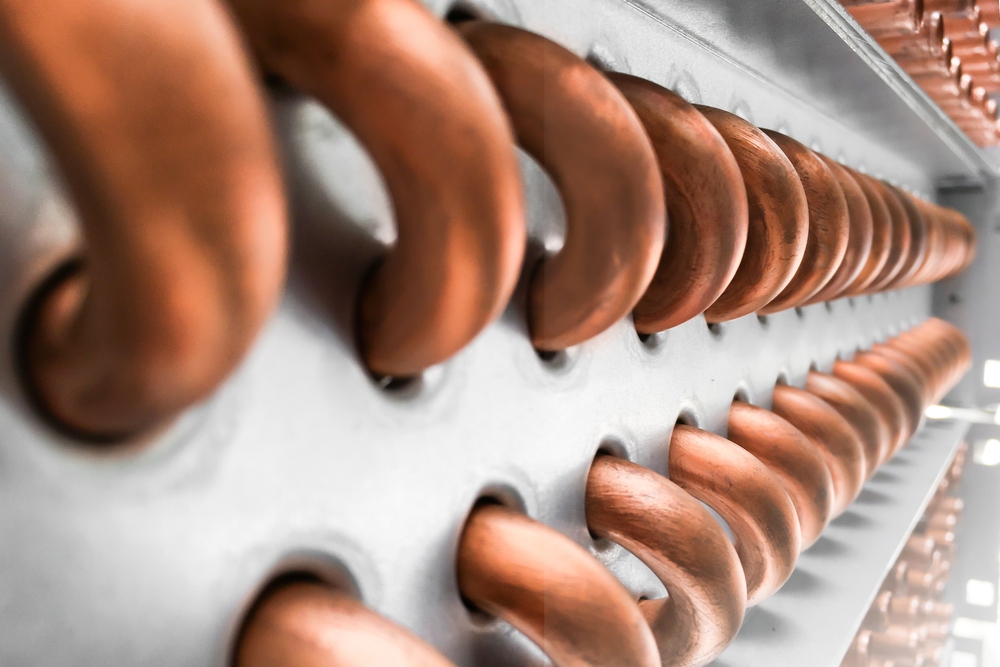
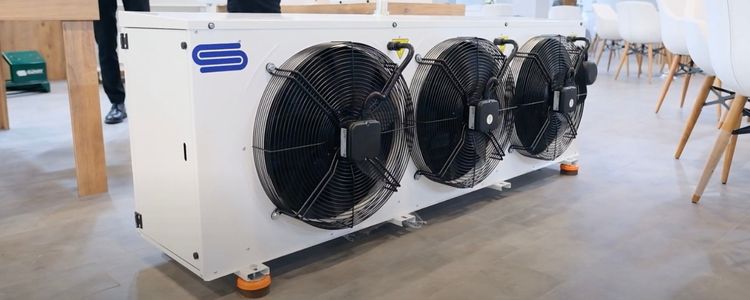
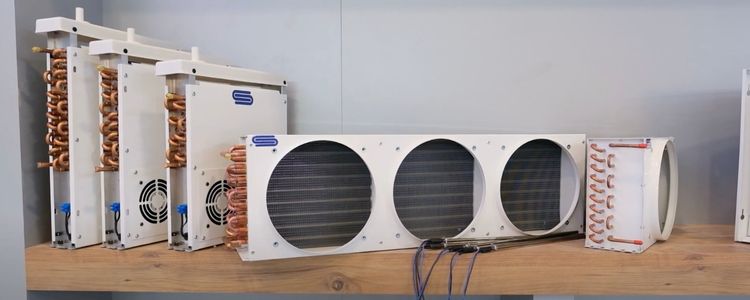
Heavy door traffic increases the refrigeration load and icing on the evaporator by allowing warm and humid kitchen air into the room at every opening. Frequent door opening during service hours requires the system to be selected with a capacity able to meet this load and quickly recover temperature after closing.
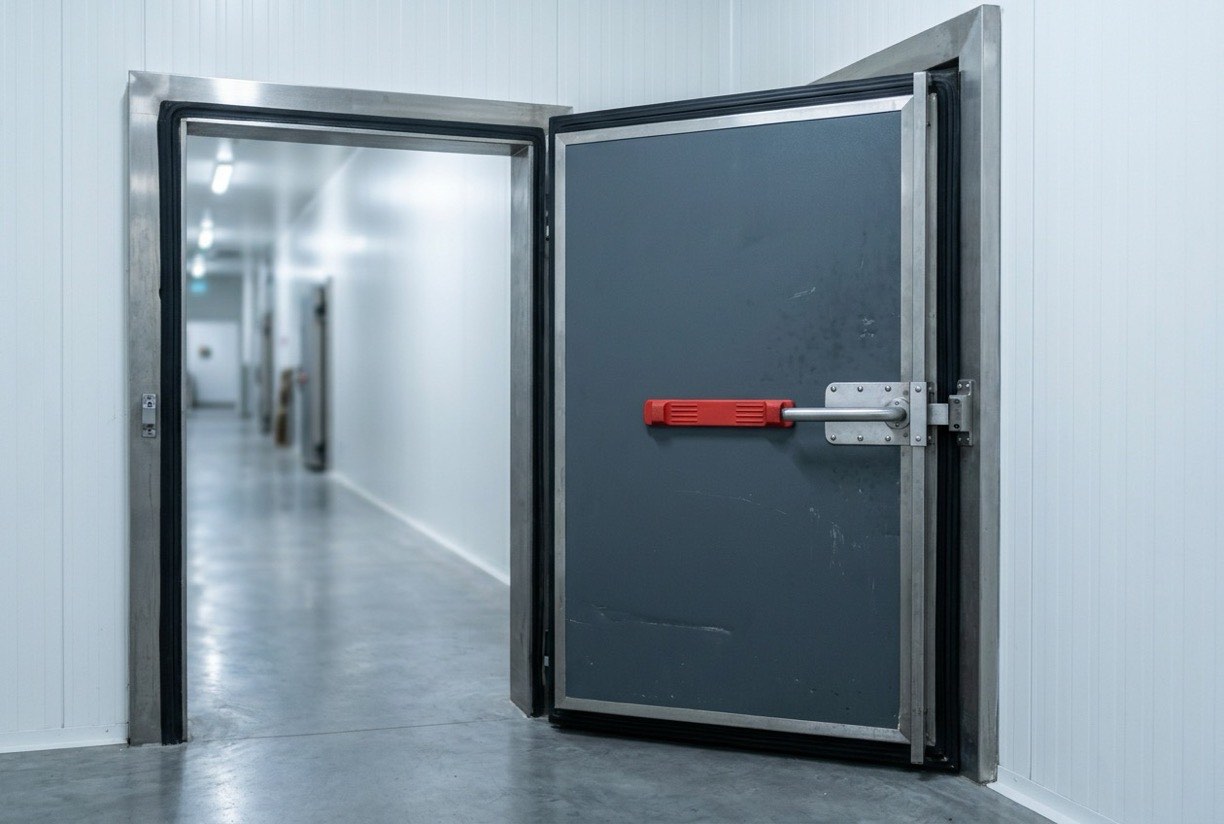
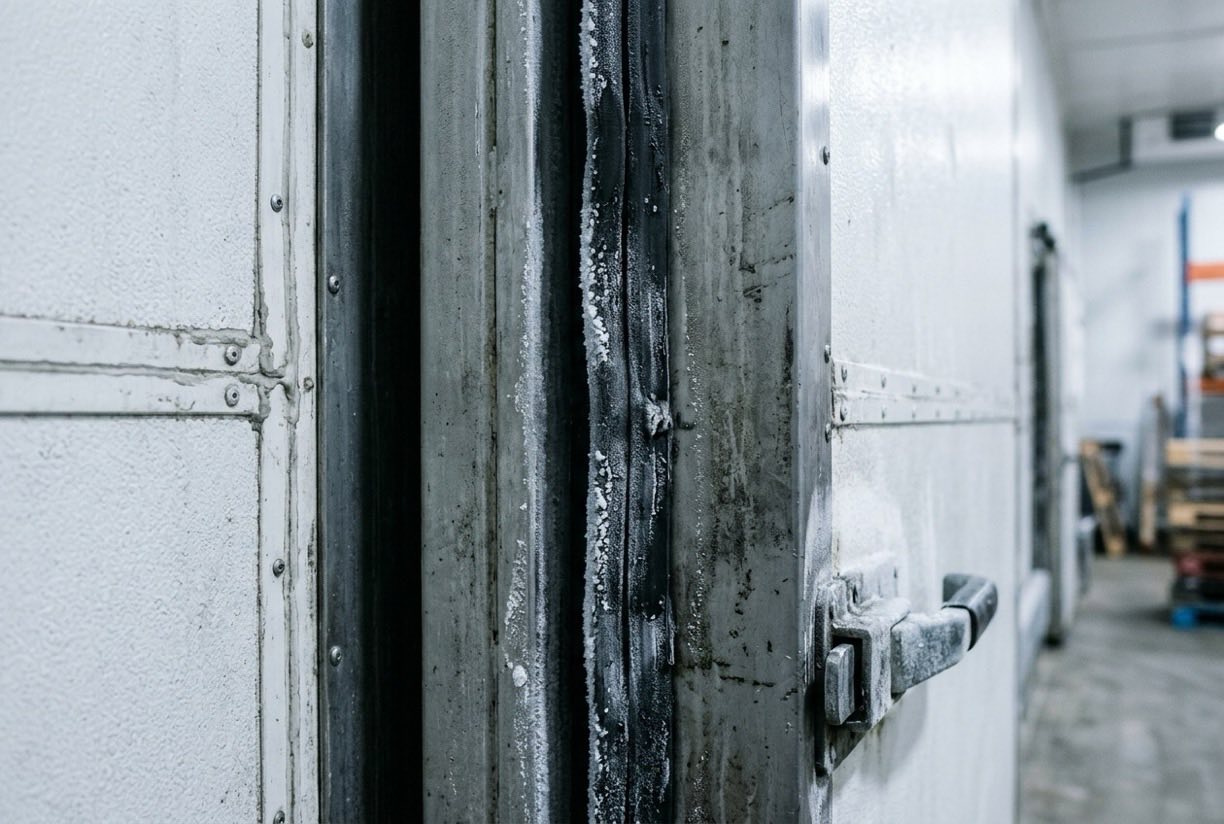
A strip curtain or air curtain, a self-closing door mechanism and a door-open alarm can help reduce the amount of infiltrating air. In addition, placing frequently used products on shelves near the door is a simple but effective arrangement that shortens the time the door stays open.
Where Should The Condensing Unit Be Placed?
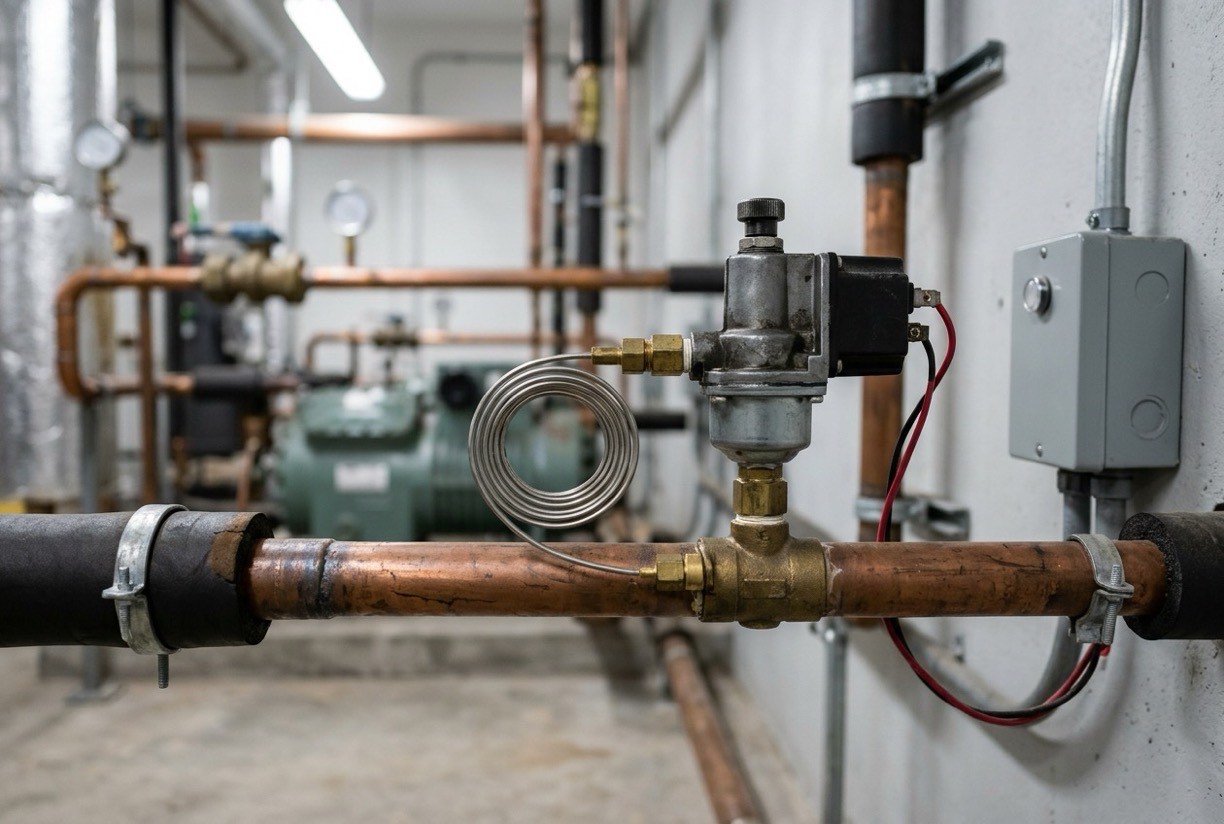
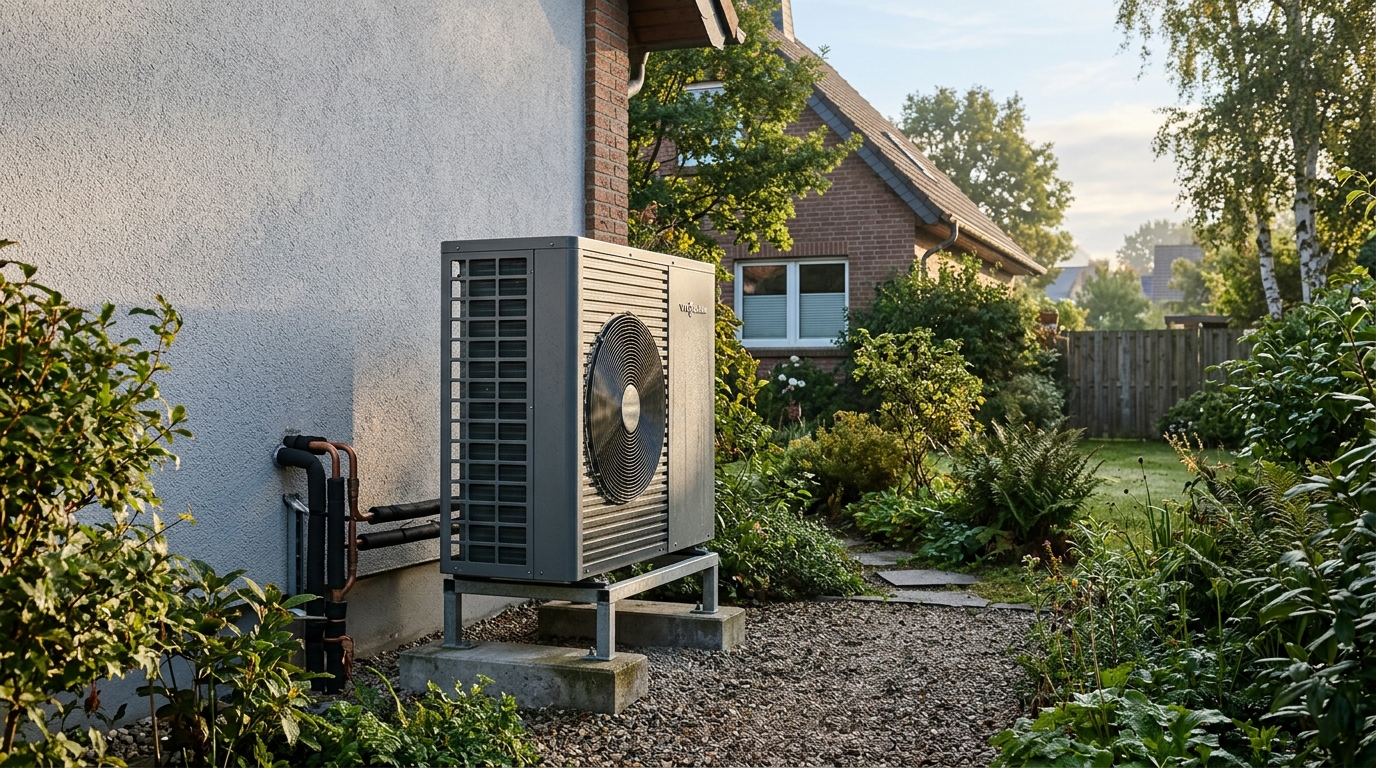
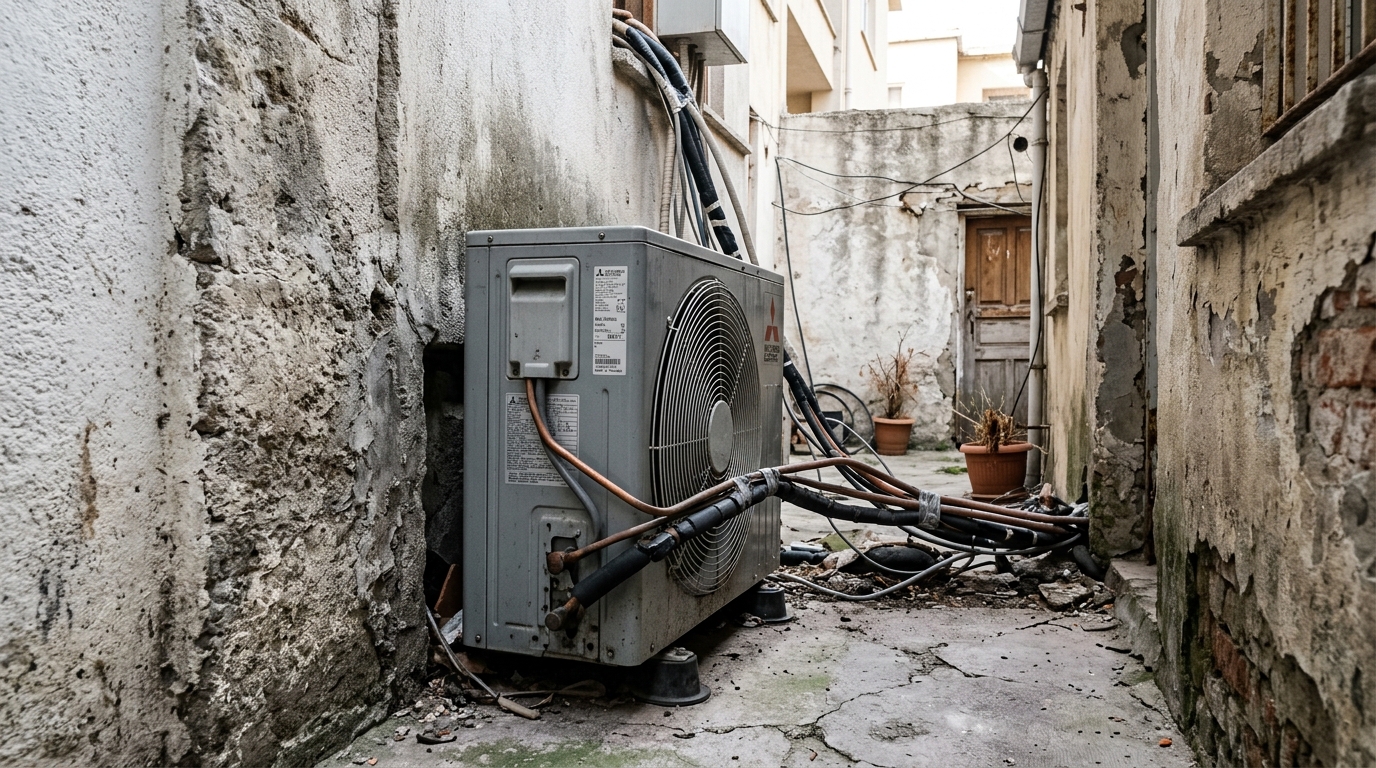
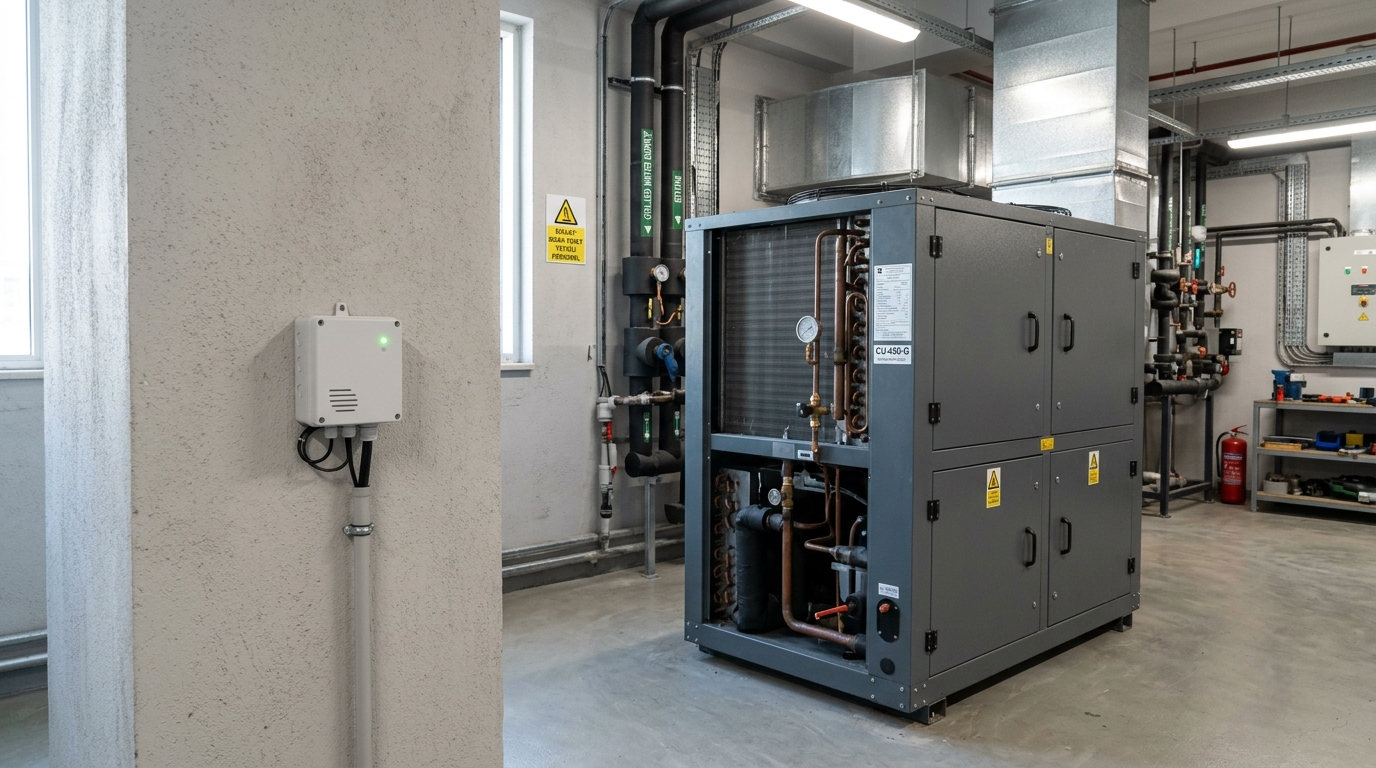
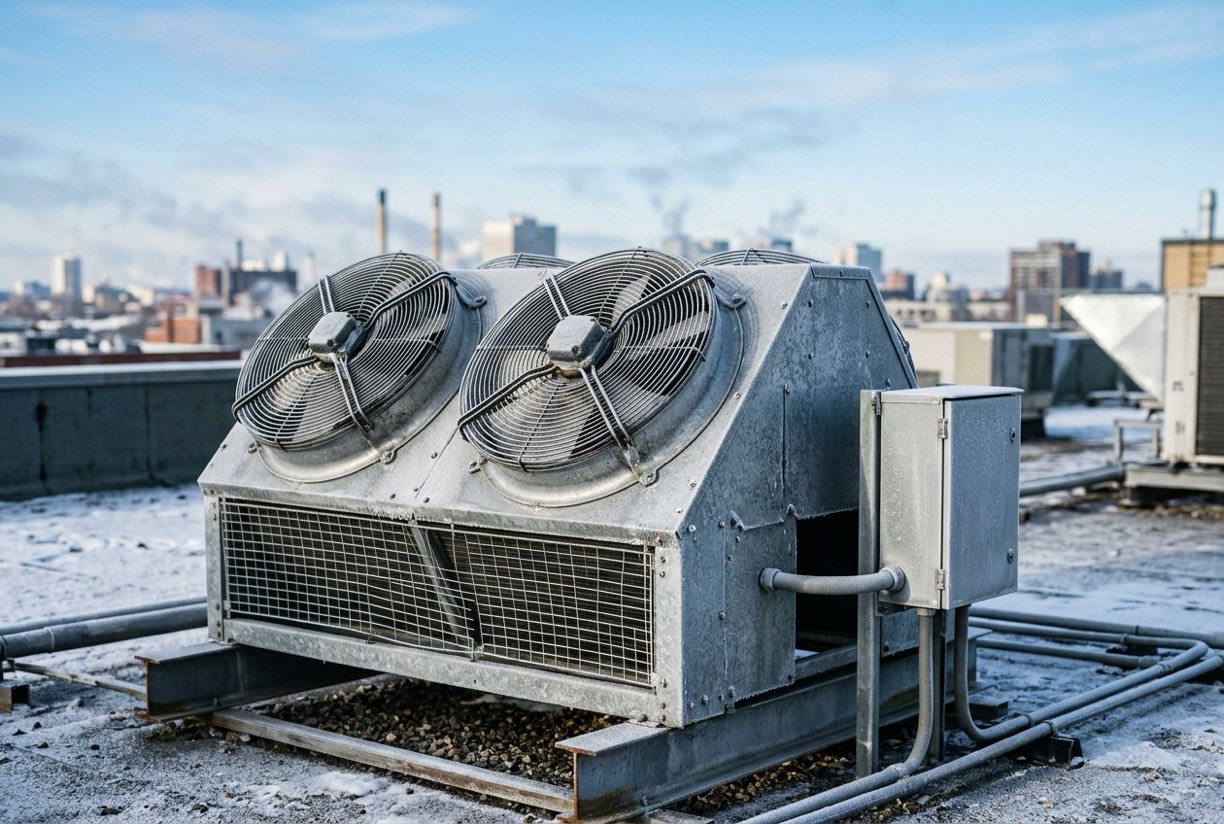
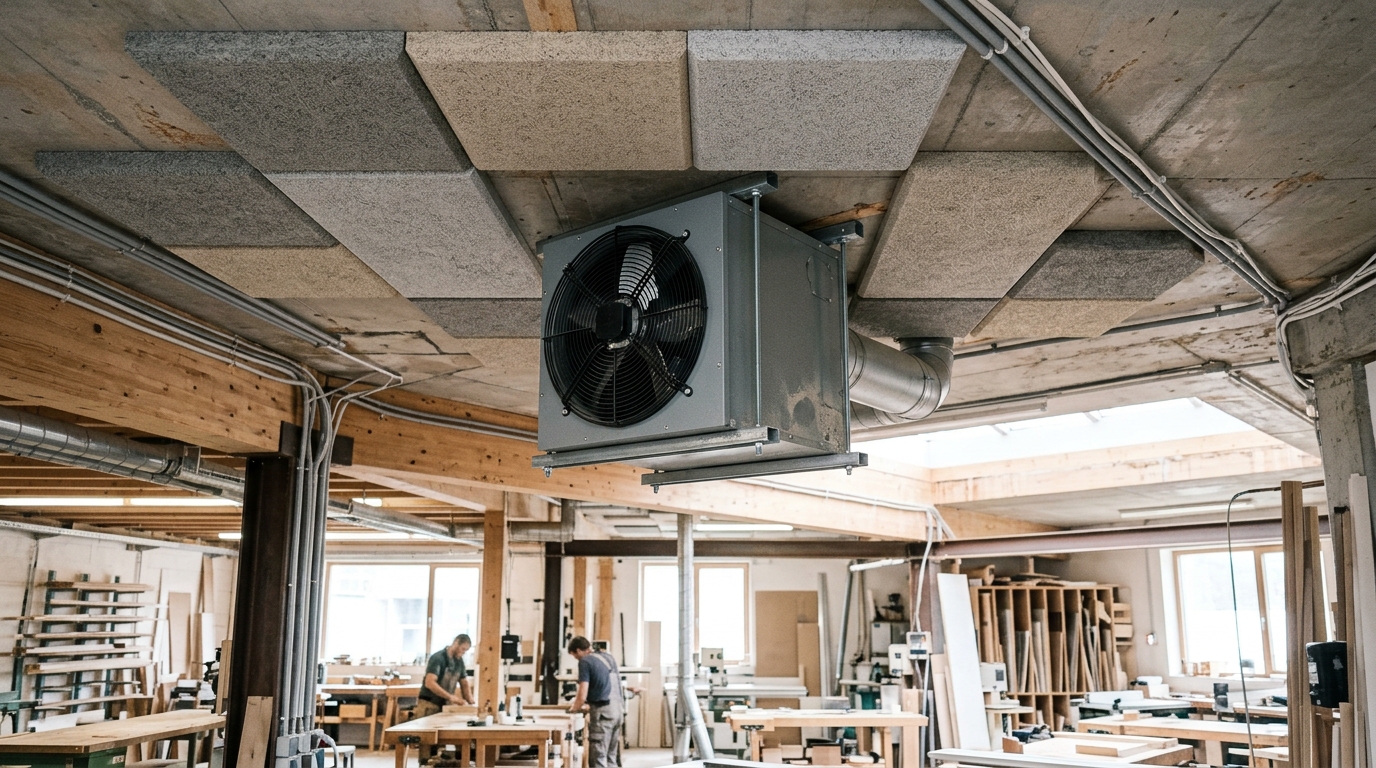
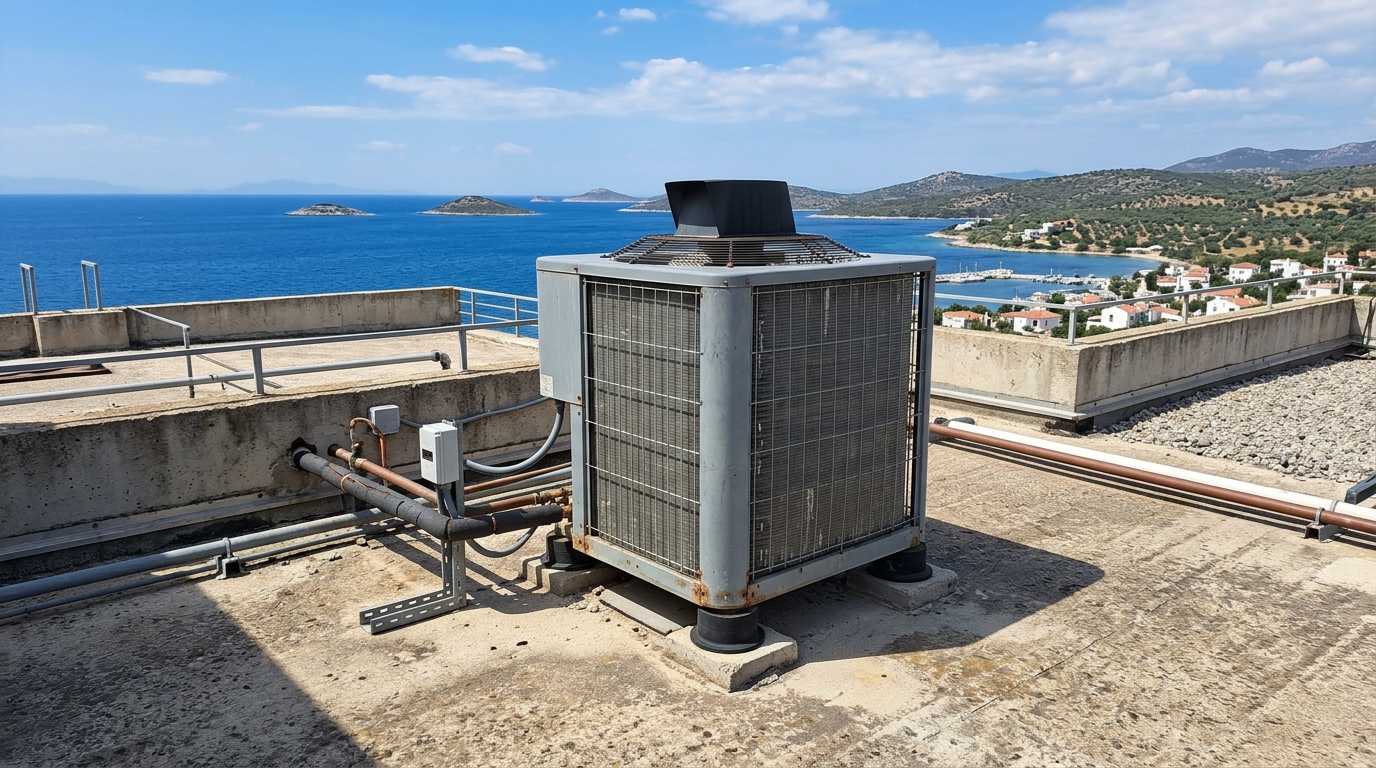
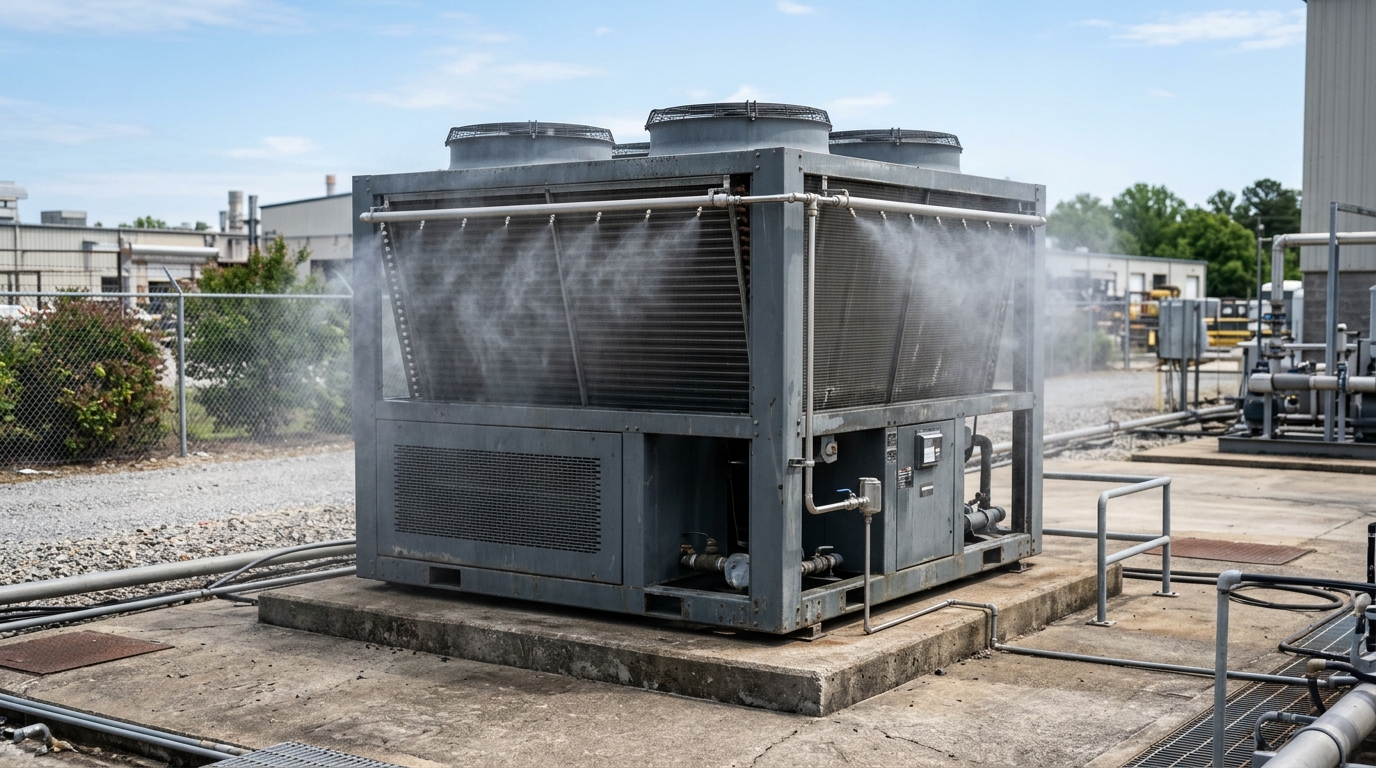
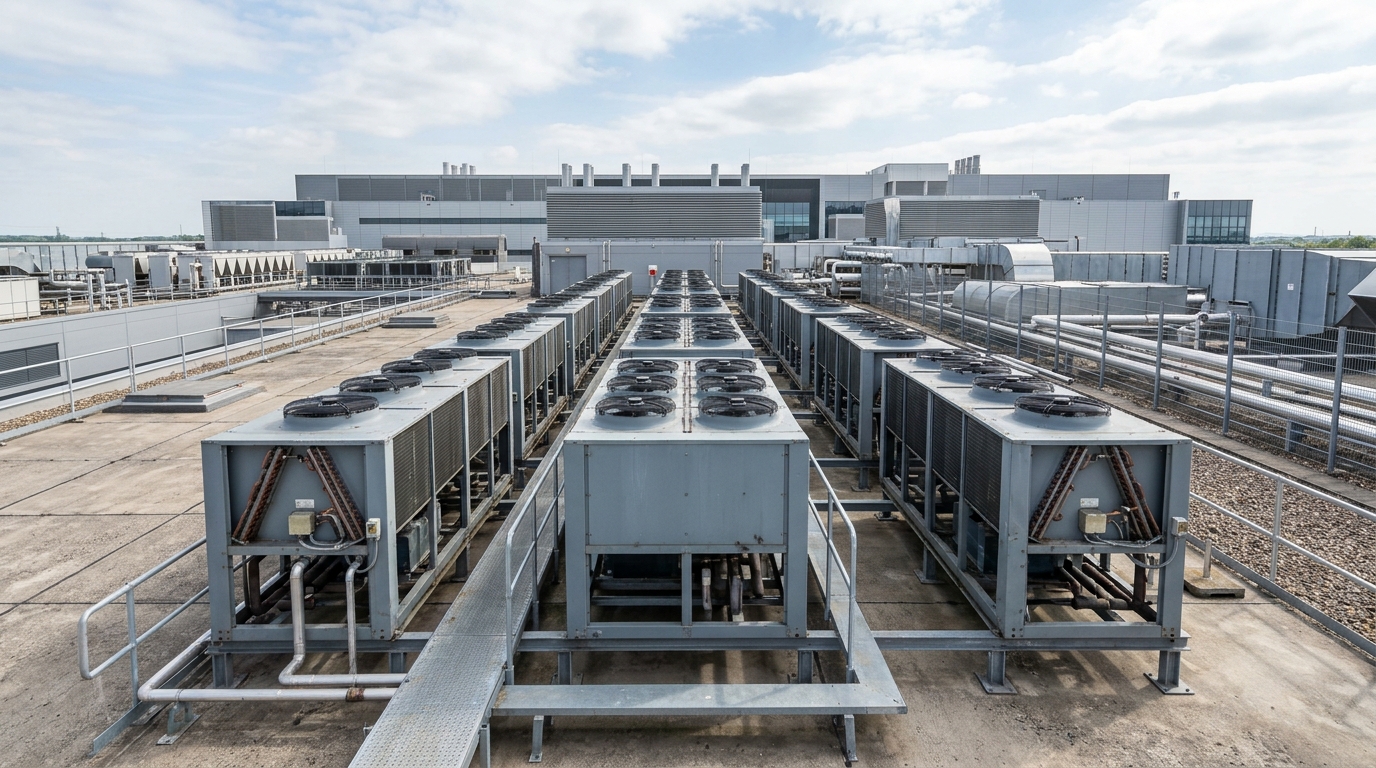
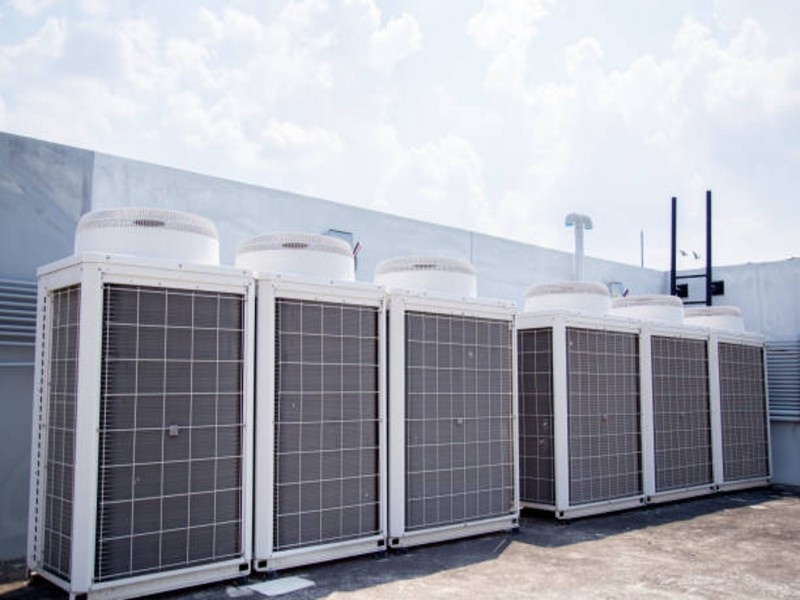
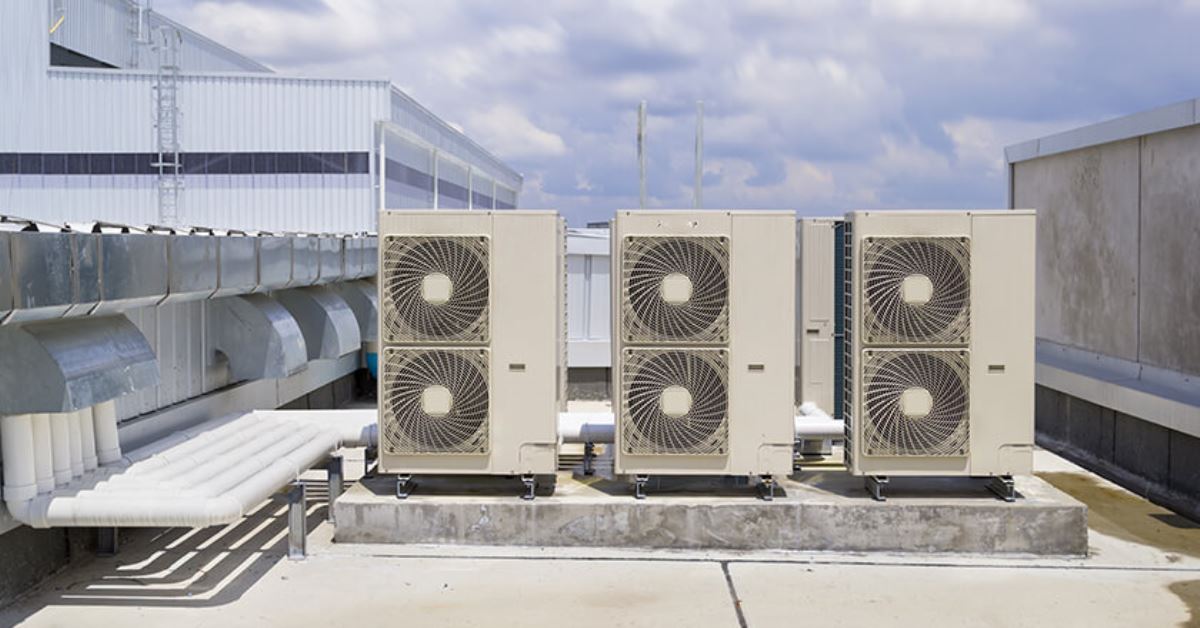
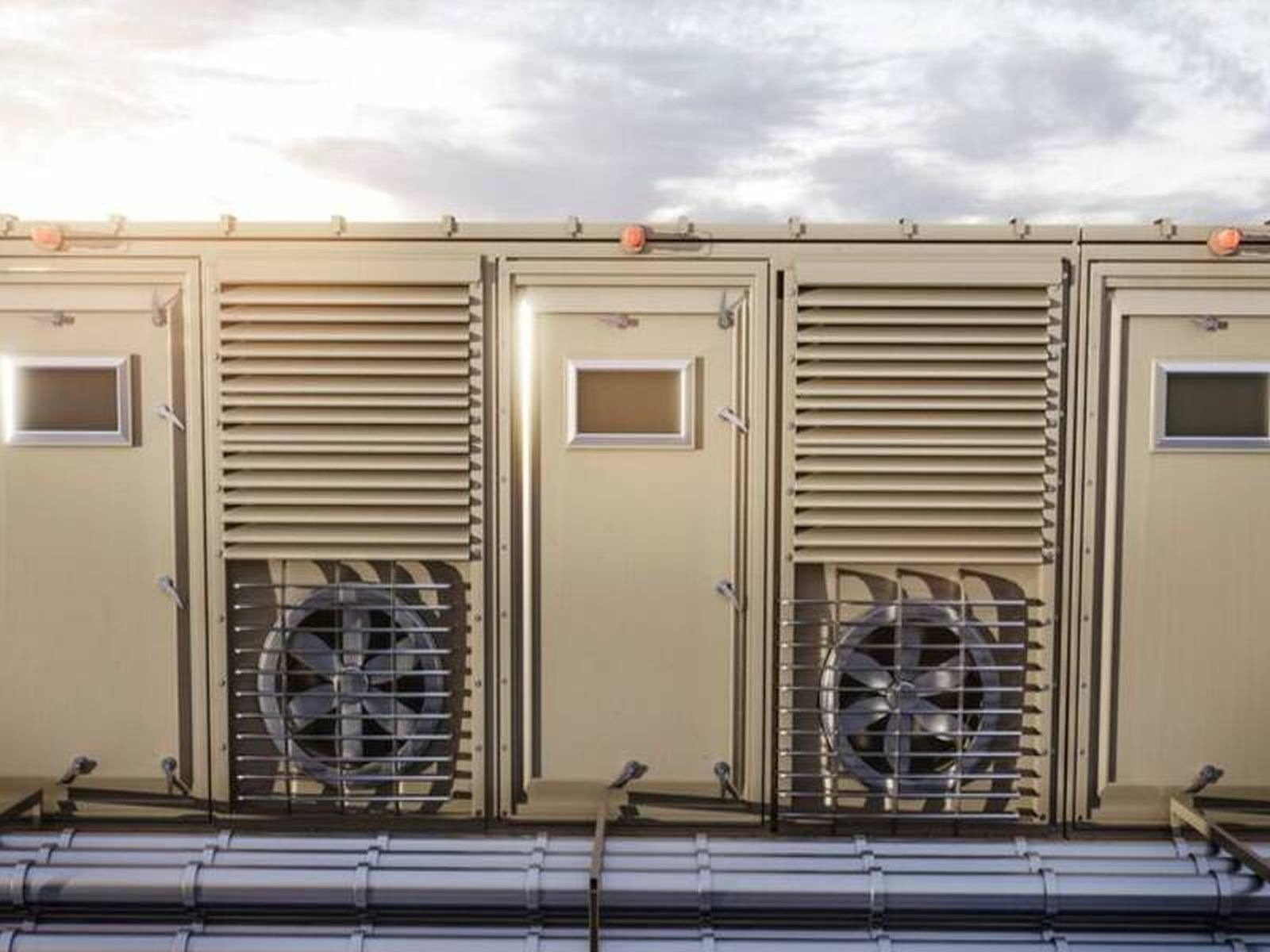
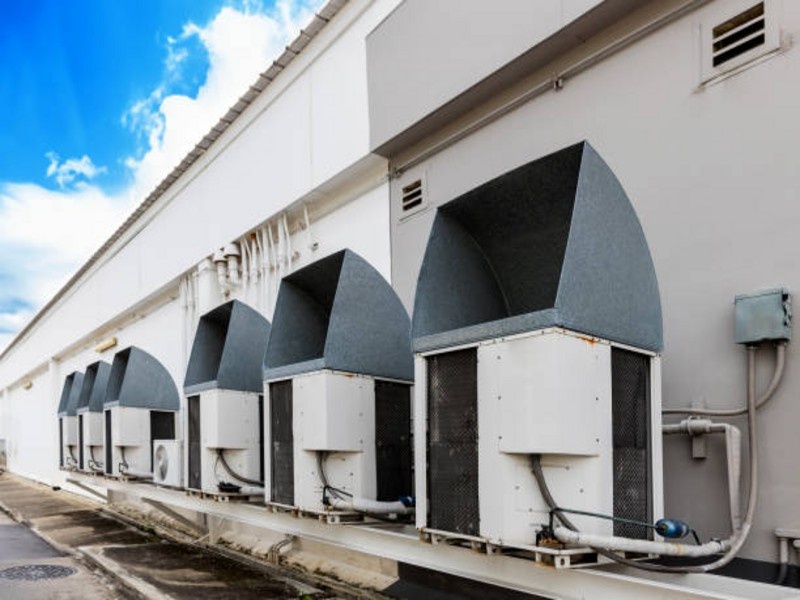
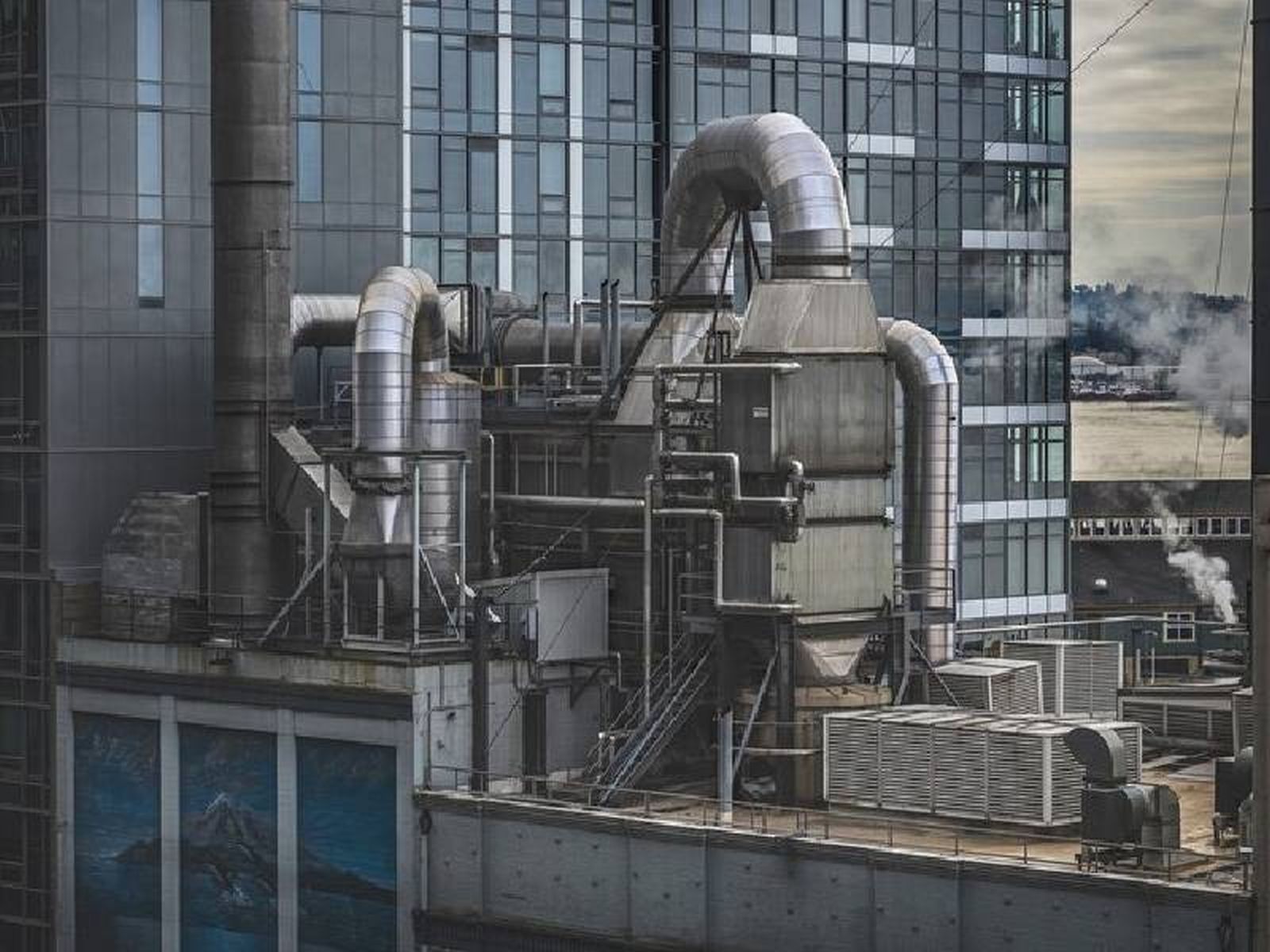
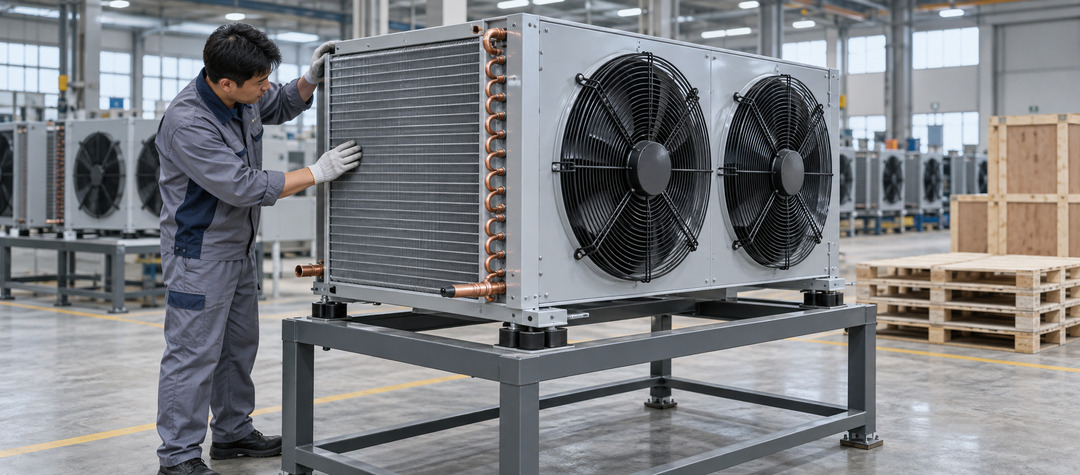
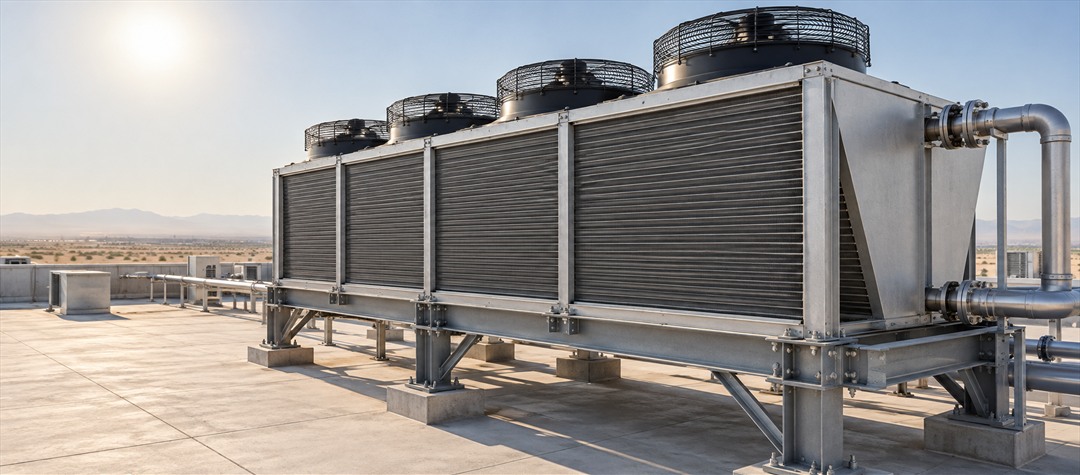
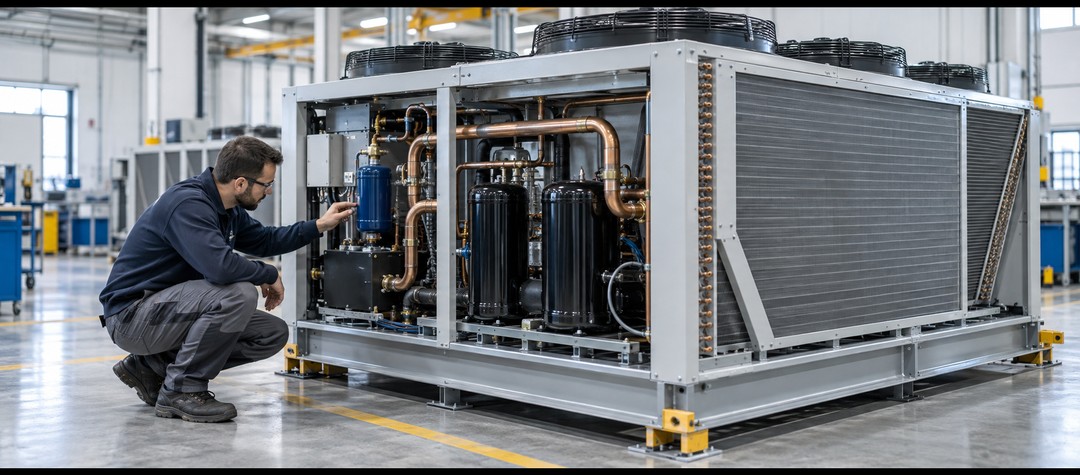
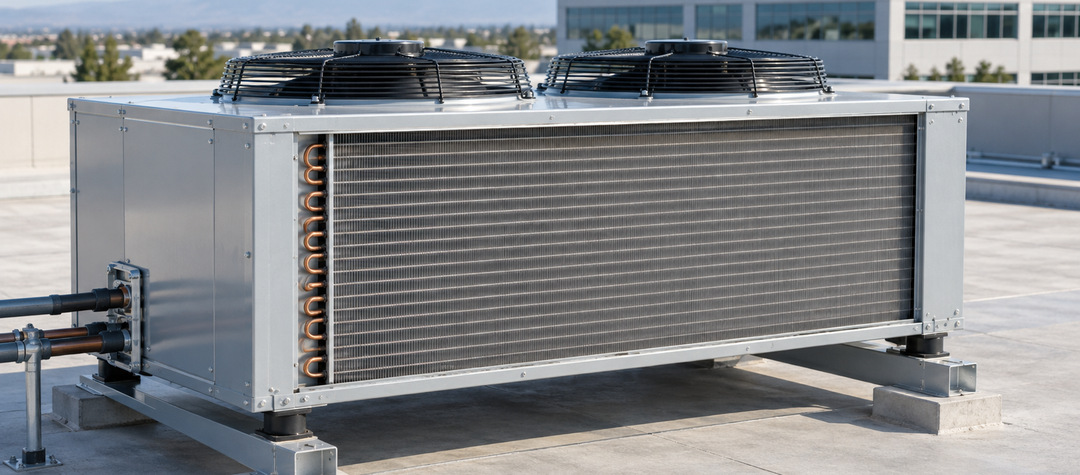
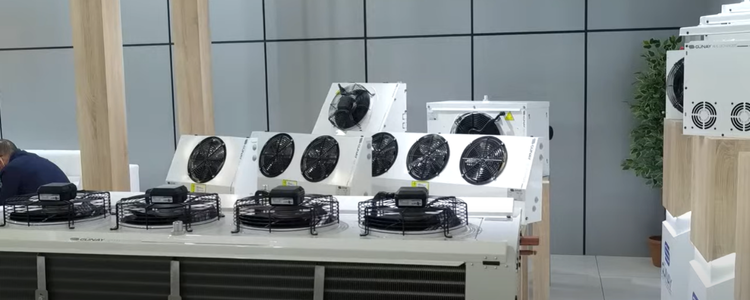
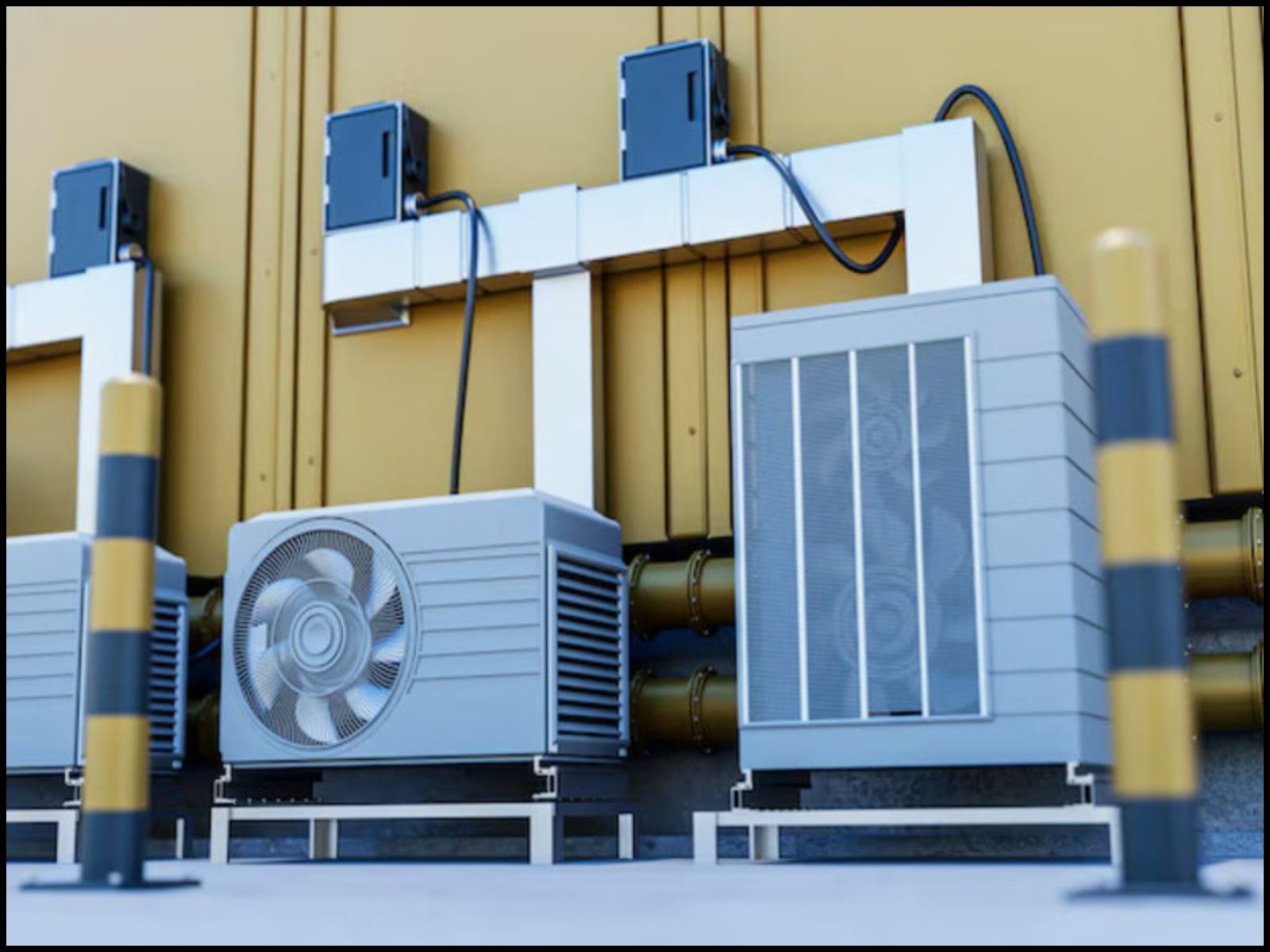
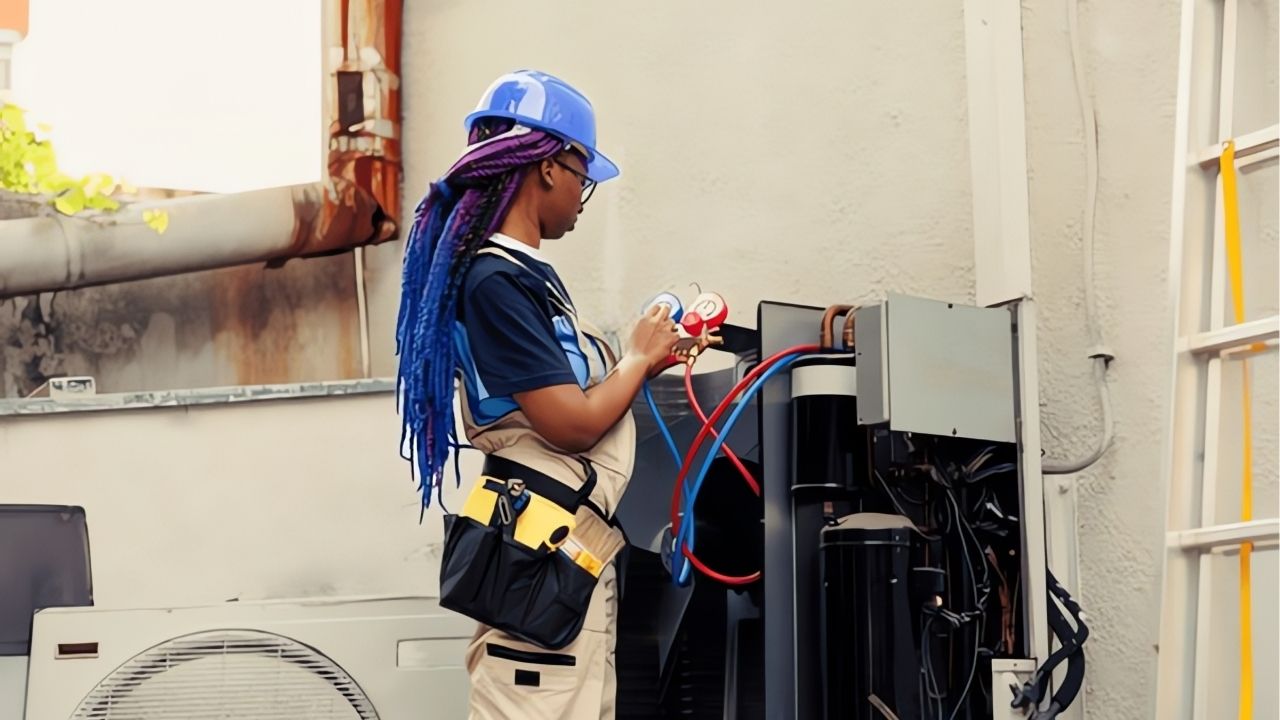
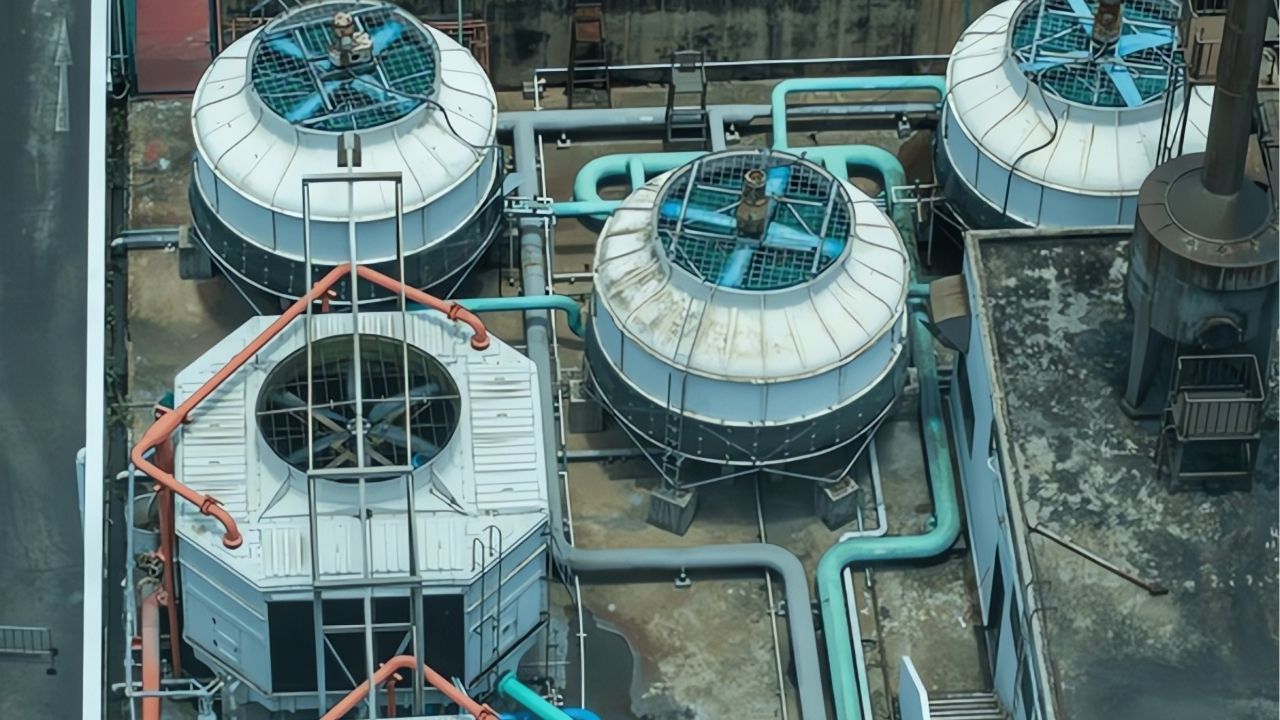
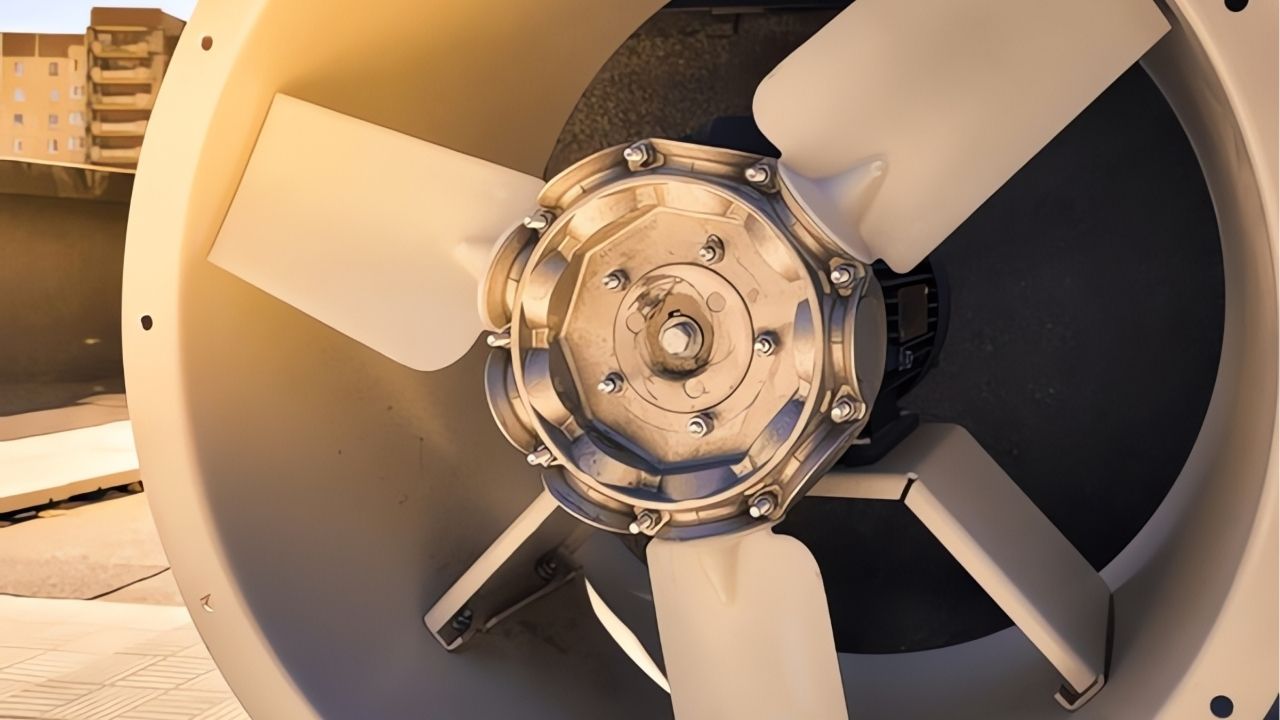
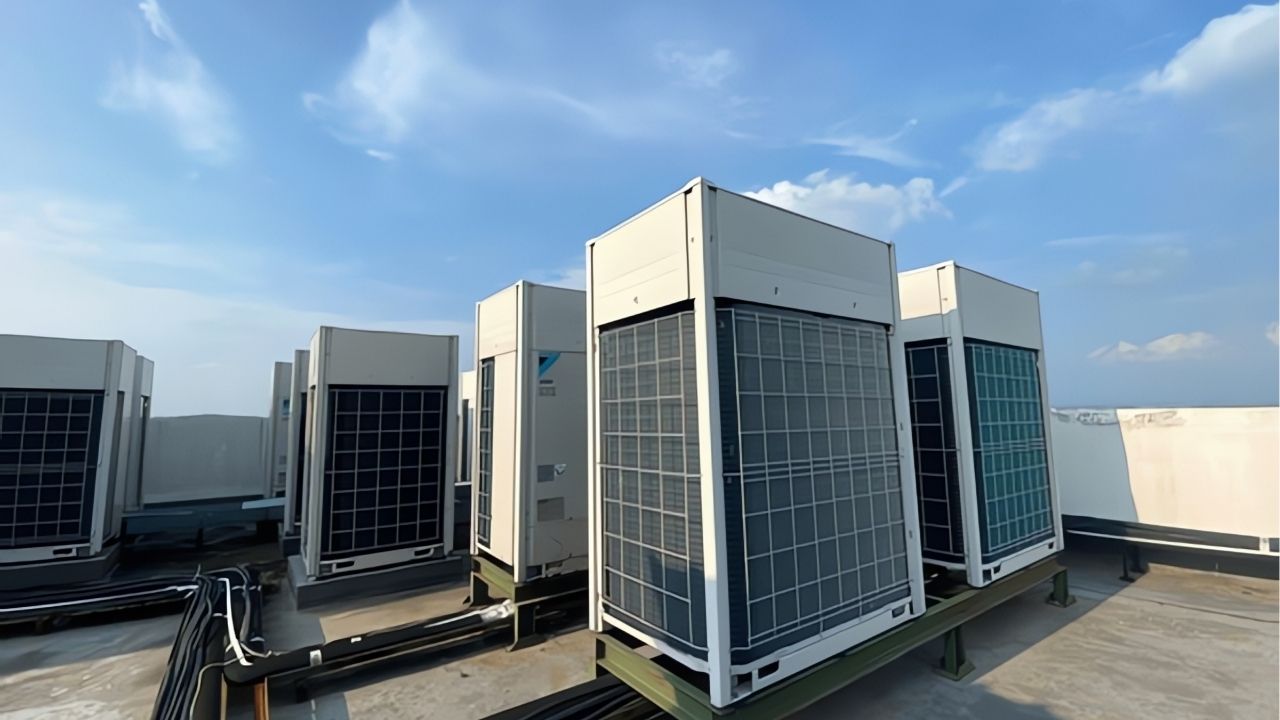
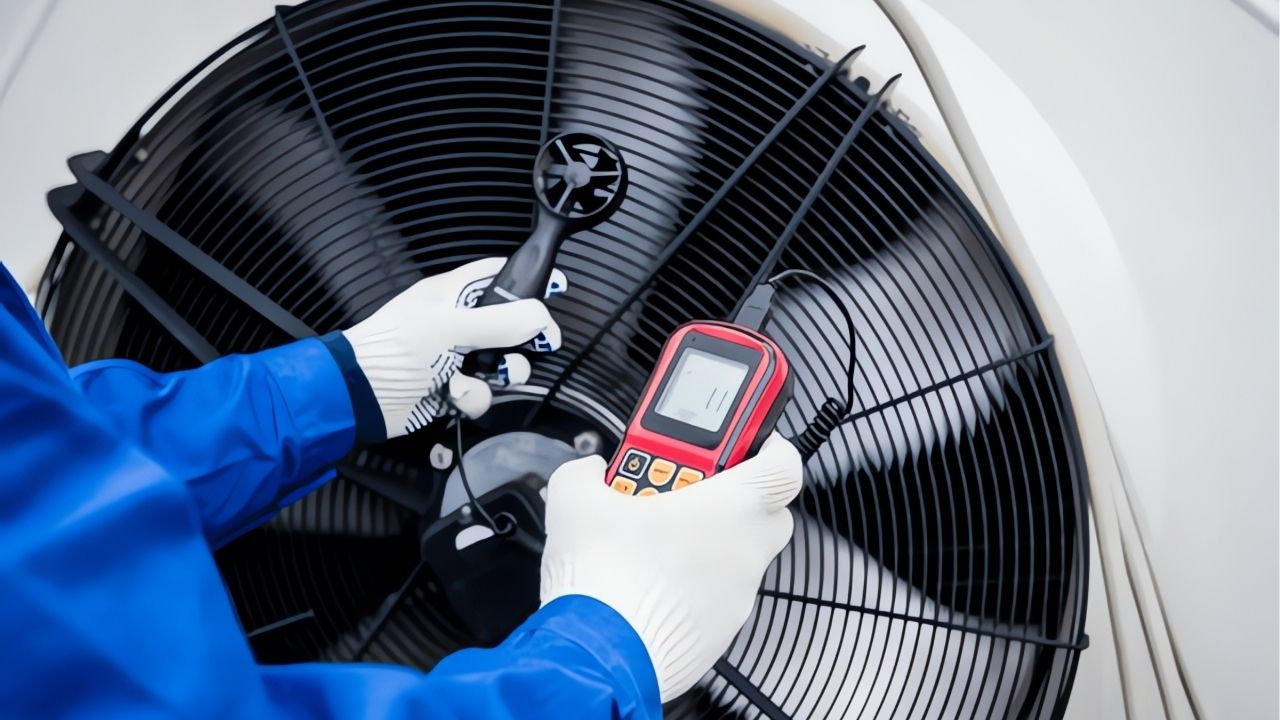
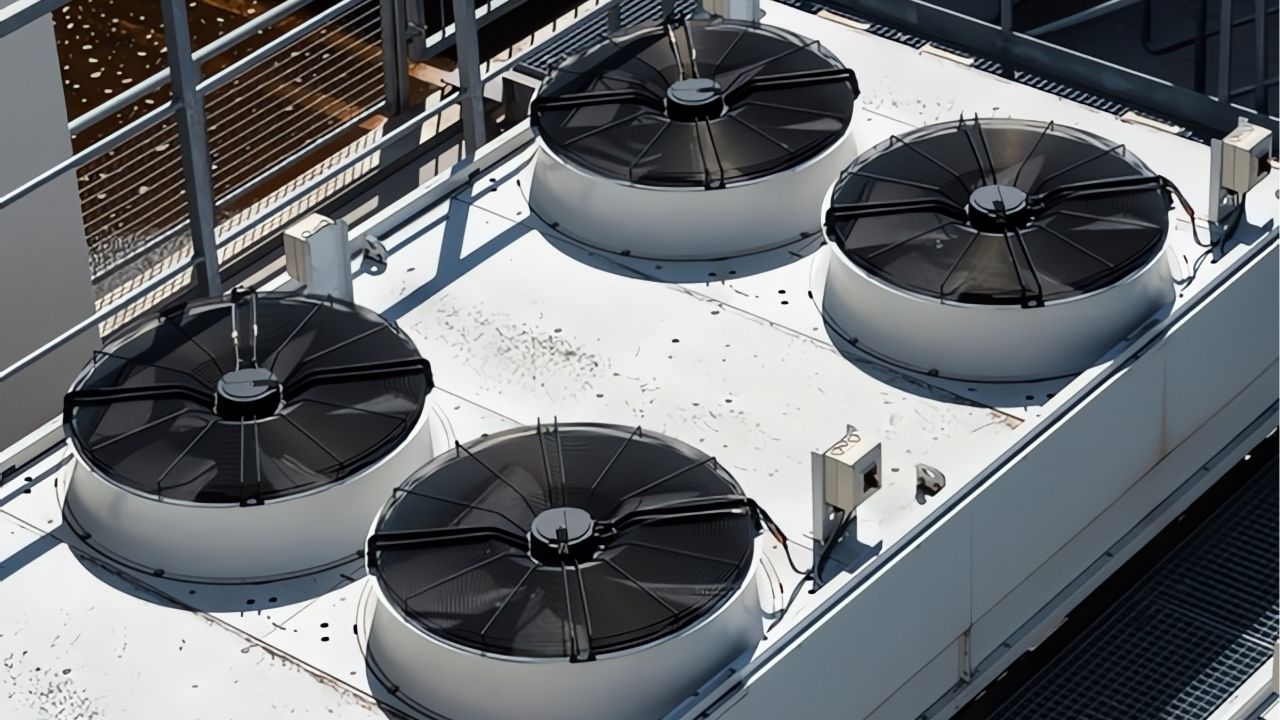
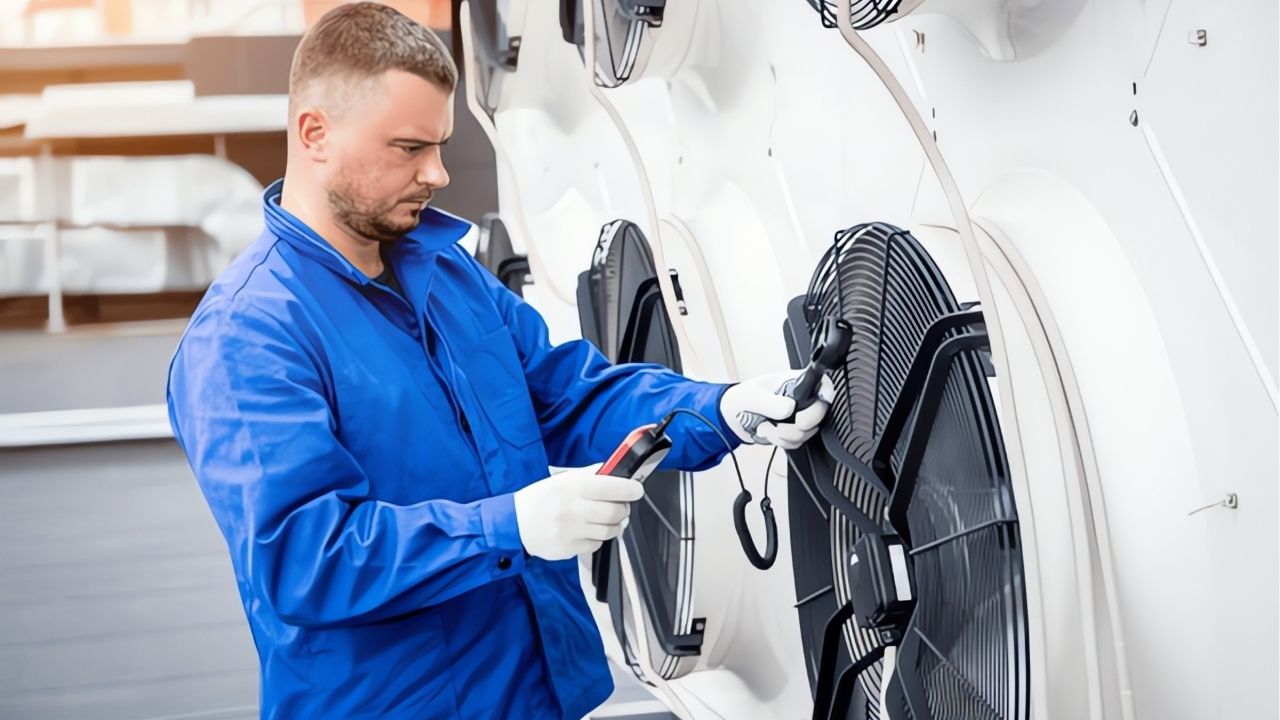
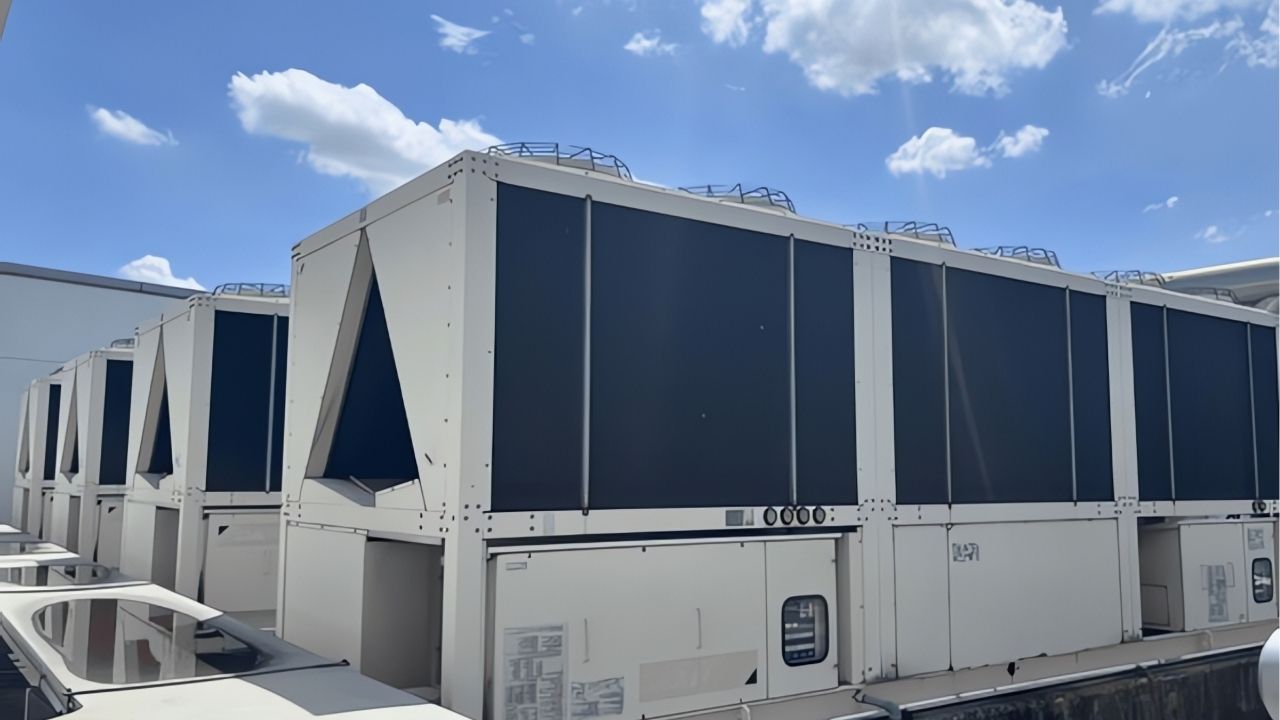
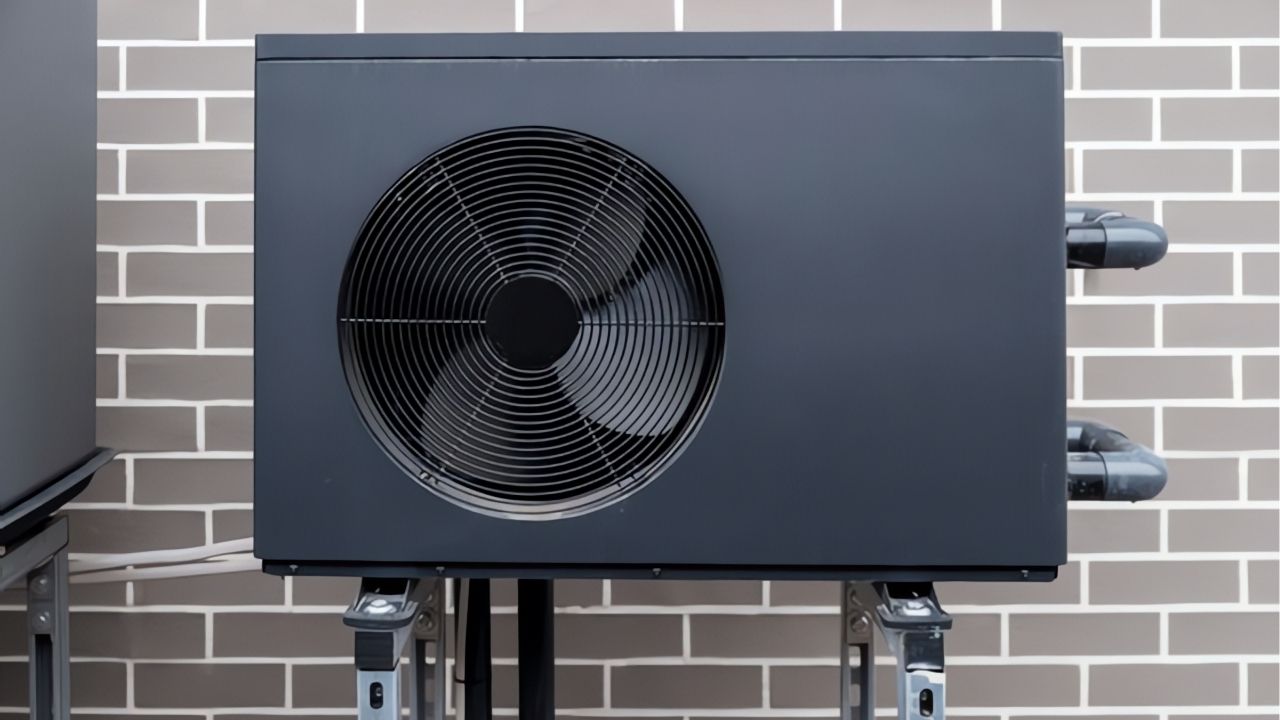
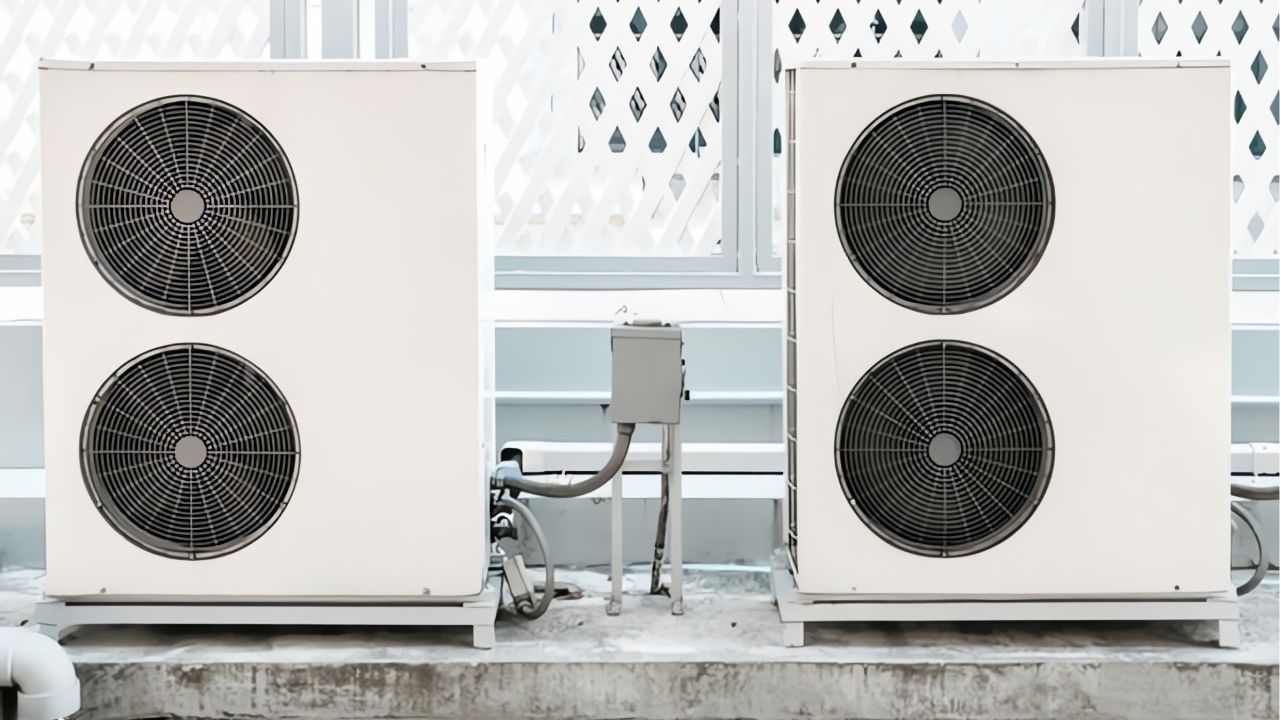
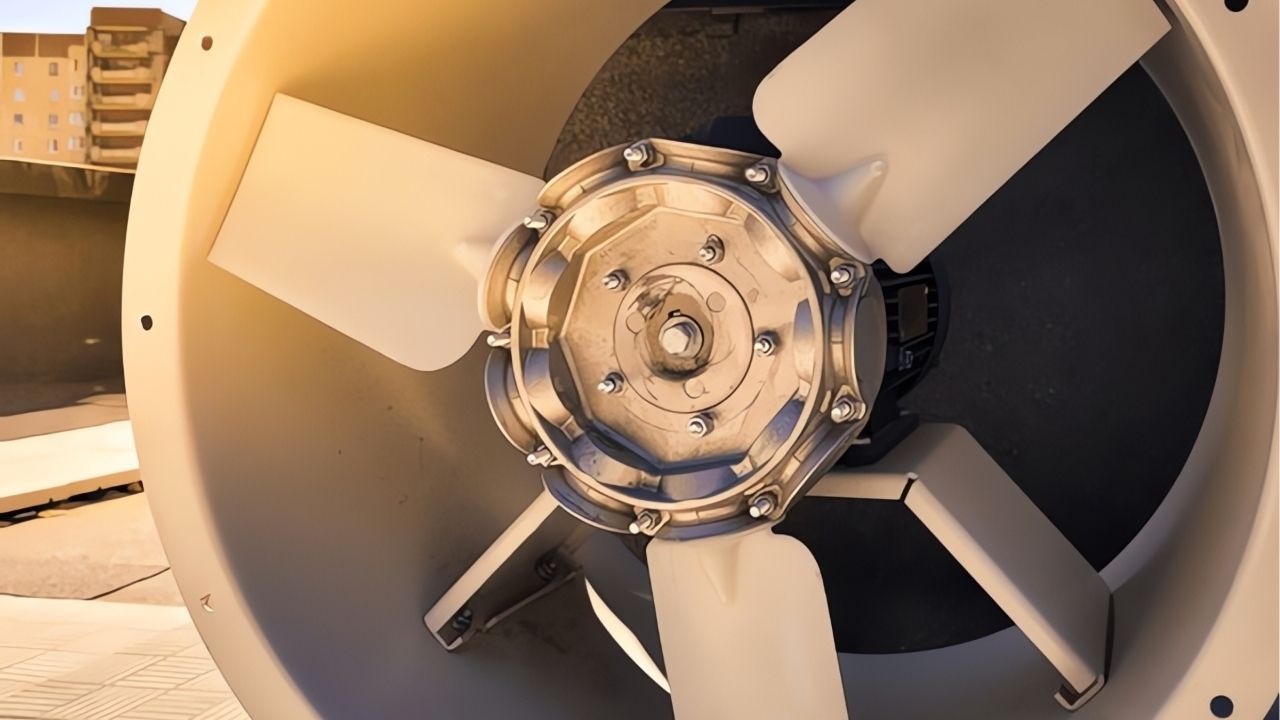
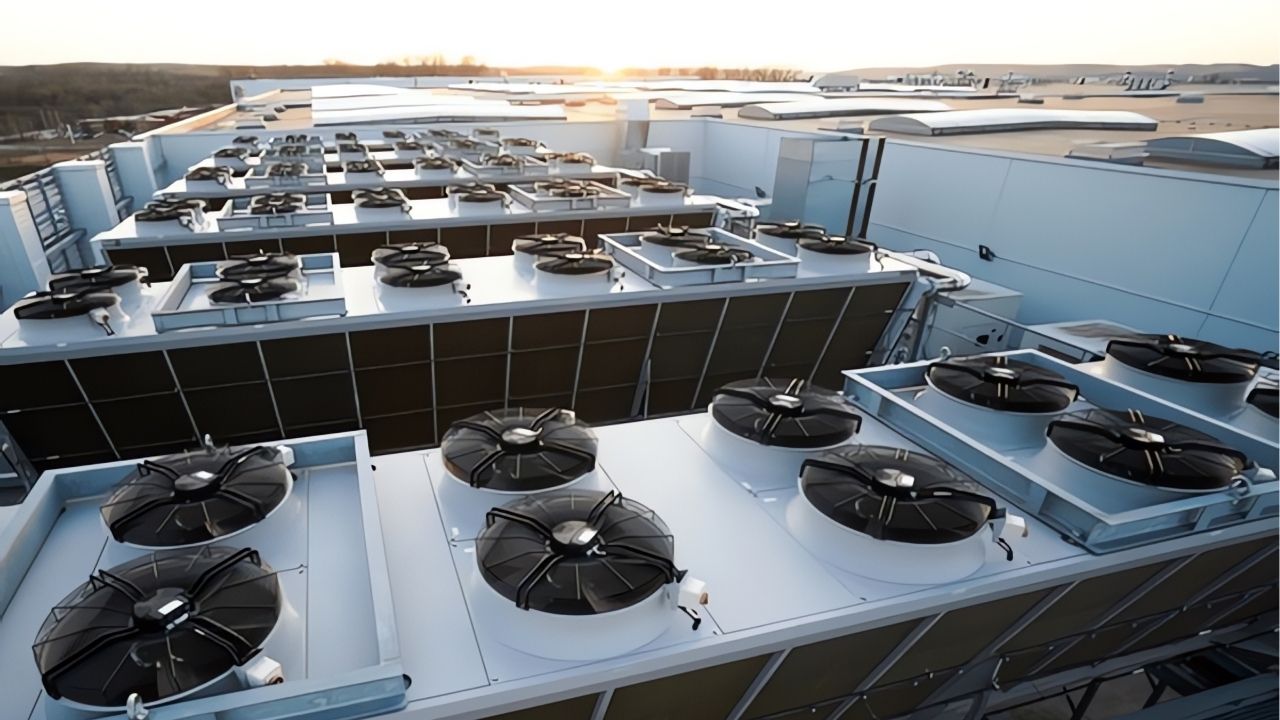
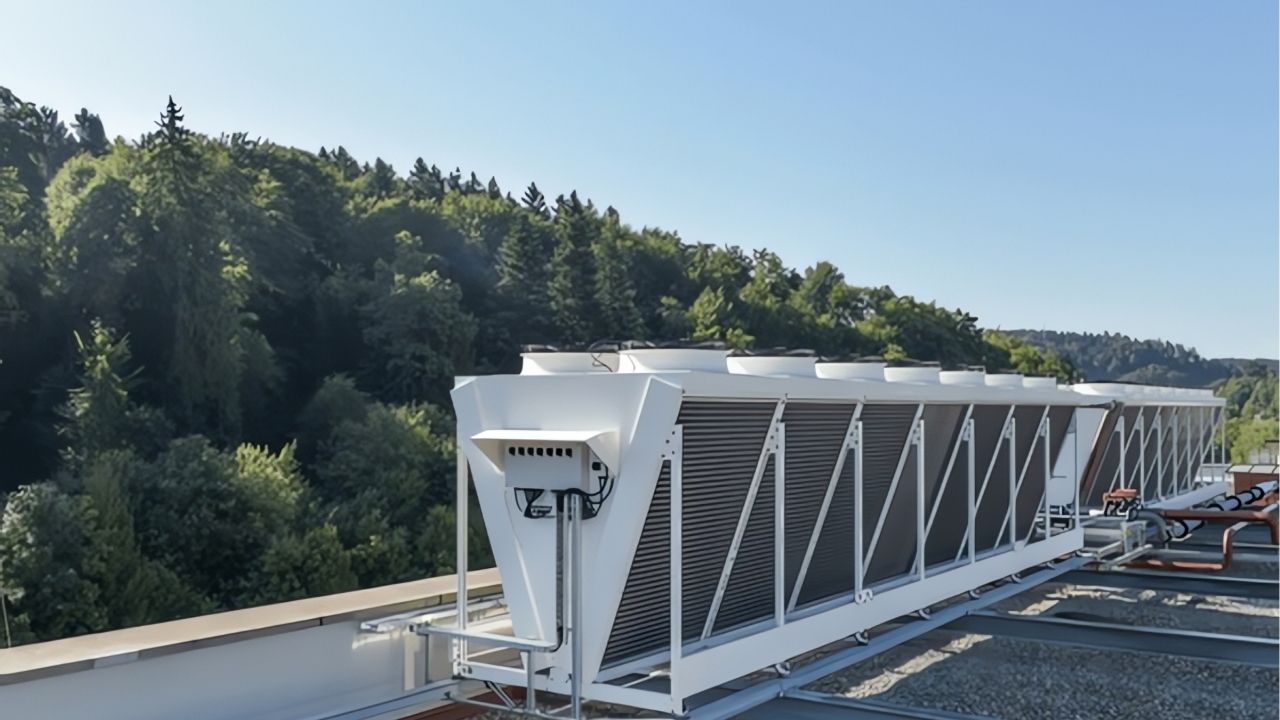
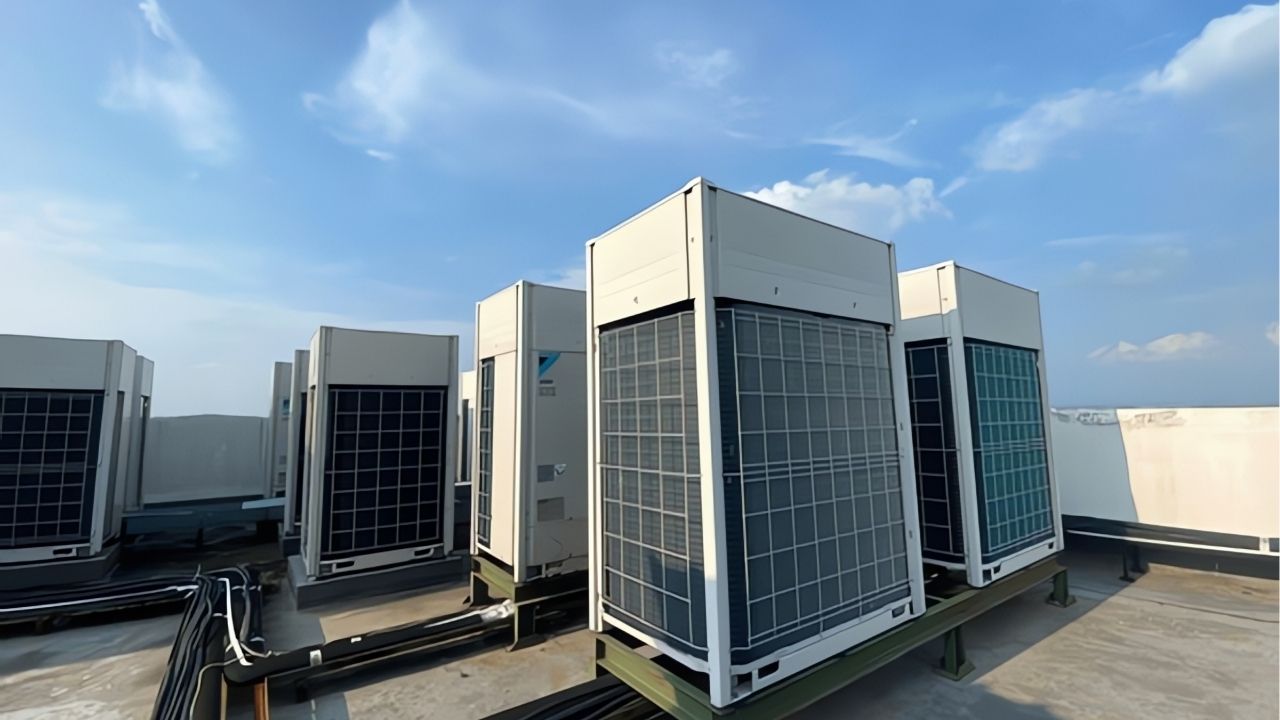
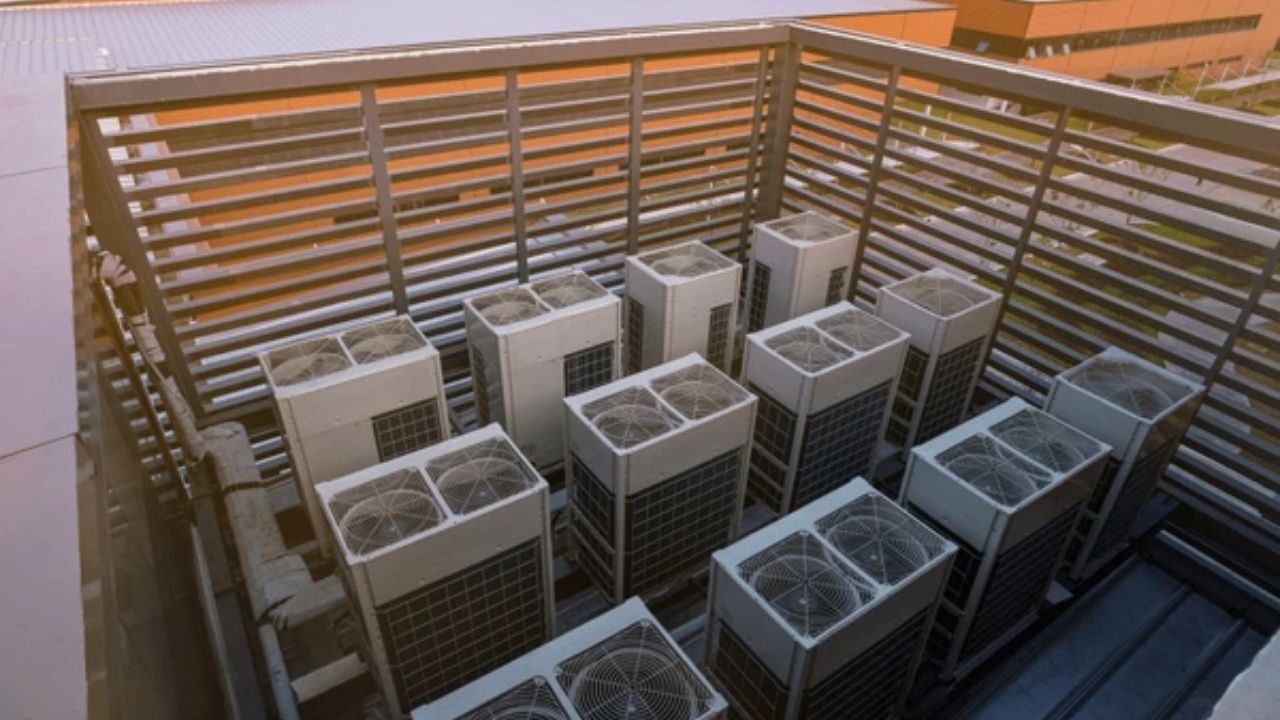
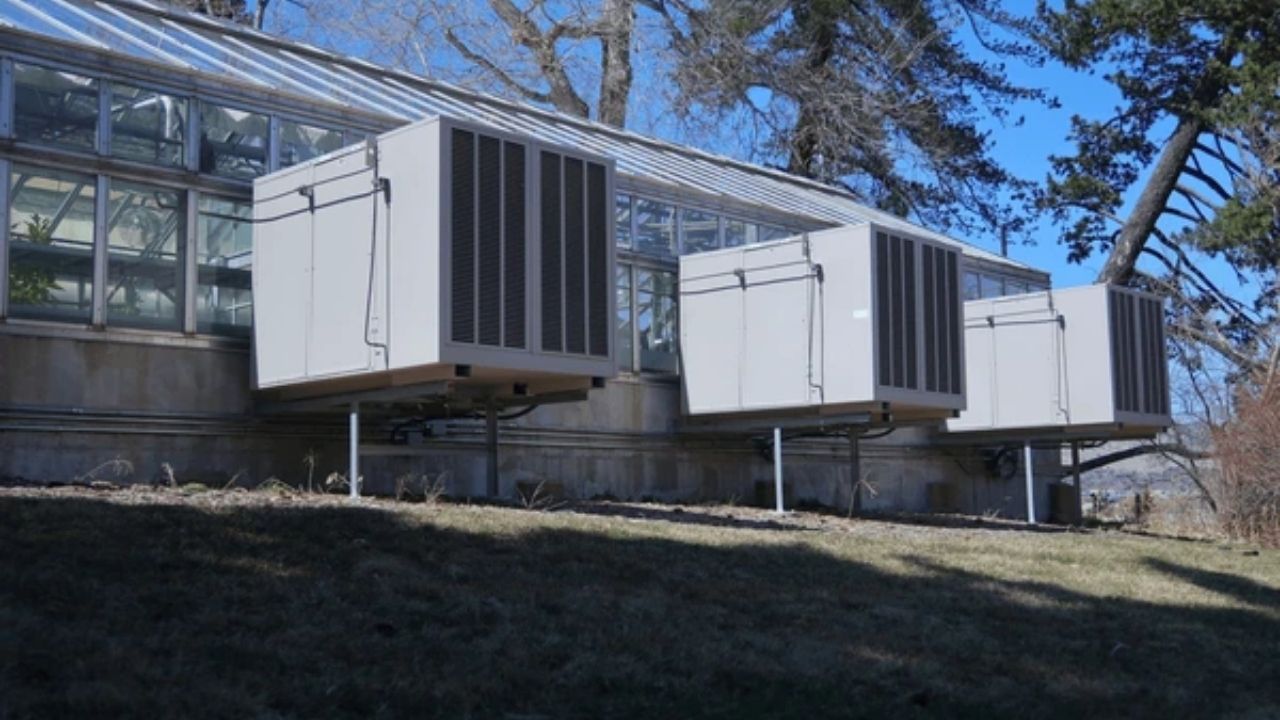
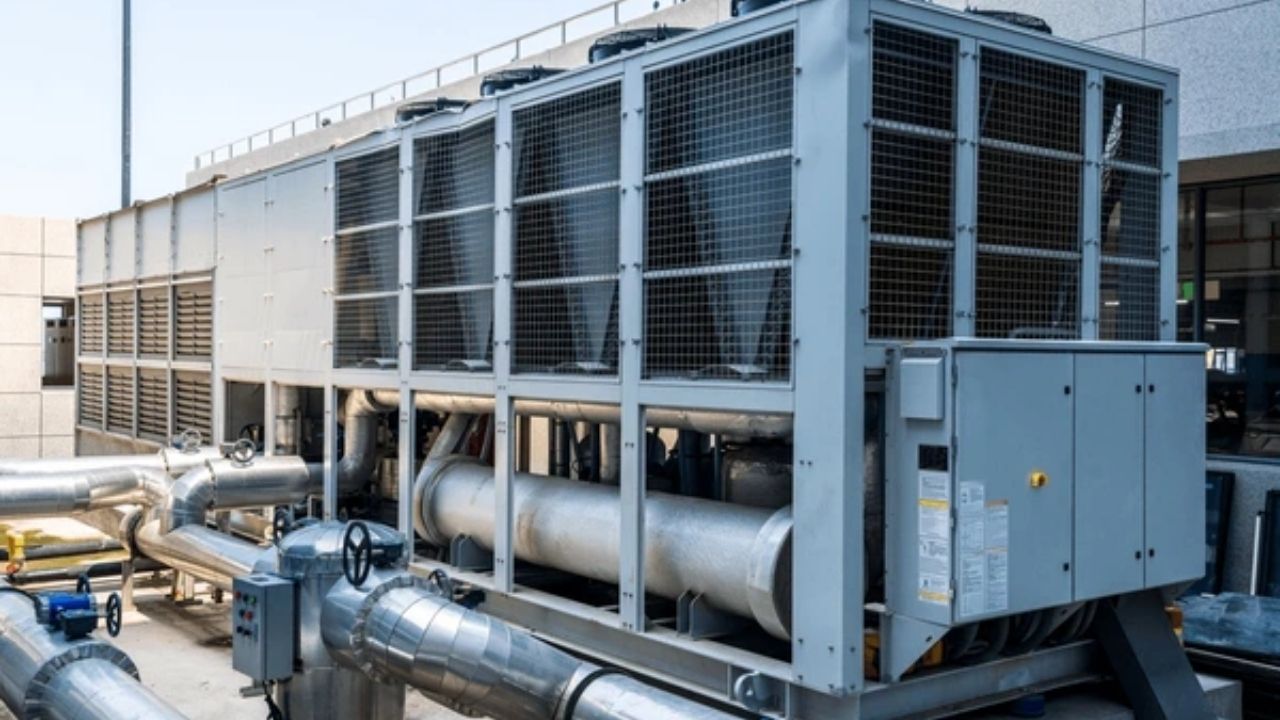
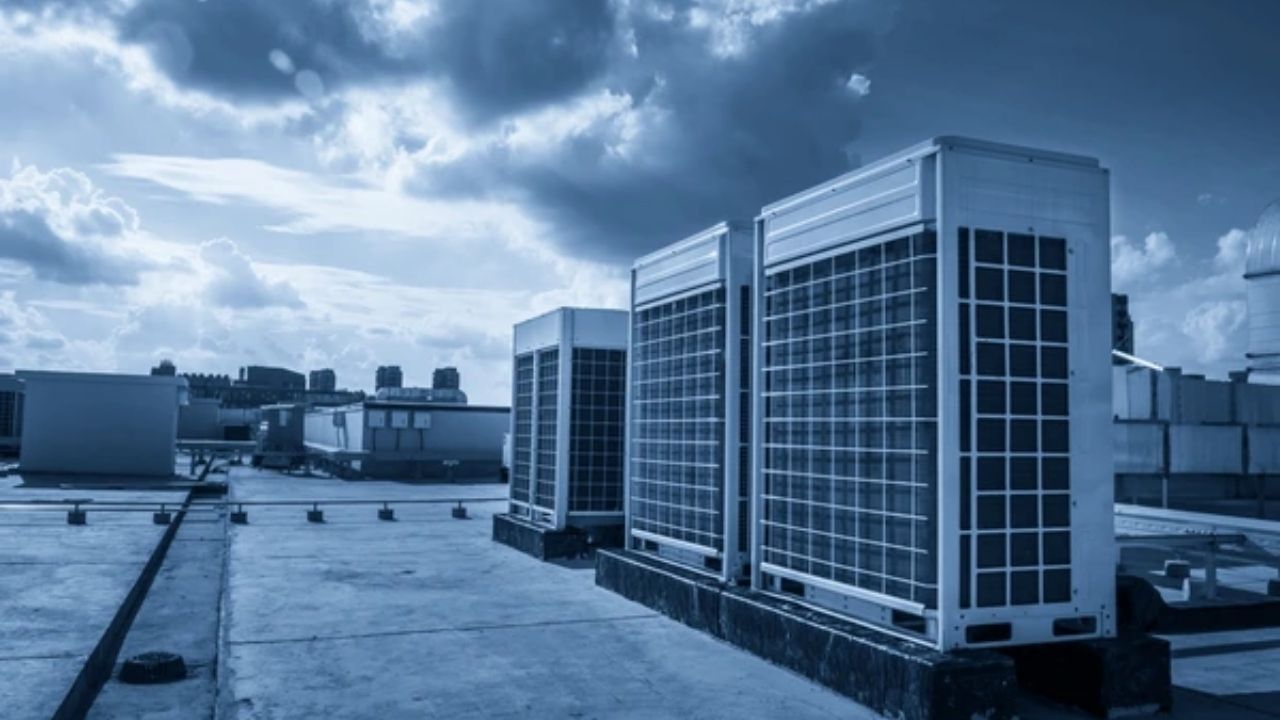
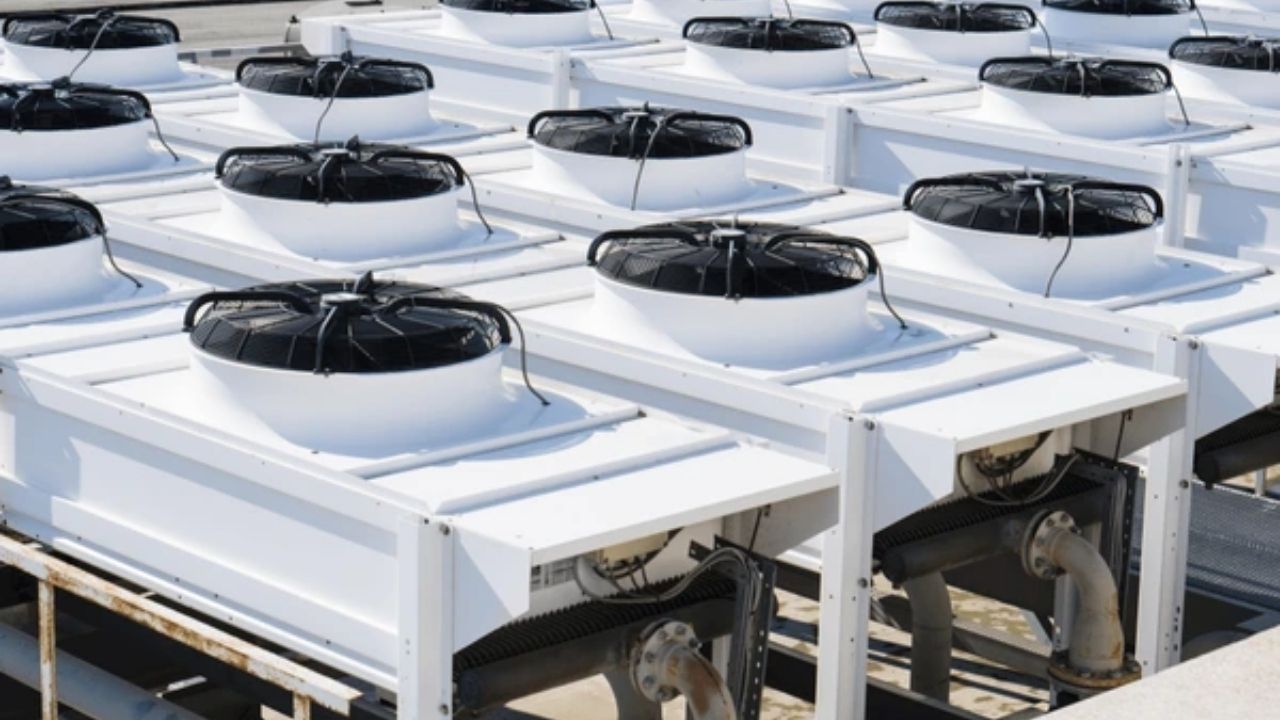
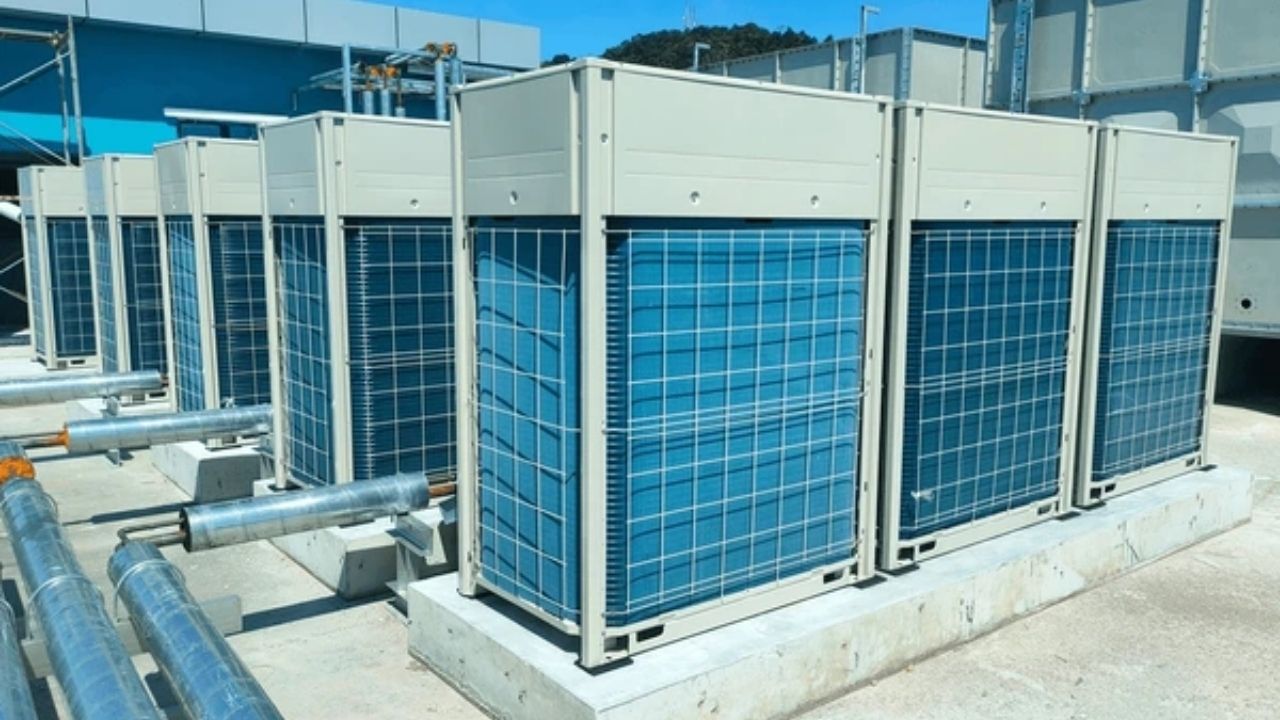
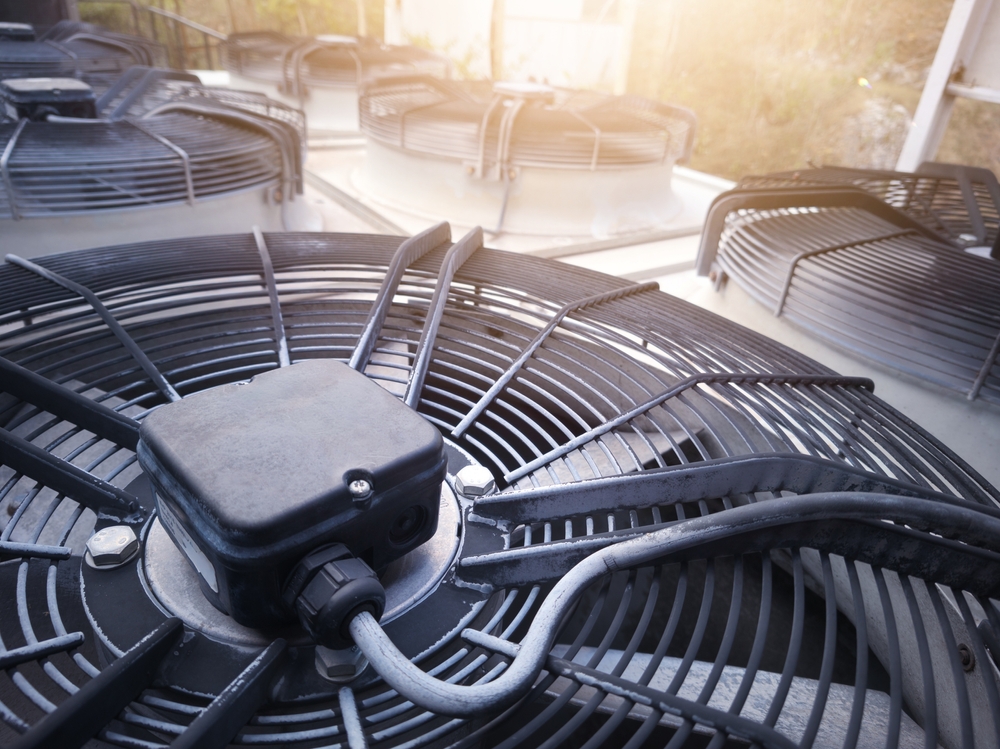
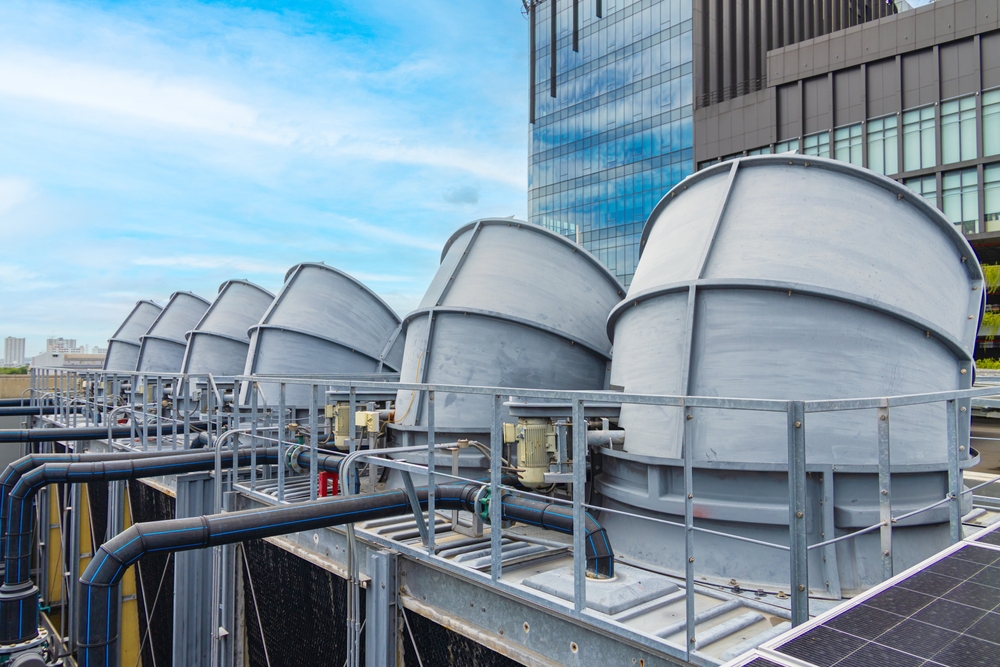
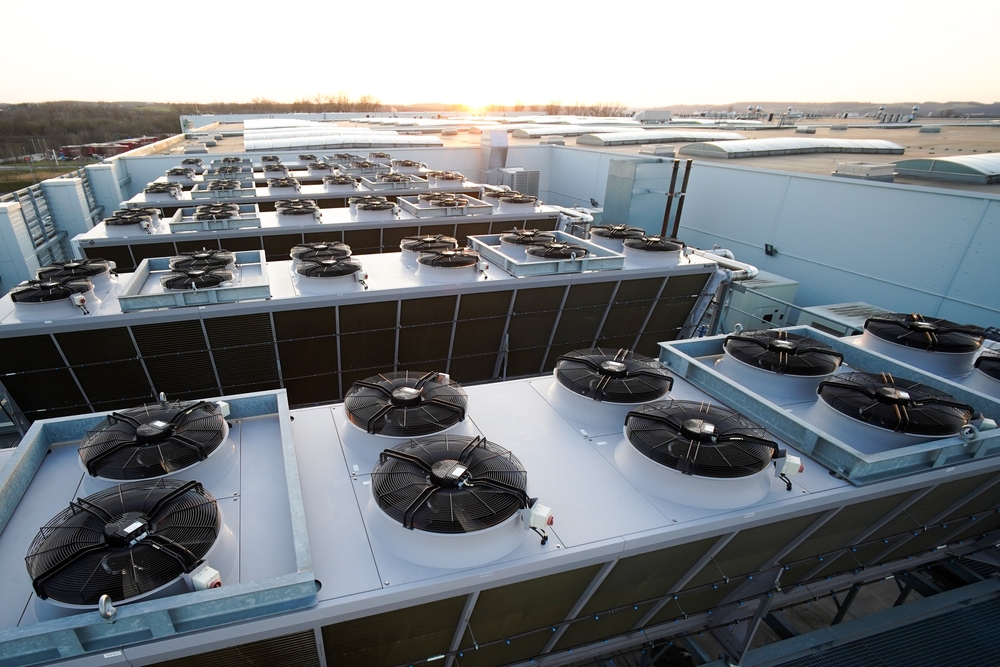
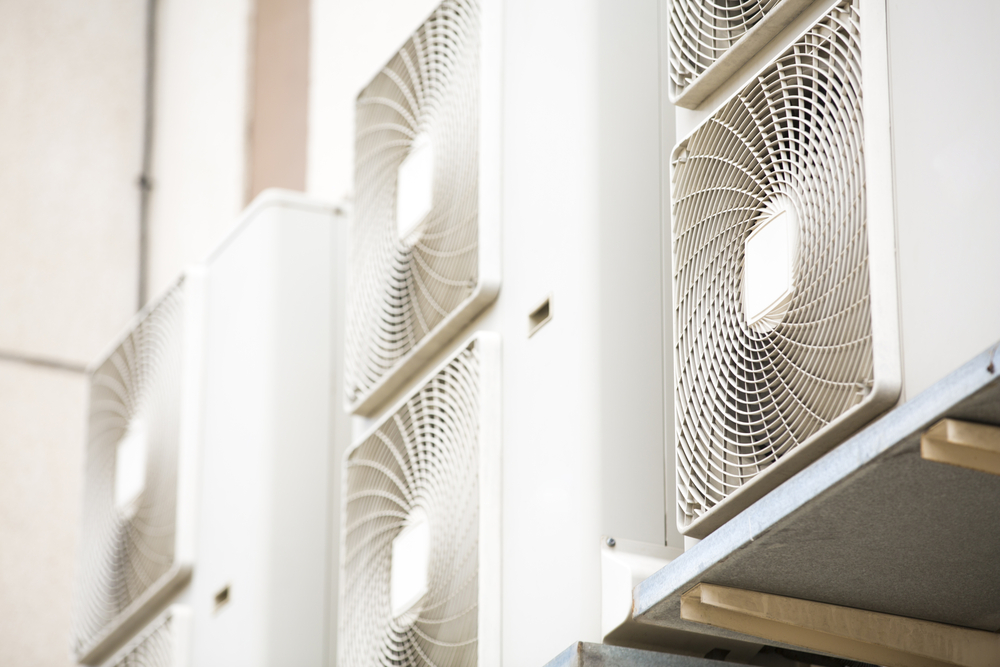
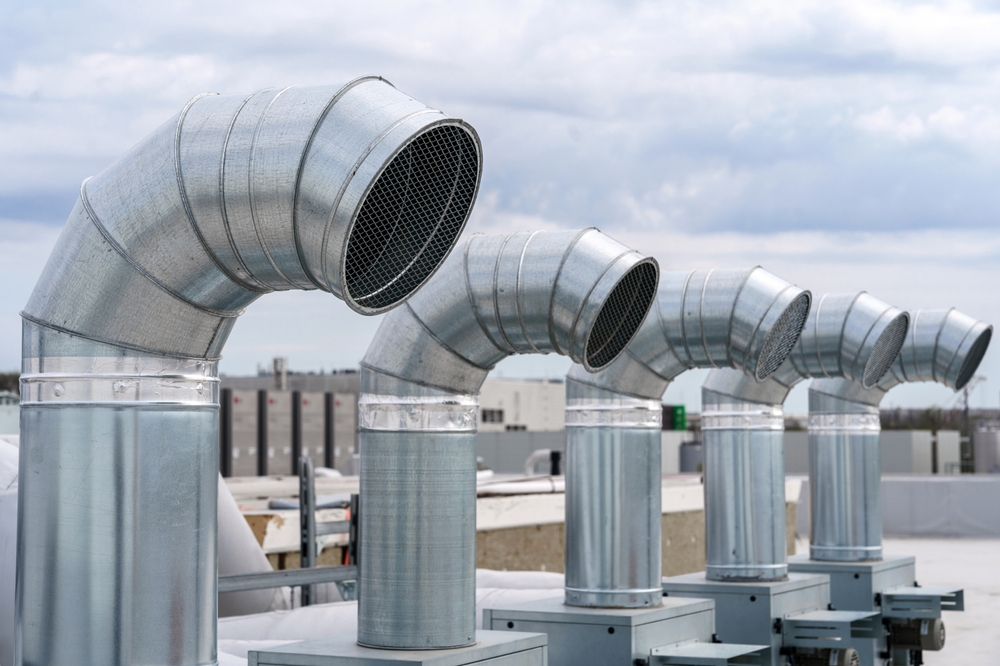
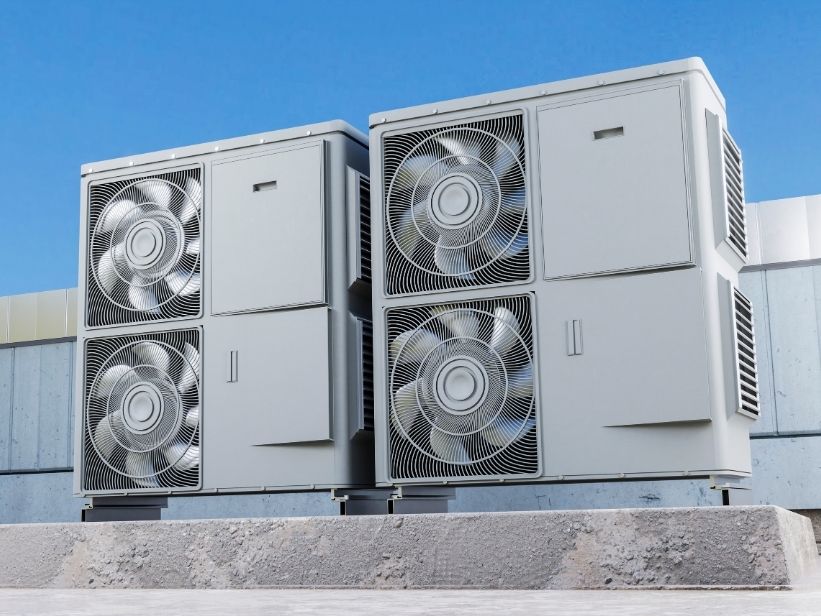
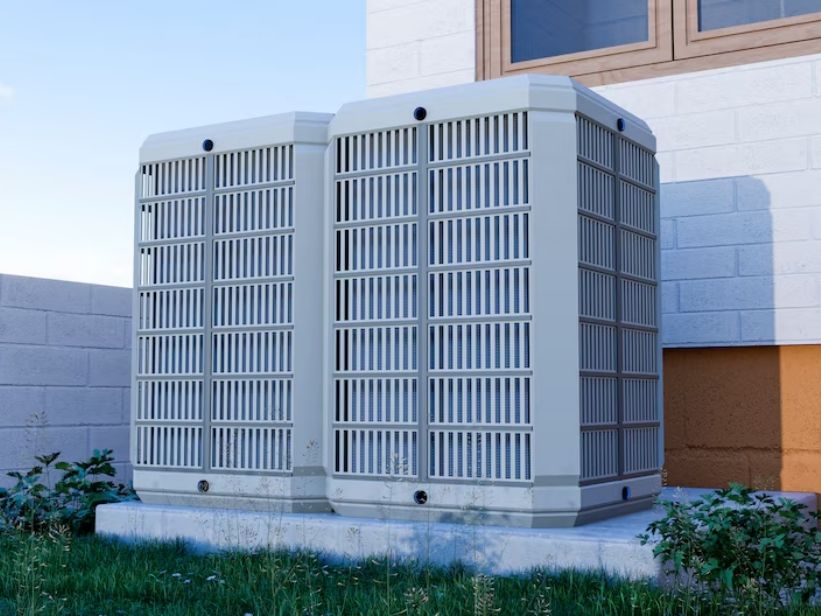
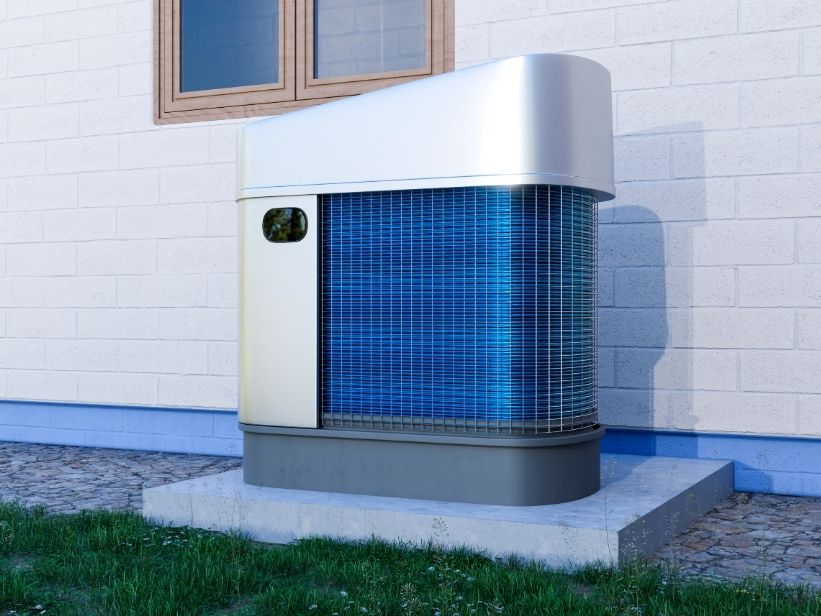
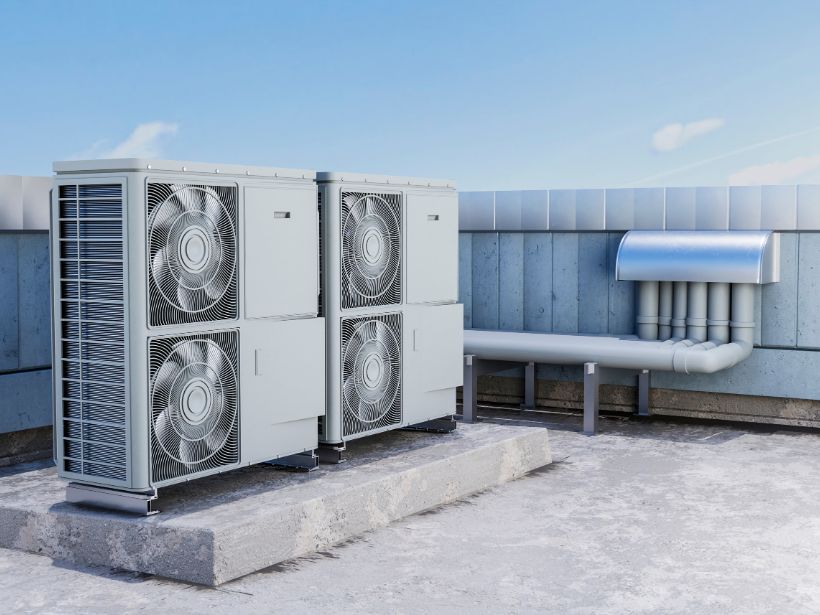
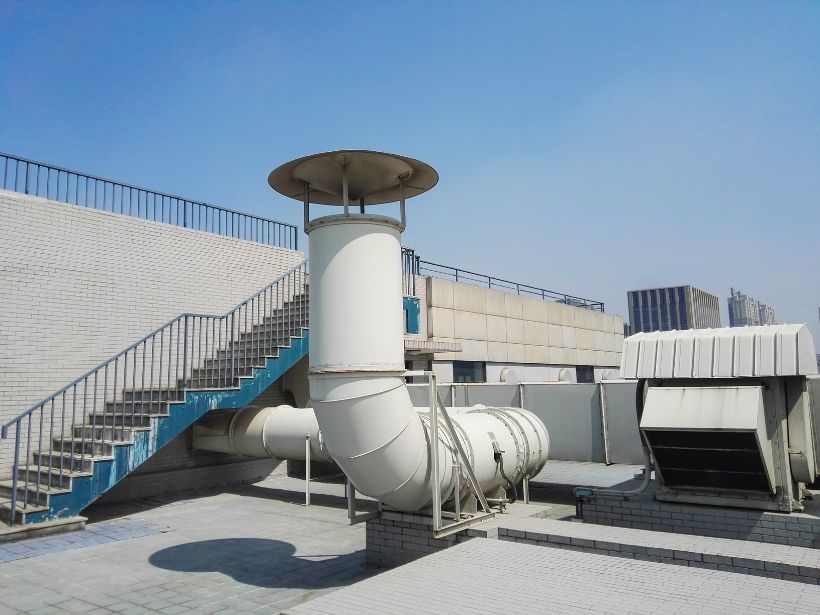
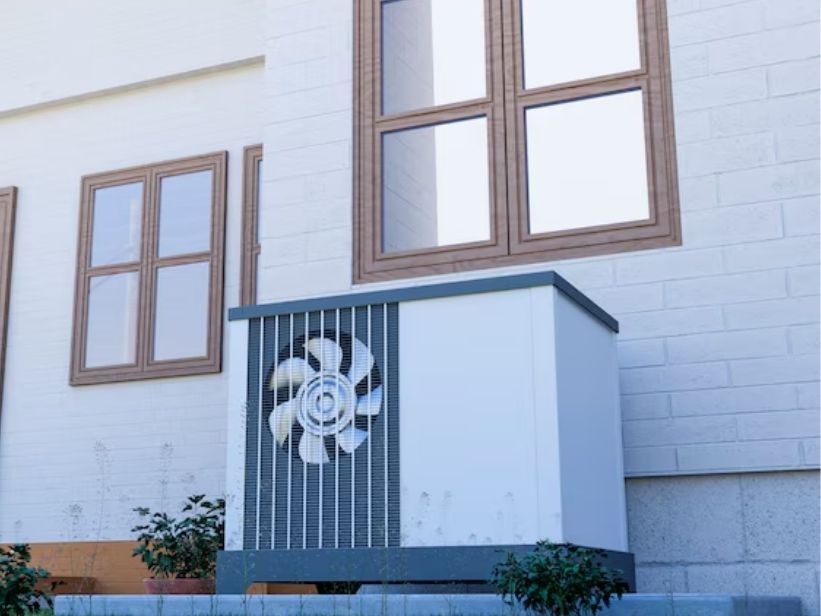
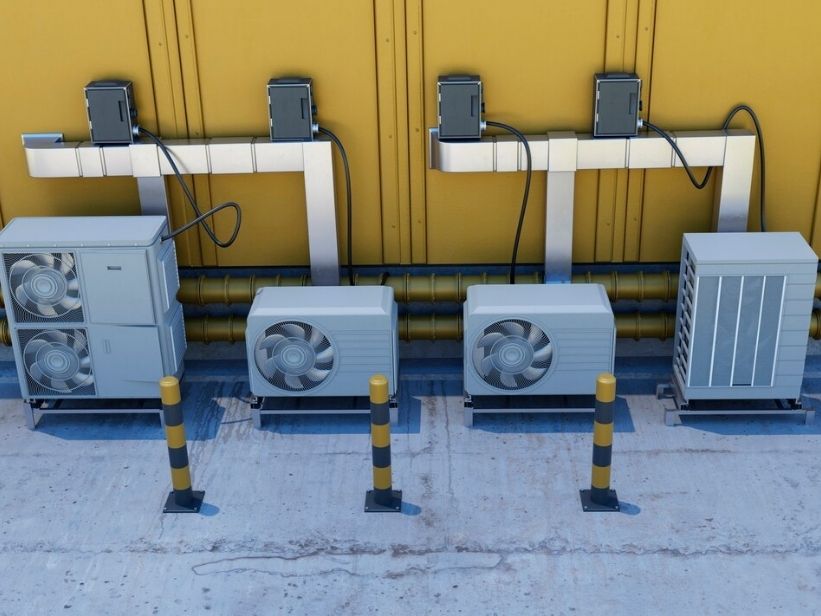
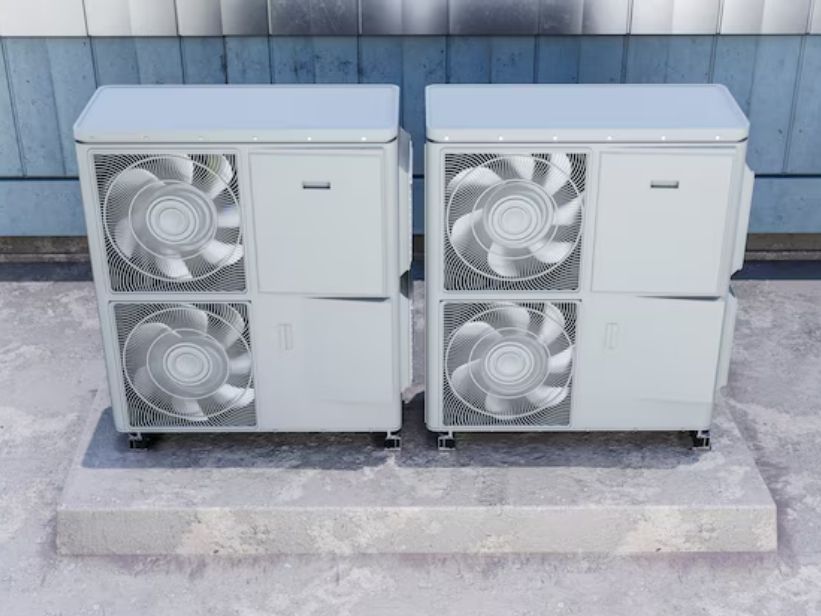
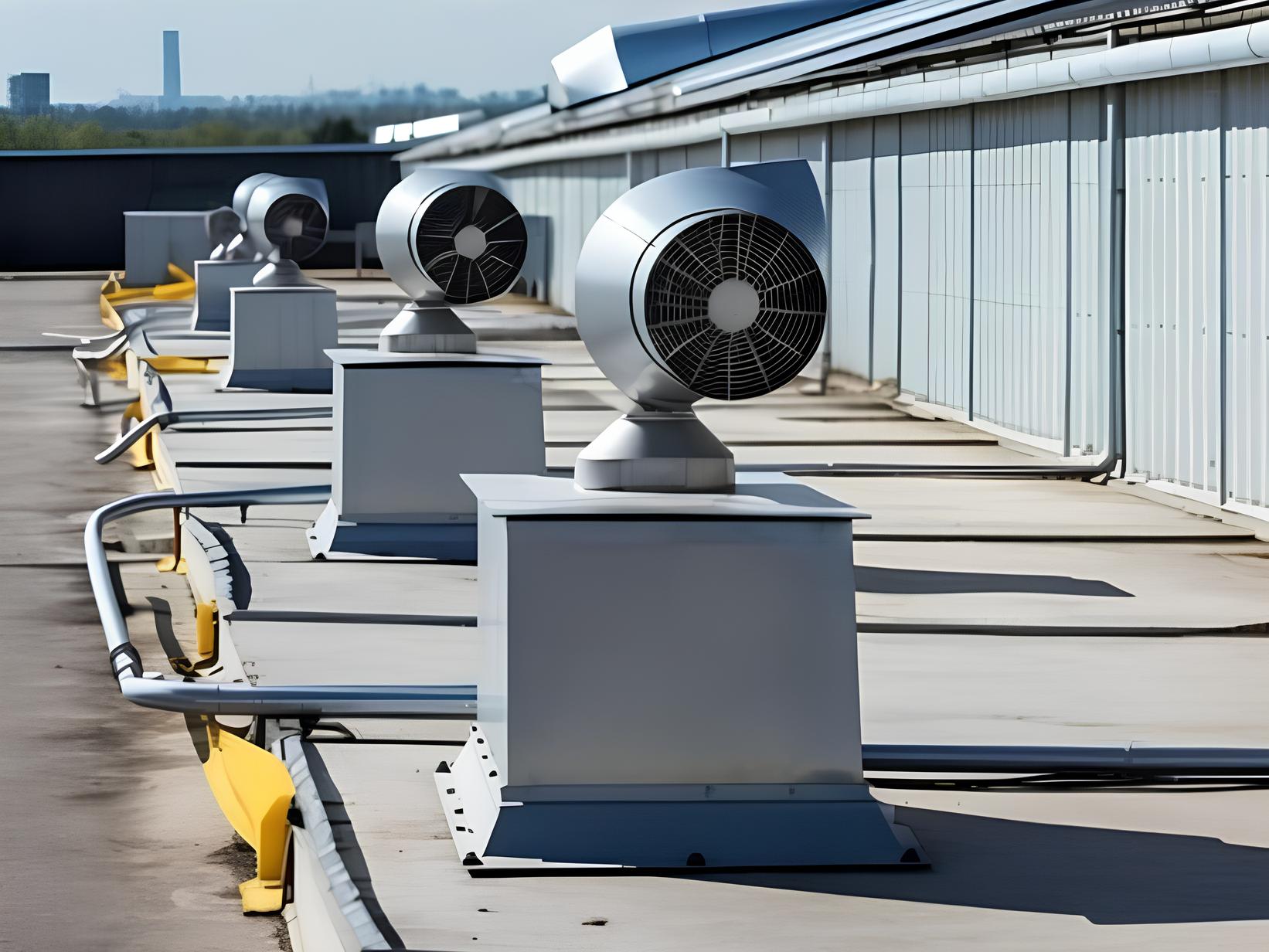
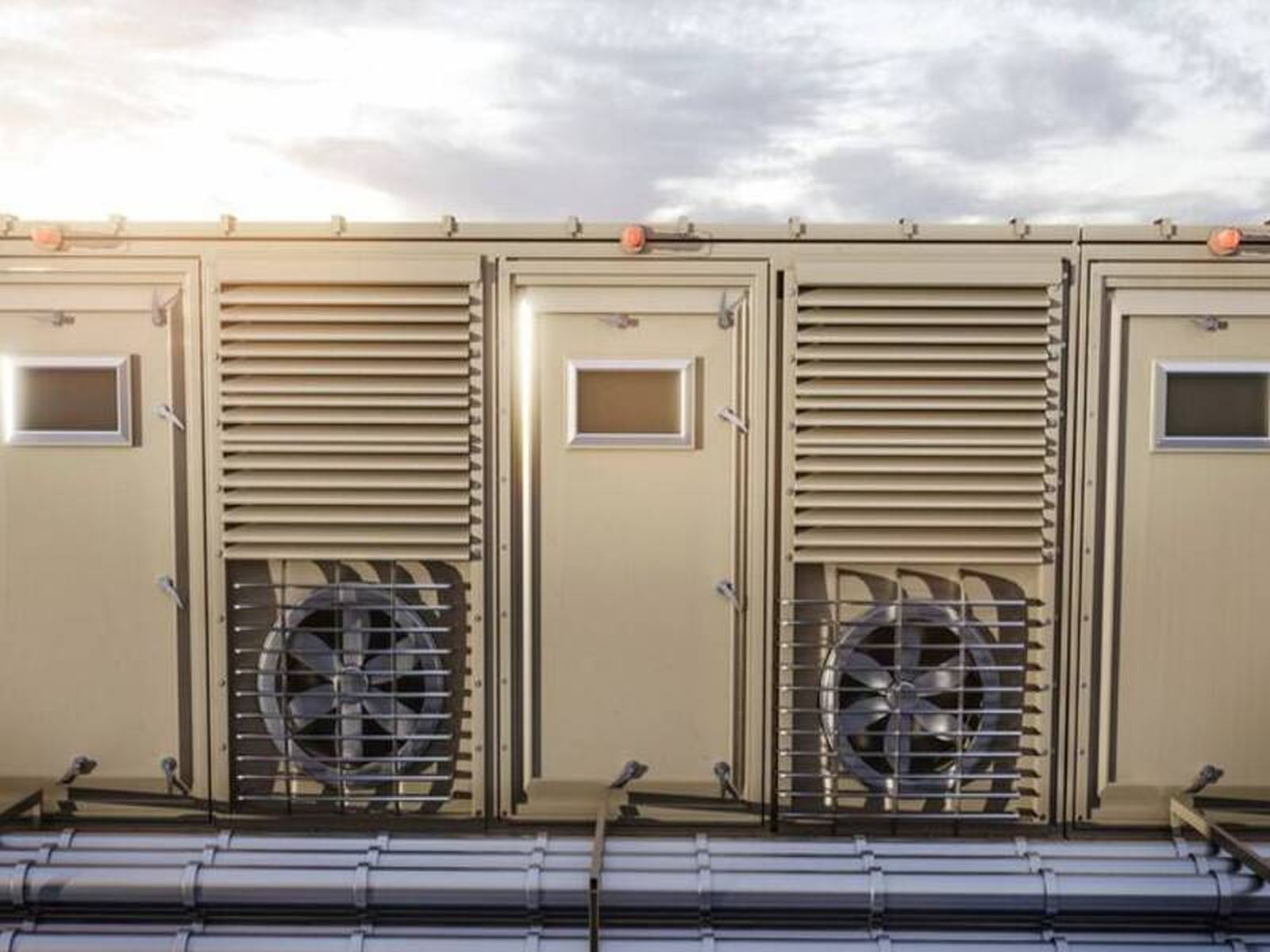
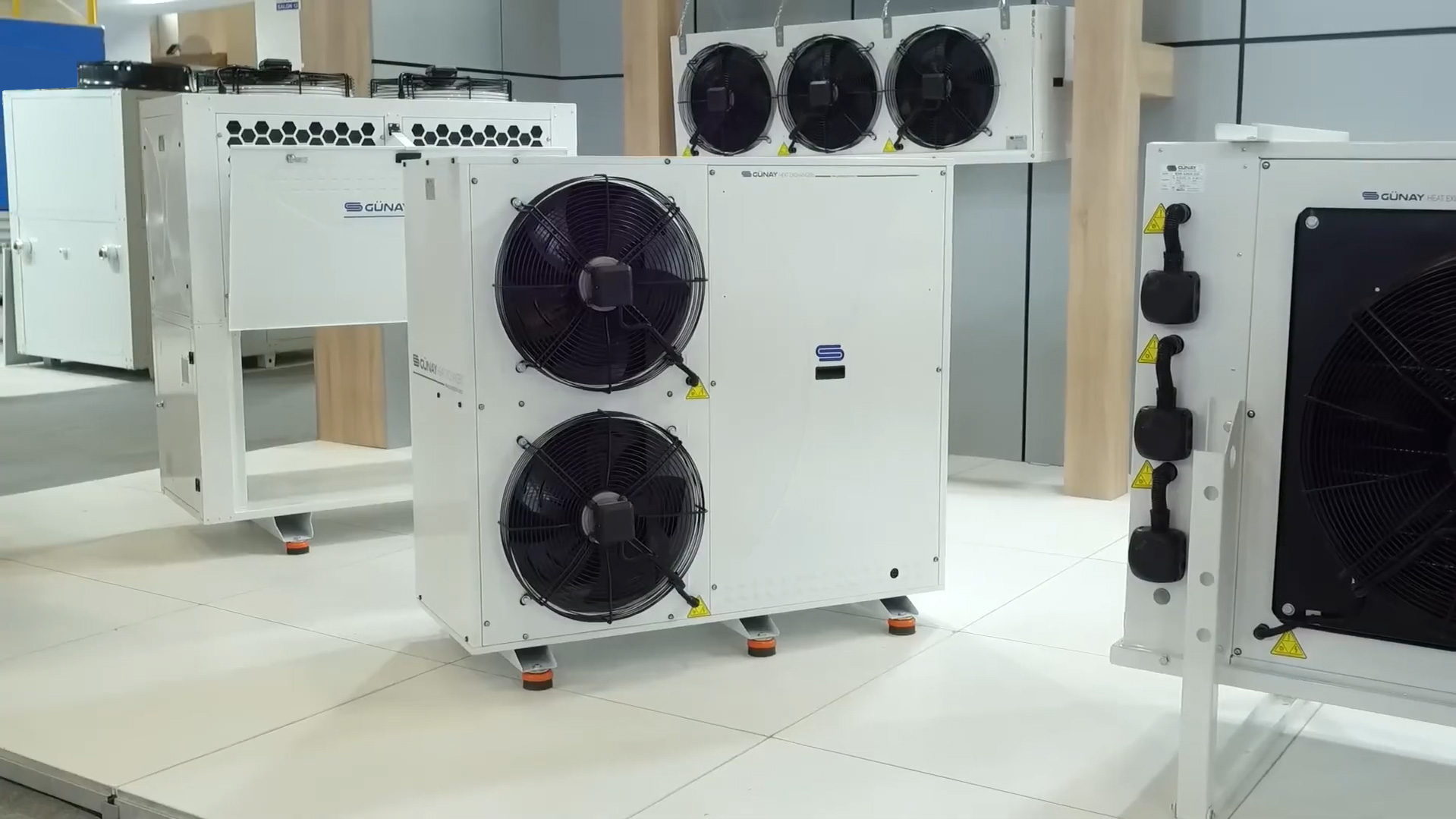
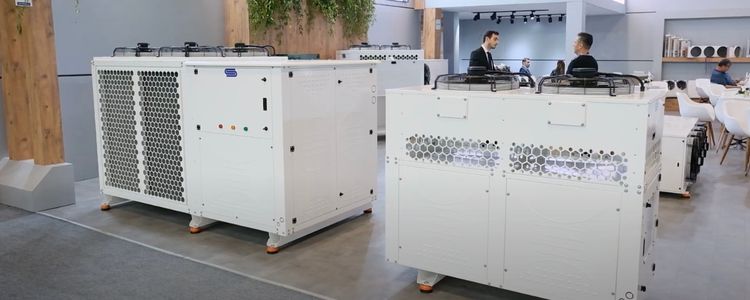
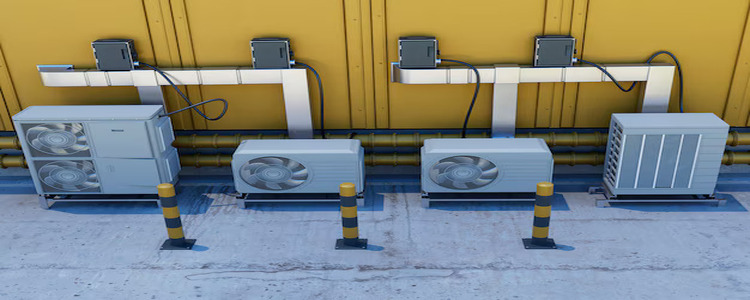
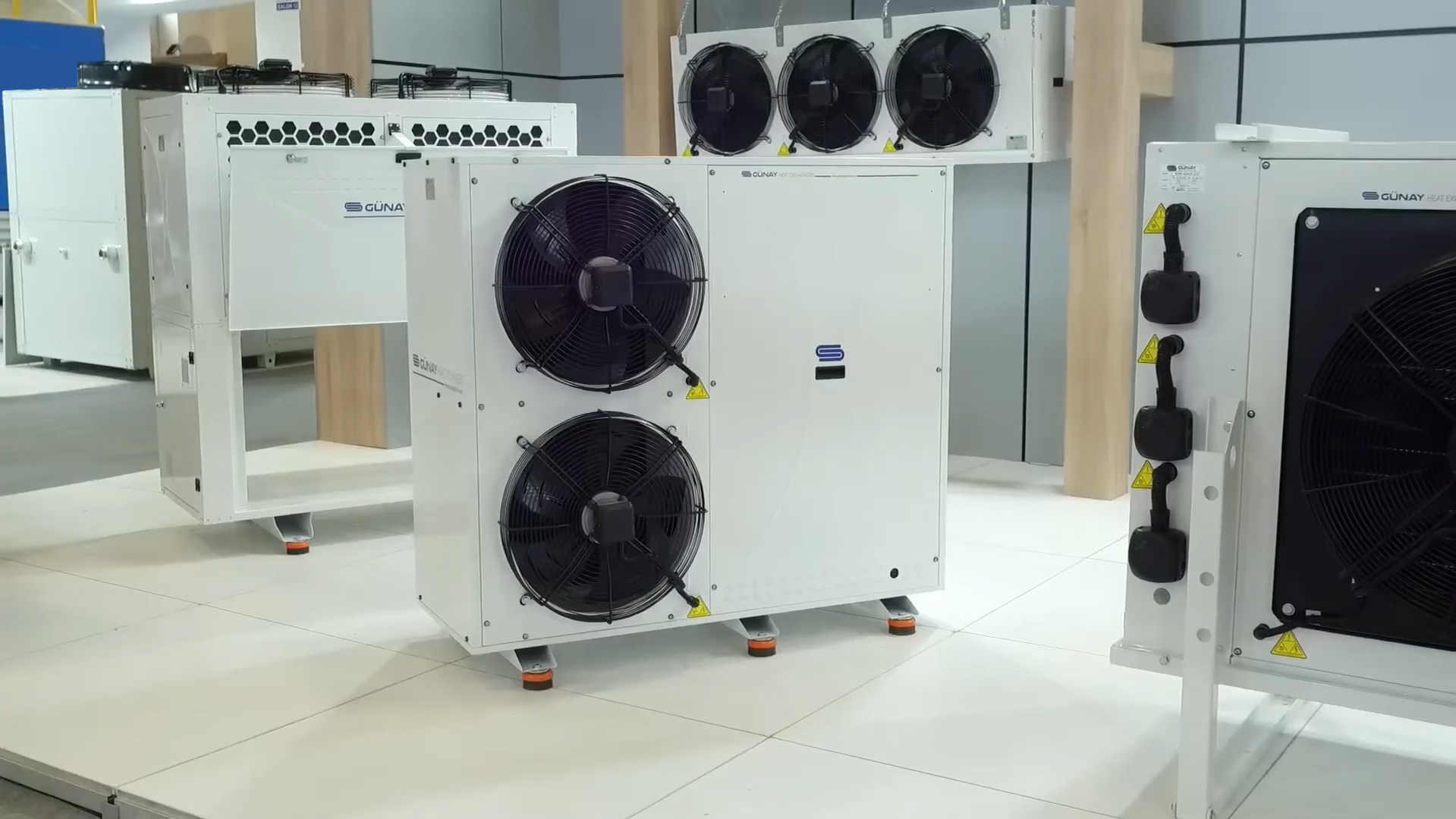
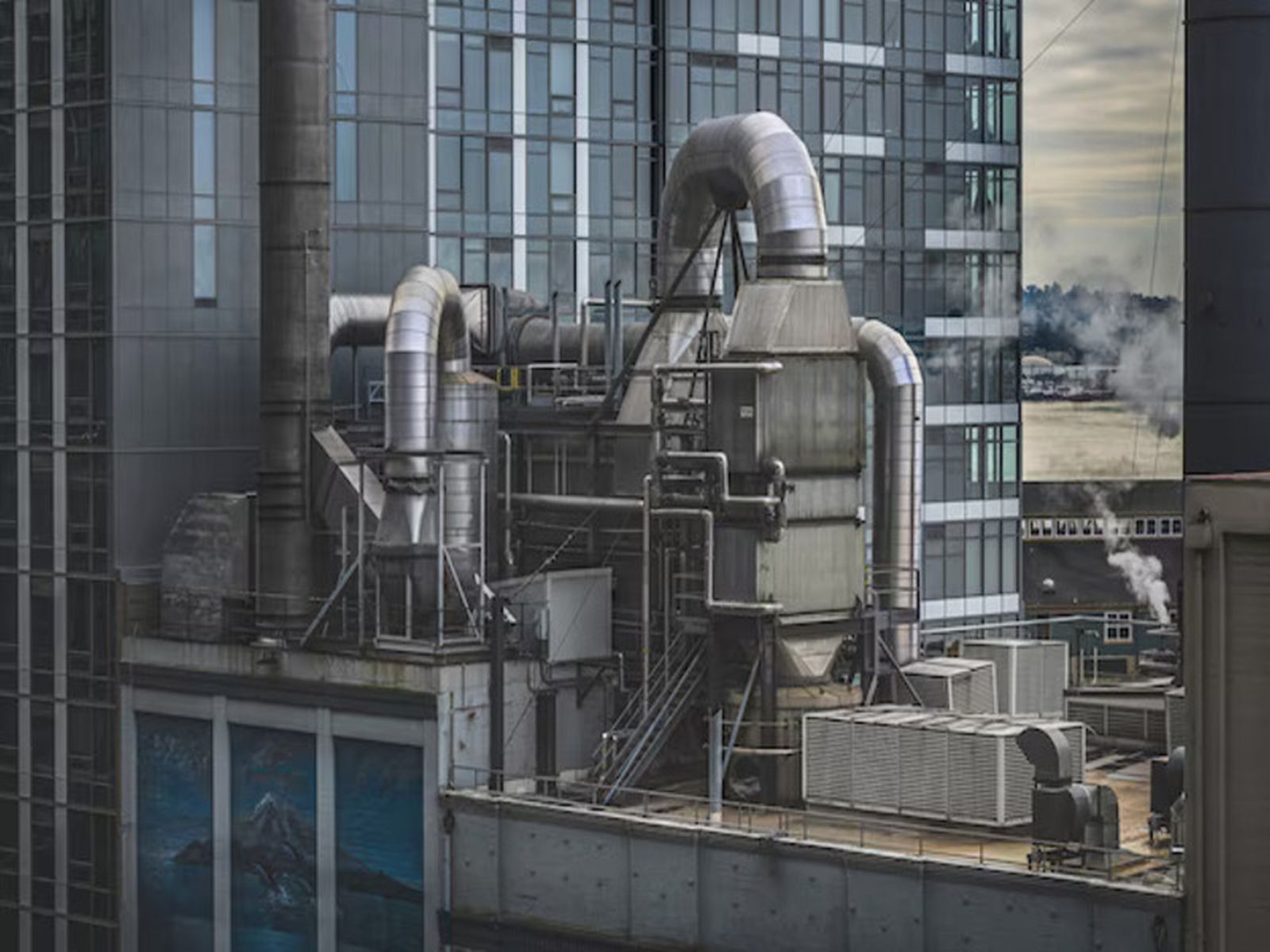
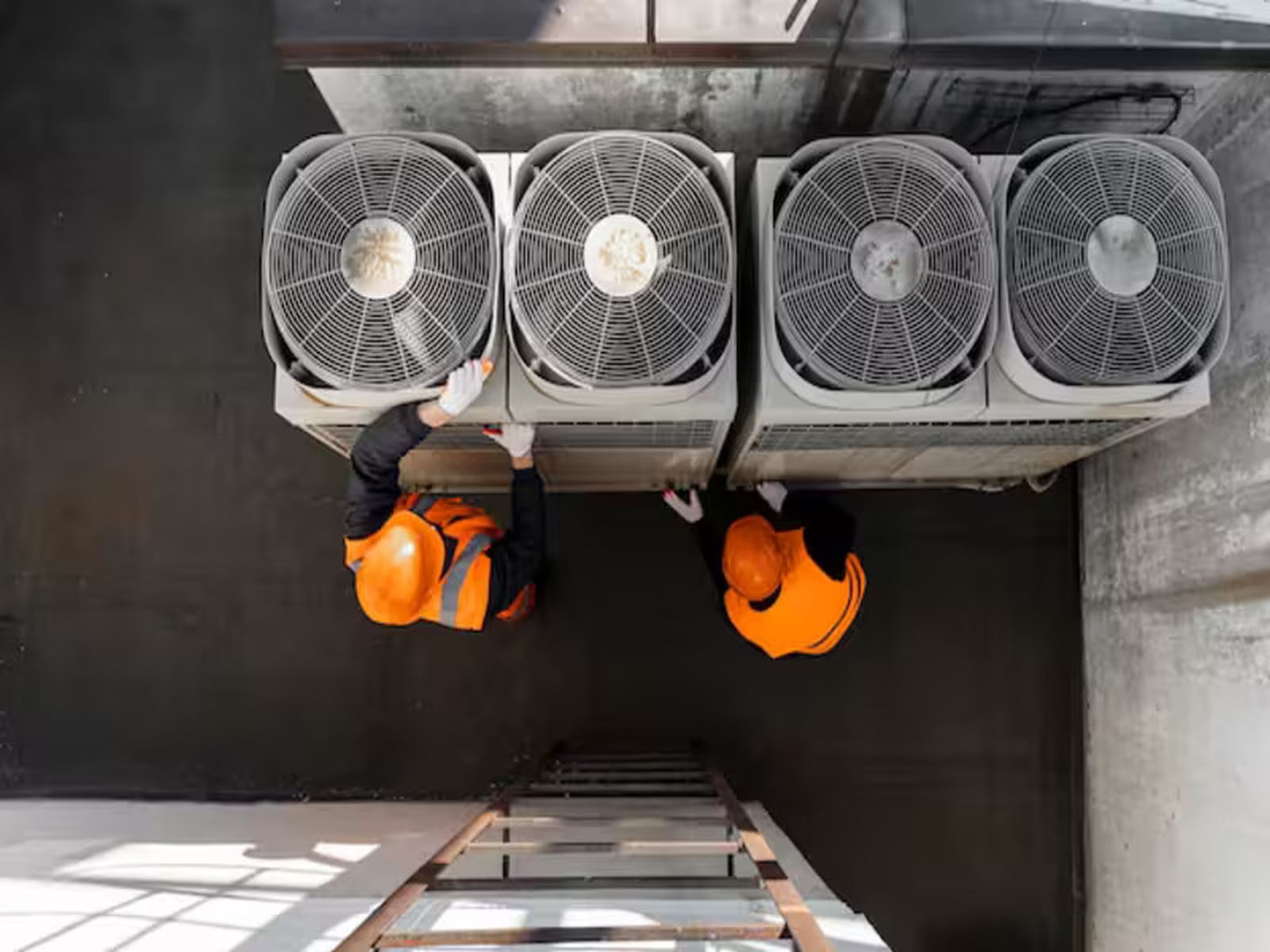
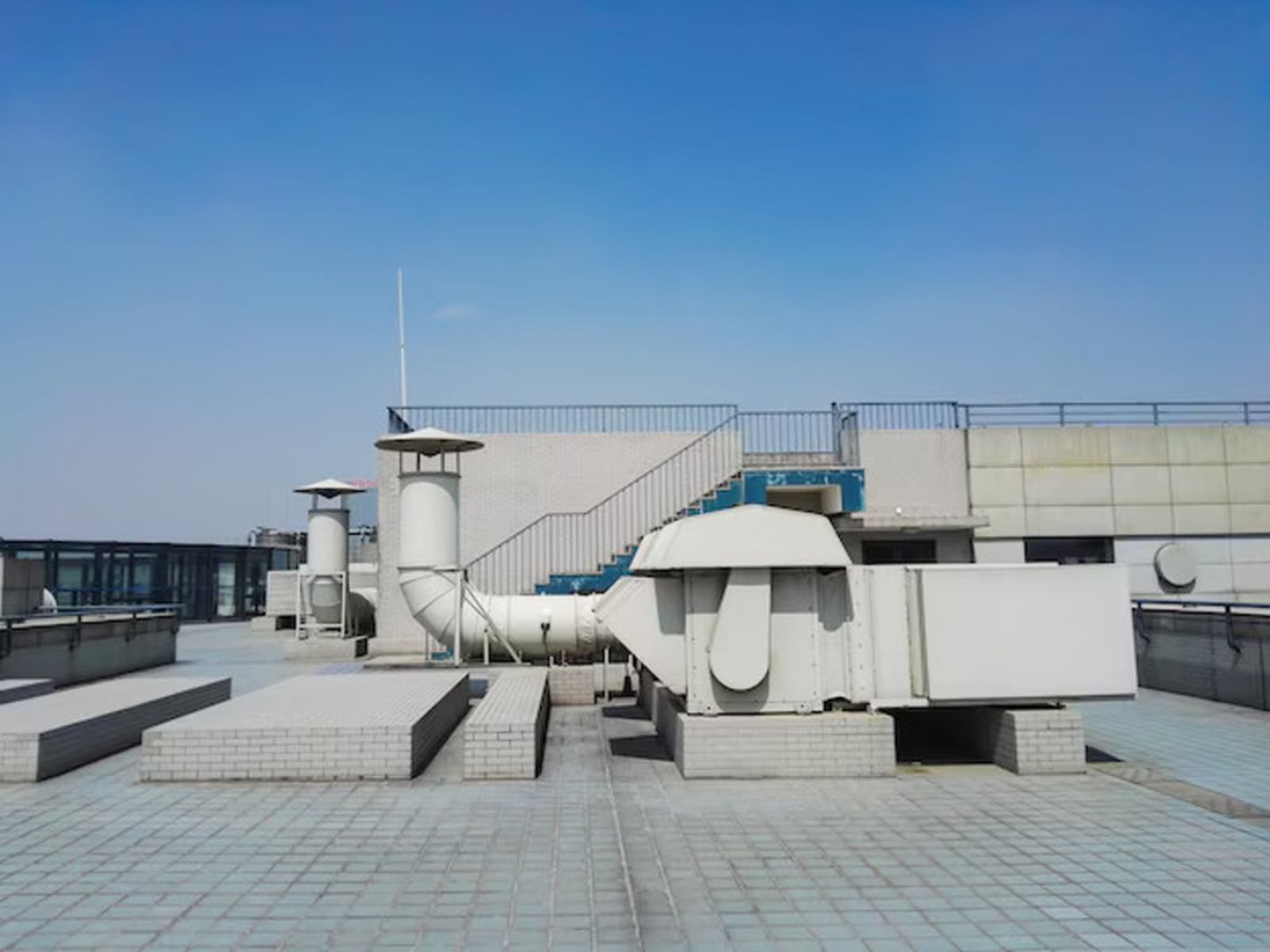
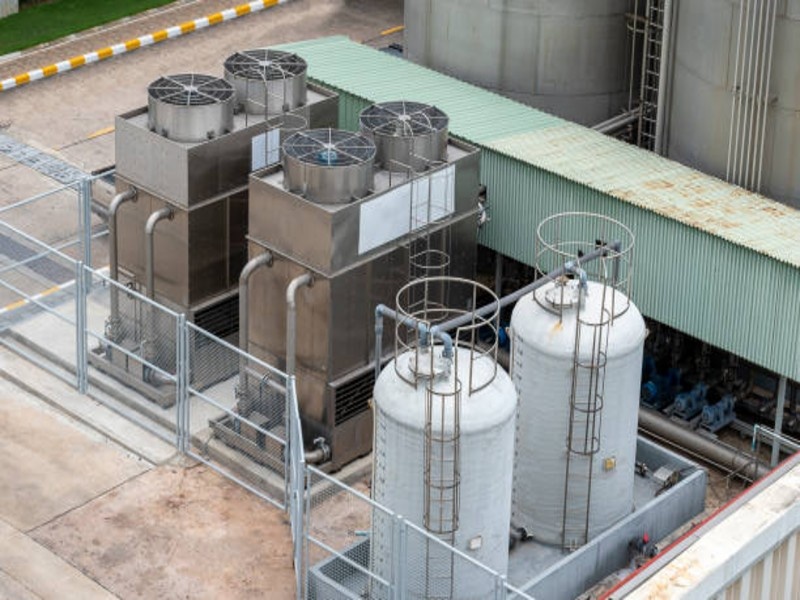
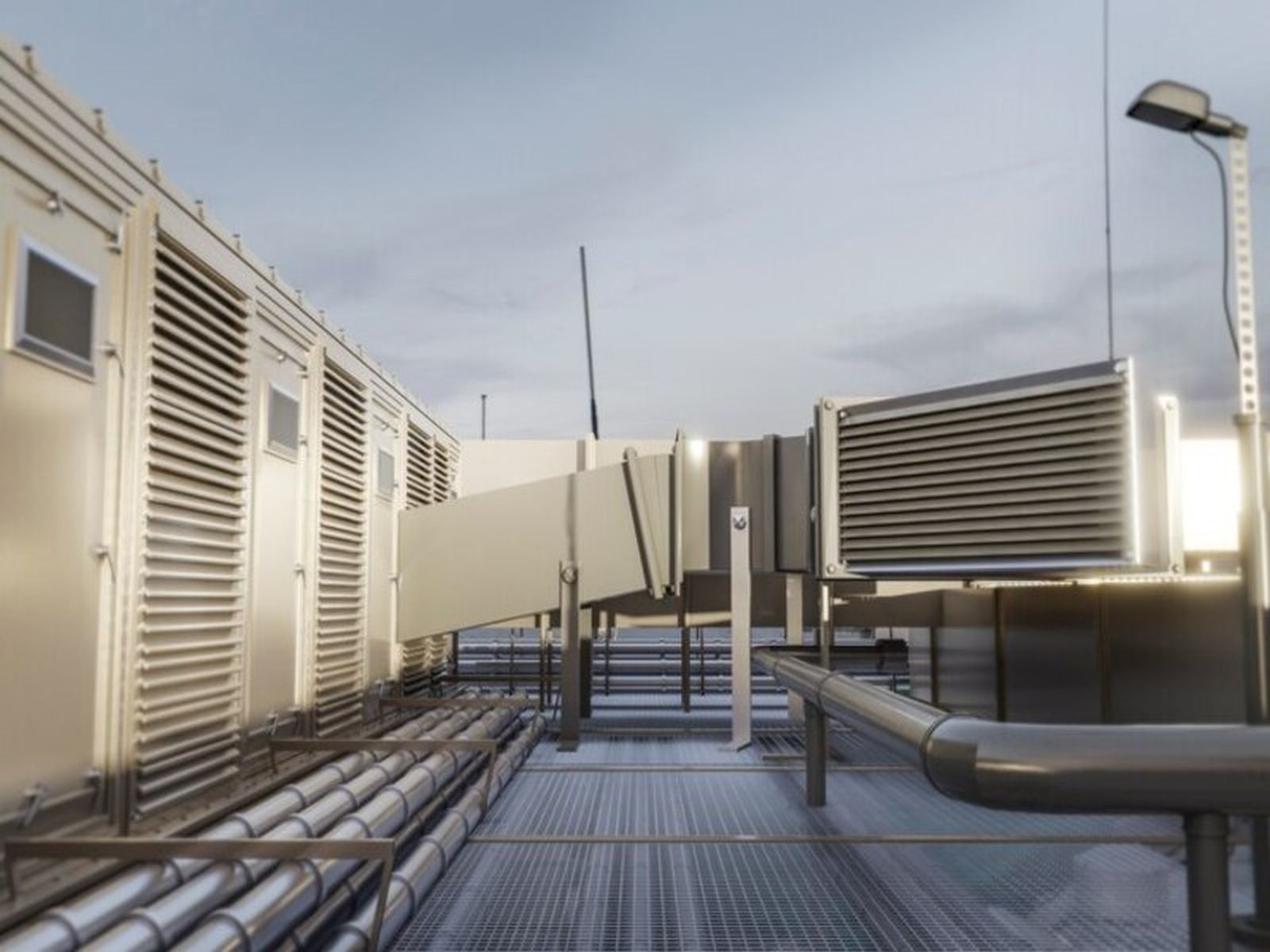
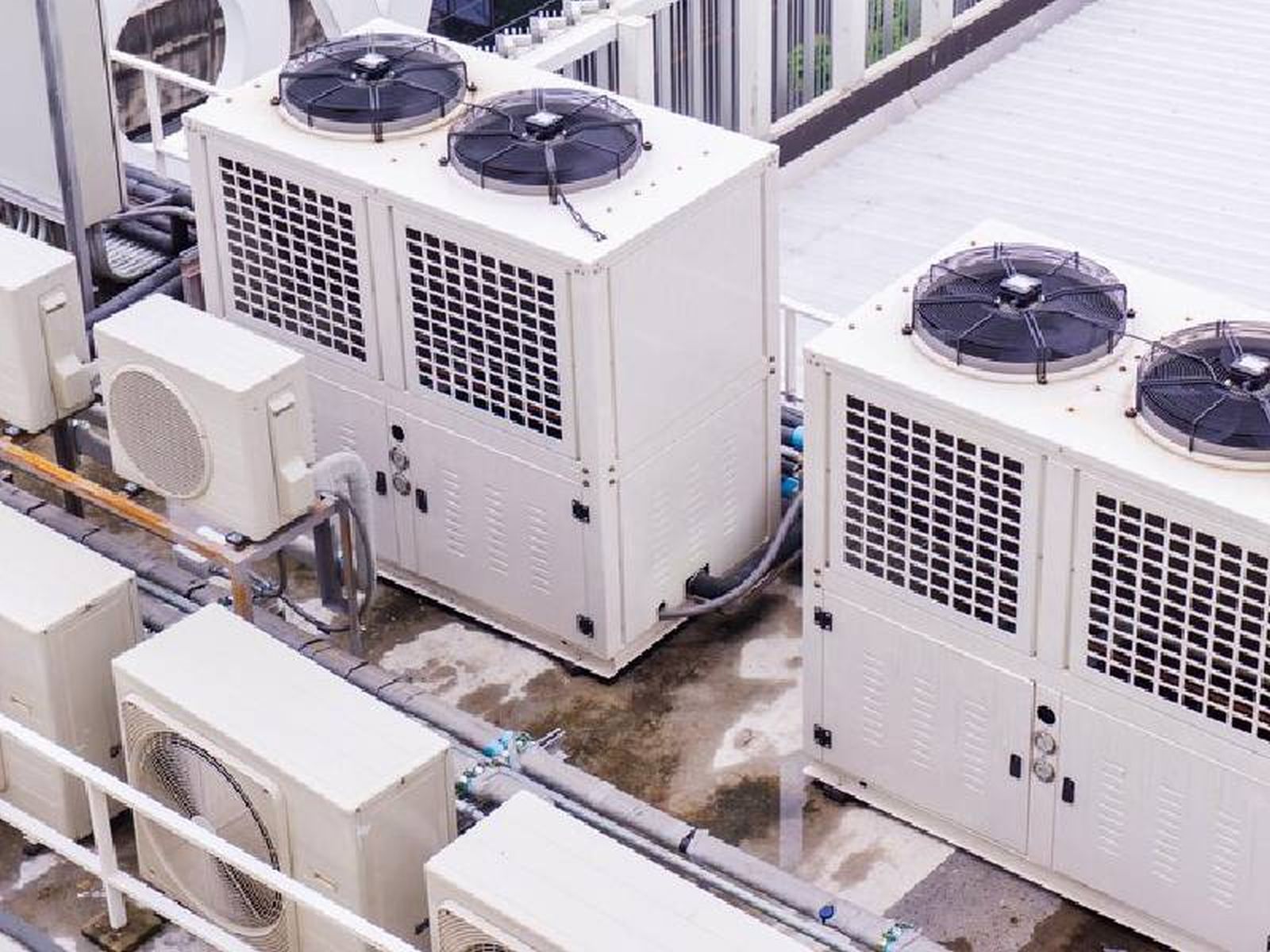
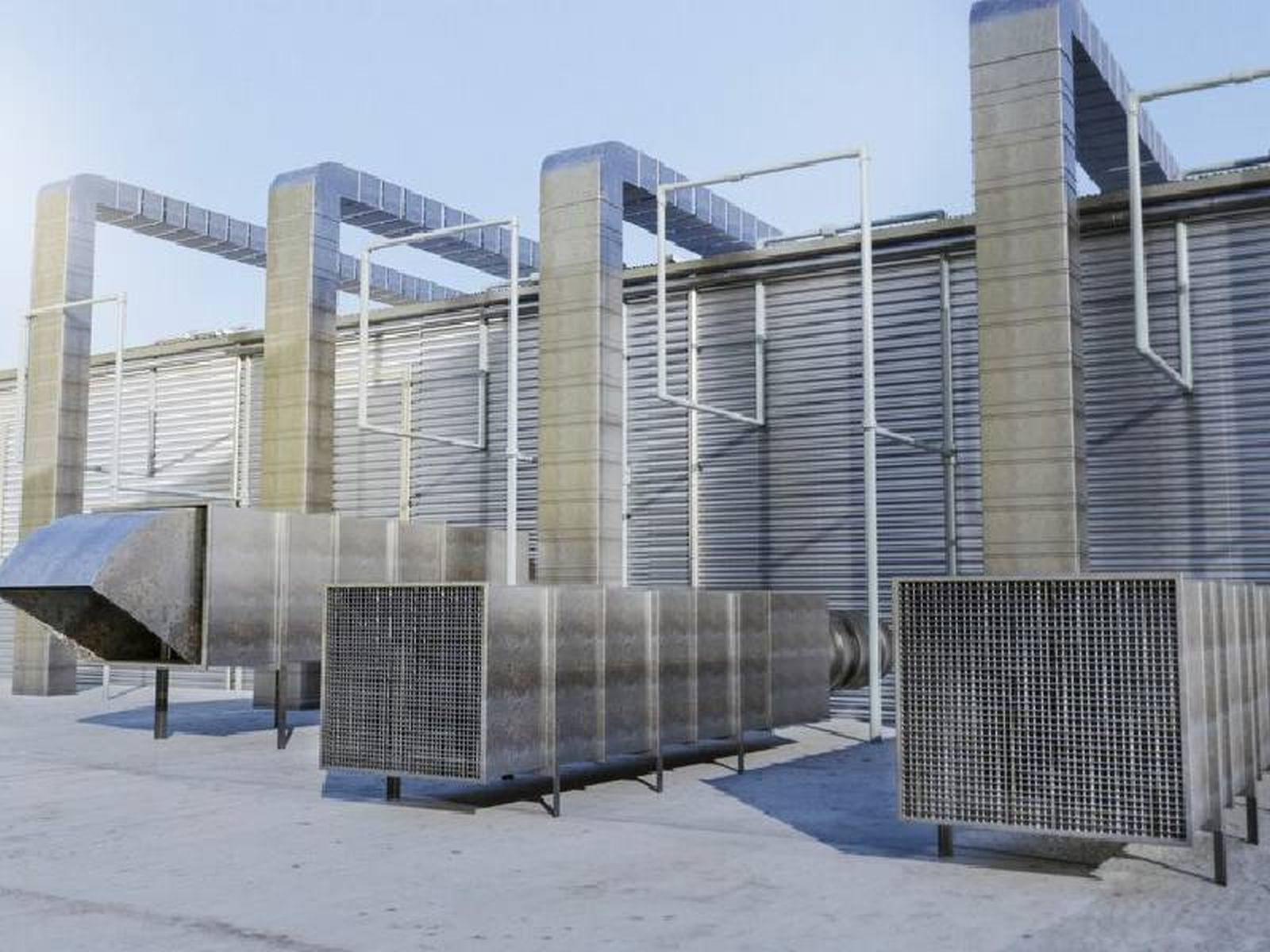
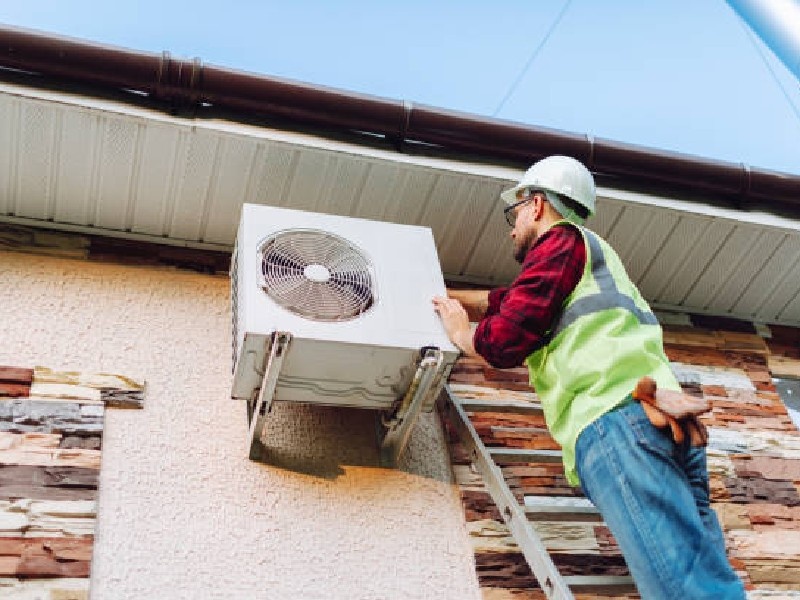
The condensing unit should be placed in an outdoor area where it can draw in enough clean air, where the hot air it discharges will not be drawn back in, and which is accessible for maintenance. A condenser placed inside a closed kitchen or in a poorly ventilated storeroom can operate inefficiently due to high ambient temperature and adds extra heat load to the kitchen.
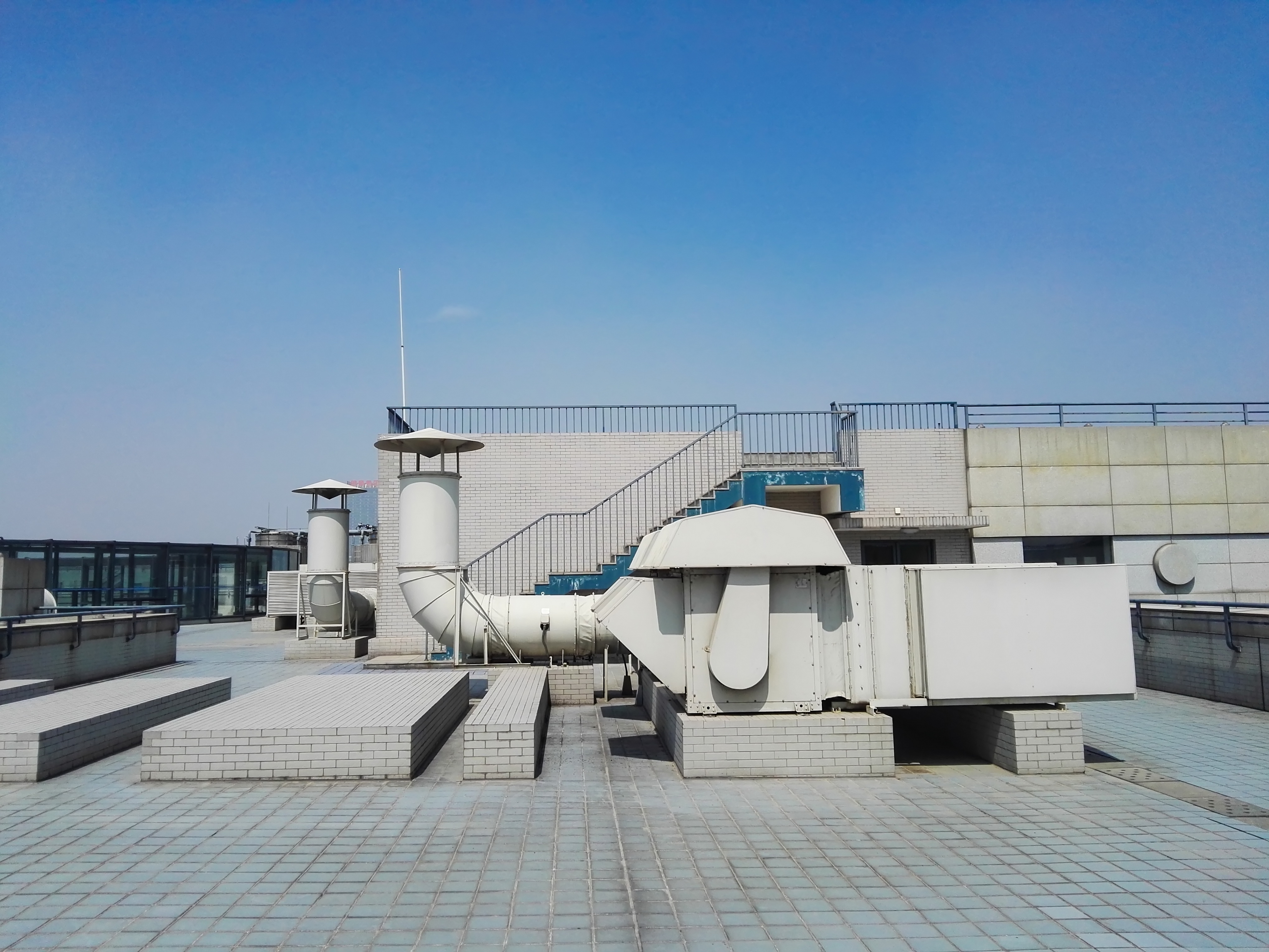
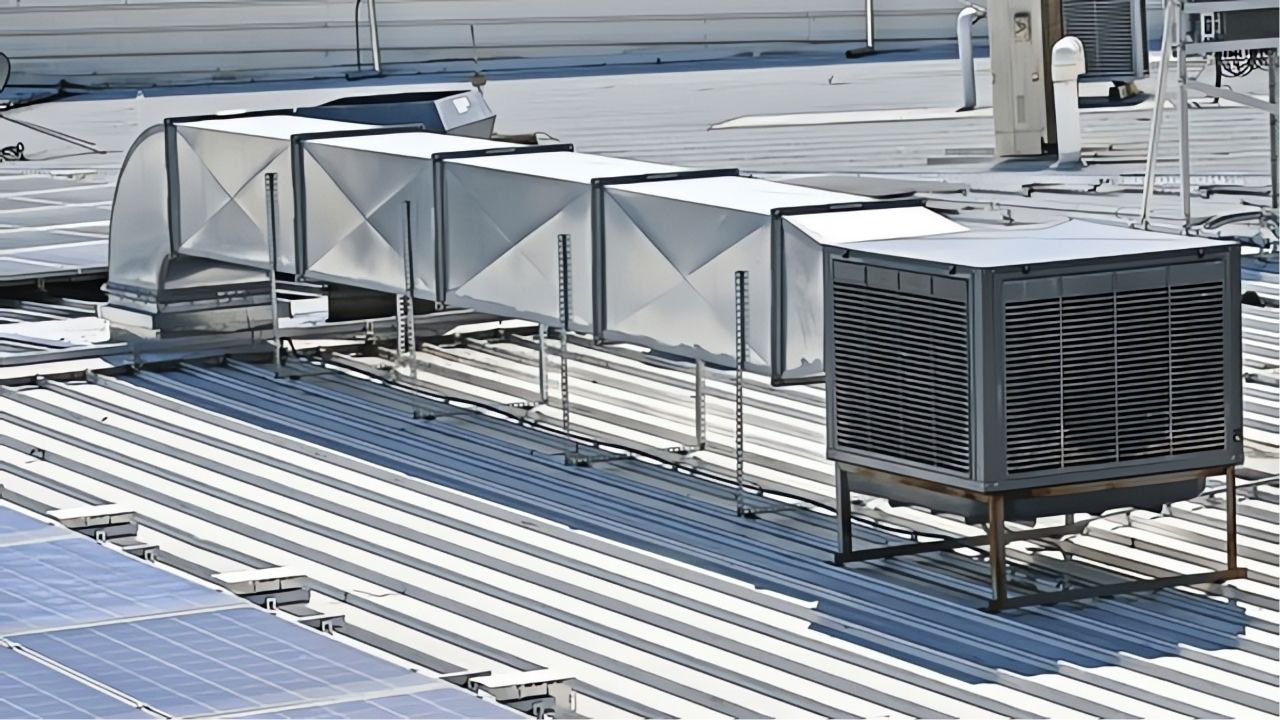
When options such as the roof, courtyard or technical area are evaluated in hotels and restaurants, noise impact on neighboring buildings and guest areas, piping distance and height difference should also be taken into account. Feeding several rooms from a single central unit or giving each room its own unit should be compared according to space and redundancy needs.
How Are Noise And Hygiene Managed In A Kitchen Environment?
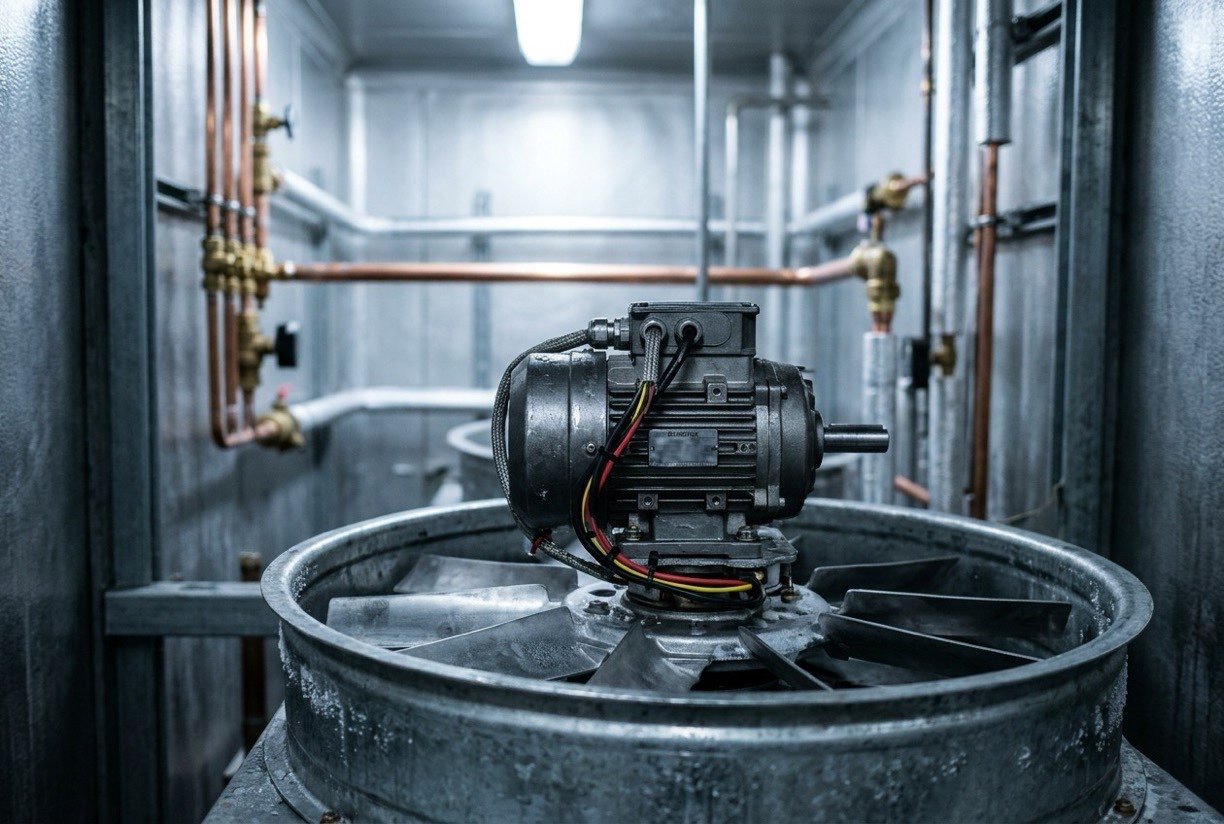
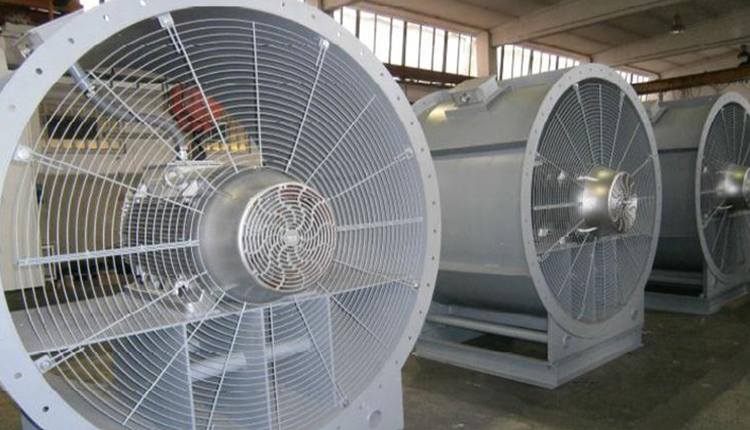
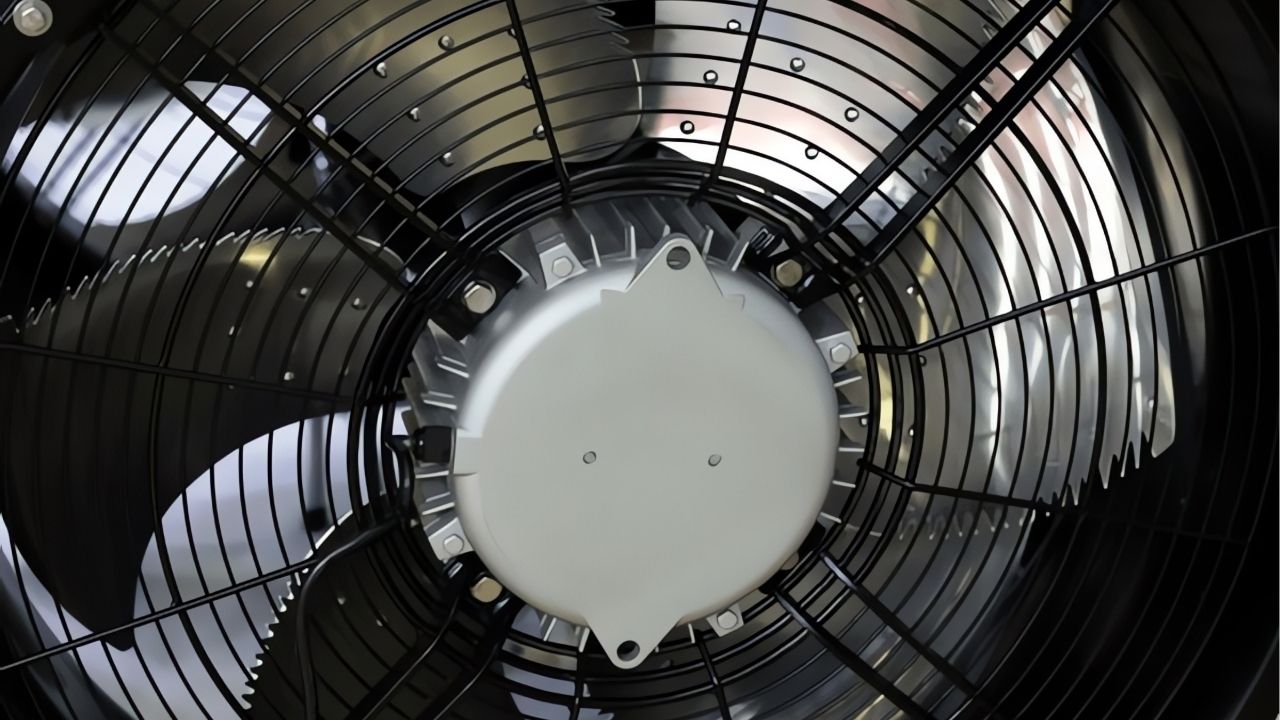
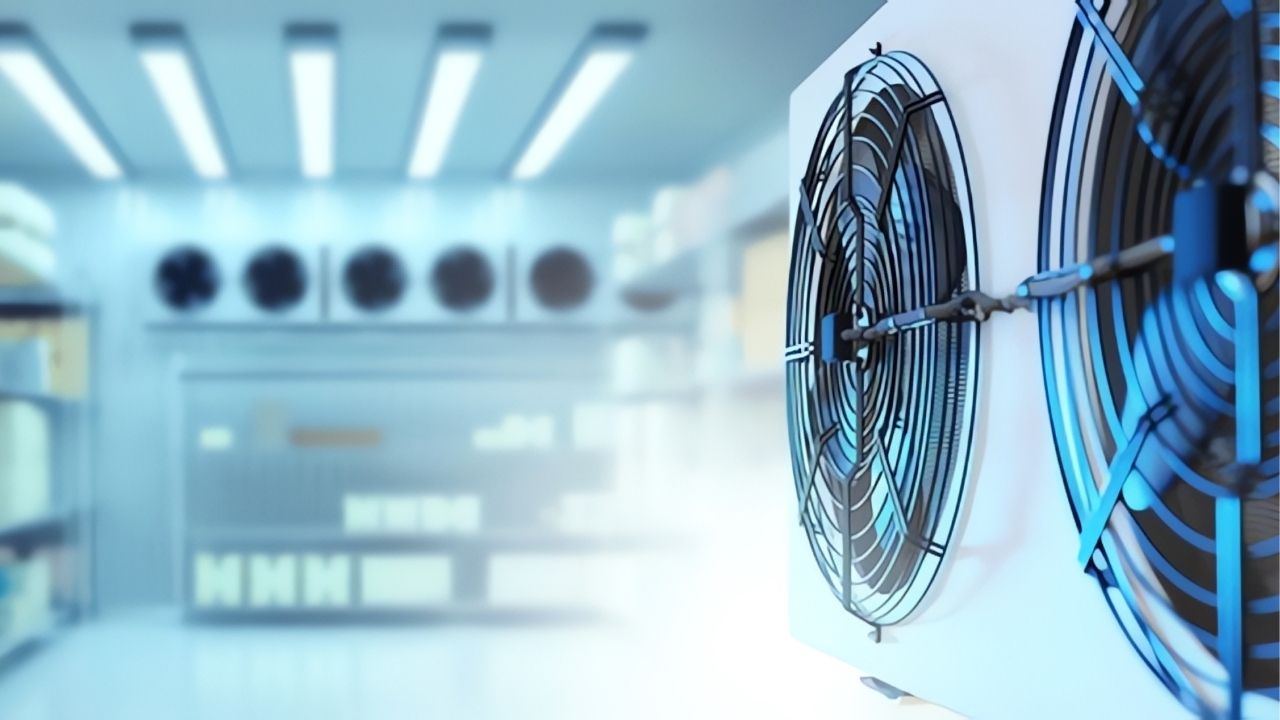
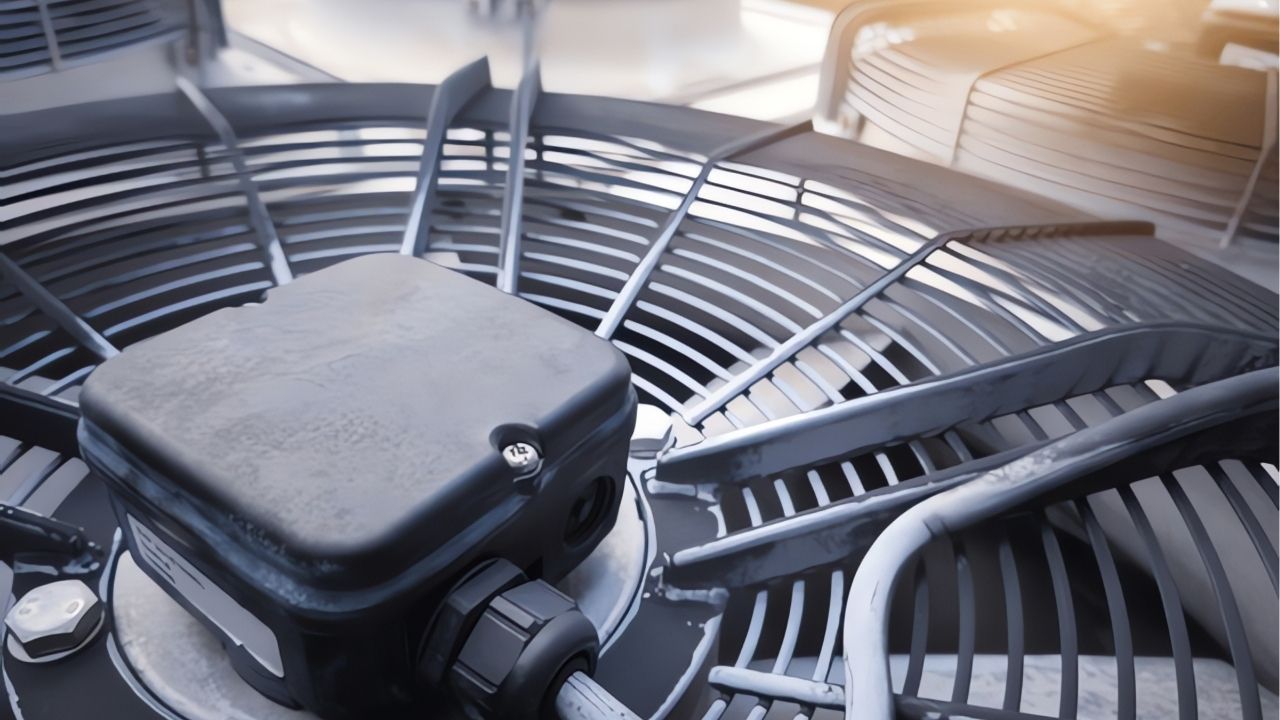
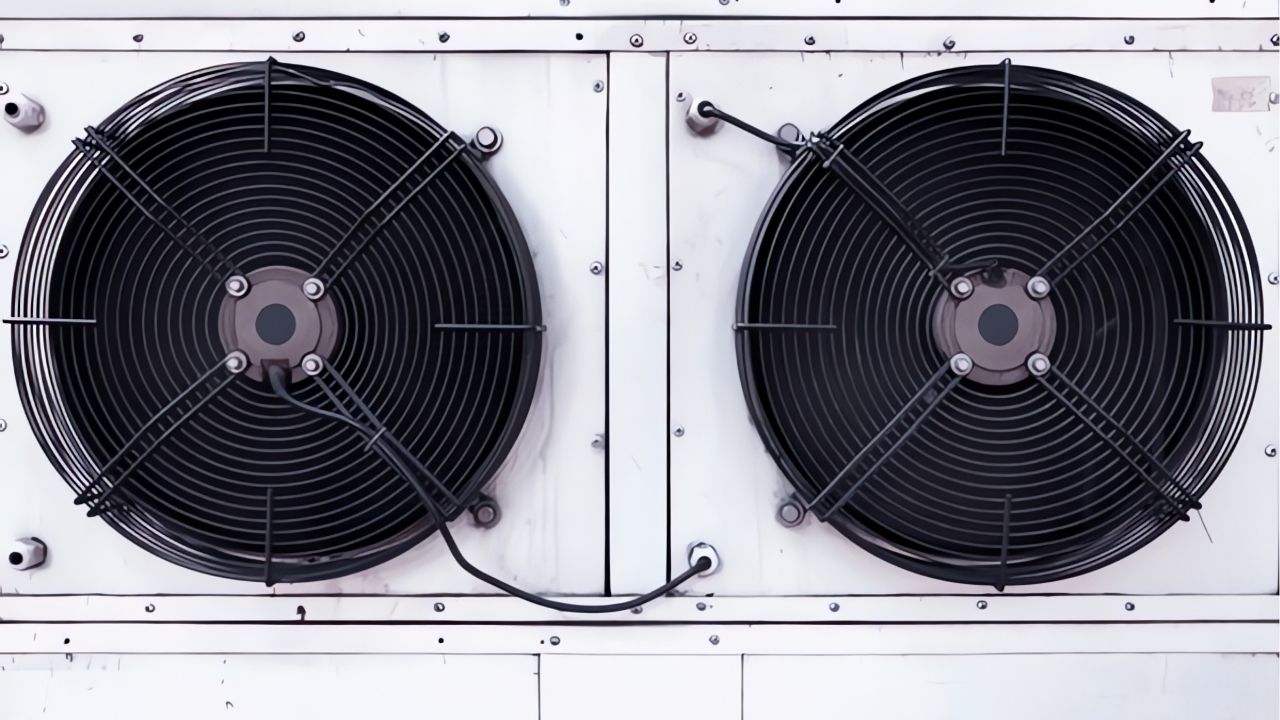
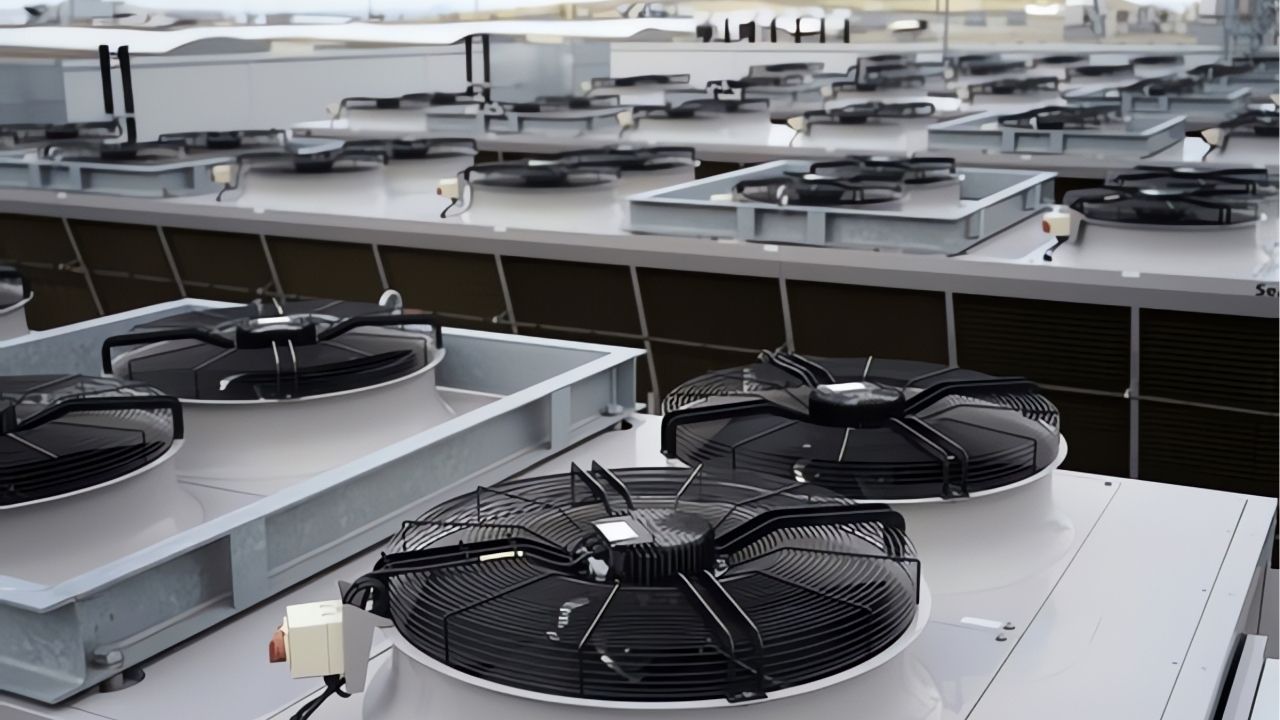
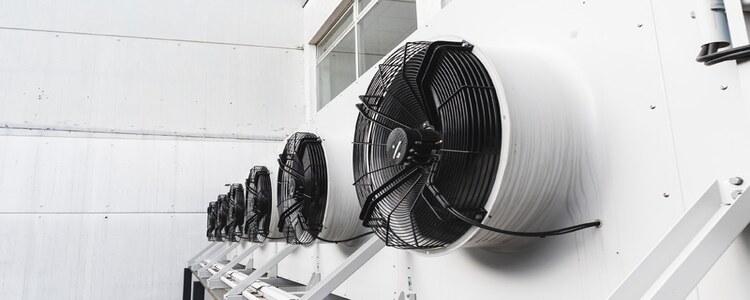
Noise is managed with low-noise fans and appropriate positioning; hygiene is managed with easy-to-clean surfaces, sealed joints and a properly working drainage system. In restaurants with open kitchens or in technical areas close to guest rooms, equipment noise gains additional importance in terms of comfort.
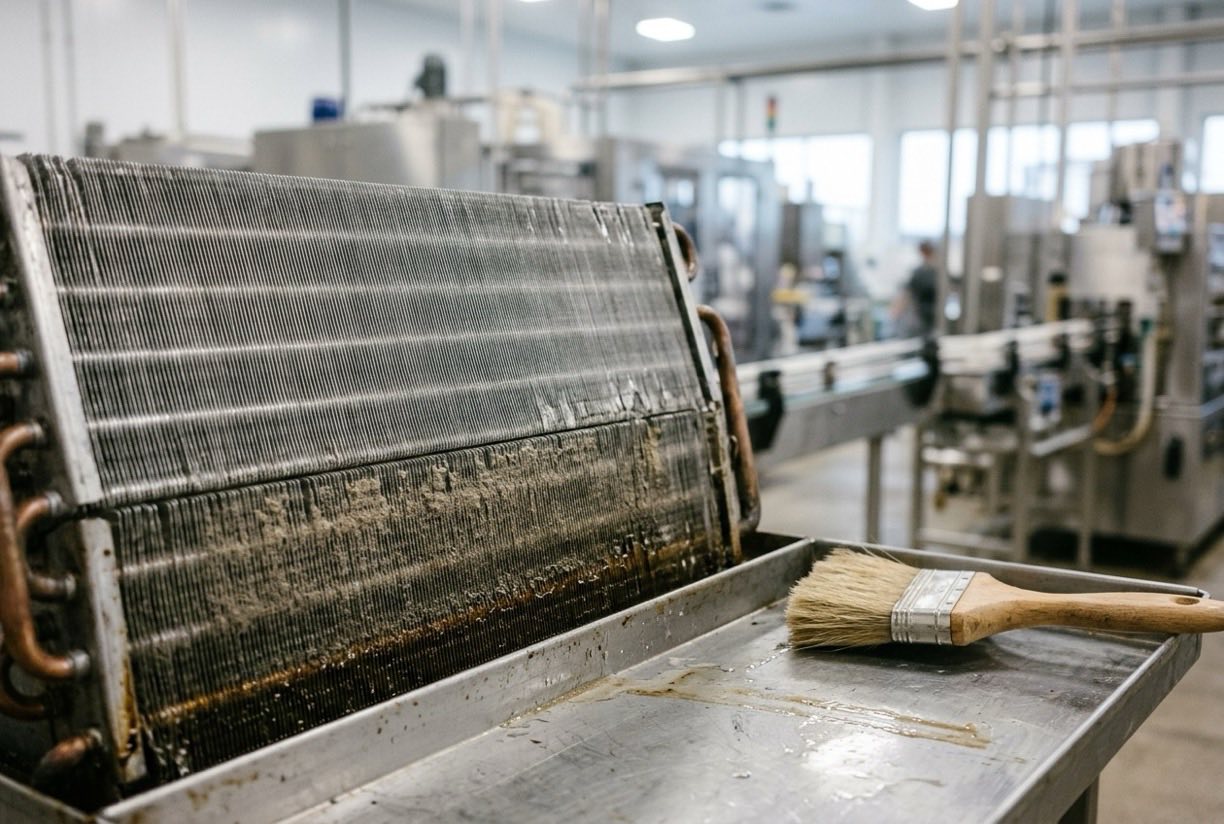
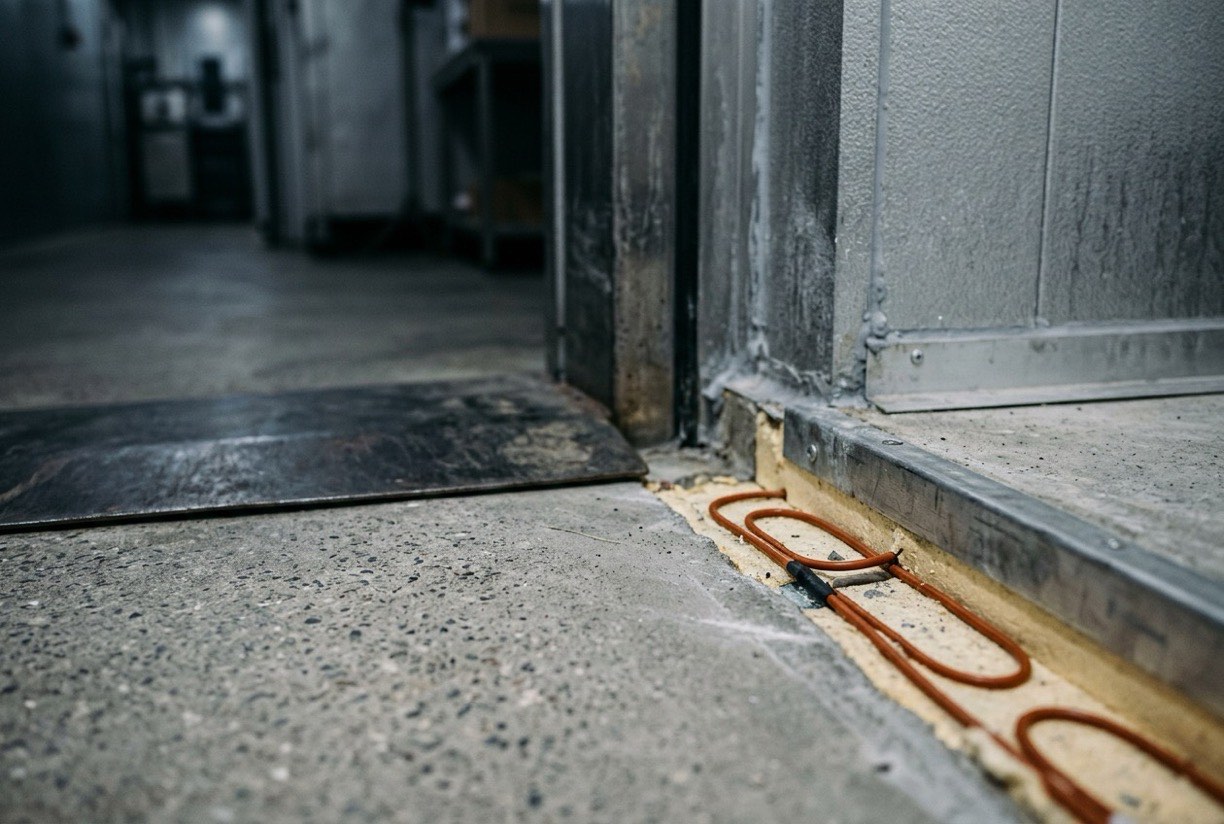
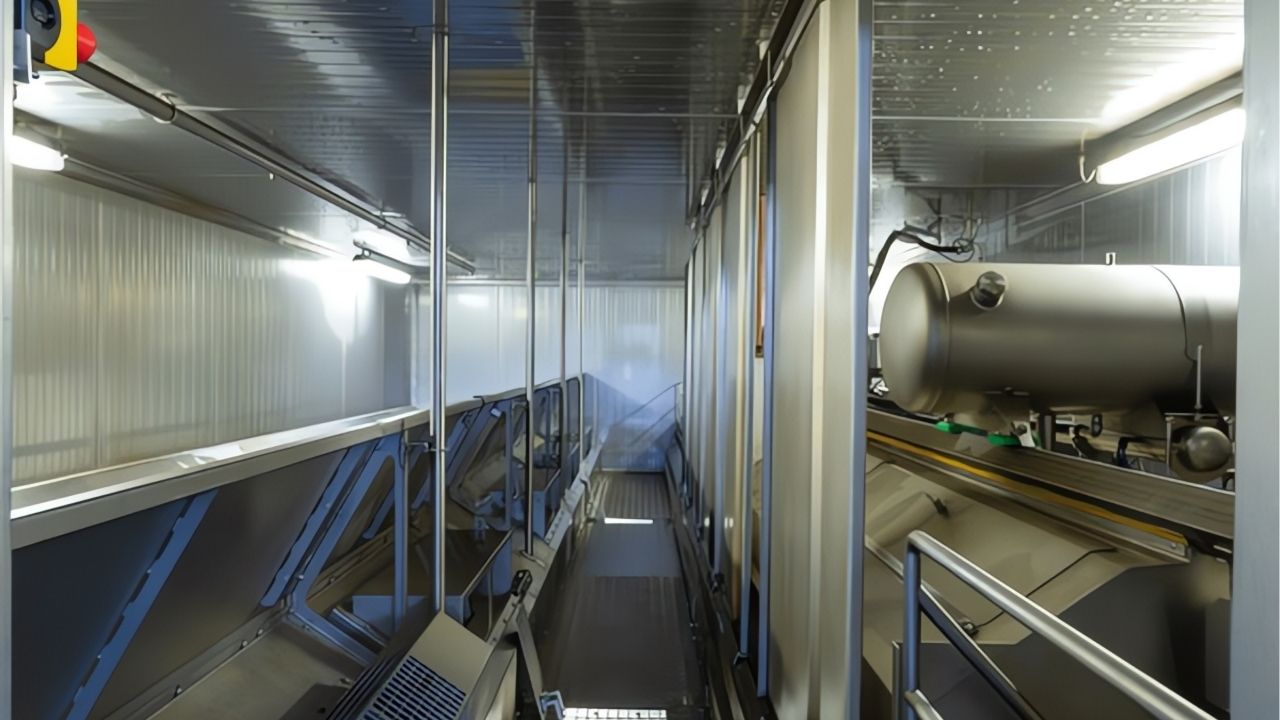
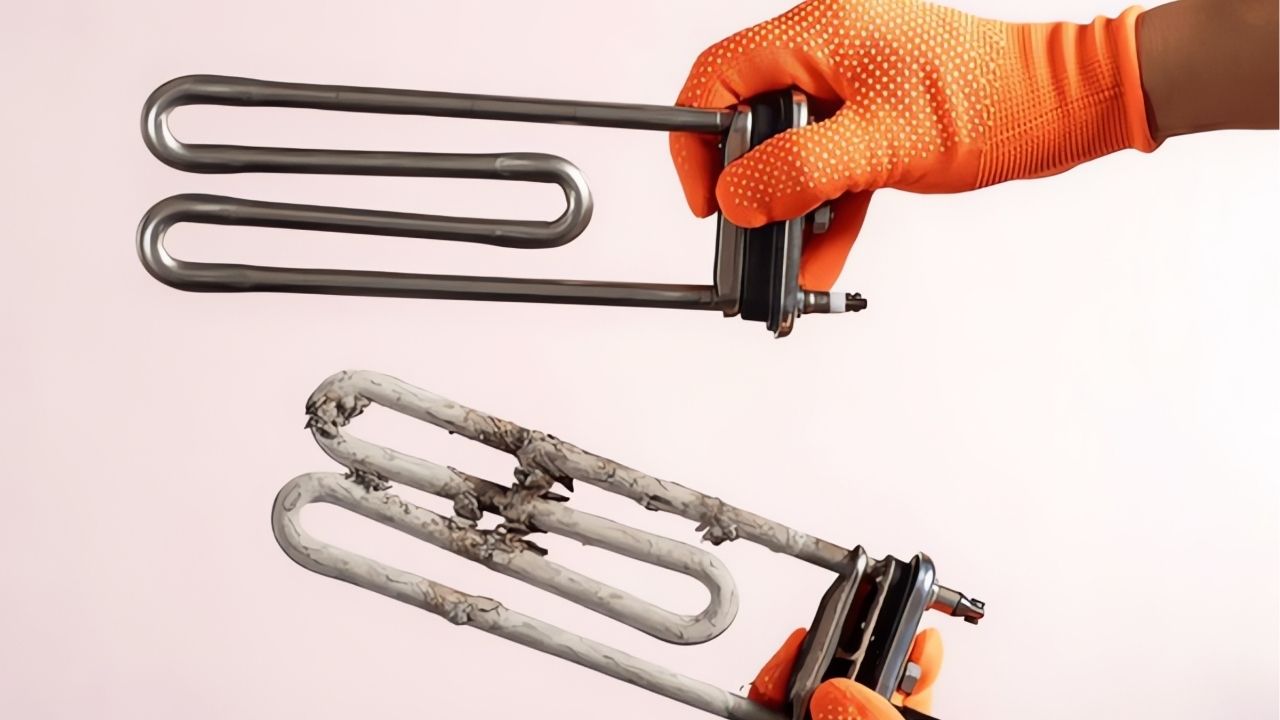
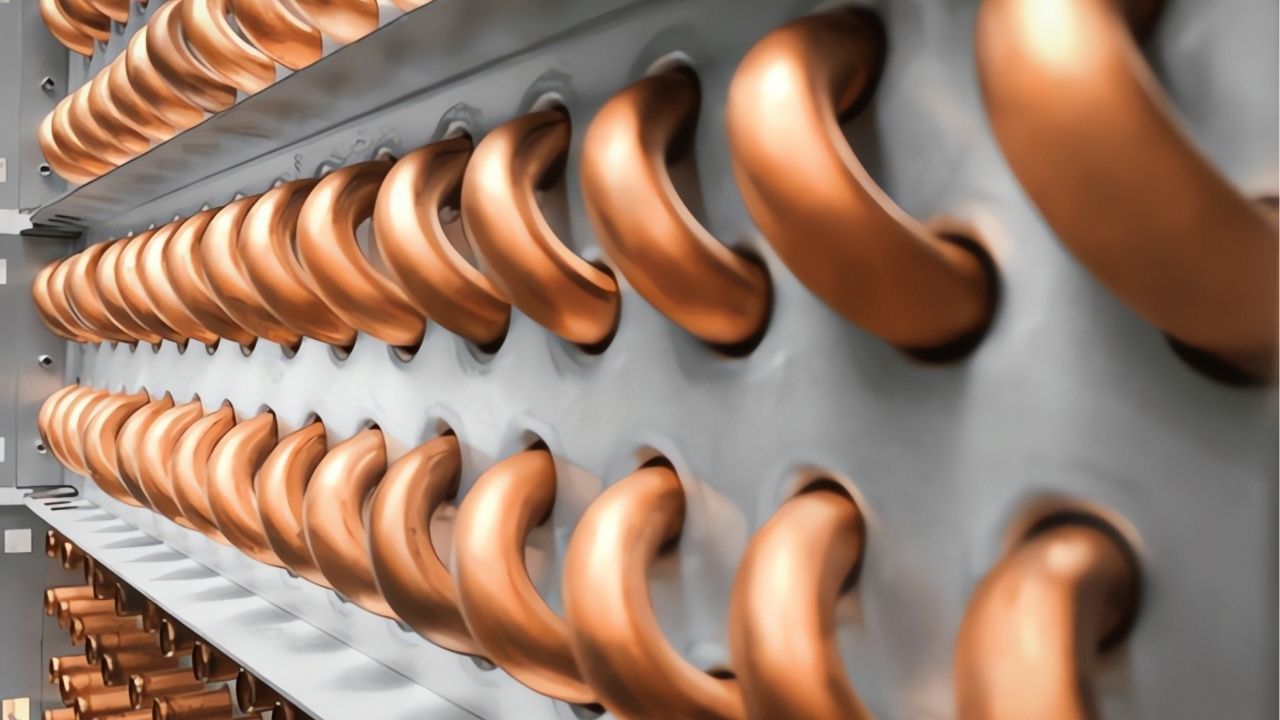
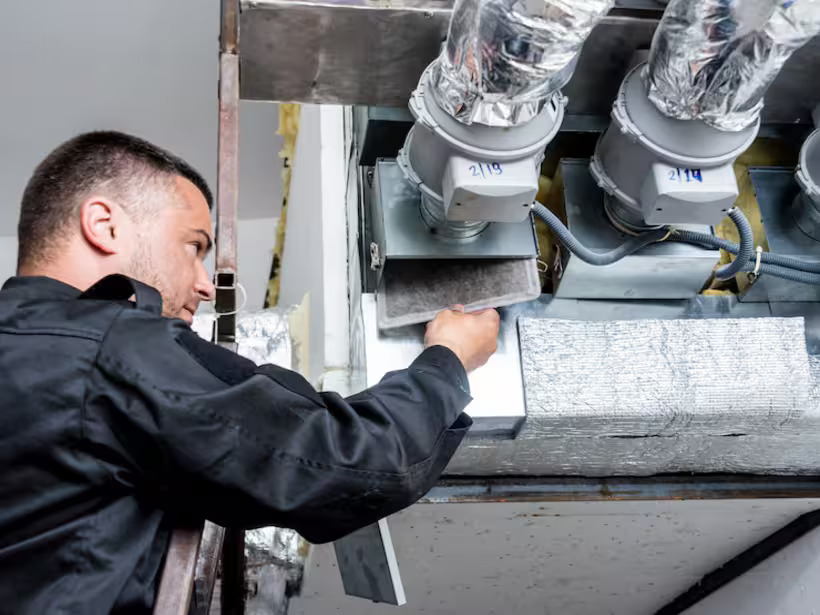
Stainless or food-grade coated shelves inside the room, cleanable details at the floor-to-wall joint and regular inspection of the evaporator drain pan reduce the risk of bad odors and microbial growth. It should also be kept in mind that the chemicals used during cleaning must be compatible with the panel and coil materials.
What Should Be Considered When Choosing A Hotel Or Restaurant Cold Room?
The right choice can be made when the kitchen's workflow, the menu and supply pattern, and the technical possibilities of the premises are evaluated together. The following headings can help in the decision process:
- Cover count, goods-receiving frequency and peak stock quantity
- Separation of rooms or compartments by food group
- Capacity, curtains and door accessories suited to door traffic
- Condenser location, noise impact and maintenance access
You can contact the Günay Soğutma technical team to plan a cold room layout suited to your kitchen.
Frequently Asked Questions
At what temperature is a restaurant cold room kept?
The temperature is determined according to the stored product group and the business's food safety plan; separate ranges are required for fresh and frozen products.
Can a cold room be installed inside the kitchen?
It can; however, the heat load on the outer surface of the room panels and the location of the condenser should be evaluated separately.
Can a prefabricated panel room be fitted into an existing space?
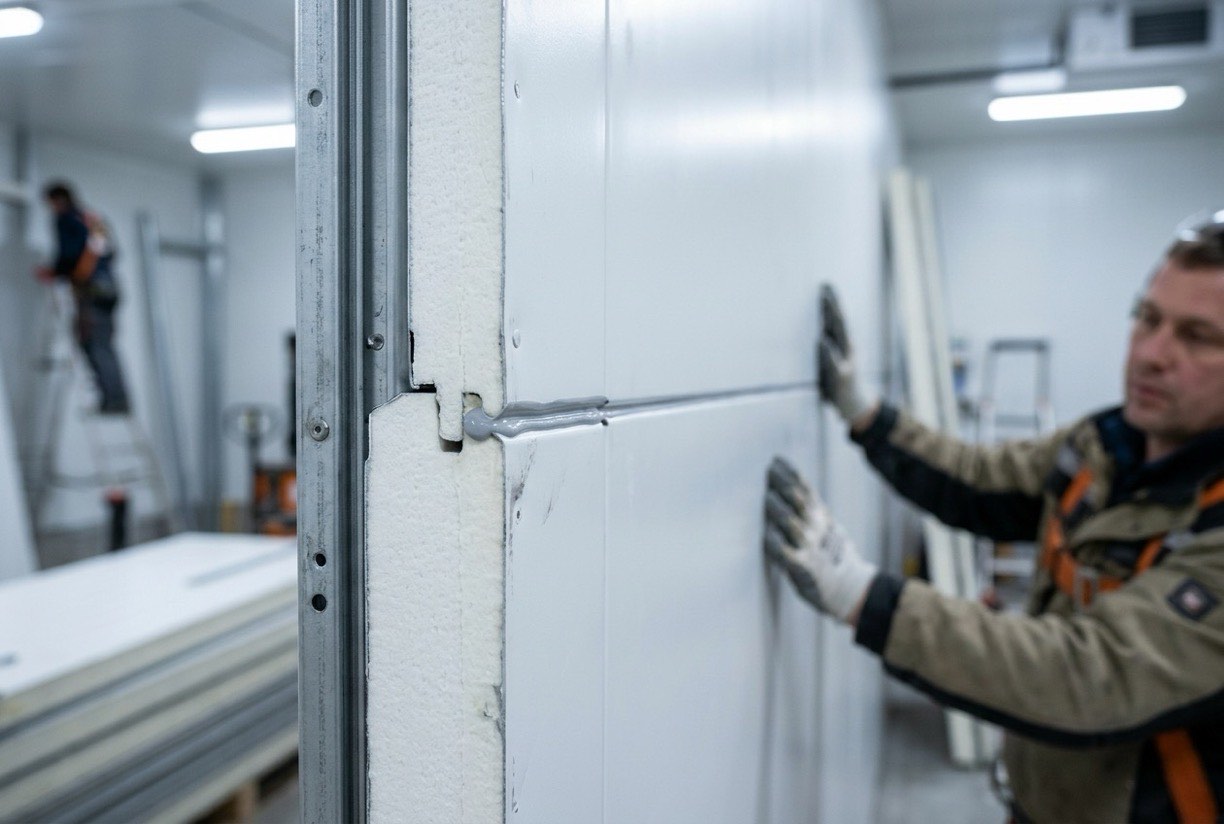
Modular panels can generally be sized to the existing space; ceiling height, floor insulation and door passage should be examined on site.
Why does the room warm up during service hours?
Frequent door opening and the entry of warm products increase the load; capacity, door accessories and product placement should be reviewed together.
Can cooked dishes be placed directly in the cold room?
Placing large quantities of hot food directly in the room can raise the room temperature; the pre-cooling practice is determined according to the business's food safety plan.
How often should maintenance be performed?
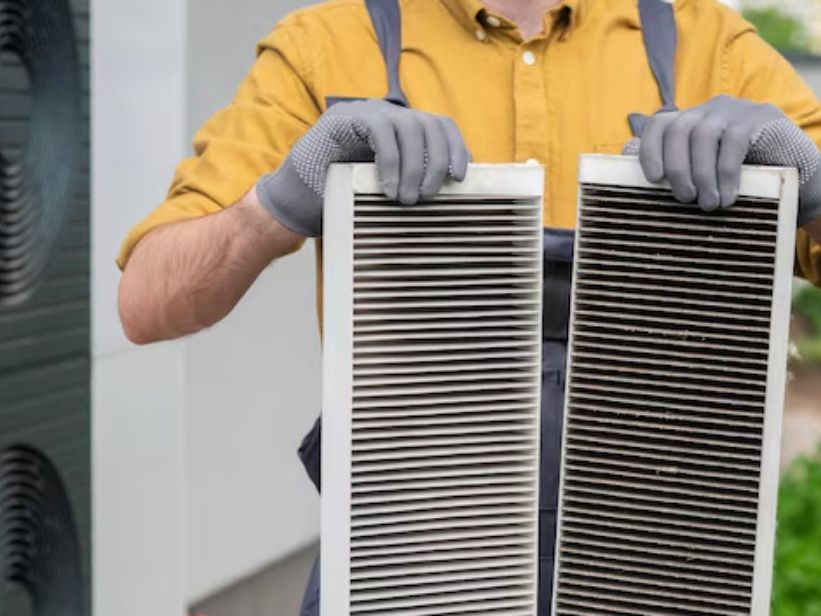
The maintenance interval depends on intensity of use and ambient conditions; condenser cleaning and drainage checks should be done regularly.
How can I get a recommendation for my own kitchen?
By sharing your kitchen plan, cover count and supply pattern, you can request a tailored evaluation from the Günay Soğutma team.