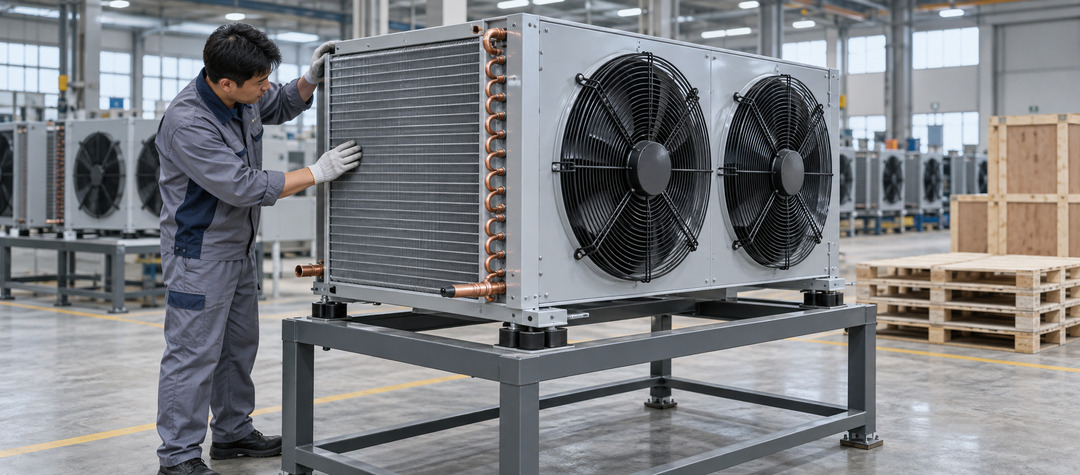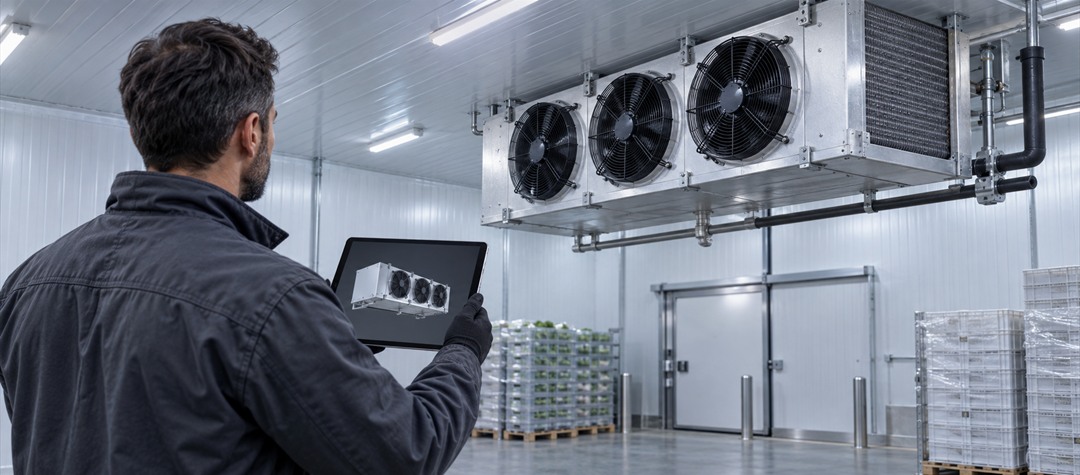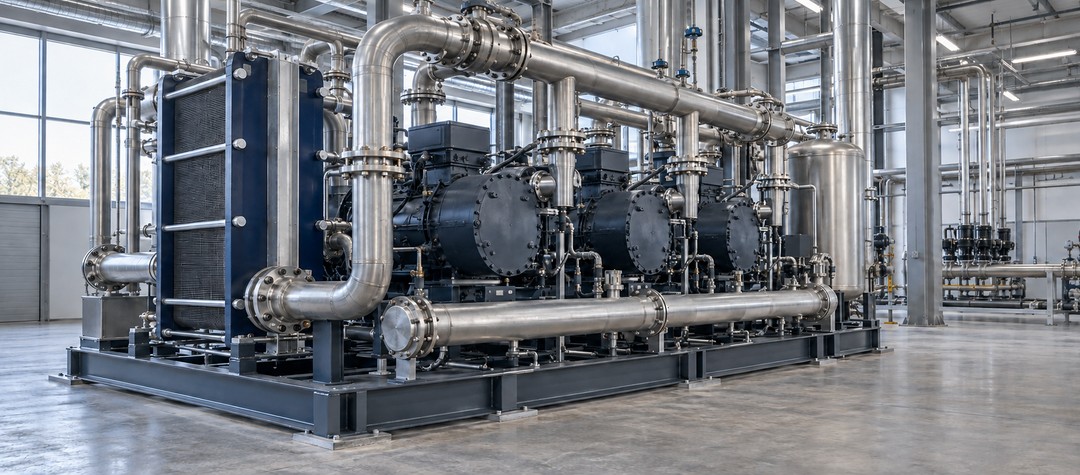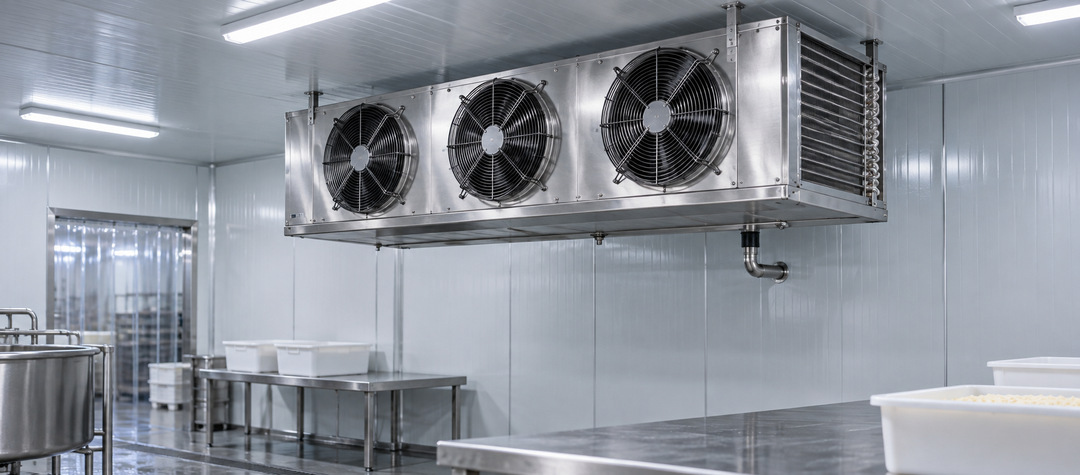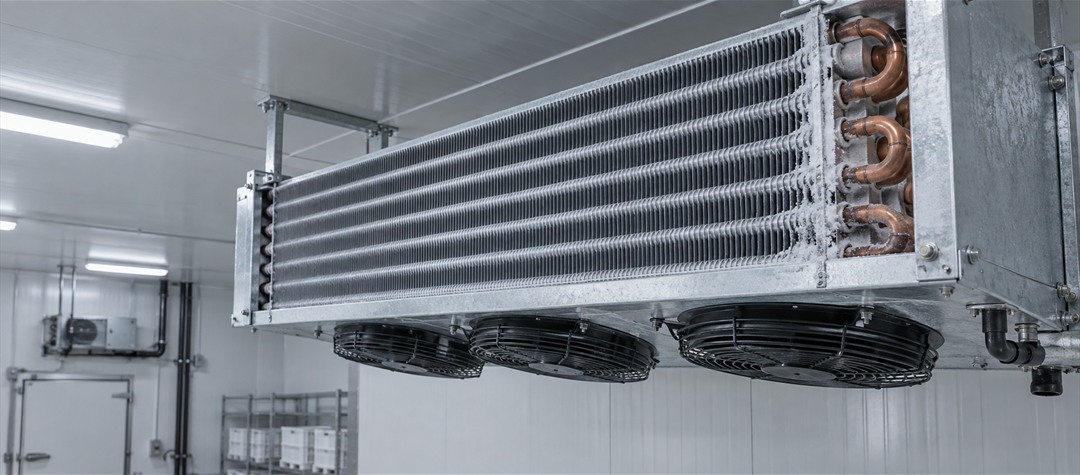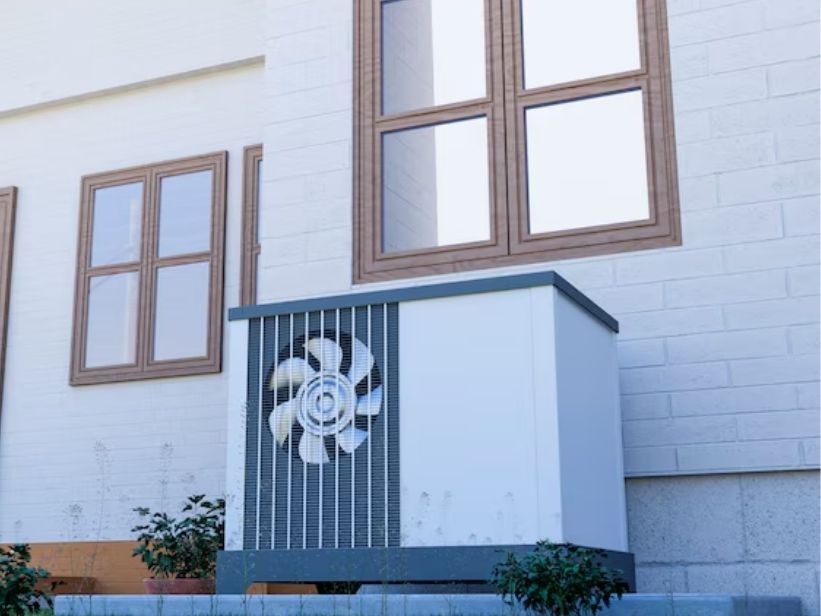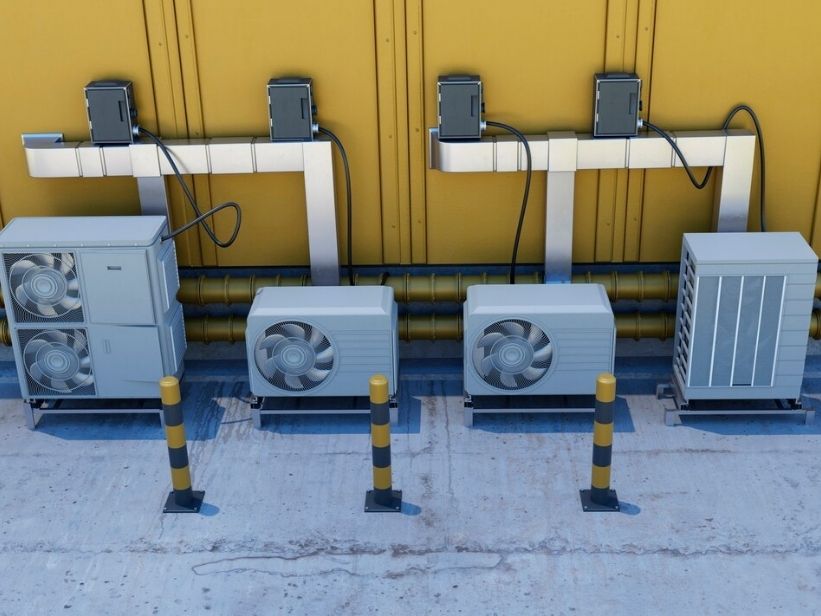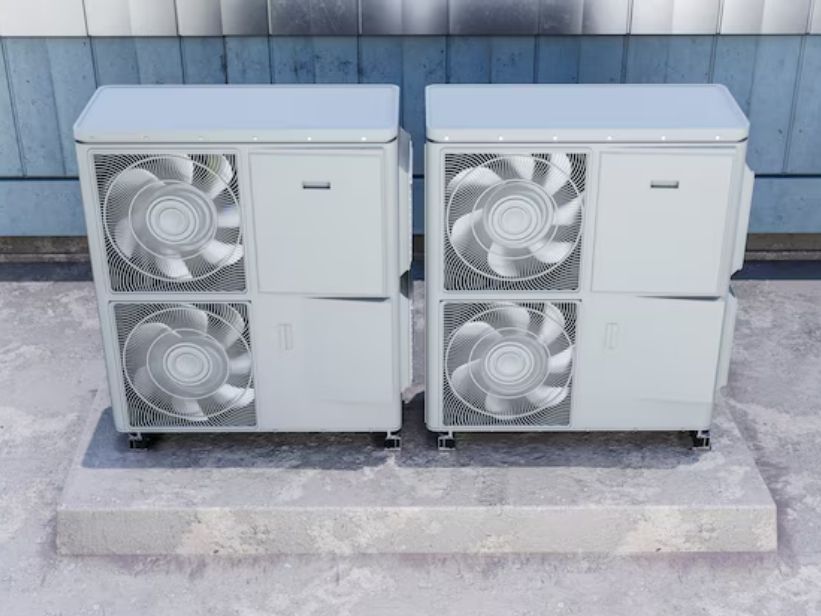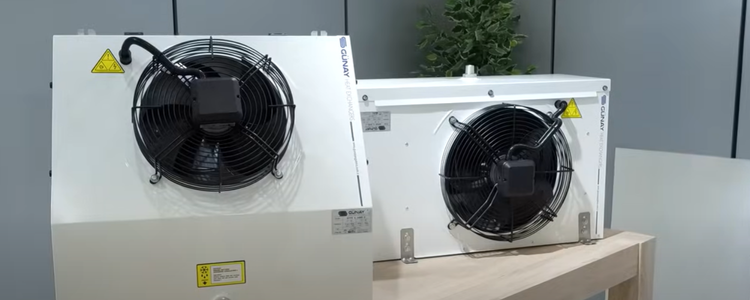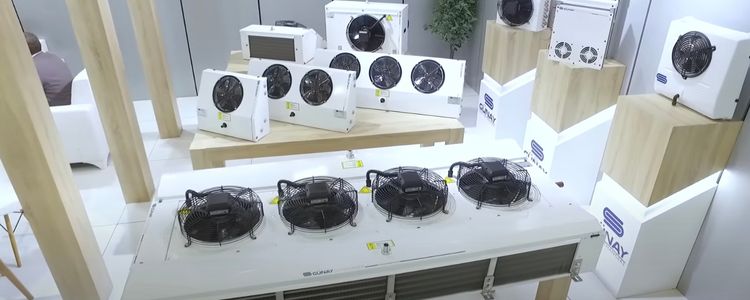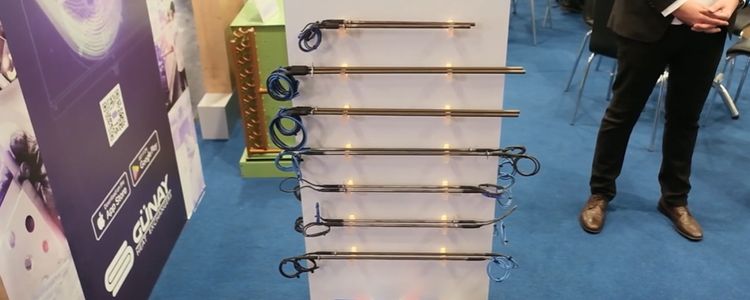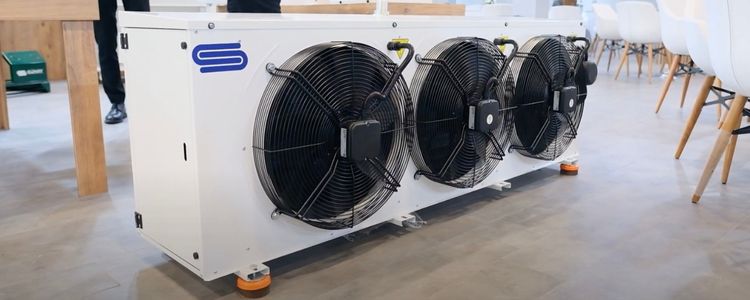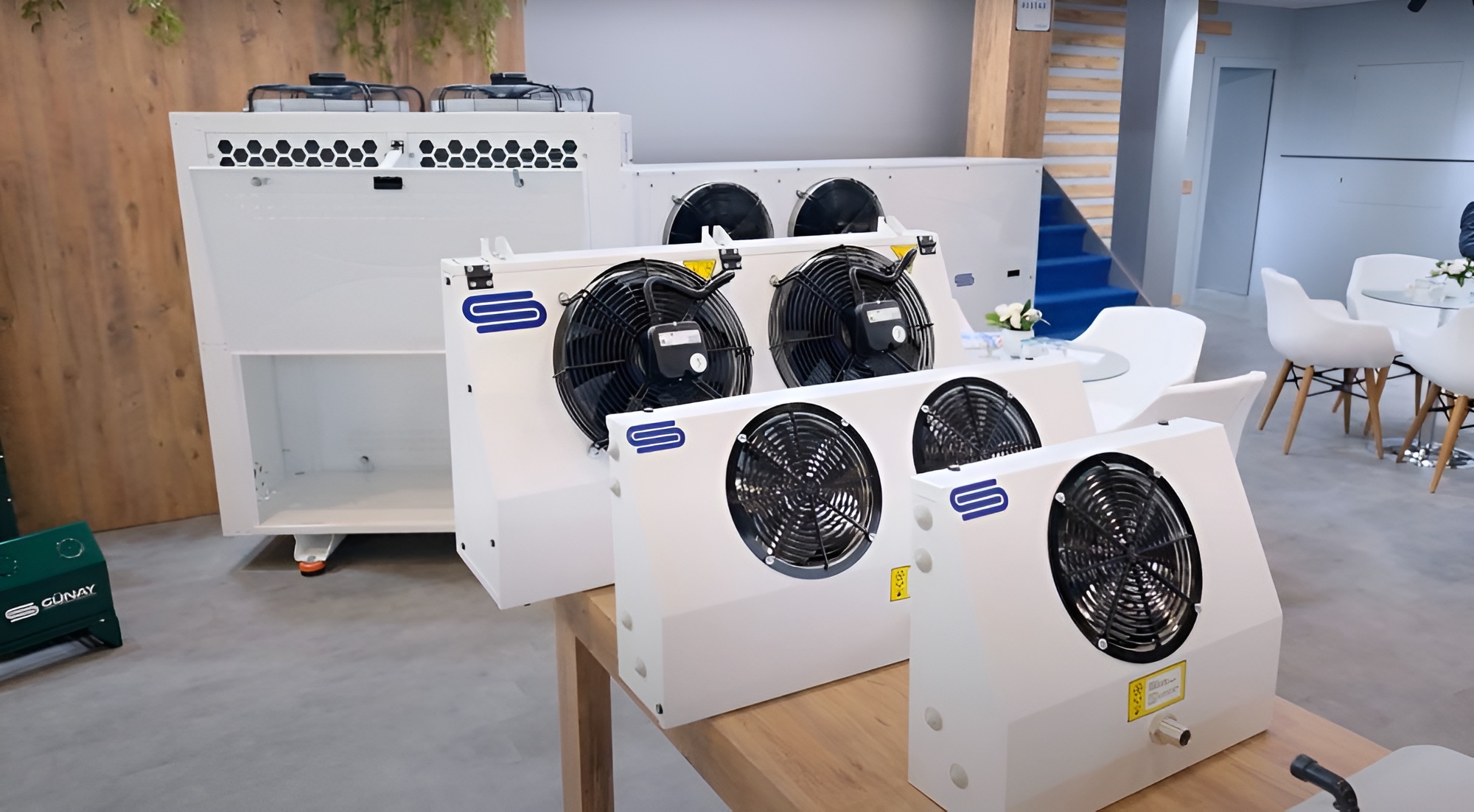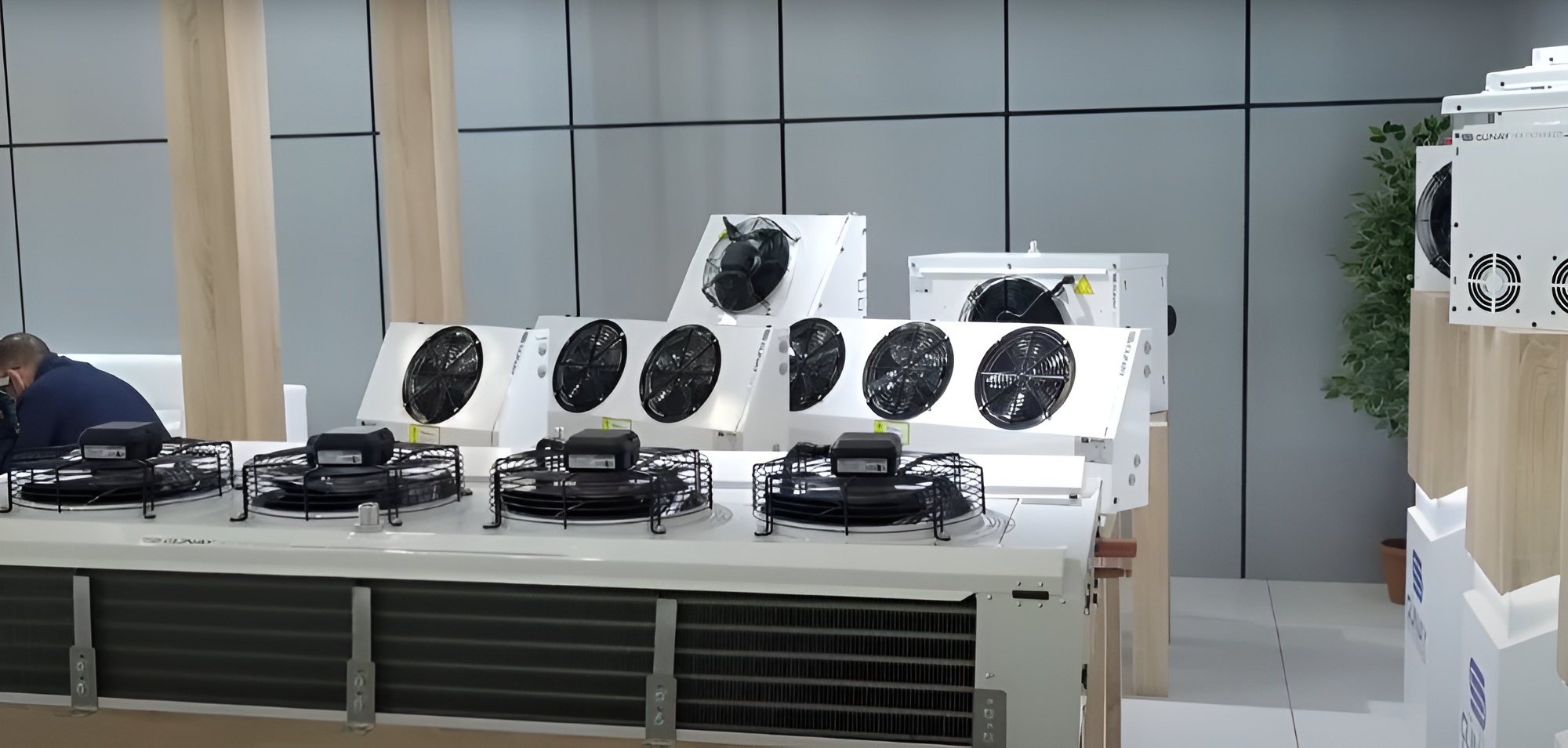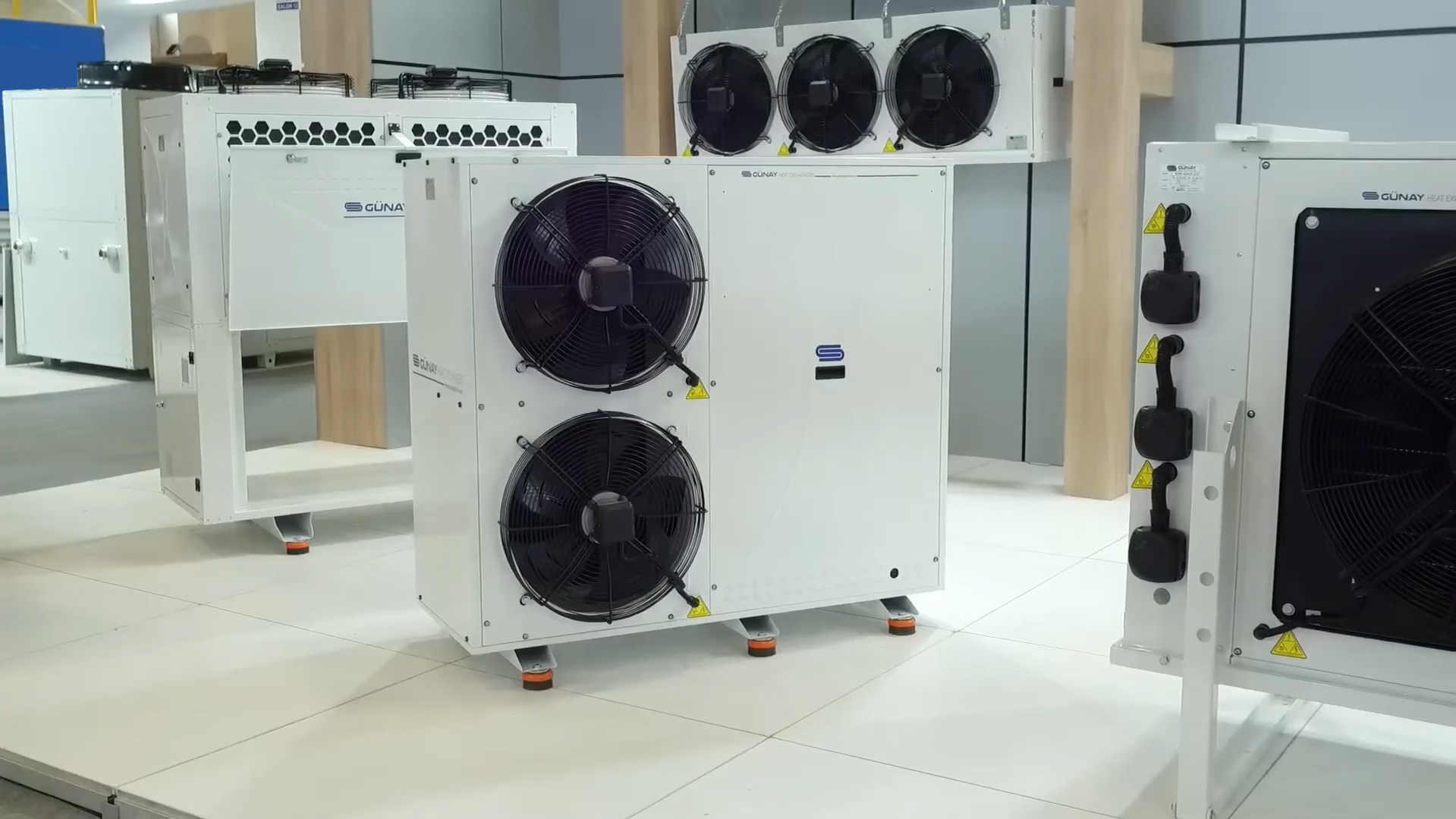
In heat pumps, the evaporator is the heat exchanger that extracts heat from the surrounding air, water or ground, enabling the refrigerant to evaporate and connecting the system to its heat source. The heating capacity and efficiency of a heat pump depend directly on how much heat the evaporator can collect at low source temperatures. In this article, we discuss evaporator selection criteria for air-source and water-source heat pumps, frosting at low temperatures, refrigerant compatibility and the factors affecting the investment decision.
Table of Contents
- What Is The Role Of The Evaporator In A Heat Pump?
- How Does The Evaporator Differ In Air-Source And Water-Source Heat Pumps?
- How Is Evaporator Performance Maintained At Low Outdoor Temperatures?
- How Are Fin Spacing And Coil Geometry Determined?
- How Does Refrigerant Selection Affect Evaporator Design?
- What Should Be Considered When Choosing The Right Evaporator For A Heat Pump?
- Frequently Asked Questions
What Is The Role Of The Evaporator In A Heat Pump?
The role of the evaporator in a heat pump is to take heat from a low-temperature source and transfer it to the refrigerant, thereby enabling the compressor to raise this heat to a higher temperature. While in refrigeration systems the evaporator works to cool the product, in a heat pump the main goal is to collect as much energy as possible from the source.
An undersized evaporator lowers the evaporating temperature; this causes the compressor to operate at a higher compression ratio and reduces system efficiency. For this reason, in heat pumps the evaporator is sized to keep the difference between the source temperature and the evaporating temperature small. Surface area, air or water flow rate and circuit arrangement are the main design parameters that determine this difference.
How Does The Evaporator Differ In Air-Source And Water-Source Heat Pumps?
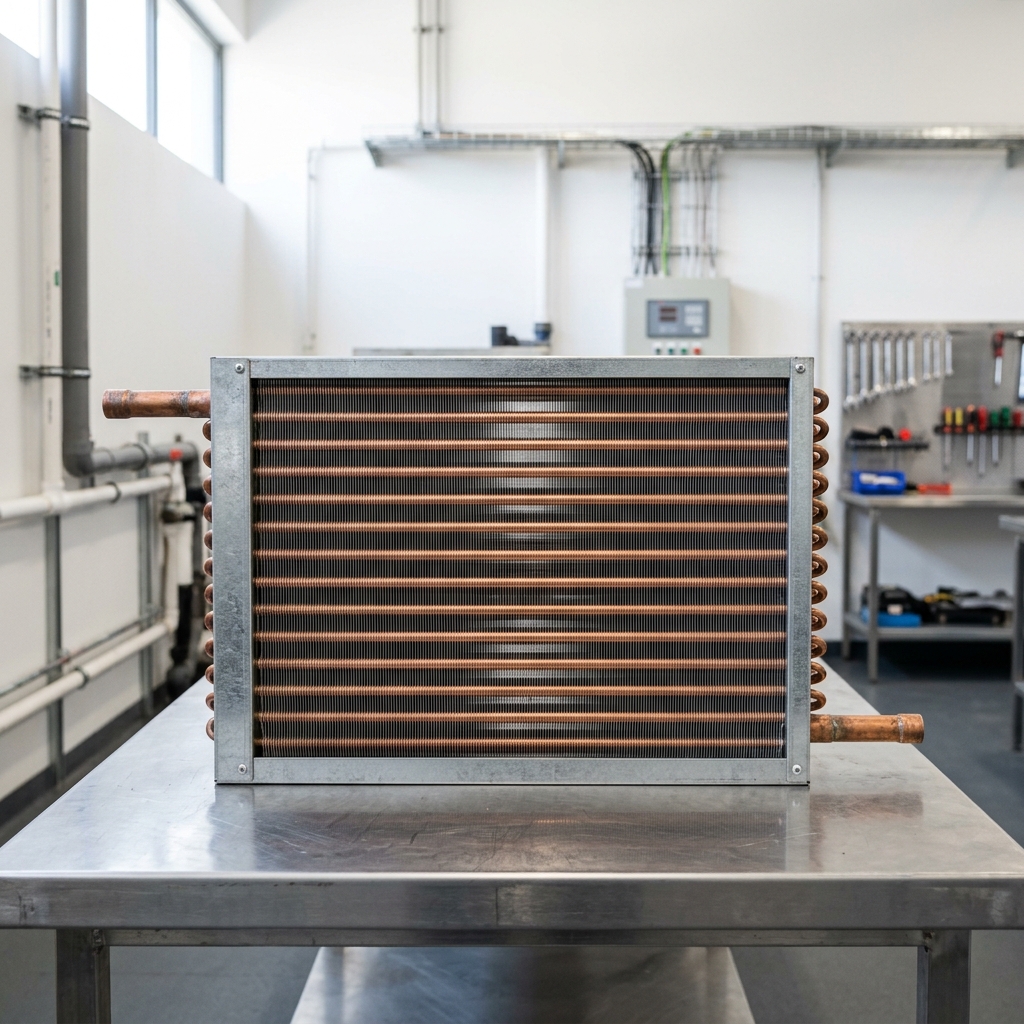
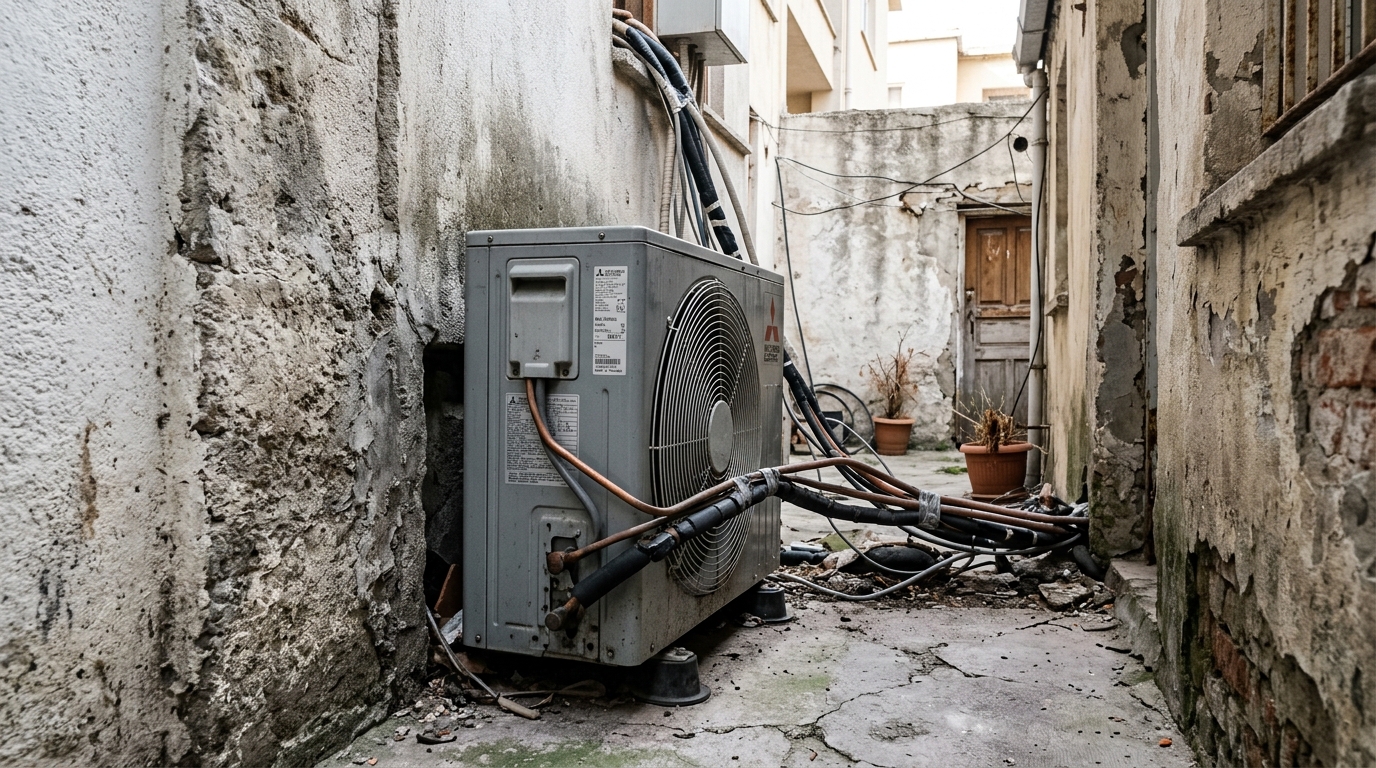
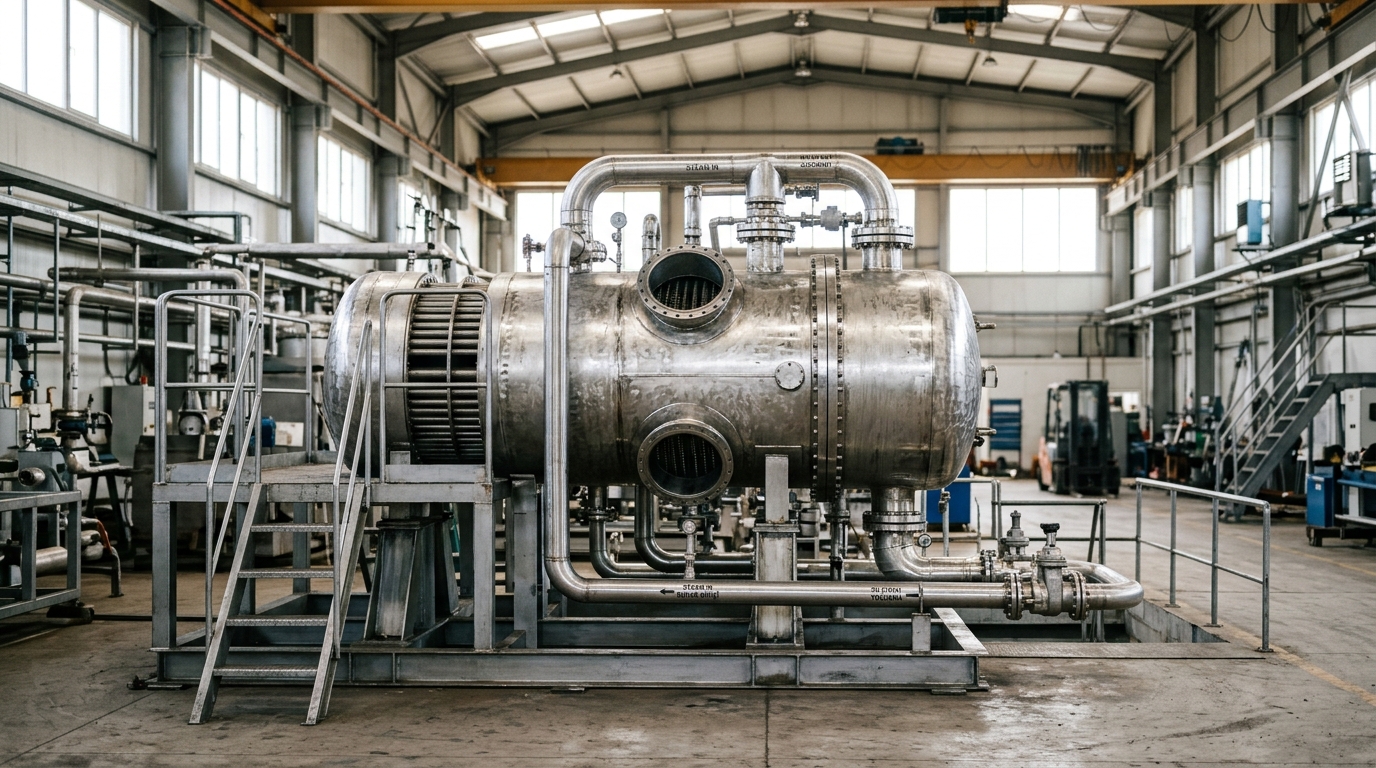
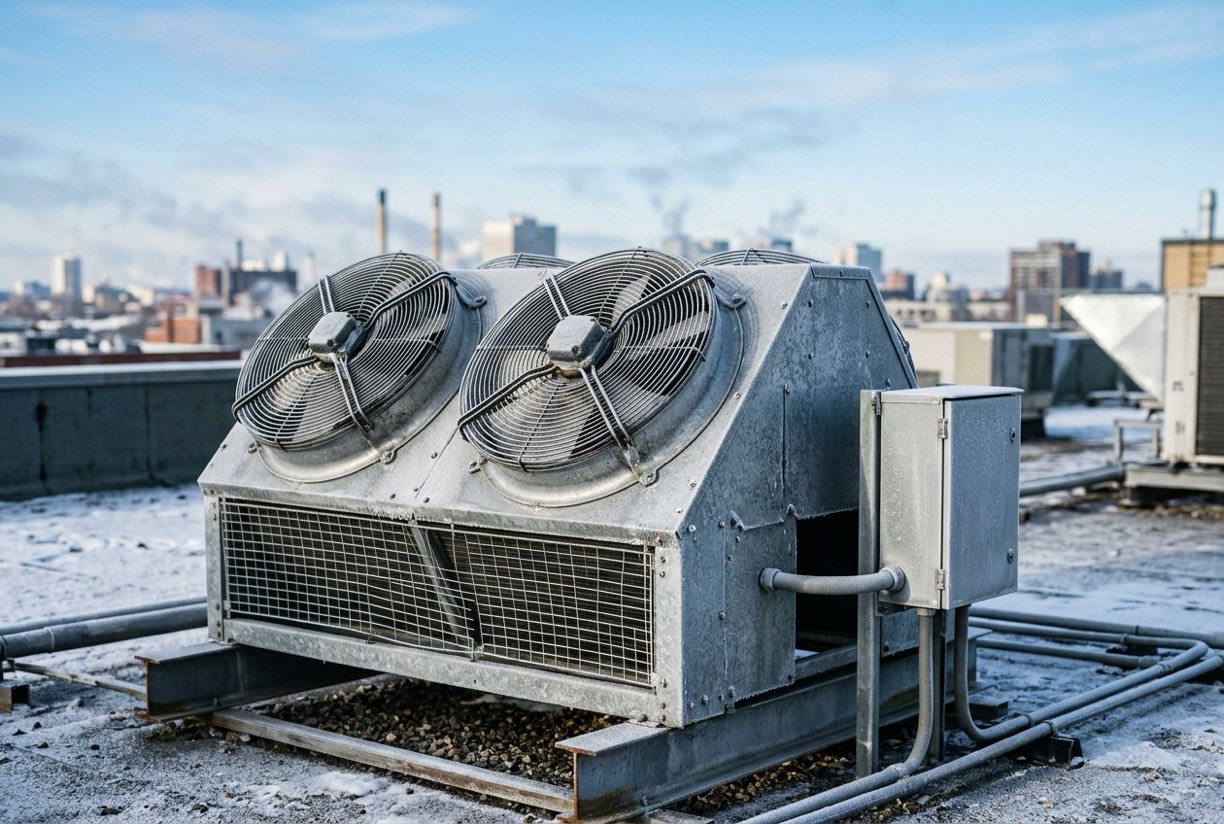
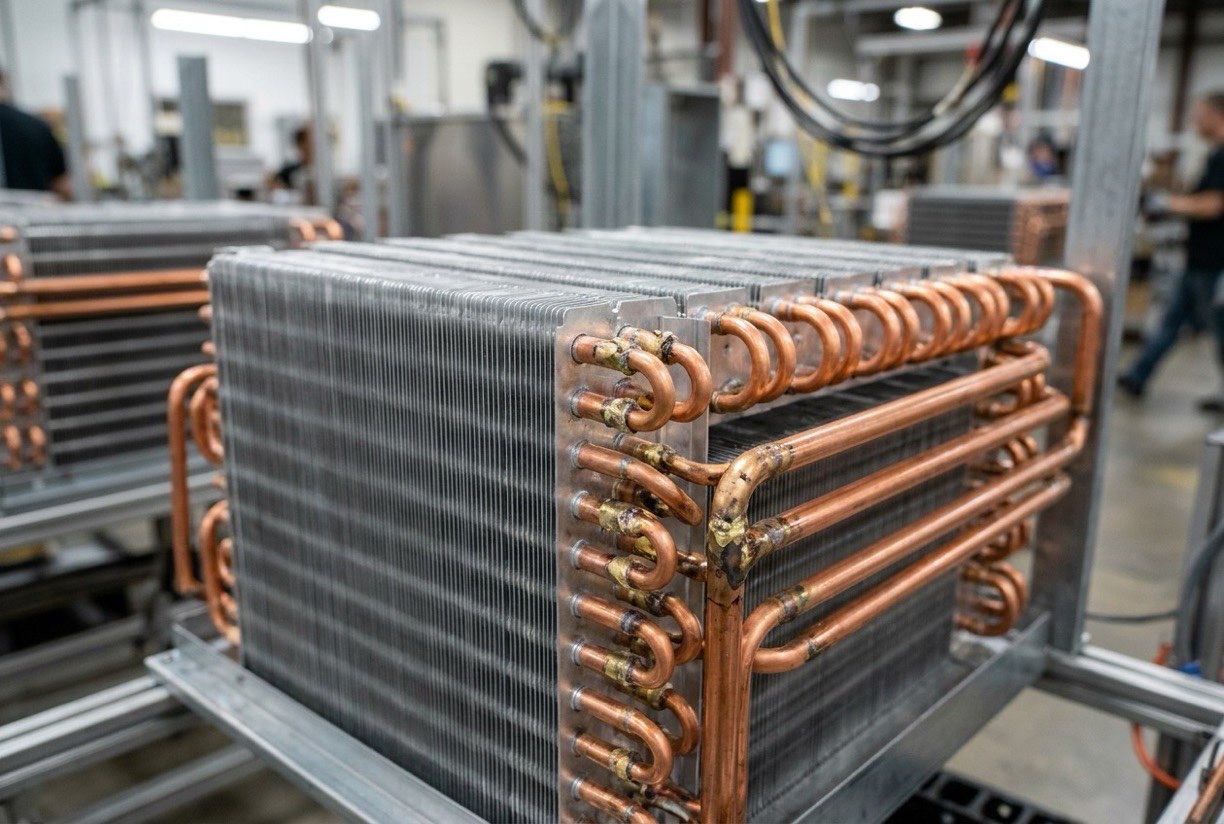
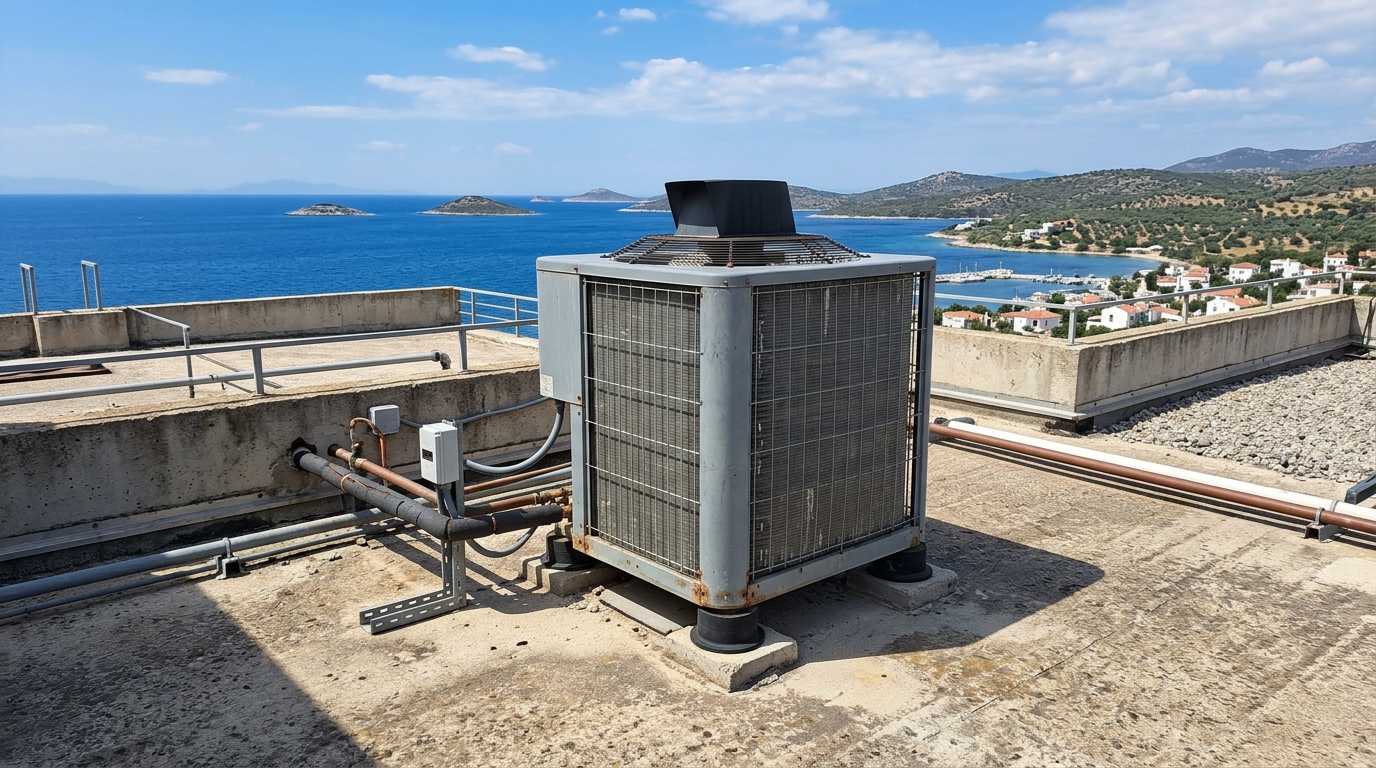
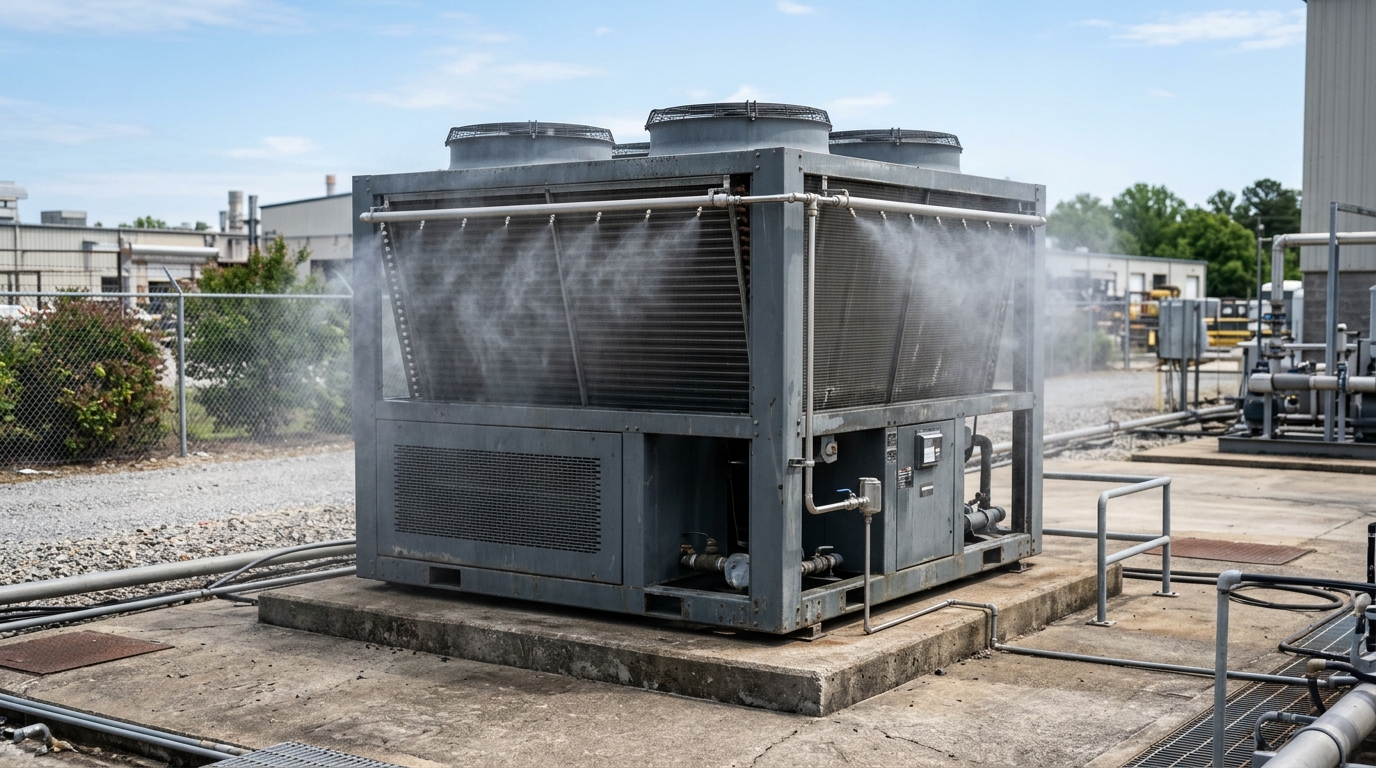
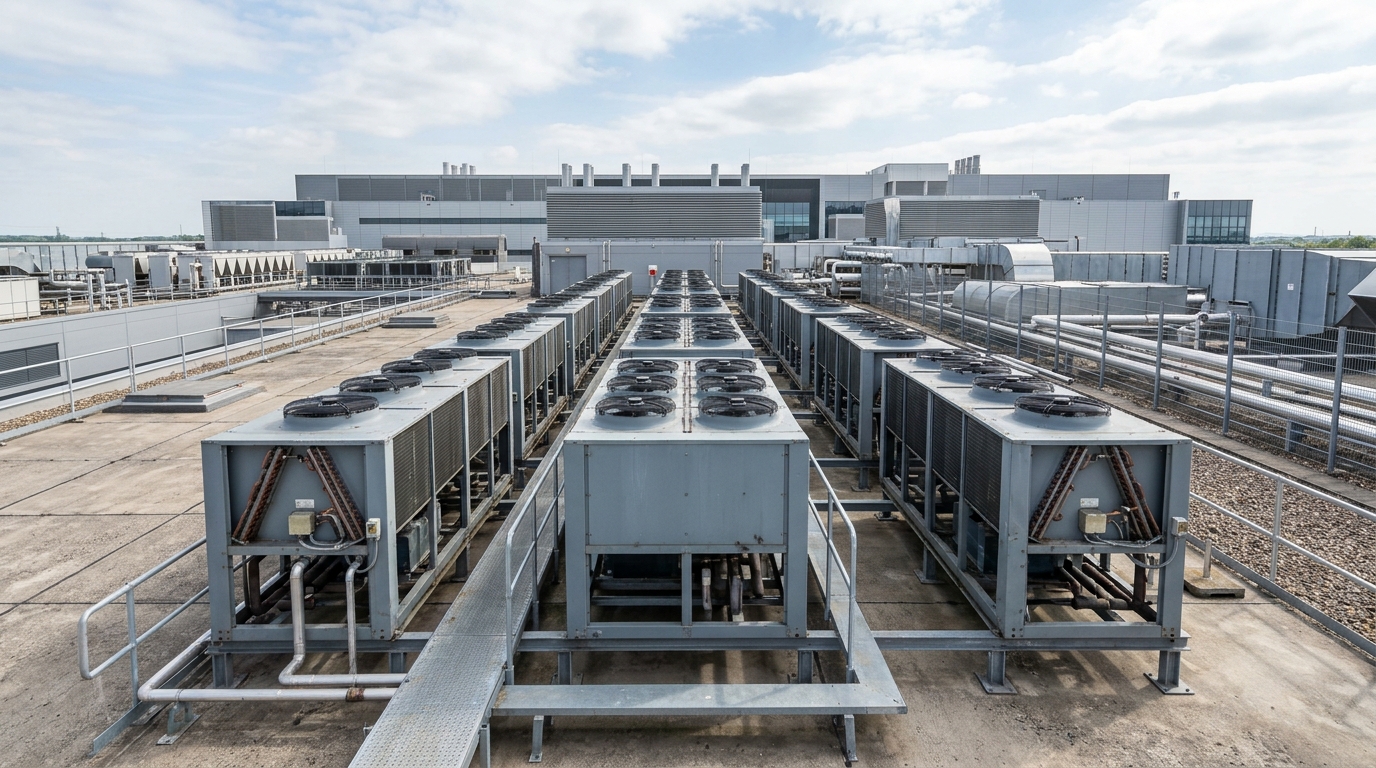
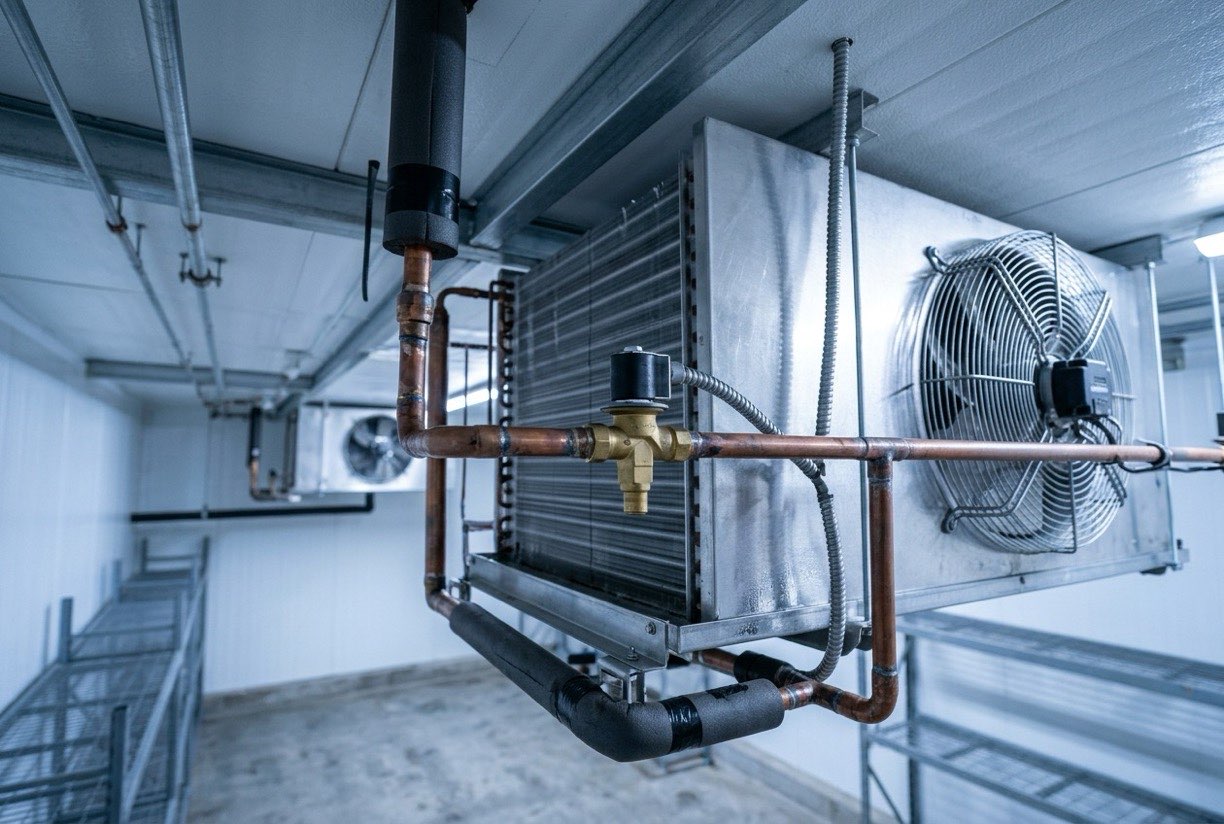
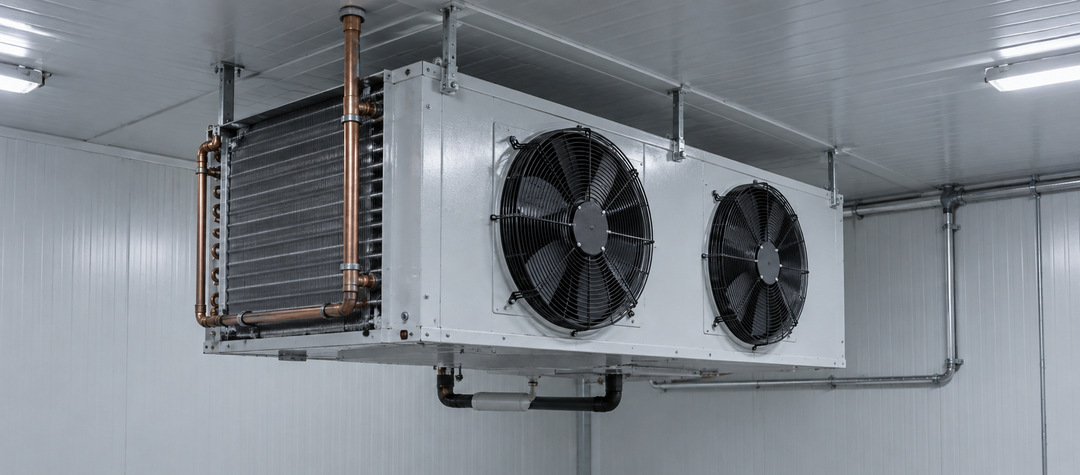
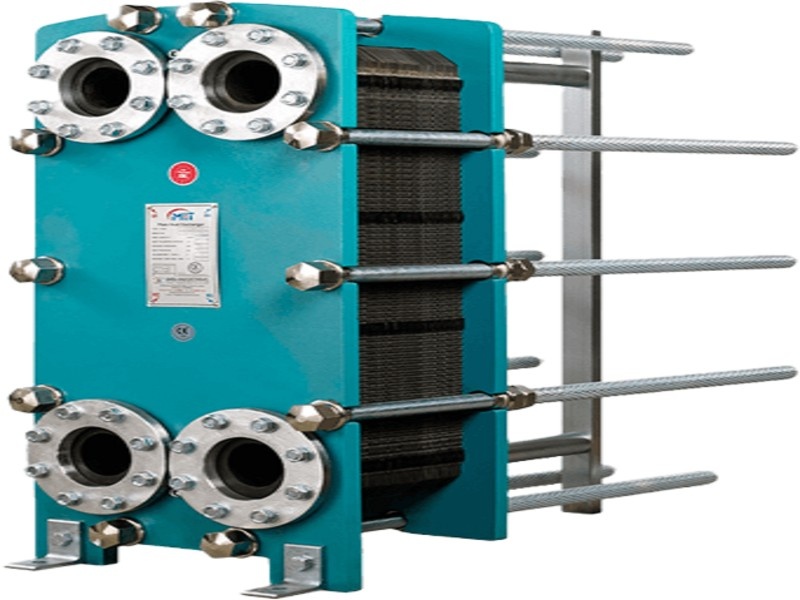
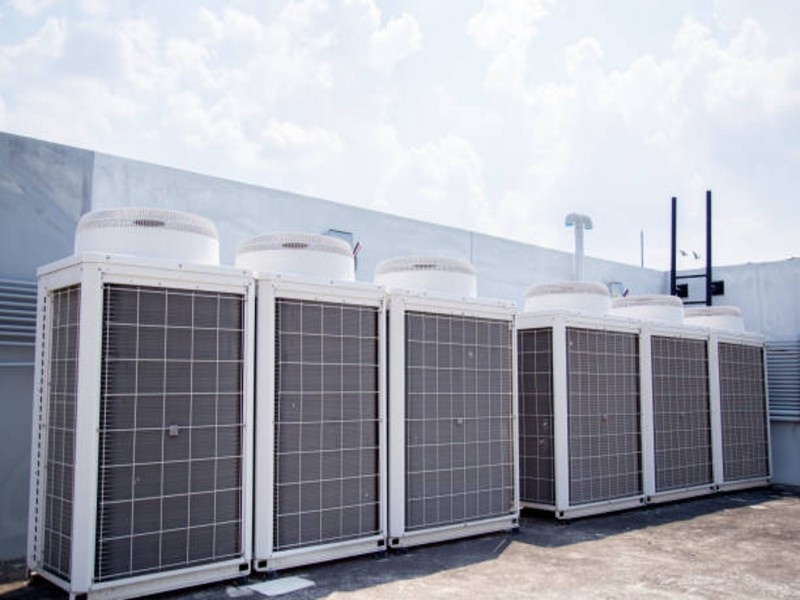
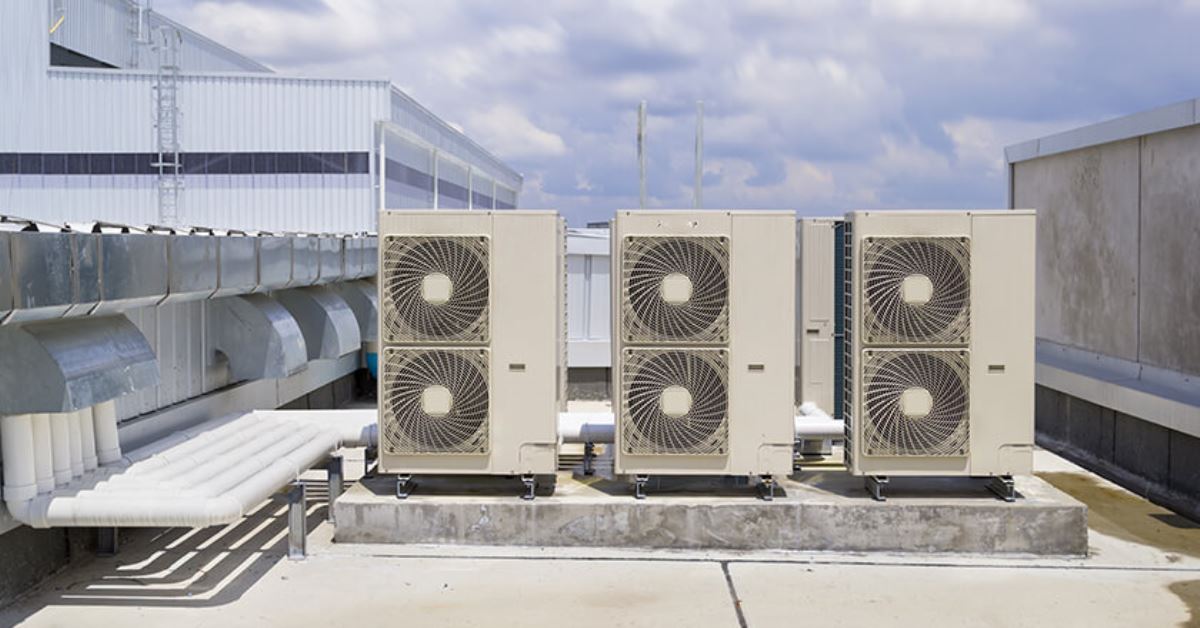
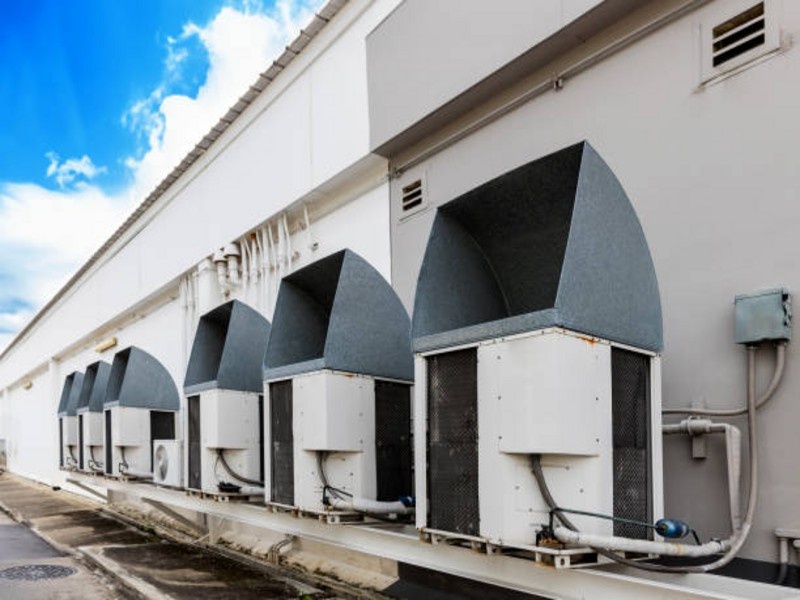
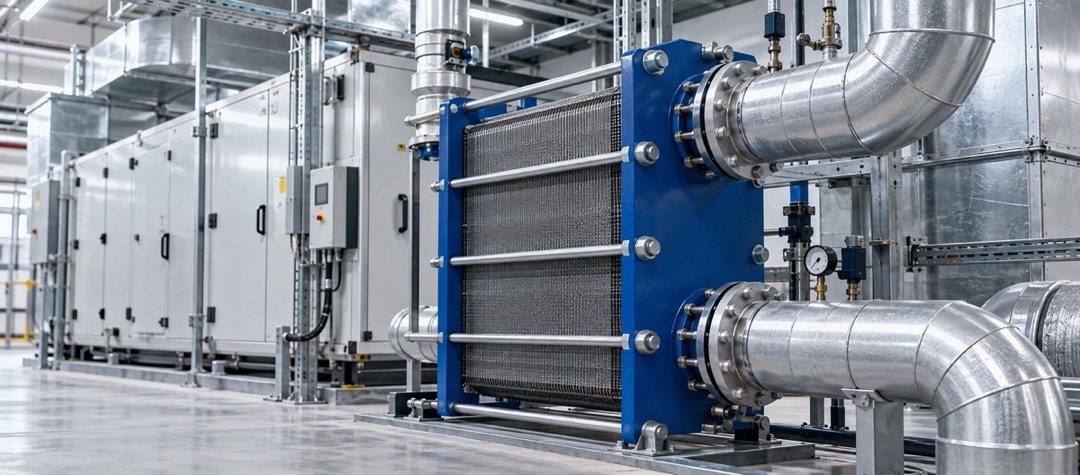
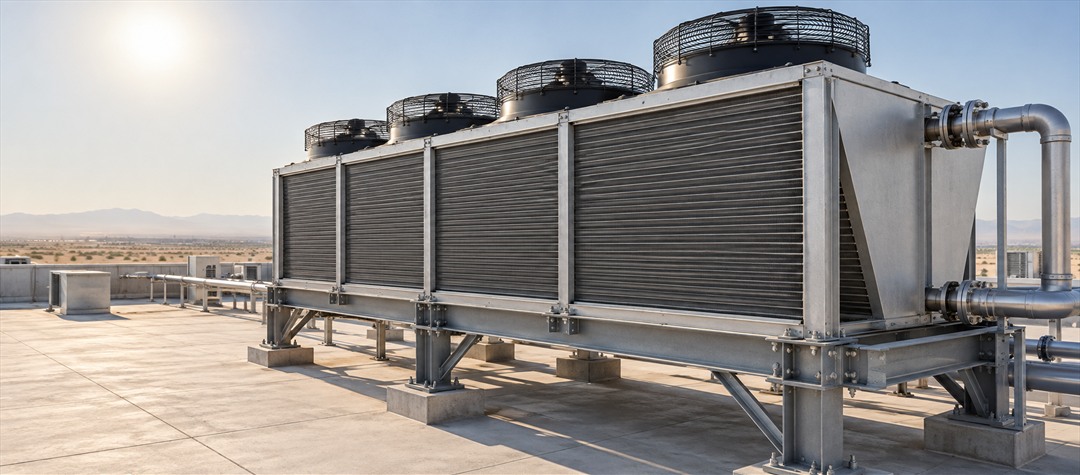
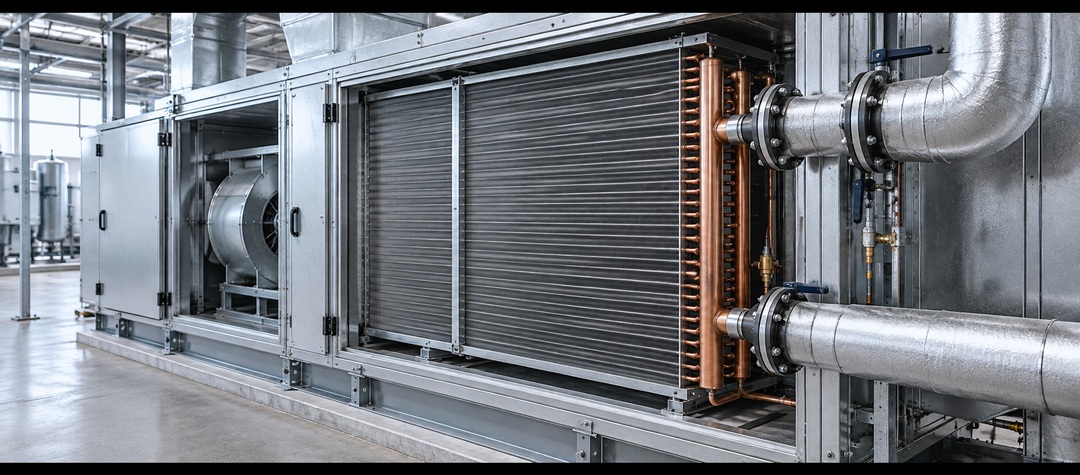
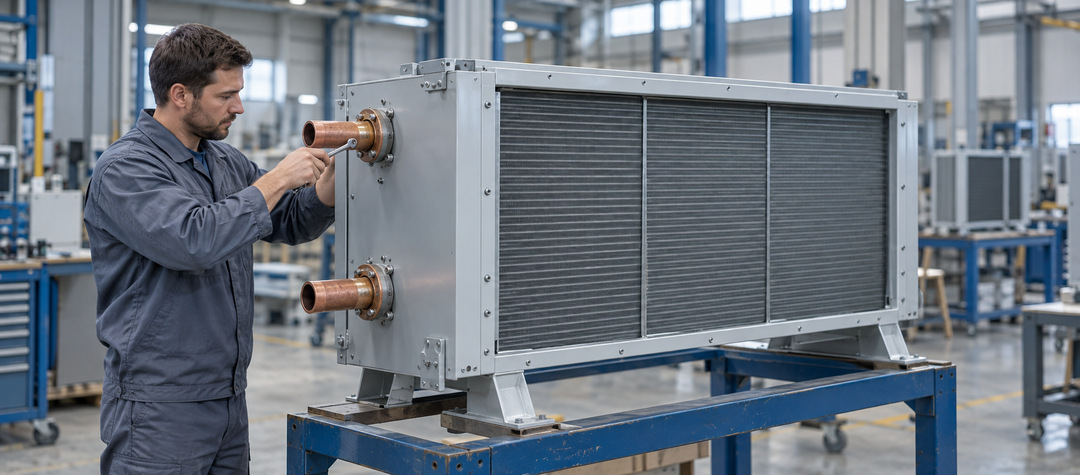
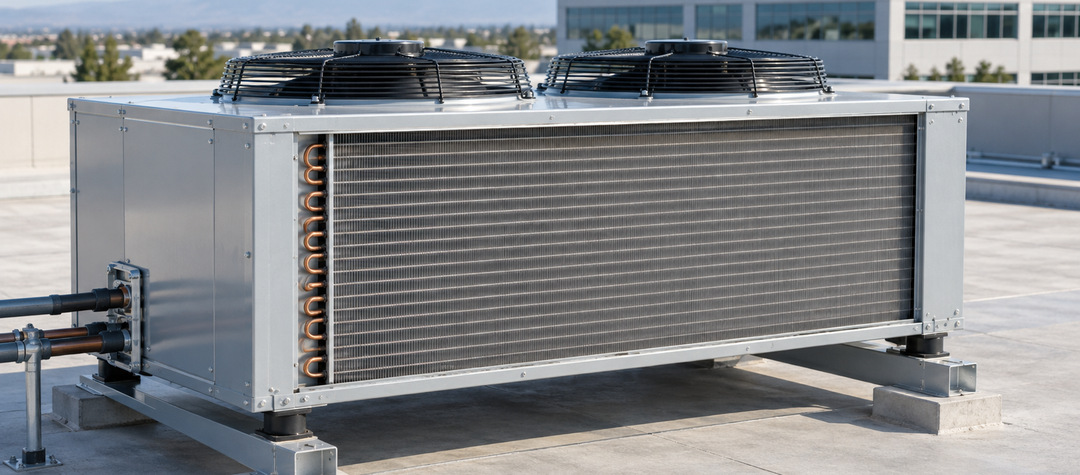
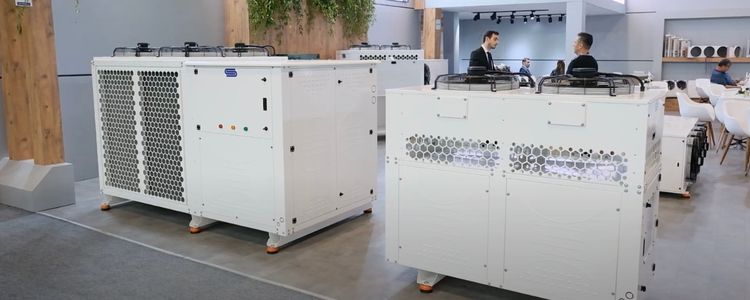
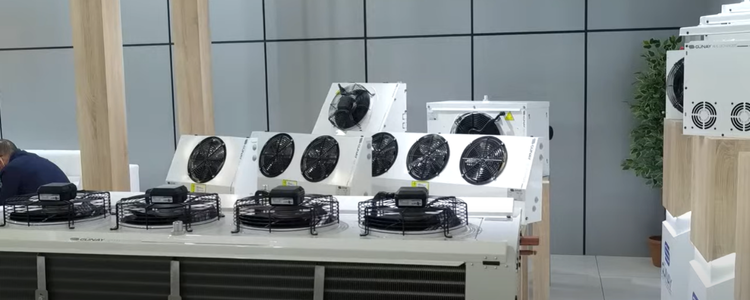
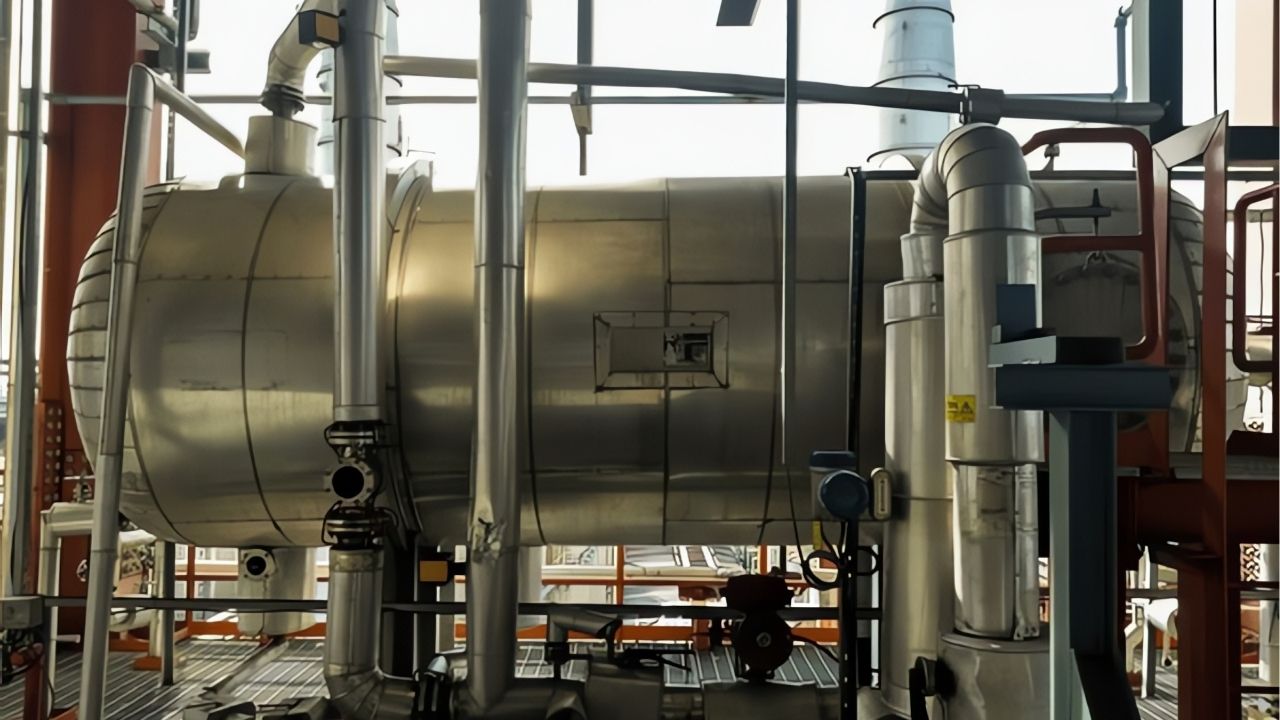
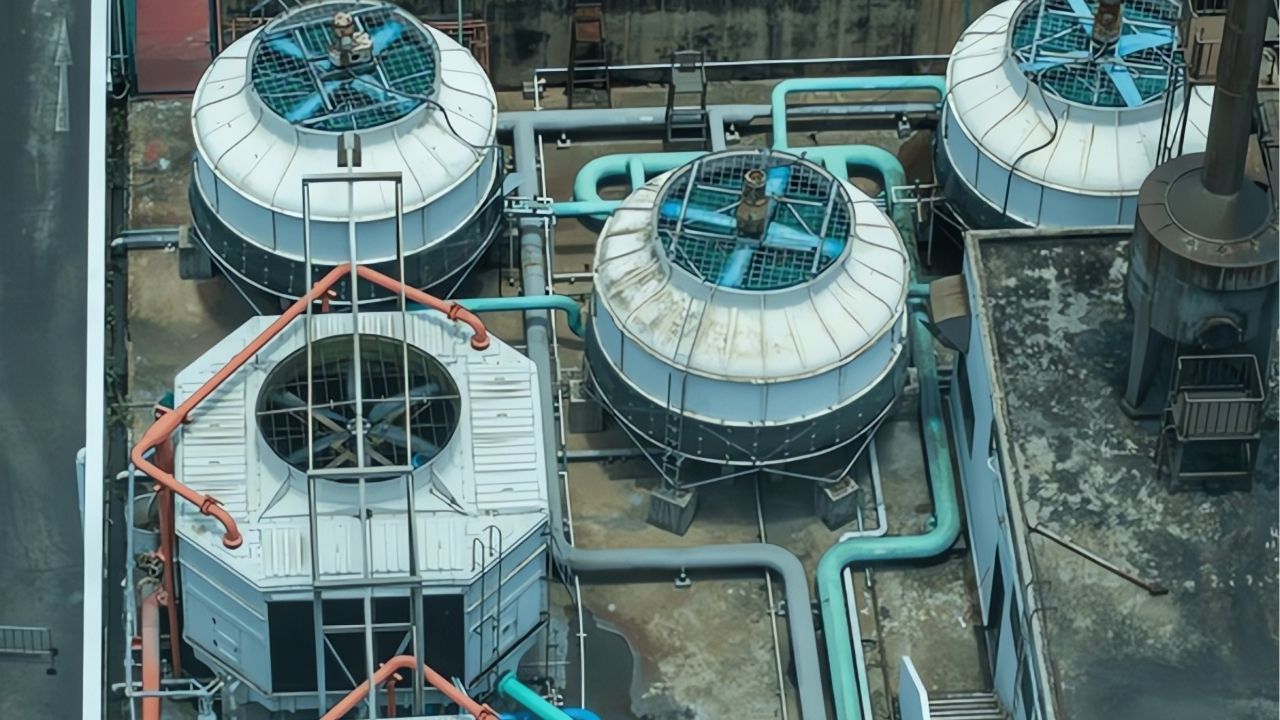
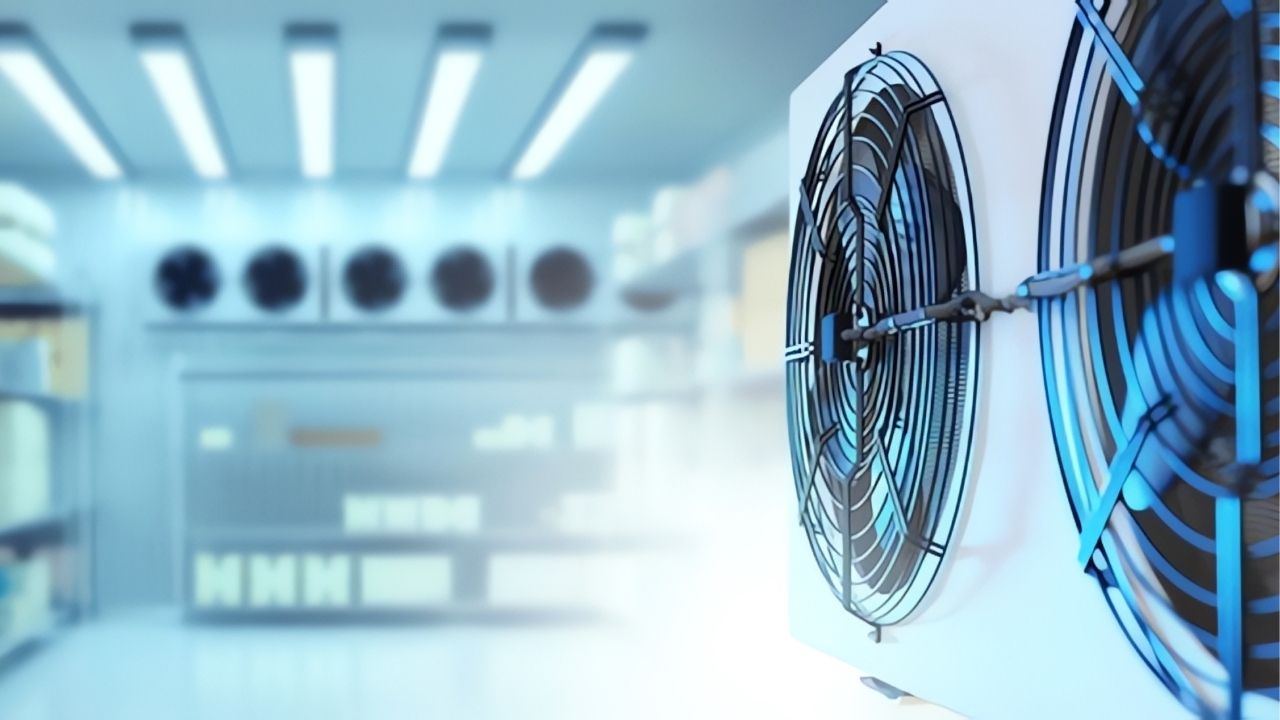
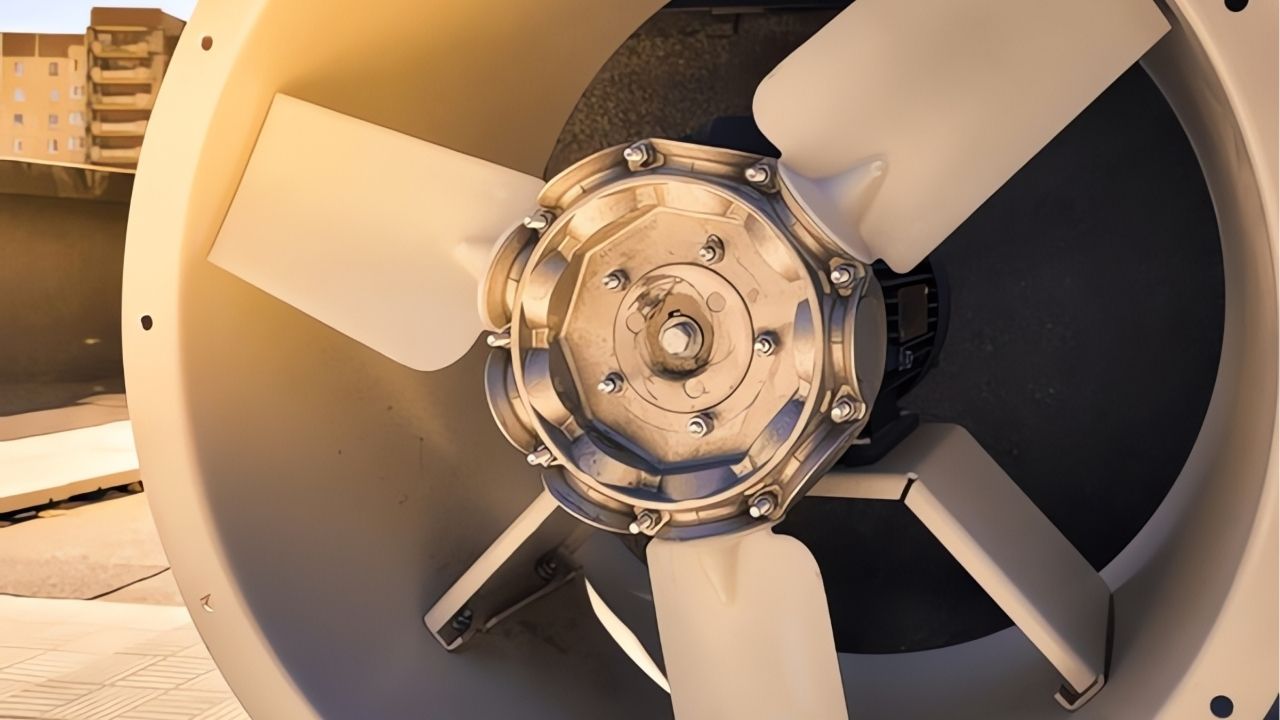
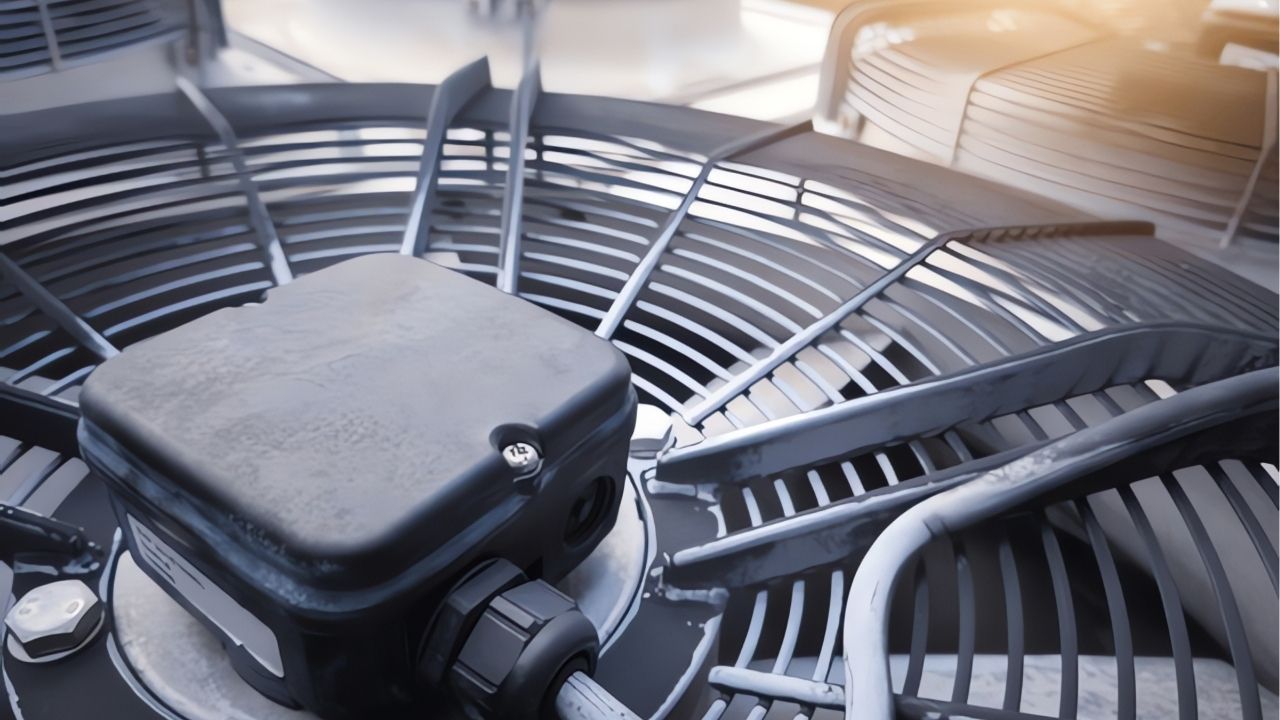
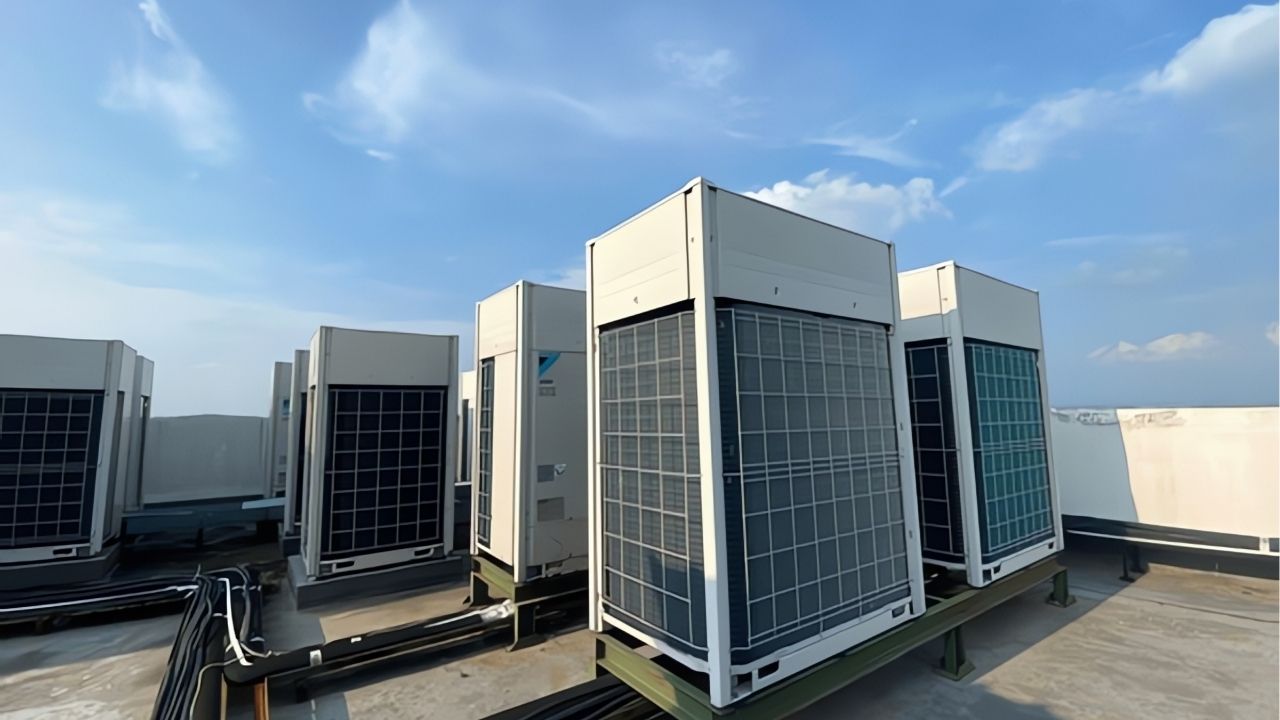
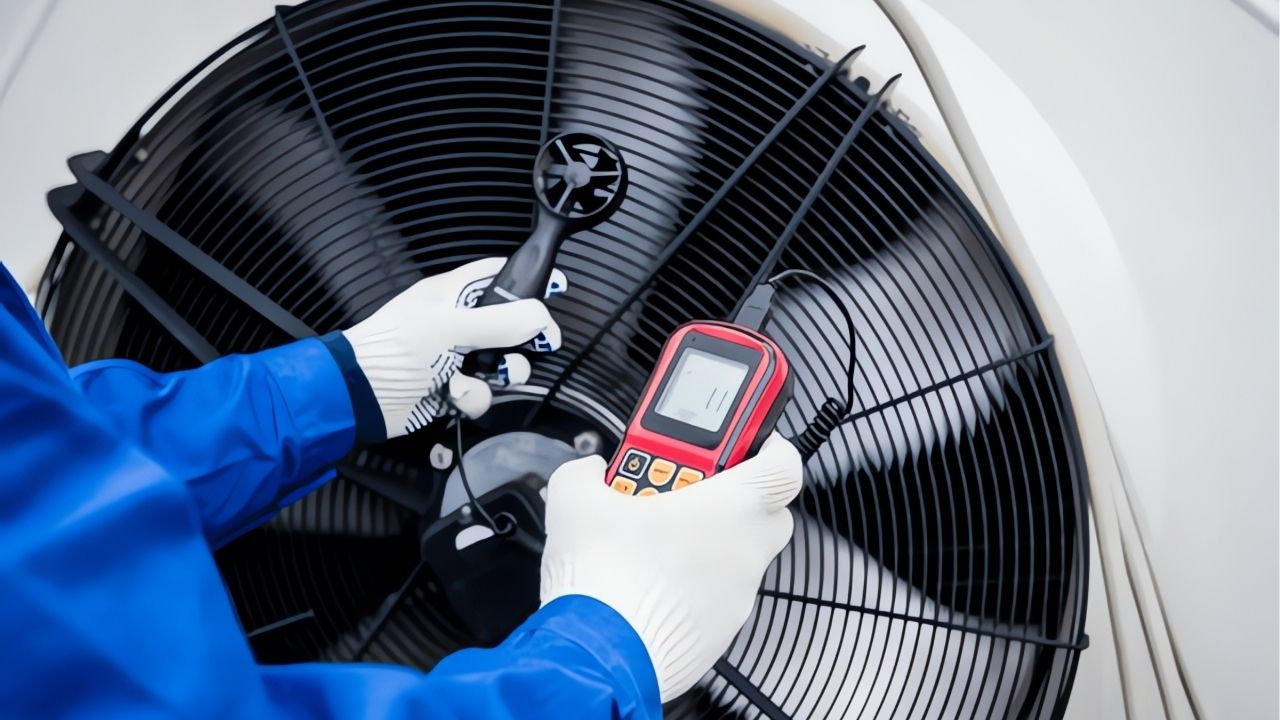
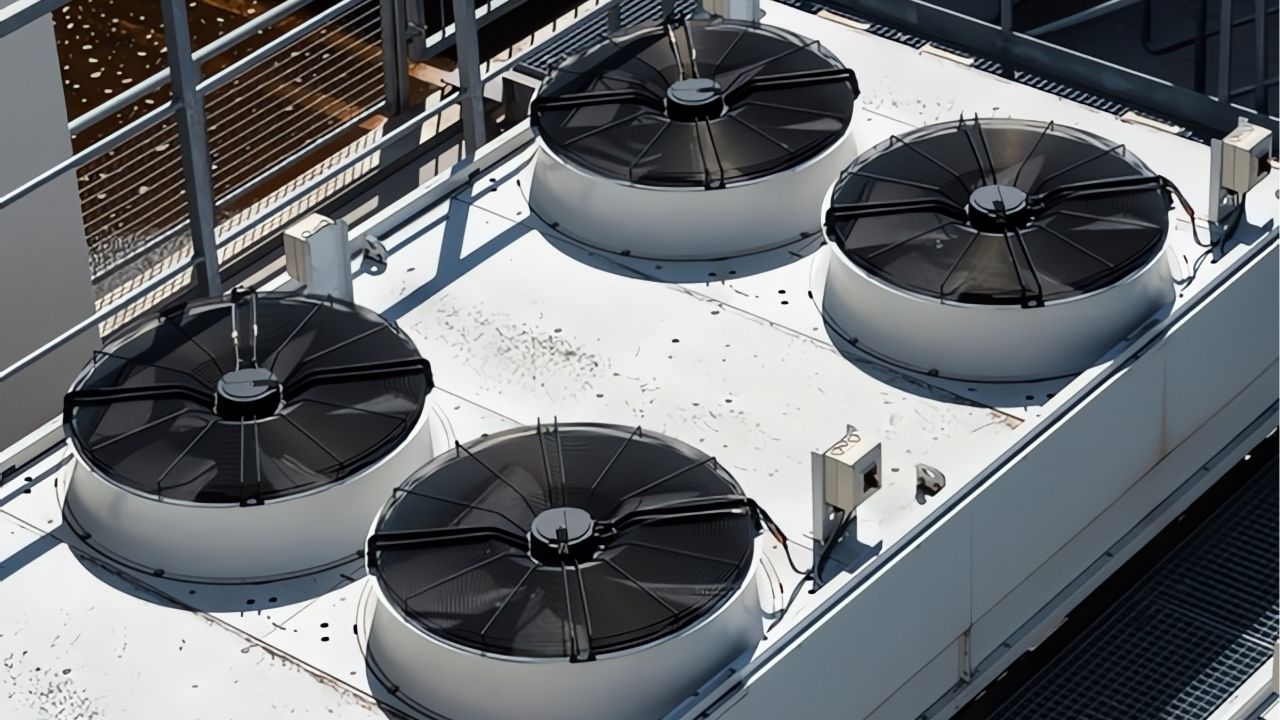
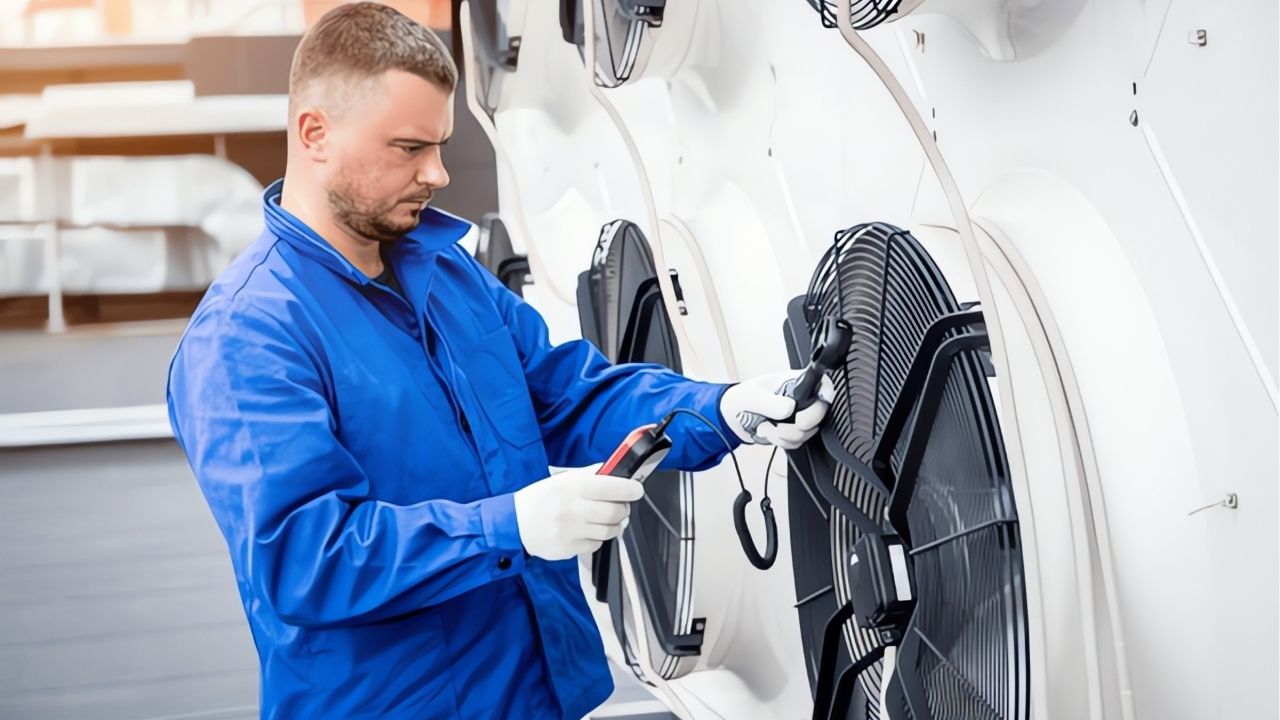
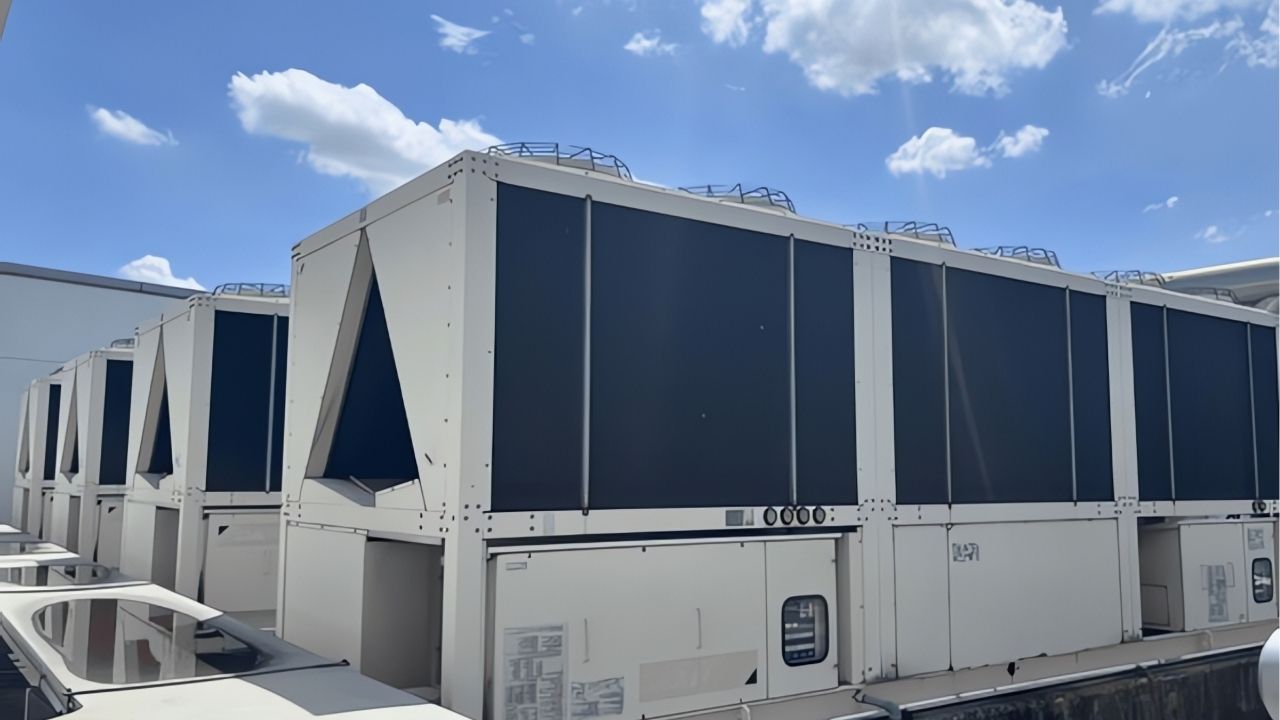
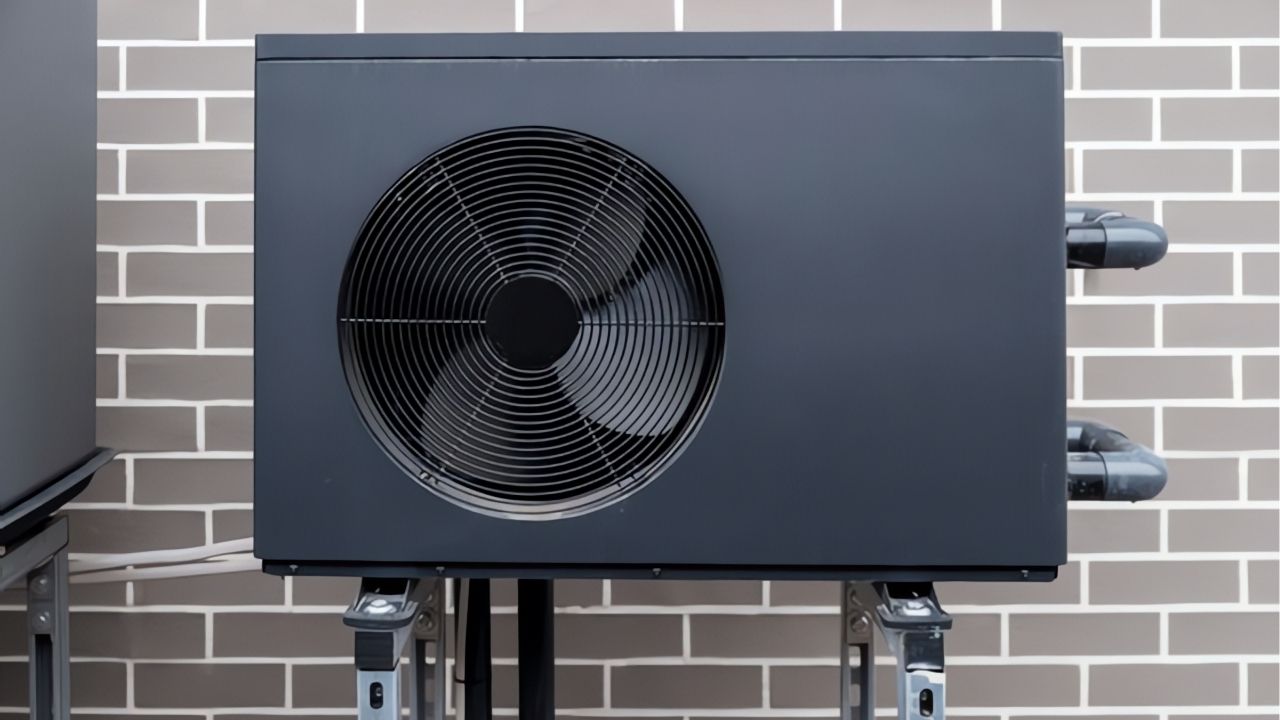
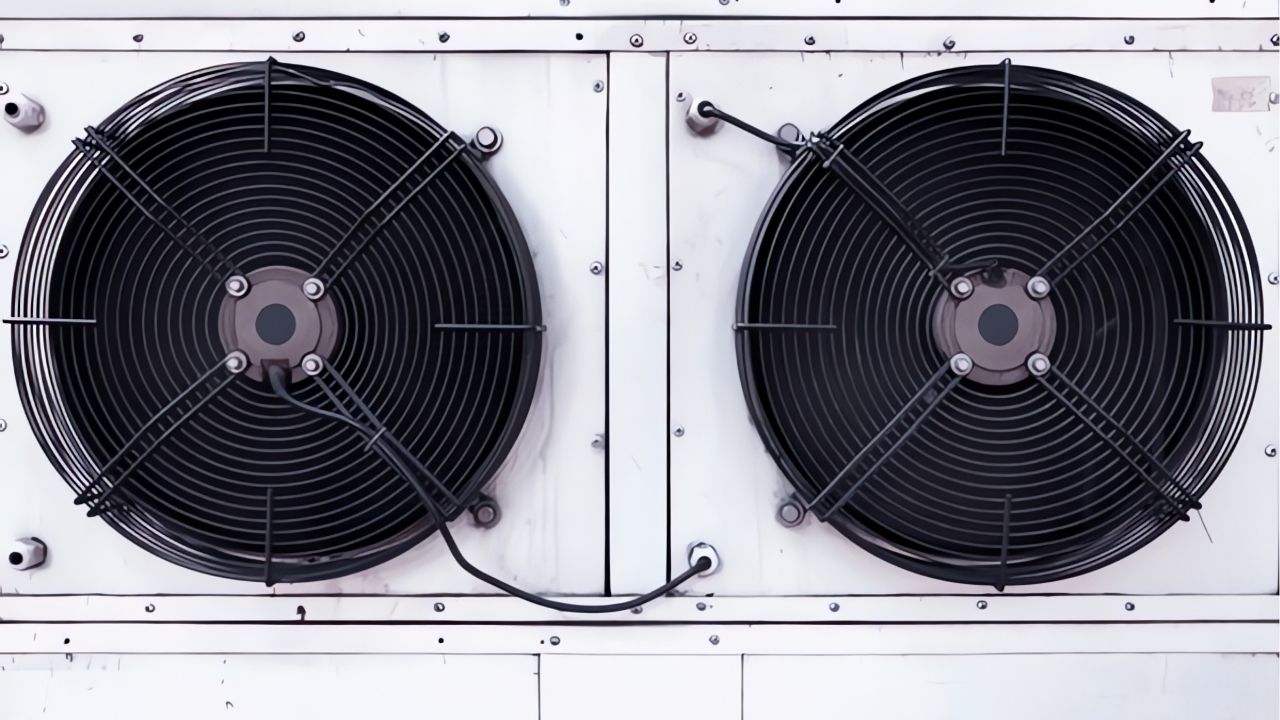
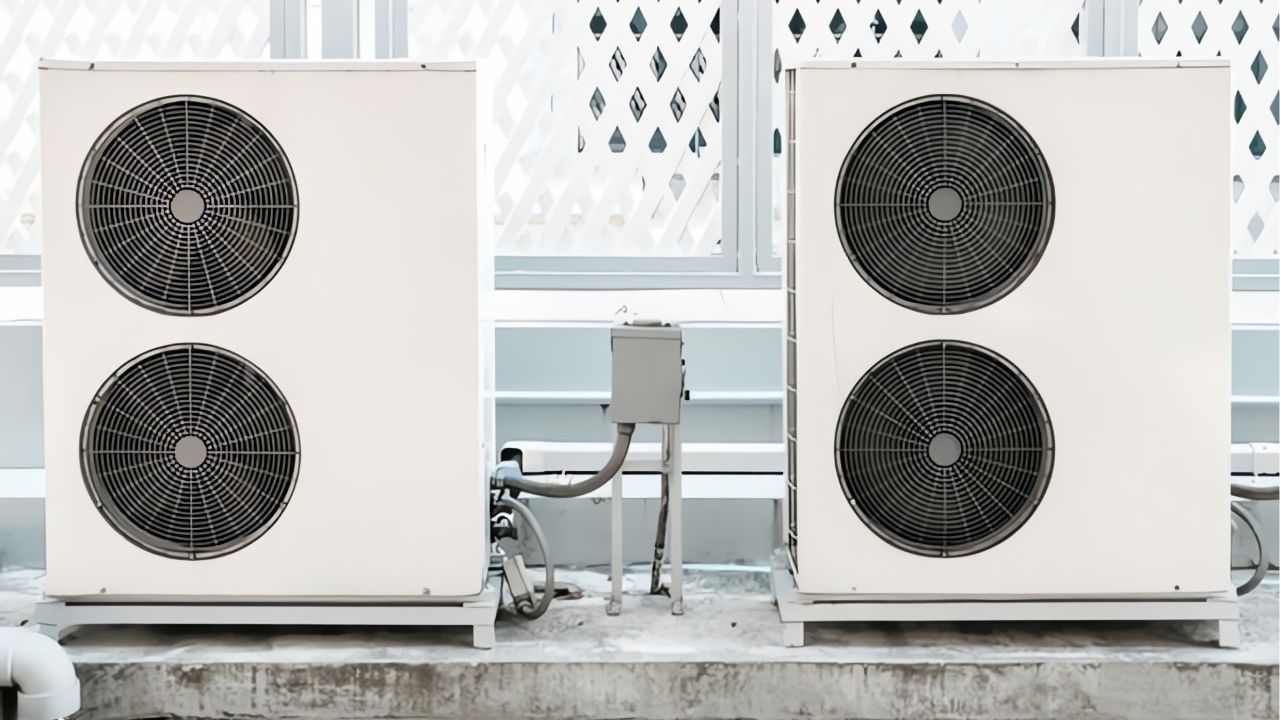
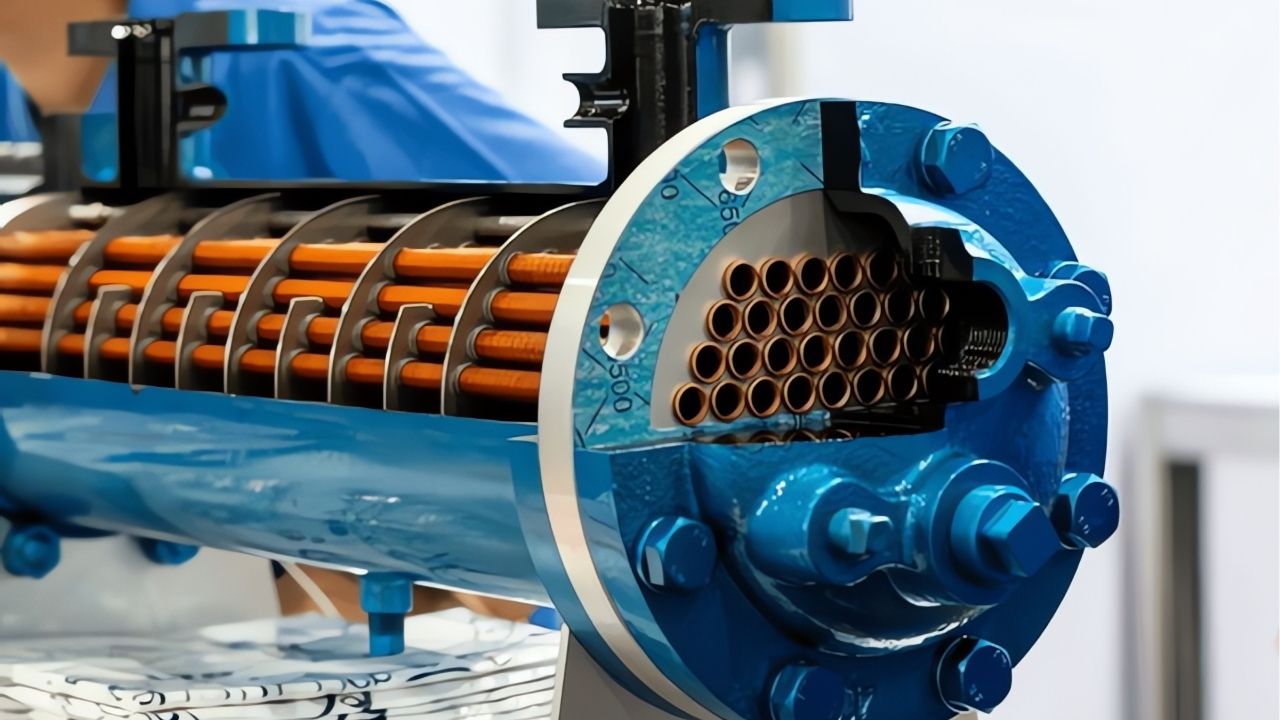
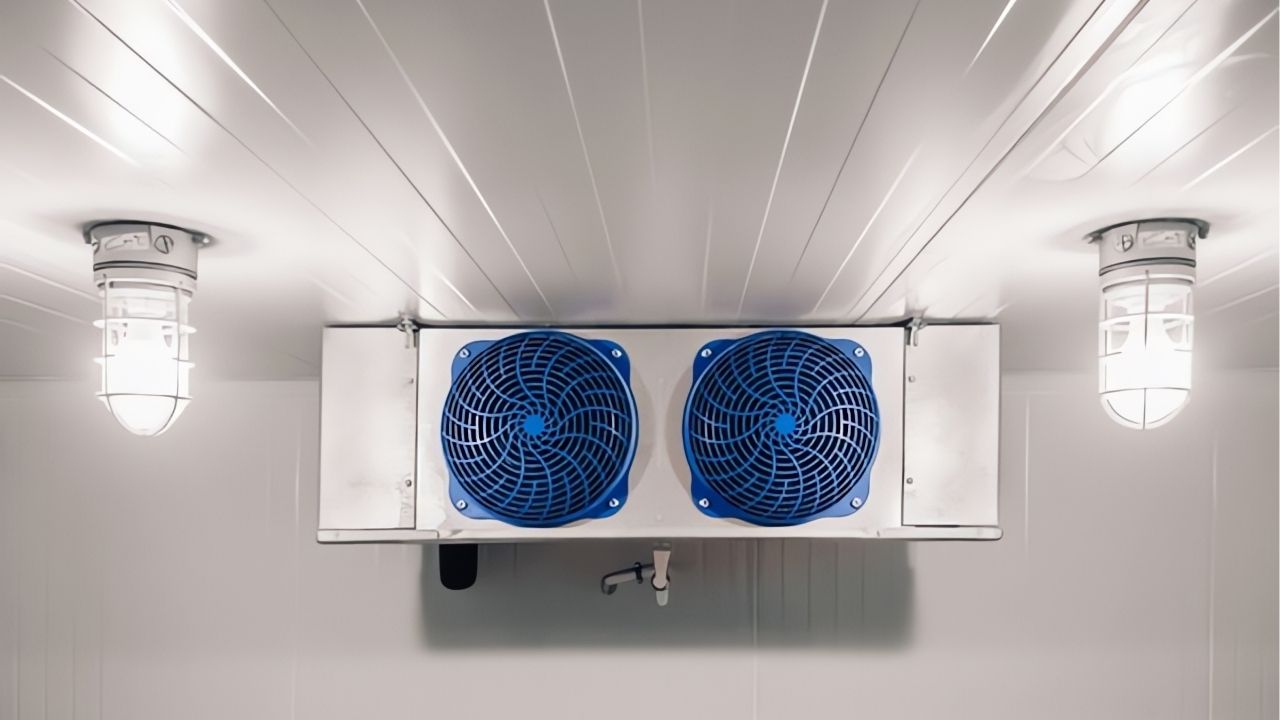
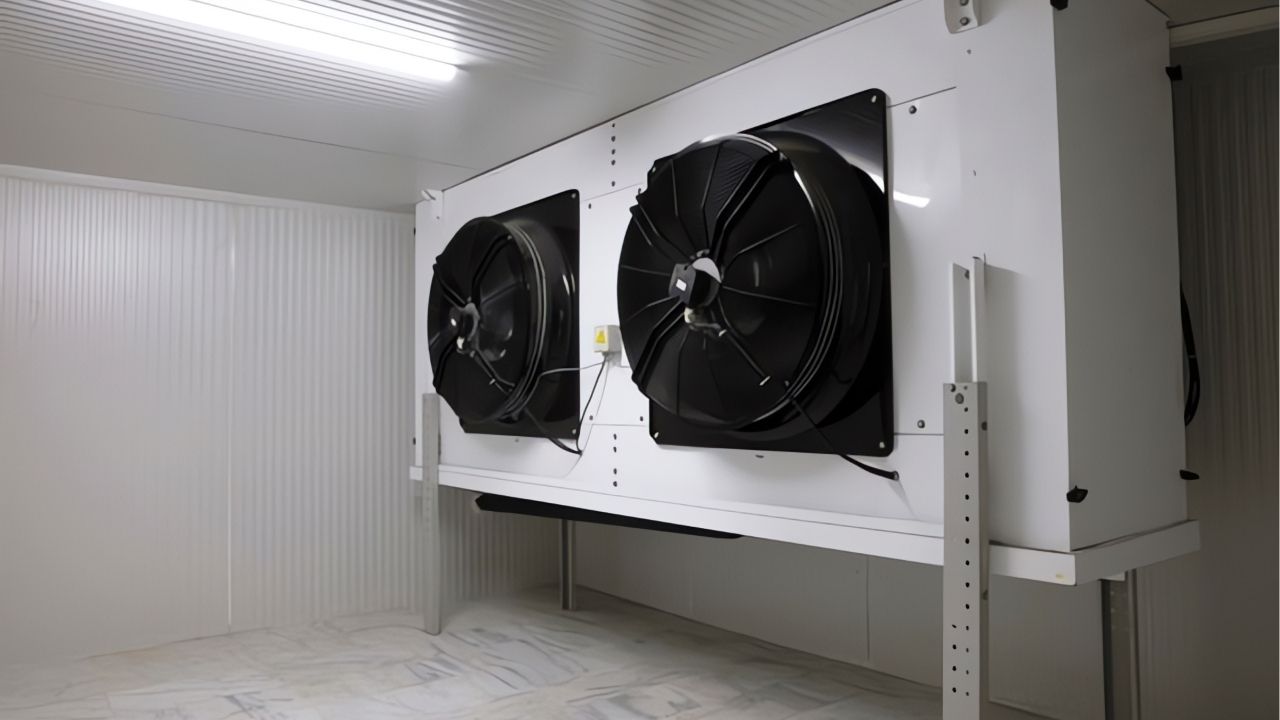
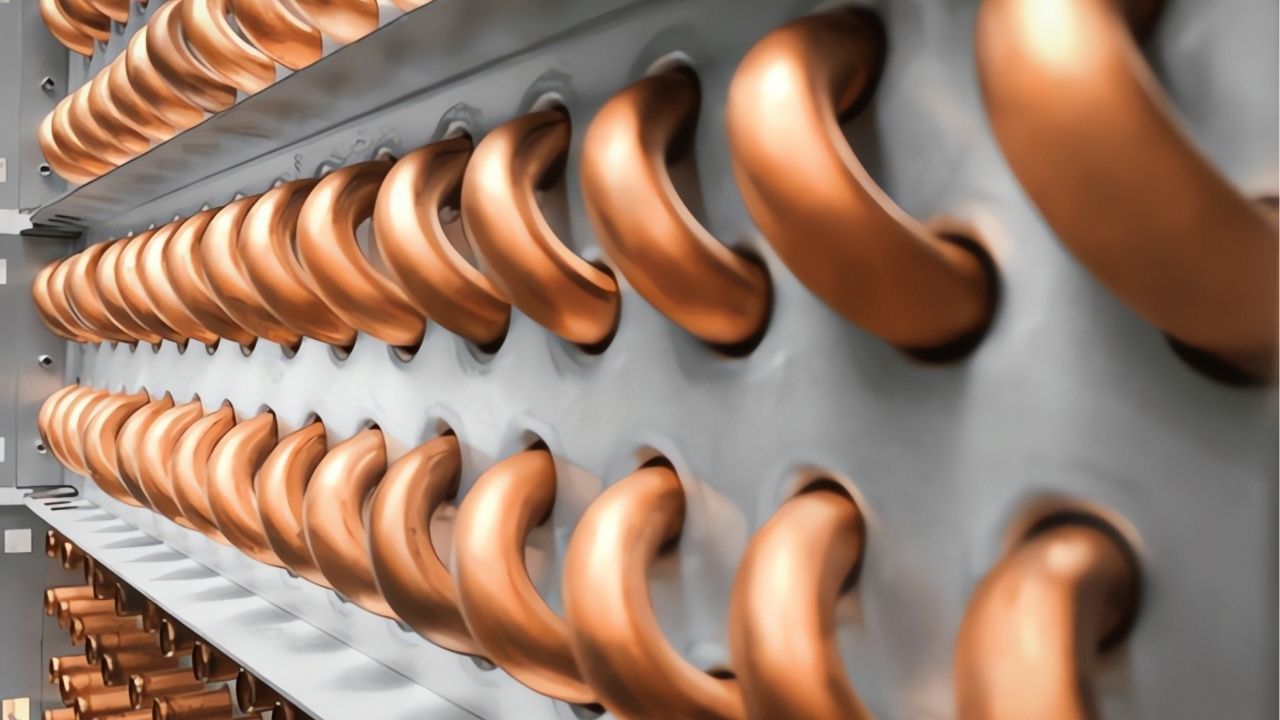
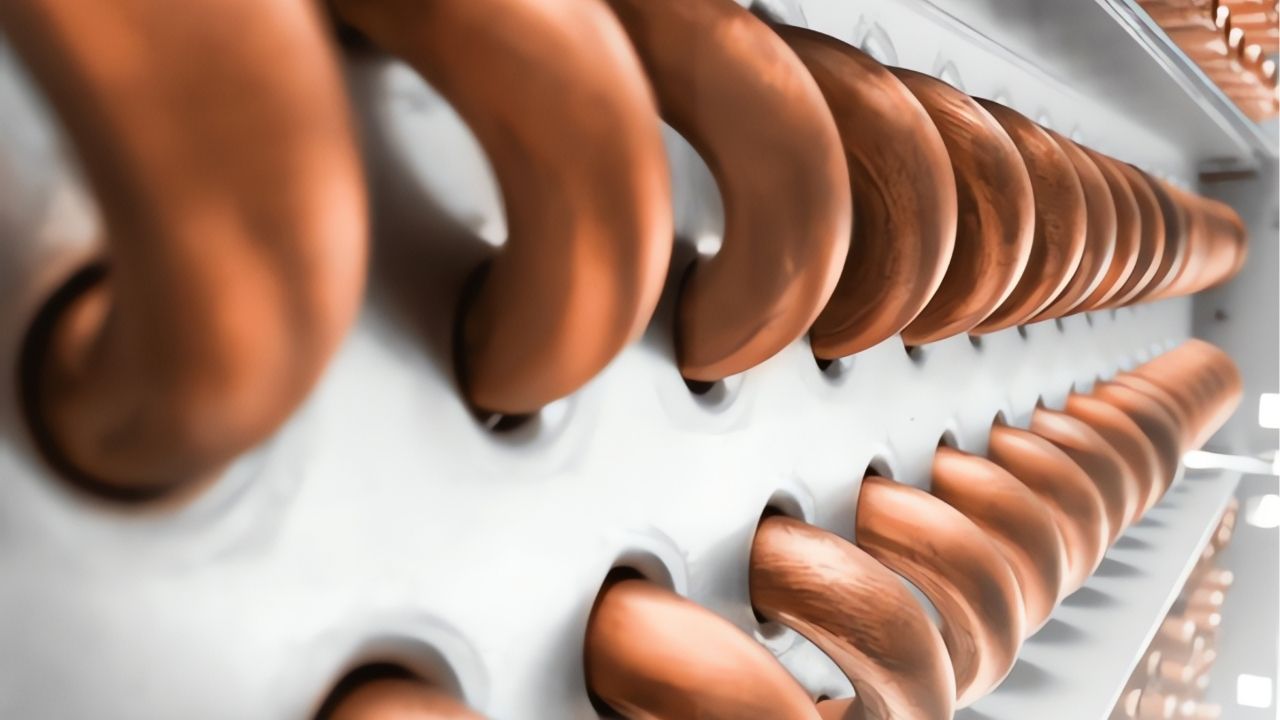
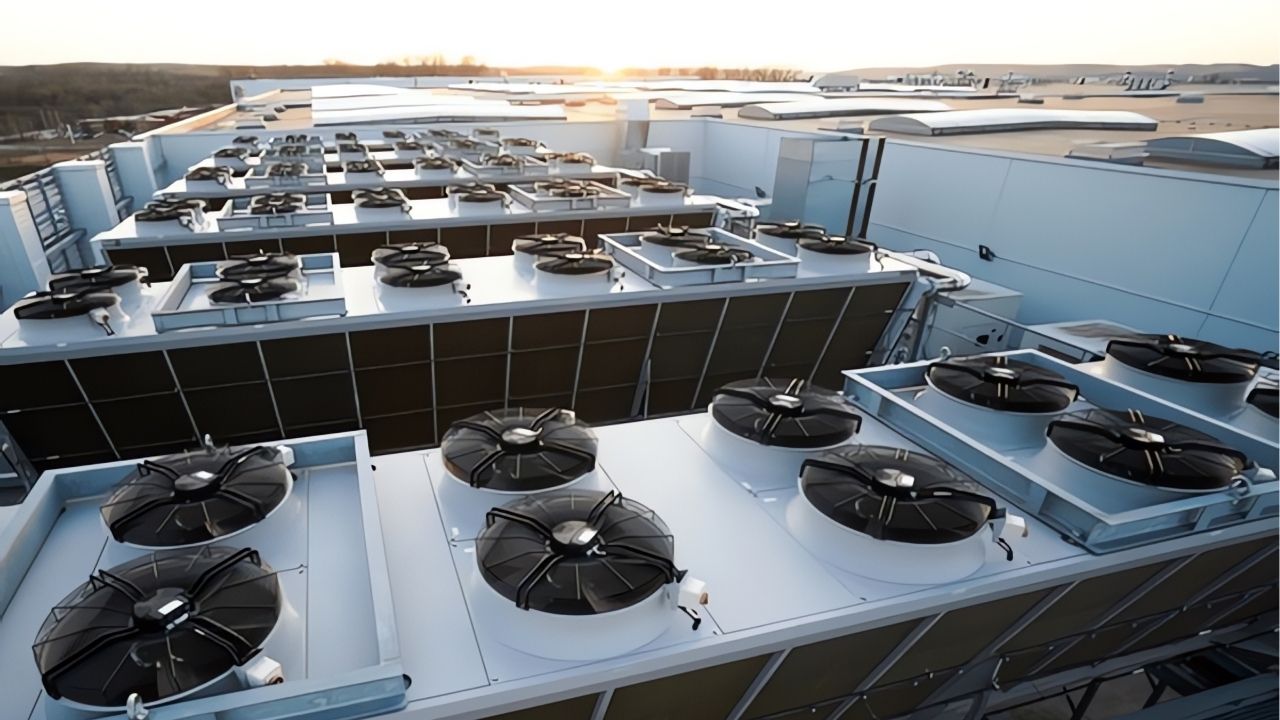
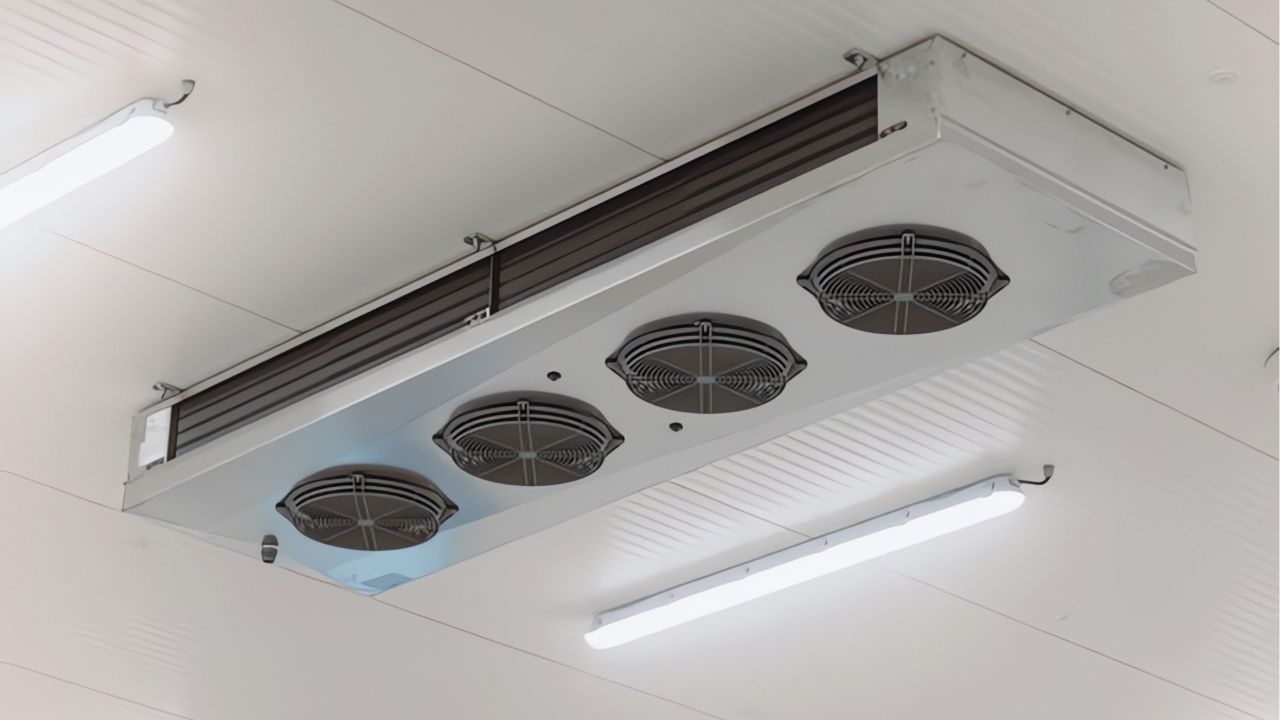
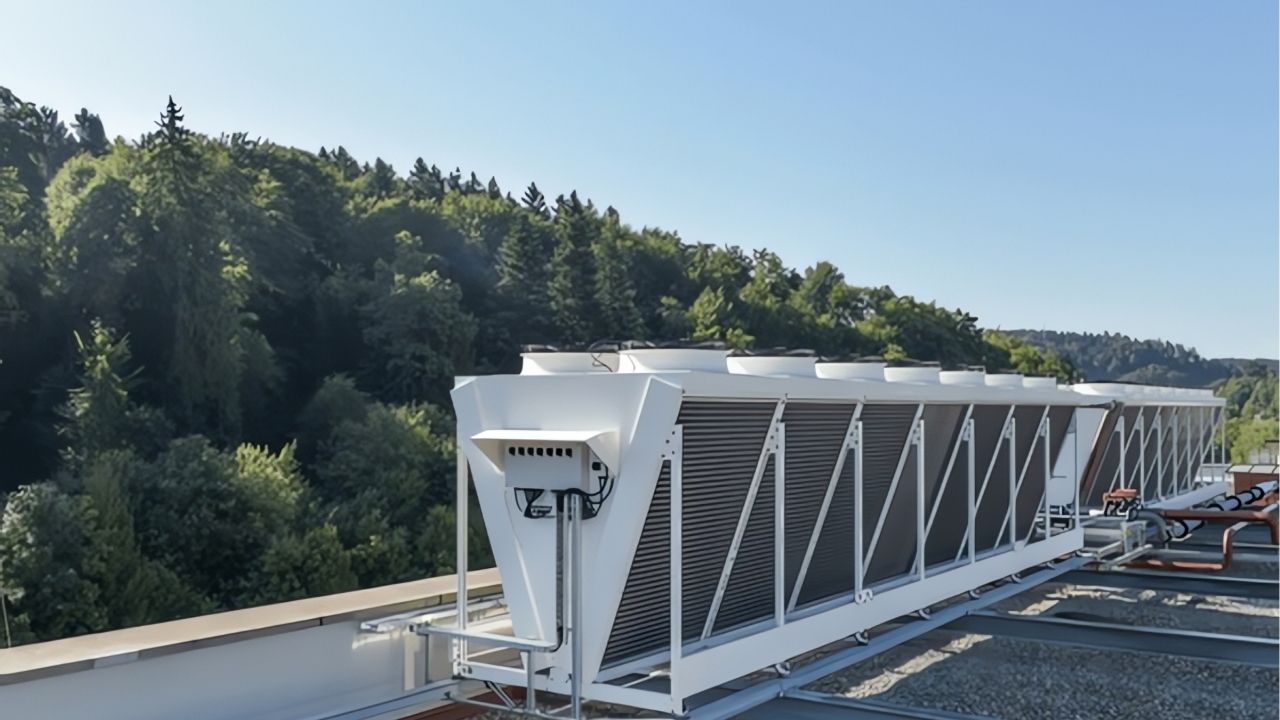
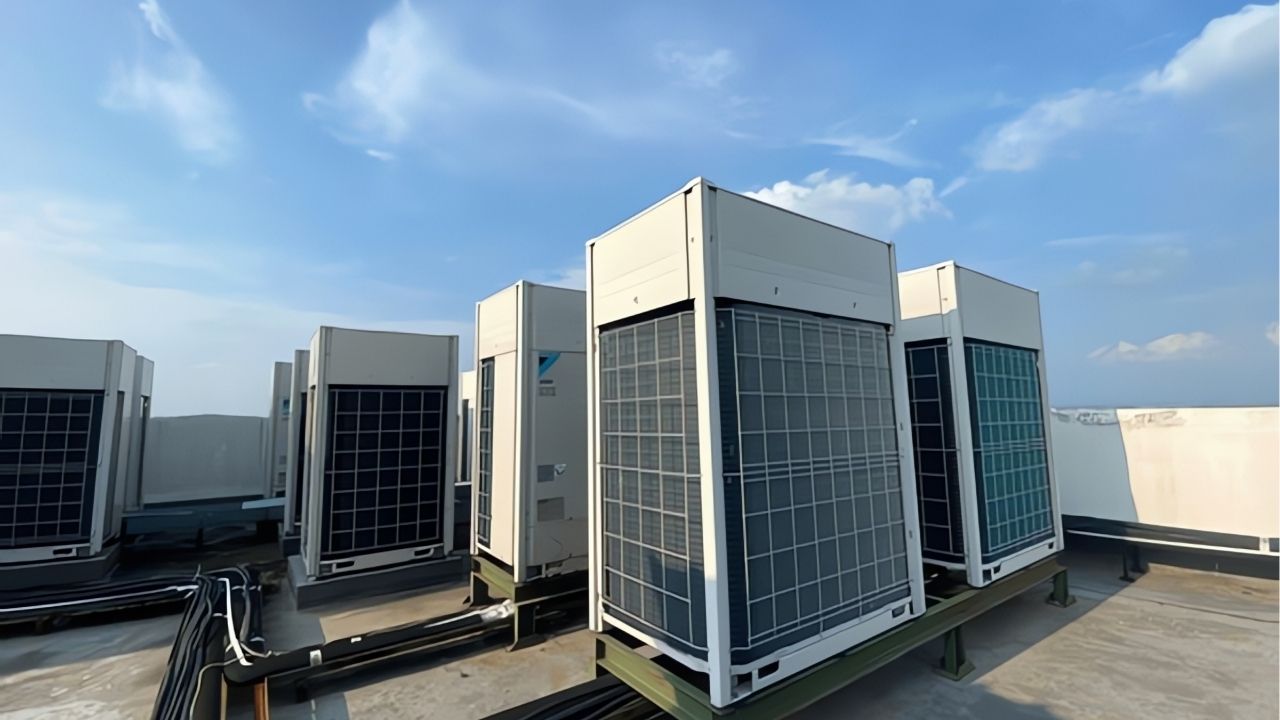
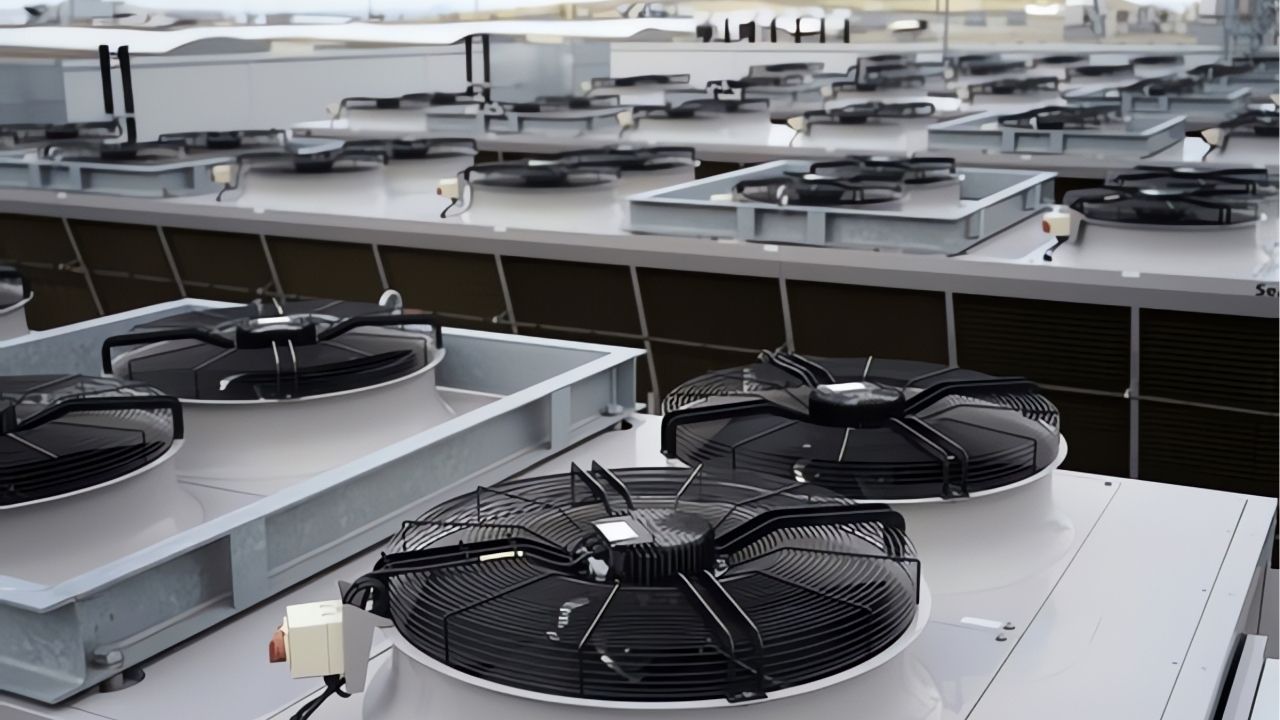
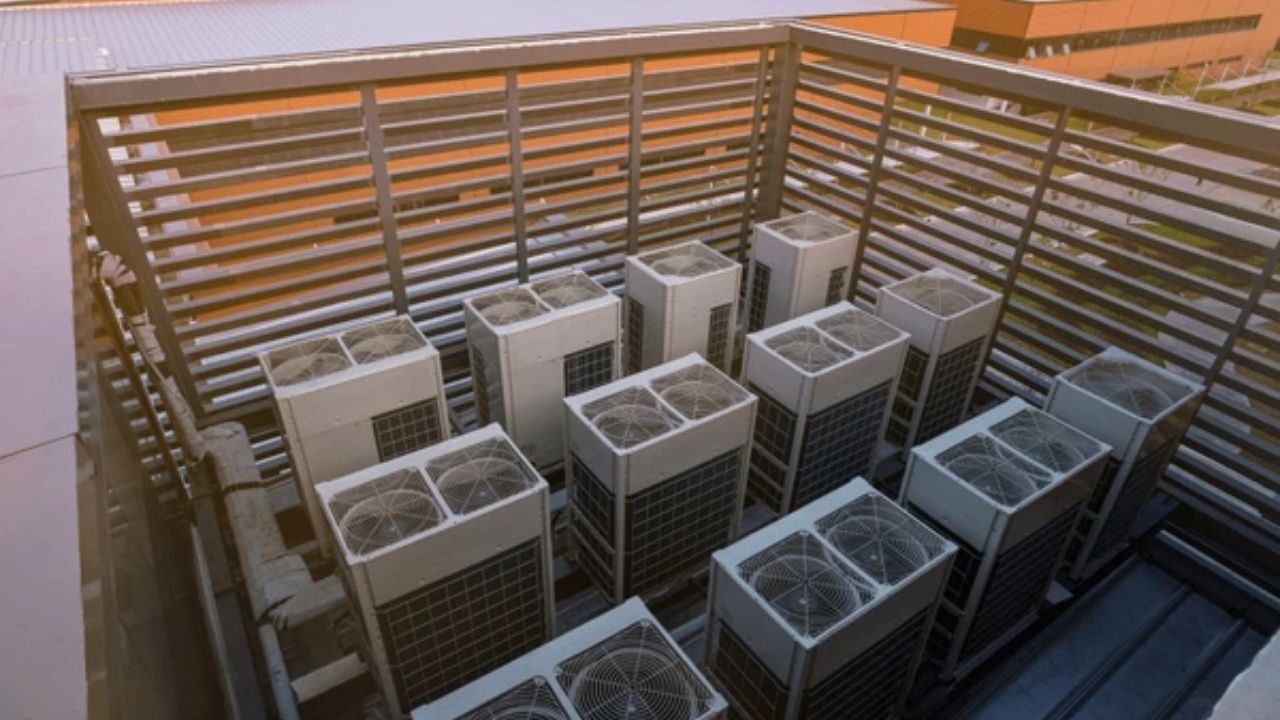
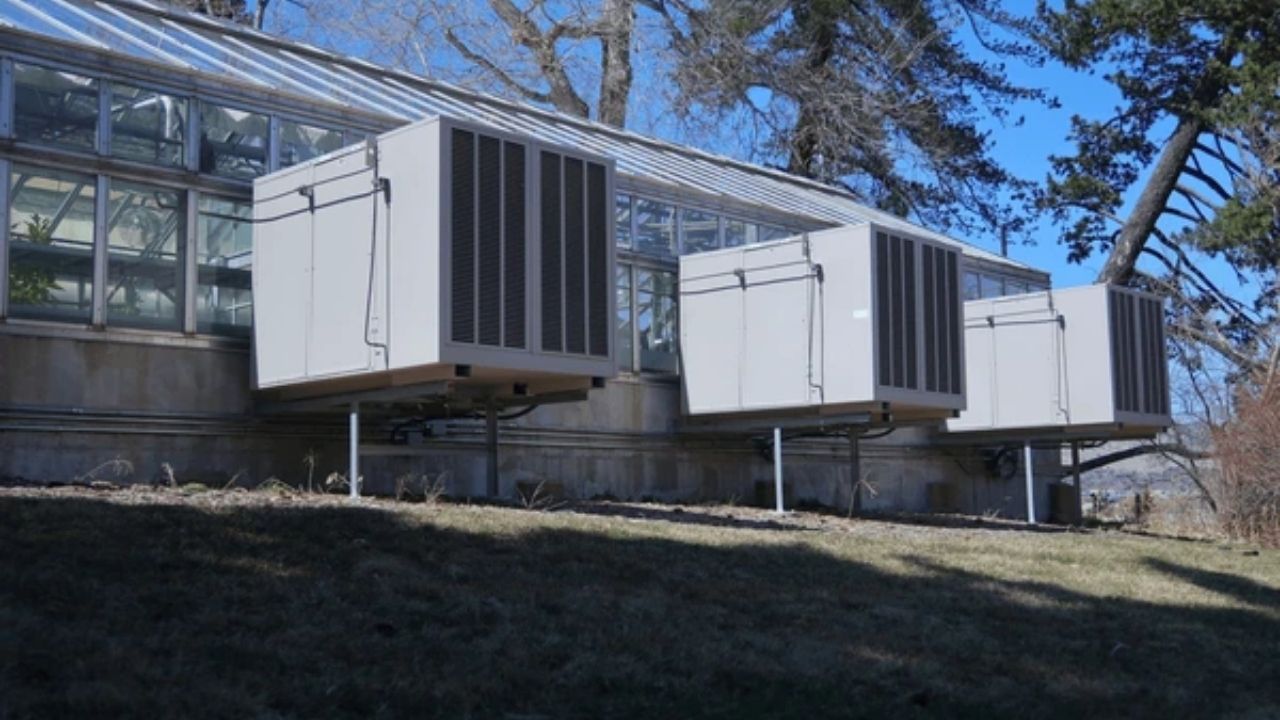
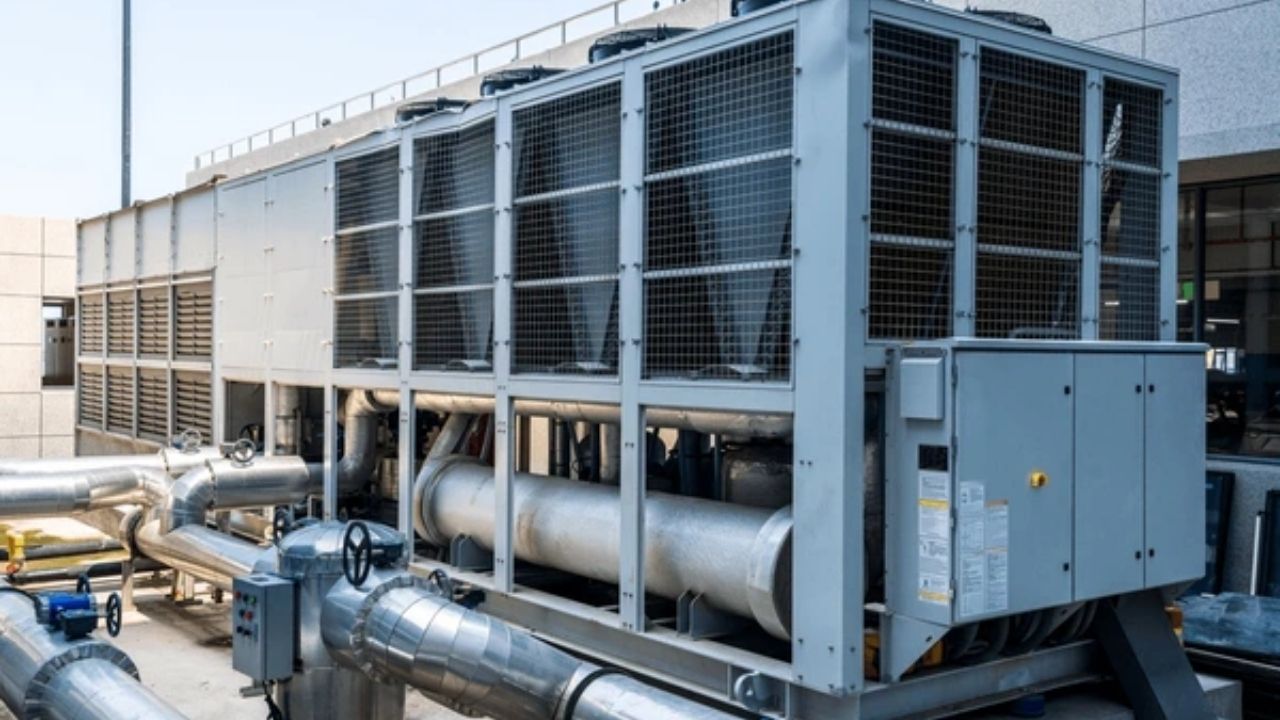
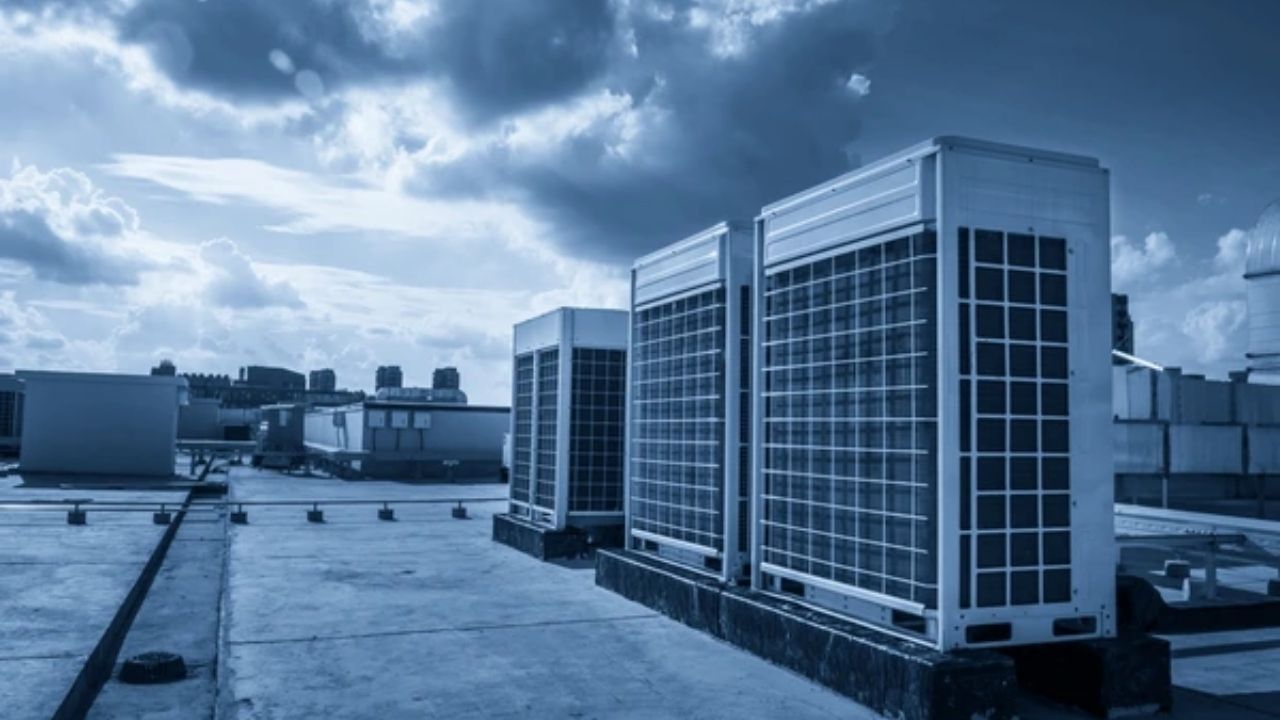
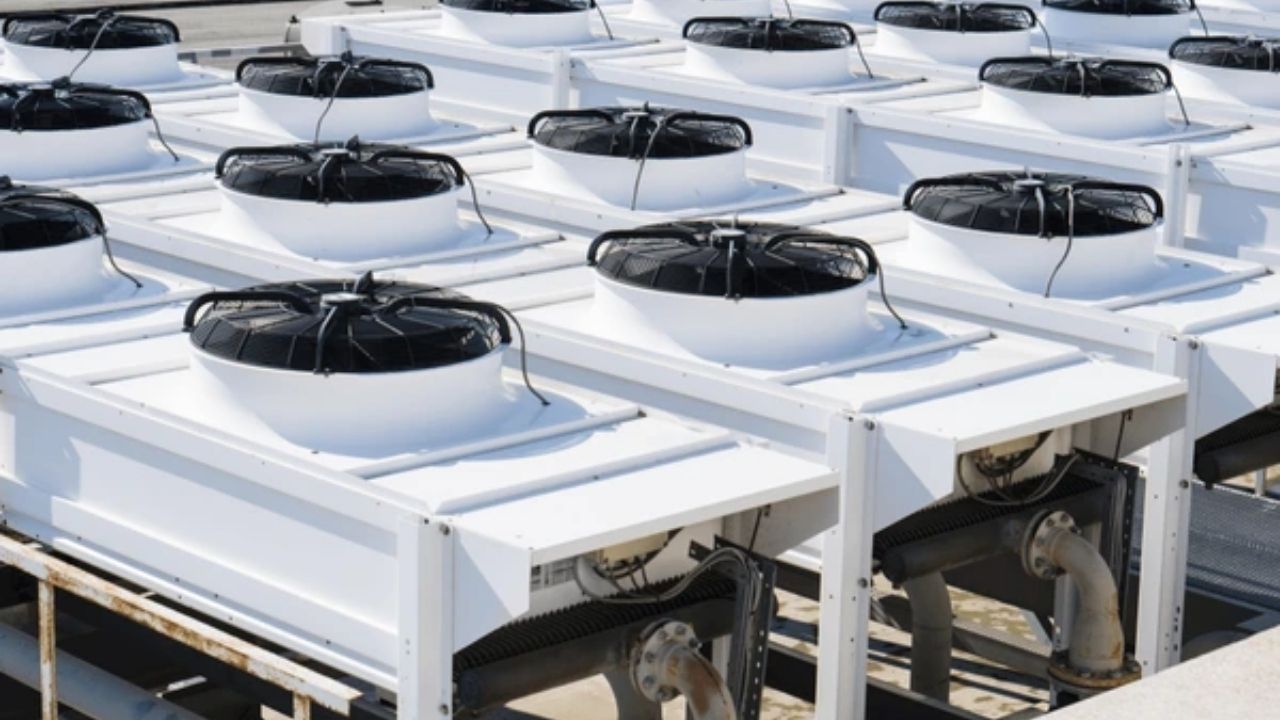
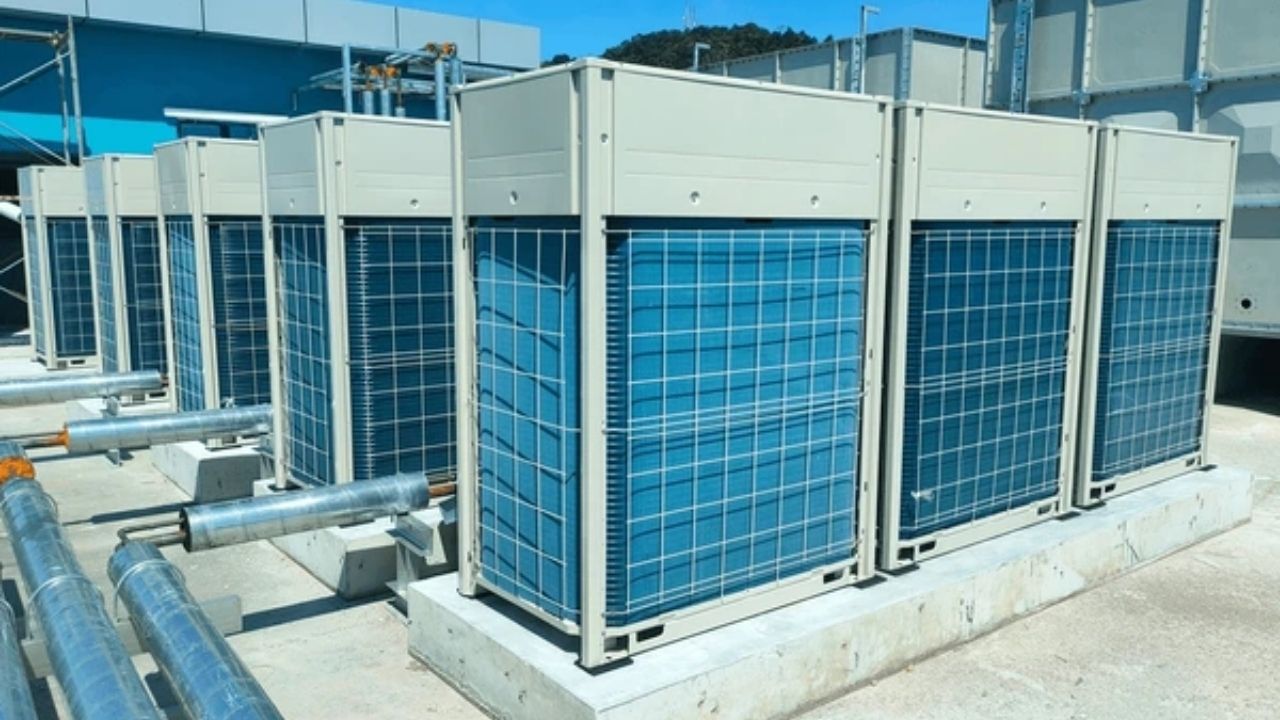
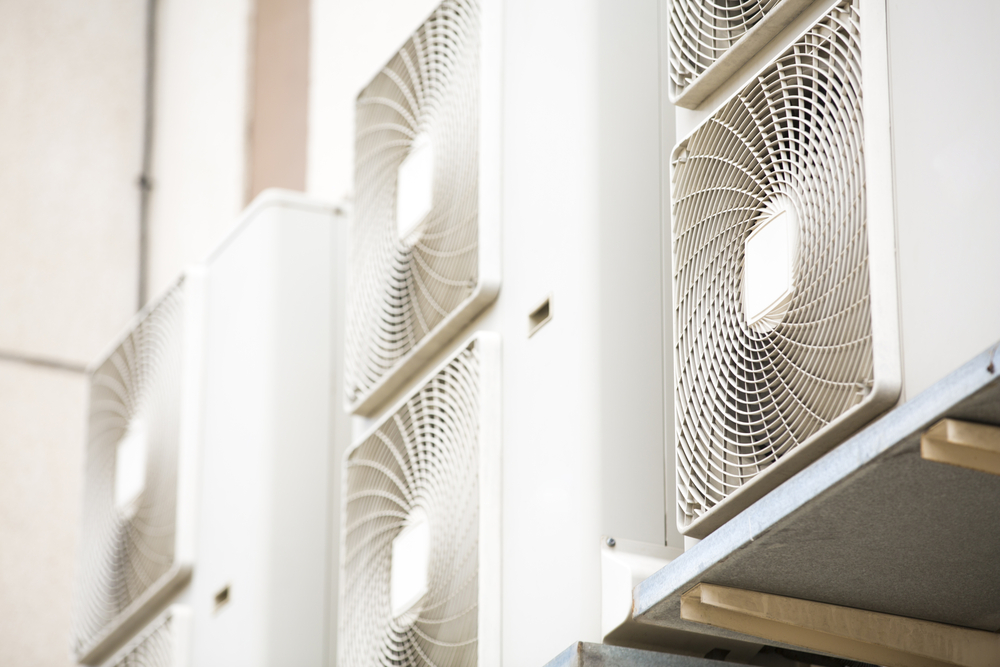
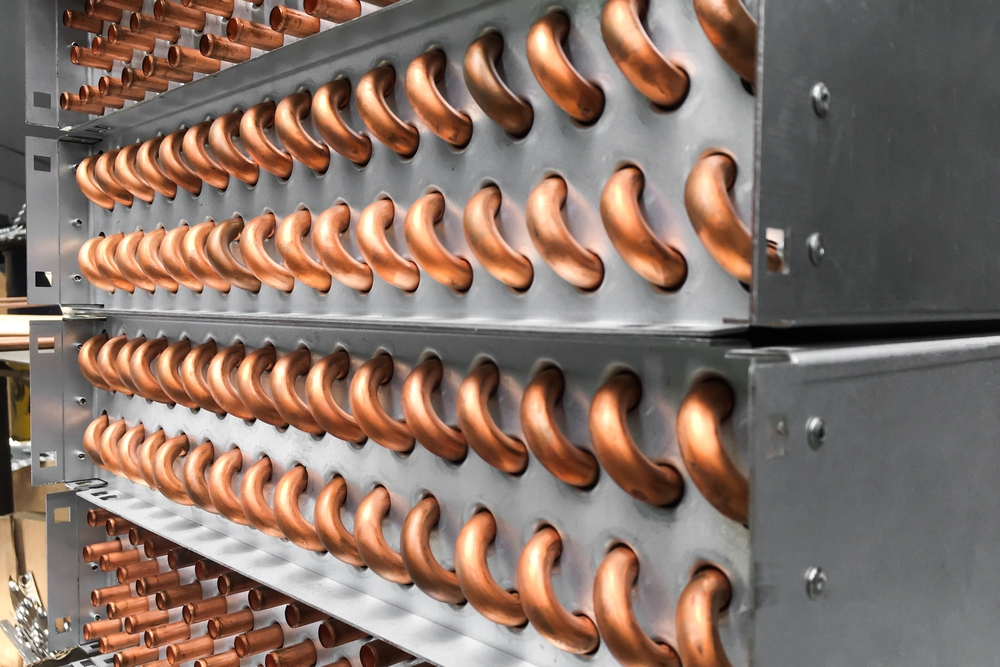
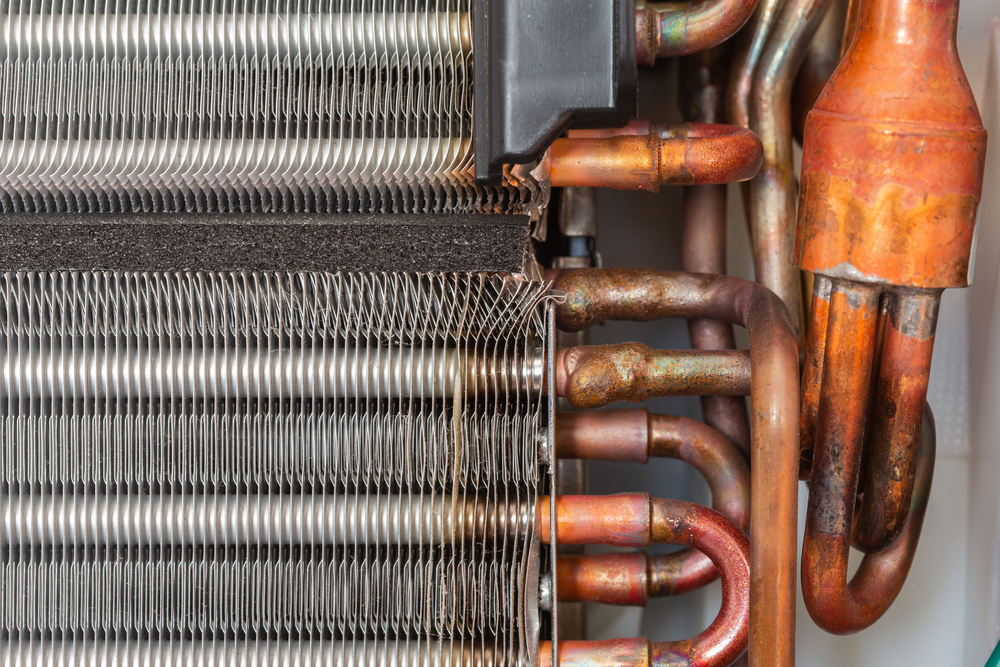
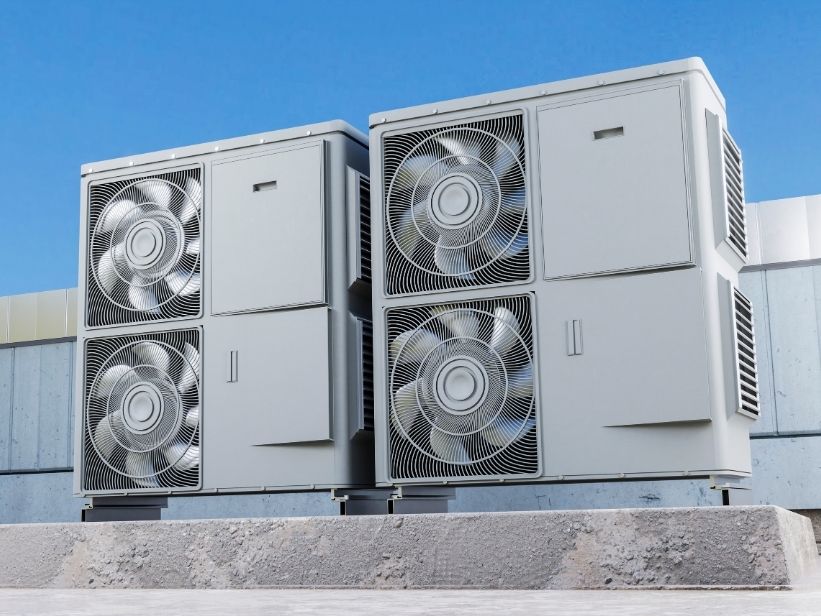
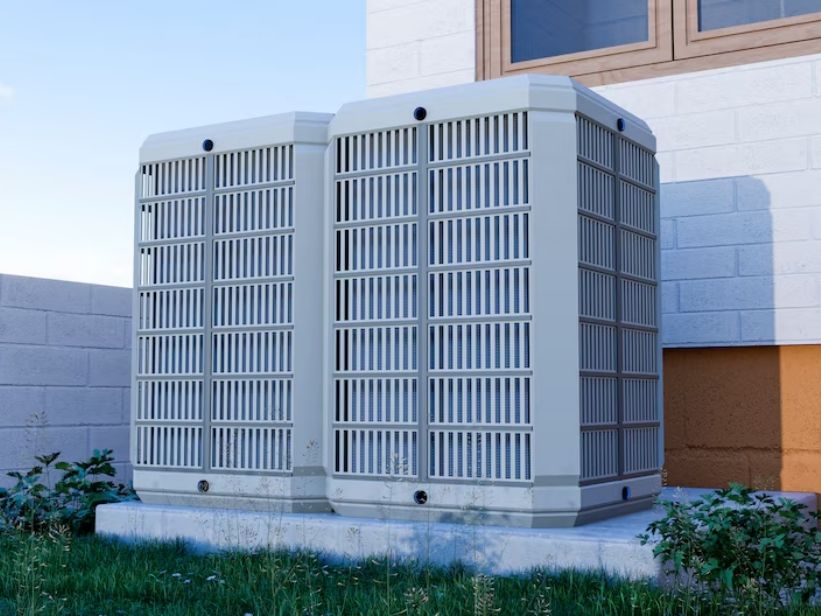
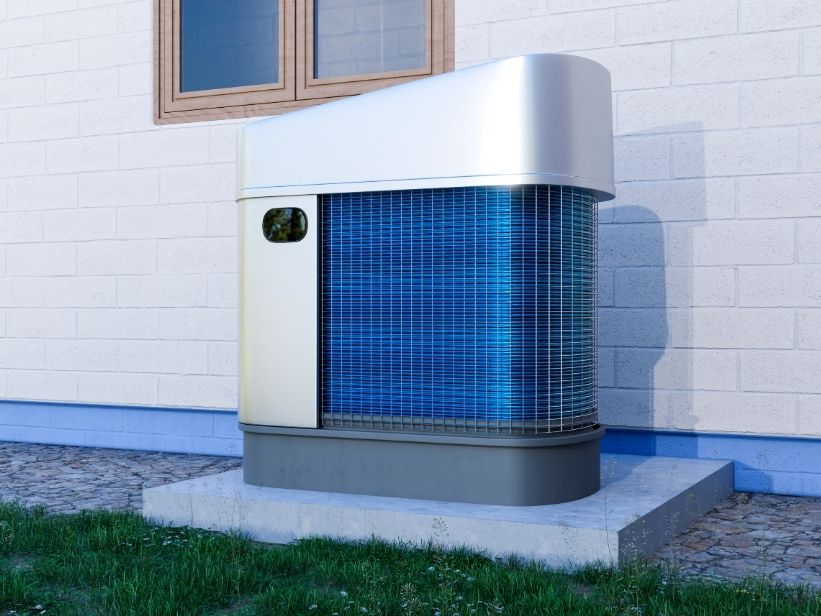
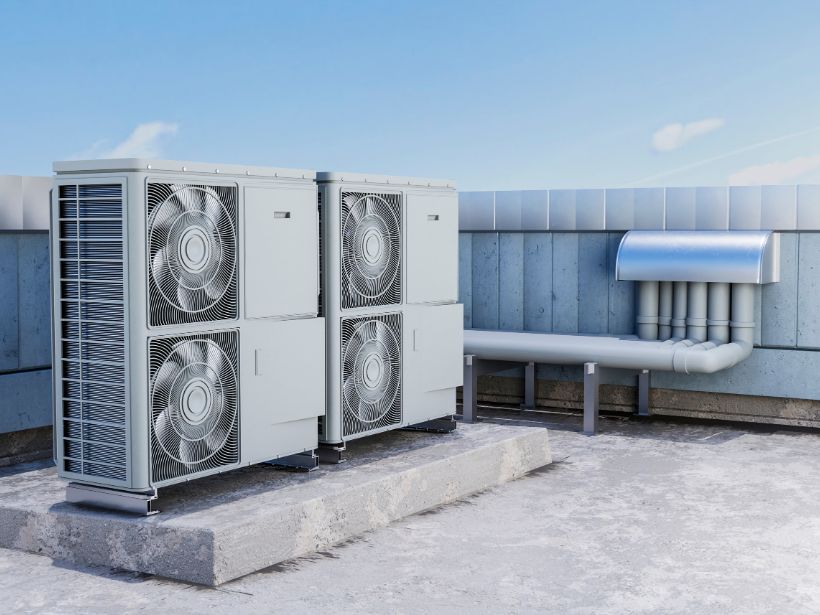
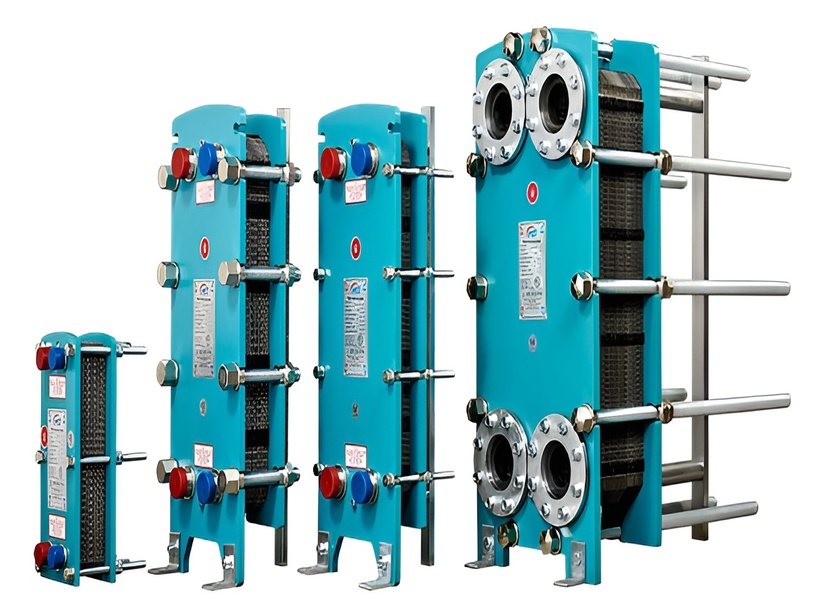
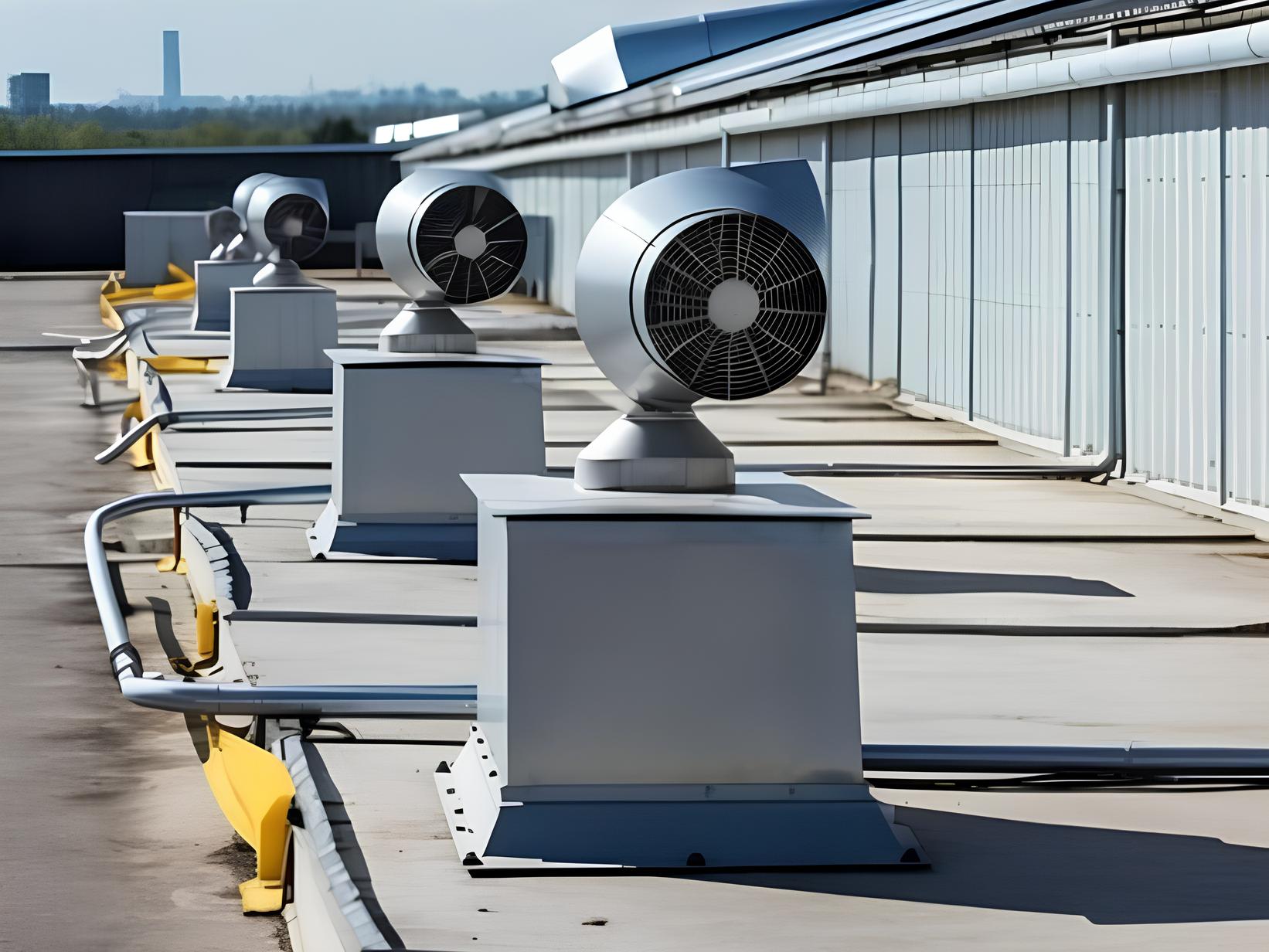
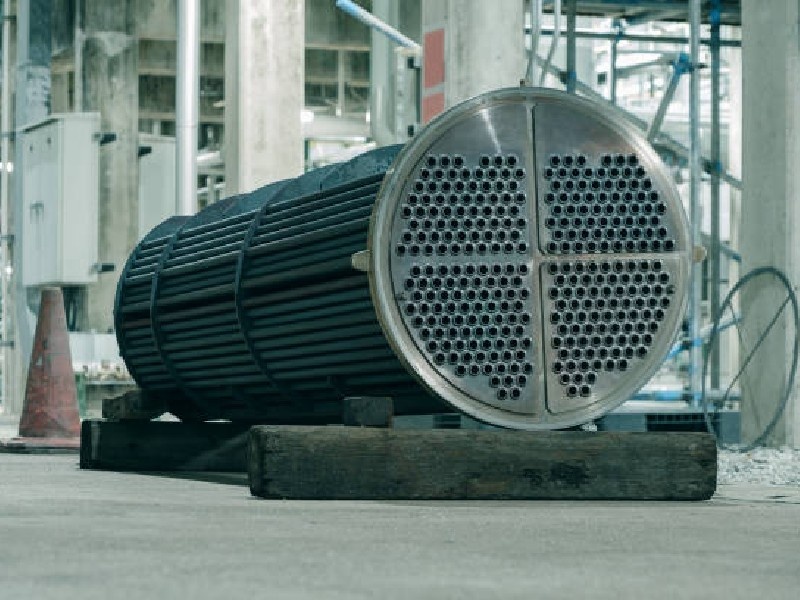
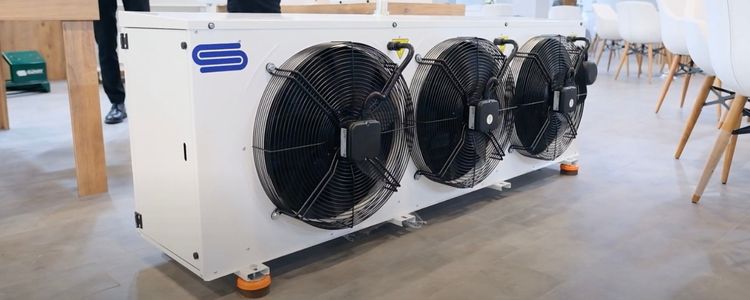
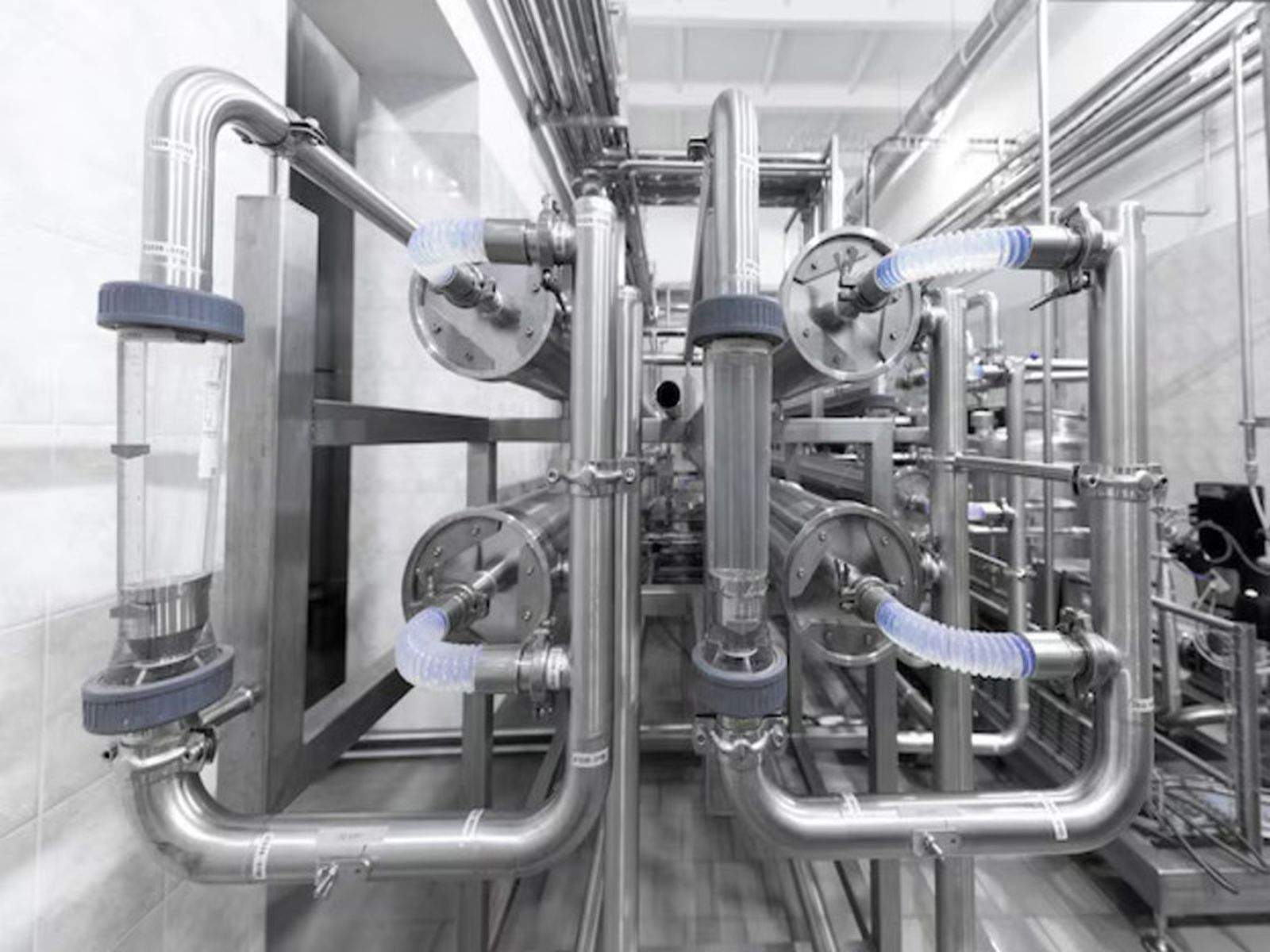
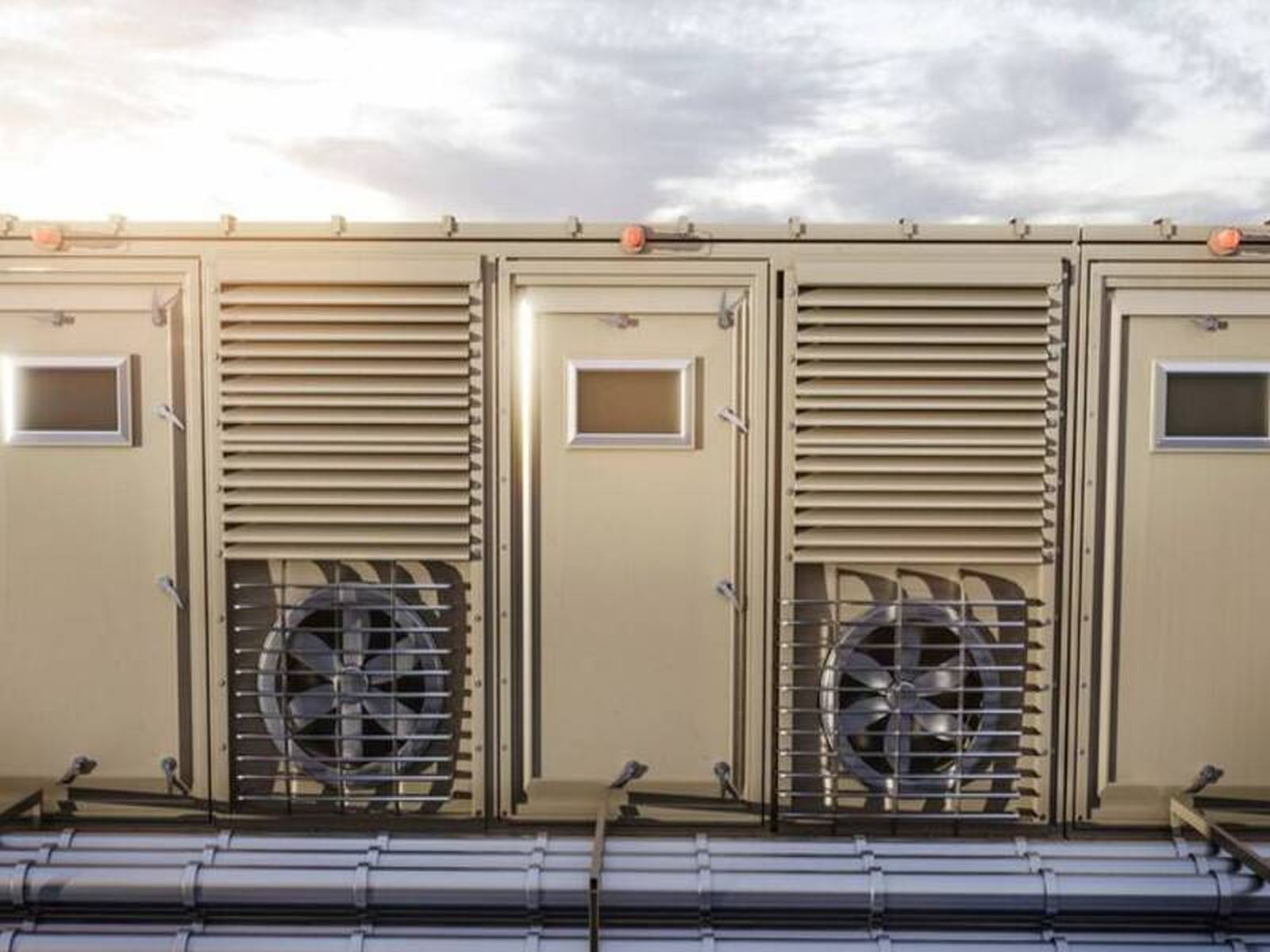
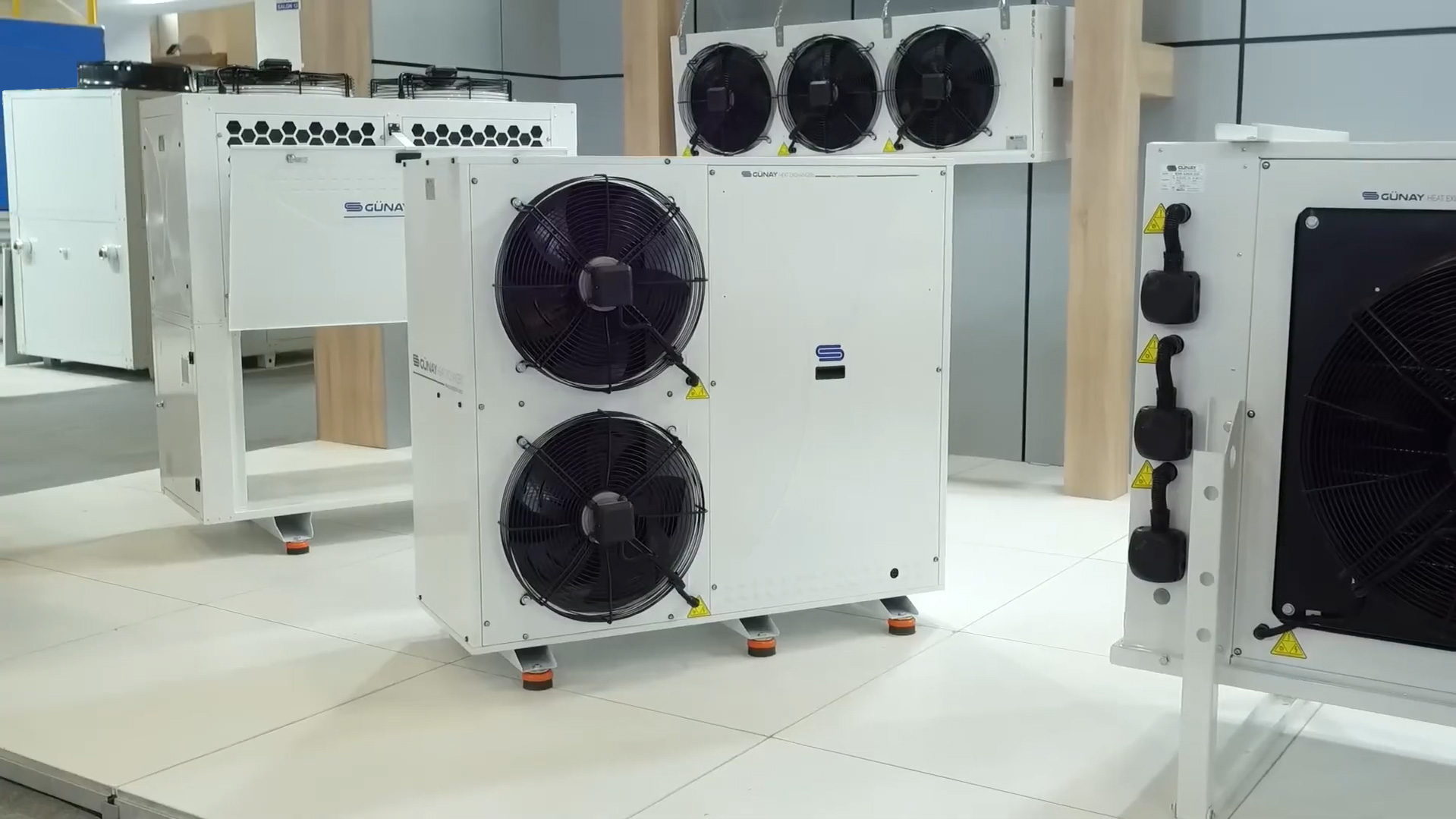
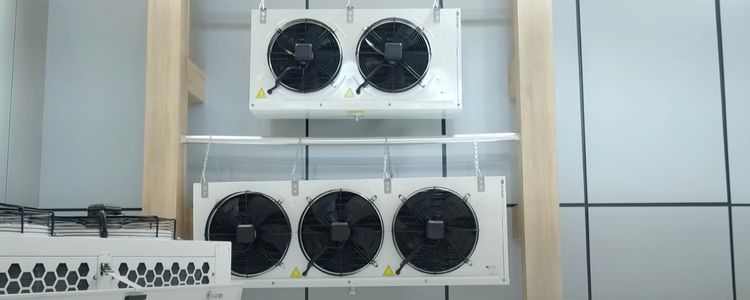
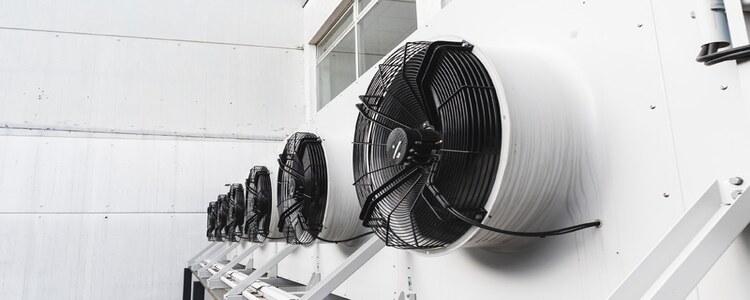
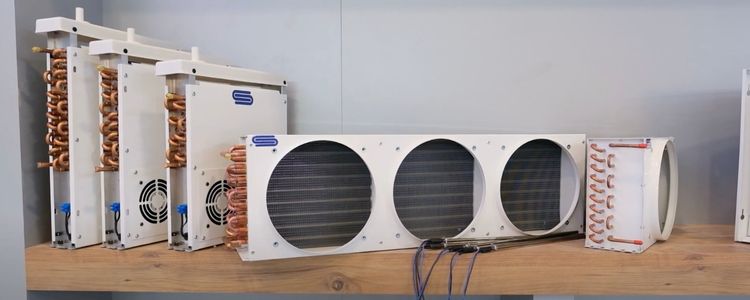
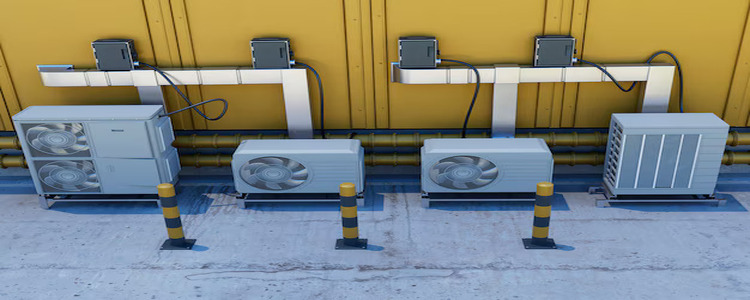
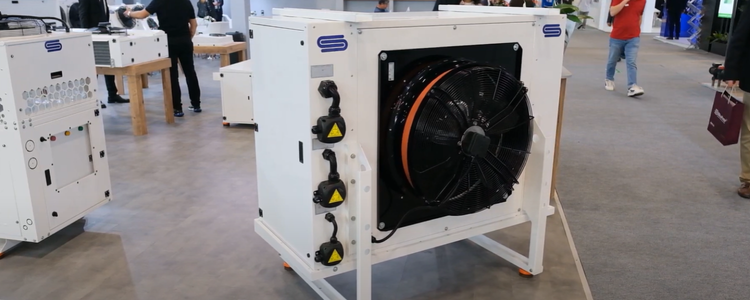
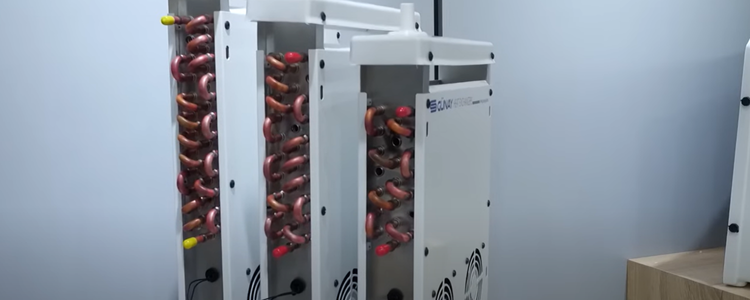
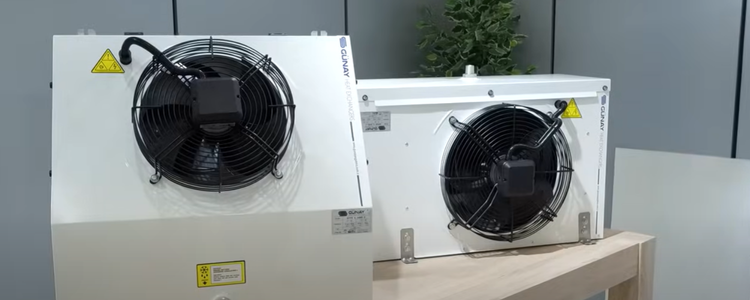
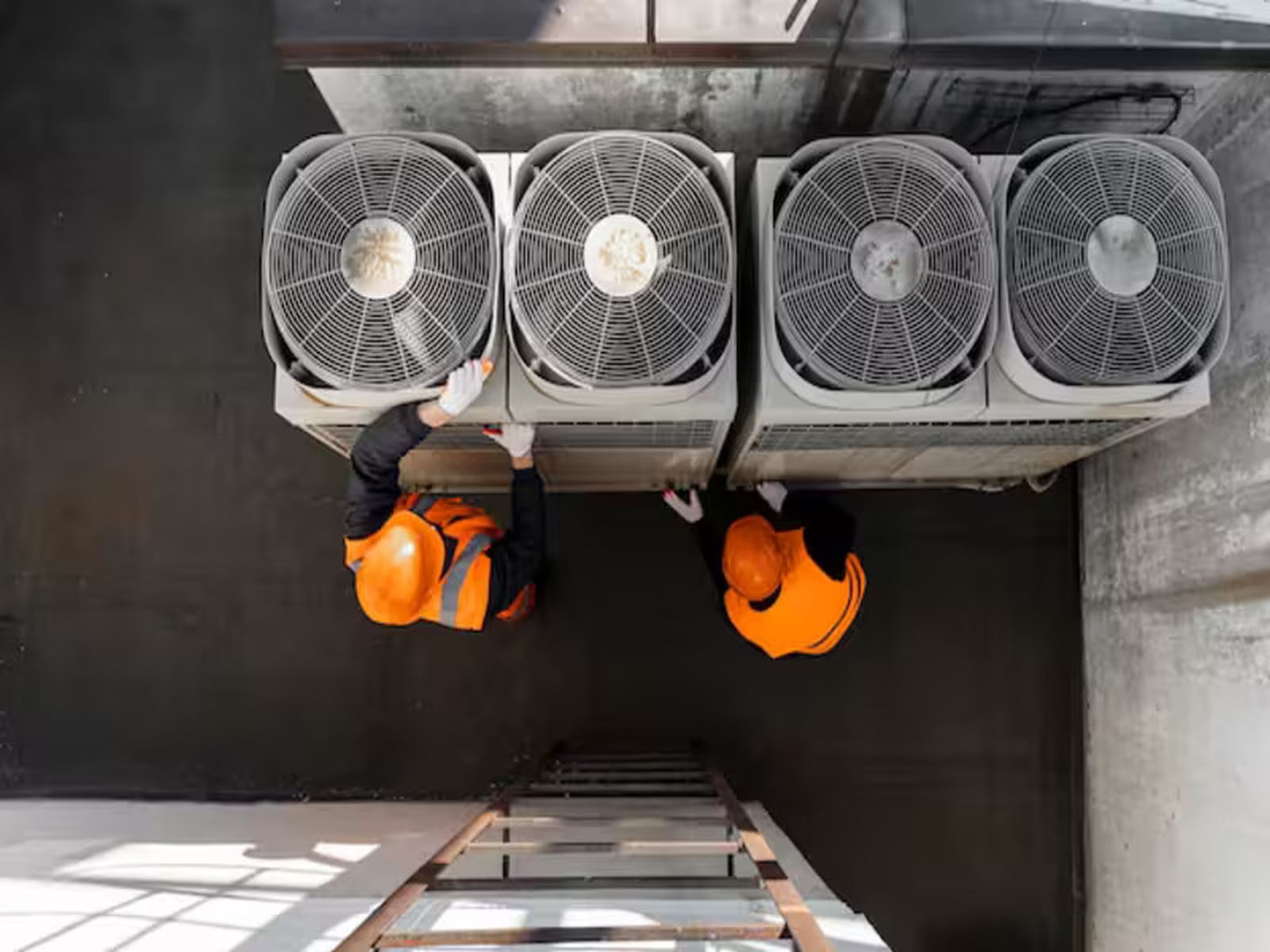
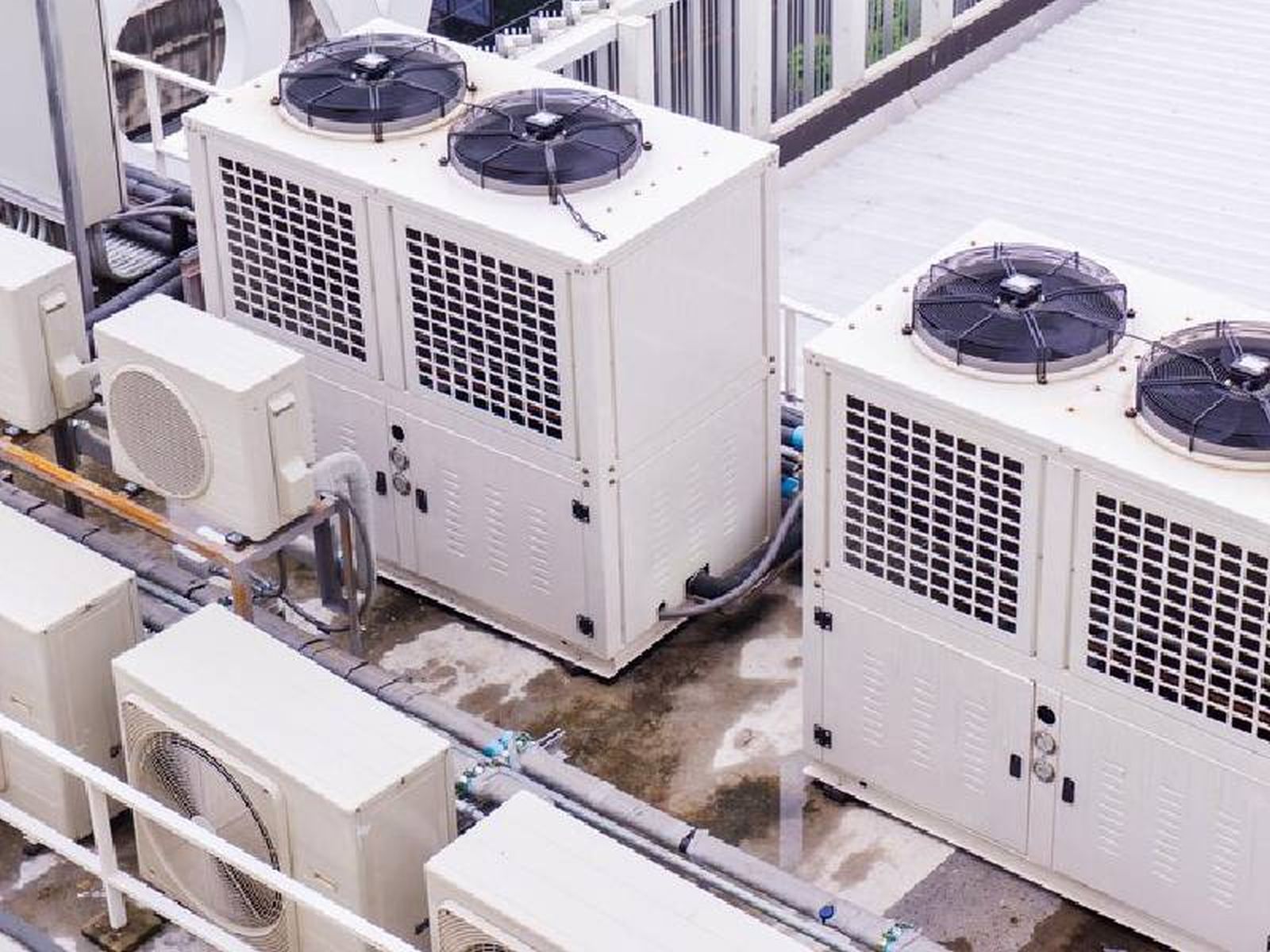
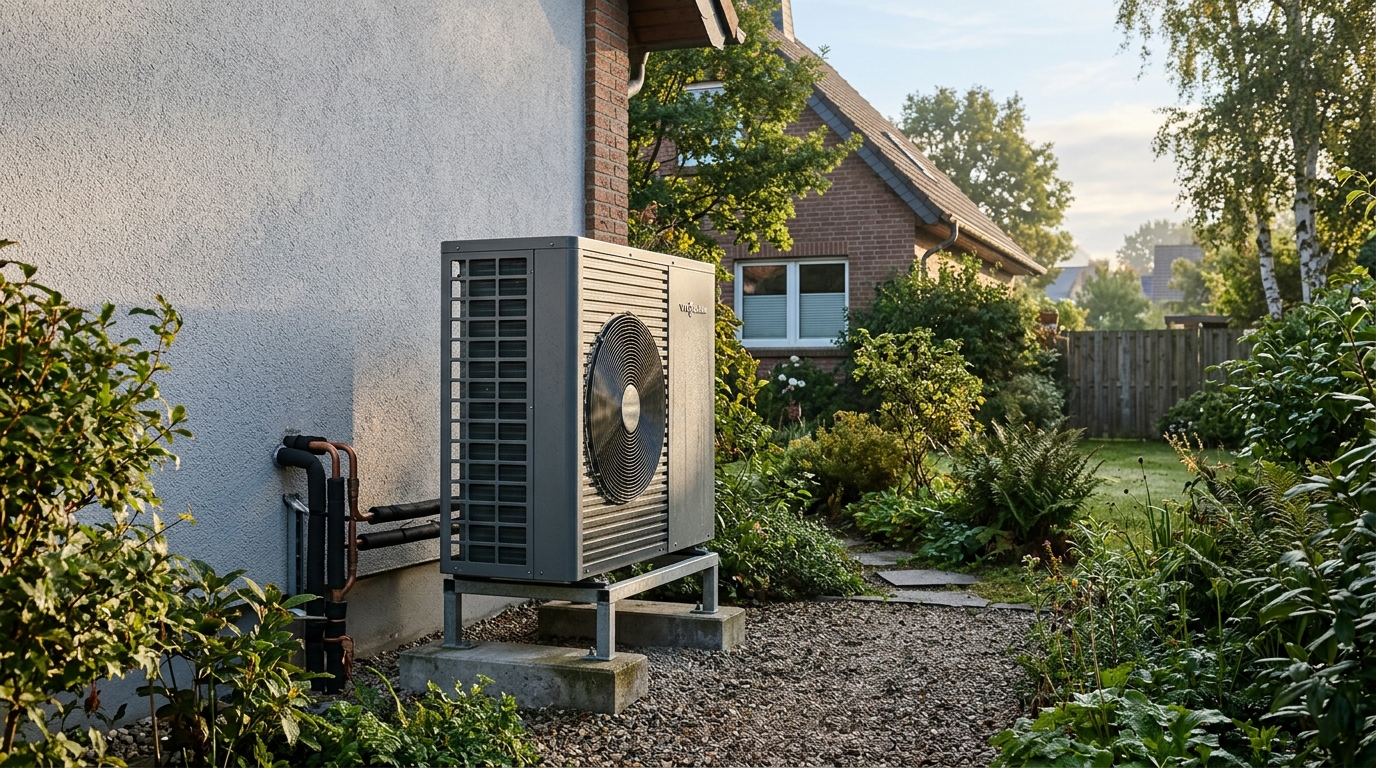
In air-source heat pumps, the evaporator is generally a finned coil with fans, while in water-source or ground-source systems it is a plate, shell-and-tube or coaxial heat exchanger. The type of source determines the heat transfer mechanism and therefore the structure of the heat exchanger.
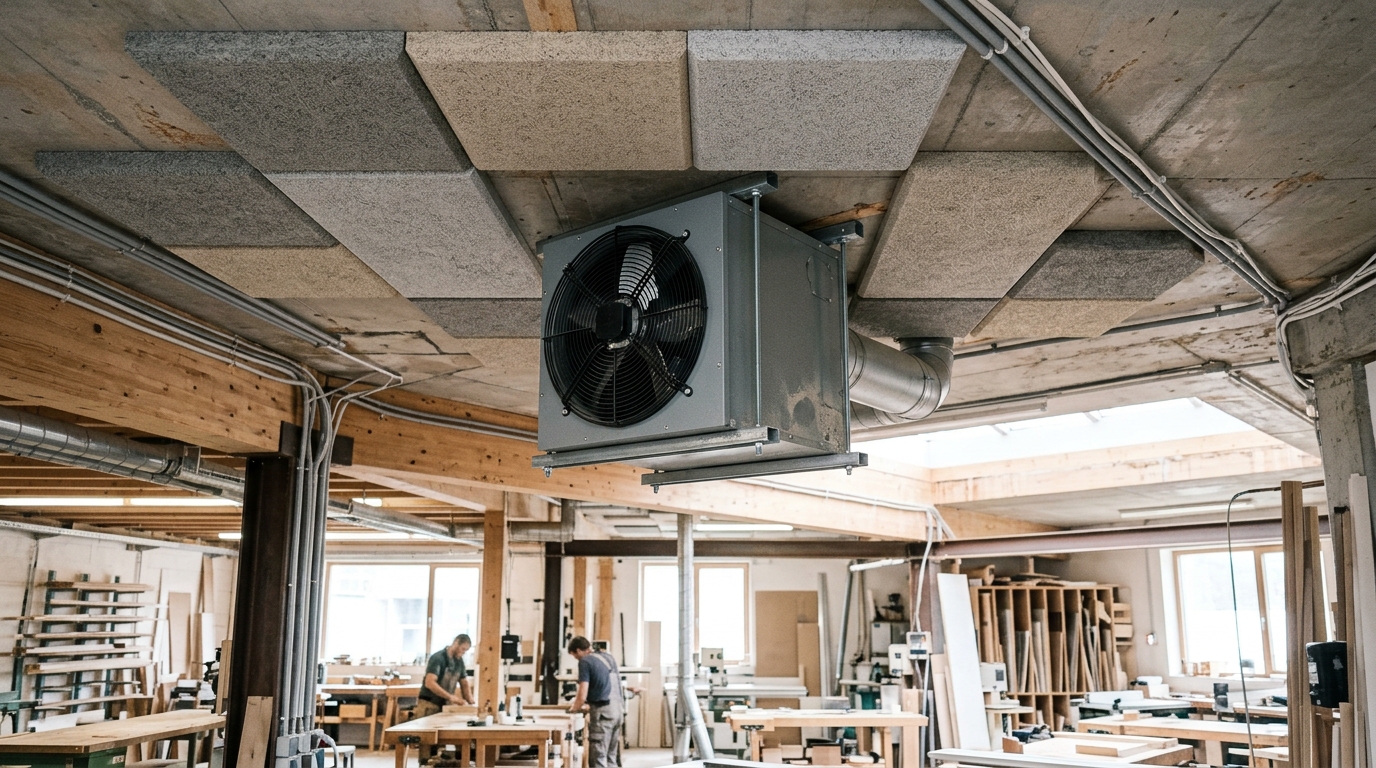
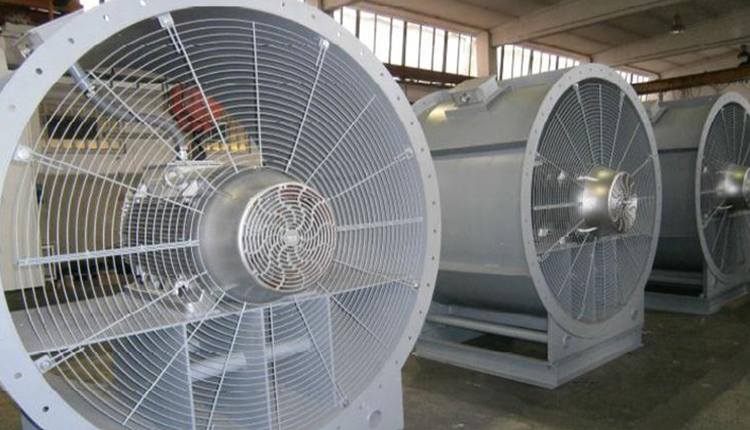
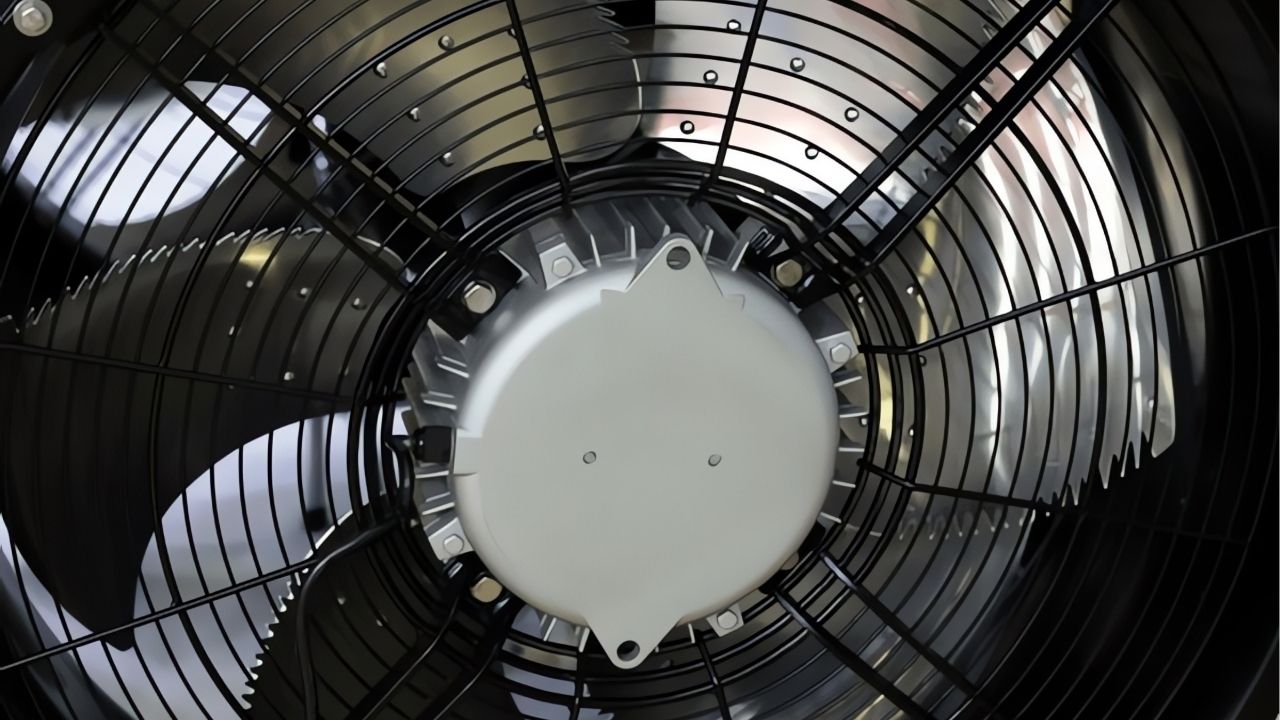
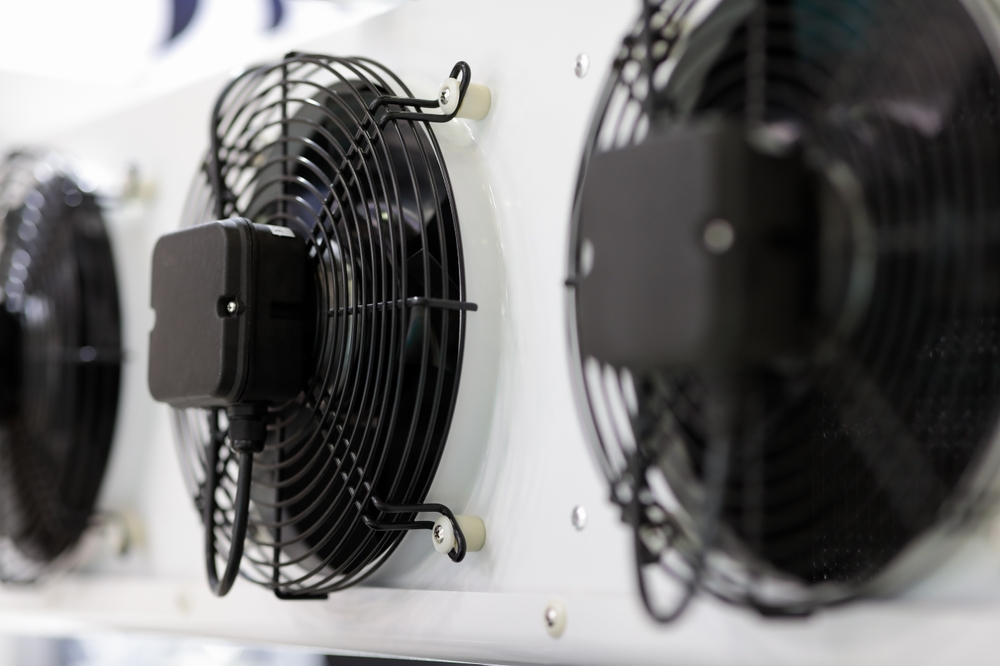
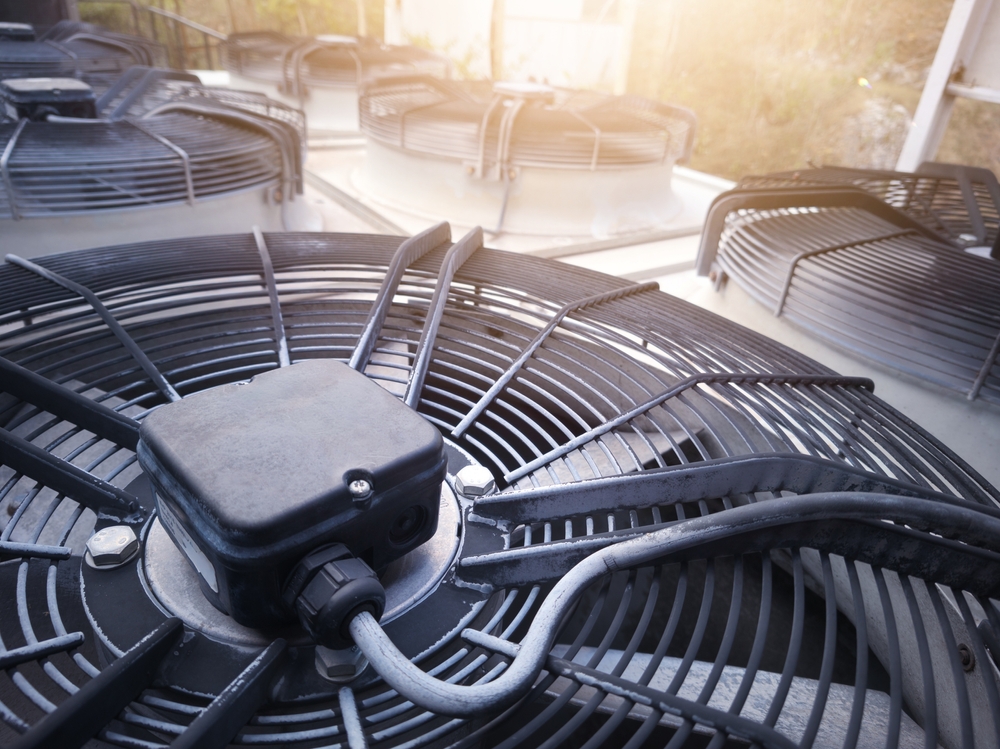
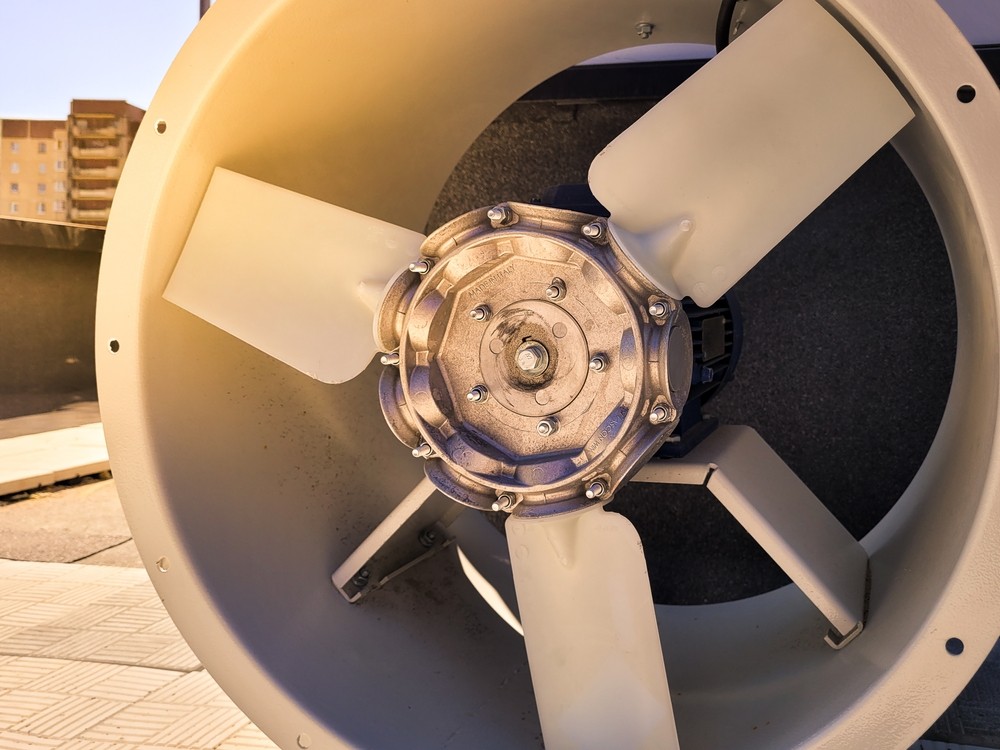
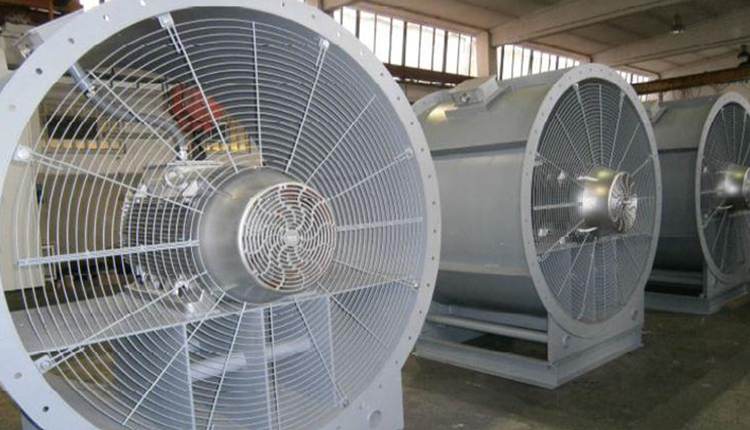
Since air is a source with a low heat-carrying capacity, air-source systems require a large surface area and a high air flow rate; this brings fan selection and noise to the fore. In systems using water or glycol mixture as the source, more compact heat exchangers can be used, but freeze protection, fouling and fluid quality require attention. Which type is suitable is determined according to the available source, site conditions and the operating temperature range.
How Is Evaporator Performance Maintained At Low Outdoor Temperatures?
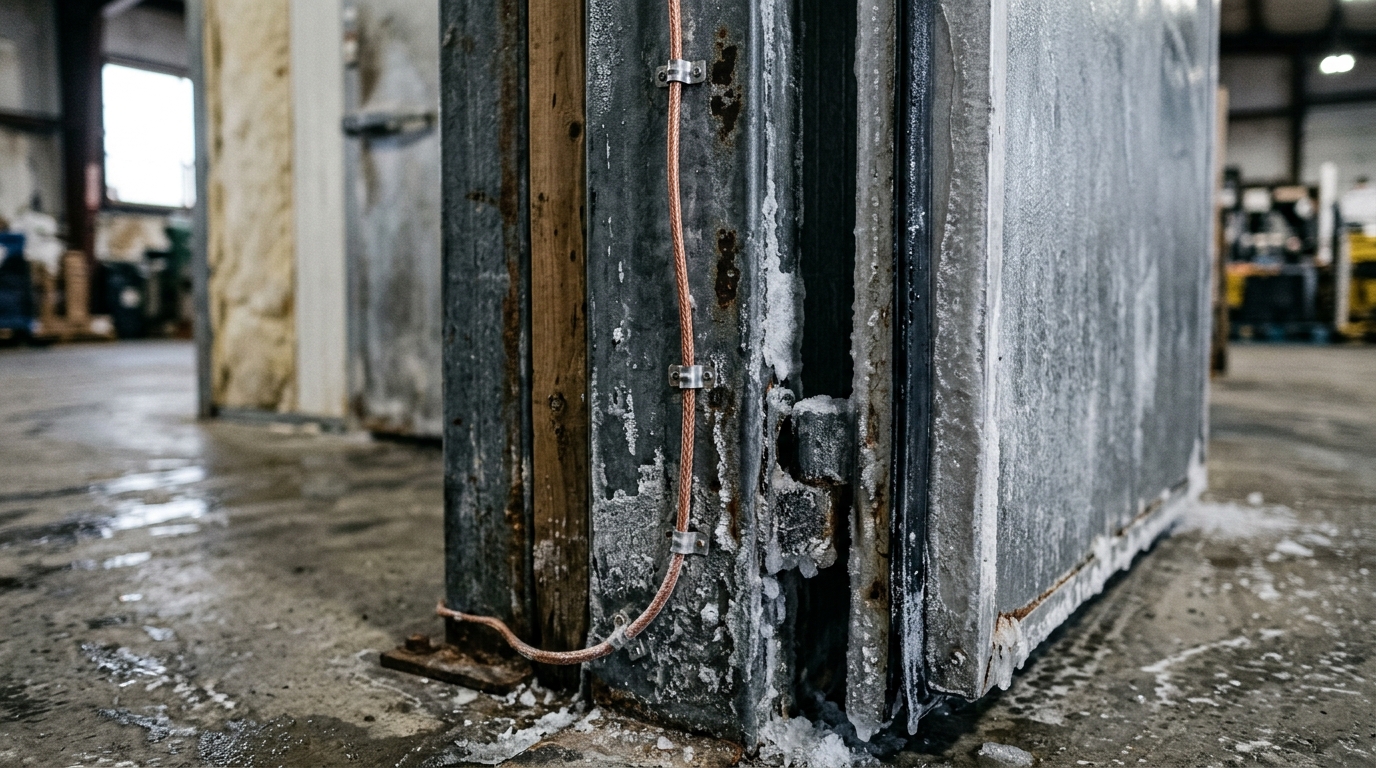
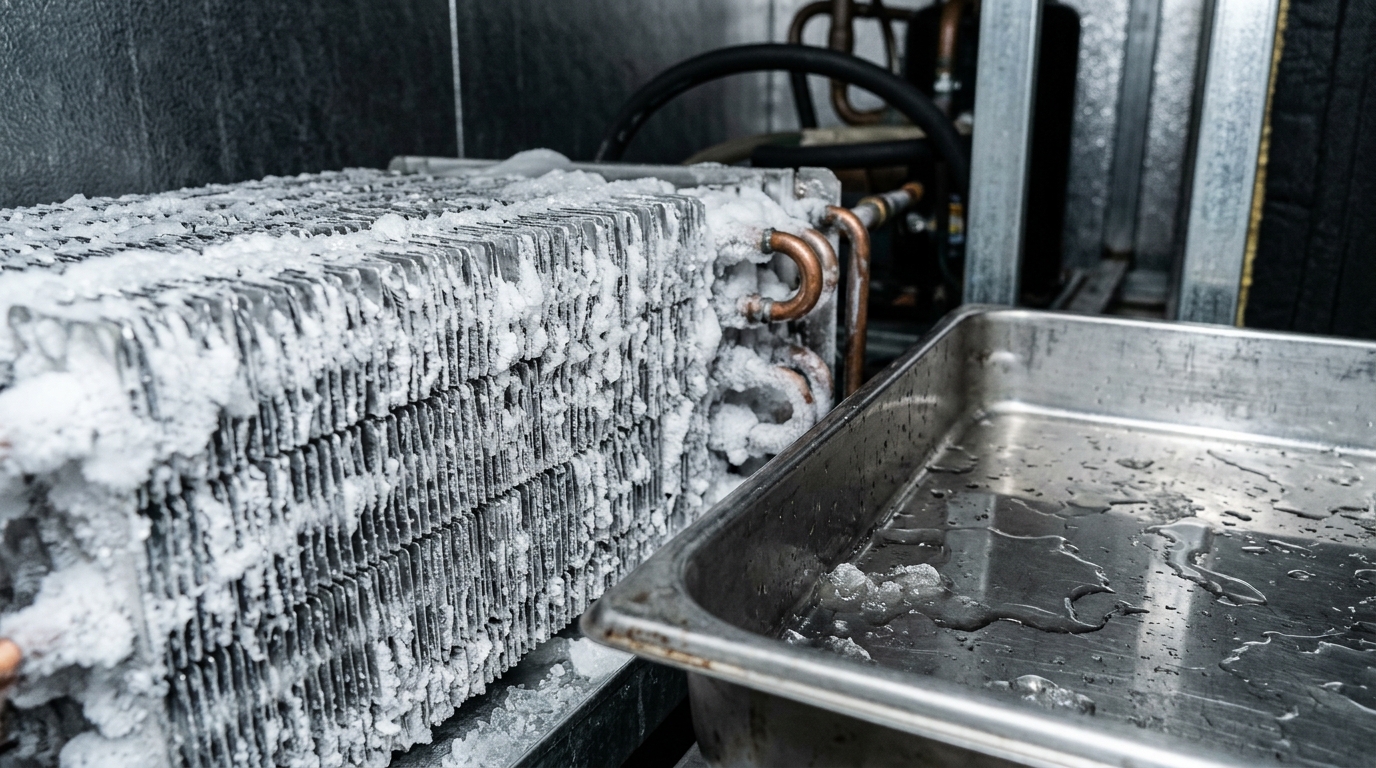
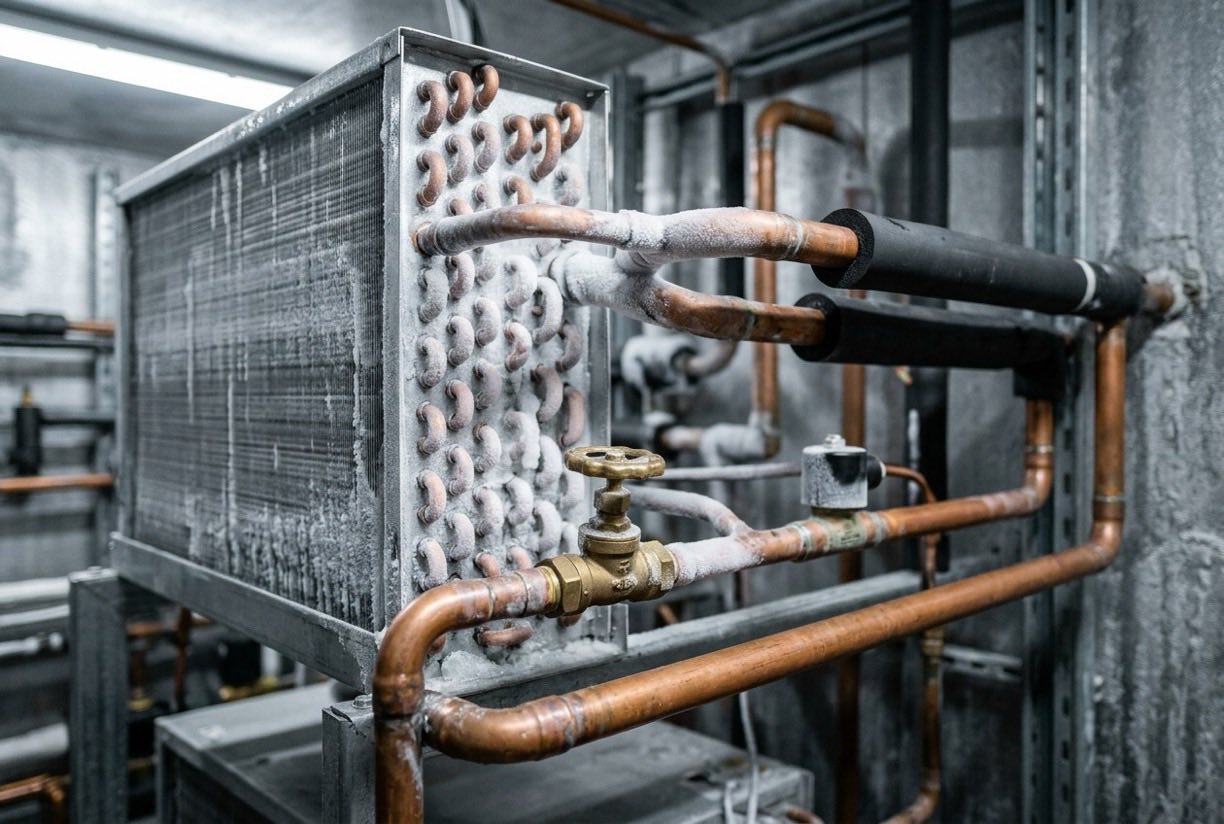
Performance at low outdoor temperatures is maintained with a defrost strategy that manages frosting, appropriate fin spacing and balanced air distribution. In air-source heat pumps, frost formation on the coil surface is unavoidable when the outdoor air temperature is low and humidity is high.
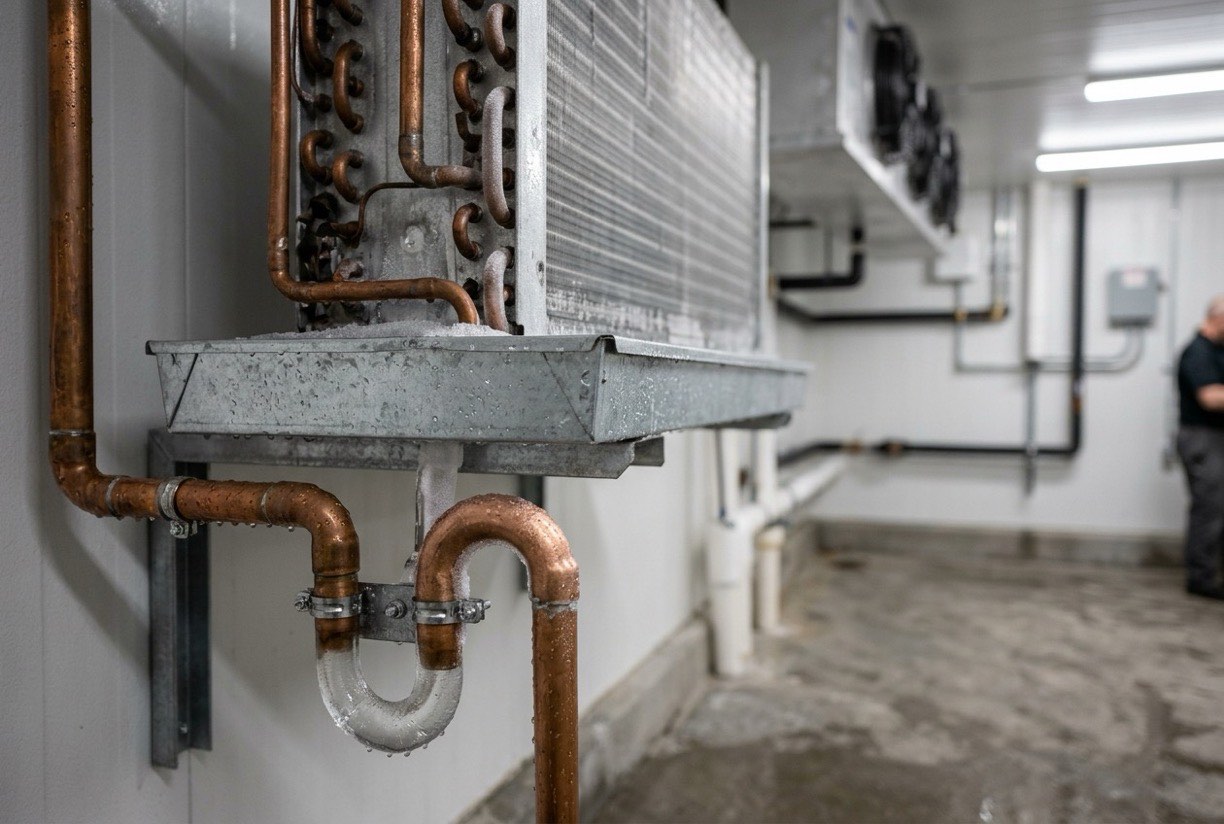
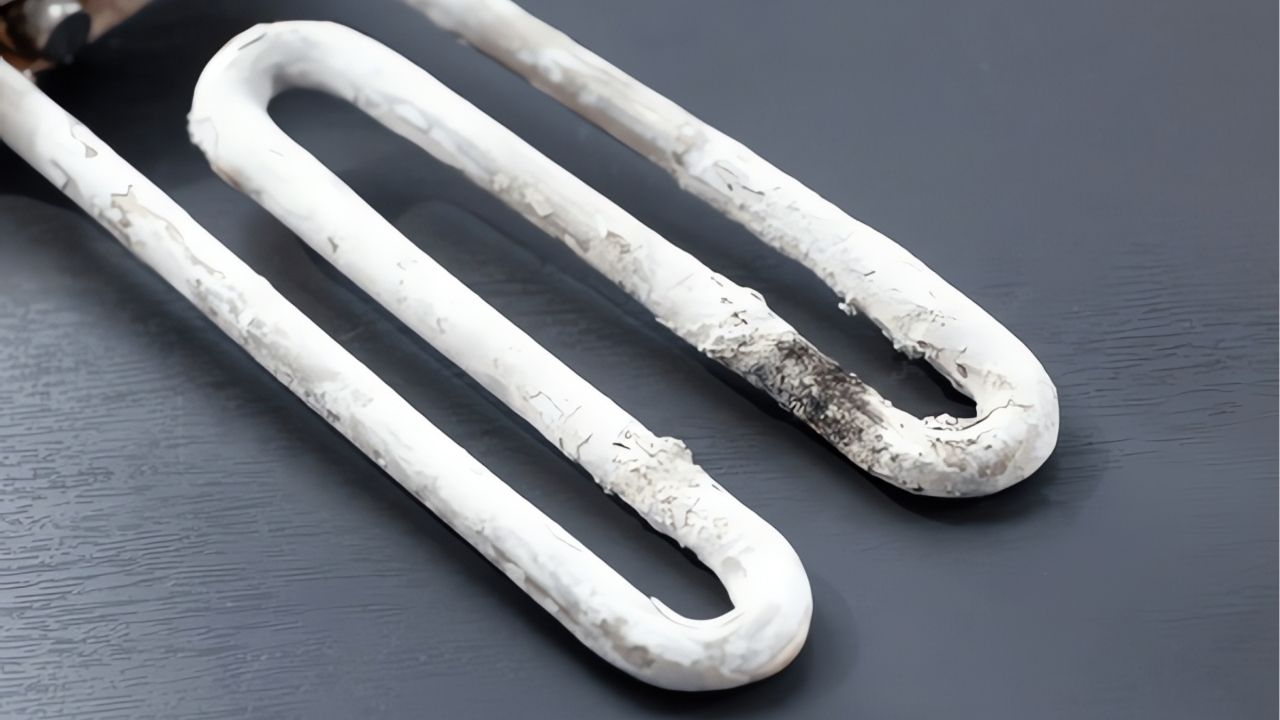
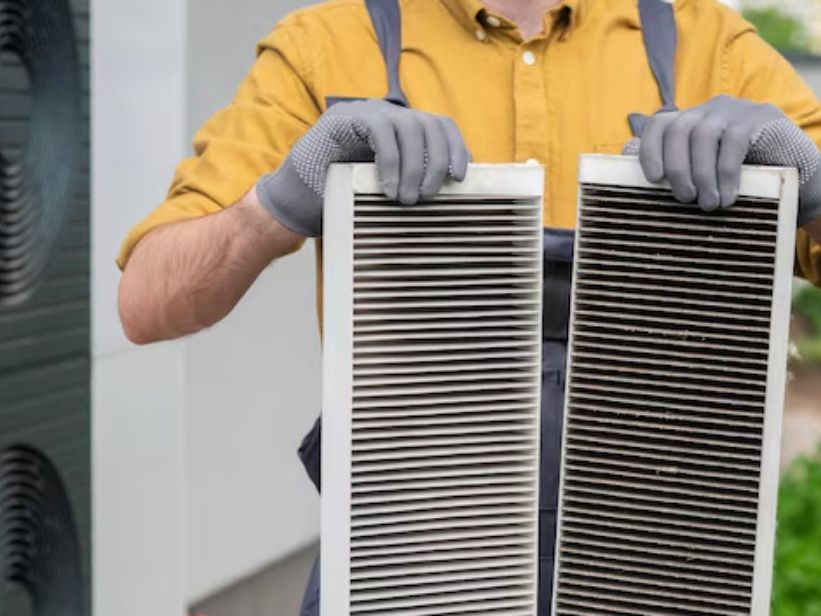
The frost layer restricts airflow and reduces heat transfer, so periodic defrosting is required. The common method in heat pumps is cycle reversal; however, heating is interrupted during defrost and efficiency drops. For this reason, it is important that defrost is initiated on demand, that melted water is drained quickly from the coil and that the drain pan is protected against freezing. The geometry must also be chosen accordingly so that water does not accumulate in the lower rows of the coil.
How Are Fin Spacing And Coil Geometry Determined?
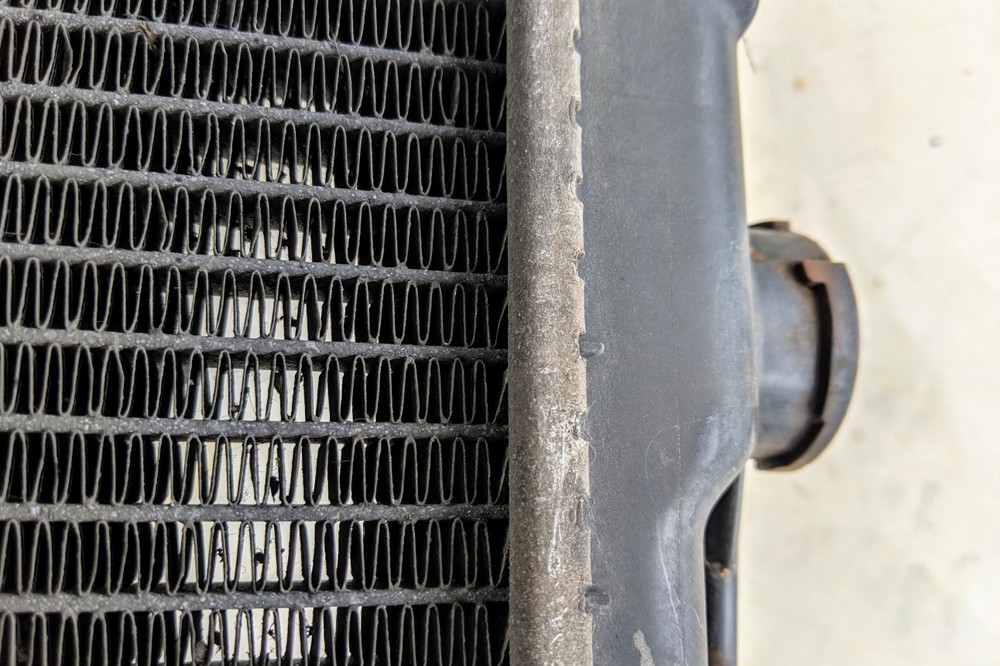
Fin spacing and coil geometry are determined by evaluating the operating temperature range, the expected amount of frost and the targeted capacity together. Dense fins provide more surface area but clog more quickly with frost.
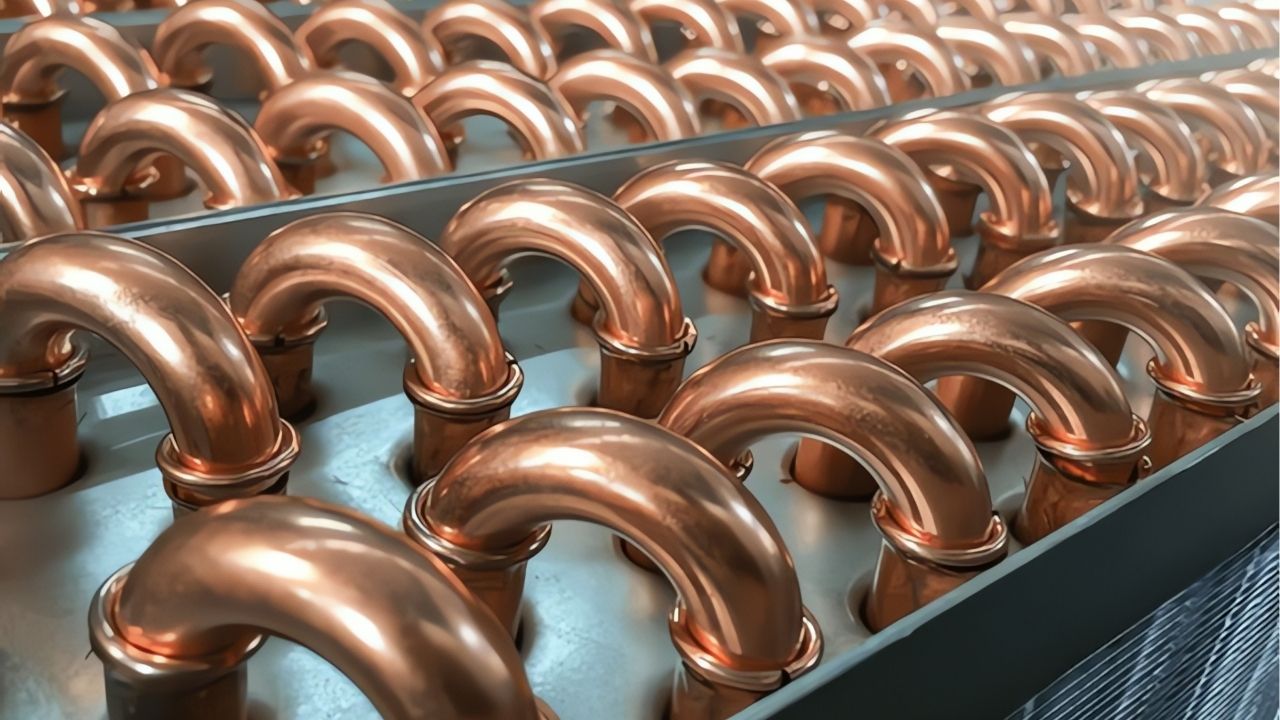
In heat pumps that will operate for long periods at sub-zero outdoor temperatures, wider fin spacing may be preferred, thereby extending the time between two defrosts. Tube diameter, number of rows and number of circuits affect the pressure drop and distribution on the refrigerant side. Since equal distribution of refrigerant to all circuits is critical in multi-circuit coils, attention should be paid to distributor design. The correct values are determined not by a fixed rule but by project-specific calculation.
How Does Refrigerant Selection Affect Evaporator Design?
Because the refrigerant determines operating pressures, evaporation characteristics and safety requirements, it directly affects the evaporator's material, tube wall thickness and circuit arrangement. Different refrigerants may require different coil designs for the same capacity.
With high-pressure refrigerants, the pressure resistance of tubes and headers comes to the fore. With flammable refrigerants, designs with a small internal volume to reduce the charge amount, for example small-diameter tube designs, may be considered. If the refrigerant has a glide characteristic, the circuit arrangement and temperature distribution should be addressed accordingly. Refrigerant selection should be made in coordination with the evaporator manufacturer, together with local regulations, efficiency targets and system design.
What Should Be Considered When Choosing The Right Evaporator For A Heat Pump?
The right evaporator is chosen to be compatible with the source conditions, the operating range and the system components. The following items stand out during the evaluation.
- The temperature difference between source and evaporation at the design source temperature
- Fin spacing and defrost strategy suitable for frosting conditions
- Suitability for the pressure and charge requirements of the selected refrigerant
- Fan noise, energy consumption and maintenance access
If you would like support with evaporator selection for your heat pump project, you can talk to the Günay Soğutma engineering team.
Frequently Asked Questions
Can a refrigeration system evaporator be used in a heat pump?
It can be used in some cases, but the heat pump operating range, defrost method and the possibility of operating as a condenser in reverse cycle should be checked separately.
In reverse-cycle systems, does the same coil also work as a condenser?
Yes, in reverse-cycle systems the outdoor coil acts as an evaporator or a condenser depending on the season. The design must take both operating modes into account together.
Is a larger evaporator always better?
A larger surface can reduce the temperature difference, but cost, space requirements and refrigerant charge also increase. The optimum size is determined according to project conditions.
Is there a risk of corrosion in a heat pump evaporator?
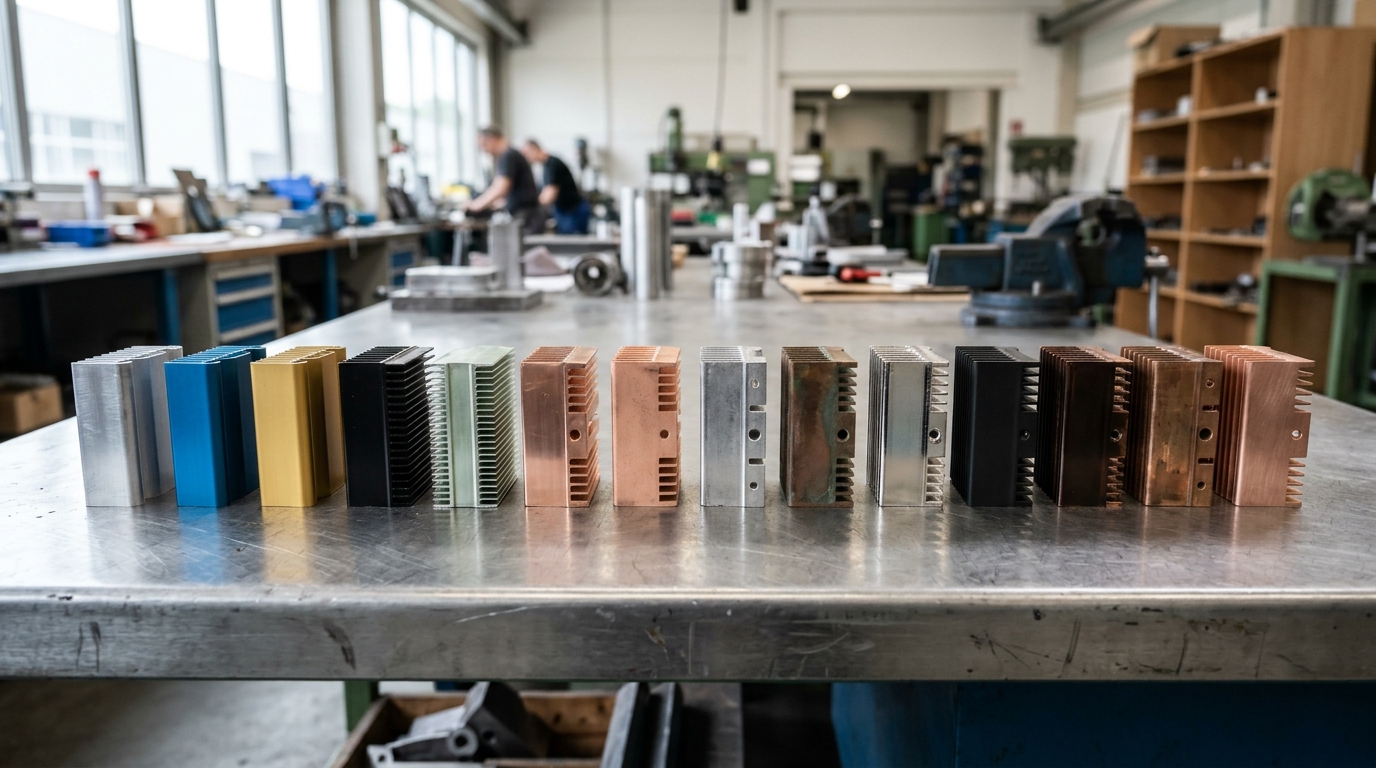
The risk increases in coastal, industrial or polluted air environments. In this case, material and coating selection should be made according to environmental conditions.
What does defrost frequency depend on?
Outdoor air temperature, humidity, fin spacing and control method determine defrost frequency. Demand defrost reduces unnecessary defrost cycles.
Does using EC fans provide an advantage in a heat pump?
Variable-speed fans can provide advantages in terms of energy and noise at partial load; suitability should be evaluated together with the control system.
How can I get an evaporator recommendation for my heat pump?
You can get a recommendation specific to your project by sharing your capacity, source temperature, refrigerant and site information with the Günay Soğutma team.