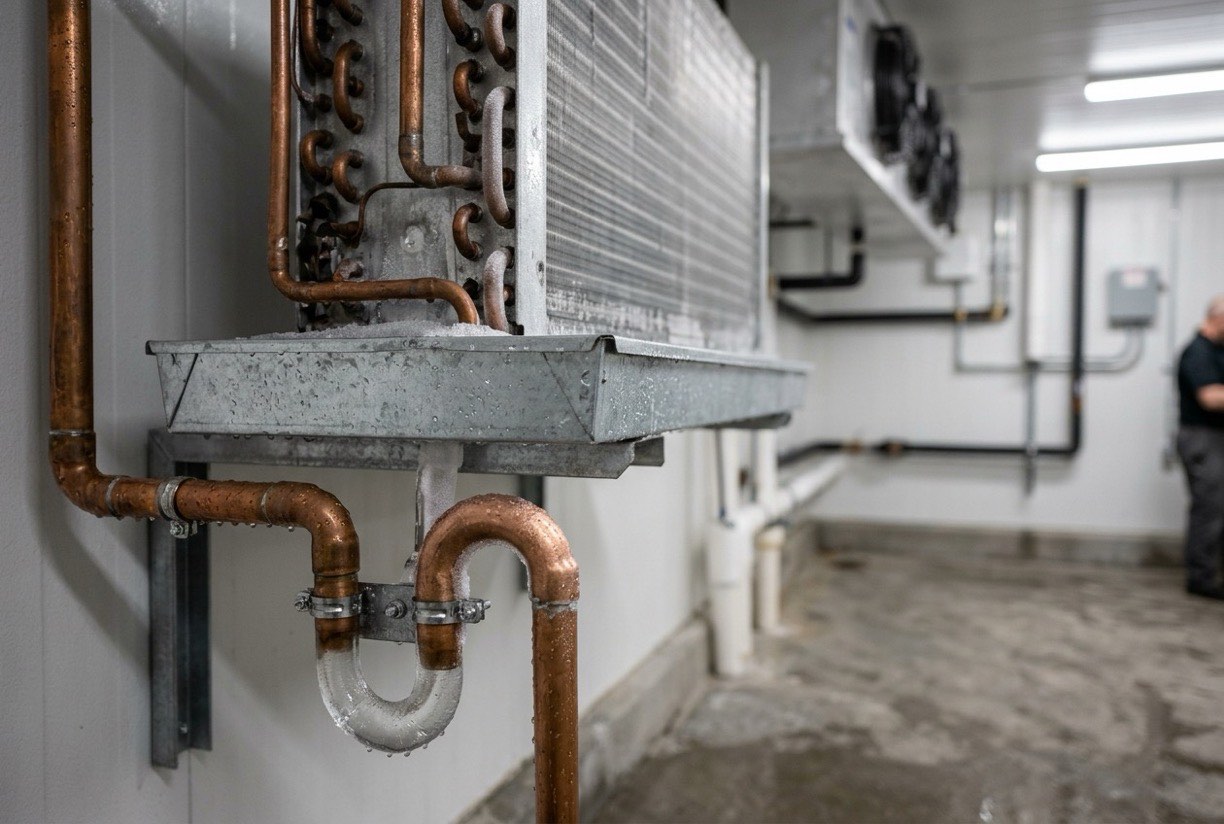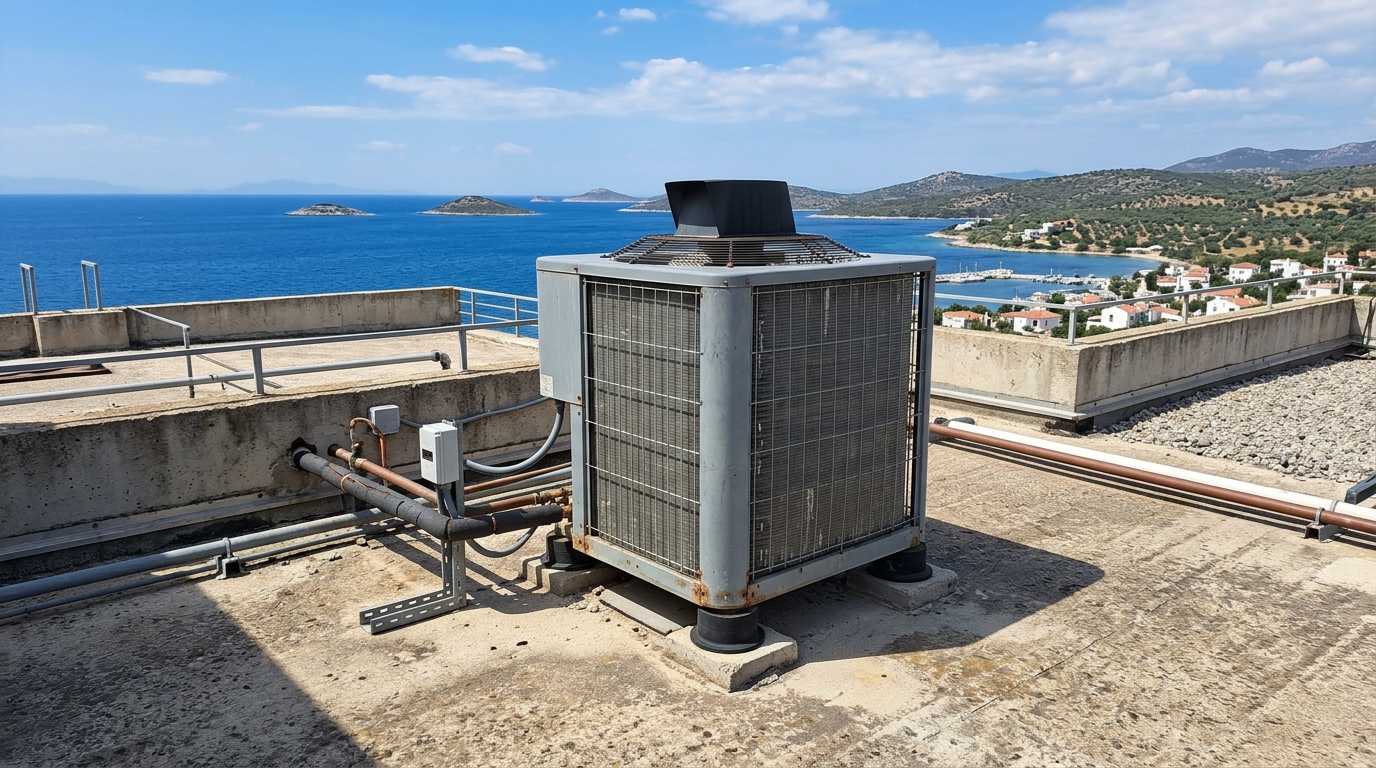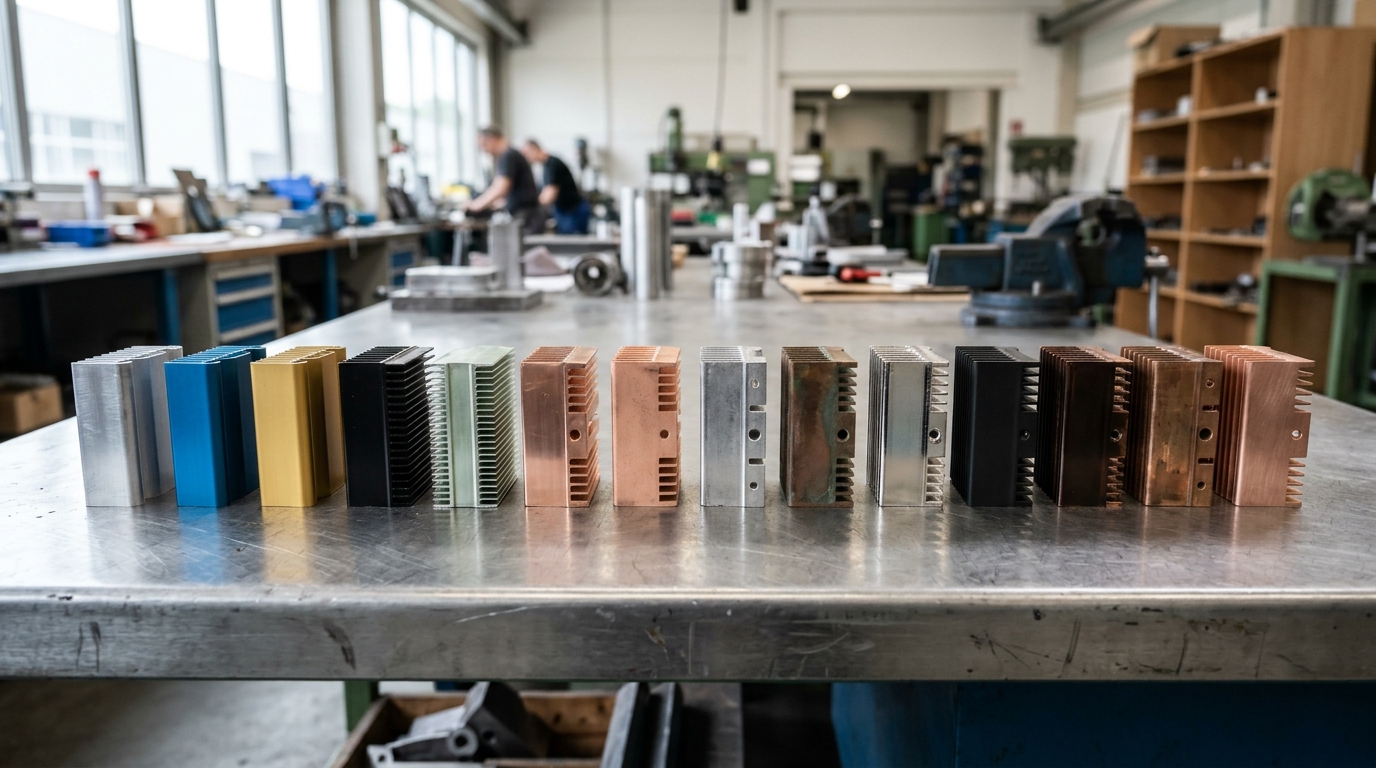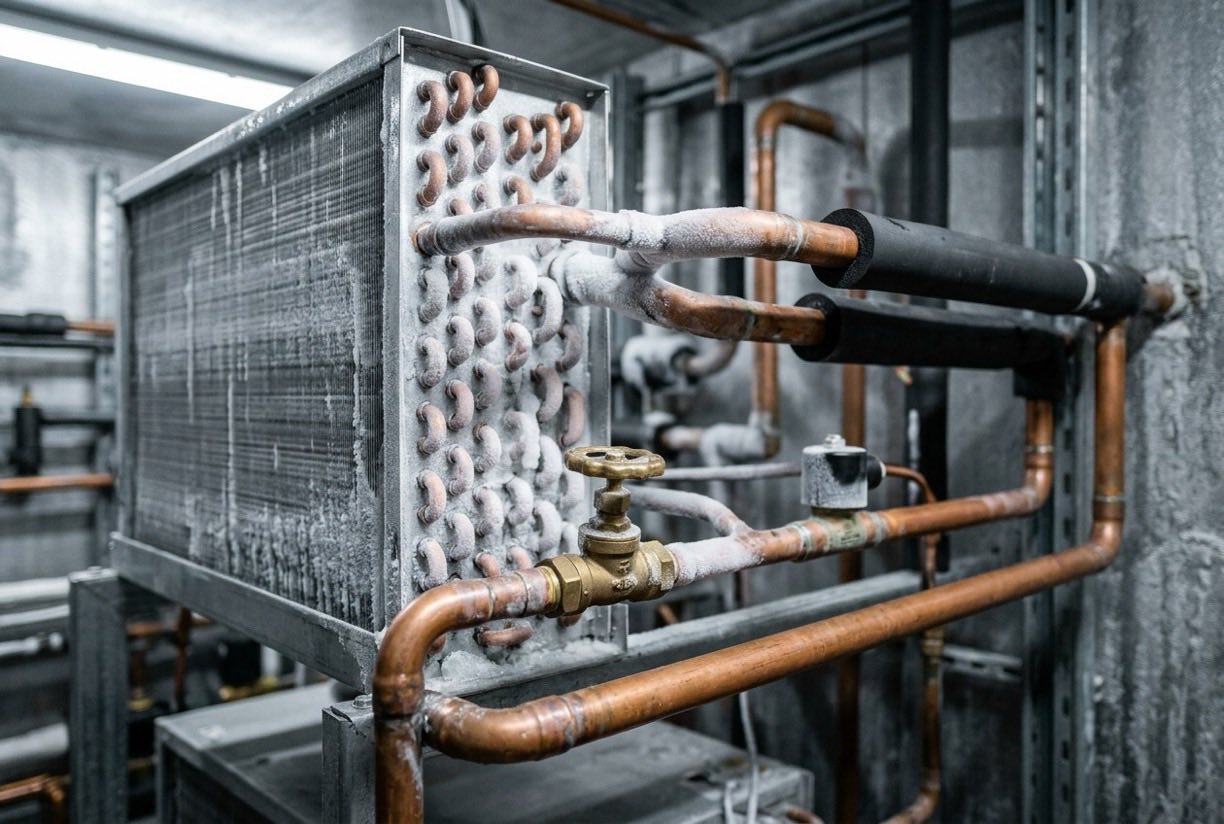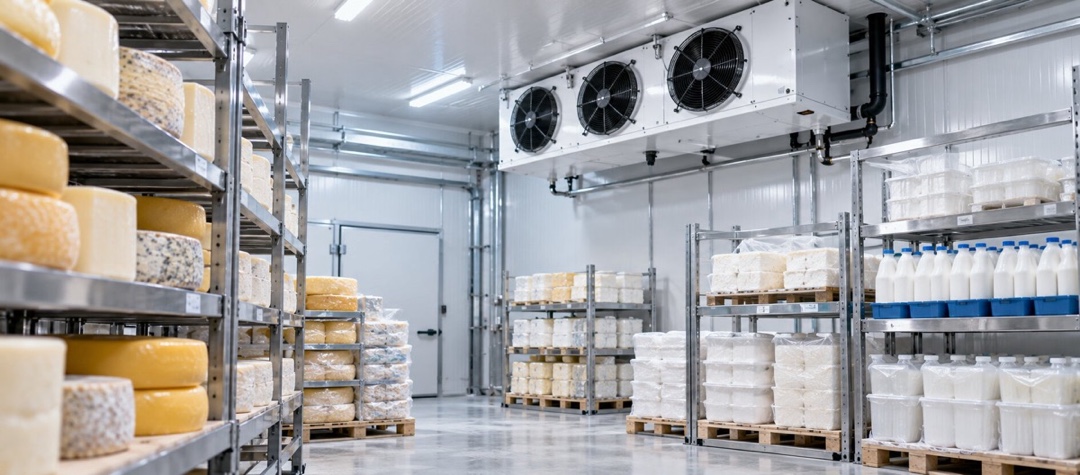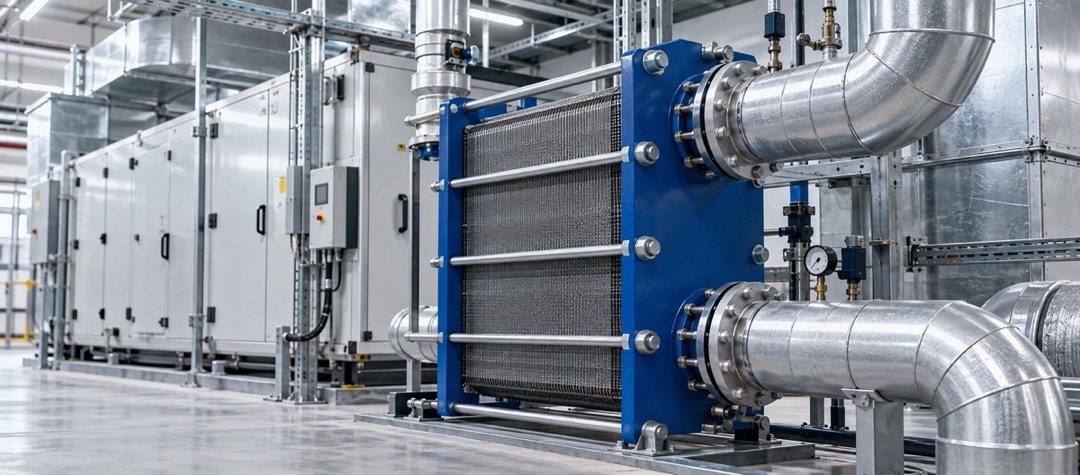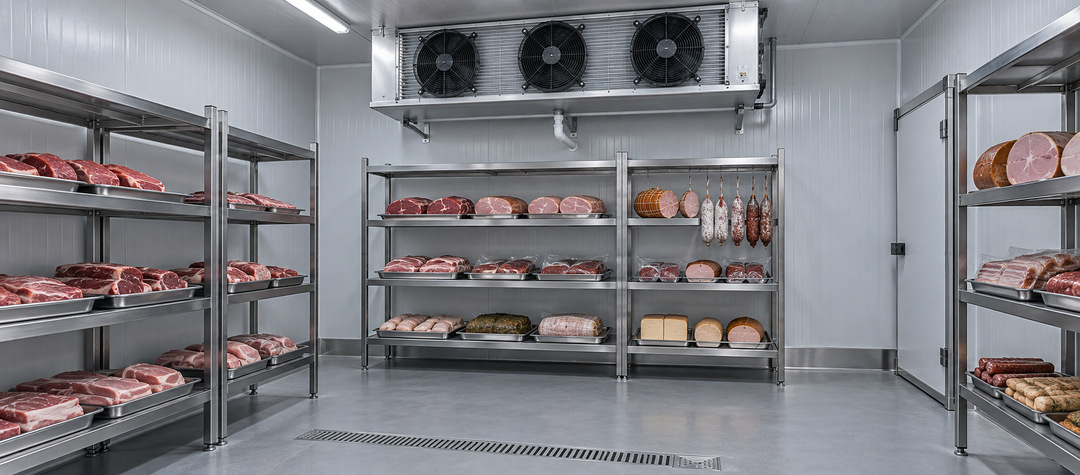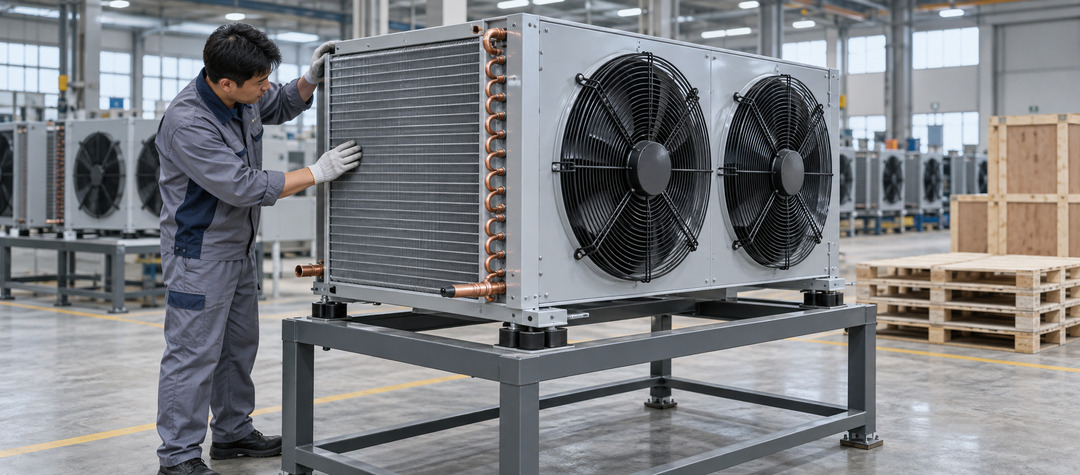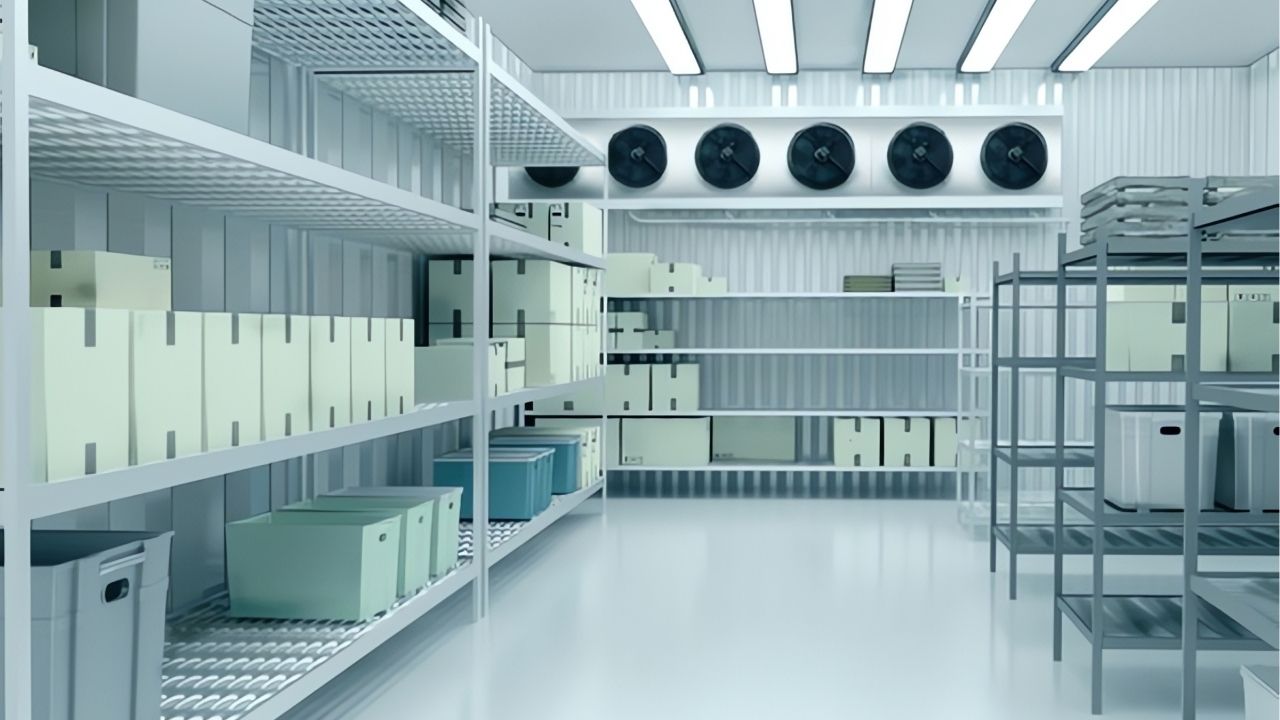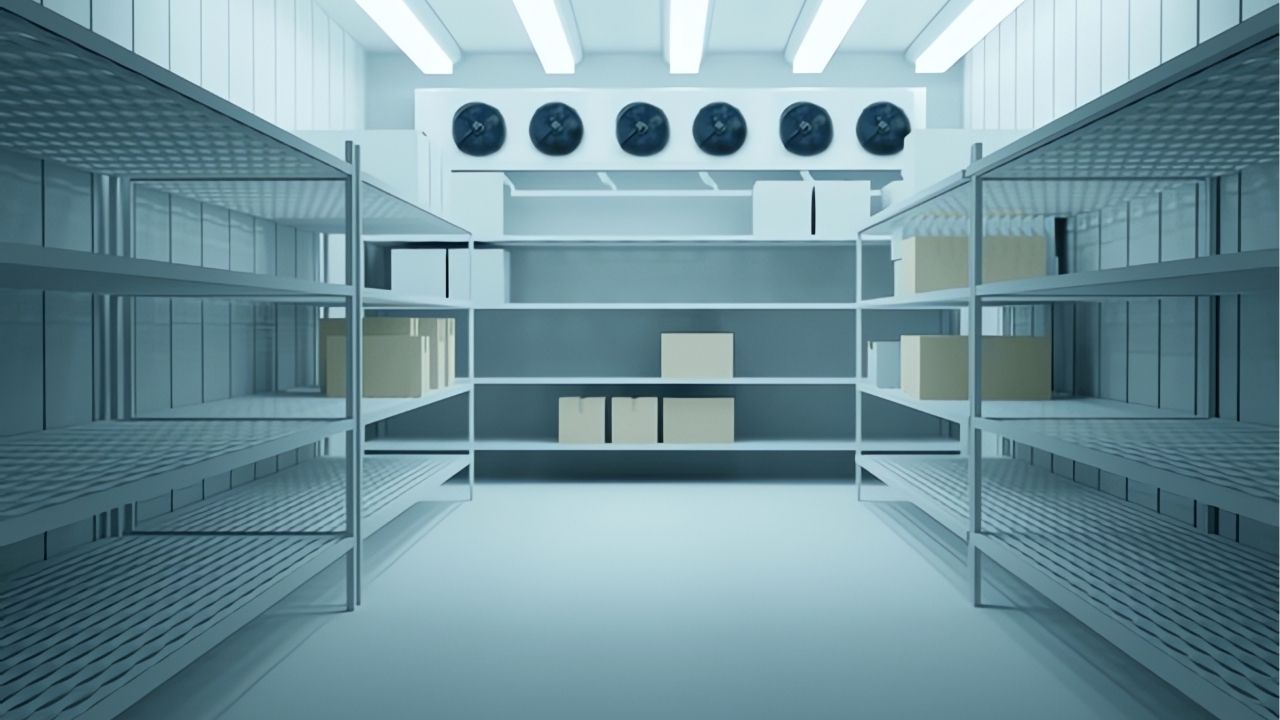
The walls, ceiling, and floor of a cold room continuously transfer heat from the outside in. This heat leakage directly affects the energy used by the evaporator and the compressor. The insulation thickness of the panels is one of the most important design decisions that limit this leakage. This article explains why insulation thickness is critical, how heat leakage is calculated, and what to consider when selecting panels.
Table Of Contents
- Why Is Insulation A Critical Decision?
- How Is Heat Leakage Calculated?
- Which Parameters Define The Panel Thickness?
- Which Insulation Materials Exist?
- Why Are Joints And Corner Details Important?
- Frequently Asked Questions
Why Is Insulation A Critical Decision?
Insulation defines a large part of the cooling load of a cold room. Insufficient insulation leads to continuous operation of the system and more frosting on the evaporator. Insulation that is thicker than necessary can increase the investment cost without need.
The right thickness should be defined according to the purpose of the room, its temperature level, and the outdoor conditions.
Cold room insulation is a basic structural element that determines both the running cost and the temperature stability of the room. When the insulation is weak, the refrigeration system works continuously against heat coming in from outside and spends much of its capacity on that loss. The panel thickness is therefore a decision that affects the whole system, even though it may look like a simple cost item at first sight.
The choice of thickness depends not only on the thermal conductivity of the insulation material but also on the operating temperature of the room, the external climate and the purpose of the room. The level of insulation needed for frozen products is higher than that needed for a room held at positive temperature. This difference shows that the decision should not be reduced to a single value.
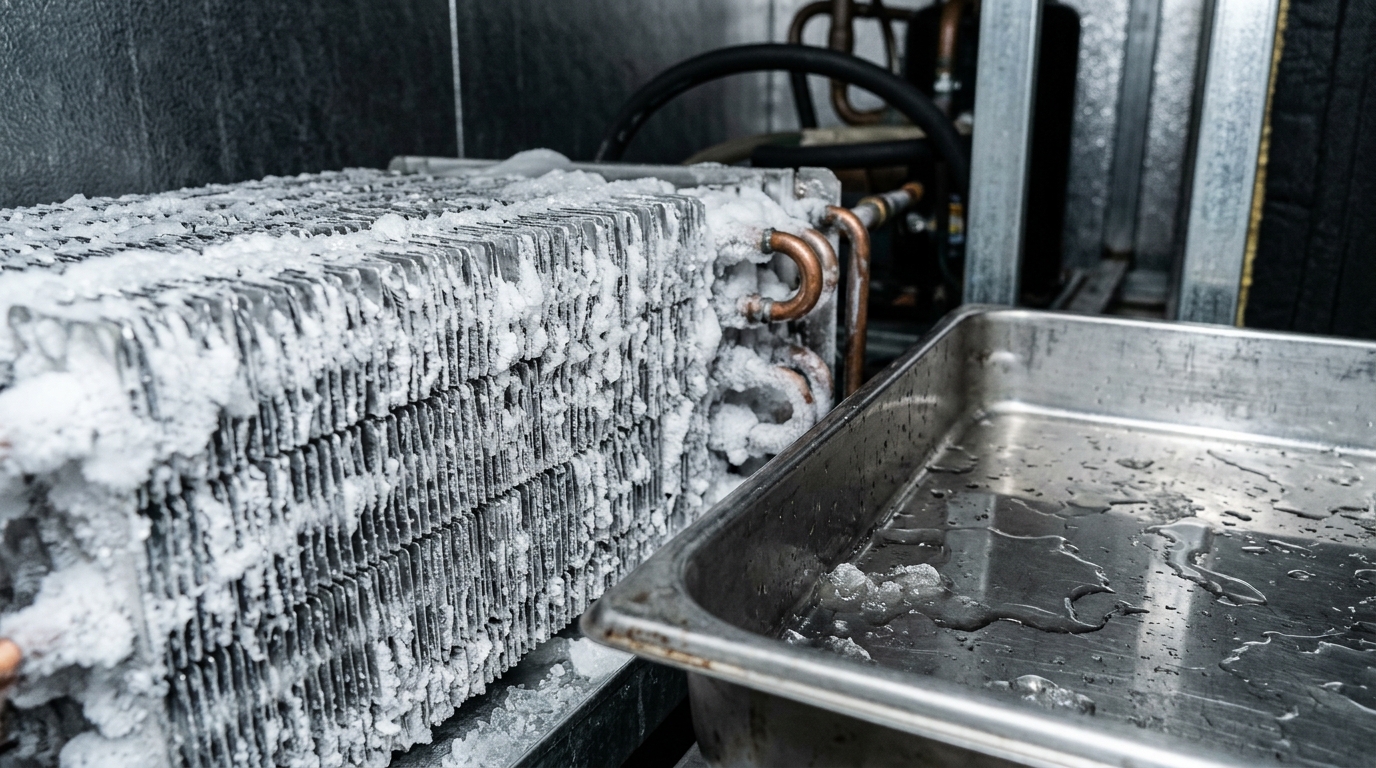
Inadequate insulation leads not only to energy loss but also to condensation and frosting on the surfaces. When the temperature on a wall or ceiling surface drops below the dew point, moisture collects on the surface and gradually damages the building material. The insulation decision should therefore also be assessed for hygiene and the health of the structure.
The insulation thickness should be considered together with the capacity calculation of the system. A thicker insulation reduces heat leakage, so the evaporator and the compressor can run with a smaller load. This effect can also be a source of saving when the equipment is selected.
Another factor influencing the insulation decision is the layout of the room. Rooms with a shared wall, rooms that open onto the external facade and rooms under a roof experience different heat loads. Assessing each surface separately reduces the risk of unnecessary thickness or insufficient insulation.
How Is Heat Leakage Calculated?
Heat leakage depends on the wall and ceiling surface areas, and on the thermal conductivity and thickness of the material. As the difference between the outside and inside temperatures grows, the leakage increases. The calculation should also include additional losses such as doors and penetrations.
The result should be evaluated together with the capacity selection of the evaporator. The insulation decision directly affects the capacity decision.
The heat leakage calculation is made by adding up the heat passing through every surface of the room. For each surface, the thickness of the insulation material, its thermal conductivity and the surface area are assessed together with the difference between the outside and inside temperatures. This approach also shows which surface makes the insulation decision most critical.
When the calculation is made, the outside temperature value should be chosen to represent the worst condition of the year. A calculation based on an average summer or winter value may fall short under peak conditions. For this reason the design outside temperature should include the extreme values of the climate data.
In addition to heat leakage, the load from product entry and from door openings should also be taken into account. These are loads that may seem independent of the insulation but still influence its selection. Keeping the insulation low and leaving out the load of a frequently opened door causes an error in capacity.
The result of the calculation should not be seen as a single figure. Comparisons made for different thicknesses show the return of each increase in thickness. Such a comparison can also show the point beyond which a further increase in thickness no longer brings any additional gain.
The accuracy of the calculation depends on the realism of the material values used. Manufacturer data should be the basis, but the losses at joints created during installation should also be considered. The gap between the theoretical value and the real value on site can come from these losses.
Which Parameters Define The Panel Thickness?
The selection considers the room temperature, the outdoor temperature, the thermal properties of the panel material, and the surface areas of the room together. Rooms in sunny or humid locations may also need a different approach.
- Room temperature: The lower it is, the thicker the insulation may need to be.
- Outdoor environment: Hot and sun-exposed surfaces add more load.
- Surface area: Large wall and ceiling losses become significant.
The panel thickness is determined first of all by the operating temperature of the room. A room operating at a low temperature requires thicker insulation to cope with the large temperature difference from the outside. As the room temperature falls, the thermal effect of this difference increases and the role of the insulation becomes more pronounced.
External climate conditions also affect the thickness. In regions where the outside temperature rises very high in summer, the insulation's role in limiting heat gain is more important. In regions where the outside temperature drops in winter, the effect of the insulation on heat loss should be assessed differently.
The size and shape of the room also influence the choice. In small rooms where the ratio of surface area to volume is high, most of the heat leakage comes through the surfaces. In large and compact rooms the surface area is relatively small. This difference means that the geometry of the room should also be taken into account in the thickness decision.
The product type and the temperature tolerance required by the product are also parameters. When a sensitive product must be kept within a narrow temperature range, the ability of the insulation to limit temperature fluctuation becomes important. This takes the choice of thickness beyond the energy calculation alone.
The mechanical properties of the panel should also be considered when choosing the thickness. Thicker panels may need a different installation plan because of weight and handling requirements. For this reason the thickness should also be assessed from the structural and installation point of view.
Finally, regulations and facility requirements may impose a minimum insulation level. These requirements set a boundary below the technical calculation. When choosing, both the technical calculation and the legal requirements should be checked together.
Which Insulation Materials Exist?
For cold room panels, sandwich panels with a polyurethane or polystyrene foam core are commonly used. Each material differs in thermal conductivity, fire behaviour, and cost. The choice should consider the purpose of use and legal requirements.
Different materials at the same thickness can give different insulation performance. For this reason, thickness alone should not be the comparison criterion.
Insulation materials differ in thermal conductivity, moisture behaviour, fire class and cost. Polyurethane, polystyrene and mineral wool are among the most frequently used options in cold room applications. Each has its strengths and weaknesses, and the choice should be made according to the conditions of use.
Polyurethane foam can provide the same insulating effect with a thinner panel thanks to its low thermal conductivity. This property helps make better use of the floor area of the room. However, the fire behaviour and class of the material must match the requirements of the facility.
Polystyrene materials provide acceptable insulation at a lower cost. However, they may require a thicker panel and need careful installation to deal with moisture. The surface coating and the joint details significantly affect the performance of this material.
Mineral wool is preferred in facilities where fire safety is particularly important, because of its resistance to fire. However, because of its tendency to absorb moisture, it requires a suitable barrier on the outer surface. For this reason moisture management should be planned when mineral wool is selected.
Material selection should be assessed together with the surface coating of the panel. The surface material affects the performance of the insulation in terms of ease of cleaning, mechanical strength and vapour permeability. For this reason the panel should be chosen as a whole, together with its coating, not only on the basis of the insulation inside it.
When a material change is made, the weight and the installation capacity of the existing structure should be checked. A material of different density can create an additional load on the supporting structure. Such an assessment ensures that the choice of material matches the reality of the facility.
Why Are Joints And Corner Details Important?
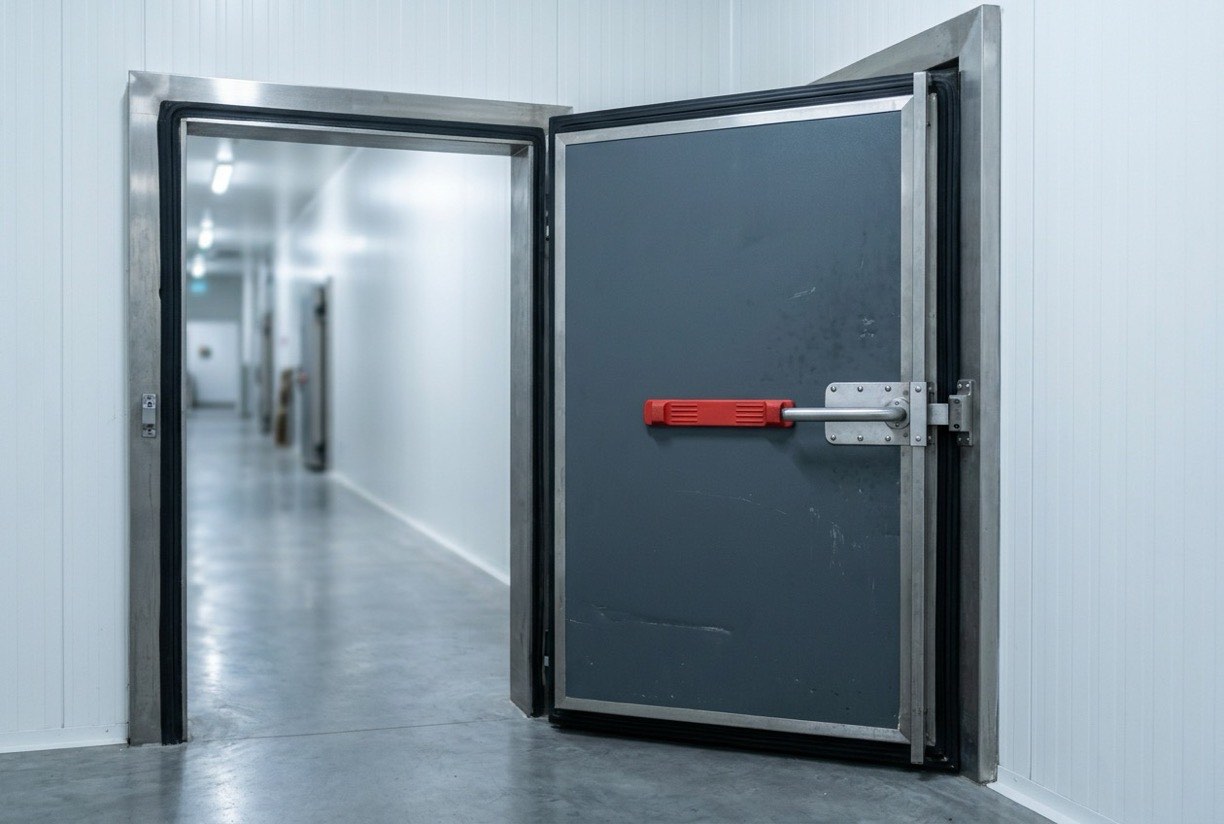
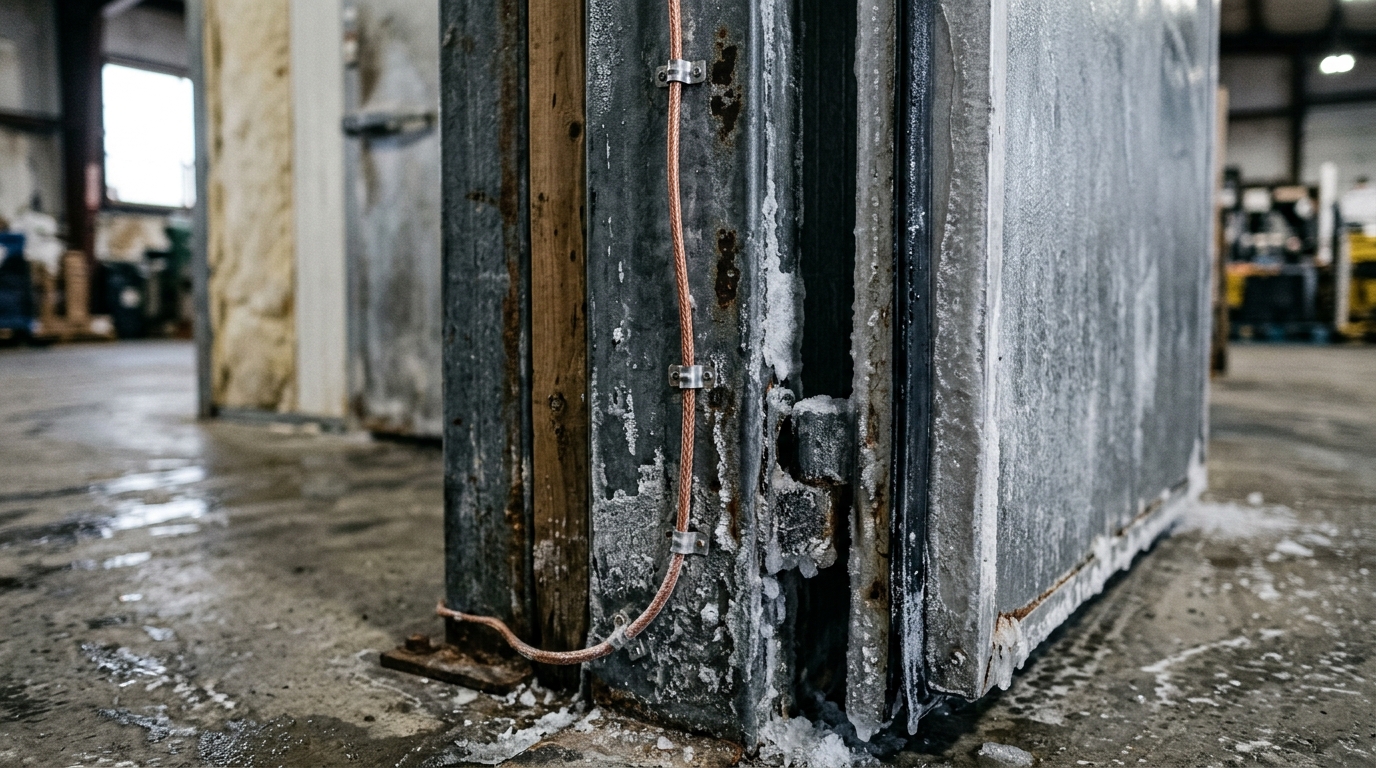
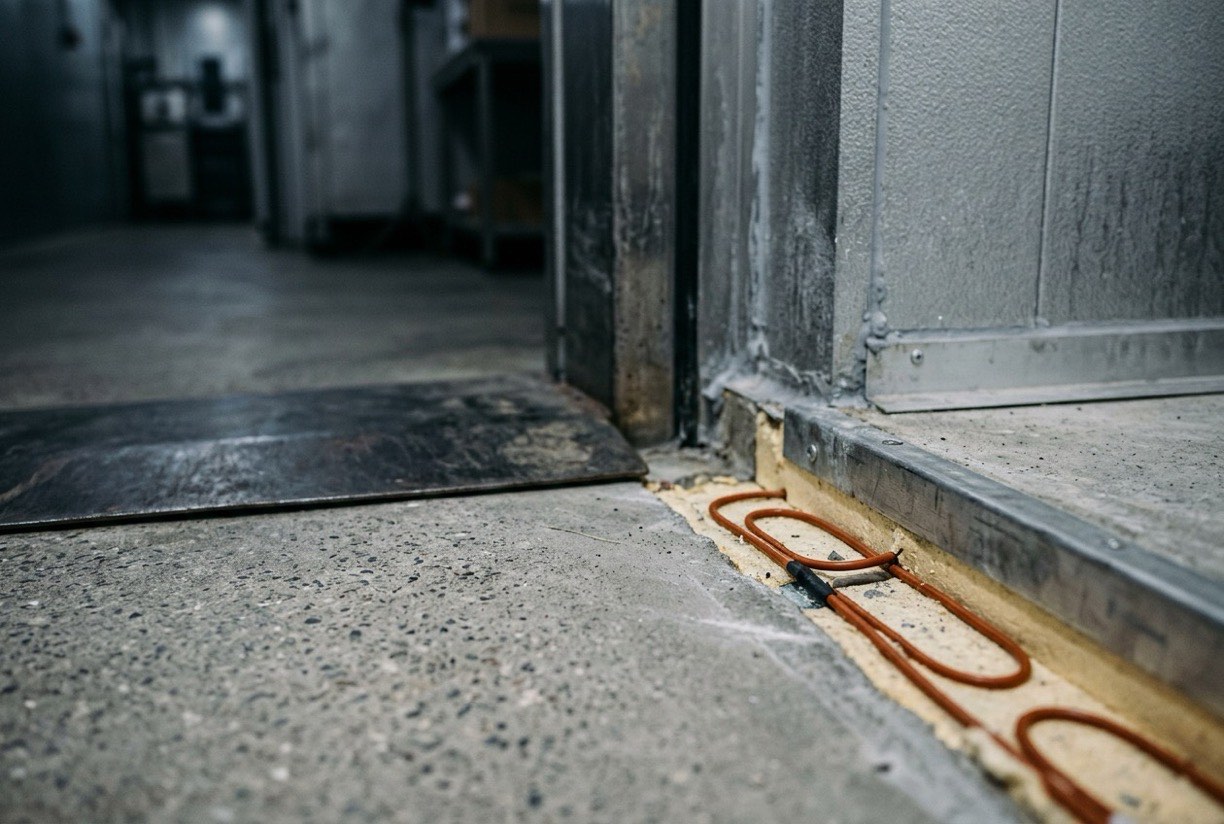
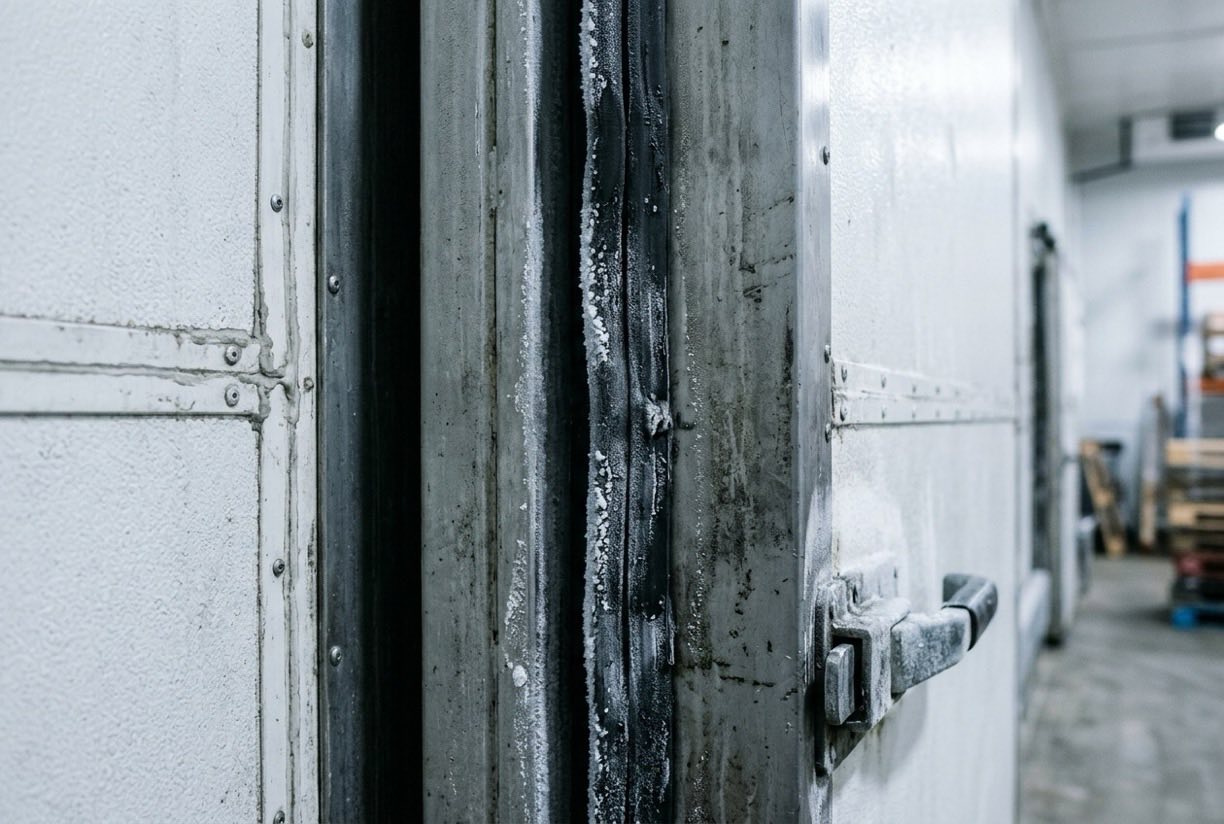
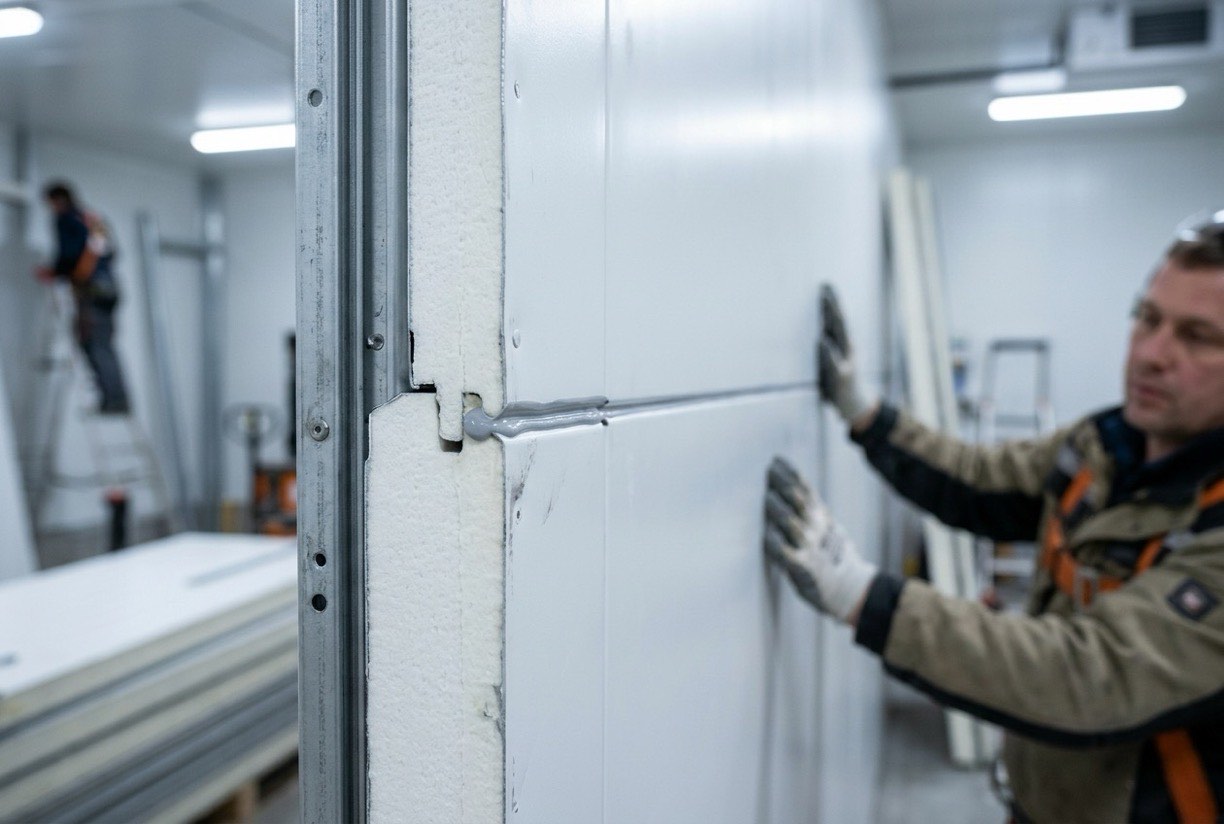
Panel joints, corners, and the door surround are the weak points of insulation. If gaps or thermal bridges form at these points, the panel thickness cannot deliver the expected performance. Thermal bridges can also create condensation and frost on the surface.
These details need particular attention during installation, and gaskets and joint elements must be applied correctly. The Günay Soğutma technical team can support the evaluation of the cold room and evaporator load together, based on your project data.
The weakest point of an insulation panel is often its joint and corner details. Joints between panels, corners and door frames are places where the continuity of the insulation is broken. Heat bridges formed at these points reduce the real performance of the panel below its theoretical value.
At joint details, a break in the insulation makes the surface cool faster at that point. These cold spots are where condensation and frosting first begin. Correct insulation of the joints and proper use of sealing material prevent most of these problems.
Corner details carry a similar risk. If the insulation does not join completely at inside and outside corners, gaps and heat bridges can form. Corners should be closed carefully during installation, and the continuity of the insulation should be kept at these points too.
The surroundings of openings such as door and window frames also need special attention. Metal profiles used in these zones can form heat bridges. The connection between the frame and the panel should be made with the vapour barrier kept continuous.
Correct joint detailing may attract less attention than the choice of insulation thickness, but it is a factor that determines performance. A thick panel may not deliver the expected performance because of a weak joint. For this reason the thickness decision should be assessed together with the details.
After installation, the joints should be checked as a quality criterion. Thermal imaging or surface temperature measurement can reveal weak points. This check ensures that problems are corrected before the facility starts operating.
Frequently Asked Questions
Is thicker panel always better?
It improves insulation performance, but cost and the internal volume of the room are also affected. The right thickness is found by balancing the need against the economics.
How does insulation thickness affect the energy bill?
It reduces heat leakage, which lowers the cooling load and energy use. The size of the effect depends on the conditions of the room.
Can additional insulation be added to an existing room?
In some cases it is possible, but the vapour barrier, the surface connections, and structural effects must be considered together. Feasibility must be assessed separately for each room.
Does the surface material of the panel affect insulation performance?
The surface material determines the long-term performance of the panel by affecting vapour permeability and mechanical strength. Damage on the surface can allow moisture to reach the insulation. For this reason the choice of coating is an inseparable part of the insulation decision. ? How is fire resistance assessed when choosing panels? Fire resistance should be assessed according to the type of facility, the material used and local regulations. The burning behaviour of some materials differs by fire class. The choice should be determined by checking the relevant legislation together with the risk assessment of the facility. ? Which temperature difference is used in the thickness calculation? The calculation uses the difference between the inside temperature of the room and the design outside temperature of the year. This difference is determined by the operating temperature of the room and the climate data. The design value should be chosen to cover peak conditions.