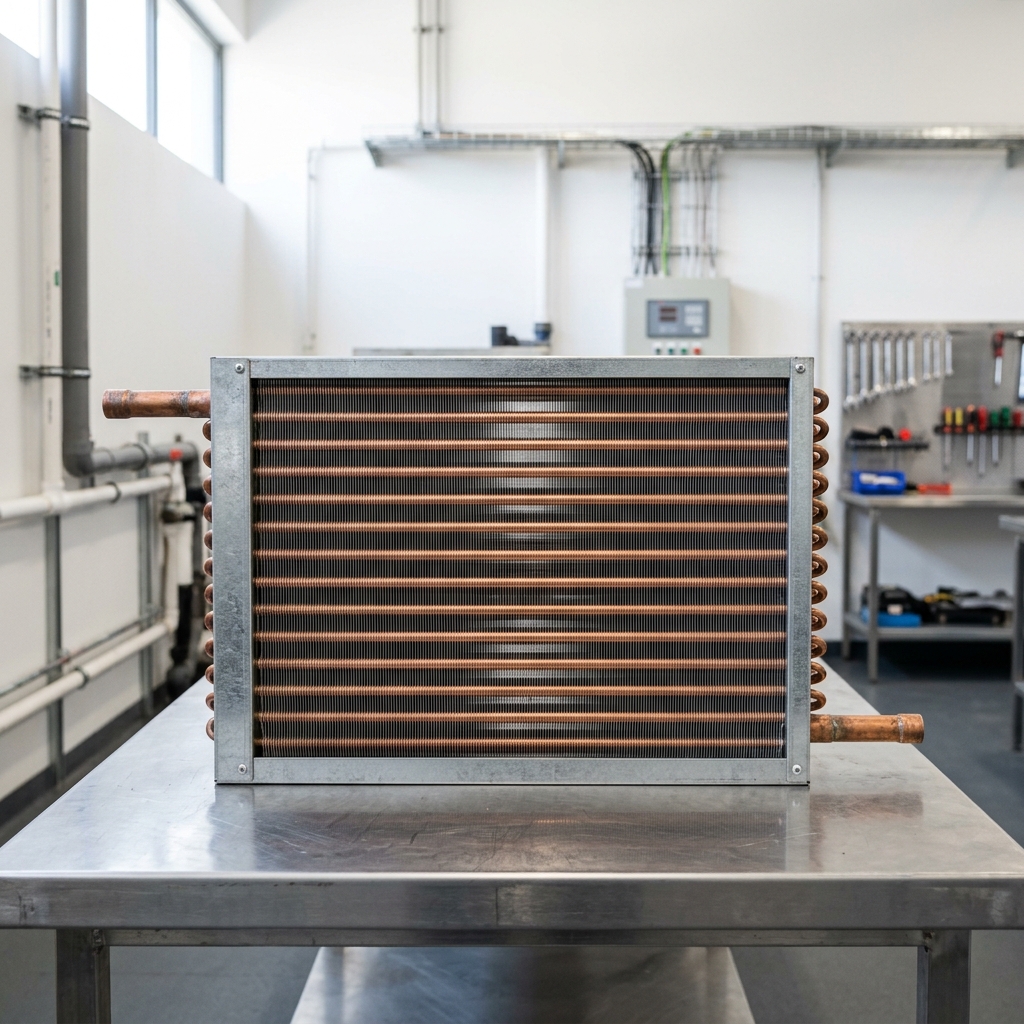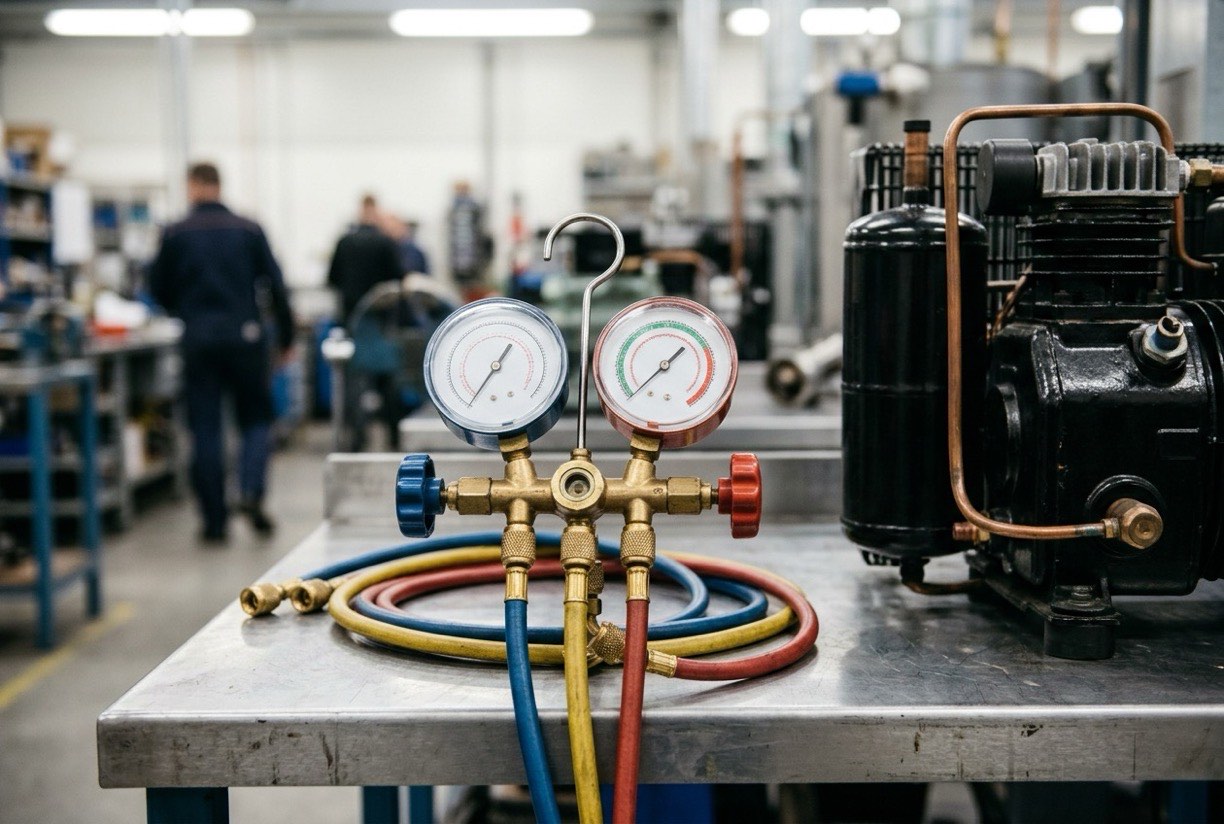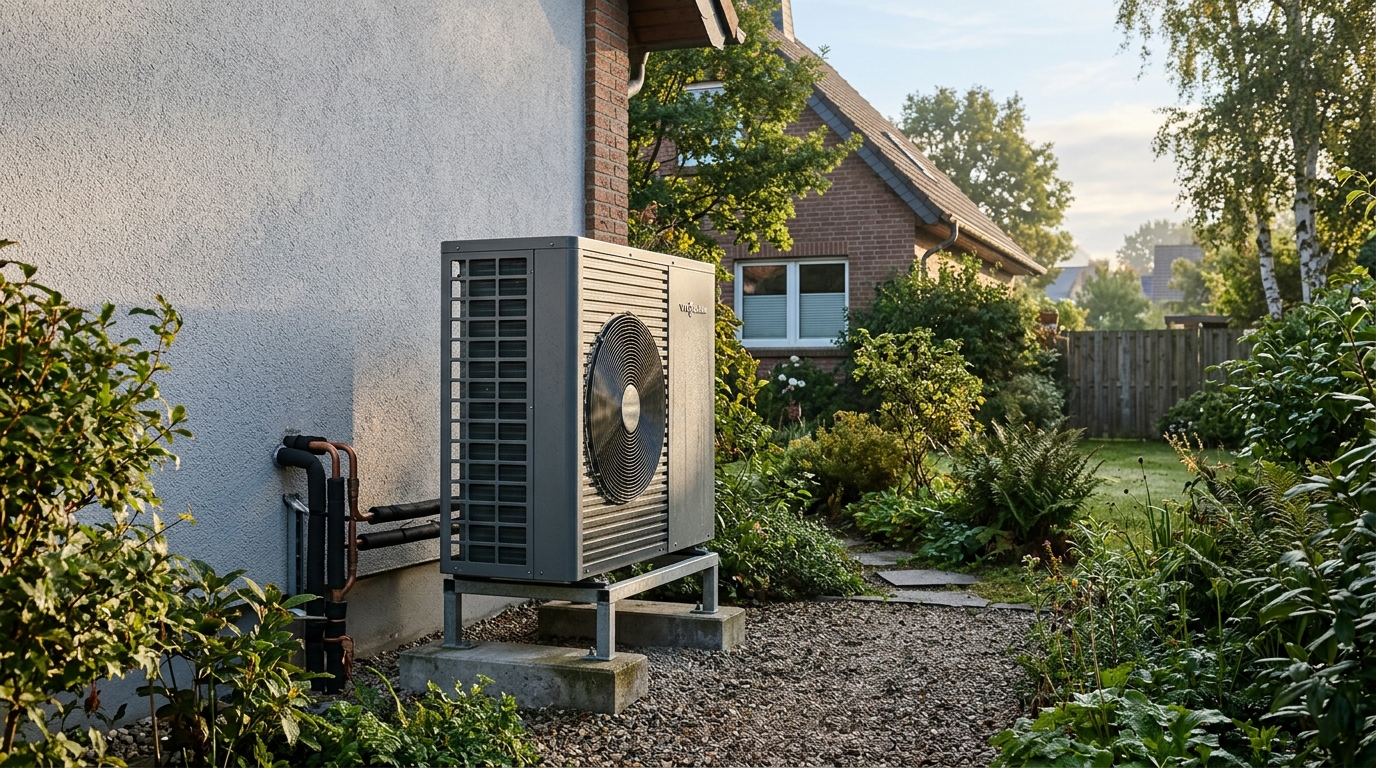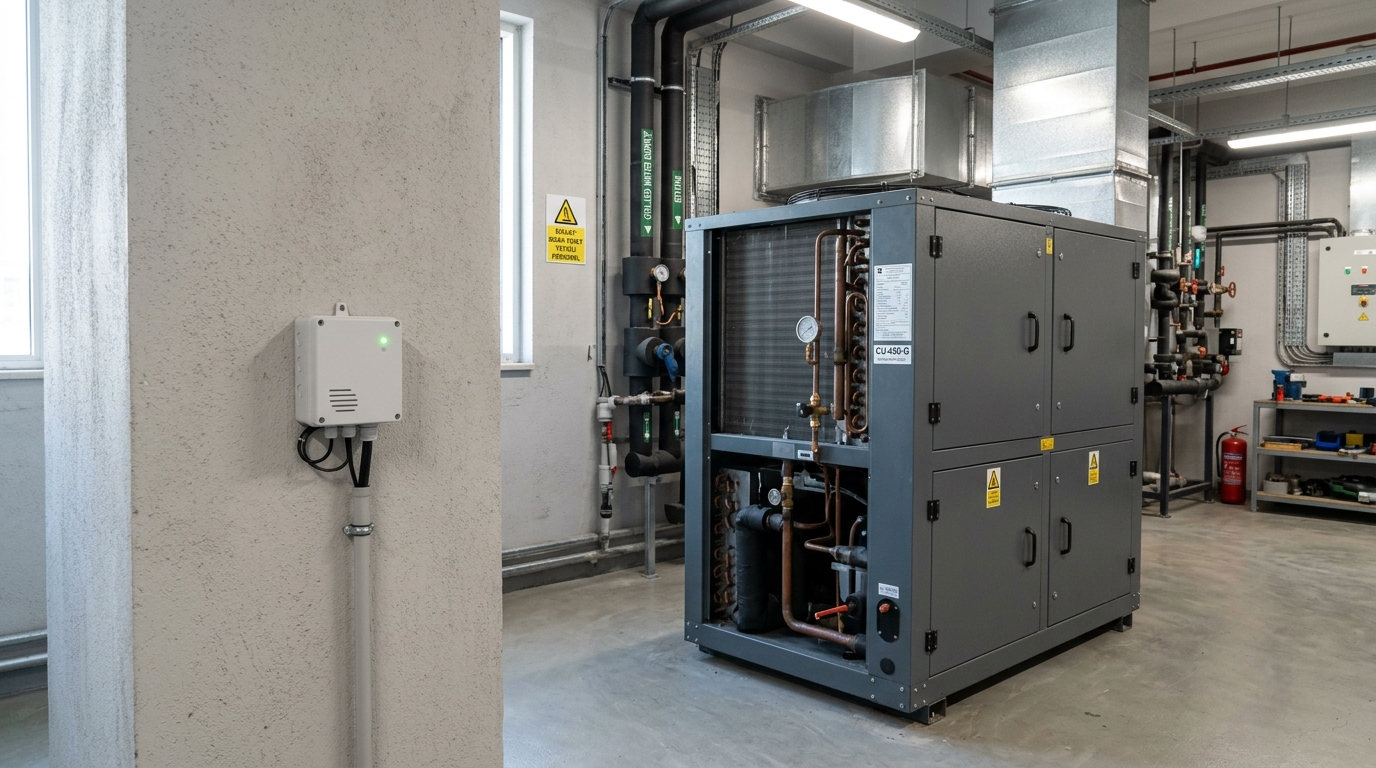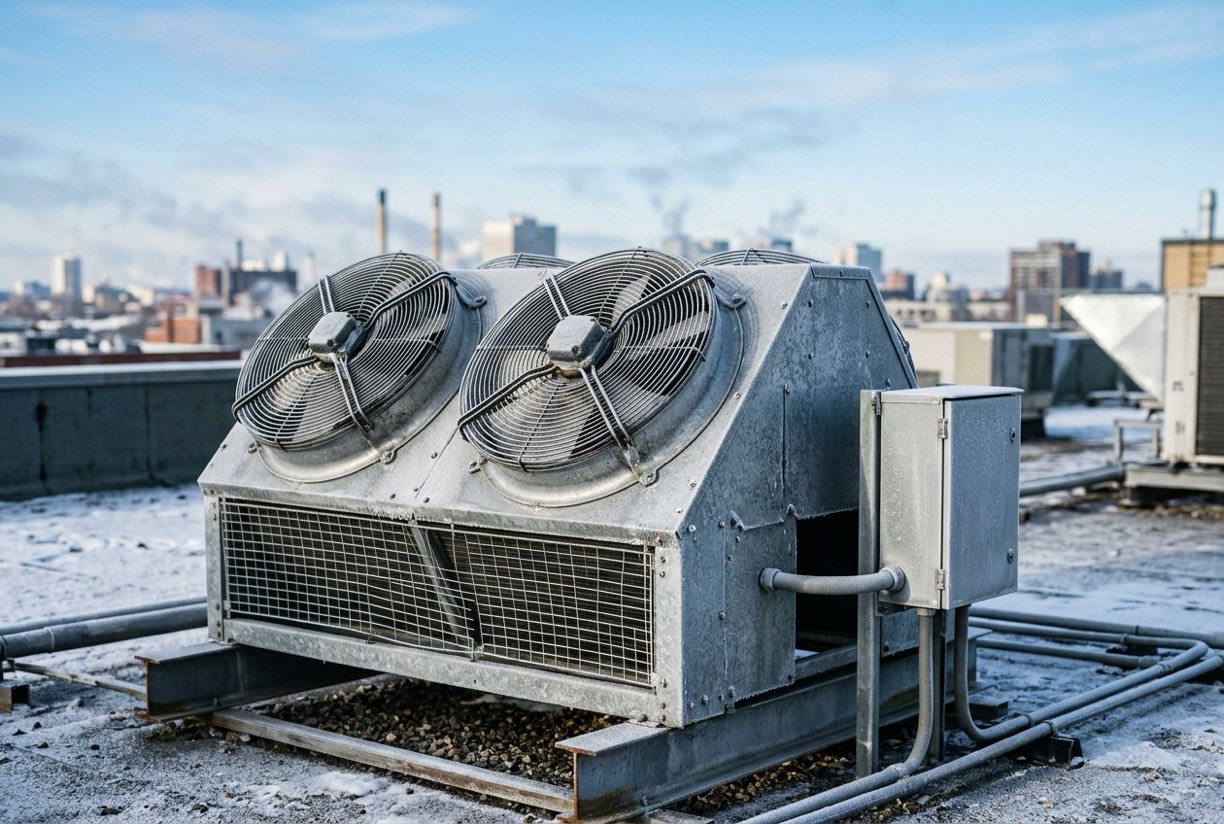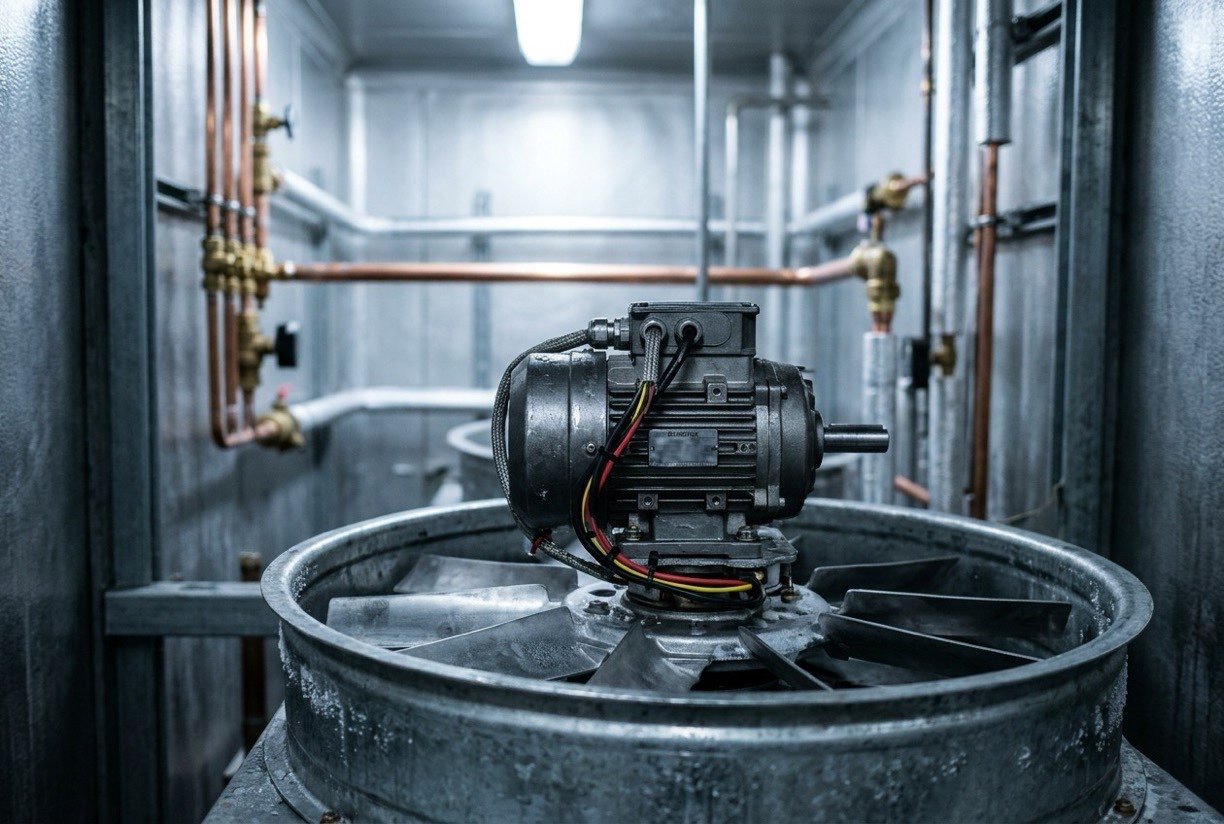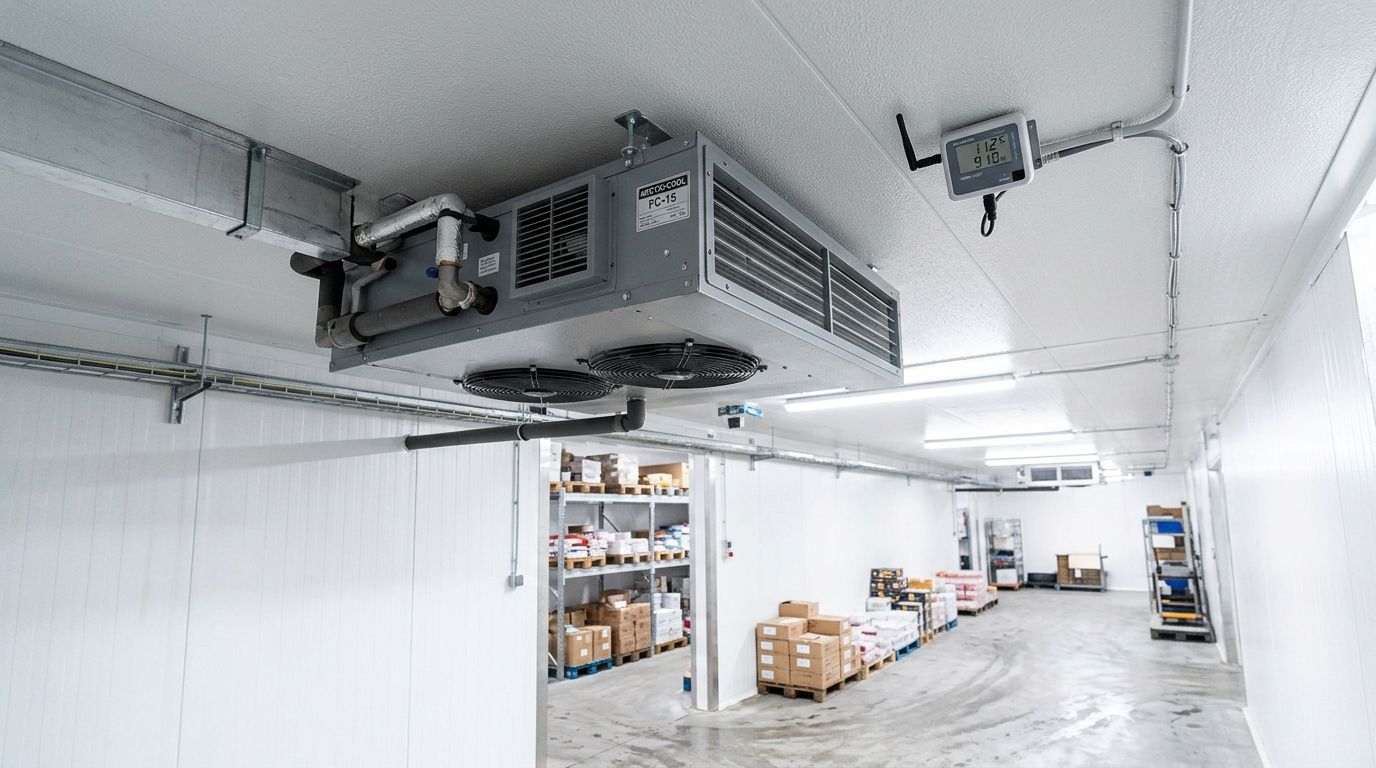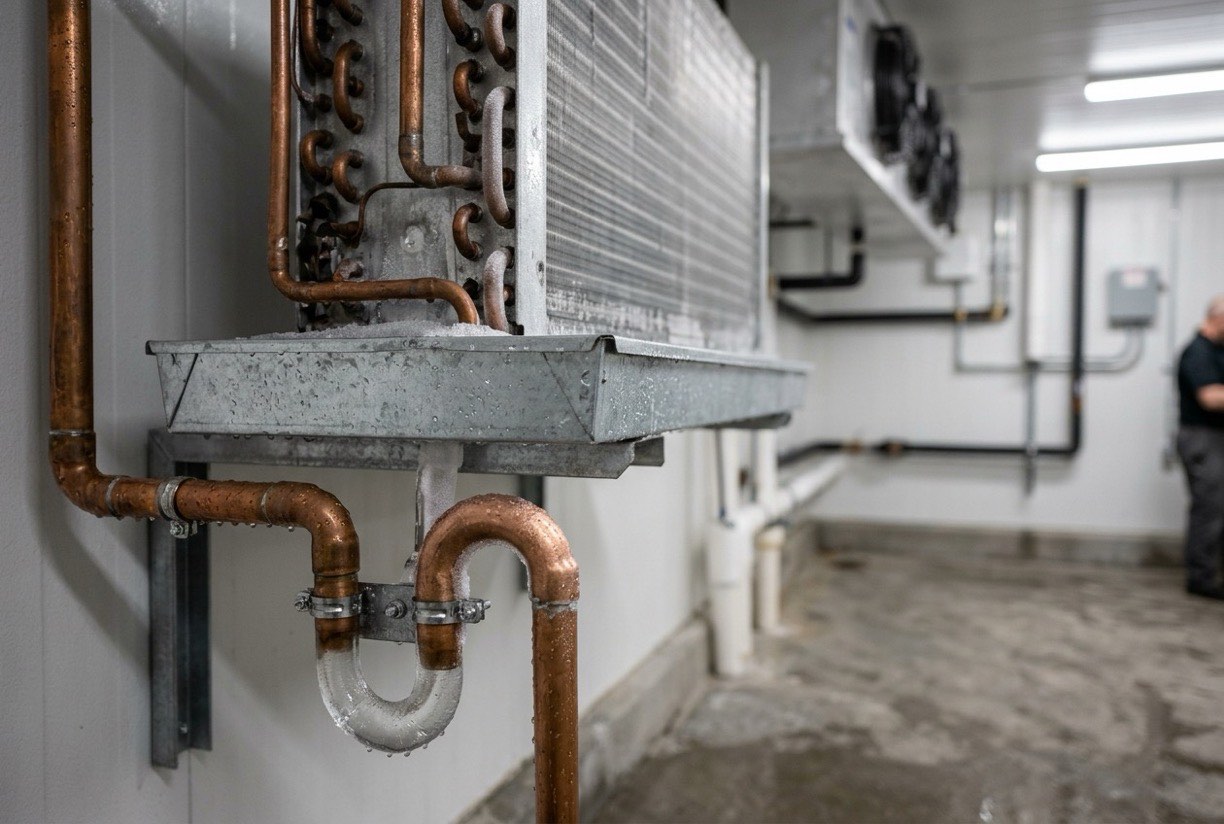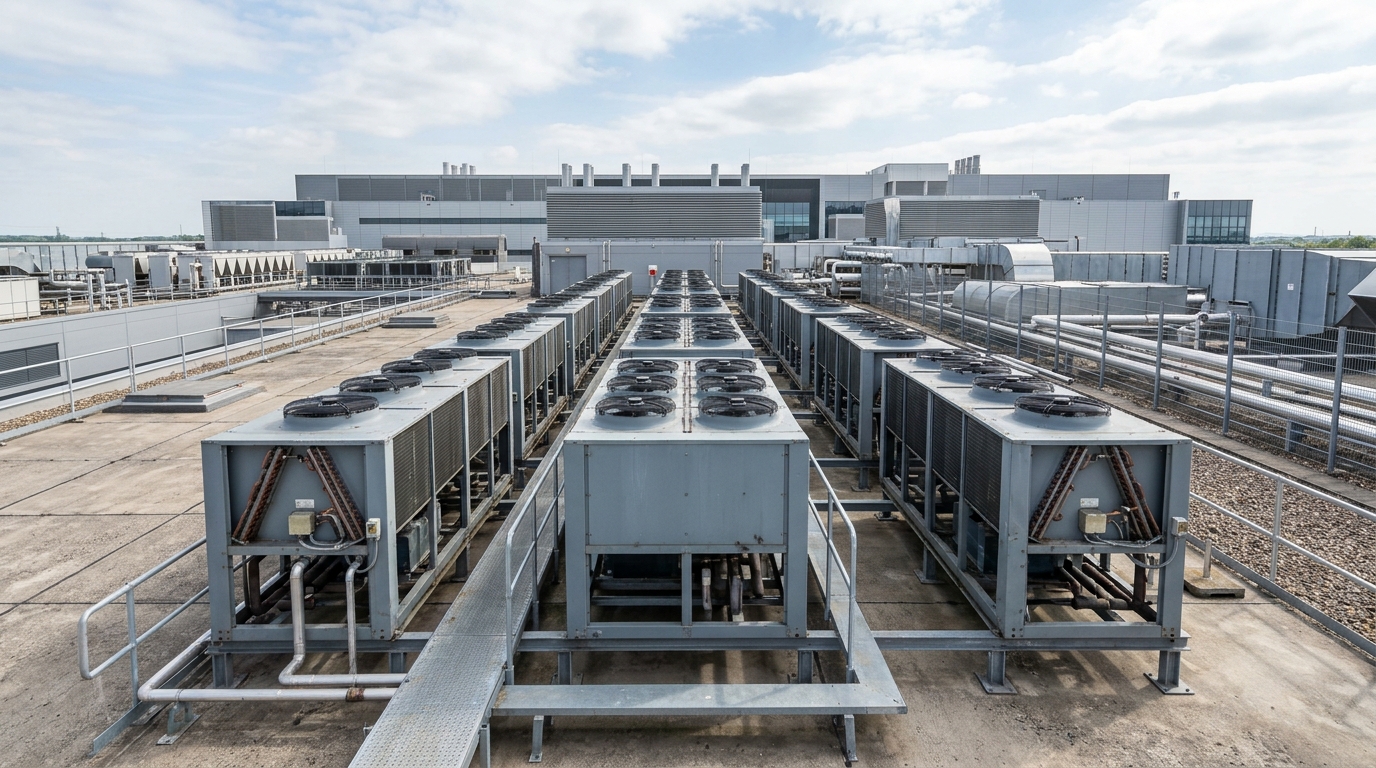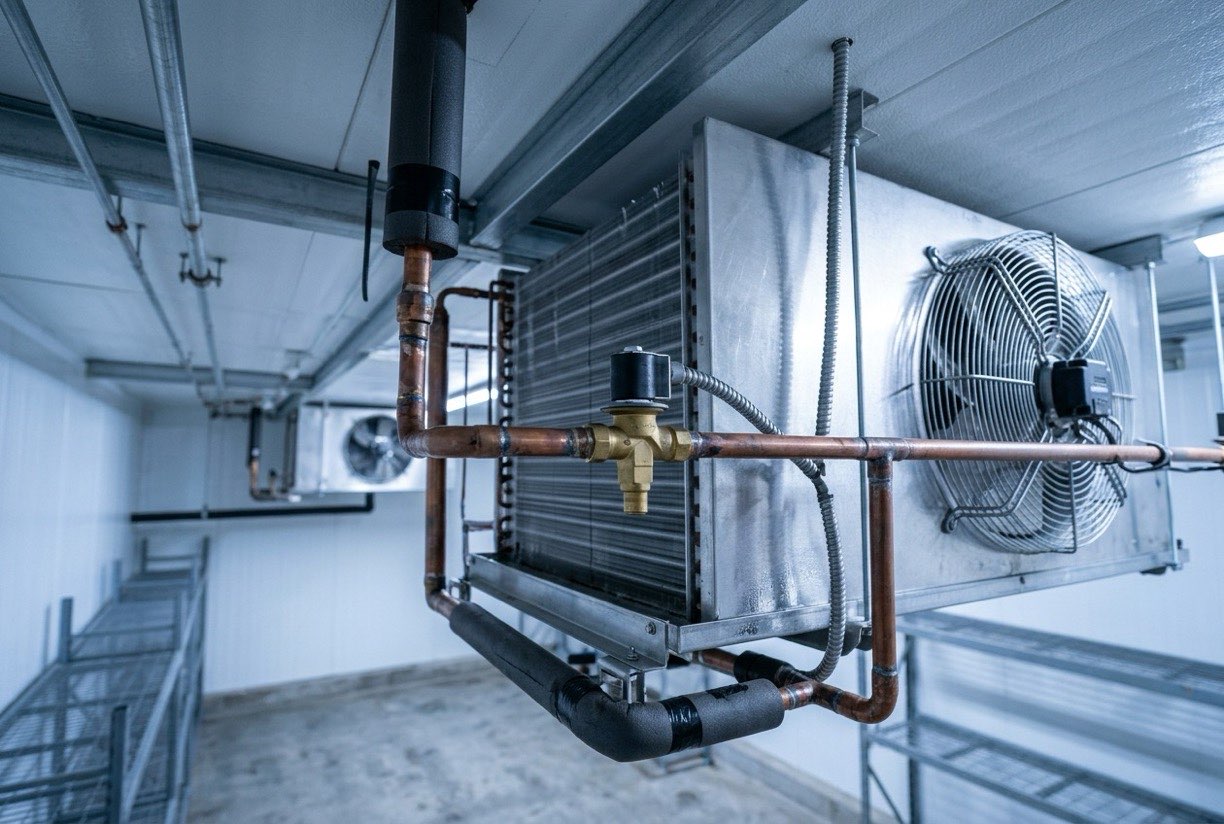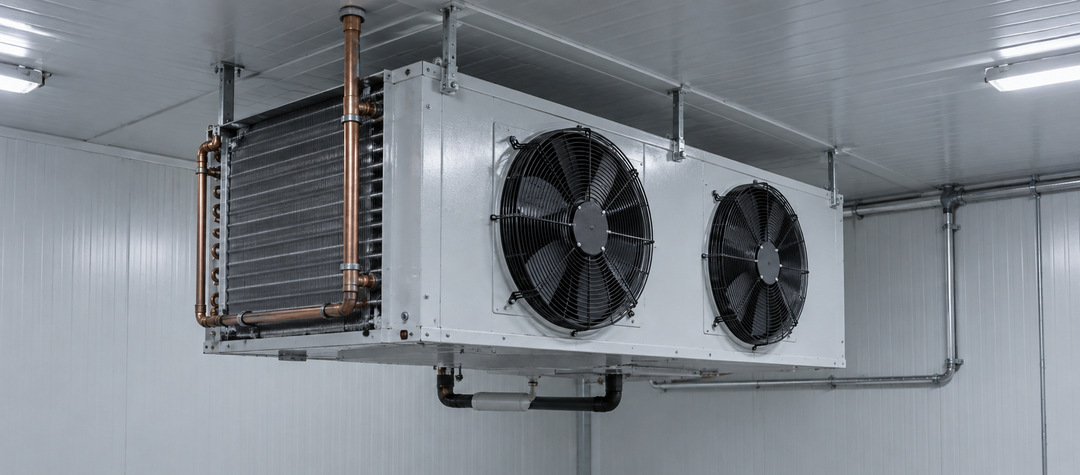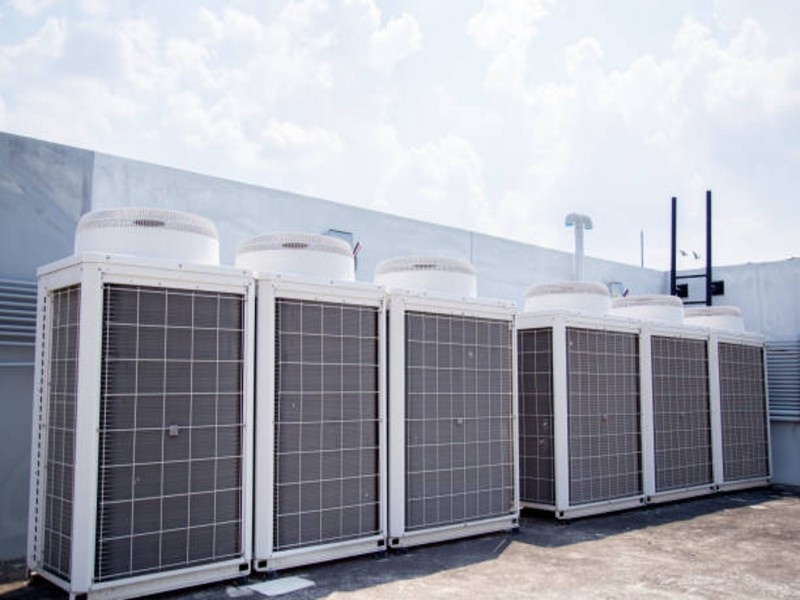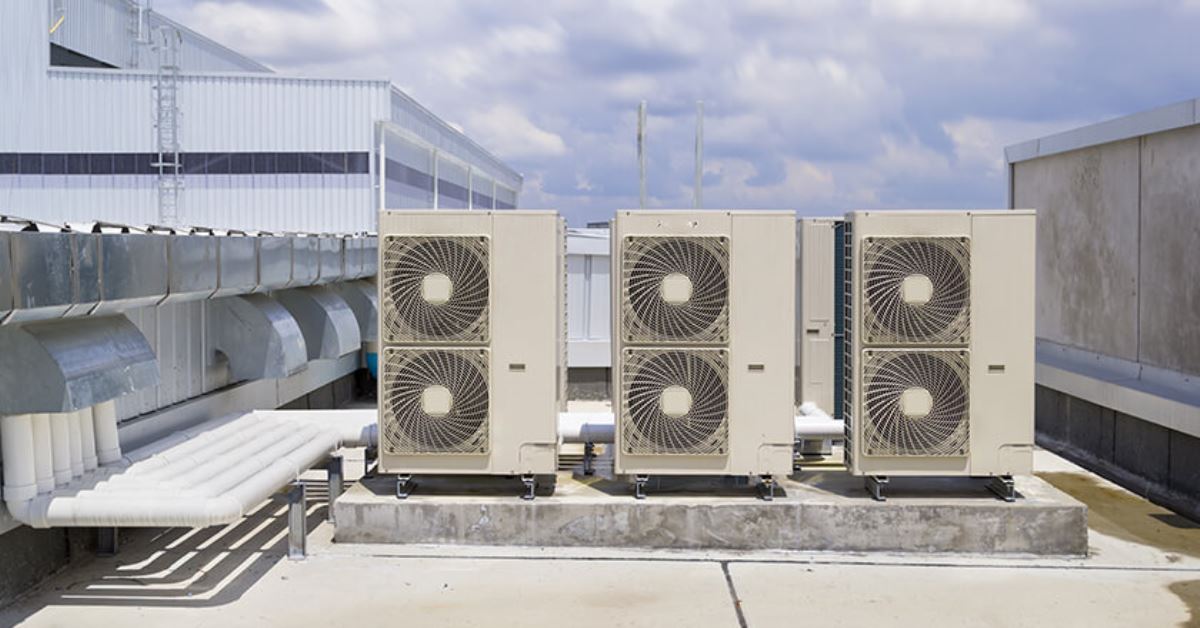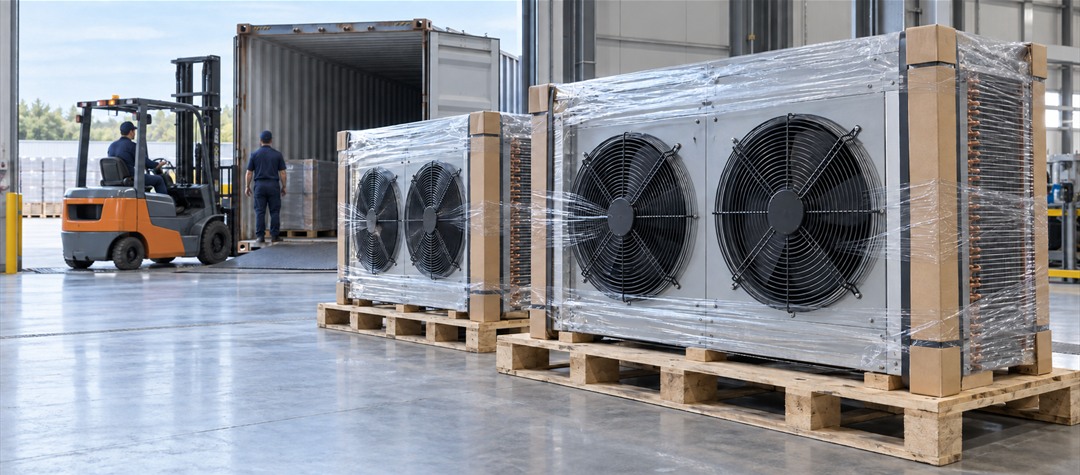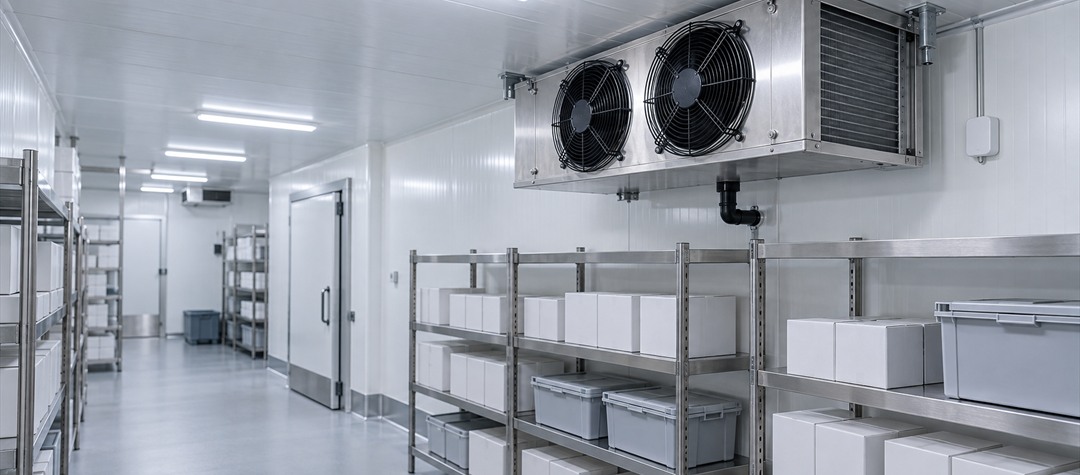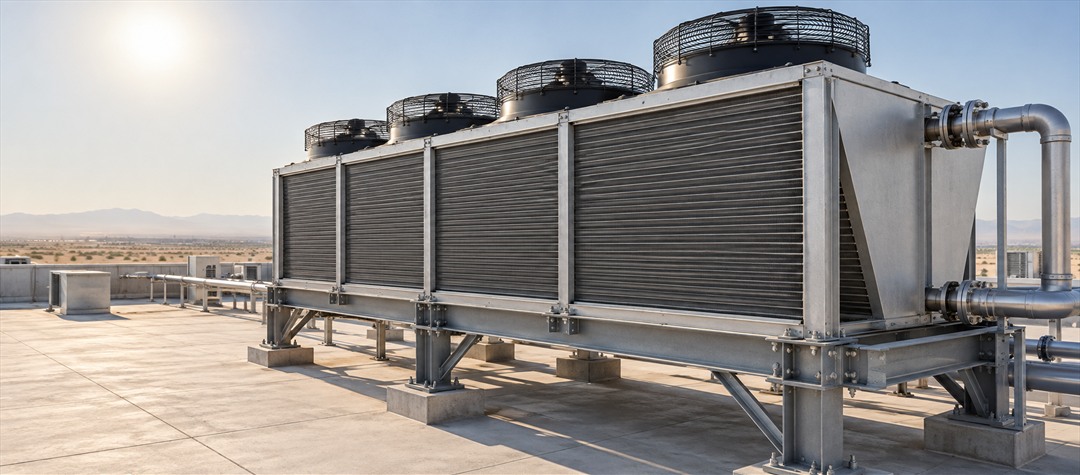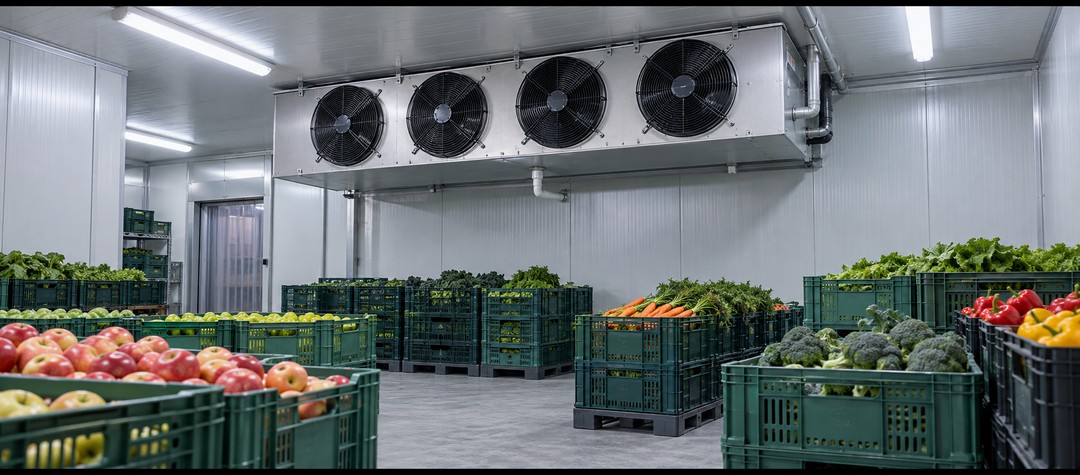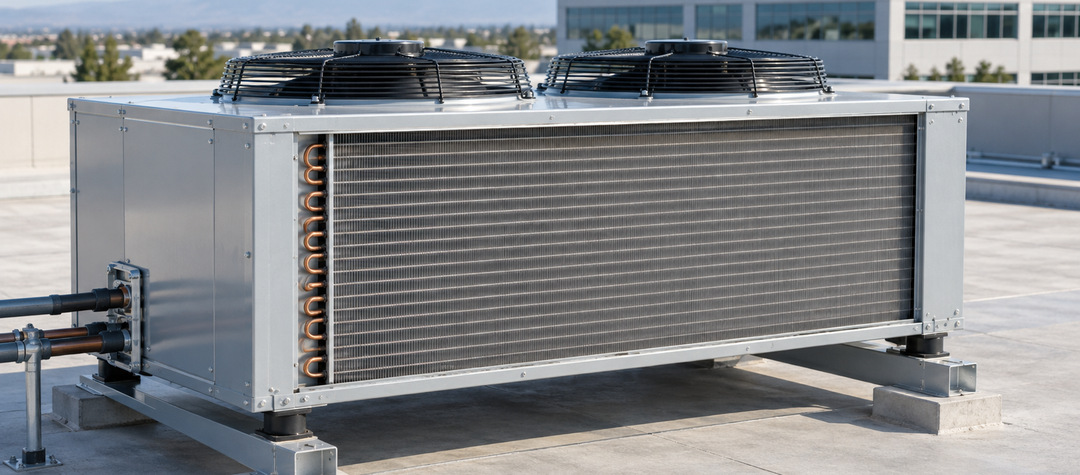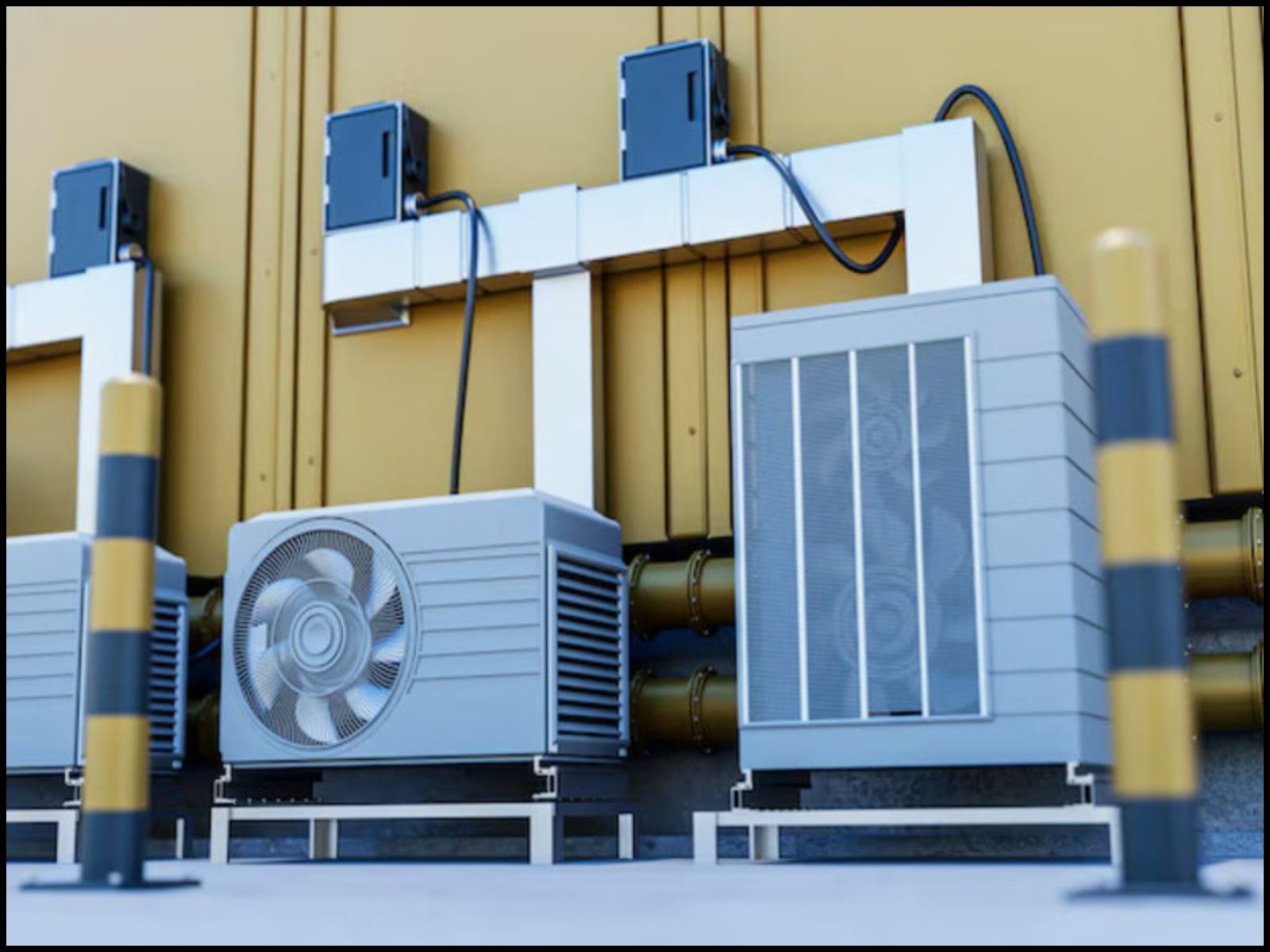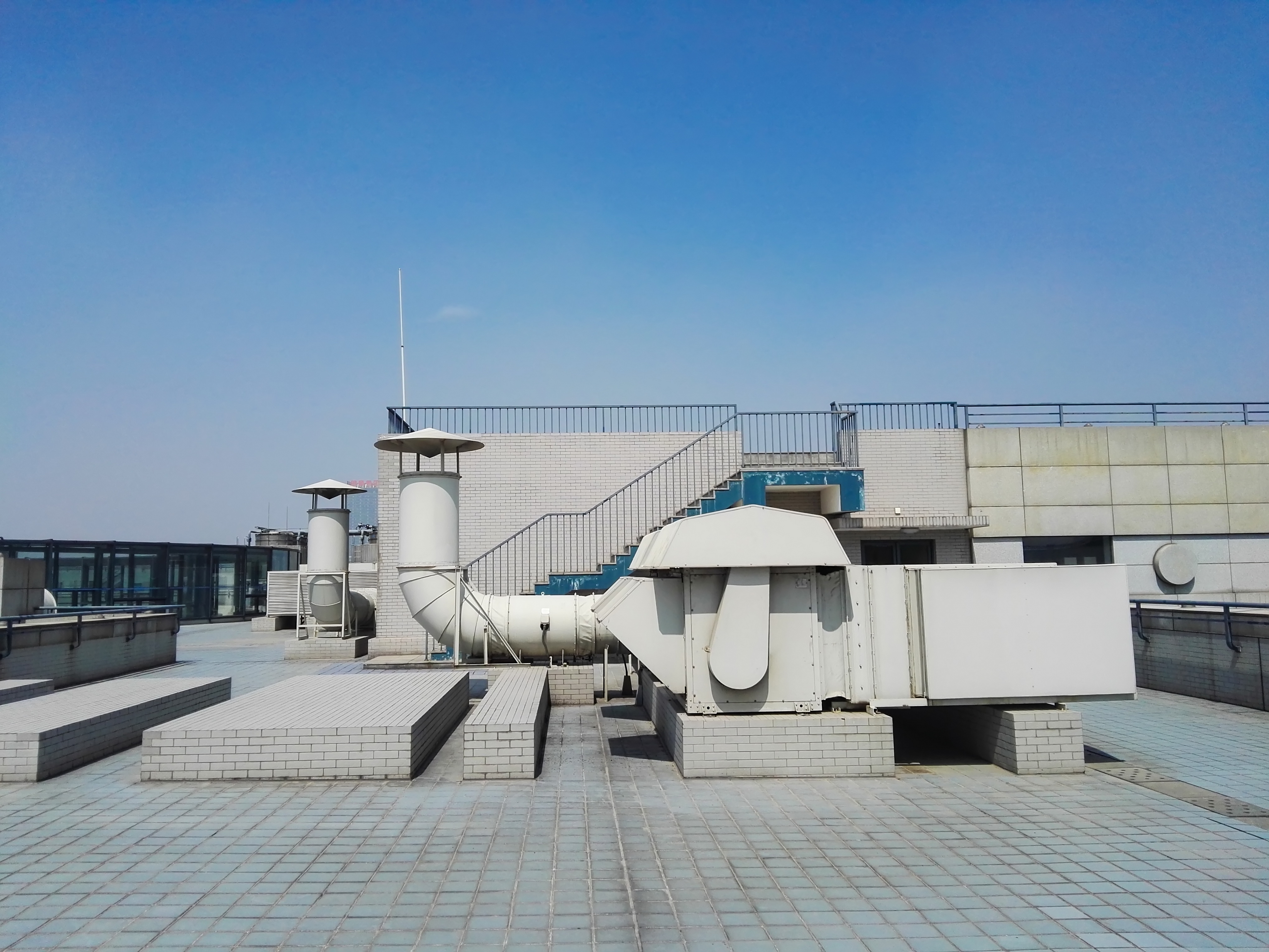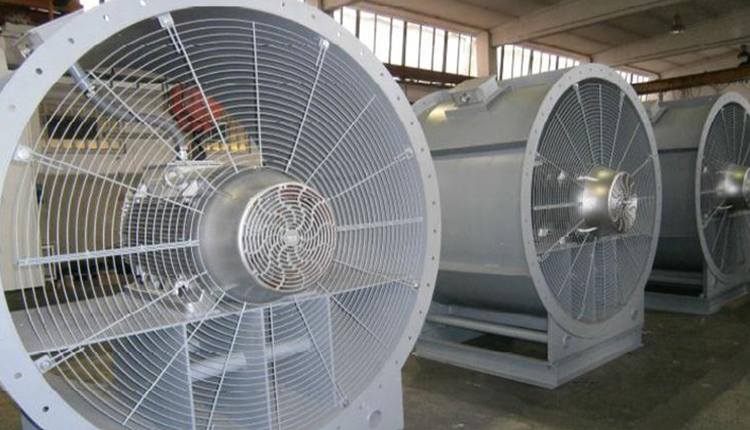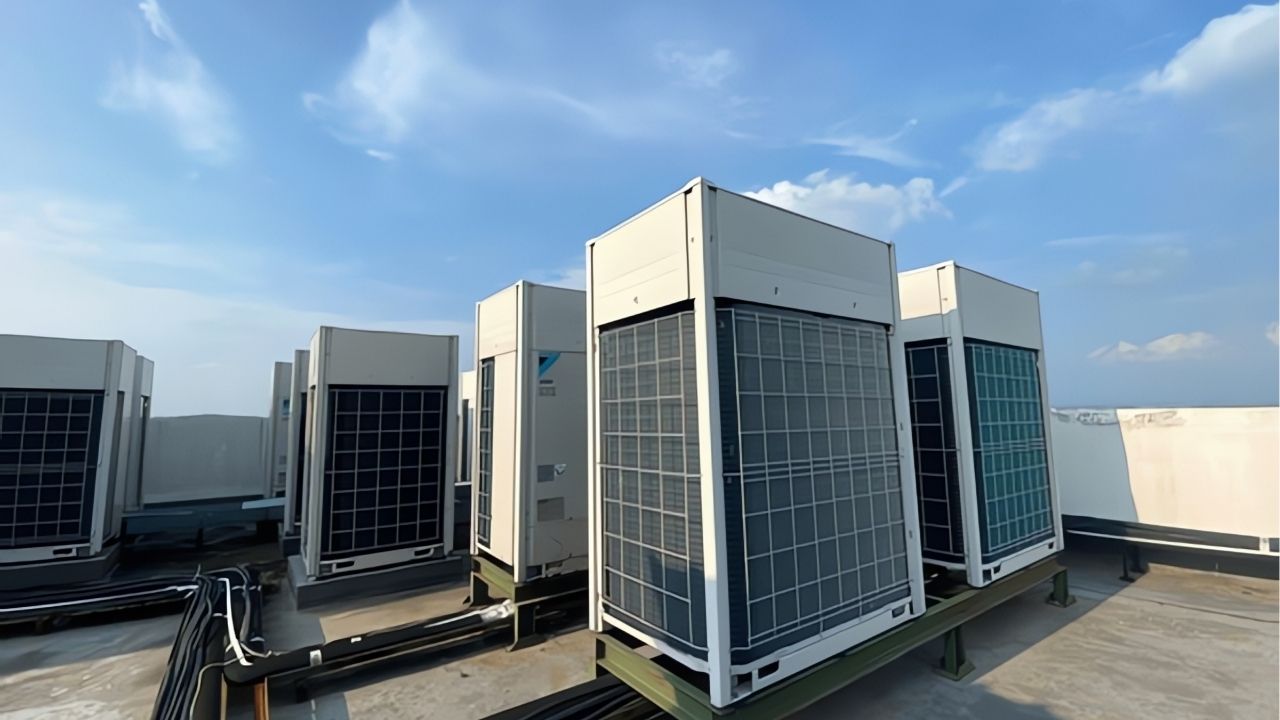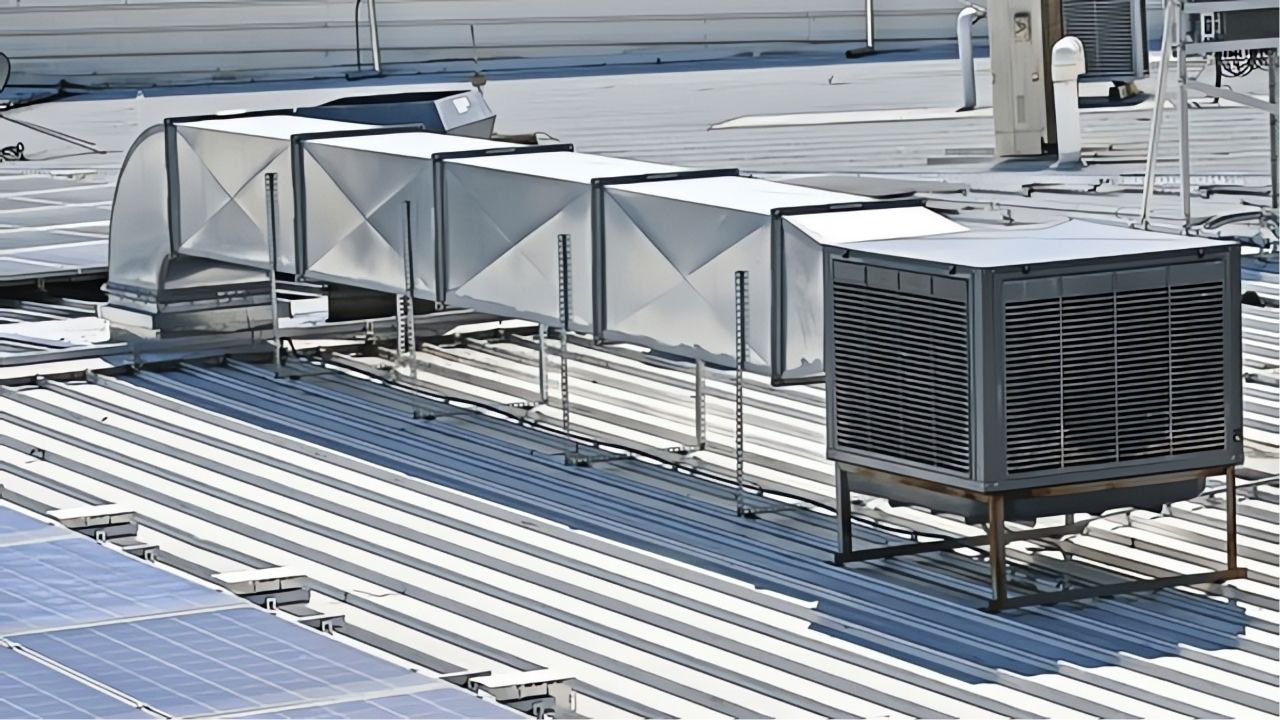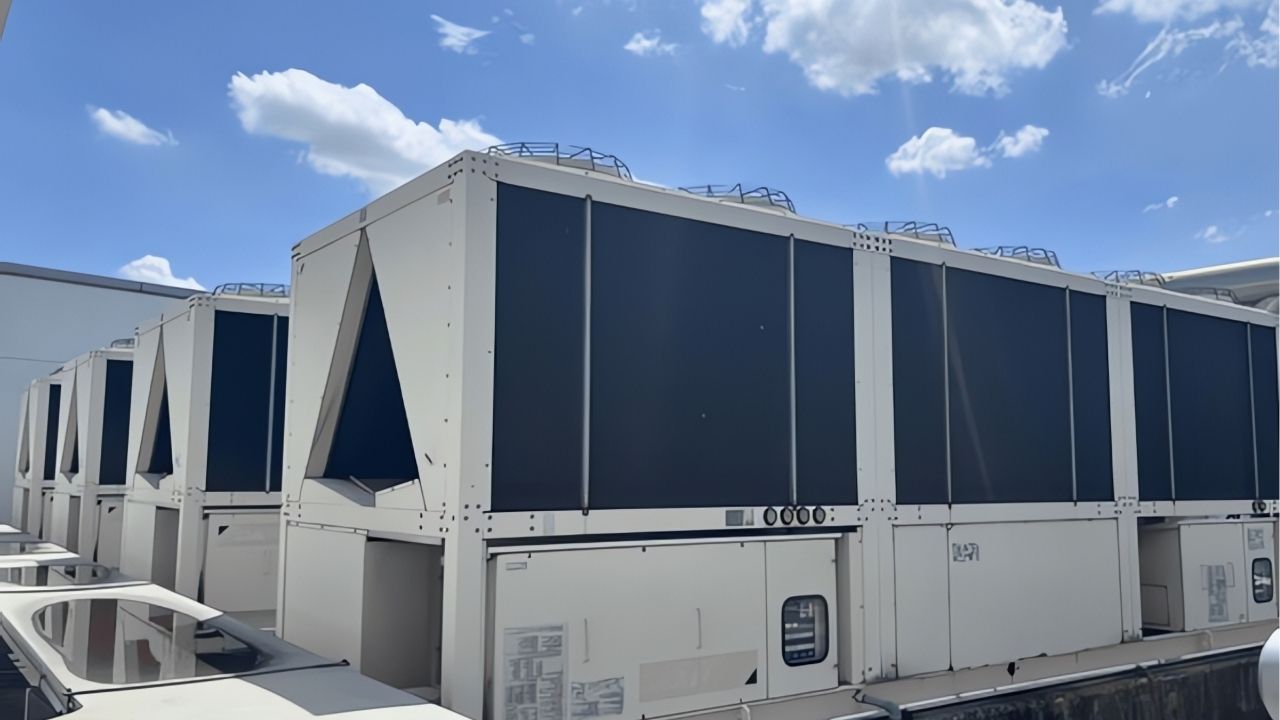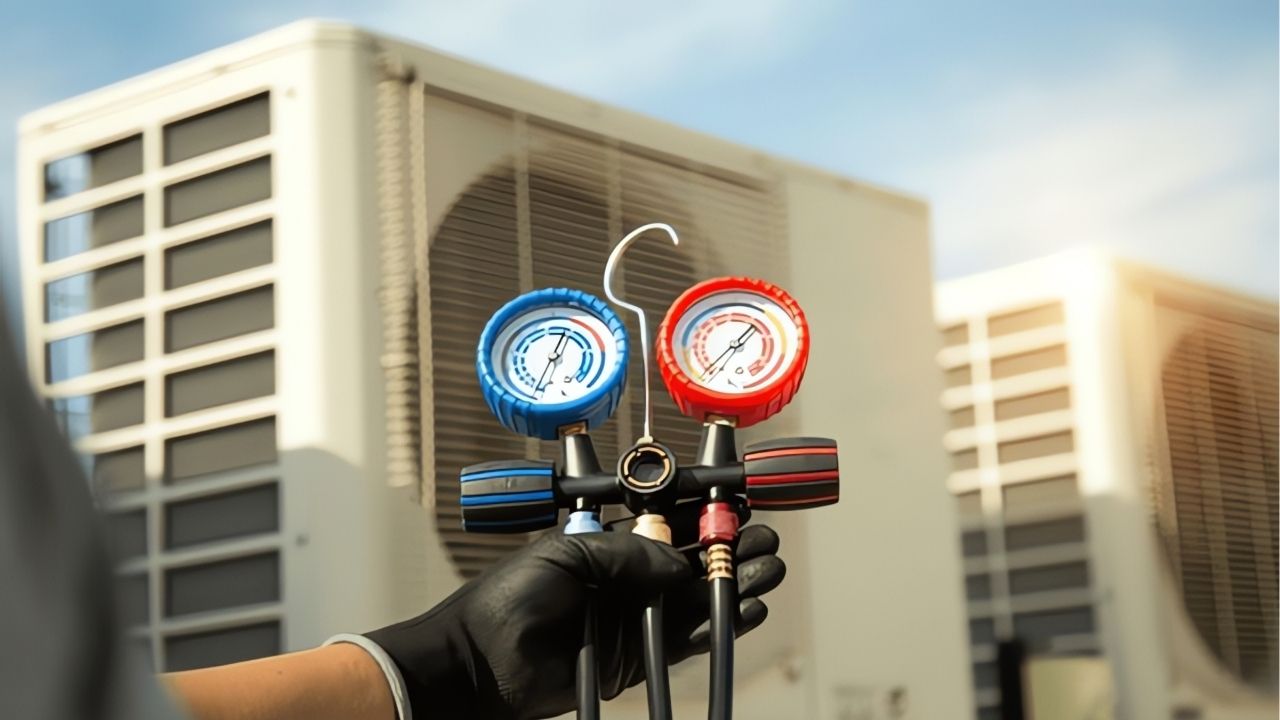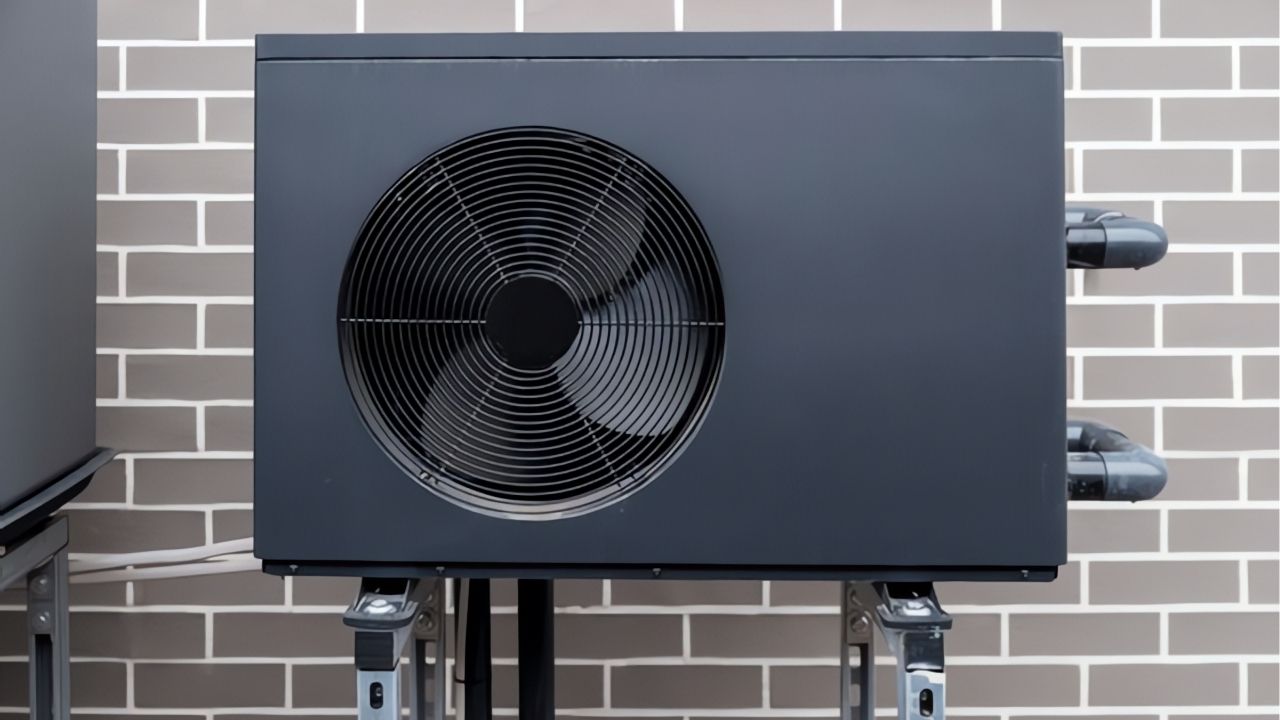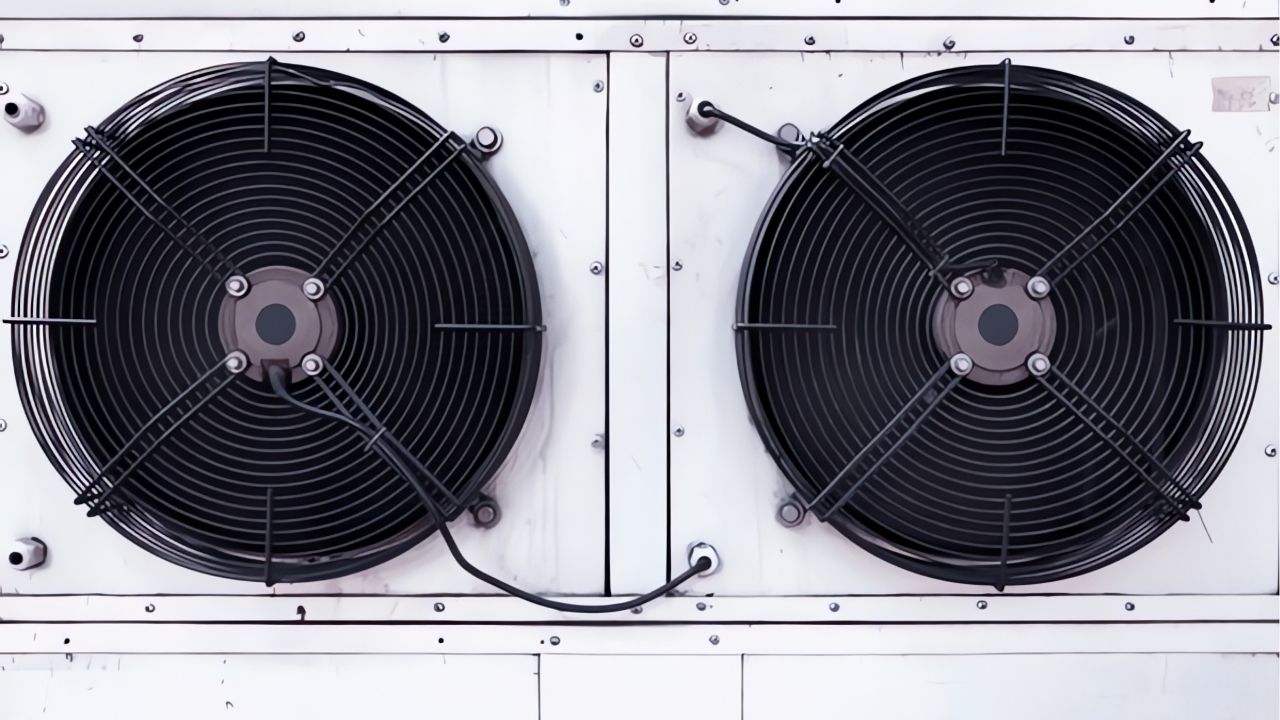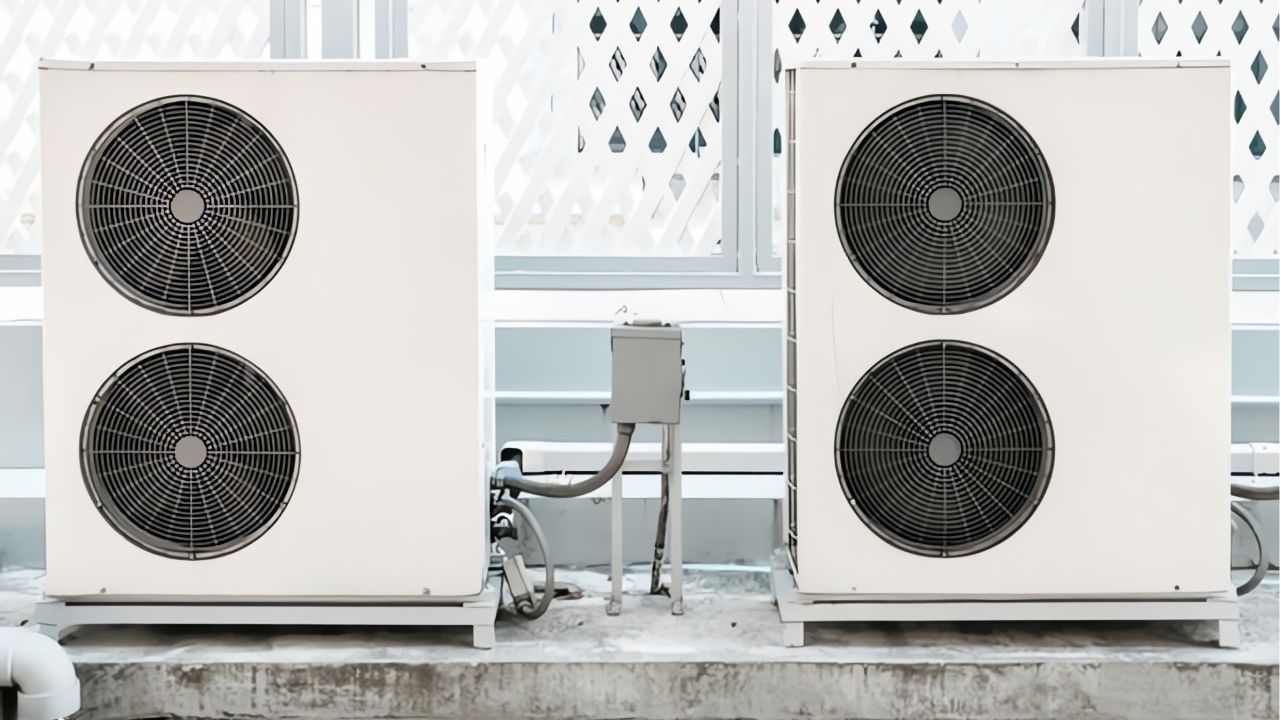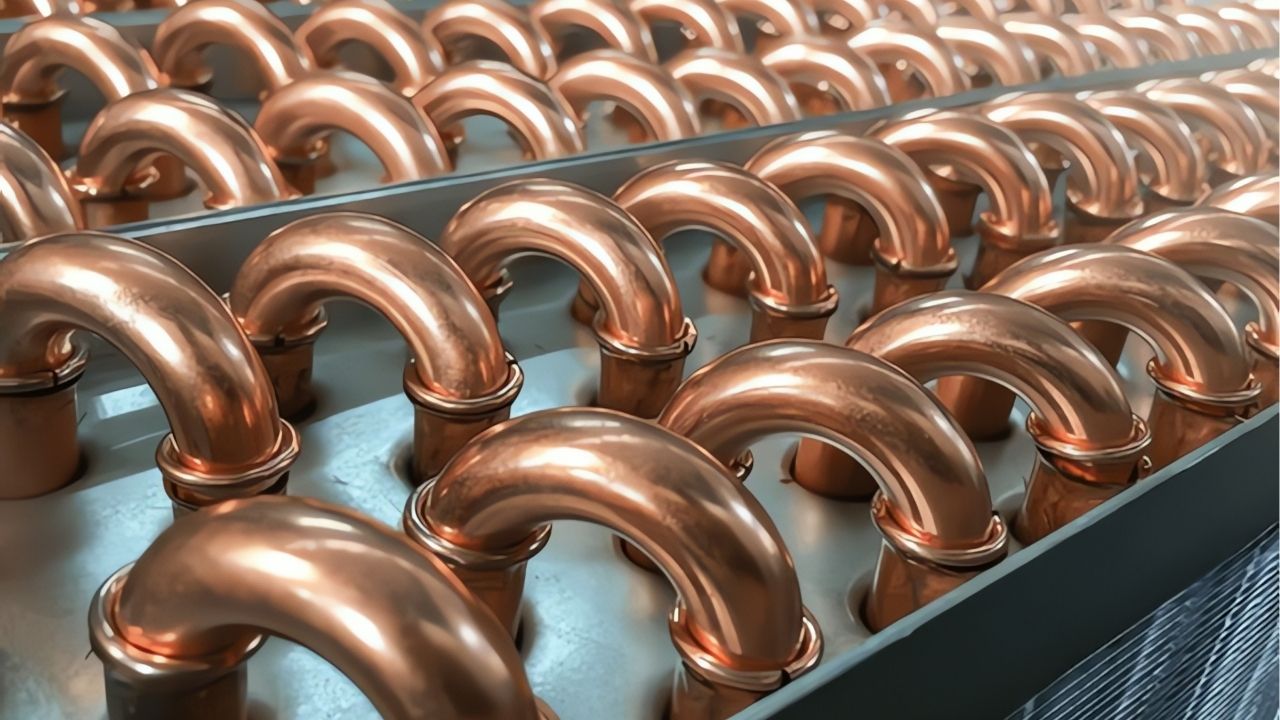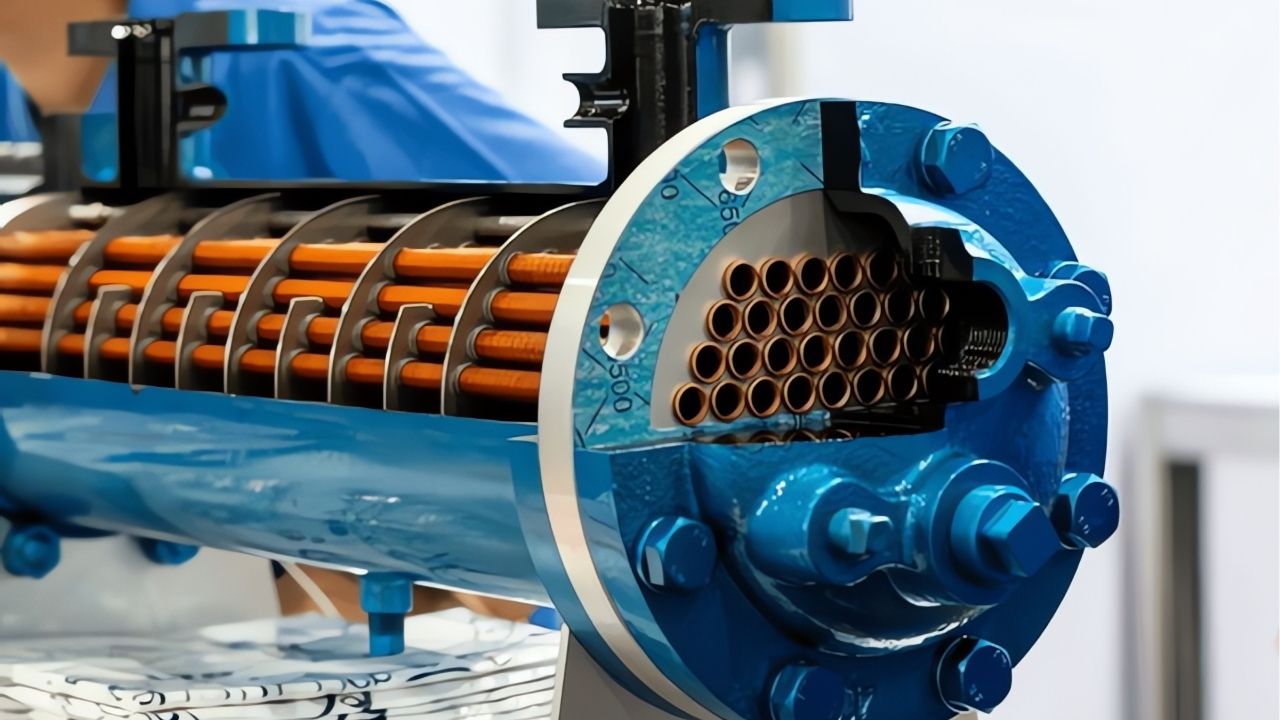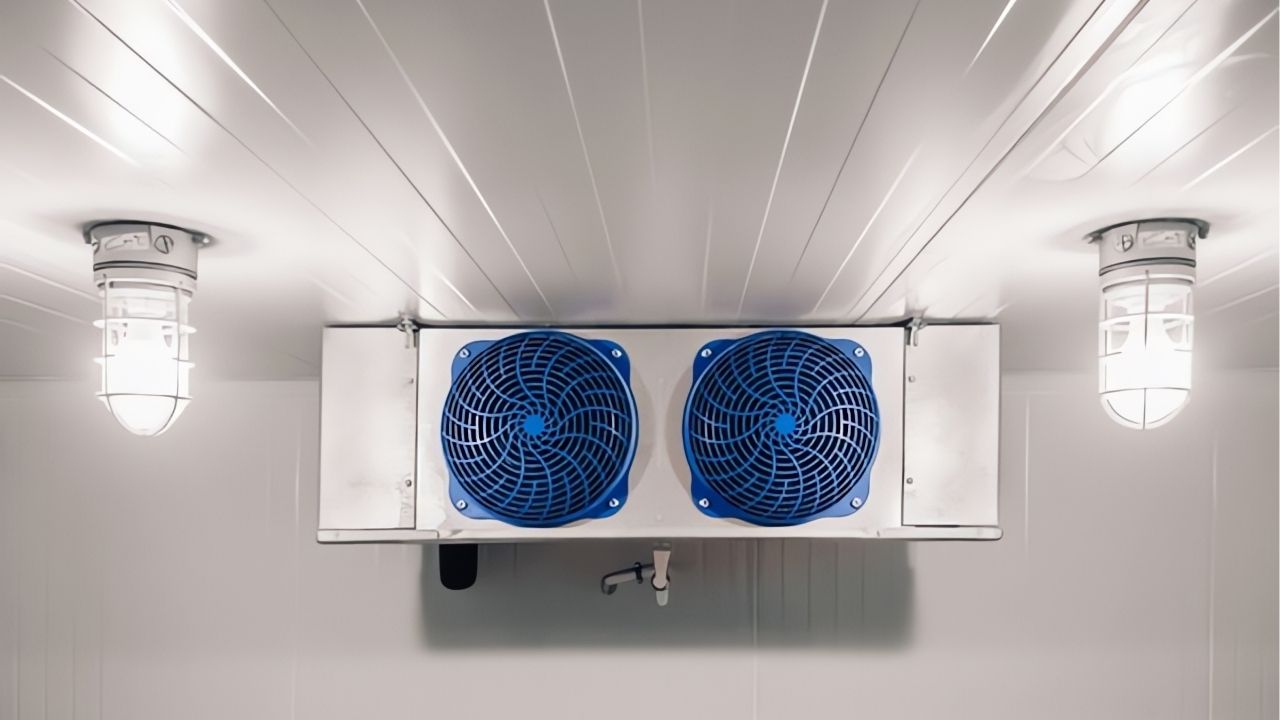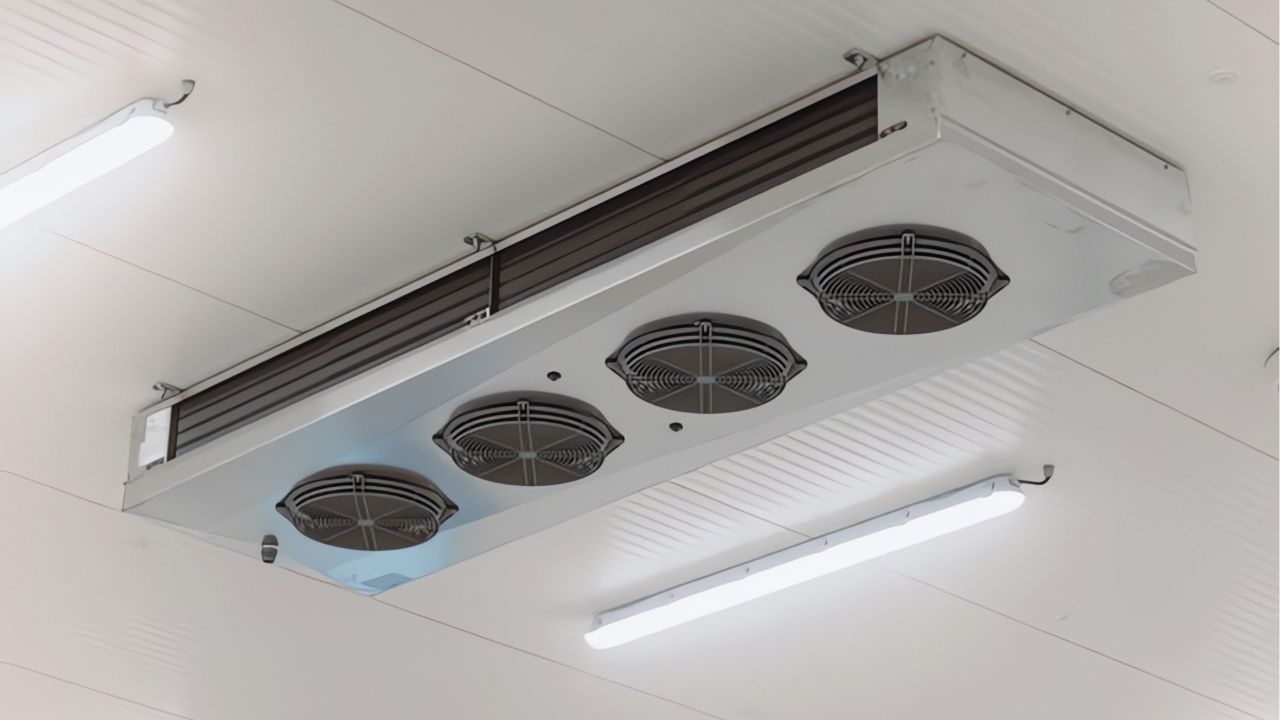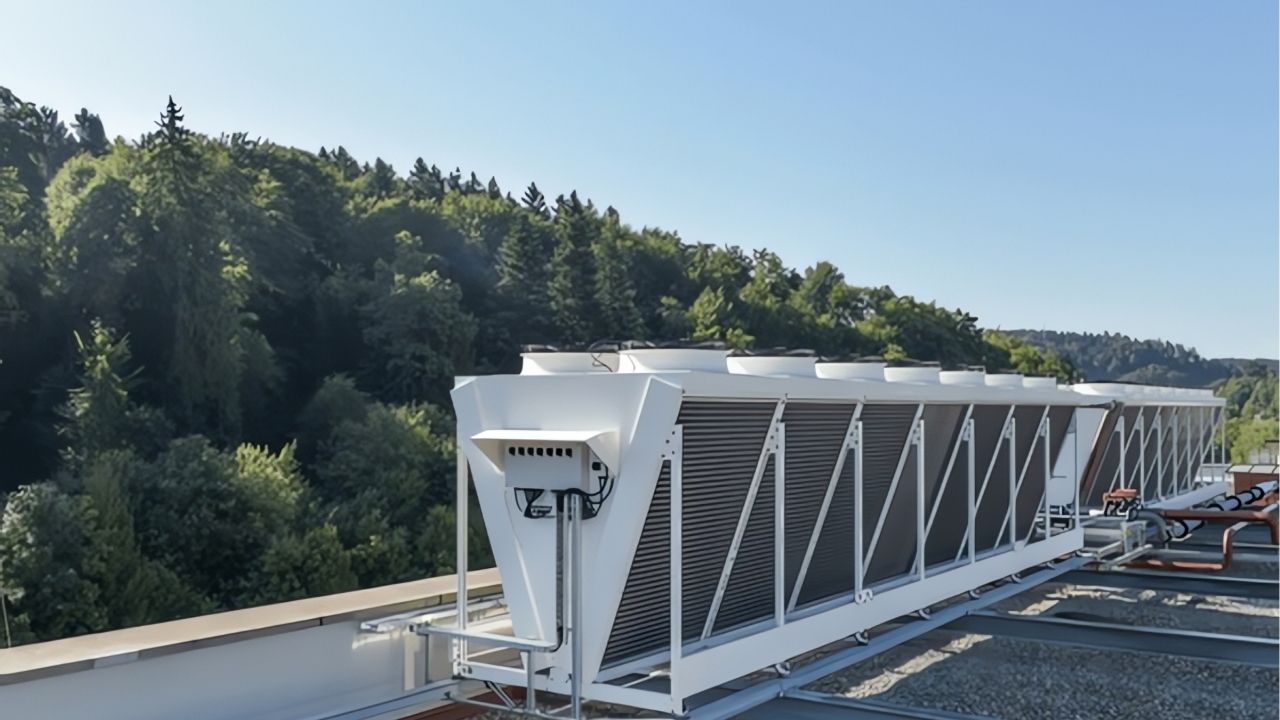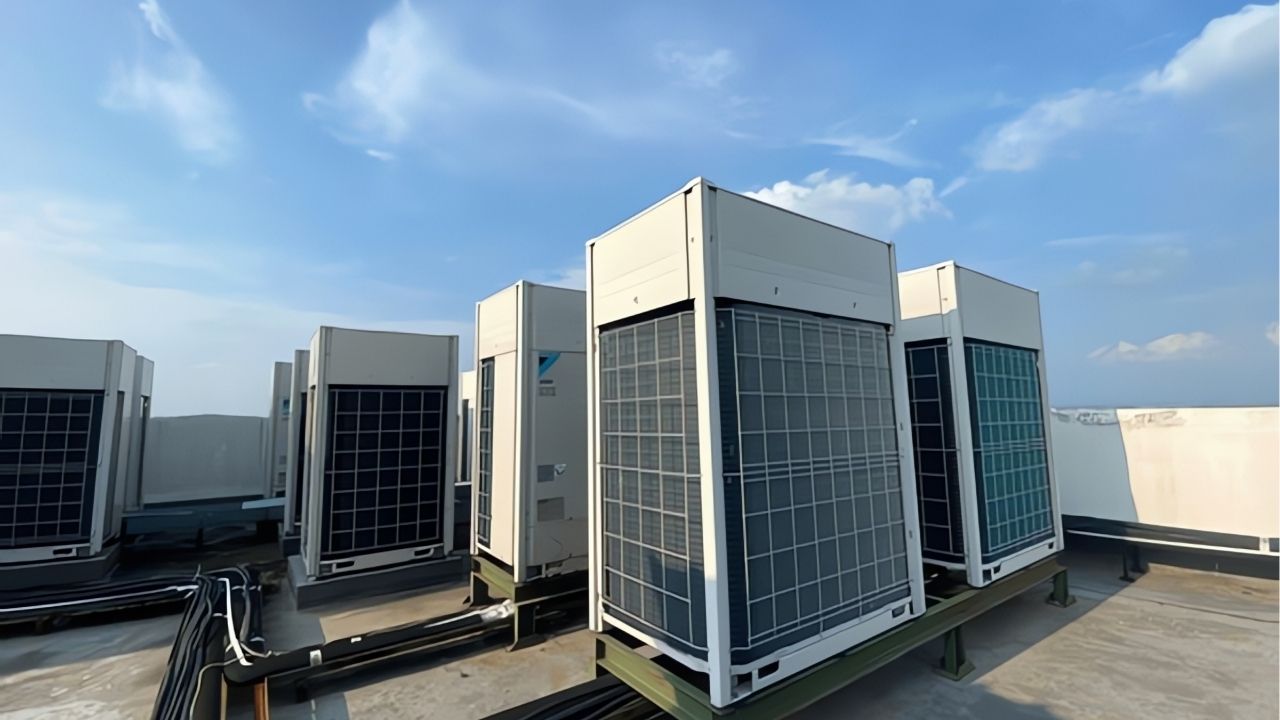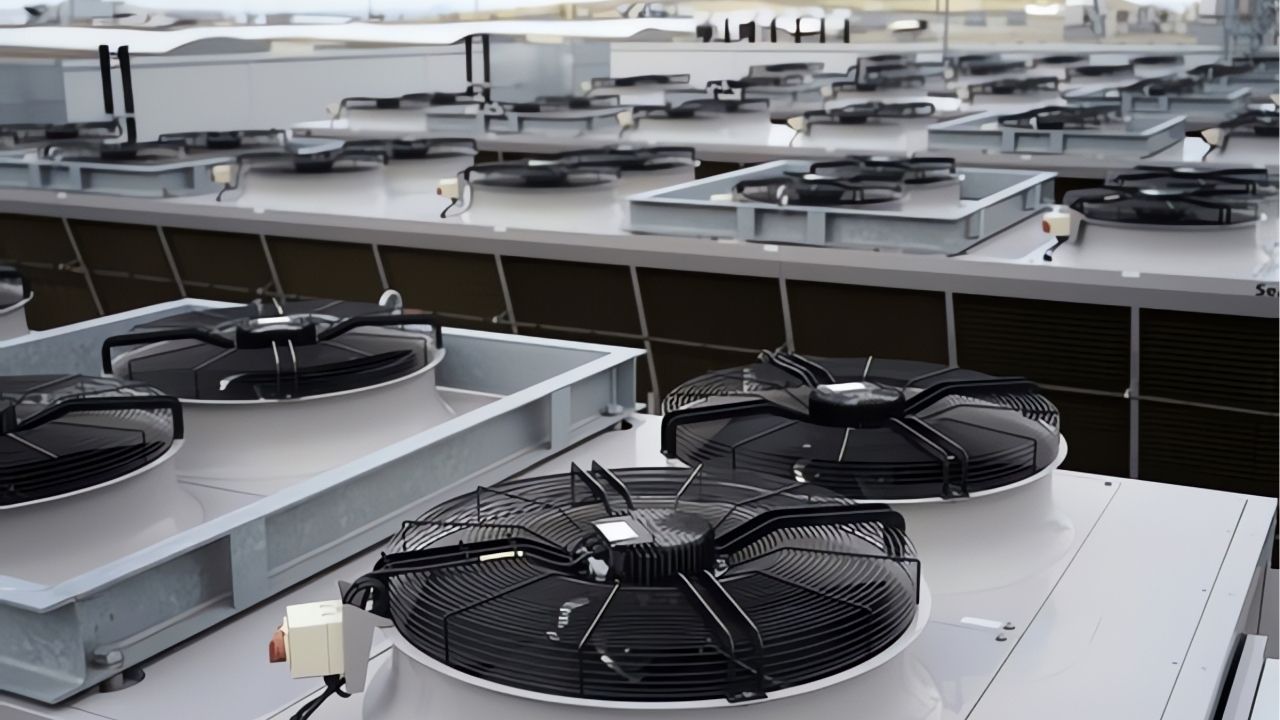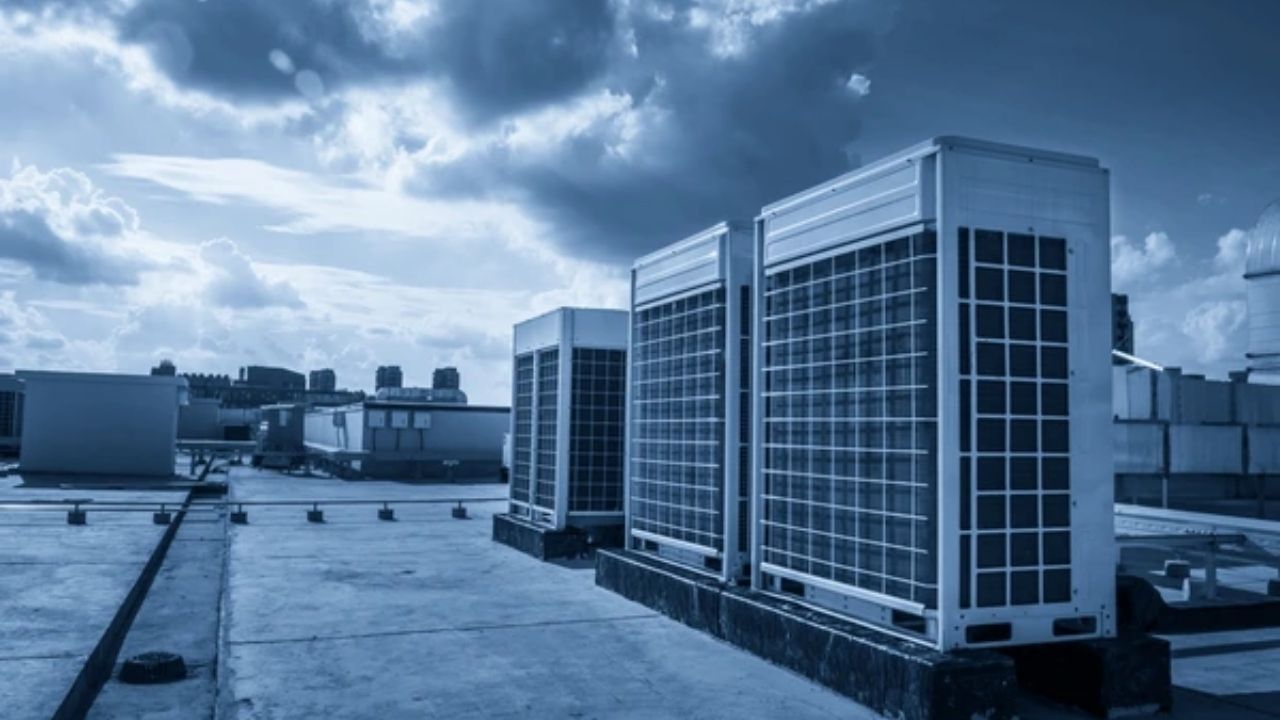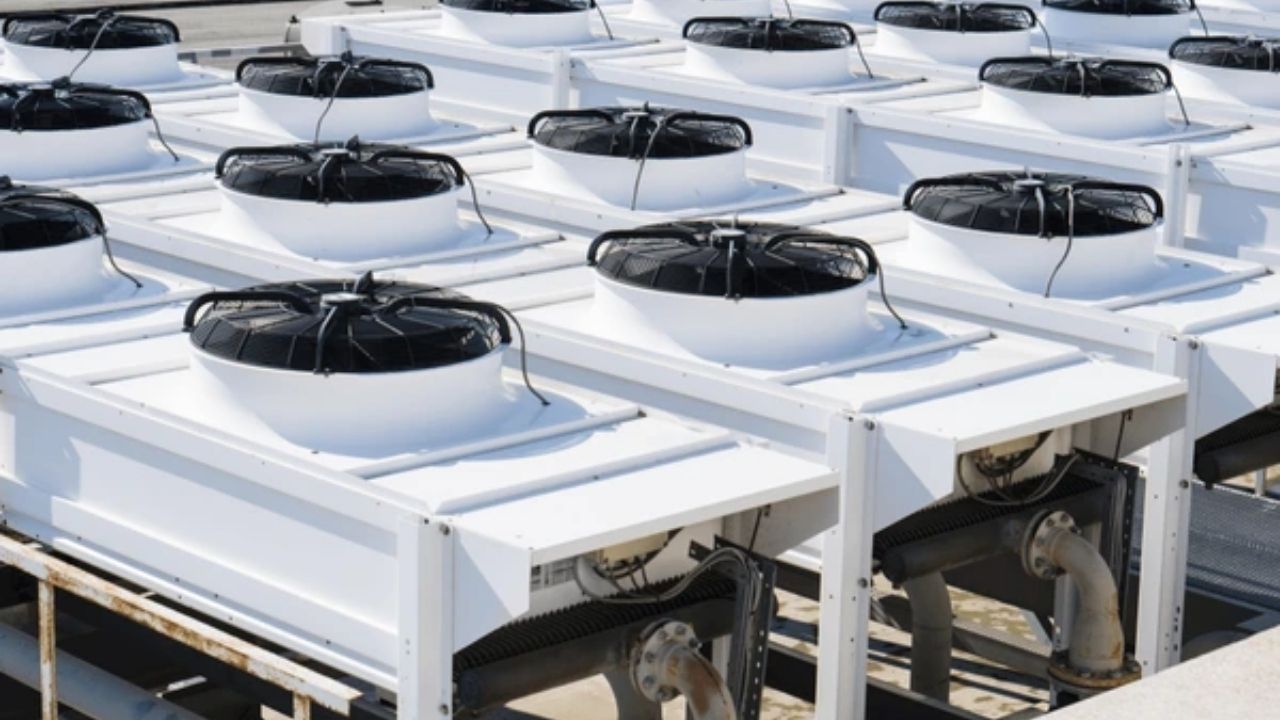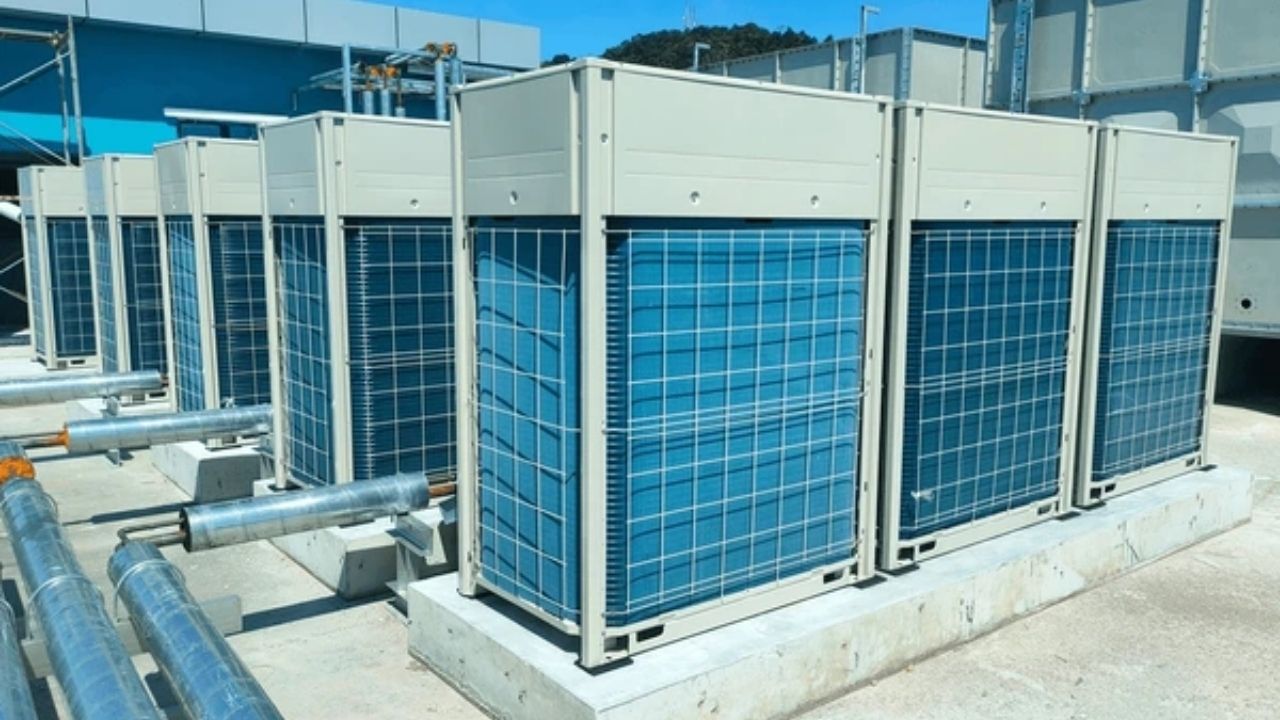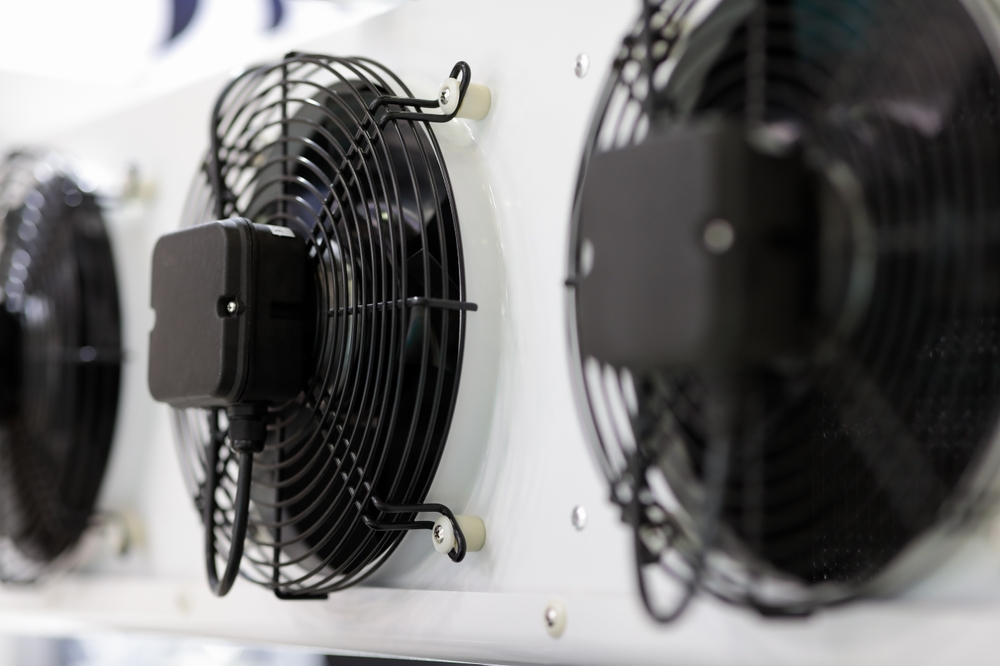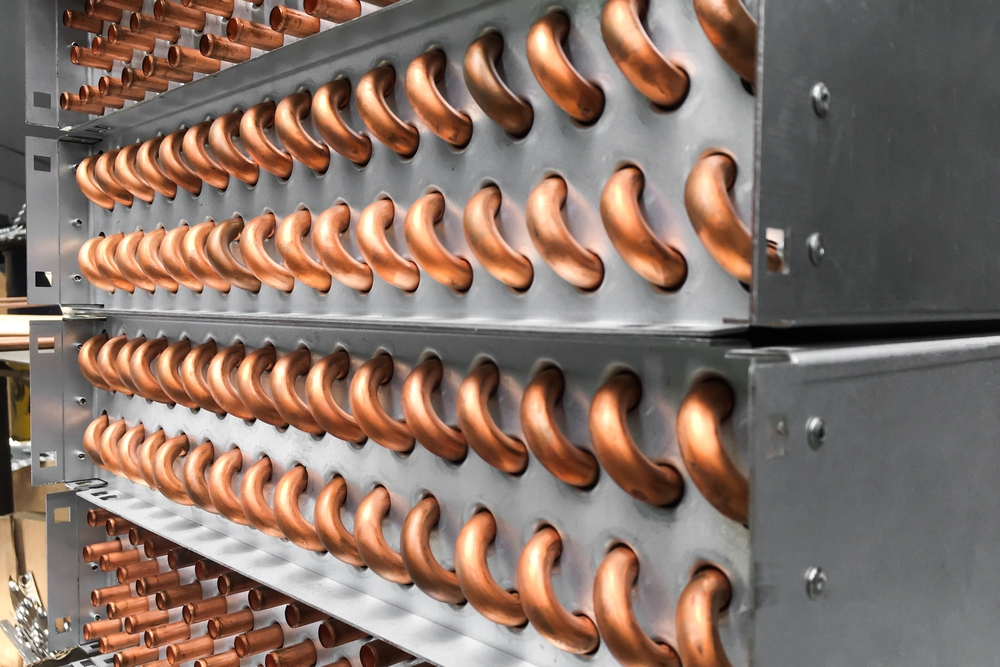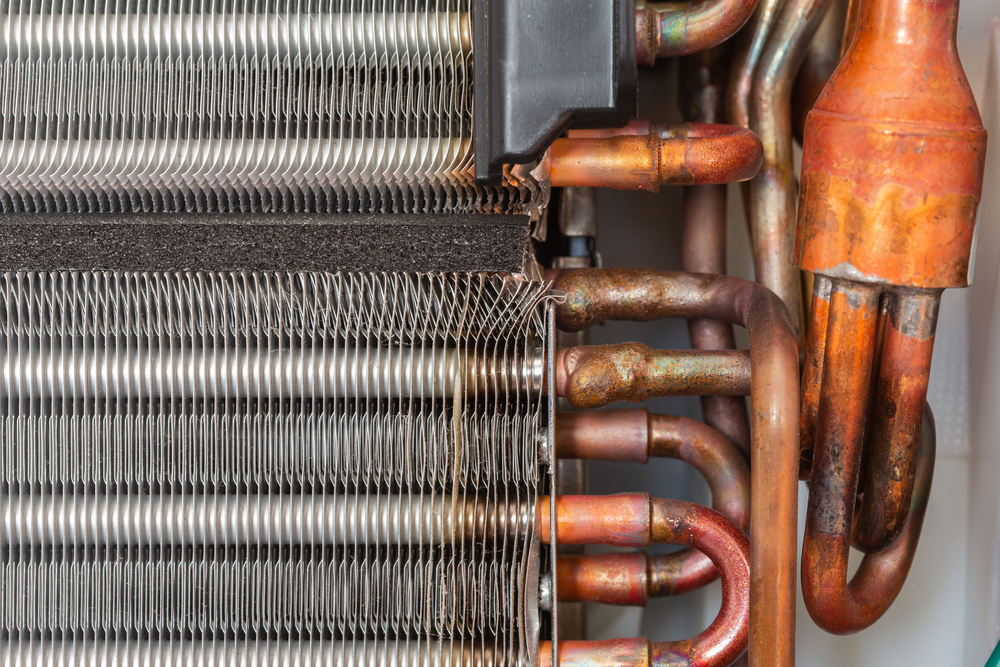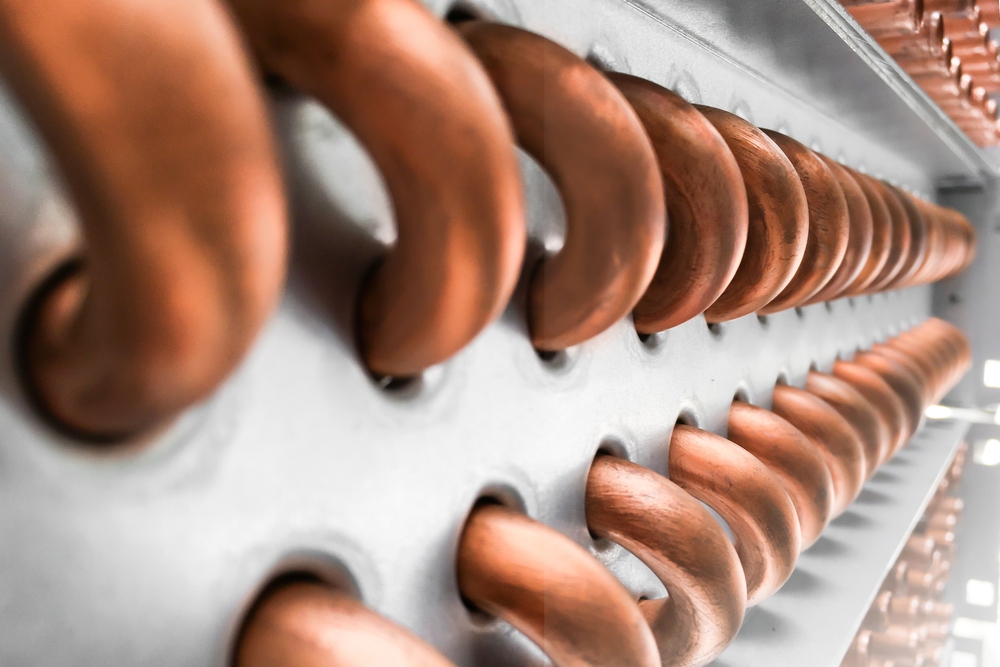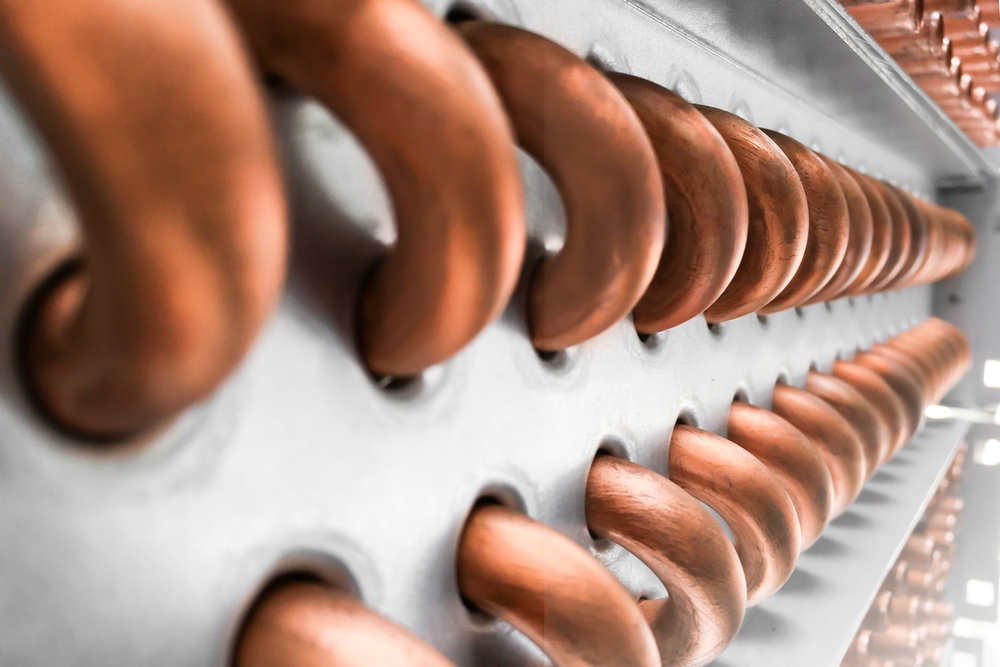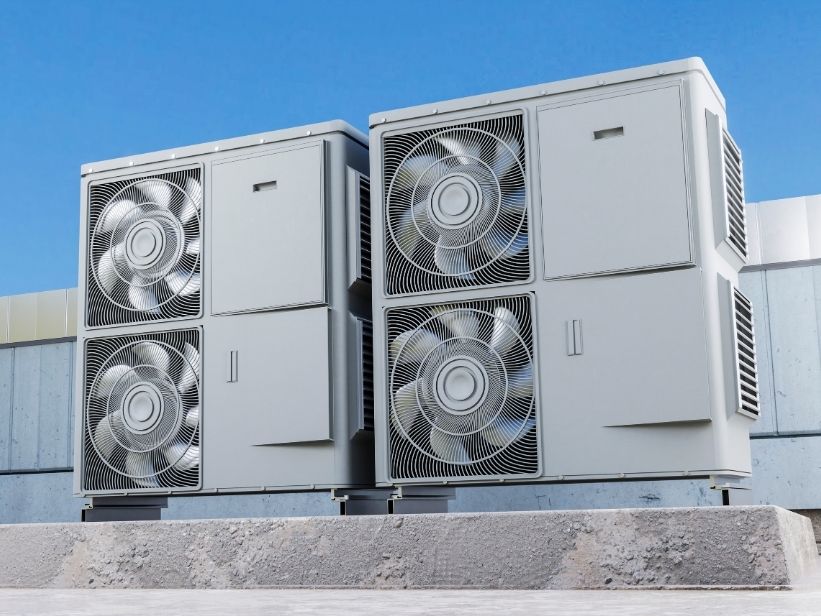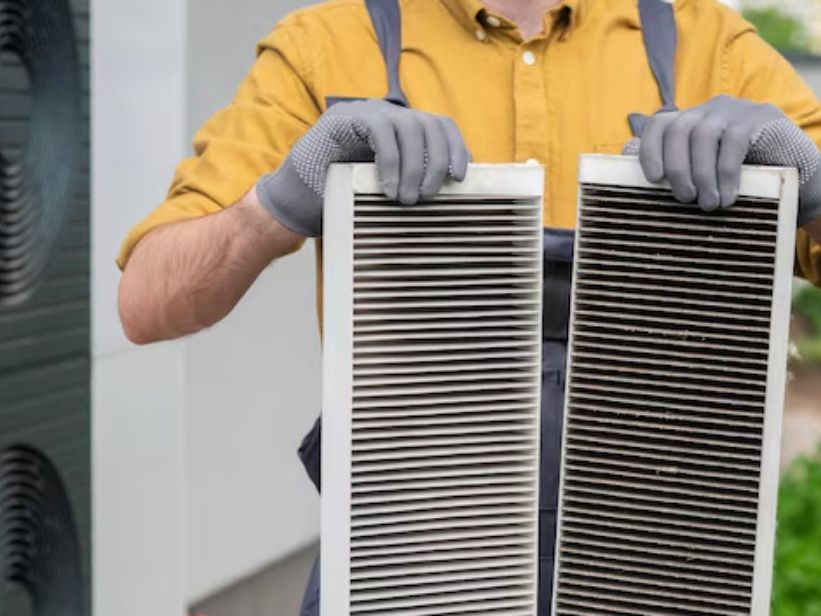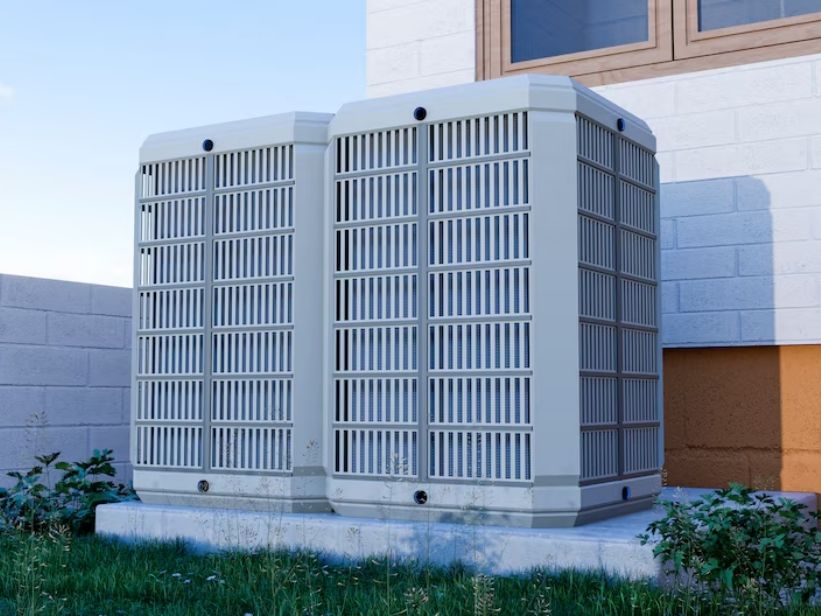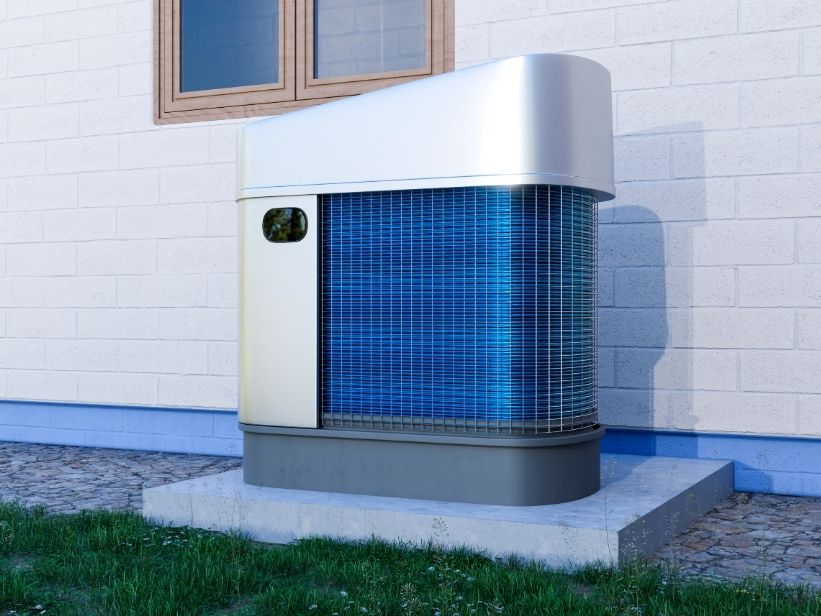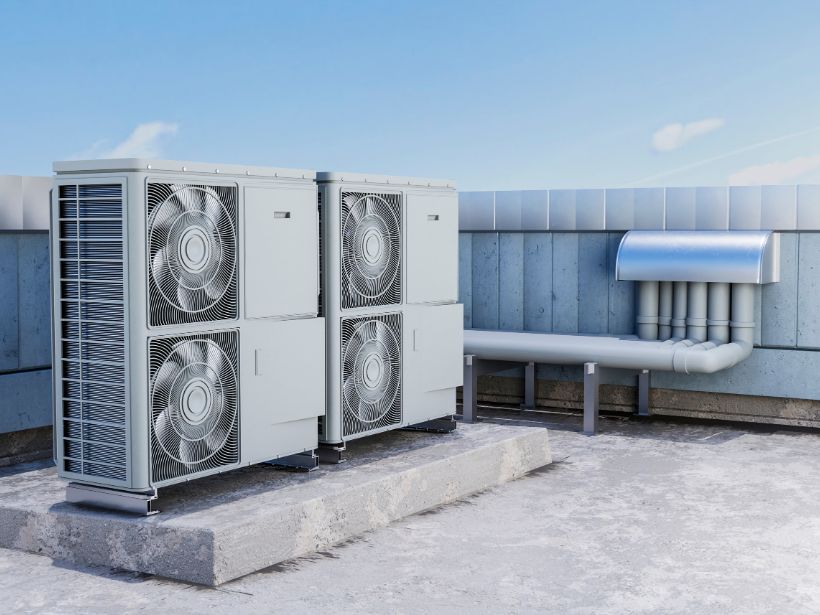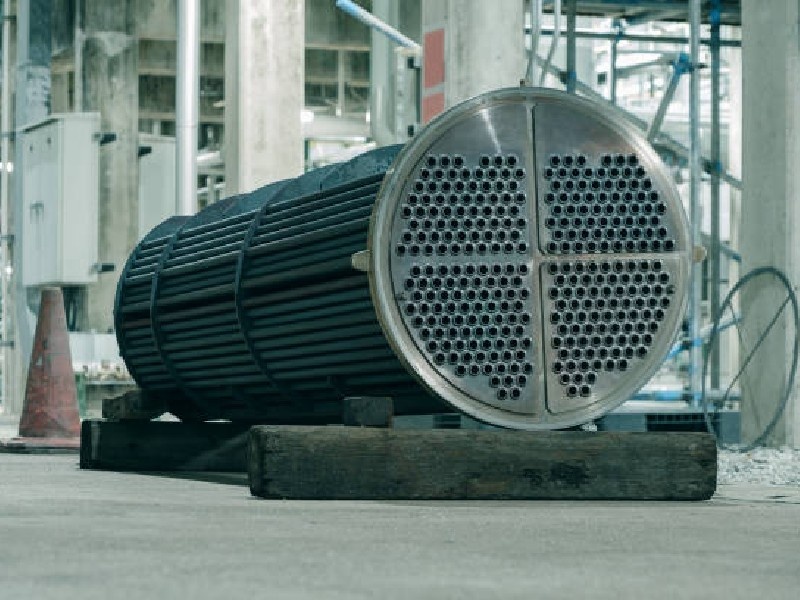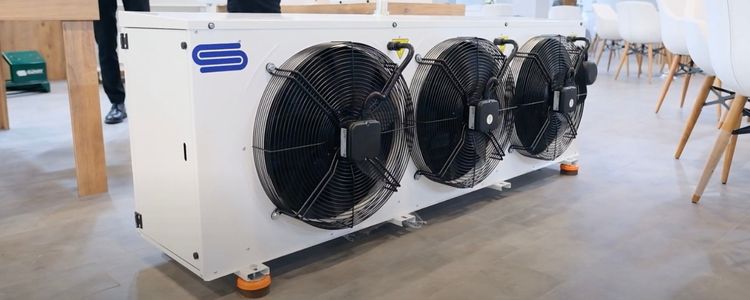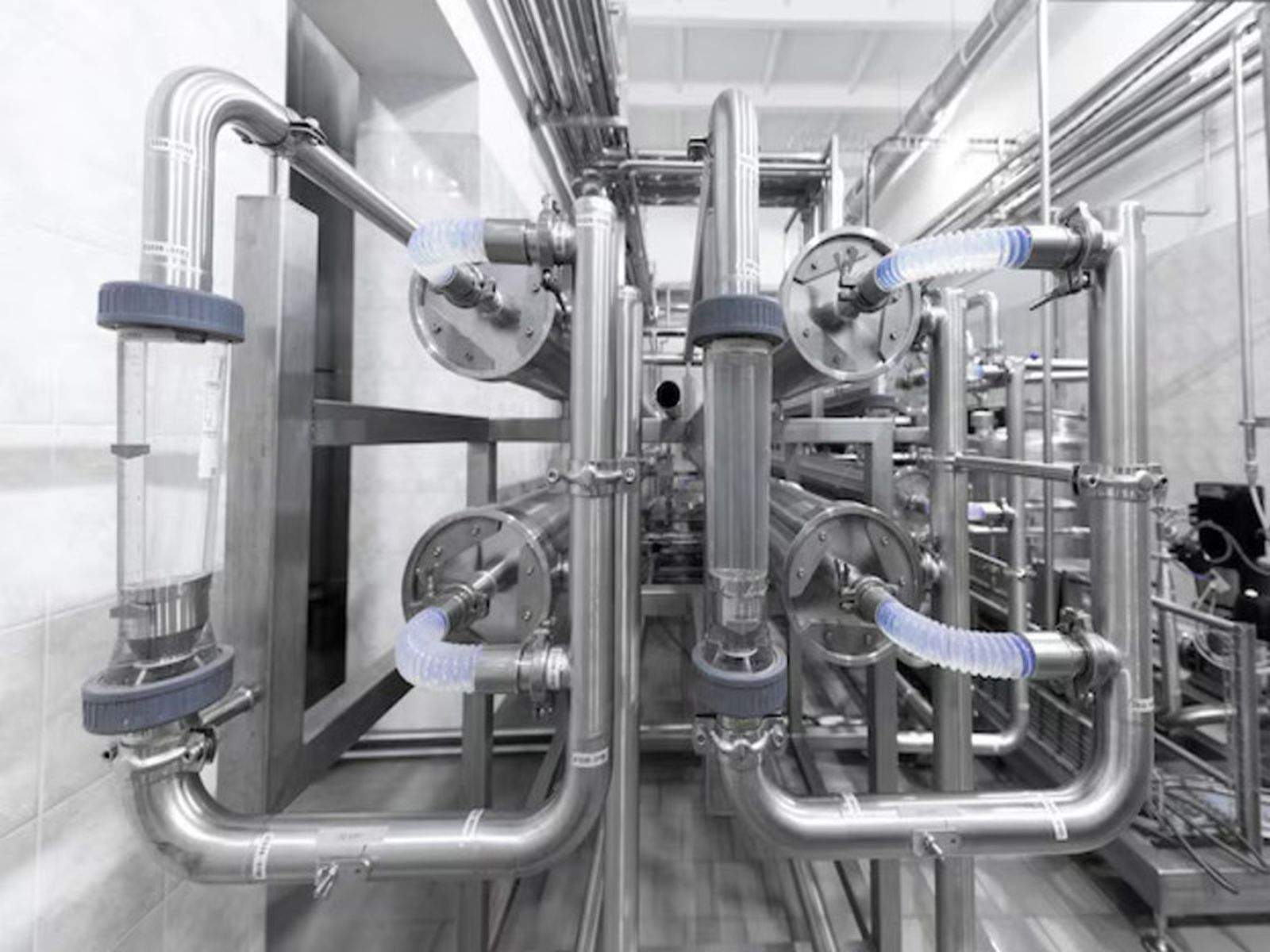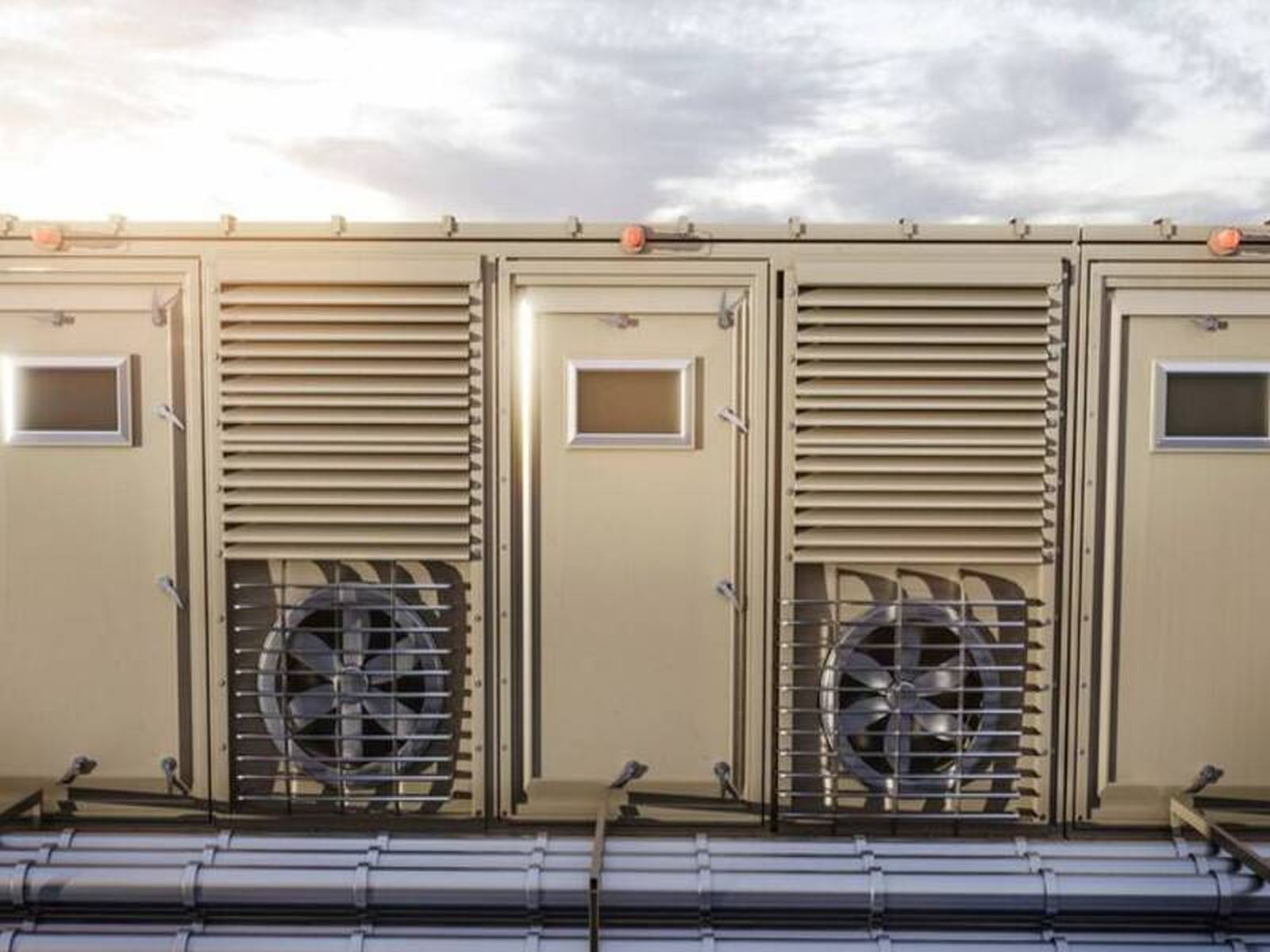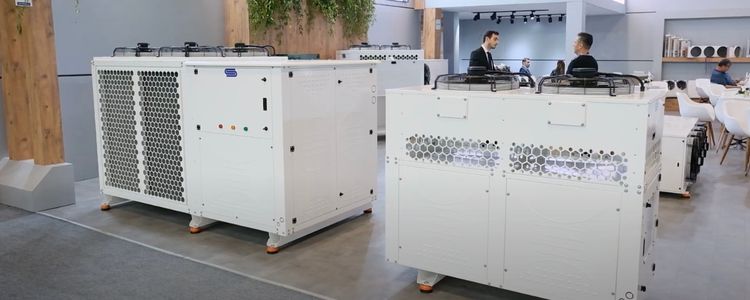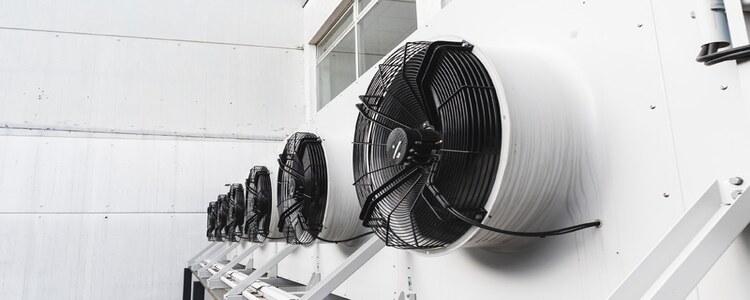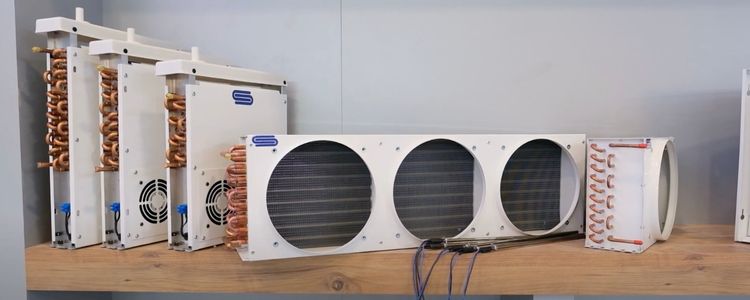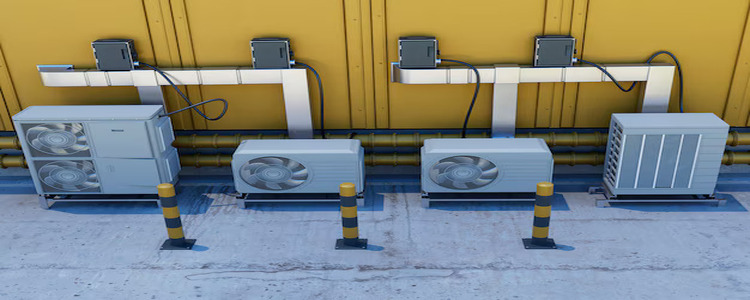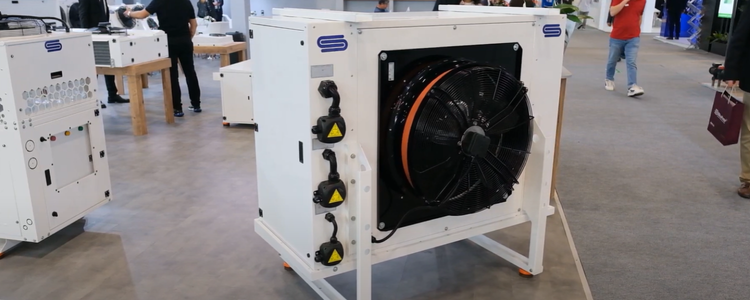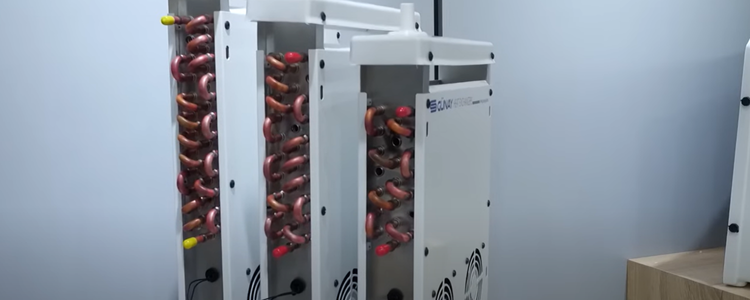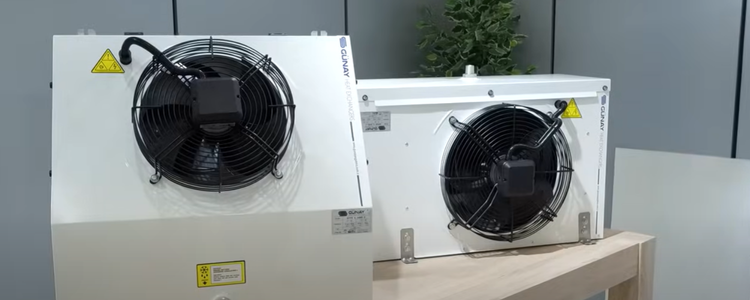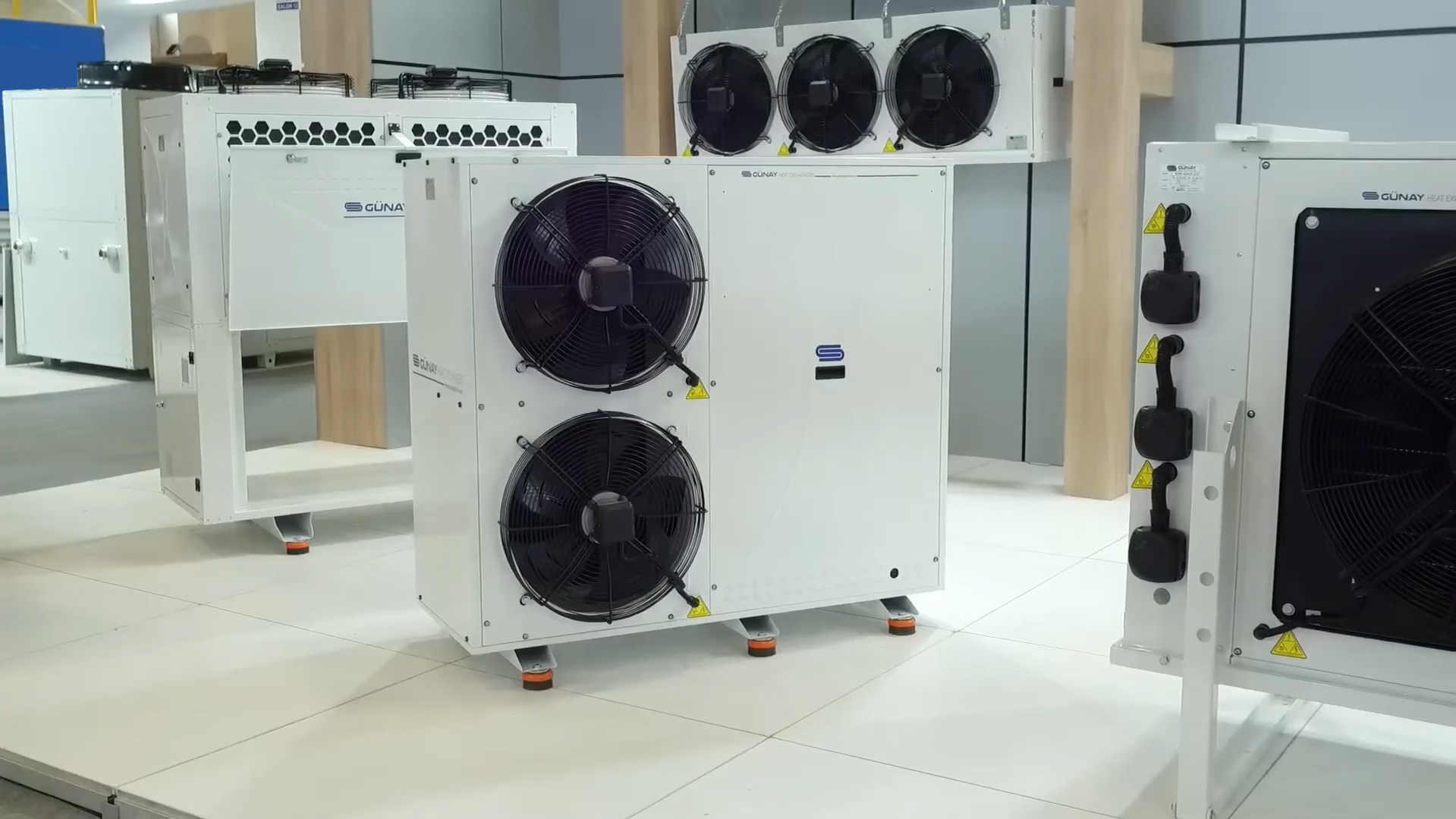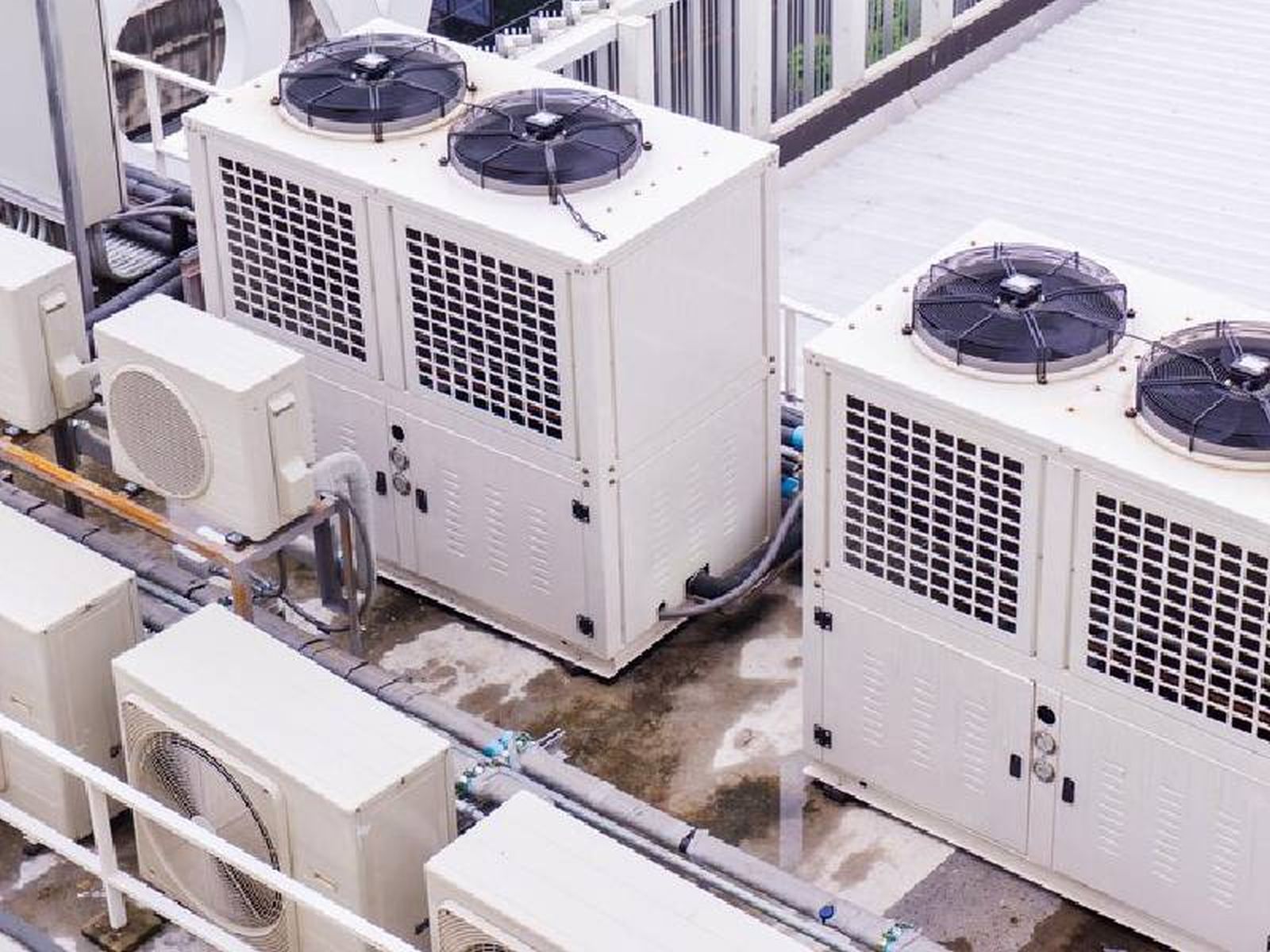
Condenser coating for saline environments is a protective surface treatment applied to the fins and tubes in order to protect condenser coils operating in coastal regions and at facilities exposed to sea air from corrosion. When airborne salt particles combine with moisture, they can trigger rapid deterioration between the aluminium fins and the copper tubes, which can lead to capacity loss, leaks and a shorter-than-expected equipment life. In this article we cover how the need for coating is determined, common coating types, application methods, the effect of coating on thermal performance, maintenance requirements and the points to consider for the right selection.
Table of Contents
- Why Does a Condenser Corrode Faster in Coastal Regions?
- Which Coating Types Are Used?
- Should the Coating Be Applied at the Factory or On Site?
- How Much Does Coating Affect Heat Transfer?
- How Is a Coated Condenser Maintained?
- What Should Be Considered When Choosing the Right Condenser Coating?
- Frequently Asked Questions
Why Does a Condenser Corrode Faster in Coastal Regions?
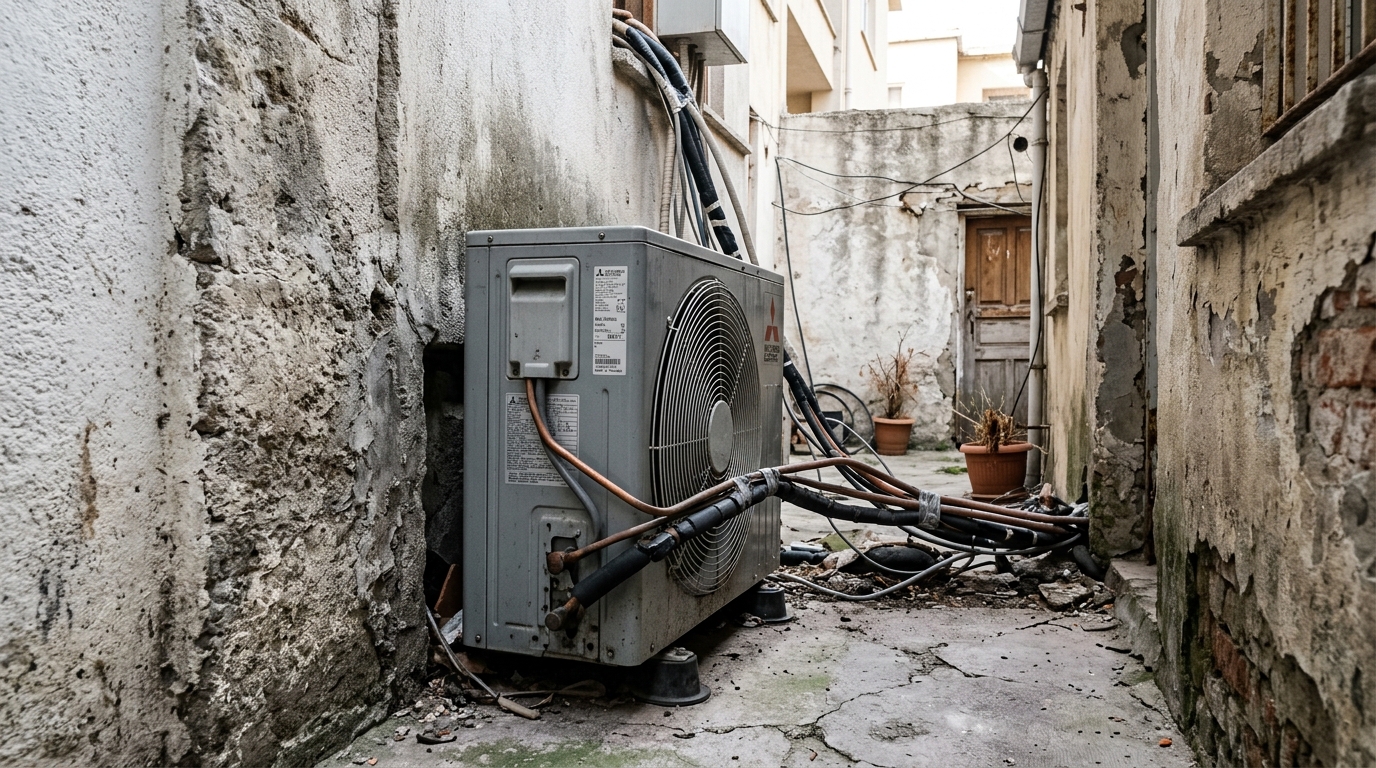
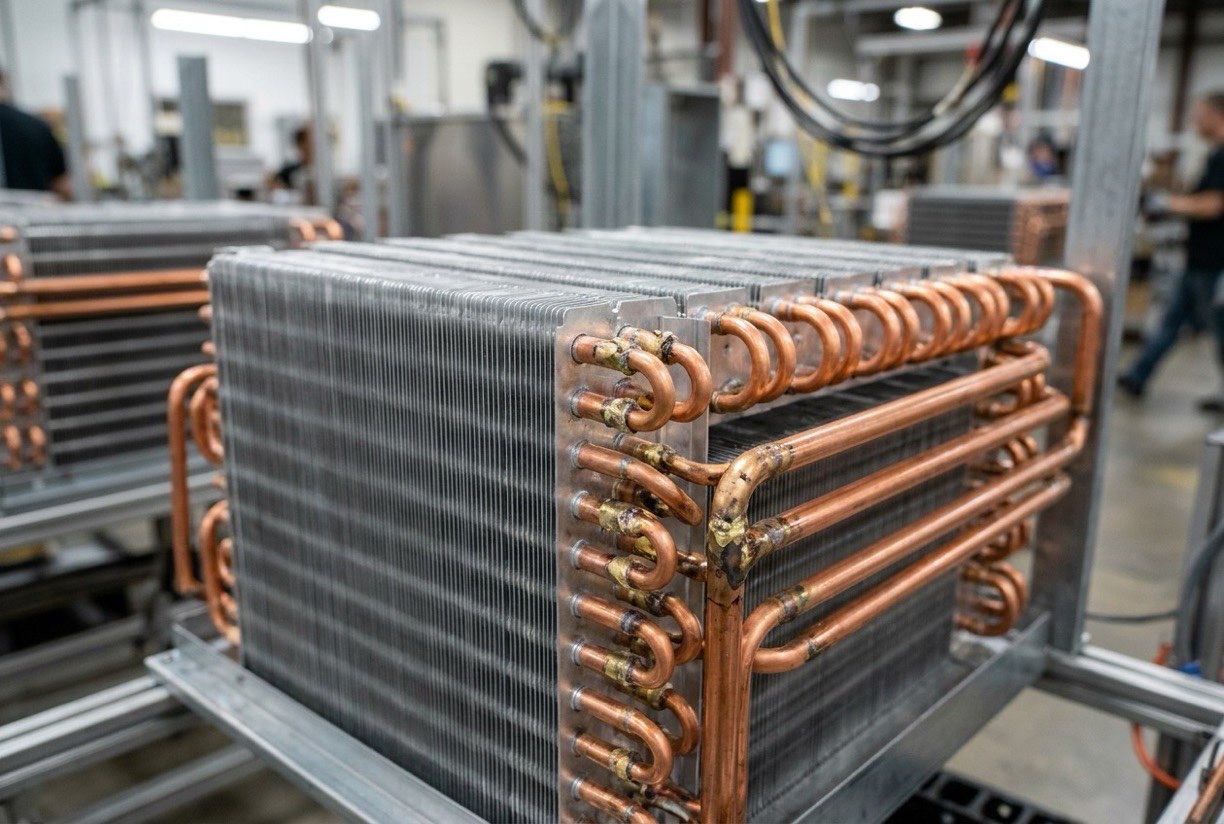
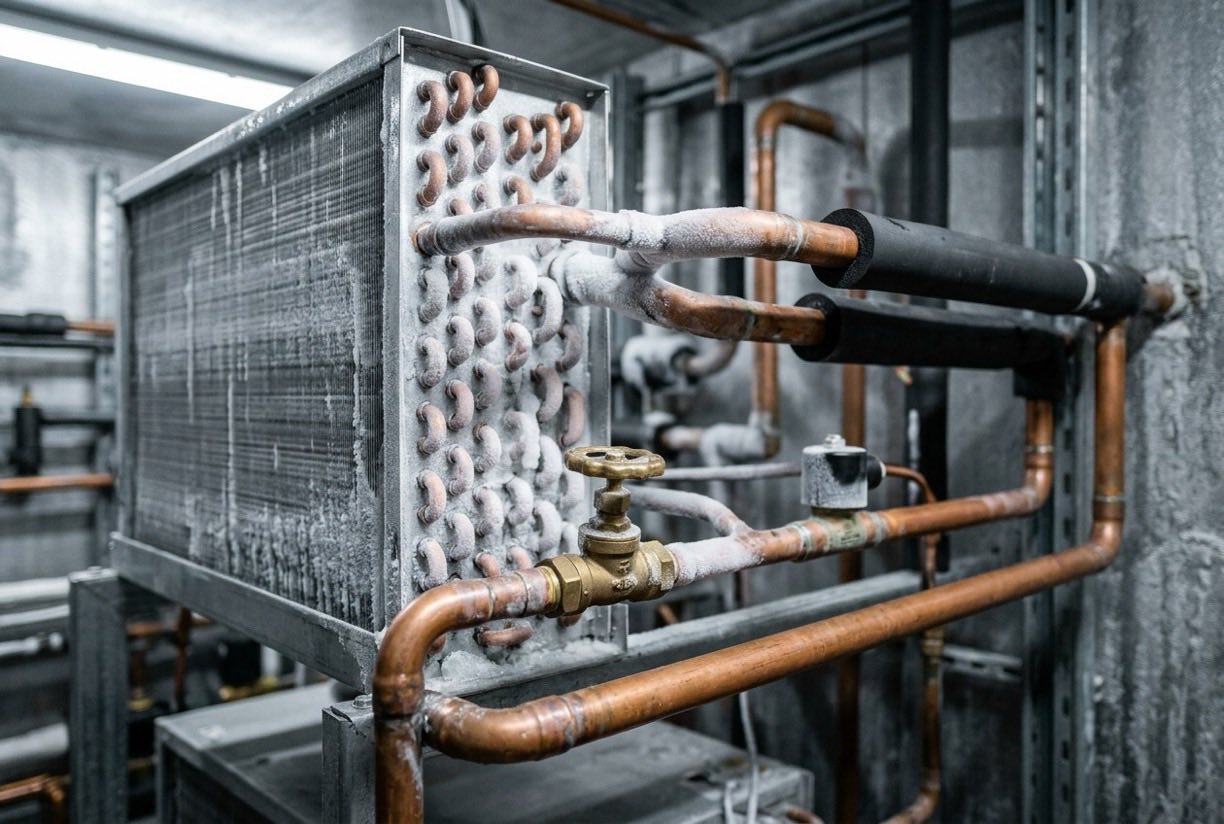
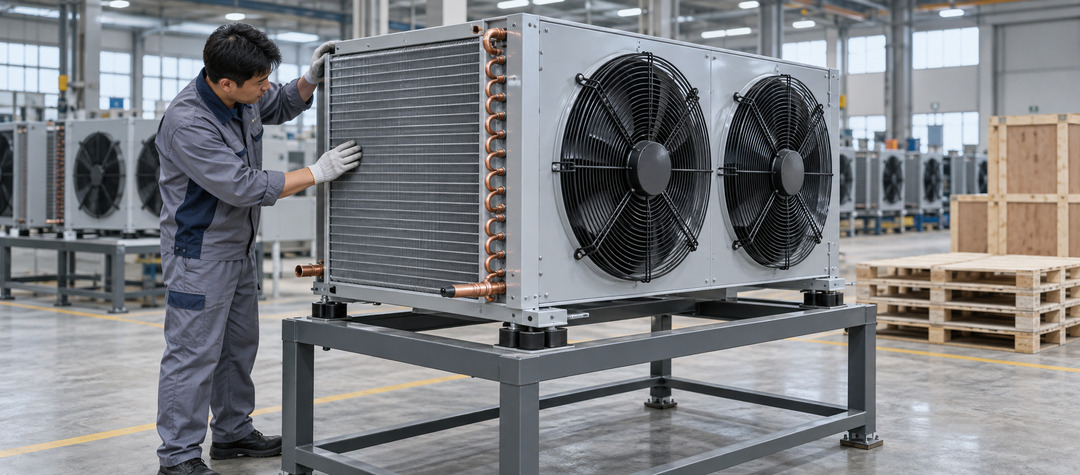
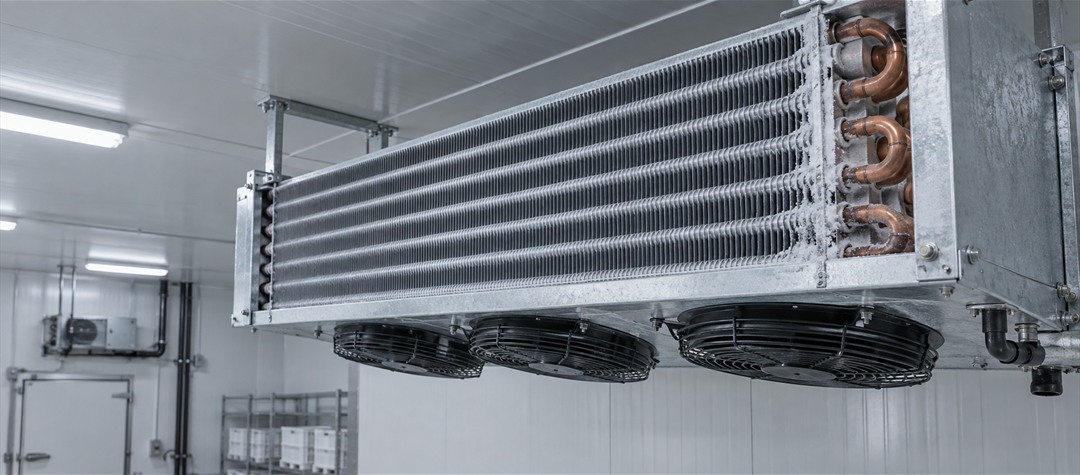
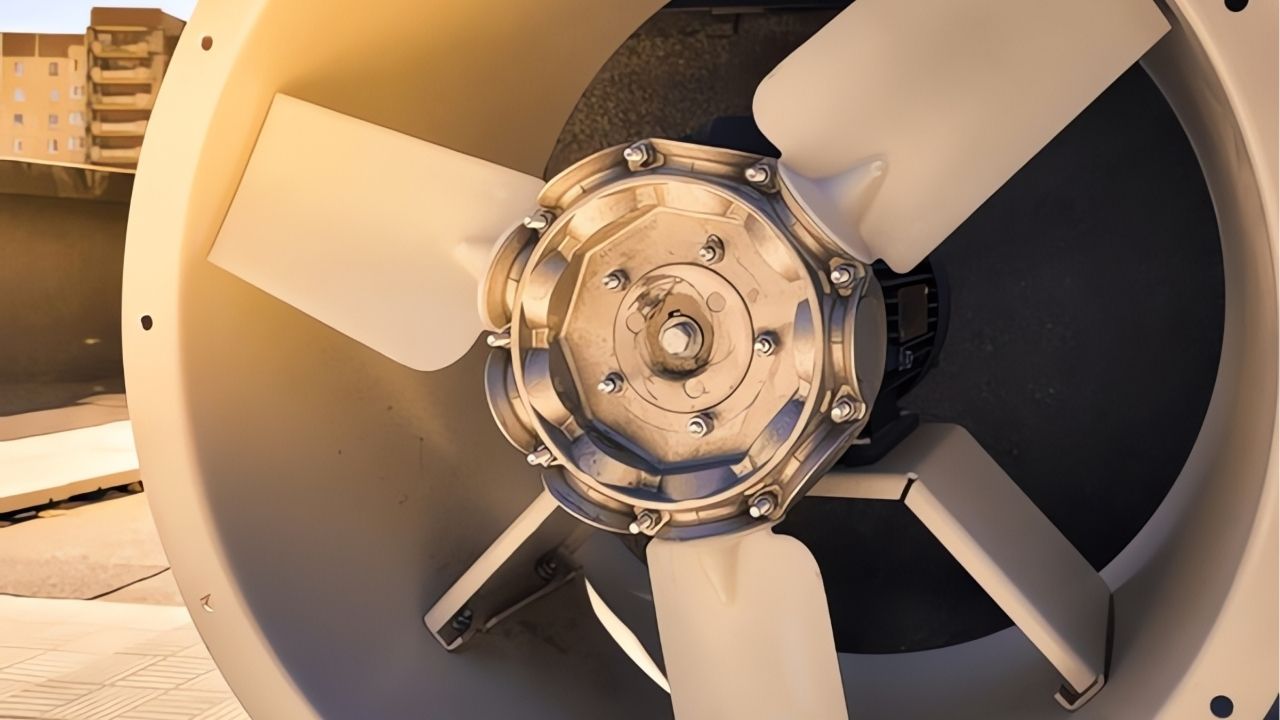
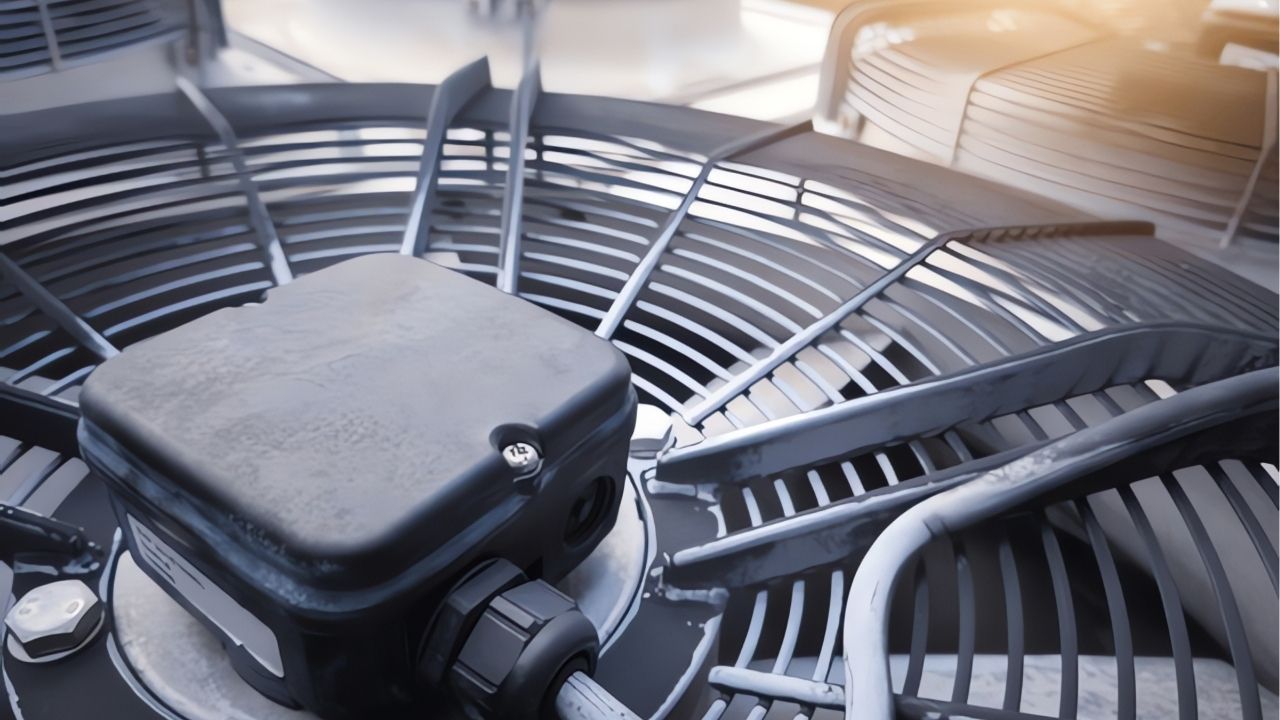
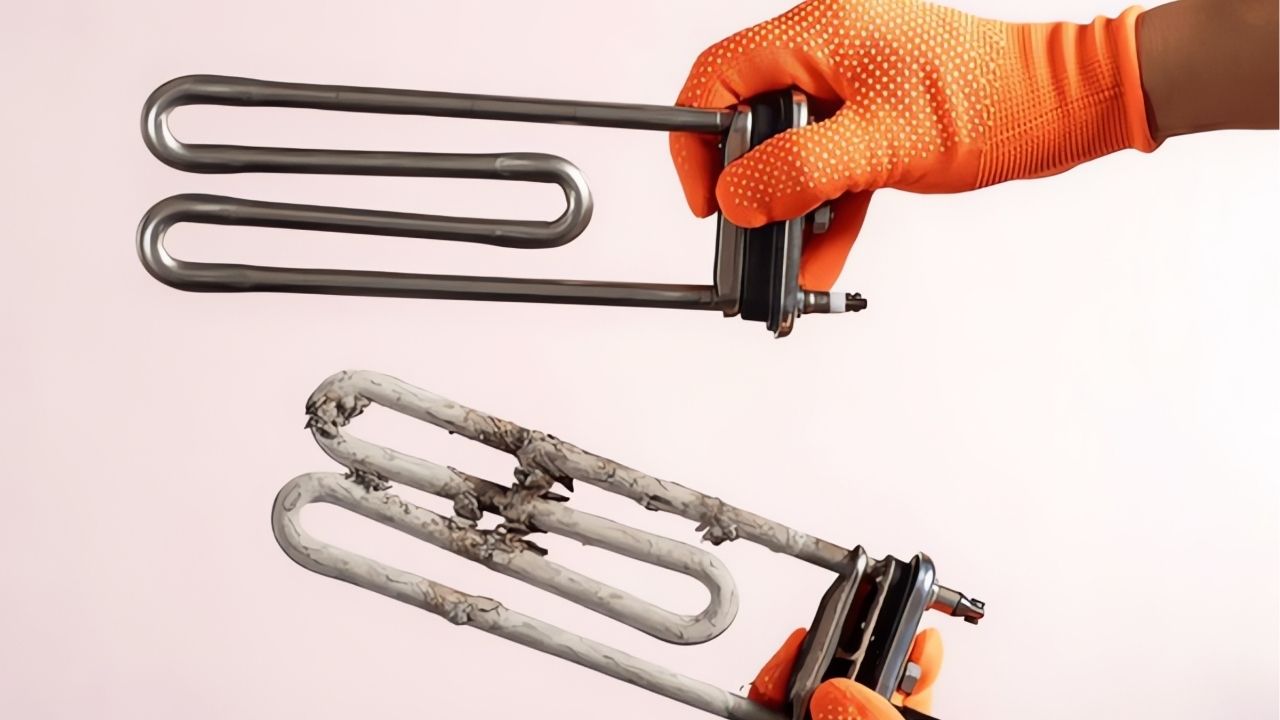
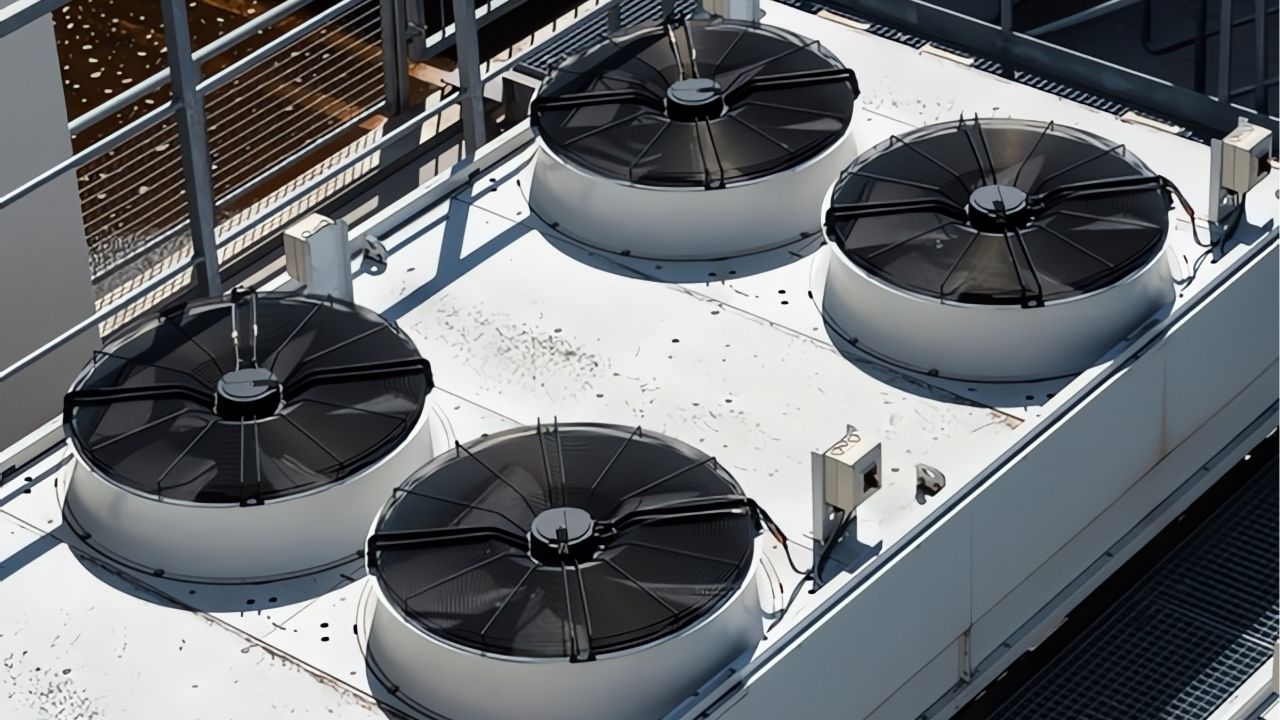
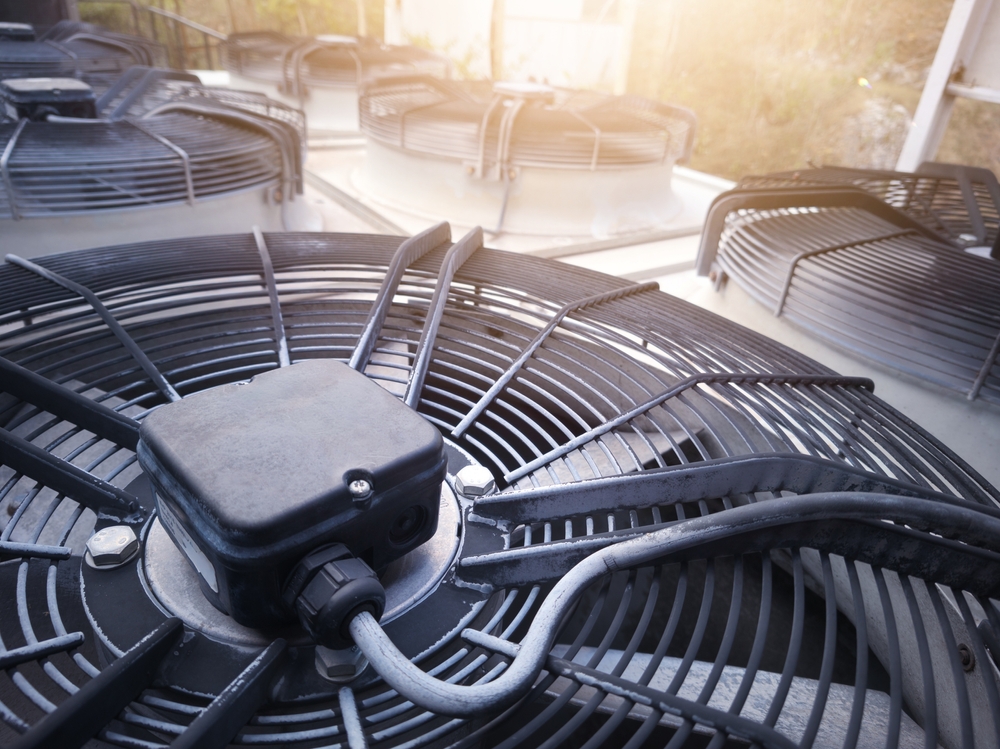
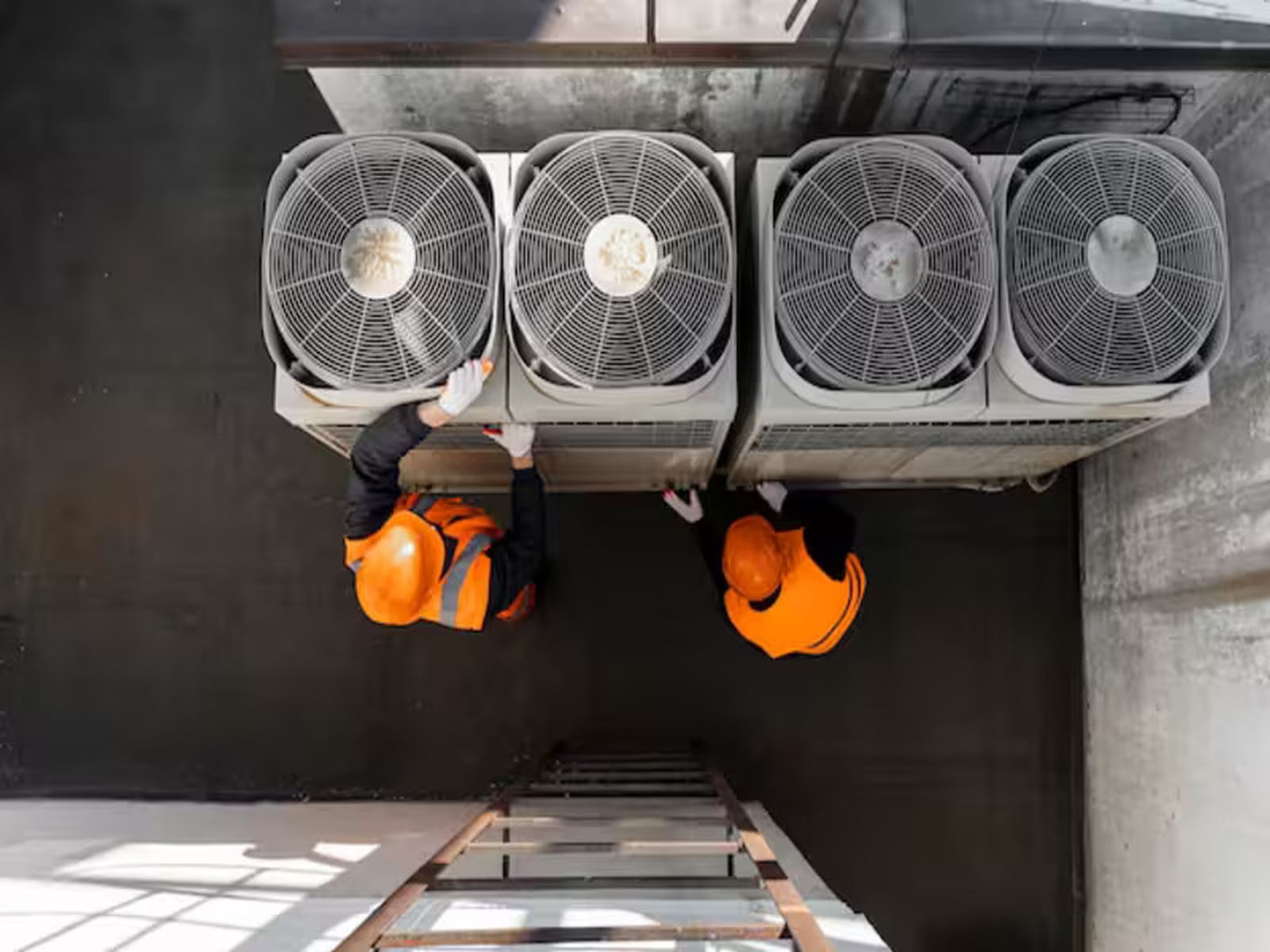
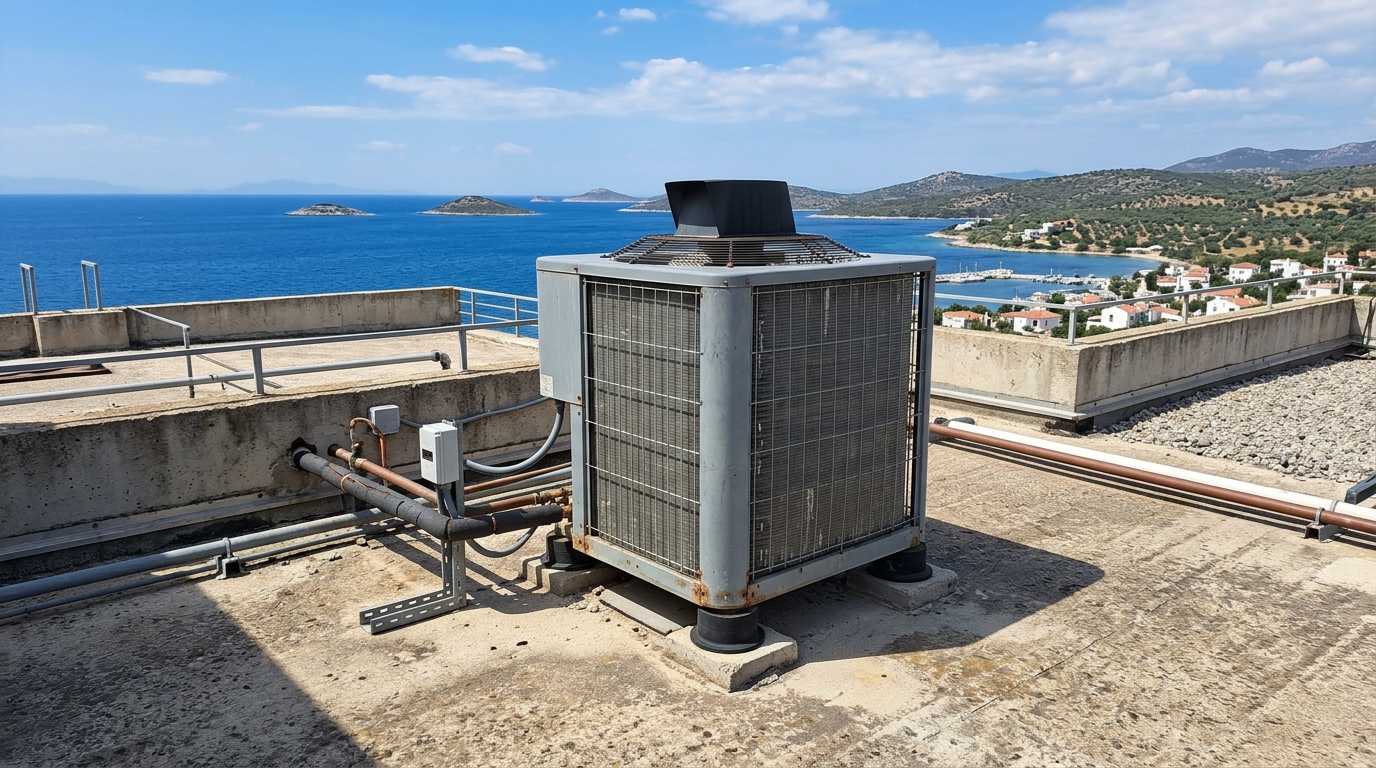
In coastal regions a condenser corrodes faster because the conductive film formed by airborne salt and moisture together makes it more susceptible to galvanic corrosion at the contact points of dissimilar metals. Since condenser fans continuously draw large volumes of outdoor air through the coil, salt particles accumulate on the fin surface and in the contact zone between the fin and the tube.
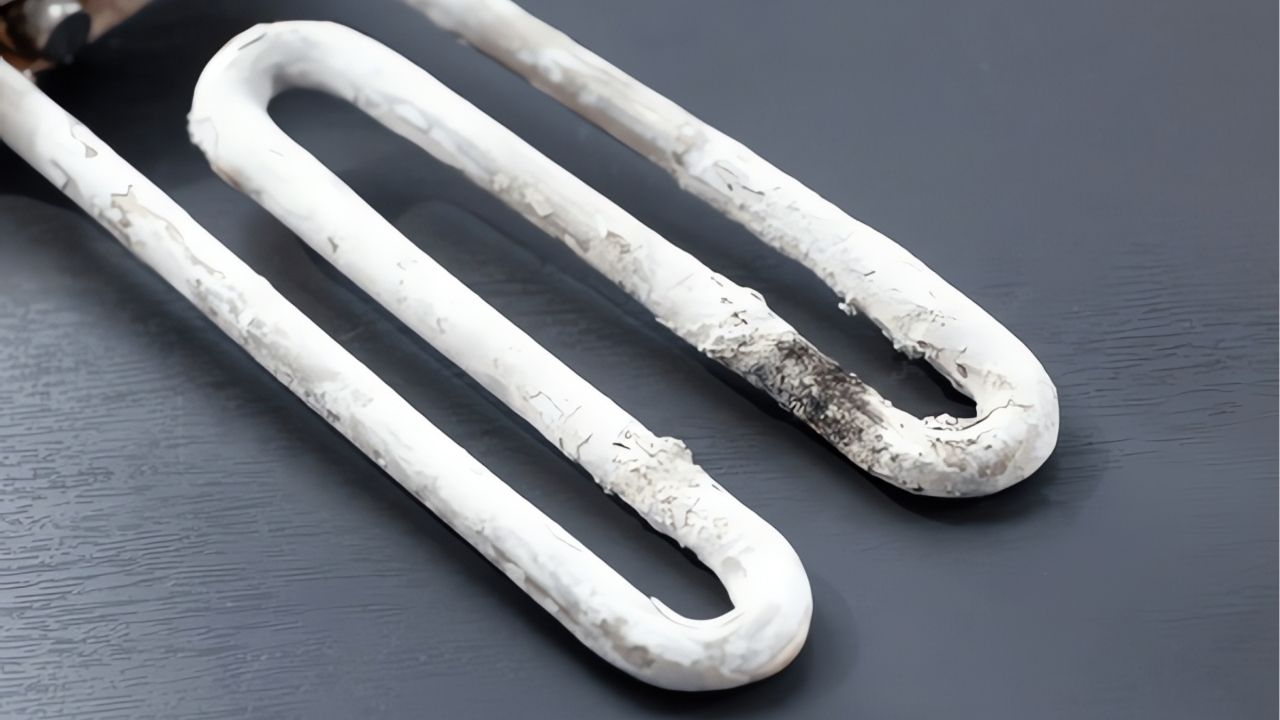
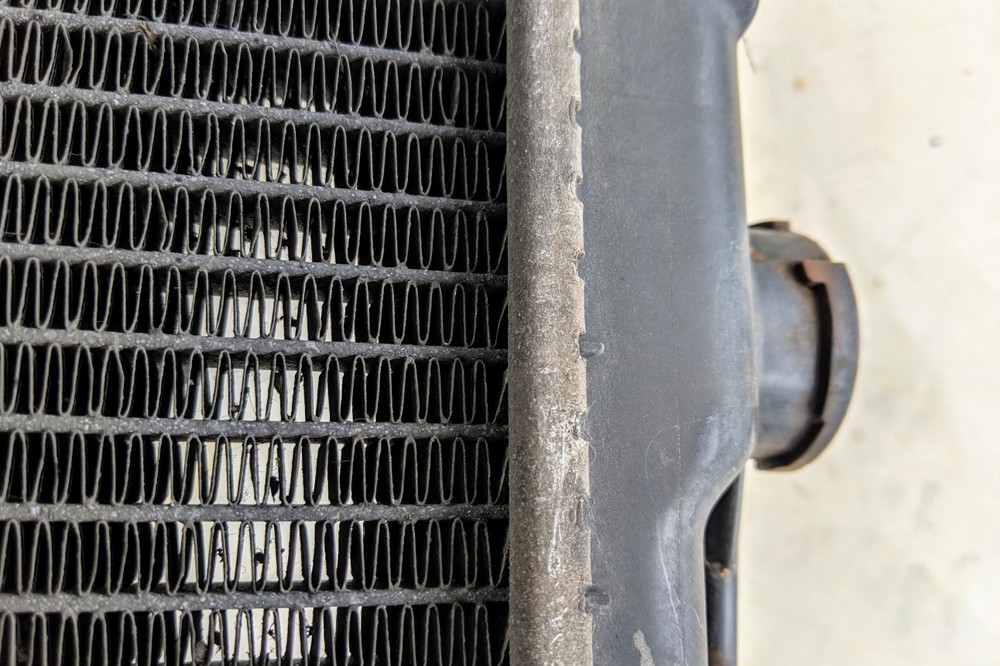
Over time this accumulation shows itself as white powdering at the fin edges, separation of the fin from the tube and a reduction of the heat transfer surface. The rate of corrosion depends on many factors such as distance from the sea, prevailing wind direction, rainfall frequency, nearby industrial emissions and the location of the unit. For this reason, marked differences can be seen between two facilities even in the same city, and the risk assessment must be site-specific.
Which Coating Types Are Used?
The most commonly used protection methods for condensers are pre-coated fins, post-applied polymer-based coatings and electrophoretic (cataphoresis) coating. Each method differs in its form of protection, the surface it covers and its cost structure.
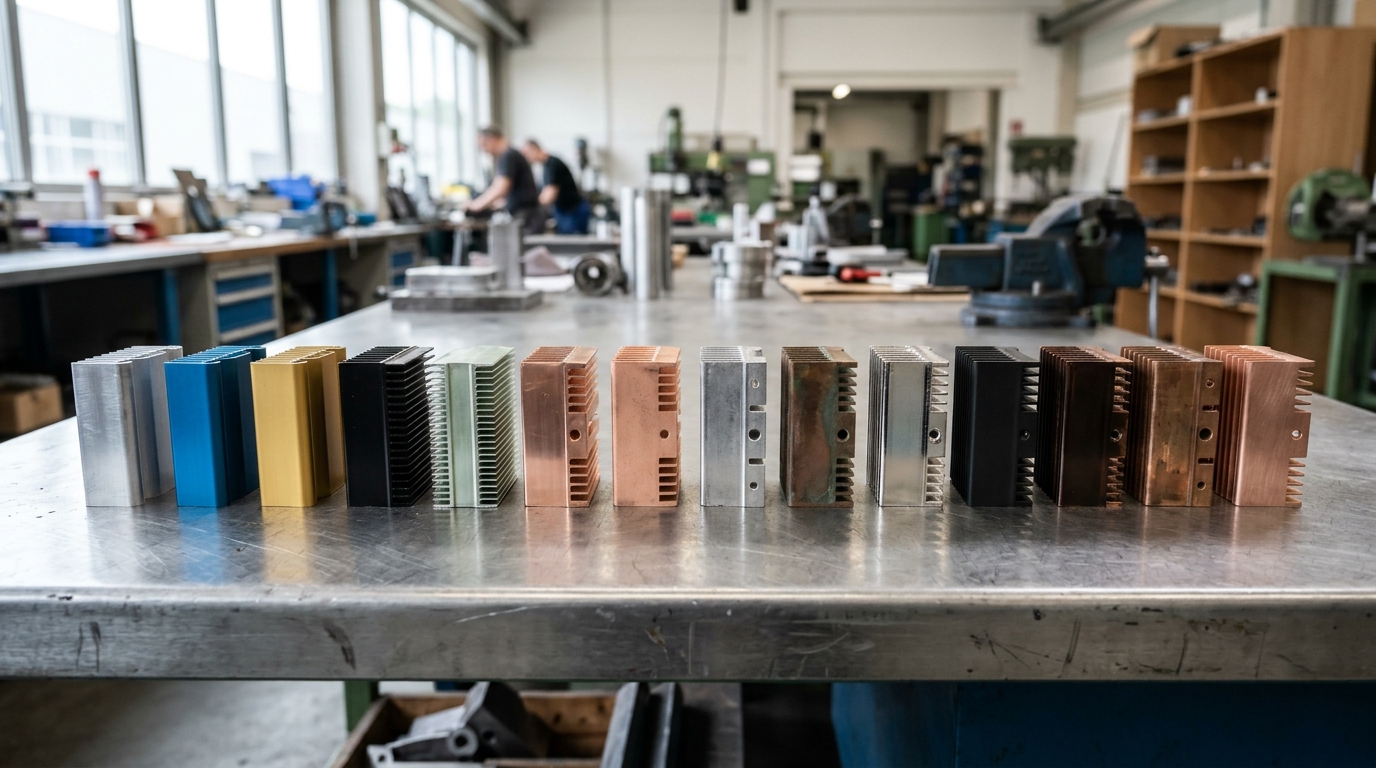
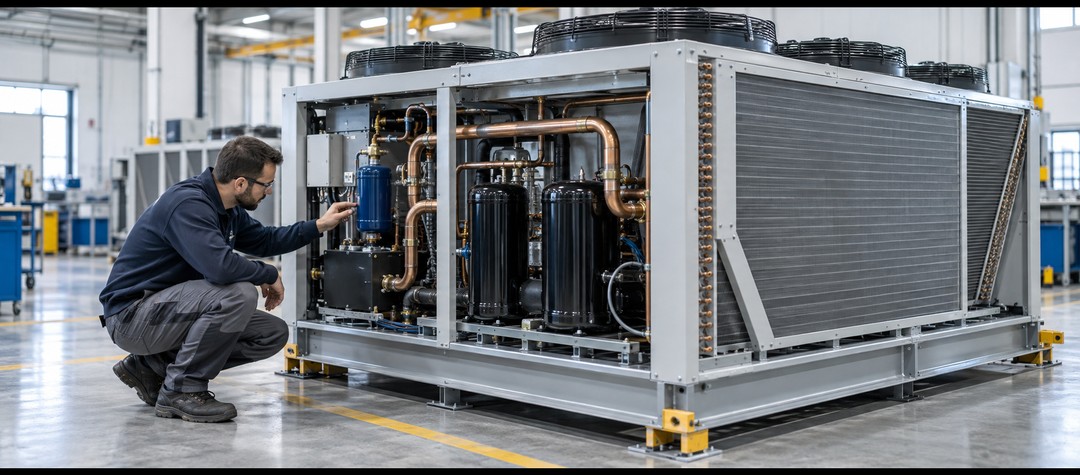
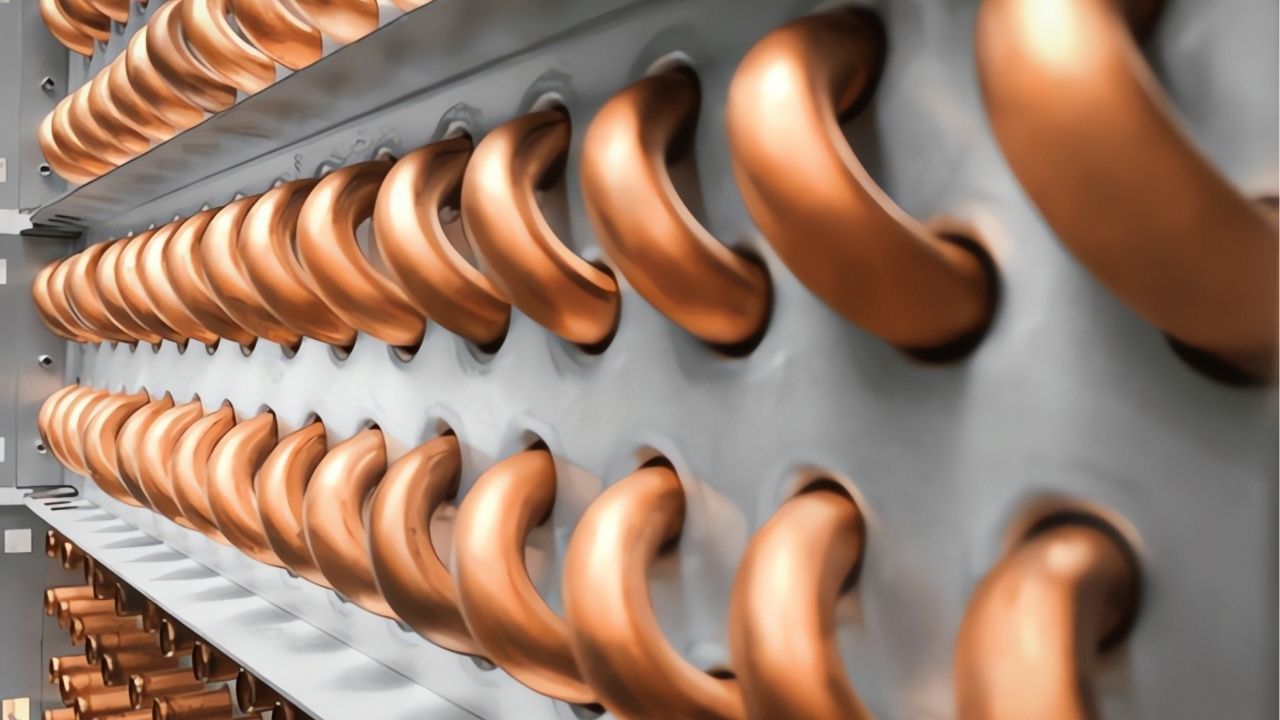
Pre-coated fin is a layer applied to the aluminium coil stock before the fins are produced; however, the cut edges and tube joint areas may remain exposed. Post-applied polymer coatings are applied by spraying or dipping after the coil has been fully manufactured and also cover the tube-fin joint. Electrophoretic coating, on the other hand, aims to reach even narrow fin gaps by coating the entire coil with the help of an electric field. Which method is suitable should be evaluated according to the aggressiveness of the environment, the expected service life and the budget.
Should the Coating Be Applied at the Factory or On Site?
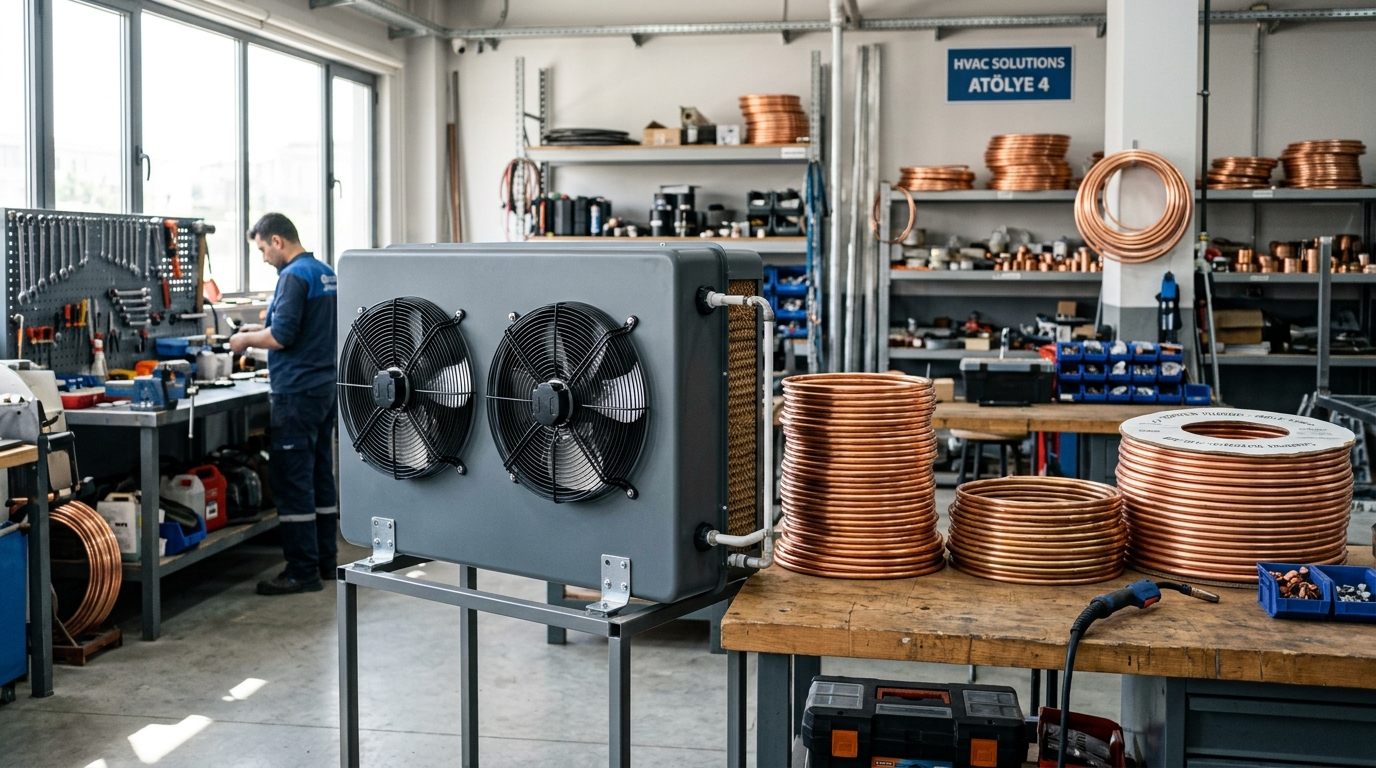
Whenever possible, the coating should be applied during manufacturing under controlled conditions, because surface preparation, film thickness and curing can be managed more consistently in this environment. In the factory, the process can be carried out while the coil is clean and dry, which directly affects the adhesion of the coating to the surface.
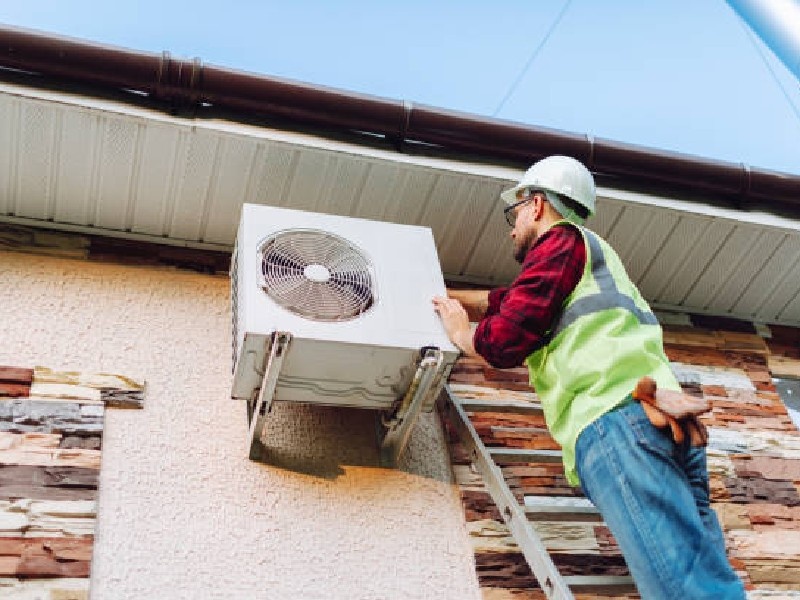
On-site application, on the other hand, can be an option for existing equipment that has not yet suffered serious corrosion. In this case, the coil must be completely cleaned of salt, oil and dirt, dried, and the coating must be distributed homogeneously into the fin gaps. Coating a surface that is already corroded may not stop corrosion completely; therefore, the condition of the coil should be carefully examined before on-site application.
How Much Does Coating Affect Heat Transfer?
A thin and homogeneously applied coating generally affects heat transfer only to a limited extent; however, the magnitude of the effect varies with the coating type, its thickness and the fin spacing. Because the coating creates an additional layer of thermal resistance and can somewhat narrow the air-side passage cross-section, it must be taken into account in the design.
Especially in coils with tight fin spacing, a thick coating can cause bridging between the fins and an increase in air-side pressure drop. For this reason, when selecting a coated condenser, it is recommended that the capacity calculation also includes the effect of the coating and, if necessary, that the coil surface is sized accordingly. The exact capacity difference is determined according to the project and the selected coating.
How Is a Coated Condenser Maintained?
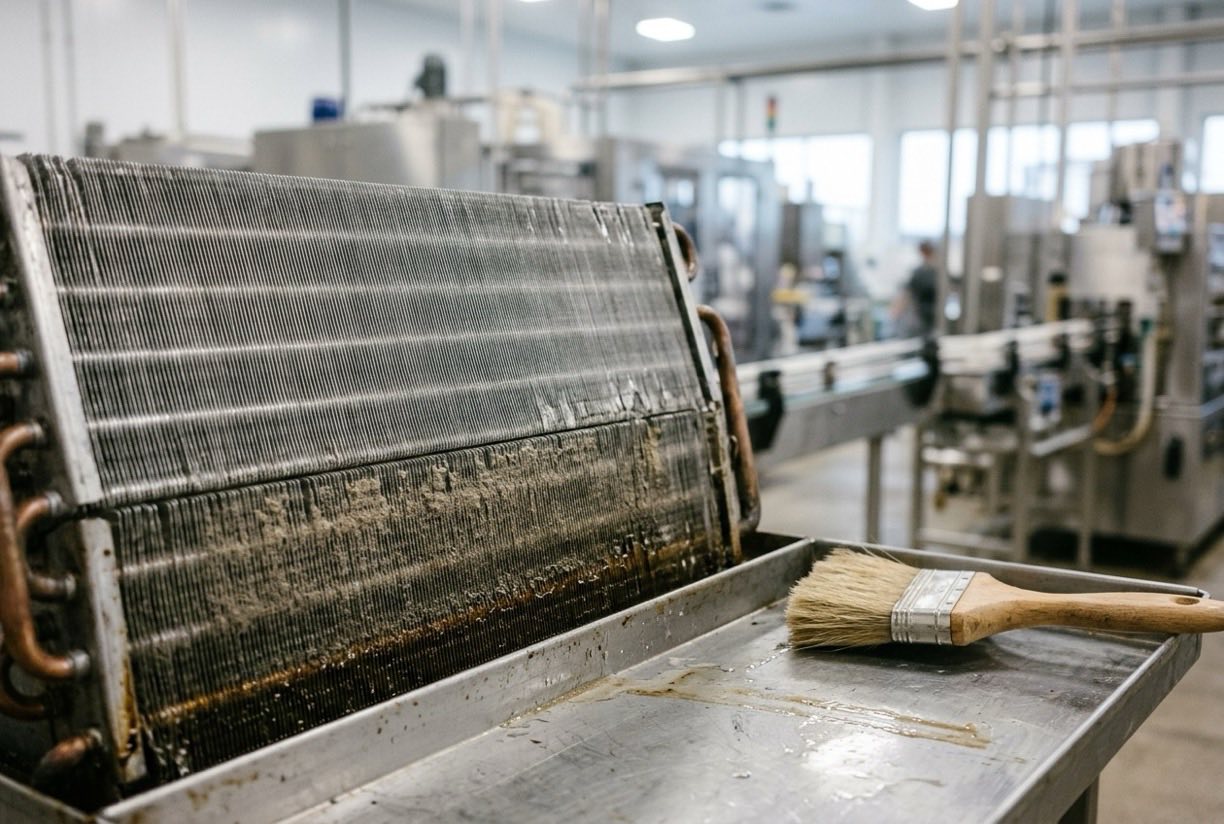
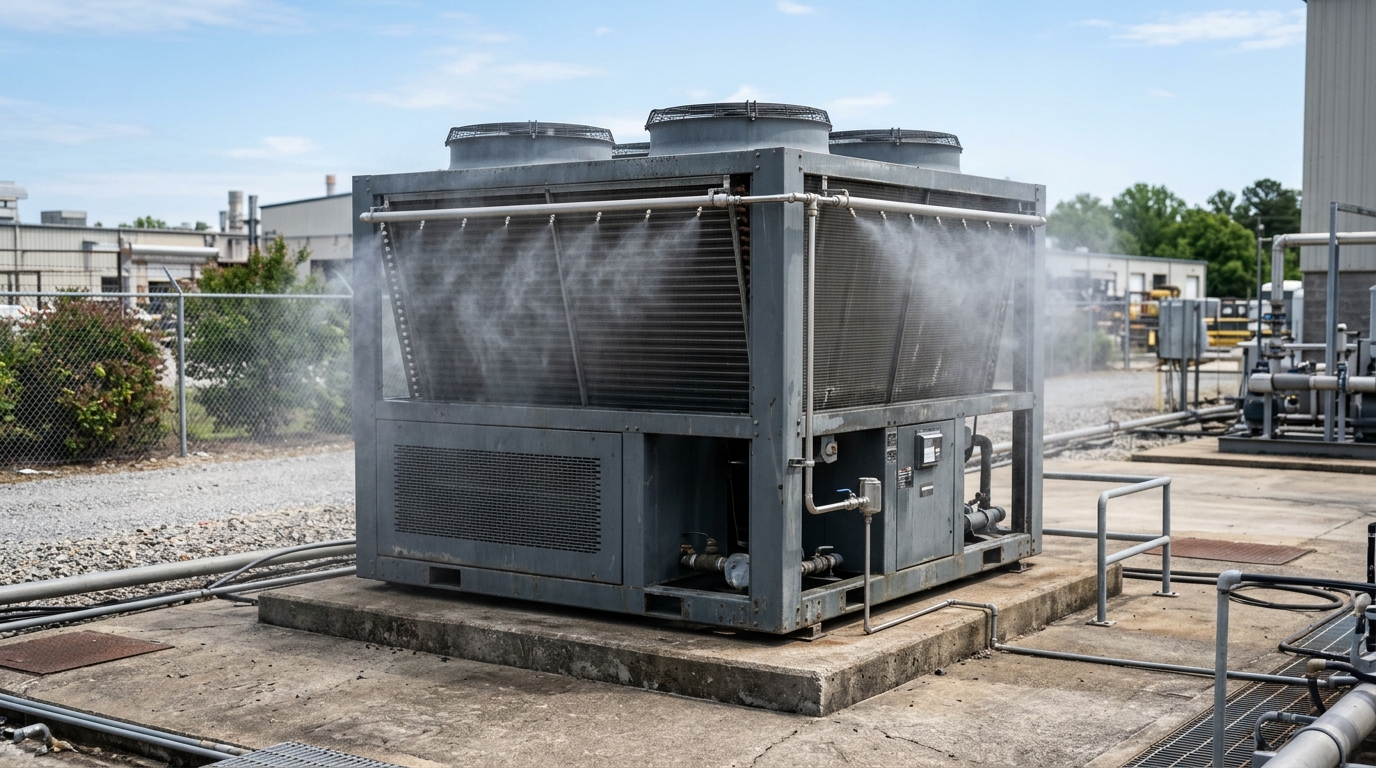
A coated condenser is maintained through regular washing with low-pressure water that does not damage the coating and periodic visual inspection of the surface. Preventing salt deposits from remaining on the surface for long periods helps extend the protection life of the coating.
High-pressure washing, hard brushes and aggressive chemicals can scratch or remove the coating; therefore, the cleaning method should be chosen according to the coating manufacturer's recommendations. If blistering, discolouration or exposed metal is observed during inspections, local repair can be carried out. Washing frequency should be determined according to ambient conditions and the level of pollution around the facility.
What Should Be Considered When Choosing the Right Condenser Coating?
Coating selection is not merely a choice of material but a decision that requires evaluating environmental, operating and maintenance conditions together. The following points can guide the decision process:
- Evaluating environmental conditions such as the facility's distance from the sea, wind direction and surrounding industrial factors.
- Checking whether the coating covers the entire surface, including the tube-fin joint and cut edges.
- Including the coating's effect on capacity and air-side pressure drop in the selection calculation.
- Ensuring that the applicable cleaning methods and maintenance frequency are compatible with the capabilities of the operating team.
To evaluate the coating option suited to your facility's location, you can contact the Günay Soğutma technical team.
Frequently Asked Questions
How far from the sea should facilities consider coating?
There is no definitive distance limit; since wind direction, humidity and local conditions change the effect, the assessment should be site-specific.
Is pre-coated fin sufficient on its own?
It may be sufficient in moderately risky environments; however, since cut edges and tube connections remain exposed, additional protection may be needed in aggressive environments.
Does coating reduce condenser capacity?
Coating adds a small thermal resistance; the magnitude of the effect depends on the coating type and thickness and should be taken into account in the selection calculation.
Can an existing condenser be coated afterwards?
If serious corrosion has not started, on-site coating can be applied after cleaning and drying; for corroded coils, replacement may be more appropriate.
How often should a coated condenser be washed?
Washing frequency is determined by the salt load and environmental pollution; regular visual inspection helps adjust this interval.
What should be done if the coating is damaged?
Minor damage can be repaired locally with a suitable material; in the case of extensive damage, the condition of the coil should be reassessed.
How can I get a coating recommendation for my own facility?
You can obtain a project-specific recommendation by contacting the Günay Soğutma team with your facility location, existing equipment information and operating conditions.