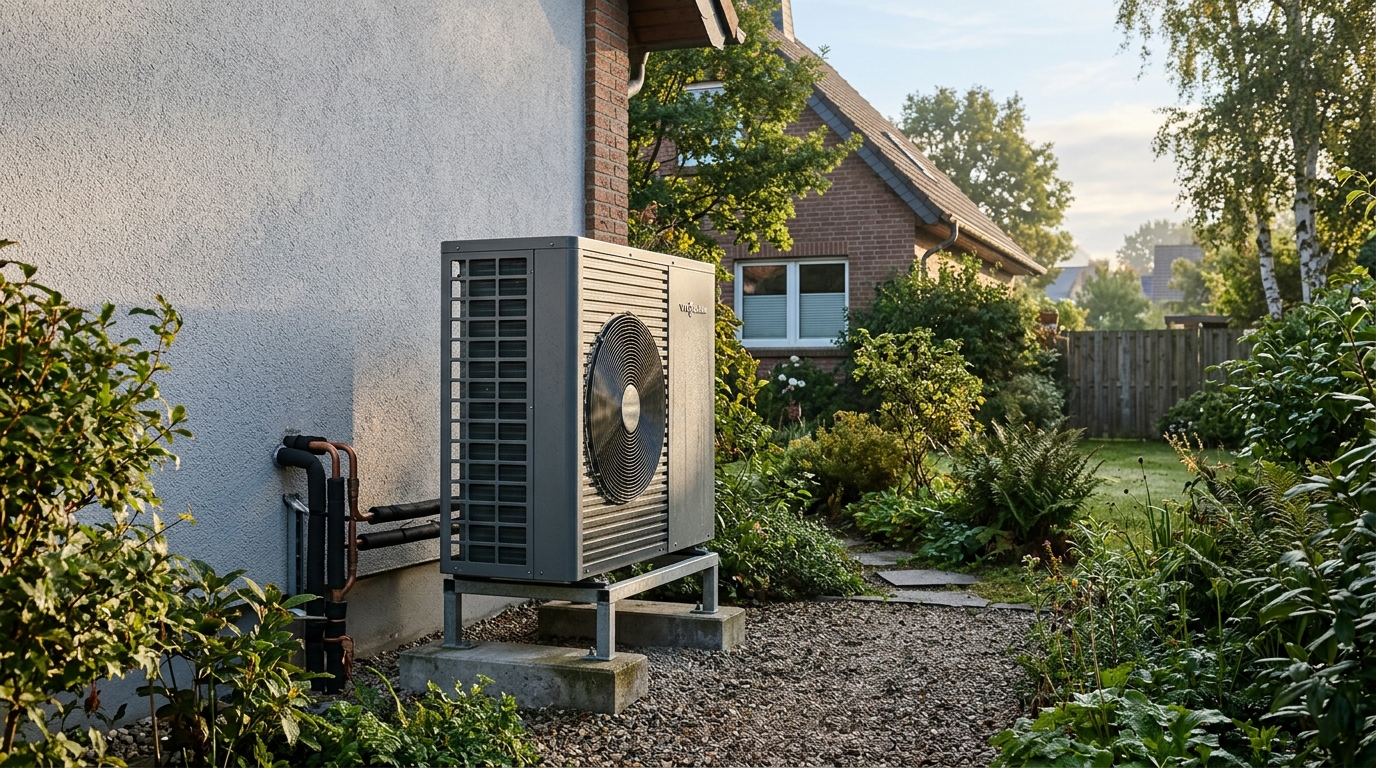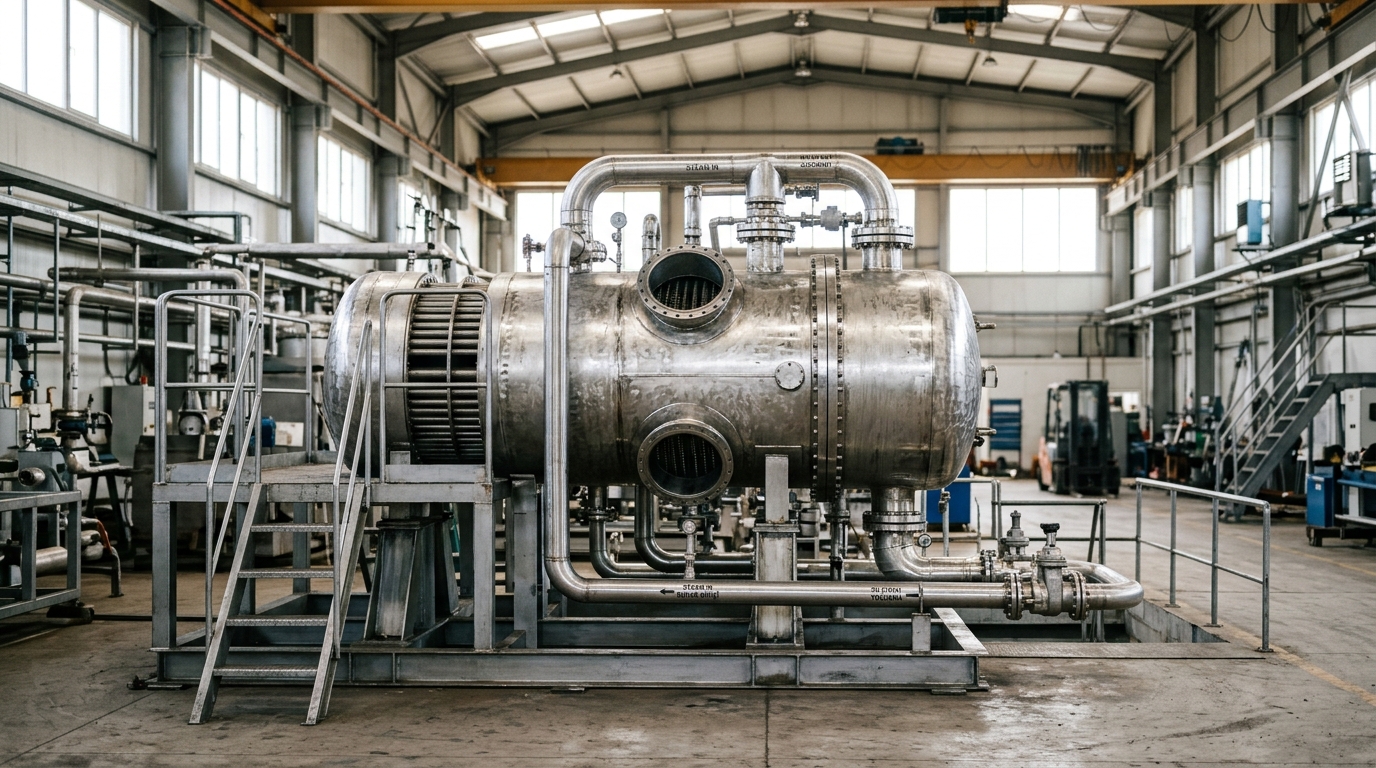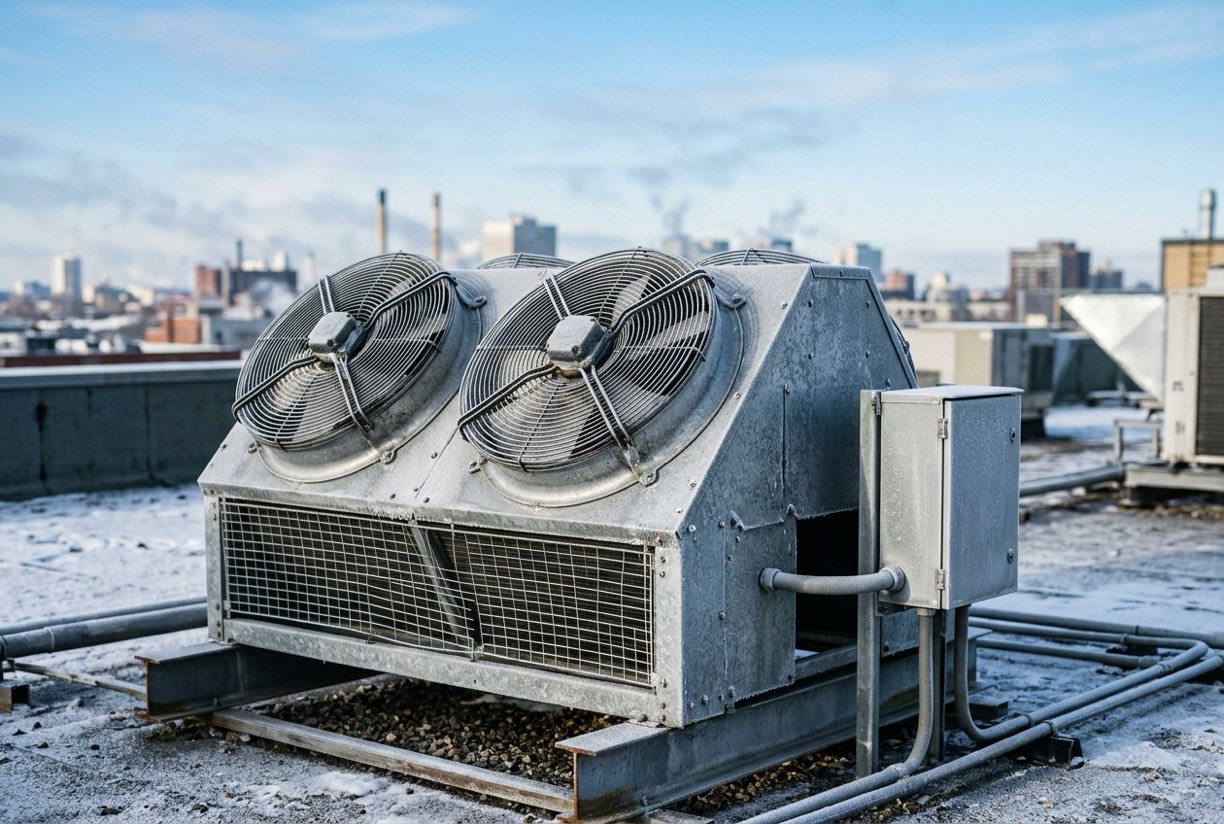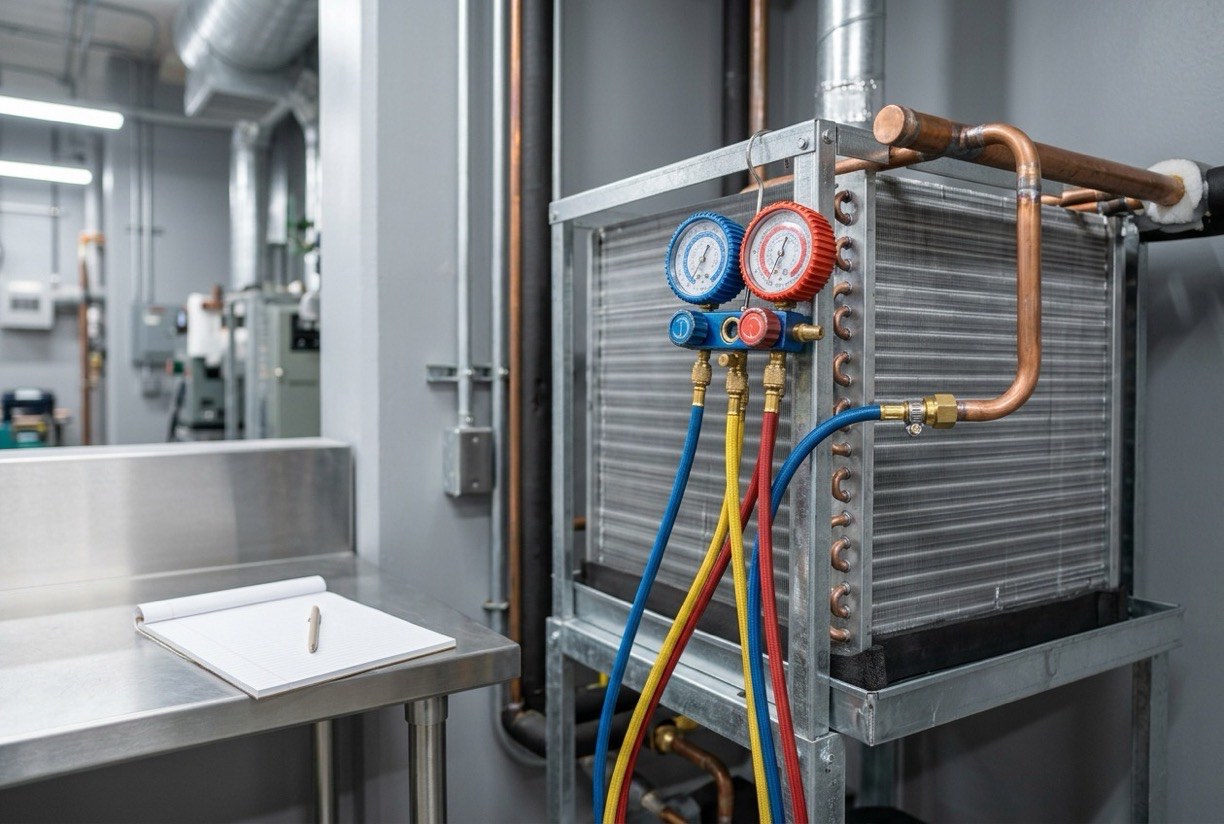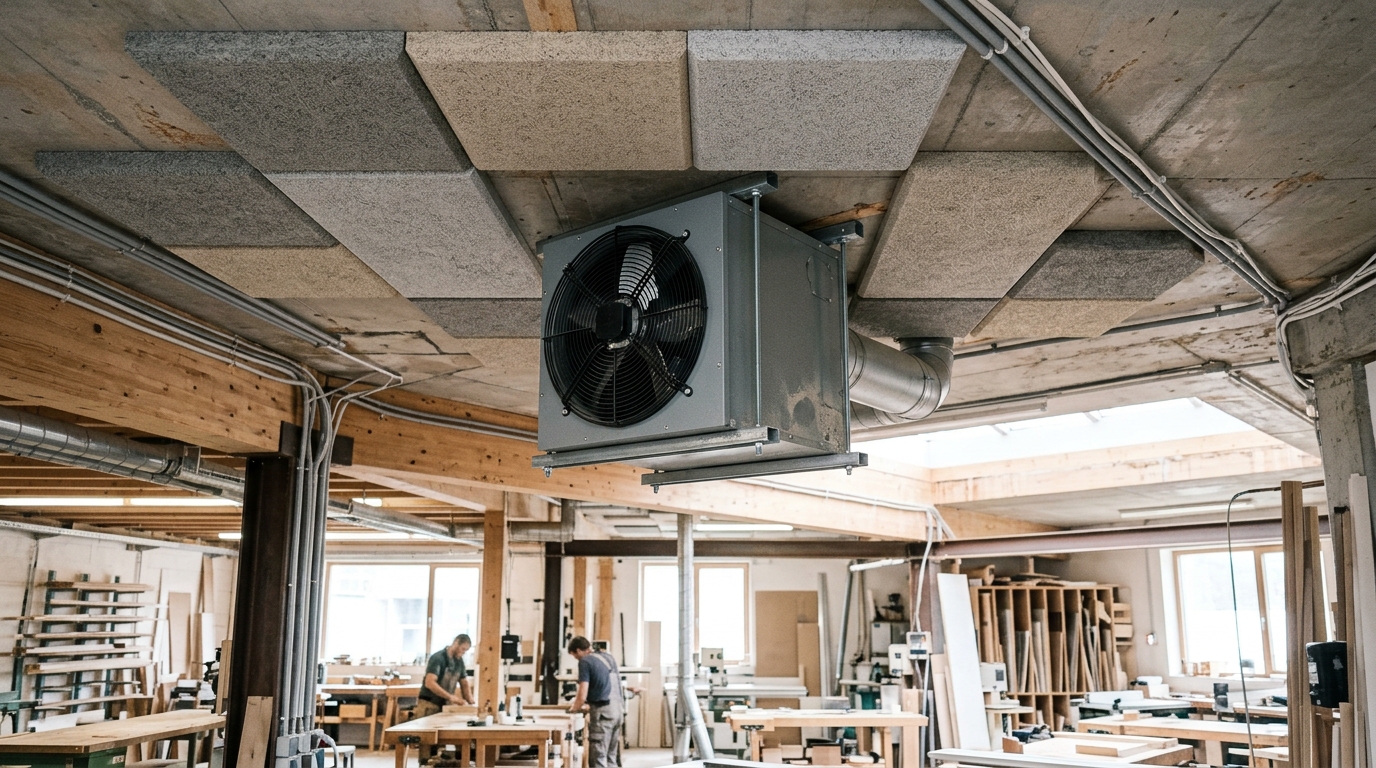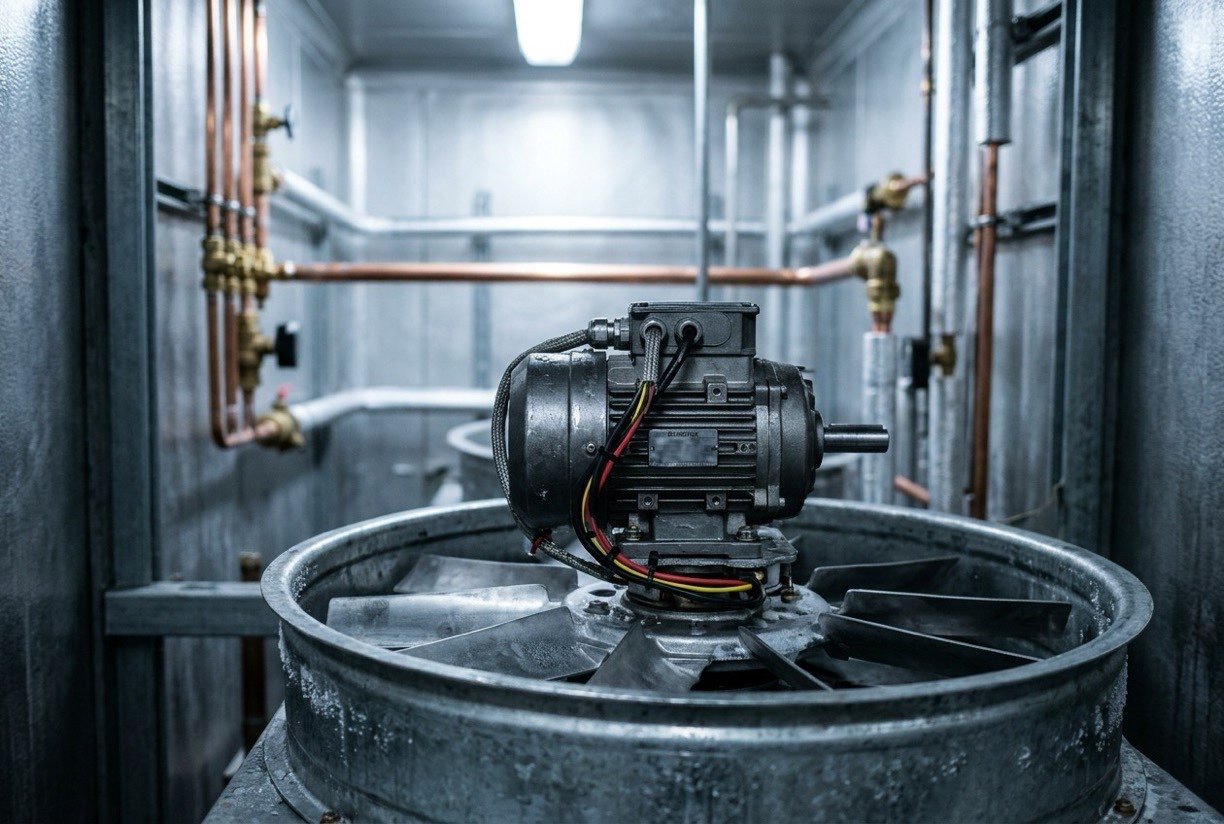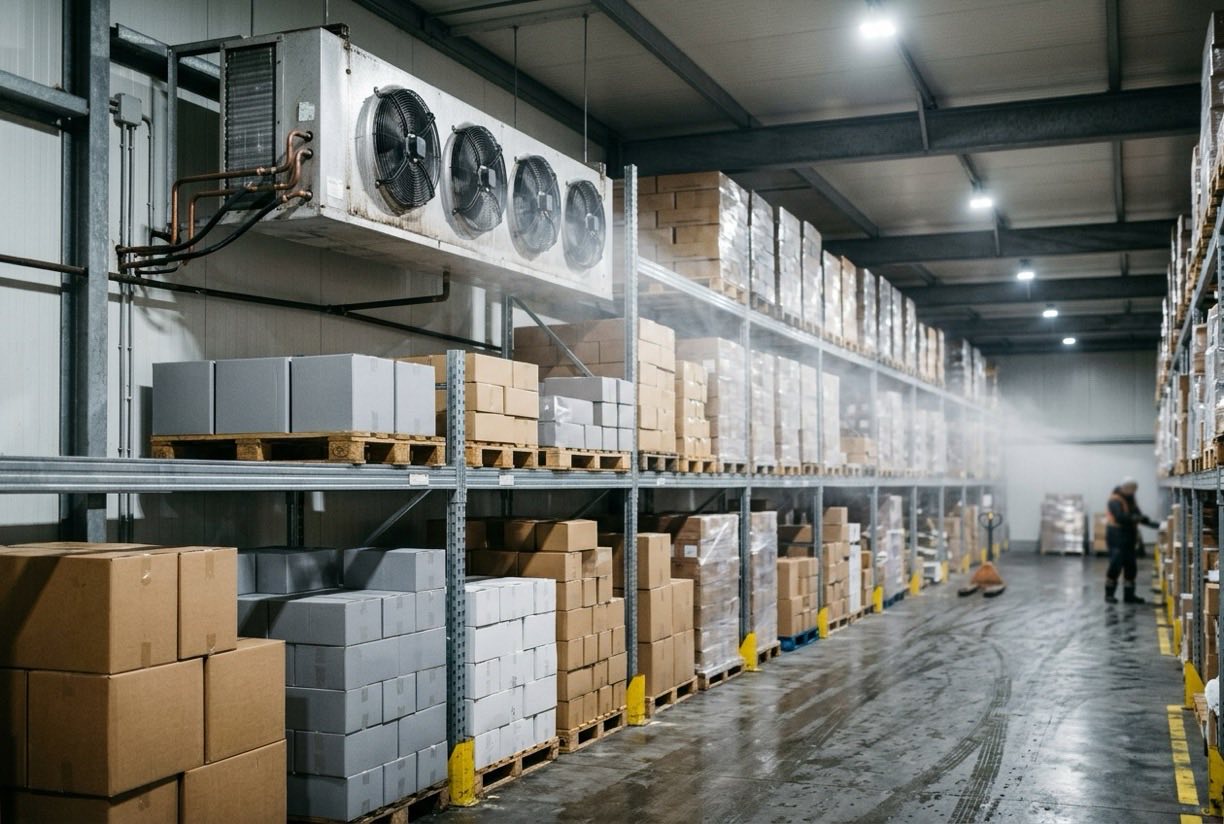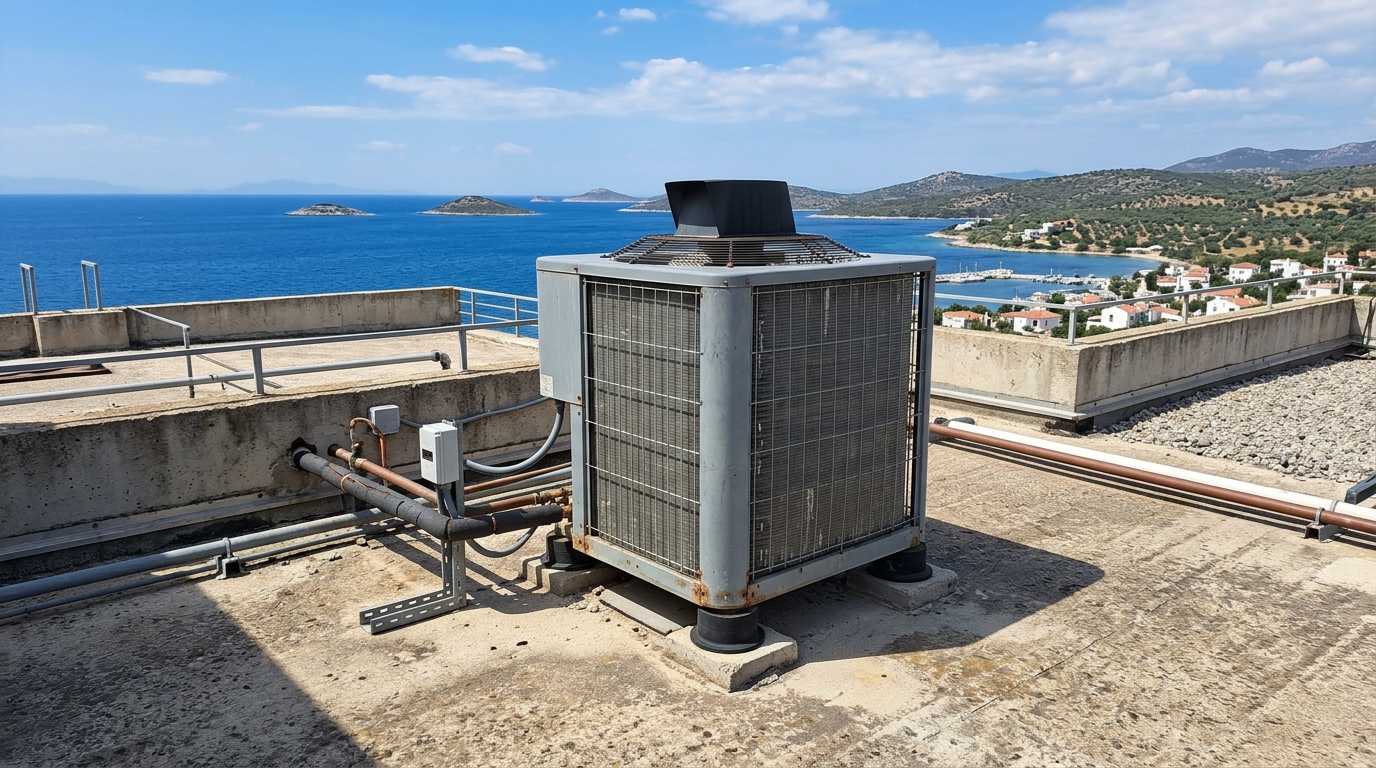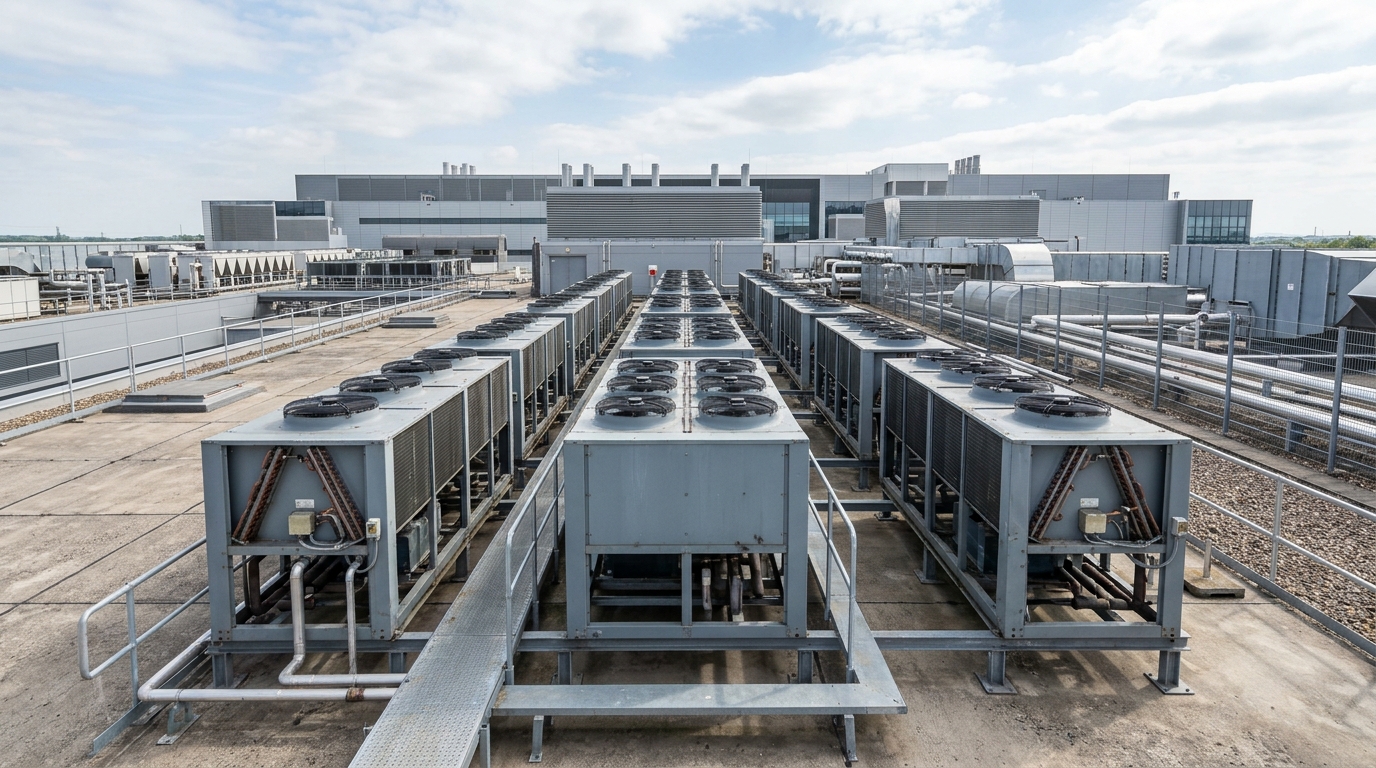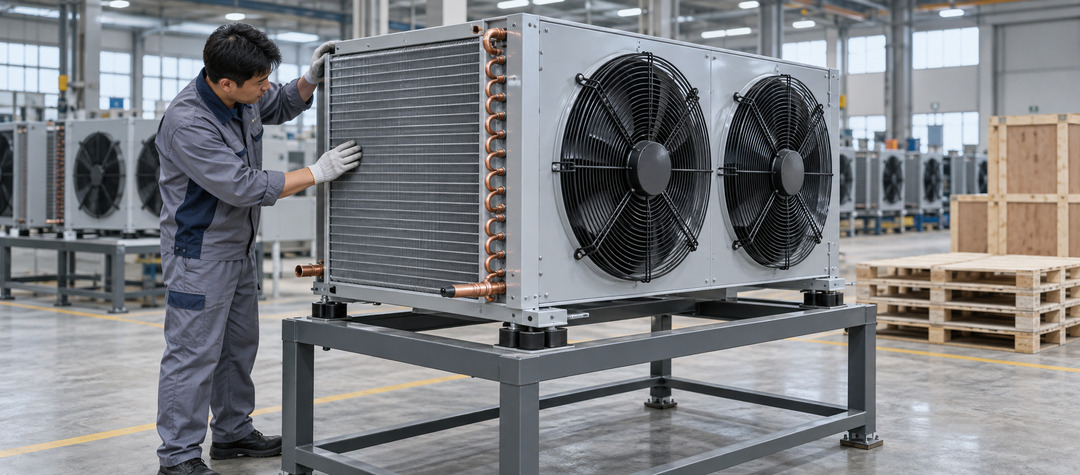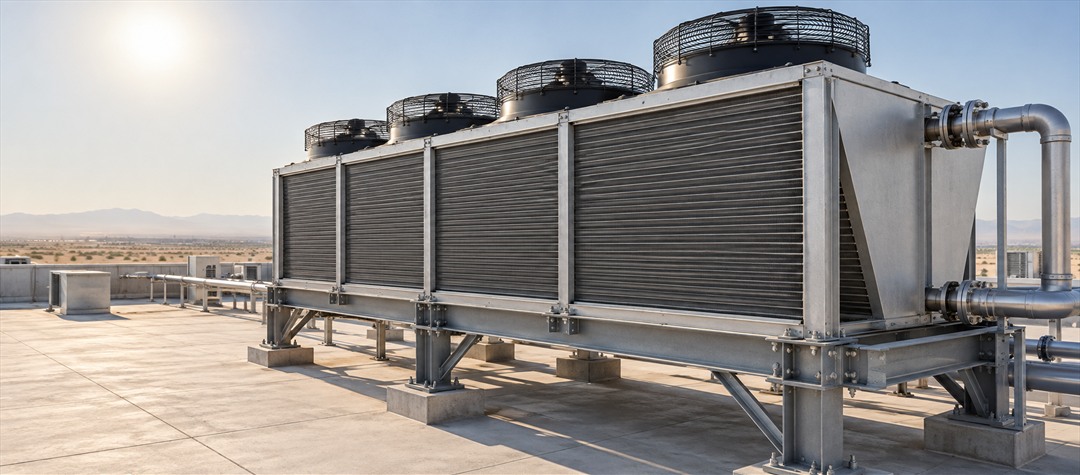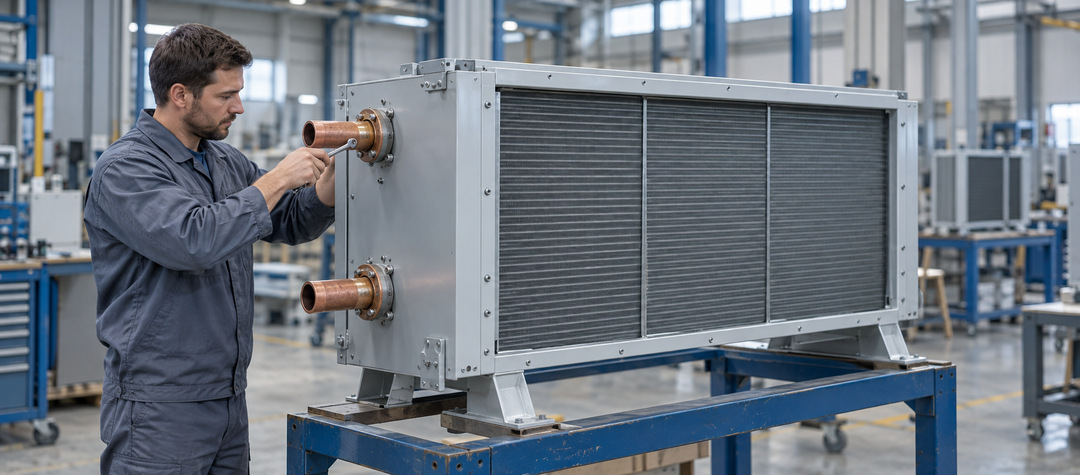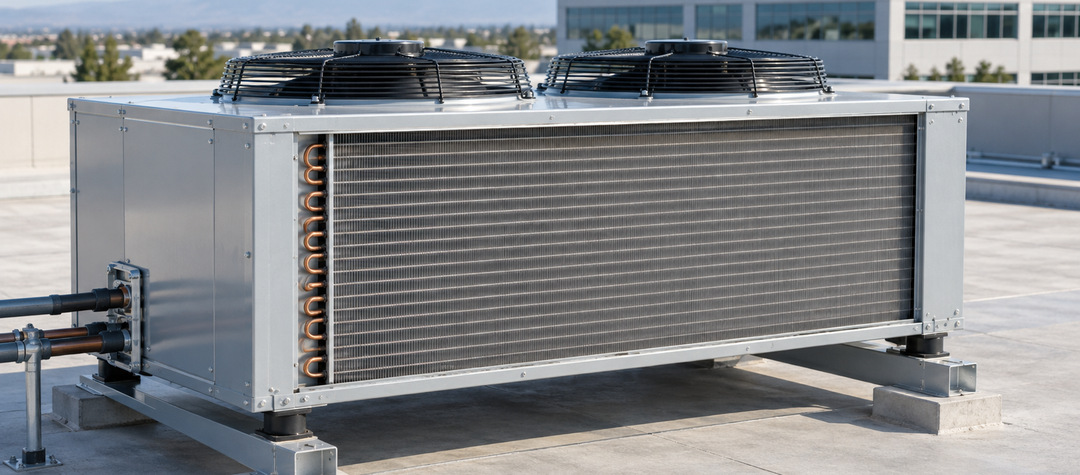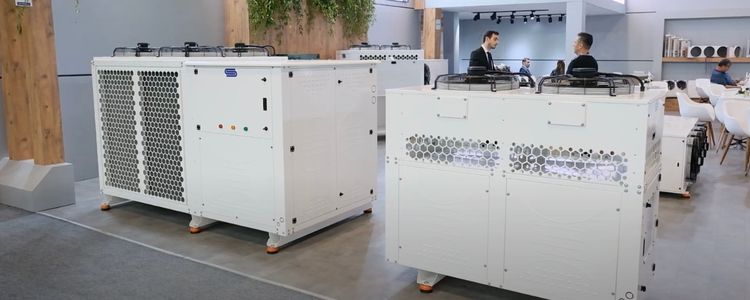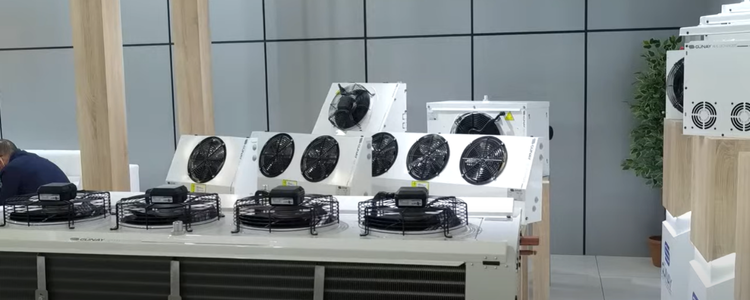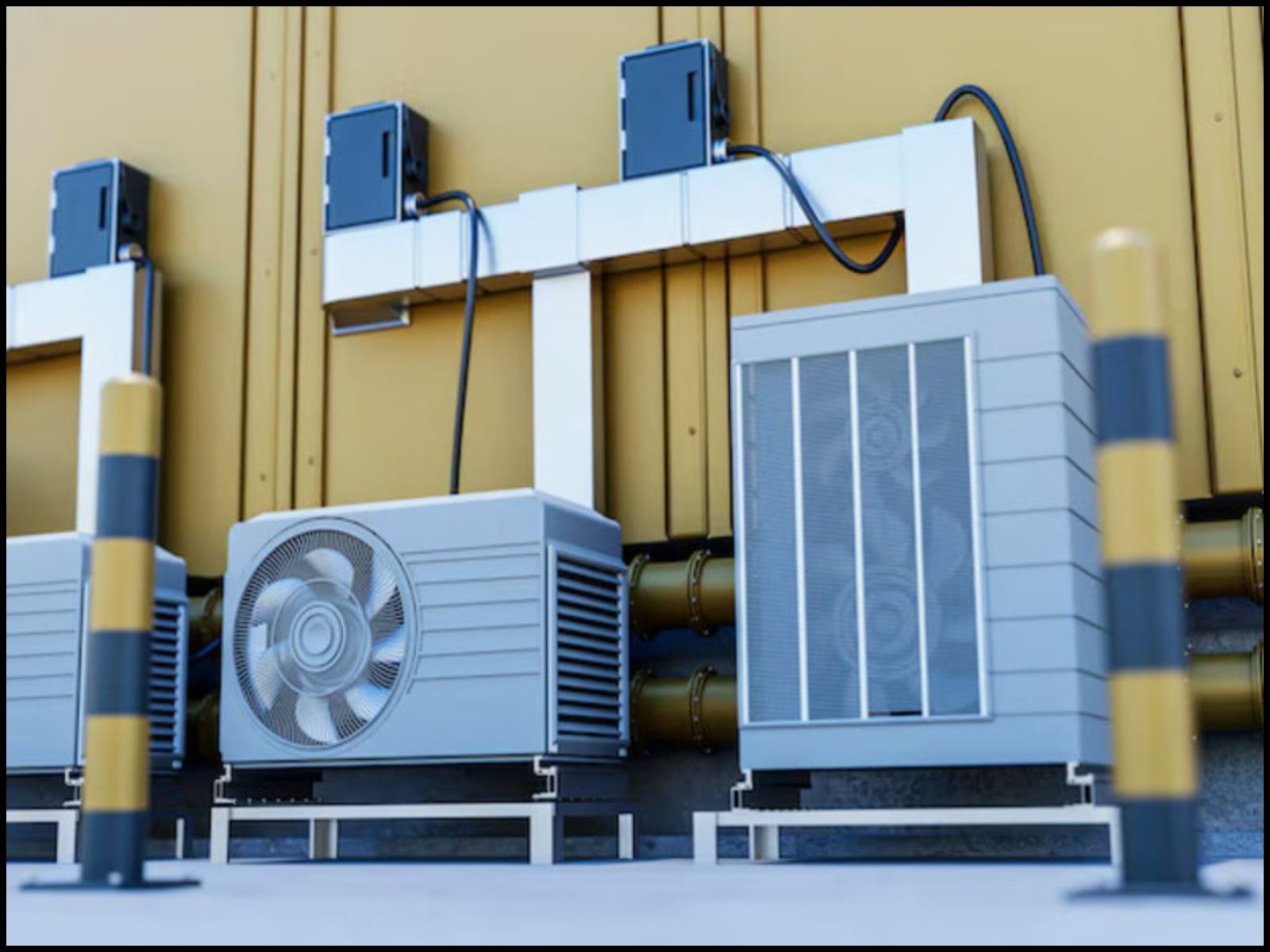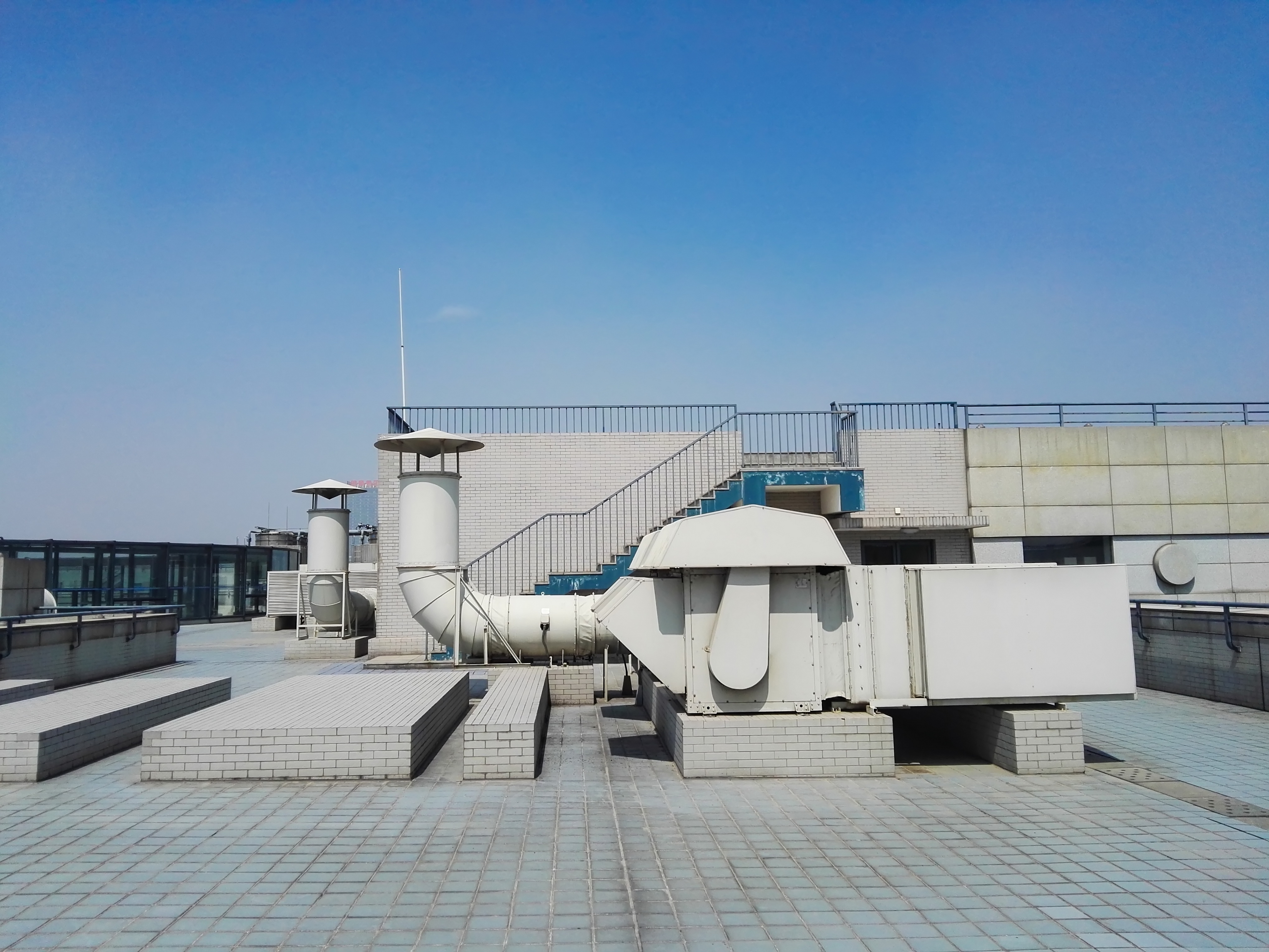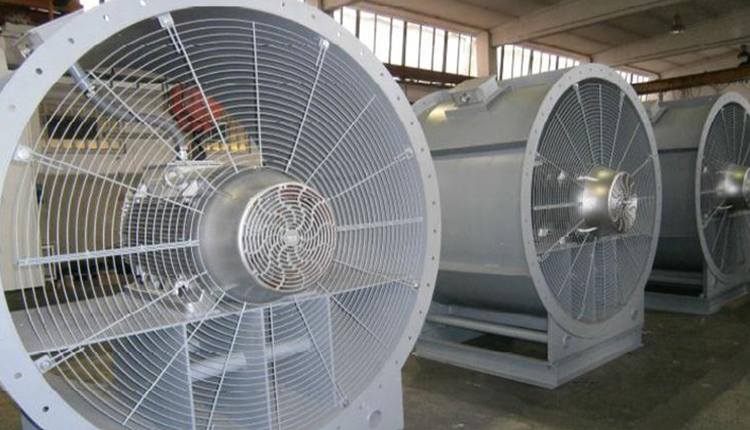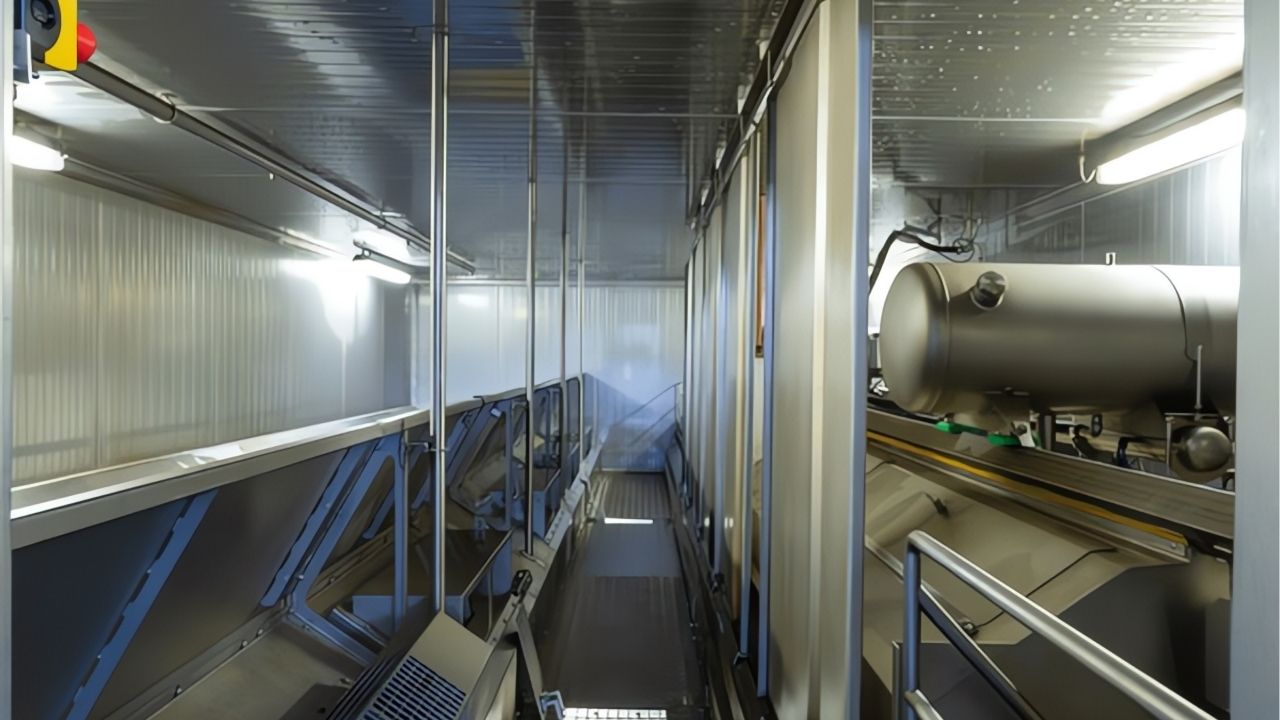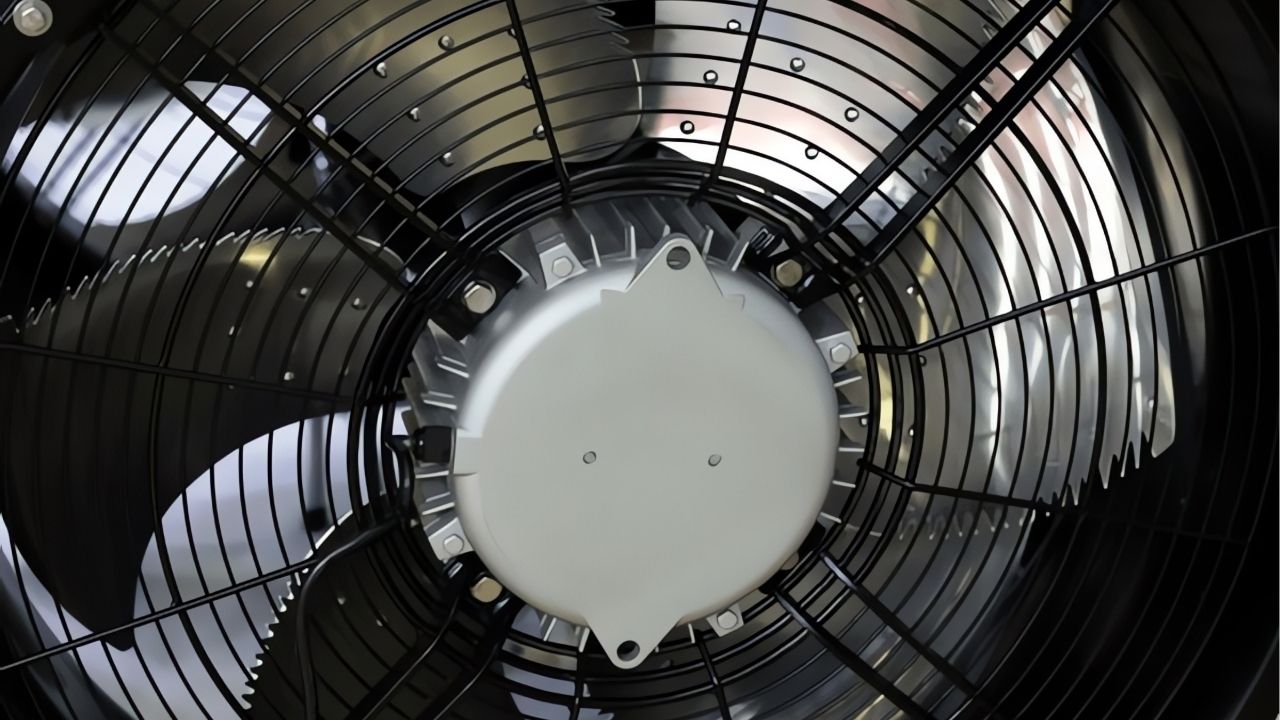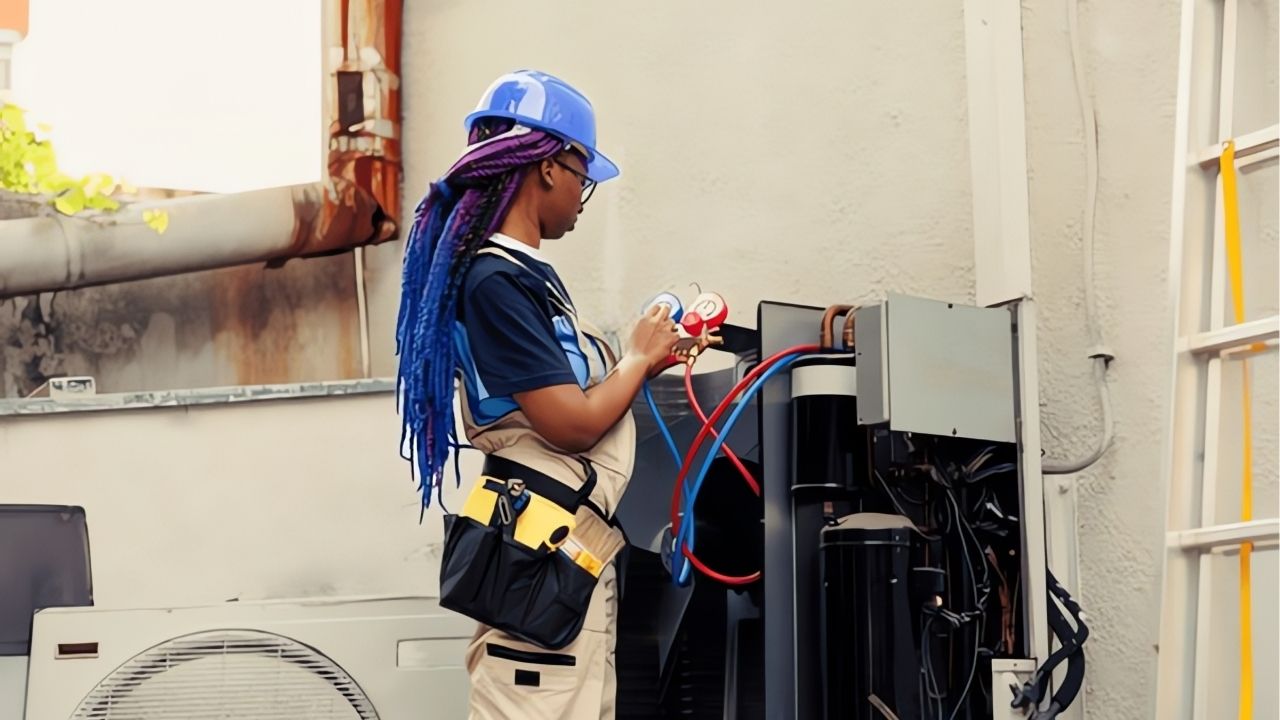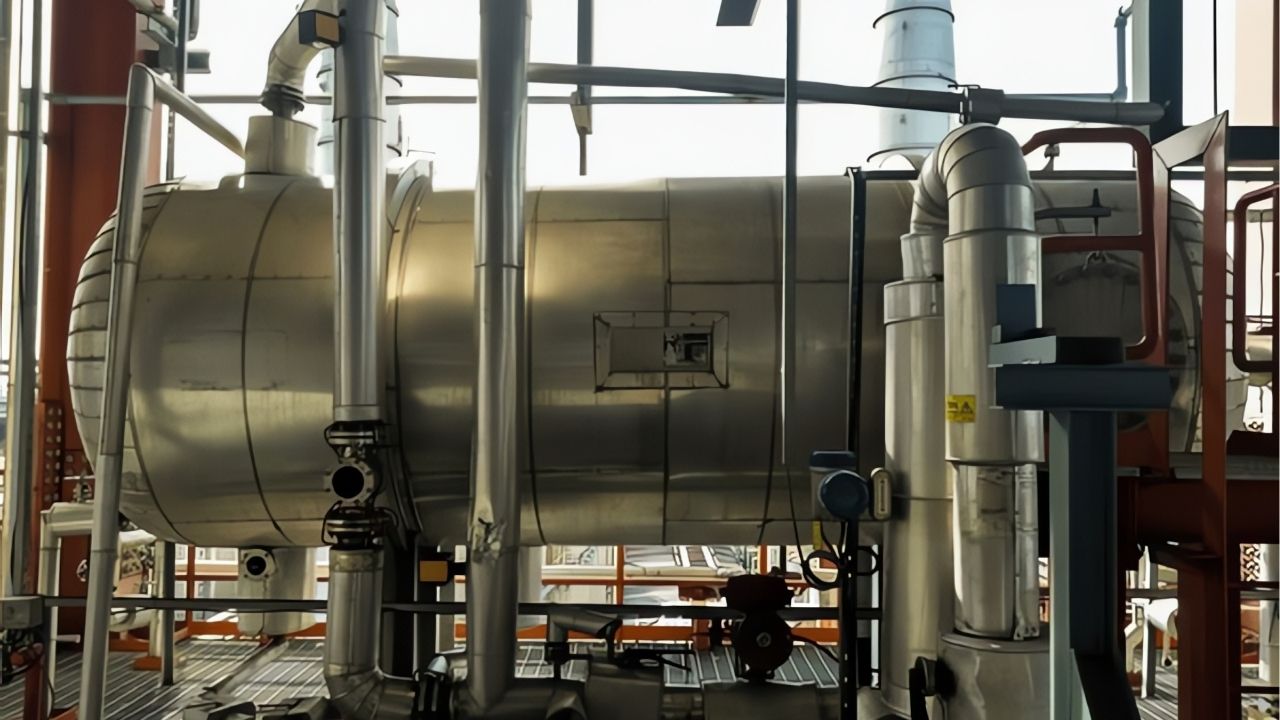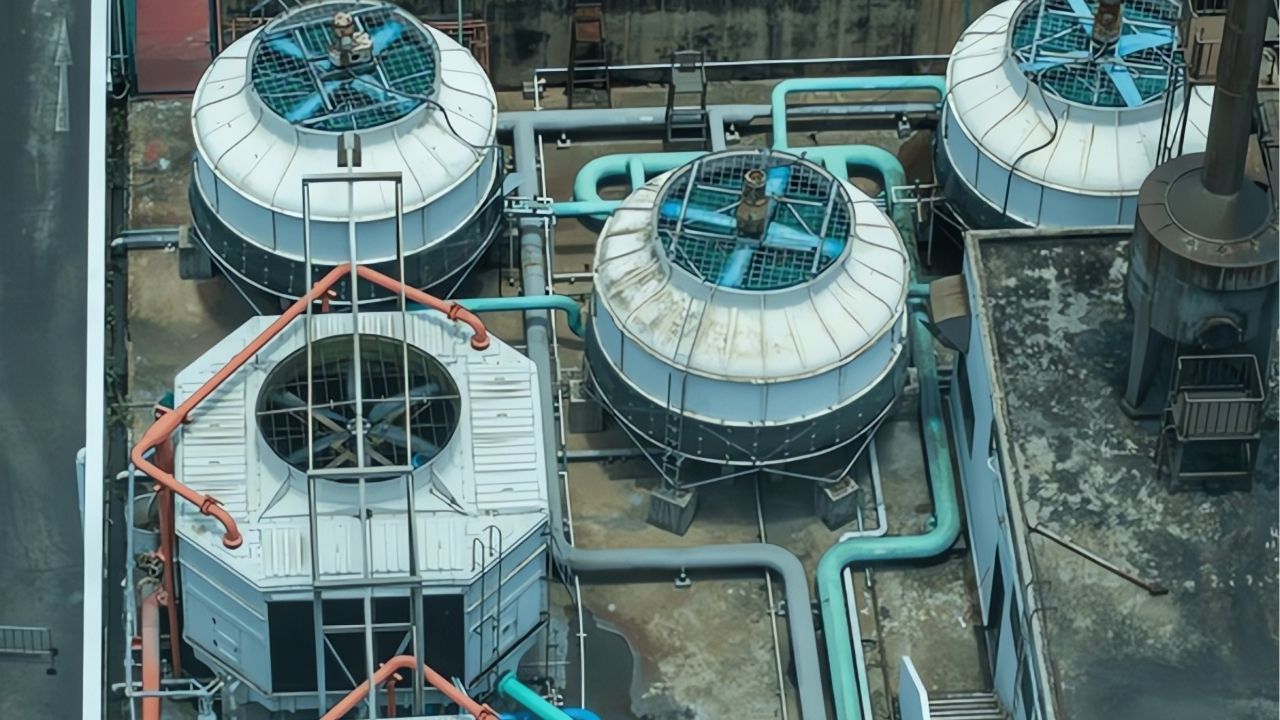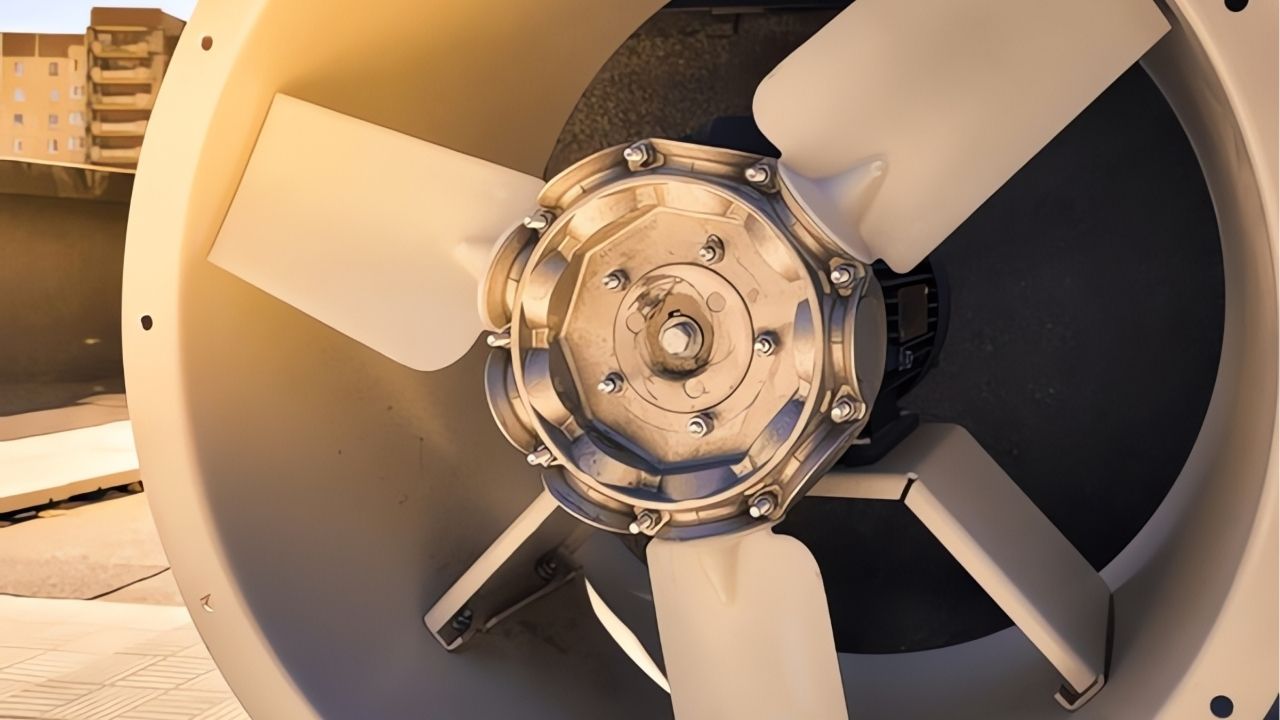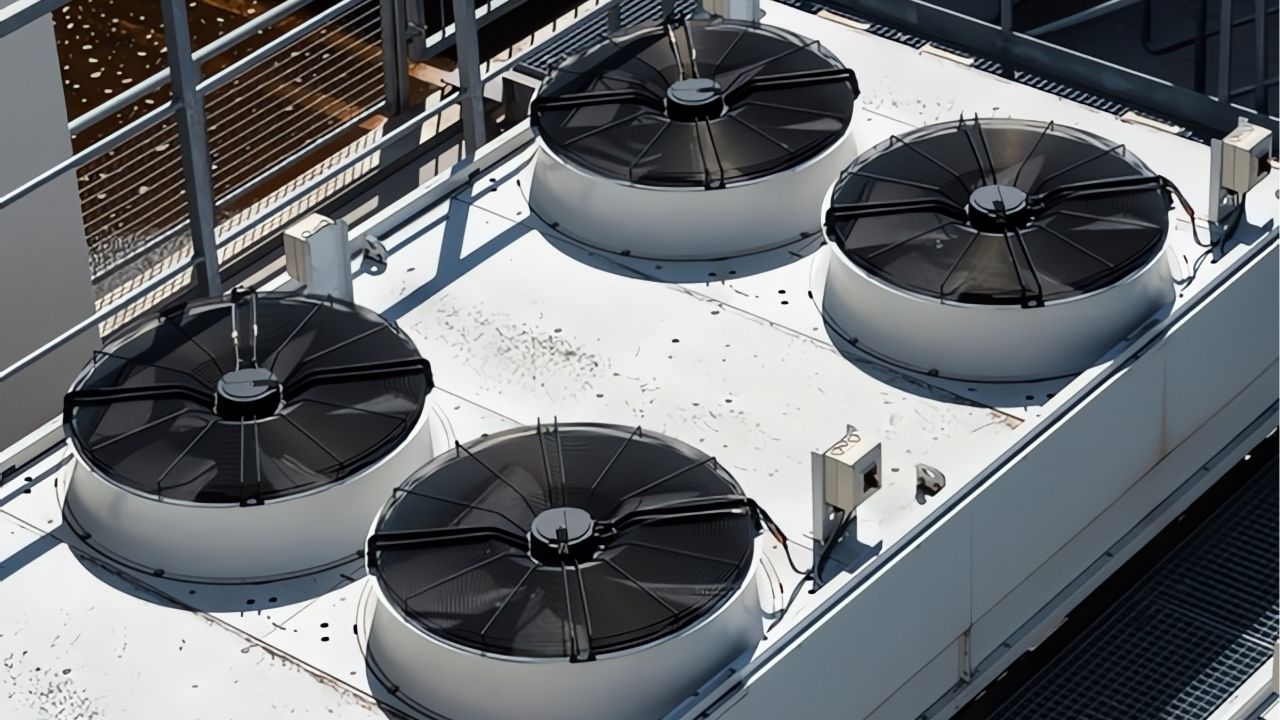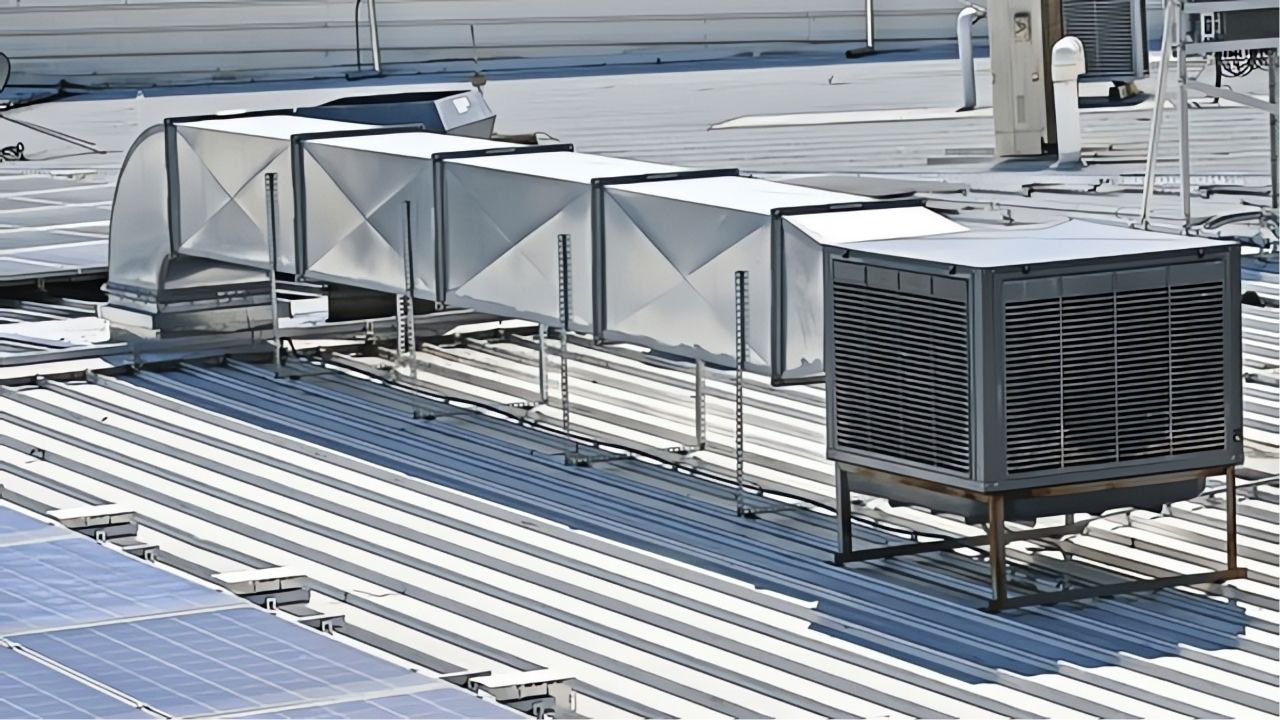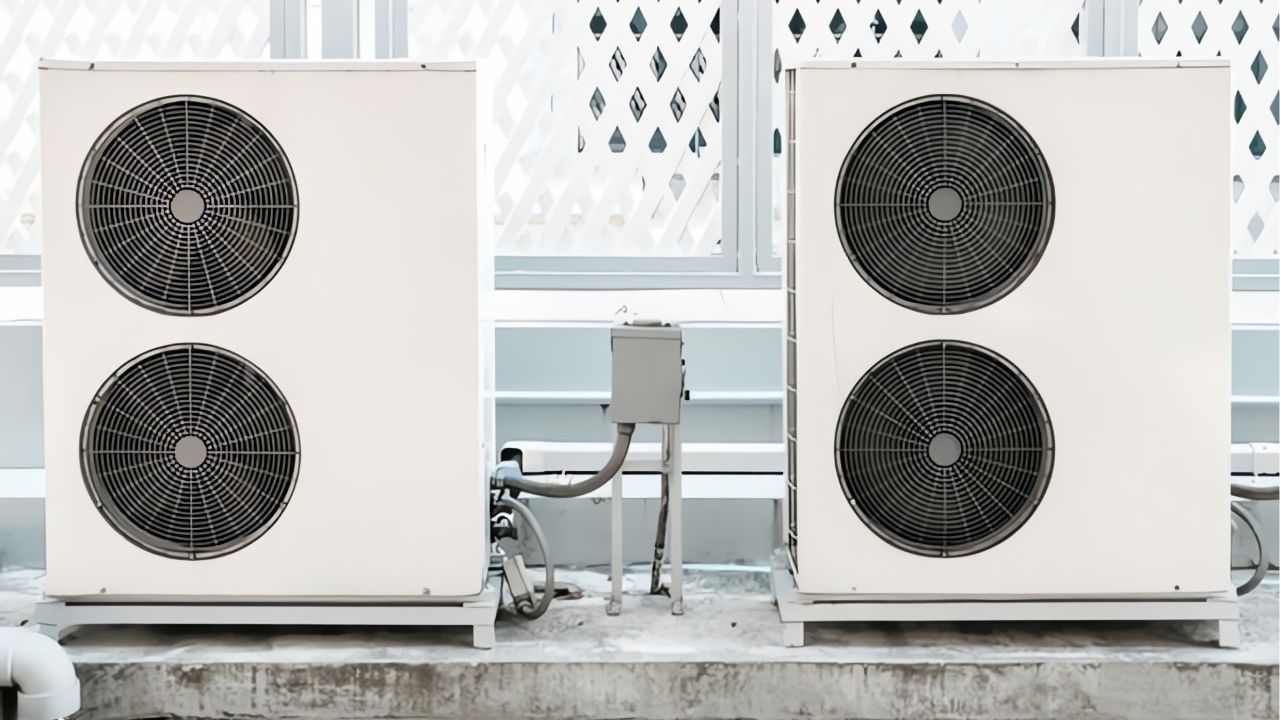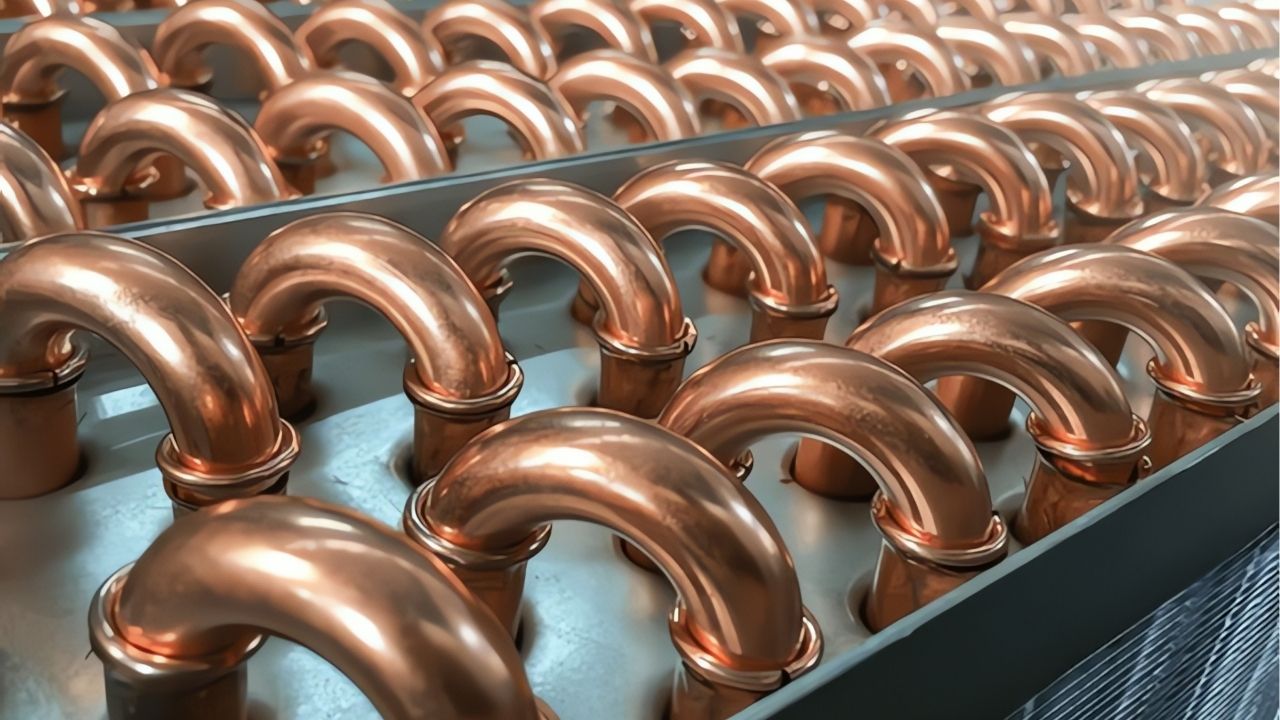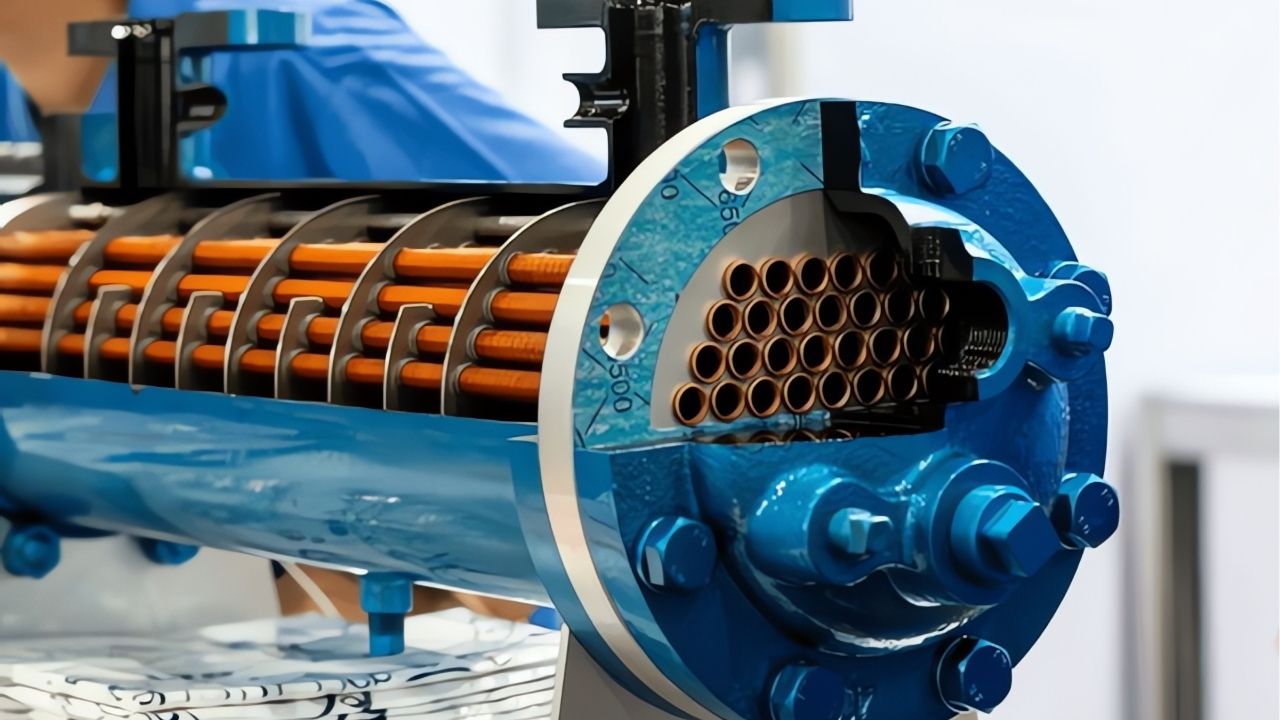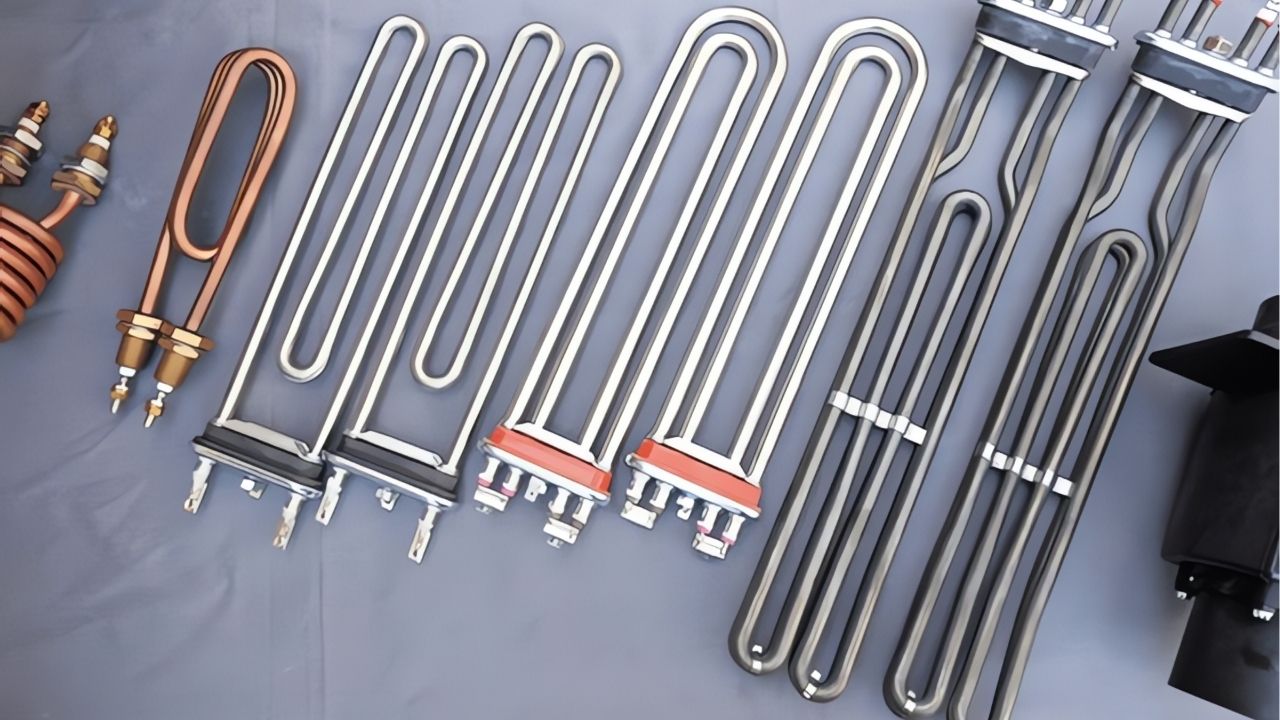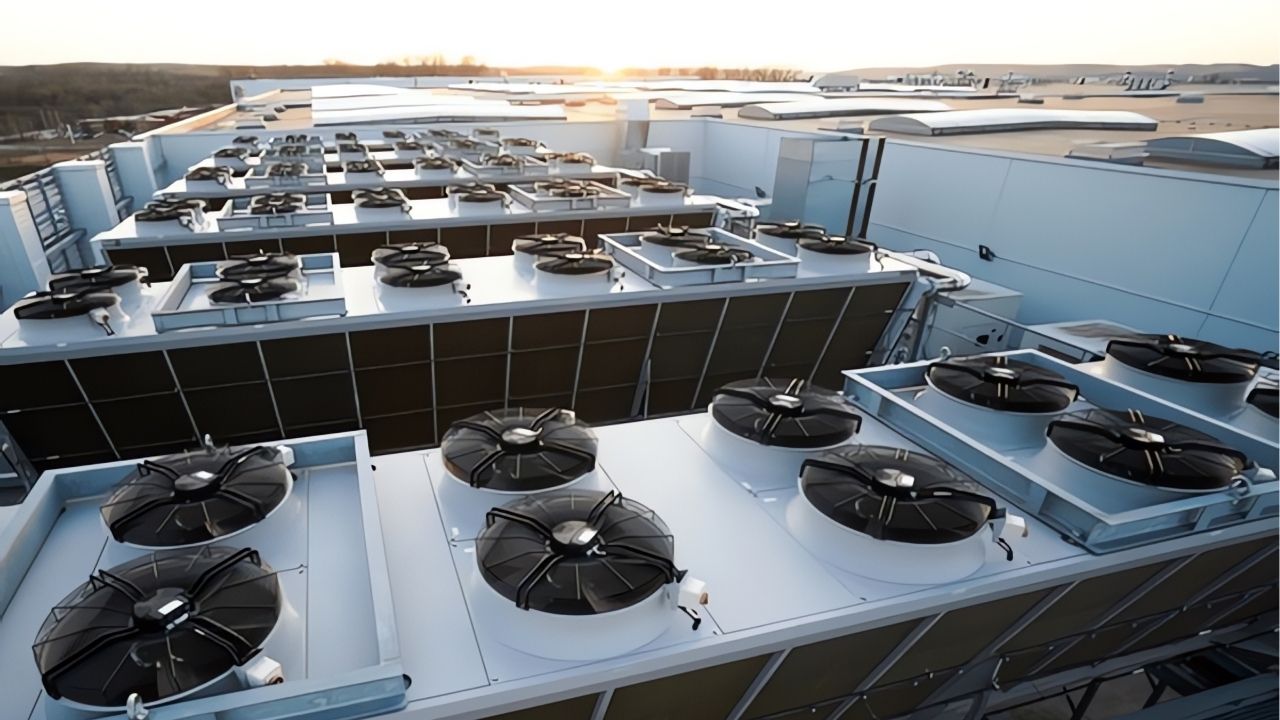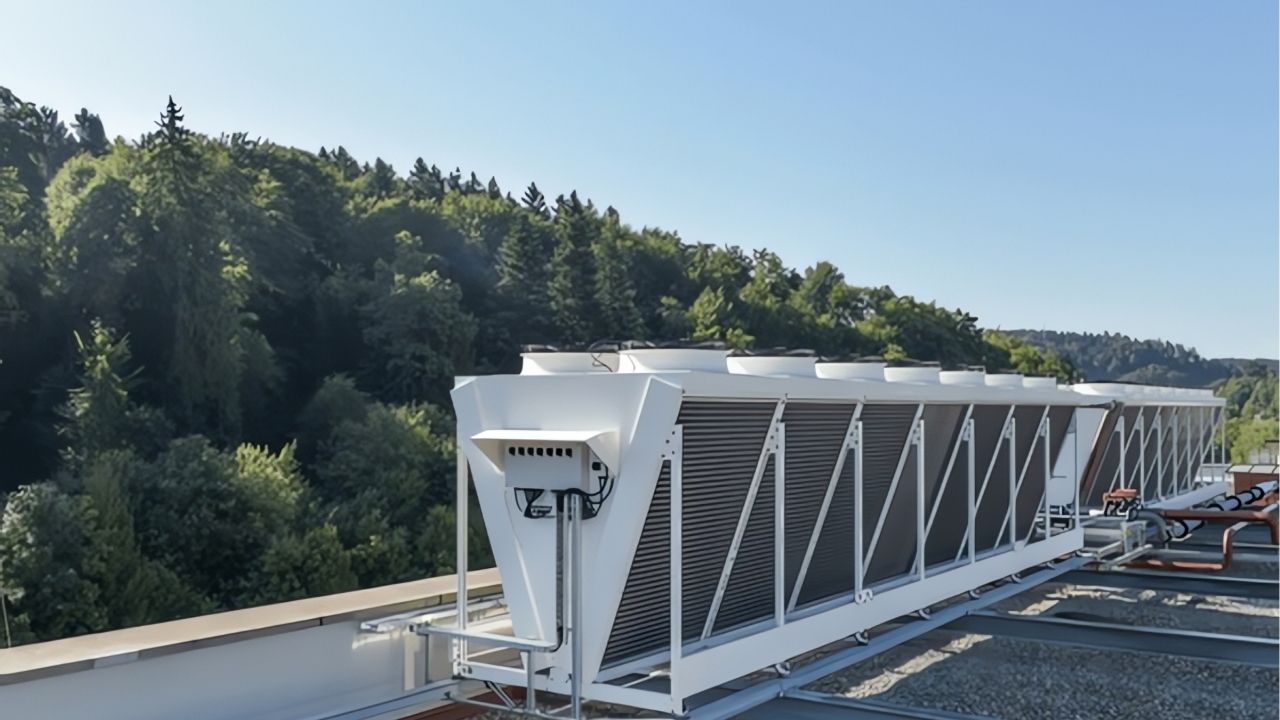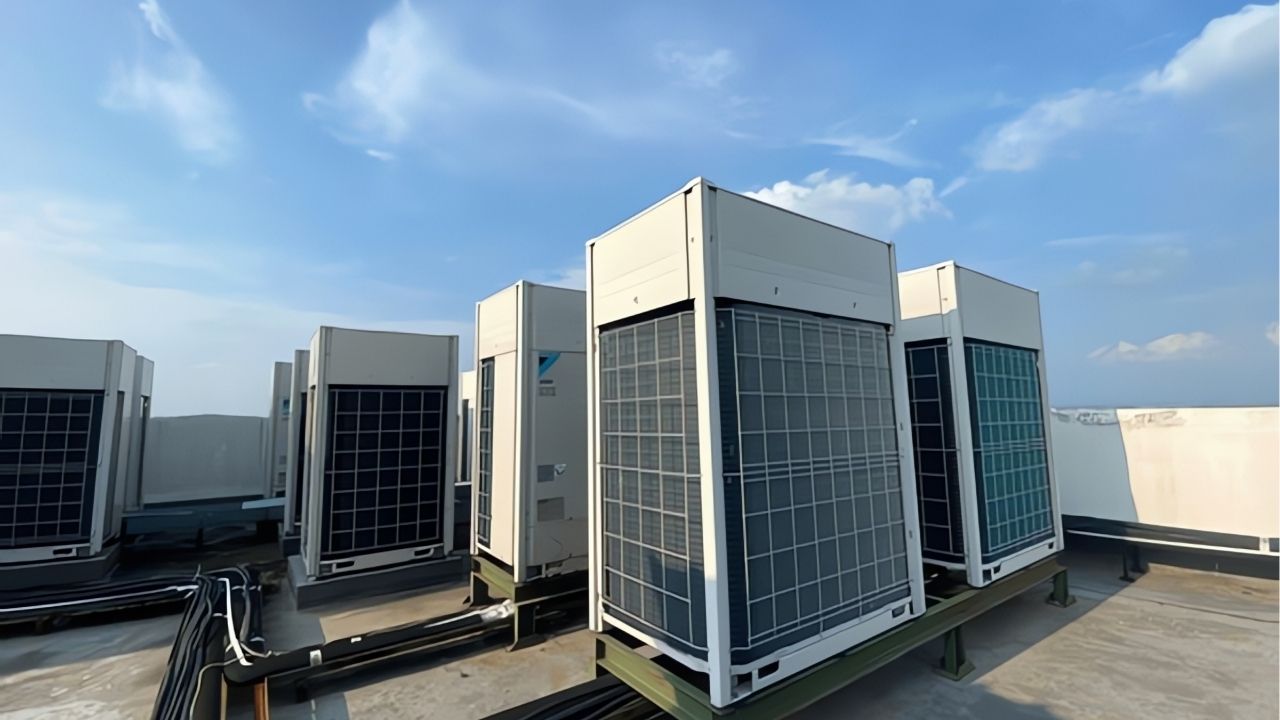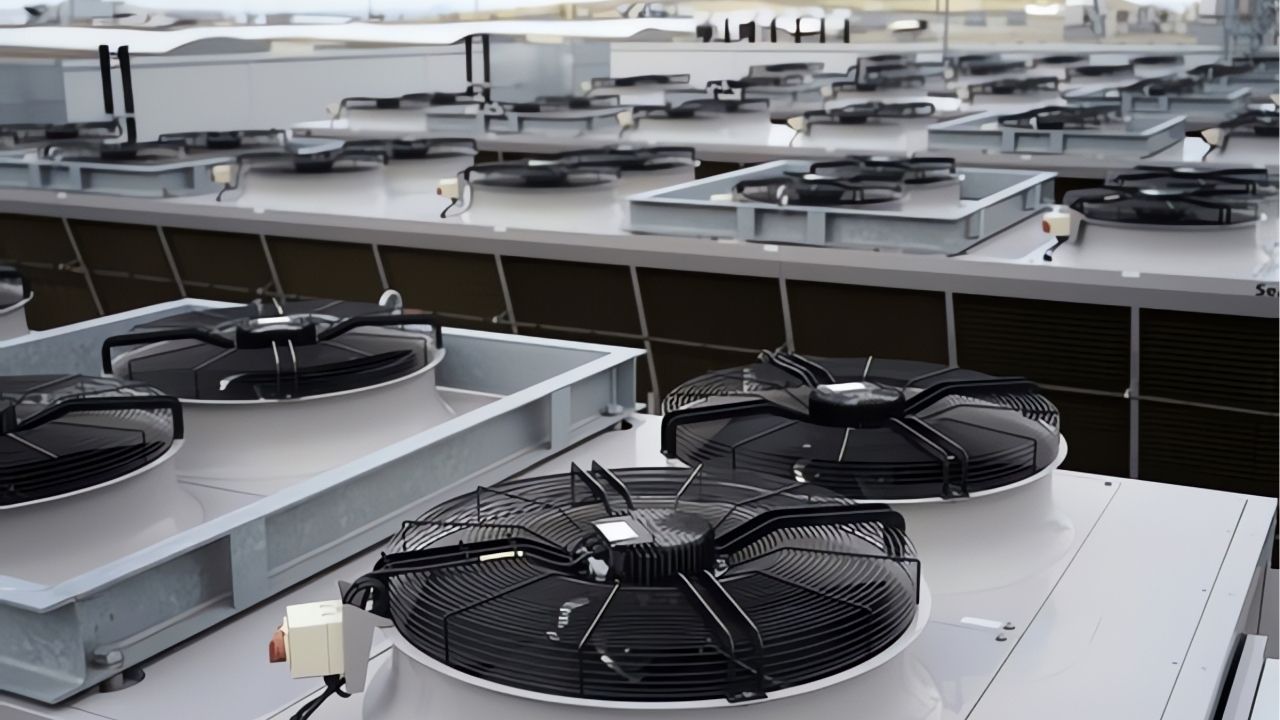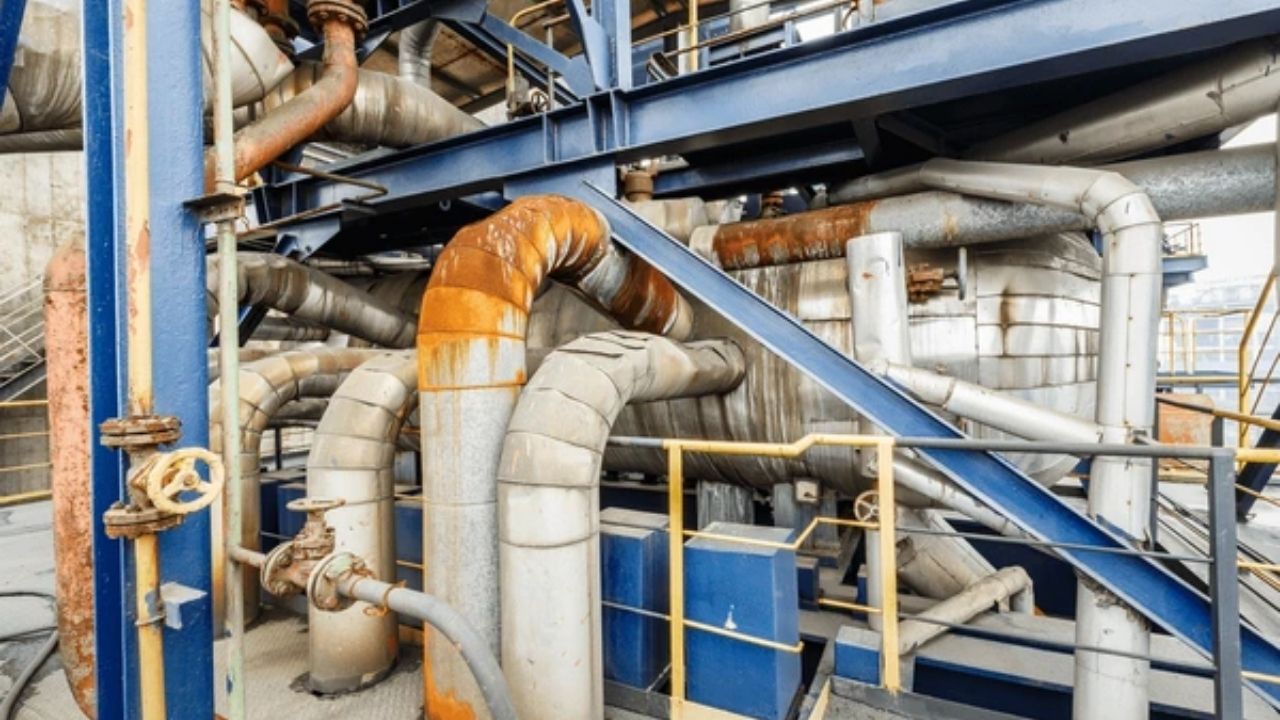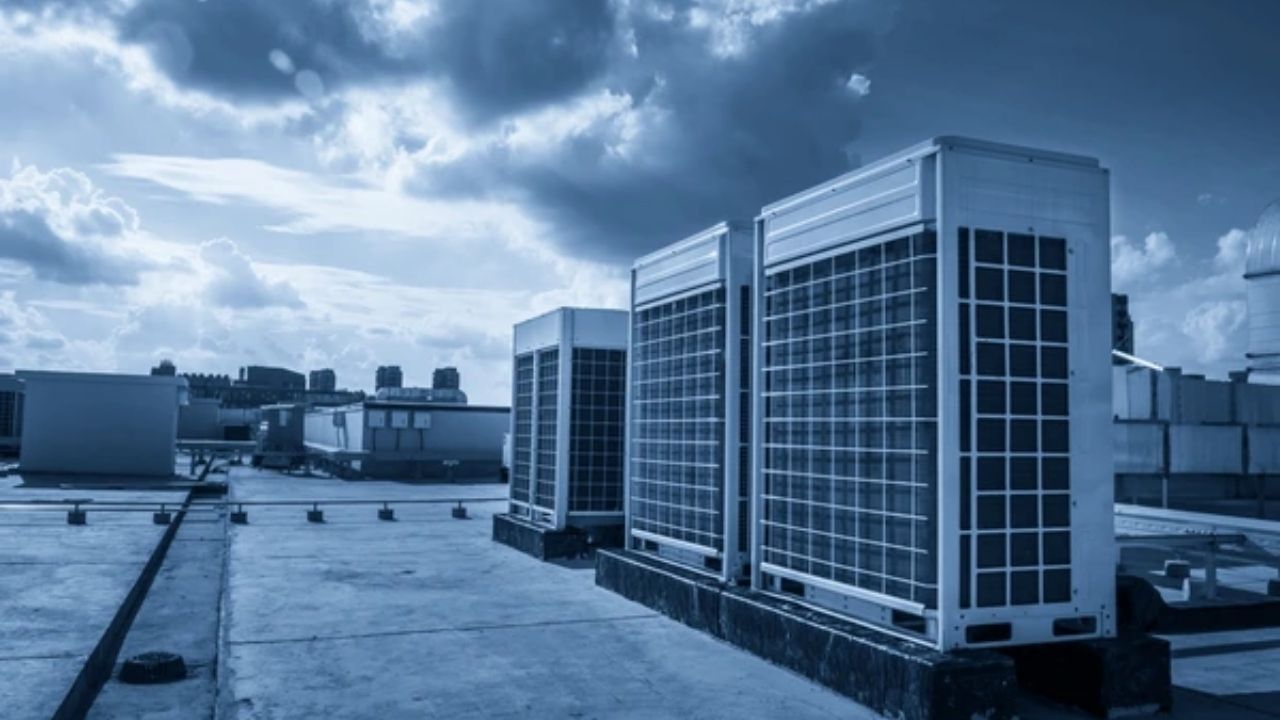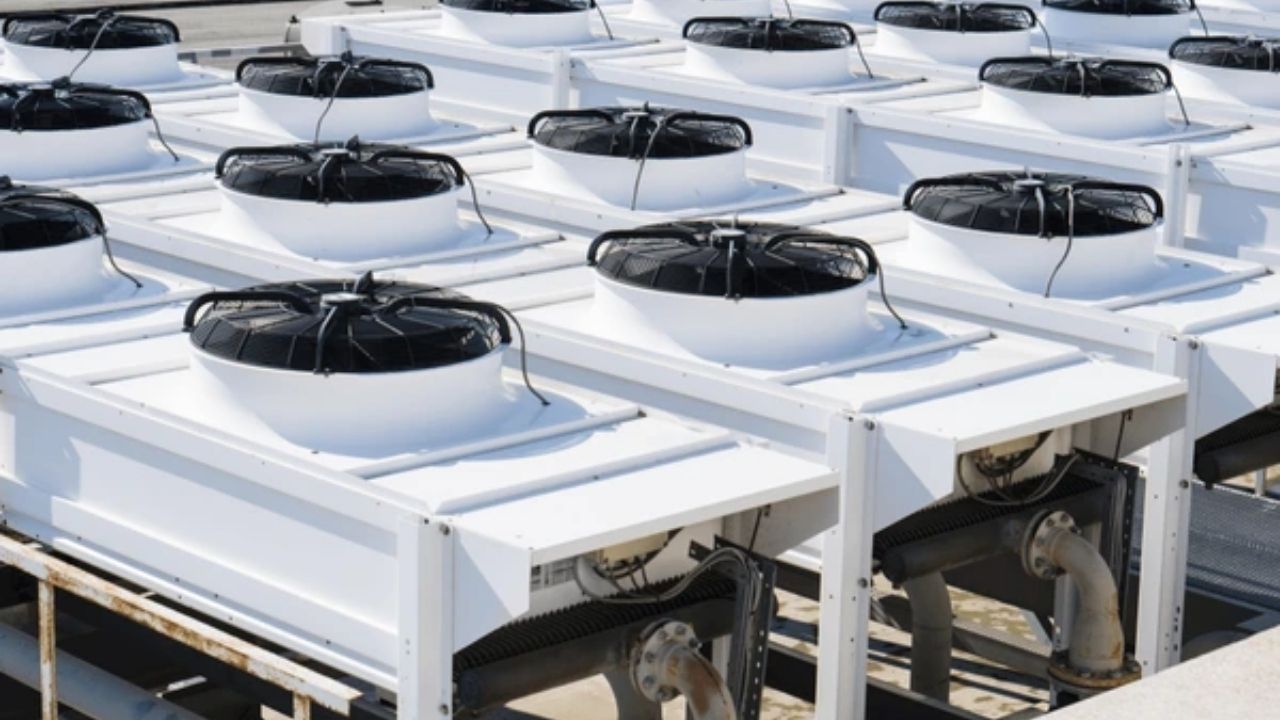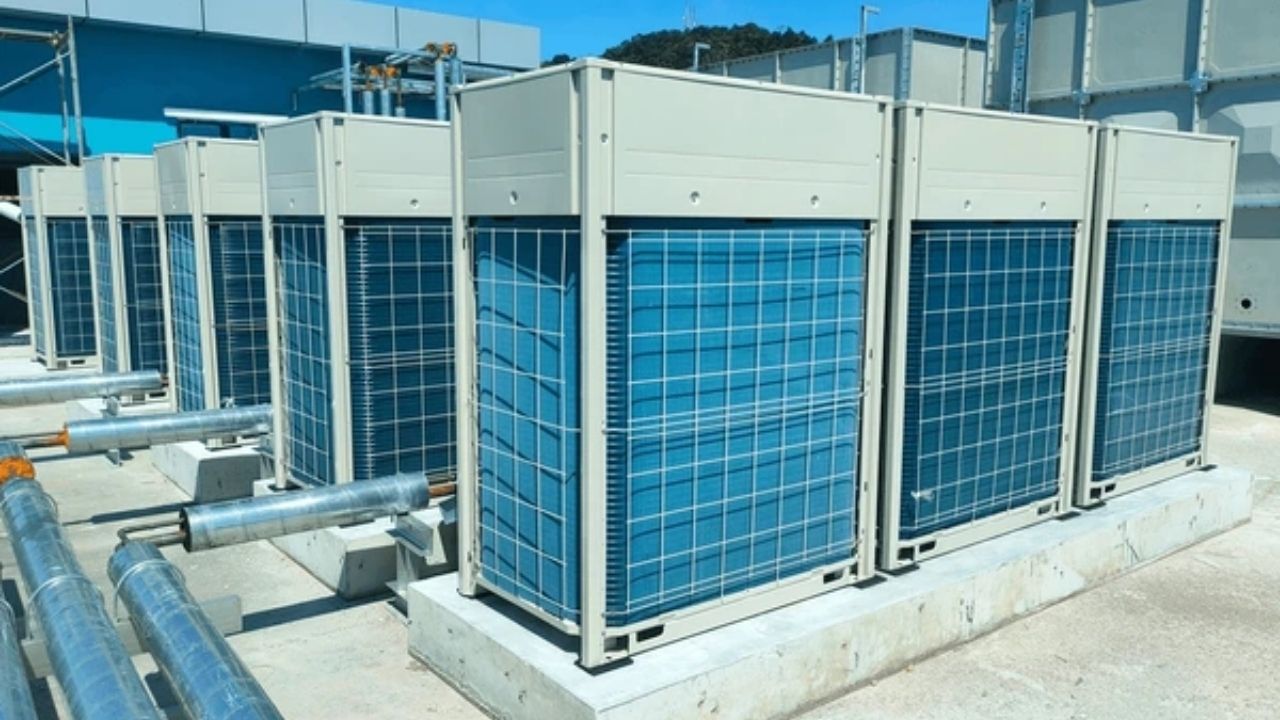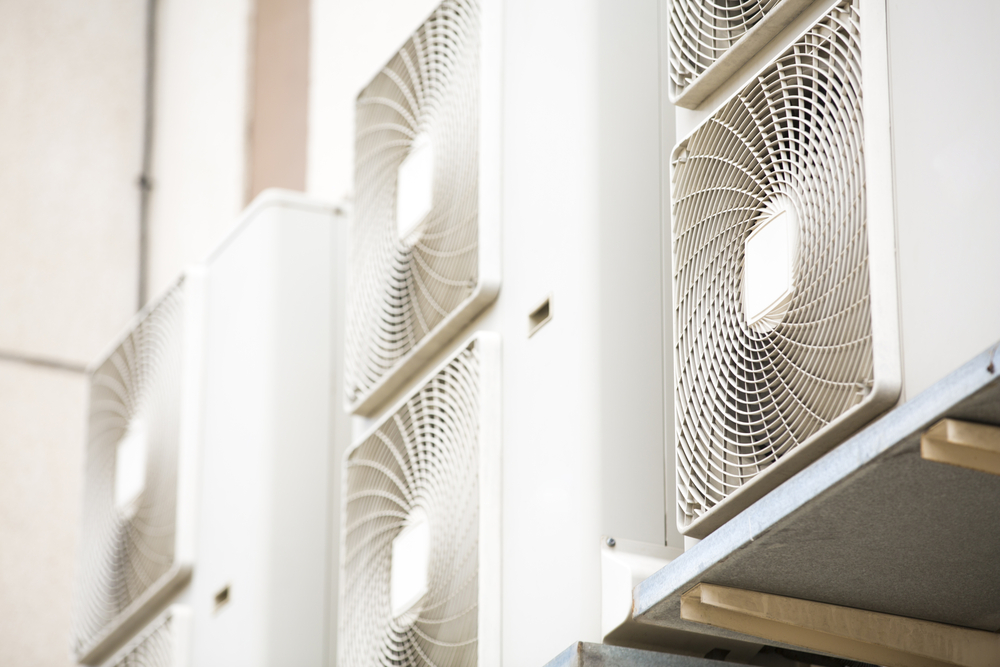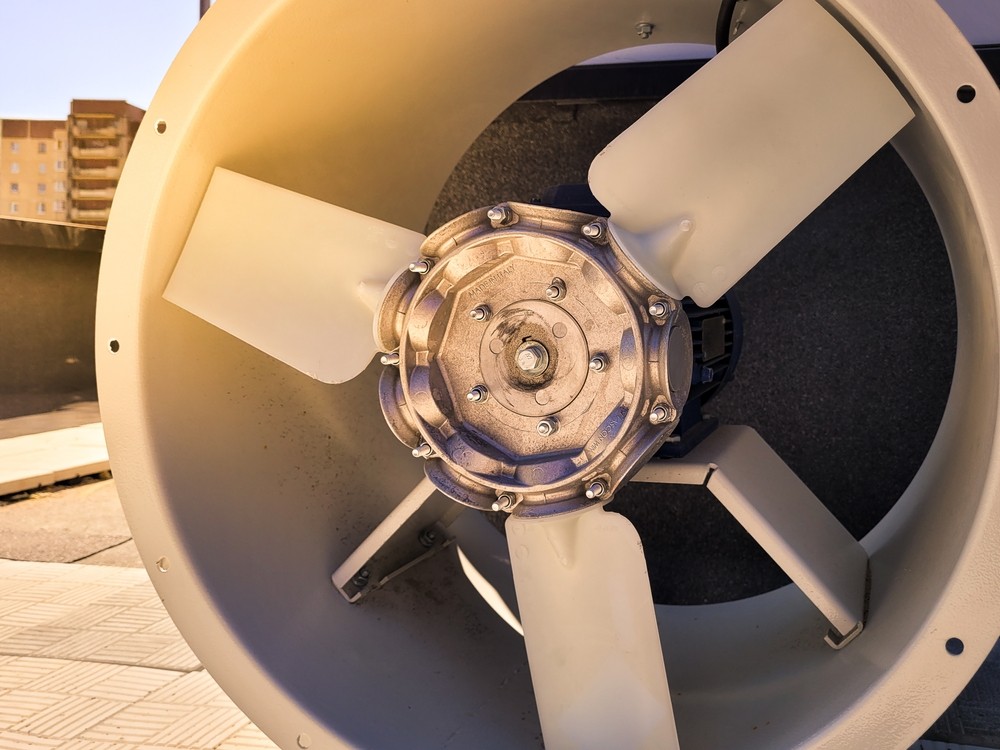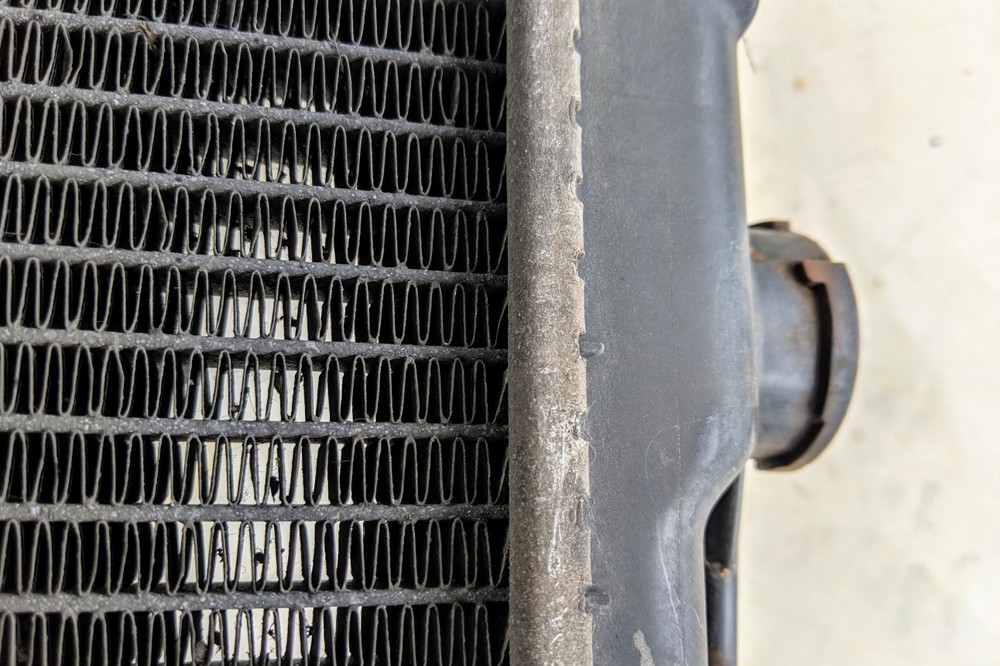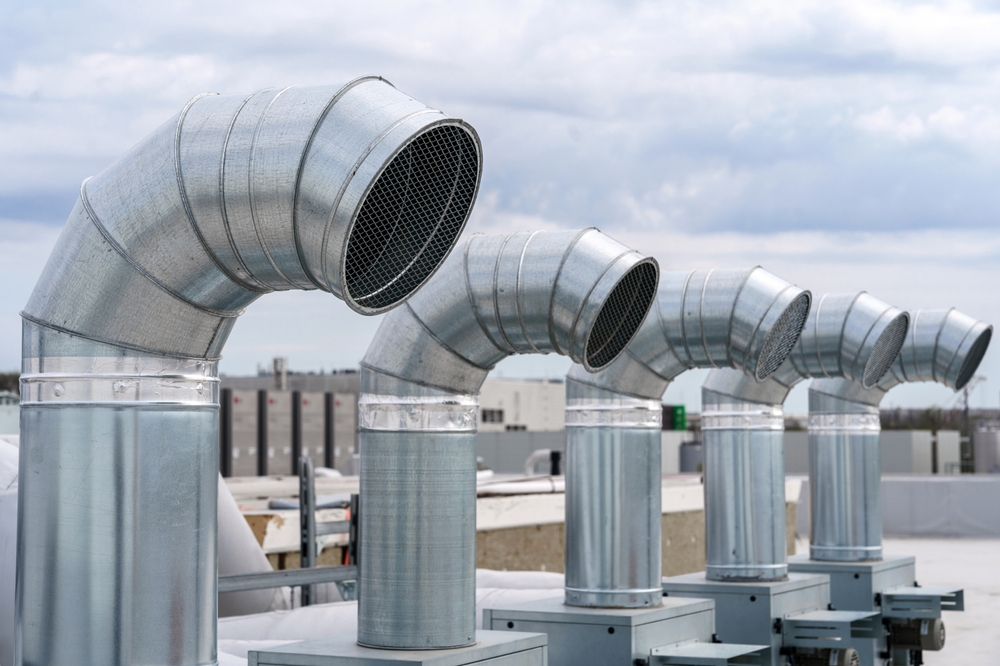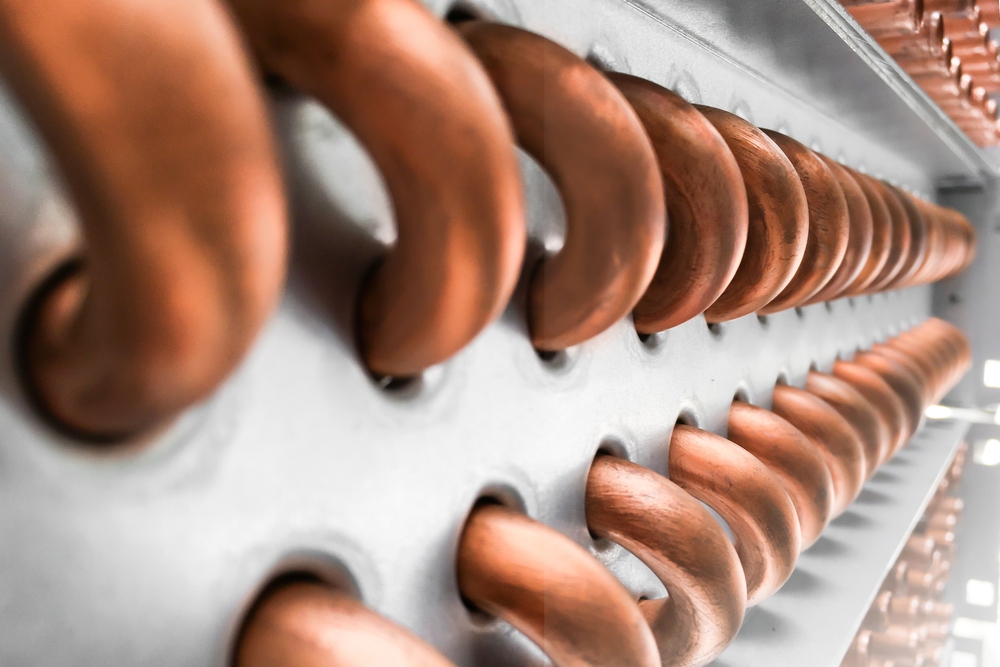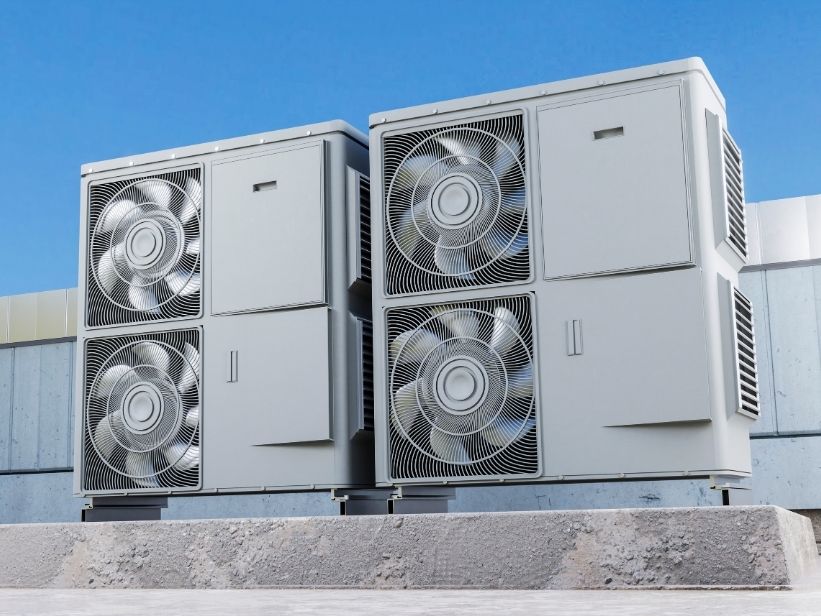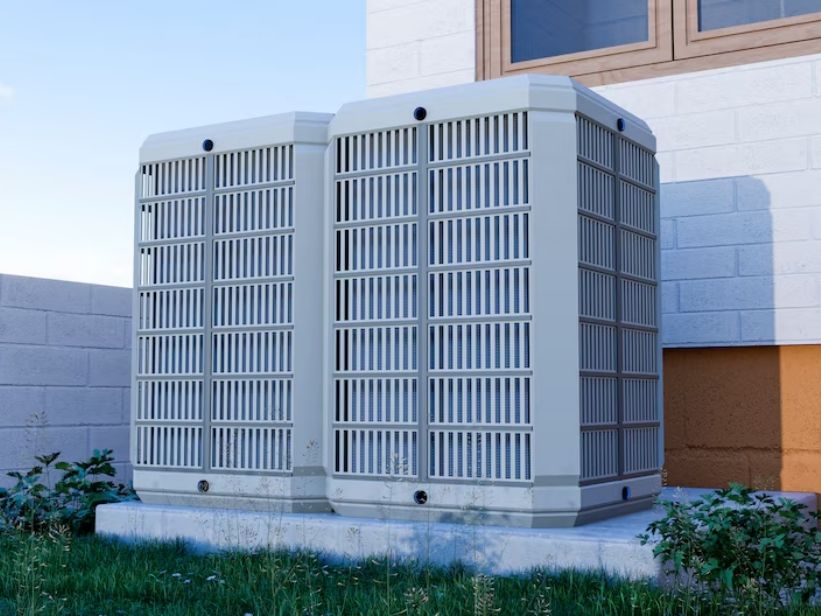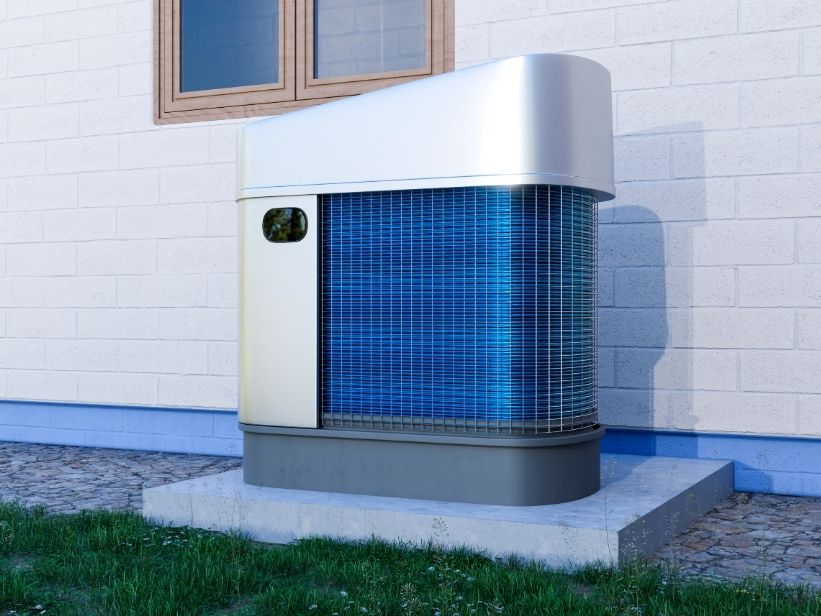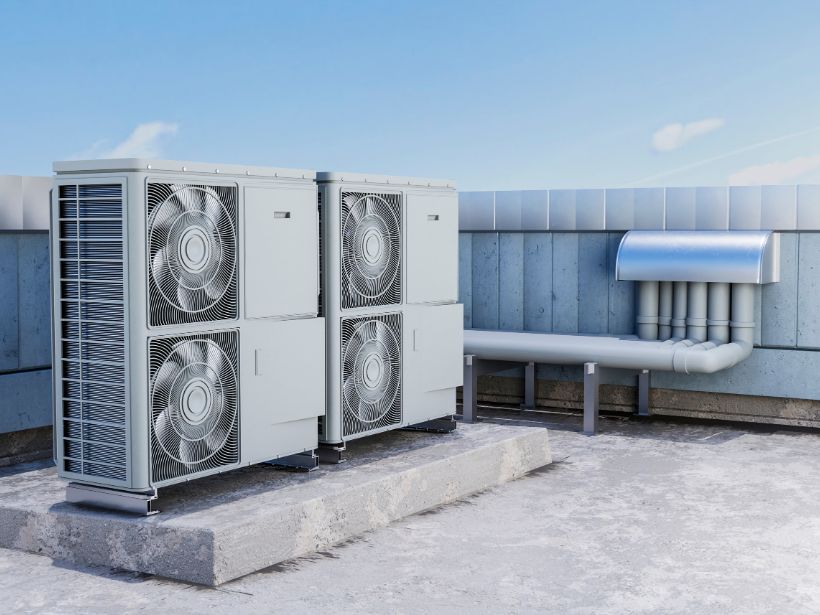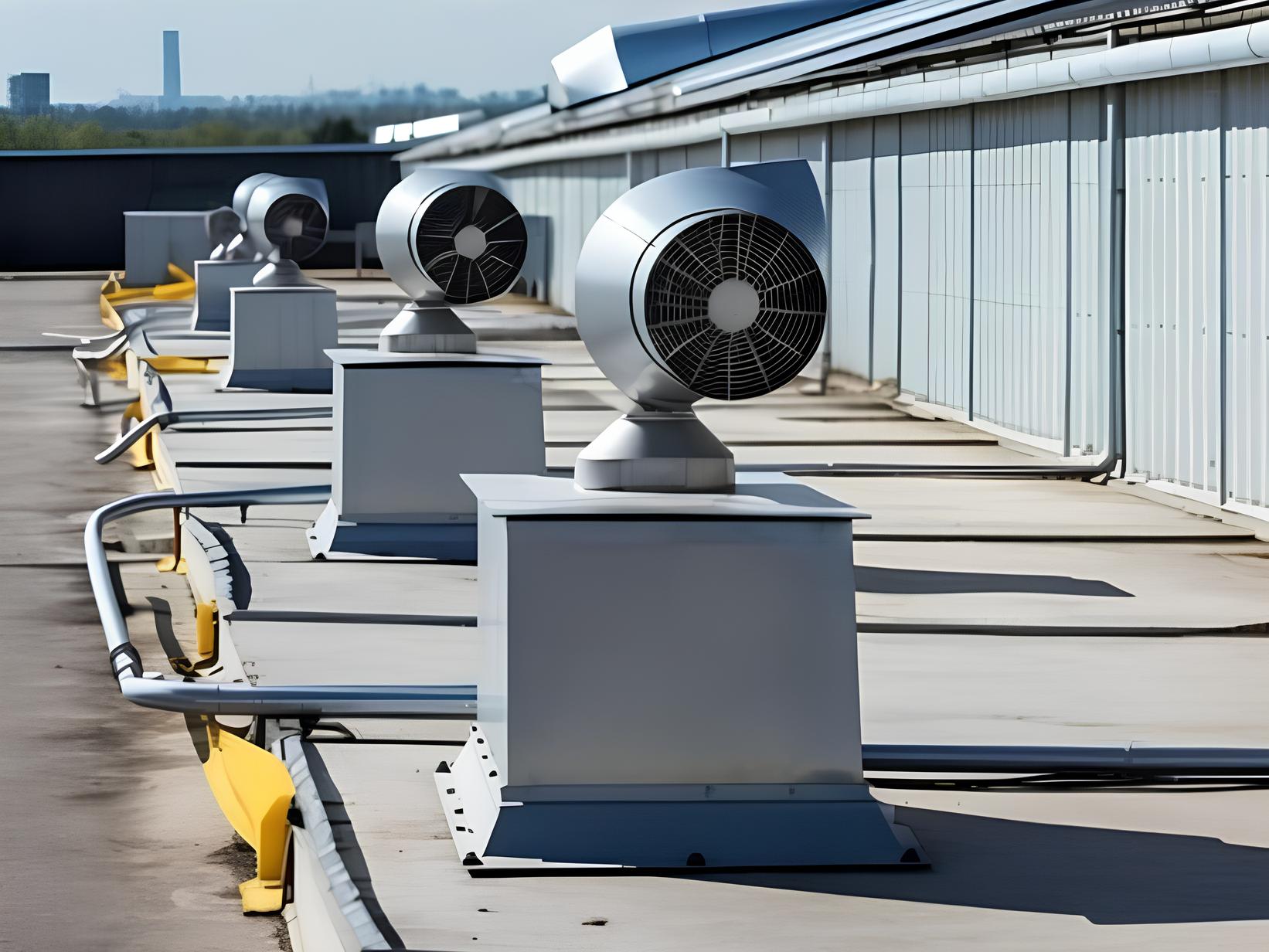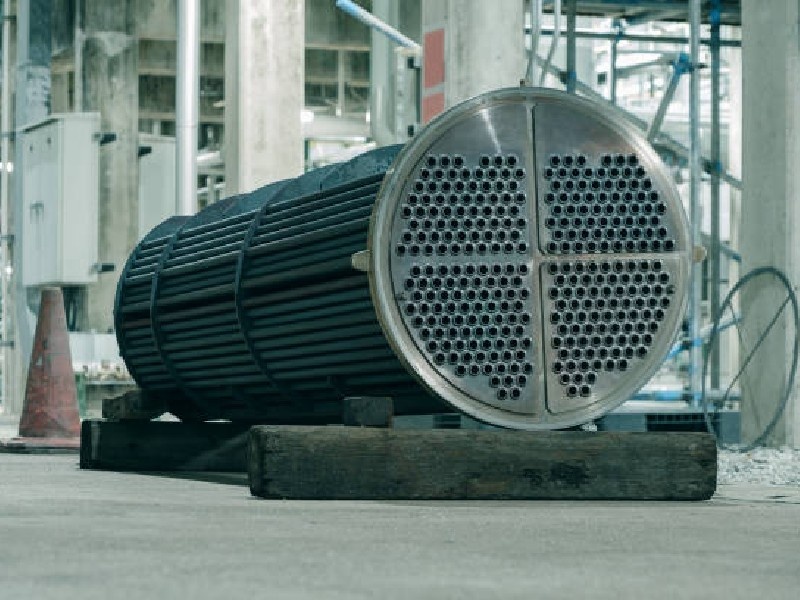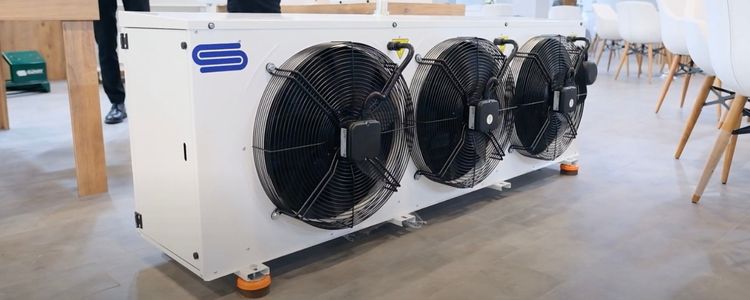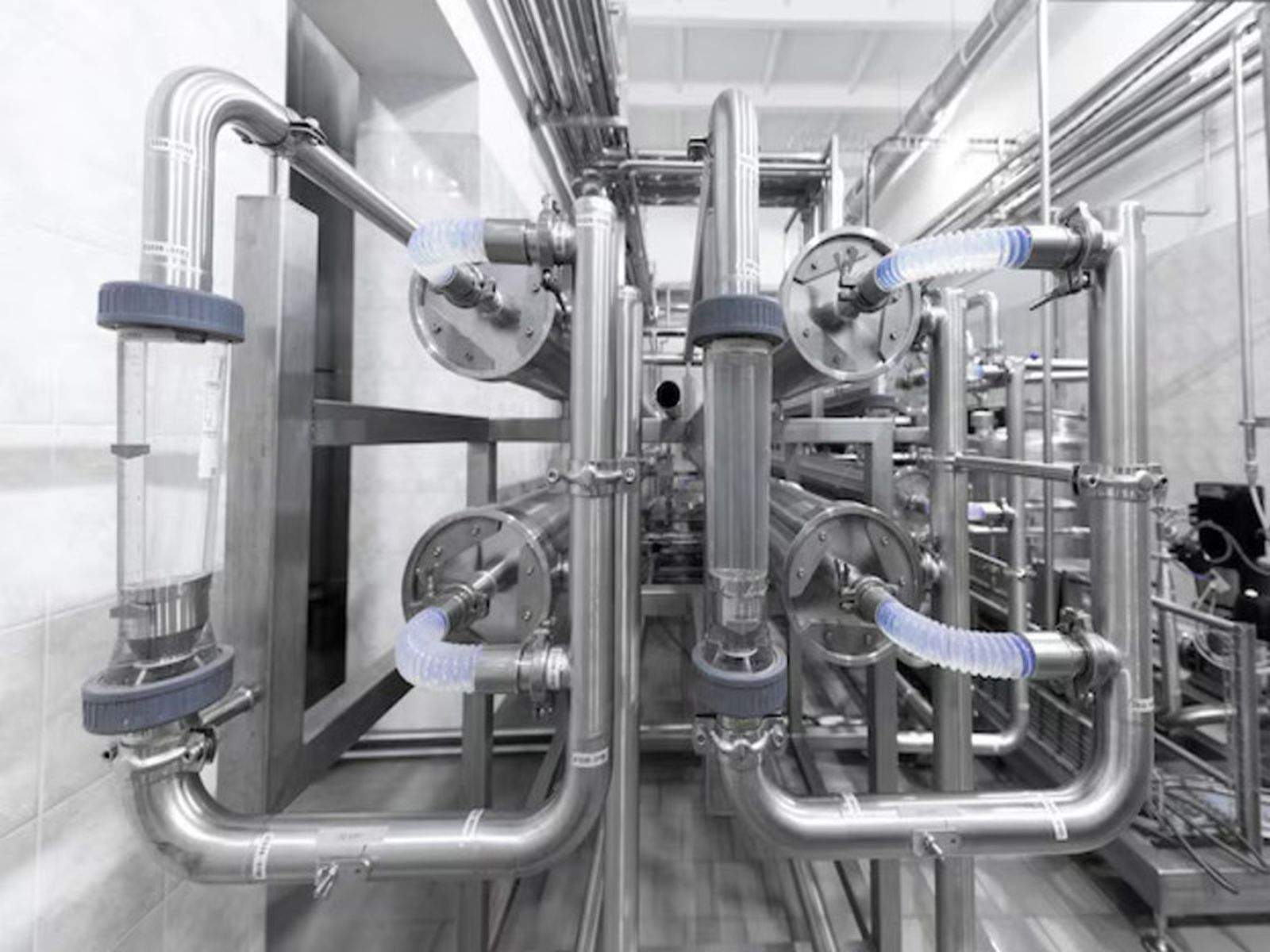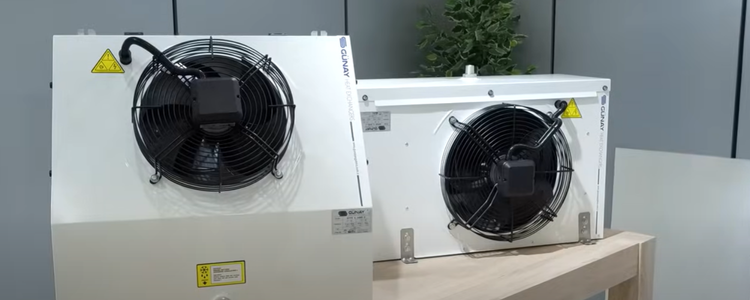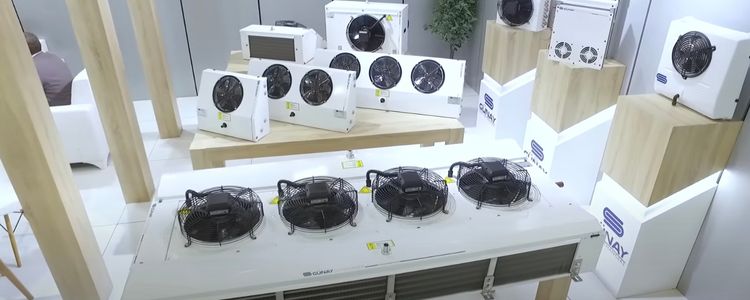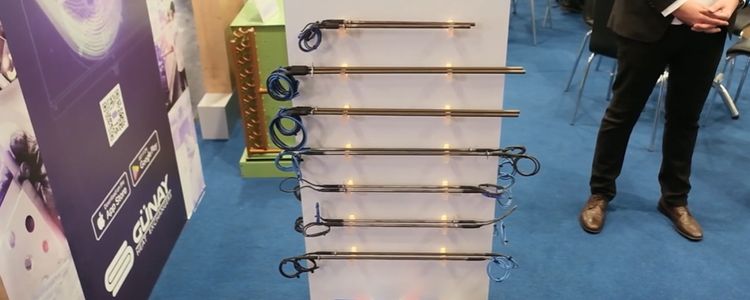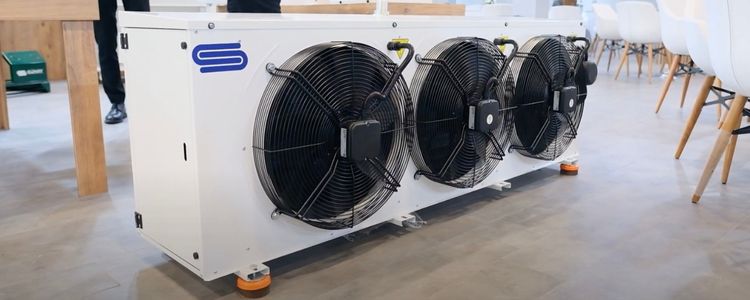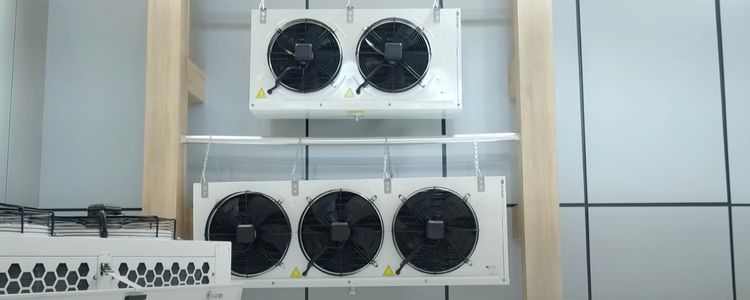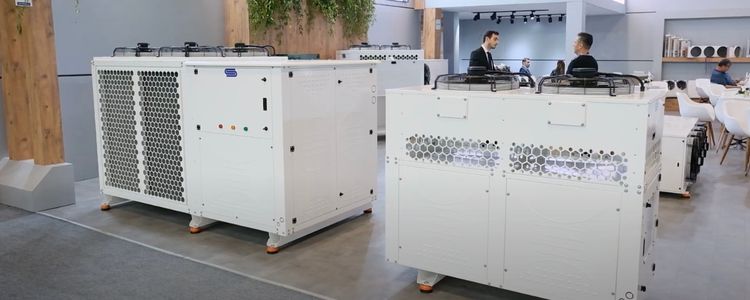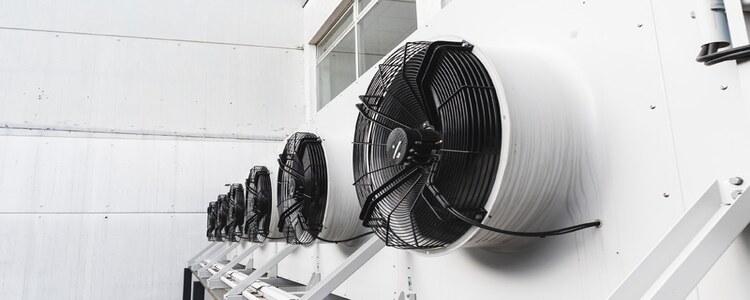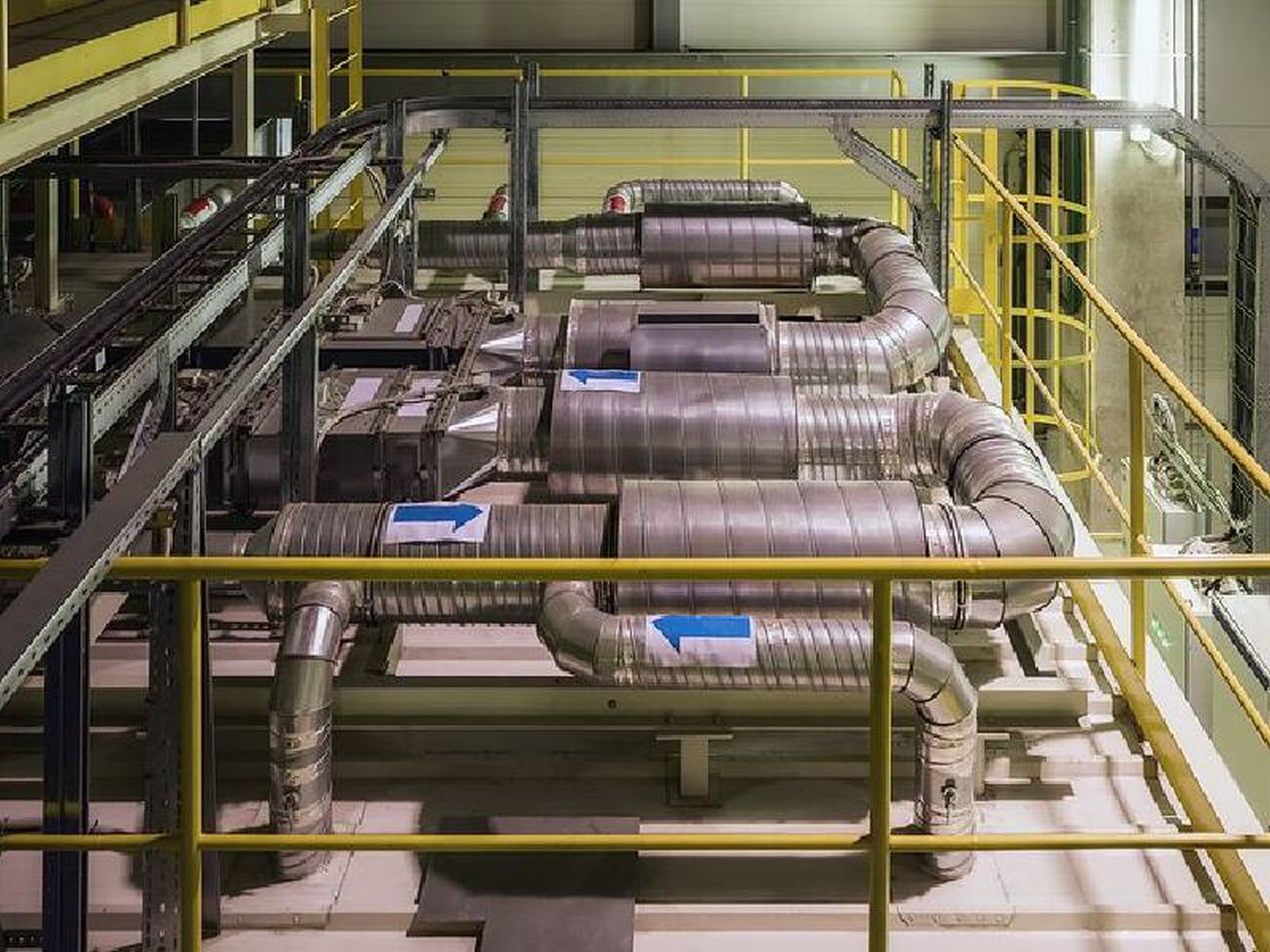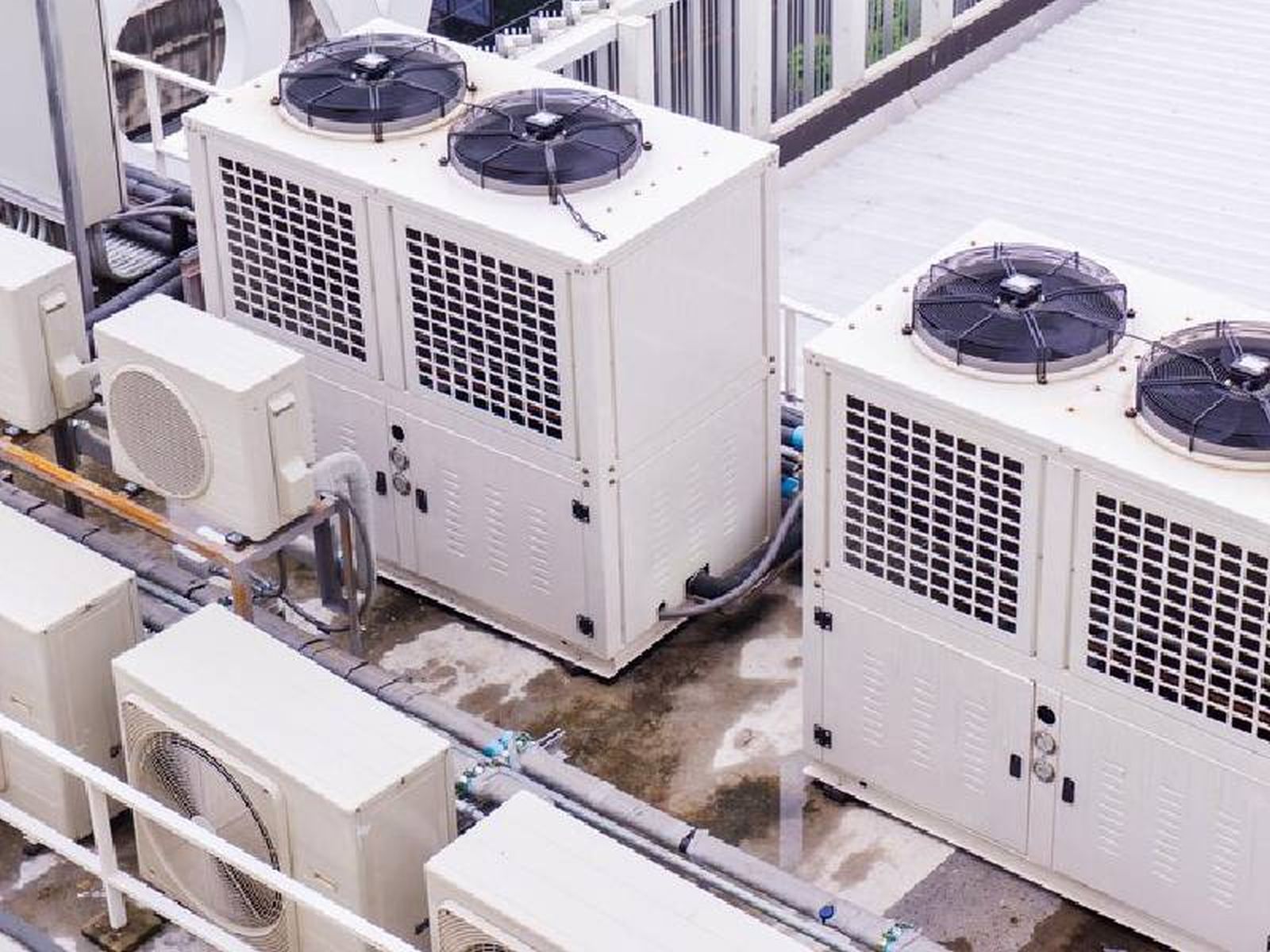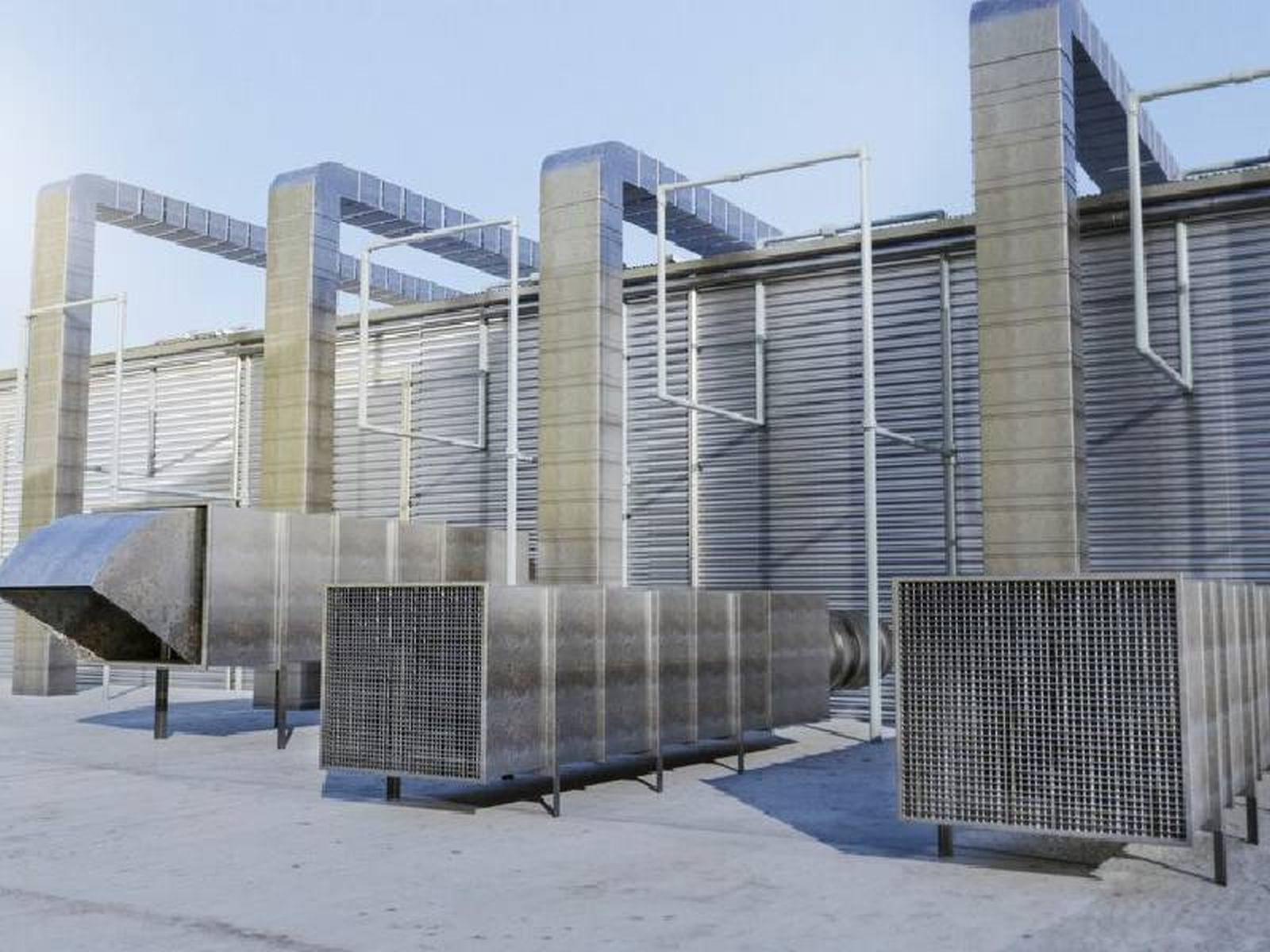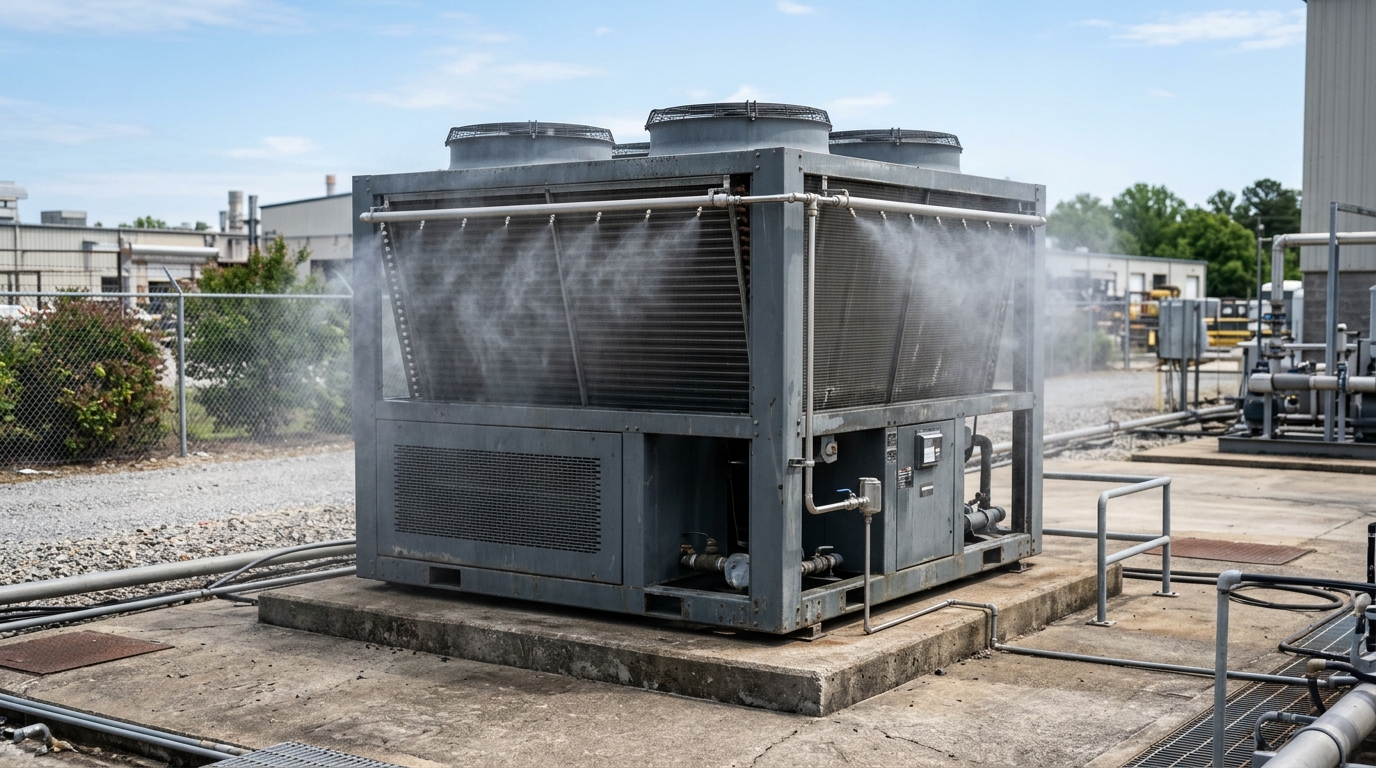
An adiabatic dry cooler is a hybrid heat rejection unit that increases the capacity of a conventional dry cooler by pre-cooling the inlet air during hot hours using humidification pads or misting. Since the performance of dry coolers drops at summer peak temperatures and switching to open systems with high water consumption is not always desirable, this solution aims to strike a balance between water and energy. In this article, we discuss the operating principle of adiabatic pre-cooling, pad and misting methods, water management, hygiene issues and selection criteria.
Table of Contents
- How Does an Adiabatic Dry Cooler Work?
- What Is the Difference Between a Pad System And a Misting System?
- How Long Is the Adiabatic Mode Active per Year?
- How Are Water Quality And Water Consumption Managed?
- What Should Be Considered in Terms of Hygiene And Maintenance?
- What Should Be Considered When Selecting an Adiabatic Dry Cooler?
- Frequently Asked Questions
How Does an Adiabatic Dry Cooler Work?
When the outdoor air rises above a certain temperature, an adiabatic dry cooler cools the air entering the coil by making use of the evaporation of water, thus enabling lower fluid outlet temperatures to be reached. In cool periods, the unit operates entirely in dry mode, like a conventional dry cooler.
Through evaporation, the dry-bulb temperature of the air approaches the wet-bulb temperature; the amount of pre-cooling that can be achieved depends on the relative humidity of the air. While this effect is pronounced in dry climates, it remains more limited in humid climates. Therefore, the adiabatic gain should be calculated per project using site climate data.
What Is the Difference Between a Pad System And a Misting System?
A pad system cools the air by passing it through wetted porous pads, while a misting system sprays water directly into the air stream in the form of fine droplets. In both methods, the aim is to lower the temperature of the air reaching the coil; the difference lies in how the water comes into contact with the air.
Pad systems generally reduce the risk of droplet carry-over and do not wet the coil directly, but they create additional air resistance and the pads need to be replaced periodically. Misting systems can offer lower air resistance; on the other hand, nozzle maintenance, water quality and droplets reaching the coil must be managed more carefully. The selection is made according to water quality, maintenance capability and coil protection.
How Long Is the Adiabatic Mode Active per Year?
The adiabatic mode is activated only during hours when the outdoor temperature exceeds the set threshold value and dry operation cannot provide the desired outlet temperature. In many climates, this period corresponds to a small part of the year; however, the exact value varies according to the site and set points.
The benefit of this approach is that the peak load can be met without the need to oversize the equipment for the hottest hours. Thus, target temperatures can be reached with a more compact unit or less fan power. The control strategy makes it possible to adjust the balance between water consumption and energy savings according to the operator's priorities.
How Are Water Quality And Water Consumption Managed?
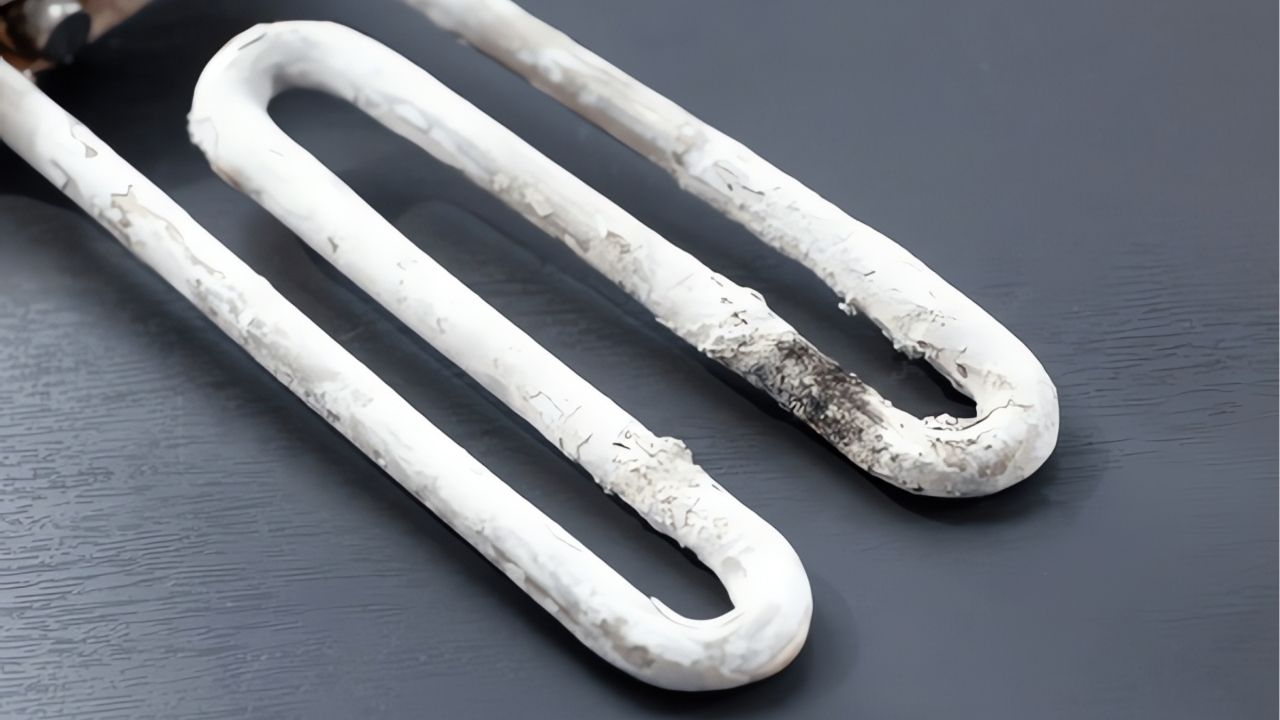
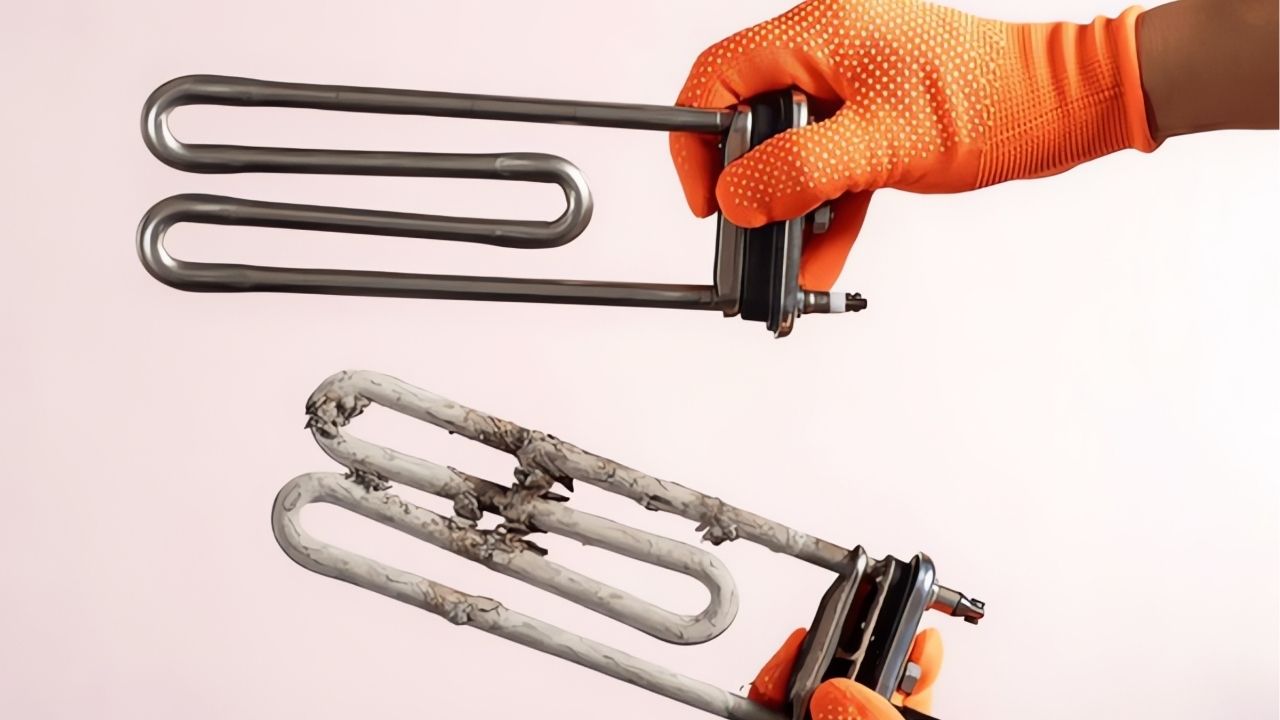
Water quality and consumption are managed through appropriate water treatment, a controlled supply quantity and running the adiabatic mode only when necessary. Since hardness, dissolved minerals and suspended solids can cause scaling and clogging in pads and nozzles, the supply water should be analyzed.
Some systems use the water in a single pass, while others recirculate it at a certain rate; each approach has different effects on water consumption and maintenance load. Which water treatment method is required is determined according to the local water analysis and the manufacturer's recommendations. Water consumption is also calculated per project according to operating hours and climate conditions.
What Should Be Considered in Terms of Hygiene And Maintenance?
In terms of hygiene, the basic rule is to prevent stagnant water accumulation, to drain the water during periods when the system is not in use and to carry out regular cleaning. In any system where water and air come into contact, microbiological risks must be managed in accordance with local regulations.
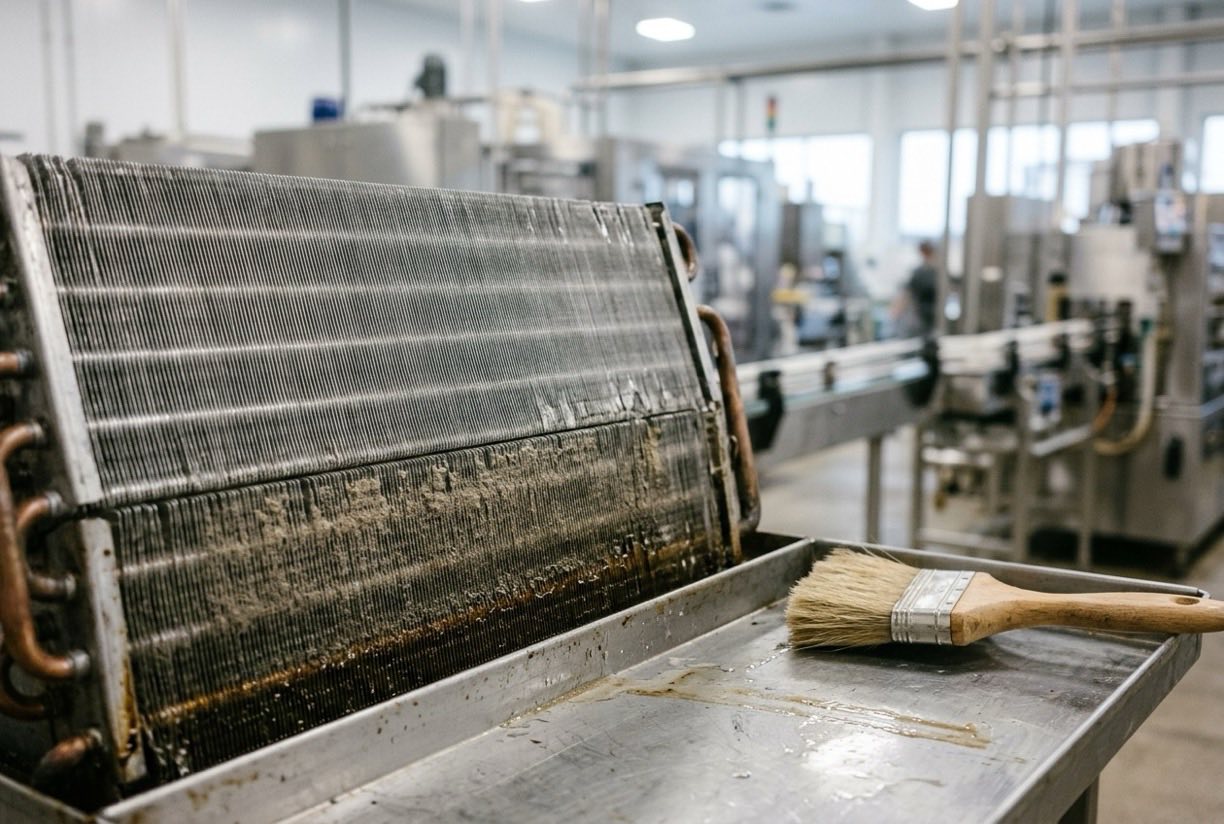
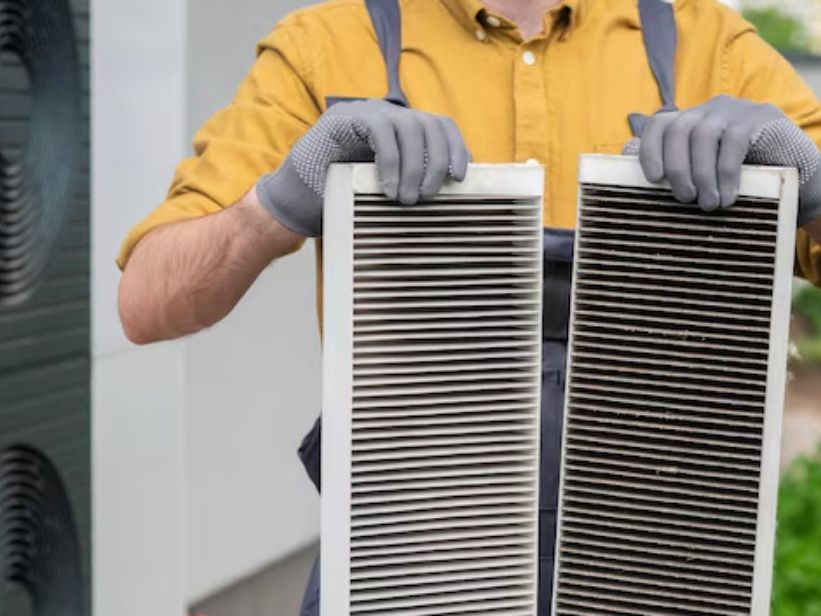
The maintenance plan should cover inspection of pads or nozzles, replacement of filters, functional tests of the water line and valves, and monitoring of the coil condition. Draining the water lines before winter prevents frost damage. Maintenance frequency should be determined specifically for the facility according to water quality and operating hours.
What Should Be Considered When Selecting an Adiabatic Dry Cooler?
Selecting an adiabatic dry cooler requires evaluating water and climate data in addition to the conventional capacity calculation. The following items can serve as a guide during the selection process:
- Site climate, design dry-bulb and wet-bulb temperatures
- Water access, water analysis and permitted water consumption
- Pad or misting method, coil protection and air resistance
- Hygiene requirements, maintenance capability and control strategy
To evaluate whether an adiabatic solution is suitable for your facility, you can share your site and load information with the Günay Soğutma technical team.
Frequently Asked Questions
Is an adiabatic dry cooler the same as a cooling tower?
No; in an adiabatic unit the process fluid remains in a closed circuit and water is used only to pre-cool the inlet air.
Does adiabatic pre-cooling work in humid climates?
Since the effect depends on the humidity of the air, the gain may be more limited in humid climates; the benefit should be calculated with site data.
Does the adiabatic system operate in the winter months?
Generally no; in the cool period the unit operates in dry mode and the water lines are drained against the risk of freezing.
When are the pads replaced?
The replacement interval depends on water quality, operating hours and ambient pollution; it is determined by regular visual inspection.
Does a misting system damage the coil?
If suitable water quality and correct nozzle placement are not ensured, deposits may form on the coil surface; therefore, water treatment and design are important.
Can adiabatic pre-cooling be added to an existing dry cooler?
It may be possible if the unit's structure and fan capacity are suitable; the additional air resistance and coil protection must be examined.
How can I get a recommendation for my own facility?
You can request a project-specific evaluation by forwarding your capacity, fluid temperatures, site location and water information to the Günay Soğutma team.