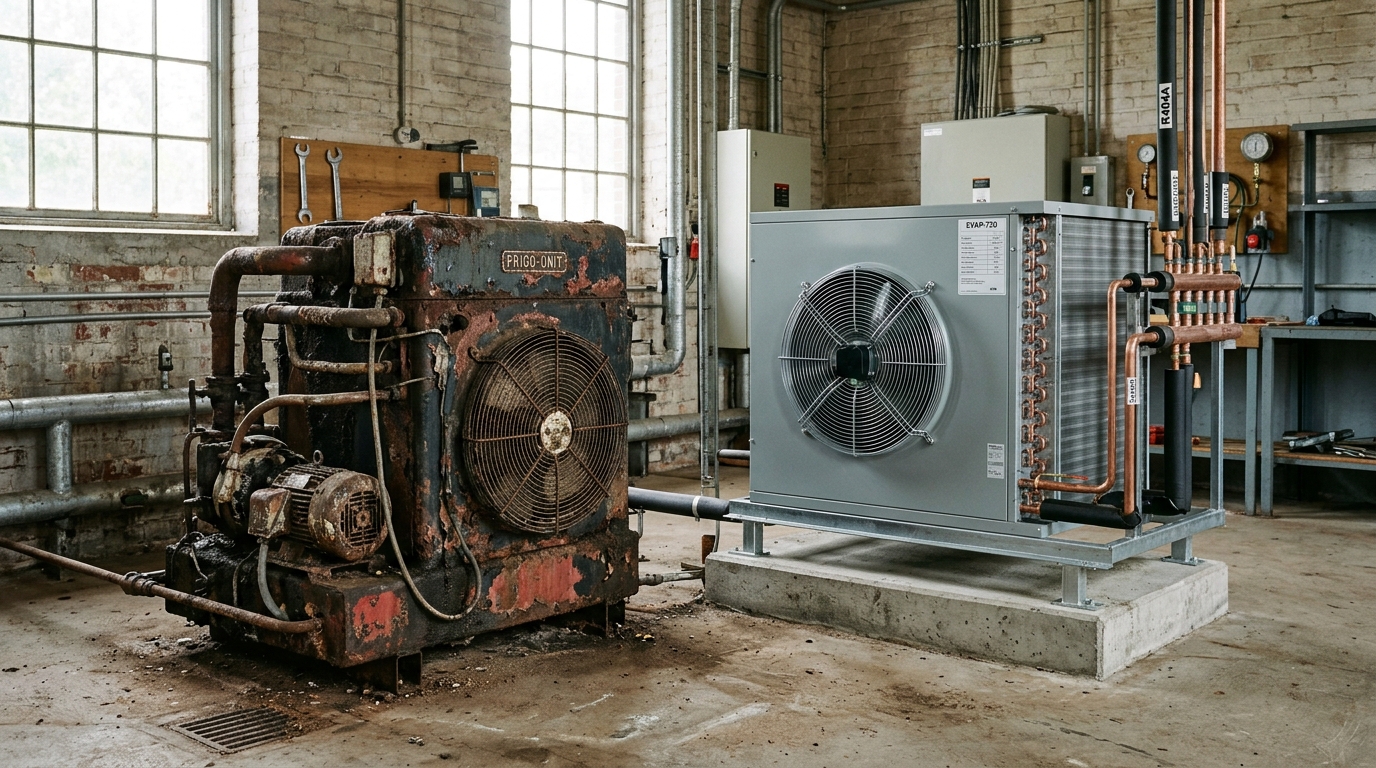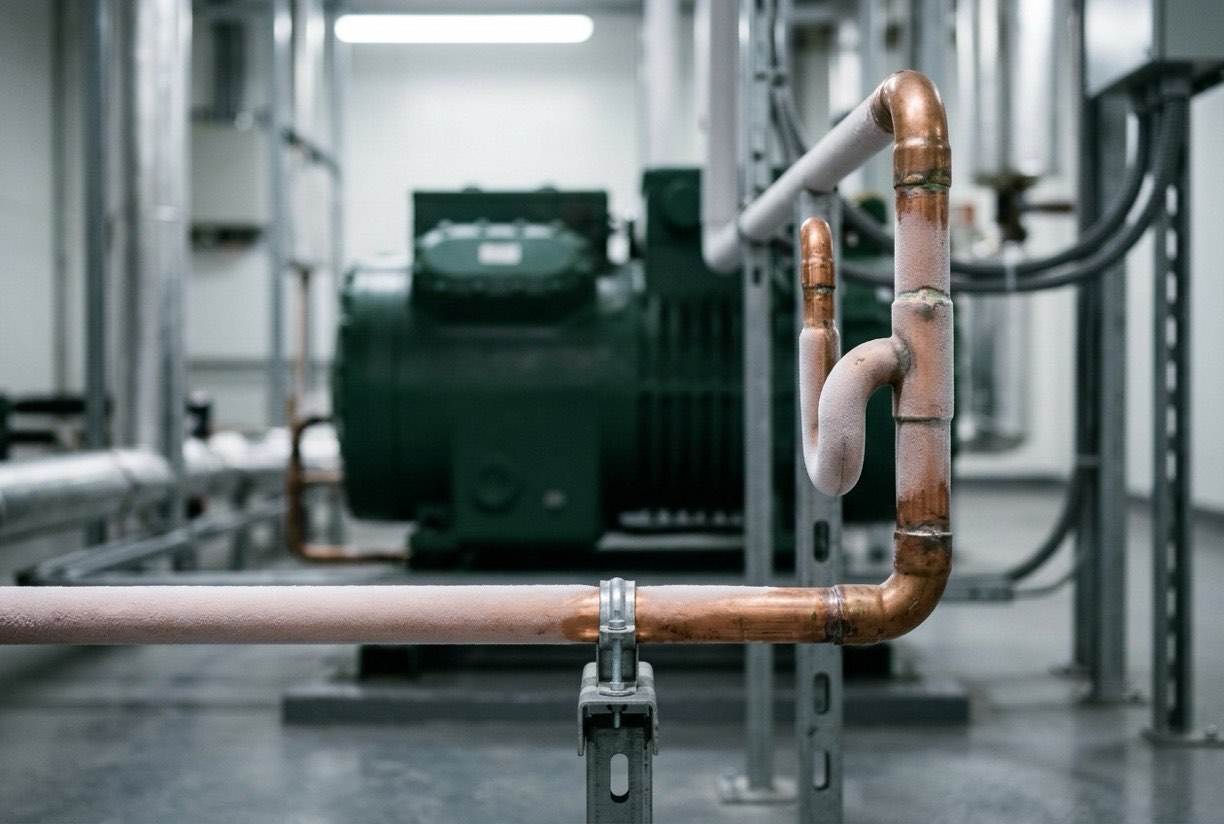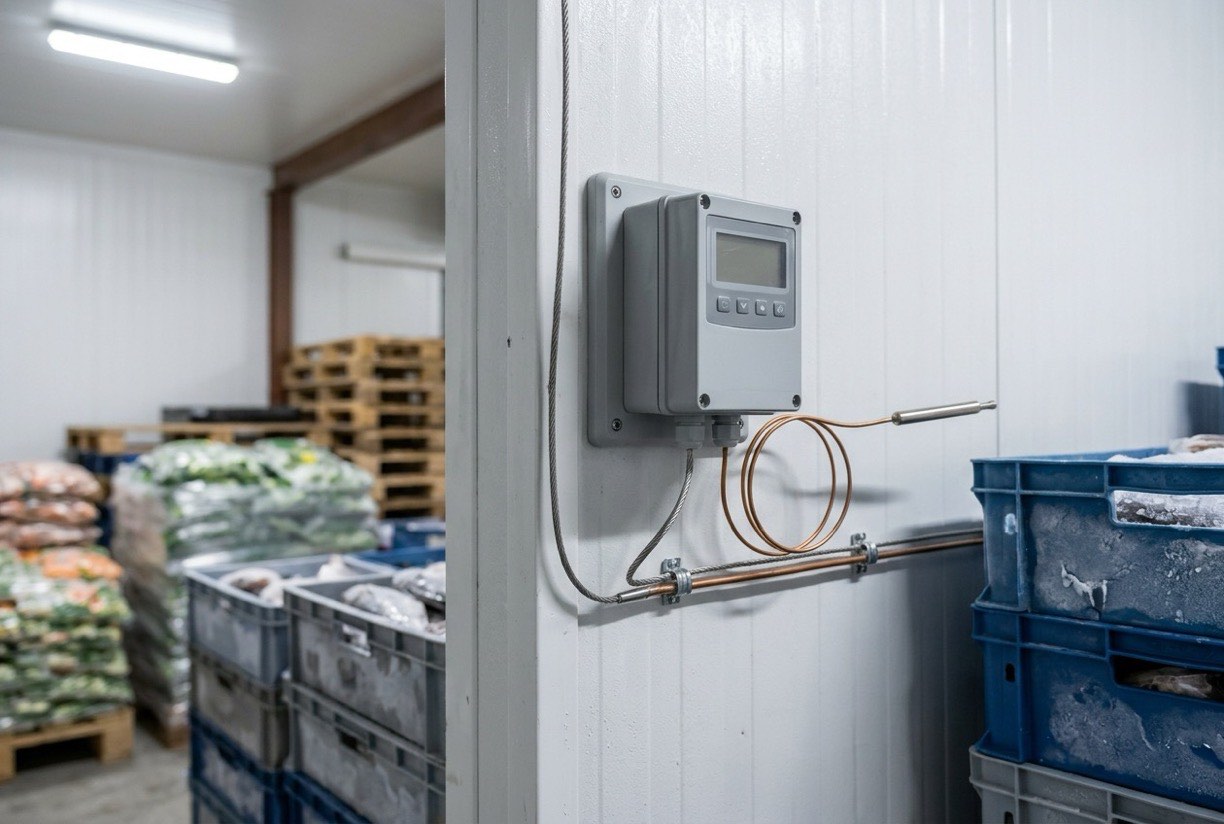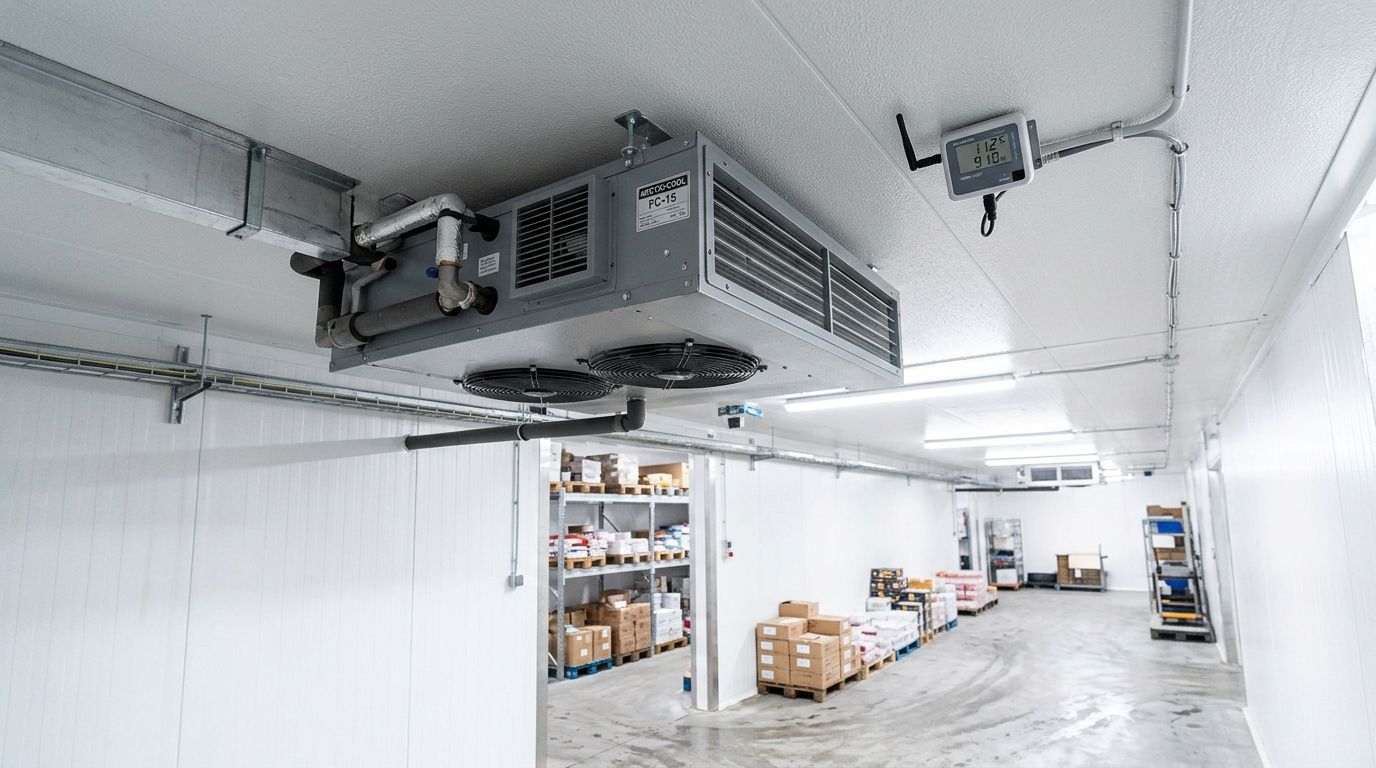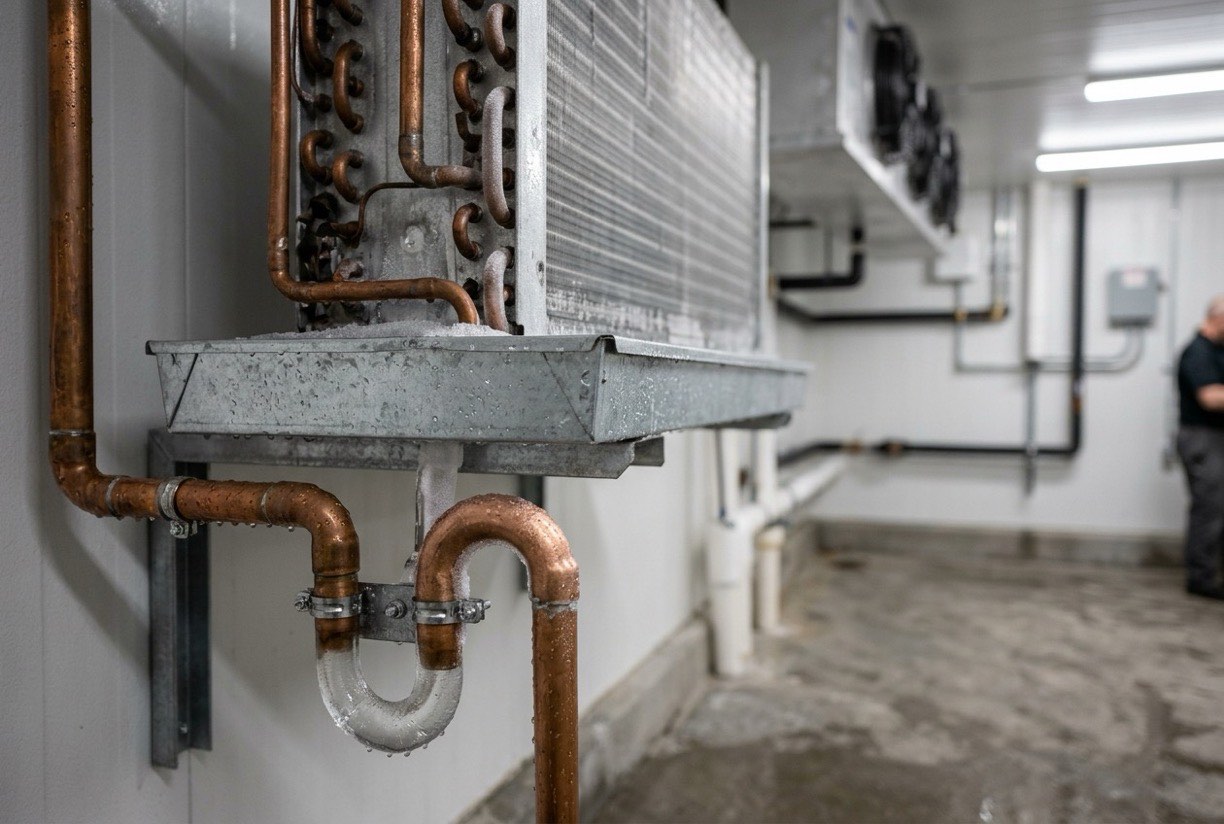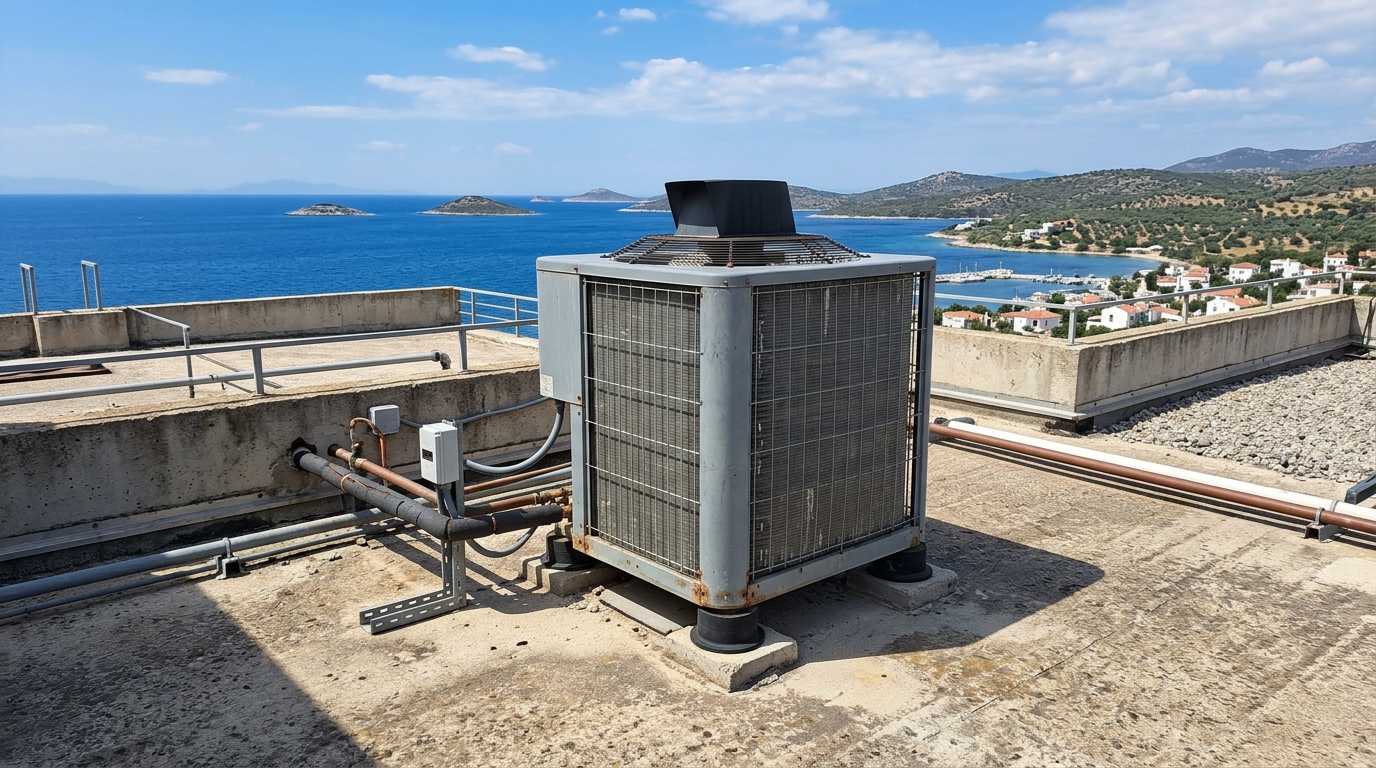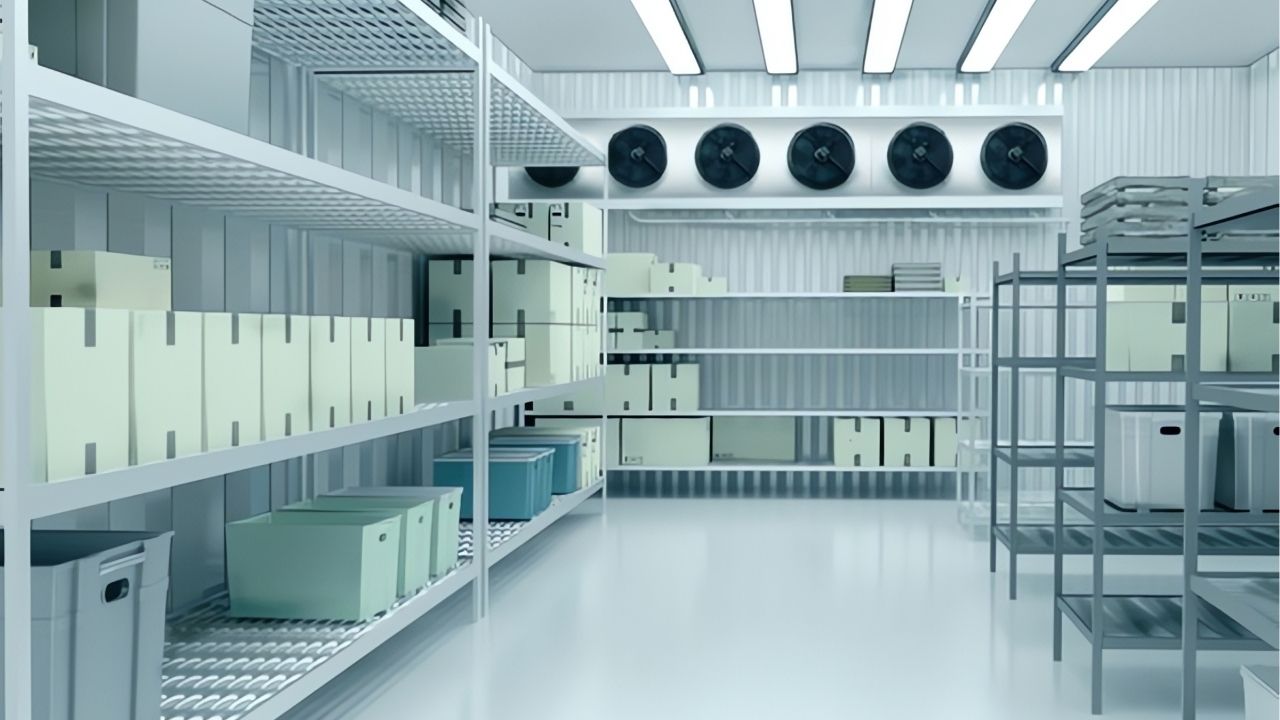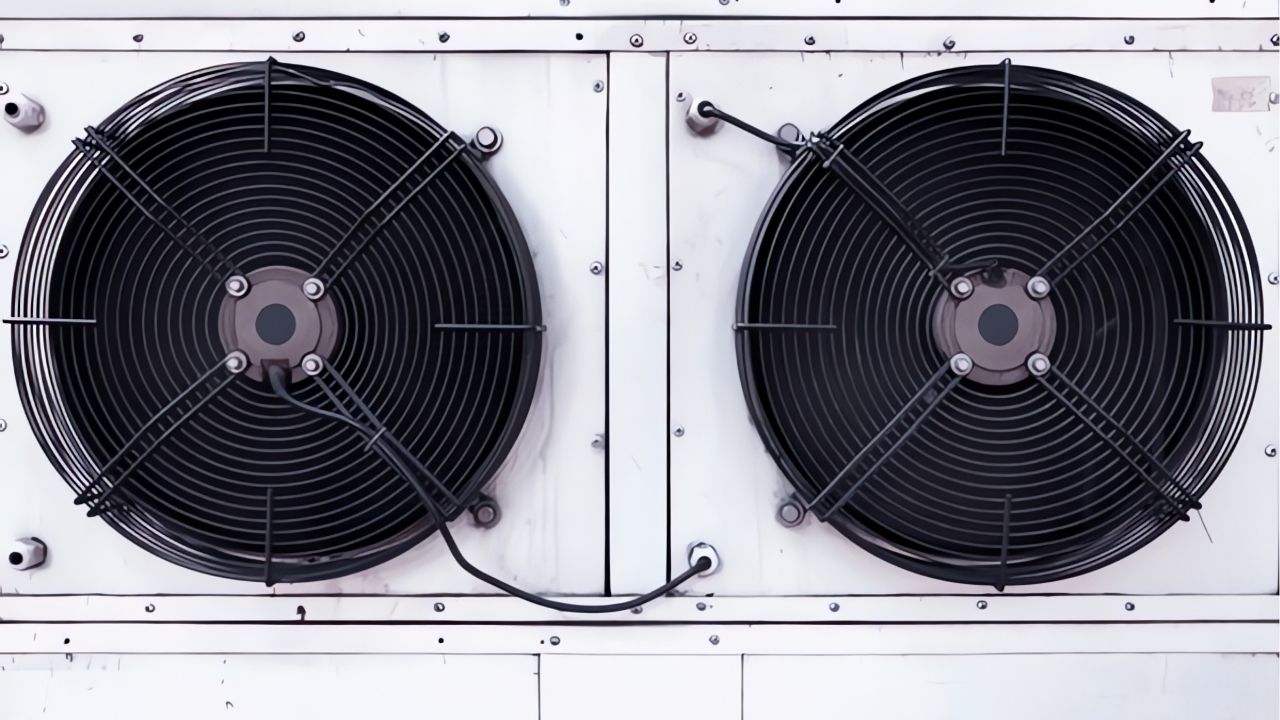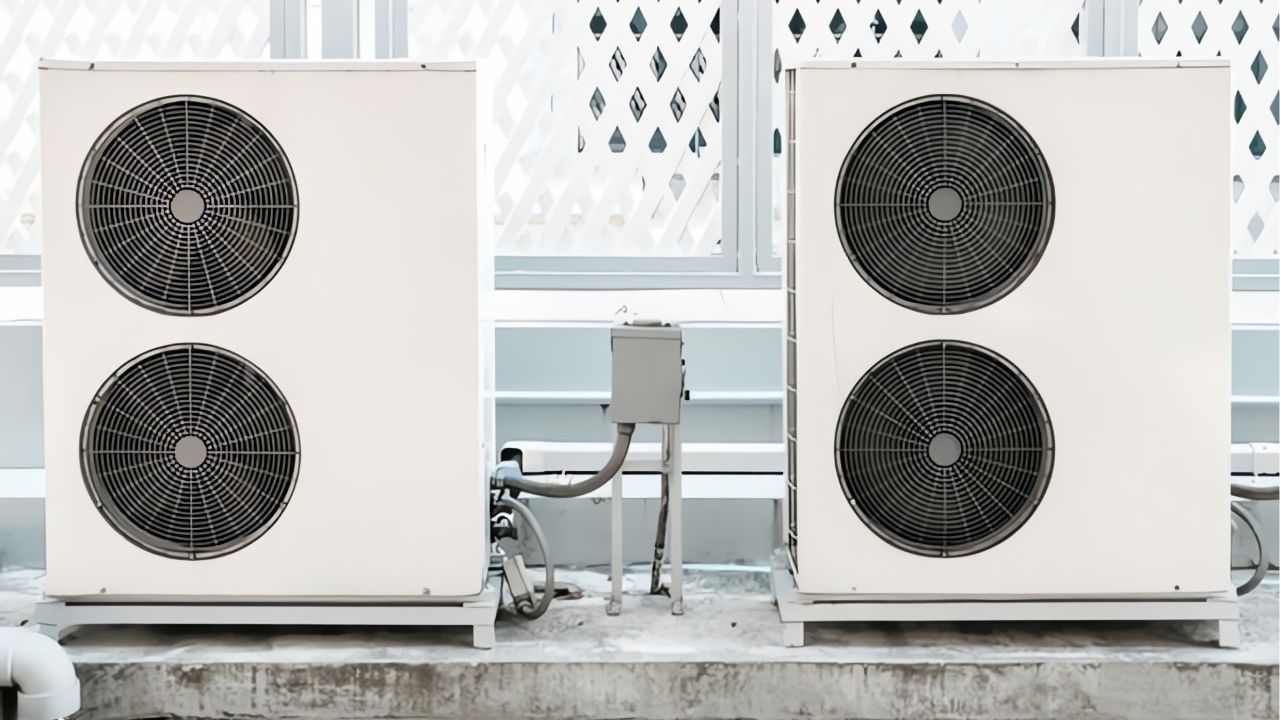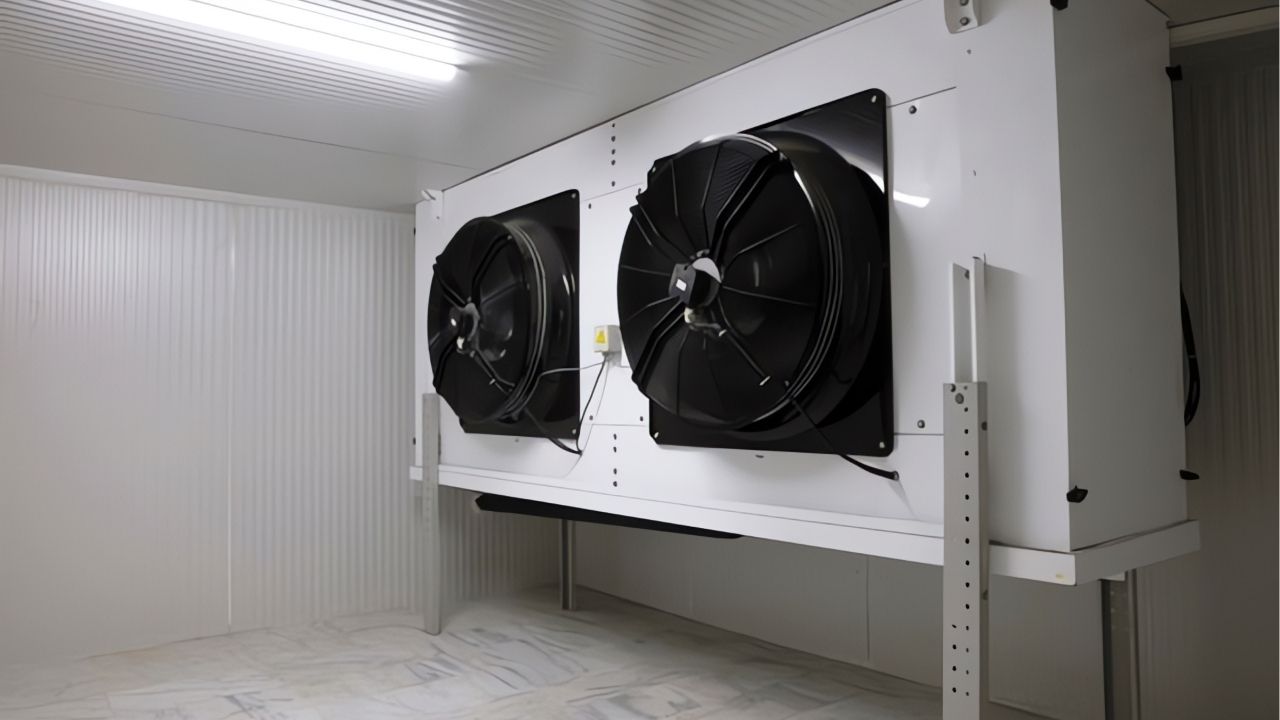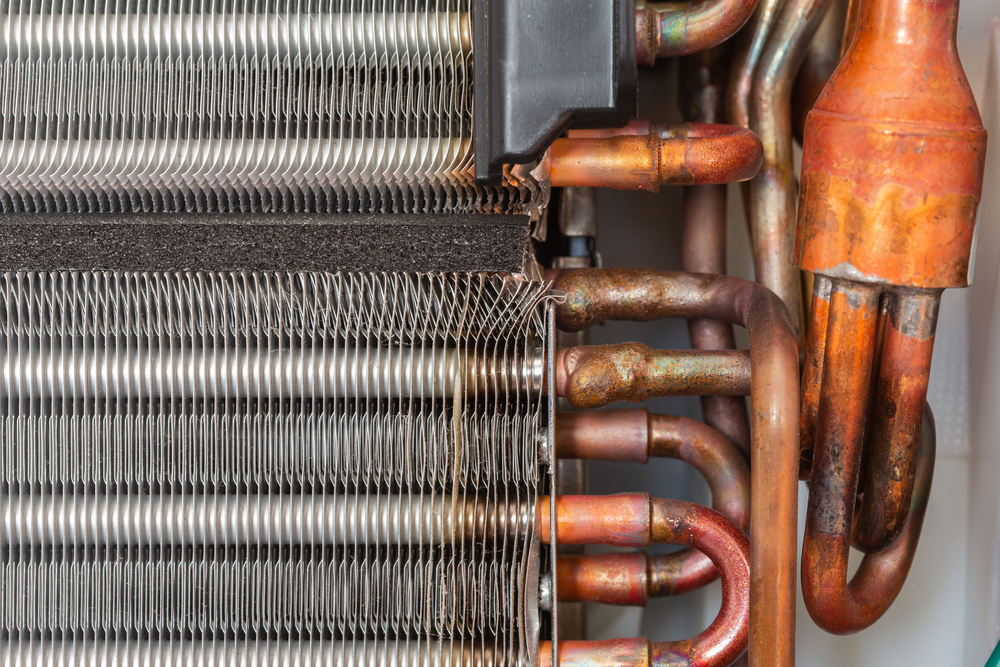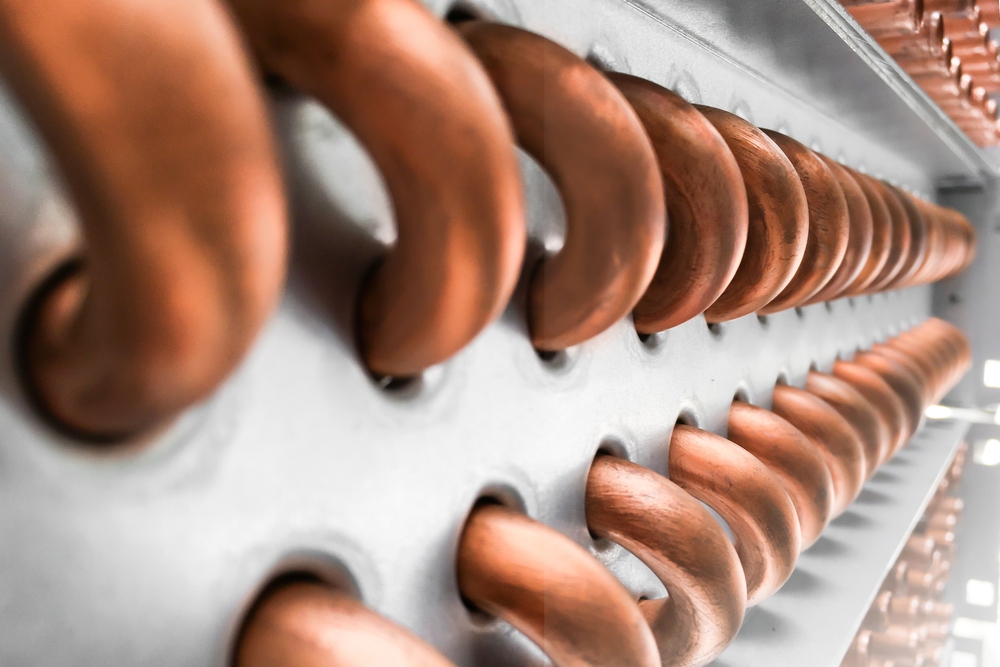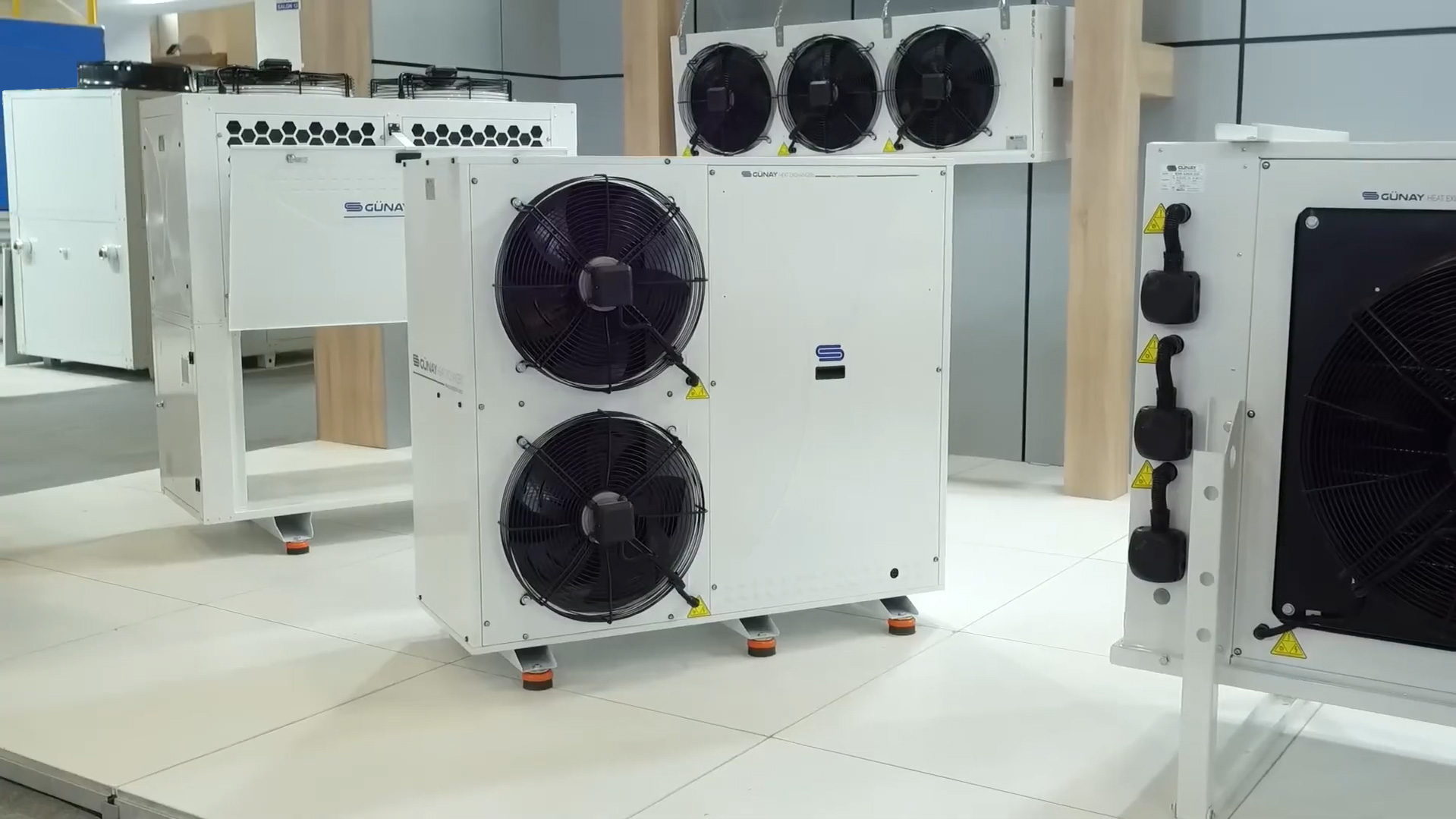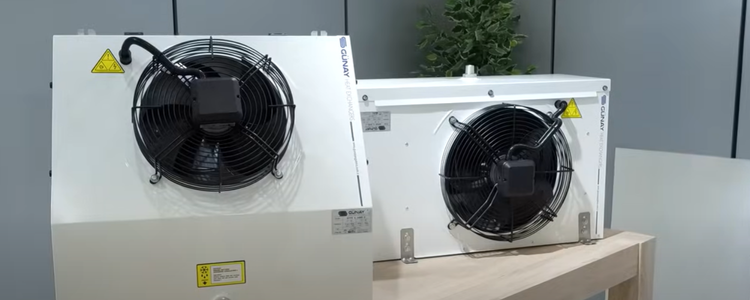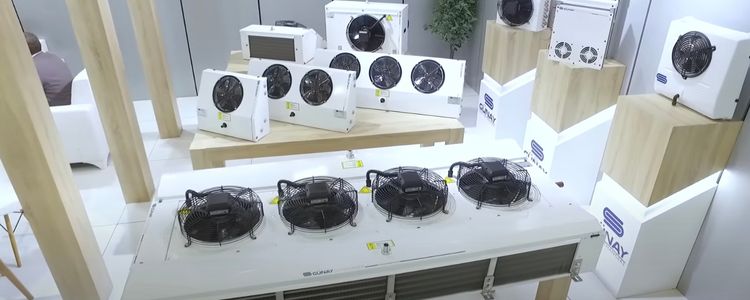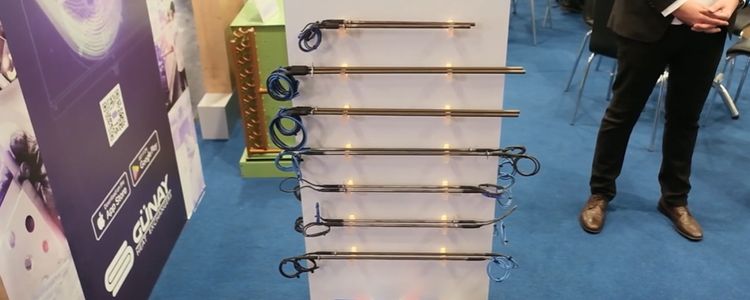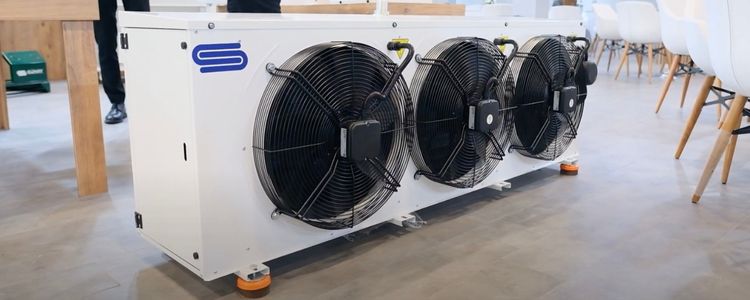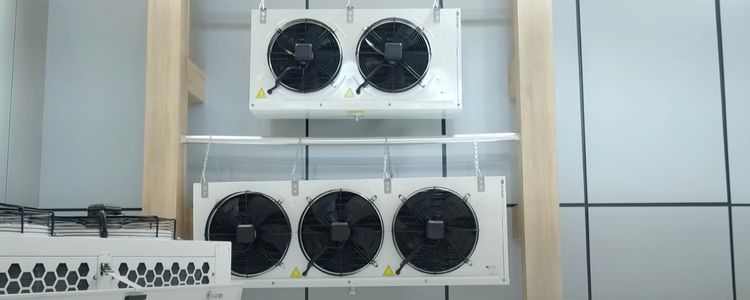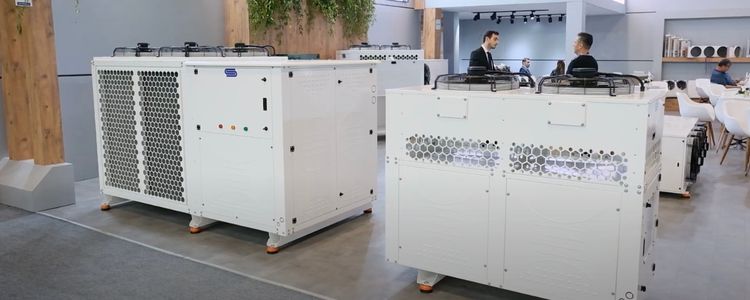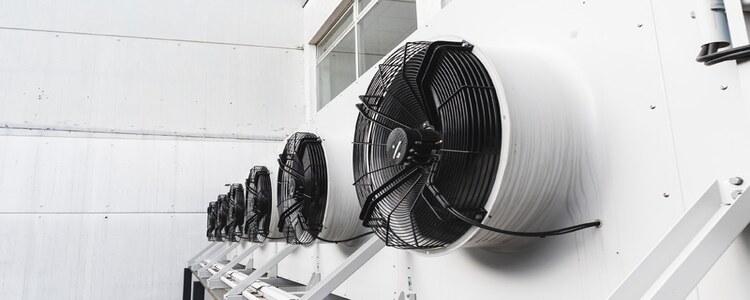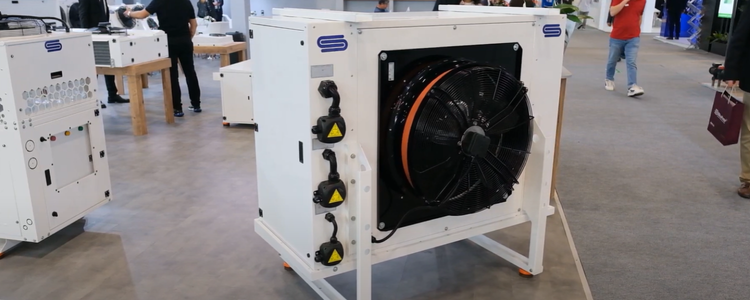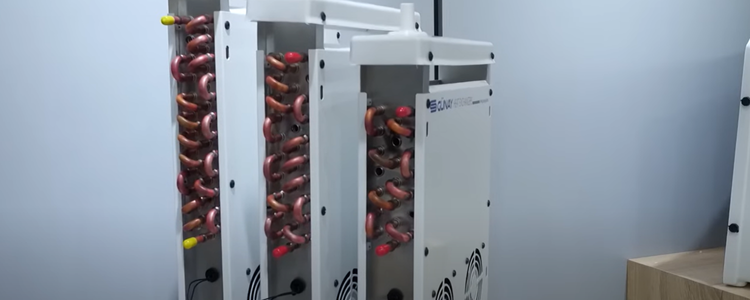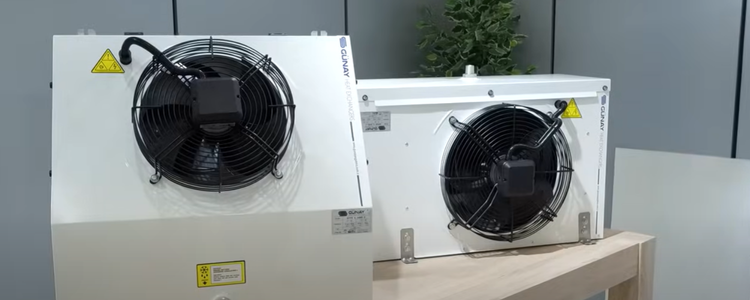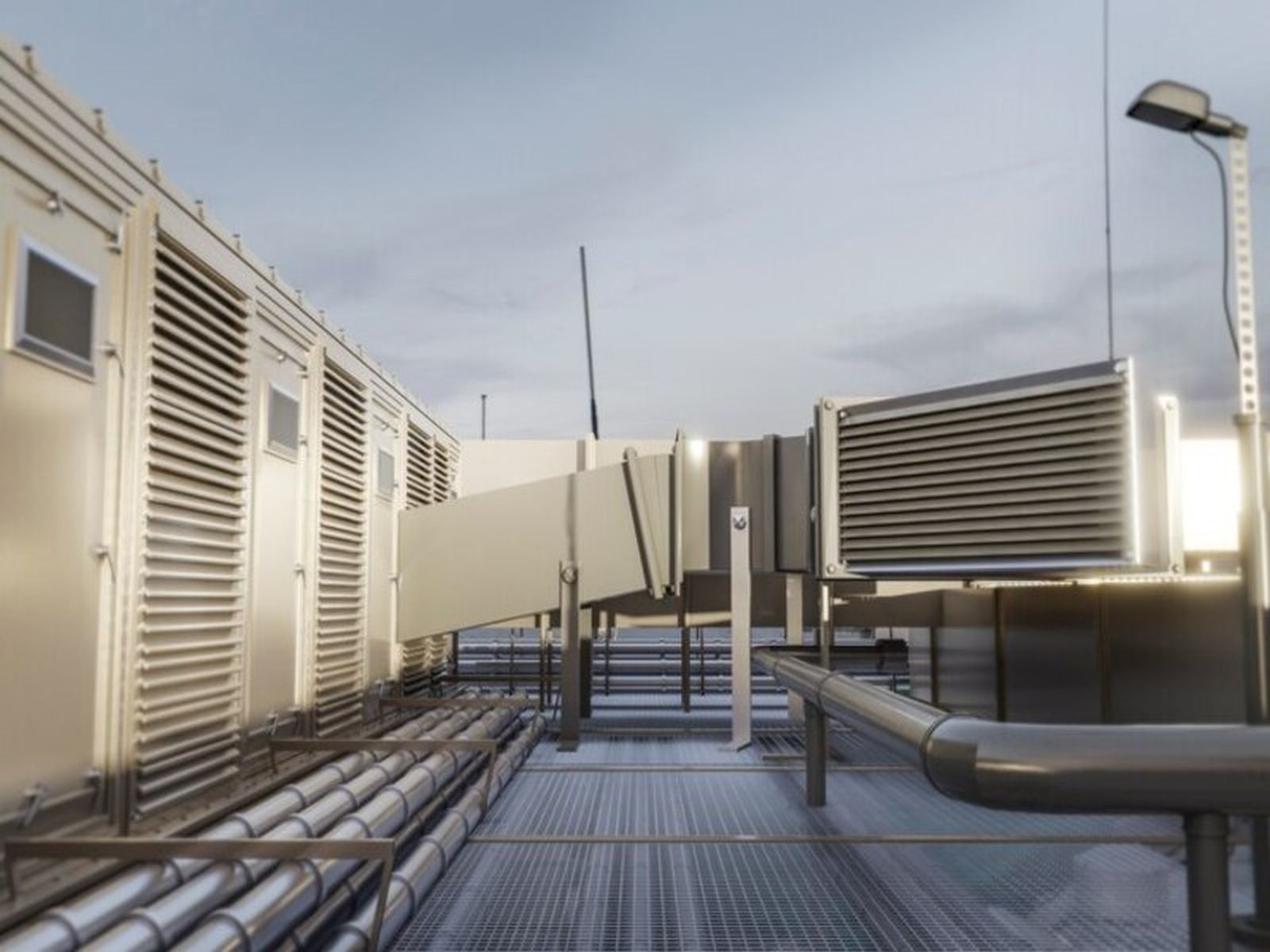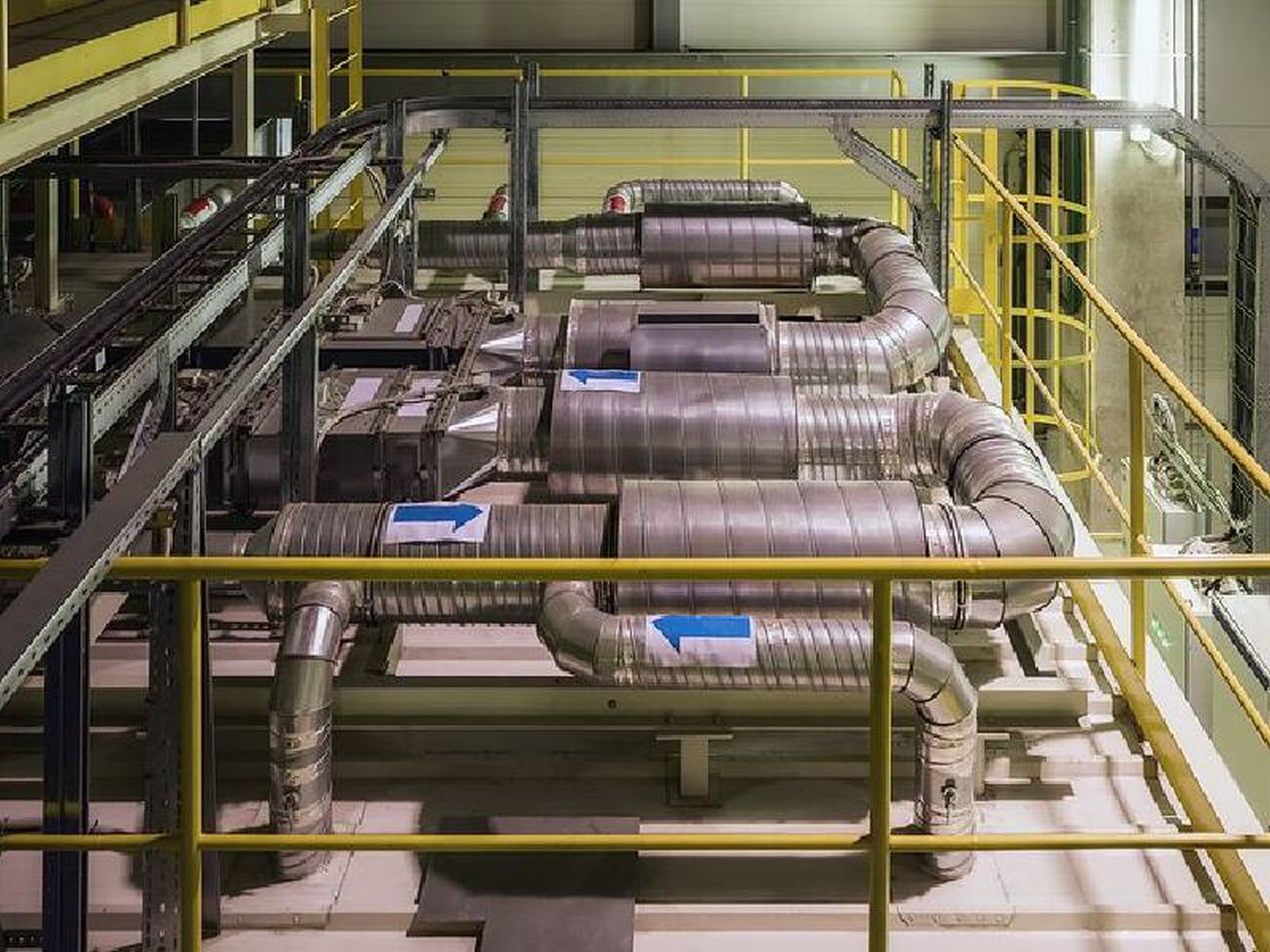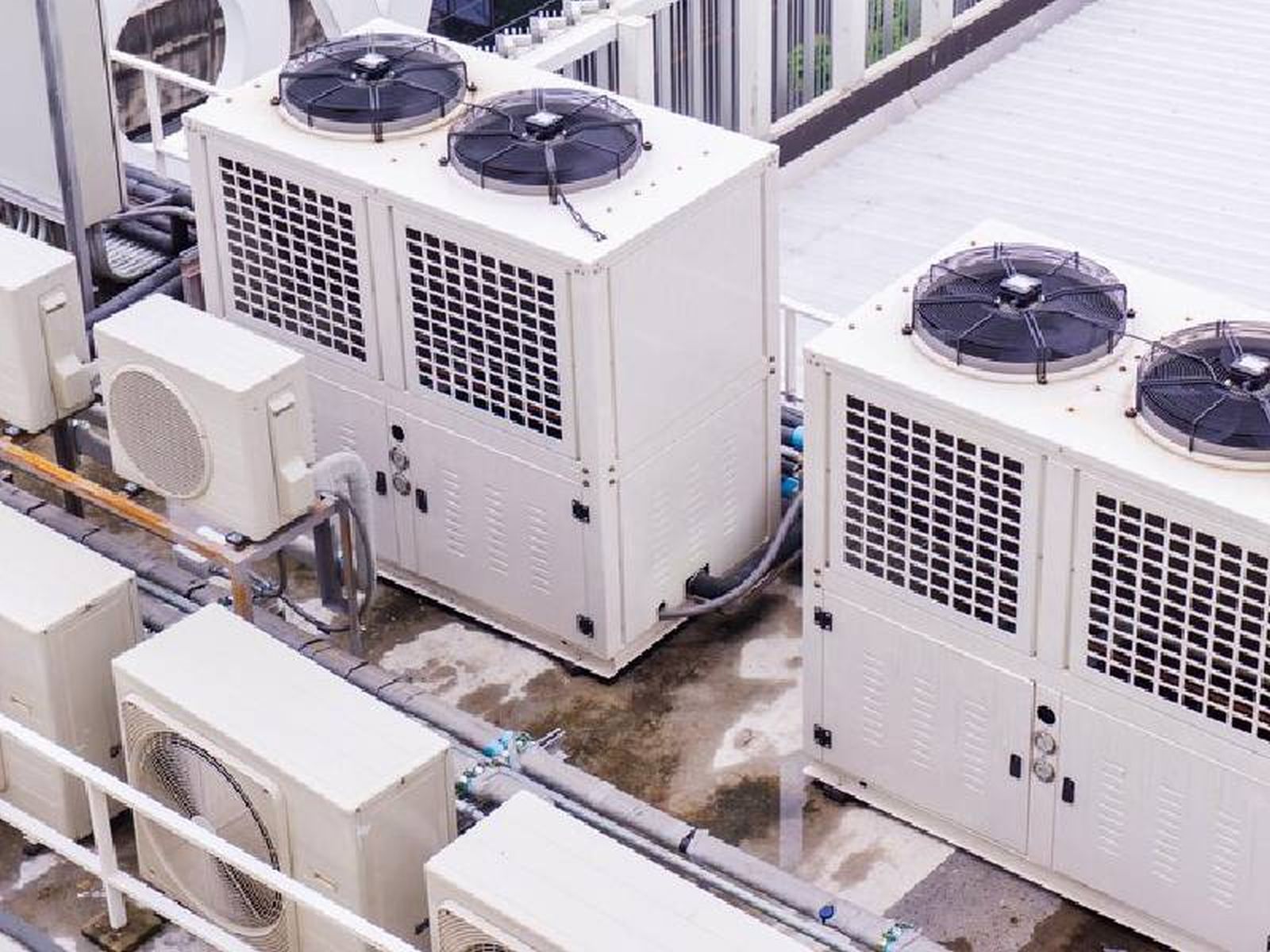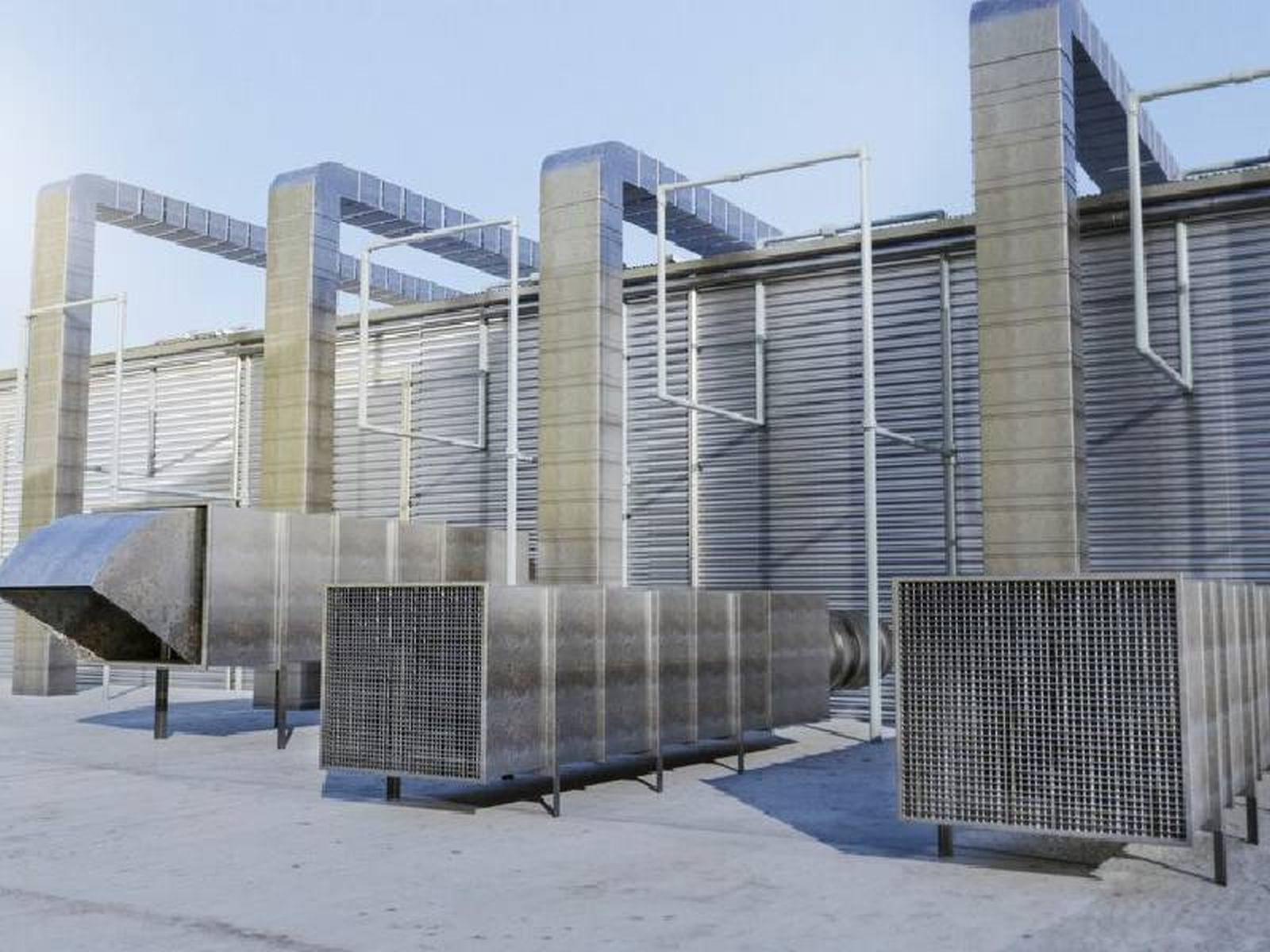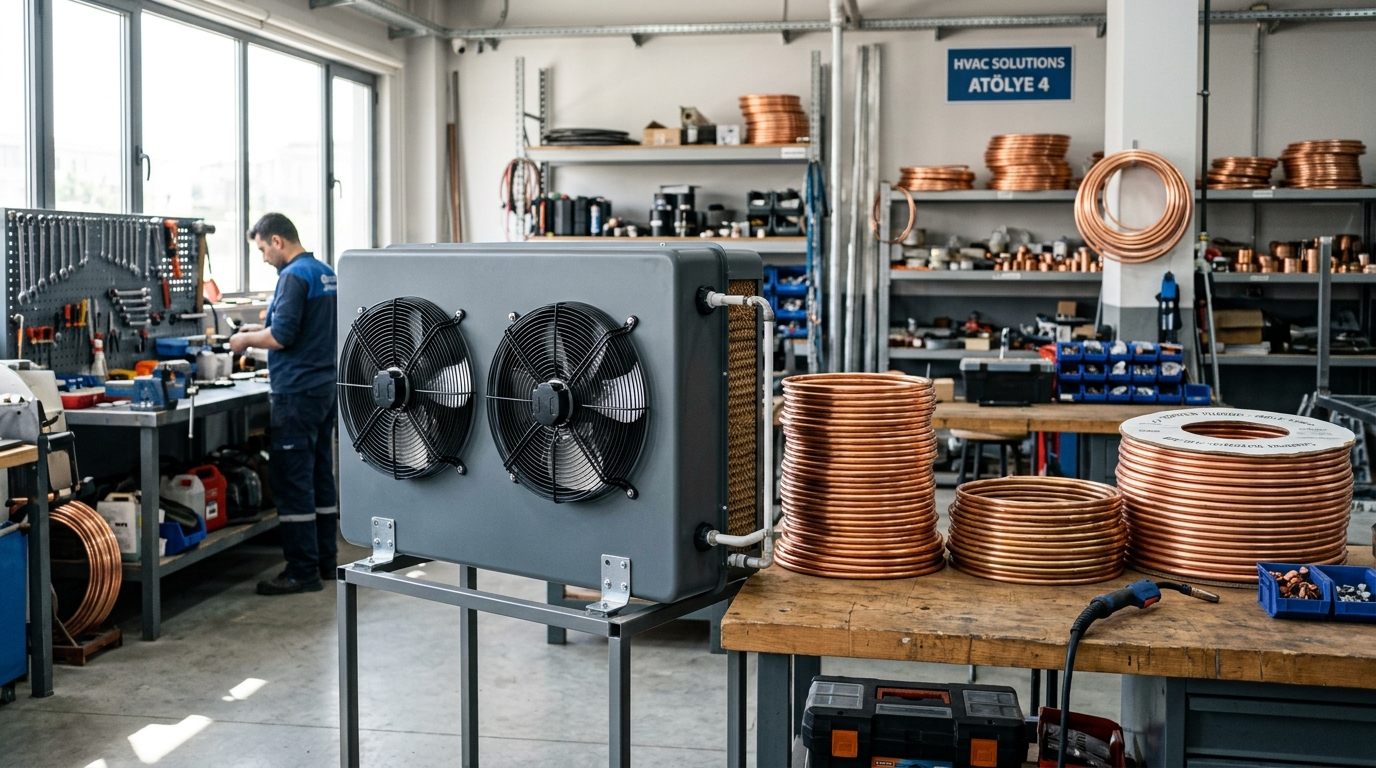
CO₂ (R744) and propane (R290) are natural refrigerants that are increasingly preferred in commercial and industrial refrigeration due to their low global warming potential. However, since the pressure levels, flammability classes and thermophysical properties of these two fluids are very different from each other, it is often not appropriate to directly use an evaporator designed for conventional HFCs. In this article, we discuss pressure resistance, tube and circuit design, charge amount, safety approach, defrost and selection criteria for CO₂ and R290 evaporators.
Table of Contents
- Why Are CO₂ And R290 Evaporators Designed Differently?
- How Is Pressure Resistance Achieved in a CO₂ Evaporator?
- How Is the Charge Amount Reduced in an R290 Evaporator?
- How Do Tube Diameter And Number of Circuits Affect Performance?
- How Are Defrost And Safety Measures Planned?
- What Should Be Considered When Selecting an Evaporator with Natural Refrigerant?
- Frequently Asked Questions
Why Are CO₂ And R290 Evaporators Designed Differently?
CO₂ and R290 evaporators are designed differently because the operating pressures, flammability characteristics and heat transfer behavior of these fluids differ markedly from those of HFCs. While CO₂ operates at very high pressures, R290 is a medium-pressure refrigerant but is flammable; these two different constraints also differentiate the priorities of the design.
On the CO₂ side, the prominent issues are mechanical strength and the corresponding tube wall thickness, header and connection details. On the R290 side, the priority is to keep the total amount of fluid in the system limited, to ensure tightness and to comply with the safety requirements of the area where the installation will take place. In both cases, the evaporator is a component that must be evaluated together with the rest of the system.
How Is Pressure Resistance Achieved in a CO₂ Evaporator?
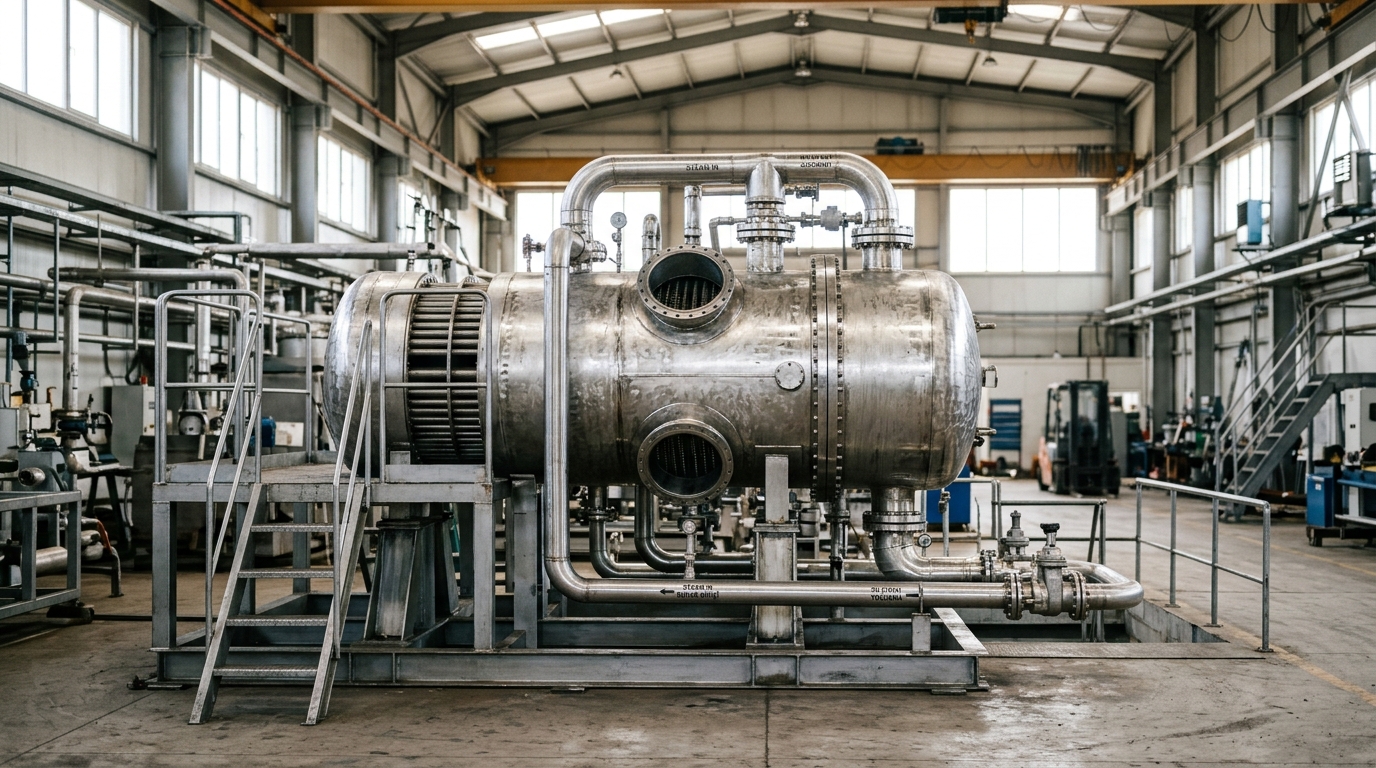
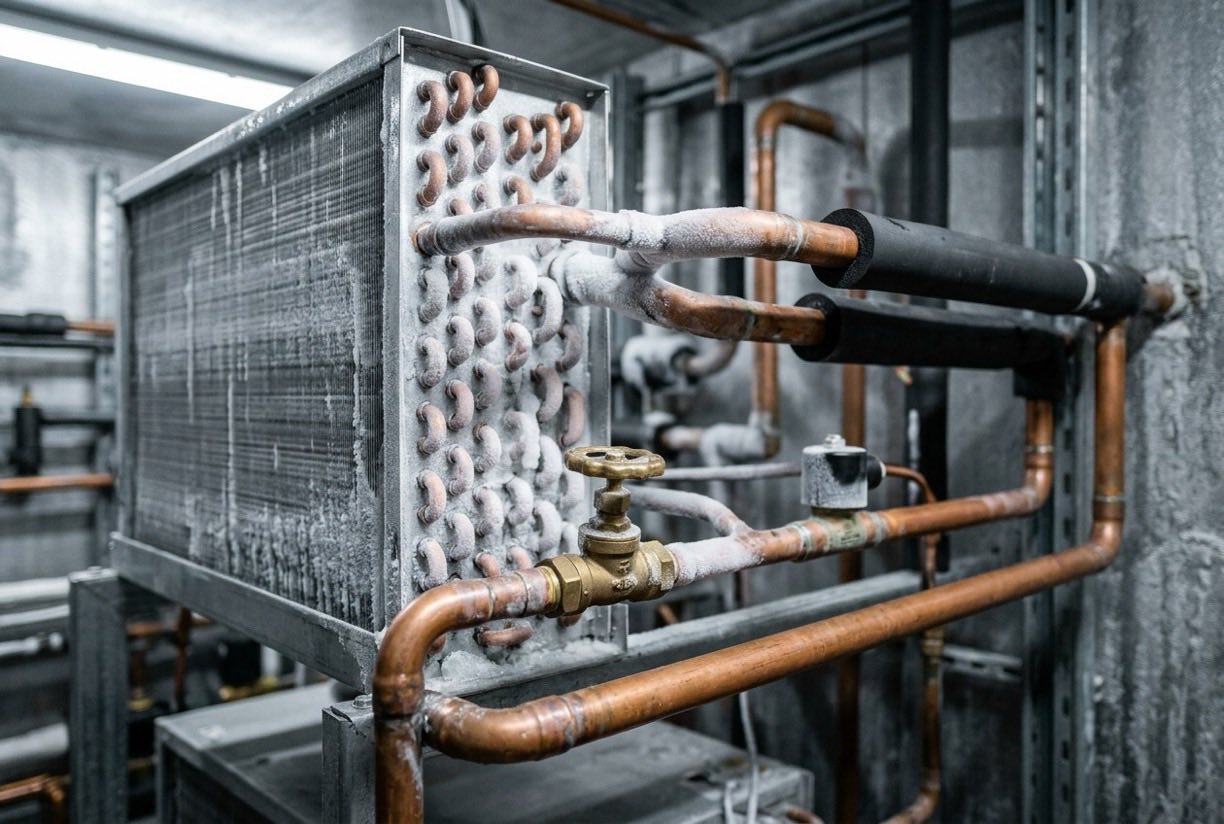
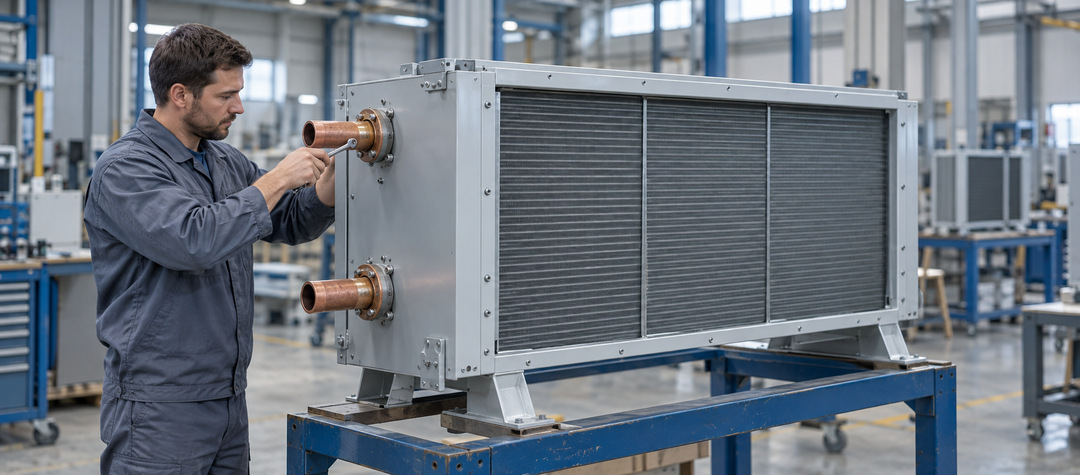
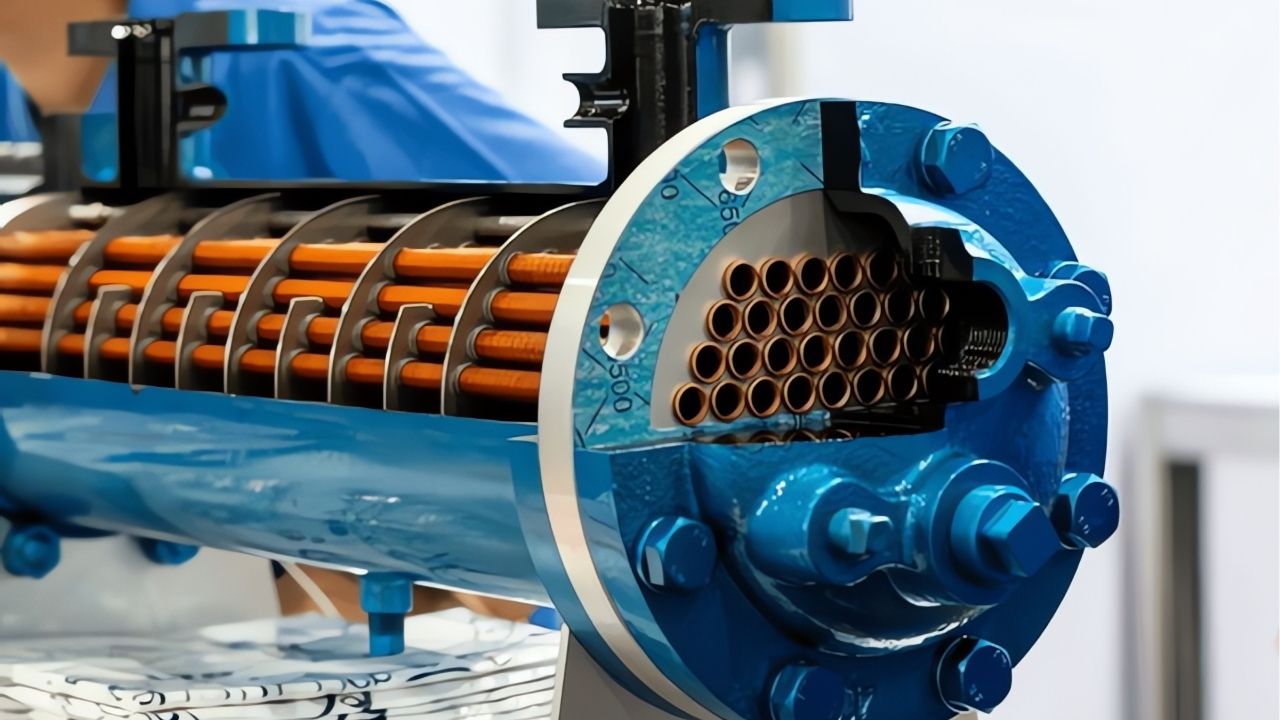
In a CO₂ evaporator, pressure resistance is achieved with tubes of suitable material and wall thickness, headers designed accordingly, and tested brazing and connection details. The design pressure is determined specifically for each project according to the system type, standstill pressure and the settings of the safety equipment.
Since the saturation pressure of CO₂ rises rapidly as the ambient temperature increases when the system is at standstill, the evaporator must withstand not only operating conditions but also standstill conditions. For this reason, pressure and leak tests during production, traceability of the materials used and welding/brazing quality are critical quality steps for CO₂ equipment.
How Is the Charge Amount Reduced in an R290 Evaporator?
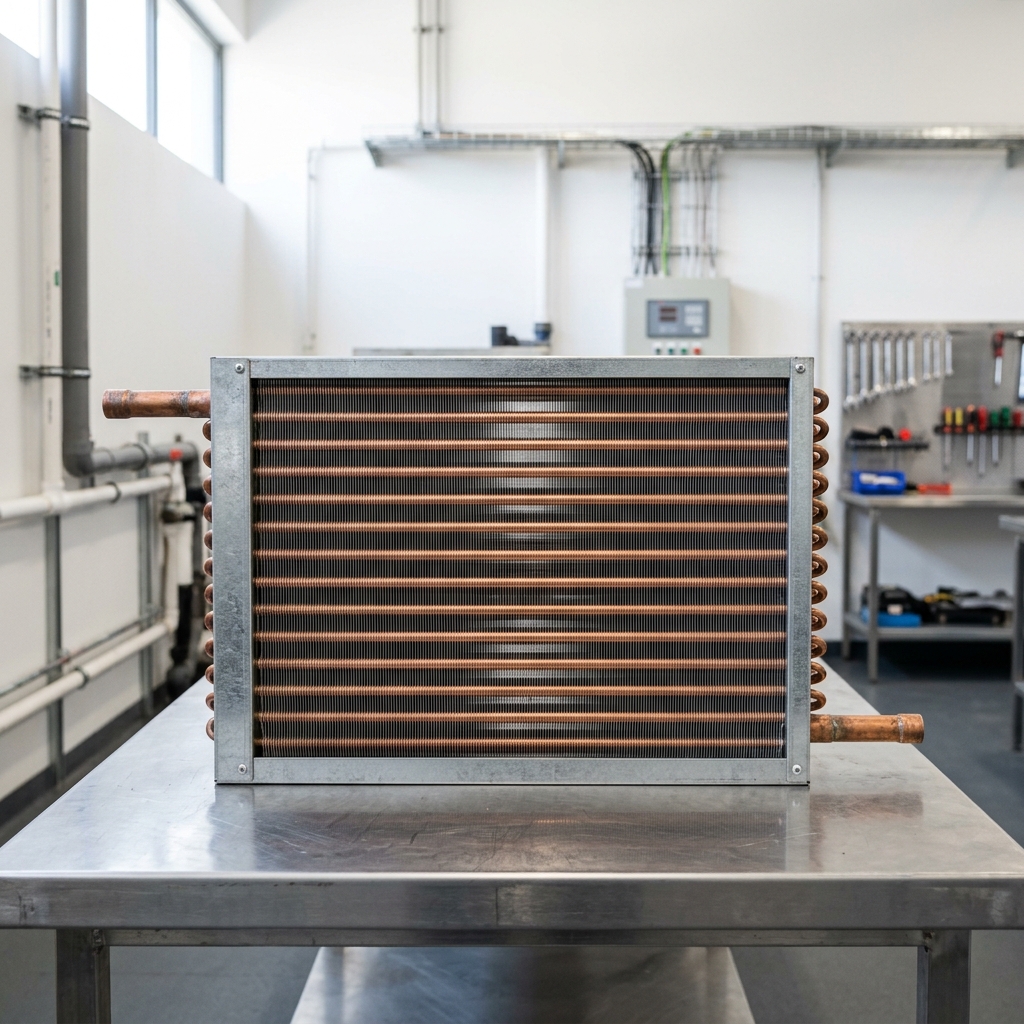
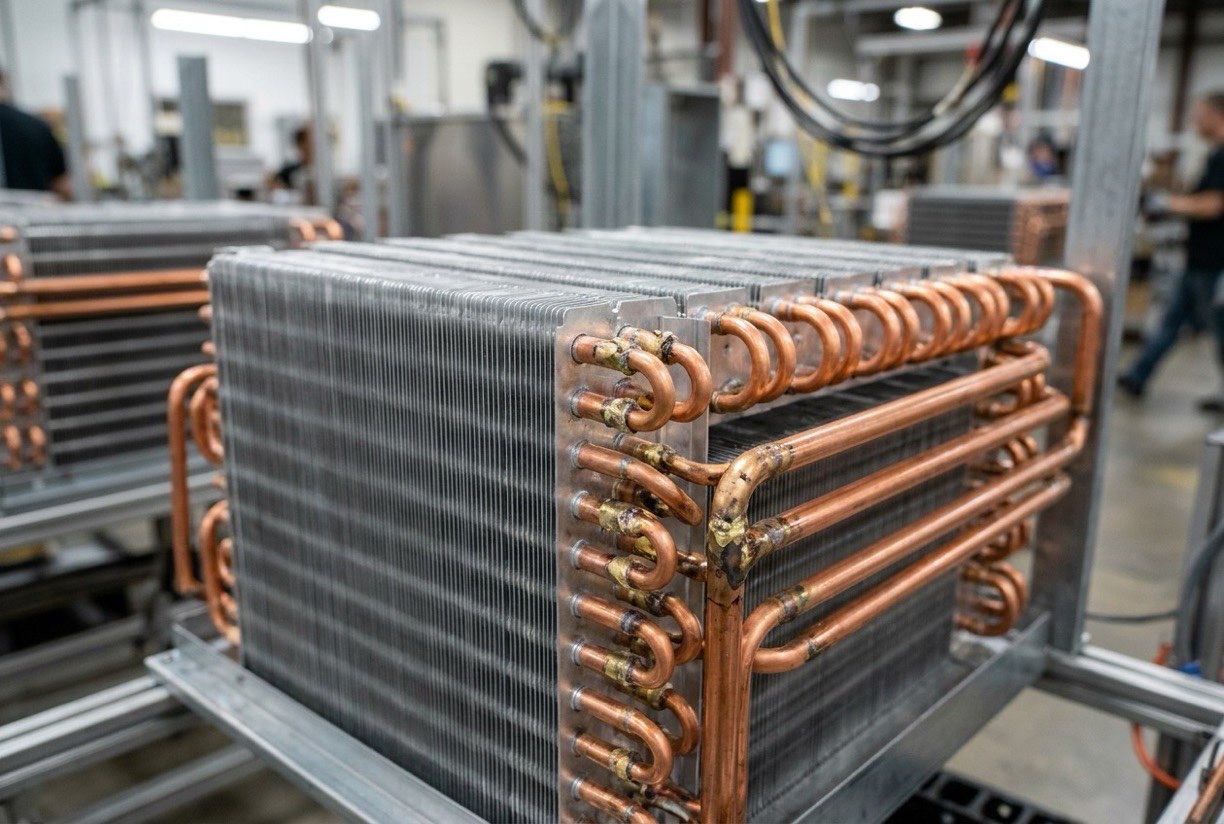
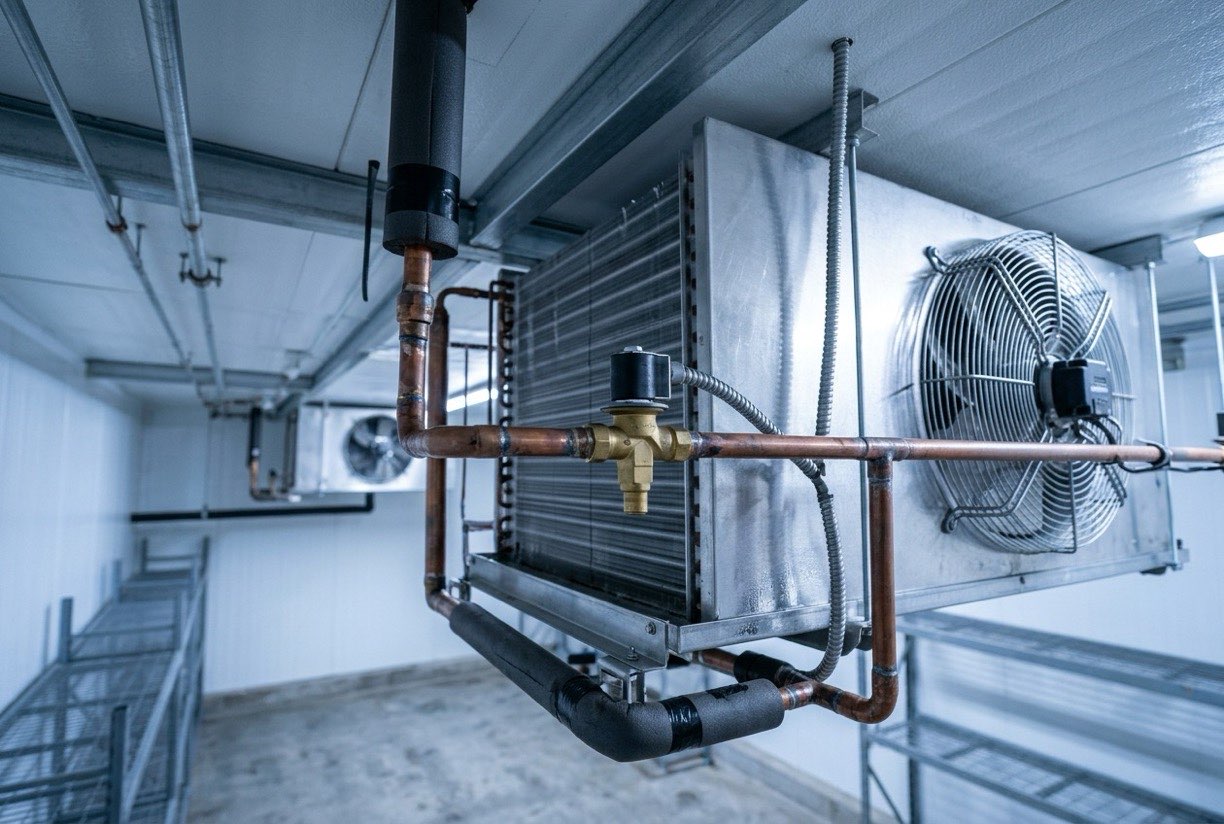
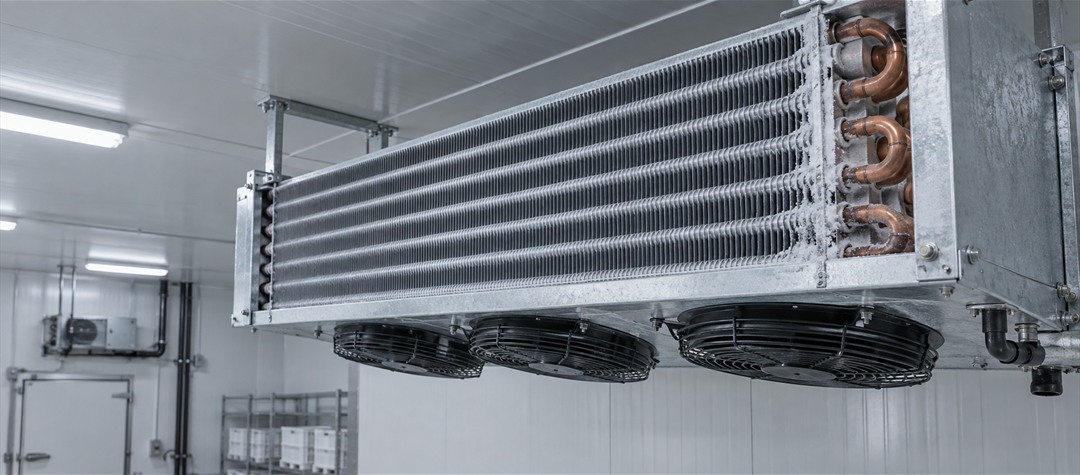
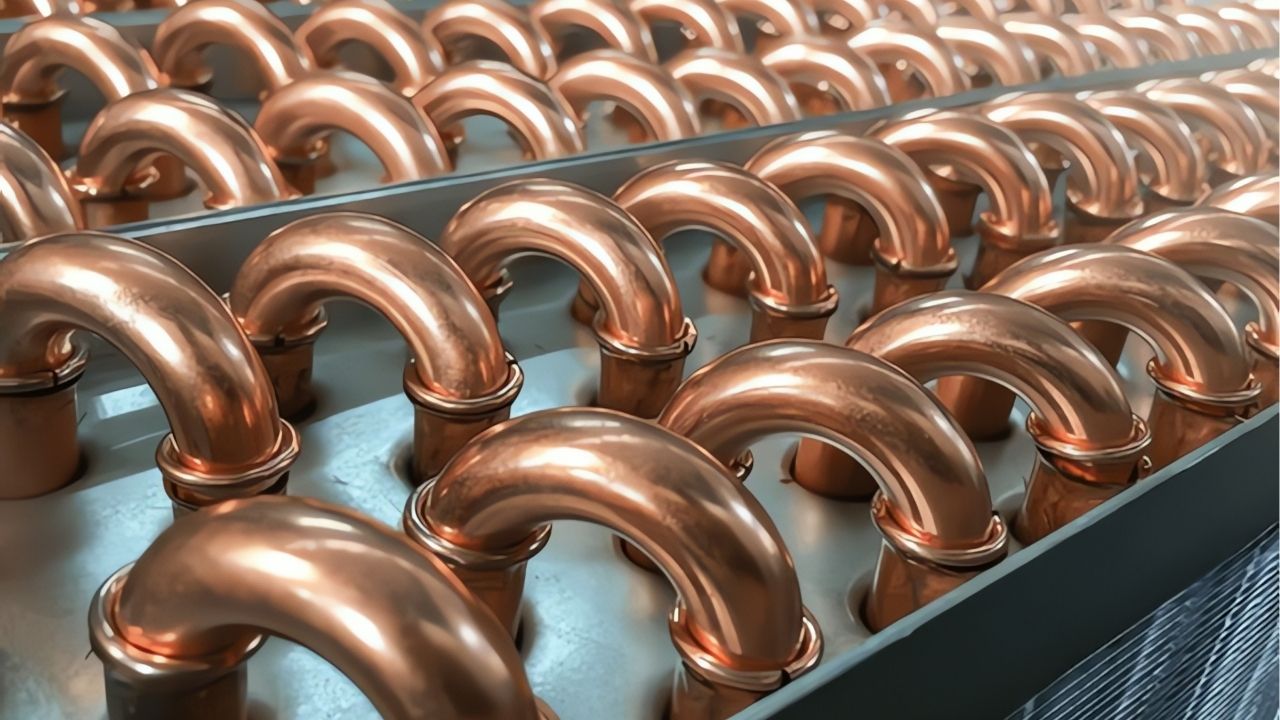
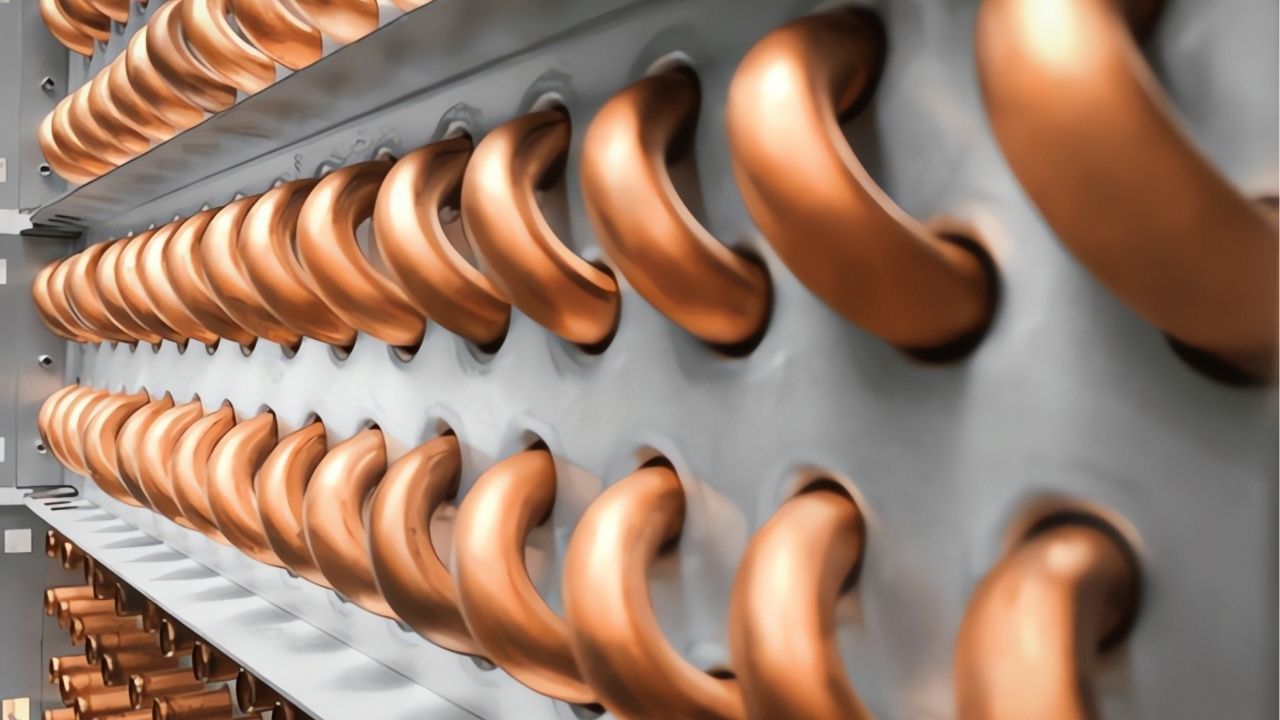
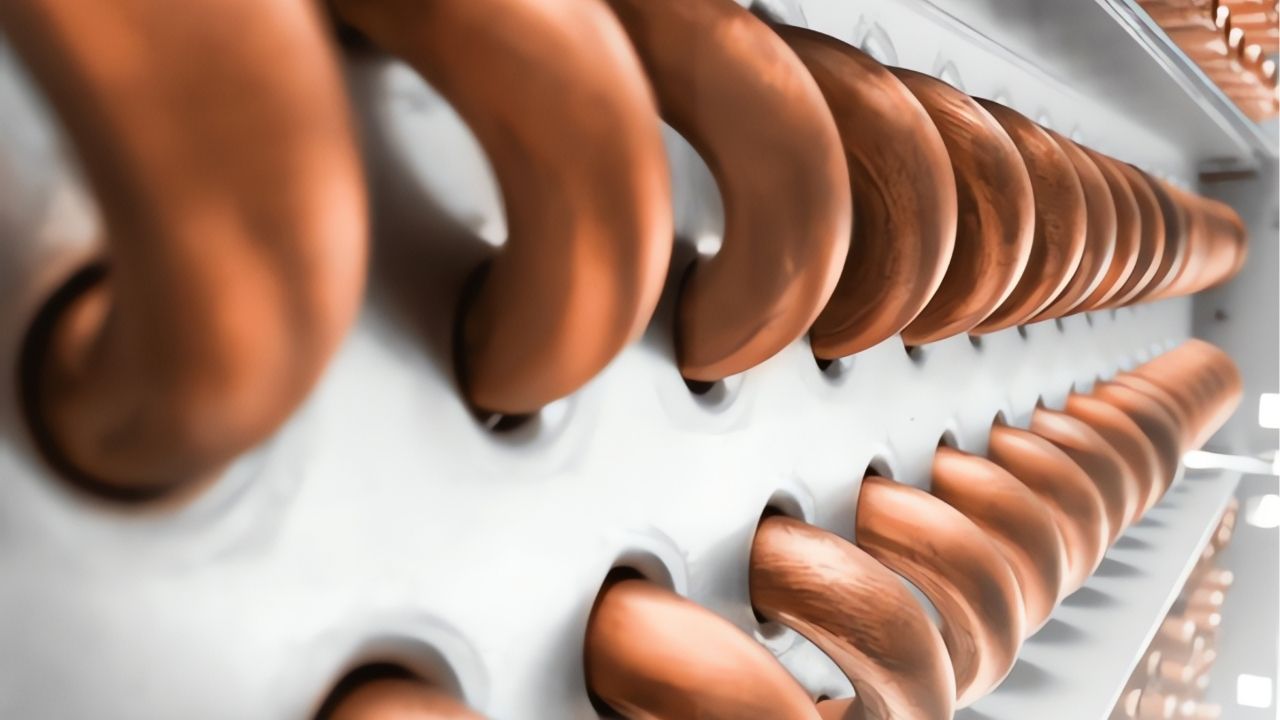
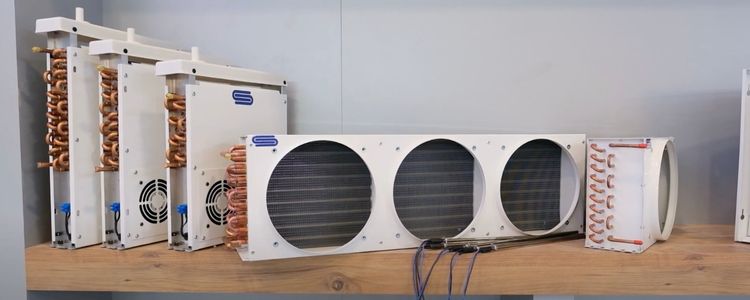
In an R290 evaporator, the charge amount is reduced by using smaller diameter tubes, optimized circuit lengths and headers with low internal volume. The aim is to reduce the volume of fluid inside the coil as much as possible while preserving the heat transfer surface.
For flammable fluids, the permitted charge amount depends on the volume of the installation area, ventilation conditions and the applicable safety rules. Therefore, in R290 projects, evaporator design is carried out by considering the total charge of the system and the installation location together; in some applications, indirect systems or multiple small circuits may be preferred.
How Do Tube Diameter And Number of Circuits Affect Performance?
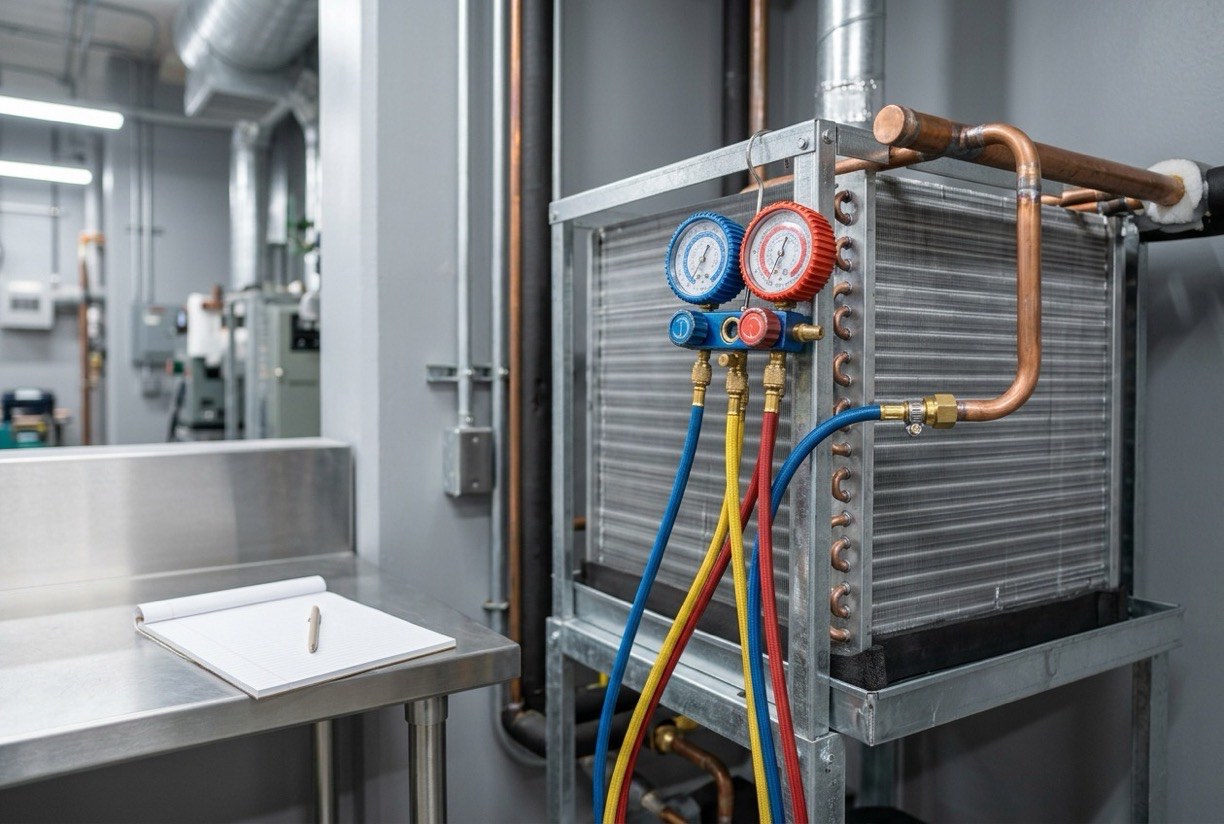
Tube diameter and number of circuits determine performance by directly affecting the velocity of the fluid inside the coil, the pressure drop and thus the evaporating temperature. An incorrect number of circuits can lead either to excessive pressure drop or to insufficient heat transfer and uneven fluid distribution.
The high vapor density of CO₂ allows the use of smaller tube cross-sections for the same capacity; in R290, small diameter is considered together with charge reduction. For both fluids, distributor design and equal loading of circuits are important; these values should be verified per project with selection software and test data.
How Are Defrost And Safety Measures Planned?
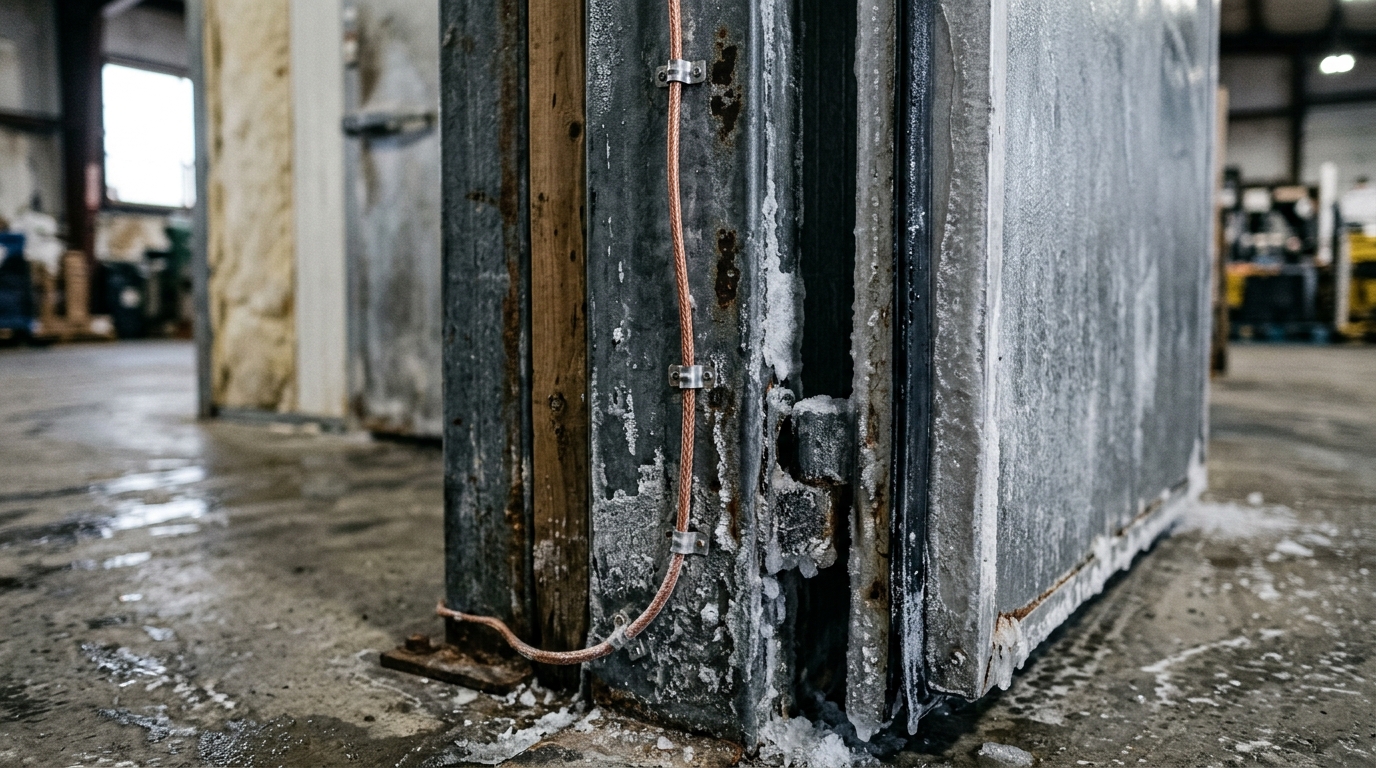
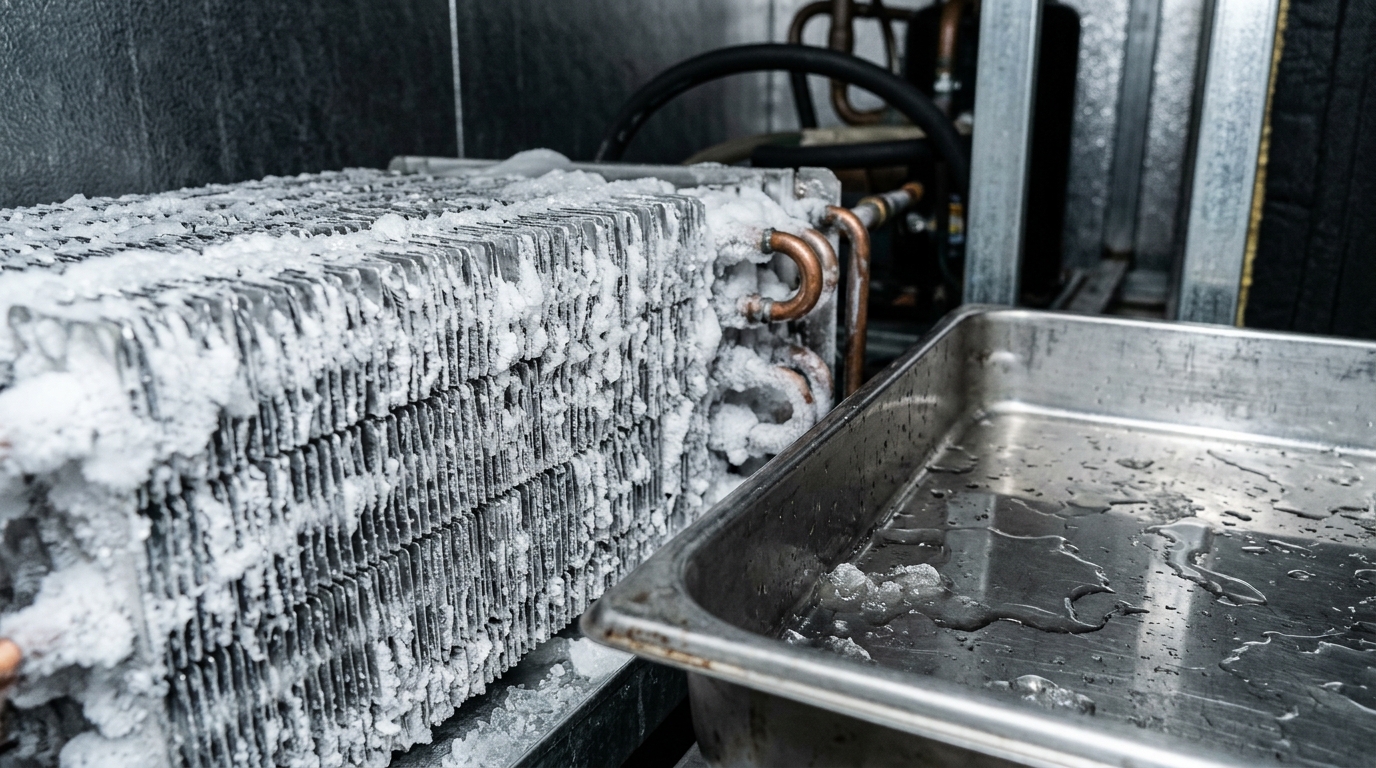
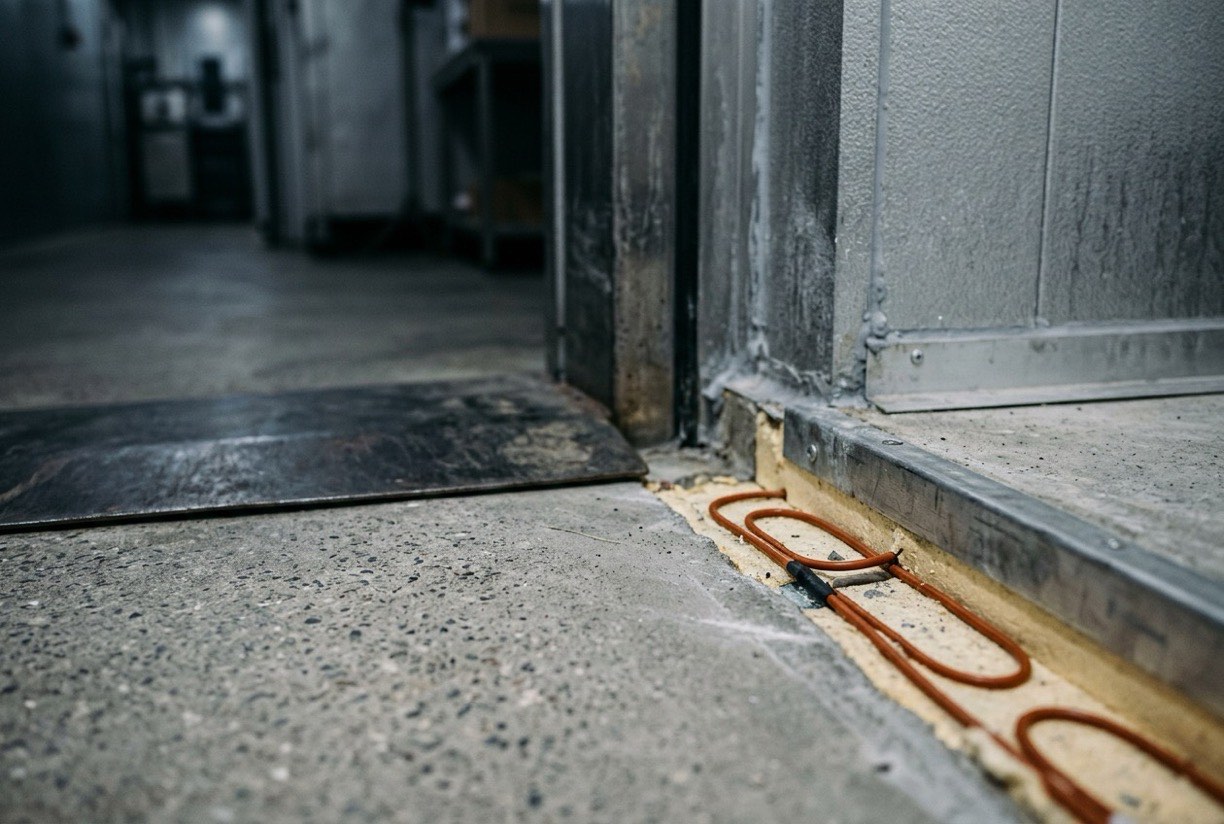
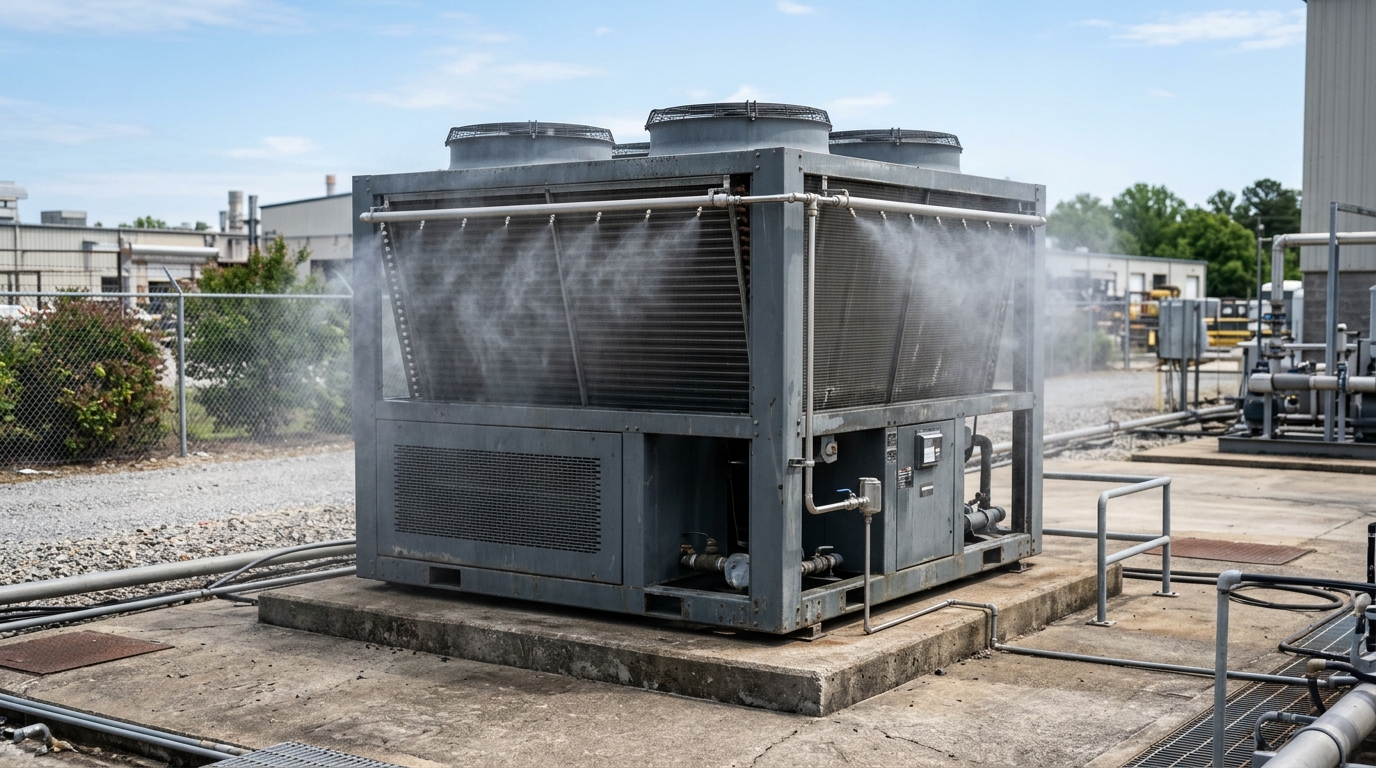
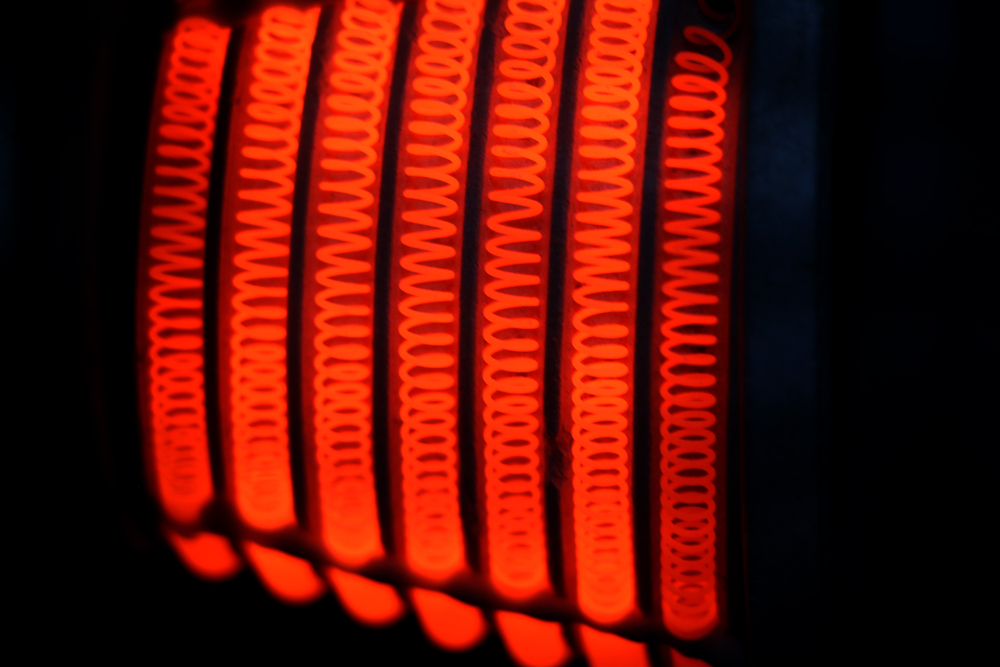
Defrost and safety measures are planned by evaluating the operating temperature of the evaporator, the fluid type and the installation area together. In low-temperature applications, defrost performed by electric, hot gas or other methods should be selected to suit both the coil and the fluid properties.
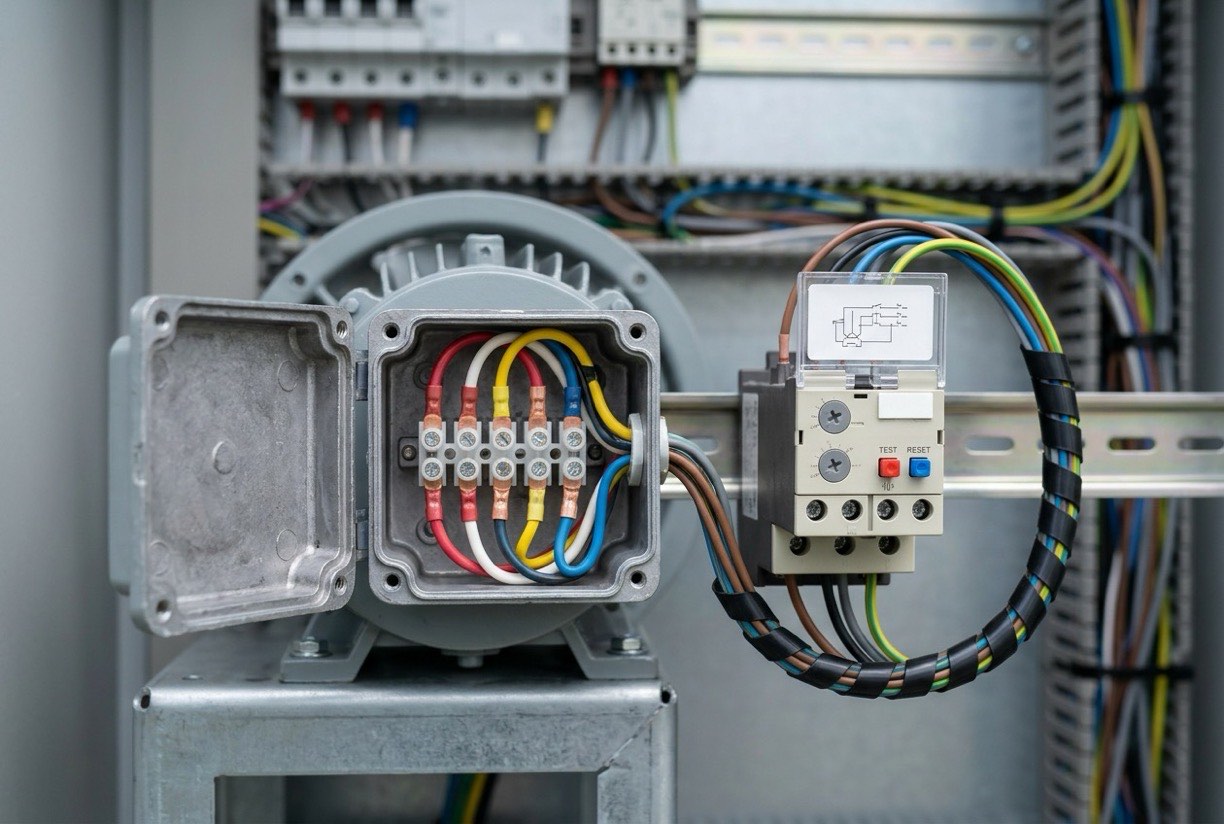
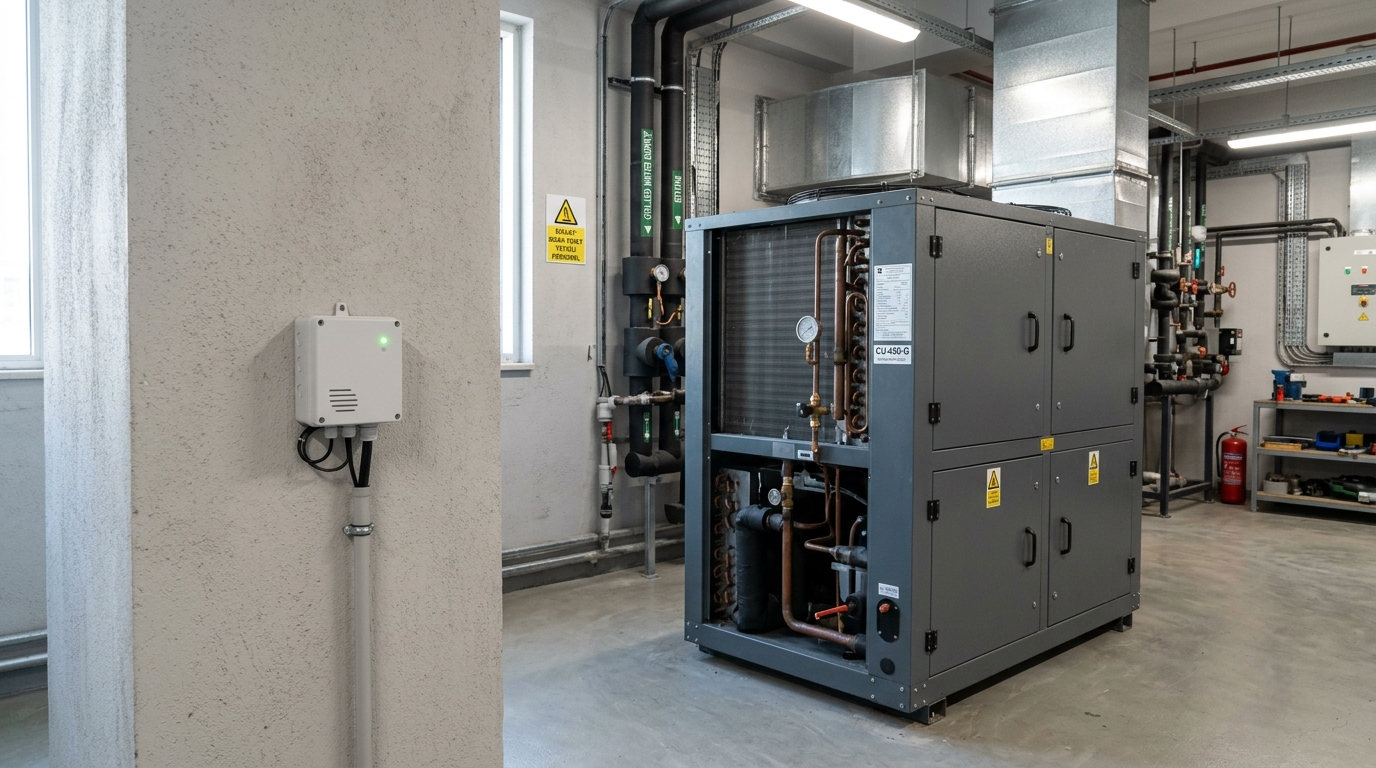
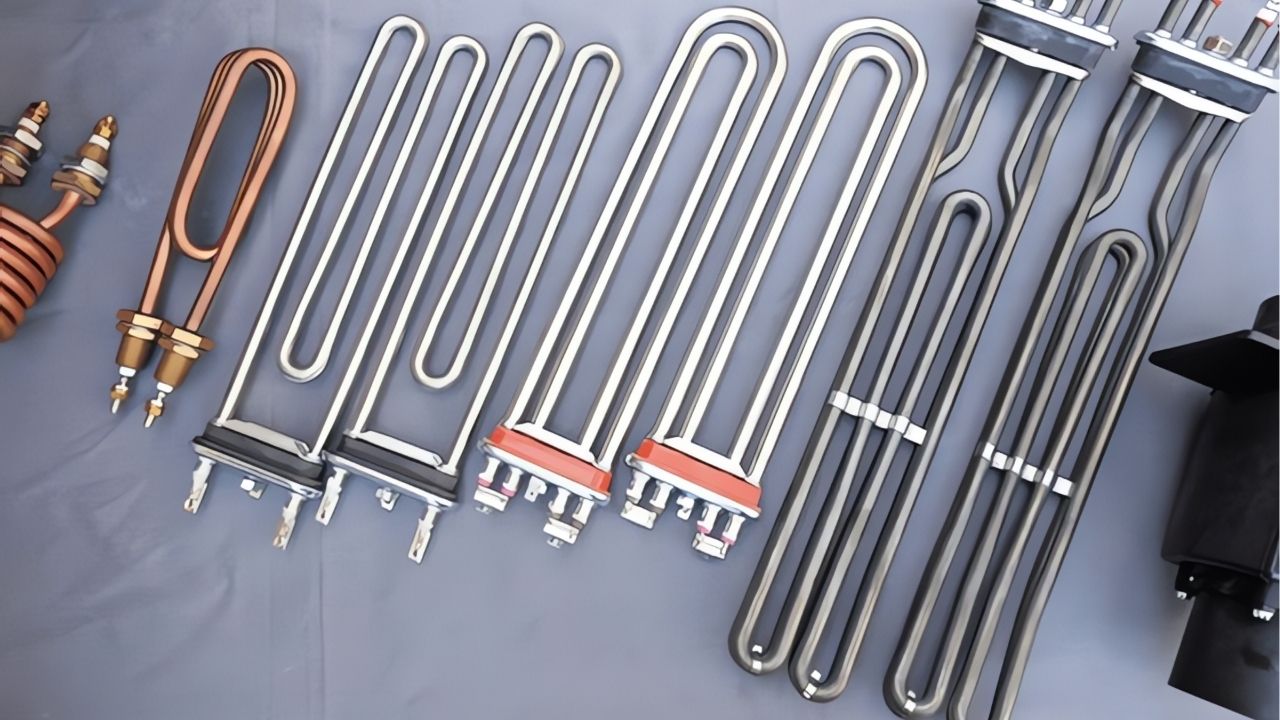
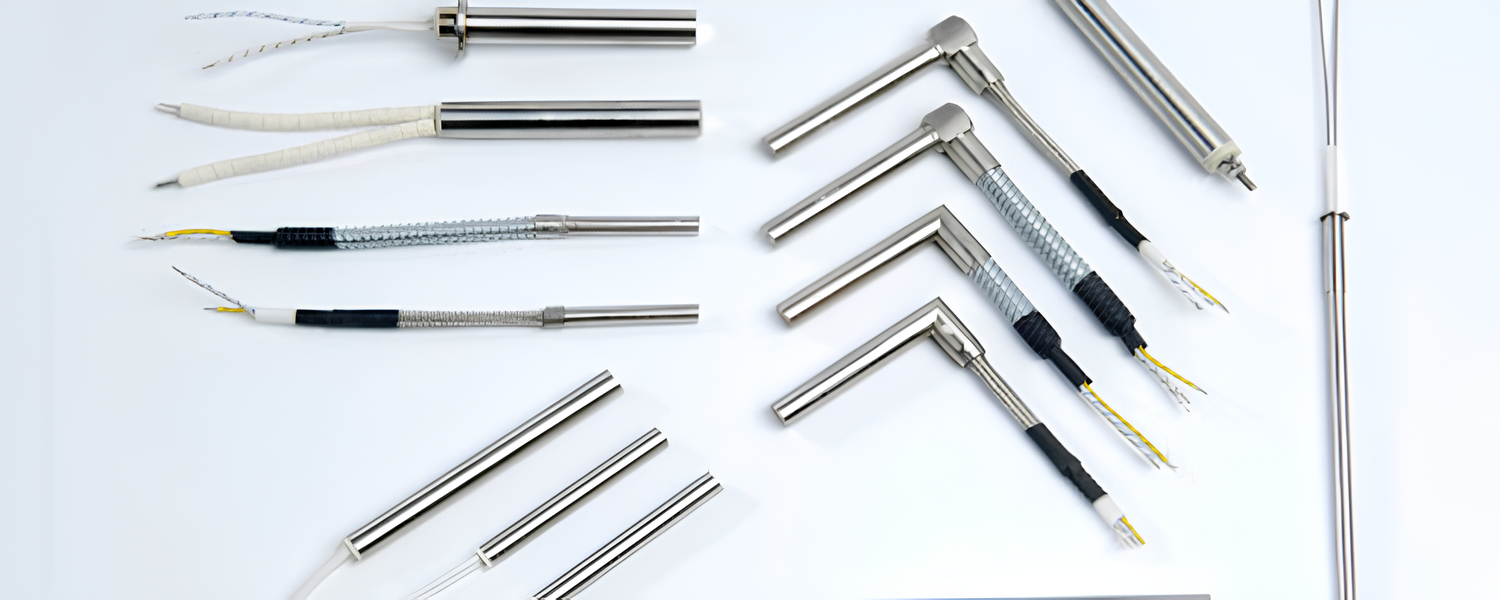
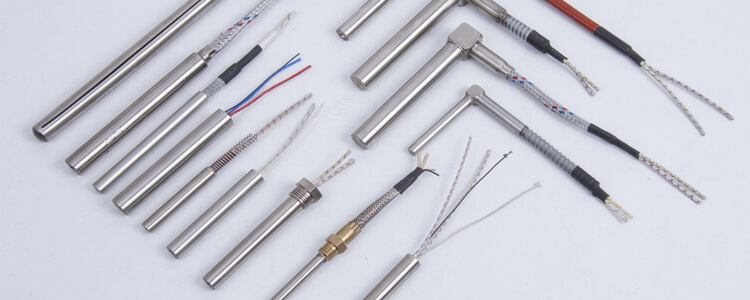
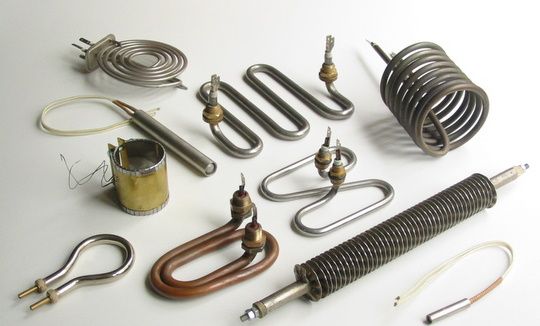
In R290 applications, measures such as selecting electrical components and heaters so that they do not constitute an ignition source, gas detection and ventilation come into consideration. In CO₂ applications, the pressure increase that may occur during defrost should be taken into account and safety valves should be positioned accordingly. The specific measures to be applied are determined according to local regulations and project conditions.
What Should Be Considered When Selecting an Evaporator with Natural Refrigerant?
Selecting an evaporator with natural refrigerant requires clearly defining fluid-specific constraints in addition to the capacity value. The following items can be taken as a basis during evaluation:
- Fluid type, operating and standstill pressures, and design pressure
- Evaporating temperature, room temperature, humidity and product type
- Charge limits, installation area volume and safety measures to be applied
- Defrost method, fin spacing and service access
To determine the suitable evaporator for your CO₂ or R290 system, you can share your project information with the Günay Soğutma technical team.
Frequently Asked Questions
Can an evaporator designed for HFC be used with CO₂?
Generally no; the pressure levels of CO₂ can exceed the design limits of standard HFC coils, so equipment designed for CO₂ should be used.
Is an R290 evaporator smaller than an HFC evaporator?
The thermal dimensions may be similar; however, the internal volume and circuit structure are designed differently in order to reduce the charge.
Is copper tube used in CO₂ evaporators?
It can be used when a wall thickness and alloy suitable for the pressure class are selected; in some high-pressure applications, different materials may be preferred.
Is a gas detector required in R290 systems?
The requirement depends on the charge amount, the installation area and the applicable regulations; it should be evaluated by an authorized designer at the project stage.
How do natural refrigerants affect efficiency?
Efficiency depends on the system architecture and climate conditions as well as on the fluid; in properly designed systems, both fluids can deliver competitive results.
Can an existing system be converted to R290 or CO₂?
Since pressure and safety requirements are different, conversion often requires equipment replacement; the situation should be clarified with a site survey.
How can I get an evaporator recommendation for my own project?
You can request a project-specific evaluation by forwarding your fluid type, capacity, room conditions and installation area information to the Günay Soğutma team.