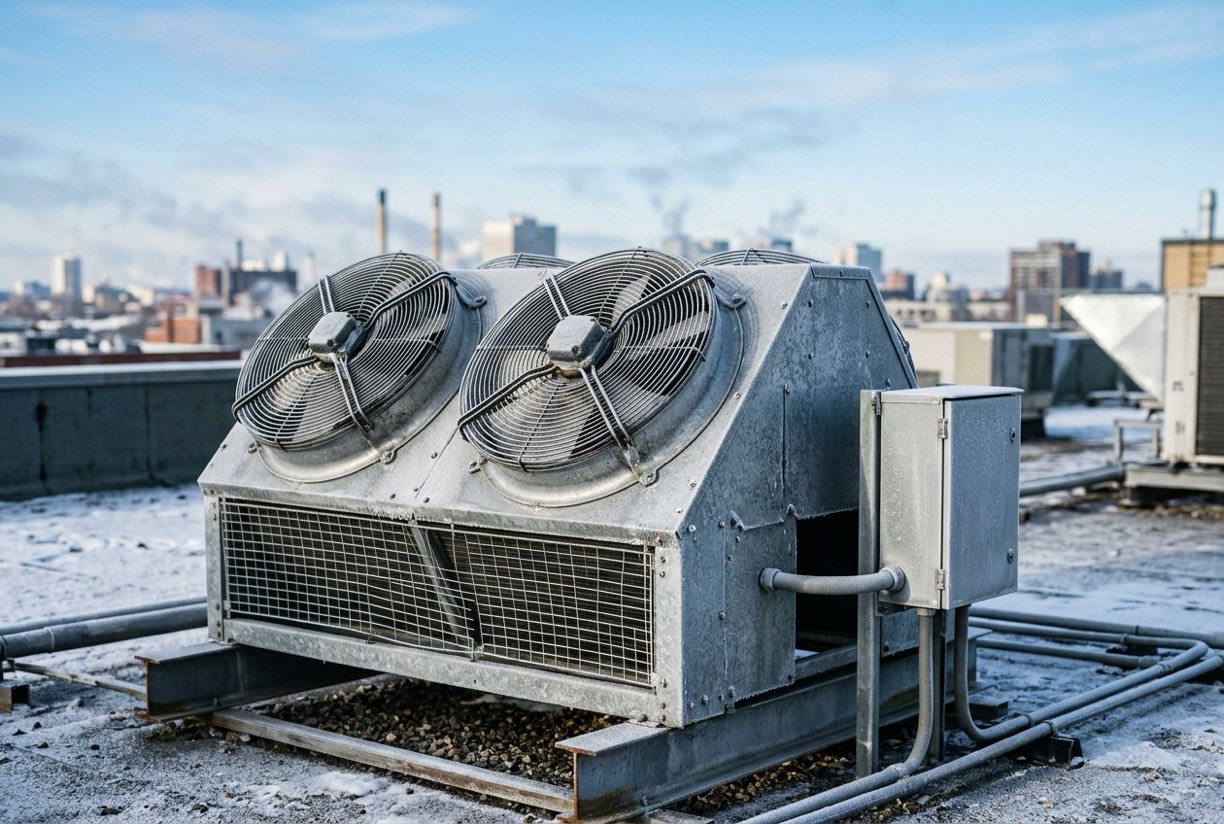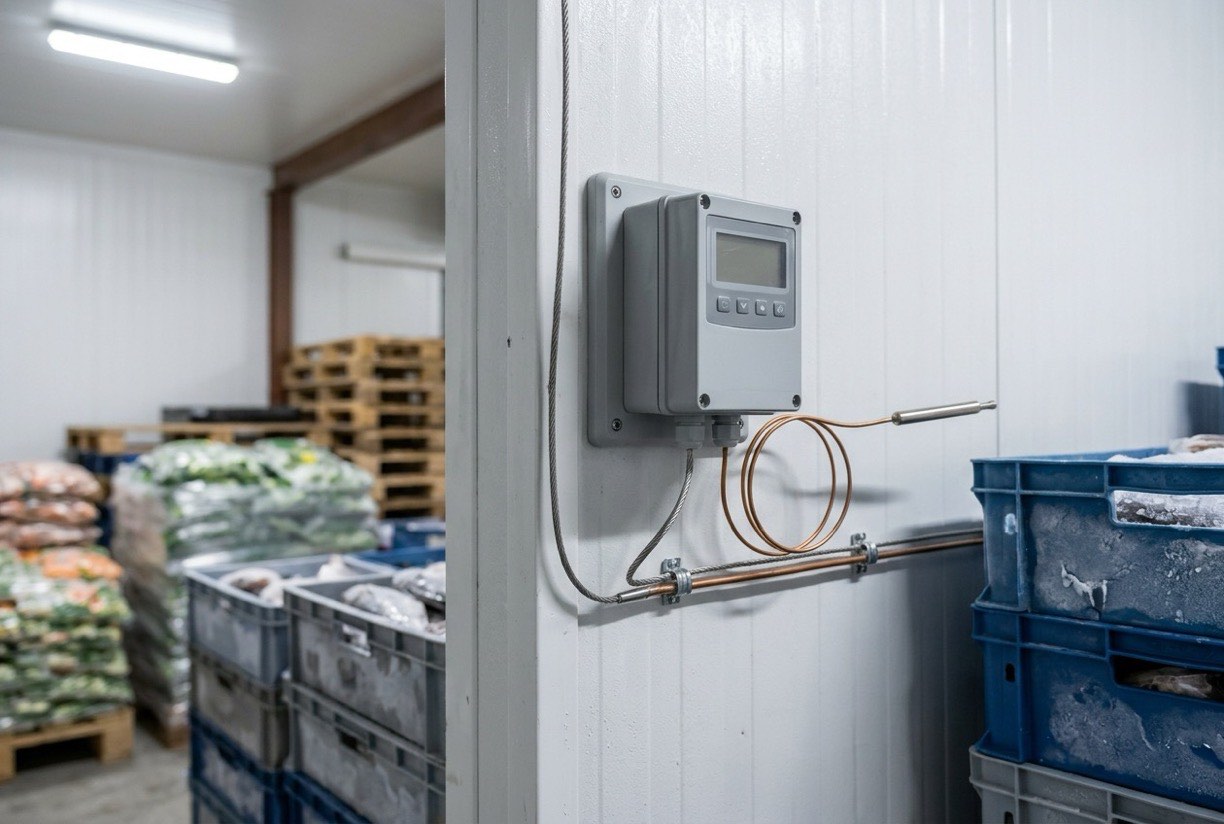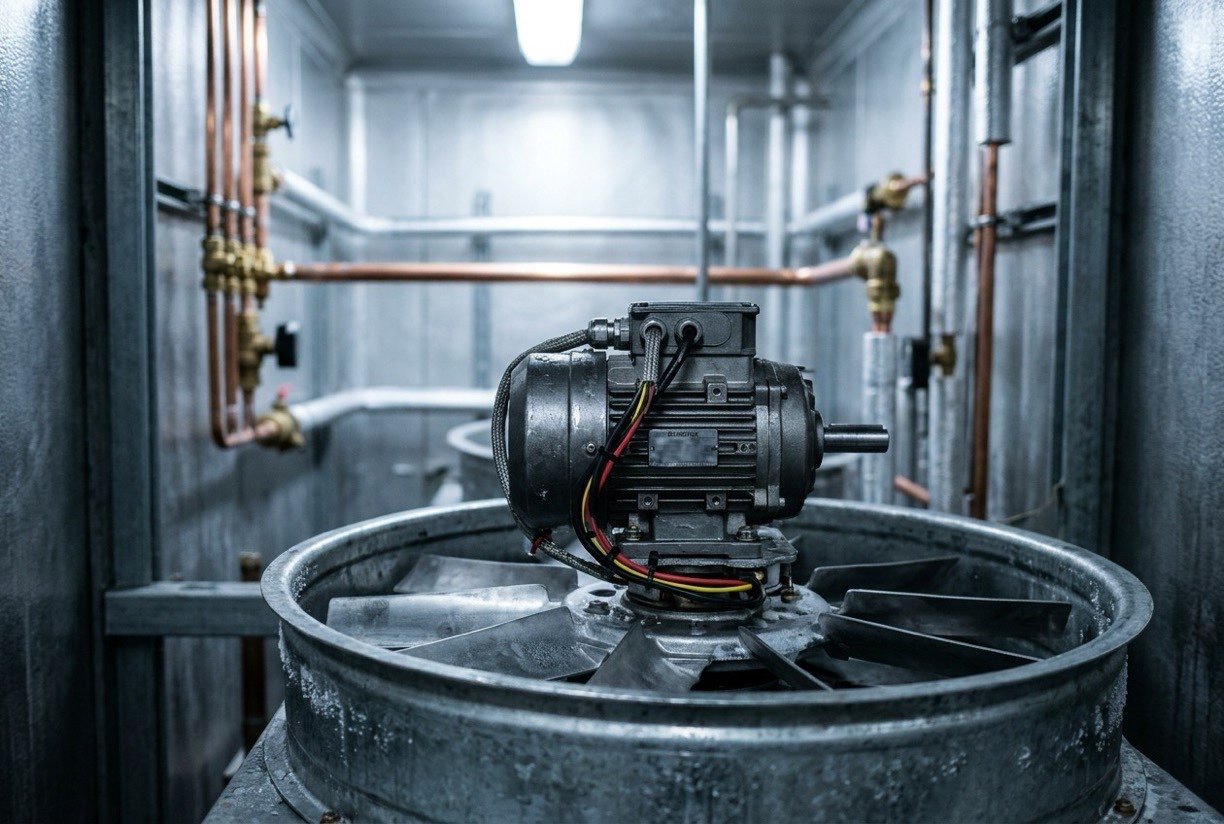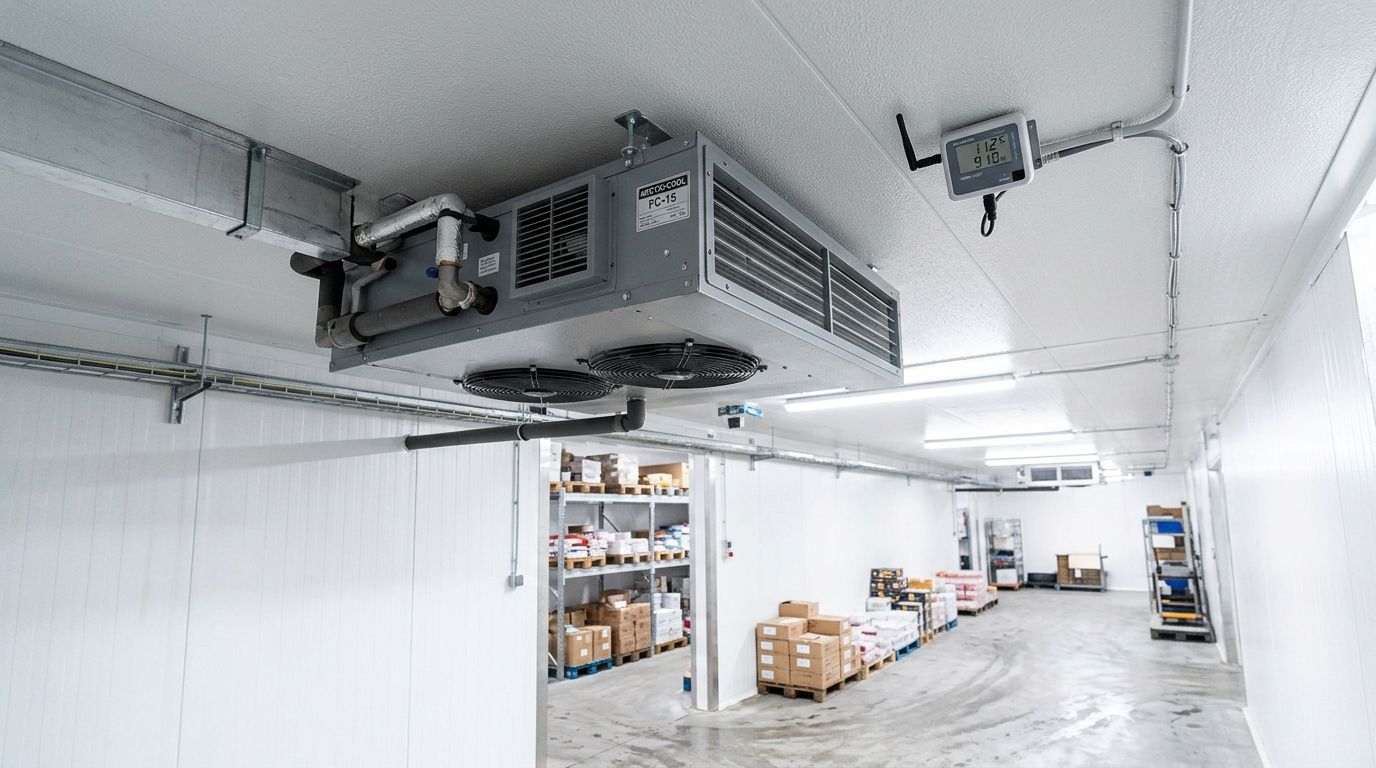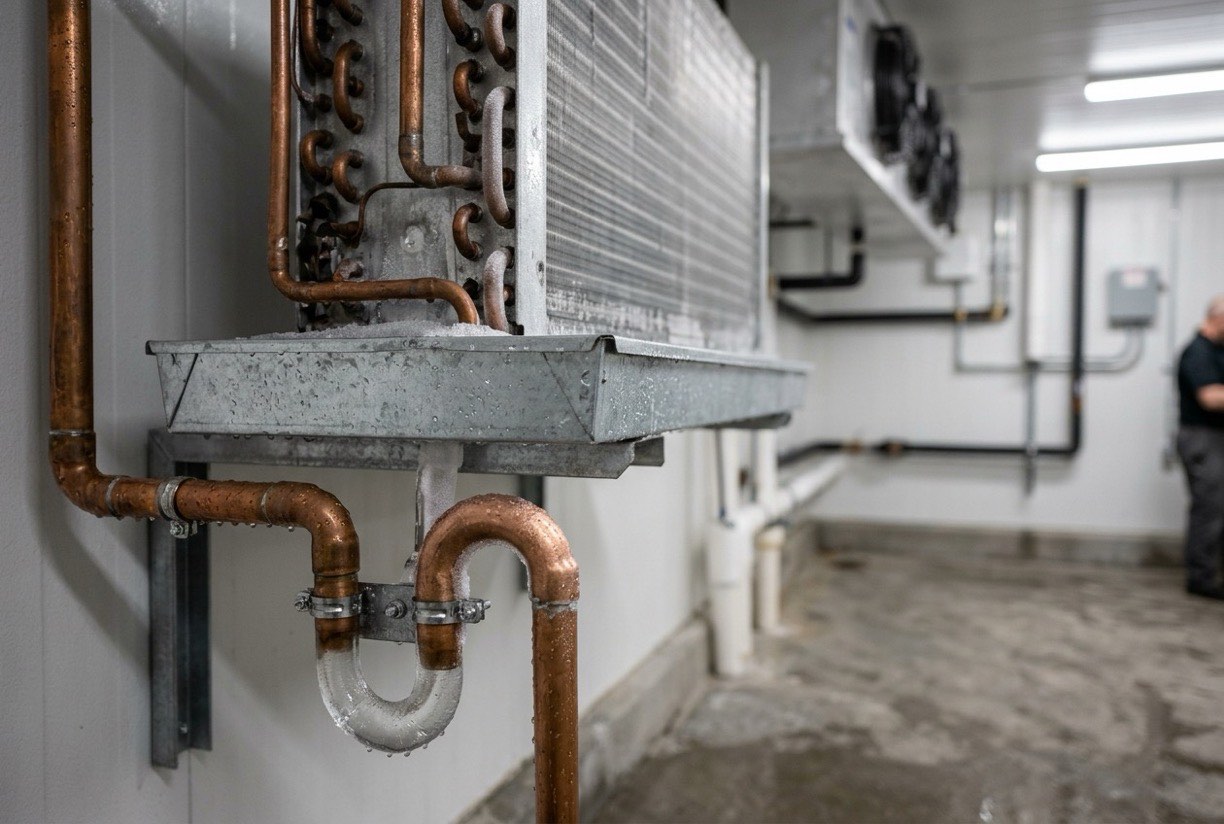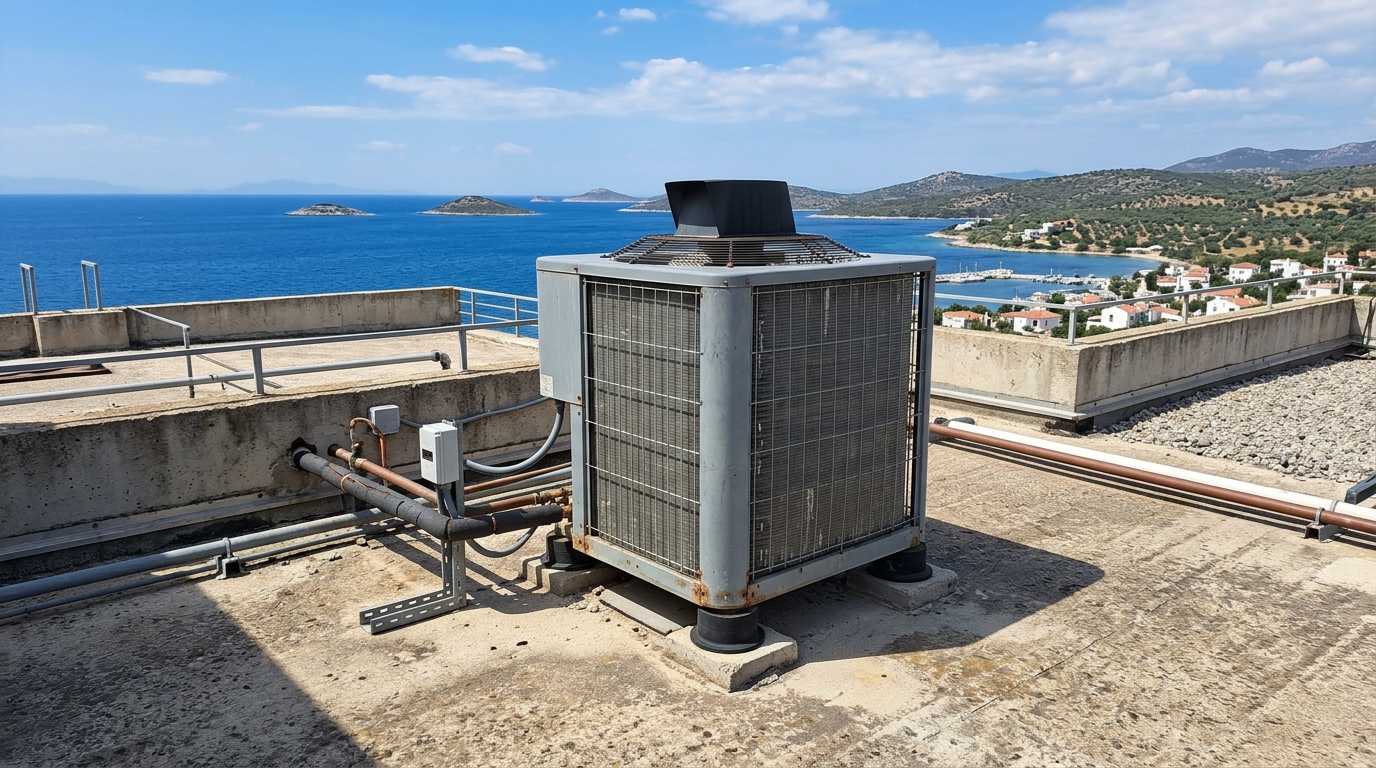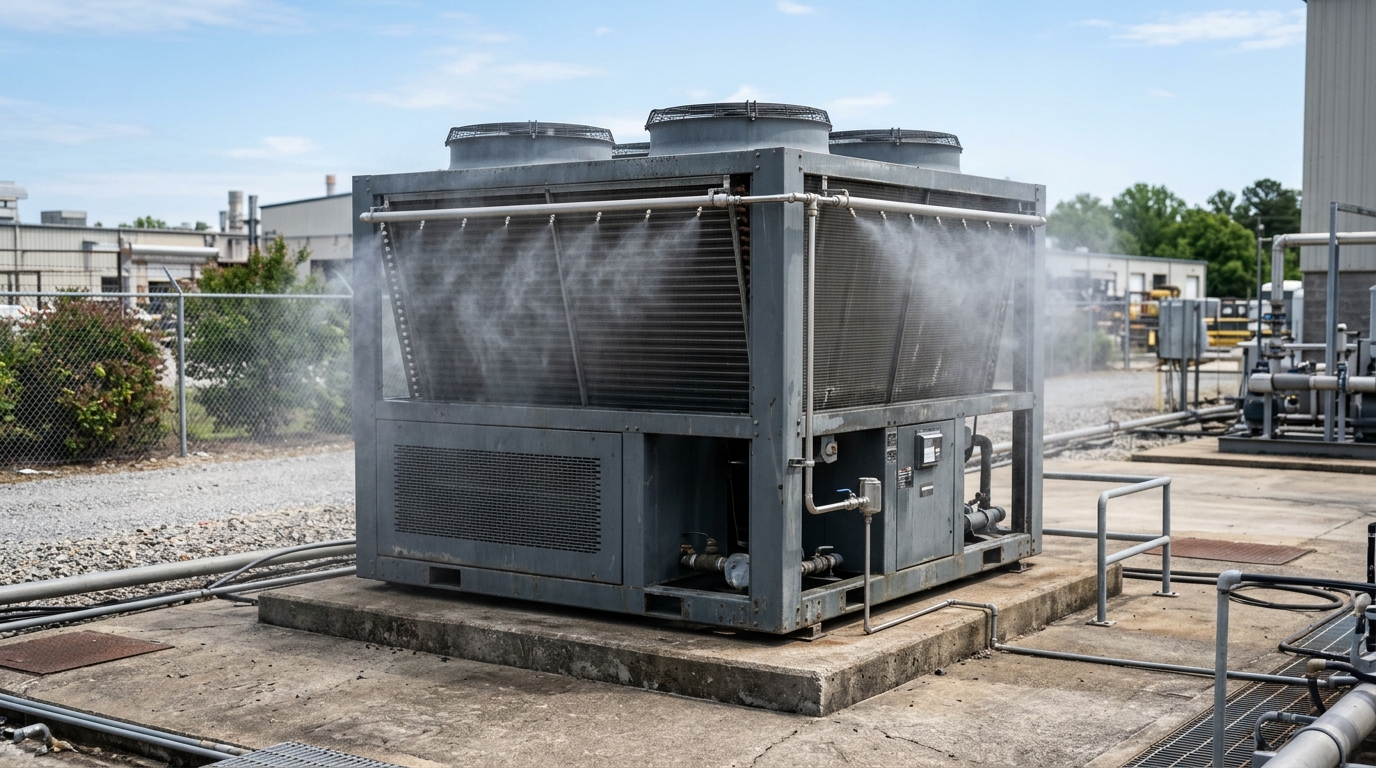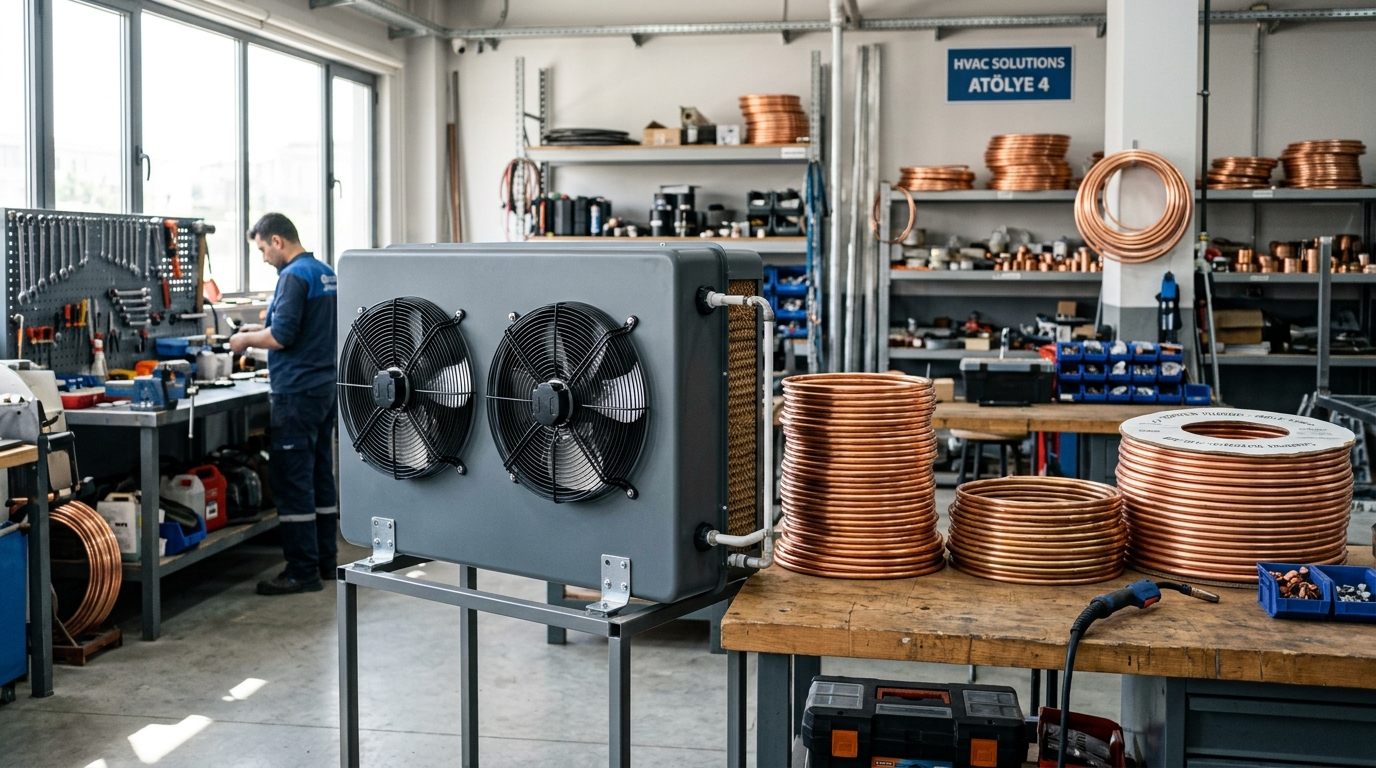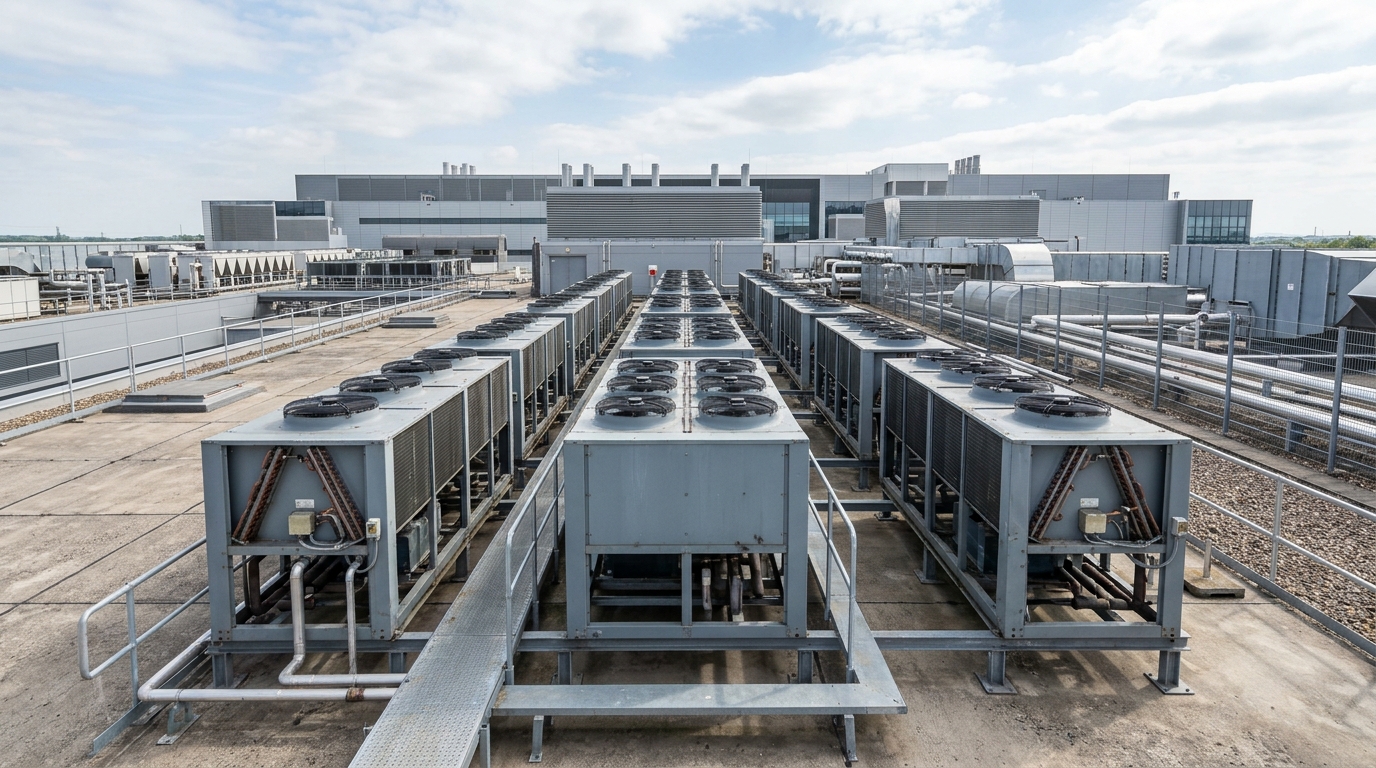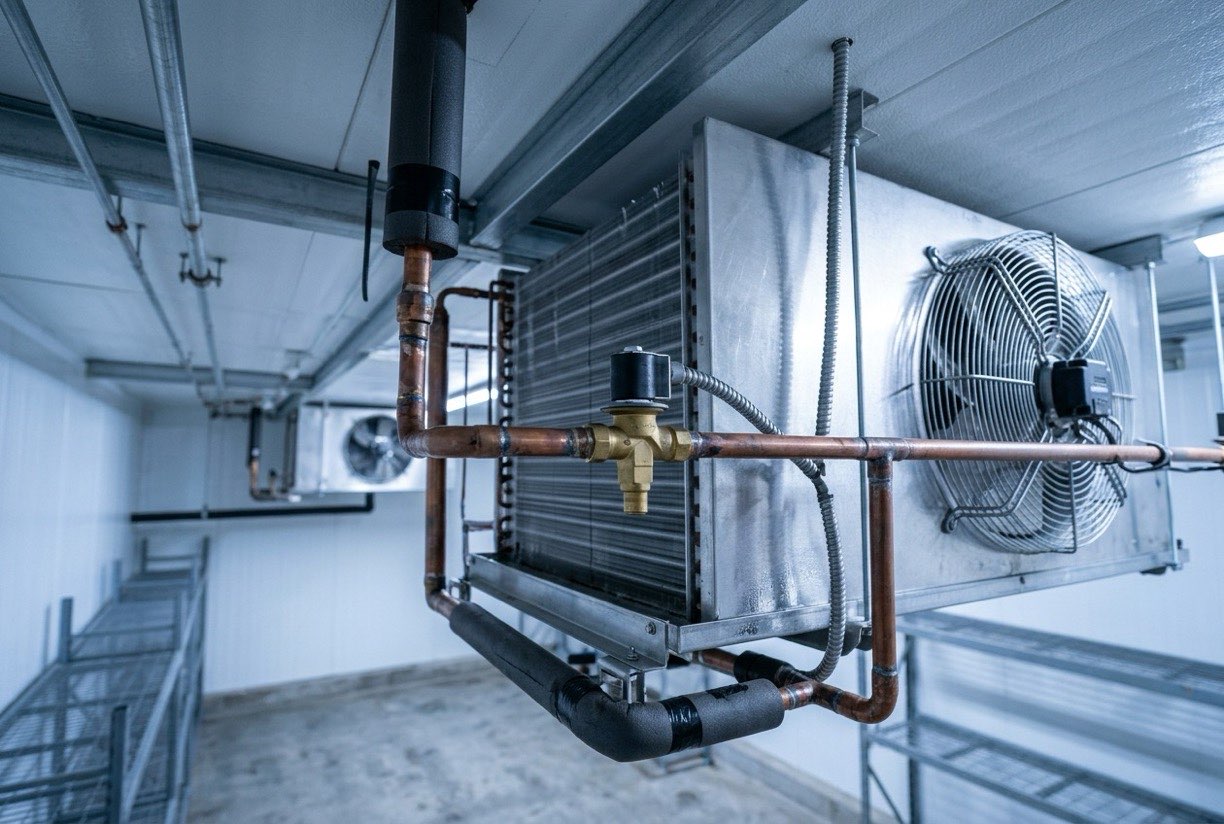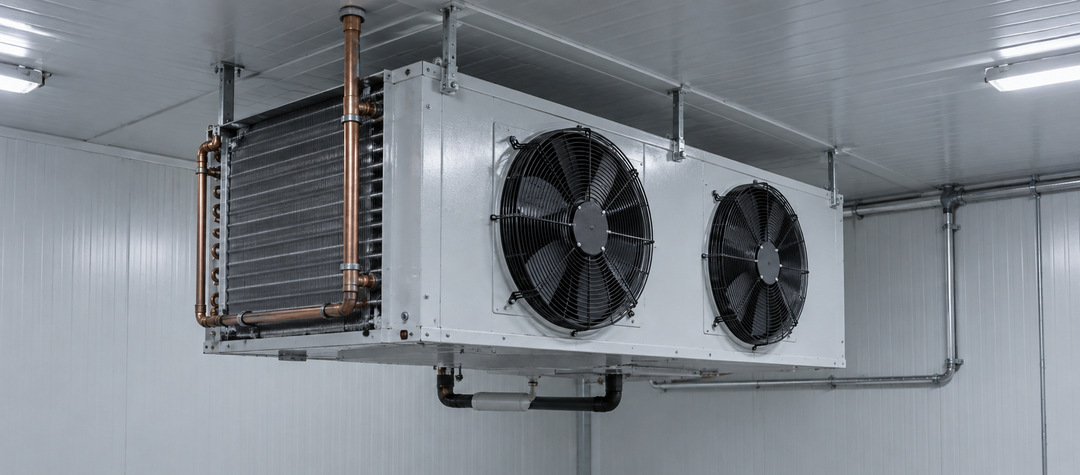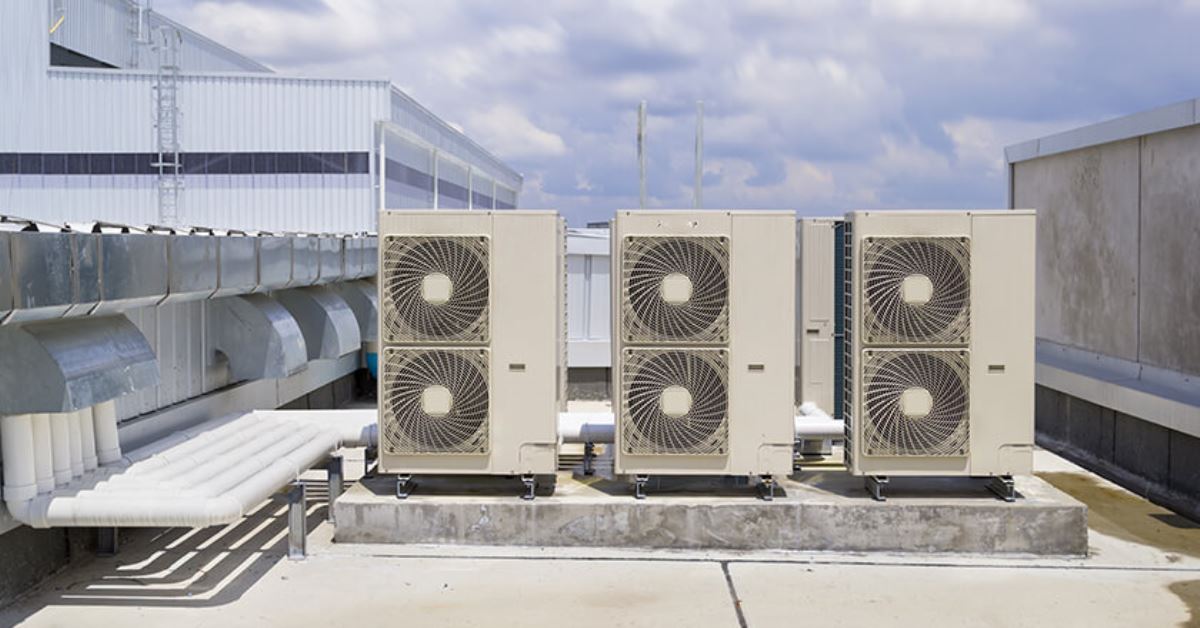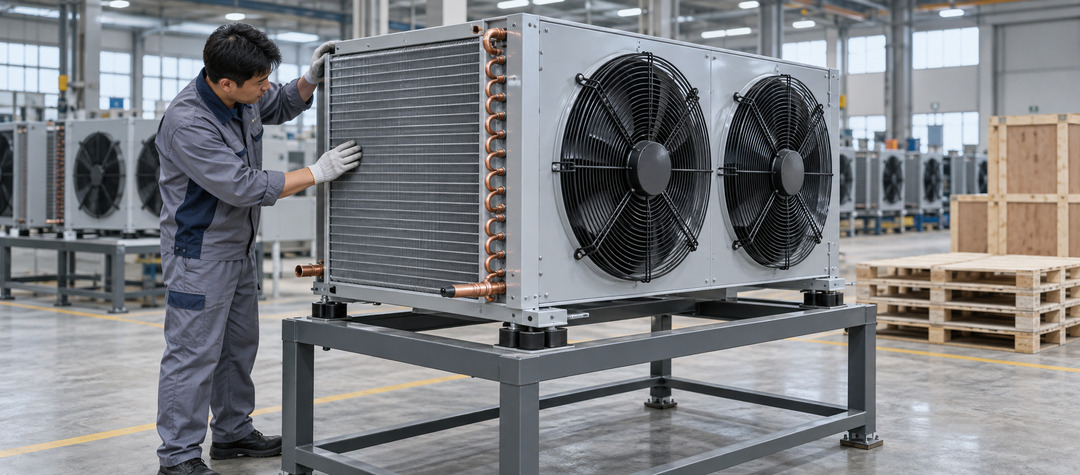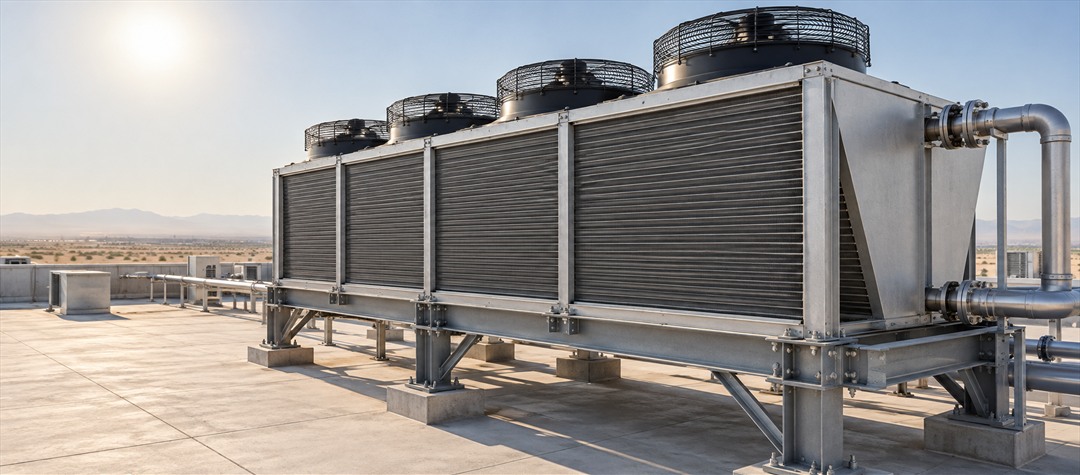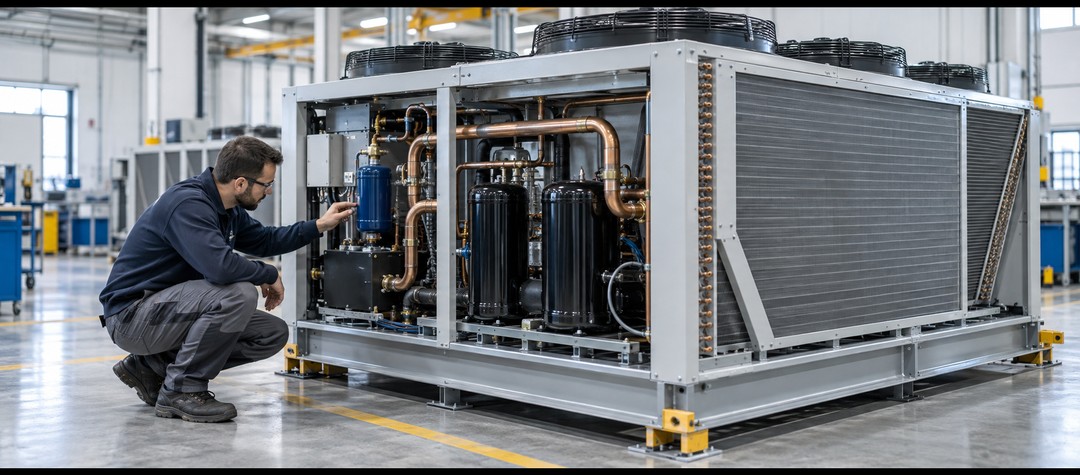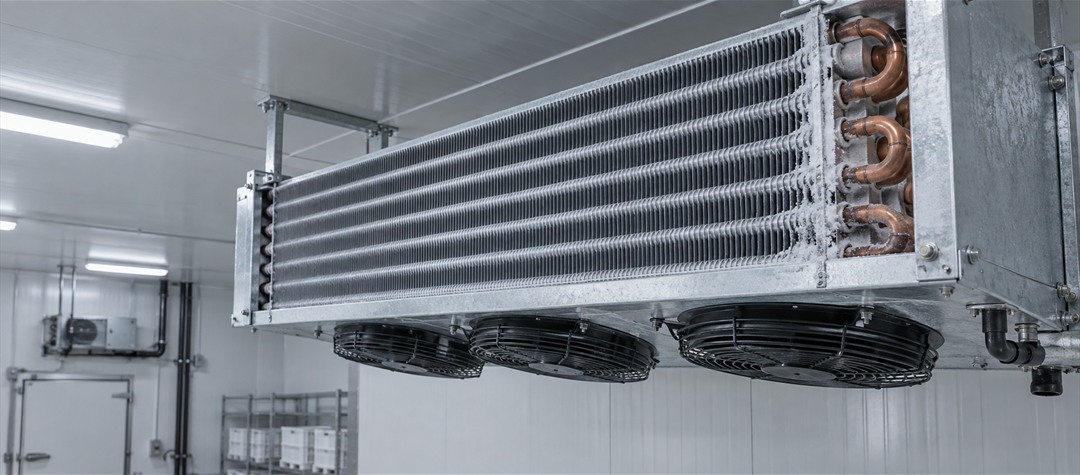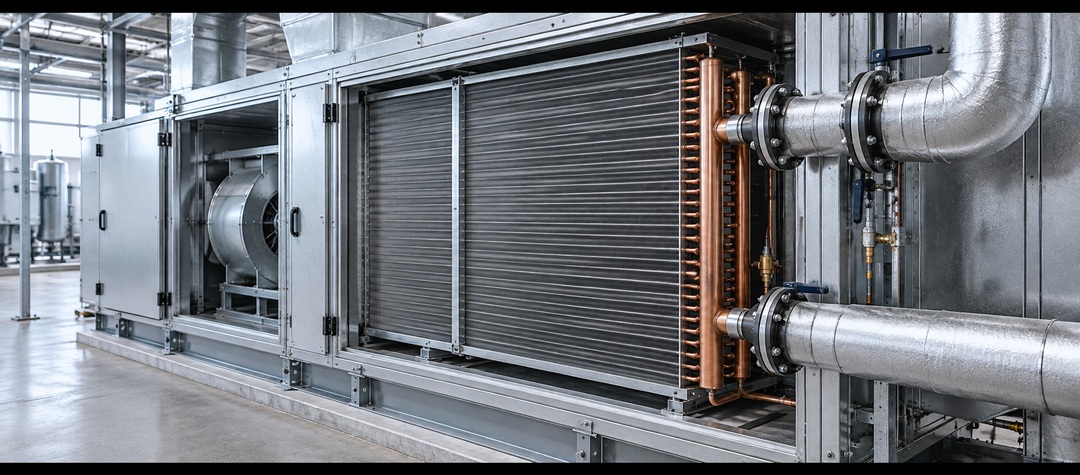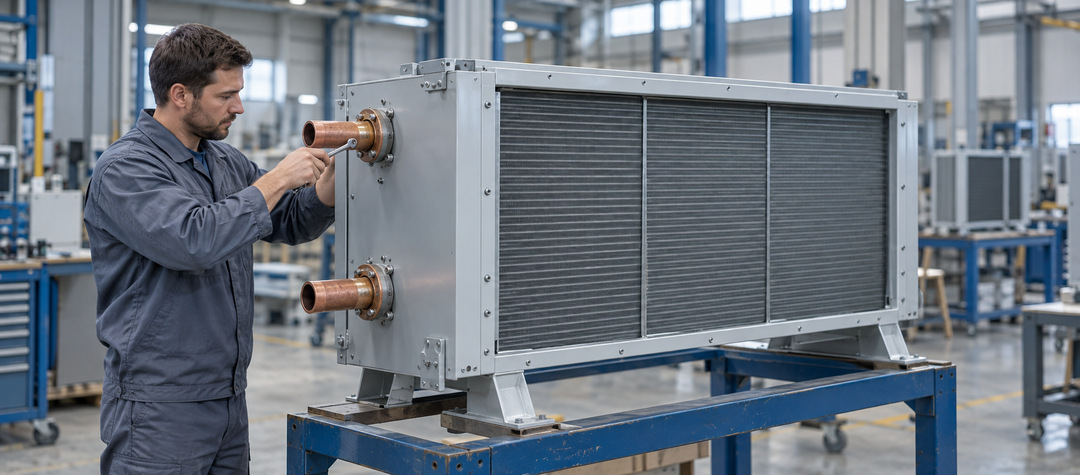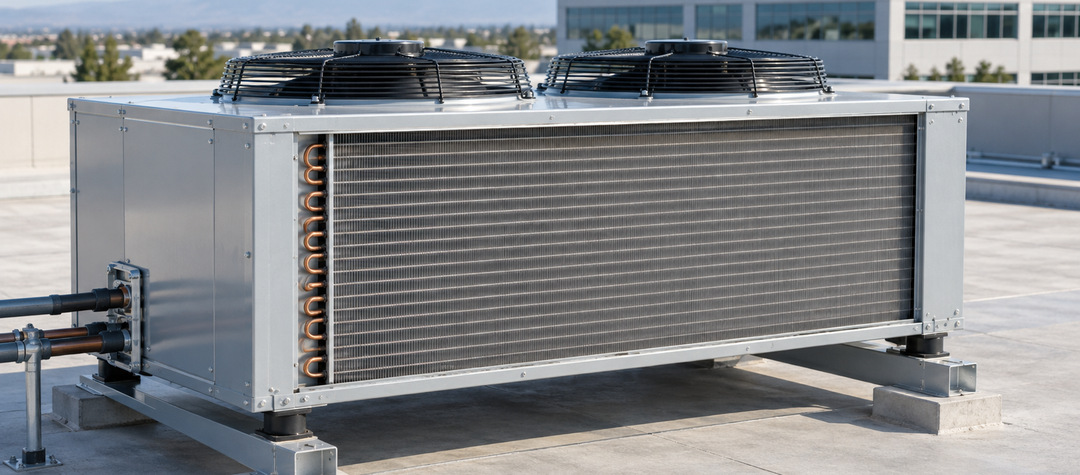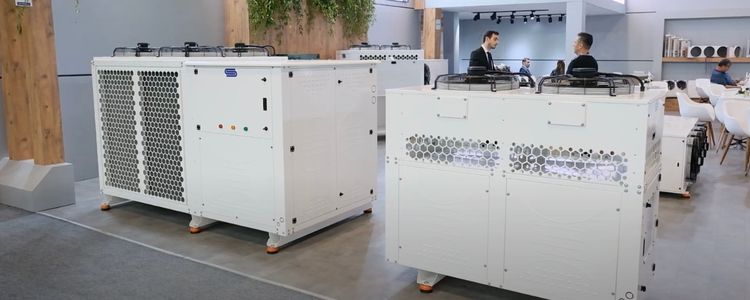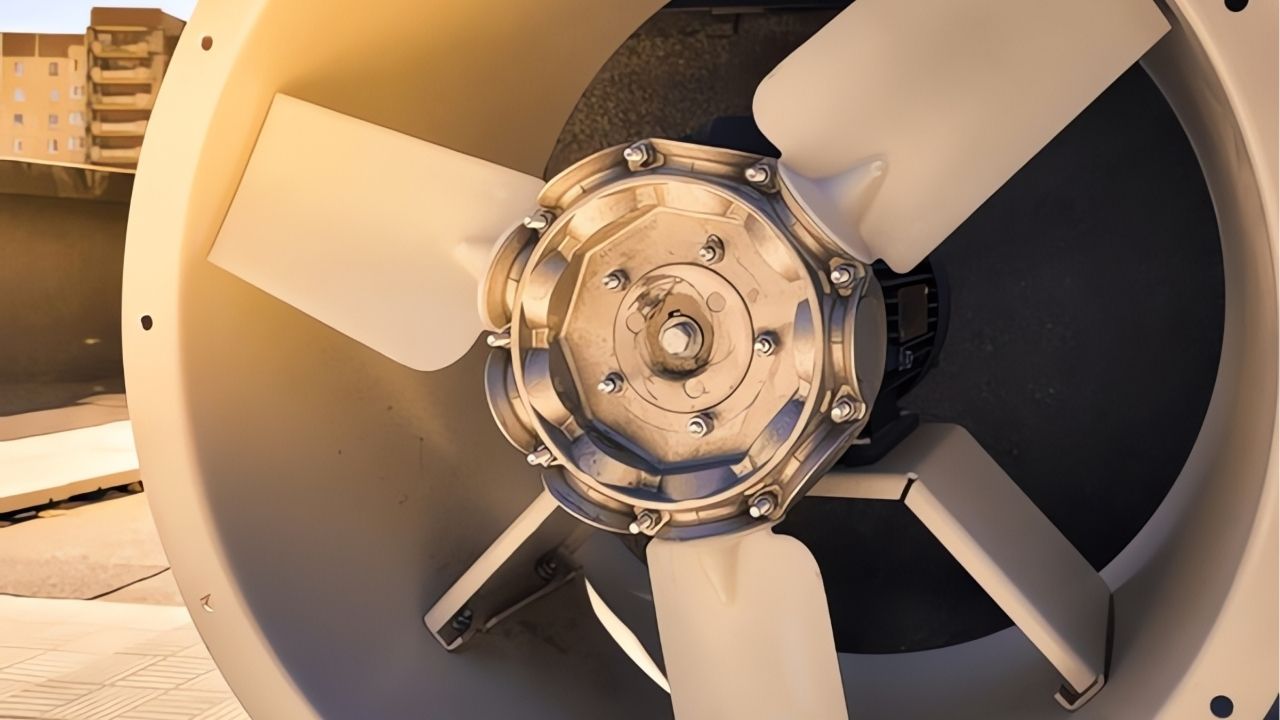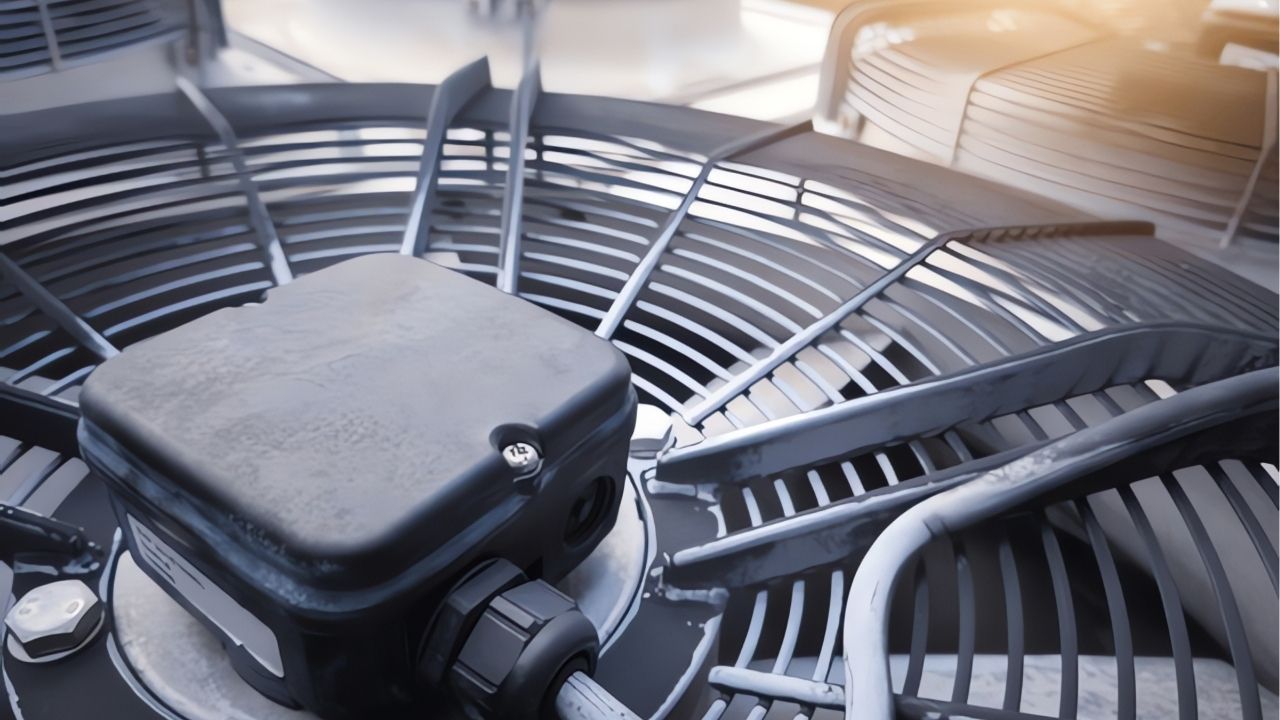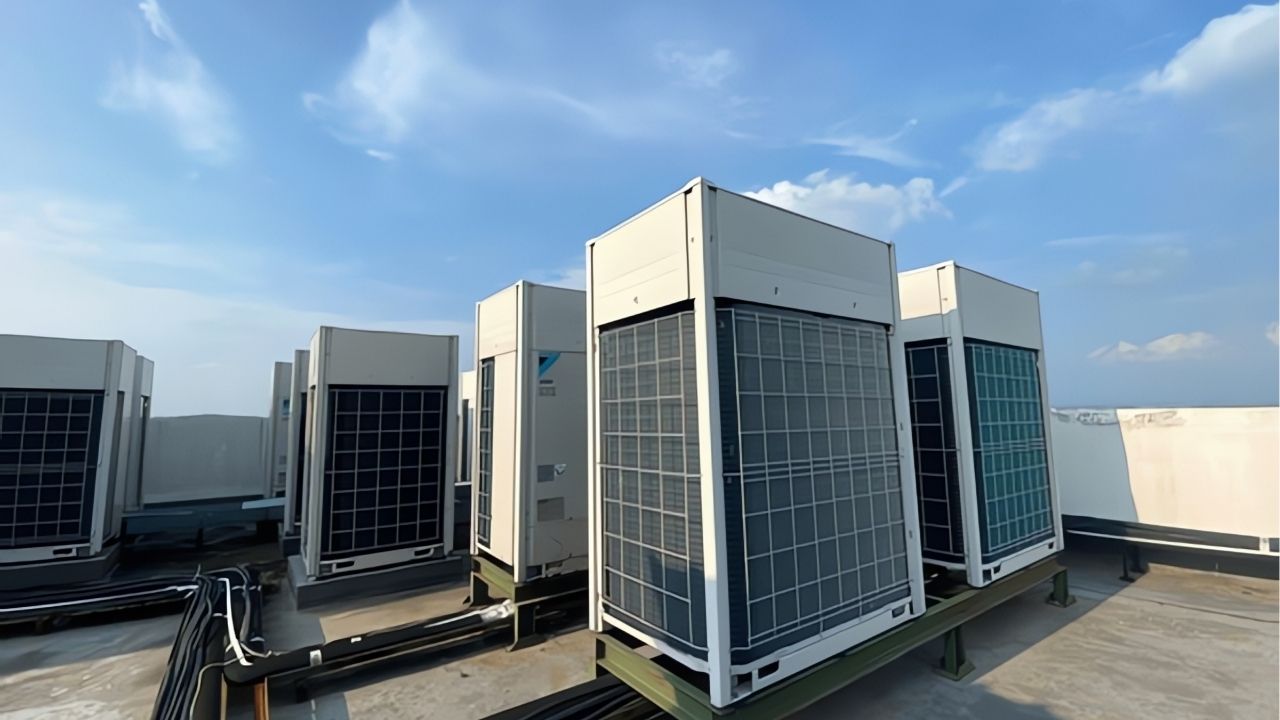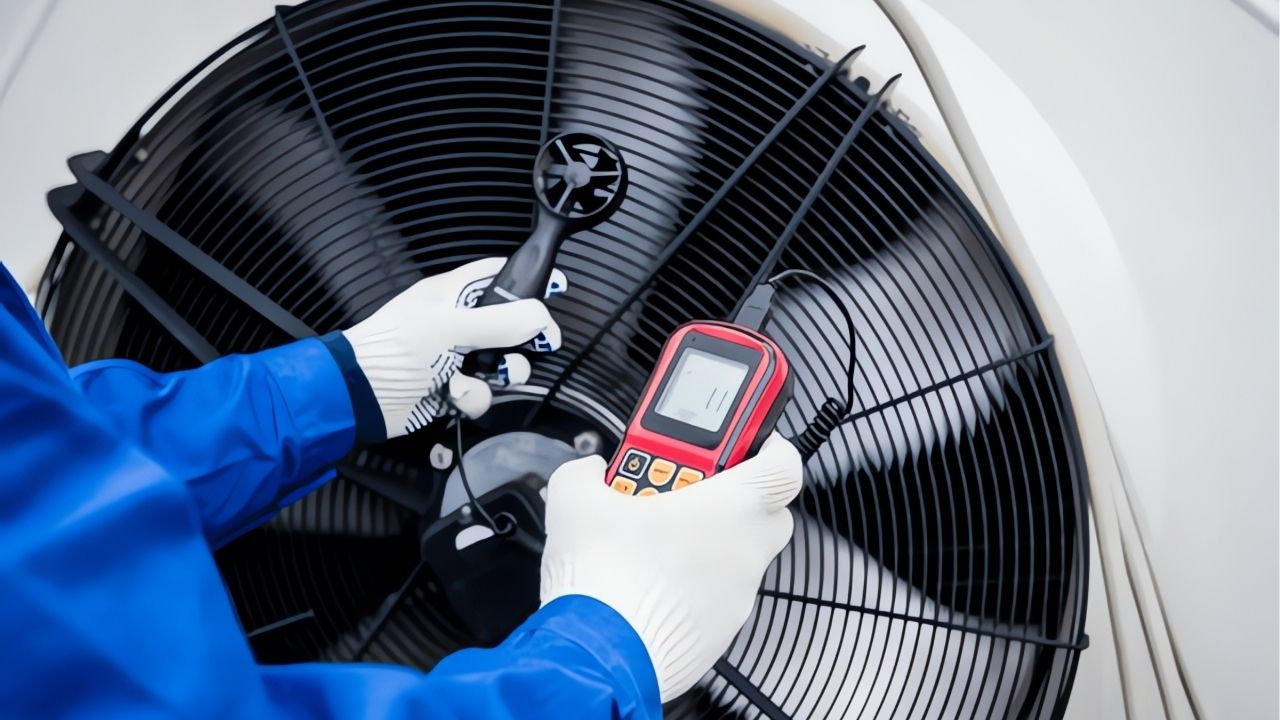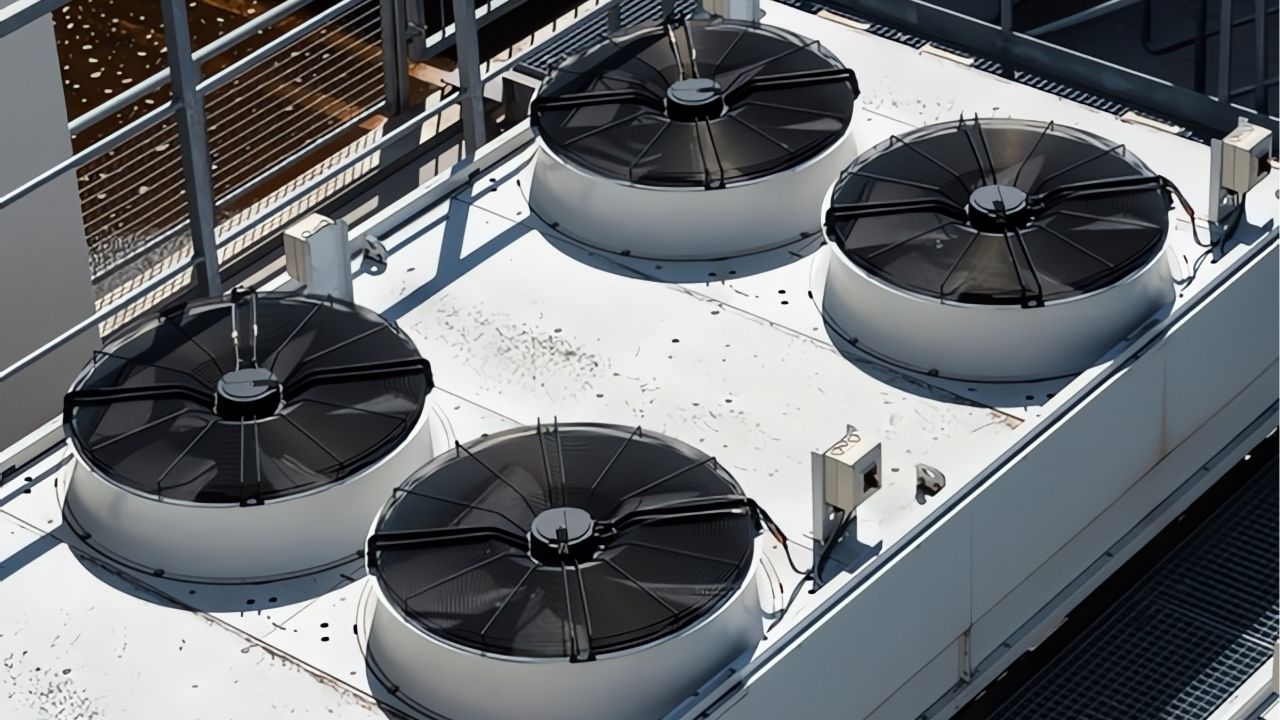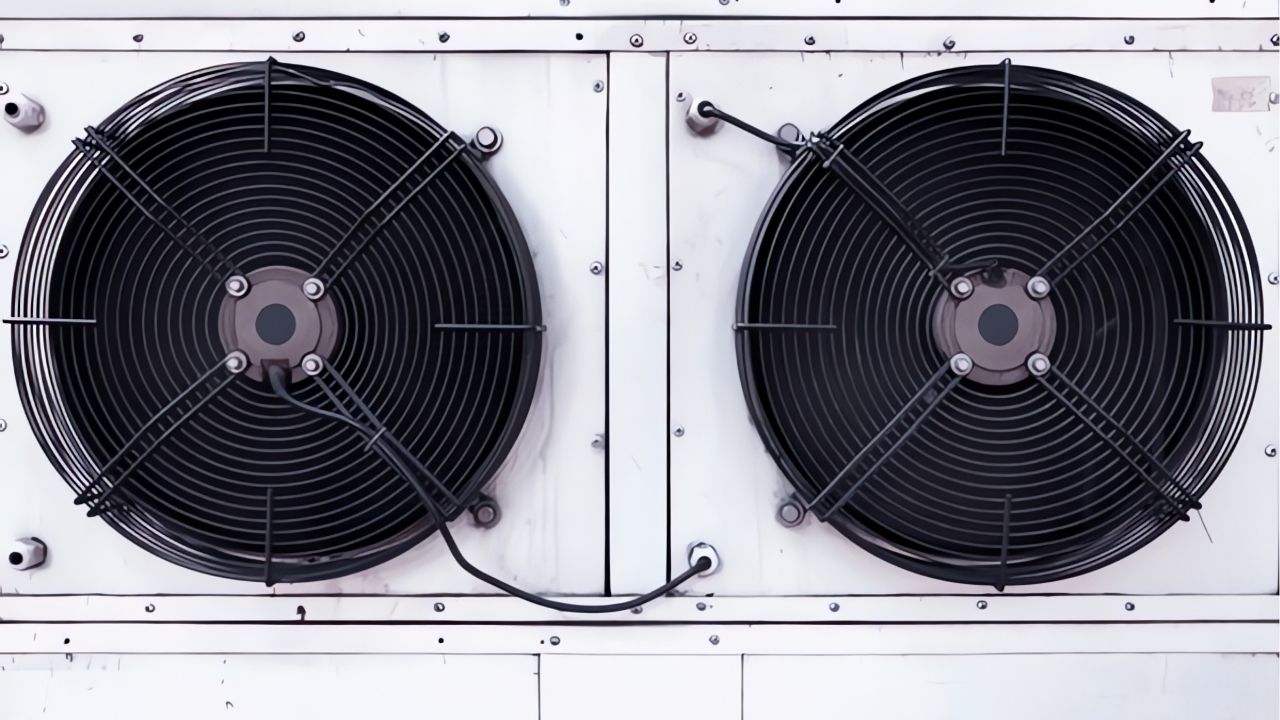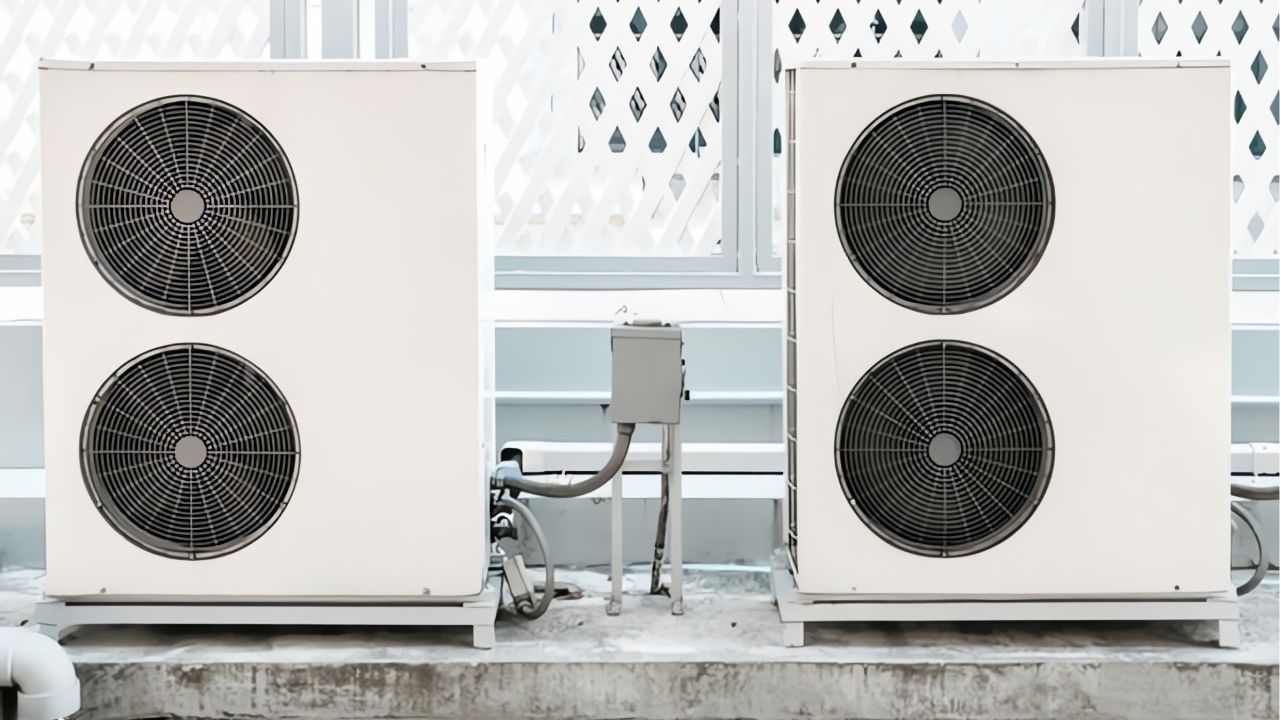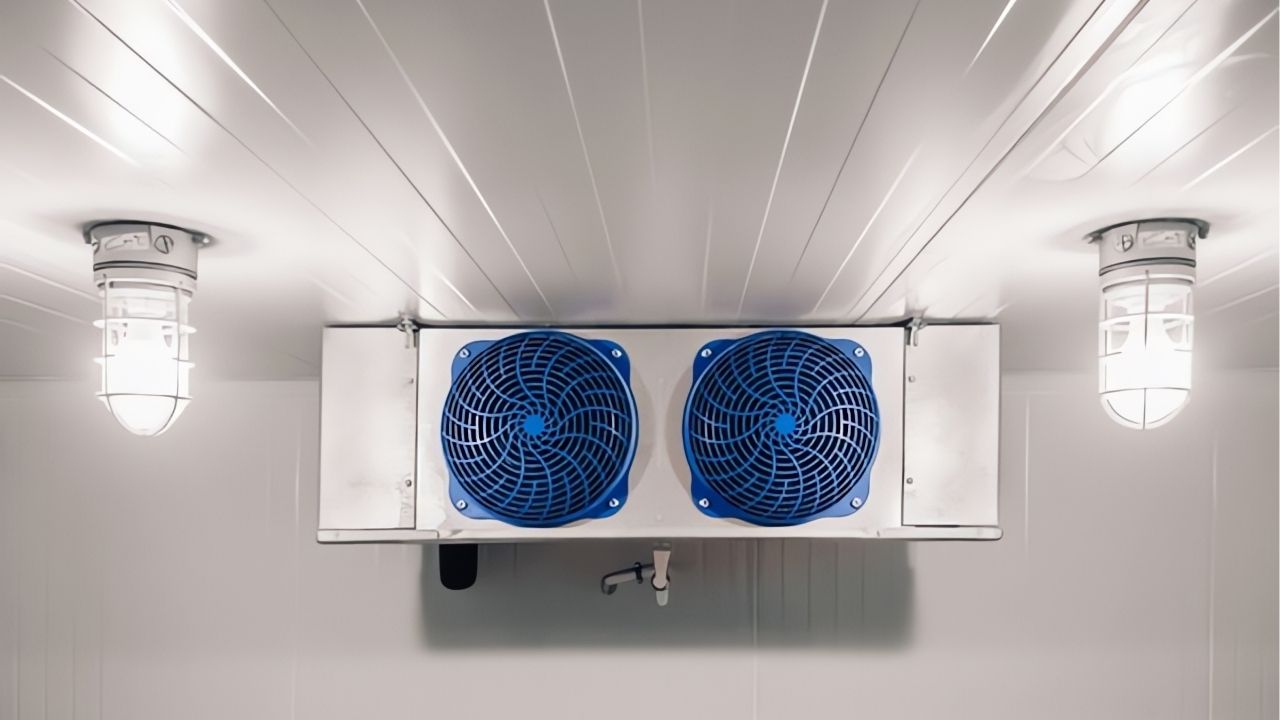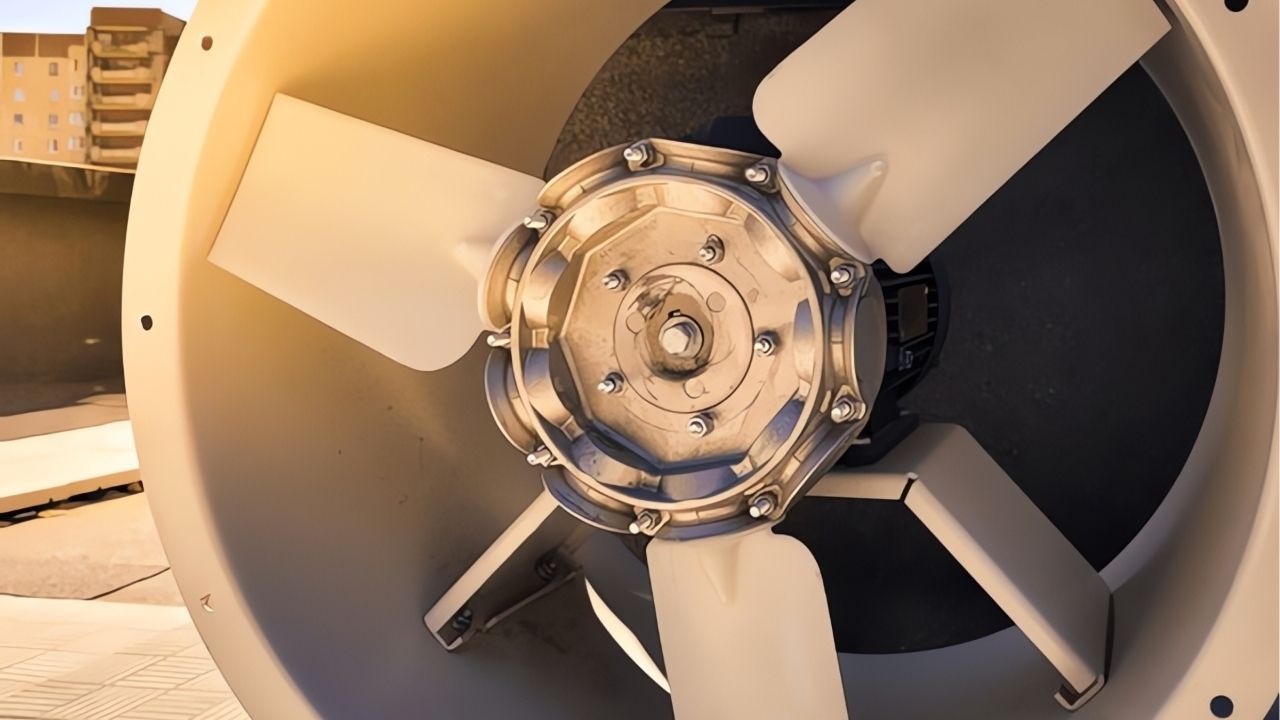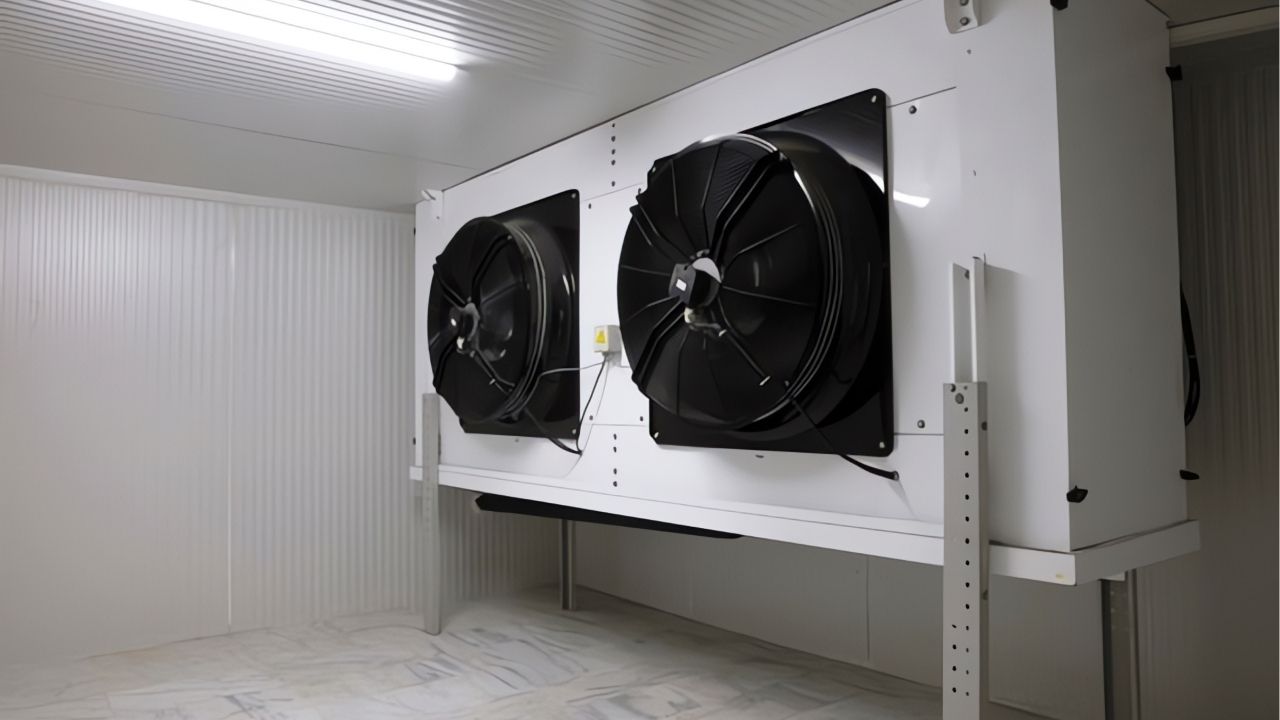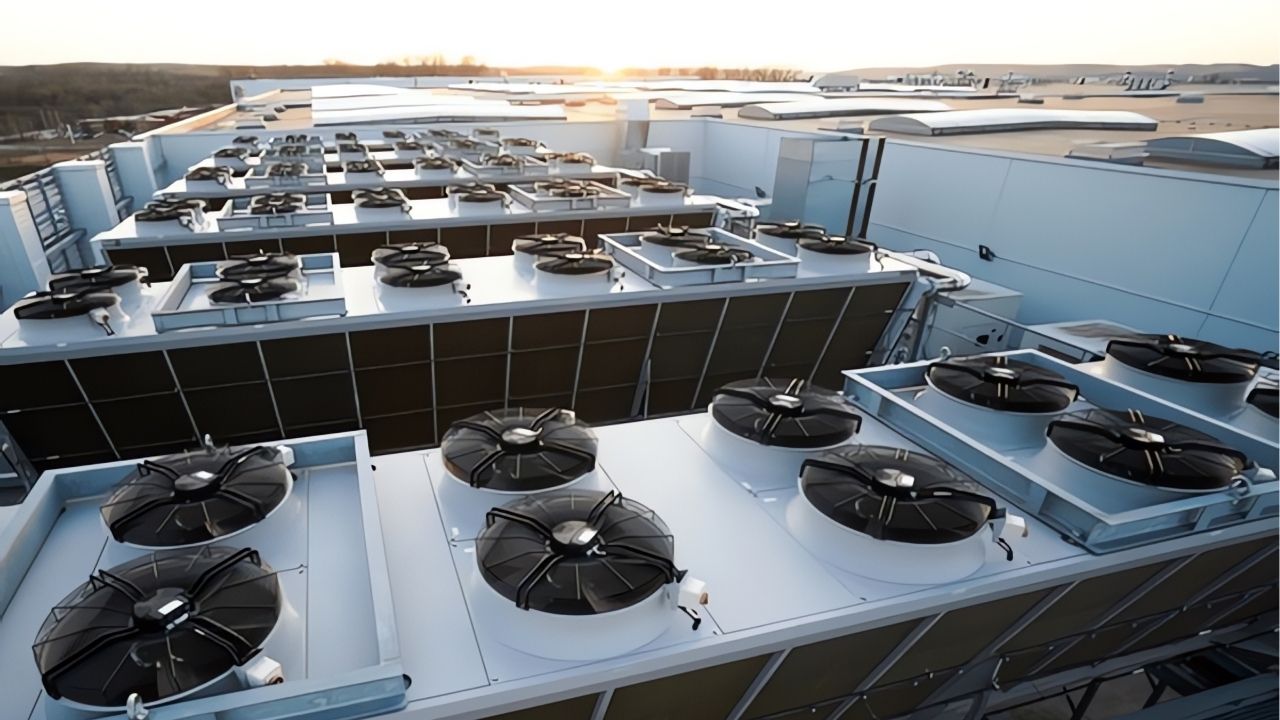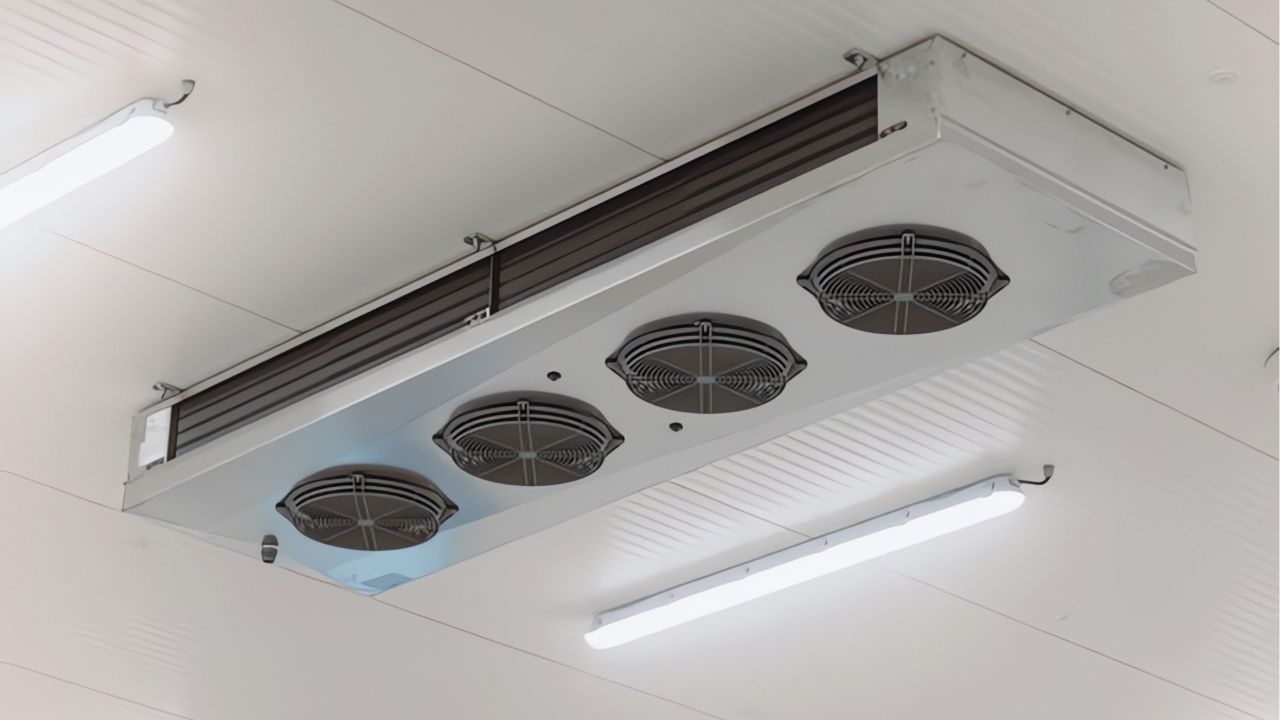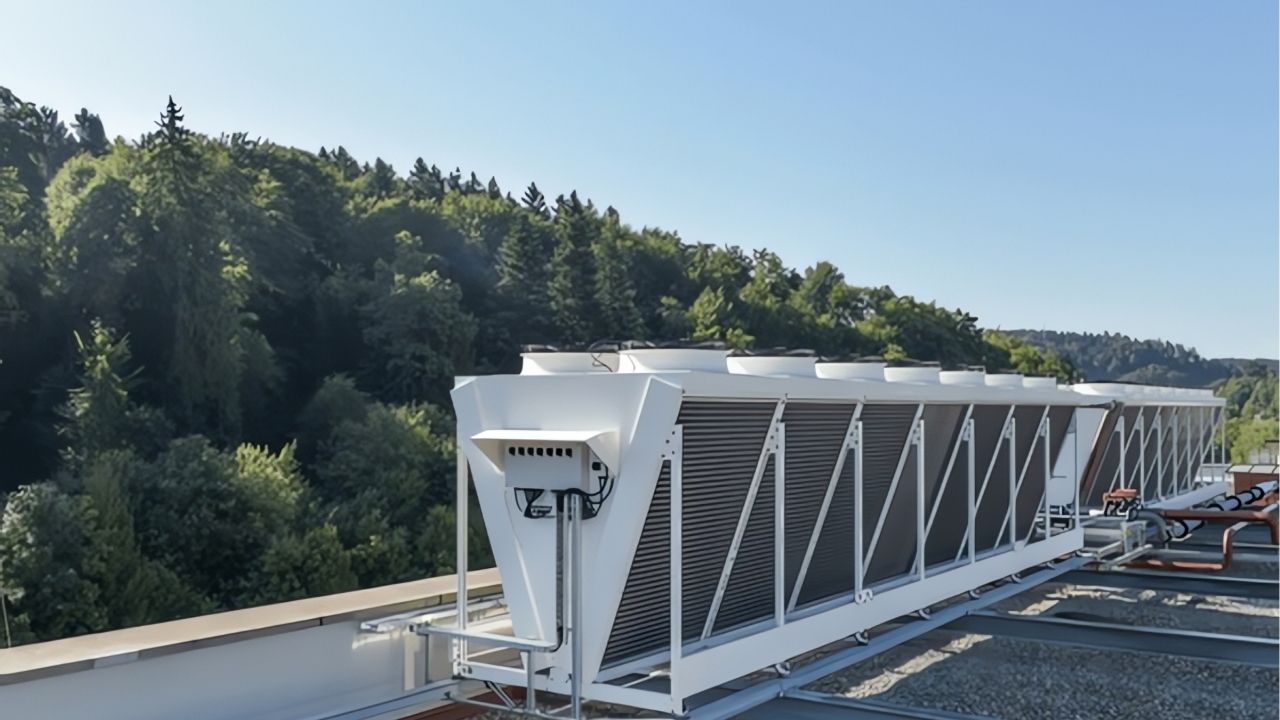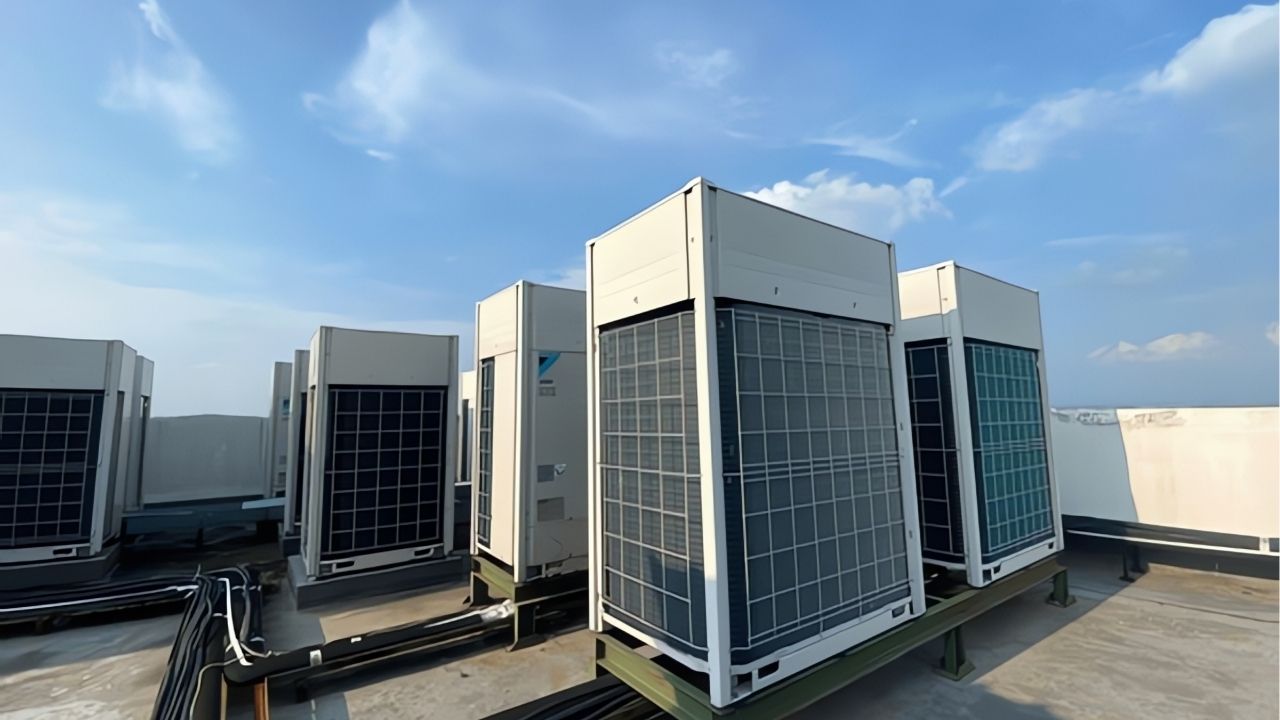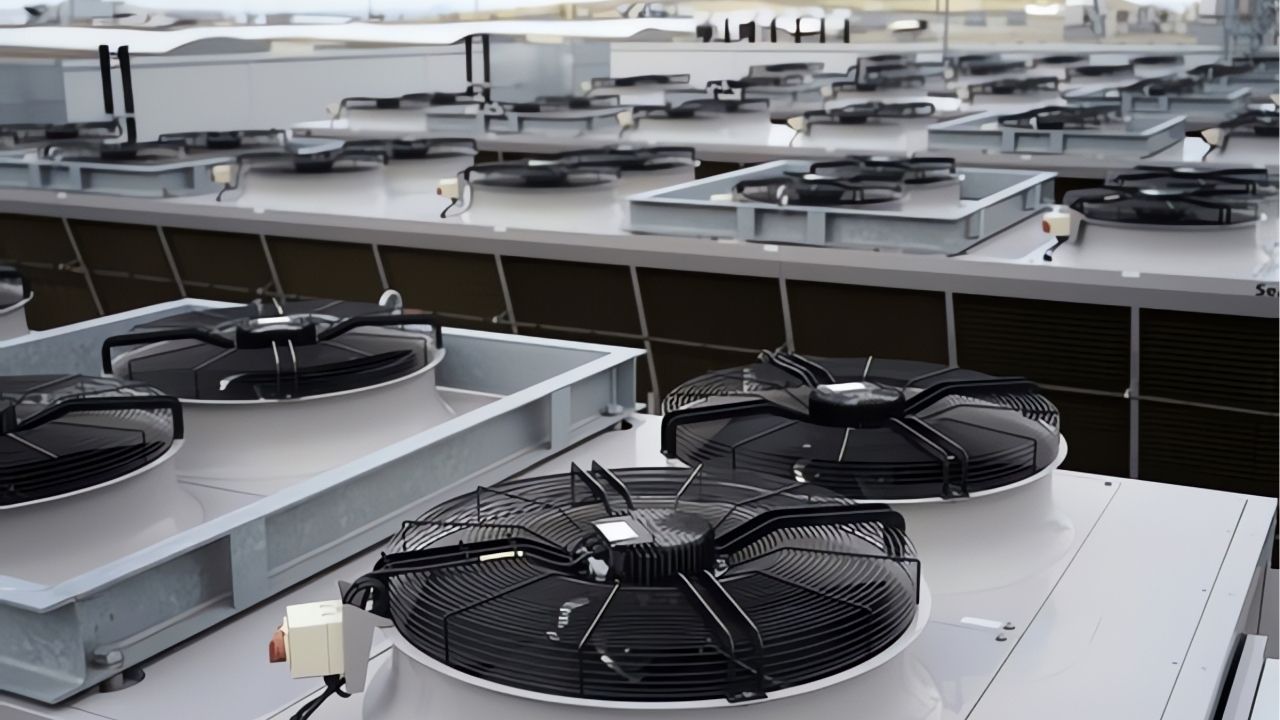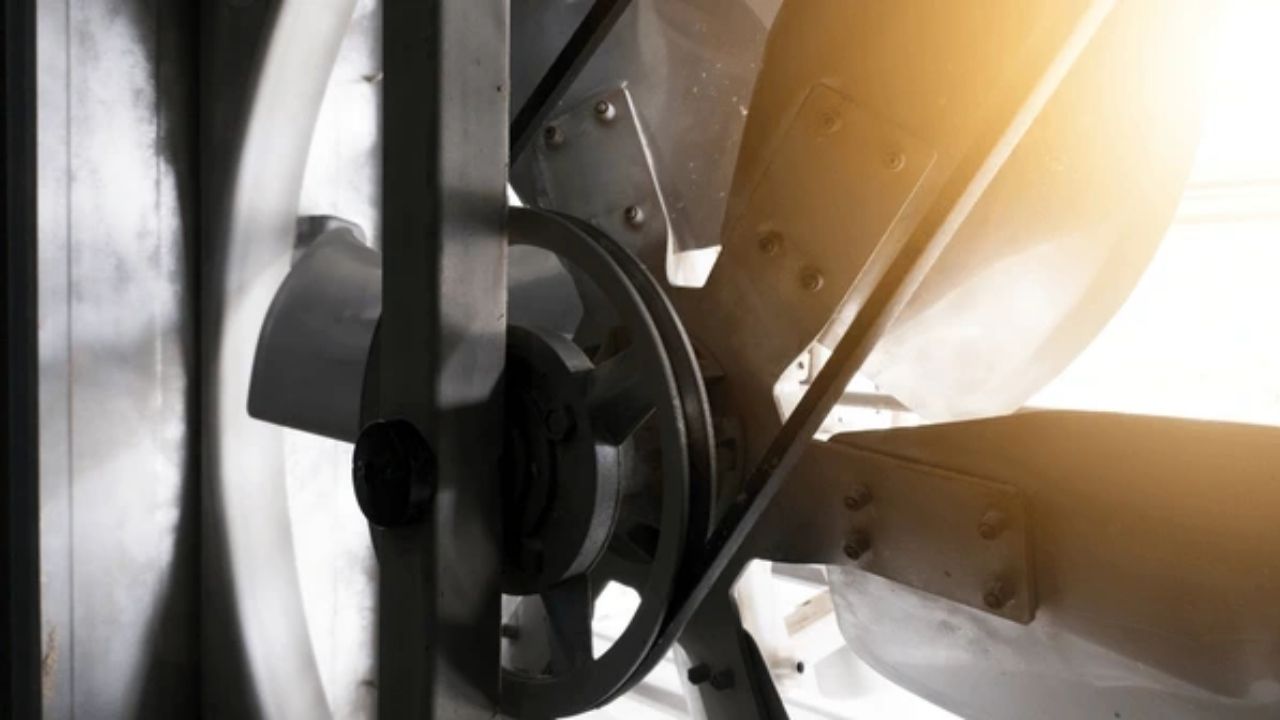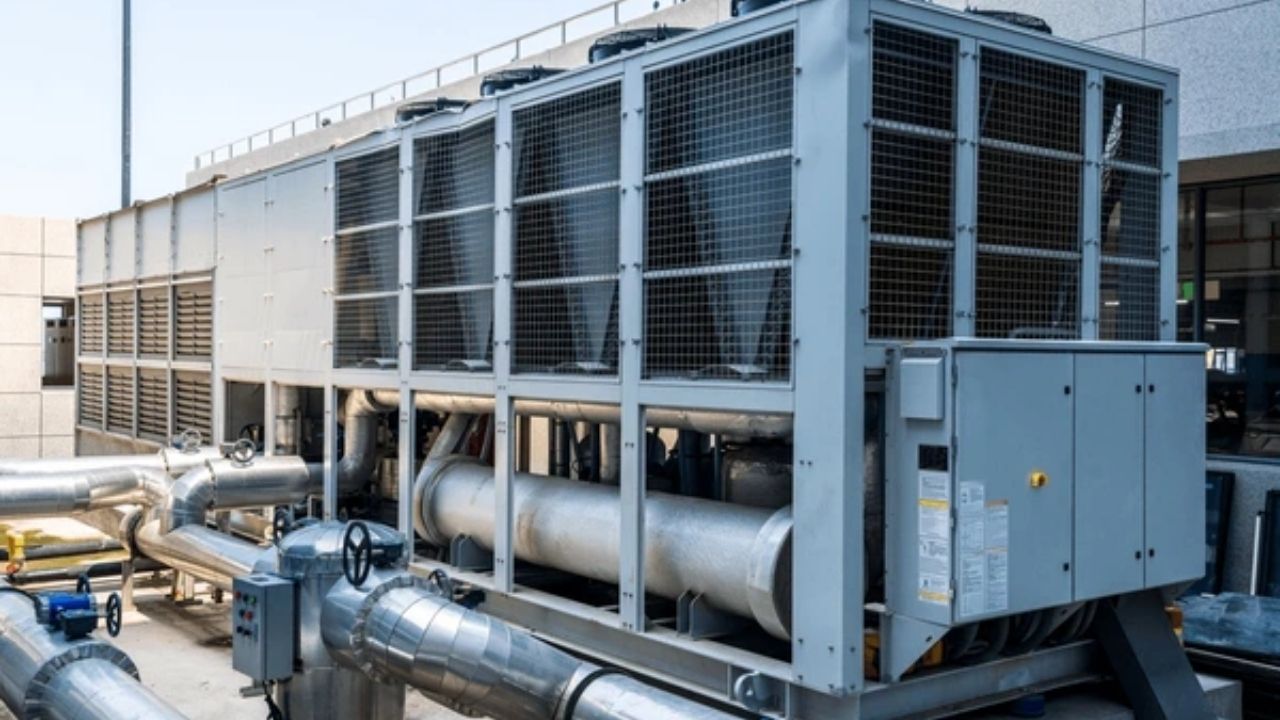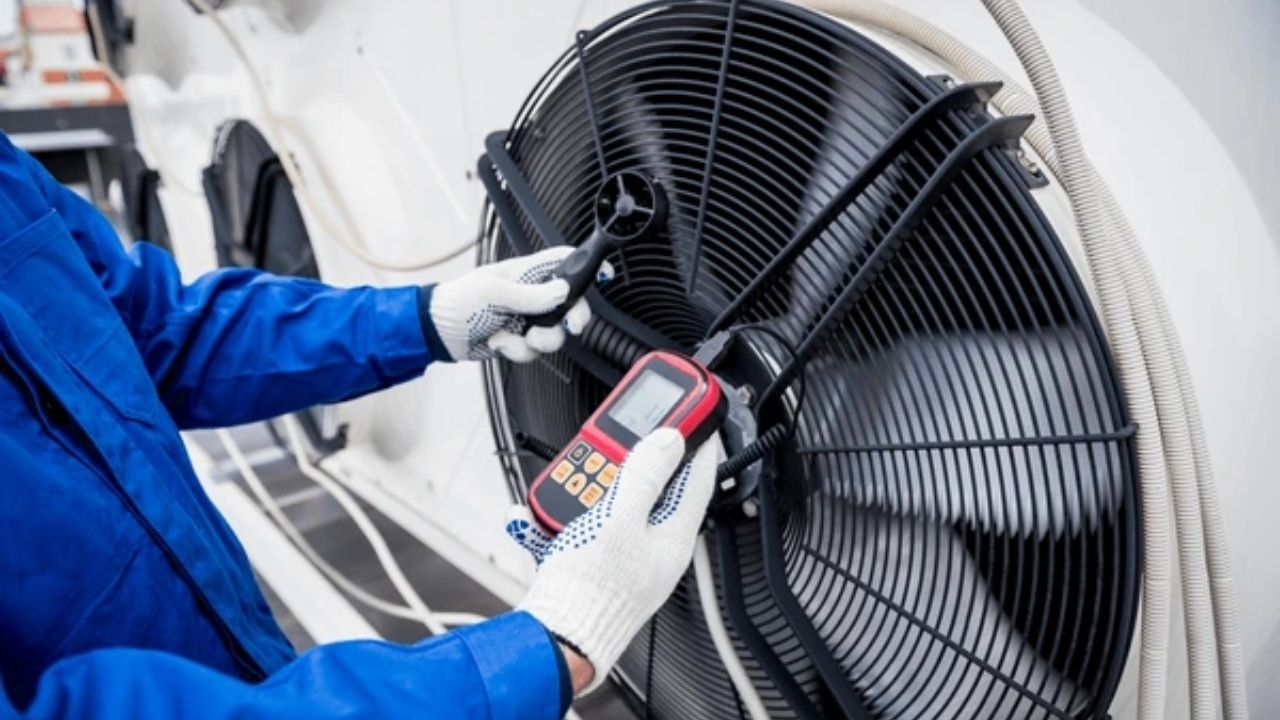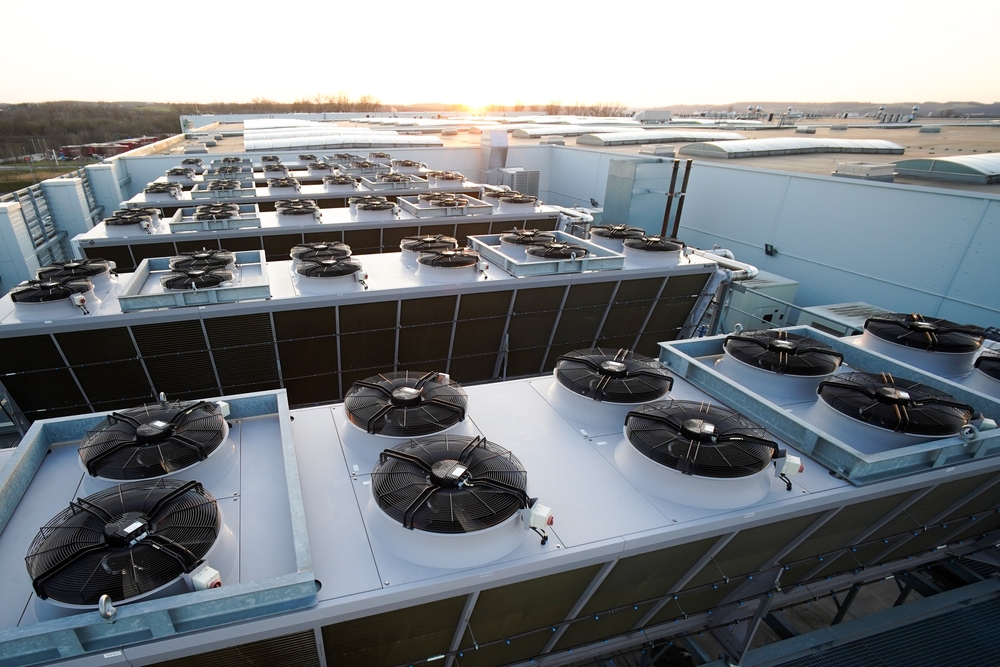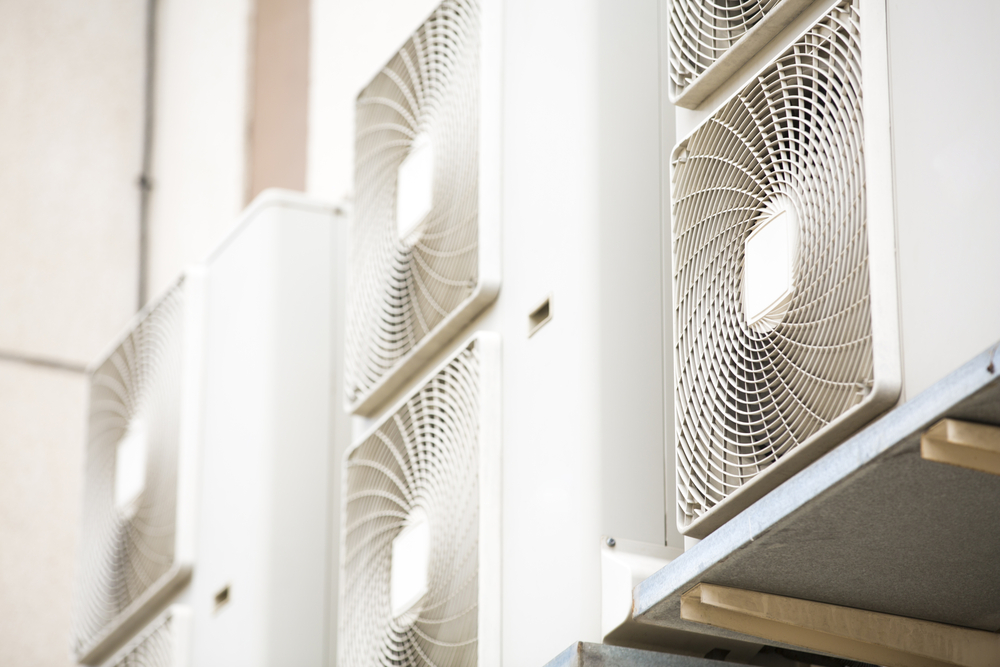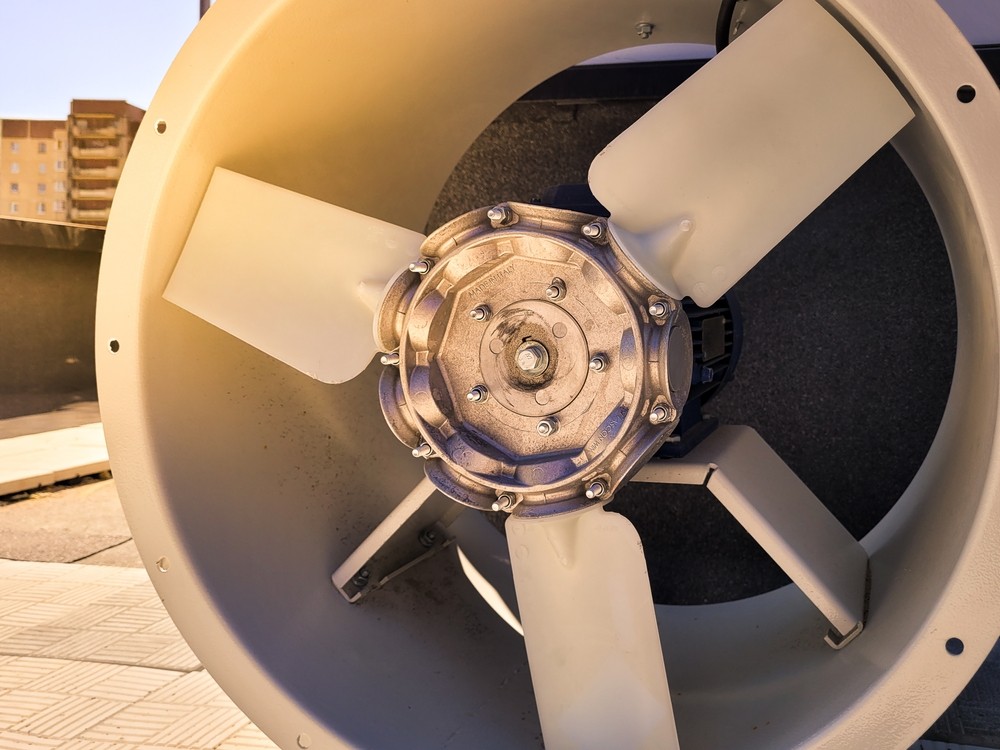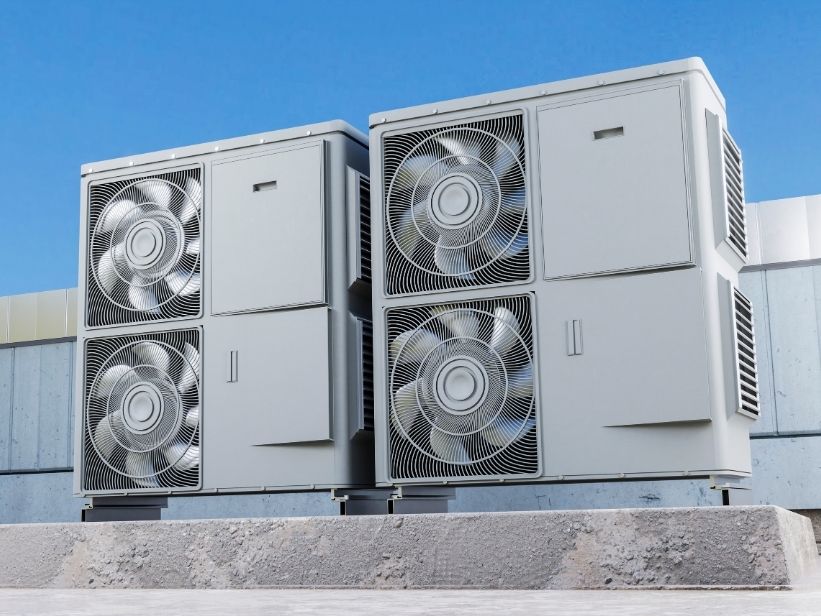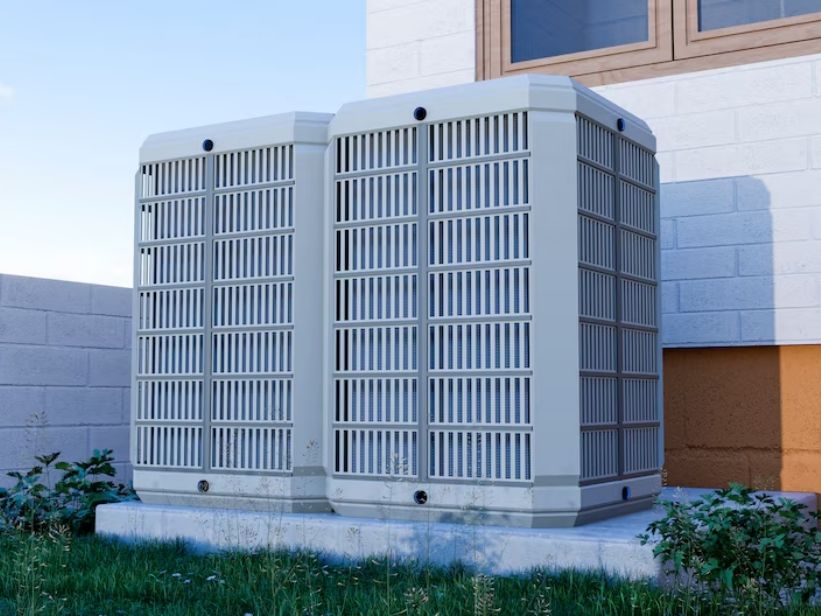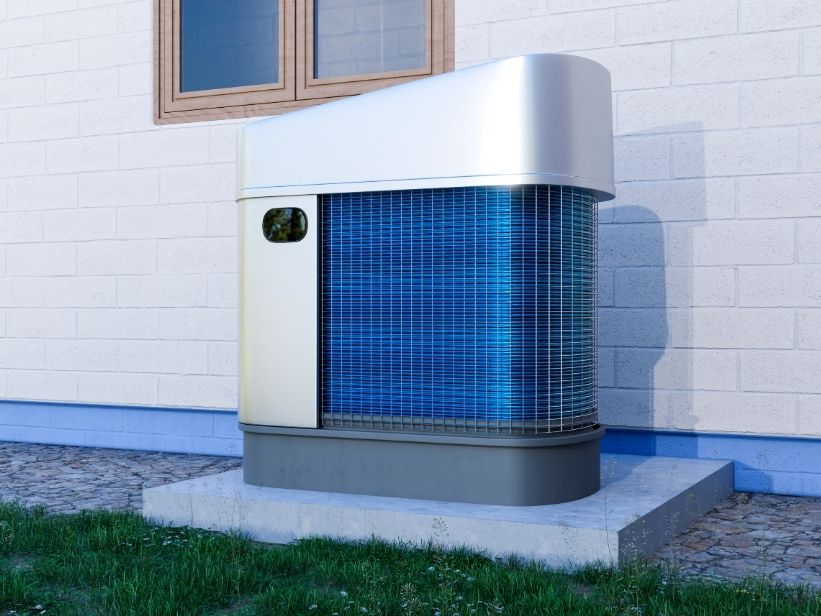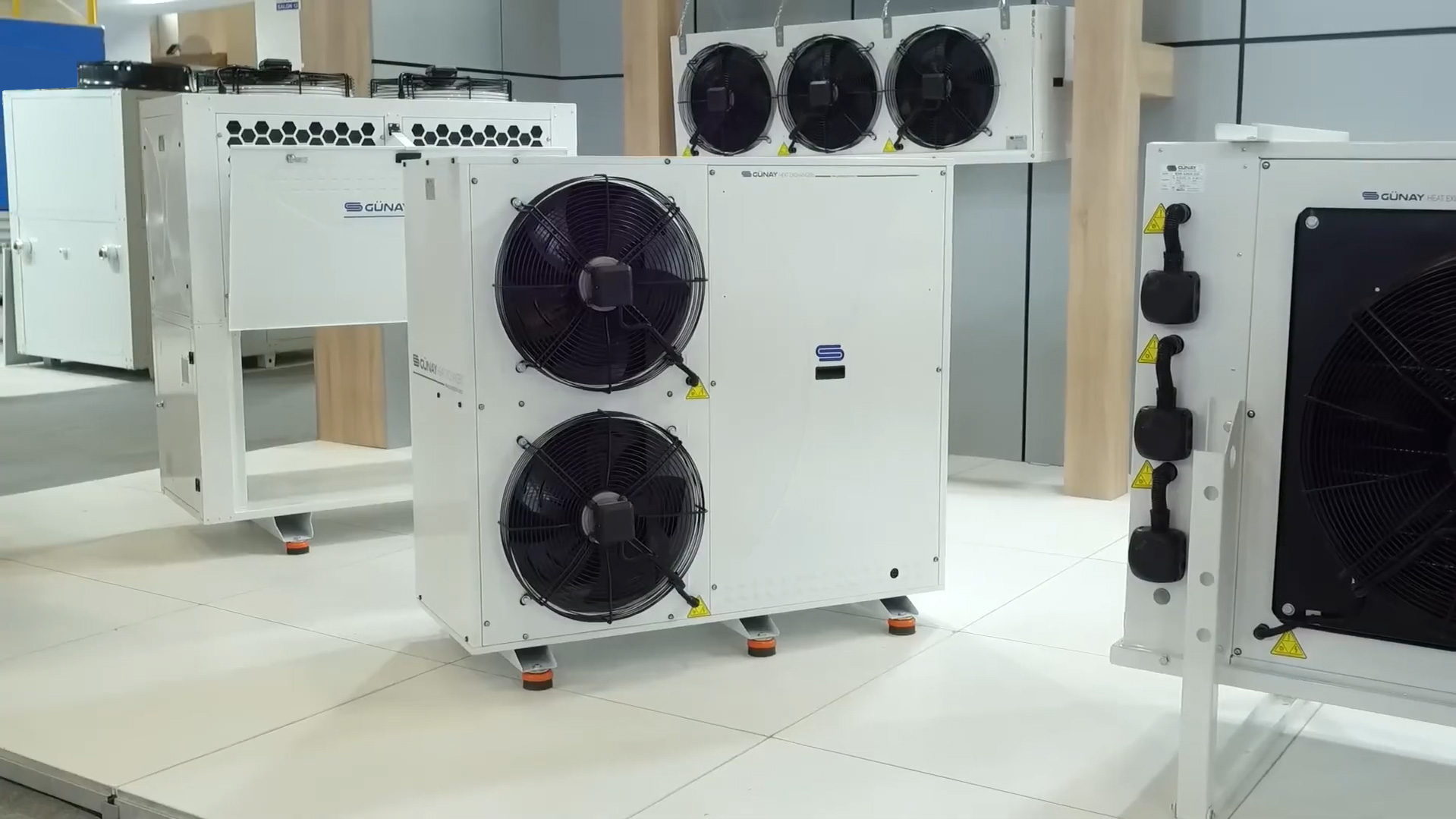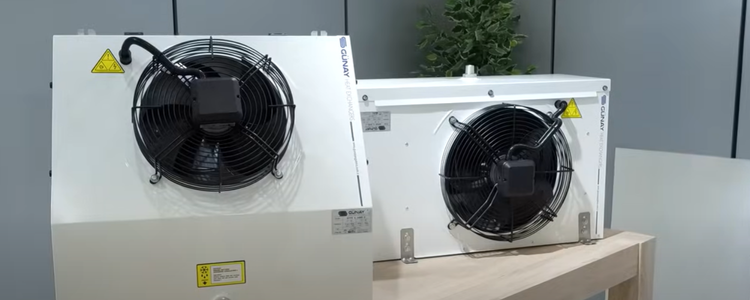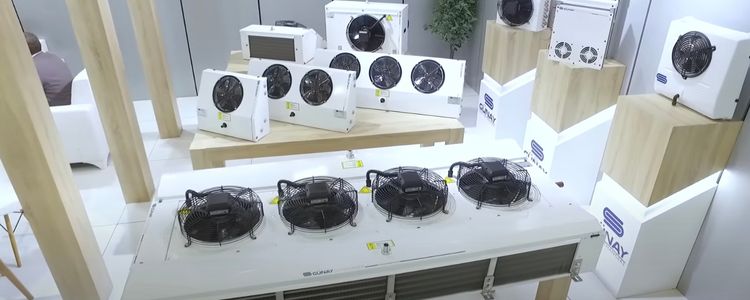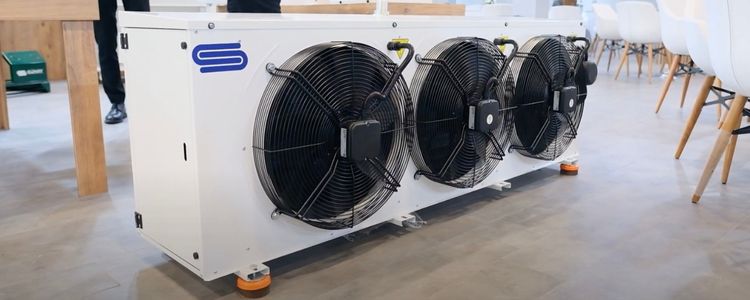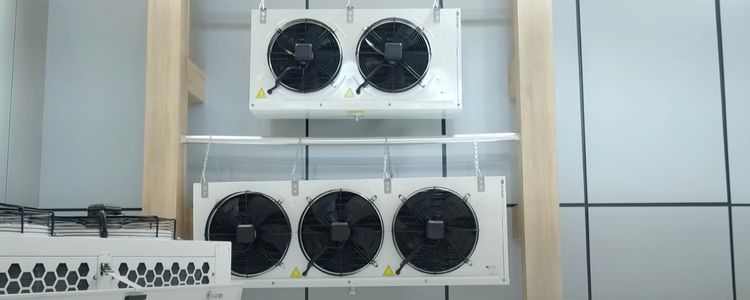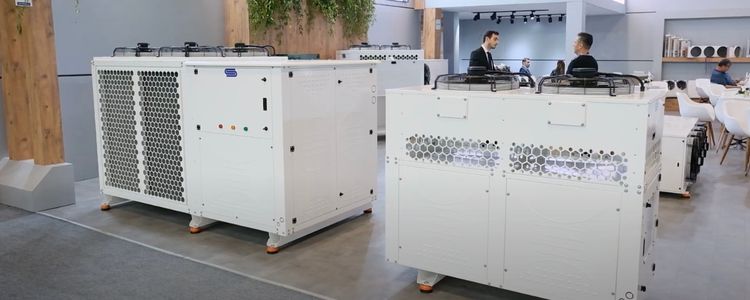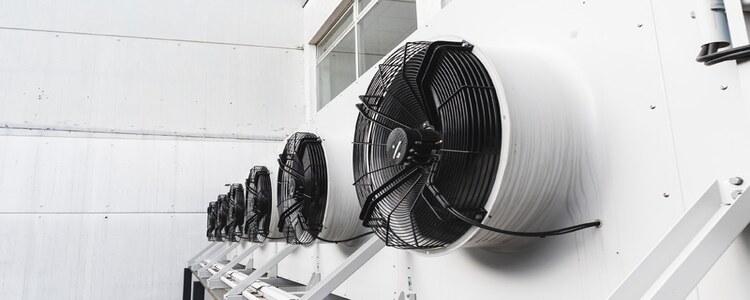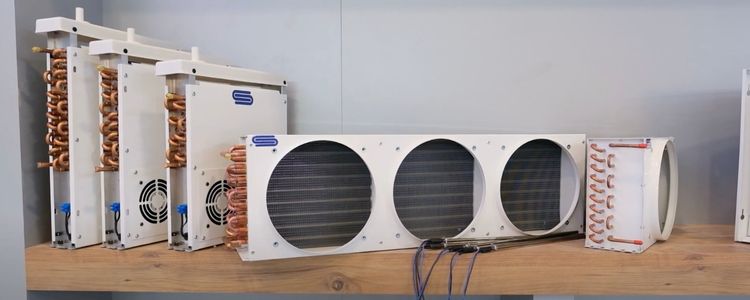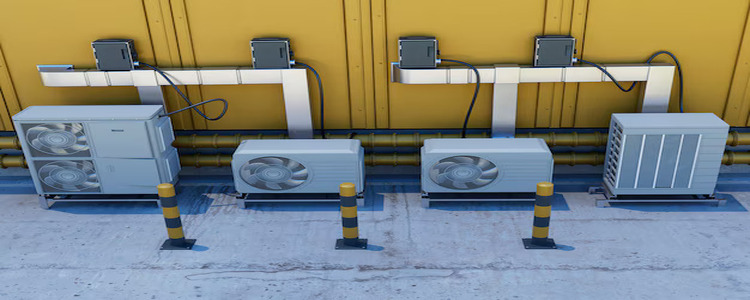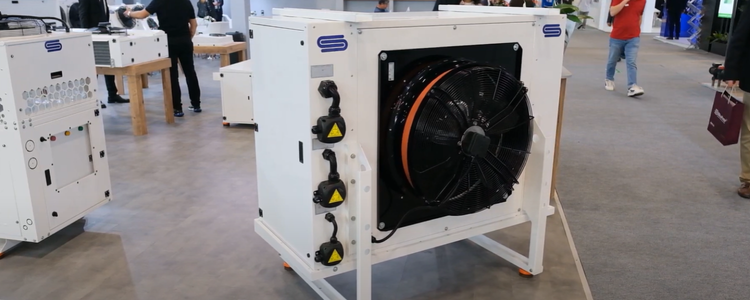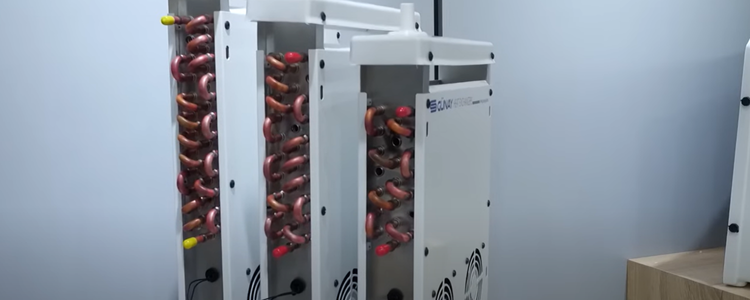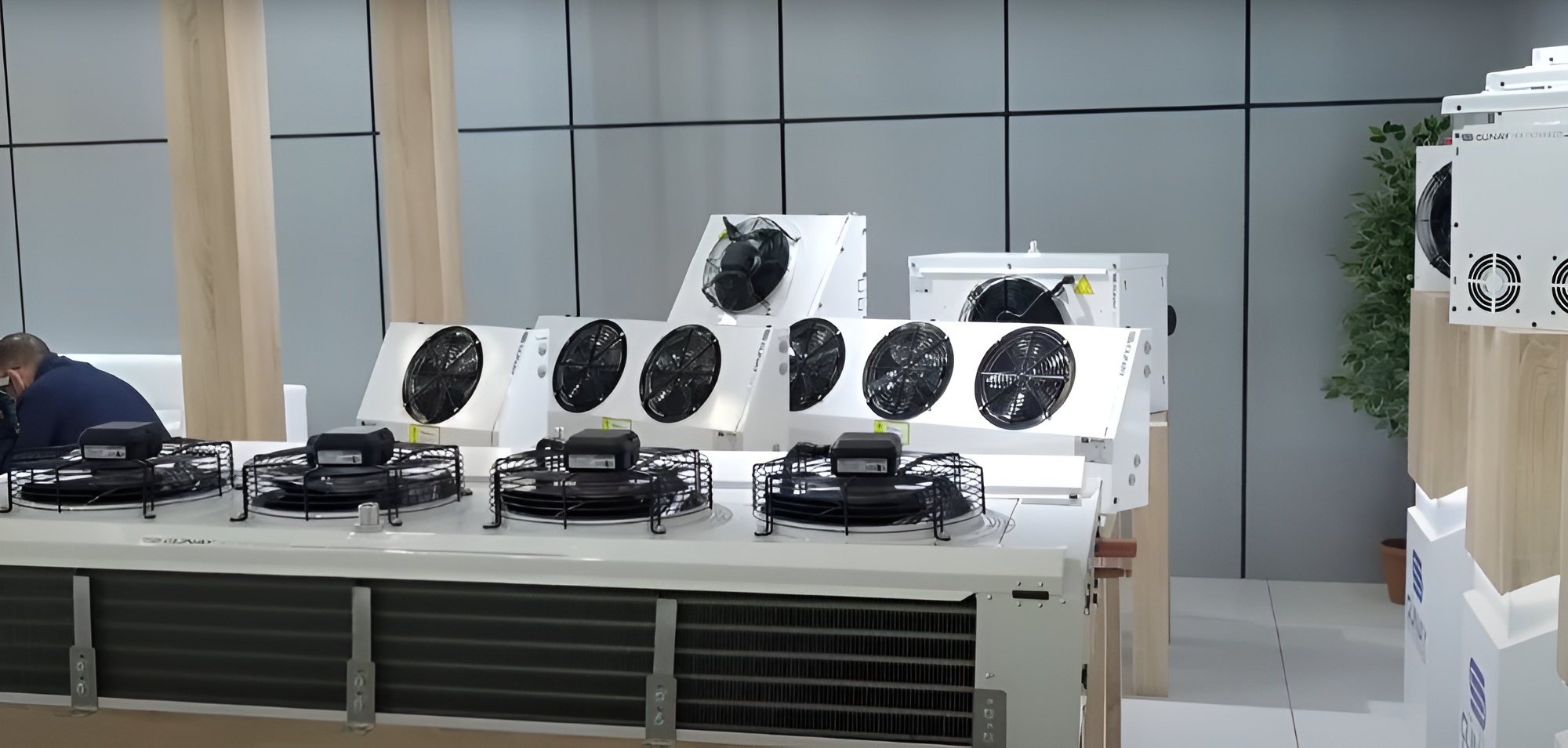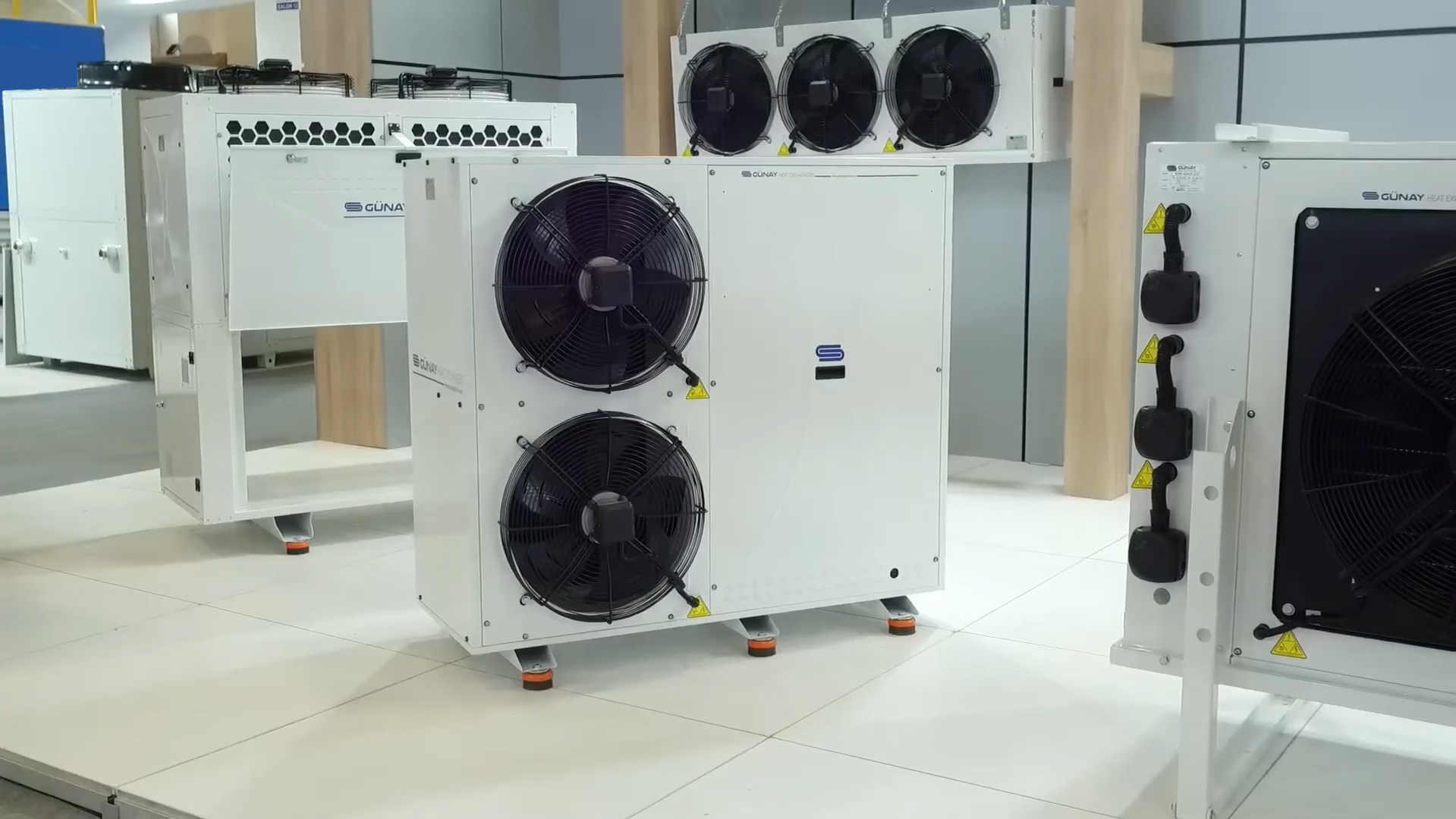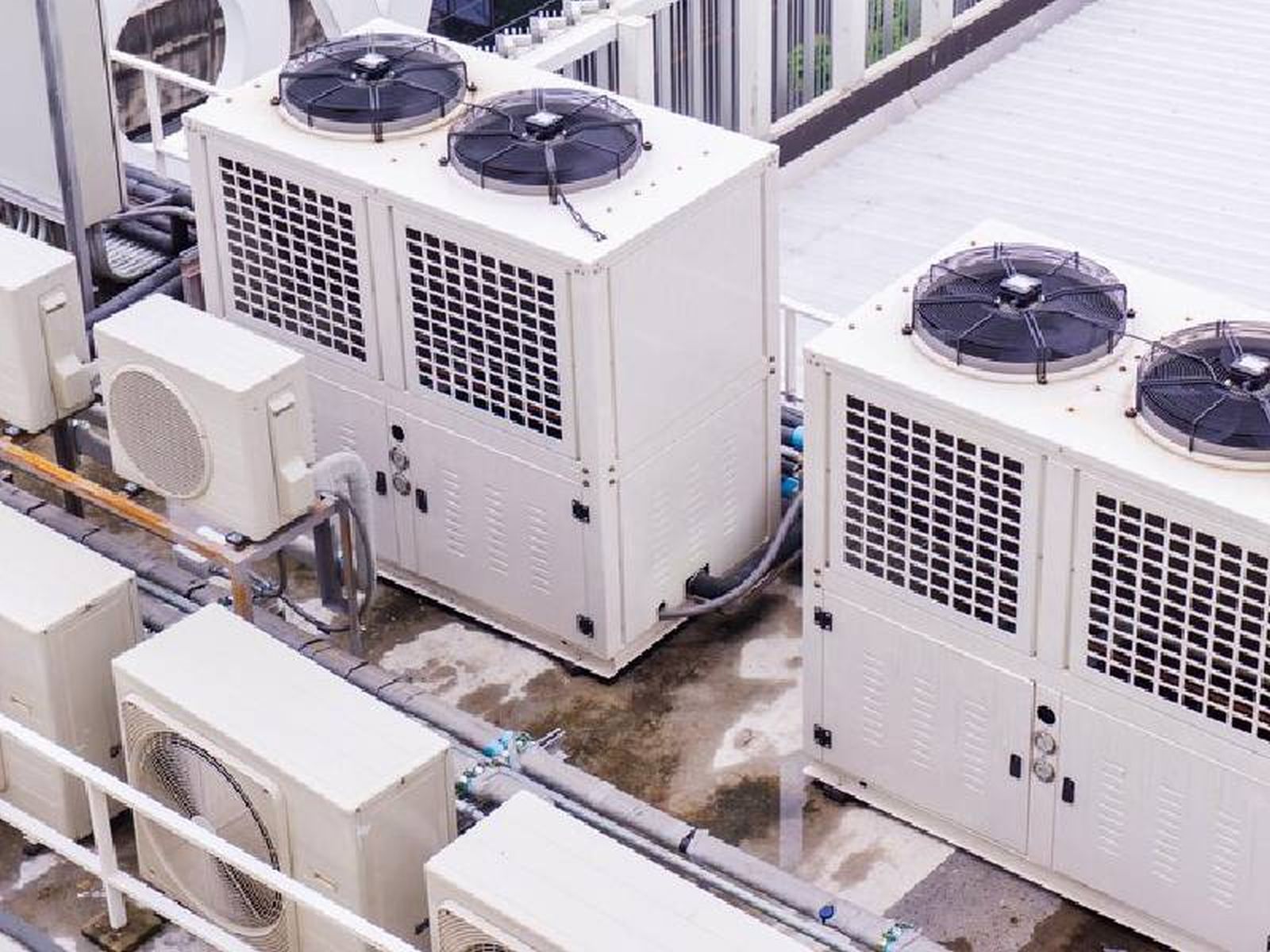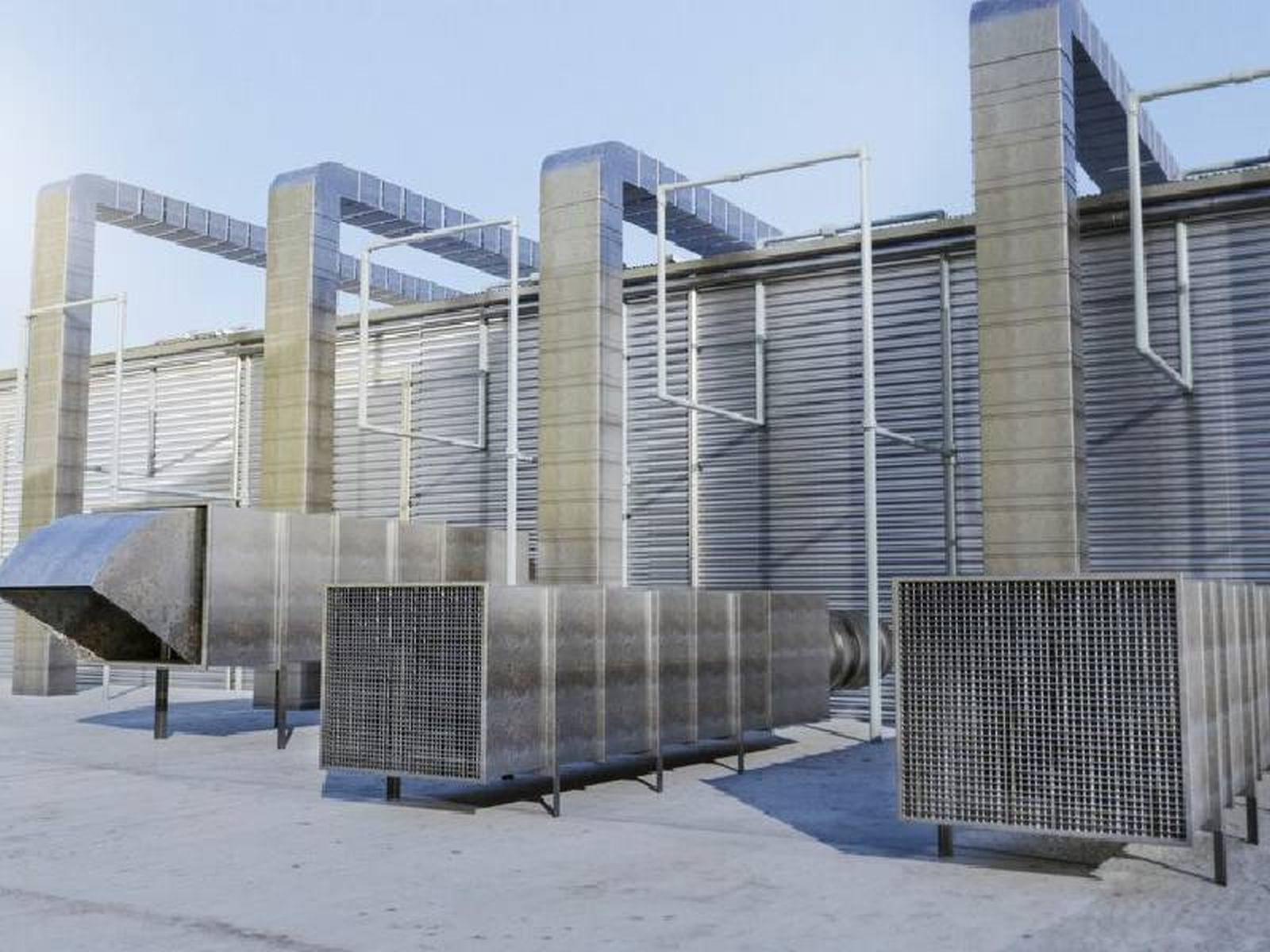
EC fans, which operate with electronically commutated motors, and AC fans, which operate with asynchronous motors supplied directly with alternating current, are the basic components that move air in refrigeration equipment. Since fans play a decisive role in the energy consumption, sound level and control flexibility of condensers, evaporators and dry coolers, the choice of motor technology directly affects operating costs. In this article, we discuss the operating principles of the two technologies, their differences in efficiency and control, the balance between initial investment and operating cost, service issues and selection criteria.
Table of Contents
- What Is the Basic Difference Between an EC Fan And an AC Fan?
- Which Fan Operates More Efficiently at Part Load?
- How Is Speed Control Performed in the Two Technologies?
- How Are Initial Investment And Operating Cost Compared?
- How Do Service, Spare Parts And Ambient Conditions Affect the Selection?
- What Should Be Considered When Selecting Fan Technology for Refrigeration Equipment?
- Frequently Asked Questions
What Is the Basic Difference Between an EC Fan And an AC Fan?
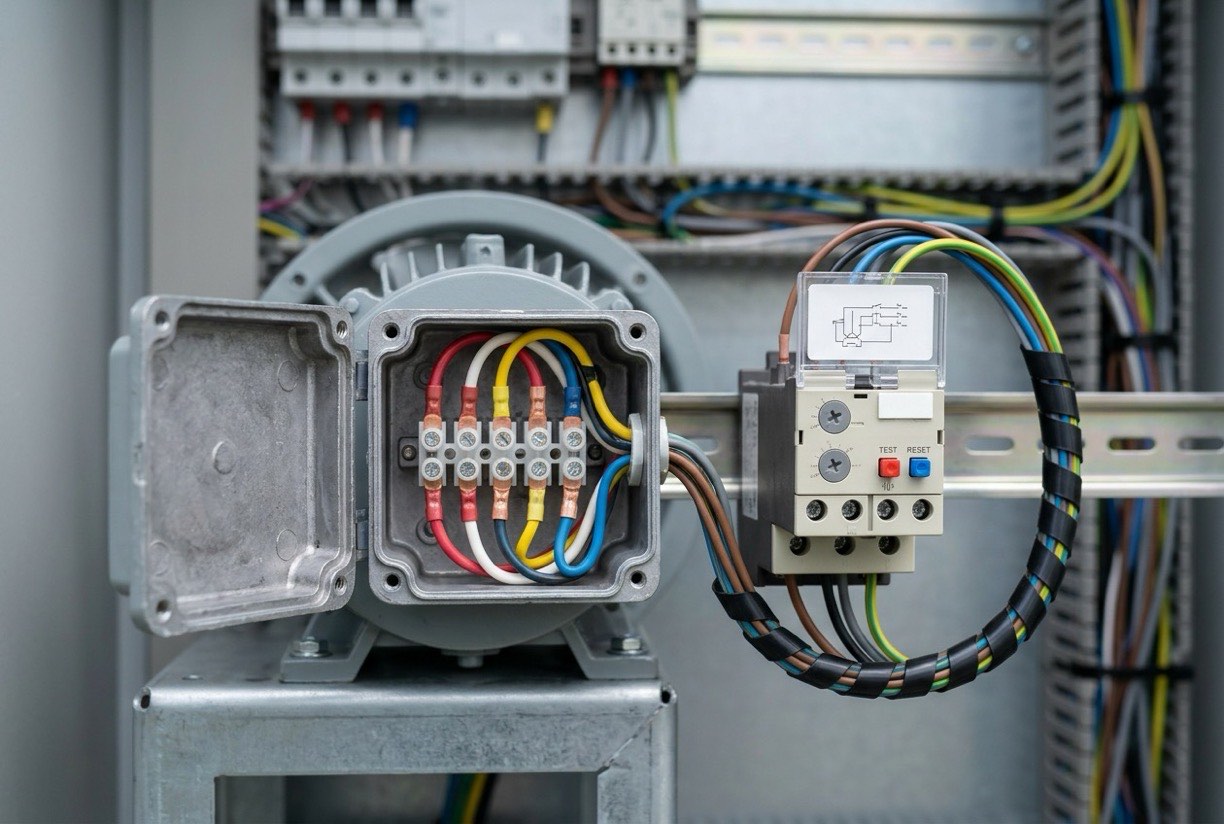
The basic difference is that an EC fan uses a permanent magnet motor controlled by an integrated electronic driver, while an AC fan operates with an asynchronous motor connected directly to the mains. Since the driver in an EC fan is integrated with the motor, speed adjustment is performed via the fan's own electronics.
If speed adjustment is required in AC fans, an external control device, for example a frequency inverter or a voltage-controlled regulator, is used; otherwise the fan runs at one or two fixed speeds. This structural difference distinguishes the two technologies in many respects, such as efficiency, control options, wiring and the way of intervention in case of failure.
Which Fan Operates More Efficiently at Part Load?
At part load, EC fans generally operate more efficiently because they can largely maintain their motor efficiency even at low speeds. Since refrigeration equipment spends most of the year below design conditions, this difference can be reflected in annual energy consumption.
However, in applications operating at full load and continuously at a fixed speed, the difference between the two technologies may narrow. In addition, efficient AC motors driven by an inverter can also give good results at part load. Therefore, the efficiency comparison should be made per project based on the annual operating profile of the equipment and the manufacturer's data.
How Is Speed Control Performed in the Two Technologies?
In EC fans, speed control is performed via an analog signal or digital communication sent to the fan's integrated driver, whereas AC fans require an external inverter or regulator. EC fans can often also transmit alarm and operating information over the same communication line.
In AC fans, it is possible to drive multiple fans together with a single inverter; this can provide advantages in terms of wiring and cost in some projects. On the other hand, since each fan can be controlled independently in EC fans, when one fan fails the capacity loss can be compensated by increasing the speed of the others. Which approach is suitable is evaluated according to the control architecture and redundancy expectations.
How Are Initial Investment And Operating Cost Compared?
Initial investment and operating cost are compared by calculating the purchase price of the fans together with the energy and maintenance expenses to be incurred over the life of the equipment. The unit cost of EC fans is generally higher, but the need for a control device and energy consumption can offset this difference.
In applications with high operating hours, long periods at part load and a need for speed control, the total cost of ownership of an EC fan can be advantageous. In short-term or seasonal use, however, fixed-speed AC fans may remain an economical option. The payback period should be calculated per project according to energy prices and the operating profile.
How Do Service, Spare Parts And Ambient Conditions Affect the Selection?
Service, spare parts and ambient conditions directly affect the selection, as they determine how smoothly the fan technology can be operated in the field. While AC motors can be easily repaired in many regions due to their widespread use and simple structure, failures in EC fans are mostly resolved by replacing the motor–driver unit.
High ambient temperature, humidity, salty air or fluctuations in mains quality should be carefully evaluated, especially for components containing electronics. The fan's protection class, operating temperature range and mains compatibility should be checked according to the conditions of the installation site; spare parts availability should also be clarified at the start of the project.
What Should Be Considered When Selecting Fan Technology for Refrigeration Equipment?
The right fan technology depends on where, for how long and with what control strategy the equipment will operate. The following points can be reviewed during selection:
- Annual operating hours and time spent at part load
- Required speed control, communication and redundancy expectations
- Ambient temperature, humidity, corrosive atmosphere and mains conditions
- Initial investment budget, energy prices and local service facilities
If you would like to compare EC and AC fan options for your equipment, you can share your operating conditions with the Günay Soğutma technical team.
Frequently Asked Questions
Are EC fans better than AC fans in every application?
No; their advantages become pronounced especially in applications requiring part load and speed control, while AC fans may be sufficient for fixed-speed and short-term use.
Do EC fans operate more quietly?
The sound level depends largely on fan speed and blade design; the ease with which speed can be reduced with EC fans makes quiet operation easier when needed.
Can AC fans in an existing condenser be replaced with EC fans?
Replacement is possible if the mounting dimensions, air flow rate and electrical infrastructure are suitable; it should be verified by calculation that capacity is maintained.
Can AC fans be driven by an inverter?
Suitable motors can be driven by an inverter; the suitability of the motor for this use and the wiring requirements should be checked.
What is done when an EC fan fails?
Generally the motor–driver unit is replaced as a whole; for this reason, spare parts supply should be planned in advance.
Do mains fluctuations affect EC fans?
Like any component containing electronics, EC fans can be affected by mains quality; if necessary, appropriate protective measures should be taken.
How can I get a fan recommendation for my own equipment?
By forwarding your equipment type, operating hours, control expectations and installation site information to the Günay Soğutma team, you can evaluate the fan options suitable for you.