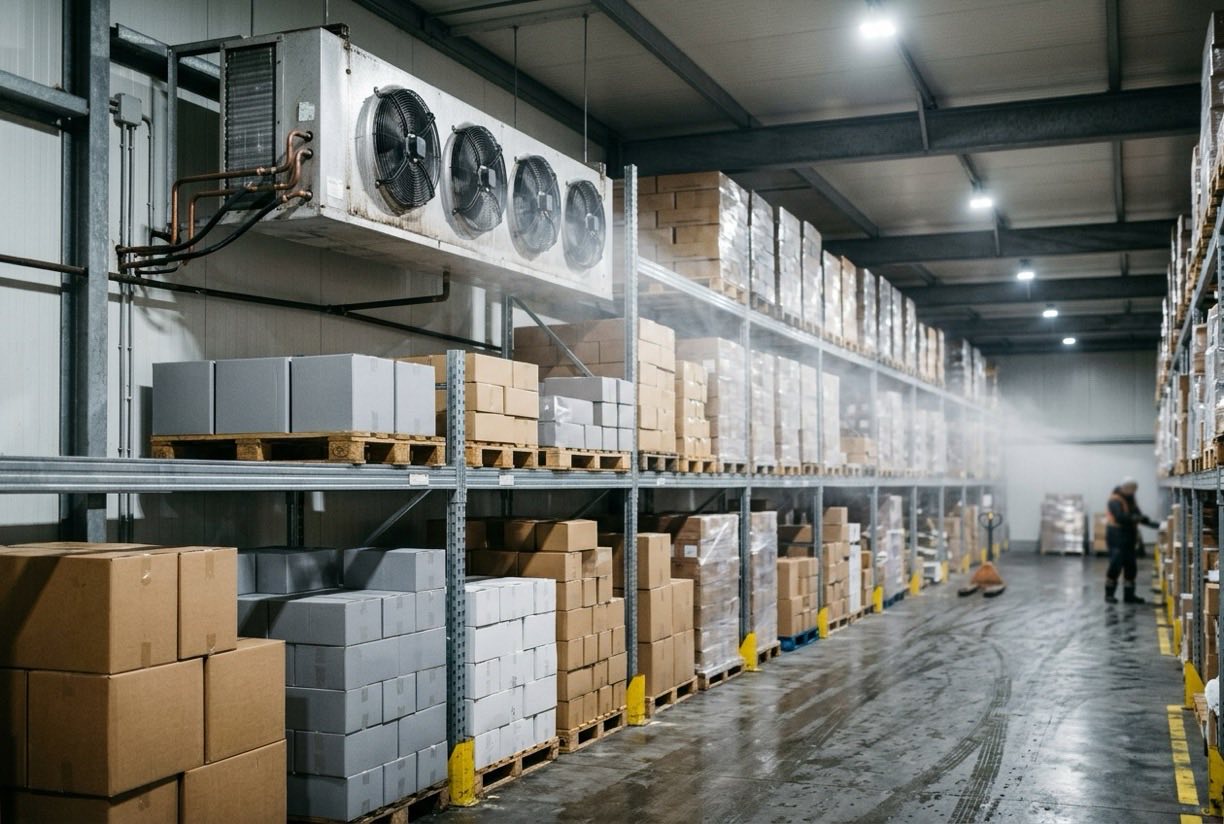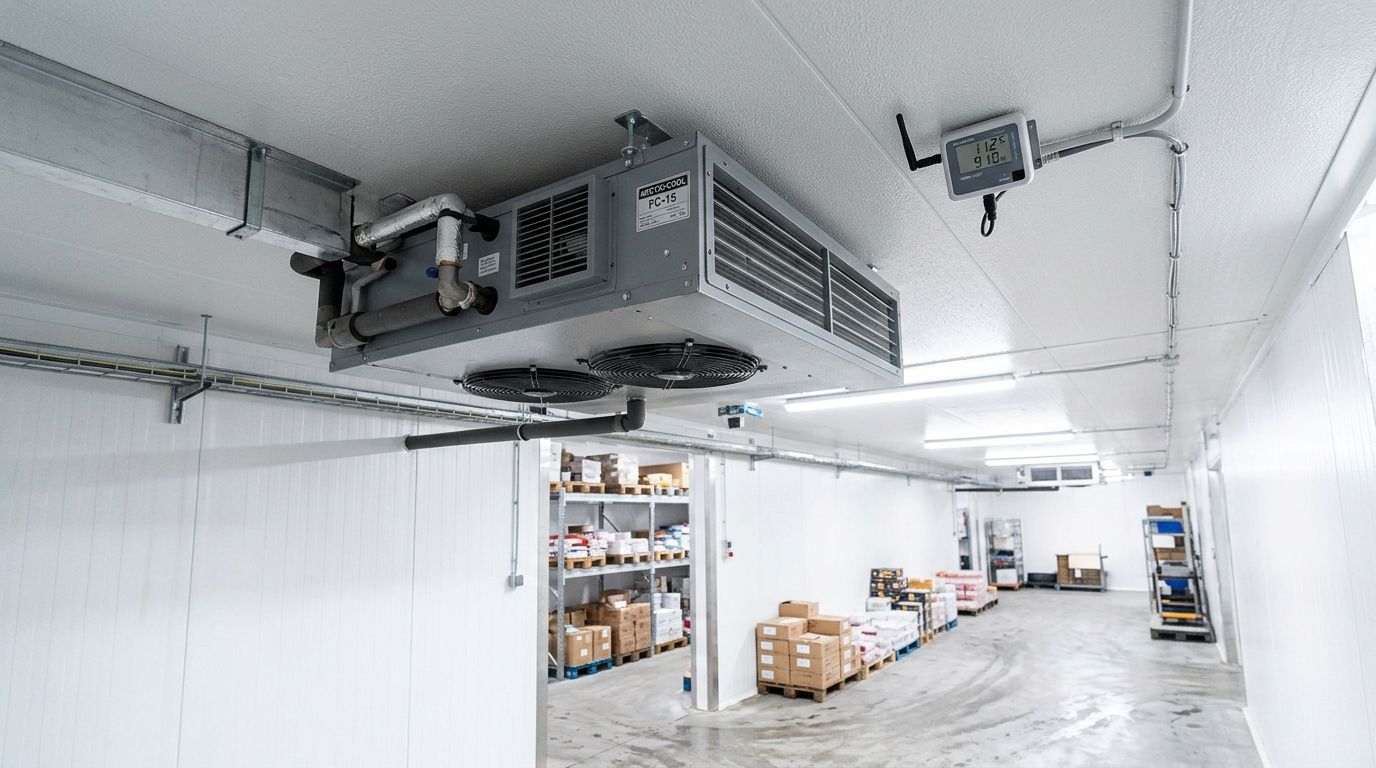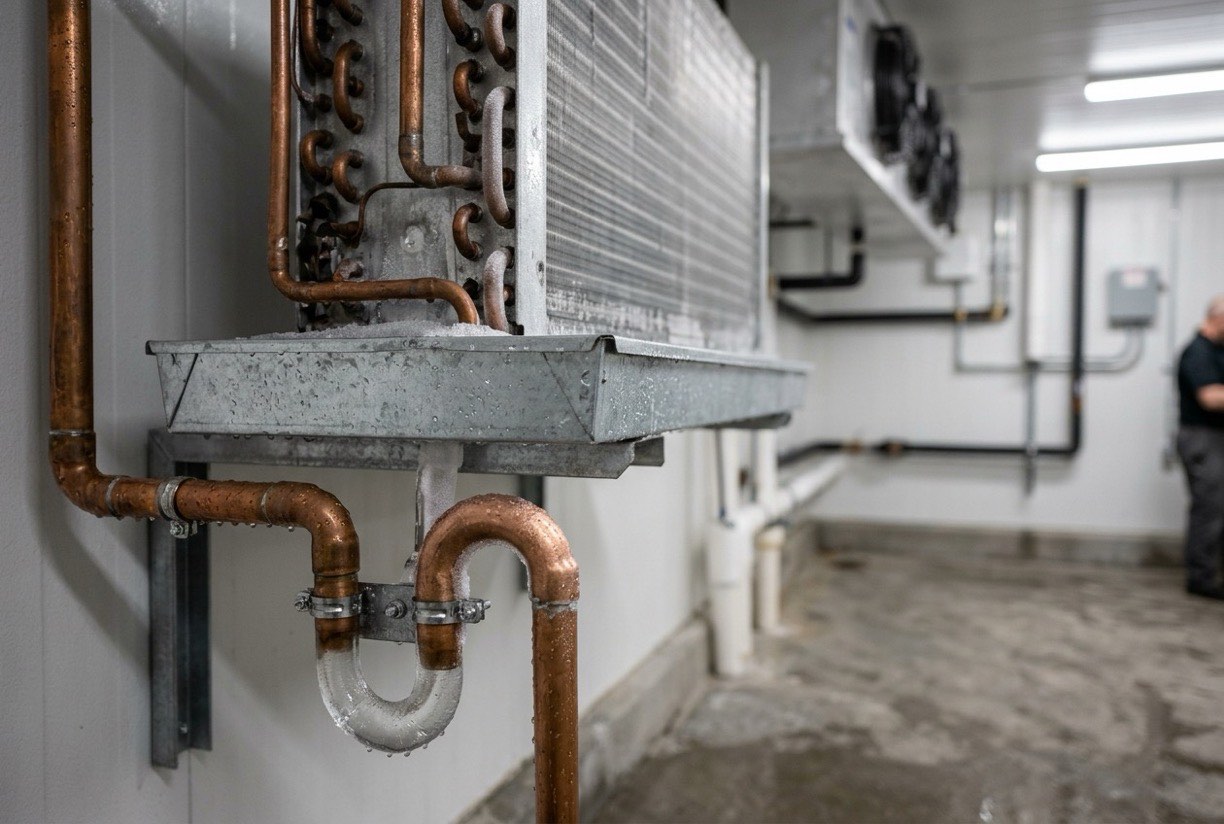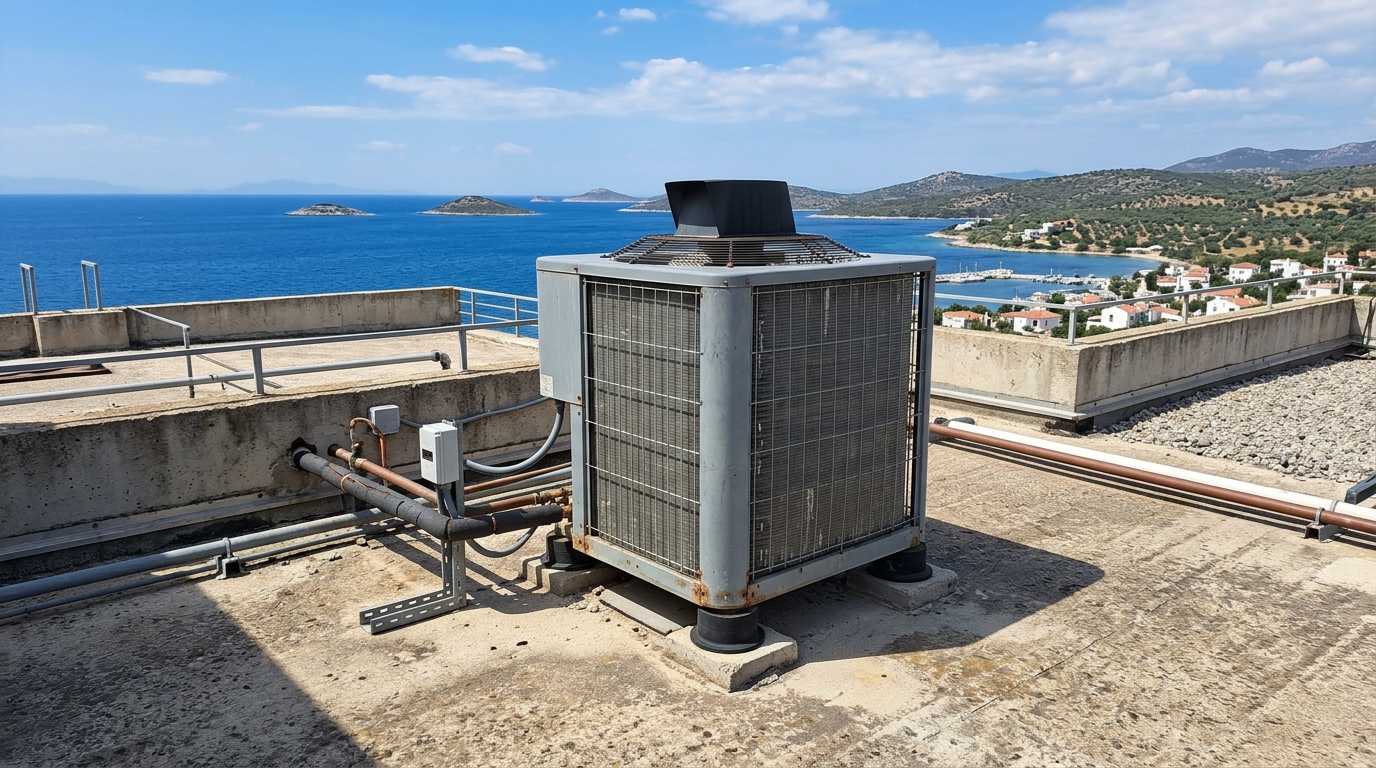
Flower and seedling storage is controlled cold storage carried out to slow the respiration of plant products that remain alive after harvest or production, to limit water loss and to preserve quality until sale or planting. Unlike food, these products are living organisms; the wrong temperature, low humidity or accumulated ethylene can quickly lead to visible quality loss. In this article, we examine the basic principles of flower and seedling storage, the balance of humidity and air velocity, ethylene management, differences between species and the points to consider when choosing the right refrigeration system.
Table of Contents
- Why Are Flowers And Seedlings Stored In A Cold Environment?
- Why Is Relative Humidity So Important In Plant Product Storage?
- How Does Evaporator Air Velocity Affect Leaves?
- How Is Ethylene Gas Kept Under Control In Storage?
- Can Different Species Be Stored In The Same Room?
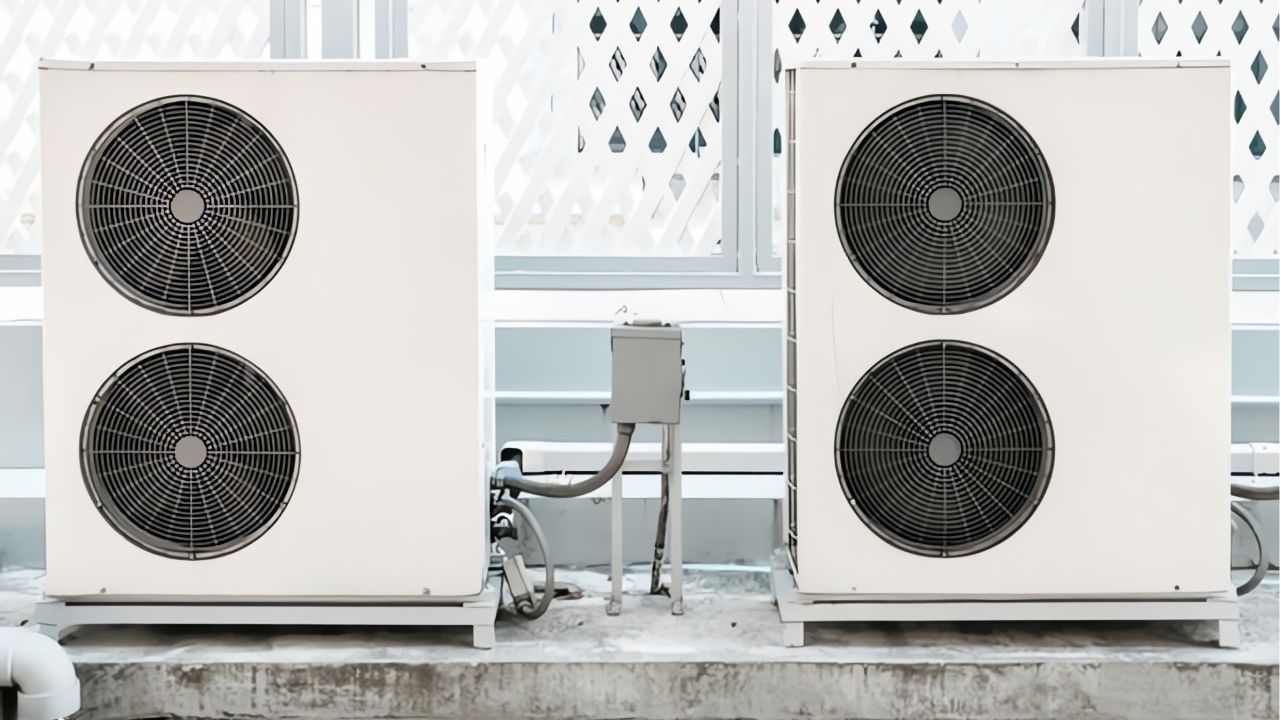
- What Should Be Considered When Choosing The Right System For A Flower And Seedling Store?
- Frequently Asked Questions
Why Are Flowers And Seedlings Stored In A Cold Environment?
Flowers and seedlings are stored in a cold environment to reduce their respiration rate and thus the rate at which they consume their stored energy. As temperature drops, the plant's metabolism slows, water loss decreases and undesirable changes such as leaf yellowing, bud opening or shoot elongation are delayed.
However, not every species responds to cold in the same way: some plants of tropical origin may show chilling injury below a certain temperature. For this reason, storage temperature is determined according to species, developmental stage and planned storage duration; a design based on the product list rather than a general value gives sounder results.
Why Is Relative Humidity So Important In Plant Product Storage?
Relative humidity is important because in low-humidity air plants rapidly lose water from their leaves and stems, and this loss turns into wilting and weight loss, a quality loss that is hard to reverse. High humidity is generally targeted in flower and seedling stores; however, the formation of free water on surfaces can also increase the risk of fungal diseases.
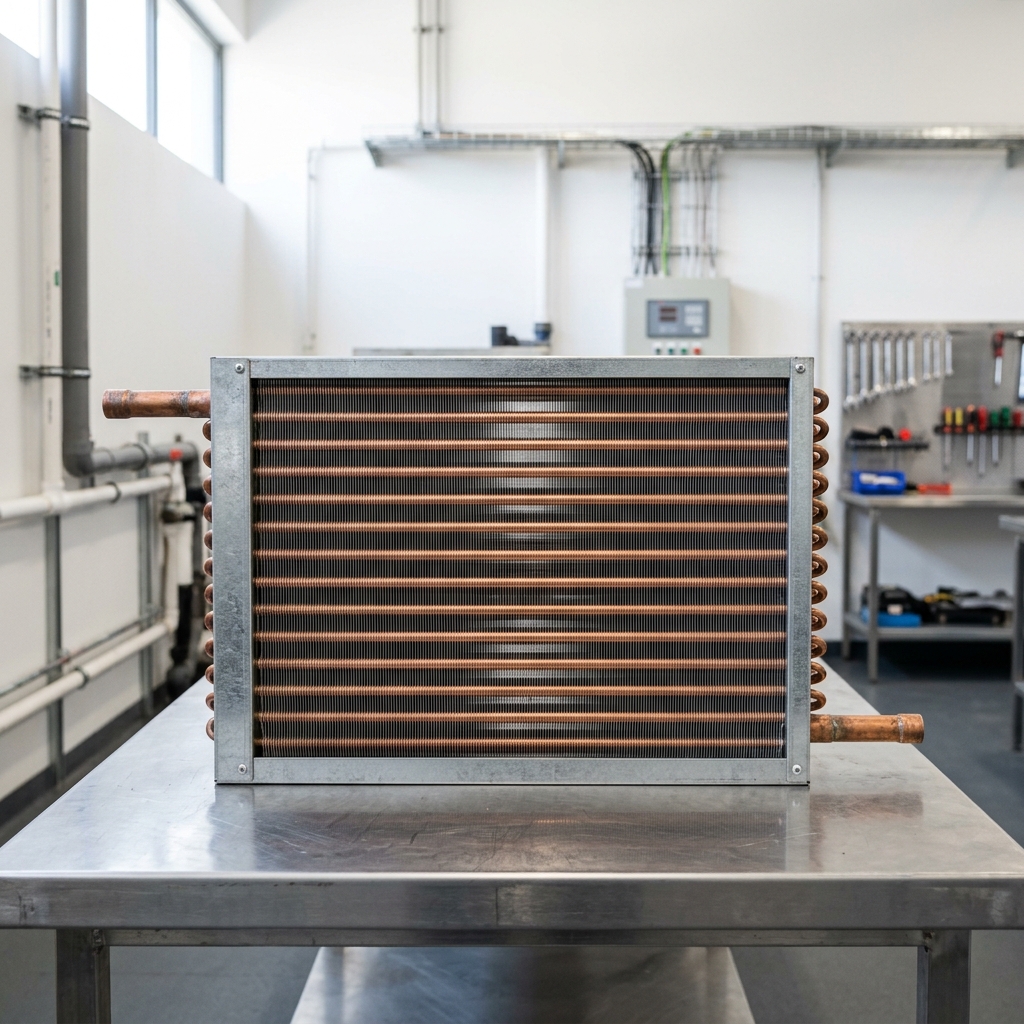
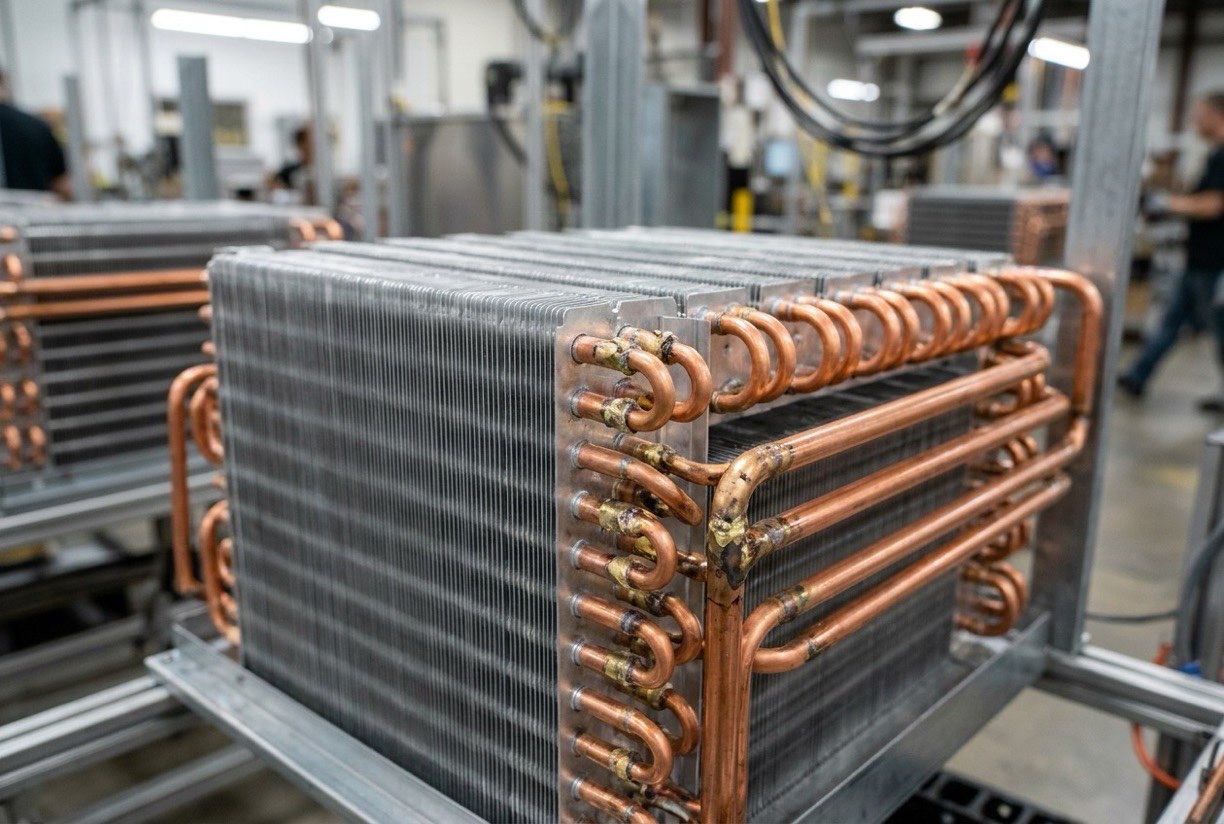
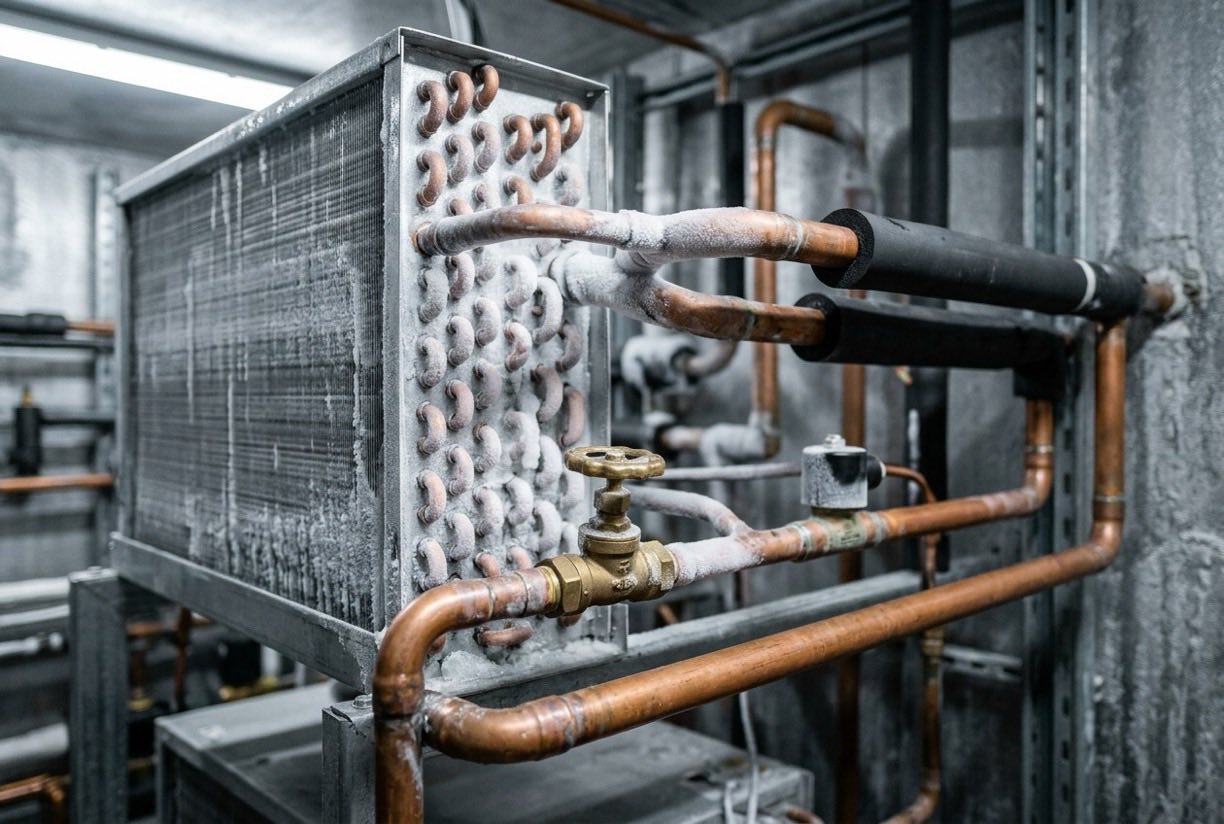
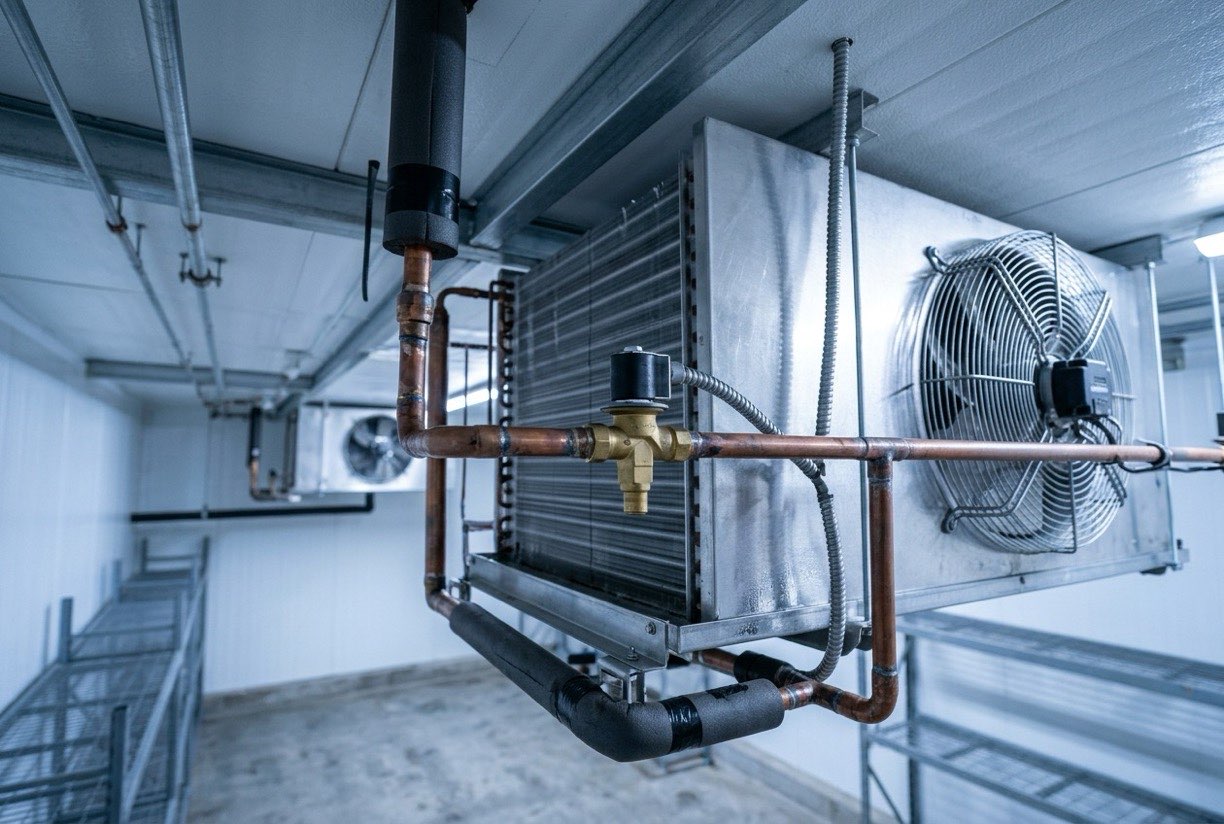
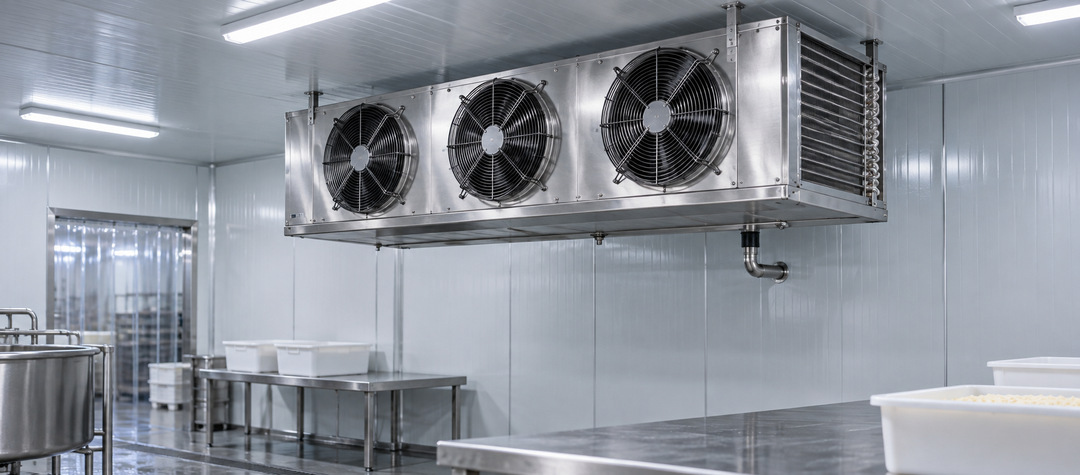
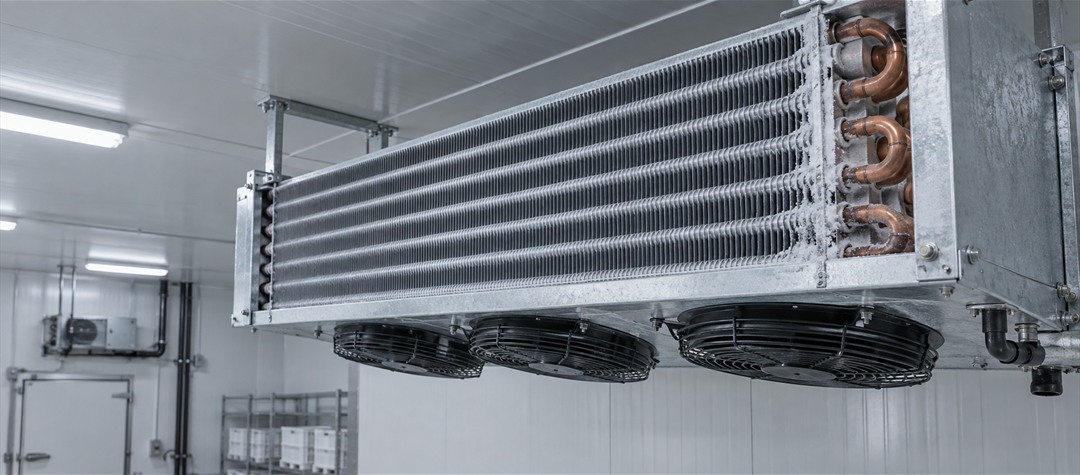
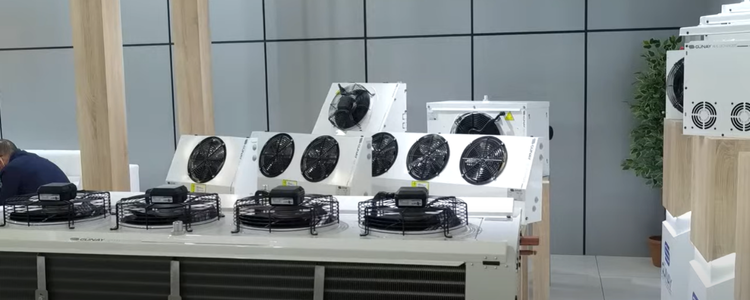
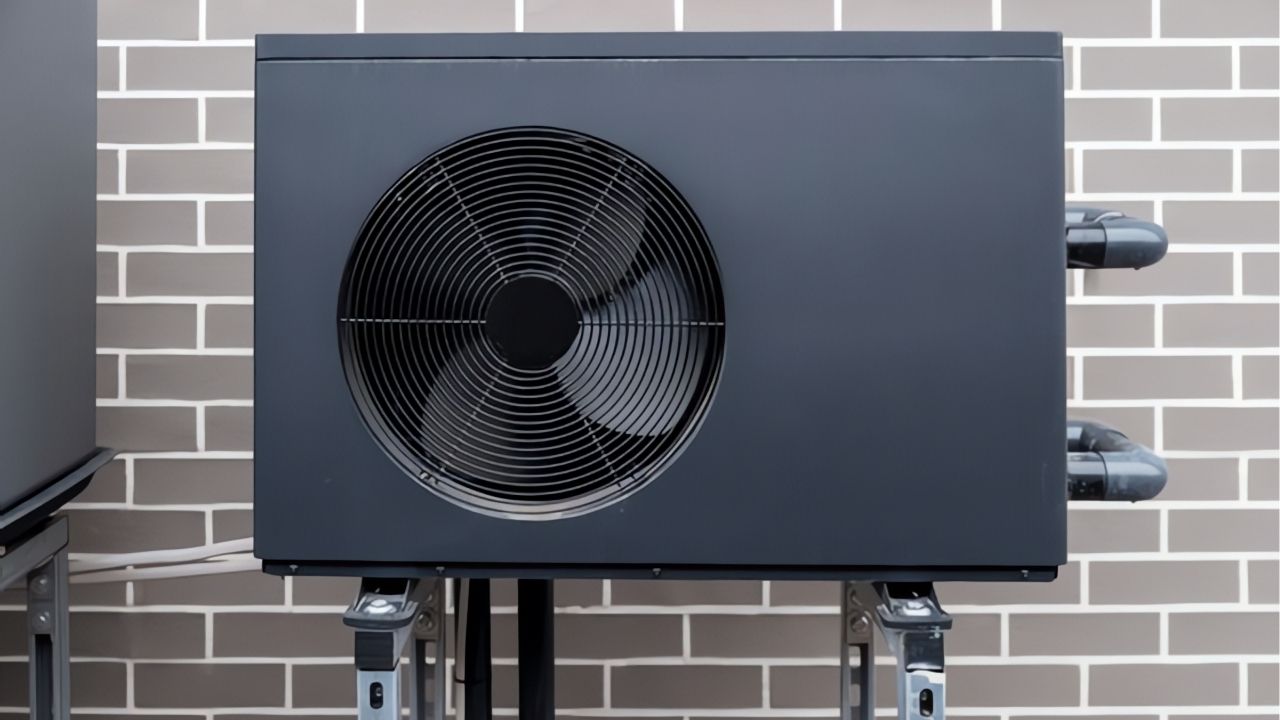
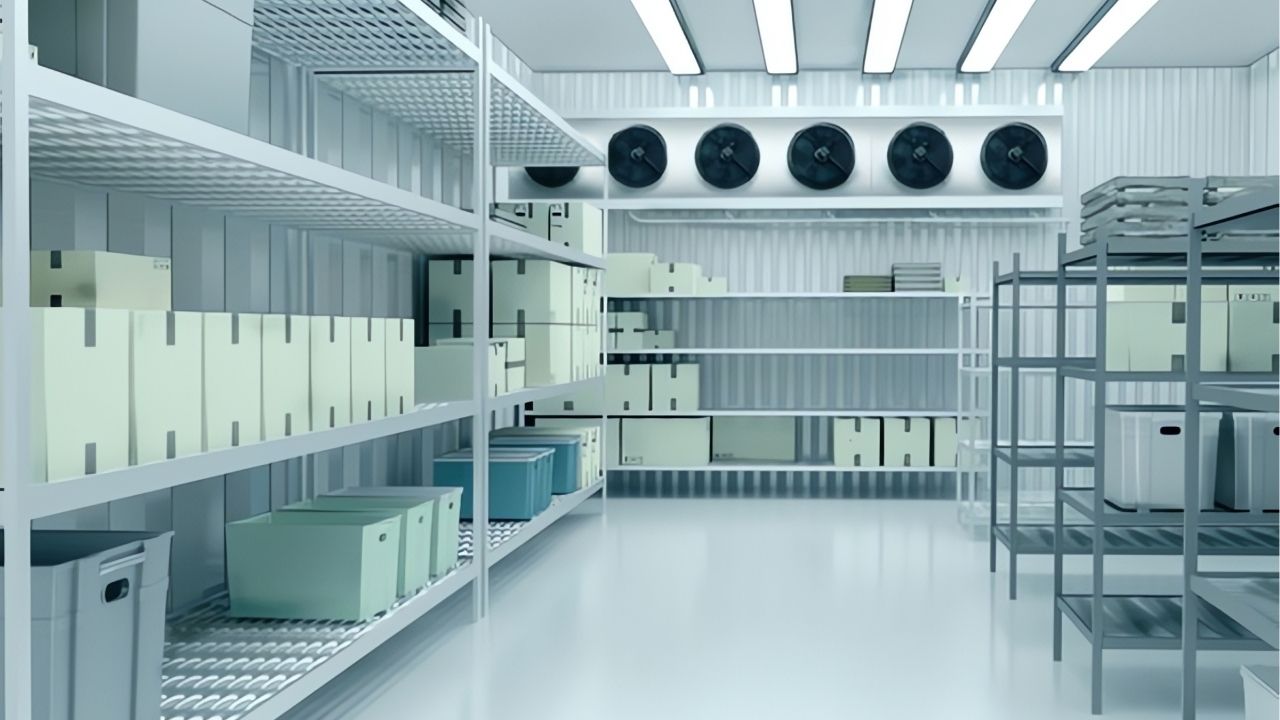
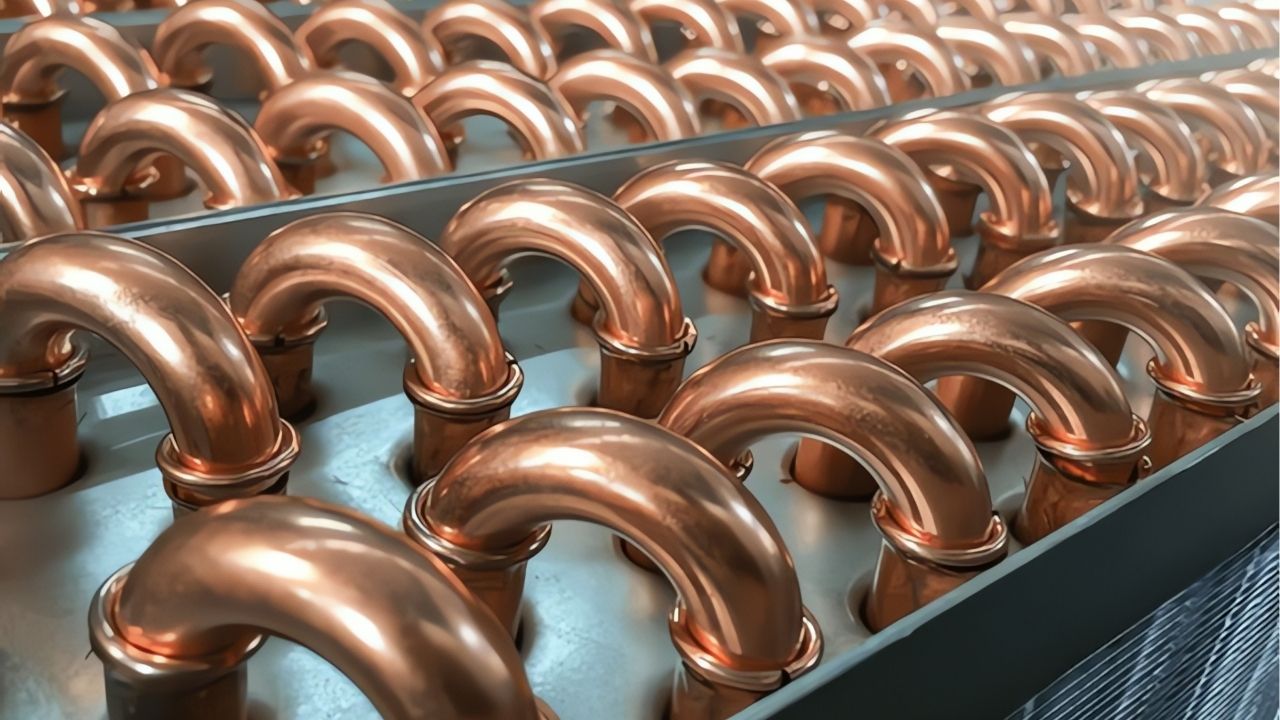
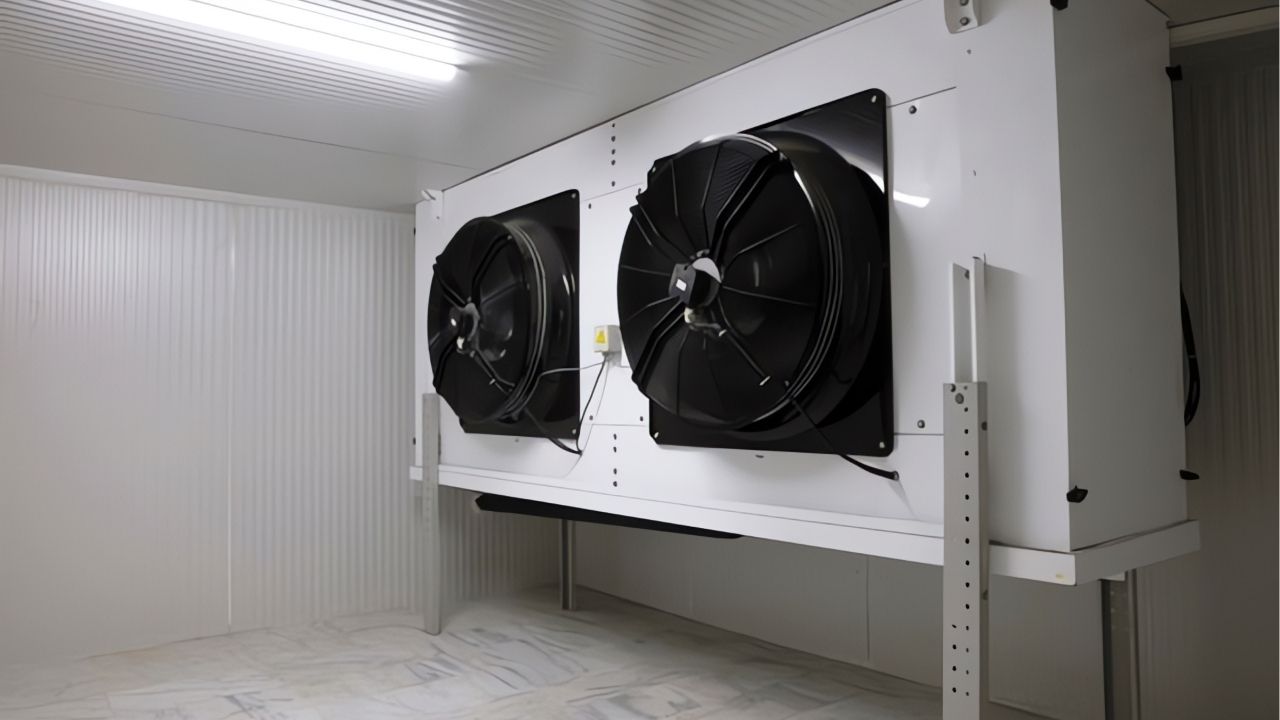
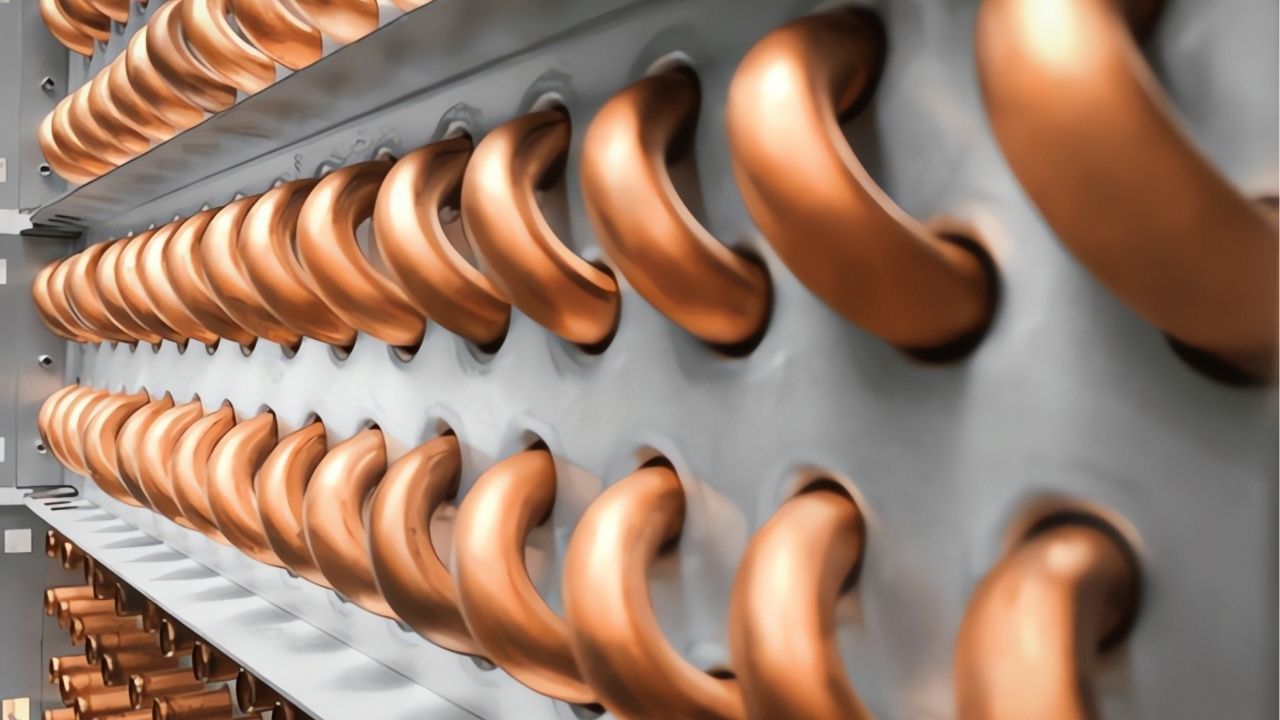
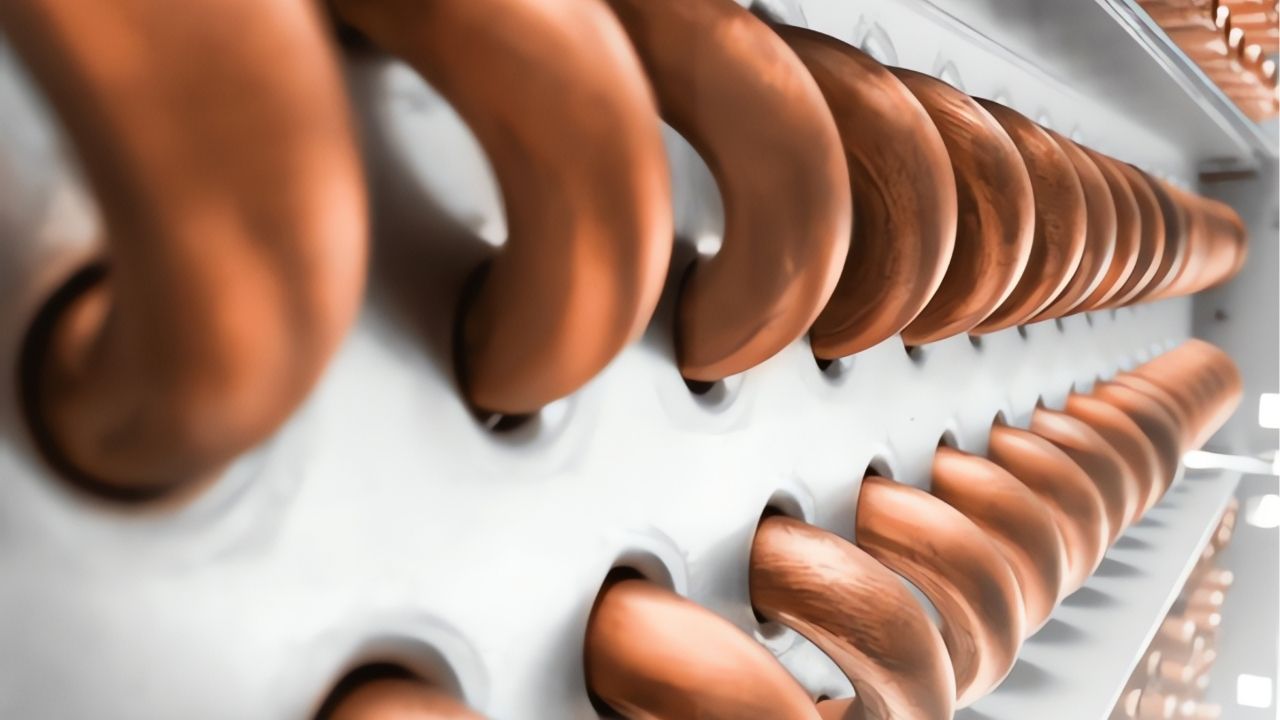
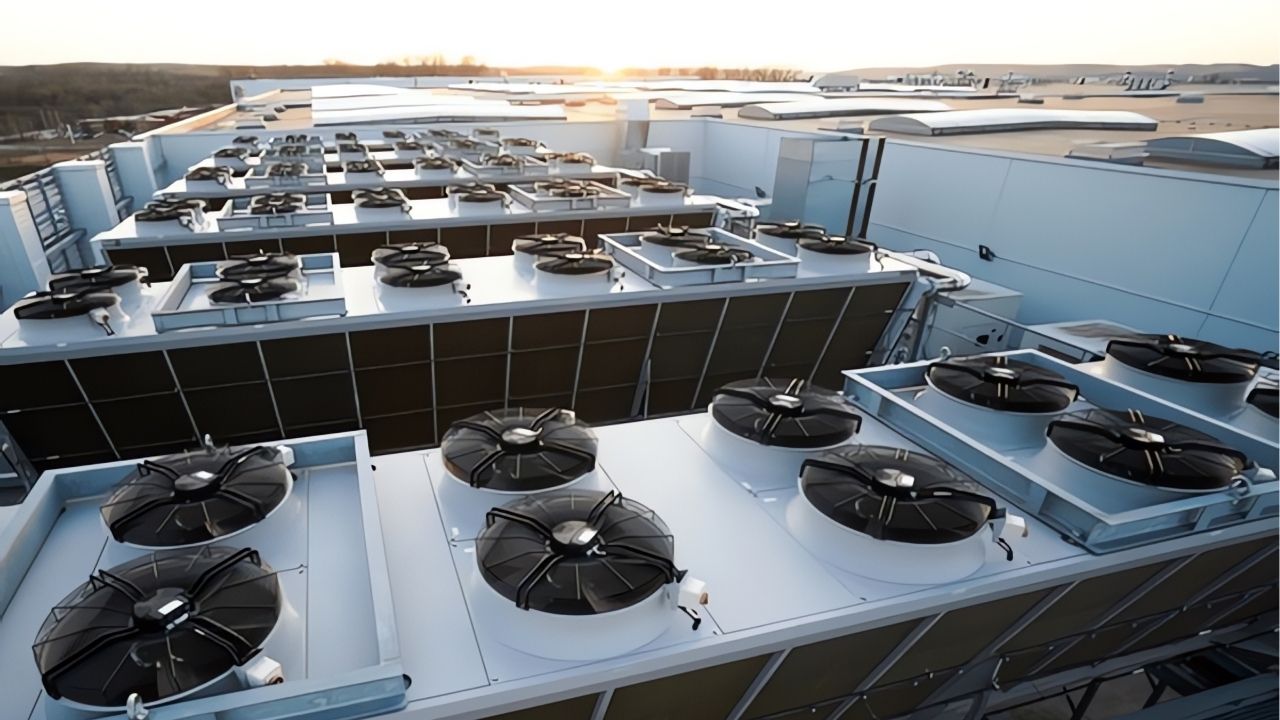
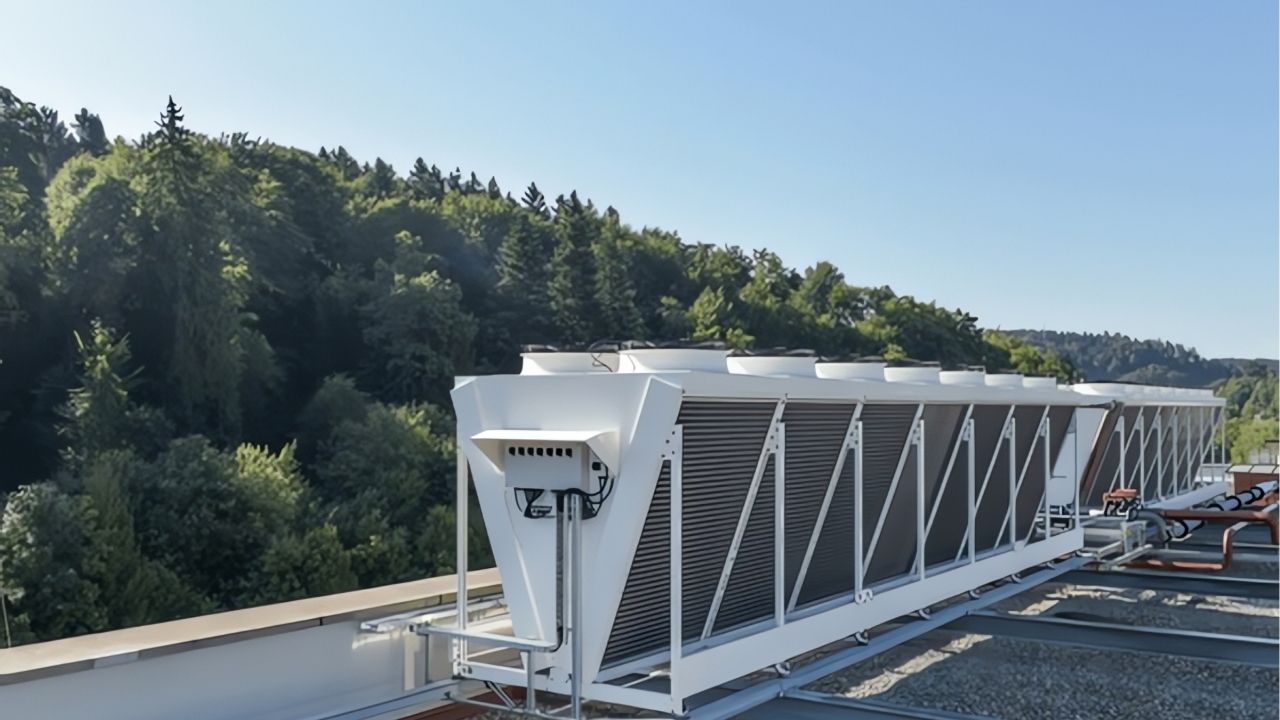
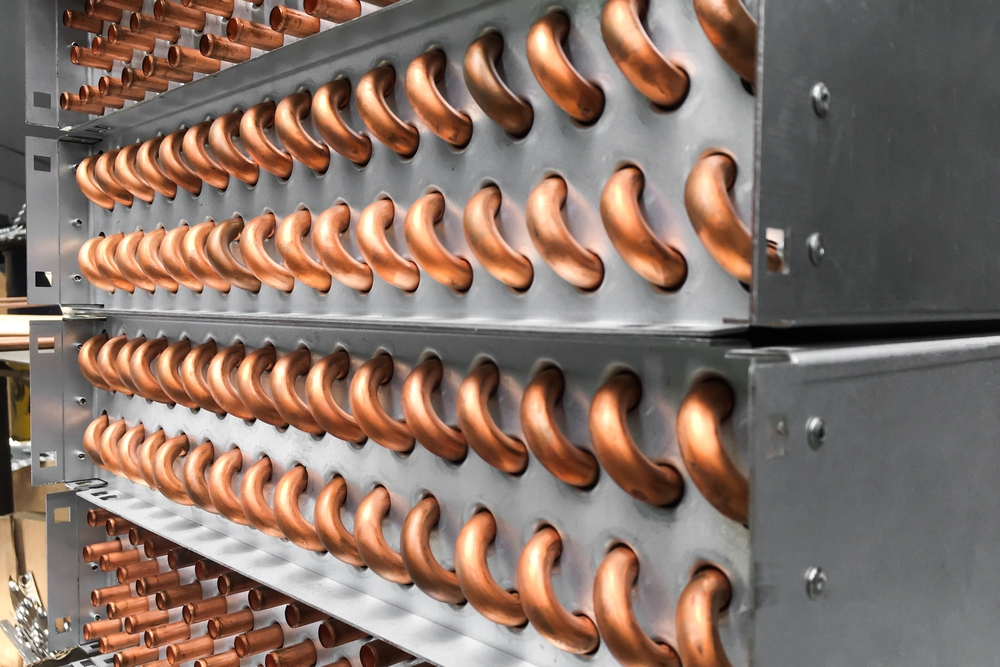
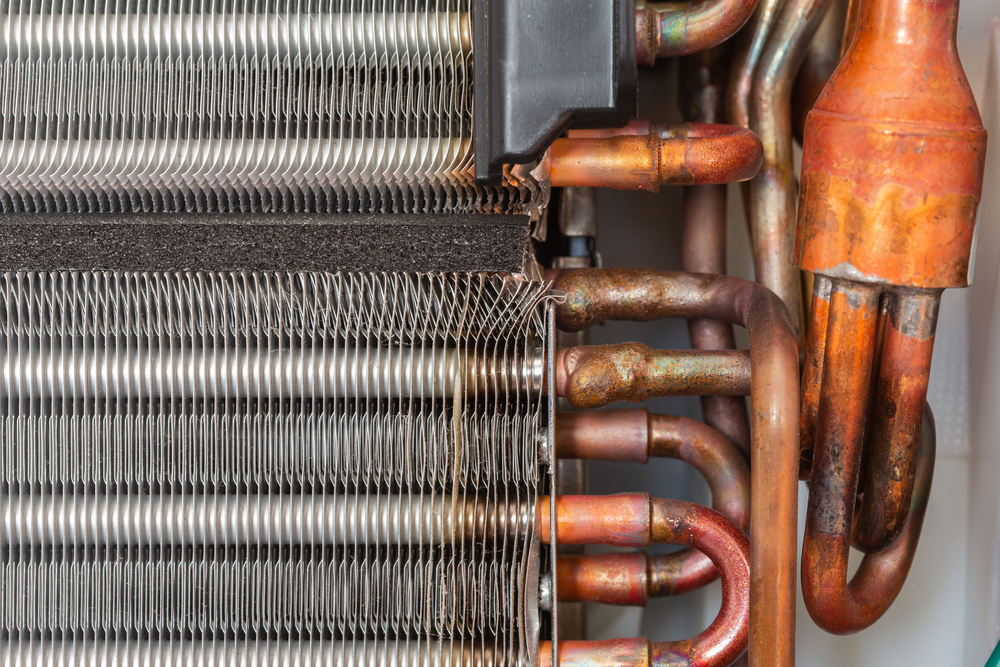
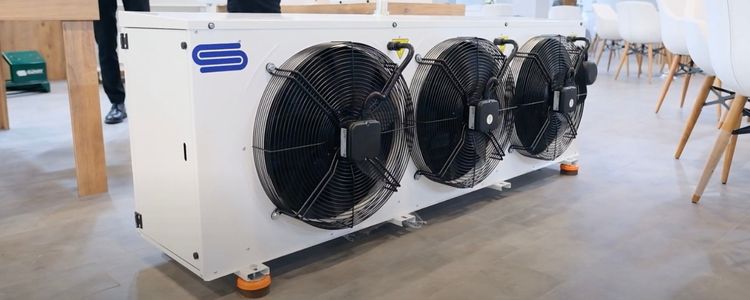
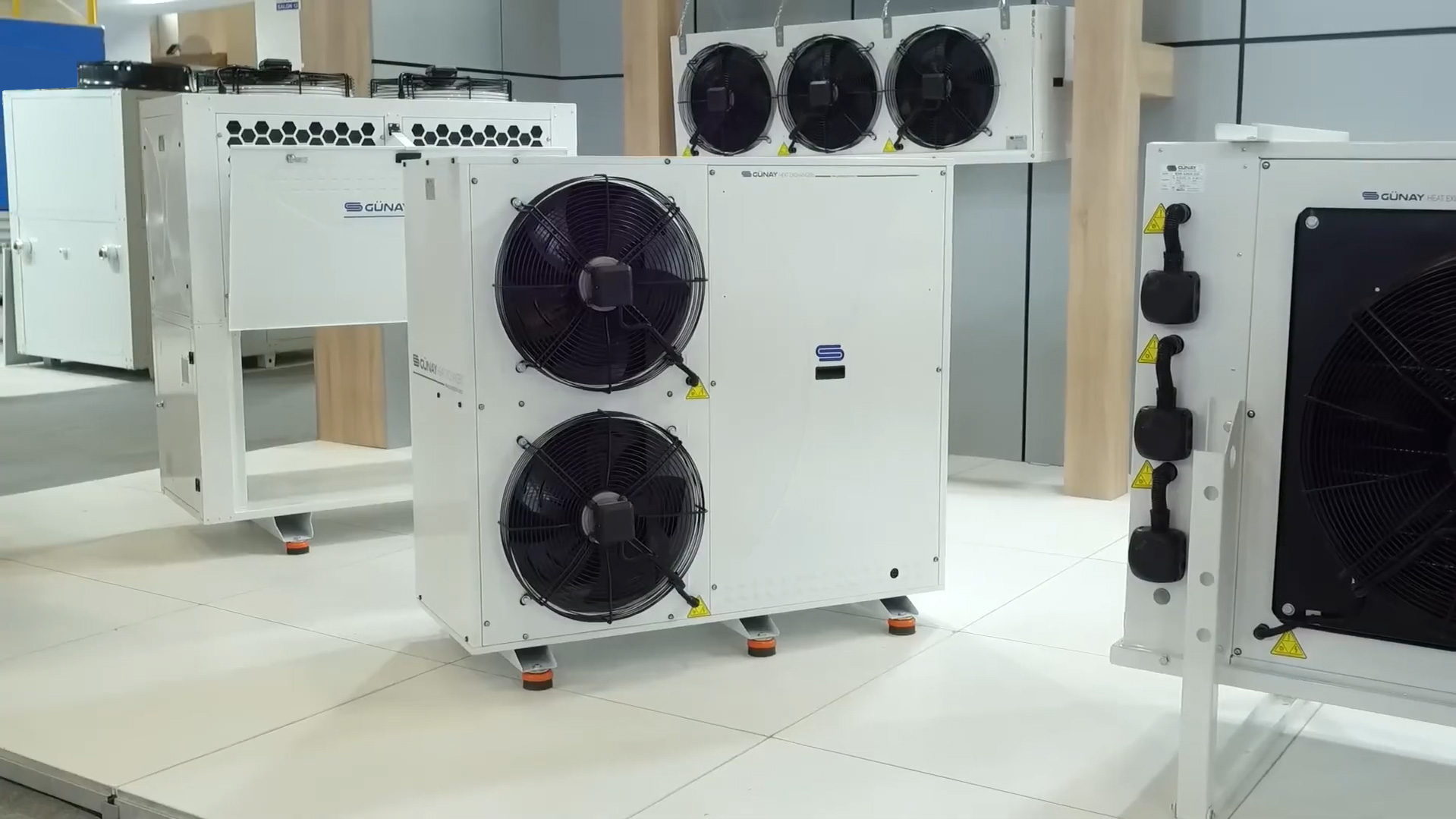
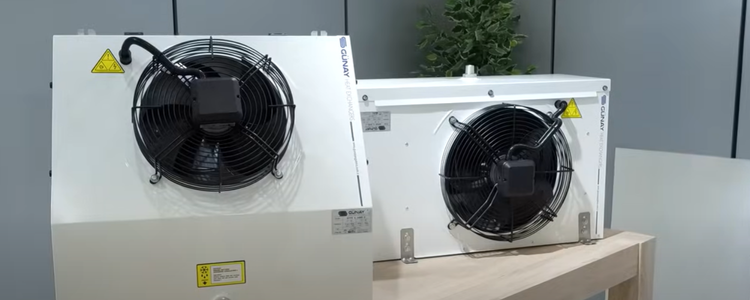
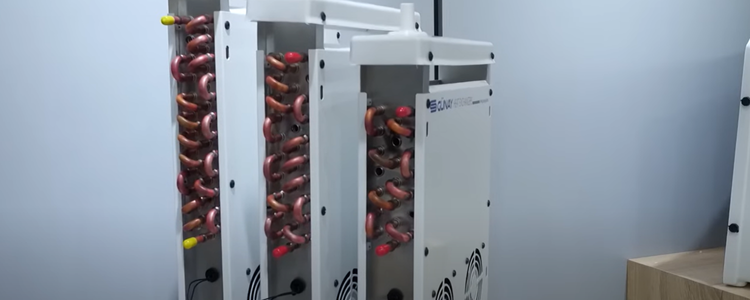
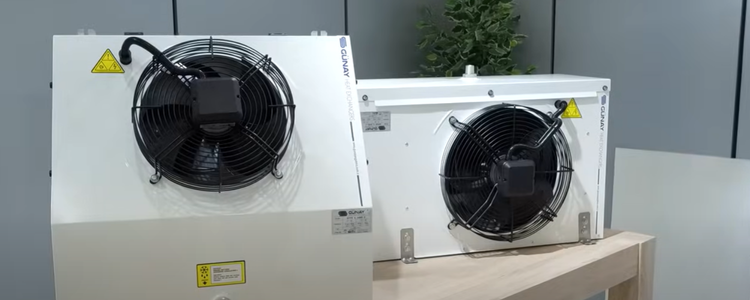
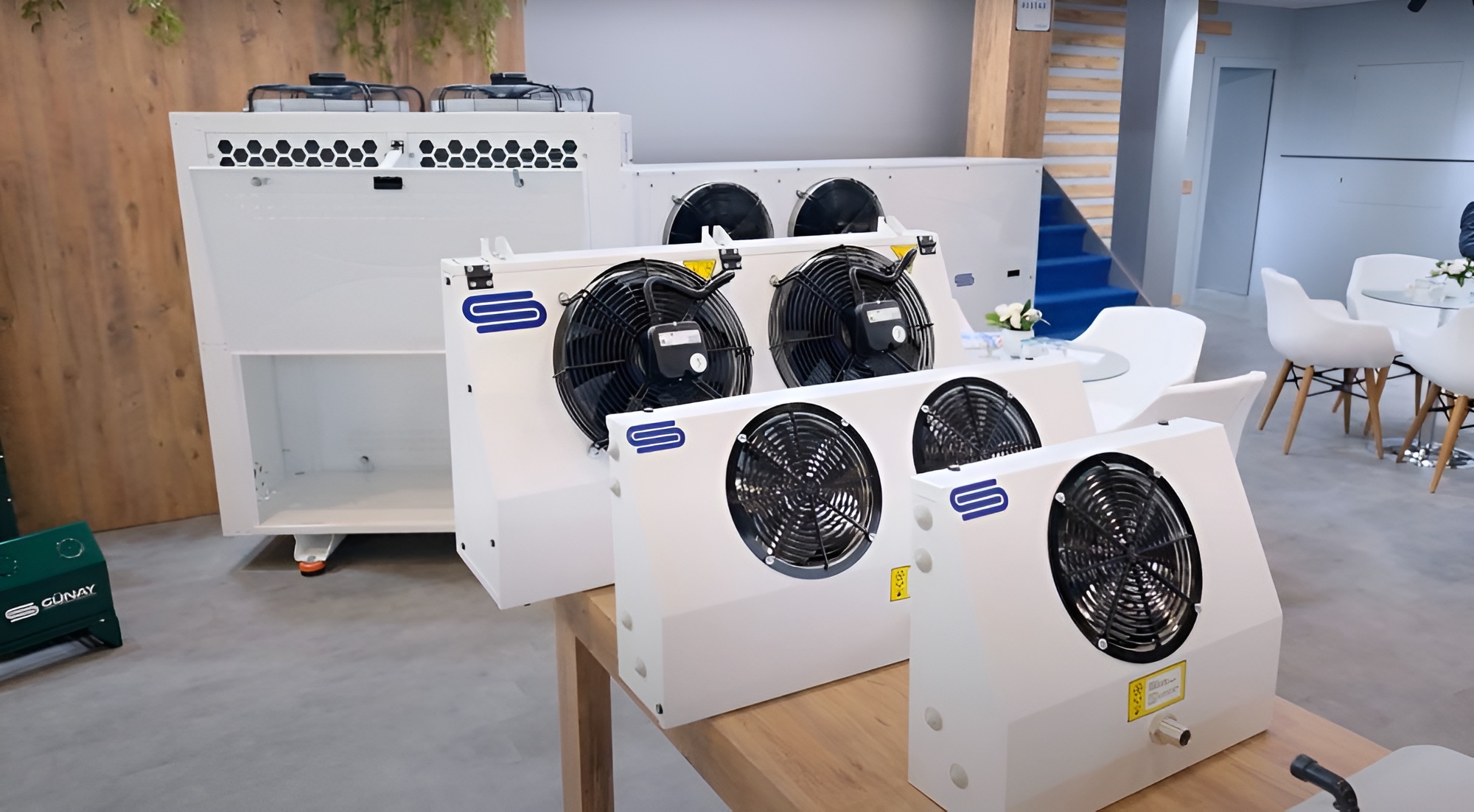
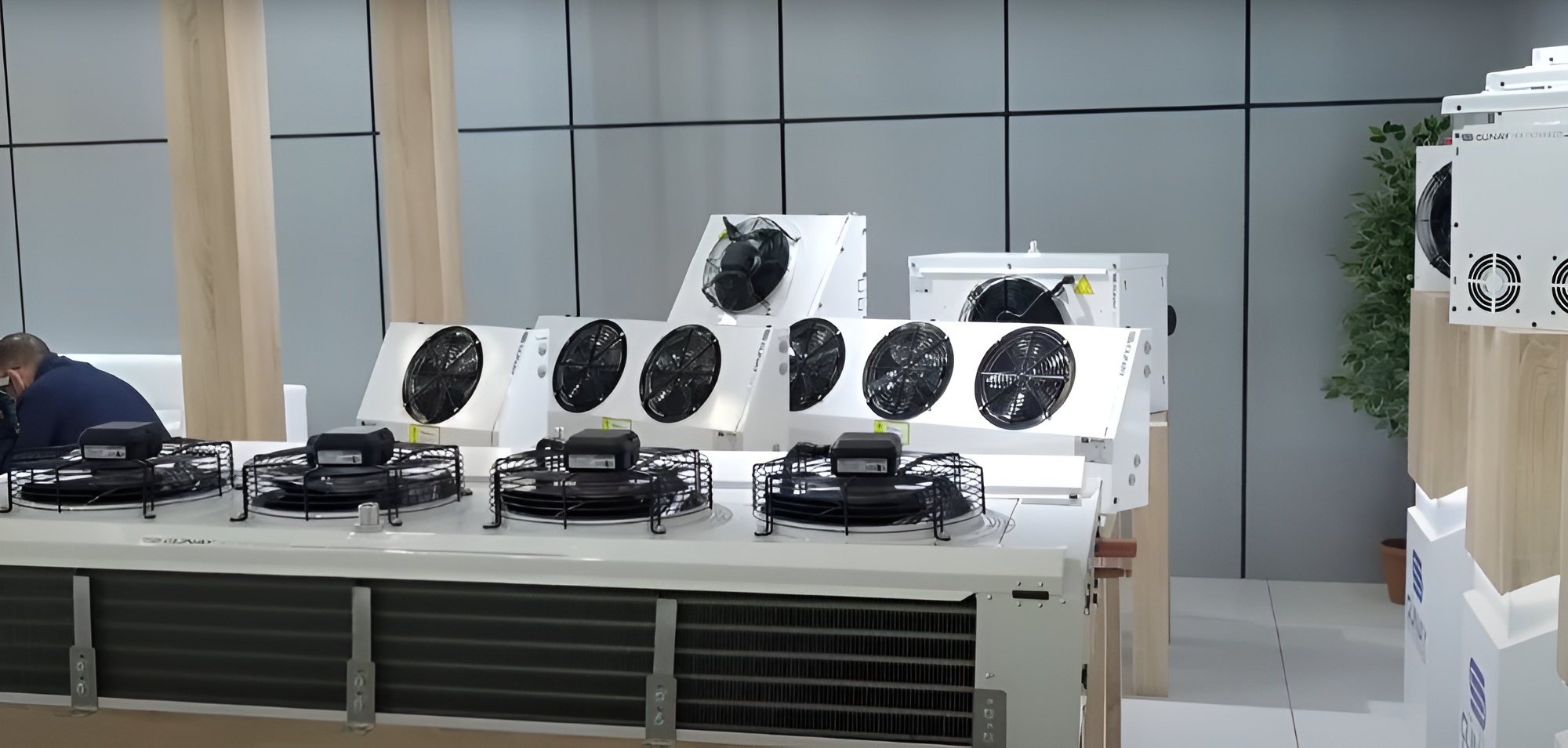
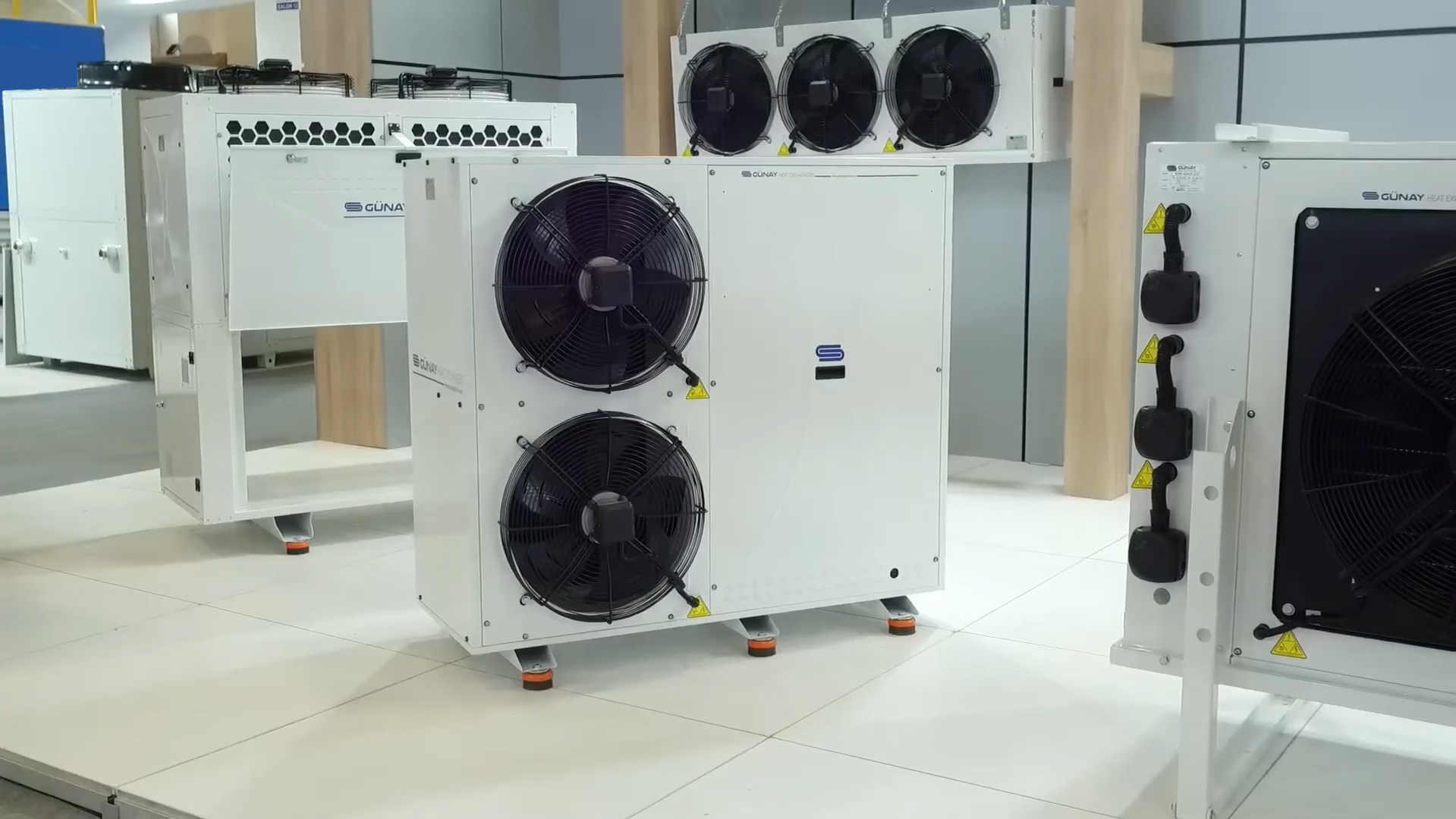
Humidity in the room depends largely on the difference between the evaporator surface temperature and the room temperature. When this difference is large, the coil condenses moisture from the air and dries the room; choosing an evaporator with a larger surface area that operates at a low temperature difference can reduce the need for additional humidification. Whether a humidifier is needed is evaluated according to project conditions.
How Does Evaporator Air Velocity Affect Leaves?
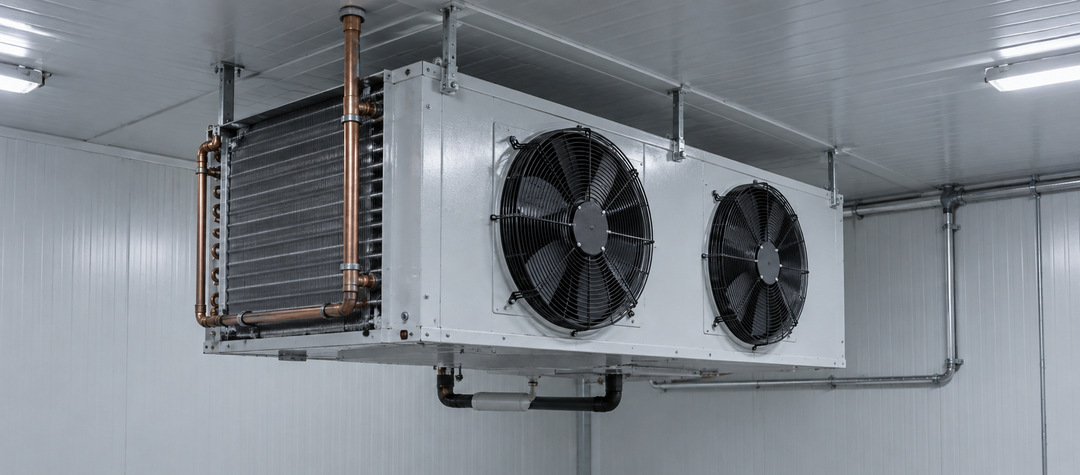
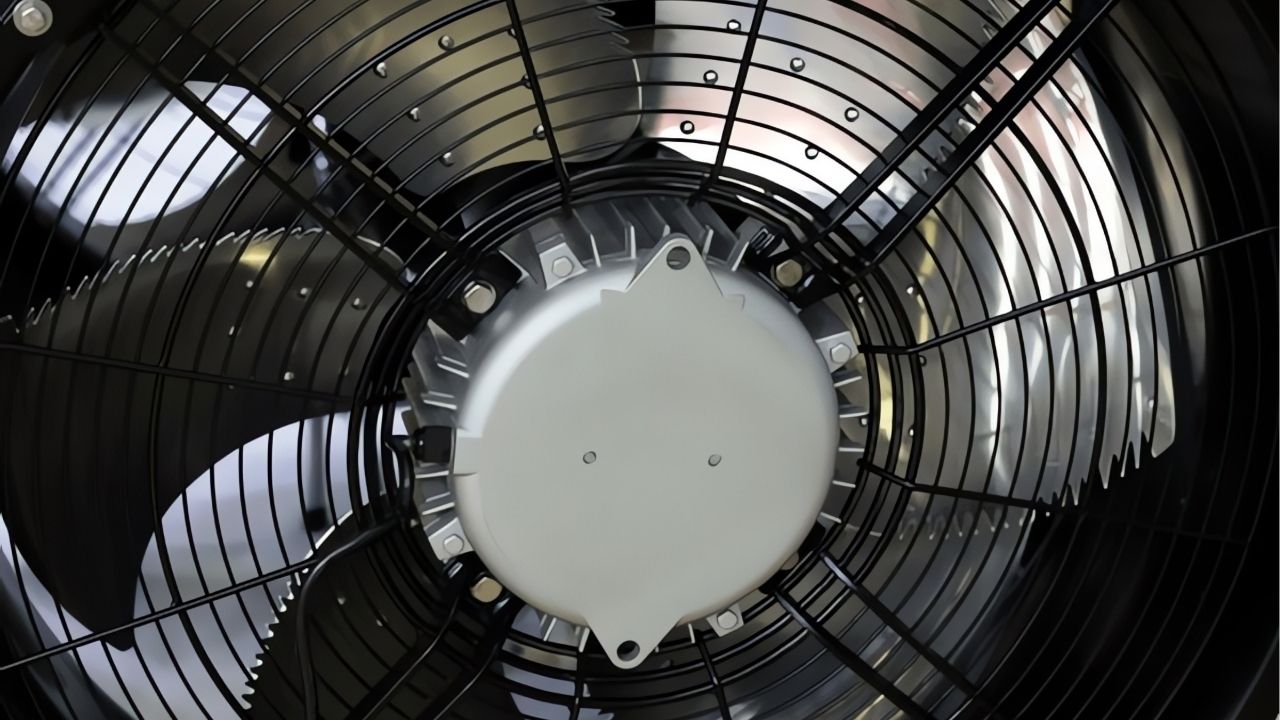
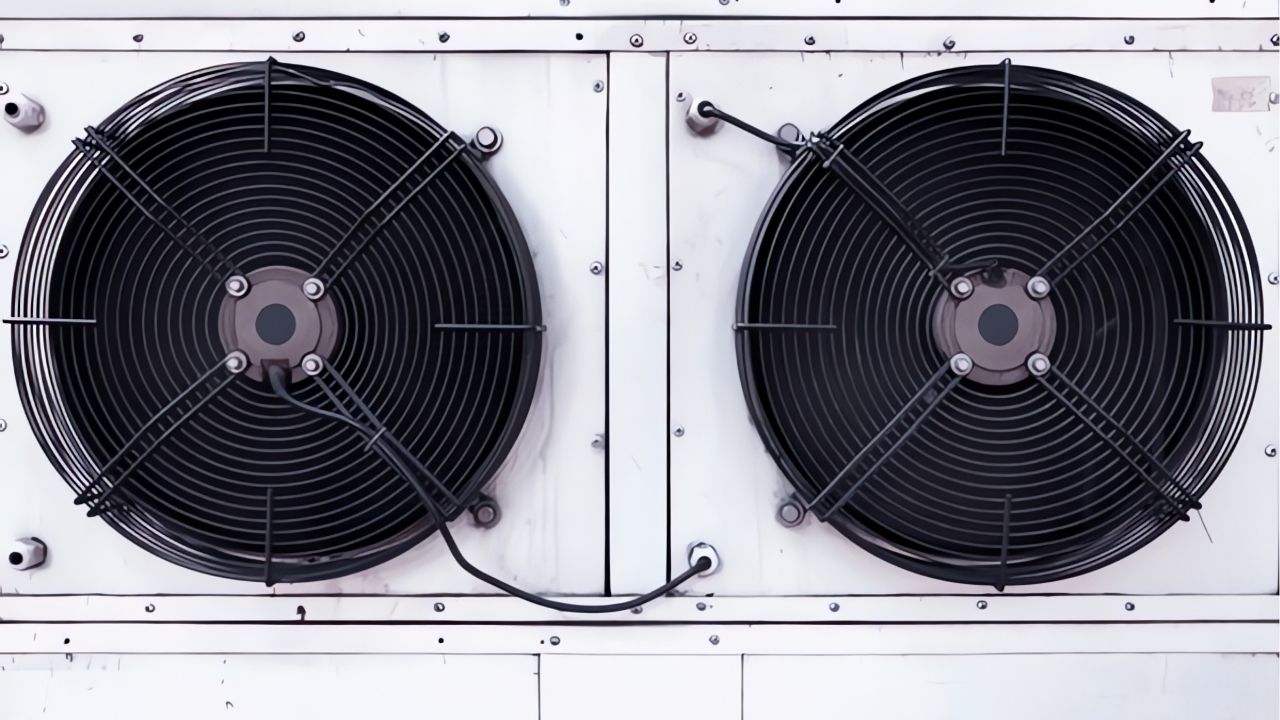
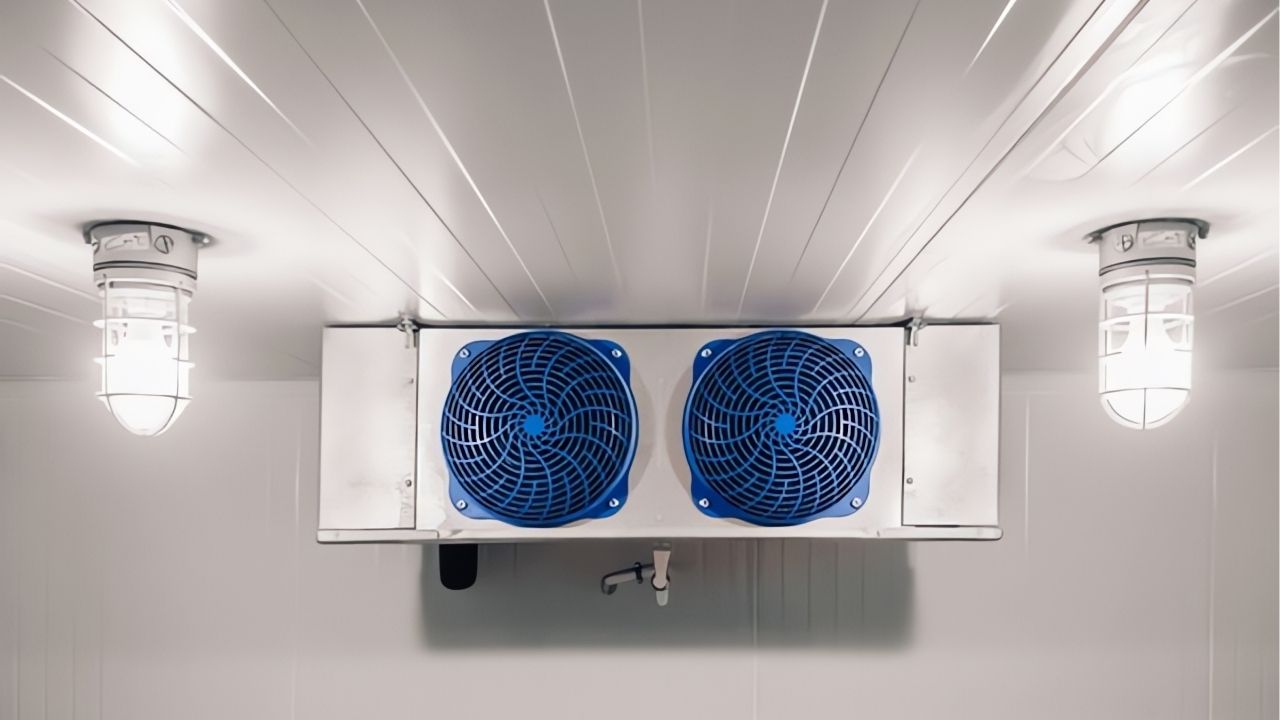
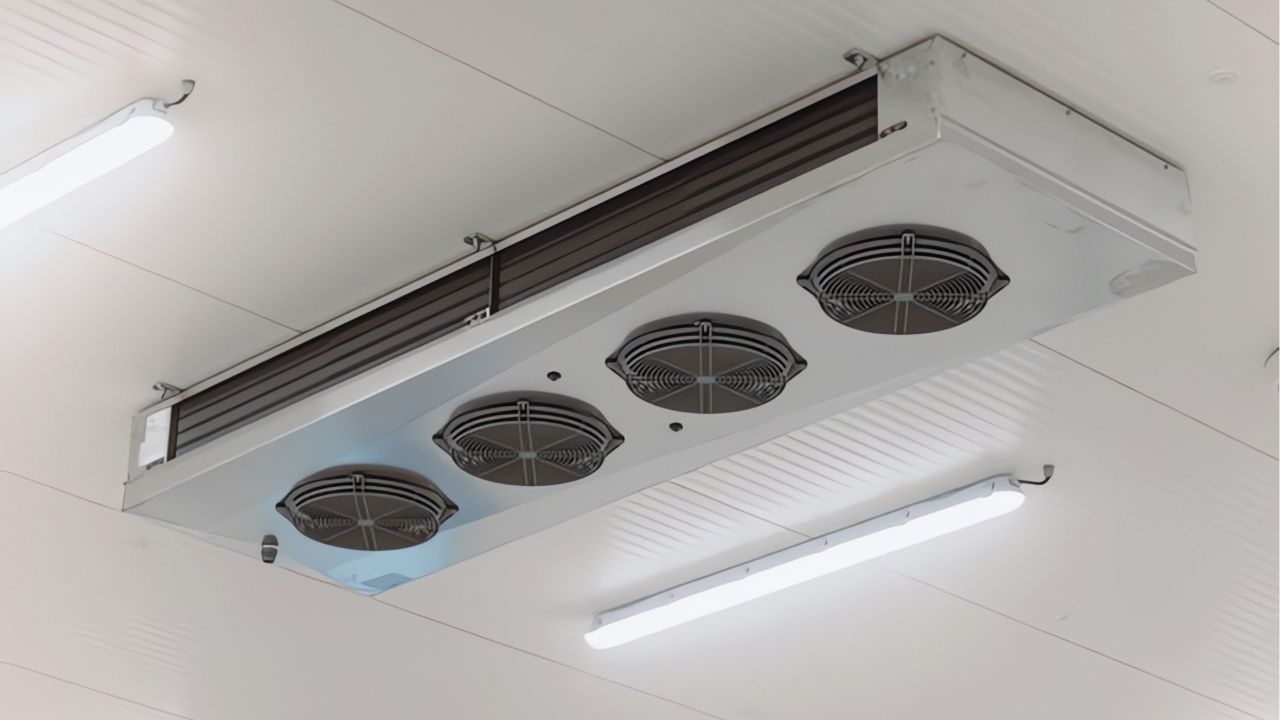
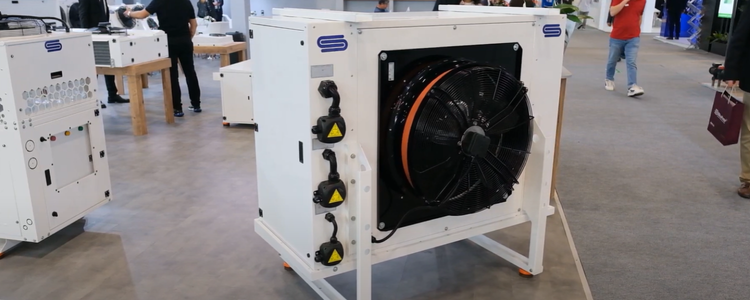
High air velocity sweeps away the moisture boundary layer on the leaf surface, accelerating water loss, and can cause physical damage to delicate leaves. On the other hand, when air velocity is too low, temperature differences and humid zones without air circulation can form inside the room.
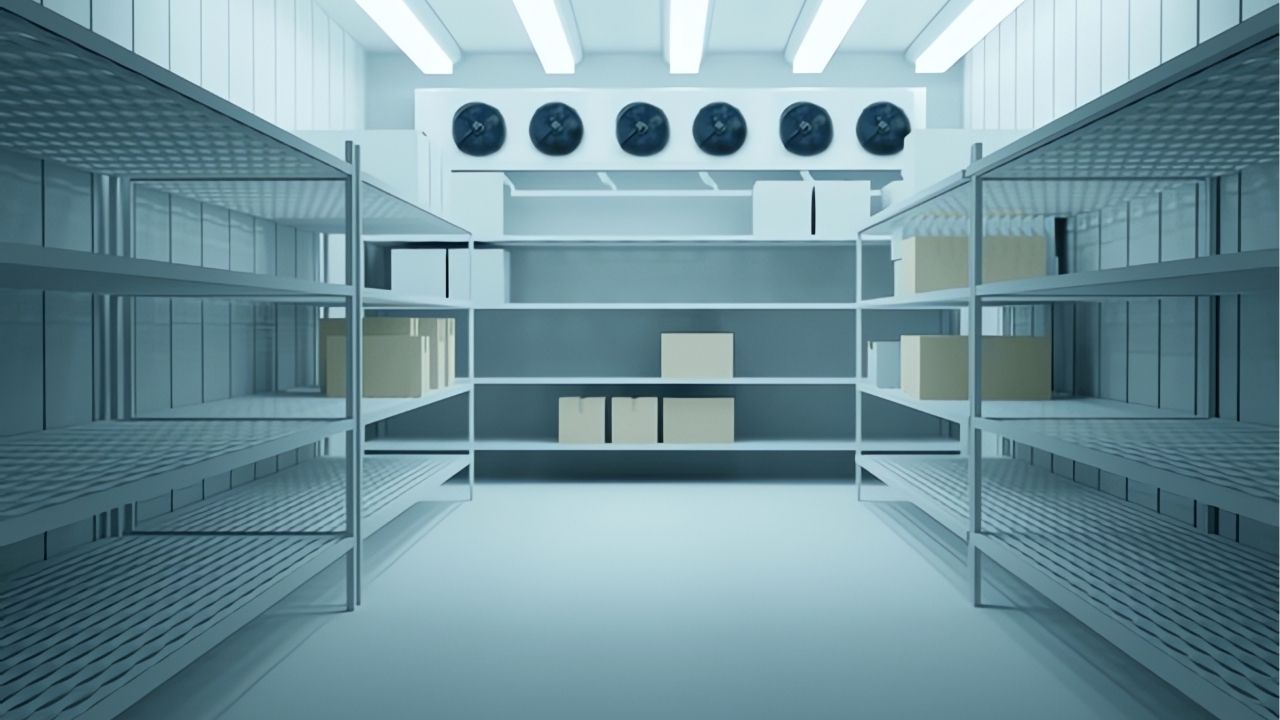
To establish this balance, low-throw-velocity evaporators, variable-speed fans or directed air distribution can be used. Planning the crate or tray arrangement of products so that air can pass between them is at least as effective as equipment selection.
How Is Ethylene Gas Kept Under Control In Storage?
Ethylene is kept under control through controlled ventilation, keeping ethylene-emitting products separate and, when necessary, ethylene removal equipment. Ethylene is a plant hormone that in many flower species can cause effects such as leaf and petal drop, premature wilting and bud loss.
Ripening fruits, decaying plant residues and exhaust gases from combustion are among the main sources of ethylene; therefore the use of internal-combustion forklifts inside the store and joint storage with fruit should be carefully evaluated. Since fresh air exchange increases the refrigeration load, the amount of ventilation is determined by considering product sensitivity and energy consumption together.
Can Different Species Be Stored In The Same Room?
Different species can be stored in the same room if their temperature and humidity requirements are close to each other and there is no ethylene interaction between them. Gathering products with markedly different requirements in a single room means that at least one of them remains in unsuitable conditions.
In businesses with high product variety, several small rooms or a compartmented structure can be a more flexible solution than a single large room. Which approach is suitable is evaluated according to the product mix, seasonal intensity and the business's shipping pattern.
What Should Be Considered When Choosing The Right System For A Flower And Seedling Store?
The right system should be selected once the list of species to be stored and the business's daily workflow have been clarified. The following headings stand out in the evaluation:
- Temperature range by species and risk of chilling injury
- Target relative humidity and the corresponding evaporator surface and temperature difference
- Low and balanced air velocity and product placement layout
- Separation of ethylene sources and controlled ventilation
You can consult the Günay Soğutma technical team to evaluate a storage design suited to your product mix.
Frequently Asked Questions
At what temperature are cut flowers stored?
The temperature varies by species; some species are cold-tolerant while others can be damaged at low temperatures. The value is determined according to the product list.
How long can seedlings be kept in storage?
The duration depends on species, developmental stage and storage conditions. For long-term holding, light and watering needs should also be evaluated separately.
Why does wilting appear on leaves in storage?
The most common causes are low relative humidity and high air velocity; evaporator selection and product placement should be examined together.
Is it a problem to store flowers in the same room as fruit?
The ethylene emitted by ripening fruits can adversely affect many flower species; for this reason separate storage is generally preferred.
Is a humidifier essential?
Not always. If sufficient humidity can be achieved with the right evaporator selection, additional humidification may not be needed; the decision is made according to project conditions.
Is pre-cooling necessary?
For products arriving warm from the field, rapid pre-cooling can help preserve quality; its necessity is evaluated according to product flow and quantity.
How can I get a recommendation for my business?
By sharing your species list, daily intake quantity and room dimensions, you can request a tailored evaluation from the Günay Soğutma team.