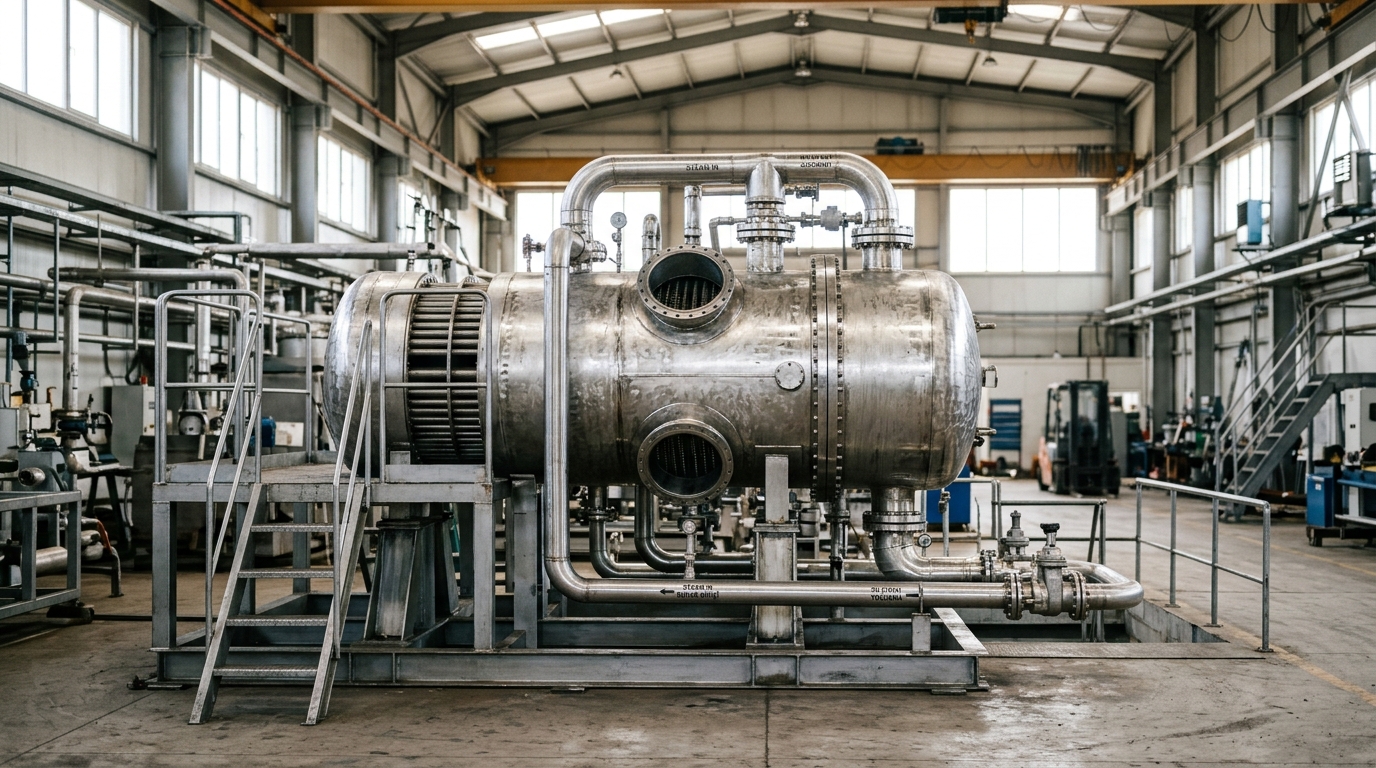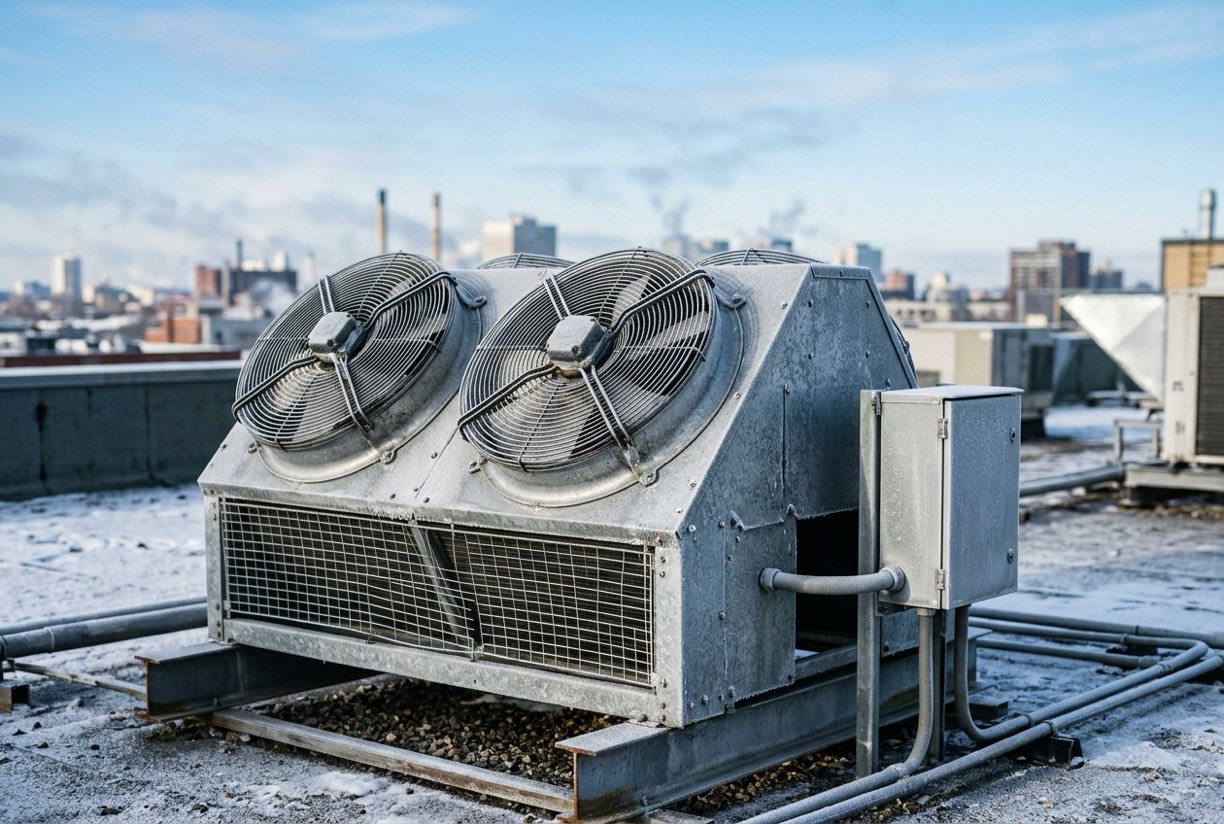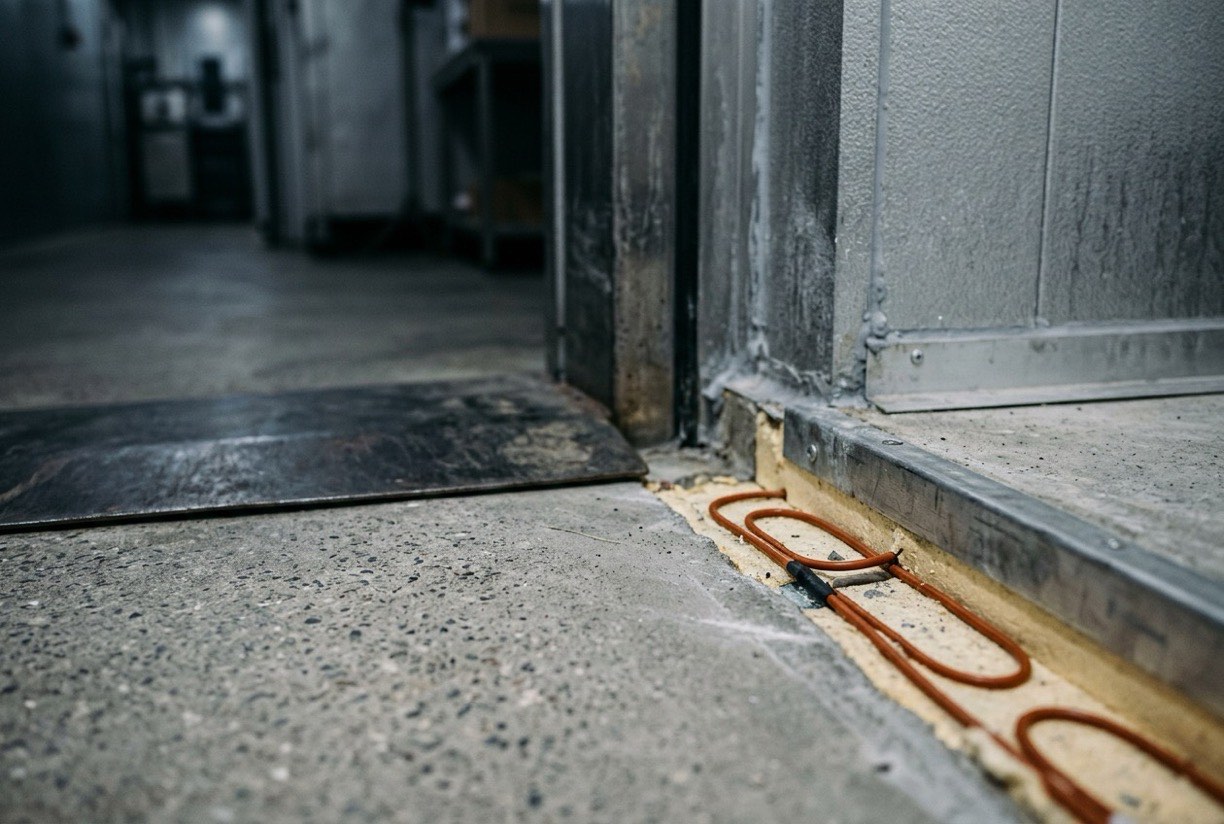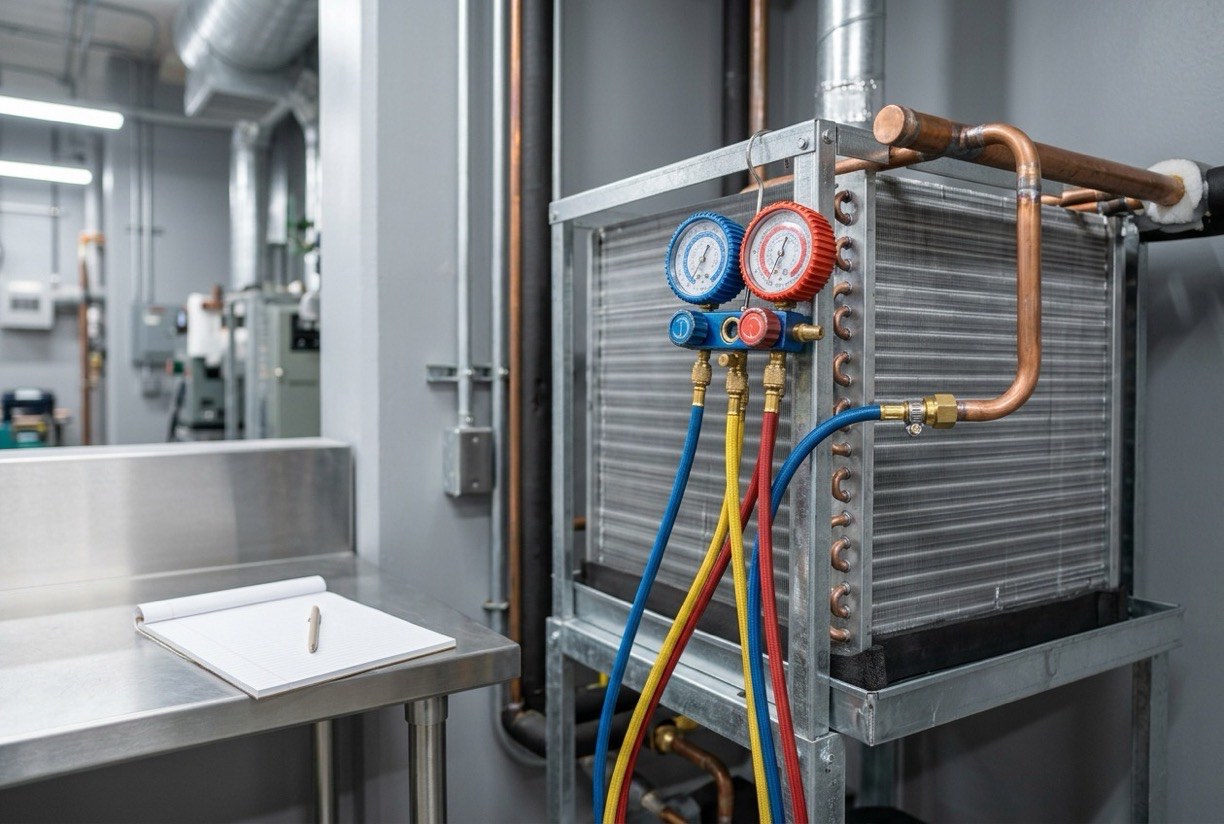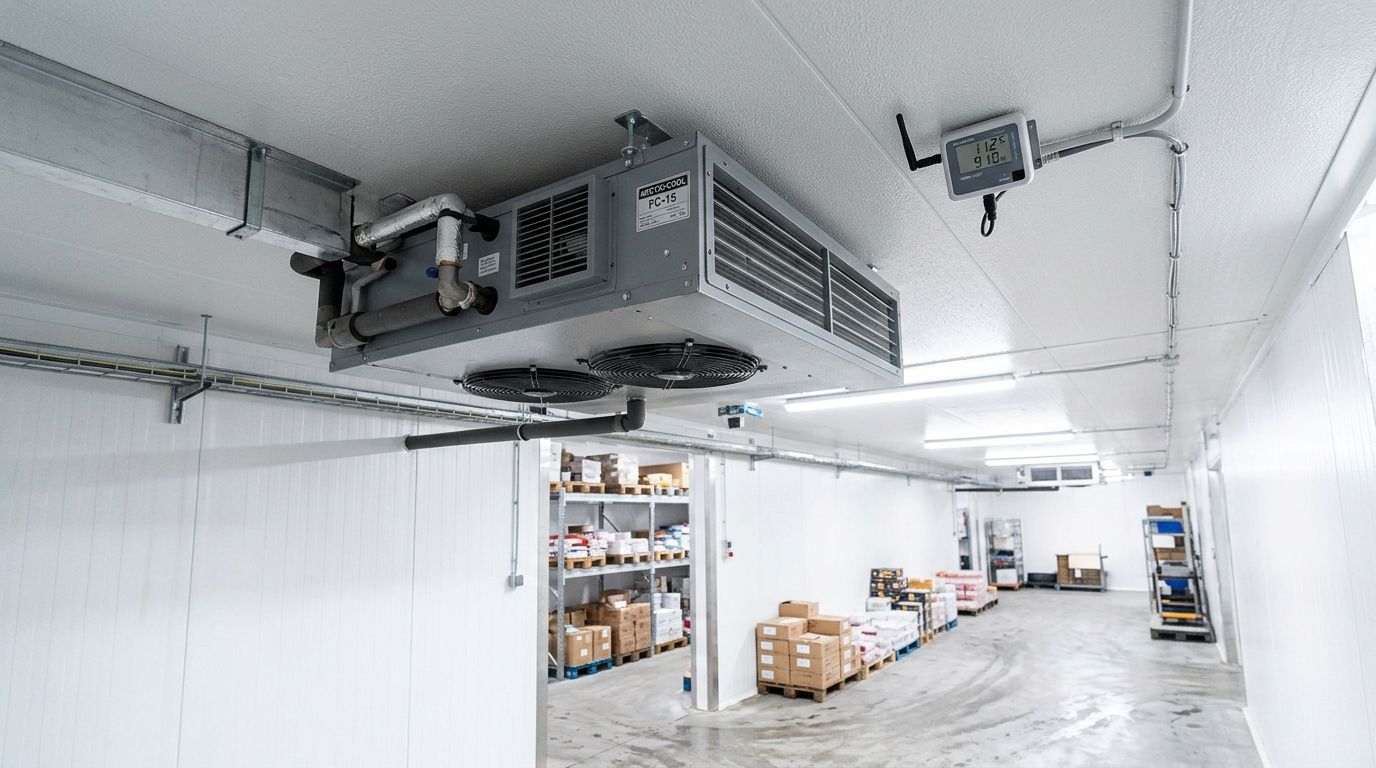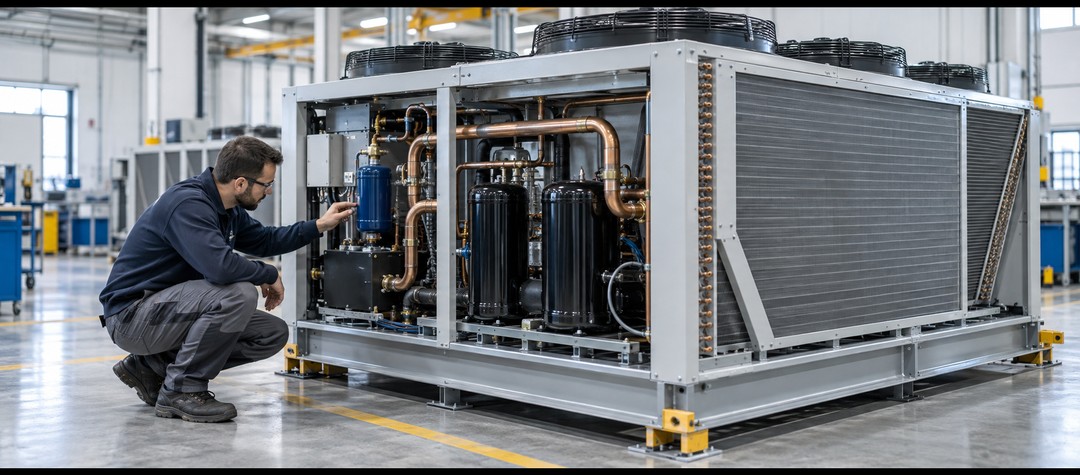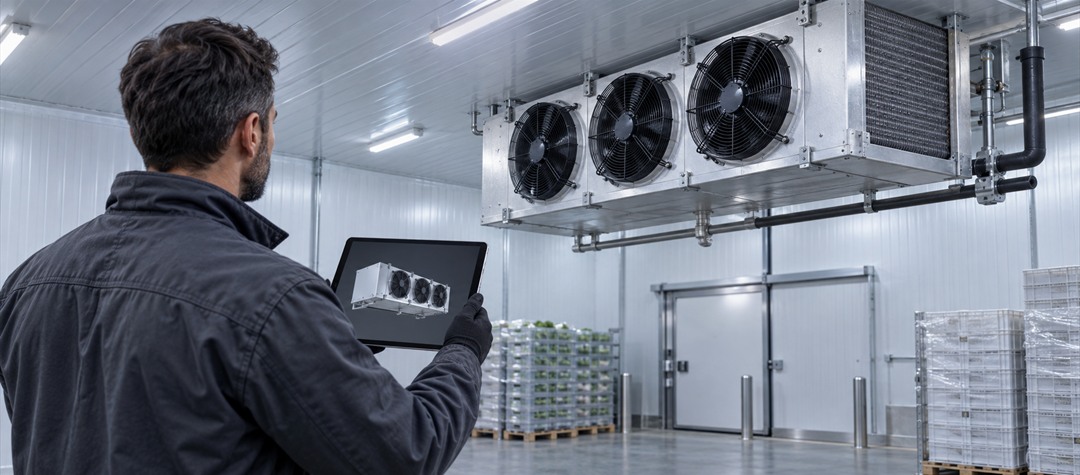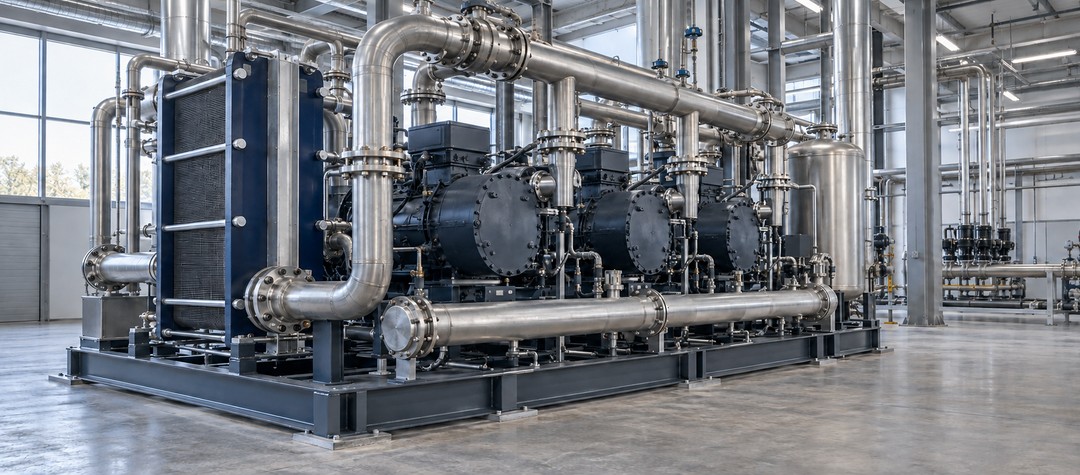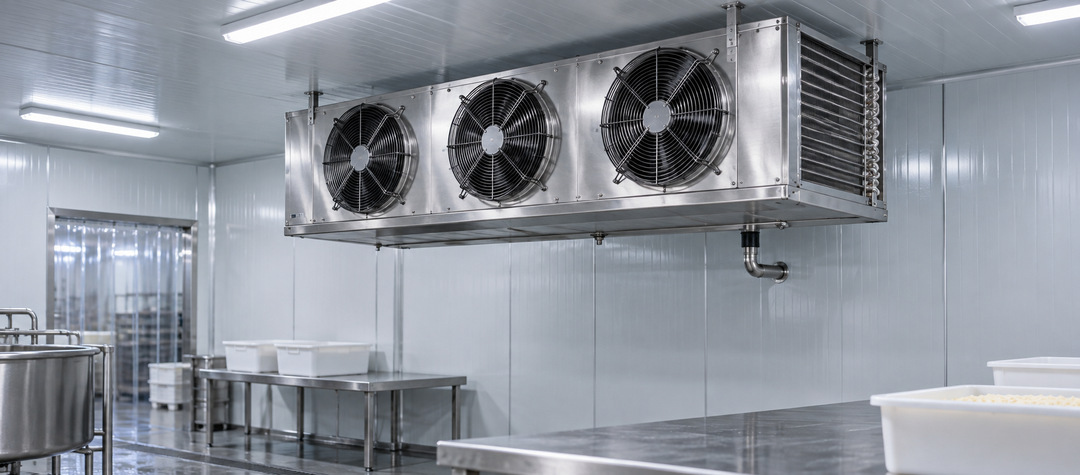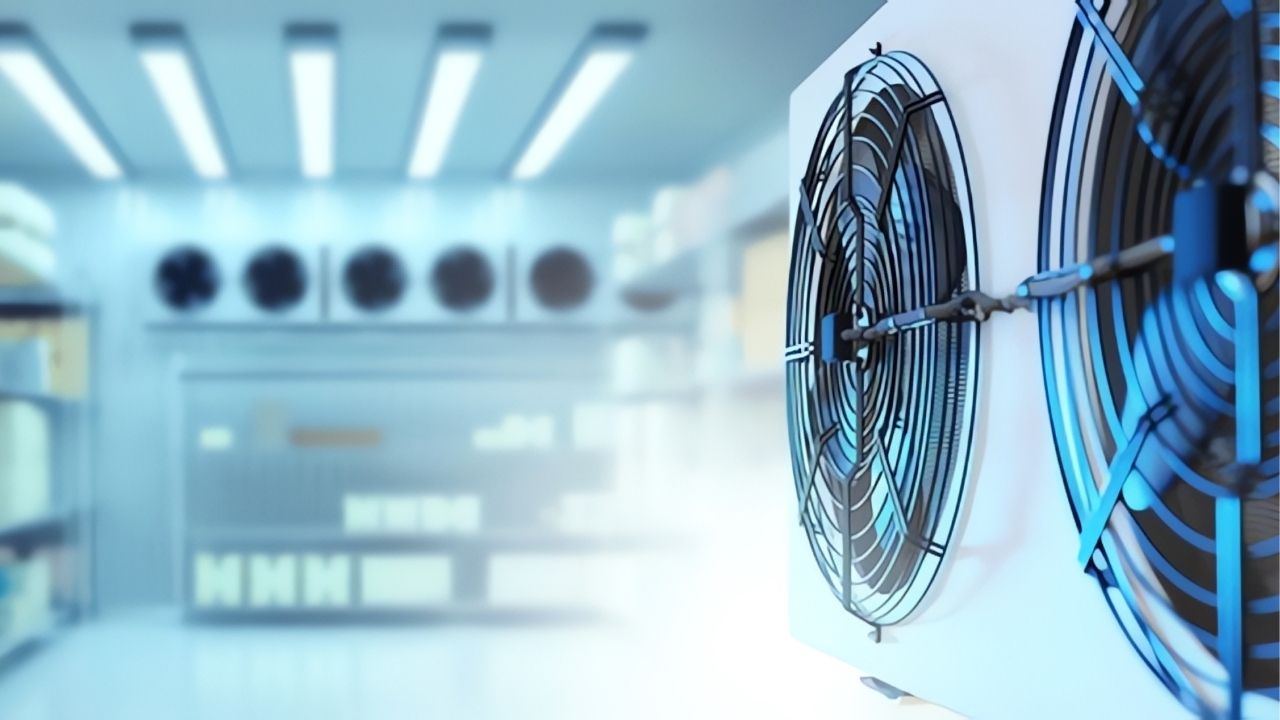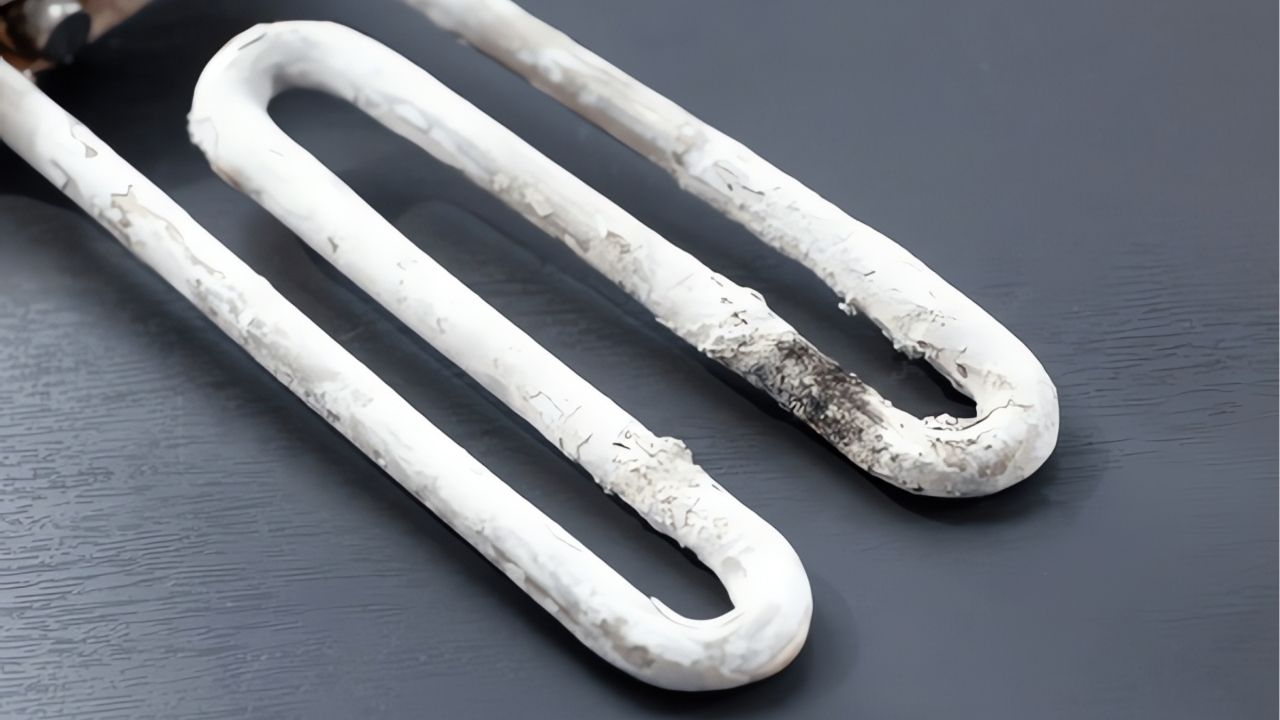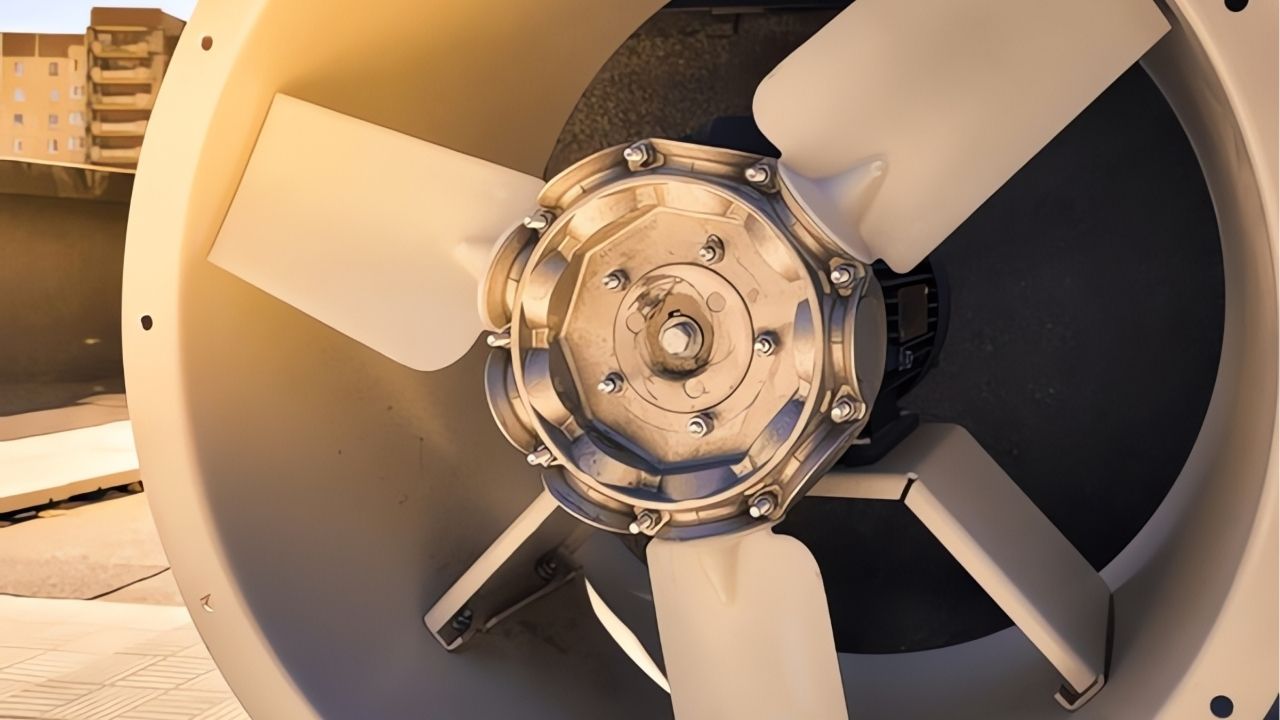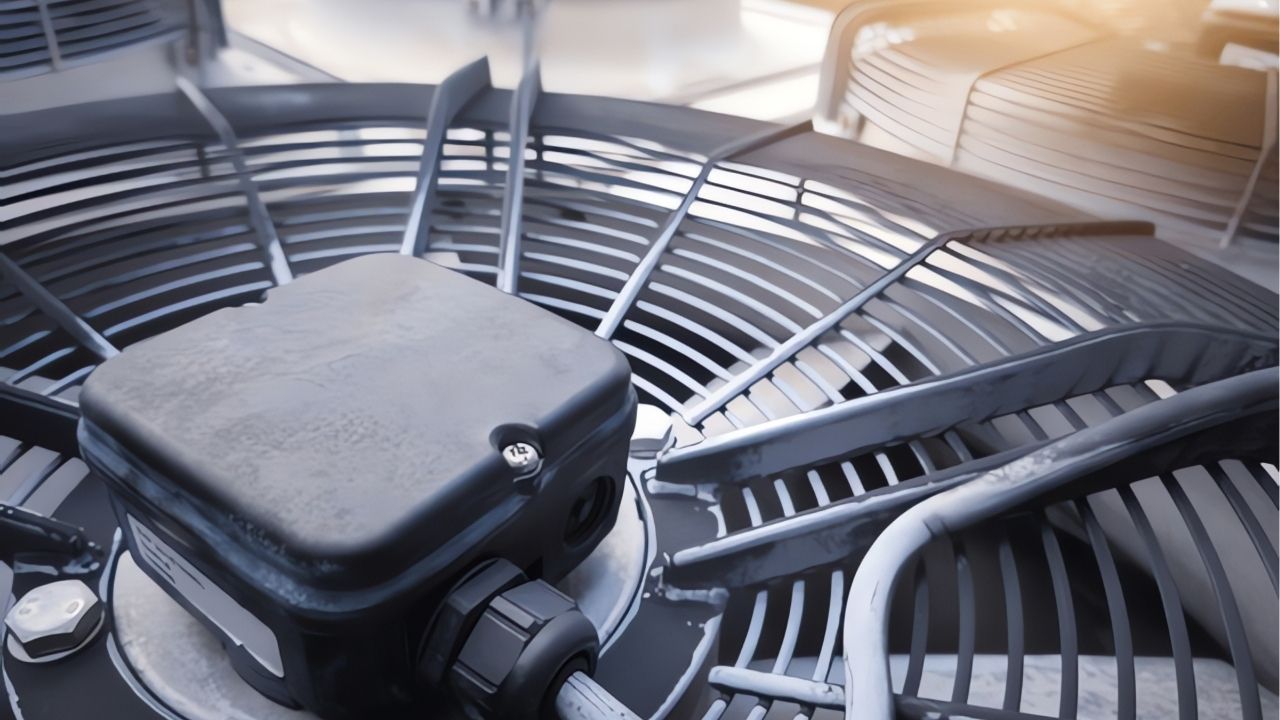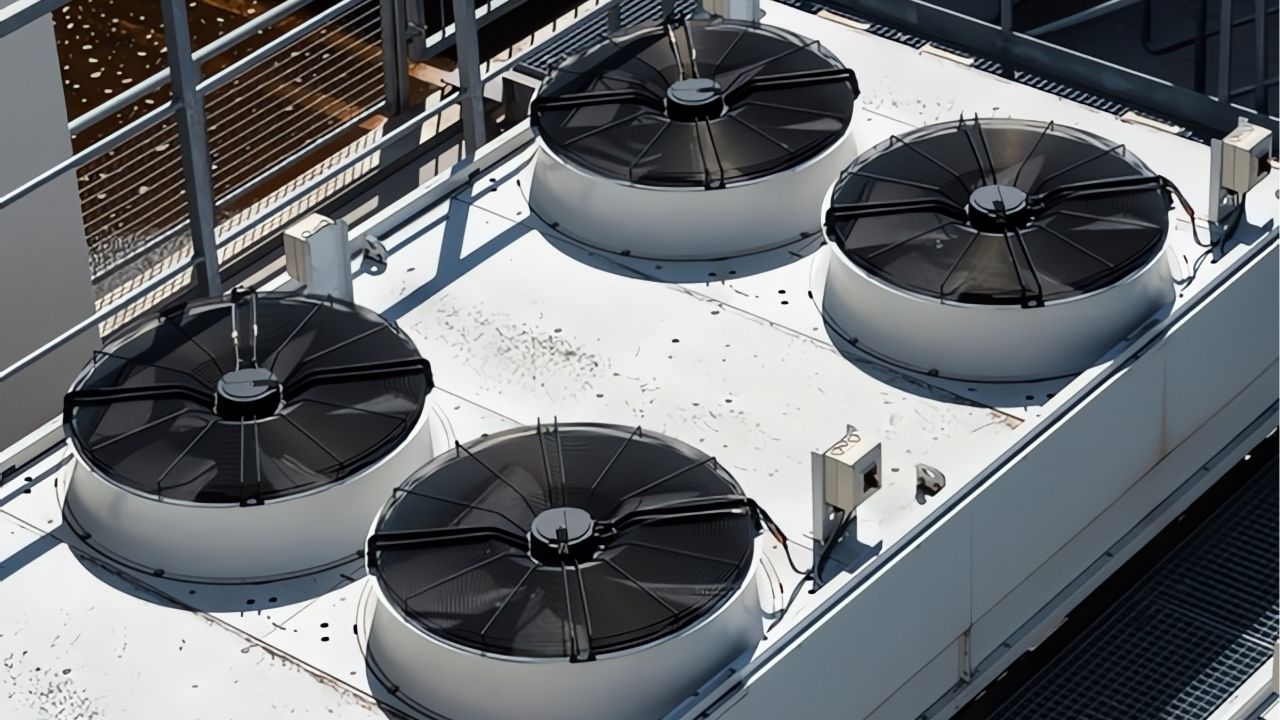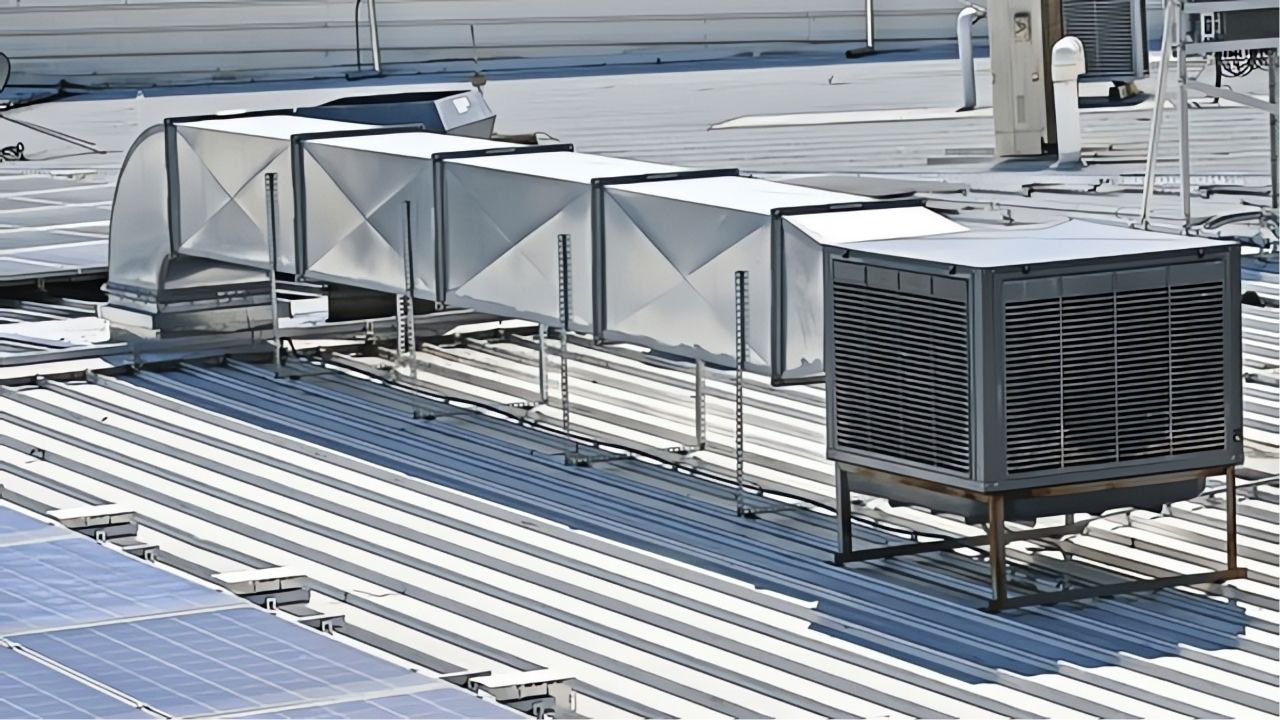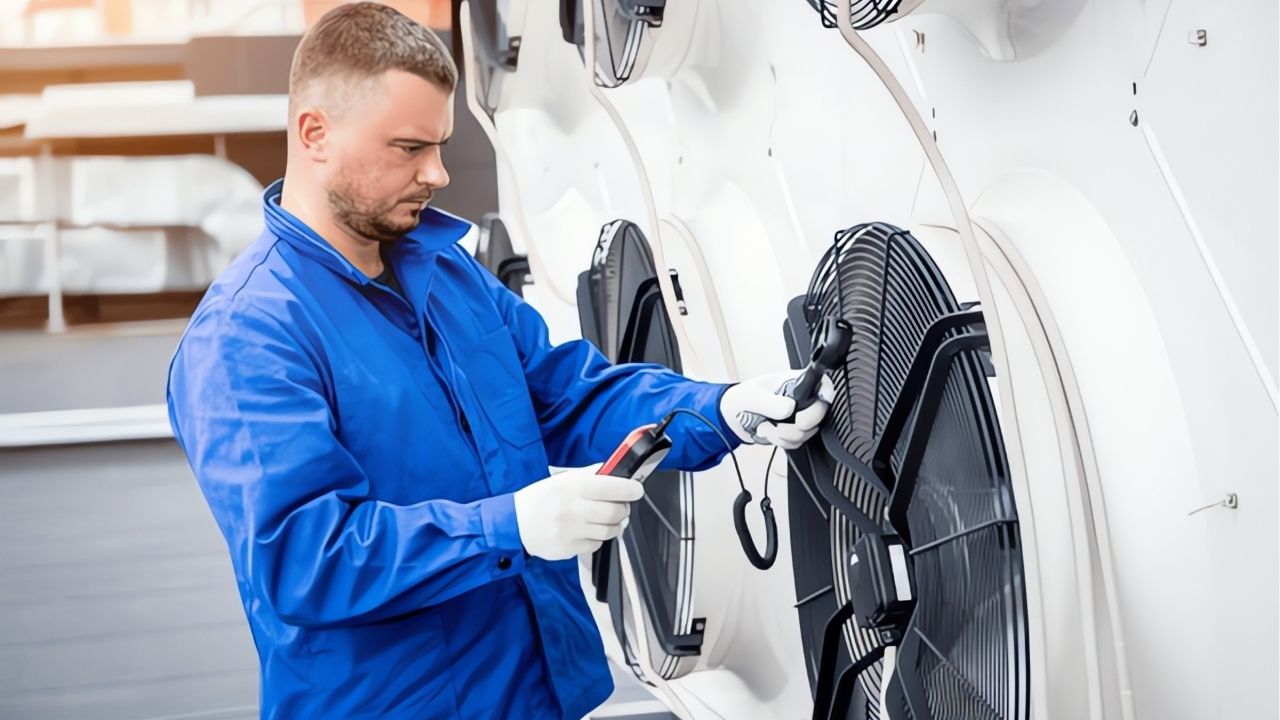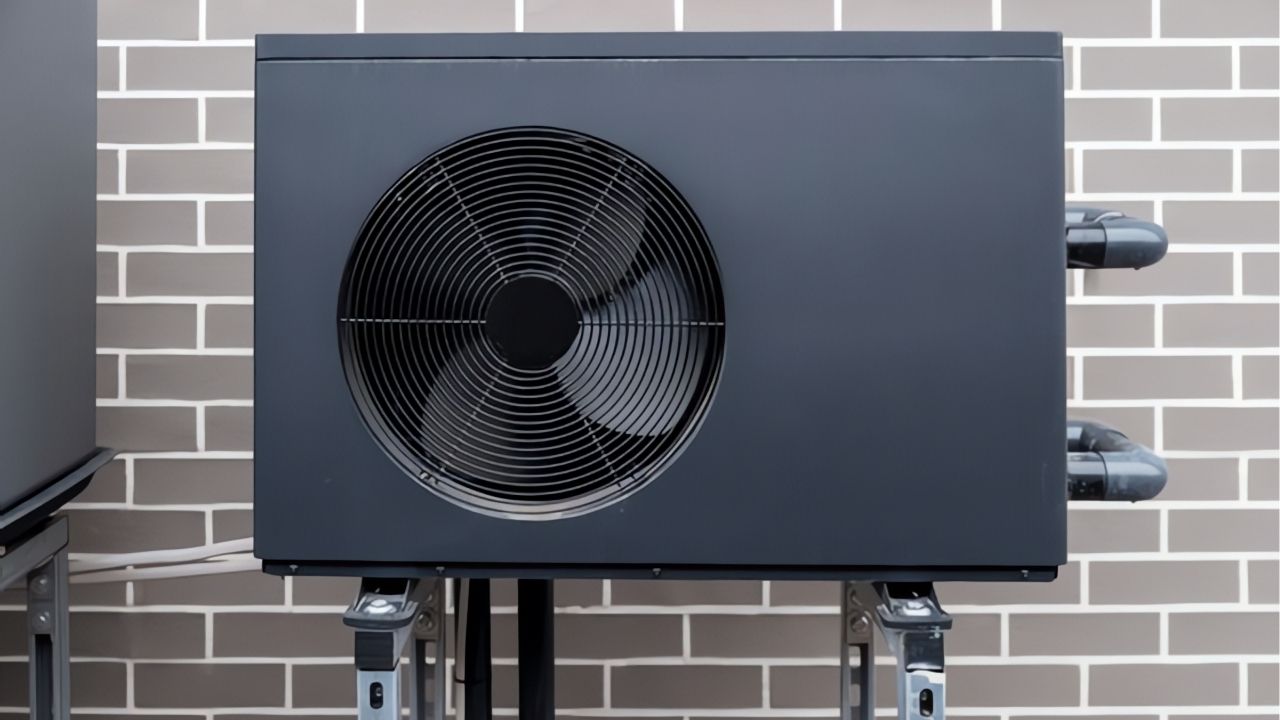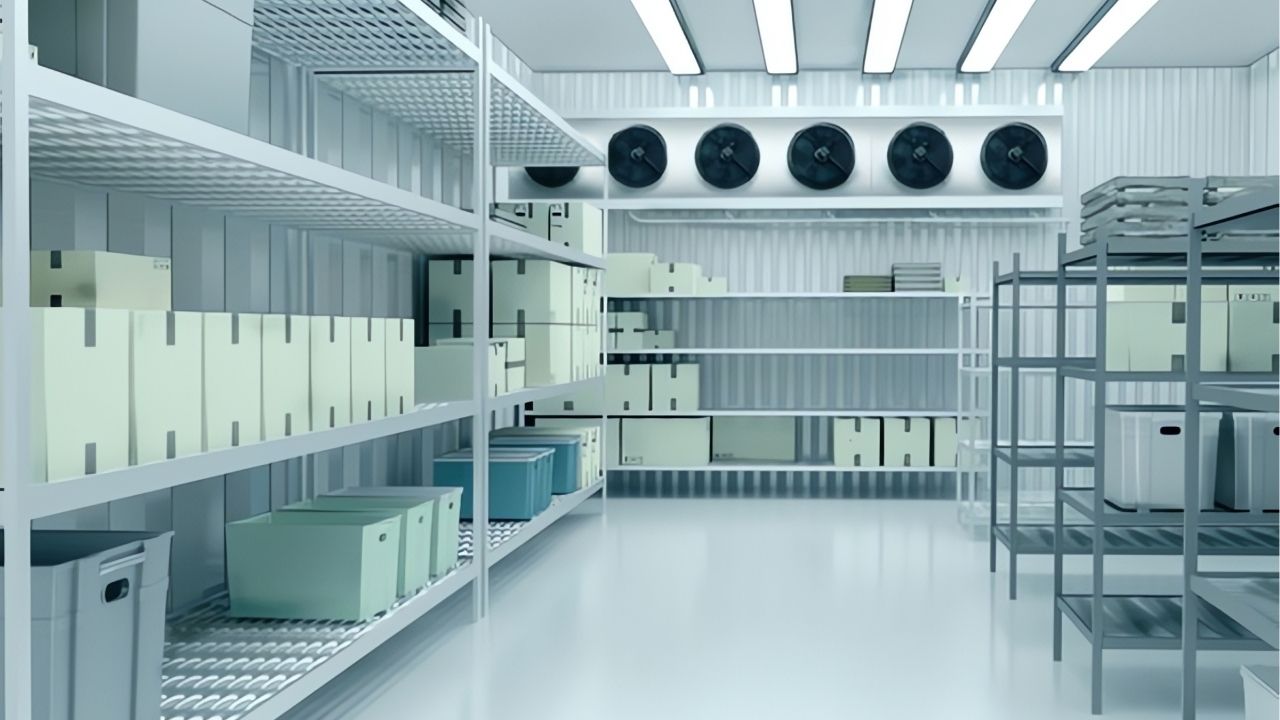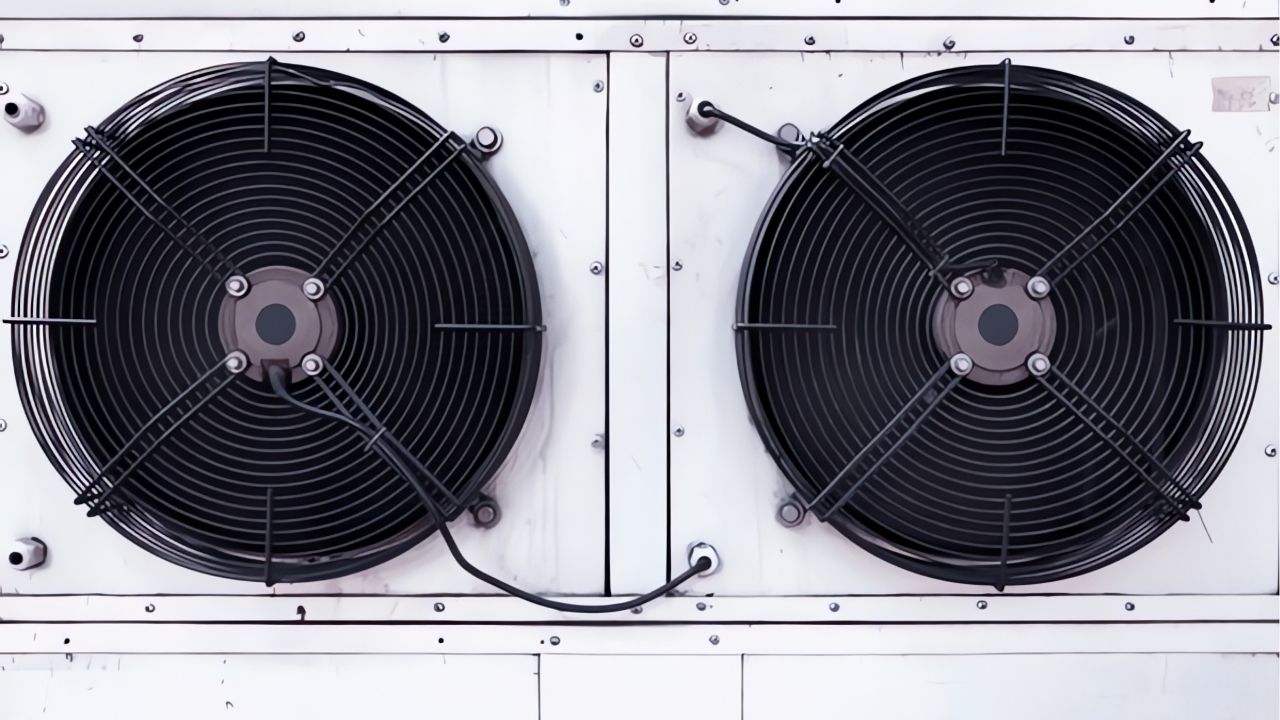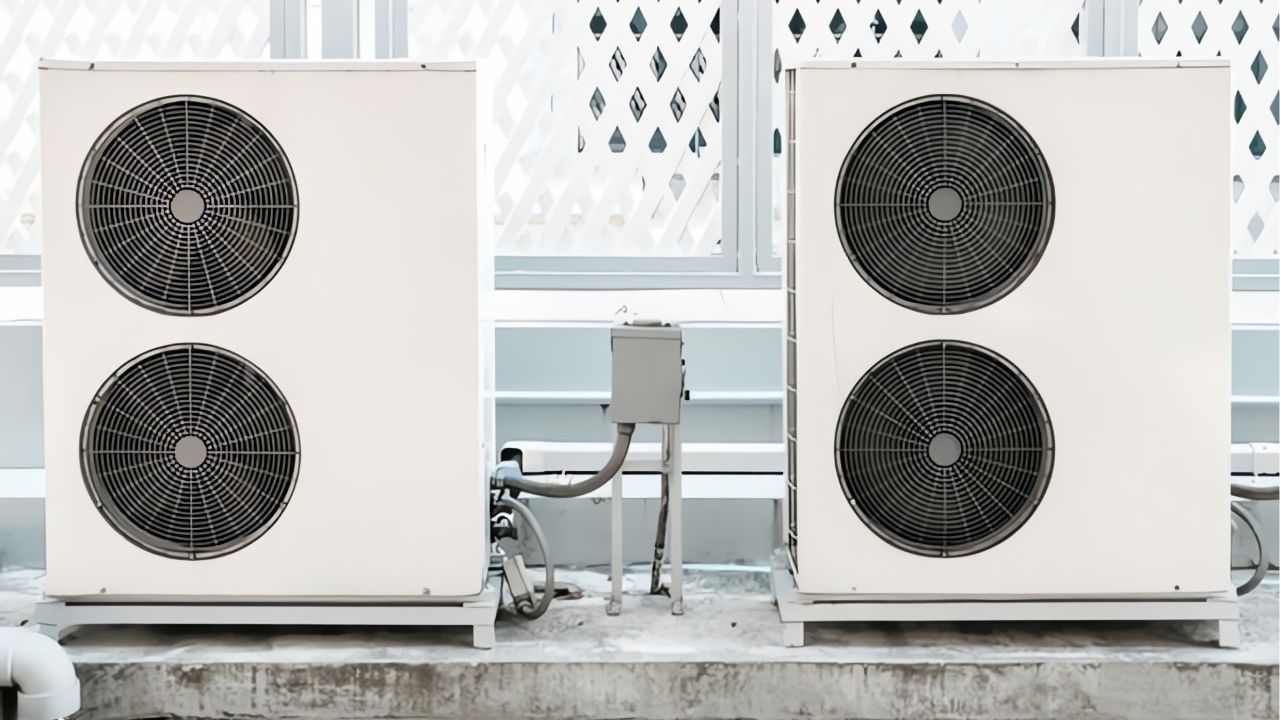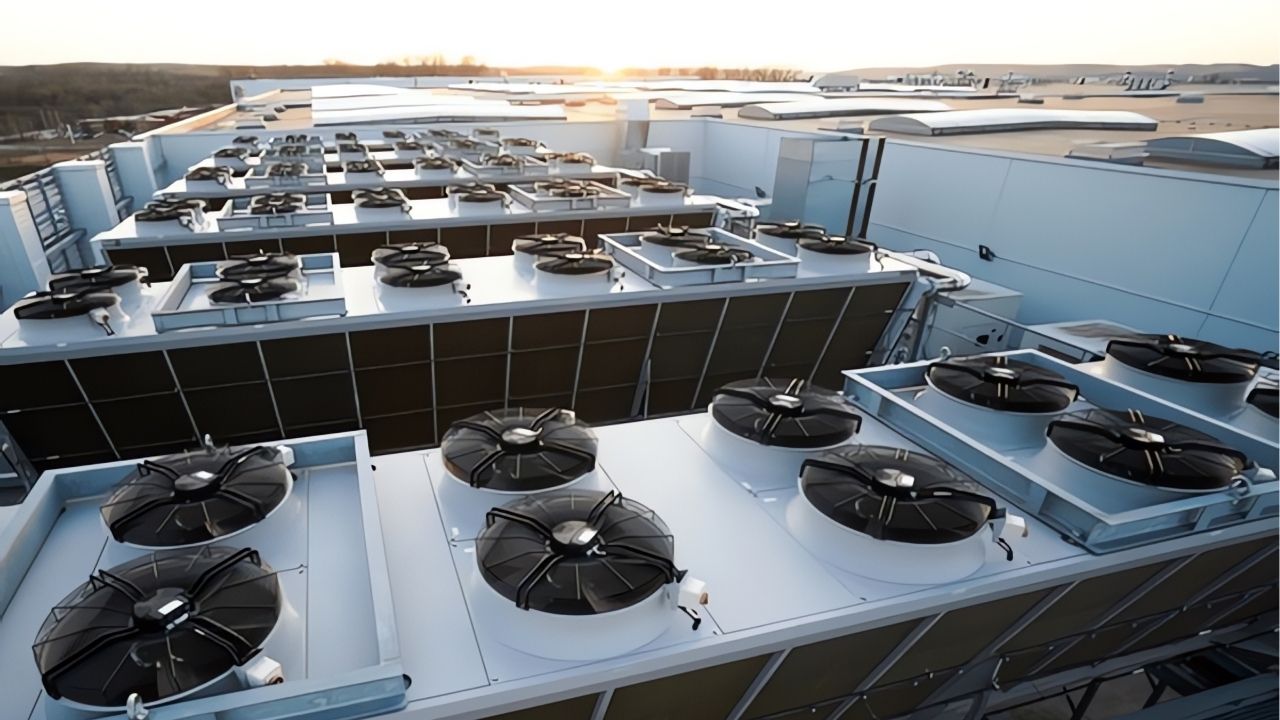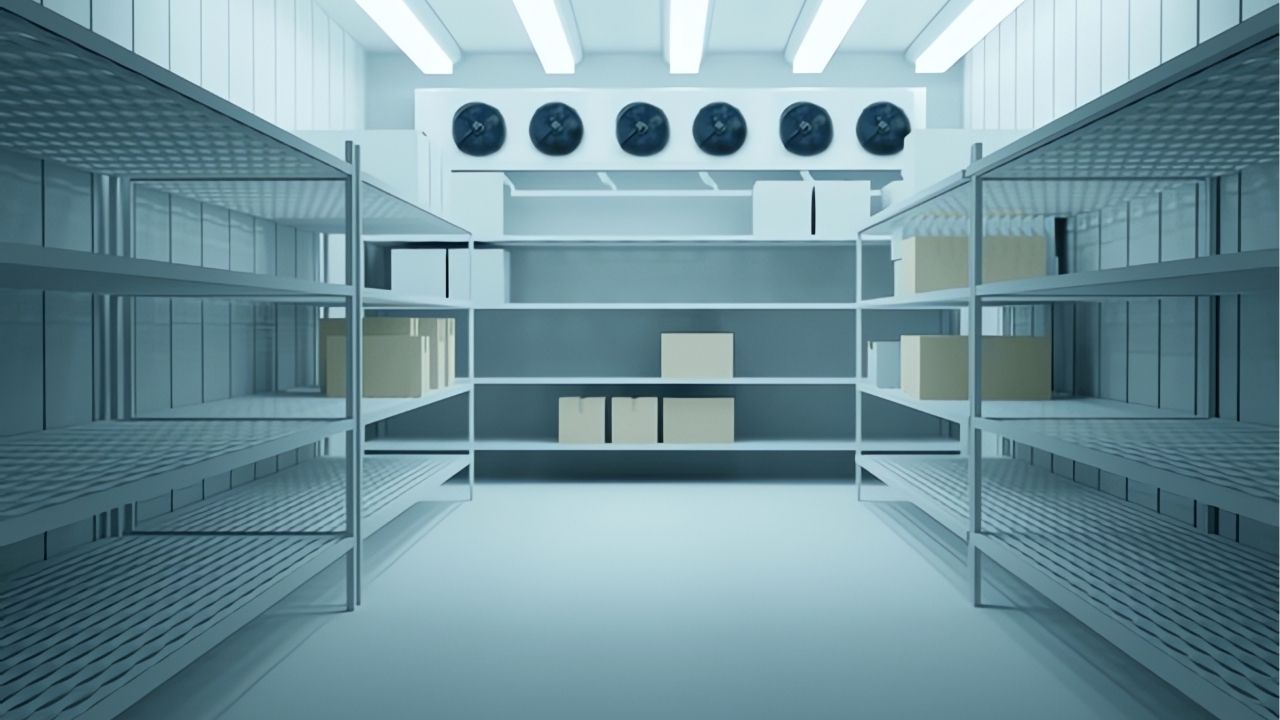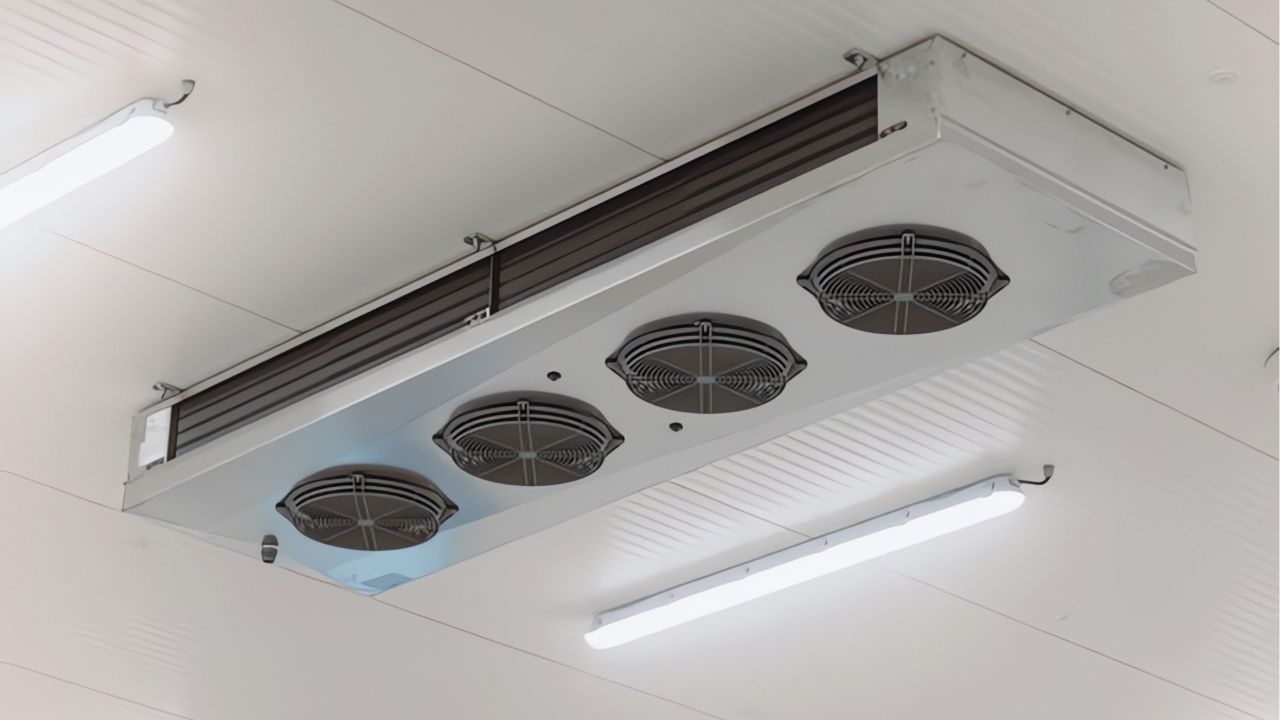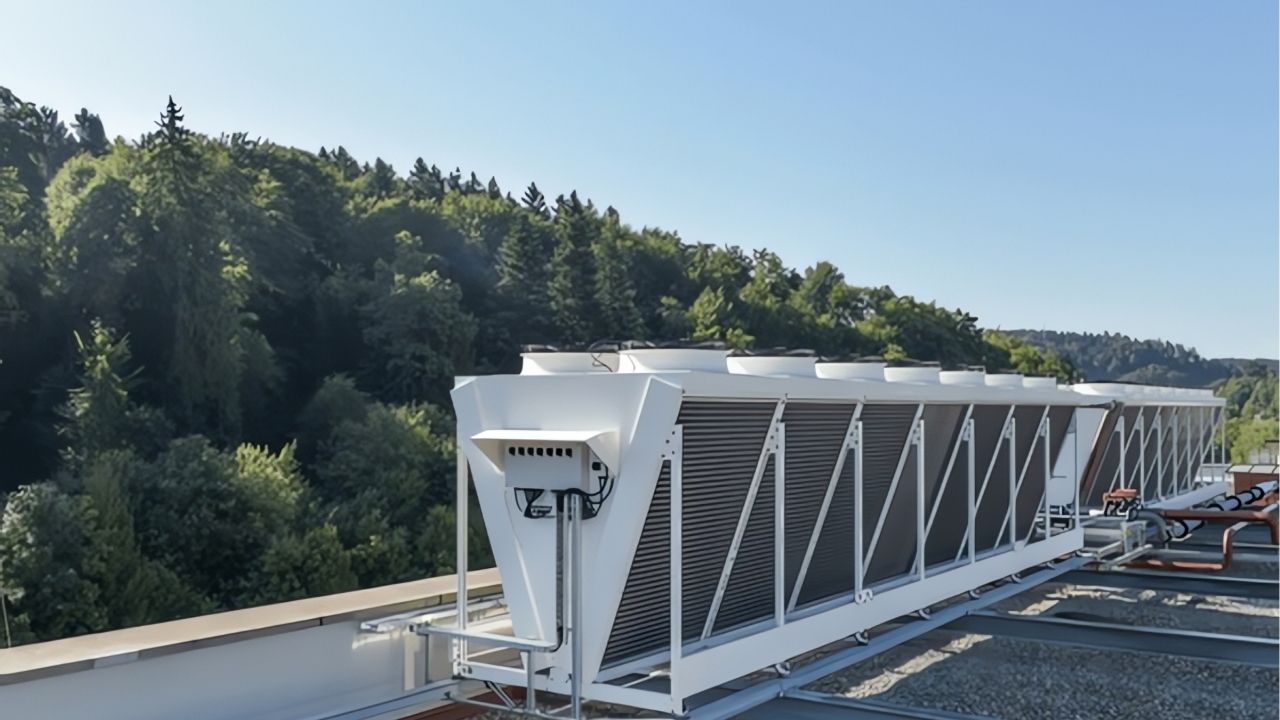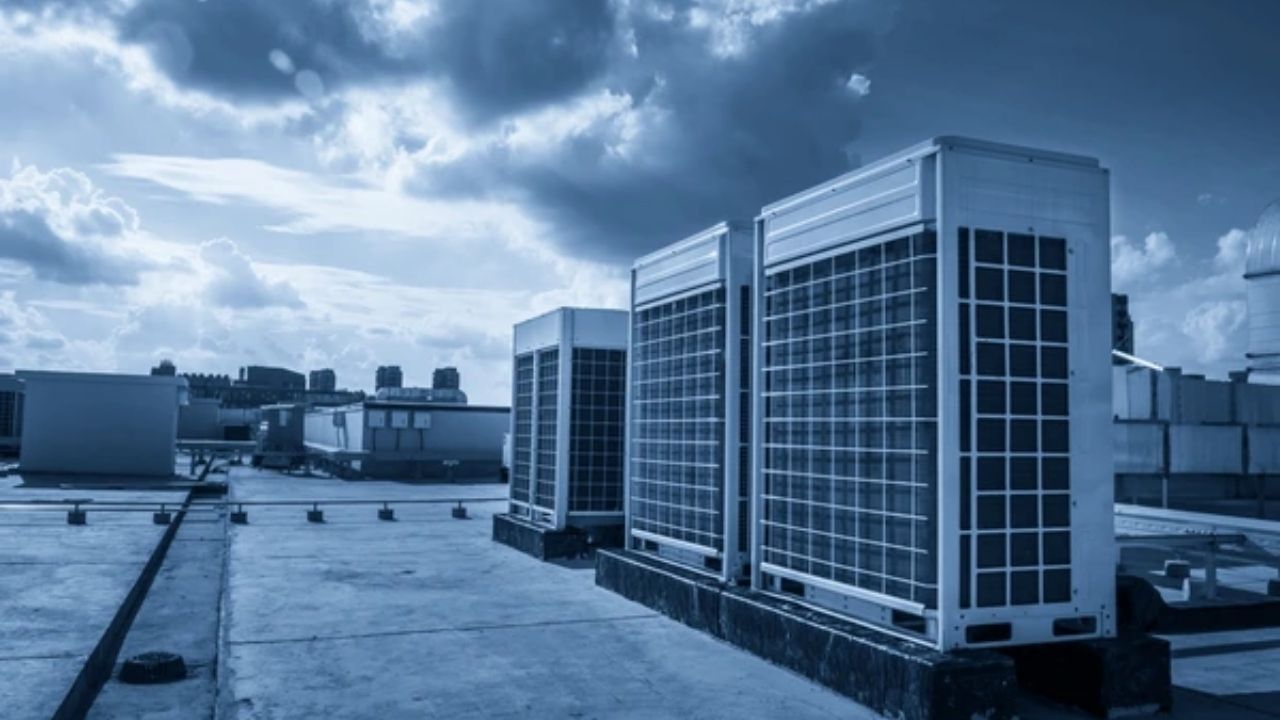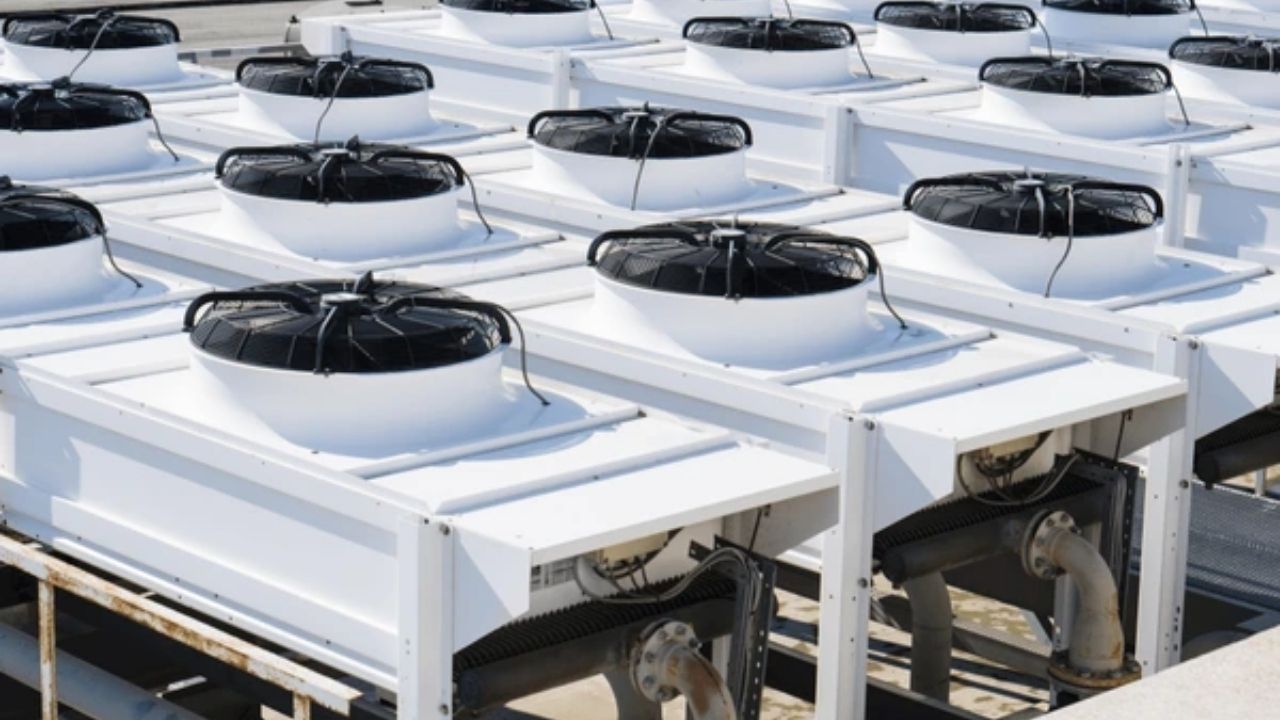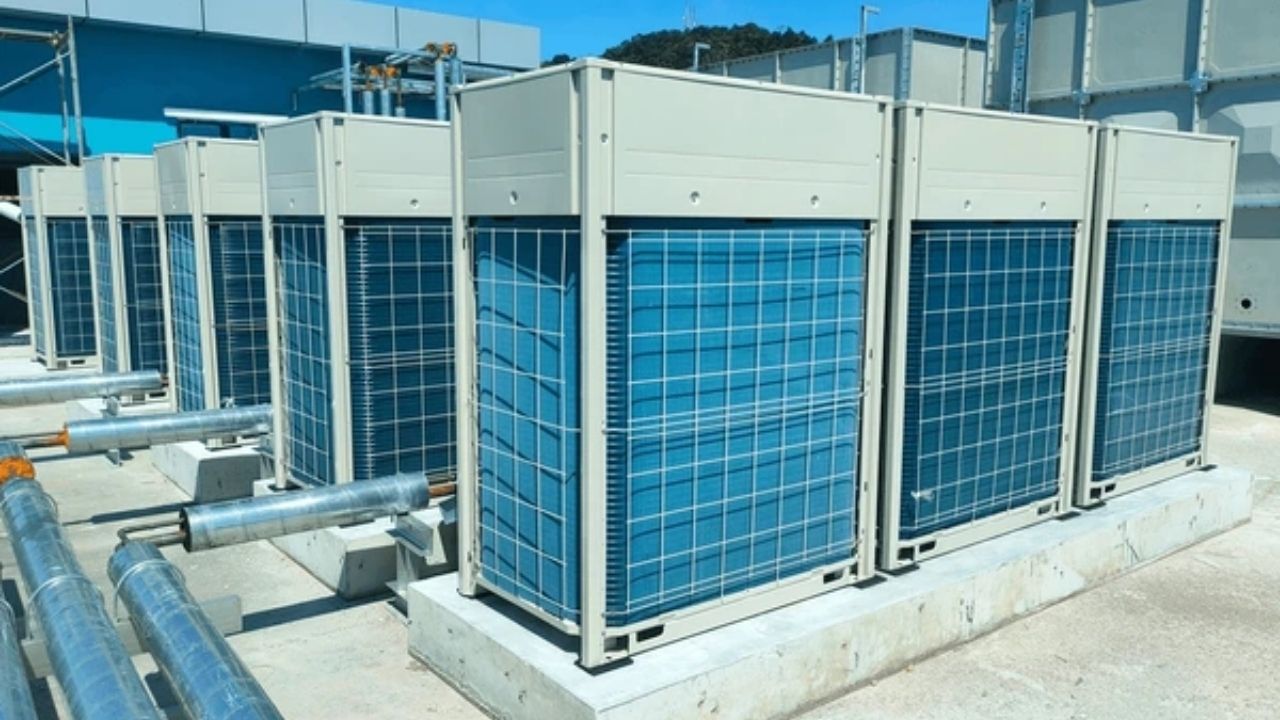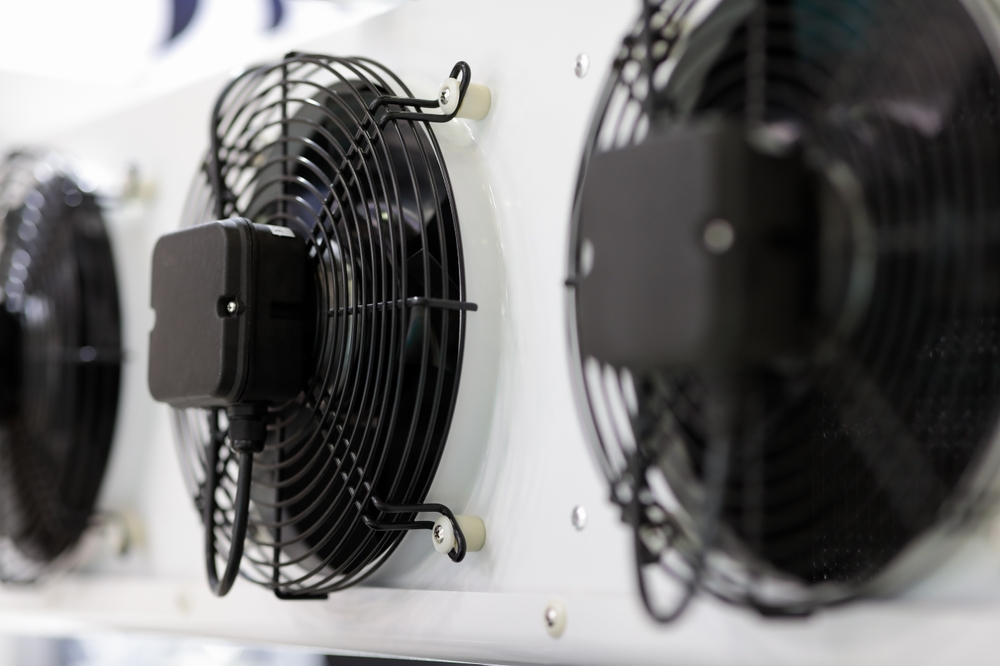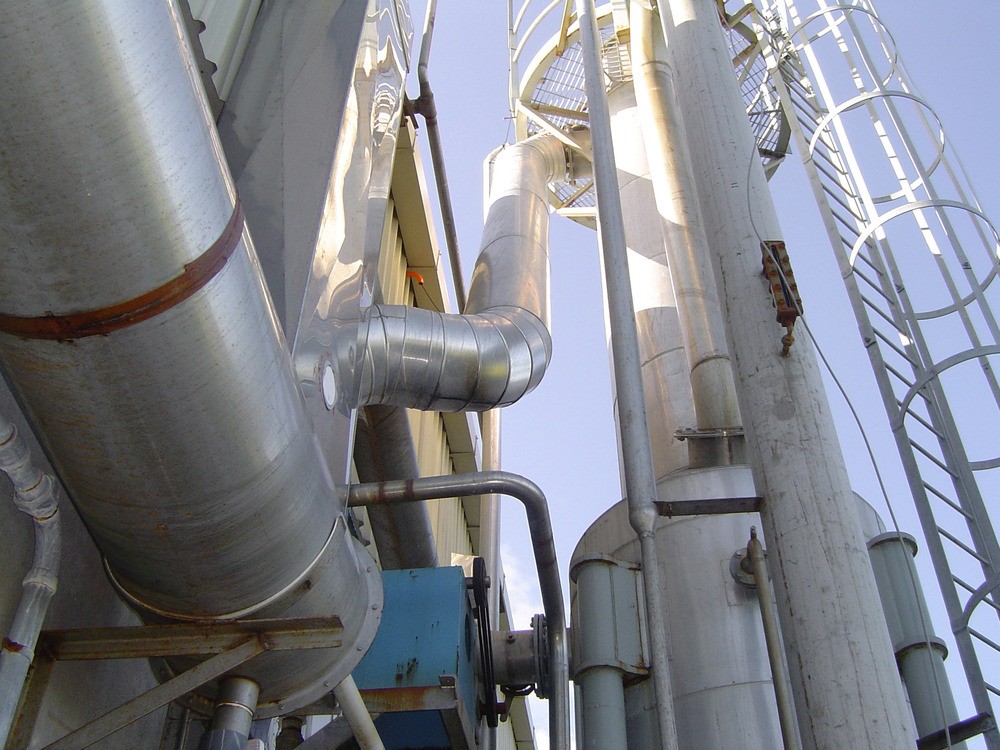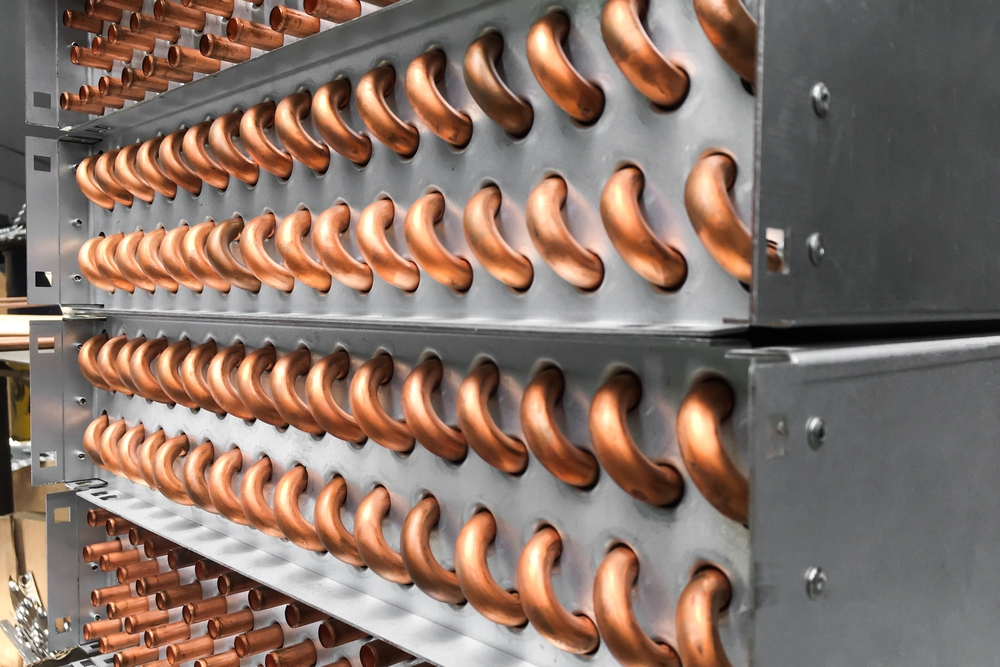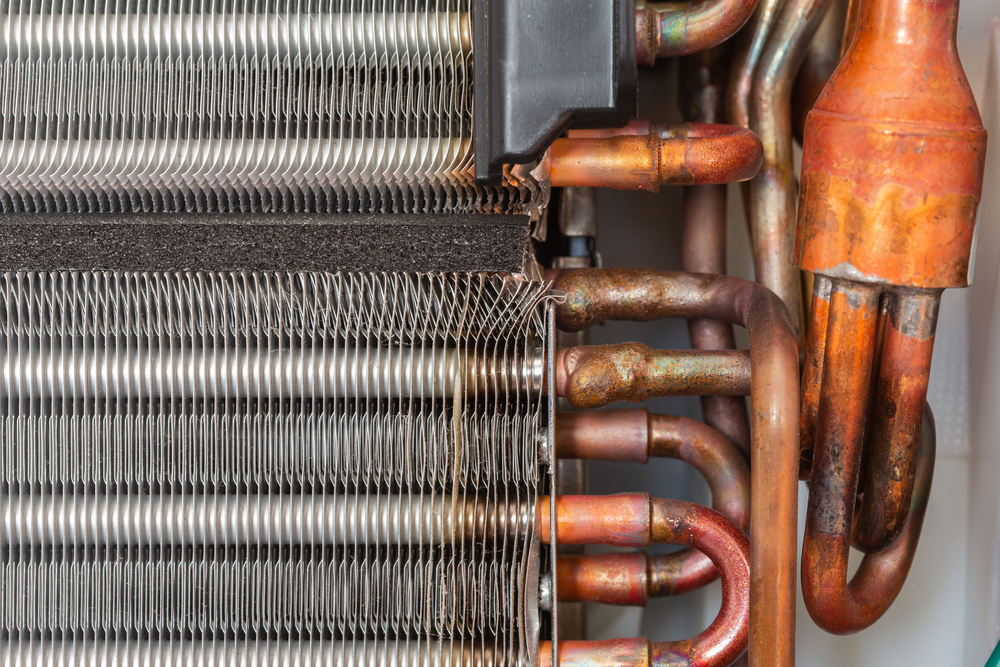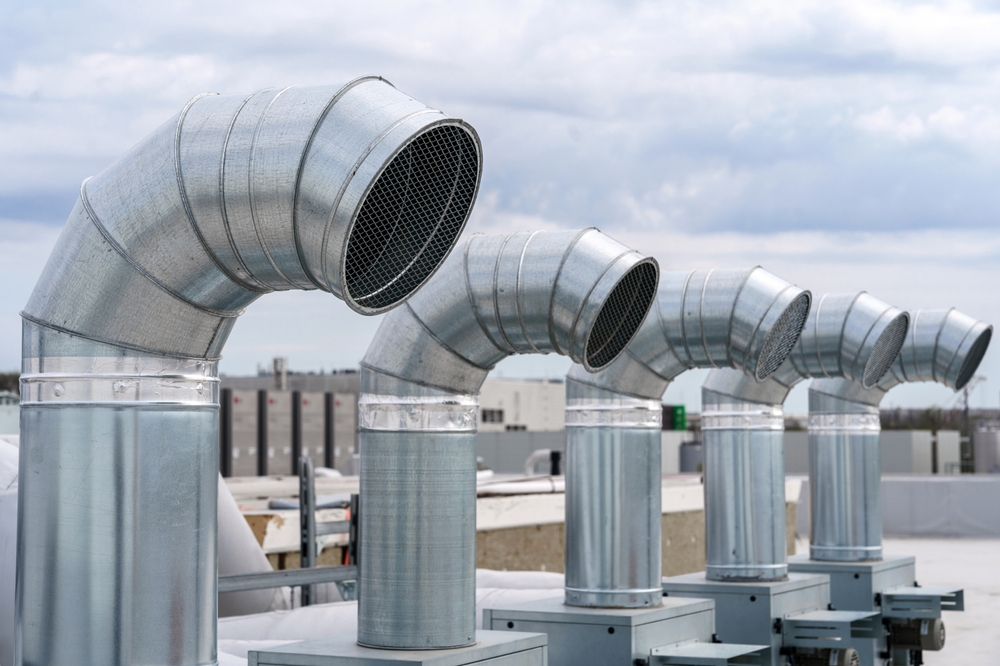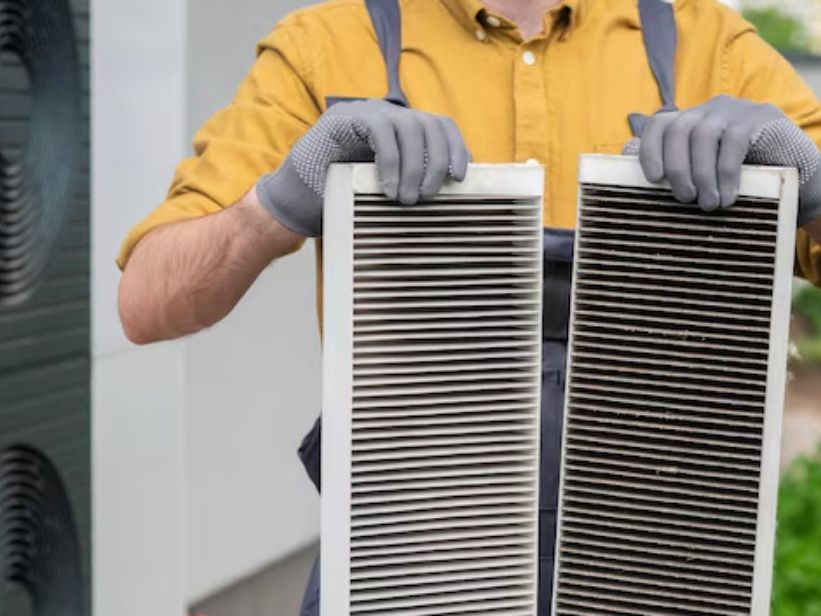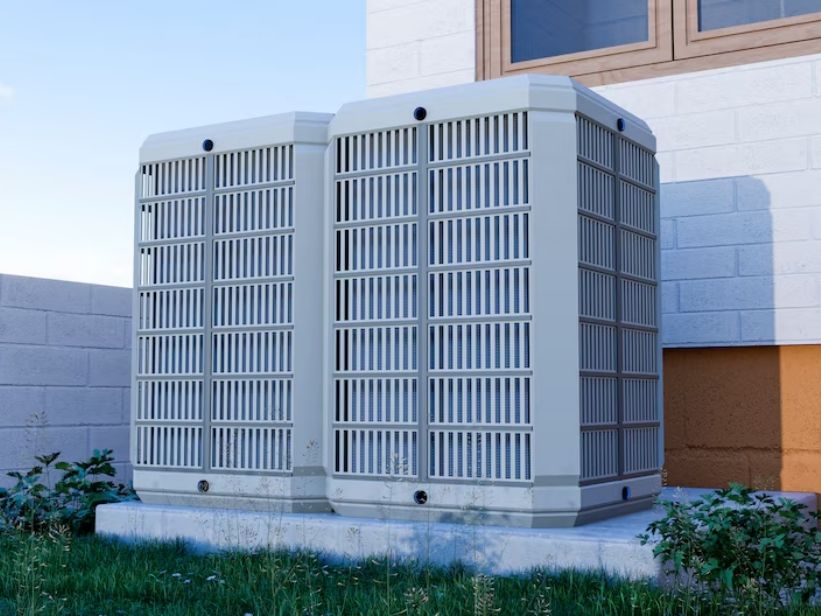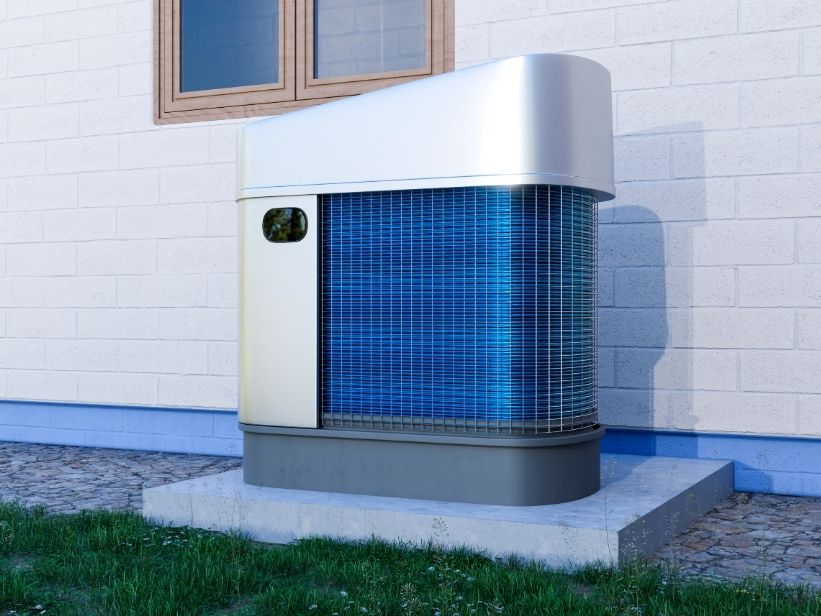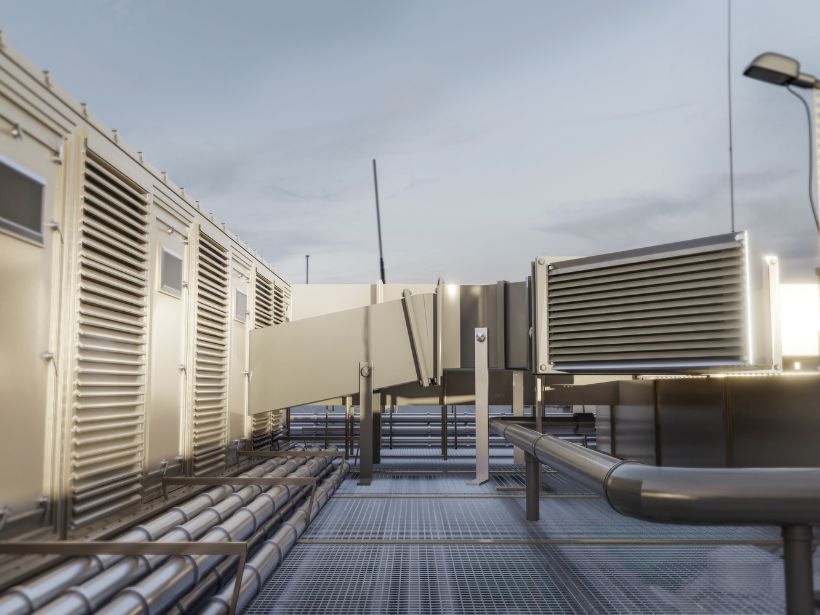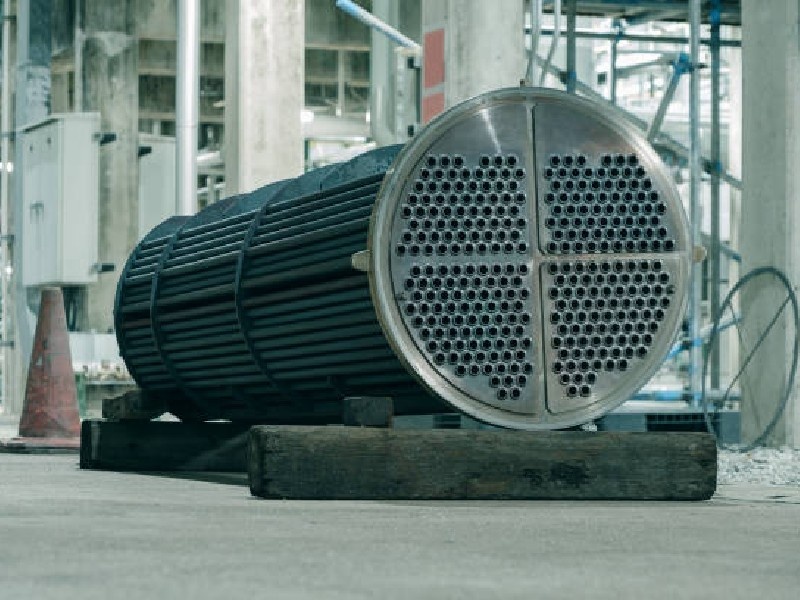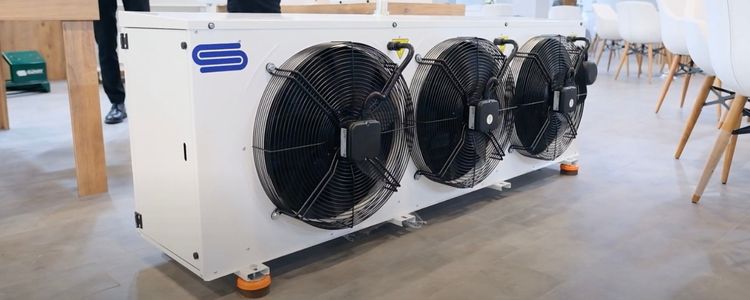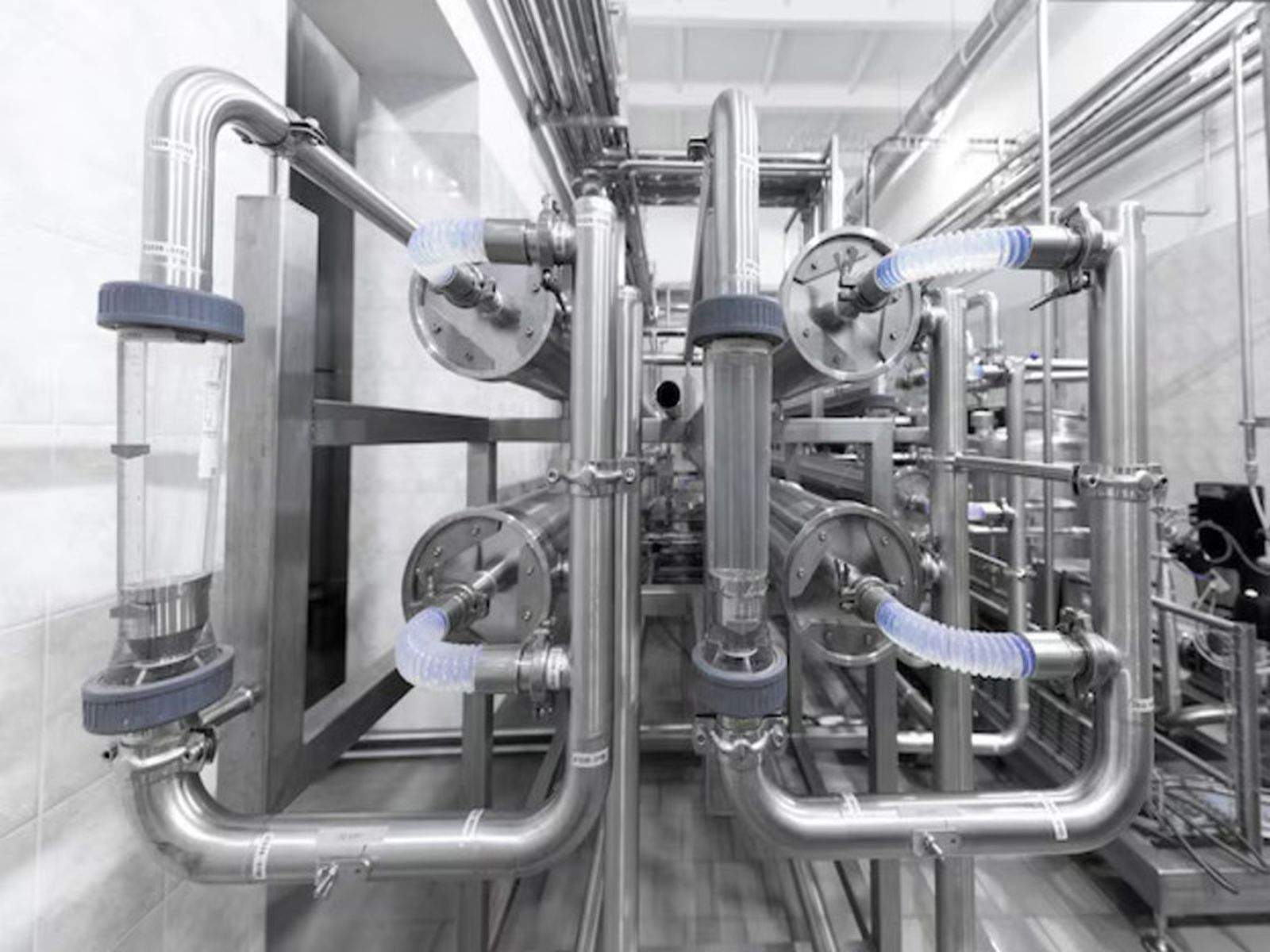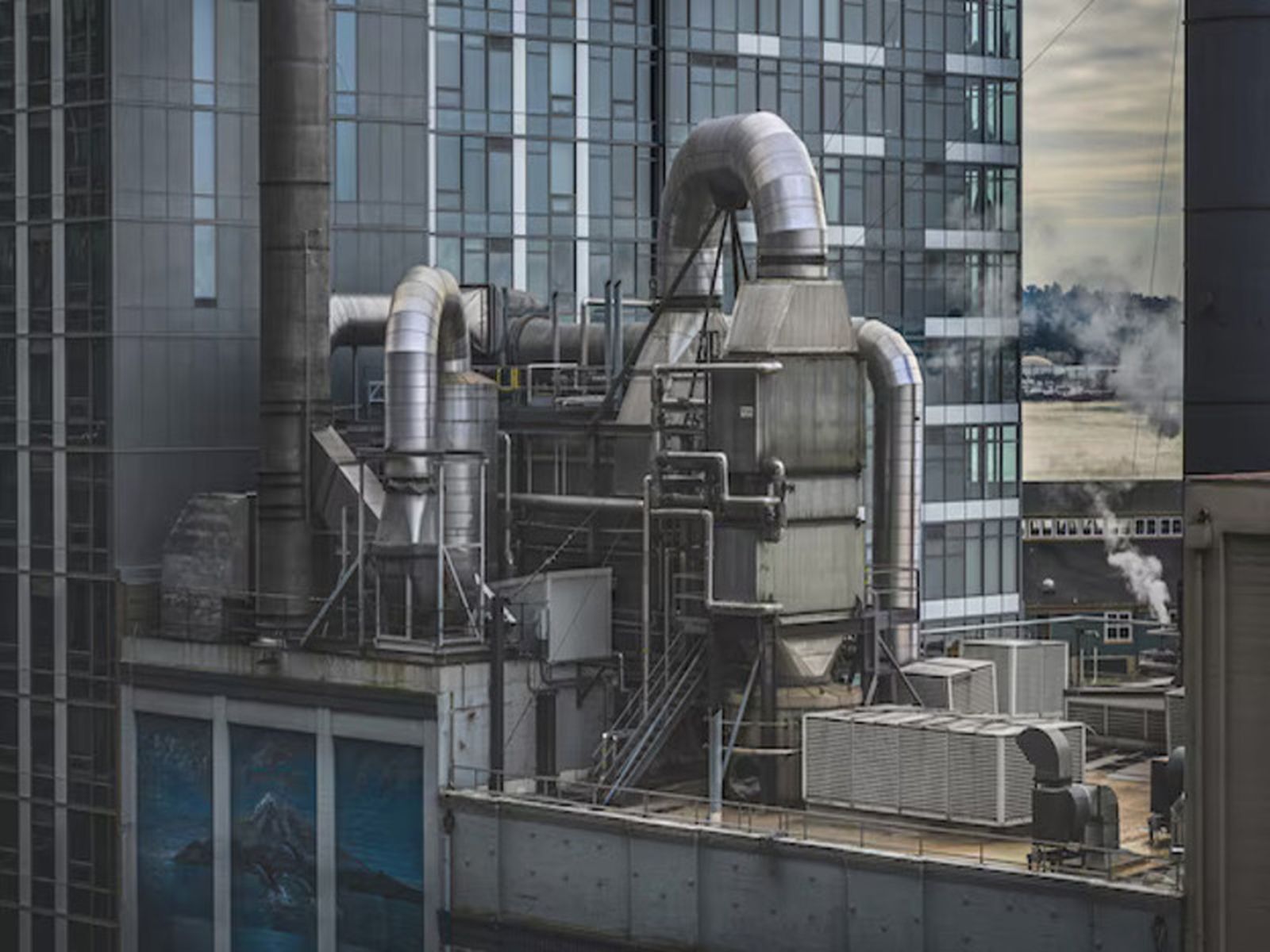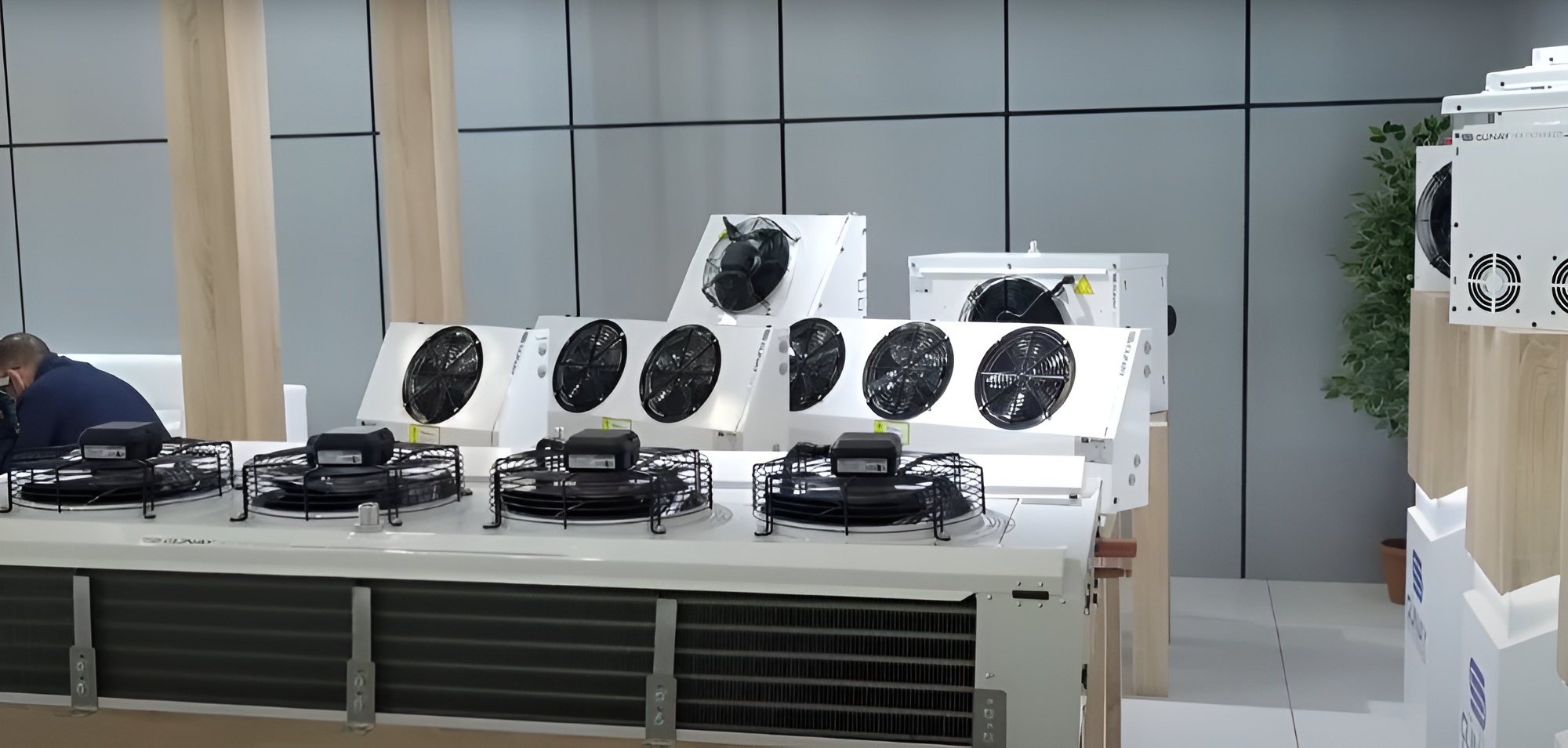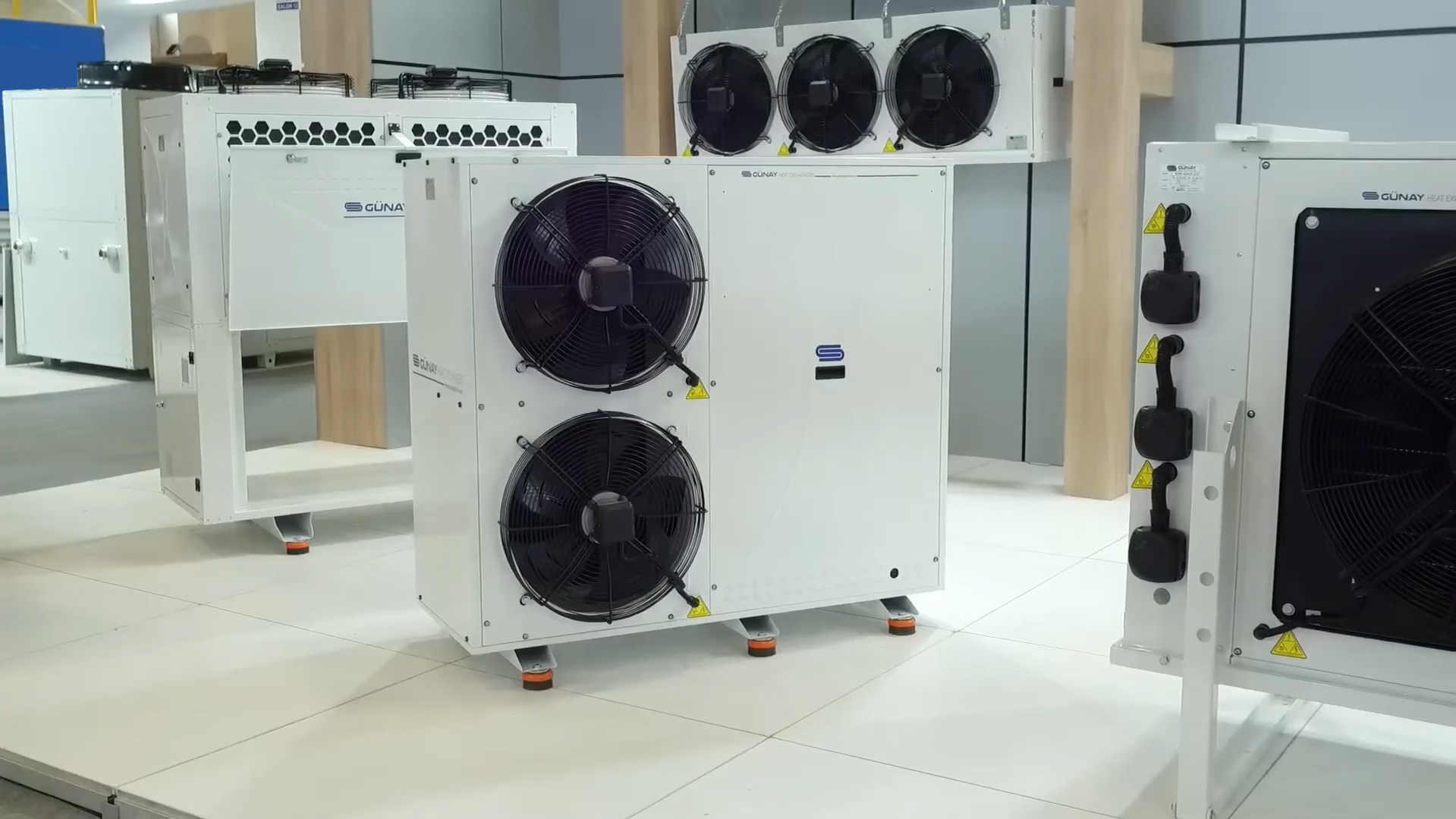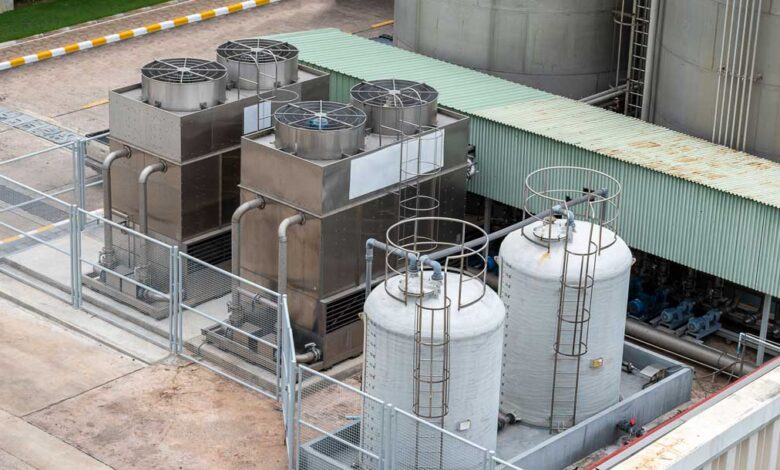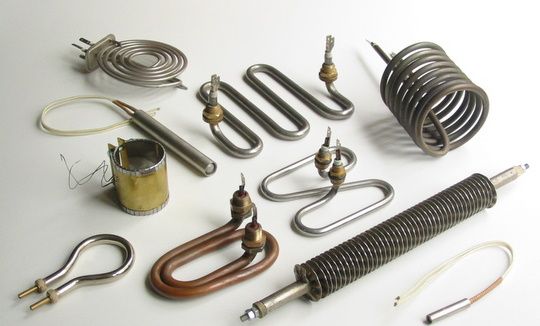
Coil material selection is the determination of which metals and coatings will be used to manufacture the tubes and fins that provide heat transfer in evaporators, condensers and dry coolers. Since this decision jointly affects thermal performance, corrosion resistance, weight, cost and the service life of the equipment in the field, it should be made carefully at the beginning of the project. In this article, we discuss common tube and fin materials, the effect of ambient conditions, fluid compatibility, coating options and the criteria that can be used to determine the right combination.
Table of Contents
- Which Materials Are Used in Refrigeration Coils?
- Why Is the Copper Tube–Aluminum Fin Combination Common?
- When Are Copper Fins or Stainless Steel Tubes Required?
- How Does the Fluid Type Affect Material Selection?
- How Do Ambient Conditions Determine the Life of the Coil?
- What Should Be Considered When Selecting Coil Material for Your Application?
- Frequently Asked Questions
Which Materials Are Used in Refrigeration Coils?
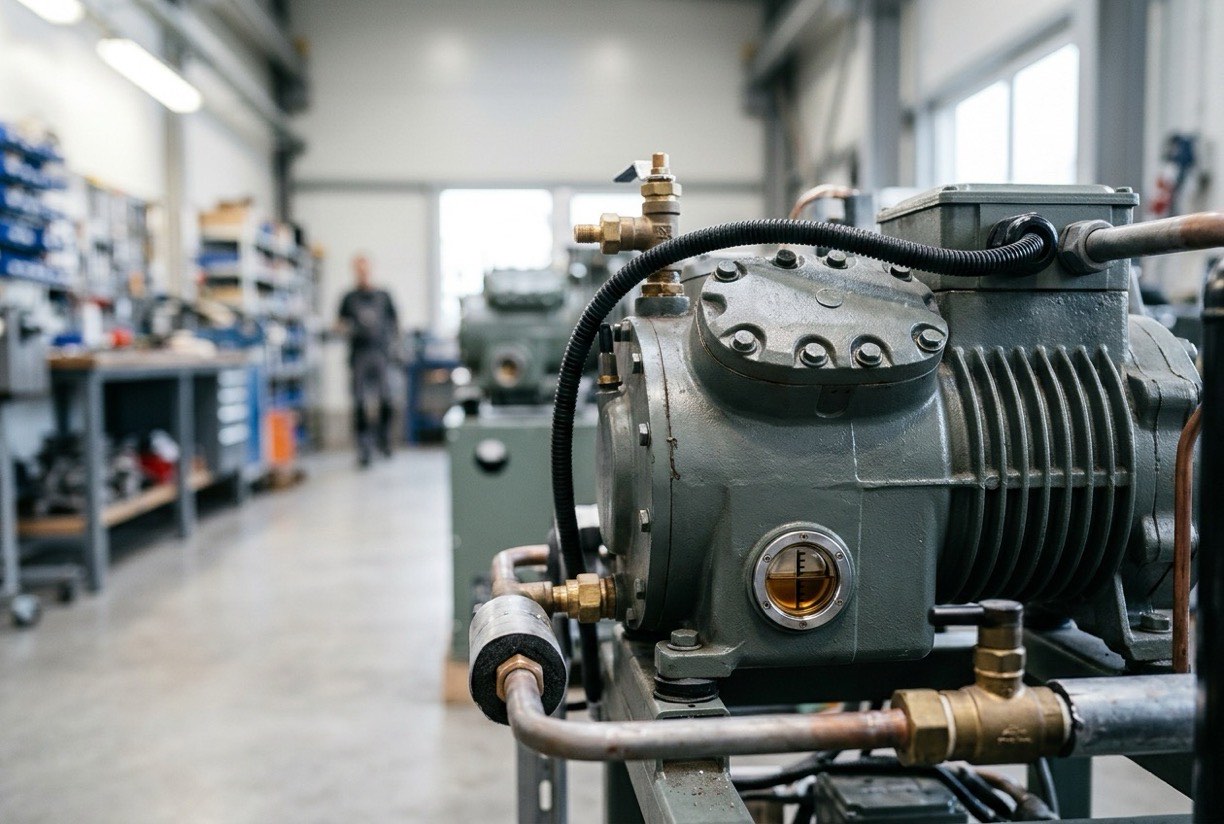
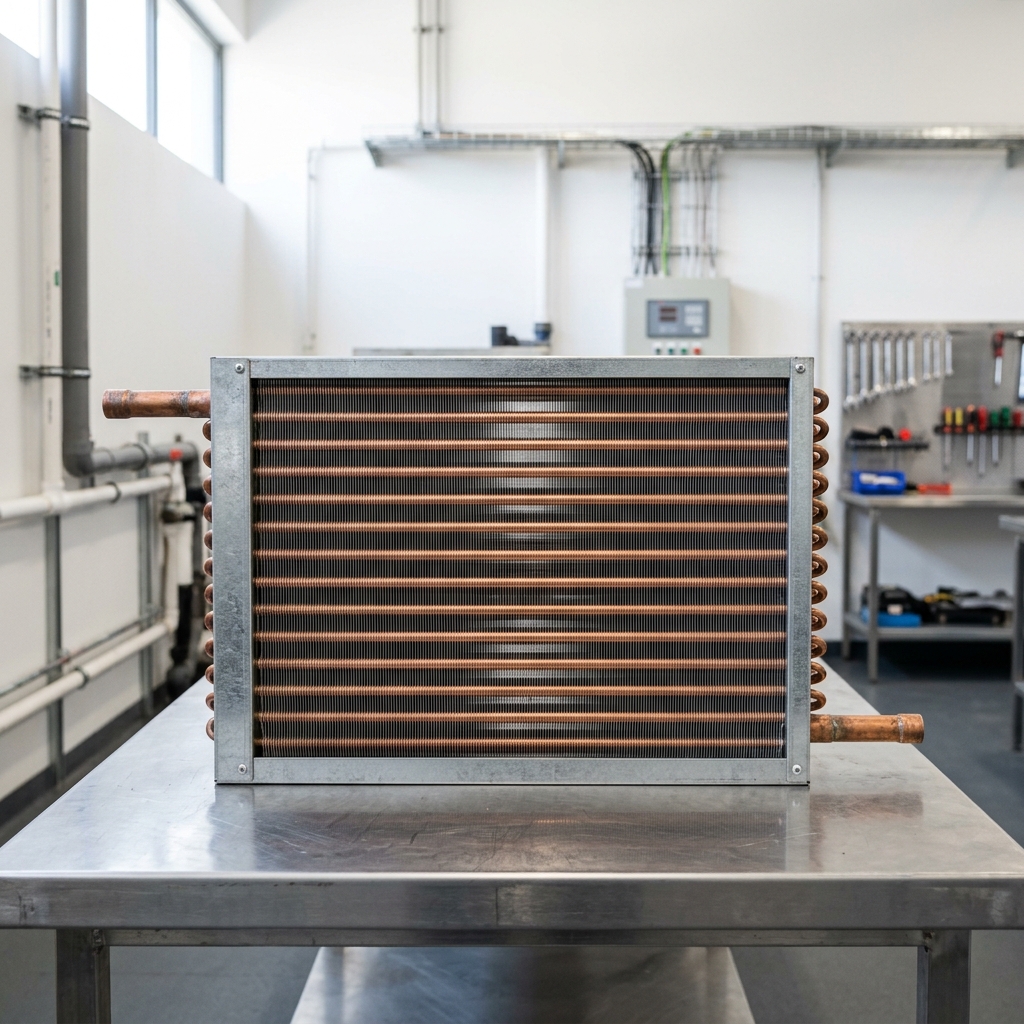
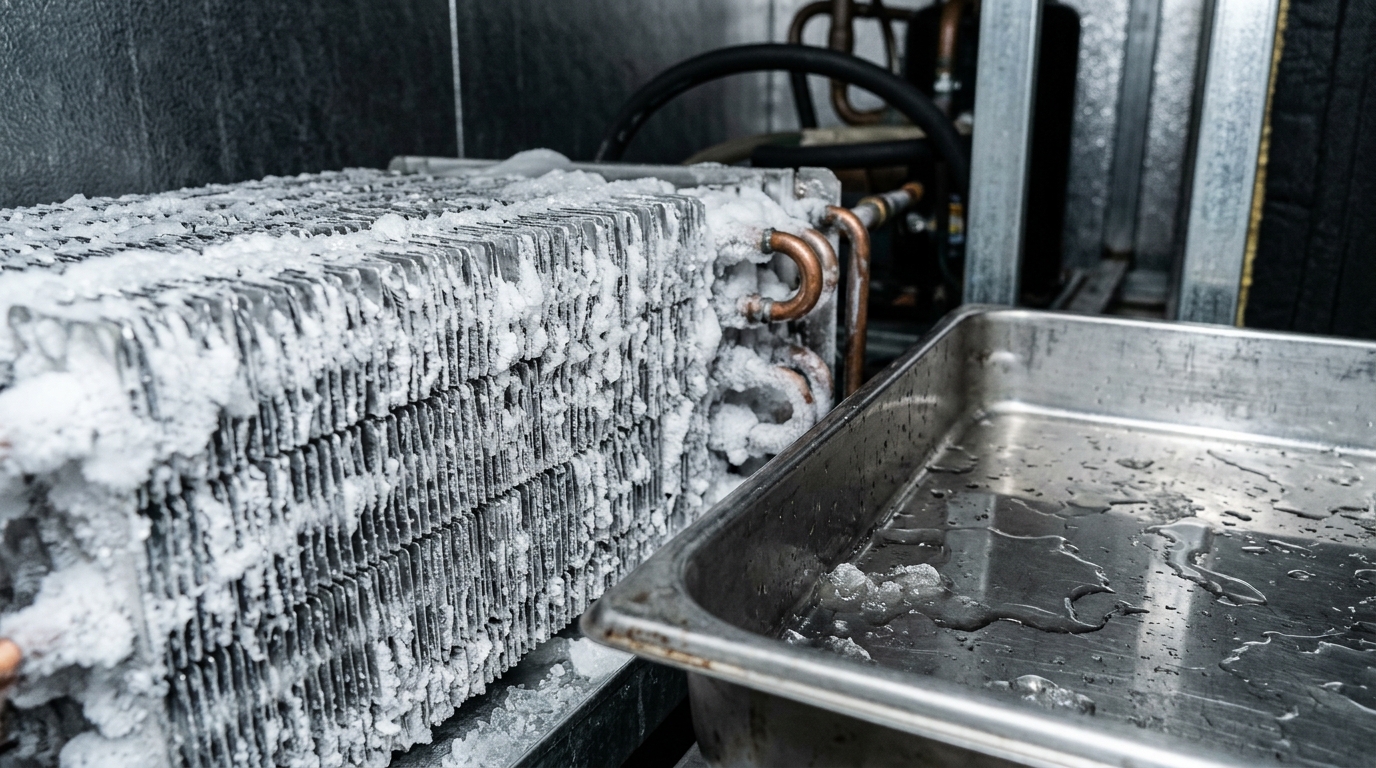
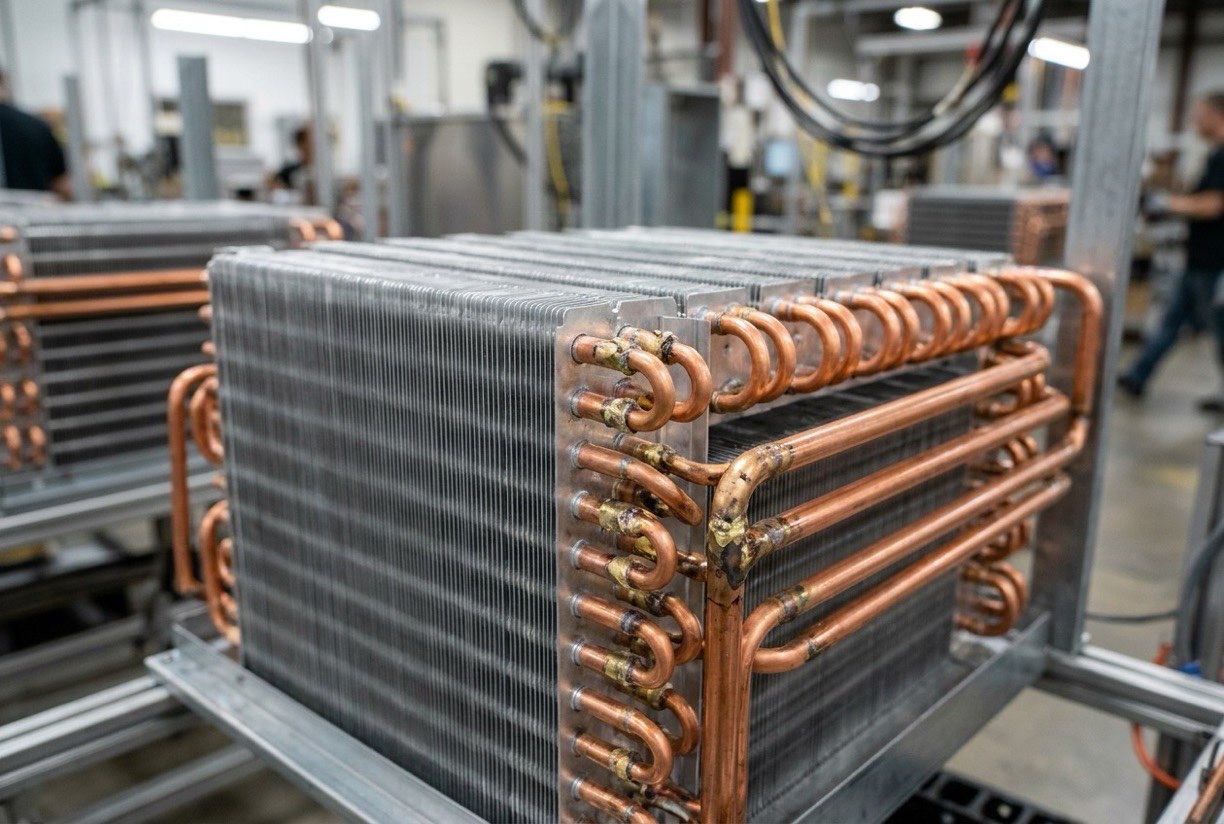
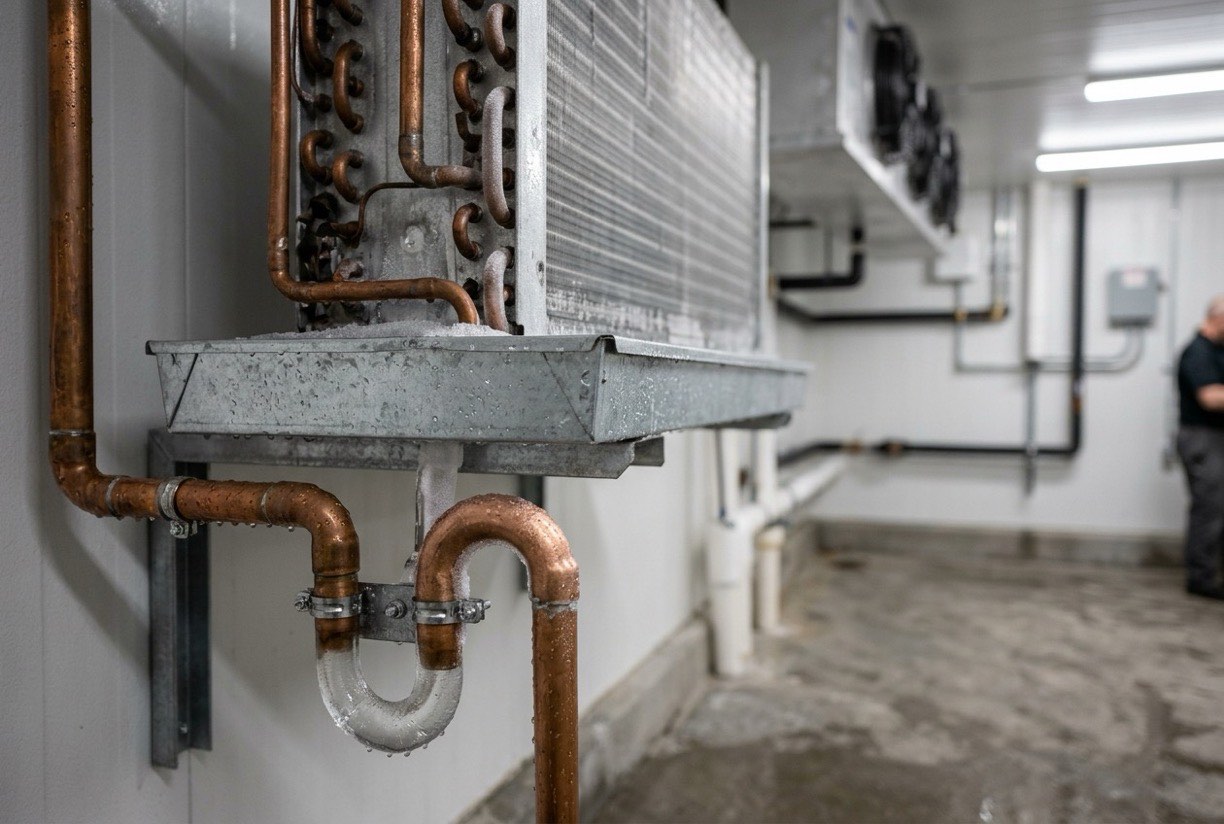
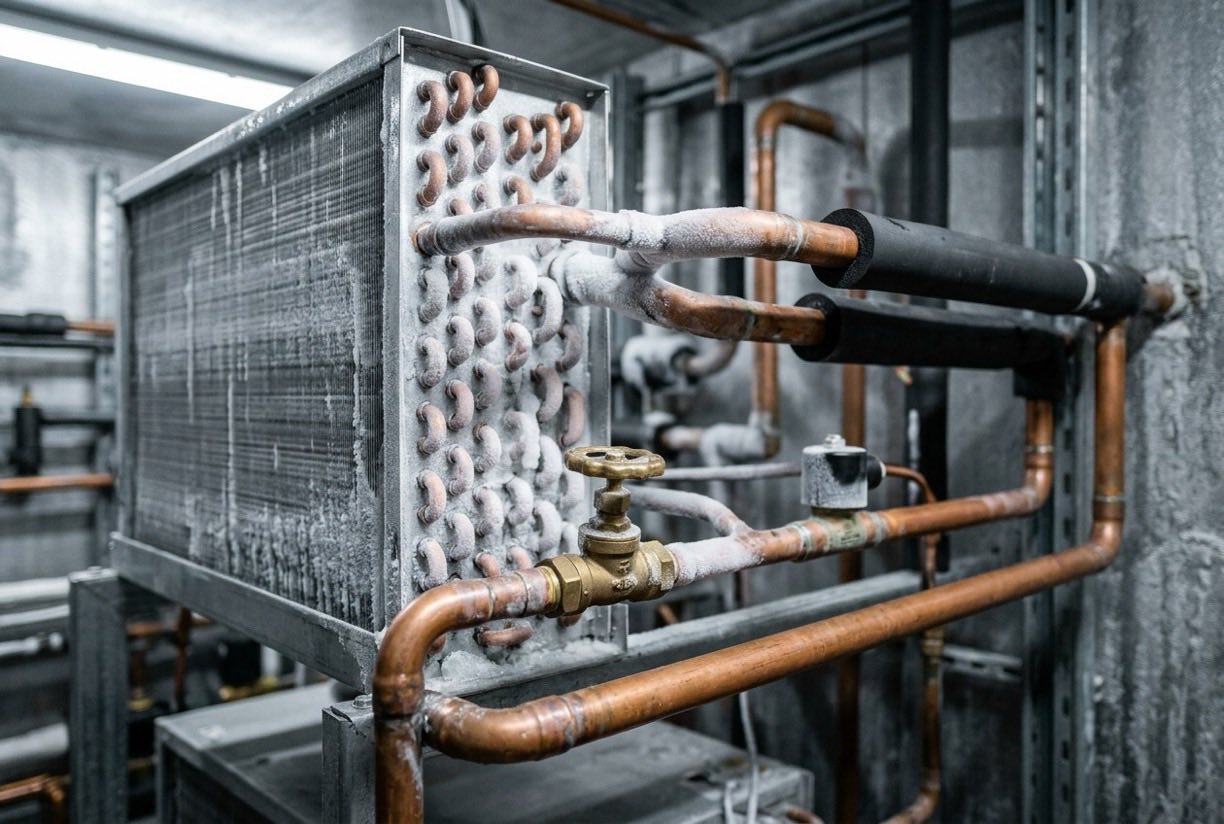
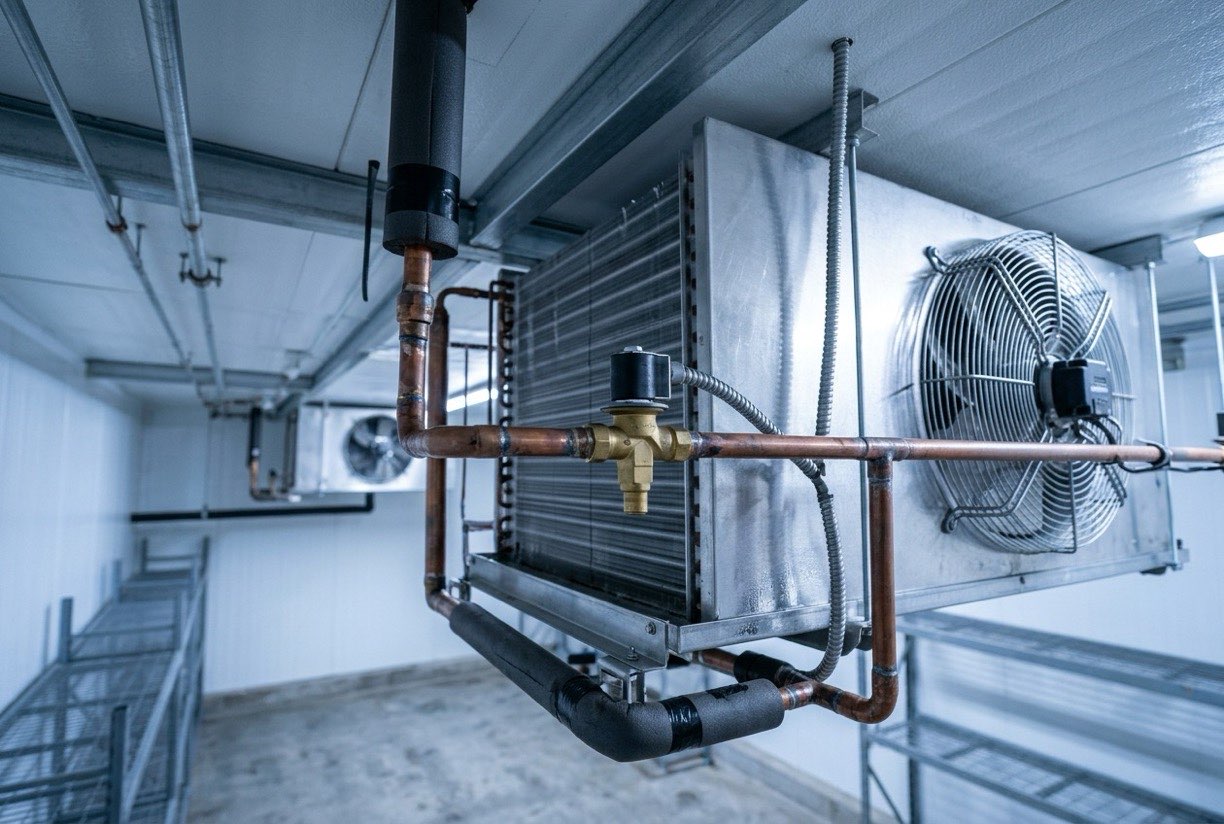
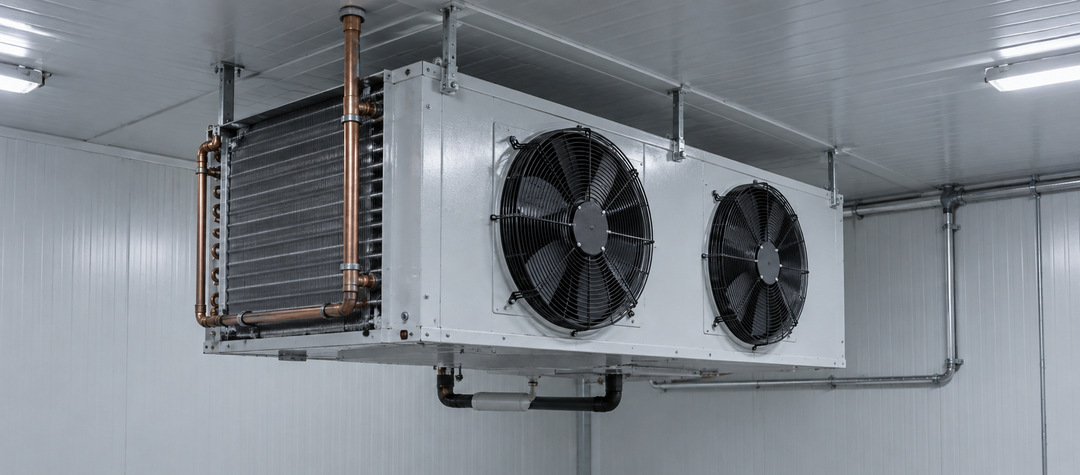
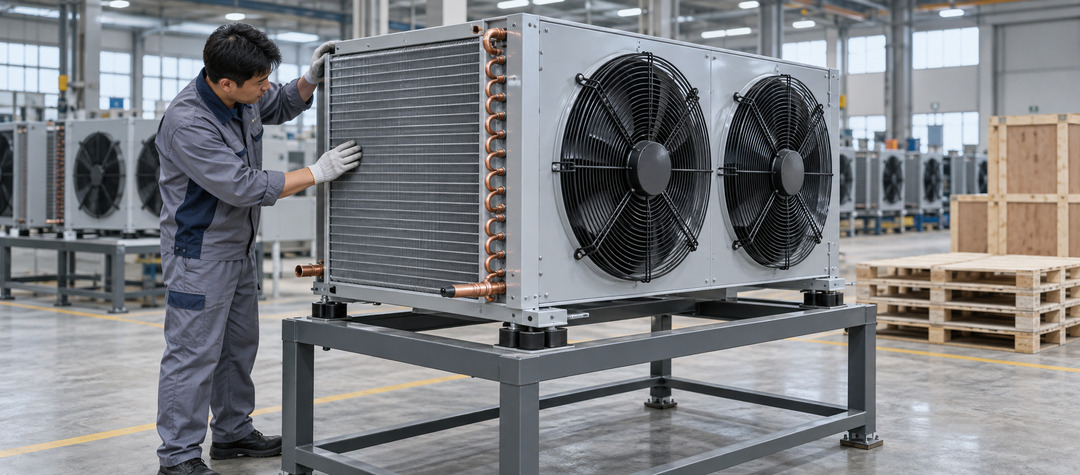
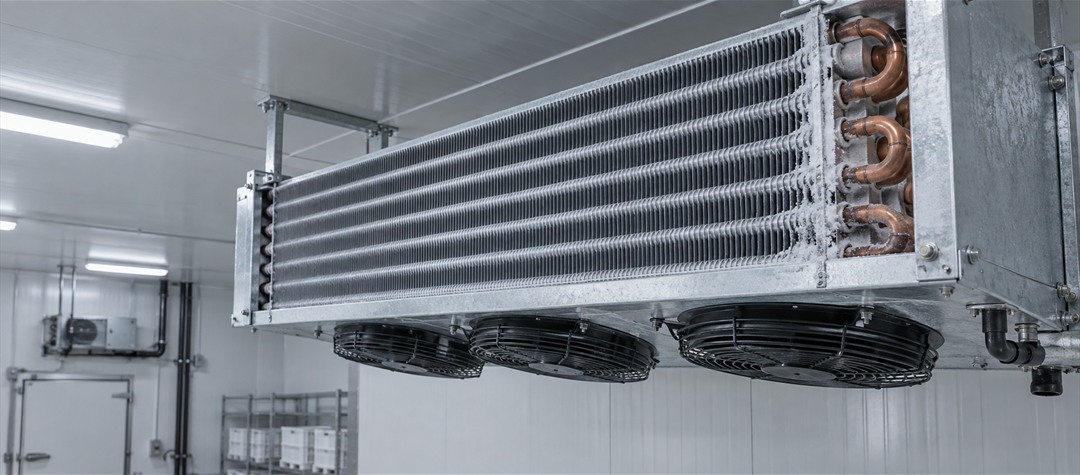
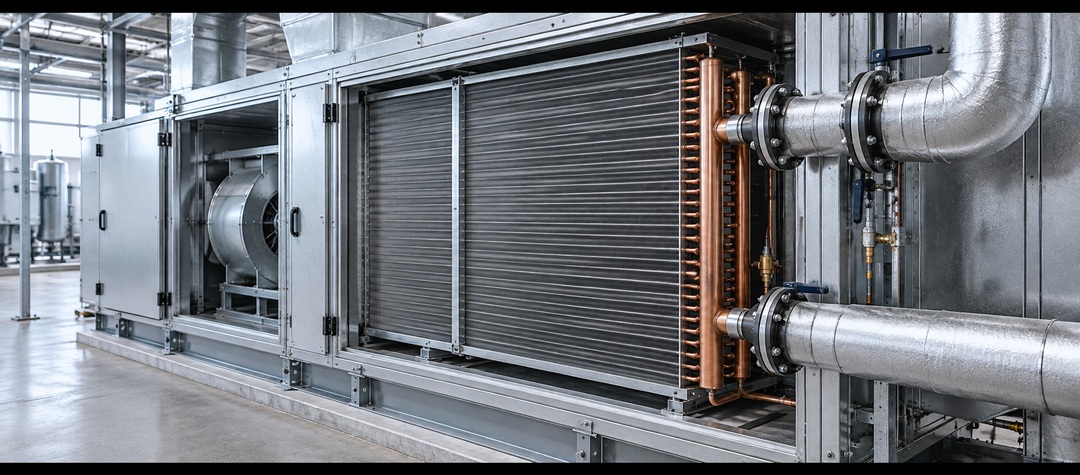
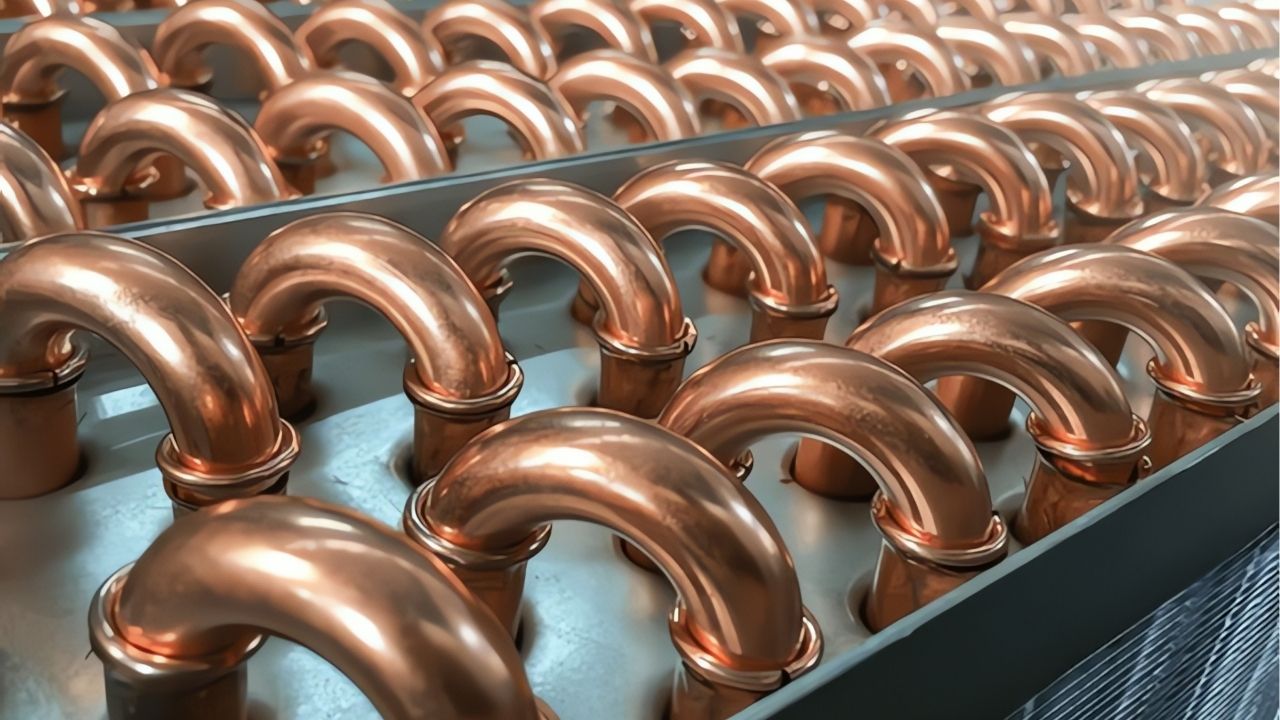
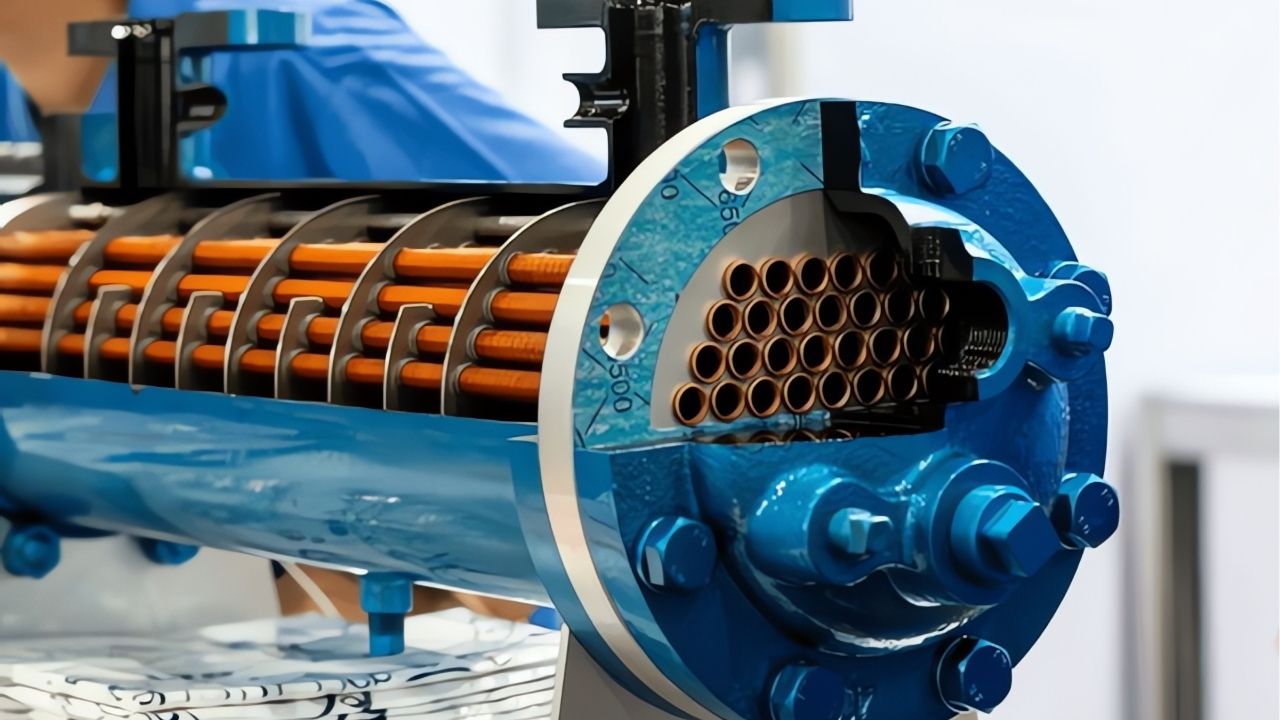
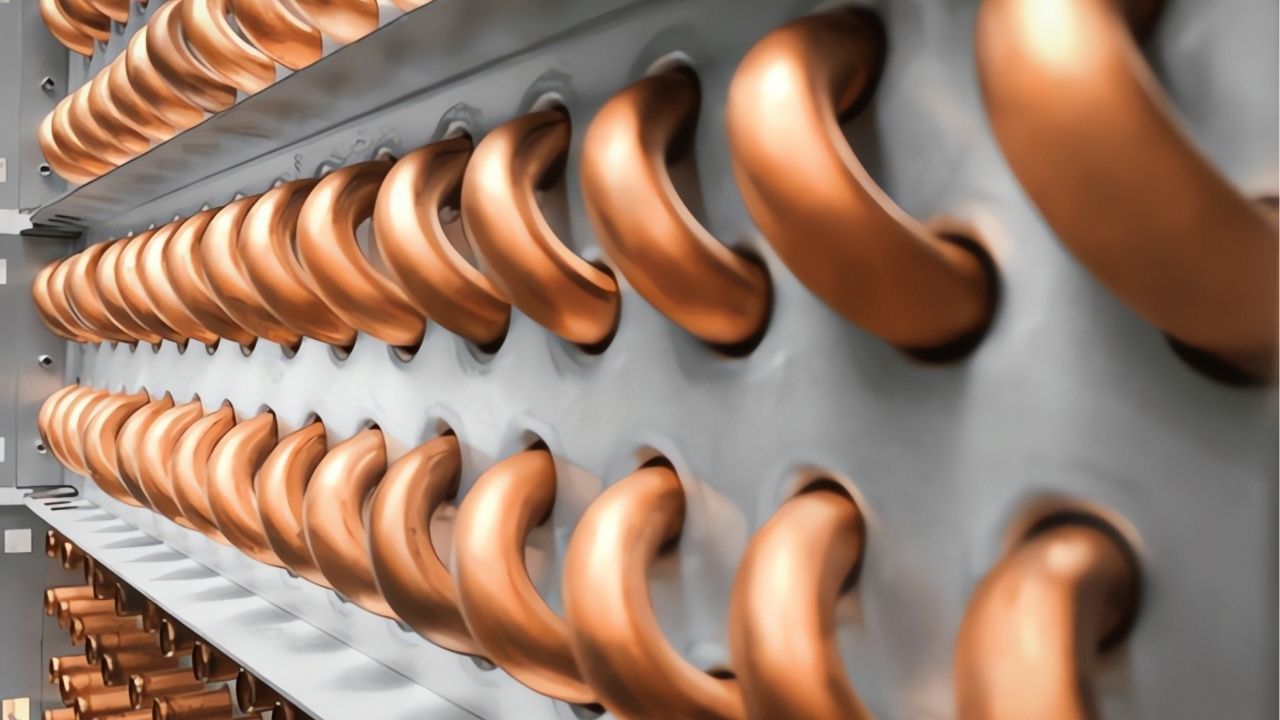
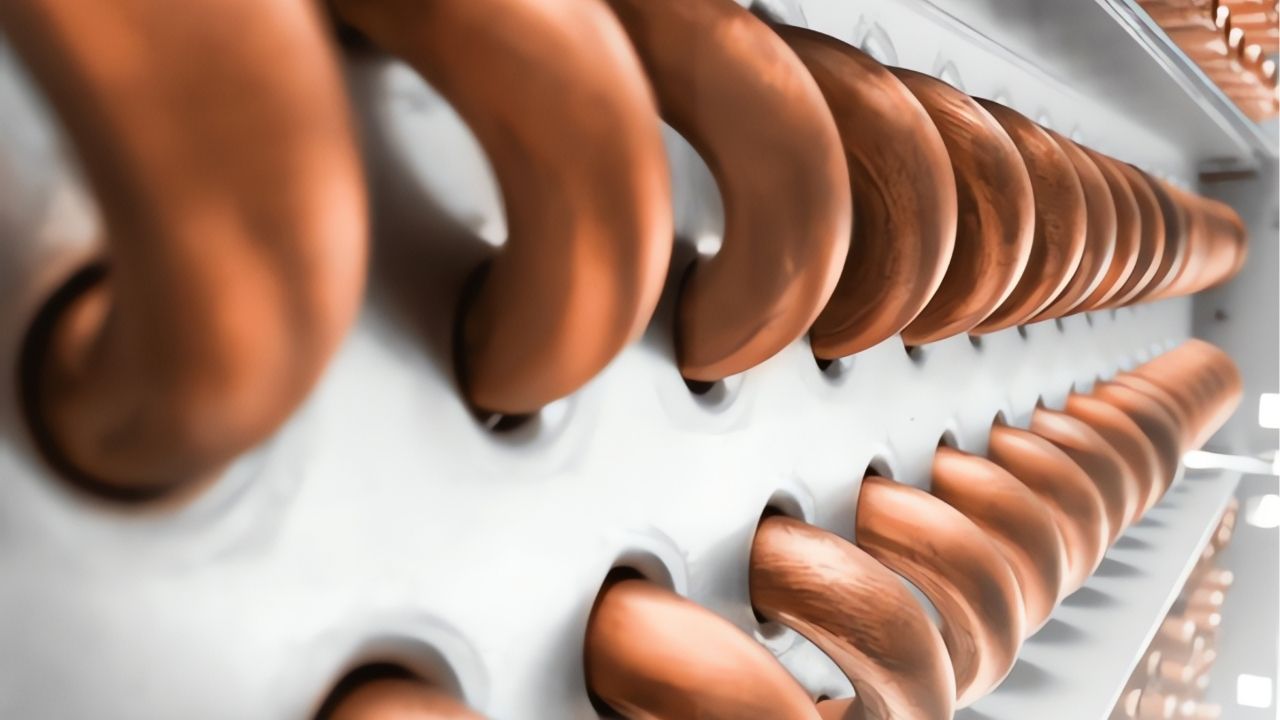
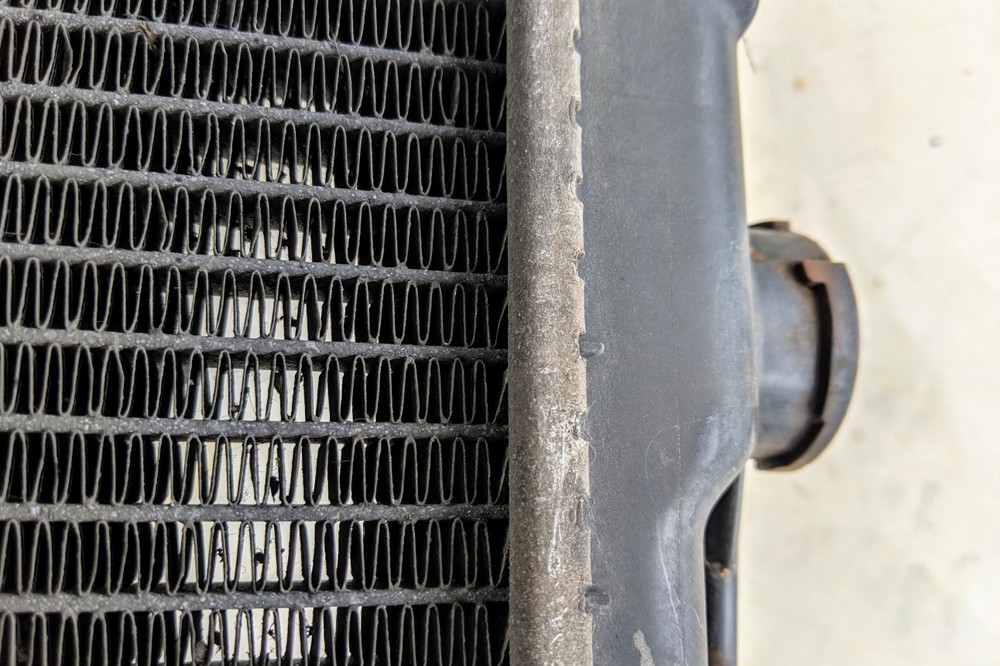
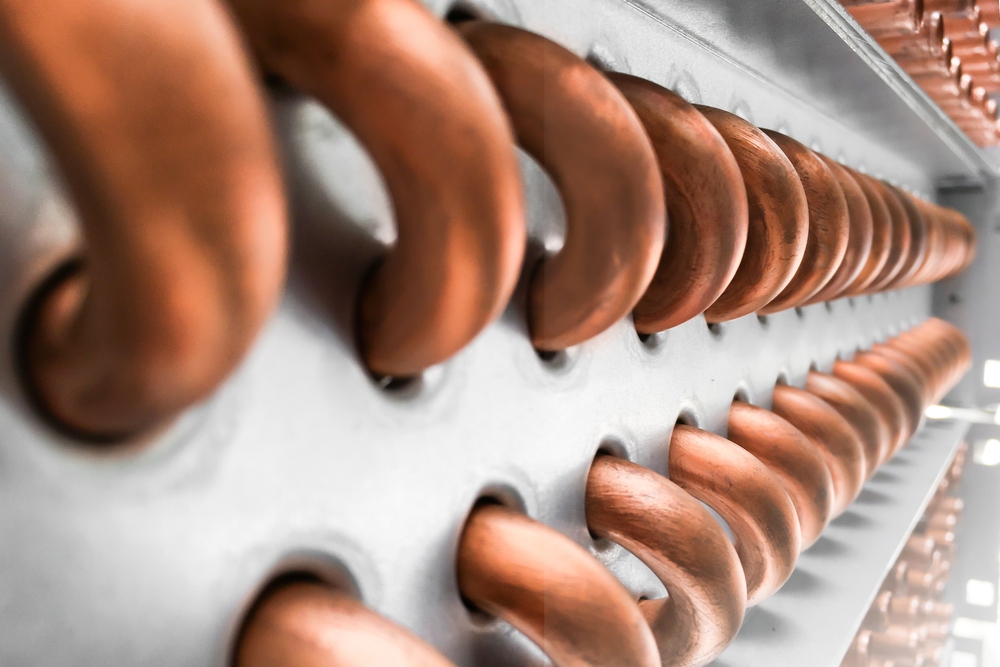
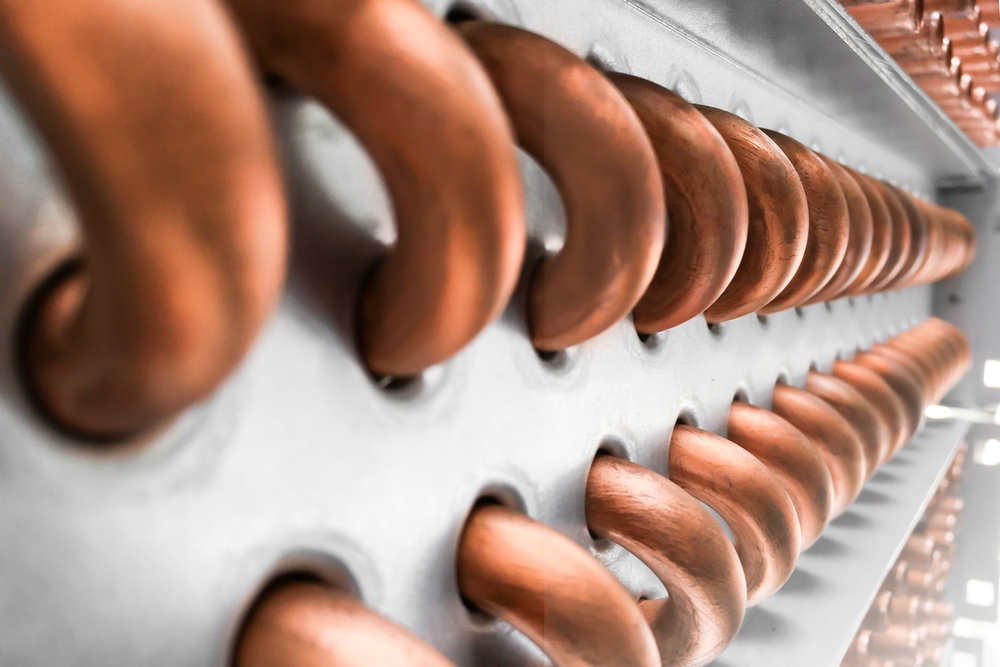
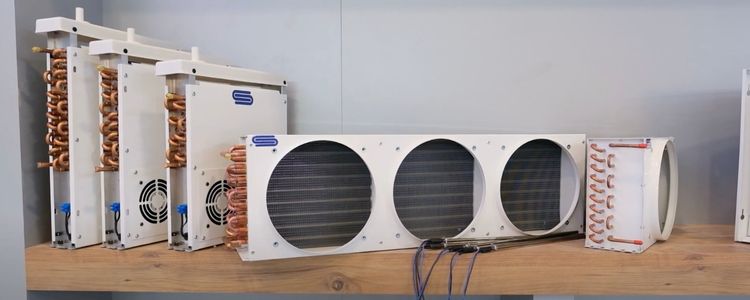
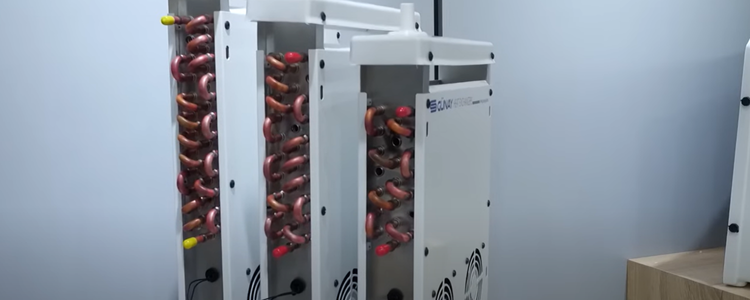
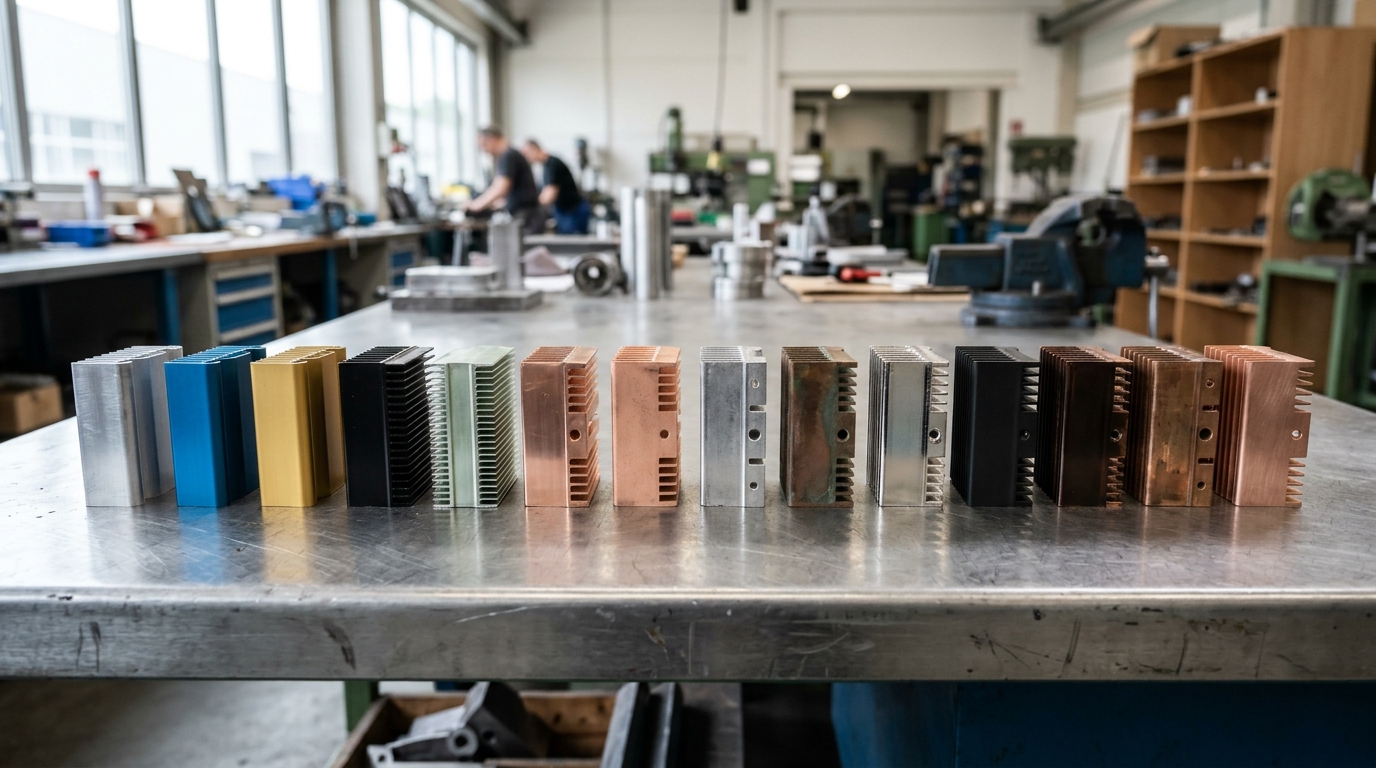
In refrigeration coils, copper is mostly used as the tube material, with stainless steel or aluminum when necessary; aluminum, coated aluminum or copper is used as the fin material. These materials differ from one another in terms of thermal conductivity, formability and corrosion behavior.
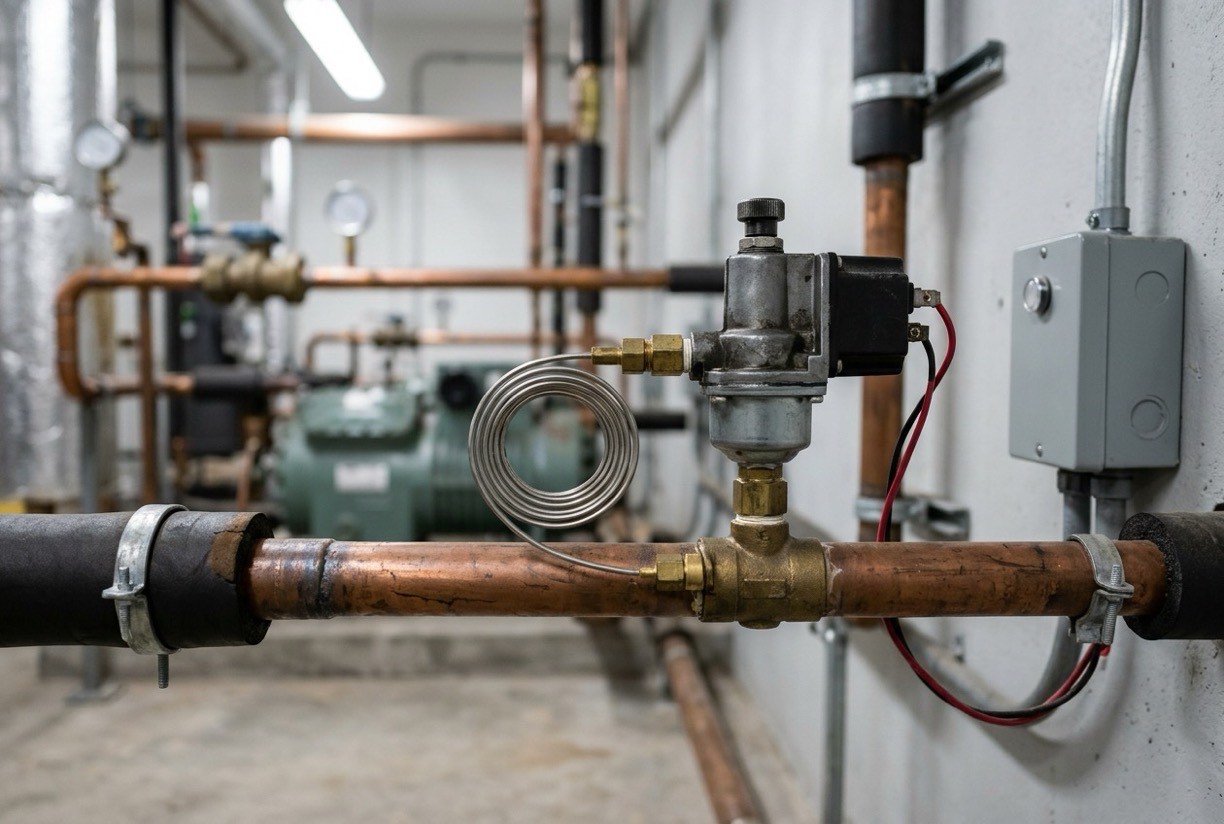
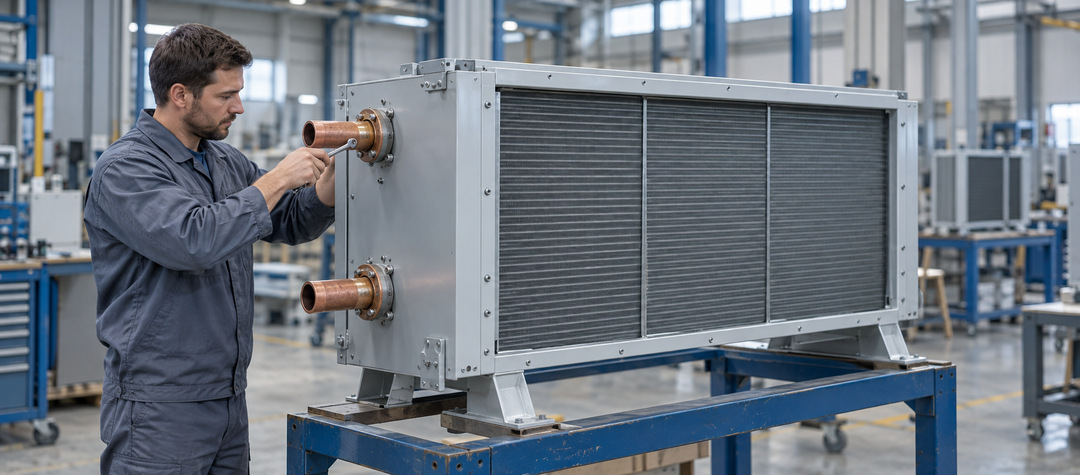
In the classic structure where the tube and fin are joined to each other by mechanical expansion, how the two materials behave together is also important; in areas where different metals come into contact, galvanic effects may occur in humid and corrosive environments. For this reason, material selection should be made by evaluating the tube–fin–header–frame assembly as a whole, not individual parts.
Why Is the Copper Tube–Aluminum Fin Combination Common?
The copper tube–aluminum fin combination is common in general-purpose applications because it offers good heat transfer, easy manufacturability, low weight and reasonable cost together. Under normal indoor and outdoor conditions, this structure can provide trouble-free service for many years.
The brazeability of copper facilitates field connections and service interventions; aluminum fins, on the other hand, are light and economical. However, in environments with salty air, industrial pollutants or aggressive cleaning chemicals, bare aluminum fins may become susceptible to corrosion. In such cases, coating or different material options should be considered.
When Are Copper Fins or Stainless Steel Tubes Required?
Copper fins or stainless steel tubes are required in special applications where the standard combination is not sufficient in terms of corrosion, hygiene or fluid compatibility. For example, copper fins may be preferred in some coastal and industrial environments, and stainless steel tubes in ammonia systems.
These materials generally bring higher cost and weight; the thermal conductivity of stainless steel is also lower than that of copper, so a larger surface may be required for the same capacity. Therefore, the choice of special material should be made in cases where the environmental risk and expected life are clearly defined, taking into account the cost and weight impact.
How Does the Fluid Type Affect Material Selection?
The fluid type directly affects material selection because the tube and connection material must be chemically compatible with the fluid and withstand the operating pressure. For example, since ammonia is not compatible with copper alloys, different tube materials are used in ammonia coils.
While tube wall thickness and alloy selection come to the fore with high-pressure fluids such as CO₂, the use of inhibited fluid and monitoring of internal corrosion are important in water–glycol circuits. Since compatibility on the fluid side is as critical as external corrosion, the material decision should be made by evaluating both sides together.
How Do Ambient Conditions Determine the Life of the Coil?
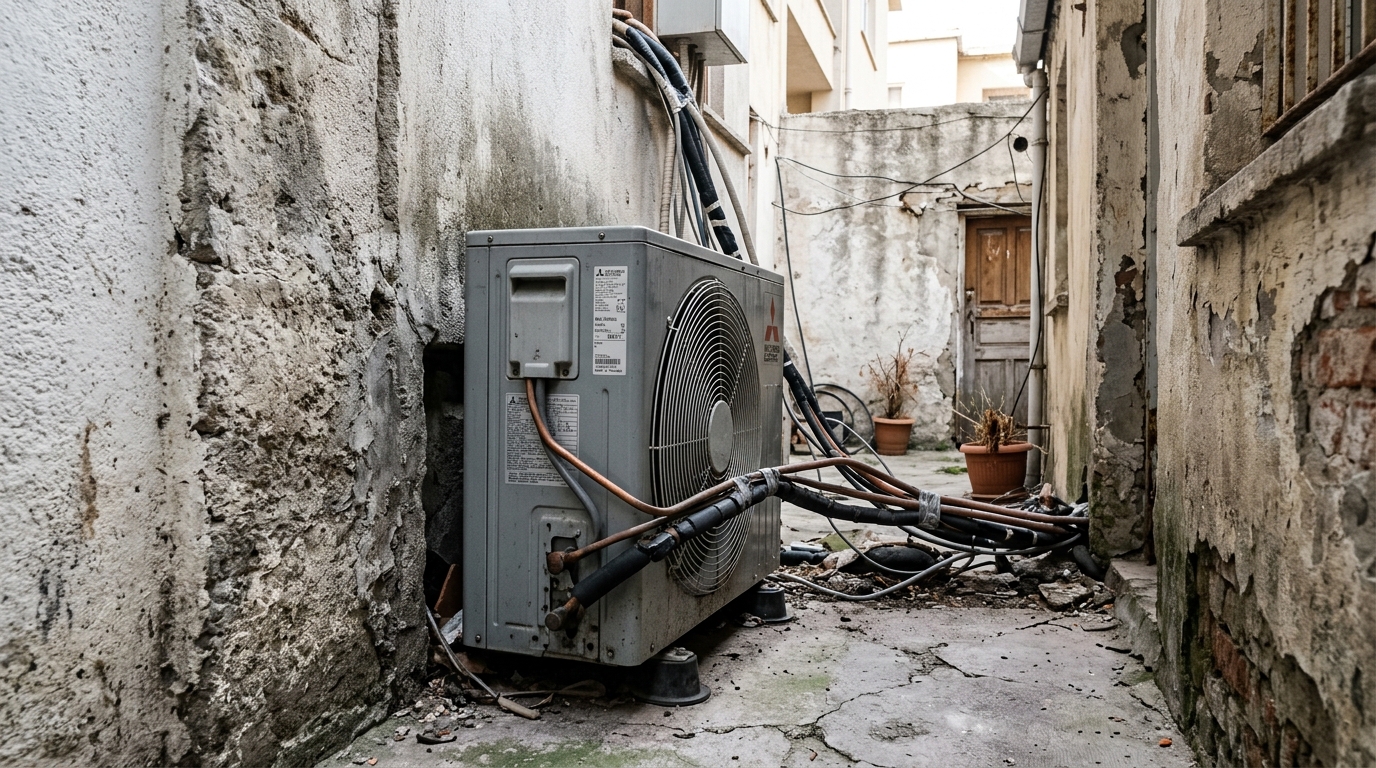
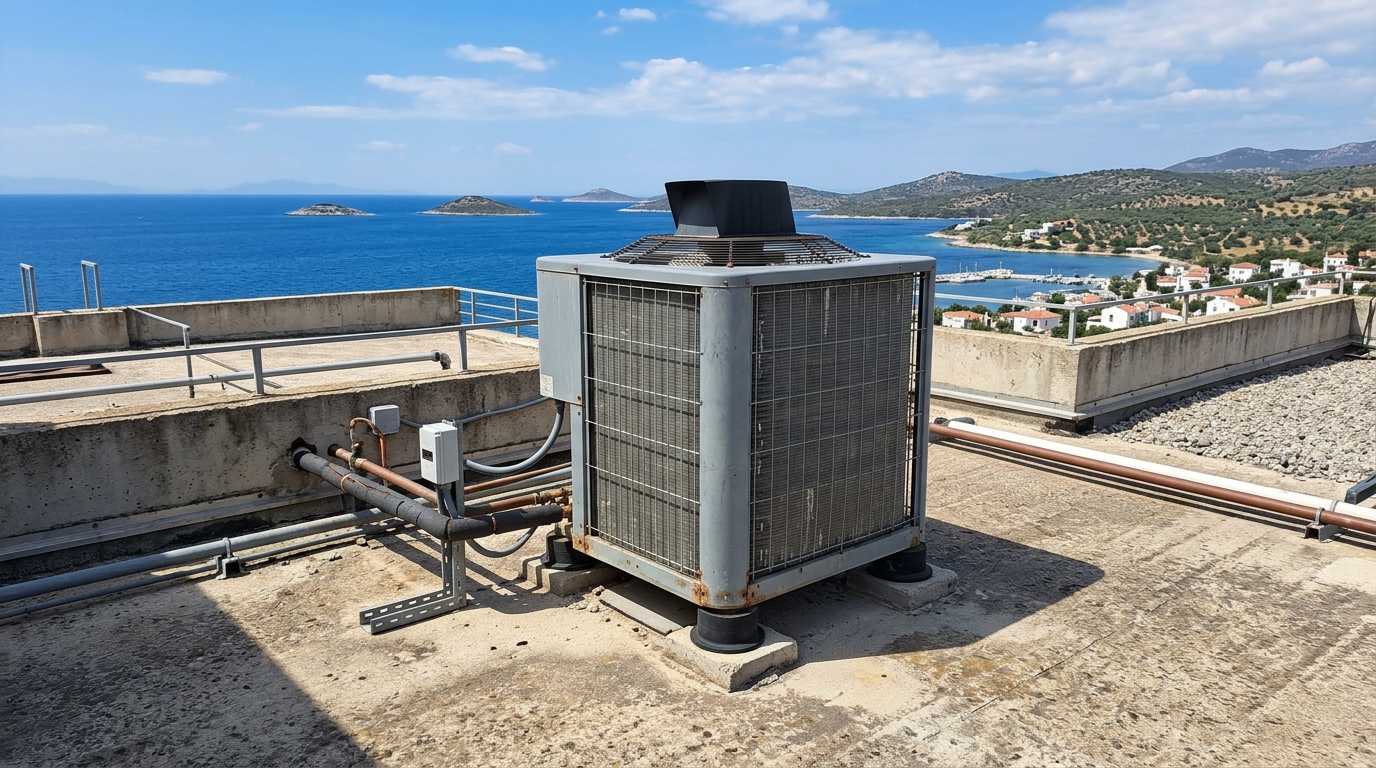
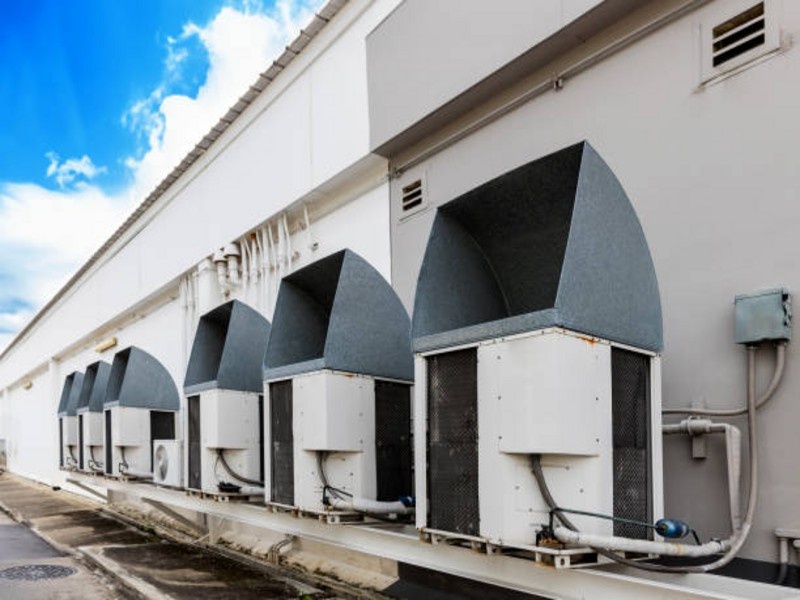
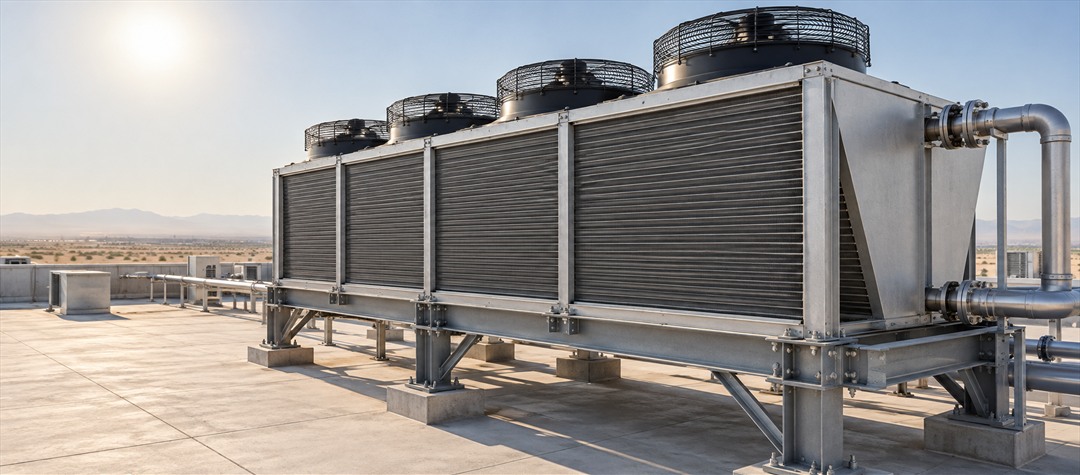
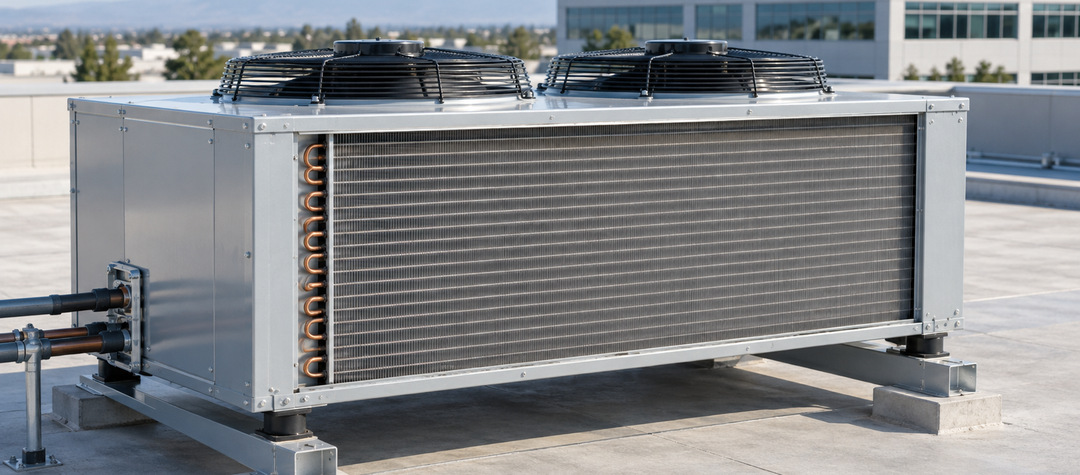
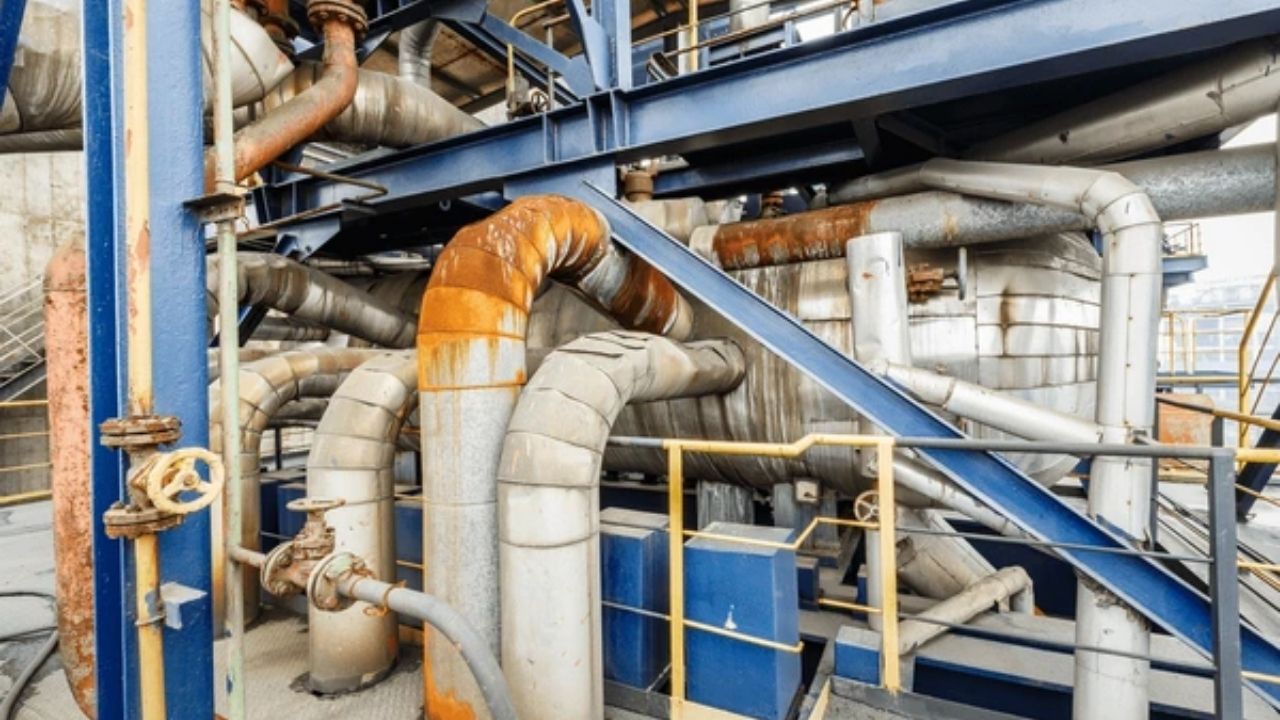
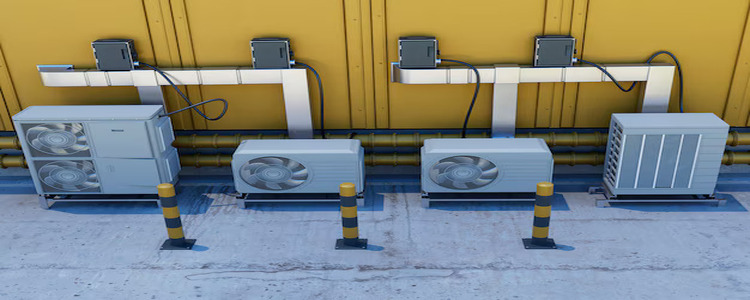
Ambient conditions directly affect the life of the coil by determining the rate of corrosion on fin and tube surfaces through factors such as salt, sulfur compounds, ammonia vapor, humidity and dust in the air. The same coil can provide service for very different periods in a clean indoor environment and on a rooftop by the sea.
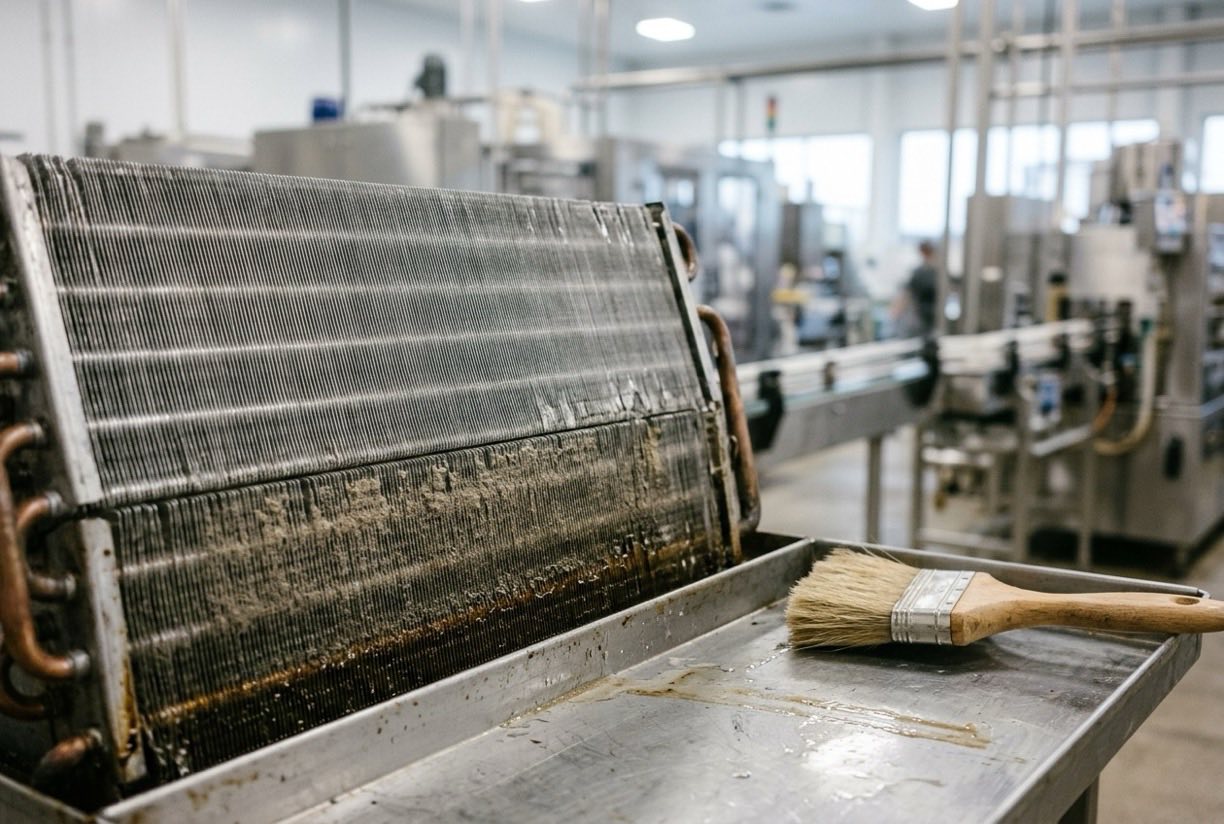
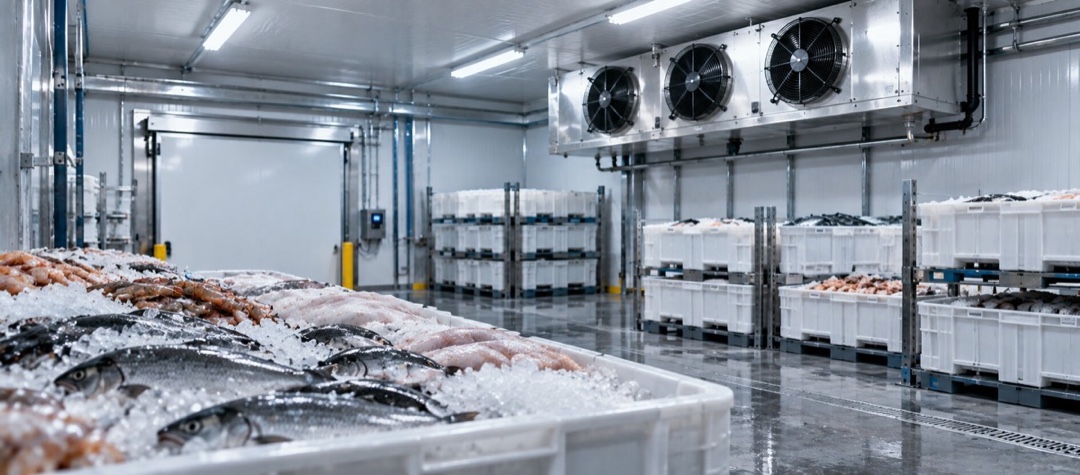
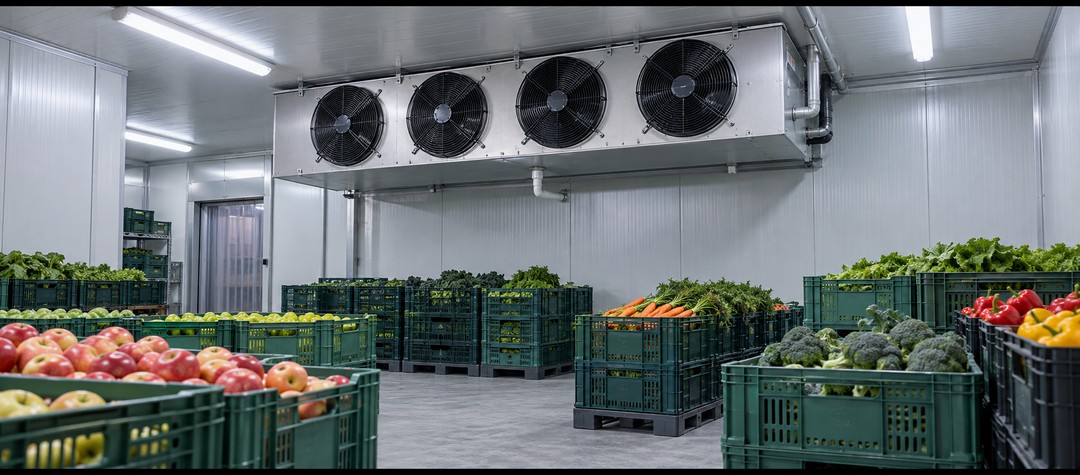
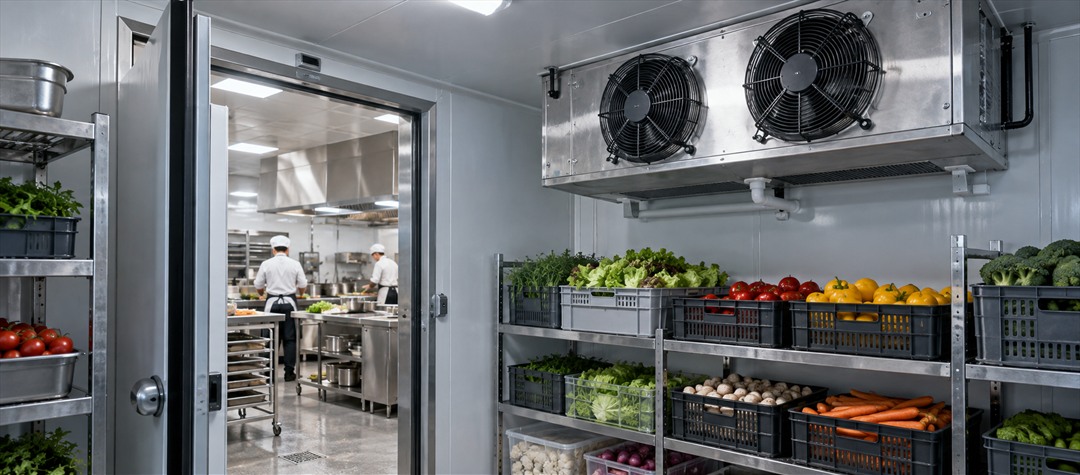
Frequent washing in food processing areas and the cleaning chemicals used can also affect fin surfaces. Therefore, the environmental conditions of the installation site, nearby emission sources and cleaning procedures should be determined at the project stage; material and coating selection should be made in light of this information.
What Should Be Considered When Selecting Coil Material for Your Application?
The right material combination is determined by establishing the balance between performance, durability and cost according to the application. The following points can be reviewed during the selection stage:
- Fluid used, operating pressure and fluid-side compatibility
- Installation environment, corrosive factors and cleaning procedures
- Expected equipment life, maintenance possibilities and weight limits
- Coating requirement, its effect on thermal performance and total cost
If you would like to evaluate the suitable coil material for your project together, you can share your application information with the Günay Soğutma technical team.
Frequently Asked Questions
Are aluminum fins suitable for every environment?
They are suitable under normal conditions; however, in environments containing salt, chemicals or industrial pollution, coating or a different material may be required.
Do copper fins increase thermal performance?
Copper has high thermal conductivity, but overall performance also depends on fin geometry and air-side conditions; the choice is generally made for corrosion reasons.
Is a stainless steel coil heavier?
Generally yes; moreover, since a larger surface may be required for the same capacity, the supporting structure and installation should be planned accordingly.
Can copper tubes be used in ammonia systems?
No; since ammonia is not compatible with copper alloys, suitable alternative tube materials are used in these systems.
Can coating replace a change of material?
In some environments, coating can provide sufficient protection; however, an evaluation should be made according to the severity of the environment and the type of coating.
Can the coil material be changed later?
The material of an existing coil cannot be changed; when a different material is required, the coil is replaced with a new one, so the selection should be made correctly from the start.
How can I get a material recommendation for my own application?
You can request an application-specific evaluation by forwarding your fluid type, capacity, installation environment and expected life information to the Günay Soğutma team.