Pressure measurements are the quickest way to understand the current state of a refrigeration circuit. Suction and condensing pressures can be misleading when read alone, but when they are read together with temperatures they give a clear picture of the evaporator, the condenser, and the compressor. This article explains what the pressure values mean, how they relate to superheat and subcool, and the causes of common deviations.
Table Of Contents
- What Does The Suction Pressure Mean?
- What Does The Condensing Pressure Show?
- How Are Superheat And Subcool Read?
- Which Common Deviations Have Which Causes?
- How Is The Measurement Made Safely?
- Frequently Asked Questions
What Does The Suction Pressure Mean?
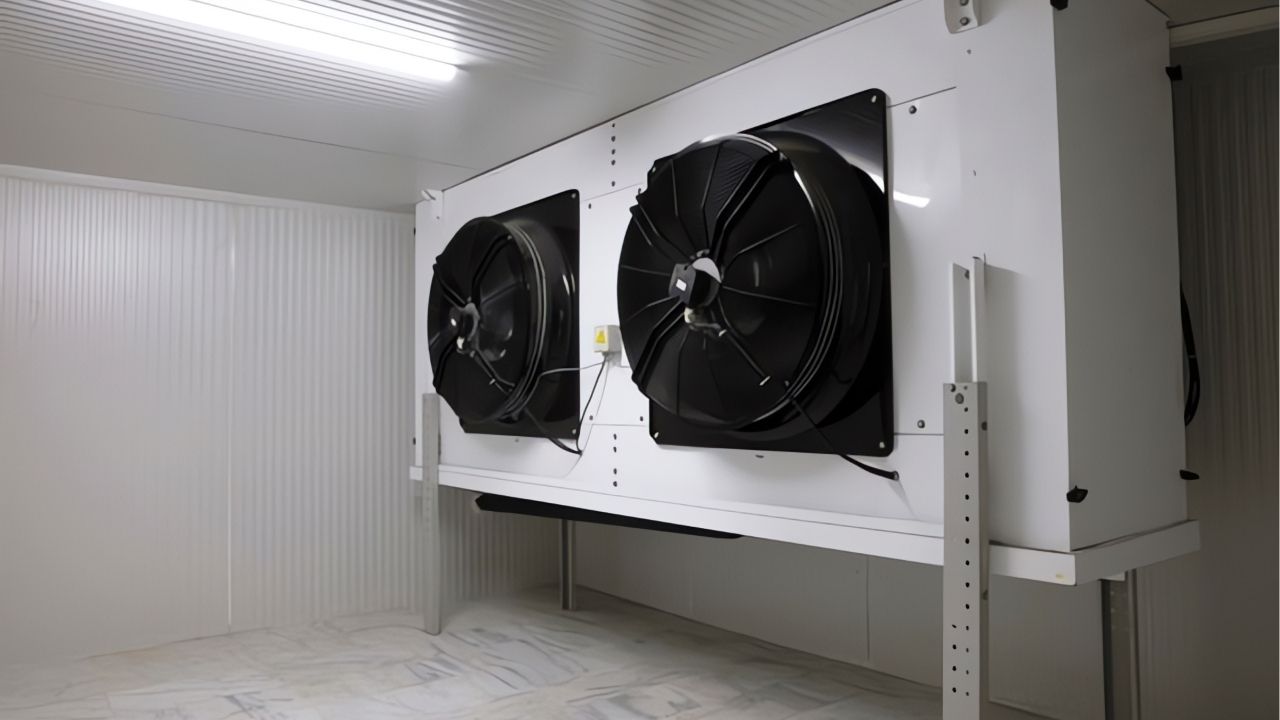
The suction pressure is the pressure of the gas leaving the evaporator outlet towards the compressor. This value indicates how much cooling the evaporator is doing. A falling suction pressure can indicate insufficient evaporation in the evaporator, while a rising one can indicate that the evaporator is taking a heavier load.
The suction pressure should be interpreted by comparing it with the pressure-temperature table of the refrigerant in use.
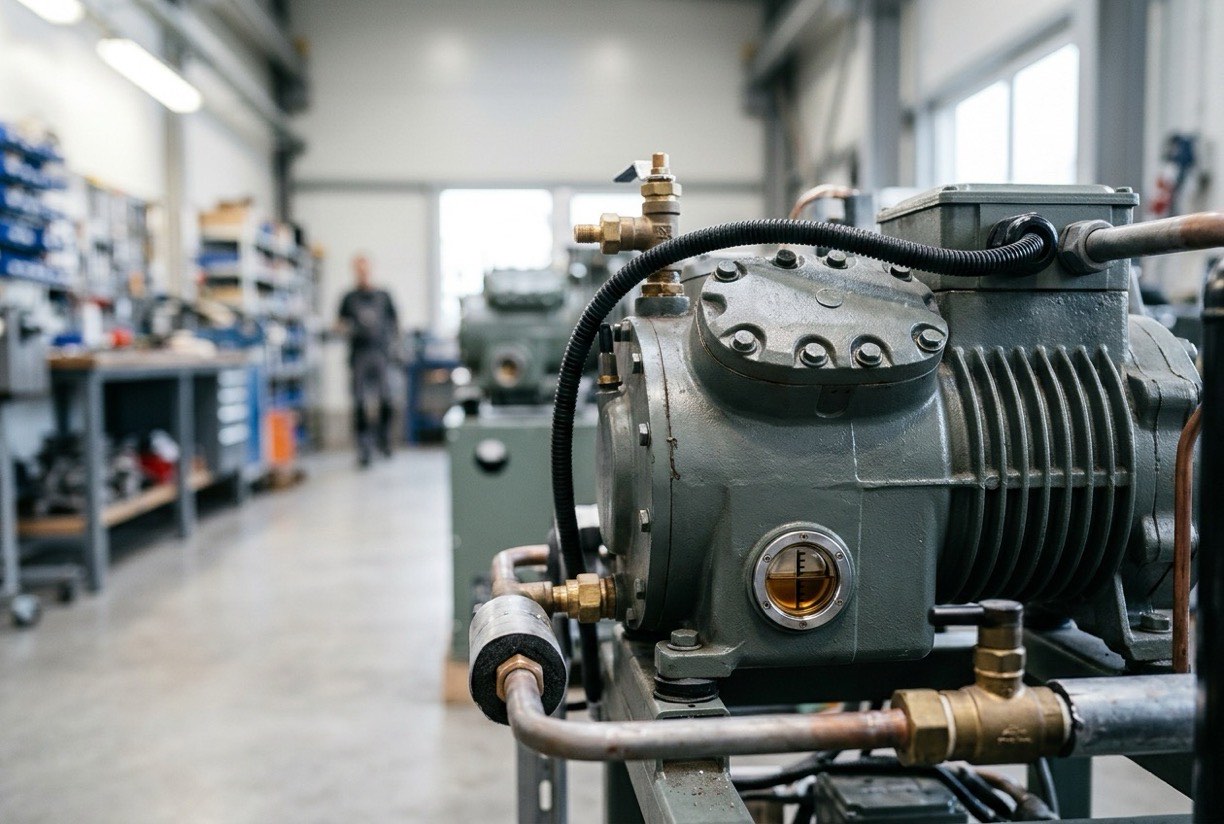
Suction pressure is the pressure on the compressor's suction side, along the line from the evaporator outlet to the compressor inlet. This value is the first indicator of how much refrigerant the evaporator is evaporating and under which conditions the compressor is working. Even read on its own, it gives a picture of the general state of the system.
When suction pressure falls, it is often assumed that there is not enough heat exchange in the evaporator or that the refrigerant quantity has decreased. This can come from a dirty evaporator, a low refrigerant charge or a restricted line. A low pressure does not always have a single cause, so the value should be read together with other measurements.
A rising suction pressure is also a warning sign. Excess heat exchange in the evaporator, too much refrigerant, or a fall in compressor efficiency can pull this value up. A rising suction pressure can increase the risk of liquid slugging and should therefore be watched closely.
Suction pressure fluctuates by itself as the ambient temperature and the load change. A single instantaneous reading may therefore not reflect the real state of the system. Readings taken under stable operating conditions and repeated a few times give a more reliable picture.
The relationship between suction pressure and evaporator temperature is one of the most practical ways to monitor stability. When this relationship changes, the other values must be checked to find the reason. A change in one value does not necessarily change the whole picture.
What Does The Condensing Pressure Show?
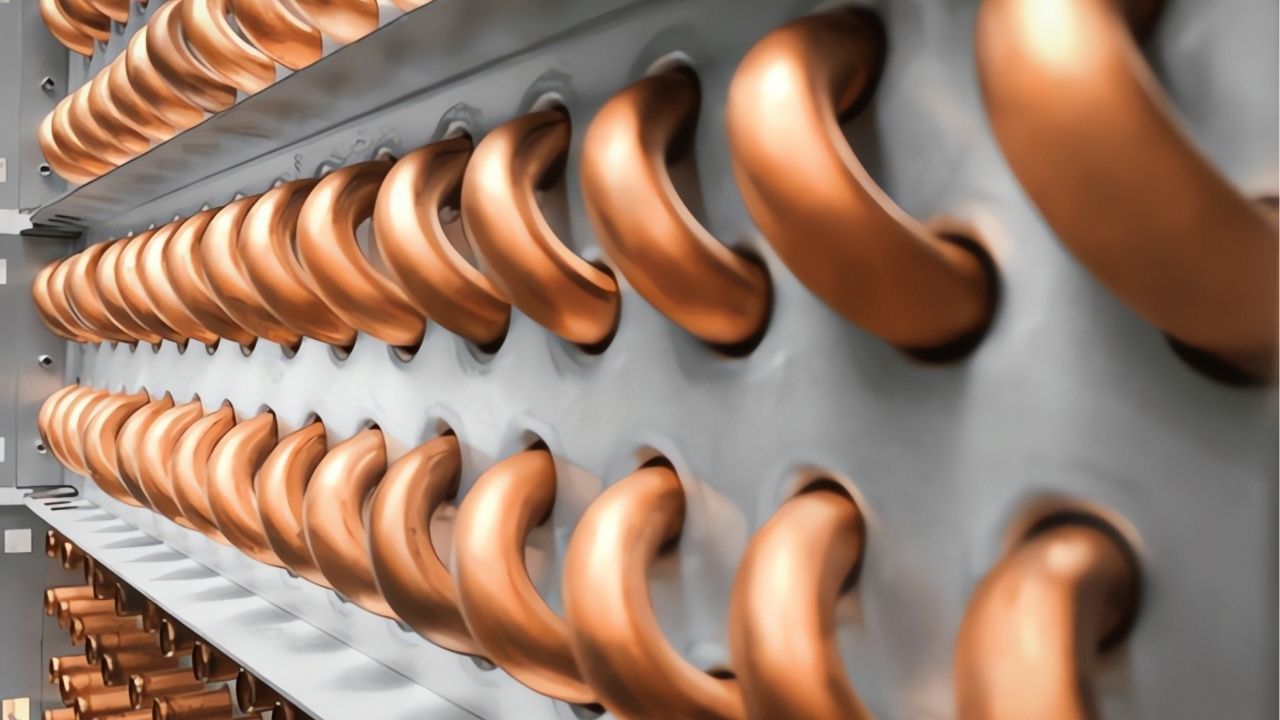
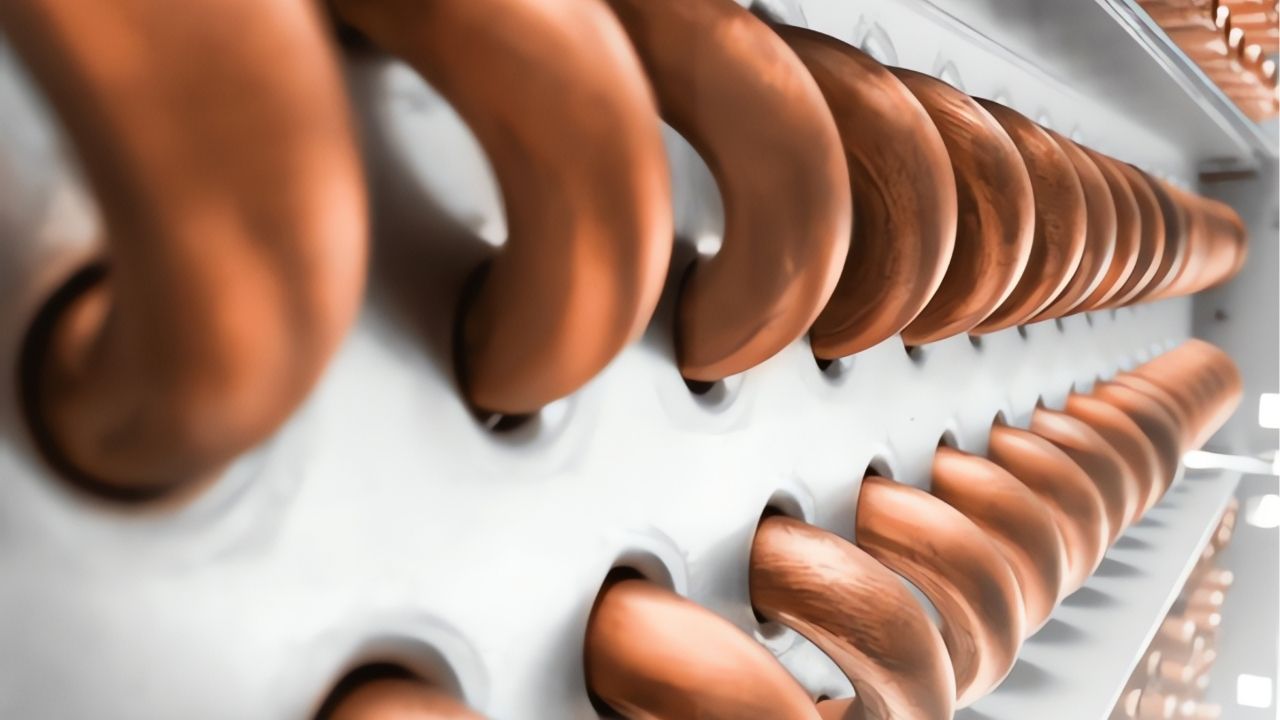
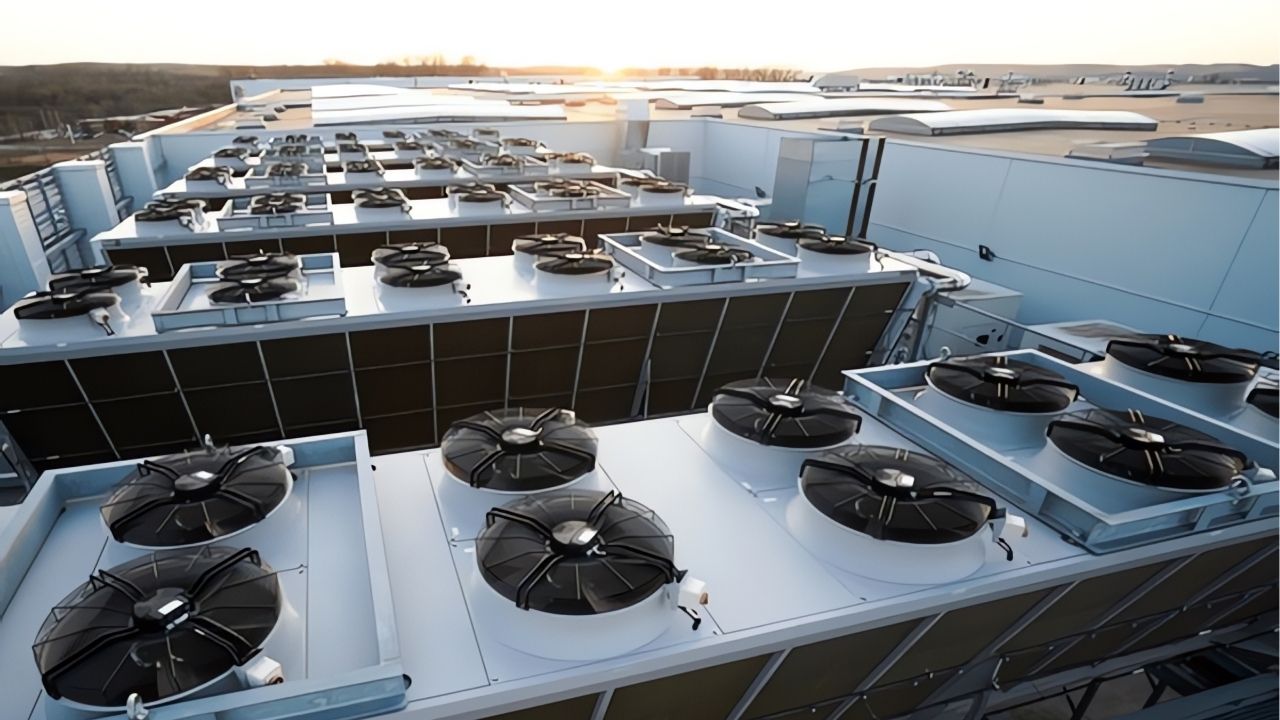
The condensing pressure is the pressure of the gas leaving the compressor discharge towards the condenser. It shows whether the condenser can reject heat to the outside. A high condensing pressure can indicate that the condenser is receiving insufficient air, is dirty, or that the outdoor temperature is high.
If the condensing pressure becomes too low, enough pressure difference may not develop across the expansion valve, and the evaporator may not be fed properly.
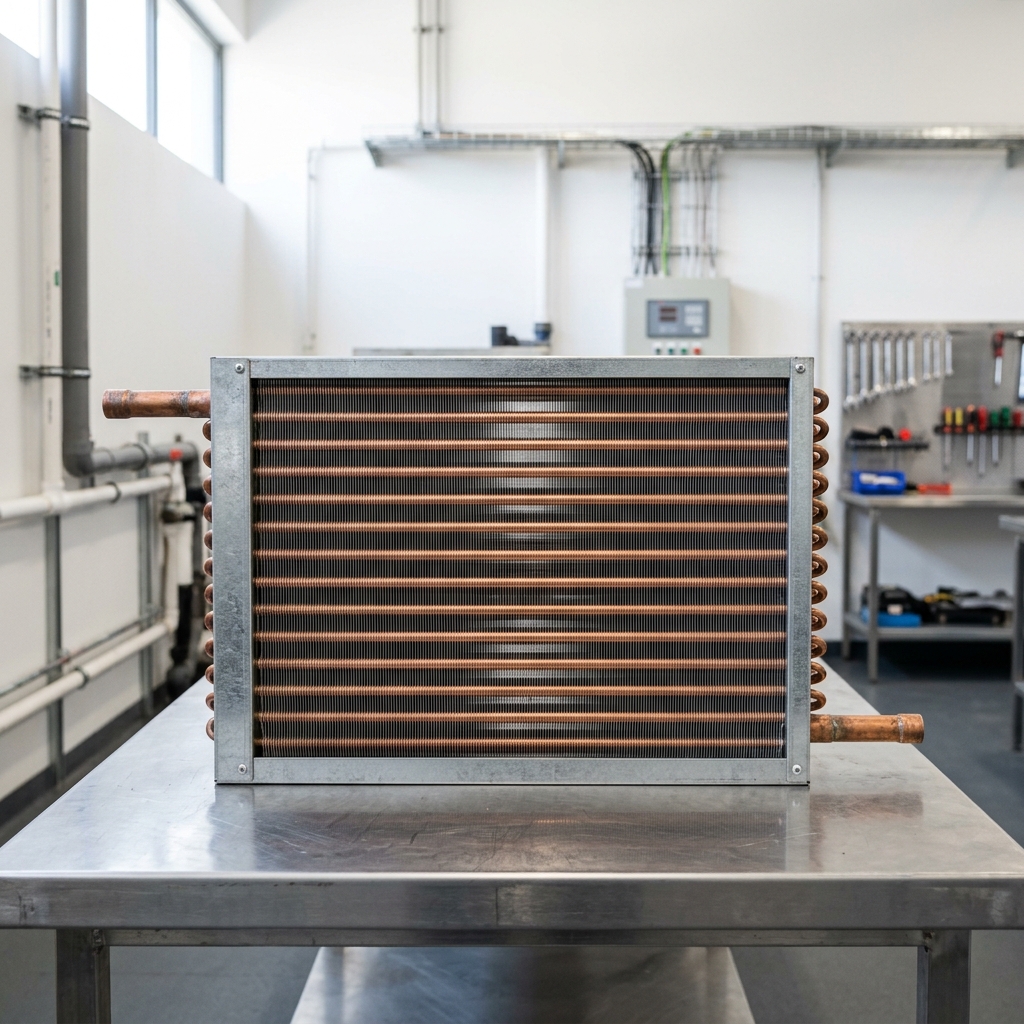
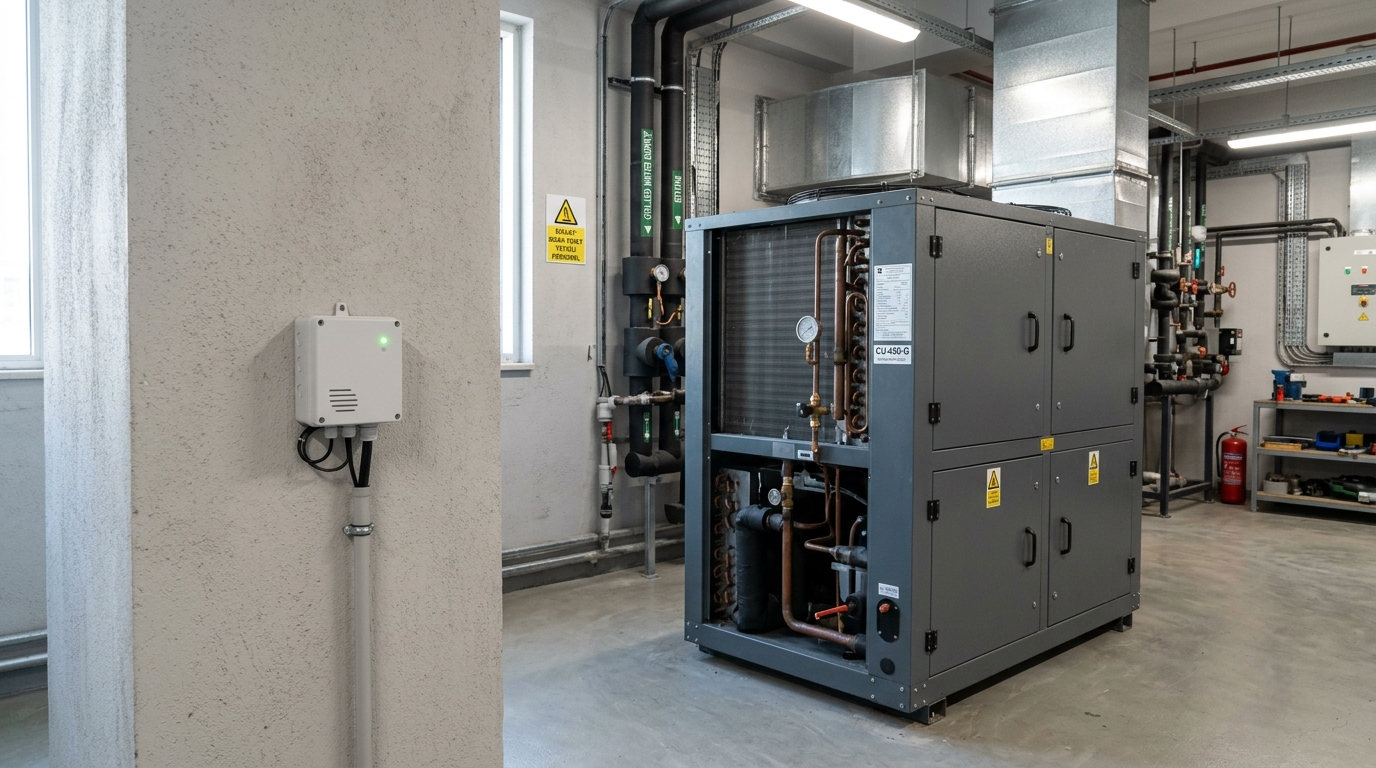
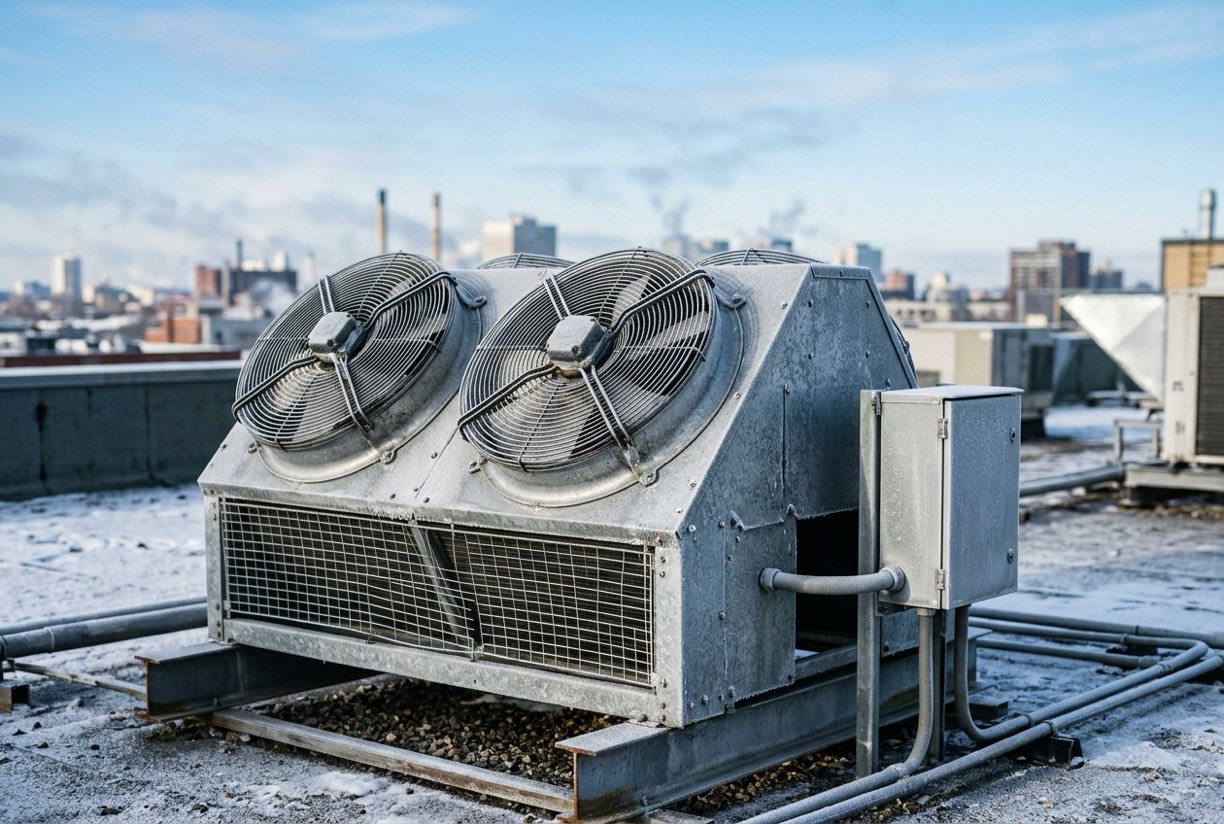
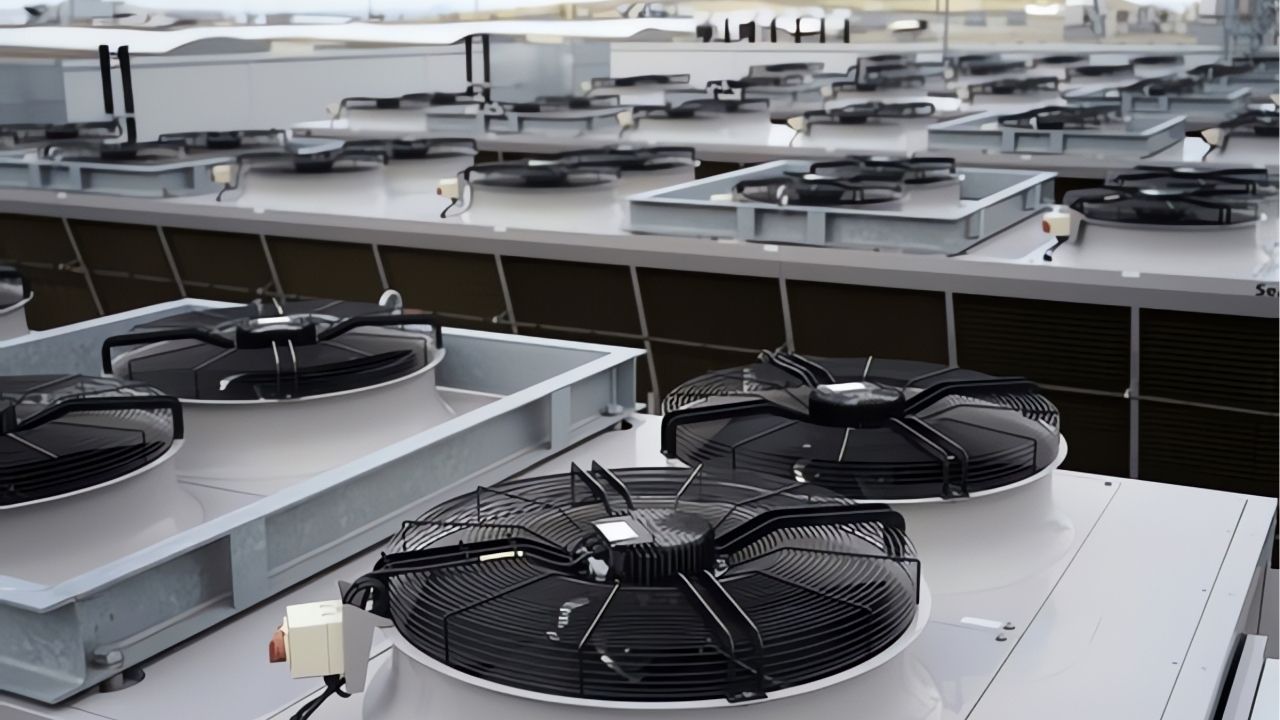
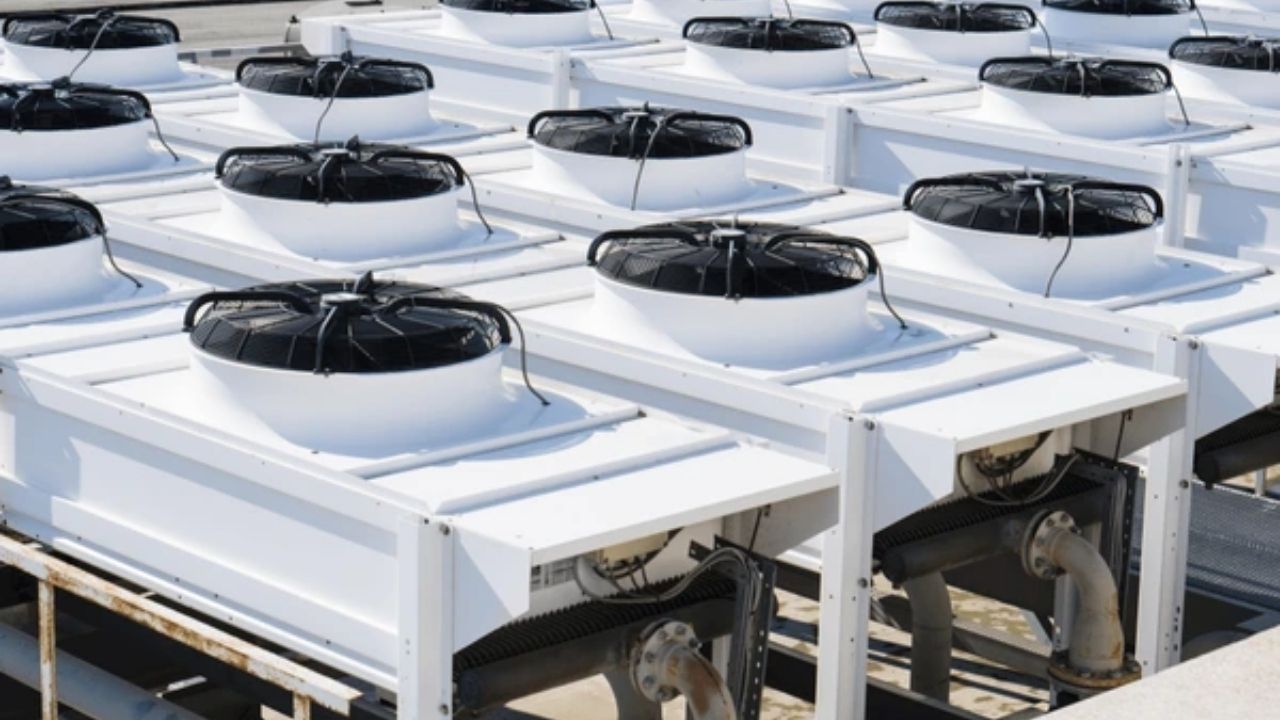
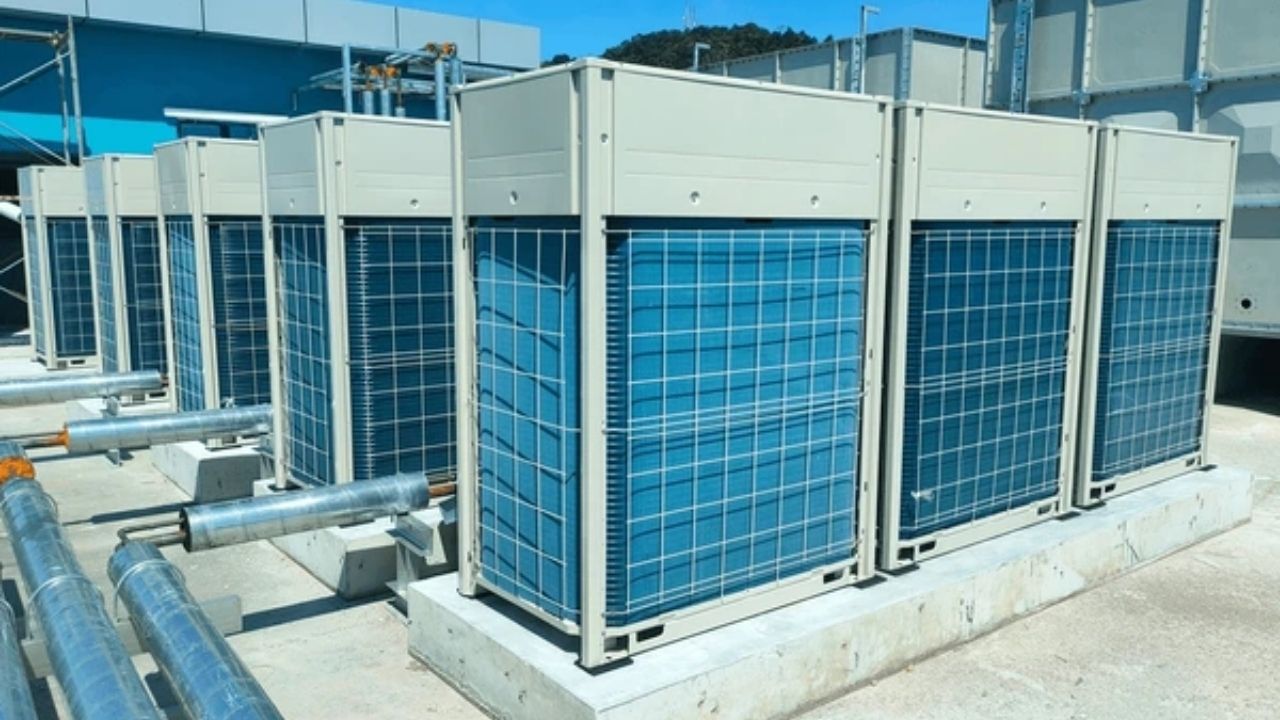
Condensing pressure is the pressure on the discharge side of the compressor, at which the refrigerant condenses in the condenser. The ability of the condenser to reject heat shows in this value. The outside air temperature, the operation of the condenser fans and the cleanliness of the condenser surface all affect this pressure directly.
If the condensing pressure runs high, the condenser is struggling to reject heat. This can come from a dirty condenser surface, a fan that is not running, excess refrigerant or poor ventilation. High pressure stresses the compressor motor and can cause protective devices to trip.
A low condensing pressure is not always a good sign either. It can mean over-cooling in the condenser or insufficient pressure at the compressor discharge. In that case a conclusion should be drawn together with the suction pressure and the liquid-side values.
The condensing pressure varies during the day with the outside air temperature. For this reason the outside condition at the moment of measurement should be noted. Comparing the same system at different temperatures can lead to misleading conclusions.
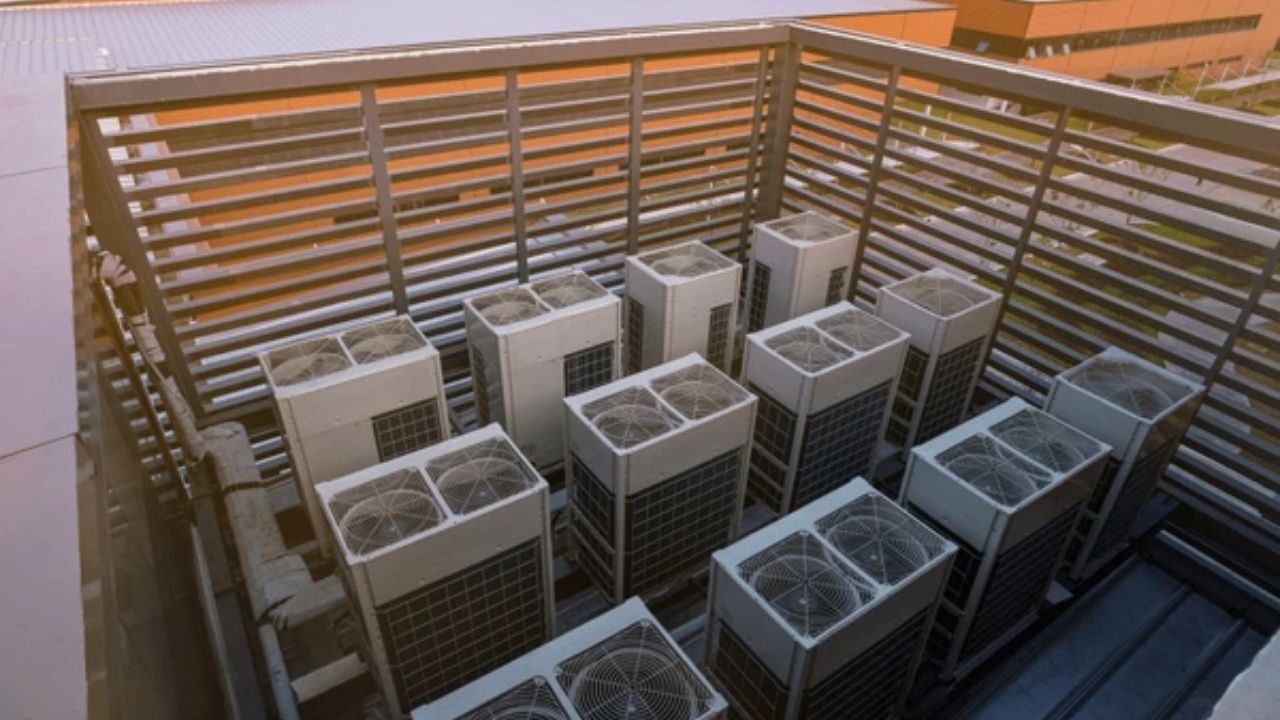
Control of the condensing pressure depends not only on the fans but also on where the condenser is placed. If warm air accumulates around the condenser, the condensing pressure comes out higher than expected. The layout should allow the air to circulate freely.
How Are Superheat And Subcool Read?
Pressures are not interpreted alone; the saturation temperature corresponding to the pressure is compared with the actual temperature. At the evaporator outlet this difference is called superheat, and at the condenser outlet it is called subcool.
- Superheat: The difference between the evaporator outlet temperature and the saturation temperature of the suction pressure. It shows liquid slugging risk and how well the evaporator is used.
- Subcool: How far the liquid leaving the condenser is below its saturation temperature. It shows whether the liquid line has adequate cooling.
Superheat and subcool are two basic values used to read the suction and liquid sides together. These values should be interpreted together rather than alone, to understand whether the system is working in balance. Knowing which value points to which fault is the basis of setting up the control logic correctly.
A low superheat indicates a risk of liquid returning to the evaporator. Such a condition creates a risk of liquid slugging at the compressor and can cause serious damage over the long term. A high superheat, on the other hand, indicates that part of the evaporator is not working effectively.
A low subcool suggests a tendency for the liquid line to flash and for gas bubbles to form in the system. This needs control of the expansion valve and the liquid line. The subcool value also gives information about the balance of the condenser and the refrigerant quantity.
Superheat and subcool measurements should be taken during a steady and stable operating cycle. Values taken when the compressor has just started or when the outside conditions are changing rapidly reflect temporary states. The measurement should therefore be planned for a moment when the system has settled.
Reading superheat and subcool together also shows whether the setting of the expansion valve is correct. The valve tries to establish a balance between these two values. The moment when the setting needs to change is recognised when that balance is lost.
Which Common Deviations Have Which Causes?
When pressure and temperature values are read together, deviations point to specific causes. Low suction pressure with high superheat is usually linked to insufficient refrigerant, a blocked filter, or a restricted valve. High condensing pressure can be linked to a dirty condenser, an airflow obstruction, or an excess of refrigerant charge.
It is the combined change of the values, rather than any single value, that is decisive for diagnosis.
Interpreting deviations depends on looking at several values together, not at a single one. A low suction pressure with a high condensing pressure, for example, can point to different causes when taken separately. Deviations should therefore be assessed through a recorded table of measurements.
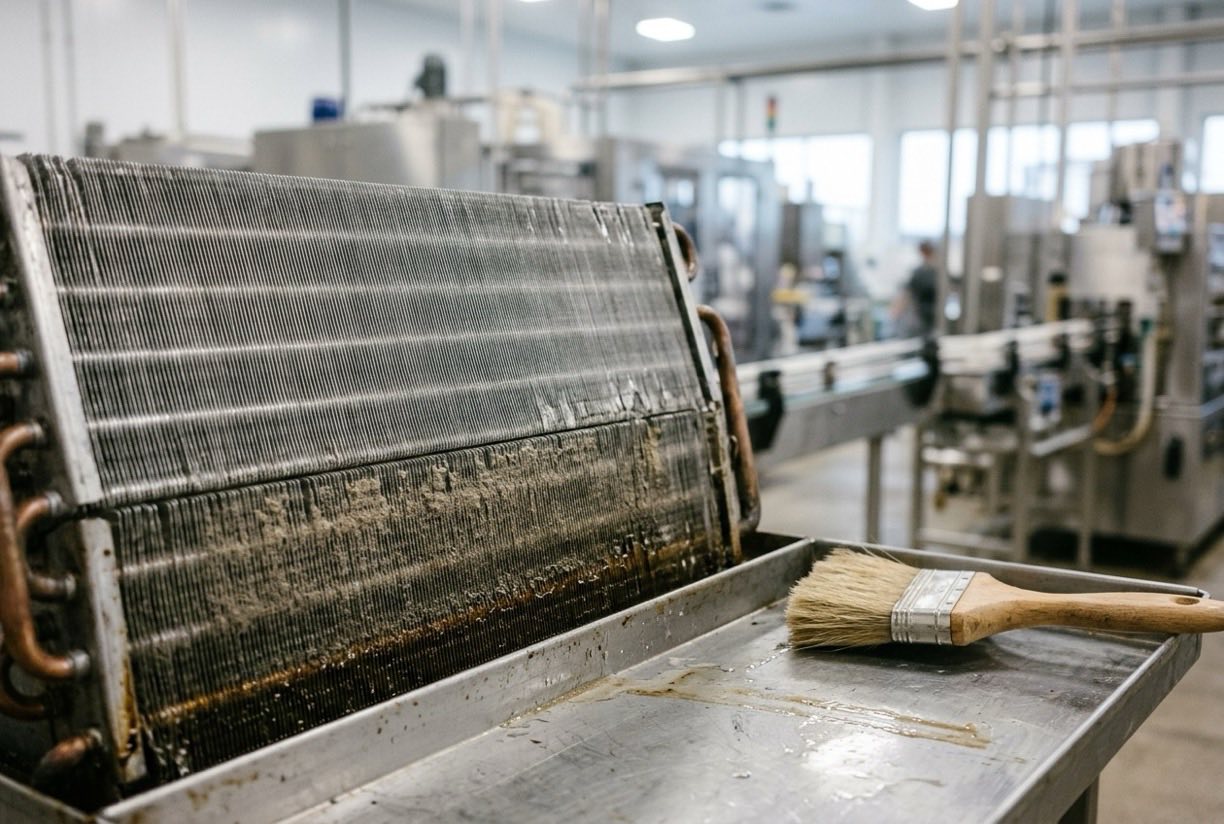
A dirty condenser raises the condensing pressure, which both increases energy consumption and strains the compressor. Cleaning and fan checks can largely prevent this problem. When the condensing pressure rises, the condition of the condenser should be checked first.
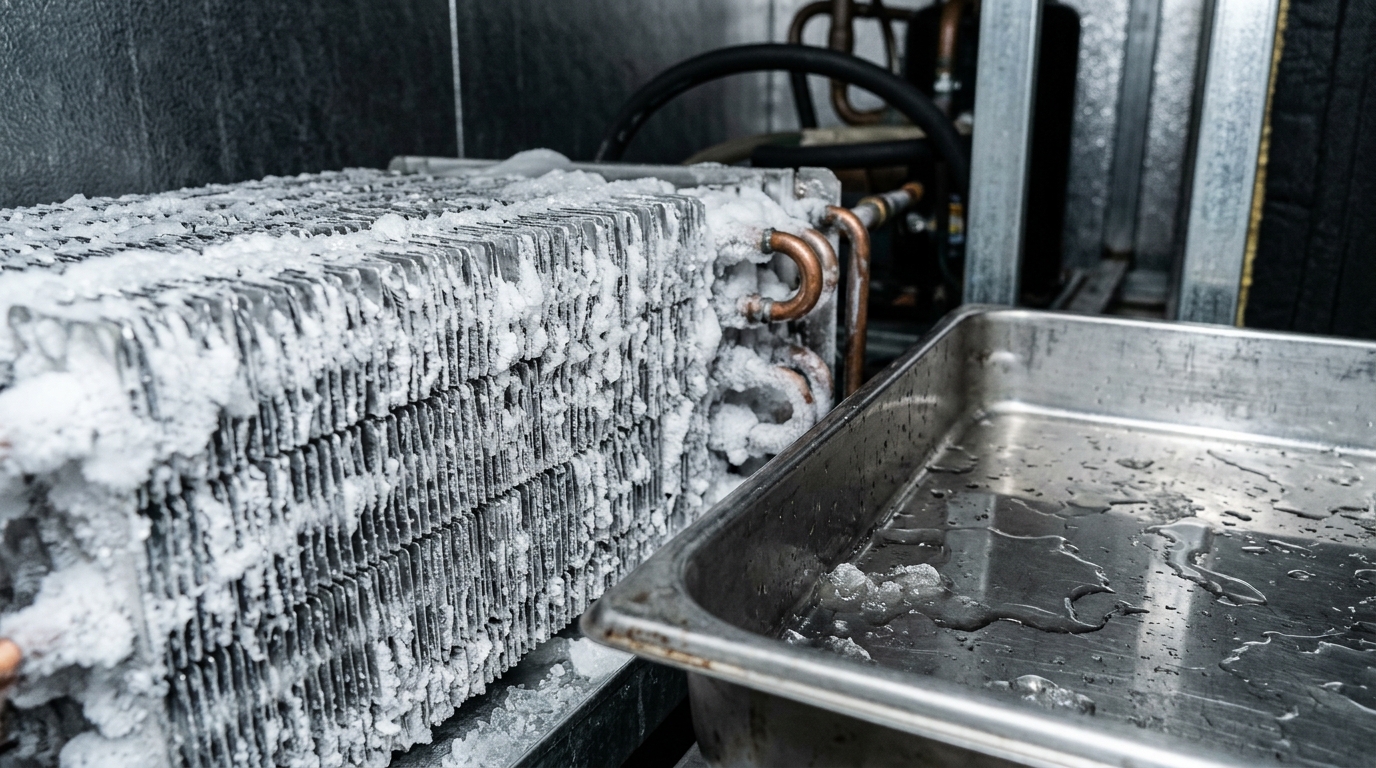
A dirty evaporator or a restricted suction line lowers the suction pressure and causes a loss of capacity. In such a case the evaporator surface, the filter and the line diameter should be reviewed together. If the pressure drop is seen together with frequent defrosting or a fall in airflow, the cause is easier to find.
Too much or too little refrigerant affects both suction and condensing pressures. With too little refrigerant the superheat rises while the subcool falls; with too much, the reverse is seen. This relationship shows why charge control must be done together with superheat and subcool.
Some deviations are temporary. Values seen after a door opening or after a defrost may not reflect the true state of the system. Such values should be compared with a stable operating cycle, and temporary deviations should be distinguished from lasting faults.
How Is The Measurement Made Safely?
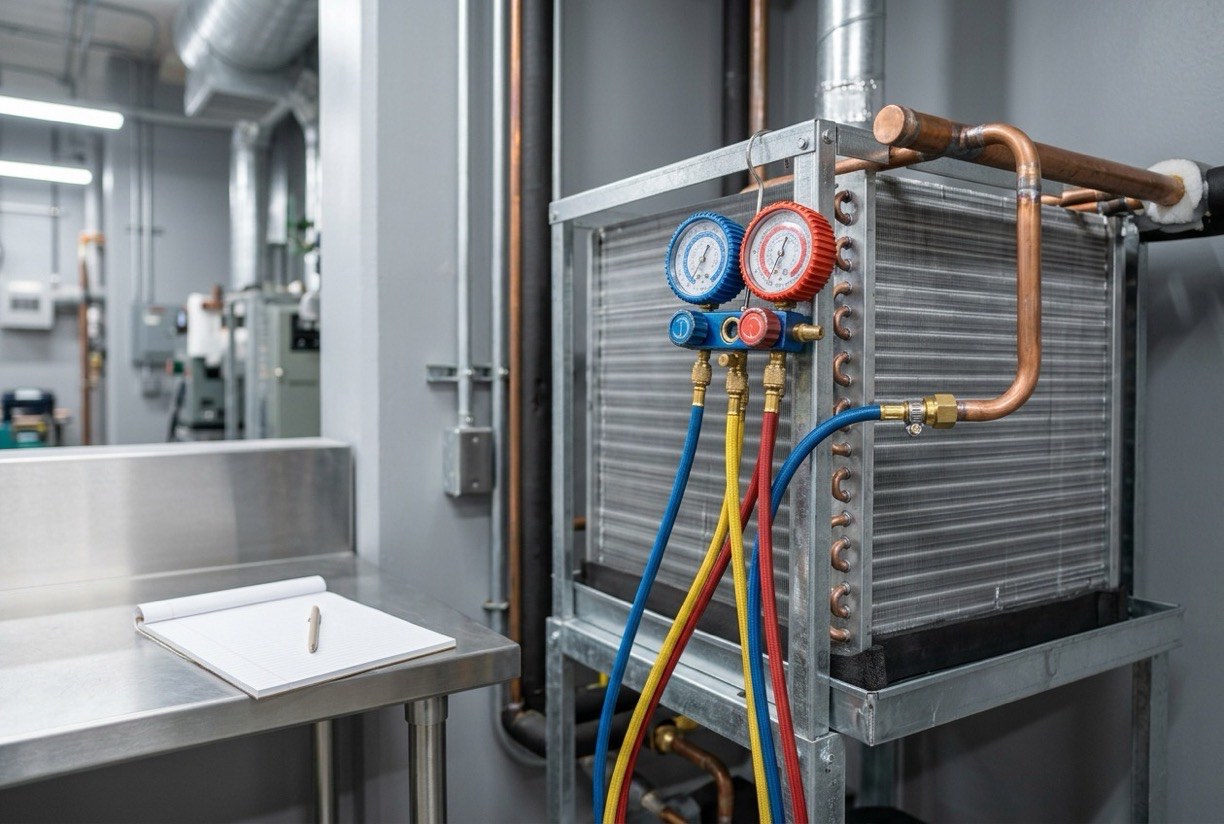
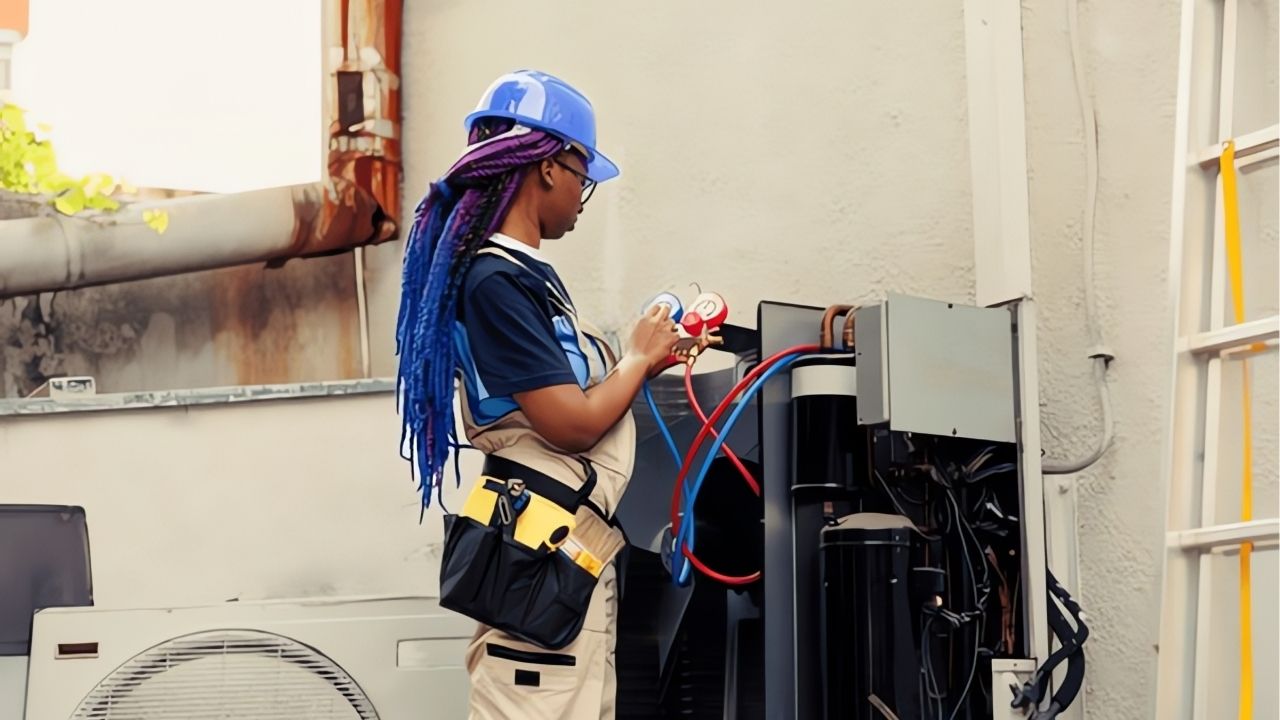
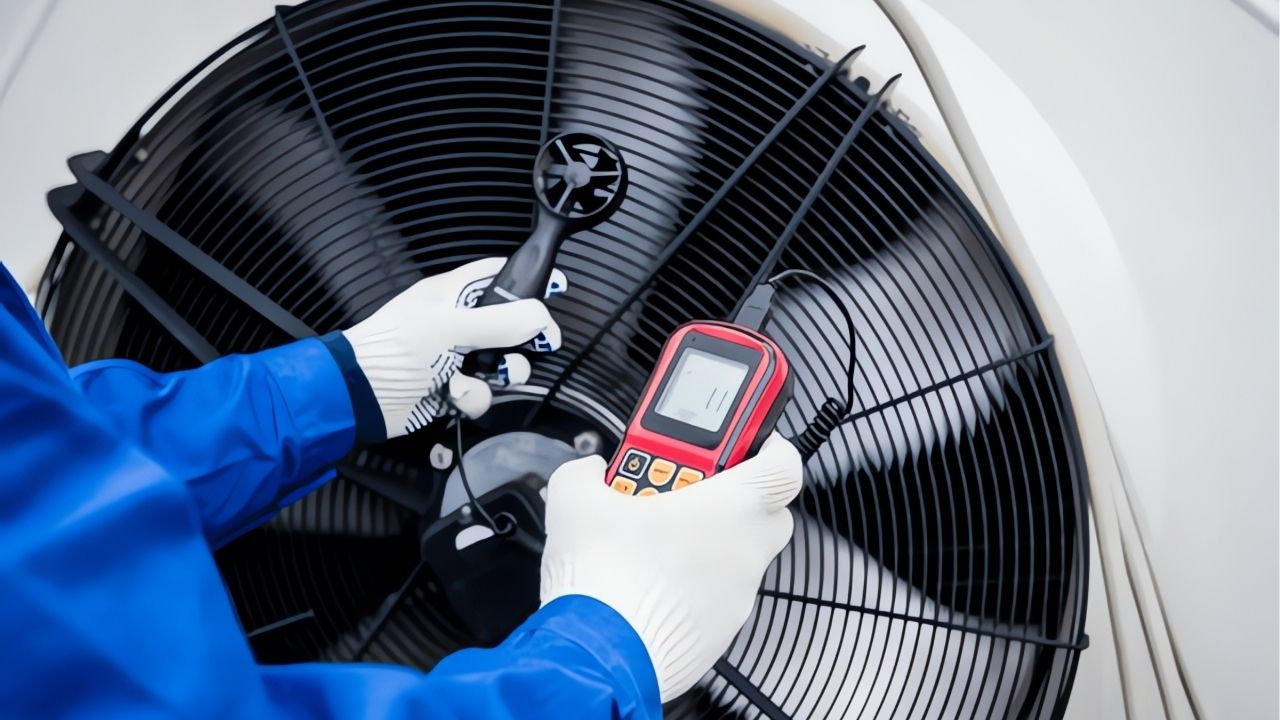
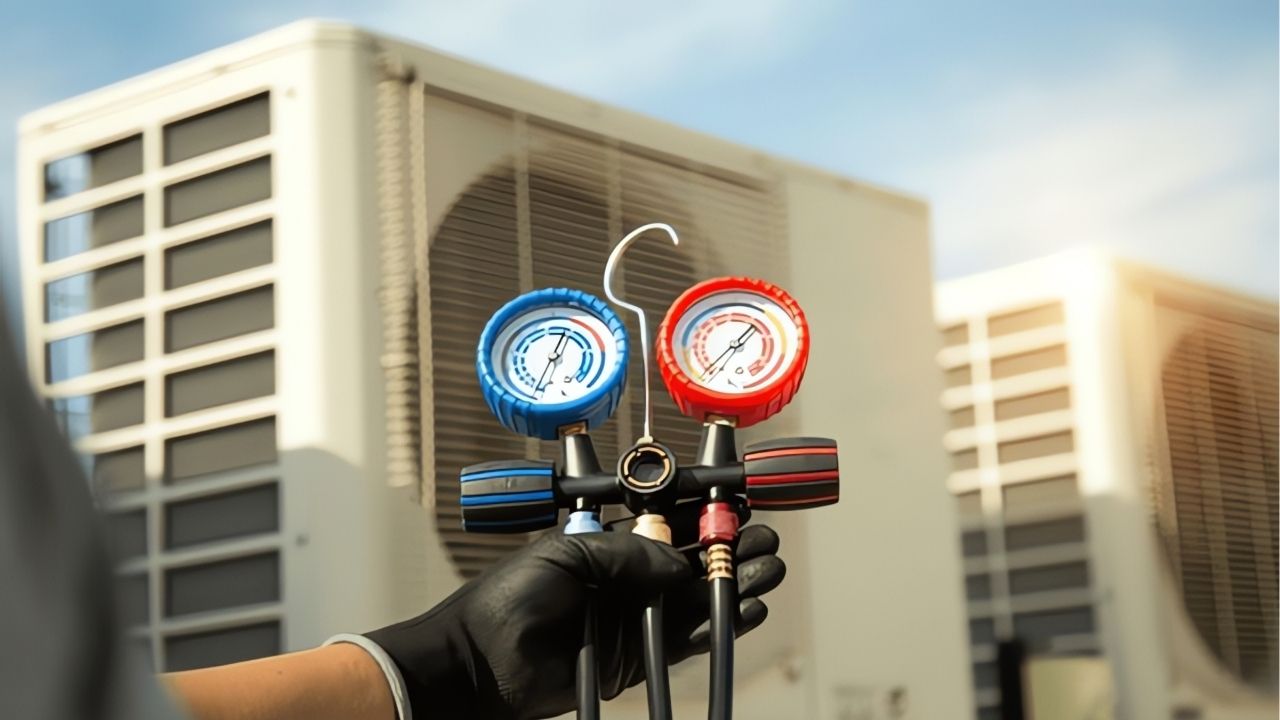
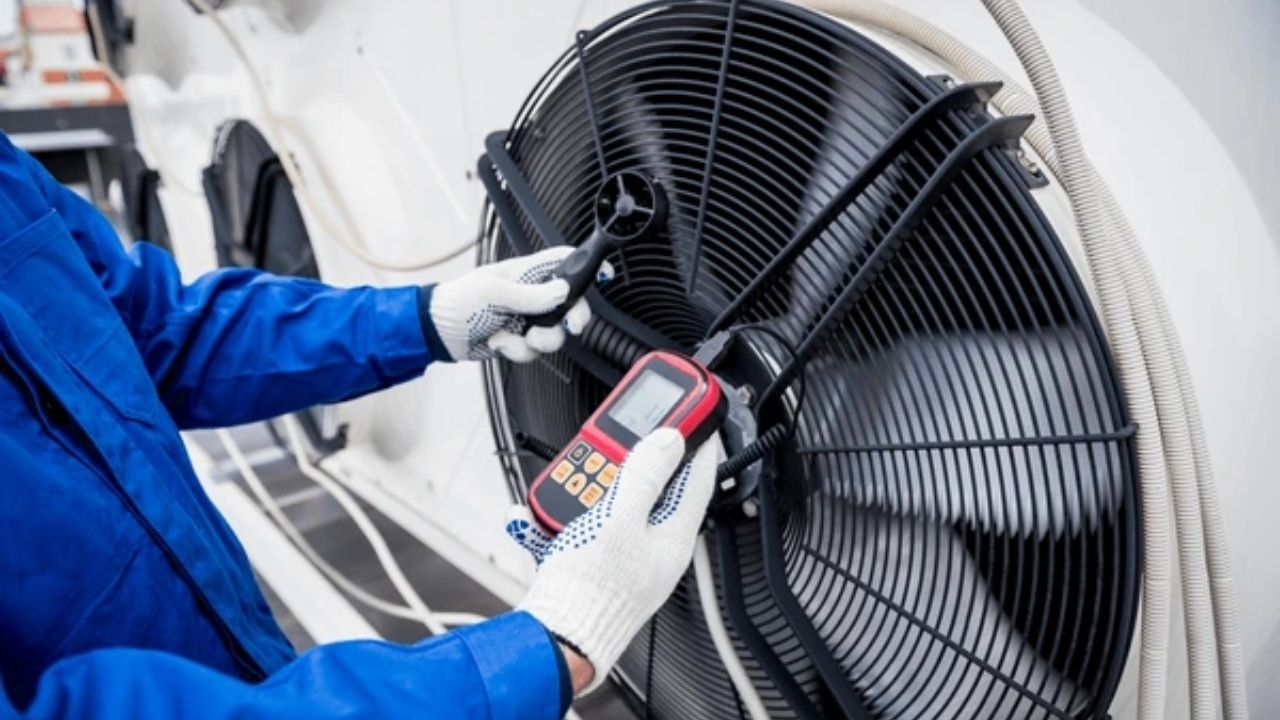
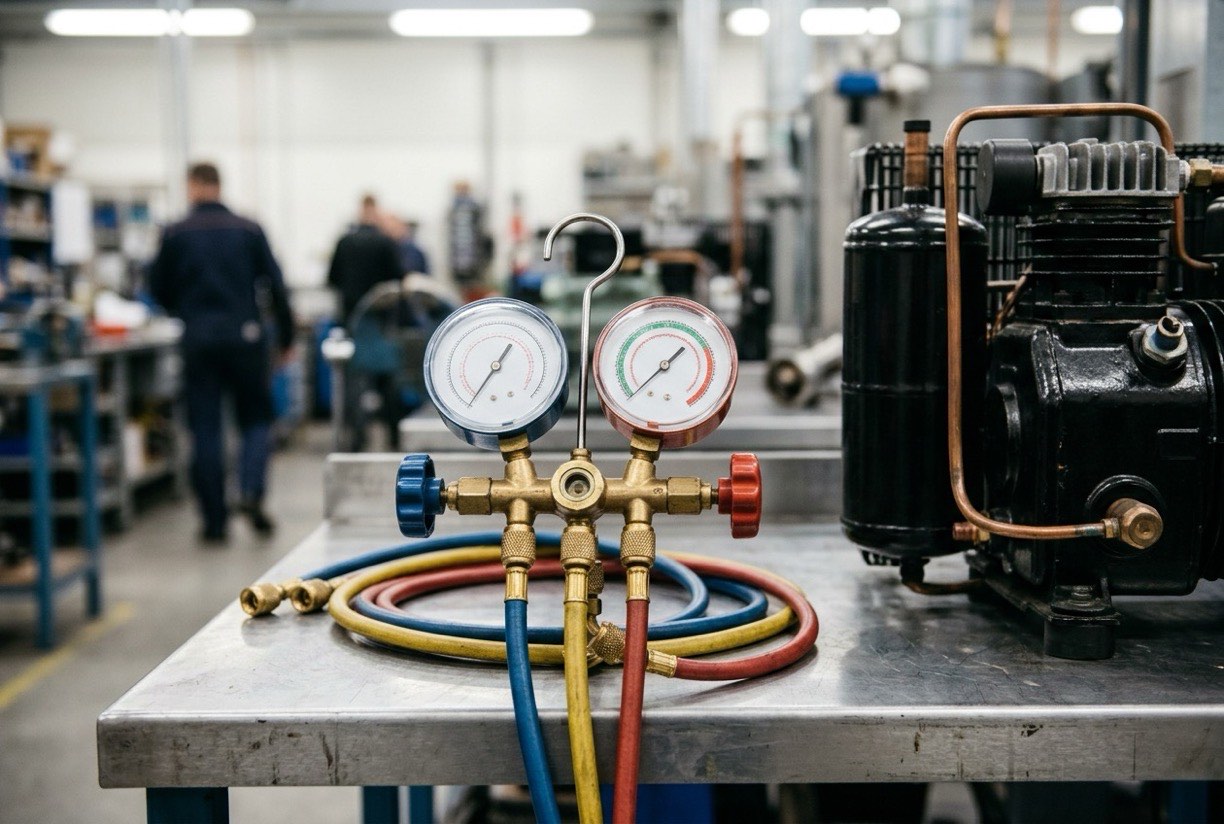
Measurements should be taken when the system runs steadily and the load condition is known. The manifold and hoses must be connected to the correct points, and the connections should be checked for leaks. Protective equipment should be used because of high pressures and hot surfaces.
Measurement records should be kept with the date and the system load, and used for later comparison. The Günay Soğutma technical team can support the evaluation of measurement results.
Pressure measurement involves contact with the compressor and the lines. A wrong connection or unauthorised intervention can lead to refrigerant escaping and to injury. Before measuring, the state of the system, the safety of the equipment and the suitability of the connection points should be checked.
Calibration of the measuring instruments is a basic condition for the reliability of the values. A gauge or sensor with uncertain calibration can lead to a wrong diagnosis. A routine where the instruments are checked regularly and their records are kept should be set up.
Opening and closing the lines during measurement requires the refrigerant to be handled in a controlled way. Fast and careless intervention increases both the safety risk and the risk of air or moisture entering the system. Every step should be carried out in order and according to a defined procedure.
Recording the measurement results is also part of safe operation. The date, the time, the outside conditions and the name of the person taking the measurement are valuable for later comparisons. When records are kept regularly, the moment when a deviation started can also be seen more clearly.
The training of the person taking the measurement is also decisive for safety and accuracy. A measurement made by someone without knowledge of pressure and refrigerant can create a risk both for that person and for the system. Measurement should therefore be carried out by an authorised and trained technical person.
Frequently Asked Questions
When should measurements be taken?
They should be taken after the system has run steadily, in a period when the load is not changing. A record should always be kept after the first start-up and after maintenance.
Are pressure values alone enough?
No. Pressures should be evaluated together with temperatures. Diagnosis without values such as superheat and subcool can be misleading.
What should be considered during measurement?
The correct refrigerant pressure-temperature table should be used, the connections should be checked for tightness, and protective equipment should be worn against the risk of high pressure.
Which instruments are needed for measurement?
Pressure measurement needs a calibrated gauge set, a reliable temperature sensor and suitable connection hoses. Digital instruments can also be used for recording values. The measuring range of the instruments should be chosen to cover the working pressure of the system.
How can a leak in the system be recognised?
A low suction pressure together with a high superheat and a low subcool may be a sign of a refrigerant shortage. However, this alone is not conclusive proof. A suspected leak should be confirmed through a visual check and a suitable leak detection method.
How are compressor discharge temperature readings used together with pressure values?
When the discharge temperature is read together with the pressure values, the thermal state of the system is better understood. A very high discharge temperature may point to insufficient cooling or a problem with oil circulation. These readings should be used together to monitor the health of the system.