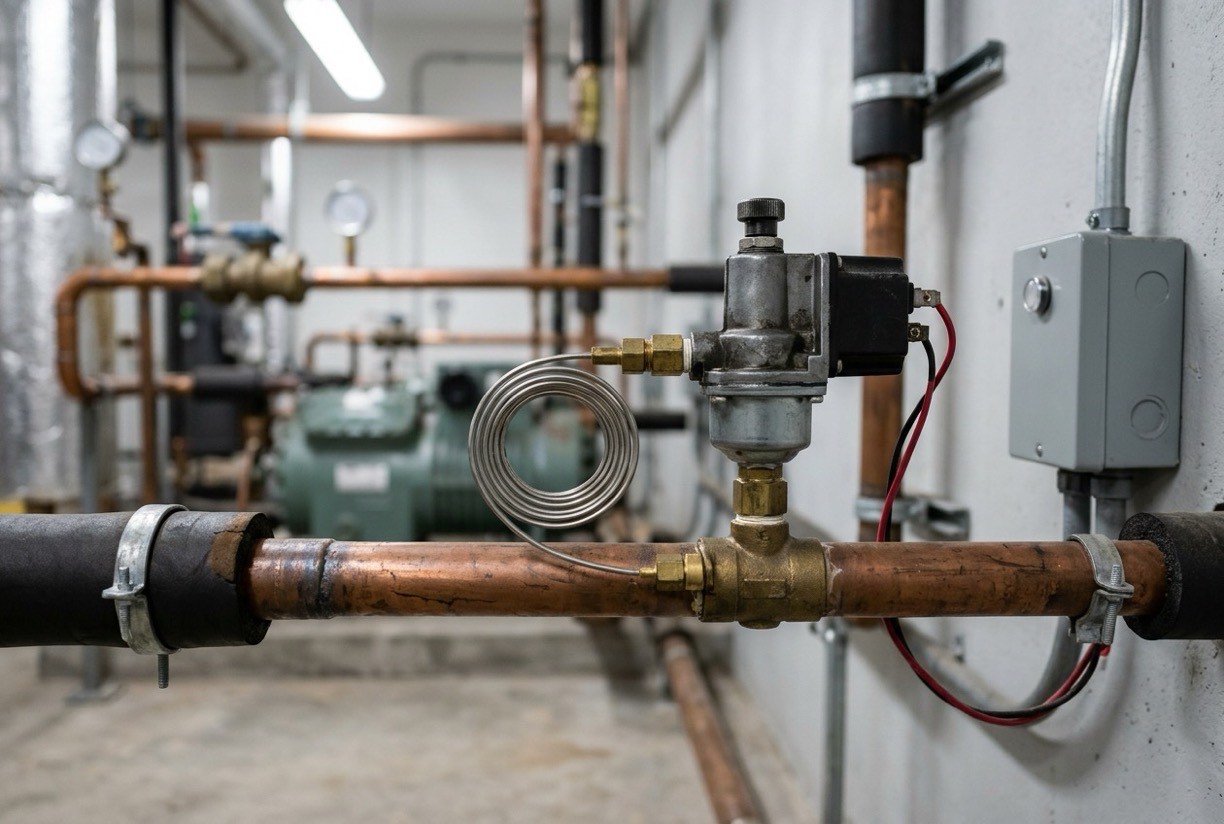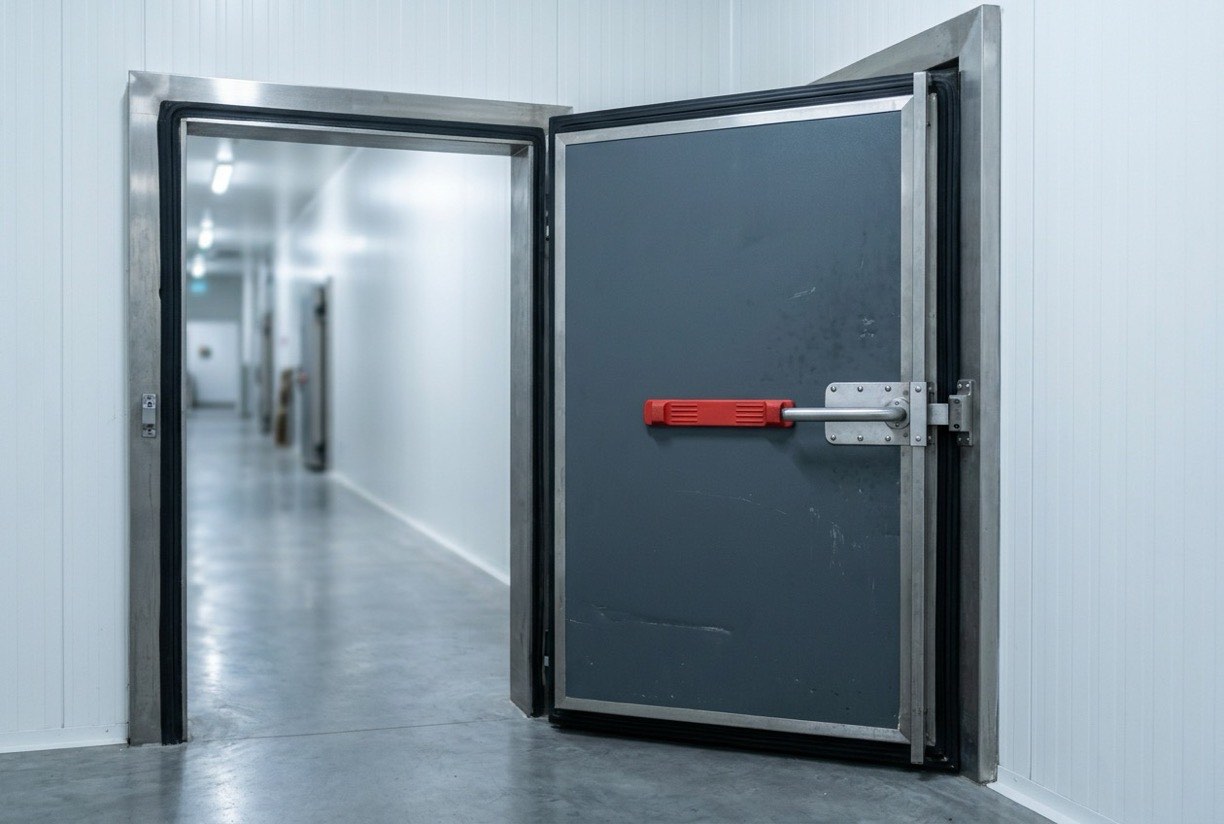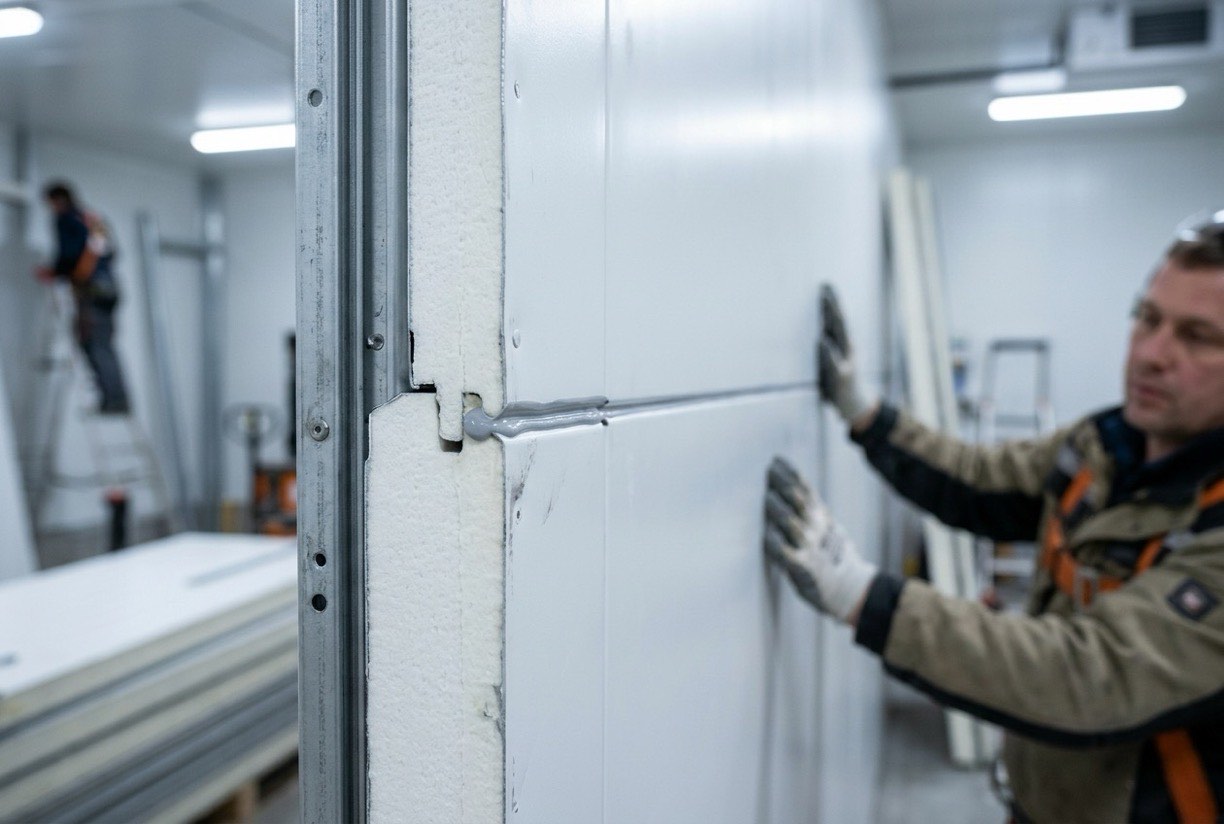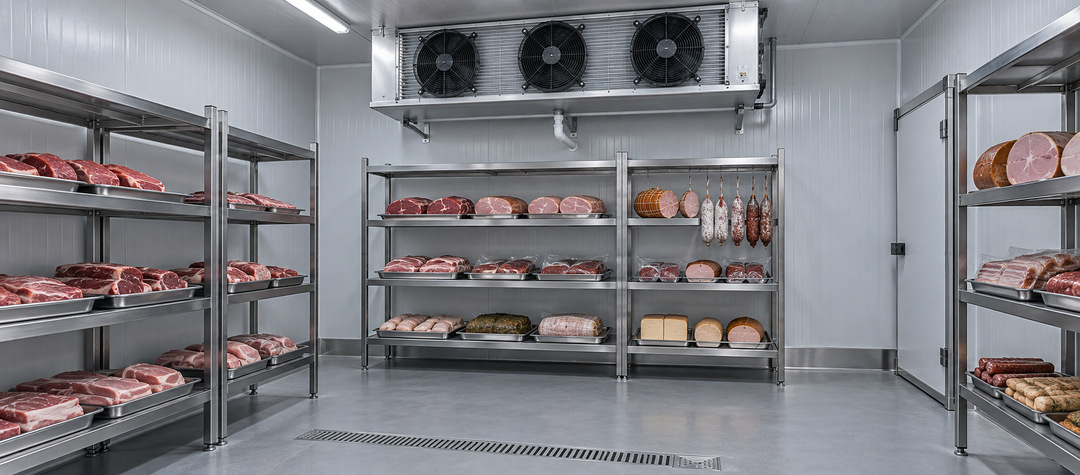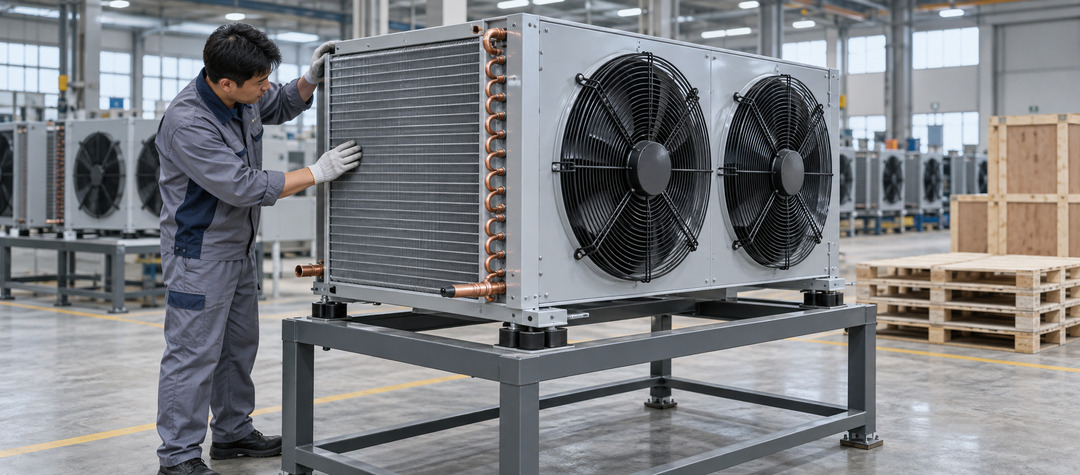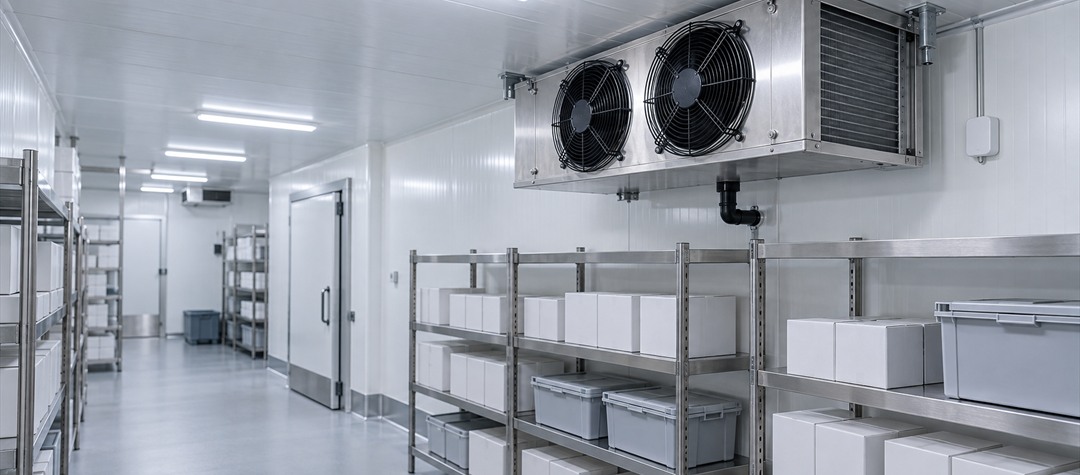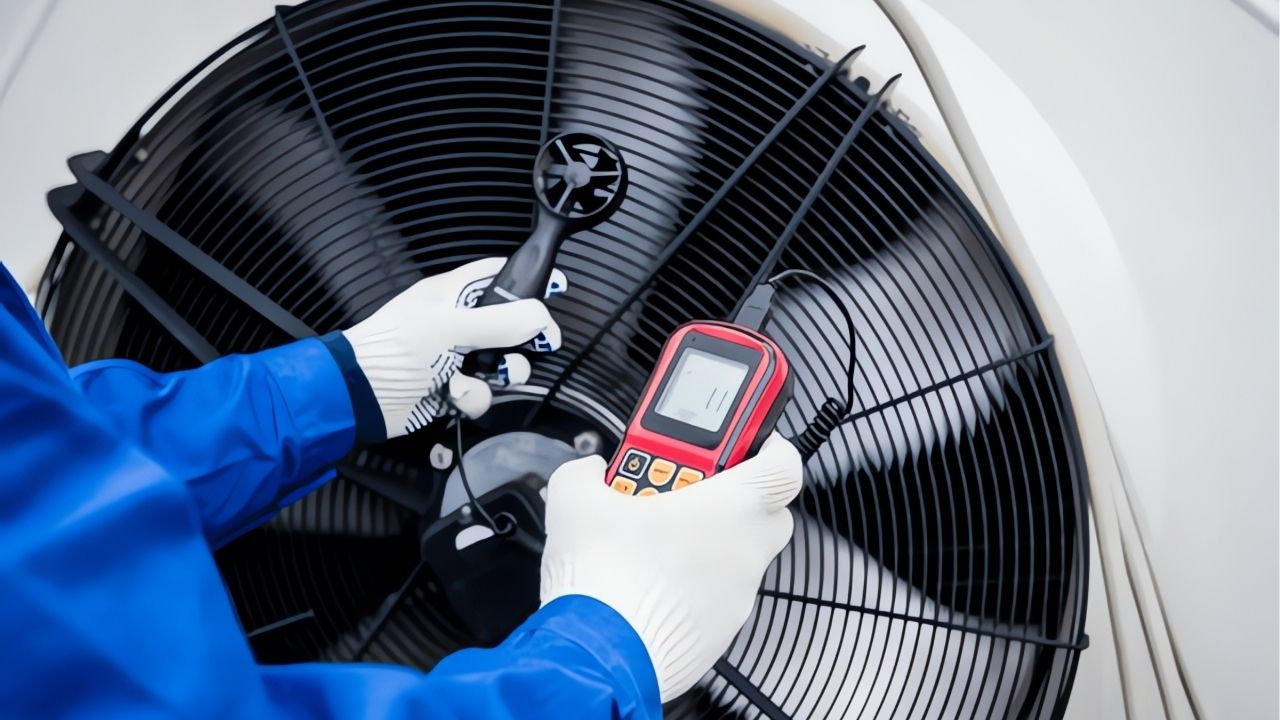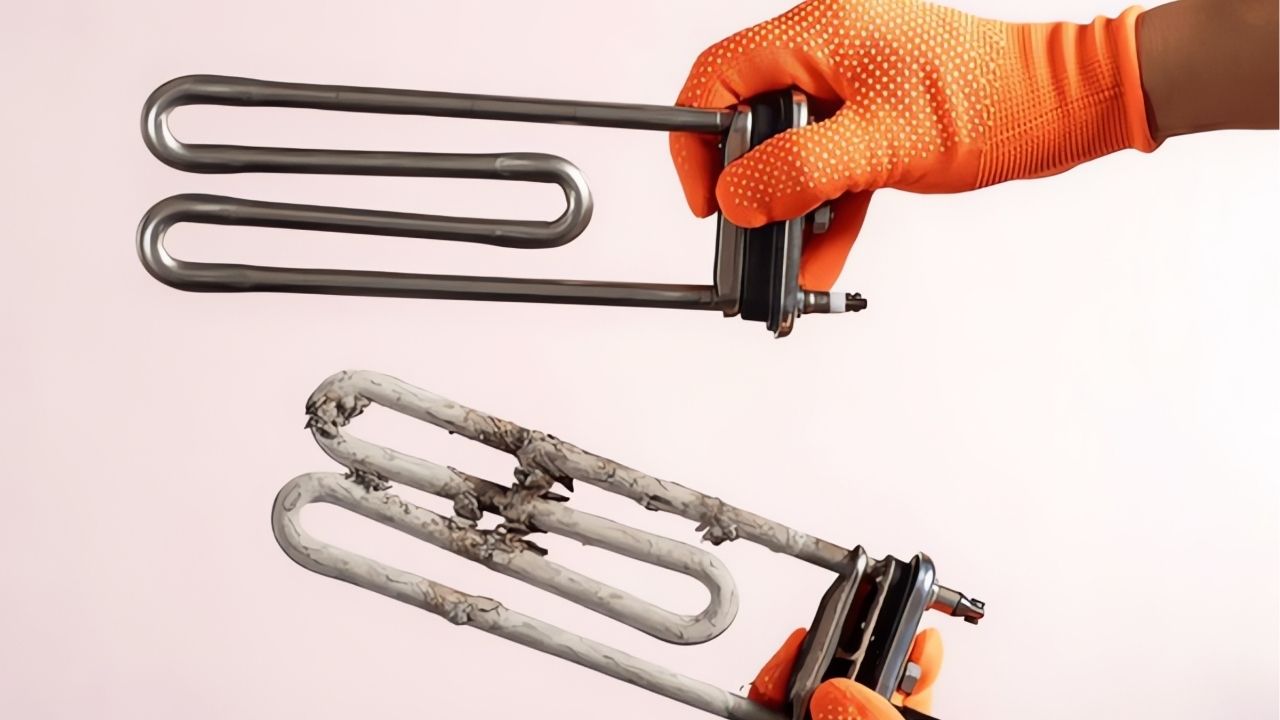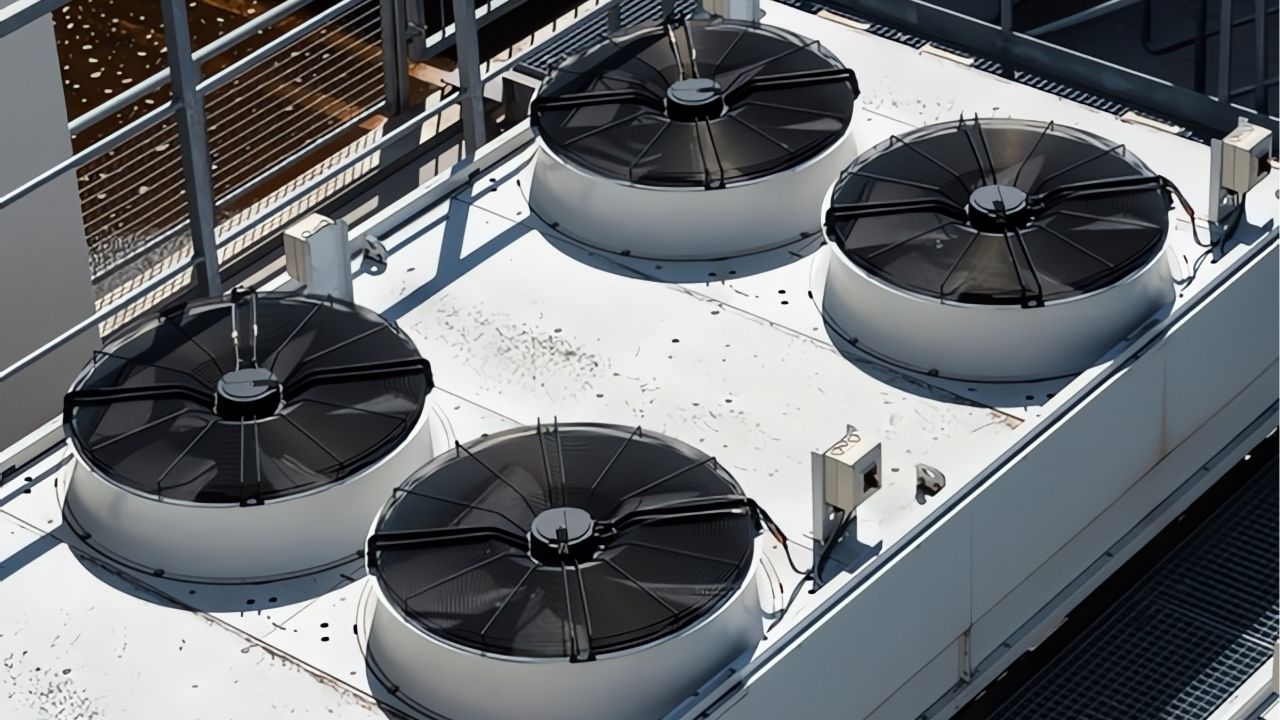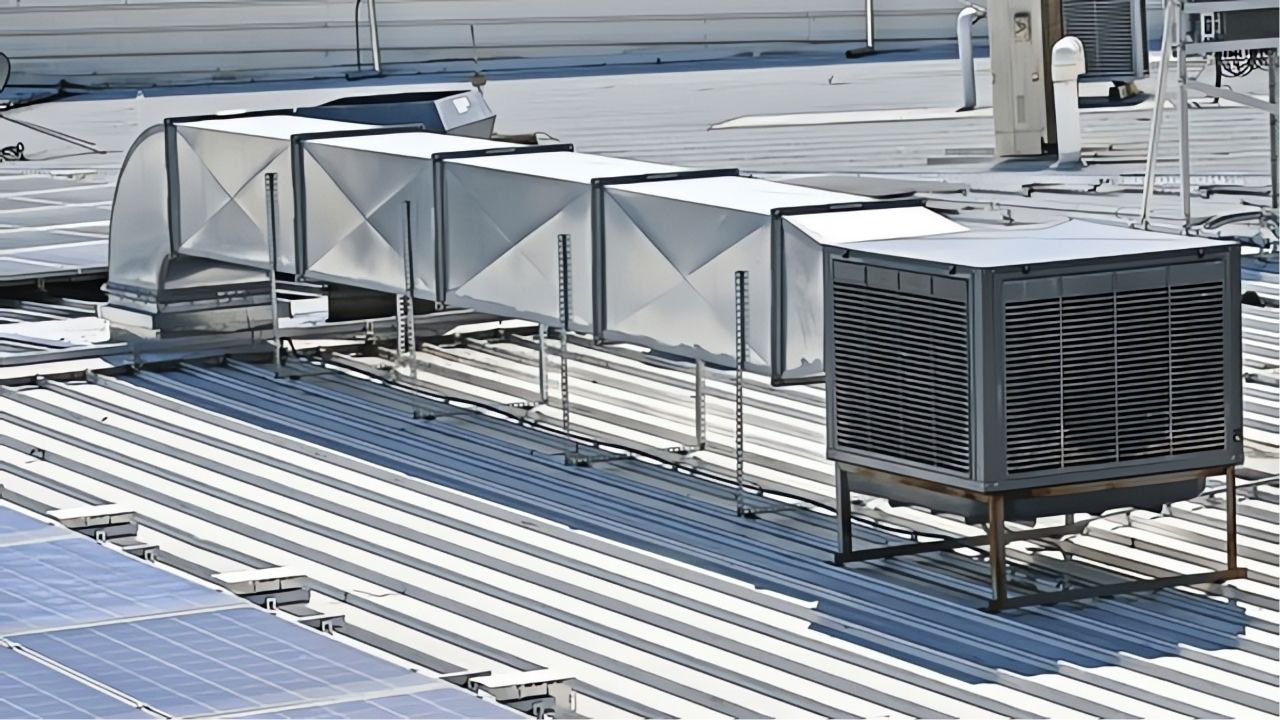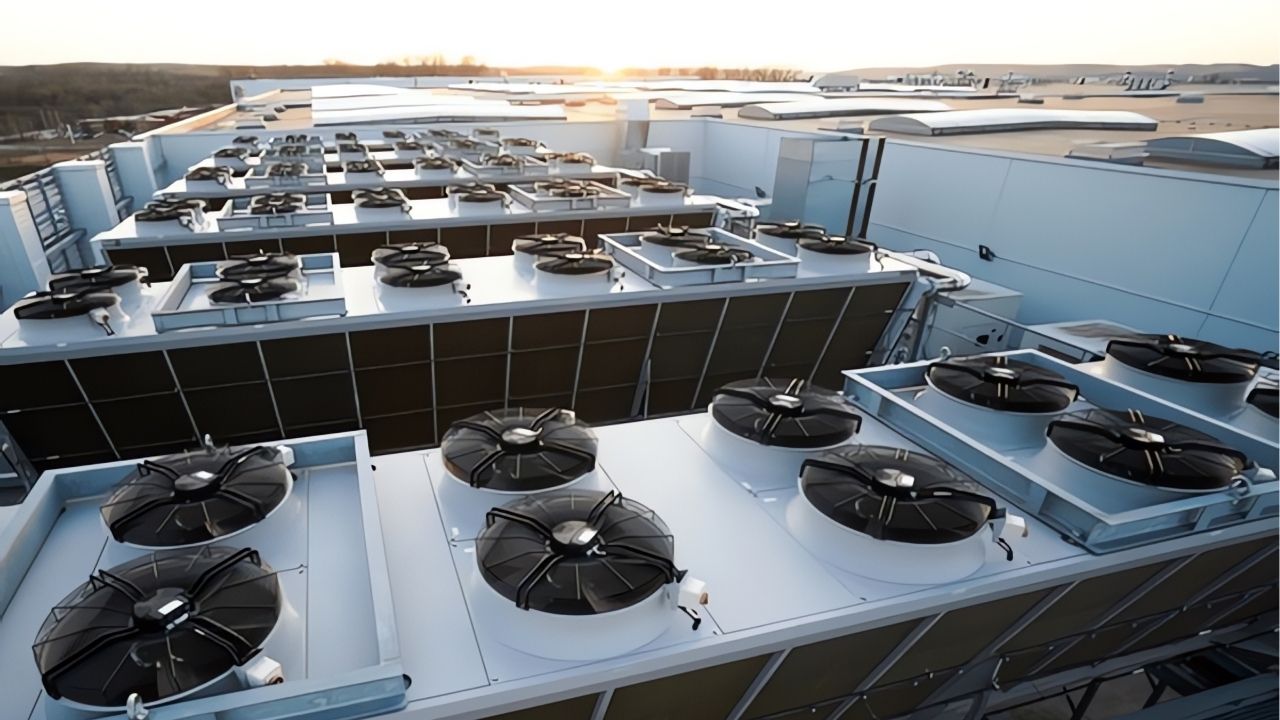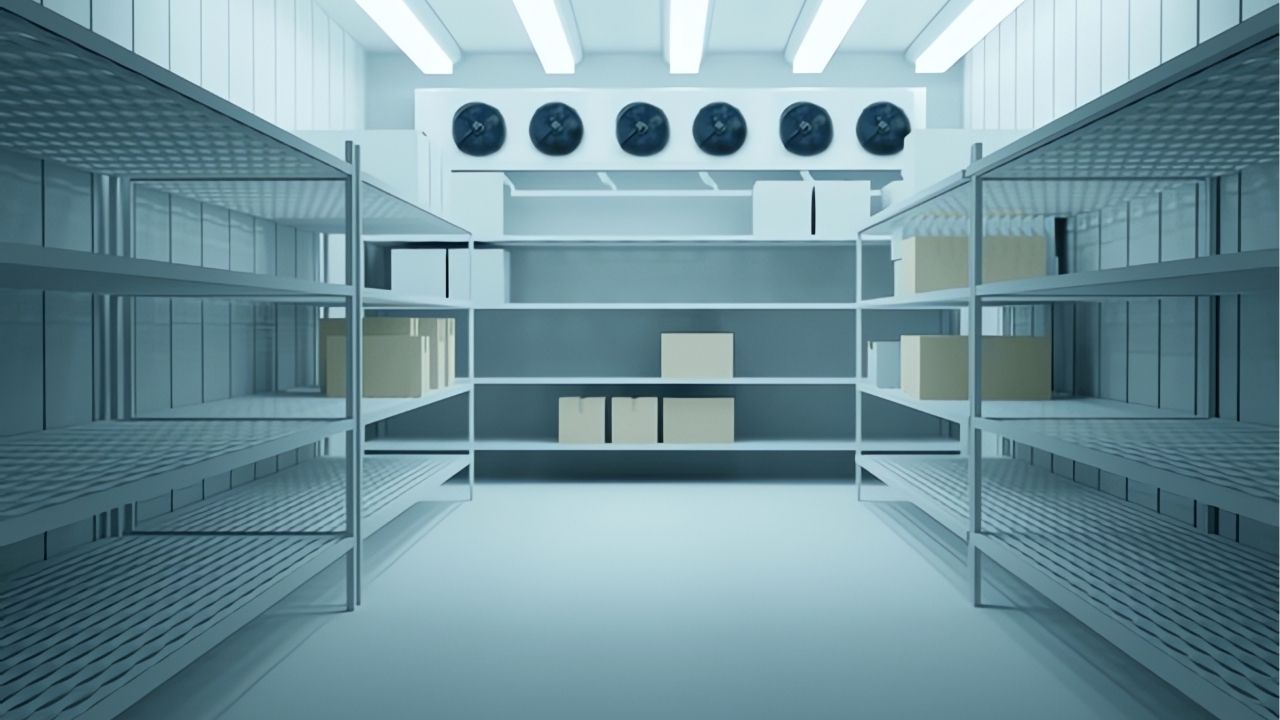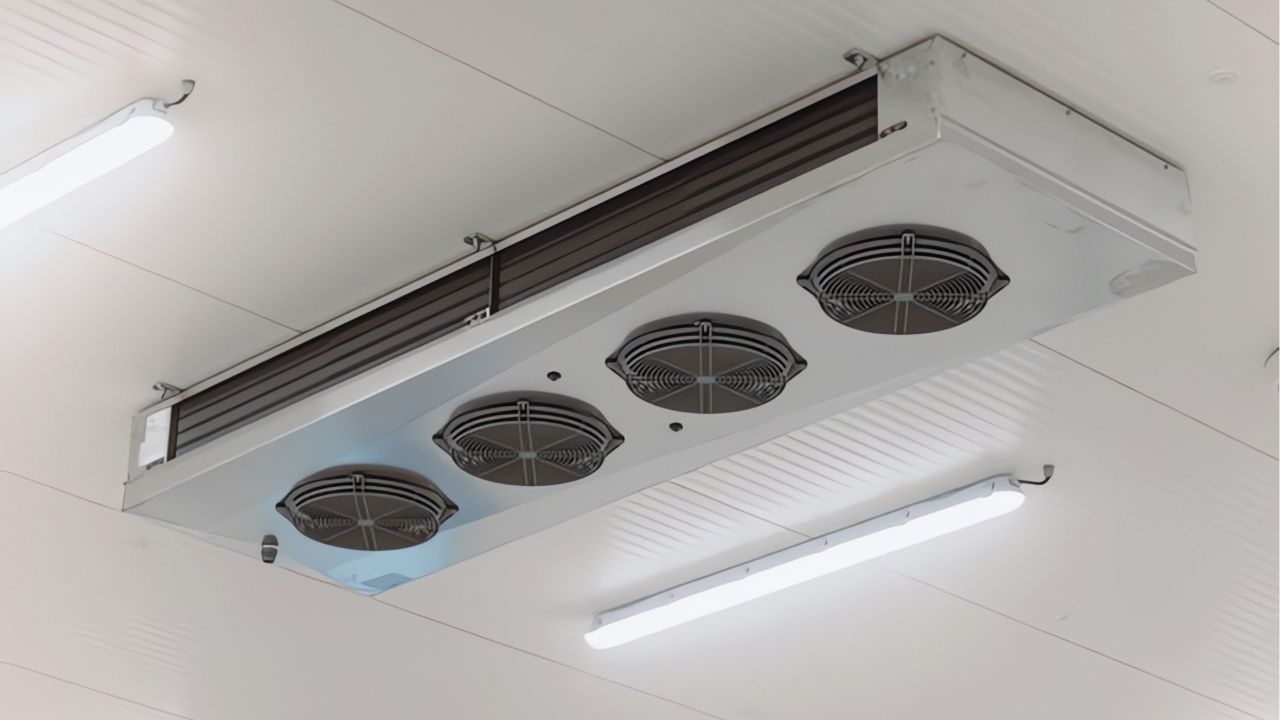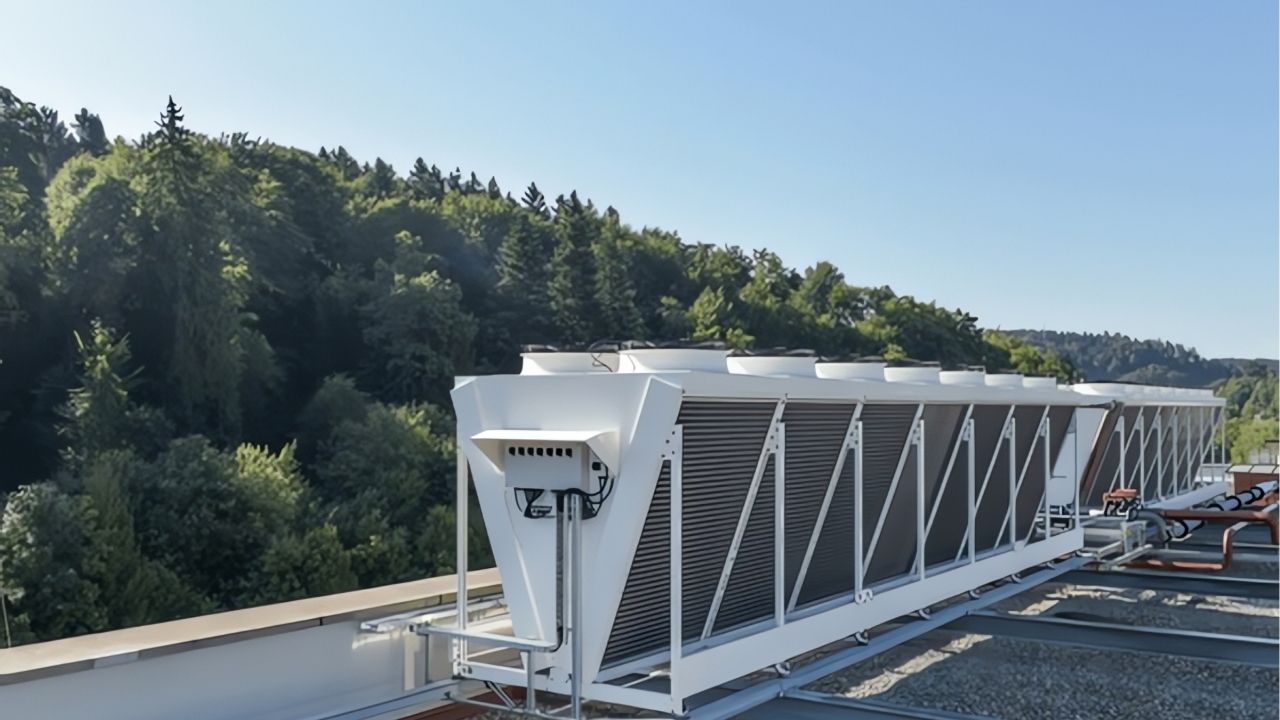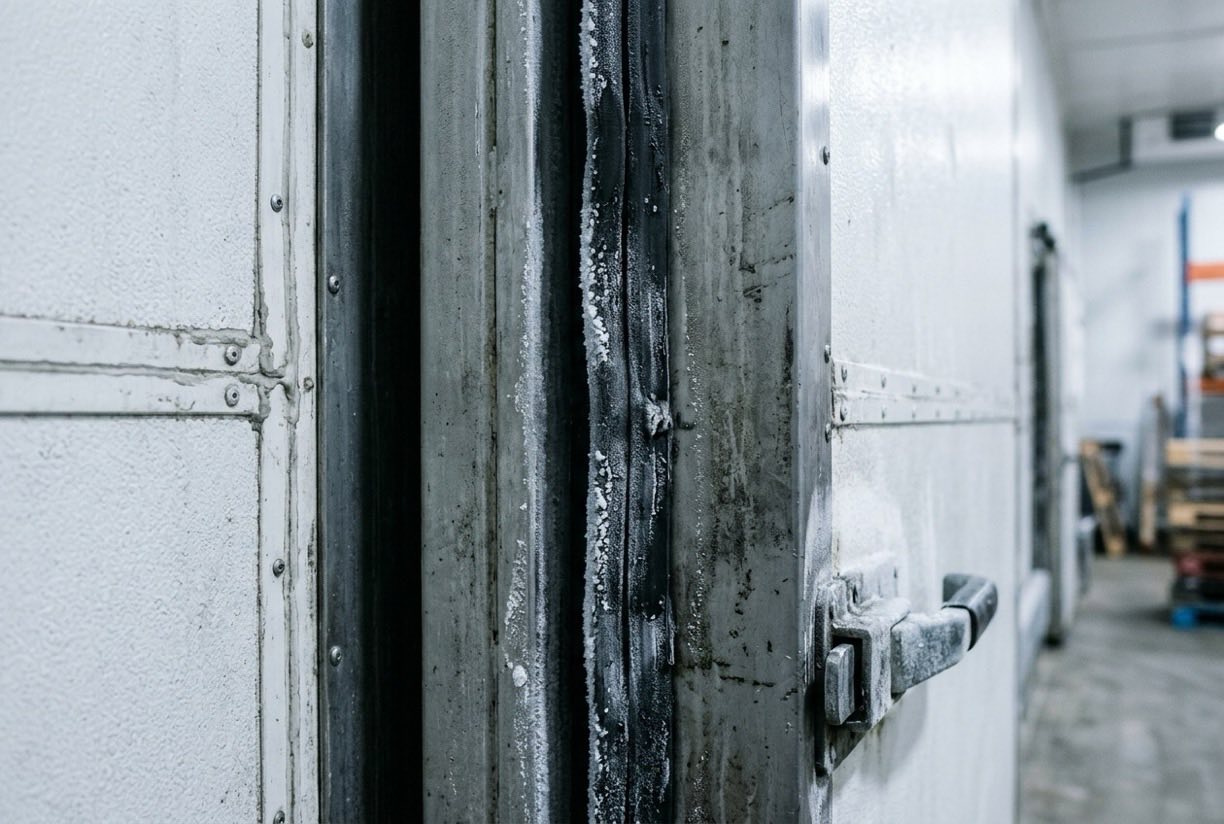
The cold room door, its gasket, and the panel joints should remain closed at all times. Even a small crack or a worn gasket can let warm and humid outside air enter continuously. That air increases the evaporator load, causes excessive frosting on the coil, and makes the room temperature unstable. This article explains where air leaks form, how they affect the evaporator, and how they can be detected and prevented.
Table Of Contents
- Where Do Air Leaks Form?
- Why Does Leaking Air Add Load?
- What Is The Effect On The Evaporator?
- How Are Leaks Detected?
- How Is Prevention And Maintenance Carried Out?
- Frequently Asked Questions
Where Do Air Leaks Form?
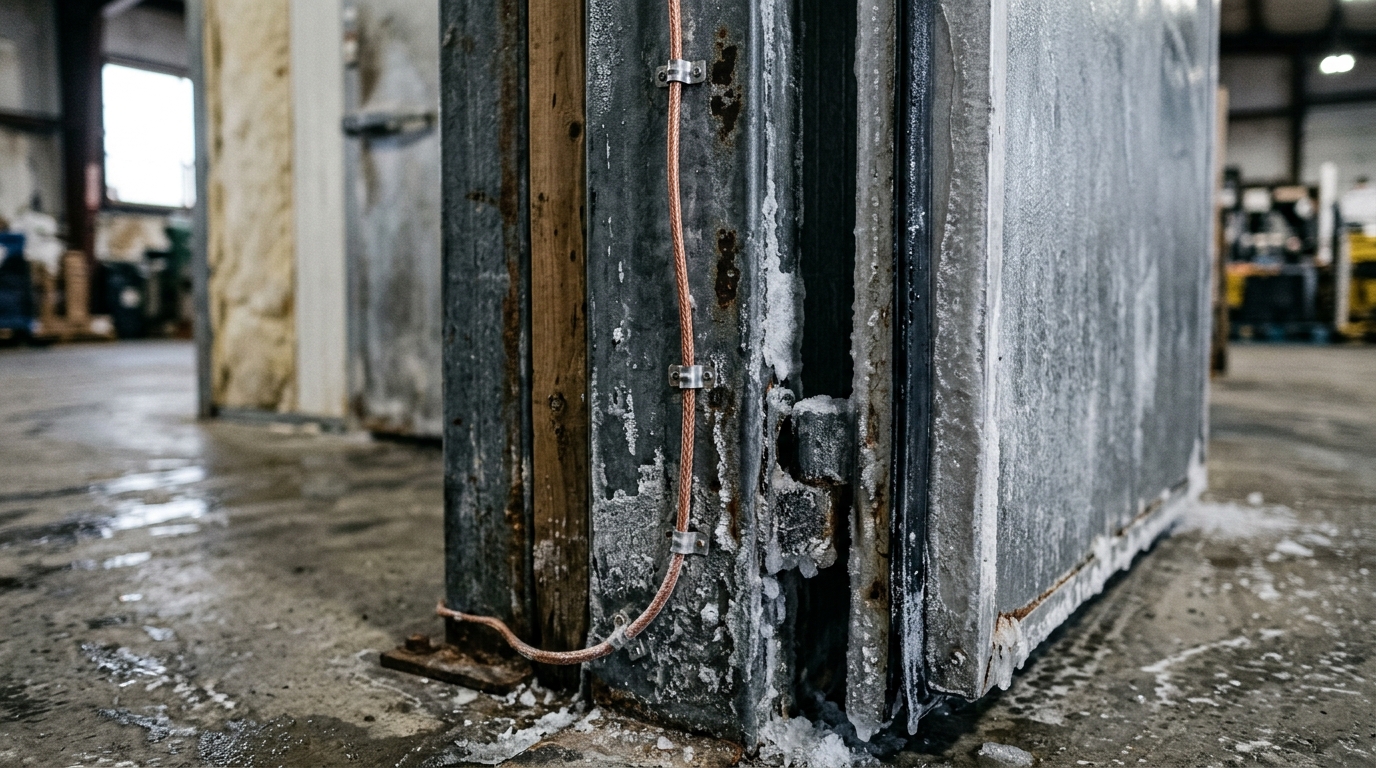
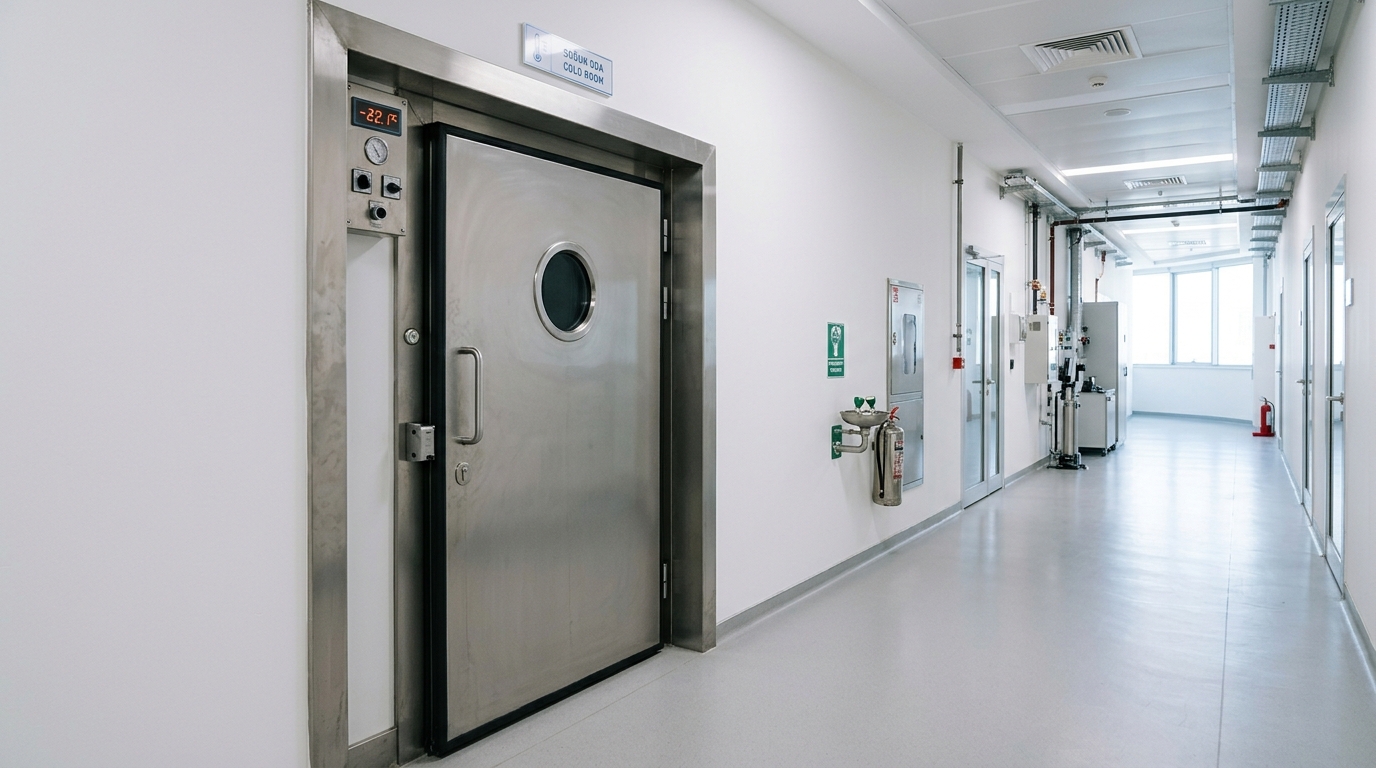
The most common leak points are the door gasket, the door frame, the panel joints, the cable and pipe penetrations, and the door threshold. A gasket worn over time, a misaligned door, or a damaged panel can create a leak at these points.
A leak usually comes from several small gaps rather than one large opening. For this reason, the problem can continue for a long time without being noticed.
Leak points are often the result of several small faults coinciding rather than a single failure. If one gasket is worn, one hinge has loosened, and one penetration has been left unsealed, each of these small leaks adds up to a significant air entry.
At panel joints, leakage usually starts at the corners and in the vertical seams. Small errors made during installation can open up over time as the panels expand and contract. For this reason, the joints should be assessed not only for their tightness at installation but also for how they behave under repeated cold and warm cycles.
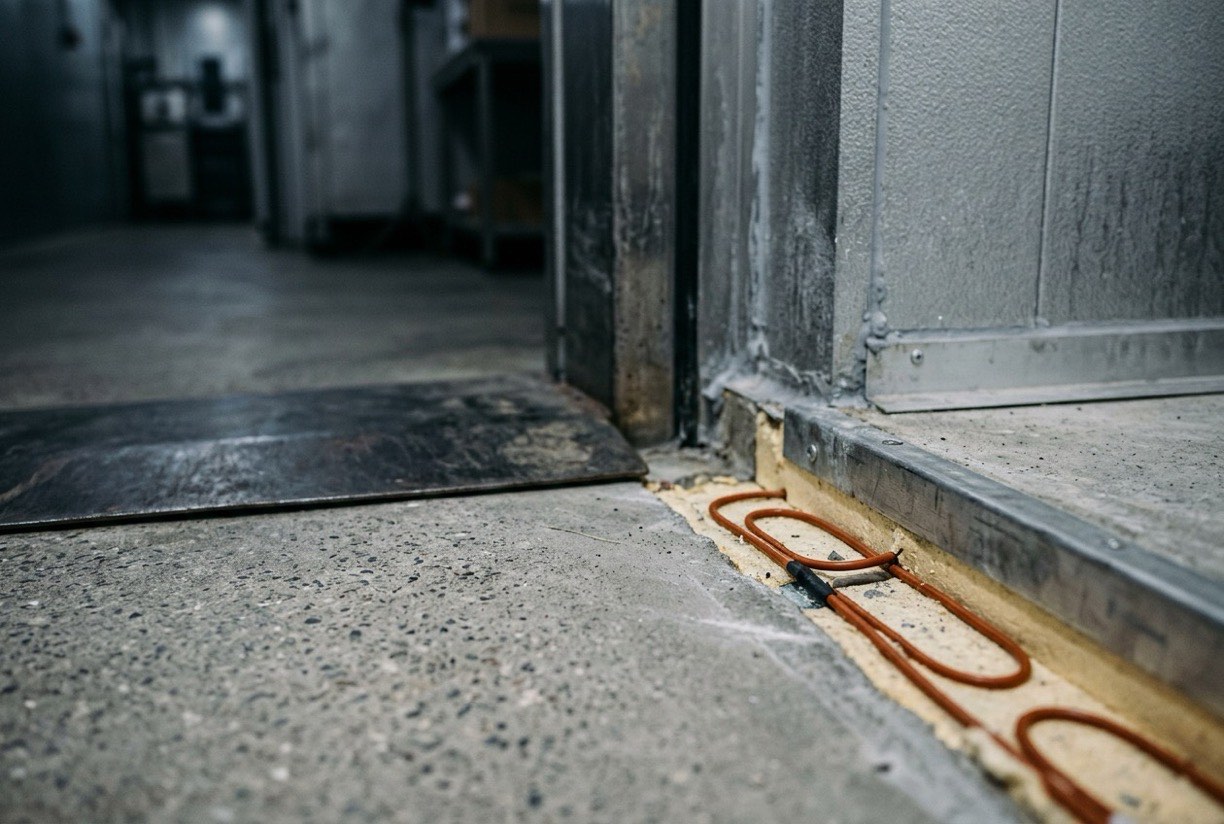
The junction between the floor and the wall is another common leak point. A crack around the threshold can grow as the floor settles. This area, especially where there is constant traffic in front of the door, both speeds up the damage and hides the leak.
Fillings at cable and pipe penetrations are often not flexible. A filling that shrinks or expands with temperature changes pulls away from its edges and opens a path for air. The material used at penetrations should be considered for both its insulating and its flexible properties.
Incorrectly fitted ventilation or service covers can also be a source of leakage. Such components may not seal fully when closed. The closing surface of service covers should be checked regularly, and loose screws should be tightened in time.
The location of a leak often depends on the structure of the room. A panel system built in one way does not leak from the same points as another. For this reason, leak inspection should be considered together with the age of the room and its installation method.
Why Does Leaking Air Add Load?
Air entering from outside brings both its temperature and its moisture into the room. The warm air has to be cooled, and the humid air condenses and freezes, creating additional load. This extra load makes the system run longer to reach the target temperature.
The additional load should be considered together with the door openings and included in the capacity calculation. In a room with a continuous leak, excess capacity can turn into a loss that is not visible.
The concept of additional load means that not only door openings but also a continuous leak alter the heat balance of the room. Leaking air is a source of load entering every hour, and this load sits on the system day and night. A continuous load produces the quietest yet most lasting effect.
The volume of air entering changes with outside temperature and humidity. In summer, the outside air is both warmer and more humid, so the effect of a leak rises noticeably. In winter the same leak produces less load, which shows that a single evaluation for the whole year can be misleading.
The air entering through a leak can also cause condensation on the surfaces of the products. Moisture that settles on the surface affects the packaging and appearance of the product. For this reason, a leak should be considered not only an energy matter but also a product quality matter.
In the capacity calculation, the leak allowance is usually not shown as a separate item. However, if the leak allowance is not explicitly counted, the lost capacity is covered by design excess and the problem stays invisible for a long time. This part of the calculation should be verified regularly with site measurements.
The effect of the additional load on the compressor should not be forgotten either. A compressor running continuously wears more even in low-load periods because of its long running time. Sealing the leak benefits not only energy saving but also the life of the equipment.
The values used for the additional load calculation are based on the average conditions of the room. In real operation, however, the size of the leak can change from day to day. This variability makes it necessary to update the calculation regularly with site measurements.
What Is The Effect On The Evaporator?
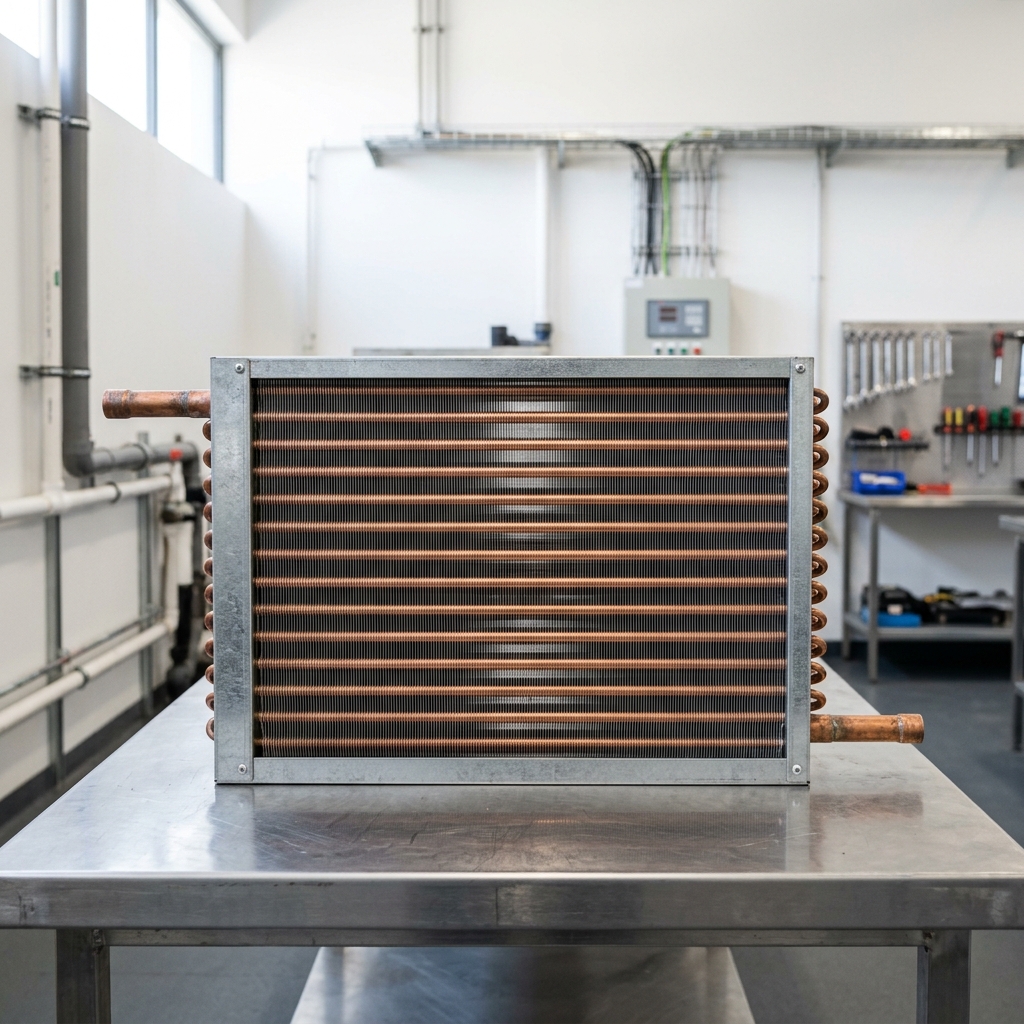
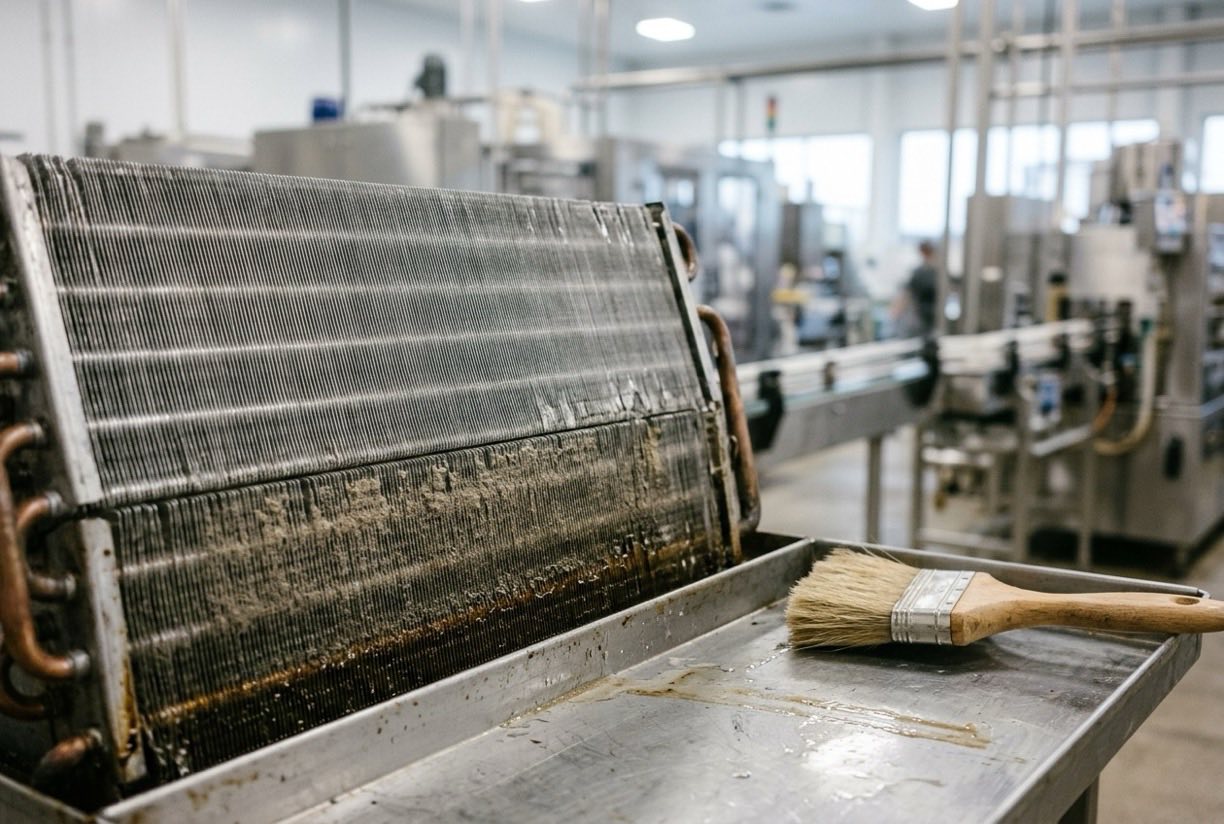
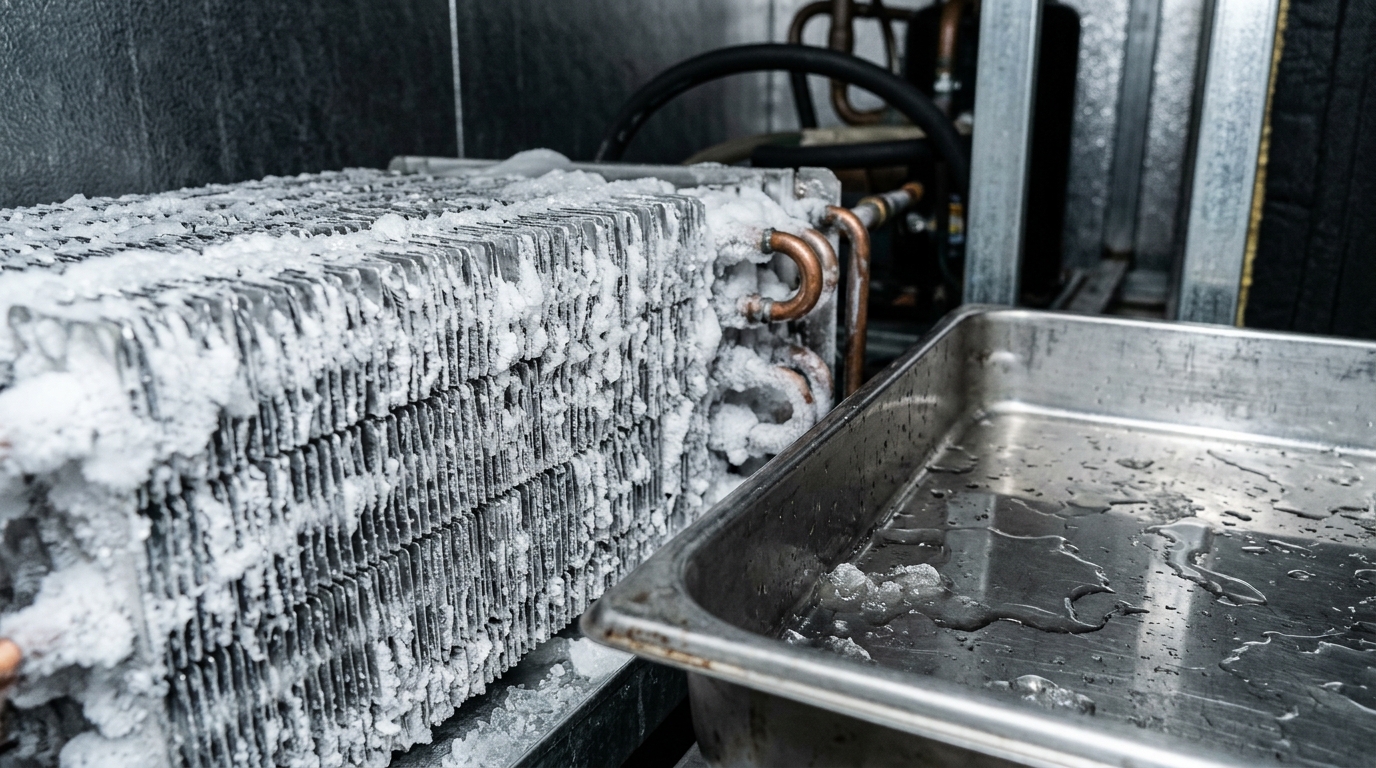
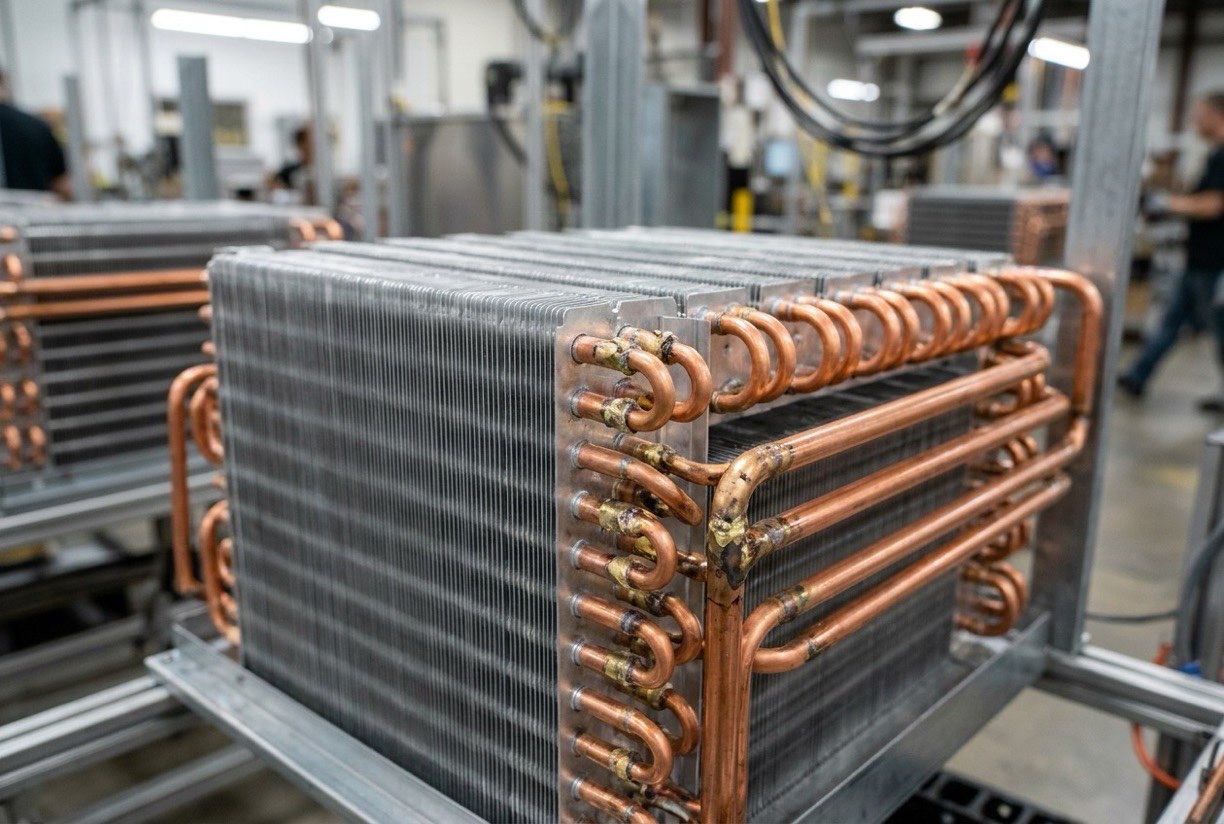
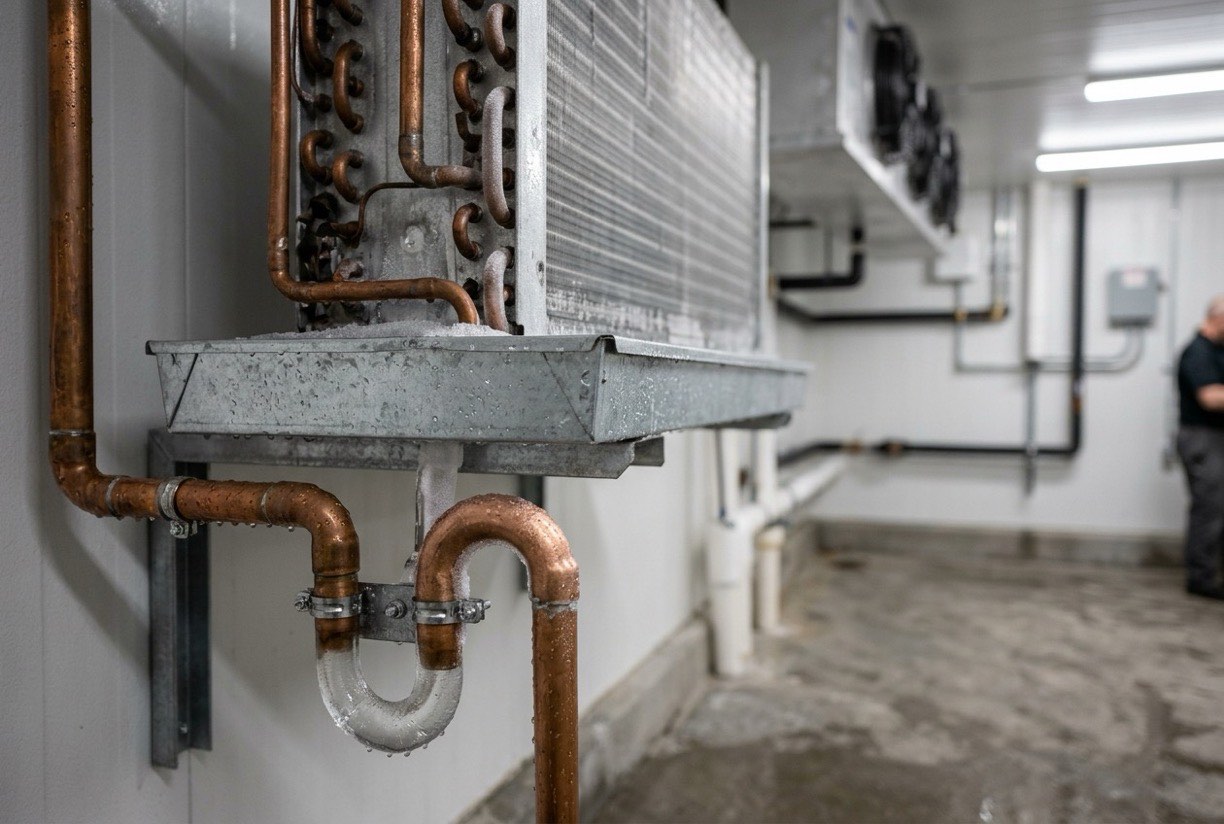
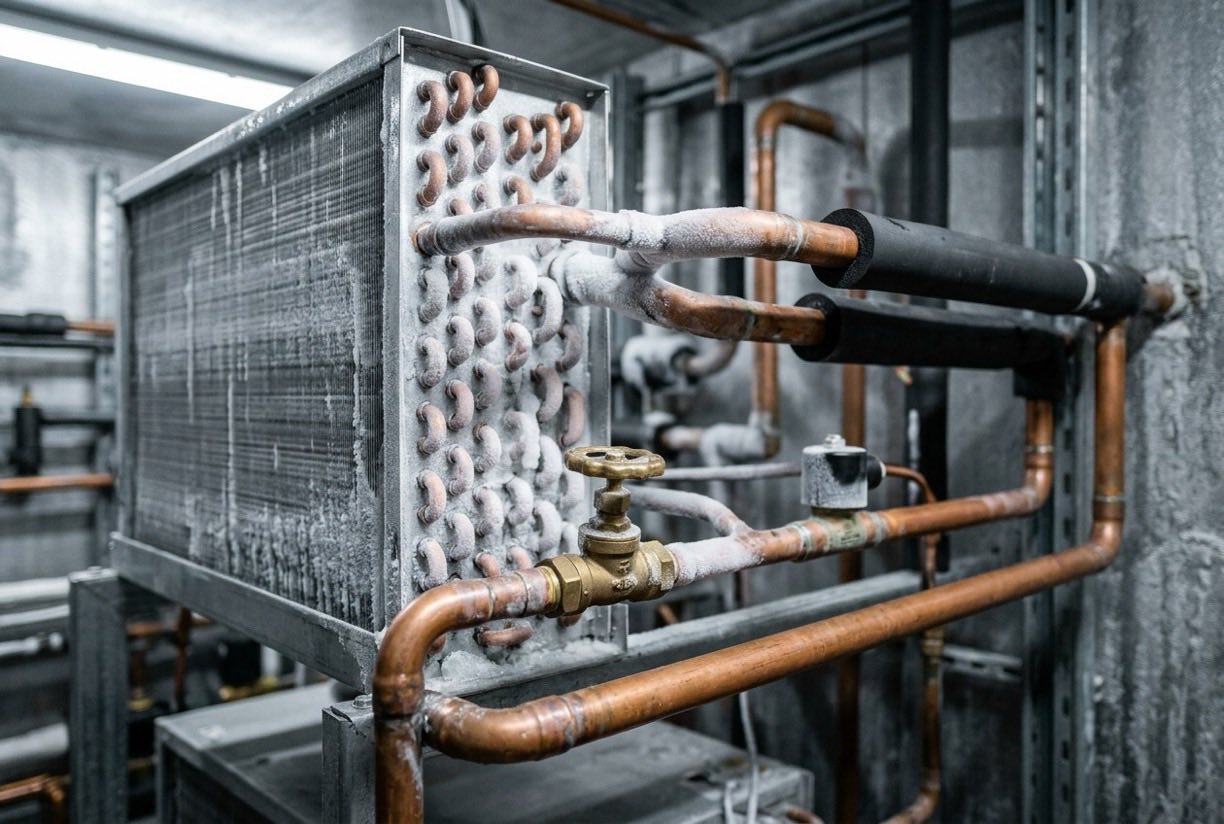
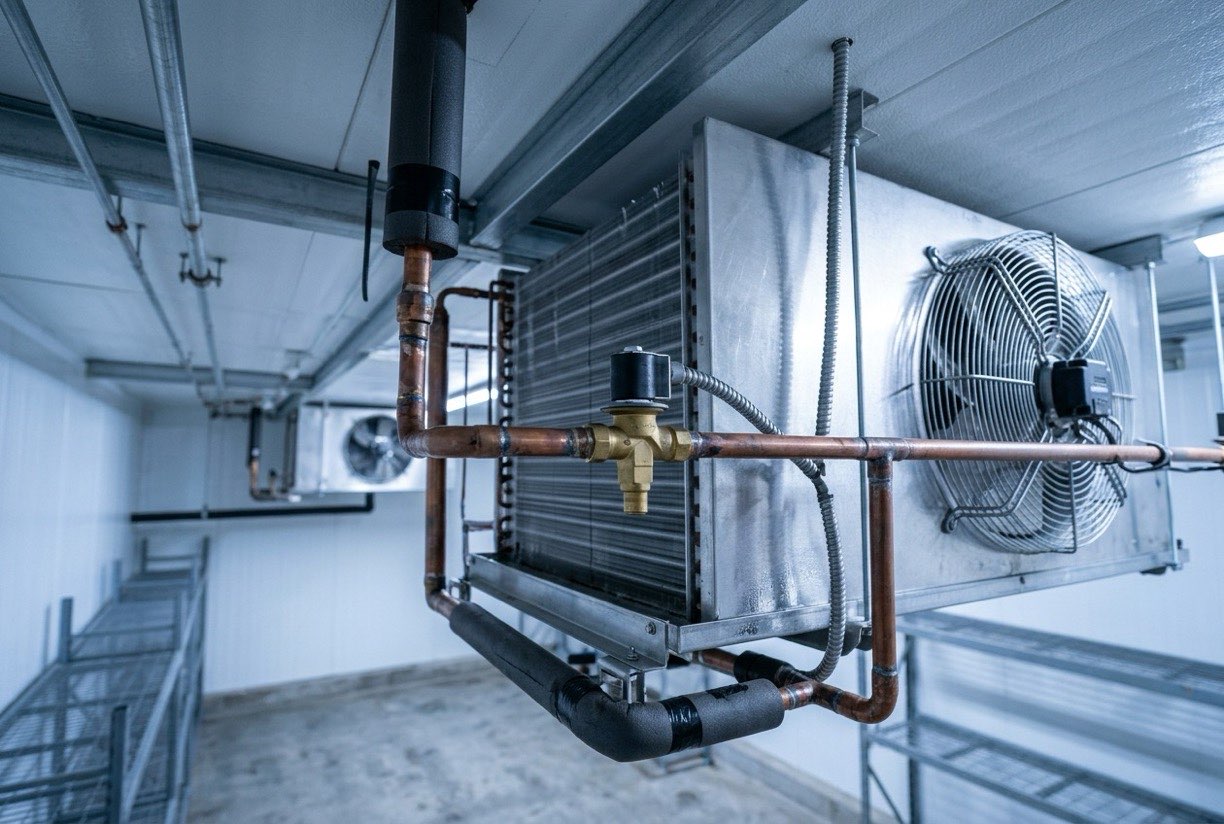
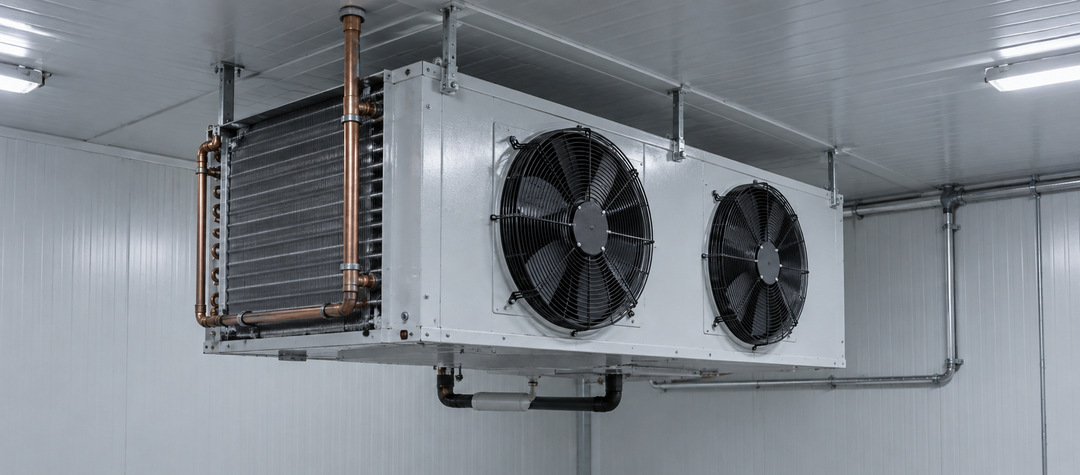
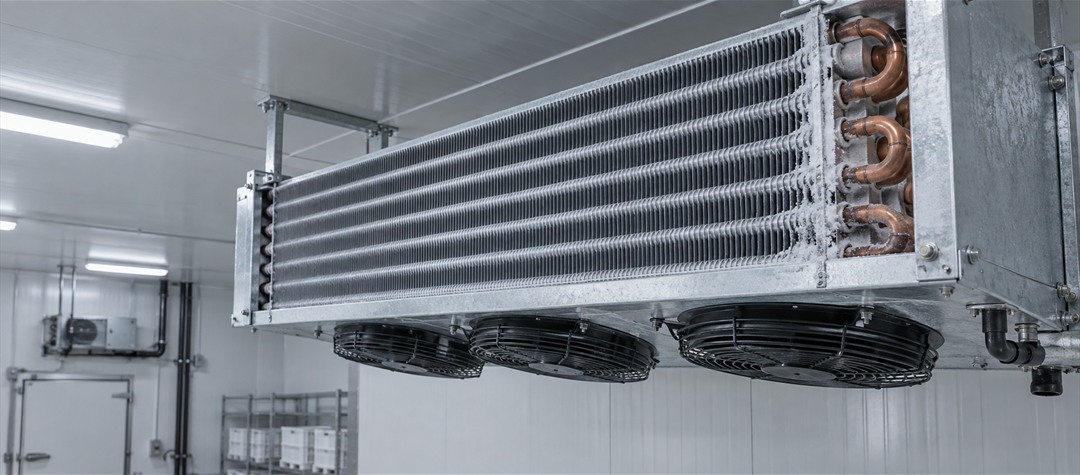
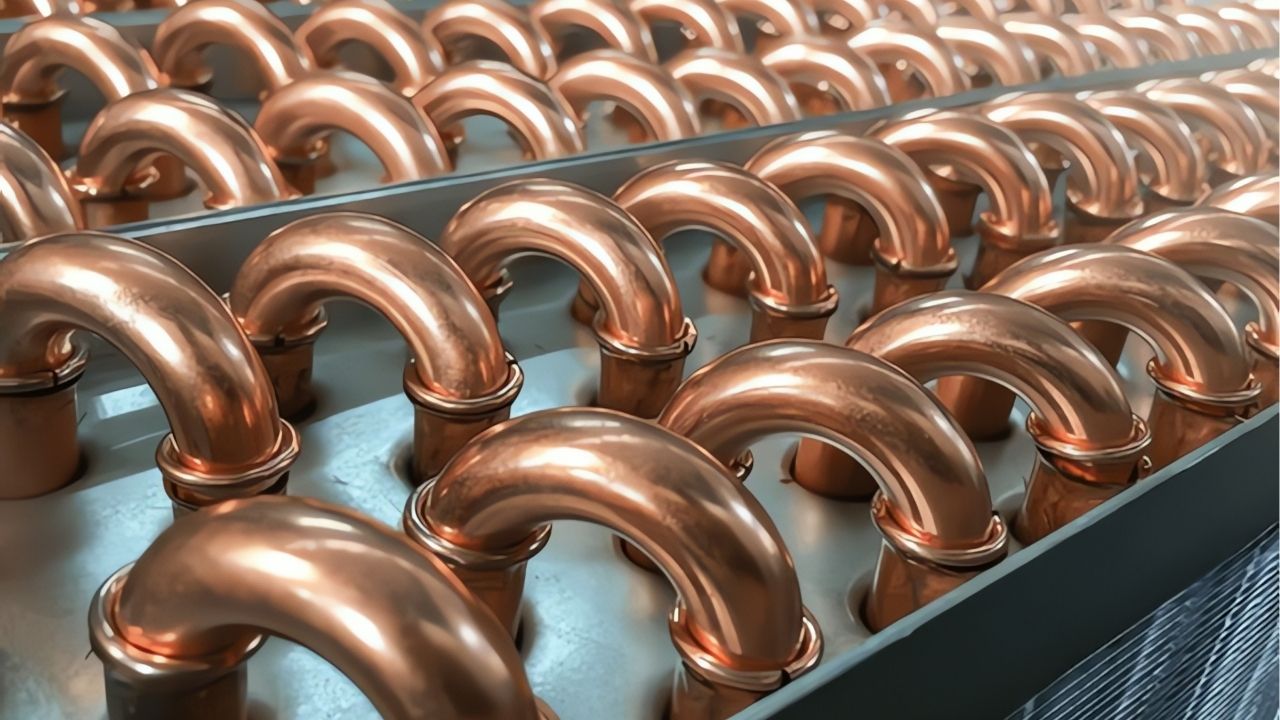
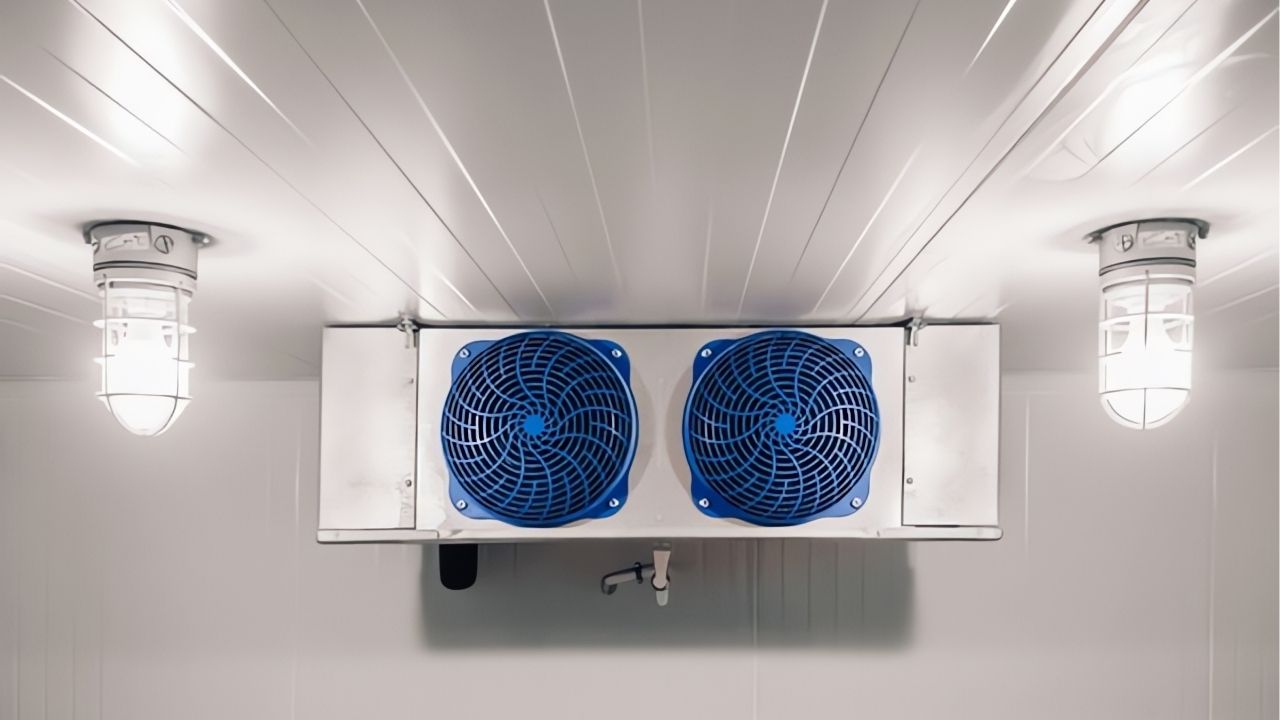
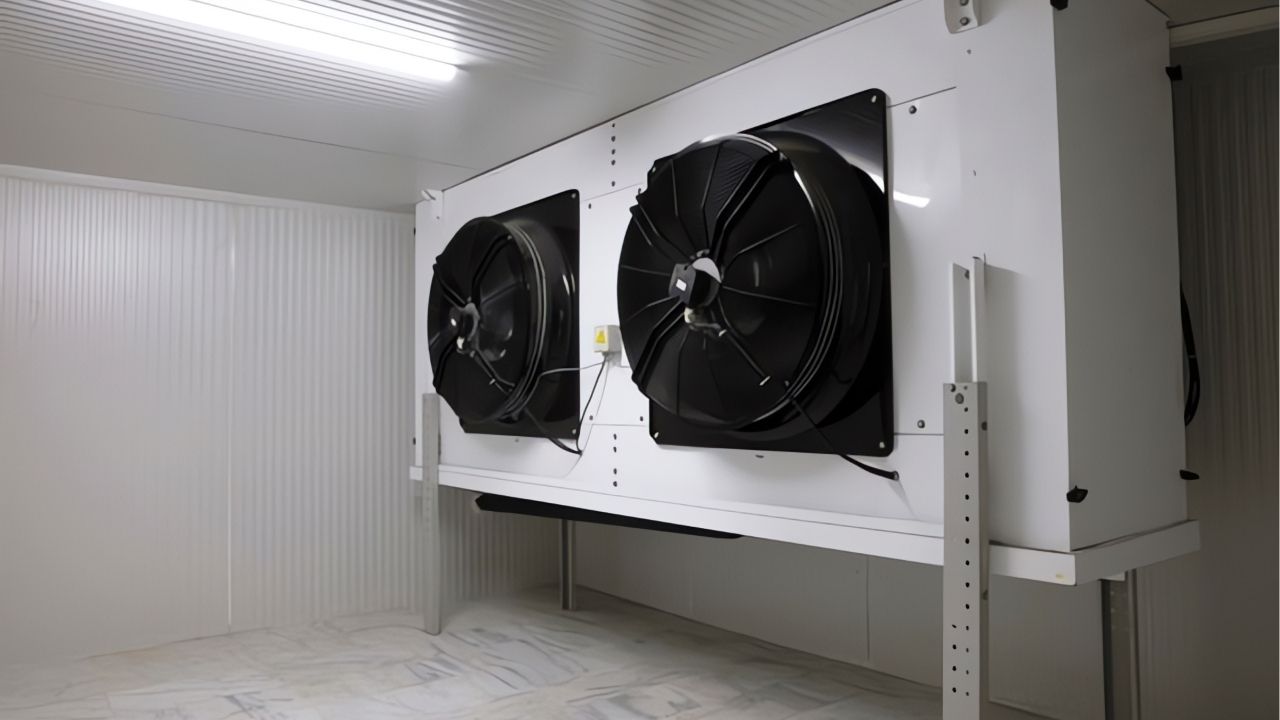
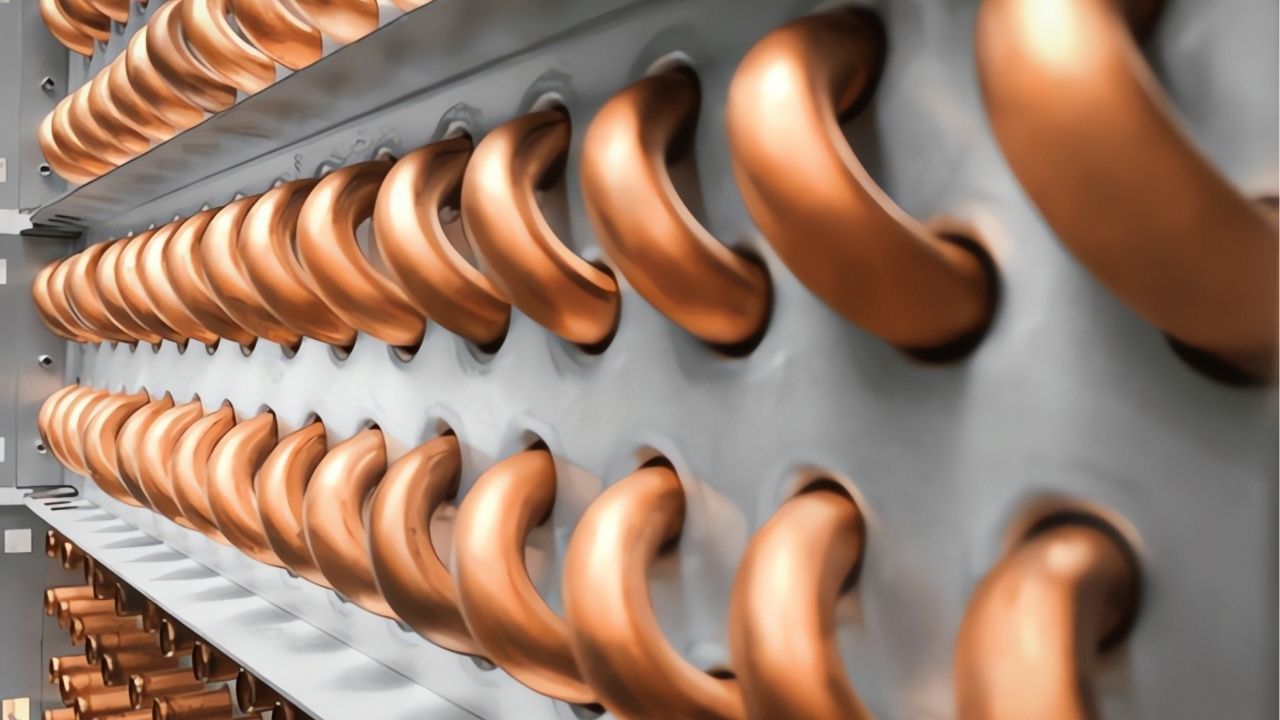
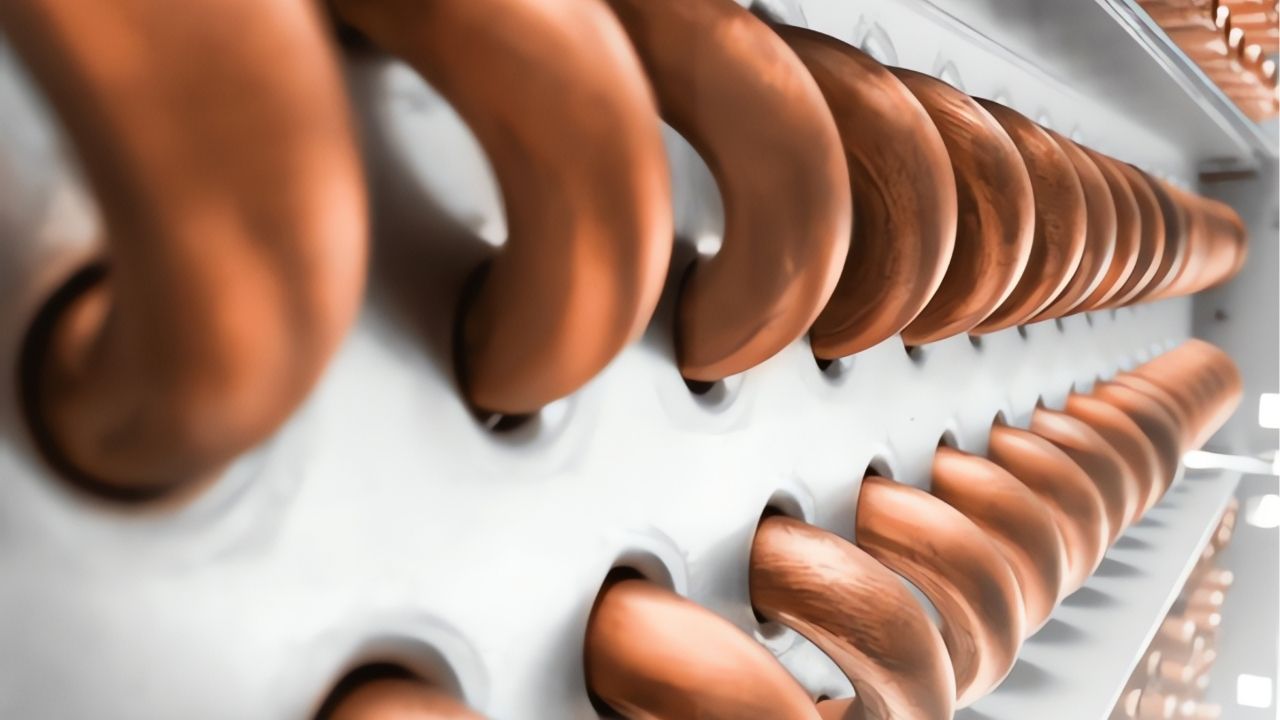
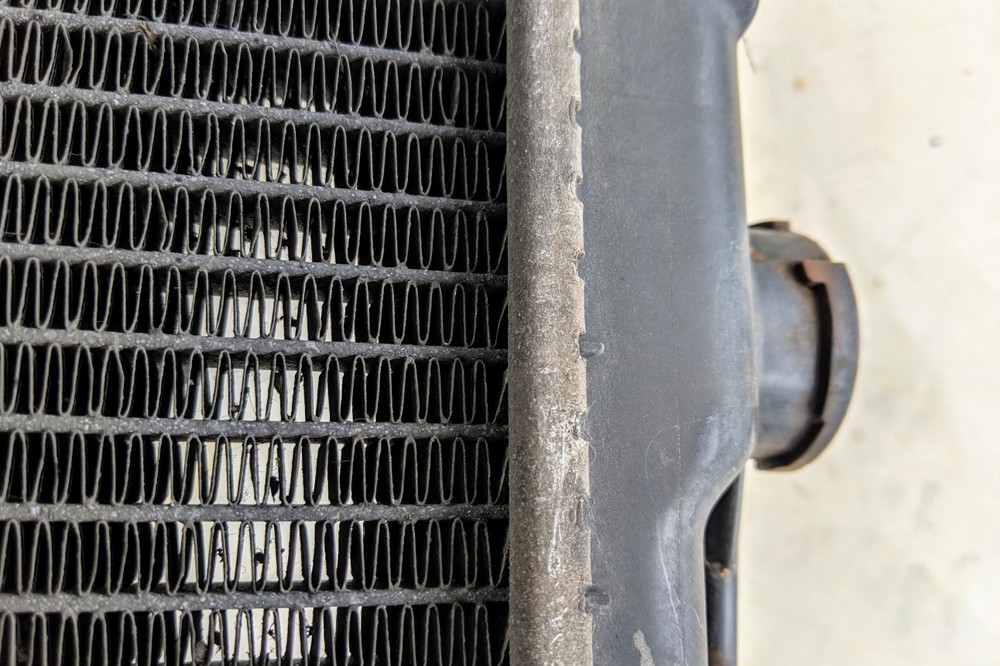
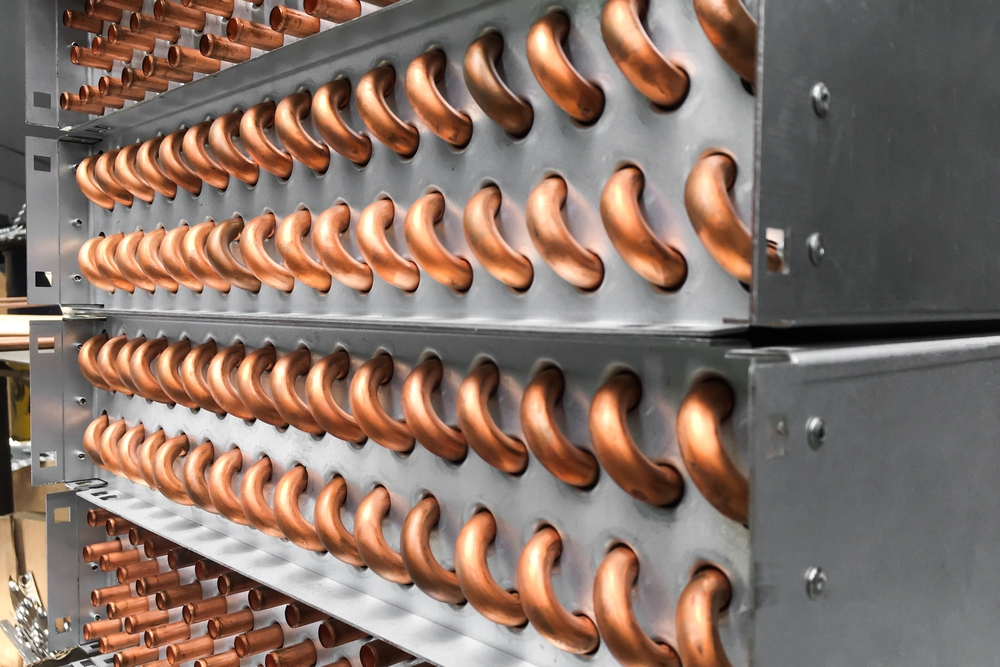
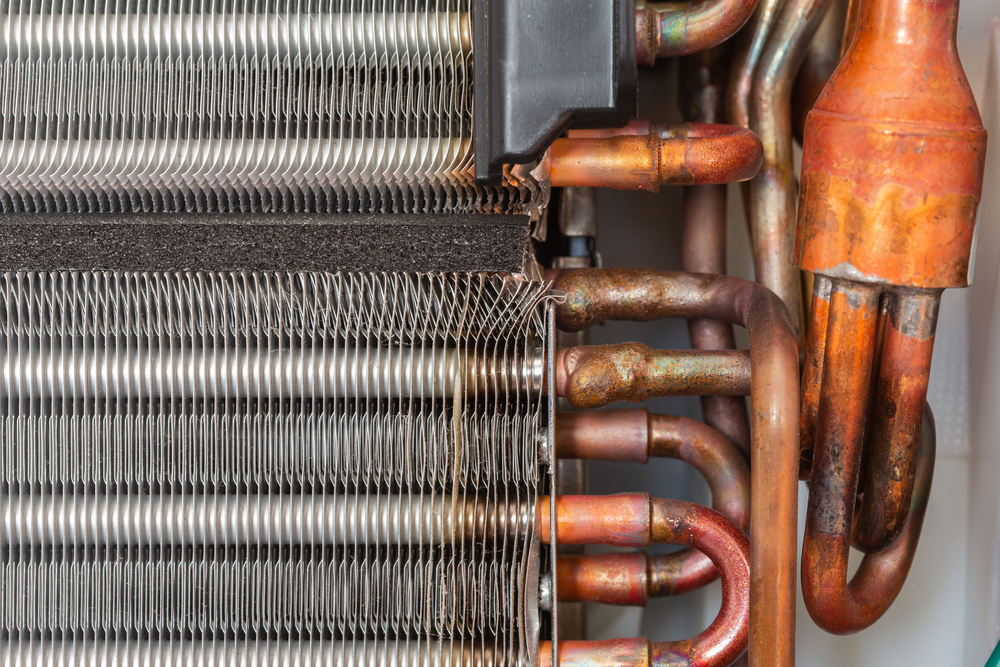
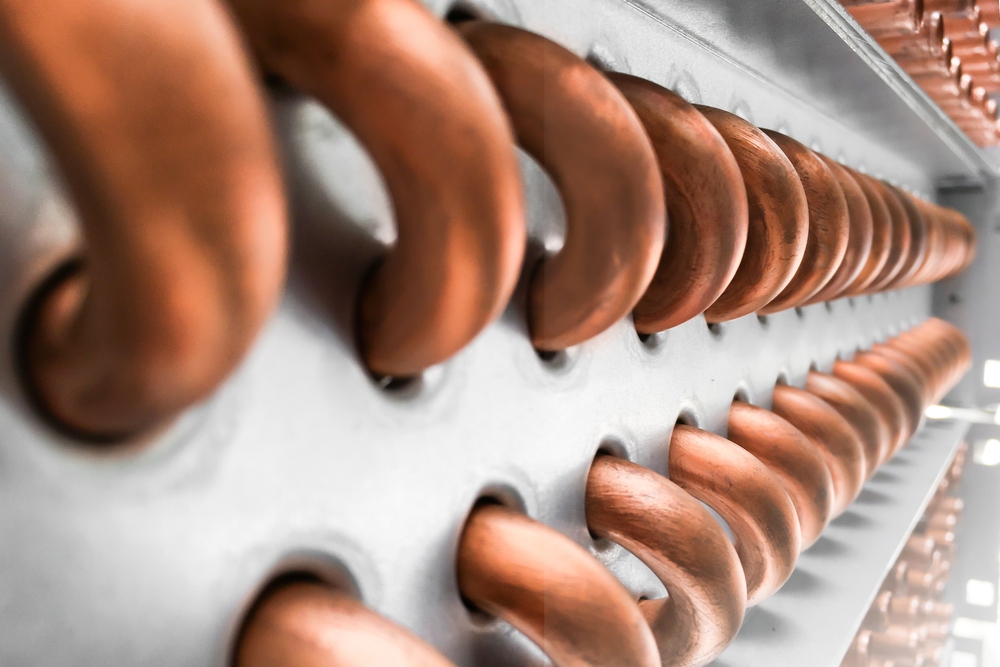
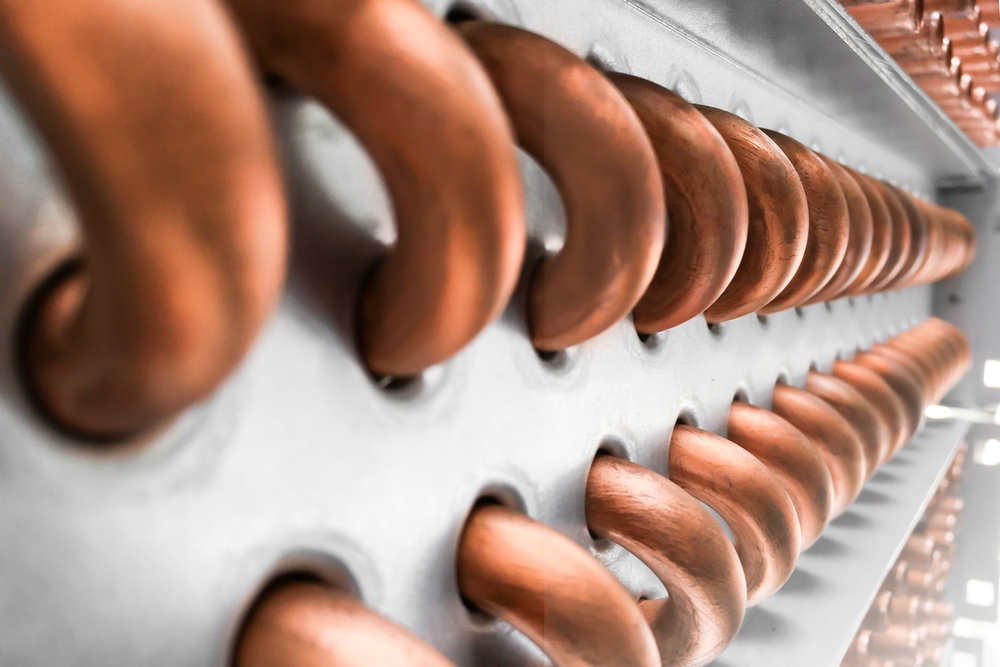
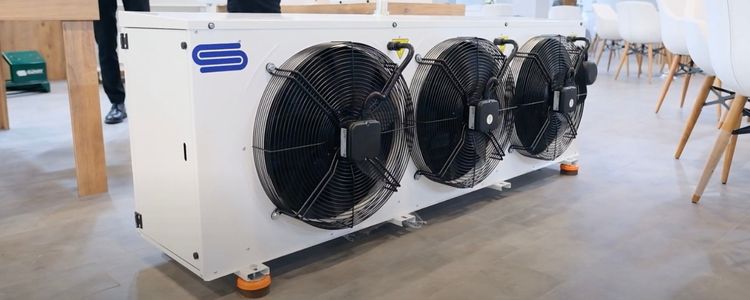
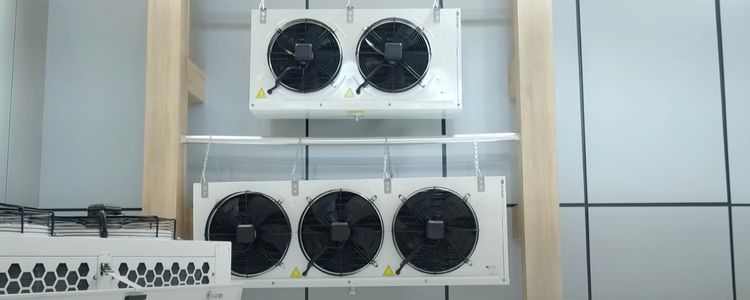
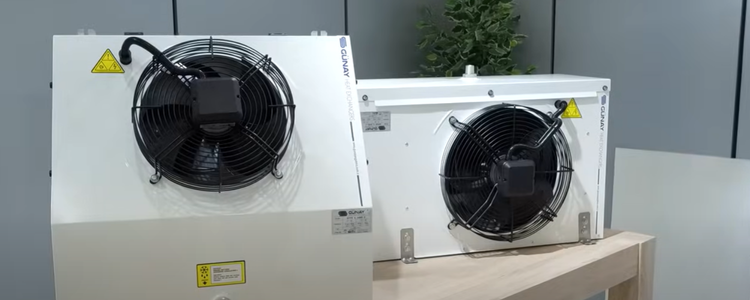
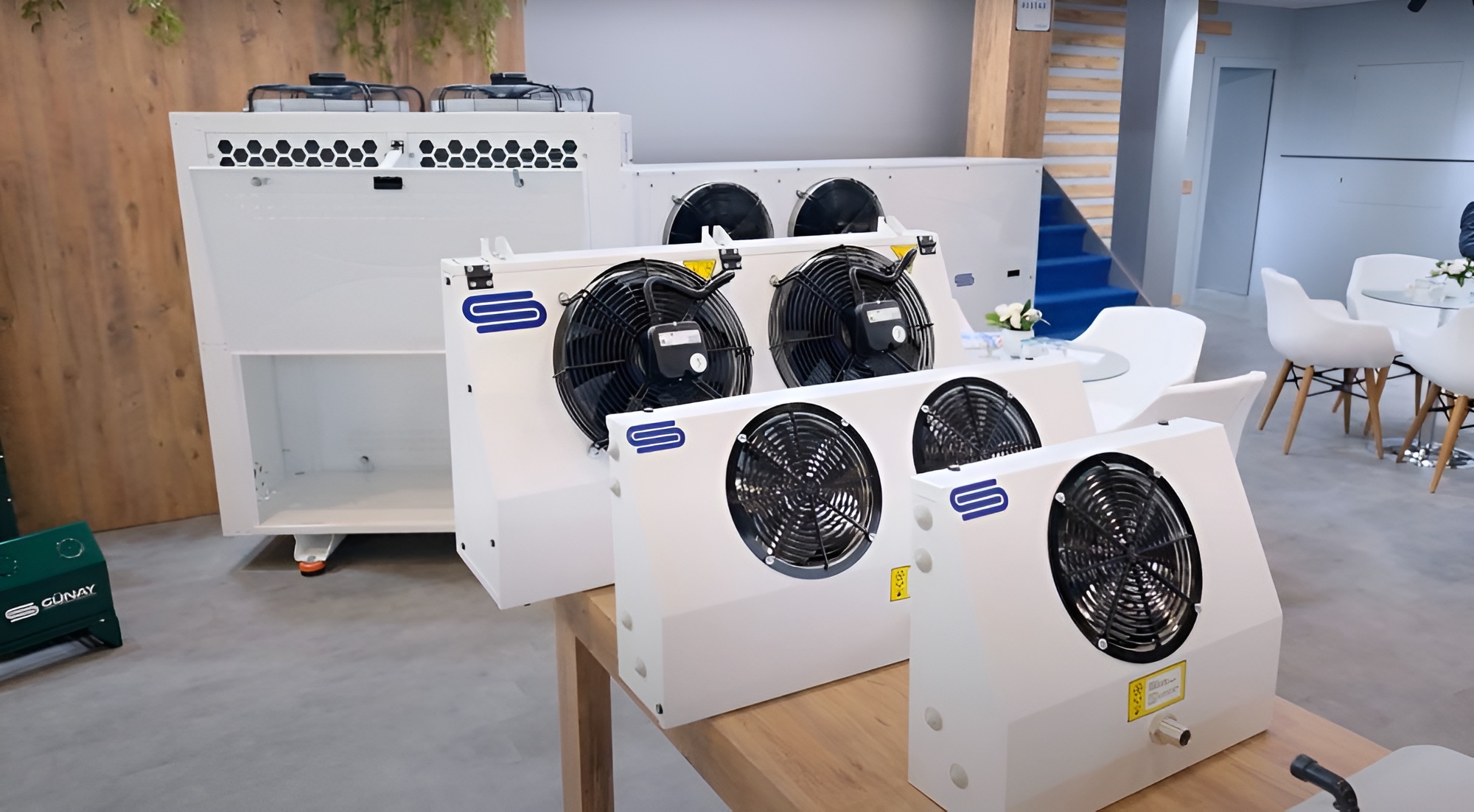
Leaking air condenses more moisture on the evaporator surface. This moisture turns into ice, closes the fin spacing, and reduces heat transfer. As a result, the defrost frequency increases and part of the evaporator surface stops working effectively.
Ice that builds up between the fins also restricts the airflow. This can slow down the cooling of some areas of the room and increase energy consumption.
The evaporator condenses moisture from the air while it lowers the temperature. The moisture brought in by leaking air continuously feeds this condensation. The evaporator therefore has to handle not only the room load but also the moisture load arriving from outside.
As the ice layer grows, the fin spacing narrows and the airflow decreases. When the airflow falls, the heat exchange of the evaporator also drops. This chain effect means that a leak that seems small at first can eventually affect the whole performance of the evaporator.
More frequent defrosting means that part of the system is not working effectively. Each defrost cycle briefly heats the room and adds to the cooling load. Frequent defrosts therefore increase both energy consumption and the swings in room temperature.
Irregular ice on the evaporator surface also affects the drainage of water after defrost. If the ice pieces do not fall evenly into the pan, water pools and the risk of refreezing increases. This shows that the effect of a leak on both the evaporator and the drain line should be considered together.
The effect of a leak on the evaporator is often misdiagnosed. Frosting is frequently blamed on a misadjusted defrost setting, whereas its source may be the moisture entering the room. A correct diagnosis requires checking the door and panels alongside the evaporator.
The air balance around the evaporator can also be disturbed by a leak. When the air entering the room concentrates around the evaporator, an imbalance forms between the fan and the air distribution. This imbalance leads to temperature differences in some areas of the room.
How Are Leaks Detected?
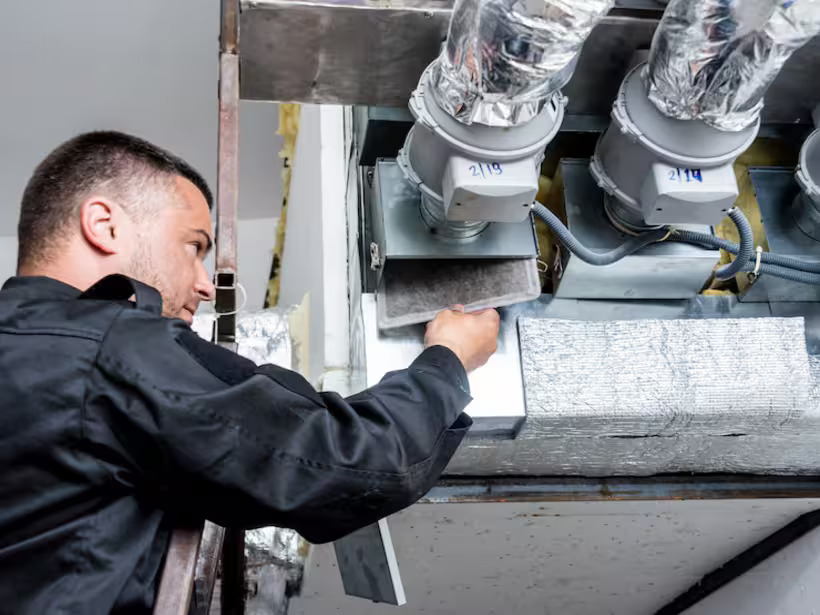
To find leaks, the door gasket and frame should be inspected by eye, and it should be checked that the gasket compresses when the door closes and that no gap remains. Simple methods such as a light test, a sheet of paper test, or a smoke test can help identify leak points.
- Door gasket: Check for cracks, tears, and misalignment.
- Panel joints: Check the seams and corners for gaps.
- Penetrations: Check the insulation around pipe and cable openings.
Leak detection can be done even with the simplest methods and often does not need expensive equipment. What matters is that the check is carried out regularly and systematically. Inspecting the same points in the same order at every check helps new problems to be noticed more quickly.
A thin sheet of paper drawn around the gasket after the door closes shows whether the compression is sufficient. If the paper slides out easily, the pressure at that point is insufficient. This test can be repeated at several points to find the area where the gasket has loosened.
A check with a light source placed outside the room, and observed from inside with the door closed, can also show where the leak is. Points where light leaks through indicate places where air can pass as well. This method is especially effective in revealing small gaps that cannot be seen by eye.
A smoke test makes the air movement visible. If the direction of smoke released in small amounts at a point is followed, the air entry or exit can be clearly identified. This test is useful for distinguishing leakage paths between the door and the frame.
Every leak found should be recorded and retested after repair. In this way the effect of the repair can be seen concretely, and the recurrence of a problem at the same point can be tracked.
Observations made from inside and outside the room should be evaluated together. A leak that cannot be seen from inside may be noticed from outside. For this reason, detection should rely on checks carried out from both sides together.
How Is Prevention And Maintenance Carried Out?
For prevention, the door gasket should be checked at regular intervals and replaced when needed. The door closing mechanism and hinges should be kept adjusted. Penetrations should be sealed with suitable filling material.
Leak checks and the frost condition of the evaporator coil should both be included in the maintenance plan. The Günay Soğutma technical team can support the review of cold room and evaporator performance together.
Prevention is the total of the actions taken without waiting for a leak to form. Regular inspection, timely replacement and correct installation are the three basic pillars of prevention. Carrying out these three together ensures that a leak is noticed before it grows.
The maintenance plan should be written and responsibilities should be assigned. The inspection frequency should be adjusted to the intensity of door use, and the result of each check should be recorded. Maintenance carried out without a written plan is forgotten over time and is not repeated.
Cleaning the panel surfaces is also part of preventive maintenance. Dirt and grease that build up in the joints make it harder for the sealing material to adhere. The methods used for cleaning should be chosen so that they do not damage the joint material.
When new equipment or piping is added, the passage points should be reassessed. A new cable or pipe can change the effect of an old filling. After every change, the insulation of the penetrations should be checked.
The success of prevention and maintenance also depends on communication within the team. Staff who use the door should report a worn gasket or a loosened mechanism when they see one. This flow of information allows the problem to be solved at a small stage.
Maintenance records should include the date of each gasket replacement and the conditions observed. Such records allow past solutions to be recalled when a similar problem reappears.
Frequently Asked Questions
Is a small air leak important?
Yes. When small leaks are continuous, they can become significant for the total load and frosting. Their effect is especially clear in humid environments.
How often should the door gasket be checked?
It should be checked at regular intervals according to the intensity of use. In rooms with frequent door openings, the checking frequency should be increased.
What happens if a leak is not detected?
The evaporator frosts more often, energy use increases, the room temperature becomes unstable, and product quality can be affected. The problem can grow over time.
What tools are needed to detect a leak?
For a basic check a light source, a thin sheet of paper and a torch are sufficient. For a more detailed detection, a smoke generator and, where needed, a thermal camera can be used. What matters is not the tool but a regular and recorded check.
How does the frequency of door openings change the effect of a leak?
If the door is opened frequently, the entry of outside air adds to the leak and increases the load. Even in a room without a leak, frequent door openings create a significant load. Leak inspection and the door-use routine should therefore be considered together.
Does sealing a leak change the maintenance interval of the evaporator?
Sealing a leak reduces the rate of frosting and the frequency of defrost. This can extend the maintenance and cleaning interval of the evaporator. However, the new interval should be verified with subsequent measurements and adjusted if necessary.