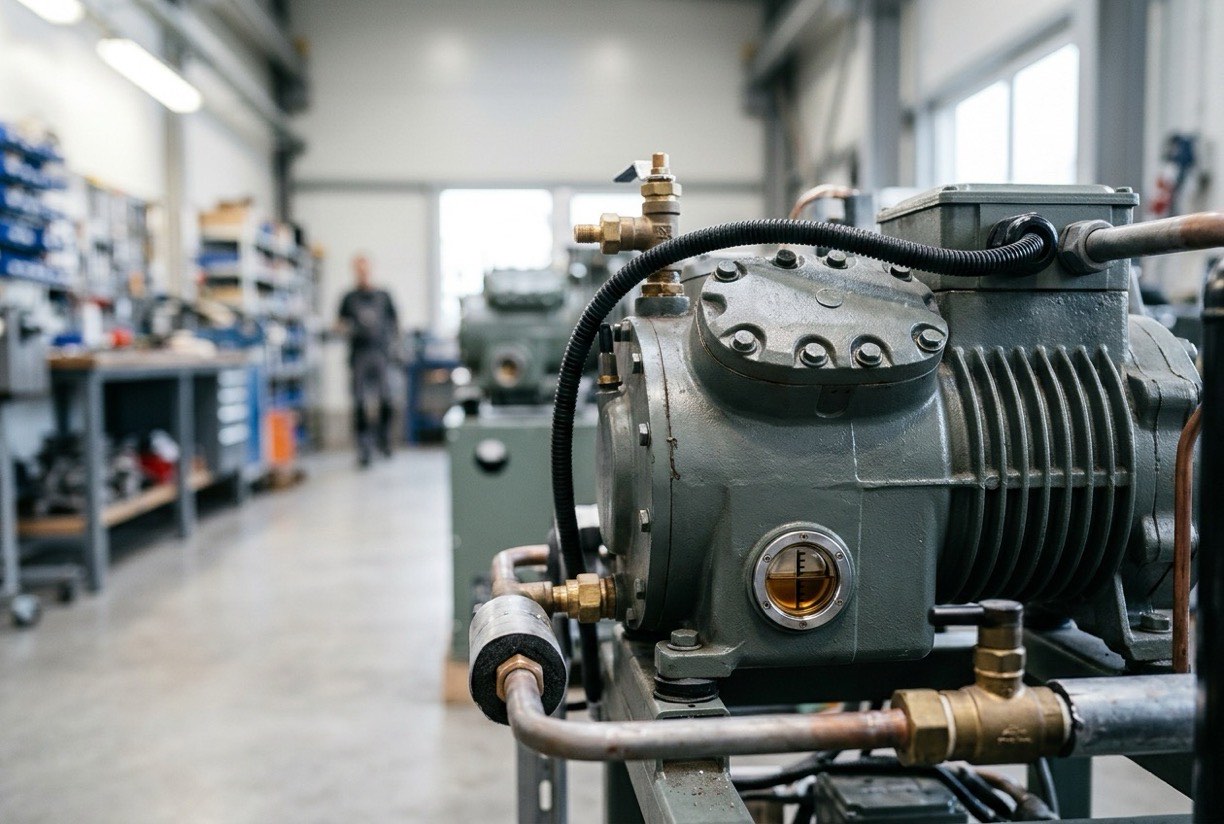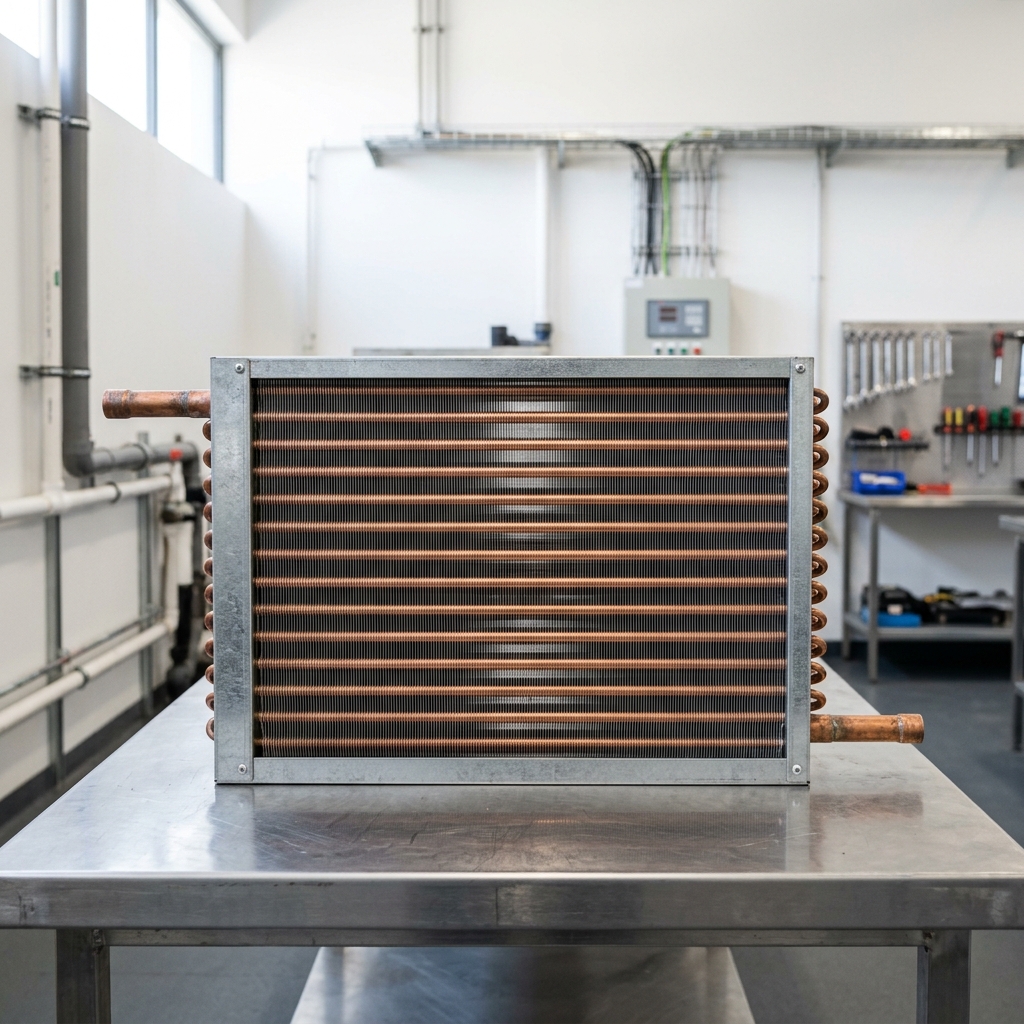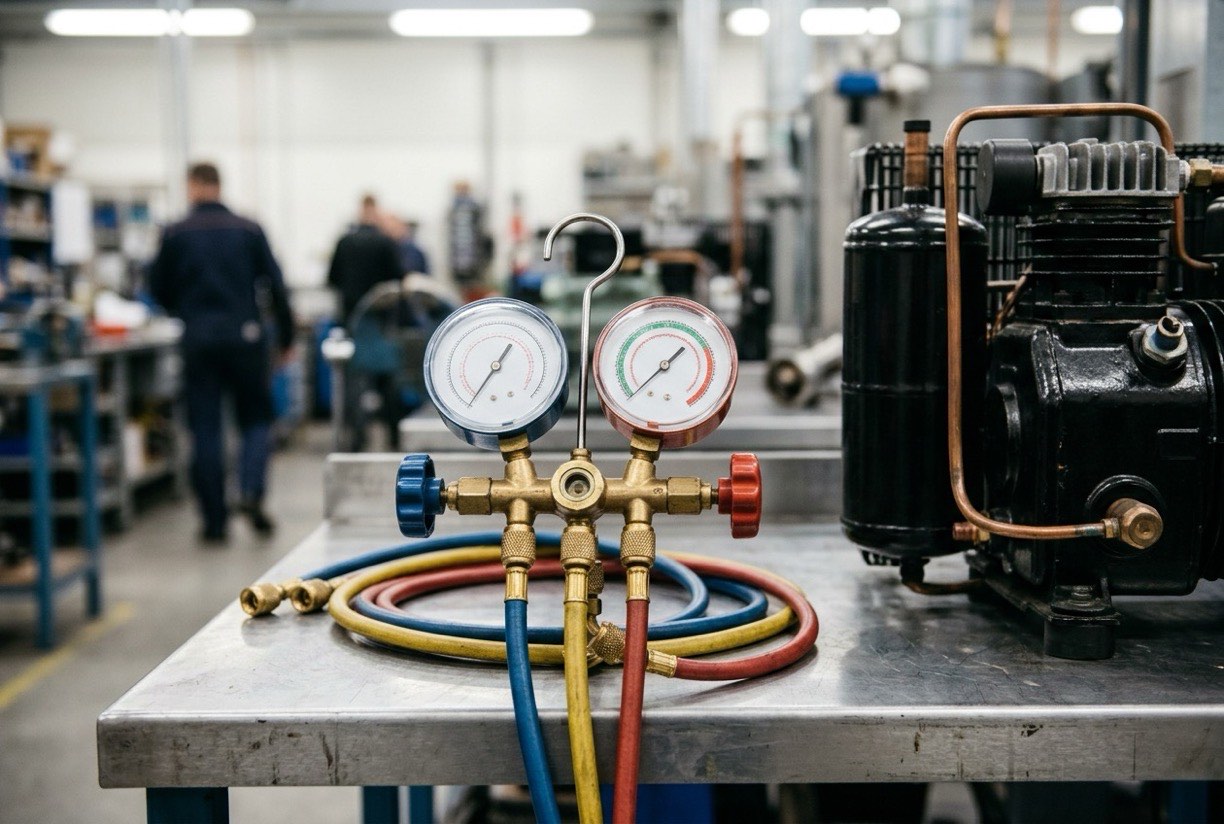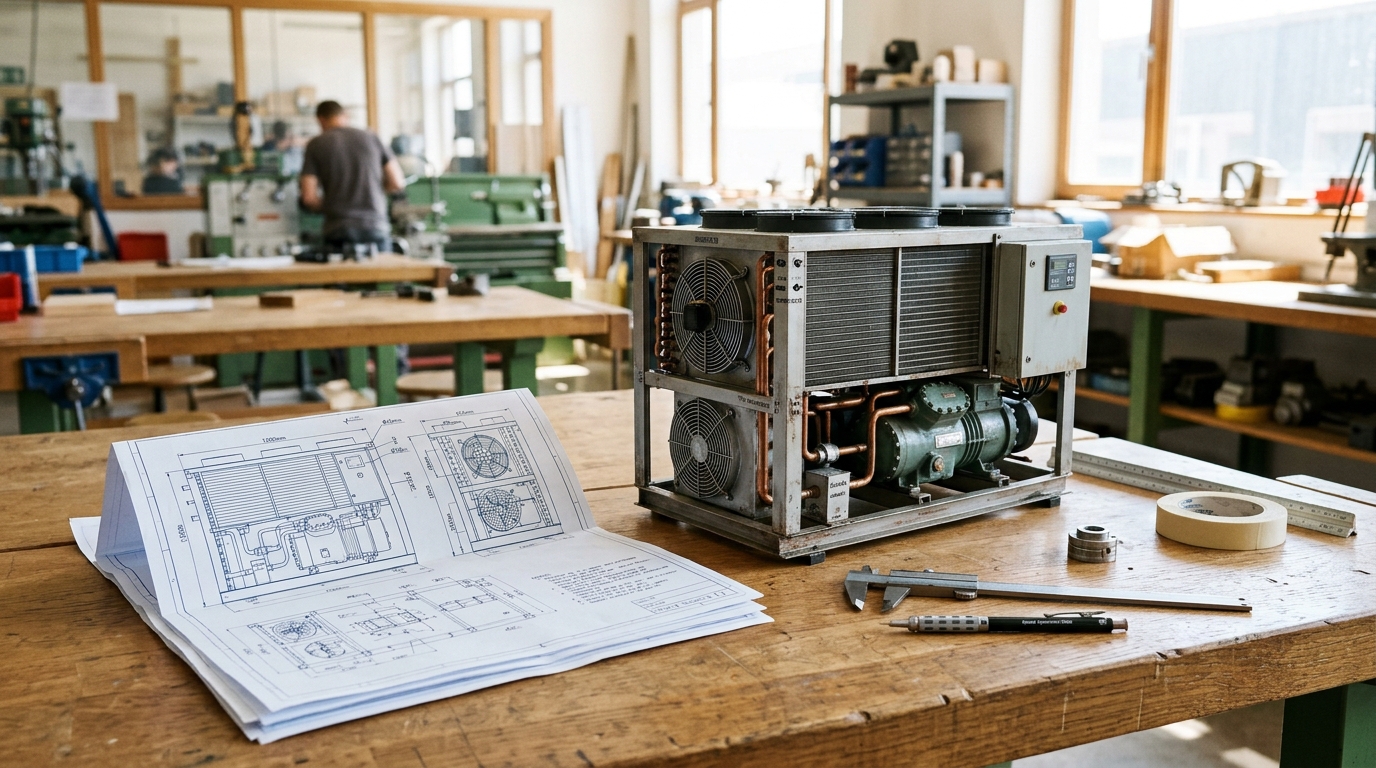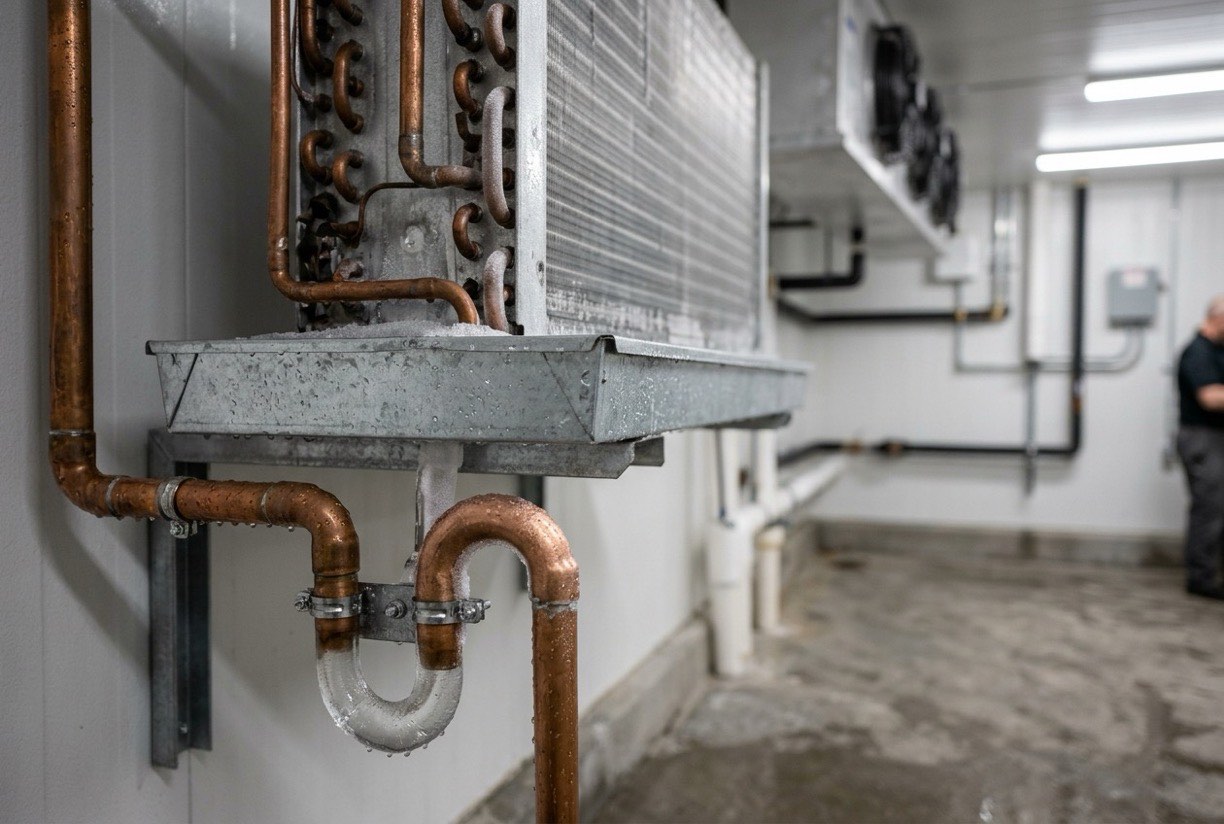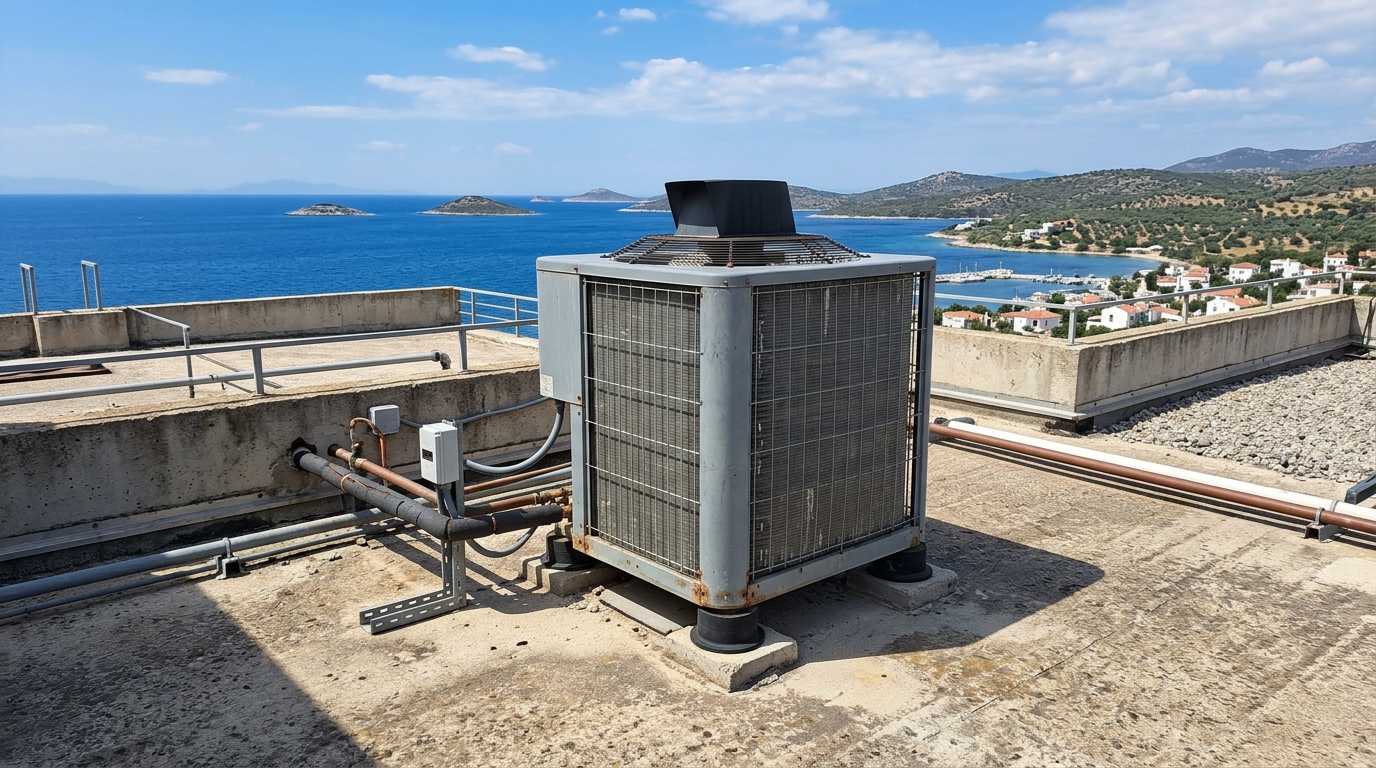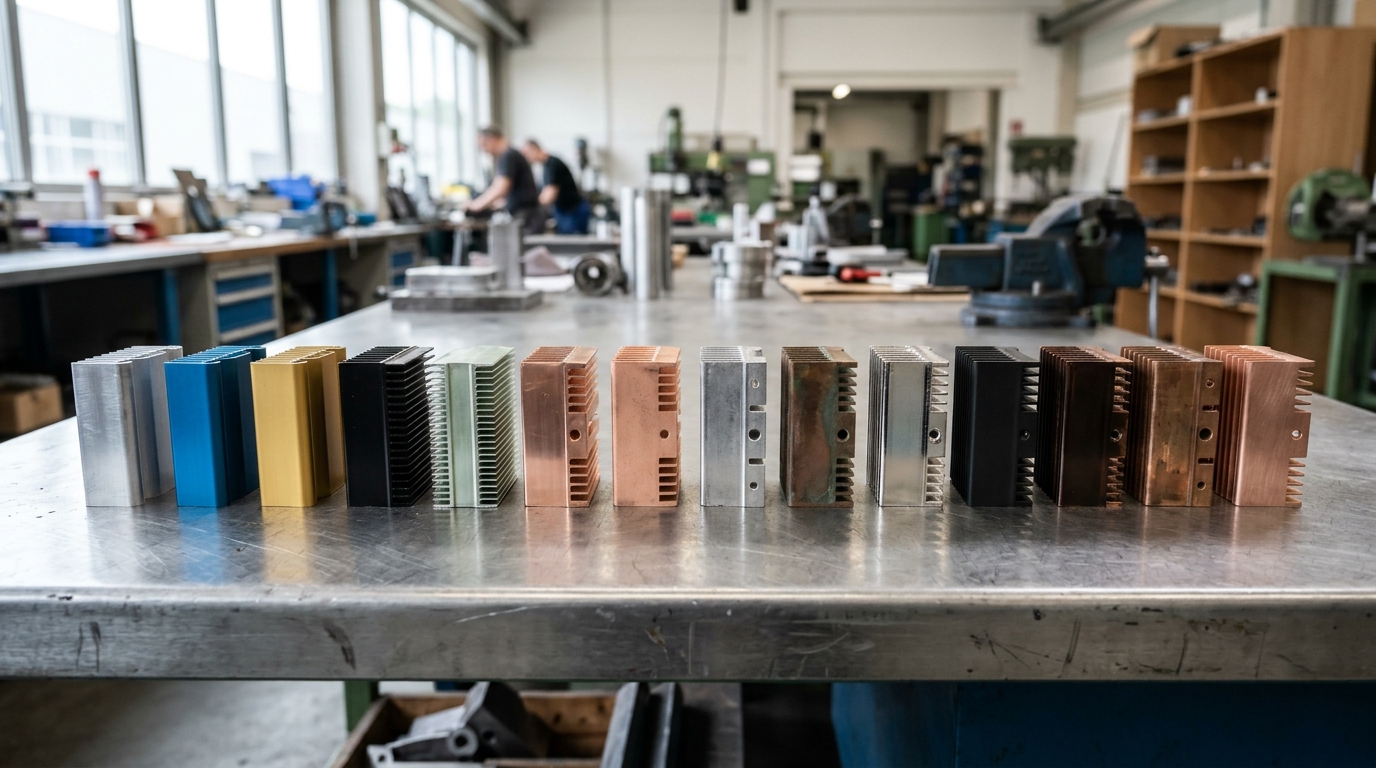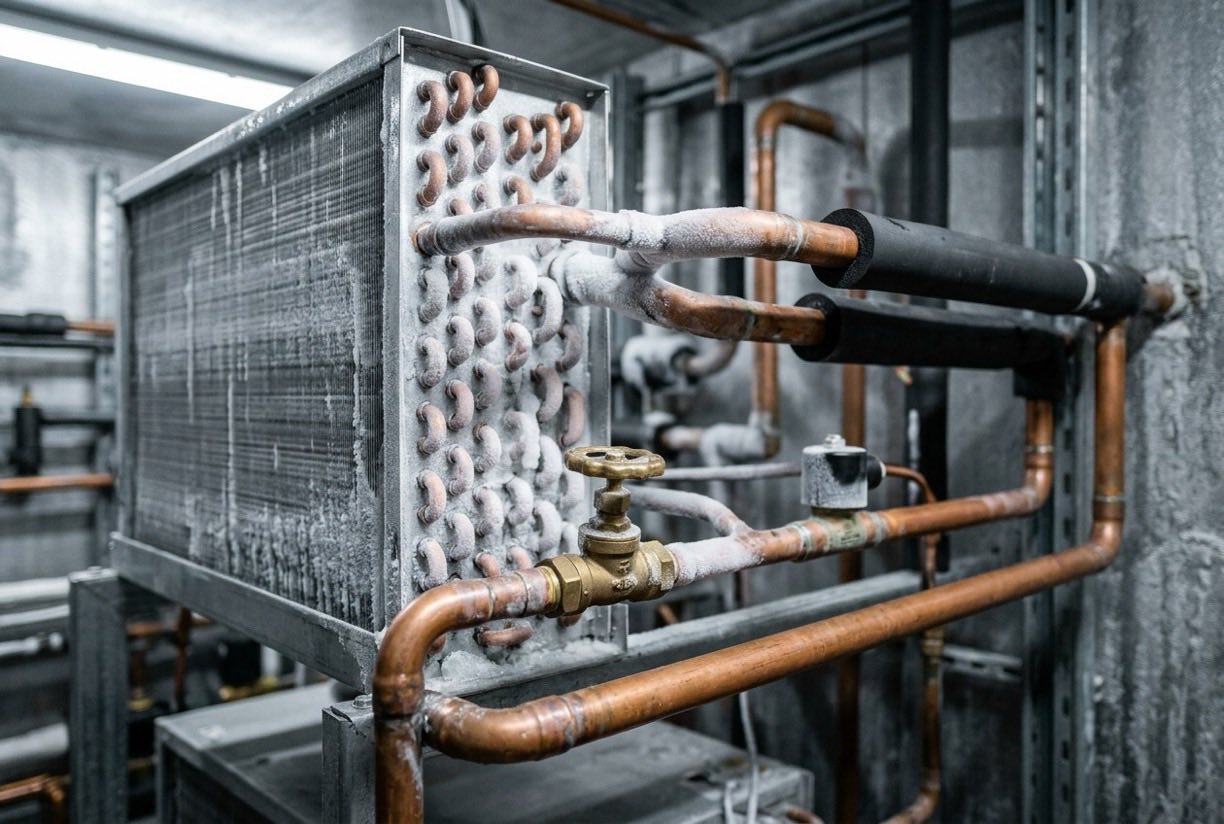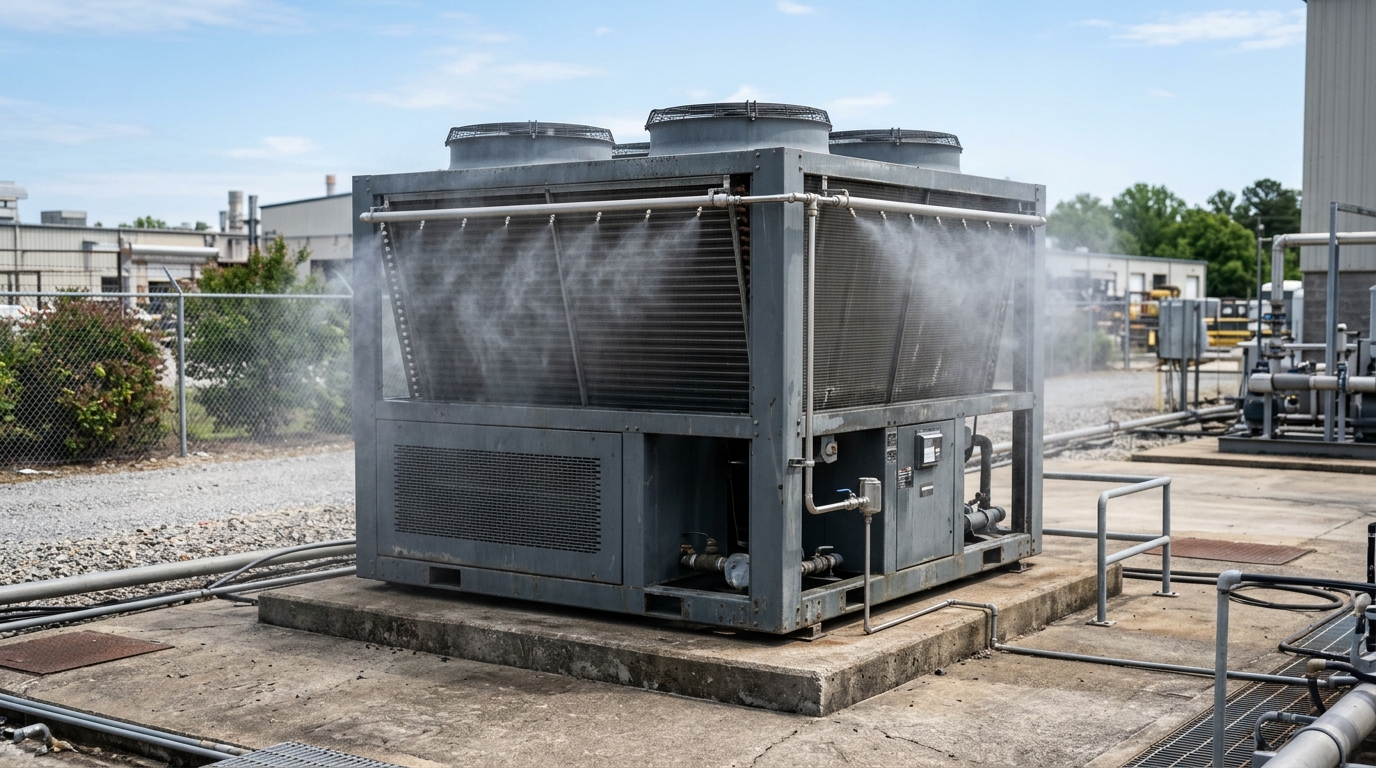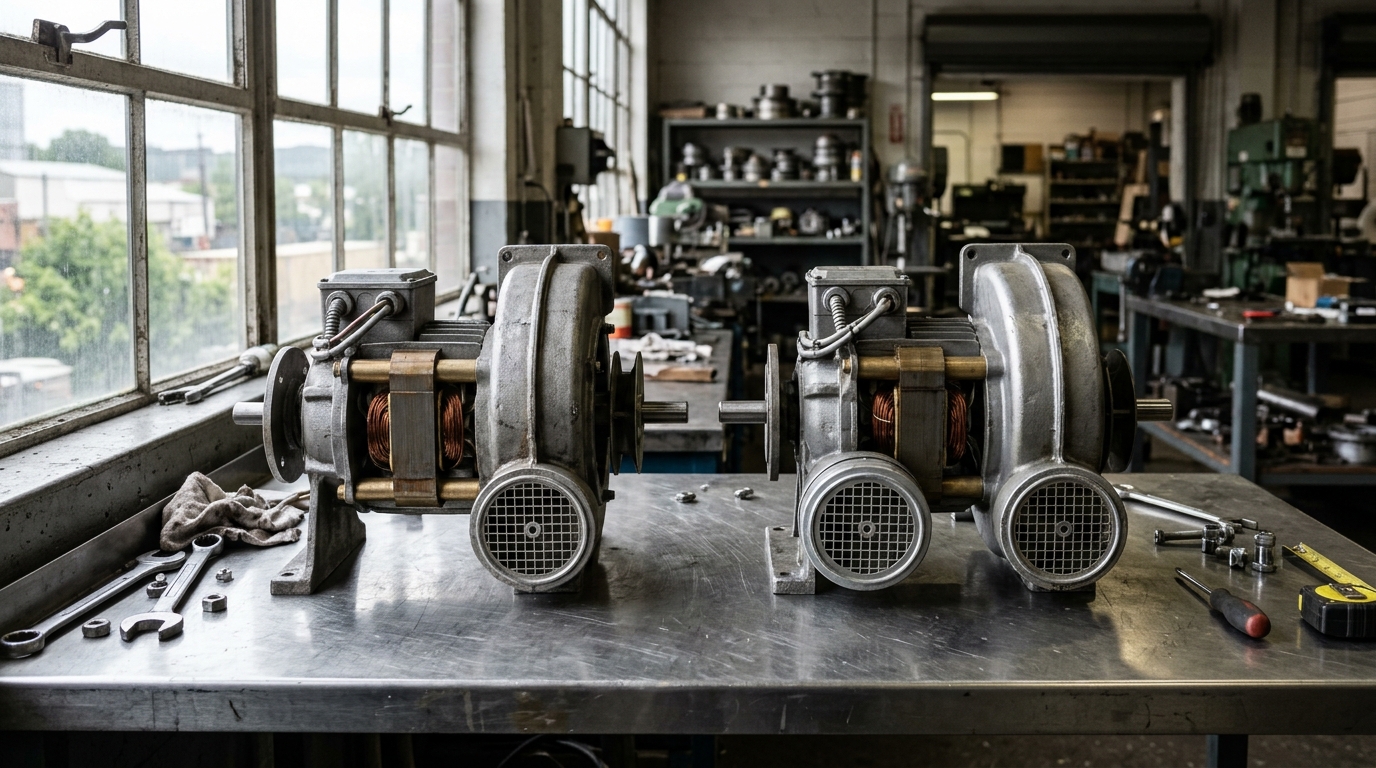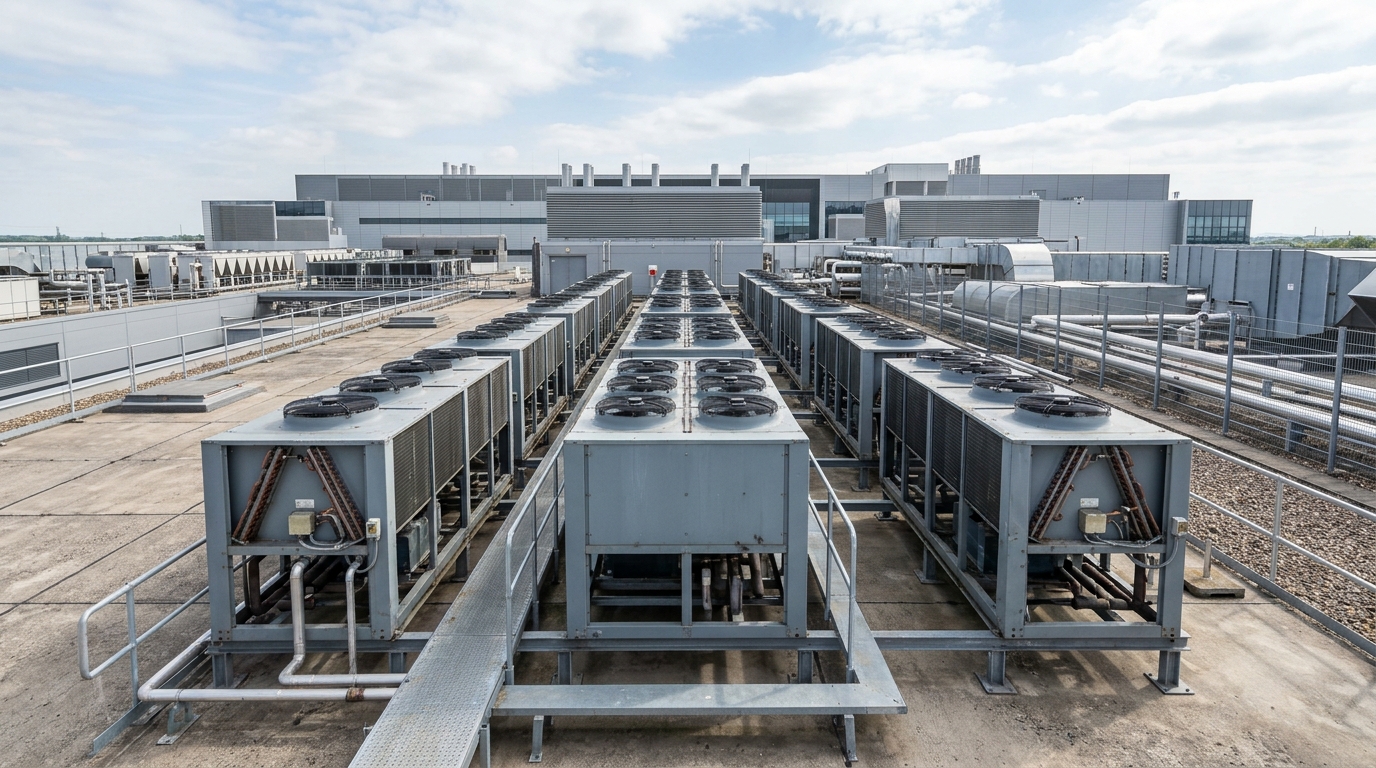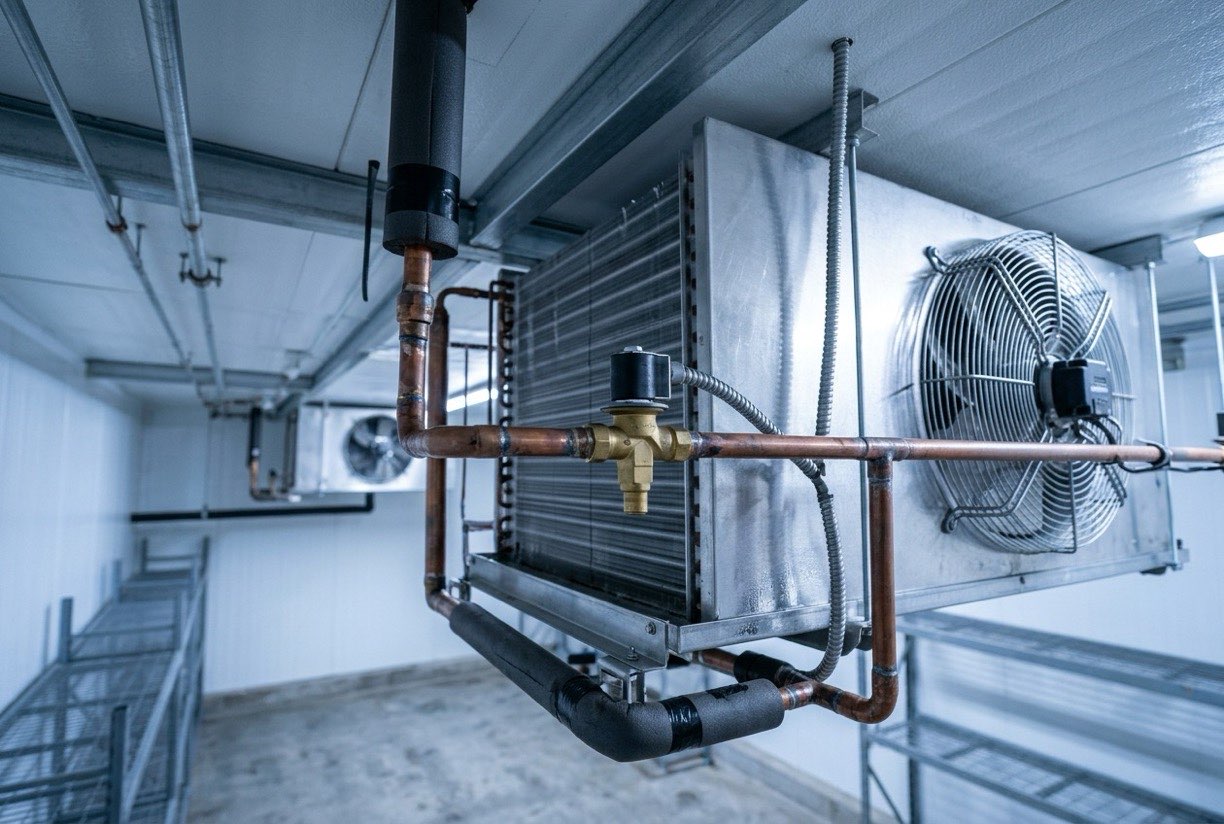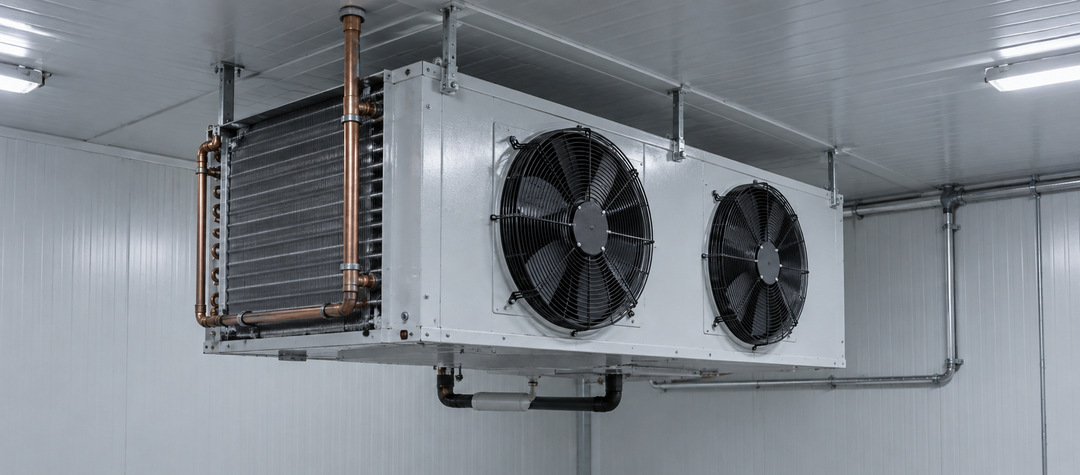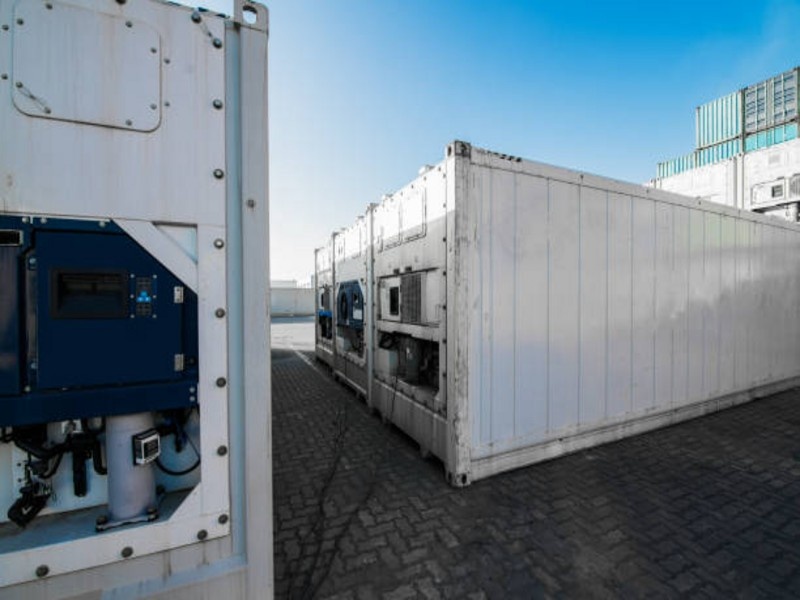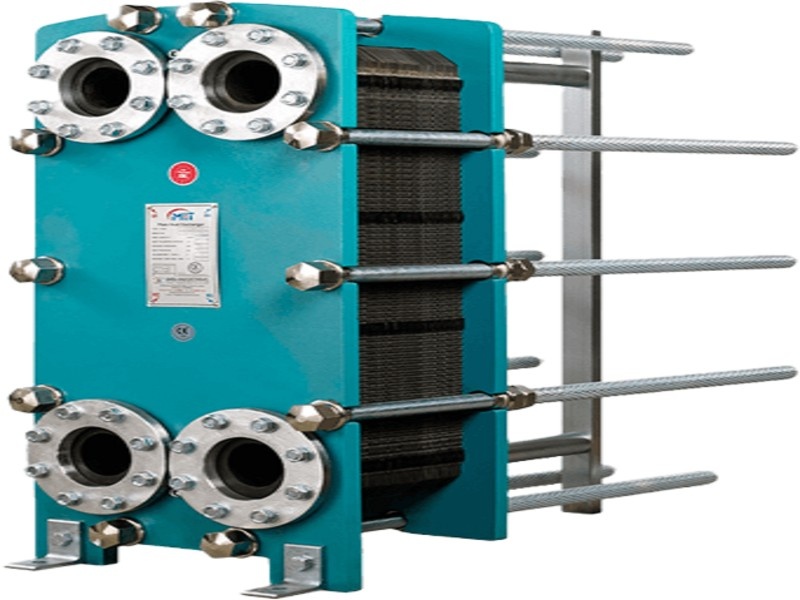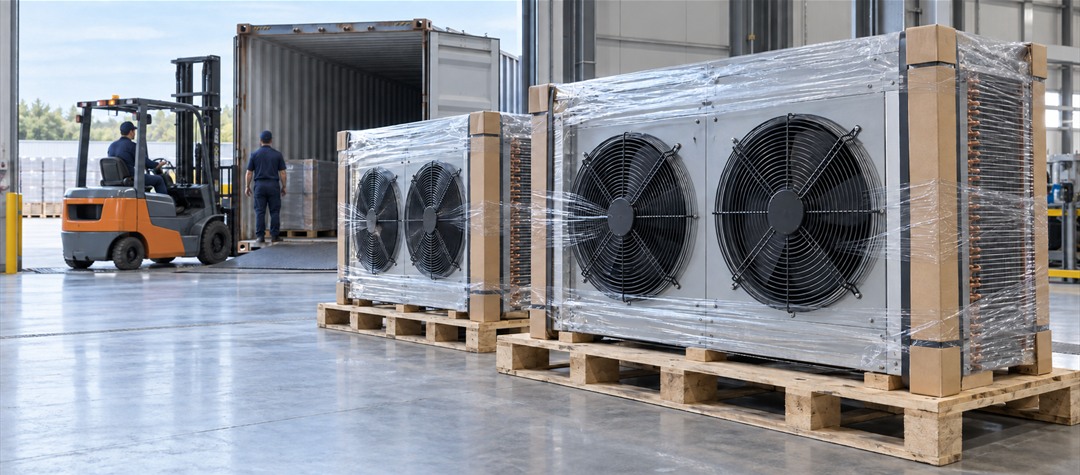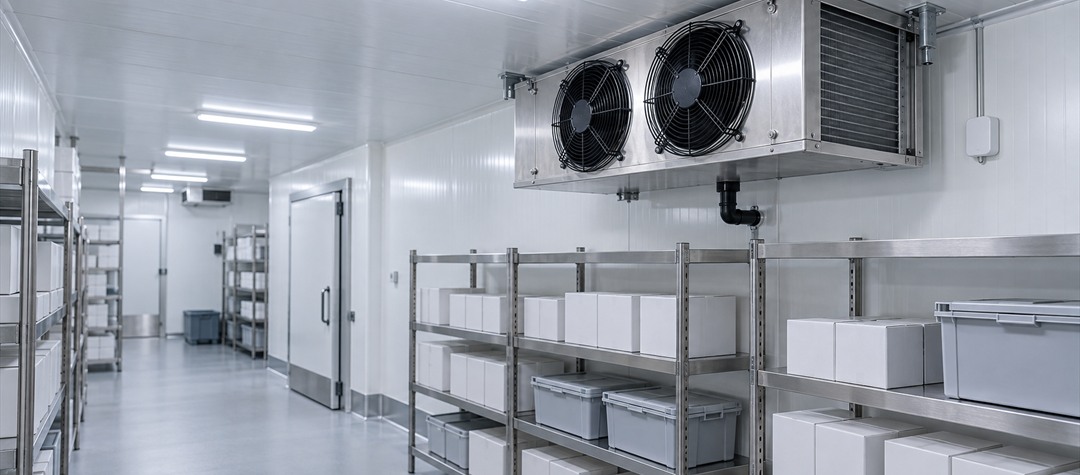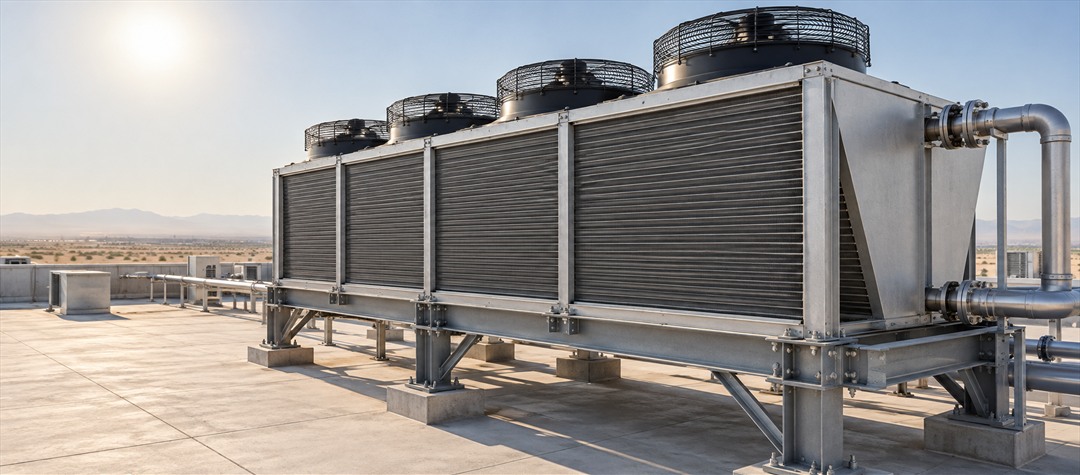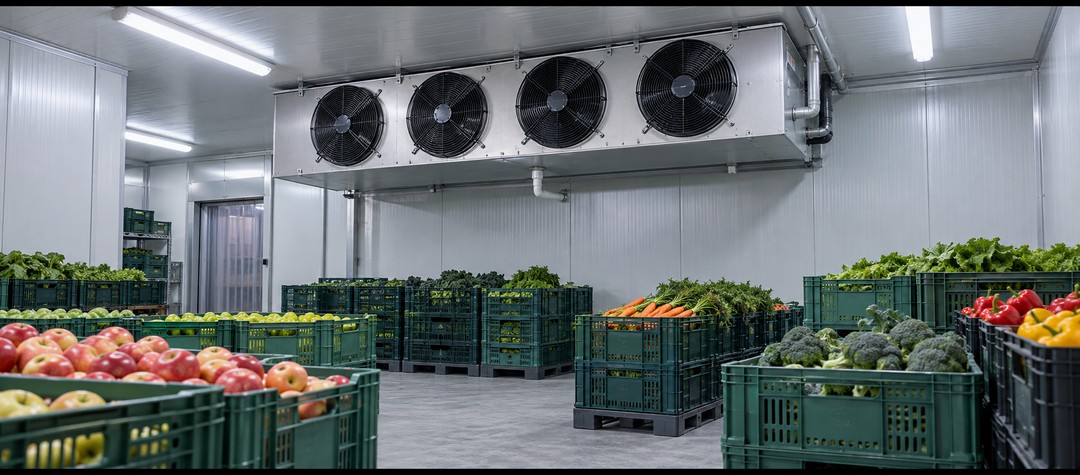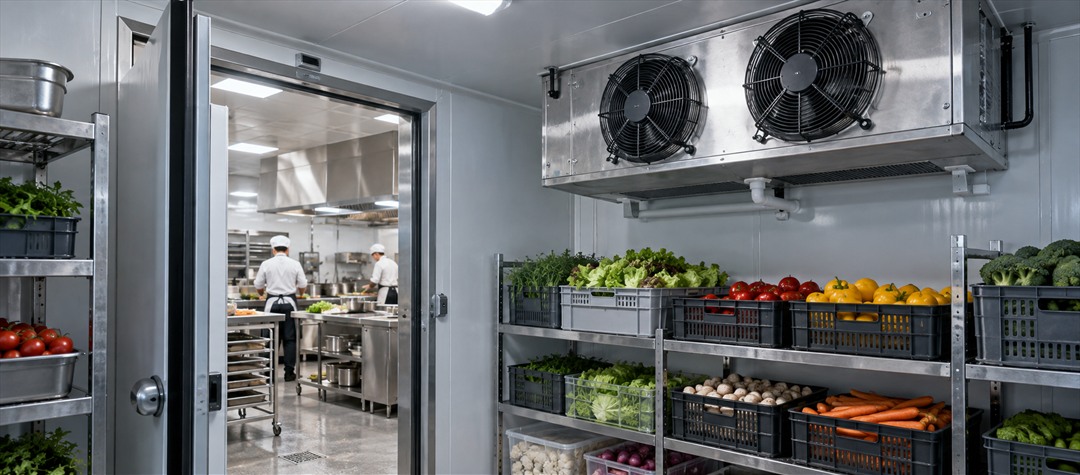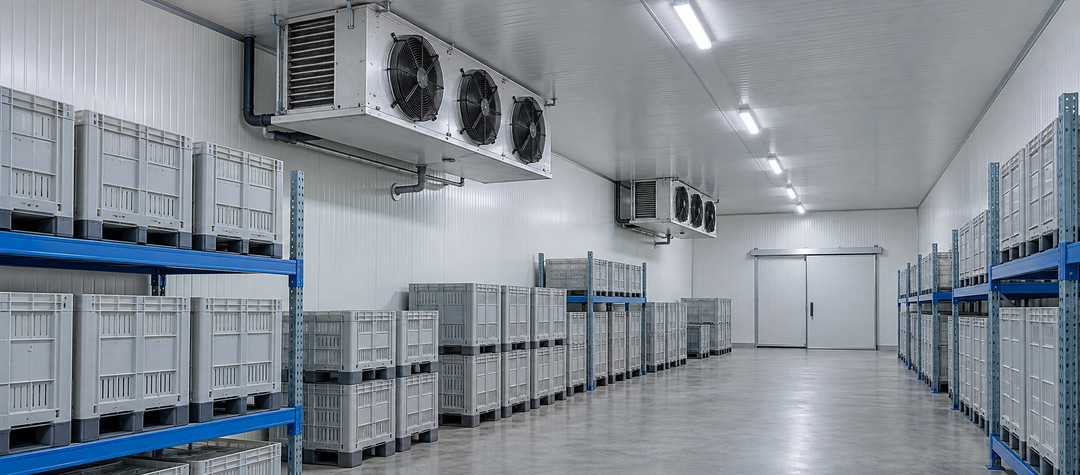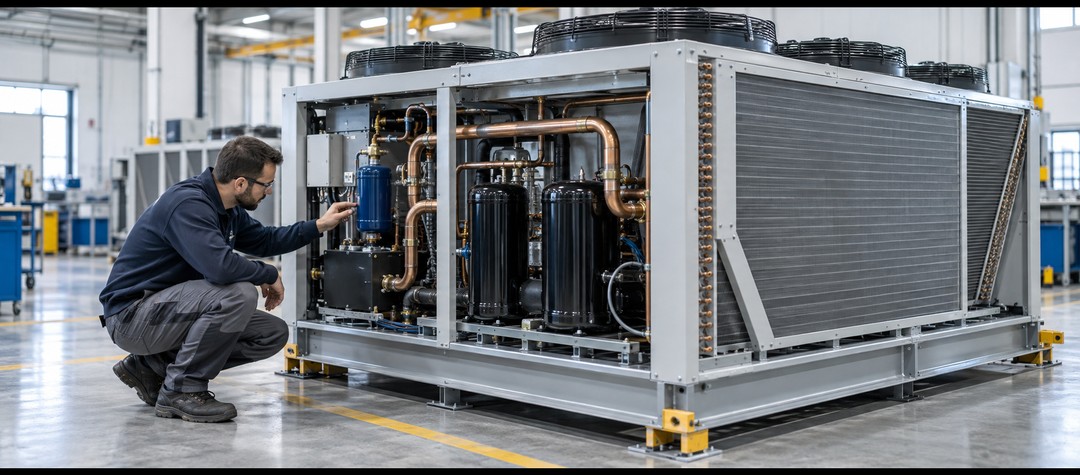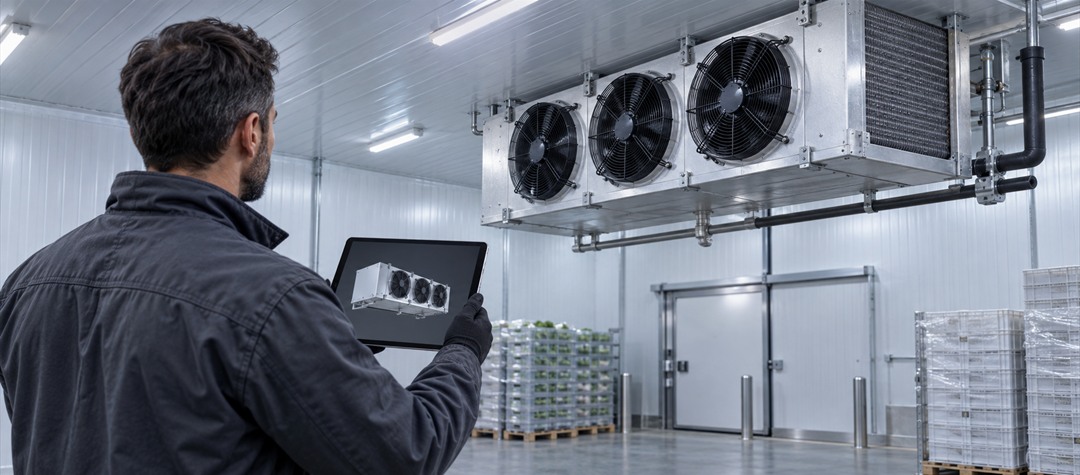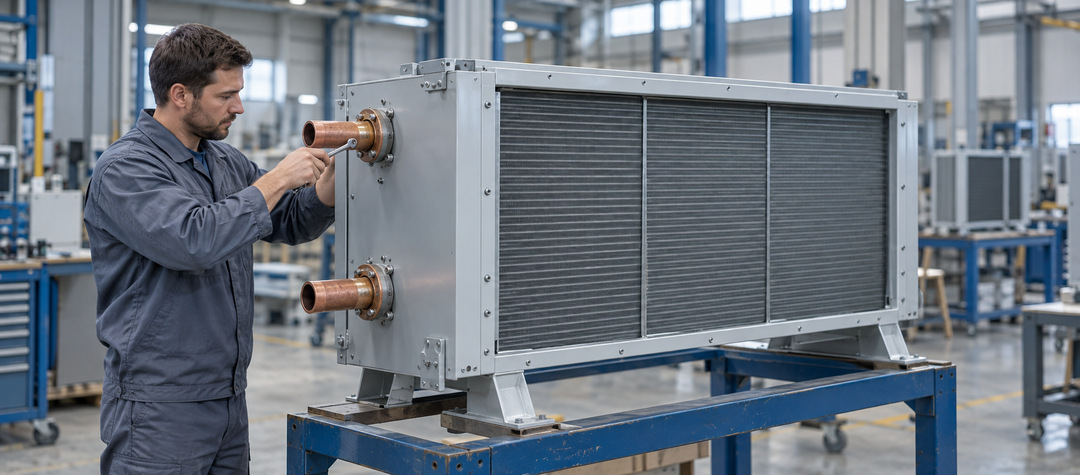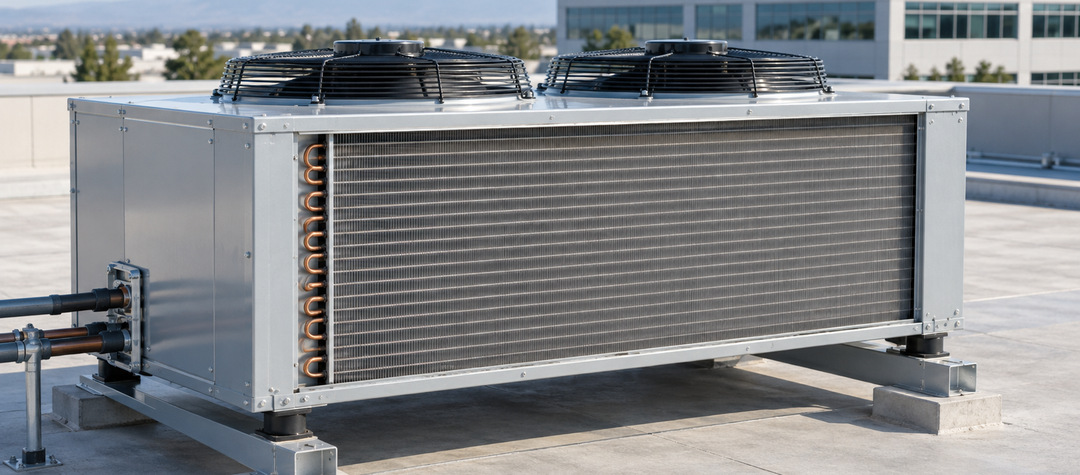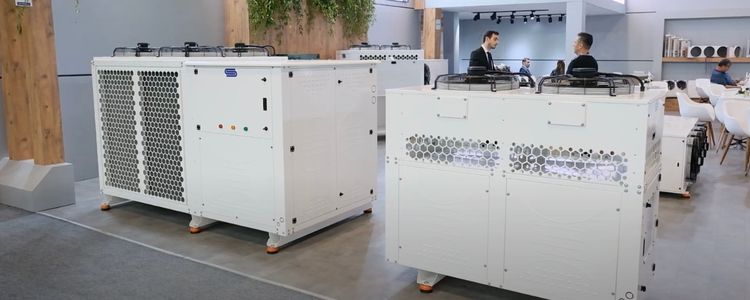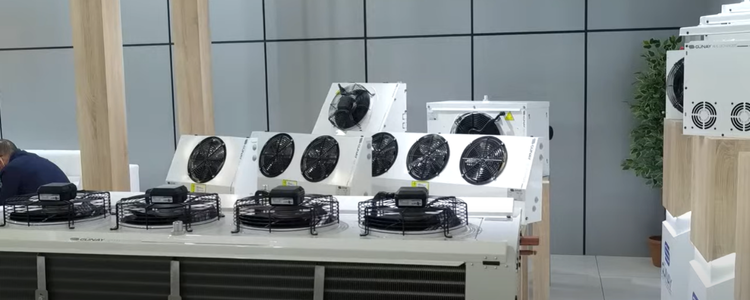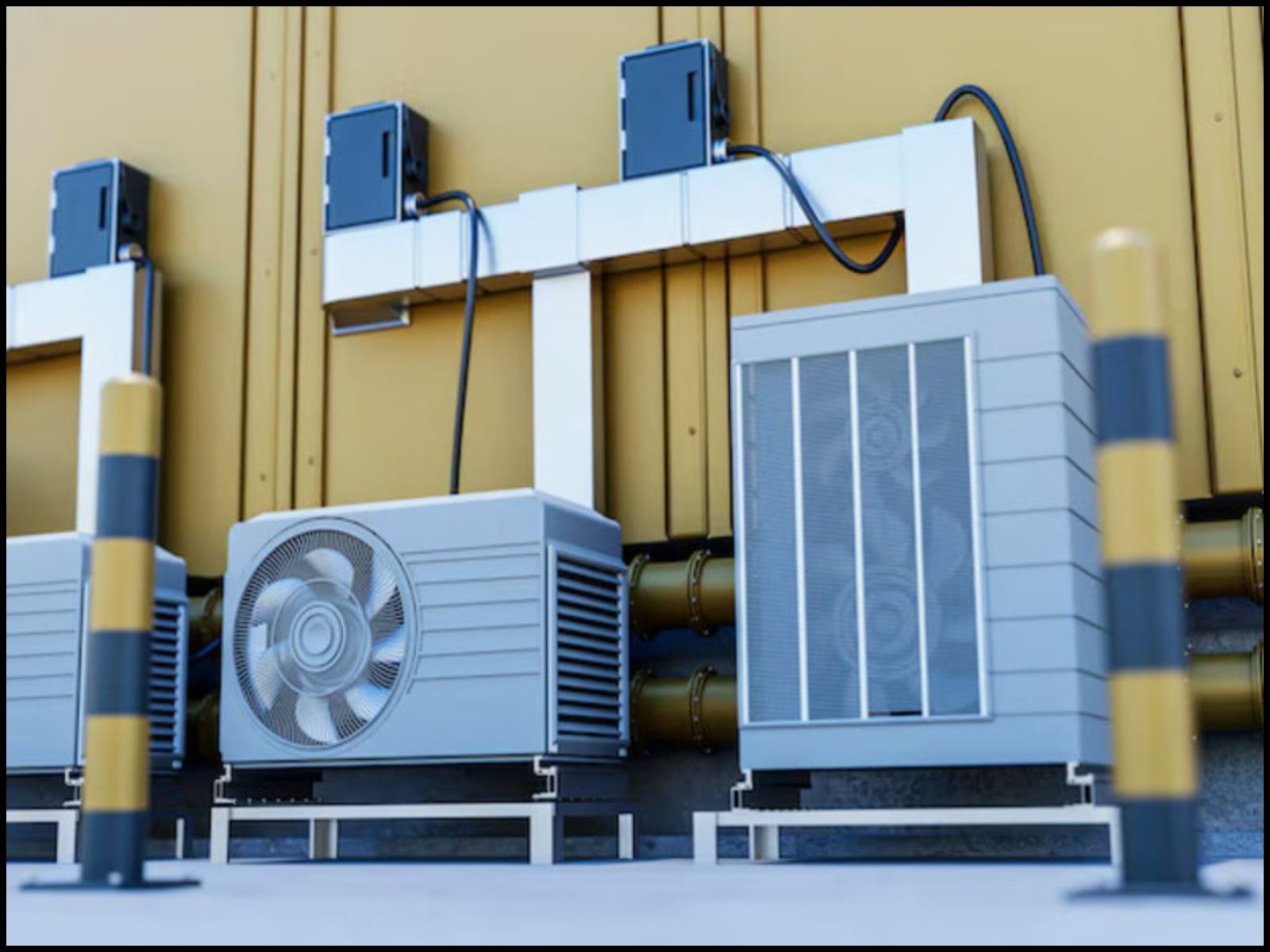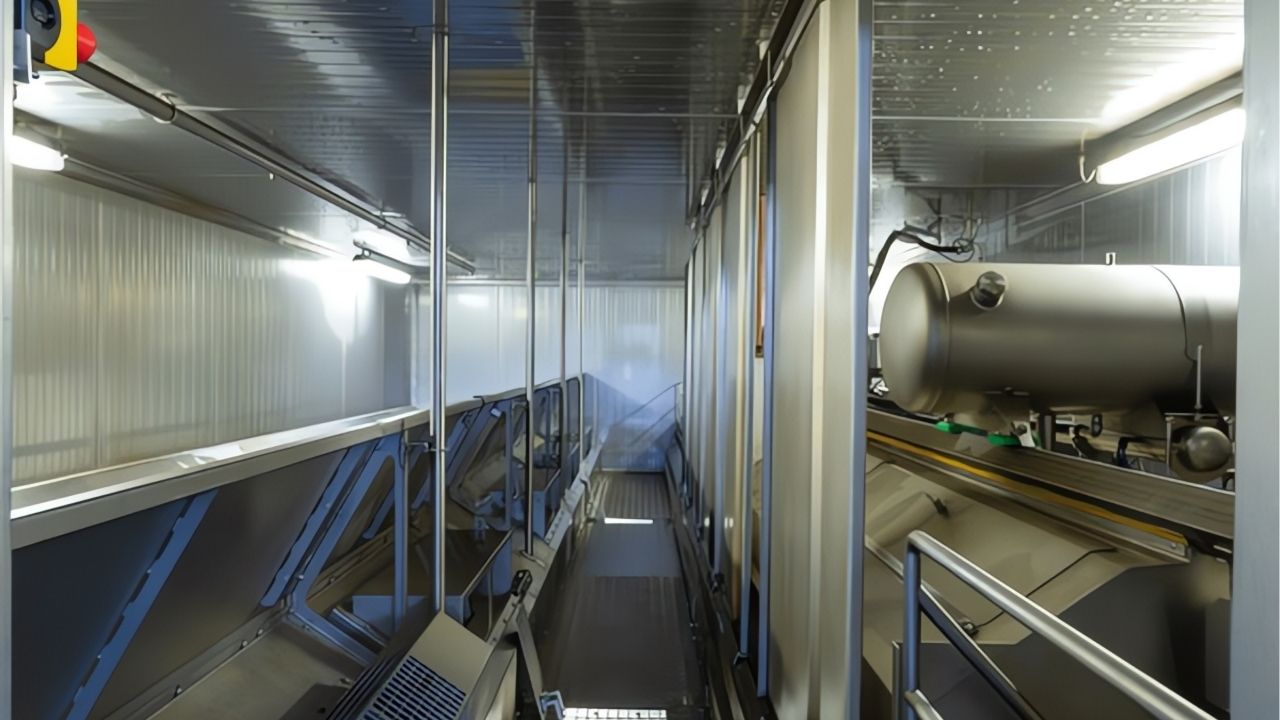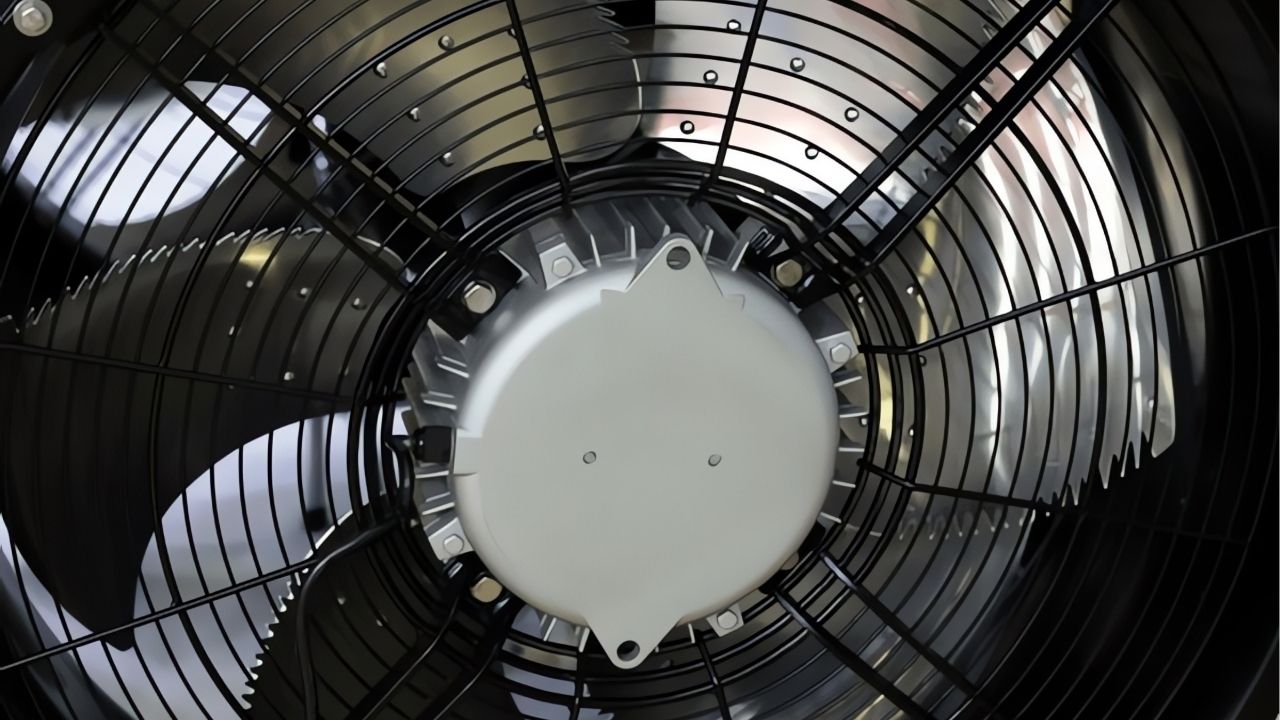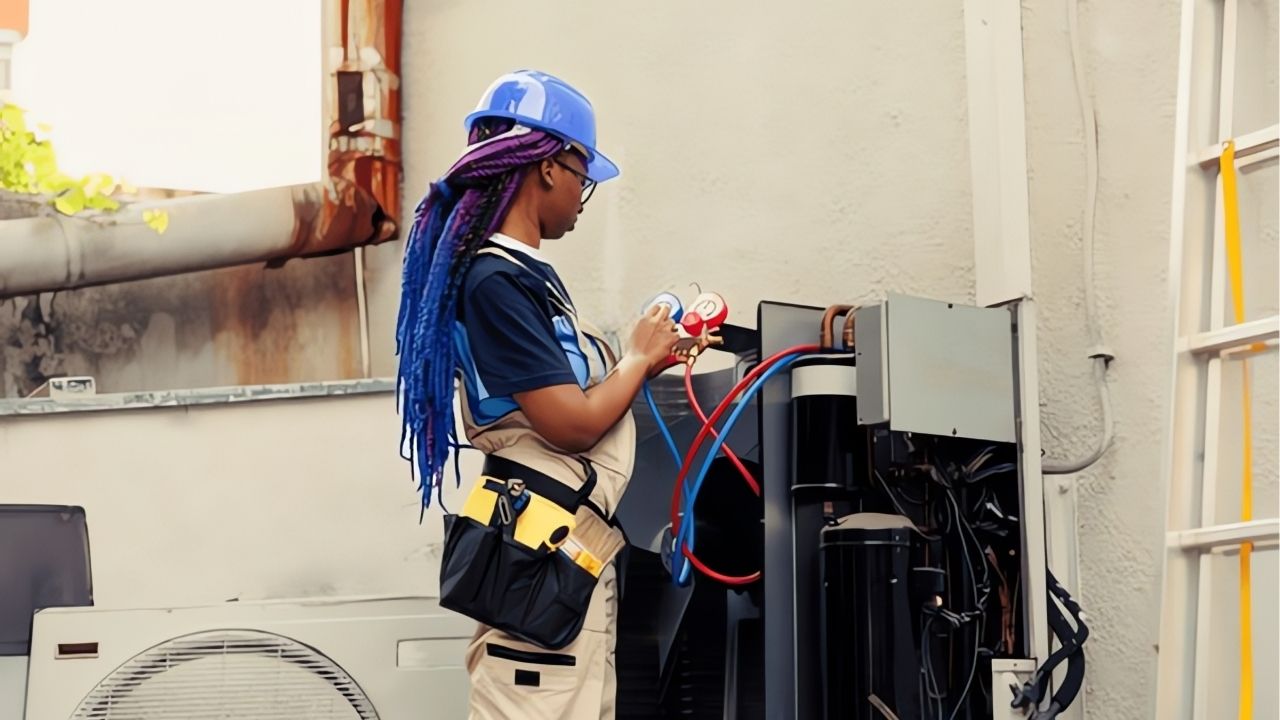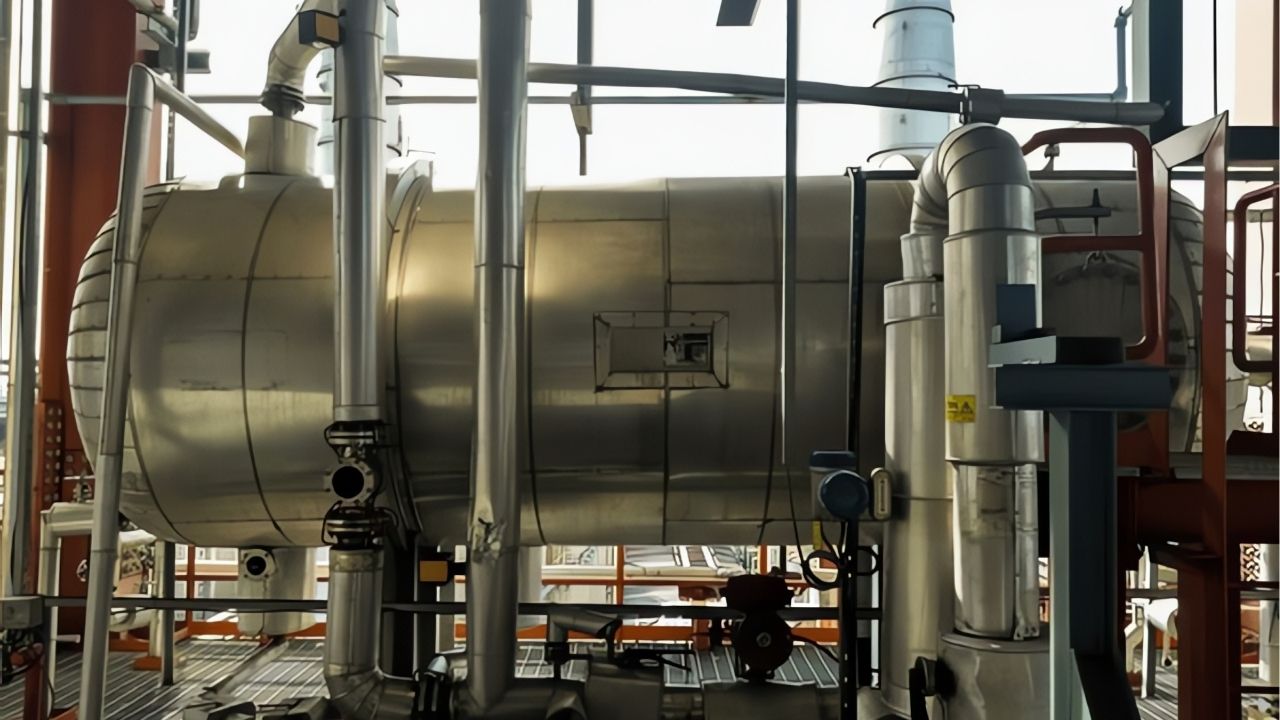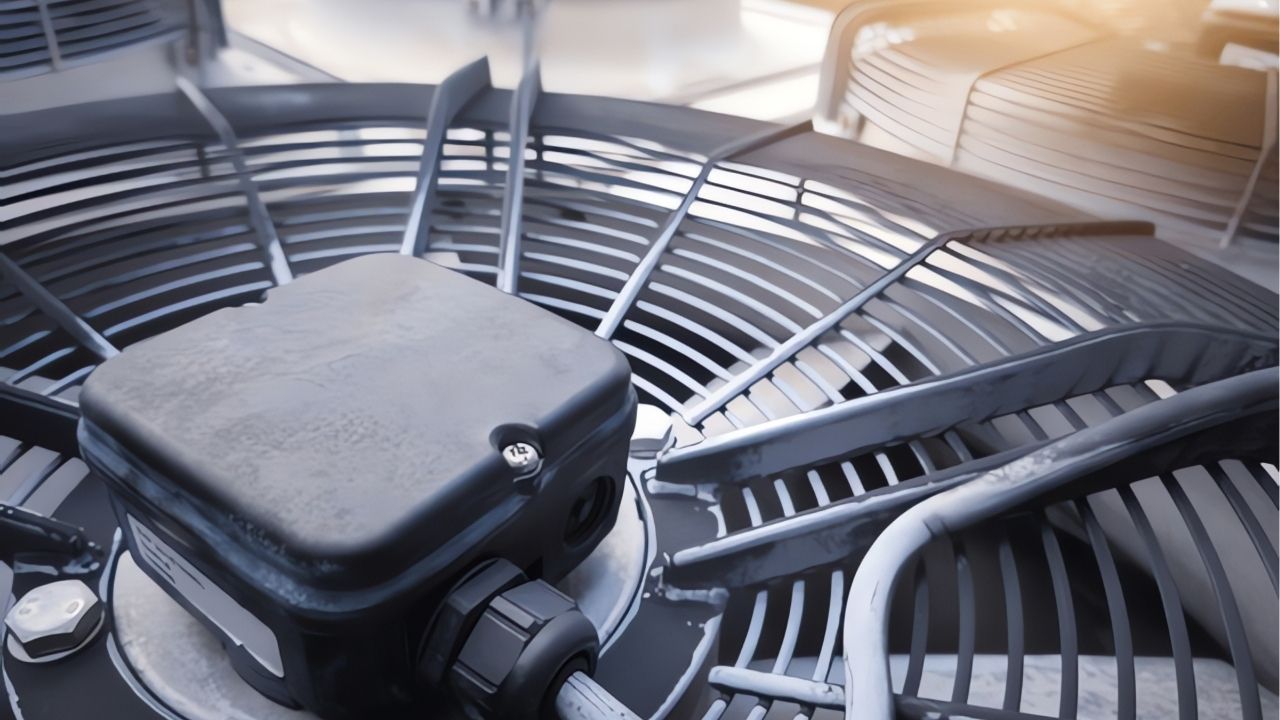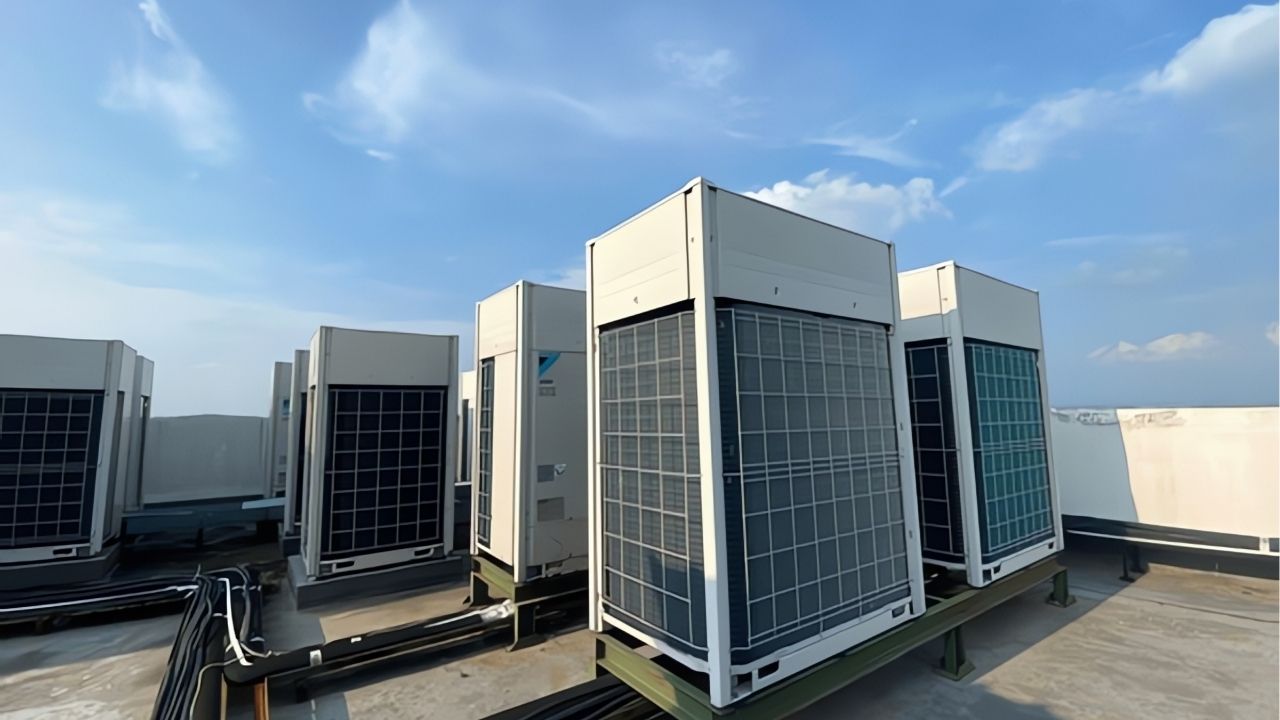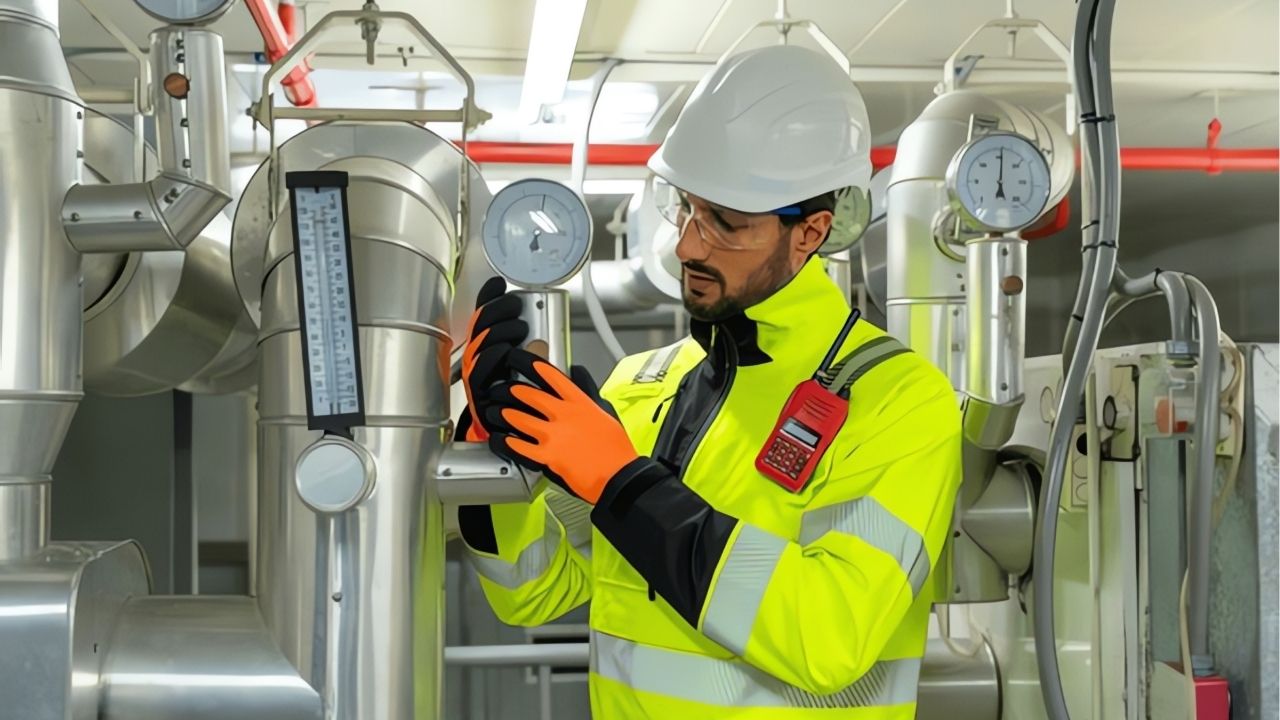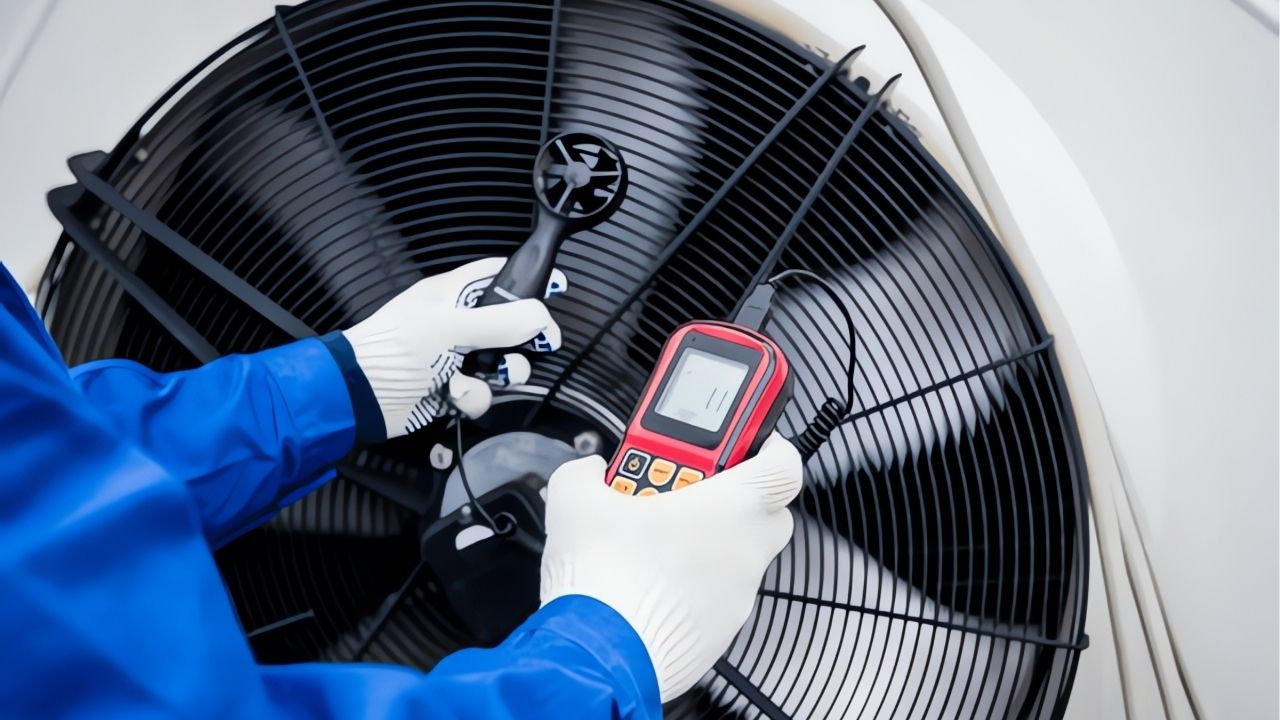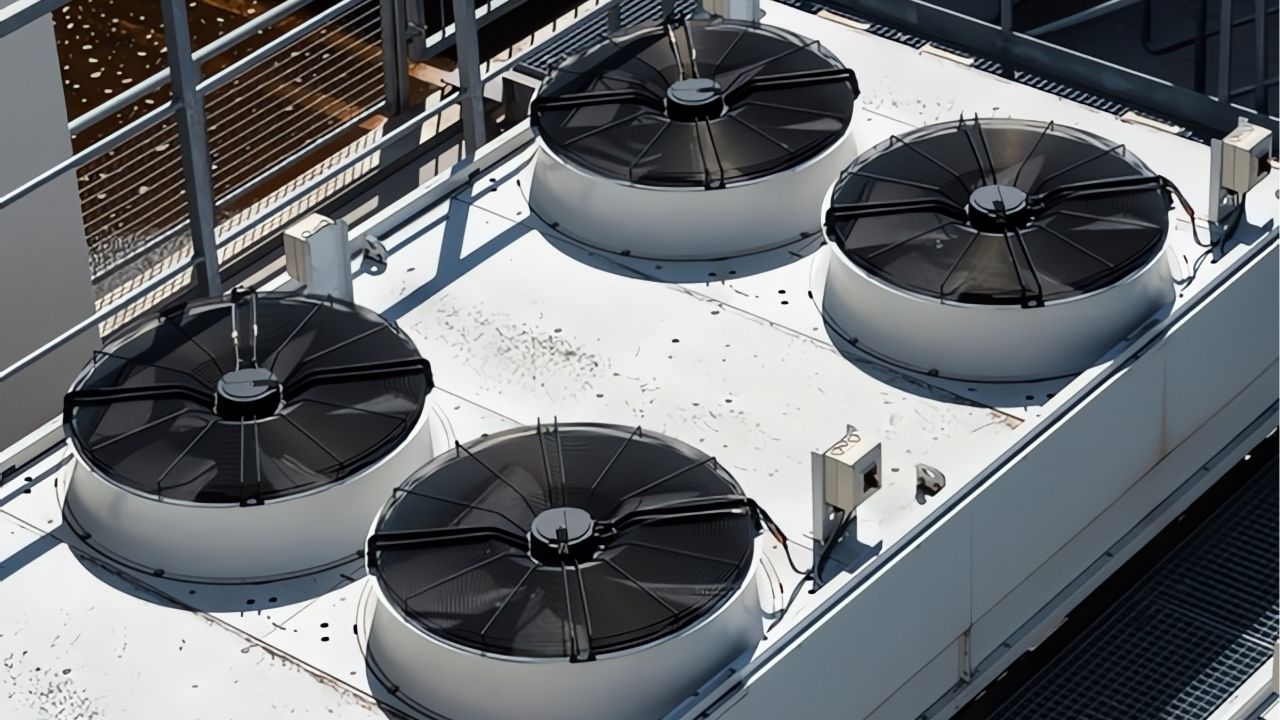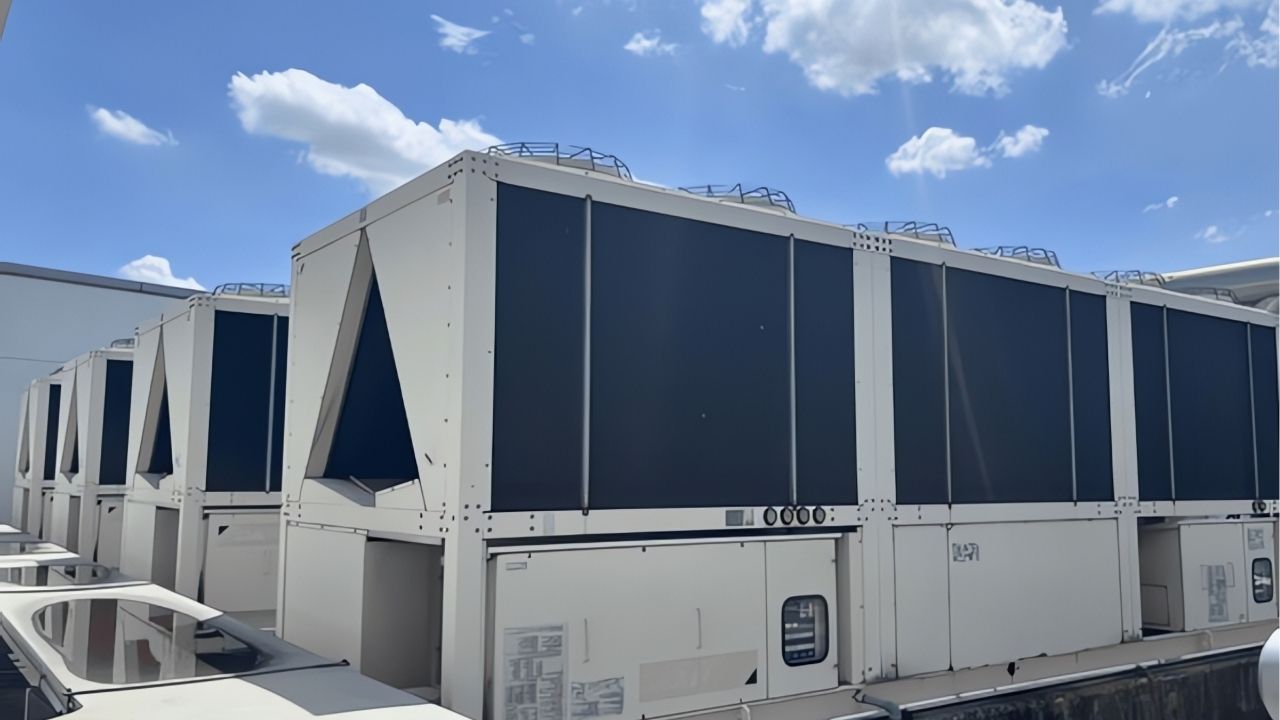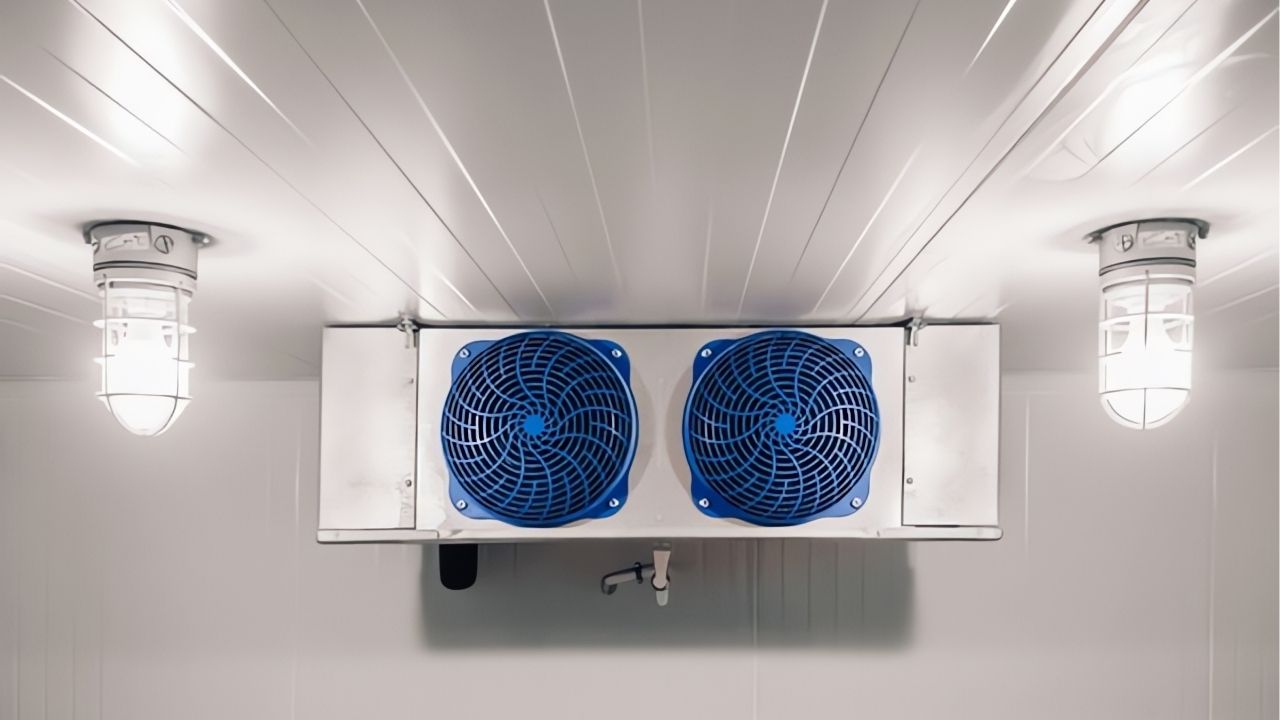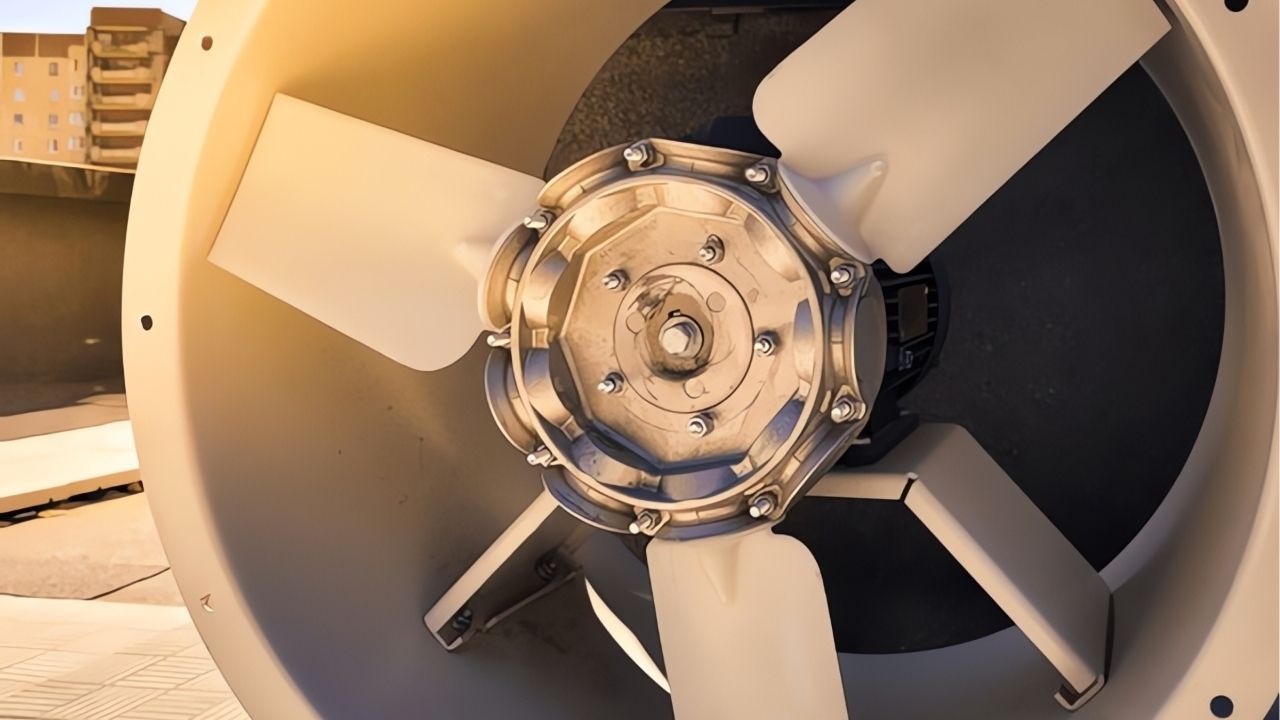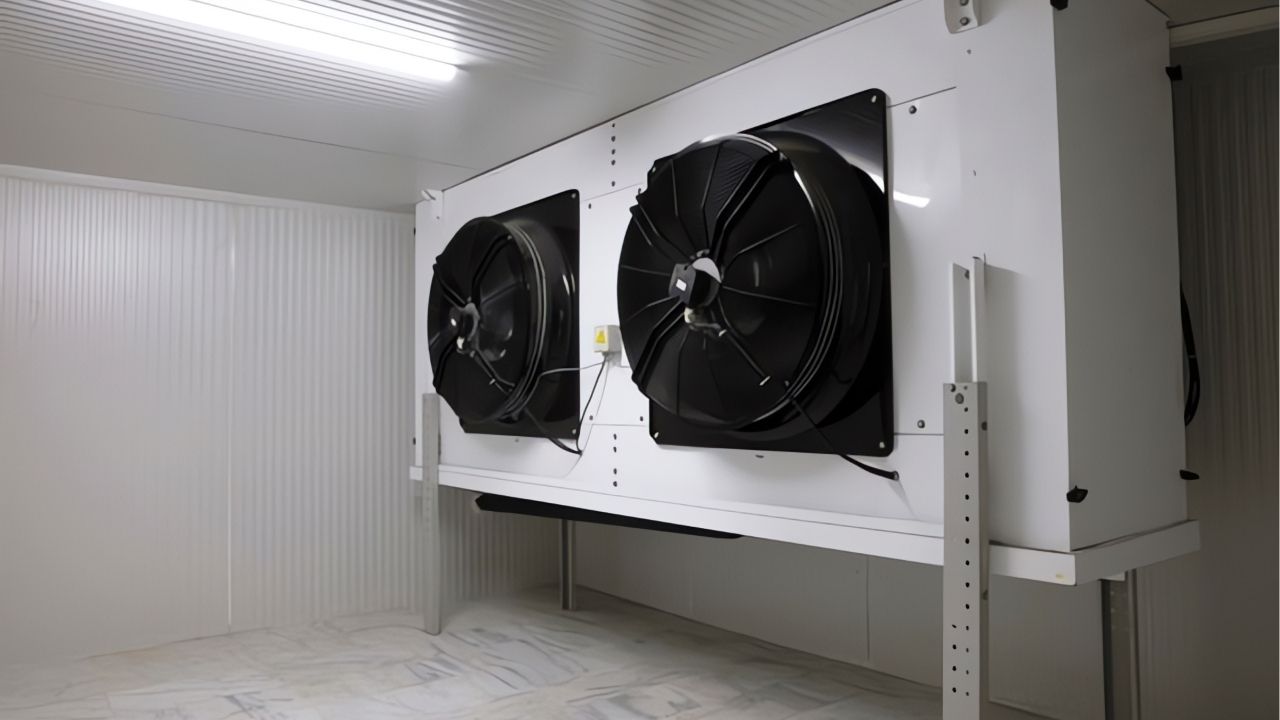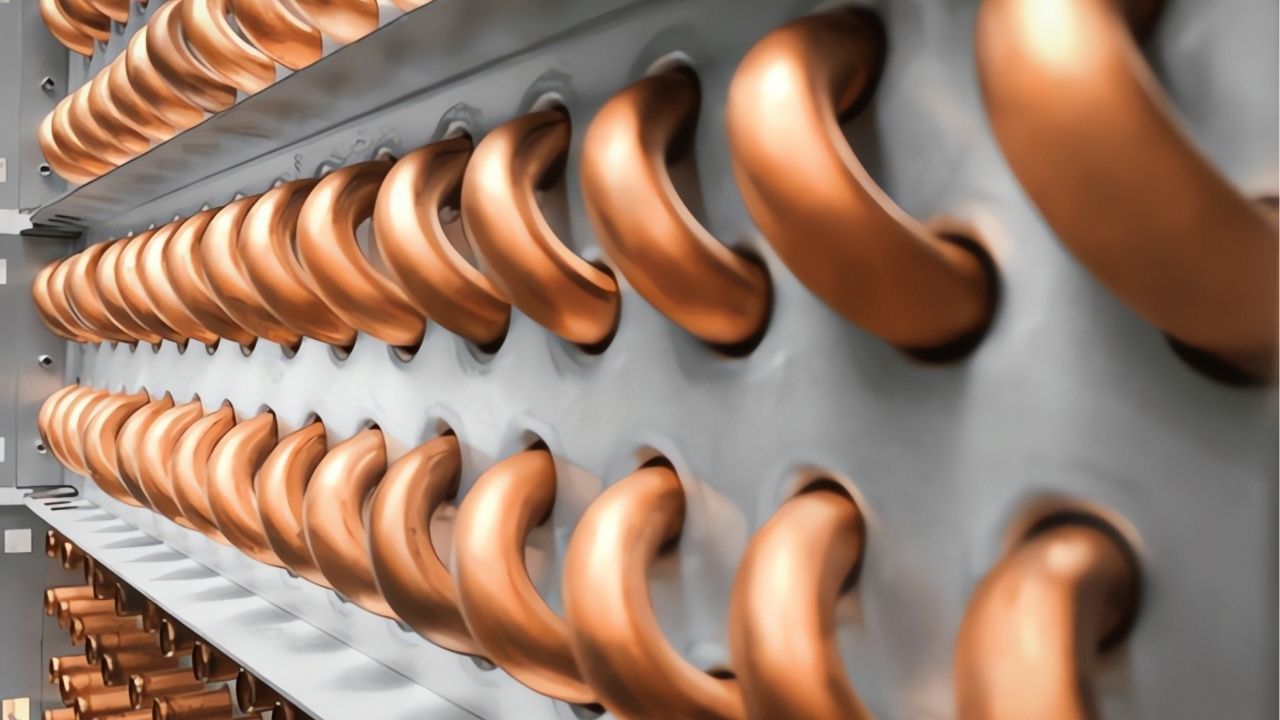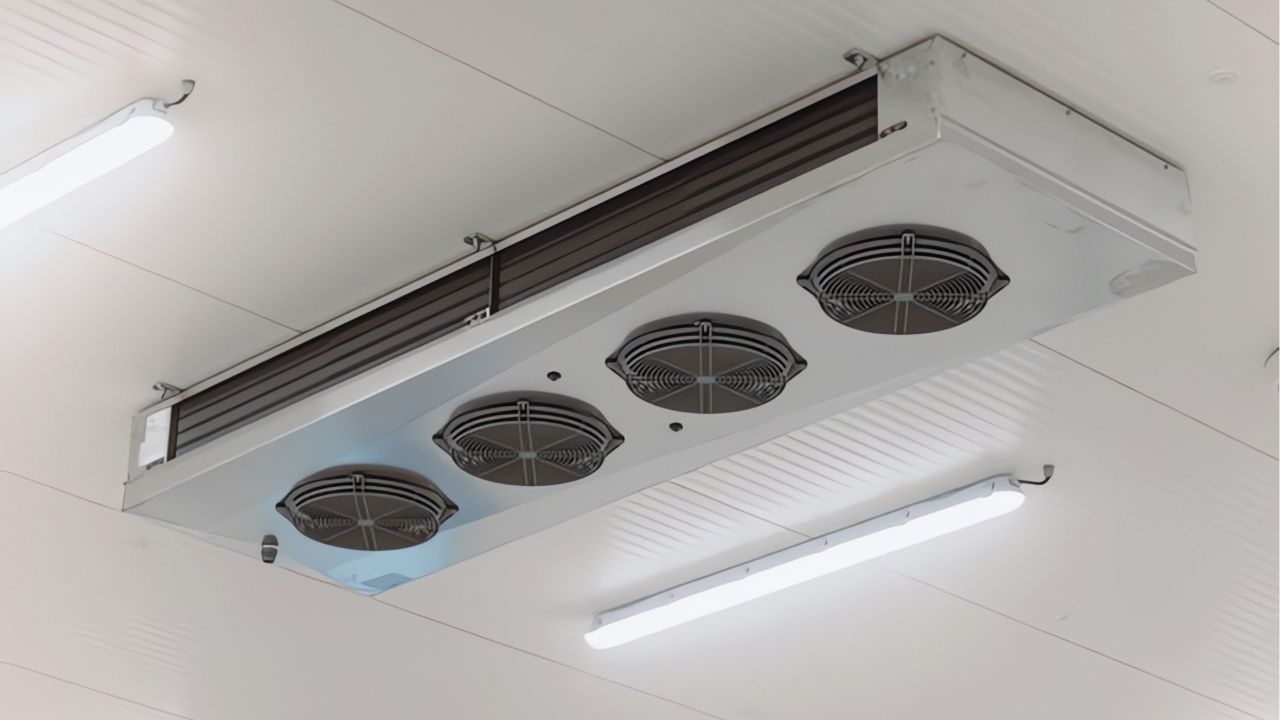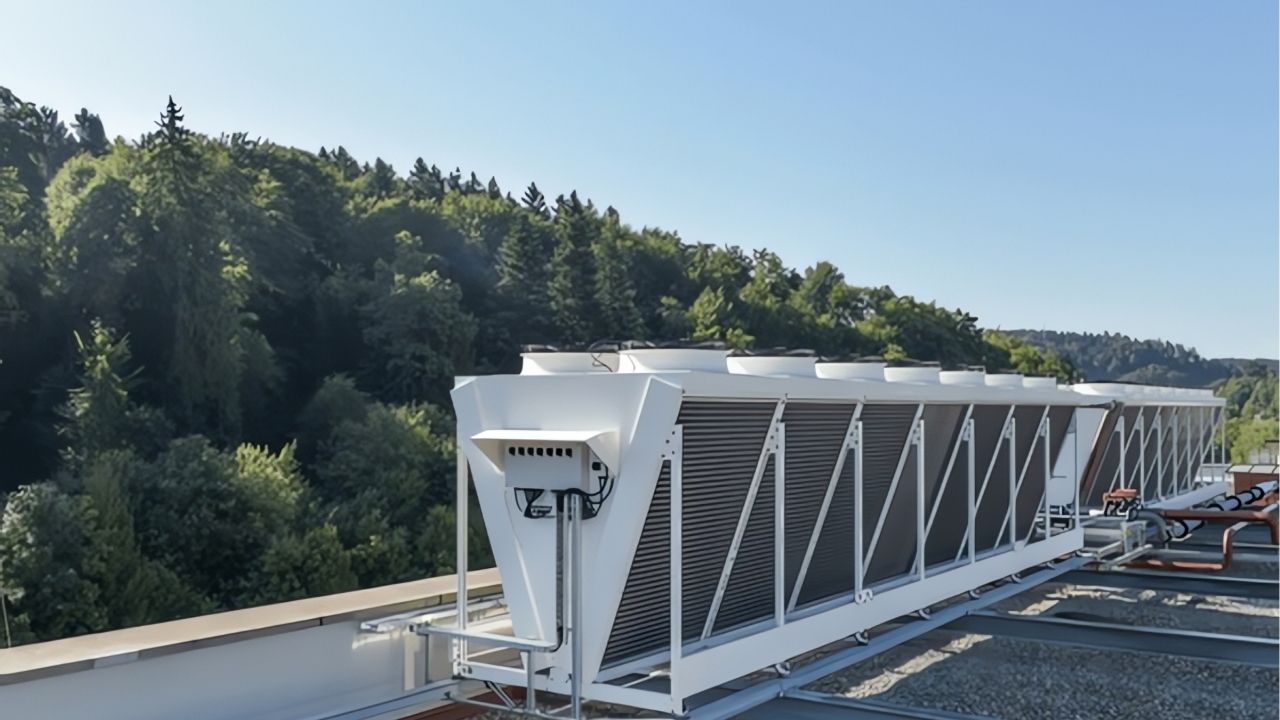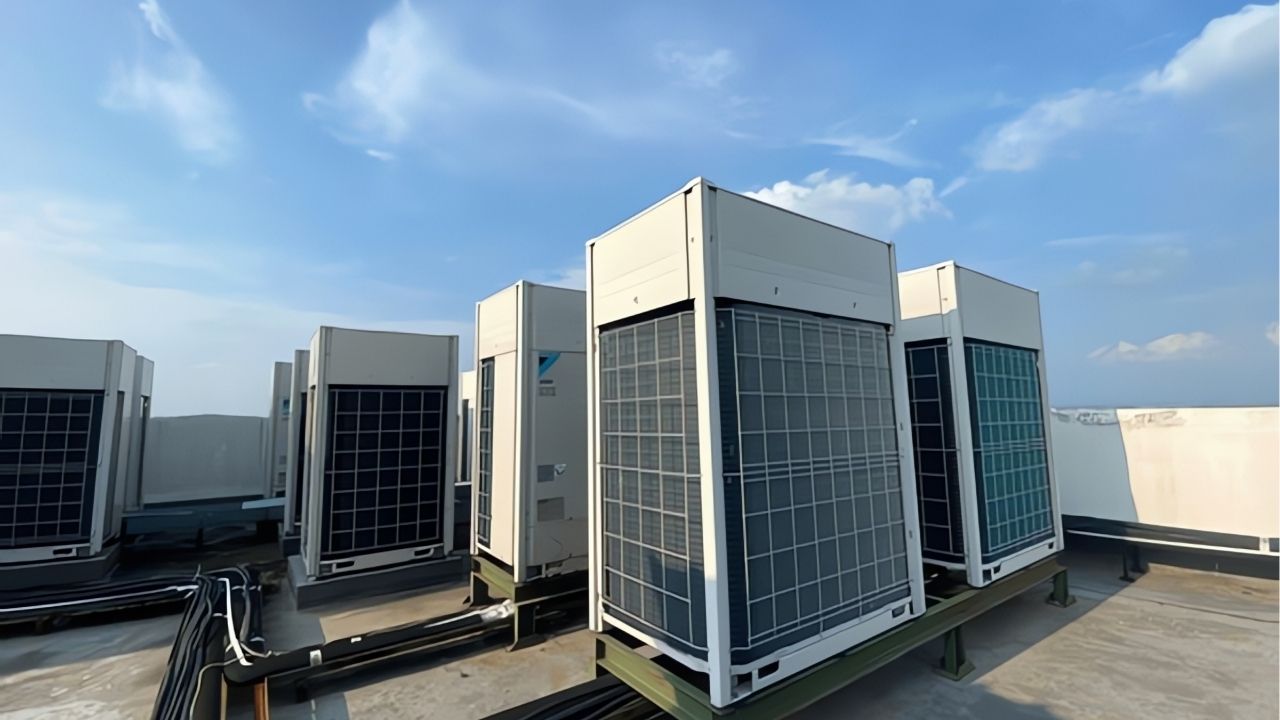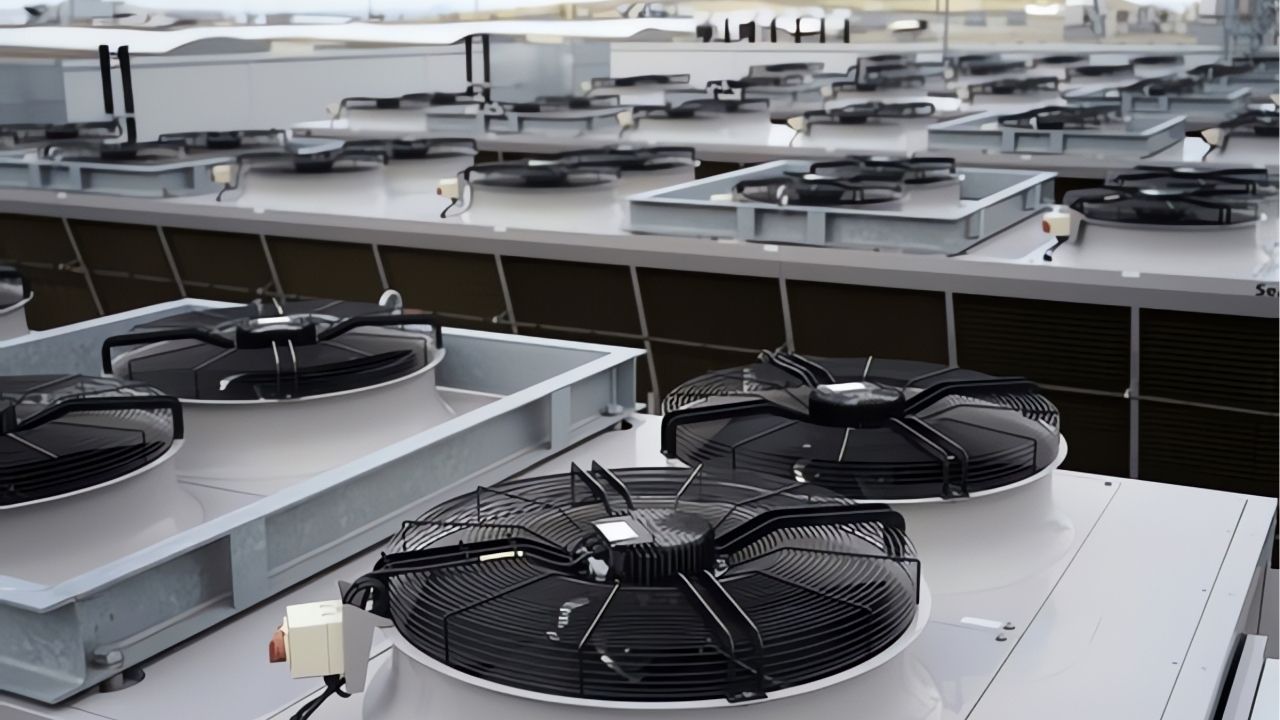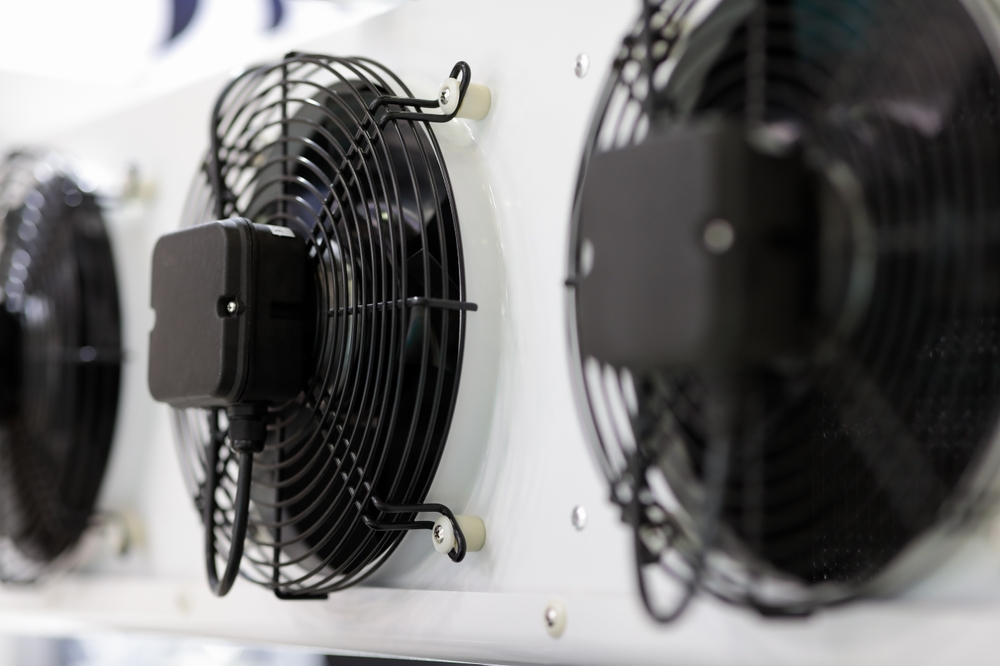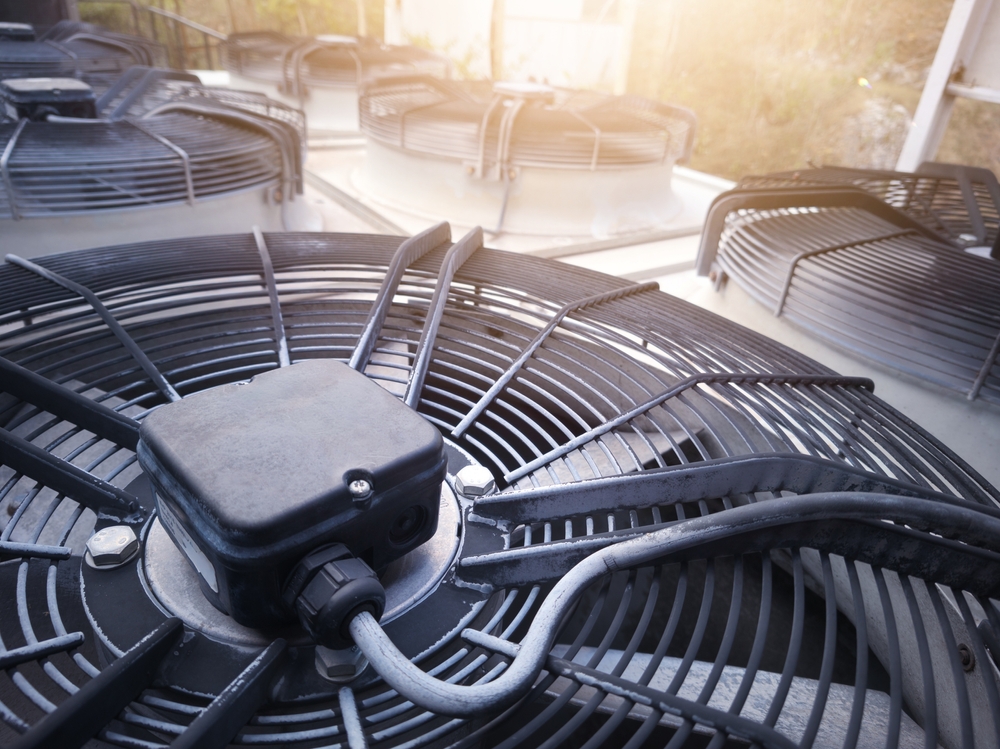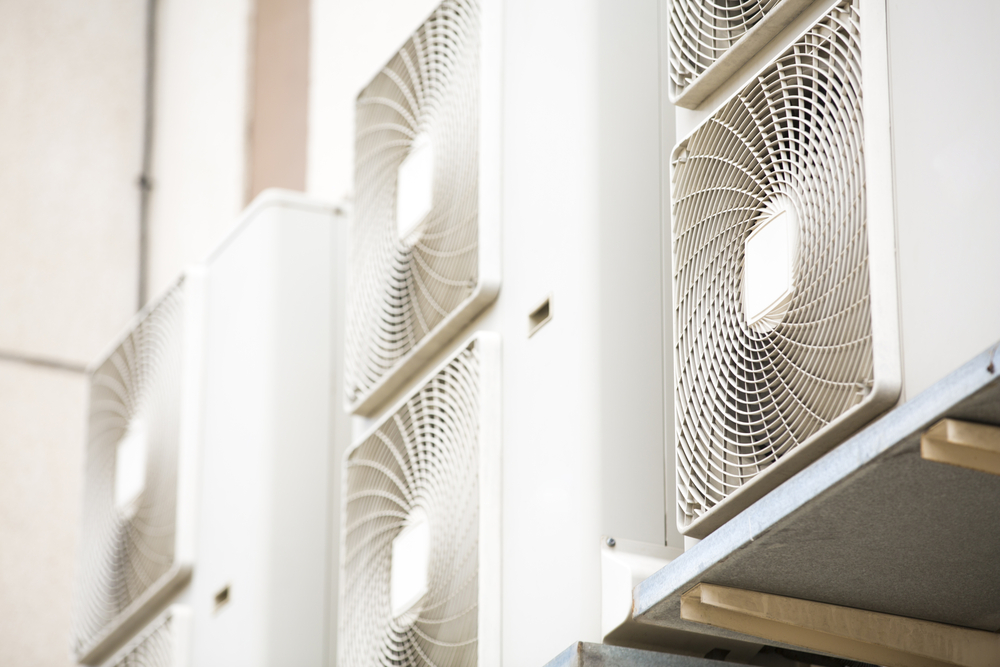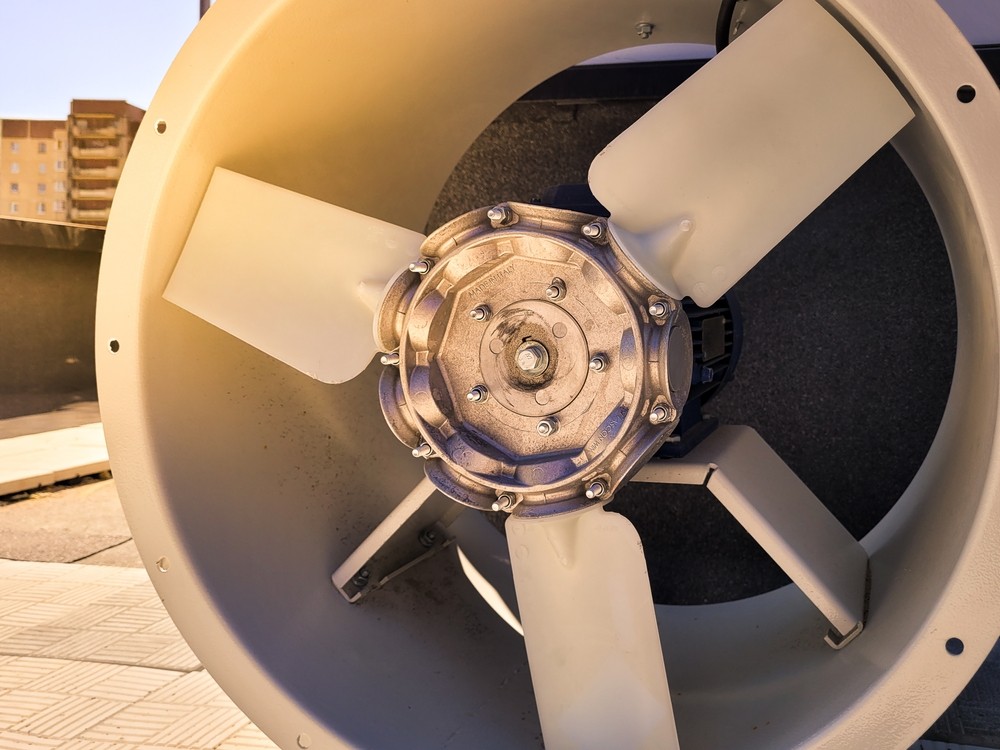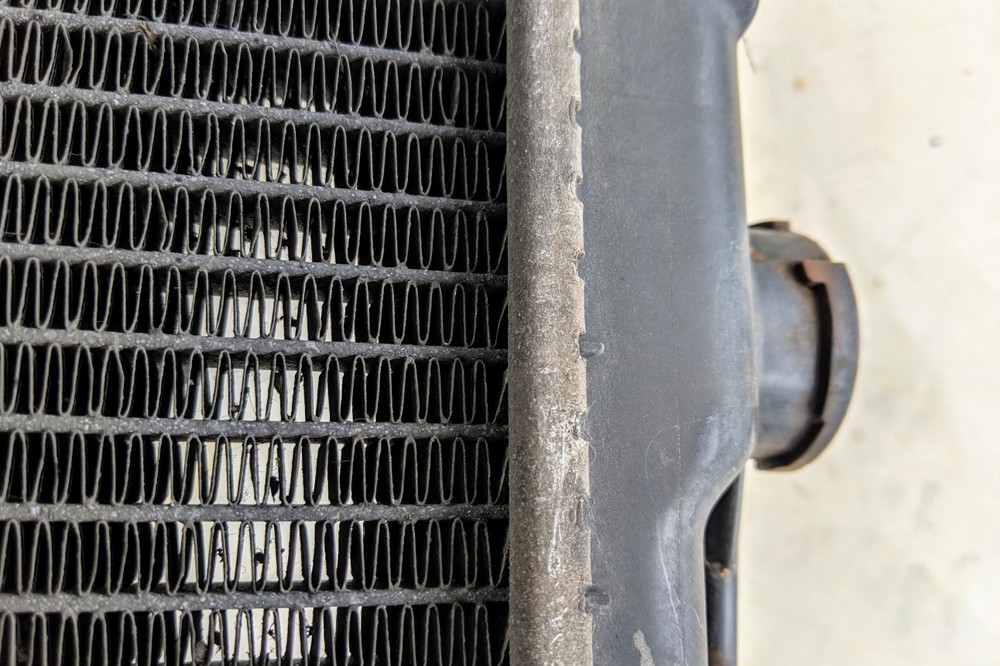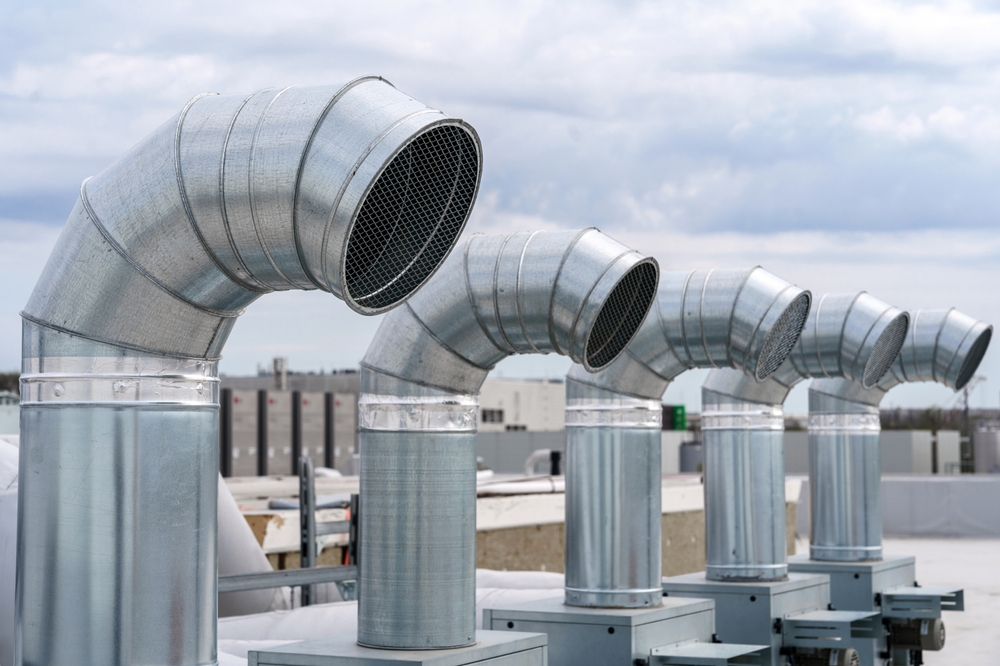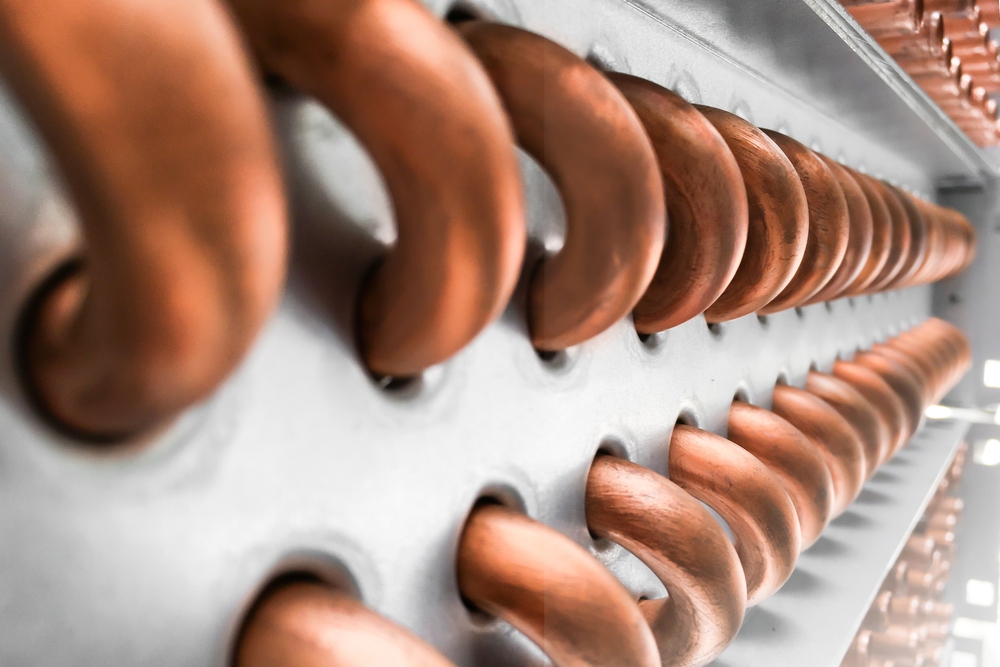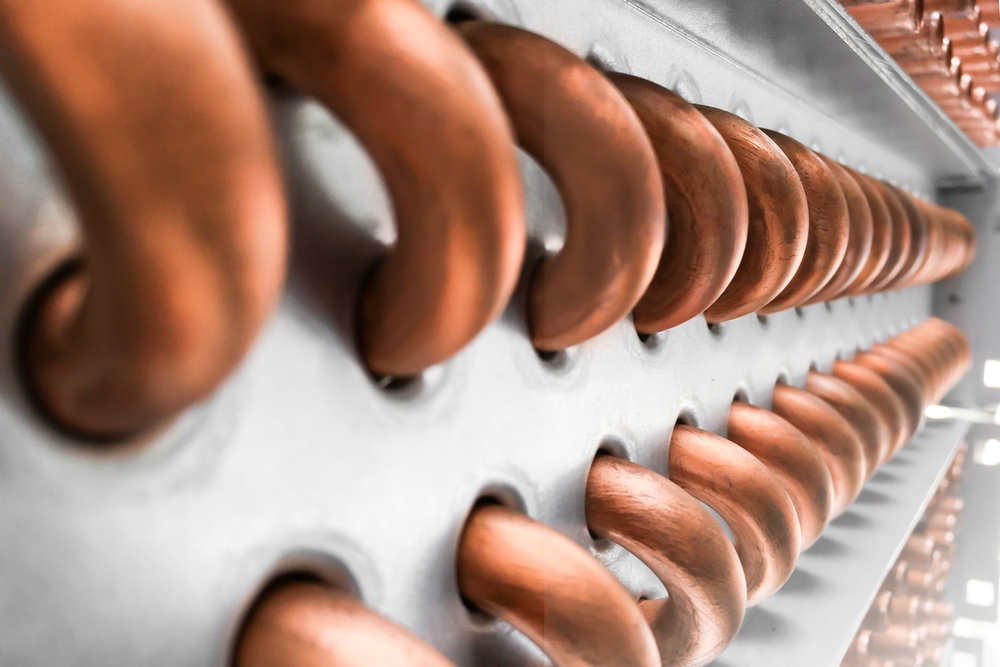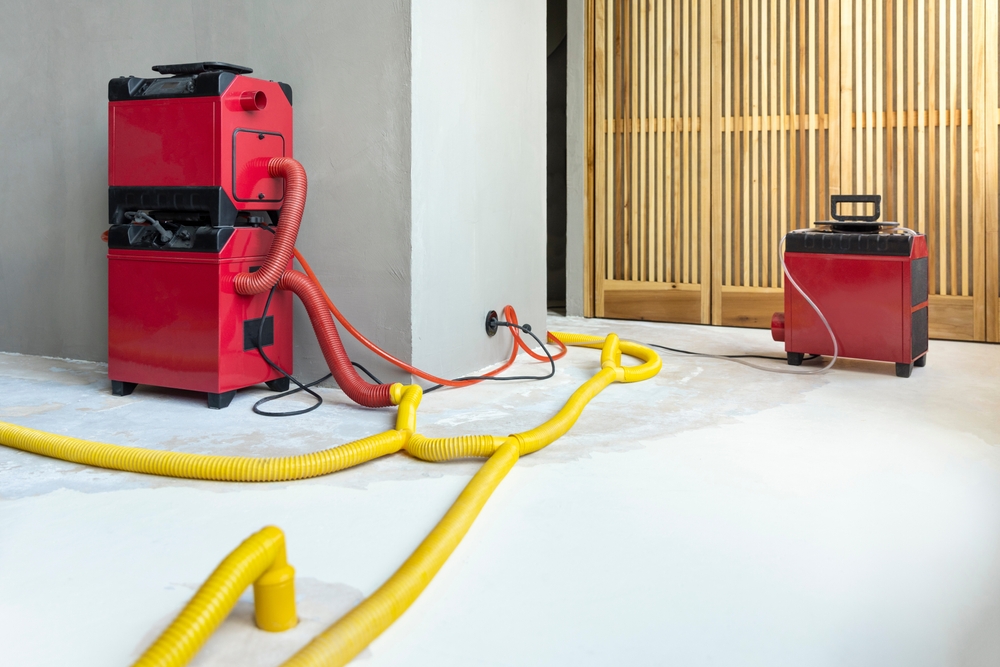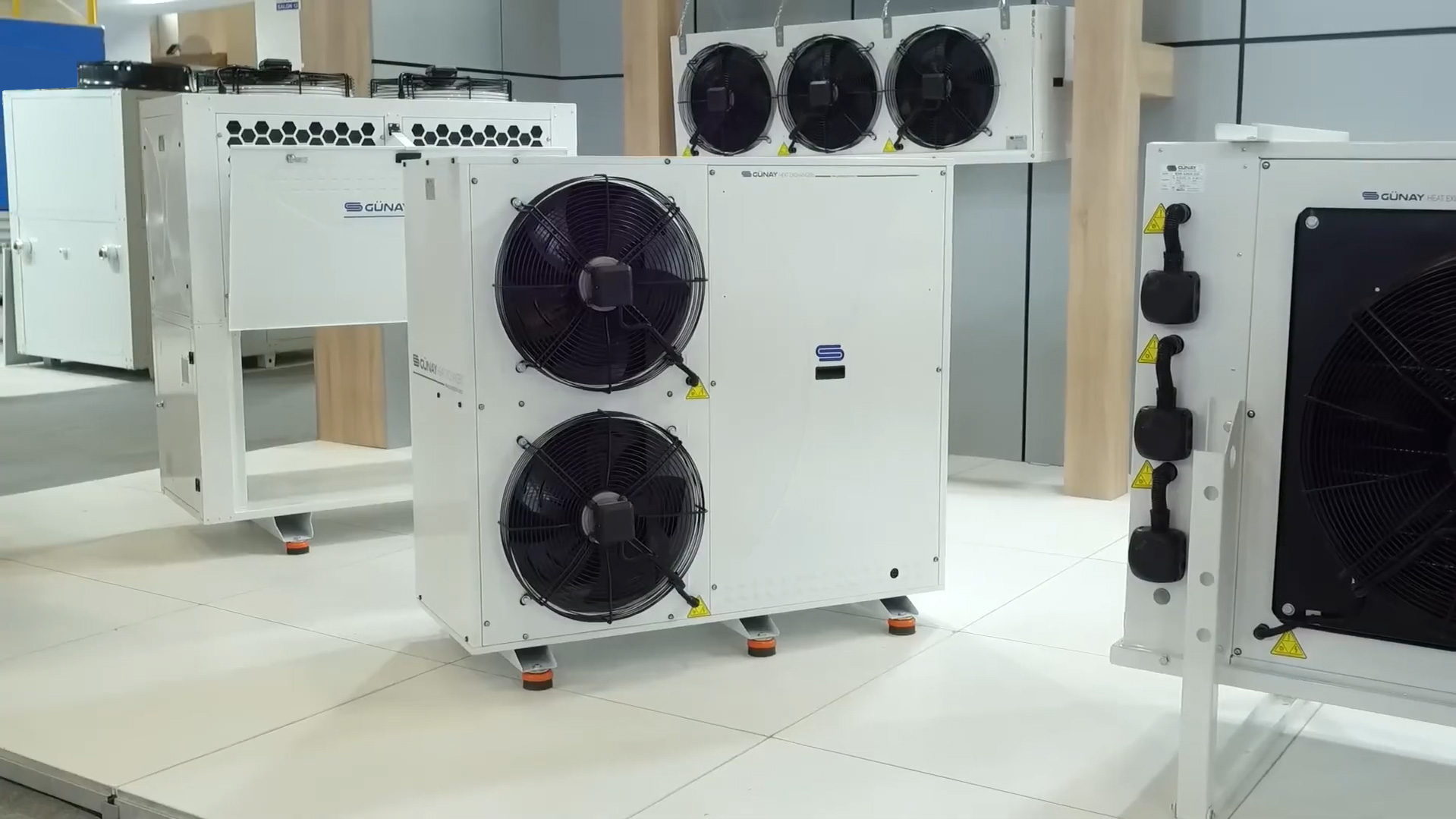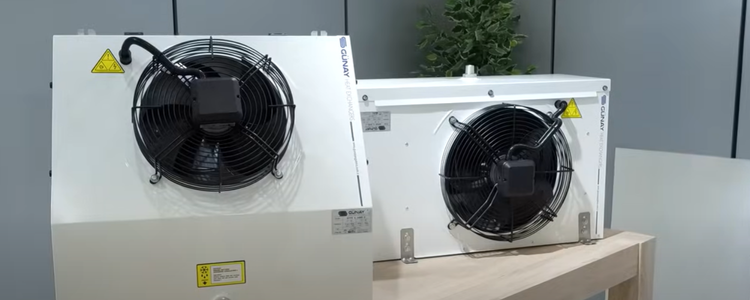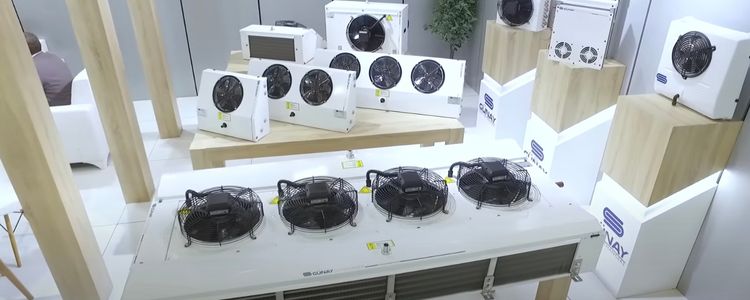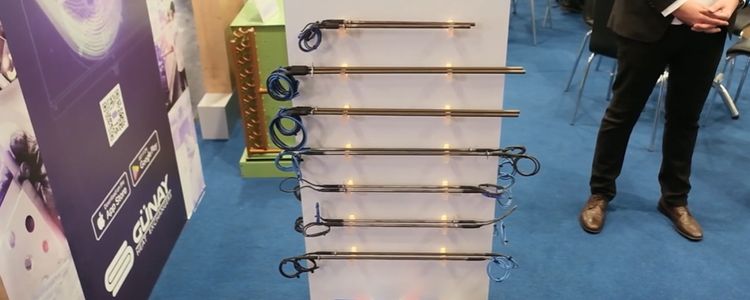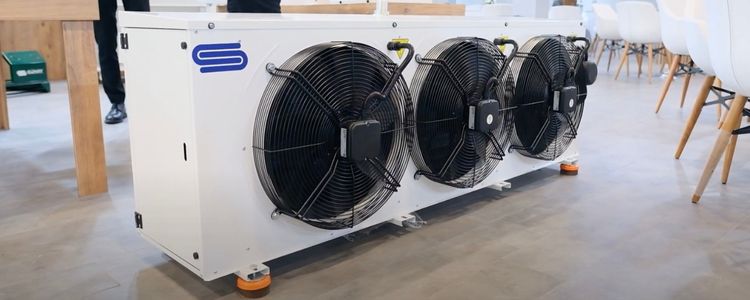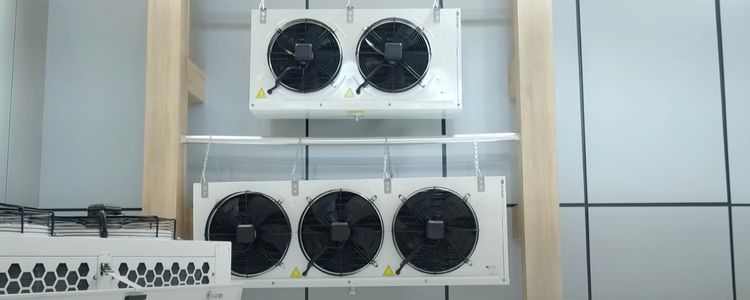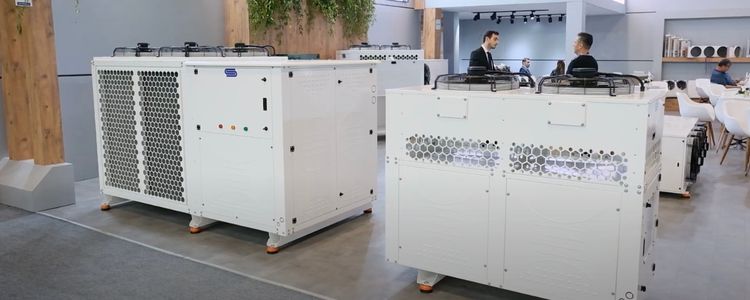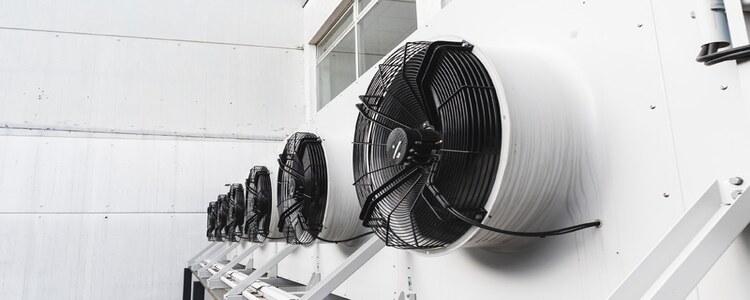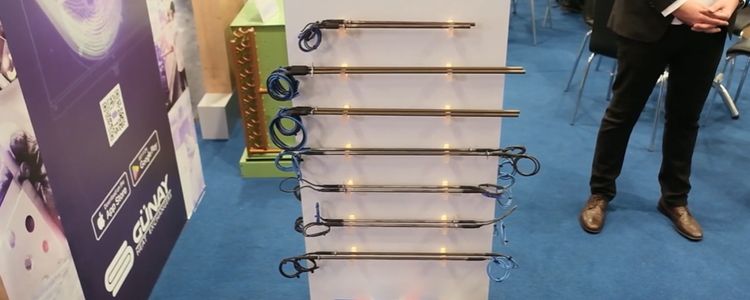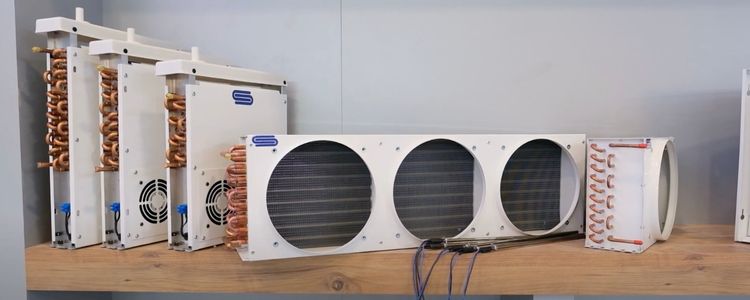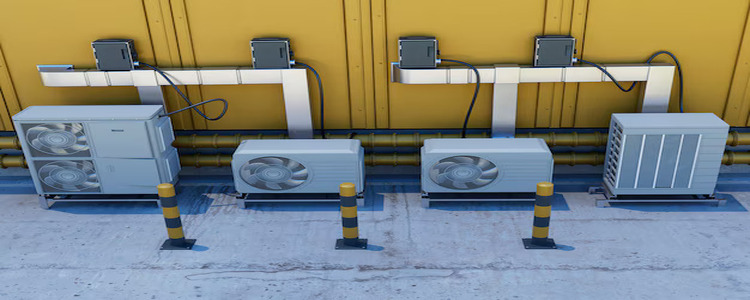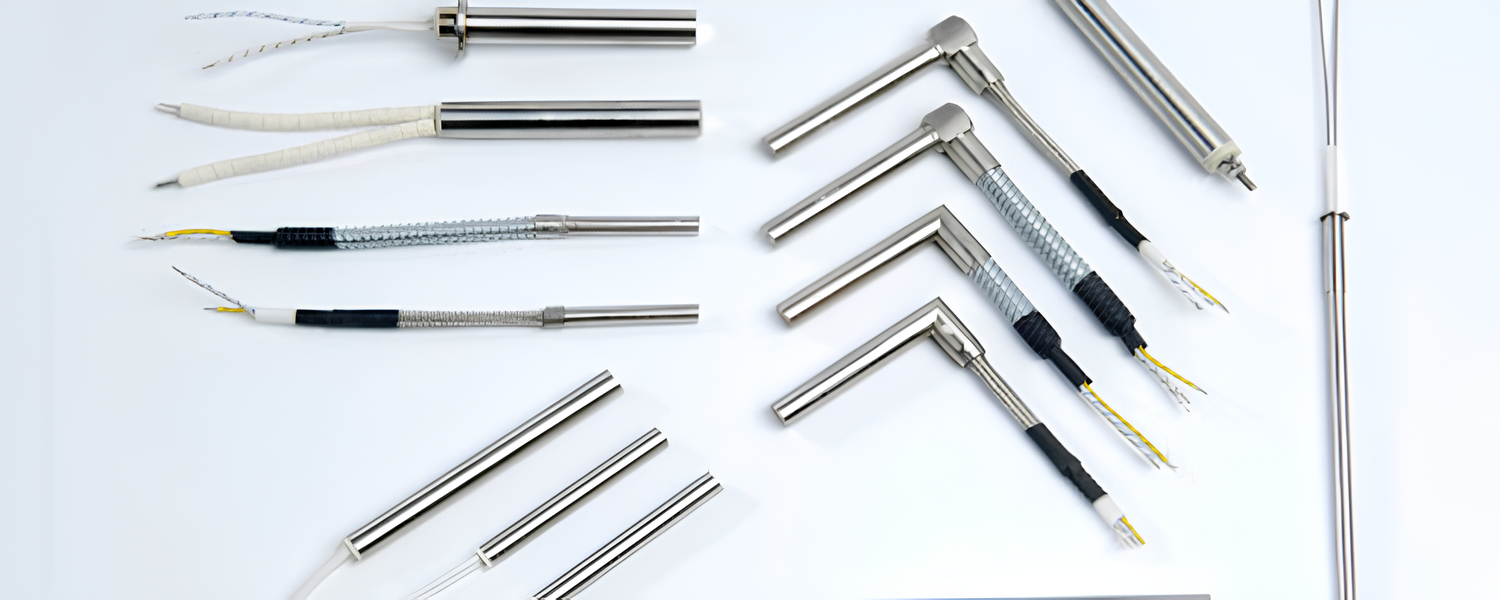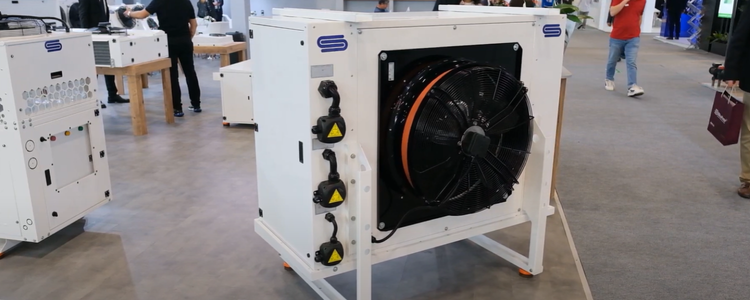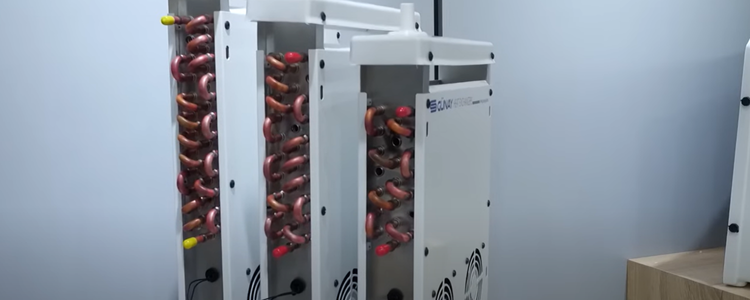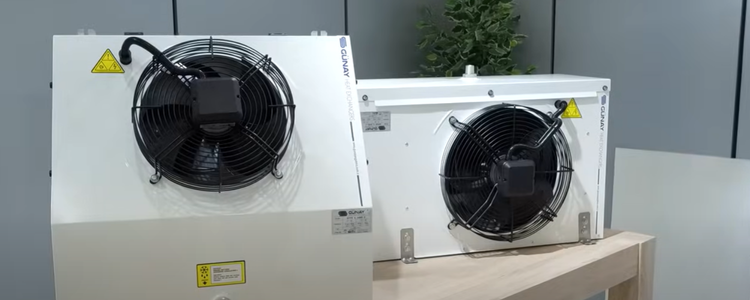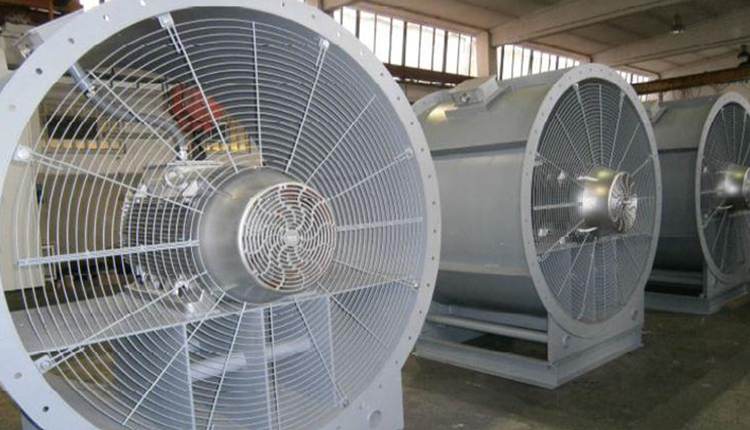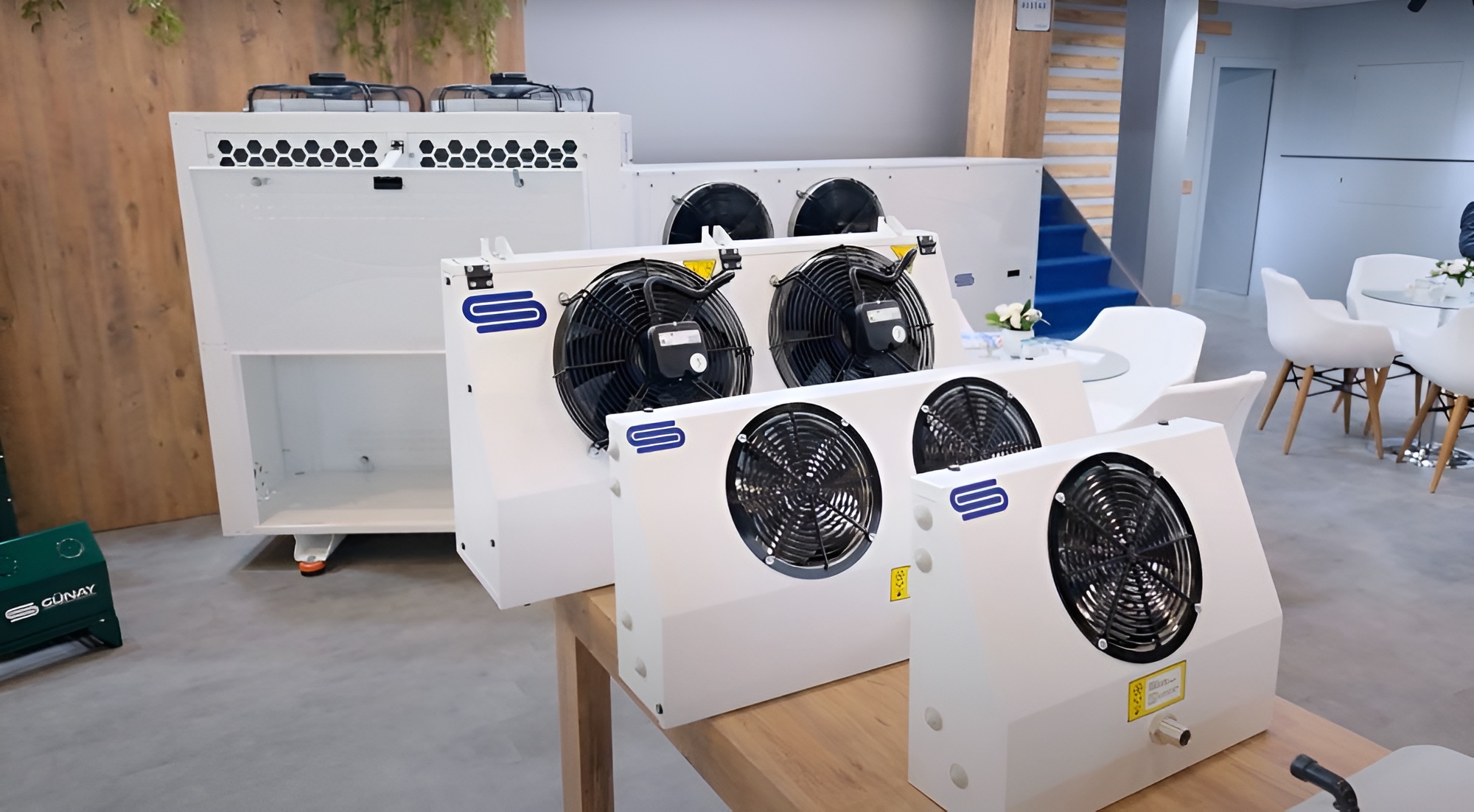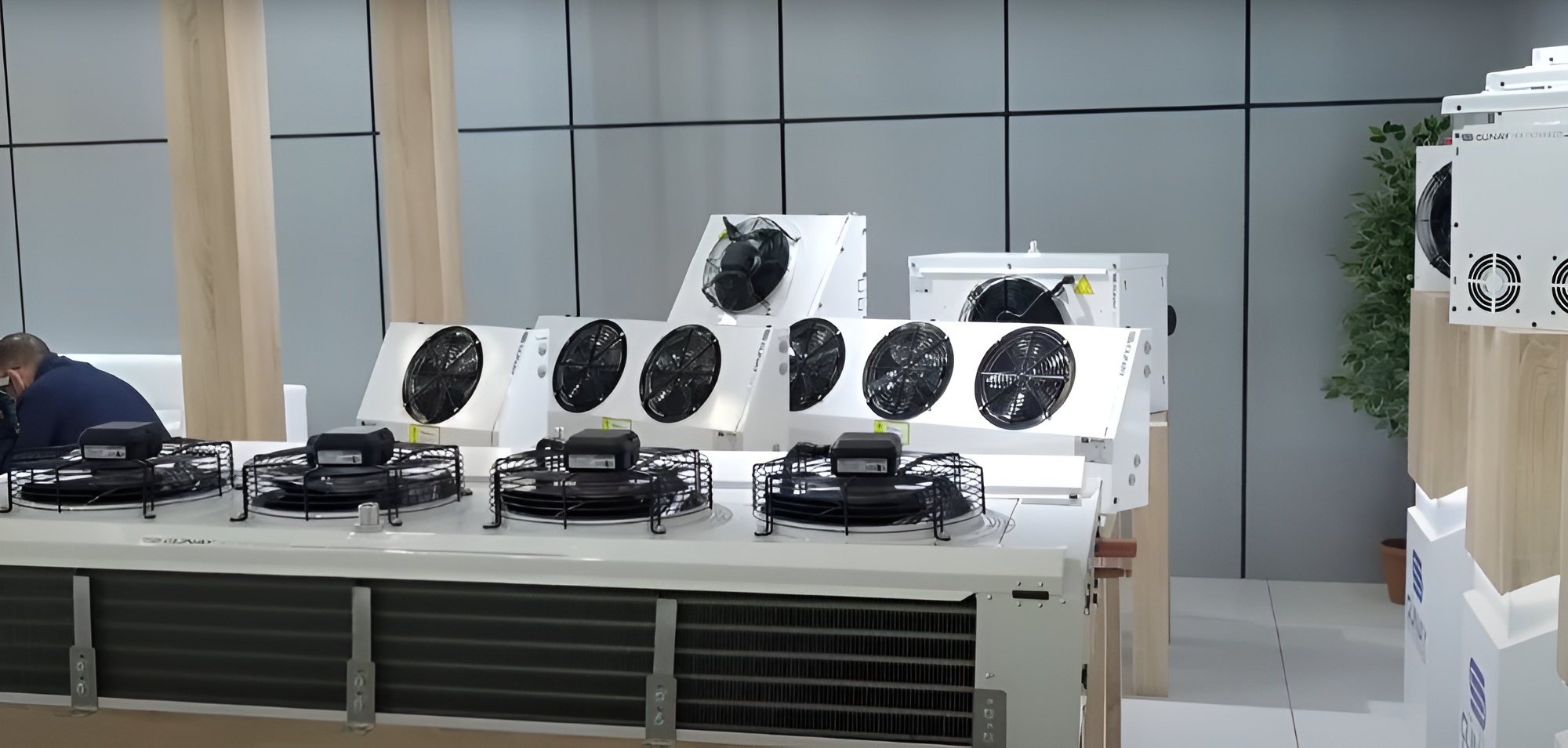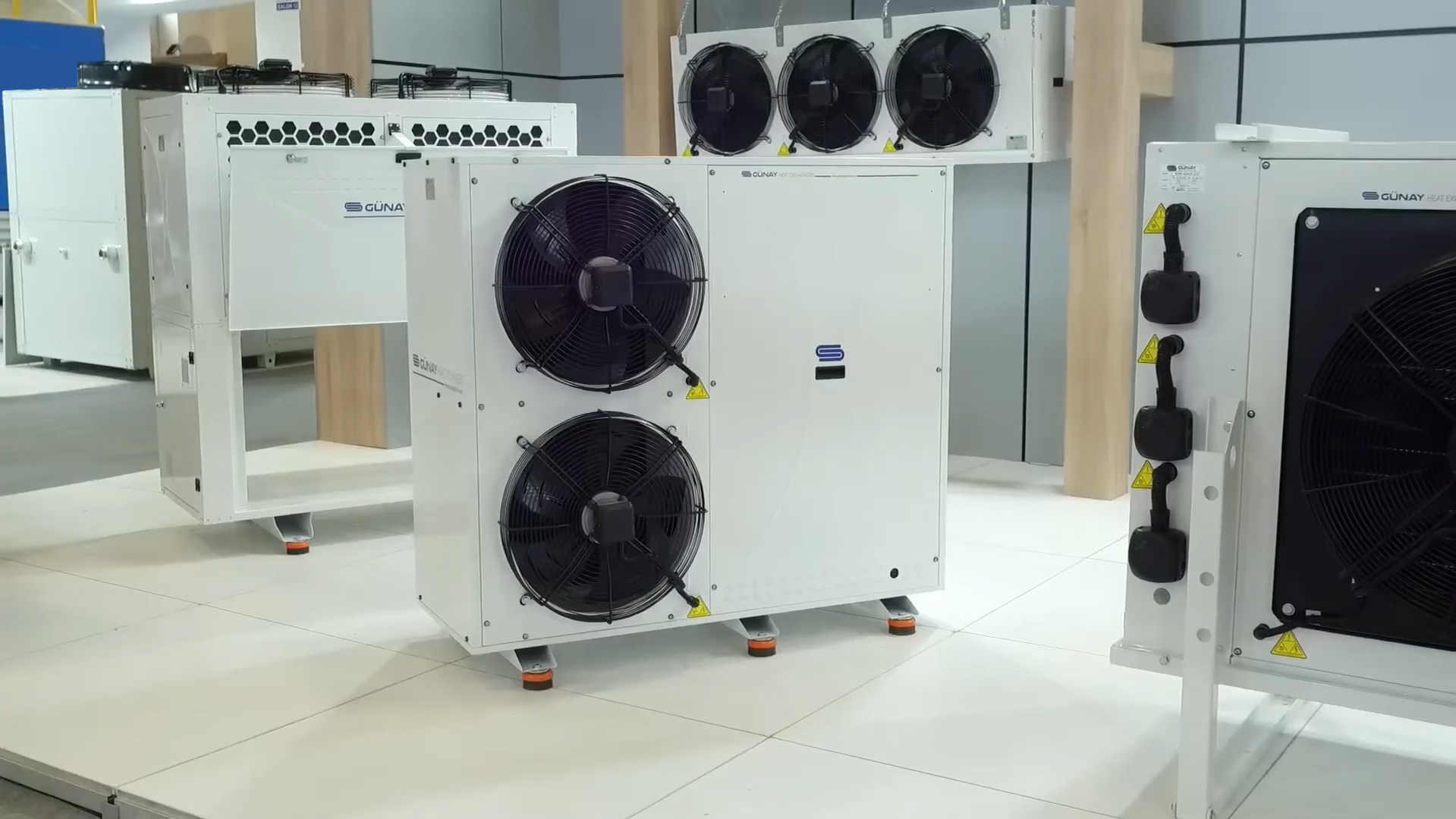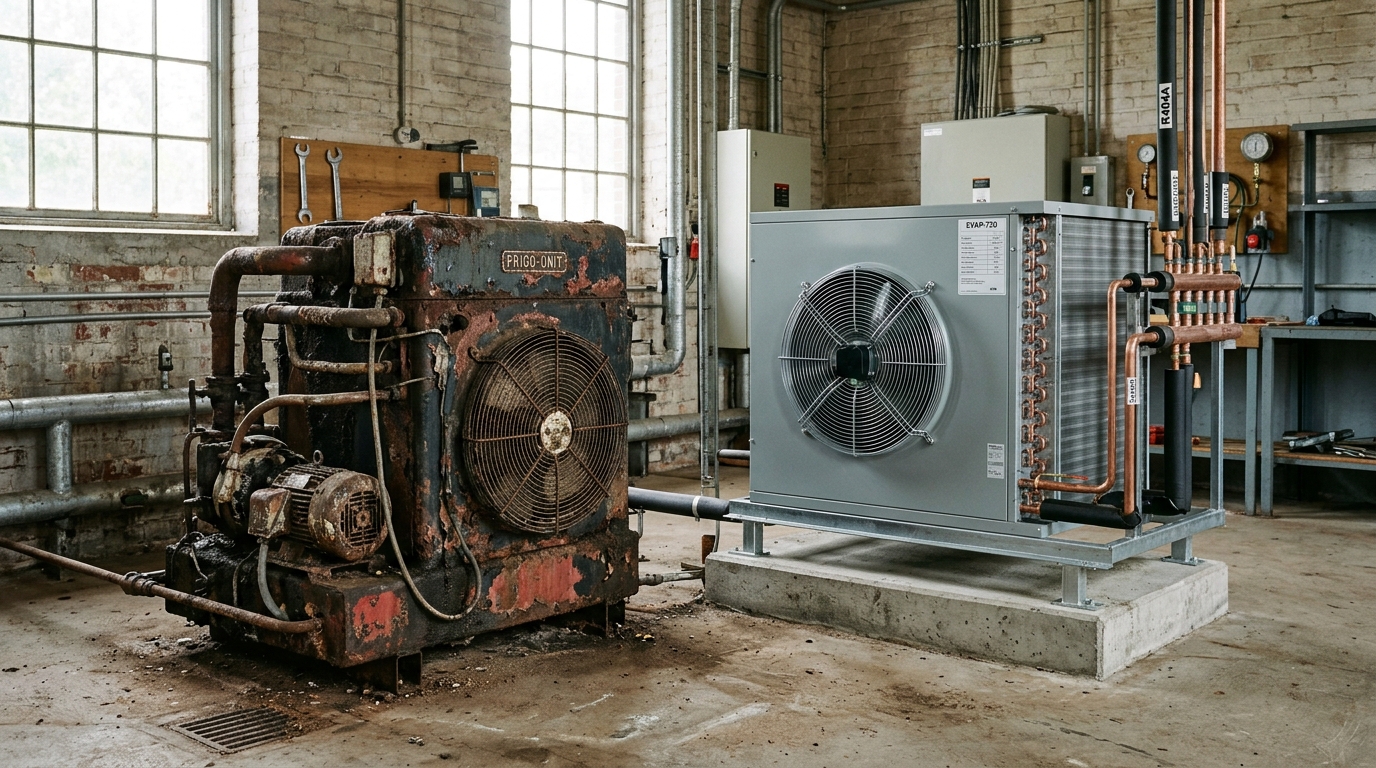
Evaporator renewal in old systems is the replacement or improvement of evaporators that have reached the end of their service life, have lost efficiency or no longer suit new operating conditions, while retaining the existing refrigeration system. Instead of rebuilding the entire facility, a well-planned evaporator renewal can help eliminate capacity loss, reduce energy consumption and lower the frequency of breakdowns. In this article we cover the signs that renewal is needed, how the existing system should be evaluated, refrigerant compatibility, size and layout constraints, the commissioning process and the points to consider for the right renewal decision.
Table of Contents
- How Can You Tell That an Evaporator Needs to Be Renewed?
- How Is the Existing System Evaluated Before Renewal?
- Must the New Evaporator Be Compatible with the Existing Refrigerant?
- How Do Size and Mounting Constraints Affect Selection?
- How Should Commissioning Be Carried Out After Renewal?
- What Should Be Considered in the Evaporator Renewal Decision?
- Frequently Asked Questions
How Can You Tell That an Evaporator Needs to Be Renewed?
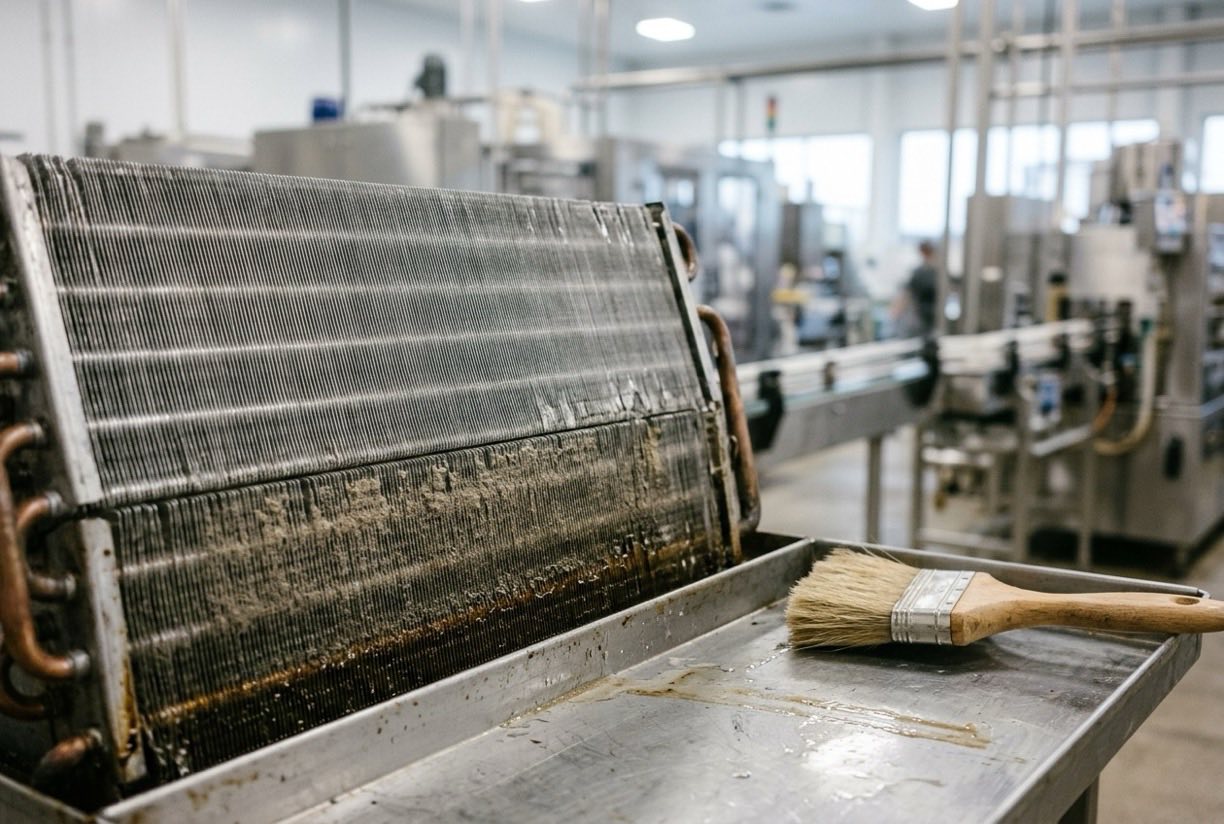
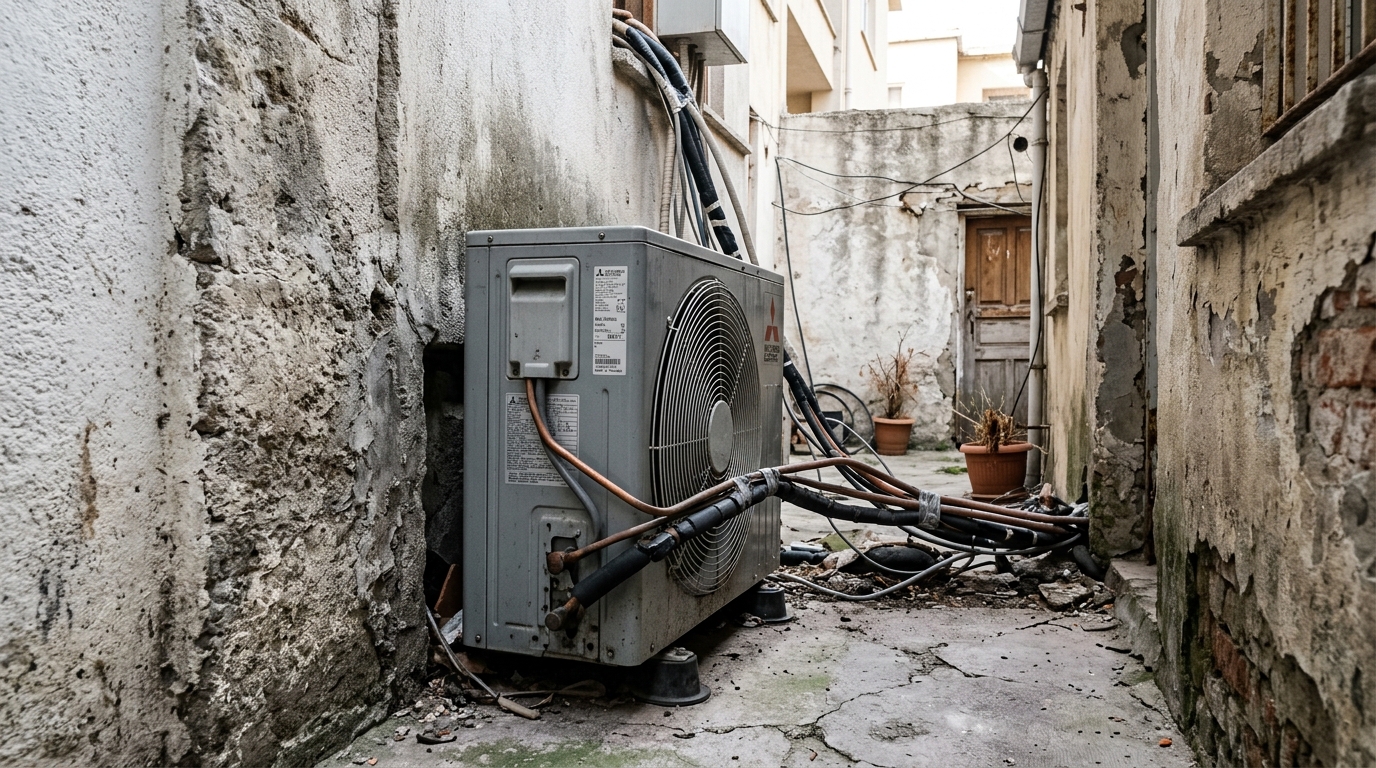
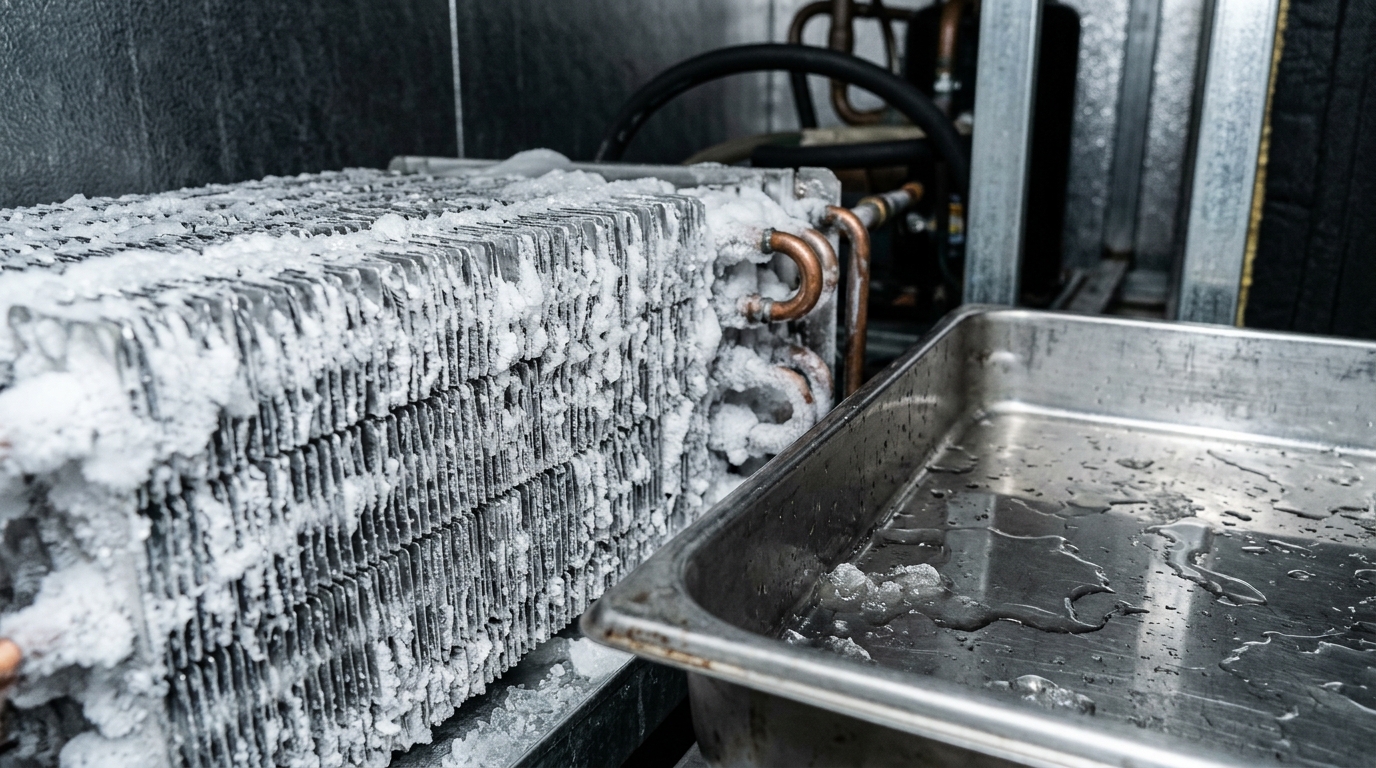
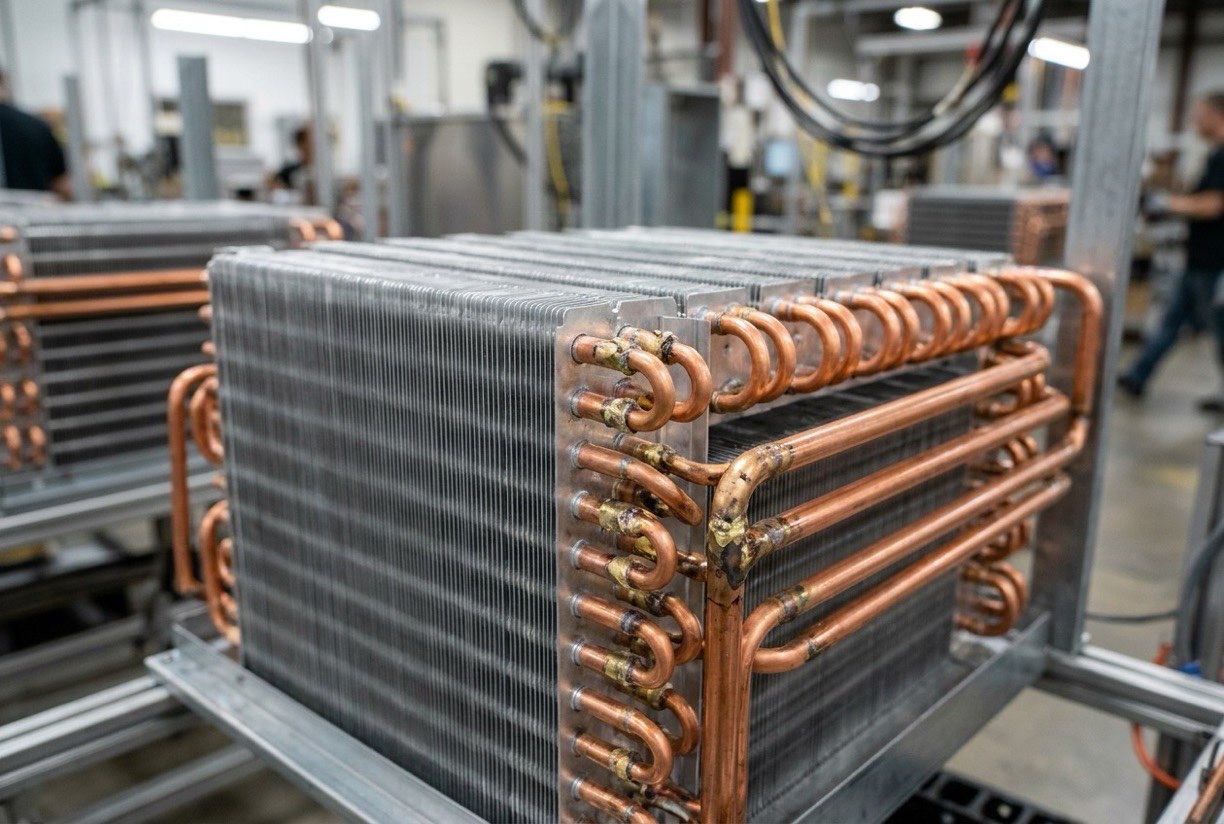
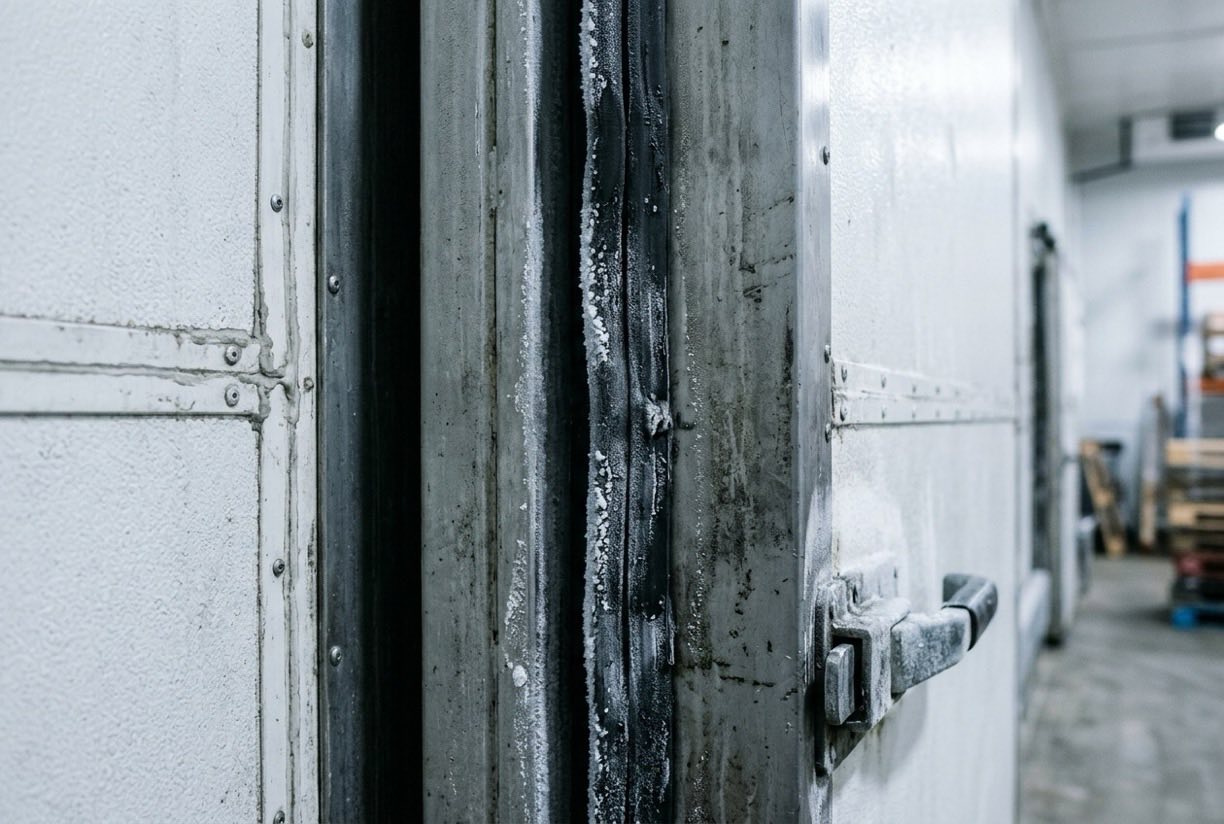
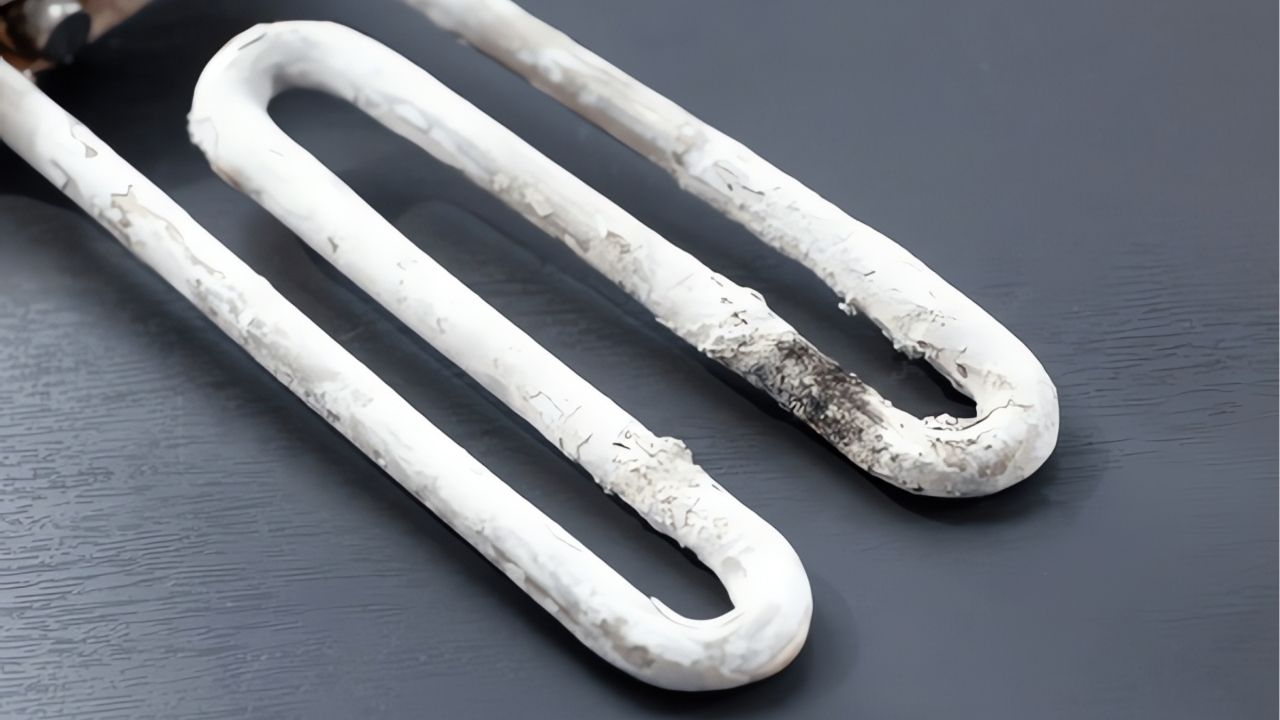
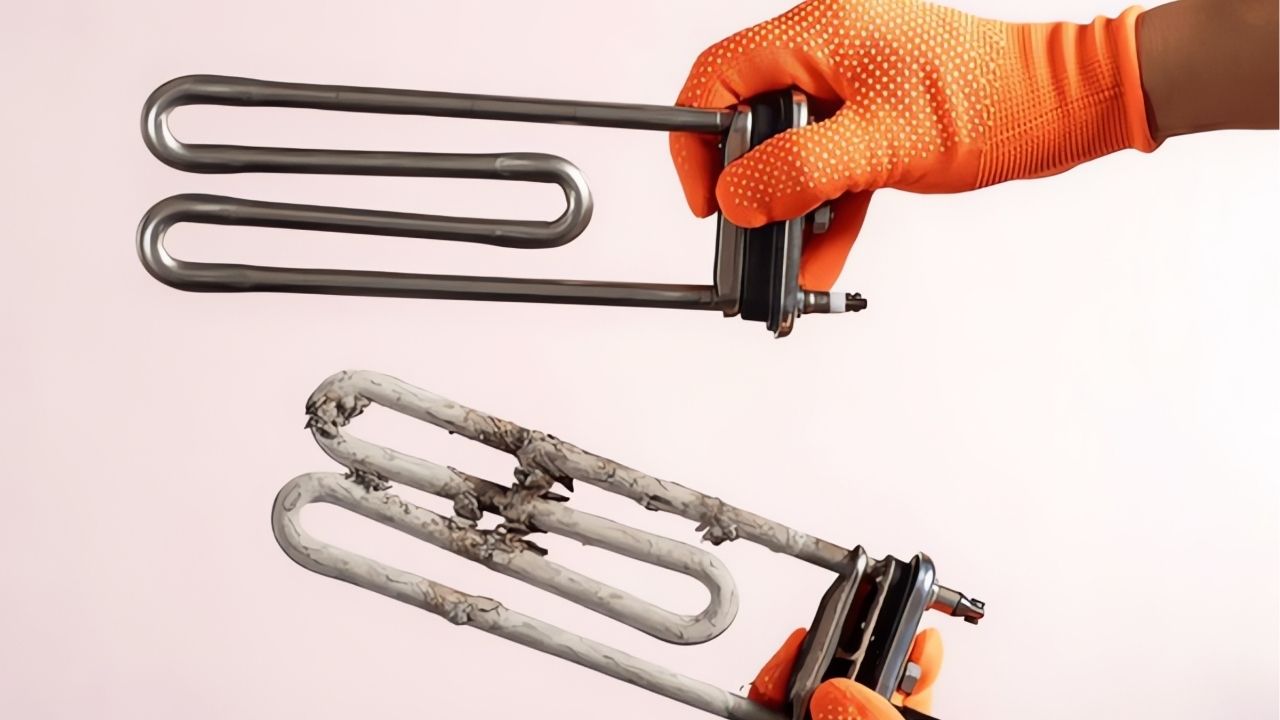
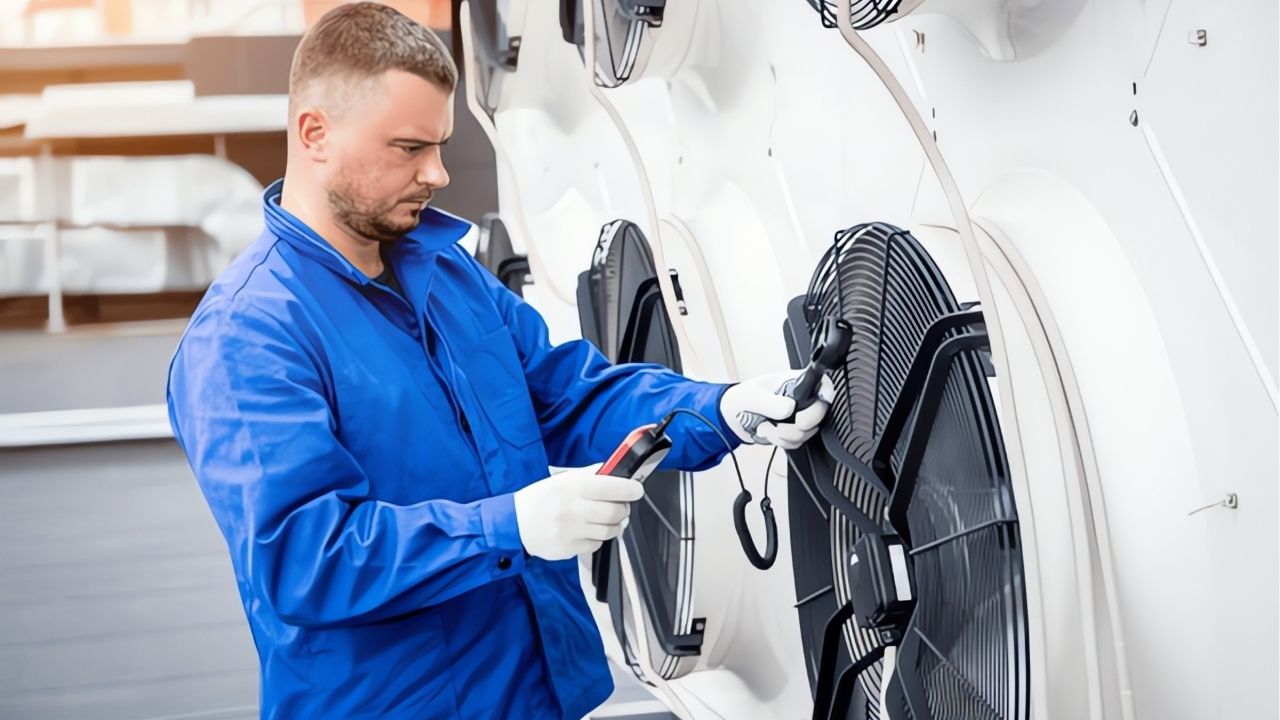
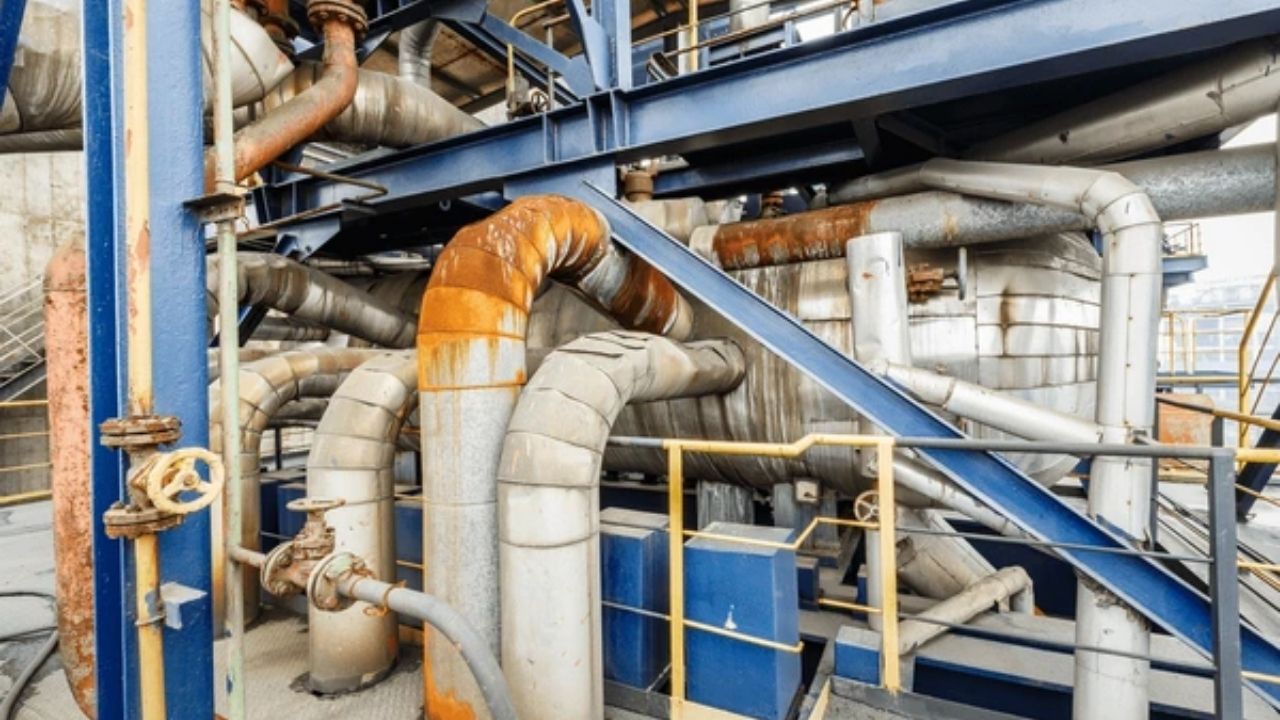
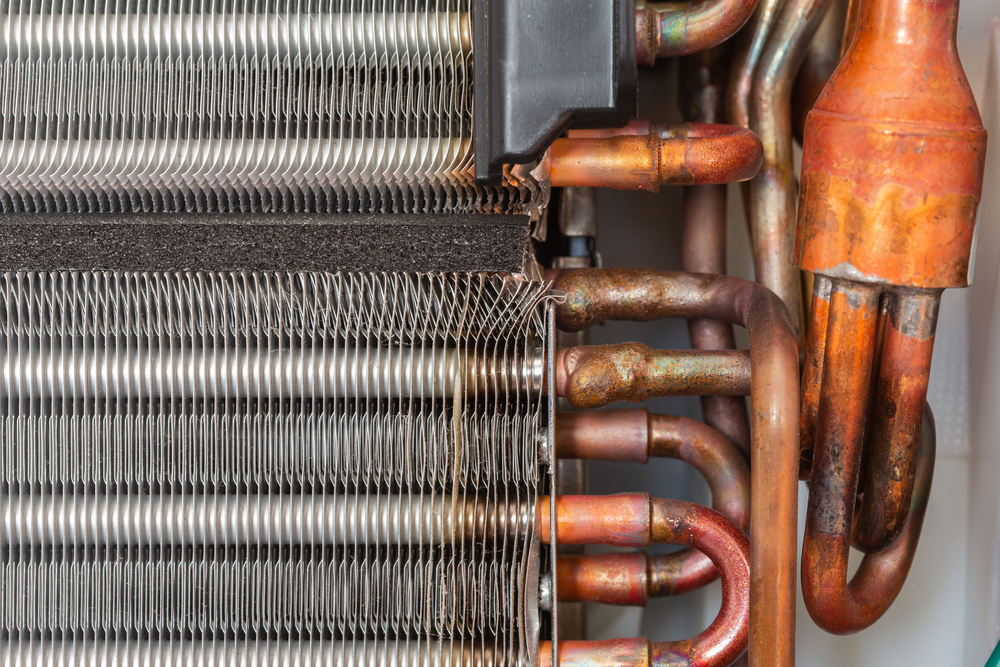
The need to renew an evaporator is usually recognised by signs such as recurring leaks, difficulty reaching room temperature, an increased need for defrost and noticeable corrosion on the fins. Although these symptoms alone are not sufficient for a definitive decision, they indicate that the system needs to be examined in detail.
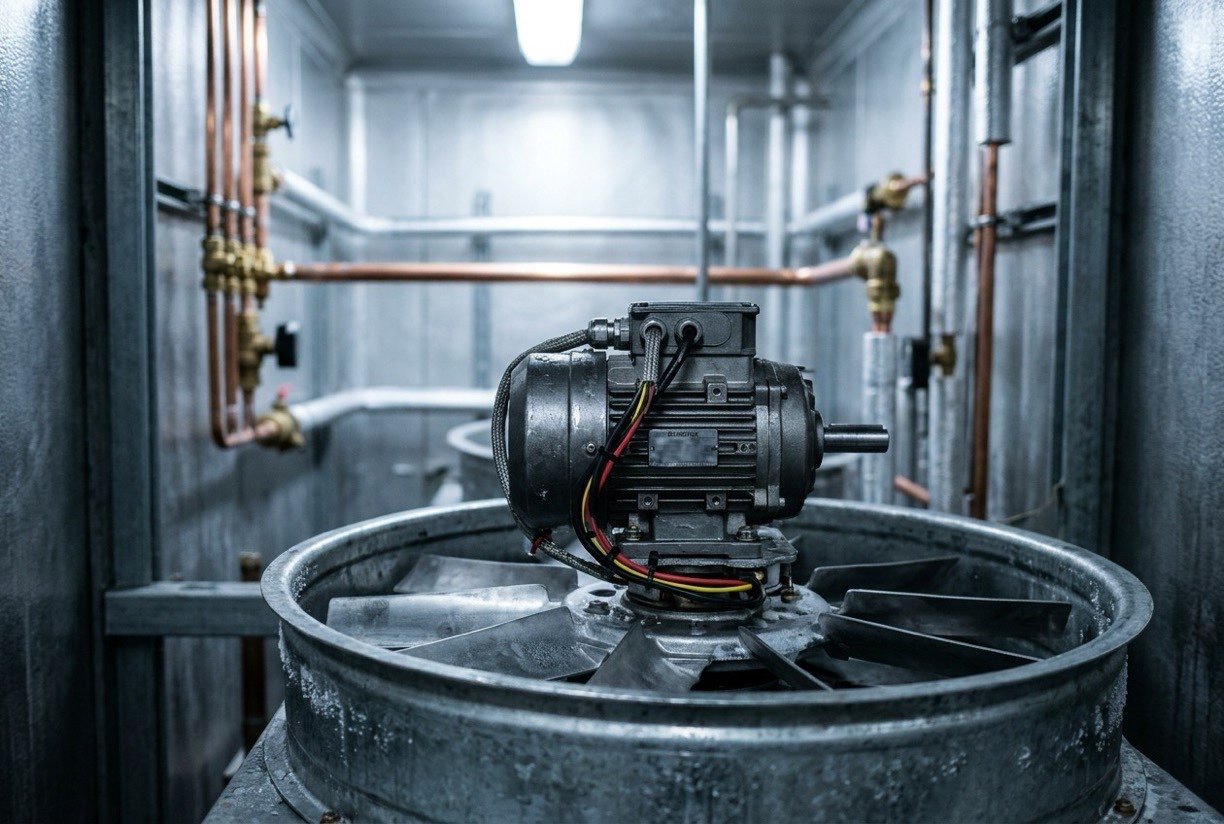
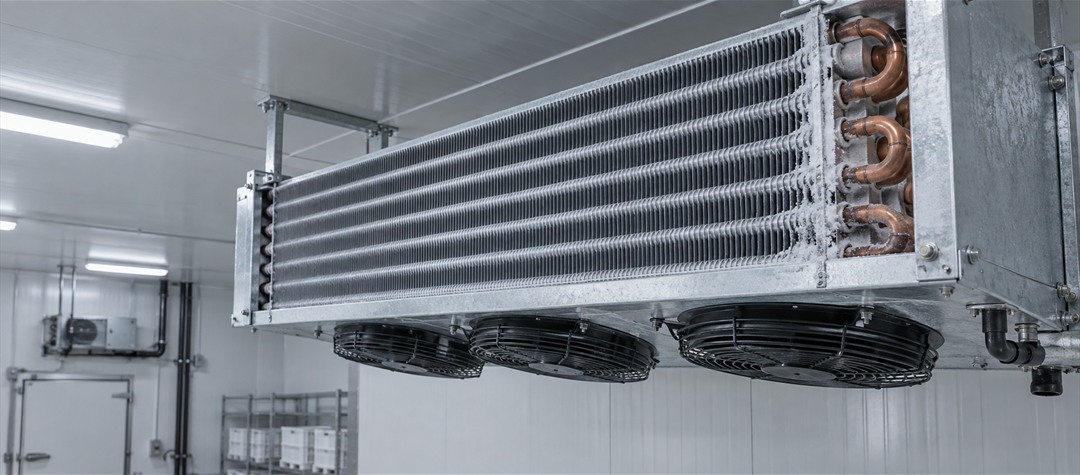
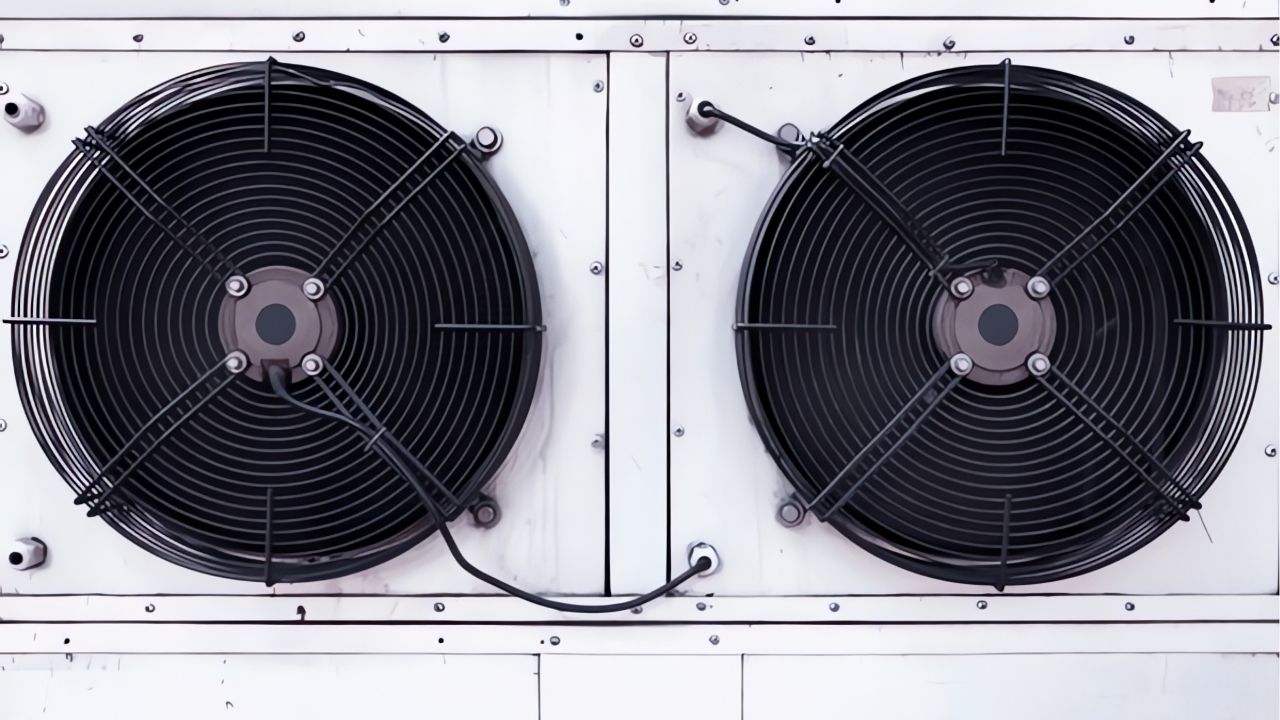
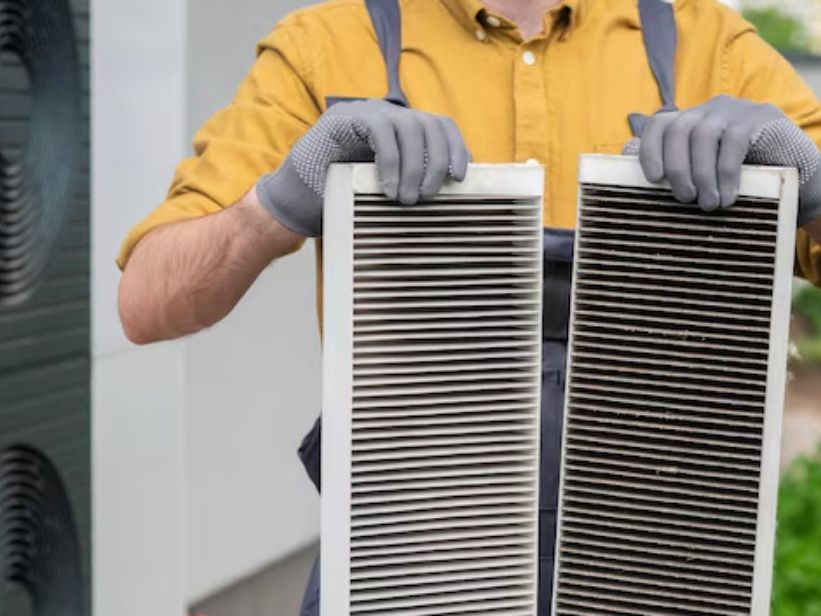
Crushed fins or fins separating from the tubes, frequent failure of fan motors and cracks in the drain pan are also common indicators of ageing. Sometimes the problem lies not in the evaporator itself but in a change in how the room is used; for example, when the stored product, loading frequency or target temperature changes, the old evaporator may not suit the new requirement. Making this distinction prevents unnecessary replacements.
How Is the Existing System Evaluated Before Renewal?
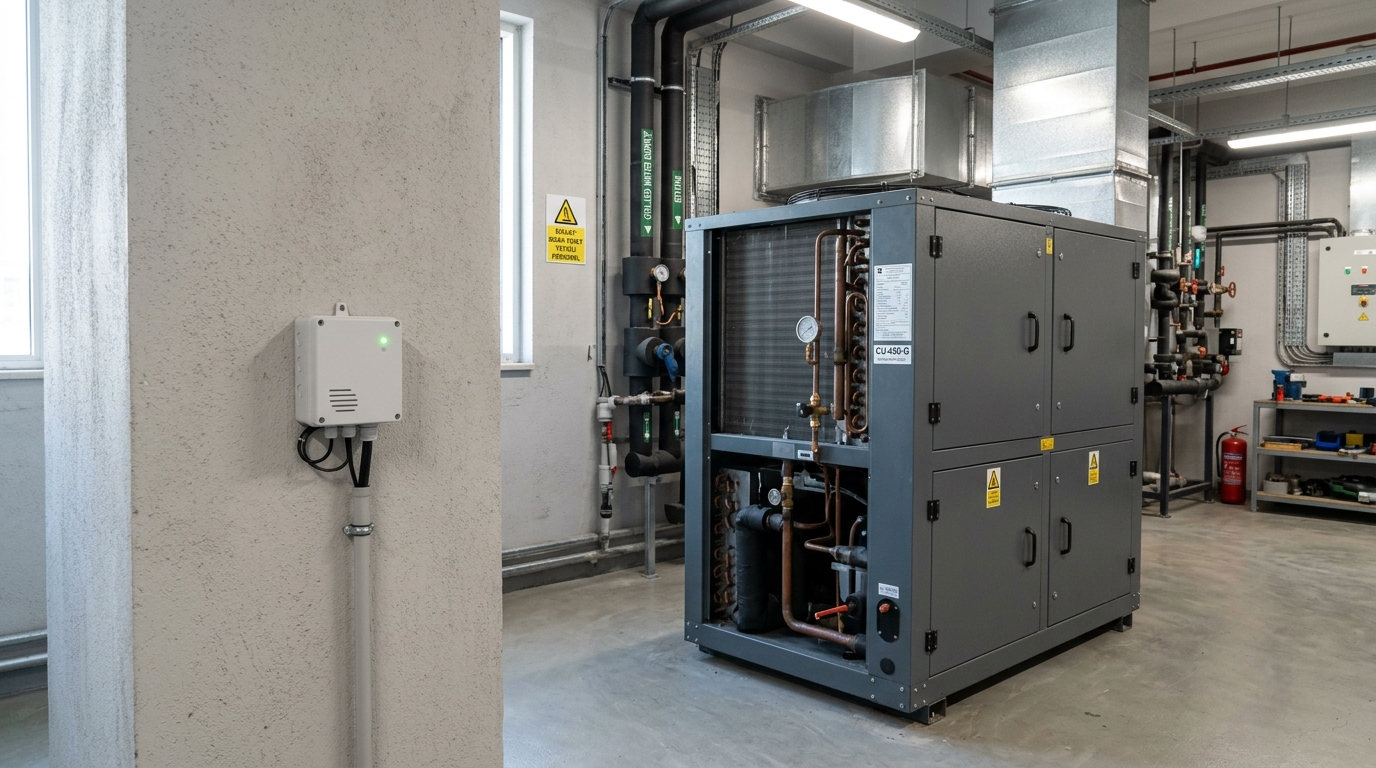
Before renewal, the existing system is evaluated by examining together the current cooling load, compressor and condenser capacity, the condition of the pipelines and the control equipment. Replacing only the evaporator may not deliver the expected result if the other parts of the system are not suited to the new conditions.
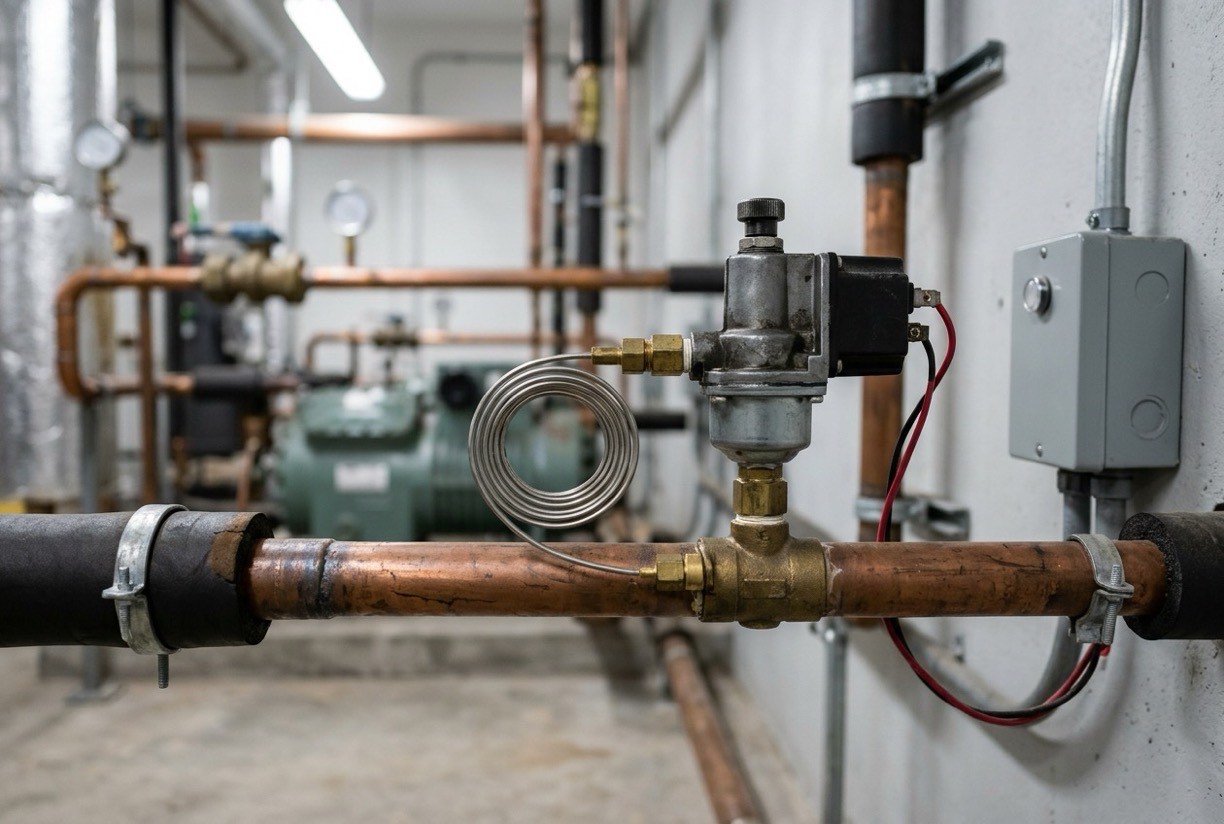
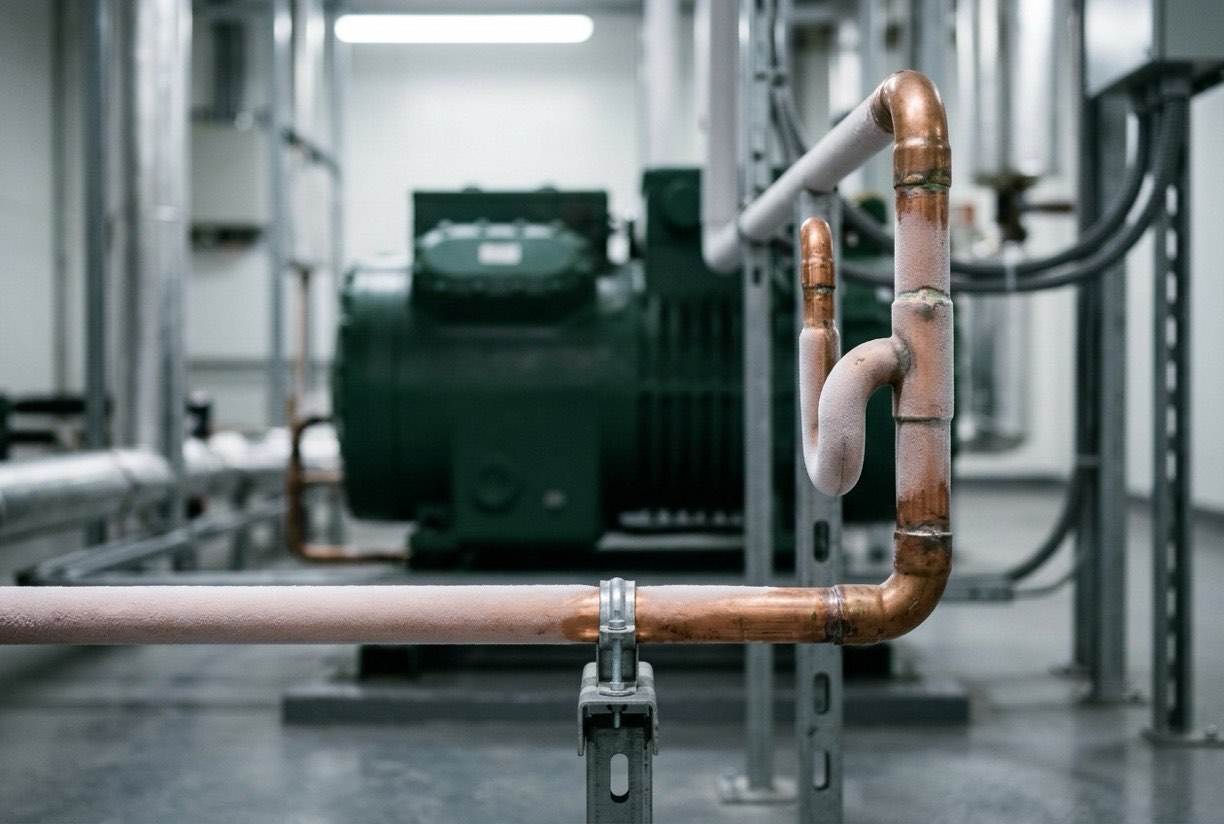
Recalculating the load due to changes in room usage is often beneficial. The compatibility of the existing expansion valve, solenoid valve and defrost control with the new evaporator should be checked. The diameter, insulation and oil return of old pipelines should also be included in the evaluation and, if necessary, a limited line renewal should be planned.
Must the New Evaporator Be Compatible with the Existing Refrigerant?
Yes, the new evaporator should be selected to be compatible with the pressure, temperature and oil properties of the existing refrigerant or the refrigerant to be switched to. If a refrigerant change is also on the agenda in old systems, the evaporator selection should be made together with this decision.
Different refrigerants may show different operating pressures, temperature glide and heat transfer characteristics; this in turn affects the coil circuiting and capacity. If a refrigerant change is planned, the compatibility of the other components, seals and oil in the system should also be checked. Which refrigerant is suitable is determined according to local regulations, the system type and operating conditions.
How Do Size and Mounting Constraints Affect Selection?
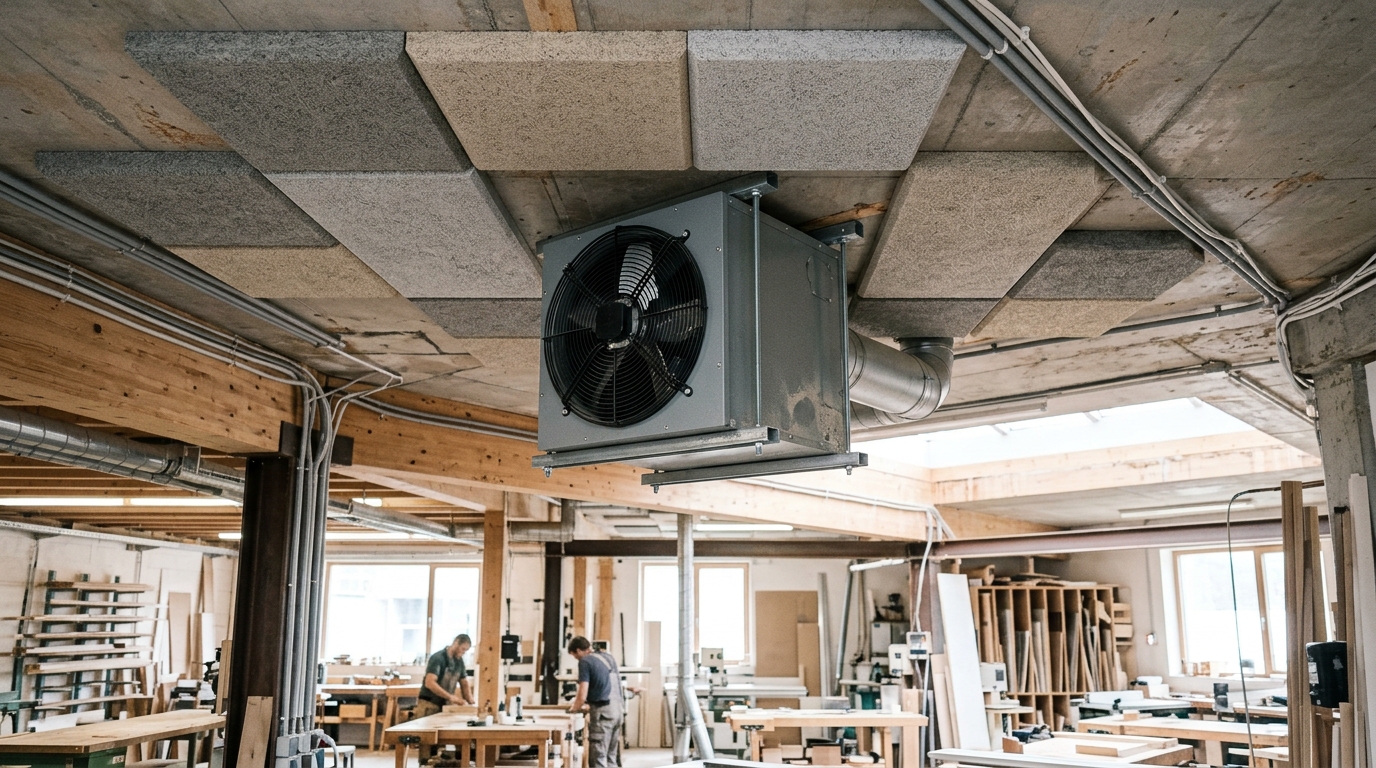
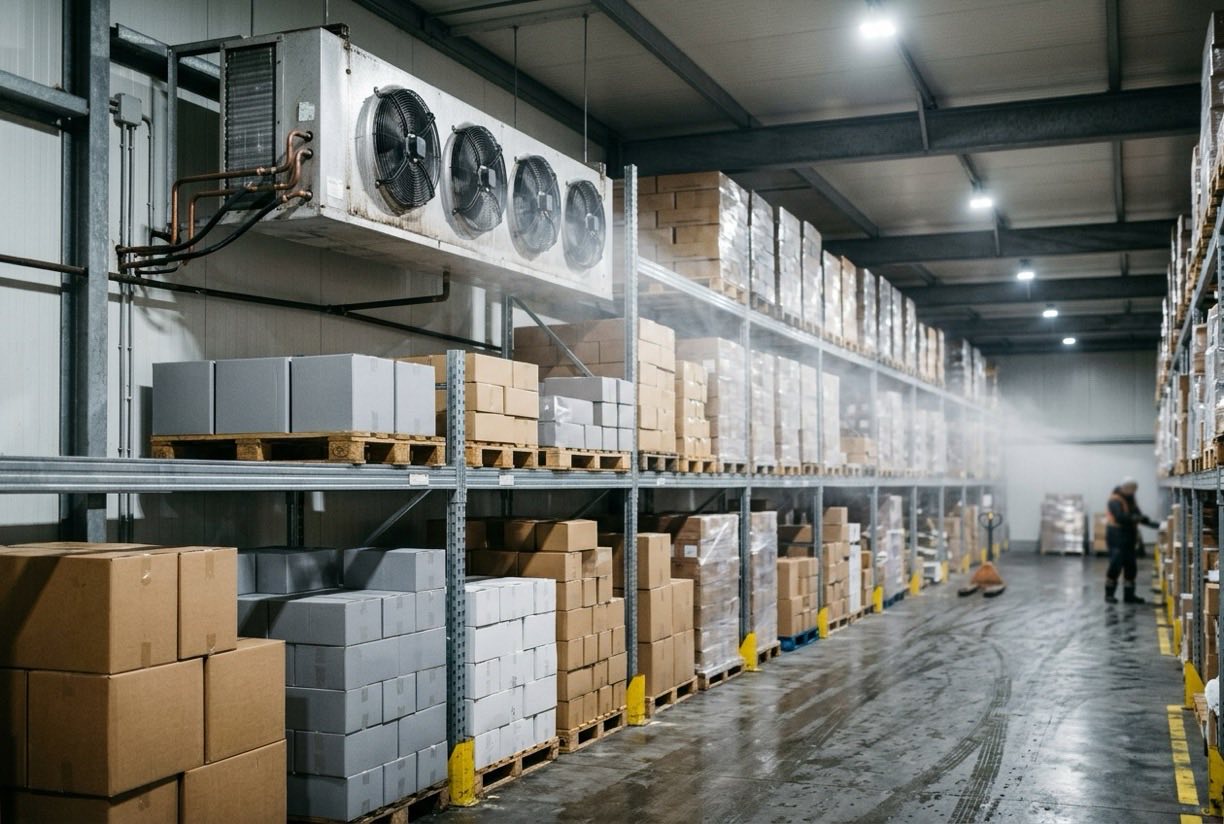
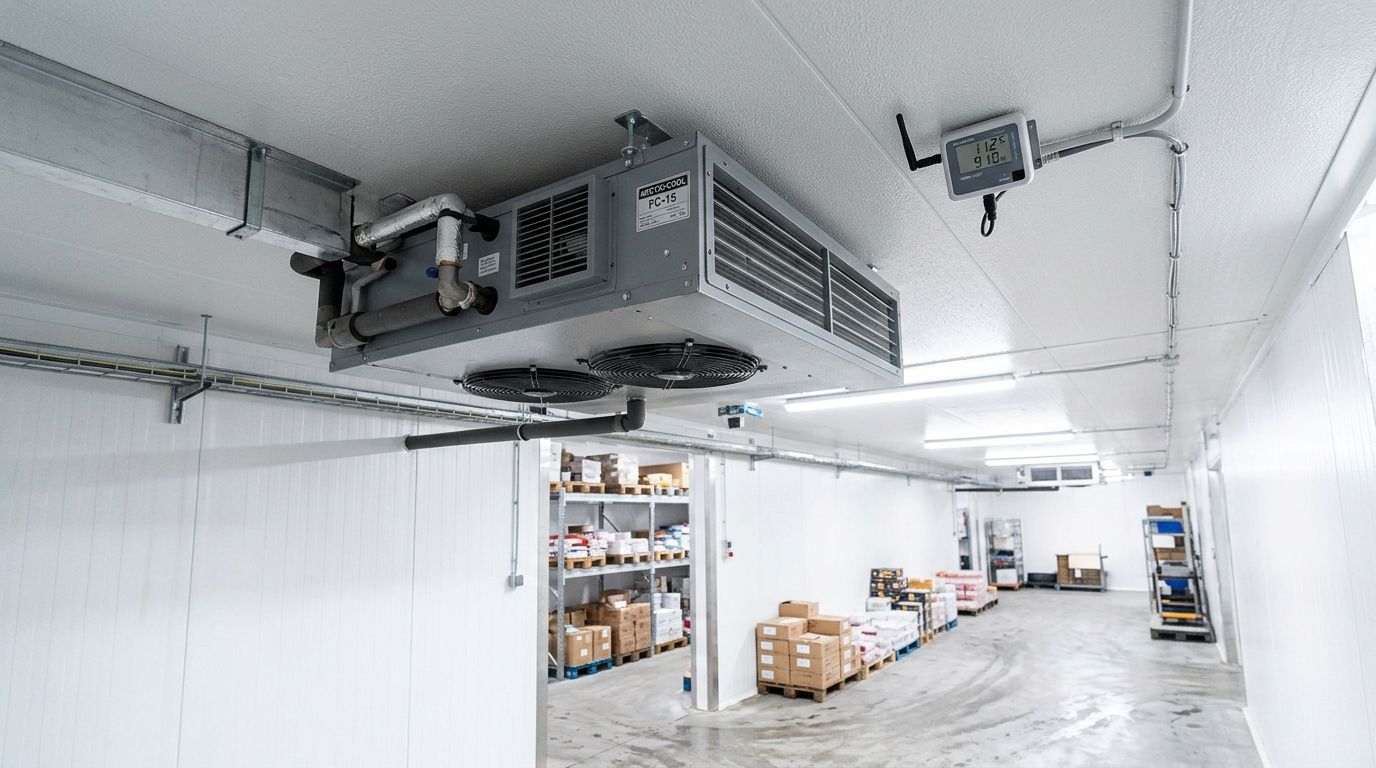
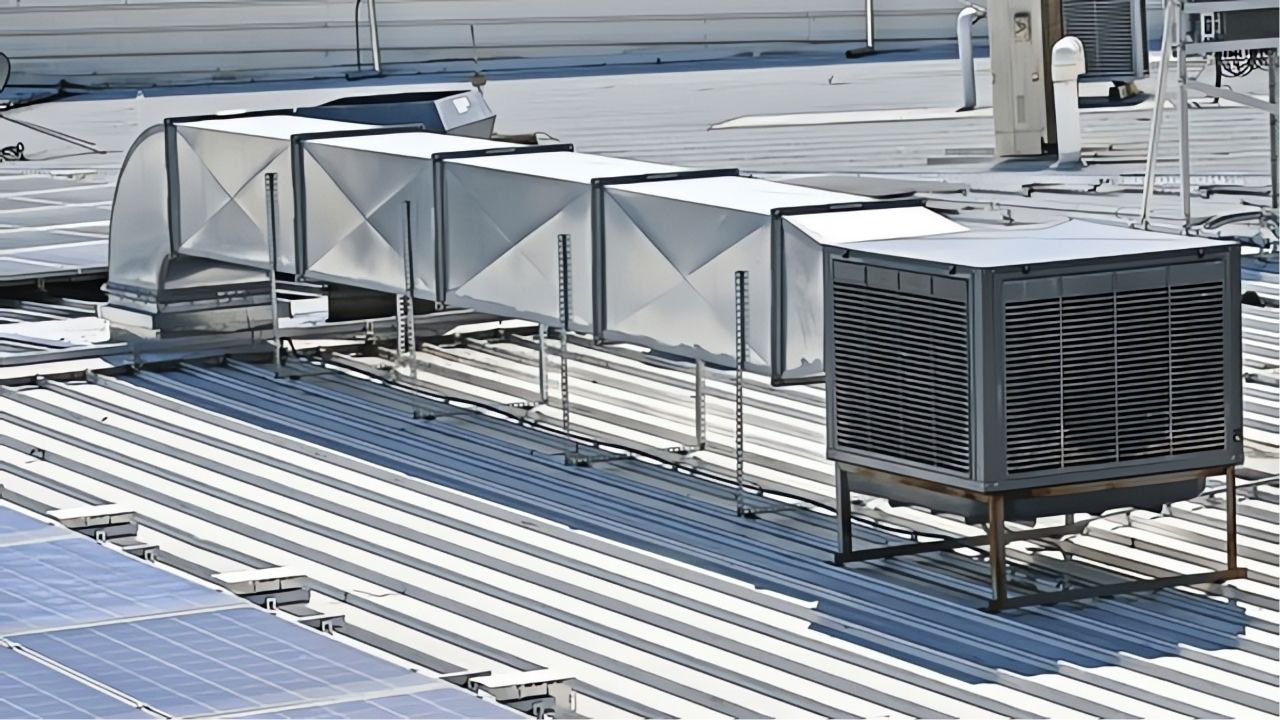
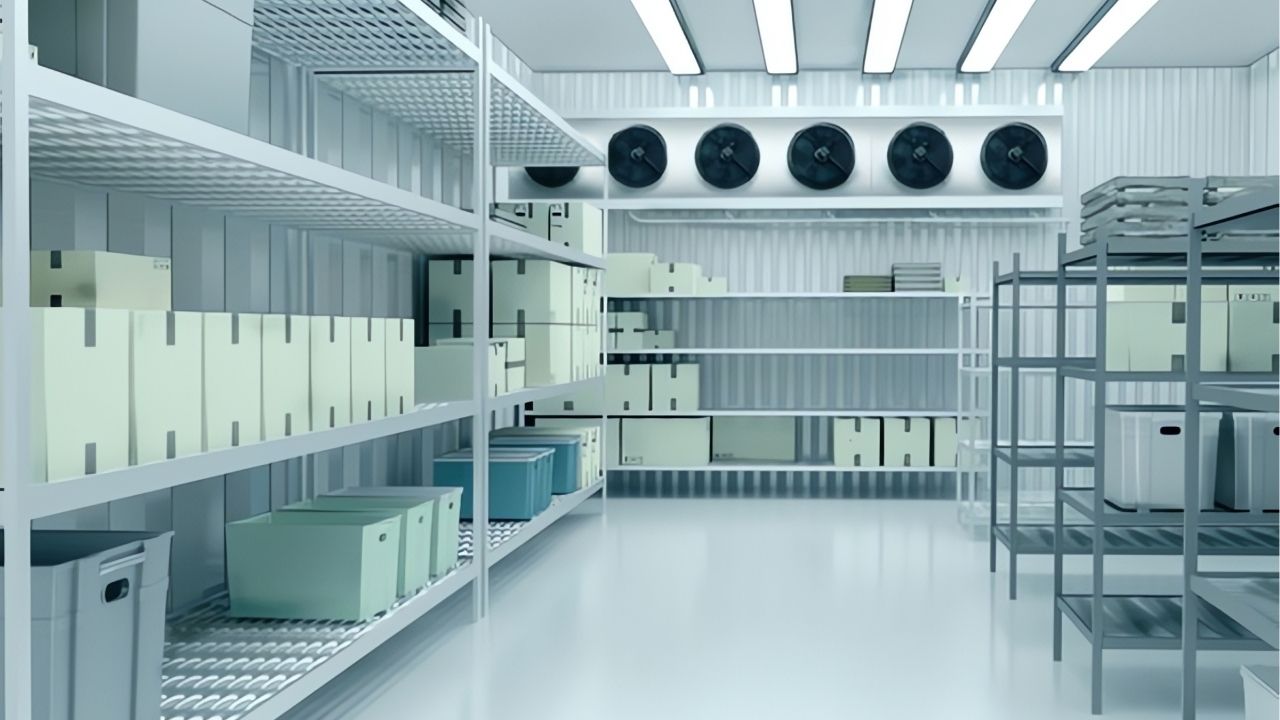
In old facilities, evaporator selection is significantly limited by physical constraints such as existing suspension points, ceiling height, racking layout and service access. For this reason, on-site measurement must be carried out together with the capacity calculation.
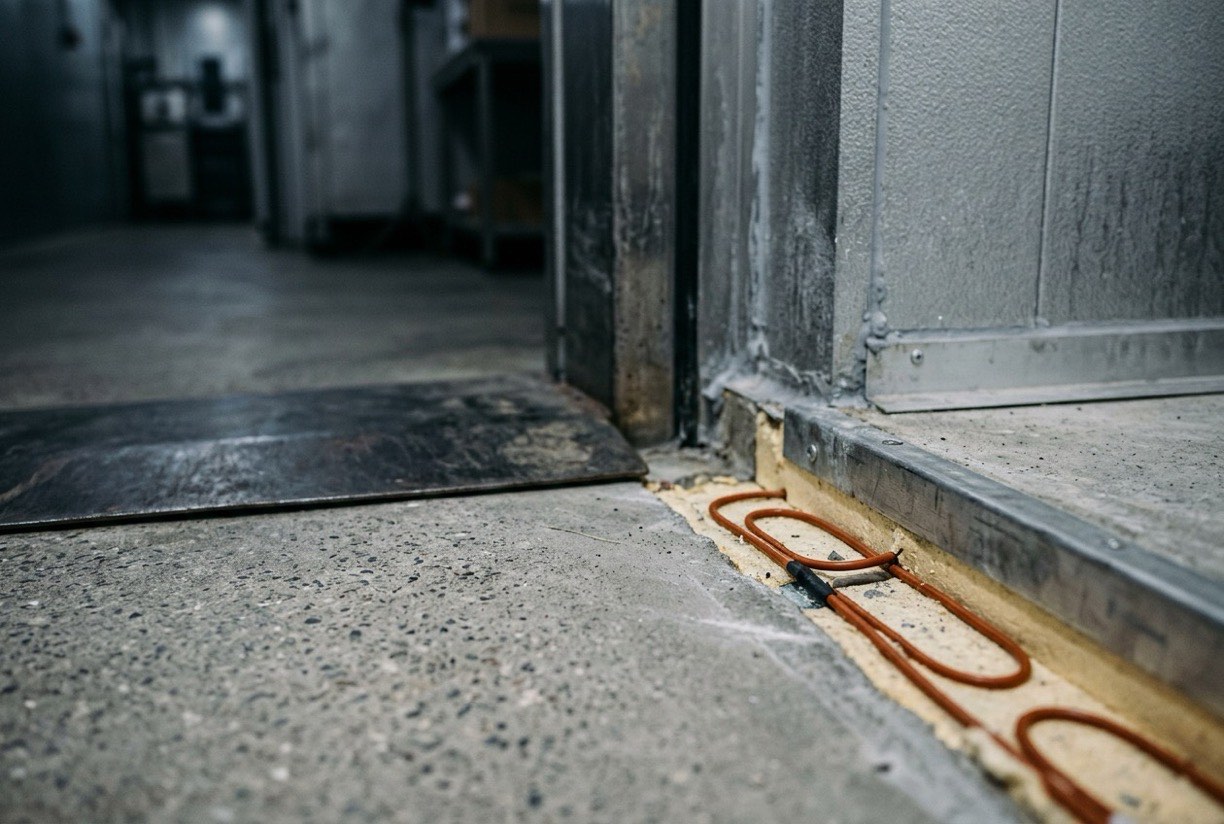
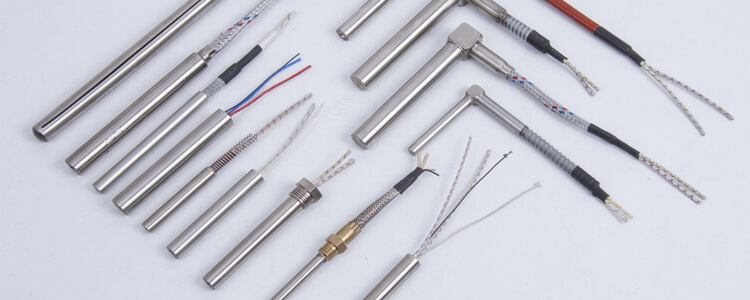
A more efficient evaporator may be of a different size; in this case the supporting structure, air throw distance and product stacking should be reviewed. In some cases, two smaller units instead of one large unit can improve air distribution or provide ease of installation. The slope of the drain line and the need for heaters should also be checked in the new layout.
How Should Commissioning Be Carried Out After Renewal?
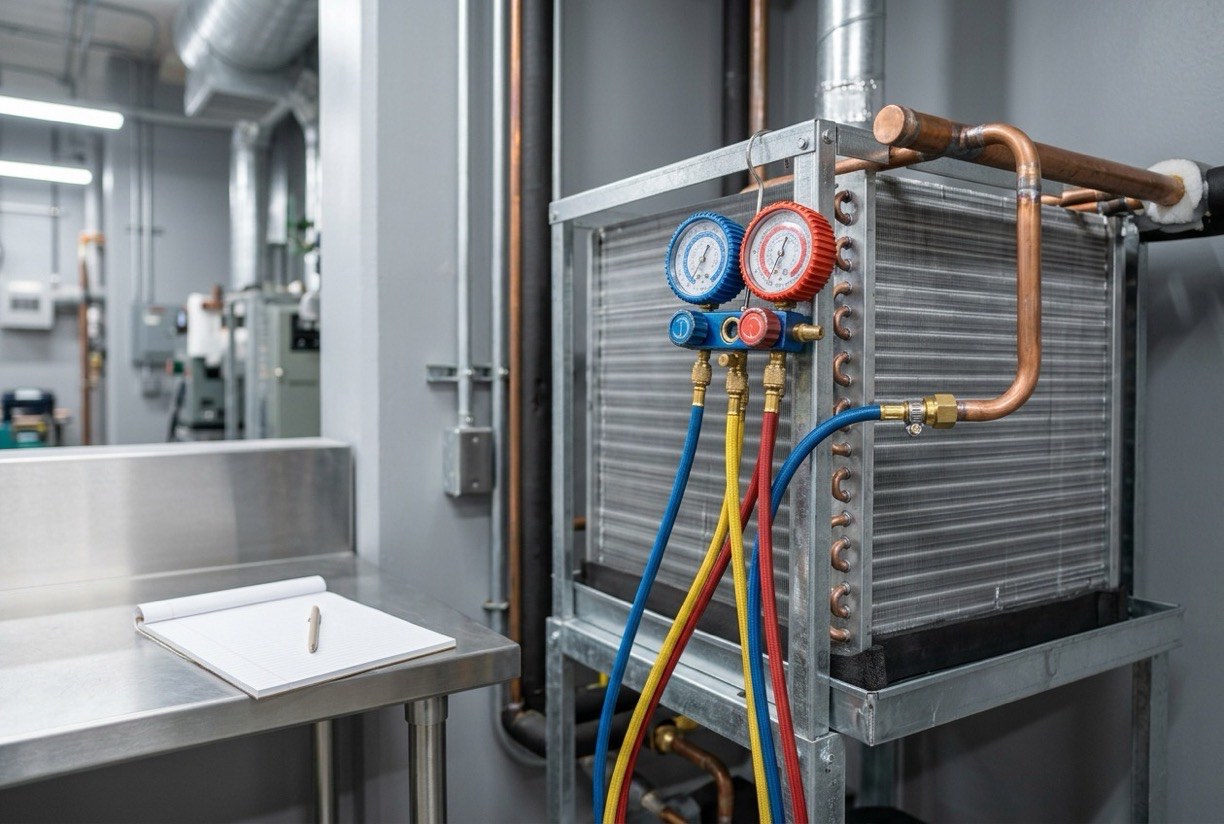
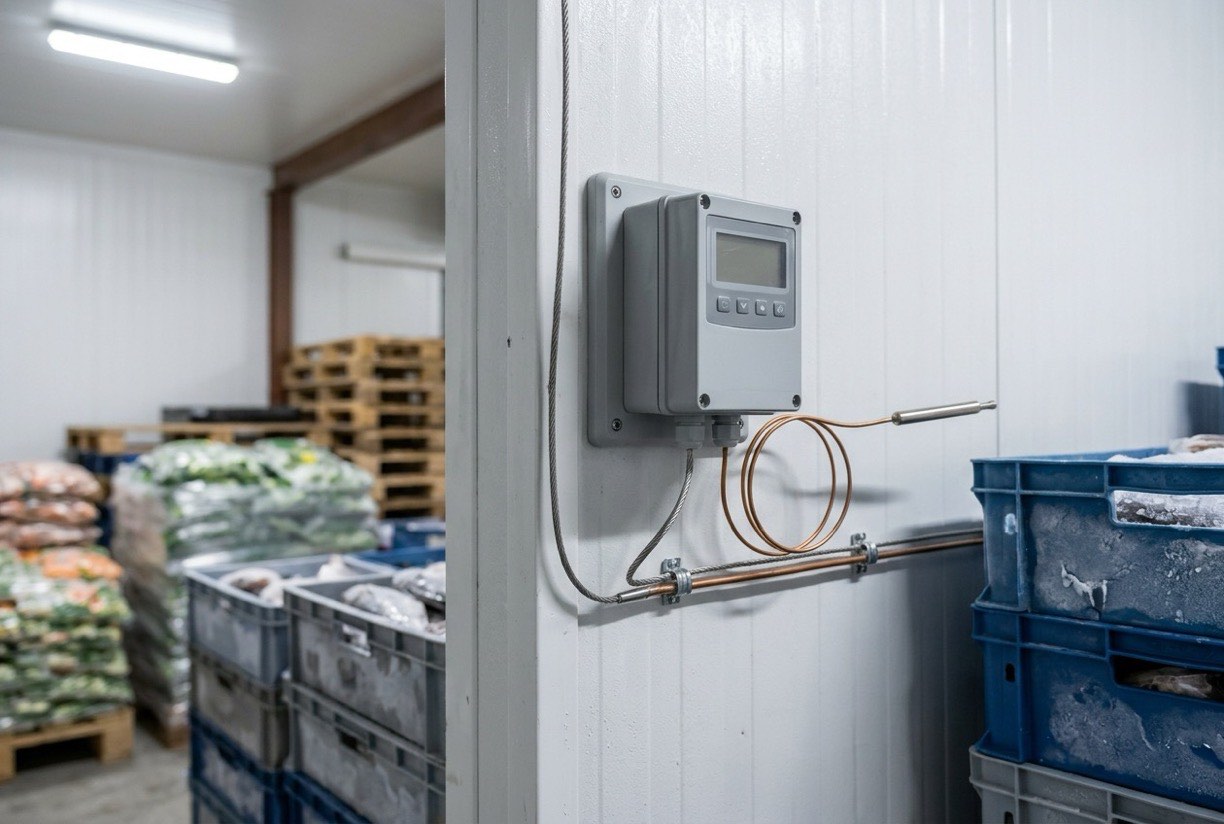
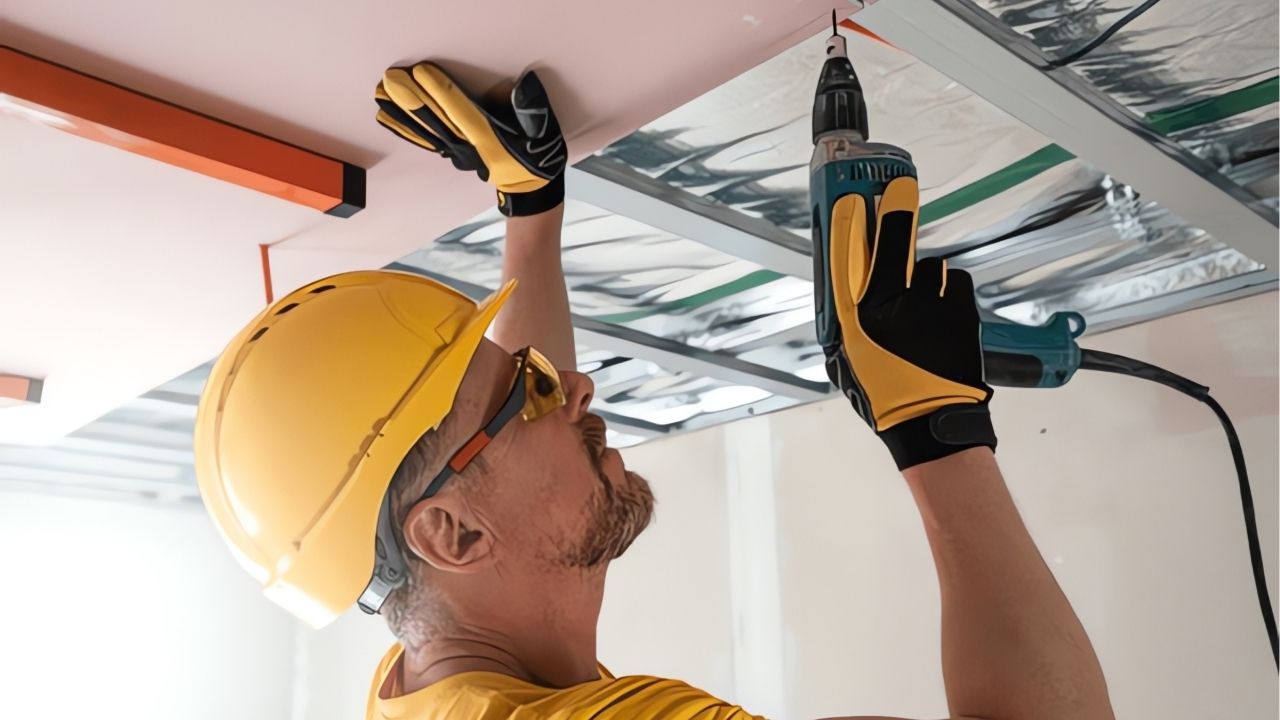
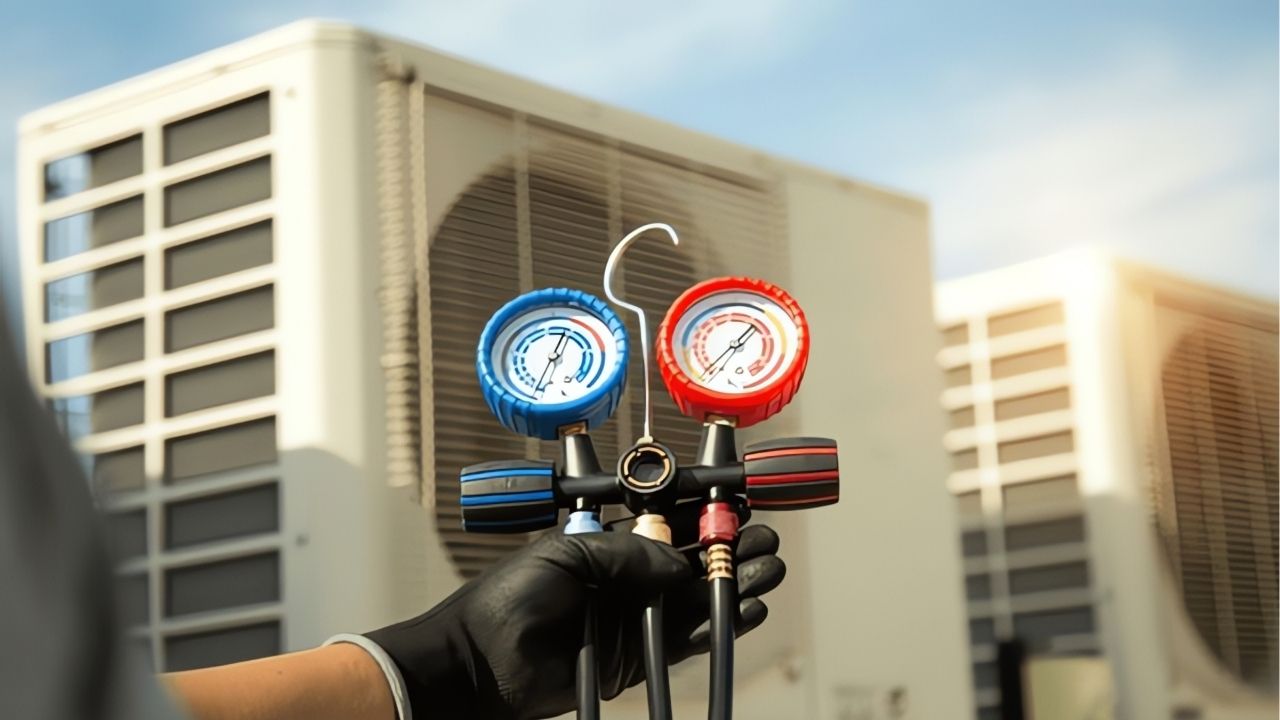
Commissioning after renewal should be carried out with a leak tightness test, evacuation, correct charging, valve settings and adjustment of the defrost parameters to suit the new evaporator. Using the settings left over from the old system unchanged may limit the performance of the new equipment.
After commissioning, superheat, suction pressure, room pull-down time and recovery after defrost should be monitored for a period. Contamination or moisture remaining in the old lines should be addressed together with replacing the filter drier so that it does not cause problems in the new components. Observations made in the first weeks help determine the necessary fine adjustments.
What Should Be Considered in the Evaporator Renewal Decision?
The renewal decision requires evaluating the system's present and future needs together, going beyond merely replacing the faulty part. The following points can be useful in the decision process:
- Recalculating the cooling load according to current room usage.
- Checking the compatibility of the compressor, condenser, valves and control equipment with the new evaporator.
- Selecting a coil and circuit design suited to the existing or planned refrigerant.
- Verifying installation, service access and drainage conditions through on-site measurement.
If you would like to evaluate renewal options for your existing system, you can talk to the Günay Soğutma technical team.
Frequently Asked Questions
Is it better to replace or repair the evaporator?
If leaks are limited and the coil is generally sound, repair may be sufficient; in cases of widespread corrosion and recurring failures, replacement may be more appropriate.
Can a new evaporator work with an old compressor?
It can if the capacity and operating conditions are compatible; for this, the compressor capacity should be checked against the new load.
Should the pipelines also be replaced during renewal?
Not always; the decision is made after evaluating the line diameter, insulation condition and oil return.
How long does renewal interrupt room use?
The duration varies according to the number of units, access and scope of the system; product removal and temporary solutions should be planned in advance.
Does a new evaporator reduce energy consumption?
A reduction can be achieved with a more suitable surface area and efficient fans; the savings depend on the condition of the existing system and the operation.
Can the old settings be used with the new evaporator?
It is recommended that the valve and defrost settings be readjusted for the new unit; the old values may limit performance.
How can I get a renewal recommendation for my own facility?
You can obtain a project-specific recommendation by contacting the Günay Soğutma team with your existing equipment information, room usage and the problems you are experiencing.