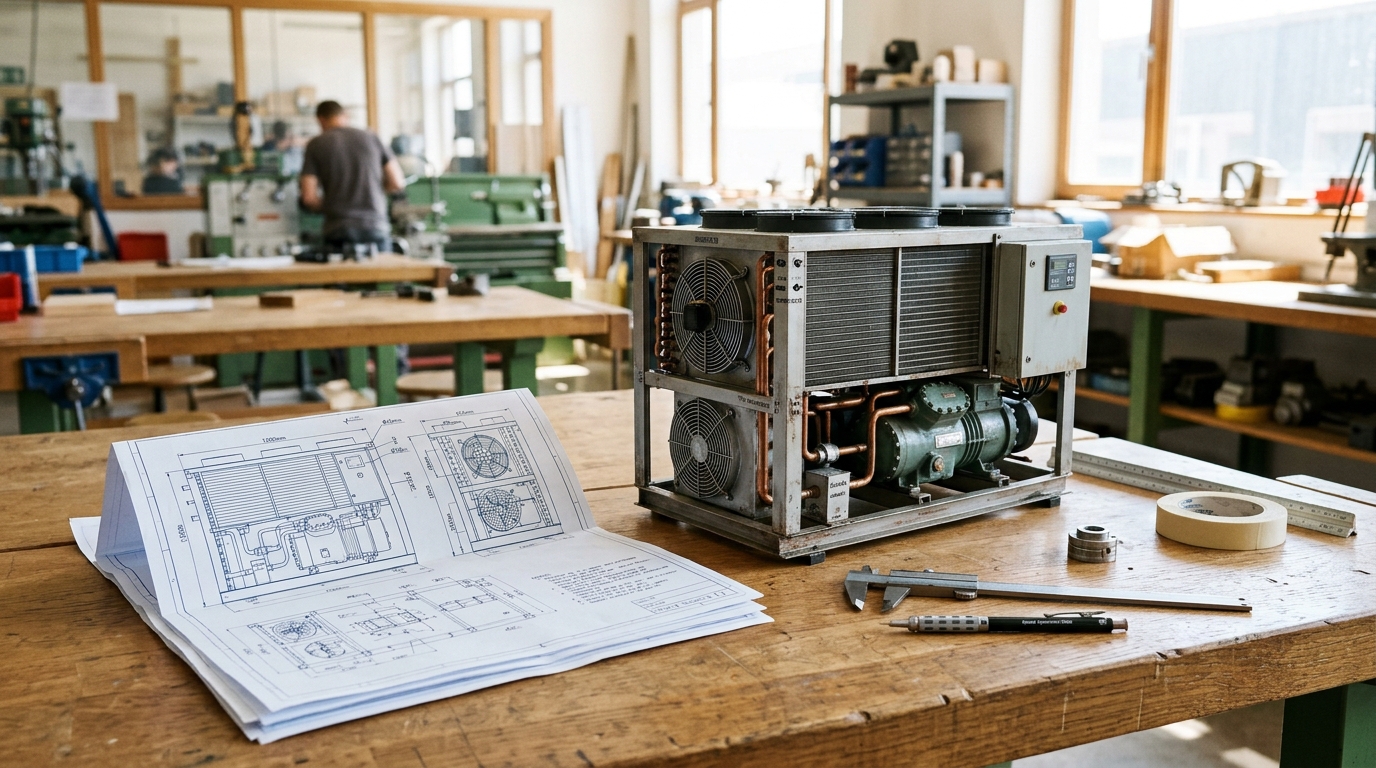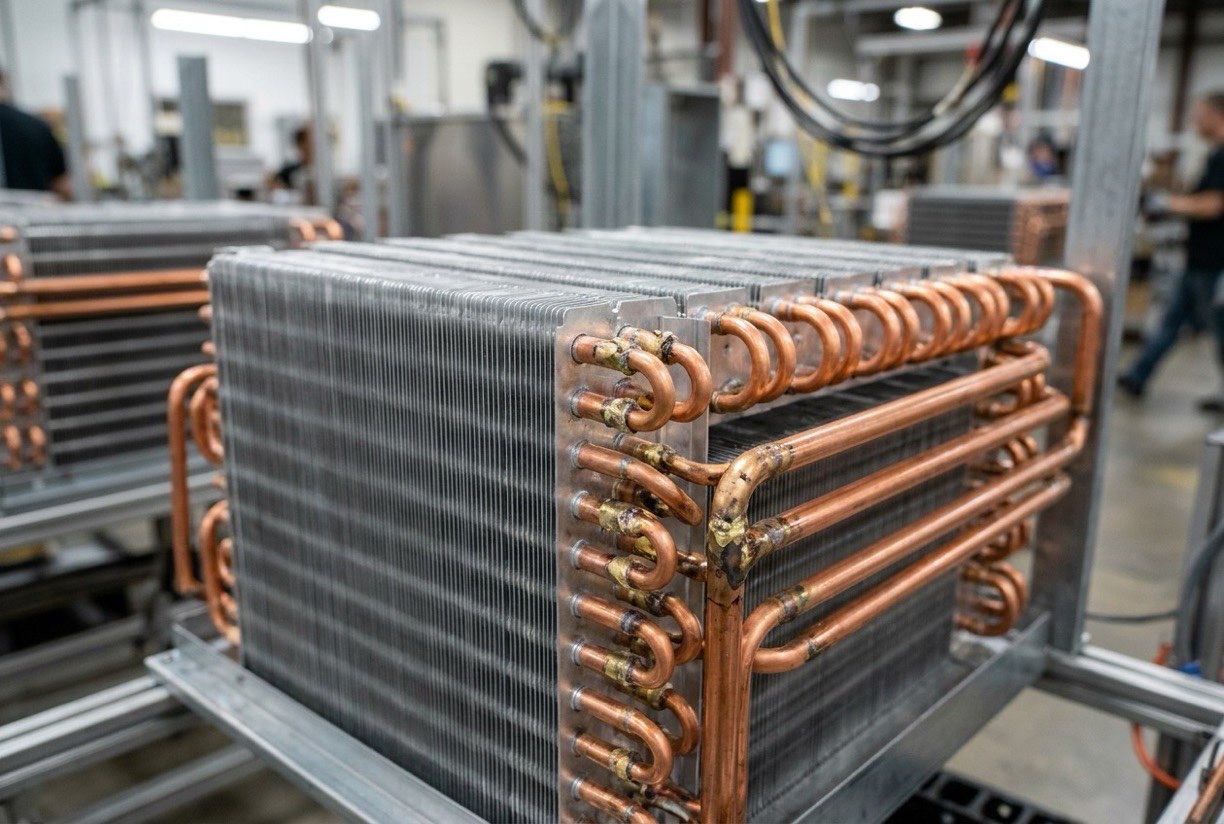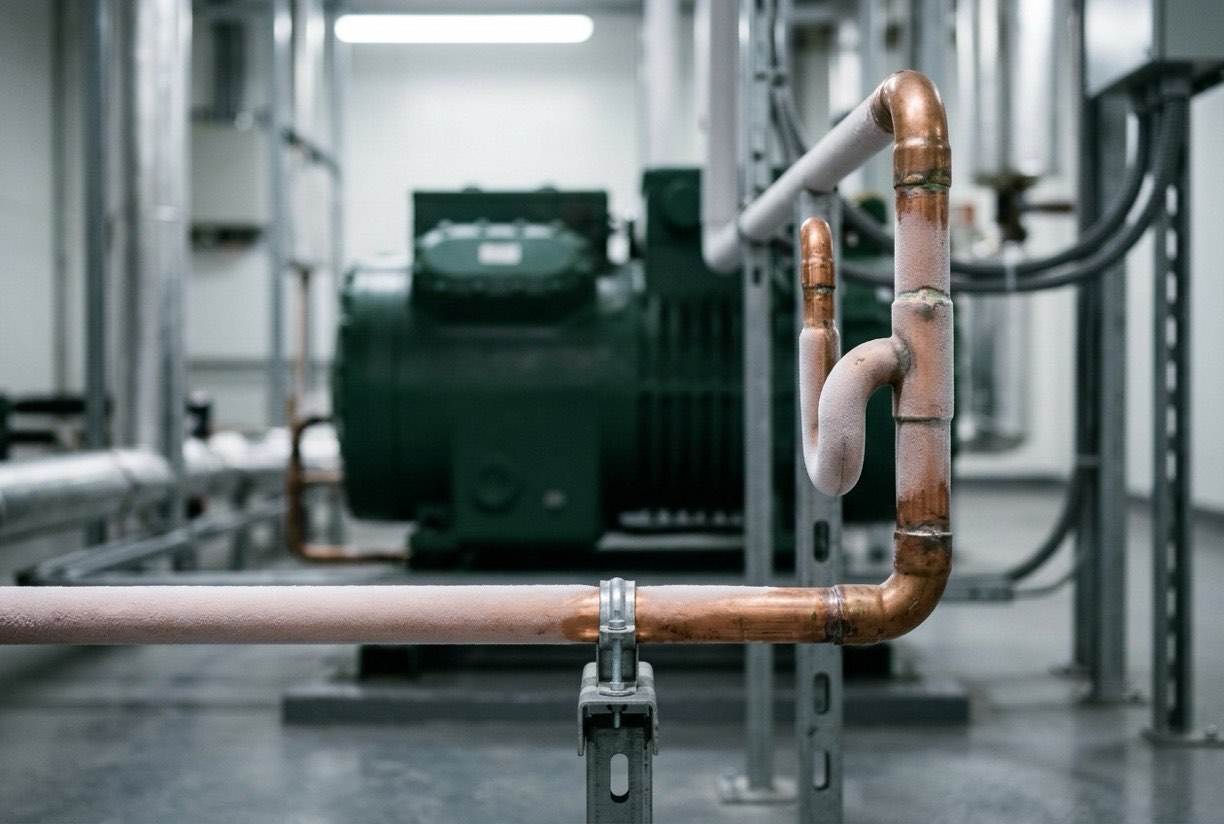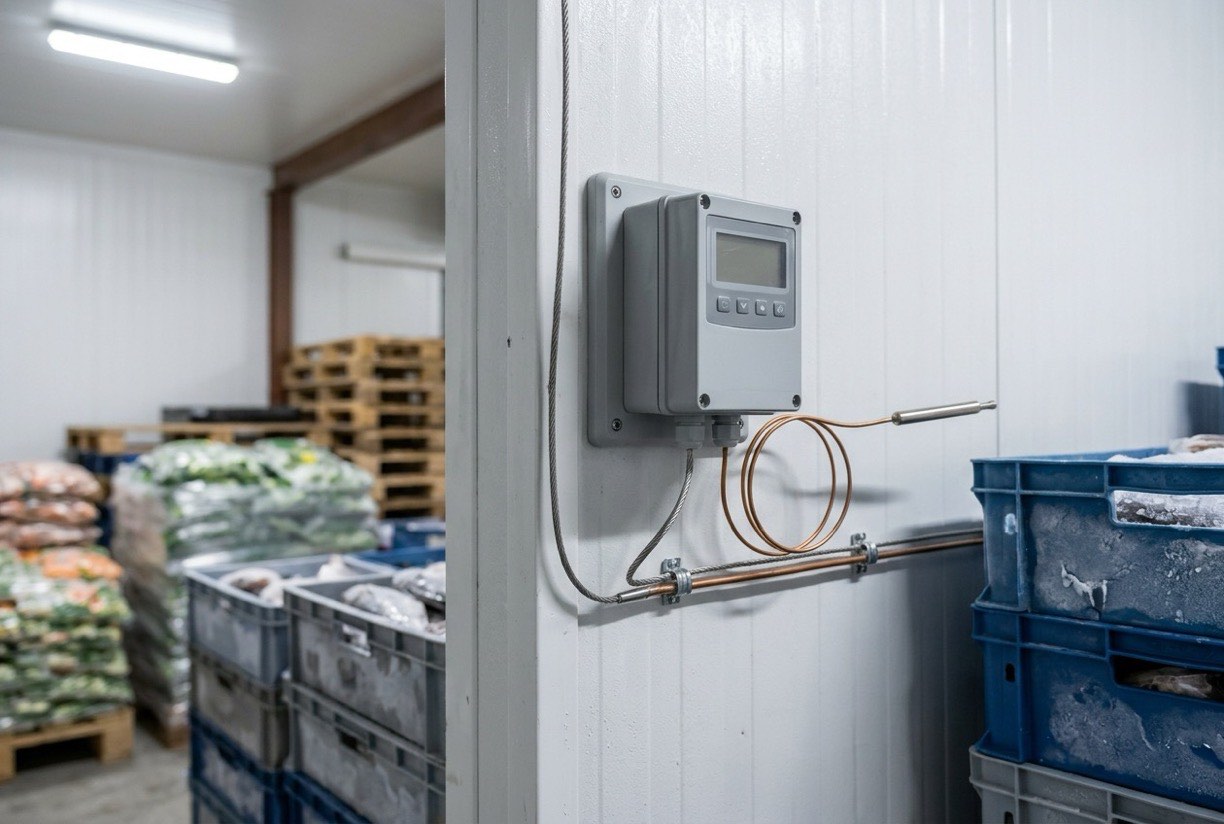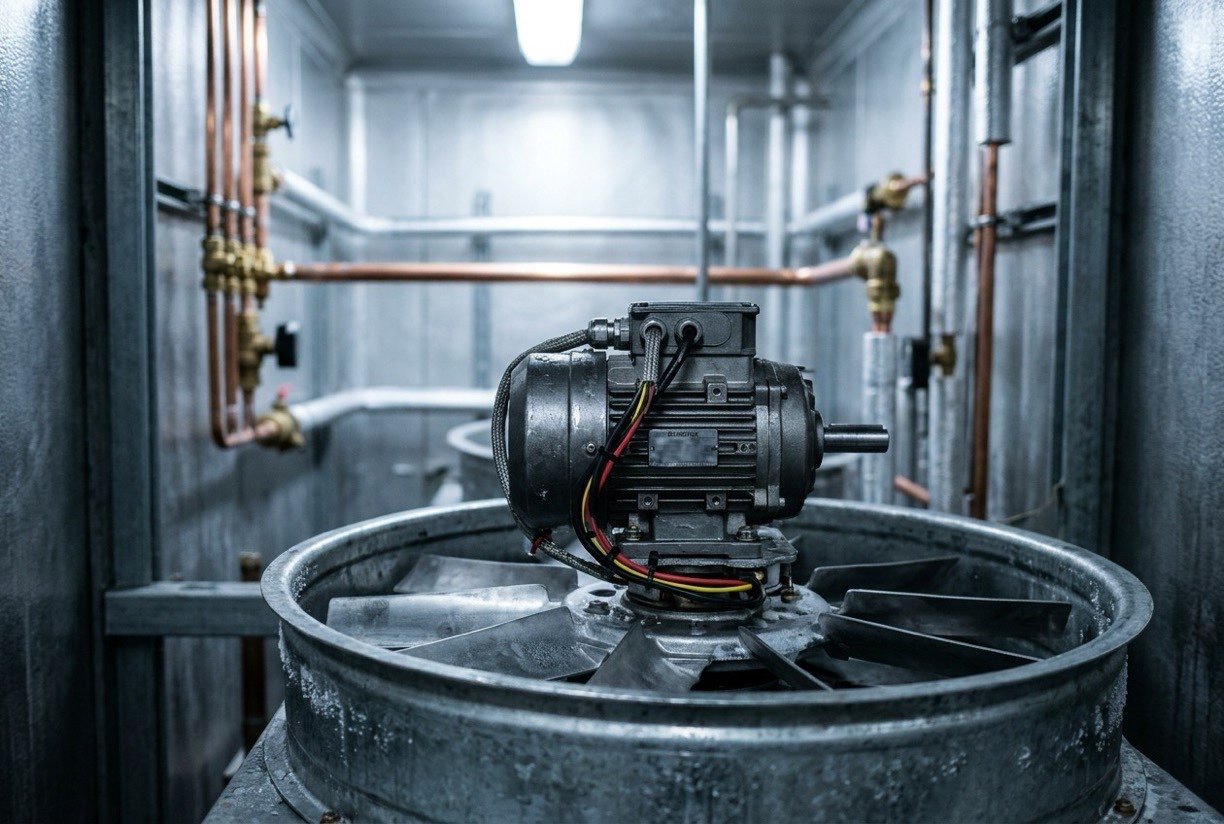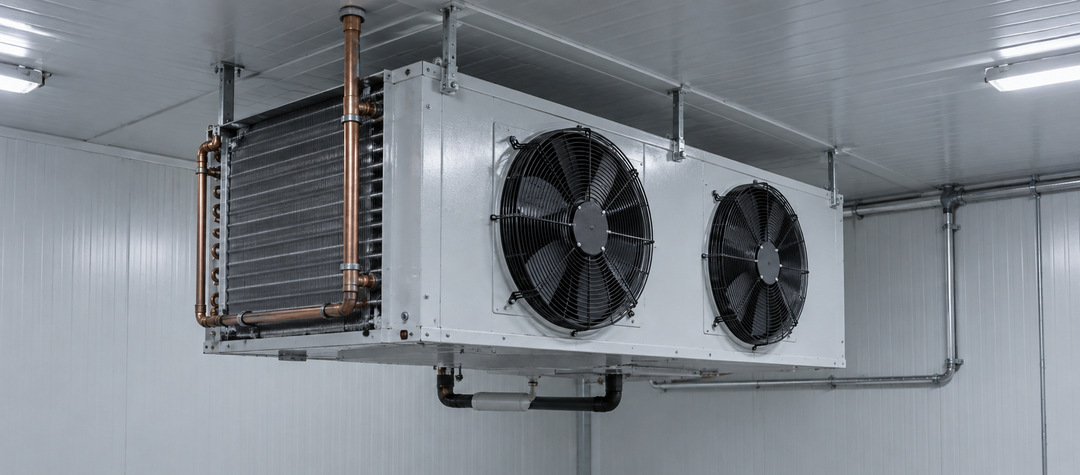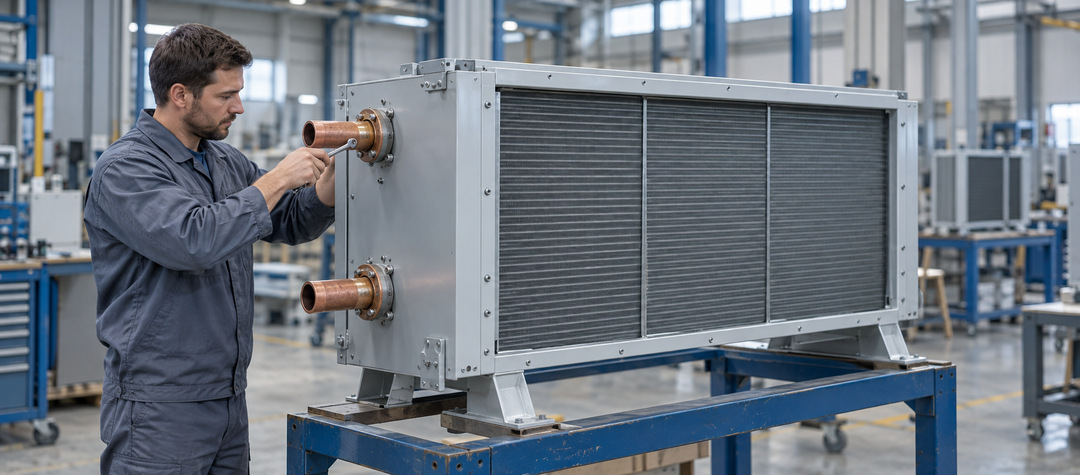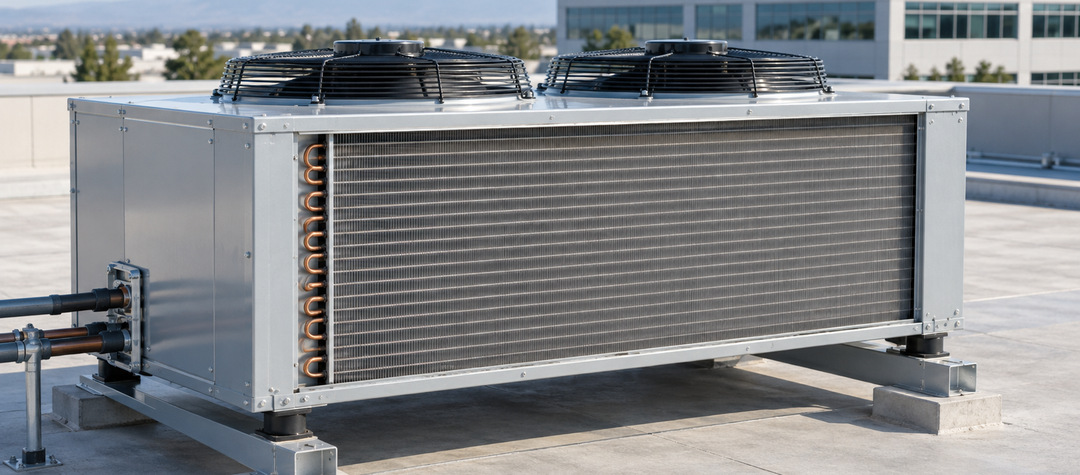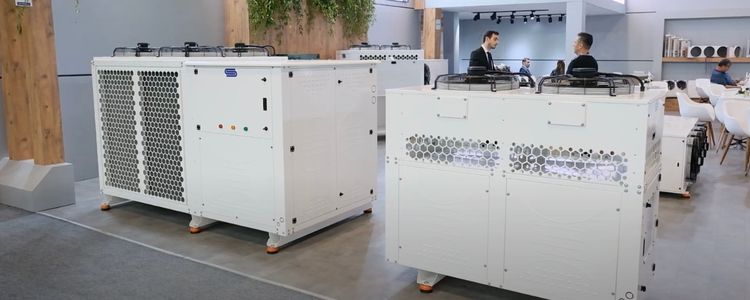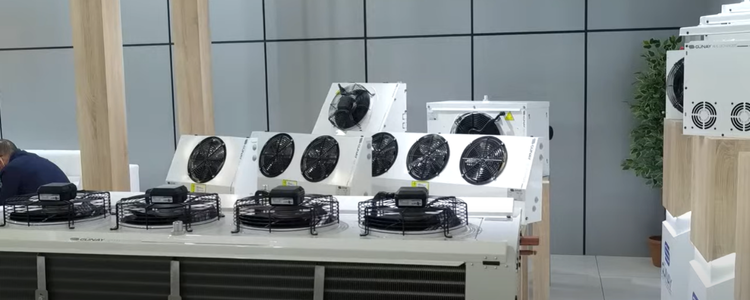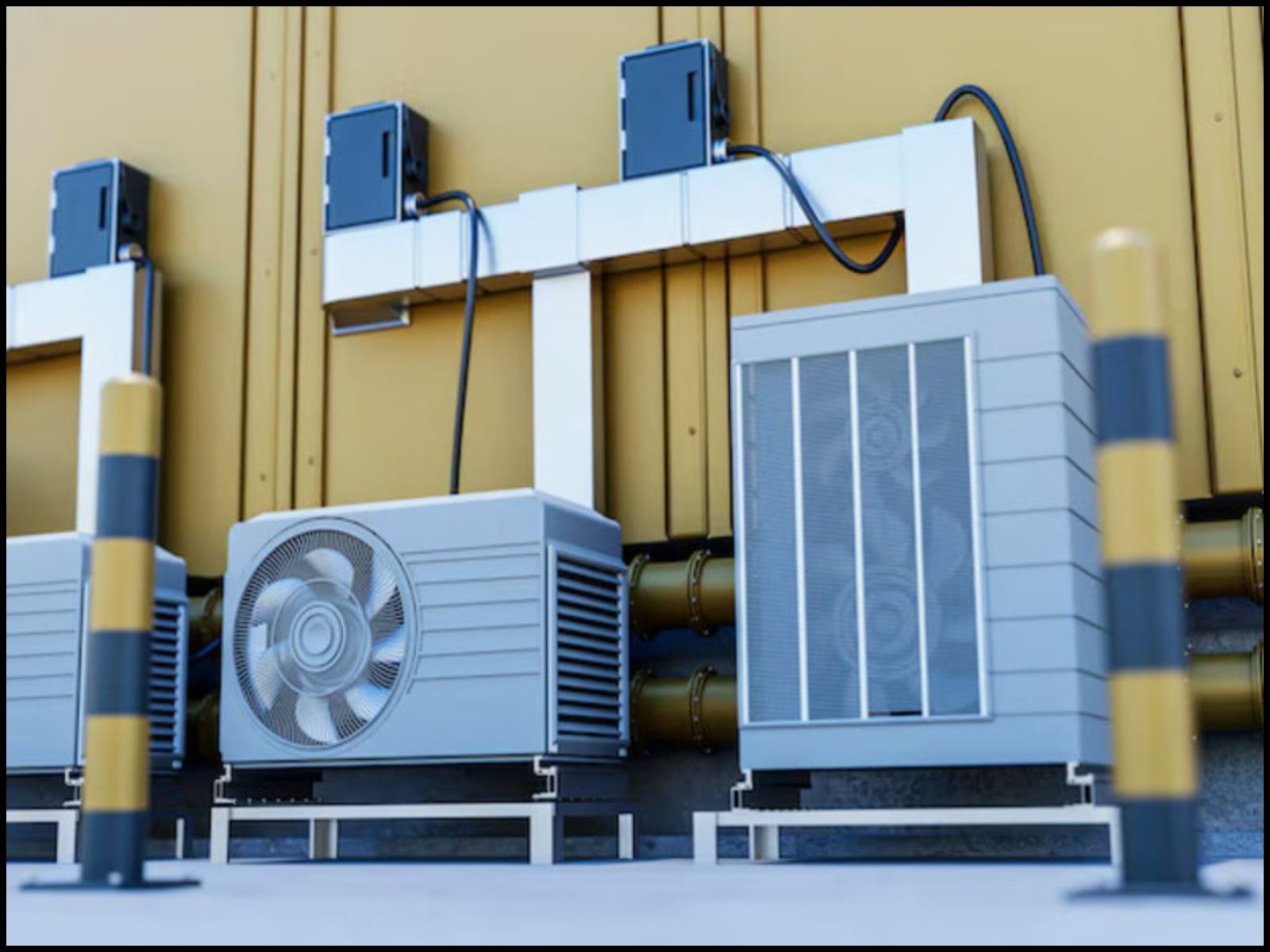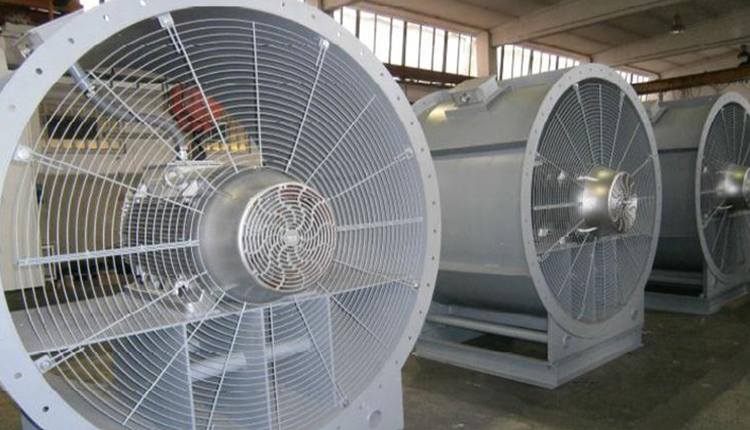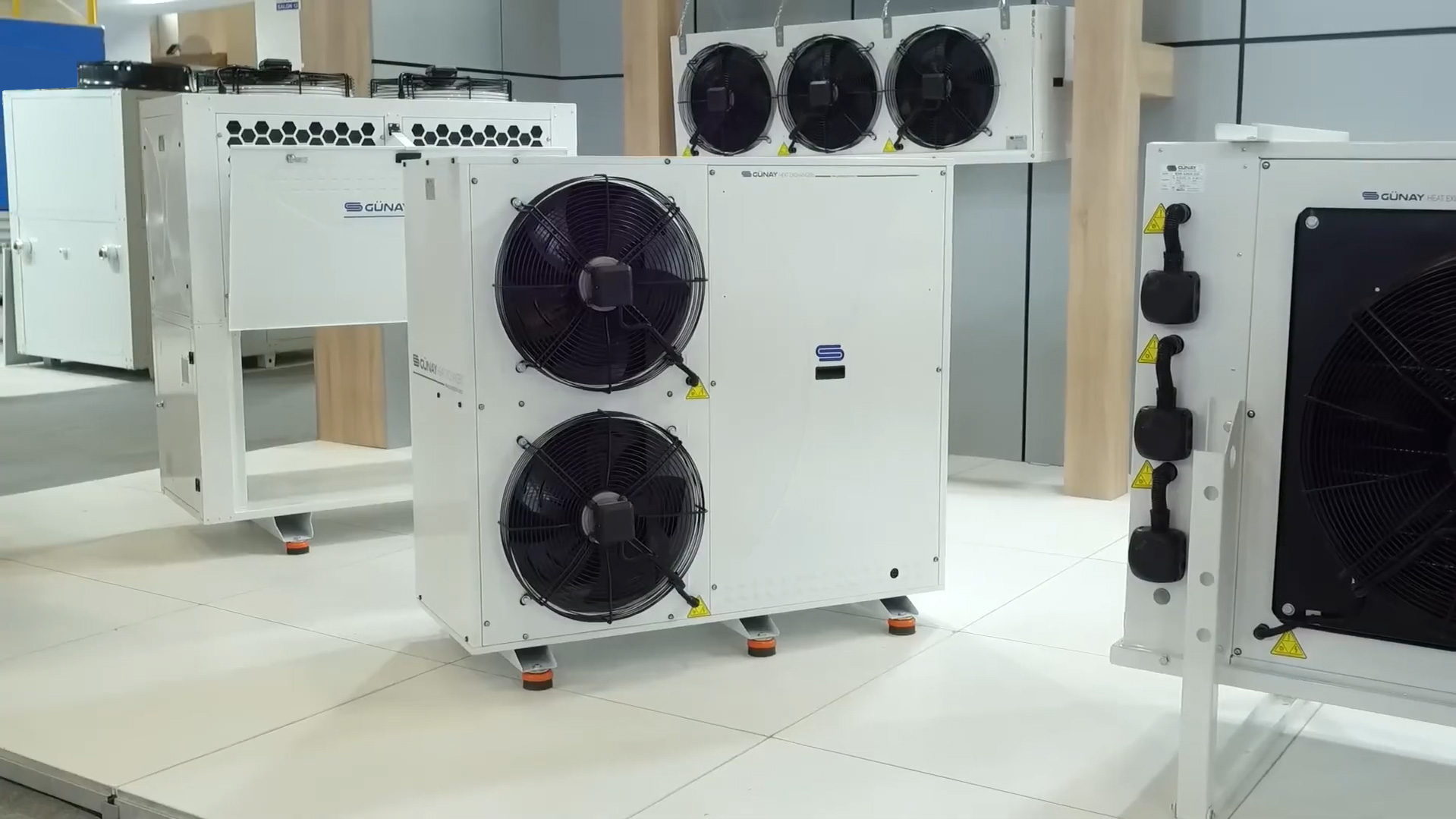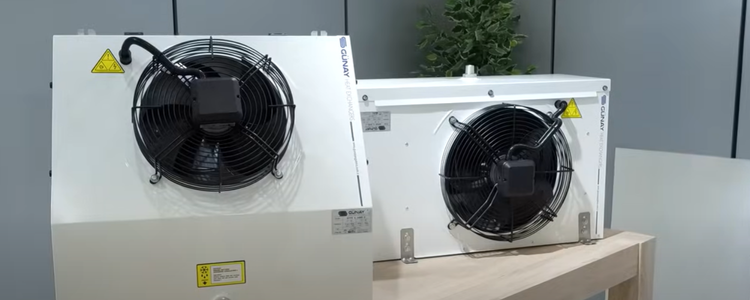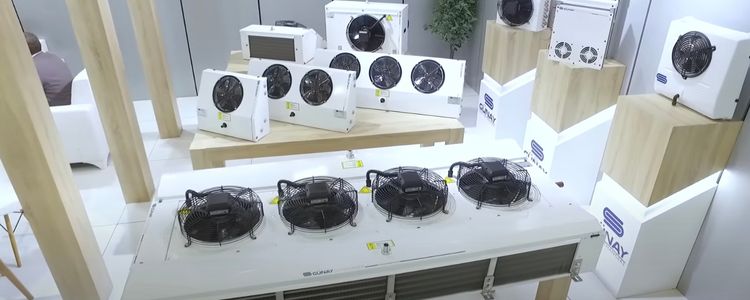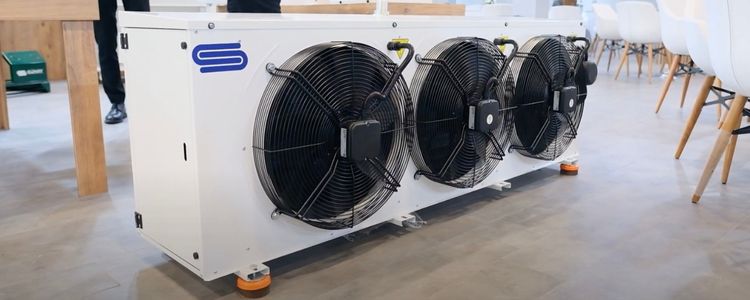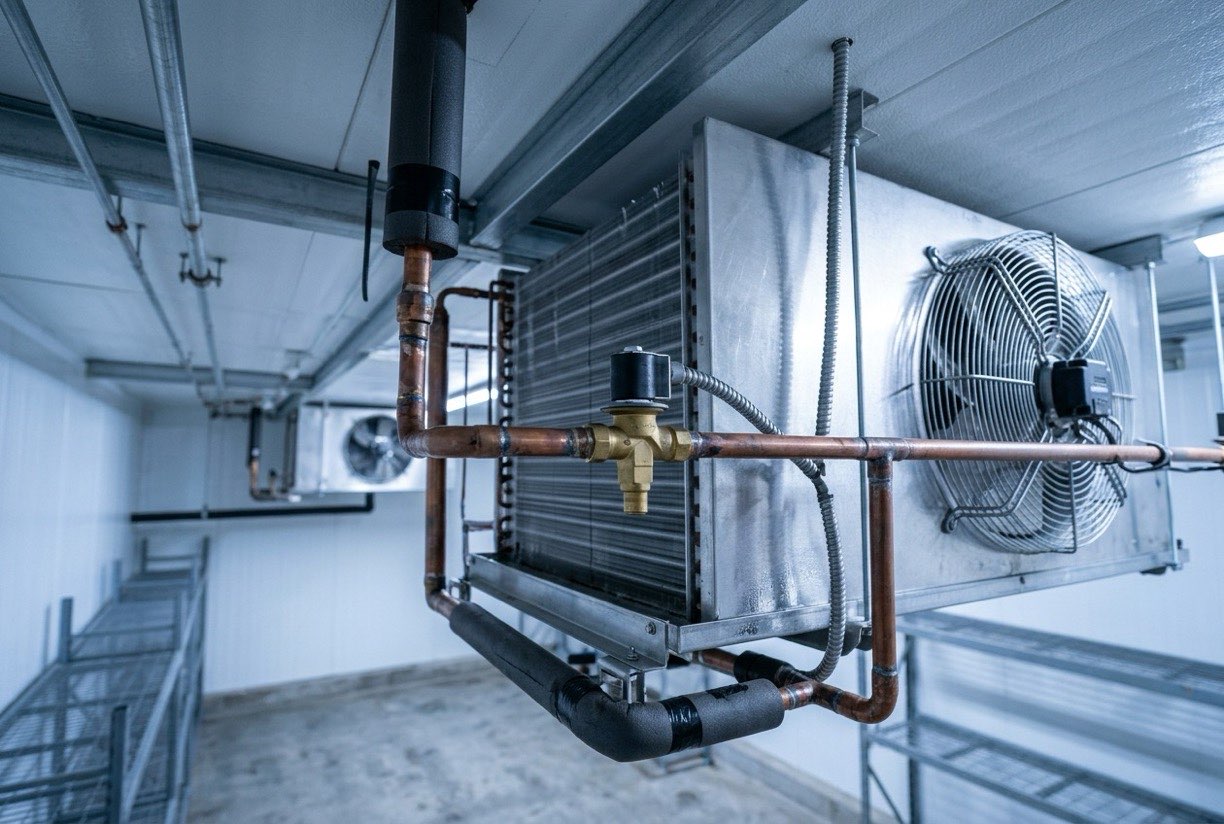
Since 1986, Günay Soğutma has produced both standard-series and custom-built evaporators. In a cold room project, one of the most overlooked components during evaporator selection is the expansion valve. If the amount of liquid refrigerant entering the evaporator is not set correctly, capacity is lost, the compressor is exposed to liquid slugging, or energy is wasted. This article explains the differences between thermostatic and electronic expansion valves, which one suits a cold room application better, and what to consider during selection.
Table Of Contents
- What Does The Expansion Valve Control In An Evaporator?
- How Does A Thermostatic Expansion Valve (TXV) Work?
- What Are The Advantages Of An Electronic Expansion Valve (EEV)?
- How Does Load Variability Affect Valve Selection?
- Which Criteria Are Defined By The Refrigerant And Operating Pressure?
- How Is Evaporator And Valve Selection Made With Günay Soğutma?
- Frequently Asked Questions
What Does The Expansion Valve Control In An Evaporator?
The expansion valve regulates the flow as it passes high-pressure liquid refrigerant into the low-pressure evaporator side. The goal is for the refrigerant to evaporate completely by the evaporator outlet and become slightly superheated. This prevents liquid from entering the compressor and ensures the entire evaporator surface is used efficiently.
If the valve admits too much refrigerant, liquid remains at the evaporator outlet and creates a risk for the compressor. If it admits too little, part of the evaporator stays dry, capacity drops, and the room may fail to reach its target temperature. The valve's task is to maintain this balance as the load changes.
The expansion valve decides how much refrigerant enters the evaporator, which directly determines how much of the coil is used effectively and how much liquid can reach the compressor. It should therefore be seen as the regulator that keeps the whole system in balance.
The valve does not simply set a flow once. It must be continuously readjusted as the load changes. When door openings, product intake and outside temperature shift, the heat load on the evaporator changes too, and the valve must respond quickly and steadily to keep the temperature close to target.
How Does A Thermostatic Expansion Valve (TXV) Work?
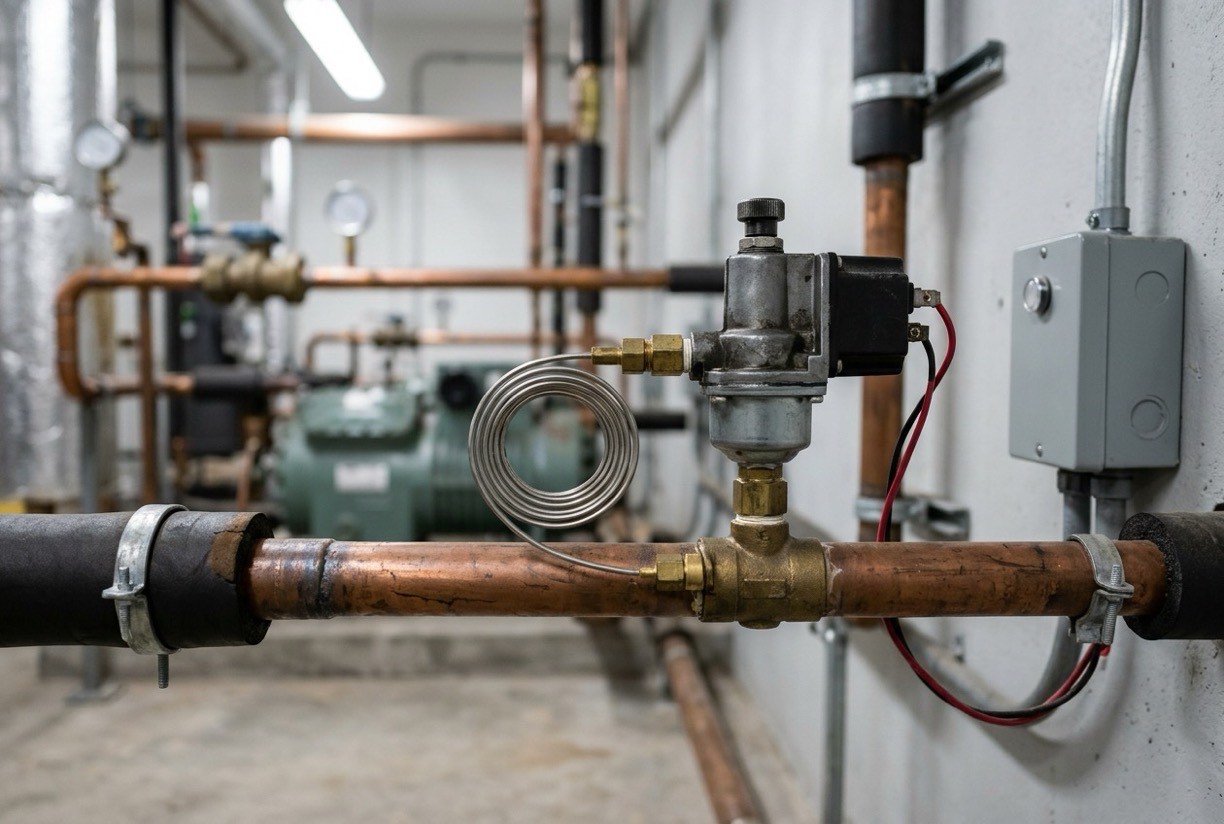
A thermostatic expansion valve measures the temperature and pressure of the refrigerant at the evaporator outlet with a mechanical sensing element, and opens or closes the valve needle accordingly. Because it does not require an external controller, its design is simple, installation is straightforward, and its cost is low.
A TXV is a reliable solution where the load varies within a limited range and the system operates largely at steady conditions. Because of its mechanical design, its response can be slow under variable loads. For this reason, the selection should always confirm that the valve's operating range matches the system's minimum and maximum load.
In a TXV the pressure of the gas in the sensing element pushes the valve needle in one direction, while the evaporator pressure pushes in the other. The balance of these two forces fixes the position of the needle. The balance is established automatically in response to changes in the temperature at the evaporator outlet.
A mechanical design has the advantage of needing no external power. This makes installation simple and comparatively robust against failure. However, the sensitivity of a mechanical system is limited, and the adjustment range is determined by the valve size.
What Are The Advantages Of An Electronic Expansion Valve (EEV)?
An electronic expansion valve measures the evaporator outlet temperature and pressure with sensors and adjusts the valve opening step by step through a controller. The superheat value can be held much more precisely, and the system responds more quickly to changing conditions.
The most important advantage of an EEV is its wide operating range. In cold rooms with heavy door traffic, facilities where product intake fluctuates, or periods of part-load operation, energy efficiency and room temperature stability can improve noticeably. The initial investment is higher, however, and sensor placement must be done correctly during installation.
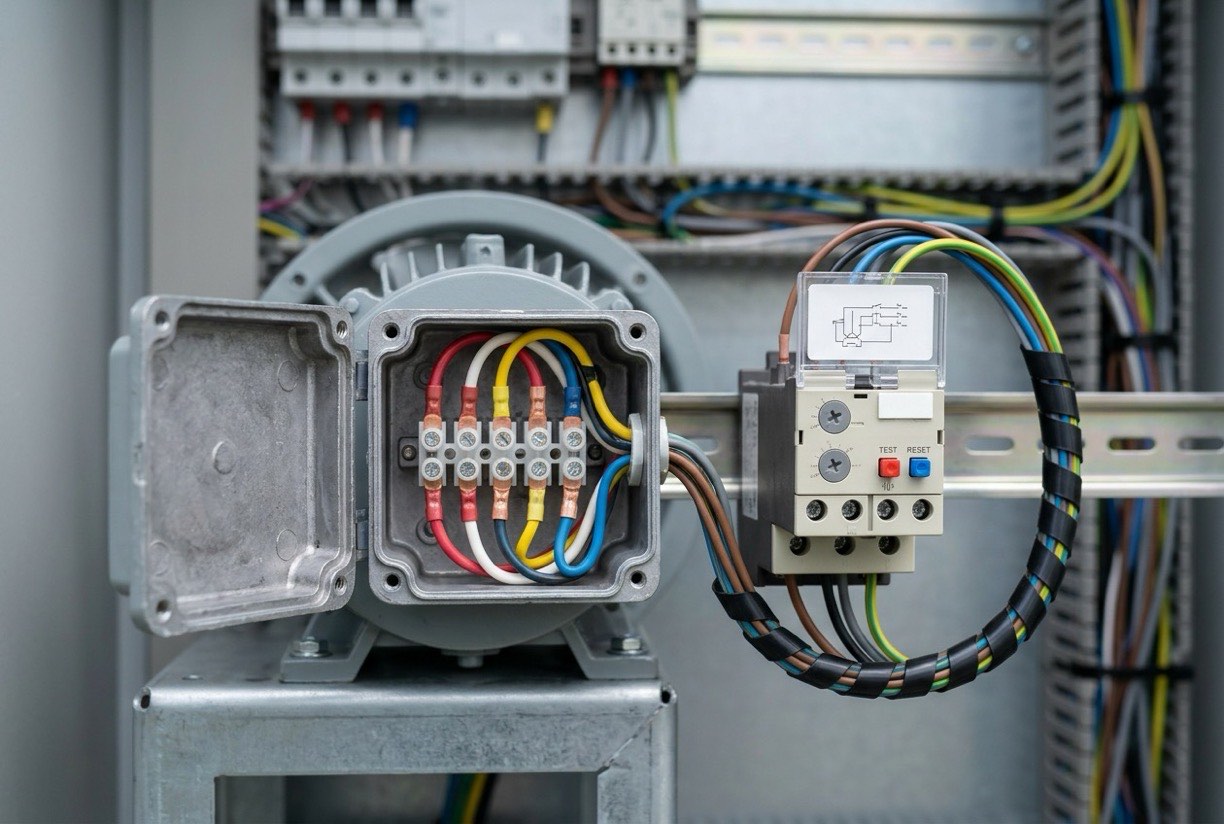
In an EEV the valve opening is changed precisely by a stepper motor or a similar drive. The controller processes temperature and pressure information from the sensors without interruption and positions the valve accordingly. This structure helps the system adapt to rapidly changing conditions.
A further contribution of electronic control is the ability to monitor and diagnose. The valve position, the superheat value and the sensor condition can be recorded. These data are a valuable source for understanding how the system behaves and for spotting faults in advance.
How Does Load Variability Affect Valve Selection?
The most critical input for selection is how variable the cold room will be. A room where product deliveries concentrate at specific times, where the door is opened frequently, or where day and night load profiles differ requires a different valve than a warehouse with a steady load. A valve selected for a single load value may remain inefficient under other operating conditions.
In practice, an electronic valve is a better starting point for facilities with a wide and unbalanced load profile, while a thermostatic valve suits facilities where the load is steady and predictable. When deciding, the minimum load and typical operating hours should be considered together with the design load.
Load variability plays a direct role in valve selection. When the load changes often, the valve opening also has to change often. In a system with a constant load, however, the valve can stay stable around one operating point. This difference forms the basic division in the selection.
The more the load fluctuates, the more important the gap between the minimum and the maximum capacity of the valve becomes. A valve with a narrow range may fall short at the peak or at the trough of the load. The selection should therefore consider not only the design load but the lowest and highest loads together.
Which Criteria Are Defined By The Refrigerant And Operating Pressure?
Valve selection is directly linked to the refrigerant type. Each refrigerant has different pressure-temperature characteristics, so the valve and related components must be approved for that refrigerant. The valve's maximum operating pressure must also be higher than the highest pressure the system will reach. These values should be checked against manufacturer catalog data before any selection is made.
In existing facilities where the refrigerant is changed, the valve capacity must be revalidated for the new refrigerant, because pressure drop and density differences can change the opening the valve needs. Auxiliary components such as the distributor and the equalizer line should also be part of the selection.
When the refrigerant is changed, not only the capacity of the valve but also the control logic should be reconsidered. If the saturation curve of the new refrigerant is different, the superheat target and the setting values may change too. A change of refrigerant therefore requires the valve setting to be redone.
Environmental and regulatory conditions are also considered when choosing a refrigerant. The use of some refrigerants is tied to specific conditions, and this can affect the choice of valve and system components. These matters should be handled at the project stage together with an engineering assessment.
How Is Evaporator And Valve Selection Made With Günay Soğutma?
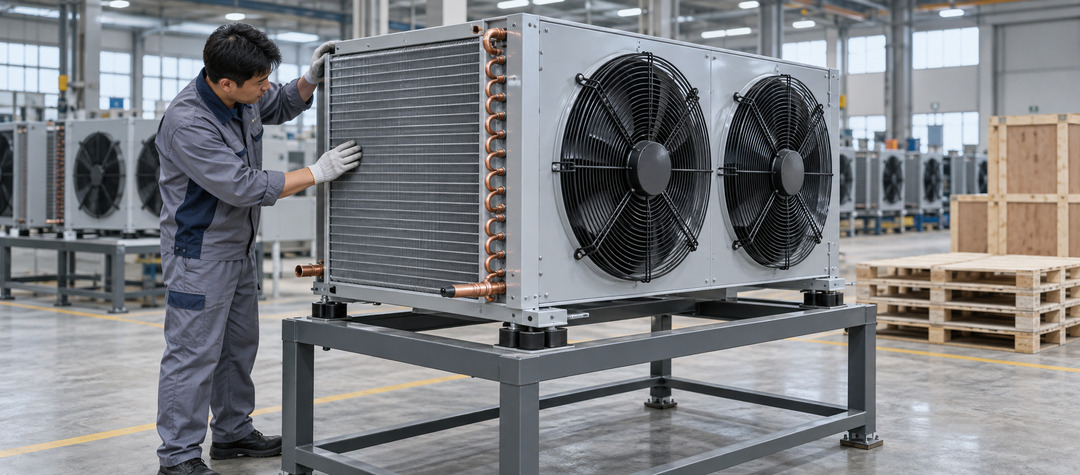
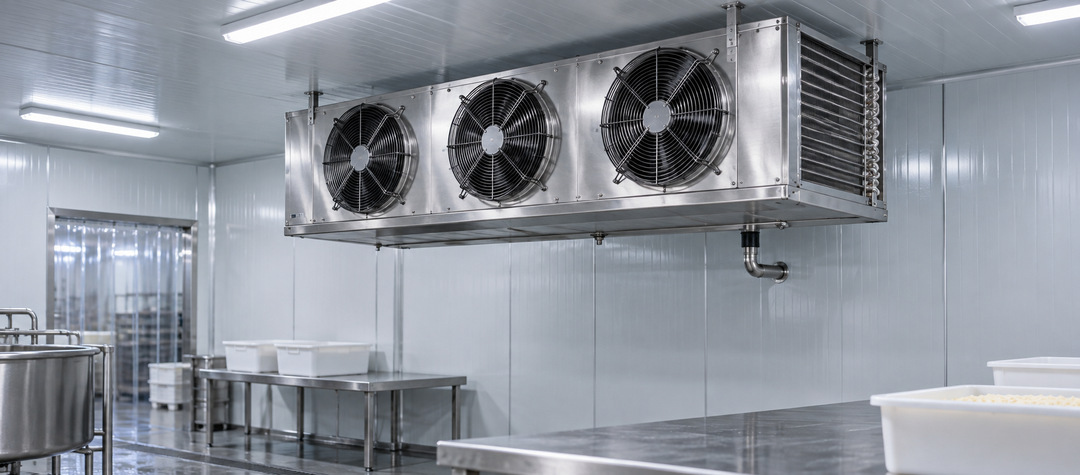
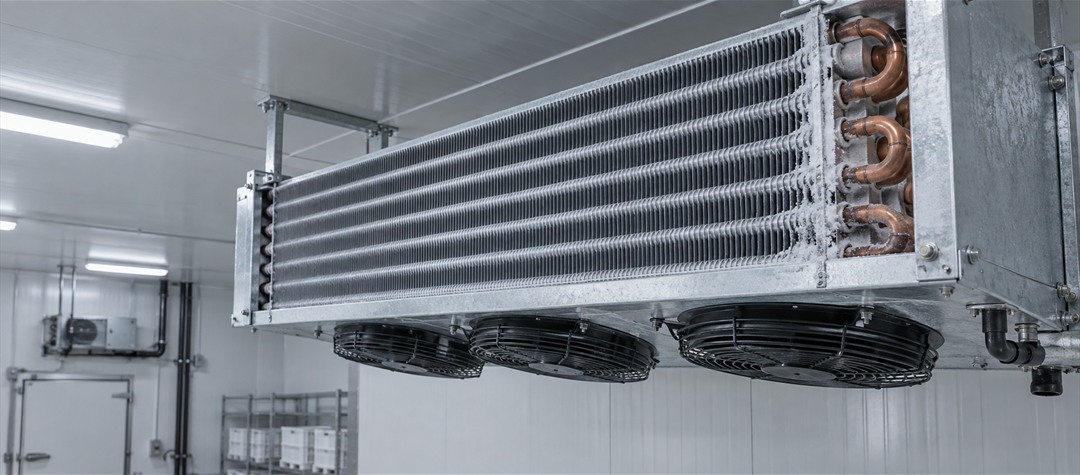
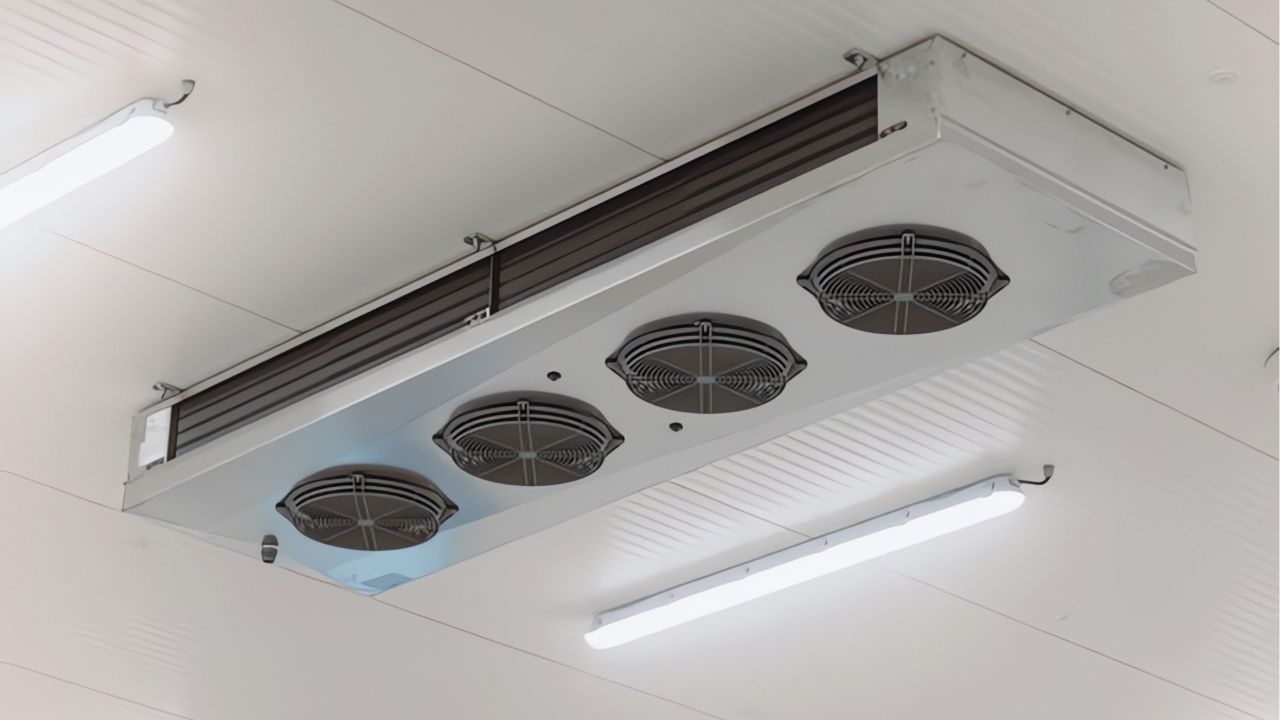
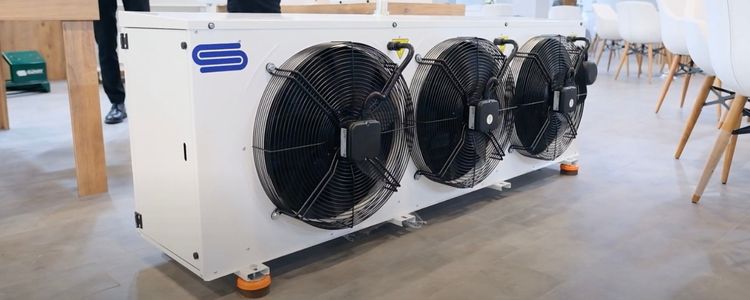
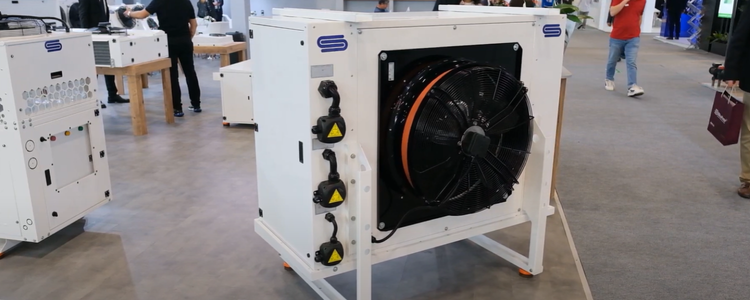
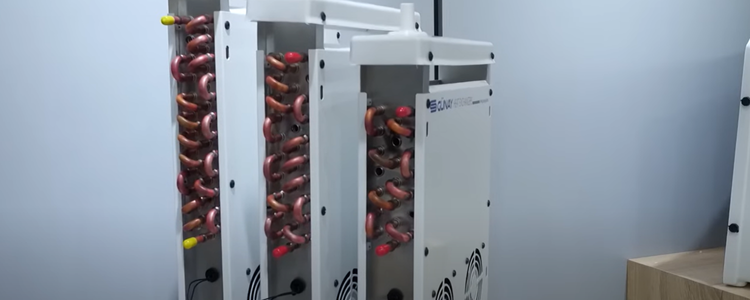
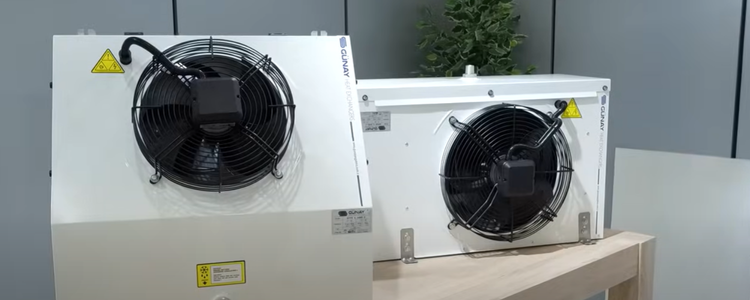
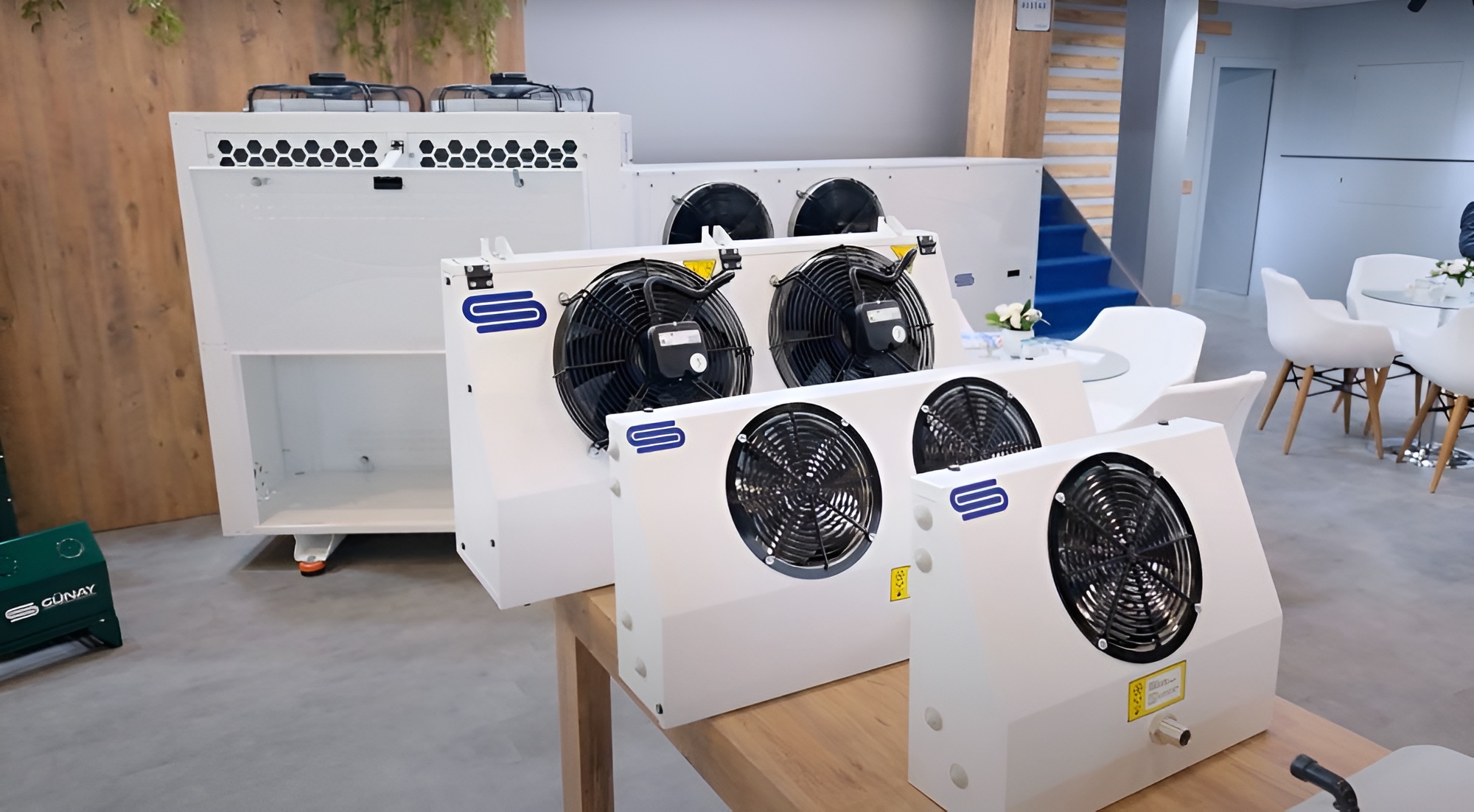
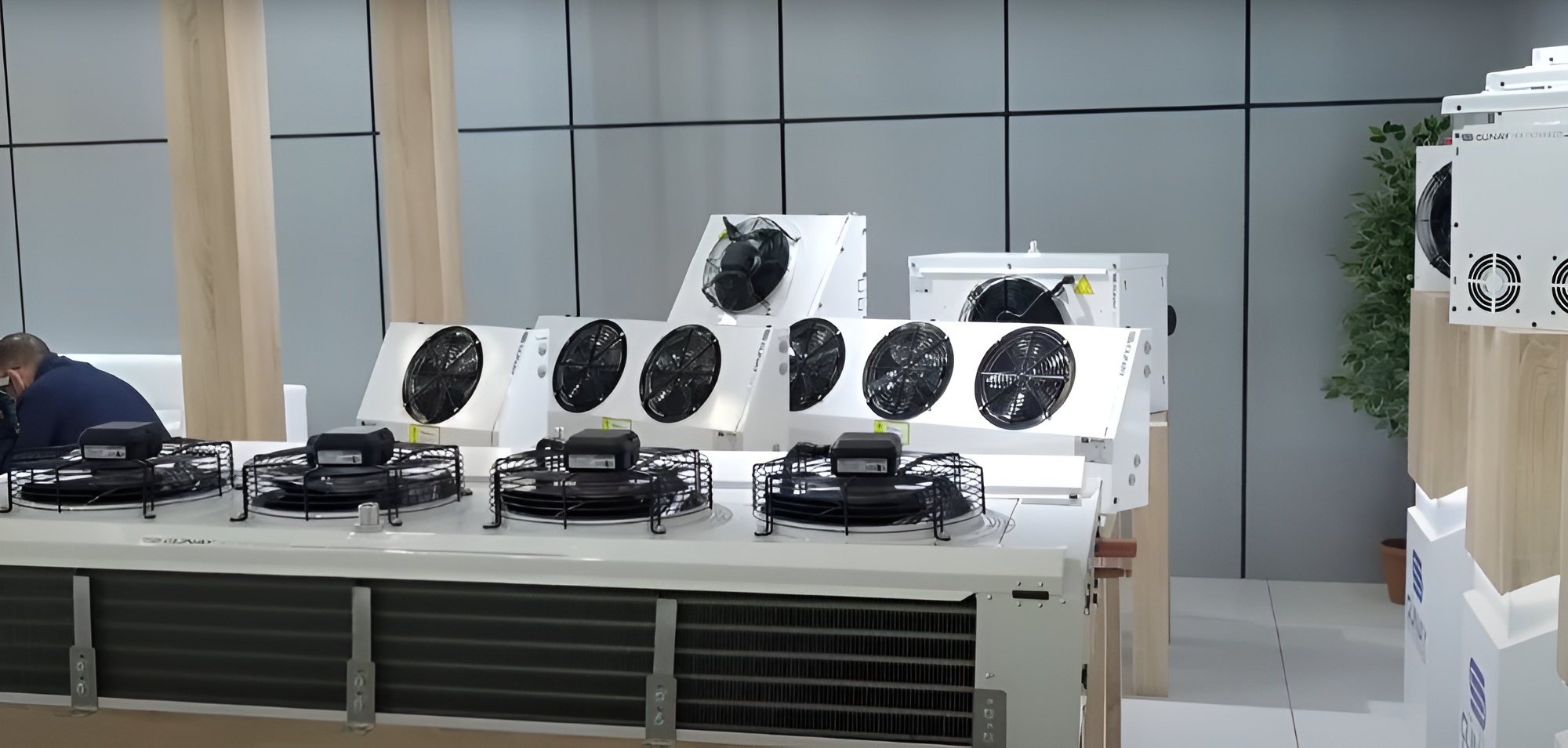
At Günay Soğutma, evaporator selection starts with collecting project data. At this stage the evaporator capacity, minimum and maximum load, room temperature, the refrigerant to be used, and door traffic information are clarified. It is then assessed whether a standard-series evaporator is sufficient or a custom-sized, custom-built solution is needed.
- Prepare the project data: Room dimensions, target temperature, product type, and daily operating hours should be shared with the technical team.
- Define the load profile: Door opening frequency and product intake times are the first factors that determine the valve type.
- Use the product selection program: The MYGUNAY product selection program can be used for a preliminary evaluation of the evaporator.
- Verify with the technical team: The chosen evaporator and valve combination should be confirmed against the refrigerant and pressure conditions.
- Consider custom production: For unusual dimensions or demanding operating conditions, the custom production option should be evaluated separately.
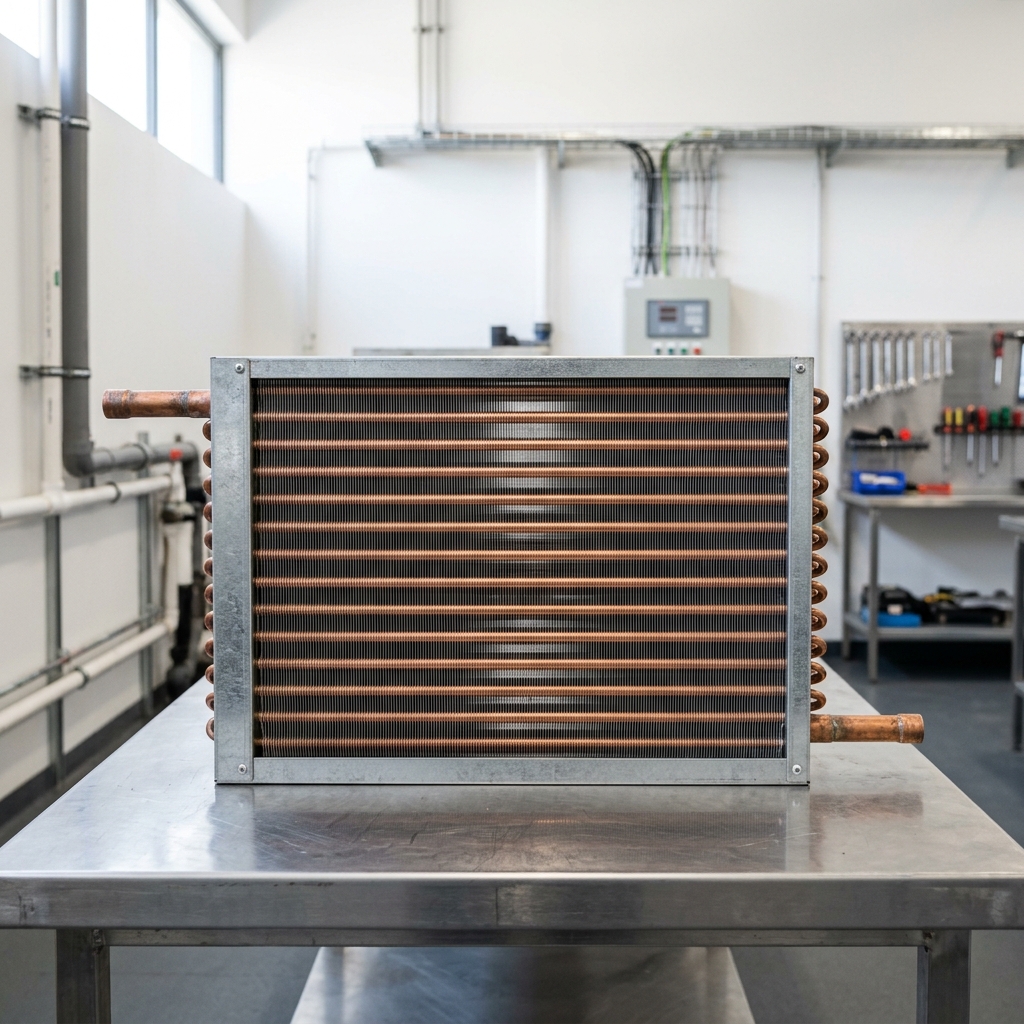
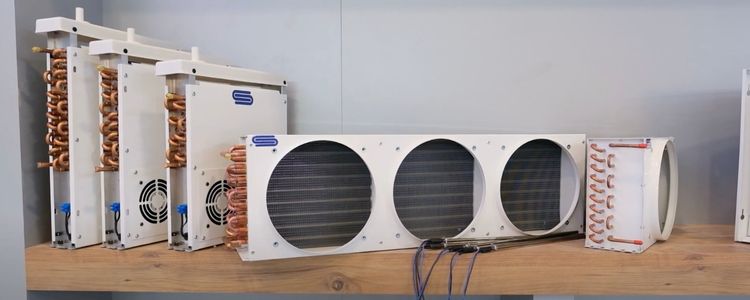
Since 1986, Günay Soğutma has handled evaporators from capacity calculation through to production. Its standard series include the commercial GNA and GND, the standard GNE, and the industrial GNI evaporators. When you share your project data, our technical team can help evaluate the evaporator together with a valve selection suited to its operating conditions.
At the final stage of selection, the initial commissioning data of the designed system are compared with the design assumptions. This comparison shows whether the valve setting and the evaporator choice suit the conditions on site. If there is a difference, the setting and the selection should be updated.
In the preliminary meeting with the technical team, the goals and constraints of the facility should be discussed openly. Factors such as the energy target, maintenance access and budget determine the direction of the selection. Such a discussion leads to a more accurate choice that does not need to be repeated.
Frequently Asked Questions
Is a thermostatic expansion valve always sufficient?
No. It can be adequate where load variability is low, the operating range is narrow, and the system runs steadily. In cold rooms with heavy door traffic or a wide load profile, an electronic valve is usually more suitable.
Is an electronic valve more expensive and does it require maintenance?
Its initial cost is generally higher because it requires sensors and a controller. Keeping the sensors correctly positioned and in good condition is one of the points that need regular checks. The need for mechanical maintenance is limited.
What is superheat and why does it matter?
Superheat indicates how far above its saturation temperature the refrigerant is at the evaporator outlet. The right superheat shows that the whole evaporator is being used efficiently and that no liquid is entering the compressor. A value that is too low or too high causes efficiency losses.
Can an electronic valve be added to an existing cold room later?
In most cases it is possible, but the controller, sensors, wiring, and compressor control must be considered together. Before making the change, the design data of the existing system and the manufacturer's approval should be checked.
Does Günay Soğutma provide technical support for evaporator selection?
Yes. The Günay Soğutma technical team can review your project data and help with evaporator selection and components suited to the operating conditions. You can also use the MYGUNAY product selection program for a preliminary evaluation.