What Conditions Are Evaporator Catalogue Capacities Based On?
01 / 10 / 2026

An industrial heat exchanger is a piece of equipment that transfers thermal energy between two fluids that must not mix (one hot, one cold) across a separating surface. The concept looks simple, but choosing the right type of heat exchanger requires serious engineering calculation based on the physical properties of the fluids, operating pressure, temperature difference and the sector in which the application sits. In this article we look at heat exchangers not from a supplier-selection angle but through their working principle and type classification: which heat exchanger works through which physical mechanism, which type is preferred in which sector, and which variables capacity and efficiency depend on.
To understand the performance of a heat exchanger, you first need to know how heat is transported. Three mechanisms act together in industrial equipment, but the two that dominate heat exchanger design are conduction and convection.
When the hot fluid touches the metal surface of the heat exchanger (a tube wall or plate surface), heat is conducted through the material itself to the opposite surface by molecular vibration. In this step the thermal conductivity of the material (high in copper and aluminum, relatively low in stainless steel) directly determines performance.
As the fluid moves along the surface, it picks up heat from the surface or releases heat to it. The velocity, turbulence and viscosity of the fluid are decisive here: in laminar flow the heat transfer coefficient stays low, while in a turbulent flow regime it rises markedly. For this reason plate and fin geometries are deliberately designed to make the flow turbulent.
The overall heat transfer coefficient (U) shows how much heat a heat exchanger can transfer per unit of surface area and per unit of temperature difference. The U value is a combination of material thickness and conductivity, the convection coefficient of the fluid on both sides, and the fouling resistance on the surface. In practice, plate heat exchangers generally reach a higher U value than tubular types thanks to the high turbulence they create in narrow channels; this means a smaller surface area and a more compact body for the same heat load.
Another critical parameter that determines heat exchanger performance is the direction of the hot and cold fluids relative to each other.
There are three main heat exchanger families widely used in industry; each is optimized for different pressure, temperature and fluid conditions.
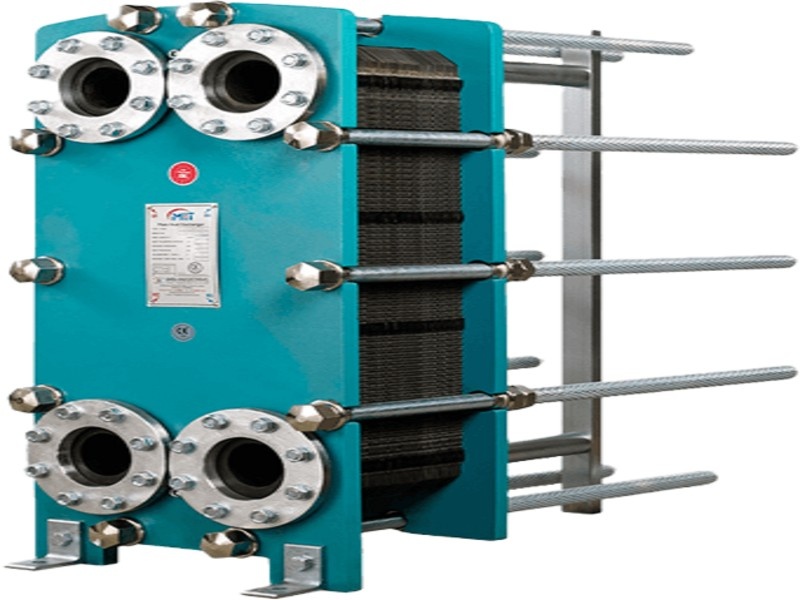
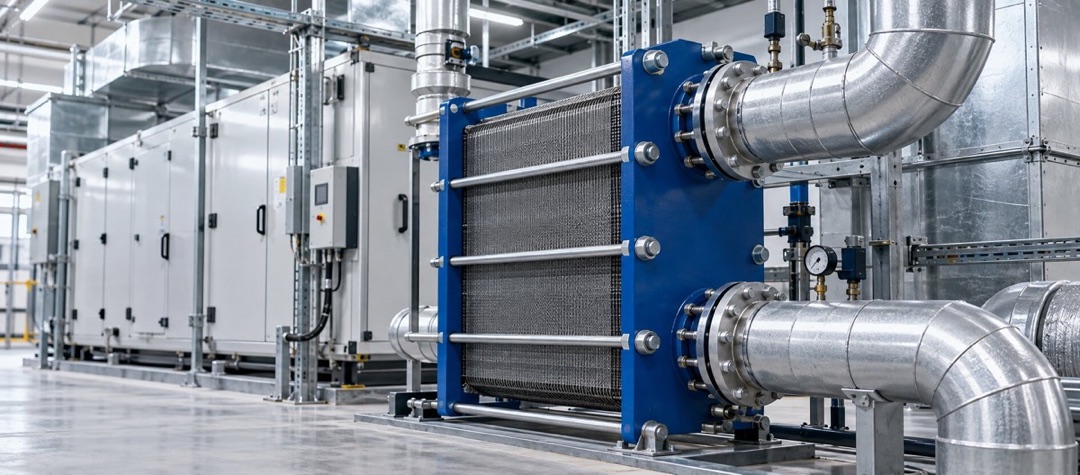
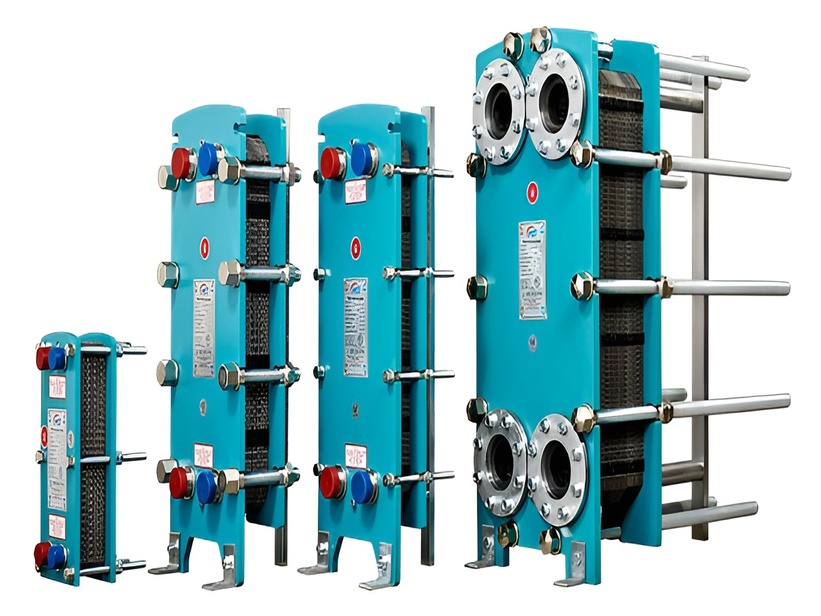
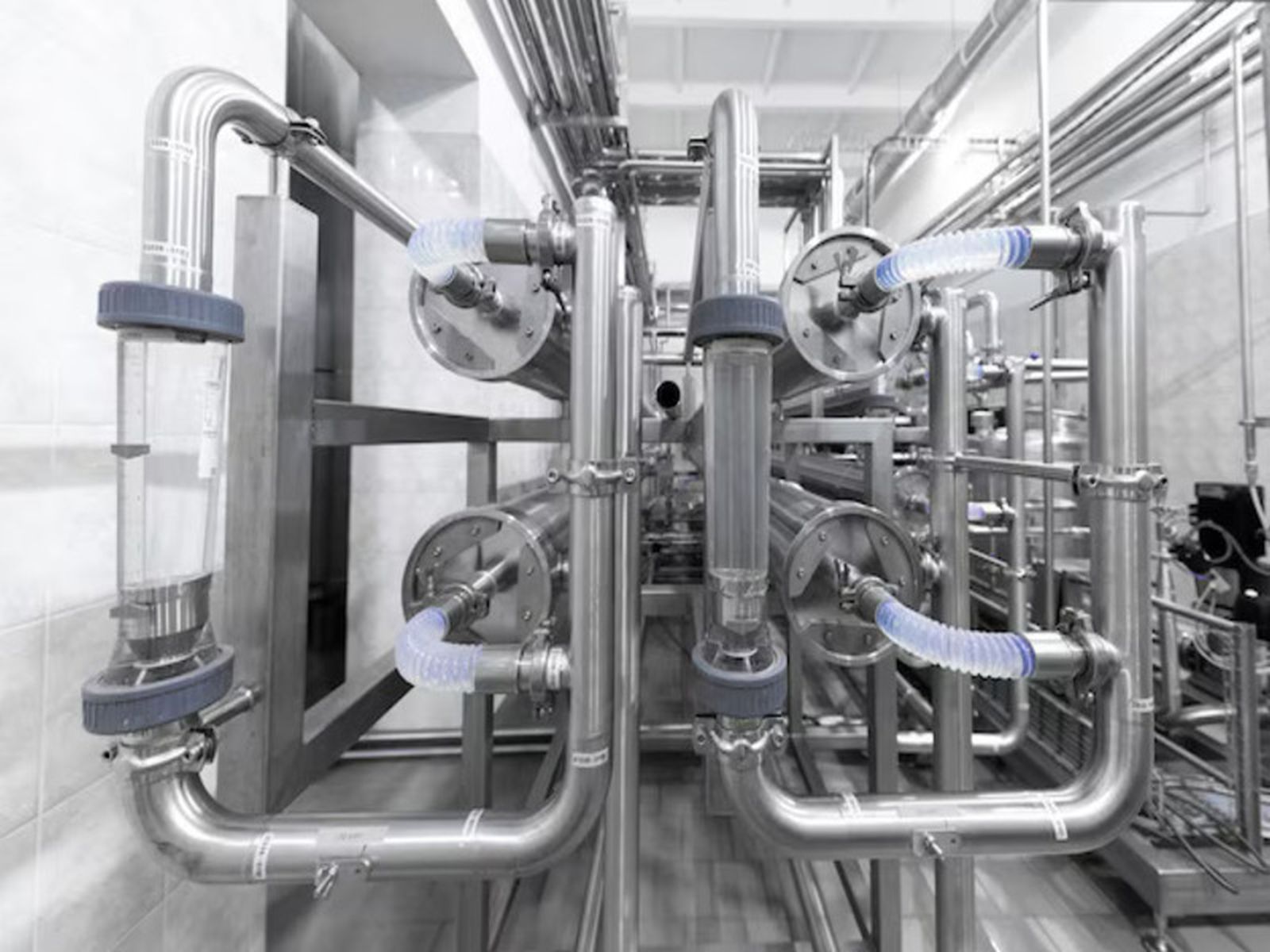
Plate heat exchangers are built by stacking thin metal plates stamped with corrugated patterns. The hot and cold fluids pass through alternating channels and exchange heat across the plate surface. The corrugated pattern makes the flow turbulent, which gives a high heat transfer coefficient and a compact body. Sealing can be provided by gaskets (gasketed type) or by brazing (brazed type). Plate heat exchangers are preferred especially in facilities with limited installation space and in applications in the medium pressure/medium temperature range; however, they are at a disadvantage with very high pressures or fluids containing coarse particles, because of the risk of channel clogging.
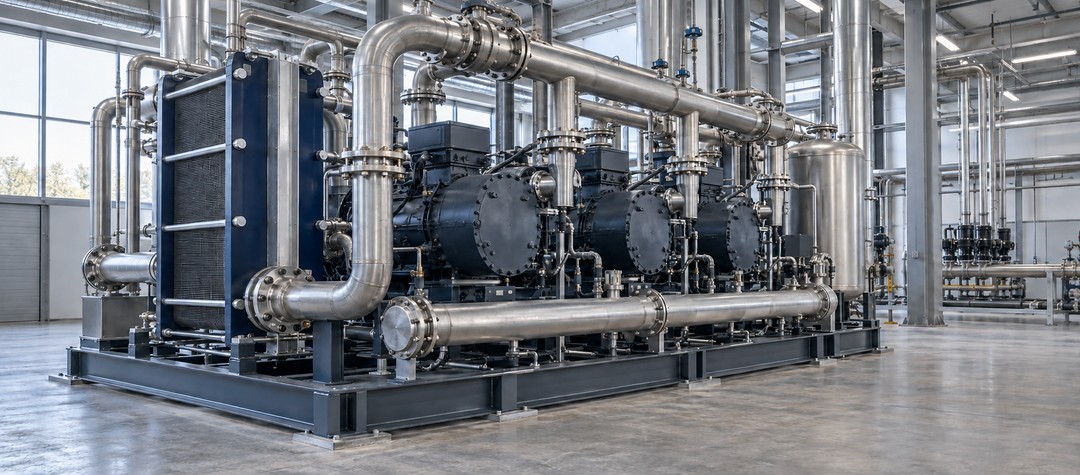
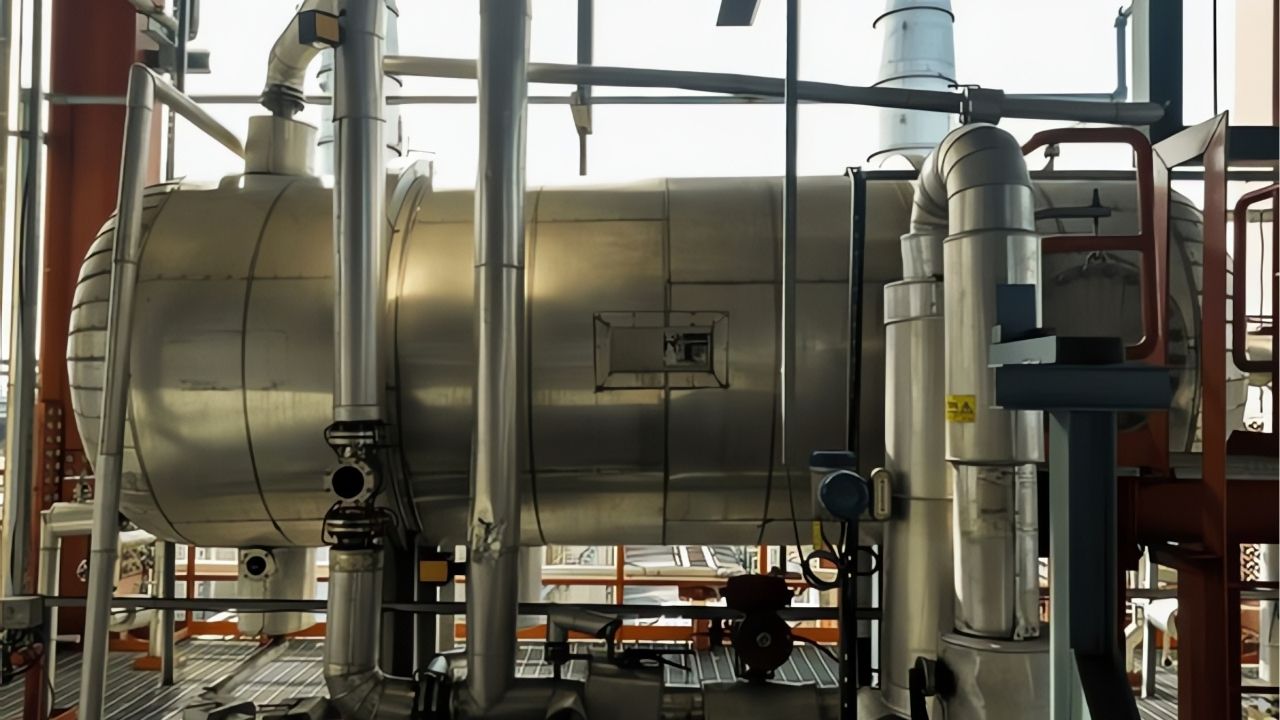
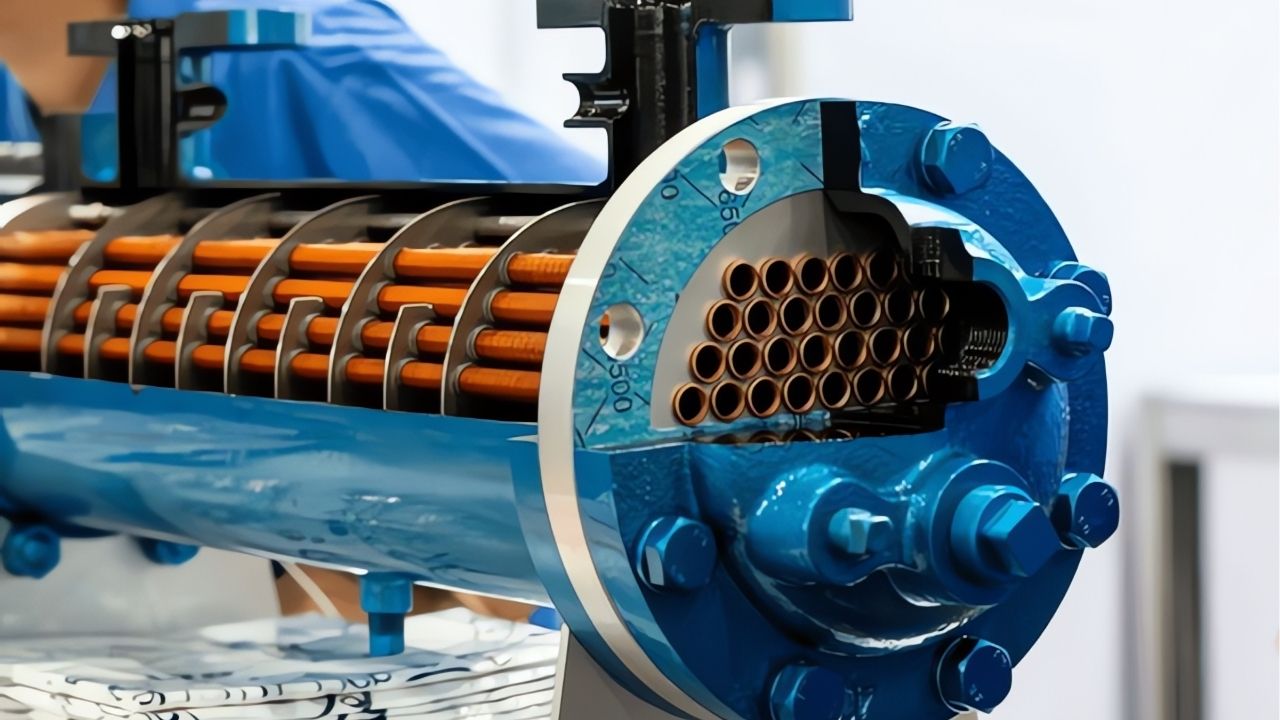
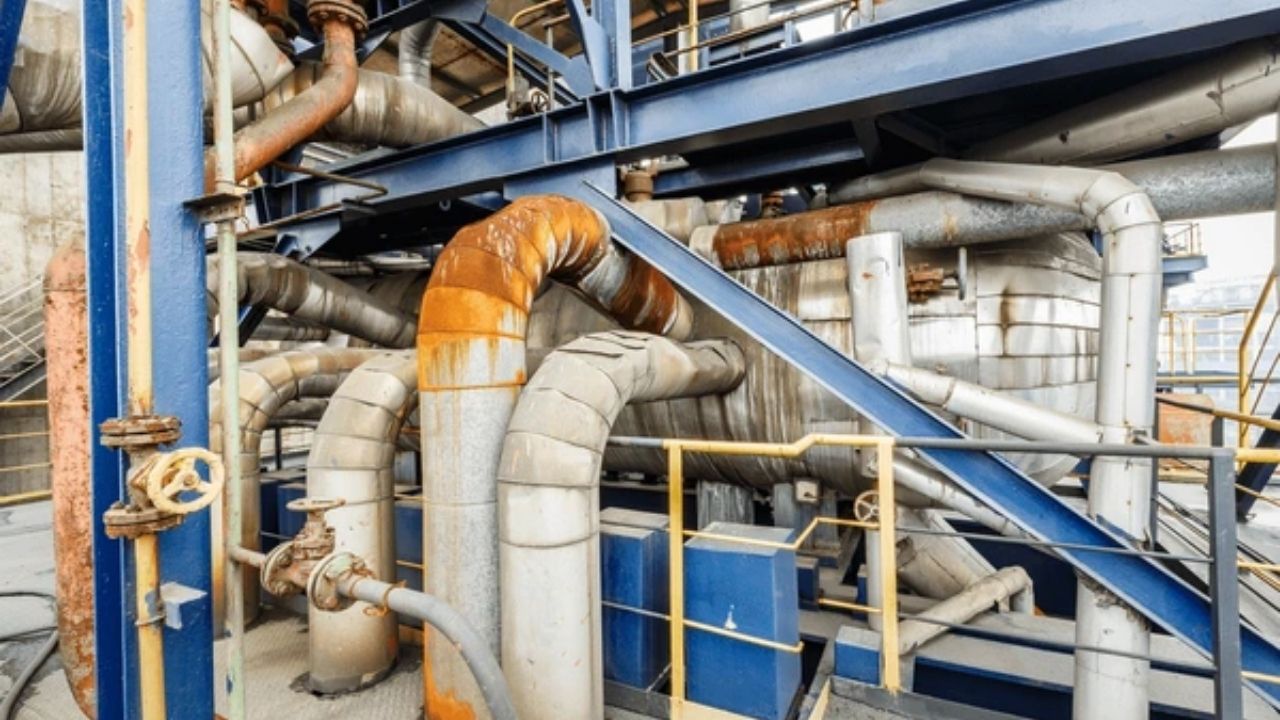
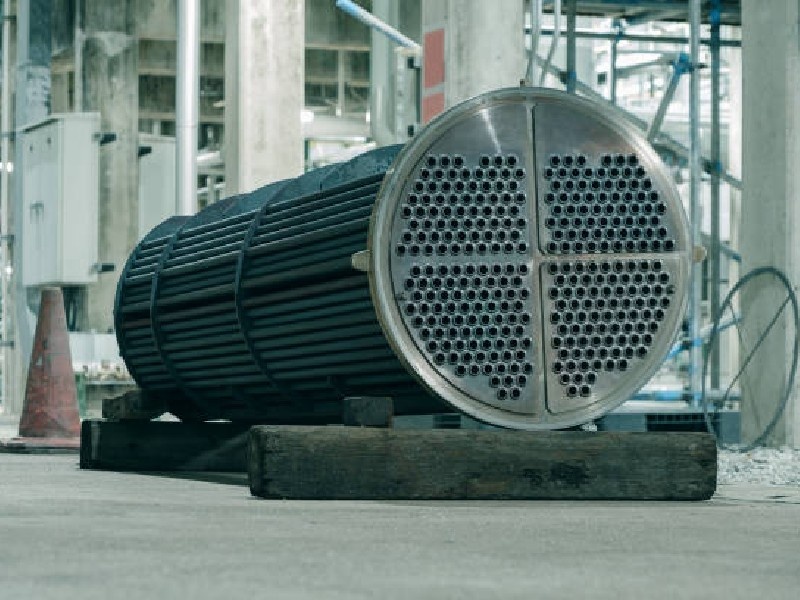
These consist of a tube bundle placed inside an outer shell. One fluid flows through the tubes, the other through the shell, between the tubes. Thanks to their structural strength, they are preferred in heavy-industry applications that require high pressure and a large temperature difference (for example steam systems and process heating). They allow easier disassembly for maintenance and cleaning than plate types, which is an advantage in facilities working with fluids prone to fouling. On the other hand, they require a larger volume and weight than plate heat exchangers for the same heat load.
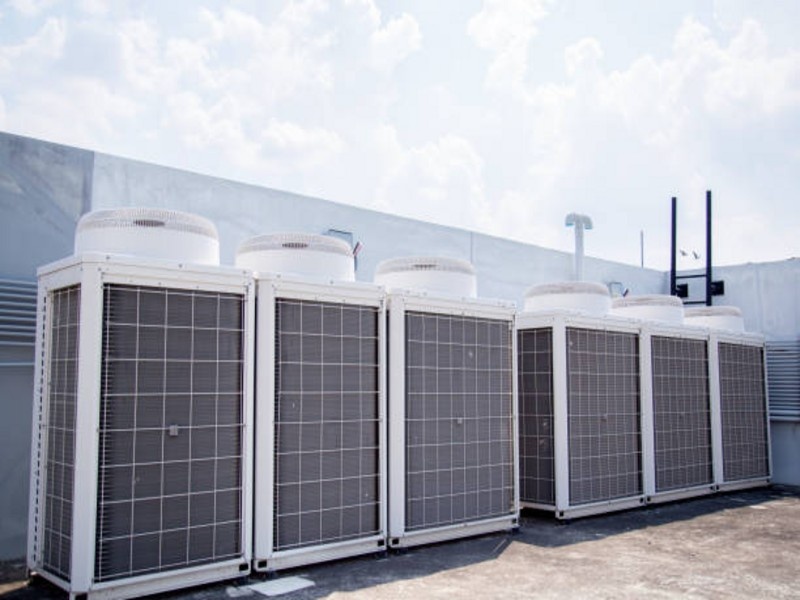
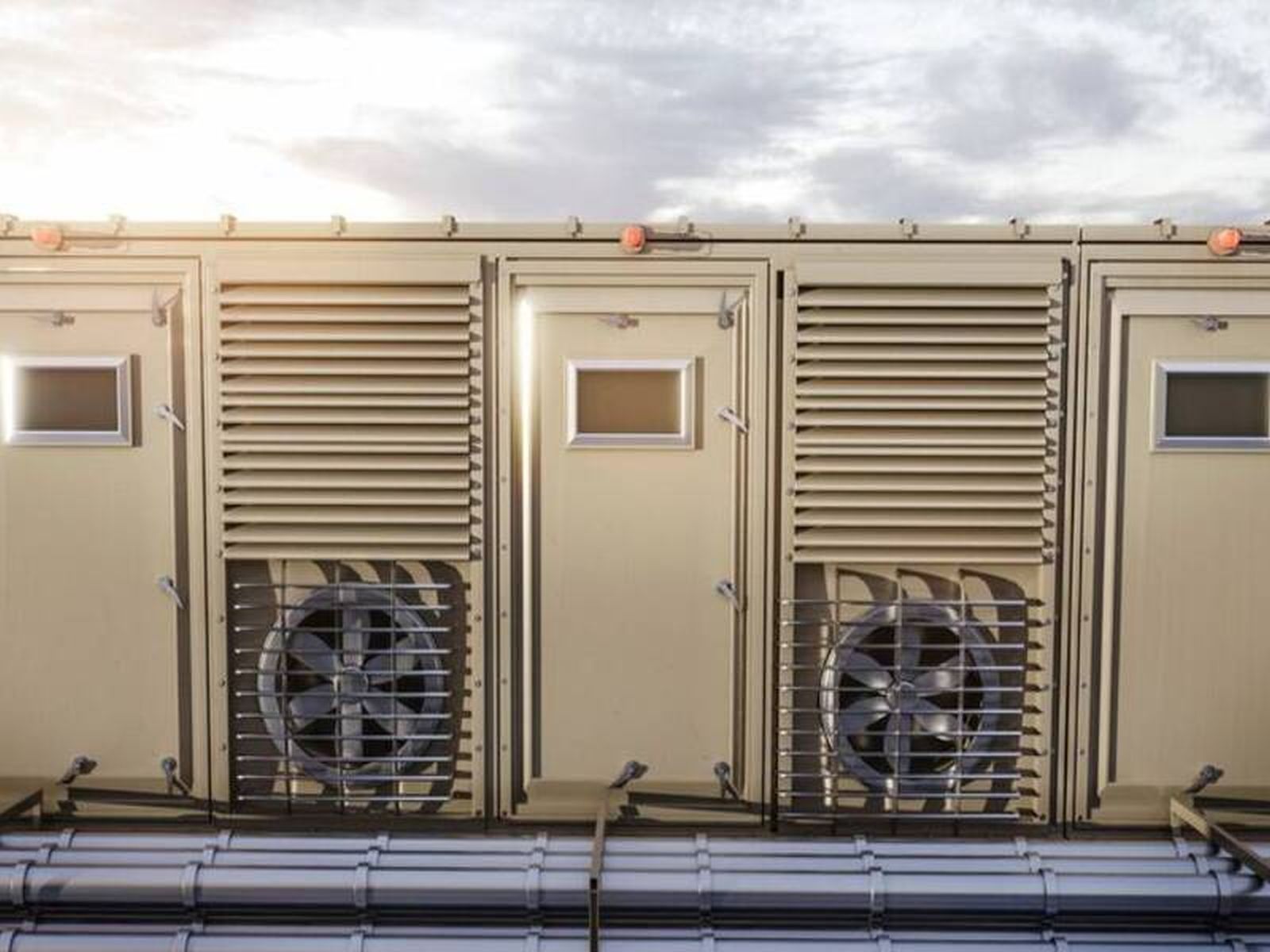
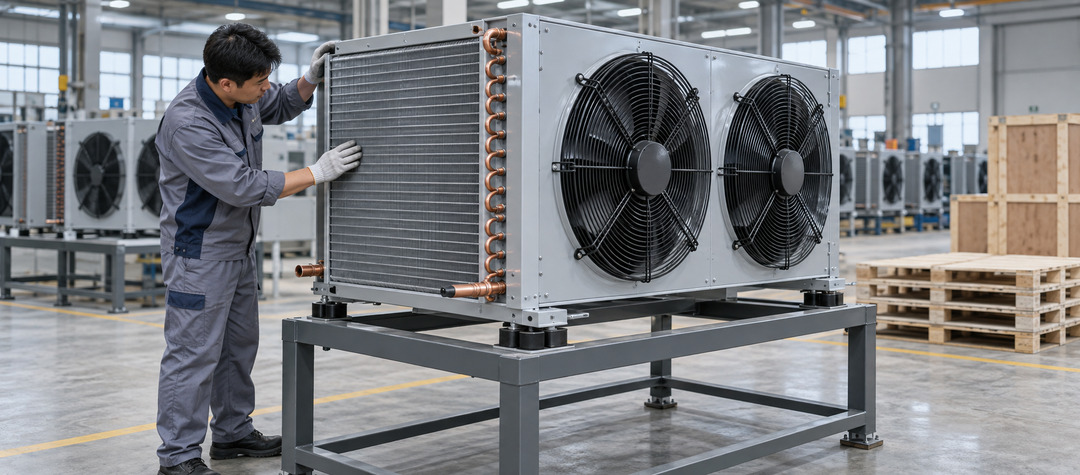
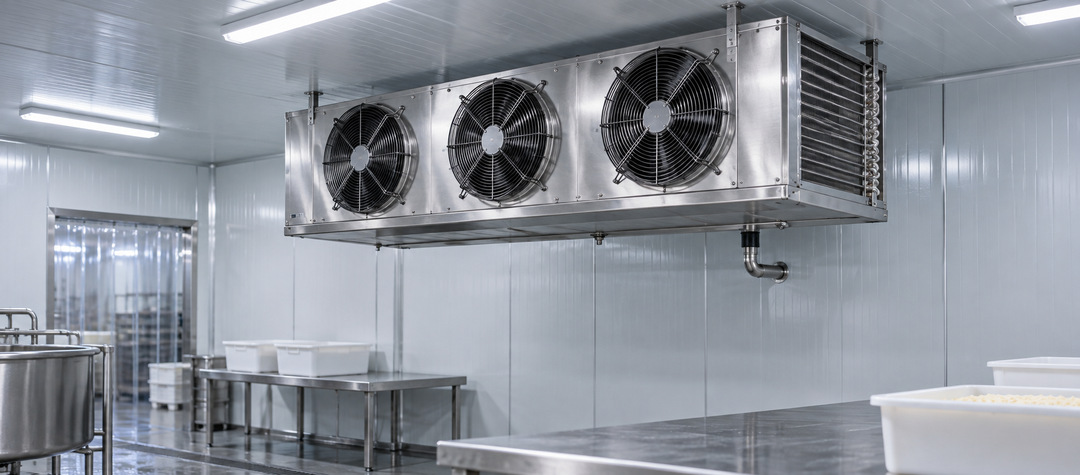
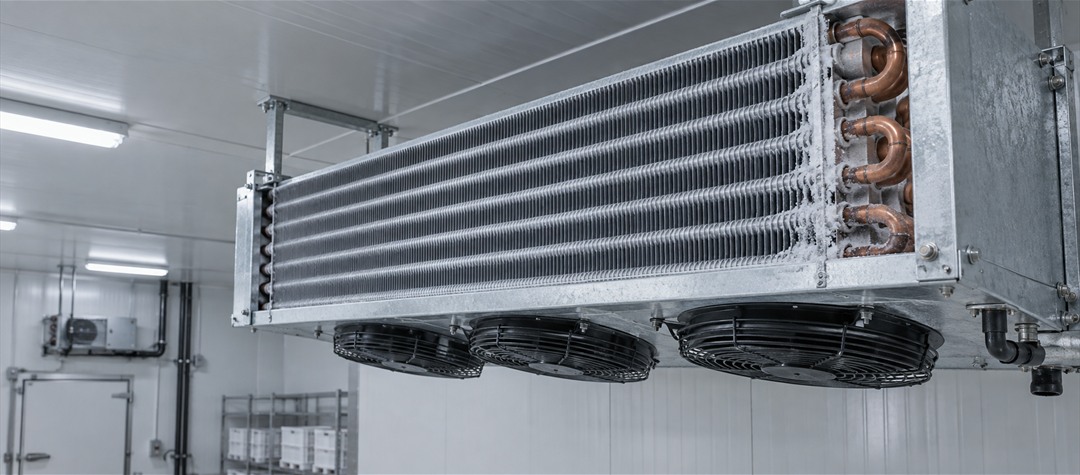
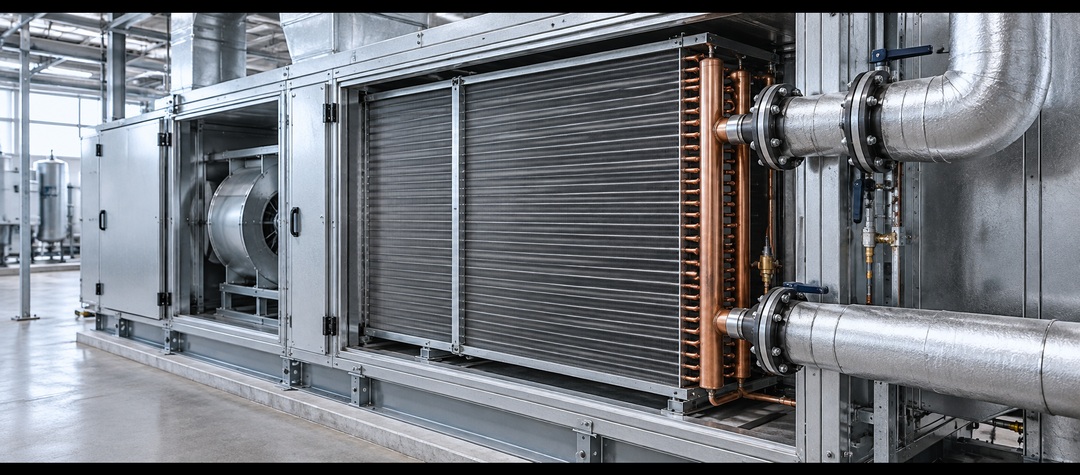
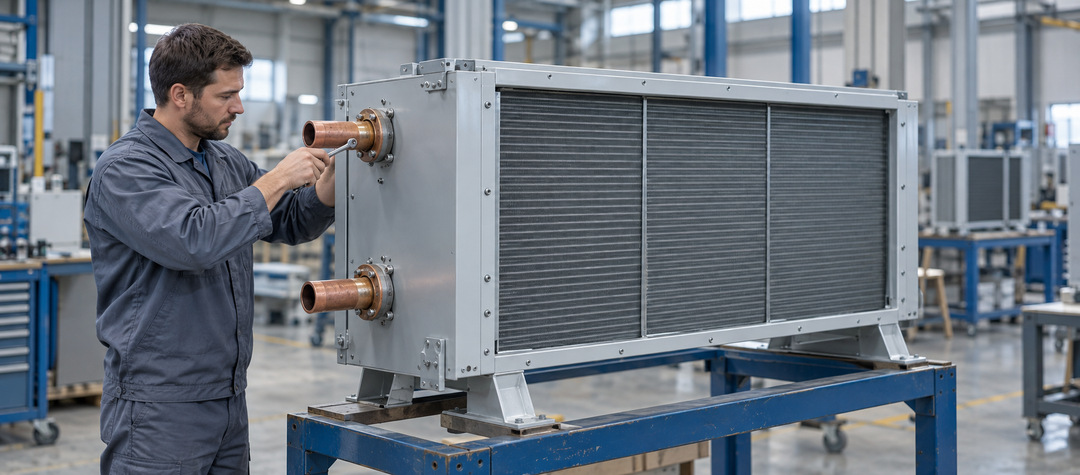
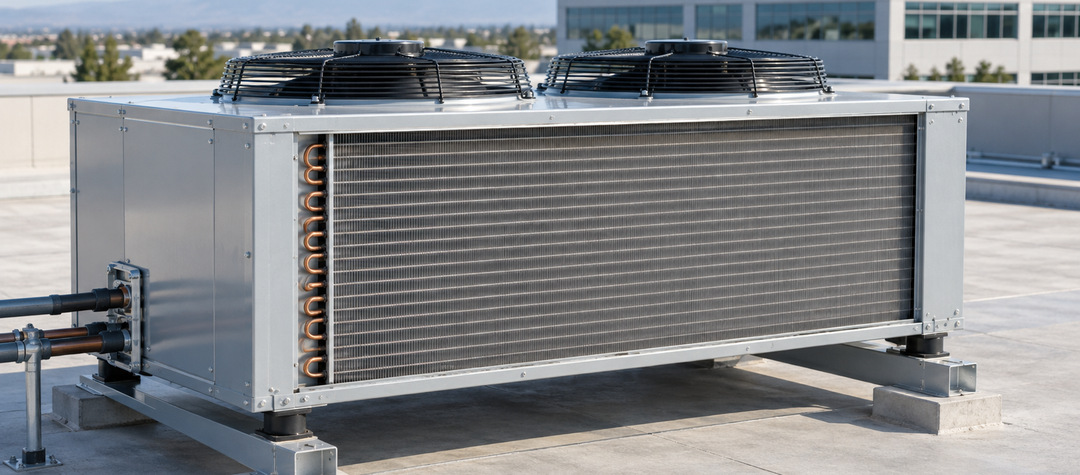
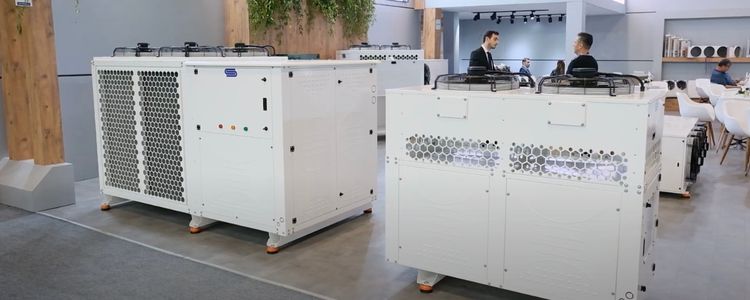
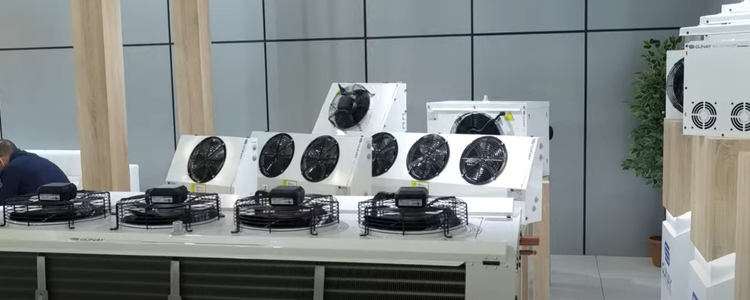
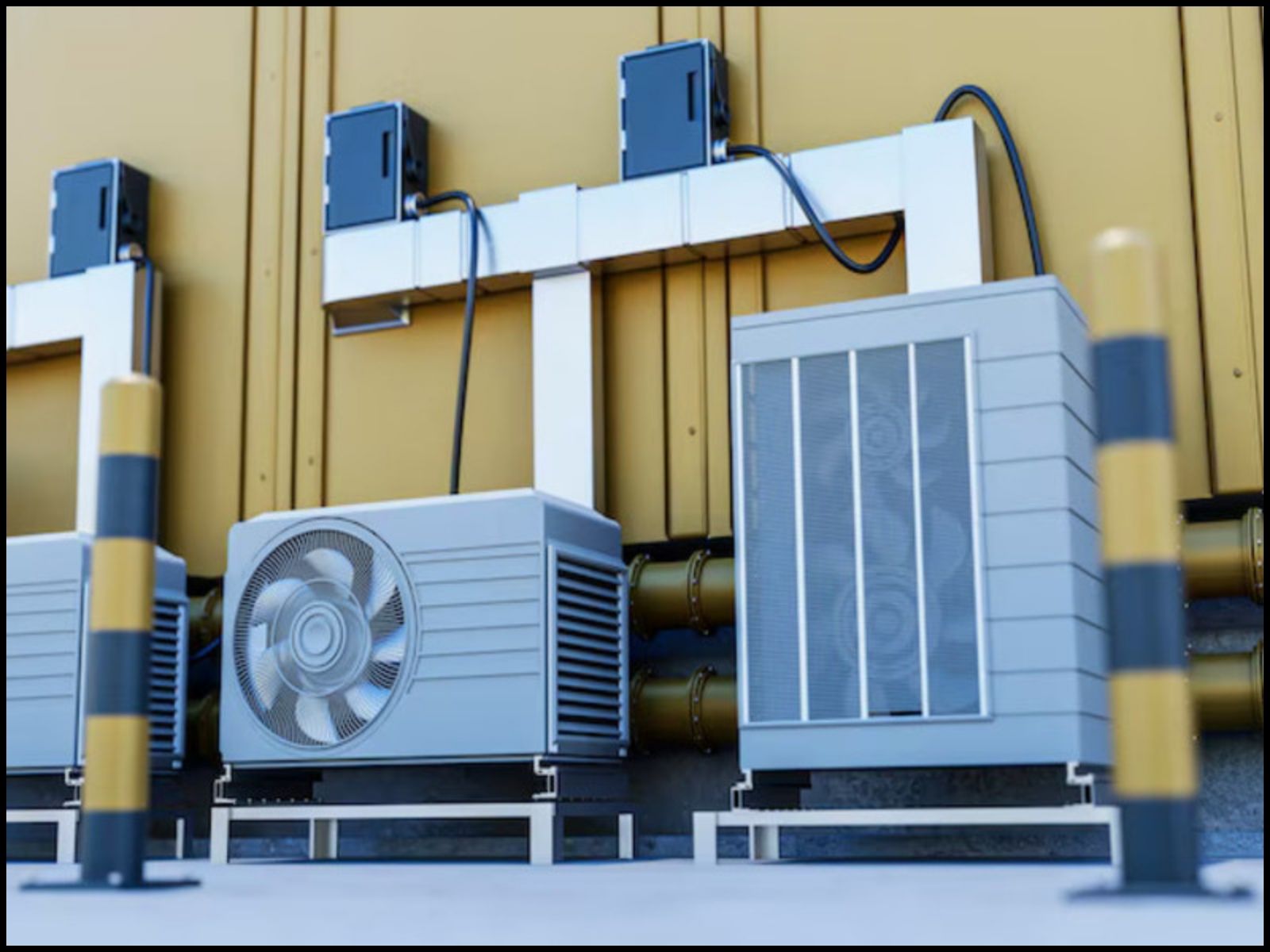
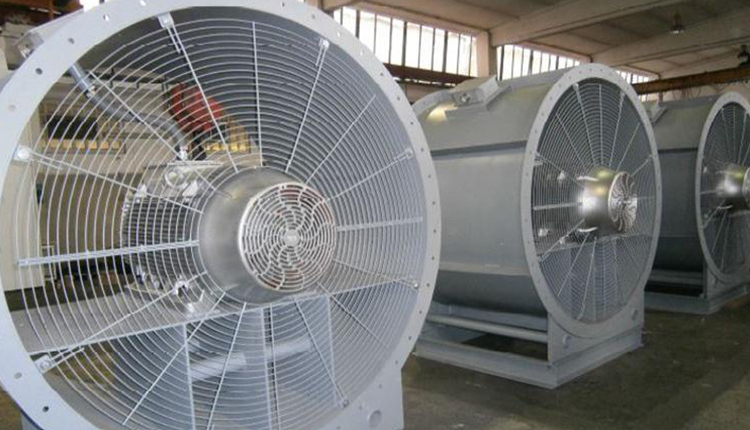
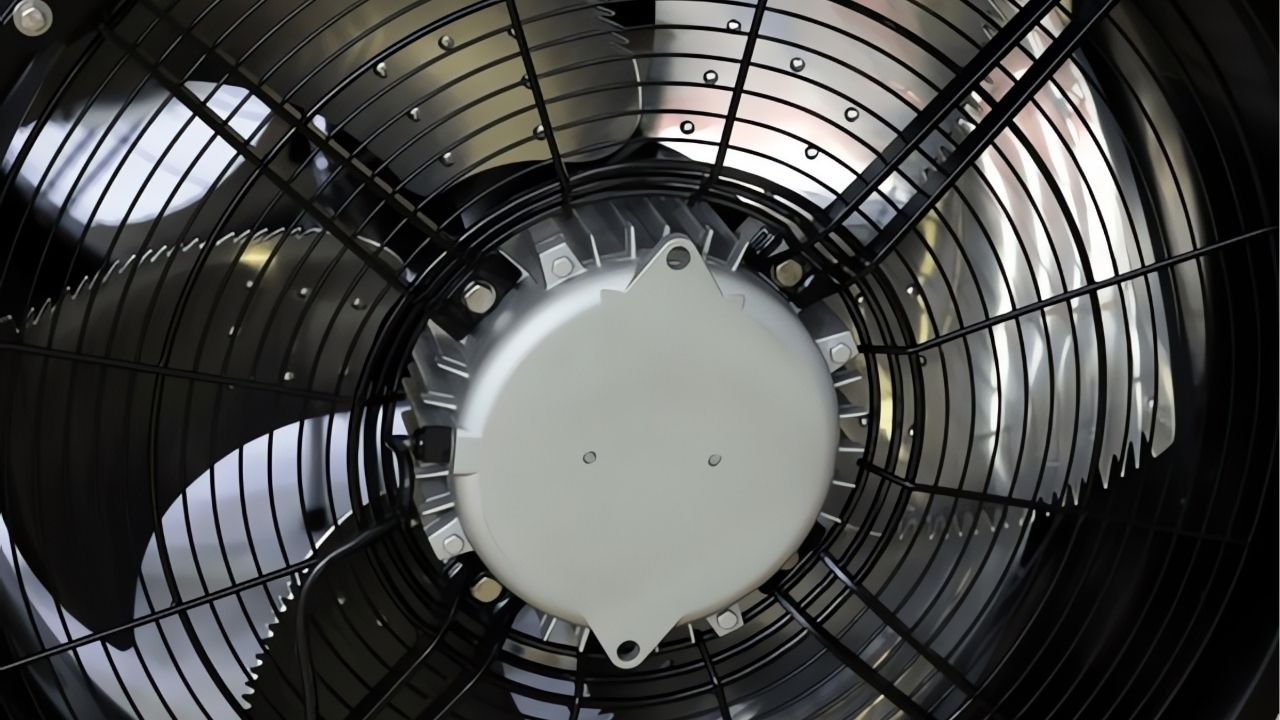
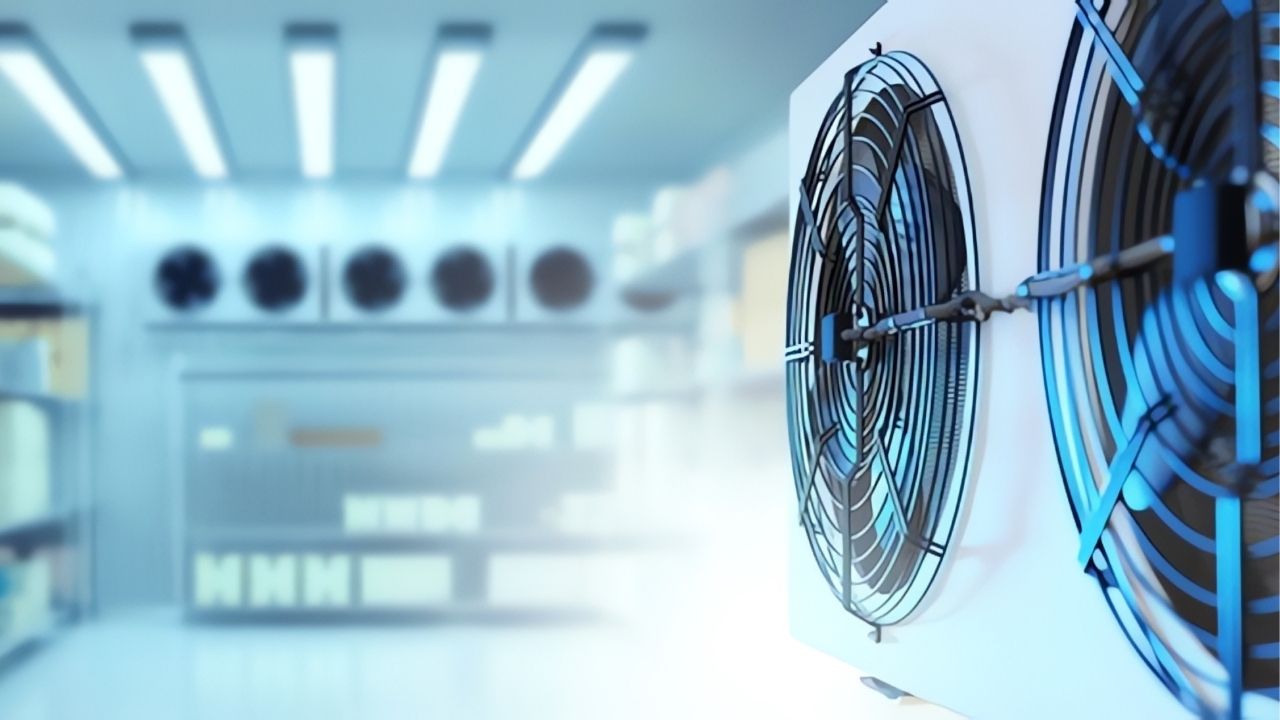
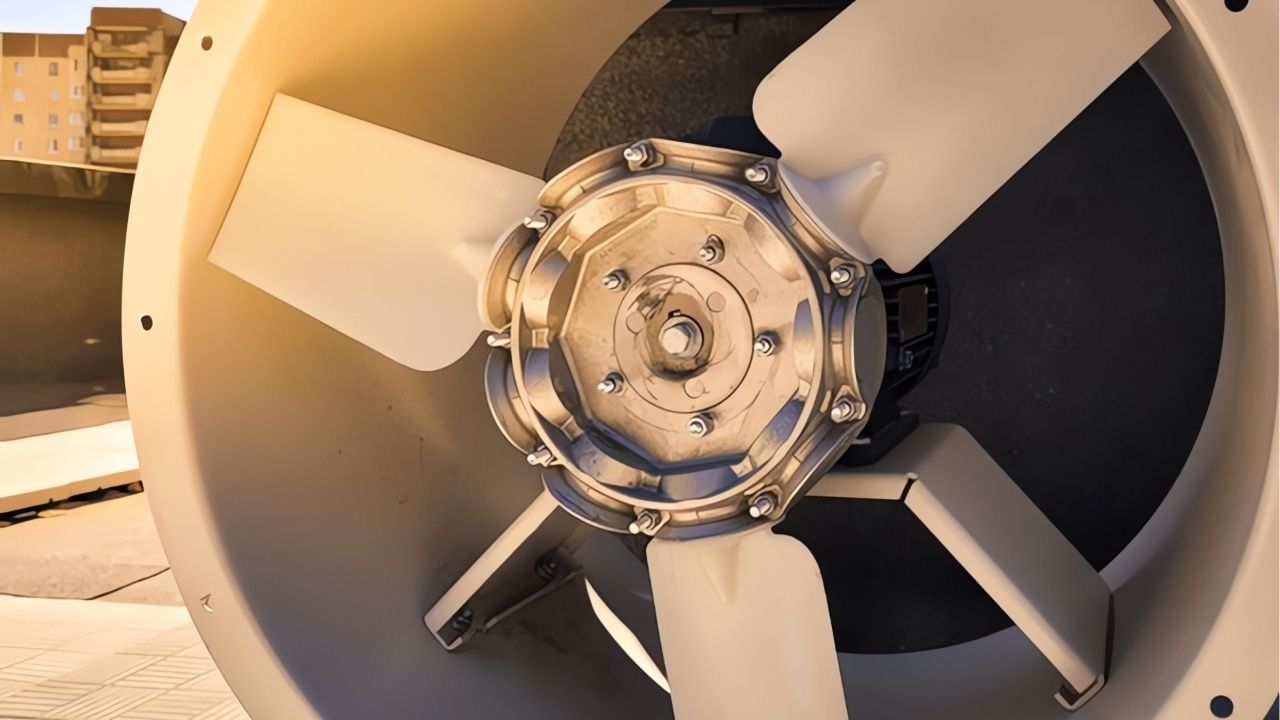
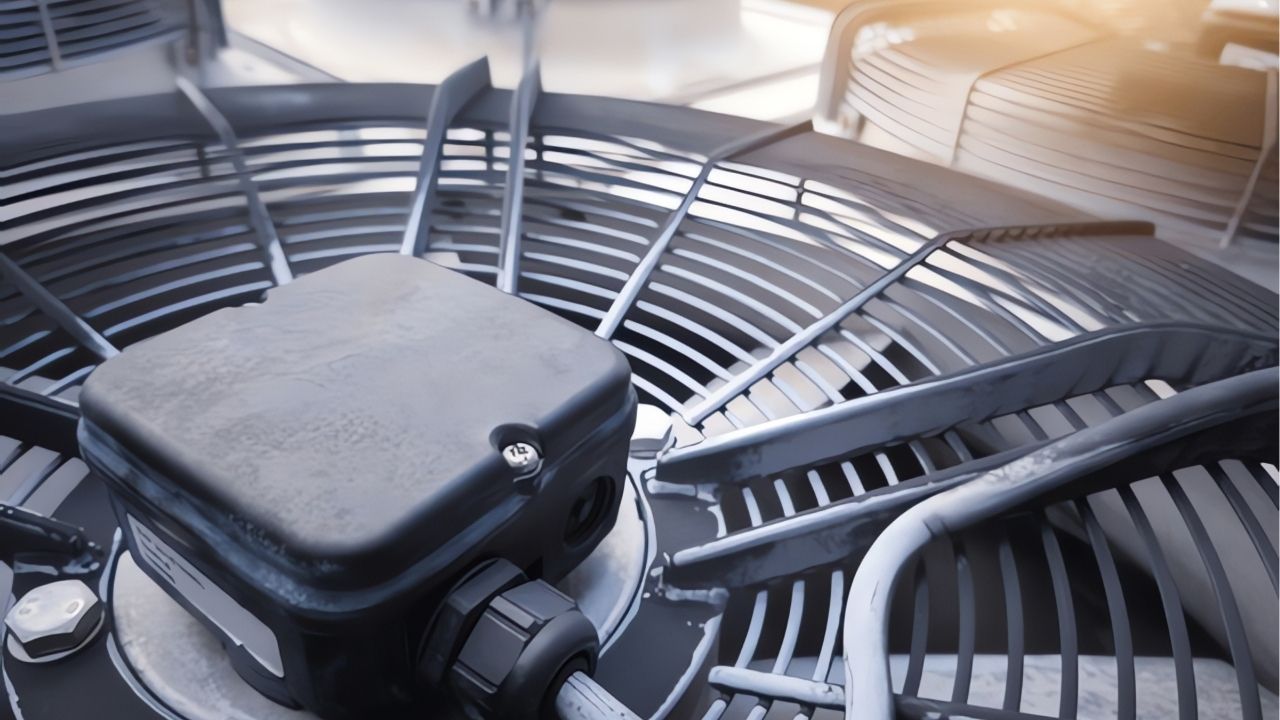
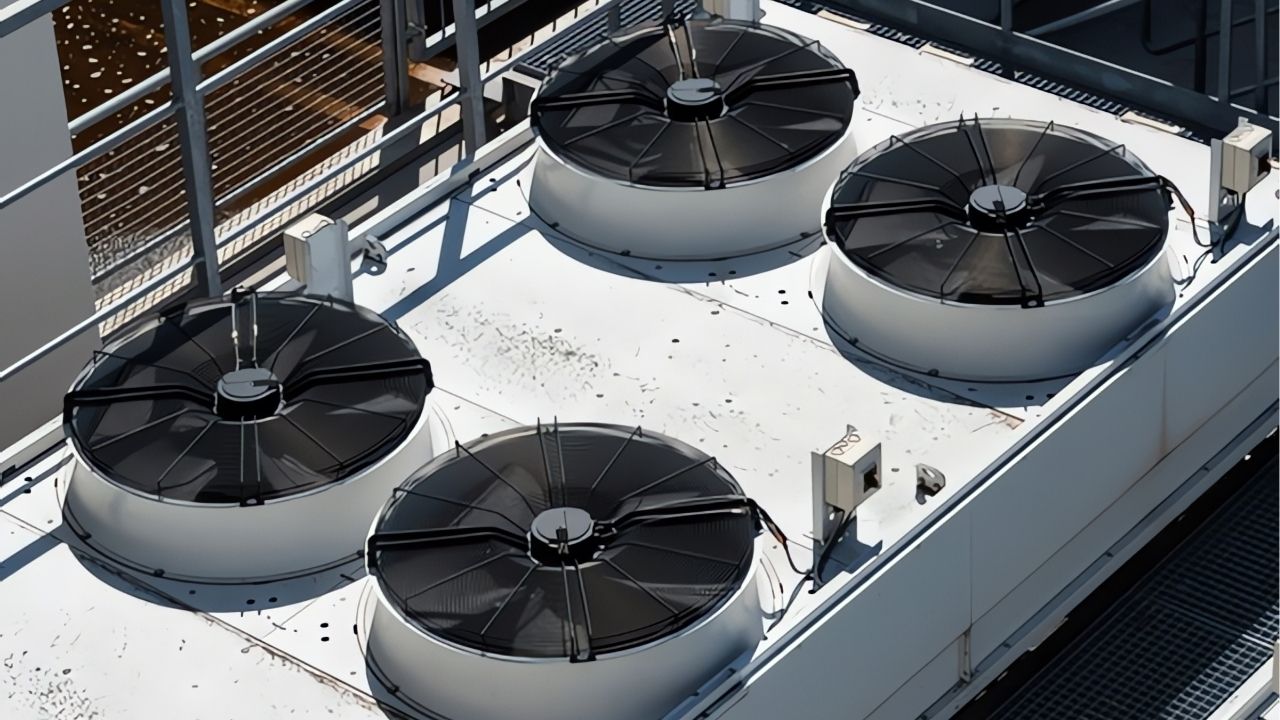
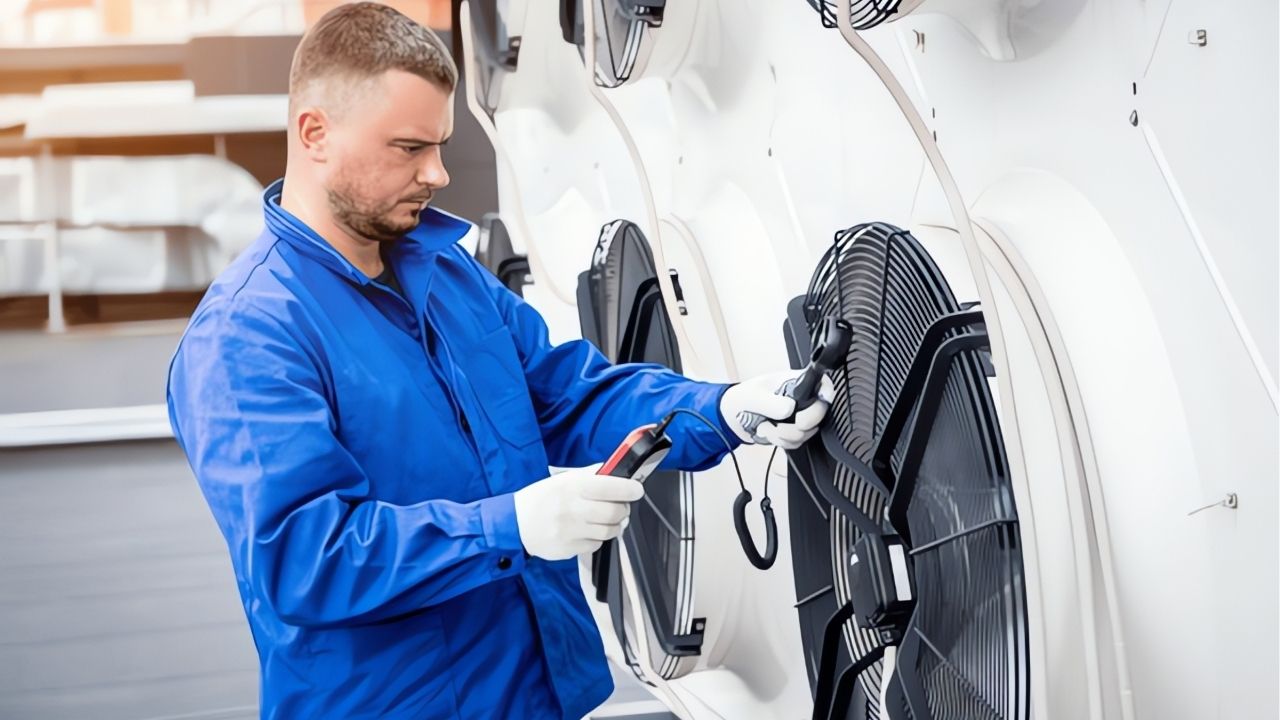
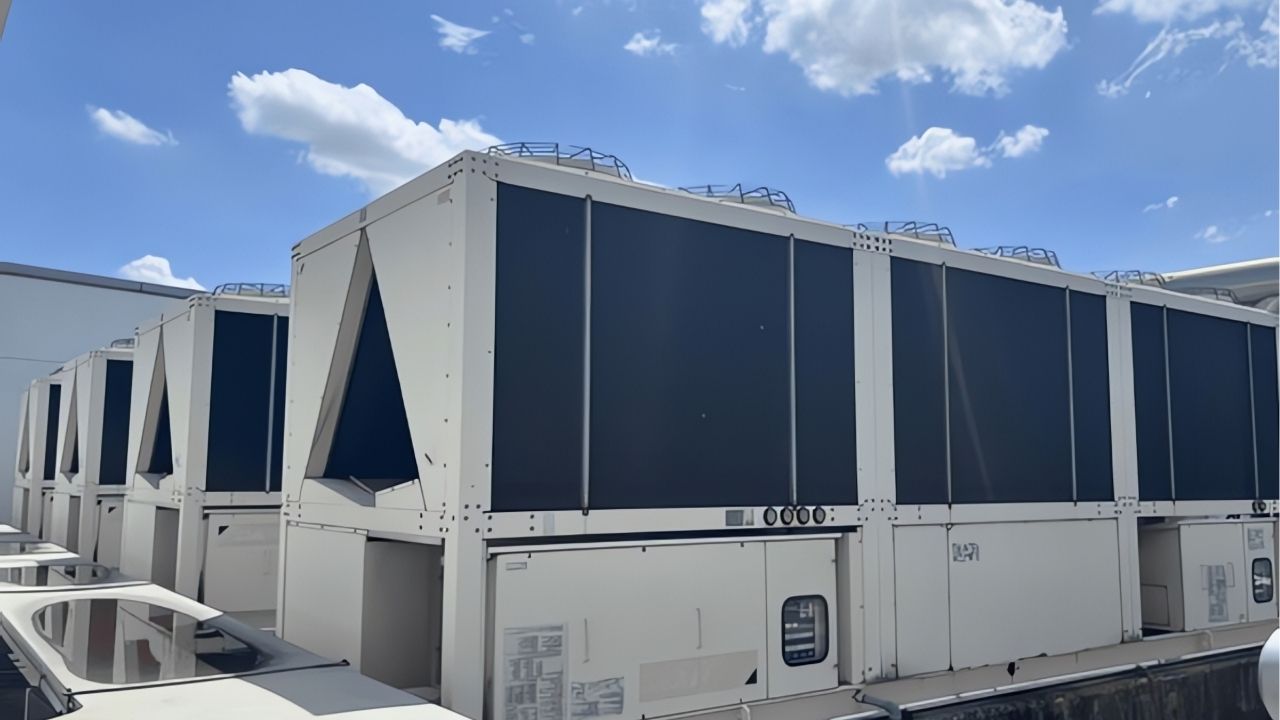
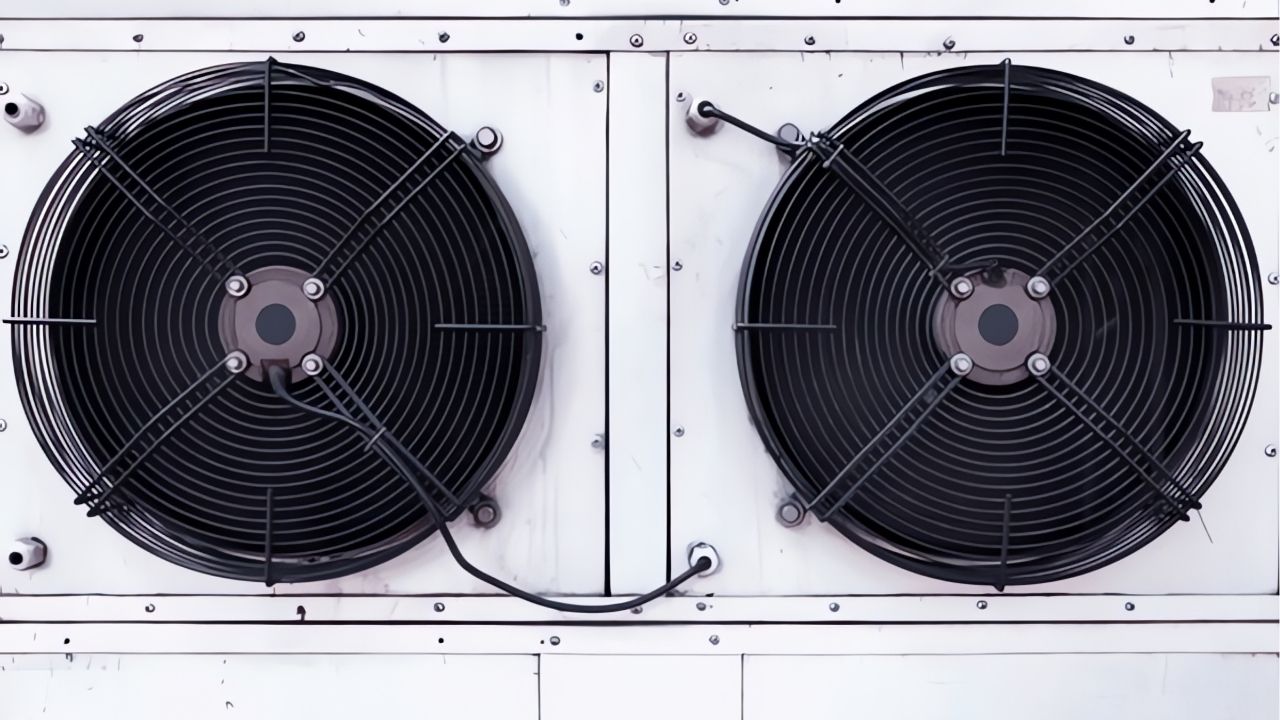
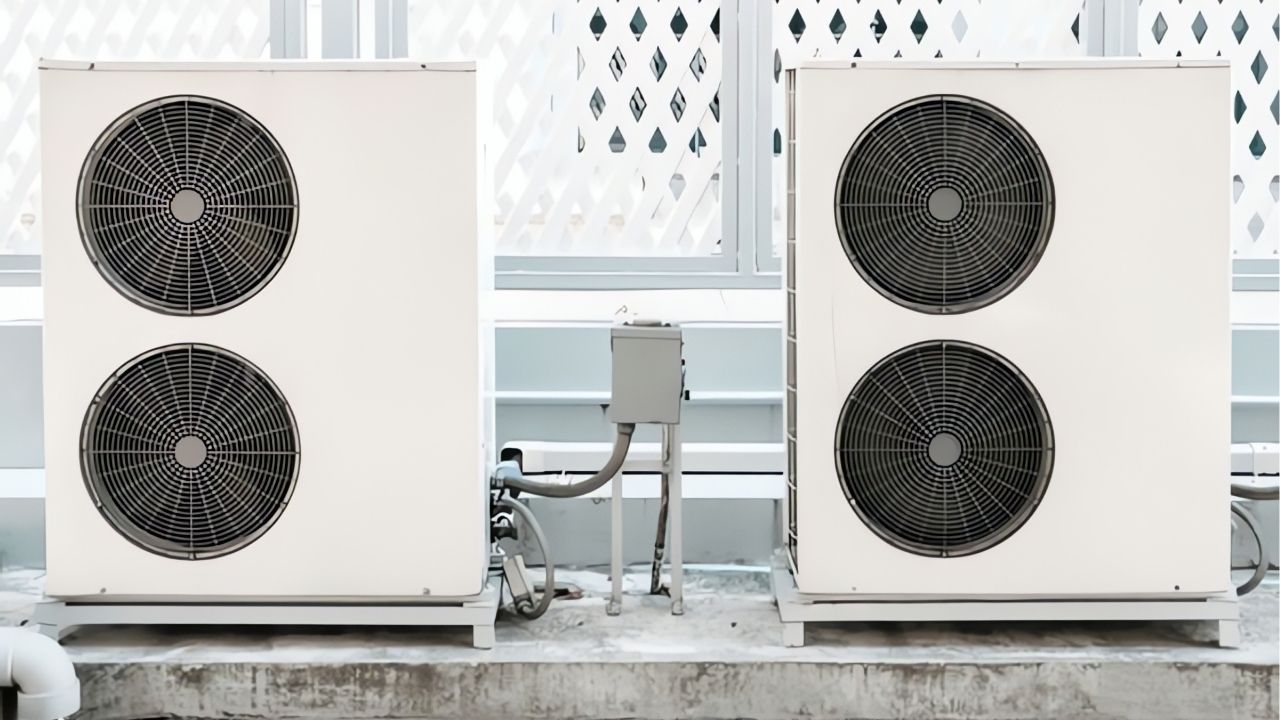
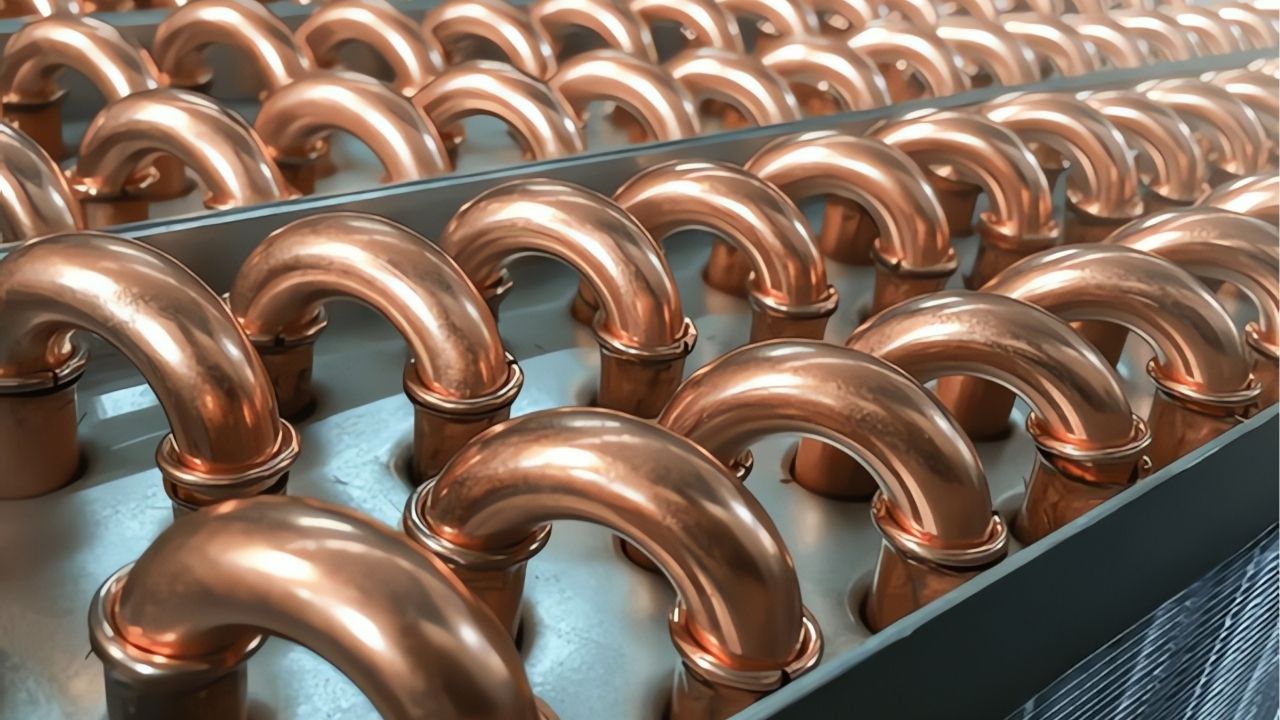
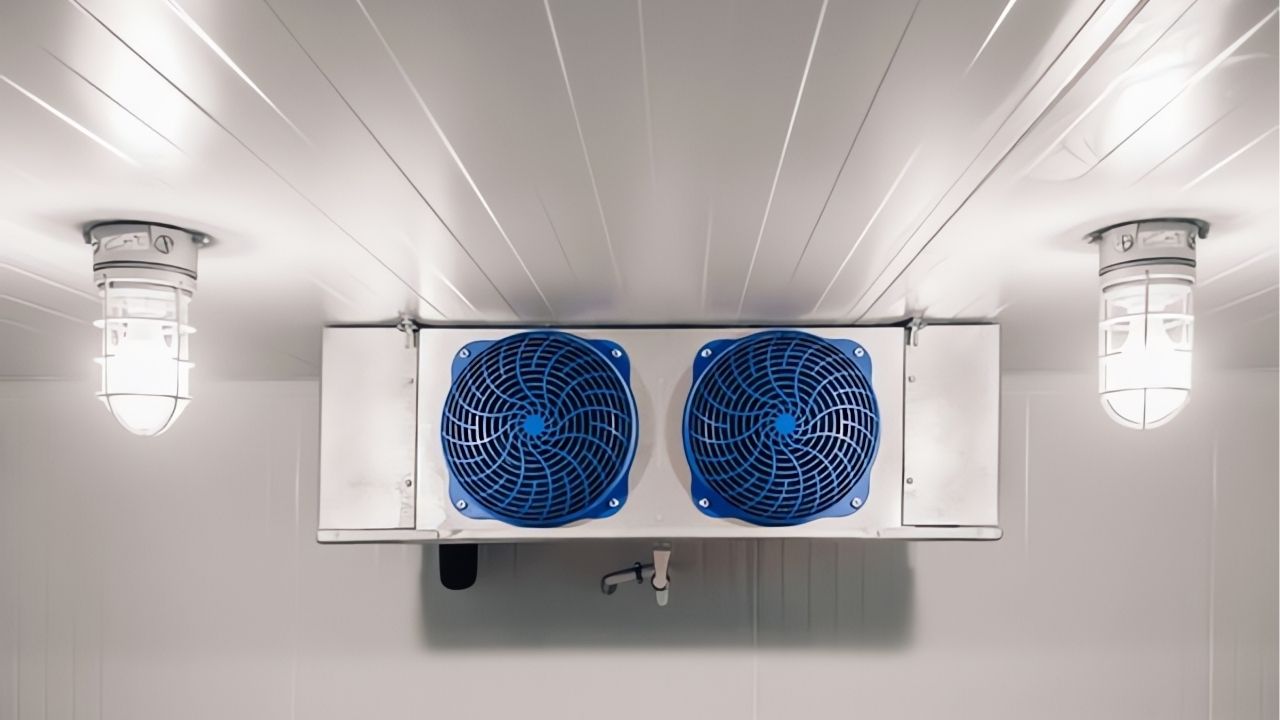
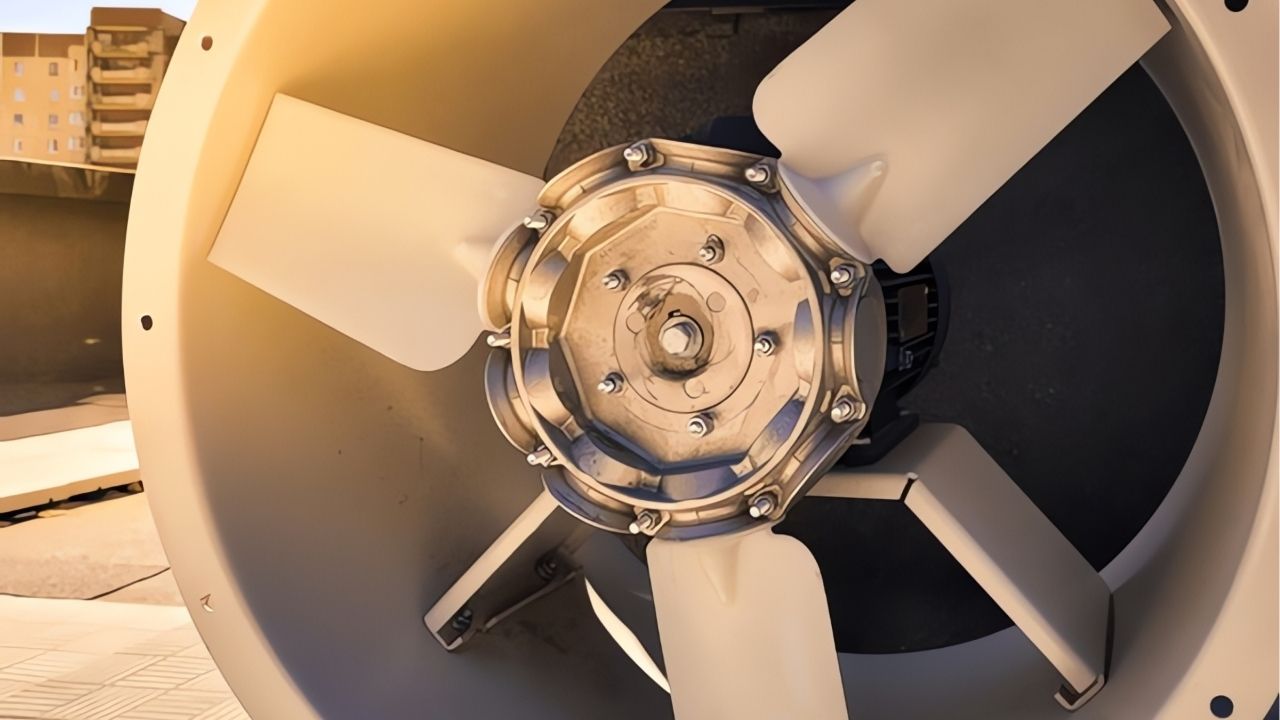
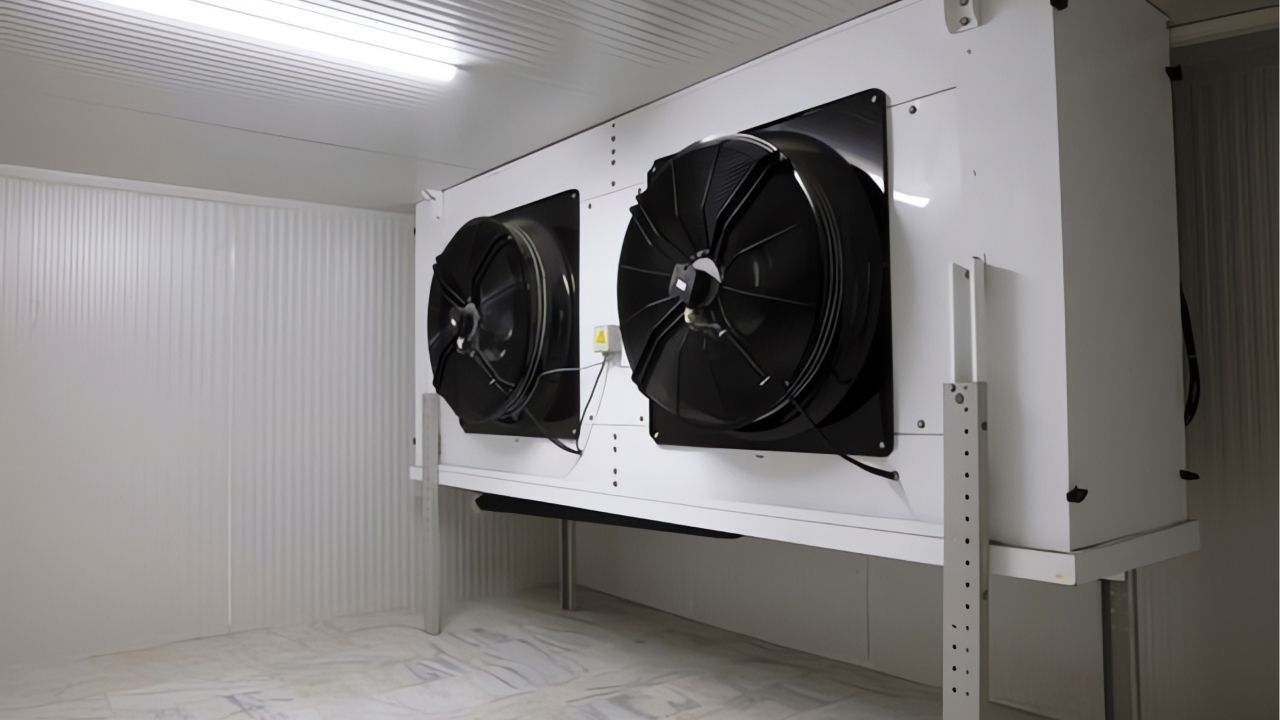
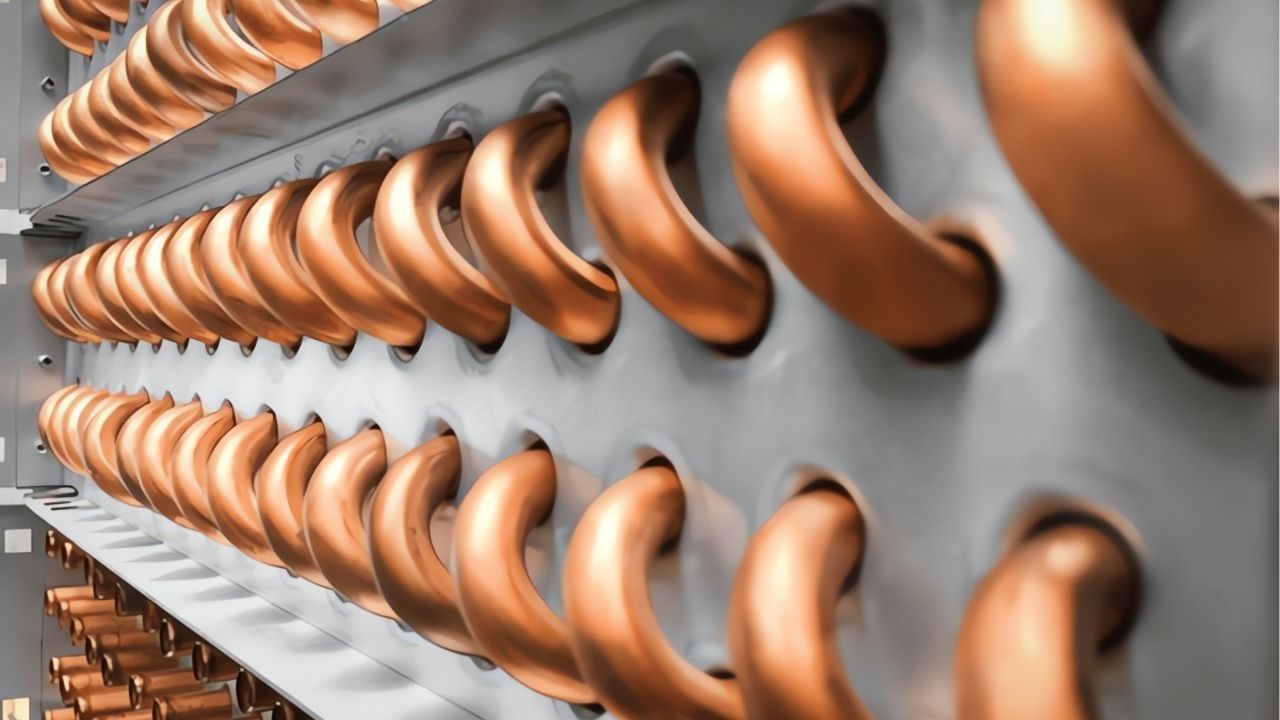
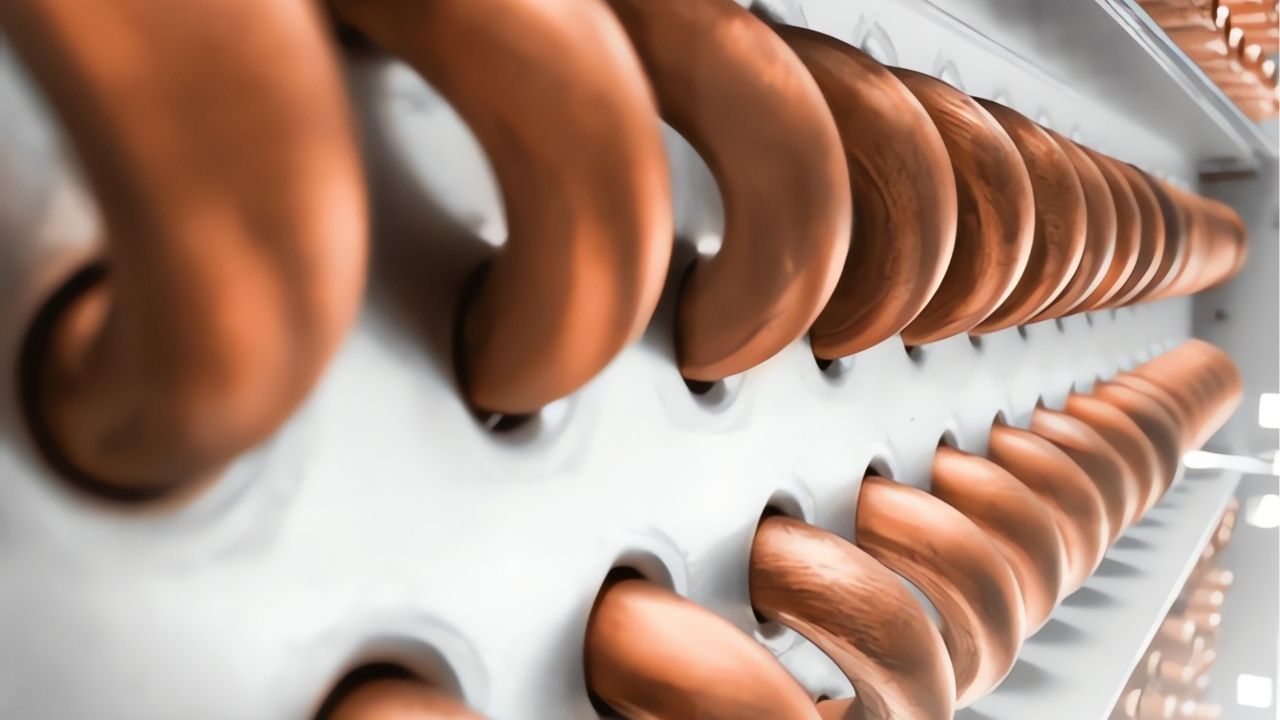
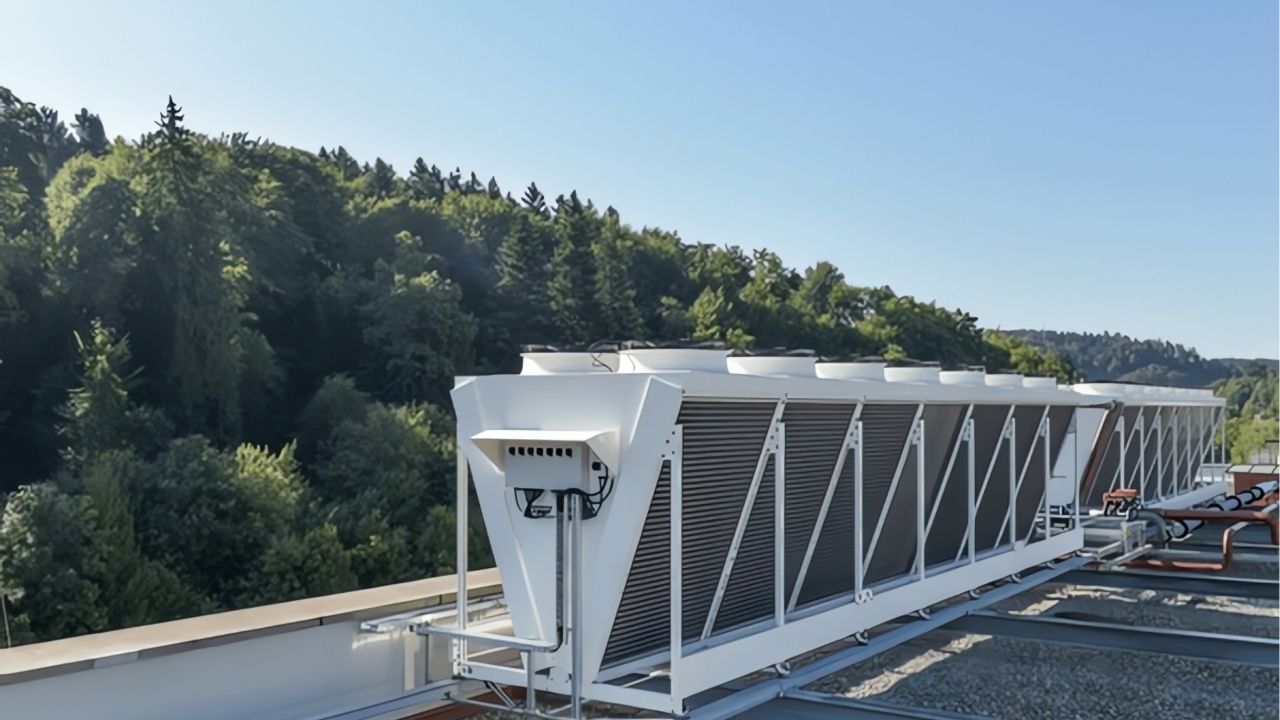
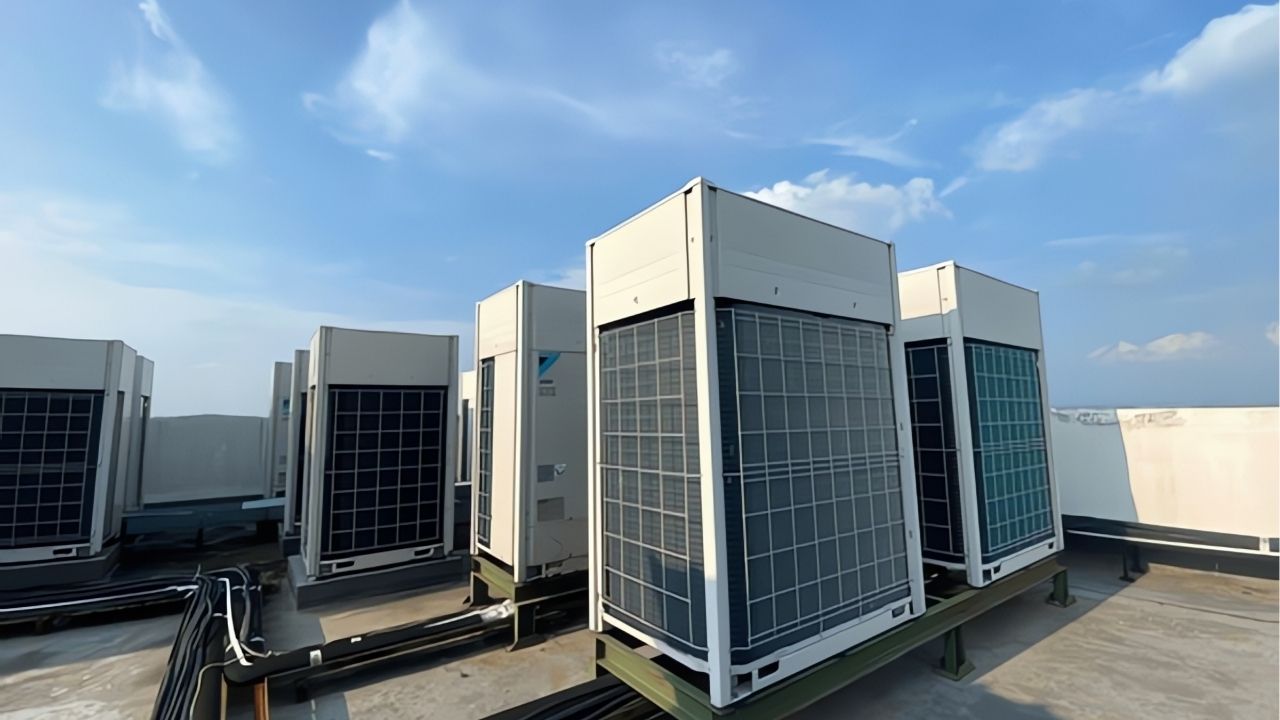
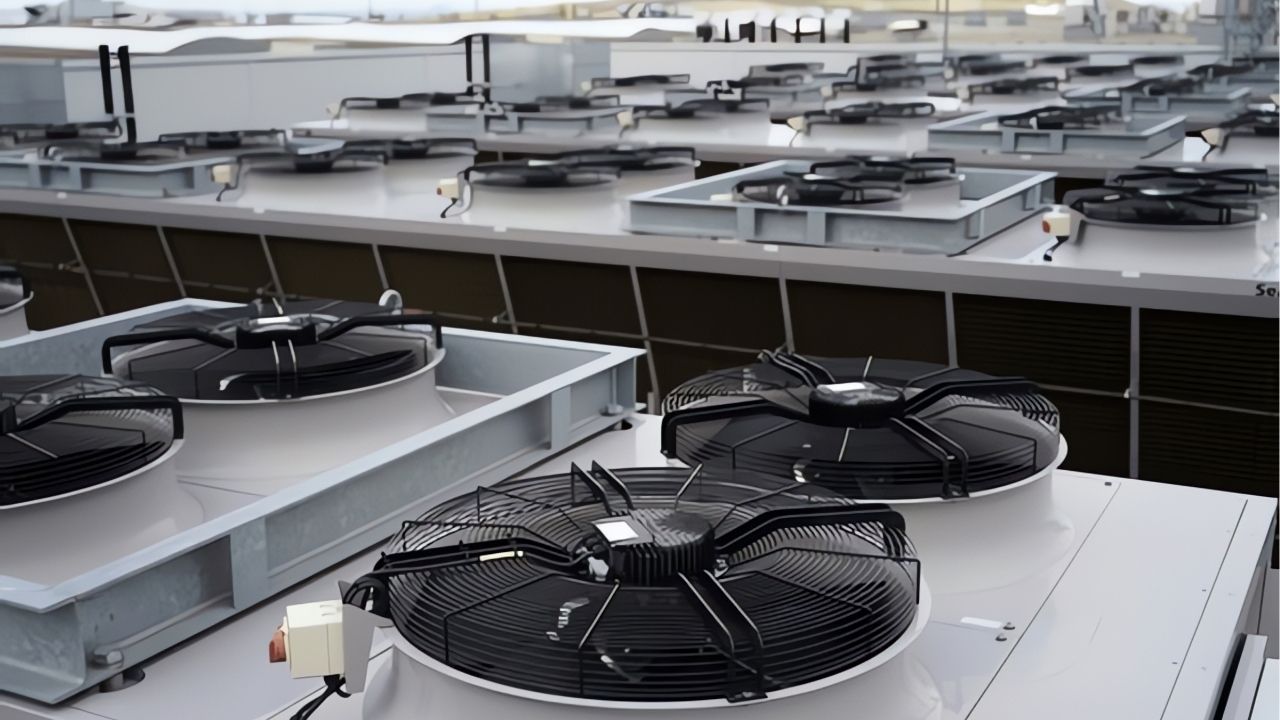
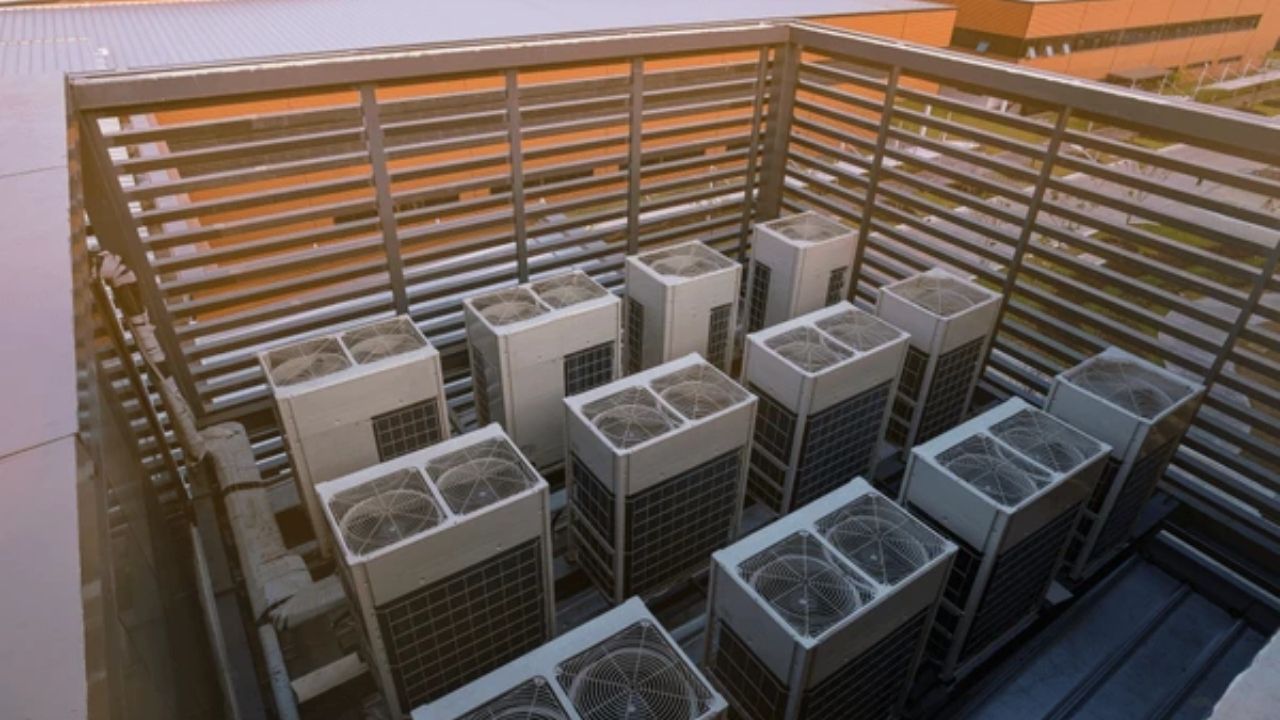
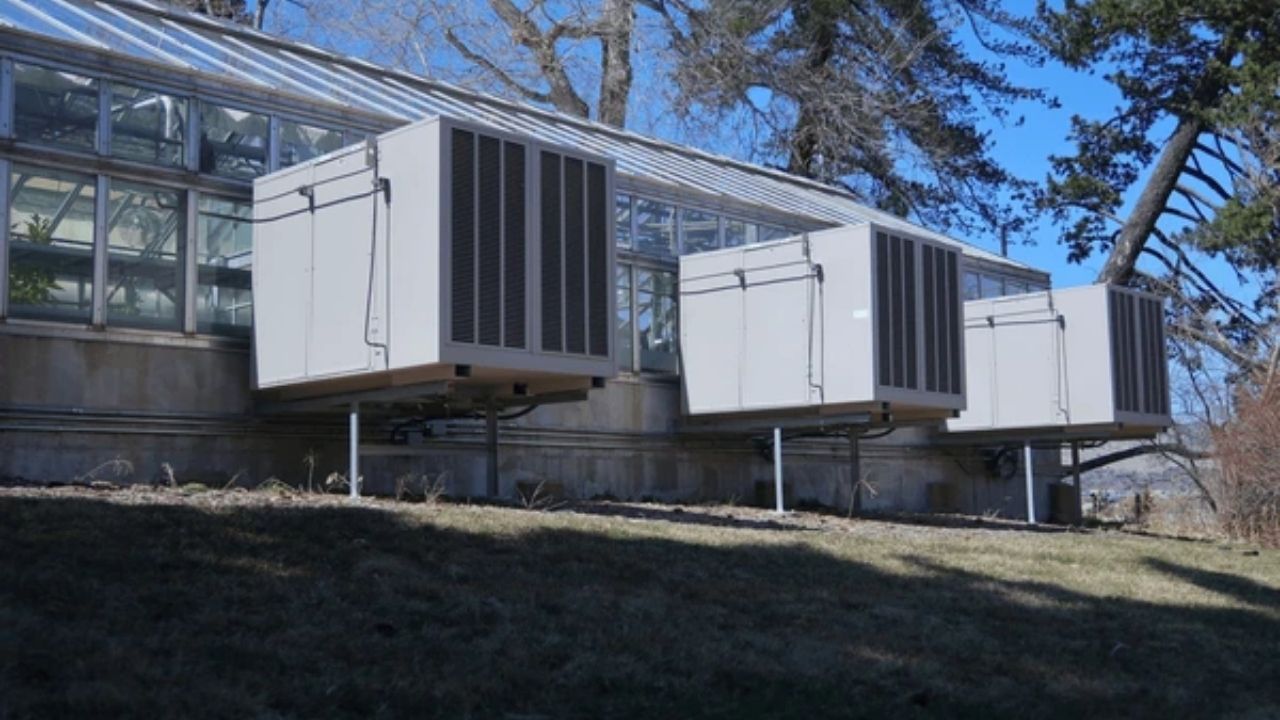
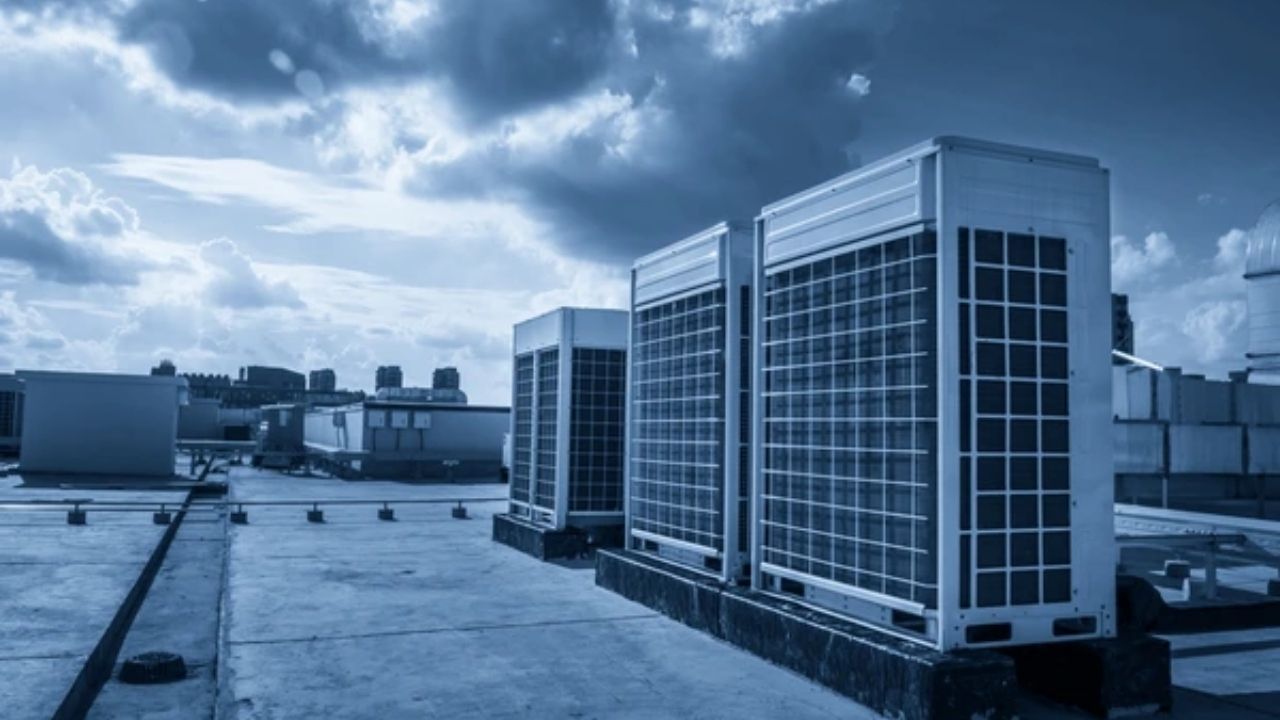
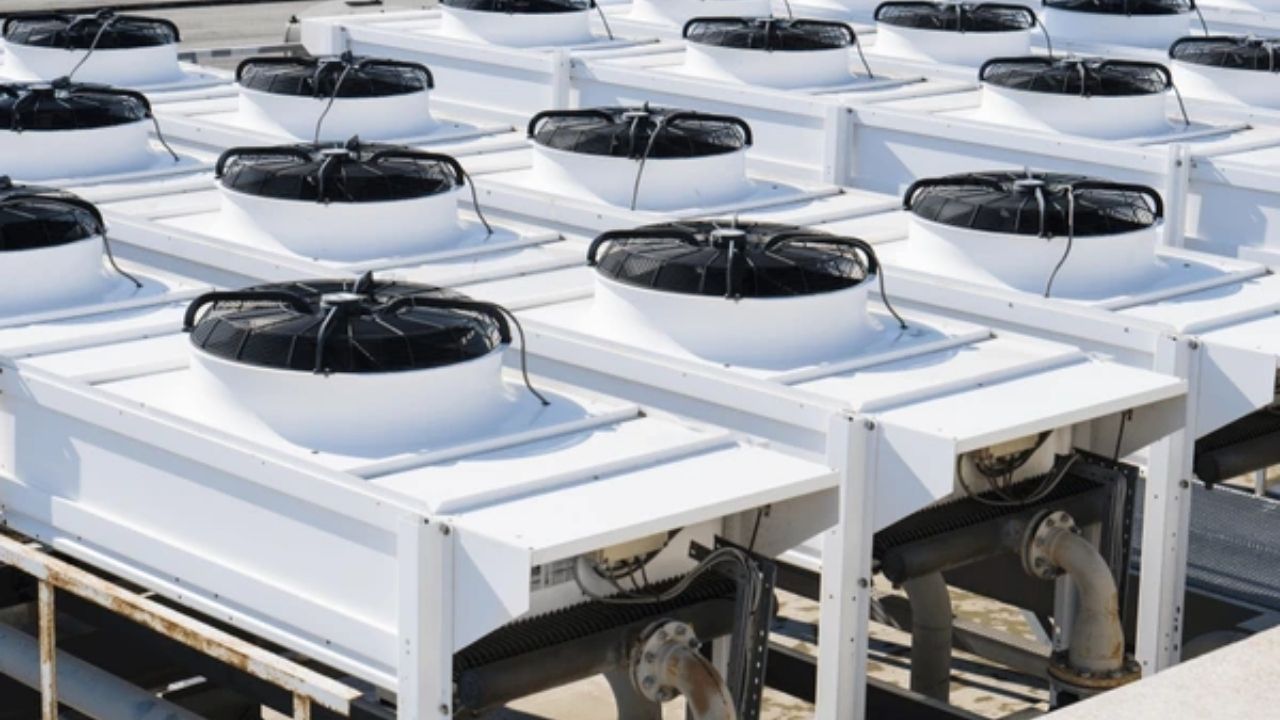
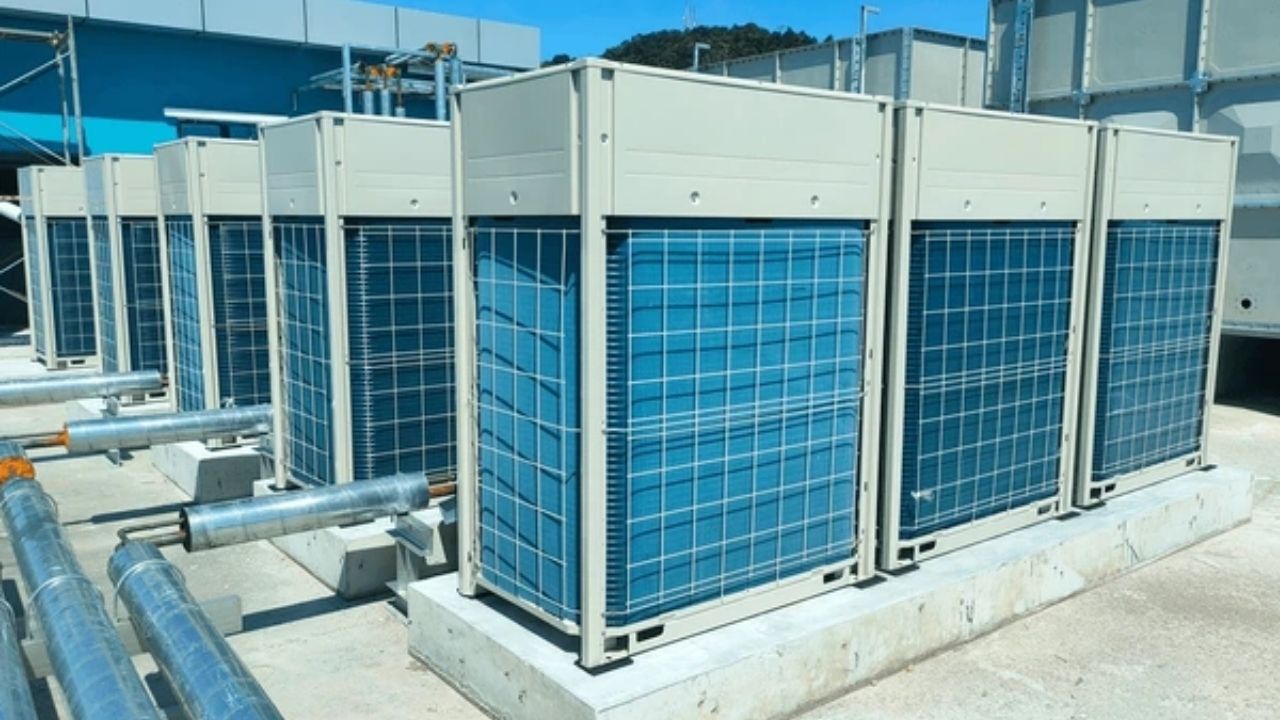
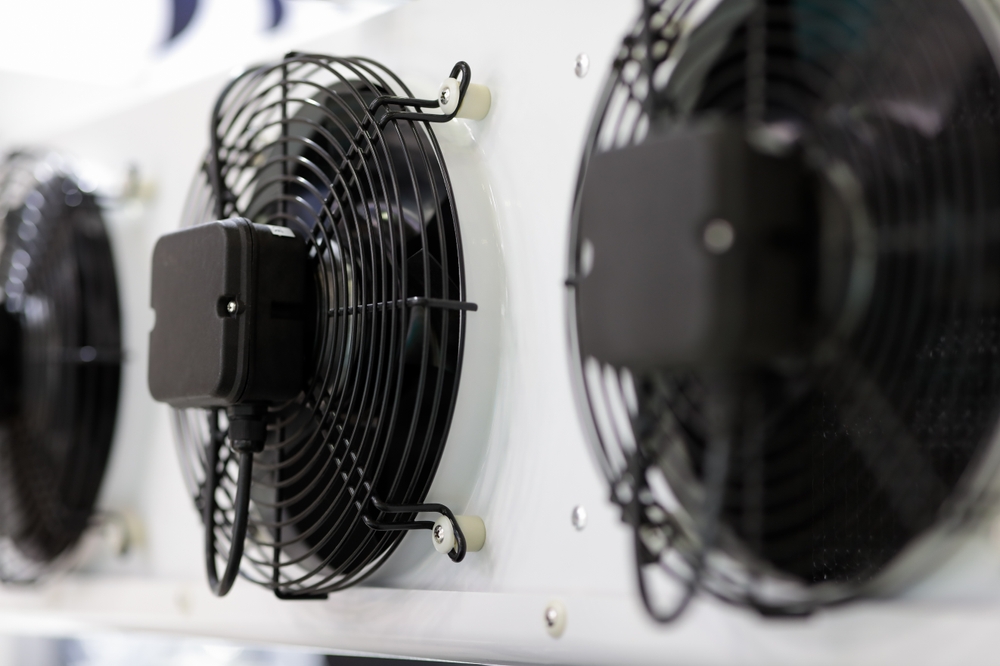
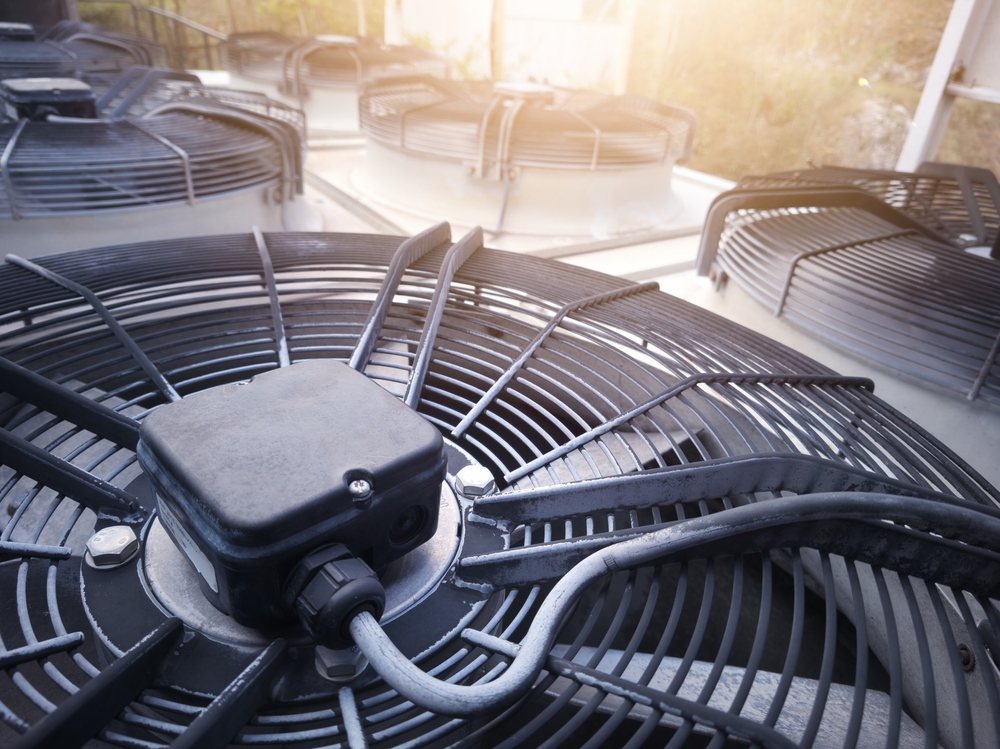
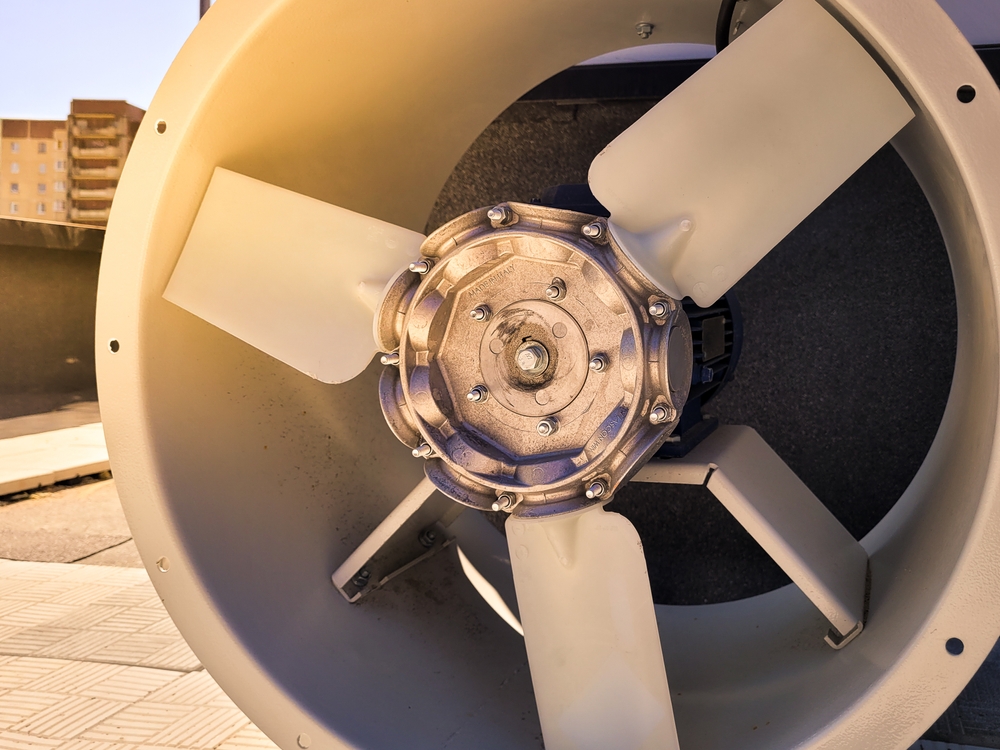
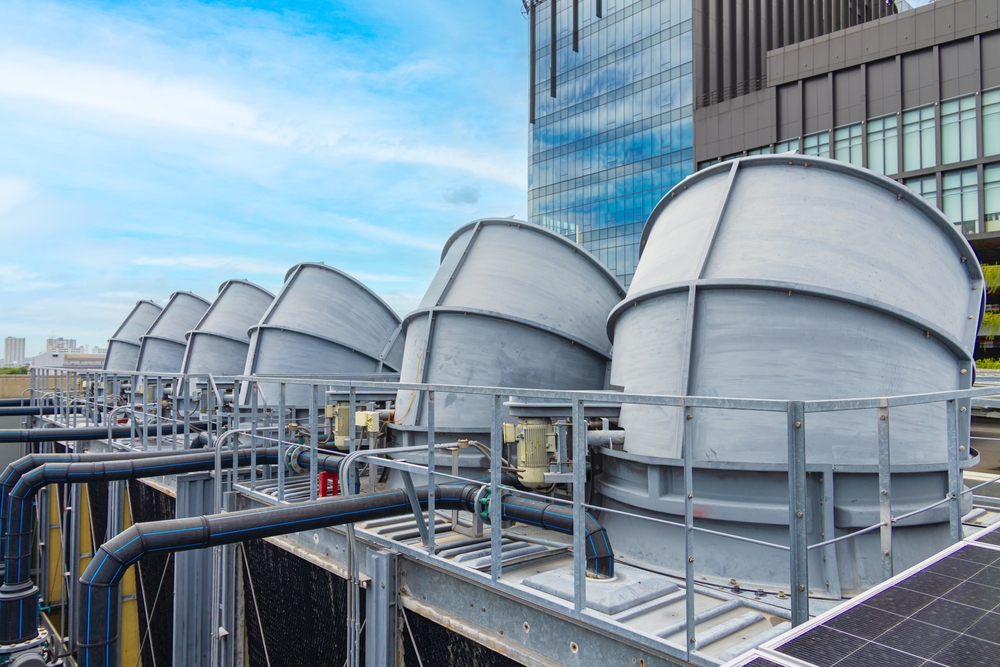
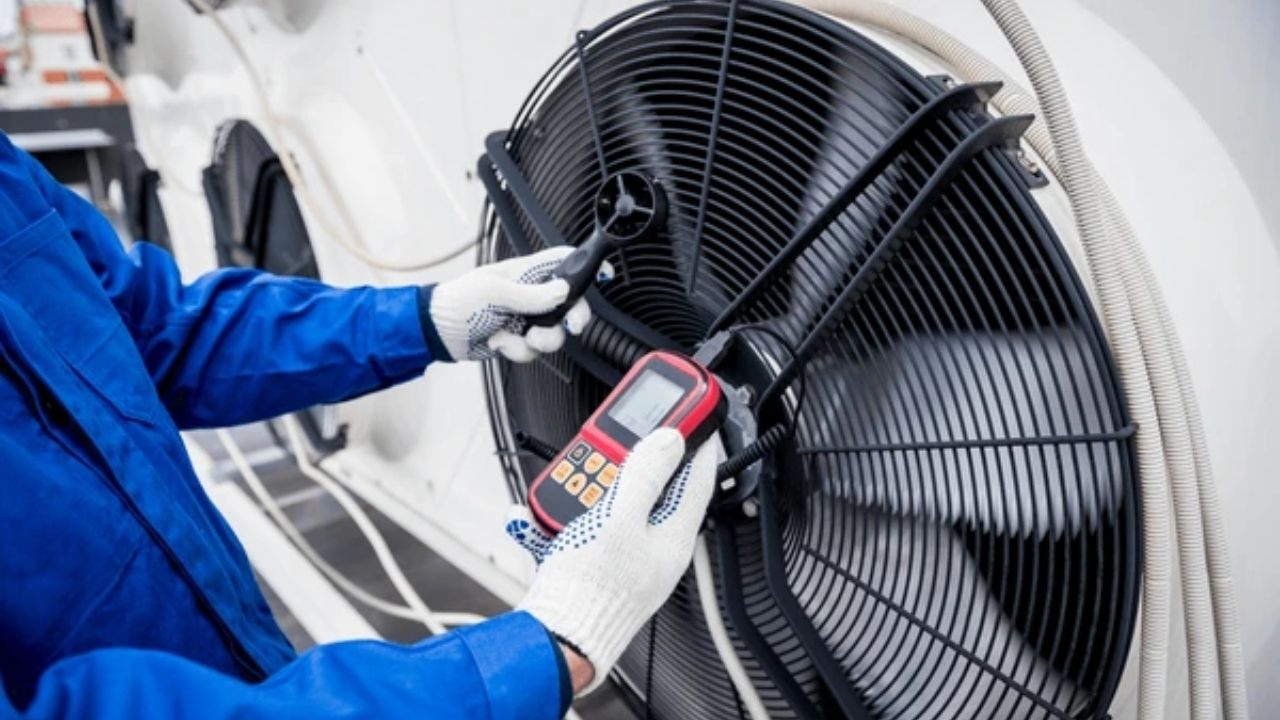
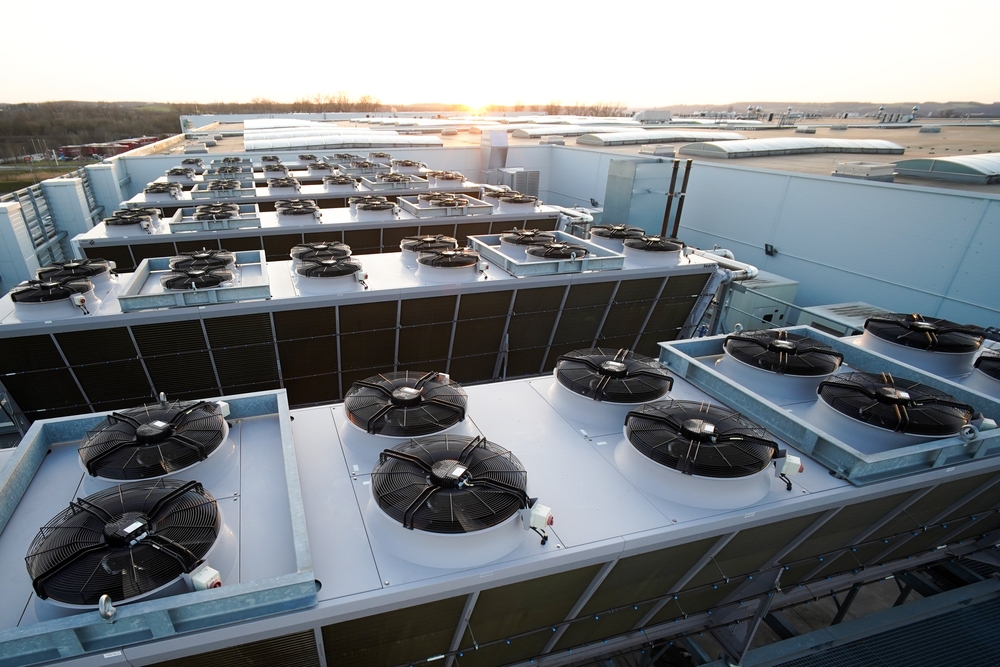
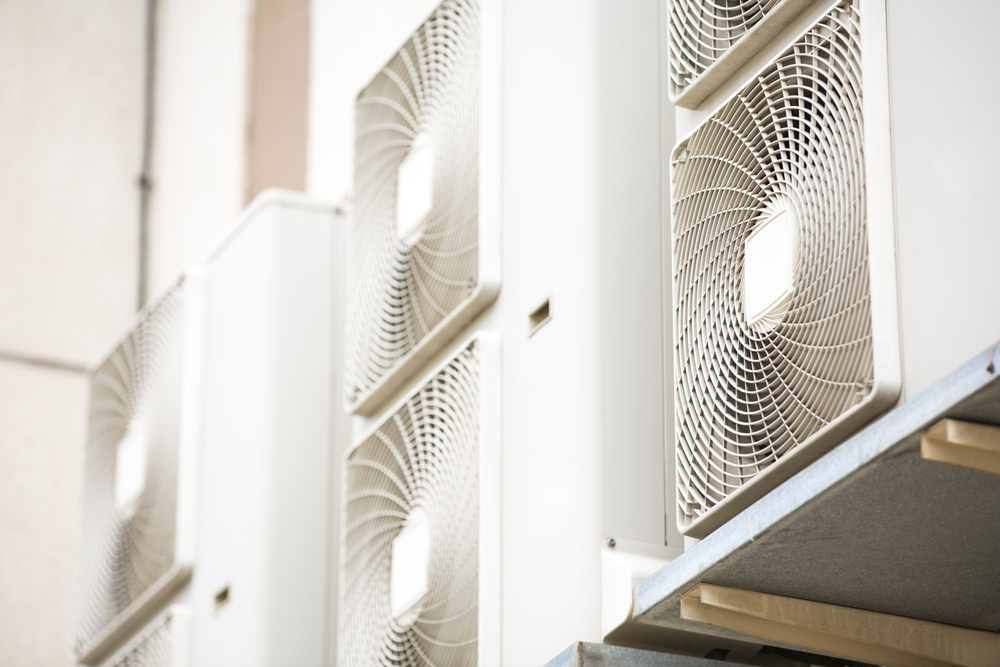
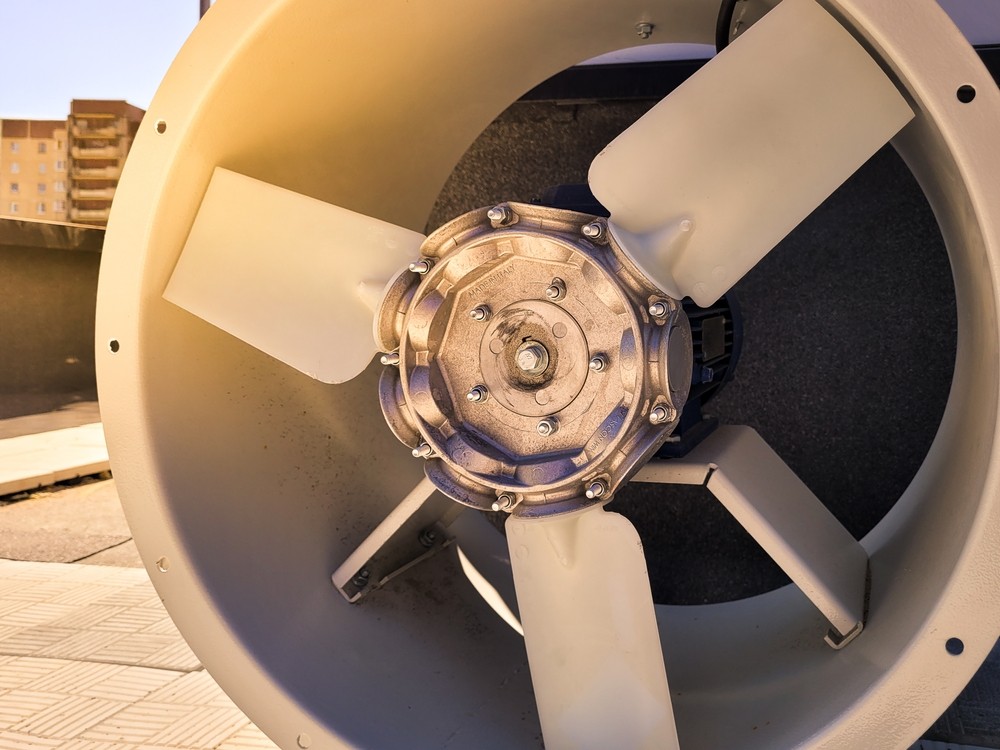
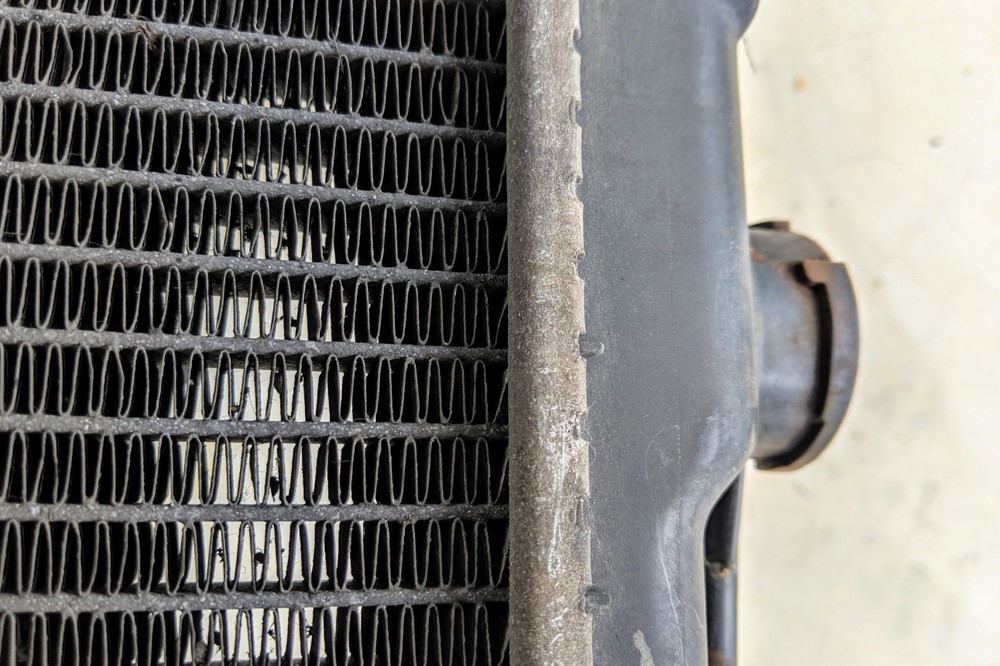
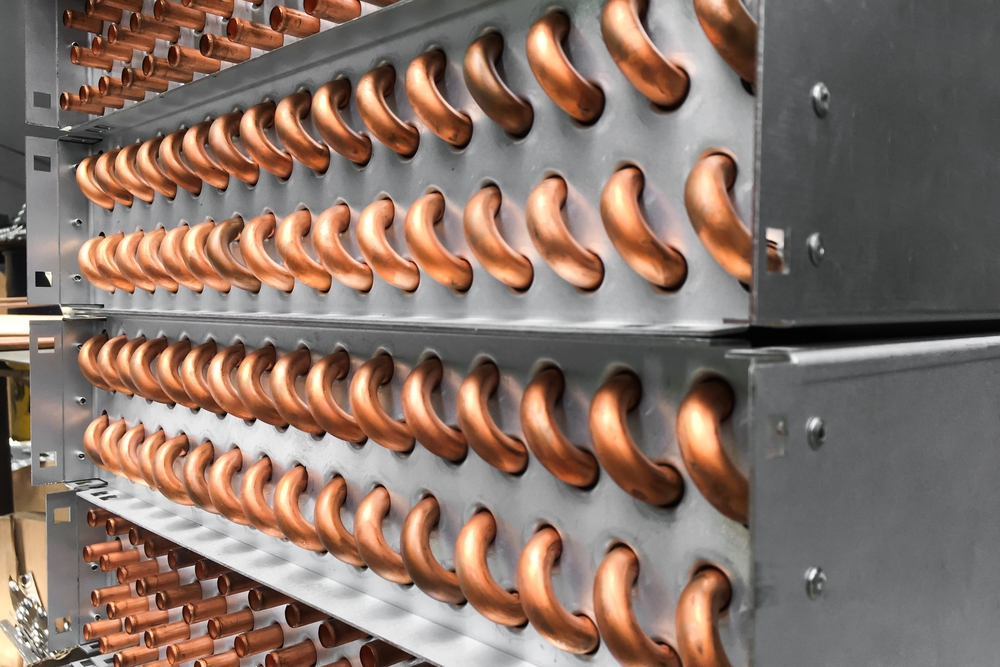
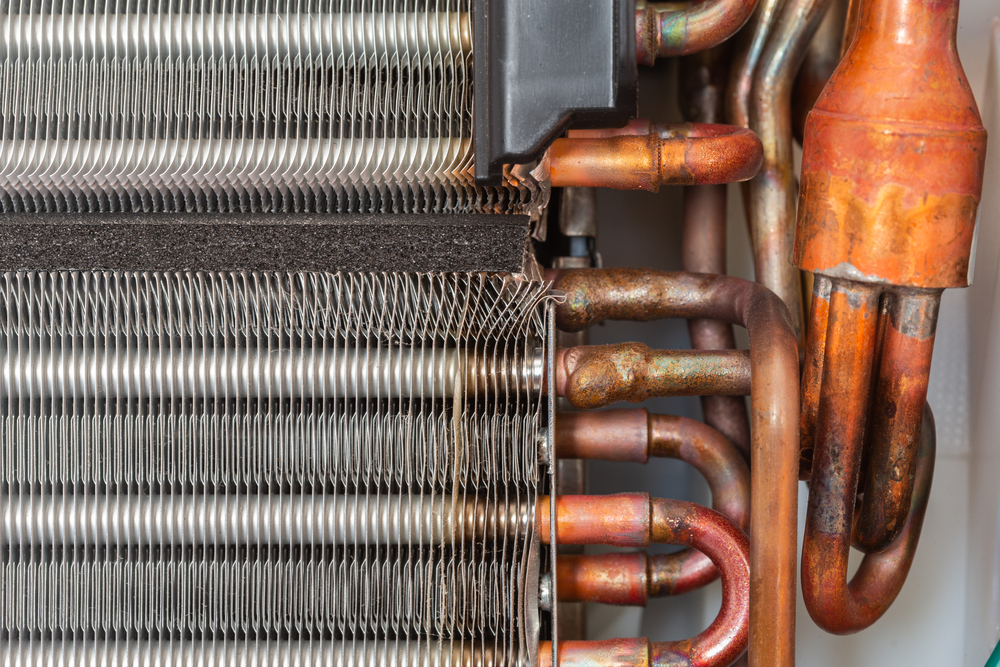
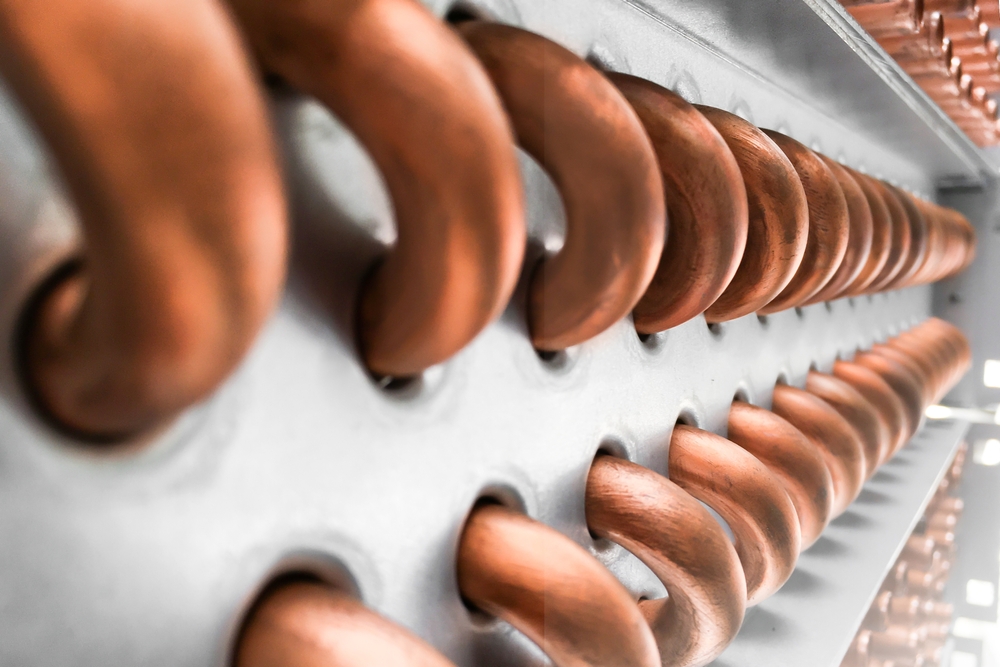
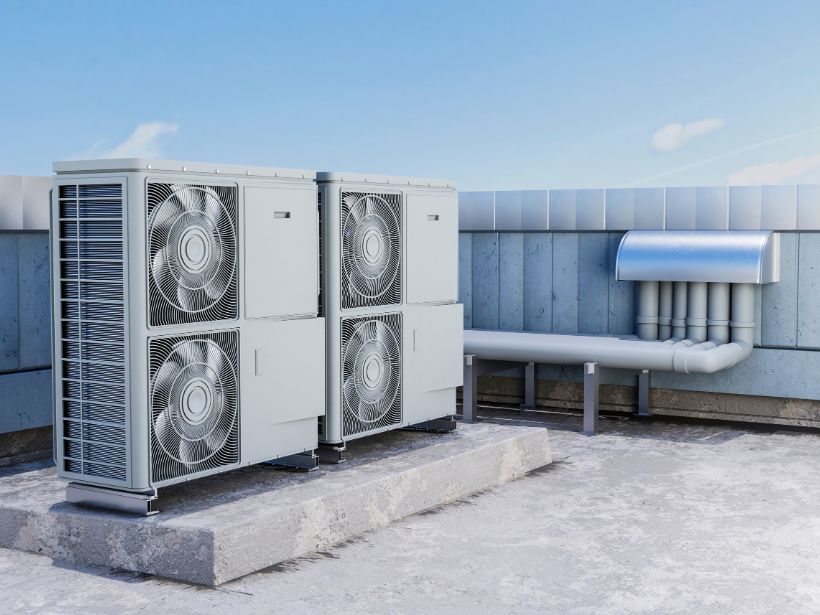
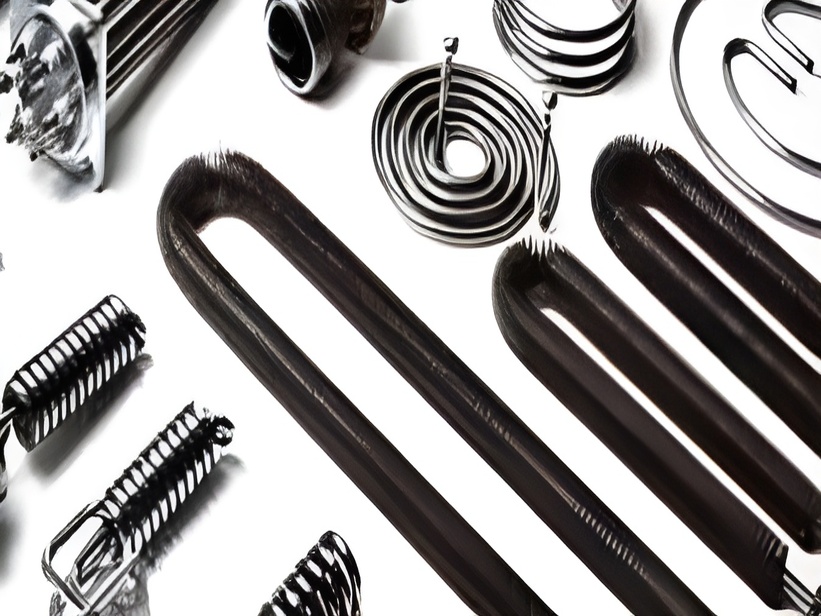
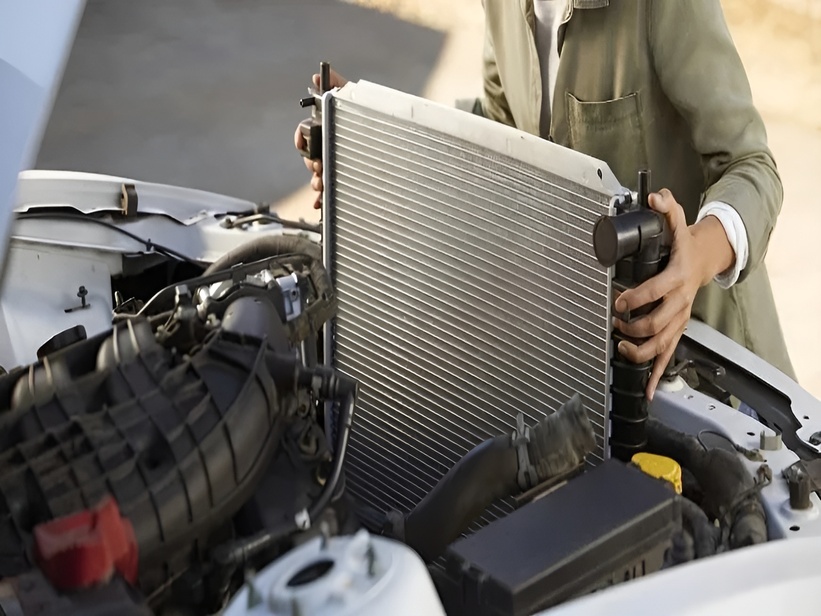
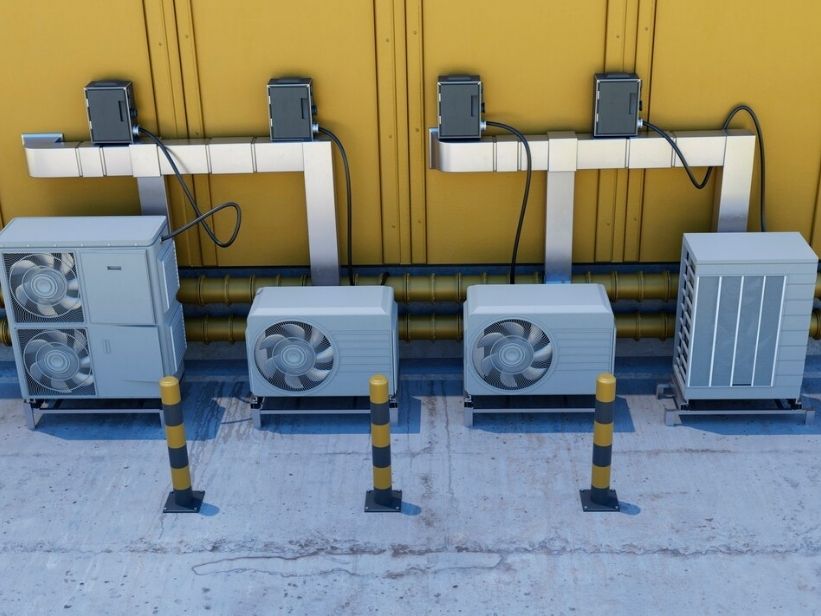
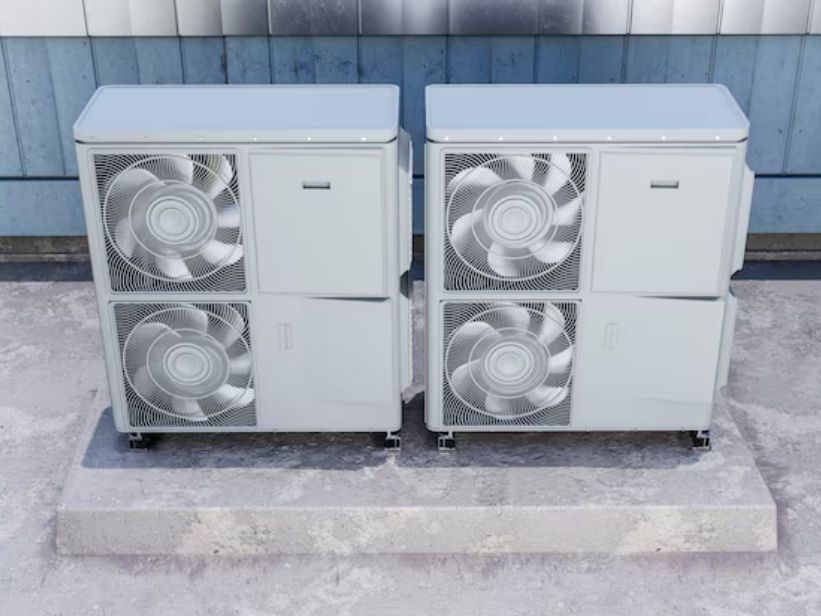
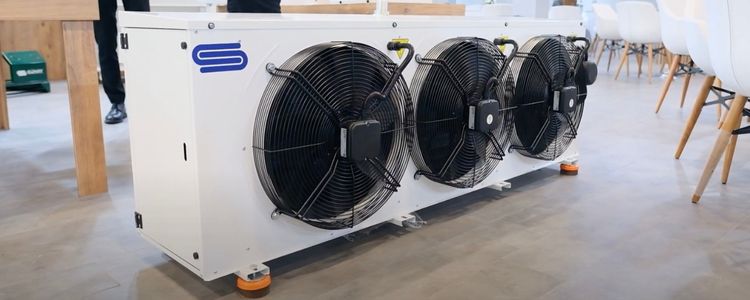
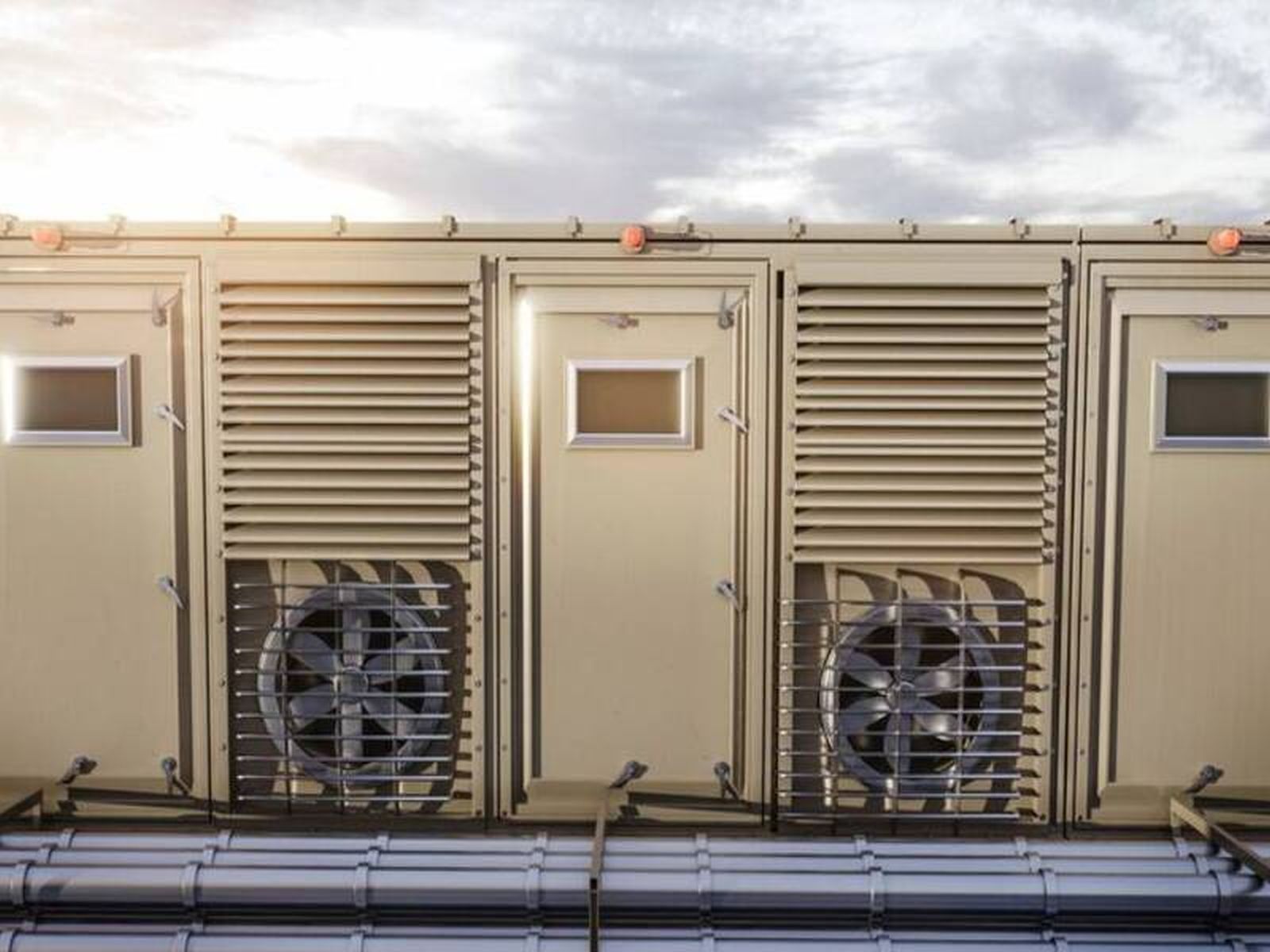
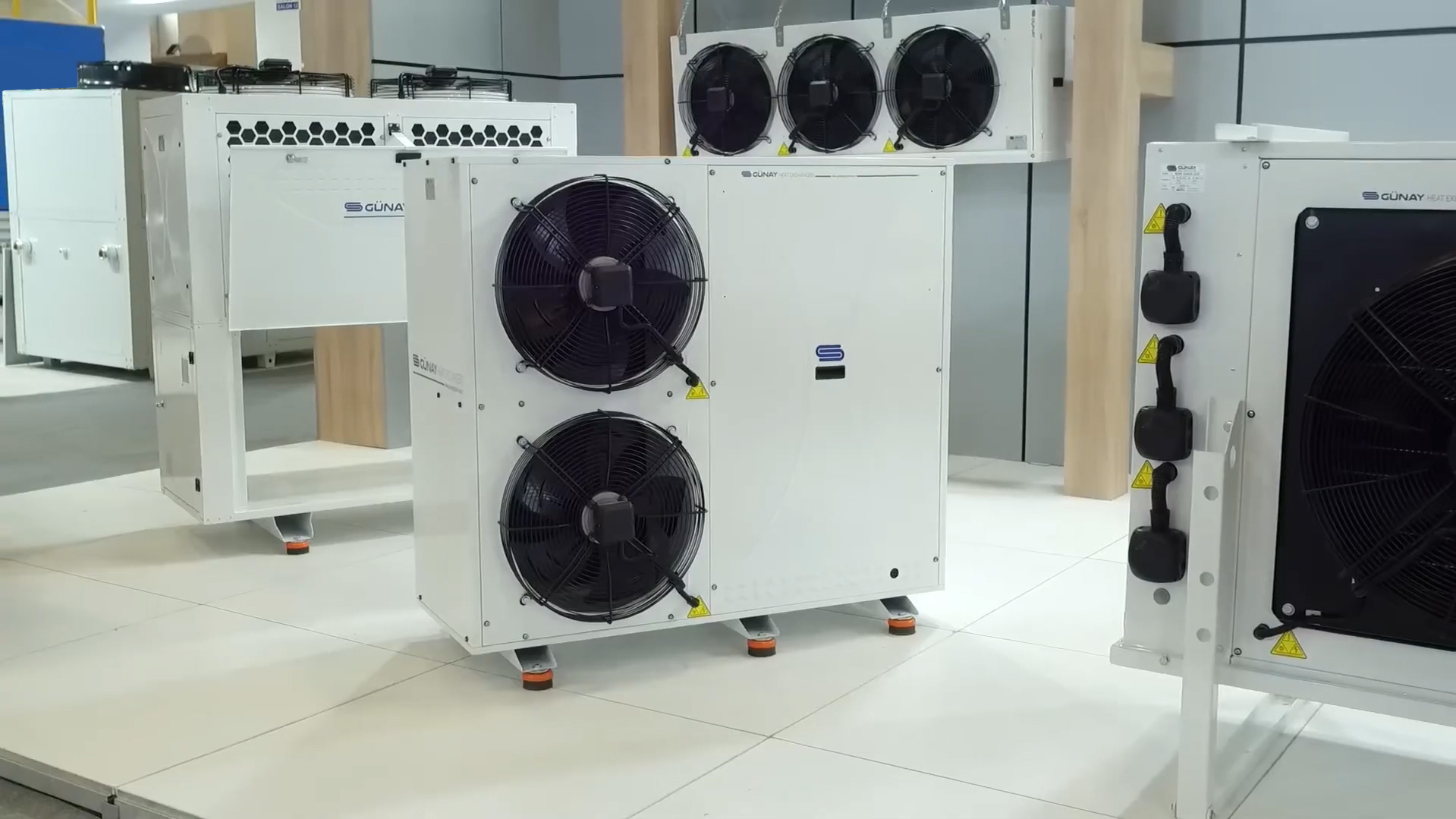
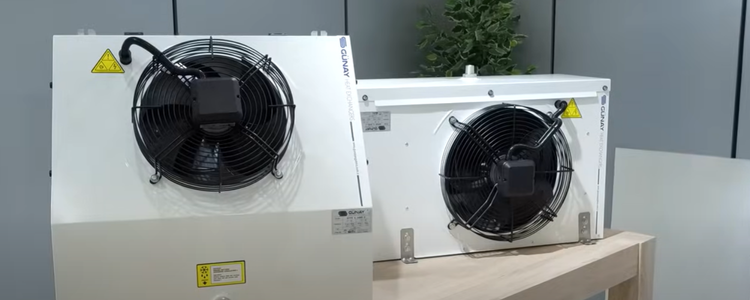
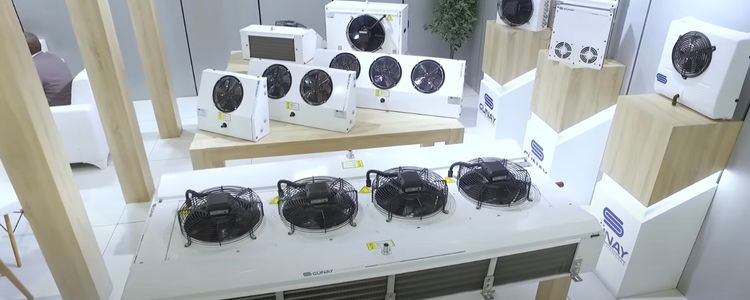
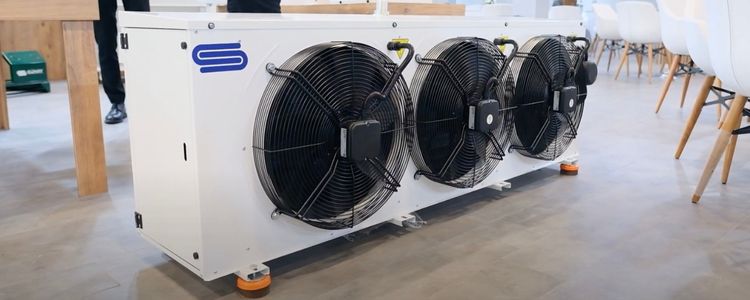
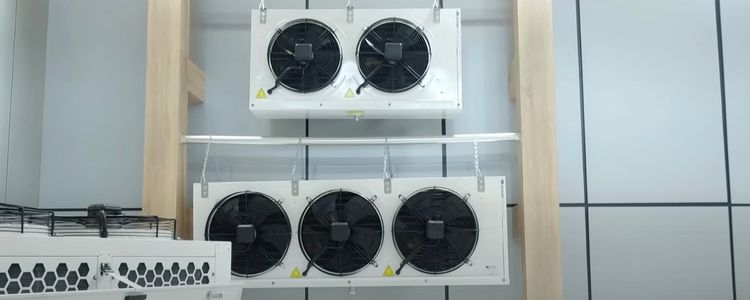
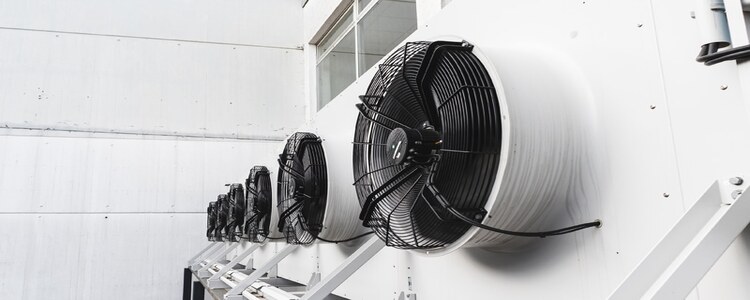
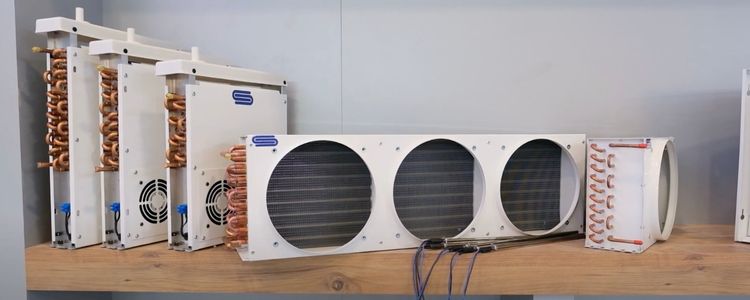
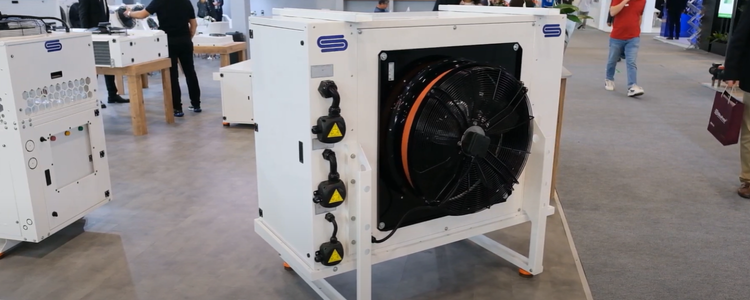
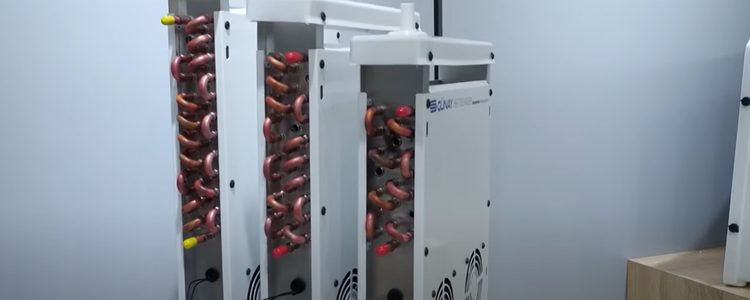
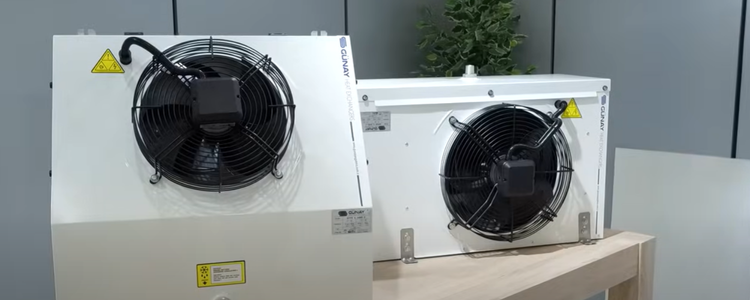
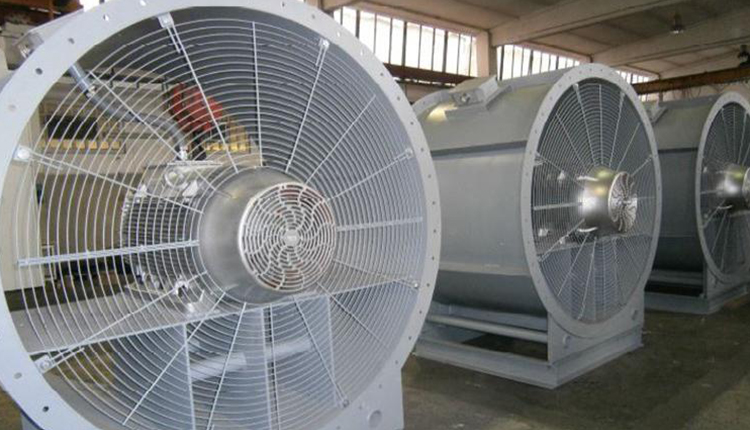
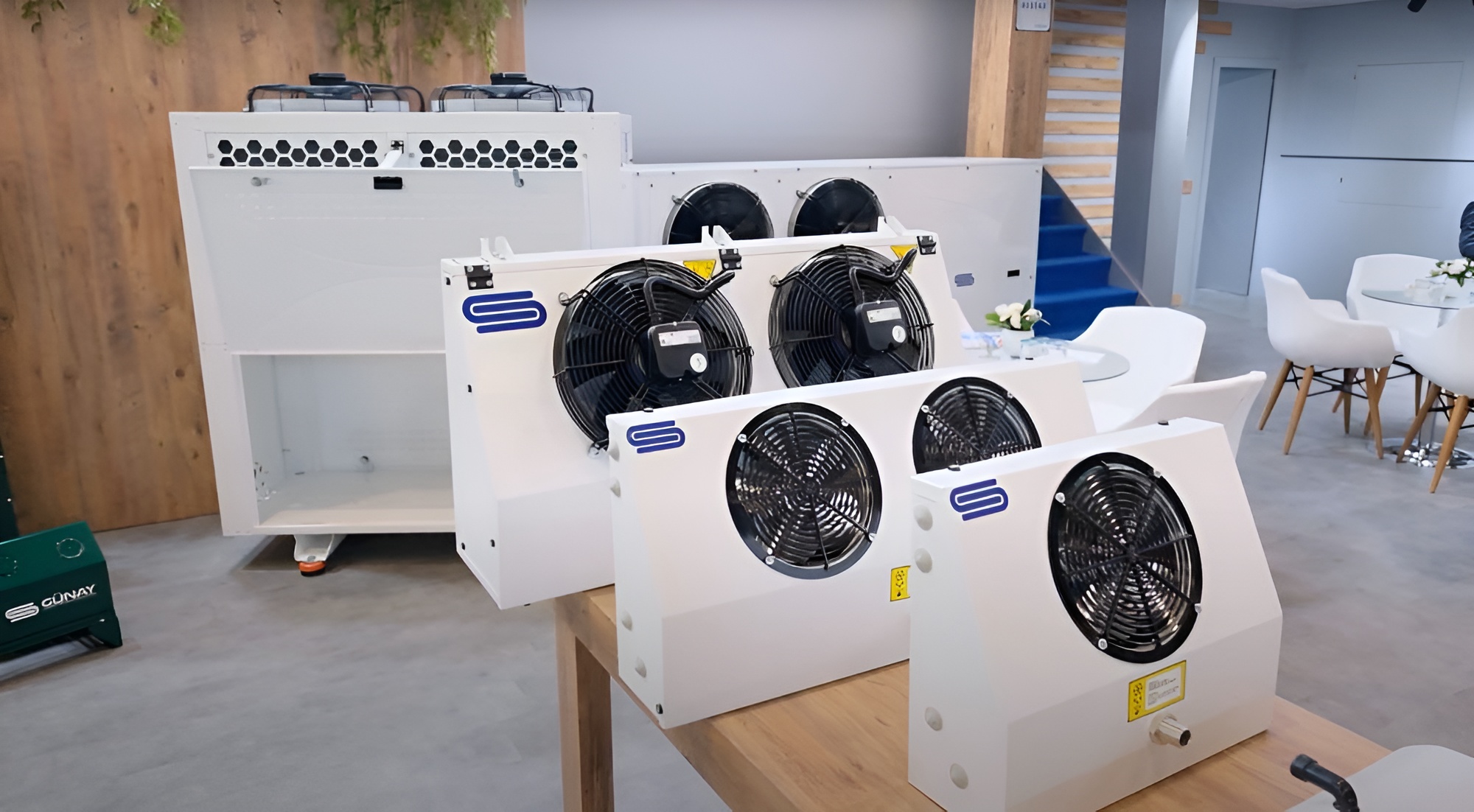
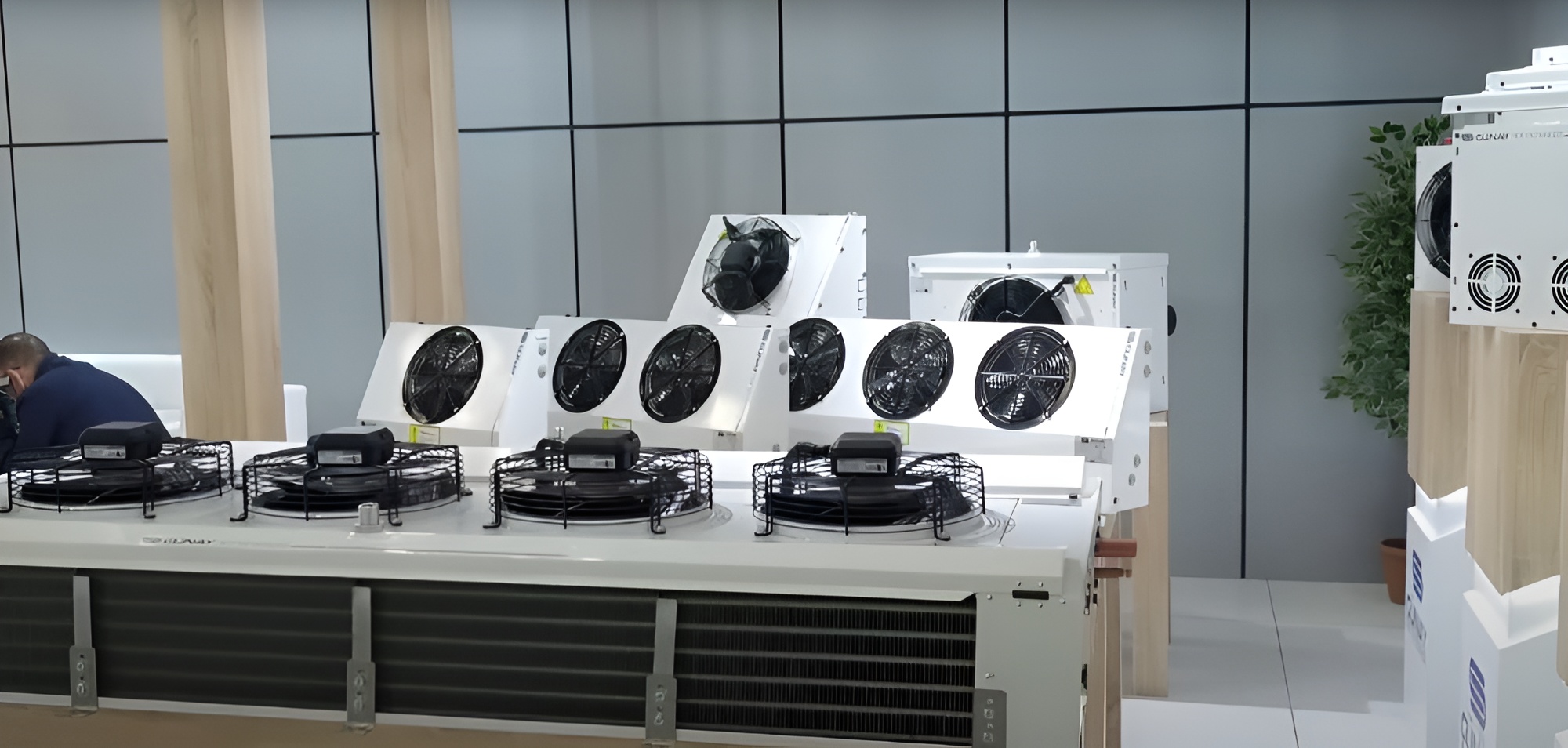
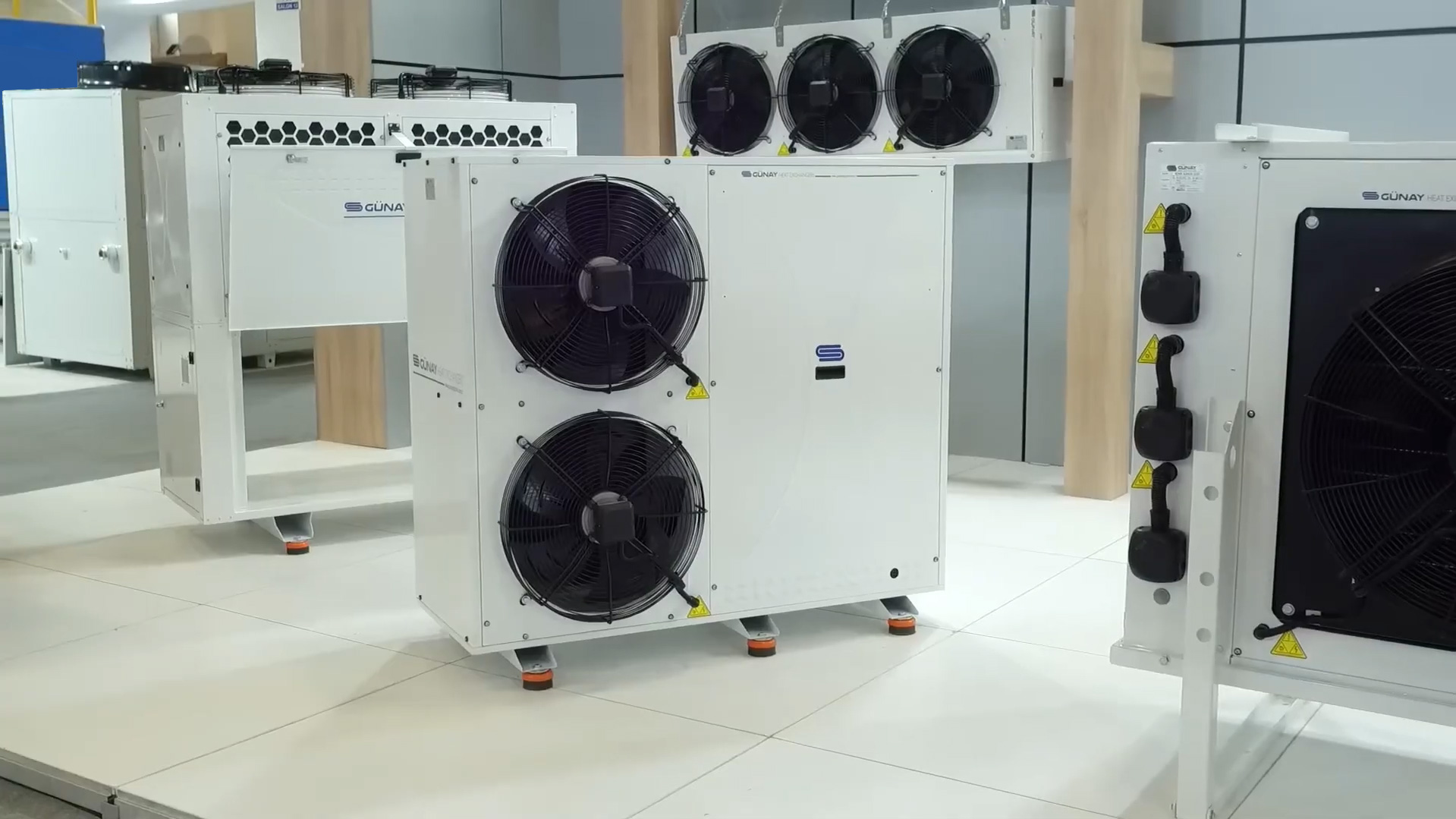
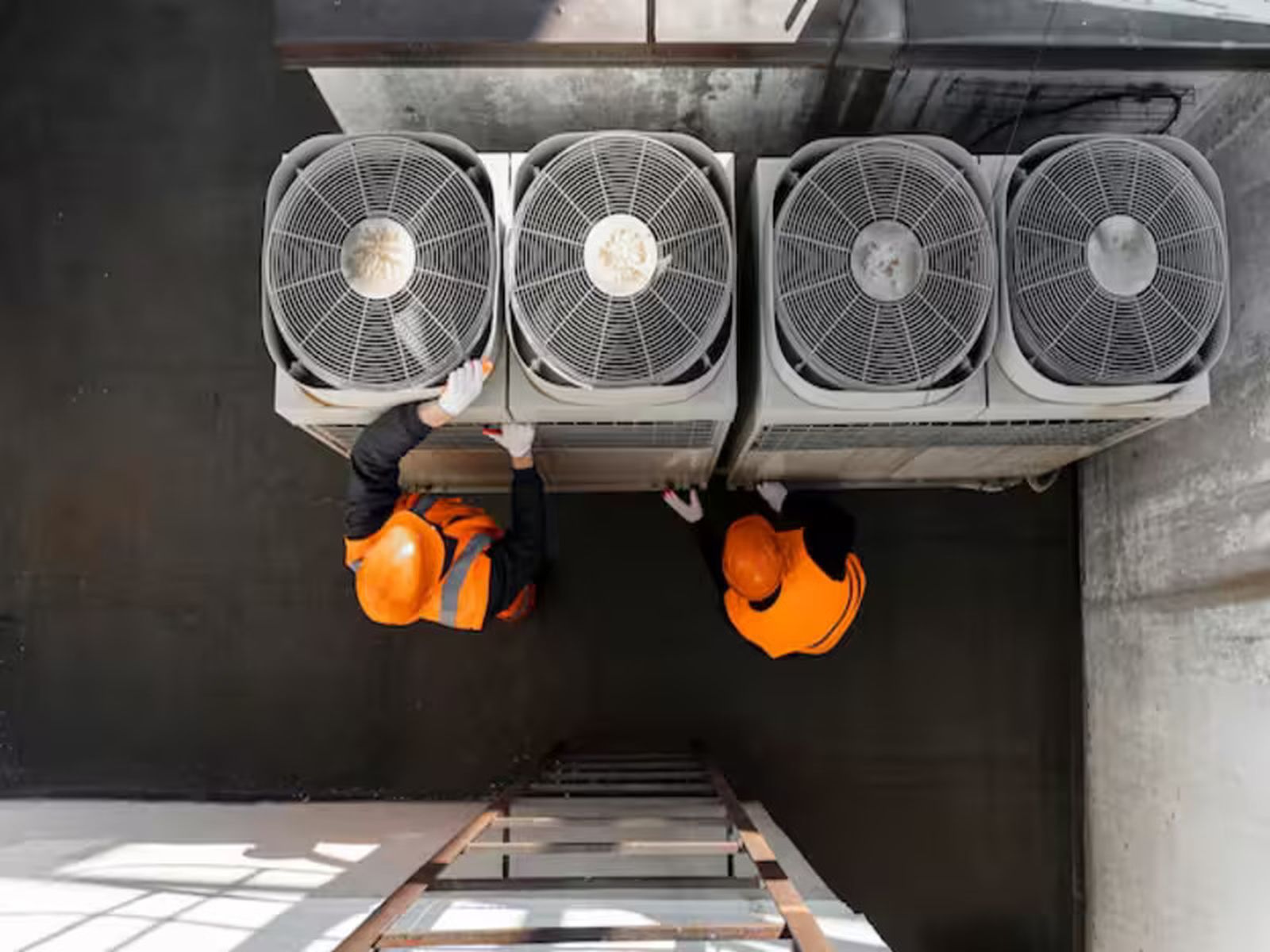
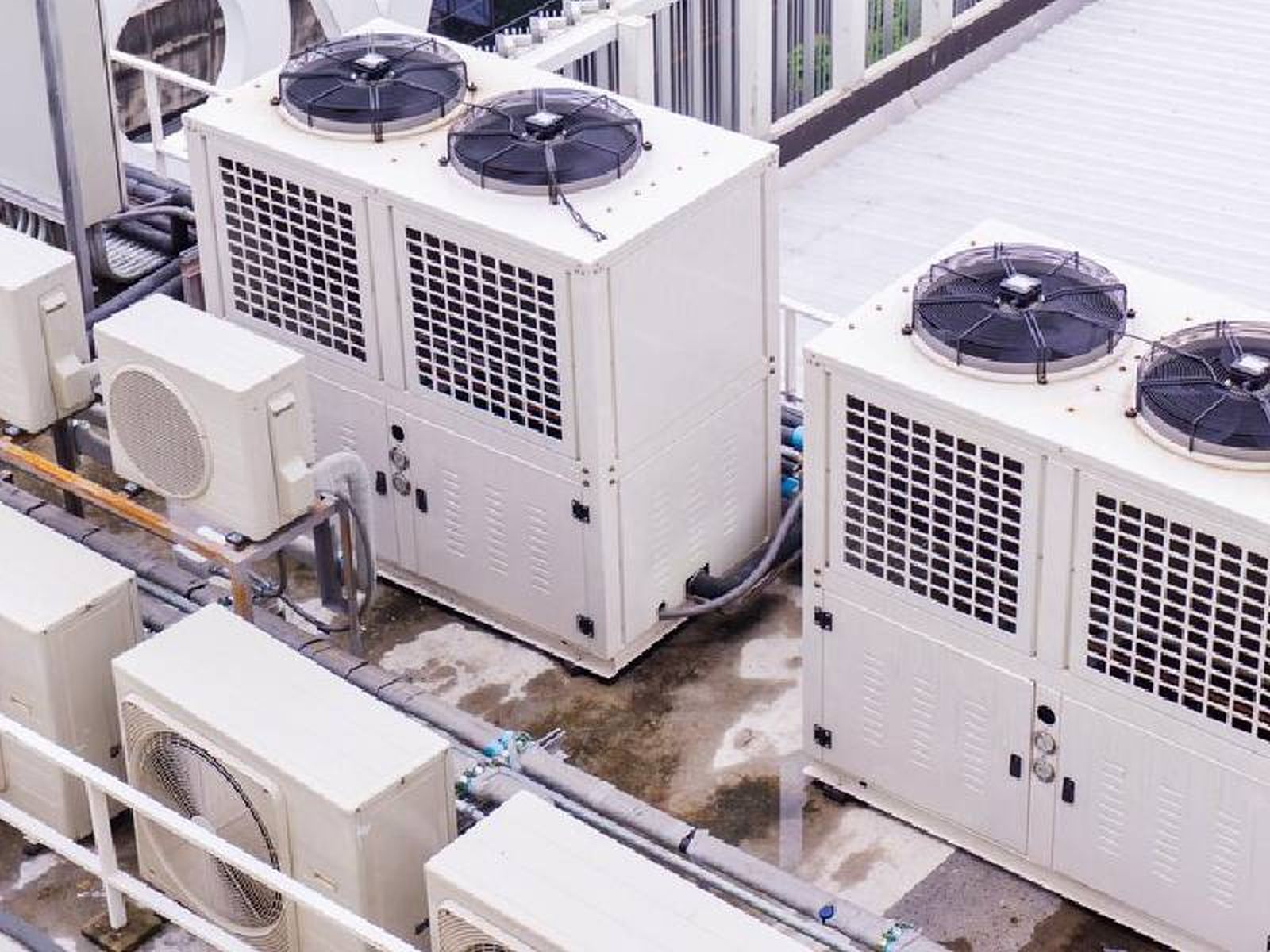
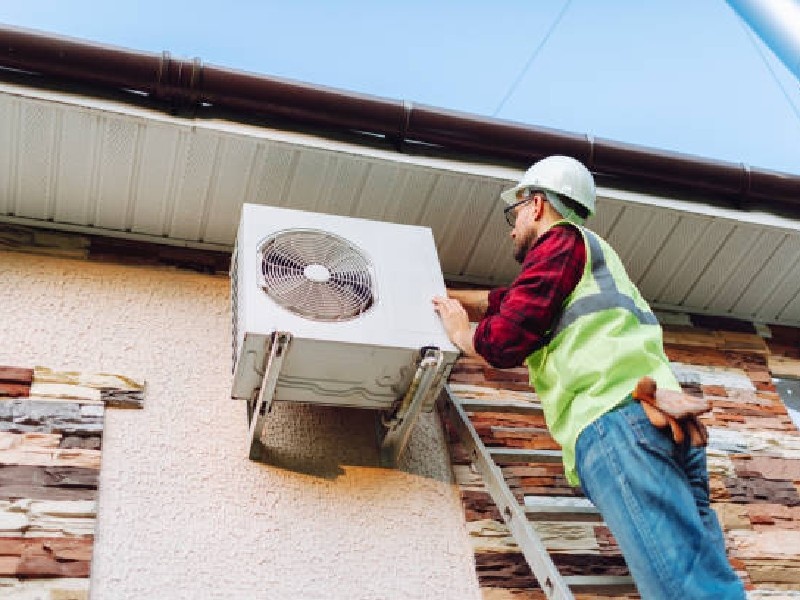
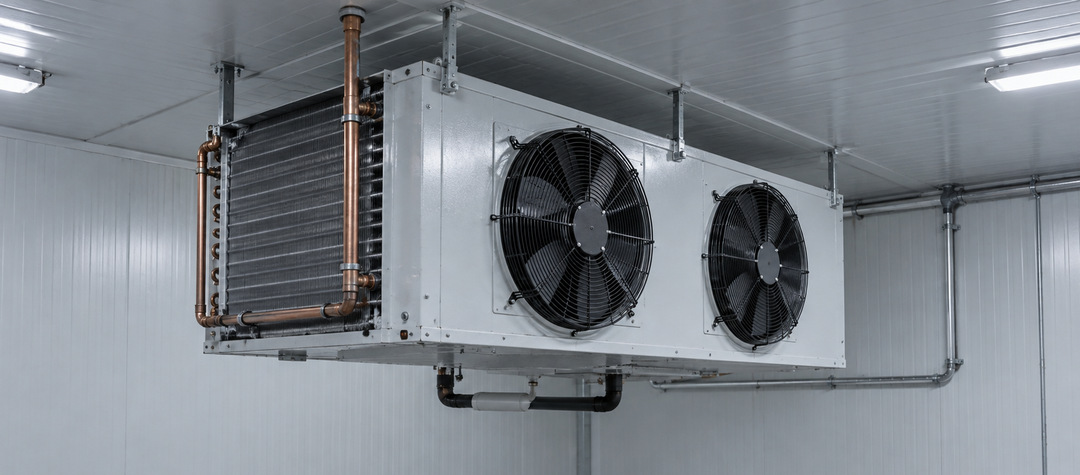
In this type, heat transfer takes place between a liquid or gas and air rather than between liquid and liquid. Thin metal fins (usually aluminum) are mounted on the tubes that carry the fluid to increase the heat transfer surface, and a fan moves air across these fin surfaces. Because the heat transfer coefficient of air is low compared with liquids, fin density and fan airflow are the decisive elements of the design. This principle forms the basis of the evaporators and condensers used in refrigeration systems; both types of equipment work with a combination of a finned tube bundle and an axial fan.
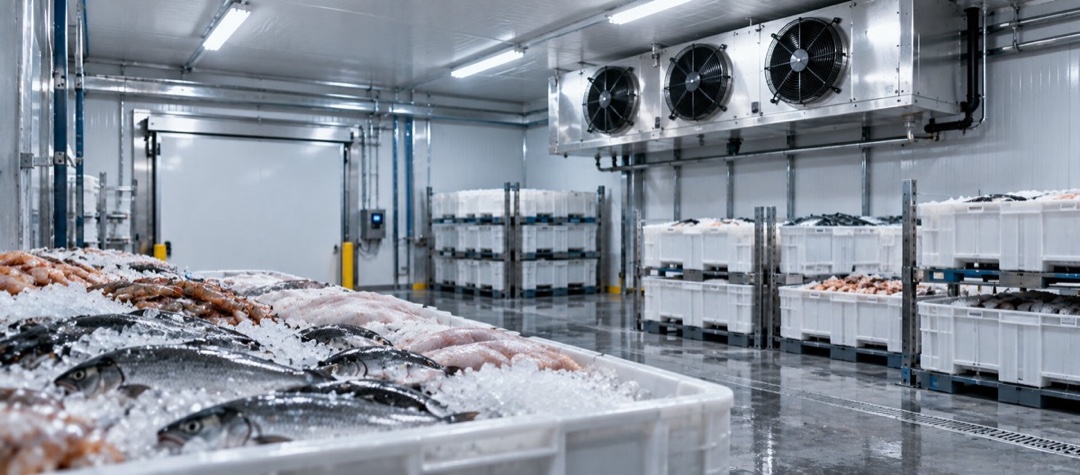
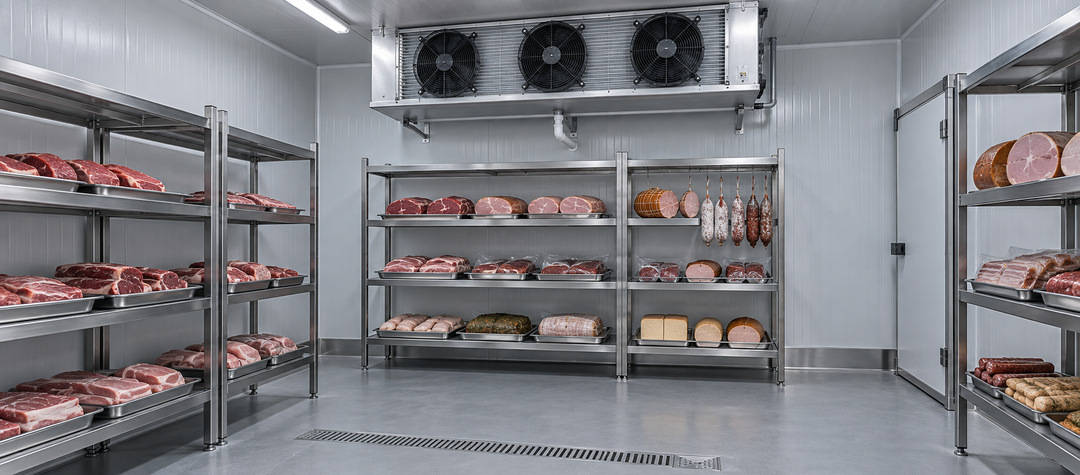
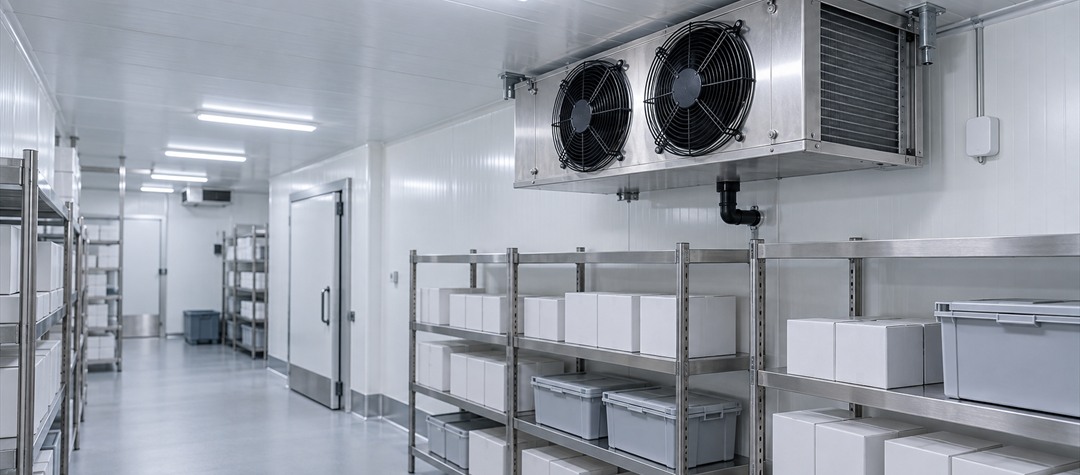
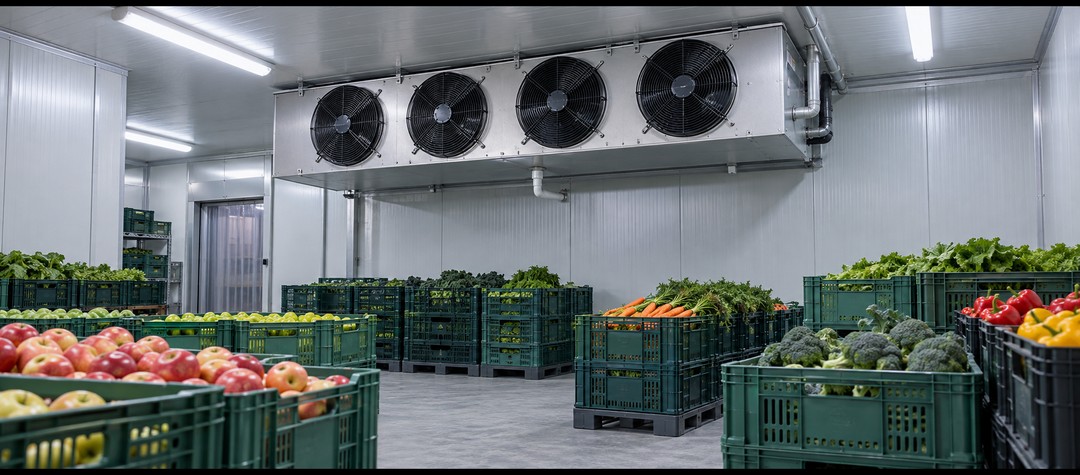
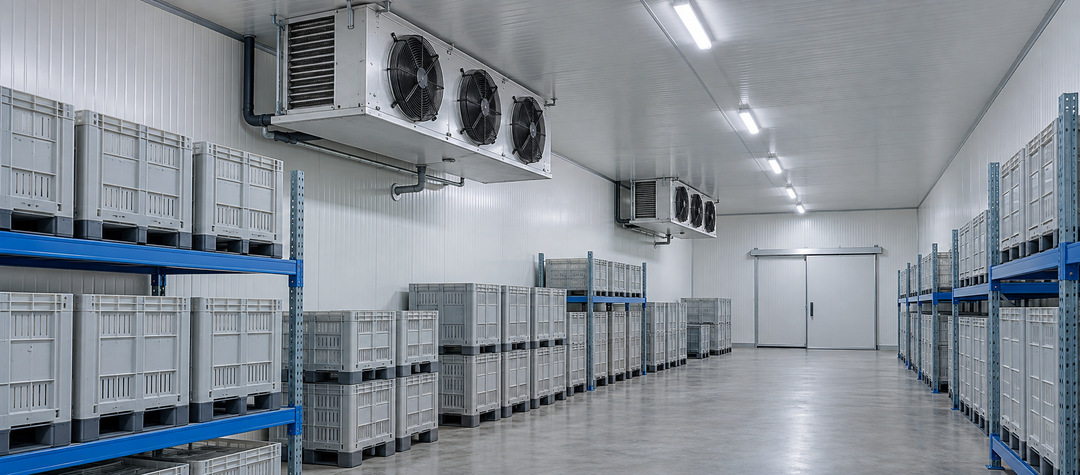
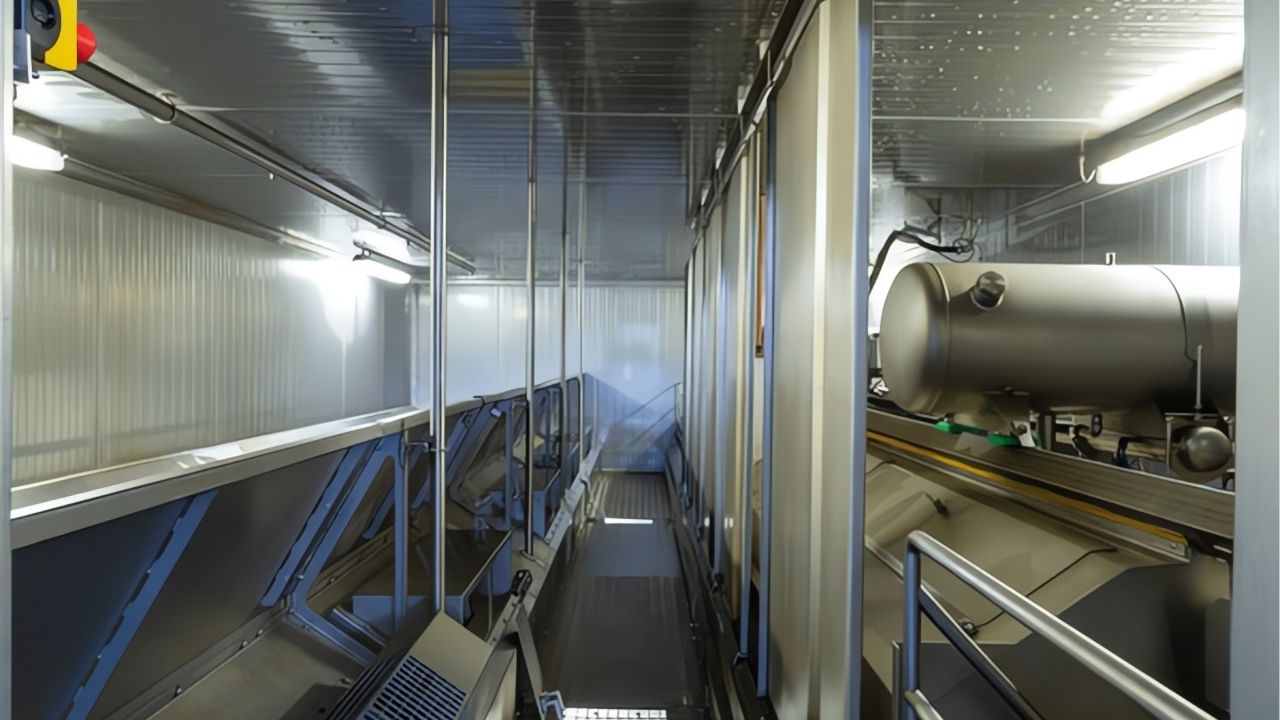
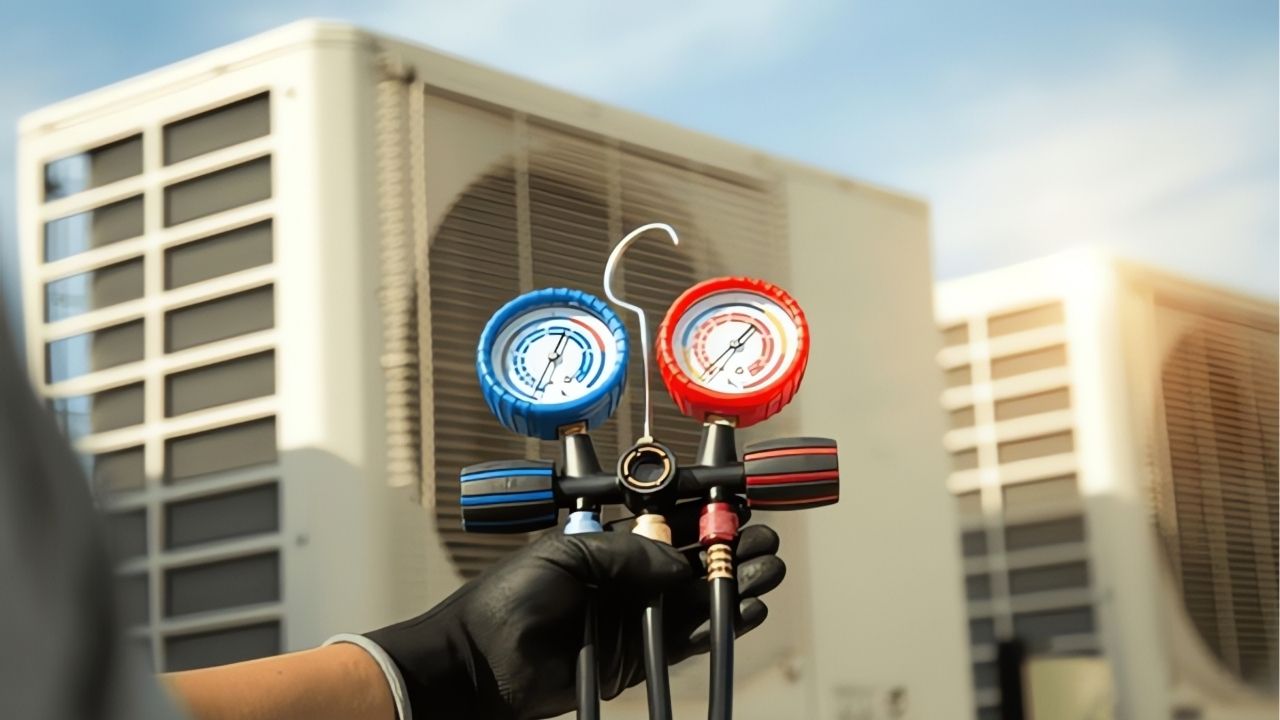
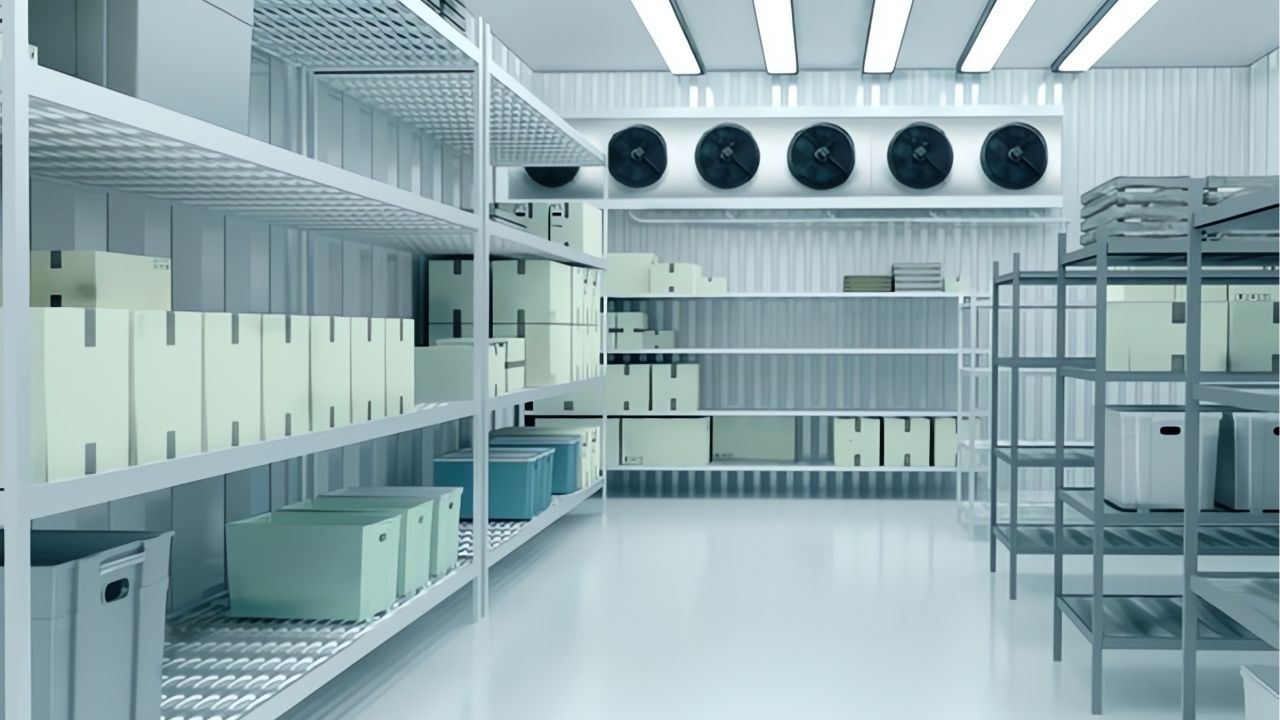
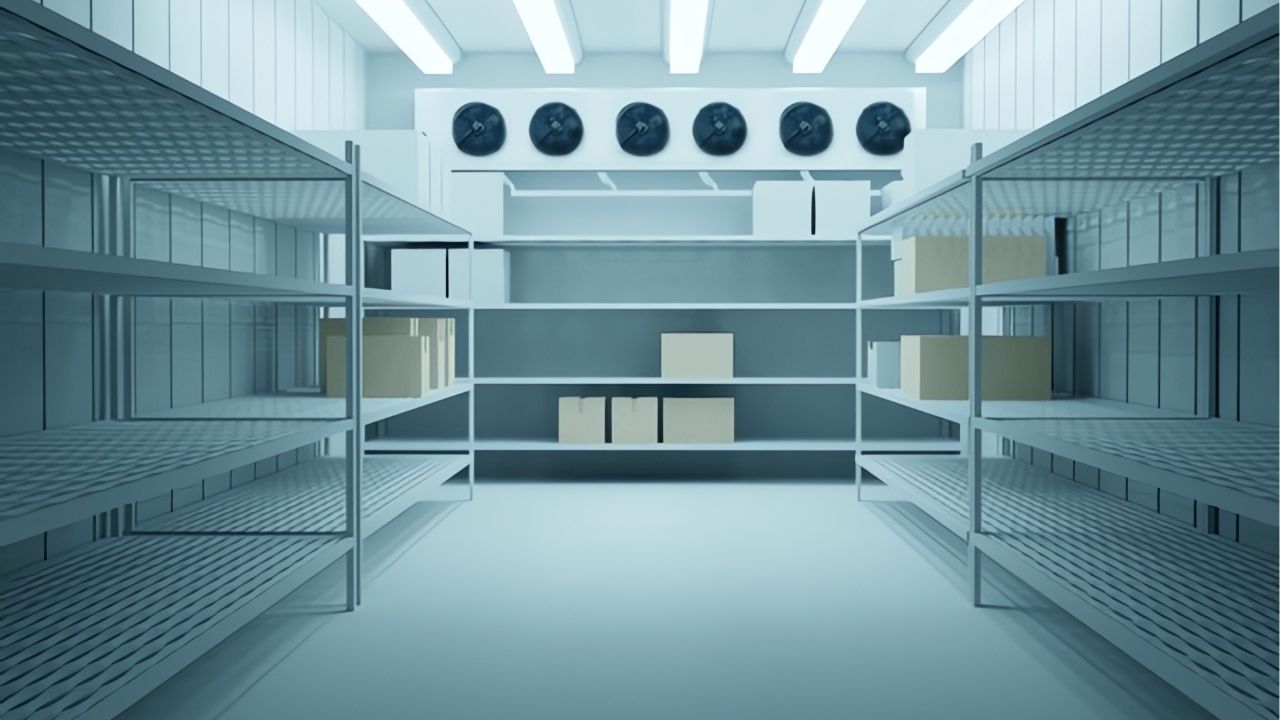
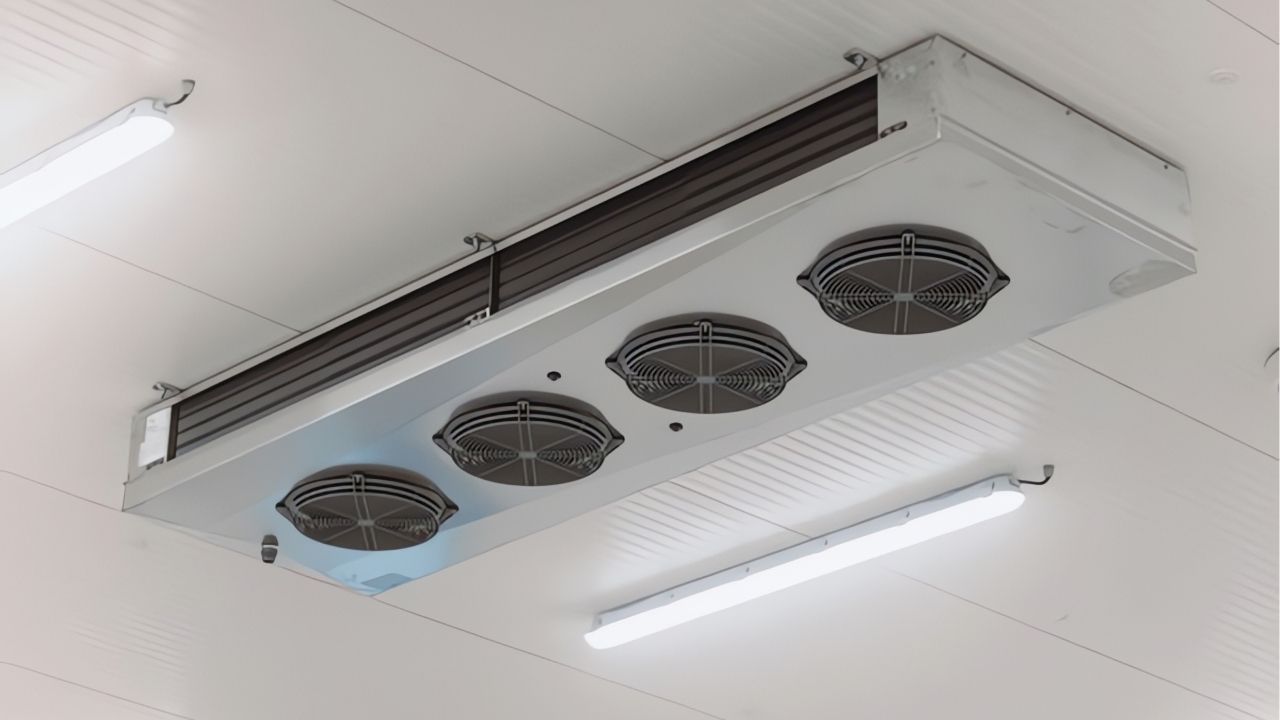
An evaporator works on the principle that a refrigerant evaporating at low pressure draws heat from the ambient air (or from another fluid to be cooled). As the refrigerant changes from liquid to gas inside the finned tube bundle, it absorbs latent heat from its surroundings; compared with sensible heat transfer, this carries far more energy per unit of mass. For this reason, evaporators can reach a higher cooling capacity than sensible-heat exchangers of the same size. In evaporator designs used in cold rooms, industrial cooling tunnels and process cooling lines, the fin spacing directly affects the frequency of frosting (defrost) and therefore system efficiency; in low-temperature applications a wider fin spacing is preferred.
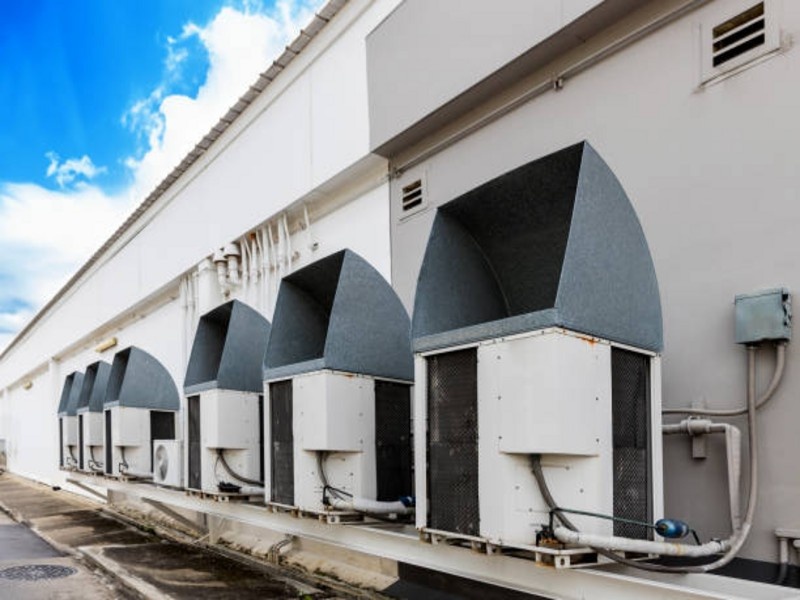
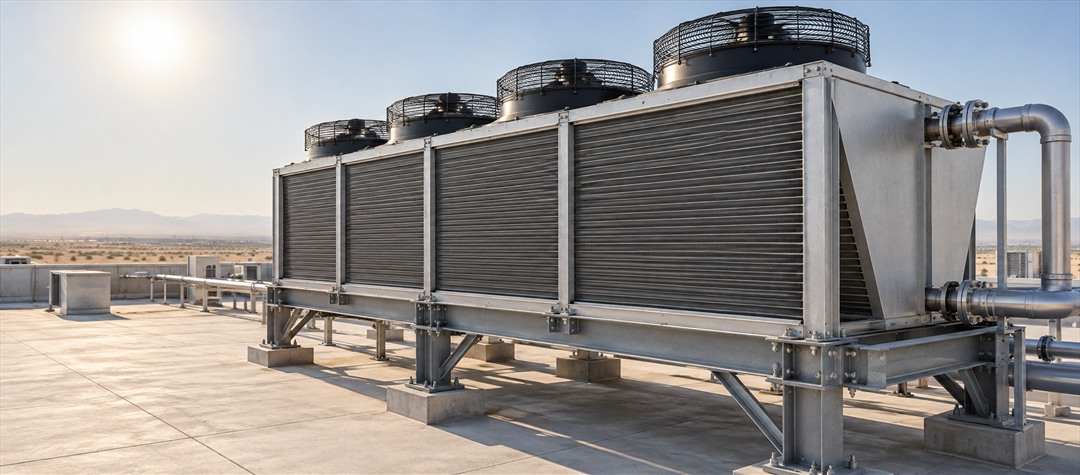
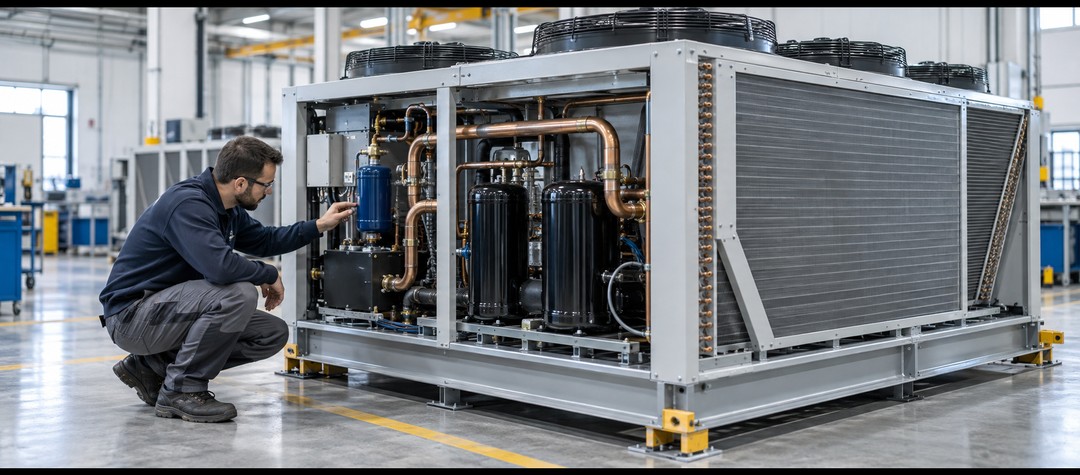
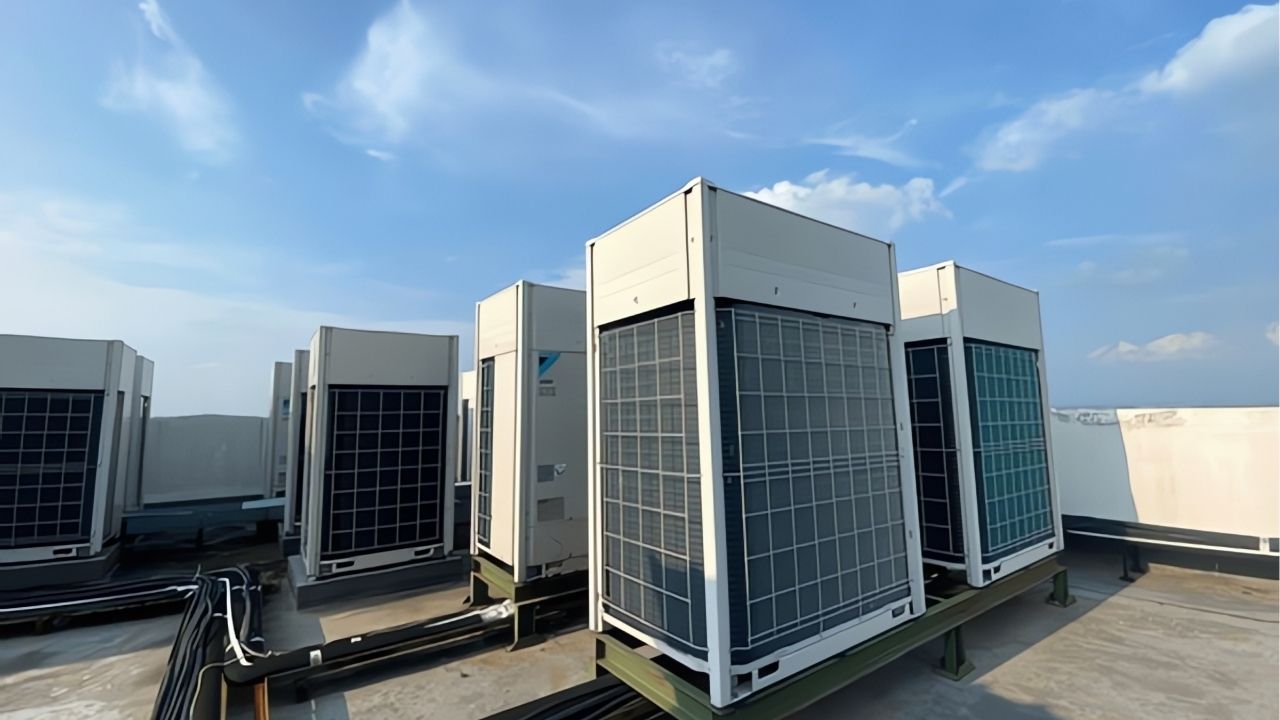
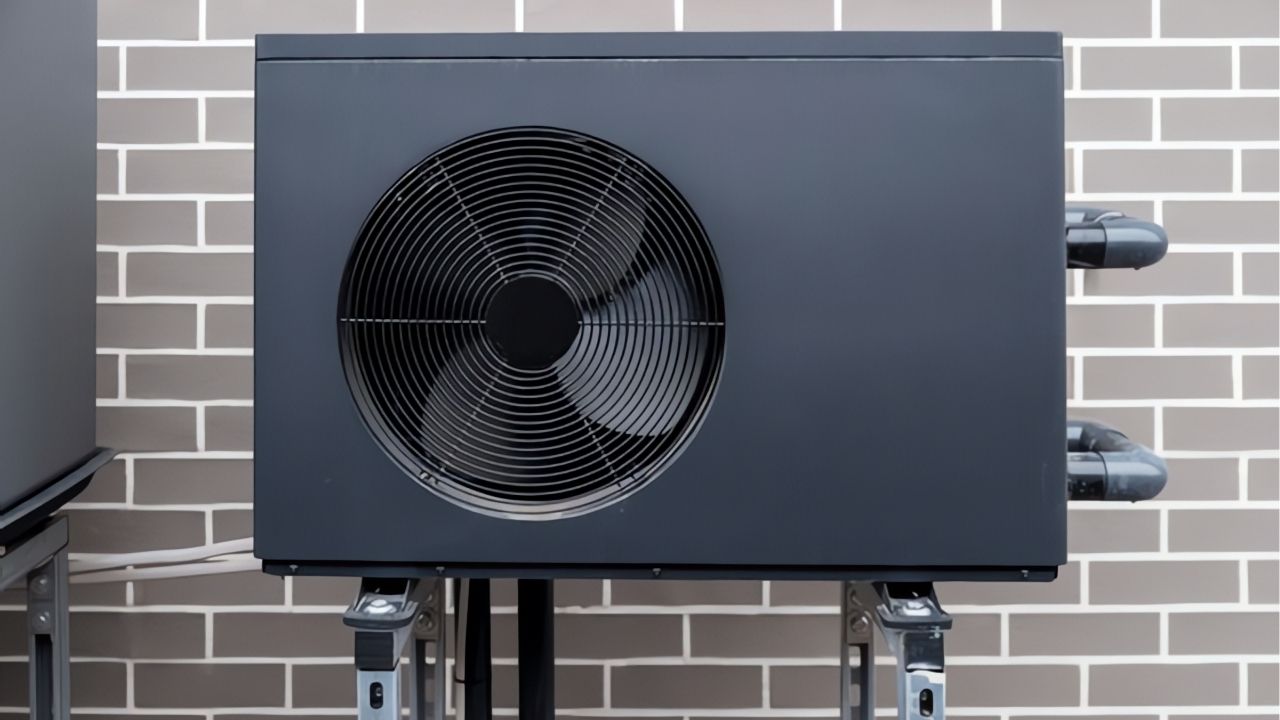
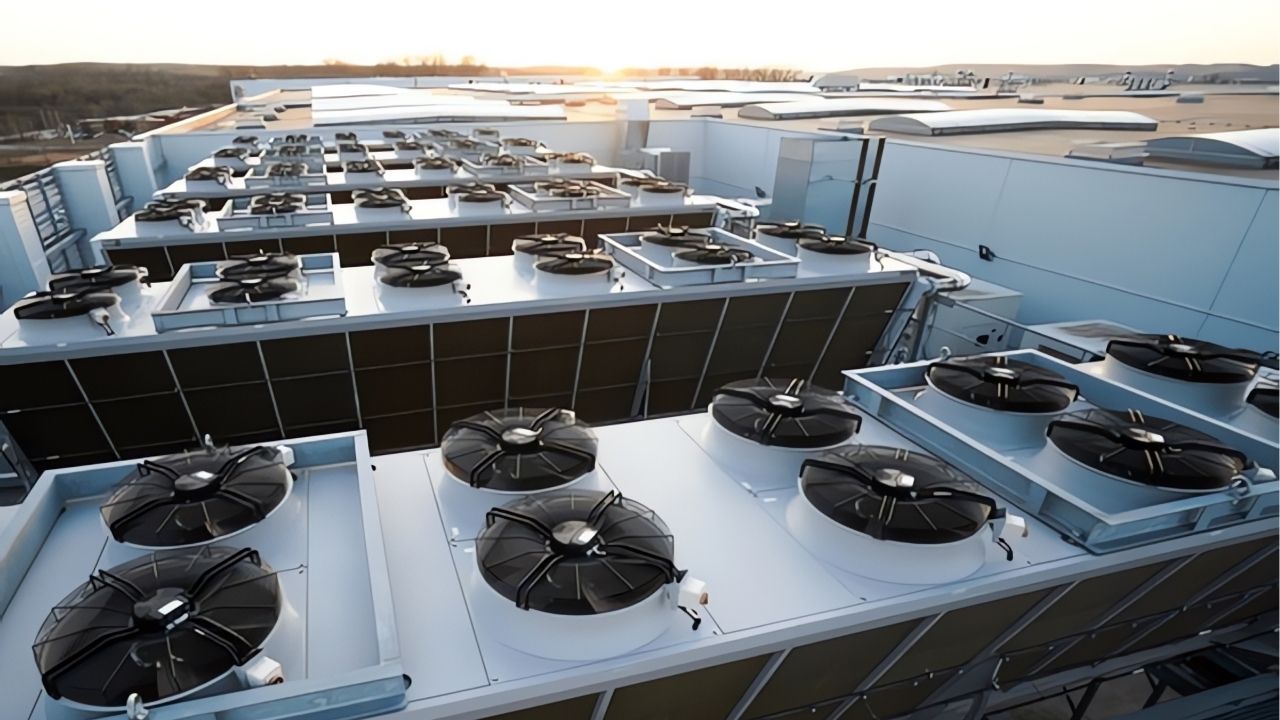
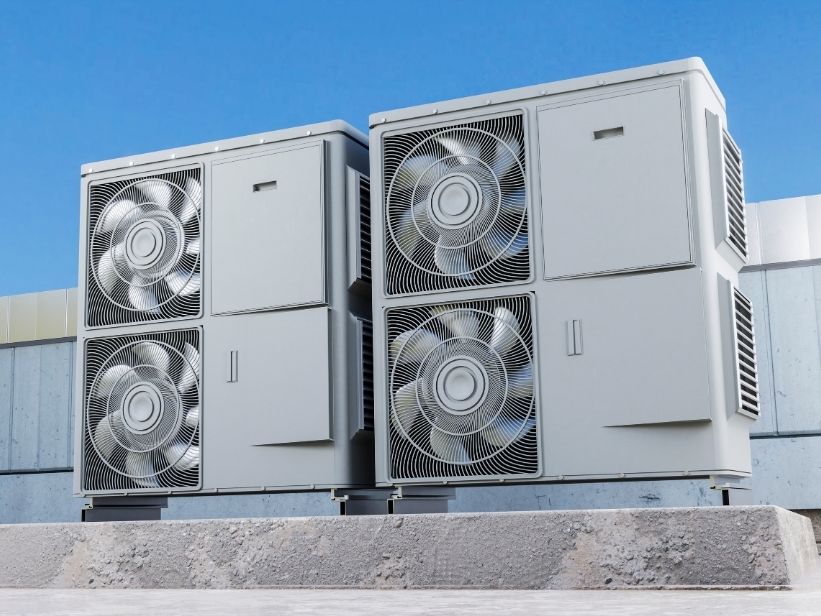
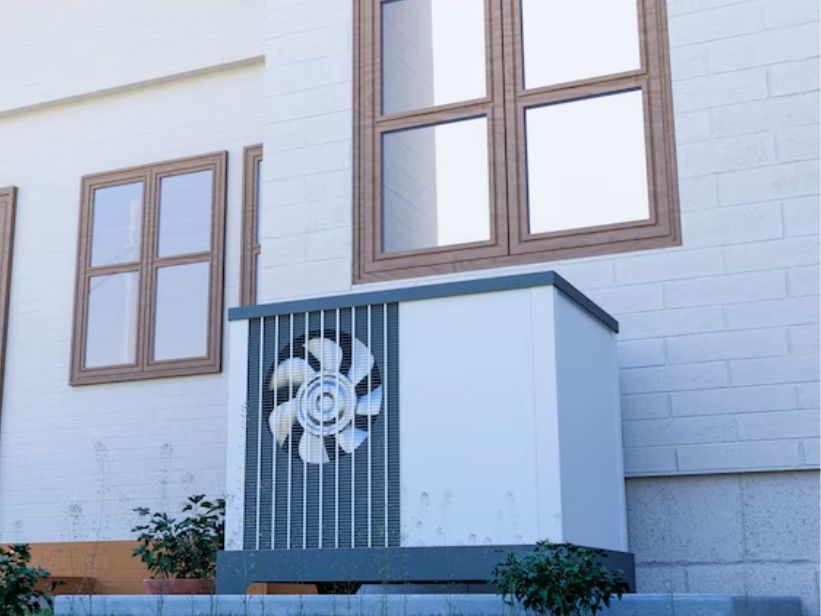
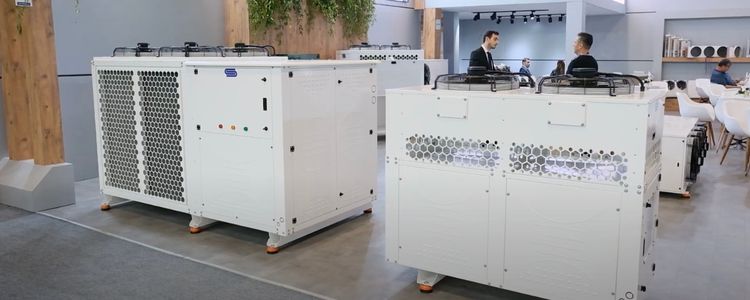
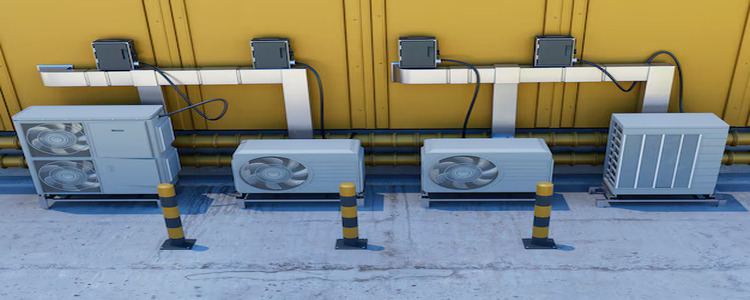
A condenser performs the opposite function to an evaporator: the gaseous refrigerant leaving the compressor at high pressure and temperature rejects its heat to the outside environment (air or water) on the condenser surface, condenses and returns to the liquid state. The latent heat principle applies at this stage as well; a large amount of heat is released as the gas turns into liquid, and this heat must be removed effectively. In air-cooled condensers, the balance between fin surface area, fan airflow and ambient temperature directly determines the condensing pressure and therefore the energy consumption of the compressor. An undersized condenser lowers the efficiency of the entire system.
The durability of a heat exchanger depends on material selection as much as its thermal performance does.
Material selection must be evaluated not only for thermal performance but together with corrosion risks such as the chemical composition of the fluid, ambient humidity and salty air (coastal regions). Wrong material selection leads to performance loss in the short term and premature failure in the long term.
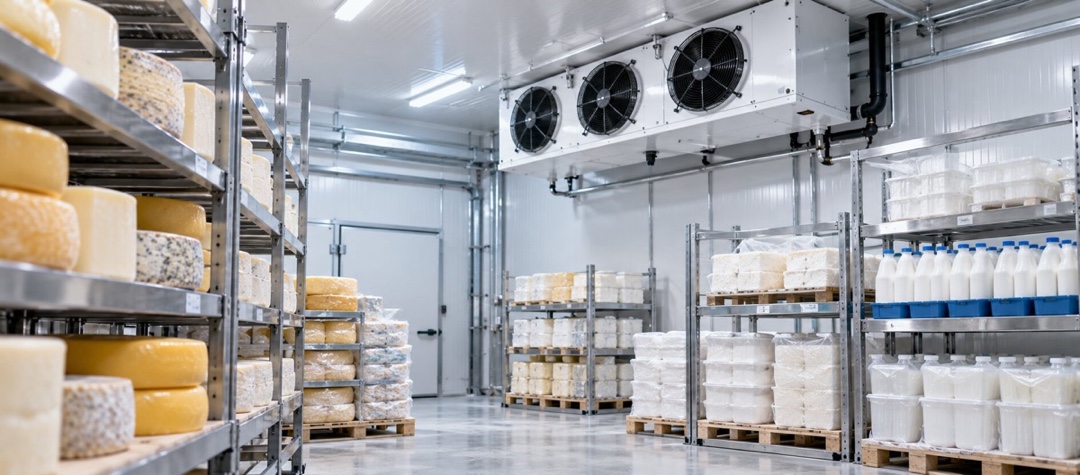
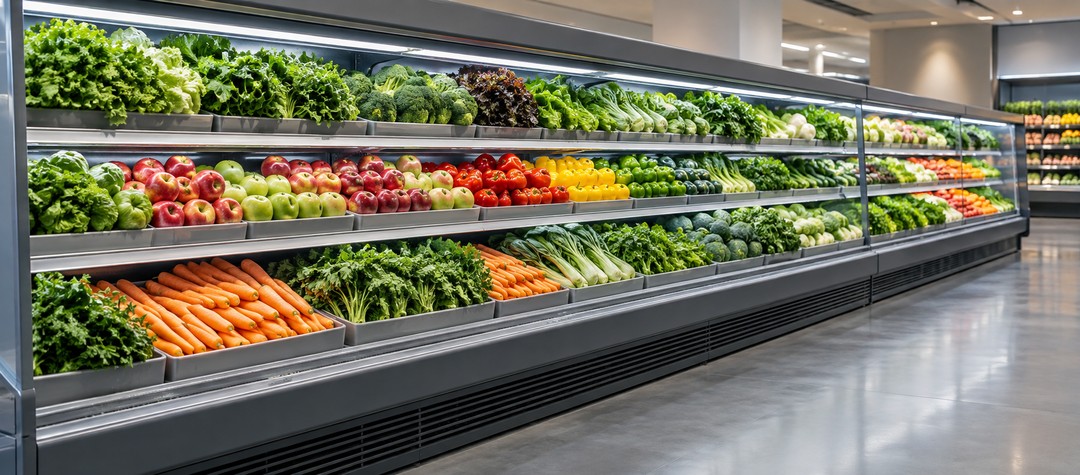
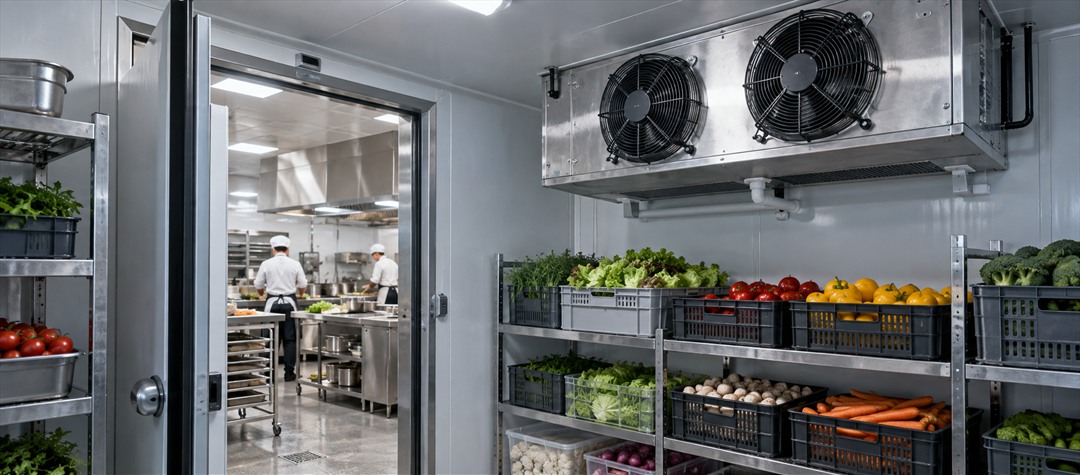
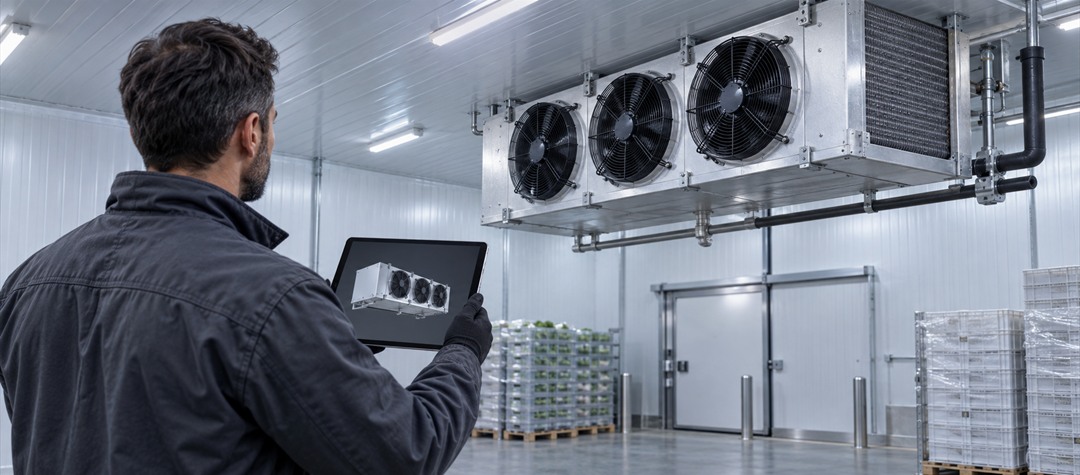
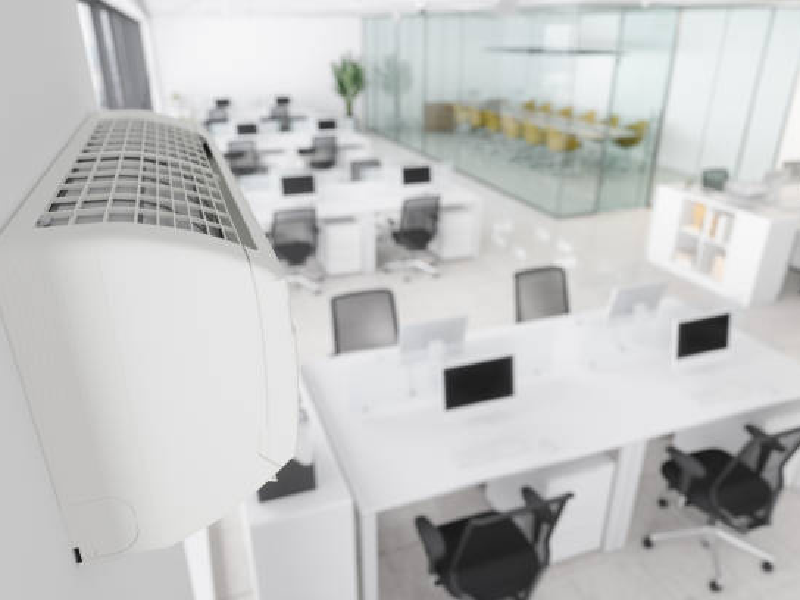
In cold rooms, commercial refrigeration systems and industrial air-conditioning facilities, finned tube evaporators and condensers are the standard solution. In these systems, which are supported by axial fans, the fin spacing is optimized according to the ambient humidity level and the target temperature.
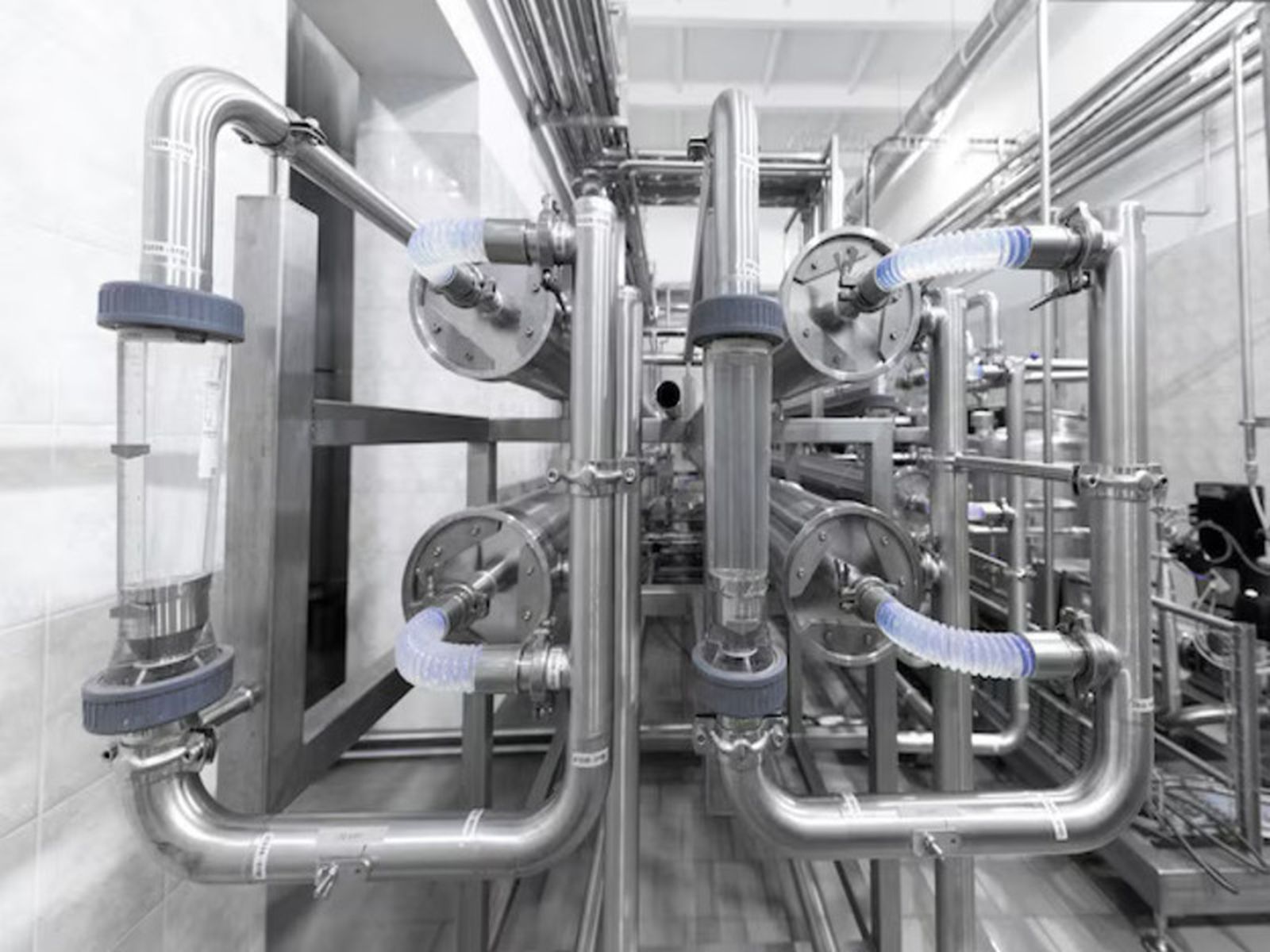
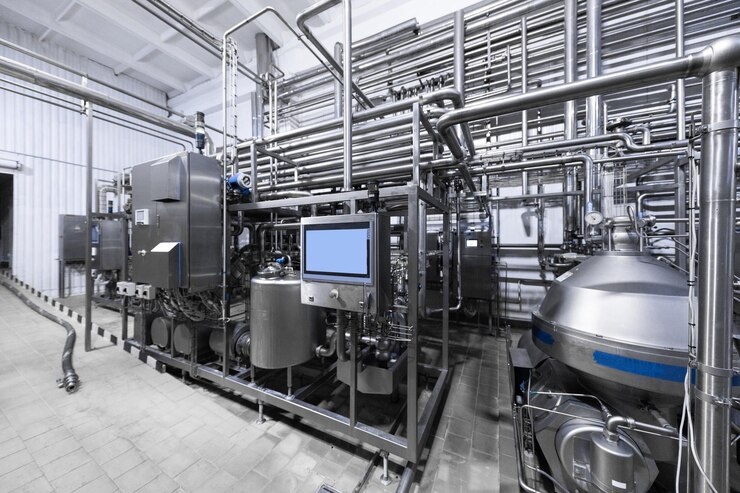
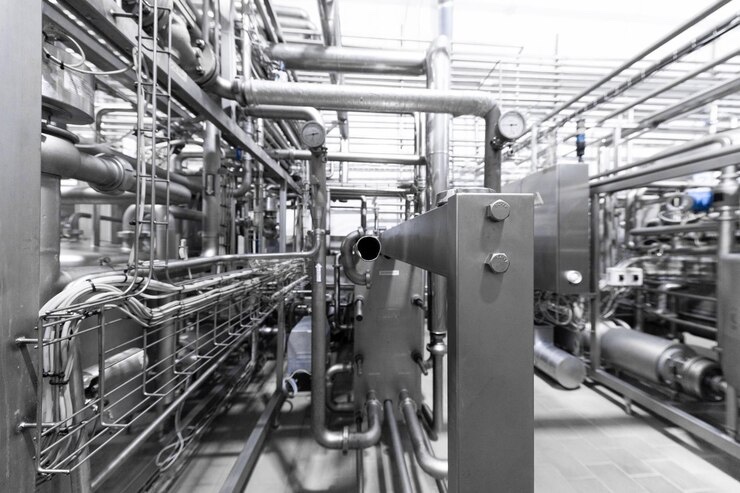
Hygiene and cleanability are the priority; for this reason plate heat exchangers (especially in liquid food pasteurization) and stainless steel surfaces are preferred. The ability to be dismantled and cleaned frequently is decisive with regard to food safety regulations.
When high pressures, corrosive fluids and wide temperature ranges are involved, shell-and-tube heat exchangers stand out. In these facilities, material compatibility (stainless steel, special alloys) can become more critical than thermal performance.
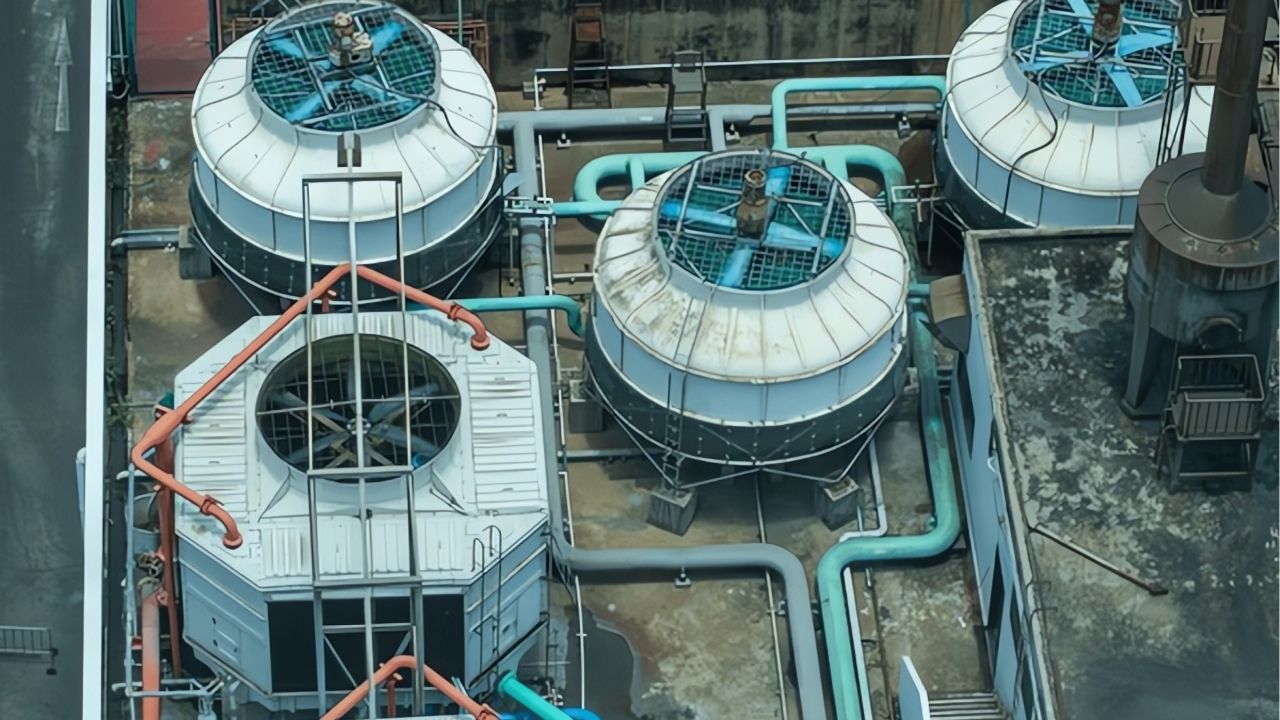
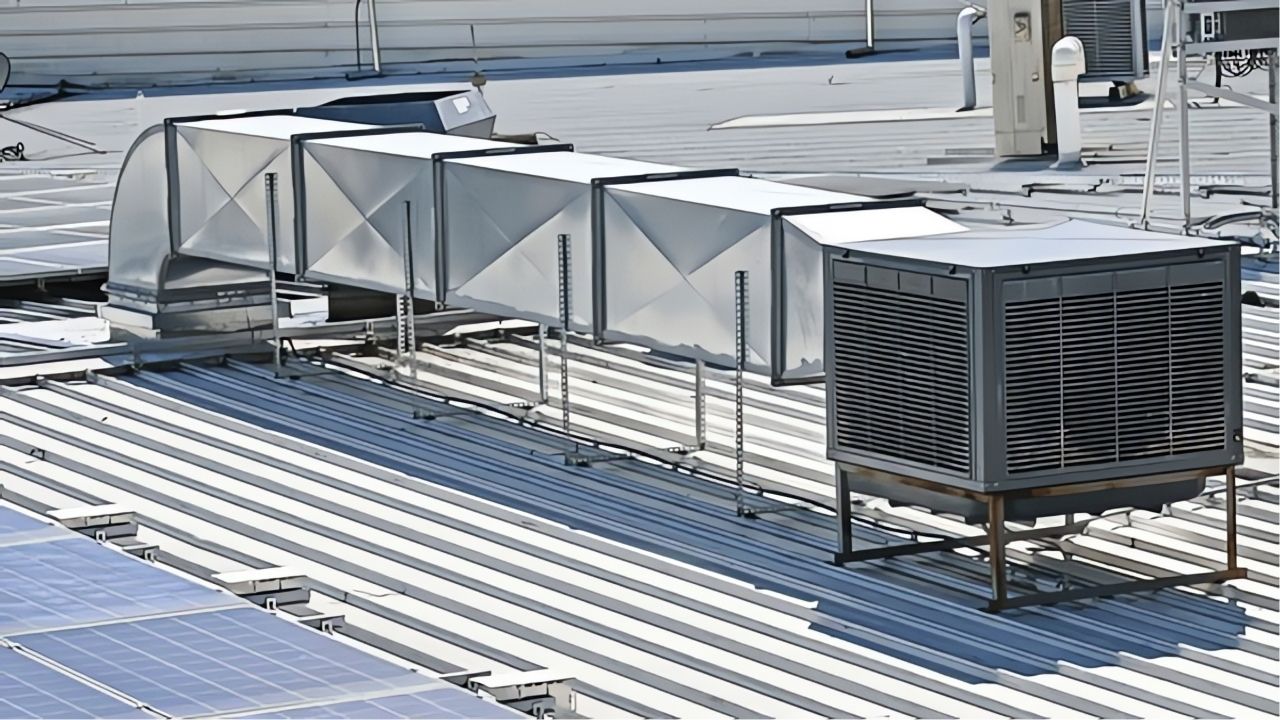
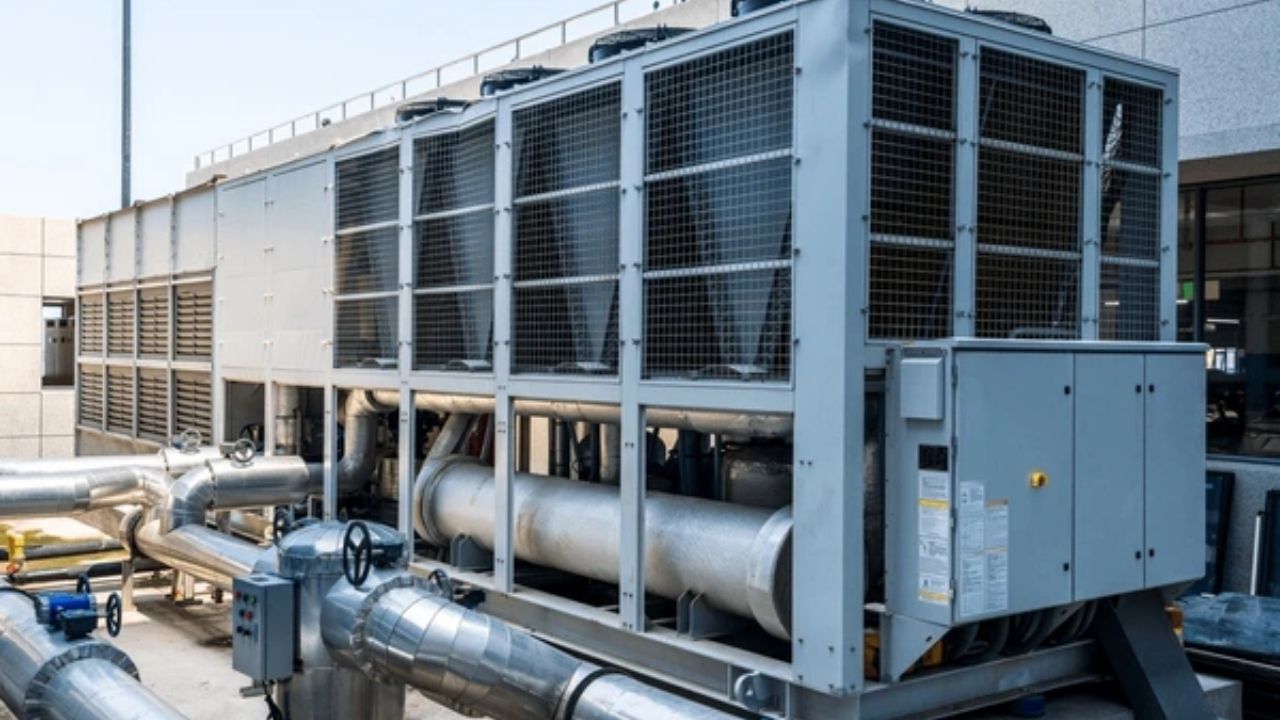
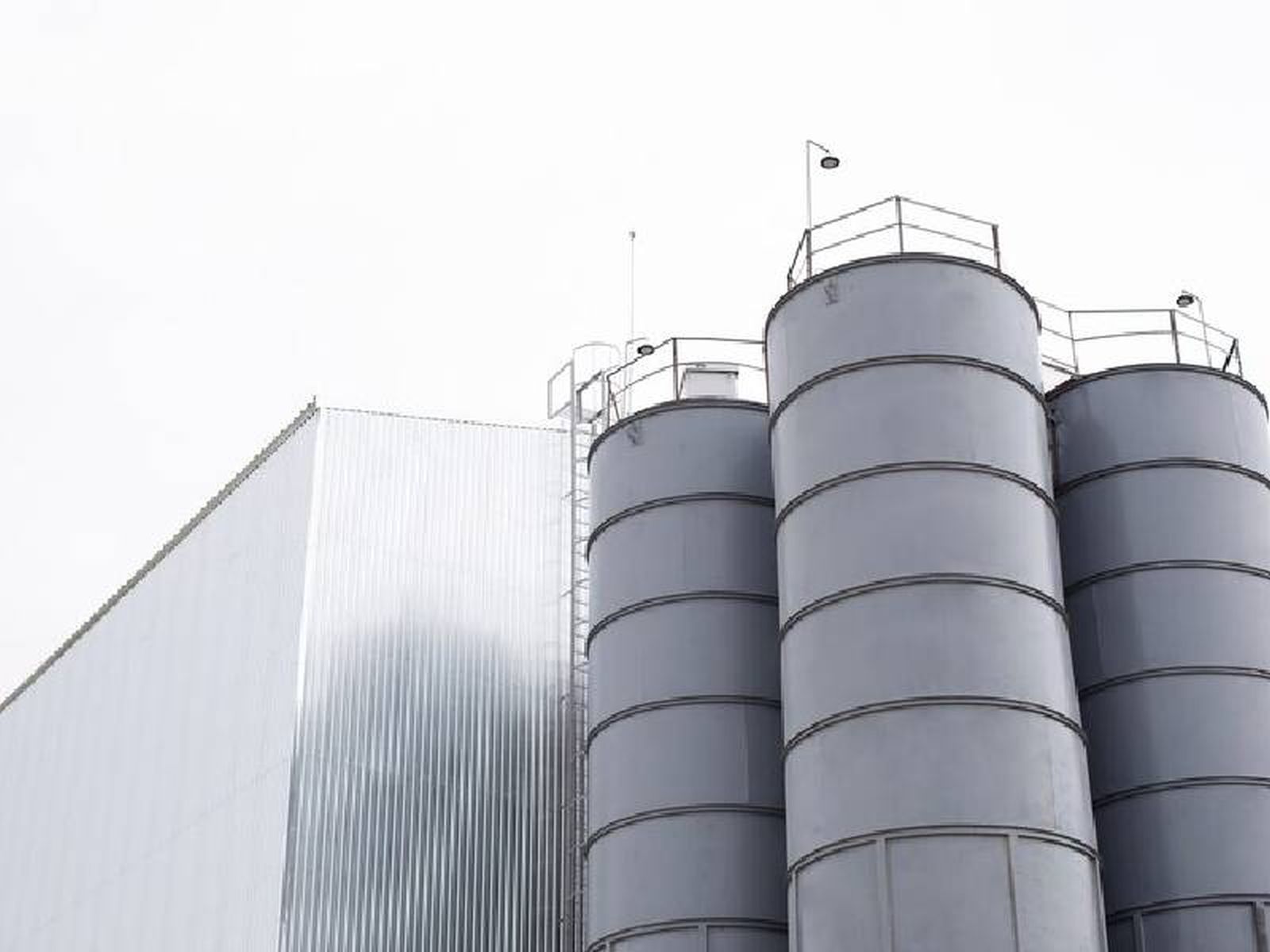
Large-capacity shell-and-tube heat exchangers stand out in applications that require a high temperature difference, such as steam generation and waste heat recovery; in these facilities structural strength and long service life are a higher priority than compact size. Günay's product family intersects with this field especially in process cooling circuits: dry coolers that reject heat to the ambient air, condensers and finned tube heat exchangers. Steam and high-pressure process lines, on the other hand, require a separate engineering evaluation.
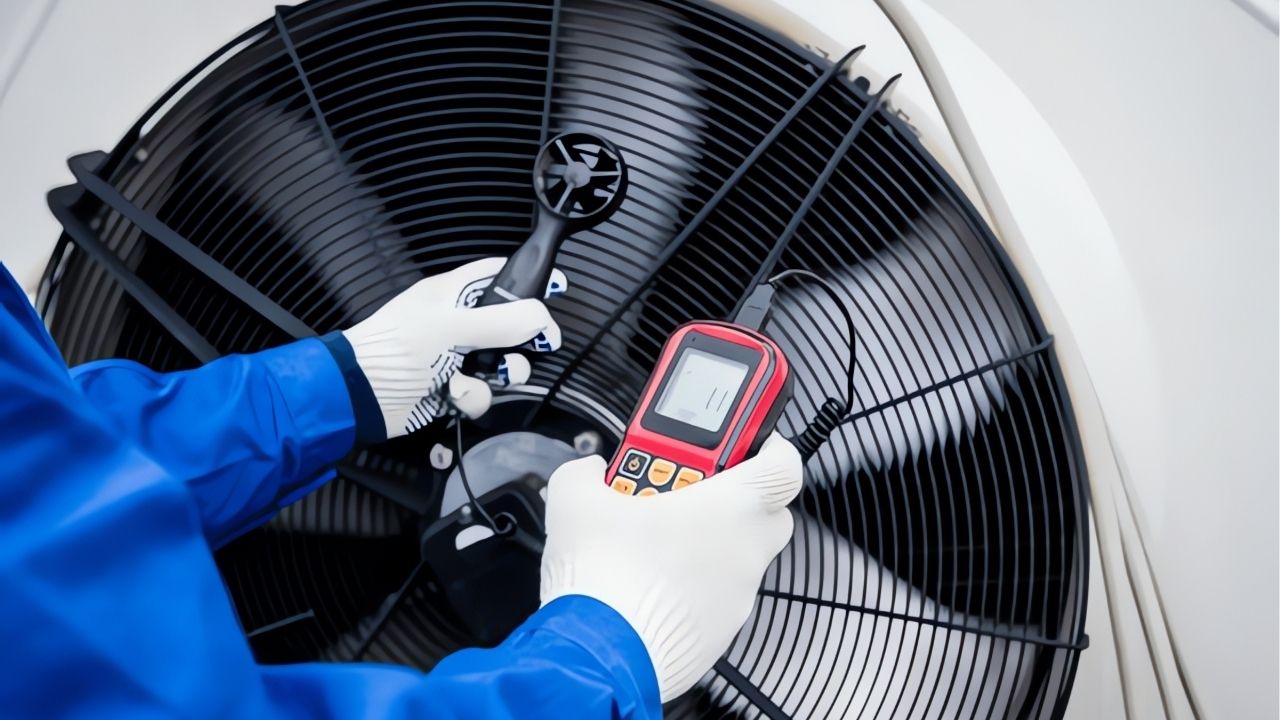
The capacity a heat exchanger delivers in the field may differ from catalog values. The main variables that determine capacity are the following:
Achieving higher efficiency under the same operating conditions usually comes not from enlarging the physical size of the heat exchanger but from optimizing its geometry. The main approaches used in practice are the following:
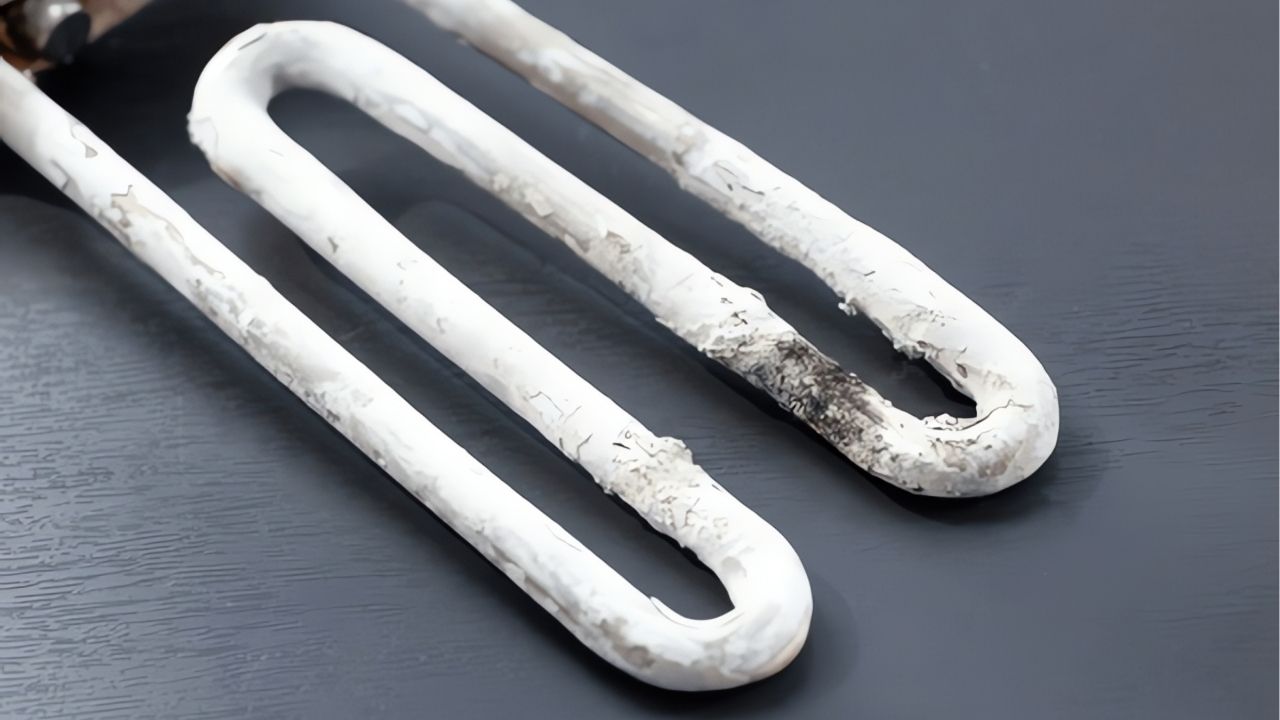
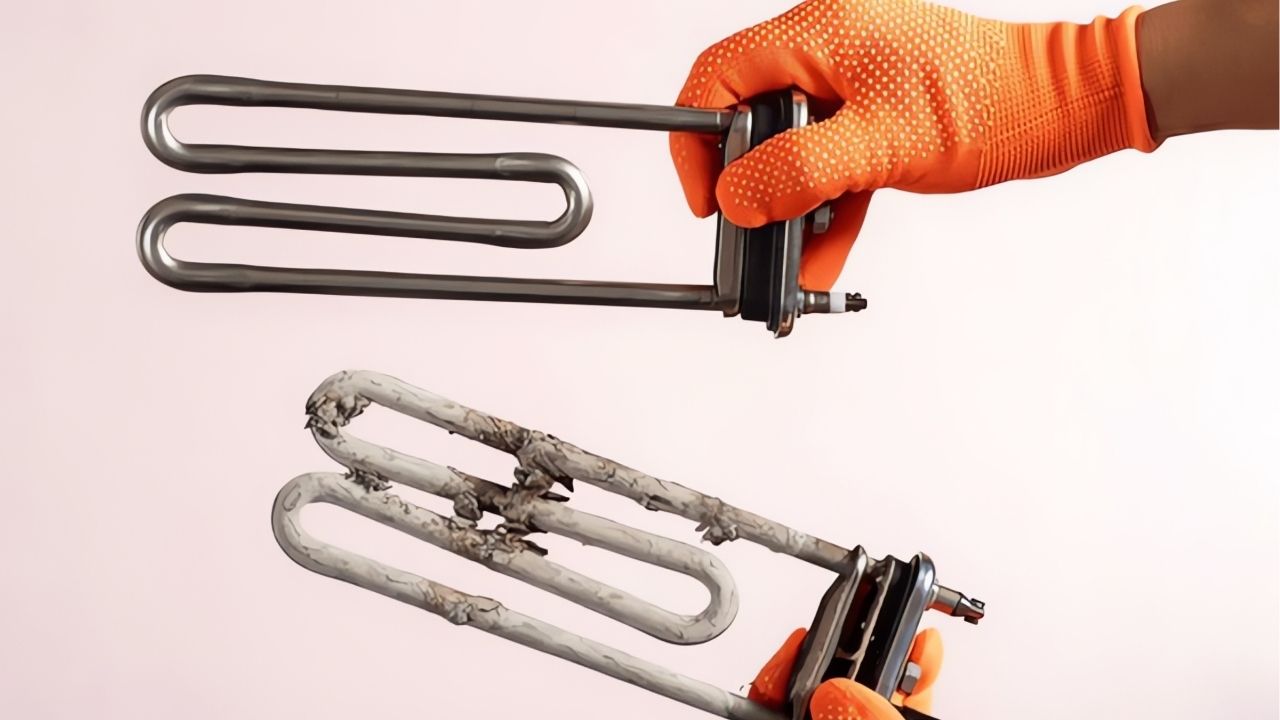
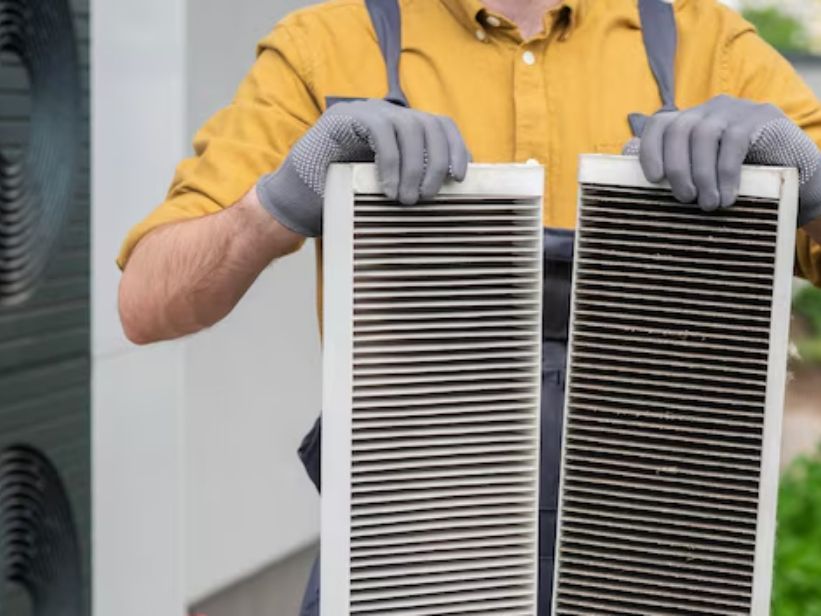
Scale, oil, dust or a biological layer that builds up on the heat exchanger surface adds an extra layer of resistance to heat transfer and, over time, leads to a visible drop in capacity. In finned tube heat exchangers, dust build-up and frosting restrict airflow, increasing the energy consumption of the fan while lowering capacity. In shell-and-tube types, scaling on the inner surface has a similar effect. For this reason a periodic cleaning program is an operating cost item that must not be overlooked when selecting a heat exchanger; types that are easy to dismantle and clean (shell-and-tube, gasketed plate) are preferred in applications prone to fouling.
When selecting a heat exchanger, the following technical parameters should be evaluated together:
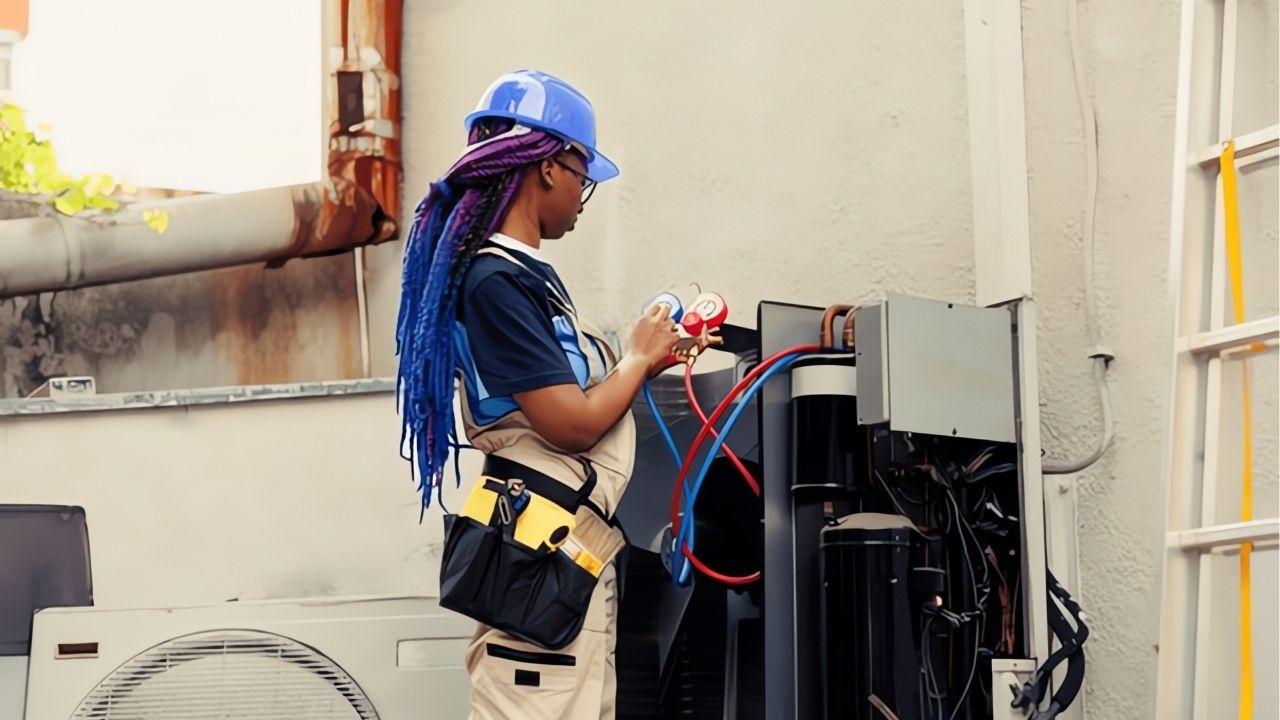
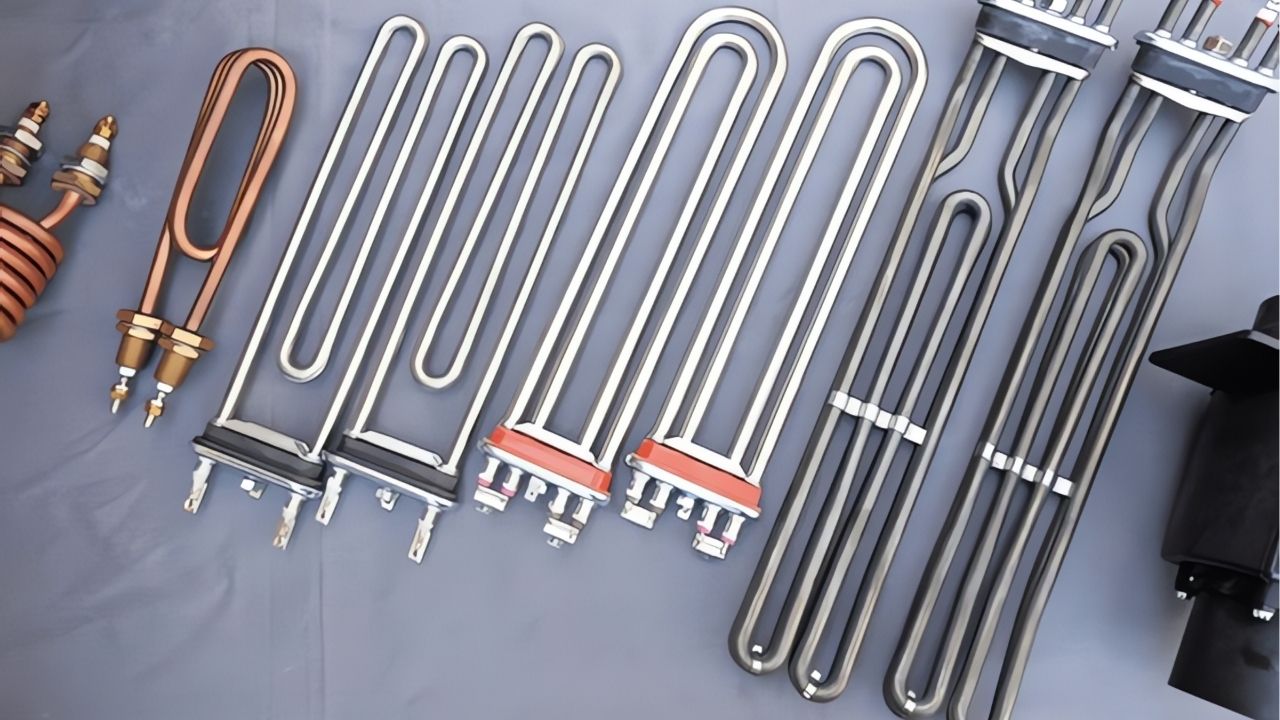
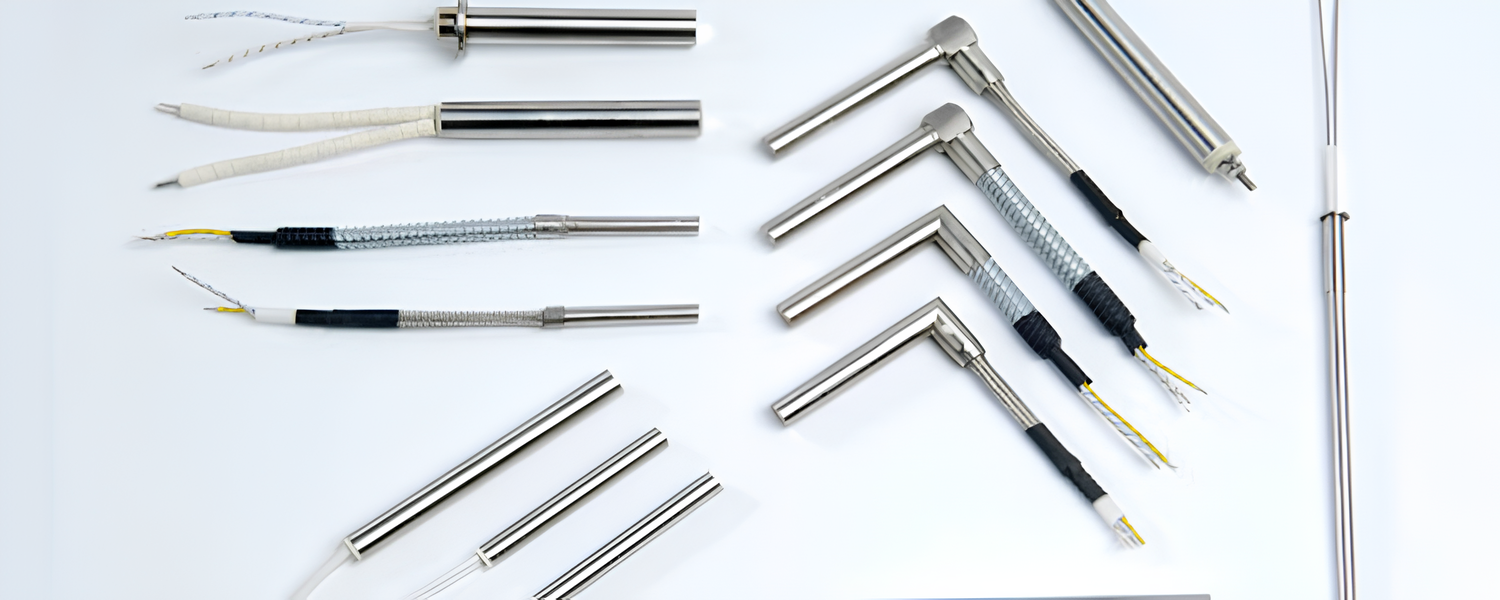
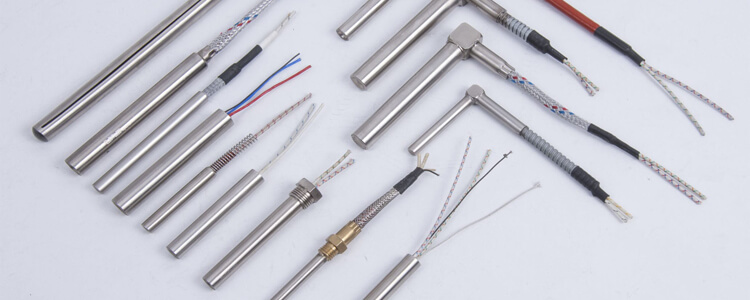
As a company that has been manufacturing refrigeration and heat transfer equipment for more than 40 years, we have seen in the field many times that these variables are interdependent and that the right choice cannot be made by looking at a single parameter. All the evaporator, condenser, axial fan and heater solutions we have produced throughout our corporate history are sized with this engineering logic. You can reach our entire product range on the products page.
The right heat exchanger type and capacity calculation vary with the project's operating temperature, fluid properties and site conditions; instead of a generic recommendation, an assessment based on concrete project data is needed. To discuss the technical requirements of your project with our engineering team, you can reach us through our contact page.
This content was updated on September 19, 2026.

Fill out the form to discover the most suitable high-end products for your projects. Contact Us Now.

Fill out the form now not to miss our special offers for you! The latest discover our products and innovations.
Fill out the form now not to miss our special offers for you! The latest discover our products and innovations.
Notification Centre 00:00